

Submitted:
10 July 2025
Posted:
11 July 2025
You are already at the latest version
Abstract
: The field of public health and disaster medicine has expanded considerably due to the intensifying effects of climate change, prompting policymakers to examine One Health policy responses. These professionals work within complex social-ecological systems connected to political actors and institutions that undermine climate justice by using systems thinking as analytical tools. Preparedness for climate change involves actions taken to plan and adapt to its One Health impacts. Surveillance strategies involving monitoring, research, and development are crucial for maintaining a stable workforce. The methods of this study utilized an exploratory qualitative design that followed the argumentation approach to climate justice, with the aim of assessing the extent to which the public health sector in a range of diverse countries is involved in developing and implementing climate adaptation policies related to disaster medicine and public health. The PRISMA guidelines for scoping review assessment are in line with the methodological quality checklist and the Cochrane risk of bias. This study presents data on climate and one-health adaptation, detailing how each action was addressed. The criteria for ranking a public health policy response to a climate crisis offer a unique opportunity to enhance future health outcomes and resource allocation. The risks and vulnerabilities of societies to climate impacts and emissions vary significantly by location, depending on local circumstances. The extent and speed of climatic changes are less agreed upon than the scoping of risks and vulnerabilities associated with them and the best strategies to cope with them and manage them overall with One Health.
Keywords:
One Health
; Disaster Medicine
; Environmental Factors
; Climate Justice
; Public Health & Policies
; Climate Change
Introduction
A serious and expanding hazard to human health is climate change [1]. Developing nations are expected to have the most severe health effects [2]. The most marginalized groups, which have the fewest resources and the ability to adapt, are disproportionately affected by climate change [3]. Therefore, climate justice and health equality must be considered when taking action to address climate change [4]. Climate justice-based policies that integrate One Health approaches to climate change adaptation should be implemented across all levels without delay [5]. To help authorities develop integrated, climate justice-based One Health adaptation strategies that address both direct and indirect health consequences as well as ecological implications, the authors provide an emerging agenda [6, 7]. Adaptation to climate change is a crucial worldwide policy problem where not enough progress has been made [8]. To date, the main goal of policy responses to climate change has been to minimize future climate change by lowering greenhouse gas emissions [9]. This strategy, known as mitigation, offers a solid foundation for analysis as long as emissions are increasing and unanticipated outcomes are possible [10]. In other words, climate change would not be as urgent or catastrophic if emissions could be reduced [11, 12]. Nevertheless, human emissions are increasing.
Climate change is expected to have a significant impact, and it would be extremely dangerous if the average world temperature rose by more than three to six degrees Celsius [13]. Most facets of human development in underdeveloped and impoverished nations are at risk from climate change [11]. Serious impacts at 1–2 degrees Celsius of warming are already evident; hence, there is a need to consider complementary adaptation policies as a means of addressing unavoidable climate change [14]. Adaptation is a fundamentally different approach to analysis than mitigation, and the need for double-loop systemic learning about justice factors consequential in One Health improvement is also underscored [15,16]. Systemic improvements in justice did not emerge, despite forum dialogue and adaptive governance leading to successful plans for food pathology improvements [17, 18].
The aim and scope of this study and its objectives are explored, and the One Health framework is a conceptual model that addresses justice concerns in adaptation policies by assessing justice components. It provides an organized model for handling the consequences of adaptation for justice and fairness, particularly in health-based adaptation-based policies. The scope of the One Health concept emerged because of growing awareness of the connections among human, animal, and environmental health. It aims to encompass distributive justice and recognition and can be evaluated through scope, types of equity, resource distribution, and level reactions or agency. The One Health approach typically increases the number of events addressed, decreases the time taken to address or solve events, or increases the severity of events, resulting in increased effectiveness of management interventions.
Materials and Methods
Methodology
Inclusion and Exclusion Criteria
This review was scoped via structured systematic literature searches and analyses focused on the health impacts of climate change adaptation and public health. Studies focusing on other research areas were excluded, and the review was narrowed down to papers on adaptation responses. Full-text screening was performed on relevant studies, with independent checks on inclusion decisions. The review required original research, peer-reviewed studies, and a focus on individuals.
Excluding narrative or system-based overviews, the review has be peer assessed by at two authors in this study's participate and contribute. Health outcomes focus on individuals, and prior systematic reviews of the same topic were excluded. One author generated a list of papers, and screening was checked by the author in both inclusion and exclusion decisions.
The search string [TITLE - ABSTRACT - KEY WORDS] was used to collect relevant documents, and an extracted file of bibliographic data was used to visualize the consensus networks of all areas affected by climate change over the past 20 years.
The selection process for the eight selected studies is summarized in the PRISMA flow chart diagram shown in Figure 2.
Quality Assessment of the Reviews
The findings of this scoping review were influenced by seven studies that met the proper inclusion criteria and had a low risk of bias. By utilizing the Robvis 2 risk-of-bias assessment figures tools, reviews must be included that fulfil a minimal quality threshold for the findings to be considered strong [58]. It is important to evaluate the review quality to prevent it from being impacted by unrelated factors and to concentrate on the caliber of the review's execution. As shown in Figure 3 and Figure 4, Robvis 2, which is also linked with the checklist as show in the Appendix 1., and the statement of the PRISMA [58, 59, 60], are the only instruments that has been approved for use in evaluating the methodological quality of scoping and systematic reviews.
The study has identified the research objectives and inclusion criteria, identified key words and compiled a comprehensive list of included studies. The comprehensive literature review involved searching databases, identifying key words, compiling a comprehensive list of criteria, and evaluating the included studies. The One Health concept focuses on understanding connections with climatic information for optimal adaptive solutions. Future studies should focus on local, regional, national, and international One Health system sensitivities, vulnerabilities, resilience, and environmental sustainability. The danger of bias tools was also discussed.
Statistical Analysis
The study analyses eight studies of the literature via a review that excludes mandatory, predatory and nonacademic publications while including a selection of studies. Forty-two pertinent publications and abstracts on climate Justice, Public Health, Disaster Medicine, and One Health approaches to policy solutions have been found in the English language via the search engines Scopus, PubMed, Google Scholar, and Web of Science. In addition, nine records identified from websites, networks, platforms of International Scientific Society’s, Associations and Organizations as the E.U. IANPHI, WHO, EEO, ECDC, EUPHA, IDLO, ASTMH, HIC, etc. Both the methodology of the literature suggestions and the methodology of the included studies were assessed as part of the present review examination of the reporting of statistical techniques and conclusions. For the eight studies that were ultimately selected, the review focused on rigorous methodologies and a detailed examination of the scope, diversity, and nature of the literature.
Data Challenges and Gaps
Database searches revealed few publications on the connections between disaster medicine and public health in One Health Adaptation Policies and climate justice. The majority of the publications were biomedical and human-centered. Undisturbed functioning and variety are essential for ecosystem resilience, and early warning systems must comprehend threshold effects and emergent responses. Adaptive management, which involves humans, animals, and vegetation, is frequently a practical approach for restoration. Participatory surveillance and improvement initiatives that are integrated and long-term engage all parties involved. Food security might be greatly enhanced by a One Health approach to climate change, which emphasizes animal-based foods, large-scale livestock systems, environmental sanitation, and community-based syndromic surveillance and response systems for newly developing illnesses linked to climate change.
Results of the Review and Discussion
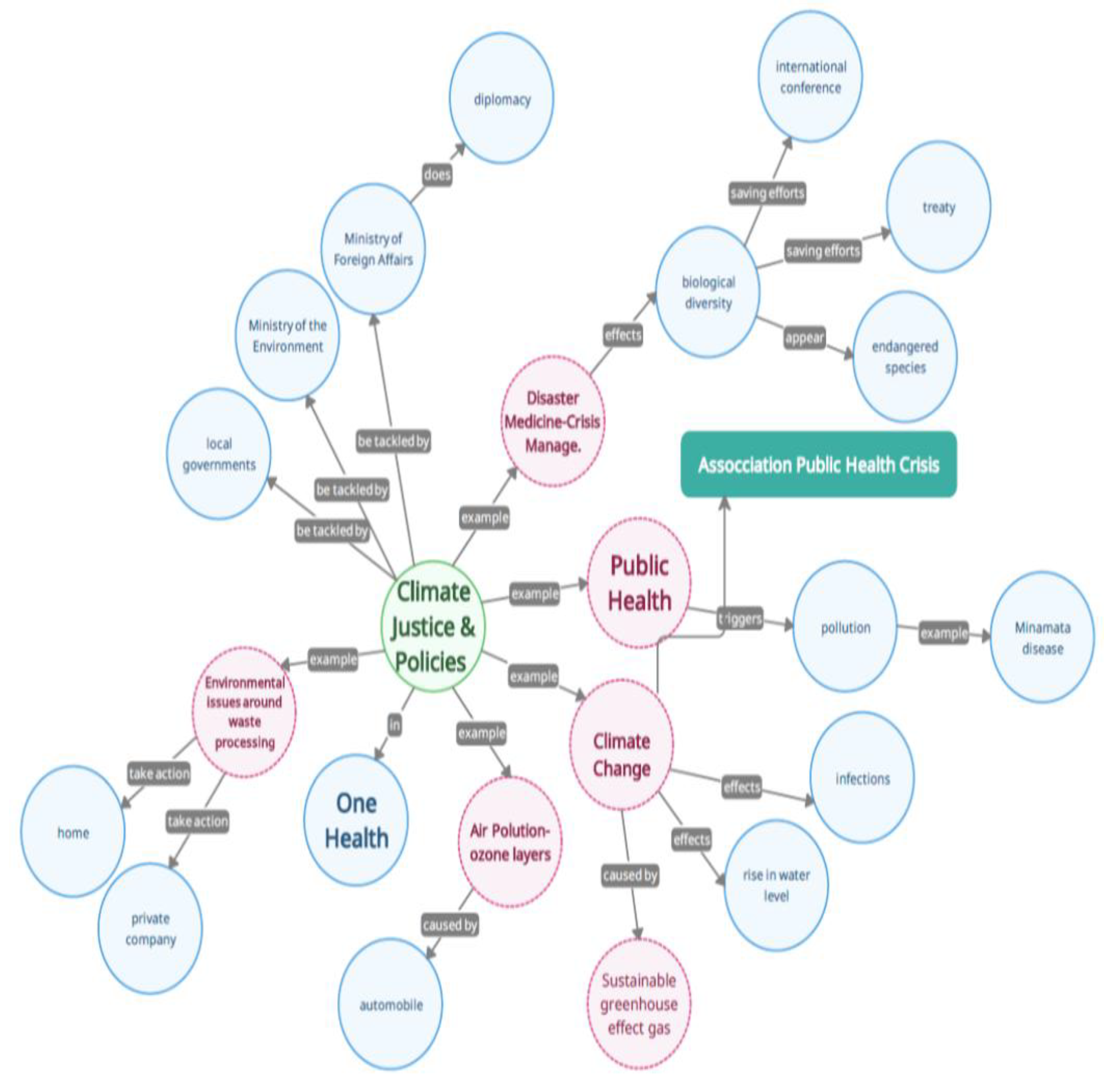
Climate change is a is a critical issue that demands immediate attention and coordinated action [19]. Public health policies are being reformulated to prioritize disaster risk prevention, a crucial aspect of climate justice [20]. These policies aim to reduce emissions and increase environmental sustainability, benefiting both health and sustainability [21]. The COVID-19 pandemic has highlighted the importance of health policy, measures, resulting in significant health improvements and reductions in inequity [22]. However, climate change inequity persists [23], with wealthy areas achieving greater public health gains than poverty-stricken areas do [24]. Despite this, there are many better locations for public health improvements, emphasizing the need for comprehensive and effective climate change adaptation strategies [25]. Climate change has significant impacts on health, with increased ill health and suffering being unequally distributed [26]. Social injustices have limited adaptation opportunities for marginalized communities [27]. The current literature lacks an understanding of how climate change impacts social justice and health equity [28]. Climate stressors are commonly evaluated using the exposure–vulnerability–impact model, and impacts, but the concepts of justice, equity, and health have not been effectively integrated [29]. Climate justice, under the umbrella of social justice, focuses on the distribution of rights, responsibilities, and responsive capabilities necessary for health [30]. The assessment of the impacts of climate change on health must be based on social justice principles, which require models and frameworks for researchers and policymakers [31]. Extreme weather events, starvation, mental disease, respiratory conditions, violence, and migration are just a few examples of complex health effects that ripple across social structures [32, 33]. Impacts are more likely to affect marginalized groups, whose public health services are least equipped to handle them [34]. With direct cobenefits for public health such as owner air pollution and more active mobility [35], climate change action may also greatly accelerate health equality and justice [36]. There are similarities between climate justice and health equity and justice [37], such as unequal risk distribution and disparities in adaptive ability, with marginalized populations enduring most of the consequences yet bearing the least responsibility, and the key role in monitoring and preventing air pollution is correlated with climate change [38]. According to the results presented in Figure 1, there is a lack of integration between the health sector's engagement in climate adaptation and national climate adaptation policies, which poses a danger to the health outcomes of people worldwide. In regard to research, policy, and practice, the need to address the effects of climate change on health is sometimes disregarded in favour of the health sector's climate mitigation and health in climate change discussions. Climate justice with global and local governance and government management with the policy adoption of regulations, tools, and guidelines affects and controls the global population's public health risk factors adoption with adverse impacts. Climate change and extreme weather events are directly correlated with public health and are associated with global crises. Minimizing air pollution plays a central role issues such as waste, water, and wastewater reuse processing and management. The strengths of risk assessment tools and inspections should be increased to prevent and control overall crises with holistic scientific fields of disaster medicine, especially with One Health. The results of the overall search included in the scoping review provide the correlations and associations from the key factors of the literature included in this study, as shown in the Figure 1.
Figure 1.
The correlations and associations constitute the key factors of the literature reviews included in this study.
Figure 1.
The correlations and associations constitute the key factors of the literature reviews included in this study.
Challenges in Implementing Adaptation Policies and Regulations
Global temperatures are increasing rapidly, prompting urgent actions to limit the increase to 1.5–2 °C above preindustrial levels [39, 40]. Health adaptation planning and actions are crucial for addressing the immediate challenges posed by climate change and reducing vulnerability and future exposure [41]. If global warming is limited to 1.5 °C, health impacts are projected to be less severe than with an increase of 2 °C or more [42]. The current gap in health sector adaptation policies across all levels of governance in South Africa hinders transformational change towards resilience to climate change [43]. Health impacts are a pressing issue within the context of the climate crisis, and health adaptation is urgent and must be addressed in the short term [44], with or without climate mitigation [45]. Climate adaptation at the subnational level is determined by local government actions, with a focus on disaster risk reduction in low- and middle-income countries [46]. Every international health organization has the chance to take climate action through the concepts of climate justice, and a "just transition" ought to direct our activities provided by the American Society of Tropical Medicine and Hygiene (ASTMH) [47]. High-income nations (HICs) must quickly decarbonize to lessen the worst consequences of climate change since, historically, they have contributed the most greenhouse gases to the environment [47]. Women rely heavily on informal governance structures for accessing natural resources, reinforcing patriarchal norms and power relations, and to ensure equal justice, inclusive climate laws, and women's participation in decision-making, a gender-transformative approach is needed, with a focus on equality and non-discrimination [48,49]. Climate justice involves gender-inclusive legal, institutional, and regulatory processes for climate and biodiversity, empowering women and girls to develop and implement gender-just climate solutions at all levels, as reported by the International Development Law Organization (IDLO) Policy Brief [50]. The impacts of climate change are causing significant social and environmental damage, necessitating a comprehensive approach to adaptation and mitigation strategies to mitigate potential harm and ensure sustainable development [51]. The Policy and Policies must balance maintaining societal objectives, allowing compromises, and managing potential consequences, ensuring responsible environmental management and a sustainable future in the context of One Health [51, 52]. The International Association of National Public Health Institutes (IANPHI) aims to increase training, competency, and capacity among National Public Health Institutes (NPHIs) in response to heat-related health concerns [53]. The schools of the environment and public health aim to enhance public health professionals' understanding and competence [54]. The World Health Organization (WHO) Europe Working Group Health in Climate Change (HIC) promotes communication and collaboration among nations in the WHO European Region [55]. The European Climate and Health Observatory (EEO) aims to equip public agencies to predict and avoid health risks associated with climate change [56]. Climate-resilient pathways require management that prioritizes iterative monitoring, and sustainable development objectives reduce disaster risk, promote adaptive management, and increase human livelihoods and social and economic well-being. Enhancing the incorporation of indigenous environmental expertise specific to Copernicus, the Earth observation component of the E. U. Space program, involves the impacted communities in adaptation planning and promotes candid conversations about political issues and values that influence responses [57]. The review of the chosen studies was carried out in order to glance at the primary results and highlight several important findings, as shown in Table 1. It is crucial to assess the review quality to keep it from being influenced by irrelevant factors and to focus on the quality of the review's execution.
Policy Responses to Climate Justice Associated with One Health
Assessment frameworks play a crucial role in assessing health risks and vulnerabilities posed by climate change. These frameworks should be standardized and tailored to make it easier for outbreak response professionals to conduct assessments. To ensure social equity, a combined framework should be developed that lists best practices for community engagement and common decision points for each vulnerability assessment.
Additionally, education and training on the application of a standardized framework should be provided to local health departments, as the complexity of assessing vulnerability and health risks can be daunting. A 1–3-hour online training module should be developed around mid-2025 to provide practical and logistical instructions for the application of a selected standardized framework. This will help ensure that vulnerable populations are not overlooked in vulnerability assessments.
Recommendations, future research directions, and limitations
Although a substantial body of literature documenting numerous aspects of the negative consequences of climate change has been published, the body of literature focused on addressing ethical obligations concerning adaptation measures has been less well developed. This systematic literature review analysed the peer-reviewed literature addressing climate justice and One Health adaptation policies. Gaps in the current literature were identified, limitations of the current review and suggestions for future research were articulated, and implications for action were noted.
This study suggests future research on climate-compatible food and nutrition system policies; examining cultural, social, and behavioural dimensions to overcome barriers to policy implementation; assessing community-driven climate adaptation; evaluating local governments' capacity to co create climate justice evidence and actions; and mapping existing actors for climate justice accountability mechanisms. Regarding the scope of this research, there were limitations in the jurisdictional confines and the participant pool, limiting the heterogeneity of the sample. The sample specifically focused only on high-level representatives of organizations relevant to climate adaptation policies, such as top executives or legislative assistants, who help shape climate policies. Using a larger sample of appropriately diverse and more numerous stakeholder groups in jurisdictions would yield more nuanced and insightful data on climate justice and health equity. Future examinations of the groups not included in this study may also be beneficial.
Conclusion
This study’s findings are based on document analyses of climate-related health and adaptation policies, and climate adaptation policies across dozens of countries conducted in both collaborative research projects and individual research projects. As a result of unfair global health systems and anthropogenic interactions with the environment, climate crises highlight the importance of research capacity to better prepare for and adapt to rare threats originating from the physical-human-biological environment, and prevent future pandemics.
For many years, researchers and practitioners have focused on heat-health warning systems as an effective method to prevent fatalities and lessen the effects of climate change. Examining the implementation of climate justice principles can enhance disaster resilience and public health.
In addition to increasing awareness of the connections between climate change and public health, particularly health inequities, governments in the environment, health, and other sectors must collaborate to address these concerns at all levels, at all levels—from local to global.
Author Contributions
I.A., N.S., K.D., and M.K. designed the study and wrote the manuscript; I.A., N.S., K.D., and M.K. performed the study, wrote and revised the manuscript, analysed the data, and edited the manuscript. The I.A. project administration conceived and supervised the study. All the authors read and approved the final manuscript.
Funding
This work was carried out without any financial support or other funding.
Institutional Review Board Statement
Not applicable
Informed Consent Statement
Not applicable
Acknowledgements
Additionally, we would like to express our appreciation to the Editor-in-Chief, Editors, and reviewers for their valuable feedback and insightful suggestions for improving this article.
Conflicts of Interest
The authors declare that they have no competing interests.
Abbreviations
| IANPHI | International Association of National Public Health Institutes |
| EEO | European Climate and Health Observatory |
| ECDC | European Centre for Disease Prevention and Control |
| HIC | Health in climate change |
| NPHI | National Public Health Institutes |
| EUPHA | European Public Health Association |
| E.U. | European Union |
| WHO | World Health Organization |
| PRISMA | Preferred Reporting Items for Systematic and Met-analysis |
| IDLO | International Development Law Organization |
| ASTMH | American Society of Tropical Medicine and Hygiene |
References
- Ali, S.; Khan, Z.A.; Azhar, M.; Raheem, I. Investigating the Disproportionate Effects of Climate Change on Marginalized Groups and the Concept of Climate Justice in Policy-Making. Rev. Educ. Adm. LAW 2024, 7, 369–381. [Google Scholar] [CrossRef]
- Ngcamu, B.S. Climate change effects on vulnerable populations in the Global South: a systematic review. Nat. Hazards 2023, 118, 977–991. [Google Scholar] [CrossRef]
- Dorkenoo, K.; Scown, M.; Boyd, E. A critical review of disproportionality in loss and damage from climate change. WIREs Clim. Chang. 2022, 13. [Google Scholar] [CrossRef]
- Deivanayagam, T.A.; English, S.; Hickel, J.; Bonifacio, J.; Guinto, R.R.; Hill, K.X.; Huq, M.; Issa, R.; Mulindwa, H.; Nagginda, H.P.; et al. Envisioning environmental equity: climate change, health, and racial justice. Lancet 2023, 402, 64–78. [Google Scholar] [CrossRef] [PubMed]
- Odeku, KO. Climate injustices due to the unequal and disproportionate impacts of climate change. Perspectives of Law and Public Administration. 2022.
- Smith, G.S.; Anjum, E.; Francis, C.; Deanes, L.; Acey, C. Climate Change, Environmental Disasters, and Health Inequities: The Underlying Role of Structural Inequalities. Curr. Environ. Heal. Rep. 2022, 9, 80–89. [Google Scholar] [CrossRef] [PubMed]
- Khine, M.M.; Langkulsen, U. The Implications of Climate Change on Health among Vulnerable Populations in South Africa: A Systematic Review. Int. J. Environ. Res. Public Heal. 2023, 20, 3425. [Google Scholar] [CrossRef] [PubMed]
- Farley, M. Making the connections: resource extraction, prostitution, poverty, climate change, and human rights. Int. J. Hum. Rights 2021, 26, 1032–1055. [Google Scholar] [CrossRef]
- Tonn, B.; Hawkins, B.; Rose, E.; Marincic, M. A futures perspective of health, climate change and poverty in the United States. Futures 2021, 131. [Google Scholar] [CrossRef]
- Ahmed, S.; Eklund, E. Climate change impacts in coastal bangladesh: migration, gender and environmental injustice. Asian Aff. 2021, 52, 155–174. [Google Scholar] [CrossRef]
- Yael Wright C, Eleanor Moore C, Chersich M, Hester R et al. A Transdisciplinary Approach to Address Climate Change Adaptation for Human Health and Well-Being in Africa. 2021.
- Nguyen, T.T.; Grote, U.; Neubacher, F.; Rahut, D.B.; Do, M.H.; Paudel, G.P. Security risks from climate change and environmental degradation: implications for sustainable land use transformation in the Global South. Curr. Opin. Environ. Sustain. 2023, 63. [Google Scholar] [CrossRef]
- Birkmann J, Liwenga E, Pandey R, Boyd E, Djalante R, Gemenne F, Leal Filho W, Pinho P, Stringer L, Wrathall D. Poverty, livelihoods and sustainable development.
- Campbell-Lendrum, D.; Neville, T.; Schweizer, C.; Neira, M. Climate change and health: three grand challenges. Nat. Med. 2023, 29, 1631–1638. [Google Scholar] [CrossRef] [PubMed]
- Kimuli, J.B.; Di, B.; Zhang, R.; Wu, S.; Li, J.; Yin, W. A multisource trend analysis of floods in Asia-Pacific 1990–2018: Implications for climate change in sustainable development goals. Int. J. Disaster Risk Reduct. 2021, 59. [Google Scholar] [CrossRef]
- Soergel, B.; Kriegler, E.; Bodirsky, B.L.; Bauer, N.; Leimbach, M.; Popp, A. Combining ambitious climate policies with efforts to eradicate poverty. Nat. Commun. 2021, 12, 1–12. [Google Scholar] [CrossRef] [PubMed]
- Buhaug H, Von Uexkull N. Vicious circles: violence, vulnerability, and climate change. Annual Review of Environment and Resources. 2021 Oct 18; 46(1):545-68.
- Romanello M, McGushin A, Di Napoli C, Drummond P, Hughes N, Jamart L, Kennard H, Lampard P, Rodriguez BS, Arnell N, Ayeb-Karlsson S. The 2021 report of the Lancet Countdown on health and climate change: code red for a healthy future. The Lancet. 2021 Oct 30; 398(10311):1619-62.
- Adua, L. Super polluters and carbon emissions: Spotlighting how higher-income and wealthier households disproportionately despoil our atmospheric commons. Energy Policy 2022, 162. [Google Scholar] [CrossRef]
- Glennerster, R.; Jayachandran, S. Think Globally, Act Globally: Opportunities to Mitigate Greenhouse Gas Emissions in Low- and Middle-Income Countries. J. Econ. Perspect. 2023, 37, 111–135. [Google Scholar] [CrossRef]
- Hamilton, I.; Kennard, H.; McGushin, A.; Höglund-Isaksson, L.; Kiesewetter, G.; Lott, M.; Milner, J.; Purohit, P.; Rafaj, P.; Sharma, R.; et al. The public health implications of the Paris Agreement: a modelling study. Lancet Planet. Heal. 2021, 5, e74–e83. [Google Scholar] [CrossRef] [PubMed]
- Armstrong, C.; McLaren, D. Which Net Zero? Climate Justice and Net Zero Emissions. Ethic- Int. Aff. 2022, 36, 505–526. [Google Scholar] [CrossRef]
- Verschuuren, J. Achieving agricultural greenhouse gas emission reductions in the EU post-2030: What options do we have? Rev. Eur. Comp. Int. Environ. Law 2022, 31, 246–257. [Google Scholar] [CrossRef]
- Whitmee, S.; Green, R.; Belesova, K.; Hassan, S.; Cuevas, S.; Murage, P.; Picetti, R.; Clercq-Roques, R.; Murray, K.; Falconer, J.; et al. Pathways to a healthy net-zero future: report of the Lancet Pathfinder Commission. Lancet 2023, 403, 67–110. [Google Scholar] [CrossRef] [PubMed]
- Sovacool, B.K.; Newell, P.; Carley, S.; Fanzo, J. Equity, technological innovation and sustainable behaviour in a low-carbon future. Nat. Hum. Behav. 2022, 6, 326–337. [Google Scholar] [CrossRef] [PubMed]
- Adamopoulos, I.P.; Syrou, N.F.; Mijwil, M.; Thapa, P.; Ali, G.; Dávid, L.D. Quality of indoor air in educational institutions and adverse public health in Europe: A scoping review. Electron. J. Gen. Med. 2025, 22, em632. [Google Scholar] [CrossRef] [PubMed]
- Liamputtong P, Rice ZS. Health and illness. InThe Routledge Handbook of Global Development 2022 Jan 31 (pp. 469-479). Routledge.
- Amoateng, A.Y.; Biney, E.; Ewemooje, O.S. Social determinants of chronic ill-health in contemporary South Africa: a social disadvantage approach. Soc. Sci. J. 2021, 61, 653–667. [Google Scholar] [CrossRef]
- Karapliagkou, A. Compassionate communities: Working with marginalized populations. Collaborative Practice in Palliative Care. 2021.
- Mezzina R, Gopikumar V, Jenkins J, Saraceno B, Sashidharan SP. Social vulnerability and mental health inequalities in the “Syndemic”: Call for action. Frontiers in psychiatry. 2022 May 30; 13:894370.
- Borras, A.M. Toward an Intersectional Approach to Health Justice. Int. J. Heal. Serv. 2020, 51, 206–225. [Google Scholar] [CrossRef] [PubMed]
- Bejaković, P.; Škare, M.; Družeta, R.P. Social exclusion and health inequalities in the time of COVID-19. Technol. Econ. Dev. Econ. 2021, 27, 1563–1581. [Google Scholar] [CrossRef]
- Putsoane, T.; Bhanye, J.I.; Matamanda, A. Extreme weather events and health inequalities: Exploring vulnerability and resilience in marginalized communities. Dev. Environ. Sci. 2024, 15, 225–248. [Google Scholar]
- Nayna Schwerdtle P, Irvine E, Brockington S, Devine C et al. ‘Calibrating to scale: a framework for humanitarian health organizations to anticipate, prevent, prepare for and manage climate-related health risks’. 2020.
- Adamopoulos, I.; Frantzana, A.; Syrou, N. Climate Crises Associated with Epidemiological, Environmental, and Ecosystem Effects of a Storm: Flooding, Landslides, and Damage to Urban and Rural Areas (Extreme Weather Events of Storm Daniel in Thessaly, Greece). Med. Sci. Forum 2024, 25, 7. [Google Scholar]
- Adamopoulos, I.; Frantzana, A.; Adamopoulou, J.; Syrou, N. Climate Change and Adverse Public Health Impacts on Human Health and Water Resources. Environ. Sci. Proc. 2023, 26, 178. [Google Scholar]
- Malik, I.H.; Ford, J.D. Monitoring climate change vulnerability in the Himalayas. AMBIO 2024, 54, 1–19. [Google Scholar] [CrossRef] [PubMed]
- Adamopoulos, I.; Syrou, N. Climate Change, Air Pollution, African Dust Impacts on Public Health and Sustainability in Europe. Eur. J. Public Heal. 2024, 34. [Google Scholar] [CrossRef]
- V Quintana A, H Mayhew S, Kovats S, Gilson L. A story of (in) coherence: climate adaptation for health in South African policies. 2024.
- Jones, A. The health impacts of climate change: why climate action is essential to protect health. Orthop. Trauma 2022, 36, 248–255. [Google Scholar] [CrossRef]
- Gautam S, Gautam AS, Awasthi A, N R. The Urgency of Action. In Sustainable Air: Strategies for Cleaner Atmosphere and Healthier Communities 2024 Nov 28 (pp. 21-26). Cham: Springer Nature Switzerland.
- Søvold, L.E.; Naslund, J.A.; Kousoulis, A.A.; Saxena, S.; Qoronfleh, M.W.; Grobler, C.; Münter, L. Prioritizing the Mental Health and Well-Being of Healthcare Workers: An Urgent Global Public Health Priority. Front. Public Heal. 2021, 9, 679397. [Google Scholar] [CrossRef] [PubMed]
- Abbas, J. Crisis management, transnational healthcare challenges and opportunities: The intersection of COVID-19 pandemic and global mental health. Res. Glob. 2021, 3, 100037–100037. [Google Scholar] [CrossRef]
- Health Organization, W. Global Accelerated Action for the Health of Adolescents (AA-HA!): guidance to support country implementation. 2023.
- Benton, T.D.; Boyd, R.C.; Njoroge, W.F. Addressing the Global Crisis of Child and Adolescent Mental Health. JAMA Pediatr. 2021, 175, 1108–1110. [Google Scholar] [CrossRef] [PubMed]
- Hickman, C.; Marks, E.; Pihkala, P.; Clayton, S.; Lewandowski, R.E.; Mayall, E.E.; Wray, B.; Mellor, C.; van Susteren, L. Climate anxiety in children and young people and their beliefs about government responses to climate change: a global survey. Lancet Planet. Health 2021, 5, e863–e873. [Google Scholar] [CrossRef] [PubMed]
- American Society of Tropical Medicine and Hygiene (ASTMH) Green Task Force members, Dumre, S. P., LaBeaud, A. D., Ehrlich, H., Vazquez Guillamet, L. J., Ondigo, B. N., Sadarangani, S. P., Wamae, C. N., & Whitfield, K. (2022). Why Climate Action Is Global Health Action. The American journal of tropical medicine and hygiene, 107(3), 500–503.
- International Development Law Organization, “Women, Food, Land: Exploring Rule of Law Linkages”, (2017), [accessed 25 June 2025] available at: https://www.idlo.int/publications/women-food-land-exploring-rule-law-linkages-0.
- UNFCCC COP20 adopted the Lima Work Programme on Gender (subsequently renewed) to promote gender balance and achieve gender-responsive climate policy”; see UNFCCC, “The Enhanced Lima Work Programme on Gender”, [accessed 25 June 2025] available at: https://www.idlo.int/sites/default/files/pdfs/publications/a_rule_of_law_approach_to_feminist_climate_action.pdf.
- IDLO’s Policy Brief Climate Justice: A Rule of Law Approach for Transformative Climate Action highlights three key elements of achieving transformative climate action through the rule of law, 2021: [accessed 25 June 2025] available at: https://www.idlo.int/publications/climate-justice-rule-law-approach-transformative-climate-action.
- EPA. (2023). Climate Adaptation and EPA’s role. [Accessed June 25, 2025] at: https://www.epa.gov/climate-adaptation/climate-adaptation-and-epas-role.
- IPCC, 2014: Climate Change 2014: Impacts, Adaptation, and Vulnerability. Part A: Global and Sectoral Aspects. Contribution of Working Group II to the Fifth Assessment Report of the Intergovernmental Panel on Climate Change Field, C.B., V.R. Barros, D.J. Dokken, K.J. Mach, M.D. Mastrandrea, T.E. Bilir, M. Chatterjee, K.L. Ebi, Y.O. Estrada, R.C. Genova, B. Girma, E.S. Kissel, A.N. Levy, S. MacCracken, P.R. Mastrandrea, and L.L.White. Cambridge University Press, Cambridge, United Kingdom and New York, NY, USA, chapter 20, 1101-1132 pp. [Accessed June 25, 2025] at: https://www.ipcc.ch/site/assets/uploads/2018/02/WGIIAR5-PartA_FINAL.pdf.
- IANPHI (2021) Survey Results: The Role of National Public Health Institutes in Climate Change Adaptation and Mitigation, Public Health Institutes of the World, IANPHI – International Association of National Public Health Institutes. [Accessed June 25, 2025] at: https://ianphi.org/news/2021/roadmap-climate-change.html.
- WHO (2021) WHO health and climate change global survey report, World Health Organization. [Accessed June 25, 2025] at: https://www.who.int/publications/i/item/9789240038509.
- Organized by: Robert Koch Institute, IANPHI (France), & Chairpersons: Angela Fehr (Germany), Sébastien Denys (France). 4. E. Workshop: The role of National Public Health Institutes and IANPHI as Key Climate Actors. Eur. J. Public Health 2022, 32 Suppl. 3, ckac129.223. [CrossRef]
- EEO, The methodology of the survey and the detailed results are available in the background document (European Climate and Health Observatory, 2024). Web report no. 20/2024 Title: The impacts of heat on health: surveillance and preparedness in Europe. EN HTML: TH-01-24-019-EN-Q - ISBN: 978-92-9480-696-3 - ISSN: 2467-3196 - doi: 10.2800/8167140. [Accessed June 25, 2025] at: https://www.eea.europa.eu/en/analysis/publications/the-impacts-of-heat-on-health.
- Alba, R.; Klepp, S.; Bruns, A. Environmental justice and the politics of climate change adaptation – the case of Venice. Geogr. Helvetica 2020, 75, 363–368. [Google Scholar] [CrossRef]
- McGuinness, L.A.; Higgins, J.P.T. Risk-of-bias VISualization (robvis): An R package and Shiny web app for visualizing risk-of-bias assessments. Res. Synth. Methods 2021, 12, 55–61. [Google Scholar] [CrossRef] [PubMed]
- Page, M.J.; McKenzie, J.E.; Bossuyt, P.M.; Boutron, I.; Hoffmann, T.C.; Mulrow, C.D.; Shamseer, L.; Tetzlaff, J.M.; Akl, E.A.; Brennan, S.E.; et al. The PRISMA 2020 statement : an updated guideline for reporting systematic reviews. BMJ 2021, 372, 71. [Google Scholar] [CrossRef] [PubMed]
- Tricco, A. C.; Lillie, E.; Zarin, W.; O’Brien, K. K.; Colquhoun, H.; Levac, D.; Moher, D.; Peters, M. D. J.; Horsley, T.; Weeks, L.; et al. PRISMA Extension for Scoping Reviews (PRISMA-ScR): Checklist and Explanation. Ann. Intern. Med. 2018, 169, 467–473. [Google Scholar] [CrossRef] [PubMed]
Figure 2.
The flow chart diagram PRISMA of the selected studies included in the scoping review.
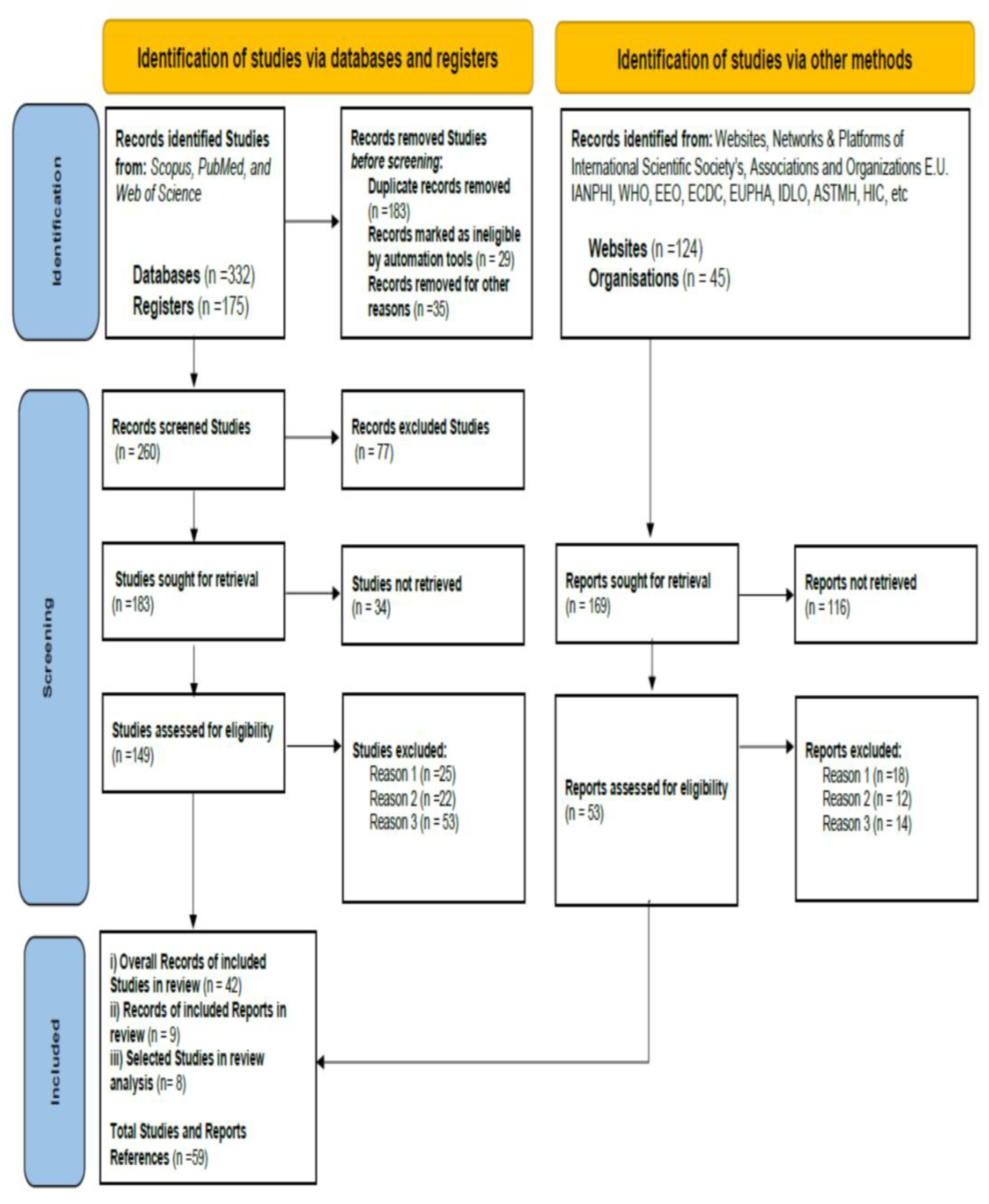
Figure 3.
Traffic‒light plot of the risk of bias of the domain studies included.
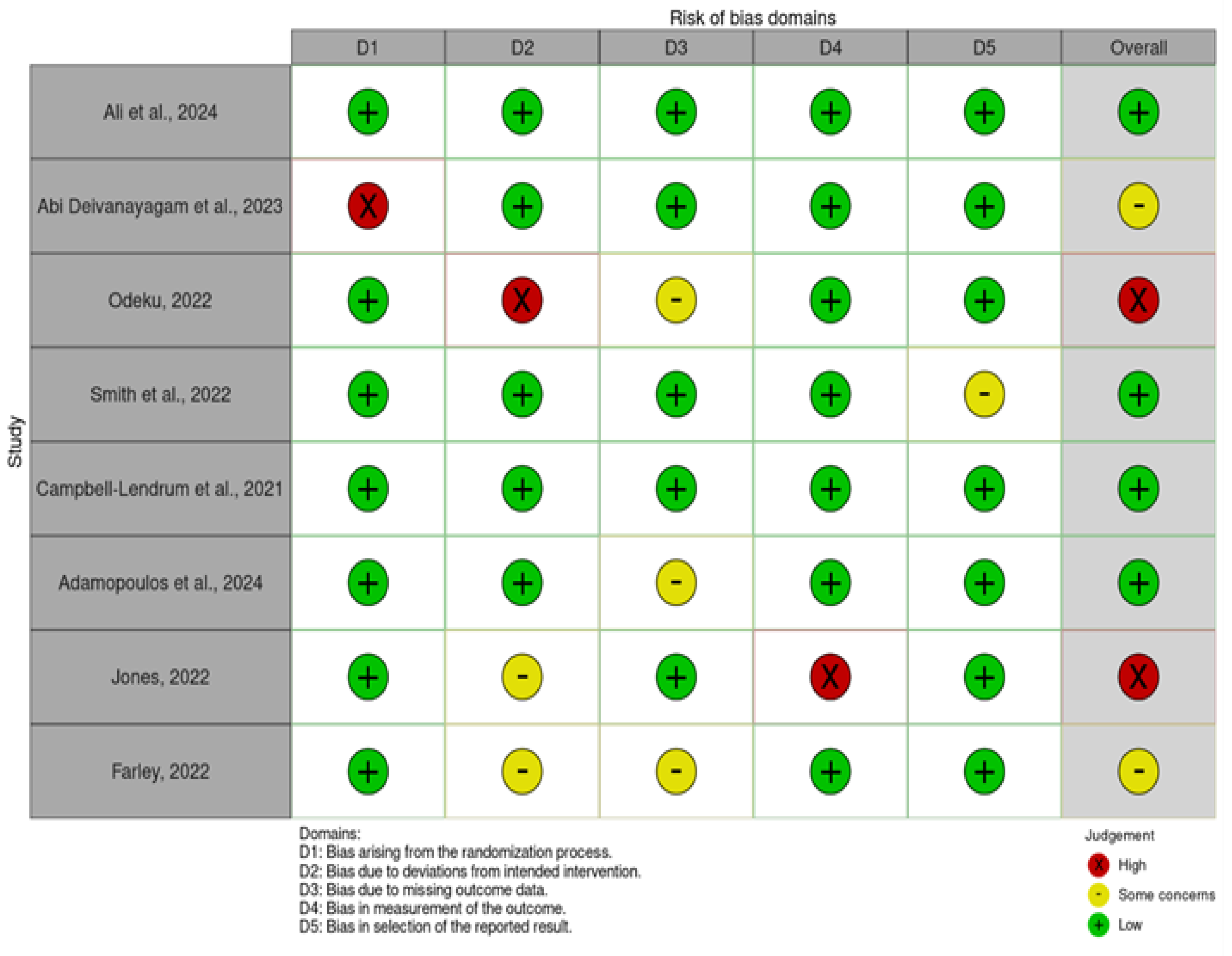
Figure 4.
Summary plot of the risk of bias of studies included in the scoping review.
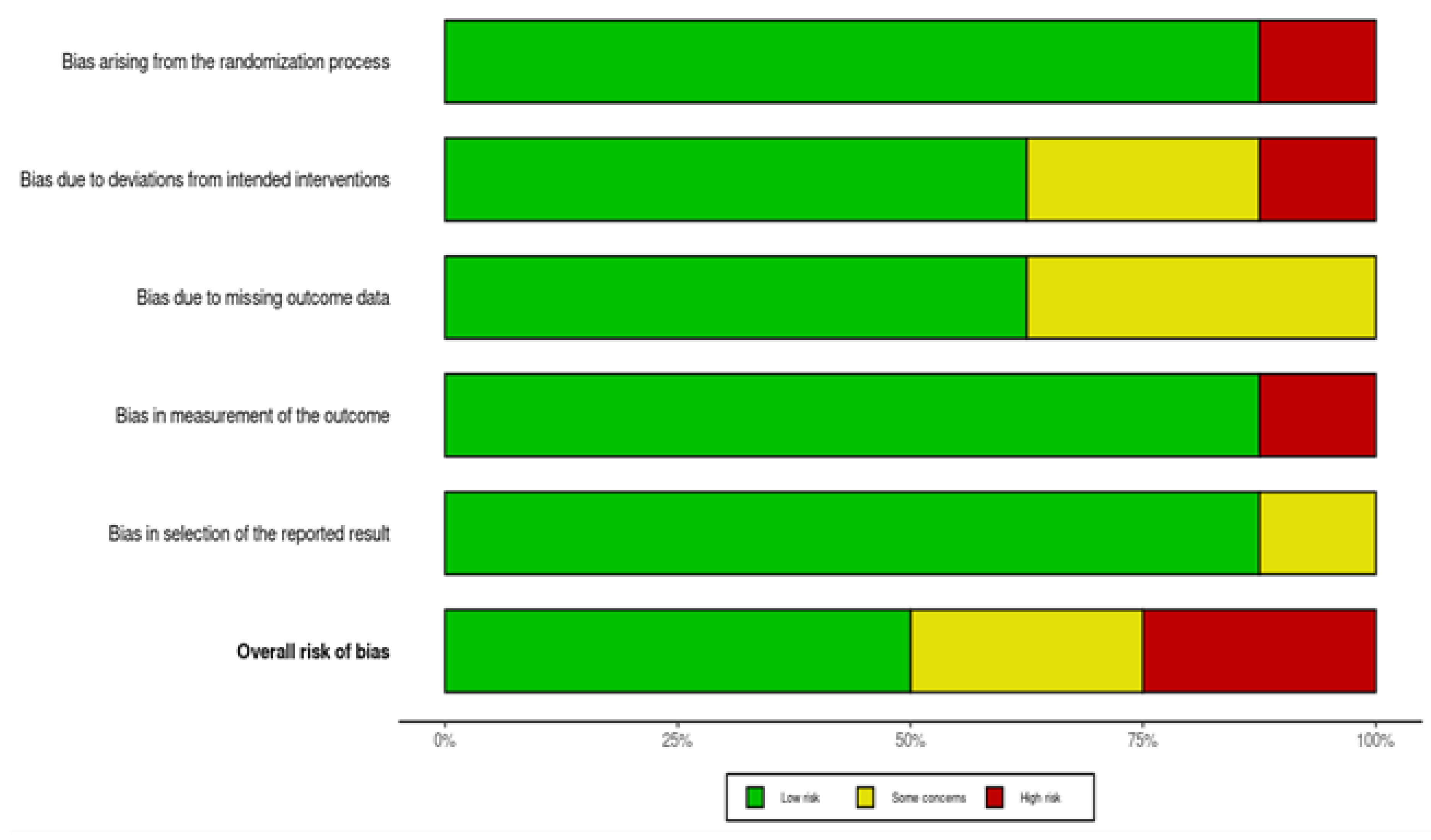

Table 1.
A review of the selected studies conducted to examine the primary results and highlight several key findings.
Table 1.
A review of the selected studies conducted to examine the primary results and highlight several key findings.
| Authors /Year of publication/Cite | Title |
Aim/ Study Purpose |
Overall Samples Risk of Quality Assessment | Methodology | Results/ Relevant Findings/ Outcome Measures | |
| 1 |
Ali et al., 2024 [1] |
Investigating the Disproportionate Effects of Climate Change on Marginalised Groups and the Concept of Climate Justice in Policymaking. | This study aimed to identify and examine the body of research on several sectoral pieces of evidence that affect the environment throughout Pakistan. This thorough study seeks to assess the consequences of climate change from a sociocentric perspective. | Low |
Comprehensive Review study | The study found that the research suggested that governmental interference is essential for the sustainable development of the country through strict accountability of resources and regulation implemented in the past for generating state-of-the-art climate policy. The findings of the review suggested that GHG emissions cause climate change, which has affected agriculture, livestock and forestry, weather trends and patterns, food, water and energy security, and the society of Pakistan. |
| 2 | Abi Deivanayagam et al., 2023 [4] | Envisioning environmental equity: climate change, health, and racial justice | The Health Policy has three primary aims: to highlight the unequal health impacts of climate change due to racism, xenophobia, and discrimination, historical responsibility between countries, and the interplay between climate change, health, and discrimination in affected areas globally. | Some concerns | A mixed-method approach to measures, scoping review multi-method approach to tackle three central aims. | This study revealed significant results in many circumstances. Indigenous people, migrants, and racially marginalised groups bear an unfair share of the cost of disease and mortality brought on by climate change. The findings of this article draw attention to disparities in accountability for climate change and its consequences. Outcome Measures are responsible for climate change, as well as the estimated mortality and illness risk attributed to climate change per 100,000 people in 2050, geographically. |
| 3 | Odeku, 2022 [5] | Climate Injustice due to the unequal and disproportionate impacts | The aim of this study argue that developed industrialised countries are primarily responsible for climate change due to their massive greenhouse gas emissions from their industrial activities. It calls for justice to provide adaptation and mitigation measures through international law instruments and COP agreements. | High | Review study | The results and the relevant findings upon climate injustice are primarily caused by rich developed countries, who contribute to global warming through aggressive industrialisation and competition. To achieve climate justice, international organisations should implement emission reduction strategies and promote zero-emission treaties. Fair and equal distribution of climate burden among countries, rich industrialised countries assisting poor countries and sharing the benefits. |
| 4 | Smith et al., 2022 [6] | Climate Change, Environmental Disasters, and Health Inequities: The Underlying Role of Structural Inequalities | The purpose of this study was to determine and explore the link between environmental disasters and structural inequities, highlighting how disparities in land use, natural environment, and built environment increase vulnerability to these disasters and health disparities. |
Low | Narrative Analytical Review | The study indicates a high prevalence of a direct correlation between climate change and increased frequency and intensity of natural disasters in the US, affecting both immediate and long-term health effects. The data-driven approach critically analyses the role of structural inequalities in climate-induced health disparities. Despite evidence showing, minorities and lower-income populations are disproportionately affected. |
| 5 | Campbell-Lendrum et al., 2021 [14[ | Climate change and health: three grand challenges | The main aims of the study are to illustrate the links between health and climate change and to enumerate the three "grand challenges" for preserving and advancing health in the face of climate change. The examination of the responsibilities that the health community plays in addressing these issues and promoting change both inside and beyond the health sector is also included. | Low | Review Article | The results and the relevant outcome upon the literature show that climate change poses significant health issues, largely affecting health systems. A response aimed at reducing carbon emissions, building resilient health systems, and implementing public health measures can accelerate the response. The scale and scope of the health sector response need to be proportionate to the health threat, requiring political leadership and public support. |
| 6 | Adamopoulos et al., 2024 [35] | Climate Crises Associated with Epidemiological, Environmental, and Ecosystem Effects of a Storm: Flooding, Landslides, and Damage to Urban and Rural Areas (Extreme Weather Events of Storm Daniel in Thessaly, Greece) | The long-term impacts of Storm Daniel in Greece, including flooding, landslides, and extreme weather events, have been analysed in a mixed methods review study. Focuses on the effectiveness of mitigation and adaptation strategies and policy evaluating the resilience of urban and rural areas to such events as the environmental and ecosystem effects of the storm and the needs for new guidelines upon climate justice issues. | Low | It is a mixed-method study that utilizes structured modelling techniques, forecasting methods, and review includes a variety of strategies and tools used for analyzing data. | The Findings and the Outcomes of this research show that the needs for ecological assessments are crucial for understanding the long-term effects of climate change on ecosystems. Primary to identify potential risks and inform disaster preparedness strategies. It is crucial to measure the promotion of sustainable land use and implement conservation measures for endangered species, we can mitigate future risks. Public awareness campaigns and future studies should expand this strategy to better understand the impacts of extreme weather events like Storm Daniel. |
| 7 | Jones, 2022 [40] | The health impacts of climate change: why climate action is essential to protect health | The article aims to explain why climate change is the biggest danger to world health in the twenty-first century, why immediate action is required to address it, and what part health professionals may play in this. | High | Review study | The study highlights that Climate action in healthcare can enhance greater resilience to extreme events by reducing emissions of greenhouse gases and promoting climate adaptation. Healthcare professionals play a crucial role in highlighting these threats, advocating for action to protect health and healthcare systems, and minimising environmental impacts in their clinical practice. Healthcare systems and infrastructure must be equipped to manage this unprecedented threat to global health. |
| 8 | Farley, 2022 [8] | Making the connections: resource extraction, prostitution, poverty, climate change, and human rights | The purpose of this study was to assess the exploration of the link between resource extraction, prostitution, poverty, and climate change, highlighting the negative effects of poverty, choicelessness, and the appearance of consent. | Some concerns | Review study | The study measures and highlights Climate justice and human rights, with resource extraction and poverty being significant issues. Understanding the link between these issues can help implement human rights conventions to reduce harms to survivors, climate refugees, and prostituted women. By addressing these issues, we can work towards a more equitable and sustainable future. |
Disclaimer/Publisher’s Note: The statements, opinions and data contained in all publications are solely those of the individual author(s) and contributor(s) and not of MDPI and/or the editor(s). MDPI and/or the editor(s) disclaim responsibility for any injury to people or property resulting from any ideas, methods, instructions or products referred to in the content. |
© 2025 by the authors. Licensee MDPI, Basel, Switzerland. This article is an open access article distributed under the terms and conditions of the Creative Commons Attribution (CC BY) license (http://creativecommons.org/licenses/by/4.0/).
Copyright: This open access article is published under a Creative Commons CC BY 4.0 license, which permit the free download, distribution, and reuse, provided that the author and preprint are cited in any reuse.


