
Submitted:
04 July 2025
Posted:
07 July 2025
You are already at the latest version
Abstract
This study aimed to evaluate the effects of continuous xylitol administration via a subcutaneous osmotic minipump in a B16F10 syngeneic mouse model, including histological examination and metabolomic analysis. The B16F10 syngeneic model for human melanoma consisted of 6–8-week-old C57BL/6 male mice subcutaneously injected with five × 105 B16F10 cells suspended in 100 μl PBS in the right flank. The mice were randomly assigned to two groups: Group 1 was the treatment group, which received 10% xylitol-loaded pumps (n = 10), while Group 2 was the control group, which received saline-loaded pumps (n = 10). Alzet minipumps were implanted subcutaneously in the left flank of B16F10-injected mice once more than 50% of all mice developed palpable tumors. After pump implantation surgery, the mice were monitored daily and weighed twice to three times per week. Tumor sizes were measured with calipers 2–3x per week, and all mice were euthanized when their tumors became too large (20 mm on any axis or 2,000 mm3). The tumor size was reduced by approximately 35% by volume in the xylitol-treated group. The xylitol group may have a longer survival time, but this was not statistically significant (Kaplan-Meier). The metabolomic analysis suggests that xylitol significantly alters the tumor’s metabolism, potentially enhancing the host immune response.
Keywords:
Alzet osmotic minipumps
; malignant melanoma
; xylitol
; syngeneic mouse model
1. Introduction
Xylitol is a prebiotic polyol that has been used for preventive dental care for many decades. It is considered natural and is generally regarded as a safe food additive or supplement [1]. It has long been used as a substitute for ordinary table sugar due to its sweetness and taste profile, similar to sucrose [2]. In 1975, Mäkinen et al., first reported that xylitol significantly reduced dental caries by inhibiting the growth of Streptococcus mutans [3]. Since then, clinical studies have shown that xylitol products reduce the oral microbiome levels of S. mutans, decrease plaque accumulation, and decrease the incidence of dental caries in children [4,5,6]. Total or partial substitution of sucrose with xylitol in the human diet reportedly results in more than an 85% reduction in the incidence of dental caries [7]. According to Mäkinen et al., most S. mutans strains transport xylitol into the cell via the phosphotransferase system, which is then phosphorylated to xylitol-5-phosphate and expelled from the cell [8,9]. This energy-consuming pathway is thought to inhibit S. mutans and other energy-dependent pathogens [10]. Numerous studies have demonstrated the efficacy of xylitol in preventing caries and inhibiting the growth of periodontal pathogens [11,12]. Additionally, xylitol provides microbial balance by maintaining a healthy gut microbiome, starting with the oral gateway microbiome, which supports innate immunity and disease resistance [13,14,15,16].
The microbiome’s influence on cancer development and treatment has recently been recognized [17]. As a result, research on complex microbial communities and the mechanisms through which microbiota influence cancer prevention, carcinogenesis, and anticancer therapy has significantly increased. Therefore, researchers are considering the urgent development of next-generation prebiotics and probiotics designed to target specific diseases [18]. Healthcare professionals can utilize prebiotics, probiotics, and postbiotics to prevent and treat diseases such as cancer [19]. The hallmarks of cancer are immune elimination and escape, both of which can be partly bacteria-dependent, shaping immunity by mediating host immunomodulation [20]. Additionally, host immunity regulates the microbiome by modulating bacterial-associated signaling to influence tumor surveillance [21]. Cancer immunotherapy, including immune checkpoint blockade, appears to have heterogeneous therapeutic effects in different individuals, partially attributed to the microbiota [22]. Personalized medicine will require a better understanding of the microbiota and their interaction with cancer cells. The manipulation of the gut microbiota with prebiotics to improve cancer therapeutic responses may prove indispensable for future cancer treatment [23].
When administered orally and systemically, xylitol inhibits the growth of cancer cells [24,25,26]. Because xylitol is utilized by healthy human cells and exhibits almost no side effects, it may be a safe supplement for inhibiting the proliferation of cancer cells [27,28]. Xylitol also decreased tumor vascularization by inhibiting angiogenesis. Increased vascularization supports tumor growth and possibly cancer metastasis [29]. Xylitol is also a natural substance, and humans are reported to produce approximately 15 g of xylitol per day in the liver [30]. Xylitol is converted by mitochondrial xylitol dehydrogenase into a precursor of the tricarboxylic acid cycle. Xylitol dehydrogenase on the cristae metabolizes xylitol to xylulose, which converts NADP to NADPH [31]. Many plants naturally contain measurable amounts of xylitol, including blueberries, strawberries, plums, cauliflower, and oatmeal [32,33]. This is in addition to the production of xylitol by the human liver from glucose via the pentose phosphate pathway [32]. Interestingly, there is some overlap between the list of xylitol-containing foods and the American Heart Association’s list of “heart-healthy” foods [33]. Also, xylitol has been suggested to help prevent diabetes and act as an anti-inflammatory agent [24,35].
Previously published research on animal models has reported positive results in inhibiting cancer cell lines and cancer xenografts with xylitol supplementation [36]. Combination treatments with olive oil phenolic compounds and xylitol have also been reported to be potentially beneficial [37]. The first phase of cancer research, which involves identifying potential therapeutic agents, typically utilizes animal models [38,39]. Therefore, the present study used a syngeneic mouse model for human malignant melanoma to evaluate the inhibitory efficacy of xylitol (a commercial product from Xlear, American Fork, USA) delivered via Alzet osmotic mini pumps. However, this approach later proved to be suboptimal. An additional study is currently underway using a 10% xylitol solution administered in drinking water, as the initial study also revealed that the Alzet osmotic mini pumps may clog due to the crystallization of the xylitol solution.
2. Materials and Methods
The B16F10 Syngeneic Model consisted of 6–8-week-old C57BL/6 male mice (Charles River Laboratories) subcutaneously injected with 5 × 10⁵ B16F10 cells (ATCC CRL-6475) suspended in 100 μl PBS into the right flank. Mice were monitored for tumor development and randomized according to tumor volume and body weight for implantation surgery. The mice were randomly assigned to two groups: Group 1 was the treatment group, receiving 10% xylitol-loaded minipumps (n = 10), while Group 2 was the control group, receiving saline-loaded minipumps (n = 10). Alzet mini pumps (Model 2004, Cupertino, USA) were implanted in B16F10 injected mice once more than 50% of the mice developed palpable tumors. Alzet osmotic pumps were loaded with a 10% xylitol solution in saline or saline vehicle controls. The pumps were primed at 37°C for 48 hours before the implantation surgery. All mini pump surgeries had to be completed in one day, and the mini pumps were loaded more than 40 hours before surgery. The minipumps should have released xylitol for 28 days until pump depletion. The dose was 0.5 (mg/g/day) for a total of 10 mg/day average with a delivery rate (mg/hr) of 0.417, the pump rate of solution was 0.25 (ul/hr), at a concentration of 1.67 (mg/ul) and the total pump volume (ul) was 200. All animal procedures were conducted in accordance with the ethical standards and approved protocols of Northwestern University. Mice were housed under a 12:12-hour light:dark cycle with access to standard chow (Envigo 7912) and water ad libitum.
Twenty mice underwent surgery to implant Alzet minipumps and were group-housed before and after surgery. Each mouse was placed under isoflurane anesthesia (~3%) and then given preoperative analgesia (SQ: 20 mg/kg meloxicam, line block of 2 mg/kg 0.1% bupivacaine). Under sterile conditions, an incision of approximately 1 cm was made in the lower left flank. Pumps were placed subcutaneously in the lower left flank, and for most mice, the surgical incision was located caudal to the mini pump. The incisions were closed using 2 to 3 wound clips. The mice were monitored 2x per day for the first 48 hours post-operation. After minipump implantation surgery, the mice were monitored and weighed twice to thrice weekly. Tumor sizes were measured with calipers twice to three times per week, and all mice were euthanized when their tumors reached a diameter of 20 mm on any axis or a volume of 2,000 mm³. The excised tumors (Figure 1) were measured and then carefully cut in half, with one half sent for histological analysis and the other for metabolomic analysis. In addition to tumor tissue, draining lymph nodes were collected and sent for histological analysis. The osmotic minipumps were collected and weighed for data analysis. After euthanasia, tumor tissue was collected for two studies: metabolomics (tissue flash-frozen in liquid nitrogen) and histopathology, where the tissue was fixed in formalin for H&E staining to assess general morphology and IHC staining to evaluate microvascular density.
Rodent CO2 Euthanasia was performed according to IACUC protocol. Animals were not combined from different cages, and when euthanizing an entire cage, the animals remained in their original housing. The maximum number of mice per cage was five, and the CO2 flow rate per mouse cage was 3 L/min until one minute after breathing stopped. Euthanasia was confirmed by cervical dislocation. Immediately following euthanasia, tumors were harvested and fixed in 10% neutral-buffered formalin for 48 hours. Tumors were embedded in paraffin, sectioned into 4-5 µm-thick sections, placed on microscopic slides, and stained with hematoxylin and eosin (H&E) by the Mouse Histology and Phenotyping Laboratory of Northwestern University. Microscopic slides were imaged using an Olympus BX45 microscope with an Olympus DP28 digital camera. Digital images were visualized using Olympus cellSens imaging software (version 4.2).
Metabolomic samples were analyzed using high-performance liquid chromatography, high-resolution mass spectrometry, and Tandem mass spectrometry (HPLC-MS/MS). Specifically, the system consisted of a Thermo Q-Exactive, in line with an electrospray source, and an Ultimate3000 (Thermo) series HPLC, comprising a binary pump, degasser, and autosampler outfitted with an Xbridge Amide column (Waters; dimensions: 3.0 mm × 100 mm, particle size: 3.5 µm). The mobile phase A contained 95% (vol/vol) water, 5% (vol/vol) acetonitrile, 10 mM ammonium hydroxide, 10 mM ammonium acetate, pH = 9.0; B was 100% Acetonitrile. The gradient was as follows: 0 min, 15% A; 2.5 min, 30% A; 7 min, 43% A; 16 min, 62% A; 16.1-18 min, 75% A; 18-25 min, 15% A with a flow rate of 150 μL/min. The capillary of the ESI source was set to 275 °C, with sheath gas at 35 arbitrary units, auxiliary gas at five arbitrary units, and the spray voltage at 4.0 kV. In positive/negative polarity switching mode, an m/z scan range from 60 to 900 was chosen, and MS1 data was collected at a resolution of 70,000. The automatic gain control (AGC) target was set at 1 × 10⁶, and the maximum injection time was 200 ms. The top 5 precursor ions were subsequently fragmented in a data-dependent manner, using the higher-energy collisional dissociation (HCD) cell set to 30% normalized collision energy in MS2 at a resolution of 17,500. Besides matching m/z, metabolites are identified by matching either retention time with analytical standards and/or MS2 fragmentation pattern. Xcalibur 4.1 software and Tracefinder 4.1 software from Thermo Fisher Scientific were used for data acquisition and analysis. MetaboAnalyst software 6.0 can be used for statistical and functional data analysis and Mendelian randomization for causal inference.
3. Results
The survival of the xylitol-treated group appeared 40% longer than that of the control group, but not by a statistically significant amount (Chi-square 2.610, df 1, P =0.1062) – see Figure 1. The difference in the survival rate was not statistically significant, perhaps due to the sample size. The Kaplan-Meier Survival curve analysis demonstrated an insignificant difference between the groups. The tumor volumes were significantly different on days 8 and 15 (P < 0.05) but not on day 10, suggesting a possible adaptation of the cancer cell line to xylitol or inconsistent osmotic pump operations. The growth of the tumor was reduced by approximately 35% by volume (See Figure 2) in the xylitol group, with a statistically significant difference, but only on certain days of the tumor growth. The weight gain in the xylitol groups was also significantly less than in the vehicle group (see Figure 3), likely due to the decreased tumor size. The average weight of the mice at the start of the study was 23.8g, and there was no significant difference between the xylitol and the control groups. The mice had been randomized into the control and xylitol groups according to the size or volume of the tumor present. Upon initiation of the intervention with osmotic pumps, the average weight of the mice was 25.9g, the xylitol group being slightly less in weight but not significantly so. All mice had the same diet and water supplied.
The metabolomic analysis heatmap (Figure 4) demonstrated that xylitol reduced the tumor production of histidine, acetylcholine, GTP, ATP/dGTP, and UDP, possibly improving the host’s immune response to tumor cells by reactive oxygen species production [40]. Significant differences existed between the experimental (xylitol) and vehicle-treated (control) groups. Note that proline, NMN, and XMP increase with the vehicle group. Additionally, the xylitol group exhibited decreases in dopamine, epinephrine, and putrescine levels compared to the control group. The results of the statistical analysis (t-test) comparing the vehicle to the xylitol groups are shown in Table 1. Xylitol significantly increases dATP, ATP/dGTP, CDP, SAICAR, acetoacetic acid, N1-acetylspermine, F-1, 6/2, 6-DP, and spermidine metabolites in the tumor compared to the saline control.
The histological samples (see Figure 5a,b) demonstrated areas of extensive intratumoral necrosis (arrows) with viable tumor cells surrounding blood vessels (asterisks). Scattered mitotic figures were present throughout the viable fraction of tumors (arrowheads). There were no discernible histopathological differences between the vehicle and the xylitol groups; however, metabolomic changes that result in increased cancer cell sensitivity to innate immunity may not be apparent in histological sections. However, the tumor size in the vehicle group was measurably larger (Figure 3). Tumors in both treatment groups exhibited considerable variability in intratumoral necrosis (viable tumor fraction) and mitotic indices. None of the xenograft tumors showed accompanying inflammation, increased apoptotic tumor cells, or intratumoral thrombosis. Histological sections that included adjacent tissue suggested reduced infiltration by tumor cancer cells and angiogenesis, consistent with previous studies [24,25,26]. The nature of the necrosis in the tumors was characteristic of aggressive tumor cells that outgrow their blood supply, resulting in necrosis of the cells farthest from the blood vessels. Lymph node tissue demonstrated metastasis in one lymph node in each group, with no significant differences.
4. Discussion
The present study was part of a series of syngeneic models aimed at evaluating the effects of xylitol on tumor cell proliferation and determining any improvement in the survival of the subject mice. The use of Alzet pumps was suggested due to the inadequacy of the intratumoral injection protocol. Intratumor injections resulted in stromal disintegration and subsequent xylitol leakage. Additionally, the 20% solution may have been too concentrated, resulting in local areas of crystallization and hindering proper dissemination. Alzet pumps exhibited crystal deposition above a 10% solution, which occasionally led to poor wound healing, potentially reducing the potential for increased survivability. However, metabolomics revealed a significant change in metabolites within the tumor when xylitol was administered instead of a saline control. This finding is consistent with our previous research and other published scientific articles [19,26,27]. The metabolomic analysis revealed that xylitol induced a metabolic response in the tumor, potentially enhancing the host immune response to reactive oxygen species generated by innate immune cells.
N1-acetylspermine is a polyamine derivative that plays a crucial role in cellular metabolism and function. Formed through the acetylation of spermine, it is involved in various physiological processes, including regulating gene expression, stabilizing nucleic acids, and modulating enzyme activities [41]. This metabolite is associated with cell growth, differentiation, and apoptosis. The clinical significance of N1-acetylspermine is being increasingly recognized. Abnormal levels of this metabolite have been linked to cancer, neurodegenerative diseases, and other metabolic disorders. Its measurement in biological fluids such as urine and blood can provide valuable insights into disease states and therapeutic responses [42]. N1-acetylspermine has been found to play a significant role in cancer development by promoting tumor growth and metastasis through its influence on cell proliferation and apoptosis [43]. Additionally, it can modulate the host immune response, potentially impacting the tumor microenvironment. Elevated levels of N1-acetylspermine can suppress immune cell function, aiding in tumor immune evasion [44].
The balance between F-1,6-BP and F-2,6-BP is crucial for maintaining metabolic homeostasis. These metabolites facilitate ATP production and influence various cellular processes such as apoptosis, cell proliferation, and response to hypoxia. Dysregulation of their levels can lead to metabolic disorders, including diabetes and cancer [45]. F-1,6-BP and F-2,6-BP play critical roles in cancer metabolism by supporting the high glycolytic rates observed in tumor cells, known as the Warburg effect [46]. This enhanced glycolysis provides energy and biosynthetic precursors necessary for rapid cell proliferation. Furthermore, these metabolites can influence the host's immune response by altering the metabolism and function of immune cells [47].
Spermidine has been implicated in cancer development due to its role in cell proliferation and the inhibition of apoptosis. It can also modulate the host immune response, enhancing the antitumor activity of immune cells. Increased spermidine levels have been shown to support tumor growth, whereas reducing its levels can impair tumor progression. Furthermore, spermidine can influence autophagy, which can promote or inhibit cancer, depending on the context [48].
Histidine, acetylcholine, GTP, ATP, and UDP also enhance the host's immune response to tumor cells by producing reactive oxygen species (ROS) [49]. The mice that received xylitol via osmotic pumps exhibited higher levels of these metabolites, as mentioned earlier, in their tumors. Histidine, an amino acid, serves as a precursor for synthesizing histamine, which can activate immune cells and trigger ROS production, thereby contributing to the immune-mediated killing of cancer cells [50,51,52]. Acetylcholine, a neurotransmitter, has been shown to modulate immune cell activity and promote ROS generation, enhancing immune cells' cytotoxicity against tumor cells [53]. GTP and its derivatives, such as dGTP, are essential for activating G-proteins, which are involved in various signaling pathways, including those that regulate ROS production. Elevated levels of GTP and dGTP can enhance the immune response by promoting ROS-mediated tumor cell death [54,55,56,57]. ATP, a critical energy molecule, can also act as a signaling molecule that induces ROS production in immune cells, thereby increasing their antitumor activity [58,59,60]. UDP, a nucleotide sugar, is involved in glycosylation processes that can modulate immune cell function and ROS production, enhancing the immune response to tumor cells [61].
Reactive oxidative species (ROS) play a pivotal role in the death of cancer cells. ROS are highly reactive molecules that can cause significant damage to cellular components, including DNA, proteins, and lipids. This oxidative damage can lead to apoptosis, necrosis, and autophagy in cancer cells, inhibiting their proliferation and survival [62]. Various factors, including immune cell activation, chemotherapy, and radiation therapy, can stimulate the production of ROS. Immune cells, such as macrophages and T cells, generate ROS to eliminate cancer cells as part of the body's natural defense mechanism [63]. These ROS-induced cytotoxic effects can be further enhanced by therapeutic interventions that increase ROS levels in the tumor microenvironment [64]. Immune cells, such as macrophages and T cells, generate ROS to eliminate cancer cells as part of the body's natural defense mechanism [65]. These ROS-induced cytotoxic effects can be further enhanced by therapeutic interventions that increase ROS levels in the tumor microenvironment [66]. By influencing these pathways, ROS can promote the apoptosis of cancer cells and inhibit their resistance to therapy [67,68,69].
AGP/ATP are listed in this specific format in metabolomic studies due to their distinct yet complementary roles in cellular energy metabolism [70]. AGP (Adenine Guanine Phosphate) and ATP (Adenosine Triphosphate) are involved in energy transfer and storage within cells. AGP serves as a precursor to ATP, and their combined study provides a comprehensive understanding of energy dynamics and metabolic processes. In metabolic studies, the ATP/dGTP ratio is a significant parameter that reflects the energy status and nucleotide balance within cells [71]. Miriam et al. provided insights into how the interplay between these two nucleotides influences energy metabolism and cellular processes. They highlighted how variations in this ratio can affect cellular functions and potentially alter the metabolic pathways involved in cancer progression and immune regulation [72].
Osmotic minipumps could, theoretically, be inserted into large tumors to deliver a constant supply of xylitol, which inhibits the growth of specific cancer cell lines without any side effects, if a beneficial effect on tumor growth is discovered. Alternatively, xylitol could be systemically administered during the treatment phase along with standard-of-care therapy, followed by using dietary xylitol supplements to prevent recurrence. Xylitol is absorbed in the small intestine through passive diffusion, which does not require energy. The efficiency of xylitol absorption is influenced by several factors, including other nutrients and the overall health of the intestinal mucosa [73]. This absorption mechanism is consistent with the behavior of other sugar alcohols, which are also absorbed through passive diffusion [74]. Xylitol has been shown to influence the gut microbiota composition in mice. Uebanso et al. reported that xylitol consumption changes the populations of beneficial and harmful bacteria in the gut [75]. These changes can influence digestive health and immune function, as gut microbiota plays a crucial role in these processes [75].
The digestion of xylitol primarily occurs in the liver, where it is converted into D-xylulose through the action of xylitol dehydrogenase. The half-life of xylitol in plasma is relatively short, typically ranging from 30 minutes to 1 hour [76]. This rapid clearance is attributed to its efficient utilization in metabolic pathways and excretion through the kidneys. This metabolic pathway was detailed by Amo et al. (2011), who highlighted the role of xylitol dehydrogenase in facilitating the conversion process [77]. The conversion of xylitol into D-xylulose allows it to enter the pentose phosphate pathway, which is essential for cellular metabolism and the production of nucleotides [78]. In the liver, xylitol is phosphorylated and metabolized to xylulose 5-phosphate (Xu5P), an intermediate of the nonoxidative branch of the pentose phosphate pathway [79]. The xylitol metabolite Xu5P specifically activates both nuclear transport and the DNA-binding activities of carbohydrate response element binding protein. Studies have shown that xylitol can influence metabolic pathways, particularly those involved in energy production and immune regulation [76,77]. It was reported that variations in the ATP/dGTP ratio can affect the efficiency of xylitol metabolism, thereby altering the overall energy status of cells [76]. The interplay between xylitol and cellular metabolism is significant for understanding its potential health implications [80].
These changes can influence digestive health and immune function as the gut microbiota plays a crucial role in these processes. Delivering xylitol directly via Alzet mini osmotic pumps eliminated dietary variables and reduced potential confounders, especially those originating from the gut microbiome. The absorption and digestion of xylitol in mice involve complex processes influenced by various factors, including the presence of other nutrients, the health of the intestinal mucosa, and the animal's overall metabolic state [81]. However, xylitol may be a safe substitute for sucrose for patients desiring sweet-tasting foods. Additionally, the consumption of high-sucrose foods should be discouraged, and xylitol-containing products, as well as fruits and vegetables, should be encouraged among patients with cancer. Previous studies have demonstrated that xylitol inhibits the growth of certain cancers [24,25,26] and is readily incorporated into the diet, replacing sucrose and fructose. In the present study, the survival times of xylitol-treated mice were up to 35% higher than those of control mice, although the difference was not statistically significant. A larger sample size may yield statistically significant results in this type of biological study, which often involves numerous potential confounders.
Extensive clinical trials should be considered to evaluate the benefits of xylitol, following confirmation by further research using cancer cell lines and syngeneic mouse models. No noticeable side effects of the xylitol treatment were found in the experimental group.
5. Conclusions
The results of this preliminary study suggest that xylitol has the potential to be an adjunct to oncological treatment and is being further investigated. An osmotic minipump (Alzet) provided systemic exposure to 10% xylitol solution, which temporarily reduced the growth of malignant melanoma tumors and may have increased the survivability of xylitol-treated mice; however, the results were not statistically significant. The sample size or blockage of the mini pumps by crystallization may have affected the statistical results. Future large-scale studies with syngeneic models are warranted to evaluate the safety and efficacy of supplemental xylitol as an adjunct in cancer treatment.
Ethics Approval and Consent to Participate
I confirm that I have received ethical clearance for my abstract and declared conflicts of interest. The IACUC reviewed and approved this animal study. This research was conducted in strict accordance with ethical standards and guidelines for animal experimentation. All procedures performed in animal studies complied with the ethical standards of the institution where the studies were conducted. Efforts were made to minimize animal suffering and reduce the number of animals used. The Institutional Animal Care and Use Committee at Northwestern University approved all animal handling and experimental protocols
Authors Contributions
M. Cannon- conceptualization, original draft and funding, A. Cosantino- draft review, E. Dempsey- investigation and data analysis, N. Ghoreishi- review of draft and data analysis
Competing Interests
M. Cannon: None declared, A. Cosantino: None declared, N. Ghoreishi: None declared, E. Dempsey: None declared.
Consent for Publication
Not applicable.
Acknowledgments
Funding – acknowledging Swanson Fund contributions by Lon Jones, Michael Milligan, and R William Cornell, Navdeep Chandel, Metabolic Core Facility, Northwestern University, for the kind suggestions and assistance.
Funding Details
Swanson Fund, a private unrestricted fund at Northwestern University for Research. This work was supported by the Developmental Therapeutics Core at Northwestern University and the Robert H. Lurie Comprehensive Cancer Center support grant (NCI CA060553). Metabolomics services were performed by the Metabolomics Core Facility at Robert H. Lurie Comprehensive Cancer Center of Northwestern University.
Disclosure of Interest
The authors report there are no competing interests to declare.
Data Availability Statement
Data are available at Metabolomics Core Facility (MCF) at Robert H. Lurie Comprehensive Cancer Center of Northwestern University. Contact Dr. Mark Cannon for details, drmarkcannon@outlook.com.
References
- Milgrom P, Ly KA, Rothen M. Xylitol and its vehicles for public health needs. Adv Dent Res. 2009;21:44–47. [CrossRef]
- Mooradian AD, Smith M, Tokuda M. The role of artificial and natural sweeteners in reducing the consumption of table sugar: a narrative review. Clin Nutr ESPEN. 2017;18:1–8. [CrossRef]
- Knuuttila MLE, Makinen KK. Effect of xylitol on the growth and metabolism of Streptococcus mutans. Caries Res. 1975;9:177–189. [CrossRef]
- Ly KA, Milgrom P, Rothen M. Xylitol, sweeteners, and dental caries. Pediatr Dent. 2006;28:154–163.
- Bradshaw DJ, Marsh PD. Effect of sugar alcohols on the composition and metabolism of a mixed culture of oral bacteria grown in a chemostat. Caries Res. 1994;28:251–256. [CrossRef]
- Soderling EM. Xylitol, mutans streptococci, and dental plaque. Adv Dent Res. 2009;21:74–78. [CrossRef]
- Scheinin A. Caries control through the use of sugar substitutes. Int Dent J. 1976;26:4–13.
- Makinen KK, Isotupa KP, Kivilompolo T, Makinen PL, Toivanen J, Soderling E. Comparison of erythritol and xylitol saliva stimulants in the control of dental plaque and mutans streptococci. Caries Res. 2001;35:129–135. [CrossRef]
- Soderling EM. Xylitol, mutans streptococci, and dental plaque. Adv Dent Res. 2009;21:74–78. [CrossRef]
- Burt BA. The use of sorbitol- and xylitol-sweetened chewing gum in caries control. J Am Dent Assoc. 2006;137:190–196. [CrossRef]
- Makinen KK, Isotupa KP, Kivilompolo T, Makinen PL, Murtomaa S, Petaja J, Toivanen J, Soderling E. The effect of polyol-combinant saliva stimulants on S. mutans levels in plaque and saliva of patients with mental retardation. Spec Care Dentist. 2002;22:187–193. [CrossRef]
- Makinen KK, Saag M, Isotupa KP, Olak J, Nommela R, Soderling E, Makinen PL. Similarity of the effects of erythritol and xylitol on some risk factors of dental caries. Caries Res. 2005;39:207–215. [CrossRef]
- Janakiram C, Deepan Kumar CV, Joseph J, Xylitol in preventing dental caries: a systematic review and meta-analyses. J Nat Sci Biol Med. 2017;8:16–21. [CrossRef]
- Kõljalg S, Smidt I, Chakrabarti A, Bosscher D, Mändar R. Exploration of singular and synergistic effect of xylitol and erythritol on causative agents of dental caries. Sci Rep. 2020;10:6297. [CrossRef]
- Mäkinen KK. Sugar alcohols and prevention of oral diseases–comments and rectifications. Oral Health Care. 2017;2:1–8. [CrossRef]
- Salli K, Lehtinen MJ, Tiihonen K, Ouwehand AC. Xylitol’s health benefits beyond dental health: a comprehensive review. Nutrients. 2019;11:1813. [CrossRef]
- Meng C, Bai C, Brown TD, Hood LE, Tian Q. Human gut microbiota and gastrointestinal cancer. Genomics Proteomics Bioinformatics. 2018;16:33–49. [CrossRef]
- Tsai YL, Lin TL, Chang CJ, Wu TR, Lai WF, Lu CC, Lai HC. Probiotics, prebiotics and amelioration of diseases. J Biomed Sci. 2019;26:3. [CrossRef]
- Yadav MK, Kumari I, Singh B, Sharma KK, Tiwari SK. Probiotics, prebiotics and synbiotics: safe options for next-generation therapeutics. Appl Microbiol Biotechnol. 2022;106:505–521. doi: 10.1007/s00253-021-11646-8.
- Liu X, Chen Y, Zhang S, Dong L. Gut microbiota-mediated immunomodulation in tumor. J Exp Clin Cancer Res. 2021;40:221. doi: 10.1186/s13046-021-01983-x.
- Abreu MT, Peek RM Jr. Gastrointestinal malignancy and the microbiome. Gastroenterology. 2014;146:1534–1546.e3. [CrossRef]
- Zhou CB, Zhou YL, Fang JY. Gut microbiota in cancer immune response and immunotherapy. Trends Cancer. 2021;7:647–660. [CrossRef]
- Ting NL, Lau HC, Yu J. Cancer pharmacomicrobiomics: targeting microbiota to optimise cancer therapy outcomes. Gut. 2022;71:1412–1425. [CrossRef]
- Park E, Park MH, Na HS, Chung J. Xylitol induces cell death in lung cancer A549 cells by autophagy. Biotechnol Lett. 2015;37:983–990. [CrossRef]
- Tomonobu N, Komalasari NLGY, Sumardika IW, Jiang F, Chen Y, Yamamoto KI, Kinoshita R, Murata H, Inoue Y, Sakaguchi M. Xylitol acts as an anticancer monosaccharide to induce selective cancer death via regulation of the glutathione level. Chem Biol Interact. 2020;324:109085. [CrossRef]
- Sahasakul Y, Angkhasirisap W, Lam-Ubol A, Aursalung A, Sano D, Takada K, Trachootham D. Partial substitution of glucose with xylitol prolongs survival and suppresses cell proliferation and glycolysis of mice bearing orthotopic xenograft of oral cancer. Nutrients. 2022;14;2023. [CrossRef]
- Mehnert H, Förster H, Dehmel KH. The effect of intravenous administration of xylitol solutions in normal persons and in patients with liver diseases and diabetes mellitus. In: Horecker BL, Lang K, Takagi Y, editors. International symposium on metabolism, physiology, and clinical use of pentoses and pentitols, Hakone, Japan, August 1967; 1967 Aug 27–29; Hakone, Japan. Berlin (Germany): Springer, 1969. p. 293–302.
- Sato J, Wang YM, van Eys J. Metabolism of xylitol and glucose in rats bearing hepatocellular. Cancer Res. 1981;41:3192–3199.
- Yi EY, Kim YJ. Xylitol inhibits in vitro and in vivo angiogenesis by suppressing the NF-κB and Akt signaling pathways. Int J Oncol. 2013;43:315–320. [CrossRef]
- Ylikahri RH, Leino T. Metabolic interactions of xylitol and ethanol in healthy males. Metabolism. 1979;28:25–29. [CrossRef]
- Hutcheson RM, Reynolds VH, Touster O. The reduction of L-xylulose to xylitol by guinea pig liver mitochondria. J Biol Chem. 1956;221:697–709.
- Ahuja V, Macho M, Ewe D, Singh M, Saha S, Saurav K. Biological and pharmacological potential of xylitol: a molecular insight of unique metabolism. Foods. 2020;9:1592. [CrossRef]
- K.K. Makinen, E. Soderling , A quantitative study of mannitol, sorbitol, xylitol, and xylose in wild berries and commercial fruits. Journal of Food Science, 45 (1980), pp. 367-374.
- Islam MS. Effects of xylitol as a sugar substitute on diabetes-related parameters in nondiabetic rats. J Med Food. 2011;14:505–511. [CrossRef]
- Park E, Na HS, Kim SM, Wallet S, Cha S, Chung J. Xylitol, an anticaries agent, exhibits potent inhibition of inflammatory responses in human THP-1-derived macrophages infected with Porphyromonas gingivalis. J Periodontol. 2014;85:e212–e223. [CrossRef]
- Trachootham D, Chingsuwanrote P, Yoosadiang P, Mekkriangkrai D, Ratchawong T, Buraphacheep N, Kijanukul S, Saekhow S, Pongpitchayadej O, Vongvachvasin K, et al. Partial substitution of glucose with xylitol suppressed the glycolysis and selectively inhibited the proliferation of oral cancer cells. Nutr Cancer. 2017;69:862–872. [CrossRef]
- Qusa MH, Siddique AB, Nazzal S, El Sayed KA. Novel olive oil phenolic (−)-oleocanthal (+)-xylitol-based solid dispersion formulations with potent oral anti-breast cancer activities. Int J Pharm. 2019;569:118596. [CrossRef]
- Ireson CR, Alavijeh MS, Palmer AM, Fowler ER, Jones HJ. The role of mouse tumour models in the discovery and development of anticancer drugs. Br J Cancer. 2019;121:101–108. [CrossRef]
- Cogels MM, Rouas R, Ghanem GE, Martinive P, Awada A, van Gestel D, Krayem M. Humanized mice as a valuable pre-clinical model for cancer immunotherapy research. Front Oncol. 2021;11:784947. [CrossRef]
- Wang, Y., Qi, H., Liu, Y., Duan, C., Liu, X., Xia, T., Chen, D., Piao, H. L., & Liu, H. X. (2021). The double-edged roles of ROS in cancer prevention and therapy. Theranostics, 11(10), 4839–4857. [CrossRef]
- Hegde, S. S., Chandler, J., Vetting, M. W., Yu, M., & Blanchard, J. S. (2007). Mechanistic and structural analysis of human spermidine/spermine N1-acetyltransferase. Biochemistry, 46(24), 7187-7195. [CrossRef]
- Ni, Y. Q., & Liu, Y. S. (2021). New Insights into the Roles and Mechanisms of Spermidine in Aging and Age-Related Diseases. Aging and disease, 12(8), 1948–1963. [CrossRef]
- Holbert, C. E., Cullen, M. T., Casero, R. A., Jr, & Stewart, T. M. (2022). Polyamines in cancer: integrating organismal metabolism and antitumour immunity. Nature reviews. Cancer, 22(8), 467–480. [CrossRef]
- Lian, J., Liang, Y., Zhang, H., Lan, M., Ye, Z., Lin, B., Qiu, X., & Zeng, J. (2022). The role of polyamine metabolism in remodeling immune responses and blocking therapy within the tumor immune microenvironment. Frontiers in immunology, 13, 912279. [CrossRef]
- Timson D. J. (2019). Fructose 1,6-bisphosphatase: getting the message across. Bioscience reports, 39(3), BSR20190124. [CrossRef]
- Cho, E. S., Cha, Y. H., Kim, H. S., Kim, N. H., & Yook, J. I. (2018). The Pentose Phosphate Pathway as a Potential Target for Cancer Therapy. Biomolecules & therapeutics, 26(1), 29–38. [CrossRef]
- Bartrons, R., Simon-Molas, H., Rodríguez-García, A., Castaño, E., Navarro-Sabaté, À., Manzano, A., & Martinez-Outschoorn, U. E. (2018). Fructose 2,6-Bisphosphate in Cancer Cell Metabolism. Frontiers in oncology, 8, 331. [CrossRef]
- Prasher, P., Sharma, M., Singh, S. K., Gulati, M., Chellappan, D. K., Rajput, R., Gupta, G., Ydyrys, A., Kulbayeva, M., Abdull Razis, A. F., Modu, B., Sharifi-Rad, J., & Dua, K. (2023). Spermidine as a promising anticancer agent: Recent advances and newer insights on its molecular mechanisms. Frontiers in chemistry, 11, 1164477. [CrossRef]
- Schmidt, D. R., Patel, R., Kirsch, D. G., Lewis, C. A., Vander Heiden, M. G., & Locasale, J. W. (2021). Metabolomics in cancer research and emerging applications in clinical oncology. CA: a cancer journal for clinicians, 71(4), 333–358. [CrossRef]
- Oldenburg, O., Qin, Q., Sharma, A. R., Cohen, M. V., Downey, J. M., & Benoit, J. N. (2002). Acetylcholine leads to free radical production dependent on K(ATP) channels, G(i) proteins, phosphatidylinositol 3-kinase and tyrosine kinase. Cardiovascular research, 55(3), 544–552. [CrossRef]
- Liu, P., Huang, F., Lin, P. et al. Histidine metabolism drives liver cancer progression via immune microenvironment modulation through metabolic reprogramming. J Transl Med 23, 262 (2025). [CrossRef]
- Zanoni, M., Pegoraro, A., Adinolfi, E., & De Marchi, E. (2022). Emerging roles of purinergic signaling in anti-cancer therapy resistance. Frontiers in cell and developmental biology, 10, 1006384. [CrossRef]
- Cox, M. A., Bassi, C., Saunders, M. E., Nechanitzky, R., Morgado-Palacin, I., Zheng, C., & Mak, T. W. (2020). Beyond neurotransmission: acetylcholine in immunity and inflammation. Journal of internal medicine, 287(2), 120–133. [CrossRef]
- Purves D, Augustine GJ, Fitzpatrick D, et al., editors. Neuroscience. 2nd edition. Sunderland (MA): Sinauer Associates; 2001. G-Proteins and Their Molecular Targets. Available from: https://www.ncbi.nlm.nih.gov/books/NBK10832/.
- Snezhkina, A. V., Kudryavtseva, A. V., Kardymon, O. L., Savvateeva, M. V., Melnikova, N. V., Krasnov, G. S., & Dmitriev, A. A. (2019). ROS Generation and Antioxidant Defense Systems in Normal and Malignant Cells. Oxidative medicine and cellular longevity, 2019, 6175804. [CrossRef]
- Yagüe-Capilla, M., & Rudd, S. G. (2024). Understanding the interplay between dNTP metabolism and genome stability in cancer. Disease models & mechanisms, 17(8), dmm050775. [CrossRef]
- He, H., Huang, J., Wu, S., Jiang, S., Liang, L., Liu, Y., Liu, W., Xie, L., Tao, Y., Jiang, Y., & Cong, L. (2021). The roles of GTPase-activating proteins in regulated cell death and tumor immunity. Journal of hematology & oncology, 14(1), 171. [CrossRef]
- Novak I. (2003). ATP as a signaling molecule: the exocrine focus. News in physiological sciences : an international journal of physiology produced jointly by the International Union of Physiological Sciences and the American Physiological Society, 18, 12–17. [CrossRef]
- Yegutkin, G. G., & Boison, D. (2022). ATP and Adenosine Metabolism in Cancer: Exploitation for Therapeutic Gain. Pharmacological reviews, 74(3), 797–822. [CrossRef]
- Savio, L. E. B., Leite-Aguiar, R., Alves, V. S., Coutinho-Silva, R., & Wyse, A. T. S. (2021). Purinergic signaling in the modulation of redox biology. Redox biology, 47, 102137. [CrossRef]
- Scolaro, T., Manco, M., Pecqueux, M., Amorim, R., Trotta, R., Van Acker, H. H., Van Haele, M., Shirgaonkar, N., Naulaerts, S., Daniluk, J., Prenen, F., Varamo, C., Ponti, D., Doglioni, G., Ferreira Campos, A. M., Fernandez Garcia, J., Radenkovic, S., Rouhi, P., Beatovic, A., Wang, L., … Mazzone, M. (2024). Nucleotide metabolism in cancer cells fuels a UDP-driven macrophage cross-talk, promoting immunosuppression and immunotherapy resistance. Nature cancer, 5(8), 1206–1226. [CrossRef]
- Juan, C. A., Pérez de la Lastra, J. M., Plou, F. J., & Pérez-Lebeña, E. (2021). The Chemistry of Reactive Oxygen Species (ROS) Revisited: Outlining Their Role in Biological Macromolecules (DNA, Lipids and Proteins) and Induced Pathologies. International journal of molecular sciences, 22(9), 4642. [CrossRef]
- Jang, J. H., Kim, D. H., & Chun, K. S. (2025). Tumor microenvironment regulation by reactive oxygen species-mediated inflammasome activation. Archives of pharmacal research, 48(2), 115–131. [CrossRef]
- Wang, L., Kuang, Z., Zhang, D., Gao, Y., Ying, M., & Wang, T. (2021). Reactive oxygen species in immune cells: A new antitumor target. Biomedicine & pharmacotherapy = Biomedecine & pharmacotherapie, 133, 110978. [CrossRef]
- Cao, Y., Yi, Y., Han, C., & Shi, B. (2024). NF-κB signaling pathway in tumor microenvironment. Frontiers in immunology, 15, 1476030. [CrossRef]
- Montero, J., Dutta, C., van Bodegom, D. et al. p53 regulates a non-apoptotic death induced by ROS. Cell Death Differ 20, 1465–1474 (2013). [CrossRef]
- An, X., Yu, W., Liu, J. et al. Oxidative cell death in cancer: mechanisms and therapeutic opportunities. Cell Death Dis 15, 556 (2024). [CrossRef]
- Aggarwal, V., Tuli, H. S., Varol, A., Thakral, F., Yerer, M. B., Sak, K., Varol, M., Jain, A., Khan, M. A., & Sethi, G. (2019). Role of Reactive Oxygen Species in Cancer Progression: Molecular Mechanisms and Recent Advancements. Biomolecules, 9(11), 735. [CrossRef]
- Nakamura, H., & Takada, K. (2021). Reactive oxygen species in cancer: Current findings and future directions. Cancer science, 112(10), 3945–3952. [CrossRef]
- Rigoulet, M., Bouchez, C. L., Paumard, P., Ransac, S., Cuvellier, S., Duvezin-Caubet, S., Mazat, J. P., & Devin, A. (2020). Cell energy metabolism: An update. Biochimica et biophysica acta. Bioenergetics, 1861(11), 148276. [CrossRef]
- Fiorillo, M., Ózsvári, B., Sotgia, F., & Lisanti, M. P. (2021). High ATP Production Fuels Cancer Drug Resistance and Metastasis: Implications for Mitochondrial ATP Depletion Therapy. Frontiers in oncology, 11, 740720. [CrossRef]
- Miriam Yagüe-Capilla, Sean G. Rudd; Understanding the interplay between dNTP metabolism and genome stability in cancer. Dis Model Mech 1 August 2024; 17 (8): dmm050775. [CrossRef]
- Bordier, V., Teysseire, F., Senner, F., Schlotterbeck, G., Drewe, J., Beglinger, C., Wölnerhanssen, B. K., & Meyer-Gerspach, A. C. (2022). Absorption and Metabolism of the Natural Sweeteners Erythritol and Xylitol in Humans: A Dose-Ranging Study. International journal of molecular sciences, 23(17), 9867. [CrossRef]
- Wölnerhanssen, B. K., Meyer-Gerspach, A. C., Beglinger, C., & Islam, M. S. (2020). Metabolic effects of the natural sweeteners xylitol and erythritol: A comprehensive review. Critical reviews in food science and nutrition, 60(12), 1986–1998. [CrossRef]
- Uebanso, T., Kano, S., Yoshimoto, A., Naito, C., Shimohata, T., Mawatari, K., & Takahashi, A. (2017). Effects of Consuming Xylitol on Gut Microbiota and Lipid Metabolism in Mice. Nutrients, 9(7), 756. [CrossRef]
- Ahuja, V., Macho, M., Ewe, D., Singh, M., Saha, S., & Saurav, K. (2020). Biological and Pharmacological Potential of Xylitol: A Molecular Insight of Unique Metabolism. Foods (Basel, Switzerland), 9(11), 1592. [CrossRef]
- Amo, K., Arai, H., Uebanso, T., Fukaya, M., Koganei, M., Sasaki, H., Yamamoto, H., Taketani, Y., & Takeda, E. (2011). Effects of xylitol on metabolic parameters and visceral fat accumulation. Journal of clinical biochemistry and nutrition, 49(1), 1–7. [CrossRef]
- Ylikahri R. (1979). Metabolic and nutritional aspects of xylitol. Advances in food research, 25, 159–180. [CrossRef]
- Kabashima, T., Kawaguchi, T., Wadzinski, B. E., & Uyeda, K. (2003). Xylulose 5-phosphate mediates glucose-induced lipogenesis by xylulose 5-phosphate-activated protein phosphatase in rat liver. Proceedings of the National Academy of Sciences of the United States of America, 100(9), 5107–5112. [CrossRef]
- Jakob, A., Williamson, J. R., & Asakura, T. (1971). Xylitol metabolism in perfused rat liver. Interactions with gluconeogenesis and ketogenesis. The Journal of biological chemistry, 246(24), 7623–7631.
- Ma, P., Sun, W., Sun, C., Tan, J., Dong, X., He, J., Ali, A., Chen, M., Zhang, L., Wu, L., & Wang, P. (2025). Using gut microbiota and non-targeted metabolomics techniques to study the effect of xylitol on alleviating DSS-induced inflammatory bowel disease in mice. BMC immunology, 26(1), 18. [CrossRef]
Figure 1.
Kaplan-Meier Survival Plot of Xylitol versus Control. Survival days plotted for xylitol versus vehicle control. Although the xylitol mice survived 35% longer, a comparison of Survival Curves with the Log-rank (Mantel-Cox) test (Chi square1.859 df1 P =0.17270) demonstrated a non-significant result.
Figure 1.
Kaplan-Meier Survival Plot of Xylitol versus Control. Survival days plotted for xylitol versus vehicle control. Although the xylitol mice survived 35% longer, a comparison of Survival Curves with the Log-rank (Mantel-Cox) test (Chi square1.859 df1 P =0.17270) demonstrated a non-significant result.
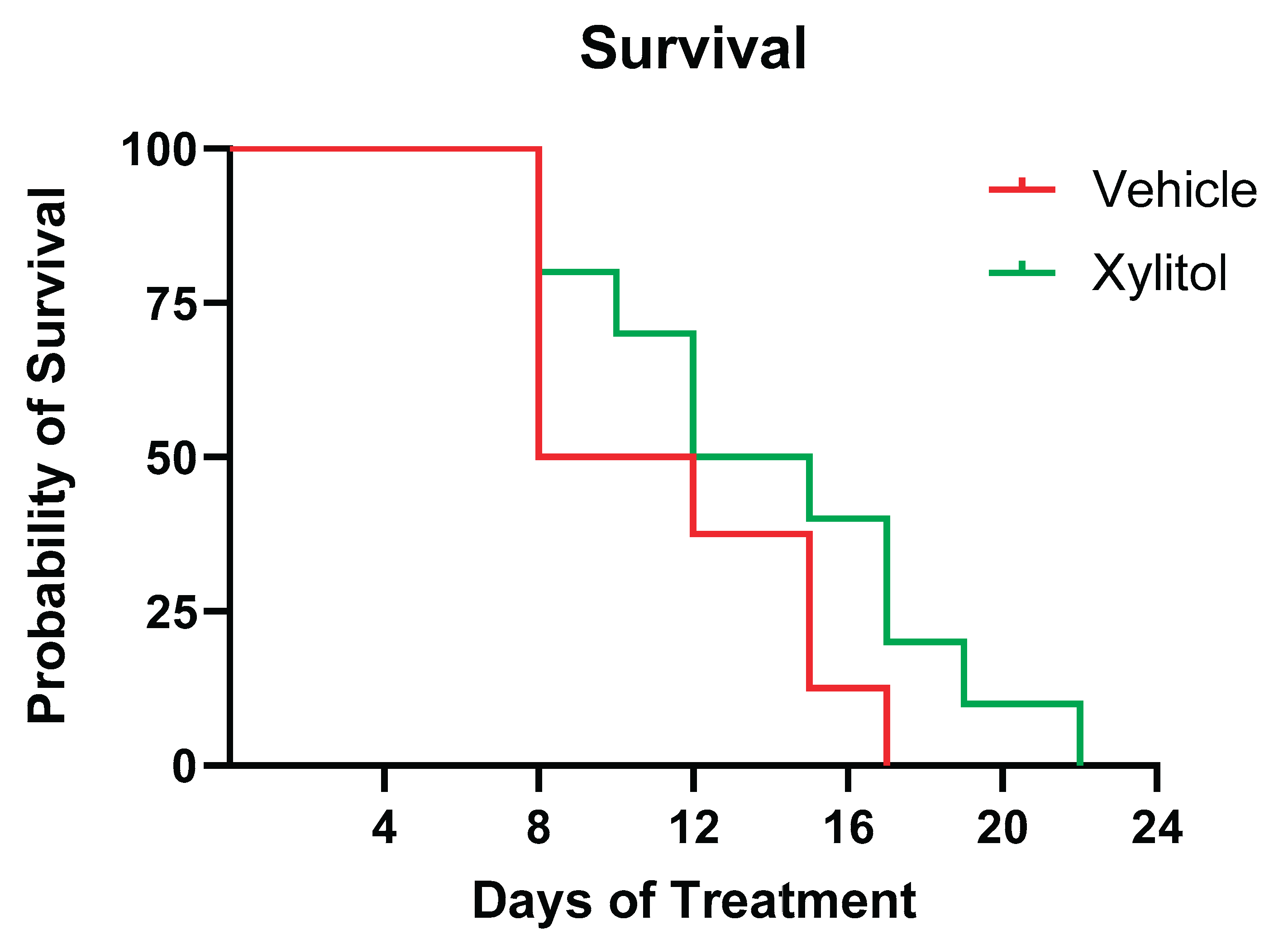
Figure 2.
Tumor Volumes on Days of Treatment. The tumor volumes in the control (vehicle) and xylitol groups are presented as mean +/- SEM. T-test statistical analysis was used to compare tumor volumes between groups on same day.
Figure 2.
Tumor Volumes on Days of Treatment. The tumor volumes in the control (vehicle) and xylitol groups are presented as mean +/- SEM. T-test statistical analysis was used to compare tumor volumes between groups on same day.
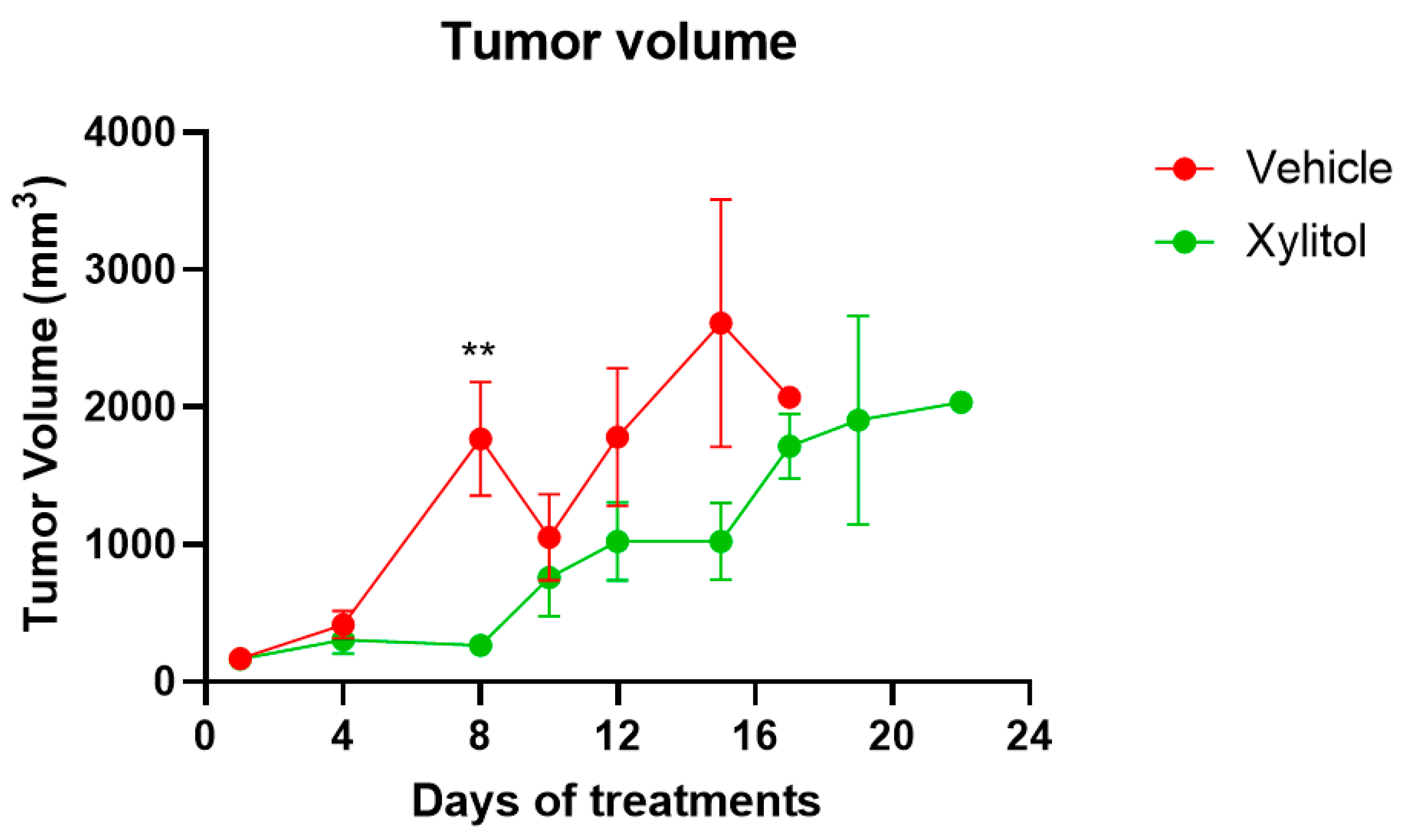
Figure 3.
Animal Weights. Animal weights in the Control (Vehicle) and Xylitol groups are presented as mean ± SEM. A t-test was performed to compare the average weight between the groups on the same day. A p-value <0.05 is denoted with (*), p-value <0.01 is denoted with (**), and "ns" indicates not significant differences.
Figure 3.
Animal Weights. Animal weights in the Control (Vehicle) and Xylitol groups are presented as mean ± SEM. A t-test was performed to compare the average weight between the groups on the same day. A p-value <0.05 is denoted with (*), p-value <0.01 is denoted with (**), and "ns" indicates not significant differences.
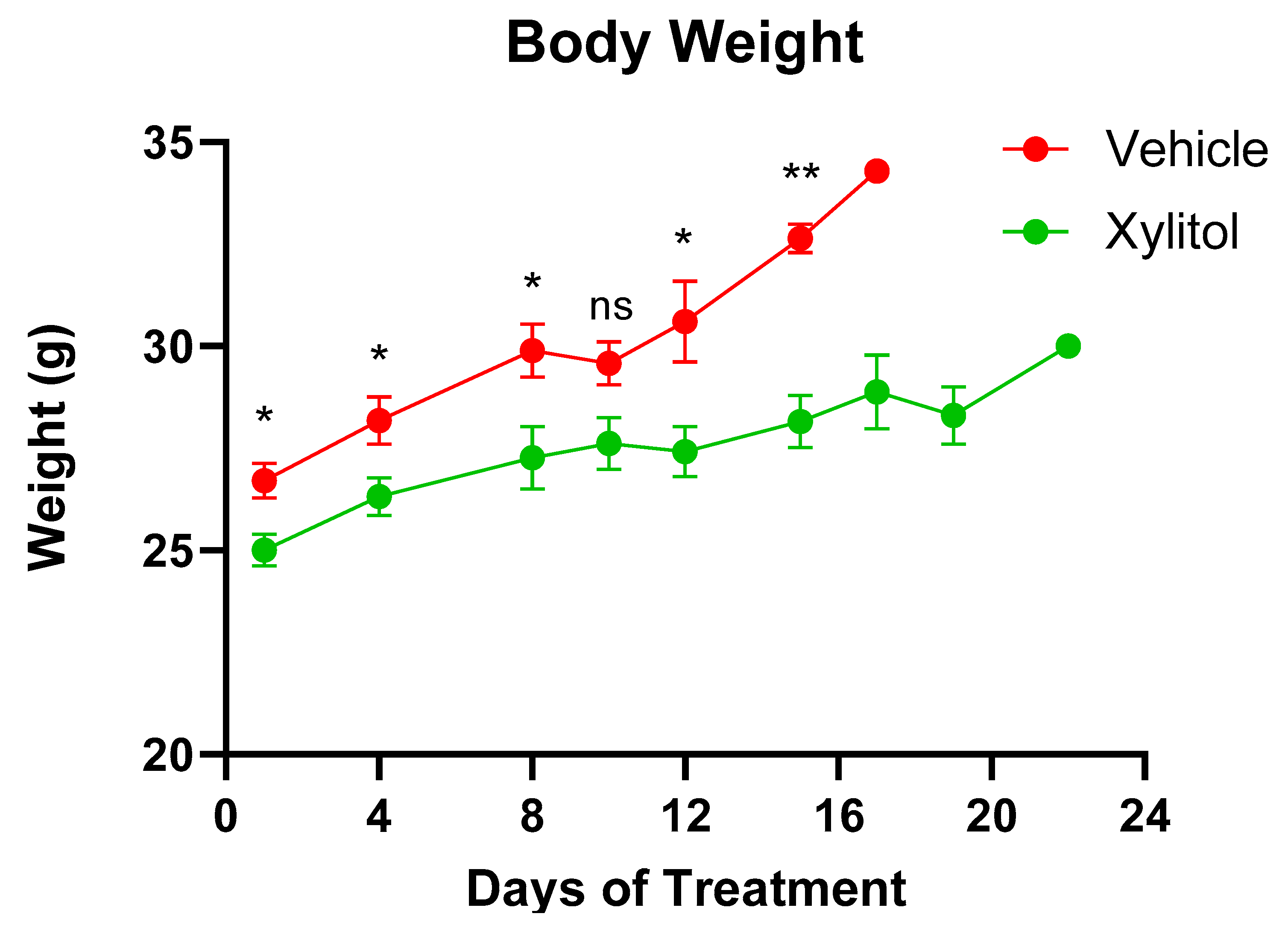
Figure 4.
Metabolomics Results. Metabolomics analysis of tumors comparing xylitol to vehicle-treated syngeneic mice models. The heatmap displays the fifty most common metabolites, with the xylitol group denoted as green and the control group as red. The metabolites are listed on the right side of the heatmap. Each animal number is listed on the bottom row. Significant differences exist between the experimental (xylitol) and vehicle-treated (control) groups. Note the increases in proline, NMN, and XMP in the vehicle group. The xylitol group had increases in UTP, CDP, ATP, and GTP.
Figure 4.
Metabolomics Results. Metabolomics analysis of tumors comparing xylitol to vehicle-treated syngeneic mice models. The heatmap displays the fifty most common metabolites, with the xylitol group denoted as green and the control group as red. The metabolites are listed on the right side of the heatmap. Each animal number is listed on the bottom row. Significant differences exist between the experimental (xylitol) and vehicle-treated (control) groups. Note the increases in proline, NMN, and XMP in the vehicle group. The xylitol group had increases in UTP, CDP, ATP, and GTP.
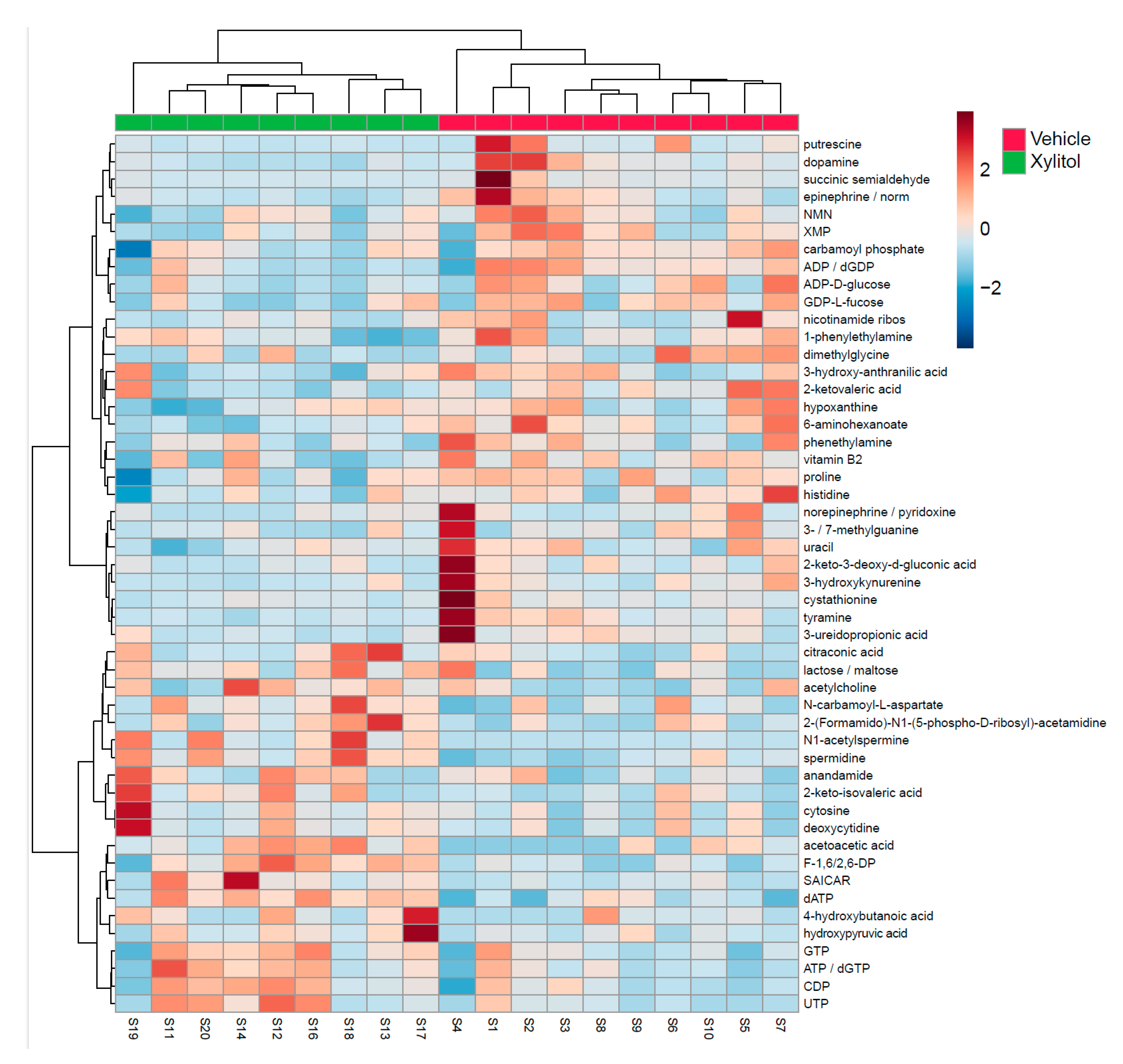
Figure 5.
(a) Histology. Subcutaneous tumor from Mouse 736 (vehicle). Extensive intratumoral necrosis (arrows) with viable tumor cells surrounding blood vessels (asterisks). Scattered mitotic figures are found throughout the viable fraction of the tumor (arrowheads). H&E, bar = 100 µm. (b) Subcutaneous tumor from Mouse 729 (xylitol). Microscopic features are comparable to those observed in mice administered the vehicle. Extensive intratumoral necrosis (arrows) with viable tumor cells surrounding blood vessels (asterisks). Scattered mitotic figures are found throughout the viable fraction of the tumor (arrowhead). H&E, bar = 100 µm. The histological report did not denote any significant differences between the two groups.
Figure 5.
(a) Histology. Subcutaneous tumor from Mouse 736 (vehicle). Extensive intratumoral necrosis (arrows) with viable tumor cells surrounding blood vessels (asterisks). Scattered mitotic figures are found throughout the viable fraction of the tumor (arrowheads). H&E, bar = 100 µm. (b) Subcutaneous tumor from Mouse 729 (xylitol). Microscopic features are comparable to those observed in mice administered the vehicle. Extensive intratumoral necrosis (arrows) with viable tumor cells surrounding blood vessels (asterisks). Scattered mitotic figures are found throughout the viable fraction of the tumor (arrowhead). H&E, bar = 100 µm. The histological report did not denote any significant differences between the two groups.
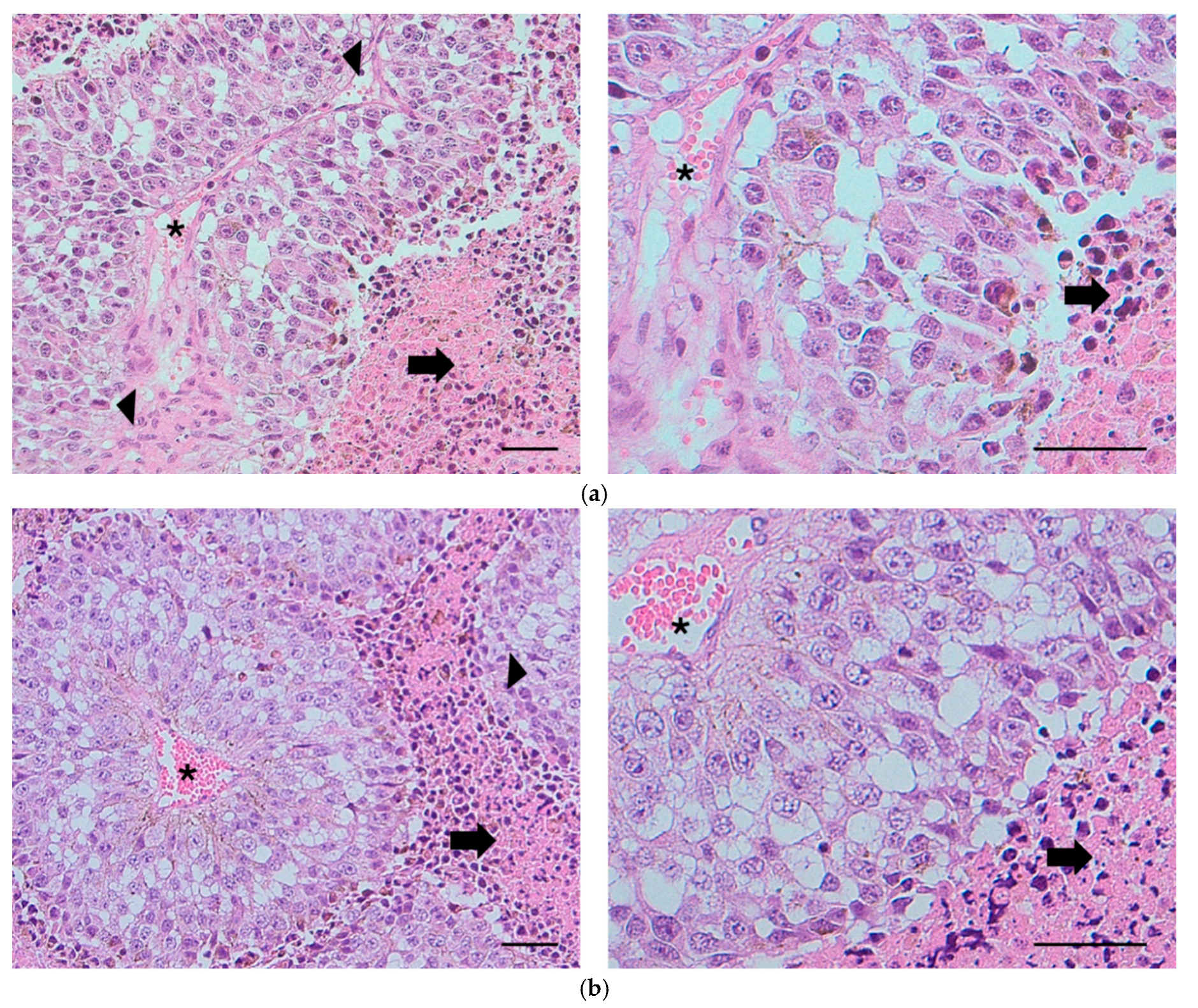

Table 1.
Metabolite Log Values in Tumors: Xylitol vs Saline Control.
| Metabolite | t.stat | p.value |
| dATP | -4.1503 | 0.00067 |
| spermidine | -3.7167 | 0.001715 |
| F-1,6/2,6-DP | -3.2851 | 0.004368 |
| N1-acetylspermine | -3.1546 | 0.005786 |
| 6-aminohexanoate | 2.983 | 0.008352 |
| acetoacetic acid | -2.8922 | 0.010128 |
| dopamine | 2.5854 | 0.019254 |
| UTP | -2.4726 | 0.024271 |
| ADP / dGDP | 2.4571 | 0.025048 |
| SAICAR | -2.3512 | 0.031036 |
| tyramine | 2.3357 | 0.032018 |
| CDP | -2.3348 | 0.032075 |
| epinephrine / normetanephrine | 2.2182 | 0.040446 |
| vitamin B2 | 2.1843 | 0.043235 |
| 2-ketovaleric acid | 2.1751 | 0.044027 |
| ATP / dGTP | -2.1645 | 0.044953 |
Metabolites in BOLD are increased in the control tumors by the log value in the second column compared to the xylitol group. The t test P values are listed in the third column. Significant differences exist between the vehicle and xylitol tumor metabolites.
Disclaimer/Publisher’s Note: The statements, opinions and data contained in all publications are solely those of the individual author(s) and contributor(s) and not of MDPI and/or the editor(s). MDPI and/or the editor(s) disclaim responsibility for any injury to people or property resulting from any ideas, methods, instructions or products referred to in the content. |
© 2025 by the authors. Licensee MDPI, Basel, Switzerland. This article is an open access article distributed under the terms and conditions of the Creative Commons Attribution (CC BY) license (http://creativecommons.org/licenses/by/4.0/).
Copyright: This open access article is published under a Creative Commons CC BY 4.0 license, which permit the free download, distribution, and reuse, provided that the author and preprint are cited in any reuse.