

Submitted:
25 June 2025
Posted:
26 June 2025
You are already at the latest version
Abstract
This paper explored the use of chlorography as a natural photographic developing technique that utilizes the decomposition of chlorophyll and other plant pigments through the action of sunlight. The developed images corresponded to a previous research process on the changes in the iconography of the Salasaka indigenous people. Therefore, its articulation with this experimental project on natural photography is oriented towards the conservation of the ancestral knowledge of this community and the understanding of the native flora of the Ecuadorian territory. This process investigated the application of the image transfer technique by contact with positive transparencies onto the leaves and flowers of different species that grow in the Ecuadorian highlands, including leaves of vascular species, as well as rose petals. The results showed the obtaining of chlorographs with variable clarity and contrast depending on the plant species and exposure time. It was observed that fruit-bearing species produced more visible images than leaves from other plants and rose petals. The discussion interpreted the findings in relation to the photobleaching of pigments and compared chlorography with other natural photographic processes such as anthotypes. Key factors influencing the process were identified, such as the type of leaf, the intensity and duration of light, and the hydration of the plant material. It was concluded that chlorography is a viable, non-toxic, and environmentally friendly photographic alternative with potential in art, education, and research, although it presents challenges in terms of image permanence and reproducibility.
Keywords:
chlorography
; natural photography
; Salasakaʹs iconography
; plant pigments
; photobleaching
1. Introduction
Chlorography, also known as chlorotyping or phytography, represents a completely natural photographic development process that is carried out directly on the leaves and flowers of various plants. This technique is distinguished by its sustainable and ecological nature, as it exclusively utilizes the internal compounds present in the plant material, without requiring the addition of external chemicals beyond the leaves' own composition [1]. This approach aligns with a growing global awareness and an increased priority placed on sustainability across multiple sectors, including the field of photography. Indeed, there is a growing interest in environmentally friendly practices within art, science, and education. This interest ranges from individual artists and educational programs to community-level initiatives focused on ecological balance.
Photography, in its essence, is both an art and a science, founded upon the ability to capture images through the action of light on sensitive materials. Throughout its history, this discipline has evolved from complex chemical processes that required darkrooms and often toxic substances, to the contemporary digital era. However, in parallel with the main avenues of development, there has always been an interest in exploring alternative and unconventional methods for creating photographic images. These alternative processes encompass a wide range of rediscovered historical techniques and novel approaches that deviate from standard gelatin silver photography or digital printing.
Within alternative processes, a particularly intriguing category is that of natural photography, which employs organic materials, specifically of plant origin, as the photosensitive medium. These methods leverage the inherent properties of plant pigments, which are the natural compounds responsible for color in plants and perform vital functions in light absorption for photosynthesis and photoprotection. The fascination lies in the fact that these same pigments can undergo light-induced chemical changes, thereby laying the foundation for natural photographic image formation.
Two prominent examples of natural photography that utilize the principle of photobleaching of plant pigments are chlorophyll printing (also known as chlorotyping) and anthotypes. Chlorophyll printing is a process in which images are formed directly on live or freshly picked plant leaves, using sunlight to bleach the chlorophyll in the exposed areas [1]. On the other hand, anthotypes employ photosensitive emulsions extracted from various plants, which are applied to paper and exposed to sunlight.
The present report aims to analyze these natural photographic processes in depth, exploring their historical origins, the underlying photochemical mechanisms, the methodologies employed, the specific properties of the pigments utilized, the challenges related to the permanence and conservation of the images, and their relevance in contemporary artistic and scientific practice. By examining these aspects, this study seeks to contribute to a deeper understanding of the scientific principles that govern these ecological artistic methods.
To contextualize chlorography, it is useful to recall the history of photography, which in its early stages explored various non-traditional methods [2]. In the 19th century, several alternative processes emerged, such as anthotypes, cyanotypes, and other techniques that were not silver-based [3] [4]. Chlorography can be situated within this historical context as a continuation of the exploration of natural photosensitive materials for image creation. Specifically, chlorography is a technique within alternative photography that utilizes the photosensitivity of plant pigments directly within the vegetal material itself. Early explorations and the contemporary resurgence of this technique by artists like Binh Danh [5] and others demonstrate its continued relevance and artistic potential in the modern era.
The fundamental scientific principle behind chlorography is the decomposition or photobleaching of chlorophyll [6] and other natural pigments present in leaves and flowers when exposed to light [7] [8]. Light energy induces chemical changes in the pigment molecules, which leads to a discoloration or alteration of color in the exposed areas. This process is based on the inherent light sensitivity of plant pigments, a natural phenomenon related to photosynthesis and photoprotection [9]. Chlorophyll, the predominant green pigment in plants, primarily absorbs light in the red and blue regions of the visible spectrum. When exposed to intense light, particularly ultraviolet (UV) light, the chlorophyll molecule can decompose, losing its green color [10]. Other pigments present in plants, such as carotenoids (yellows and oranges) and anthocyanins (reds, purples, and blues), can also be sensitive to light and undergo alterations in their chemical structure and color.
A significant advantage of chlorography is its avoidance of the harsh and potentially toxic chemicals employed in traditional photographic development [9]. This stands in contrast to the environmental concerns associated with chemical photography. This aspect aligns with the broader movement toward sustainable, non-toxic artistic practices and a heightened environmental consciousness across various fields.
Due to its interdisciplinary nature, chlorography holds potential for diverse applications in the fields of art and education, fostering creativity, learning, and scientific inquiry. In art, it enables the creation of unique, ephemeral photographic works that are integrated with nature. In education, it can serve as an engaging and practical method for teaching photography, botany, and environmental sciences. In scientific research, it offers an avenue for exploring plant physiology, pigment properties, and the interactions of light with biological materials.
Therefore, the primary objective of this article is to delve into the scientific principles, historical context, and methodological considerations of chlorography as a promising natural alternative for photographic development using leaves and flowers.
Theoretical framework to support photographic practice
Alternative photographic development encompasses a variety of techniques that deviate from the traditional methods of chemical photography. These techniques not only offer new avenues for artistic expression but also foster a deeper connection with materials and the environment.
Among the most prominent techniques are the cyanotype [11], the anthotype [12], the chlorotype, and the use of earth pigments, each with its own specific characteristics and processes.
Cyanotype is an alternative photographic technique characterized by the use of iron salts to create images in a distinctive cyan-blue color [9]. This technique was developed in the 19th century by John Herschel and is particularly noted for its association with Anna Atkins, who is regarded as the first female photographer and a pioneer in the use of cyanotype to document flora. Her most famous work, Photographs of British Alge: Cyanotype Impressions, published in 1843, is recognized as the first book illustrated with photographs, containing 398 plates of British algae [11] [13].
Cyanotyping involves the preparation of an iron salt emulsion that is applied to surfaces such as paper or fabric. After drying, an object or photographic negative is placed upon it and exposed to sunlight, triggering a chemical reaction that fixes the image. This process is distinguished by its simplicity and accessibility, enabling photographic experimentation without the need for a specialized laboratory [14].
In addition to its unique aesthetic, cyanotype has recognized educational and therapeutic potential. It is utilized in artistic workshops accessible to all ages and abilities due to its intuitive and non-technical process [11]. This technique has also been integrated into educational environments to teach the principles of chemistry and photography, facilitating a hands-on and visual learning experience.
On the other hand, the anthotype process employs natural pigments extracted from plants to create images, leveraging the photosensitivity of these pigments once applied to a substrate and exposed to sunlight. This method not only serves as an artistic medium but also promotes awareness regarding the use of natural materials and sustainability in photography.
Chlorotyping, in turn, utilizes chemical compounds present in leaves and flowers, such as chlorophyll and tannic acids, to print images naturally, and is distinguished by its ecological approach of using organic materials and dispensing with additional chemicals [1] [7]. This process can be divided into several stages, beginning with the selection of suitable leaves. This requires evaluating the foliar photosensitivity potential in different plant species, which is crucial for optimizing the quality of the generated images [8]. The choice of leaf or flower petal type is fundamental, as different species can exhibit significant variations in their capacity to retain and degrade chlorophyll under solar exposure. This directly impacts the final outcome of the image, a characteristic that is associated with the type of plant pigments and their internal photochemistry.
The diversity of colors in the plant kingdom is attributed to a variety of pigments—organic compounds that absorb and reflect light [15] [16] at different wavelengths. These pigments not only lend color to flowers and leaves but are also key actors in fundamental biological processes, particularly photosynthesis and photoprotection.
The most relevant plant pigments for natural photographic processes include chlorophylls, carotenoids, anthocyanins, flavonoids, betalains, and tannins, among others.
Chlorophylls are the primary green pigments, essential for photosynthesis. Their molecular structure is based on a porphyrin ring with a central magnesium atom and a phytol tail [17]. They strongly absorb light in the blue and red regions of the spectrum while reflecting green light, which explains the characteristic color of leaves.
Chlorophyll is the key agent in chlorophyll printing or chlorography. This process utilizes the leaf itself as the photographic substrate, rather than an extract, operating on the principle of photobleaching. Prolonged exposure to intense sunlight, through a high-contrast negative placed directly onto a living leaf (often while still attached to the plant) [1], causes the decomposition of chlorophyll molecules in the exposed areas. This results in a whitish or yellowish image against the green background of the leaf.
Two primary types of chlorophyll exist in higher plants: chlorophyll a and chlorophyll b, both of which are photosensitive. It is their degradation that enables image formation. In contrast to the anthotype process, which requires the preparation of an emulsion, chlorophyll printing is a more direct method that reveals the intricate relationship between light and plant life.
Carotenoids contribute colors ranging from yellow to orange and red (such as β-carotene, lutein, and xanthophylls) [18]. They possess a polyene chain structure. Their primary function is to act as accessory pigments in photosynthesis, absorbing blue-green to green light, and as crucial photoprotective agents, dissipating excess light energy as heat. During the growing season, their color is often masked by the abundance of chlorophyll. This type of pigment is present in many plants, including carrots, tomatoes, and marigold flowers.
Although they fulfill a photoprotective function, these same chemicals are susceptible to long-term photodegradation, which makes them viable for the anthotype process. Generally, carotenoids are more photostable than anthocyanins, meaning that the exposure times required to create an anthotype with them can be considerably longer.
Furthermore, they offer a palette of warm tones that complements the colors provided by anthocyanins. Rich sources of carotenoids for natural photography include turmeric, bell pepper, and marigolds.
Anthocyanins are responsible for red, purple, and blue colors [19]. They belong to the flavonoid subclass. They dissolve in cell sap, and their color is pH-sensitive. Their functions include attracting pollinators, providing UV protection, and defense. They are often synthesized in leaves during autumn. They are perhaps the most studied and utilized pigments in the anthotype technique, owing to their notable photosensitivity.
Their relevance to this type of photographic process is due to several key factors, including their degree of photosensitivity and their degradation by ultraviolet (UV) and visible light. It is precisely this discoloration that enables image formation. The areas of paper coated with an anthocyanin emulsion that are exposed to light will fade, while the areas covered by a negative retain their color.
Furthermore, the color of anthocyanins is often pH-dependent. This offers an additional variable for artists, who can alter the hue of their emulsions by adjusting the acidity, for example, with lemon juice or sodium bicarbonate. This type of natural compound is found in high concentrations in common plants such as berries (e.g., blueberries, blackberries), red cabbage, red roses, hibiscus, and poppies, making them readily accessible for experimentation.
The presence of anthocyanins and carotenoids in rose petals, owing to their degree of concentration, makes these petals suitable for photographic development processes similar to chlorography.
Flavonoids represent a broad class of pigments that includes anthocyanins and flavonols. Their functions include UV protection, signaling, and defense. The primary function of these conspicuous colors is the attraction of pollinators (e.g., insects, birds) and seed dispersers. The color patterns, often species-specific, act as visual cues that guide animals to flowers for pollination or to fruits for their consumption and subsequent seed dispersal.
While anthocyanins are the most prominent pigments in natural photographic processes like anthotyping—due to their notable photosensitivity to visible and UV light that results in color change or bleaching—other flavonoids also interact with light. The high UV absorbance of flavones and flavonols means they could act as UV filters if included in an emulsion, potentially altering exposure times or protecting other, more labile pigments from rapid UV degradation. However, their own transformation into visible images is less common or drastic than that of anthocyanins.
Flavonoids are potent antioxidants. They help to neutralize reactive oxygen species (ROS) generated during metabolic or environmental stress (such as high light irradiance), thereby protecting cells from oxidative damage. This function is intrinsically linked to their chemical structure, which allows them to absorb light and stabilize free radicals.
Betalains are a class of red and yellow pigments found in a more restricted group of plants, notably in beetroot (red betacyanins) and in prickly pear cactus flowers (yellow betaxanthins) [20]. They are mutually exclusive with anthocyanins; a plant will produce one or the other, but not both. Research into the applications of betalains, including in fields such as dye-sensitized solar cells (DSSCs)—an analogue to a photographic process—highlights their photosensitivity.
Betalains are known for their vibrant and intense colors. Beetroot juice is one of the most popular and effective emulsions for beginners in anthotyping due to its strong tinctorial strength and its relative sensitivity to light. Like other pigments, betalains degrade upon exposure to light, enabling the creation of images. Their stability can also be affected by factors such as pH and temperature.
Finally, reference is made to tannins, which are astringent, often brown-hued compounds used in botanical contact printing as mordants. Although they are not typically the primary agents responsible for the vivid and bright colors associated with pigments like anthocyanins or carotenoids, tannins play a crucial role as natural pigments, particularly in generating more subdued, earthy colors and in modifying and fixing other colors. Their contribution to color is often the result of oxidation, polymerization, or complexation reactions with metals.
Tannins are secondary plant metabolites, characterized by their ability to precipitate proteins (which confers their astringency) and to form complexes with other macromolecules. They are primarily divided into two major groups [21]:
Hydrolysable Tannins: These are esters of a polyol (generally glucose) with phenolic acids such as gallic acid (gallotannins) or ellagic acid (ellagitannins). They can be hydrolyzed by weak acids or enzymes.
Condensed Tannins (Proanthocyanidins): These are polymers of flavan-3-ol units. They are not easily hydrolyzed but can decompose in an acidic medium to yield red-colored anthocyanidins.
Although many tannins in their pure form may be colorless or pale yellow to light brown, they contribute significantly to the coloration of many plant parts, such as bark (oaks, acacias), wood, senescent leaves (brown and reddish autumn colors), and some fruits (particularly unripe ones) [22]. The color associated with tannins is often intensified or developed through oxidation (enzymatic or non-enzymatic) and polymerization.
Upon degradation under acidic conditions, condensed tannins can release red anthocyanidins, contributing to reddish hues. One of the most important properties of tannins in color generation is their ability to form colored complexes with metal ions. The classic example is the reaction of tannins (particularly gallotannins) with iron salts to produce dark blue, black, or gray complexes, which forms the basis of iron gall ink, one of the most historically significant inks [23]. Other metals such as aluminum, copper, or chromium can also form complexes with tannins, resulting in different hues that have been exploited in traditional dyeing [24].
The interaction of light with these pigments can lead to "photodegradation" or "photobleaching" [6], an irreversible process in which the pigment molecule is destroyed by the action of light. This occurs when a pigment absorbs a photon, transitions to an excited state, and undergoes chemical reactions—often oxidative—that alter its structure and lead to a loss of color. The presence of oxygen (photo-oxidation) and other environmental factors such as temperature, humidity, and pH can influence the rate and extent of this degradation. Ultraviolet (UV) and blue light are particularly effective at photobleaching many pigments, and a higher light intensity or a longer exposure time generally results in greater bleaching.
It is important to recognize that plant pigments evolved for light capture and photoprotection, processes that involve controlled photochemical reactions [25]. In photography, however, their uncontrolled degradation is exploited. This underscores a fundamental difference in how these molecules function in vivo versus in photographic processes. Whereas plants possess mechanisms to manage light energy and minimize damage, the isolation of pigments—or the use of an entire leaf outside its protective physiological context—allows degradation to occur more readily, thereby forming the photographic image. The very mechanisms that plant utilize to survive high irradiance are those that must be understood or overcome when using them for photography.
The diversity of pigments in plants, each with distinct absorption spectra and sensitivities, directly determines the potential color palette and light requirements of natural photographic processes. The variety of pigments available in different plant sources (chlorophylls, carotenoids, anthocyanins, etc.) dictates their suitability for a given process and the resulting color and sensitivity. This intrinsic diversity contributes to the experimental nature and the variability observed in techniques such as anthotype and chorotypes or chlorography.
The next table summarizes the key properties of plant pigments relevant to natural photography:

Table 1.
Basic plant pigments for development and their properties.
| Pigment Class | Characteristic Color | Principal Absorption Range | Primary Functions in Plants | Relevance in Natural Photography |
|---|---|---|---|---|
| Chlorophylls | Green | Blue, Red | Light absorption for photosynthesis. | Primary pigment in chlorophyll printing (chlorotypes). |
| Carotenoids | Yellow, Orange, Red | Blue-Green, Blue | Accessory pigments in photosynthesis, photoprotection (dissipation of excess energy). | Present in leaves (revealed upon chlorophyll degradation), extracted for anthotypes. |
| Anthocyanins | Red, Purple, Blue | Green, Blue-Green, Blue | Pollinator attraction, UV protection, defense, signaling. Color is pH-sensitive. | Extracted for anthotypes (wide range of colors, pH sensitivity). |
| Flavonoids | Yellow, others | UV, Blue (some) | UV protection, signaling, defense. | Contribute to the color and properties of some anthotype emulsions. |
| Betalains | Red, Yellow | Blue, Green | Coloration, defense. | Extracted for anthotypes (source of pigments in some plants). |
| Tannins | Brown | UV | Astringency, defense. | Used as mordants in botanical contact printing; can be light-sensitive. |
2. Materials and Methods
The creation of this series on chlorotypes and anthotypes resulted from the link between an ethnographic study focused on understanding the visual changes that occurred in the graphic art of the Salasaka people from 1960 to 2018, and the exploration of alternative photographic development practices during the isolation period of the COVID-19 pandemic.
In the exploratory research on the iconography of the Salasaka indigenous people, processes of aesthetic transculturation that occurred during the specified period in this indigenous community of the Ecuadorian Andes—renowned for its textile craftsmanship—were identified. As part of this previous investigation, a large number of images associated with the community's production of tapestries, sashes, and drums were collected and cataloged.
Towards the end of 2020, these two moments converged to give rise to a new artistic research experience, born from the visual interest in utilizing the images collected in the ethnographic study on the Salasaka and using the nearby natural resources that were available during the period of isolation.
Thus, the idea arose to revive several alternative photographic development techniques with natural products that could be sourced without violating the health protocols established at that time. This marked the beginning of the exploration into creating chlorotypes and anthotypes with plants found in the province of Tungurahua (a region located in the central highlands of Ecuador).
Initially, the collection of this material was limited to the leaves from the potted plants and gardens of this study's initial author. The collection range for the plant substrate was subsequently expanded to other locations within the province of Tungurahua.
Between 2021 and 2024, approximately 1000 trials were conducted on various types of leaves and, subsequently, on flower petals to identify the most suitable species for this natural development process (Figure 1). In 2023, a series of tests on the encapsulation of leaves also commenced, aimed at prolonging their preservation.
This process led to the conception of an exhibition proposal, which came to fruition as the exhibition “Origen vivo” (Living Origin). This exhibition opened in April 2024 in Quito and included an installation of chlorotypes.
2.1. Chlorophyll Development Process
Chlorophyll printing is a natural photographic technique that enables the transfer of images directly onto the surface of plant leaves. Its origins can be traced back to early observations of how light affected plant coloration, a phenomenon known long before the formal development of photography. While Sir John Herschel conducted early research into the photographic properties of chlorophyll in the 19th century, the modern application of this technique to create recognizable photographic images is largely attributed to contemporary artists.
Heather Ackroyd and Dan Harvey pioneered the technique of projecting images onto growing grass, using light to influence chlorophyll synthesis and thereby create ephemeral "photographs" in art installations [26]. Subsequently, the Vietnamese artist Binh Danh [5] significantly refined the concept by applying it to individual leaves, often from his own garden. He is recognized for developing methods to preserve these delicate organic images, typically by encapsulating them in resin [1].
The process of chlorotyping or chlorography is based on exploring the artistic potential generated by using diverse species of vascular and non-vascular plants, flowers, and other natural species such as fungi. These serve as a substrate in place of paper to generate images, which are often linked to themes of memory, nature, and sustainability.
The process for creating a chlorophyll print involves several key steps, which can be summarized as follows:
2.1.1. Leaf Selection:
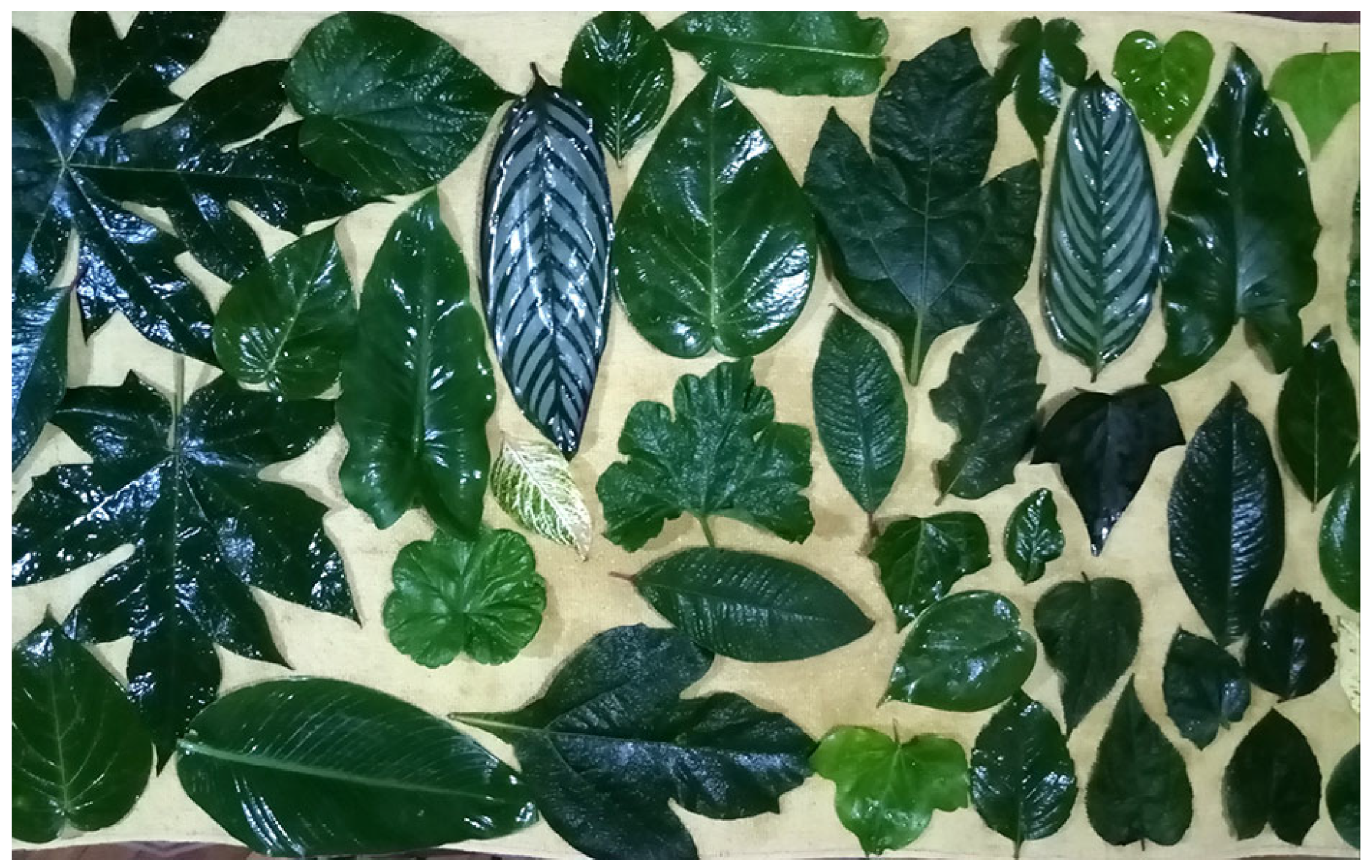
Suitable leaves are chosen, which ideally should be large, flat, and healthy, although successful results have been achieved with leaves smaller than 4 cm. The choice of plant species is crucial, as different types of leaves—such as those from pumpkin, oak, fig, ivy, and granadilla (passion fruit)—yield varying results in terms of color, texture, and light sensitivity. For fibrous leaves, it is recommended that the stem be cut at an angle to ensure the pressing process is uniform across the entire leaf structure.
Although freshly cut leaves are preferred, access to collection sites has sometimes required preserving leaves for up to a maximum of three weeks before their use in the chlorotype process. For preservation, leaves were kept dry inside a plastic bag under refrigeration. For best results, the stored leaves were wrapped in absorbent paper towels to prevent moisture accumulation. The process cannot be performed once the leaf is dry.
Figure 2.
Process of selecting and cleaning leaves for use in development.
2.1.2. Image Preparation:
For the development process, a positive transparency of the desired image is required. This can be a laser print on acetate or an illustration on plastic film created with permanent markers that block sunlight. A high-contrast black and white digital image is often used for optimal results, as this helps to clearly delineate the areas that will be bleached from those that will remain dark. In this case, the print is made from a photographic positive, in contrast to the cyanotype process, which utilizes a negative.
2.1.3. Setup for Development:
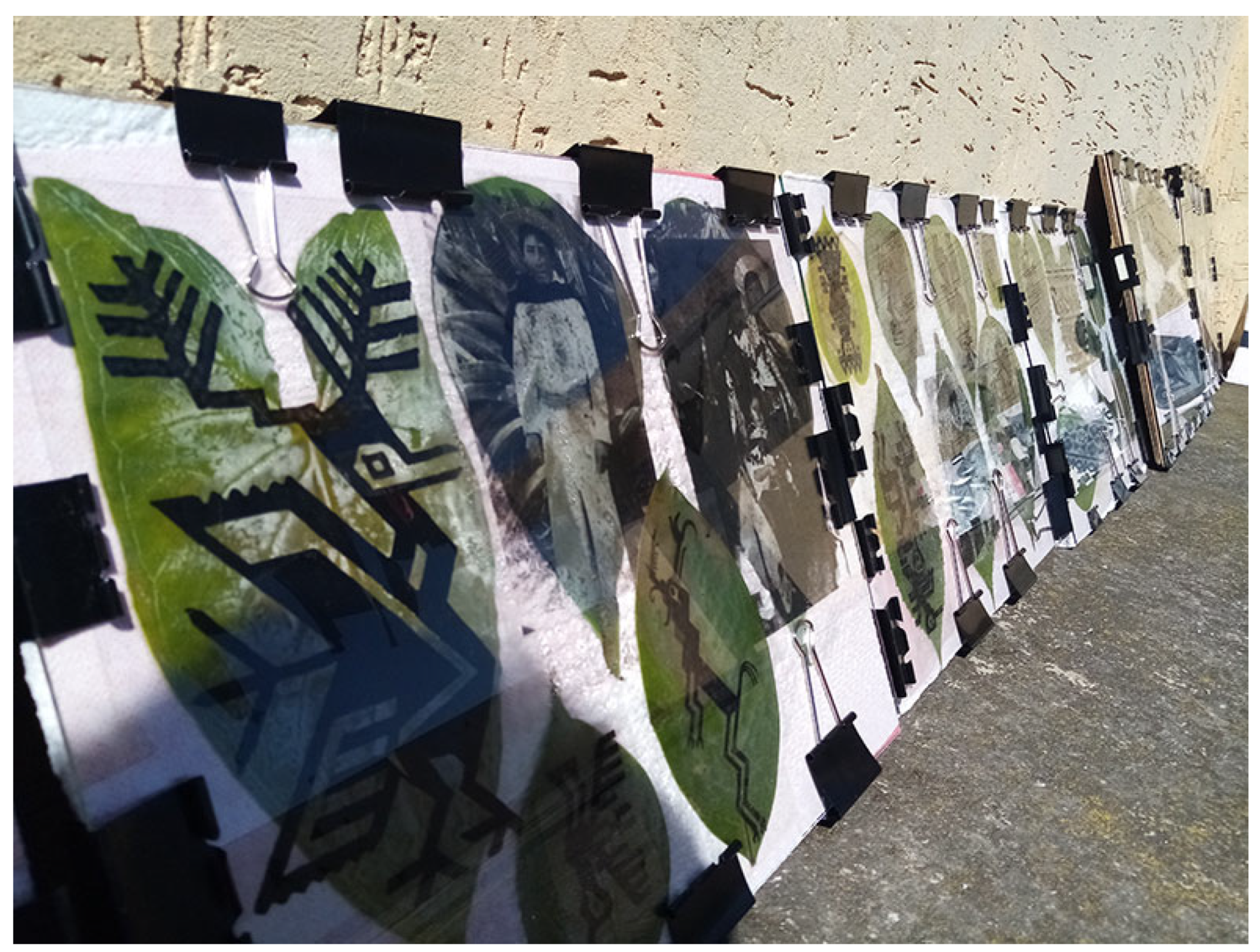
The leaf and the positive transparency are placed together in a contact frame. A rigid surface (such as a board or a sheet of pressboard) and a sheet of glass are recommended to ensure firm and uniform contact between the transparency and the leaf, which is crucial for image sharpness. Materials that could prematurely dry the leaf should be avoided. For prolonged exposures, the leaf can be kept hydrated by allowing its stem to protrude from the frame into a water source.
2.1.4. Exposure:
The assembly is placed under direct sunlight. Exposure time varies considerably, ranging from a few hours for young, freshly cut leaves to longer periods. For example, an image can be developed on a granadilla leaf under such conditions in three to four hours of direct exposure. Most of the leaves tested have required between one day and up to three weeks to generate an image, depending on the leaf type, solar intensity, season, and meteorological conditions. It is necessary to monitor the progress periodically, taking care not to displace the transparency. An abrupt change in weather can cause the internal chemical reaction to cease, a phenomenon analogous to the fogging of a photograph in traditional development.
2.1.5. Drying and preservation:
Once the image has formed satisfactorily, the leaf is removed from the setup and dried between sheets of absorbent paper. Given that chlorophyll prints are inherently ephemeral, preservation is a critical step. Methods such as resin encapsulation, chemical baths (e.g., alcohol, copper sulfate), or the application of sealants (e.g., wax, varnish) are used to arrest degradation and protect the image from light and physical deterioration.
Figure 3.
Solar exposure process for chlorotypy generation.
Nevertheless, exposure to light remains a key factor for the developed leaf. Even when attempts are made to halt the chemical process of photodecomposition, ambient light continues to deteriorate the image. Under direct light exposure, the developed images have lasted for approximately one year before beginning to degrade. Climatic conditions are also influential; in the dry climate of the Ecuadorian highlands, chlorotypes are more durable and the leaves do not warp. In contrast, leaves exposed in the humid climate of the coastal regions have warped, developed fungus, and unencapsulated images have deteriorated within a period of approximately three months.
The detailed mechanism behind chlorophyll printing centers on the photobleaching of chlorophyll. The image is formed as sunlight, particularly UV radiation, degrades the chlorophyll molecules in the exposed areas of the leaf. The areas of the leaf shielded from light by the transparency or object retain their chlorophyll, maintaining their original green color and thereby creating the necessary contrast for the image. As chlorophyll degrades in the exposed areas, the underlying yellow and orange carotenoids may become visible, contributing to the tones in these parts of the image.
Figure 4.
Differences between negative development of a bogonia leaf and positive development of a malanga leaf.
Figure 4.
Differences between negative development of a bogonia leaf and positive development of a malanga leaf.
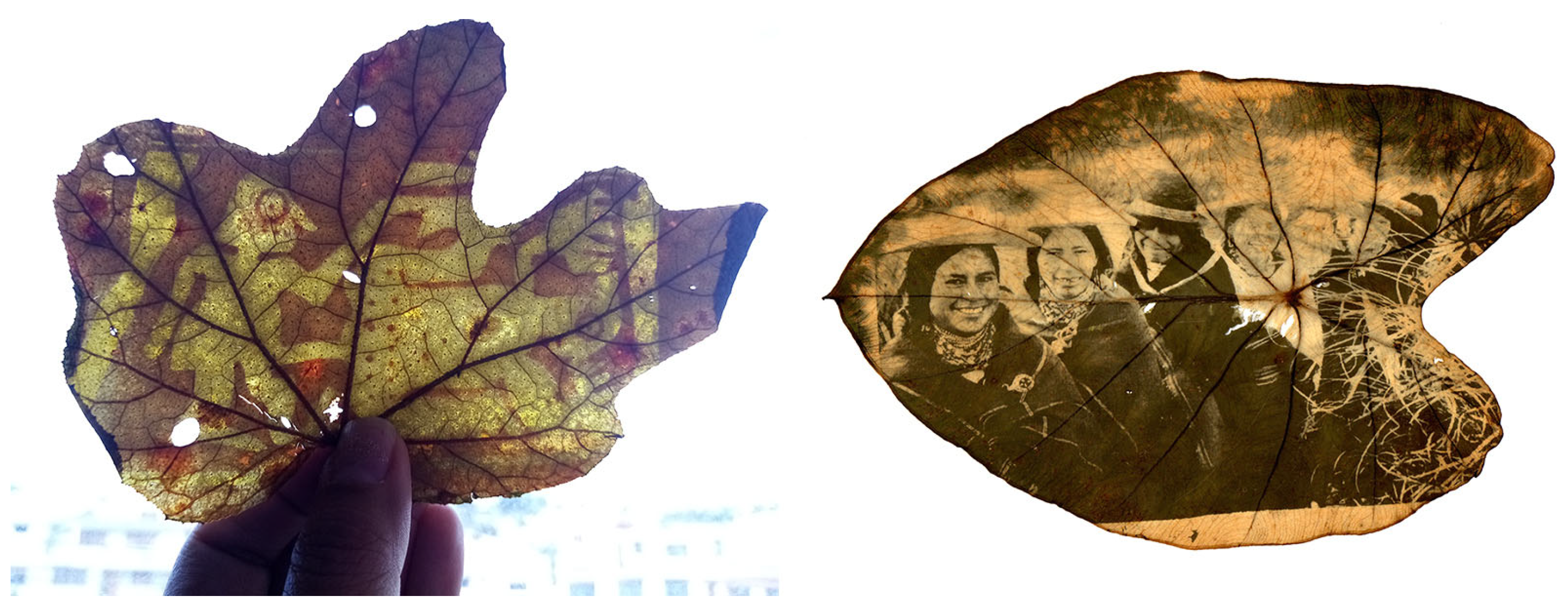
A fundamental characteristic of chlorophyll printing or development is that the substrate (the leaf or flower petal) is itself the photosensitive material, in contrast to techniques that involve coating an inert material like paper. This means that the biological state of the leaf—its freshness, type, thickness, and pigment concentration—directly impacts the photographic outcome. The image forms as the leaf withers and its chlorophyll and other natural pigments degrade, a process intimately linked to the life and death of the leaf. This deep connection with the specific plant used, including its natural structures such as veins and textures, renders each print unique and unpredictable, a true collaboration with nature.
The inherent impermanence of chlorotypes is another defining aspect. Although preservation methods exist, the fleeting nature of the image, which continues to fade over time if not adequately protected, is not merely a technical limitation but a characteristic that is often exploited artistically. The tension between the fragility of the organic support and the attempt to render it permanent through fixation adds layers of meaning to the work. The following table details several preservation methods:
Table 2.
Preservation methods for chlorographs.
| Preservation Method | Process Description | Primary Purpose |
|---|---|---|
| Resin Encapsulation (Epoxy) | The dry, imaged leaf is completely submerged in liquid epoxy resin, which then cures to form a solid, transparent block. | Physical protection and arresting degradation from light/oxygen. |
| Chemical Baths (Copper Sulfate) | The leaf is submerged in a dilute solution of copper sulfate or other chemical fixatives in an attempt to stabilize the chlorophyll and other pigments. | To deactivate chlorophyll, halt enzymatic reactions, or replace ions (e.g., Mg with Cu). |
| Application of Sealants (Wax, Varnish) | A thin layer of beeswax, microcrystalline wax, or a UV-filtering spray varnish is applied to the surface of the dry leaf. | To physically protect the surface and block UV light. |
| Pressing and Storage in Darkness | The leaf is carefully pressed between blotting paper to remove all moisture and is then stored in an acid-free environment in complete darkness. | To stabilize the image in a more environmentally friendly manner. |
3. Results
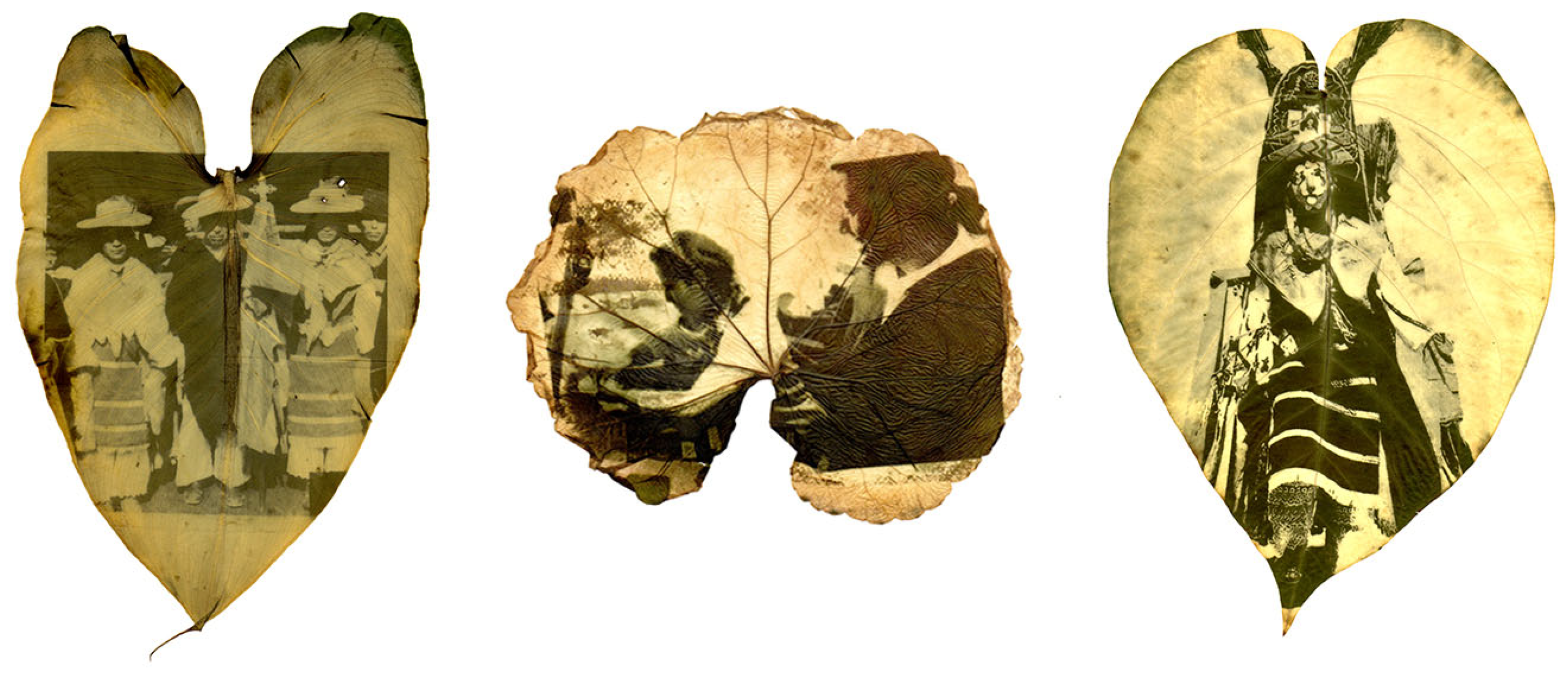
Chlorotyping, also known as chlorography or phytotyping, is an alternative photographic process that utilizes plant leaves as a substrate for image generation, leveraging the photosensitivity of the chlorophyll they contain. This process is conducted via exposure to sunlight, which induces a chemical reaction resulting in the degradation of the leaf's own chemical compounds. These compounds oxidize in the areas exposed to light, while the areas shielded from light retain their original hue, thus creating the image (Figure 5).
As described in the methodology section, climatic variables such as solar intensity and humidity play a decisive role in the development process. The required exposure time varies depending on the type of leaf.
From the experiments conducted, it can be inferred that granadilla leaves are the most versatile. An image can be developed on very young leaves in approximately two to three hours of solar exposure. In contrast, more fibrous leaves, such as those from fig, monstera, or certain types of orchids, have required up to three weeks of daily exposures lasting 10 to 12 hours.
Continuous monitoring is necessary during the development process, as in some cases, the liquid content of the leaves evaporates very rapidly. This disintegrates the leaf pulp, causing the leaf to become skeletonized. The following table presents a graphical sample of the results obtained during this experimental process.
Table No. 3 presents a sample of 30 species, including fruit-bearing and flowering plants, shrubs, and flowers. All are vascular plants that grow in the central region of Ecuador and were tested for the production of chlorotypes.
Table 3.
Sample of chlorotypes in various types of leaves.
| No. | Plant Description | Scientific and Common Name (Spanish) | Developed Image | Approximate Exposure Time |
|---|---|---|---|---|
| 1 | Passiflora ligularis, or sweet granadilla, is part of the Passifloraceae family. The plant is a vine and is native to the Andes of northwestern South America. | Passiflora ligularis / Granadilla |  |
Depending on the age of the leaf, between 3 and 12 hours. |
| 2 | Curuba or Taxo are species of the Passifloraceae family. They are climbing plants or vines, native to the Andean regions of South America. | Curuba / Taxo | 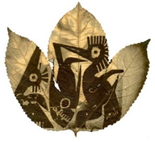 |
8 hours |
| 3 | It is a shrub-like plant belonging to the Solanaceae family and is native to the Andes. | Solanum quitoense / Naranjilla | 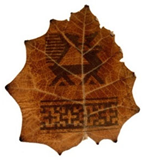 |
16 hours (two days of sun exposure) |
| 4 | Known as squash or pumpkin, it is an annual herbaceous plant of the Cucurbitaceae family. It is a creeping or climbing plant with long stems. | Cucurbita maxima / Zapallo | 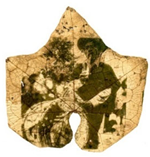 |
4 hours |
| 5 | Vasconcellea pubescens, also known as mountain papaya, papayuela, or chamburo, is an evergreen shrub or small tree belonging to the Caricaceae family. | Vasconcellea pubescens / Jigacho | 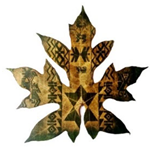 |
16 hours (two days of sun exposure) |
| 6 | An annual herbaceous plant belonging to the legume family (Fabaceae). | Phaseolus vulgaris / Fréjol | 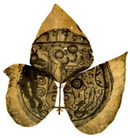 |
Between 6 and 8 hours |
| 7 | Ficus carica, commonly called the fig tree, is a tree or shrub of the Moraceae family, which produces the fruit known as the fig. | Ficus carica / Higo | 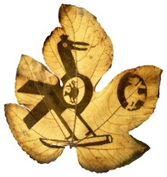 |
24 hours (three days of sun exposure) |
| 8 | Eucalyptus camaldulensis is a tree of the genus Eucalyptus. It is a species planted in many parts of the world. | Eucalyptus / Eucalipto rojo |  |
Between 8 and 10 hours |
| 9 | The parrot's beak heliconia is a genus that includes more than 100 species of tropical plants, native to South America, Central America, and Indonesia. | Heliconia rostrata / Platanillo | 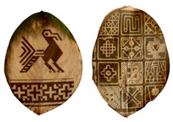 |
Between 8 and 10 hours |
| 10 | Also known as "Elephant Ear," it is a perennial herbaceous plant of the Araceae family. Its leaves are large and heart-shaped, and its stems are blackish-purple. | Colocasia fontanesii Schott / Araceae – oreja de elefante | 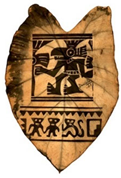 |
6 hours |
| 11 | Calla lilies are perennial rhizomatous herbaceous plants of the Araceae family. Known as arum lily, water lily, or calla lily. | Zantedeschia aethiopica / Cala | 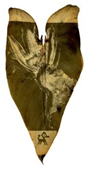 |
8 hours |
| 12 | An ornamental perennial plant belonging to the genus Pelargonium and the Geraniaceae family. It is a perennial, shrubby, or succulent plant with showy flowers. | Geranium / Geranio | 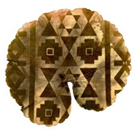 |
4 hours |
| 13 | A perennial and woody climbing plant belonging to the Araliaceae family. It is known for its ability to climb using adventitious roots that allow it to adhere to various supports. | Hedera helix / Hiedra |  |
16 hours (two days of sun exposure) |
| 14 | A shrub of the mallow family (Malvaceae). It is an evergreen plant that can reach up to 5 meters in height. | Hibiscus / Cucarda | 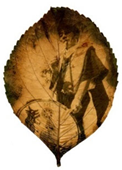 |
8 hours |
| 15 | A tree species belonging to the Euphorbiaceae family, famous for its latex known as dragon's blood, which has extraordinary healing properties. | Croton urucurana Baillon / Sangre de dragón | 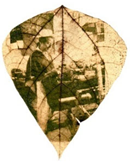 |
Between 4 and 6 hours |
| 16 | A climbing plant of the Solanaceae family, characterized by its large, yellow, trumpet-shaped flowers. | Solandra grandiflora / Copa de oro |  |
8 hours |
| 17 | A tropical, climbing plant of the Araceae family, belonging to the species Monstera deliciosa. | Monstera / Costilla de Adán | 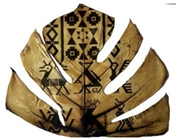 |
Between 40 and 80 hours (five to ten days of sun exposure) |
| 18 | Commonly known as achocha or caigua, it is an annual herbaceous climbing plant of the Cucurbitaceae family. | Cyclanthera pedata / Achocha |  |
Between 4 and 6 hours |
| 19 | A perennial climbing plant belonging to the Asteraceae family. | Delairea odorata / Hiedra amarilla |  |
16 hours (two days of sun exposure) |
| 20 | A tree belonging to the genus Micropholis and the Sapotaceae family. It is a plant endemic to Brazil. | Micropholis crotonoides / Pierre | 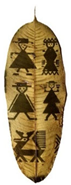 |
Between 40 and 80 hours (five to ten days of sun exposure) |
| 21 | A shrub-like plant of the Melastomataceae family, also called the glory bush. | Pleroma urvilleanum / Sietecueros Nazareno Brasileño |  |
Between 24 and 40 hours (three to five days of sun exposure) |
| 22 | A plant of the Polypodiaceae family. It is an epiphytic fern. | Phlebodium decumanum / Helecho | 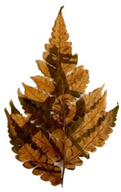 |
Between 6 and 10 hours |
| 23 | A shrub of the genus Nicotiana, the same genus as tobacco, from the Solanaceae family. | Nicotiana glauca / Palán palán | 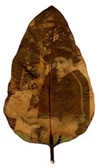 |
Between 6 and 10 hours |
| 24 | A plant species belonging to the Acanthaceae family. | Acanthus mollis / Acanto | 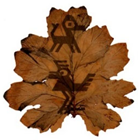 |
16 hours (two days of sun exposure) |
| 25 | A slow-growing perennial palm belonging to the Arecaceae family. | Licuala grandis / Palma de abanico | 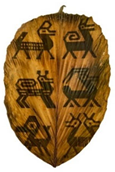 |
Between 24 and 40 hours (three to five days of sun exposure) |
| 26 | A perennial herbaceous plant of the genus Begonia. | Begonia sericoneura /Begonia | 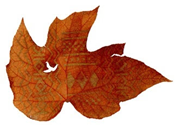 |
Between 8 and 10 hours |
| 27 | An epiphytic herbaceous plant of the Gesneriaceae family. It belongs to the genus Columnea. | Columnea medicinalis / Punta de flecha | 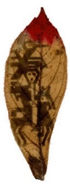 |
Between 8 and 10 hours |
| 28 | A deciduous tree of the genus Tilia, belonging to the mallow family (Malvaceae). | Tilia europaea / Tilo | 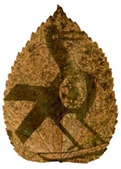 |
Between 6 and 8 hours |
| 29 | A perennial herbaceous plant with wide, lobed leaves. | Malva sylvestris / Malva | 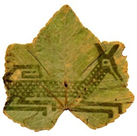 |
Between 12 and 16 hours (one to two days of sun exposure) |
| 30 | Flower petal. The genus Rosa is composed of a well-known group of generally thorny and flowering shrubs, primary representatives of the rose family (Rosaceae). | Rosa grandiflora / Rosa | 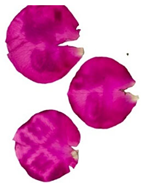 |
8 hours |
For each selected species, the approximate direct solar exposure time under natural conditions throughout the year has been documented. The development process was conducted in the city of Ambato, located in the province of Tungurahua, at an altitude of 2580 meters above sea level.
Additional tests have also been conducted in coastal cities, which have higher solar incidence and elevated temperatures, a condition that shortens the exposure times required to develop the image.
The average solar exposure for thin, non-fibrous leaves is typically between 6 and 10 hours, whereas for thick leaves, the exposure can require several days. Trials have been conducted to generate prints using UV lamps, but the exposure time triples compared to that required when using sunlight.
Furthermore, trials have been conducted on living leaves while still attached to the plant, specifically with granadilla and sunflower. However, although an image can be obtained, the exposure time is extremely long—around one month—and the resulting image lacks complete sharpness. This is because the leaf continues to grow, while the transparency used for the transfer maintains a constant size.
Each print is a reflection of the specific characteristics of the vegetal material utilized, meaning no two images are identical. This uniqueness becomes an asset for artists, who can explore the diversity of local flora and create works representative of their environment. This experimental approach not only highlights the technique's versatility but also opens new possibilities for contemporary artistic creation by integrating natural elements into the creative process.
When comparing chlorotyping and anthotyping, although both are based on the photobleaching of plant pigments, they differ in fundamental aspects regarding their process, the pigments utilized, and the characteristics of the resulting image.
With respect to the primary photosensitive pigments, chlorotyping focuses almost exclusively on chlorophyll, the predominant green pigment in leaves. The yellow and orange carotenoids present in the leaf may become visible as the chlorophyll degrades, contributing to the tones in the exposed areas. In contrast, anthotypes employ a much broader range of pigments extracted from various plant parts. The most common are anthocyanins (red, purple, blue) and carotenoids (yellow, orange), but they can also include betalains, flavonoids, and tannins, which allows for a greater diversity of initial colors in the emulsion.
In both cases the fundamental mechanism of light-induced photobleaching. Light, particularly UV radiation, excites the pigment molecules, provoking chemical reactions that result in a loss of color in the exposed areas. Areas shielded by a transparency or an object retain their original color, creating the image's contrast. Both are positive-working processes, wherein light bleaches the pigment.
The methodologies differ significantly. Chlorotyping utilizes the plant leaf as a direct photosensitive substrate, a process that involves steps such as selecting suitable leaves and considering their biological state and physical structure. Anthotypes, on the other hand, require the preparation of an emulsion from plant extracts, which is then applied to an inert substrate like paper. This introduces steps such as grinding, diluting, and straining the plant matter, as well as coating and drying the paper.
Permanence is a key challenge for both processes, as the images are inherently ephemeral and will continue to fade with light exposure if not preserved. Various preservation methods have been developed for both, such as resin encapsulation or the use of sealants for chlorotypes, and storage in darkness for anthotypes. Exposure duration is also significantly different; while chlorotypes, depending on the leaf type, can yield results in a few hours or may sometimes require days or weeks, anthotypes often need several weeks of exposure.
Aesthetically, chlorotypes often exhibit a delicate, sometimes ghostly appearance, with the texture and structure of the leaf integrated into the image. Anthotypes can vary widely in color and tone depending on the pigment source, often possessing a watercolor-like quality.
The two processes have contemporary relevance in art, where they are often used to explore themes related to nature, the environment, and memory. Their non-toxic nature and use of renewable materials align them with a growing interest in sustainability within artistic practices.
4. Conclusions
Currently, chlorography has re-emerged as an art form that challenges the conventions of modern photography. This technique has been adopted to explore themes of ecology, identity, and memory.
By utilizing plant materials specific to a particular environment, artists not only create visual works but also establish a dialogue with the local landscape and culture. This approach facilitates a reflection on the relationship between humanity and nature, as well as on the importance of preserving ecosystems in an increasingly urbanized and technologized world.
The perception that photography must rely on conventional techniques and advanced technology, coupled with the increasing use of Artificial Intelligence in design proposals, may limit the acceptance of alternative practices such as chlorotyping. Conversely, its value as an artisanal and sustainable craft can serve as an incentive for engaging in such practices.
Although the design process described in this text originated as an artistic proposal, given the scarce existing literature and documentation on alternative photographic development processes, this preliminary work has laid the foundation for a future research project. This project will be linked to the analysis of plant species from the Tungurahua region and their applications in graphic, textile, and industrial design, based on the biological and chemical analysis of the tinctorial compounds of each species utilized.
Author Contributions
Conceptualization, ADLS. and IPAL.; methodology, ADLS.; validation, IPAL, PRMF and CEMC.; formal analysis, ADLS and CSSN.; investigation, ADLS; resources, PRMF.; data curation, CSSN and CEMC.; writing—original draft preparation, ADLS.; writing—review and editing, IPAL, PRMF; supervision, CSSN and CEMC.; project administration, ADLS. All authors have read and agreed to the published version of the manuscript.”
Funding
This research, entitled “DESIGN AND MEMORY. MEANINGS EXPOSED IN SALASACA'S ICONOGRAPHY”, was funded by the Research and Development Department – DIDE, of the Technical University of Ambato, Ecuador, through Resolution No. UTA-CONIN-2023-0082-R.
Data Availability Statement
This article analyses for the first time the relationship between embroidered and painted iconography and the ritual places of the Salasaka community.
Acknowledgments
We would like to express our gratitude to the Research and Development Department – DIDE, of the Technical University of Ambato, which promoted the execution of this research, as well as to the Faculty of Design and Architecture. We also extend our gratitude to the Salasaka people and the Parish Council of the community, which has allowed us to carry out this project.
Conflicts of Interest
The authors declare no conflicts of interest.
References
- Larrea - Solórzano, «Sin triturar la pulpa: prácticas de clorotipia con hojas de Tungurahua,» Index, Revista De Arte contemporáneo, vol. 9, nº 16, p. 134–144, 2023.
- MET, «Department of Photographs. “The Daguerreian Era and Early American Photography on Paper, 1839–60.” In Heilbrunn Timeline of Art History.,» New York, 2004.
- T. N. Y. P. Library, «An Introduction to Photographic Processes,» New York, 2013.
- L. Michaud, «Alternative Process Photography: Beyond Digital and Film.,» Senior Honors Projects. University of Rhode Island, vol. 454, 2017.
- B. Danh, Binh Danh: The Enigma of Belonging, UK: Radius Books, 2023.
- M. Lingvay, P. Akhtar, K. Sebők-Nagy, T. Páli y P. H. Lambrev, «Photobleaching of Chlorophyll in Light-Harvesting Complex II Increases in Lipid Environment,» Frontiers in Plant Science, vol. 11, 2020. [CrossRef]
- J. M. Blones Borges, A. J. Mora y M. D. Giráldez De Luca, «Potencialidad en fotosensibilidad foliar, para tres especies de plantas ornamentales, en la generación de imágenes, bajo la técnica fotográfica alternativa y experimental de la clorotipia.,» Revista Critica Con Ciencia, vol. 2, nº 4, p. 39–52, 2024.
- O. Torres Canela y N. Gurieva, «Fotografía impresa al natural: la clorotipia como procedimiento alternativo de impresión de imágenes en plantas.,» Zincografía, vol. 8, nº 15, 2024.
- J. (. Hannavy, E N C Y C L O P E D I A O F Nineteenth-Century Photography, New York: Routledge, 2008.
- A. Murillo, «Analysis Of Light Exposure Time And Its Effect On Photosynthetic Pigment Chlorophyll A And Β Degradation,» Research Journal of Life Sciences, Bioinformatics, Pharmaceutical and Chemical Sciences, vol. 7, nº 6, pp. 17-29, 2021.
- A. D. A. N. S. &. I. P. Kmet’, «The cyanotype process and its potential in chemistry education.,» Journal of Chemical Education, vol. 100, nº 6, pp. 2367-2372., 2023.
- M. Fabbri, Anthotype Emulsions, Volume 2: The collective research from photographers on World Anthotype Day 2023, Alternative Photography , 2023.
- H. Saska, «Anna atkins: photographs of british algae,» Bulletin of the Detroit Institute of Arts, vol. 84, nº (1-4), pp. 8-15, 2010.
- Moreno-Saez y G.-P. T. C., «La cianotipia como medio de formación e implementación de actividades artísticas para educadores que trabajan con enfermos de Alzheimer,» Arte, Individuo y Sociedad, vol. 29, pp. 109-126, 2017.
- H. Wang, Y. Fan, Y. Yang, H. Zhang, M. Li, P. Sun, X. Zhang, Z. Xue y W. & Jin, «Classification of rose petal colors based on optical spectrum and pigment content analyses.,» Hortic. Environ. Biotechnol, vol. 64, pp. 153-166, 2023. [CrossRef]
- J. Martínez Girón, J. A. Martínez, L. García Hurtado, J. Cuaran y Y. Ocampo, «Pigmentos vegetales y compuestos naturales aplicados en productos cárnicos como colorantes y/o antioxidantes: revisión.,» vol. 11, nº 21, 51-62. [CrossRef]
- S. Schelbert, S. Aubry, B. Burla, B. Agne, F. Kessler, K. Krupinska y S. Hörtensteiner, «Pheophytin Pheophorbide Hydrolase (Pheophytinase) Is Involved in Chlorophyll Breakdown during Leaf Senescence in Arabidopsis,» The Plant Cell, vol. 21, nº 3, p. 767–785, 2009.
- H. Frank y R. Cogdell, «Carotenoids in Photosynthesis,» Photochemistry and Photobiology, vol. 63, pp. 257 - 264, 1996.
- A. Castañeda-Ovando, M. Pacheco-Hernández, M. Páez-Hernández, J. Rodríguez y C. Galán-Vidal, «Chemical studies of anthocyanins: A review,» Food Chemistry, vol. 113, nº 4, pp. 859-871, 2009.
- D. Strack, T. Vogt y W. Schliemann, «Recent advances in betalain research,» Phytochemistry, vol. 62, nº 3, pp. 247-269, 2003.
- K. Khanbabaee y T. van Ree, «Tannins: Classification and Definition,» Natural Product Reports, vol. 18, nº 6, pp. 641-649, 2001.
- L. Falcão y M. Araújo, «Tannins characterization in historic leathers by complementary analytical techniques ATR-FTIR, UV-Vis and chemical tests,» Journal of Cultural Heritage, vol. 14, nº 6, pp. 499-508, 2013.
- B. Pizzicato, S. Pacifico, D. Cayuela, G. Mijas y M. Riba-Moliner, « Advancements in Sustainable Natural Dyes for Textile Applications: A Review.,» Molecules, vol. 28, nº 16, p. 5954, 2023. [CrossRef]
- A. Danila, E. Muresan, L. Chirila y M. Coroblea, «Natural Dyes Used in Textiles: A Review.,» de International Symposium "Technical Textiles - Present and Future". Edition 2021, 2021.
- J. Barber y B. Andersson, «Too much of a good thing: light can be bad for photosynthesis.,» Trends in biochemical sciences, vol. 17, nº 2, p. 61–66, 1992. [CrossRef]
- P. Foundation, «Anthotypes & Other Organic Processes I,» [En línea]. Available: https://www.penumbrafoundation.org/anthotypes-other-organic-processes-i.
- O. Torres Canela y N. Gurieva, «Fotografía impresa al natural: la clorotipia como procedimiento alternativo de impresión de imágenes en plantas.,» Zincografía, vol. 8, nº 15, 2024.
Figure 1.
Photograph of a Salasaka musician developed on a passion fruit leaf.
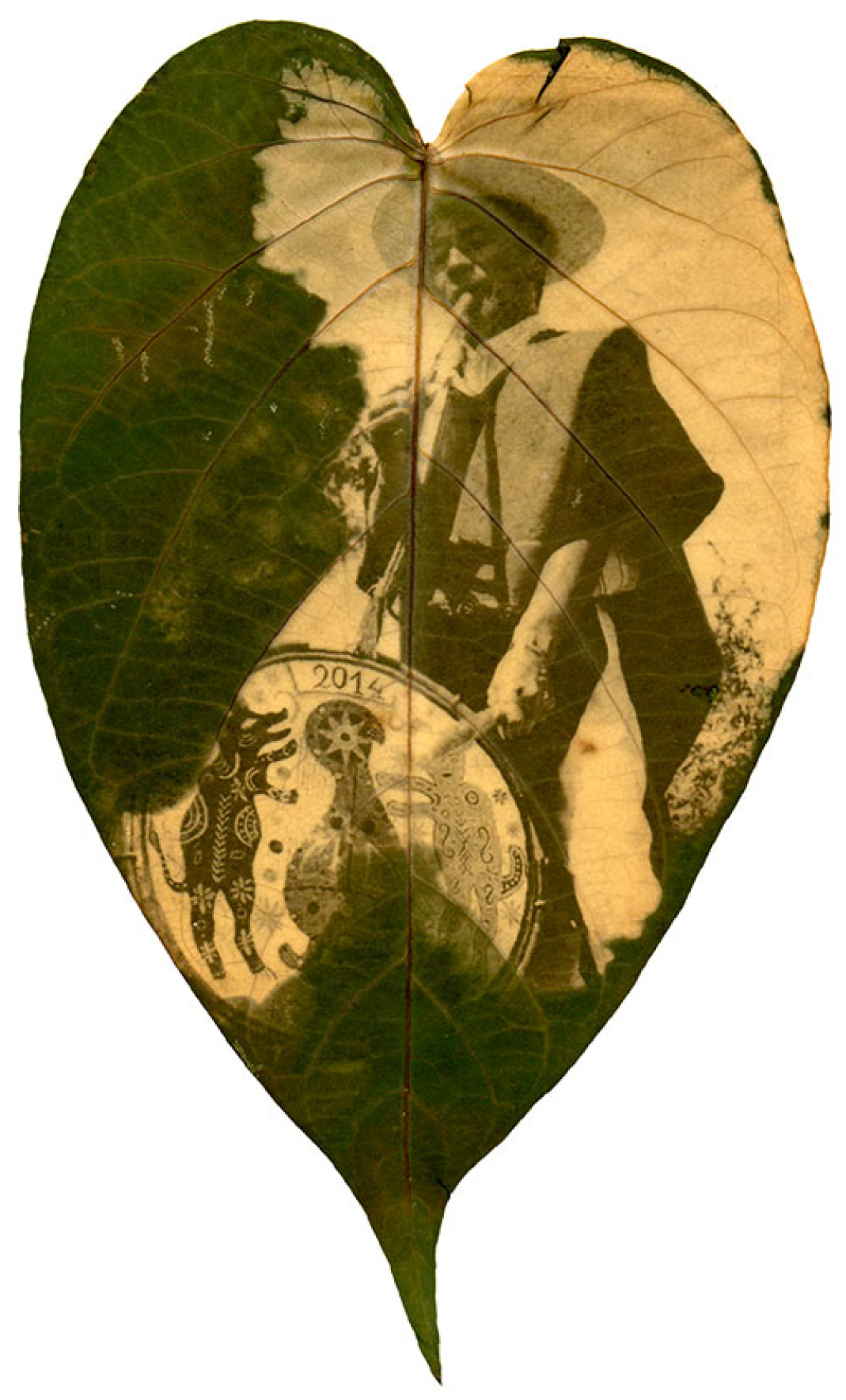
Figure 5.
Chlorotypes with images of Salasaka revealed in leaves known as calla, geranium and passionflower.
Figure 5.
Chlorotypes with images of Salasaka revealed in leaves known as calla, geranium and passionflower.
Disclaimer/Publisher’s Note: The statements, opinions and data contained in all publications are solely those of the individual author(s) and contributor(s) and not of MDPI and/or the editor(s). MDPI and/or the editor(s) disclaim responsibility for any injury to people or property resulting from any ideas, methods, instructions or products referred to in the content. |
© 2025 by the authors. Licensee MDPI, Basel, Switzerland. This article is an open access article distributed under the terms and conditions of the Creative Commons Attribution (CC BY) license (http://creativecommons.org/licenses/by/4.0/).
Copyright: This open access article is published under a Creative Commons CC BY 4.0 license, which permit the free download, distribution, and reuse, provided that the author and preprint are cited in any reuse.