

Submitted:
08 June 2025
Posted:
09 June 2025
You are already at the latest version
Abstract
Introduction: MyDispense™ is a high-fidelity, low-stakes community pharmacy simulation, allowing students to practice dispensing skills. A systematic review was conducted to identify students’ perceptions regarding barriers and facilitators of MyDispense™ in pharmacy education.
Methods: PubMed, CINAHL, and EMBASE databases were searched from 2015-2025 in January 2025 using combined keywords, proximity searching and Boolean operators. Studies investigating MyDispense TM and gathering students’ perceptions were included. Record screening was conducted by two independent reviewers (OC and LS). Any identified records from database searching and hand searching of included study reference lists were imported to Rayyan and subjected to independent review. Conflicts were resolved through a third party (RMcC), and discussions were held until consensus was reached.
Results: Fifteen studies were included in this review. Seven studies were conducted in USA, six in Asia, one in UK, and one in Australia. All studies utilized purposive sampling. Sample sizes ranged from 33 to 322 students. All studies were survey based to gather student perceptions. Other data collection methods included semi-structured interviews and focus group discussions for students to further elaborate on survey responses. Identified facilitators were mapped to four overarching themes; “Develops competency”, “User-Friendliness”, “Engaging Learning Experience” and “Safe Learning Environment.” Key barriers were encompassed to three themes; “Learning Curve” , “IT issues” and “Limited Realism and Applications”
Conclusion: This review identified the barriers and facilitators to MyDispenseTM use in students. MyDispense™ provides a novel approach by which pharmacy students can develop competency in a safe, engaging and realistic learning environment. However, significant barriers to its use includes the learning curve of the platform, technical issues, and the limited realism and applications of the platform.
Keywords:
MyDispense
; Pharmacy
; student perspective
; Barriers
; Facilitators
; Simulation
; Education
1. Introduction
Pharmacy students need to complete a curriculum aligned with accreditation standards to ensure they demonstrate the competencies required as a pharmacist[1,2]. Pharmacy practice can be simulated through a wide range of pedagogical methods e.g.) workshops, experiential learning opportunities and using standardised patients in observed structured clinical examinations (OSCEs). Logistical challenges associated with incorporating actors as patients to simulate clinical practice, however, may limit their applications and novel approaches are required to meet pharmacy curricular outcomes[3].
Pharmacy education has evolved with technological advancements. The COVID-19 pandemic drove a shift for educators to implement virtual pedagogical methods into pharmacy curricula e.g.) computer-based simulations (CBS), which enhance digital literacy and provide engaging learning experiences[4,5,6,7]. CBS can be defined as an interactive computer simulation model of patient-clinician interactions, that allow learners to emulate healthcare professional roles to obtain a full patient history, conduct physical health check-ups and to make appropriate diagnostic and therapeutic decisions[8]. Active learning methods e.g.) CBS can be more effective at improving student performance in formal assessments relative to passive learning methods[9]. Alternative learning methods are particularly important for Generation Z (those born between 1997 and 2012[10]) who are currently the primary demographic cohort of students within third-level education. This digitally literate generation tends to benefit from blended learning approaches[11].
MyDispenseTM is a high-fidelity, low-stakes, web-based, community pharmacy simulation developed by the Faculty of Pharmacy and Pharmaceutical Sciences at Monash University in Queensland, Australia[12]. MyDispenseTM has a global reach, being implemented in over 200 institutions across 30 countries worldwide[12]. MyDispenseTM allows students to develop their dispensing and counselling skills without the risk of patient harm in a virtual pharmacy sandbox environment[13,14]. MyDispenseTM can also be used in senior years of pharmacy programs as a supplementary learning resource to prepare students for OSCEs and pre-registration assessments[6].
Virtual patients act as a novel nexus between clinical theory and practical applications for students, acting as an accessible alternative to standardised patient actors and experiential learning opportunities, whereby recruitment and scarce placements can pose logistical challenges[15]. MyDispenseTM supports active self-learning by providing instant feedback and repeat exercises, reinforcing critical thinking, clinical reasoning and problem solving skills[16]. These skills align with Kolb’s learning model and Miller’s learning framework, meeting pharmacy program outcomes[16]. Despite these advantages, the use of virtual patients in pharmacy education appears to be relatively low, possibly due to implementation barriers[17].
A gap in the literature is present exploring the student perspective on barriers and facilitators of MyDispenseTM in pharmacy education. Therefore, to guide future research and implementation strategies for educators the aim of this systematic review is to synthesize relevant literature to identify students’ views regarding the barriers and facilitators of MyDispenseTM in pharmacy education.
2. Materials and Methods
2.1. Search Strategy
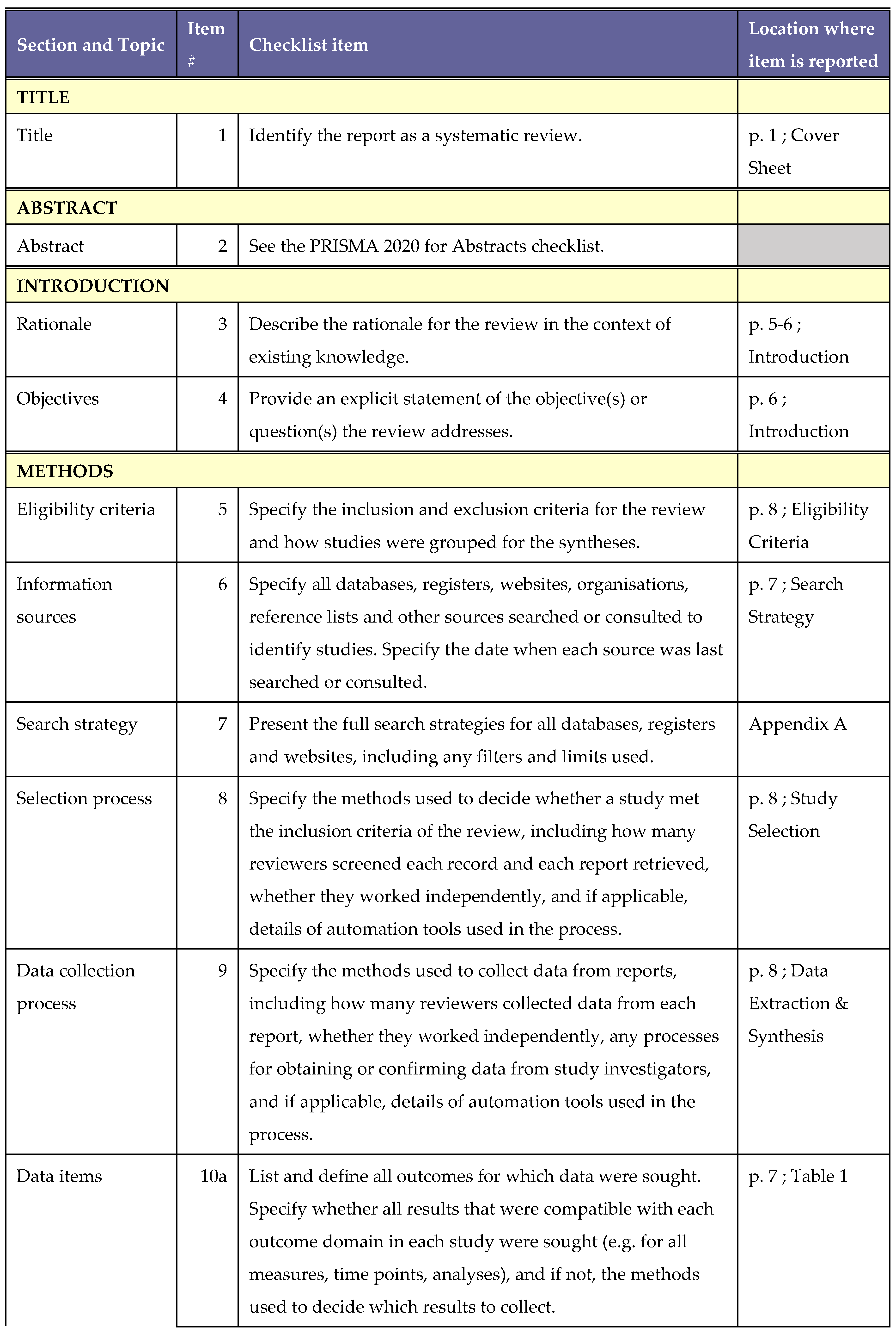
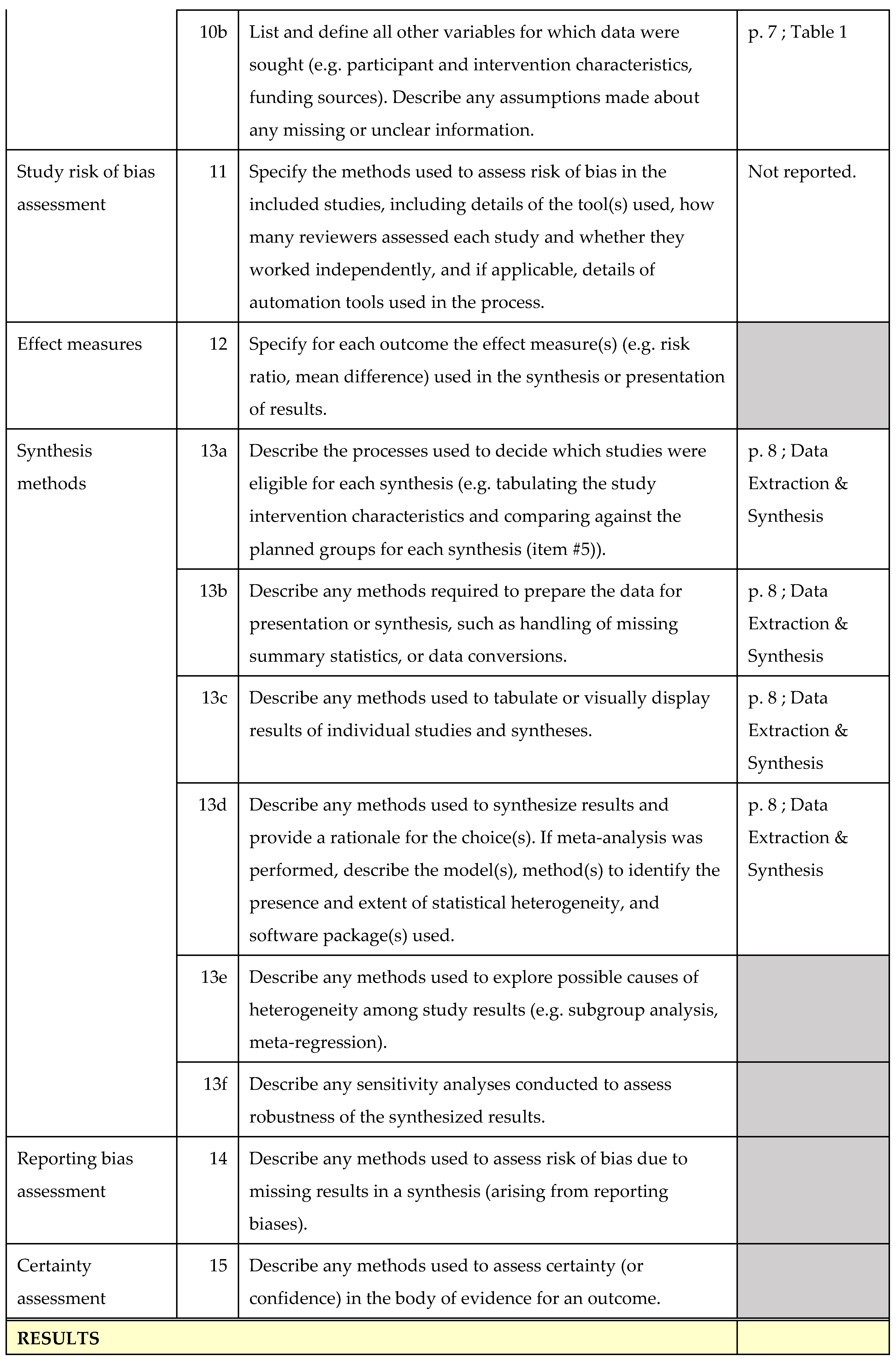
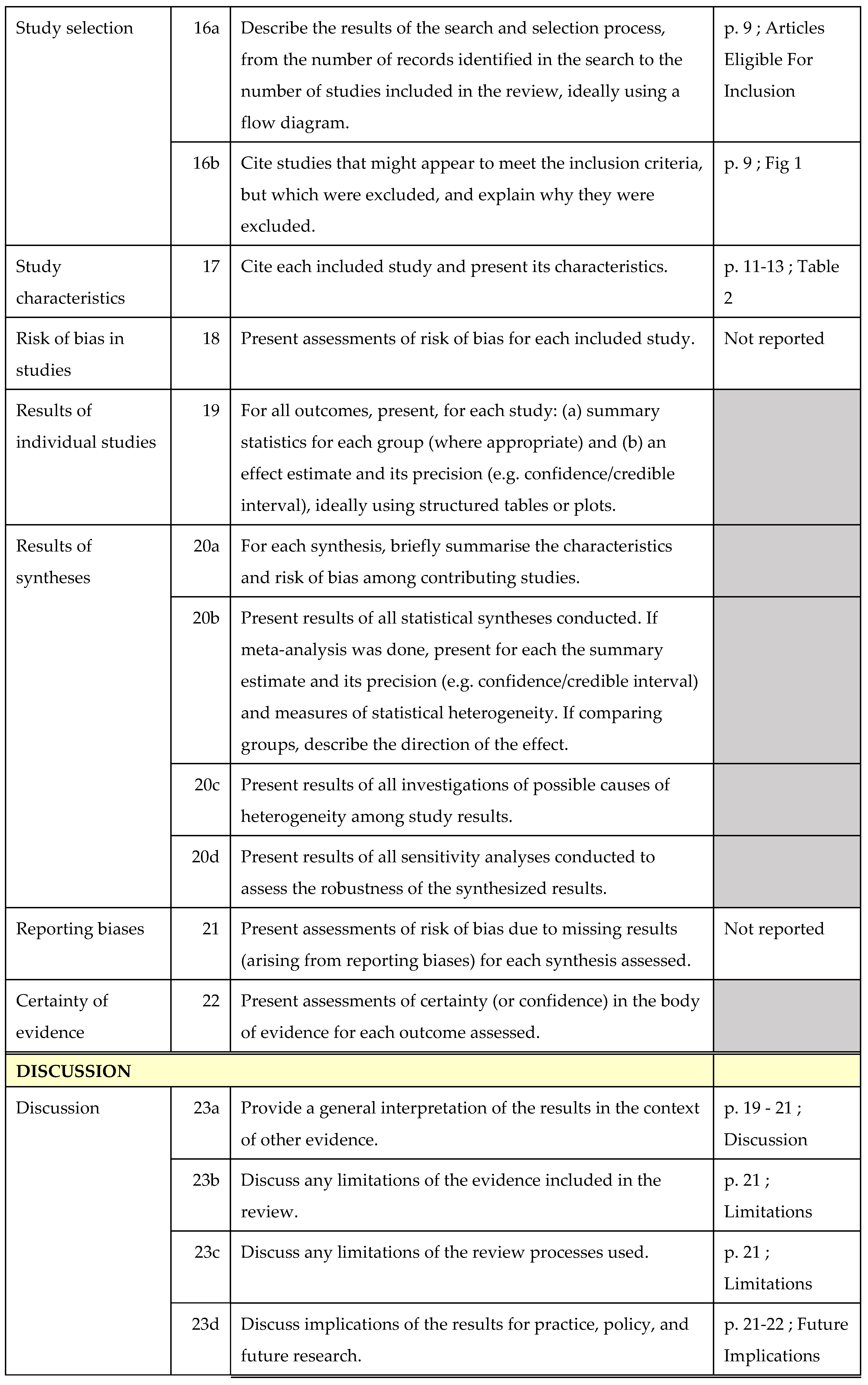
The Preferred Reporting Items for Systematic Reviews and Meta-Analyses (PRISMA) guidelines were used to conduct this systematic review (Appendix A) [18]. The PICO (P: Population; I: Intervention; C: Comparisons; O: Outcomes;) framework was applied to further define our research question and identify relevant search terms (Table 1).
A systematic search of PubMed, CINAHL and EMBASE from 2015-2025 was performed in January 2025 using combined keywords, indexing terms and proximity searching. Boolean operators (AND, OR) were used to refine the search, as were Medical Subject Headings (MeSH) terms in PubMed and CINAHL plus Emtree terms in Embase. Common search terms used across all three databases in this systematic review were “MyDispense”, “computer simulation”, “patient simulation”, “pharmacy students”, “perceptions”, “facilitators”, “enablers”, “barriers”, and “pharmacy education”. Examples of the search strategy used across all the databases can be found in Appendix B. Manual hand-searching of included studies reference lists, identified from database searching was performed to seek out any further additional relevant studies to be included for review.
2.2. Eligibility Criteria
Articles were included if they were:
- primary research sources
- published between January 2015 and January 2025
- qualitative, quantitative and/or mixed methods articles examining pharmacy students’ perceptions of MyDispenseTM
- published in English.
Articles were excluded if they were:
- reviews, conference abstracts, meta-analyses, commentary studies, grey literature
- not published in English
- not investigating the use of MyDispenseTM
- did not include a pharmacy student population.
2.3. Study Selection
References from all three databases were imported into Rayyan [19]. Any duplicate articles were removed. Title/abstract screening was conducted by two independent reviewers (OC & LS) against the pre-determined inclusion and exclusion criteria. Thereafter, full text articles were retrieved for screening by two independent reviewers (OC & LS) for inclusion. Any identified articles from reference list searching were imported to Rayyan and subject to full-text screening by the reviewers (OC & LS) for inclusion. Any conflicts that arose were resolved through a third party (RMcC) with discussions being held until consensus was reached.
2.4. Data Extraction and Synthesis:
Thematic analysis by the specific approach outlined by Braun and Clarke was performed to identify barrier and facilitator themes to provide further insight on student perceptions[20]. Full texts were imported into NVivo 15.1.1 to facilitate thematic analysis. Data extraction was conducted by OC on all included studies. This was cross-checked, on a specified sample of 20%, by LS for accuracy. Qualitative and quantitative results (with a degree of qualitative insight) from included articles were coded to identify possible barrier/facilitator themes. All study characteristics (author(s), year of publication; jurisdiction; study design; outcomes; participants; data collection methods; facilitators; barriers) were collected and presented in Table 2 for summary and comparison purposes.
3. Results
3.1. Articles Eligible for Inclusion
Initial database searches yielded 153 records, following duplication removal. 18 studies met eligibility criteria and were included for full-text screening. Following independent review, seven of the 18 full texts were excluded. 17 papers were identified from manual hand-searching of included full-text citation lists and four papers were included in the review. A diagram outlining the flow of studies within this review can be seen in Figure 1.
3.2. Characteristics of Included Studies
Fifteen studies were included in this review. Seven of the fifteen studies were conducted in USA[21,22,23,24,25,26,27], six in Asia[28,29,30,31,32,33], one in UK[34], and one in Australia[16]. All studies used purposive sampling. Sample sizes ranged from 33[33] to 322[31] students. The average number of participants across all studies was 121 students. Nine papers employed a mixed-methods approach[16,21,26,28,30,31,32,33,34], five papers used a quantitative methodology[22,23,25,27,29] and one paper was qualitative in nature[24]. All studies were questionnaire–based using closed-ended, open-ended and Likert-scale questions to gather student perceptions. Other data collection methods included semi-structured interviews[29] and focus group discussions[33]. Seven studies were longitudinal[22,23,25,27,28,29,30] and eight studies were cross-sectional in nature[16,21,24,26,31,32,33,34]. All studies included pharmacy students. One study included pharmacy instructors[28] and another included pharmacists with one year experience[30] in the study population. An overview of study characteristics can be found in Table 2.
3.3. Summary of Identified Facilitators
Facilitators identified include improved dispensing and counselling skills and a deeper understanding of pharmacy legislation. MyDispenseTM is an accessible, interactive and engaging learning environment for students. Instant feedback at the end of exercises promotes active learning. Students appreciated the risk free environment of MyDispenseTM. The outlined facilitators identified in this review were mapped to the four themes; 1) Develops Competency 2) Accessibility 3) Engaging Learning Experience 4) Safe Learning Environment. These themes are presented alongside supporting quotations in Table 3.
3.3.1. Facilitator Theme I: Develops Competency
Students recognised MyDispenseTM enabled them to practice skills needed to correctly and safely dispense medications e.g.) appropriate labelling[21,22], verifying patient identities[21,22,23,24,25,26,27,28,29,30], identifying prescription errors and omissions[21,25,26] and referencing appropriate information sources[24,30,31]. MyDispenseTM helps students systematically organise their thoughts when dispensing, which fosters best practice habits[32]. Most students (97.1%) agreed/strongly agreed MyDispenseTM helped them better understand steps required to dispense prescriptions safely[16].
MyDispenseTM develops patient communication skills[22,23,28,30,31,34]. A majority (71.1%) of first year students reported increased OTC knowledge and counselling skills upon completing MyDispenseTM exercises[34]. Positive perceptions were also observed in senior years of pharmacy programs as 70.1% of fourth and fifth year students felt it was effective for counselling skills development [30].
Four articles implemented MyDispenseTM to support pharmacy law skill development[21,24,26,34]. The vast majority (86.9%) of students across two years of a PharmD program agreed MyDispenseTM helped active recall of pharmacy laws from didactic lectures and most (73.2%) felt this application of MyDispenseTM enabled them to enhance their understanding of pharmacy law[24]. MyDispenseTM allows students to become familiar with brand-names of medicines encountered frequently in practice within their jurisdiction [23,30,34], which may provide a smoother transition to practice.
3.3.2. Facilitator Theme II: Accessibility
MyDispenseTM is widely accessible, allowing students to practice exercises in their own time and from any location [22,29,31,33]. Three papers highlighted its remote accessibility and use during COVID-19[28,31,34]. One third of students in one study felt able to practice dispensing at any place or time was one of its most useful features [27]. MyDispenseTM can be accessed from mobile devices which further facilitates its remote use in students [30,31].
3.3.3. Facilitator Theme III: Engaging Learning Experience
Pharmacy students expressed appreciation for the realism of the simulation experience[32]. MyDispenseTM offers a high-fidelity, virtual pharmacy learning environment to support students, particularly for those with no prior pharmacy experience[24,25,26,28,30,31]. Nearly three in four PharmD students across three US institutions agreed/strongly agreed MyDispenseTM was more realistic than paper-based cases[26]. Additionally, 84.4% of students in one study reported MyDispenseTM was a stimulating learning environment[16].
Students can actively learn from the instant feedback feature of MyDispenseTM [16,21,27,28,30,33]. This increases student confidence as they can use such feedback to change their approach in subsequent exercises[16]. Most (83.4%) students expressed agreement that prompt feedback was helpful for improving their understanding[16]. Likewise, 83.6% of students in another survey reported prompt feedback provided by MyDispenseTM as one of its most useful features[29].
3.3.4. Facilitator Theme IV: Safe Learning Environment
Seven papers reported students felt that MyDispenseTM provided a controlled learning environment whereby they can make mistakes[16,23,26,27,28,30,31]. Two studies reported that providing a safe environment to practice was one of the commonly cited facilitators by students, particularly for novice students prone to mistake[27,29]. Students also reported appreciation for the ability to repeat exercises, which can facilitate active learning from mistakes and reinforce learning from exercises[16,30,31,34]
3.4. Summary of Identified Barriers
Barriers identified include the initial difficulties of navigating MyDispenseTM and some students felt the user interface (UI) could be improved to provide a more interactive experience. Technical issues also caused student frustration. MyDispenseTM only replicates community pharmacy practice and students felt patient-prescriber interactions were not authentic because oral communication is not a platform feature. The outlined barriers highlighted in the review were aligned to three themes; 1) Learning Curve 2) IT issues 3) Limited Realism and Applications. These themes are presented alongside supporting quotations in Table 4.
3.4.1. Barrier Theme I: Learning Curve
Eight articles reported students felt MyDispense TM was difficult to use initially[21,25,26,28,30,31,32,34]. Students highlighted the need for training on the platform to facilitate its use[26]. In one study, a third of students (33.8%) felt more instructions were required prior to use. Similarly, only a half of Vietnamese pharmacy students agreed/strongly agreed MyDispenseTM was straightforward to use[30,34].
Students highlighted the design and appearance of the user interface (UI) could be improved to provide a more learner-friendly experience[16,30,31,34]. Label fonts were reportedly difficult to read and product images were occasionally of poor resolution, negatively impacting simulation fidelity[28,30,31]. The UI was not optimised for Thai and Vietnamese learners, as English was the only available language in MyDispenseTM [28,30].
3.4.2. Barrier Theme II: IT Issues
Three studies highlighted students had limited MyDispenseTM access due to internet connectivity issues[16,28,31]. One study reported a significant relationship between internet connectivity and MyDispenseTM use (p=0.000), whereby an increase in internet connectivity is associated with a higher percentage of student MyDispenseTM participation[31]. Students also faced minor technical issues and highlighted MyDispenseTM was incompatible with certain devices and web browsers, limiting its use and negatively impacting the overall learning experience of the simulation[16,21,25,31,33].
3.4.3. Barrier Theme III: Limited Realism & Applications
Within four articles, students felt MyDispenseTM was limited as it only simulates community pharmacy practice[27,29,31,34]. Two studies identified this feature as one of the least useful design aspects, as reported by students[27,29]. Students also wanted more varied exercises e.g.) veterinary prescription exercises, for a more comprehensive and integrated learning experience[34]. Students suggested MyDispenseTM could be more relevant to practice by including a commercially available dispensing software within the simulation[16,34].
Four studies revealed students felt patient and prescriber interactions within MyDispenseTM were limited in nature[27,29,32,34]. Students felt interactions did not feel authentic , as oral communication is not a feature of MyDispenseTM [32]. 38% of students felt limited interactions were one of the least useful features of MyDispenseTM [27]. Likewise, nearly three in five students in another survey agreed MyDispenseTM has limited interactions[29].
4. Discussion
This review identified multiple facilitators to MyDispenseTM use which were categorized into four themes; 1) Develops Competency, 2) Accessibility, 3) Engaging Learning Experience and 4) Safe Learning Environment. Identified barriers were encompassed by three themes; 1) Learning Curve, 2) IT issues and 3) Limited Realism and Applications.
This review explored MyDispenseTM across a range of areas e.g.) pharmacotherapy and pharmacy law courses[16,21,22,23,24,25,26,27,28,29,30,31,32,33,34]. One facilitator which emerged was that MyDispenseTM developed the required competencies for practice. Previous reviews also identified CBS can support competency and practical skill development in pharmacy students[17,28,35]. Pharmacy simulations act as low-demand alternatives to OSCEs, as they facilitate knowledge acquisition (“Knows How”) and knowledge applications (“Shows How”) in realistic scenarios, aligning with Millers educational framework[36,37]. Students can struggle to apply counselling skills in real-life scenarios when not provided with opportunities to practice in a high-fidelity environments[38], however, the use of MyDispense TM can possibly overcome these issues to improve overall confidence in practice[39].
MyDispenseTM provides an engaging, realistic learning experience with immediate feedback[16,28,30,31]. MyDispenseTM is more engaging for students relative to didactic teaching methods[26]. In a global survey, 72.4% and 77.6% of expressed agreement, respectively, that simulation provides both an enjoyable and engaging learning experience[40]. Evidence also suggests active learning methods can increase student engagement with lecture materials and performance in assessments[9]. Prompt feedback which is a MyDispenseTM feature, does not appear to increase student assessment performance, relative to traditional delayed feedback[41]. However, receiving such feedback in a timely manner can enhance student self-learning and metacognition, thereby promoting productive failure[16,42].
MyDispenseTM was commonly employed during COVID-19, as educators explored innovative methods to substitute for traditional face-to-face teaching[28,31,34]. Virtual patients enable educators to provide a flexible, accessible, remote learning environment for students[43]. However, pharmacy students can feel socially isolated when online pedagogy is used and usually preference in-person learning, suggesting a balance needs to be struck by pharmacy educators and a blended learning approach should be employed when implementing MyDispenseTM to meet student needs[44].
MyDispenseTM provides a safe-learning environment for students where they can make mistakes and repeat exercises without facing real-world repercussions[16,23,26,28,30,31]. This may be a useful feature for pharmacy students, who tend to be self-orientated perfectionists, as it provides them with ample opportunity to repeat exercises and correct mistakes[39,45]. This theme echoes the findings of a past review, concluding high-fidelity simulations must provide a controlled environment to allow learners to focus on clinical skills without distraction whilst also having the opportunity for repetition to learn from mistakes to ensure an effective learning experience[46].
The initial learning curve of the simulation and IT issues were two barrier themes identified in this review. Initial difficulties appear to be common for other simulations used in pharmacy education[47]. Platform learning curves may be associated with inadequate digital literacy, as research underlined that enhanced digital competencies, improve student adaptability and assessment performance in blended-learning environments[48]. Internet connection issues were most commonly reported by Vietnamese and Filipino students, suggesting this may be a sociodemographic barrier to MyDispenseTM [30,31]. This is supported by a recent survey reporting that only half of educators in the Western Pacific Region (WPRO) agree that their institution provides adequate technical support[40]. This indicates students in such regions may have limited resources. Minor technical issues however, appear to be universal to simulations used in pharmacy education[49,50]. Four in five pharmacy students consider ease of use and bug free experiences as essential features for simulations, emphasising how technical issues can serve as prominent barriers[17]. Institutions should employ technicians for platform troubleshooting and provide user guides for students to overcome such initial learning curve barriers, however, the establishment of such infrastructure can be costly and demanding for educators[40].
MyDispenseTM only simulates community practice and limited aspects of hospital practice e.g.) discharge prescriptions, which is a barrier for student engagement and educational applications[16]. Other simulations e.g.) SimPharmTM can simulate hospital pharmacy and can facilitate interprofessional learning (IPL) activities[6,51,52]. A previous review on CBS used in pharmacy education found interaction elements of multiple simulations do have limited realism capabilities[15]. Despite this, MyDispenseTM was purpose-designed to simulate community pharmacy[16] and to support teaching of communication skills, therefore, educators should make students aware of its intended uses in pharmacy education prior to implementation.
4.1. Limitations
A critical appraisal was not performed on articles in this review. However, appraisal of qualitative research is inherently biased and subjective in nature with certain appraisal tools placing more weight on different aspects of qualitative methodology over others[53]. Another limitation of this review was articles published prior to 2015 were not included, however, it is unlikely these articles would add significantly our findings as MyDispenseTM is a novel simulation developed by Monash University in 2011[16].
4.2. Future Implications
The findings of this review suggest while pharmacy students perceive facilitators to using MyDispenseTM, various factors can act as barriers to its adoption. The UI requires further work to provide a more-learner friendly experience. Opportunities could be explored by stakeholders to adapt MyDispenseTM to wider cultural contexts and ensure its sustainability as a platform, by expanding the language database for international learners. Further research is warranted to explore stakeholders’ views on the barriers and facilitators to implementing simulations e.g.) MyDispenseTM into pharmacy curricula. Identifying such challenges is the first step to inform future educators on successful implementation strategies to promote technology-enriched, diverse learning experiences for pharmacy students.
5. Conclusions
This review identified the barriers and facilitators to MyDispenseTM use in students. MyDispense™ provides a novel, accessible approach by which pharmacy students can develop competency in an engaging high-fidelity, low-stakes learning environment. MyDispenseTM allows for mistakes without facing real-life consequences which facilitates its use in pharmacy education. Barriers to its use however, included the initial learning curve necessary to navigate the platform, technical issues and the limited realism of some of the content and applications of the platform. Suggested improvements for MyDispenseTM identified from this review were highlighted, and further development of the software is encouraged to enhance student engagement in future pharmacy education. The outcome of this review provides an understanding to educators of key factors to consider from the students’ perspective when implementing MyDispenseTM into pharmacy curricula globally and may be useful for stakeholders in education when considering implementation and use of MyDispenseTM in the future.
Author Contributions
Owen Collins : Writing – Original Draft , Writing – review & editing, Visualization, Methodology, Investigation, Data curation Laura J. Sahm : Writing – review & editing, Visualization, Supervision (lead), Project administration, Methodology, Conceptualization Ruth McCarthy : Writing – review & editing, Visualization, Supervision, Project administration, Methodology, Conceptualization.
Funding
This research received no external funding.
Institutional Review Board Statement
Local Ethics Committee (UCC) confirmed that Ethical approval was not necessary for the conduct of this systematic review.
Informed Consent Statement
Not applicable.
Data Availability Statement
Not applicable.
Acknowledgments
In this section, you can acknowledge any support given which is not covered by the author contribution or funding sections. This may include administrative and technical support, or donations in kind (e.g., materials used for experiments).
Conflicts of Interest
The authors declare no conflict of interest.
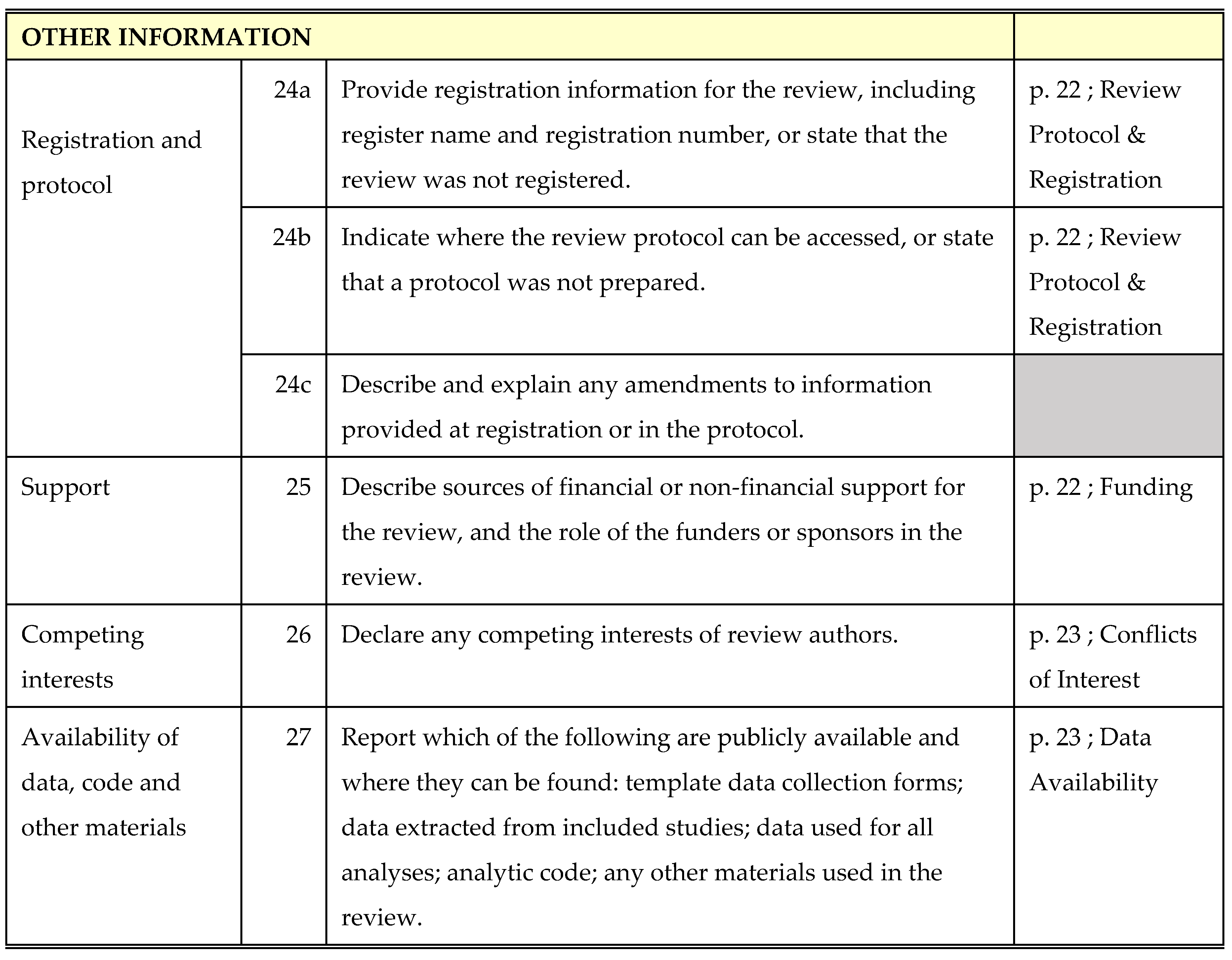
Appendix A. PRISMA Checklist
Figure A1.
PRISMA 2020 Checklist for Abstract.
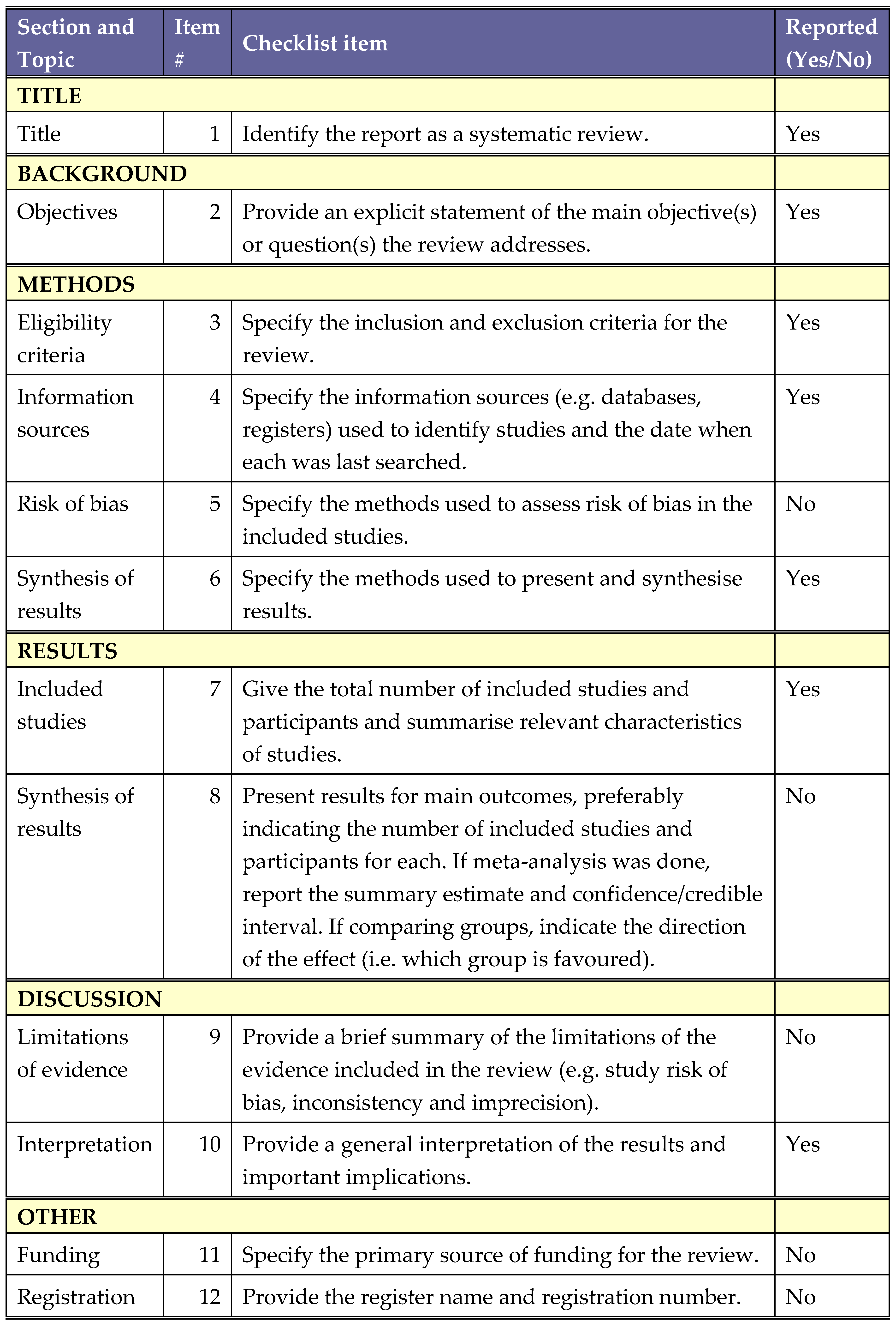
Figure A2.
PRISMA 2020 Checklist for Systematic Reviews.
Appendix B. Search Strategy
A search on the PubMed, CINAHL and Embase databases were performed in January 2025 with four search strings (S1, S2, S3, S4) combined using the Boolean operator “AND” with the following limits set: year of publication 2015-2025. An example of the search and terms used for PubMed, CINAHL and Embase can be found, respectively, in Table A1, Table A2 and Table A3

Table A1.
PubMed Search Strategy.
| Database | Date of Search | Search Strings | Terms Used | Results |
| PubMed | 28th January 2025 | S1 | (perception[MeSH Terms]) OR (attitude[MeSH Terms])) OR (facilitator)) OR (enabler)) OR (barrier)) OR (obstacle)) OR (challenge) | 4,224,261 |
| S2 | ("MyDispense") OR (computer simulation[MeSH Terms])) OR (patient simulations[MeSH Terms])) OR (educational technologies[MeSH Terms])) OR ("virtual patient simulator"[tiab:~3])) OR ("dispensing simulation") | 440,869 |
||
| S3 | ((students[MeSH Terms]) OR (pharmacy students[MeSH Terms])) | 185,856 |
||
| S4 | ((pharmacy[MeSH Terms]) OR (pharmacy education[MeSH Terms])) | 26,507 |
||
| S5 | S1 AND S2 AND S3 AND S4 | 49 |
Table A2.
CINAHL Search Strategy.
| Database | Date of Search | Search Strings | Terms Used | Results |
| CINAHL | 28th January 2025 | S1 | (MM "Attitude") OR "beliefs" OR "views" OR "opinions" OR "barriers" OR "challenges" OR "obstacles" OR "facilitators" OR "enablers" | 567,858 |
| S2 | “Mydispense” OR “patient simulation” OR “virtual simulation” OR “computer simulation” OR “simulation” N2 (“patient” OR “virtual” OR “dispensing”) | 27,672 | ||
| S3 | (MH "Students") OR (MH "Students, Pharmacy") | 22,056 | ||
| S4 | (MH "Education, Pharmacy") OR "pharmacy" | 13,743 | ||
| S5 | S1 AND S2 AND S3 AND S4 | 5 |
Table A3.
Embase Search Strategy.
| Database | Date of Search | Search Strings | Terms Used | Results |
| Embase | 28th January 2025 | S1 | 'attitude'/de OR 'attitude' OR 'beliefs'/de OR 'beliefs' OR 'perception'/de OR 'perception' OR 'challenge'/de OR 'challenge' OR 'obstacles'/de OR 'obstacles' OR 'barriers'/de OR 'barriers' OR 'facilitator'/de OR 'facilitator' OR enablers | 2,003,993 |
| S2 | 'mydispense' OR 'computer simulation'/exp OR 'computer simulation' OR 'patient simulation'/exp OR 'patient simulation' OR ((virtual OR patient OR dispensing) NEAR/2 simulation) | 197,410 | ||
| S3 | 'student'/exp OR 'student' OR 'pharmacy student'/exp OR 'pharmacy student' | 617,087 | ||
| S4 | 'pharmacy'/exp OR pharmacy OR 'pharmacy education'/exp OR 'pharmacy education' | 1,299,905 |
||
| S5 | S1 AND S2 AND S3 AND S4 | 117 |
References
- Pharmaceutical Society of Ireland (PSI), Accreditation Standards for the Five Year Master’s Degree Programmes in Pharmacy [Internet]. Ireland :Pharmaceutical Society of Ireland (PSI) , 2023 [cited 2025 March 20th] Available from: https://www.psi.ie/educationand-training/training-become-pharmacistireland/accreditation-and-standards-0.
- Atkinson J, Rombaut B, Pozo A, Rekkas D, Veski P, Hirvonen J, et al. The Production of a Framework of Competences for Pharmacy Practice in the European Union. Pharmacy. 2014;2:161–74. https://doi.org/ 10.3390/pharmacy2020161.
- Hall K, Musing E, Miller DA, Tisdale JE. Experiential Training for Pharmacy Students: Time for a New Approach. Can J Hosp Pharm [Internet]. 2012 [cited 2025 Mar 23];65. Available from: http://www.cjhp-online.ca/index.php/cjhp/article/view/1159.
- Mak V, Fitzgerald J, Holle L, Vordenberg SE, Kebodeaux C. Meeting pharmacy educational outcomes through effective use of the virtual simulation MyDispense. Curr Pharm Teach Learn. 2021;13:739–42. [CrossRef]
- Marriott JL. Use and evaluation of “virtual” patients for assessment of clinical pharmacy undergraduates. Pharm Educ. 2007;7:341–9. Available from: https://pharmacyeducation.fip.org/pharmacyeducation/article/view/163.
- Thompson J, White S, Chapman S. Virtual patients as a tool for training pre-registration pharmacists and increasing their preparedness to practice: A qualitative study. Suppiah V, editor. PLOS ONE. 2020;15:e0238226. [CrossRef]
- Seybert AL, Smithburger PL, Benedict NJ, Kobulinsky LR, Kane-Gill SL, Coons JC. Evidence for simulation in pharmacy education. JACCP J Am Coll Clin Pharm. 2019;2:686–92. [CrossRef]
- Han, Heeyoung & Resch, David & Kovach, Regina. Educational Technology in Medical Education. Teaching and learning in medicine. 25. S39-S43; 2013. [CrossRef]
- Maarek J-M. Benefits of Active Learning Embedded in Online Content Material Supporting a Flipped Classroom. 2018 ASEE Annu Conf Expo Proc [Internet]. Salt Lake City, Utah: ASEE Conferences; 2018 [cited 2025 Mar 21]. p. 29845. Available from: http://peer.asee.org/29845.
- Dimock M. Where Millennials end and Generation Z begins | Pew Research Center. [Internet]. Washington DC, USA;2019 [cited 2025 Mar 21] Available from: https://www.pewresearch.org/short-reads/2019/01/17/where-millennials-end-and-generation-z-begins/.
- Shatto B, Erwin K. Teaching Millennials and Generation Z: Bridging the Generational Divide. Creat Nurs. 2017;23:24–8. [CrossRef]
- Monash University. MyDispense [Internet]. Melbourne, Australia. Faculty of Pharmacy and Pharmaceutical Sciences, Monash University; 2025. [cited 2025 Mar 21] Available from : https://info.mydispense.monash.edu/.
- Smith MA, Mohammad RA, Benedict N. Use of Virtual Patients in an Advanced Therapeutics Pharmacy Course to Promote Active, Patient-Centered Learning. Am J Pharm Educ. 2014;78:125. [CrossRef]
- Phanudulkitti C, Kebodeaux C, Vordenberg SE. Use of the Virtual Simulation Tool ‘MyDispense’ By Pharmacy Programs in the United States. Am J Pharm Educ. 2022;86:ajpe8827. [CrossRef]
- Gharib AM, Peterson GM, Bindoff IK, Salahudeen MS. Potential Barriers to the Implementation of Computer-Based Simulation in Pharmacy Education: A Systematic Review. Pharmacy. 2023;11:86. [CrossRef]
- McDowell J, Styles K, Sewell K, Trinder P, Marriott J, Maher S, et al. A Simulated Learning Environment for Teaching Medicine Dispensing Skills. Am J Pharm Educ. 2016;80:11. [CrossRef]
- Gharib AM, Peterson GM, Bindoff IK, Salahudeen MS. Exploring barriers to the effective use of computer-based simulation in pharmacy education: a mixed-methods case study. Front Med. 2024;11:1448893. [CrossRef]
- Page MJ, McKenzie JE, Bossuyt PM, Boutron I, Hoffmann TC, Mulrow CD, et al. The PRISMA 2020 statement: an updated guideline for reporting systematic reviews. BMJ. 2021;n71. [CrossRef]
- Ouzzani M, Hammady H, Fedorowicz Z, Elmagarmid A. Rayyan—a web and mobile app for systematic reviews. Syst Rev. 2016;5:210. [CrossRef]
- Braun V, Clarke V. Using thematic analysis in psychology. Qual Res Psychol. 2006;3:77–101. http://doi.org/10.1191/1478088706qp063oa.
- Waghel RC, Wilson JA. Exploring community pharmacy work experience impact on errors and omissions performance and MyDispense perceptions. Curr Pharm Teach Learn. 2025;17:102235. [CrossRef]
- Rude TA, Eukel HN, Ahmed-Sarwar N, Burke ES, Anderson AN, Riskin J, et al. An Introductory Over-the-Counter Simulation for First-Year Pharmacy Students Using a Virtual Pharmacy. Am J Pharm Educ. 2023;87:ajpe8940. [CrossRef]
- Tabulov C, Vascimini A, Ruble M. Using a virtual simulation platform for dispensing pediatric prescriptions in a community-based pharmaceutical skills course. Curr Pharm Teach Learn. 2023;15:1052–9. [CrossRef]
- Deneff M, Holle LM, Fitzgerald JM, Wheeler K. A Novel Approach to Pharmacy Practice Law Instruction. Pharmacy. 2021;9:75. [CrossRef]
- Ambroziak K, Ibrahim N, Marshall VD, Kelling SE. Virtual simulation to personalize student learning in a required pharmacy course. Curr Pharm Teach Learn. 2018;10:750–6. [CrossRef]
- Ferrone M, Kebodeaux C, Fitzgerald J, Holle L. Implementation of a virtual dispensing simulator to support US pharmacy education. Curr Pharm Teach Learn. 2017;9:511–20. [CrossRef]
- Shin J, Tabatabai D, Boscardin C, Ferrone M, Brock T. Integration of a Community Pharmacy Simulation Program into a Therapeutics Course. Am J Pharm Educ. 2018;82:6189. [CrossRef]
- Phanudulkitti C, Leelakanok N, Nakpun T, Kittisopee T, Farris KB, Vordenberg SE. Impacts of the dispensing program(MyDispense®) on pharmacy students’ learning outcomes with relevant perceptions: A quasi-intervention study. Thai J Pharm Sci [Internet]. 2024 [cited 2025 Mar 15];48. Available from: https://digital.car.chula.ac.th/tjps/vol48/iss2/4.
- Al-Diery T, Hejazi T, Al-Qahtani N, ElHajj M, Rachid O, Jaam M. Evaluating the use of virtual simulation training to support pharmacy students’ competency development in conducting dispensing tasks. Curr Pharm Teach Learn. 2024;16:102199. [CrossRef]
- Nguyen KT, Dao ML, Nguyen KN, Nguyen HN, Nguyen HT, Nguyen HQ. Perception of learners on the effectiveness and suitability of MyDispense: a virtual pharmacy simulation and its integration in the clinical pharmacy module in Vietnam. BMC Med Educ. 2023;23:790. [CrossRef]
- Amatong AJ, Asentista H, Diasnes CM, Erispe KD, Malintad K, Paderog HG, et al. Learners’ Perceptions on My Dispense Virtual Simulation in the Philippines. 2022;7. Available from : https://ijisrt.com/assets/upload/files/IJISRT22JUN1465_(1).pdf.
- Amirthalingam P, Hamdan AM, Veeramani VP, A Sayed Ali M. A comparison between student performances on objective structured clinical examination and virtual simulation. Pharm Educ. 2022;22:466–73. [CrossRef]
- Dameh M. A Report of Second Year Pharmacy Students’ Experience after Using a Virtual Dispensing Program. J Pharma Care Health Sys 2015, S2:003. [CrossRef]
- Slater N, Mason T, Micallef R, Ramkhelawon M, May L. Enabling Access to Pharmacy Law Teaching during COVID-19: Student Perceptions of MyDispense and Assessment Outcomes. Pharmacy. 2023;11:44. [CrossRef]
- Khera HK, Mannix E, Moussa R, Mak V. MyDispense simulation in pharmacy education: a scoping review. J Pharm Policy Pract. 2023;16:110. [CrossRef]
- Miller GE. The assessment of clinical skills/competence/performance. Academic medicine. 1990 Sep 1;65(9):S63-7. [CrossRef]
- Benedict N, Smithburger P, Donihi AC, Empey P, Kobulinsky L, Seybert A, et al. Blended Simulation Progress Testing for Assessment of Practice Readiness. Am J Pharm Educ. 2017;81:14. [CrossRef]
- Kavanagh DJ, Boakes RA. Abilio C. de Almeida Neto and Shalom I. Benrimoj.
- Seybert AL, Kobulinsky LR, McKaveney TP. Human Patient Simulation in a Pharmacotherapy Course. Am J Pharm Educ. 2008;72:37. [CrossRef]
- Gharib AM, Bindoff IK, Peterson GM, Salahudeen MS. Exploring global perspectives on the use of computer-based simulation in pharmacy education: a survey of students and educators. Front Pharmacol. 2024;15:1494569. [CrossRef]
- DeLucenay A, Conn K, Corigliano A. An evaluation of the impact of immediate compared to delayed feedback on the development of counselling skills in pharmacy students. Pharm Educ. 2017 Oct. 24;17. Available from https://pharmacyeducation.fip.org/pharmacyeducation/article/view/480.
- Steuber TD, Janzen KM, Walton AM, Nisly SA. Assessment of Learner Metacognition in a Professional Pharmacy Elective Course. Am J Pharm Educ. 2017;81:6034. [CrossRef]
- Beshir SA, Mohamed AP, Soorya A, Sir Loon Goh S, Moussa El-Labadd E, Hussain N, et al. Virtual patient simulation in pharmacy education: A systematic review. Pharm Educ. 2022;22:954–70. [CrossRef]
- Durand E, Kerr A, Kavanagh O, Crowley E, Buchanan B, Bermingham M. Pharmacy students’ experience of technology-enhanced learning during the COVID-19 pandemic. Explor Res Clin Soc Pharm. 2023;9:100206. [CrossRef]
- Henning K, Ey S, Shaw D. Perfectionism, the impostor phenomenon and psychological adjustment in medical, dental, nursing and pharmacy students. Med Educ. 1998;32:456–64. [CrossRef]
- Barry Issenberg S, Mcgaghie WC, Petrusa ER, Lee Gordon D, Scalese RJ. Features and uses of high-fidelity medical simulations that lead to effective learning: a BEME systematic review. Med Teach. 2005;27:10–28. [CrossRef]
- Bindoff I, Ling T, Bereznicki L, Westbury J, Chalmers L, Peterson G, et al. A Computer Simulation of Community Pharmacy Practice for Educational Use. Am J Pharm Educ. 2014;78:168. [CrossRef]
- The relationship between digital literacy and academic performance of college students in blended learning: the mediating effect of learning adaptability. Adv Educ Technol Psychol [Internet]. 2023 [cited 2025 Apr 3];7. Available from: https://www.clausiuspress.com/article/8204.html.
- Al-Dahir S, Bryant K, Kennedy KB, Robinson DS. Online Virtual-Patient Cases Versus Traditional Problem-Based Learning in Advanced Pharmacy Practice Experiences. Am J Pharm Educ. 2014;78:76. [CrossRef]
- Bindoff I, Ling T, Bereznicki L, Westbury J, Chalmers L, Peterson G, et al. A Computer Simulation of Community Pharmacy Practice for Educational Use. Am J Pharm Educ. 2014;78:168. [CrossRef]
- Bernaitis N, Baumann-Birkbeck L, Alcorn S, Powell M, Arora D, Anoopkumar-Dukie S. Simulated patient cases using DecisionSimTM improves student performance and satisfaction in pharmacotherapeutics education. Curr Pharm Teach Learn. 2018;10:730–5. [CrossRef]
- Duffull S, Peterson A, Chai B, Cho F, Opoku J, Sissing T, et al. Exploring a scalable real-time simulation for interprofessional education in pharmacy and medicine. MedEdPublish [Internet]. 2020 [cited 2025 Mar 22];9. Available from: https://mededpublish.org/articles/9-240.
- Williams V, Boylan A-M, Nunan D. Critical appraisal of qualitative research: necessity, partialities and the issue of bias. BMJ Evid-Based Med. 2020;25:9–11. [CrossRef]
Figure 1.
PRISMA flow chart.
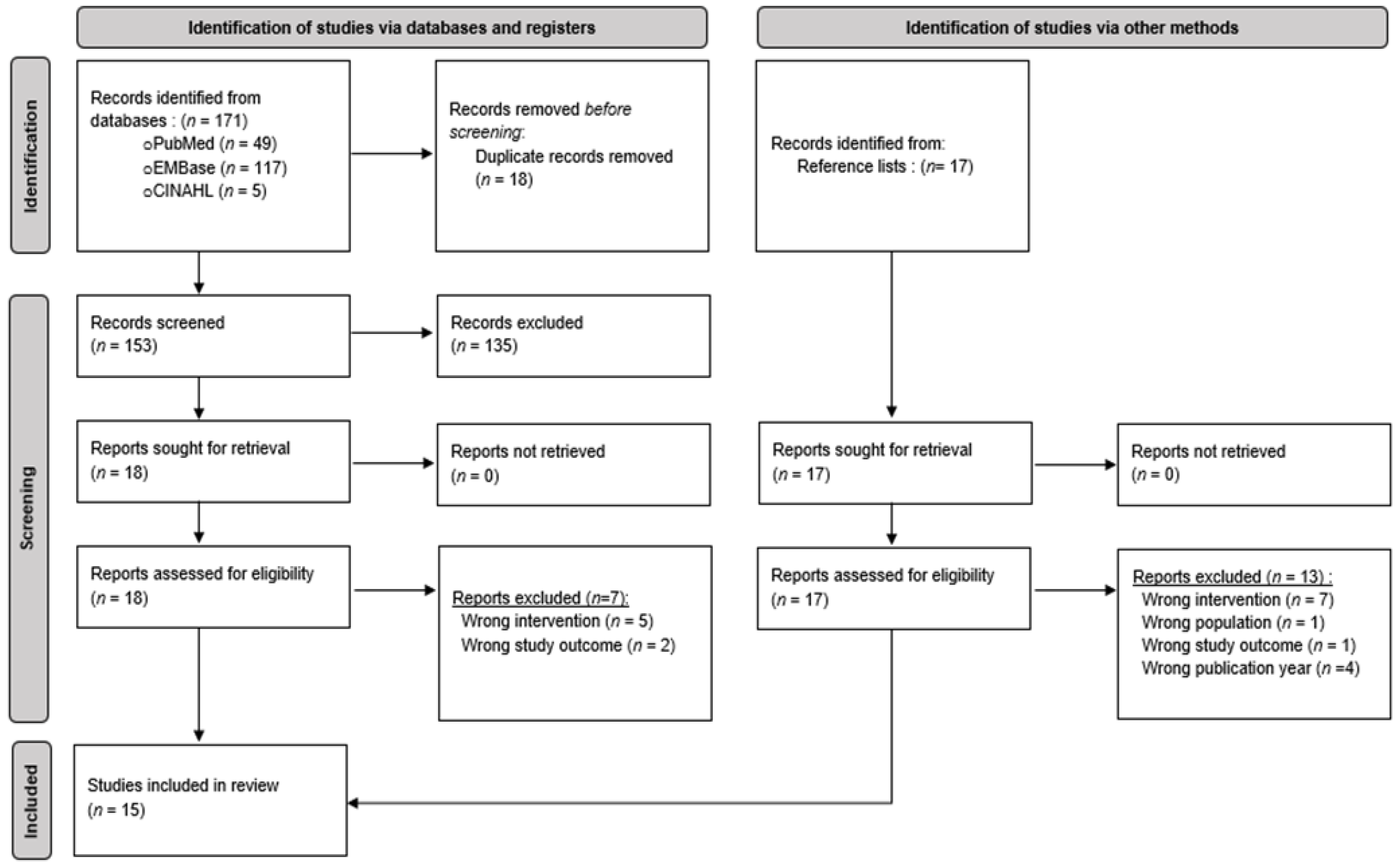
Table 1.
PICO definitions.
| PICO | Definitions |
| Population (P) | Pharmacy Students |
| Intervention (I) | Any study that collects pharmacy students’ opinion, perception, satisfaction or attitudes on using MyDispenseTM in a recognized pharmacy course |
| Comparison (C) | Both types of study i.e. with/without a comparison group |
| Outcomes (O) | Pharmacy students’ perceptions on the barriers and facilitators to using MyDispenseTM |
Table 2.
Characteristics of included studies (listed chronologically, according to most recent year of publication).
Table 2.
Characteristics of included studies (listed chronologically, according to most recent year of publication).
| Author (Year) ; Country | Description of study design | Study Participants | Study Outcomes | Method(s) of data collection | Identified Barrier(s) | Identified Facilitator(s) |
| Waghel et al. (2025) USA |
Mixed-methods, Cross-sectional |
Y1 PharmD students enrolled in a pharmacy skills lab course (n = 71) |
To evaluate the correlation between pharmacy experience and performance on MyDispense™ E&O activities To evaluate students perceptions of MyDispense™ E&O activities |
Questionnaire investigating prior pharmacy experience and MyDispense™ perceptions | Initial learning curve to use software IT incompatibilities |
Provides high fidelity learning interactive environment Provides immediate feedback Easy to navigate |
| Phanudulkitti et al. (2024) Thailand |
Mixed-methods, Longitudinal |
Y4 Pharmacy students enrolled in a Pharmacotherapeutic I course (n = 136) |
To evaluate MyDispense™ impact on pharmacy students’ learning outcomes To evaluate students’ perceptions and instructors’ views of MyDispense™ |
Five-part questionnaire Part three comprised of five closed-ended questions regarding MyDispense™ and one item for additional student feedback |
Learning how to use software initially | Can practice dispensing skills at any time or place Provides feedback instantly at end of exercises |
| Al-Diery et al. (2024) Qatar |
Quantitative, Longitudinal |
Y1 pharmacy students enrolled in a Professional Skills II course (n = 55) | To evaluate impact of MyDispense™ on students’ self-reported reaction, learning and accuracy in dispensing tasks | Pre-post intervention seven-point Likert scale questionnaire based on Kirkpatrick’s Model |
Does not simulate true patient-practitioner interactions | Offers immediate feedback Allows for practice in a safe virtual dispensing environment |
| Nguyen et al. (2023) Vietnam |
Mixed methods, Longitudinal |
Y4 and Y5 pharmacy students enrolled at UMP Vietnam (n = 69) Pharmacists with at least one year clinical practice experience (n = 23) |
To investigate learners’ perspective on effectiveness of MyDispense™ in learning dispensing skills To investigate the suitability of MyDispense™ integration into Vietnamese pharmacy curricula |
Online five-point Likert scale questionnaire Semi-structured interviews |
Complicated learning process Inconsistent quality of product images |
High degree of user interactivity Ability to self-learn by immediate feedback Diverse medication database |
| Rude et al. (2023) USA |
Quantitative, Longitudinal |
Y1 PharmD students enrolled at NDSU and VCU (n = 142) | To assess the impact of MyDispense™ on students’ knowledge and confidence of OTC medications To assess overall student perceptions of MyDispense™ activities |
Pre-post questionnaire with closed-ended demographic, confidence and knowledge-based questions A five-point modified perception scale was added to post-questionnaire. |
May not be as effective as traditional learning methods | Effective way to learn new information Encourages active thinking |
| Tabulov et al. (2023) USA |
Quantitative, Longitudinal |
Y1 PharmD students enrolled in a pharmaceutical skills 1 course (n = 64) | To describe a paediatric simulation on MyDispense™ completed by first year students To review student perceptions on confidence and knowledge after using MyDispense™ |
Pre-post online questionnaire with yes/no items and five-point Likert scale | Initial learning curve |
Low-stakes environment that allows students to make mistakes without harm More realistic than paper-based case learning |
| Slater et al. (2023) United Kingdom |
Mixed methods, Cross-sectional |
Y2 MPharm students enrolled in a pharmacy law and ethics module (n = 147) | To evaluate MyDispense™ impact on assessment performance To evaluate student perceptions of MyDispense™ |
24 item questionnaire consisting of closed and open-ended questions and five point Likert-scale |
User interface could be improved Difficulties navigating software initially |
Highly accessible and can practice dispensing skills from home Provides opportunity to repeat exercises |
| Faller et al. (2022) Philippines |
Mixed methods, Cross-sectional |
Y2 and Y3 pharmacy students across four universities (n = 322) | To determine learners perceptions of MyDispense™ | Three-part questionnaire including demographics, a five-point Likert scale and open-ended questions on student perceptions | Technical and internet connectivity issues | High-fidelity learning environment without patient harm |
| Amirthalingam et al. (2022) Saudi Arabia |
Mixed-methods, Cross-sectional |
Y4 pharmacy students enrolled in an Introductory Pharmacy Practice Experience 2 course (n = 69) | To compare pharmacy students’ performance on MyDispense™ vs. in-person OSCEs To explore students’ perceptions of MyDispense™ |
Post-simulation questionnaire with five-point Likert scale and open-ended questions | Can be complicated to use Interactions are robotic in nature |
Helps improve patient communication skills Enhances student confidence in patient care |
| Deneff et al. (2021) USA |
Qualitative, Cross-sectional |
Y3 PharmD students enrolled in a pharmacy law and ethics course in 2017 (n = 38) and 2018 (n = 28) |
To evaluate the utility of MyDispense™ for pharmacy law instruction To evaluate students’ perceptions of MyDispense™ for pharmacy law instruction |
Questionnaire with close-ended questions graded on a four and five-point Likert Scale in 2017 and 2018, respectively, and open-ended questions | Initial learning curve Some pharmacy law exercises may not be suitable for MyDispense™ |
More engaging than traditional classroom teaching |
| Ambroziak et al. (2018) USA |
Quantitative, Longitudinal |
Y1 PharmD students enrolled in a Pharmacy Practice Skills 1 course (n = 85) | To implement MyDispense™ cases into a first year PharmD course To assess student perceptions of their learning using MyDispense™ |
Pre-simulation questionnaire investigating prior pharmacy experience Post-simulation questionnaire investigating perceptions of MyDispense™ using open and closed-ended questions |
Learning how to navigate program | Effective tool to learn dispensing skills e.g.) analysing prescriptions |
| Ferrone et al. (2017) USA |
Mixed-methods, Cross-sectional |
Y1 and Y3 PharmD students enrolled in UCSF, UConn, STLCOP (n =241) | To implement MyDispense™ simulation into US pharmacy curricula To assess students’ satisfaction of MyDispense™ |
Questionnaire with five-point Likert scale, demographics on pharmacy experience and open-ended questions on MyDispense™ perceptions | Can be difficult to learn at first May need to be adapted for different regions to be more culturally appropriate |
Straightforward to learn Affords opportunity to make mistakes More realistic than paper based cases |
| Shin et al. (2016) USA |
Quantitative, Longitudinal |
Y2 PharmD students enrolled in a Therapeutics II course (n = 117) | To demonstrate feasibility of integrating MyDispense™ into a therapeutics course To measure students’ perceptions on MyDispense™ and its impact on learning |
Three post-intervention questionnaires consisting of 10 to 17 items | Limited capacity to simulate interactions with prescribers and patients |
Provides immediate feedback Can practice cases at any time / place Safe, low stakes practice environment |
| McDowell et al. (2016) Australia |
Mixed methods, Cross-sectional |
Y1 BPharm students enrolled in PAC1311 and PAC1322 modules at Monash University (n = 199) | To develop MyDispense™ for students to learn dispensing skills in a low-stakes environment To explore students’ perceptions of MyDispense™ |
38 item questionnaire with five point Likert-scale questions and open ended questions | User interface is not responsive Technical and server connectivity issues |
Allows for “safe” dispensing without patient harm Stimulating learning environment |
| Dameh (2015) UAE |
Mixed-methods, Cross-sectional |
Y2 female pharmacy students enrolled at FCHS (n = 33) | To report pharmacy students’ experience after using MyDispense™ | Questionnaire consisting of five point Likert-scale and open ended questions on student perceptions Focus group discussion to allow students to elaborate perceptions |
Technical issues cause student frustration |
Highly accessible for students Gives dispensing practice prior to working in real-life scenarios |
P PharmD :Doctor of Pharmacy; MPharm :Masters of Pharmacy; Y1 :Year 1; Y2 :Year 2; Y3 :Year 3; Y4 :Year 4; E&O : Errors and omissions; OSCE :Objective Structured Clinical Examination; UMP :University of Medicine & Pharmacy Ho Chi Minh City; NNDSU : North Dakota State University; VCU : Virginia Commonwealth University; UCSF :University of California, San Francisco; UConn :University of Connecticut; STLCOP :St. Louis College of Pharmacy; FCHS : Fatima College of Health Sciences; PAC1311; Pharmacy, Health and Society I; PAC1322 : Pharmacy, Health and Society II.
Table 3.
Supporting student quotations for facilitator themes to using MyDispenseTM.
| Facilitator theme(s) | Description of facilitator theme(s) | Supporting Quotations |
| Develops Competency | Enhanced patient communication skills Increased confidence in dispensing process Diverse medication database allows students to familiarise themselves with brand names |
“I think this is a neat and useful tool for pharmacy students to learn before their community pharmacy rotation, especially for those who have never had experience in a community pharmacy before”[26] “Gave those w/o experience a simulation of experience”[21] “It helps me get used to some brand names, because its less common when I’m studying”[30] |
| Accessibility | Ability for students use software at any suitable time and/or place Can be used on several devices e.g.) tablets, phones, laptops |
“I liked that MyDispenseTM can be used in my phone so I can do it anywhere when I have time”[30] “I think this program is great. I can practice dispensing skills during my free time”[28] |
| Engaging Learning Experience | Realistic learning environment Lively, virtual patients Prompt feedback supports active learning More engaging than paper-based cases |
“One function that I find very cool is the feedback, which helps me have the ability to self-study and self-check whether the prescription I give to the patient is incorrect or not”[30] “I could observe patient appearance including their ages, gender and other special features such as pregnant women, so it helps me visualise better”[30] |
| Safe Learning Environment | Low-stakes learning environment without patient risk Ability to repeat exercises reinforces student learning |
“MyDispense is good because it gives us the experience and practice of realistic dispensing without having to place any risk on real patients in our community.”[16] “We can practice as many [times] as we want, as many times as we wish”[31] |
Table 4.
Supporting student quotations for barrier themes to using MyDispenseTM.
| Barrier theme(s) | Description of barrier theme(s) | Supporting Quotation |
| Learning curve | Complicated to learn initially User Interface (UI) can be complicated and difficult to navigate |
“I need more time to learn and explore with the program system and functions” [28] “A tutorial version of these cases where you learn as you go instead of after you finish the entire case may be helpful”[24] “Improvement of the design of the user interface of MyDispense for easier navigation and better appearance of the application for the user”[31] |
| IT issues | Software “bugs” and compatibility issues using certain web browsers Internet connection issues |
“Reloading of the website whenever the internet connection is slow … reforms the activity or exercise I am doing”[31] “Program system may not be quite stable”[28] “We had to use a certain web browser and it would become very confusing when trying to back out or submit medication”[21] |
| Limited realism and applications | Perceived limitations in physical fidelity Lack of oral communication features with patients and prescribers Simulation is restricted to community practice settings |
“It’s a bit robotic”[32] “There were some limitations in discussing with patients”[28] “A possible improvement is the option to be exposed to different kinds of pharmaceutical workplace settings, like the option to pick between settings like Hospital Pharmacy or Community Pharmacy”[31] |
Disclaimer/Publisher’s Note: The statements, opinions and data contained in all publications are solely those of the individual author(s) and contributor(s) and not of MDPI and/or the editor(s). MDPI and/or the editor(s) disclaim responsibility for any injury to people or property resulting from any ideas, methods, instructions or products referred to in the content. |
© 2025 by the authors. Licensee MDPI, Basel, Switzerland. This article is an open access article distributed under the terms and conditions of the Creative Commons Attribution (CC BY) license (http://creativecommons.org/licenses/by/4.0/).
Copyright: This open access article is published under a Creative Commons CC BY 4.0 license, which permit the free download, distribution, and reuse, provided that the author and preprint are cited in any reuse.


