

Submitted:
02 June 2025
Posted:
04 June 2025
Read the latest preprint version here
Abstract
Background: The absence of biochemical newborn screening (NBS) delays the diagnosis and treatment of congenital hypothyroidism (CH), resulting in irreversible neurodevelopmental damage.
Objective: To determine the age at diagnosis of CH in Algerian children and to describe its clinical and biological characteristics, etiology and outcome.
Methods: Multicenter retrospective cohort study of 288 children with CH across 20 pediatrics centers between 2005 and 2023.
Results: The median age at diagnosis was 1.6 months, and only 28% of patients started treatment before 30 days. Prolonged neonatal jaundice was the most frequent presenting symptom (58%). Severe CH (fT4 < 5 pmol/L) was observed in 35%, and 52% received an insufficient initial dose of L-T4. The median IQ of the 47 patients tested was 86 and 11% had an IQ < 70. A negative correlation was found between age at diagnosis and IQ (r = -0.51, p = 0.001). In children reassessed at age 3, 51% had normal thyroid function, indicating transient CH.
Conclusion: Delayed diagnosis and suboptimal treatment of CH remain major challenges in Algeria, leading to substantial neurodevelopmental deficits. Pediatricians must remain cognizant of early clinical signs of CH to allow timely diagnosis and intervention. Biochemical NBS for CH in Algeria is needed.
Keywords:
congenital hypothyroidism
; Newborn screening
; neurodevelopmental
; IQ
; treatment
; Algeria
1. Introduction
Congenital hypothyroidism (CH) is one of the most common causes of preventable intellectual disability in children. In countries where universal newborn screening (NBS) programs are established, CH is routinely detected within the first two weeks of life—allowing early initiation of levothyroxine therapy and preventing long-term neurodevelopmental impairments. However, in the absence of screening, diagnosis often relies on clinical suspicion alone, which may be delayed due to the subtle or nonspecific nature of early symptoms.
In Algeria, there is currently no nationwide NBS program for CH. As a result, the diagnosis is frequently based on the recognition of clinical signs such as prolonged neonatal jaundice, constipation, hypotonia, or delayed growth—signs that often appear after the critical period for optimal neurological development. This delayed recognition contributes to late initiation of treatment and increases the risk of permanent psychomotor and intellectual deficits.
In this context, our study aims to evaluate, for the first time on a national scale, the age at diagnosis of CH in Algeria. It also seeks to characterize the clinical and biological features at presentation, identify etiological patterns, assess the adequacy of treatment, and investigate the neurodevelopmental consequences of delayed diagnosis. Our ultimate purpose is to provide evidence to support the implementation of a universal NBS program and to raise awareness among healthcare professionals and decision makers about the importance of early detection of CH.
2. Methods
This was a multicenter observational cohort study.
2.1. Objectives
The primary outcome was to determine the age at diagnosis of patients with congenital hypothyroidism (CH) in Algeria, where newborn screening is not established.
The secondary outcomes were to determine the clinical and biological characteristics at presentation, the etiology of CH and the neurodevelopmental outcome, as well as to explore the correlation between neurodevelopmental outcomes and age at diagnosis.
2.2. Study Design and Population
We retrospectively reviewed the medical records of 432 children followed for CH diagnosed between February 2005 and September 2023 across twenty paediatric departments in Algeria.
The study population included all children with CH, aged 0 and 18 years who attended an outpatient clinic from January 2017 to December 2023.
The exclusion criteria where: central hypothyroidism, Down syndrome, and patients who were not treated or were lost to follow-up.
2.3. Data Collection
The following data were collected for analysis: reason for referral, clinical characteristics at diagnosis, auxological data, serum TSH and FT4, radiological evaluation (knee X-rays), etiology based on imaging and dose of L-T4 treatment. Treatment under the recommended dose was considered inadequate [1,2].
2.4. Definitions
Congenital primary hypothyroidism was defined by elevated serum TSH (age-adjusted, minimal TSH > 8 mU/L) and/or a low FT4 (< 10 pmol/L).
Two aetiological groups of CH were defined based on the results of thyroid ultrasound (US) and/or pertechnetate scintigraphy: thyroid dysgenesis (including athyreosis, ectopic gland and orthotopic hypoplasia) and thyroid in situ of normal or increased size (including all patients with normal scintigraphy/US and patients with a goitre detected clinically).
The initial LT4 dose was considered insufficient when it was below 9 µg/kg/day in the first 3 months, and below 6 µg/kg/day after 3 months.
2.5. Neurodevelopmental Assessment
The neurodevelopmental status of the children was determined using several measures, including psychomotor delay (defined as a delay in attaining developmental milestones) and school progression (absence of schooling, grade repetition or poor school performance). In addition, IQ was measured in some patients using the Arabic version of the Wechsler Intelligence Scale for Children–IV in some patients and the Kohs Block Design in others [3]. Scores of IQ<70 are considered to indicate intellectual disability and ≥85 normal intelligence. We compared the characteristics of two groups: low IQ (<85) and normal IQ (≥85).
2.6. Reassessment
In some children who did not undergo scintigraphy before treatment, treatment was stopped after 3 years and serum TSH and fT4 were reassessed. CH was then classified as either transient or permanent.
2.7. Ethics
An ethics statement is not applicable because this study is based exclusively on a clinical audit.
2.8. Statistical Analysis
The data were expressed as Mean±SD or Median (range) as appropriate. For comparisons between two groups, independent samples t-tests, Mann–Whitney or Chi-square (χ²) tests were used. For more than two groups, one-way analysis of variance (ANOVA) was used. Correlational analyses were performed using Pearson’s correlation coefficients. To identify risk factors for low IQ and psychomotor delay, multivariate analyses such as linear regression, logistic regression and multiple regression models were applied. Receiver Operating Characteristic (ROC) analysis was used to evaluate the performance of a diagnostic test. Epi Info 7, Excel, and Medcalc were used to collect and analyze the data.
3. Results
Of 432 CH patients, 288 (66.6%) were included in the study, with 144 excluded for reasons such as missing data, central hypothyroidism, Down syndrome, or lack of data on treatment/follow-up. Figure 1 provides a visual representation of the patient selection and exclusion process, leading to the final group of 288 patients whose clinical characteristics were analysed in the study.
Age at diagnosis: The median age at diagnosis was 1.6 (0.05-150) months, but the median age at the initiation of treatment was 2 months, ranging between < 1 and 156 months. Less than half of the patients (35%) were diagnosed before 1 month, while more than 37% of the patients were diagnosed after three months and 18% after 1 year of age (Figure 2).
Sex-ratio: There were 159 females (55%) and 129 males (45%), leading to a female-to-male ratio of 1.23.
Consanguinity and family history: Consanguinity was reported in 75 patients (26%), a family history of thyroid dysfunction was noted in 105 patients (36%) and CH was reported in 27 (9%) siblings from 12 families. Moreover, an extrathyroidal congenital abnormality was present in 44 patients, with cardiac defects being the most common (8%) (Table 1).
Birth characteristics: The average gestational age was 38 weeks, and prematurity was noted in 27 patients (9%) while 11% of the patients were born SGA. The mean birth weight, length and head circumference were 3.2 kg, 49.6 cm and 34.4 cm, respectively.
Cause of referral and signs at presentation (Figure 3): The most common symptom leading to the suspicion of CH was jaundice for more than 10 days (36.5%). Other symptoms included constipation, psychomotor delay, short stature, hypotonia and goitre. Only 13% had a targeted screening with serum TSH during the neonatal period because of a family history of hypothyroidism (sibling with CH or mother with hypothyroidism). Among the clinical signs observed at presentation, prolonged jaundice was the most frequent (58%).
Forty-two (15%) patients had short stature (Height <-2 SD) at diagnosis and 17 (6%) had a BMI > +2 DS. The reason for referral had a significant impact on the age at diagnosis: jaundice and constipation were common before 3 months, while psychomotor delay and short stature were reported in patients diagnosed after 12 months (Figure 4). Those who presented with prolonged jaundice at a median age of one month (range: 0.05-34) or were screened at a median age of 0.3 months (range: 0.07-12) had the youngest age at diagnosis, whereas those who presented with short stature had the oldest age at diagnosis (median 39 months (range: 2.33-150).
Biological data (Table 2): The diagnosis of hypothyroidism was confirmed through the measurement of serum TSH and fT4 prior to treatment in all patients. Excluding TSH values above 100 mU/L (which were not reported as an exact number), the median TSH values before treatment was 65.35 mU/L. Mean ± SD fT4 levels were 7.6 ± 6.2 pmol/l (range 0.01-20 pmol/l). Forty-three % were found to have extremely high TSH levels (> 100 mU/L), 56% had low FT4 levels (< 10 pmol/L), and 34% had fT4 levels < 5 pmol/L, indicating severe CH.
3.1. Imaging Exams and Aetiological Groups
Knee radiography was performed in 97 patients (34%): it showed no ossification centre in 34 full term infants, indicating a prenatal onset of hypothyroidism. Thyroid ultrasounds (US) were performed in 251 patients (87%), and pertechnetate scintigraphy in 137 (48%). The 'in situ gland' group was the largest aetiological group (150 cases, 52%), with goitres accounting for only 9% of the cases, while thyroid dysgenesis was found in 109 cases (38%). In 29 (10%) cases, the aetiological group could not be defined because of the lack of an imaging study. The dysgenesis group showed significantly more severe forms than the in-situ gland group while consanguinity and female sex was more frequent in the in situ-gland group (Table 3).
3.2. Treatment (Figure 5):
Levothyroxine (L-T4) treatment was initiated at a median age of 2 months, with a range between 0.06 (2 days) and 150 months. Only 28% of the patients (n=82) were started on L-T4 before 30 days of age. The mean starting dose of L-T4 was 6.9 ± 4.1 (range 0.6-25.6 µg/kg/day). Patients aged less than 1 month at diagnosis received a higher dose (7.8± 3.7 µg/kg/day). One hundred forty-nine (52%) received an insufficient initial L-T4 dose, with 51% receiving less than 9 µg/kg/day in the first 3 months and 53% receiving less than 6 µg/kg/day after 3 months.
3.3. Outcomes
3.3.1. Transient vs permanent CH
Forty-seven patients (16%) underwent biological reassessment after stopping treatment, of which 24 (51%) had normal thyroid function, indicating transient hypothyroidism (Table 4).
In patients with transient CH, initial TSH levels were significantly lower and fT4 was significantly higher at diagnosis than in those with permanent CH. The transient CH cases were more frequently in the aetiological in situ gland group (Table 4).
3.3.2. Neurodevelopmental Assessment (Table 5)
We collected data on school progression in 88 of 206 (43%) of school-age children: 27 (31%) had repeated a grade or had left regular school. Sixteen patients (6%) were reported to have a language delay, while 43 (15%) were described as having a psychomotor delay. Using multiple regression, children with CH diagnosed after 2 months of age had an OR of 7.77 [2.88-20.67] of having psychological delay while this OR was 0.29 [0.07- 1.18] in those diagnosed before 1 month of age. The ROC plot analysis showed that the cut-off line for an age of 1.94 months is associated with psychomotor delay with a sensitivity of 87.2%, a specificity of 66.7%, and an AUC of 0.815 p<0.001 (Figure 6). Among the one hundred and fifty (151) children older than 1.94 months at diagnosis, 60 (40%) were labelled with psychomotor delay, 9 (6%) of whom had severe CH.

Table 5.
Comparison of clinical and biological data between permanent and transient CH in 47 patients who underwent a clinical reassessment at age 3.
Table 5.
Comparison of clinical and biological data between permanent and transient CH in 47 patients who underwent a clinical reassessment at age 3.
| Neurodevelopmental Data | N(%) | Age at evaluation Mean± SD |
|---|---|---|
| School age | 206 (71.5%) | 10.1±3.3 [5.5-16.7] years |
| School age data | 88 (43%) | |
| School failure | 27/88 (31%) | 10.8±3.9 [5.1-21.7] years |
| Language Delay | 16(6%) | 18.4±18.1[0.95-48] months |
| Psychomotor Delay | 43(15%) | 23.3±25.1[1.9-93.9] months |
| IQ assessment N=47 | ||
| Normal IQ ≥85 | 29 (62%) | 5.1±1.7 [2.7-8] |
| Low IQ <85 | 13 (28%) | 5.2±1.8 [3-7.8] |
| Very Low IQ <70 | 5 (11%) | 4.8±2.5 [3-9.3] |
| Cognitive Disharmony | 7 (15%) | 5.6±1.3 [3-6.7] |
3.3.3. IQ Evaluation (Table 5 and 6, Figure 7 and Figure 8)
Out of 47 (16%) patients with an IQ evaluation (Table 5), only 62% had a normal value while 11% had an IQ<70, the WHO definition of intellectual disability (Figure 7). There was a correlation between age at diagnosis and IQ. The median age at IQ assessment was 5 years (range: 2.9-9). The mean IQ was 86.1±15.2 [50–112]. This result was significantly lower than the theoretical mean IQ of 100 in the general population (p<0.0001) (Figure 7).
Children with IQ<85 (n=18) did not differ from those with IQ≥85 (n=29) in terms of gender, age at IQ test and aetiology (Table 6).
Table 6.
Comparison of IQ groups.
| Global N=47 |
IQ < 85 N=18 |
IQ≥85 N=29 |
p | ||
|---|---|---|---|---|---|
| Sexe M/F | 15/32 | 5/13 | 10/19 | 0.63 | |
| Mean Age IQ test years | 5.3±1.8 [2.5-9.3] | 5.5±2.1 [3-9.3] | 5.2±1.7 [2.5-8] | 0.68 | |
|
Age at treatment in month Median (range) |
2 (0.1-69) |
3.75 (0.2-69) |
1.1 (0.1-42.7) |
0.01 | |
| Age start L-T4 | ≤1 month (n, %) | 16 (25.5%) | 3 (17%) | 13 (45%) | 0.05 |
| >1 month (n, %) | 31 (74.5%) | 15 (83%) | 16 (55%) | ||
| Etiology | Dysgenesis | 25 (53%) | 13 (72%) | 12 (41%) | 0.05 |
| In-situ gland | 21 (45%) | 5 (28%) | 16 (55%) | ||
| L-T4 Dose µg/kg/j | <9 µg/kg/j | 27 (54%) | 12 (67%) | 15 (52%) | 0.26 |
| ≥9 µg/kg/j | 15 (32%) | 4 (22%) | 11 (38%) | ||
At the start of treatment, children with IQ<85 were significantly older (median 3.75 months range: 0.2-69) than children with IQ≥85 (median 1.1 month range: 0.1-42.7). The IQ≥85 group had started treatment before one month (45%) and with a dose higher than 9 µg/kg/day than those with IQ< 85 (38% vs 22%). Seven patients with a normal IQ have a cognitive disharmony (Table 6).
Our analysis shows a significant negative correlation between IQ and age at diagnosis (r=-0.51, p=0.001) (Figure 8).
Logistic regression indicates that dysgenesis significantly increases the risk of low IQ (OR=5.55 [1.1-25.7]). A second IQ test on 11 CH patients at a median age of 8 years (range: 4.5-10), shows improvement to an IQ ≥85 in five cases (45.5%).
4. Discussion
In the absence of a standard biochemical NBS program, the diagnosis of CH relies on a systematic and rigorous clinical examination of newborns at birth and during the first weeks of life. Despite this, not all patients are diagnosed in time to avoid intellectual disability. Even though the inclusion period spans more than 15 years, most pediatric endocrinology centers participating in this study have existed for less than 10 years; so, despite an estimated 10-year recruitment period, the recruitment concerned only some hospital-based pediatric clinics and therefore, does not allow to estimate the population prevalence of CH. However, published studies indicate that the incidence of CH ranges from 1 in 7,000 to 1 in 10,000 births in populations without screening, while this rate increases to between 1 in 1,100 and 1 in 3,000 births when screening is implemented, depending on the TSH threshold used [4,5,6,7].
Clinical Diagnostic Challenges: The difficulty in early clinical diagnosis stems from frequently subtle or absent symptoms at birth [4,8]. In our study, jaundice emerged as the primary diagnostic clue, with a median age at presentation of 1.66 months. This aligns with established knowledge that CH often manifests as prolonged neonatal jaundice [8,9,10] accompanied by other characteristic symptoms such as constipation, macroglossia, delayed fontanel closure, umbilical hernia and coarse facial features [9,11,12]. The clinical diagnosis remains particularly challenging because most affected infants exhibit highly nonspecific symptoms. Approximately 5% of CH cases present sufficiently distinctive clinical findings within the first few days of life to enable a prompt diagnosis [13]. Furthermore, it is concerning that approximately 5-10% of newborns with CH are not detected by primary screening programs, irrespective of whether the screening targets thyroxine (T4) or thyroid-stimulating hormone (TSH) [14].
Multiple systemic and clinical factors lead to delayed CH diagnosis. Health system limitations –particularly inadequate NBS or poor implementation – are primary contributors. Regions without universal NBS or proper follow-up protocols consistently show missed cases and diagnostic delays [15].
Delayed diagnosis of CH remains alarmingly common in many parts of the world, when screening programs are inadequate or absent, showing persistent gaps in early detection, particularly in regions lacking NBS programs [16]. In regions lacking widespread NBS, the median age at diagnosis is often delayed, reaching a period as late as 45 days, which contributes to poorer developmental outcomes (Table 7) [11,12,17,24,25,26]. Aligning with global data, our results demonstrate a concerning delay in CH diagnosis, with a mean age at diagnosis of 2 months, and 65% of cases identified beyond the neonatal period (>1 month).
4.1. The Consequences of Delayed Diagnosis and Treatment
The effects of delayed diagnosis and treatment of CH are often severe and irreversible, significantly impacting both development and quality of life. One of the most serious consequences of untreated CH is severe intellectual disability [11]. Early studies indicate that delaying treatment beyond three months of age causes irreversible mental retardation and neuropsychological deficits collectively referred to as cretinism [14,27]. CH children diagnosed after the age of six months are at a significantly higher risk of lower IQ scores and developmental delays compared to those diagnosed earlier [28,29]. Late initiation of L-T4 therapy has been shown to negatively affect cognitive functioning and overall well-being [30]. Research by Leger et al provides strong evidence that, during early adolescence, there is a clear link between disease severity at the time of diagnosis, the adequacy of treatment during follow-up, and poor school performance among individuals treated for CH from the neonatal stage [31]. Several factors have been identified as predictors of worse intellectual outcomes in children with CH, including initial serum T4 levels at diagnosis, the timing of treatment initiation, prolonged time to normalize thyroid hormone levels, maternal education, socioeconomic status, and the frequency of clinic visits during the first year of life [2,28,29,32,33]. Cognitive problems may persist despite treatment, including difficulties with visual-spatial abilities, language development, fine motor skills, memory and attention [34]. Beyond the cognitive domain, untreated cases often exhibit severe growth impairments, including stunted growth and delayed bone maturation [15]. Neurological complications such as spasticity, gait abnormalities, dysarthria, mutism, and behavioural disorders may also develop in affected individuals when treatment is delayed [30].
4.2. Etiological Diagnosis and Genetic Factors in Congenital Hypothyroidism
CH is predominantly accounted for by two main etiological categories: thyroid dysgenesis (TD) and dyshormonogenesis (DH). TD represents approximately 80-85% of CH cases and includes conditions such as ectopy, athyreosis and orthopic hypoplasia. Mutations in transcription factor genes like TSHR, PAX8, and NKX2-1 are rarely linked to these abnormalities [35,36]. Less common, DH results from thyroid hormone synthesis defects, predominantly associated with mutations in the DUOX2, TPO, and TG genes [37,38,39].
Our study found a high proportion of "gland in situ" cases (43%), indicating an increased prevalence of congenital hypothyroidism due to DH. Populations in which consanguineous marriages are common have reported a rising incidence of congenital hypothyroidism and DH [40]. Such marriages significantly increase the likelihood of inheriting recessively transmitted genetic mutations, contributing to a higher rate of CH compared to populations with lower rates of consanguinity [41]. Furthermore, consanguinity is associated with an increased incidence of congenital abnormalities, including umbilical hernia, congenital heart disease, genitourinary malformations, and cleft palate [15,35,42,43,44]. Arab countries with high consanguinity rates also show a relatively high prevalence of CH based on newborn screening programs. For example, CH incidence ranges from 1/1,778 in the UAE to 1/2,939 in Saudi Arabia [8,24,45]. In Algeria, consanguinity is reported in nearly 30% of marriages [46], which may explain the high proportion of gland-in-situ cases and of congenital abnormalities.
4.3. Permanent and Transient Forms of CH
The re-evaluation at three years of age revealed that 51% of children with CH tested displayed normal thyroid function, suggesting a substantial number of cases had transient CH. This implies that the global prevalence of CH could include patients with temporary forms of the condition. Previous studies have indeed reported that up to 60% of children on L-T4 replacement therapy experienced transient hypothyroidism leading to the discontinuation of L-T4 treatment [47,48]. Approximately 17% to 40% of children diagnosed with CH by NBS programs were later found to have transient hypothyroidism [49]. Permanent CH is likely in the presence of TD and of an initial TSH >100 mU/L [50]. In the absence of these, the need for continuation of L-T4 replacement therapy should always be reassessed in children being treated for congenital hypothyroidism at three years of age [35].
4.4. Treatment of CH
When CH is diagnosed late, the primary focus is on prompt initiation of treatment and addressing existing complications [51]. The standard treatment for CH involves L-T4 replacement therapy, typically initiated at a dose of 10–15 mcg/kg/day [52,53]. However, findings from our study indicate that 52% of patients received an inadequate initial L-T4 dose. Even though there is insufficient evidence to confirm the benefits of higher L-T4 doses, it is clear that the treatment with very low doses may delay thyroid hormone normalization and increase the risk of associated complications [52]. The aim of the treatment is to normalize thyroid function and maintain fT4 levels in the upper half of the age-specific reference range during the first three years of life [54]. Even when the diagnosis of CH is delayed, immediate treatment initiation is critical to prevent further deterioration and potentially improve existing symptoms. Some recent researches suggests that an individualized dosing based on the etiology and severity of CH can optimise outcome [55], with children with thyroid dysgenesis generally requiring higher L-T4 doses than children with DH [1,16].
Regular thyroid function testing (TSH and fT4) is essential to ensure treatment adequacy and to prevent complications from overtreatment or undertreatment. Overtreatment can lead to adverse effects, including hyperthyroidism while undertreatment may result in persistent hypothyroidism and increase the likelihood of developmental delay [1,56].
4.5. Neurodevelopmental Data
IQ Findings: Only 47 patients (16%) in the study had their IQ assessed, showing difficulties in measuring cognitive outcomes in the larger CH population. This highlights the need for more research on how early diagnosis and treatment affect cognitive development. Our study found that children with CH had a mean IQ of 87.1±15.2, which is lower than the general population norm (100±15). Additionally, IQs below 70 (11%) were significantly more common among CH patients compared to the general population [4]. In contrast, some follow-up studies suggest that the global IQ in CH children treated early thanks to NBS does not differ from that of controls [57,58,59]
4.5.1. Educational Outcomes and Cognitive Impairments
In school-aged children, 31% repeated a grade or failed school, indicating notable academic challenges. However, children who received early treatment generally performed within the normal range. Nevertheless, generalised learning difficulties were still found in 20% of CH children [60]. Others studies report mild cognitive impairments, including lower mean IQ scores and subtle deficits in attention, memory, fine motor skills, and quality of life [61,62,63,64,65,66].
A higher initial dose of levothyroxine combined with very early treatment initiation may lead to better cognitive outcomes [67]. A few patients with severe CH may still have subtle cognitive and motor deficits, and lower educational attainment despite early treatment with a high initial L-T4 dose [63,67,68,69]. In our study, euthyroidism was achieved in all patients at the time of neurocognitive assessment and mean scores of both developmental quotient and intelligence quotient were lower than the general population, with differences in primary school performance. Even in CH patients screened at birth, mild non-verbal learning disabilities, and less than satisfactory scores for educational attainment, behaviour and motor skills were reported in children with severe CH [69]. The percentage of patients with subnormal IQ (13.3%) was independent from the age at diagnosis, L-T4 treatment dose and the time required to reach normalisation of thyroid function [69]. Children diagnosed and treated after 3 months of age are at high risk of permanent cognitive impairment [14,30]. However, the finding of CH patients with subnormal IQ suggests that neurodevelopmental rescue should not be taken for granted even in the era of neonatal screening [57]. In our study, a diagnosis after 2 months has an OR of 7.3 for developing an intellectual disability. In an Indonesian study, 72% of patients with CH (median age 9 years) had full-scale IQ score <70 (classified as intellectual disability), with late initiation of treatment specifically correlating with reduced performance IQ [30]. Severe cases (TSH >30 mU/L) are 5–14 times more likely to have developmental delay in cognition and language [70,71]. Despite these challenges, some follow-up studies demonstrate a positive trajectory in cognitive functioning among many patients with CH, particularly those diagnosed and treated early. This highlights the importance of early intervention and of consistent follow-up to maximize developmental outcomes [26].
4.5.2. Preventing Delayed Diagnosis and Reducing Cognitive Risks in Congenital Hypothyroidism
Preventing delayed diagnosis and reducing cognitive risks related to CH require a comprehensive approach involving healthcare systems, provider education, and public awareness [54]. An important advancement in preventive medicine has been the implementation of NBS for CH, which has significantly changed the natural history of this condition [30,72,73]. NBS has been crucial in lowering the incidence of intellectual disability associated with untreated CH [34,74]. Based on available data, it is estimated that approximately 25% of children born with clinically diagnosed CH may have experienced overt disability before the adoption of NBS [7,75]. Early detection through NBS is associated with better neurocognitive outcomes in CH [16,54,75].
4.5.3. Challenges in Timely Screening Implementation
Despite its success, NBS programs face some challenges, including early hospital discharges, which can complicate the timing for blood sample collection. In resource-limited settings, efforts should focus on targeted screening approaches for high-risk infants or the development of more affordable screening methods [5]. Additionally, international organizations can assist in establishing and supporting NBS programs in underserved regions, thereby improving early identification and treatment rates globally [76].
4.5.4. Education and Public Awareness Initiatives
Healthcare Provider Education
Ongoing education for healthcare providers is essential to enhance their ability to recognize, diagnose, and manage CH early in the absence of a national NBS program. This is particularly relevant for primary care providers, who are often the first to encounter subtle signs of CH in infants who were not screened at birth. Regular training programs should focus on identifying subclinical presentations, interpreting screening results, and understanding updated treatment protocols.
Public Awareness Campaigns
Educational campaigns targeting parents and caregivers are also vital. These efforts should emphasize the importance of NBS and raise awareness about the signs of thyroid dysfunction in infants and children, such as delayed growth, feeding difficulties, or developmental delay. Reaching underserved communities —where healthcare access is often limited— requires tailored communication strategies to ensure equitable access to information.
5. Limitations
The study has several limitations. First, its retrospective design introduces potential biases, including incomplete data and reliance on clinical records. Second, the non-exhaustive recruitment of patients may limit the generalizability of the findings. Third, the small number of IQ evaluations (n=47) restricts the ability to draw definitive conclusions about neurodevelopmental outcomes. Future prospective studies with larger sample sizes and standardized neurodevelopmental assessments are needed to address these limitations.
6. Conclusion
This study highlights the critical challenges in managing CH in Algeria, including delayed diagnosis, suboptimal treatment practices, and the impact of consanguinity on disease etiology. The findings underscore the urgent need for universal NBS to facilitate early diagnosis and treatment, as well as adherence to international guidelines for L-T4 dosing. Public health interventions to reduce consanguinity and improve access to genetic counselling should also be prioritized. Preventing delayed diagnosis of CH and minimizing its cognitive impact depend on a robust infrastructure for NBS, adequate provider training, and community education initiatives. While NBS has significantly reduced the burden of intellectual disability associated with CH, challenges remain, particularly in resource-limited regions. Finally, further research is needed to evaluate the impact of these interventions on neurodevelopmental outcomes in Algerian children with CH.
Author Contributions
A.D. and A.L. had full access to all of the data in the study and take responsibility for the integrity and the accuracy of the data analysis. Conceptualization, A.D.; A.L.; methodology, A.D.;A.L.; investigation, A.D.; A.L.; software, A.D.; validation, A.D; A.L; G.V.; formal analysis, A.D.; investigation, A.D.; Y.O.; K.B.;S.K.; F.B.; M.B.; N.S.; L.D.; K.M.; K.B.N.; H.A.; M. B.; D.L.; F.A.; D.D.; S.D.; M.S.D.; N.R.; M.O.; G.V.V. and A.L.; data curation, A.D.; writing—original draft preparation, A.D.; A.L; writing—review and editing, A.D., A.L. and G.V.V; visualization, A.D.; A.L.; supervision, A.D.; A.L.; G.V.; project administration, A.D.;A.L. All authors have read and agreed to the published version of the manuscript.
Funding
This research received no external funding.
Institutional Review Board Statement
Not applicable.
Informed Consent Statement
Not applicable.
Data Availability Statement
The data presented are available upon request from the corresponding author.
Conflicts of Interest
The authors declare no conflicts of interest.
References
- S. He, X. Ma, J. Yang, and L. Li, “Levothyroxine treatment for congenital hypothyroidism based on thyroid function: a 10-year clinical retrospective study,” BMC Endocr. Disord., vol. 22, no. 1, 2022. [CrossRef]
- M. Donaldson and J. Jones, “Optimising outcome in congenital hypothyroidism; current opinions on best practice in initial assessment and subsequent management,” J. Clin. Res. Pediatr. Endocrinol., vol. 4, no. 4, Nov. 2012. [CrossRef]
- R. J. McGill, T. J. Ward, and G. L. Canivez, “Use of translated and adapted versions of the WISC-V: Caveat emptor,” Sch. Psychol. Int., vol. 41, no. 3, pp. 276–294, Jun. 2020. [CrossRef]
- S. D. Grosse and G. Van Vliet, “Prevention of intellectual disability through screening for congenital hypothyroidism: How much and at what level?,” Arch. Dis. Child., vol. 96, no. 4, pp. 374–379, Apr. 2011. [CrossRef]
- F. Grob, S. Lain, and A. Olivieri, “Newborn screening for primary congenital hypothyroidism: past, present and future,” Eur. Thyroid J., vol. 14, no. 2, Feb. 2025. [CrossRef]
- C. I. Kaye et al., “Introduction to the newborn screening fact sheets,” Pediatrics, vol. 118, no. 3, pp. 1304–1312, Sep. 2006. [CrossRef]
- D. A. Fisher et al., “Screening for congenital hypothyroidism: Results of screening one million North American infants,” J. Pediatr., vol. 94, no. 5, pp. 700–705, May 197. [CrossRef]
- M. V Rastogi and S. H. LaFranchi, “Congenital hypothyroidism,” Orphanet J. Rare Dis., vol. 5, no. 1, p. 17, Dec. 2010. [CrossRef]
- L. Pezzuti, P. P. De Lima, and V. M. A. Dias, “Hipotireoidismo congĉnito: Perfil clínico dos recém-nascidos identificados pelo Programa de Triagem Neonatal de Minas Gerais,” J. Pediatr. (Rio. J)., vol. 85, no. 1, pp. 72–79, Feb. 2009. [CrossRef]
- D. B. Grant, I. Smith, P. W. Fuggle, S. Tokar, and J. Chapple, “Congenital hypothyroidism detected by neonatal screening: Relationship between biochemical severity and early clinical features,” Arch. Dis. Child., vol. 67, no. 1, pp. 87–90, Jan. 1992. [CrossRef]
- S. Raiti and G. H. Newns, “Cretinism: Early diagnosis its relation to mental prognosis,” Arch. Dis. Child., vol. 46, no. 249, pp. 692–694, Oct. 1971. [CrossRef]
- J. Alm, A. Larsson, and R. Zetterström, “Congenital Hypothyroidism in Sweden Incidence and Age at Diagnosis,” Acta Pædiatrica, vol. 67, no. 1, pp. 1–3, Jan. 1978. [CrossRef]
- S. LaFranchi, “Congenital hypothyroidism: Etiologies, diagnosis, and management,” Thyroid, vol. 9, no. 7, pp. 735–740, Jul. 1999. [CrossRef]
- K. A. Yunis, M. R. Nasr, G. Lepejian, S. Najjar, and R. Daher, “Short Report: False-negative primary neonatal thyroid screening: the need for clinical vigilance and secondary screening,” J. Med. Screen., vol. 10, no. 1, pp. 2–4, Mar. 2003. [CrossRef]
- L. A. Pramono and A. Yuwono, “Late Diagnosis of Congenital Hypothyroidism in Young Adult.,” Acta Med. Indones., vol. 51, no. 3, pp. 272–274, Jul. 2019, [Online]. Available: http://www.ncbi.nlm.nih.gov/pubmed/31699952.
- L. Nagendra et al., “Etiological Profile, Targeted Levothyroxine Dosing and Impact of Partial Newborn Screening in Congenital Hypothyroidism—A Single Centre Experience,” Indian J. Endocrinol. Metab., vol. 27, no. 5, pp. 445–449, Sep. 2023. [CrossRef]
- G. A. De Jonge, “Congenital Hypothyroidism in the Netherlands,” Lancet, vol. 308, no. 7977, p. 143, Jul. 1976. [CrossRef]
- R. Wolter et al., “Neuropsychological study in treated thyroid dysgenesis,” Acta Paediatr., vol. 68, no. S277, pp. 41–46, Nov. 1979. [CrossRef]
- B. B. Jacobsen and N. J. Brandt, “Congenital hypothyroidism in Denmark.,” Arch. Dis. Child., vol. 56, no. 2, pp. 134–6, Feb. 1981. [CrossRef]
- O. F. Tarim and N. Yordam, “Congenital hypothyroidism in Turkey: a retrospective evaluation of 1000 cases.,” Turk. J. Pediatr., vol. 34, no. 4, pp. 197–202, 1992, doi:1306338.
- Nasheiti NA, “Childhood Hypothyroidism in Iraq: A Retrospective Study,” Int J Endocrinol Metab, no. 3, pp. 136–139, 2005, doi: 68232424.
- C. Y. Chen, K. T. Lee, C. T. C. Lee, W. Ter Lai, and Y. Bin Huang, “Epidemiology and clinical characteristics of congenital hypothyroidism in an Asian population: A nationwide population-based study,” J. Epidemiol., vol. 23, no. 2, pp. 85–94, 2013. [CrossRef]
- M. Deliana, J. R. Batubara, B. Tridjaja, and A. B. Pulungan, “Hipotiroidisme kongenital di Bagian Ilmu Kesehatan Anak RS Ciptomangunkusumo Jakarta, tahun 1992-2002,” Sari Pediatr., vol. 5, no. 2, p. 79, Dec. 2016. [CrossRef]
- M. Saoud, S. Al-Fahoum, and Y. Kabalan, “Congenital hypothyroidism: a five-year retrospective study at Children’s University Hospital, Damascus, Syria,” Qatar Med. J., vol. 2019, no. 1, Sep. 2019. [CrossRef]
- J. Fuyong, “An Analytical Study for Early Diagnosis and Treatment of Infants & Children Suffering From Congenital Hypothyroidism in China,” Int. J. Clin. Endocrinol. Metab., pp. 017–021, Jul. 2015. [CrossRef]
- G. Van Vliet and J. Deladoëy, “Diagnosis, Treatment and Outcome of Congenital Hypothyroidism,” Endocr. Dev., vol. 26, pp. 50–59, 2014. [CrossRef]
- H. Klein, S. Meltzer, and F. M. Kenny, “Improved prognosis in congenital bypothyroidism treated before age three months,” J. Pediatr., vol. 81, no. 5, pp. 912–915, Nov. 1972. [CrossRef]
- Gulshan, B. Tahmina, M. Fouzia, and R. Mizanur, “Neurodevelopmental outcome of congenital hypothyroidism in children between 1-5 years of age,” Bangladesh J. Med. Sci., vol. 10, no. 4, pp. 245–251, 2011. [CrossRef]
- T. John and D. Anirudhan, “Physical growth and intellectual function of children with congenital hypothyroidism: An observational study,” Sri Lanka J. Child Heal., vol. 52, no. 2, pp. 148–154, Jun. 2023. [CrossRef]
- B. Pulungan, M. E. Oldenkamp, A. S. P. Van Trotsenburg, W. Windarti, and H. Gunardi, “Effect of delayed diagnosis and treatment of congenital hypothyroidism on intelligence and quality of life: an observational study,” Med. J. Indones., vol. 28, no. 4, pp. 396–401, Dec. 2019. [CrossRef]
- J. Léger, B. Larroque, and J. Norton, “Influence of severity of congenital hypothyroidism and adequacy of treatment on school achievement in young adolescents: A population-based cohort study,” Acta Paediatr. Int. J. Paediatr., vol. 90, no. 11, pp. 1249–1256, 2001. [CrossRef]
- E. Kreisner, L. Schermann, E. Camargo-Neto, and J. L. Gross, “Predictors of intellectual outcome in a cohort of brazilian children with congenital hypothyroidism,” Clin. Endocrinol. (Oxf)., vol. 60, no. 2, pp. 250–255, Feb. 2004. [CrossRef]
- K. A. Selva, A. Harper, A. Downs, P. A. Blasco, and S. H. LaFranchi, “Neurodevelopmental Outcomes in Congenital Hypothyroidism: Comparison of Initial T4 Dose and Time to Reach Target T4 and TSH,” J. Pediatr., vol. 147, no. 6, pp. 775–780, Dec. 2005. [CrossRef]
- J. Léger, E. Ecosse, M. Roussey, J. L. Lanoë, and B. Larroque, “Subtle Health Impairment and Socioeducational Attainment in Young Adult Patients with Congenital Hypothyroidism Diagnosed by Neonatal Screening: A Longitudinal Population-Based Cohort Study,” J. Clin. Endocrinol. Metab., vol. 96, no. 6, pp. 1771–1782, Jun. 2011. [CrossRef]
- P. van Trotsenburg et al., “Congenital Hypothyroidism: A 2020–2021 Consensus Guidelines Update—An ENDO-European Reference Network Initiative Endorsed by the European Society for Pediatric Endocrinology and the European Society for Endocrinology,” Thyroid, vol. 31, no. 3, pp. 387–419, Mar. 2021. [CrossRef]
- N. Makretskaya et al., “High frequency of mutations in’dyshormonogenesis genes’ in severe congenital hypothyroidism,” PLoS One, vol. 13, no. 9, 2018. [CrossRef]
- J. H. Shin et al., “Genetic Evaluation of Congenital Hypothyroidism with Gland in situ Using Targeted Exome Sequencing,” Ann. Clin. Lab. Sci., vol. 51, no. 1, pp. 73–81, 2021, doi:33653783.
- L. Li et al., “Mutation screening of eight genes and comparison of the clinical data in a Chinese cohort with congenital hypothyroidism.” May 04, 2022. [CrossRef]
- R. J. Bruellman et al., “Increased prevalence of TG and TPO mutations in Sudanese children with congenital hypothyroidism,” J. Clin. Endocrinol. Metab., vol. 105, no. 5, 2020. [CrossRef]
- B. Albert et al., “Etiology of Increasing Incidence of Congenital Hypothyroidism in New Zealand from 1993–2010,” J. Clin. Endocrinol. Metab., vol. 97, no. 9, pp. 3155–3160, Sep. 2012. [CrossRef]
- S. Hall, A. Hutchesson, and J. Kirk, “Congenital hypothyroidism, seasonality and consanguinity in the West Midlands, England,” Acta Paediatr., vol. 88, no. 2, pp. 212–215, Feb. 1999. [CrossRef]
- S. Bundey and H. Alam, “A Five-Year Prospective Study of the Health of Children in Different Ethnic Groups, with Particular Reference to the Effect of Inbreeding,” Eur. J. Hum. Genet., vol. 1, no. 3, pp. 206–219, 1993. [CrossRef]
- J. Kumar, R. Gordillo, F. J. Kaskel, C. M. Druschel, and R. P. Woroniecki, “Increased Prevalence of Renal and Urinary Tract Anomalies in Children with Congenital Hypothyroidism,” J. Pediatr., vol. 154, no. 2, pp. 263–266, Feb. 2009. [CrossRef]
- E. Danner et al., “Comorbidity in Congenital Hypothyroidism—A Nationwide, Population-based Cohort Study,” J. Clin. Endocrinol. Metab., vol. 108, no. 12, pp. e1695–e1701, Nov. 2023. [CrossRef]
- J. Golbahar, H. Al-Khayyat, B. Hassan, W. Agab, E. Hassan, and A. Darwish, “Neonatal Screening for Congenital Hypothyroidism: A Retrospective Hospital Based Study from Bahrain,” J. Pediatr. Endocrinol. Metab., vol. 23, no. 1–2, Jan. 2010. [CrossRef]
- Benallègue and F Kedji, “Consanguinité et santé publique. Une étude algérienne,” Arch. Fr. Pediatr., vol. 41, no. 6, pp. 435–40, 1984, [Online]. Available: http://www.ncbi.nlm.nih.gov/pubmed/6487047.
- K. Nagasaki et al., “Re-Evaluation of the Prevalence of Permanent Congenital Hypothyroidism in Niigata, Japan: A Retrospective Study,” Int. J. Neonatal Screen., vol. 7, no. 2, p. 27, May 2021. [CrossRef]
- N. Matejek et al., “Predictors of transient congenital primary hypothyroidism: data from the German registry for congenital hypothyroidism (AQUAPE ‘HypoDok’),” Eur. J. Pediatr., vol. 180, no. 8, pp. 2401–2408, Aug. 2021. [CrossRef]
- N. Kanike, A. Davis, and P. S. Shekhawat, “Transient hypothyroidism in the newborn: To treat or not to treat,” Transl. Pediatr., vol. 6, no. 4, pp. 349–350, Oct. 2017. [CrossRef]
- E. J. Schoen, W. Clapp, T. T. To, and B. H. Fireman, “The key role of newborn thyroid scintigraphy with isotopic iodide ( 123I) in defining and managing congenital hypothyroidism,” Pediatrics, vol. 114, no. 6, pp. e683–e688, Dec. 2004. [CrossRef]
- J. Simoneau-Roy, S. Marti, C. Deal, C. Huot, P. Robaey, and G. Van Vliet, “Cognition and behavior at school entry in children with congenital hypothyroidism treated early with high-dose levothyroxine,” J. Pediatr., vol. 144, no. 6, pp. 747–752, Jun. 2004. [CrossRef]
- K. Rahmani et al., “Congenital Hypothyroidism: Optimal Initial Dosage and Time of Initiation of Treatment: A Systematic Review,” Int. J. Endocrinol. Metab., vol. 14, no. 3, Jun. 2016. [CrossRef]
- P. E. Aleksander et al., “Mean High-Dose l-Thyroxine Treatment Is Efficient and Safe to Achieve a Normal IQ in Young Adult Patients With Congenital Hypothyroidism,” J. Clin. Endocrinol. Metab., vol. 103, no. 4, pp. 1459–1469, Apr. 2018. [CrossRef]
- S. R. Rose et al., “Congenital Hypothyroidism: Screening and Management,” Pediatrics, vol. 151, no. 1, Jan. 2023. [CrossRef]
- Esposito et al., “Effect of initial levothyroxine dose on neurodevelopmental and growth outcomes in children with congenital hypothyroidism,” Front. Endocrinol. (Lausanne)., vol. 13, Sep. 2022. [CrossRef]
- M. C. Vigone et al., “Treatment of congenital hypothyroidism: comparison between L-thyroxine oral solution and tablet formulations up to 3 years of age,” Eur. J. Endocrinol., vol. 186, no. 1, pp. 45–52, Jan. 2022. [CrossRef]
- T. Vulsma, M. H. Gons, and J. J. M. de Vijlder, “Maternal-Fetal Transfer of Thyroxine in Congenital Hypothyroidism Due to a Total Organification Defect or Thyroid Agenesis,” N. Engl. J. Med., vol. 321, no. 1, pp. 13–16, Jul. 1989. [CrossRef]
- S. LaFranchi, “Congenital hypothyroidism: A newborn screening success story?,” Endocrinologist, vol. 4, no. 6, pp. 477–486, 1994. [CrossRef]
- N. E. C. H. Collaborative, “Neonatal hypothyroidism screening: Status of patients at 6 years of age,” J. Pediatr., vol. 107, no. 6, pp. 915–919, Dec. 1985. [CrossRef]
- S. Bargagna et al., “School attainments in children with congenital hypothyroidism detected by neonatal screening and treated early in life,” Eur. J. Endocrinol., vol. 140, no. 5, pp. 407–413, 1999. [CrossRef]
- J. A. Hulse, “Outcome for congenital hypothyroidism.,” Arch. Dis. Child., vol. 59, no. 1, pp. 23–29, Jan. 1984. [CrossRef]
- J. Rovet, R. Ehrlich, and D. Sorbara, “Intellectual outcome in children with fetal hypothyroidism,” J. Pediatr., vol. 110, no. 5, pp. 700–704, 1987. [CrossRef]
- G. H. Murphy, J. A. Hulse, I. Smith, and D. B. Grant, “Congenital Hypothyroidism: Physiological and Psychological Factors in Early Development,” J. Child Psychol. Psychiatry, vol. 31, no. 5, pp. 711–725, 1990. [CrossRef]
- P. W. Fuggle, D. B. Grant, I. Smith, and G. Murphy, “Intelligence, motor skills and behaviour at 5 years in early-treated congenital hypothyroidism,” Eur. J. Pediatr., vol. 150, no. 8, pp. 570–574, 1991. [CrossRef]
- J. Glorieux, J. Dussault, and G. Van Vliet, “Intellectual development at age 12 years of children with congenital hypothyroidism diagnosed by neonatal screening,” J. Pediatr., vol. 121, no. 4, pp. 581–584, 1992. [CrossRef]
- S. Bargagna et al., “Neuropsychological development in a child with early-treated congenital hypothyroidism as compared with her unaffected identical twin,” Eur. J. Endocrinol., vol. 136, no. 1, pp. 100–104, 1997. [CrossRef]
- W. F. Simons, P. W. Fuggle, D. B. Grant, and I. Smith, “Intellectual development at 10 years in early treated congenital hypothyroidism.,” Arch. Dis. Child., vol. 71, no. 3, pp. 232–234, Sep. 1994. [CrossRef]
- Hauri-Hohl, ; et al., “Impaired Neuromotor Outcome in School-Age Children With Congenital Hypothyroidism Receiving Early High-Dose Substitution Treatment,” Pediatr. Res., vol. 70, no. 6, pp. 614–618, Dec. 2011. [CrossRef]
- W. F. Simons, P. W. Fuggle, D. B. Grant, and I. Smith, “Educational progress, behaviour, and motor skills at 10 years in early treated congenital hypothyroidism,” Arch. Dis. Child., vol. 77, no. 3, pp. 219–222, 1997. [CrossRef]
- M. A. Romero et al., “Analysis of motor, cognitive and language performance of infants undergoing treatment for congenital hypothyroidism,” J. Pediatr. (Rio. J)., vol. 101, no. 2, pp. 172–178, Mar. 2025. [CrossRef]
- M. Habib, H. Abou faddan, K. Metwalley, and T. Ismail, “Growth and Developmental Milestones in children with Congenital Hypothyroidism Attending Assiut Health Insurance Clinic.,” Egypt. J. Community Med., pp. 0–0, Mar. 2022. [CrossRef]
- J. F. Rovet, “Congenital hypothyroidism: Long-term outcome,” Thyroid, vol. 9, no. 7, pp. 741–748, Jul. 1999. [CrossRef]
- J. Léger, “Congenital hypothyroidism: A clinical update of long-term outcome in young adults,” Eur. J. Endocrinol., vol. 172, no. 2, pp. R67–R77, Feb. 2015. [CrossRef]
- W. Smith, A. M. Klein, J. R. Henderson, and N. C. Myrianthopoulos, “Congenital hypothyroidism-signs and symptoms in the newborn period,” J. Pediatr., vol. 87, no. 6 PART 1, pp. 958–962, 1975. [CrossRef]
- N. Ahmad, A. Irfan, and S. Al Saedi, “Congenital hypothyroidism: Screening, diagnosis, management, and outcome,” J. Clin. Neonatol., vol. 6, no. 2, p. 64, 2017. [CrossRef]
- H. Hannon, B. Therrell, and W. H. O. H. D. Programme, “Guidelines on the prevention and control of congenital hypothyroidism / prepared by Harry Hannon, Brad Therrell.” World Health Organization, p. ONLINE, 1990.
Figure 1.
Flowchart of the Study.
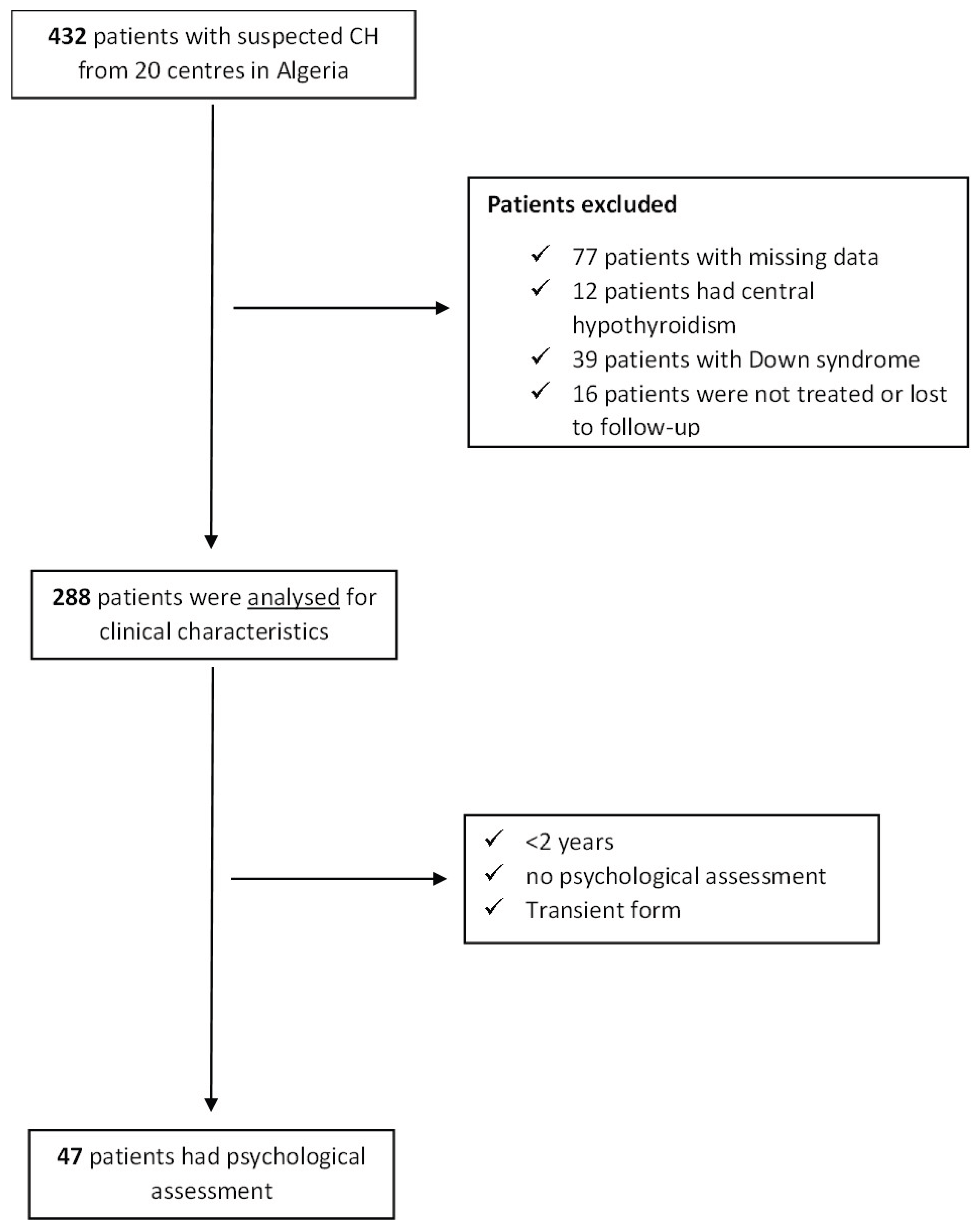
Figure 2.
Age at diagnosis in months.
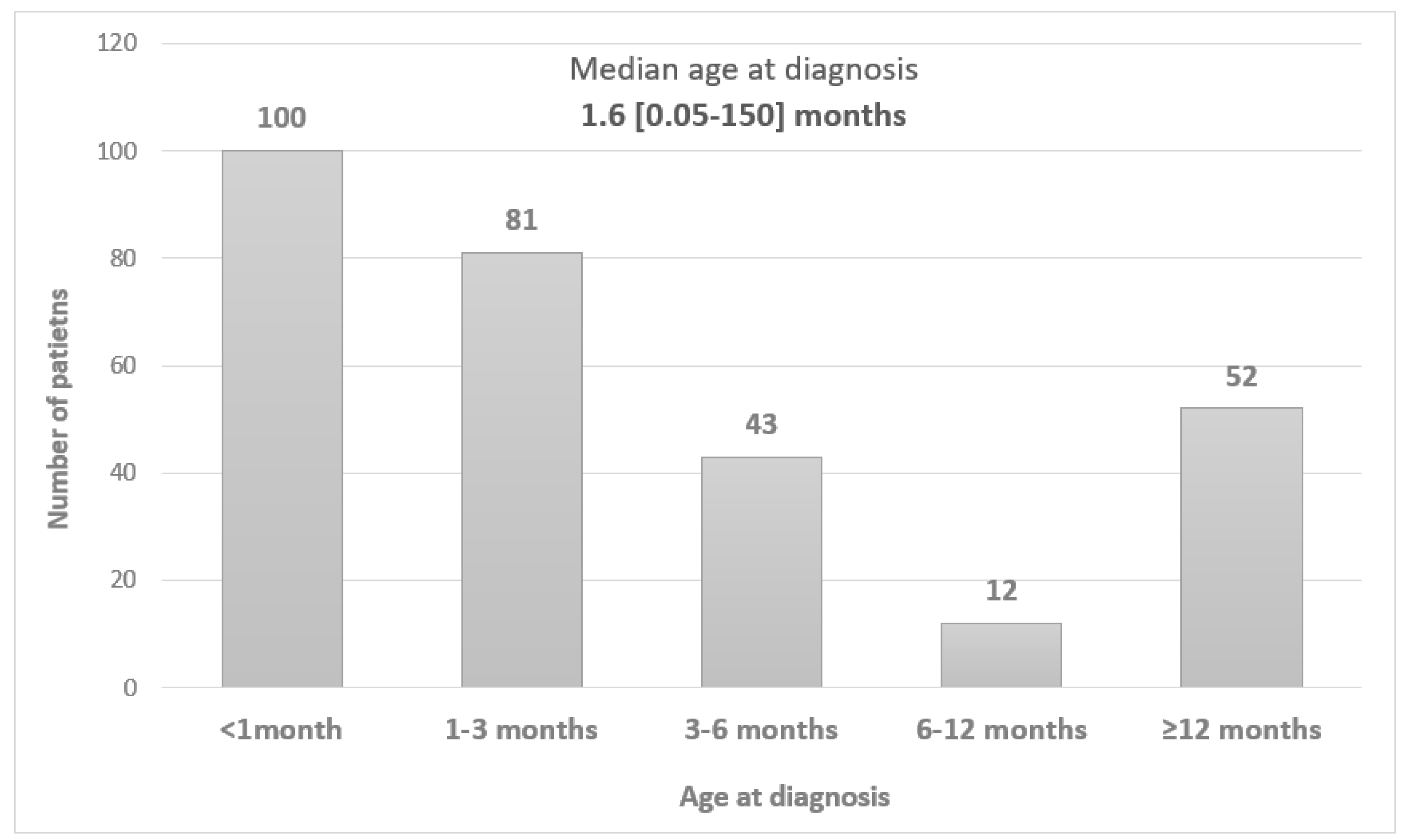
Figure 3.
Cause of referral. *No CH-associated clinical signs or not reported.
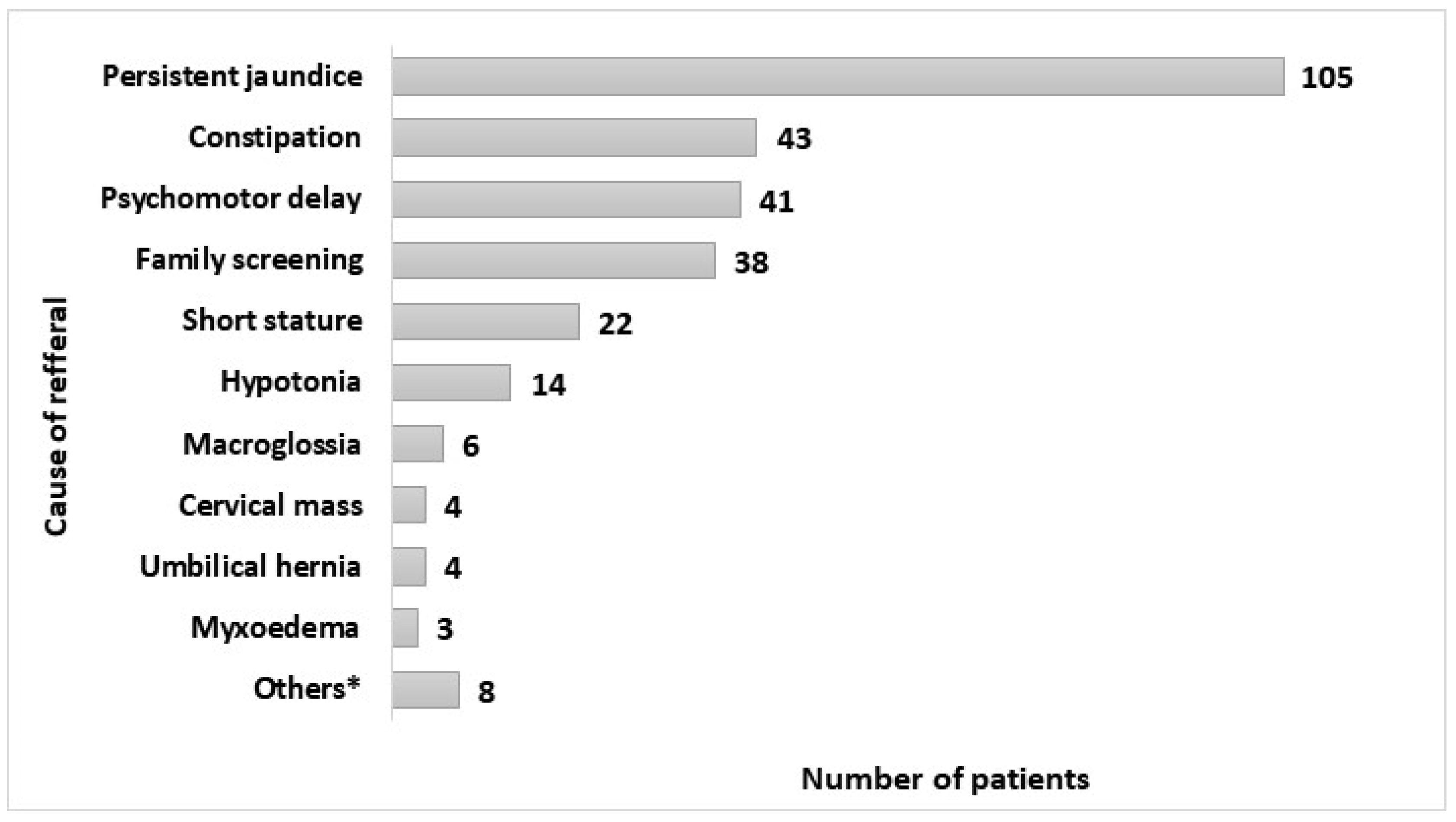
Figure 4.
Age at diagnosis in months according to the cause of referral. NS: No significant difference. p=0.001.
Figure 4.
Age at diagnosis in months according to the cause of referral. NS: No significant difference. p=0.001.
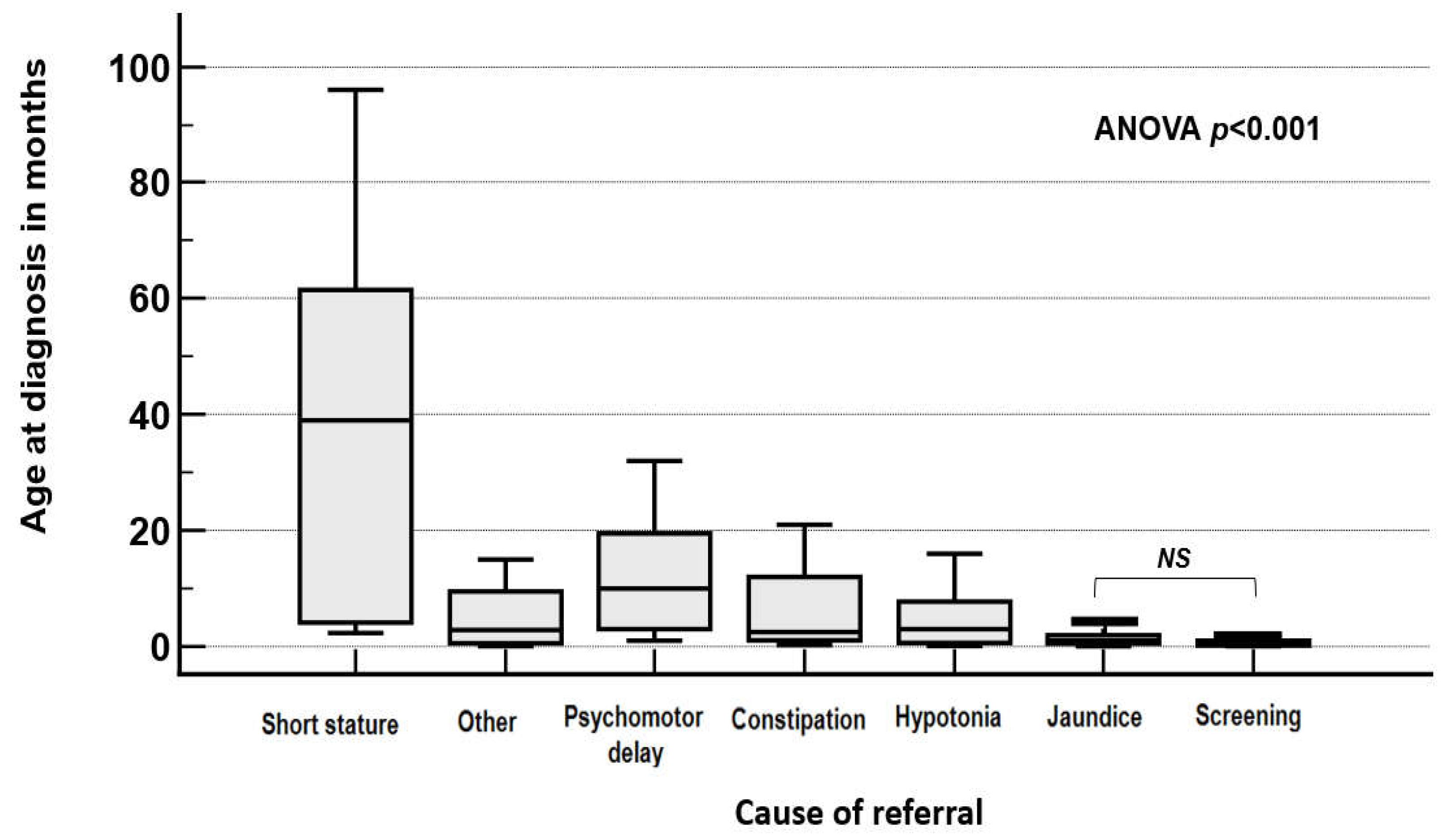
Figure 5.
Dose of LT-4 treatment at initiation.
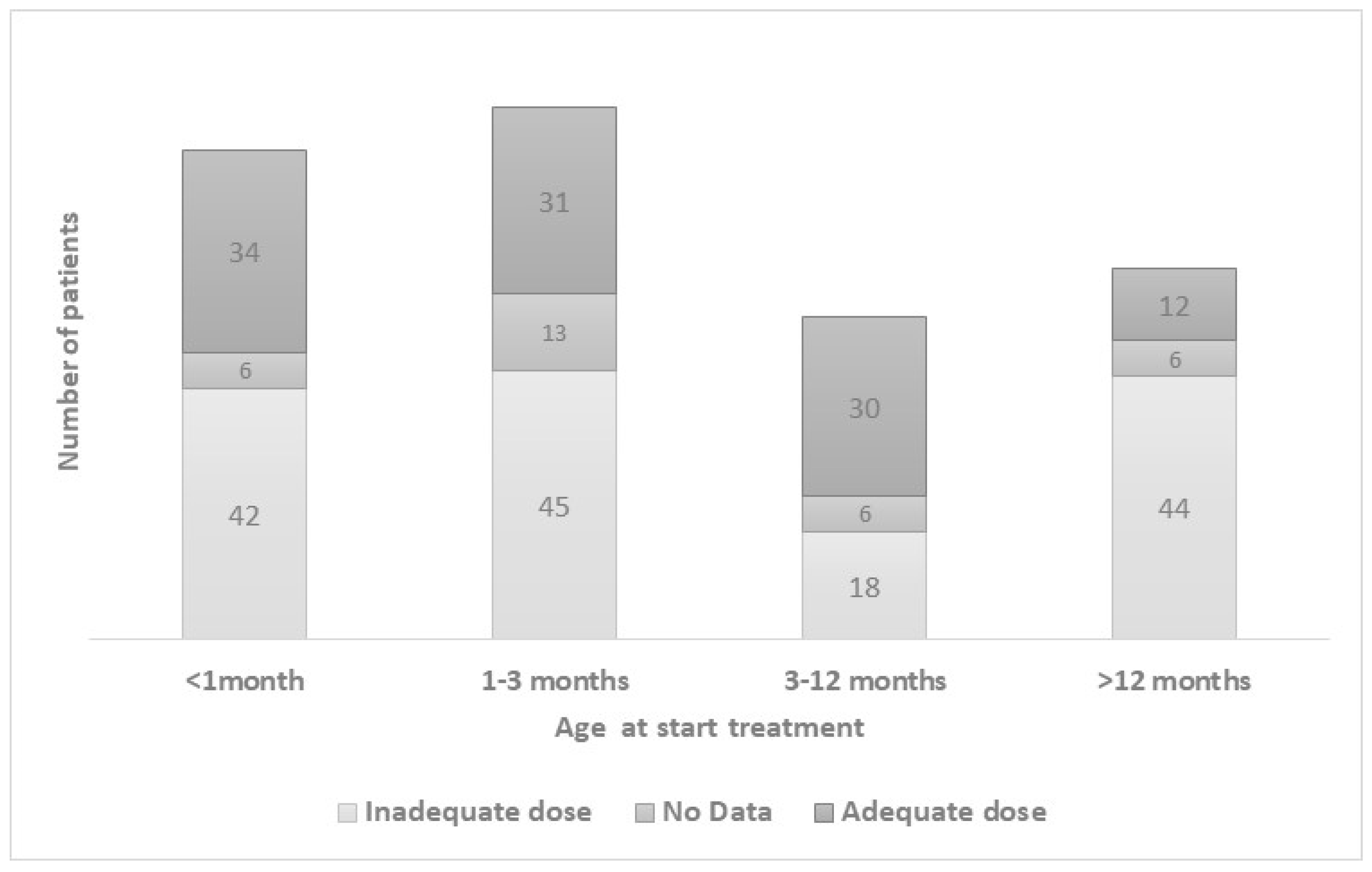
Figure 6.
(ROC) curve comparison of risk factors for intellectual disability.
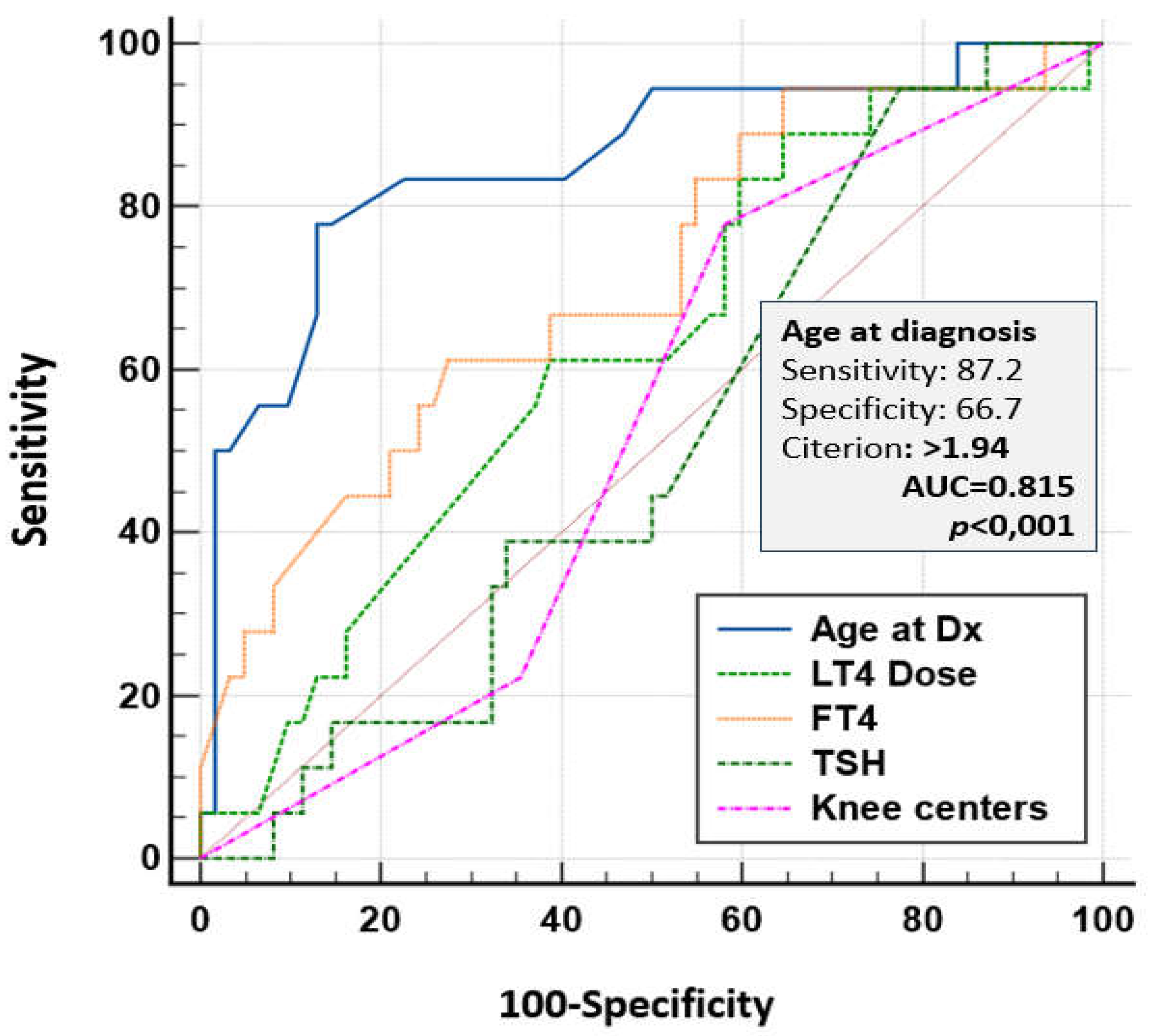
Figure 7.
Breakdown of IQ assessment in 47 patients. *Comparison with the theoretical mean.
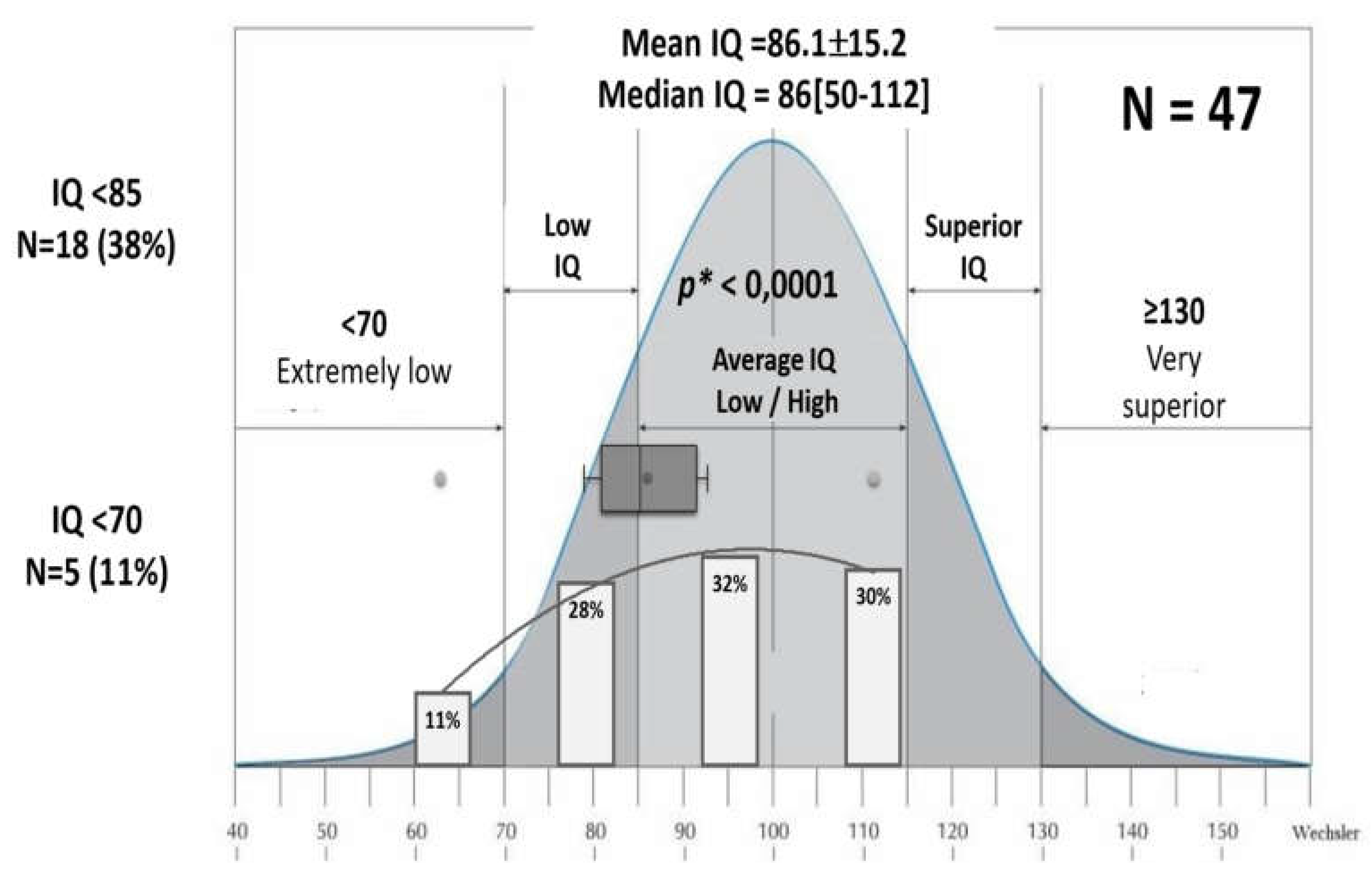
Figure 8.
correlation between age at diagnosis and IQ.
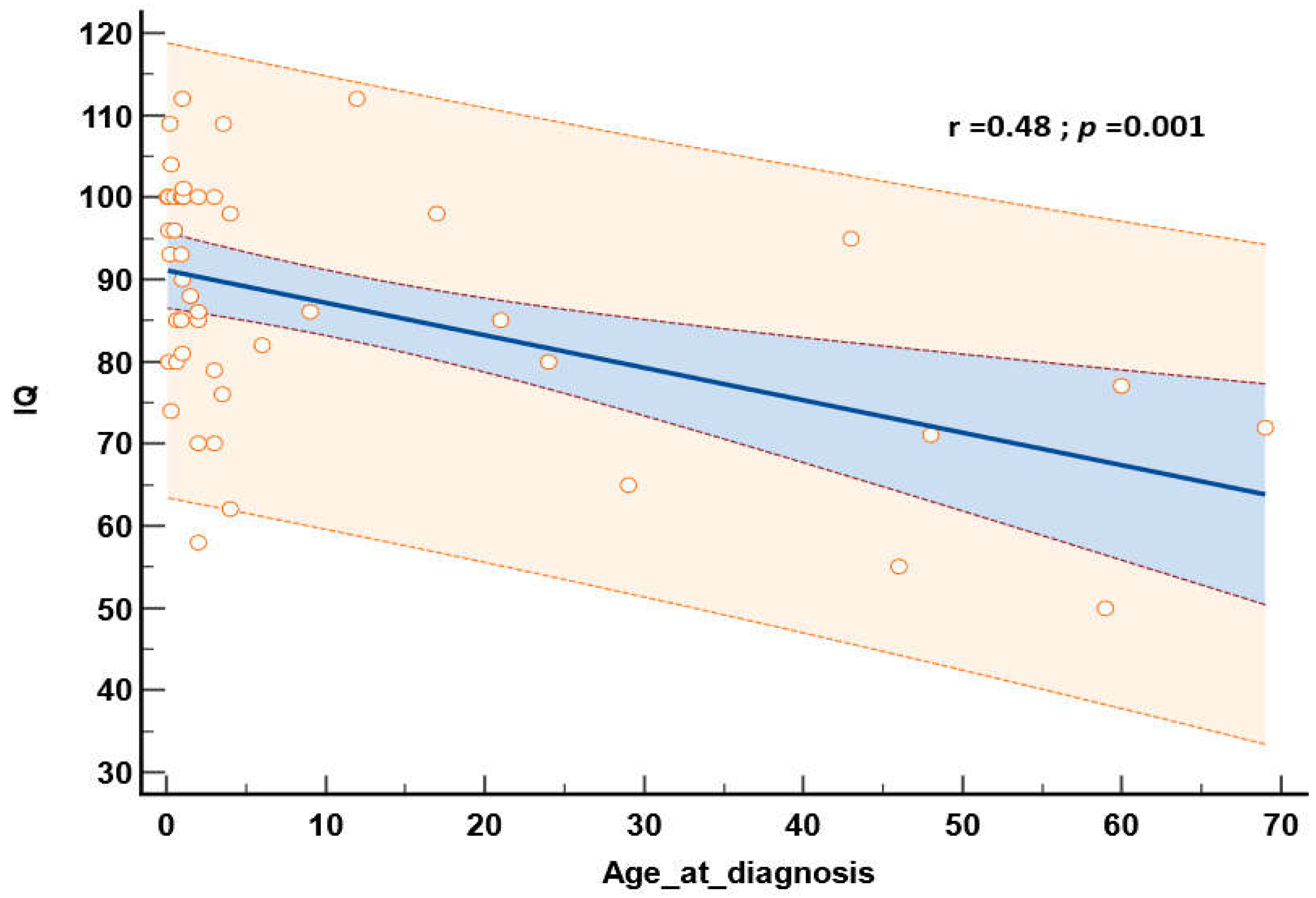
Table 1.
Family history, etiological groups and comorbidities.
| Family history | ||
| Consanguinity | N(%) | 75 (26%) |
| Family history of CH in a sibling | N(%) | 27 (9%) |
| Dysgenesis | ||
| Athyreosis Ectopy Hypoplasia Total dysgenesis |
N(%) N(%) N(%) N(%) |
52 (18%) 17 (6%) 40 (14%) 109 (38%) |
| All Gland in situ | N(%) | 125 (43%) |
| Goitre | N(%) | 25 (9%) |
| Undetermined | N(%) | 29 (10%) |
| Associated abnormalities | N(%) | 44 (15%) |
| Heart defects | N(%) | 23 (8%) |
| Renal defects | N(%) | 9 (3%) |
Table 2.
Biology of CH patients at diagnosis.
| Biological data | ||
| TSH mU/l | Median [range] | 65.35 [8.12 -7100] |
| FT4 pmol/l | Mean ± SDS [range] | 7.6±6.2[0.01-27] |
| TSH >100 mU/l | N,% | 125 (43.4%) |
| FT4 <5 pmol/l | N,% | 102 (35.4%) |
Table 3.
Comparison of the clinical and biological data according to the etiological group.
| Global CH cohort N=288 |
In situ gland/Goitre N=150 |
Undetermined N=29 |
Ectopy/Hypoplasia N=57 |
Athyreosis N=52 |
p | |
|---|---|---|---|---|---|---|
| Age at diagnosis (months) Median (range) |
2 (0,1-375) |
1.5 (0,05-51) |
0.86 (0.13-32) |
4 (0,07-155) |
2 (0,06-150) |
0.001* |
| M/F Sex ratio |
129/159 0.81 |
80/69 1.2 |
15/15 1 |
24/33 0.7 |
10/42 0.24 |
0.0003 |
| Consanguinity %(N) | 26% (75) | 31% (47) | 27% (8) | 23% (13) | 13.5% (7) | 0.078 |
| TSH mU/ml Median (range) |
65.3 (8.1-7100) |
50 (8.1-4344) |
47.5 (10-1170) |
96.3 (10.1-572.6) |
100 (17.9-7100) |
0.034* |
| TSH>100 mU/L %(N) | 43% (125) | 35% (53) | 41% (12) | 39% (22) | 73% (38) | <0.0001 |
| FT4 (pmol/L) Mean ±SD [range] |
7.6±6.4 [0.01-25.4] |
8.8±6.1 [0.01-25.7] |
8.8±2.3 [0-25.4] |
7.2±5.5 [0.02-27] |
2.6±2.7 [0.01-10.6] |
0.003 |
| FT4< 5 pmol/L %,(N) | 35% (102) | 26% (39) | 38% (11) | 37% (21) | 60% (31) | 0.0002 |
* Comparison between in situ gland / dysgenesis.
Table 4.
Neurodevelopmental Data.
| Transient CH N=24 | Permanent CH N=23 | p | |
|---|---|---|---|
| Sex ratio M/F | 12/12 | 8/15 | 0.297 |
| Age at diagnosis in Months Median (range) | 4,3 (0,16-46) | 2.4 (0,1-12) | 0.440 |
| TSH mU/l Mean (range) | 222,7 (4,3-100) | 239,1 (7,6-1000) | 0.947 |
| TSH<10 mU/l, N(%) | 4(17%) | 0(0%) | 0.037 |
| FT4 pmol/L Mean (range) | 13,4 (0,1-17,2) | 7,5 (0,1-18,1) | 0.003 |
| FT4<10 pmol/L N, (%) | 5(21%) | 14(61%) | 0.011 |
| In Situ gland, N (%) | 23 (96%) | 10(43%) | 0.001 |
| Dysgenesis, N(%) | 1(5%) | 13(57%) |
Table 7.
Original studies about age at diagnosis in unscreened CH patients.
| Reference (Original study) |
Country |
Period | Age at Diagnosis | % Diagnosed in Neonatal Period | Late Diagnosis Rates |
|---|---|---|---|---|---|
| Raiti 1971[11] | UK | – | – | 6%<1month 22%<3months |
16% <6months 55% by 2 year |
| De Jonge 1976[17] | Netherland | 1972-1974 | – | 10% <1month | 50% at 3months |
| Alm 1978 [12] | Sweden | 1969–1975 | – | 20% | 52% after 3 months |
| Wolter 1979[18] | Belgium | – | 3-6 months | 7%<1month 46% <3months |
21% >1year |
| Jacobsen 1981 [19] | Denmark | 1970-1975 | – | 10% (1st month) | 70% by 1 year |
| Tarim 1992 [20] | Turkey | 1964-1989 | 49 months | 3.1% | 55.4% after 2 years |
| Nasheiti 2005 [21] | Iraq | 1993-2003 | 2.3 years | 25% | 75% beyond neonatal period |
| Chen 2013 [22] | South Asian countries | 1997–2008 | 12 months | Taiwan 56% < 3 months | 22% > 1years Pakistan, India 70% > 1 year |
| Deliana 2017[23] | Indonesia | 1992-2002 | – | Minimal | 53% at 1–5 years 6.7% after 12 years |
| Saoud 2019[24] | Syria | 2008-2012 | 8 months | >25% (1st month) | 75% beyond neonatal period |
| Fuyong 2015[25] | China | - | 18-24 months | - | 55.2 %<6months 7.9 % 6 months- 2 yr 36.9 %, 3 -7 yr |
|
Van Vliet With NBS [26] |
With NBS | - | Within 2-4 weeks | >95% | Rare |
| Our study | Algeria | 2005-2023 | 1.6 months | 35% (<1 month) | 65% ≥1 month |
NBS: new born screening.
Disclaimer/Publisher’s Note: The statements, opinions and data contained in all publications are solely those of the individual author(s) and contributor(s) and not of MDPI and/or the editor(s). MDPI and/or the editor(s) disclaim responsibility for any injury to people or property resulting from any ideas, methods, instructions or products referred to in the content. |
© 2025 by the authors. Licensee MDPI, Basel, Switzerland. This article is an open access article distributed under the terms and conditions of the Creative Commons Attribution (CC BY) license (http://creativecommons.org/licenses/by/4.0/).
Copyright: This open access article is published under a Creative Commons CC BY 4.0 license, which permit the free download, distribution, and reuse, provided that the author and preprint are cited in any reuse.


