

Submitted:
19 May 2025
Posted:
20 May 2025
You are already at the latest version
Abstract
Sustainability has also become an increasingly important issue as international trend for the hospitality industry in recent times, with a positive message for both restaurant oper-ators and consumers. Restaurants can become more sustainable in three main areas: 1) water and energy efficiency, 2) waste management and 3) employees – social topics. This study examines with questionnaire the role of sustainability and innovation in the hospi-tality. In connection with a current tourism project, we present some good practices for hospitality management in Hungary. Based on the survey, the most common sustainable practices are sourcing from local producers and using of seasonal menus. The most pop-ular food waste decreasing strategies are munch, nose-to-tail and other food utilization options in total 65.0%. 72.0% of consumers prefer the green restaurants. Our data show that sustainable operation is not just an environmental issue, but also increasingly a stra-tegic business advantage. The findings supported by the everyday practices of two Dining Guide's member restaurants, Iszkor and Sulyom in the Northeastern Hungary region. Both restaurants focusing on locally sourced food and drink ingredients. Some dairy products, domestic fruit and vegetables come from sustainable farming. For restaurants, adopting sustainable solutions can provide a long-term competitive advantage.
Keywords:
food waste reduction
; seasonal menu
; local producers
; eco-conscious hospitality
; green restaurants
; nose-to-tail
1. Introduction
Green practices have become one of the most interesting research topics in the hospitality literature [1,2,3]. Over the past decade, the hospitality industry has undergone important changes, driven partly by evolving consumer expectations and partly by increasingly pressing issues of environmental and social sustainability [4]. The scientific literatures have identified three key thematic areas for implementing green practices: financial benefits [5,6], consumer demand [7,8] and stakeholder relations [9,10]. More and more research are focusing the possible influence of the sustainable hospitality on business benefits and environmentally-sustainable consumer behavior [11,12,13,14].
Reducing environmental, social and economic impacts is the prime goal of sustainable hospitality operations, such as supporting local communities and using resources responsibly [14]. Restaurant sustainability strategies include the use of local ingredients, energy-saving technologies, waste reduction methods and consumer awareness [15]. Restaurants generate significant amounts of food waste, plastic waste, and emissions; they consume huge amounts of energy and water for everyday operation at the same time [16]. Restaurants have a significant environmental impact like the generation of food waste [17,18,19], and wasteful practices leading to the inefficient use of water and energy, among others [17]. The restaurant market is characterized by high utility costs for day-to-day operations [20]. Food that is not sold but can still be used (leftover daily menus, bakery products, good quality fruit and vegetables that are not perfect looking) can be donated to charity, thus reducing the amount of food waste [21]. Studied restaurants have also recently started to adopt green practices in many countries all over the world and have enjoyed a number of benefits, including a green image [14,22]. Green practices in the analyzed restaurants have an indirect impact on company benchmarking through green capability [23]. Some of these sustainable best practices include better demand forecasting [24], decreasing leftover management [19], and re-usable or biodegradable cutlery [25]. Environmentally responsible consumption is increasing among restaurant consumers in the last decades, with patronage increasing at restaurants that implement green practices according to the observations [26,27,28]. All of these trends and consequences have generated more attention worldwide toward understanding how and why restaurants are environmentally unsustainable and how this issue can remedy. Alternatively, how restaurants could be transformed into green restaurants? Here, a green restaurant defined as a way of setting up and operating a restaurant in an environmentally friendly and highly energy-efficient way [29]. Where possible, green restaurants should also offer green food on their menus. A narrow definition of green food in restaurants is the organic-local-sustainable triple [30].
Sustainable restaurant’s goal to keep at a minimum or decrease their values of ecological footprint. Green aims include sourcing food ingredients from local producers, have a strong focus on seasonality, including an increased rate of vegetarian or vegan food on the current and dynamically changing menu, or using environmentally friendly packaging for delivery. International trends predict that sustainability has gained importance in the hospitality sector, as it is increasingly included in the evaluation criteria of a growing number of competitions [31,32]. Gastronomic tourists’ interest for local and traditional cuisine as a reflection of gastronomic identity in the tourism has influenced the sustainable gastronomic strategy. This concept based on the implementation of eco-friendly practices, the protection and improvement of consumers’ health, sociocultural quality, the economic aspects of business behavior, and its intergenerational transfer [33]. For the sustainability management of green restaurants, among others, the international literatures demonstrate the following:
1. Focus has shifted toward local foods and obtain locally produced and sourced ingredients - have a lower ecological footprint, reducing air pollution associated with shorter transport and support the national producers [34,35].
2. Vary the menu with the seasons, months or at specified intervals; the restaurants become probably more environmentally friendly. After all, if you use seasonal ingredients for food, you are putting less strain on our planet with control the global environmental footprint [36,37].
3. Decrease the animal-sourced products and increase the variety of plant-sourced foods on the menu. More restaurants are offering plant-based alternatives [36,38].
4. Use primary reusable and washable plates, cutlery and napkins for serving have a much lower environmental effect and provide smaller portion sizes to suit different needs of consumers, thus reducing food waste generation [39,40].
5. Use of environmentally friendly packaging materials: using recyclable or biodegradable packaging instead of disposable plastics reduces the ecological footprint [17].
6. Reduce the amount of the food waste with the effective and well-known method as nose-to-tail [29].
GreenTEA international project co-funded by the European Union with Croatian, Finnish, Portuguese, and Hungarian partners from 2023 to 2026. Partners will each select and analyze good national restaurant practices in your own country at destination or small and medium-sized enterprises (SME) level. This study aimed to investigate the role of sustainability and innovation in the hospitality industry, with a particular focus on food waste reduction strategies, collaboration with local producers, and the use of alternative packaging and energy-saving solutions. Moreover, in connection with the GreenTea project, we present some good practices for restaurants management in Hungary. For this, one of the paper’s objectives is to develop a questionnaire to describe restaurants' endowments, green practices and sustainability plans.
2. Materials and Methods
Three different qualitative and quantitative methods used to collect data in 2024:
- Literature review: a review of relevant academic publications and professional sources on sustainability strategies in the hospitality industry, with a focus on minimize food waste generated, sourcing local ingredients and increasing energy efficiency.
- Survey: an online questionnaire survey conducted among managers and staff of catering establishments. The questionnaire sent to two famous restaurants, cafés, pastry shops and catering establishments in Heves, Nógrád and Borsod-Abaúj-Zemplén counties of the Northeastern Hungary. Questions covered purchasing habits, waste management, energy-saving measures and environmentally conscious guest communication. The qualitative analysis of the interviews and case studies carried out using thematic coding, which allowed for the identification of key sustainability practices.
- Case studies and interviews: structured interviews conducted with representatives from different types of restaurants, including restaurants that have successfully implemented sustainable practices. The interviews explored the practical challenges and benefits of working with local producers and the effectiveness of food waste reduction strategies. The survey involved 100 hospitality operators, including restaurants, cafés and accommodations.
One limitation of the survey is that the collection of data was voluntary, so the sample of respondents is not necessarily representative of the entire hospitality industry in Hungary. Furthermore, the information obtained during the interviews may be subjective, as it was shared with the participants based on their own experiences and opinions.
The famous restaurants were the Sulyom and Iszkor, which are presented as good examples and both located in popular tourist destinations in our country. The location of the studied counties and selected restaurants shown in Figure 1. Sulyom Landscape Restaurant operates from 2021 in Sarud, small village in Heves County. It is a special Slow Food bistro, with kitchen based on local products, on the banks of Lake Tisza [41]. Slow Food, which brings together food and temporality, no hurry life philosophy, is unusual for many people when they first encounter the movement, even if fast food is ubiquitous. It has grown and varied in the last decades [42]. The restaurant sets ourselves the goal of creating a new food style for the region. They work primarily with ingredients from local producers, even using freshly picked, quality ingredients from their own show gardens, and strive for simplicity and harmony in both the look of the plates and the flavours of the food served. The chef and his team at Sulyom are dedicated to rediscovering local, traditional dishes/flavours and presenting international cuisine. Their ambition is to develop the Lake Tisza gastronomy by creating the Lake Tisza Gastronomic Circle [41].
Iszkor opened in 2021 in the Bükk Mountains in Mályinka village in Borsod-Abaúj-Zemplén (BAZ) County, under the guidance of internationally renowned chef Ádám Pohner (12th place in the Bocuse d'Or 2019 World Final, Dining Guide Young Chef of the Year 2024) and his partner [43]. The restaurant is located by a stream of Papréte, and the proximity to nature is also a feature of the kitchen. The menu changes frequently according to seasonality, but what all dishes have in common is high quality and a perfect blend of flavours and textures. Vegetarians can expect a surprise: the chef will always dream up a lunch or dinner for them using the vegetable ingredients available at the time. There are so many things available in the Bükk Mountains at the ingredient level. In fact, not everything is always available; the flexible menu adapts to this [44].
The present study is based on data that were collected an online survey undertaken in spring 2024. First, we asked for some basic information and a brief history of the restaurants and their beliefs. We also focused on the average distance travelled and the travel mode by employees between home and work. More questions concern to the energy efficiency of buildings and the existing modern equipment and heating. The largest part of online survey is related to the daily operation of the restaurant. Figure 2 shows the short version of questionnaire.
3. Results
The results show that 68.0% of the catering establishments surveyed have some kind of sustainability strategy. The most common sustainable practices are the followings (Figure 3): 1) sourcing from local producers: 52.0%; 2) use of seasonal menus: 47.0%; 3) food waste reduction strategies: 39.0%. Majority of responding restaurants recognized that a commitment to sustainability has not only led to reductions in environmental impacts, but can also pay off economically. 41.0% of the surveyed catering operators in everyday life use food waste management methods (Figure 4). The most popular strategies are: 1) munch and other food rescue programs: 35.0% and 2) various efficient food utilization options: 30.0%. Restaurants that have implemented these practices have reduced the amount of food waste by an average of 25.0% in the last year, resulting in significant economic and environmental benefits.
Consumers are increasingly looking for sustainable restaurants. 72.0% of respondents prefer environmentally friendly restaurants. 59.0% of restaurants believe that sustainability increases their competitive advantage. The results show that sustainable operation is not just an environmental issue, but also increasingly a strategic business advantage. The detailed data shown in Figure 5. Although sustainable solutions are becoming increasingly popular, there are many challenges to catering operators (Figure 6): 1) higher procurement costs: 54.0%, 2) logistics difficulties in working with local producers: 43.0%. These barriers are particularly problematic for smaller restaurants, which may initially face additional costs to introduce sustainable solutions.
In the course of the research, we identified two outstanding examples that successfully apply the principles of sustainable hospitality. Both are located in Heves county, one a café-bakery and the other a local authentic restaurant. They work with 100.0% local producers, offer a seasonal menu and have implemented a food waste reduction programs. In the past year they have reduced food waste by 30.0% and increased guest numbers. The local restaurant uses alternative packaging solutions, has its own composting system and sell daily leftovers through the Munch platform. It has reduced its operating costs by about 20.0% over the past year through sustainable measures.
Based on data from Sulyom restaurant from the staff, two co-workers use bicycles to get to work and 10 use cars to get around, in teams. The restaurant’s building has some thermally insulated infrastructural elements with low U values (thermal transmittance in W/m2K). It does not have an energy performance certificate (EPC). Biofilter Ltd. collected and transported the food waste of restaurant for further recycling treatment each year. The restaurant practices a sustainable waste management policy, only food that is not consumed becomes waste. Those biodegradable material, which can be composted, is recycled. The green waste is donated to a nearby animal shelter. The majority of food ingredients is locally sourced. A significant proportion of the fruits and vegetables used are produced locally, so their supply is essentially carbon neutral. Only a few vegetables, fruits and cheeses are sourced from afar than 50 km distance. Artisanal cheese and grey beef are also sourced locally, and they are very proud to finally be able to put local fish from the Tisza on the menu.
Based on data from Iszkor restaurant, 7 employees use separate car to get to work and 2 people use cars to get around, in teams. The restaurant’s building has a few thermally insulated infrastructural elements, but it does not have an energy performance certificate. Similar to Sulyom, Biofilter Ltd. collected and transported the food waste for further recycling treatment. The waste generated from the restaurant facilities. High rate of vegetables, various meat products as chicken, beef, guinea fowl and goose come from within a 10 km radius of the municipality. Vegetables are all organic, but a large proportion are not certified. Dairy products are typically sourced from a greater distance. Only a few spices, vanilla and chocolate are coming from longer distance; the fresh bakery products are sourced from Salgótarján city, which is about 80 km by road from the restaurant.
A few detailed data for selected restaurants shown in Table 1. Both restaurants aim to reduce their overhead costs in the near future by installing solar photovoltaic panels on building roofs using renewable energy sources. Plans of Sulyom management also include producing locally purified water and installing water-saving toilets.
4. Discussion and Conclusions
The research of authors [45] is goal to divide 300 restaurants into groups according to the level of employee training in sustainable practices, food waste management, and to contrast the differences in the degree of sustainability-oriented service innovation and brand equity. Two groups were identified in Ecuador: (1) restaurants with only a few training in green practices, more food waste amount, lower level of sustainability-oriented service innovation, and higher brand equity; (2) restaurants with more training in green practices, lower level of food waste, higher level of sustainability-oriented service innovation, and lower brand equity. According to this classification, our selected restaurants belong to the second group. Other scientific paper [46] observed that the respondents have expressed the highest degree of agreement with the claims that tourists are willing to spend more money on local and authentic food. The strengthening of the local gastronomic identity contributes to the economic prosperity of everyone involved in its creation and presentation. Paper of other authors [47] described that consumer willingness to choose a green restaurant depends upon four interconnected factors: the demographic characteristics of the consumer, environmental concerns, ecological behaviors and knowledge of green restaurants. These authors found that if consumers are aware of the essence of a green restaurant, this knowledge may influence their intention to patronize a green restaurant indirectly by the consumers’ environmental concerns and their ecological behaviors.
The authors [48] using a sample of 1200 adult respondents, including 600 Poles and 600 Lithuanian consumers to identify and analyze consumer choices and evaluate among others the sustainability practices in restaurants in Warsaw and Kaunas. For Poland consumers the most important was using local ingredients and reusable cutlery with 59.0%, followed by the use of seasonal ingredients and alternative protein sources with the rate of 32.2%. In Lithuania, for respondents a sustainable approach used in restaurants was taken into account better when choosing restaurants. The most important element was the use of reusable cutlery (86.0%), as well as seasonal and local ingredients (59.0%). Other scientific paper focused to the reduce food waste [49]. It was identified 17 applied interventions that claim to have reduced the amount of food waste. Among others, plate size interventions resulted in up to 57% food waste reduction; this intervention proved to be the most effective. In educational institutions changing nutritional guidelines reduced vegetable waste by up to 28%. The effective information campaigns had up to 28% decreasing of food waste. For other types of intervention had little or no reliable evidence provided.
Other case study in Berkeley, USA [50] found that 65.0% of the restaurants are continuously monitoring the food waste generation and 84.0% use compost bins to dispose biodegradable waste. The 35.0% of restaurant stakeholders did not measure the amount of food waste because they did not seem to perceive wasted food in their hospitality businesses as a big environmental problem. The results of the study also show that the most common method employed to dispose of food waste was giving edible leftovers to restaurant's employees (72.0%). However, three quarters of the restaurants avoided food donation as aid for fear of legal liability and complications. Finally, only 14.0% of analyzed restaurants collected their food waste into conventional landfill bins. Final conclusion of this review paper is that attitudes and behaviours towards food waste in restaurants play an important role in the amounts of food thrown away in catering establishments. The main goal of the following research [51] was to examine the consumer’s attitude for choice of a restaurant in Plovdid region of Bulgaria, which factors played the main role in this. According to the respondents, determine which restaurant will be visited, quality of the food, the origin of raw materials, which are used for the preparation of the dishes and food safety and cleanliness, are the most significant factors (91%, 90% and 82%, respectively), that determine their personal choices in the visiting of restaurant. Other paper from USA [52] findings showed that more than 50.0% of consumers were willing to pay more for consumption in the green restaurant. Participants ranked their decision to eat in a sustainable restaurant in the following order of priority: fresh ingredients, healthy aspects, better thing for the environment, good value, and easy access.
The following suggestions can be made to help restaurants further develop sustainable operations:
- Strengthening cooperation with local producers is important and necessary for the future. Restaurants can benefit from building direct relationships with local producers, which not only reduces their environmental impact but also promotes the use of fresh and seasonal ingredients.
- Adopt innovative food waste management strategies in day-to-day operations. Composting, food rescue programs such as Munch and creative use methods (e.g. nose-to-tail, stem-to-root) can reduce waste in the long-term period.
- Adopt environmentally friendly packaging solutions. Switch from single-use plastic to degradable or reusable packaging materials and encourage guests to use their own food-carrier.
- Increase energy efficiency for the operation of buildings. Measures to reduce energy consumption, lighting and equipment and water consumption cannot only increase sustainability but also cost-effectiveness.
- Restaurants should highlight their sustainable practices in marketing communications to increase guest awareness and engagement.
- Professional collaboration and leveraging support for more efficient operation. To develop sustainable hospitality, it is advisable to engage in industry collaborations, seek funding opportunities and use government support.
The research has shown that sustainability is not only an ethical and environmental issue, but is increasingly essential for business in the hospitality management. For restaurants, adopting sustainable solutions can provide a long-term competitive advantage, while contributing to the reducing environmental pressures and to the development of the local economy. It is key for market participants to respond proactively to consumer expectations and growing demands for sustainability. Our data show that there is still a lot of potential to improve the energy efficiency of restaurant main buildings in particular. Both restaurants have indicated that they plan to install solar power on their roofs, which could significantly reduce heating bills and increase energy efficiency. This study aims to provide restaurant operators with guidance and guidelines to develop effective sustainability strategies that take into account environmentally friendly consumer expectations.
Author Contributions
Conceptualization, Tamás Misik and Zoltán Nagy; methodology, T.M. and Z.N.; software, Z.N.; validation, Z.N.; formal analysis, T.M.; investigation, T.M. and Z.N.; resources, Z.N. and T.M.; writing—original draft preparation, T.M. and Z.N.; writing—review and editing, T.M.; visualization, T.M. All authors have read and agreed to the published version of the manuscript.
Funding
This research received no external funding.
Informed Consent Statement
Not applicable.
Acknowledgments
GreenTea international project - improving the educational background of Green Tourism in higher education by developing alternative educational materials and learning opportunities with 2023-1-HU01-KA220-HED-000156471 ID number is co-funded by the European Union.
Abbreviations
The following abbreviations are used in this manuscript:
| MDPI | Multidisciplinary Digital Publishing Institute |
| DOAJ | Directory of open access journals |
| TLA | Three letter acronym |
| LD | Linear dichroism |
References
- Mensah, I. Environmental management practices among hotels in the greater Accra region. Int J Hosp Manag 2006, 25, 414–431. [Google Scholar] [CrossRef]
- Buckley, R.C. Sustainable tourism: research and reality. Ann Tourism Res 2012, 39, 528–546. [Google Scholar] [CrossRef]
- Nicholls, S.; Kang, S. Going green: the adoption of environmental initiatives in Michigan’s lodging sector, J Sustain Tourism 2012, 20, 953-974. 20.
- Gössling, S.; Garrod, B.; Aall, C.; Hille, J.; Peeters, P. Sustainable tourism futures: Perspectives on systems, restructuring, and innovations. J Sustain Tourism.
- Tzschentke, N.A.; Kirk, D.; Lynch, P.A. Reasons for going green in serviced accommodation establishments, Inter J Contemp Hosp Manag 2004, 16, 116-124. 16.
- Singal, M. The link between firm financial performance and investment in sustainability initiatives, Cornell Hosp Q 2013, 55, 19-30. 55.
- Hu, H.H.; Parsa, H.G.; Self, J. The dynamics of green restaurant patronage. Cornell Hosp Q 2010, 51, 344–362. [Google Scholar] [CrossRef]
- Martínez, P.; Bosque, I.R. CSR and customer loyalty: the roles of trust, customer identification with the company and satisfaction. Int J Hosp Manag 2013, 35, 89–99. [Google Scholar] [CrossRef]
- Chan, E.S.; Hawkins, R. Attitude towards EMSs in an international hotel: an exploratory case study. Int J Hosp Manag 2010, 29, 641–650. [Google Scholar] [CrossRef]
- Raub, S.; Blunschi, S. The power of meaningful work: how awareness of CSR initiatives fosters task significance and positive work outcomes in service employees. Cornell Hosp Q 2014, 55, 10–18. [Google Scholar] [CrossRef]
- Han, H.; Hsu, L.-T.; Lee, J.-S. Empirical investigation of the roles of attitudes toward green behaviors, overall image, gender, and age in hotel customers’ eco-friendly decision-making process. Int J Hosp Manag 2009, 28, 519–528. [Google Scholar] [CrossRef]
- Kang, K.H.; Stein, L.; Heo, C.Y.; Lee, S. Consumers’ willingness to pay for green initiatives of the hotel industry. Int J Hosp Manag 2012, 31, 564–572. [Google Scholar] [CrossRef]
- Kim, Y.J.; Njite, D.; Hancer, M. Anticipated emotion in consumers’ intentions to select eco-friendly restaurants: Augmenting the theory of planned behavior. Int J Hosp Manag 2013, 34, 255–262. [Google Scholar] [CrossRef]
- Ham, S.; Lee, S. US restaurant companies’ green marketing via company websites: impact on financial performance. Tourism Econ 2011, 17, 1055–1069. [Google Scholar] [CrossRef]
- Namkung, Y.; Soocheong, S.J. Effects of restaurant green practices on brand equity formation: Do green practices really matter? Int J Hosp Manag 2013, 33, 85–95. [Google Scholar] [CrossRef]
- Wang, Y.F.; Chen, S.P.; Lee, Y.C.; Tsai, C.T. Developing green management standards for restaurants: An application of green supply chain management. J Hosp Manag 2013, 34, 263–273. [Google Scholar] [CrossRef]
- Kasim, A.; Ismail, A. Environmentally friendly practices among restaurants: Drivers and barriers to change. J Sustain Tour 2012, 20, 551–570. [Google Scholar] [CrossRef]
- Hatjiathanassiadou, M.; de Souza, S.R.G.; Nogueira, J.P.; de Medeiros Oliveira, L.; Strasburg, V.J.; Rolim, P.M.; Seabra, L.M.A.J. Environmental impacts of university restaurant menus: A case study in Brazil. Sustain 2019, 11, 1–15. [Google Scholar] [CrossRef]
- Chiang, C.I.; Sheu, R.S. How the sustainability of your recipes? Inter J Gastronomy Food Sci 2020, 22, 100244. [Google Scholar] [CrossRef]
- Alonso, A.D.; Krajsic, V. Cost management and small restaurant businesses: a complex balance and the role of management. Inter J Revenue Manag 2015, 8, 1–19. [Google Scholar] [CrossRef]
- Hwang, J.; Kim, H.; Choe, J.Y. The role of eco-friendly edible insect restaurants in the field of sustainable tourism. Inter J Env Res Pub He 2020, 17, 1–12. [Google Scholar] [CrossRef]
- Filimonau, V.; De Coteau, D.A. Food waste management in hospitality operations: A critical review. Tour Manag 2019, 71, 234–245. [Google Scholar] [CrossRef]
- Chiu, J.Z.; Hsieh, C.C. The impact of restaurants’ green supply chain practices on firm performance. Sustain 2016, 8, 1–14. [Google Scholar] [CrossRef]
- Mu, W.; Spaargaren, G.; Lansink, A.O. Mobile apps for green food practices and the role for consumers: A case study on dining out practices with Chinese and Dutch young consumers. Sustain 2019, 11, 1–19. [Google Scholar] [CrossRef]
- Trafialek, J.; Czarniecka-Skubina, E.; Kulaitiené, J.; Vaitkevičienė, N. Restaurant’s multidimensional evaluation concerning food quality, service, and sustainable practices: A cross-national case study of Poland and Lithuania. Sustain 2019, 12, 234. [Google Scholar] [CrossRef]
- Jang, S.Y.; Chung, J.Y.; Kim, Y.G. Effects of environmentally friendly perceptions on customers’ intentions to visit environmentally friendly restaurants: An extended theory of planned behavior. Asia Pac J Tour Res 2015, 20, 599–618. [Google Scholar] [CrossRef]
- Bacig, M.; Young, C.A. The halo effect created for restaurants that source food locally. J Foodserv Bus Res 2019, 22, 209–238. [Google Scholar] [CrossRef]
- Moon, S.J. Investigating beliefs, attitudes, and intentions regarding green restaurant patronage: An application of the extended theory of planned behavior with moderating effects of gender and age. Inter J Hosp Manag 2021, 92, 102727. [Google Scholar] [CrossRef]
- Nitzko, S.; Spiller, A. Comparing “Leaf-to-Root”, “Nose-to-Tail” and other efficient food utilization options from a consumer perspective. Sustain 2019, 11, 4779. [Google Scholar] [CrossRef]
- LaVecchia, G. Green: the new gold-Restaurants are facing public pressure to be more environmentally responsible. Some forward-thinking operators are responding with creative solutions. Restaurant Hospitality, 2008, 92, 36–47. [Google Scholar]
- Johnson, B. Zero waste home: The ultimate guide to simplifying your life. 2013, Penguin, UK.
- Khatter, A. Challenges and Solutions for Environmental Sustainability in the Hospitality Sector. Sustain 2023, 15, 11491. [Google Scholar] [CrossRef]
- Arslan, E.; Kendir, H.; Akmeşe, H.; Özçelik, B.H.; Akyollu, K.; Taner, H.C. Investigation of Tokat Bez Sucuk, a geographically indicated local food, within the scope of sustainable gastronomy. Sustain 2023, 15, 12889. [Google Scholar] [CrossRef]
- Karagiannis, D.; Andrinos, M. The role of sustainable restaurant practices in city branding: The case of Athens. 2021, 13, 2271.
- Lang, M.; Lemmerer, A. How and why restaurant patrons value locally sourced foods and ingredients. Inter J Hosp Manag 2019, 77, 76–88. [Google Scholar] [CrossRef]
- Clark, M. .; Hill, J.; Tilman, D. Multiple global crises require food system solutions. Sci, 2019, 365, 530–532. [Google Scholar]
- Poore, J.; Nemecek, T. Reducing food's environmental impacts through producers and consumers. Sci, 2018, 360, 987–992. [Google Scholar] [CrossRef] [PubMed]
- Tzschentke, N.A.; Kirk, D.; Lynch, P.A. Going green: Decisional factors in small hospitality operations, Inter J Hosp Manag 2008, 27, 126-133. 27.
- Talwar, S.; Kaur, P.; Okumus, B.; Ahmed, U.; Dhir, A. Food waste reduction and taking away leftovers: Interplay of food-ordering routine, planning routine, and motives. Int J Hosp Manag 2021, 98, 103033. [Google Scholar] [CrossRef]
- Talwar, S.; Kaur, P.; Yadav, R.; Sharma, R.; Dhir, A. Food waste and out-of-home-dining: antecedents and consequents of the decision to take away leftovers after dining at restaurants. J Sustain Tour 2023, 31, 47–72. [Google Scholar] [CrossRef]
- Sulyom. https://www.diningcity.hu/restaurant/52043-sulyom_tajetterem downloaded in 01.05.2025.
- Parkins, W.; Craig, G. Slow living. Berg, 2006, p. 180.
- Misik, T.; Nagy, Z.; Domjánné Nyizsalovszki, R. Sustainability restaurants and good practices in north-eastern Hungary. In Full texts book of the 3th International Food Research Congress (ICONFOOD’24), Sivas, Turkiye, ; pp. 519-524. 16–18 October.
- Francisck, R.A. Boldogság a „Mordori út” végén – interjú Pohner Ádámmal. hellohungary.hu/gasztronomia downloaded in 17.12.2024.
- Montesdeoca-Calderón, M.-G.; Gil-Saura, I.; Ruiz-Molina, M.-E.; Martin-Rios, C. Does Employee Training in Sustainable Practices and Food Waste Influence a Restaurant’s Level of Sustainability-Oriented Service Innovation (SOSI) and Brand Equity? Evidence-Based Research into the Ecuadorian Catering Industry. Sustain 2024, 16, 9990. [Google Scholar] [CrossRef]
- Rinaldi, C. Food and gastronomy for sustainable place development: A multidisciplinary analysis of different theoretical approaches. Sustain 2017, 10, 1748. [Google Scholar] [CrossRef]
- Hu, H.H.; Parsa, H.G.; Self, J. The dynamics of green restaurant patronage. Cornell Hotel Rest A 2010, 51, 344–362. [Google Scholar] [CrossRef]
- Trafialek, J. , Czarniecka-Skubina, E., Kulaitiené, J., Vaitkevičienè, N. Restaurant’s multidimensional evaluation concerning food quality, service, and sustainable practices: A cross-national case study of Poland and Lithuania. Sustain 2020, 12, 234. [Google Scholar] [CrossRef]
- Reynolds, C. , Goucher, L., Quested, T., Bromley, S., Gillick, S., Wells, V.K., Evans, D., Koh, L., Kanyama, A.C., Katzeff, C., Svenfelt, Å., Jackson, P. Review: Consumption-stage food waste reduction interventions – What works and how to design better interventions. Food Policy 2019, 83, 7–27. [Google Scholar] [CrossRef]
- Sakaguchi, L. , Pak, N., Potts, M.D. Tackling the issue of food waste in restaurants: Options for measurement method, reduction and behavioral change. J Clean Prod 2018, 180, 430–436. [Google Scholar] [CrossRef]
- Fidan, H. , Teneva, A., Stankov, S., Dimitrova, E. Consumers’ behavior of restaurant selection. In International Conference on High Technology for Sustainable Development (HiTech), IEEE, ; pp. 1-3. 11 June.
- Dewald, B. , Bruin, B.J., Jang, Y.J. US consumer attitudes towards “green” restaurants. Anatolia, 25.
Figure 1.
Location of studied counties and green restaurants in Hungary (GoogleEarth 2025 self-edited).
Figure 1.
Location of studied counties and green restaurants in Hungary (GoogleEarth 2025 self-edited).
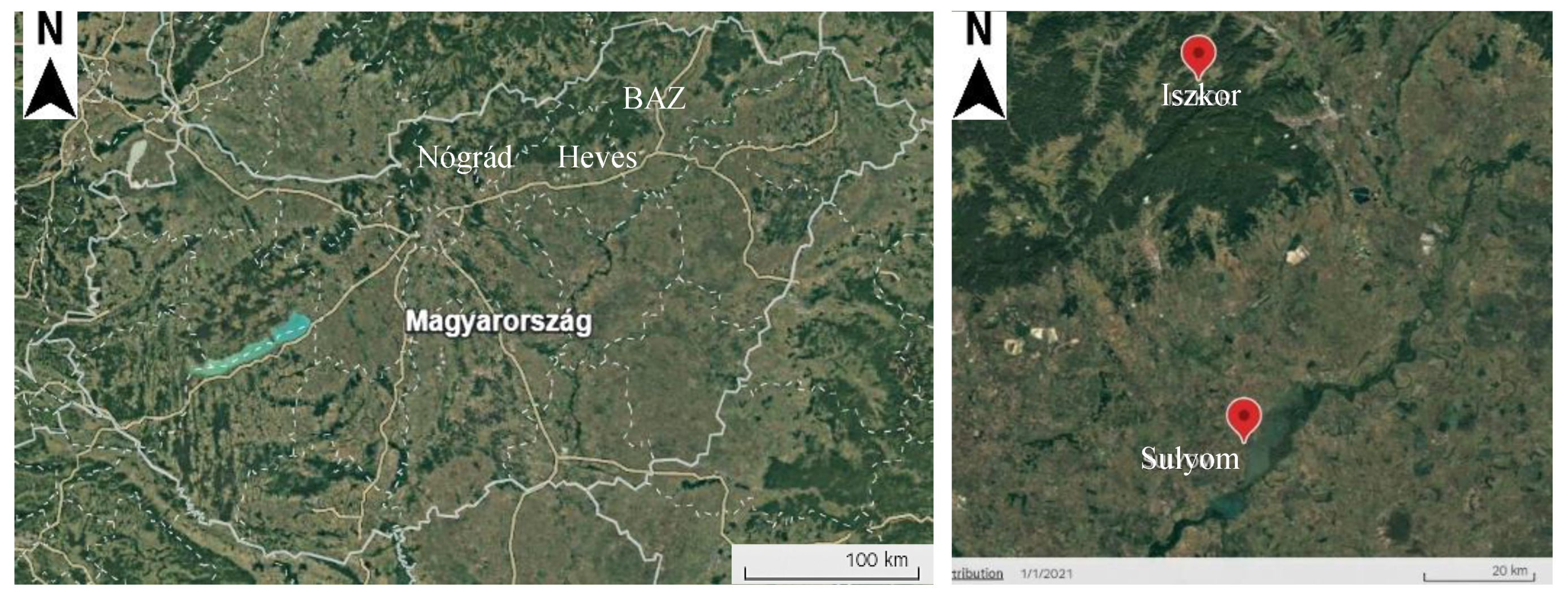
Figure 2.
Questionnaire for the national best practices of green restaurants in Hungary with pre-selected questions.
Figure 2.
Questionnaire for the national best practices of green restaurants in Hungary with pre-selected questions.
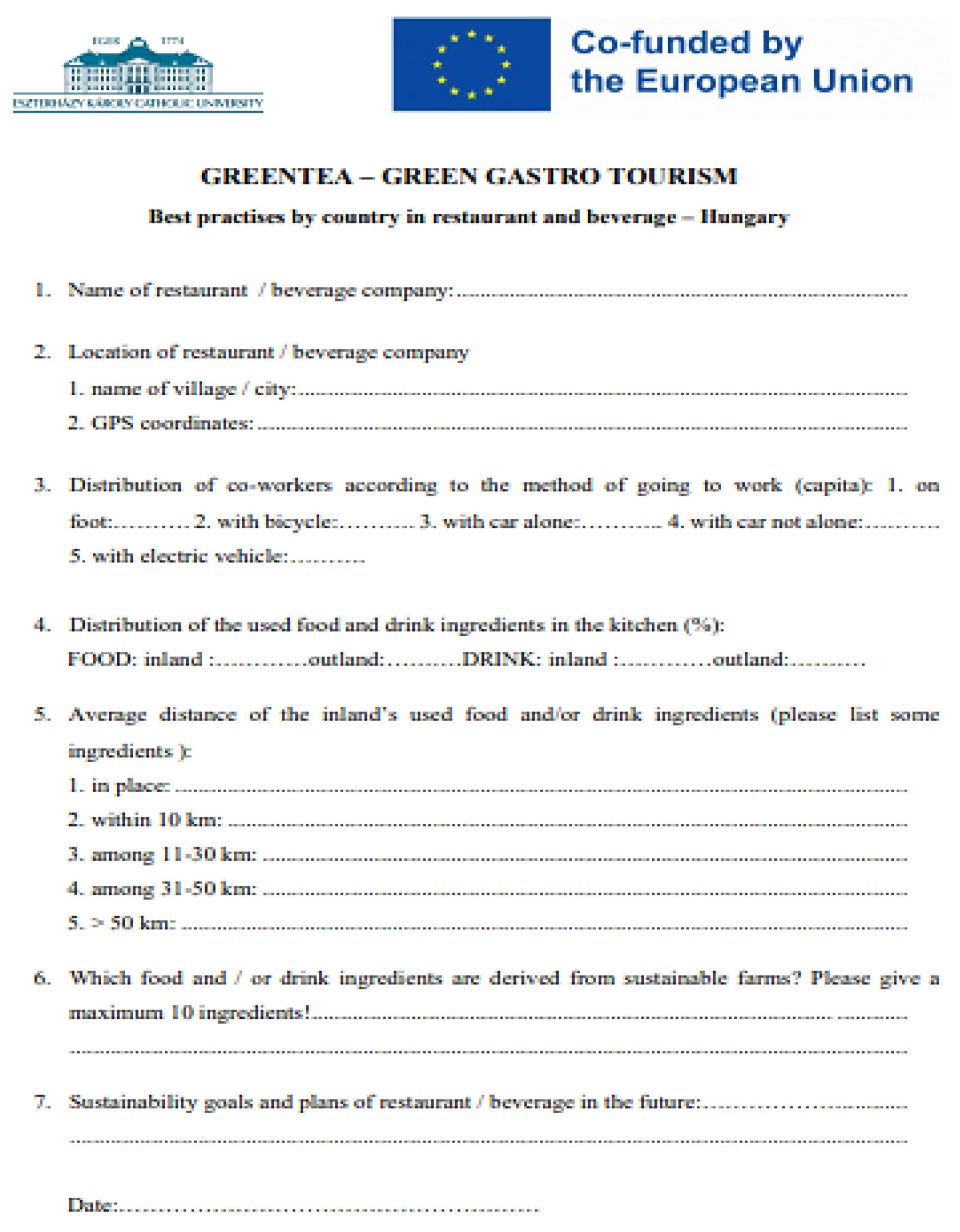
Figure 3.
Most common sustainable practices of catering establishments (%) in Hungary in 2024.
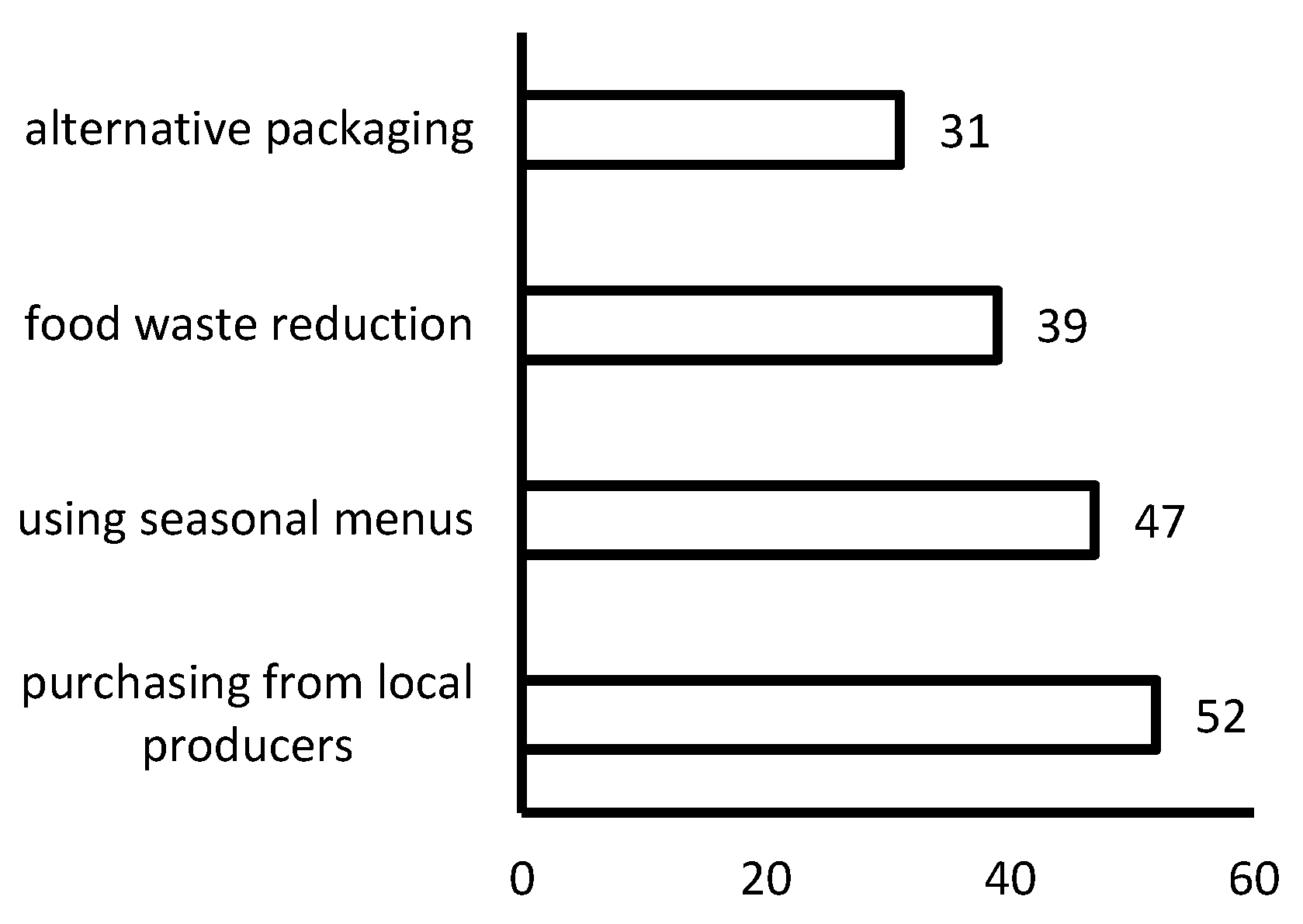
Figure 4.
Most popular treatment for decreasing amount of food waste (%) in Hungary in 2024.
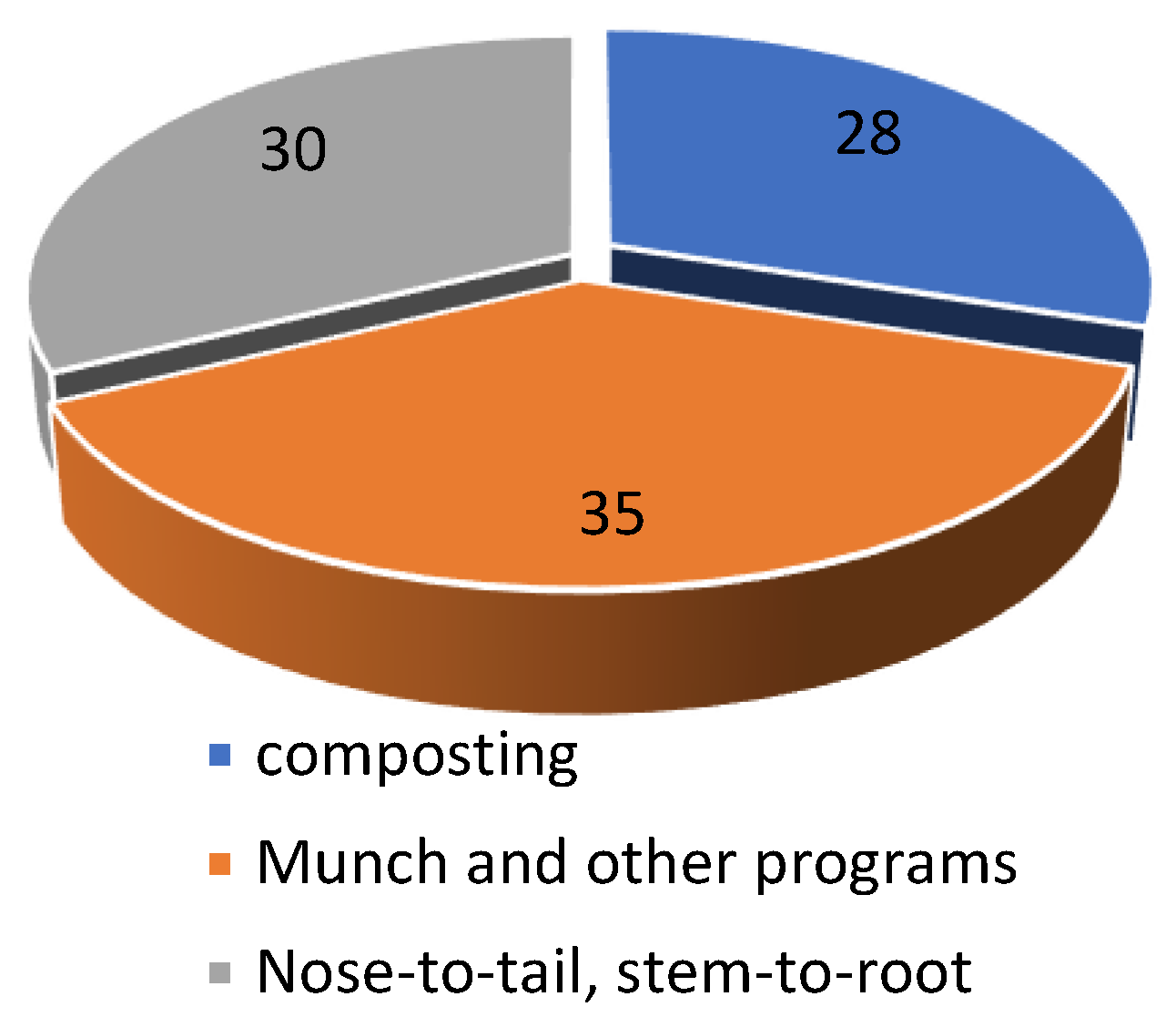
Figure 5.
Most common consumer behavior in common challenges for restaurant selection (%) in Hungary in 2024.
Figure 5.
Most common consumer behavior in common challenges for restaurant selection (%) in Hungary in 2024.
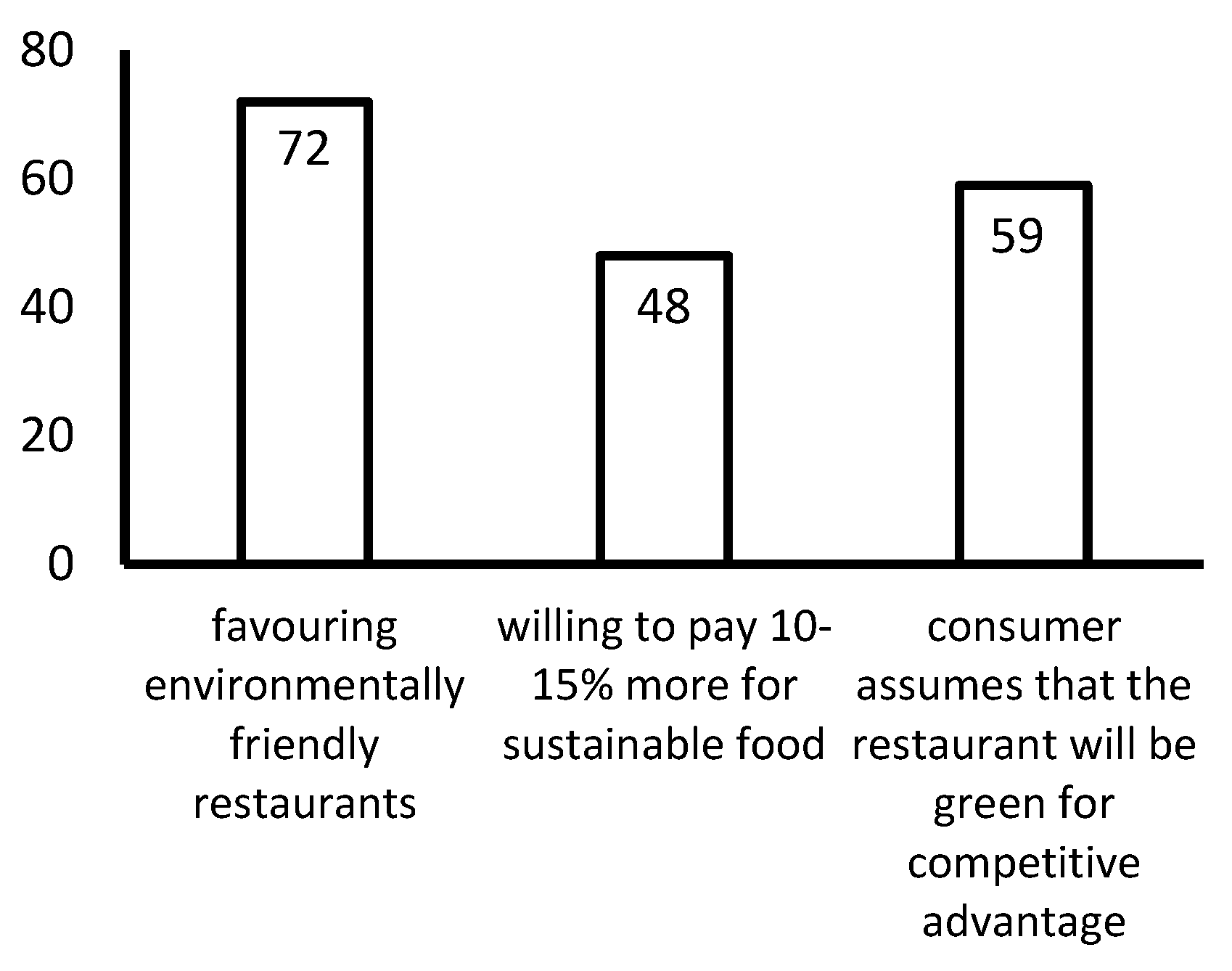
Figure 6.
Most restaurant operators (%) in Hungary in 2024.
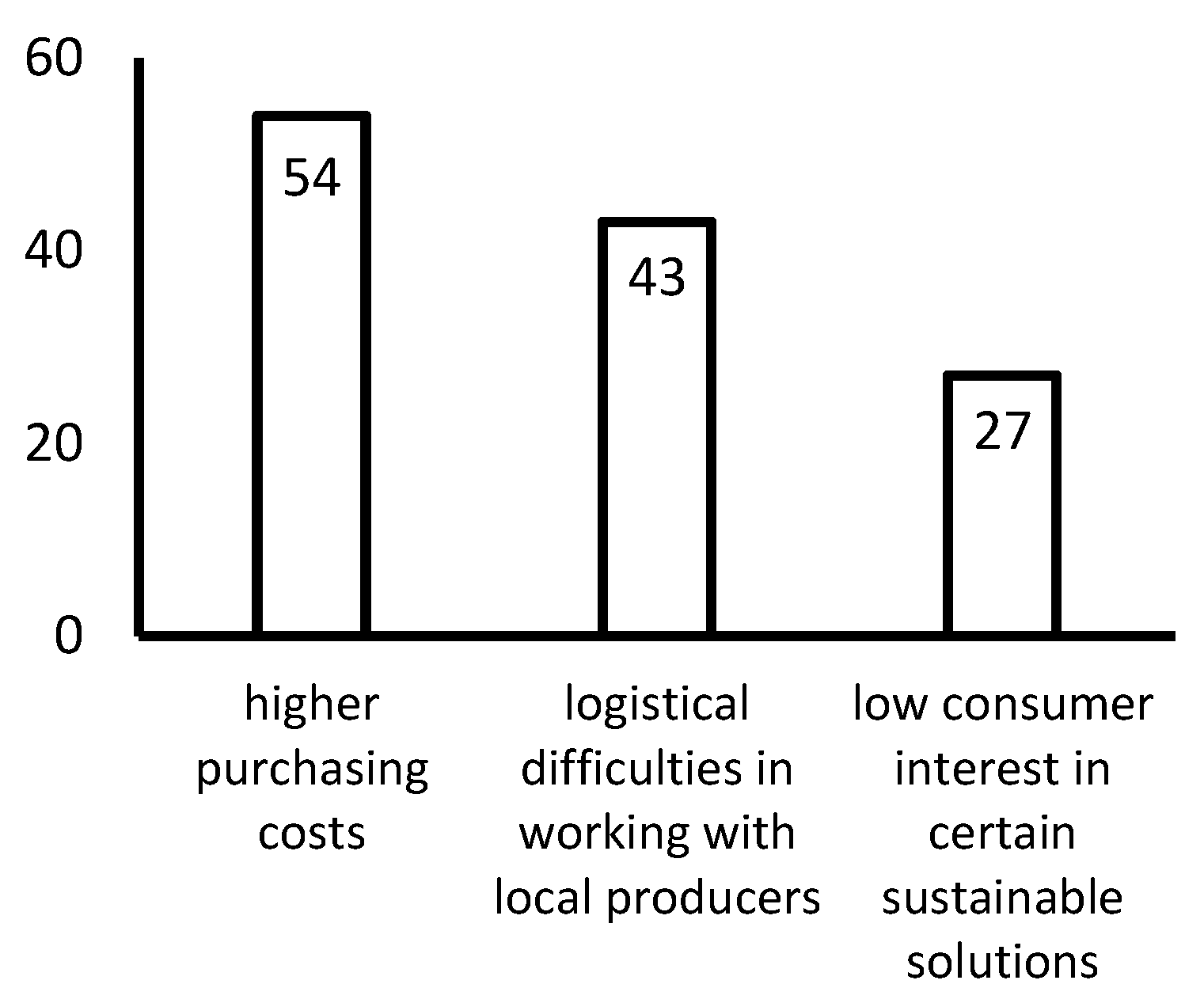

Table 1.
Important data of Sulyom and Iszkor restaurants for measuring sustainability in Hungary [43], modified in this paper.
Table 1.
Important data of Sulyom and Iszkor restaurants for measuring sustainability in Hungary [43], modified in this paper.
| restaurant (ranking in Dining Guide) | how colleagues travel to work | distance to the domestic food or drink supply |
name of the company for food waste collection |
practice in food waste reduction |
| Sulyom (92) |
bicycle: 2 car: 10 |
0 km=vegetables and fruits >50 km= a small part of vegetables and fruits; significant part of cheese |
Biofilter Ltd. | Composting, and green waste go to the nearby zoo |
| Iszkor (40) |
car alone: 7 car together: 2 |
0 km=some vegetables <10 km=chicken, beef, guinea fowl, goose 11-30 km=vegetables, duck, trout, cheese, milk 31-50 km=mangalica pig, dairy products (cream, sour cream, yoghurt), mushrooms >50 km=some vegetables |
Biofilter Ltd. | Nose-to-tail method |
Disclaimer/Publisher’s Note: The statements, opinions and data contained in all publications are solely those of the individual author(s) and contributor(s) and not of MDPI and/or the editor(s). MDPI and/or the editor(s) disclaim responsibility for any injury to people or property resulting from any ideas, methods, instructions or products referred to in the content. |
© 2025 by the authors. Licensee MDPI, Basel, Switzerland. This article is an open access article distributed under the terms and conditions of the Creative Commons Attribution (CC BY) license (https://creativecommons.org/licenses/by/4.0/).
Copyright: This open access article is published under a Creative Commons CC BY 4.0 license, which permit the free download, distribution, and reuse, provided that the author and preprint are cited in any reuse.


