

Submitted:
12 May 2025
Posted:
12 May 2025
You are already at the latest version
Abstract
The study explores the intricate relationship between urban structure patterns and sustainable mobility in Jeddah, Saudi Arabia, a city undergoing rapid urbanization and characterized by unique socio-economic and environmental factors. It contributes to a comprehensive interpretation of existing literature and qualitative research focused on urban sprawl, car dependency, and the inadequacies of public transport, which collectively hinder the city’s sustainable development. The research emphasizes the critical role of effective compact urban forms, transit-oriented development (TOD), and robust non-motorized transport (NMT) infrastructure in addressing these pressing issues. Findings are contextualized within the framework of Vision 2030 and global best practices, leading to actionable recommendations aimed at enhancing accessibility, minimizing environmental footprints, and improving the overall quality of life for residents. Additionally, the study highlights the necessity of integrated governance and participatory processes as vital components in achieving urban sustainability. Through its findings, the research seeks to equip policymakers with the insights needed to effectively implement global frameworks for sustainable urban planning that harmonize economic growth, social equity, and environmental responsibility.
Keywords:
urban sustainability
; mobility
; Jeddah
; urban form
; transit-oriented development
; environmental impact
1. Introduction
Since the beginning of the 20th century, the world has experienced significant population growth and urbanization, leading to various opportunities and challenges associated with this transition. In 1900, the global population was approximately 1.6 billion, but it is projected to reach around 10.3 billion by the mid-2080s [1]. This astonishing growth has fueled rapid urbanization, resulting in the unplanned expansion of cities. This phenomenon can be attributed mainly to the increasing demand for urban areas, compounded by weak governance and inadequate urban planning systems. The consequence of this "unplanned urban sprawl" is the emergence of numerous urban challenges, including conflicts in land use, insufficient public services, strained infrastructure systems, environmental degradation, and mobility issues [2]. These challenges are particularly pressing in rapidly growing regions, where the lack of foresight in urban development creates significant obstacles to sustainable growth.
In Saudi Arabia, cities are undergoing rapid development, necessitating an expansion of urban areas by approximately 50 percent to accommodate population growth [3]. This presents a formidable challenge, as projections indicate that without immediate action, the country may need to construct a new city every nine months to keep up with the increasing demand for housing and services. Ineffective urban governance has stymied the development of sustainable cities and exacerbated infrastructure shortages in these burgeoning urban centers [1]. This context underscores the urgent need for comprehensive urban policies that prioritize sustainability and effective governance to ensure that urban growth does not come at the expense of environmental health and social equity.
Saudi Arabia’s Vision 2030 aligns closely with the United Nations Sustainable Development Goals, particularly Goal 11, which emphasizes the importance of achieving inclusive, safe, resilient, and sustainable cities. Sustainable development forms a core pillar of this vision, aiming to position Saudi cities as exemplary models of sustainable living. A prominent case is Jeddah, the gateway to Mecca, where urban regeneration from a design perspective is critical due to the city’s unique environmental, social, and economic context. Sustainable urban design plays a vital role in creating frameworks for resilient and livable urban areas. It also involves developing flexible transport infrastructure that can adapt to changing demands, facilitating more sustainable growth patterns and improving overall urban quality of life.
This paper aims to summarize and reframe the current state of urban design in Jeddah, elucidating a central question that reveals an overview of the factors promoting sustainable solutions based on the UN Sustainable Development Goals. The focus will be on urban forms and critical connectivity within the urban mobility network. This study presents alternative solutions to enhance urban forms and improve mobility connectivity by reflecting on the diverse factors and challenges that shape urban design in Jeddah. The literature reviewed for this paper includes both general studies and those specific to Jeddah, highlighting the main approaches to urban sustainability centered on urban form and mobility. By examining these elements, the study seeks to contribute valuable insights into how urban design can be leveraged to foster sustainable development in rapidly urbanizing contexts.
2. Literature Review
This section of the literature review is organized into two subsections: 1) a review of studies from around the world and 2) a review of studies specific to Jeddah. Furthermore, the literature review will explore two major approaches to urban sustainability: urban forms and urban mobility. The following sections will elucidate both approaches within the context of urban sustainability, emphasizing their significance in contemporary urban planning.
2.1. Urban Forms and Sustainability
The concept of urban forms is inherently complex and multidisciplinary, leading to a lack of consensus on terminology and definitions. This ambiguity complicates the analysis of urban forms. Urban morphology can be defined as the study of urban form, encompassing the knowledge and tools used to understand that form. In this paper, urban form refers specifically to the structural types of housing, as illustrated in Figure 1 [4].
Globally, the pursuit of sustainable urban environments and energy-efficient buildings is crucial for managing energy resources within and around urban areas [5]. When a building is perceived as a standalone entity, divorced from its urban context, the natural energy resources available to it and its immediate surroundings are compromised [6]. Notably, buildings account for 19% of energy-related greenhouse gas emissions. Current energy management strategies often overlook the dynamic interactions among buildings and their effects on neighboring outdoor spaces. While numerous authors have proposed various parameters for urban sustainability, there is a consensus around the concept of "compact urban forms" [7-10]. Urban sustainability policies frequently focus on microclimate assessments, failing to capture broader urban environmental impacts [11]. This knowledge framework is supported by the multi-scale connectivity and systemic influences discussed by Webb et al. [12] as shown in Figure 2.
The importance of urban forms extends beyond mere aesthetics; they influence social interactions, economic activities, and environmental outcomes. For instance, compact urban forms can reduce the need for extensive transportation networks, thereby lowering emissions and fostering a sense of community. Conversely, sprawling urban forms can lead to increased reliance on cars, further exacerbating environmental degradation and social isolation. This duality highlights the need for thoughtful urban planning that prioritizes sustainability in spatial design.
In Jeddah, the three pillars of sustainability, environmental soundness, social equity, and economic prosperity, are being actively pursued [13]. Urban streets play a pivotal role in achieving sustainability within urban areas. To enhance the livability of city streets, the adoption of sustainable street designs is essential. Multimodal streets should be developed, built, and maintained to improve transportation, ecological, and community outcomes, which are integral to a broader sustainability agenda that prioritizes environmental protection, social equity, and economic stability.
A comprehensive series of recommendations focusing on key elements of urban streets is addressed in the study by Abouhassan [14]. These findings cover a wide range of topics and can be categorized into critical street elements such as sidewalks, street lighting, accessibility, walkability, safety, and security. The design of these elements directly impacts how residents interact with their environment, influencing their choices regarding transportation and recreation.
Mandeli [15] underscores the necessity for local authorities and experts to dedicate efforts towards promoting investment in sustainable urban forms in Jeddah. The study highlights the importance of dialogue among various stakeholders regarding the design, construction, and utilization of public spaces. Effective communication between government bodies, urban planners, and the community is essential for developing urban forms that meet the needs of all residents. Engaging citizens in the planning process fosters a sense of ownership and encourages sustainable practices [15].
Shawly [16] identifies several significant challenges that Jeddah faces concerning urban form and sustainability design. The study advocates for the Municipality to implement diverse policies that encourage flat urban development regulations, particularly as the city seeks substantial sustainable urban development through intensified development processes. The key challenge echoed by many studies is the design of open urban spaces, which are crucial for community interaction and environmental sustainability [16].
Fatani et al. [17] propose a framework to facilitate effective urban area design in Jeddah, as illustrated in Figure 3. This approach necessitates effective design strategies to restore playfulness in Jeddah's neighborhoods, acknowledging that cultural factors are crucial for fostering social interaction. Urban spaces should not only be functional but also promote recreational opportunities and cultural expression. This dual focus can enhance the quality of life for residents and create a vibrant urban atmosphere.
Moreover, the integration of green spaces within urban forms is a vital consideration. Green spaces can mitigate the urban heat island effect, improve air quality, and provide habitats for urban wildlife. Studies have shown that access to green spaces is linked to improved mental health and well-being, making them an essential component of sustainable urban design [18].
In summary, the examination of urban forms reveals their profound impact on sustainability outcomes. Urban planners must prioritize compact, connected, and green urban forms to foster sustainable development. The lessons learned from global studies can inform local practices in Jeddah, ensuring that urban development aligns with sustainability goals.
2.2. Sustainable Urban Mobility: Challenges and Strategies
Traffic congestion and overcrowded roadways are common features in major cities worldwide. The growing demand for private vehicles, driven by the desire for faster and more comfortable transportation, is pushing urban road networks to their limits [19]. Consequently, the construction of additional roads to accommodate the ever-increasing urban population is a phenomenon known as “Urban Sprawl.” When urban areas expand rapidly without appropriate planning and policies, they create social and physical divisions among residents. This fragmentation can lead to inequities in access to resources and services, further exacerbating social challenges.
Therefore, it is imperative that urban citizens have access to diverse travel options, including cars, public transport, and non-motorized transport. The concept of sustainable transportation is vital for creating clean, climate-friendly, healthy, and livable cities. However, many urban mobility systems today prioritize private vehicles and expansive road networks, exacerbating traffic congestion, road accidents, poor public transport services, and transport-related emissions. Thus, applying sustainability principles to transportation systems is essential for providing safer, more comfortable, and affordable transport services to users [20].
Globally, non-motorized transportation (NMT), often referred to as active transport, plays a significant role in achieving transport sustainability. NMT encompasses various modes of transportation, including walking, cycling, and the use of skates, scooters, carts, and similar means. According to Salleh et al. [21], residents of car-dependent cities often walk or cycle, but these activities are generally limited to exercise or recreation, rather than being considered activity-based trips in urban planning. Therefore, it is crucial to provide safe, accessible, and well-connected NMT infrastructure to encourage people to undertake work-related or education-related trips by walking or cycling.
On a global scale, every mode of transport requires a well-connected network to ensure efficient mobility and accessibility. Similarly, non-motorized transport relies on robust network connectivity. The study identifies several key elements critical to enhancing network accessibility and mobility for non-motorized transport (NMT) users. These elements are visually represented in Figure 4, Figure 5, and Figure 6, which illustrate the findings in greater detail.
- Access to Public Transport: Shorter distances between public transport stops and residential areas can enhance passenger demand and increase the modal share for NMT. Public transport should be designed as a viable alternative to private vehicles, offering convenience and efficiency.
- Pedestrian and Cycling Networks: To attract more users to walking and cycling, it is essential to have a well-connected network of pedestrian and cycling paths. A robust NMT street network will promote NMT-based mobility in urban areas. Incorporating dedicated cycling lanes and safe pedestrian crossings can significantly enhance the safety and appeal of these transport modes.
- Internal Connectivity: Shorter distances and accessible route paths within the network, along with proximity to daily services, would increase the modal share of NMT users. Ensuring that local amenities are within walking or cycling distance encourages residents to shift away from car dependency.
Globally, land use policies should support public transit operations by promoting transit-oriented development (TOD) and minimizing parking lots in urban centers. There is a strong correlation between compact urban land use and transit ridership. The following actions can promote compact and mixed-use urban centers:
- Adopting TOD policies to facilitate mixed-use urban development that integrates residential, commercial, and recreational spaces within close proximity to public transport hubs.
- Integrating transit systems into master plans and regional corridor plans, ensuring that transportation infrastructure is aligned with urban growth strategies.
In Jeddah, despite its rich functional diversity, the city confronts significant challenges regarding urban transportation and public transit amenities for walking. Over the past four decades, rapid urban sprawl has rendered Jeddah a car-dependent city, with only 7% of the population utilizing public transportation [23]. Public transport options in Jeddah are limited to four primary modes: taxis, minibuses, ride-hailing services, and a limited number of public buses. Several factors have contributed to Jeddah's reliance on cars. The city's rapid growth and insufficient public transportation planning have fostered this dependency, as illustrated in Figure 7. As urban sprawl progressed, the affordability of fuel and cars further entrenched this pattern. The lack of comprehensive urban planning has resulted in a fragmented transport system that fails to meet the needs of its residents.
There is a pronounced tendency for residents in Jeddah to rely on private vehicles, a trend that can be altered through strategic planning and policy implementation. To finance such initiatives, it is essential to engage both citizens and investors in the solution. Public-private partnerships can play a crucial role in developing sustainable transport solutions that benefit the entire community. Jeddah should evolve into an integrated network of Transit-Oriented Development (TOD) projects that efficiently serve local areas while ensuring strong connectivity among them. Key components for this transformation include:
- Walkability: Designing neighborhoods that prioritize pedestrian access can enhance the overall quality of life. Creating pedestrian-friendly environments encourages walking as a viable mode of transport.
- Non-Motorized Transportation: Promoting cycling and walking not only reduces traffic congestion but also contributes to public health by encouraging active lifestyles.
- Public Transportation: Expanding and improving public transport services is essential for reducing car dependency. Investments in reliable and efficient public transport systems can incentivize residents to utilize these alternatives.
In conclusion, addressing the challenges of sustainable urban mobility requires a multifaceted approach that encompasses policy changes, infrastructure investments, and community engagement. By prioritizing sustainable transportation solutions, Jeddah can create a more equitable, efficient, and environmentally friendly urban environment.
3. Materials and Methods
This part of the paper outlines the methodology employed to achieve the objectives of this research. The study utilized qualitative research methods, integrating various approaches to gain comprehensive insights into urban sustainability and its influence on urban forms and mobility. The research commenced with an extensive literature review, adopting an inductive approach to explore existing knowledge and identify gaps in the field. This foundational step was crucial for framing the research context and guiding subsequent data collection.
To deepen the analysis, the study employed content analysis, which systematically interprets textual information to uncover themes and patterns relevant to urban sustainability. Additionally, comparative analysis was utilized to examine similarities and differences across varied cases, allowing for the identification of trends and the drawing of meaningful conclusions. Collectively, these methods facilitated a robust exploration of the research topic. The flow diagram presented in Figure 8 illustrates the structured methodological steps taken, as well as highlighting the two primary sources of data: peer-reviewed journals and government white papers. This comprehensive approach ensured a thorough understanding of the complexities surrounding urban sustainability.
4. Study Area
Jeddah, the second-largest city in Saudi Arabia after Riyadh, has transformed into a significant economic and commercial hub, serving as a vital maritime gateway. Historically, it has functioned as the primary external port for the Kingdom and has since evolved into a center for diverse industrial and commercial activities [1]. The city features a mean population density ranging from 1 to 2,600 persons per hectare, as illustrated in Figure 9. Projections suggest that Jeddah's population could surpass 5.2 million by 2033, driven by internal migration and rapid urbanization.
The interplay between Jeddah's urban form and mobility is crucial, significantly affecting the city's overall functionality and livability. Notably, mobility challenges are exacerbated by the presence of substantial informal settlements, which constitute over 75% of the city, occupy 23% of its built-up land, and house 20% of the population [1]. While these areas are designed with integrated transport networks to facilitate access to essential services and market centers, they remain largely underserved. This fragmented urban structure deepens socio-economic inequalities, as central districts benefit from enhanced connectivity and access to public infrastructure, while peripheral neighborhoods are often neglected.
To address these challenges, a comprehensive redevelopment initiative known as the "Jeddah Demolition" project is underway. This initiative aims to systematically replace unplanned neighborhoods with contemporary developments across five phases. Its primary goals are to enhance mobility and infrastructure, tackle urban sprawl, and foster socio-economic dynamism, aligning with the objectives of Saudi Vision 2030. As of February 2023, Phase One was completed, followed by Phase Two in August 2023. Phase Three is scheduled for February 2024 and will target the removal of 83 neighborhoods to facilitate redevelopment and infrastructure improvements. Currently in progress, Phase Four focuses on critical areas, while the details of Phase Five have yet to be announced (Jeddah Municipality, 2024). This ambitious project aspires to transform Jeddah into a modern, accessible metropolis, ensuring equitable service delivery and improved livability for all residents [1].
On the other hand, the rural-to-city movement has exacerbated challenges in Jeddah, placing significant pressure on housing and transportation systems. With nearly 74% of Saudi Arabia's rural population migrating to urban areas in search of better economic opportunities, Jeddah has experienced rampant horizontal urban expansion [25]. This rapid growth has cultivated a heavy reliance on private vehicles, leading to increased congestion and diminishing overall mobility efficiency across the city. Furthermore, Jeddah's ongoing preference for horizontal sprawl over vertical densification has intensified the strain on its mobility infrastructure. This trend, which began to take shape in the 1980s, has resulted in an undesirable urban landscape characterized by inefficient land use and limited accessibility to essential services [24].
As depicted in Figure 7, many key landmarks and attractions are becoming increasingly decentralized, particularly at the convergence of the northern and southern routes. This decentralization not only leads to longer travel times compared to other cities but also negatively impacts the environment due to increased daily commuting. The absence of effective integration between urban and transportation planning has hindered the development of sustainable mobility solutions, such as efficient public transit systems and walkable neighborhoods [1]. To effectively address these pressing issues, Jeddah requires a comprehensive reimagining of its urban fabric, characterized by a focus on density and diversity. Such a shift would encourage the adoption of more sustainable practices, ultimately promoting a healthier urban environment.
Recent years have also seen substantial rural-to-urban migration in Saudi Arabia, with seven out of ten rural residents moving to cities in search of work and services, often constrained by regional disparities, according to data from King Saud University in Riyadh. Like other urban centers in the Kingdom, Jeddah has witnessed an explosion of unplanned settlements. However, the term “unplanned settlements” lacks well-defined categories within the land management system, often encompassing both historical vernacular neighborhoods and newer, poorly constructed peripheral areas. As illustrated in Figure 10, these informal settlements are frequently spatially disconnected from Jeddah’s urban core, emerging on the city’s fringes. This generalization has led to widespread demolition efforts aimed at clearing these areas to make way for new developments, even in historically significant neighborhoods that lack adequate conservation protections. In line with Saudi Arabia’s Vision 2030, a multi-phase project has been initiated to demolish unplanned settlements in Jeddah, with a focus on enhancing the quality of life, improving public infrastructure, and advancing sustainable urban development throughout the city.
5. Spatial Strategies and Urban Sustainability Initiatives in Vision 2030
Under the Vision 2030 plan, a spatial framework has been established to delineate the hierarchy of relevant policies and strategies. This framework aims to facilitate the transition from current urban cities to sustainable cities in the future.
5.1 National Spatial Strategy (NSS)
An essential planning tool that aligns urban development with the goals of Vision 2030 is the National Spatial Strategy (NSS) 2030. This strategy encompasses national policies and directives designed to guide urban development for spatial impact, while actively contributing to the realization of Vision 2030 objectives. By recognizing and leveraging regional and local diversity, the NSS aims to establish a sustainable urban system that enhances the quality of life for citizens. This approach not only fosters balanced growth across different regions but also ensures that urban development is responsive to the unique needs and characteristics of each community.
Given that the goals of the NSS align with the need to establish eco-sensitive urban settlements, they will play a crucial role in Jeddah, a city grappling with haphazard growth patterns. The distinct geography of cities like Jeddah facilitates the integration of mixed-use land and urban fabric, contributing to a dense and sustainable environment. Chapters 2, 4, and 6 of the NSS specifically address the objective of developing smart sustainable cities, as illustrated in Figure 11. These chapters emphasize enhancing livability through responsible governance, effective urban planning policies, and robust implementation tools. For cities like Jeddah, creating an urban form that adheres to these guidelines will support its transformation into a more sustainable city, addressing both ecological and socio-economic dimensions of sustainability.
5.2 Integrating Transport Planning and Multidimensional Urban Planning in Saudi Arabia (ITUP)
The ITUP is a Vision 2030 initiative designed to enhance the integration of various dimensions of urban planning—such as land use and blue and green spaces—with transport planning and management. By implementing such projects, the initiative aims to improve the quality of life in Saudi cities, including Jeddah, through a cohesive and advanced urban transport network.
For cities like Jeddah, characterized by urban expansion and car-oriented development, the QITUP is essential. This initiative facilitates the integration of city development and transport management, encouraging a shift from private car use to sustainable transportation options such as trains, buses, walking, and cycling. By promoting these alternatives, the plan aims to enhance mobility and accessibility for all residents, ultimately improving the overall quality of life. As illustrated in Figure 11, enhancing connected urban fabric and socio-economic benefits is central to the ITUP agenda, which seeks to create a more vibrant and inclusive urban environment.
5.3 National Transport and Logistics Strategy (NTLS)
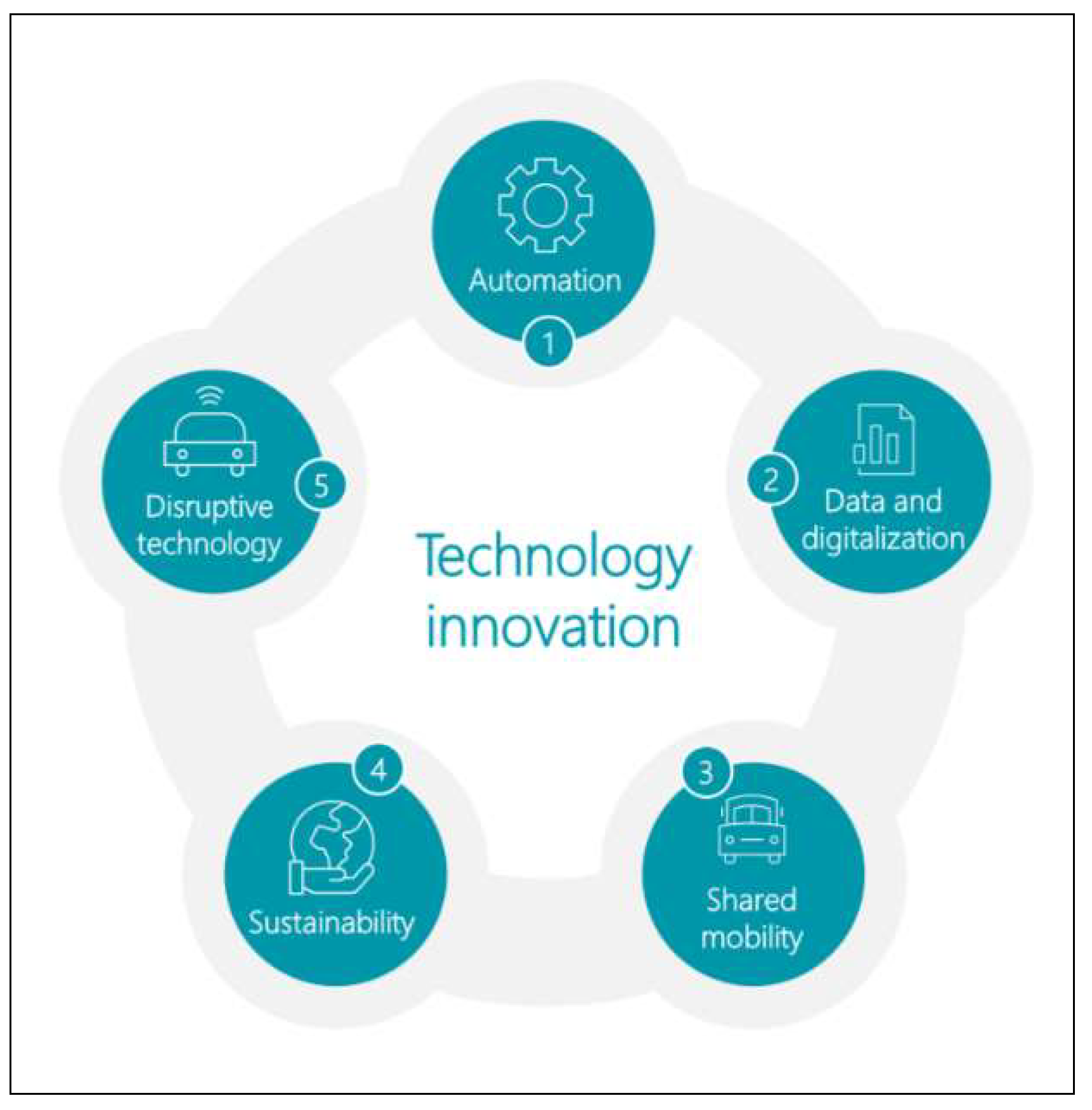
The National Transport and Logistics Strategy (NTLS) provides a comprehensive framework for the transport and logistics industry in Saudi Arabia. By outlining priority initiatives, funding requirements, and essential technological themes, the NTLS aims to advance the future of transportation across the nation. In the context of Jeddah, this strategy will be crucial in facilitating a transition to a more sustainable and future-ready transportation system. The NTLS emphasizes five key technological themes as illustrated in Figure 12, with sustainability as a central pillar. These themes encompass smart transportation systems, sustainable mass transit, infrastructural innovations, and the integration of advanced technologies designed to support rapidly growing metropolises like Jeddah. By leveraging these innovations, Jeddah can position itself at the forefront of urban mobility solutions.
The NTLS is poised to significantly benefit Jeddah, particularly given its increasing population and the challenges associated with urban containment. As the city expands, the NTLS will promote multi-modal transport solutions, allowing for seamless connectivity between various modes of transport—such as buses, trains, cycling, and walking. This integrated approach will create a better-connected and more navigable city, enhancing accessibility for residents and visitors alike. Furthermore, the strategy aligns with Jeddah's diverse agenda for urban sustainability, addressing critical environmental and social issues while fostering economic growth through an efficient transportation network. By prioritizing sustainable practices, the NTLS not only aims to reduce carbon emissions and improve air quality but also seeks to enhance the overall quality of life for Jeddah's residents. Ultimately, the NTLS will play a pivotal role in shaping a sustainable urban future for Jeddah, ensuring that the city evolves in a way that meets the needs of its growing population while preserving its environmental integrity.
6. Results and Discussion
The findings of this research highlight significant challenges and opportunities within Jeddah's urban form and mobility systems. The city's development has been heavily influenced by urban sprawl, characterized by low-density expansion and an over-reliance on private vehicles. This has led to fragmented urban structures, limited access to essential public services, and a strained transportation network. Informal settlements, which occupy 23% of Jeddah’s built-up area and house approximately 20% of the population, exacerbate socio-economic disparities and reflect a lack of cohesive urban planning strategies. These settlements, devoid of integrated transport networks, significantly limit mobility and connectivity, particularly in peripheral neighborhoods. These findings resonate with global trends where urban sprawl contributes to environmental degradation, reduced accessibility, and socio-economic inequality.
However, initiatives like the "Jeddah Demolition" project, which aims to modernize and integrate urban areas, offer a promising pathway to address these challenges. By focusing on improving urban sustainability and equity, such projects can enhance the overall livability of the city. The potential for transformation exists, provided that Jeddah adopts comprehensive planning strategies that prioritize connectivity and accessibility for all residents. Embracing these opportunities will be crucial for fostering a more sustainable urban environment, ultimately leading to a more equitable and resilient city.
By engaging in international dialogue, this discussion situates Jeddah’s urban character within the broader context of sustainable urban development. Compact urban forms and integrated mobility networks are essential prerequisites for sustainability. However, Jeddah's ongoing development has primarily focused on horizontal growth rather than densifying the city center, leading to inefficient land use and increased travel distances. This approach sharply contrasts with international best practices, such as those in Copenhagen and Singapore, where strategic investments in compact urban forms and multi-modal transportation systems have resulted in significant improvements in urban accessibility, reductions in greenhouse gas emissions, and enhanced livability.
An analysis of mobility trends in Jeddah reveals that public transportation accounts for only 7% of total transport, highlighting the city's deeply entrenched car-dominated infrastructure. The limited implementation of transit-oriented development (TOD) frameworks, combined with inadequate non-motorized transportation (NMT) infrastructure—such as substandard pedestrian pathways and insufficient cycling networks—further restricts mobility options. Globally, numerous best practices offer solutions to the persistent mobility challenges faced by cities. The study's findings emphasize the urgent need to rethink urban planning and transportation policies in Jeddah to achieve sustainable urban development, in line with the sustainability goals outlined in Vision 2030 and supported by initiatives such as the National Spatial Strategy (NSS) and the National Transport and Logistics Strategy (NTLS).
This research employs a theoretical framework that highlights the necessity of a compact, connected urban form and efficient mobility systems. To transform Jeddah into a Harmony City, an Urban Sustainable Economy, we must address issues of car-centric development, socio-economic inequality, and integrated urban planning strategies like those implemented in Xi'an (Mutual Viable City). By balancing local context and intent with global best practices, this framework offers a robust foundation for Jeddah to pursue sustainable economic development, implement environmentally responsible practices, and promote social equity.
7. Policies and Actions to Achieve Strategic Urban Sustainability Goals in Jeddah
Creating a pathway to urban sustainability in Jeddah necessitates an integrated approach that aligns with Vision 2030 while being attuned to the city’s unique context. This requires cohesive strategies in land use planning, transport planning, and the enhancement of public transit, all within the framework of a compact urban form. One of the most critical shifts needed is towards Compact Urban Development. This concept involves designing dense, mixed-use neighborhoods aimed at reducing travel times and enhancing connectivity. By prioritizing vertical development and establishing transit hubs, Jeddah can effectively address the environmental and socio-economic challenges posed by informal settlements. Urban densification strategies can tackle these issues simultaneously, creating a robust urban fabric that facilitates sustainable growth through the interaction of land use and mobility.
Improving Jeddah’s public transit system is essential for reducing the entrenched car culture and enhancing city-wide connectivity. Strategic investments in a high-quality, reliable, and convenient public transport network, such as improved Bus Rapid Transit (BRT) and metro systems, are crucial for this transformation. Additionally, developing pedestrian-friendly streets and safe cycling paths will not only provide alternative transportation options but also promote physical activity among residents. Lessons learned from successful international examples must be adapted into urban policies that prioritize connectivity, accessibility, and affordability. Transit-oriented development (TOD) is a vital component for optimizing land use and fostering mobility in Jeddah. To minimize reliance on personal vehicles, TOD focuses on clustering housing, commercial activities, and public services around transit nodes, thereby enhancing accessibility and convenience for residents. Implementing zoning regulations that incentivize investment in transit-connected developments is necessary for the success of TOD and aligns with both global best practices and the city’s economic and environmental sustainability goals.
Infrastructure modernization and green initiatives play a significant role in achieving Jeddah's sustainability objectives. Utilizing renewable energy sources, such as solar-powered transit systems and electric buses, could drastically cut emissions and improve energy efficiency. Addressing the environmental impacts of urban sprawl is vital, as it can significantly enhance the quality of life for residents in these greener urban environments. Integrating green corridors and urban forests into city designs will not only promote ecological sustainability but also contribute to the overall well-being of the community. These measures reflect a commitment to sustainability and position Jeddah in line with global sustainability standards. However, the success of these strategies heavily relies on strong governance frameworks and active community engagement. Establishing an integrated urban mobility task force and employing data-driven decision-making processes will ensure coherence among planning agencies and stakeholders.
Engaging the public in urban planning processes is crucial for fostering community buy-in and commitment to sustainability goals. Public awareness campaigns that highlight the benefits of sustainable urban forms and mobility systems can educate residents about their environmental impact, encouraging behavioral changes. By effectively implementing these priorities, Jeddah has the potential to emerge as a model of urban sustainability. Alignment across policy frameworks, infrastructural investments, and community engagement efforts will enable the city to adopt a holistic approach to the challenges it currently faces. This study serves as a preliminary plan to transform local insights and global lessons into a pathway for sustainable urbanism, revitalizing the vision for a resilient and inclusive future city of Jeddah that benefits all its residents.
8. Conclusion
The findings of this study underscore the critical need for integrating sustainable urban forms and mobility systems to address the challenges posed by Jeddah's urban growth. Despite its ongoing sustainability efforts, the city has been influenced by sprawling, automobile-centric development patterns, reminiscent of Los Angeles. This approach has resulted in fragmented urban fabrics, reduced accessibility, and environmental degradation, all of which hinder sustainability goals. By analyzing global benchmarks and aligning with Vision 2030 initiatives, this study presents practical pathways for Jeddah to emerge as a leader in sustainable development within the region. Central to this transformation is the adoption of compact urban layouts and mixed-use, transit-oriented developments that minimize travel distances, enhance accessibility, and mitigate environmental impacts, ultimately fostering a more livable and equitable urban environment.
Enhancing public transit infrastructure is paramount for reducing dependency on private vehicles and nurturing a culture of sustainable mobility. This can be achieved by complementing public transport systems with well-planned non-motorized transport networks, such as walkways and cycling paths. The integration of these modes of transportation will not only improve connectivity but also encourage residents to adopt healthier, more sustainable commuting options. Furthermore, leveraging data-driven decision-making processes and ensuring active community engagement will enable urban planning and transportation authorities to collaborate effectively. This collaborative ecosystem is essential for fully realizing the objectives of sustainability initiatives and ensuring that they resonate with the needs and aspirations of the community.
Jeddah's commitment to environmental sustainability is further reinforced through the development of green energy infrastructure and the incorporation of green spaces within urban planning. These initiatives not only enhance the quality of life for residents but also demonstrate the city’s dedication to creating a sustainable urban environment. By navigating its challenges through a sustainability lens and capitalizing on its unique cultural and geographic context, Jeddah has the potential to serve as a model of sustainable urbanism for cities worldwide. The future of Jeddah will be shaped by thoughtful urban planning, robust mobility networks, and inclusive governance, positioning it as a resilient, inclusive, and prosperous urban center that aligns local objectives with international sustainability goals.
Author Contributions
Conceptualization, A.J.A. and A.M.A.; methodology, A.J.A.; software, A.J.A.; validation, A.J.A., A.M.A. and M.S.A.; formal analysis, A.J.A.; investigation, A.J.A.; resources, A.J.A., A.M.A. and M.S.A.; data curation, A.J.A.; writing—original draft preparation, A.J.A.; writing—review and editing, A.J.A., A.M.A and M.S.A.; visualization, A.J.A.; supervision, A.M.A. and M.S.A; project ad-ministration, A.J.A.; funding acquisition, A.J.A. All authors have read and agreed to the published version of the manuscript.
Funding
This research received no external funding.
Institutional Review Board Statement
Not applicable.
Informed Consent Statement
Not applicable.
Data Availability Statement
The datasets generated and analyzed in this study are available upon request to the corresponding author.
Conflicts of Interest
The authors declare no conflicts of interest.
References
- UN-Habitat. The state of urbanization in Saudi Arabia: Challenges and opportunities; United Nations Human Settlements Programme: Nairobi, Kenya, 2019. [Google Scholar]
- Hajduk, S. The concept of a smart city in urban management. Business, Management and Education 2016, 14(1), 34-49. [CrossRef]
- Alqahtany, A.; Aravindakshan, S. Urbanization in Saudi Arabia and sustainability challenges of cities and heritage sites: Heuristic insights. Journal of Cultural Heritage Management and Sustainable Development 2022, 12(4), 408–425. [Google Scholar] [CrossRef]
- Hermand, D.; Quesada, S. Urban form and sustainability: The role of compact urban designs. Journal of Urban Morphology 2019, 4(2), 204–215. [Google Scholar]
- Sjödin, S.; Lindholm, O.; Larsson, B. Urban sustainability and energy-efficient buildings: A global perspective. Sustainability and Urban Planning 2020, 18(2), 211–223. [Google Scholar]
- Alyami, S.H.; Almutlaqa, A.A.; Alqahtany, A.M.; Ashraf, N. Likelihood of reaching zero energy building design in hot dry climate: Saudi Arabia. IEEE Access 2021, 9, 167054–167066. [Google Scholar] [CrossRef]
- Stone, B.; Rogers, D. The impact of urban sprawl on energy consumption and environmental degradation. Urban Studies 2001, 38(3), 565–582. [Google Scholar]
- Jabareen, Y.R. Sustainable urban forms: Their typologies, models, and concepts. Journal of Planning Education and Research 2006, 26(1), 38–52. [Google Scholar] [CrossRef]
- Yin, K.; Wang, R.; An, Q.; Yao, L.; Liang, J. Using eco-efficiency as an indicator for sustainable urban development: A case study of Chinese provincial capital cities. Ecological Indicators 2014, 36, 665–671. [Google Scholar] [CrossRef]
- Alyami, S.H.; Alqahtany, A.; Ashraf, N.; Osman, A.; Aldossary, N.A.; Almutlaqa, A.; Al-Gehlani, W.A.G. Impact of location and insulation material on energy performance of residential buildings as per Saudi Building Code (SBC) 601/602 in Saudi Arabia. Materials 2022, 15(24), 9079. [Google Scholar] [CrossRef] [PubMed]
- Futcher, J.; Mills, G.; Emmanuel, R.; Korolija, I. Creating sustainable cities one building at a time: Towards an integrated urban design framework. Cities 2017, 66, 63–71. [Google Scholar] [CrossRef]
- Webb, R.; Bai, X.; Smith, M.S.; Costanza, R.; Griggs, D.; Moglia, M.; Thomson, G. Sustainable urban systems: Co-design and framing for transformation. Ambio 2018, 47, 57–77. [Google Scholar] [CrossRef] [PubMed]
- Richter, B.; Behnisch, M. Integrated evaluation framework for environmental planning in the context of compact green cities. Ecological Indicators 2019, 96, 38–53. [Google Scholar] [CrossRef]
- Abouhassan, M. Sustainable urban street design in Jeddah, Saudi Arabia. In Artificial Intelligence and Transforming Digital Marketing; Springer Nature Switzerland: Cham, 2023; pp. 227–244. [Google Scholar]
- Mandeli, S. Promoting investment in sustainable urban forms in Jeddah. Urban Planning and Policy Review 2019, 15(3), 102–119. [Google Scholar]
- Shawly, T. Challenges in sustainable urban design for Jeddah’s urban environment. Journal of Environmental Planning 2022, 30(4), 315–328. [Google Scholar]
- Fatani, K.; Mohamed, M.; Al-Khateeb, S. Survey-based sustainable socio-cultural guidelines for neighborhood design in Jeddah. IOP Conference Series: Earth and Environmental Science 2019, 385(1), 012050.
- Kardan, O.; Poirier, J.; Faris, P. Green spaces and urban health: A review of the relationship between urban green spaces and well-being. Journal of Environmental Psychology 2015, 45, 1–10. [Google Scholar]
- Alobaidallah, A.M.; Alqahtany, A.; Maniruzzaman, K.M. Safety effectiveness of automated traffic enforcement systems: A critical analysis of existing challenges and solutions. Future Transportation 2025, 5(1), 25. [Google Scholar] [CrossRef]
- Yazid, M.M.; Ismail, R.; Atiq, R. Achieving sustainable urban mobility: The role of non-motorized transportation. Sustainable Transport Journal 2011, 9(2), 78–92. [Google Scholar]
- Salleh, B.S.; Rahmat, R.A.A.O.; Ismail, A. A study on non-motorised (NMT) activities for urban environment. Research Journal of Applied Sciences, Engineering and Technology 2014, 7(2), 290-295. [CrossRef]
- Alouini, M.; Alhebe, A. Sustainable transport infrastructure for urban growth. Transport Policy Review 2020, 12(4), 255–269. [Google Scholar]
- Aljoufie, M. Exploring the determinants of public transport system planning in car-dependent cities. Procedia-Social and Behavioral Sciences 2016, 216, 535–544. [Google Scholar] [CrossRef]
- Bakri, N.T.; Ibrahim, A. Creating a smart transit option for a car-dependent city: The case of Jeddah city. In The International Research & Innovation Forum; Springer International Publishing: Cham, 2022; pp. 309–335. [Google Scholar]
- Al-Hathloul, S.; Mughal, K. The migration patterns and urbanization trends in Saudi Arabia. King Saud University: Riyadh, 2004.
Figure 1.
Urban form elements and systems [4].
Figure 1.
Urban form elements and systems [4].
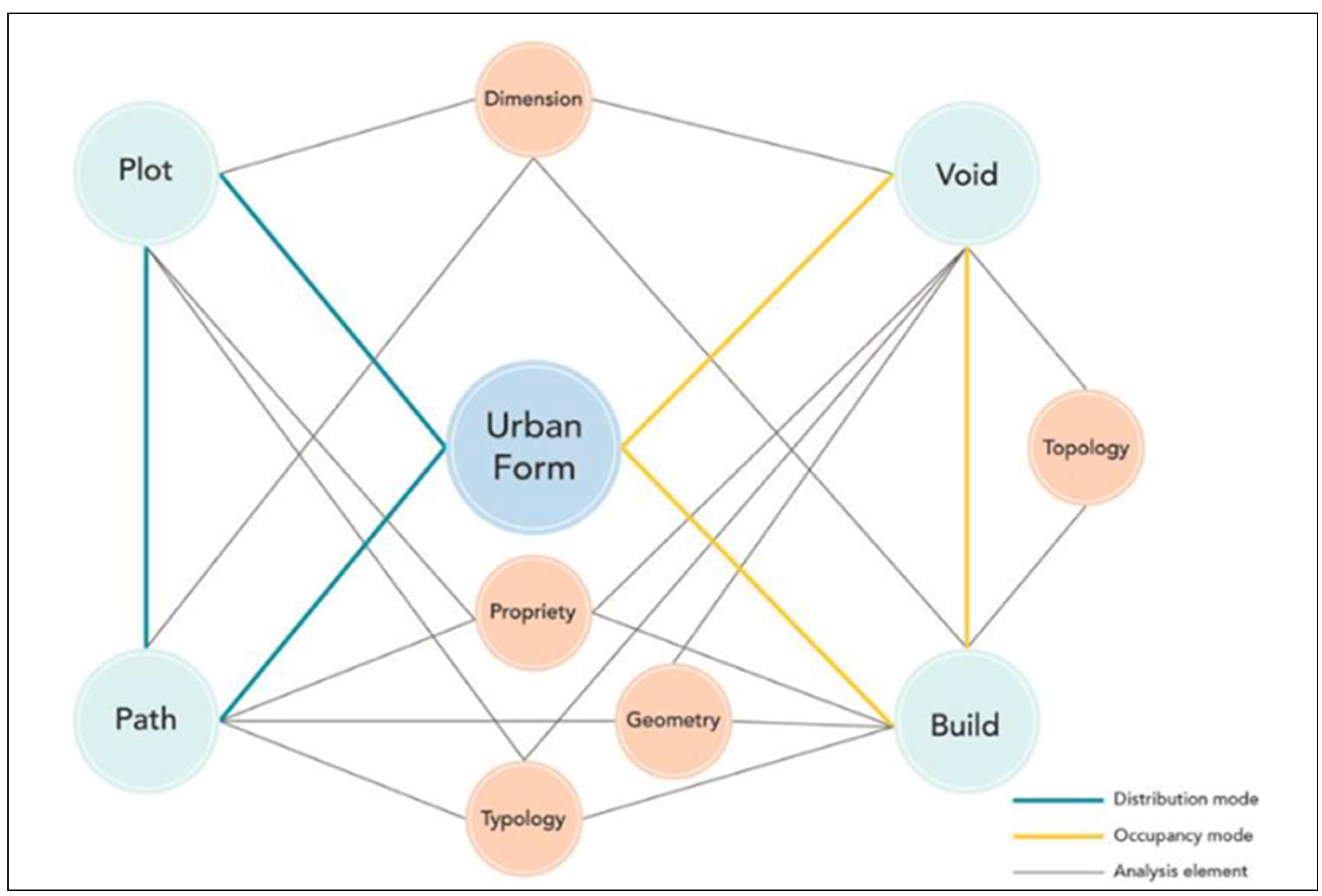
Figure 2.
Knowledge framework for sustainable urban development [12].
Figure 2.
Knowledge framework for sustainable urban development [12].
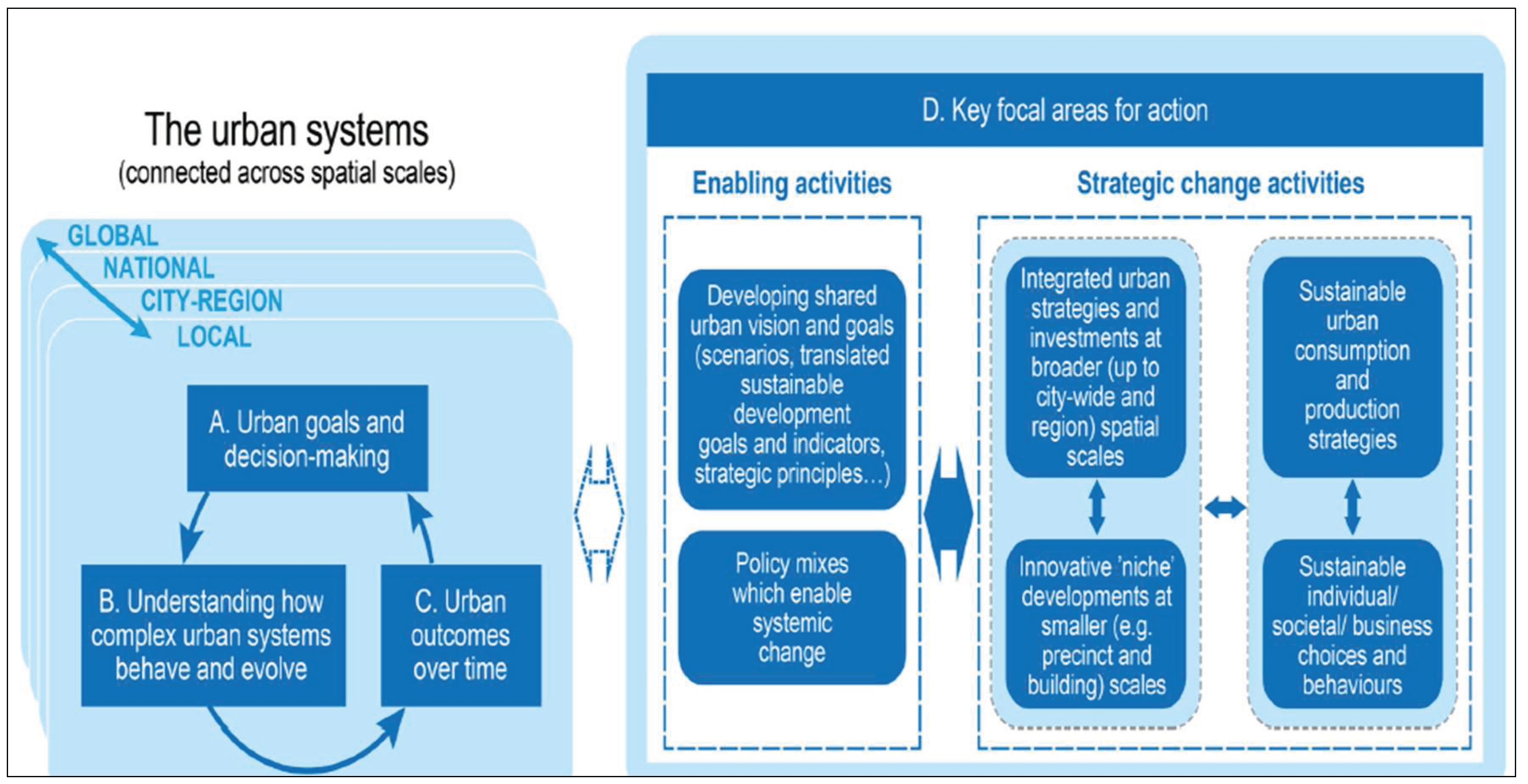
Figure 3.
Summary of the key considerations for design open spaces in Jeddah [17].
Figure 3.
Summary of the key considerations for design open spaces in Jeddah [17].
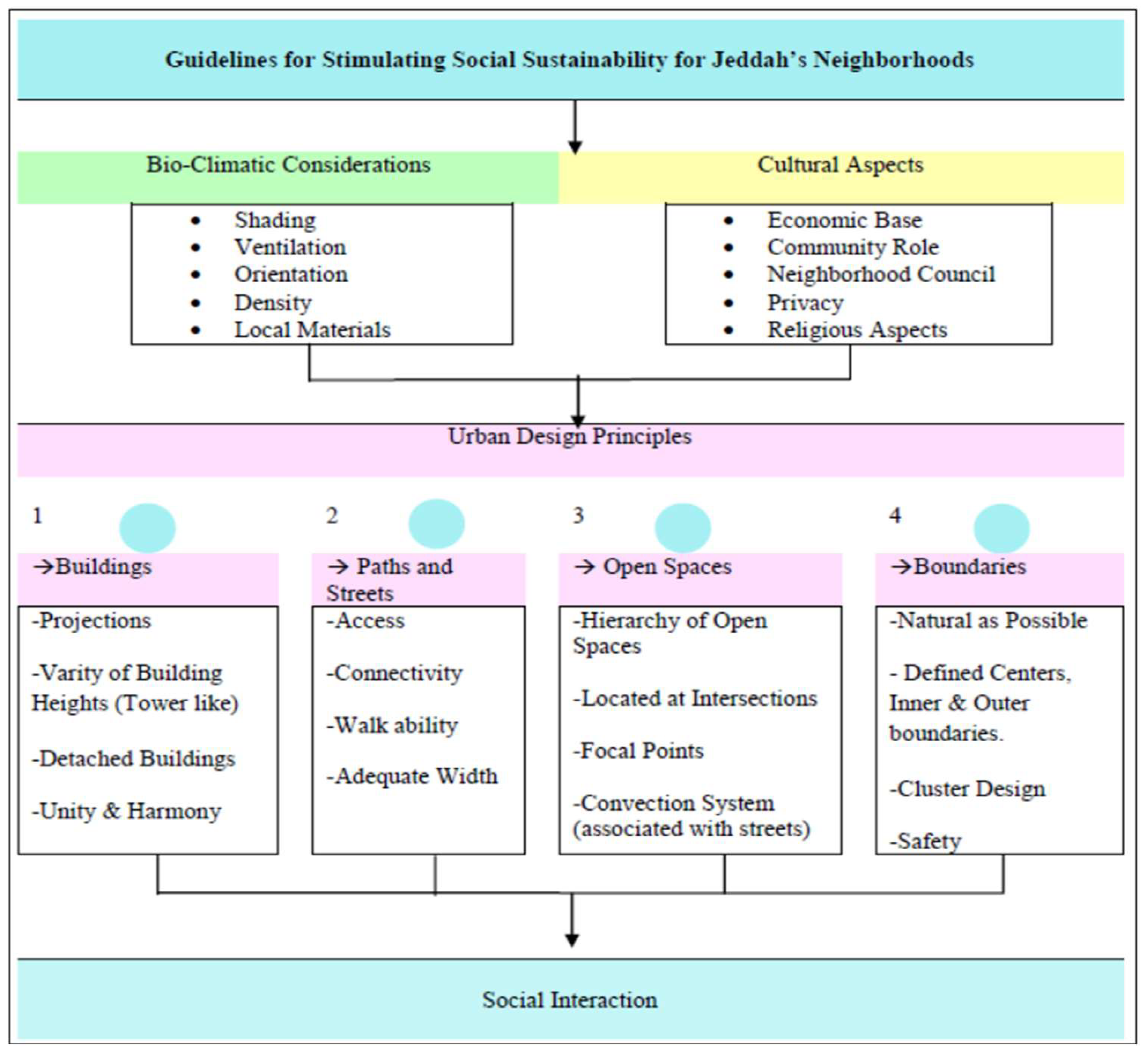
Figure 4.
Public transport access [22].
Figure 4.
Public transport access [22].
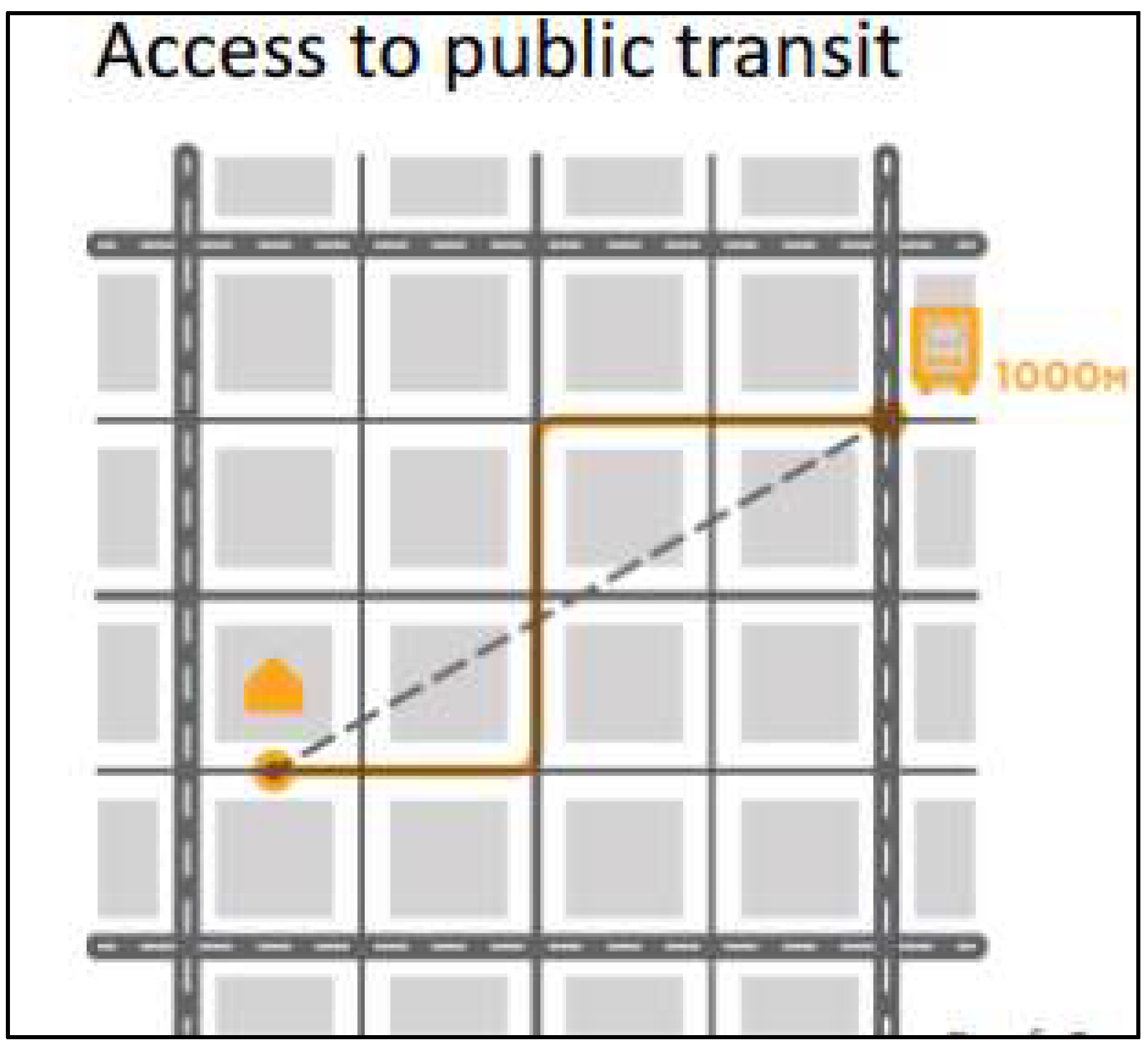
Figure 5.
Figure 5. NMT networks [22].
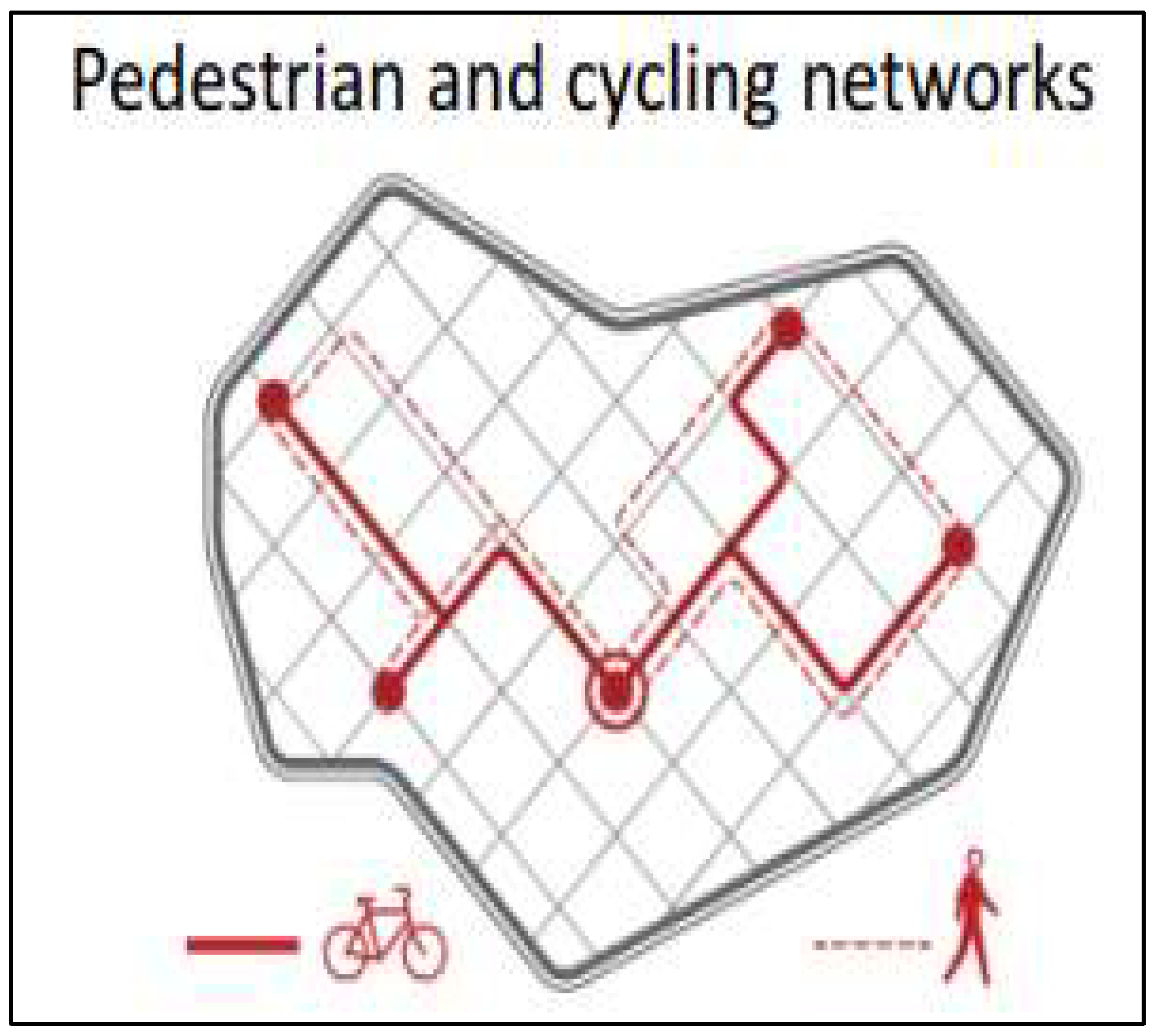
Figure 6.
NMT internal connectivity [22].
Figure 6.
NMT internal connectivity [22].
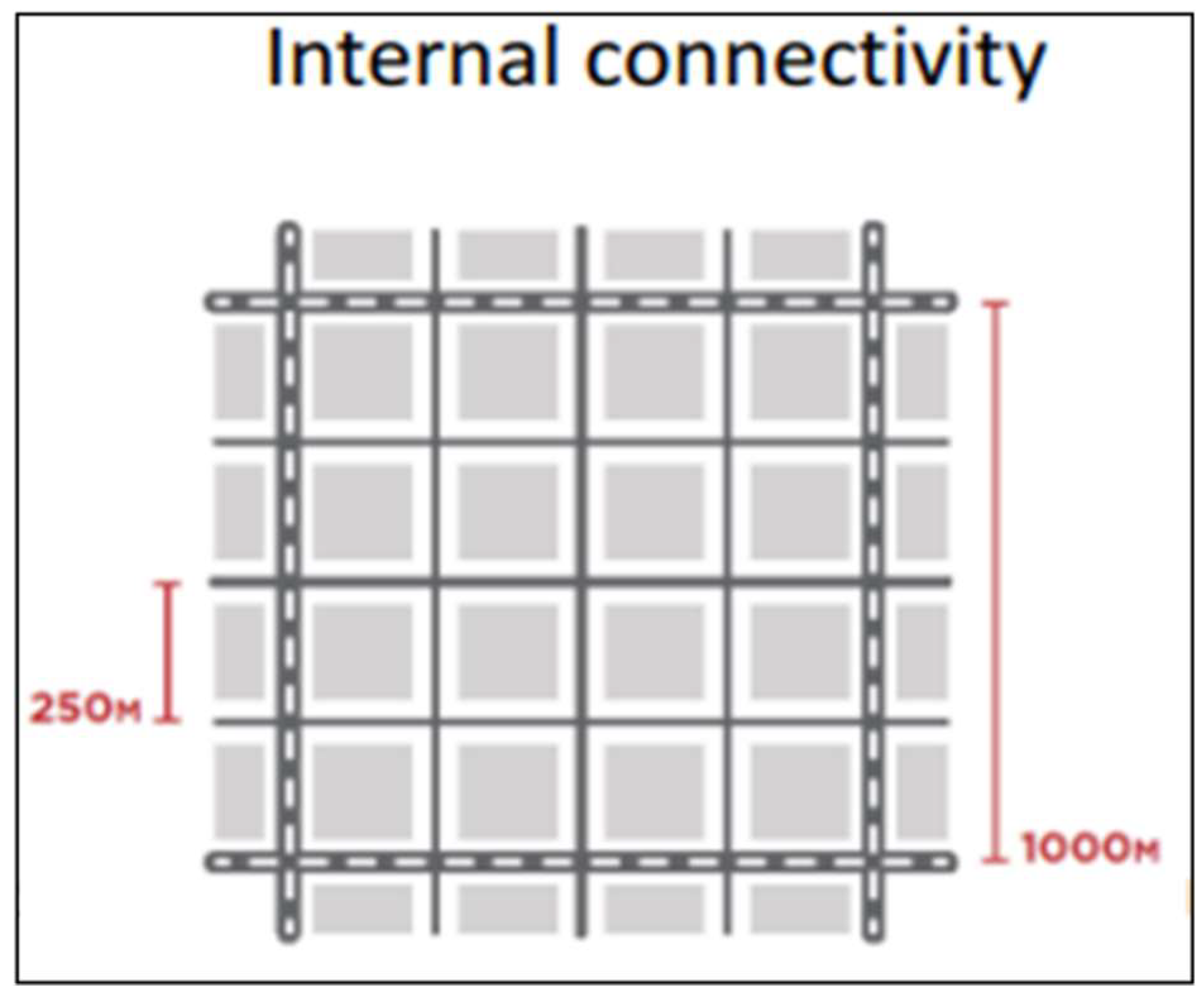
Figure 7.
Map of the urban growth of Jeddah city between the 1900’s–2019 [24].
Figure 7.
Map of the urban growth of Jeddah city between the 1900’s–2019 [24].
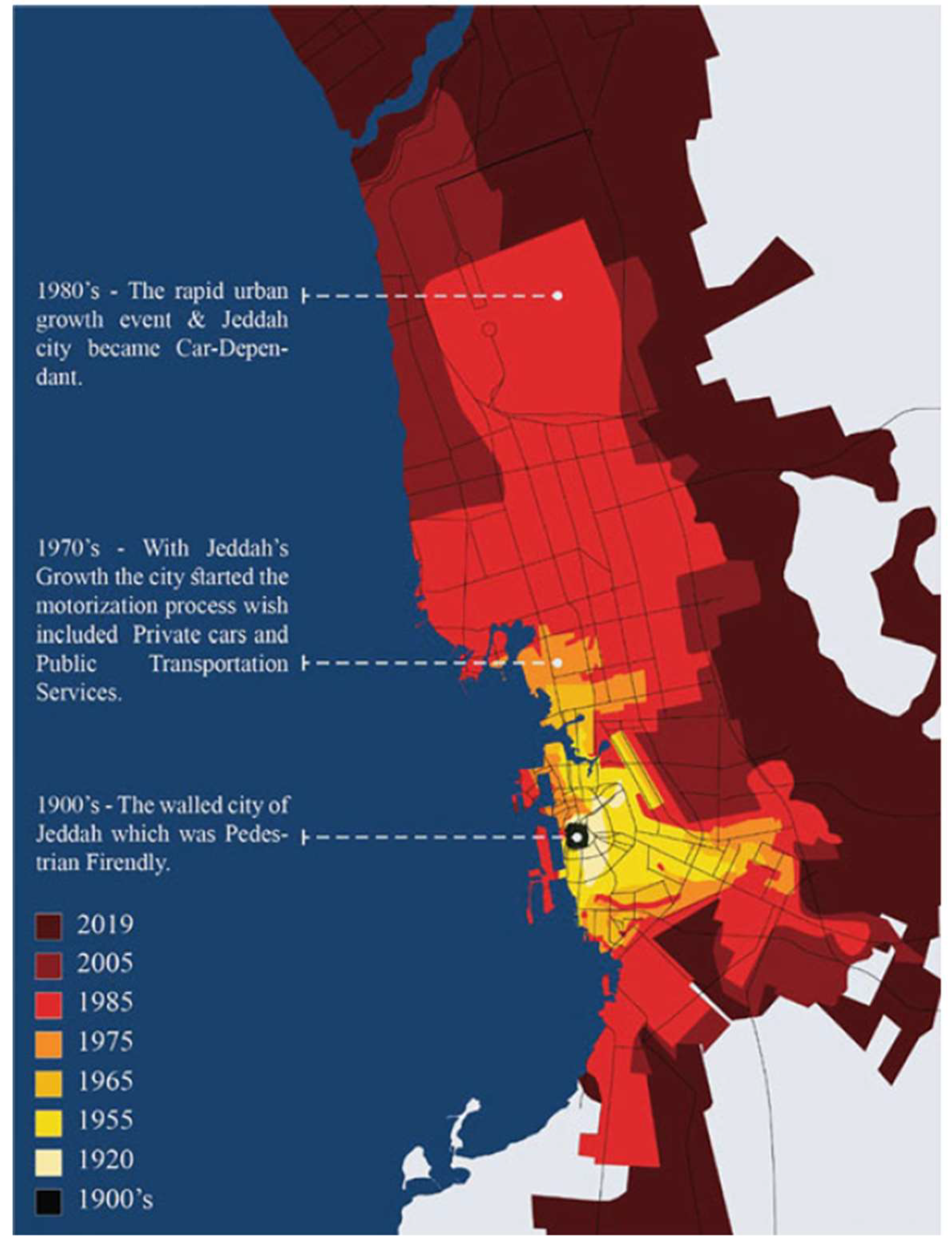
Figure 8.
Research Methodology for the study.
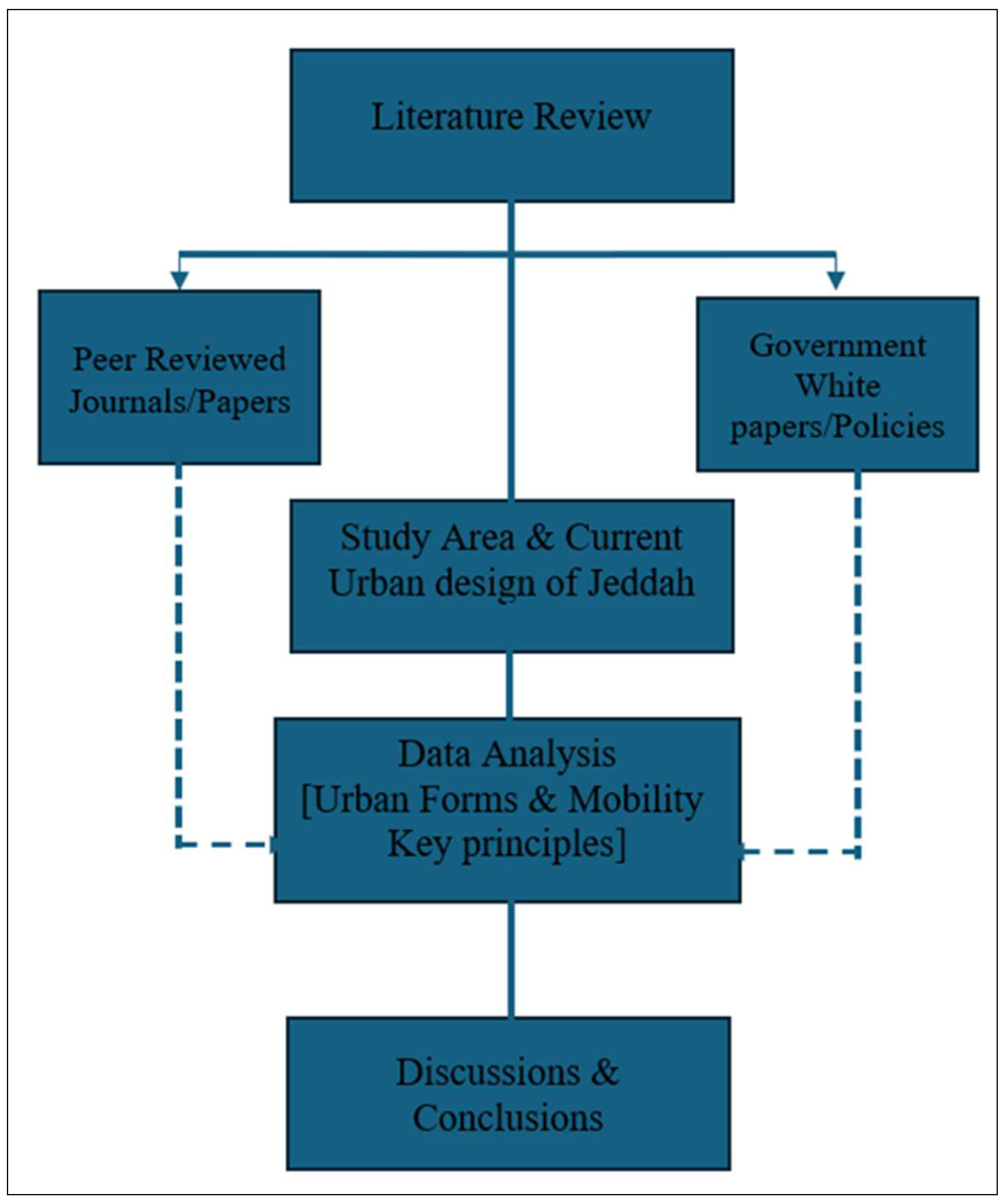
Figure 9.
The distribution of population density in Jeddah City, 2019 [1].
Figure 9.
The distribution of population density in Jeddah City, 2019 [1].
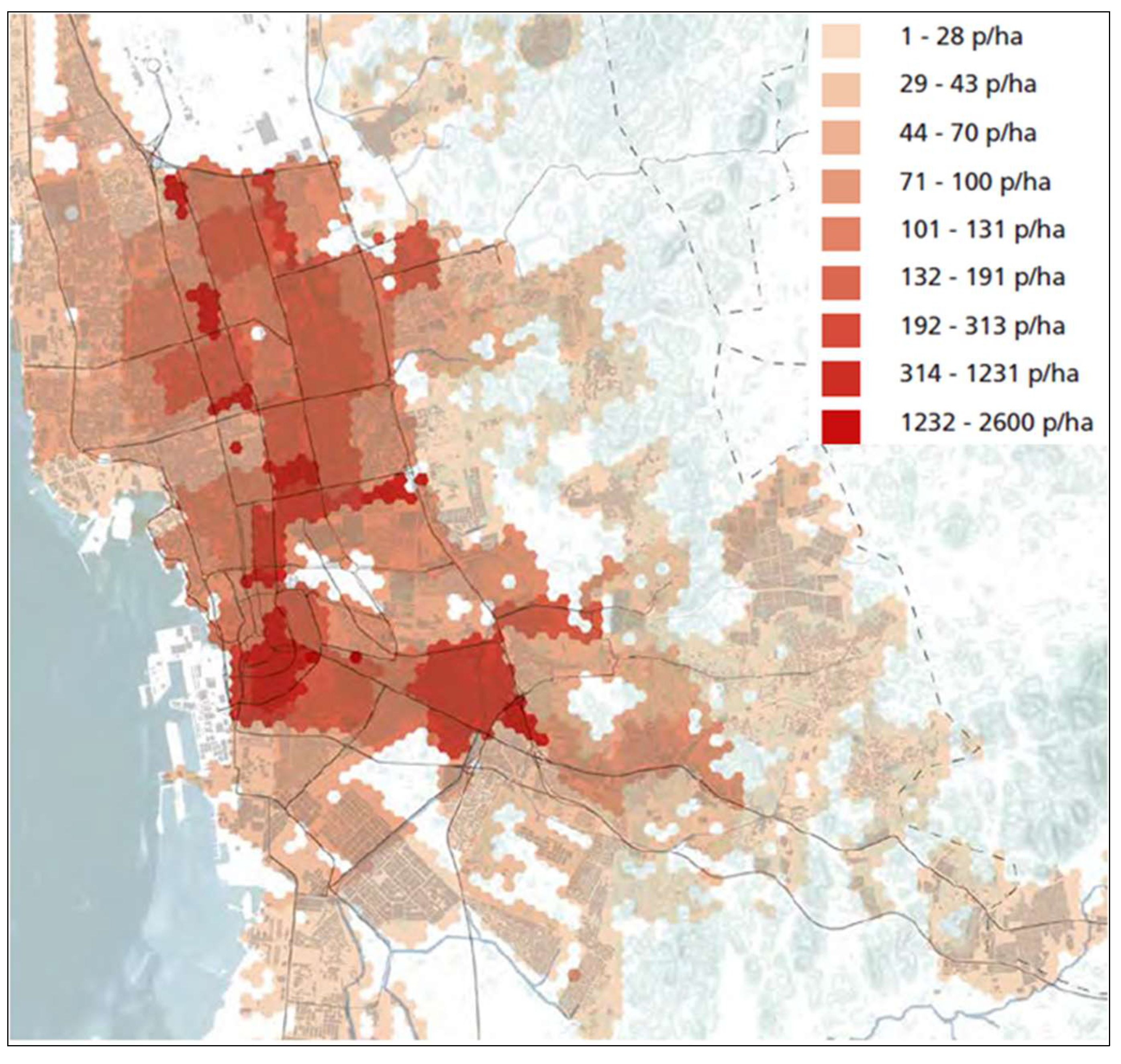
Figure 10.
The highlighted unplanned settlements in Jeddah, 2019 [1].
Figure 10.
The highlighted unplanned settlements in Jeddah, 2019 [1].
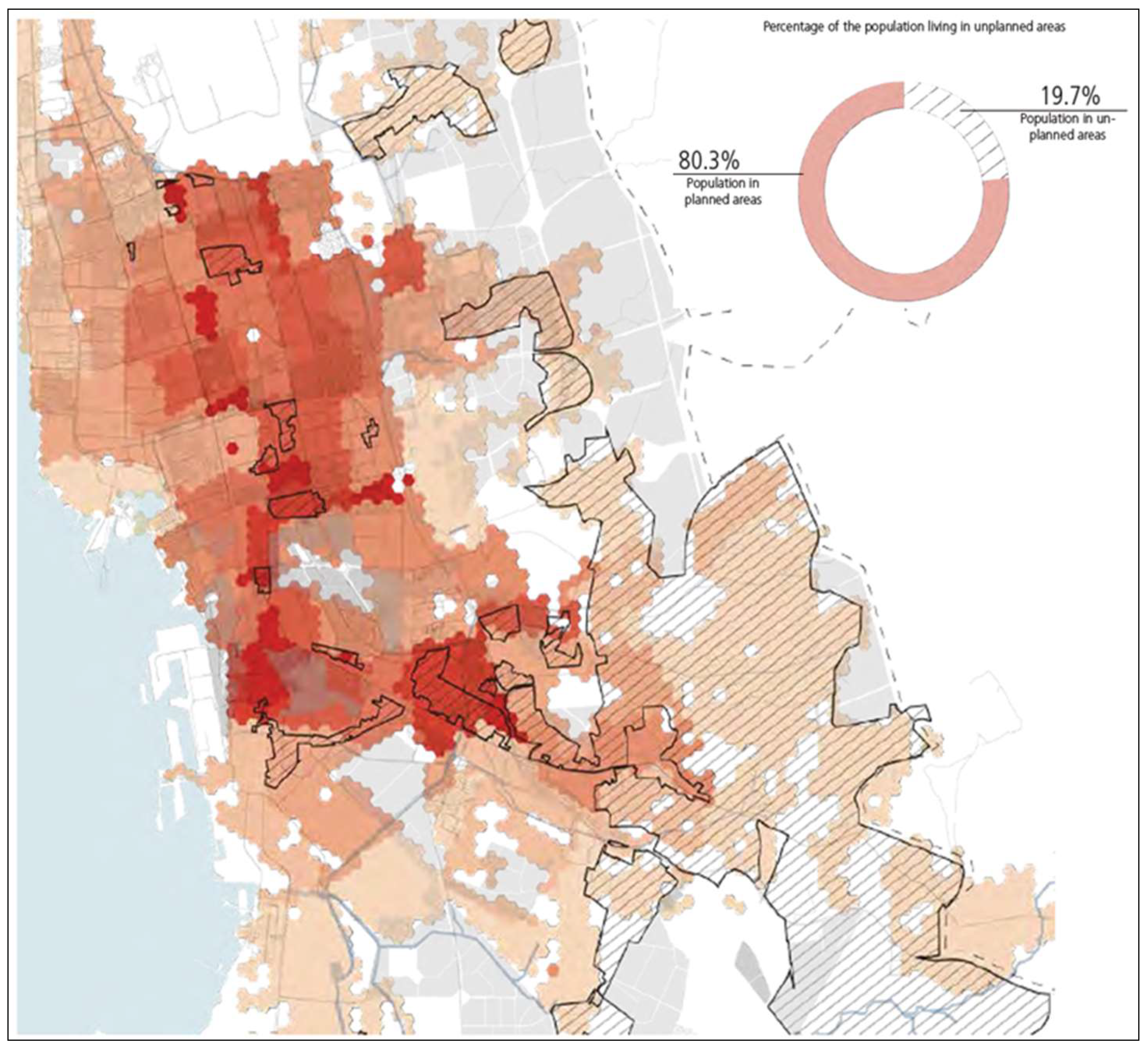
Figure 11.
Four Key identifiers [Source: ITUP].
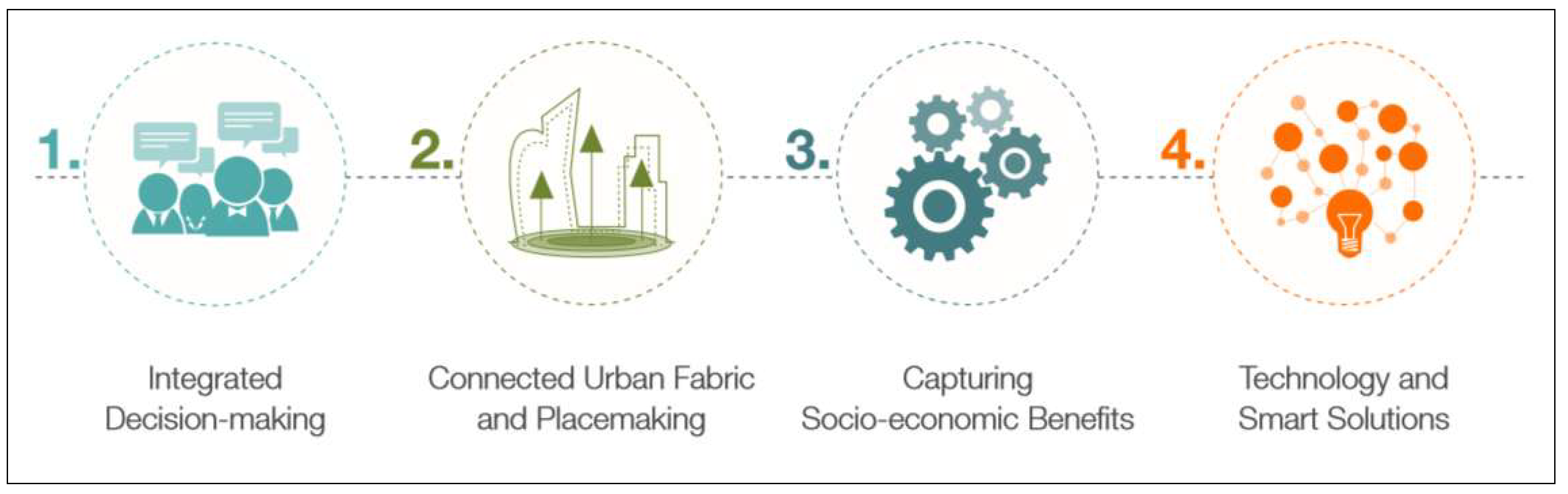
Figure 12.
Five main tech themes under NTLS [Source: NTLS].
Disclaimer/Publisher’s Note: The statements, opinions and data contained in all publications are solely those of the individual author(s) and contributor(s) and not of MDPI and/or the editor(s). MDPI and/or the editor(s) disclaim responsibility for any injury to people or property resulting from any ideas, methods, instructions or products referred to in the content. |
© 2025 by the authors. Licensee MDPI, Basel, Switzerland. This article is an open access article distributed under the terms and conditions of the Creative Commons Attribution (CC BY) license (http://creativecommons.org/licenses/by/4.0/).
Copyright: This open access article is published under a Creative Commons CC BY 4.0 license, which permit the free download, distribution, and reuse, provided that the author and preprint are cited in any reuse.