

Submitted:
09 April 2025
Posted:
10 April 2025
You are already at the latest version
Abstract
The complex nature of the hydrothermal liquefaction (HTL) of lignin product downstream requires an effective separation strategy. In this study, the use of adsorption separation was undertaken using deep eutectic solvent (DES) modified Amberlite XAD-4 adsorbents to achieve this goal. The XAD-4 was modified with a choline chloride: ethylene glycol DES and characterized using scanning electron microscopy (SEM), Fourier transform nfrared spectroscopy (FTIR) and Brunauer-Emmett-Teller (BET). In addition, the HTL product was characterized using Gas Chromatography with Flame Ionization Detection (GC-FID). The performance of unmodified and DES modified adsorbents were initially tested on the model compounds of guaiacol, phenol and catechol before being extended to the HTL product in a batch adsorption system. Adsorbent mass was varied and the data fitted to the Freundlich model. The experiments showed an increase in adsorption capacity and selectivity for all species in solution when the DES modified adsorbents were used at all mass loadings. GC-FID analytics showed that DES modified XAD-4 (300 mg) as having the highest selectivity for guaiacol, with an equilibrium concentration of 121.45 mg/L representing an 85.25 % uptake, while catechol was the least favorably adsorbed. These results suggest the potential of DES modified adsorbents in the selective separation of HTL of lignin products.
Keywords:
hydrothermal Liquefaction
; lignin
; adsorption
; deep eutectic solvents
; Amberlite XAD-4
1. Introduction
With increasing global concern on climate change and the environmental pollution hazards brought about by the combustion of fossil fuels, alterative ‘green’ energy sources are earnestly being sought to replace fossil fuels as the dominant source of world energy supplies [1]. Besides, the growing number of urban dwellers and rapid global industrialization is leading towards the fast exploitation of fossil fuel reserves, which takes a long time to replace. Therefore, renewable sources like lignocellulosic biomass are now looked upon as being an abundantly available, ‘green’ and renewable potential source of alternative energy as it does not necessarily compete with conventional food crops [2].
Lignocellulose represents the matter of plants in general terms and it is the most abundant sustainable carbon source on the planet. It is estimated that 181.5 billion tonnes are produced annually of which 8.2 billion tonnes are currently in use [3]. Its composition is quite complex consisting of 3 polymers, namely, cellulose (40 – 60%), hemicellulose (20 – 40%), lignin (10 – 25%) and other minor components [4,5]. These polymers can be fractionated into their components thus having the potential to be upgraded into value added materials and platform chemicals capable of replacing those conventionally obtained from fossil fuel sources [5].
Lignin is the most abundant, naturally occurring source of aromatic compounds. Depending on its source, it constitutes between 10-40% of biomass [6,7] and it is in plentiful supply as a by-product of the paper and pulp industries where it is utilized as a source of energy [6]. In fact, as a by-product of the pulping and other biorefinery industries, it is estimated that about 50 million tons are produced annually with less than 2% being utilized as precursor chemicals with upgrade potential [7]. However as an aromatic hetropolymer, the lignin structure needs to be deconstructed and separated into its constituent molecules if it is to be upgraded into the high value-added chemicals widely used in the chemical, pharmaceutical, cosmetic and fuel industries today.
Hydrothermal liquefaction (HTL) is a thermochemical process that employs the deconstruction of biomass or lignin via hydrolysis usually in an aqueous environment [8]. Water can serve a dual role as a solvent and catalyst in the process because as it reaches its supercritical point (above 375 °C), its properties such as polarity, flow and solubility are enhanced [8,9]. The process involves subjecting lignin to a high temperature and pressure regime usually 150-400 °C; 100-220 bar in the presence of a catalyst, resulting in the cleavage of the β–O–4 linkages holding the monolignol units together [9,10]. The resulting product includes an organic (bio oil), aqueous and gaseous phases. This technique has the unique advantage other over biomass processing technologies as it sidesteps the need for moisture removal, which requires extra energy and cost [11].
The organic/bio-crude phase of the HTL of lignin consists of a complex mixture of aromatic compounds, among which phenol, catechol and guaiacol, are prominent. Due to their similar physicochemical properties, the challenge therefore arises to devise an effective strategy for their selective separation. Various methods have been proposed to overcome this problem, with adsorption technology emerging as one being quite effective [12]. Activated carbons owing to their large specific surface areas are widely employed in this process, as they can readily adsorb various aromatic compounds from aqueous solutions, but they have a few drawbacks such as high costs, difficulty in regeneration and adsorption of undesired species [13]. In contrast, synthetic polymeric adsorbents like the Amberlite XAD-4 can overcome such limitations, as they are cheaper, more easily regenerated and selective [14,15]. However, as earlier mentioned the HTL of lignin target molecules possess similar properties and as such would readily compete with each other for the active sites on the adsorbent surface and thus impede selective adsorption. This competition has an effect on both the rate and equilibrium adsorption capacity of the system, which is of vital interest in adsorption process design [16,17]. In order to overcome this limitation, it is proposed that some form of adsorbent surface modification (functionalization) is required by the introduction of certain functional groups onto the surface /pore structure of the adsorbent.
Deep eutectic solvents (DES) are a mixture of two or more pure compounds for which the eutectic point temperature is below that of an ideal liquid mixture, presenting significant negative deviations from ideality, where the difference between the ideal and real eutectic point (temperature depression) is greater than zero [18]. One or more of the compounds, which make up these solvents must have a hydrogen bond donor (HBD) or hydrogen bond acceptor (HBA) ability. They exhibit several desirable characteristics such as low cost, low melting point, low volatility, high thermal stability, high conductivity, high surface tension, non-toxicity, ease of preparation and biocompatibility [19]. Some in the scientific community call them ‘green solvents’. It can be suggested that their capacity to engage in hydrogen bonding might confer on them the ability to serve as modification agents for adsorbents by the introduction of functional groups onto the adsorbent surface structure. In recent years, various authors have put forward works on the functionalization of adsorbents with DESs for selective molecular adsorption.
Chen et al., studied the separation of phenolic compounds from the aqueous phase products of the HTL of rice straw. They introduced a benzene ring: α, α’-dichloro-p-xylene (DCX) as a modification agent into the structure of Amberlite XAD-4 in order to attach hydrogen bonds and thus improve selectivity in the adsorption of aromatic compounds from the product solution. They also compared the performance of the modified and unmodified adsorbents and reported a marked increase in the adsorption capacity of about 50 % for the modified adsorbent compared with the unmodified one [13]. Lawal and co-workers prepared a low-cost biochar-clay hybrid adsorbent and thereafter modified it with a 1M glycerol: 2M hexadecyltrimethylammonium bromide DES. Their aim was to evaluate the effectiveness of the adsorbents in adsorbing dye (acid blue 74) and pharmaceuticals (ciprofloxacin and acetaminophen) in both batch and dynamic adsorption systems. The results showed a ‘tremendous’ increase in adsorption capacity when the hybrid adsorbent was modified with the DES, with acid blue 74 having the highest sorption capacity followed by ciprofloxacin and acetaminophen. In conclusion, they stated that their DES modified adsorbent could effectively be utilized as possible adsorbents for organic dyes and pharmaceutical removal [20]. Ma and Row worked on a reliable and efficient method for the simultaneous isolation of ciprofloxacin and levofloxacin from milk. To aid in their task six polyhydric alcohol based DES modified phenolic resins. All DES modified resins showed better adsorption capacities for the target analytes over that of the unmodified ones with the choline-glycerol based resin performing better than the rest. They attributed this to the extensive hydrogen bonding network and electrostatic interactions brought about by the DESs [21].
Despite extensive research work, a gap in knowledge persists on the use of DES functionalized adsorbents for the selective separation of aromatic compounds from the organic/bio crude phase of lignin HTL. Without an effective separation strategy, the goals of an economical and sustainable bio-refinery process might not be achieved. The objective of this study is to evaluate the effectiveness of DES modified XAD-4 in the selective isolation of high-value aromatics from the organic phase of the HTL of lignin by: (I) characterizing the structural changes brought about by the introduction of the DES into the adsorbent structure, (II) determining a suitable adsorption isotherm model for multicomponent model compound systems, and (III) establishing the efficacy of DES modified adsorbents in selective aromatic compound extraction. In this study, an attempt is made to address the separation problem in the downstream sector of lignin valorization by providing a scalable adsorption separation process with the use of DES modified XAD-4 adsorbents.
2. Materials and Methods
2.1. Materials
The lignin sample used in this study was sourced from LignoPure GmbH Hamburg while the Amberlite XAD-4 was obtained from Purolite Int. Ltd Germany. The HTL continuous reactor was partly constructed at the institute for catalysis research and technology (IKFT) Germany. All other reagents, such as anhydrous ethanol, choline chloride and ethylene glycol were analytical reagents and used as obtained.
2.2. Hydrothermal Liquefaction of Lignin
The lignin sample used in this study is classified as ‘soda lignin’ in the pulping industry as it is a byproduct of the ‘soda pulping’ process. To prepare the feedstock, 30 g of KOH was added to 3 kg of soda lignin, and water used to dissolve the mixture until a weight of 30 kg. After solution was rigorously mixed, it was charged into the continuous HTL reactor, a schematic illustration and real reactor are shown in Figure 1 and Figure 2. The reactor was heated at a rate of 5 °C/ min and 230 bar until it reached a temperature of 350 °C [9,11]. Once these conditions were obtained, it was held for 19 minutes before being shut down, cooled to 20 °C and its product discharged. The aqueous and organic (bio-crude) phases were then separated from the solid phase using a vacuum pump. Organic and aqueous phase characterization was carried out by GC-FID (GC 7820A, Agilent, Santa Clara, CA, USA) Column: Restek RTX-5 (RTX-5, 30 m, 0,32 mm, 0,5 μm, Restek, Bellefonte, PA, USA).
2.3. Adsorbent and DES Preparation
A 10 g sample of XAD-4 was soaked in 50 ml of anhydrous ethanol for 24 hours. Thereafter, it was thoroughly washed with distilled water to remove any residual organic and ethanol impurities before being oven dried. All DES used in this study were prepared using the heating and stirring method as described by Abbot et al., [22]. Choline chloride (ChCl) and ethylene glycol (EG) DES of molar ratio 1:2 were combined in a sealed Erlenmeyer flask and stirred continuously at 600 rpm and 70 °C using a magnetic stirrer until a clear homogenous solution was obtained. This DES was labelled ChCl:EG (1:2). The solution was then left to stand for 24 hours to observe its stability.
2.4. Adsorption Experiments on Model Compounds
Batch experiments were carried out in a multicomponent system on phenol, guaiacol and catechol, identified having the highest concentrations in the organic and aqueous phases of lignin-derived HTL. A series of solutions of varying concentrations (100-1000 mg/L) containing all three compounds was prepared. For each experiment, 100mg of XAD-4 was added to 30 mL of prepared solution and placed in a thermostatic oscillator at 25 °C and 179 rpm for 24 h. Once equilibrium was attained, the samples were removed, filtered and the supernatant analyzed by HPLC. The experimental apparatus is shown in Figure 3.
2.5. Adsorbent Modification
Adsorbent modification was carried out in Erlenmeyer flasks by incipient impregnation method, where XAD-4 was combined with the ChCl:EG (1:2) DES in a 2:1 mass ratio (2 g of XAD-4 to 1g of DES). The mixture was then sonicated for 4 hours, followed by mechanical stirring for two more hours. Samples were then oven dried at 90 °C for 24 h and washed several times in distilled water to remove any unattached DES. The washed samples were then filtered through a PTFE 0.45 μm filter followed by drying overnight at 105 °C before being stored in a desiccator until further use [23]. This sample was labelled DES modified XAD-4 .
2.6. Adsorption Experiments on HTL of Lignin Using DES Modified XAD-4
Batch adsorption experiments were carried out on the HTL of lignin product using DES modified XAD-4 adsorbents in Erlenmeyer flasks. A 30 mL of HTL product was added to varying weights of the functionalized adsorbents (100 and 300 mg) and placed in a thermostatic oscillator at 25 °C and 170 rpm for 24 h. After equilibrium was reached, samples were removed, filtered and the equilibrium solution analyzed using GC-FID. As a control sample, the same procedure was carried out using corresponding weights of unmodified adsorbents.
3. Results and Discussion
3.1. Component Analysis of the Organic/Aqueous Phase of the HTL of Lignin Product
After HTL, the products obtained are classified into aqueous, organic, solid and gaseous phases. However, as the solid and gaseous phase products are of no relevanve to this study, both phases are therefore excluded from further analysis. Although there are numerous compounds that constitute the organic and aqueous phases, indicating a complex composition, the GC-FID was calibrated to detect only the major components [13,24]. The presence of major phenols, alcohols and including ketones can be detected in these product phases (Table 1), with phenol, catechol and guaiacol present in highest concentrations ranging from 189.2 to 823.5 mg/L. The presence of these compounds can be attributed to the cleavage of ether bonds, demethoxylation or side-chain cleavage of the building block units of lignin’s structural units [9].
3.2. Characterization of XAD-4 and Modified Adsorbent
3.2.1. Brunauer-Emmett-Teller (BET) Parameters
Following modification, XAD-4 was observed to undergo a color change from white to a faint shade of brown, which suggests some chemical interactions and surface functionalization during the modification process. The introduction of oxygen containing groups in the ethylene glycol of the DES induces color shifts possibly as a result of electron delocalization and/or charge-transfer interactions [24]. The surface areas, pore volumes and pore sizes of the adsorbents and the BJH pore distribution are presented in Table 2 and Figure 4 respectively, These parameters are generally recognized as having an influence on adsorbent capacity and were determined using the Brunauer-Emmett-Teller (BET) test [25].
The surface areas of both adsorbents are relatively high although that of the modified adsorbent showed a 27 % reduction. This reduction may be attributed to pore coverage, partial blockage and/or structural changes arising from DES modification. While some studies report similar observations, for some others it was to the contrary [12,13,23]. Both materials possess low micropore volumes, indicating the structures of the materials are dominated more by mesopores, and the presence of relatively large pore radii suggest adsorbents are better suited for the adsorption of larger molecules like organic compounds from aqueous solutions [26]. Total pore volume also reduced probably because of mild etching of the polymer network and pore radius showed a slight increase from 5.56 nm to 5.59 nm. The slight swelling of the XAD-4 matrix by the DES expands pore walls, which shifts the pore size distribution more towards mesopores during BET N2 adsorption, could be a reason for this observation.
3.2.2. Fourier Transform Infrared Spectroscopy (FT-IR)
The FT-IR spectra of XAD-4 and DES modified XAD-4 adsorbents were investigated. Noticeable spectral changes can be observed after modification suggesting the incorporation of the DES into the XAD-4 structure (Figure 5 and Figure 6). The deepening and broadening of the absorption band at 3319 cm-1 in the modified adsorbent confirms the appearance of O-H functional groups, indicative of the presence of hydroxyl components belonging to ethylene glycol and/or choline chloride. A shift in peaks from 2922 cm-1 to 2874 cm-1 also indicate the presence of additional -CH2- and -CH3 groups brought into the polystyryne-divinylbenzene backbone structure of the XAD-4 by the DES. The appearance of a distinct band at 1606 cm-1 reflect changes corresponding to aromatic C=C stretching due to DES incorporation. Notably, a new absorption band at 1078 cm-1, conspicuously absent in the unmodified resin is assigned to C–O and C–N stretching vibrations further evidencing the structural modifications brought about by the DES functional groups. These spectral changes and especially the addition of hydroxyl groups confirm the modification of the XAD-4 structure that confer hydrogen-bonding abilities on the adsorbent upon DES functionalization.
3.2.3. Scanning Electron Microscopy (SEM)
SEM images of the unmodified XAD-4 adsorbent presented in Figure 7A shows uniform, continuous segments with few cracks and a regularity suggesting little or no surface modification. In contrast, DES modified adsorbent has a rougher, irregular fragmented surface with noticeable bulges and clusters indicating modification possibly induced by structural stress (Figure 7B). This could indicate possible structural modification by the DES [27].
3.3. Performance of Unmodified and Modified XAD-4 on Model Compounds
In order to gain a better understanding of the mechanism of the process, the performance of unmodified and modified XAD-4 was tested on three HTL of lignin components found to be present at the highest concentrations in the product stream: catechol, guaiacol and phenol. Although it would be desirable to test all compounds present in the stream, experimental limitations related to cost and time limits the study to these three compounds. For this purpose, solutions containing all three solutes were prepared with the same initial mass concentration for each compound and the results presented in Figure 8.
The values for the isotherms were calculated based on the equation
Where
Co is initial adsorbate concentration (mg/L),
Ce is the equilibrium concentration,
Qe the amount adsorbed at equilibrium (mg/g),
V is the volume of solution (L) and
m is the mass of adsorbent (mg)
The Freundlich, Langmuir and Temkin model parameters for the experiments are presented in Table 3, Table 4 and Table 5 respectively. A close look at these parameters indicate that the model best suited for the isotherms is the Freundlich model as the data doesn’t fit the Langmuir nor Temkin models. This is in agreement with other studies carried out on adsorption of phenolic compounds with XAD-4 [13,36]. The equilibrium isotherm parameters were modelled using the linearized Freundlich equation
Where Kf is the Freundlich distribution coefficient, indicating adsorption capacity, and n is the correction factor, which provides an insight into the favorability of adsorption or otherwise.
The performance of the DES modified XAD-4 across all adsorbates showed a significant improvement compared to the unmodified adsorbent, with guaiacol demonstrating the highest affinity for both adsorbents. The reason for this could be that guaiacol being the least polar amongst the three, and therefore having the lowest affinity for the aqueous phase has a greater tendency to be readily adsorbed. For the case of the DES modified adsorbent, it might interact more favorably with the functional groups introduced into the pore structure of the adsorbent by the DES [28,29]. In addition, guaiacol with its methoxy and hydroxyl groups has a more balanced amphiphilic character allowing for combined hydrophobic and hydrophilic interactions with the polar and non-polar matrix components of the adsorbent leading to its selective adsorption over the others [30]. Its greater molecular weight could also provide a steric hindrance to other molecules that leads to its preferential attachment to the adsorbent active sites. Catechol affinity for both adsorbents was observed to be the lowest. As the compound having the highest solubility in water (43 g/100 mL), it can be inferred that weaker interactions with the adsorbent would result in catechol being more readily retained in the aqueous phase [30,31].
3.4. Performance of Unmodified and Modified XAD-4 on HTL Product
Batch adsorption experiments were conducted on the HTL of lignin products using unmodified and DES modified adsorbents. The analytics carried out by GC-FID are presented in Table 6 and Figure 9.
The DES-modified adsorbents outperformed the unmodified adsorbents at both 100 mg and 300 mg dosages across all tested adsorbates on the HTL product. Additionally, both unmodified and DES-modified adsorbents exhibited a higher adsorption affinity for guaiacol compared to the other compounds. DES modified XAD-4 (300 mg) had the highest percentage uptake (85.25 %). A possible explanation for this observation might be the competitive adsorption effects that different species exert on each other in a complex multicomponent solution such as the HTL of lignin leads to guaiacol being preferentially adsorbed. In addition, the presence of other species such as organic acids, esters and salts in the HTL product could have played a role by altering such physicochemical properties such as pH, ionic strength, viscosity and polarity which have an influence on the adsorption process [32]. Adsorbate molecular orientation and size give rise to a steric hindrance effect, which in turn could lead to an inhibitory effect on the adsorption rates and capacities of all species as they compete for the active sites on the adsorbent surface [32]. Similar effects were also observed in previous studies [32,33,34]. The introduction of the DES into the XAD-4 matrix is driven mainly by hydrophobic interactions via π-π and Van der Waals force mechanisms between DES alkyl chains and adsorbent aromatic groups. Hydrogen bonding to a lesser extent might also account for interactions between the DES and residual hydroxyl groups deposited on adsorbent surface during ethanol pretreatment. The higher guaiacol uptake by DES modified XAD-4 arises from the hydrogen bonding between guaiacol’s and DES hydroxyl groups on the adsorbent surface and the preferential adsorption by its dual amphiphilic nature [30]. Likewise, the hydrogen bonding functional groups introduced through DES modification might also have a role to play in this regard [35].
4. Conclusions
This study reports the adsorption separation of the HTL of lignin product downstream using DES modified adsorbents. This study reports the adsorption separation of the HTL of lignin product downstream using DES modified adsorbents through experimental analysis. Initial tests on model compounds of phenol, guaiacol and catechol, which are compounds, found in the highest concentrations in the lignin HTL product stream using unmodified and modified XAD-4. The DES modified XAD-4 adsorbents had an adsorption capacity for the compounds in the order of guaiacol > phenol > catechol, with the DES modified XAD-4 (300 mg) having a guaiacol percentage uptake of 85.25 % indicating that the modified adsorbent has a higher selective adsorptive capacity selectivity for guaiacol than when unmodified. The Freundlich model best explains the adsorption behavior of the compounds in the HTL product stream. They exhibited inhibitive competition for adsorbent active sites when tested on all adsorbents, and the possible reasons for this pointed out. The results of this study demonstrates the promising ability of DES modified XAD-4 adsorbents in the selective adsorption of phenolic compounds from the HTL of lignin product stream. Further work is required in exploring multicomponent systems including the other compounds derived from the HTL product in order to get a better understanding of the mechanism underlying the competitive adsorption effects. In addition, computational techniques such as Density Functional Theory (DFT) should be applied in the pre-screening of undesirable DES solvents thereby reducing laboratory time and costs.
Funding
This research received no external funding.
Conflicts of Interest
The authors declare no conflicts of interest.
References
- Roy, R.; Rahman, M. S.; Raynie, D. E. Recent Advances of Greener Pretreatment Technologies of Lignocellulose. Current Research in Green and Sustainable Chemistry 2020, 3, 100035. [Google Scholar] [CrossRef]
- Haldar, D.; Purkait, M. K. Lignocellulosic Conversion into Value-Added Products: A Review. Process Biochemistry 2020, 89, 110–133. [Google Scholar] [CrossRef]
- Dahmen, N.; Lewandowski, I.; Zibek, S.; Weidtmann, A. Integrated Lignocellulosic Value Chains in a Growing Bioeconomy: Status Quo and Perspectives. GCB Bioenergy 2019, 11, 107–117. [Google Scholar] [CrossRef]
- Tarasov, D.; Leitch, M.; Fatehi, P. Lignin–Carbohydrate Complexes: Properties, Applications, Analyses, and Methods of Extraction: A Review. Biotechnol Biofuels 2018, 11. [Google Scholar] [CrossRef]
- Ge, X.; Chang, C.; Zhang, L.; Cui, S.; Luo, X.; Hu, S.; Qin, Y.; Li, Y. Conversion of Lignocellulosic Biomass Into Platform Chemicals for Biobased Polyurethane Application. In Advances in Bioenergy; Elsevier, 2018; 3, pp 161–213. [CrossRef]
- Muddasar, M.; Culebras, M.; Collins, M.N. Lignin and its carbon derivatives: Synthesis techniques and their energy storage applications. Mater. Today Sustain 2024, 28, 100990. [Google Scholar] [CrossRef]
- Bajwa, D.S.; Pourhashem, B.; Ullahb, A.H. ; Bajwa. S.G. A concise review of current lignin production, applications, products and their environmental impact. Ind. Crops & Prod 2019, 139, 111526. 139. [CrossRef]
- Dunn, K.G.; Hobson, P.A. Hydrothermal Liquefaction of Lignin. In Cane-based Biofuels and Bioproducts, 1st ed; O’Hara, I.; Mundree, S.; Eds; John Wiley & Sons. 2016. [Google Scholar]
- Alhassan, Y.; Hornung, U.; Bugaje, I.M. Lignin Hydrothermal Liquefaction into Bifunctional Chemicals: A Concise Review, 1st ed.; Besschkov, V., Ed; InTechOpen. London, UK, 2020; ch 5. [CrossRef]
- Zhou, N.; Thilakarathna, W.; He, Q.S.; Rupasinghe, H.P.V. A Review: Depolymerization of Lignin to Generate High-Value Bio-Products: Opportunities, Challenges, and Prospects. Front. Energy Res 2022, 9, 758744. [Google Scholar] [CrossRef]
- Schuler, J.; Hornung, U.; Kruse, A.; Dahmen, N.; Sauer, J. Hydrothermal Liquefaction of Lignin. Journal of Biomaterials and Nanobiotechnology 2016, 8, 96–108. [Google Scholar] [CrossRef]
- Huang, J. , Huang, K., & Yan, C. (2009). Application of an easily water-compatible hypercrosslinked polymeric adsorbent for efficient removal of catechol and resorcinol in aqueous solution. Journal of Hazardous Materials. [CrossRef]
- Chen, K.; Lyu, H.; Hao, S.; Luo, G.; Zhang, S.; Chen, J. Separation of Phenolic Compounds with Modified Adsorption Resin from Aqueous Phase Products of Hydrothermal Liquefaction of Rice Straw. Bioresource Technology 2015, 182, 160–168. [Google Scholar] [CrossRef]
- Issabayeva, G.; Hang, S. Y.; Wong, M. C.; Aroua, M. K. A Review on the Adsorption of Phenols from Wastewater onto Diverse Groups of Adsorbents. Reviews in Chemical Engineering 2018, 34, 855–873. [Google Scholar] [CrossRef]
- Davidescu, C.-M.; Ardelean, R.; Popa, A. New Polymeric Adsorbent Materials Used for Removal of Phenolic Derivatives from Wastewaters. Pure and Applied Chemistry 2019, 91, 443–458. [Google Scholar] [CrossRef]
- Mohamed, E. F.; Andriantsiferana, C.; Wilhelm, A. M.; Delmas, H. Competitive Adsorption of Phenolic Compounds from Aqueous Solution Using Sludge-based Activated Carbon. Environmental Technology 2011, 32, 1325–1336. [Google Scholar] [CrossRef]
- Lai, S. Sorptive separation of phenolic compounds from wastewater. 2017. [Google Scholar]
- Martins, M. A. R.; Pinho, S. P.; Coutinho, J. A. P. Insights into the Nature of Eutectic and Deep Eutectic Mixtures. J Solution Chem 2019, 48, 962–982. [Google Scholar] [CrossRef]
- Hansen, B. B.; Spittle, S.; Chen, B.; Poe, D.; Zhang, Y.; Klein, J. M.; Horton, A.; Adhikari, L.; Zelovich, T.; Doherty, B. W.; Gurkan, B.; Maginn, E. J.; Ragauskas, A.; Dadmun, M.; Zawodzinski, T. A.; Baker, G. A.; Tuckerman, M. E.; Savinell, R. F.; Sangoro, J. R. Deep Eutectic Solvents: A Review of Fundamentals and Applications. Chem. Rev. 2021, 121, 1232–1285. [Google Scholar] [CrossRef] [PubMed]
- Lawal, I. A.; Klink, M.; Ndungu, P. Deep Eutectic Solvent as an Efficient Modifier of Low-Cost Ad sorbent for the Removal of Pharmaceuticals and Dye. Environmental Research 2019, 179, 108837. [Google Scholar] [CrossRef]
- Ma, W.; Row, K. H. Hydrophilic Deep Eutectic Solvents Modified Phenolic Resin as Tailored Adsorbent for the Extraction and Determination of Levofloxacin and Ciprofloxacin from Milk. Anal Bioanal Chem 2021, 413, 4329–4339. [Google Scholar] [CrossRef]
- Abbott, A. P.; Boothby, D.; Capper, G.; Davies, D. L.; Rasheed, R. K. Deep Eutectic Solvents Formed between Choline Chloride and Carboxylic Acids: Versatile Alternatives to Ionic Liquids. J. Am. Chem. Soc. 2004, 126, 9142–9147. [Google Scholar] [CrossRef]
- Makoś, P.; Słupek, E.; Małachowska, A. Silica Gel Impregnated by Deep Eutectic Solvents for Adsorptive Removal of BTEX from Gas Streams. Materials 2020, 13. [Google Scholar] [CrossRef]
- Ciuffi, B.; Loppi, M.; Rizzo, A. M.; Chiaramonti, D.; Rosi, L. Towards a Better Understanding of the HTL Process of Lignin-Rich Feedstock. Sci Rep 2021, 11. [Google Scholar] [CrossRef]
- Peyrovi, M. H.; Abolhassanzadeh Parizi, M. The Modification of the BET Surface Area by Considering the Excluded Area of Adsorbed Molecules. PCR 2022, 10. [Google Scholar] [CrossRef]
- Sid Kalal, H.; Panahi, H. A.; Hoveidi, H.; Taghiof, M.; Menderjani, M. T. Synthesis and Application of Amberlite Xad-4 Functionalized with Alizarin Red-s for Preconcentration and Adsorption of Rhodium (III). J Environ Health Sci Engineer 2012, 9. [Google Scholar] [CrossRef] [PubMed]
- Dimitrijević, J.; Jevtić, S.; Marinković, A.; Simić, M.; Koprivica, M.; Petrović, J. Ability of Deep Eutectic Solvent Modified Oat Straw for Cu(II), Zn(II), and Se(IV) Ions Removal. Processes 2023, 11. [Google Scholar] [CrossRef]
- Ren, S.; Ye, P.; Borole, A. P. Separation of Chemical Groups from Bio-Oil Aqueous Phase via Sequential Organic Solvent Extraction. J. Anal. Appl. Pyrolysis 2017, 123, 30–39. [Google Scholar] [CrossRef]
- Cansado, I. P. D. P.; Mourão, P. A. M.; Morais, I. D.; Peniche, V.; Janeirinho, J. Removal of 4-Ethylphenol and 4-Ethylguaiacol, from Wine-like Model Solutions, by Commercial Modified Activated Carbons Produced from Coconut Shell. Applied Sciences 2022, 12. [Google Scholar] [CrossRef]
- Suresh, S.; Srivastava, V. C.; Mishra, I. M. Adsorption of Catechol, Resorcinol, Hydroquinone, and Their Derivatives: A Review. Int J Energy Environ Eng 2012, 3. [Google Scholar] [CrossRef]
- Mian, S. A.; Yang, L.-M.; Saha, L. C.; Ahmed, E.; Ajmal, M.; Ganz, E. A Fundamental Understanding of Catechol and Water Adsorption on a Hydrophilic Silica Surface: Exploring the Underwater Adhesion Mechanism of Mussels on an Atomic Scale. Langmuir 2014, 30, 6906–6914. [Google Scholar] [CrossRef]
- Hoogstad, T. M.; Kiewidt, L.; Van Haasterecht, T.; Bitter, J. H. Size Selectivity in Adsorption of Polydisperse Starches on Activated Carbon. Carbohydrate Polymers 2023, 309, 120705. [Google Scholar] [CrossRef]
- Mihalache, R.; Peleanu, I.; Meghea, I.; Tudorache, A. Competitive Adsorption Models of Organic Pollutants from Bi-and Tri-Solute Systems on Activated Carbon. J Radioanal Nucl Chem 1998, 229, (1–2). [Google Scholar] [CrossRef]
- Juang, R.-S.; Lin, S.-H.; Tsao, K.-H. Mechanism of Sorption of Phenols from Aqueous Solutions onto Surfactant-Modified Montmorillonite. Journal of Colloid and Interface Science 2002, 254, 234–241. [Google Scholar] [CrossRef]
- Wei, Q.; Nakato, T. Competitive Adsorption of Phenols on Organically Modified Layered Hexaniobate K4Nb6O17. Microporous and Mesoporous Materials 2006, 96, (1–3). [Google Scholar] [CrossRef]
- Ghafari, M.; Cui, Y.; Alali, A.; Atkinson, J. D. Phenol Adsorption and Desorption with Physically and Chemically Tailored Porous Polymers: Mechanistic Variability Associated with Hyper-Cross-Linking and Amination. Journal of Hazardous Materials 2019, 361, 162–168. [Google Scholar] [CrossRef] [PubMed]
Figure 1.
Schematic flowchart of the HTL unit at IKFT.
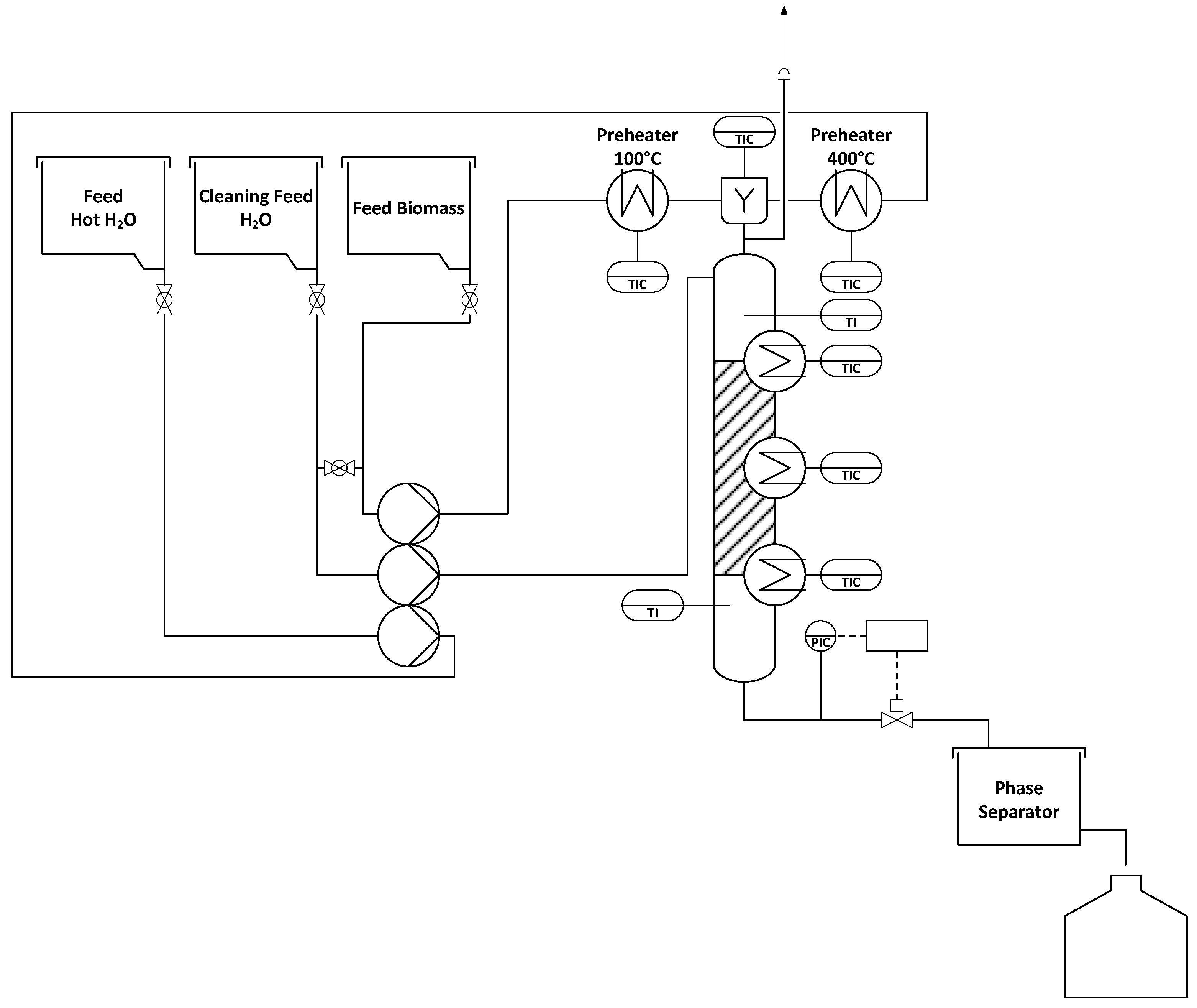
Figure 2.
HTL reactor unit developed at IKFT.
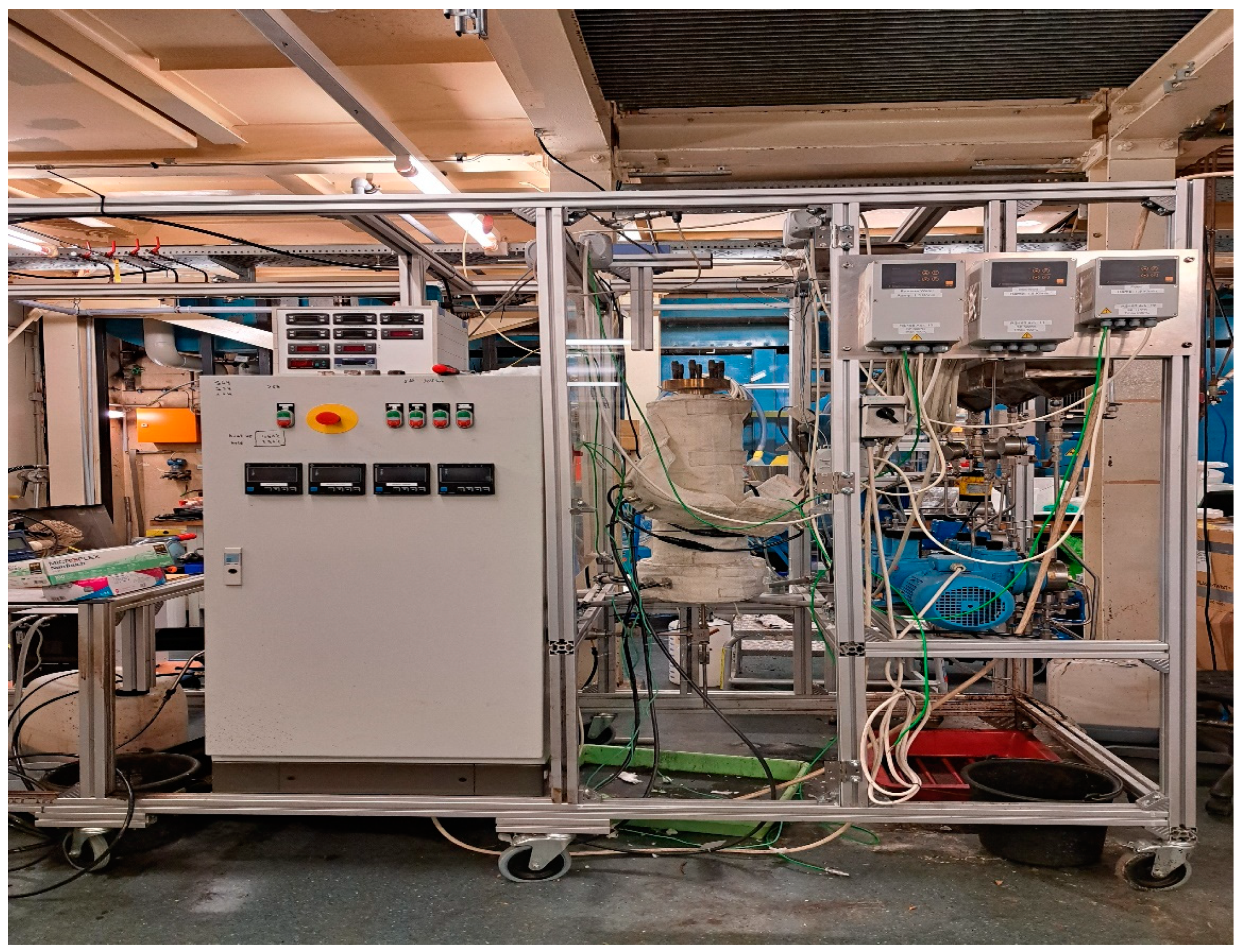
Figure 3.
Batch adsorption separation of HTL of Lignin Products in the thermostatic oscillator.
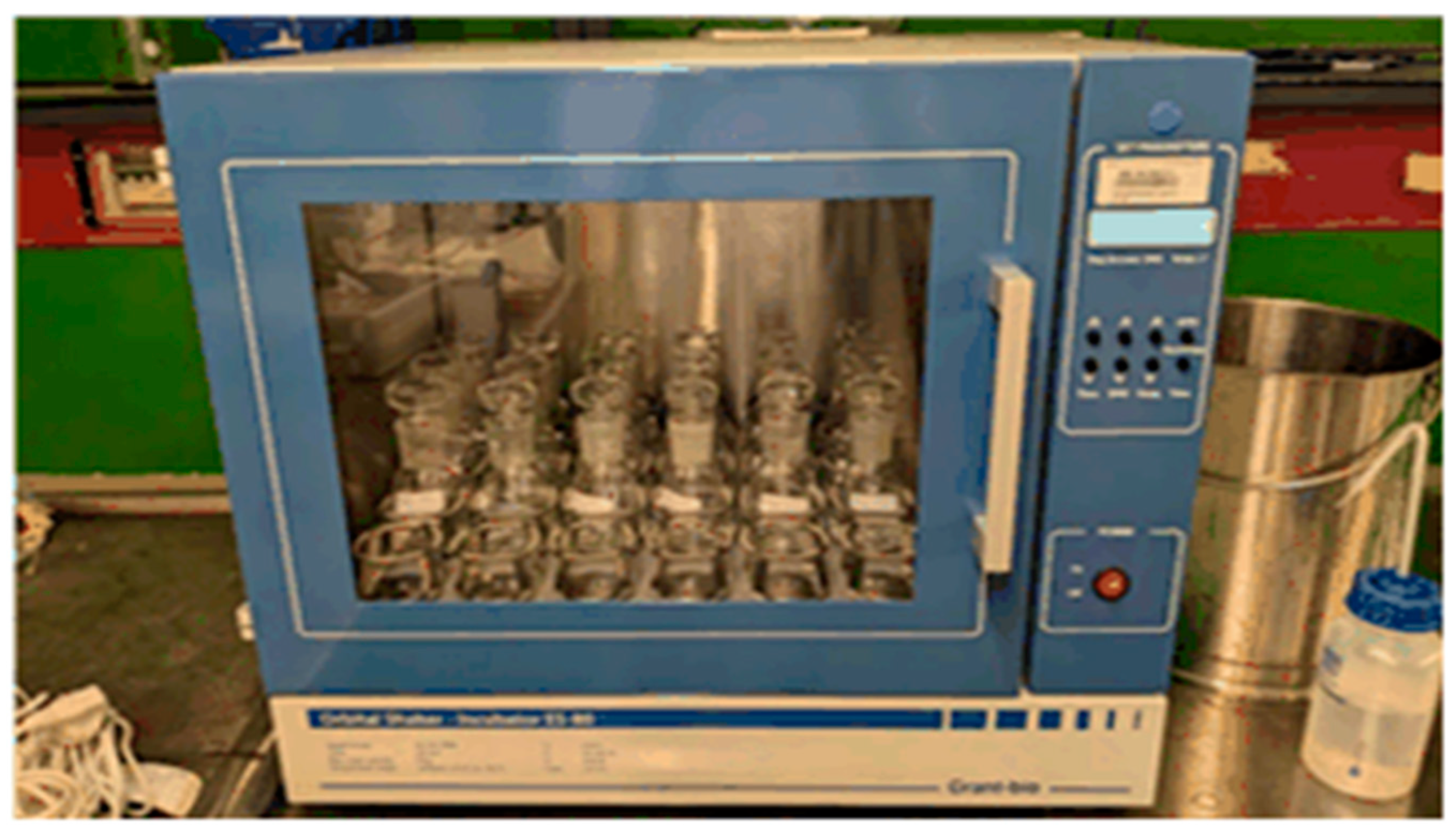
Figure 4.
BJH pore size distribution of (a) XAD-4 and (b) DES modified XAD-4.
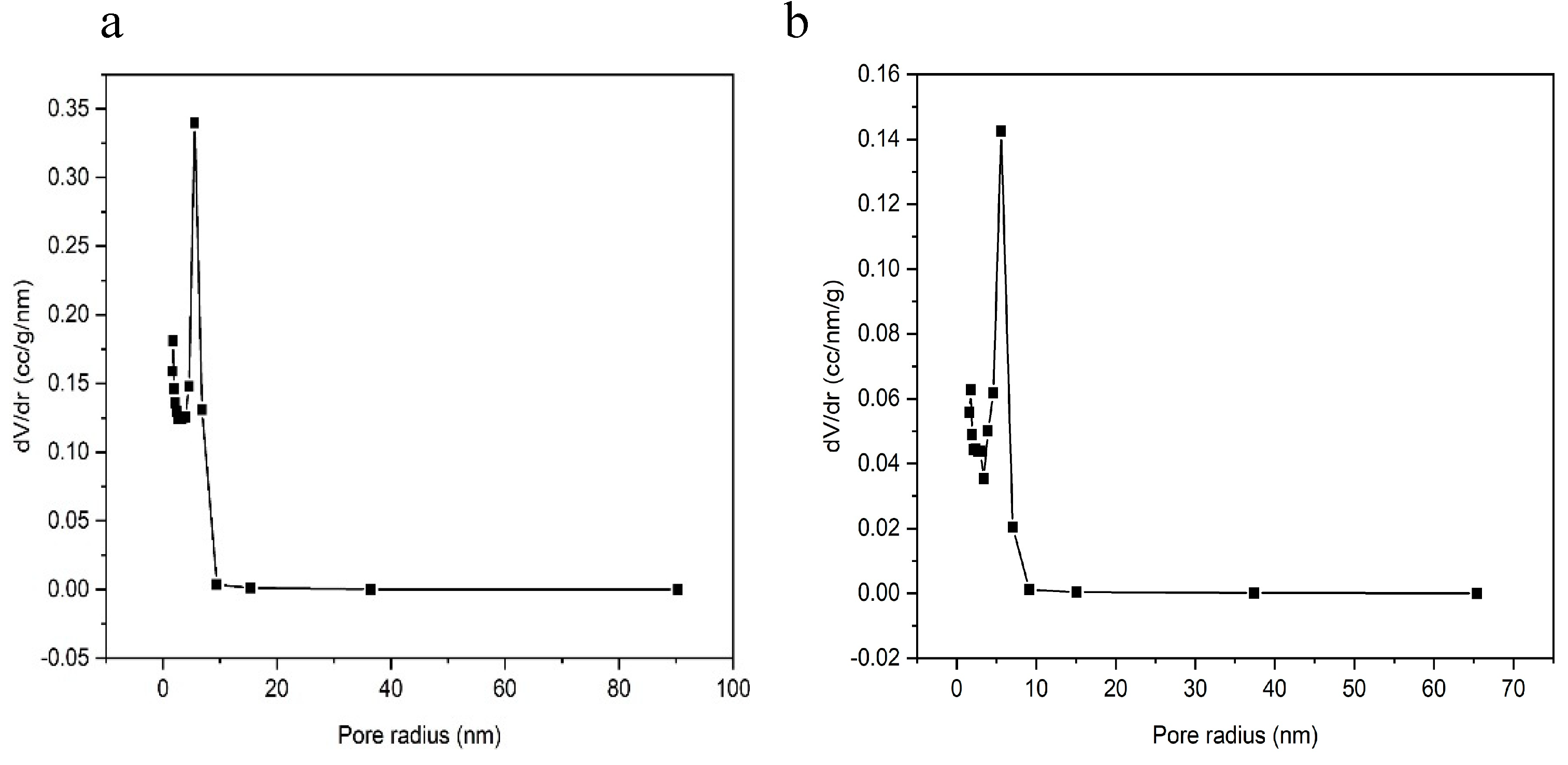
Figure 5.
FT-IR spectra for XAD-4.
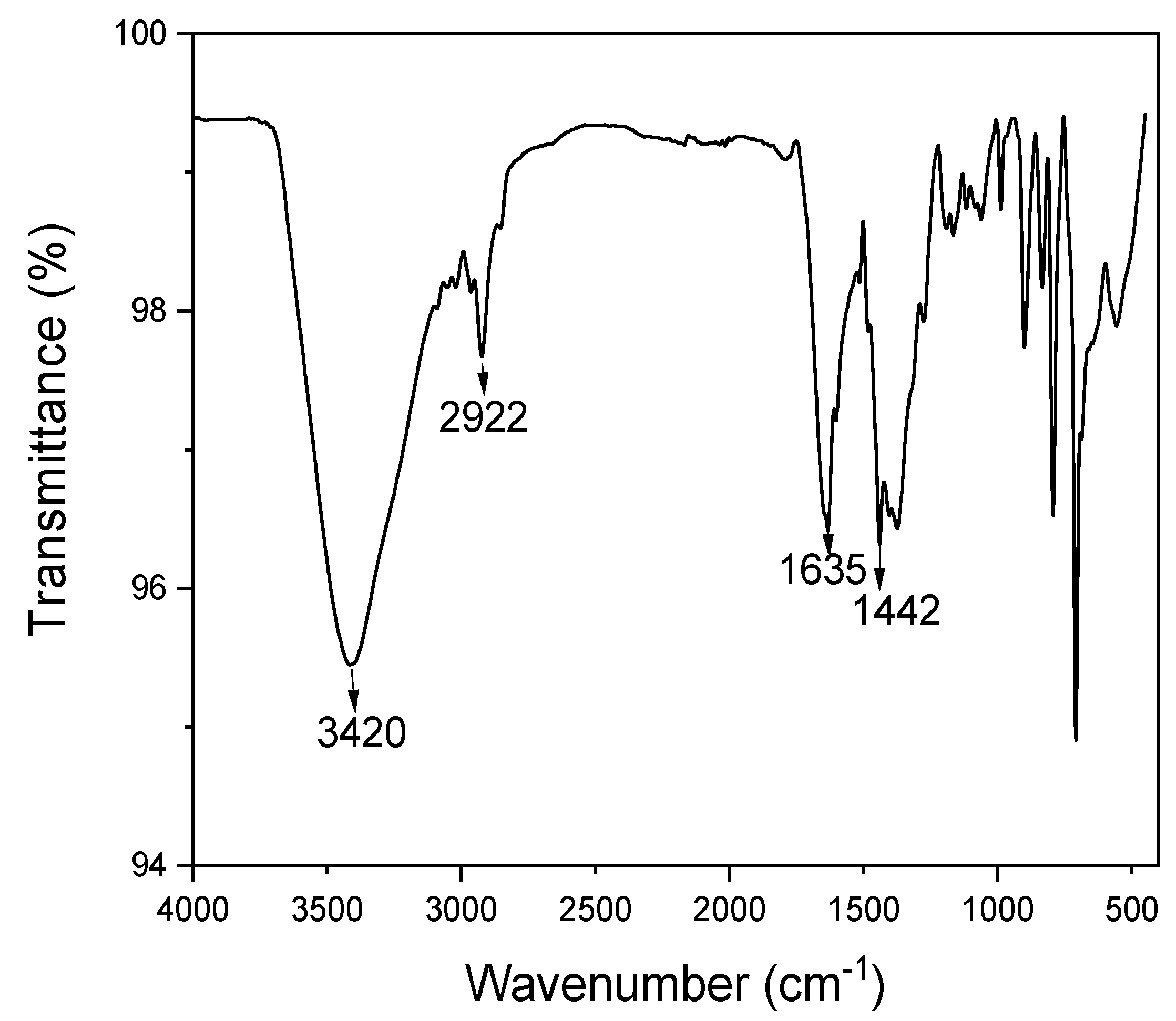
Figure 6.
FT-IR spectra for DES modified XAD-4.
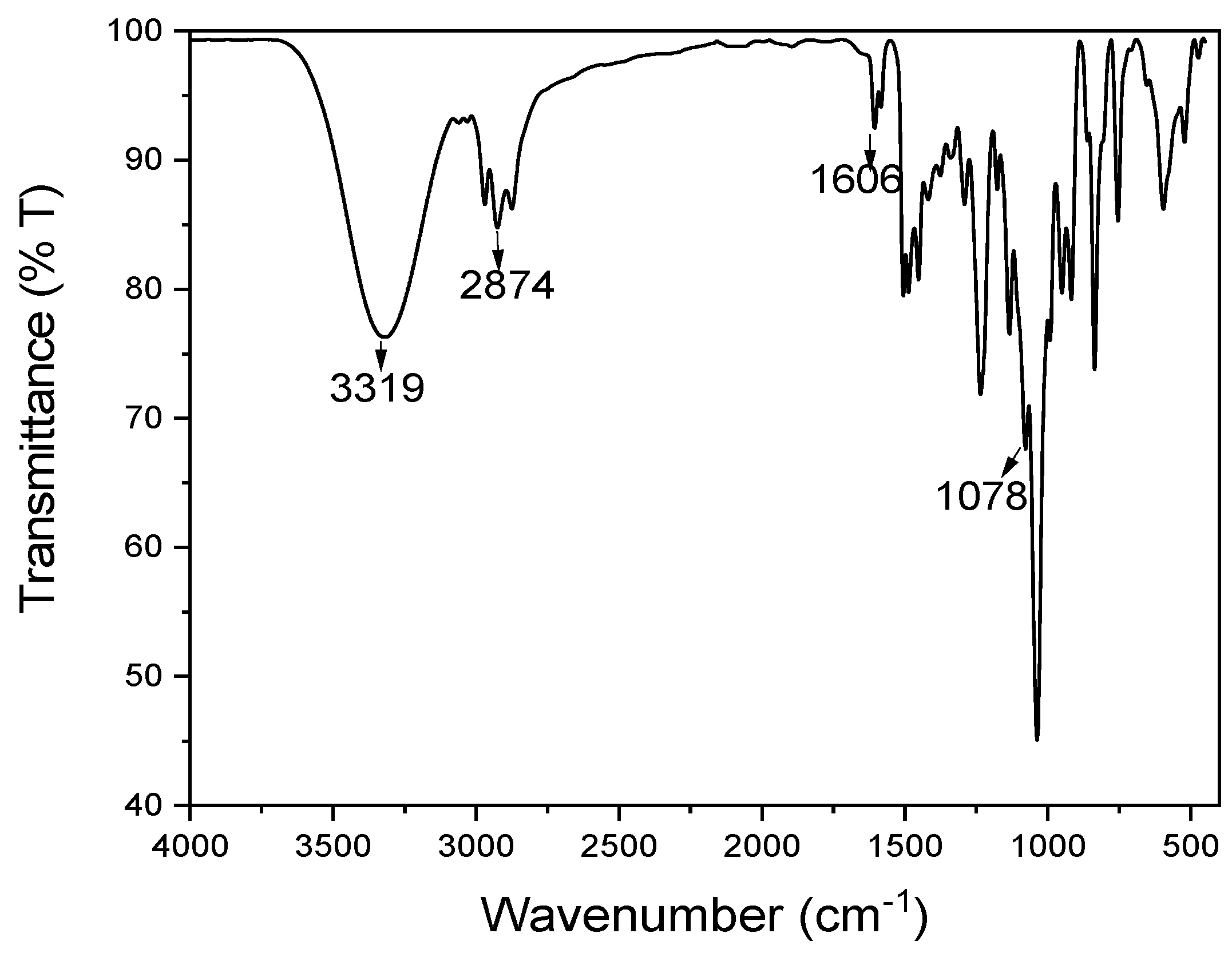
Figure 7.
SEM Images (20µm) of (A) XAD-4 and (B) DES Modified XAD-4.
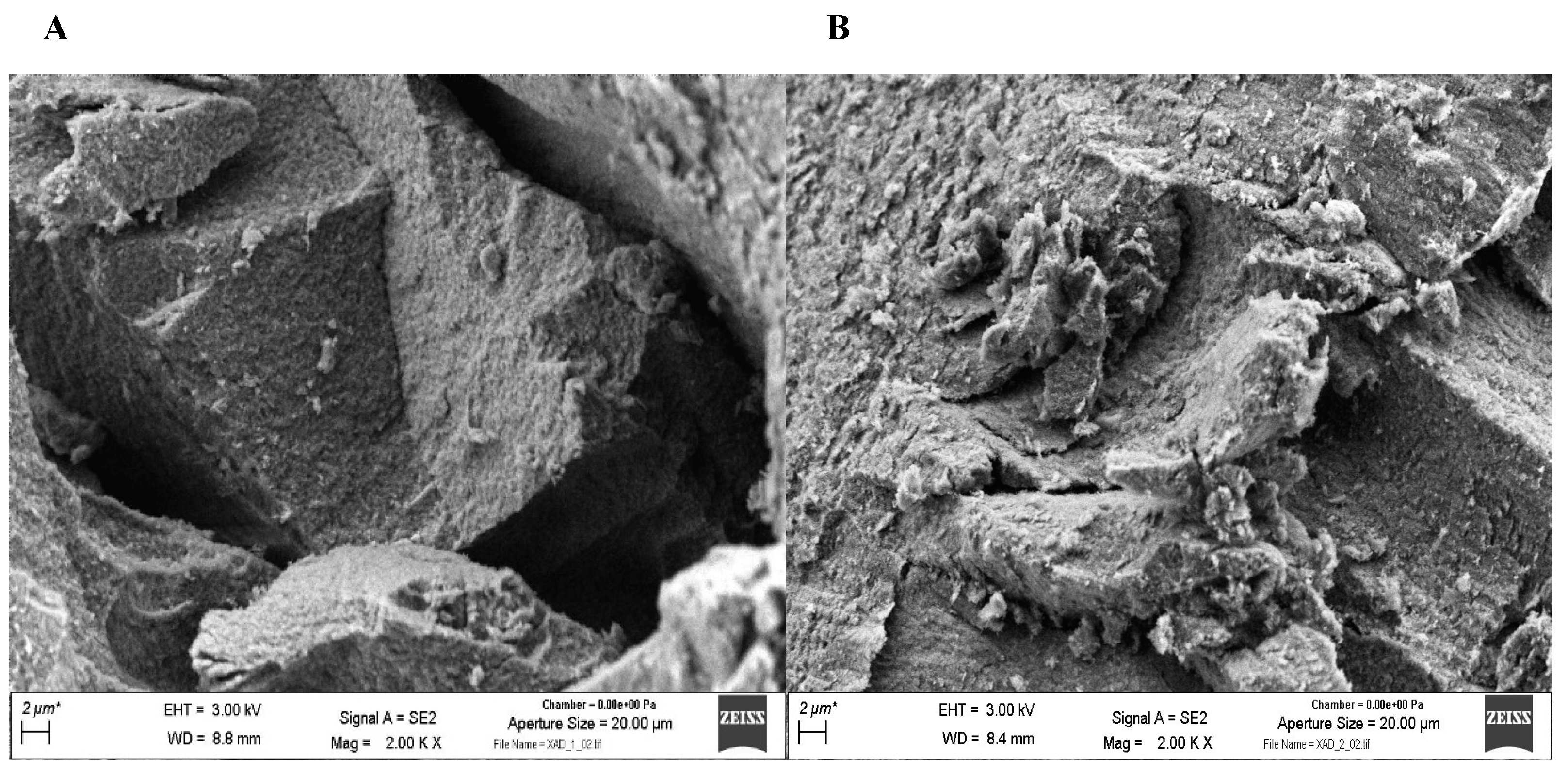
Figure 8.
Adsorption Isotherms for Catechol, Phenol and Guaiacol Model Compounds with the Freundlich Model fitting.
Figure 8.
Adsorption Isotherms for Catechol, Phenol and Guaiacol Model Compounds with the Freundlich Model fitting.
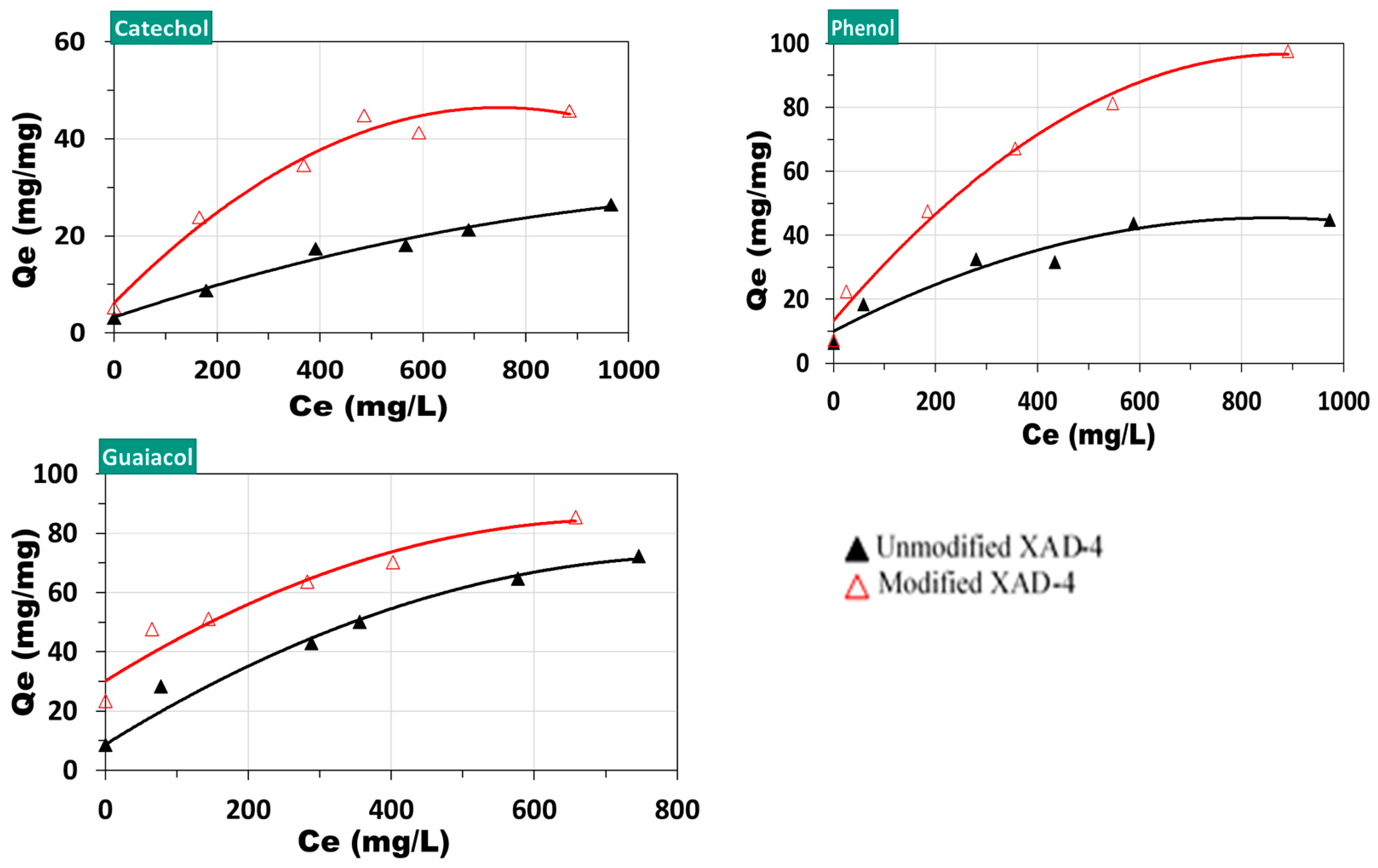
Figure 9.
GC-FID comparison data for unmodified and DES modified adsorbents.
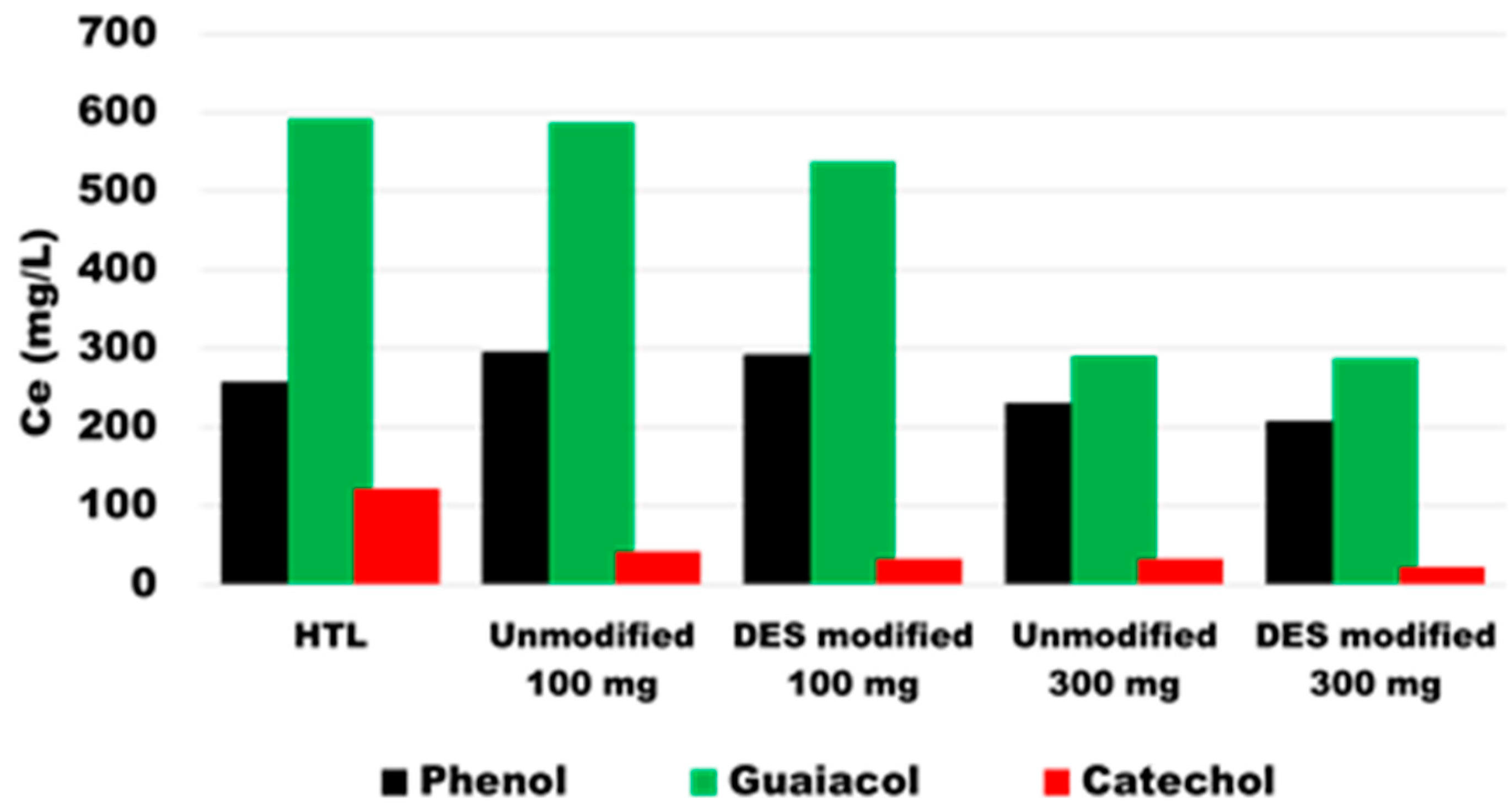

Table 1.
Composition of the organic and aqueous phases of major HTL of lignin products.
| Adsorbate | Concentration (mg/L) | |
|---|---|---|
| 1 | Phenol | 592.7 |
| 2 | O-cresol | 13.6 |
| 3 | Guaiacol | 823.5 |
| 4 | Catechol | 257.4 |
| 5 | 4-Ethylphenol | - |
| 6 | 4-Methylguaiacol | 86.5 |
| 7 | 4-Ethylguaiacol | 80.5 |
| 8 | Syringol | 75.1 |
| 9 | Methanol | - |
| 10 | 3-Ethylphenol | - |
| 11 | 2-Methoxy-4-Propylphenol | - |
| 12 | 4-Ethylcatechol | - |
| 13 | 3-Methoxycatechol | - |
| 14 | 3-Methylcatechol | - |
| 15 | Resorcinol | - |
| 16 | Vanillin | - |
Table 2.
BET parameters of XAD-4 and DES modified XAD-4.
 |
XAD-4 | DES modified XAD-4 |
|---|---|---|
| BET surface area (m2/g) | 864.52 | 629.76 |
| Micropore BET (m2/g) | 123.86 | 107.19 |
| Total pore volume (cm3/g) | 1.09 | 0.76 |
| Micropore volume (cm3/g) | 0.05 | 0.04 |
| Average pore radius (nm) | 5.56 | 5.59 |
Table 3.
Parameter data for the Freundlich equation.
| Adsorbate | Adsorbent | n | Kf | R2 |
|---|---|---|---|---|
| Phenol | unmodified XAD-4 | 1.911 | 3.918 | 0.9987 |
| Phenol | modified XAD-4 | 3.042 | 4.739 | 0.9967 |
| Guaiacol | unmodified XAD-4 | 2.538 | 5.169 | 0.9985 |
| Guaiacol | modified XAD-4 | 3.918 | 12.522 | 0.9987 |
| Catechol | unmodified XAD-4 | 1.773 | 2.257 | 0.9979 |
| Catechol | modified XAD-4 | 2.636 | 3.853 | 0.9598 |
Table 4.
Parameter data for the Langmuir equation.
| Adsorbate | Adsorbent | Qmax | Kl | R² |
|---|---|---|---|---|
| Phenol | unmodified XAD-4 | 0.1068 | 0.1068 | 0.1068 |
| Phenol | modified XAD-4 | 0.1113 | -1240000 | -4.78E-08 |
| Guaiacol | unmodified XAD-4 | 0.1135 | 2430000 | -2.17E-08 |
| Guaiacol | modified XAD-4 | 0.1108 | -1290000 | -3.58E-08 |
| Catechol | unmodified XAD-4 | 0.0653 | -0.117 | -1.33 |
| Catechol | modified XAD-4 | 0.4243 | 0.00976 | 0.9024 |
Table 5.
Parameter data for the Temkin equation.
| Adsorbate | Adsorbent | B | A | R² |
|---|---|---|---|---|
| Phenol | unmodified XAD-4 | 0.0687 | 0.041 | 0.9365 |
| Phenol | modified XAD-4 | 0.0585 | 0.0692 | 0.9036 |
| Guaiacol | unmodified XAD-4 | 0.0643 | 0.0616 | 0.9115 |
| Guaiacol | modified XAD-4 | 0.0651 | 0.0533 | 0.9025 |
| Catechol | unmodified XAD-4 | 0.0606 | 0.219 | 0.9127 |
| Catechol | modified XAD-4 | 0.0575 | 0.349 | 0.8394 |
Table 6.
GC- FID data for HTL using unmodified and modified XAD-4 adsorbents.
| Catechol (mg/L) | Phenol (mg/L) | Guaiacol (mg/L) | |
|---|---|---|---|
| HTL product | 257.4 | 592.9 | 823.5 |
| Unmodified XAD-4 (100mg) | 296.1 | 587.3 | 41.9 |
| DES modified XAD-4 (100 mg) | 293.4 | 538.0 | 32.7 |
| Unmodified XAD-4 (300mg) | 231.2 | 295.3 | 33.8 |
| DES modified XAD-4 (300 mg) | 207.8 | 287.6 | 121.5 |
Disclaimer/Publisher’s Note: The statements, opinions and data contained in all publications are solely those of the individual author(s) and contributor(s) and not of MDPI and/or the editor(s). MDPI and/or the editor(s) disclaim responsibility for any injury to people or property resulting from any ideas, methods, instructions or products referred to in the content. |
© 2025 by the authors. Licensee MDPI, Basel, Switzerland. This article is an open access article distributed under the terms and conditions of the Creative Commons Attribution (CC BY) license (http://creativecommons.org/licenses/by/4.0/).
Copyright: This open access article is published under a Creative Commons CC BY 4.0 license, which permit the free download, distribution, and reuse, provided that the author and preprint are cited in any reuse.