
Preprint
Article

This version is not peer-reviewed.

Nurturing Leaders in Community-Based, Primary Healthcare Services for People with Disabilities in Low and Middle Income Countries

A peer-reviewed article of this preprint also exists.

Submitted:

13 March 2025

Posted:

13 March 2025

You are already at the latest version

Abstract

The health and social care needs of children and adults with disabilities are often neglected in many low and middle income countries. International opinion favours the creation of community-based supports rather than the institutional and clinic-based care that has dominated to date. However models of care that are reliant on community leadership have been slow to develop within and across less affluent countries. Moreover, the managerial models inherent in institutional based care are likely to be inadequate in such settings. The study aimed to explore the leadership qualities required in initiating and sustaining community-based supports. Face-to-face interviews were conducted with a purposeful sample of 16 leaders of projects in Africa, Asia and South America. They included people with sensorial, physical and intellectual disabilities as well as non-disabled leaders of local and national projects plus others whose leadership was at a regional or international level. Two main questions were addressed: what are the qualities required to function as a community leaders and how can these qualities be nurtured in low resourced settings. Thematic content analysis identified three core themes: first, personal qualities such as empathy with an understanding of the personal circumstances of persons in need of support, second, communicating clearly the vision and values informing their work, and thirdly, building and mobilising community support from families and neighbours. The nurturing of leadership comes through mentoring and coaching, the empowerment of others, networking opportunities and the development of inter-personal and communication skills. These themes were commonly expressed across the 16 leaders from all the participating nations and at all levels of responsibility which validates their universality. The findings are in marked contrast to current practices in health and social care that have valued professional expertise over lived experience, knowledge and technical skills over compassion and empathy, and the provision of person-centred ‘treatments’ over developing community and personal self-reliance. Nonetheless the challenges involved in establishing and sustaining new styles of leadership are many and will not be quickly resolved.

Keywords: 
;  ;  ;  ;  ;  ;  ;  

1. Background

The manifold needs of people with disabilities are best met through community-based supports [1]. Likewise universal coverage of basic public health needs of the population, has to start with families and local communities [2]. However, in less affluent nations much of the healthcare budget is spent on high cost clinic or hospital based services with insufficient trained professionals to address the health needs from birth through to old age [3]. Consequently, in low and middle income countries, infant and mother mortality is higher and overall life expectancy lower [4] and a quality of life, much less than in more affluent countries [5]. Moreover these scenarios are forecast to persist up to 2050 unless targeted actions are taken [6].
The 17 Sustainable Development Goals (SDQs) [7] agreed by nearly all world’s nations aimed to redress the inequalities that are present internationally among, but also within countries. The aspirations of no poverty (Goal 1), zero hunger (Goal 2) and “healthy lives and promote the wellbeing for all at all ages” (Goal 3) were to the fore, yet it very unlikely that these SDQs (and the other 14 goals) will be met by the target year of 2030 [8].
Among the most marginalised in every country when it comes to alleviating poverty and accessing healthcare, are people with disabilities, especially those born with or who acquire intellectual and developmental impairments [9]. In addition to their physical health needs, they and their families often suffer from poverty, poor housing and inadequate sanitation, allied with social inclusion from education and employment opportunities due to the stigma attached to their disability [10]. These inequalities can be present even in high income countries especially in families facing multiple disadvantages, albeit not to the same extent than their counterparts in poorer countries [11].
The arguments for greater investment in primary health care and in community rehabilitation for disabled persons have been well rehearsed although their implementation remains disappointing, especially for marginalised groups [12]. Many of the innovative projects depended on international donors and were not sustained when the funding finished. More significant, has been the lack of professional expertise—doctors, nurses and therapists—to sustain these new styles of home and community-based supports The clinicians that were available in-country, tended to be confined to hospitals or clinics nor did they have the training and experience in these new care models so that they could mentor and support community personnel. Hence, across all nations, the challenge remains as to how new forms of family-centred, community-based supports can be provided to people with intellectual disabilities in particular, when human and financial resources are constrained [13].
In recent years, attention has shifted as to how indigenous resources could be mobilised to address the unmet of needs in primary healthcare through community leadership and engagement [14] and the provision of support for family caregivers of people with intellectual disabilities [15]. For example, people with the lived experience of disability and their allies, such as family members and local persons of good will, could have the insights and knowledge to devise and implement new forms of support [16]. Recent literature has provided valuable insights into the form these new services can take, along with examples of the diversity of responses that were devised for impoverished communities. A key element to success was the leadership of these community initiatives [17].
Past research in health and social care has tended to focus more on managerial models of leadership that are commonly found in national health services provided by government agencies, even at a local level. International and national NGOs have often emulated them also [18]. These models tend to focus on managers having supervisory, budget management and accountability functions in hierarchical structures with the managers at the top, often removed from personal contact with service beneficiaries and also with the front-line workers with whom their ‘patients’ have contact. In such systems there are usually defined procedures to be followed by workers at each level of the managerial structure [19]. By contrast, community services need to operate on a more fluid, personalised model that can respond to the varied needs of the beneficiaries that transcend traditional service boundaries of health, education and social welfare, for example. Moreover the values underpinning these models often differ. This had led to a call for a re-appraisal of leadership in public health and primary care towards a more adaptive style of leadership and not of a traditional ‘command and control’ variety [20].
A recent report—covering LMICs in Asia, Africa and Latin America—focused on what was broadly termed ‘character-based’ leadership; typified by moral purpose and personal qualities of leaders [21]. The literature review of over 1,000 published articles identified a marked increase into these leadership styles especially from 2020. The majority of studies were within the corporate section and around one quarter in education but only 10% in healthcare and 2% in the not-for-profit sector. Over 70% examined the impact of this form of leadership using mostly quantitative methods with just over 10% describing the characteristics of leaders of which the virtue of humility was the most studied. Other valued traits such as empathy, resilience, trust and courage were rarely investigated. Moreover only 15% of over 700 leadership training programs examined, had a clear focus on character leadership, and of these the majority were delivered by NGOs and philanthropic foundations followed by universities.
Servant leadership was the most commonly named approach in this report with nearly one quarter of articles devoted to it along with a variety of other leadership styles. Another systematic review of nearly 300 published studies on servant leadership [22] brought greater clarity to the core components of this style of leadership which were motive (being of service to others, not self), mode (led by the individual needs of others), and mindset (concern for the larger community and a commitment to be accountable for their well-being). The authors noted that the dearth of field research is an impediment to better understanding—for example—as to how servant leaders could create more servant leaders using a ‘trickle-down approach’ based on a social learning process [23]. Nonetheless the authors caution that tremendous efforts are needed to develop a servant leadership culture within organisations and maintain its spread throughout larger systems.
In sum, the increased interest in character-led leadership styles in LMICs has had limited impact to date on public health and community care systems. Few studies have been undertaken into the qualities required by leaders of community-based supports, especially ones that are instigated, managed and maintained by local personnel, most of whom will do so on a voluntary basis and within a culture of empowerment and self-reliance [24].

1.1. Aims of the Study

The present study aimed to address this gap. Informants were purposively selected from those who were currently engaged in community-based initiatives to assist youth and adults with intellectual disabilities in mainly low and middle-income countries at various levels; namely at a locality, national and a trans-national, regional level. Two questions were posed. 1. What are the personal qualities and skills needed for a successful leader in local, community-based services? 2. How could people be nurtured and supported in a leadership role? The insights gained would contribute to the training and development of future leaders who will be needed to expand the opportunities for more communities within a country to develop their own locality programs.

2. Method

A qualitative methodology was chosen to gain insights based on the lived experience of respondents who were currently involved in leadership roles in community settings, as well as having prior experience in other roles. Face-to-face interviews were used as they promised richer insights than self-completion questionnaires. During the interview various probes could be used to encourage respondents to expand or clarify their comments. Purposive sampling was selected with the aim of recruiting a diverse sample including people with disabilities or their advocates from a range of countries mostly in the global south and whose role had national and regional responsibilities as well as a local focus. Recruitment continued until data saturation had been attained.
To be clear, the insights gained from this sample were not intended to be representative of current leadership in community based services or to evaluate the extent to which the leadership qualities were currently being implemented and their impact on communities. Rather the aim was to scope the features of leadership based on the lived experience of a diversity of leaders and from which a conceptual framework would emerge. Such a framework could be used, for example, in the recruitment of future leaders and to aid the self-reflection of persons in leadership roles as to their personal development needs.

2.1. Sample

Table 1 summarises that characteristics of the sample of people who participated in the study: 16 in all. Six were based in sub-Sharan Africa, three each from Asia and Latin America, two from the Middle East and one from Eurasia plus a further person who had a global remit. Five had a sensorial, physical or intellectual impairment and one was a parent of a child with a disability. There were equal numbers of males and females. Details of ages were not collected but most were in their 20s or 30s. Information about their various roles and backgrounds are given in the table.

2.2. Procedure

Formal ethical approval was not sought for the study nor was it required as it met the criteria in the United Kingdom for an evaluation of participants’ service provision rather than a research study. Nonetheless, ethical considerations from the World Medical Association, Declaration of Helsinki on research involving human subjects [25] were fully observed; namely respondents were given details of the study, the information they would be asked to provide, the purposes to which the information would be put, and they could withdraw their consent at any stage without giving a reason. They were also asked to give explicit consent to the interview being audio-recorded.
A snow-balling approach was used to recruit participants during their participation in an international conference convened in the United Arab Emirates on inclusion in education, sports and employment for persons with primarily intellectual disabilities. These participants were supplemented by two, in-country interviews. All the people approached agreed to take part.
The author personally conducted the interviews in English as chosen by the interviewees. They were mostly done face-to-face in a private setting but one was carried out via Zoom. The interview had three parts. First, the interviewees briefly summarised their leadership roles and backgrounds. Second, they were then asked to describe the qualities and skills required of leaders based on their experience, including what they personally contributed to this role. Third, they shared their thoughts as to how leadership could be nurtured in the communities they are working in or have worked in. The interviewer used probes throughout the second and third parts to elicit further elaboration or clarifications. These were chosen based on active listening, his knowledge of the literature and personal experiences. The interviews lasted on average 10 minutes and generated nearly three hours of recordings. It was evident by the 14th interview that no new themes had been mentioned but two interviews that had been pre-arranged were conducted as a further check.

2.3. Qualitative Analysis Using AI

The advent of new forms of Artificial Intelligence (AI) promises to transform healthcare through telemedicine for example [26]. Thus far its deployment within health research has been limited yet examples are emerging of its use especially in qualitative research [27]. Nonetheless human researchers are urged to use AI as an assistant rather than a replacement: the so-called hybrid approach [28]. This study provided an opportunity to explore the use of a hybrid approach when analysing the interviews using AI, in this instance a freely available tool: Microsoft Co-pilot.
Two advantages of AI are: first, the speed and efficiency offered by AI as it can identify the themes in each interview in less than 30 seconds. In turn AI can go on to quickly identify the themes that occurred most often across all the interviews. Consistency is a second advantage as the AI algorithms apply the same criteria uniformly, reducing variability and ensuring consistent analysis for each interview. By contrast a human analyst could be biased in their analysis of interviews given by certain persons and it would also take very much longer.
AI has its weaknesses though, two of which are particularly relevant to this study. The author brought an understanding of the contexts in which the interviewees worked and he could interpret nuances, context, and subtleties in their responses that AI would miss due to its reliance on the written words. Secondly, as he had personally conducted the interview he could empathize and understand emotional cues, providing a more personalized and intuitive analysis. In addition member checking was undertaken with all the interviewees so that they too were part of the human contribution to the initial analysis by AI.
The initial transcript from the audio recording was made using TurboScribe (AI), a Web-based, free service. The Word file was examined by the interviewer for clarity and correction. A copy was also sent to each interviewee for checking and changing. For persons with visual impairments, the audio-recording was sent although both had access to screen readers. Few corrections or changes were made by the interviewees which broadly reflected the accuracy of the AI transcription.

2.4. Data Analysis

The analysis of the interviews, although informed by interpretative phenomenology analysis, was largely based on thematic content analysis using Microsoft Co-Pilot to initially code the themes in each transcript inductively. In brief, this is how Co-Pilot describes how it works. “Copilot uses a combination of natural language processing (NLP) techniques and machine learning algorithms”. This includes: breaking the text into smaller units, such as words or phrases; using algorithms like Latent Dirichlet Allocation (LDA), or clustering techniques are used to identify recurring themes or topics within the text; analysing the emotional tone of the text to understand the sentiments expressed, extracting important keywords and phrases to highlight significant points and the identified themes are reviewed and refined to ensure they accurately represent the content of the interview. This replicates much of the recommended practice for undertaking a thematic content analysis [29].
An anonymised version of each transcript was uploaded to Co-Pilot and the question posed: what are the main themes relating to leadership in this interview? The response was saved to a word file. The themes identified in each interview were checked by the author on the interview transcript on a line-by-line basis and quotes representative of the agreed themes were identified.
Co-pilot was again used to synthesis all the themes identified in the 16 interviews and list them into those which were commonly mentioned: in total, 20 were identified. However further attempts to have AI identify the inter-relationships among the themes did not yield consistent outcomes: for example, 11 main themes were returned. Instead the author re-examined the transcripts and the listed themes and he identified three core themes and the subthemes within each, following the recommended procedures for thematic content analysis [29]. This analysis was informed by his personal experience of interviewing the informants, his previous engagement with community-based programmes and his past use of interpretive phenomenological analysis in order to reflect the coherency around the lived experience across these 16 informants [30].
These summaries were then sent to the 16 interviewees for member checking as they were deemed best placed to assess the validity of the analysis. Adjustments were made in light of their feedback. Additionally Co-pilot was asked to undertake a deductive coding of this final analysis and the style of leadership that it represented which was refined with reference to the extant literature that Co-pilot had been requested to source.

3. Findings

Figure 1 presents the three core themes relating to leadership that emerged from these analyses. The central theme combined the personal qualities of leaders which guided their communications with others and in efforts to build communities. In describing the core themes, each constituent subtheme is briefly described and supported by direct quotations from interviewees (See Table 1 to identify them from the assigned code number).

3.1. Personal Qualities of Leaders

Various qualities were noted and although they are reported separately, there is an overlap across them and ideally a coherence among them that makes their leadership especially effective. The following sub-themes emerged from the analysis.
Empathy was a fundamental quality across the interviewees, gained through active listening to those whom the leader is seeking to help.
A leader who listens to a voice that comes from the other people that you maybe leading and listening to them and taking actions towards those things. It shows braveness in you and shows kindness in you. And it also builds someone to be a role model of that person. (04)
The first thing is to be able to listen to what people are saying. Especially when you think about persons with disabilities, because they have a lot of grievances within themselves. Never be ..too hard on them because, you see, the issue is that these people are already broken. (02)
I think that the most important quality for leadership is empathy. You have to put your shoes in the others’ shoes … that’s really important. (12)
Leaders needed to have an inclusive mindset in that they not only welcome others but they seek to engage them and value their contributions.
Leadership should be inclusive, and invite all people to the table. Not just to sit at the table, but to be a part of the discussion, or a part of the action. (16).
I think that the first and most important priority is to find someone who is a bridge builder, because essentially creating social inclusion means bringing together sometimes services, sometimes communities, sometimes neighbourhoods or groups of people or families who would not naturally find each other, or perhaps find communities of each other even if they were in the same physical space. (10)
Self-confidence allied with humility was another facet of leadership.
Be confident of who you are. Be confident in what you do. Be confident when you speak. Be confident to fight for your rights. (04).
You should have the humility to learn from other people. (13)
A humble leader then is putting other people forward, is celebrating their work. It’s not taking all of the credit for themselves. (14)
Leaders appreciate and mobilise the talents of the people they lead.
I see a lot of qualities in many people, actually in all people. And it’s interesting because every person have like a different quality. Together it is like a (Jigsaw) puzzle inside all the group. (12)
A leader who listens to a voice that comes from other people that you are leading and listening to them and taking action towards those things. (04)
We work greatly with the self-respect with each person and to put value on what we are, what we have, and not in what we don’t have. (11)
Leaders need to be resilient through the challenges and difficulties they will encounter.
Be someone who can keep the lines of communication open through thick and thin, accept criticism and be able to take accountability when needed. (05)
I persevered when there were troubles, because, I mean, organisations sometimes can find themselves in trouble. But we persevered together, and we endured together, we moved on. There were a lot of difficult times for the organisation. But they were able to see that I motivated them, I encouraged them. And they also encouraged others. (02)
What I would tell my fellow colleagues with intellectual disabilities is never give up. Never feel that you’re not home. Be confident of who you are. Be confident in what you do. Be confident when you speak. Be confident to fight for your rights. (04)
The self-confidence to be truly vulnerable, to admit when you don’t know something, to ask for help, to seek out advice, because it makes others know that they are truly participating. (10)
Other qualities were also mentioned by a few individuals: patience, commitment, self-reflection, curiosity, sense of fun, and personal development and growth.

3.2. Communication

The second core aspect of leadership was around communicating the vision and values that should guide their endeavours, how to create team-working and find creative ways of problem-solving.
Vision setting and creating a shared spirit was perceived to be a key function for leaders.
Spirit comes first before resources. If we have a spirit, we can collect resources, mobilise resources, but if we have resources but no spirit, then that leadership doesn’t work out. (01)
A leader does not mean that you have to just know how to read or write, but a leader should just know what to do and stand up for our rights. In Africa, it’s not easy to get a job. It’s not easy to have an education system. But we’re trying to find them, to advocate for ourselves to get meaningful roles, jobs, even education systems. (04)
When I speak about communication, it’s not a complicated purpose or technologies, because in the community, it’s people based. So how you talk to people, how you make them feel, how you convince them and how you make them feel to own that vision. (13)
The values inherent in the vision—such as inclusion and rights—also need to be emphasised and shared.
Inclusion for us is such a kind of world where people living with and without disabilities can work together, can march together, can talk together, can laugh together, can cultivate friendship, and ultimately they can go and grow together at the same time.” (01)
Making inclusion an inherent value and .. meet up, discuss and maybe share the messages that you want to convey or that you want people to hear about and try to those messages in ways that can be accessible for people of all abilities. (05)
Communicating and promoting teamwork among the community is another important role of leaders.
You have to cultivate your connections with the people you work with because these are the ones who will be going to work things out for your vision. The community develops you as a leader and then you develop community. (09)
You need to identify yourself as part of a community. You need to be taking active part of any actions that is meant to be destined for the well-being of the community and for you. (15)
A leader that’s able to make people come together to feel there’s a safe space to raise their concerns, to offer ideas. They have to get their hands dirty and be at the coalface of that work. (14)
The leader also needs to be adept at facilitating finding solutions to the problems the community faces.
Figuring out how you can do the best you can with what you have, and how you can creatively sort of exploit or see opportunities where others might not, is absolutely essential. (10)
Leadership is something, one could practise to be calculated risk takers, not kind of comfort seekers. (01)
One of the important assets to possess as a leader is the ability to be flexible and adaptive, which I believe people with disabilities have mastered. (05)

3.3. Building Community

The third core theme in leadership was that of forging relationships in, and the building of community. The following subthemes were mentioned.
Having personal knowledge and experience of the community is essential.
It’s important for you to understand the DNA, the social fabric of that community, what makes them tick …the dynamics of that community. (10)
You need to identify yourself as part of a community. You need to be taking active part of any actions that is meant to be destined for the well-being of the community and for you. (15)
A focus on identifying and utilising the people assets with the community is also advisable.
If you want to work to be great, work with those people who are in the local level, because they are the people who want the work to be done. (06)
Creating social inclusion means bringing together sometimes services, sometimes communities, sometimes neighbourhoods or groups of people or families who would not naturally find each other. (10)
Consultation with communities is vital to identifying their needs, priorities and how best they can be met.
It needs you to be open to new ideas, to new ways of thinking, and also to gather all those ideas and to process everything with your own ideas, your own way of being as a person. At the end you would be building community, not only for you, but also for the rest of the people that are part of the work that you are doing. (15)
Leaders should mobilise others to participate in making change happen.
A good leader also has to be a good follower… you are not leading a system or process, you are leading them through people. (09)
I think we can focus much more deeply on participatory forms of development and research to make sure that when we are going into a community and we’re talking about social inclusion, we have some ideas, we have some tools, but we don’t have a prescriptive process. We don’t just sort of hand over an instruction manual and say, this is how you do it. (10)

3.4. Styles of Leadership

Many styles of leadership have been described in the literature [21]. A comparison was then made to match the foregoing description of leadership as perceived by these interviewees with those previously described in the literature. Initially Co-pilot was used to do this, by uploading the foregoing analysis and asking it to identify the leadership styles that the framework portrayed. Three leadership styles were named and described which were cross-checked by the author from the transcripts and subsequently by sharing them with the interviewees.
Transformative leadership aims to inspire communities to work towards a common vision through innovative actions that encourages creativity and problem-solving, and find new ways to support its community. This is illustrated in a comment from one interviewee.
The best leadership for me is what I call transformative leadership. It’s leadership that brings change and leadership that brings change is not the same as leadership that is for managing day-to-day tasks.” (13)
Democratic leadership fosters inclusive decision-making by encourages participation and input from all members. It promotes teamwork, collaboration and shared responsibility, which can be beneficial in a resource-constrained environment. This is illustrated in this comment about people with disabilities in leadership roles.
We should give, not just for leadership’s sake, but we should give them some sort of power to exercise so that they could exhibit their real abilities no matter whatever their physical limitations are. (01)
Servant leadership prioritizes the needs and well-being of the community and emphasizes empathy, listening, and caring for others which are crucial in understanding and addressing the unique needs of people with disabilities. As one interview commented using the term ‘compassionate’:
It’s a leader that listens to others. Compassion is the mainstay of what it would be, because if it’s not a compassionate leadership, then it’s not going to rally many people for the long term.” (14)
Co-pilot identified servant leadership to be the best fit overall, stating: “It encompasses a majority of the qualities you identified, particularly those related to empathy, community-building, and inclusive, participatory approaches”. It added: “This model is well-suited for community-based, not-for-profit organizations focused on helping people with disabilities, as it prioritizes serving others and fostering a supportive, collaborative environment”.
However the author felt this under-estimated the transformative leadership ambitions that were inherent in the passion and commitment of the interviewees to make changes happen. Hence a fusion of transformative and servant leadership would be a better description. But, perhaps no single label encompasses the style of leadership that these interviewees described and elements of each style are likely to feature depending on the differing needs of the beneficiaries, the community context and the focus of their efforts. The discussion section expands this point.

3.6. Nurturing Leadership

The interviewees shared their views on how leadership could be nurtured within communities. They alluded to the view that leaders are born rather than created but in their experience they felt anyone could become a leader.
We all have the capacity and the ability to become a leader. The only thing is that you need to identify what is the cause that motivates you, that pulls those triggers inside of you that you say, okay, this is what I was looking for. This is something that really motivates me to do not even better, to do the best that I can. (15)
Many stressed that one-to-one mentorship and coaching is their favoured approach to developing leadership talent.
There was need to nurture another crop of leaders. So one thing that I decided to do was to identify those people that really showed interest in the organisation. And then apart from identifying them, I put them quite close to me so that they could learn the qualities of leading that organisation.” (02)
Effective leaders believe in the potential of others and empower them. This involves recognizing the unique contributions each person can make and trusting them to get on with the chosen tasks, even at the risk of mistakes being made.
People can make mistakes because we are not gods, but we should make them learn from their mistakes. We cannot do anything about the past, but the only thing we can do is learn from that mistakes and help them nurture. (01)
Networking with other leaders is also commended as a means for learning from their peers and boosting their motivation.
I think a way is creating opportunities so they can share with people that feels the same as them. Learn good practises from the people around them. (11)
Acquiring knowledge through training opportunities can contribute to their development but in low and middle income countries, the lack of suitable trainers is an issue. Although the greater benefit is likely to come from meeting and interacting with their peers.
Coming to forums where we meet people from other areas also gives (leaders) a purpose for life in a way to say, okay, my fellows are doing it. Why not? Why can’t I? (08)
Perhaps IT will open up new possibilities such as chat rooms and online, interactive workshops, as this mentor of a leader with intellectual disabilities notes.
(Name) likes IT a lot that, you know, on all these platforms, he meets Google people. He’s inquisitive about it. Okay, how can I also use my IT to help me and also help other athletes? (08)

4. Discussion

This study had a number of strengths. It focused on promoting the health and social wellbeing of persons with disabilities which to date has received scant attention in terms of leadership research. Moreover the purposive sample brought together informants from three continents with experience of leadership at different levels within community-centred services and varied personal backgrounds. Nonetheless there was a striking coherency in their experiences and views on leadership. The qualitative methodology opened up their lived experience to examination while the overall analysis process gave them an active part in validating the conceptual model that emerged. Furthermore the use of AI demonstrated its potential for supporting future research and evaluation projects, especially those involving qualitative data analysis. That said there were some significant limitations as will be discussed later and which further research might address.

4.1. Leadership Qualities

The conceptual model of leadership that emerged resonates which many of the features described in recent reviews of studies undertaken into character-based and servant leadership [21,22]. Perhaps it is not surprising that the same human qualities can be deployed in different fields of endeavour, such as business, education, sports or healthcare as they all involve people assisting other people, be it their work colleagues or the people they serve and support. Also the associated leadership domains of communication and building communities are just as transferable across different contexts. Nonetheless it could be that certain qualities within these core themes are more significant for leadership in particular settings. As our interviewees had a common focus on disability, the features they prioritised in their leadership were empathy, promoting a vision of inclusion and being rooted in the communities they were seeking to support. Further comparative research across different beneficiaries of public health services for example, maternal health or care of the elderly, might reveal a different set of leadership priorities.
Or maybe not. One of the features of leadership that our informants implicitly practiced in their person-centred work but which did not come across strongly in their interviews, was the need to be flexible and adaptable to different people and contexts. In retrospect this feature of leadership would be worthy of deeper investigation given the heterogeneity among persons who are labelled as ‘disabled’ or within a community of persons from different cultures. Thus the qualities identified in any leadership framework are better viewed perhaps as a ‘tool-kit’ from which leaders can select the combinations most suited to the people and communities they aim to support and the changes they are working towards. In that respect, the WHO framework on community-based rehabilitation is a valuable guide to different activities and outcomes [1].
The same argument applies to the value of trying to distinguish different leadership styles of which many have been identified. A case can be made for doing so in terms of conceptual clarity and comparing outcomes from different styles of leadership as some have done [22]. Yet in this study our interviewees reflected elements from different styles of leadership without categorising them and when some did so, they came up with different labels. Hence the main value of defining differences in leadership styles is arguably to widen the tool-box of strategies that leaders can use rather than prescribing one style as preferable to another. Nonetheless some leaders may feel more comfortable with one style over others which would further reinforce the need for leadership teams rather than depending on one person’s leadership style [31].

4.2. Nurturing and Developing Leaders

Insights were also gained around how leaders could be nurtured and developed. Surprisingly, the interviewees made little mention of providing formal training which tends to dominate in the current literature, with universities and consultants seen as the main providers of leadership education [21]. In part this may represent the unavailability of such options in the settings in which the interviewees work but a deeper reason could be the value they placed on the personal development of leaders through mentorship, coaching, role modelling, empowerment and networking. All of which stems from the reasonable assumption that future leaders are in the communities with which they are currently engaged. Nonetheless this may be overly optimistic as certain personality traits—such as humility and compassion—are not easily taught [22]. Consequently wise leaders might also need to engage in some form of selection for potential future leaders based on their personal qualities and privilege them over qualifications and experience.
The question remains as to how the conceptual framework described here, and similar ones identified in the associated literature [21], could be extended to existing primary care services or health and social care services for persons with disabilities. A strong case has been made for this to happen in order to make these supports more effective and efficient through mobilising community initiatives [32,33]. A favoured approach has been the formation of community health committees [34] and the creation of new staff positions such as community health/rehabilitation workers [35,36]. Although these roles are intended to embody many of the attributes of leadership described in this and other studies, they need to be complemented by their service managers and colleagues also exhibiting similar styles of working within the extant health systems [37]. However transforming existing systems and practices can prove more challenging and strategies for changing leadership styles and cultures in particular, remain to be tried and tested [38].

4.3. AI as a Tool in Research and Evaluation

The use of AI to assist with the qualitative analysis of interviews was a novel experience for the author and the interviewees. It certainly speeded up the initial stages of the inductive coding of themes within each interview and across interviews, but AI seemed less successful in combining themes into a conceptual framework although it did help to confirm the links with different leadership styles. In part, this may be a reflection of the author’s inexperience in using AI plus the possible limitations of the chosen AI system: Co-pilot. The latter was chosen on the grounds of being freely available so that researchers and practitioners in LMICs could avail of it. Other AI systems may be better suited to qualitative data analysis although the evidence for this has yet to emerge and often the choice may be based on availability and accessibility. It is likely too that advances will be made in fine-tuning AI to undertake more accurate analyses [39]. In addition, we also used AI to assist with literature searches (such as Google Scholar) and the writing of reports, for example the translation into other languages (in this instance Spanish) and producing a more accessible version of the study for a lay audience. Once again though, human cross-checking was undertaken to improve the accuracy and relevance of AI generated content.
Another reason for using AI was to explore its potential to empower and assist leaders in community-based services to undertake their own research and evaluation studies. Often they have limited or no access to additional funding to do this, yet their experiences if documented, are vital to improving the reach and relevance of public health efforts notably in low resource settings and less affluent countries [32]. Nonetheless concerns around governance and ethics in the use of AI will need to be addressed [40] alongside the development of training opportunities, including in the use of AI, as an aid to encouraging service evaluations and reporting [41].

4.4. Limitations and Future Research

Finally the limitations of this study need to be noted. The sample was biased to leaders who broadly promoted health and wellbeing of persons with disabilities rather than primary care or public health staff involved in delivery of disease management and prevention. As noted above, this is a vital area for further research. Also the views of leaders need to complemented by documenting their impact on beneficiaries and the communities’ perceptions of the leadership attributes that they valued [31] which we were unable to do due to limited resources. This small scale study is a modest example of the contribution that AI could make to health and social care research but more extensive evidence is needed in terms of its added value and how its limitations and risks can be addressed.

4.5. Conclusions

Leadership in community-based primary care and disability services involves three core themes: personal qualities such as empathy, communicating a clear vision and values, and building and mobilising community support from families and neighbours. This style of leadership develops mainly through mentoring and coaching, the empowerment of others, networking opportunities and the development of inter-personal and communication skills. These themes were commonly expressed across the 16 leaders from all nations and at all levels which validates their universality.
These findings are in marked contrast to practices in health and social care services in many countries that has valued professional expertise over lived experience, knowledge and technical skills over compassion and empathy, and the prescription of ‘treatments’ to individuals over community and personal self-reliance. Nonetheless the challenges involved in establishing and sustaining new styles of leadership are many and will not be quickly resolved. But naming them is a first step to their removal.

Funding

This research received no external funding.

Institutional Review Board Statement

Formal ethical approval was not required for this evaluation under UK Research and Innovation Guidance. However this study adhered to the seventh revised version W.M.A. of the Helsinki Declaration on Medical Research involving Human Subjects issued on 19 October 2013. Their consent was taken verbally as part of the interview process.

Data Availability Statement

Anonymised transcripts of the interview are available from the author but subject to his obtaining permission from the interviewee to share them.

Acknowledgments

My grateful thanks to all the participants for agreeing to be interviewed and for their checking of the analyses and reporting. It is on their shoulders that this article is written. I am also acknowledge the Special Olympics Global Centre for Inclusion in Education who sponsored in part my travel and accommodation costs.

Conflicts of Interest

The author declares no conflicts of interest.

References

  1. World Health Organisation (2010) Community-based rehabilitation: CBR guidelines. Available at https://www.who.int/publications/i/item/9789241548052.
  2. Rifkin, S. B. (2018). Alma Ata after 40 years: Primary Health Care and Health for All—from consensus to complexity. BMJ global health, 3(Suppl 3), e001188. [CrossRef]
  3. Bitton, A. , Fifield, J., Ratcliffe, H., Karlage, A., Wang, H., Veillard, J. H.,... & Hirschhorn, L. R. (2019). Primary healthcare system performance in low-income and middle-income countries: a scoping review of the evidence from 2010 to 2017. BMJ Global Health, 4(Suppl 8), e001551. [CrossRef]
  4. Hone, T. , Gonçalves, J., Seferidi, P., Moreno-Serra, R., Rocha, R., Gupta, I.,... & Millett, C. (2024). Progress towards universal health coverage and inequalities in infant mortality: an analysis of 4· 1 million births from 60 low-income and middle-income countries between 2000 and 2019. The Lancet Global Health, 12(5), e744-e755. [CrossRef]
  5. Available at: https://www.worlddata.info/quality-of-life.php (last accessed 12 March, 2025).
  6. Zhou, M., & Shen, H. (2024). Forecasting the global burden of disease to 2050. The Lancet, 403(10440), 1961-1963. [CrossRef]
  7. Available at: https://sdgs.un.org/goals (last accessed 12 March, 2025).
  8. Malekpour, S., Allen, C., Sagar, A., Scholz, I., Persson, Å., Miranda, J. J., ... & Al-Ghanim, K. (2023). What scientists need to do to accelerate progress on the SDGs. Nature, 621(7978), 250-254. Available at: https://www.nature.com/articles/d41586-023-02808-x.
  9. World Health Organization. (2022). Global report on health equity for persons with disabilities. Geneva, World Health Organization.
  10. Roy, A. , Courtenay, K., Odiyoor, M., Walsh, P., Keane, S., Biswas, A.,... & Munir, K. (2021). Setting priorities for people with intellectual disability/intellectual developmental disorders across the lifespan: a call to action by the World Psychiatric Association. BJPsych international, 18(3), 54-57. [CrossRef]
  11. Lindsay, S. , Phonepraseuth, J., & Leo, S. (2024). Experiences and factors affecting poverty among families raising a child with a disability: a scoping review. Disability and Rehabilitation, 1-19. [CrossRef]
  12. Ohnmar, H. T. W. E. , Yuliawiratman, B. S., Tannor, A. Y., Asikin, M. Z. N., Elaine, S. O. H., De Groote, W.,... & Naicker, A. S. (2024). Barriers and facilitators for increased accessibility to quality rehabilitation services in low-and middle-income countries: a systematic review. European Journal of Physical and Rehabilitation Medicine, 60(3), 514. [CrossRef]
  13. World Health Organization; UNICEF. Global Report on Children with Developmental Disabilities: From the Margins to the Mainstream; World Health Organization: Geneva, Switzerland; United Nations Children’s Fund (UNICEF): New York City, NY, USA, 2023; Available online: https://www.who.int/publications/i/item/9789240080539 (last accessed on 12 March 2025).
  14. Sacks, E., Schleiff, M., Were, M., Chowdhury, A. M., & Perry, H. B. (2020). Communities, universal health coverage and primary health care. Bulletin of the World Health Organization, 98(11), 773. [CrossRef]
  15. Nuri, R.P.; Batorowicz, B.; Aldersey, H.M. Family support and family and child-related outcomes among families impacted by disability in low-and middle-income countries: A scoping review. J. Child Health Care 2020, 24, 637–654. [Google Scholar] [PubMed]
  16. UNICEF. Inclusive Interventions for Children with Disabilities: An Evidence and Gap Map from Low- and Middle-Income Countries; UNICEF Innocenti—Global Office of Research and Foresight: Rome, Italy, 2022; Available online: https://www.unicef-irc.org/publications/1537-inclusive-interventions-for-children-with-disabilities-in-low-and-middle-income-countries-an-evidence-gap-map.html (last accessed on 12 March, 2025).
  17. McConkey, R. (2024). Creating Family-Centred Support for Preschoolers with Developmental Disabilities in Low-Income Countries: A Rapid Review to Guide Practitioners. International Journal of Environmental Research and Public Health, 21(6), 651. [CrossRef]
  18. Essex, R., Kennedy, J., Miller, D., & Jameson, J. (2023). A scoping review exploring the impact and negotiation of hierarchy in healthcare organisations. Nursing Inquiry, 30(4), e12571. [CrossRef]
  19. Akmal, A. , Podgorodnichenko, N., Foote, J., Greatbanks, R., Stokes, T., & Gauld, R. (2021). Why is quality improvement so challenging? A viable systems model perspective to understand the frustrations of healthcare quality improvement managers. Health policy, 125(5), 658-664. [CrossRef]
  20. Czabanowska, K. (2014). Leadership in Public Health: reducing inequalities and improving health. Eurohealth, 20(3), 28-31. http://www.euro.who.int/__data/assets/pdf_file/0010/257743/EuroHealth_v20n3.
  21. The Oxford Character Project (2023). Character and global leadership: A survey of character-based leadership education and research in low- and middle-income countries. Available at: https://oxfordcharacter.org/research/character-global-leadership-report-2023.
  22. Eva, N. , Robin, M., Sendjaya, S., Van Dierendonck, D., & Liden, R. C. (2019). Servant leadership: A systematic review and call for future research. The leadership quarterly, 30(1), 111-132. [CrossRef]
  23. Bandura, A. (1977). Social learning theory. Oxford, England: Prentice-Hall.
  24. Green, D. How Change Happens; Oxford University Press: Oxford, UK, 2016. [Google Scholar]
  25. World Medical Association Declaration of Helsinki (2013). Ethical Principles for Medical Research Involving Human Subjects. Available at: https://www.wma.net/wp-content/uploads/2016/11/DoH-Oct2013-JAMA.
  26. Aung, Y. Y. , Wong, D. C., & Ting, D. S. (2021). The promise of artificial intelligence: a review of the opportunities and challenges of artificial intelligence in healthcare. British medical bulletin, 139(1), 4-15. [CrossRef]
  27. Qiao, S. , Fang, X., Garrett, C., Zhang, R., Li, X., & Kang, Y. (2024). Generative AI for Qualitative Analysis in a Maternal Health Study: Coding In-depth Interviews using Large Language Models (LLMs). medRxiv, 2024-09.
  28. Christou, P. A. (2023). How to use artificial intelligence (AI) as a resource, methodological and analysis tool in qualitative research?. Qualitative Report, 28(7).
  29. Braun, V., & Clarke, V. (2022). Conceptual and design thinking for thematic analysis. Qualitative Psychology, 9(1), 3–26. [CrossRef]
  30. Frechette, J. , Bitzas, V., Aubry, M., Kilpatrick, K., & Lavoie-Tremblay, M. (2020). Capturing lived experience: Methodological considerations for interpretive phenomenological inquiry. International Journal of Qualitative Methods, 19, 1609406920907254.
  31. Okpala, P. (2020). Increasing access to primary health care through distributed leadership. International Journal of Healthcare Management, 14(3), 914–919. [CrossRef]
  32. Ammerman, A. , Smith, T. W., & Calancie, L. (2014). Practice-based evidence in public health: improving reach, relevance, and results. Annual review of public health, 35(1), 47-63. [CrossRef]
  33. Langlois, E. V. , McKenzie, A., Schneider, H., & Mecaskey, J. W. (2020). Measures to strengthen primary health-care systems in low-and middle-income countries. Bulletin of the World Health Organization, 98(11), 781. [CrossRef]
  34. Karuga, R. , Kok, M., Luitjens, M., Mbindyo, P., Broerse, J. E., & Dieleman, M. (2022). Participation in primary health care through community-level health committees in Sub-Saharan Africa: a qualitative synthesis. BMC public health, 22(1), 359. [CrossRef]
  35. Karuga, R. , Khan, S., Kok, M., Moraa, M., Mbindyo, P., Broerse, J., & Dieleman, M. (2023). Teamwork in community health committees: a case study in two urban informal settlements. BMC health services research, 23(1), 1373. [CrossRef]
  36. Ludwick, T. , Morgan, A., Kane, S., Kelaher, M., & McPake, B. (2020). The distinctive roles of urban community health workers in low-and middle-income countries: a scoping review of the literature. Health policy and planning, 35(8), 1039-1052. [CrossRef]
  37. Demeke, G. W. , van Engen, M. L., & Markos, S. (2024). Servant leadership in the healthcare literature: a systematic review. Journal of healthcare leadership, 1-14. [CrossRef]
  38. Lorenzo, T. , Motau, J., van der Merwe, T., Janse van Rensburg, E., & Cramm, J. M. (2015). Community rehabilitation workers as catalysts for disability: inclusive youth development through service learning. Development in Practice, 25(1), 19-28. [CrossRef]
  39. Zhang, H. , Wu, C., Xie, J., Lyu, Y., Cai, J., & Carroll, J. M. (2023). Redefining qualitative analysis in the AI era: Utilizing ChatGPT for efficient thematic analysis. arXiv:2309.10771.
  40. World Health Organisation Guidance (2021). Ethics and governance of artificial intelligence for health. Geneva, World Health Organization.
  41. Ned, L. , Tiwari, R., Hess-April, L., Lorenzo, T., & Chikte, U. (2020). A situational mapping overview of training programmes for community-based rehabilitation workers in Southern Africa: strategies for strengthening accessible rural rehabilitation practice. Frontiers in Public Health, 8, 569279. [CrossRef]
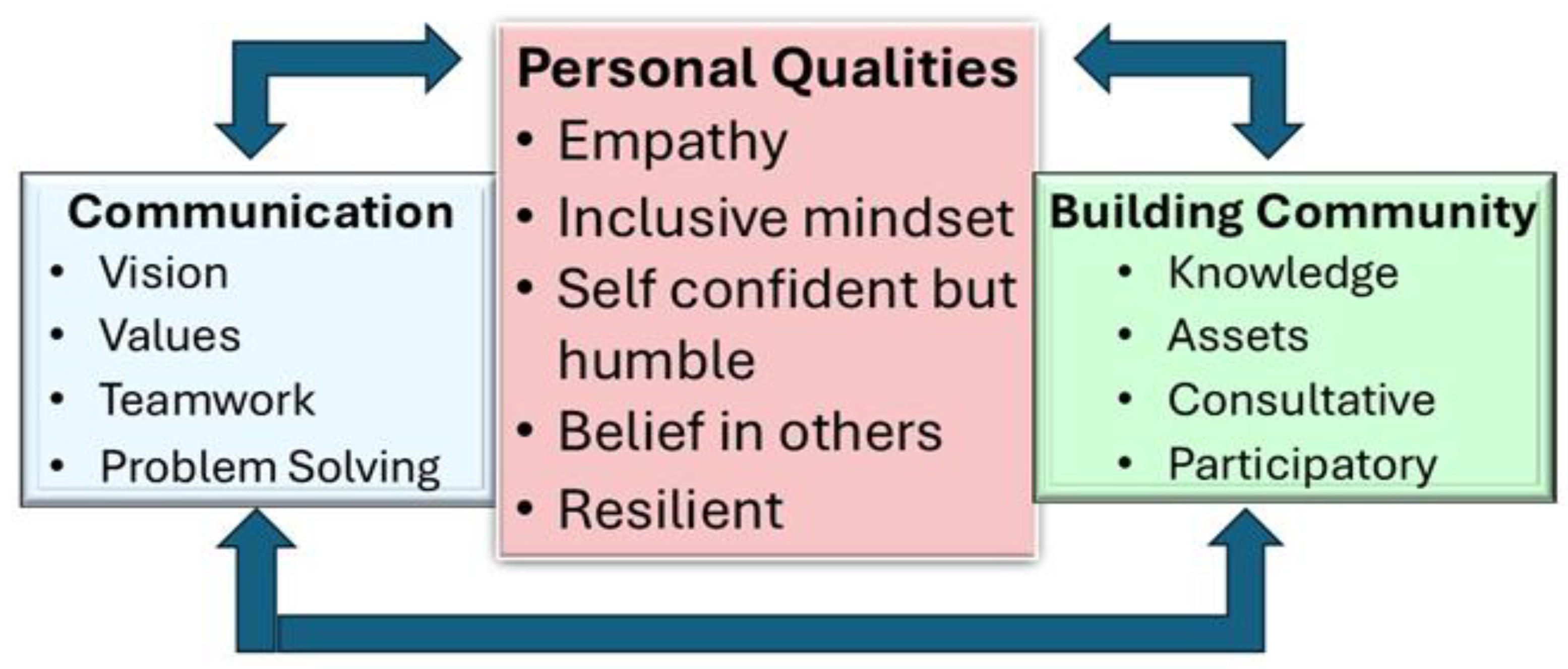
Figure 1. A conceptual framework of community leadership.
Preprints 152234 g001
Table 1. A description of the participants (n=16).
Code Role Country/
Region
Personal Statement Status Gender
01 Co-founder of a youth-led, volunteer-based organisation called Rights as a Society Nepal I have a visual impairment and have graduated from University. I’m passionate about leadership entrepreneurship in grassroots movements, so that people with disabilities would be able to speak up for their rights and also they would be able to stand on their own feet. Country National Male
02 A disability activist and Disability Officer with the national office of an international NGO. Zambia Blind from when I was 10 years old, I graduated from University with a PhD and previously worked as a university lecturer. Country National Male
03 Social Advocate and founder of NGO to advise families on support services and companies to promote inclusive employment. UAE Recovered from brain injury as child. University degree in international relations. Country national Male
04 Member of Global Youth Council set up by international NGO and representing African Region Sub Sharan
Africa
In my role I am representing my fellow colleagues with intellectual disability. And locally, back home, I am a sports assistant. I’m a health messenger and also the vice chairperson for the local athlete input council. Regional National Male
05 Senior social media editor in print and radio. UAE A wheelchair user, I use my current role to shape or reframe the media, pushing more inclusion and making the media more diverse Country National Female
06 Trainer of leaders in sports and self-employment Sub-Sharan Africa At my school I studied automotive engineering. I’ve been able to mentor around 20 students in my campus. We have an organisation there that we are running of helping young people to start their own businesses. Regional National Male
07 A psychologist and university teacher and researcher. A mother of a child with autism. Zambia To engage with parents and communities and to encourage them that there’s something they can do about it. Country National Female
08 Volunteer mentor to young adults with intellectual disability Zimbabwe A social worker with over 10 years of practice and a volunteer for the Lions Club International with a local sports organisation. Former cricketer. Country national Male
09 National Sports Director for an organisation serving people with intellectual disabilities Pakistan I have been working in my role since 2019 and before that as a sports development volunteer with the organisation for whom I work. I have had a strong passion for sports, for community development, leadership and they all come together in my present job. Country national Female
10 Country Director employed by International company/contractor working in-country on inclusion. Uzbekistan Adjunct university faculty member on doctoral Education Leadership Program. Previously worked in Central Asia, South Caucasus, Eastern Europe and Southeast Asia on inclusive education projects. Expatriate to the country Female
11 National co-ordinator of Inclusion project led by Sports NGO Argentina Qualified as psychopedagogue. Preparing training courses and guides for implementers of inclusion in schools across the county. Country national Female
12 Project co-ordinator of youth projects in our National sports NGO El Salvador I have experienced disability since birth through my uncle (who lives with an intellectual disability) my experience has made me passionate about advocating for human rights and constantly seeking new knowledge to change the world. Country National Female
13 Director for global development and government relations in a regional NGO. Sub-Sharan Africa I have been with the NGO for 17 years, having started as a volunteer, then paid manager, national director in one country and as a regional director for 5 years. Regional Director Female
14 Regional Director of International NGO responsible for planning, monitoring data and analytics. South Asia University graduate, with over 15 years experience with previous positions at HQ . Expatriate to region Male
15 Regional Officer for inclusion with an International sports NGO Latin America A university graduate with responsibility for inclusion in schools and promoting the leadership of people with intellectual disabilities. Regional/National Male
16 Chief inspirational officer and Board Member of an International NGO for sports and people with intellectual disability Global A person with intellectual disability whose been a sports participant and advocate since 1970 . US citizen Female
Disclaimer/Publisher’s Note: The statements, opinions and data contained in all publications are solely those of the individual author(s) and contributor(s) and not of MDPI and/or the editor(s). MDPI and/or the editor(s) disclaim responsibility for any injury to people or property resulting from any ideas, methods, instructions or products referred to in the content.
Copyright: This open access article is published under a Creative Commons CC BY 4.0 license, which permit the free download, distribution, and reuse, provided that the author and preprint are cited in any reuse.
Prerpints.org logo

Preprints.org is a free preprint server supported by MDPI in Basel, Switzerland.

Subscribe

Disclaimer

Terms of Use

Privacy Policy

Privacy Settings

© 2025 MDPI (Basel, Switzerland) unless otherwise stated
