

Submitted:
11 March 2025
Posted:
12 March 2025
You are already at the latest version
Abstract
The thematic context for this article is the topic of sustainable and ecological green city and building design. More specifically, this article reports the development of a conceptual framework for early stage design of ecological building envelopes, which are enclosures of buildings that make provisions for humans, plants and animals, as well as soil microbiota. This is done with the intent to advance multi-species design in architecture, urban ecology and biodiversity, as well as ecological accessibility and ecosystem services and therefore health benefits for humans. For this purpose a mixed method approach, including literature research, research-by-design through case studies, was utilized to develop an ontology-aided generative computational design process. The latter combines ontologies, a voxel model, and rule based processes that generate design variety that can be evaluated, and from which specific instances can be selected and optimised. The process was developed for two types of projects that occur in architectural practice, masterplan design and building design. The process is organised into two stages and three steps that are elaborated in the article. The development of key computational components of this process is outlined. Furthermore, technical requirements and developments towards accomplishing a technical resolution for each step are indicated and further research questions are outlined.
Keywords:
1. Introduction
2. Materials and Methods
3. Results
3.1. Principal Approach and Key Concepts
3.1.1. Networks, Nodes and Relations
3.1.2. Urban LandForm
3.2. Design Cases
3.3. Computational Components
3.3.1. EIM Ontologies & Knowledge Graph
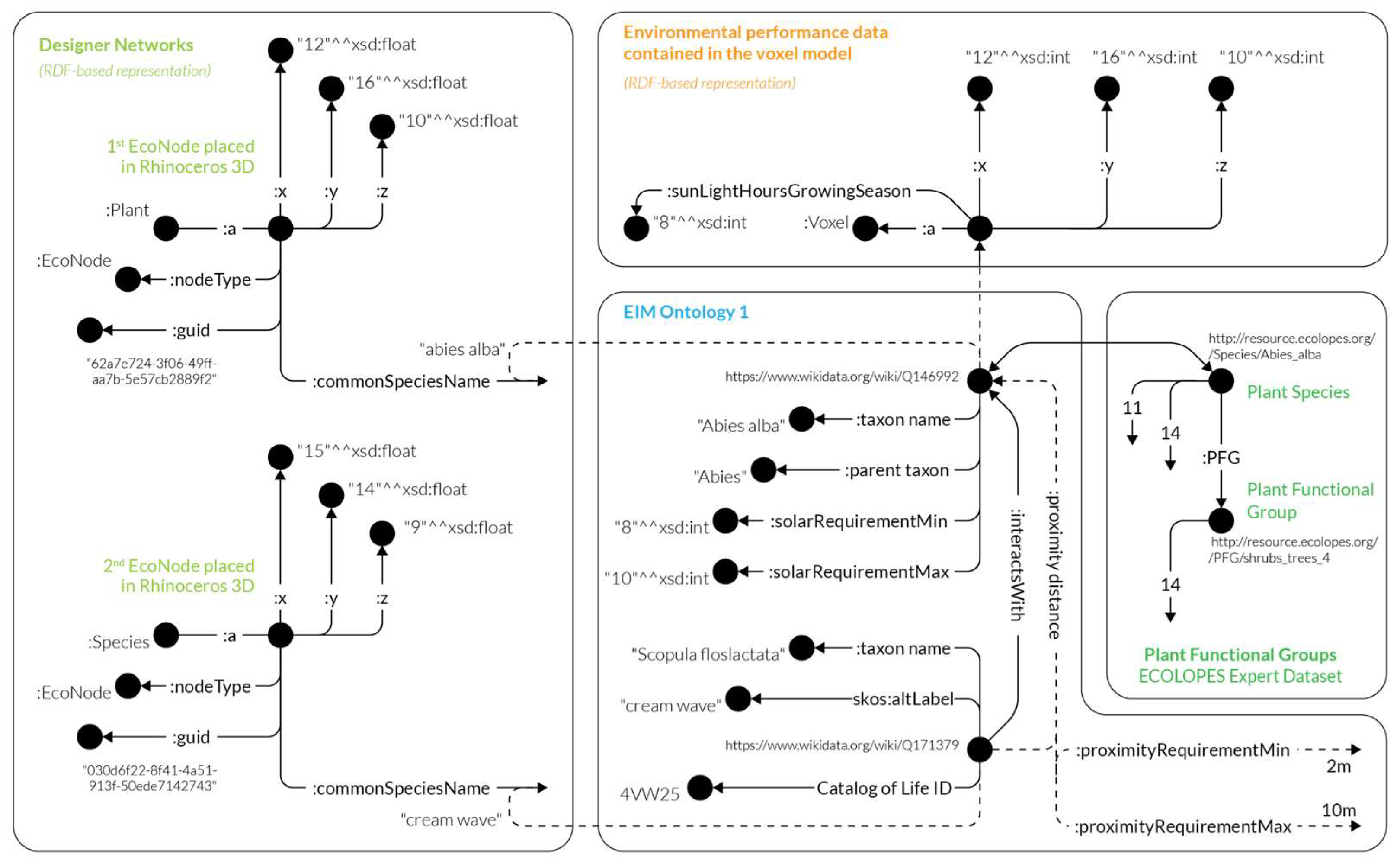
3.3.2. ECOLOPES Voxel Model
3.3.3. ECOLOPES Computational Model (Rule-Based Process)
3.4. Computational Workflow
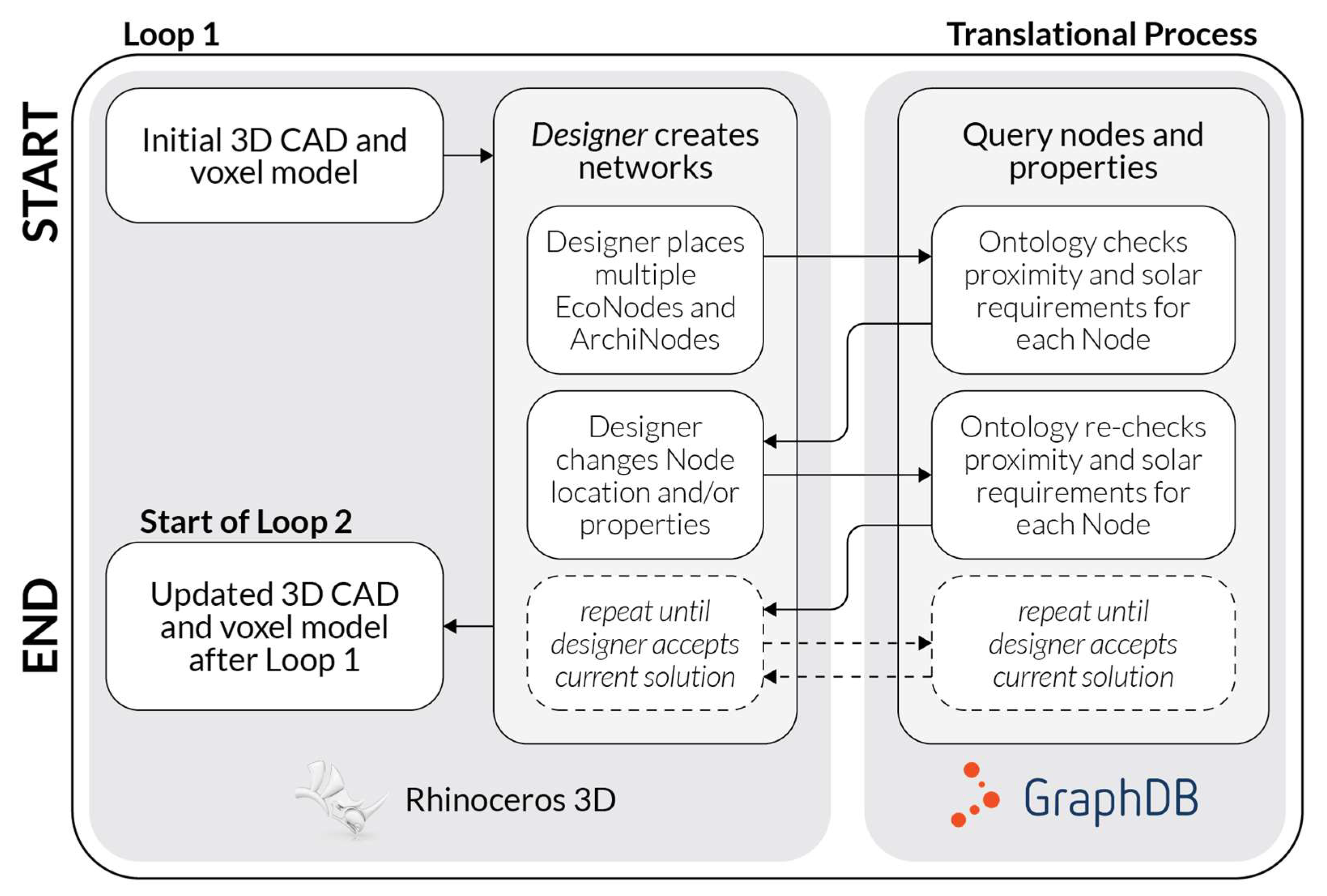
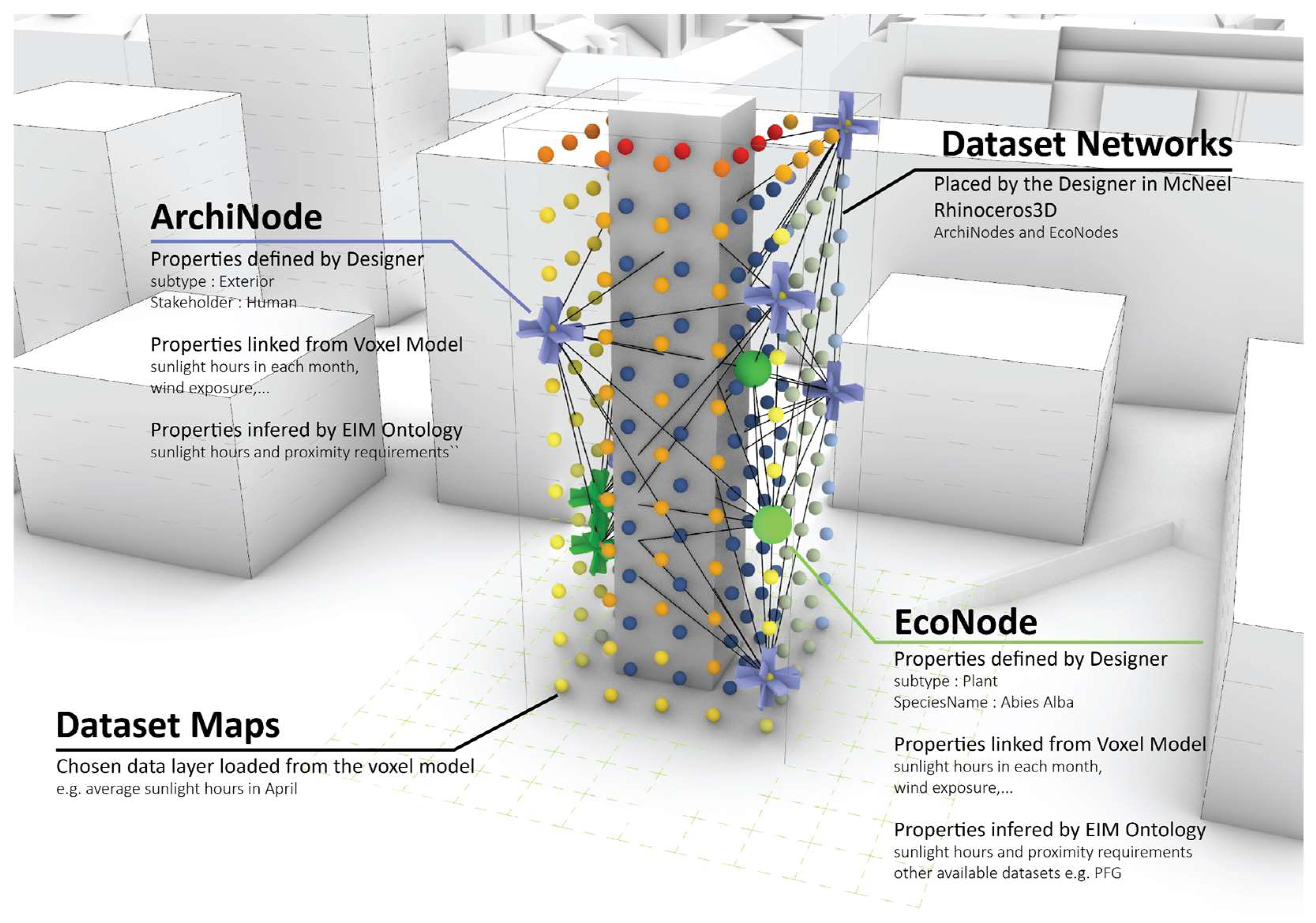
3.4.1. The Translational Process
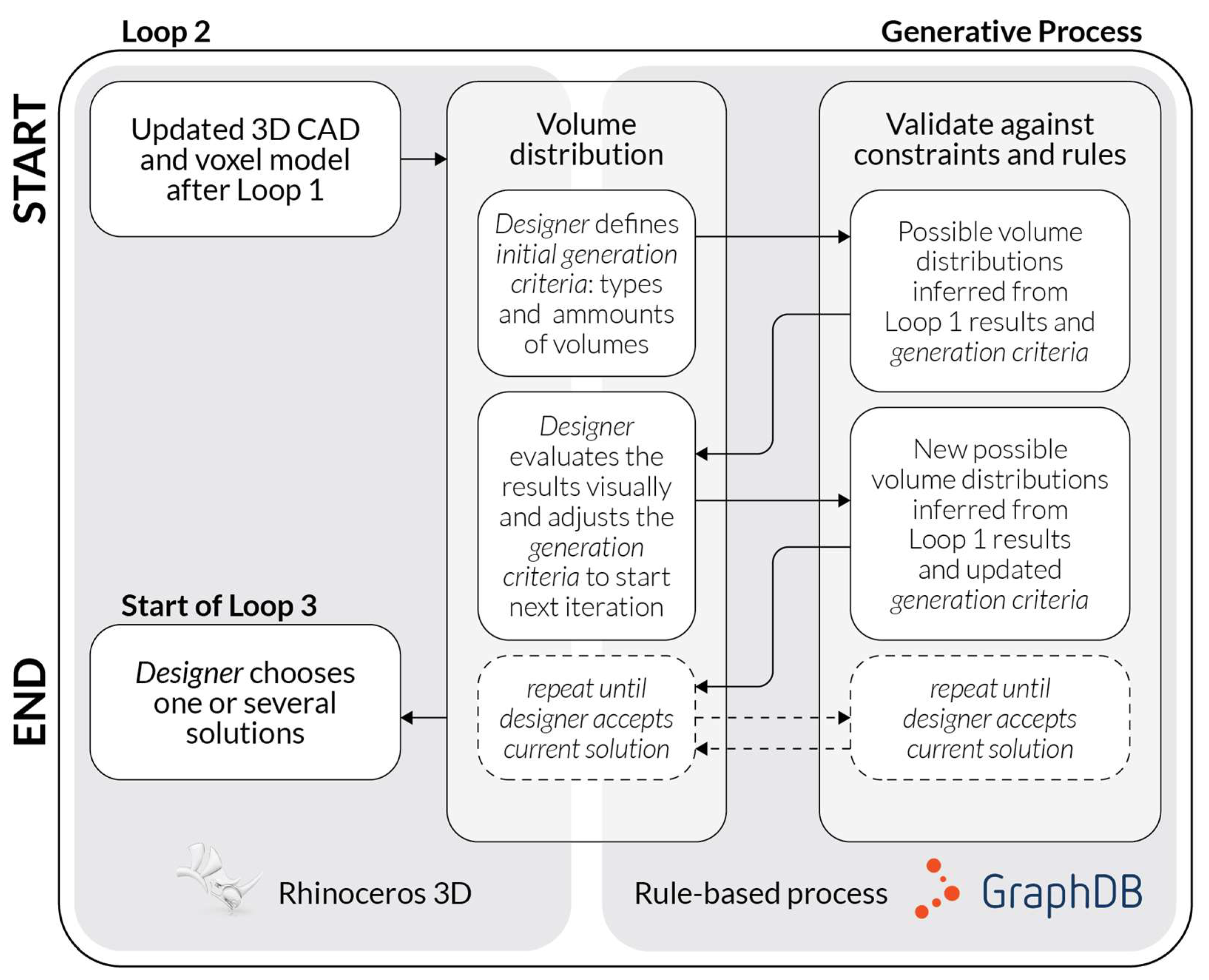
3.4.2. The Generative Process
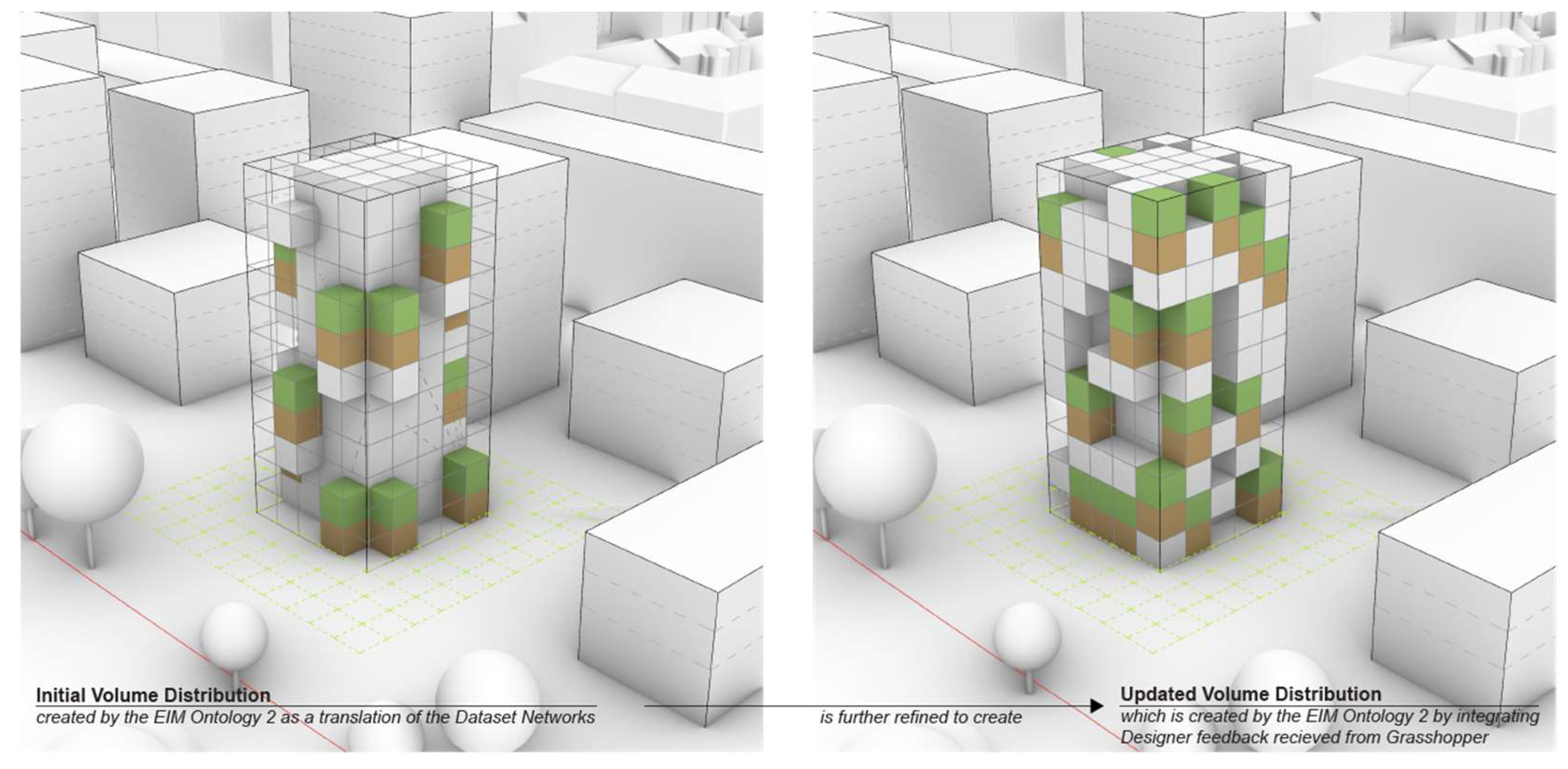
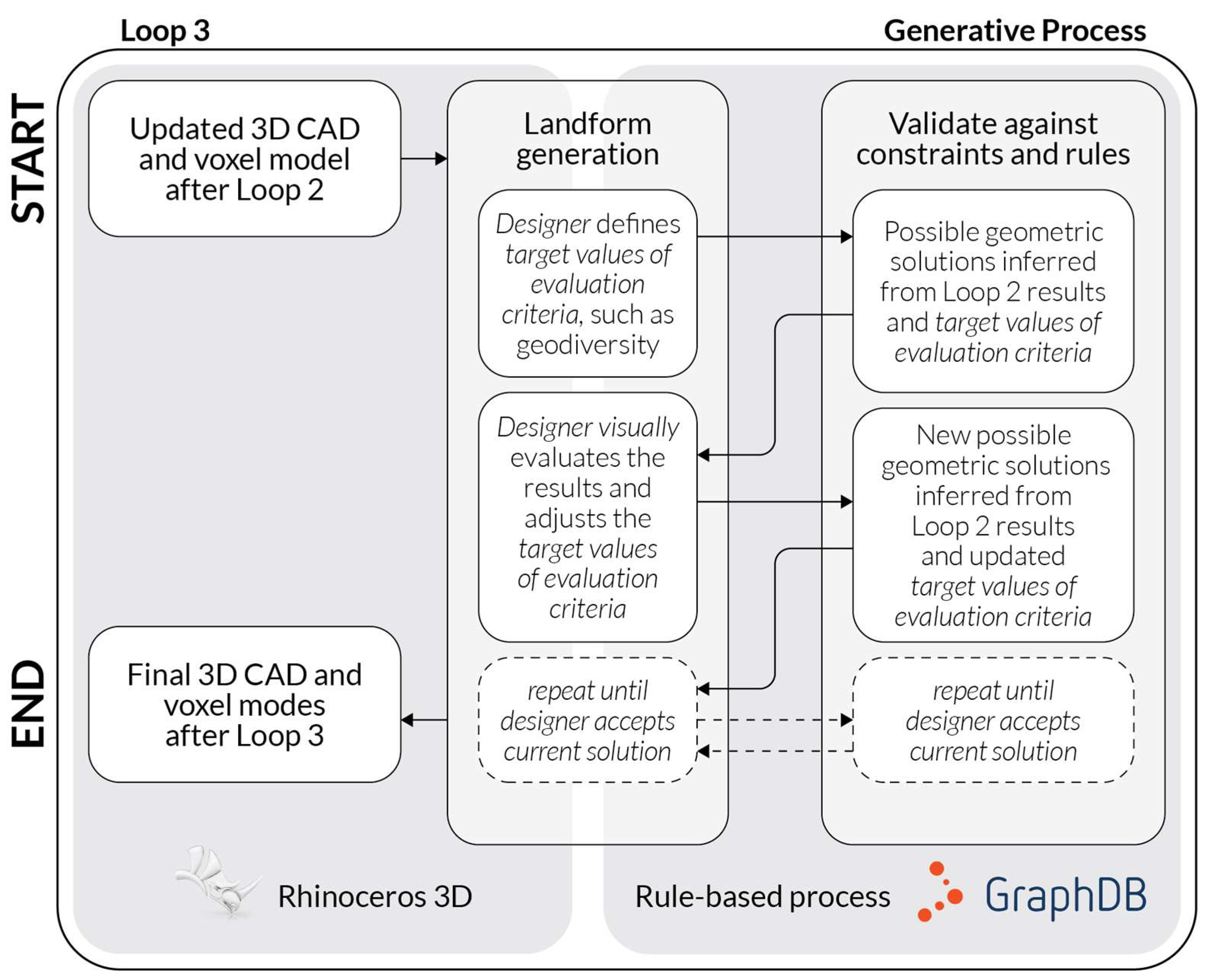
3.5. Validation of the Conceptual Framework
4. Discussion
Author Contributions
Funding
Data Availability Statement
Acknowledgments
Conflicts of Interest
Abbreviations
| ANT | Actor Network Theory |
| CZ | Critical Zone |
| EIM OWL |
ECOLOPES Information Model Web Ontology Language |
| RDB RDF |
Relational Database Resource Description Framework |
| SDG | Sustainable Development Goal |
| SQL | Structured Query Language |
References
- Author United Nations Department of Economic and Social Affairs – Sustainable Development – The 17 Goals (2024) Available online: https://sdgs.un.org/goals (accessed 10 February 2025).
- United Nations - Progress towards the Sustainable Development Goals (2024) Available online: https://unstats.un.org/sdgs/files/report/2024/SG-SDG-Progress-Report-2024-advanced-unedited-version.pdf (accessed 10 February 2025).
- Eurostat – How has the EU progressed towards the Sustainable Development Goals? Available online: https://ec.europa.eu/eurostat/web/products-eurostat-news/-/wdn-20210615-1 (accessed 10 February 2025).
- European Commission – The European Green Deal. Available online: https://commission.europa.eu/strategy-and-policy/priorities-2019-2024/european-green-deal_en (accessed 10 February 2025).
- European Environment Agency – Soil and United Nations Sustainable Development Goals. Available online: https://www.eea.europa.eu/en/analysis/maps-and-charts/soil-and-united-nations-sustainable (accessed 10 February 2025).
- Hensel, M.; Sunguroğlu Hensel, D. Nature-integrated Design - Opportunity and Challenges. In Intelligent Buildings; Clements-Croome Ed.; ICE Publishing: London, UK, 2024; pp. 95-106. [CrossRef]
- National Research Council. Basic Research Opportunities in Earth Science. The National Academies Press: Washington DC, USA, 2001. [CrossRef]
- Ludwig, F.; Hensel, M.; Weisser, W.W. ECOLOPES Gebäudehüllen als biodiverse Lebensräume. In Bauen von morgen – Zukunftsthemen und Szenarien; Bundesinstitut für Bau-, Stadt- und Raumforschung Eds.; Bundesamt für Bauwesen und Raumordnung: Bonn, Germany, 2021; pp. 84–89.
- Perini, K.; Barath, S.; Canepa, M.; Hensel, M.; Mimet, A.; Mosca, F.; Roccotiello, E.; Salami, T.; Sunguroglu Hensel, D.; Tyc, J.; Selvan, S.U.; Vogler, V.; Weisser, W.W.. ECOLOPES: A multi-species design approach to building envelope design for regenerative urban ecosystems. In Proceedings Responsive Cities Design with Nature Symposium, Institute of Advanced Architecture Catalonia, Barcelona, Spain, Date of Conference (11-12 November 2021).
- Weisser, W.; Hensel, M.; Barath, S.; Culshaw, V.; Grobman, Y.J.; Hauck, T.E.; Joschinski, J.; Ludwig, F.; Mimet, A.; Perini, K.; Roccotiello, E.; Schloter, M.; Shwartz, A.; Sunguroğlu Hensel, D.; Vogler, V. Creating ecologically sound buildings by integrating ecology, architecture, and computational design. People & Nature 2022, 5(1), 4-20. [CrossRef]
- Calbi,M., Boenisch, G.; Boulangeat, I.; Bunker, D.; Catford, J.A.; Changenet, A.; Culshaw, V.; Dias, A.S.; Hauck, T.E.; Joschinski, J.; Kattge, J.; Mimet, A.; Pianta, M.; Poschlod, P.; Weisser, W.W.; Roccotiello E. A novel framework to generate plant functional groups for ecological modelling. Ecol. Indic. 2024, 166, 112370. [CrossRef]
- Joschinski, J.; Boulangeat, I.; Calbi, M.; Hauck, T.E.; Vogler, V.; Mimet, A. The ECOLOPES PLANT MODEL: a high-resolution model to simulate plant community dynamics in cities and other human-dominated and managed environments. bioRxiv. 2024. [CrossRef]
- Schröder, A.; Schloter, M.; Roccotiello, E.; Weisser, W.W.; Schulz, S. Improving ecosystem services of urban soils - how to manage the microbiome of Technosols?. Front. Environ. Sci. 2024, 12, 1460099. [CrossRef]
- Grobman, Y.J.; Weisser, W.W.; Shwartz, A.; Kozlovsky, R.; Ferdman, A.; Ludwig, F.; Hoek, T.; Perini, K.; Selvan, S.U.; Saroglu, S.; Barath, S.; Windorfer, L. Architectural Multispecies Building Design: concepts, challenges, and design process. Sustainability. 2024, 15(21), 15480. [CrossRef]
- Selvan, S.U.; Saroglou, S.T.; Joschinski, J.; Calbi, M.; Vogler, V.; Barath, S.; Grobman, Y.J. Towards multi-species building envelopes: A critical literature review of multi-criteria decision-making for design support. Building and Environment 2023, 231, 110006. [CrossRef]
- Mosca, F.; Calbi, M.; Roccotiello, E.; Perini, K. A computational approach to assess the effects of ecological building envelopes on outdoor thermal comfort. Sustain. Cities Soc. 2025, 120, 106170. [CrossRef]
- Cresswell, J.W. Research Design, Qualitative, Quantitative and Mixed Method Approaches 4th Ed. Sage: Thousand Oaks CA, USA, 2014.
- Lenzholzer, S.; Duchhart, I.; van den Brink, A. The relationship between research and design. In Research in Landscape Architecture - Methods and Methodology; van den Brink, A.; Bruns, D.; Tobi, H.; Bell, S. Eds. Routledge: Oxon, UK, 2017; pp. 54–64.
- Stadt Wien. (2024). ViennaGIS - das Geografische Informationssystem der Stadt Wien—Daten und Nutzung. Available online: https://www.wien.gv.at/viennagis/ (accessed 28 October 2024).
- Lindsay, J. B. Whitebox GAT: A case study in geomorphometric analysis. Computers & Geosciences 2016, 95, 75–84. [CrossRef]
- Rittel, H. Der Planungsprocess als iterativer Vorgang von Varietätserzeugung und Varietätseinschränkung. In Arbeitsberichte zur Planungsmethodik - Entwurfsmethoden in der Bauplanung; Joedicke, J. Ed.; Karl Krämer Verlag: Stuttgart, Germany, 1970; pp. 17–31.
- Sunguroğlu Hensel, D.; Tyc, J.; Hensel, M. Data-driven Design for Architecture and Environment Integration: Convergence of data-integrated workflows for understanding and designing environments. Spool 2022, 9(1), 19-34. [CrossRef]
- Law, J. Notes on the theory of the actor-network: ordering, strategy, and heterogeneity. Systems Practice 1992, 5, 379–393. [CrossRef]
- Dwiartama, A. and Rosin, C. Exploring agency beyond humans: the compatibility of Actor-Network Theory (ANT) and resilience thinking. Ecology & Society 2014, 19(3), 28. [CrossRef]
- Lozano, E. Community design and cultures in cities. Cambridge University Press: Cambridge, UK, 1990.
- Olivera, V.M.A.; Urban Morphology - An Introduction to the Study of the Physical Form of Cities; Springer: Cham, Switzerland, 2016.
- Rudnick, D., Ryan, S., Beier, S., Cushman, S.,Diefenbach, F., Epps, C., Gerber, L., Harrter, J., Jenness, J., Kintsch, J., Merenlender, A., Perkl, R., Preziosi, D., Trombulak, S. The role of landscape connectivity in planning and implementing conservation and restoration priorities. Issues in Ecology 2012, 16, 1–20.
- Costanza, J.K., Terando, A.J. Landscape connectivity planning for adaptation to future climate and land-use change. Curr Landscape Ecol Rep. 2019 ,4(1), 1–13. [CrossRef]
- Lookingbill, T.R., Minor, E.S., Mullis, C.S., Nunez-Mir, G.C., Johnson, P. Connectivity in the Urban Landscape (2015–2020): Who? Where? What? When? Why? and How?. Curr Landscape Ecol Rep 2022, 7, 1–14.. [CrossRef]
- Alberti, M.; Palkovac, E.P.; Des Roches, S.; De Meester, L.; Brans, K.I.; Govaert, L.; Grimm, N.B.; Harris, N.C.; Hendry, A.P.; Schell, C.J.; Szulkin, M.; Munshi-South, J.; Urban, M.C.; Verrelli, B.C. The complexity of urban eco-evolutionary dynamics. BioScience. 2020, 70(9), 772–93. [CrossRef]
- Zurlini, G.; Jones, K.B.; Riitters, K.H.; Li, B.L.; Petrosillo, I. Early warning signals of regime shifts from cross-scale connectivity of land-cover patterns. Ecol Indic. 2014, 45, 549–60. [CrossRef]
- Pelorosso, R.; Gobattoni, F.; Geri, F.; Monaco, R.; Leone, A. Evaluation of ecosystem services related to bio-energy landscape connectivity (BELC) for land use decision making across different planning scales. Ecol Indic. 2016, 61, 114–29. [CrossRef]
- Lookingbill, T.R., Minor, E.S., Mullis, C.S., Nunez-Mir, G.C., Johnson, P. Connectivity in the Urban Landscape (2015–2020): Who? Where? What? When? Why? and How?. Curr Landscape Ecol Rep 2022, 7, 1–14.. [CrossRef]
- Waldheim, C.. Landscape as Urbanism; Princeton University Press: Princeton NJ, USA, 2016.
- Allen, S. From the Biological to the Geological. In Landform Building; Allen, S.; McQuade, M. Eds.; Lars Müller: Baden, Switzerland, 2011; pp. 20–37.
- Gray, M. Geodiversity: Valuing and Conserving Abiotic Nature. Wiley: Chichester, UK, 2008.
- Gray, M. Geodiversity: developing the paradigm. Proceedings of the Geologists Association P 2004, 119(3-4), 287-298. [CrossRef]
- Vernham, G., Bailey, J.J., Chase, J.M., Hjort, J., Field, R., Schrodt, F. (2023) Understanding trait diversity: the role of geodiversity. Trends in Ecology & Evolution 2023, 38(8), 736-748. [CrossRef]
- Alahuta, J.; Ala-Hulkko, T.; Tukiainen, H.; Purola, L.; Akujärvi, A.; Lampinen, R.; Hjort, J. The role of geodiversity in providing ecosystem services at broader scales. Ecol. Indic. 2018, 91, 47-56. [CrossRef]
- Brazier, V., Bruneau, P.M.C., Gordon, J.E., Rennie, A.F. Making Space for Nature in a Changing Climate: The Role of Geodiversity in Biodiversity Conservation’. Scot. Geogr. J. 2012, 128(3-4), 211-233. [CrossRef]
- Tukiainen, H., Kiuttu, M., Kalliola, R., Alahuta, J., and Hjort, J. Landforms contribute to plant biodiversity at alpha, beta, and gamma levels. J. Biogeogr. 2019, 46 (8), 1699-1710. [CrossRef]
- Tukiainen, H., Maliniemi, T., Alahuta, J., Hjort, J., Lindholm, M., Salminen, H., Snåre, H., Toivanen, M., Vilmi, A., and Heino, J., 2022. Quantifying alpha, beta and gamma geodiversity. Prog. Phys. Geog. 2022, 47 (1), 140-151. [CrossRef]
- Gruber, T. (2016). Ontology. In Encyclopedia of Database Systems; L. Liu, M. Özsu Eds.; Springer: Cham, Switzerland; pp. 1-3. [CrossRef]
- Gruber, T. R. A translation approach to portable ontology specifications. Knowledge Acquisition 1993, 5(2), 199–220. [CrossRef]
- Hogan, A.; Blomqvist, E.; Cochez, M.; D’amato; C., De Melo, G;, Gutierrez, C.; Kirrane, S.; Labra Gayo, J. E.; Navigli, R.; Neumaier, S.; Ngomo, A.-C. N.; Polleres, A.; Rashid, S. M.; Rula, A.; Schmelzeisen, L.; Sequeda, J.; Staab, S.; Zimmermann, A. (2021). Knowledge graphs. ACM Computing Surveys 2021, 54(4), 71. [CrossRef]
- Fensel, D.; Simsek, U.; Angele, K.; Huaman, E.; Elias, K.; Panasiuk, O.; Toma, I.; Umbrich, J.; Wahler, A. Knowledge Graphs - Methodology, Tools and Selected Use Cases. Springer: Cham, Switzerland, 2020.
- Pruski, C.; Sunguroğlu Hensel, D. The Role of Information Modelling and Computational Ontologies to Support the Design, Planning, and Management of Urban Environments: Current Status and Future Challenges. In Informed Urban Environments – Data-integrated Design for Human and Ecology-Centred Perspectives; Chokhachian, A.; Hensel, M.; Perini, K. Eds.; Springer: Cham, Switzerland, 2022; pp. 51–70. [CrossRef]
- Ahmeti, A.; Sunguroğlu Hensel, D.; Pruski, C.; Tyc, J.; Hensel, M. Enabling Biodiversity-informed Architecture through Ontology-driven Data Integration. Appl. Sci. 2025, (submitted).
- Tyc, J.; Selami, T.; Sunguroğlu Hensel, D.; Hensel, M. A Scoping Review of Voxel-based Applications to Enable Multi-Domain Data Integration in Architectural Design and Urban Planning. Architecture 2023, 3(2), 137-174. [CrossRef]
- Kaufman, A.; Cohen, D.; Yagel, R. Volume Graphics. Computer 1993, 26(7), 51–64. [CrossRef]
- Srihari, S. N. Representation of Three-Dimensional Digital Images. ACM Computing Surveys 1981, 13(4), 399–424. [CrossRef]
- Tyc, J.; Ahmeti, A.; Sunguroğlu Hensel, D.; Hensel, M. The ECOLOPES Voxel Model: Multi-domain data integration for ontology-aided generative computational design of ecological building envelopes. Intell. Build. Int. 2025, (submitted).
- Tyc, J.; Ahmeti, A.; Sunguroğlu Hensel, D.; Hensel, M. The ECOLOPES Voxel Model: Multi-domain data integration for ontology-aided generative computational design of ecological building envelopes. Intell. Build. Int. 2025, (submitted).
- Polleres, A. From SPARQL to rules (and back). In Proceedings of the 16th International Conference on World Wide Web (WWW ’07); Association for Computing Machinery, 2007, pp. 787–796. . [CrossRef]
- Poggi, A.; Lembo, D.; Calvanese, D.; De Giacomo, G.; Lenzerini, M.; Rosati, R. (2008). Linking Data to Ontologies. In Journal on Data Semantics X. Lecture Notes in Computer Science, vol 4900. Spaccapietra, S. Ed.; Springer, Berlin, Heidelberg. [CrossRef]
- Lobeck, A.K. Geomorphology: An Introduction to the Study of Landscapes. McGraw–Hill, New York, USA, 1939.
- Pike, R.J.; Evans, I.S.; Hengl, T. Chapter 1 Geomorphometry: A Brief Guide. Developments in Soil Science 2009, 33, 3–30. [CrossRef]
- Evans, I.S. Geomorphometry and Landform Mapping: What Is a Landform? Geomorphology 2012, 137, 94–106. [CrossRef]
- Evans, I.S. Geomorphometry and Landform Mapping: What Is a Landform? Geomorphology 2012, 137, 94–106. [CrossRef]
- Smith, B.; Mark, D.M. Do Mountains Exist? Towards an Ontology of Landforms. Environ Plann B Plann Des 2003, 30, 411–427. [CrossRef]
- Mark, D.M. Geomorphometric Parameters: A Review and Evaluation. Geografiska Annaler. Series A Physical Geography 1975, 57, 165. [CrossRef]
- Jasiewicz, J.; Stepinski, T.F., 2013. Geomorphons - a pattern recognition approach to classification and mapping of landforms. Geomorphology 2013, 182, 147-156. [CrossRef]
- Potter, C.; Lobley, M. Processes of Countryside Change in Britain. Countryside 1990 Series 1996, 7. London, Department of the Environment.
- Antrop, M. Landscape change: plan or chaos?. Landscape and Urban Planning 1998, 41, 155–161. [CrossRef]
- Marcucci, D. Landscape history as a planning tool. Landscape and Urban Planning 2000, 49, 67–81. [CrossRef]
- Grossmann, W.; Bellot, J. (1999) Systems analysis as a tool for rural planning, in: Golley, F. & Bellot,J. (Eds) Rural Planning from an Environmental Systems Perspective. Springer: New York, USA; pp. 315–343.
- Wood, R., Handley, J. Landscape Dynamics and the Management of Change. Landscape Research 2001, 26(1), 45–54. [CrossRef]
- Marcucci, D. Landscape history as a planning tool. Landscape and Urban Planning 2000, 49, 67–81. [CrossRef]
- Hensel, M. Geomorphic Tectonics. Technology | Architecture + Design 2023, 7(1), 14–17. [CrossRef]
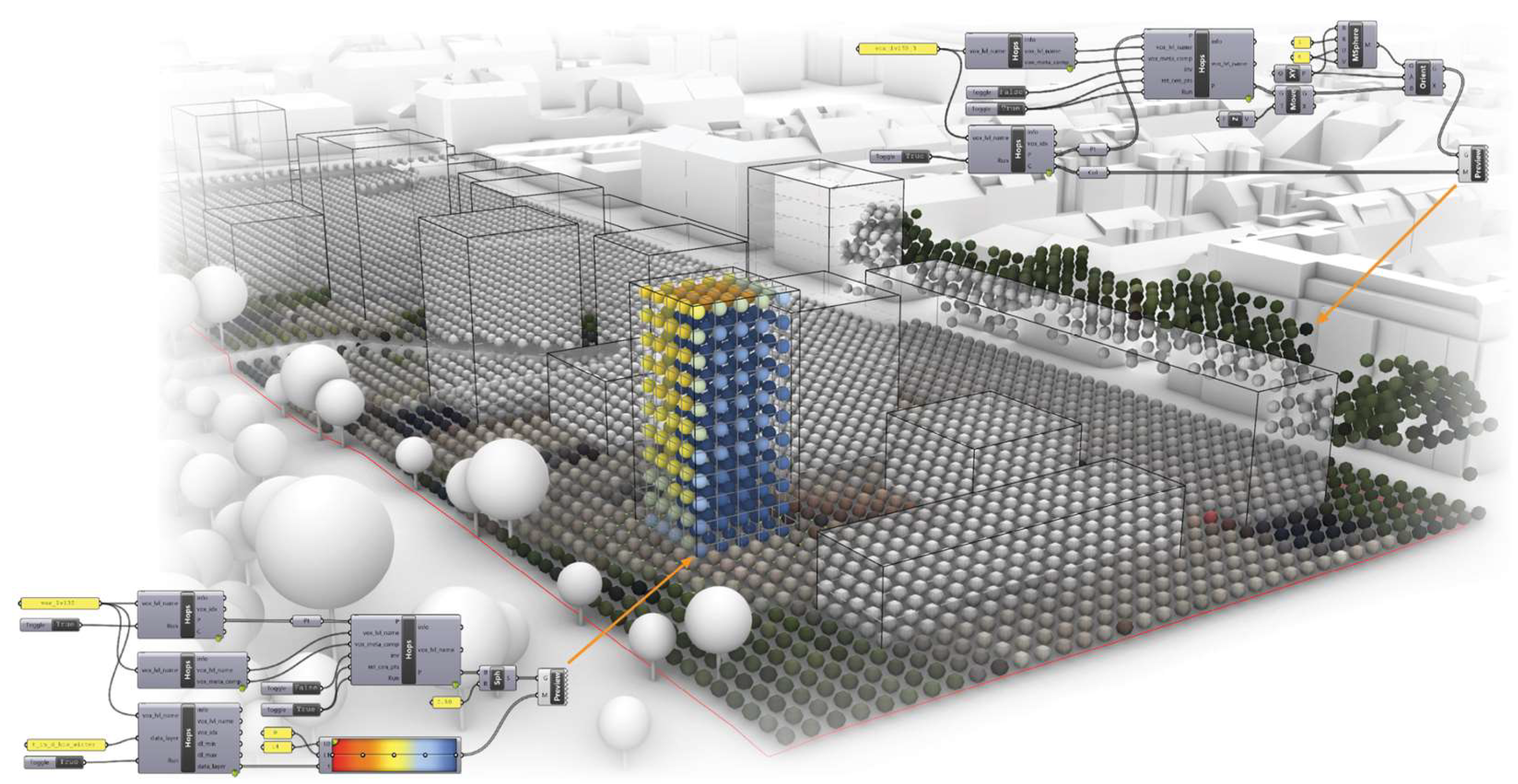
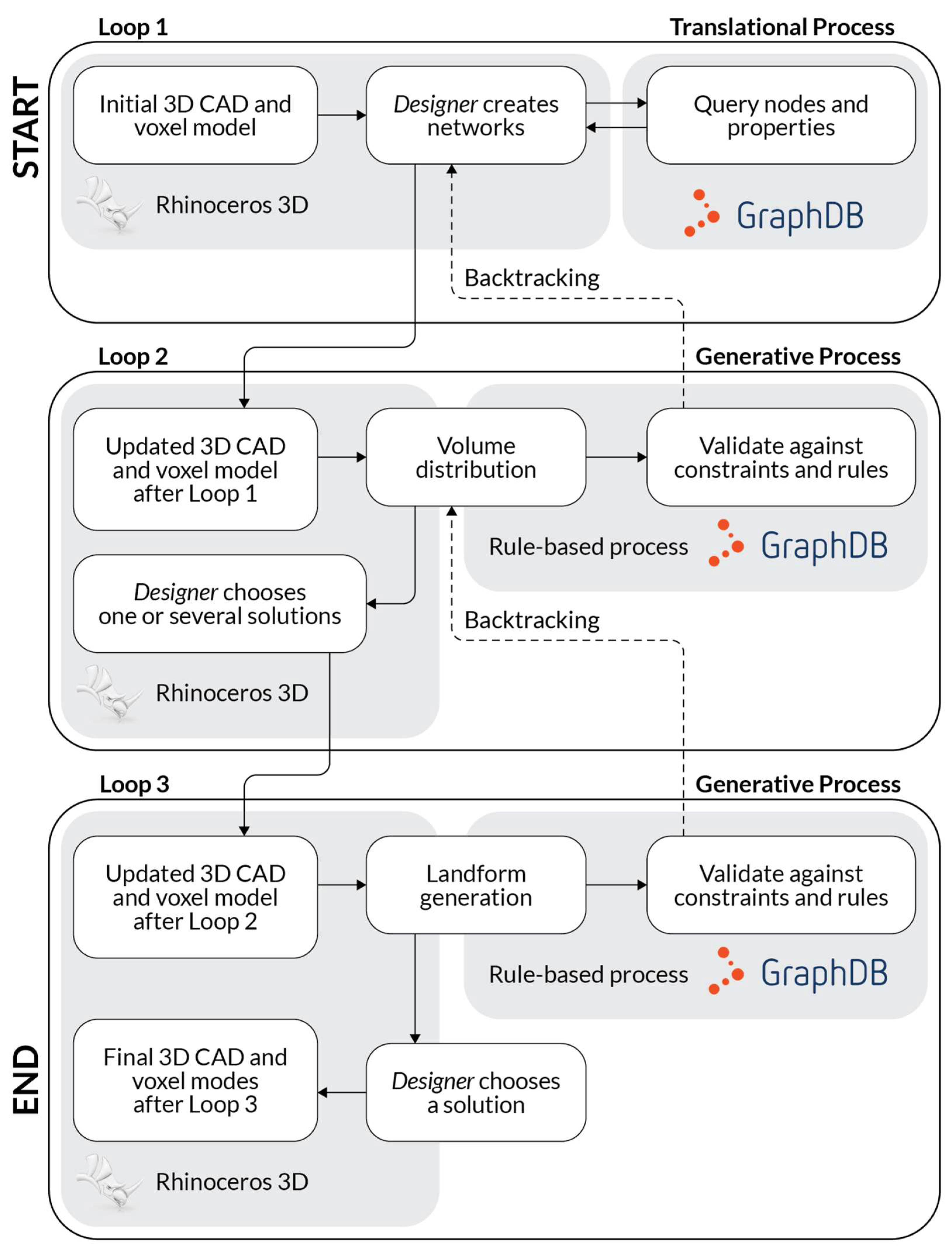
Disclaimer/Publisher’s Note: The statements, opinions and data contained in all publications are solely those of the individual author(s) and contributor(s) and not of MDPI and/or the editor(s). MDPI and/or the editor(s) disclaim responsibility for any injury to people or property resulting from any ideas, methods, instructions or products referred to in the content. |
© 2025 by the authors. Licensee MDPI, Basel, Switzerland. This article is an open access article distributed under the terms and conditions of the Creative Commons Attribution (CC BY) license (http://creativecommons.org/licenses/by/4.0/).