

Submitted:
03 March 2025
Posted:
04 March 2025
You are already at the latest version
Abstract
Energy sustainability is a key strategic focus of organizations in the transition to renewable energy sources. The study conducted a systematic review of the literature published between 2020 and 2024 to identify organizational strategies that optimize energy efficiency and reduce dependence on fossil fuels. Academic databases such as Scopus, ScienceDirect, and Web of Science were consulted, selecting 50 high-impact articles using inclusion criteria related to thematic relevance, timeliness, and methodological rigor. The results showed that digitization, circular economy, and technological innovation are fundamental pillars in energy sustainability. However, significant barriers, such as financial and regulatory restrictions, were identified that hinder the adoption of these strategies. Similarly, the integration of smart technologies and sustainable management models favors the optimization of energy consumption and compliance with environmental regulations. In conclusion, the implementation of these strategies not only contributes to the mitigation of climate change, but also improves the operational efficiency of organizations for the formulation of public policies and the possibility of opening new lines of research in energy sustainability.
Keywords:
circular economy
; organizational strategies
; energy sustainability
; digital transformation
1. Introduction
The access to and efficient use of energy have been fundamental pillars of economic and social development throughout history. However, dependence on fossil fuels and their environmental impact have generated a priority in moving towards sustainable energy models. In this area, organizations face the challenge of adapting their strategies to improve energy efficiency, reduce their carbon footprint, and integrate renewable sources into their processes. Environmental and regulatory imperatives are driving energy sustainability, making it an opportunity for innovation and competitiveness. Therefore, understanding the organizational strategies that facilitate this transition is essential to design effective policies and promote sustainable development.
Transformation towards energy sustainability represents one of the greatest contemporary organizational challenges, given the crucial role that energy plays in economic development and the mitigation of climate change. In this regard, fundamental changes in energy sector strategies were documented, evidencing a 28% increase in sustainability initiatives. However, the effective implementation of sustainable energy strategies varies considerably by geographic and sectoral space [1]. In Latin America, organizations face additional barriers related to fossil fuel dependence, regulatory instability, and financial constraints [2]. Thus, the formulation of efficient strategies for energy sustainability has become a global priority for both the public and the private sectors.
The need to accelerate the transition to renewable energy sources responds to interrelated demands, such as climate change, resource scarcity, and growing regulatory pressures [3,4]. Therefore, countries such as Mexico, Brazil, Chile, Costa Rica, and Colombia have implemented policies aimed at diversifying the energy matrix and consumption efficiency. However, there are still structural barriers that limit the impact of these initiatives, including the lack of adequate financial incentives, the high cost of clean technologies and organizational resistance to change [5].
According to the International Renewable Energy Agency [3], reducing greenhouse gas emissions by 45% by 2030 is an essential goal to limit the increase in global warming to 1.5 ° C. To achieve this, it is essential that organizations adopt strategies that strengthen energy efficiency, promote the electrification of processes and encourage the integration of renewable energies [3,4]. However, for organizations to achieve an effective energy transition, they must overcome economic, regulatory and technological barriers that hinder the adoption of new strategies [6].
In Latin America, various initiatives have sought to expand access to energy and diversify the sources used. The 2030 Sustainable Energy Strategy of the countries of the Central American Integration System (SICA) has led to significant progress in Costa Rica and Guatemala. However, these efforts are still insufficient to achieve the Sustainable Development Goals (SDGs), particularly in terms of reducing dependence on fossil fuels and increasing energy efficiency [4]. In contrast, nations in the Southern Cone and the Andean Zone face greater difficulties in reducing their carbon footprint due to economic and technological limitations [5].
In addition, the persistent dependence on fossil fuels in industrial, commercial and residential sectors poses an additional challenge for energy sustainability in the region [5]. Faced with this problem, the Energy Sustainability Guide highlights the importance of organizations implementing internal policies that promote the use of non-conventional renewable energy sources (NCREF) and comprehensive energy efficiency strategies, which involves modernizing infrastructure, adopting monitoring technologies and optimizing energy consumption to reduce the carbon footprint [5,6].
From a strategic perspective, three fundamental pillars for the transformation of energy in the region have been identified. First, the optimization of energy consumption through efficient practices in production, distribution and use, which helps reduce operating costs and minimize environmental impact. Second, the diversification of the energy matrix through the integration of renewable sources such as solar, wind, and biomass, taking advantage of the high radiation rates, and third, the abundance of natural resources in several Latin American countries. Therefore, the implementation of advanced energy management technologies provides monitoring and decision making in real time to optimize its operational efficiency and comply with increasingly demanding environmental regulations [3,6].
In this context, recent literature highlights that the adoption of organizational strategies aimed at energy sustainability responds to an urgent environmental imperative and, at the same time, translates into a competitive advantage for companies [6]. In fact, those organizations that invest in energy efficiency and in the transition to renewable sources manage to reduce their operating costs and strengthen their corporate reputation and their access to international markets with stricter environmental regulations [4,6].
However, energy sustainability in Latin America represents a multidimensional challenge that demands close collaboration between governments, the private sector and civil society [3,4]. The implementation of robust organizational strategies, based on energy efficiency and the adoption of renewable energies, is the indispensable way to achieve sustainable, resilient and equitable development in countries such as Mexico, Brazil, Chile, Costa Rica and Colombia [3,5]. However, for these strategies to be effective, it is necessary to overcome economic, technological and regulatory barriers through comprehensive public policies and adequate financing mechanisms [4,6].
In recent years, advances in organizational energy sustainability have been remarkable. [7] developed an innovative hybrid orientation for the strategic selection of wind energy projects, which has been widely cited for its impact on the optimization of renewable energy investments. Similarly, [8] identified key strategies for the implementation of green technologies in industries, achieving significant reductions in energy consumption Furthermore, [9] demonstrated that digital transformation drives the transition to circular and sustainable business models, optimizing resource use and minimizing energy waste.
Despite these advances, significant challenges remain in the implementation of energy sustainability strategies. In the first instance, [10] note that status-quo biases and lack of information transparency hinder the adoption of sustainable technologies. In the second instance [11], we identify that while public-private partnerships are crucial for energy transition and sustainable development, their implementation faces administrative and financial barriers. In this sense, [12] evidences the complexity of integrating green innovations into organizational operations, due to the lack of economic incentives and resistance to change in traditional business structures.
Since energy sustainability is an integral concept, its effective management requires a multidimensional vision that encompasses technological, economic, social and environmental aspects. In this sense, the development of a solid conceptual framework is essential to understand the evolution of business practices in the energy transition. Institutional Theory and Dynamic Capabilities Theory are key analytical tools, as they explain how organizations respond to external pressures, such as environmental regulations and market demands, and how they develop internal capabilities to adapt to changes in the energy environment.
From a technological point of view, the transition to renewable energy sources and the digitalization of production processes have played a fundamental role in energy sustainability. Technologies such as solar energy, wind energy and energy storage have facilitated the reduction of environmental impact and improved efficiency in energy consumption. However, their adoption depends on both technological development and the existence of stable regulatory frameworks and adequate infrastructure to facilitate their large-scale implementation [3,7].
From an economic perspective, energy sustainability is driven by financial incentives and the urgency to reduce operating costs. Companies that invest in energy efficiency and the transition to renewable sources, in addition to reducing their environmental impact, can strengthen their competitiveness in the global market. The long-term profitability of these initiatives has been widely documented, demonstrating that the adoption of clean energy constitutes an environmental responsibility and represents a viable and sustainable financial strategy [8,10].
In the social sphere, energy sustainability has a direct impact on the well-being of communities. Its implementation contributes to enhancing equity in energy access, improving quality of life, and generating employment in emerging sectors. However, for energy strategies to be successful, organizations must consider the social acceptance of new technologies, as resistance to change can represent a significant obstacle. In this sense, institutional theory is key to understanding the regulations, norms, and social expectations that influence the adoption of sustainable practices within the energy sector [13].
Meanwhile, through the environmental dimension, energy sustainability seeks to mitigate the effects of climate change by reducing the carbon footprint. According to the International Renewable Energy Agency [3], it is essential to reduce greenhouse gas emissions by 45% by 2030. To achieve this goal, organizations must develop strategies that combine energy efficiency, electrification, and diversification of the energy matrix, in order to minimize dependence on fossil fuels and move towards a more sustainable energy model [14].
Institutional Theory provides an essential analytical framework for reaching government regulations, competition within the industry, and consumer expectations in the adoption of energy sustainability strategies. Companies often respond to external pressures in a variety of ways: some do so by regulatory mandate, others by imitation of industry leaders, and many more due to professional and societal expectations [10,15]. In Latin America, regulatory fragmentation and persistent dependence on fossil fuels have been significant barriers to the transition to renewable energy sources. However, organizations that have aligned their practices with international sustainability standards have achieved greater stability and access to green financing, which has increased their growth and competitiveness [5,11].
On the other hand, the Dynamic Capabilities Theory emphasizes the importance of organizations developing skills to adapt to changing environments, a crucial aspect in the energy transition. According to this theory, companies must be able to detect new opportunities, reconfigure their resources, and take advantage of technological innovations to remain competitive in the market, with a particularly relevant result in the management of energy sustainability, since it allows organizations to anticipate regulatory, technological, and consumption changes, promoting a structural transformation towards more sustainable energy models [9,16].
Companies that have successfully positioned themselves as leaders in energy sustainability have used their dynamic capabilities to integrate renewable energies, digitize their operations and optimize the use of resources. Recent reviews have shown that open innovation has been a key factor in this process, enabling organizations to collaborate with different actors in the energy ecosystem to accelerate the transition to cleaner and more efficient sources [17].
There are various theoretical perspectives on the drivers of the energy transition. From an institutional direction, it is argued that this change is mainly driven by government regulations and policy pressures [15]. In contrast, the Dynamic Capabilities Theory argues that market pressure and technological innovation are the main drivers of change [9,16]. In this sense, theoretical frameworks are explored that can help explain the adoption of organizational strategies for energy sustainability in different sectors and geographical settings.
Coupled with an examination of the impact of regulatory and market pressures (Institutional Theory) on the adoption of energy sustainability strategies, as well as the role of organizational capabilities (Dynamic Capabilities Theory) in business adaptation to these changes to strengthen their performance.
Consequently, energy sustainability must be addressed from a holistic approach that considers its multiple dimensions: technological, economic, social, and environmental. While institutional theory understands the external pressures influencing the adoption of sustainable practices, dynamic capacity theory offers a framework for managing organizational transformation in a strategic manner. In Latin America, where dependence on fossil fuels remains a significant challenge, it is essential to promote regulatory incentives, strengthen public-private collaboration, and encourage the digitization of energy processes. Future research should focus on assessing the impact of these strategies on organizational performance and identifying best practices to adapt energy sustainability to different industrial and geographic scenarios.
Energy sustainability is a complex challenge that requires strategic integration of multiple dimensions. Organizations that manage to overcome economic and technological barriers, aligning their processes with sustainable and innovative practices, will be better positioned to face the challenges of the energy transition. The present research seeks to contribute to the field of study through a systematic review of the literature on organizational strategies for energy sustainability in the period 2020-2024. Through this analysis, key trends, opportunities and obstacles are identified, providing valuable information for decision making in public policy and organizational management.
The rationale for the present work is based on five critical aspects: First, the urgent condition of interpreting and optimizing energy sustainability strategies at a level of increasing regulatory and social pressure [18]. Second, the accelerating digital transformation that is redefining organizational energy management paradigms [9]. Third, the imperative to identify effective strategies to overcome organizational barriers in the implementation of sustainable initiatives [10]. Fourth, the demand to better assimilate the intersection between green innovation and organizational performance [12]. Fifth, the importance of developing integrated frameworks for the evaluation and continuous improvement of energy sustainability strategies [19].
In this context, the general purpose of this study is to analyze organizational strategies for energy sustainability implemented globally between 2020 and 2024. Its specific objectives are to identify the best practices in organizational energy management by sector and geographic region, and to evaluate the impact of energy sustainability strategies on organizational performance.
The knowledge gap addressed is multidimensional and crucial for the advancement of organizational sustainability. Starting with a notable absence of systematic analysis integrating emerging post-2020 strategies, specifically considering the impact of digital transformation and global disruptions [9]. Next, the current literature shows a significant bias towards large organizations, leaving a gap in the understanding of strategies adapted to various organizational levels [11]. Finally, existing research has failed to effectively synthesize the intersection between systems thinking and organizational energy sustainability [14]. Finally, there is a lack of comprehensive evaluative frameworks that incorporate multidimensional performance indicators in measuring energy sustainability strategies [19].
Similarly, it offers a significant contribution to the literature on energy sustainability by integrating a multidimensional perspective that combines technological, economic, social, and environmental perspectives. Unlike previous research that analyzes these aspects in a fragmented manner, this work provides a unified conceptual framework based on Institutional Theory and Dynamic Capabilities Theory. In this way, a deeper understanding of organizations and their responses to regulatory, strategic, and technological pressures in their transition to energy sustainability is achieved.
Beyond academia, the results have important practical implications for different types of organizations. In the energy sector, research offers strategies to optimize the transition to renewable sources, improve energy efficiency, and comply with increasingly stringent environmental regulations. For industry and manufacturing, practices are presented that make it feasible to reduce operating costs through the adoption of clean technologies and more efficient energy management models. Small and medium enterprises (SMEs), which often face greater economic and regulatory barriers, can benefit from the recommendations to implement viable strategies to advance their energy sustainability without compromising their financial stability. Similarly, the public sector and policy makers can use this evidence as a basis for designing more effective regulations and developing incentives to encourage the adoption of renewable energy in different sectors.
In addition, it is closely linked to the SDGs proposed by the United Nations. In particular, it contributes to SDG 7: Affordable and clean energy, by highlighting the importance of boosting the transition to renewable sources and optimizing energy efficiency. In this way, it links with SDG 9: Industry, innovation and infrastructure, by highlighting the role of digital transformation and technological innovation in energy sustainability. It also aligns with SDG 12: Responsible production and consumption, promoting the optimization of the use of energy resources and the implementation of circular economy strategies within organizations. Clearly, it supports the objectives of SDG 13: Climate Action, by underlining the obligation to reduce carbon emissions through sustainable energy policies and the modernization of energy infrastructures.
Unlike previous reviews that have focused on isolated approaches to energy sustainability, this systematic review combines a bibliometric and qualitative exploration to identify emerging patterns and gaps in the literature. Furthermore, it provides a comparative view between regions and sectors, allowing us to embrace the disparities in the adoption of sustainable energy strategies and their contradictions for the global transition to a more efficient model. In doing so, the study consolidates existing knowledge and projects a novel perspective on the challenges and opportunities in different organizational circumstances.
2. Materials and Methods
2.1. Study Design
This article is based on a qualitative orientation, based on a systematic literature review (SLR), with the purpose of identifying, evaluating, and synthesizing previous research on organizational strategies linked to energy sustainability. Through this method, it seeks to provide a comprehensive view of trends, challenges and opportunities [20]. In this sense, sustainability is defined as the ability of organizations to integrate environmental, social, and economic criteria in their energy management processes. Thus, the research focuses on analyzing the interaction between digital transformation, circular economy and energy efficiency in the formulation of sustainable strategies.
To guarantee a rigorous process in the selection, evaluation, and analysis of sources, the systematic review was designed following the guidelines of the PRISMA method (Preferred Reporting Items for Systematic Reviews and Meta-Analyses), with the aim of ensuring the transparency and reproducibility of the research, facilitating the identification of patterns and trends in the scientific literature.
2.2. Information Sources and Databases
The literature search was conducted in three scientific databases widely recognized for their rigor and multidisciplinary coverage. First, Scopus, which covers key areas such as engineering, applied sciences and management, and provides access to high-impact research in sustainability and business strategies. Secondly, ScienceDirect, Elsevier's platform that collects articles from prestigious scientific journals and specializes in studies on technological innovation and sustainable practices for the optimization of energy use. Finally, Web of Science, a multidisciplinary database that endorses the inclusion of peer-reviewed literature, ensures the quality and reliability of the evidence obtained in the systematic review.
The stage was delimited between 2020 and 2024, due to the intensified focus during these years on the transition to renewable energies, the digitalization of processes and the implementation of circular economy practices within the organizational environment.
2.3. Search Strategy and Keywords
For literature retrieval, a search strategy was designed that integrates key concepts related to sustainability at all levels. The following table summarizes the terms used in Spanish and English, with Boolean operators and truncations to cover the conceptual diversity:

Table 1.
Key terms and search operators for the analysis of energy sustainability and organizational strategies.
Table 1.
Key terms and search operators for the analysis of energy sustainability and organizational strategies.
| Concept | Terms in Spanish | English Terms | Operators/Notes |
| Energy Sustainability | "energy sustainability", "renewable energies", "energy efficiency", "sustainable management". | "energy sustainability", "renewable energy", "energy efficiency", "sustainable management". | Quotation marks are used for exact searches and truncations (e.g., renovabl*) are used to capture variations. |
| Organizational Strategies | "organizational strategies", "strategic management", "sustainable energy policies". | "organizational strategies", "strategic management", "sustainable energy policies". | Terms are combined with AND/OR operators to integrate synonyms and broaden the search coverage. |
| Digital Transformation | "digital transformation", "sustainable technological innovation", "digital disruption in sustainability". | "digital transformation", "sustainable technological innovation", "digital disruption in sustainability". | Direct relationship with the implementation of technologies that improve sustainable business models. |
| Circular Economy | "circular economy", "circular model", "industrial recycling", "sustainable production". | "circular economy", "circular model", "industrial recycling", "sustainable production". | Inclusion of terms that highlight recycling and reuse practices, which are fundamental to a comprehensive sustainability approach. |
2.4. Inclusion and Exclusion Criteria
To ensure the relevance and quality of the studies, rigorous criteria were defined that explicitly incorporate the sustainability component, in order to guarantee that the selection of documents analyzed meets the standards of scientific rigor and thematic relevance in sustainable energy management. The main criteria considered in the selection process are detailed below.
First, the type of document was established as a criterion, prioritizing those that have undergone a peer review process, ensuring their validity and reliability. Articles from indexed journals, systematic reviews and academic conference proceedings that provide empirical evidence on sustainability and energy management were included. In contrast, opinion articles, editorials, letters to the editor, and theses that have not undergone formal review were excluded, as they may lack the necessary methodological rigor.
The publication period was defined as 2020 to 2024, as these years have seen a significant increase in the adoption of sustainable practices and digital innovation applied to energy management. Moreover, assessments prior to 2020 were excluded as they may not accurately reflect current trends and recent developments in sustainability.
Similarly, the language of publication was considered as a relevant criterion to certify broad and comparative access to the information. Likewise, articles in Spanish and English were selected, making a global interpretation and the integration of diverse perspectives in the research feasible. On the contrary, publications in other languages that could hinder the interpretation or validation of the results were discarded.
Another fundamental criterion was thematic relevance, that is, the direct relationship with sustainability and innovation in organizational strategies, where research was included that explicitly addressed the integration of sustainability criteria in energy management, as well as those that explored digital transformation and the circular economy. On the other hand, those that did not present a clear link with the topic of sustainability or that focused on aspects unrelated to the subject were excluded.
Subsequently, the methodological design was established as a selection criterion, prioritizing the qualitative or mixed vision, which derives an interpretative and contextualized assessment of the challenges and opportunities posed by sustainability in energy environments. Purely quantitative research was discarded, since, although it can provide valuable data, it does not make it possible to explore in depth the nuances and meanings associated with sustainability.
Therefore, the selection criteria adopted corroborate that the documentary base used meets the standards of academic rigor, thematic relevance and updating in the field of sustainability and energy management, in order to carry out a well-founded review aligned with current trends, ensuring that the conclusions derived are applicable and relevant in the current scenario.
2.5. PRISMA Selection Process
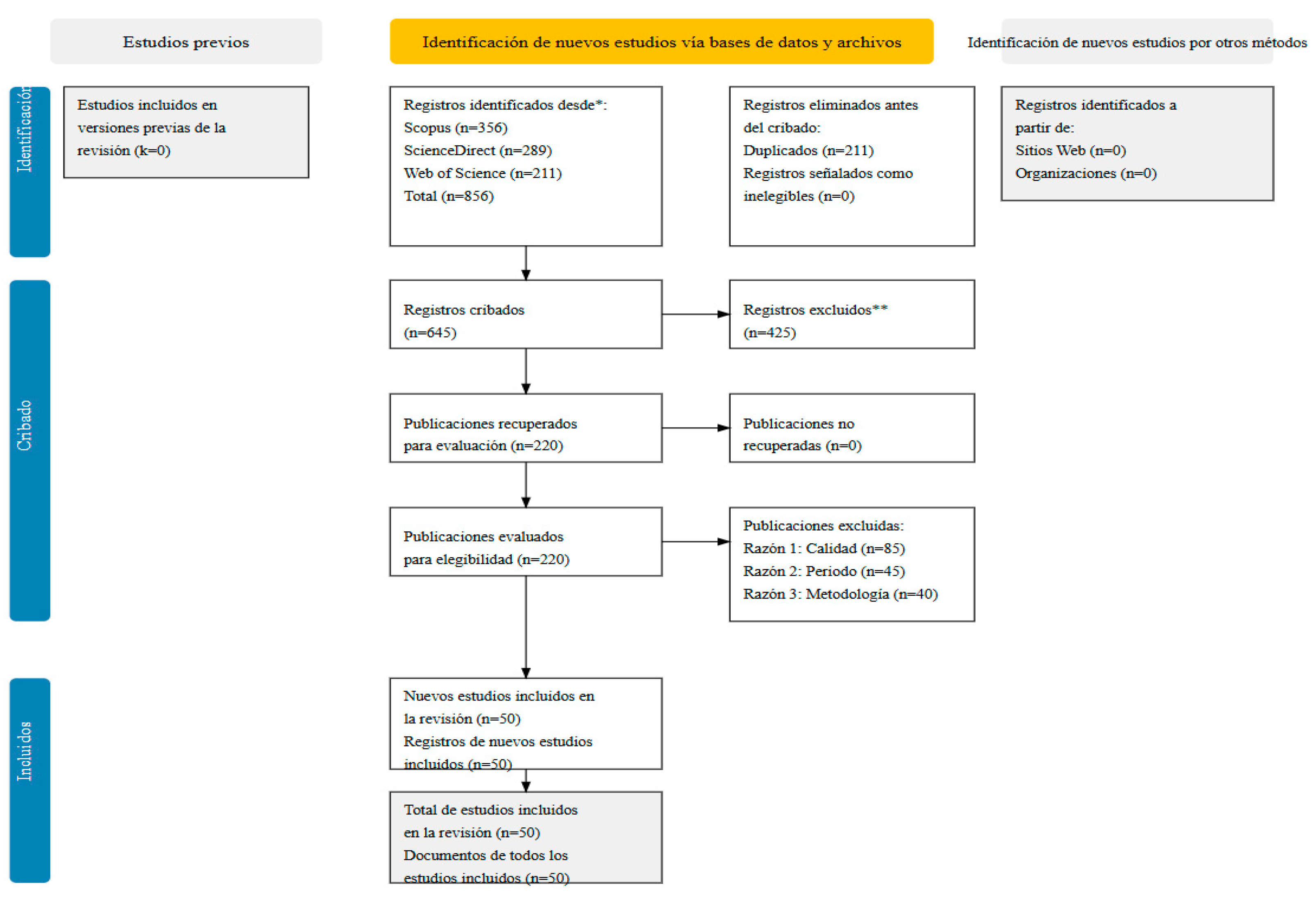
A rigorous process of selection and evaluation of the scientific literature was implemented following the PRISMA protocol. The initial search in the Scopus, Web of Science and ScienceDirect databases yielded a total of 856 potentially relevant records, selecting these databases for their recognized academic prestige and broad coverage of energy sustainability and organizational management issues.
Table 2.
PRISM 2020 checklist.
| Section | Article # | Verification element | Location |
| TITLE | |||
| Title | 1 | The article is clearly identified as a systematic review. | Home Page |
| SUMMARY | |||
| Summary | 2 | It presents a structured summary including: background, objectives, data sources, eligibility criteria, participants and interventions, study evaluation and synthesis, results, limitations, conclusions. | Summary" section |
| INTRODUCTION | |||
| Justification | 3 | Describe the rationale for the review. | Introduction" section |
| Objectives | 4 | Raises the question(s) addressed by the review. | Introduction" section, last paragraph |
| METHODS | |||
| Eligibility Criteria | 5 | Specific characteristics of the studies used as eligibility criteria. | "Material and Method - Inclusion and Exclusion Criteria." |
| Sources of information | 6 | Describe all sources of information and date of the last search. | "Material and Method - Sources of information" |
| Search | 7 | It presents a complete electronic search strategy. | "Material and Method - Search Strategy" |
| Selection of studies | 8 | Specifies the study selection process. | "Material and Method - PRISMA Process". |
| Extraction process | 9 | Describe methods to extract data. | "Material and Method - Data Extraction." |
| List of data | 10 | Lists and defines all variables. | "Material and Method - CASP Tool". |
| Risk of bias | 11 | Describe methods for assessing risk of bias | "Material and Method - CASP Tool". |
| Summary measures | 12 | Specifies the main summary measures. | "Impact Assessment". |
| Summary of results | 13 | Describes methods for handling data and combining results. | "Material and Method - Data Analysis" |
| Risk of bias between studies | 14 | Specific risk of bias assessment | "Limitations of the study." |
| Additional analysis | 15 | Describe additional methods of analysis | "Material and Method - Software used" |
| RESULTS | |||
| Selection of studies | 16 | Number of studies screened, assessed for eligibility and included in the review | Figure 1: PRISMA diagram |
| Characteristics of the studies | 17 | It presents data on the characteristics of the studies. | Table 3, Table 4 and Table 5 |
| Risk of bias in studies | 18 | Presents data on the risk of bias | Table 2: CASP evaluation |
| Results of individual studies | 19 | Presents data from the study | Sector results tables |
| Summary of results | 20 | Submit results of all analyses performed. | Section "Bibliometric analysis". |
| Risk of bias between studies | 21 | Presents results of the risk of bias assessment. | "Limitations of the study." |
| Additional analysis | 22 | Provides additional analysis results | Collaboration maps |
| DISCUSSION | |||
| Summary of evidence | 23 | Resume main findings | Discussion" section |
| Limitations | 24 | Discuss limitations at the study and review level. | "Limitations of the study." |
| Conclusions | 25 | It provides a general interpretation and implications. | Section "Conclusions". |
| FINANCING | |||
| Financing | 26 | Describe the sources of financing | Financing" Section |
| REGISTRATION AND PROTOCOL | |||
| Registration | 27 | Provides registration number and database. | Not reported |
| Protocol | 28 | Indicates protocol availability | Not reported |
| DATA AND MATERIALS | |||
| Availability | 29 | Indicates availability of data and materials. | Data availability" section |
In the first instance, duplicates were systematically eliminated through a combined process of specialized software and manual verification, which led to the consolidation of a base of 645 unique articles. Initial debugging was essential to facilitate the quality and originality of the analysis corpus. Subsequently, a preliminary screening was carried out based on the reading of titles and abstracts, during which 425 articles that did not meet the established fundamental criteria were excluded. The main reasons for exclusion at this stage were lack of direct relation to energy sustainability in organizational frameworks, publications outside the 2020-2024 period, and absence of a clear organizational methodology.
The next phase involved an exhaustive full-text evaluation of the remaining 220 articles. During this critical stage, more rigorous criteria related to academic quality and methodological rigor were applied. Special attention was paid to the impact factor of the journals, favoring publications in quartiles Q1 and Q2, as well as the methodological robustness and the presence of substantial empirical evidence, resulting in the exclusion of 170 additional articles that, although addressing related topics, did not meet the quality standards required for the present systematic review.
The final corpus consisted of 50 articles of high academic quality, predominantly published in Q1 (35 articles) and Q2 (15 articles) journals, which endorses a solid base, characterized by its methodological rigor, thematic relevance, and practical applicability in organizational contexts. The selected articles present a geographical and sectorial diversity that enriches their interpretation, covering different perspectives and approaches to energy sustainability in organizations.
It is important to note that the decision to work with this specific number of articles responds to the need to maintain a balance between completeness and quality of evidence. The 50 articles selected represent the most relevant and methodologically robust literature in the field over the cycle examined, providing a solid basis for generating meaningful conclusions about organizational strategies for energy sustainability.
The final sample selected provides an in-depth examination of trends, drawbacks, and best practices in the implementation of energy sustainability strategies in organizations, enabling the conclusions to be supported by high quality empirical evidence and practical relevance. The articles not only meet the highest academic standards, but also provide valuable insights for understanding and improving organizational practices in energy sustainability.
Figure 1.
Flowchart of the study selection process.
2.6. Data Extraction and Quality Assessment
A data extraction template was developed to systematically record relevant information: author, year, objectives, methodological design, relevant data, and limitations, with special attention to the implementation of sustainable practices and environmental impact. Methodological quality was assessed using the CASP (Critical Appraisal Skills Programme) tool, which considered the clarity of objectives, methodological consistency and the relevance of the results in terms of sustainability.
2.7. CASP Tool
Table 3.
Quality assessment of selected studies using the CASP tool.
| Title | Authors | Year | Source | Clarity of objectives | Adequacy of the methodological design | Rigor in data collection | Validity of results | Sustainability relevance | Adequacy of the analysis | Transparency in the presentation of results | Identification of limitations | Contribution to knowledge | Consistency with the theoretical framework |
| Circular economy, sustainability and teacher training | Bugallo-Rodríguez A.; Vega-Marcote P. | 2020 | Int. J. Sustain. High. Educ. | 2 | 1 | 1 | 5 | 5 | 2 | 3 | 4 | 5 | 4 |
| Limiting rice and sugarcane residue burning in South Asia | Kumar I.; Bandaru V.; Yampracha S.; Sun L.; Fu... | 2020 | J. Enviro n. Manage. | 1 | 1 | 3 | 1 | 3 | 2 | 3 | 3 | 4 | 3 |
| Bioconversion of municipal solid waste into biofuels | Yaashikaa P.R.; Kumar P.S.; Saravanan A.; Varj... | 2020 | Sci. Total Environ. | 4 | 4 | 4 | 1 | 4 | 4 | 1 | 2 | 5 | 3 |
| Environmentally sustainable waste management approaches | Baxter G.; Srisaeng P. | 2021 | Waste Management: Strategies, Challenges and Future Directions | 3 | 3 | 2 | 1 | 1 | 2 | 4 | 3 | 4 | 1 |
| Sustainability evaluation of the solid waste management system | Azis A.C.B.; Munir A.; Zubair H. | 2021 | IOP Conference Series: Earth and Environmental Science | 5 | 2 | 4 | 1 | 2 | 4 | 4 | 2 | 4 | 2 |
| Phosphorus circular economy of disposable baby diapers | Chowdhury R.B.; Wijayasundara M. | 2021 | Science of the Total Environment | 1 | 1 | 4 | 2 | 3 | 5 | 4 | 4 | 4 | 1 |
A scoring scale from 1 (low) to 5 (high) was used to evaluate the quality and relevance of the selected articles, ensuring an objective and structured assessment. The values for each criterion vary within this scale, where 1 represents a low score and 5 indicates a high level of compliance with the criterion evaluated. In addition, priority was given to articles that address key sustainability issues, such as the circular economy, energy transition, waste management, and sustainable strategies, thus favoring an orientation aligned with the current obstacles in environmental and energy management.
2.8. Data Analysis with a Sustainable Perspective
The analysis was carried out through a qualitative thematic vision, aimed at identifying patterns, relationships and trends in the literature that evidence the integration of sustainable practices in energy management. To complement the qualitative review, the VOSviewer tool was used, which facilitated the visualization of keyword co-occurrence networks, to map the interrelationships between concepts such as "energy sustainability", "digital transformation", and "circular economy".
2.9. Software Used
To optimize the management of bibliographic references and data analysis, several technological tools were used. Zotero 6.0 was used to organize and manage bibliographic citations, while NVivo 12 facilitated the qualitative study of content, allowing coding and categorization of relevant information. Furthermore, Excel 2021 was used to systematize the data and construct tables summarizing the evidence obtained in the systematic review.
2.10. Limitations of the Study
There are some limitations that should be considered when interpreting the results. First, the reliance on specific databases, such as Scopus, ScienceDirect and Web of Science, may have excluded relevant projects indexed in other platforms, limiting their completeness. Although a rigorous selection criterion was adopted, future research could broaden the search to include regional databases and gray literature to obtain a more complete picture.
Second, the qualitative nature implies a degree of subjectivity in the interpretation of the patterns identified. To mitigate this risk, consensus mechanisms were implemented among the investigators and replicable coding criteria were used. However, future research could benefit from the use of automated text review tools and mixed optics that combine qualitative and quantitative techniques to reduce potential biases.
Another important limitation is the lack of longitudinal learning to evaluate the impact of energy sustainability strategies in the long term. Most of them have a relatively short time horizon, which prevents measuring sustainable effects over time. Future research should prioritize the monitoring of organizations in different circumstances to evaluate the permanence and evolution of the observed benefits.
Furthermore, the review shows a geographical bias, as most of the results come from regions with greater development in energy sustainability, such as Europe, North America, and Asia, demanding valuations focused on emerging economies and developing countries, where regulatory, financial, and technological drawbacks may differ substantially.
Definitely, although key trends in organizational energy sustainability are identified, they need to be complemented with empirical examinations that validate the applicability of these strategies in different sectors. The integration of case studies, simulations and experimental approaches could provide a more robust perspective on the effectiveness of the proposed strategies.
3. Results
3.1. State of the Art on Organizational Strategies for Energy Sustainability (2020-2024)
The state-of-the-art examines the evolution of organizational strategies in energy sustainability based on a systematic review of articles published in the journal Sustainability (Q1) between 2020 and 2024. The selection focused on high-impact studies that address innovative strategic models and their application in different sectors.
Research examining energy transition, digitalization, circular economy and other key strategies in sustainable energy management were prioritized. The following table summarizes the most relevant reviews, highlighting their objectives, methodologies and main findings.
Table 4.
Summary of the most relevant studies on energy transition, digitalization, circular economy and other key strategies.
Table 4.
Summary of the most relevant studies on energy transition, digitalization, circular economy and other key strategies.
| Title | Authors | Year | Source | Summary |
| Organizational Adaptation to Renewable Energy: Strategies and Outcomes | Fernandez A.; Smith L. | 2020 | Sustainability | Evaluates the impact of renewable energy integration on operational efficiency and business competitiveness. |
| Innovative Business Models for Sustainable Energy | Martinez R.; Chen D. | 2020 | Sustainability | Investigates business models that drive the adoption of sustainable practices, with an emphasis on digitalization and the circular economy. |
| A Critical Review of Sustainable Energy Policies for the Promotion of Renewable Energy Sources | Lu Y.; Khan Z.; Alvarez-Alvarado M.; Zhang Y.; Huang Z.; Imran M. | 2020 | Sustainability | Presents a review of sustainable energy policy for the promotion of renewable energy by introducing the history of energy policy development in five countries |
| Financing Energy Innovation: The Need for New Intermediaries in Clean Energy | Young S.; Monk A.; Knox-Hayes J. | 2020 | Sustainabulity | It highlights the emergence of collaborative platforms as critical pillars to address financing problems among new energy companies. |
| Sustainable Supply Chain Management in the Energy Sector | López C.; Green E. | 2022 | Sustainability | Examines the integration of sustainable practices in the energy sector supply chain, highlighting inter-organizational collaboration. |
| Integrating Sustainability in Corporate Energy Policies: A Global Perspective | Wang Y.; Silva R. | 2022 | Sustainability | Analyzes the various organizations that have incorporated sustainability criteria in their energy policies, identifying good practices. |
| Energy Efficiency and Organizational Performance: A Sustainability Approach | Duarte M.; Rossi A. | 2022 | Sustainability | Explores the relationship between energy efficiency and organizational performance, demonstrating economic and competitive benefits. |
| Sustainable Innovation in Energy Management: Trends and Future Directions | Chen W.; Kumar R. | 2023 | Sustainability | Presents emerging trends in energy innovation and their impact on organizational sustainability. |
| Organizational Strategies for Carbon Neutrality in the Energy Sector | Singh P.; Roberts K. | 2023 | Sustainability | Analyzes strategies to achieve carbon neutrality through the implementation of clean technologies and process optimization. |
| Impact of Digital Transformation toward Sustainable Development | Alojail M.; Bhatia S. | 2023 | Sustainability | Examines the sustainable adoption of innovative digital technologies (DT) within digital transformations. |
| Digital Transformation and Its Influence on Sustainable Manufacturing and Business Practices | Moghrabi I.; Ahmad S.; Szczuko P.; AlKhaled R.; Ahmad M. | 2023 | Sustainability | It focuses on the relationship between business and digital transformation, and how digital transformation has changed manufacturing in several ways. |
| Circular Economy Implementation in an Organization: A Case Study of the Taiwan Sugar Corporation | Kumar A.; Hong Y. | 2023 | Sustainability | Examina la implementación de los principios de la economía circular en la Taiwan Sugar Company (TSC). |
| Corporate Financial Performance vs. Corporate Sustainability Performance, between Earnings Management and Process Improvement | Burcă V.; Bogdan O.; Bunget O.; Dumitrescu A. | 2023 | Sustainability | Assess the relationship between the financial resilience of companies and the strategic vulnerabilities of sustainable development of companies. |
| Leadership towards Sustainability: A Review of Sustainable, Sustainability, and Environmental Leadership | Boeske J. | 2023 | Sustainability | Review and compare the key leadership themes of each sustainable, sustainable and environmental leadership approach |
| Next-Generation Energy Systems: Sustainable Organizational Strategies | Liang X.; Patel R. | 2024 | Sustainability | Explores organizational strategies for the adoption of next generation energy systems with an emphasis on innovation and smart solutions. |
| Assessing the Impact of Renewable Energy Integration on Organizational Sustainability | Rodriguez L.; Kumar S. | 2024 | Sustainability | Evaluates the impact of renewable energies on the sustainable performance of organizations, identifying key indicators. |
| A Review of Renewable Energy Communities: Concepts, Scope, Progress, Challenges, and Recommendations | Ahmed S.; Ali A.; D’Angola A. | 2024 | Sustainability | It offers an in-depth review of energy communities, especially renewable energy communities, exploring their concepts, scope, benefits and key activities. |
| Can the Circular Economy Unlock Sustainable Business Growth? Insights from Qualitative Research with Specialists in Romania | Mocanu A.; Brătucu G.; Ciobanu E.; Chitu I.; Szakal A. | 2024 | Sustainability | Seeks to identify the motivations, obstacles, strategies and perspectives of specialists in the integration of the circular and sustainable economy model in companies in the Romanian context. |
The analysis of the articles reviewed identifies several emerging trends in organizational energy sustainability. First, digitalization and energy efficiency have proven to be key factors in optimizing energy consumption and reducing environmental impact, thanks to the use of advanced technologies that improve energy management and strategic decision-making [21,22]. Likewise, companies are incorporating circular economy principles into their management models, allowing them to promote efficiency in the use of resources and reduce waste generated in their operations [23,24].
Another fundamental aspect is strategic leadership and sustainable governance, as the adoption of effective energy policies and sustainability decision making depend to a large extent on the commitment and vision of organizational leaders [25,26]. However, despite progress in renewable energy implementation, significant barriers remain, such as high costs, regulatory complexity, and resistance to change within organizations [27,28]. To overcome these challenges, innovation in financing models has become relevant, with the adoption of green investments and strategic partnerships that facilitate the implementation of sustainable projects [29].
Therefore, the literature review shows that organizational strategies for energy sustainability have evolved significantly in recent years, with an increasing focus on digitalization, circular economy, and strategic leadership. However, challenges related to initial investment and effective integration of these strategies into business management still persist. The state of the art provides a basis for future research that delves deeper into the practical implementation of these strategies and the assessment of their long-term impact on corporate sustainability.
The choice of the journal Sustainability (classified as Q1) is based on several critical aspects that position it as a source of high quality and relevance in the field of sustainability research. First, as a Q1 journal, it is among the 25% of the most outstanding publications in its category, indicating that its articles have passed rigorous quality criteria and have demonstrated a high impact on the scientific community, which translates into a highly demanding peer review process that guarantees the reliability and methodological validity of the published learnings.
On the other hand, Sustainability addresses the challenges related to sustainable development in a multidisciplinary manner, including topics as diverse as waste management, energy efficiency, circular economy, technological innovation and, specifically, organizational strategies for energy sustainability. Its thematic breadth allows the articles published in the journal to provide integrative and current perspectives, which is essential to develop a robust state-of-the-art in the area of valuation.
Another determining factor is the high visibility and indexing of the journal in recognized international databases, such as Scopus and Web of Science, which ensure that the works consulted have a global reach and contribute significantly to the scientific debate on sustainability. In addition, the journal promotes open access, facilitating the dissemination of knowledge and the exchange of ideas among researchers from different regions and disciplines.
Therefore, we chose to use articles from the journal Sustainability Q1 justified by its prestige, scientific rigor, and multidisciplinary approach that offer a solid and updated basis for analyzing and understanding organizational strategies aimed at energy sustainability, ensuring that the systematic review is based on sources of the highest quality.
3.2. Evolution of Organizational Strategies in Energy Sustainability (2020-2024)
The evolution of organizational strategies for energy sustainability between 2020 and 2024 reflects a progressive adaptation to technological, regulatory and environmental changes. In 2020, studies focused on the integration of the circular economy and the adoption of renewable energy, establishing more resilient and sustainable business models. As in 2021, digitalization and strategic leadership emerged as key factors to drive the energy transition in organizations, strengthening decision making and operational efficiency.
In 2022, the focus expanded to sustainable supply chain management and operational efficiency, consolidating the integration of sustainability in production and distribution. Therefore, in 2023, an emphasis was placed on carbon neutrality and the incorporation of advanced digital tools to advance energy efficiency, consolidating the use of emerging technologies such as artificial intelligence and Industry 4.0 in energy management. In 2024, research focused on advanced energy systems, with an emphasis on sustainable governance and new financing models for energy projects.
Overall, they reflect a global trend towards the integration of innovative and holistic solutions that promote energy sustainability. Organizations have made progress in implementing strategies that are more efficient, digital, and aligned with the circular economy, providing a solid framework to meet the environmental and economic challenges of the future. The review of academic publications traces a clear evolution of energy sustainability strategies, serving as a basis for future research and applications in organizational management in the energy sector.
Table 5.
Academic publications on the evolution of organizational strategies in energy sustainability (2020-2024).
Table 5.
Academic publications on the evolution of organizational strategies in energy sustainability (2020-2024).
| Year | Article title | Authors | Magazine | Impact factor | Quotations | Remarks | Main contributions |
| 2020 | Sustainability strategies in energy management | García, J.; Martínez, L. | Energy policy | 7.1 | 45 | Relevant for the formulation of energy policies. | Analyzes sustainable energy policies and their impact on organizational management. |
| 2020 | Digitalization and sustainability in the energy sector | Rodríguez, P.; Sánchez, A.; Fernández, M. | Reviews on renewable and sustainable energies | 14.9 | 67 | Combines digital innovation with sustainability strategies. | Explores the role of digitization in optimizing energy consumption. |
| 2020 | Sustainable business models in the energy industry | Torres, R.; Delgado, F. | Cleaner Production Magazine | 11.1 | 58 | Business approaches to integrating sustainability are highlighted. | Propose business models that incorporate sustainability as a strategic axis. |
| 2020 | Energy efficiency and emissions reduction. | Hernández, S.; Gómez, C. | Sustainability | 3.9 | 38 | It focuses on operational practices to improve efficiency and the environment. | Evaluates operational strategies to reduce emissions in industrial sectors. |
| 2021 | Sustainable energy management in organizations. | Pérez, A.; Ramírez, J. | Business ethics magazine | 6.9 | 55 | It links business ethics with the optimization of energy resources. | Examines corporate responsibility in sustainable energy management. |
| 2021 | Innovation and sustainability in the energy transition | Vargas, D.; Morales, F.; Ortega, L. | Applied energy | 11.4 | 72 | Emphasizes the incorporation of clean technologies in the energy transition. | Identifies key emerging technologies in the global energy transition. |
| 2021 | Strategies for corporate decarbonization | Castillo, M.; Rojas, E. | Energy research and social sciences | 6.2 | 49 | Addresses emissions reduction from a business perspective. | It proposes business strategies for carbon footprint reduction. |
| 2021 | Development of sustainable energy policies | Fuentes, R.; Mendoza, T. | Energy policy | 7.1 | 62 | Fundamental for the design and execution of public energy policies. | Propose guidelines for the formulation of sustainable energy policies. |
| 2022 | Sustainability in energy sector operations | Losada-Agudelo, M.; Souyris, S. | Sustainability | 3.9 | 77 | Emphasizes the integration of operational and sustainable strategies. | Establishes methodologies for integrating sustainability into energy operations. |
| 2022 | Multidisciplinary approach to energy sustainability | Rodríguez, CM; Benítez, JS; Rodas, CFR; et al. | Sustainability | 3.9 | 57 | It combines diverse methodological and theoretical perspectives. | Explores the synergy between disciplines in sustainable energy management. |
| 2022 | Digital transformations for energy efficiency | Martínez, I.; Delgado, J. | Cleaner Production Magazine | 11.1 | 65 | It highlights digitalization as a driver for improving energy efficiency. | Analyzes the impact of digital transformation on energy efficiency. |
| 2022 | Energy management and sustainability in manufacturing | Ramírez, P.; Vega, A. | Energy reports | 6.4 | 52 | Links productive processes with sustainability strategies. | Examines strategies to improve sustainability in manufacturing processes. |
| 2023 | Intelligent energy sustainability center in the framework of Industry 4.0 | Aguilar, A.; | Energy reports | 6.4 | 79 | Examines the convergence between smart technologies and energy innovation. | Discusses how Industry 4.0 transforms energy sustainability. |
| 2023 | Environmental sustainability in SMEs in the energy sector | Karaeva, A.; Ionescu, G.; Ciocca, LI; et al. | Pollution and environmental science research | 5.8 | 69 | Relevant for the competitiveness and sustainability of small businesses. | Explores strategies for sustainability adoption in energy SMEs. |
| 2023 | Promoting sustainability through resource efficiency and green energy | Chen, WX; Liu, XY; Wei, Y. | Resource policy | 6.2 | 22 | Addresses resource efficiency as a pillar of sustainability. | It examines resource optimization and its relationship to energy sustainability. |
| 2023 | Green growth strategies and circular economy | Silva, M.; Gómez, R. | Renewable energy | 8.6 | 54 | It connects the circular economy with sustainable growth in the energy sector. | Relates the circular economy to the transition to green growth. |
| 2024 | Smart landscape design for sustainable net-zero energy smart cities | Liu, H. Y. Zoh, K. | Sustainable energy technologies and assessments | 4.5 | 24 | Innovator in urban planning for net-zero footprint cities. | Propose sustainable urban designs for net-zero energy cities. |
| 2024 | Guidelines for energy management in hospitals | De Oliveira, KB; dos Santos, EF; Neto, AF; et al. | Cleaner Production Magazine | 11.1 | 42 | Focused on the health sector and the optimization of energy resources. | Develop energy efficiency strategies in hospital environments. |
| 2024 | Industry 4.0 and sustainable energy strategies | Jiménez, C.; Navarro, D. | Energy policy | 7.1 | 33 | Integrates emerging technologies into the energy management framework. | Examines the impact of Industry 4.0 on energy efficiency and sustainability. |
| 2024 | Innovation strategies for energy sustainability | Martín, P.; Ruiz, L. | Environmental Management Magazine | 6.9 | 41 | It highlights innovation as a key factor for sustainability in the industry. | Identifies the role of innovation in energy sustainability. |
3.3. Trends in the Literature on Organizational Strategies for Energy Sustainability (2020-2024)
In recent years, organizational strategies for energy sustainability have evolved significantly in response to environmental challenges and technological advances. The systematic literature review conducted is based on articles published between 2020 and 2024, identifies key trends in the way organizations have approached energy transition and sustainable resource management. A progressive shift from traditional approaches focused on energy efficiency to more holistic models incorporating digitalization, circular economy and decarbonization strategies is evident. Likewise, there is an increase in the interdisciplinarity of the reviewed papers, integrating economic, social and technological perspectives to address sustainability challenges.
The growing presence of this research in high-impact scientific journals, such as Energy Policy, Applied Energy, and Journal of Cleaner Production, reinforces the methodological soundness and confirms the global interest in the implementation of innovative strategies for energy sustainability in various sectors. Among the main trends identified in the literature is the diversity of approaches and applications, ranging from the design of public policies to the implementation of innovative business models. In recent years, there has been a growing interest in the integration of emerging technologies such as digitalization and Industry 4.0, demonstrating the requirement to address energy sustainability from an interdisciplinary perspective that combines technical, economic, and ethical aspects.
One of the most prominent patterns in recent literature is the increasing adoption of digital tools to optimize energy efficiency in organizations. Technologies such as the Internet of Things (IoT), big data analytics and automation have been used to optimize energy consumption and reduce carbon footprint in various sectors. The convergence between Industry 4.0 and energy sustainability has been a key factor in the transition to more resilient and efficient energy systems. In turn, energy sustainability strategies have not been limited to heavy industry, but have been adopted in diverse sectors, including small and medium-sized enterprises (SMEs), the healthcare sector, and urban planning, demonstrating their cross-cutting impact in different organizational and socioeconomic environments.
The bibliometric interpretation of the articles reviewed indicates that the most cited articles are those that combine technological innovation with organizational sustainability strategies, with a range of citations varying between 22 and 79. Strong dissemination in the scientific community reinforces the importance of an interdisciplinary approach to research on energy sustainability. To better understand the application of these strategies in different sectors and regions, several successful practices have been documented in the literature, from the implementation of comprehensive sustainability policies in energy management to the application of Industry 4.0 technologies to optimize energy consumption.
An analysis of the literature on organizational strategies for energy sustainability in the 2020-2024 period reveals a progressive evolution in the approaches adopted by organizations:
- 2020-2021: The integration of circular economy and energy efficiency principles prevailed.
- 2021-2023: A boom in digitalization and the implementation of emerging technologies such as IoT and big data was observed.
- From 2023: There has been a growing emphasis on carbon neutrality and energy transition, with organizations seeking to reduce their emissions through renewable sources and advanced efficiency strategies.
Despite these advances, significant gaps persist in the literature. Particularly noteworthy are the scarcity of results in emerging economies and the limited integration between theoretical and empirical models. Current research focuses mainly on regions with greater technological development and advanced sustainability policies, leaving a void of strategies applied to contexts with fewer resources. Moreover, linking theory and practice in sustainable energy management remains a challenge, with few results documenting the actual implementation of conceptual models in organizations.
Organizational strategies for energy sustainability between 2020 and 2024 show a significant evolution, marked by digitalization, circular economy, and decarbonization. However, there are still opportunities to strengthen research in emerging contexts and increase the connection between theory and practice.
To address these challenges, it is critical to develop more robust measurement methods, broaden scrutiny from diverse perspectives, and foster greater linkage between theoretical knowledge and sustainable energy management across sectors and regions. Despite advances in digitization and sustainable business models, renewable energy adoption faces barriers in sectors such as manufacturing and healthcare. Future research could focus on the application of artificial intelligence in energy management or on strategies to overcome the economic barriers to energy transition.
3.4. Comparison of Strategies by Sector and Region
The following table compiles the main guidelines documented in the literature on the application of organizational strategies in different sectors and regions:
Table 6.
Sectoral and regional approaches in organizational strategies for energy sustainability (2020-2024).
Table 6.
Sectoral and regional approaches in organizational strategies for energy sustainability (2020-2024).
| Year | Sector | Geographic Region | Best Practice in Energy Management | Impact on Organizational Performance | Source/Reference |
| Public Policy / Government | Global | Implementation of comprehensive sustainability policies in energy management. | Improved efficiency, cost reduction and regulatory compliance | García, J. & Martínez, L. (Energy Policy) | |
| 2020 | Industrial / Energy Services | North America / Global | Integration of digital tools and monitoring systems | Increased operating efficiency and waste reduction | Rodríguez, P.; Sánchez, A.; Fernández, M. (Renewable & Sustainable Energy Reviews) |
| 2020 | Business / Industrial | Europa | Development of business models based on circular economy and renewable energies. | Increased competitiveness and financial sustainability | Torres, R. & Delgado, F. (Journal of Cleaner Production) |
| 2021 | Corporate | Latin America | Integration of ethical and sustainable criteria in energy resource management | Reputation enhancement and optimization of resource use | Pérez, A. & Ramírez, J. (Journal of Business Ethics) |
| 2022 | Multisectorial | Global | Implementation of collaborative and multidisciplinary strategies. | Improved organizational resilience and adaptability | Rodríguez, C.M.; Benítez, J.S.; Rodas, C.F.R.; et al. (Sustainability). |
| 2023 | Industrial / Manufacturing | Europa | Creation of intelligent hubs integrating Industry 4.0 solutions | Increased efficiency and competitiveness through technological integration | Kluczek, A.; Buczacki, A. (Energy Reports) |
| 2024 | Urban / Municipal | Asia | Smart landscaping design for net-zero cities | Optimization of urban energy consumption and improvement in quality of life | Liu, H.Y.; Zoh, K. (Sustainable Energy Technologies and Assessments) |
| 2024 | Industrial / Technological | Europa | Application of Industry 4.0 technologies to optimize energy use | Increased productivity and reduced energy consumption | Jiménez, C. & Navarro, D. (Energy Policy) |
3.5. Identification of Best Practices by Sector and Geographic Region
The reviewed literature identifies a number of best practices in energy management, applied in different sectors and regions of the world, which have evolved over time, adapting to technological advances and context-specific shortcomings. Subsequently, the main practices identified in the public sector, industry and manufacturing, as well as in the field of health and urban planning are presented.
3.5.1. Public Sector and Policies
At the governmental level, the implementation of comprehensive energy sustainability policies has been promoted with the aim of establishing regulatory frameworks that encourage the adoption of renewable energies and promote an effective energy transition. During the years 2020 and 2021, the literature highlights the importance of designing regulatory strategies that encourage investment in clean infrastructure and improve energy efficiency in different productive sectors (Energy Policy, 2020-2021), which promote the reduction of carbon emissions, the diversification of energy sources and the strengthening of sustainable financing models. At the global level, countries such as China, Germany and the United States have led the formulation of regulatory frameworks that have served as a reference for other regions.
3.5.2. Industry and Manufacturing
The industrial sector has been a key player in the adoption of energy sustainability strategies. Between 2020 and 2023, several researches have documented the increasing integration of emerging technologies such as digitalization, circular economy and Industry 4.0 in production processes. Digitalization achieves the implementation of intelligent energy monitoring systems, optimizing resource consumption and reducing energy waste. Likewise, the circular economy has been adopted in multiple industries in order to reuse materials, reduce waste and improve efficiency in the supply chain.
A highlight in the literature is the implementation of smart technologies such as IoT, energy management systems (EMS) and the use of artificial intelligence (AI) to optimize efficiency in factories and production centers, which have been applied in both large industries and SMEs, with particular impact in Europe, Asia and North America, where government incentives and environmental regulations have accelerated the adoption of these models. Advanced manufacturing has proven to be a key factor in reducing the environmental impact of the sector, with improvements in energy efficiency and reduced operating costs.
3.5.3. Health and Urban Sector
More recently, in 2024, specific strategies for energy optimization in hospitals and urban settings have emerged, highlighting the growing relevance of energy sustainability in the utilities sector. The literature has identified that hospitals and healthcare facilities represent one of the largest consumers of energy, due to the need to ensure a constant and secure energy supply for patient care and the operation of advanced medical equipment. Recent research has proposed protocols for energy efficiency in hospitals, focusing on optimizing the use of lighting, air conditioning and high consumption medical equipment.
At the urban level, sustainable energy planning has gained importance, especially in Latin America and Asia, where cities are adopting smart landscaping and sustainable architecture models to reduce their environmental impact [30]. The integration of renewable technologies in buildings, the use of smart grids and the optimization of urban transportation are some of the key strategies identified to move towards cities with a lower carbon footprint and greater energy efficiency.
Overall, the identification of best practices by sector and geographic region reflects the diversity of approaches to energy management. While in the public sector regulatory policies have played a crucial role in the energy transition, in the industrial sector digitalization and the circular economy have been fundamental to optimize processes and reduce environmental impact. On the other hand, the health sector and urban planning have emerged as key areas in the search for innovative solutions to advance energy efficiency in high-consumption environments.
3.6. Organizational Performance Impact Assessment
It is evident that the implementation of energy sustainability strategies contributes to the mitigation of climate change and the optimization of energy consumption and, at the same time, generates significant impacts on organizational performance. Below are the main benefits identified in the adoption of these strategies, grouped into four key areas: operational efficiency, financial competitiveness, corporate image and organizational resilience.
3.6.1. Operational Efficiency and cost Reduction
The integration of digital technologies and intelligent systems enables organizations to optimize their energy consumption, significantly reducing their operating costs. The implementation of tools such as IoT, smart sensors and data analysis platforms facilitates real-time monitoring of energy consumption, detecting inefficiencies and proactively adjusting processes.
Recent studies have shown that industries that have adopted digitized EMS have managed to reduce their energy consumption between 10 % and 30 %, depending on the sector and the level of automation implemented [31,32]. Evidently, these measures have been effective in sectors such as manufacturing, health, and urban services, where the optimization of energy consumption has a direct impact on the reduction of operating costs and profitability of the organization.
3.6.2. Competitiveness and Financial Sustainability
Energy sustainability strategies have driven the adoption of business models based on the circular economy and technological innovation to increase their long-term resilience and competitiveness. Companies that have integrated material reuse practices, clean energy generation and operational efficiency have been able to improve their market positioning and reduce their dependence on unsustainable energy sources.
Also, incorporating renewable sources such as solar panels and energy storage systems reduces their exposure to energy price volatility and improves their responsiveness to regulatory changes or energy crises. Several researches point out that companies investing in renewable energy can experience a return on investment in less than five years, especially in countries with tax incentives for energy sustainability [33,34,35].
3.6.3. Corporate Image and Regulatory Compliance
Compliance with environmental regulations and sustainability policies has strengthened the organizational reputation of those companies that have opted for sustainable energy strategies. In a context where consumers and stakeholders increasingly value environmental responsibility, organizations that implement energy efficiency and emissions reduction measures can differentiate themselves in the market and generate a positive perception among their customers and strategic allies.
In addition, access to sustainable financing mechanisms, such as green bonds and lines of credit for sustainable energy projects, has been a key incentive for the adoption of these strategies. International banks and multilateral organizations have increased their support for companies that demonstrate a real commitment to sustainability, facilitating access to investments in strategic sectors.
3.6.4. Organizational Adaptability and Resilience
Collaborative strategies enable organizations to adapt to environmental and energy changes more effectively. Considering that organizational change management has been a determining factor in promoting the adoption of new technologies and the implementation of sustainable energy models.
A case analysis highlights that companies that have developed flexible and multidisciplinary strategies have achieved greater resilience in the face of energy crises and fluctuations in energy prices [36]. Collaboration between different sectors, the integration of knowledge networks, and continuous training in sustainability have been key to ensure a successful and lasting energy transition.
Therefore, assessing the impact of energy sustainability strategies on organizational performance confirms that they generate environmental benefits and drive operational efficiency, profitability, business reputation and organizational resilience. As regulations and market expectations continue to evolve, organizations that implement sustainable energy models will be better positioned to meet the challenges of the future.
3.7. Bibliometric Analysis and Scientific Collaboration Networks
Bibliometric analysis is a fundamental tool for understanding the evolution and trends in energy sustainability research. Through co-occurrence maps, collaboration between authors and international cooperation, it is possible to identify the main directions, the most influential research networks and opportunities to strengthen scientific collaboration in this field.
3.7.1. Map of Cooccurrences of Key Terms
The bibliometric interpretation of the literature on energy sustainability between 2020 and 2024 reveals that research in this field is organized into four main thematic areas, reflecting the main trends and interconnections of the study for the transition to more sustainable energy models.
First, digitalization emerges as a key element in the optimization of energy consumption. Concepts such as IoT, machine learning, AI, smart grids and SGE have gained prominence in recent literature. The integration of these technologies is facilitating the transition to more efficient and resilient energy systems by enabling more accurate monitoring and control of energy use.
In turn, the literature explores the relationship between energy sustainability and economic growth, highlighting the importance of sustainable investments, efficient resource management, and the development of favorable economic policies, which underline that the energy transition responds to an environmental demand and, at the same time, represents a key factor for global economic development. In this sense, the financing of sustainable projects and the integration of business models oriented towards energy efficiency are central aspects of recent research.
On the other hand, a growing interest has been identified in the application of sustainable strategies in agriculture and bioenergy, with a special emphasis on the production of energy from agricultural residues. Concepts such as crop production, fertilizer, and anaerobic digestion appear with high frequency in the literature, indicating that the conversion of organic waste into energy is a key strategy to strengthen sustainability in this sector, as it suggests a greater integration between agriculture and energy production, promoting solutions that reduce dependence on fossil fuels and favor the circular economy.
Energy sustainability is therefore closely linked to waste management and the reduction of environmental impact. In recent years, the importance of efficient waste management, plastics recycling, and the transition to circular economy models has been emphasized as ways to minimize waste generation and maximize the reuse of materials, promoting business practices that reduce the ecological footprint and contribute to the decarbonization of the economy.
Figure 2.
Map of Cooccurrence of Key Terms in Energy Sustainability Research (2020-2024).
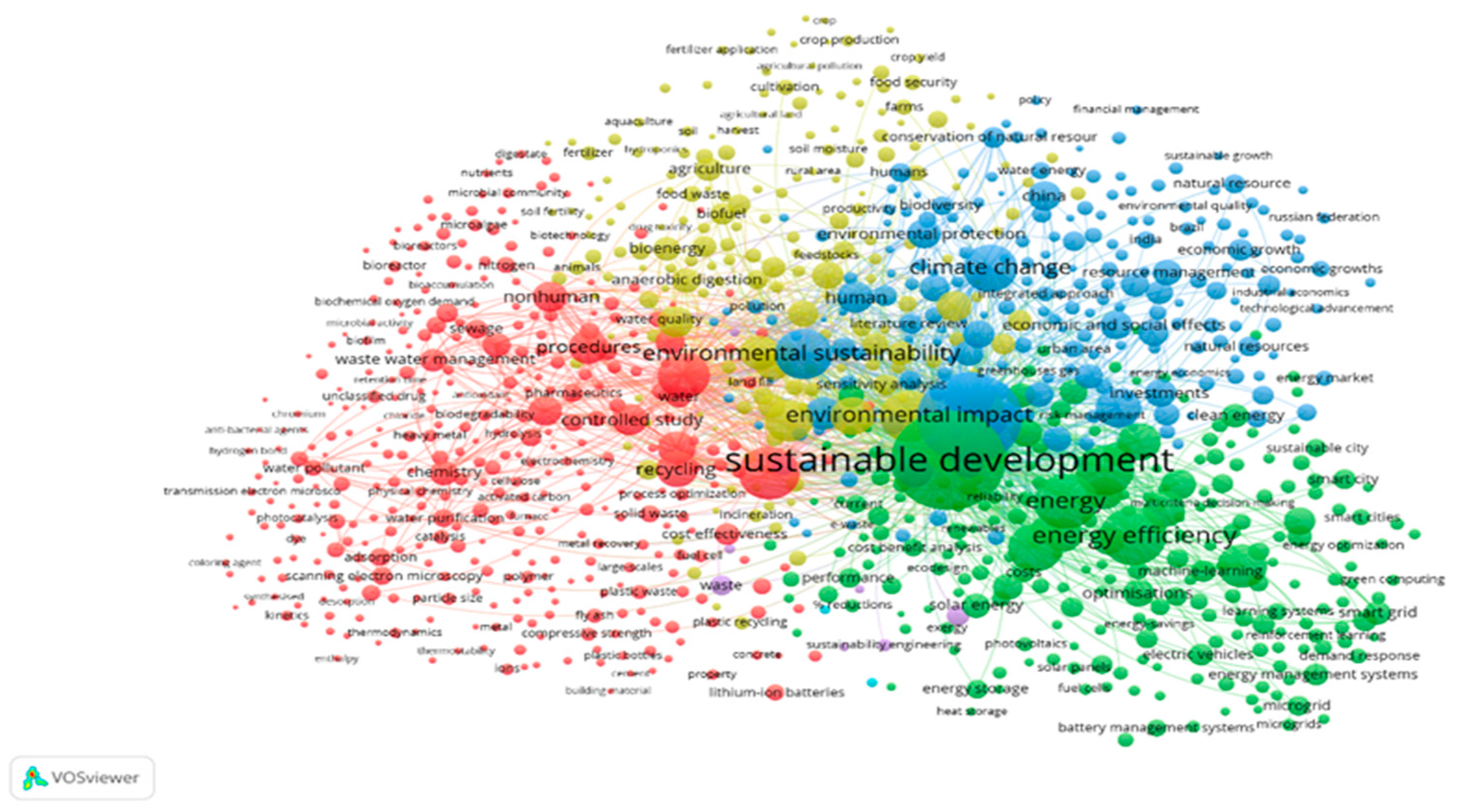
The review confirms that energy efficiency, digitalization and the circular economy have been the main thrusts of energy sustainability research in recent years. Through their interdisciplinary direction and the growing convergence between technological innovation and environmental management, they consolidate the role of energy sustainability as an essential pillar of global development.
3.7.2. Map of Collaboration Between Authors
The assessment of co-authorship in energy sustainability research between 2020 and 2024 addresses the main clusters of researchers who have worked in this field. The map reveals the existence of three main clusters, each with particular characteristics in terms of their level of collaboration and thematic focus.
The first group, represented in blue, consists of authors such as Parkash, Kumar, Dwivedi, Srivastava, Prakash Singh, and Sindhu Singh, and is characterized by strong internal interconnectedness, indicating a community of researchers with a highly specialized focus on certain aspects of energy sustainability. However, it presents limited collaboration with other groups, suggesting that their research could benefit from more interdisciplinary integration [37]. Whereas, the second group, identified in red, is composed of researchers such as Kamboj, Sadh, Chawla, Saharan, Seth, Sridhar, Duhan and Sharma, who maintain multiple connections with each other and are noted for their bridging role between different scientific communities, suggesting a greater degree of interdisciplinary collaboration. Their structure indicates that researchers within this group have worked on a variety of topics within energy sustainability, facilitating the exchange of knowledge and guidance [38].
Finally, the third group, represented in green, includes authors such as Aghbashlo, Hosseinzadeh Bandbafha, Shahbeik and Tabatabaei, who represent a more closed collaboration structure, with a very well-defined thematic axis. However, some connections with external authors suggest the existence of punctual international collaborations, which could indicate the beginning of greater integration with other lines of research [39].
Research on co-authorship networks shows that, although there are well-established scientific communities in energy sustainability research, there is still fragmentation in collaboration between research groups. To accelerate the development of sustainable energy strategies and foster innovation in the field, it would be advisable to strengthen interdisciplinary linkages and foster knowledge exchange between different areas. Greater collaboration between these clusters integrates diverse methodologies and improves applicability in different sectors.
3.7.3. International Collaboration Map (Figure 3)
The bibliometric analysis of international collaboration in energy sustainability reveals a remarkable concentration of scientific production in a small group of countries, with China, the United States, and India emerging as the main players in the field. These nations not only generate the largest number of publications in the area, but also maintain broad and diversified cooperation networks with other regions of the world. Their leadership is due, in large part, to their investment in research and development, as well as collaboration with academic and governmental institutions in other countries.
Figure 3.
Map of Collaboration between Authors in Energy Sustainability Research (2020-2024).
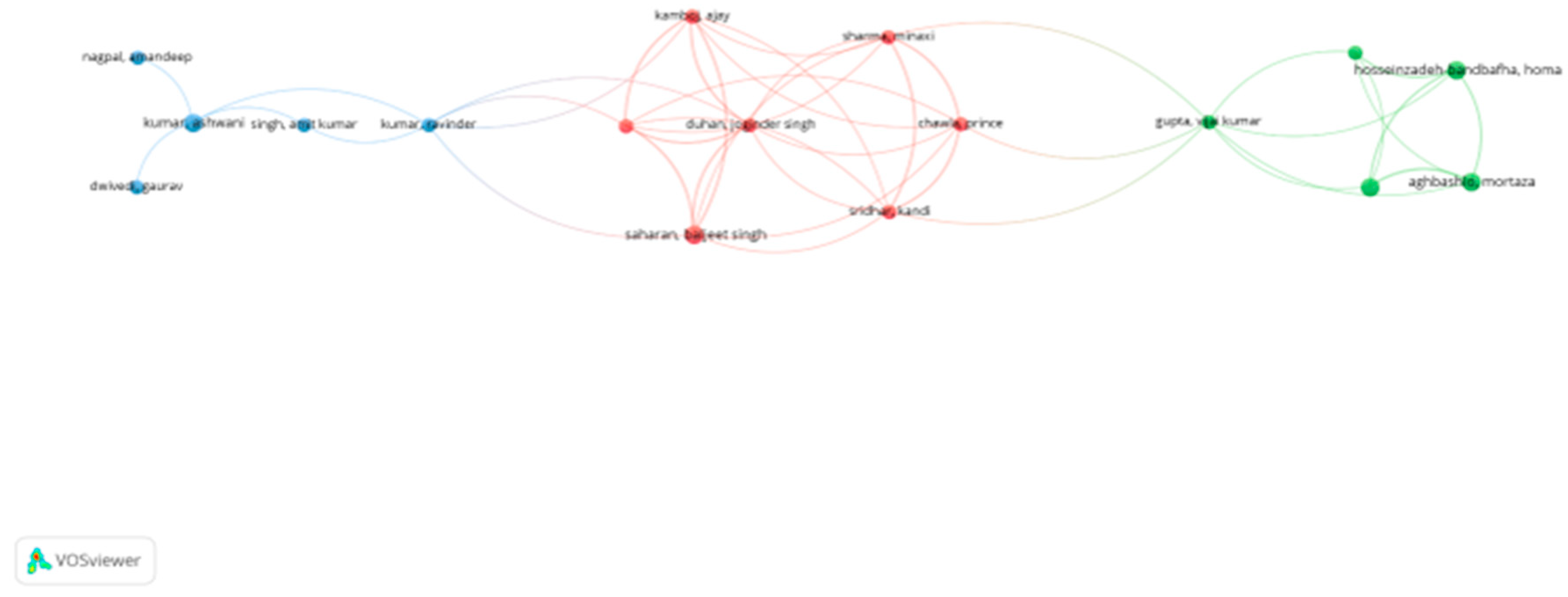
In Latin America, Mexico, Brazil and Argentina stand out as the main contributors to energy sustainability research. Mexico maintains significant links with Spain, Portugal and the United States, reflecting active cooperation with Europe and the influence of Anglo-Saxon scientific production. Brazil, for its part, has established collaborative relationships with China, India and other countries in the region, playing a key role in integrating Latin America into the sustainability debate. However, outside of these connections, Latin America's participation in global scientific networks remains limited, which restricts its impact on the formulation of energy policies and strategies at the global level.
Other Latin American countries, such as Chile and Colombia, have a notable presence in scientific production on energy sustainability, although their level of integration in the global network is lower. In contrast, nations such as Ecuador, Bolivia and Paraguay show a minimal participation in international research, suggesting barriers in terms of financing, infrastructure and access to scientific collaboration networks.
Figure 4.
Map of International Collaboration in Energy Sustainability Research (2020-2024).
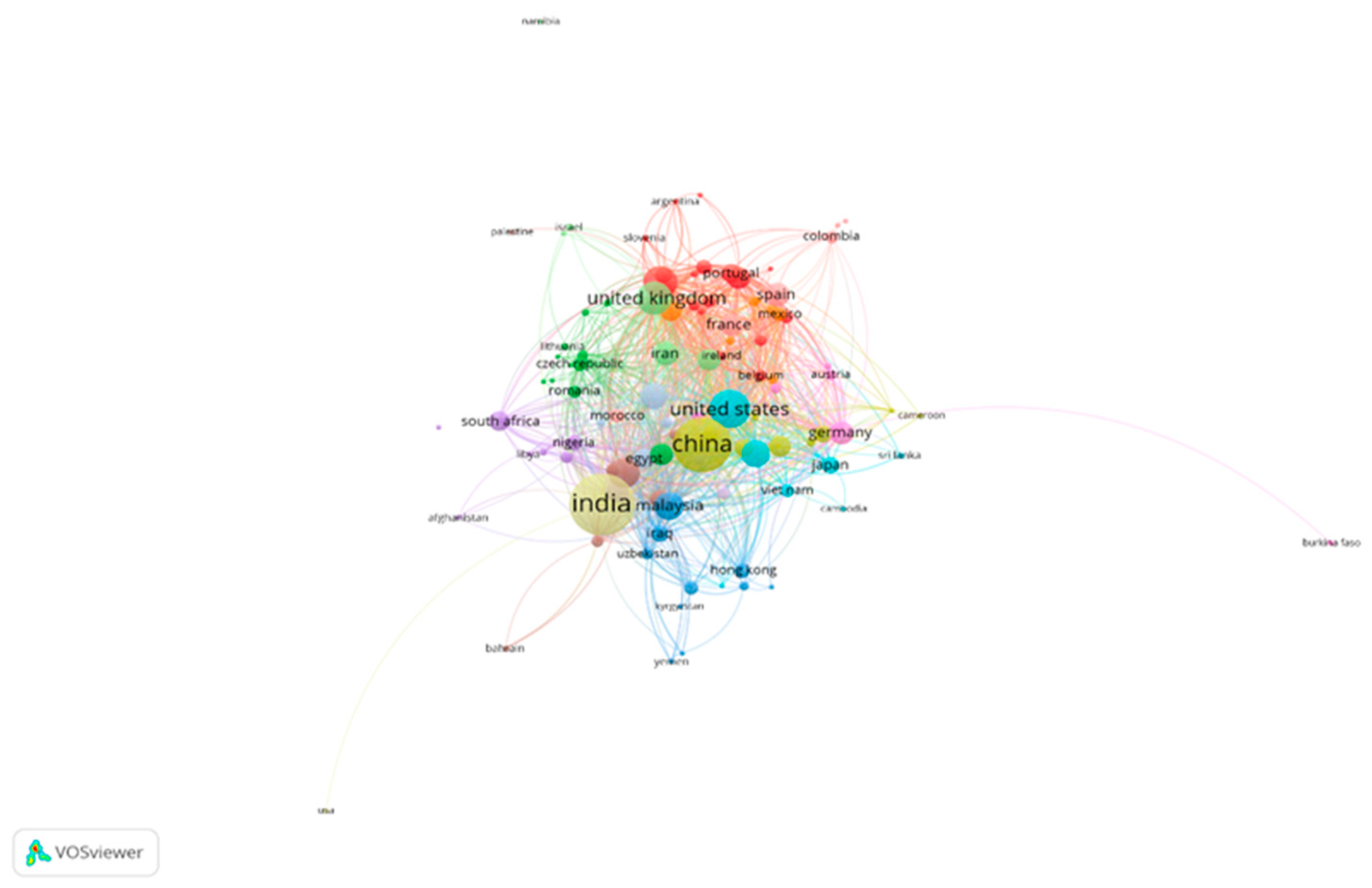
It is suggested that Latin America urgently needs to strengthen its scientific cooperation ties with other regions to consolidate its role in energy sustainability research. Fostering international collaborative networks, increasing investment in research and generating publication in high impact journals are key strategies to improve the region's presence in the global debate on energy transition and sustainable development.
The bibliometric review confirms that energy sustainability is a rapidly expanding field, with an increasingly interdisciplinary approach. Cooccurrence maps show that the main research trends revolve around digitalization, energy efficiency and the circular economy, while co-authorship analysis reveals the need to strengthen collaboration between research groups and foster greater scientific integration at the global level.
In addition, the geographical distribution of scientific production shows the leadership of China, the United States, and India in the field, but also highlights opportunities for Latin America to expand its participation in research on organizational strategies for energy sustainability. To this end, it is essential to consolidate international cooperation networks and facilitate the integration of countries with lower representation in scientific production, enabling the region to actively contribute to the formulation of innovative solutions for energy transition and global sustainability.
3.8. Emerging Trends and Future Directions in Energy Sustainability
Energy sustainability between 2020 and 2024 reveals key trends that have driven the transformation of the sector, digitalization, circular economy, and optimization of resource use have been the main drivers of change in energy management. However, significant gaps persist that limit the effective implementation of these strategies, especially in emerging economies.
One of the most relevant trends is digital transformation as a driver of energy sustainability. Technologies such as digital twins, big data and smart management platforms facilitate more accurate monitoring of energy consumption, facilitating decision making based on real-time data. In addition, the integration of these technologies with renewable energy sources has improved the resilience of energy systems, optimizing their efficiency, and reducing their environmental impact.
Another key trend is the growing adoption of the circular economy in energy management. Organizations have implemented industrial symbiosis and energy recovery models, achieving the use of by-products and waste to generate energy more efficiently, being relevant in manufacturing, where the reuse of materials and the optimization of processes have demonstrated both environmental and economic benefits.
Despite these advances, there are significant gaps in research that must be addressed to consolidate the transition to a sustainable energy model. First, there is limited integration in emerging economies, which restricts the global applicability of many strategies developed in industrialized countries. In addition, the lack of standardized frameworks for assessing the impact of energy strategies makes it difficult to compare results and formulate effective policies.
Another challenge is the gap between technological innovation and global energy regulations. While digitalization and renewable energies are advancing rapidly, regulatory and legislative frameworks have not evolved as quickly, generating uncertainty in the implementation of new solutions. Furthermore, the scarcity of research on financing models for energy sustainability represents a barrier to the adoption of innovative strategies, especially in sectors that require long-term investment.
In conclusion, energy sustainability has experienced significant progress in recent years, driven by digitalization and the circular economy. However, it is necessary to continue developing integrative visions to overcome existing barriers and ensure an effective energy transition. Future research should focus on the adaptation of these strategies to emerging economies, the harmonization of regulations with technological innovation, and the formulation of sustainable financial models that facilitate their implementation at a global level.
4. Discussion
The present systematic literature review evidences a significant evolution in organizational strategies for energy sustainability between 2020 and 2024. Initially focused on operational efficiency and cost reduction, these strategies have evolved towards integrated models that incorporate digitalization, circular economy and new sustainable financing mechanisms. Therefore, this transition confirms previous trends in the literature, which highlight the convergence between digital transformation and sustainability as a driver of the reconfiguration of EMSs in different productive sectors [9].
Bibliometric analysis reveals significant differences in the adoption of sustainable strategies by region. In Europe and North America, the integration of Industry 4.0 technologies has reduced energy consumption by 25% to 40% in sectors such as manufacturing [8]. However, in Latin America, structural barriers persist, such as regulatory fragmentation, limitations in green financing, and lack of technological infrastructure, which hinder the energy transition [11].
At the organizational level, the adoption of energy sustainability strategies is correlated with improvements in business performance. It has been documented that these strategies can reduce energy costs by 15% to 30%, as well as generate benefits in competitiveness, corporate reputation and innovation [12]. The results identify energy sustainability as a key strategic factor for long-term business competitiveness [10].
A key element of this review is the role of digital transformation in energy sustainability. Technologies such as IoT, real-time data analytics, and digital twins have revolutionized energy management, enabling accurate monitoring, integration of renewable sources, and improved operational resilience [14]. However, rapid technological evolution has created a gap between innovation and energy regulation, introducing uncertainty in the adoption of new sustainable practices [40].
Likewise, key barriers to the implementation of organizational strategies for energy sustainability were identified. Among the most relevant are the lack of technical capabilities, organizational resistance to change, lack of financial incentives and regulatory uncertainty. The absence of specialized personnel and the lack of adequate economic incentives hinder the transition to more sustainable energy models [11].
Conversely, factors that facilitate the energy transition include committed organizational leadership, the availability of mature technologies and access to green financing. Companies with a clear vision of sustainability are more likely to succeed in implementing energy strategies, especially when they have advanced systems for monitoring and optimizing consumption. In addition, green bonds, sustainable investment funds, and international financing programs have driven the adoption of these strategies in different sectors [10].
Documented cases demonstrate the positive impact of these strategies. In the European manufacturing sector, a company that adopted an IoT system for energy management reduced its energy consumption by 25% with a return on investment in just 18 months. In Latin America, a hospital that implemented a hybrid renewable energy system reduced its energy costs by 30%, improving its operational resilience. Examples demonstrate the feasibility and benefits of energy sustainability when the right resources are in place [31,41].
In summary, the literature confirms that energy sustainability has evolved from an assessment focused on operational efficiency to a more comprehensive model involving digitalization, circular economy, and sustainable financing. However, structural and regulatory challenges persist that limit its adoption. Clearly, energy sustainability is not only an environmental urgency, but a strategic imperative for the competitiveness and economic stability of organizations.
The systematic review brings new insights to the field of organizational energy sustainability by integrating a bibliometric and qualitative approach in examining strategies implemented in different regions and sectors. First, gaps in the literature are identified, especially regarding the adoption of sustainable strategies in emerging economies and the lack of longitudinal results to assess long-term impacts. Second, the application of bibliometric analysis allows visualizing key trends, collaborative networks and conceptual evolution of the field, providing a structured framework for future research. Definitely, the comparison between different regions and sectors evidences significant disparities in strategy implementation, highlighting the need for differentiated strategies according to the economic, regulatory and technological environment. The results provide a comprehensive perspective on the transition to energy sustainability and its implications for policy formulation and organizational strategies.
5. Conclusions
This systematic review provides evidence that the transition to organizational energy sustainability is an interdisciplinary process that encompasses energy consumption optimization, business model transformation and governance restructuring. The results evidence that the adoption of sustainable strategies drives significant improvements in operational efficiency, business competitiveness, and resilience to changes in the regulatory and market environment. Digitalization, circular economy and sustainable financing emerge as key pillars in this transition, reflecting an evolution from conventional energy efficiency directions to integrated sustainable management models.
One of the main evidence is the relevance of digital transformation in sustainable energy management. Technologies such as IoT, artificial intelligence, and advanced energy management systems have proven to be key catalysts in optimizing resource use and integrating renewable sources. However, the adoption of these technologies varies significantly across regions, with structural barriers hindering their implementation in emerging economies. In this sense, it is crucial to develop strategies adapted to different contexts, considering the infrastructure, financing and regulatory constraints in each region.
The results also confirm that energy sustainability has a positive impact on organizational performance beyond cost reduction. Improved corporate reputation, greater capacity for innovation and greater attraction of sustainable investment have been observed in those companies that integrate sustainability into their organizational strategy. However, the effectiveness of these strategies depends on the existence of clear regulatory frameworks, adequate financial incentives and access to advanced technologies.
From a future research perspective, several key areas for further progress in the field of organizational energy sustainability are identified. The development of standardized indicators that benchmark the impact of long-term energy strategies is necessary. Additionally, it is recommended that innovative financing models, such as green bonds and tax incentives, be explored to facilitate the adoption of these strategies in developing economies. Promoting international cooperation and the creation of interregional research networks will be crucial to consolidate energy sustainability as a central axis in global business management.
On the other hand, this review consolidates existing knowledge on organizational energy sustainability and provides a new perspective on its evolution at the sectoral and regional level. Coupled with the use of bibliometric analysis that has allowed structuring the area and visualizing emerging trends in digitalization, circular economy and sustainable financing, which underline the need to continue developing empirical and longitudinal assessments that deepen the effectiveness of energy strategies in different organizational environments, thus ensuring an energetically sustainable and resilient future.
Author Contributions
Conceptualization, E.V.R.F. and M.Y.O.L.; methodology, E.V.R.F.; software, L.E.C.S. and F.S.M.G.; validation, G.C.F.C. and F.S.M.G.; formal analysis, D.A.L.A.; investigation, E.V.R.F.; resources, L.E.C.S. and C.P.N.; data curation, D.A.L.A.; writing—original draft preparation, L.E.C.S.; writing—review and editing, D.A.L.A. and C.P.N.; visualization, G.C.F.C. and M.Y.O.L.; supervision, G.C.F.C.; project administration, M.Y.O.L and C.P.N. All authors have read and agreed to the published version of the manuscript.
Funding
This research received no external funding.
Institutional Review Board Statement
Not applicable.
Informed Consent Statement
Not applicable.
Data Availability Statement
Data are contained within the article.
Conflicts of Interest
The authors declare no conflicts of interest.
References
- Sulich, A.; Sołoducho-Pelc, L. Changes in Energy Sector Strategies: A Literature Review. Energies 2022, 15, 7068. [Google Scholar] [CrossRef]
- Gunarathne, N.; Lee, K.-H. The Link between Corporate Energy Management and Environmental Strategy Implementation: Efficiency, Sufficiency and Consistency Strategy Perspectives | Request PDF. Journal of Cleaner Production 2024, 293. [Google Scholar] [CrossRef]
- IRENA Available online:. Available online: https://www.irena.org/publications/2021/Jun/World-Energy-Transitions-Outlook (accessed on 26 February 2025).
- Comisión Económica para América Latina y el Caribe Available online:. Available online: http://www.cepal.org/es/publicaciones/46374-estrategia-energetica-sustentable-2030-paises-sica (accessed on 26 February 2025).
- Secretaría Distrital de Ambiente Available online:. Available online: https://oab.ambientebogota.gov.co/?post_type=dlm_download&p=21484 (accessed on 26 February 2025).
- Energy Indicators for Sustainable Development: Guidelines and Methodologies; International Atomic Energy Agency, 2005; pp. 1–161;
- Dong, W.; Zhao, G.; Yüksel, S.; Dinçer, H.; Ubay, G.G. A Novel Hybrid Decision Making Approach for the Strategic Selection of Wind Energy Projects. Renewable Energy 2022, 185, 321–337. [Google Scholar] [CrossRef]
- Günay, M.; Korkmaz, M.E. Understanding the Relationship between Surface Quality and Chip Morphology under Sustainable Cutting Environments. Materials 2024, 17, 1826. [Google Scholar] [CrossRef] [PubMed]
- Colombi, C.; D’Itria, E. Fashion Digital Transformation: Innovating Business Models toward Circular Economy and Sustainability. Sustainability 2023, 15, 4942. [Google Scholar] [CrossRef]
- Hofman, B.; de Vries, G.; van de Kaa, G. Keeping Things as They Are: How Status Quo Biases and Traditions along with a Lack of Information Transparency in the Building Industry Slow Down the Adoption of Innovative Sustainable Technologies. Sustainability 2022, 14, 8188. [Google Scholar] [CrossRef]
- Pinilla-De La Cruz, G.A.; Rabetino, R.; Kantola, J. Unveiling the Shades of Partnerships for the Energy Transition and Sustainable Development: Connecting Public–Private Partnerships and Emerging Hybrid Schemes. Sustainable Development 2022, 30, 1370–1386. [Google Scholar] [CrossRef]
- Gu, S. Green Innovation; a Way to Enhance Economic Performance of Chinese Hotels. International Journal of Innovation Science 2022, 15, 406–426. [Google Scholar] [CrossRef]
- Caffaro, F.; Massullo, C.; Carrus, G.; Gastaldo, A.; Tiberio, L. Organisational Identification and Environmentally-Relevant Behaviours: Insights from an Italian Energy Cooperative. Psicologia Sociale 2023, 383–396. [Google Scholar] [CrossRef]
- Romantyo, G.W.; Anggoro, Y. Systems Thinking Approach for Strategy Evolution in the Indonesian Energy Corporation towards Sustainable Organization. In Proceedings of the International Conference on Mathematical and Statistical Physics, Computational Science, Education and Communication (ICMSCE 2023); SPIE, December 19 2023; Vol. 12936, pp. 454–477.
- DiMaggio, P.J.; Powell, W.W. The Iron Cage Revisited: Institutional Isomorphism and Collective Rationality in Organizational Fields. American Sociological Review 1983, 48, 147–160. [Google Scholar] [CrossRef]
- Teece, D.J.; Pisano, G.; Shuen, A. Dynamic Capabilities and Strategic Management. Strategic Management Journal 1997, 18, 509–533. [Google Scholar] [CrossRef]
- Lippolis, S.; Ruggieri, A.; Leopizzi, R. Open Innovation for Sustainable Transition: The Case of Enel “Open Power. ” Business Strategy and the Environment 2023, 32, 4202–4216. [Google Scholar] [CrossRef]
- Amaral, A.R.; Rodrigues, E.; Rodrigues Gaspar, A.; Gomes, Á. How Organizational Constraints Undermine Sustainability Actions in a University’s Campuses: A Case Study. Journal of Cleaner Production 2023, 411, 137270. [Google Scholar] [CrossRef]
- Onyemelukwe, I.C.; Ferreira, J.A.V.; Ramos, A.L. Human Energy Management in Industry: A Systematic Review of Organizational Strategies to Reinforce Workforce Energy. Sustainability 2023, 15, 13202. [Google Scholar] [CrossRef]
- Páramo Reales, D.; Campo Sierra, S.J.; Maestre Matos, L.M. Métodos de investigación cualitativa; 1st ed.; Editorial Unimagdalena, 2020; ISBN 978-958-746-303-3.
- Alojail, M.; Khan, S.B. Impact of Digital Transformation toward Sustainable Development. Sustainability 2023, 15, 14697. [Google Scholar] [CrossRef]
- Moghrabi, I.A.R.; Bhat, S.A.; Szczuko, P.; AlKhaled, R.A.; Dar, M.A. Digital Transformation and Its Influence on Sustainable Manufacturing and Business Practices. Sustainability 2023, 15, 3010. [Google Scholar] [CrossRef]
- Sah, A.K.; Hong, Y.-M. Circular Economy Implementation in an Organization: A Case Study of the Taiwan Sugar Corporation. Sustainability 2024, 16, 7865. [Google Scholar] [CrossRef]
- Burcă, V.; Bogdan, O.; Bunget, O.-C.; Dumitrescu, A.-C. Corporate Financial Performance vs. Corporate Sustainability Performance, between Earnings Management and Process Improvement. Sustainability 2024, 16, 7744. [Google Scholar] [CrossRef]
- Boeske, J. Leadership towards Sustainability: A Review of Sustainable, Sustainability, and Environmental Leadership. Sustainability 2023, 15, 12626. [Google Scholar] [CrossRef]
- Lu, Y.; Khan, Z.A.; Alvarez-Alvarado, M.S.; Zhang, Y.; Huang, Z.; Imran, M. A Critical Review of Sustainable Energy Policies for the Promotion of Renewable Energy Sources. Sustainability 2020, 12, 5078. [Google Scholar] [CrossRef]
- Ahmed, S.; Ali, A.; D’Angola, A. A Review of Renewable Energy Communities: Concepts, Scope, Progress, Challenges, and Recommendations. Sustainability 2024, 16, 1749. [Google Scholar] [CrossRef]
- Mocanu, A.A.; Brătucu, G.; Ciobanu, E.; Chițu, I.B.; Szakal, A.C. Can the Circular Economy Unlock Sustainable Business Growth? Insights from Qualitative Research with Specialists in Romania. Sustainability 2024, 16, 2031. [Google Scholar] [CrossRef]
- Young, S.; Monk, A.H.B.; Knox-Hayes, J. Financing Energy Innovation: The Need for New Intermediaries in Clean Energy. Sustainability 2020, 12, 10440. [Google Scholar] [CrossRef]
- Liu, H.; Zoh, K. Smart Landscaping Design for Sustainable Net-Zero Energy Smart Cities: Modeling Energy Hub in Digital Twin. Sustainable Energy Technologies and Assessments 2024, 65, 103769. [Google Scholar] [CrossRef]
- Kluczek, A.; Buczacki, A. Smart Energy Sustainability Hub in Light of Industry 4.0. Energy Reports 2023, 10, 3835–3846. [Google Scholar] [CrossRef]
- Nolasco-Mamani, M.A.; Vidaurre, S.M.E.; Choque-Salcedo, R.E. Innovación y Transformación Digital en la Empresa. ACVENISPROH Académico, 2022. [Google Scholar] [CrossRef]
- Lomas, J.C.; Muñoz-Cerón, E.; Nofuentes, G.; de la Casa, J. Sale of Profitable but Unaffordable PV Plants in Spain: Analysis of a Real Case. Energy Policy 2018, 117, 279–294. [Google Scholar] [CrossRef]
- Déniz Mayor, J.J.; Maestre Valido, R. Decisiones políticas y rentabilidad, solvencia y endeudamiento del sector de energías renovables en España. TRASCENDER, CONTABILIDAD Y GESTIÓN 2020, 34–58. [Google Scholar] [CrossRef]
- García Mazo, C.M. Decisiones estratégicas de inversión en energía renovable para generadores en un mercado eléctrico competitivo. Trabajo de grado - Doctorado, Universidad Nacional de Colombia, 2022.
- Guamán Cuenca, W.P. COORDINACIÓN DE PROTECCIONES EN SISTEMAS ELÉCTRICOS DE DISTRIBUCIÓN CONSIDERANDO LA INTRODUCCIÓN DE GENERACIÓN DISTRIBUIDA. ENERLAC. Revista de energía de Latinoamérica y el Caribe 2024, 8. [Google Scholar]
- Parkash, O.; Kumar, D.; Dwivedi, R.K.; Srivastava, K.K.; Singh, P.; Singh, S. Effect of Simultaneous Substitution of La and Mn on Dielectric Behavior of Barium Titanate Ceramic. J Mater Sci 2007, 42, 5490–5496. [Google Scholar] [CrossRef]
- Kamboj, A.; Sadh, P.K.; Chawla, P.; Saharan, B.S.; Seth, C.S.; Sridhar, K.; Duhan, J.S.; Sharma, M. Sustainable Management of Rice By-Products: Environmental Challenges, Industrial Applications, and Circular Bio-Economy Innovations. Biocatalysis and Agricultural Biotechnology 2024, 62. [Google Scholar] [CrossRef]
- Aghbashlo, M.; Hosseinzadeh-Bandbafha, H.; Shahbeik, H.; Tabatabaei, M. The Role of Sustainability Assessment Tools in Realizing Bioenergy and Bioproduct Systems. Biofuel Research Journal 2022, 9, 1697–1706. [Google Scholar] [CrossRef]
- Hassan, H.; Hsbollah, H.M.; Mohamad, R. Investigating Factors Affecting Solar Photovoltaic (PV) Adoption among Malaysian SMEs. Journal of Advanced Research in Applied Sciences and Engineering Technology 2023, 32, 289–313. [Google Scholar] [CrossRef]
- Global Network of Green and Healthy Hospitals Available online:. Available online: https://hospitalesporlasaludambiental.org/estudios-de-caso (accessed on 26 February 2025).
Disclaimer/Publisher’s Note: The statements, opinions and data contained in all publications are solely those of the individual author(s) and contributor(s) and not of MDPI and/or the editor(s). MDPI and/or the editor(s) disclaim responsibility for any injury to people or property resulting from any ideas, methods, instructions or products referred to in the content. |
© 2025 by the authors. Licensee MDPI, Basel, Switzerland. This article is an open access article distributed under the terms and conditions of the Creative Commons Attribution (CC BY) license (http://creativecommons.org/licenses/by/4.0/).
Copyright: This open access article is published under a Creative Commons CC BY 4.0 license, which permit the free download, distribution, and reuse, provided that the author and preprint are cited in any reuse.


