

Submitted:
22 February 2025
Posted:
24 February 2025
You are already at the latest version
Abstract
Background: The integration of digital devices in education has transformed learning experiences, offering instant access to information and enhancing collaboration. However, their misuse for non-academic purposes, such as social media and gaming, has led to significant classroom distractions, negatively impacting student focus and academic performance. This study investigates the prevalence of digital distractions (DD) in classrooms and explores strategies to enhance student engagement while minimizing disruptions.Methods: A quantitative cross-sectional study was conducted using a Google Forms survey distributed to students in a selected academic institution. A convenience sampling method was employed, and data were analyzed using descriptive statistics.Results: The 51.2% of students reported using digital devices 1 to 3 times per class, primarily for non-academic activities such as texting (21.9%), social networking (14.1%), and checking the time (41.2%). The primary benefits of using digital devices were staying connected (29.2%), entertainment (19.8%), and alleviating boredom (20.4%). The most cited negative effects were reduced attention (68.6%), distraction of peers (38.5%), and missed instructions (30.3%). 66.3% of participants supported banning digital devices in classrooms, while 59.7% favored restricting non-academic use.Conclusion: Digital devices play a dual role in education—they enhance learning while also contributing to distractions. To address this challenge, clear policies, digital literacy programs, and self-regulation strategies are essential for promoting responsible device use and improving classroom focus. Future research should explore adaptive strategies to balance digital engagement with academic performance.
Keywords:
Digital Distractions
; Device Management
; Academic Performance
; Digital Literacy
; Self-Regulation Strategies
1. Introduction
In today's digital age, the integration of technology in education has revolutionized learning environments. Digital devices like smartphones, tablets, and laptops have become essential tools for students, offering instant access to information, collaborative platforms, and educational resources. However, this digital integration has also brought new challenges, especially in the form of DD in the classroom. The omnipresence of these devices can divert students' attention from the learning process, thereby affecting academic performance and classroom dynamics. Digital distractions (DD) in the classroom have become a growing concern among educators and researchers. Although mobile technology (e.g., smartphones, laptops, and tablets) is intended to support learning, its misuse for non-academic purposes (e.g., texting, scrolling, shopping, and games) has become widespread. Research indicates that these DDs can negatively impact learning and performance (Flanigan et al., 2023). The misuse of digital strategies, such as cell phones, laptops,s, and social media, along with media multitasking, can lead to significant disadvantages. Students tempted to check social media browse the internet, or engage in unrelated activities experience both between-individual and within-individual associations of SMU, which can result in a loss of focus and decreased academic performance (Siebers et al., 2022). Additionally, the presence of digital devices can disrupt the classroom environment, distracting not only the users but also their peers, leading to missed instruction, reduced participation, and a decline in the quality of the learning experience (Attia et al., 2017). Moreover, a study by McCoy (2020) surveyed 1,033 college students in the U.S. and Canada and investigated digital device distractions during class. The study revealed that students consumed 19.4% of class periods on non-class-related digital activities and used devices 9.06 times per day. Despite these challenges, digital technology offers several advantages in educational settings (Wang et al., 2024). These technologies have caused a paradigm shift in education, serving as knowledge providers, co-creators of information, mentors, and assessors. Technology upgrades have made life more convenient for students by offering various digital tools to design presentations and complete projects, reducing the need for manual pen-and-paper work (Haleem et al., 2022). Similarly, a study by Balalle (2024) reviewed 33 articles from Scopus and PubMed using PRISMA and found that gamification enhances student motivation and learning. Continuous monitoring and technological insights are essential for advancing digital education. Additionally, a study by Technol et al. (2023) highlighted that digital skills offer personalized learning and inspiration, letting individual learn at their own pace and meet their unique desires. This approach significantly improves engagement, motivation, and learning outcomes compared to traditional methods. A study by McCoy (2020) emphasized the importance of digital devices in maintaining social connections and providing entertainment. Several studies have highlighted that digital devices in the classroom have both advantages and disadvantages, depending on the approach to mindful pedagogy. Shanmugasundaram and Tamilarasu (2023) suggest that while digital technology, social media, and AI impact cognitive functions—affecting attention, memory, and decision-making—the benefits can be maximized with mindful pedagogy that balances digital engagement. Additionally, the use of multiple devices can decrease concentration during learning. In this context, Limniou (2021) found that using a single digital device in the classroom improves learning effectiveness compared to using multiple devices. Collaborative digital tools like quizzes, virtual simulations, and educational apps can enhance engagement and improve academic performance (Guillén-Yparrea et al., 2023). The tools help students interact with content in a fun and meaningful way, making learning more effective. However, their success depends on how well they are integrated into the curriculum. If not managed properly, the interactive features that boost engagement can also become distractions (Pérez-Juárez et al., 2023). The objective of this research study is to examine the prevalence of DD in the classroom with the goal of providing recommendations for educators and policymakers to enhance student management and academic performance. By understanding the advantages and disadvantages of digital device use, this study contributes to the continuing discussion about the role of technology skills in education and how they can be effectively managed. While digital devices offer significant advantages in educational settings, their potential to distract students from learning must be carefully managed. By implementing effective policies and incorporating engaging digital tools, educators can connect the aids of technology skills while minimizing its drawbacks. The discoveries of this research study deliver a valued understanding of the challenges and opportunities of digital skills use in the teaching space, paving the way for future research and policy development in this area.
2. Methods
This research study used a quantitative research strategy to observe the prevalence of digital distractions among students in the classroom. Data was collected using a survey administered through Google Forms. The study was conducted in a selected academic institute, utilizing a convenient sampling method. The sample size was determined using Cochran's formula to account for an unknown total population. Data collection took place during July and August 2024. The study's inclusion criteria required students to actively use social media platforms such as email, WhatsApp, Viber, Facebook, and other mobile phone applications. Researchers employed validated research instruments (McCoy, 2020), adhering to established research design and guidelines also PRISMA 2020 statement and guidelines, (Page et al., 2021). Formal permission was obtained to ensure the appropriateness and reliability of these instruments. The study selection process followed a systematic approach, illustrated in Figure 1.
A detailed breakdown of the study screening process are showed in Table 1 with the PRISMA Data Table, summarizing records identified, screened, and excluded at each stage.
2.1. Ethical Considerations
Ethical clearance was secured from the Yeti Health Sciences Academy Institutional Review Committee (IRC), which the Nepal Health Research Council recognizes. The data was analyzed using a descriptive approach, providing a comprehensive understanding of digital distractions in the classroom. This analysis identified patterns and insights regarding how digital distractions affect students' learning environments.
The study’s findings offer valuable insights into how educators can better manage digital distractions, creating a more focused and effective learning environment for students. By understanding these patterns, schools can implement strategies that support student concentration and overall academic performance.
3. Results

Table 2.
The Sociodemographic Variables among Participants.
| Variables | Frequency | Percent |
|---|---|---|
| Gender | ||
| Male | 68 | 21.1 |
| Female | 254 | 78.9 |
| Qualification | ||
| Certificate | 9 | 2.8 |
| Bachelor | 219 | 68.0 |
| Master's | 94 | 29.2 |
Table 3.
Descriptive Analysis of Digital Distractions among Participants.
| Variables | Frequency | Percent |
|---|---|---|
| Q (DD1): On a typical school day, how often do you use a digital device for non-classroom activities (e.g., texting, calling, emailing, browsing the web, tweeting, or social networking) during classes? | ||
| Never | 93 | 28.9 |
| 1 -3 times | 165 | 51.2 |
| 4-10 times | 48 | 14.9 |
| 11 to 30 times & more | 16 | 5.0 |
| Q (DD2): if you use a digital device during class for non-academic purposes, please describe all those purposes. | ||
| Texting | 68 | 21.9 |
| Social networking | 44 | 14.1 |
| 34 | 10.9 | |
| Web surfing Web | 37 | 11.9 |
| Checking the time | 128 | 41.2 |
| Q (DD3): If you use a digital device during class for non-academic purposes, what percentage of the class time is spent engaging in that activity? | ||
| 0-10% | 180 | 56.6 |
| 11-20% | 54 | 17.0 |
| 21-30% | 33 | 10.4 |
| 31-40% | 18 | 5.7 |
| 41-50% | 20 | 6.3 |
| 51-60% | 13 | 4.0 |
Among participants, 21.1% are male and 78.9% are female. Regarding qualifications, 2.8% hold a certificate, 68.0% have a bachelor’s degree, and 29.2% possess a master’s degree.
Among participants, 28.9% never use digital devices during class, while 51.2% use them 1 to 3 times.
For non-academic purposes, 41.2% check the time, 21.9% text, and 14.1% use social networking. Most (56.6%) spend 0-10% of class time on these activities.
Figure 2.
Three biggest advantages of using digital devices in class for non-academic determinations among Participants.
Figure 2.
Three biggest advantages of using digital devices in class for non-academic determinations among Participants.
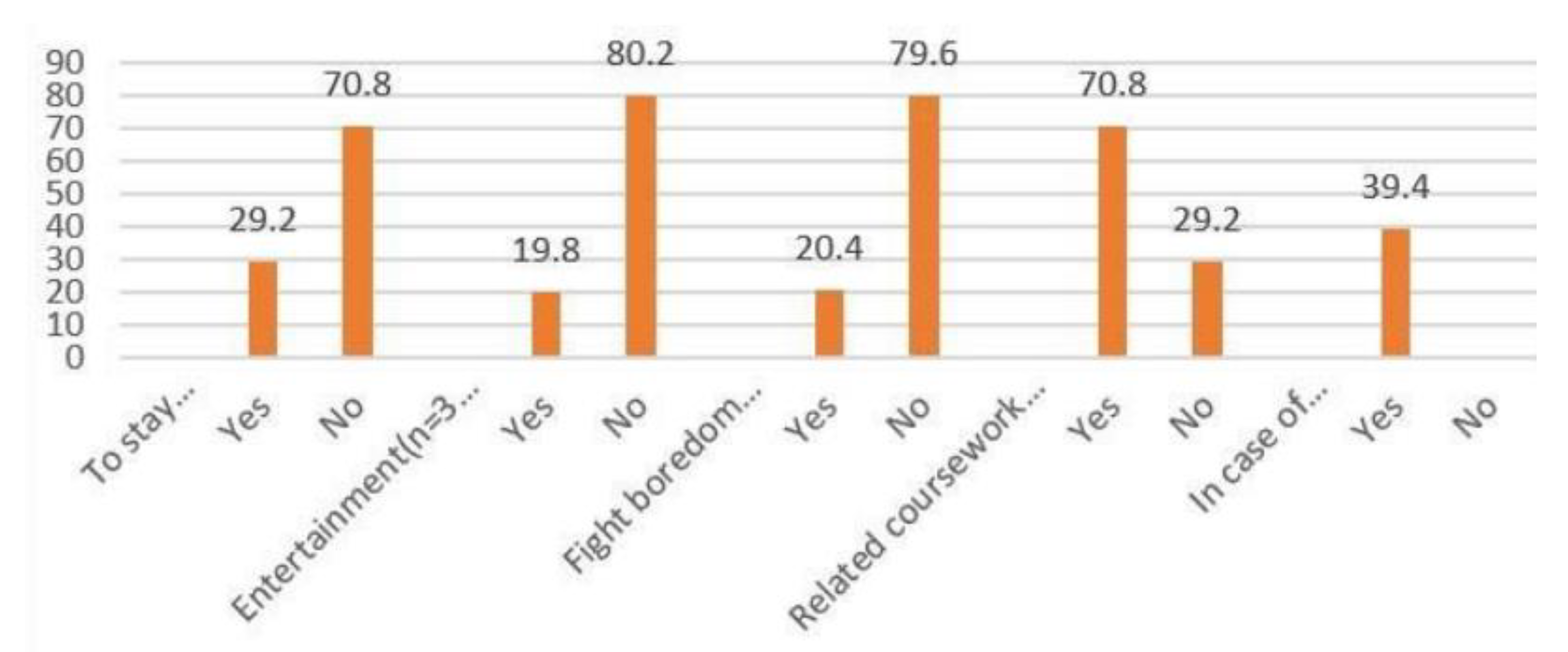
The three (3) biggest advantages of using digital devices in class period for non-academic purposes are staying connected (29.2%), entertainment (19.8%), and fighting boredom (20.4%). Additionally, they are significantly used for related coursework (70.8%) and emergencies (39.4%). These findings highlight their role in maintaining connectivity, providing entertainment, and supporting academic and safety needs. The results indicate students primarily use digital devices for related coursework, followed by staying connected and handling emergencies.
Figure 3.
Three biggest disadvantages to using a digital device in the classroom for non-academic purposes among participants.
Figure 3.
Three biggest disadvantages to using a digital device in the classroom for non-academic purposes among participants.
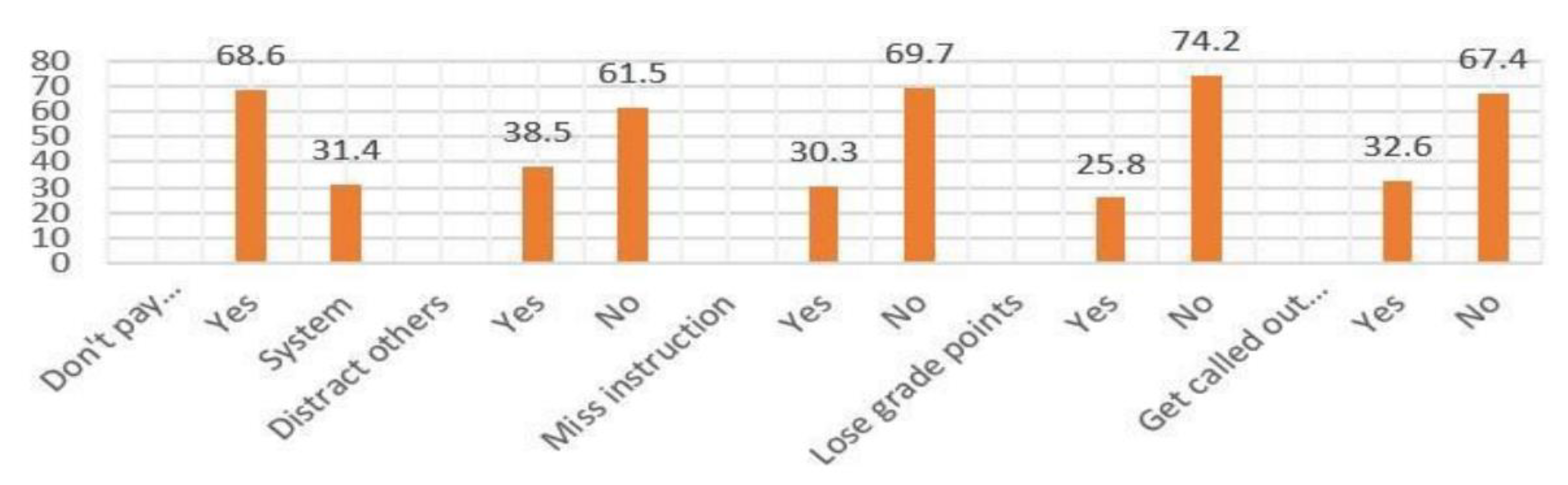
The three biggest disadvantages of using digital devices in the classroom for non-academic purposes are not paying attention (68.6%), distracting others (38.5%), and missing instruction (30.3%). Other notable disadvantages include losing grade points (25.8%) and getting called out by the instructor (32.6%). The results show significant issues with inattentiveness (68.6%), distraction (38.5%), and missed instructions (30.3%) due to digital device use.
Table 4.
Descriptive Analysis of Participants' Digital Device Usage Patterns.
| Variables | Frequency | Percentage |
|---|---|---|
| How much of a learning distraction do you cause yourself if you use digital devices during class for non-classes activities? | ||
| No distraction | 62 | 20.4 |
| A little distraction | 159 | 52.3 |
| A medium distraction | 52 | 17.1 |
| A big distraction | 31 | 10.2 |
| How much of a learning distraction is it to you if other students use digital devices during class for non-class activities | ||
| No distraction | 48 | 16.1 |
| A little distraction | 167 | 55.9 |
| A medium distraction | 51 | 17.1 |
| A big distraction | 33 | 11.0 |
The majority of respondents reported that using digital devices during class for non-class activities causes "a little distraction" (52.3%) and "a medium distraction" (17.1%) to themselves. When other students use devices, most find it "a little distraction" (55.9%) and "a medium distraction" (17.1%).
Figure 4.
Types of distractions caused by the use of digital devices during class for non-class activities.
Figure 4.
Types of distractions caused by the use of digital devices during class for non-class activities.
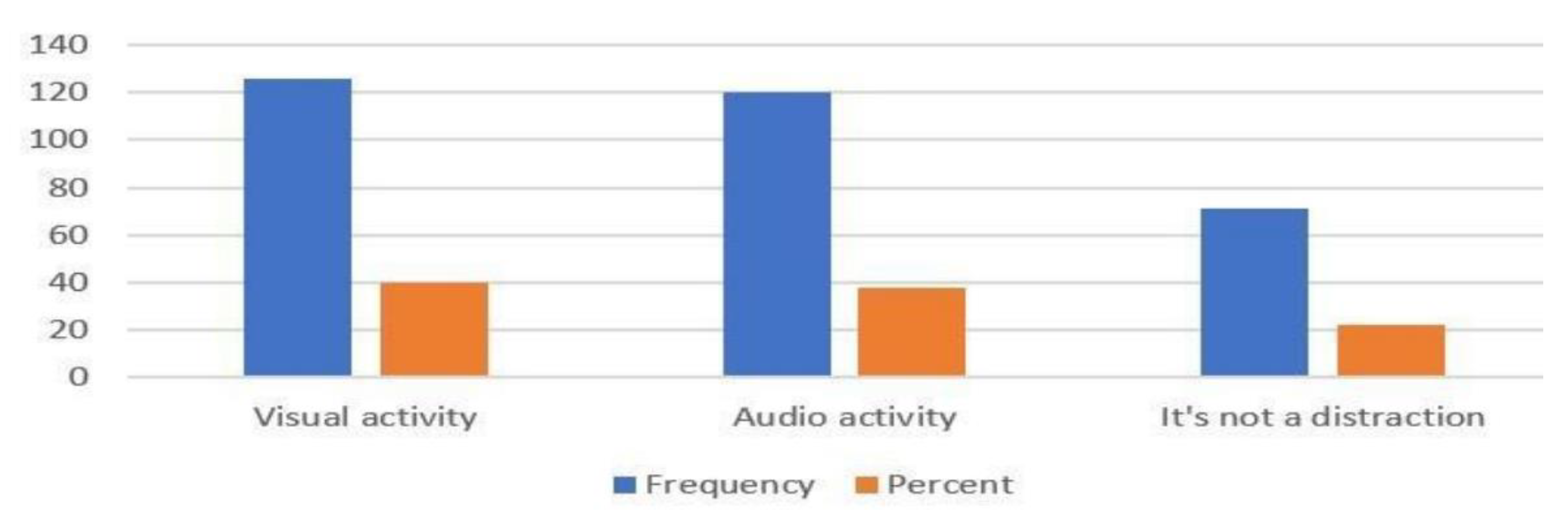
The use of digital devices during class for non-class activities causes visual distractions (39.7%) and audio distractions (37.9%), but 22.4% of respondents do not consider them a distraction.
Figure 5, most respondents (66.3%) believe digital devices should be banned from classrooms, while 33.8% oppose the ban.
Figure 6, out of the surveyed instructors, 31.4% have a policy regarding digital device use in their classrooms, while 68.6% do not.
Figure 6.
Instructors have a policy regarding the use of digital devices in their classroom.
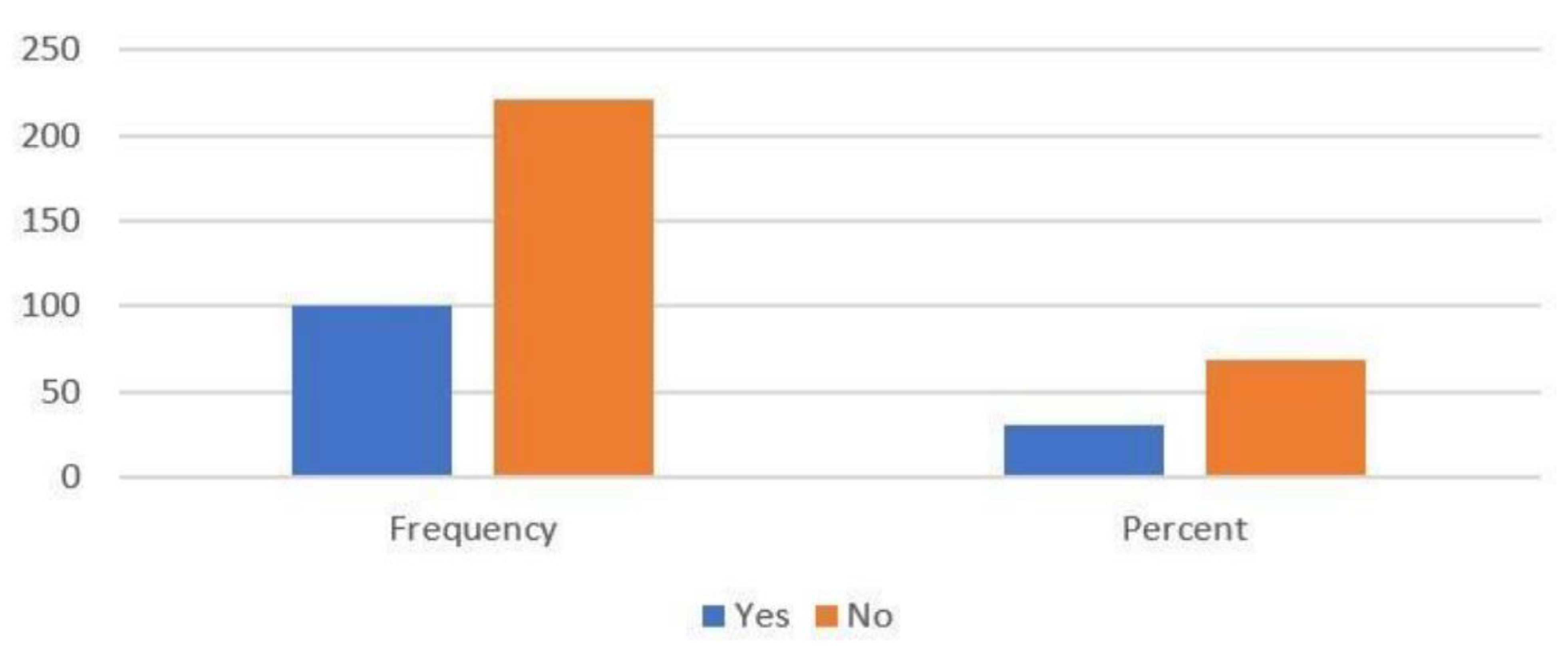
Table 5.
Descriptive Analysis of Policy Preferences and Management Strategies for Digital Distractions.
Table 5.
Descriptive Analysis of Policy Preferences and Management Strategies for Digital Distractions.
| Variables | Frequency | Percent |
|---|---|---|
| Q (DD11): Which of the following statements do you agree with MOST regarding classroom uses of digital devices for non-classroom purposes? Of digital devices for non-classroom purposes? | ||
| I believe my use of digital devices is | 126 | 39.6 |
| I don’t use digital devices | 70 | 22.0 |
| I can freely use a digital device | 51 | 16.0 |
| I can’t stop myself from | 30 | 9.4 |
| It is my choice to use a digital device | 41 | 12.9 |
| Q (DD12): Do you believe it is helpful to have policies limiting non-classroom use of digital devices? | ||
| Yes | 191 | 59.7 |
| No | 51 | 15.9 |
| Don't know | 78 | 24.4 |
| Q (DD13): Would it be helpful if the instructor had a brief class discussion about the appropriate classroom use of digital devices at the beginning of each semester | ||
| Yes | 276 | 85.7 |
| No | 28 | 8.7 |
| Don't know | 18 | 5.6 |
| Q (DD14): What should instructors do if a student disrupts by using a digital device for non-class | ||
| speak to the student | 107 | 33.8 |
| ask the student to leave the class | 68 | 21.5 |
| confiscate or turn off the device | 142 | 44.8 |
| Q (DD15): Which policy would you most favor for the student caught using digital devices in the classroom for non-classroom purposes? | ||
| No warning or penalty | 22 | 6.8 |
| warning on a first offense, | 279 | 86.6 |
| penalty each time it happens | 21 | 6.5 |
| Q (DD16). I would turn off non-classroom digital distractions if my instructor gave me this much extra credit on my final class grade | ||
| 5 percent | 17 | 5.3 |
| 10 percent | 13 | 4.0 |
| 20 percent | 60 | 18.6 |
| I don't think students need | 232 | 72.0 |
Regarding digital device use, 39.6% believe their use is appropriate, while 22.0% do not use them. Most (59.7%) support policies limiting non-classroom use and 85.7% favor discussing digital device use at the semester’s start. If disruptions occur, 44.8% prefer confiscating devices. Most (86.6%) favor a warning on the first offense. For incentives, 72.0% feel extra credit is unnecessary to curb distractions.
4. Discussion
Modern technologies have led to altered behaviors digital distractions and risk factors associated with job stress and job satisfaction at both workplace and home, (Adamopoulos, 2022; Adamopoulos and Syrou, 2022; Sami et al., 2010). This discrepancy is attributed to the COVID-19 pandemic, with a higher prevalence of moderate and severe cases, (Adamopoulos et al., 2023; Tuco et al., 2023). Smartphone usage is primarily used for digital and online social media, streaming movies and shows, online gaming, online shopping, and online partnerships, (Awed, & Hammad, 2022). Factors such as economic structure and social characteristics influence this issue, with findings varying across societies, (Kazem, et al., 2021; Adamopoulos et al., 2023; Vagka et al., 2024). Digital distraction can also negatively effect on the public health and negatively impact employees and students in educational institutions. However, a study found that students used smartphones for communication, social networking, gaming, and study purposes, highlighting the need for caution in addressing digital distractions, (Adamopoulos et al., 2022; Khan et al., 2024; Karki et al., 2020).
Questions (DD1, DD2, &DD3): Based on the results, the majority of participants (51.2%) use digital devices 1 to 3 times during class, predominantly for non-academic purposes, like checking the time (41.2%) and social networking (14.1%). This aligns with prior research by Pérez-Juárez et al. (2023), which revealed that while technology enables sustainable, accessible education, it also distracts students, significantly impacting their performance. Likewise, another study by Attia et al. (2017) demonstrated that cell phone rings (68%) and hard-to-understand instructors (75%) were top distractions with significant impacts on concentration. Questions (DD4& DD5) the current study finds the three biggest advantages of using digital devices in class for non-academic purposes are staying connected (29.2%), entertainment (19.8%), and fighting boredom (20.4%). This aligns with Mccoy, (2020)), who reported that 30% of students use devices for social connections. Jones and Brown (2020) found similar results, emphasizing entertainment (20%). Additionally, White's (2021) research highlighted emergency use (40%) as a key factor, consistent with this study’s 39.4%. These findings highlight the significant role of digital devices in maintaining connectivity, providing entertainment, and supporting academic and safety needs.
The current study identifies major disadvantages of digital device use in classrooms, including not paying attention (68.6%), distracting others (38.5%), and missing instruction (30.3%). These findings align with Johnson et al. (2018), who reported similar issues with inattentiveness (70%) and distraction (40%). Similarly, Smith and Lee (2019) highlighted the negative impact on instruction retention (30%). This study reinforces previous research on the detrimental effects of non-academic digital device use.
Questions (QDD6 &QDD7): The data suggests that digital device use during class leads to varying levels of distraction, with the most common response being "a little distraction." This aligns with previous research indicating that non-class digital activities can disturb focus (McCoy, 2020). Notably, the impact of other students' device use is similar, highlighting the pervasive nature of digital distractions in academic settings. Effective classroom management strategies are essential to mitigate these distractions.
Q (DD8): Digital devices during class mainly cause visual and audio distractions. This supports McCoy's (2020) findings that visual and auditory interruptions from devices significantly impact students' focus and learning. Effective strategies to minimize these distractions, such as policies limiting device use and promoting engagement, are crucial for maintaining academic integrity.
Q (DD9): The majority of respondents (66.3%) support banning digital devices in classrooms, citing their disruptive nature. This agrees with Selwyn and Aagaard (2021), who pointed out important challenges, such as banning phones during class, tech addiction, DD, cyberbullying, and the environmental concerns of digital learning.
Q (DD10): The majority of instructors (68.6%) do not enforce policies on digital device usage, indicating a less restrictive approach compared to previous research. McCoy (2020) found that 74% of respondents supported such policies, whereas the current study shows a higher proportion without policies, suggesting differing opinions. This disparity may reflect trends in developed versus developing countries regarding digital device utilization. Additionally, Thomas et al. (2013) highlighted that historically, 69% of classrooms banned cell phones. However, a study of 79 teachers now shows that 69% support their use, citing increased student engagement despite challenges like access and disruption.
The current study's findings indicate that digital device use in the classroom presents significant challenges, aligning with previous research. Notably, 39.6% of participants believe use is appropriate, while 22.0% do not use digital devices during class. This supports the findings of Dontre (2020), who highlighted the dual role of technology in education—enhancing accessibility while also posing distractions that impact students' performances. Most participants (59.7%) support policies limiting non-classroom use of digital devices, which resonates with Attia et al., (2017), who found that digital distraction can significantly hinder learning. Furthermore, the current study reveals that 85.7% of students favor discussing digital device use at the semester's start, suggesting a proactive approach to managing distraction. This proactive stance is echoed in Pérez-Juárez et al. (2023), where setting clear expectations around device use was shown to mitigate negative impacts on academic performance. In terms of managing disruption, 44.8% of participants prefer devices if issues arise, with 86.6% favoring a warning on the first offense. This aligns with Mccoy (2020), who demonstrated that clear and enforced policies around device use could reduce classroom distraction significantly. Similarly, Flanigan et al. (2022) found that structured approaches to handling digital devices can help maintain focus and improve learning outcomes. Interestingly, 72.0% of participants feel that extra credit is unnecessary to curb distraction, suggesting that intrinsic motivation and adherence to policies might be more effective. This finding is consistent with the work by McCoy (2013), which indicated that while incentives can play a role, the establishment of a conducive learning environment is crucial in minimizing distractions. Overall, the current study reinforces the importance of clear policies and proactive discussion regarding digital device use in the classroom. It underscores the need for strategies that align with students’ preferences and educational best practices to enhance focus and academic performance.
4.1. Theory, Calculation and Recommendations
Based on the findings, several recommendations emerge to address the challenges and leverage the benefits of digital device use in classrooms. First, it is essential to implement clear and consistent policies regarding digital device usage. These policies should be communicated at the beginning of each semester to set expectations and reduce distractions. Encouraging the use of digital devices for academic purposes while limiting non-academic activities can help students maintain focus during class. Additionally, incorporating digital literacy programs into the curriculum can educate students on responsible device use and its impact on learning. Instructors should employ classroom management strategies to mitigate distractions caused by digital devices. Techniques such as interactive teaching methods, regular breaks, and engaging learning activities can keep students attentive and reduce the temptation to use devices for non-academic purposes. Furthermore, creating a supportive learning environment where students feel comfortable discussing device use can foster a collaborative approach to managing distractions. Considering the advantages of digital devices, such as staying connected and emergency use, it is crucial to balance their benefits and drawbacks. Providing designated times or areas for device use can help students stay connected without disrupting the class. Lastly, ongoing research and feedback from students and instructors can refine policies and practices, ensuring they continue to be applicable and actual in the growing digital land.
4.2. Limitations
This study on digital distractions in classrooms has several limitations that should be noted. First, the use of a convenient sampling method may have presented a variety bias, reducing the generalizability of the results elsewhere in the specific academic institution studied. While Cochran’s formula determined the sample size, it remained still confined to a single context, limiting broader applicability across different instructive settings. Additionally, the reliance on self-reported data collected via Google Forms may have affected the accuracy of the results, as participants could overestimate or underestimate their device usage. Furthermore, the study focused solely on quantitative data, which, while identifying trends, did not delve into the underlying reasons behind students’ digital device use during class. A mixed-methods approach, incorporating qualitative insights, could have provided a more nuanced understanding. Lastly, the study's cross-sectional design captured a snapshot in time without tracking changes in behavior over longer periods. Future studies should aim to report these limits by increasing the scope, utilizing varied methodologies, and considering longitudinal approaches.
5. Conclusion
The role of digital devices in the classroom presents both opportunities and challenges. The majority of participants (51.2%) reported using digital devices 1 to 3 times during class, predominantly for non-academic purposes such as checking the time (41.2%) and social networking (14.1%). These findings align with previous research indicating that while technology can enhance education, it also poses significant distractions. The study also identifies key advantages of digital device use, including staying connected, entertainment, and fighting boredom. These benefits underscore the importance of digital connectivity in students' lives. However, the disadvantages, such as not paying attention, distracting others, and missing instruction, reinforce the need for effective management strategies. Moreover, the findings reveal strong support for banning digital devices in classrooms, with 66.3% of respondents in favor. Despite this, the lack of enforcement of device policies suggests a gap between preferences and practice, potentially influenced by varying regional trends. Overall, the study emphasizes the necessity of clear policies and proactive discussion about digital device use to mitigate distractions and enhance performance. Balancing the benefits and drawbacks of digital devices requires a collaborative effort from both students and instructors, supported by ongoing research and adaptation to the changing educational landscape.
Disclosure and Conflict of Interest Statement
All authors disclose there is no real or potential conflict of interest.
Data sharin
All data supporting this study’s findings are available upon reasonable request from the corresponding author.
Ethical considerations and Statementconsent to participate
Ethical clearance was secured from the Yeti Health Sciences Academy Institutional Review Committee (IRC), which the Nepal Health Research Council recognizes. All the participants agreed and gave their approval and consent to participate in the study and confirm the use of the questionnaire. Informed consent was obtained from each participant before conducted and used the questionnaire and assigned each participant an identification number (ID) which was included in the transcripts field notes, and data analyzing from statistical software.
Glossary & Abbreviations Operation Definitions
Digital Distractions (DD): Interruptions from non-academic use of digital devices during class. Device Management (DM): Policies and strategies to regulate digital device use in education. Academic Performance (AP): Student achievements and learning outcomes are assessed through grades and participation. Digital Literacy (DL): Skill in using digital devices responsibly and effectively. Self-Regulation Strategies (SRS): Techniques for managing digital device use to stay focused and reduce distractions. Socio Media (SM): are online platforms for sharing, interacting, and communicating with others through posts, photos, and videos.
Funding
The study received no grants or funding from any source.
Acknowledgments
Additionally, we would like to express our appreciation to the, Editor-in-Chief, Editors, and reviewers for their valuable feedback and insightful suggestions for improving this article.
References
- Adamopoulos, I. P., & Syrou, N. F. (2022). Associations and Correlations of Job Stress, Job Satisfaction and Burn out in Public Health Sector. European Journal of Environment and Public Health, 6(2), em0113. [CrossRef]
- Adamopoulos, I. P. (2022). Job Satisfaction in Public Health Care Sector, Measures Scales and Theoretical Background. European Journal of Environment and Public Health, 6(2), em0116. [CrossRef]
- Adamopoulos, I., Lamnisos, D., Syrou, N., & Boustras, G. (2022). Public health and work safety pilot study: Inspection of job risks, burnout syndrome, and job satisfaction of public health inspectors in Greece. Safety Science.
- Adamopoulos, I., Syrou, N., Lamnisos, D., & Boustras, G. (2023). Cross-sectional nationwide study in occupational safety and health: Inspection of job risks, burnout syndrome, and job satisfaction of public health inspectors during the COVID-19 pandemic in Greece. Safety Science, 158, 105960.
- Attia, N. A., Baig, L., Marzouk, Y. I., & Khan, A. (2017). The potential effect of technology and distractions on undergraduate students’ concentration. Pakistan Journal of Medical Sciences, 33(4), 860–865. [CrossRef]
- Awed, H. S., & Hammad, M. A. (2022). Relationship between nomophobia and impulsivity among deaf and hard-of-hearing youth. Scientific reports, 12(1), 14208. [CrossRef]
- Balalle, H. (2024). Exploring student engagement in technology-based education in relation to gamification, online/distance learning, and other factors: A systematic literature review. SSAHO. [CrossRef]
- Dontre, A. J. (2020). The influence of technology on academic distraction : A review. August, 1–12. [CrossRef]
- Flanigan, A. E., Frisby, B. N., Flanigan, A. E., Hosek, A. M., Frisby, B., & Babchuk, W. A. (2022). Student perceptions of digital distraction prevention and student – instructor Student perceptions of digital distraction prevention and student – instructor rapport. December. [CrossRef]
- Flanigan, A. E., Brady, A. C., Dai, Y., & Ray, E. (2023). Managing Student Digital Distraction in the College Classroom: a Self-Determination Theory Perspective. Educational Psychology Review, 35(2). [CrossRef]
- Haleem, A., Javaid, M., Asim, M., & Suman, R. (2022). Understanding the role of digital technologies in education : A review. Sustainable Operations and Computers, 3(May), 275–285. [CrossRef]
- Karki, S., Singh, J. P., Paudel, G., Khatiwada, S., & Timilsina, S. (2020). How addicted are newly admitted undergraduate medical students to smartphones?: A cross-sectional study from Chitwan medical college, Nepal. BMC Psychiatry, 20(1), 1–7. [CrossRef]
- Kazem, A. M., Emam, M. M., Alrajhi, M. N., Aldhafri, S. S., AlBarashdi, H. S., & Al-Rashdi, B. A. (2021). Nomophobia in Late Childhood and Early Adolescence: the Development and Validation of a New Interactive Electronic Nomophobia Test. Trends in Psychology, 29(3), 543–562. [CrossRef]
- Khan, A. J. J., Yar, S., Fayyaz, S., Adamopoulos, I., Syrou, N., & Jahangir, A. (2024). From Pressure to Performance, and Health Risks Control: Occupational Stress Management and Employee Engagement in Higher Education. Preprints. [CrossRef]
- Limniou, M. (2021). Education sciences The Effect of Digital Device Usage on Student Academic Performance : A Case Study. [CrossRef]
- Mccoy, B. (2020). DigitalCommons @ University of Nebraska - Lincoln Digital Distractions in the Classroom : Student Classroom Use of Digital Devices for Non-Class Related Purposes. Faculty Publication, College of Journalism & Mass Communication, 116, 1–34.
- Morris, P., Morris, P., & Sarapin, S. (2020). Mobile phones in the classroom : Policies and potential pedagogy. 12(1), 57–69. [CrossRef]
- Page MJ, McKenzie JE, Bossuyt PM, Boutron I, Hoffmann TC, Mulrow CD, et al. The PRISMA 2020 statement: an updated guideline for reporting systematic reviews. BMJ 2021;372:n71. [CrossRef]
- Pérez-Juárez, M. Á., González-Ortega, D., & Aguiar-Pérez, J. M. (2023). Digital Distractions from the Point of View of Higher Education Students. Sustainability (Switzerland), 15(7). [CrossRef]
- Sami, Lalitha Krishna; Iffat, Rabia (2010). "Impact of Electronic Services on Users: A Study". JLIS.it. 1 (2). University of Florence. [CrossRef]
- Siebers, T., Beyens, I., Pouwels, J. L., & Valkenburg, P. M. (2022). Social Media and Distraction : An Experience Sampling Study among Adolescents Social Media and Distraction : An Experience Sampling. Media Psychology, 25(3), 343–366. [CrossRef]
- Siebers, T., Beyens, I., Pouwels, J. L., & Valkenburg, P. M. (2022). Social Media and Distraction : An Experience Sampling Study among Adolescents Social Media and Distraction : An Experience Sampling. Media Psychology, 25(3), 343–366. [CrossRef]
- Selwyn, N., & Aagaard, J. (2021). Banning mobile phones from classrooms—An opportunity to advance understandings of technology addiction, distraction and cyberbullying. British Journal of Educational Technology, 52(1), 8–19. [CrossRef]
- Shanmugasundaram M and Tamilarasu A (2023) The impact of digital technology, social media, and artificial intelligence on cognitive functions: a review. Front. Cognit. 2:1203077. [CrossRef]
- Technol, J. E., Educ, H., Yang, Q. F., Lian, L. W., & Zhao, J. H. (2023). Developing a gamified artificial intelligence educational robot to promote learning effectiveness and behavior in laboratory safety courses for undergraduate students. International Journal of Educational Technology in Higher Education. [CrossRef]
- Thomas, K. M., O’Bannon, B. W., & Bolton, N. (2013). Cell Phones in the Classroom: Teachers’ Perspectives of Inclusion, Benefits, and Barriers. Computers in the Schools, 30(4), 295–308. [CrossRef]
- Tuco, K. G., Castro-Diaz, S. D., Soriano-Moreno, D. R., & Benites-Zapata, V. A. (2023). Prevalence of Nomophobia in University Students: A Systematic Review and Meta-Analysis. Healthcare Informatics Research, 29(1), 40–53. [CrossRef]
- Wang, J. C., Hsieh, C. Y., & Kung, S. H. (2023). The impact of smartphone use on learning effectiveness: A case study of primary school students. In Education and Information Technologies (Vol. 28, Issue 6). Springer US. [CrossRef]
- Wang, C., Chen, X., & Yu, T. (2024). perspective. [CrossRef]
- Vagka, E., Gnardellis, C., Lagiou, A., & Notara, V. (2024). Smartphone Use and Social Media Involvement in Young Adults: Association with Nomophobia, Depression Anxiety Stress Scales (DASS) and Self-Esteem. International Journal of Environmental Research and Public Health, 21(7), 920. [CrossRef]
Figure 1.
The PRISMA flow chart diagram, of the study selection process from initial identification to final inclusion.
Figure 1.
The PRISMA flow chart diagram, of the study selection process from initial identification to final inclusion.
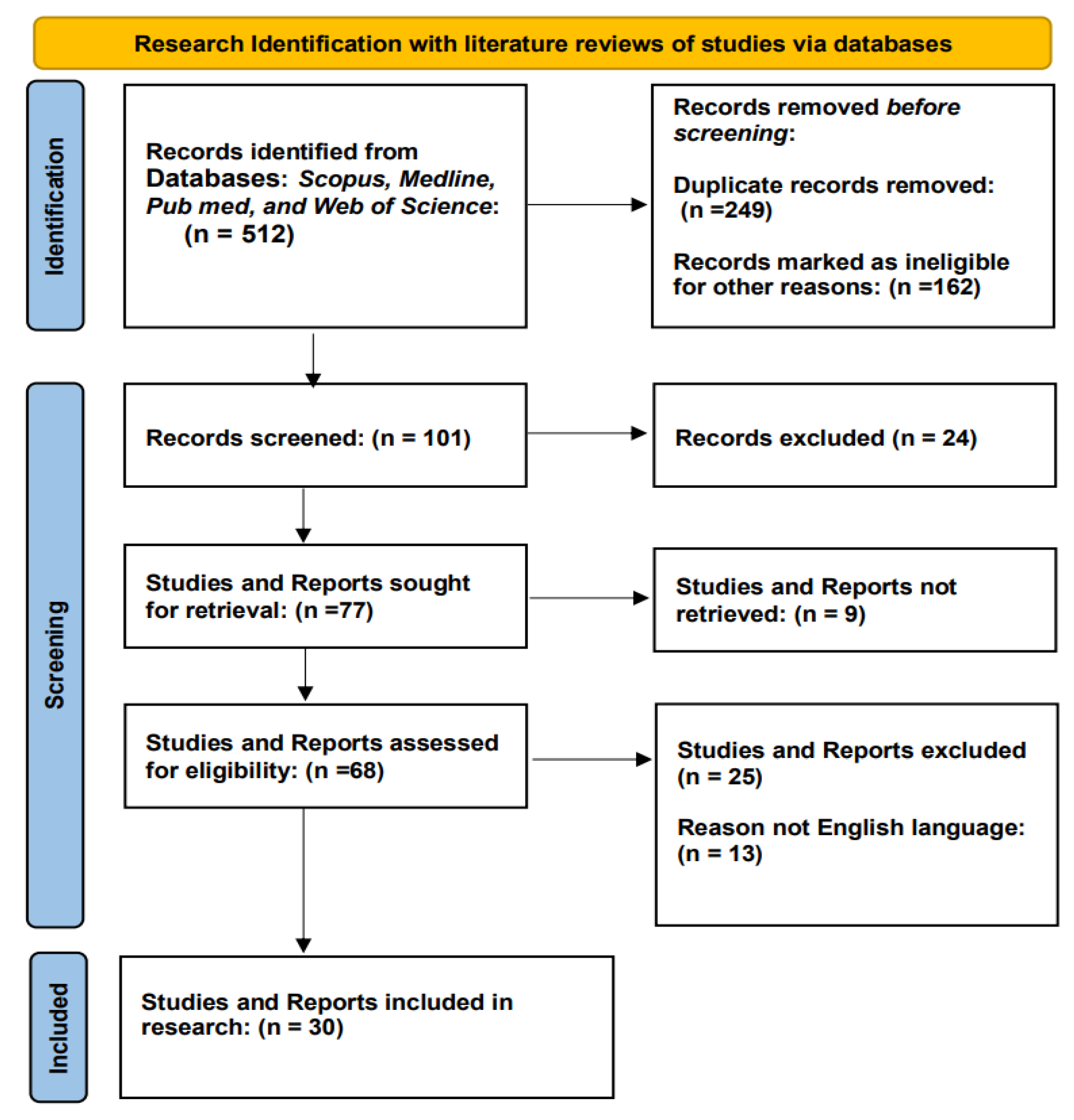
Figure 5.
Digital devices be banned from classrooms among Participants.
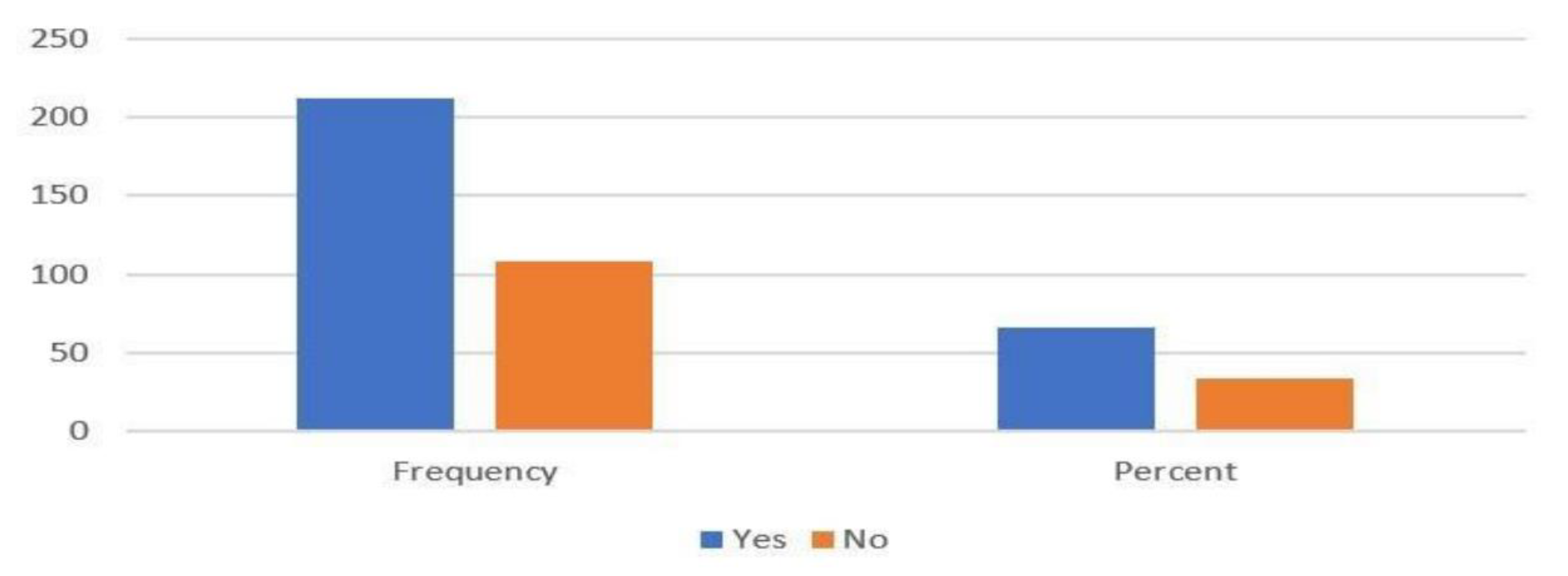
Table 1.
The PRISMA framework, detailing records identified, screened, and excluded at each stage of the study selection process.
Table 1.
The PRISMA framework, detailing records identified, screened, and excluded at each stage of the study selection process.
| Stage | Category | Count |
|---|---|---|
| Identification | Databases | 500 |
| Registers | - | |
| Websites | - | |
| Organizations | - | |
| Citations | - | |
| Duplicates removed | 80 | |
| Automatically excluded | - | |
| Other exclusions | - | |
| Screening | Records screened | 420 |
| Records excluded | 100 | |
| Reports sought | 320 | |
| Reports not retrieved | - | |
| Other reports sought | - | |
| Other reports were not retrieved. | - | |
| Eligibility | Reports assessed | 320 |
| Reports excluded | 70 | |
| Other reports assessed | - | |
| Other reports excluded | - | |
| Included | New studies | 250 |
| New reports | - |
Disclaimer/Publisher’s Note: The statements, opinions and data contained in all publications are solely those of the individual author(s) and contributor(s) and not of MDPI and/or the editor(s). MDPI and/or the editor(s) disclaim responsibility for any injury to people or property resulting from any ideas, methods, instructions or products referred to in the content. |
© 2025 by the authors. Licensee MDPI, Basel, Switzerland. This article is an open access article distributed under the terms and conditions of the Creative Commons Attribution (CC BY) license (http://creativecommons.org/licenses/by/4.0/).
Copyright: This open access article is published under a Creative Commons CC BY 4.0 license, which permit the free download, distribution, and reuse, provided that the author and preprint are cited in any reuse.