

Submitted:
08 February 2025
Posted:
10 February 2025
You are already at the latest version
Abstract
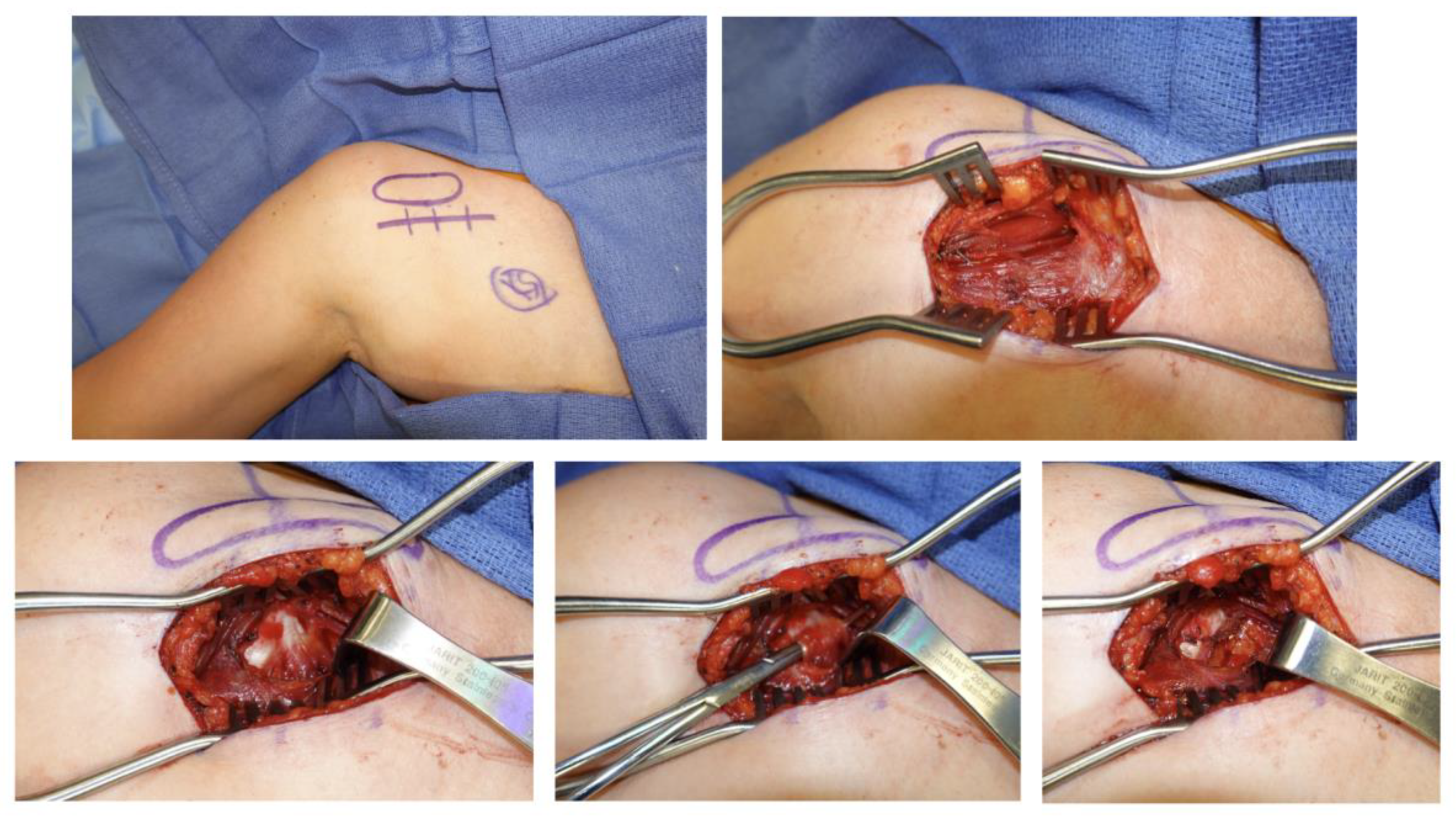
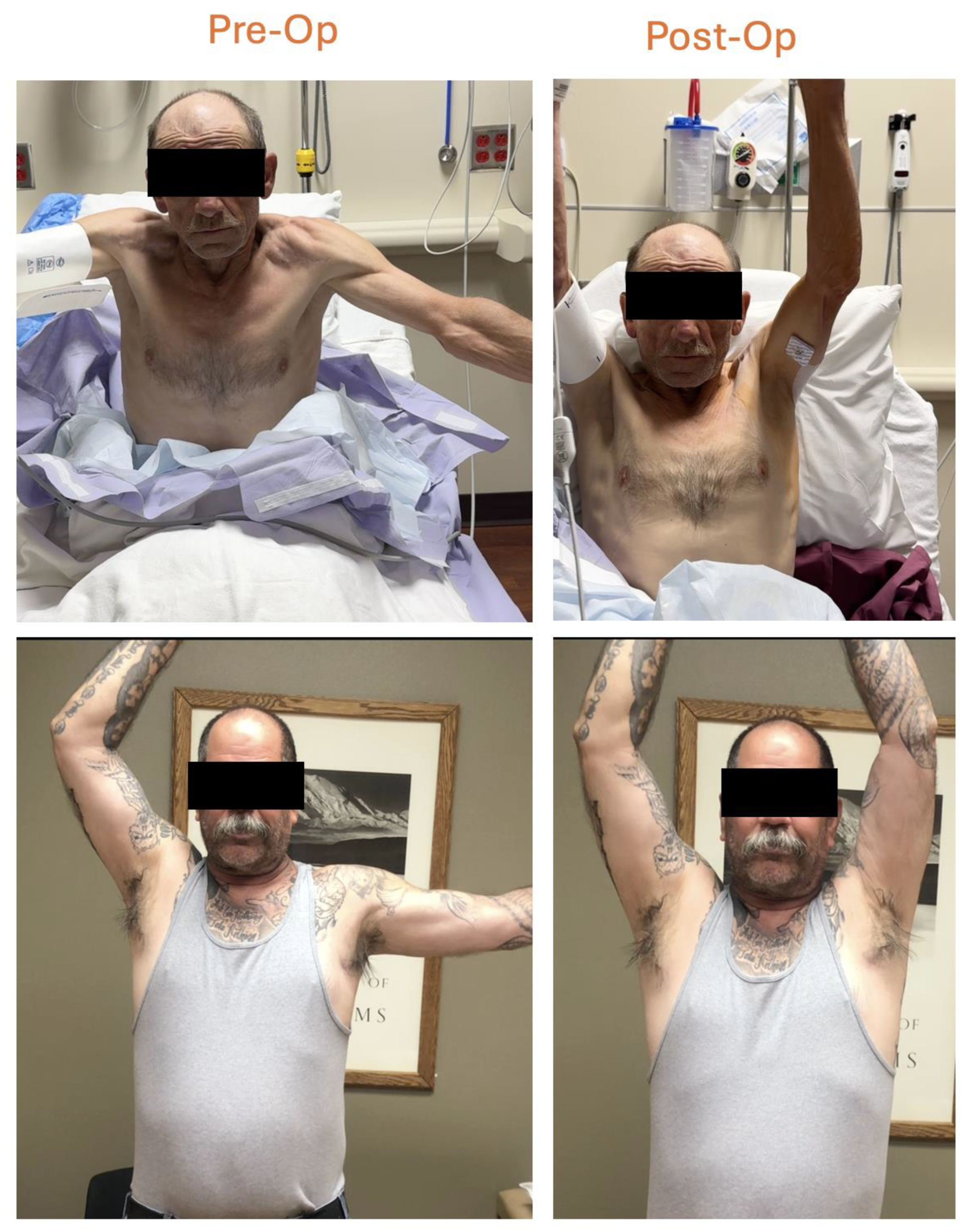
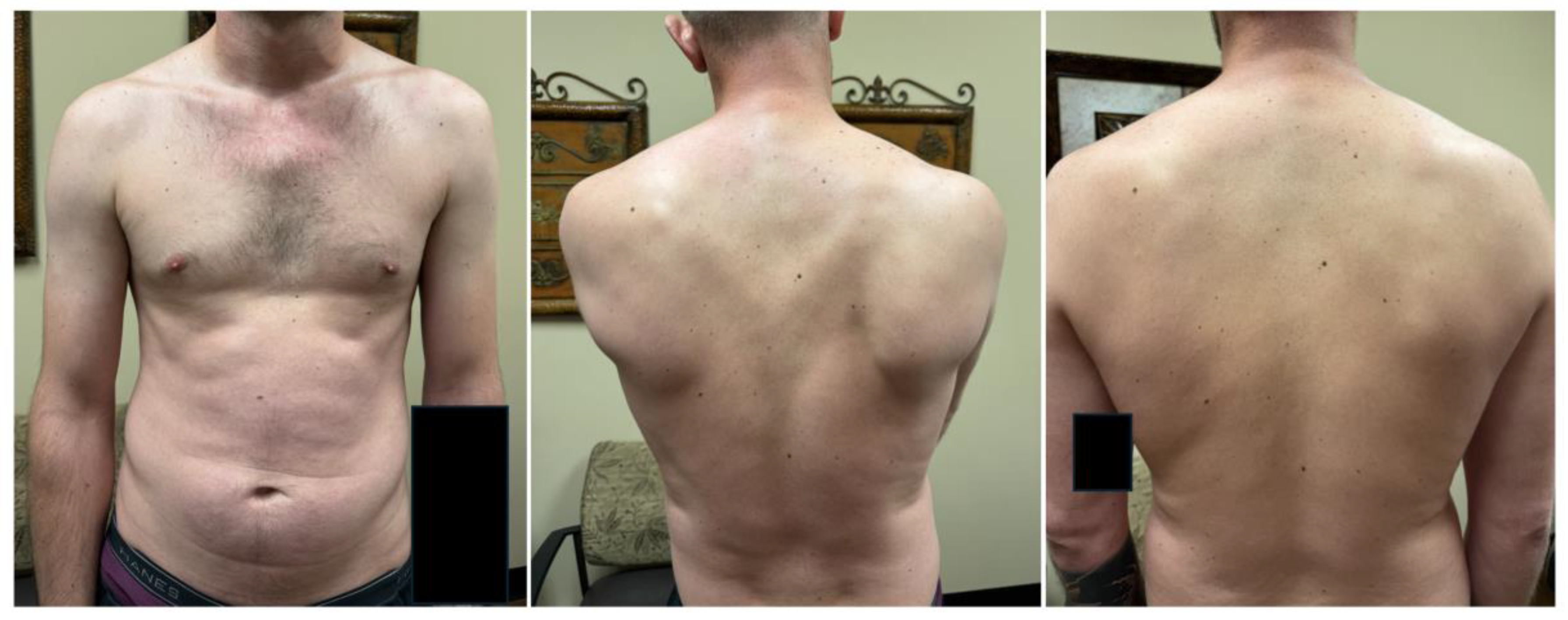
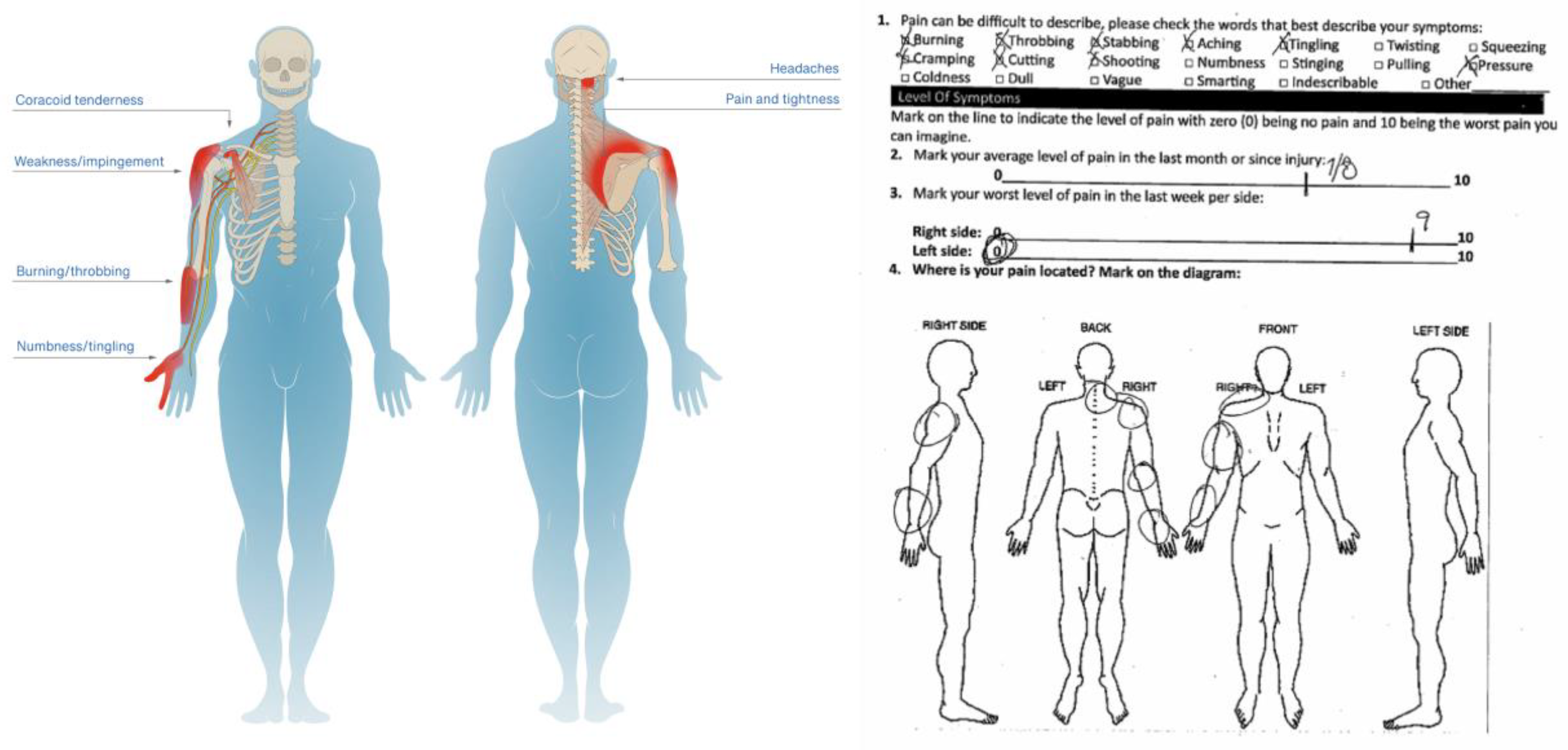
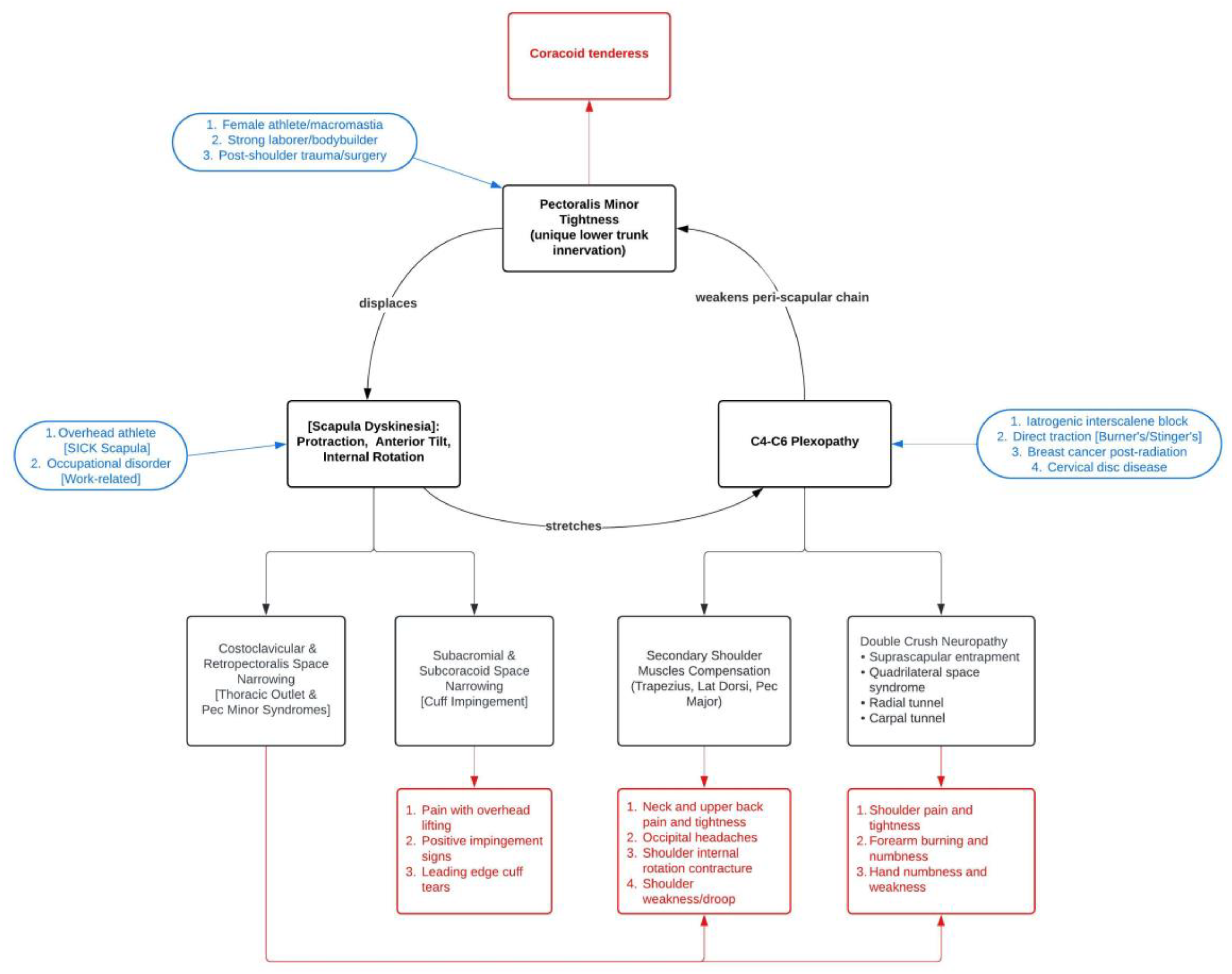
Background/Objectives: Many patients evaluated by shoulder specialists suffer from intractable pain, neuropathy, and weakness. The pectoralis minor (PM) remains the only scapula muscle to receive lower trunk (C8-T1) input. We propose a novel, unifying musculoskeletal and neurologic syndrome: the Human Disharmony Loop. This model portrays how this unique PM innervation causes scapular dyskinesia which deranges the anatomy of the upper limb girdle and produces a refractory symptom complex of pain, neuropathy, and weakness. Methods: Ten patients of diverse etiologies presented with a similar constellation of complaints. Patients included: female athlete, female with macromastia, male bodybuilder, post-radiation breast cancer, postoperative shoulder arthroplasty, interscalene block injury, cervical spine disease, persistent impingement after rotator cuff repair, direct traction injury, and occupational disorder. All patients exhibited coracoid tenderness, scapula protraction with internal rotation and anterior tilt, and pain involving the neck, shoulder, and upper back. Patients demonstrated varying degrees of arm neuropathy, subacromial impingement, occipital headaches. Patients failed all prior treatments by multiple subspecialists including surgery. Each patient underwent isolated open PM tenotomy. Results: PM tenotomy completely resolved presenting signs and symptoms in all patients. This included elimination of shoulder, upper back, and neck pain, clearance of concomitant neuropathy, resolution of rotator cuff impingement, restoration of full motion, and eradication of headaches. Response to surgery was rapid, dramatic, and durable. Conclusions: The unique asymmetric neurologic innervation to the sole ventral stabilizer of the scapula, the pectoralis minor, predisposes the human shoulder to neurologic and musculoskeletal imbalance. This produces the Human Disharmony Loop: a clinical syndrome spanning the neck to the fingertips of chronic pain, neuropathy, and weakness. These challenging patients may benefit dramatically from isolated PM tenotomy.
Keywords:
1. Introduction
2. Materials and Methods
3. Results

| Variable | Frequency |
|---|---|
| Age | 37 [26 – 58]1 |
| Hand Dominance | Right 9 Left 1 |
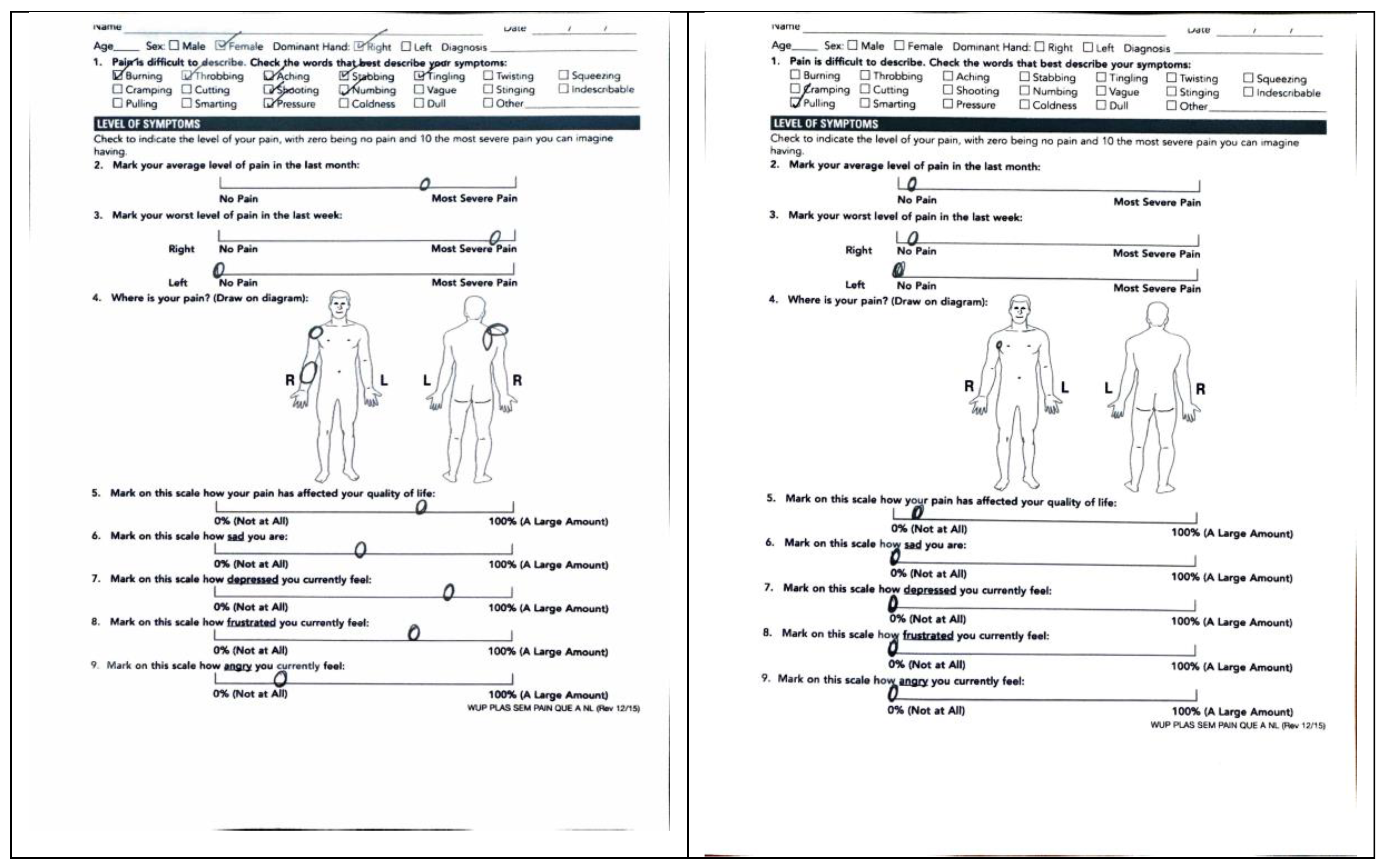
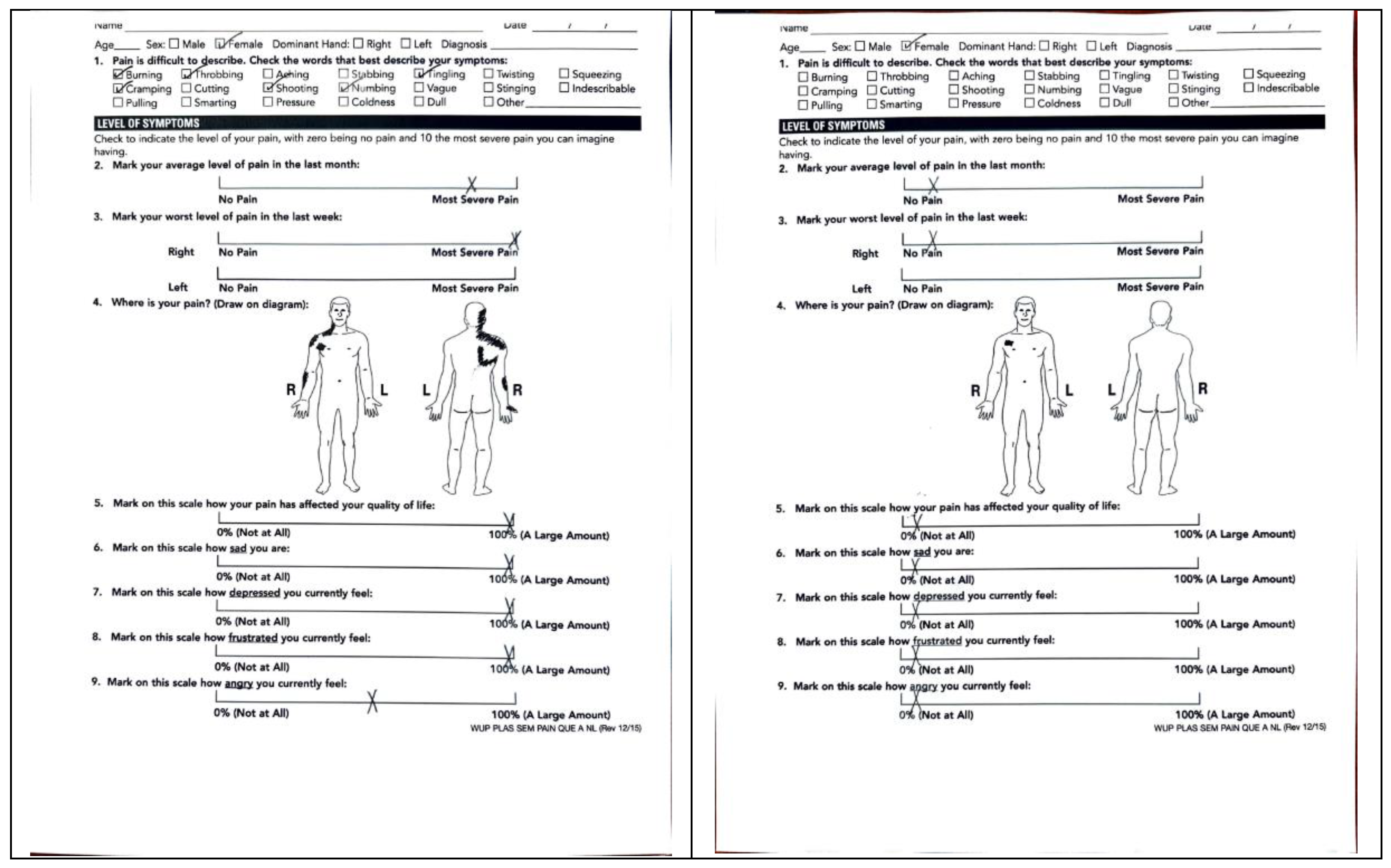
| Etiology | Breast cancer s/p- radiation 1 Macromastia 1 s/p- reverse TSA 1 Bodybuilder 1 Female athlete 1 Iatrogenic block injury 1 Persistent impingement despite cuff repair 1 Cervical stenosis 1 Direct traction (Burner’s/Stinger’s) 1 OSD/WRMD 1 |
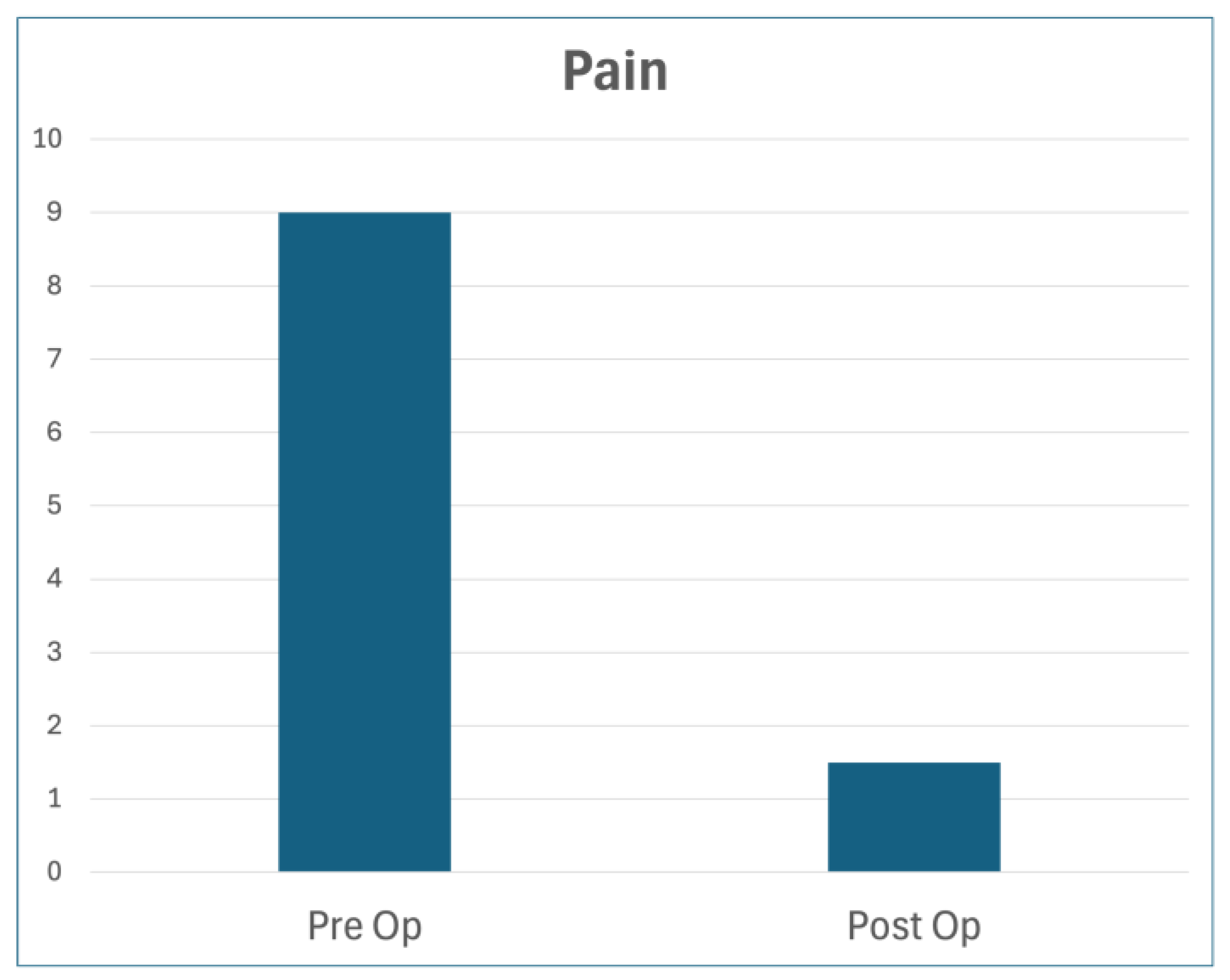
| Pre-Operative Pain | 9.0 [7.8 – 10] |
| Post-Operative Pain | 1.5 [0.8 – 2] |
| Pre-Operative ROM2 | 85 degrees |
| Post-Operative ROM | 180 degrees |
| Loop Element | PM Tightness | Scapula Malposition | C4-6 Root Stretch |
|---|---|---|---|
| Symptom/Sign |
|
|
|
4. Discussion
5. Conclusions
Author Contributions
Funding
Institutional Review Board Statement
Informed Consent Statement
Data Availability Statement
Acknowledgments
Conflicts of Interest
Abbreviations
| PM | Pectoralis minor |
| TOS | Thoracic outlet syndrome |
| CRPS | Complex regional pain syndrome |
| OSD | Occupational shoulder disorder |
| WRMD | Work-related musculoskeletal disorder |
| ROM | Range of motion |
| MRC | Medical Research Council |
| IRB | Institutional Review Board |
| RHD | Right hand dominant |
| TSA | Total shoulder arthroplasty |
| SLAP | Superior Labrum Anterior Posterior |
| EMG | Electromyography |
| LHD | Left hand dominant |
| MRI | Magnetic Resonance Imaging |
References
- Rockwood CA. Rockwood and Matsen’s the shoulder. Fifth edition. ed. Philadelphia, PA: Elsevier; 2017. xix, 1284 pages p.11-37. ISBN 978-0-323-69836-8.
- Kuhn JE, Lebus VG, Bible JE. Thoracic outlet syndrome. J Am Acad Orthop Surg. 2015;23(4):222-32. [CrossRef]
- Mackinnon SE. Nerve surgery. New York: Thieme; 2015. xv, 627 pages p.391-467. ISBN 978-1-60406-282-3.
- Noland SS, Bishop AT, Spinner RJ, Shin AY. Adult Traumatic Brachial Plexus Injuries. J Am Acad Orthop Surg. 2019;27(19):705-16. [CrossRef]
- Cools AM, Struyf F, De Mey K, Maenhout A, Castelein B, Cagnie B. Rehabilitation of scapular dyskinesis: from the office worker to the elite overhead athlete. Br J Sports Med. 2014;48(8):692-7. [CrossRef]
- Sanders RJ, Annest SJ. Pectoralis Minor Syndrome: Subclavicular Brachial Plexus Compression. Diagnostics (Basel). 2017;7(3). [CrossRef]
- Sanders RJ, Rao NM. The forgotten pectoralis minor syndrome: 100 operations for pectoralis minor syndrome alone or accompanied by neurogenic thoracic outlet syndrome. Ann Vasc Surg. 2010;24(6):701-8. [CrossRef]
- Mackinnon SE, Novak CB. Thoracic outlet syndrome. Curr Probl Surg. 2002;39(11):1070-145. [CrossRef]
- Burkhart SS, Morgan CD, Kibler WB. The disabled throwing shoulder: spectrum of pathology Part III: The SICK scapula, scapular dyskinesis, the kinetic chain, and rehabilitation. Arthroscopy. 2003;19(6):641-61. [CrossRef]
- Jayasinghe GS. Scapula Dyskinesis: A Review of Current Concepts and Evaluation of Assessment Tools. Curr Sports Med Rep. 2018;17(10):338-46. [CrossRef]
- Roche SJ, Funk L, Sciascia A, Kibler WB. Scapular dyskinesis: the surgeon’s perspective. Shoulder Elbow. 2015;7(4):289-97. [CrossRef]
- Moran SL, Steinmann SP, Shin AY. Adult brachial plexus injuries: mechanism, patterns of injury, and physical diagnosis. Hand Clin. 2005;21(1):13-24. [CrossRef]
- Provencher CM, Makani A, McNeil JW, Pomerantz ML, Golijanin P, Gross D. The role of the scapula in throwing disorders. Sports Med Arthrosc Rev. 2014;22(2):80-7. [CrossRef]
- Provencher MT, Kirby H, McDonald LS, Golijanin P, Gross D, Campbell KJ, et al. Surgical Release of the Pectoralis Minor Tendon for Scapular Dyskinesia and Shoulder Pain. Am J Sports Med. 2017;45(1):173-8. [CrossRef]
|
Disclaimer/Publisher’s Note: The statements, opinions and data contained in all publications are solely those of the individual author(s) and contributor(s) and not of MDPI and/or the editor(s). MDPI and/or the editor(s) disclaim responsibility for any injury to people or property resulting from any ideas, methods, instructions or products referred to in the content. |
© 2025 by the authors. Licensee MDPI, Basel, Switzerland. This article is an open access article distributed under the terms and conditions of the Creative Commons Attribution (CC BY) license (http://creativecommons.org/licenses/by/4.0/).


