

Submitted:
04 February 2025
Posted:
06 February 2025
You are already at the latest version
Abstract
Our research explores the impact of healthcare simulation on medical and nursing student’s proficiency in in-vitro male catheterization, a vital clinical skill. Healthcare simulation offers a risk-free, experiential learning approach, and our study delves into its effectiveness. We adopted a comprehensive methodology, including pre-post assessments, objective exams, and self-assessed confidence surveys. Results indicate significant improvements in skill proficiency, confidence levels, knowledge retention, and patient safety awareness among simulation-trained students. Healthcare simulation emerges as a cornerstone in modern medical education, preparing future practitioners to excel in complex clinical scenarios while prioritizing patient well-being.
Keywords:
Introduction
Materials and Methods
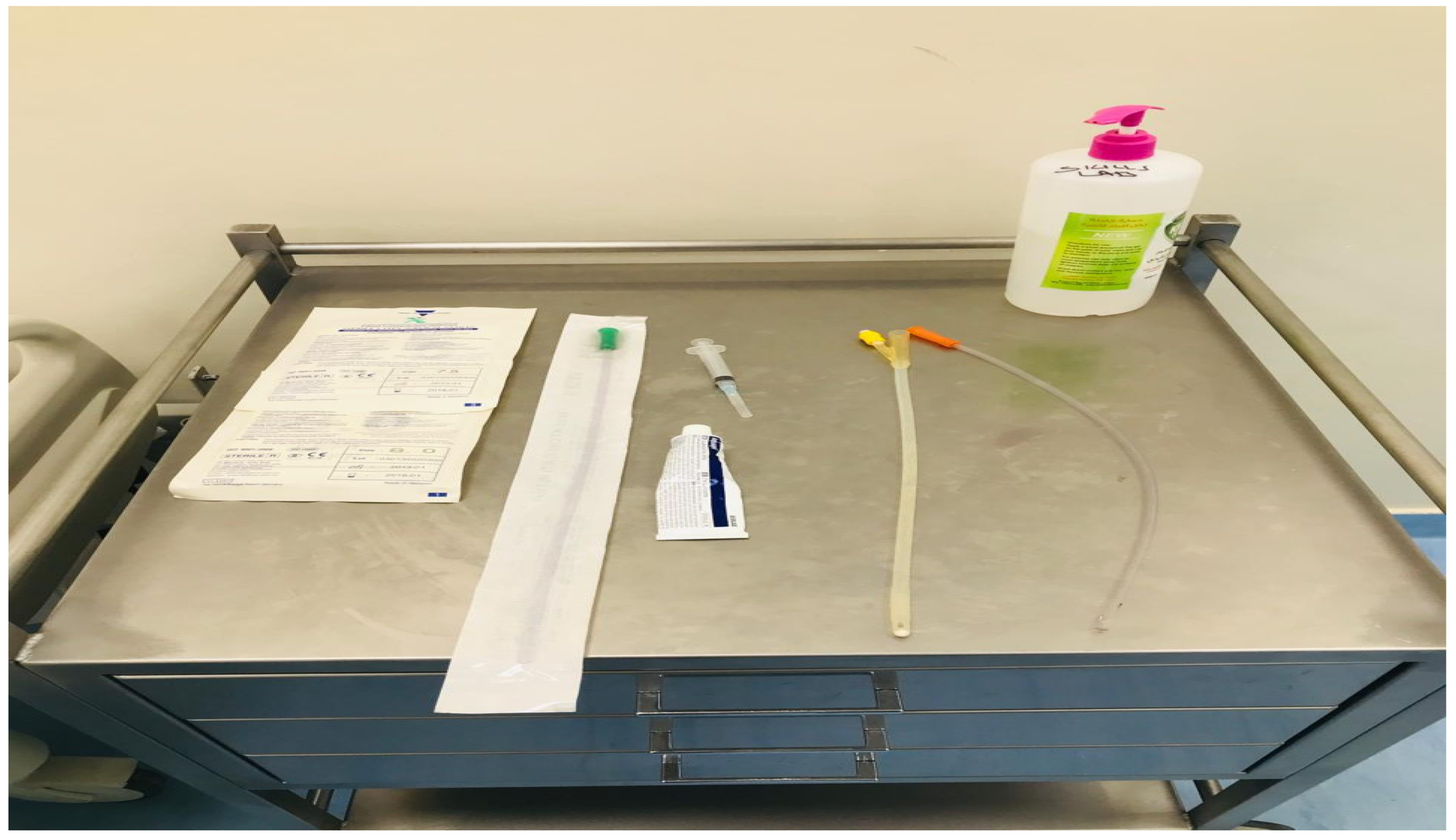
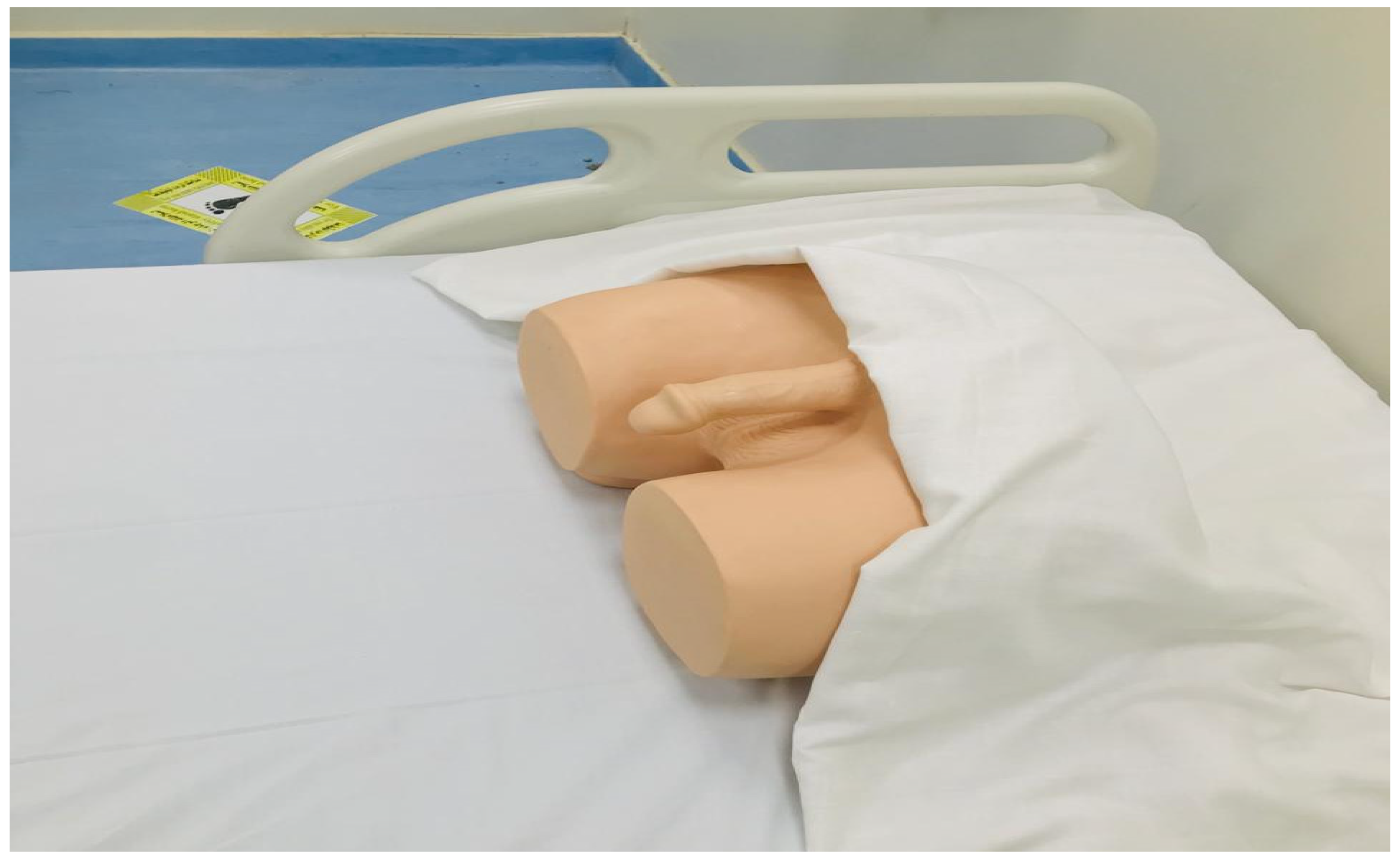
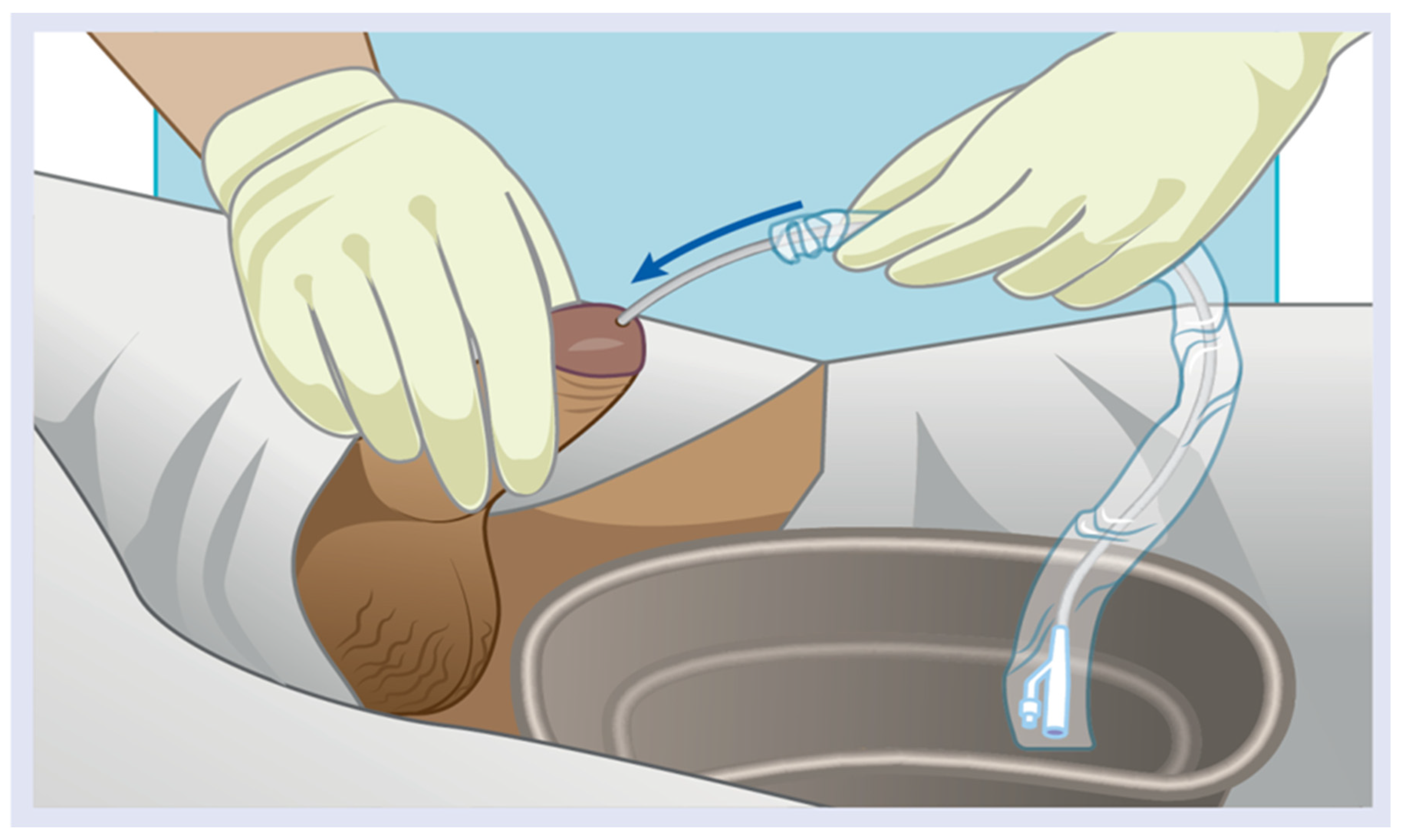
Results/Explanation
Discussion
Conclusions
Acknowledgements
Conflicts of Interest
References
- Al-Elq, AH. Medicine and Clinical Skills Laboratories. J Fam Community Med. 2007; 14:59–63.
- Al-Elq, AH. Simulation-based medical teaching and learning. J Family Community Med. 2010;17(1):35-40.
- Bates DW, Spell N, Cullen DJ, Burdick E, Laird N, Petersen LA, et al. Cost of adverse drug events in hospitalized patients.Adverse drug events prevention study group. JAMA. 1997; 277:307–11.
- Brennan TA, Leape LL, Laird NM, Hebert L, Localio AR, Lawthers AG, et al. Incidence of adverse events and negligence in hospitalized patients: Results of the Harvard Medical practice Study 1. N Engl J Med. 1991; 324:360–76.
- Cannon-Bowers, JA. Recent advances in Scenario-based training for medical education. Curr Opin Anaethesiol. 2008; 21:784–9.
- Cheng A, Duff J, Grant E, Kissoon N, Grant VJ. Simualtion in paediatrics: An educational revolution. Paediatr Child Health. 2007; 12:465–8.
- Cherry RA, Ali J. Current concepts in simulation-based trauma education. J Trauma. 2008;65: 1186–93.
- Costanza ME, Luckmann R, Quirk ME, Clemow L, White MJ, Stoddard AM. The Effectiveness of Using Standardized Patients to Improve Community Physician Skills in Mammography Counseling and Clinical Breast Exam. Prev Med. 1999; 29:241–8.
- Dent, JA. Current trends and future implications in the developing role of clinical skills centres. Med Teach. 2001; 23:483–9.
- Flangan B, Nestel D, Joseph M. Making patient safety the focus: Crisis resorce management in the undergraduate curriculum. Med Edu. 2004; 38:56–66.
- Gordon JA, Oriol NE, Cooper JB. Bringing good teaching cases “to life”: A simulation-based medical education service. Acad Med. 2004; 79:23–7.
- Gordon JA, Wilkerson WM, Shaffer DW, Armstrong EG. Practicing medicine without risk: Students’ and educators’ response to high-fidelity patient simulation. Acad Med. 2001; 76:469–72.
- Issenberg SB, Gordon MS, Gordon Dl, Safford RE, hart IR. Simulation and new learning technologies. Med Teach. 2001; 16:16–23.
- Issenberg SB, McGaghie WC, Gordon DL, Symes S, Petrusa ER, Hart IR, et al. Effectiveness of a Cardiology Review Course for Internal Medicine Using Simulation Technology and Deliberate Practice. Teach Learn Med. 2002; 14:223–8.
- Issenberg SB, McGaghie WC, Petrusa ER, Lee Gordon D, Scalese RJ. Feature and uses of high-fidelity medical simulations that lead to effective learning: A BEME systematic review. Med Teach. 2005; 27:10–28.
- Jeffries, PR. A framework for Designing, Implementing and Evaluating Simulation Used as Teaching Strategies in Nursing. Nurs Educ Perspect. 2005; 26:96–103.
- Jones A, McArdle PF, O’Neill PA. Howe well prepared are graduates for the role of pre-registration house officer? A comparison of the perceptions of new graduates and educational supervisors. Med Edu. 2001; 35:578–84.
- Kohn LT, Corrigan JM, Donaldson MS. To err is human: Building a safer health system. Washington DC: National Academy Press; 1999.
- Langdale LA, Schaad D, Wipf J, Marshall S, Vontver L, Scott CS. Preparing Graduates for the First Year of Residency: Are Medical Schools Meeting the Need? Acad Med. 2003; 78:39–44.
- Ledingham McA, Harden RM. Twelve tips for setting up a clinical skills training facility. Med Teach. 1998; 20:503–7.
- Massey-Pawadyira, J. (2023). Indwelling urinary catheter insertion 2: procedure for adults. Nursing Times, 2.
Disclaimer/Publisher’s Note: The statements, opinions and data contained in all publications are solely those of the individual author(s) and contributor(s) and not of MDPI and/or the editor(s). MDPI and/or the editor(s) disclaim responsibility for any injury to people or property resulting from any ideas, methods, instructions or products referred to in the content. |
© 2025 by the authors. Licensee MDPI, Basel, Switzerland. This article is an open access article distributed under the terms and conditions of the Creative Commons Attribution (CC BY) license (https://creativecommons.org/licenses/by/4.0/).