
Submitted:
25 January 2025
Posted:
27 January 2025
You are already at the latest version
Abstract
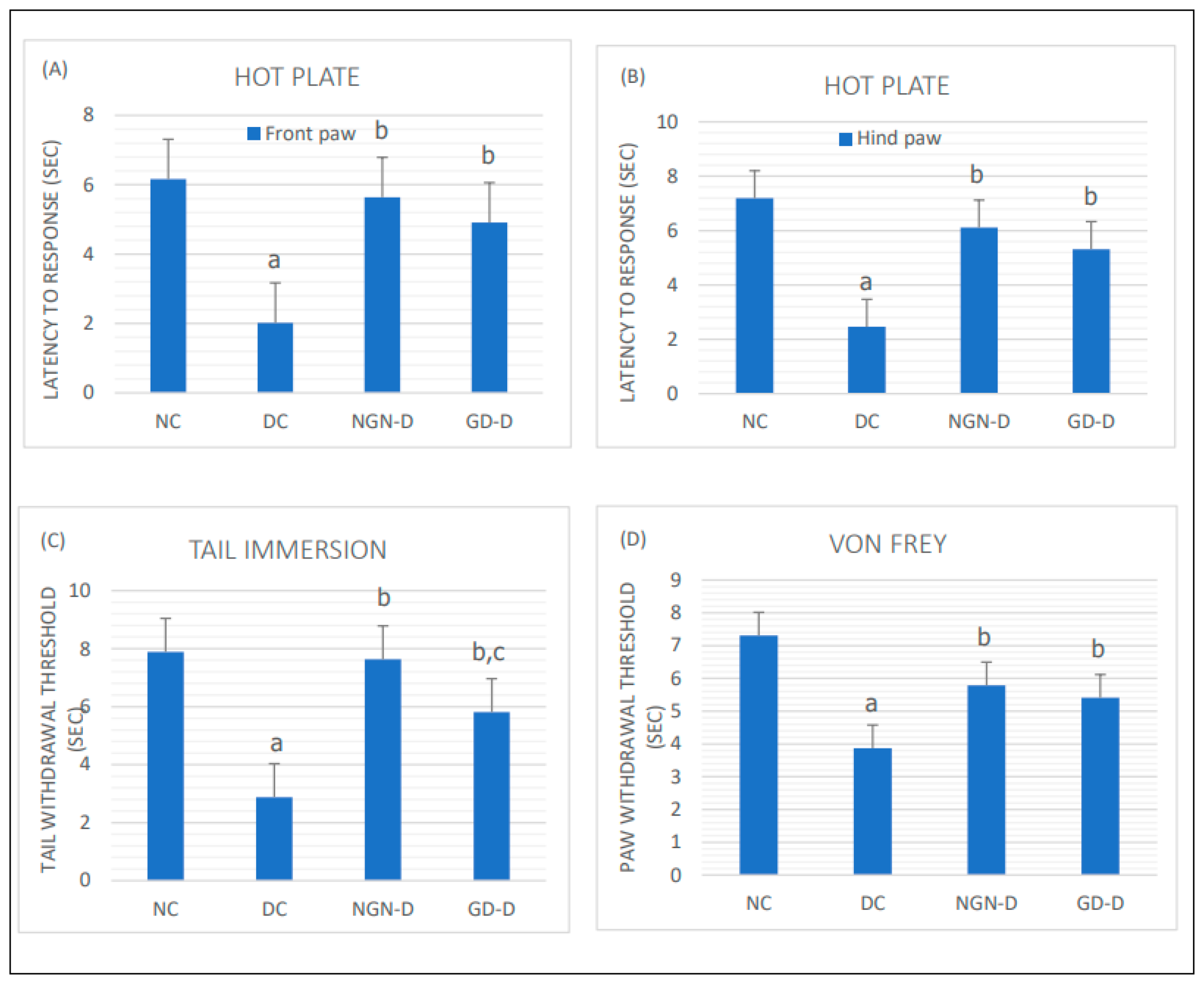
Background: Diabetic neuropathy (DN) is the most prevalent complication of diabetes, impacting up to 60% of people with diabetes. It is characterized by distal symmetrical loss of sensory function in the lower extremities, presenting with spontaneous excruciating neuropathic pain, hyperalgesia, and allodynia that impairs quality of life. The current work aims to evaluate the neuroprotective potential of naringin (a citrus flavonoid) and examine its ability to improve STZ-induced diabetic neuropathic pain by investigating its hypoglycemic, hypolipidemic, antioxidant, and anti-inflammatory effects. Methods: out of 40 adult male Sprague-Dawley rats, diabetes was induced in 30 rats by a single injection of STZ (45 mg/kg dissolved in citrate buffer). Ten days after induction of diabetes, rats were divided into four groups (10/group): normal control, diabetic control, naringin-treated diabetic rats, and glimepiride-treated diabetic rats as a positive control group. At the end of the experiment, serum and brain tissue samples will be collected then the hypoglycemic, lipid-lowering, antioxidant, and anti-inflammatory effects of naringin will be assessed and compared with that of glimepiride (a standard antidiabetic drug). Hyperalgesia and the effect of the studied drugs on it will also be evaluated by observing pain related behaviors in diabetic rats using hot plate, tail immersion, and mechanical sensitivity (von Frey) tests. Results: Significant increase in the serum levels of glucose, tri-glyceride (TG), total cholesterol (t‐cholesterol), low‐density lipoprotein‐cholesterol (LDL-C), and nitric oxide (NO), with a concomitant decrease in body weight (BW), plasma insulin and high‐density lipoprotein‐cholesterol (HDL-C) were observed in diabetic rats. Also, the brain level of malondialdehyde (MDA) was increased, while that of reduced glutathione (GSH), glutathione peroxidase (Gpx), superoxide dismutase (SOD), and catalase (CAT) were markedly decreased. Furthermore, diabetic rats showed a marked increase in plasma levels of proinflammatory cytokines including interleukin‐6 (IL-6) and tumor necrosis factor‐α (TNF-α). Moreover, hot plate, tail immersion, and von Frey tests revealed hyperalgesia in diabetic rats. Treatment with naringin and glimepiride reduced pain hypersensitivity, restored body weight and nearly normalized the altered biochemical parameters, more significantly with naringin than with glimepiride. Conclusion: These results may highlight the potential effects of naringin as a therapeutic strategy for diabetes and its complications including peripheral neuropathy.
Keywords:
Introduction
Materials and Methods
Drugs and Chemicals
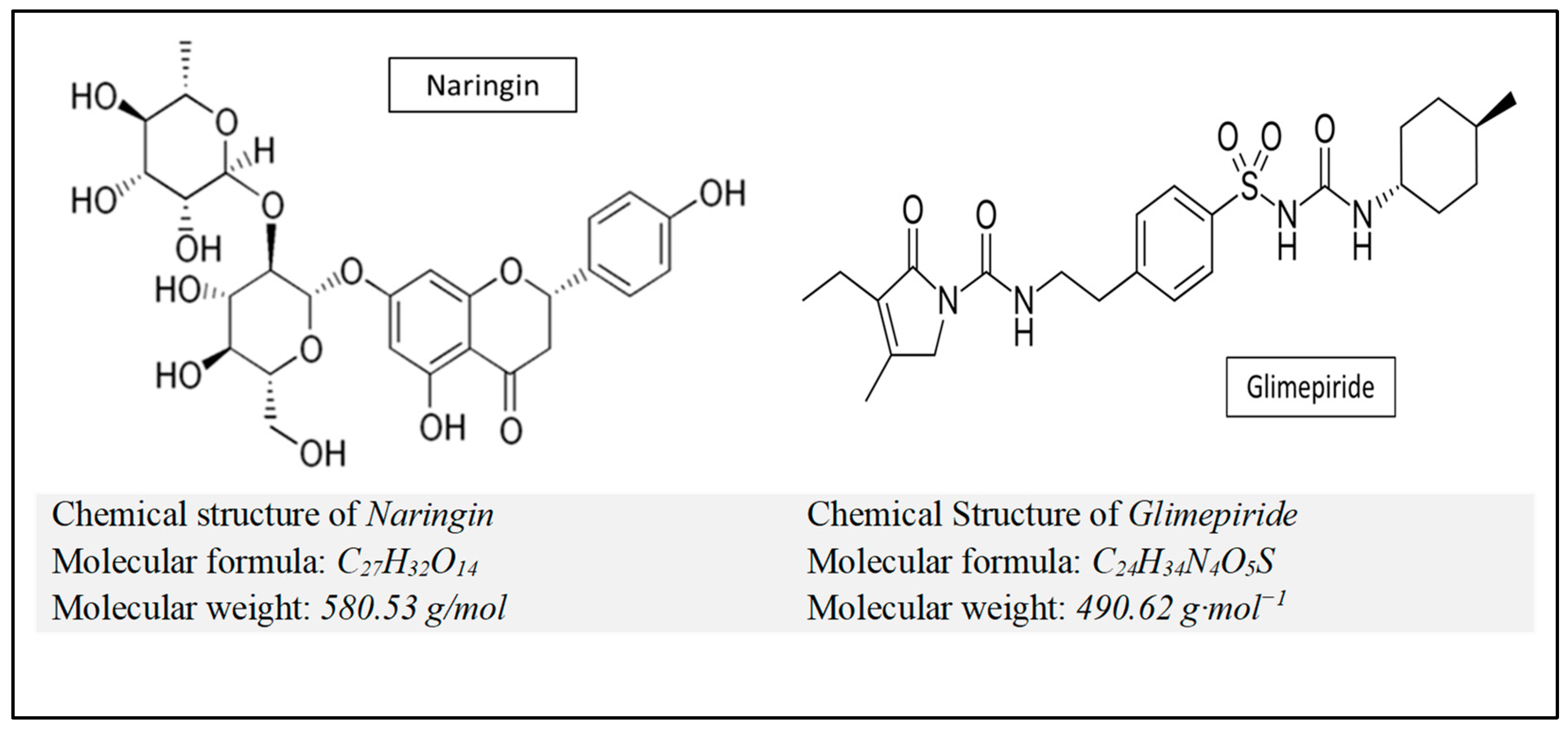
Animals
Induction of Diabetes and Animal Grouping
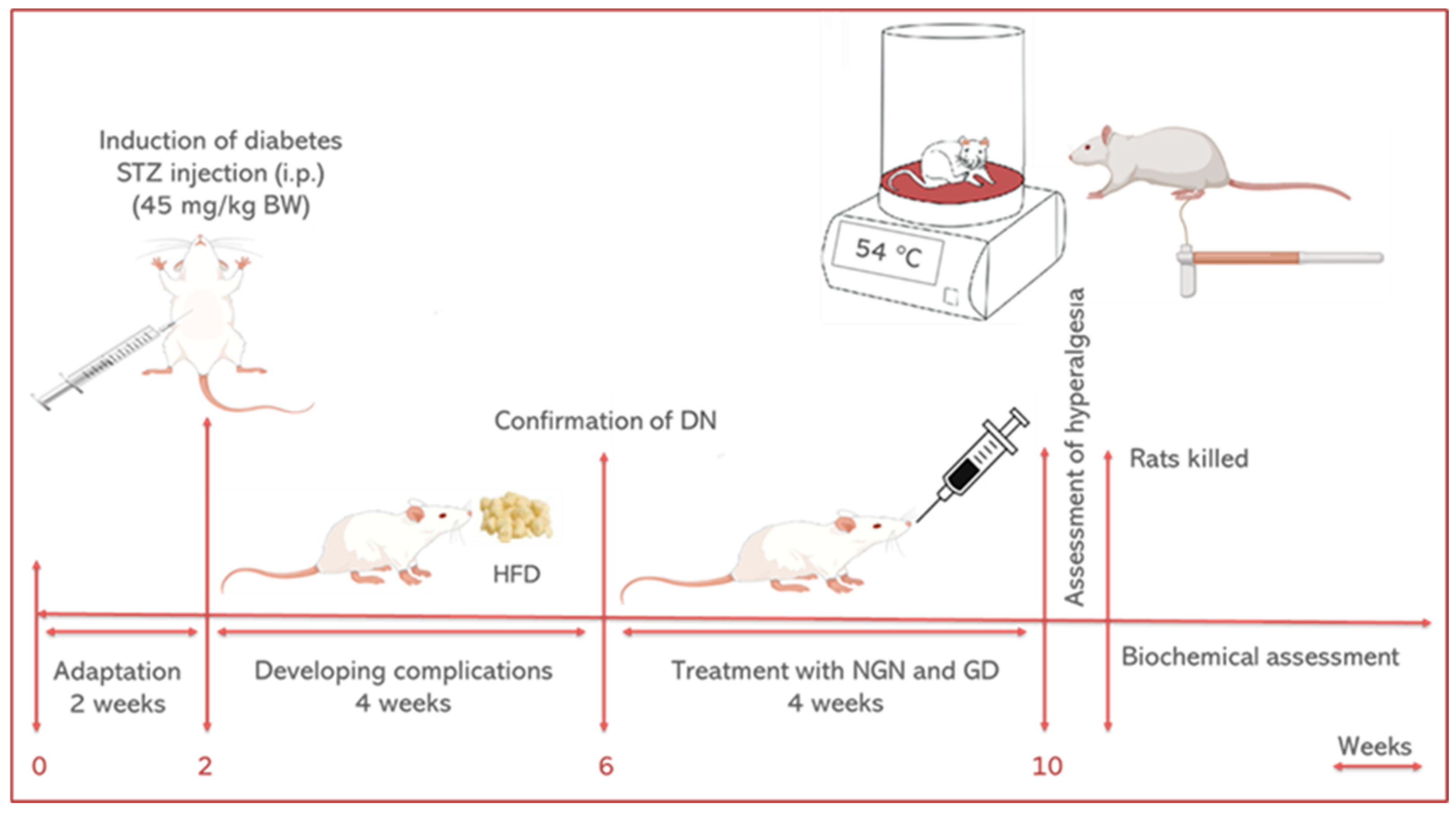
Preparation of Plasma, Serum, and Brain Homogenate Samples
Biochemical Assay in Serum and Brain Homogenate
Oxidative Stress Markers
Assessment of Diabetes-Induced Hyperalgesia
Statistical Analysis
Results
Effect of Treatment on Body Weight and Glycemic Status of Diabetic Rats
Effect of Treatment on Pain Threshold
Effect of Treatment on Lipid Profile and Inflammatory Cytokines in Diabetic Rats
Effect of Treatment on Brain Oxidants and Antioxidant Defense Markers
Discussion
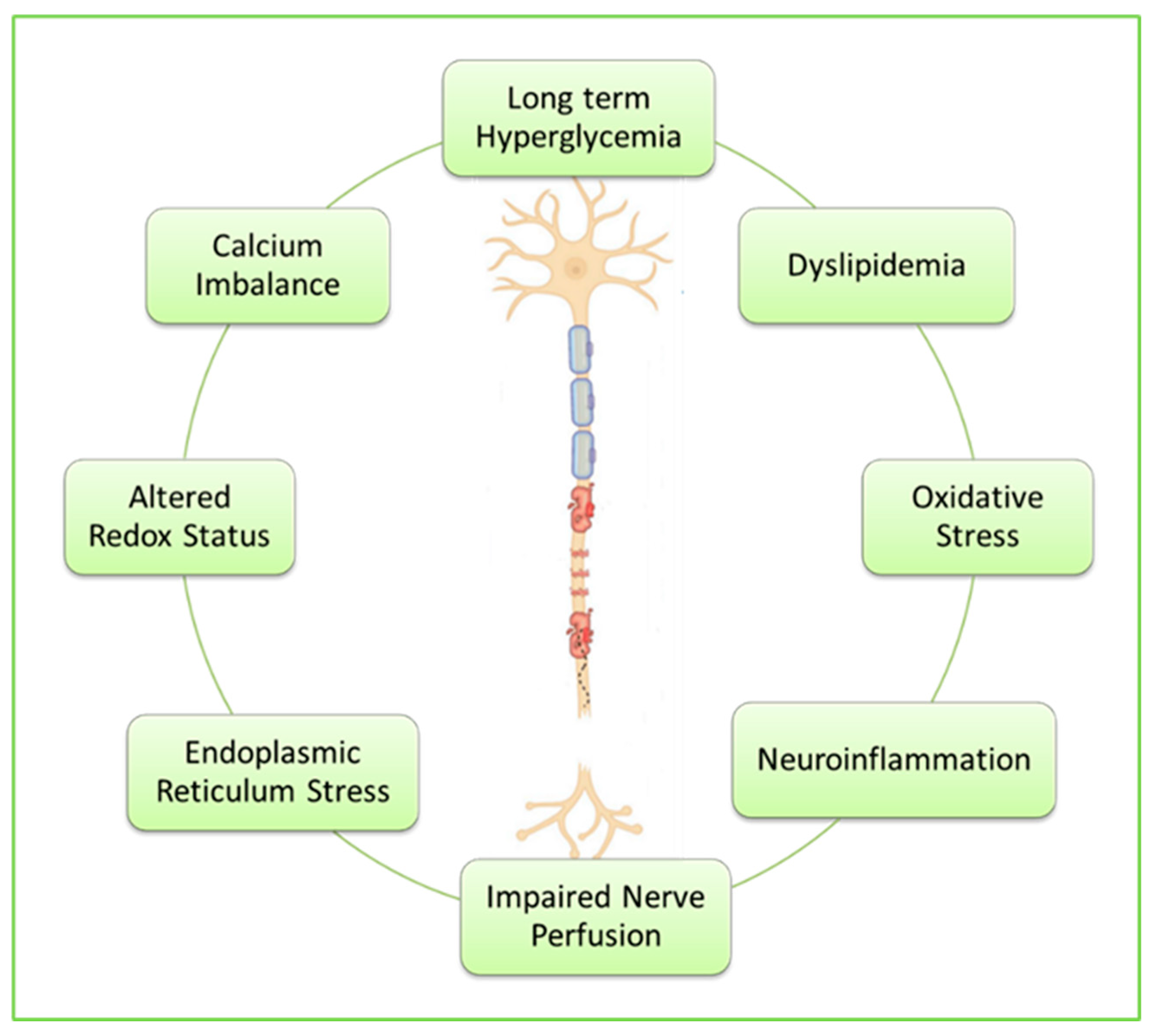
Comparative Efficacy
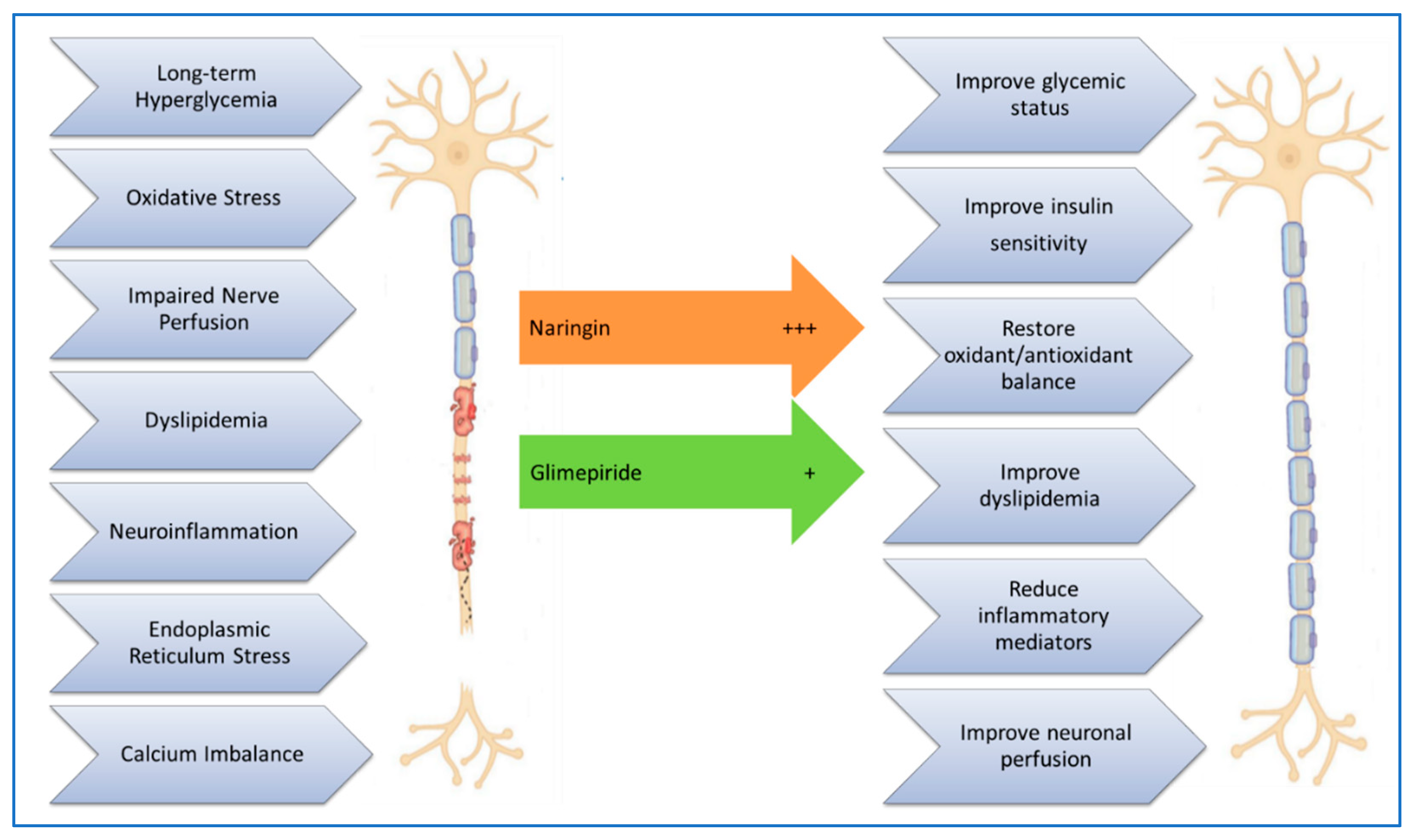
Conclusion
Author contributions
Institutional Review Board Statement
Informed Consent Statement
Data Availability Statement
Acknowledgments
Conflict of interest
References
- Banday MZ, Sameer AS, Nissar S. Pathophysiology of diabetes: An overview. Avicenna J Med. 2020, 10, 174–188. [Google Scholar] [CrossRef] [PubMed] [PubMed Central]
- Chawla, A. , Chawla, R., and Jaggi, S. Microvascular and macrovascular complications in diabetes mellitus: distinct or continuum? Indian Journal of Endocrinology and Metabolism 2016, 20, 546. [Google Scholar] [CrossRef]
- Palpagama TH, Waldvogel HJ, Faull RLM, Kwakowsky A. The Role of Microglia and Astrocytes in Huntington's Disease. Front Mol Neurosci. 2019, 12, 258. [Google Scholar] [CrossRef] [PubMed]
- Said, G. Diabetic neuropathy--a review. Nat Clin Pract Neurol. 2007, 3, 331–340. [Google Scholar] [CrossRef] [PubMed]
- Panche, A. N. , Diwan, A. D., and Chandra, S. R. Flavonoids: an overview. Journal of Nutritional Science 2016, 5, e47. [Google Scholar] [CrossRef]
- Danihelová, M. , Viskupičová J., Šturdík E. Lipophilization of flavonoids for their food, therapeutic and cosmetic applications. Acta Chim. Slovaca. 2012, 5, 59–69. [Google Scholar] [CrossRef]
- Villela, A. , van Vuuren M.S., Willemen H.M., Derksen G.C., van Beek T.A. Photo-stability of a flavonoid dye in presence of aluminum ions. Dyes Pigment. 2019, 162, 222–231. [Google Scholar] [CrossRef]
- Xue, Z. , Wang J., Chen Z., Ma Q., Guo Q., Gao X., Chen H. Antioxidant, antihypertensive, and anticancer activities of the flavonoid fractions from green, oolong, and black tea infusion waste. J. Food Biochem. 2018, 42, e12690. [Google Scholar] [CrossRef]
- Mazidi, M. , Katsiki N., Banach M. A higher flavonoid intake is associated with less likelihood of nonalcoholic fatty liver disease: Results from a multiethnic study. J. Nutr. Biochem. 2019, 65, 66–71. [Google Scholar] [CrossRef]
- Aguiar, L.M. , Geraldi M.V., Cazarin C.B.B., Junior M.R.M. Functional Food Consumption and Its Physiological Effects. In Bioactive Compounds; Campos M.R.S., Ed.; Woodhead Publishing; Sawston, UK, 2019; pp. 205–225.
- Nabavi, S.M. , Samec D., Tomczyk M., Milella L., Russo D., Habtemariam S., Suntar I., Rastrelli L., Daglia M., Xiao J., et al. Flavonoid biosynthetic pathways in plants: Versatile targets for metabolic engineering. Biotechnol. Adv. [CrossRef]
- Zeng X, Su W, Zheng Y, et al. Pharmacokinetics, Tissue Distribution, Metabolism, and Excretion of Naringin in Aged Rats. Front Pharmacol. 2019, 10, 34. [Google Scholar] [CrossRef]
- Ito M, Kondo Y, Nakatani A, Hayashi K, Naruse A. Characterization of low dose streptozotocin-induced progressive diabetes in mice. Environ Toxicol Pharmacol. 2001, 9, 71–78. [Google Scholar] [CrossRef] [PubMed]
- Ahmad, M.F.; Naseem, N.; Rahman, I.; Imam, N.; Younus, H.; Pandey, S.K.; Siddiqui, W.A. Naringin Attenuates the Diabetic Neuropathy in STZ-Induced Type 2 Diabetic Wistar Rats. Life 2022, 12, 2111. [Google Scholar] [CrossRef] [PubMed]
- Pengnet S, Sumarithum P, Phongnu N, Prommaouan S, Kantip N, Phoungpetchara I, Malakul W. Naringin attenuates fructose-induced NAFLD progression in rats through reducing endogenous triglyceride synthesis and activating the Nrf2/HO-1 pathway. Front Pharmacol. 2022, 13, 1049818. [Google Scholar] [CrossRef] [PubMed] [PubMed Central]
- A. Salama and N. N. Yassen. A cytoprotectant effect of morus alba against streptozotocin-induced diabetic damage in rat brains. Der Pharma Chemica 2017, 9, 24–30. [Google Scholar]
- H. Ohkawa, N. Ohishi, K. Yagi, Anal. Biochem. 1979, 95, 351. [Google Scholar]
- Marklund, S.; Marklund, G. Involvement of the superoxide anion radical in the autoxidation of pyrogallol and a convenient assay for superoxide dismutase. Eur. J. Biochem. 1974, 47, 469–474. [Google Scholar] [CrossRef]
- H. A. Montgomery. J. Dymock, Analyst 1961, 86, 414. [Google Scholar]
- Aebi. Methods Enzymol. 1984, 105, 121. [CrossRef]
- D. E. Paglia, W. N. Valentine, J. Lab. Clin. Med. 1967, 70, 158. [Google Scholar]
- V. M. Factor, A. Kiss, J. T. Woitach, P. J. Wirth, S. S. Thorgeirsson, J. Biol. Chem. 1998, 273, 15846. [Google Scholar]
- Bilkei-Gorzo, O. M. Abo-Salem, A.M. Hayallah, K.Michel, C. E. Müller, A. Zimmer, Naunyn Schmiedebergs Arch. Pharmacol. 2008, 77, 65. [Google Scholar]
- Abo-Salem OM, Ali TM, Harisa GI, Mehanna OM, Younos IH, Almalki WH. Beneficial effects of (−)-epigallocatechin-3-O-gallate on diabetic peripheral neuropathy in the rat model. J Biochem Mol Toxicol. 2508. [CrossRef]
- S. A. Kanaan, N. E. Saade, J. J. Haddad, A. M. Abdel Noor, S. F. Atweh, S. J. Jabbur and B. Safieh-Garabedian, Endotoxin-induced local inflammation and hyperalgesia in rats and mice: a new model for inflammatory pain. Pain 1996, 66, 373–379. [Google Scholar] [CrossRef] [PubMed]
- Singh P, Bansal S, Kuhad A, Kumar A, Chopra K. Naringenin ameliorates diabetic neuropathic pain by modulation of oxidative-nitrosative stress, cytokines and MMP-9 levels. Food Funct. 2020, 11, 4548–4560. [Google Scholar] [CrossRef] [PubMed]
- Wang HL, Zhang GY, Dai WX, Shu LP, Wei QF, Zheng RF, Lin CX. Dose-dependent neurotoxicity caused by the addition of perineural dexmedetomidine to ropivacaine for continuous femoral nerve block in rabbits. J Int Med Res. 2019, 47, 2562–2570. [Google Scholar] [CrossRef] [PubMed] [PubMed Central]
- Sangi, S. M. A. , and Jalaud, N. A. A. Prevention and treatment of brain damage in streptozotocin induced diabetic rats with Metformin, Nigella sativa, Zingiber officinale, and Punica granatum. Biomedical Research and Therapy 2019, 6, 3274–3285. [Google Scholar] [CrossRef]
- Abo-Salem OM, Harisa GI, Ali TM, El-Sayed el-SM, Abou-Elnour FM. Curcumin ameliorates streptozotocin-induced heart injury in rats. J Biochem Mol Toxicol. 2014, 28, 263–270. [Google Scholar] [CrossRef]
- Roghani M, Baluchnejadmojarad T. Hypoglycemic and hypolipidemic effect and antioxidant activity of chronic epigallocatechin-gallate in streptozotocin-diabetic rats. Pathophysiology. 2010, 17, 55–59. [Google Scholar] [CrossRef]
- Chen, X. , Guo, C., & Kong, J. Oxidative stress in neurodegenerative diseases. Neural regeneration research 2012, 7, 376–385. [Google Scholar] [CrossRef]
- Feldman, E. L. , Nave, K. A., Jensen, T. S., and Bennett, D. L. H. New Horizons in Diabetic Neuropathy: Mechanisms, Bioenergetics, and Pain. Neuron 2017, 93, 1296–1313. [Google Scholar] [CrossRef]
- Albers JW, and Pop-Busui R. Diabetic neuropathy: mechanisms, emerging treatments, and subtypes. Curr Neurol Neurosci Rep. 2014, 14, 473. [Google Scholar] [CrossRef] [PubMed] [PubMed Central]
- Okesina, K.B. , Odetayo, A.F., Adeyemi, W.J. et al. Naringin Prevents Diabetic-Induced Dysmetabolism in Male Wistar Rats by Modulating GSK-3 Activities and Oxidative Stress-Dependent Pathways. Cell Biochem Biophys 2024, 82, 3559–3571. [Google Scholar] [CrossRef] [PubMed]
- Barajas-Vega JL, Raffoul-Orozco AK, Hernandez-Molina D, et al. Naringin reduces body weight, plasma lipids and increases adiponectin levels in patients with dyslipidemia. Int J Vitam Nutr Res. 2022, 92, 292–298. [Google Scholar] [CrossRef]
- Alam MA, Subhan N, Rahman MM, Uddin SJ, Reza HM, Sarker SD. Effect of citrus flavonoids, naringin and naringenin, on metabolic syndrome and their mechanisms of action. Adv Nutr. 2014, 5, 404–417. [Google Scholar] [CrossRef] [PubMed]
- Osama Mohamed Ahmed and Ayman Moawad Mahmoud and Adel Abdel-Moneim and Mohamed B Ashour “Antidiabetic effects of hesperidin and naringin in type 2 diabetic rats.” (2012). https://api.semanticscholar. 3903.
- Kandhare, A.D.; Raygude, K.S.; Ghosh, P.; Ghule, A.E.; Bodhankar, S.L. Neuroprotective effect of naringin by modulation of endogenous biomarkers in streptozotocin induced painful diabetic neuropathy. Fitoterapia 2012, 83, 650–659. [Google Scholar] [CrossRef] [PubMed]
- Vij, N.; Mazur, S.; Zeitlin, P.L. CFTR Is a Negative Regulator of NFκB Mediated Innate Immune Response. PLoS ONE 2009, 4, e4664. [Google Scholar] [CrossRef]
- Shin, H.Y.; Kim, S.H.; Jeong, H.J.; Kim, S.Y.; Shin, T.Y.; Um, J.Y.; Kim, H.M. Epigallocatechin-3-gallate inhibits secretion of TNF-α, IL-6 and IL-8 through the attenuation of ERK and NF-κB in HMC-1 cells. Int. Arch. Allergy Immunol. 2007, 142, 335–344. [Google Scholar] [CrossRef]
- Chertoff, M.; Di Paolo, N.; Schoeneberg, A.; Depino, A.; Ferrari, C.; Wurst, W.; Pfizenmaier, K.; Eisel, U.; Pitossi, F. Neuroprotective and neurodegenerative effects of the chronic expression of tumor necrosis factor alpha in the nigrostriatal dopaminergic circuit of adult mice. Exp. Neurol. 2011, 227, 237–251. [Google Scholar] [CrossRef]
- Baskaran, G.; Salvamani, S.; Ahmad, S.A.; Shaharuddin, N.A.; Pattiram, P.D.; Shukor, M.Y. HMG-CoA reductase inhibitory activity and phytocomponent investigation of Basella alba leaf extract as a treatment for hypercholesterolemia. Drug Des. Dev. Ther. 2015, 9, 509–517. [Google Scholar] [CrossRef]
- C. Y. Hu and Y. T. Zhao, Analgesic effects of naringenin in rats with spinal nerve ligation-induced neuropathic pain. Biomed. Rep. 2014, 2, 569–573. [Google Scholar] [CrossRef]
- S. J. Tsai, C. S. Huang, M. C. Mong, W. Y. Kam, H. Y. Huang and M. C. Yin, Anti-inflammatory and antifibrotic effects of naringenin in diabetic mice. J. Agric. Food Chem. 2012, 60, 514–521. [Google Scholar] [CrossRef]
- X. Bai, X. Zhang, L. Chen, J. Zhang, L. Zhang, X. Zhao, T. Zhao and Y. Zhao, Protective Effect of Naringenin in Experimental Ischemic Stroke: Down-Regulated NOD2, nitric oxide synthase and cyclooxygenase-2 expression in macrophages than in microglia. Nutr. Res. 2010, 300, 858–864. [Google Scholar]
- A Bakheet S, M Attia S. Evaluation of chromosomal instability in diabetic rats treated with naringin. Oxid Med Cell Longev. 2011, 2011, 365292. [Google Scholar] [CrossRef]
- Mahmoud, A.M.; Ashour, M.B.; Abdel-Moneim, A.; Ahmed, O.M. Hesperidin and naringin attenuate hyperglycemia-mediated oxidative stress and proinflammatory cytokine production in high fat fed/streptozotocin-induced type 2 diabetic rats. J. Diabetes Complicat. 2012, 26, 483–490. [Google Scholar] [CrossRef] [PubMed]
- Oyindamola, O. A, Adewale G. B, Christiana T. A, Adebola I. K, Tolulope A. O, Tejumade S. U. Naringin ameliorates cognitive impairment in streptozotocin/nicotinamide induced type 2 diabetes in Wistar rats. Physiology and Pharmacology 2022, 26, 20–29. [Google Scholar]

| Groups | |||||
|---|---|---|---|---|---|
| NC | DC | NGN-D | GD-D | p-Value | |
| Initial BW (g) | 161.07 ± 1.89 | 169.15 ± 1.33 | 165.36 ± 1.81 | 167.17 ± 1.48 | p > 0.05 |
| Final BW (g) | 200.15 ± 2.29 | 146.41 ± 2.45a | 209.4 ± 2.31b | 206.94 ± 3.84b | p < 0.01 |
| Weight gain | 41.08 ± 0.41 | -23.74 ± 2.12a | 44.04 ± 0. 5b | 39.77 ± 2.36b | p < 0.01 |
| Glucose (mg/dl) | 68.47 ± 5.12 | 229.17 ± 8.13a | 72.08 ± 4.13b | 74.91 ± 4.41b | p < 0.01 |
| Insulin (μU/ml) | 17.44 ± 2.19 | 7.17 ± 0.81a | 19.08 ± 1.54b | 21.11 ± 2.53b | p < 0.01 |
| Groups | |||||
|---|---|---|---|---|---|
| NC | DC | NGN-D | GD-D | p-Value | |
| TG (mg/dl) | 75.02 ± 1.4 | 131.17 ± 2.31a | 69.15 ± 4.42b | 71.66 ± 5.37b | p < 0.01 |
| t-Cholesterol(mg/dl) | 81.15 ± 4.72 | 125.42 ± 3.88a | 76.91 ± 3.21b | 79.77 ± 5.81b | p < 0.01 |
| LDL-C (mg/dl) | 34.62 ± 3.52 | 79.74 ± 2.52a | 32.71 ± 3.65b | 35.55 ± 3.67b | p < 0.01 |
| HDL-C (mg/dl) | 38.14 ± 3.49 | 16.32 ± 2.38a | 40.12 ± 3.71b | 37.28 ± 2.46b | p < 0.01 |
| TNF-α(ng/ml) | 0.74 ± 0.19 | 2.31 ± 0.08a | 0.76 ± 0.15b | 1.02 ± 0.14bc | p < 0.01 |
| IL-6(pg/ml) | 311.4 ± 7.06 | 612.1 ± 27.18a | 309.2 ± 11.4b | 357.6 ± 32.2bc | p < 0.01 |
| Brain content (mg pr) | Groups | ||||
|---|---|---|---|---|---|
| NC | DC | NGN-D | GD-D | p-Value | |
| NO (μmols/L) | 5.47 ± 1.23 | 19.18 ± 3.53a | 7.06 ± 2.62b | 7.97 ± 1.41b | p < 0.01 |
| MDA (nmol/mg pr) | 1.15 ± 0.29 | 5.42 ± 0.48a | 1.43 ± 0.31b | 1.81 ± 0.21b | p < 0.01 |
| GSH (μg/mg pr) | 7.17 ± 1.41 | 2.74 ± 0.12a | 6.14 ± 0.75b | 5.73 ± 1.06b | p < 0.01 |
| GPx (U/mg pr) | 28.14 ± 3.19 | 16.21 ± 2.13a | 25.12 ± 3.41b | 24.28 ± 2.34b | p < 0.01 |
| SOD (units/mg pr) | 5.41 ± 0.51 | 2.21 ± 1.48a | 4.72 ± 1.39b | 3.35 ± 1.15b | p < 0.01 |
| CAT (μmols of H2O2) | 5.53 ± 1.51 | 3.18 ± 0.46a | 5.62 ± 1.01b | 6.39 ± 1.33b | p < 0.01 |
Disclaimer/Publisher’s Note: The statements, opinions and data contained in all publications are solely those of the individual author(s) and contributor(s) and not of MDPI and/or the editor(s). MDPI and/or the editor(s) disclaim responsibility for any injury to people or property resulting from any ideas, methods, instructions or products referred to in the content. |
© 2025 by the authors. Licensee MDPI, Basel, Switzerland. This article is an open access article distributed under the terms and conditions of the Creative Commons Attribution (CC BY) license (http://creativecommons.org/licenses/by/4.0/).