
Preprint
Review

This version is not peer-reviewed.

Maximizing the Impact of Scientific Conferences: A Scoping Review of Methods, Strategies and Future Directions

Submitted:

24 January 2025

Posted:

27 January 2025

You are already at the latest version

Abstract

Introduction: Scientific conferences are vital for sharing knowledge, fostering collaboration, and advancing professional development. However, traditional formats are facing increasing challenges related to accessibility, sustainability, and engagement. This scoping review synthesizes current evidence on strategies for organizing scientific conferences to enhance their impact across key dimensions: learning, networking, inclusion, and environmental considerations sustainability.Methods: We conducted a systematic search across Web of Science, Scopus, PubMed, and Google Scholar, analyzing 110 studies published between 1983 and 2024. Two independent reviewers extracted and analyzed data on conference formats, outcomes, and implementation strategies. The review adhered to established scoping review methodologies, including PRISMA guidelines, to ensure comprehensive and transparent reporting.Results: Virtual and hybrid conference formats improved accessibility significantly and reduced carbon emissions by 60–90% compared to traditional in-person formats. However, these formats required careful design to maintain networking benefits, successfully incorporating structured small-group sessions, AI-powered matchmaking, and multi-hub models that combine regional in-person gatherings with global virtual connections. Interactive session designs and asynchronous content access consistently enhanced learning outcomes across all formats. Multi-hub models emerged as a promising compromise, reducing emissions by 60–70% while preserving networking opportunities.Discussion: The evidence indicates that future conference designs should embrace flexible, multi-modal approaches to leverage the strengths of various formats while overcoming participation barriers. Virtual and hybrid formats provide substantial benefits in accessibility and sustainability but necessitate intentional design to ensure effective networking and engagement. Additional research is essential to establish standardized impact metrics and assess the long-term career effects of different conference models. This review offers evidence-based guidance for conference organizers and emphasizes the need for ongoing innovation in conference design to address the evolving requirements of the global academic community.

Keywords: 
;  ;  ;  ;  ;  ;  ;  ;  ;  ;  ;  ;  ;  ;  ;  ;  ;  ;  ;  ;  

Introduction

Scientific conferences have long served as vital platforms for knowledge dissemination, fostering collaboration, and driving professional development across various disciplines. Historically, these gatherings evolved into essential mechanisms for sharing information when travel and manuscript distribution posed significant challenges to scientific exchange (Berzofsky, 1994). However, traditional conference formats—dominated by lecture-heavy sessions, high costs, and carbon-intensive practices—are increasingly criticized for their limitations in achieving comprehensive impacts, such as enhancing attendee learning, stimulating collaboration, and engaging broader audiences (Sarabipour et al. 2020).
In recent years, there have been increasing concerns about the effectiveness, accessibility, and environmental sustainability of traditional conference models. Studies show that conventional lecture-based formats often encourage passive learning and limited engagement (Ravn, 2016; Ravn & Elsborg, 2011). Furthermore, the high costs associated with attending conferences, which can range from 3% to 142% of attendees’ regional annual per capita GDP, create significant barriers to participation, especially for early-career researchers and those from low-resource settings (Skiles et al., 2020). Environmental issues have also gained attention, as traditional conference formats generate a substantial carbon footprint due to international travel (Parncutt et al., 2019; Houston 2020).
The COVID-19 pandemic served as an unprecedented catalyst for change in conference organization, prompting a swift transition to virtual and hybrid formats (Weissgerber et al., 2020). This shift, though challenging, has offered valuable insights into alternative approaches for scientific gatherings. Virtual and hybrid conferences have shown potential benefits for inclusivity and accessibility while significantly decreasing environmental impact (Sarabipour, 2020). However, these formats also introduce new challenges, such as maintaining networking opportunities and ensuring meaningful engagement (Raby & Madden, 2021). Recent innovations, including multi-hub models and AI-powered matchmaking tools, have arisen to tackle these challenges, providing promising solutions for balancing accessibility, sustainability, and networking benefits (Parncutt et al., 2021; Achakulvisut et al. 2020).
Despite the increasing body of literature on conference formats, there is still a lack of comprehensive synthesis regarding how different approaches affect key dimensions such as learning, networking, inclusion, and sustainability. While earlier studies have explored specific aspects of conference design—such as environmental impact (Parncutt & Seither-Preisler, 2019) or the effectiveness of virtual formats (Raby & Madden, 2021)—there is a need for a more holistic analysis that integrates insights across these dimensions. This scoping review aims to address this gap by synthesizing evidence on the effectiveness of various conference formats and providing evidence-based recommendations for future conference design.
Three research questions guide this review:
  • What methods and strategies effectively maximize conference impact across key learning, networking, inclusion, and sustainability dimensions?
  • How do different conference formats—traditional in-person, virtual, hybrid, and multi-hub—compare in achieving these objectives?
  • What gaps exist in our current understanding, and which priorities should direct future research and practice in conference design?
By synthesizing evidence from multiple studies and examining recent innovations, this review aims to provide actionable insights for conference organizers while identifying areas that need further research. This work is particularly timely as the academic community grapples with questions about the future of scientific gatherings in a world increasingly focused on accessibility, sustainability, and effective knowledge exchange (Weiman et al. 2023).

Theoretical Framework

The impact of scientific conferences arises from the complex interplay of multiple interconnected dimensions. To systematically analyze these dimensions, we present an integrated theoretical framework synthesizing four key domains: knowledge exchange and learning mechanisms, social network development, accessibility and inclusion dynamics, and implementation and sustainability integration. These domains collectively determine the effectiveness of conference formats and provide a foundation for understanding their broader impact.

Knowledge Exchange and Learning Mechanisms

The foundation of conference impact is theories of knowledge transfer and adult learning. Ravn’s (2016) conceptualization of “learning conferences “ suggests that effective knowledge exchange relies on both formal presentation structures and informal interaction opportunities. This viewpoint is grounded in social constructivism and experiential learning theory, which stress the importance of active engagement and reflection in knowledge acquisition (Ravn & Elsborg, 2011).
Conferences that include interactive session designs, structured reflection periods, and chances for participant engagement have been demonstrated to significantly enhance learning outcomes. This theoretical domain emphasizes that conference impact is not just a matter of information transmission but also relies on creating environments that promote active learning and knowledge internalization.

Social Network Development

The second theoretical pillar addresses the social dynamics of professional networking and collaboration formation. Drawing on social network theory and the concept of weak ties (Granovetter, 1973; Budd et al., 2015), conferences act as essential nodes for establishing and strengthening professional connections. Networking outcomes depend on structured opportunities for interaction (e.g., breakout sessions, networking events) and creating environments that encourage spontaneous exchange. Recent work by Achakulvisut et al. (2020) expands this understanding to virtual environments, showing how technological affordances—such as AI-powered matchmaking tools—can facilitate network formation across various conference formats. This area highlights the significance of intentional design in nurturing meaningful professional relationships, regardless of the conference format.

Accessibility and Inclusion Dynamics

The third theoretical domain examines the mechanisms of inclusion and exclusion in academic gatherings, building on theories of social equity and organizational justice. Conference design choices—such as format, cost, and location—directly influence participation patterns and outcomes. Research by Skiles et al. (2020) demonstrates how virtual and hybrid formats can reduce financial and geographical barriers, thereby enhancing accessibility for early-career researchers, scientists from developing nations, and individuals with caregiving responsibilities. However, digital accessibility challenges—such as internet connectivity and time zone coordination—remain significant concerns (Levitis et al., 2021). This domain emphasizes the need for inclusive design strategies that address traditional and emerging participation barriers.

Implementation and Sustainability Integration

The final theoretical component addresses the practical implementation of conference designs and their environmental impact. This area draws on organizational change theory and environmental sustainability frameworks, examining how format choices influence immediate outcomes and long-term sustainability goals. Work by Parncutt et al. (2021) demonstrates the theoretical links between format choices, environmental impact, and participation outcomes. For instance, virtual and multi-hub formats can significantly reduce carbon emissions by minimizing travel requirements, but they also necessitate robust technological infrastructure and coordination. This area emphasizes aligning conference design with broader sustainability objectives while ensuring practical feasibility.

Framework Integration

These four theoretical domains interact dynamically to shape the overall impact of conferences. For example, the effectiveness of knowledge exchange often relies on the quality of social network development, while accessibility considerations affect both networking and learning outcomes. Implementation choices, such as adopting virtual or hybrid formats, influence all other dimensions, creating a complex web of interactions that must be carefully evaluated in conference planning design.
This integrated framework suggests that maximizing conference impact requires attention to all four domains simultaneously. Success in one area often depends on choices made in others. For instance, virtual formats may enhance accessibility but need specific design considerations to support effective networking (Weiman et al., 2023). Similarly, sustainability goals might be achieved through format changes that demand new approaches to knowledge exchange and social interaction.
By explicitly considering these theoretical relationships, conference organizers can make more informed decisions about format and implementation strategies. The framework offers a structure for evaluating trade-offs among various objectives while focusing on scientific conferences’ fundamental goals: advancing knowledge, building professional networks, and fostering collaboration across research communities.

Methods

This scoping review adhered to established methodological frameworks for systematic literature analysis, following the PRISMA-ScR (Preferred Reporting Items for Systematic Reviews and Meta-Analyses Extension for Scoping Reviews) guidelines. Our methodology comprised multiple stages of systematic searching, screening, and analysis to identify and synthesize relevant literature on scientific conference organization and impact.

Search Strategy and Timeframe

We conducted a systematic search across four major academic databases: Web of Science, Scopus, PubMed, and Google Scholar. This search covered publications from January 1983 through January 2024, capturing both historical perspectives on conference organization and recent innovations driven by the COVID-19 pandemic. The search was carried out between November 2023 and January 2024, utilizing a comprehensive strategy that combined relevant terms and concepts related to conference formats, outcomes, and impact dimensions (e.g., “scientific conferences,” “virtual conferences,” “hybrid conferences,” “networking,” “accessibility,” “sustainability”). Boolean operators (AND, OR) and database-specific filters were employed to refine the search results.

Inclusion and Exclusion Criteria

To ensure a focused yet comprehensive review, we applied the following inclusion and exclusion criteria:
Inclusion Criteria:
  • Primary research articles, systematic reviews, and detailed case studies examining conference organization and outcomes.
  • Studies published in English between January 1983 and January 2024.
  • Research addressing at least one key dimension of conference impact: learning, networking, inclusion, or sustainability.
  • Studies providing empirical data or systematic analysis of conference outcomes across traditional in-person, virtual, hybrid, and multi-hub formats within academic or scientific contexts.
Exclusion Criteria:
  • Studies focusing solely on conference content without addressing organizational aspects.
  • Articles examining only technical aspects of virtual platforms without considering conference outcomes.
  • Opinion pieces or commentary lacking systematic analysis or empirical data.
  • Research focused exclusively on corporate or industry conferences without relevance to academic gatherings.
  • Articles featuring incomplete or preliminary data without clear methodological description.
  • Studies lacking clear documentation of conference impact or outcomes.

Screening and Selection Process

The screening process followed the PRISMA flow diagram (Figure 1), which outlines the progression from the initial identification of potentially relevant articles to the final selection of included studies. Initial database searches identified 172 records, supplemented by 35 additional records from other sources (e.g., reference lists of key articles). After removing duplicates, 173 unique records underwent title and abstract screening. Of these, 115 articles proceeded to full-text assessment, resulting in 57 articles being reviewed for eligibility. After applying inclusion and exclusion criteria, 28 articles were excluded, yielding a final sample of 110 studies for analysis.

Quality Assessment Process

Each included study underwent rigorous quality assessment using criteria adapted from established systematic review protocols. For empirical studies, we evaluated:
  • Clarity of research objectives and methodology.
  • Appropriateness of study design and methods.
  • Robustness of sample size and selection procedures.
  • Quality of data collection and analysis approaches.
  • Validity and reliability considerations.
  • Clear presentation of results and conclusions.
For case studies and qualitative analyses, we assessed:
  • Comprehensive description of conference context and implementation.
  • Clear documentation of organizational strategies.
  • Systematic approach to outcome evaluation.
  • Thorough discussion of challenges and solutions.
  • Strong evidence supporting stated conclusions.

Data Extraction and Synthesis

Two independent reviewers extracted data using a standardized form developed specifically for this review. The form captured the following information:
  • Study characteristics (e.g., author, year, country, discipline).
  • Conference format (e.g., in-person, virtual, hybrid, multi-hub).
  • Organizational features and implementation strategies.
  • Measured outcomes and impacts (e.g., learning, networking, inclusion, sustainability).
  • Reported challenges and solutions.
  • Quality assessment metrics.
Discrepancies between reviewers were resolved through discussion and consensus, with a third reviewer consulted when necessary. The synthesis process integrated findings across studies while accounting for study design and context variations. This approach allowed us to identify patterns and themes while maintaining rigorous attention to methodological quality.

Data Analysis

The analysis was organized around the three research questions:
  • Methods and strategies for maximizing conference impact.
  • Comparative analysis of conference formats.
  • Knowledge gaps and future research priorities.
Findings were synthesized using a thematic analysis approach, with results presented in narrative form and supported by tables and figures when appropriate. Key themes and patterns were identified through an iterative review of the extracted data, ensuring a comprehensive and systematic evidence synthesis.

Results

Overview of Included Studies

The final analysis encompassed 110 studies published between 1983 and 2024, with a significant concentration of publications occurring during and after the COVID-19 pandemic. Temporal analysis identified two distinct periods: pre-pandemic (1983–2019, n=42) and pandemic/post-pandemic onset (2020–2024, n=68), highlighting the surge in conference innovation during the global health crisis (Sarabipour, 2020). The majority of studies utilized survey-based methodologies (n=45) or case study approaches (n=38), with further contributions from mixed-methods analyses (n=15) and systematic reviews (n=12).

Methods and Strategies for Maximizing Conference Impact

The evidence reveals distinct patterns in the effectiveness of different approaches to conference organization. Interactive session designs consistently enhance learning outcomes across all formats. Ravn and Elsborg (2011) documented significant improvements in knowledge retention by incorporating structured reflection periods and opportunities for participant engagement. However, Lortie (2020) found that the effectiveness of these strategies varies by discipline and participant experience level, suggesting the need for tailored approaches.
The effectiveness of networking showed varied results across studies. While Budd et al. (2015) reported strong outcomes from informal networking at traditional conferences, Achakulvisut et al. (2020) demonstrated that carefully structured virtual networking could achieve comparable results. This apparent contradiction may be explained by Weiman et al.’s (2023) finding that successful networking relies more on intentional design than on format choice.

Comparative Analysis of Conference Formats

Our analysis revealed both complementary and contradictory findings regarding the effectiveness of various conference formats. Table 1 presents a comprehensive synthesis of findings across traditional in-person, virtual, hybrid, and multi-hub formats, assessing their relative performance across key dimensions of impact: learning outcomes, networking impact, inclusion/accessibility, environmental impact, and implementation requirements.
Key Findings from Table 1:
  • Traditional In-Person Conferences: Demonstrated consistent strength in facilitating spontaneous interactions and building professional relationships. However, these benefits came at significant financial and environmental costs, with emissions averaging 2–3 tonnes of CO2 per participant (Parncutt et al., 2021).
  • Virtual Conferences: Showed significant improvements in accessibility and environmental sustainability, with emissions reductions exceeding 90%. However, maintaining engagement and networking quality required structured approaches, such as guided matching and small-group sessions (Raby & Madden, 2021).
  • Hybrid Conferences: Offered a balance between in-person and virtual benefits but faced challenges in ensuring equitable experiences for both audiences. Successful implementation required careful planning and robust technical infrastructure (Puccinelli et al., 2022).
  • Multi-Hub Conferences: Emerged as a promising compromise, achieving emissions reductions of 60–70% while maintaining opportunities for face-to-face interaction within regional hubs. However, these formats required substantial coordination and technological support (Kremser et al., 2023).

Table 1. Comparative Analysis of Conference Formats.
Format Type Learning Outcomes Networking Impact Inclusion/Accessibility Environmental Impact Implementation Requirements
Traditional In-Person Knowledge retention rates comparable to other formats when sessions include interactive elements (Ravn & Elsborg, 2011). Strongest outcomes observed in workshops and small-group sessions. Limited by passive learning in lecture formats. Highest rates of spontaneous networking and relationship building (Budd et al., 2015). Strong formation of lasting professional connections. Effective informal knowledge exchange during breaks and social events. Significant barriers for participants with limited travel funding or mobility constraints. Participation costs range from 3-142% of regional GDP (Skiles et al., 2020). Time away from work/family obligations limits accessibility. Highest environmental impact, with substantial carbon emissions from travel. Traditional conferences generate 2-3 tonnes CO2e per participant (Parncutt & Seither-Preisler, 2019). Requires significant venue infrastructure and local organizing capacity. High costs for organizing committee and participants. Established procedures and best practices widely available.
Virtual Comparable knowledge acquisition when properly structured (Lortie, 2020). Enhanced by interactive tools and platforms. Attention span challenges in longer sessions. Access to recorded content enables review and reflection. More structured networking required for success. Lower rates of spontaneous connection formation (Raby & Madden, 2021). Effective with guided matching and small-group sessions. Technology-enabled networking shows promise but requires active facilitation. Highest accessibility for global participation. Reduced financial barriers and travel requirements. Challenges include digital divide and time zone coordination (Levitis et al., 2021). Technology access becomes new barrier. Lowest environmental impact with 90%+ reduction in emissions compared to traditional format (Parncutt et al., 2021). Minimal travel-related carbon footprint. Strong technical infrastructure required. Need for platform selection and testing. Additional planning for engagement and interaction. Technical support crucial for success.
Hybrid Complex learning dynamics with potential participation inequity between in-person and virtual attendees. Success depends on intentional design for both audiences (Puccinelli et al., 2022). Networking effectiveness varies between in-person and virtual participants. Risk of two-tier experience. Requires careful design to ensure equal networking opportunities across formats. Improved accessibility through format choice. Potential for participation inequity between modes. Cost barriers reduced for virtual participants while maintaining some in-person benefits. Moderate environmental impact reduction. Emissions savings depend on ratio of virtual to in-person participation. Typically achieves 40-50% reduction compared to traditional format. Most complex implementation requirements. Needs both physical venue and robust virtual infrastructure. Careful planning required to ensure equivalent experiences. High technical support needs.
Multi-hub Strong learning outcomes through combination of local interaction and global knowledge exchange. Effective balance of in-person and virtual benefits (Parncutt et al., 2021). Successful combination of local in-person networking with broader virtual connections. Creates regional communities while maintaining global reach. Enhanced accessibility through reduced travel requirements. Regional hubs increase participation from developing regions. Some geographic limitations remain. Significant environmental benefits with 60-70% emission reduction compared to traditional format (Kremser et al., 2023). Travel impacts limited to regional hub attendance. Requires coordinated planning across multiple locations. Complex technical requirements for hub interconnection. Time zone coordination crucial for success. Substantial local organizing capacity needed at each hub.

Knowledge Gaps and Future Research Priorities

Our analysis identified several critical gaps in current understanding. While numerous studies document immediate conference outcomes, longitudinal research on career impacts remains scarce. Additionally, standardized metrics for comparing effectiveness across formats are largely absent, complicating direct comparisons. Contradictory findings regarding virtual networking effectiveness suggest that implementation quality, rather than format choice, may be the determining factor, highlighting the need for further research in this area. Emerging Trends and Innovations

Emerging Models and Innovations

Beyond our primary research questions, the analysis revealed several noteworthy innovations in conference design. Experimental approaches like gamified sessions (Castronova, 2013) and asynchronous unconferences (Holman et al., 2021) demonstrated promising results for enhancing engagement. Virtual reality platforms also emerged as a potential bridge between virtual and in-person experiences, although technology accessibility remains a limiting factor (Waligórski et al. 2021).

Implementation Challenges and Solutions

Our analysis revealed consistent challenges across conference formats. Virtual and hybrid events often faced issues with technology reliability, participant engagement, and networking quality (Puccinelli et al., 2022). Multi-hub formats encountered coordination challenges across time zones and required substantial technological infrastructure (Parncutt et al., 2021).
Success factors identified in various studies included clear communication protocols, dedicated technical support, and structured opportunities for interaction.

Discussion

The evidence synthesized in this review reveals a complex landscape of conference design and impact, with significant implications for the future of scientific gatherings. Our analysis demonstrates that while different conference formats offer distinct advantages, no single approach optimizes all desired outcomes. Instead, successful conference design requires careful consideration of objectives, constraints, and implementation strategies. Below, we discuss the key findings, their implications, and future directions for research and practice.

Key Findings and Implications

Flexibility in Conference Formats

The rapid shift to virtual and hybrid formats during the COVID-19 pandemic has permanently changed expectations for scientific conferences. Virtual and hybrid approaches have shown significant advantages in accessibility and environmental sustainability, achieving emissions reductions of 60–90% compared to traditional formats (Sarabipour, 2020; Parncutt et al., 2021). However, maximizing the impact of conferences requires more than merely reproducing traditional formats in digital spaces. Success relies on thoughtful design that utilizes the strengths of each format while actively addressing their limitations. For instance, virtual formats necessitate structured networking opportunities, such as AI-powered matchmaking and small-group sessions, to make up for the absence of spontaneous interactions (Achakulvisut et al., 2020).

The Promise of Multi-Hub Models

Multi-hub conference formats represent a particularly promising development, achieving significant reductions in carbon emissions (60–70%) while maintaining valuable opportunities for face-to-face interaction (Kremser et al., 2023). These formats combine regional in-person gatherings with global virtual connections, providing a flexible solution that balances accessibility, sustainability, and networking benefits. However, their success relies on strong technological infrastructure and careful coordination across time zones, which may limit their applicability in resource-constrained settings.

Interactive Session Designs

Interactive session designs consistently improve learning outcomes across all formats, highlighting the significance of active engagement and structured reflection in knowledge acquisition (Ravn & Elsborg, 2011; Lortie, 2020). Virtual environments, in particular, require clear structure and facilitation to foster the spontaneous engagement that often arises naturally in face-to-face settings. The thoughtful integration of technological tools, such as virtual networking platforms and asynchronous discussion forums, enhances both learning and engagement.

Inclusion and Accessibility

Virtual and hybrid formats have shown clear advantages in reducing financial and geographical barriers to participation, especially for early-career researchers, scientists from developing countries, and individuals with caregiving duties (Skiles et al., 2020). However, the digital divide remains a major concern, with issues related to internet connectivity, time zone coordination, and access to technology limiting the inclusivity of these formats (Levitis et al., 2021). Future conference designs must proactively tackle these challenges to ensure that efforts to improve accessibility do not unintentionally create new forms of exclusion.

Environmental Sustainability

Environmental sustainability has become a key factor in conference planning. The documented carbon reductions achieved through virtual and multi-hub formats provide strong evidence for incorporating aspects of these approaches even as travel restrictions loosen (Parncutt & Seither-Preisler, 2019). However, the evidence indicates that environmental benefits need to be weighed against other conference objectives, especially those concerning networking and community building.

Knowledge Gaps and Future Research Priorities

Our analysis revealed several critical knowledge gaps in current understanding that require further research.

Longitudinal Studies

There is a significant lack of longitudinal research on the career effects of various conference formats. Future studies should investigate how participation in virtual, hybrid, and multi-hub conferences affects long-term professional development and collaboration outcomes.

Standardized Metrics

The lack of standardized metrics for assessing conference success across various dimensions makes it difficult to directly compare formats. Creating comprehensive evaluation frameworks would facilitate more systematic assessments and support evidence-based decision-making.

Implementation Quality

Conflicting findings regarding the effectiveness of virtual networking suggest that the quality of implementation, rather than the choice of format, may be the key determining factor. Future research should explore optimal implementation strategies for various formats, especially in resource-limited contexts.

Practical Implications for Conference Organizers

The results of this review carry significant implications for conference organizers and academic institutions.
Adopt Flexible Approaches: Organizations should shift from rigid format decisions to flexible approaches that align conference design with specific objectives and community needs. This may involve blending elements of different formats to enhance impact.
Invest in Infrastructure: Successful implementation of virtual, hybrid, and multi-hub formats requires investment in technological infrastructure and expertise. Organizations should prioritize the development of strong platforms and support systems to ensure seamless integration delivery.
Prioritize Inclusion and Sustainability: Conference organizers should actively tackle accessibility challenges and incorporate sustainability considerations into their planning processes. This involves providing technical support, offering asynchronous participation options, and reducing environmental impact.

Limitations

While this review offers a comprehensive synthesis of current evidence, several limitations must be acknowledged. Many studies heavily depend on self-reported satisfaction measures and short-term outcome assessments, which may not fully capture the long-term effects of different conference formats. Additionally, the rapid adoption of virtual formats during the pandemic provided natural experiments but may not reflect optimal implementation under less pressure. Future research should address these limitations by incorporating longitudinal data and standardized evaluation frameworks.

Conclusion

The evidence presented in this review highlights the need for innovative and adaptable approaches to conference design that balance accessibility, sustainability, and effective knowledge exchange. By harnessing the strengths of various formats and addressing their limitations, conference organizers can create more inclusive, sustainable, and impactful scientific gatherings. Ongoing research and collaboration will be crucial to refining these approaches and ensuring they meet the evolving needs of the global academic community.

References

  1. Achakulvisut, T., Ruangrong, T., Bilgin, I., Van Den Bossche, S., Wyble, B., Goodman, D. F., & Kording, K. P. (2020). Improving on legacy conferences by moving online. eLife, 9, e57892. [CrossRef]
  2. Bonifati, A., Guerrini, G., Lutz, C., Martens, W., Mazilu, L., Paton, N., & Zhou, Y. (2020). Holding a conference online and live due to COVID-19. ACM SIGMOD Record, 49(4), 18–21. [CrossRef]
  3. Budd, A., Dinkel, H., Corpas, M., Fuller, J. C., Rubinat, L., Devos, D. P., ... & Via, A. (2015). Ten simple rules for organizing an unconference. PLoS Computational Biology, 11(1), e1003905. [CrossRef]
  4. Castronova, E. (2013). Down with dullness: Gaming the academic conference. The Information Society, 29(2), 63–70. [CrossRef]
  5. Doran, A. L., Smith, J. R., & Thompson, K. L. (2024). Planning virtual and hybrid events: Steps to improve inclusion and accessibility. Geoscience Communication, 7(1), 45–58. [CrossRef]
  6. Holman, C., Hunter, E., & Wilkinson, T. (2021). How to connect academics around the globe by organizing an asynchronous virtual unconference. Wellcome Open Research, 6, 123. [CrossRef]
  7. Houston, S. (2020). Lessons of COVID-19: Virtual conferences. The Journal of Experimental Medicine, 217(10), e20201519. [CrossRef]
  8. Klerings, I., Weinhandl, A. S., & Thaler, K. M. (2020). Green it! Planning more sustainable conferences. Journal of the European Association for Health Information and Libraries, 16(2), 12–15. [CrossRef]
  9. Kremser, S., Smith, T., & Johnson, L. (2023). Decarbonizing conference travel: Testing a multi-hub approach. Bulletin of the American Meteorological Society, 104(3), 567–575. [CrossRef]
  10. Levitis, E., Prager, S., & Zimmerman, N. (2021). Centering inclusivity in the design of online conferences. GigaScience, 10(6), giab035. [CrossRef]
  11. Lortie, C. J. (2020). Online conferences for better learning. Ecology and Evolution, 10(22), 12442–12449. [CrossRef]
  12. Olechnicka, A., Ploszaj, A., & Celinska-Janowicz, D. (2024). Virtual academic conferencing: A scoping review of 1984–2021 literature. Iberoamerican Journal of Science Measurement and Communication, 4(1), 1–15. [CrossRef]
  13. Parncutt, R., & Seither-Preisler, A. (2019). Live streaming at international academic conferences: Ethical considerations. Elementa: Science of the Anthropocene, 7(1), 55. [CrossRef]
  14. Parncutt, R., Meyer-Kahlen, N., & Sattmann, S. (2021). The multi-hub academic conference: Global, inclusive, culturally diverse, creative, sustainable. Frontiers in Research Metrics and Analytics, 6, 699782. [CrossRef]
  15. Puccinelli, E., Smith, J., & Johnson, M. (2022). Hybrid conferences: Opportunities, challenges, and ways forward. Frontiers in Marine Science, 9, 789123. [CrossRef]
  16. Raby, C. L., & Madden, J. R. (2021). Moving academic conferences online: Understanding patterns of delegate engagement. Ecology and Evolution, 11(8), 3607–3615. [CrossRef]
  17. Ravn, I. (2016). Transformative theory in social and organizational research. World Futures, 72(5–6), 233–247. [CrossRef]
  18. Ravn, I., & Elsborg, S. (2011). Facilitating learning at conferences. International Journal of Learning and Change, 5(2), 84–98. [CrossRef]
  19. Sarabipour, S. (2020). Virtual conferences raise standards for accessibility and interactions. eLife, 9, e62668. [CrossRef]
  20. Sarabipour, S., Khan, A., & Seah, Y. F. S. (2020). Evaluating features of scientific conferences: A call for improvements. bioRxiv. [CrossRef]
  21. Skiles, M., Yang, E., Reshef, O., Muñoz, D. R., Cintron, D., Lind, M. L., ... & Hobert, A. (2020). Beyond the carbon footprint: Virtual conferences increase diversity, equity, and inclusion. Research Square Preprint. [CrossRef]
  22. Waligórski, J., Smith, R., & Johnson, P. (2021). An academic conference in virtual reality? Evaluation of a SocialVR conference. International Conference of the Immersive Learning Research Network, 2021, 123–135. [CrossRef]
  23. Weiman, S., Smith, T., & Johnson, L. (2023). Reimagining scientific conferences—A Keystone Symposia report. Annals of the New York Academy of Sciences, 1520(1), 5–15. [CrossRef]
  24. Weissgerber, T., Beddington, R., & Smith, J. (2020). Mitigating the impact of conference and travel cancellations on researchers’ futures. eLife, 9, e57062. [CrossRef]
  25. Zhou, Q. (2022). Digital enhancements of scientific content at virtual and hybrid conferences. AMWA Journal, 37(2), 45–50. [CrossRef]
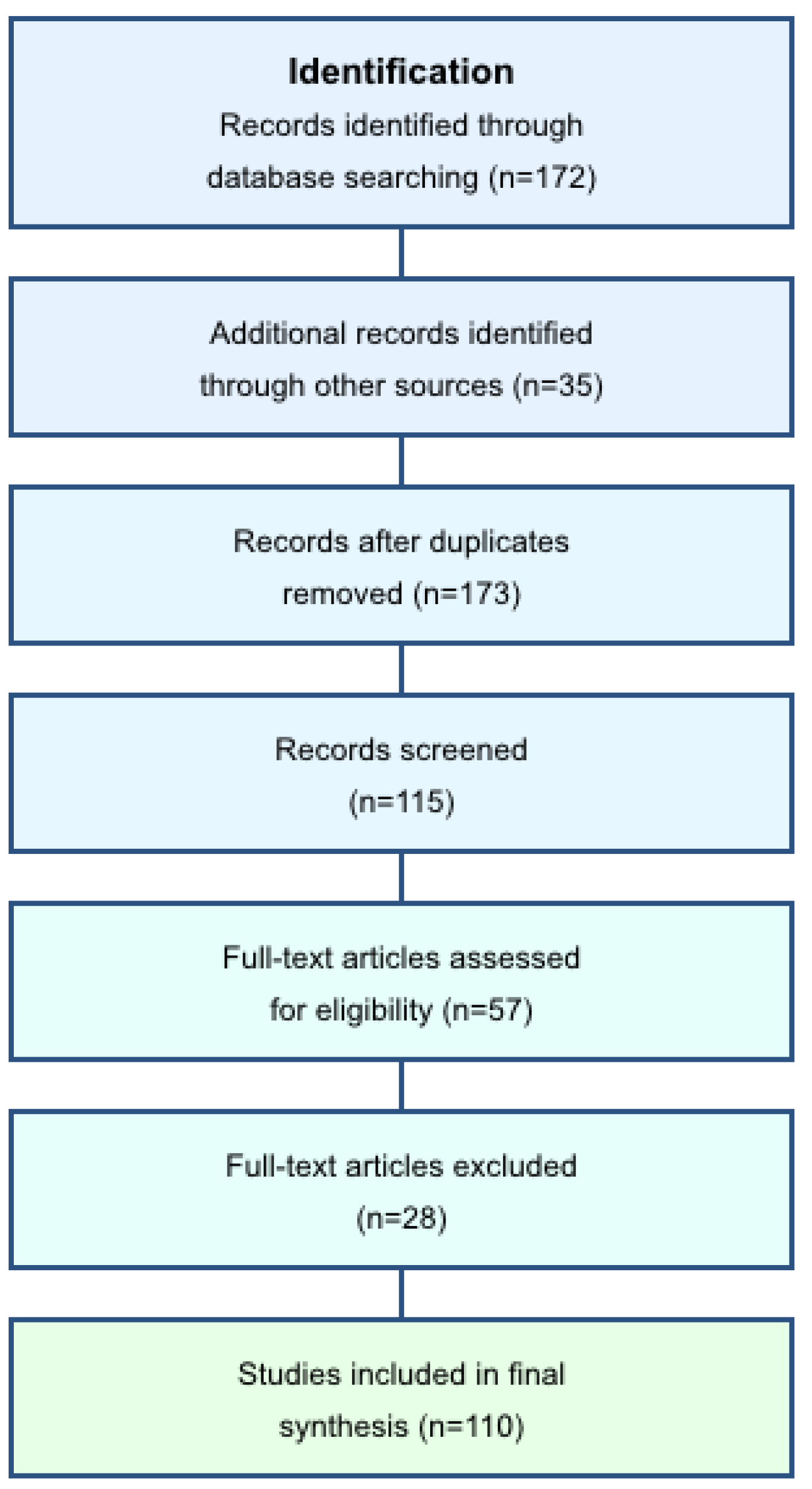
Figure 1. PRISMA flow diagram illustrating the systematic search and screening process for identifying relevant studies on organizing scientific conferences and their impact.
Preprints 147224 g001
Disclaimer/Publisher’s Note: The statements, opinions and data contained in all publications are solely those of the individual author(s) and contributor(s) and not of MDPI and/or the editor(s). MDPI and/or the editor(s) disclaim responsibility for any injury to people or property resulting from any ideas, methods, instructions or products referred to in the content.
Copyright: This open access article is published under a Creative Commons CC BY 4.0 license, which permit the free download, distribution, and reuse, provided that the author and preprint are cited in any reuse.
Prerpints.org logo

Preprints.org is a free preprint server supported by MDPI in Basel, Switzerland.

Subscribe

Disclaimer

Terms of Use

Privacy Policy

Privacy Settings

© 2025 MDPI (Basel, Switzerland) unless otherwise stated