

Submitted:
24 January 2025
Posted:
27 January 2025
Read the latest preprint version here
Abstract
CAR-T cell therapy has significantly improved outcomes for patients with relapsed or refractory (R/R) diffuse large B-cell lymphoma (DLBCL), but challenges such as limited resources, manufacturing timelines, and notable toxicities persist. Bispecific antibodies (BsAbs), including glofitamab and epcoritamab have demonstrated promising efficacy and represent a new treatment option in patients who are unsuitable for or have relapsed following CAR-T therapy. Bispecific antibodies have a manageable safety profile and are generally more widely accessible than CAR T-cell therapy. Case discussions in this paper illustrate the potential real-world application of BsAbs, highlighting their role in treating patients who have relapsed after or are unable to undergo CAR T-cell therapy. Overall, glofitamab and epcoritamab represent valuable treatment options in the evolving landscape of R/R DLBCL.
Keywords:
CAR-T therapy
; bispecific antibodies
; glofitamab
; epcoritamab
; diffuse large B-cell lymphoma
; relapsed/refractory lymphoma
1. Background
In North America, diffuse large B-cell lymphoma (DLBCL) is the most common aggressive subtype of non-Hodgkin lymphoma (NHL). [1,2] R-CHOP (rituximab, cyclophosphamide, doxorubicin, vincristine, and prednisone) remains the standard first-line treatment in Canada, with survival rates almost similar to the general population when disease-free for at least two-years post-therapy. [3] However, 35% to 40% of patients are refractory or relapse (R/R) after R-CHOP. [3] Historically, platinum-based salvage chemotherapy followed by high-dose chemotherapy and autologous stem-cell transplantation (HDT-ASCT) offered curative potential in approximately one-quarter of eligible patients, [4] although patients with primary refractory disease or who experience early relapse (within one year of treatment) have a particularly poor prognosis [5].
CAR-T cell therapy has emerged as a superior option to platinum-based salvage and HDT-ASCT for patients with refractory or early relapsing disease, demonstrating significant reductions in both relapse risk and mortality in the second-line setting, [6] where it is now the standard-of-care in Canada for patients with refractory disease or who relapse within one year of completion of frontline treatment. CAR-T cell therapy has also demonstrated curative potential in the third-line setting and represents the preferred treatment option in Canada for suitable patients who have not previously received it in the second-line setting. [7] However, CAR-T cell therapy is associated with notable toxicities, such as cytokine release syndrome (CRS) and immune effector cell–associated neurotoxicity syndrome (ICANS), as well as severe and prolonged cytopenias. [8,9]
Access to CAR-T cell therapy remains a challenge due to logistical, geographical, and resource-related constraints. [3] Furthermore, eligibility for CAR-T cell therapy is often restricted due to patient comorbidities, CAR-T cell related toxicities, and rapidly progressing disease that may not allow adequate time for CAR-T cell manufacturing. [10] Up to one-third of patients referred for CAR-T cell therapy across Canada do not proceed, primarily due to prohibitive lymphoma progression. In patients eligible for CAR-T cell therapy in the United States, around 10% [12] to 25% [13] of those at academic centers and around 50% of those in community settings [11] do not proceed, mainly due again to disease progression or decline in clinical status. Moreover, for those undergoing leukapheresis, around 10% of patients do not undergo CAR T-cell infusion because of disease progression, decline in clinical status, manufacturing issues, or other reasons. [11,12] Post-CAR-T cell therapy relapse represents an additional challenge, as survival is poor with conventional therapies. [13] Therefore, accessible, effective, and well-tolerated novel treatments are needed for patients unsuitable for, unable to receive or progressing following CAR-T cell therapy.
Bispecific antibodies (BsAbs) comprise a class of engineered antibody products designed to simultaneously target two different antigens. [1] Epcoritamab and glofitamab are two BsAbs approved by Health Canada. Glofitamab is approved for the treatment of adult patients with R/R DLBCL not otherwise specified, DLBCL transformed from indolent follicular lymphoma (FL), or primary mediastinal B-cell lymphoma (PMBCL) after two or more lines of systemic therapy, for those who have previously received or are unable to receive CAR-T cell therapy. [11] Epcoritamab is approved for the same indications and also includes high-grade lymphoma (HGBCL), DLBCL transformed from indolent lymphoma, and grade 3B FL. [14,15] Although potential toxicities of BsAbs also include CRS, ICANS and cytopenias, they are generally associated with a lower toxicity profile than seen with CAR-T cell therapy and are more readily available, without the need for bridging or lymphodepleting chemotherapy.
The purpose of this paper is to discuss the use of BsAbs in the treatment of R/R DLBCL and to define patient characteristics and logistical factors in which BsAbs may be the option of choice in the Canadian treatment landscape.
2. Evidence for Bispecific Antibodies
2.1. Glofitamab
Glofitamab is an intravenously (IV) administered BsAb with a 2:1 tumor–T-cell binding configuration that confers bivalency for CD20 (B-cells) and monovalency for CD3 (T-cells), leading to T-cell engagement and redirection to eliminate malignant B-cells. [3] Glofitamab is administered over a finite period of 12 cycles, each lasting 21 days. [3] Obinutuzumab is administered prior to initiation of glofitamab, along with ramp-up dosing in cycle 1 to minimize the risk of CRS.
Glofitamab was evaluated in a pivotal phase II study of 154 patients with R/R DLBCL (including transformed FL, HGBCL, or PMBL) after two or more lines of therapy. [3] At a median follow-up of 13 months, the overall response rate (ORR) was 52% (39% complete response [CR]) and median progression-free survival (PFS) was 5 months. The 12-month PFS and overall survival (OS) rates were 37% and 50%, respectively. The CR rate was 35% for patients who had received prior CAR T-cell therapy versus 42% for those who had not. After a median follow-up of 37.7 months, the ORR rate was 52% (40% CR). [16] In patients with a CR, the PFS and OS rates two years after end of treatment were 57% and 77%, respectively. [16]
CRS (any grade) was reported in 63% of patients (grade ≥3: 4%), with most events associated with the first three doses. [3] CRS occurring after glofitamab were mainly controlled with corticosteroids and tocilizumab. ICANS was reported in 8% of patients (grade ≥3: 3%). Events associated with ICANS (dysphonia, confusional state, and disorientation) were mainly grade 1–2. Infections (any grade: 38%; grade ≥3: 15%), neutropenia (any grade: 38%; grade ≥3: 27%), anemia (any grade: 31%), and thrombocytopenia (any grade: 25%) were other common adverse events.
2.2. Epcoritamab
Epcoritamab is a subcutaneously (SC) administered CD3xCD20 T-cell–engaging BsAb that activates T-cells, directing them to kill malignant CD20+ B cells and is continued until treatment failure or intolerance. [1] Ramp-up dosing in cycle 1 is used to minimize the risk of CRS.
A phase I/II pivotal study (EPCORE NHL-1) evaluated epcoritamab in 157 patients with R/R DLBCL (including transformed indolent lymphomas, HGBCL, or PMBL) after two or more lines of therapy. [17] At a median follow-up of 11 months, the ORR was 63%, with 39% of patients achieving a CR. The median PFS was 4 months (not reached [NR] in patients achieving a CR) and the 6-month PFS rate was 44%; median OS was not reached. The ORR was 55% (30% CR) for patients with primary refractory disease and 54% (34% CR) for patients with prior CAR T-cell therapy. The ORR was higher in the subgroup of patients who had not received prior CAR T-cell therapy (69%; 42% CR). After a median follow-up of 37.1 months, the median PFS was 4.2 months (37.3 months in complete responders), and the median OS was 18.5 months (NR in complete responders). [18] Epcoritamab is given as continuous treatment until disease progression and further studies are needed to determine the optimal duration of treatment in patients experiencing CR.
Any-grade CRS was reported in 50% of patients with epcoritamab (grade ≥3: 3%). [17] Corticosteroids were given to mitigate CRS during the initial ramp-up. Tocilizumab was used for the management of CRS in 28% of patients. ICANS was reported in 6% of patients (grade ≥3: 3%). Common AEs included infections (any grade: 45.2%; grade ≥3: 14.6%), neutropenia (any grade: 21.7%; grade ≥3: 14.6%), anemia (any grade: 17.8%; grade ≥3: 10.2%), and thrombocytopenia (any grade: 13.4%; grade ≥3: 5.7%). Pyrexia (any grade: 23.6%), fatigue (any grade: 22.9%), neutropenia (any grade: 21.7%), diarrhea (any grade: 20.4%), and nausea (any grade: 19.7%) were other common adverse events.
3. Case-Based Discussions
|
Box 1: Illustrative Case 1 | |
|
Key clinical features • 75-year-old female • Comorbidities include hypertension, type 2 diabetes and osteoarthritis • Presented with fatigue, night sweats and bilateral neck fullness • ECOG PS 2 • Labs: mild anemia 9.4 g/dL, LDH 420 U/L (ULN 240) • PET/CT: lymphadenopathy above and below diaphragm, (maximum 14 cm) Diagnosis • Biopsy of cervical lymph node suggests DLBCL, ABC subtype Initial Treatment • Treated with 6 cycles of dose-reduced R-CHOP (with 1 delay due to infection) • Complete response on post-treatment PET/CT • 20 months later, developed enlarged cervical nodes • PET/CT and biopsy confirmed recurrent DLBCL Second-line Treatment • Not considered to be a transplant/CAR-T cell candidate • Treated with Polatuzumab-BR for 6 cycles, achieved a CR and remained in remission for 18 months Third-line Treatment • She now requires further therapy • She is now frailer with an ECOG PS 3, and is being considered for a BsAb |
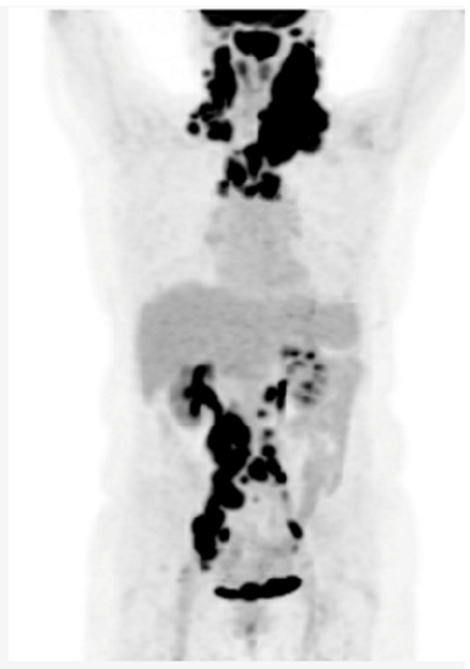 |
| BsAB, bispecific antibody; BR, bendamustine-rituximab; CT, computerized tomography; CR, complete response; DLBCL, diffuse large B-cell lymphoma; ECOG, Eastern Cooperative Oncology Group; LDH, lactate dehydrogenase; PET, positron emission tomography; PS, performance status; ULN, upper limit of normal | |
Key Points
- Guidelines for CAR-T cell therapy eligibility may vary somewhat between centres, but patients must meet a minimal level of fitness to be considered.
- Eligibility for CAR-T cell therapy is based on key clinical factors, including adequate cardiac function and a minimum renal function (CrCl greater than 30-45 ml/min). Age and traditional eligibility criteria for HDT-ASCT are less emphasized in favor of general performance status and comorbidities (target ECOG performance score 0-2).
- Given the manufacturing time for CAR-T cells, a moderate tumor burden and moderate progression kinetics are necessary to ensure a safe waiting period and treatment trajectory. Rapid disease progression and high tumor burden can compromise general performance status and CAR-T cell efficacy, due to the unpredictable effectiveness of bridging therapies. [19]
- Many patients will need to travel within their province or to another province to receive CAR T-cell therapy, which requires a suitable performance status. For individuals with comorbidities or symptoms due to lymphoma progression that limit their ability to travel, BsAbs may be a more practical and accessible treatment alternative.
- Additionally, the need for a caregiver can also be a limiting factor, either due to the caregiver's unavailability or the patient’s feeling of being a burden.
- Given that BsAbs and CAR-T cell therapy currently target distinct antigens, CD20 and CD19 respectively, a referral for CAR-T cell therapy could be subsequently considered if the patient’s overall condition improves with BsAbs. However, considering this patient’s age of 75 years and the history of multiple comorbidities, the CAR-T cell process may not be feasible and BsAbs may be the preferrable alternative option.
|
Box 2: Illustrative Case 2 |
|
Key Clinical Features • 23-year-old male • Presents with drenching night sweats, fever, anasarca and widespread lymphadenopathy • LDH 1200 U/L (ULN 250) • ECOG PS 2, IPI 4 Diagnosis • Groin node biopsy: T-cell histiocyte-rich large B-cell lymphoma • Stage IVB, bone marrow and liver involved Initial Treatment • Given RCHOP x 5 cycles • Primary refractory, with recurrent fevers, and increasing LDH Second-line Treatment • R-GDP: cycle 1 received • Initial improvement, but recurrent fevers and increasing LDH prior to cycle 2 • PET confirmed progression Third-line Treatment • Plan for CAR-T cell therapy • Time from CAR-T cell therapy consultation to leukapheresis was 4 days • No holding therapy administered, but bridging therapy with Pola-R considered • Unfortunately, T-cell collection was insufficient to enable an adequate CAR-T cell product • Potential candidate for BsAbs |
Key Points
- Predictive factors for CAR-T manufacturing failure include a low CD3+ T-cell count (<150-300/µL), low proportions of naïve (CD45RA+) and central memory (CCR7+) T cells, high monocyte contamination (>40% CD14+ cells), and a suboptimal CD4/CD8 ratio (<1:3). Extensive chemotherapy, particularly with agents like bendamustine, reduces T-cell functionality and availability, while cumulative treatments and disease-related T-cell exhaustion further impair success. A high tumor burden (bulk disease) is also associated with reduced CAR-T manufacturing efficiency and outcomes. [20,21] T-cell fitness is an important component for optimization of immunotherapeutic approaches, including CAR T-cell therapy and BsAbs. [22] Unlike CAR-T cell therapy, BsAbs involve repeated dosing with intervals between treatments, which may allow for newly regenerated T-cells to contribute to the therapeutic process. [23] Moreover, unlike with CAR-T cell therapy, bendamustine-containing regimens prior to BsAbs do not appear to impact outcomes, although more data is required to support this. [24]
- Patients with rapidly progressing refractory lymphoma are often excluded from clinical trials, as their disease progression does not allow for the screening period required for enrollment. Although bridging therapies can be attempted, they are often ineffective, prohibiting patients from proceeding to CAR T-cell therapy.
- Even though BsAbs have a delayed onset of action due to the ramp-up phase to mitigate the risk of CRS, the timeline associated with a CAR-T cell therapy trajectory remains longer. This is especially important here, where the disease is aggressive.
- If rapid disease progression does not allow for CAR T-cell therapy, initiating a BsAb may be a consideration. However, real-world evidence on the efficacy of BsAbs in this setting is awaited, as well as data on the use of BsAbs as a possible bridging therapy.
- Importantly, data suggest CAR T-cell therapy remains effective in R/R LBCL patients after prior exposure to BsAbs, suggesting administration of a BsAb does not preclude patients from receiving future CAR-T cell therapy. [25]
|
Box 3: Illustrative Case 3 | |
|
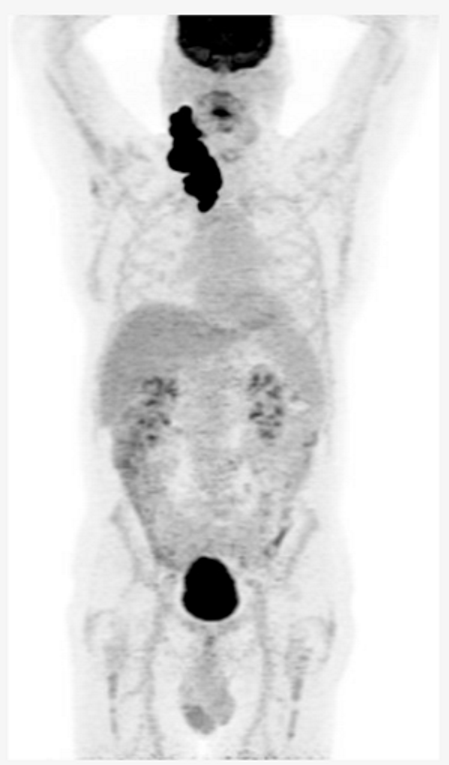
Key Clinical Features • 46-year-old indigenous male from a remote area of northern Canada • Comorbidities: HTN, CAD, osteoarthritis • Presented with a large neck mass • Stage IV, IPI 4/5, ECOG PS 2 Diagnosis • Sent to a treatment center 2,000 km away for cervical node core biopsy, non-diagnostic • Sent back again for excisional biopsy, interval between biopsies was 2 months • DLBCL, non-GCB, double expressor, no MYC rearrangement Initial Treatment • Plan for R-CHOP x 6 but patient did not show for 1st cycle • Treatment start was delayed 6-weeks and patient elected to return home between cycles • PET scan after 3 cycles demonstrates mixed response Second-line Treatment • Plan for ASCT and discussed salvage with R-ICE versus R-GDP • Chose R-ICE to get longer time at home between treatment • Progression after 2 cycles Third-line Treatment • Discussion of CAR-T cell therapy versus BsAb therapy, patient elected to proceed with BsAb therapy |
|
| ASCT, autologous stem cell therapy; BMT, bone marrow transplant; BR, bendamustine-rituximab; CAD, coronary artery disease; CR, complete response; DLBCL, diffuse large B-cell lymphoma; ECOG, Eastern Cooperative Oncology Group; HDT, high dose therapy; HTN, hypertension; IPI, international prognostic index; LDH, lactate dehydrogenase; MI, myocardial infarction; PET, positron emission tomography; PR, partial response; PS, performance status; R-CHOP, rituximab- cyclophosphamide- doxorubicin-vincristine-prednisone; R-GDP, rituximab-gemcitabine-cisplatin-dexamethasone; ULN, upper limit of normal | |
Key Points
- CAR-T cell therapy requires a coordinated process involving significant contributions by the patient and healthcare team. [10,12] CAR T-cell therapy requires at minimum: an initial consultation; leukapheresis; a lymphodepleting therapy and the infusion with the need to stay in proximity of the CAR T-cell center to complete a total of one month after infusion. The vast majority of the patients are hospitalized during the initial 2 weeks after CAR-T infusion. It is also recommended that patients have a caregiver accompany them during the CAR T-cell therapy process.
- The administration of BsAbs involves frequent visits for therapy, which contrasts with the one-time administration of the CAR-T cell product. Individual preferences will likely influence patient decision making.
- Length of time away from home was the driving factor in this patient’s preference for BsAbs. Despite the frequency of administration of BsAb therapy, he preferred to travel back and forth for the shorter visits.
- For many patients, the need for travel and an extended stay near the CAR T-cell center is a meaningful barrier. The requirement to travel for treatment involves personal, familial, financial, and professional considerations. Patients' geographic distance to treatment centers is a major limitation for many patients, with those residing 2–4 hours away being 40% less likely to access CAR-T cell therapy. [26] A mapping of CAR-T cell therapy administered in the province of Quebec illustrated this unfortunate reality. [27]
- Some remote centers may initiate ramp-up of BsAbs in a regional hospital or cancer center, with later cycles administered closer to home in an infusion clinic.
- The incidence of CRS occurrence from cycle 2 onwards is very low (less than 5%), and its severity is mild (typically grade 1 or 2). [1,3] Moreover, the occurrence of CRS from cycle 2 onwards is often observed in patients who experience more severe or prolonged CRS during cycle 1, making it more predictable. The incidence and severity of neurotoxicity with BsAbs is also low, further supporting the feasibility of administration at local centers with regional oversight.
- Having a caregiver present during the ramp-up of BsAbs is recommended but not absolutely necessary, as long as patients are reliable and compliant. If there are particular concerns about a patient's condition and reliability, their monitoring period in the hospital could be extended.
- ∙ For patients who do not want to or cannot travel for CAR-T cell therapy, BsAbs may represent a valuable treatment option. However, the duration of follow-up from BsAb clinical trials remains insufficient to assess the curative potential of this approach.
| Box 4: Illustrative Case 4 | |
|
Key clinical features • 58 -year-old male • No comorbidities • Presented with abdominal discomfort • ECOG PS 1 • Labs: LDH 350 U/L (ULN 240) • PET/CT: paravertebral soft tissue mass at T7 with extension into right lower lobe, right pelvic sidewall mass (maximum 6 cm) Diagnosis • Core biopsy of abdominal mass: DLBCL, GCB subtype, no MYC rearrangement Initial Treatment • Treated with 6 cycles of R-CHOP • CR on post-treatment PET/CT • 14 months later, developed recurrent abdominal pain, PET/CT and biopsy confirmed recurrent DLBCL Second-line Treatment • Planned for salvage and ASCT, but had progression after 2 cycles R-GDP Third-line Treatment • Referred for CAR-T-cell therapy • Received 1 cycle Pola-R bridging followed axicabtagene ciloleucel • CR on PET/CT at 3 months • Progression on PET/CT at 6 months post CAR-T-cell therapy Fourth-Line Treatment • He has been recently given epcoritamab |
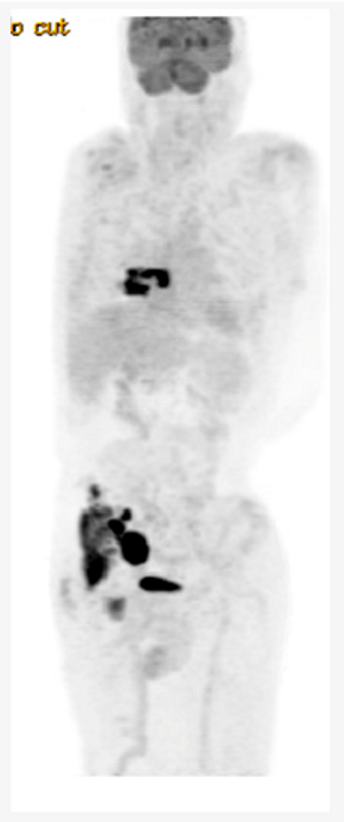 |
| ASCT, autologous stem cell transplant; BsAB, bispecific antibody; CT, computerized tomography; CR, complete response; DLBCL, diffuse large B-cell lymphoma; ECOG, Eastern Cooperative Oncology Group; LDH, lactate dehydrogenase; PET, positron emission tomography; PS, performance status; R-CHOP, rituximab- cyclophosphamide- doxorubicin-vincristine-prednisone; R-GDP, rituximab-gemcitabine-dexamethasone; ULN, upper limit of normal | |
Key Points
- Unfortunately, this otherwise healthy man, exhibits chemo-refractory disease after initial benefit from R-CHOP and did not sustain durable benefit from CAR-T cell therapy.
- BsAbs have demonstrated efficacy for patients with R/R DLBCL regardless of prior exposure to CAR-T cell therapy. [1,3] This case illustrates the potential use of BsAbs following CAR T-cell therapy failure, with CAR T-cell therapy initially prioritized due to its longer available follow-up and known curative potential.
4. Canadian Perspective
CAR-T cell therapy is currently offered across Canada in twelve centers, and is available in seven out of ten provinces, but not within the three territories. [28] Access to CAR-T cell therapy is further limited by patient ineligibility due to poor performance status, comorbidities or rapidly progressing burden of disease; ineffective bridging therapies; manufacturing limitations; and limited health-care resources. [1] BsAbs generally have a more favorable toxicity profile and are available for immediate use, and can be administered more broadly, making them a more accessible treatment option for certain patient populations. (Table 1) However, long-term follow-up evaluating the curative potential of BsAb therapy is not yet available, thus in settings where CAR T-cell therapy is feasible, it should remain the initial consideration.
4.1. BsAbs in CAR-T Cell Therapy Ineligible Patients
Patients may be ineligible for CAR-T cell therapy as a result of frailty, organ dysfunction, inadequate performance status, or aggressive disease needing immediate treatment. In cases where performance status is suboptimal, such as in Case 1, BsAbs may be a desirable option, as the toxicity profile of BsAbs is generally more favorable than CAR T-cell therapy. Importantly, administration of a BsAb does not preclude patients from receiving future CAR-T cell therapy if they become eligible due to improved functional status. A recent retrospective analysis of patients with R/R large B-cell lymphoma (LBCL) treated with CD19-targeted CAR-T cells after prior BsAb exposure demonstrated a best ORR of 85% (43% CR), without significant differences in patients who had not previously responded to a BsAb. [25] At a median follow-up of 10.5 months, median PFS was 6.6 months (95% CI 2.6- NR) and median OS was not reached (95% CI 9.0-NR). A second part of the same study included a matched control group of BsAb-naïve patients treated with CAR-T cell therapy. The BsAb-exposed group achieved a higher ORR compared with the control group (86% vs 55%, p=0.02) but CR, 1-year PFS and 1-year OS were not statistically different between groups. Data suggest that CAR T-cell therapy remains effective in R/R LBCL patients after prior exposure to BsAbs.
Patients with rapidly progressing disease may be ineligible for CAR-T cell therapy due to inability to wait for the apheresis and manufacturing process, as in Case 2. Systemic bridging therapies, radiation therapy or other intervention strategies may enable some patients with rapid disease progression to wait for the manufacturing period and proceed to CAR T-cell therapy. However, bridging therapies have limited efficacy and can be associated with notable toxicities, such as cytopenias. [8,9] The required ramp-up period for BsAbs can also delay anti-tumor benefit, although accelerated ramp-up schedules of BsAbs for high burden disease have been explored. [29,30] Administering radiotherapy to critical sites of disease may enable effective use of BsAbs for some patients with rapidly evolving disease. [31]
4.2. BsAbs as an Alternative to CAR-T Cell Therapy Based on Patient Preference
For patients who are unable or unwilling to travel for CAR-T cell therapy, as in Case 3, BsAbs may provide a more feasible treatment option. BsAbs would ideally be administered locally at treatment centers or infusion clinics in remote areas. However, currently, most patients are required to travel to regional clinics or cancer centers for treatment initiation, due to the risk of CRS which occurs primarily during cycle 1. Patients also require a brief hospitalization (~24-48 hours) during the highest risk period of CRS, which requires some patients to be managed at specialized centers.
4.3. BsAbs for Bridging to CAR-T Cell Therapy
Bridging therapy refers to treatment that is delivered after apheresis and before CAR-T cell therapy infusion. Bridging therapies must be rapidly effective, minimally toxic, with a short washout period. There is limited data evaluating the use of BsAbs as bridging therapy, and currently BsAbs are not funded in Canada for this indication. Median time to response with epcoritamab is 1.4 months and median time to CR is 1.4 months with glofitamab, corresponding to the timing of the first imaging performed in clinical trials. [17,32] As CAR-T cell therapy manufacturing is typically completed in three weeks, the timeline of BsAbs (including the need for ramp-up in cycle 1) may be insufficient to provide timely disease control as a bridging therapy. Some limited data exists in multiple myeloma (MM), where BsAbs have shown to be a potent and safe option as bridging therapy, achieving the highest ORR (100%) compared with chemotherapy, anti-CD38, or anti-SLAMF7 antibody–based regimens (46%). [33] It remains to be seen whether BsAbs could be used as bridging therapy to CAR-T cell therapy in DLBCL and whether the ramp-up period could be reduced in these cases to allow for faster response. Currently, radiation therapy, polatuzumab vedotin with rituximab, conventional chemotherapy and steroids are commonly used as bridging therapies in Canada. Avoidance of highly lymphodepleting agents, such as bendamustine is recommended, as it may compromise outcomes following CAR T-cell therapy. [34] Combinations of BsAbs with chemotherapy may circumvent this limitation and offer a novel bridging strategy. [35]
4.4. BsAbs Following CAR-T Cell Therapy
BsAbs are the preferred treatment of choice for progression following CAR-T cell therapy, based on their demonstrated efficacy and favorable toxicity profile. As shown in Case 4, patients failing CAR-T cell therapy are ideal candidates for BsAbs. The CR rate in patients with prior CAR-T cell therapy is 36% with epcoritamab and 37% with glofitamab. [1] In addition, the median duration of CR is 36.1 months for epcoritamab [36] and 29.8 months for glofitamab [16], following CAR-T cell therapy. Moreover, in a real-world multi-center cohort of 64 patients treated with BsAbs after CAR-T cell failure, the ORR was 54% (29/54) with a CR rate of 33% (18/54). At a median follow-up of 400 days after initiation of BsAbs, 66.7% patients remained in CR. [37] Polatuzumab-BR is an alternative systemic option available in Canada after CAR-T cell therapy. However, response may be less durable, and tolerance may be limited due to risk of cytopenias. [1,32,38] Radiation therapy may be a consideration for localized disease in selected patients.
5. Conclusions
CAR-T cell therapy has revolutionized outcomes of patients with R//R large B-cell lymphoma; however, challenges related to access, efficacy, and toxicity remain barriers to its use. BsAbs may address these challenges for many patients, as they have become the preferred therapy after CAR-T cell therapy failure and provide an effective option for patients who are CAR-T cell therapy ineligible. Ongoing studies of BsAb combinations may further improve outcomes for patients with R/R DLBCL.
Author Contributions
Writing—original draft preparation, A.C., L.S., I.F.; writing—review and editing, L.S., I.F., M.S., D.M. All authors have read and agreed to the published version of the manuscript.
Funding
The development of this paper was funded by Abbvie Canada, Inc.
Acknowledgments
The authors acknowledge medical writing support provided by Anna Christofides of IMPACT Medicom Inc. and funded by AbbVie Inc.
Conflicts of Interest
IF has received funding for advisory board and conference attendance from AbbVie, AstraZeneca, BeiGene, BMS, Gilead, Incyte, Janssen, Roche, Pfizer, and Eli Lilly. LS has received consulting fees and honoraria from AbbVie, Amgen, AstraZeneca, BeiGene, BMS/Celgene, Genmab, Kite/Gilead, Incyte, Janssen, Merck, Seagen, and Roche/Genentech, as well as research funding from Roche/Genentech, and Teva. AC has received funding for medical writing support from AbbVie. MS has received honoraria for presentations or advisory board participations from AbbVie, AstraZeneca, BeiGene, BMS, Janssen, Kite/Gilead, Incyte, and Roche.DM has received honoraria for advisory board participation from AbbVie, AstraZeneca, BeiGene, Gilead, Pfizer, and Roche. AbbVie has provided funding for medical writing support in the development of the paper. The funders had no role in the writing of the manuscript.
References
- Thieblemont C, Karimi YH, Ghesquieres H, et al. Epcoritamab in relapsed/refractory large B-cell lymphoma: 2-year follow-up from the pivotal EPCORE NHL-1 trial. Leukemia. Sep 25 2024. [CrossRef]
- Canadian Evidence-Based Guideline for the Treatment of Relapsed/Refractory: Diffuse Large B-Cell Lymphoma.
- Dickinson MJ, Carlo-Stella C, Morschhauser F, et al. Glofitamab for Relapsed or Refractory Diffuse Large B-Cell Lymphoma. N Engl J Med. Dec 15 2022;387(24):2220-2231. [CrossRef]
- Davison K, Chen BE, Kukreti V, et al. Treatment outcomes for older patients with relapsed/refractory aggressive lymphoma receiving salvage chemotherapy and autologous stem cell transplantation are similar to younger patients: a subgroup analysis from the phase III CCTG LY.12 trial. Ann Oncol. Mar 01 2017;28(3):622-627. [CrossRef]
- Gisselbrecht C, Glass B, Mounier N, et al. Salvage regimens with autologous transplantation for relapsed large B-cell lymphoma in the rituximab era. J Clin Oncol. Sep 20 2010;28(27):4184-90. [CrossRef]
- Westin JR, Oluwole OO, Kersten MJ, et al. Survival with Axicabtagene Ciloleucel in Large B-Cell Lymphoma. N Engl J Med. Jul 13 2023;389(2):148-157. [CrossRef]
- CADTH. Provisional Funding Algorithm: Indication Large B-cell Lymphoma. 2023.
- Neelapu SS, Tummala S, Kebriaei P, et al. Chimeric antigen receptor T-cell therapy - assessment and management of toxicities. Nat Rev Clin Oncol. Jan 2018;15(1):47-62. [CrossRef]
- Jain T, Olson TS, Locke FL. How I treat cytopenias after CAR T-cell therapy. Blood. May 18 2023;141(20):2460-2469. [CrossRef]
- Hoffmann MS, Hunter BD, Cobb PW, Varela JC, Munoz J. Overcoming Barriers to Referral for Chimeric Antigen Receptor T Cell Therapy in Patients with Relapsed/Refractory Diffuse Large B Cell Lymphoma. Transplant Cell Ther. Jul 2023;29(7):440-448. [CrossRef]
- Battiwalla M, Tees M, Flinn IW. Access barriers for anti-CD19+ chimeric antigen receptor T (CAR-T) cell therapy for non-Hodgkin lymphoma (NHL) across a large community transplant and cellular therapy network, tandem meetings. Abstract presented at: Transplantation & Cellular Therapy Meetings of ASTCT and CIBMTR, 2023.
- Schuster SJ, Svoboda J, Chong EA, et al. Chimeric Antigen Receptor T Cells in Refractory B-Cell Lymphomas. N Engl J Med. Dec 28 2017;377(26):2545-2554. [CrossRef]
- Alarcon Tomas A, Fein JA, Fried S, et al. Outcomes of first therapy after CD19-CAR-T treatment failure in large B-cell lymphoma. Leukemia. Jan 2023;37(1):154-163. [CrossRef]
- Product Monograph: PrEPKINLYTM ( April 23, 2024 ).
- Limited H-LR. Product Monograph: PrCOLUMVI® MAR 24, 2023.
- Dickinson M, Carlo-Stella C, Morschhauser F, Bachy E. Fixed-Duration Glofitamab Monotherapy Continues to Demonstrate Durable Responses in Patients with Relapsed or Refractory Large B-Cell Lymphoma: 3-Year Follow-up from a Pivotal Phase II Study. American Society of Hematology; 2024. p. Abstract 865.
- Thieblemont C, Phillips T, Ghesquieres H, et al. Epcoritamab, a Novel, Subcutaneous CD3xCD20 Bispecific T-Cell-Engaging Antibody, in Relapsed or Refractory Large B-Cell Lymphoma: Dose Expansion in a Phase I/II Trial. J Clin Oncol. Apr 20 2023;41(12):2238-2247. [CrossRef]
- Vose J, Cheah C, Clausen M, Cunningham D. 3-Year Update from the Epcore NHL-1 Trial: Epcoritamab Leads to Deep and Durable Responses in Relapsed or Refractory Large B-Cell Lymphoma. American Society of Hematology Meeting; 2024. p. Abstract 4480.
- Zelenetz AD, Gordon LI, Abramson JS, et al. NCCN Guidelines® Insights: B-Cell Lymphomas, Version 6.2023. J Natl Compr Canc Netw. Nov 2023;21(11):1118-1131. [CrossRef]
- Clémentine Baguet , Jérôme Larghero , Mebarki M. Early predictive factors of failure in autologous CAR T-cell manufacturing and/or efficacy in hematologic malignancies. Blood Adv 2024. p. 337–342. [CrossRef]
- Locke FL, Rossi JM, Neelapu SS, et al. Tumor burden, inflammation, and product attributes determine outcomes of axicabtagene ciloleucel in large B-cell lymphoma. Blood Adv. Oct 13 2020;4(19):4898-4911. [CrossRef]
- Dubnikov Sharon T, Assayag M, Avni B, et al. Early lymphocyte collection for anti-CD19 CART production improves T-cell fitness in patients with relapsed/refractory diffuse large B-cell lymphoma. Br J Haematol. Jul 2023;202(1):74-85. [CrossRef]
- Philipp N, Kazerani M, Nicholls A, et al. T-cell exhaustion induced by continuous bispecific molecule exposure is ameliorated by treatment-free intervals. Blood. Sep 08 2022;140(10):1104-1118. [CrossRef]
- Iacoboni G, Serna A, Navarrow V, Ubieto SJ. Impact of Prior Bendamustine Exposure on Bispecific Antibody Treatment Outcomes for Patients with B-Cell Lymphoma. Blood; 2023. p. 310. [CrossRef]
- Crochet G, Iacoboni G, Couturier A, et al. Efficacy of CAR T-cell therapy is not impaired by previous bispecific antibody treatment in large B-cell lymphoma. Blood. Jul 18 2024;144(3):334-338. [CrossRef]
- Flinn R. Miles Matter: The Geographic Disparity That Impacts Access to CAR-T Therapy. AJMC; 2024. p. SP810.
- Maria Murphy MF, Julie Campeau , Michael Sebag , Félix Couture , Jean-François Larouche , Christopher Lemieux , Silvy Lachance , Sandra Cohen , Luigina Mollica , Olivier Veilleux , Isabelle Fleury. Geographical CAR-T Unmet Needs for Patients with Large B-Cell Lymphoma in the Province of Quebec Blood; 2022. p. 13228–13229. [CrossRef]

Table 1.
Patients to Consider for Bispecifics.
| Patient Type | Patient Description | Benefits of Bispecifics |
|---|---|---|
|
CAR-T cell therapy Ineligible |
• Inadequate performance status • Organ dysfunction |
• Provides an effective therapy with durable benefit and a favorable toxicity profile • Incidence and severity of toxicities lower than CAR-T cell therapy |
|
CAR-T cell therapy eligible |
• Rapidly progressing disease • Borderline PS for CAR-T cell therapy • Unable/unwilling to travel for CAR-T cell therapy • Concern about CAR-T cell therapy toxicity profile |
• Timely available therapy (although ramp-up may be associated with delayed response) • Provides a more flexible option offered in more centers than CAR-T cell therapy requiring less travel • Does not preclude future CAR-T cell therapy |
|
Post CAR-T cell therapy |
All fit patients | • Preferred option in terms of efficacy and safety, compared to available alternatives • Post ramp-up ease of administration • Clinical trials should also be considered, but availability often limited |
BR, bendamustine, rituximab
Disclaimer/Publisher’s Note: The statements, opinions and data contained in all publications are solely those of the individual author(s) and contributor(s) and not of MDPI and/or the editor(s). MDPI and/or the editor(s) disclaim responsibility for any injury to people or property resulting from any ideas, methods, instructions or products referred to in the content. |
© 2025 by the authors. Licensee MDPI, Basel, Switzerland. This article is an open access article distributed under the terms and conditions of the Creative Commons Attribution (CC BY) license (http://creativecommons.org/licenses/by/4.0/).
Copyright: This open access article is published under a Creative Commons CC BY 4.0 license, which permit the free download, distribution, and reuse, provided that the author and preprint are cited in any reuse.