

Submitted:
11 January 2025
Posted:
23 January 2025
You are already at the latest version
Abstract
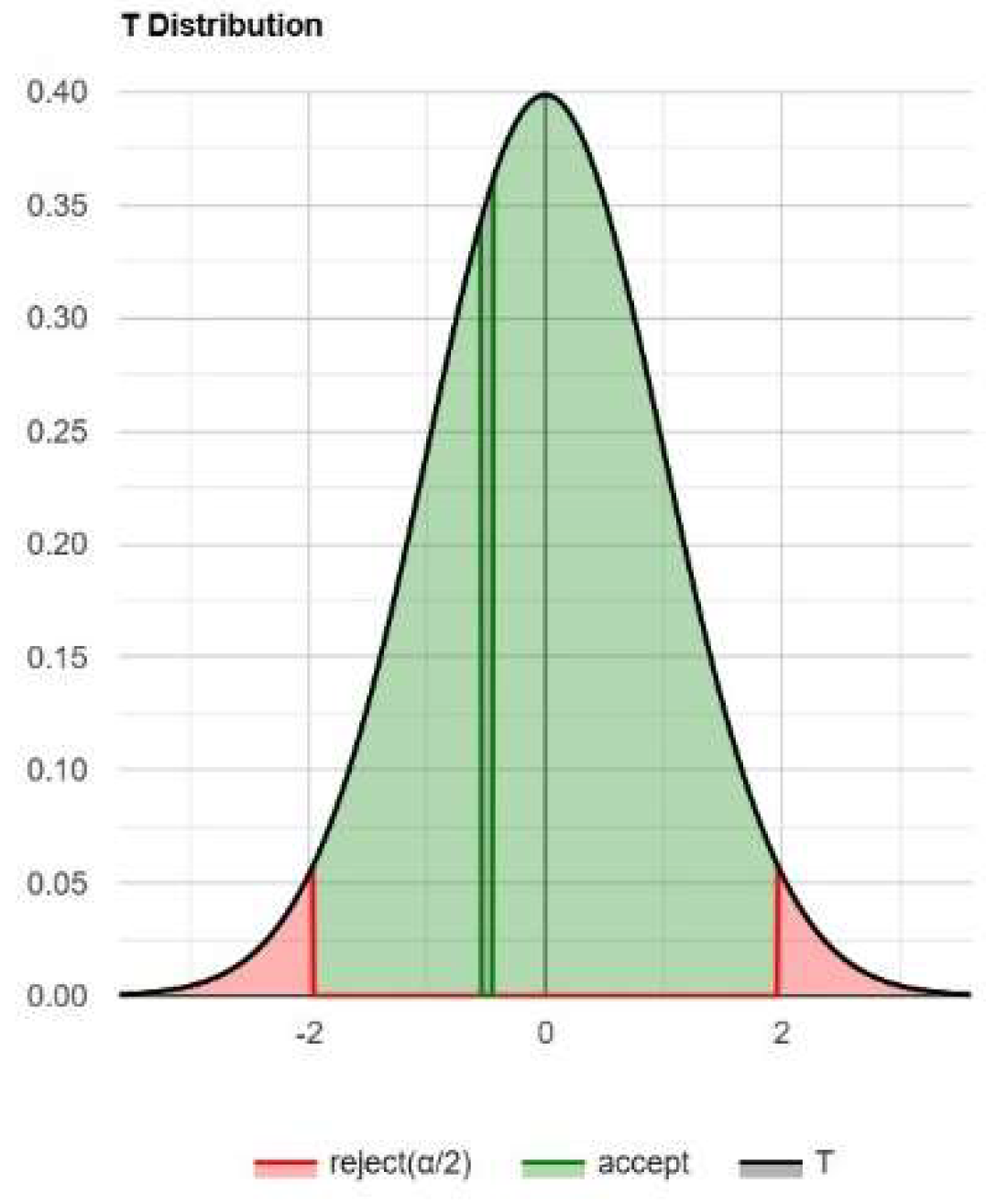
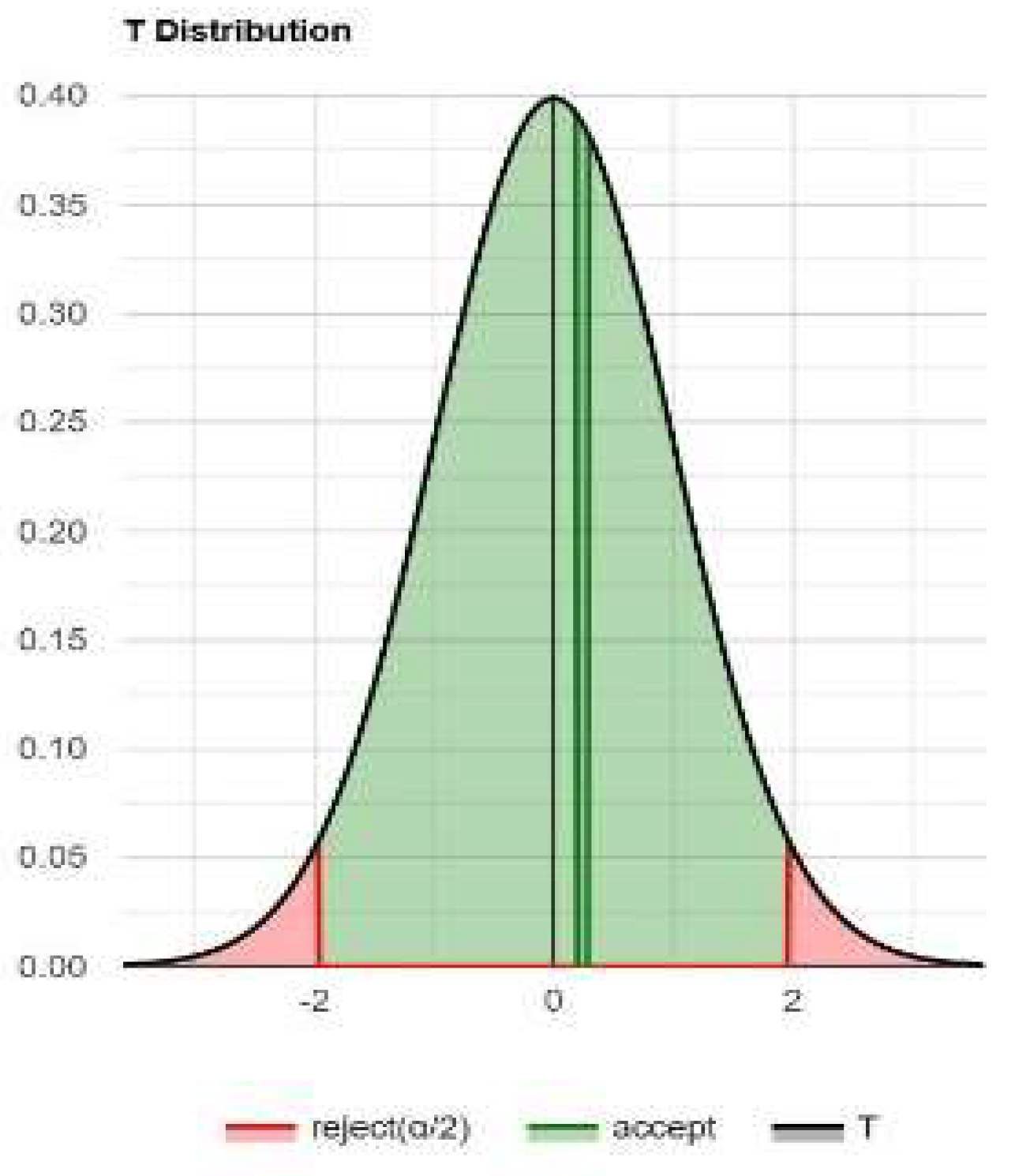
The teaching-learning process in the modern era heavily relies on digital pedagogy, with Augmented Reality (AR) applications emerging as a suitable approach to advance it. This study assessed the awareness of AR applications among school educators in India, analyzing demographic factors such as age, gender, teaching experience, and subject specialization. A descriptive survey design with a quantitative approach was employed, involving 730 educators from urban and rural schools across India. Using a combination of random and stratified sampling, participants were selected from all 28 states and 8 union territories, covering 10% of districts per region. Data collection utilized online (email, WhatsApp, social media) and offline (pen-and-paper) methods via standardized questionnaires. Results showed that female teachers exhibited higher awareness and gain scores in AR applications compared to male teachers. However, no statistically significant difference was found in AR awareness based on gender (t=1.75, p > α), urban-rural location (t=1.004, p > α), age groups [F(2, 727) = 0.689, p > 0.05], teaching experience [F(3, 726) = 0.9936, p > 0.05], school type (t=0.500, p > α), or subject specialization (t=0.240, p > α). These findings indicate that AR awareness among Indian educators is consistent across various demographic factors, suggesting equitable exposure and understanding of AR applications among diverse teaching populations. The study highlights the potential for AR integration in education irrespective of demographic differences.
Keywords:
1. Introduction
1.1. Review of Literature
1.2. Rationale of the Study
1.3. Statement of the Study
- Objectives
- To assess the level of awareness of Augmented Reality (AR) applications among school educators in India.
- To investigate the demographic factors such as age, gender, teaching experience, and subject specialization in shaping AR awareness among educators.
- Hypotheses
- A majority of school educators in India are anticipated to have limited awareness of Augmented Reality (AR) applications in education.
- Male educators are expected to demonstrate a significantly higher level of awareness of AR applications compared to female educators.
- Educators teaching in urban schools are expected to have a significantly higher level of awareness of AR applications compared to their counterparts in rural schools.
- The level of awareness of AR applications among school educators in India is likely to vary significantly across different age groups.
- Awareness of AR applications among educators is likely to differ significantly based on their teaching experience.
- Educators in private schools are expected to exhibit significantly higher awareness of AR applications compared to those in government schools.
- Awareness of AR applications among school educators in India is likely to vary significantly based on their subject specializations.
2. Methodology
2.1. Design
2.2. Sample
2.3. Tools
2.4. Procedure of Data Collection
3. Result
3.1. Hypothesis 1
3.2. Hypothesis 2
3.3. Hypothesis 3
3.4. Hypothesis 4
3.5. Hypothesis 5
3.6. Hypothesis 6
3.7. Hypothesis 7
4. Analysis and Interpretation
5. Major Findings
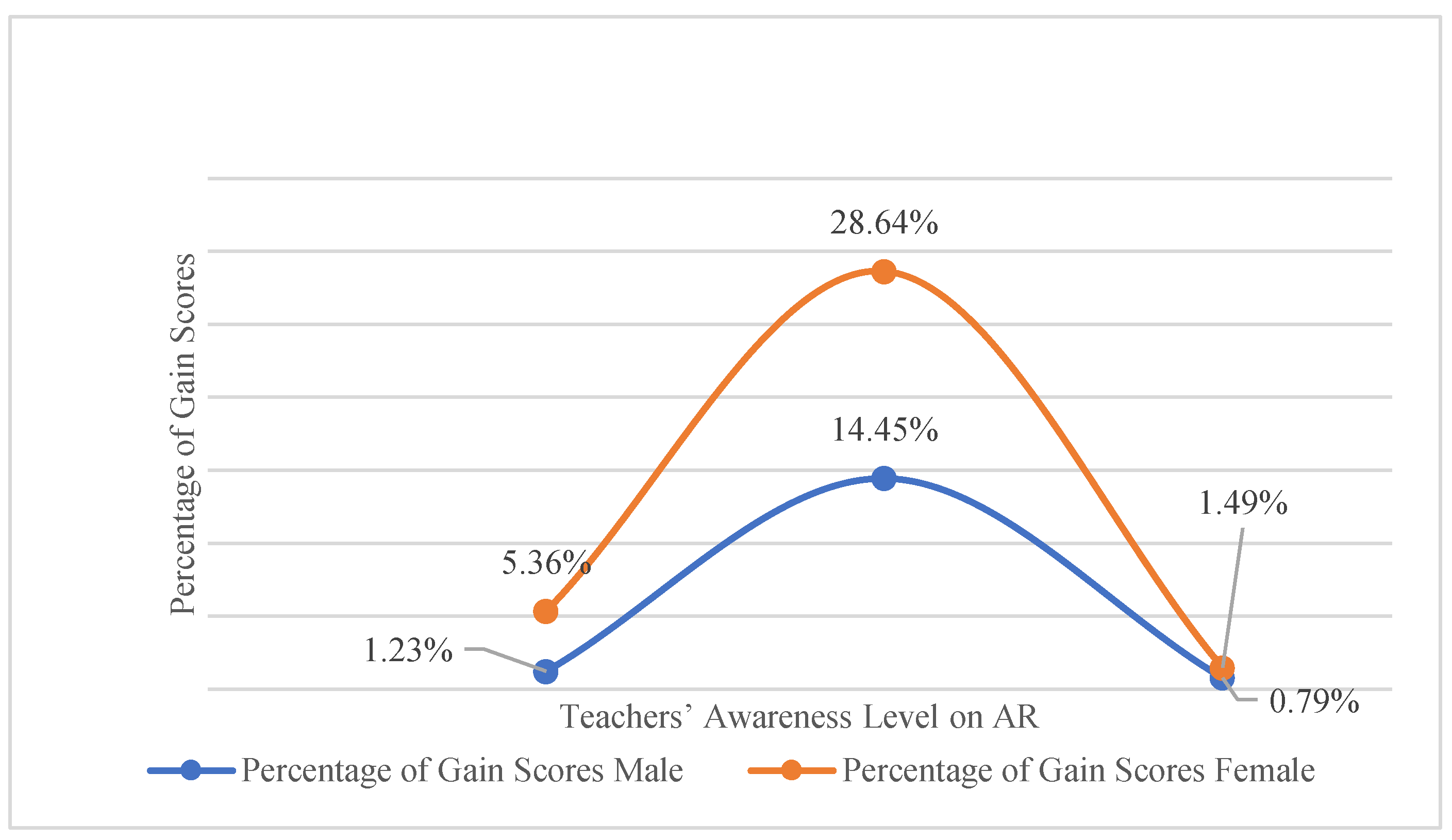
- Female teachers demonstrated a higher level of awareness and contributed more significantly to the overall percentage of gain scores compared to male teachers regarding Augmented Reality (AR) applications. This advocates that female teachers exhibited a more pronounced peak in sensitivity to awareness levels.
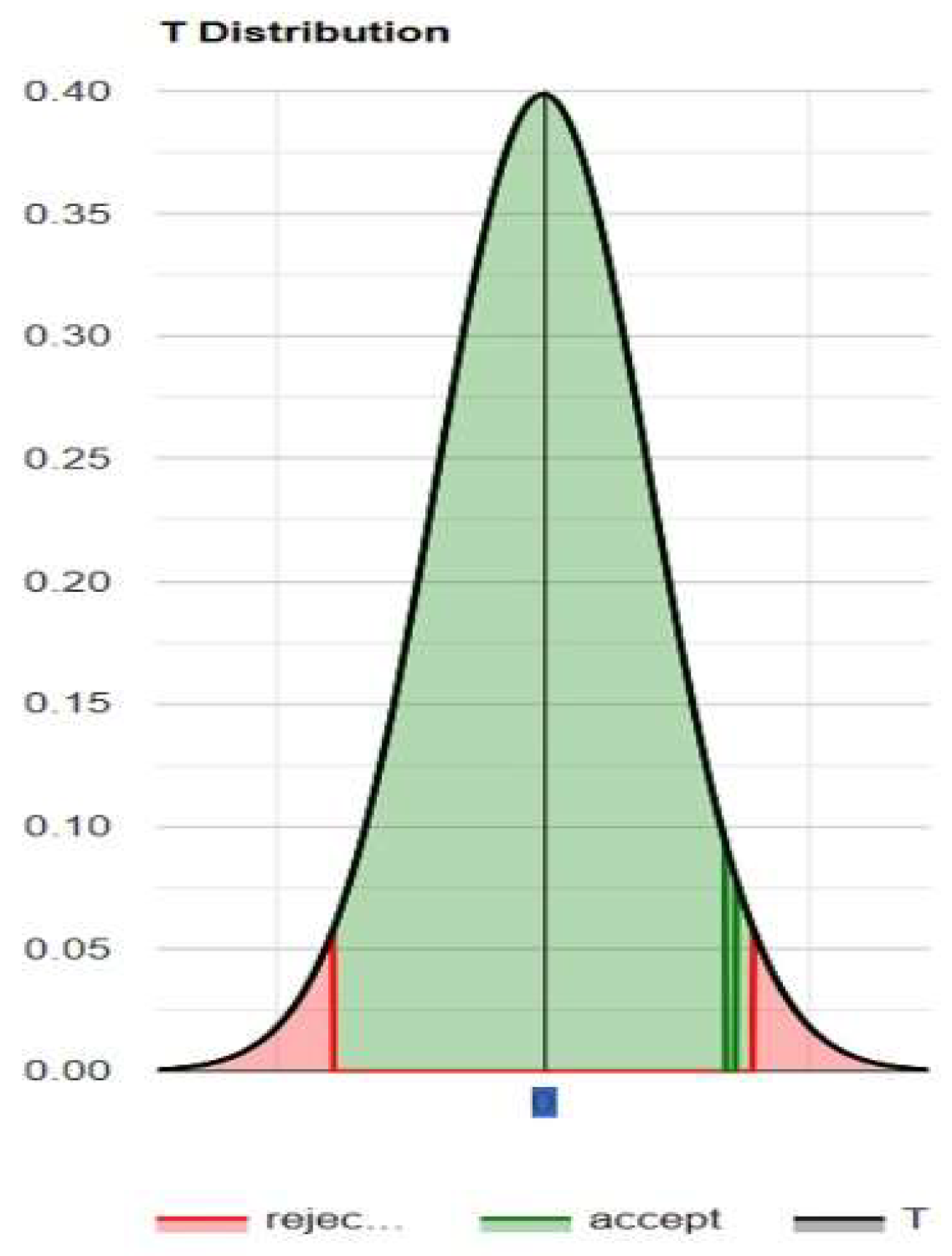
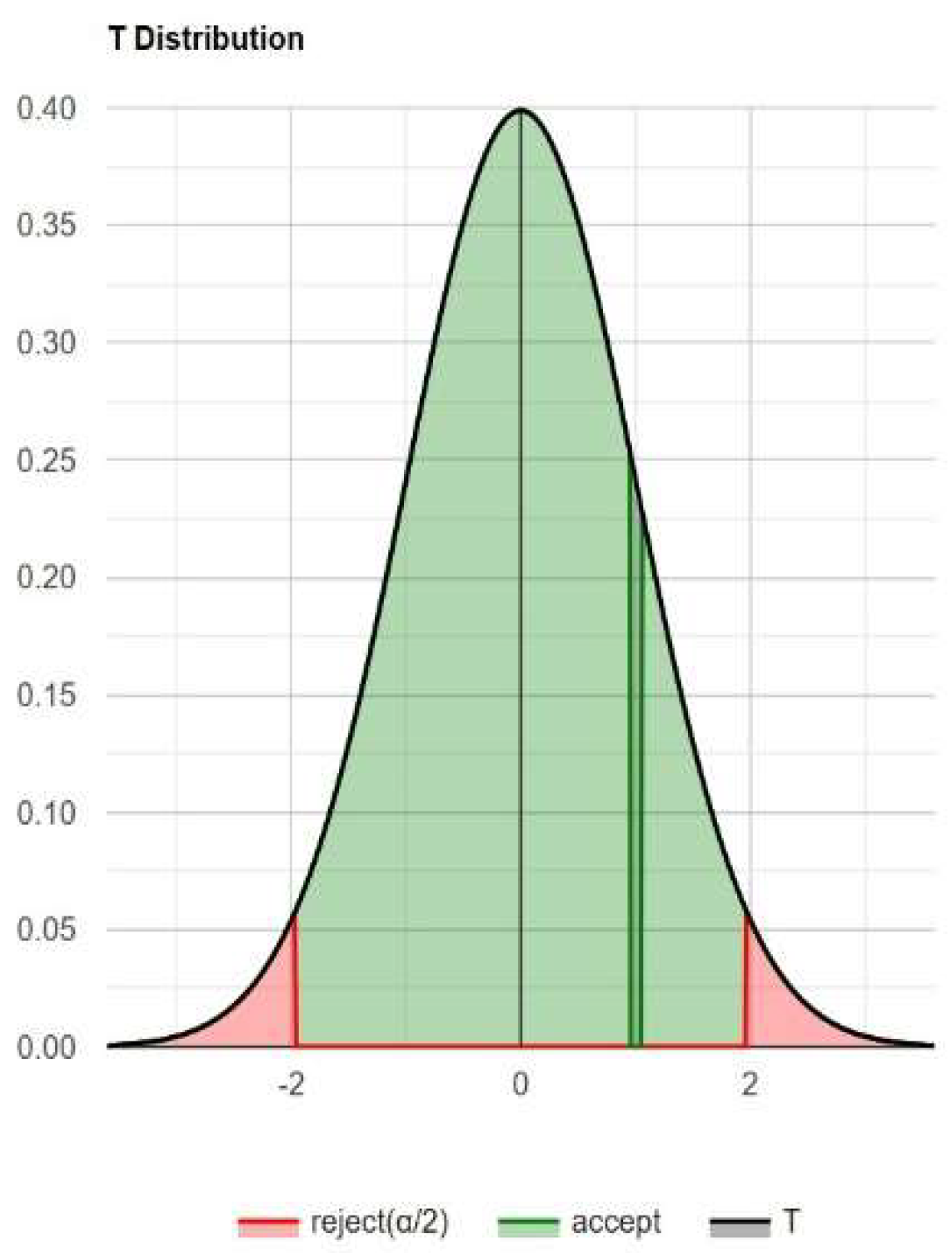
- No statistically significant difference was found in awareness levels between male and female school educators regarding AR applications, indicating that gender did not have a notable impact on educators' awareness of AR applications.
- The difference in awareness levels between urban and rural educators was not statistically significant, implying that both groups had comparable levels of familiarity with AR applications.
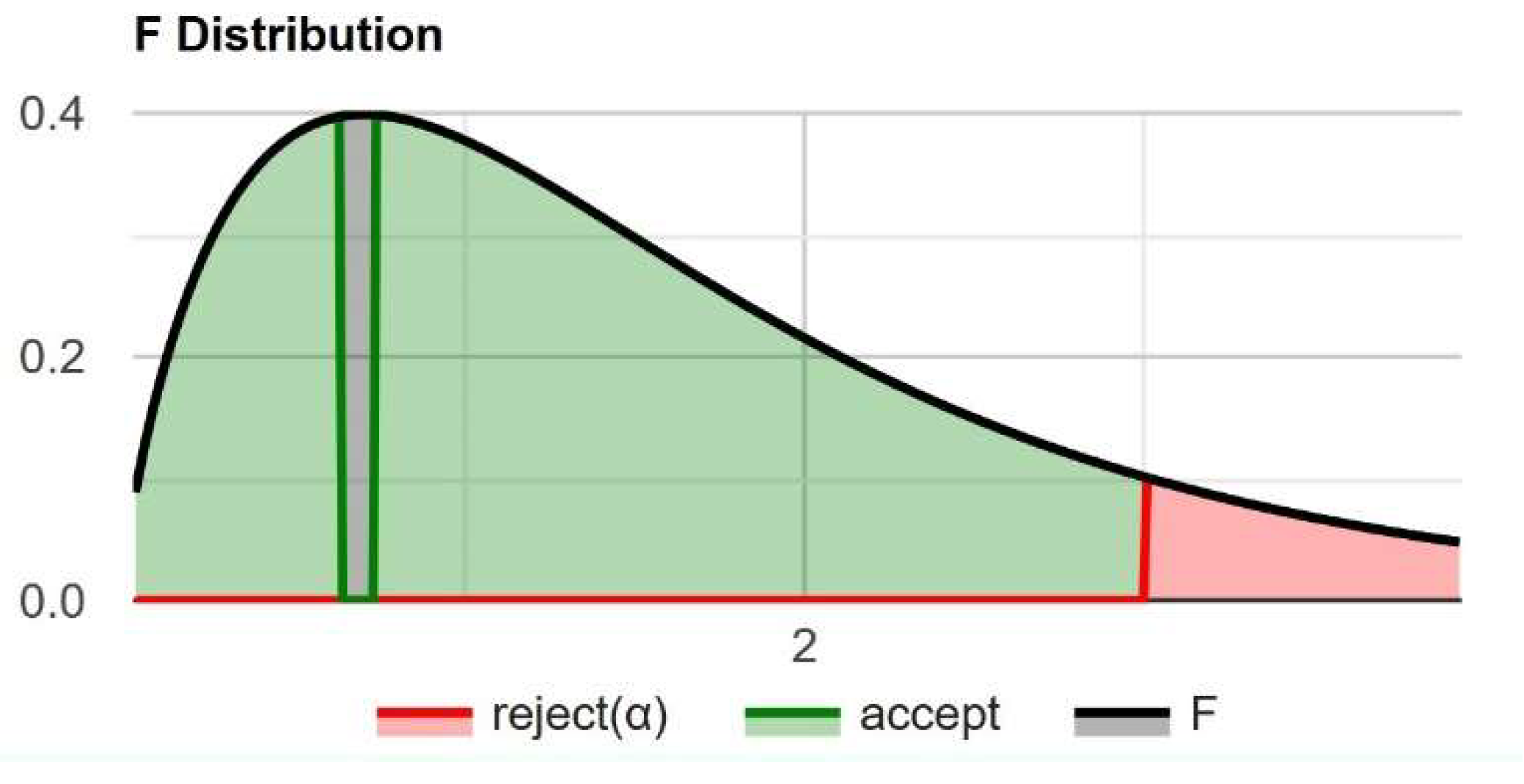
- There was no statistically significant difference in AR awareness among teachers across different age groups, confirming that AR awareness levels were consistent regardless of age.
- The findings also revealed no significant differences in AR awareness among school educators with varying levels of teaching experience. Thus, having less than 10 years of teaching experience did not significantly influence educators' awareness of AR applications.
- No significant difference was observed in AR awareness levels between private and government school educators, confirming that both groups had statistically equivalent levels of awareness.
- There was no significant difference in AR awareness levels between educators teaching science subjects and those teaching social science or arts. This indicates that subject specialization does not significantly affect educators' awareness of AR applications.
6. Discussion
7. Conclusions
References
- Akcayır, M.; Akcayır, G. Advantages and challenges associated with augmented reality for education: A systematic review of the literature. Educational Research Review 2017, 20, 1–11. [Google Scholar] [CrossRef]
- Alalwan, N.; Cheng, L.; Al-Samarraie, H.; Yousef, R.; Alzahrani, A.I.; Sarsam, S.M. Challenges and prospects of virtual reality and augmented reality utilization among primary school teachers: A developing country perspective. Studies in Educational Evaluation 2020, 66, 100876. [Google Scholar] [CrossRef]
- Alamaki, A.; Dirin, A.; Suomala, J. Students' expectations and social media sharing in adopting augmented reality. The International Journal of Information and Learning Technology 2021, 38, 196–208. [Google Scholar] [CrossRef]
- AlGerafi, M.A.M.; Zhou, Y.; Oubibi, M.; Wijaya, T.T. Unlocking the potential: A comprehensive evaluation of augmented reality and virtual reality in education. Electronics 2023, 12, 3953. [Google Scholar] [CrossRef]
- Al-Shahrani, H.A.M.; Asir, A.M.S. The reality of using augmented reality technology by secondary school female teachers in Abha city in teaching from their point of view. Journal of Educational and Social Research 2023, 13, 46–59. [Google Scholar] [CrossRef]
- Amores-Valencia, A.; Burgos, D.; Branch-Bedoya, J.W. The Impact of Augmented Reality (AR) on the Academic Performance of High School Students. Electronics 2023, 12, 2173. [Google Scholar] [CrossRef]
- Arena, F.; Collotta, M.; Pau, G.; Termine, F. An overview of augmented reality. Computers 2022, 11, 28. [Google Scholar] [CrossRef]
- Arici, F.; Yilmaz, R.M.; Yilmaz, M. Affordances of augmented reality technology for science education: Views of secondary school students and science teachers. Hum Behav & Emerg Tech 2021, 3, 1153–1171. [Google Scholar] [CrossRef]
- ARToolKit. (2024, October 9). In Wikipedia. https://en.wikipedia.org/wiki/ARToolKit.
- Ascher-Svanum, H.; Novick, D.; Haro, J.M.; Aguado, J.; Cui, Z. Empirically driven definitions of “good,” “moderate,” and “poor” levels of functioning in the treatment of schizophrenia. Quality of Life Research 2013, 22, 2085–2094. [Google Scholar] [CrossRef] [PubMed]
- Ashley-Welbeck, A.; Vlachopoulos, D. Teachers’ perceptions on using augmented reality for language learning in primary years programme (PYP) education. International Journal of Emerging Technologies in Learning (iJET) 2020, 15, 116–135. [Google Scholar] [CrossRef]
- Bilawar, P.B. An exploration of computer, internet and database literacy skills of the university students. The Indian Journal of Technical Education 2022, 45, 64–71. [Google Scholar]
- Buchner, J.; Krüger, J.M.; Bodemer, D.; Kerres, M. (2022). Teachers’ use of augmented reality in the classroom: Reasons, practices, and needs. In Proceedings of the 16th International Conference of the Learning Sciences-ICLS 2022, (pp. 1133–1136). International Society of the Learning Sciences. [CrossRef]
- Castano-Calle, R.; Jimenez-Vivas, A.; Castro, R.P.; Alvarez, M.I.C.; Jenaro, C. Perceived benefits of future teachers on the usefulness of virtual and augmented reality in the teaching-learning process. Education Sciences 2022, 12, 855. [Google Scholar] [CrossRef]
- Chang, H.Y.; Binali, T.; Liang, J.C.; Chiou, G.L.; Cheng, K.H.; Lee, S.W.Y.; Tsai, C.C. Ten years of augmented reality in education: A meta-analysis of (quasi-) experimental studies to investigate the impact. Computers & Education 2022, 191, 104641. [Google Scholar] [CrossRef]
- Cheng, K.H.; Tsai, C.C. Children and parents' reading of an augmented reality picture book: Analyses of behavioral patterns and cognitive attainment. Computers & Education 2014, 72, 302–312. [Google Scholar] [CrossRef]
- Cheon, J.; Lee, S.; Crooks, S.M.; Song, J. An investigation of mobile learning readiness in higher education based on the theory of planned behavior. Computers & Education 2012, 59, 1054–1064. [Google Scholar] [CrossRef]
- Cipresso, P.; Meriggi, P.; Carelli, L.; Solca, F.; Meazzi, D.; Poletti, B.; ... & Silani, V. (2011, May 23). The combined use of brain computer interface and eye-tracking technology for cognitive assessment in amyotrophic lateral sclerosis. In 2011 5th International conference on pervasive computing technologies for healthcare (Pervasive Health) and workshops (pp. 320–324). IEEE. [CrossRef]
- Creswell, J.W.; Clark, V.L.P. (2023). Revisiting mixed methods research designs twenty years later. In Poth C. (Ed.), Sage handbook of mixed methods designs (pp. 623–635). Sage Publications.
- Cyril, N.; Thoe, N.K.; Sinniah, D.N.; Rajoo, M.; Sinniah, S.; Adzmin, W.N. . & Shukor, S.A. Exploring the effect of science teachers’ age group on technological knowledge, technological content and pedagogical knowledge in augmented reality. Dinamika Jurnal Ilmiah Pendidikan Dasar 2022, 14, 1–11. [Google Scholar] [CrossRef]
- da Silva, M.M.O.; Teixeira, J.M.X.N.; Cavalcante, P.S.; Teichrieb, V. Perspectives on how to evaluate augmented reality technology tools for education: a systematic review. Journal of the Brazilian Computer Society 2019, 25, 1–18. [Google Scholar] [CrossRef]
- De-Lima, C.B.; Walton, S.; Owen, T. A critical outlook at augmented reality and its adoption in education. Computers and Education Open 2022, 3, 100103. [Google Scholar] [CrossRef]
- Dembe, H.A. The integration of virtual reality (VR) and augmented reality (AR) in classroom settings. Research Invention Journal of Engineering and Physical Sciences 2024, 3, 102–113. [Google Scholar]
- Diehl, M.K.; Wahl, H.W. Awareness of age-related change: Examination of a (mostly) unexplored concept. Journals of Gerontology Series B: Psychological Sciences and Social Sciences 2010, 65, 340–350. [Google Scholar] [CrossRef] [PubMed]
- Do, H.N.; Shih, W.; Ha, Q.A. Effects of mobile augmented reality apps on impulse buying behavior: An investigation in the tourism field. Heliyon 2020, 6. [Google Scholar] [CrossRef] [PubMed]
- Dsouza, N.P.; Hemmige, B.D. Teacher’s perspective on using augmented reality in the classroom to teach scientific concepts. Iconic Research And Engineering Journals 2023, 6, 207–213. [Google Scholar]
- Dunleavy, M.; Dede, C.; Mitchell, R. Affordances and limitations of immersive participatory augmented reality simulations for teaching and learning. Journal of Science Education and Technology 2009, 18, 7–22. [Google Scholar] [CrossRef]
- Garratt, A.M.; Helgeland, J.; Gulbrandsen, P. Five-point scales outperform 10-point scales in a randomized comparison of item scaling for the Patient Experiences Questionnaire. Journal of clinical epidemiology 2011, 64, 200–207. [Google Scholar] [CrossRef] [PubMed]
- George-Reyes, C.E.; Peláez-Sánchez, I.C.; Glasserman-Morales, L.D. Digital environments of education 4.0 and complex thinking: Communicative literacy to close the digital gender gap. Journal of Interactive Media in Education 2024, 2024, 1–24. [Google Scholar] [CrossRef]
- Georgiou, Y.; Kyza, E.A. (2017, June). Investigating immersion in relation to students’ learning during a collaborative location-based augmented reality activity [Paper presentation]. International Conference of Computer Supported Collaborative Learning, PA, Philadelphia.
- Ghobadi, M.; Shirowzhan, S.; Ghiai, M.M.; Mohammad Ebrahimzadeh, F.; Tahmasebinia, F. Augmented reality applications in education and examining key factors affecting the users’ behaviors. Education Sciences 2023, 13, 10. [Google Scholar] [CrossRef]
- Gomez-Trigueros, I.M.; de Aldecoa, C.Y. The digital gender gap in teacher education: The TPACK framework for the 21st century. European Journal of Investigation in Health, Psychology and Education 2021, 11, 1333–1349. [Google Scholar] [CrossRef] [PubMed]
- Huang, T.L.; Mathews, S.; Chou, C.Y. Enhancing online rapport experience via augmented reality. Journal of Services Marketing 2019, 33, 851–865. [Google Scholar] [CrossRef]
- Ibili, E.; Resnyansky, D.; Billinghurst, M. Applying the technology acceptance model to understand maths teachers’ perceptions towards an augmented reality tutoring system. Education and Information Technologies 2019, 24, 2653–2675. [Google Scholar] [CrossRef]
- Jamrus, M.H.M.; Razali, A.B. Acceptance, readiness and intention to use augmented reality (AR) in teaching english reading among secondary school teachers in Malaysia. Asian Journal of University Education (AJUE) 2021, 17, 312–326. [Google Scholar] [CrossRef]
- Kaminska, D.; Zwolinski, G.; Laska-Lesniewicz, A.; Raposo, R.; Vairinhos, M.; Pereira, E. . & Anbarjafari, G. Augmented reality: Current and new trends in education. Electronics 2023, 12, 3531. [Google Scholar] [CrossRef]
- Karthick, M.; Shanmugam, P.N.L. Exploring prospective teachers' awareness and perception of augmented reality (AR): A survey-based study. Educational Administration: Theory and Practice 2024, 30, 2984–2991. [Google Scholar] [CrossRef]
- Khukalenko, I.S.; Kaplan-Rakowski, R.; An, Y.; Iushina, V.D. Teachers’ perceptions of using virtual reality technology in classrooms: A large-scale survey. Education and Information Technologies 2022, 27, 11591–11613. [Google Scholar] [CrossRef] [PubMed]
- Koutromanos, G.; Jimoyiannis, A. (2022). Augmented reality in education: Exploring Greek teachers’ views and perceptions. In Reis, A.; Barroso, J.; Martins, P.; Jimoyiannis, A.; Huang, R.YM.; Henriques, R. (Eds.), Technology and Innovation in Learning, Teaching and Education. TECH-EDU 2022. Communications in Computer and Information Science, 1720, (pp. 31–42).. Springer, Cham. [CrossRef]
- Liao, CH.D.; Wu, WC.V.; Gunawan, V.; Chang, T.C. Using an Augmented-Reality Game-Based Application to Enhance Language Learning and Motivation of Elementary School EFL Students: A Comparative Study in Rural and Urban Areas. Asia-Pacific Edu Res 2024, 33, 307–319. [Google Scholar] [CrossRef]
- Makwana, D.; Engineer, P.; Dabhi, A.; Chudasama, H. Sampling methods in research: a review. International Journal of Trend in Scientific Research and Development 2023, 7, 762–768. [Google Scholar]
- Manna, M. Teachers as Augmented reality designers: A study on Italian as a foreign language-teacher perception. International Journal of Mobile and blended learning 2023, 15, 1–16. [Google Scholar] [CrossRef]
- Marín-Marín, J.A.; López-Belmonte, J.; Pozo-Sánchez, S.; Moreno-Guerrero, A.J. Attitudes towards the development of good practices with augmented reality in secondary education teachers in Spain. Technology, Knowledge and Learning 2023, 28, 1443–1459. [Google Scholar] [CrossRef]
- Marrahi-Gomez, V.; Belda-Medina, J. The integration of augmented reality (AR) in education. Advances in Social Sciences Research Journal 2022, 9, 475–487. [Google Scholar] [CrossRef]
- Mena, J.; Estrada-Molina, O.; Pérez-Calvo, E. Teachers’ professional training through augmented reality: A literature review. Education Sciences 2023, 13, 517. [Google Scholar] [CrossRef]
- Mercader, C.; Duran-Bellonch, M. Female Higher Education teachers use digital technologies more and better than they think. Digital Education Review 2021, 40, 172–184. [Google Scholar] [CrossRef]
- Mohamad, S.; Husnin, H. Teachers’ perception of the use of augmented reality (AR) modules in teaching and learning. International Journal of Academic Research in Business and Social Sciences 2023, 13, 9–34. [Google Scholar] [CrossRef] [PubMed]
- Mundy, M.; Hernandez, J.; Green, M. Perceptions of the effects of augmented reality in the classroom. Journal of Instructional Pedagogies 2019, 22, 1–15. [Google Scholar]
- Nikou, S.A. Factors influencing student teachers’ intention to use mobile augmented reality in primary science teaching. Educ Inf Technol 2024, 29, 15353–15374. [Google Scholar] [CrossRef]
- Nikou, S.A.; Perifanou, M.; Economides, A.A. Development and validation of the teachers’ augmented reality competences (TARC) scale. J. Comput. Educ. 2024, 11, 1041–1060. [Google Scholar] [CrossRef]
- Oueida, S.; Awad, P.; Mattar, C. Augmented Reality Awareness and Latest Applications in Education: A Review. International Journal of Emerging Technologies in Learning 2023, 18, 21–44. [Google Scholar] [CrossRef]
- Ozdamli, F.; Hursen, Ç. An emerging technology: Augmented reality to promote learning. Int. J. Emerg. Technol. Learn. 2017, 12, 121–137. [Google Scholar] [CrossRef]
- Pasalidou, C.; Fachantidis, N. (2021). Teachers’ perceptions towards the use of mobile augmented reality: The case of Greek educators. In Internet of Things, Infrastructures and Mobile Applications: Proceedings of the 13th IMCL Conference 13 (pp. 1039–1050). Springer International Publishing. [CrossRef]
- Pasalidou, C.; Fachantidis, N.; Koiou, E. (2023). Using augmented reality and a social robot to teach geography in primary school. In P. Zaphiris & A. Ioannou (Eds.), Learning and collaboration technologies HCII 2023, lecture notes in computer science, (pp. 371–385), 14041. Springer, Cham. [CrossRef]
- Peikos, G.; Sofianidis, A. What is the future of augmented reality in science teaching and learning? An exploratory study on primary and pre-school teacher students’ views. Education Sciences 2024, 14, 480. [Google Scholar] [CrossRef]
- Perifanou, M.; Economides, A.A.; Nikou, S.A. Teachers’ views on integrating augmented reality in education: Needs, opportunities, challenges and recommendations. Future Internet 2023, 15, 20. [Google Scholar] [CrossRef]
- Philipsen, B.; Tondeur, J.; Pareja Roblin, N.P.; Vanslambrouck, S.; Zhu, C. Improving teacher professional development for online and blended learning: A systematic meta-aggregative review. Educational Technology Research and Development 2019, 67, 1145–1174. [Google Scholar] [CrossRef]
- Putiorn, P.; Nobnop, R.; Buathong, P.; Soponronnarit, K. (2018, November 25-28). Understanding Teachers' Perception Toward the Use of an Augmented Reality-Based Application for Astronomy Learning in Secondary Schools in Northern Thailand. In 2018 Global Wireless Summit (GWS) (pp. 77–81). IEEE. [CrossRef]
- Radu, I.; Joy, T.; Bott, I.; Bowman, Y.; Schneider, B. (2022, May 30-June 4). A Survey of Educational Augmented Reality in Academia and Practice: Effects on Cognition, Motivation, Collaboration, Pedagogy and Applications. In 2022 8th International Conference of the Immersive Learning Research Network (iLRN) (pp. 1–8). IEE. [CrossRef]
- Rahmat, A.D.; Kuswanto, H.; Wilujeng, I.; Putranta, H.; Ilma, A.Z. Teachers' perspective toward using augmented reality technology in science learning. Cypriot Journal of Educational Science 2023, 18, 215–227. [Google Scholar] [CrossRef]
- Regmi, P.R.; Waithaka, E.; Paudyal, A.; Simkhada, P.; Teijlingen, E.V. Guide to the design and application of online questionnaire surveys. Nepal journal of epidemiology 2016, 6, 640. [Google Scholar] [CrossRef]
- Romano, M.; Diaz, P.; Aedo, I. Empowering teachers to create really experiences: the effects on the educational experience. Interactive learning environments 2020, 31, 1546–1563. [Google Scholar] [CrossRef]
- Salmee, M.S.A.; Majid, A.F. A study on in-service english teachers’ perceptions towards the use of augmented reality (AR) in ESL classroom: Implications for TESL programme in higher education institutions. Asian Journal of University Education 2022, 18, 499–509. [Google Scholar] [CrossRef]
- Schlomann, A.; Memmer, N.; Wahl, H.W. Awareness of age-related change is associated with attitudes toward technology and technology skills among older adults. Frontiers in Psychology 2022, 13, 905043. [Google Scholar] [CrossRef]
- Schmidthaler, E.; Anđic, B.; Schmollmüller, M.; Sabitzer, B.; Lavicza, Z. Mobile augmented reality in biological education: Perceptions of austrian secondary school teachers. Journal on Efficiency and Responsibility in Education and Science 2023, 16, 113–127. [Google Scholar] [CrossRef]
- Schoonenboom, J.; Johnson, R.B. How to construct a mixed methods research design. Kolner Zeitschrift fur Soziologie und Sozialpsychologie 2017, 69, 107–131. [Google Scholar] [CrossRef] [PubMed]
- Schwaiger, M.; Krajncan, M.; Vukovic, M.; Jenko, M.; Doz, D. Educators’ opinions about VR/AR/XR: An exploratory study. Education and Information Technologies 2024, 29, 24861–24880. [Google Scholar] [CrossRef]
- (2024, May 26). In Wikipedia. https://en.wikipedia.org/wiki/Sensorama.
- Shivani; Chander, Y. Effect of online learning augmented reality programme on academic achievement in science. Indian Journal of Educational Technology 2023, 5, 8–23. [Google Scholar]
- Singh, S.; Kaur, A.; Gulzar, Y. The impact of augmented reality on education: A bibliometric exploration. Frontiers in Education 2024, 9, 1458695. [Google Scholar] [CrossRef]
- Sirakaya, M.; Cakmak, E.K. Investigating student attitudes toward augmented reality. Malaysian Online Journal of Educational Technology 2018, 6, 30–44. [Google Scholar]
- Sirakaya, M.; Sirakaya, D.A. Augmented reality in STEM education: A systematic review. Interactive Learning Environments 2022, 30, 1556–1569. [Google Scholar] [CrossRef]
- Softtek. (2021, September 1). What are the different types of augmented reality? The softtek blog. https://blog.softtek.com/en/what-are-the-different-types-of-augmented-reality.
- Staddon, R. Taxonomies of technological knowledge in higher education: A mapping of students’ perceptions. Australasian Journal of Educational Technology 2022, 38, 184–201. [Google Scholar] [CrossRef]
- Stoner, R.; Ahmad, M.; Patel, S.B.; Cowell, A.; Hurkxkens, T.; Bastrot, L.; ... & Shalhoub, J. A comparison between augmented reality and traditional in-person teaching for vascular anastomotic surgical skills training. JVS-Vascular Insights 2024, 2, 100032. [CrossRef]
- Sulisworo, D.; Drusmin, R.; Kusumaningtyas, D.A.; Handayani, T.; Wahyuningsih, W.; Jufriansah, A. . & Prasetyo, E. The science teachers’ optimism response to the use of marker-based augmented reality in the global warming issue. Education Research International 2021, 2021, 1–9. [Google Scholar]
- The sword of damocles (virtual reality). (2024, April 1). In Wikipedia. https://en.wikipedia.org/wiki/The_Sword_of_Damocles_(virtual_reality).
- Tipton, E. Stratified sampling using cluster analysis: A sample selection strategy for improved generalizations from experiments. Evaluation Review 2013, 37, 109–139. [Google Scholar] [CrossRef] [PubMed]
- Tripathy, M.K.; Panda, B.N. Adaptability and awareness of augmented reality in teacher education. Educational Quest: An Int. J. of Education and Applied Social Sciences 2021, 12, 107–114. [Google Scholar] [CrossRef]
- Turan, Z.; Meral, E.; Sahin, I.F. The impact of mobile augmented reality in geography education: achievements, cognitive loads, and university students' views. Journal of Geography in Higher Education 2018, 42, 427–441. [Google Scholar] [CrossRef]
- Tzima, S.; Styliaras, G.; Bassounas, A. Augmented reality applications in education: Teachers point of view. Education Sciences 2019, 9, 99. [Google Scholar] [CrossRef]
- Ventouris, A.; Panourgia, C.; Hodge, S. Teachers’ perceptions of the impact of technology on children and young people’s emotions and behaviours. International Journal of Educational Research Open 2021, 2, 100081. [Google Scholar] [CrossRef]
- Wang, X.; Young, G.W.; Iqbal, M.Z.; Guckin, C.M. The potential of extended reality in rural education’s future–perspectives from rural educators. Education and Information Technologies 2024, 29, 8987–9011. [Google Scholar] [CrossRef]
- Wells, T.; Miller, G. Teachers’ opinions about virtual reality technology in School-based Agricultural Education. Journal of Agricultural Education 2020, 61, 92–109. [Google Scholar] [CrossRef]
- Weng, C.; Otanga, S.; Christianto, S.; Chu, R. Enhancing student’s biology learning by using augmented reality as a learning supplement. Journal of Educational Computing 2020, 58, 747–770. [Google Scholar] [CrossRef]
- Wijnen, F.; Molen, J.W.V.D.; Voogt, J. Primary school teachers’ attitudes toward technology use and stimulating higher-order thinking in students: a review of the literature. Journal of research on technology in education 2023, 55, 545–567. [Google Scholar] [CrossRef]
- Wu, H.K.; Lee, S.W.Y.; Chang, H.Y.; Liang, J.C. Current status, opportunities and challenges of augmented reality in education. Computers & Education 2013, 62, 41–49. [Google Scholar] [CrossRef]
- Zaidi, S.F.; Mgarry, R.; Alsanea, A.; Almutairi, S.K.; Alsinnari, Y.; Alsobaei, S.; Ahmed, K. A questionnaire-based survey to assess the level of knowledge and awareness about drug–food interactions among general public in western Saudi Arabia. Pharmacy 2021, 9, 76. [Google Scholar] [CrossRef] [PubMed]
- Zhang, W. Bridging the gap: Implementation and impact of virtual reality technology on parental educational engagement. International Journal of Emerging Technologies and Advanced Applications 2024, 1, 1–12. [Google Scholar] [CrossRef]
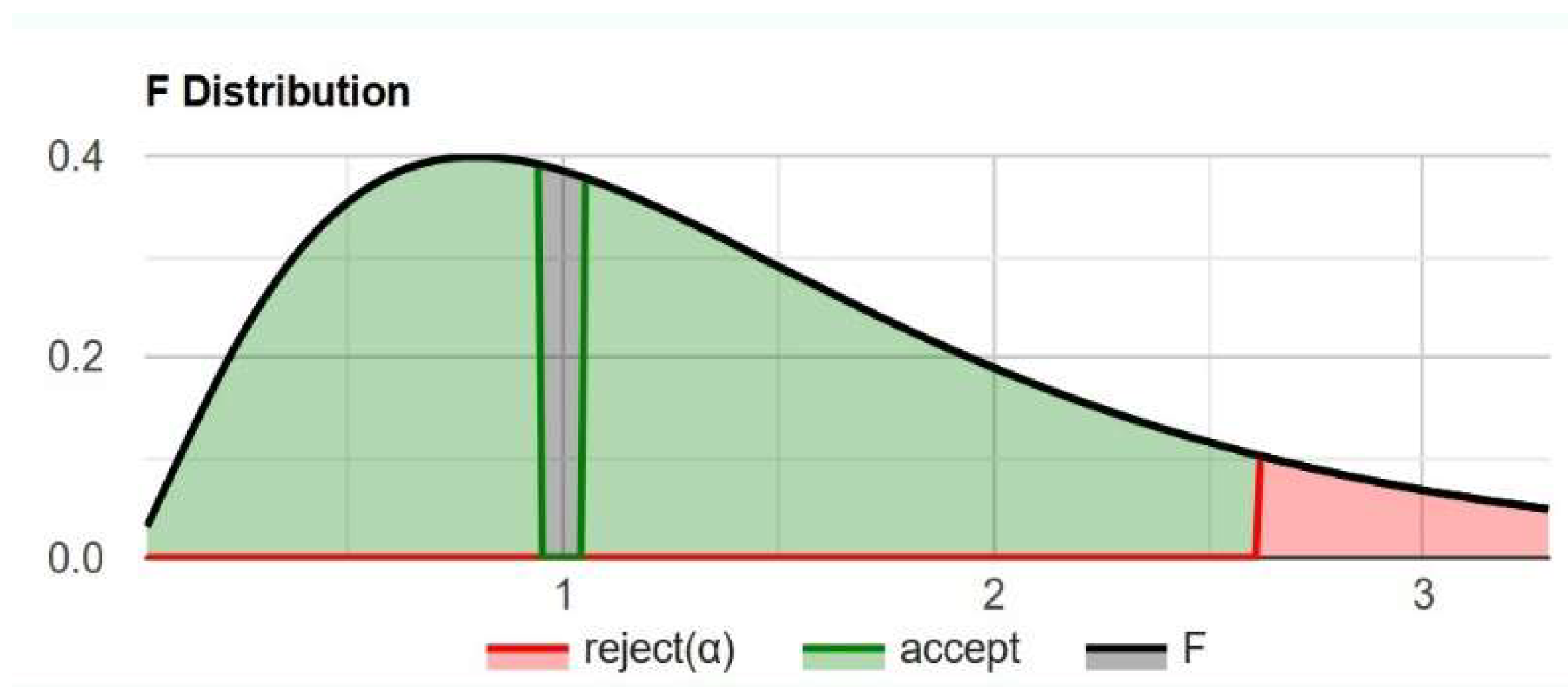

| Teachers’ Awareness Level on AR | Range of Scores | Frequencies | Gain Scores | Percentage of Gain Scores | Total Percentage of Gain Scores | |||
|---|---|---|---|---|---|---|---|---|
| Male | Female | Male | Female | Male | Female | |||
| High | 67-100 | 12 | 54 | 900 | 3910 | 1.23% | 5.36% | 6.59% |
| Moderate | 34-66 | 202 | 400 | 10550 | 20905 | 14.45% | 28.64% | 43.09% |
| Low | < 33 | 23 | 39 | 580 | 1085 | 0.79% | 1.49% | 2.28% |
| Total | 730 | 12030 | 25900 | 16.48% | 35.49% | 51.96% | ||
| Awareness Levels of Augmented Reality Applications | Female Educators | Male Educators | N | (df) | SED | t-value | p -value | ||||||||
| M1 | N1 | SD1 | SEM1 | M2 | N2 | SD2 | SEM2 | ||||||||
| 52.54 | 493 | 12.86 | 0.58 | 50.76 | 237 | 12.67 | 0.82 | 730 | 728 | 1.012 | 1.755 | 0.0796 | |||
| Awareness Levels of Augmented Reality Applications | Urban Educators | Rural Educators | N | (df) | SED | t-value | p -value | ||||||||
| M1 | N1 | SD1 | SEM1 | M2 | N2 | SD2 | SEM2 | ||||||||
| 52.25 | 531 | 12.90 | 0.56 | 51.18 | 199 | 12.59 | 0.89 | 730 | 728 | 1.065 | 1.004 | 0.316 | |||
| Teachers’ Awareness of AR based on Age Group | Source of Variation | SS | df | MS | F value | p value |
|---|---|---|---|---|---|---|
| 20-33 Years | Between Groups | 226.71 | 2 | 113.35 | 0.689 | 0.502 |
| 34-47 Years | Within Groups | 119572.06 | 727 | 164.47 | ||
| 48-60> Years | Corrected Total | 119798.77 | 729 | 164.33 |
| Teachers’ Awareness of AR based on Teaching Experience | Source of Variation | SS | df | MS | F value | p value |
|---|---|---|---|---|---|---|
| < 10 Years | Between Groups | 489.85 | 3 | 163.28 | 0.9936 | 0.3952 |
| 11-20 Years | Within Groups | 119308.92 | 726 | 164.34 | ||
| 21-30 Years | Corrected Total | 119798.77 | 729 | 164.33 | ||
| 31-40 > Years |
| Awareness Levels of Augmented Reality Applications | Educators’ of Private Schools | Educators’ of Government Schools | N | (df) | SED | t-value | p -value | ||||||||
| M1 | N1 | SD1 | SEM1 | M2 | N2 | SD2 | SEM2 | ||||||||
| 51.76 | 424 | 13.24 | 0.64 | 52.24 | 306 | 12.23 | 0.70 | 730 | 728 | 0.962 | 0.500 | 0.617 | |||
| Awareness Levels of Augmented Reality Applications | Educators’ belong to Science Subjects | Educators’ belong to Social Science/ Art Subjects | N | (df) | SED | t-value | p -value | ||||||||
| M1 | N1 | SD1 | SEM1 | M2 | N2 | SD2 | SEM2 | ||||||||
| 52.09 | 326 | 13.55 | 0.75 | 51.86 | 404 | 12.21 | 0.61 | 730 | 728 | 0.955 | 0.240 | 0.8102 | |||
Disclaimer/Publisher’s Note: The statements, opinions and data contained in all publications are solely those of the individual author(s) and contributor(s) and not of MDPI and/or the editor(s). MDPI and/or the editor(s) disclaim responsibility for any injury to people or property resulting from any ideas, methods, instructions or products referred to in the content. |
© 2025 by the authors. Licensee MDPI, Basel, Switzerland. This article is an open access article distributed under the terms and conditions of the Creative Commons Attribution (CC BY) license (http://creativecommons.org/licenses/by/4.0/).