Preprint
Article

This version is not peer-reviewed.

Impact of Praziquantel Mass Drug Administration after Several Rounds on Schistosomiasis Among School-Aged Children in Abuja, Nigeria

A peer-reviewed article of this preprint also exists.

Submitted:

21 January 2025

Posted:

22 January 2025

You are already at the latest version

Abstract

Introduction: One of the global strategies for elimination of schistosomiasis is by mass treatment of school-aged children with a single oral dose of praziquantel (40mg/kg) without a prior individual diagnosis, with a target of >75% treatment coverage. This study was conducted to determine the endemicity of schistosomiasis among school-aged children and adults in Abuja, Nigeria. Methods: A total of 1,370 participants were recruited which consisted of 667 (48.67%) males and 703 (51.31%) females. Urine and stool specimens were collected from each participant and analyzed using standard procedures. Results: The overall prevalence of schistosomiasis was 27.5% in this study with Abuja Municipal having the highest prevalence of 49% while the least (6.1%) was reported in Bwari LCA. The prevalence of schistosomiasis significantly differs (P<0.05) between the area councils. The location of communities significantly affected the prevalence of schistosomiasis in Abaji, AMAC, and Gwagwalada LCAs (P<0.005). The Schistosoma recovered in this study were S. haematobium and S. mansoni. The prevalence of schistosomiasis increased from the baseline of 21.1% to 49% in Gwagwalada LCA. Gender significantly affected the prevalence of schistosomiasis as more males were infected (33.1%) than their female counterparts (22.2%) (P<0.05). The prevalence of schistosomiasis was 31% and 23.9% among SAC and adults, respectively. The participants’ activities in the river significantly affected the prevalence of schistosomiasis in this study (P< 0.05). Conclusions: The clamour for urgent government and non-government intervention through alternate sources of water like boreholes or pipe-borne water, as well as implementing a behavioural change campaign across the communities to prevent the recurrence, are advocated.

Keywords: 
;  ;  ;  ;  

Introduction

Human schistosomiasis is an acute and chronic parasitic disease caused by infection with di-genetic trematodes of the genus Schistosoma [1]. It is a major public health problem affecting approximately 240 million people worldwide with 90% of cases in sub-Saharan Africa and causes approximately 70 million disability-adjusted life years lost [2,3]. According to a WHO report from 2017, an estimated 700 million people are at risk of infection, and approximately 200,000 annual deaths from schistosomiasis alone [4]. Schistosomiasis is ranked second only to malaria in terms of socioeconomic impacts. Being a major source of morbidity and mortality for developing countries in Africa, South America, the Caribbean, the Middle East, and Asia [5]. According to the literature, an infection with schistosomiasis occurs when an individual is exposed to the contaminated infective waters during routine agricultural, domestic, occupational (sand harvesting, fishing), and recreational activities. Children of school age are particularly vulnerable to chronic infections that can impair mental and physical development and reduce school attendance and educational achievement [6]. The global strategy for schistosomiasis control/elimination is the mass treatment of school-age children (SAC) with a single oral dose of praziquantel (40mg/kg) without a prior individual diagnosis at >75% treatment coverage [7]. This is in addition to other measures such as snail control, environmental manipulation, and water, sanitation and hygiene (WASH) program towards the attainment of the 2030 elimination goal as stipulated by WHO [3]. Recognizing the centrality of school-age children (SAC) to the response to helminth infections, in 2001, the 54th World Health Assembly passed a resolution to provide regular deworming treatment to 75 percent of school-age children at risk [8]. This forms the bedrock of current schistosomiasis control with praziquantel targeted towards school-age children. Prevalence for schistosomiasis is classified as Low (1-<10%), Moderate (10-<50%), and High (>50%) with all classifications previously recommended to receive MDA annually. This strategy has now been refined such that moderate and high endemicity now receive MDA annually while low endemicity is recommended for a test, and treatment strategy [9]. Nigeria is the most endemic country with schistosomiasis in Africa with an estimated 134,073,166 people living in endemic communities at risk of the infection and requiring preventive chemotherapy [10]. Schistosomiasis is endemic in all the 36 states of Nigeria including the federal capital territory, Abuja. A baseline mapping survey was conducted in Nigeria between 2010-2014 to establish its prevalence [11,12]. LGAs (the administrative units for treatment decisions) were stratified to receive MDA for schistosomiasis either annually or every other year. In Abuja, six (6) Local Area councils (LAC) have been identified as endemic and have been receiving praziquantel for mass distribution among school-age children every year. These include Abaji, Abuja Municipal Area Council, Kwali, Kuje, Bwari and Gwagwalada LACs. Gwagwalada and Kwali LGAs received treatment in 2014 but recorded low therapeutic coverages of 4.9% and 9.3% respectively. Treatment was extended to the other LACs in 2015 but retracted in 2016, 2017 and 2018. Full treatment was re-established across all the LACs from 2019 to 2022 with almost all the LACs achieving about 100% therapeutic coverages. Despite this treatment record spanning a period of almost a decade, the outbreak of the disease is periodically reported across several communities in Abuja. This study aimed at determining the impact of mass distribution of praziquantel for the treatment of schistosomiasis among school-age children in four (4) Area Councils of Abuja, Nigeria.

Materials and Methods

Study Area

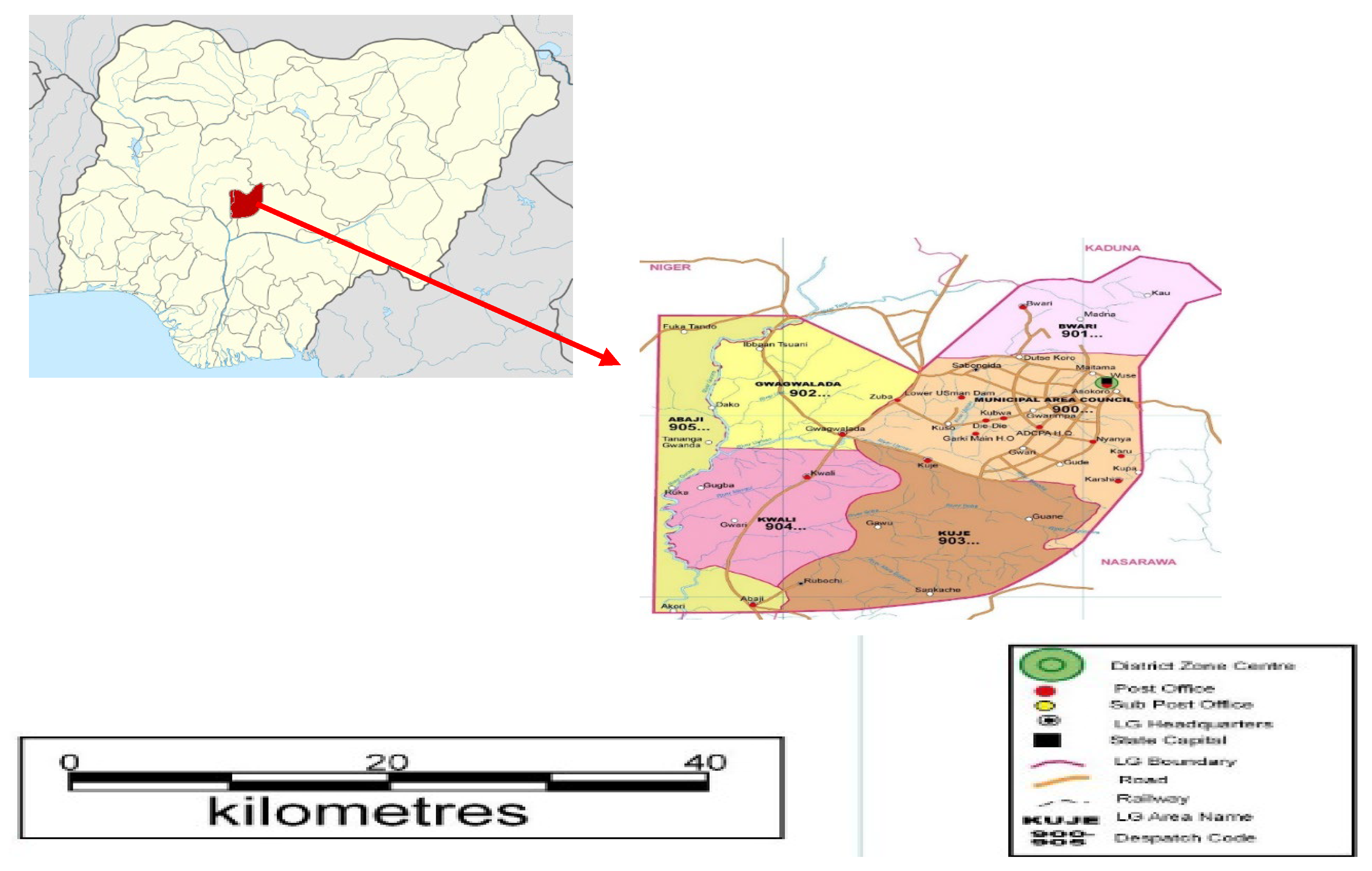
The study was conducted in 4 Local Area Councils (LACs) of Abuja, Nigeria. The selected communities include Abaji Central, Dogon Ruwa, Gawu, Rimba gwarri and Yaba in Abaji Area Council, Bassan Jiwa, Gwagwa, Karmo, Kpaipai, Rugan Fulani Dunamis and Toge Sabo in Abuja Municipal Area Council, Byazhin, Dutse Alhaji, Jigo, Katampe, Kogo, Shere, War college Camp and Ushafa in Bwari Area Council, Angwan Bassa, Angwan Dodo, Dagiri, Dobi, Dukpa, Ibwa, Kpakuru, Kpakuru Sarki and Paiko in Gwagwalada Area Council. All the LACs have reported to have between 3 to 5 annual rounds of praziquantel treatment.
The geographical coordinate of the study area lies between latitude 8.25 and 9.20N of the equator and longitude 6.45 and 7.39E of the Greenwich meridian. It is situated within the savannah region with moderate climatic conditions. The high altitudes of the rolling terrain of the FCT act as a moderating influence on the weather of the territory. Abuja has a population size of 4,026,000 as of 2024 as projected from the 2006 population census [13]. The primary economic activity in the FCT is agriculture, which produces crops like yam, millet, corn, sorghum, and beans. The majority of the population are dairy farmers from the Gwari, Koro, Ganagana, Gwandara, Afo, and Bassa ethnic groups. Hausa and Fulani also live in the territory. While others engage in trading, the city center boasts of sizable number of civil servants who service the seat of governance. Rainfall reflects the territory’s location on the windward side of the Jos plateau and the zone of rising air masses. The annual total rainfall is in the region of 1100-1600mm, with wet and dry seasons. Several freshwater habitats intersect the study area, some of which include ponds, streams, dams, and tributaries of the Gurara River stretching from Kaduna State. These water bodies form the major source of water supply to the residents of the study area. During dry seasons, activities increase around these water bodies as people converge to use them for domestic, agricultural, and recreational activities all of which could predispose them to schistosomiasis.
Figure 1. Map of Nigeria showing the study area.
Preprints 146844 g001

Study Population

Identification of villages and water bodies was aided by suitability maps based on the available spatial data. Previous knowledge was collected in a step-by-step sequenced manner through desk reviews, analysis, and review of data from the National Schistosomiasis Elimination Program. School selection considered the geographical distribution of schools and proximity to a water body (500m selected first and then working to greater distances up to a 2 km radius from the water body). To be representative across all communities, local public health officials provided lists of potential schools and villages for inclusion.
A range of 50-55 subjects of both sexes was sampled from each selected community, whereas in each village across the 4 LACs (Abaji, AMAC, Bwari, and Gwagwalada), a total of +25 school-age children (SAC) were selected in the school using a systematic random sampling frame, +25 adults were also selected from 25 random households at 1 participant per household from the community. The ages of the participants ranged from 5 years and above. Enrolled participants were provided with instructions on how to collect the specimen after completing the questionnaire and the consent forms.
The sample size was calculated using the Cochran formula described by Bartlett et al. [14]
no = Z2pq
e2
Where: e is the desired level of precision at 95% confidence (i.e., the margin of error)
p is the baseline prevalence (estimated proportion of the population that has the attribute in question)
q is 1 – p. while the Z values at 95 % confidence level is 1.96.
Assuming a baseline prevalence of 25.1%, 21.12%, 7.48%, 51.9%, 20.4% and 27.89% for Abaji, AMAC, Bwari, Gwagwalada, Kwali and Kuje respectively, the expected sample sizes including 10% attrition rates, the sample size calculated were:
Abaji LGA: - no = (1.96)2 x 0.251 x (1- 0.251)/0.052 + 10% = 318
AMAC LGA: - no = (1.96)2 x 0.2112 x (1- 0.2112)/0.052 + 10% = 281
Bwari LGA: - no = (1.96)2 x 0.0748 x (1- 0.0748)/0.052 + 10% = 117
Gwagwalada LGA: - no = (1.96)2 x 0.519 x (1-0.519)/0.052 + 10% = 423
Following WHO guideline of 50-55 participants per community [15], ~25 SAC and 25 Adults within household were targeted in each selected community from the 4 LACs

Specimen Collection

Each selected participant was provided with a capped sterile specimen bottle and instructed to fill it with about 20 ml of clean catch, midstream urine samples. Selected participants were subjected to a little exercise to agitate their bladder and carefully instructed with illustration aid. A second capped sterile specimen bottle with an applicator stick was also provided along with tissue paper to clean up after defecation. They were instructed to pass the stool on a clean white paper and use the applicator stick to transfer about 5 g of the stool into the specimen bottle provided. The two (2) capped specimen bottles were labeled with unique identification (ID) numbers. Samples were collected between 10.00 am and 2.00 pm. The study also assessed exposure to praziquantel and other facilitating factors that aid the transmission of schistosomiasis in these local area councils. The urine and stool specimens were processed using standard methods. Urine samples were initially screened by haemastix for provisional diagnosis as described by Stefanie et al. [16], and subjected to urine filtration and microscopy.

Urine Filtration Technique

In the laboratory, each urine sample was homogenized by gentle agitation and 10ml was filtered using urine filtration technique to concentrate eggs of schistosome on membrane filter 13mm and 12 micrometer pores (Starlitech) as described by Lengeler et al. [17] Intensity of S, heamatobium was reported as the number of ova/10ml of urine, and were categorized as light infection (˂50 ova/10ml of urine) or heavy infection (>50 ova/10ml of urine).

Kato-Katz Technique for Stool Examination

Stool samples collected from the schools and communities were also examined for parasite eggs using the Kato-Katz technique described by WHO [18]. Intensity of S.mansoni infection was reported as the number of eggs per grams (epg) of stool and were categorized as light infection (1 – 99 epg), moderate infection (100 – 399 epg) or heavy infection (> 400 epg) based on WHO guidelines

Statistical Analysis

Data was entered into Microsoft Excel and imported into IBM SPSS version 20 which was used for statistical analysis. Descriptive statistics was used to describe the occurrence of infection and the Pearson Chi-square test association between schistosomiasis infection status and other variables like sex, age, and exposure to risk factors. Pearson Chi-square was also used to compare the proportion of infections between age categories, communities, and area councils. Mann-Whitney U test was used to compare the intensity of infection between the SAC population and adults for age.

Ethical Consideration and Consent

The protocol for this study was approved by the Abuja Health Research Ethical Committee, Abuja, Nigeria (FHREC/2022/01/246/19-12-22). Informed consent was sought from the parents/guardians of the school children while the adult subjects completed theirs.

Results

The overall prevalence of schistosomiasis was 27.5% in this study. The aggregate prevalence of schistosomiasis by LACs shows that AMAC had the highest prevalence of 49% while the least was recorded in Bwari Area Council with a prevalence of 6.1%. The Prevalence of schistosomiasis significantly differs (P<0.05) between the area councils. Based on WHO classification of prevalence, three of the council areas (Abaji, AMAC, and Gwagwadala) fell within the moderate prevalence while Bwari fell within the low prevalence category (Table 1).
Out of the 27 communities studied, four communities fell within the high prevalence category (>50%). The location of communities significantly affected the prevalence of schistosomiasis in Abaji, AMAC and Gwagwalada LCAs (P<0.005). This includes Abaji central from Abaji Council Area, Bassa Jiwa and Gwagwa from AMAC, and Angwan Bassa from Gwagwalada Council Area. Fourteen (14) communities were within the moderate prevalence category (>10 and <50 %) namely two communities from Abaji LCA (Dogon Ruwa and Yaba), four communities from AMAC LCA (Karmo, Kpaipai, Rugan Fulani Dunamis and Toge Sabo) one community from Bwari LCA (Byazhin) and seven communities from Gwagwalada LCA (Angwan Dodo, Dagiri, Dobi, Ibwa, Kpakuru, Kpakuru Sarki, Paiko). Seven communities were within the low prevalence category (<10%), four of which are from Bwari LCA (Dutse Alhaji, Jigo, Katampe and Shere), two from Abaji LCA (Gawu and Rimba gwari) and one from Gwagwalada LCA (Dukpa). However, there was no case of schistosomiasis was found in Kogo community in Bwari LCA (Table 2).

Prevalence and Intensity by Schistosoma Species

Given the spine’s position, two species of schistosomes were prevalent in the study area. These were urogenital S. heamatobium with terminal spine and intestinal S. mansoni with lateral spine. Prevalence of each of the two species vary from one LCA to the other. For Schistosoma heamatobium species with the highest prevalence of 45.1% was observed in AMAC, followed by Gwagwalada (22.4%) and the least (3.1 %) was observed in Bwari Local Area Council. In contrast, the prevalence of S. mansoni species was higher in Abaji LCA (14.6%), followed by Gwagwalada LCA (11.5%) and the least in Bwari LCA (3.4%). Overall, intensity of Schistosoma infection was significantly different across the local council areas with higher percent of infected subjects in AMAC having heavy intensity of Schistosoma haematobium infection whereas other LCAs exhibited light intensity of S. haematobium infection. All the LCAs reported more cases of moderate intensity of S. mansoni infection in this study. The overall mean intensity of Schistosoma haematobium was high (>50 eggs per 10mls urine) and moderate for Schistosoma mansoni (100-399 epg). However, analysis of intensity of infection within each council shows that 33.3% of subjects infected with S. haematobium from AMAC had heavy intensity of infection and 17.5% of subjects infected with S. haematobium from Gwagwalada had heavy infection while less than 10% of participants infected with S. haematobium from both Abaji, and Bwari had heavy infection. Similarly, participants infected with S. mansoni from AMAC had higher percentage of heavy intensity when compared to other LCAs that showed moderate intensity of infection (Table 3 and Table 4).
Table 3. Prevalence and intensity of urinary schistosomiasis by local council areas.
Schistosoma haematobium
LCA No. tested No. Positive Light Heavy Egg count/
(%) infection infection Mean intensity/
(<50 eggs/10 ml) 10 ml urine
(%)
 
Abaji 247 33(13.4%) 30(30.9) 3(1.2) 621/19 (LI)
AMAC 306 138(45.1) 92(66.7) 46(33.3) 14,838/108 (HI)
Bwari 358 11(3.1) 10(90.9) 1(9.1) 212/19 (LI)
Gwagwalada 459 103(22.4) 85(82.5) 18(17.5) 3,237/31 (LI)
 
Key: LI= Light infection; MI= Moderate infection; HI=Heavy infection.
Table 4. Prevalence and intensity of intestinal schistosomiasis by local council areas.
Schistosoma mansoni
LCA No. tested No. Light Moderate Heavy Egg count/
Positive infection infection infection mean intensity/g
(1-99epg) (100-399 epg) (> 400epg) of stool (%)
 
 
Abaji 247 36(14.6) 22(61.1) 11(30.6) 3(8.3) 6,024/167 (MI)
AMAC 306 33(10.8) 6(18.2) 20(60.6) 7(21.2) 8,736/265 (MI)
Bwari 358 12(3.4) 6(50) 5(41.7) 1(8.3) 2,304/192 (MI)
Gwagwalada 459 53(11.5) 12(22.6) 30(56.6) 11(20.8) 13,104/247 (MI)
 
Key: LI= Light infection; MI= Moderate infection; HI=Heavy infection.
Comparing the prevalence of baseline with that observed in this study, only in Gwagwalada LCA that we observe a significant reduction in the prevalence of schistosomiasis from 51.9% (baseline) to 30.7%. There was also a slight reduction in the prevalence of schistosomiasis in Bwari LCA. However, there was a significant increase in the prevalence of schistosomiasis in AMAC LCA from 21.1 % at baseline to 49%, and a similar prevalence of schistosomiasis in Abaji area council (25.1% - 25.9%, respectively) (Figure 2).
Generally, gender significantly affected the prevalence of schistosomiasis with the male participants having the highest prevalence (33.1%) when compared with their female counterparts (22.2%) (P< 0.05). In addition, male and female participants from AMAC LCA had the highest prevalence of schistosomiasis (51.9%, and 45.9%, respectively) when compared with the other (Table 4).
Table 4. Relationship between gender and Schistosoma infection.
LGA Total Sampled Male Female
Sampled Number positive (Prevalence) Sampled Number positive (Prevalence)
Abaji 247 121 37 (30.6%) 126 27 (21.4%)
AMAC 306 158 82 (51.9%) 148 68 (45.9%)
Bwari 358 148 12 (8.1%) 210 10 (4.8%)
Gwagwalada 459 240 90 (37.5%) 219 51 (23.3%)
Grand Total 1370     667 221 (33.1%) 703 156 (22.2%)
P <0.05.
An overall prevalence of 27.5% of schistosomiasis was observed in this study with 31% reported among SAC and 23.9% in the adult participants. Furthermore, the age of participants significantly affected the prevalence of schistosomiasis in this study (P< 0.05). All the area councils recorded similar patterns of prevalence of schistosomiasis among SAC and Adults with the SAC showing the highest prevalence (Table 5).
The overall mean intensity of S.haematobium infection in the SAC population was significantly higher than that of adults (P<0.05). The prevalence of light and heavy-intensity infection with S. haematobium between the age categories was not significantly different in all the local area councils (P> 0.05) (Table 6).
The age categories of participants did not significantly affect the intensity of S. mansoni in all the LCAs (P> 0.05). The majority of the communities within Abaji LCA showed light intensity whereas the Bwari, Gwagwalada, and AMAC LCAs were observed to have a moderate intensity of S. mansoni infection among the SAC category. A similar trend was observed in the communities within AMAC and Gwagwalada LCAs showed moderate intensity of S. mansoni infection among the adult category. Meanwhile, the adult participants in Abaji and Bwari LCAs showed the light intensity of S. mansoni infection (Table 7).
Participants who used river water alone or in combination with other water sources had Schistosoma infection in this study. However, there was no case of Schistosoma infection among those who used well and rain, borehole, and tap water (Table 8).
Activities like swimming and fishing show a higher prevalence of schistosomiasis (83% and 90.9%, respectively), depicting a strong association between frequent visit to the water bodies during these activities and the risk of acquiring schistosomiasis infection. In contrast, we observed that crossing water showed a lower prevalence of the parasites (55.4%). In addition, the activities of participants in the river significantly affected the prevalence of schistosomiasis in this study (P< 0.05) (Table 9).

Discussion

Schistosomiasis is one of the neglected tropical diseases targeted for elimination by 2030 according to the WHO Roadmap 2030 [9]. Consequently, each endemic country is working to meet this target by reviewing its strategies for control. Nigeria has been observed to have the highest number of schistosomiasis cases in the world – in the African region, over 26% of people requiring chemotherapy reside in Nigeria [15]. Significant gaps in epidemiological data create difficulties in understanding the true distribution of the disease and necessary intervention [15]. particularly; in Nigeria. A recommended approach to understanding the progress made in the fight against the disease is conducting an impact assessment study after rounds of effective treatment [19].
The prevalence of schistosomiasis observed in our study area reveals significant disparities in the different area councils particularly; the Abuja Municipal Area Council (AMAC) which recorded the highest prevalence of 49%, indicating a considerable public health concern in this LCA. In addition, the Abuja Municipal Council recorded a prevalence (49%) that doubles the baseline report of 21.1% in 2014 despite the praziquantel mass treatment. This finding is consistent with the studies of Mushi et al. [20] and Malibiche et al. [21] where schistosomiasis transmission persisted despite several rounds of MDA. In contrast, Bwari Area Council showed the least prevalence of 6.1%. This difference in the prevalence of schistosomiasis among the local council areas in the FCT highlights the heterogeneous distribution of the infection across the study area, which is relevant for developing targeted intervention strategies in combating the parasitic disease. The overall prevalence of 27.5% observed in the FCT is reflective of a moderate endemicity category that necessitates immediate public health surveillance and interventions. The prevalence reported in this study is higher than the 4% observed by Oluwole et al. [22] in Ogun State but lower than the 51.2% observed among primary school children at Yewa North LGA in Ogun State by Alabi et al. [23] Application of WHO classification provides a framework for guiding decision-making [24], to ensure that resources are shared appropriately to manage and mitigate Schistosoma infection in all the LCAs of the FCT. Based on WHO guidelines on the classification of the prevalence of schistosomiasis, Abaji, AMAC, and Gwagwalada LCAs have been classified as moderate prevalence. This suggests that regular MDA and implementing community awareness initiatives would go a long way in mitigating disease transmission. However, Bwari LCA falls into the low prevalence category; the infection in this LCA should not be overlooked in public health planning.
This study identified fourteen (14) communities classified under moderate prevalence (>10 and <50%). This category includes Dogon Ruwa and Yaba, from Abaji LCA; Karmo, Kpaipai, Rugan Fulani Dunamis, and Toge Sabo from AMAC; Byazhin from Bwari LCA and Angwan Dodo, Dagiri, Dobi, Ibwa, Kpakuru, Kpakuru Sarki, and Paiko from Gwagwalada LCA. The moderate prevalence observed in these communities reflects a substantial risk of infection that may necessitate targeted interventions like regular health education and MDA to reduce disease incidence in the LCAs. Conversely, the following communities namely Dutse Alhaji, Jigo, Katampe, and Shere in Bwari LCA; Gawu and Rimba Gwuri from Abaji LCA; and Dukpa from Gwagwalada LCA were grouped as low prevalence category (<10%). Surprisingly, no case of schistosomiasis was recorded in Kogo community, suggesting the potential effectiveness of existing public health measures or environmental factors that may be responsible for limiting transmission of the parasite. The inconsistency in prevalence among the communities underscored the need for targeted public health responses involving the geographical, social, and environmental determinants of schistosomiasis transmission [25,26]. For all the communities in the FCT, it is imperative to implement increased frequency of praziquantel treatment, community initiatives to educate the people about the risks and transmission pathways of the disease as well as improvements in water sanitation facilities to reduce contact with contaminated water bodies.
In this study, two species of schistosomes were recovered namely the urogenital Schistosoma haematobium, the intestinal Schistosoma mansoni. The prevalence of these species showed notable variation across the FCT. Schistosoma haematobium demonstrated the highest prevalence of 45.1% in the Abuja Municipal Area Council (AMAC), followed by 22.4% in Gwagwalada, while Bwari had the least prevalence at 3.1%. However, S. mansoni was primarily found in Abaji LCA (14.6%), followed closely by Gwagwalada LCA at 11.5%, and again Bwari LCA reported the least prevalence at 3.4%. The difference in prevalence in the LCAs highlights the localized nature of schistosomiasis transmission that may be attributed to environmental, socio-economic, and behavioral factors commonly found in each council area.
The AMAC LCA not only had the highest prevalence of S. haematobium (29.5%) but also recorded a greater percentage of heavy-intensity infections (33.3%), defined by > 50 eggs per 10 ml of urine. Comparatively, only 17.5% of those from Gwagwalada had heavy intensity, whereas < 10% of Abaji and Bwari participants showed similar intense infection categories. This may indicate that AMAC may be a focal point for severe cases of schistosomiasis, necessitating targeted public health interventions to address the significant burden of disease in that locality. Similarly, it was observed that AMAC LCA also had a higher percentage of patients with heavy-intensity infection of S. mansoni when compared to other LCAs. This finding suggests that while S. mansoni may be less prevalent in this study, it still poses a significant health risk in certain areas, particularly in AMAC LCA. S. mansoni infections usually present with symptoms related to intestinal issues, which can complicate public health responses since they may be confused with other gastrointestinal conditions [27]. As public health strategies evolve, a deeper understanding of the environmental and socio-behavioral factors contributing to schistosomiasis transmission is essential which can guide effective resource allocation and intervention designs, ensuring that control measures not only address current prevalence but also incorporate sustainable practices to reduce future risks [28].
There was a significant reduction from 51.9% at baseline to 30.7% in the prevalence of schistosomiasis in Gwagwalada LCA. This reduction is evidence of potential successes in control measures implemented in this area. Conversely, the Abuja Municipal Area Council had a significant increase in schistosomiasis prevalence from 21.1% at baseline to 49% in this study. The spike in the prevalence of schistosomiasis could signal emerging risks and necessitates a consideration of new environmental or sociopolitical factors potentially influencing transmission dynamics. Meanwhile, the prevalence of schistosomiasis in Abaji remained stable when compared with the baseline report (25.1% and 25.9%), suggesting that the control efforts have managed to maintain a non-fluctuation status.
Generally, male participants had a greater prevalence of 33.1% compared to 22.2% for females, indicating that gender significantly affected the prevalence of schistosomiasis (P<0.05). This finding may be attributed to differences in risk exposure levels between genders where males are more likely to engage in outdoor activities such as fishing and bathing in contaminated water bodies, where they are more vulnerable to infection. Male AMAC participants had the highest prevalence of 51.9%, followed by female participants (45.9%). The finding of more males been infected with schistosomiasis is consistent with the reports of Woldeyohannes et al. [29] and Balogun et al. [30] among school-aged children in Ethiopia and Jigawa State in Nigeria. The reason for this finding could be that the male participants had a higher frequency of contact with contaminated water bodies than their female counterparts while assisting with family outdoor chores like herding cattle, fishing, and farming. In addition, male participants could be more engaging in outdoor plays and recreational activities than females, which may predispose the boys to higher risks of schistosomiasis. This finding highlights the necessity of gender-specific initiatives that raise awareness among vulnerable groups. Programs promoting community-wide sanitation improvements can significantly reduce or eliminate infection rates and improve public health.
Despite recommendations by the WHO in 2010 to treat 2- and 3-year-old preschool-aged children (PSAC) with praziquantel in off-license settings [15], guidelines are difficult to implement. Praziquantel is only formally licensed for 4-year-olds and above, and the global community continues to discuss the best tools and approaches for targeting the PSAC age group. From a mathematical point of view, treating the SAC population alone, which represents only about 20-26% of the population, cannot lead to elimination of the disease, considering that the SAC population will return to the community where 80% of the population are not treated and become reinfected by them. In addition, the recent global attention on the issue of female genital schistosomiasis (FGS), a complication from schistosomiasis infection without treatment, although it can be prevented by treatment with praziquantel [31]. This reason has further justified the need to scale up treatment for everyone at risk of schistosomiasis infection. It is against this backdrop that the WHO released a new guideline in 2022 encouraging all endemic communities to include all at-risk populations starting from age 2 years upward, including pregnant women after the first trimester and lactating mothers in MDA for schistosomiasis control [9]. Notably, all local area councils in this study showed similar patterns of prevalence of schistosomiasis among school-aged children and adults. This consistency suggests underlying common factors across the councils contributing to schistosomiasis transmission. Looking at the objective of the Leave No One Behind Goal, a schistosomiasis control program that does not include the treatment of other at-risk groups is denying the individual the right to good health [32]. The age of participants significantly affected the prevalence of schistosomiasis in this study with the school-aged children (SAC) having a higher prevalence of schistosomiasis (31%) than that of the adults (23.9%). This is in tandem with a previous study that identifies school-aged children as a high-risk group due to increased exposure to contaminated water bodies during recreational activities, agricultural labor, and domestic chores [28].
Studies have shown that children often engage in water contact activities such as swimming, fishing, and washing, increasing their risk of encountering the parasite [22]. The mean intensity of Schistosoma haematobium infection in the school-aged children (SAC) population is significantly higher than that observed in adults (P<0.05). This suggests that school-aged children are at higher risk of acquiring schistosomiasis and tend to have higher levels of infection severity compared to adults. The higher intensity of infection in younger population could be attributed to several factors, including increased exposure to contaminated water sources, which are common in the daily activities of school-aged children.
Despite the differences in mean infection intensity, the prevalence of light and heavy-intensity S. haematobium infections between the SAC and adult groups was not significantly different across all local area councils in the FCT (P > 0.05). This shows that while SAC may have higher mean egg counts indicating more intense infection, the distribution of infection intensity levels, whether light or heavy, remains similar across both age categories. This could imply that both age groups experience comparable exposure risk, particularly in areas lacking adequate public health measures and sanitation practices to prevent schistosomiasis transmission.
This study observed that the age categories of participants did not significantly affect the intensity of Schistosoma mansoni infection across all local council areas (P<0.05). This suggests that regardless of whether participants are school-aged children (SAC) or adults, the level of infection intensity remains relatively consistent across different age groups. However, infection intensity varies by the community as Abaji LCA had predominantly light-intensity infections of S. mansoni, but Bwari, Gwagwalada, and Abuja Municipal Area Councils had moderate-intensity infections among SAC. This observed disparity suggests that localized factors influence schistosomiasis transmission dynamics, which could be connected to water contact patterns or environmental conditions in these councils. Within the AMAC and Gwagwalada LCAs, moderate intensity of schistosomiasis was observed in the adult category, indicating that adults in these areas experience a similar burden as SAC. Conversely, adults in Abaji and Bwari LCAs predominantly demonstrated the light intensity of infection. This finding highlights the complex interplay between community characteristics, water exposure patterns, and schistosomiasis infection intensity across different age demographics.
Participants who relied on river water either exclusively or in combination with other sources had Schistosoma infection. This finding observed that source of water significantly affected the prevalence of schistosomiasis infection in this study (P<0.0001). Conversely, no infections were reported among participants that utilized well water, rainwater, boreholes, or tap water. This stark contrast emphasizes the heightened risk of schistosomiasis associated with using untreated surface water that harbours the parasite’s infective stage due to the presence of intermediate snail hosts.
Swimming and fishing were associated with high prevalence of 83% and 90.9%, respectively. This observation suggests a significant relationship between frequent and prolonged exposure to the river while swimming and fishing and the possibility of being infected by the parasite. On the contrary, less exposure risk was observed among participants that crossed the rivers (55.4%). This finding suggests public health interventions that target specific high-risk activities like recreational and occupational water use practices. Non-availability or lack of access to potable water increases the risk of schistosomiasis infections as the inhabitants of such communities are forced to go to the river, the source of infection since there is no alternative [33]. Hence, our findings corroborate previous evidence that reported high chances of re-infection of schistosomiasis in communities under MDA but lack access to potable water (Malibiche et al., 2023). This finding, therefore, adds to the body of evidence supporting the fact that MDA alone cannot bring about the elimination of schistosomiasis without the successful implementation of water, sanitation, and hygiene (WASH) practices and behavioural change intervention [34,35,36]. Evidence from this study seems to re-emphasize the need for and importance of providing portable water in schistosomiasis endemic communities to reduce continuous exposure to sources of infection and break the schistosomiasis transmission cycle [37]. This was observed in some communities in our study as we observed that there were no cases of schistosomiasis infection among participants who had access to potable water like tap water, and boreholes. It is important to note that the provision of potable water in schistosomiasis endemic communities without community engagement and implementation of behaviour change components may result in the community not using the portable water provided for them [38].

Limitations of the Study

This study was unable to establish potential emergence of drug-resistant strains of Schistosoma, which might reduce the efficacy of MDA due to repeated use of praziquantel.

Recommendation

The clamour for urgent government and non-government intervention through alternate sources of water like boreholes or pipe-borne water, as well as implementing a behavioural change campaign across the communities to prevent the recurrence, are advocated.

Conclusion

The overall prevalence of schistosomiasis was 27.5% in this study. AMAC had the highest prevalence of 49% of schistosomiasis while the least (6.1%) was reported in Bwari LCA. The prevalence of schistosomiasis significantly differs between the area councils (P<0.05). The location of communities significantly affected the prevalence of schistosomiasis in Abaji, AMAC, and Gwagwalada LCAs (P<0.005). S. haematobium and S. mansoni were the species observed among SAC and adult participants in this study. The prevalence of schistosomiasis increased from the baseline of 21.1% to 49% in Gwagwalada LCA. Gender significantly affected the prevalence of schistosomiasis as more males were infected (33.1%) than their female counterparts (22.2%) (P<0.05). The prevalence of schistosomiasis was 31% and 23.9% among SAC and adults, respectively. The participants’ activities in the river significantly affected the prevalence of schistosomiasis in this study (P< 0.05).

Acknowledgments

We wish to acknowledge the invaluable support of the FCT Neglected Tropical Diseases (NTD) Program for facilitating access to the study sites and coordinating with local stakeholders. The Local Government NTD Coordinators are appreciated for their tireless efforts in mobilizing community leaders, schoolteachers, and pupils to participate in the study. The community leaders, schoolteachers, others, and pupils who participated in the study are also appreciated. Furthermore, we would like to thank the field assistants, laboratory technicians, and data analysts, for their hard work and dedication to the study.

Conflict of Interests

The authors declare no financial or personal relationship(s) that may have inappropriately influenced them in writing this article.

References

  1. McManus DP, Dunne DW, Sacko M, et al. Schistosomiasis. Nature Rev Dis Primers. 2018; 4(1). [CrossRef]
  2. Hotez PJ, Alvarado M, Basáñez M-G, et al. The Global Burden of Disease Study 2010: Interpretation and Implications for the Neglected Tropical Diseases. PLoS Neglect Trop Dis. 2014; 8(7): e2865.
  3. World Health Organization. Schistosomiasis: fact sheet. 2020; Available: https://www.who.int/news-room/fact-sheets/detail/schistosomiasis.
  4. Verjee MA. Schistosomiasis: Still a Cause of Significant Morbidity and Mortality. Res Rep Trop Med. 2019; 10: 153-163.
  5. LoVerde PT. Schistosomiasis. Adv Exp Med Biol. 2019; 1154: 45-70.
  6. Ezeamama AE, Bustinduy AL, Nkwata AK. et al. Cognitive deficits and educational loss in children with schistosome infection-A systematic review and meta-analysis. PLoS Neglect Trop Dis. 2018; 12(1). [CrossRef]
  7. Olliaro PL, Coulibaly JT, Garba A, et al. Efficacy and safety of single-dose 40 mg/kg oral praziquantel in the treatment of schistosomiasis in preschool-age versus school-age children: An individual participant data meta-analysis. PLoS Neglect Trop Dis. 2020; 14(6). [CrossRef]
  8. World Health Organization. Fifty-fourth World Health Assembly, Geneva, 14-22 May 2001: resolutions and decisions. 2001; https://iris.who.int/handle/10665/260183.
  9. World Health Organization. GUIDELINE on control and elimination of human schistosomiasis 2022; ISBN 978-92-4-004160-8 (electronic version).
  10. Oluwole AS, Ekpo UF, Nebe OJ, et al. The new WHO guideline for control and elimination of human Schistosomiasis: Implication for the Schistosomiasis elimination programme in Nigeria. Infect Dis Poverty, 2022. [CrossRef]
  11. FMOH. Report on Epidemiological Mapping of Schistosomiasis and Soil Transmitted Helminthiasis in 19 States and the FCT, Federal Ministry of Health, Nigeria. 2015; 76.
  12. Nduka F, Nebe OJ, Njepuome N, et al. Epidemiological mapping of schistosomiasis and soil-transmitted helminthiasis for intervention strategies in Nigeria. Nig J Parasitol. 2019; 40(2): 124-131.
  13. National Population Commission. Nigerian Population Census Report. National Population Commission, Abuja. 2006; 21-27.
  14. Bartlett JE, Kotrlik JW, Higgins CC. Organizational Research: Determining Appropriate Sample Size in Survey Research. Inform Technol, Learn, Perform J. 2001; 19: 43-50.
  15. World Health Organization. Report of a Meeting to Review the Results of Studies on the Treatment of Schistosomiasis in Preschool-age Children, WHO. 2010.
  16. Krauth SJ, Greter H, Stete K, et al. All that is blood is not schistosomiasis: experiences with reagent strip testing for urogenital schistosomiasis with special consideration to very-low prevalence settings. Parasite Vectors. 2015; 8: 584.
  17. Lengeler C, Mshinda H, Morona D, et al. Urinary schistosomiasis : testing with urine filtration and reagent sticks for haematuria provides a comparable prevalence estimate. Acta Trop. 1993; 53(1): 39-50.
  18. World Health Organization. Bench Aids for the diagnosis of intestinal parasites (Original version 1994, corrected in 2012). 2012.
  19. Harris-Roxas B, Viliani F, Bond A, et al. Health impact assessment: the state of the art. Impact Assessment and Project Appraisal. 2012; 30(1): 43-52.
  20. Mushi V, Zacharia A, Shao M, et al. Persistence of Schistosoma haematobium transmission among school children and its implication for the control of urogenital schistosomiasis in Lindi, Tanzania. PloS One. 2022; 17(2): e0263929.
  21. Malibiche D, Mushi V, Justine NC, et al. Prevalence and factors associated with ongoing transmission of Schistosoma haematobium after 12 rounds of Praziquantel Mass Drug Administration among school-aged children in Southern Tanzania. Parasite Epidemiol Control. 2023; 23: e00323.
  22. Oluwole AS, Adeniran AA, Mogaji HO, et al. Prevalence, intensity and spatial co-distribution of schistosomiasis and soil transmitted helminths infections in Ogun state, Nigeria. Parasitol Open 2018; 4(8): 1–9.
  23. Alabi P, Oladejo SO, Odaibo AB. Prevalence and intensity of urinary schistosomiasis in Ogun state, Southwest, Nigeria. J Public Health Epidemiol. 2018; 10(11): 413-417.
  24. Oyeyemi OT, Jeremias WJ, Grenfell RFQ. Schistosomiasis in Nigeria: Gleaning from the past to improve current efforts towards control. One Health. 2020; 14(11). [CrossRef]
  25. Dawaki S, Al-Mekhlafi HM, Ithoi I, et al. The Menace of Schistosomiasis in Nigeria: Knowledge, Attitude, and Practices Regarding Schistosomiasis among Rural Communities in Kano State. PLoS ONE. 2015; 10(11), e0143667. [CrossRef]
  26. Ajakaye OG, Olusi TA, Oniya MO. Environmental factors and the risk of urinary schistosomiasis in Ile Oluji/Oke Igbo local government area of Ondo State. Parasite Epidemiol Control. 2016; 1(2): 98-104.
  27. Schafer TW, Hale BR. Gastrointestinal Complications of Schistosomiasis. Current Gastroenterology Reports. 2001; 3: 293–303.
  28. Faust CL, Osakunor DNM, Downs JA et al. Schistosomiasis Control: Leave No Age Group Behind. Trends Parasitol. 2020; 36(7): 582-592.
  29. Woldeyohannes D, Sahiledengle B, Tekalegnb Y, et al. Prevalence of Schistosomiasis (S. mansoni and S. haematobium) and its association with gender of school age children in Ethiopia: A systematic review and meta-analysis. Parasite Epidemiol Control. 2021; 13. [CrossRef]
  30. Balogun JB, Adewale B, Balogun SU, et al. Prevalence and Associated Risk Factors of Urinary Schistosomiasis among Primary School Pupils in the Jidawa and Zobiya Communities of Jigawa State, Nigeria. Ann Global Health. 2022; 88(1): 1–14.
  31. Oluwole AS, Bettee AK, Nganda MM, et al. A quality improvement approach in co-developing a primary healthcare package for raising awareness and managing female genital schistosomiasis in Nigeria and Liberia. Intern Health. 2023; 15(1): 30-42.
  32. Masong M, Ozano K, Tagne MS, et al. Achieving equity in UHC interventions: who is left behind by neglected tropical disease programs in Cameroon?. Glob Health Action. 2021; 14(1): 1886457.
  33. Phillips AE, Ower AK, Mekete K, et al. Association between water, sanitation, and hygiene access and the prevalence of soil-transmitted helminth and schistosome infections in Wolayita, Ethiopia. Parasites Vectors, 2022; 15(1): 410.
  34. Evan SW. Water-based interventions for schistosomiasis control. Path Global Health. 2014; 108(5): 246-254.
  35. Grimes JE, Croll D, Harrison WE, et al. The relationship between water, sanitation and schistosomiasis: a systematic review and meta-analysis. PLoS Neglect Trop Dis. 2014; 8(12): e3296.
  36. Campbell SJ, Biritwum NK, Woods G. et al. Tailoring water, sanitation, and hygiene (WASH) targets for soil-transmitted helminthiasis and schistosomiasis control. Trends Parasitol. 2018; 34(1): 53-63.
  37. Grimes JE, Croll D, Harrison WE, et al. The roles of water, sanitation and hygiene in reducing schistosomiasis: a review. Parasites Vectors. 2015; 8: 1-16.
  38. Kosinski KC, Kulinkina AV, Abrah AFA, et al. (2016). A mixed-methods approach to understanding water use and water infrastructure in a schistosomiasis-endemic community: case study of Asamama, Ghana. BMC Public Health. 2016; 16:1-10.
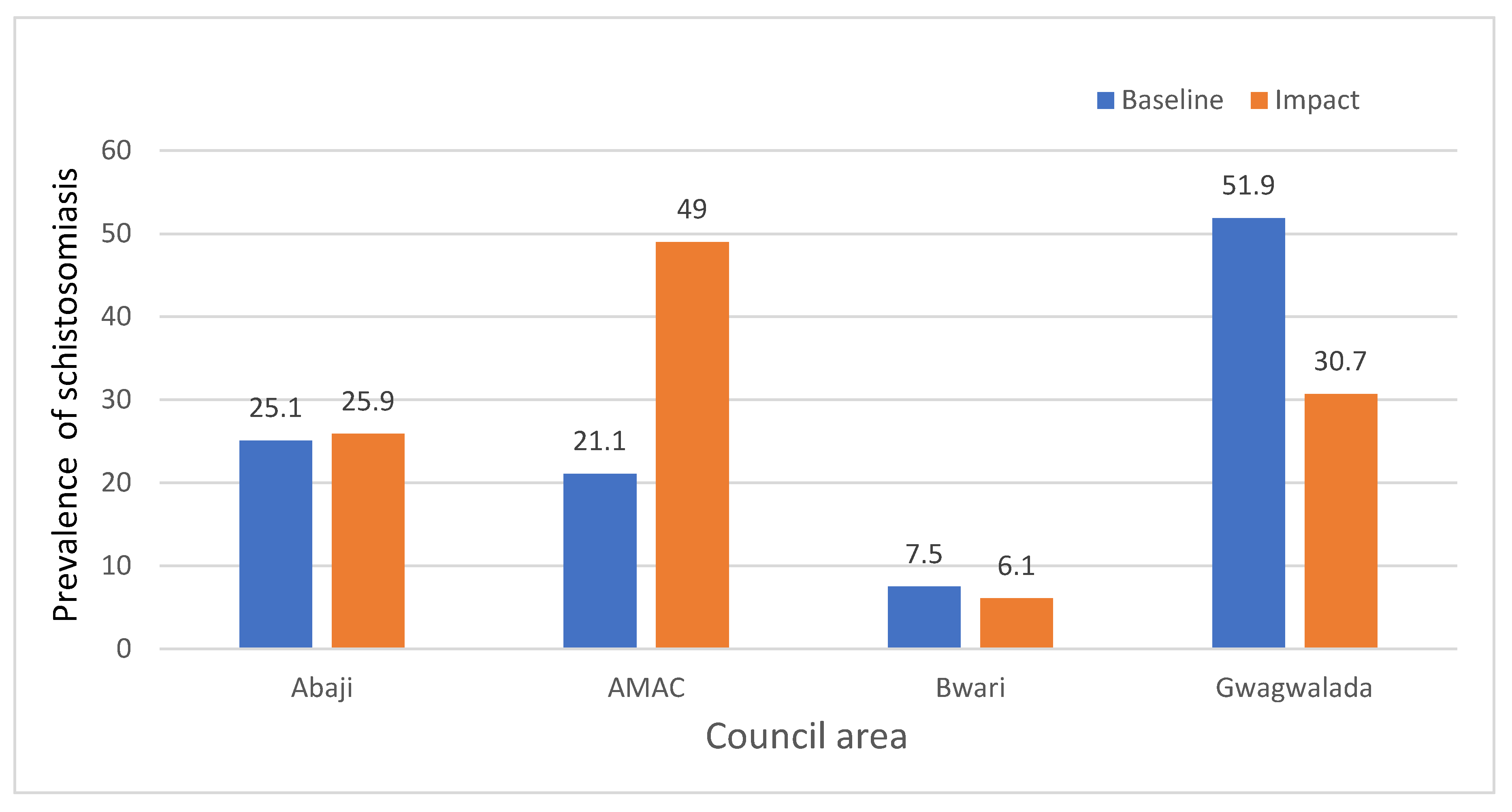
Figure 2. Comparison of the impact of Praziquantel MDA in 2014 with the report of 2022.
Preprints 146844 g002
Table 1. Prevalence of Schistosomiasis by Local Area Councils.
LAC No. tested No. positive (%) P-value WHO Prevalence Category
 
Abaji 247 64 (25.9) <0.0001 Moderate
AMAC 306 150 (49) Moderate
Bwari 358 22 (6.1) Low
Gwagwalada 459 141 (30.7) Moderate
 
Table 2. Prevalence of schistosomiasis by community.
Community No. tested No. positive prevalence of schistosomiasis (%) P-value Prevalence level
Abaji LCA
Abaji Central
 
48
 
24
 
50.0
 
High
Dogon Ruwa 51 22 43.1 Moderate
Gawu 50 4 8.0 Low
Rimba gwari 48 2 4.2 Low
Yaba 50 12 24.0 Moderate
Total 247 64 25.9 <0.0001* Moderate
AMAC LCA
Bassan Jiwa 50 35 70.0 High
Gwagwa 50 44 88.0 High
Karmo 49 17 34.7 Moderate
Kpaipai 55 15 27.3 Moderate
Rugan Fulani Dunamis 50 23 46.0 Moderate
Toge Sabo 52 16 30.8 Moderate
Total 306 150 49.0 <0.0001* Moderate
BWARI LCA
Byazhin 51 7 13.7 Moderate
Dutse Alhaji 50 4 8.0 Low
Jigo 54 3 5.6 Low
Katampe 52 5 9.6 Low
Kogo 50 0 0.0 Low
Shere 49 1 2.0 Low
War college Camp, Ushafa 52 2 3.8 Low
Total 358 22 6.1 0.0549 Moderate
GWAGWALADA LCA
Angwan Bassa            50          36           72.0 High
Angwan Dodo            50          14           28.0 Moderate
Dagiri            54          22           40.7 Moderate
Dobi            50          16           32.0 Moderate
Dukpa            50            4             8.0 Low
Ibwa            50            7           14.0 Moderate
Kpakuru            51           14           27.5 Moderate
Kpakuru Sarki            50            6           12.0 Moderate
Paiko            54          22           40.7 Moderate
Total            459        141           30.7
 
0.00053* Moderate
* P<0.005.
Table 5. Relationship between age category (SAC and Adult) and prevalence of schistosomiasis.
LAC No. Examined School-aged children Adult
No. tested Number positive (Prevalence)    No. tested Number positive (Prevalence)
Abaji 247 123 38 (30.9%)      124 26 (21%)
AMAC 306 149 87 (58.4%)      157 63 (40.1%)
Bwari 358 180 12 (6.7%)      178 10 (5.6%)
Gwagwalada 459 245 79 (32.2%)      214 62 (29%)
Grand Total 1370  697 216 (31.0%)      673 161 (23.9%)
P<0.05
Table 6. Correlation between age category and intensity of S.haematobium infection.
LAC No. examined School-aged children Adult
No. positive Light infection (< 50 eggs per ml) Heavy infection (> 50 eggs per ml) No. positive Light infection (< 50 eggs per ml) Heavy infection (> 50 eggs per ml)
Abaji 247 123 121 (98.4) 2 (1.6) 124 123 (99.2) 1 (0.8)
AMAC 306 149 244 (98.8) 3 (1.2) 157 133 (84.70 24 (15.3)
Bwari 358 180 179 (99.4) 1 (0.6) 178 178 (100.0) 0 (0.0)
Gwagwalada 459 245 234 (95.5) 11 (4.5) 214 207 (96.7) 7 (3.3)
Grand Total 1370      697 661 (94.8) 36 (5.2) 673 641 (95.2) 32 (4.8)
 
P > 0.05.
Table 7. Correlation between age category and intensity of S. mansoni infection.
LAC No. examined School-aged children Adult
No. positive Light infection
(1-99 epg)
Moderate Infection (100-399 epg) Heavy infection
(>=400 epg)
No. positive Light infection
(1-99 epg)
Moderate Infection (100-399 epg) Heavy infection
(>=400 epg)
Abaji 247  21 14 (66.7%) 4(19.0%) 3(14.3%)  15 8(53.3%) 7(46.7%) 0(0%)
AMAC 306  20 3(15.0%) 13 (65.0%) 4(20.0%)  13 3(23.1%) 7 (53.8%) 3(23.1%)
Bwari 358    7 3(42.9%) 4(57.1%) 0(%)   5 3(60.0%) 1(20.0%) 1(20.0%)
Gwagwalada 459 30 6 (20.0%) 16(53.3%) 8(26.7%)  33 6(26.1%) 14(60.9%) 3(13.0%)
Grand Total 1370 78 26 (33.3%) 37 (47.4%) 15(19.2%)  66 20(30.3%) 29 (43.9) 7 (10.6)
P > 0.05
Table 8. Effect of source of water on the prevalence of schistosomiasis in Abuja.
Source of water         No. examined             No. positive (%)      P value
Well/Rain             287                   0 (0%) <0.0001
Borehole             300                   0 (0%)
Tap water             238                   0 (0%)
River             324                203 (62.7%)
Well/Rain/River               93                  66 (71%)
Well/Rain/borehole/Rivers               78                  63 (80.8%)
Borehole and Rivers               50                  45(90%)
Total           1370                377 (27.5%)
Table 9. Association between activities in the river and prevalence of schistosomiasis.
Activities in the river Total number examined         No. infected (%)         P-value
Fetching 46           31 (67.4%)         <0.0001
Swimming 159         132 (83%)
Bathing 94           58(61.7%)
Washing 141           90 (63.8%)
Crossing water 83           46 (55.4%)
Fishing 22           20(90.9%)
Total 545         377(69.2%)
Disclaimer/Publisher’s Note: The statements, opinions and data contained in all publications are solely those of the individual author(s) and contributor(s) and not of MDPI and/or the editor(s). MDPI and/or the editor(s) disclaim responsibility for any injury to people or property resulting from any ideas, methods, instructions or products referred to in the content.
Copyright: This open access article is published under a Creative Commons CC BY 4.0 license, which permit the free download, distribution, and reuse, provided that the author and preprint are cited in any reuse.
Prerpints.org logo

Preprints.org is a free preprint server supported by MDPI in Basel, Switzerland.

Subscribe

Disclaimer

Terms of Use

Privacy Policy

Privacy Settings

© 2026 MDPI (Basel, Switzerland) unless otherwise stated