

Submitted:
28 December 2024
Posted:
30 December 2024
You are already at the latest version
Abstract
This study explores the transformative potential of the metaverse in redefining cultural heritage engagement, with a specific focus on the digital metamorphosis of the digital evolution of the Museum of L'Avenois in Fourmies. By leveraging advanced 3D scanning technologies and immersive virtual environments, select artifacts have been meticulously digitized, creating an unprecedented interactive platform that bridges accessibility gaps and invites global audiences to engage with cultural heritage. Variability in user experience, reflecting the diverse interactions, emotions, and cognitive responses of participants, serves as a critical analytical axis in this research. While diversity can yield invaluable insights into user preferences, excessive discrepancies risk fragmenting the coherence of engagement. This study demonstrates how strategic design interventions can mitigate such variability, fostering uniform yet personalized experiences. Through the integration of real-time social dynamics, enabled by customizable avatars and communication tools, the metaverse is established as a pioneering medium for collaborative cultural exploration. Employing a robust mixed-methods approach, this research synthesizes quantitative metrics with qualitative insights from in-depth interviews to critically evaluate the metaverse’s capacity to deliver authentic, emotionally resonant, and pedagogically impactful engagements. While challenges persist in replicating the emotive depth of physical exhibits and sustaining user attention, findings underscore the metaverse’s unparalleled efficacy in democratizing access to cultural artifacts and enabling transboundary social interactions. Furthermore, the seamless incorporation of previously inaccessible artifacts into these virtual domains significantly enhances both user engagement and educational outcomes. This work advances the discourse on digital heritage by presenting actionable insights into the design of virtual environments that uphold cultural authenticity, foster socially immersive interactions, and align with the broader paradigm of digital transformation.
Keywords:
1. Introduction
2. The Reconstructed Street at Museum of L’Avenois in Fourmies: Technological Foundations for Immersive Heritage Preservation and Industrial Legacy of Hauts-de-France
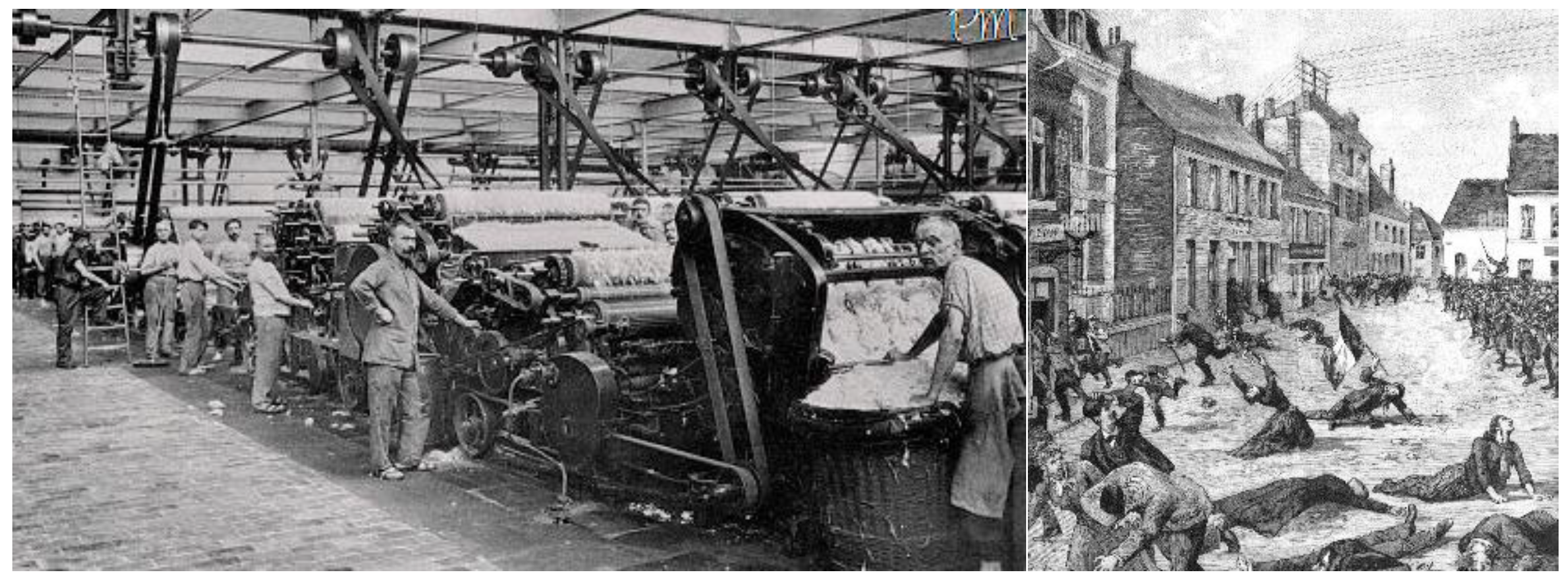
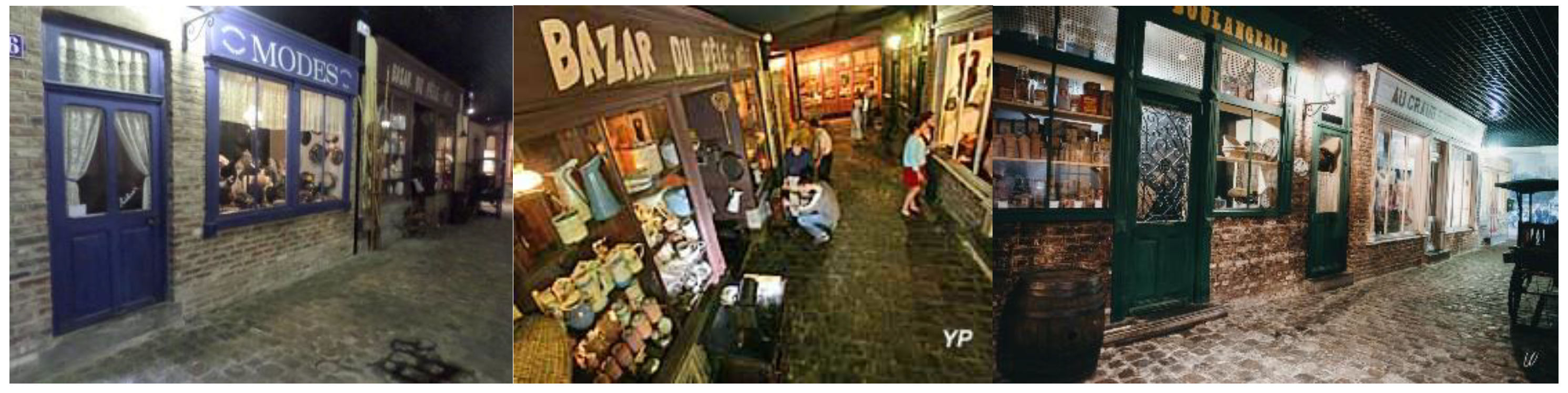
2.1. Optimizing Multi-Scale 3D Digital Heritage Reconstruction
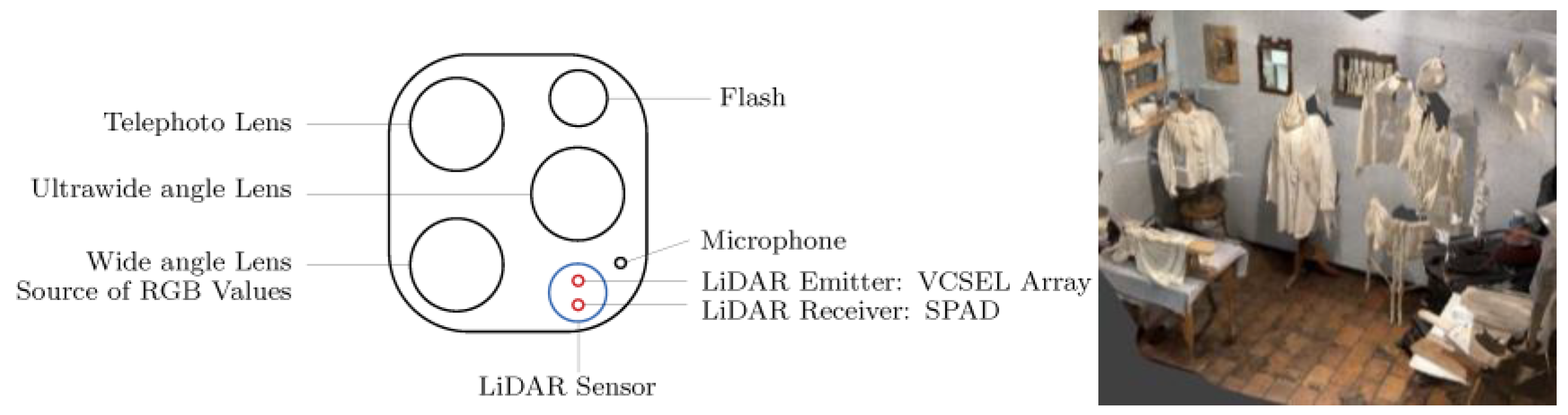
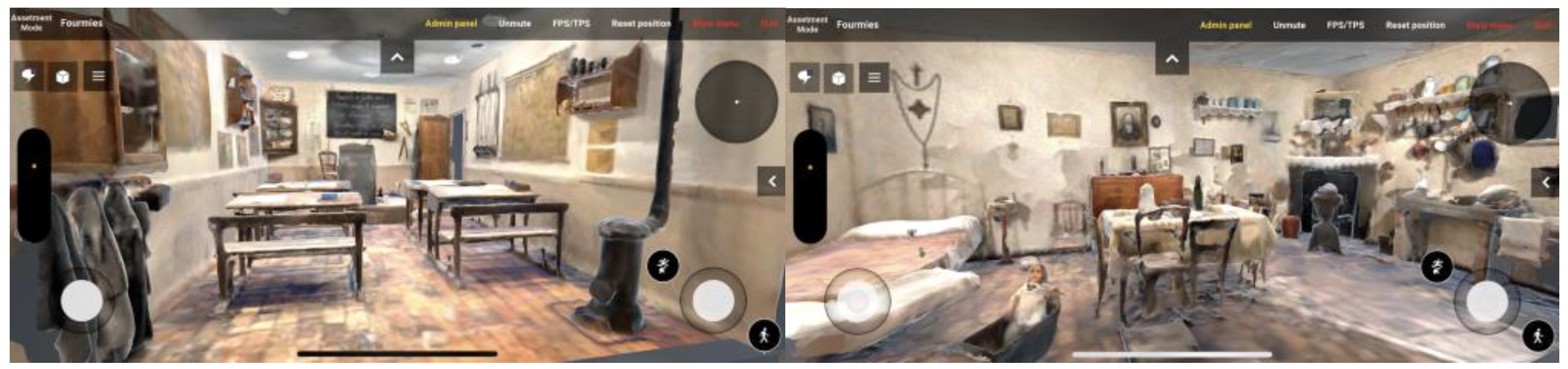
2.2. VECOS: A Comprehensive Metaverse for Constructing and Experimenting with Digital Heritage in the Metaverse
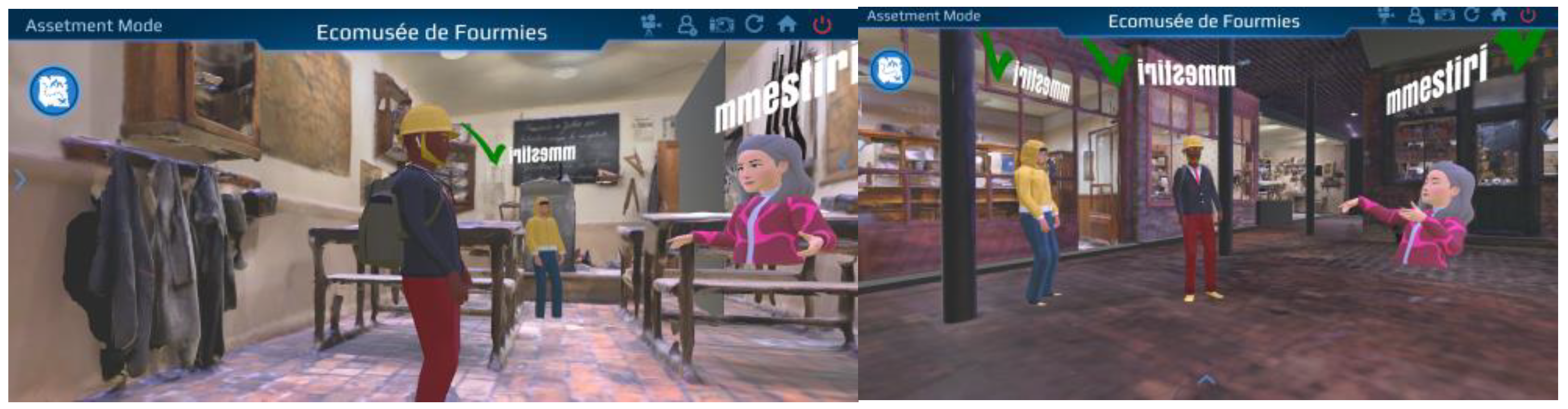
2.2.1. Social Interaction: AI, Avatar Systems and Real-Time Collaboration
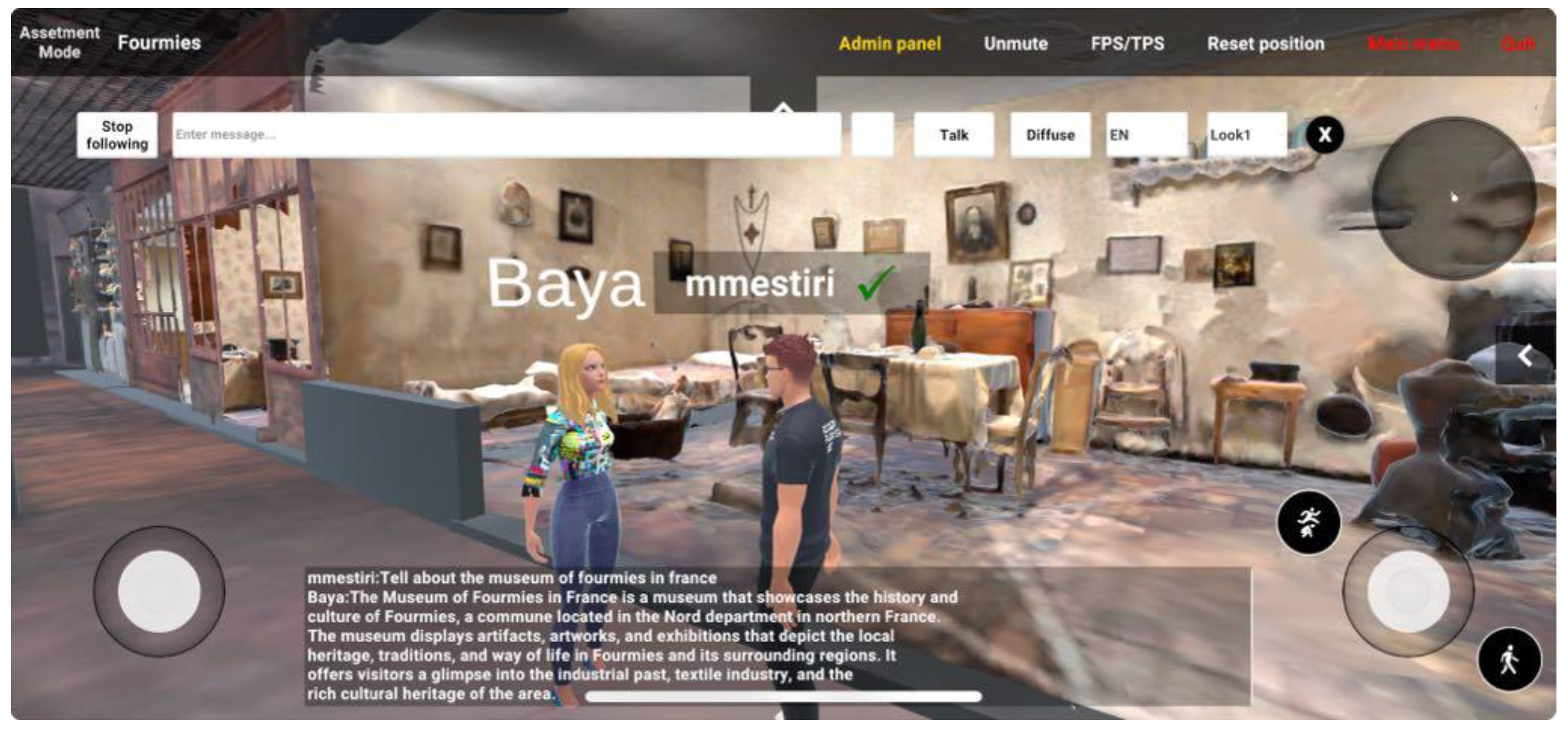
2.2.2. Interactive Object Management and Immersive Content
2.2.3. Experimentation and Real-Time Data Collection
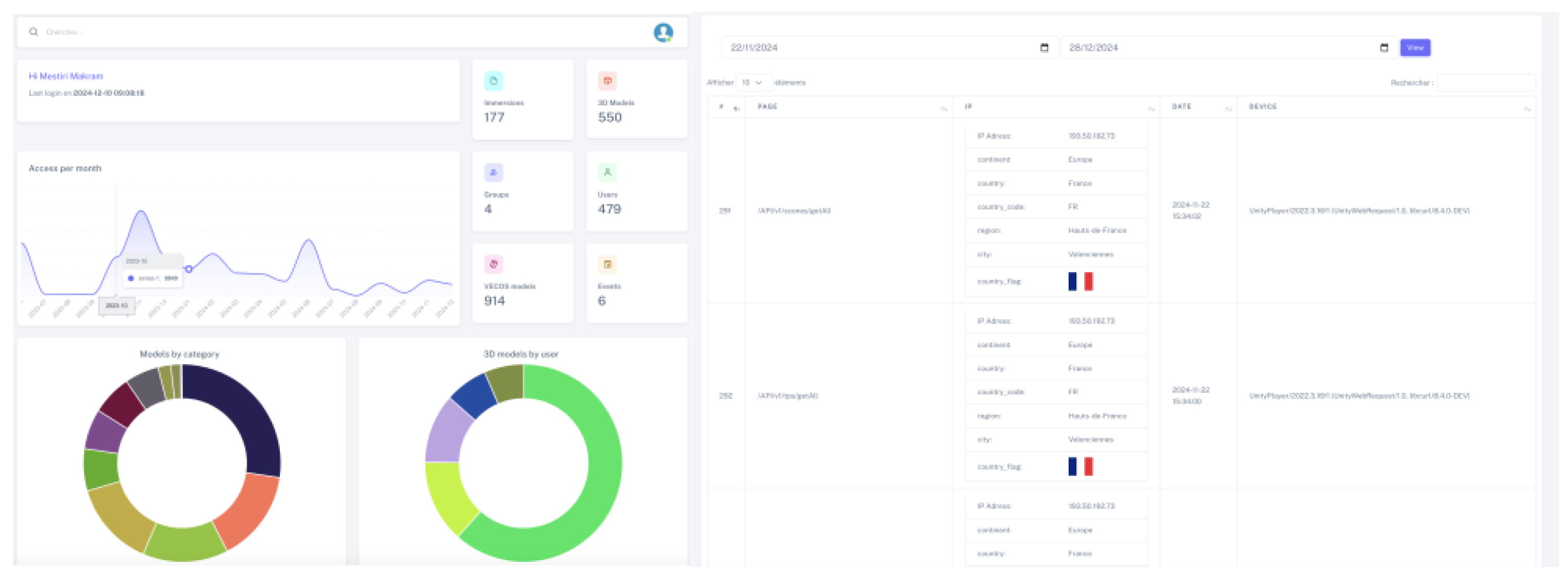
2.2.4. Cross-Platform Accessibility and Scalability
3. Designing the Participant Experience: Preparation, Grouping Protocols, and Interaction Strategies
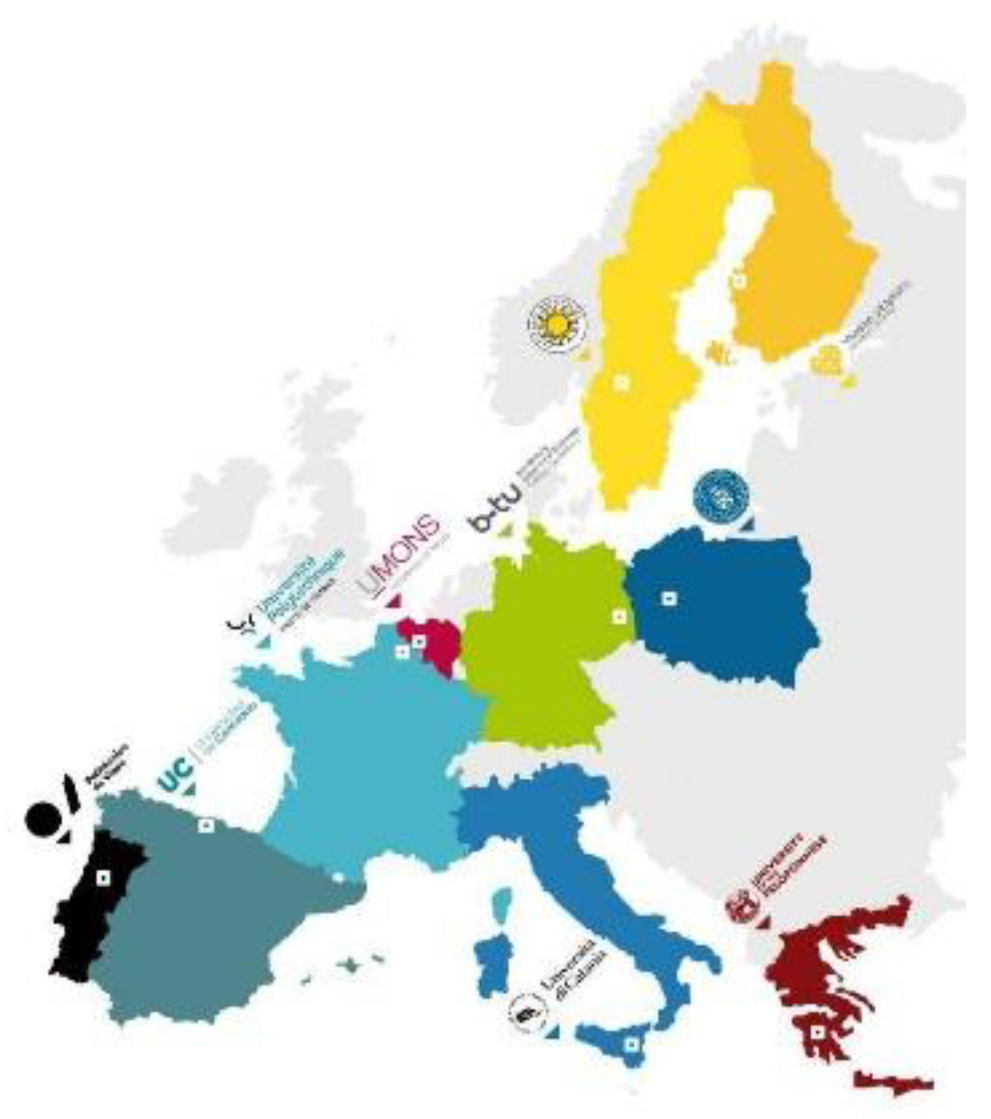
3.1. Data Collection Procedures and Data Analysis
- Embedded Analytics: The Vecos platform includes sophisticated real-time tracking of user behaviors, including navigation patterns, interaction points, and group communication dynamics. The platform’s analytics tools allowed the research team to capture detailed data on how participants moved through the virtual space, which exhibits attracted the most attention, and the nature and frequency of interactions between participants and the AI avatars. This interactional data was essential for understanding the degree to which participants engaged with both the digital content and their fellow users.
- User Surveys: Following the virtual exploration, participants completed a detailed post-experience survey, which assessed their perceptions of the virtual environment in terms of authenticity, usability, and emotional engagement. The survey included Likert-scale items to measure user satisfaction with various aspects of the Vecos platform, such as the ease of navigation, the quality of social interactions, and the educational value of the exhibits. Open-ended questions allowed participants to provide qualitative feedback, offering deeper insights into how the virtual environment compared to traditional, in-person museum experiences.
- Focus Groups: A series of focus groups was conducted with each of the virtual groups after their exploration of the museum. These focus groups provided a platform for more in-depth discussions about the participants' experiences. The conversations were transcribed and subjected to thematic analysis, which identified recurring themes related to user engagement, the perceived authenticity of the virtual environment, and the effectiveness of social interactions within the metaverse.
- Quantitative Analysis: The embedded analytics data was processed to identify patterns in user behavior, such as time spent on various exhibits, interaction frequencies, and navigation paths. Statistical methods, including regression analysis and ANOVA, were applied to determine the relationships between user engagement metrics and factors such as group size, prior experience with virtual environments. Additionally, heatmaps were generated to visualize areas of high user interaction, providing a spatial representation of participant engagement within the virtual museum.
- Qualitative Analysis: The open-ended survey responses and focus group transcripts were analyzed using thematic coding, focusing on key themes such as authenticity, social interaction, and usability. The qualitative data was triangulated with the quantitative findings to provide a more nuanced understanding of how participants experienced the virtual environment. This convergent analysis approach allowed for a comprehensive evaluation of the research questions, ensuring that both behavioral patterns and subjective experiences were adequately captured.
3.2. Conclusions
4. Results
4.1. User Engagement
4.1.1. Quantitative Findings
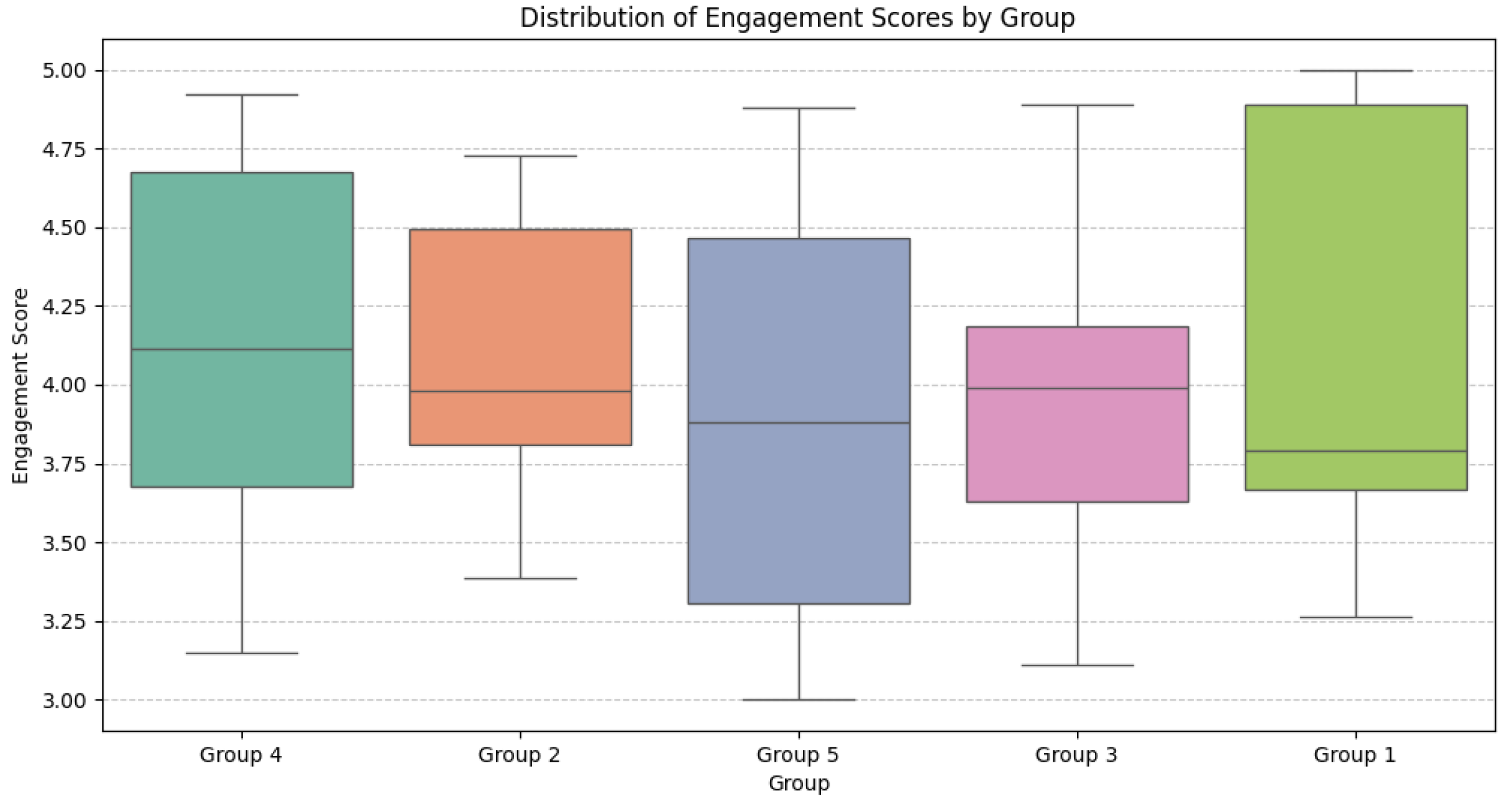
4.1.2. Qualitative Insights
4.1.3. Reflection on User Engagement
4.2. Perceived Authenticity
4.2.1. Quantitative Findings
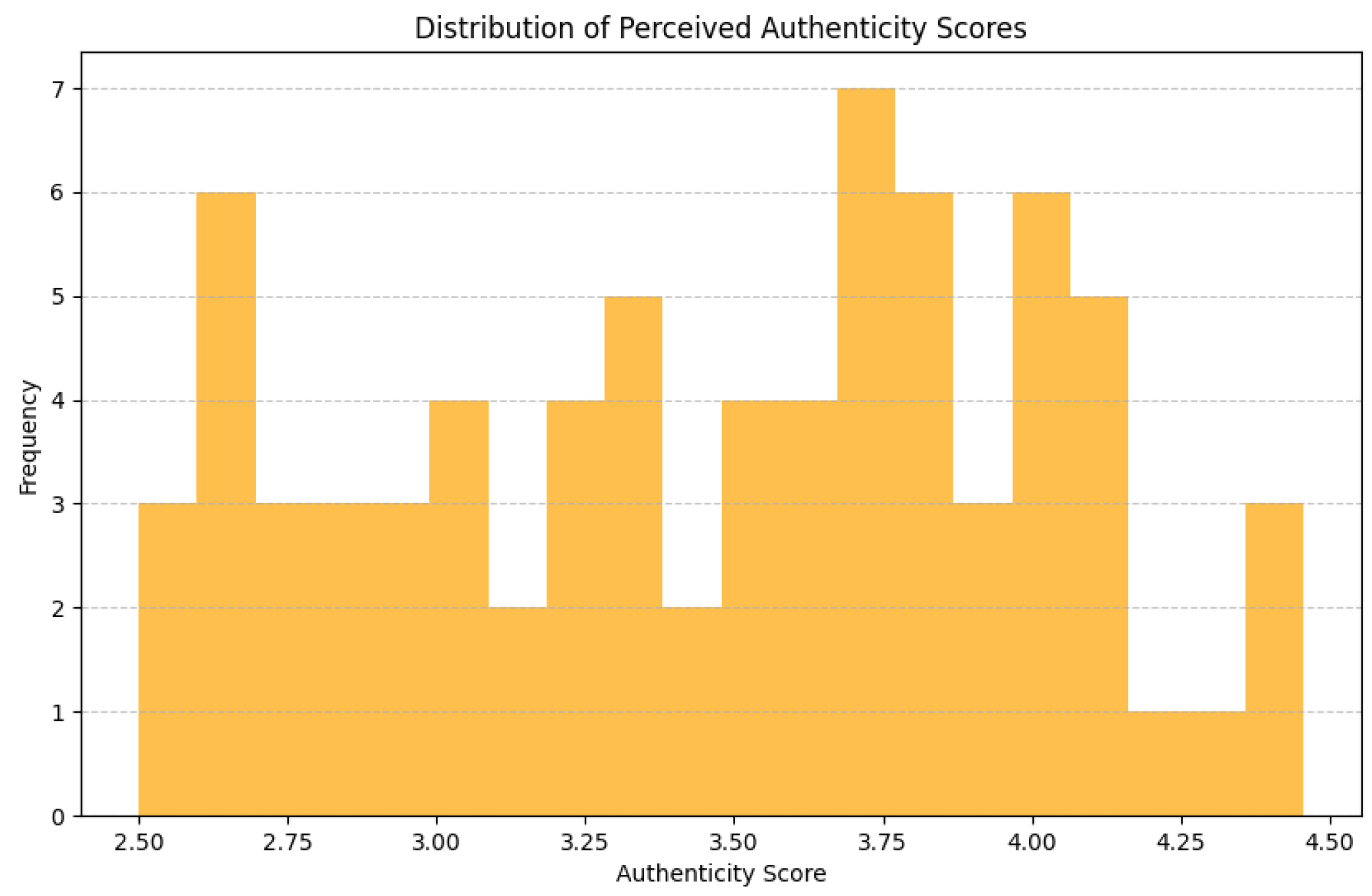
4.2.2. Qualitative Insights
4.2.3. Reflection on Perceived Authenticity
4.3. Social Interaction
4.3.1. Quantitative Findings
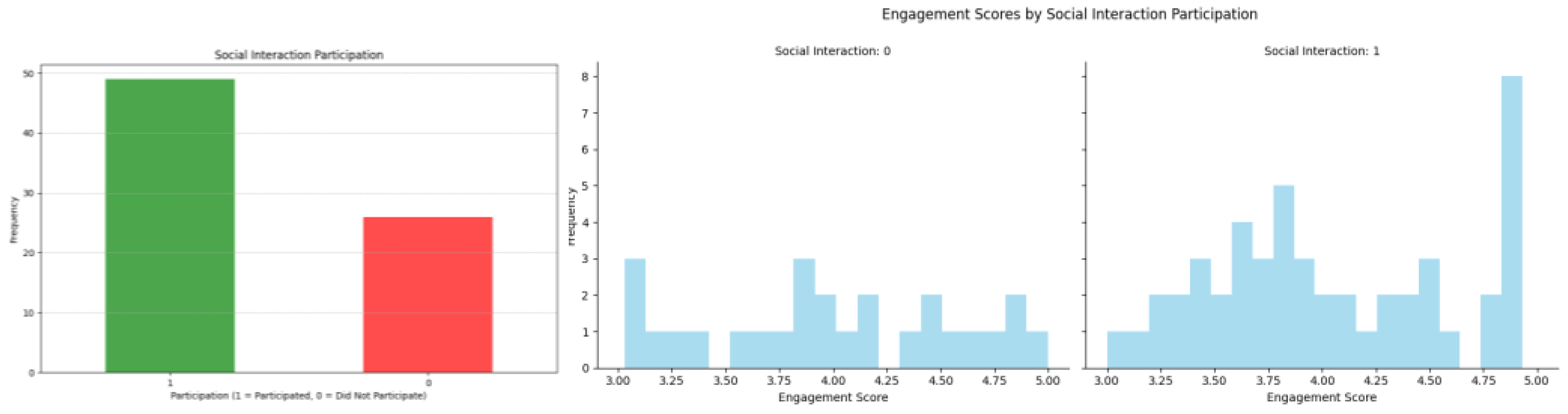
4.3.2. Qualitative Insights
4.3.3. Reflection on Social Interaction
4.4. Conclusion
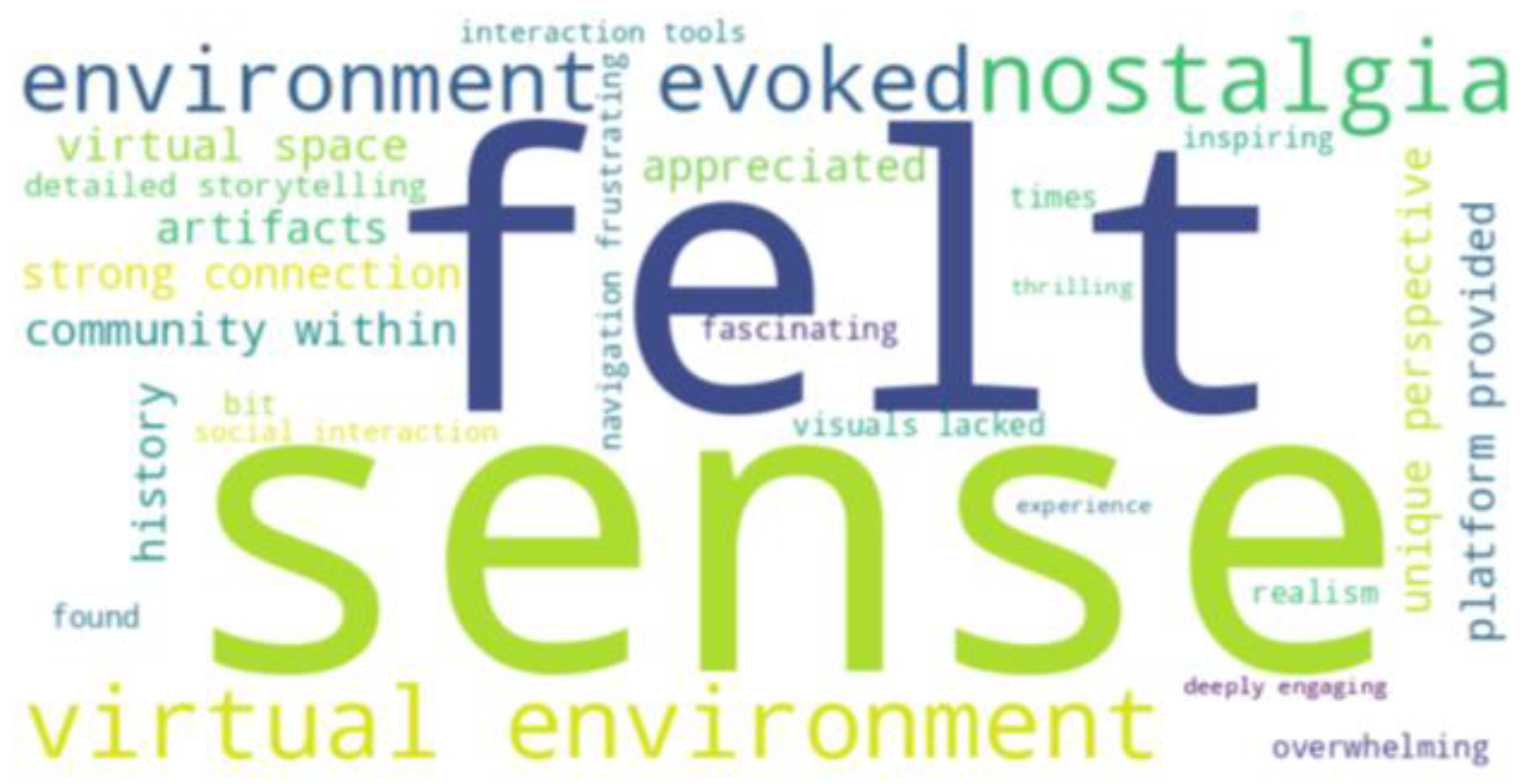
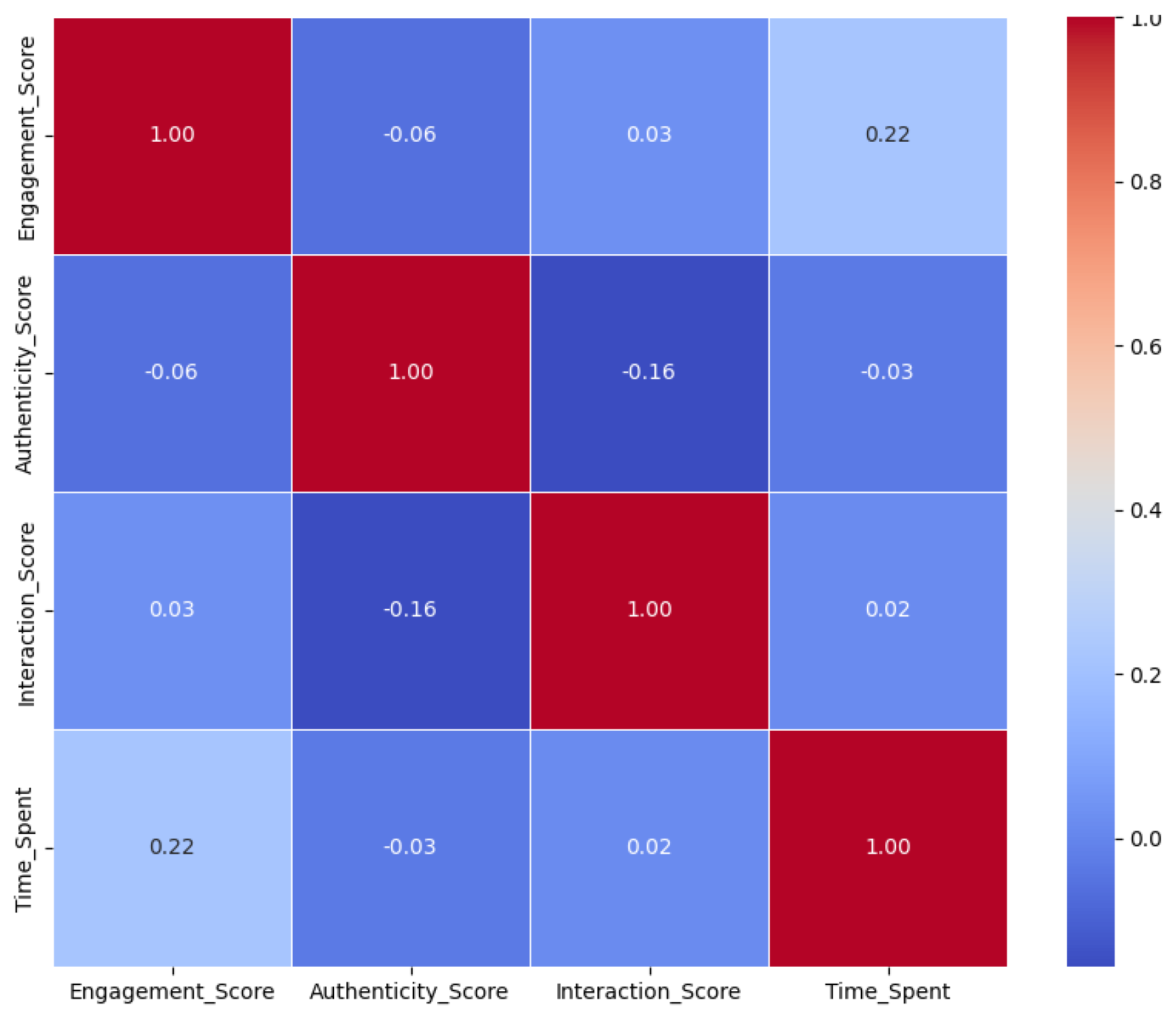
5. Discussion
5.1. Enhancing User Engagement: Opportunities and Challenges
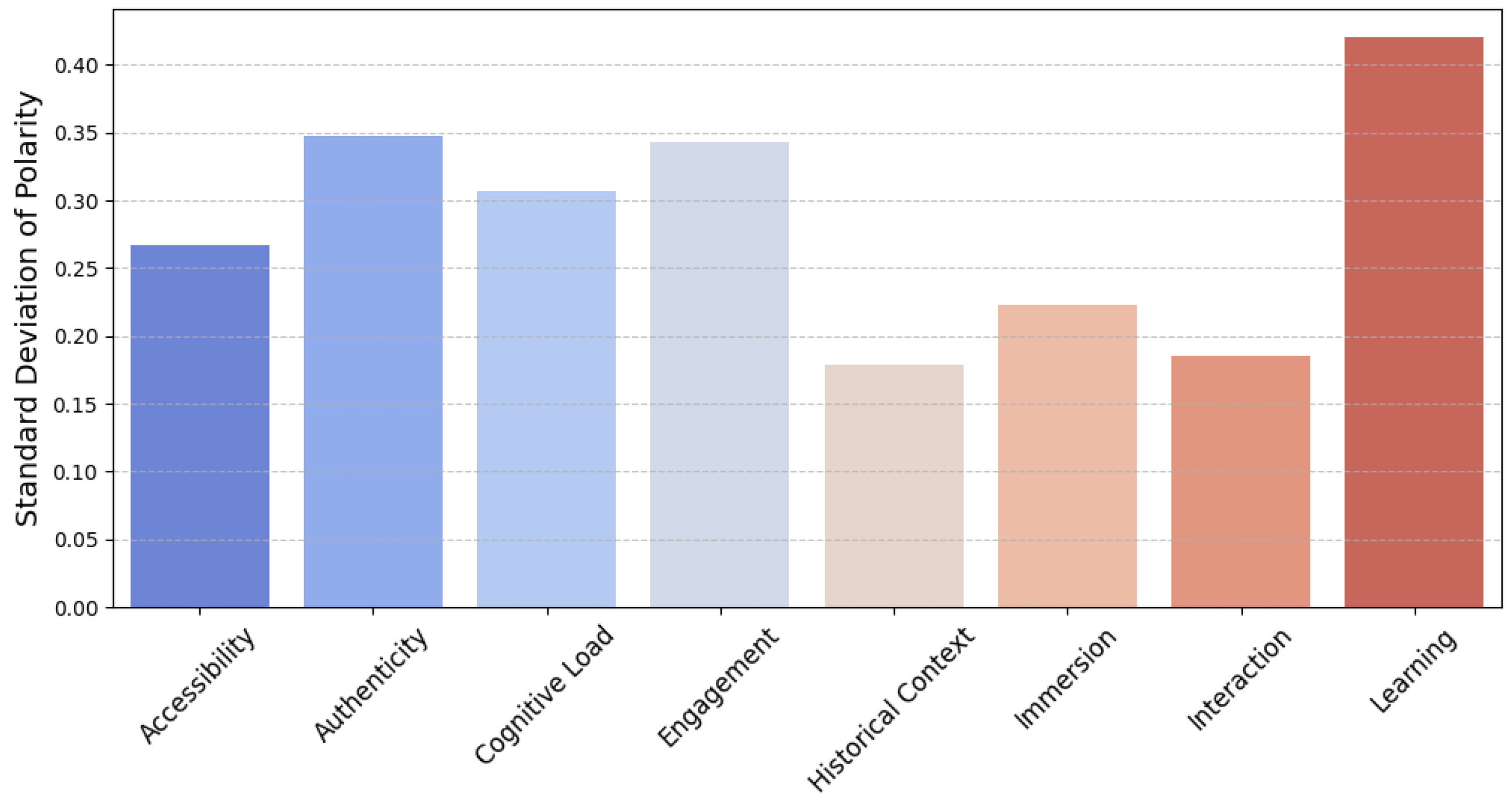
5.2. Authenticity in the Virtual Space: Perception vs. Reality
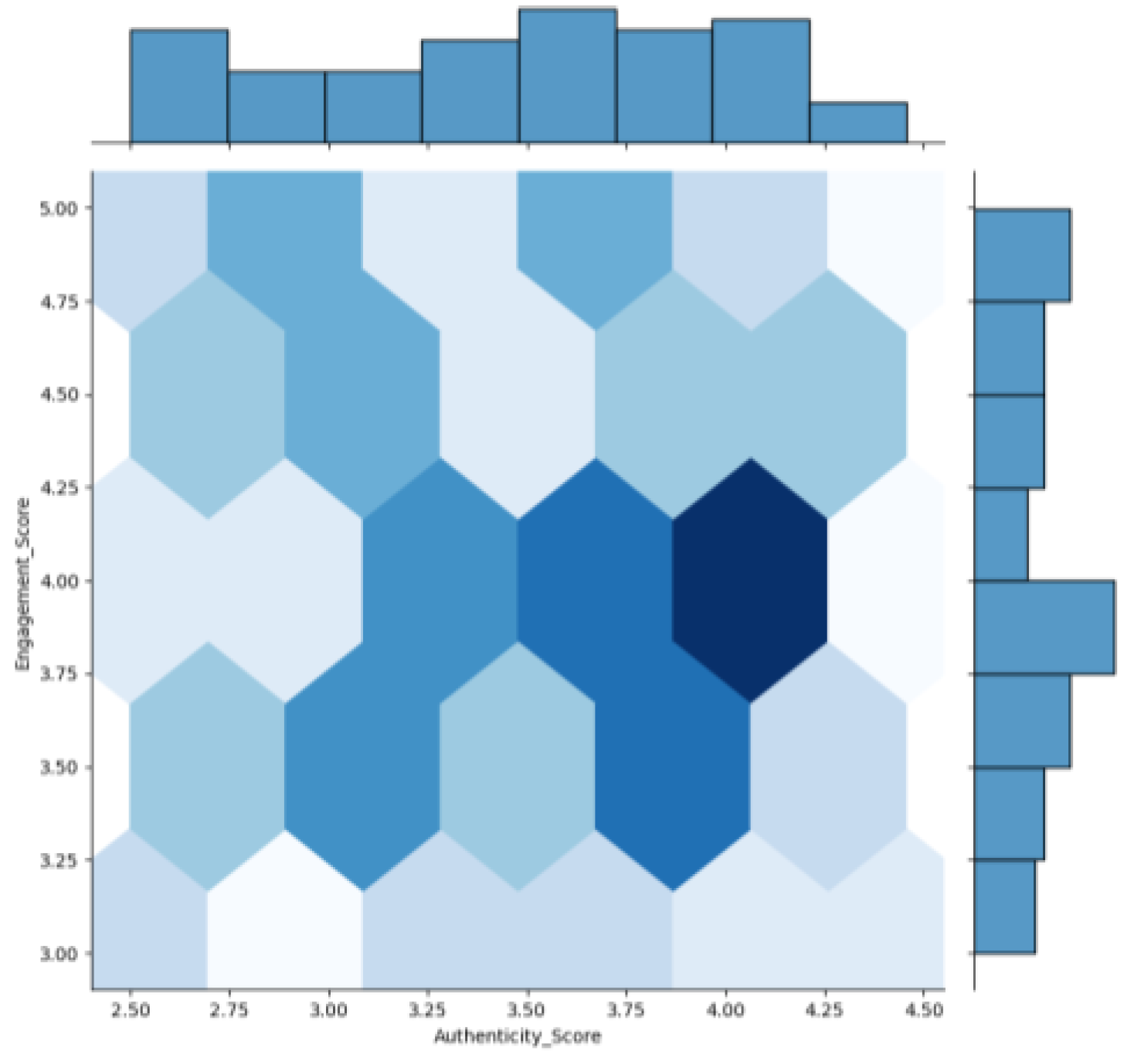
5.3. The Role of Social Interaction in the Metaverse
5.4. Implications for Cultural Heritage Institutions
5.5. Conclusion
6. Future Work
References
- Flavián, C.; Ibáñez-Sánchez, S.; Orús, C. The impact of virtual, augmented and mixed reality technologies on the customer experience. J. Bus. Res. 2019, 100, 547–560. [Google Scholar] [CrossRef]
- Dwivedi, Y.K.; Hughes, L.; Baabdullah, A.M.; Ribeiro-Navarrete, S.; Giannakis, M.; Al-Debei, M.M.; Dennehy, D.; Metri, B.; Buhalis, D.; Cheung, C.M.; et al. Metaverse beyond the hype: Multidisciplinary perspectives on emerging challenges, opportunities, and agenda for research, practice and policy. Int. J. Inf. Manag. 2022, 66. [Google Scholar] [CrossRef]
- Ritterbusch, S. , & Teichmann, R. (2023). Exploring industrial heritage through virtual environments: Insights from the Museum of L'Avenois. Heritage Science, 11(1), 101–119.
- Benjamin, W. (1936). The Work of Art in the Age of Mechanical Reproduction.
- Leopardi, G. , & Russo, P. (2021). Authenticity and aura in digital heritage: Bridging the material and virtual. Digital Applications in Archaeology and Cultural Heritage, 22, e00234.
- Giovannini, E. , & Bono, M. (2023). Virtual museums and social interaction: Challenges and design strategies. Convergence: The International Journal of Research into New Media Technologies, 29(3), 301–322.
- Lee, C. M. (2023). Cognitive load in interactive digital environments: Implications for virtual museum design. Frontiers in Psychology, 14, 1002009.
- Flavián, C. , Ibáñez-Sánchez, S. ( 16(2), 18.
- Ritterbusch, S. , & Teichmann, R. (2023). Integrating inaccessible collections into virtual museums: A case study. Heritage Science, 11(1), 112.
- Giovannini, E. , & Bono, M. (2023). Social interaction in the metaverse: Enhancing engagement through collaborative experiences. Virtual Archaeology Review, 14(2), 5–15.
- Flavián, C. , et al. ( 15(3), 344–359.
- Ritterbusch, S. , et al. (2023). Mixed-methods approaches in virtual museum studies. Journal of Cultural Heritage, 34, 100–115.
- Leopardi, G. , et al. ( 22, e00250.
- Dwivedi, Y. K. , et al. ( 11, 131–152.
- Hardy-Hémery, O. (2002). La naissance de l'industrie sidérurgique dans le Nord de la France. Revue du Nord, 84(350), 31-58.
- Menard, A. , & Dupont, L. (2018). Industrial heritage and social narratives: Reimagining history through virtual reconstruction. Journal of Heritage Studies, 24(3), 257–272.
- Holliday, K. (2020). Recreating urban landscapes in virtual environments: A study of industrial France. Digital Humanities Quarterly, 14(4), 200–222.
- Barthes, R. (1972). Mythologies. Hill and Wang.
- Baudrillard, J. (1994). Simulacra and Simulation. University of Michigan Press.
- Smith, L. (2006). Uses of Heritage. Routledge.
- Salvatore, D. , & Hecht, S. (2019). Labor unrest in industrial France: A case study of Fourmies. European Review of Social History, 26(1), 45–63.
- Armitage, K. , & Zinn, A. (2021). Balancing industrial progress and social equity: Lessons from digital heritage projects. Heritage & Society, 14(2), 119–134.
- Chevalier, M. (2022). The role of interactive VR in historical education: Insights from French ecomuseums. Virtual Heritage Quarterly, 5(1), 87–102.
- Durand, P. , & Lambert, S. (2023). Innovative approaches to heritage in the digital age: Lessons from Hauts-de-France. Journal of Cultural Heritage, 35, 303–321.
- Apple Inc. (2023). LiDAR technology and its application in handheld 3D scanning. Apple White Papers.
- Qian, Y. , & Fan, Z. (2021). Portable LiDAR for cultural heritage documentation: Opportunities and limitations. Digital Archaeology Quarterly, 8(3), 123-134.
- Schnabel, R.; Wahl, R.; Klein, R. Efficient RANSAC for point-cloud shape detection. Proceedings of 2007 Computer Graphics Forum; 2017; pp. 214–226. [Google Scholar] [CrossRef]
- FARO Technologies. (2022). Innovations in large-scale scanning: A technical overview. FARO Technical Insights.
- Turner, R. , & Zaldivar, E. ( 14(2), 78–93.
- Navab, N. , Mitra, N. J., & Dellaert, F. (2021). Multi-modal data fusion for heritage reconstruction: A computational approach. Heritage Informatics Quarterly, 12(1), 45-67.
- Université Polytechnique Hauts-de-France. (2022). Visite virtuelle innovante de l'écomusée de l'Avesnois. from https://www.uphf.
- EUNICE Alliance. (2022). An Open Science Strategy for EUNICE Universities. REUNICE Deliverable 3.1. Available at: https://eunice-university.eu/research/wp-content/uploads/sites/2/2022/09/REUNICE_DELIVERABLE_3.1_An-Open-Science-Strategy-for-EUNICE-universities_compressed.
Disclaimer/Publisher’s Note: The statements, opinions and data contained in all publications are solely those of the individual author(s) and contributor(s) and not of MDPI and/or the editor(s). MDPI and/or the editor(s) disclaim responsibility for any injury to people or property resulting from any ideas, methods, instructions or products referred to in the content. |
© 2024 by the authors. Licensee MDPI, Basel, Switzerland. This article is an open access article distributed under the terms and conditions of the Creative Commons Attribution (CC BY) license (http://creativecommons.org/licenses/by/4.0/).