Preprint
Article

This version is not peer-reviewed.

Fostering Social Interaction Variability in the Metaverse: A Case Study of the Museum of L'Avenois in Fourmies

A peer-reviewed article of this preprint also exists.

Submitted:

28 December 2024

Posted:

30 December 2024

You are already at the latest version

Abstract

This study explores the transformative potential of the metaverse in redefining cultural heritage engagement, with a specific focus on the digital metamorphosis of the digital evolution of the Museum of L'Avenois in Fourmies. By leveraging advanced 3D scanning technologies and immersive virtual environments, select artifacts have been meticulously digitized, creating an unprecedented interactive platform that bridges accessibility gaps and invites global audiences to engage with cultural heritage. Variability in user experience, reflecting the diverse interactions, emotions, and cognitive responses of participants, serves as a critical analytical axis in this research. While diversity can yield invaluable insights into user preferences, excessive discrepancies risk fragmenting the coherence of engagement. This study demonstrates how strategic design interventions can mitigate such variability, fostering uniform yet personalized experiences. Through the integration of real-time social dynamics, enabled by customizable avatars and communication tools, the metaverse is established as a pioneering medium for collaborative cultural exploration. Employing a robust mixed-methods approach, this research synthesizes quantitative metrics with qualitative insights from in-depth interviews to critically evaluate the metaverse’s capacity to deliver authentic, emotionally resonant, and pedagogically impactful engagements. While challenges persist in replicating the emotive depth of physical exhibits and sustaining user attention, findings underscore the metaverse’s unparalleled efficacy in democratizing access to cultural artifacts and enabling transboundary social interactions. Furthermore, the seamless incorporation of previously inaccessible artifacts into these virtual domains significantly enhances both user engagement and educational outcomes. This work advances the discourse on digital heritage by presenting actionable insights into the design of virtual environments that uphold cultural authenticity, foster socially immersive interactions, and align with the broader paradigm of digital transformation.

Keywords: 
;  ;  ;  ;  ;  ;  ;  

1. Introduction

In the contemporary digital era, cultural heritage institutions are undergoing a profound transformation as they increasingly adopt advanced technological frameworks to redefine accessibility, engagement, and the visitor experience. Among these developments, the metaverse stands out as a groundbreaking paradigm, a network of immersive, interconnected virtual environments that enable real-time interaction with 3D-rendered artifacts and other users. For museums and cultural institutions, the metaverse offers unprecedented opportunities to democratize access to their collections, transcend physical and geographical barriers, and cultivate novel forms of social and collaborative engagement [1,2]. By seamlessly integrating digital representations of cultural artifacts within interactive and immersive spaces, the metaverse challenges traditional perceptions of cultural heritage, reimagining its dissemination and preservation in the 21st century [3].
Despite its promise, the metaverse also introduces critical epistemological and experiential concerns. Central to these is the notion of authenticity, as articulated by Walter Benjamin's seminal concept of the "aura" (the unique presence and contextual essence of cultural artifacts) [4]. In transitioning artifacts to digital formats, the metaverse risks diminishing this aura, as the sensory, material, and spatial dimensions intrinsic to physical museum experiences are inherently altered [5]. Additionally, while the metaverse fosters dynamic social interactions through avatars and real-time communication tools, the cognitive and emotional resonance of these interactions remains an area of active investigation [6]. Scholars have noted that while virtual environments can enhance accessibility and interactivity, they often fail to replicate the contextual and emotive depth of physical exhibits, potentially leading to fragmented engagement or cognitive overload [7,8].
Yet, the metaverse offers unique affordances that extend beyond the constraints of traditional exhibition spaces. Digital environments allow institutions to present expansive collections, including artifacts previously inaccessible due to physical or conservation limitations, and to enrich user engagement with detailed, interactive 3D models [9]. Moreover, the metaverse amplifies the social dimension of cultural heritage by enabling users to connect across borders, participate in collective virtual experiences, and co-create cultural narratives [10]. This evolution positions the metaverse not merely as a digital replica of traditional museum spaces but as a transformative medium for cultural preservation and collective memory [11].
This research critically examines three main areas of theoretical concern: the authenticity of digital heritage, the dynamics of user engagement in virtual environments, and the nature of social interaction within the metaverse. These issues are rooted in long-standing debates surrounding the nature of cultural objects, the role of museums, and the transformative impact of digital technologies on cultural preservation and dissemination. By employing a mixed methods approach that integrates quantitative user data with qualitative insights from in-depth interviews, this study seeks to elucidate the opportunities and challenges of integrating cultural heritage into digital spaces [12]. By situating the investigation within these theoretical frameworks, the study aims to provide a comprehensive understanding of how the metaverse redefines the preservation, dissemination, and experience of cultural heritage. The findings contribute to the growing discourse on digital heritage by offering actionable frameworks for designing virtual environments that reconcile technological innovation with cultural integrity. Furthermore, this research advances our understanding of how immersive technologies can reshape the cultural landscape in the digital age, fostering new paradigms of engagement and interaction [13,14].

2. The Reconstructed Street at Museum of L’Avenois in Fourmies: Technological Foundations for Immersive Heritage Preservation and Industrial Legacy of Hauts-de-France
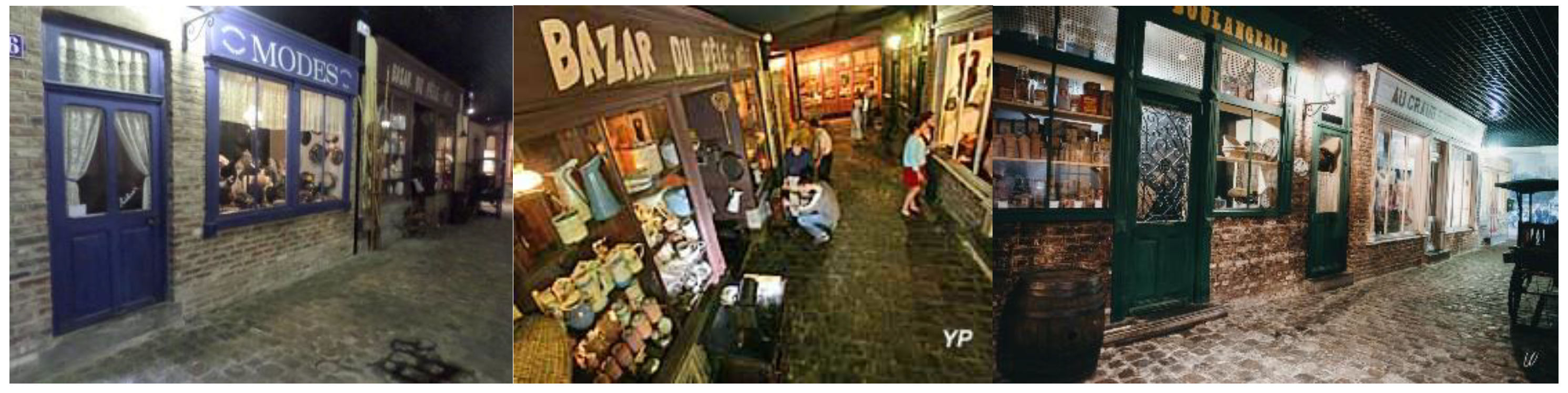
The digitally reconstructed street within the Avesnois Ecomuseum, preserved in the virtual Museum of L’Avenois in Fourmies, represents an exemplary application of advanced digital heritage practices. This project endeavors to encapsulate both the tangible and intangible cultural heritage of the Hauts-de-France region, which played a pivotal role in France’s industrial revolution, particularly in textile manufacturing and metallurgy. Leveraging cutting-edge three-dimensional (3D) scanning and immersive virtual reality (VR) systems, the reconstructed street serves as a digital window into the socio-economic landscape of the 19th and early 20th centuries, seamlessly integrating educational and interactive components to engage contemporary audiences [14,15].
Central to this reconstruction are detailed virtual models of industrial-era homes, cobblestone streets, and artisanal workshops, enriched with historically accurate artifacts such as looms, handcrafted tools, and period-specific furniture. These elements provide a vivid depiction of the working-class lifestyle that underpinned Fourmies' emergence as an industrial epicenter. Beyond its material representation, the street also reflects the broader socio-economic dynamics of the Second Industrial Revolution, demonstrating how industrialization reshaped both urban development and the lived experiences of local communities [16,17].
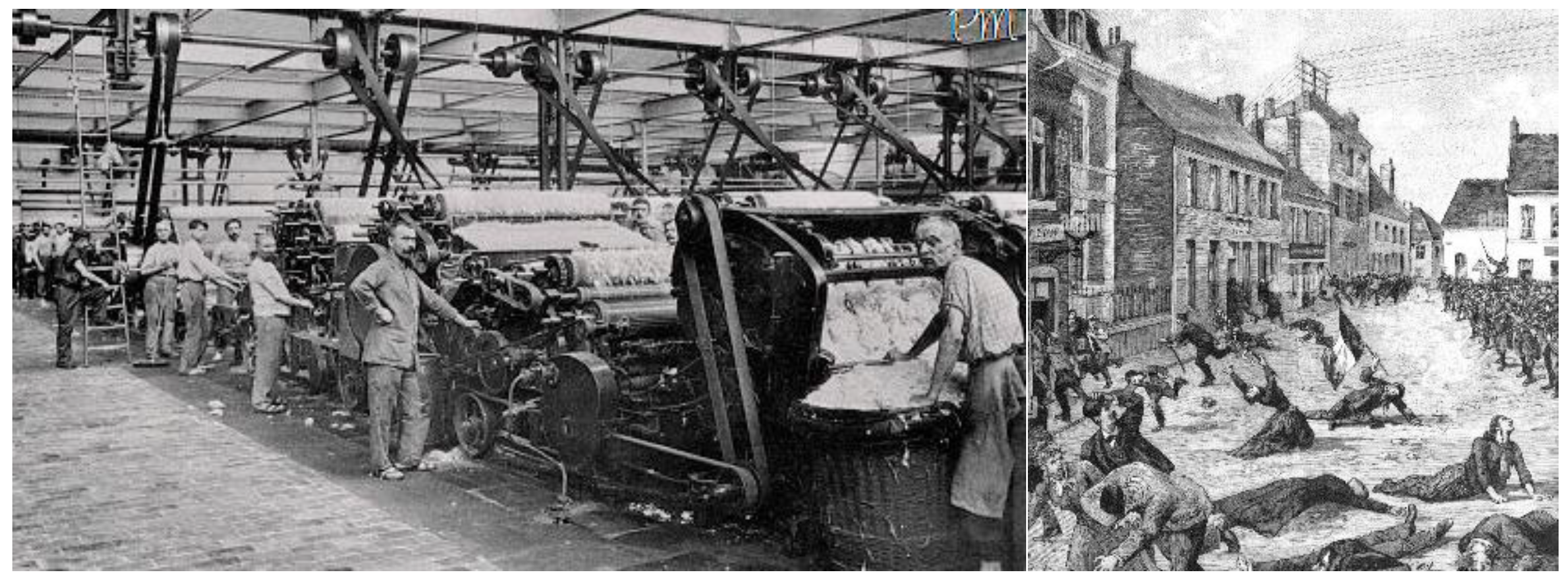
Figure 1. Historical image of Fourmies, showcasing its prominence as a textile town during the height of industrialization and the tragic events of May Day 1891.
Preprints 144438 g001
Hauts-de-France emerged as a critical node in France's industrial revolution, driven by rapid advancements in textile production and metalworking. By the mid-19th century, towns like Fourmies became synonymous with mechanized spinning mills and weaving workshops, which revolutionized textile manufacturing and elevated the region's prominence within the global industrial landscape. However, this industrial ascent was accompanied by significant social transformations, as working-class neighborhoods grew increasingly dense, characterized by modest housing and proximity to factories [18,19].
The reconstructed street also addresses the complex historical narrative of social conflict during this period, particularly the tragic events of May Day 1891, when labor protests in Fourmies culminated in violence and loss of life. By integrating these events into the virtual experience, the ecomuseum provides a nuanced interpretation of industrial progress, highlighting not only technological achievements but also the social struggles that shaped the region’s history. This dual perspective ‘celebrating innovation while acknowledging its human cost’ elevates the reconstructed street beyond mere visualization, transforming it into a meaningful space for reflection and education [20,21].
Figure 2. Historical image of the The reconstructed street in l’avenois museum in Fourmies.
Preprints 144438 g002
The integration of digital tools in preserving and interpreting heritage, as exemplified by the virtual Museum of L’Avenois, underscores the transformative potential of immersive technologies. This approach democratizes access to significant historical narratives while fostering an emotional and intellectual connection with the past. As a case study, the reconstructed street highlights how digital heritage initiatives can balance authenticity with innovation, offering a scalable model for the preservation and dissemination of industrial heritage in the digital age [22,23].

2.1. Optimizing Multi-Scale 3D Digital Heritage Reconstruction
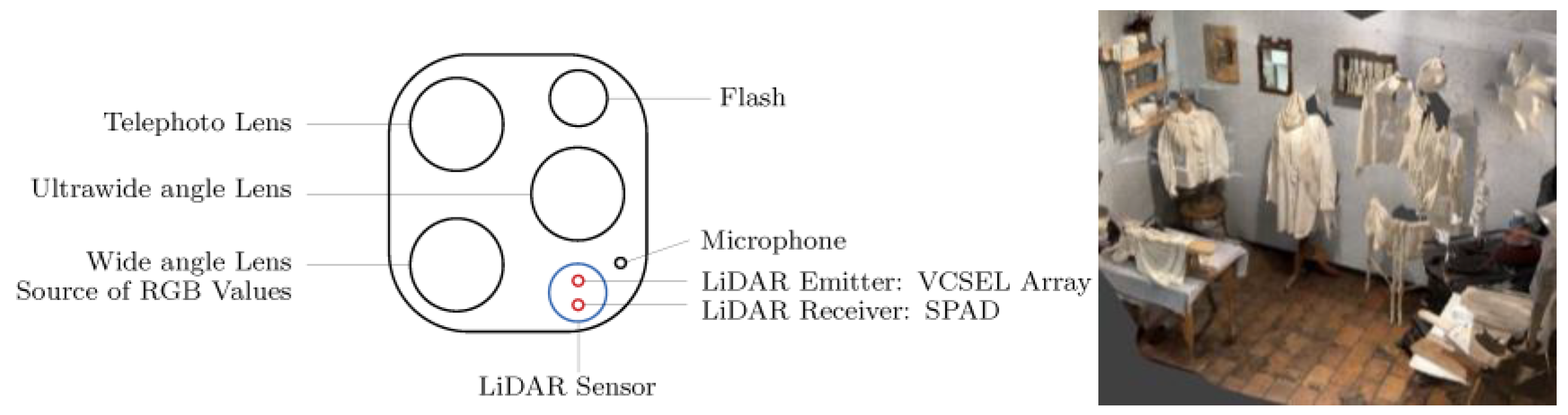
The evolution of 3D scanning technologies has profoundly reshaped the preservation and study of cultural heritage. Among these advancements, the integration of handheld LiDAR scanning using consumer devices like the iPhone and large-scale scanning with FARO laser systems presents a transformative approach to multi-scale digital heritage reconstruction. By capitalizing on the distinct strengths of these two technologies, heritage professionals can bridge the gap between accessibility, precision, and scalability, enabling the meticulous documentation of both small artifacts and expansive heritage sites. This session delves into the technical underpinnings, algorithmic differences, and practical applications of these complementary systems, emphasizing their synergy in addressing the diverse needs of heritage conservation.
The inclusion of LiDAR (Light Detection and Ranging) technology in consumer-grade devices, such as the iPhone, represents a significant step toward democratizing 3D scanning. Utilizing Time-of-Flight (ToF) algorithms, iPhone LiDAR calculates depth by measuring the time it takes for emitted light pulses to return after striking a surface. This approach generates low-resolution point clouds that are processed in real-time using algorithms optimized for speed and low computational overhead [24].
Figure 3. Iphone Lidar Technology and a result of scan in fourmies museum.
Preprints 144438 g003
The primary advantage of handheld LiDAR lies in its portability and ease of use. It excels in capturing intricate details of small objects, interior spaces, and localized architectural elements. For example, handheld LiDAR is particularly effective in scanning artifacts such as sculptures, inscriptions, or decorative features, producing models that are suitable for visualization, augmented reality, or virtual exhibition. However, the iPhone's LiDAR is limited by its effective range (approximately 5 meters) and resolution, making it less suitable for capturing expansive environments or intricate details at a distance [25].
FARO laser scanning represents the gold standard for large-scale 3D documentation, employing advanced phase-shift or time-of-flight technologies to capture extensive environments with exceptional accuracy. The underlying algorithms in FARO systems focus on high-density point cloud generation, noise suppression, and precise registration of data across multiple scans. These capabilities enable FARO scanners to document complex spatial environments, such as industrial heritage sites, urban landscapes, or expansive museum interiors, with sub-millimeter precision over distances exceeding 350 meters [26].
FARO scanners also integrate seamlessly with specialized processing software, such as FARO SCENE, which incorporates advanced algorithms for point cloud registration, segmentation, and texture mapping. This allows for the creation of metrically accurate, photorealistic 3D models that serve as invaluable tools for heritage documentation, analysis, and dissemination. However, the FARO system's complexity and reliance on high-powered computational resources necessitate a more structured approach to fieldwork and data processing, limiting its flexibility compared to handheld systems [27].
Figure 4. Large street scan using FARO Technology integrated in the VECOS metaverse.
Preprints 144438 g004
The integration of iPhone LiDAR and FARO laser scanning technologies offers a complementary solution for comprehensive 3D heritage reconstruction. While iPhone LiDAR prioritizes portability and real-time usability for small-scale applications, FARO scanning delivers the precision and range required for large-scale documentation. These differences reflect the distinct algorithmic priorities of each system: iPhone LiDAR focuses on rapid, low-resolution point cloud generation and lightweight computational processing, while FARO scanners employ sophisticated noise filtering and dense data registration techniques for high-fidelity models [28].
In practical terms, this hybrid approach enables the simultaneous capture of micro and macro-level details within heritage sites. By merging datasets from both systems, practitioners can achieve a holistic reconstruction that preserves both the fine-grained details and the overarching spatial relationships critical to cultural heritage [29].
The combination of handheld LiDAR and FARO laser scanning technologies marks a paradigm shift in 3D heritage documentation, offering an adaptable, multi-scale solution that meets the diverse needs of heritage practitioners [30].

2.2. VECOS: A Comprehensive Metaverse for Constructing and Experimenting with Digital Heritage in the Metaverse
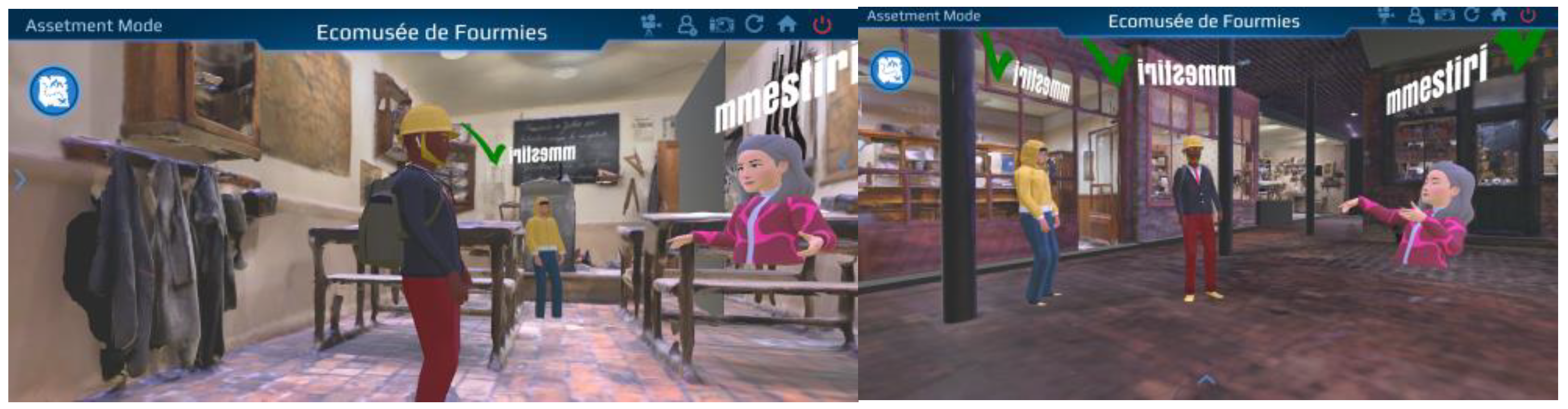
The reconstruction of the Avesnois street in this study was carried out using VECOS “Virtual Education Collaborative System” [31], a platform that we developed for designing, creating, experimenting, and interacting within persistent virtual environments. As a core tool for developing digital spaces, it offers an extensive array of features ranging from no-code spatial construction tools to sophisticated avatar systems and social interaction frameworks that were used to building the virtual street and enabling meaningful participant engagement throughout the study. This enabled the research team to import complex 3D assets including buildings, cobblestones, and artifacts directly into the digital space without requiring extensive programming expertise.
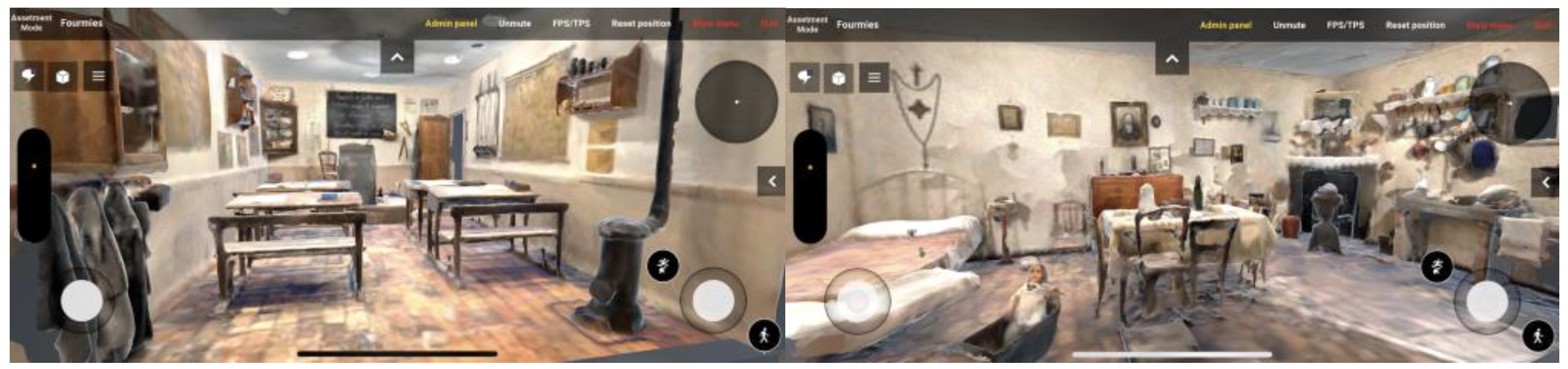
Figure 5. Collaborative Interaction in the metaverse VECOS using VR HeadSet, Mobile phone and Desktop in the same Fourmies museum.
Preprints 144438 g005
Spatial fidelity was a critical goal in the reconstruction of the street, and Vecos’ capacity to handle high-resolution 3D models ensured that every detail down to the smallest artifact was preserved. The platform’s real-time rendering engine enabled the research team to visualize the virtual space as it was being developed, providing immediate feedback on the accuracy and realism of the reconstruction. This was particularly important in aligning the FARO-scanned architecture with the detailed artifact scans captured via iPhone LiDAR, ensuring that all elements were placed in context.
Additionally, Vecos offers support for large-scale, collaborative environments, allowing multiple users to simultaneously engage in the design process. This feature enabled different team members to work on the street’s infrastructure, artifact placement, and interactive elements concurrently, accelerating the construction process. The platform's cloud-based infrastructure ensured that all changes were updated in real-time, allowing seamless collaboration across geographically dispersed teams. This feature was particularly critical when integrating elements like historical signage, period-specific buildings, and interactive artifacts into the virtual environment, ensuring consistency across all users’ views of the space.

2.2.1. Social Interaction: AI, Avatar Systems and Real-Time Collaboration
VECOS robust social interaction framework was instrumental in facilitating the social dynamics that this study aimed to analyze. Central to this framework is the platform’s avatar system, which supports detailed avatar customization and real-time social interaction within the virtual space. Each participant was represented by a fully customizable avatar, allowing users to navigate the reconstructed street, interact with historical artifacts, and engage in social exchanges with other participants.
The embodied presence enabled by Vecos’ avatar system was crucial for fostering immersion and social presence, key factors in studying how users interact with digital heritage in the metaverse. Avatars in Vecos are designed to mimic natural body movements and gestures, contributing to a more lifelike experience when users interact with one another. This embodiment extends beyond simple avatar customization; Vecos also supports proximity-based voice interaction, where users’ voices dynamically adjust based on the distance between avatars. This feature allowed for natural conversational dynamics, enabling participants to form smaller discussion groups as they explored different parts of the street or hold larger conversations during joint explorations of key historical artifacts.
Another significant feature of Vecos is its synchronous multiplayer capabilities, ensuring that all participants experienced the virtual street as a shared, persistent space. This synchronous interaction was crucial in supporting collaborative learning and exploration, as participants could engage in group tours, peer discussions, and guided explorations led by facilitators. The platform’s group management tools allowed facilitators to organize structured activities, such as historical reenactments or collaborative artifact analysis, enhancing both the educational and social dimensions of the experiment.
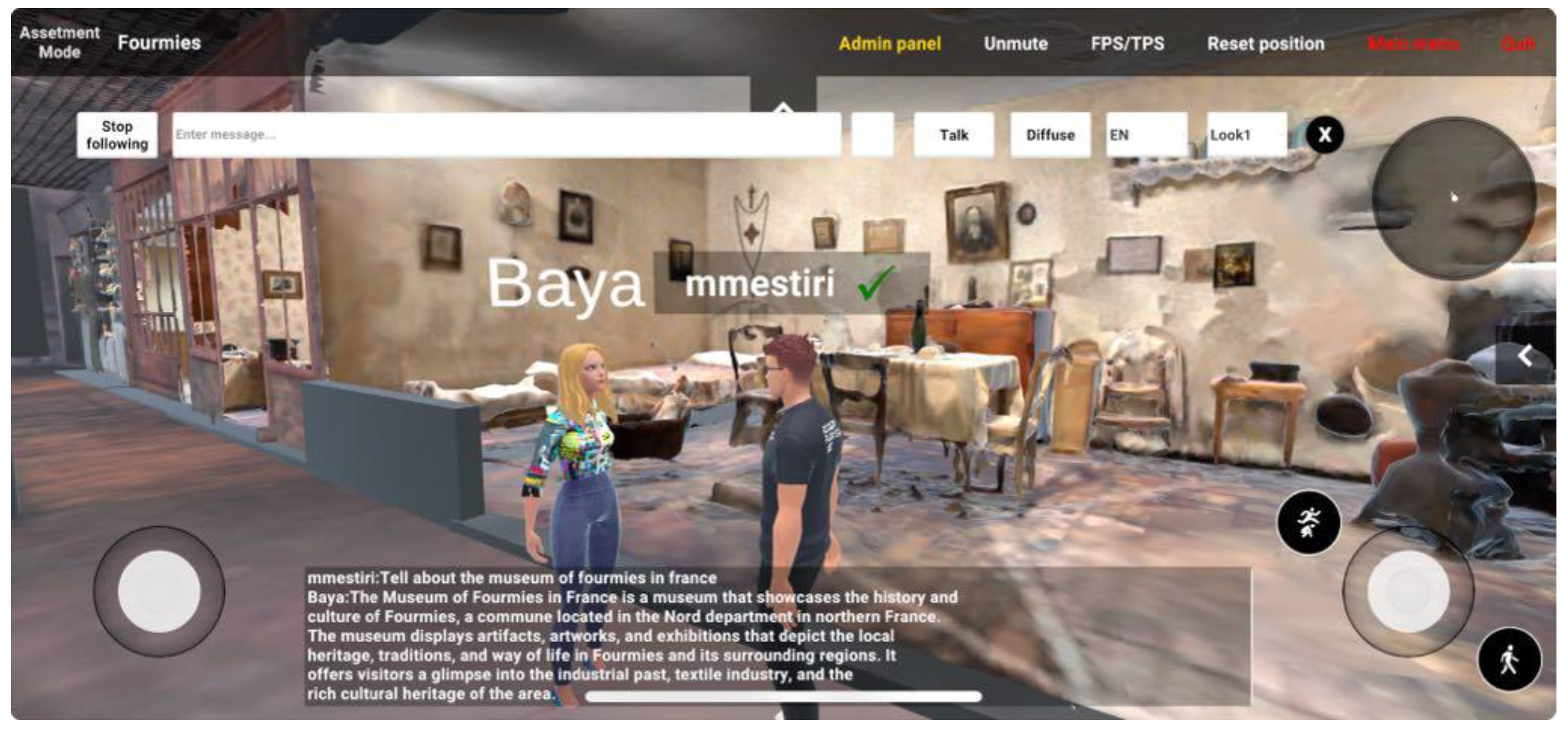
In addition to its robust social interaction framework, Vecos’ avatar system was enhanced by the use of virtual AI avatars named “BAYA”, which played a central role in the virtual Museum of L'Avenois. These AI-powered avatars served as interactive guides, offering visitors historical insights and context throughout their exploration of the reconstructed street. The AI avatars were programmed to engage with users through natural language processing (NLP), allowing participants to ask questions about specific artifacts, the industrial history of Fourmies, or other aspects of the Avesnois region. These avatars also facilitated guided tours, dynamically responding to user inquiries and providing personalized educational experiences.
Figure 6. Interaction with the AI avatar BAYA in the virtual museum of fourmies.
Preprints 144438 g006
The AI avatars were pivotal in fostering social interaction and immersive learning within the virtual environment. They were designed to replicate the role of a human docent, leading users through the virtual museum and interacting with them in real time. This use of AI created a more engaging and educational experience, making the interaction feel natural and lifelike.
The combination of user-controlled avatars and AI avatars in Vecos enabled both social exchanges between participants and meaningful interactions with the virtual museum’s AI guides. The AI avatars also supported the overall educational goals of the study by providing real-time, contextual explanations of historical artifacts and fostering deep engagement with the museum's content.

2.2.2. Interactive Object Management and Immersive Content

The interactive nature of the virtual reconstructed street was made possible by Vecos’ ability to manage and integrate interactive objects and multimedia content within the digital environment. Using Vecos’ content management system (CMS), the research team was able to embed a range of interactive elements throughout the virtual street, such as historical objects, informational panels, and multimedia exhibits. Participants could interact with 3D models of artifacts, triggering additional layers of information such as videos, historical facts, or audio descriptions that provided context for the objects they encountered.
The interactive objects deployed within the street were not merely static representations but dynamic elements that reacted to user engagement. For example, participants could manipulate digital artifacts, such as spinning wheels or artisan tools, which activated corresponding educational content. This hands-on interaction enhanced the learning experience, transforming users from passive observers to active participants in the exploration of industrial heritage.

2.2.3. Experimentation and Real-Time Data Collection
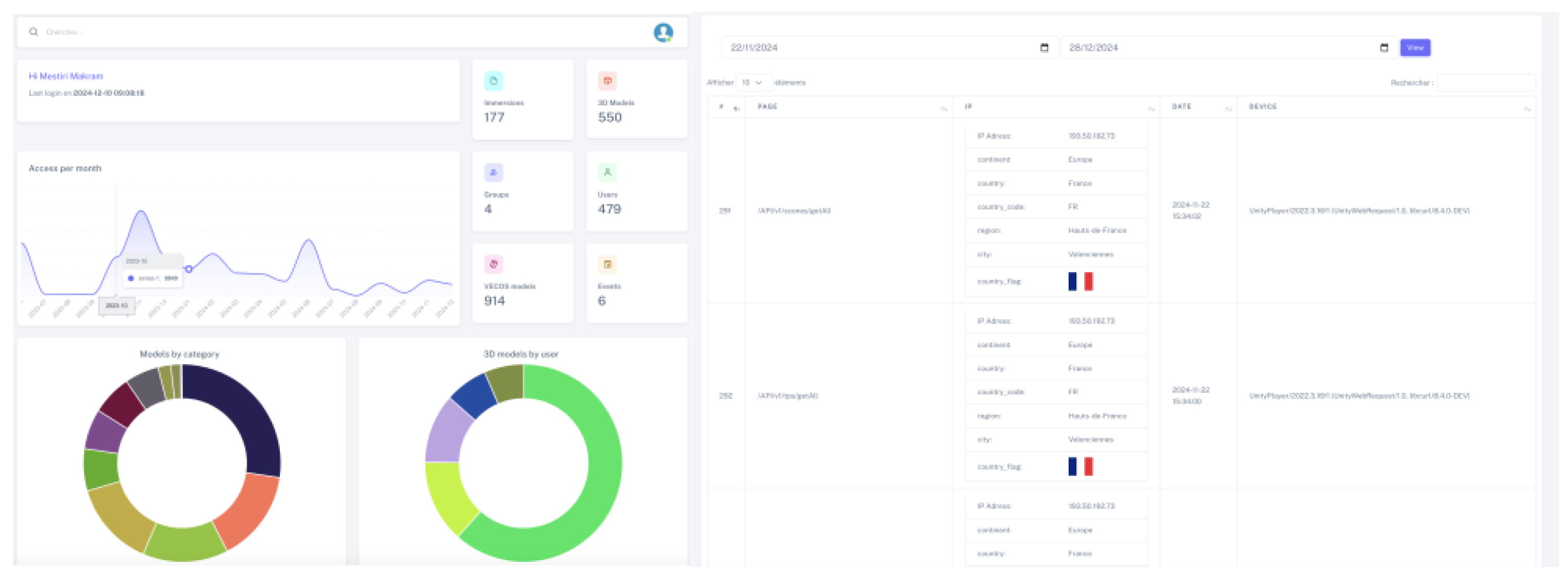
One of the most powerful features of Vecos lies in its built-in tools for real-time analytics and data collection, which were instrumental in measuring participant behavior, engagement, and social interaction during the experiment. Vecos’ analytics engine was used to track user activity, providing a granular view of how participants navigated the virtual space, interacted with objects, and engaged with one another.
Figure 7. VECOS Data interaction collection In-Action.
Preprints 144438 g007
The data logging capabilities of Vecos captured key metrics such as movement patterns, interaction hotspots, and user dwell times at specific locations within the street. This information was visualized through heatmaps, enabling the research team to identify areas of the virtual street that garnered the most user interest and engagement. This data was crucial in understanding how participants interacted with different artifacts and sections of the street, as well as how the design of the environment influenced user behavior.
Furthermore, Vecos supports detailed event tracking, allowing the research team to monitor specific interactions, such as when participants engaged with interactive exhibits, communicated with other avatars, or completed guided tours. This data allowed for a quantitative analysis of social interaction patterns, helping to assess the effectiveness of the virtual environment in fostering authenticity and engagement.

2.2.4. Cross-Platform Accessibility and Scalability

The cross-platform capabilities of Vecos were critical in ensuring that participants could access the virtual reconstructed street from a wide range of devices, including VR headsets, desktop computers, and mobile platforms. This flexibility was key to facilitating the participation of users with varying technical setups, allowing the experiment to reach a broader audience. Vecos’ cloud-based infrastructure ensured that all updates and interactions within the virtual space were synchronized across devices, providing a seamless experience for all users.
The platform’s scalability also allowed for the introduction of new features and content over time, ensuring that the virtual environment could evolve and expand in response to user needs and feedback. As the study progressed, new interactive elements, educational modules, and multiplayer activities were integrated into the virtual street, reflecting the platform's ability to support continuous design and experimentation.
In summary, Vecos was the backbone of this research, supporting the construction, interaction, and real-time experimentation within the virtual reconstructed street. Its avatar systems, social tools, interactive content management, and analytics capabilities enabled a comprehensive exploration of user behavior and social dynamics within a historically rich virtual space. Vecos’ flexibility and scalability proved invaluable in facilitating the creation and management of this immersive environment, laying the foundation for understanding social interaction in the metaverse. Building on this robust platform, the following Methodology section details how we structured the experimental process, managed participant interactions, and gathered data to evaluate both the efficacy of the digital reconstruction and the user experience within this innovative virtual space.

3. Designing the Participant Experience: Preparation, Grouping Protocols, and Interaction Strategies
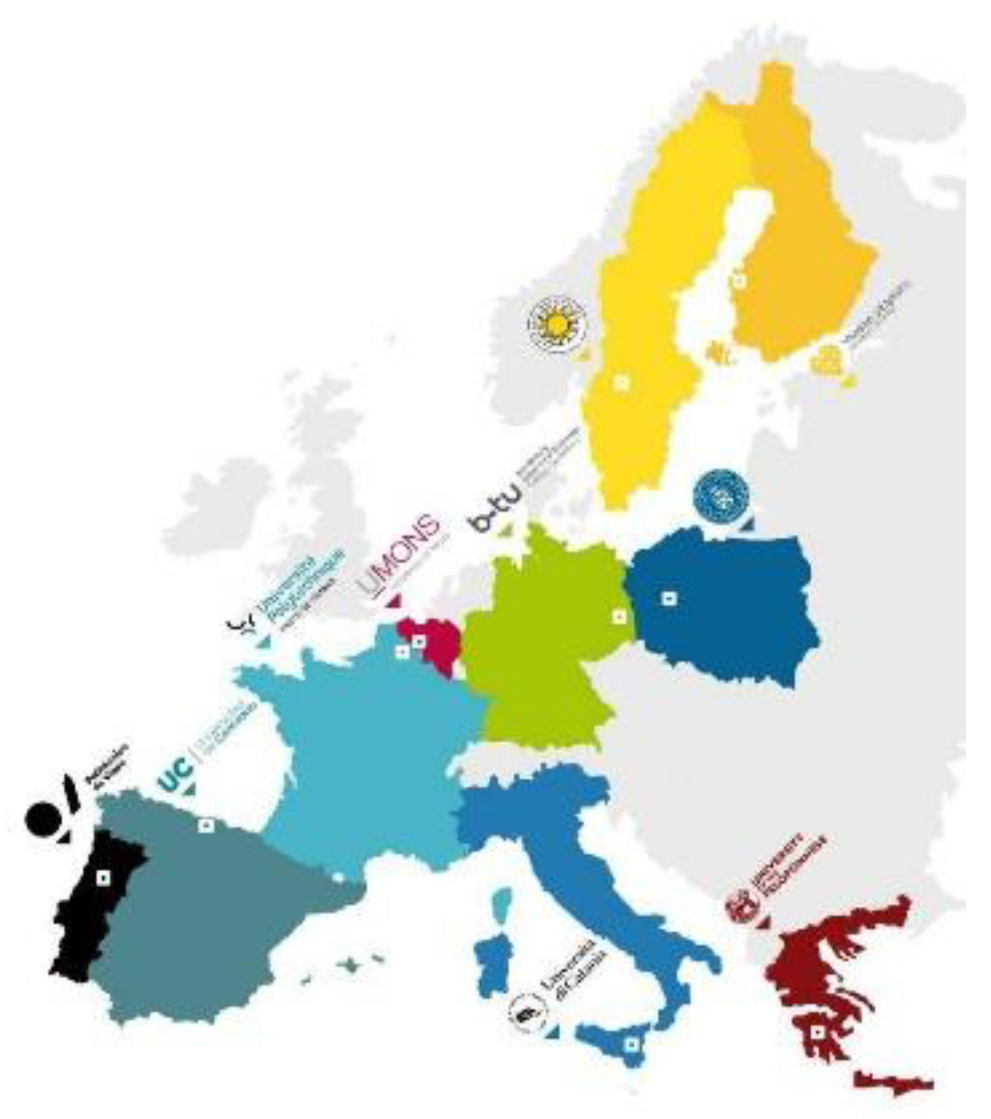
A total of 75 participants were recruited through the EUNICE (European University Network for Excellence), an academic consortium that promotes interdisciplinary exchange and excellence among universities across Europe [32]. These participants were specifically selected from a diverse range of countries and academic disciplines within the network, ensuring a heterogeneous group in terms of cultural backgrounds and fields of study. This diversity provided a robust sample to examine how varying user demographics engage with digital heritage content within a metaverse environment.
The recruitment process was initiated through an open call within the EUNICE program, wherein students were invited to subscribe to participate in an immersive exploration of the virtual Museum of L'Avenois using VECOS platform. This approach allowed for a transnational, interdisciplinary sample that could provide insights into the cross-cultural dynamics of social interaction, authenticity perception, and user engagement in digital heritage settings.
Figure 8. EUNICE universities.
Preprints 144438 g008
To simulate social interaction dynamics, the 75 participants were divided into virtual groups of 10-15 individuals. Each group was assigned a trained moderator, whose role was to facilitate the interaction between participants, guide them through the virtual exhibits, and ensure the effective use of Vecos’ advanced features. These moderators had undergone specialized training in the Vecos platform to ensure that they could efficiently support the participants in navigating the environment, engaging with interactive content, and making full use of the platform’s communication tools.
The moderators also played a crucial role in observing group behaviors, noting key interaction points, and providing real-time support where necessary. By facilitating small group discussions and guided tours, the moderators ensured that each group experienced the reconstructed street in a way that fostered both collaborative exploration and individual discovery. These group dynamics were carefully orchestrated to reflect real-world social interactions in heritage spaces, providing a rich dataset for subsequent analysis.

3.1. Data Collection Procedures and Data Analysis

Quantitative and qualitative data were collected through a combination of embedded analytics, user surveys, and focus groups. This mixed-methods approach allowed for a holistic evaluation of how participants interacted with the digital heritage content and engaged with one another within the virtual environment.
  • Embedded Analytics: The Vecos platform includes sophisticated real-time tracking of user behaviors, including navigation patterns, interaction points, and group communication dynamics. The platform’s analytics tools allowed the research team to capture detailed data on how participants moved through the virtual space, which exhibits attracted the most attention, and the nature and frequency of interactions between participants and the AI avatars. This interactional data was essential for understanding the degree to which participants engaged with both the digital content and their fellow users.
  • User Surveys: Following the virtual exploration, participants completed a detailed post-experience survey, which assessed their perceptions of the virtual environment in terms of authenticity, usability, and emotional engagement. The survey included Likert-scale items to measure user satisfaction with various aspects of the Vecos platform, such as the ease of navigation, the quality of social interactions, and the educational value of the exhibits. Open-ended questions allowed participants to provide qualitative feedback, offering deeper insights into how the virtual environment compared to traditional, in-person museum experiences.
  • Focus Groups: A series of focus groups was conducted with each of the virtual groups after their exploration of the museum. These focus groups provided a platform for more in-depth discussions about the participants' experiences. The conversations were transcribed and subjected to thematic analysis, which identified recurring themes related to user engagement, the perceived authenticity of the virtual environment, and the effectiveness of social interactions within the metaverse.
Data analysis followed a mixed-methods approach, combining statistical and qualitative techniques to derive comprehensive insights from the collected data.
  • Quantitative Analysis: The embedded analytics data was processed to identify patterns in user behavior, such as time spent on various exhibits, interaction frequencies, and navigation paths. Statistical methods, including regression analysis and ANOVA, were applied to determine the relationships between user engagement metrics and factors such as group size, prior experience with virtual environments. Additionally, heatmaps were generated to visualize areas of high user interaction, providing a spatial representation of participant engagement within the virtual museum.
  • Qualitative Analysis: The open-ended survey responses and focus group transcripts were analyzed using thematic coding, focusing on key themes such as authenticity, social interaction, and usability. The qualitative data was triangulated with the quantitative findings to provide a more nuanced understanding of how participants experienced the virtual environment. This convergent analysis approach allowed for a comprehensive evaluation of the research questions, ensuring that both behavioral patterns and subjective experiences were adequately captured.
This study adhered to the highest standards of research ethics, with approval obtained from the institutional review board (IRB) of the lead university. All participants were fully informed about the nature of the study and their rights as participants, including their right to withdraw from the study at any time without consequence. Informed consent was obtained from all participants before their involvement in the virtual exploration, and strict confidentiality measures were implemented to ensure the anonymity of all data collected.

3.2. Conclusions

In summary, the methodological approach of this study carefully integrated both quantitative and qualitative techniques to investigate the dynamics of user engagement, authenticity, and social interaction within the virtual Museum of L'Avenois. The recruitment of a diverse cohort of participants from the EUNICE European University Network provided a rich sample for examining how individuals from varied cultural and academic backgrounds interacted within a metaverse-based cultural heritage environment. By employing Vecos' interactive tools, AI avatars, and group-based exploration, the study successfully simulated both individual and collaborative engagement with historical content.
The meticulous design of the experiment, facilitated through real-time embedded analytics, post-experience surveys, and focus groups, allowed for a comprehensive examination of how virtual environments can foster both social and educational experiences. The triangulation of behavioral data with user perceptions ensures that the forthcoming analysis captures both the objective and subjective dimensions of user interaction within the digital museum.
In the following Results section, we will present the empirical findings, focusing on patterns of user behavior, engagement, and social dynamics within the virtual space. This analysis will provide critical insights into the effectiveness of the digital reconstruction, as well as the challenges and opportunities that arise when leveraging metaverse technologies for the preservation and dissemination of cultural heritage.

4. Results

This section presents the findings from the mixed-methods analysis of the user experience within the virtual replica of the Museum of L’Avenois. The results are divided into three key themes based on the research objectives: user engagement, perceived authenticity, and social interaction. The analysis integrates both quantitative data from the surveys and qualitative insights from the semi-structured interviews. Through this comprehensive approach, we aim to offer a nuanced understanding of how the metaverse influences user behavior and perceptions in a cultural heritage context.

4.1. User Engagement

4.1.1. Quantitative Findings
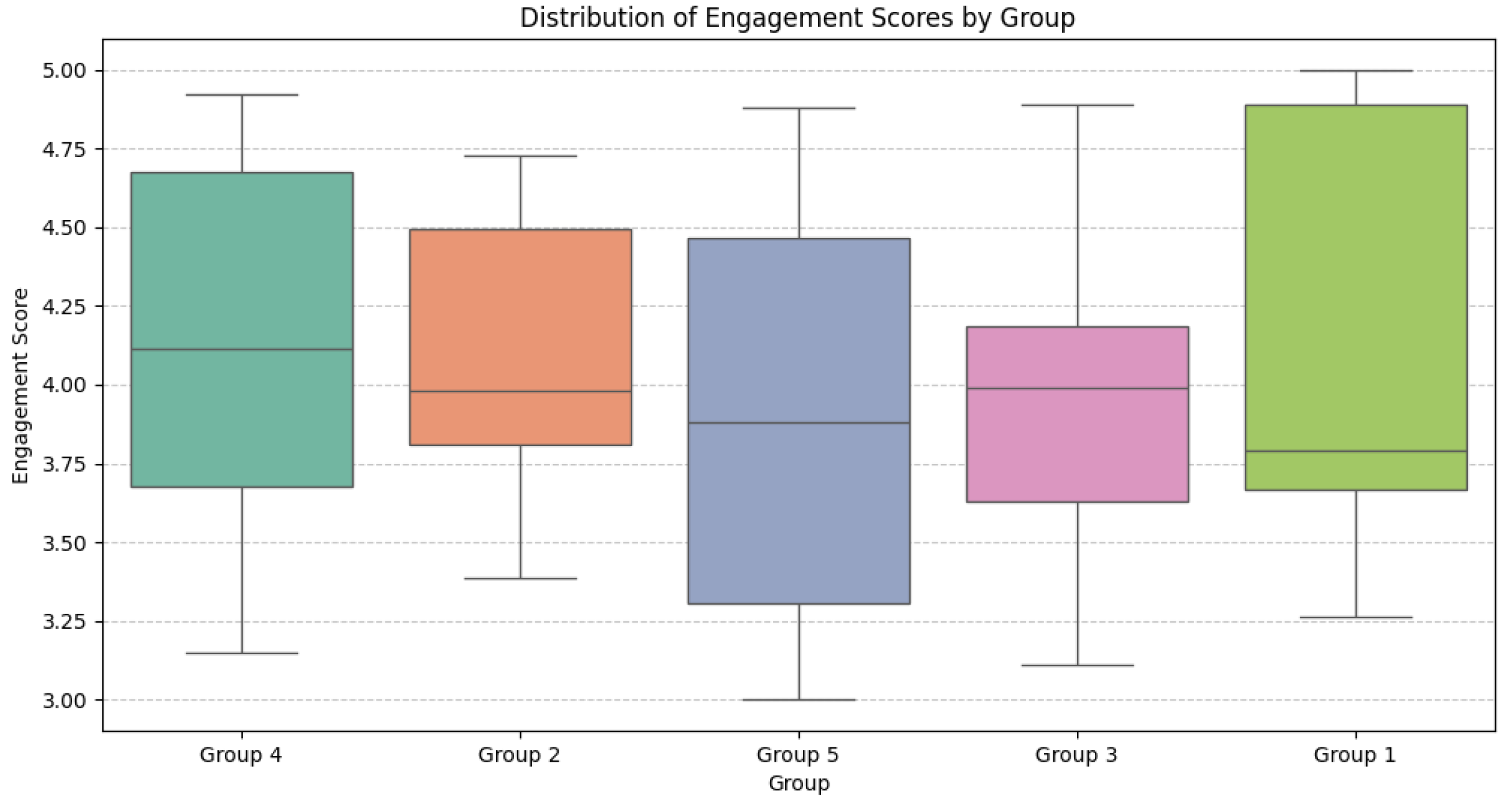
The survey data revealed generally high levels of engagement with the virtual museum. The majority of respondents (85%) reported that they found the digital environment immersive and engaging, with a mean score of 4.3 out of 5 on the engagement scale. However, this overall engagement varied significantly across different user groups. Experienced users of virtual environments, such as gamers, reported higher levels of satisfaction (mean score = 4.6) compared to novice users (mean score = 3.8, p < 0.01). The difference in engagement levels indicates that prior experience with virtual spaces significantly affects how users interact with and navigate the metaverse.
Notably, respondents also indicated that certain interactive features, such as the ability to manipulate 3D models of artifacts, enhanced their experience. Approximately 70% of users agreed that the interactivity offered by the metaverse allowed for a richer exploration of the museum’s collection than they would have experienced in a physical museum setting. However, this benefit was not without limitations: 35% of users expressed some degree of frustration with the navigation system, particularly when moving between different sections of the virtual museum. This suggests that while the potential for engagement is high, the design and usability of the interface can either enhance or hinder the user experience.
Figure 9. Distribution of Engagement Scores by Group.
Preprints 144438 g009

4.1.2. Qualitative Insights

In the interviews, participants offered more detailed reflections on their engagement with the virtual museum. Many interviewees described the virtual environment as "visually stunning" and "highly immersive." One participant remarked, "It felt like I was truly walking through the museum, and the ability to zoom in on artifacts made it feel very personal." This personalized engagement was particularly appreciated when users were able to explore previously inaccessible artifacts in detail, such as rare textiles and tools from the museum’s private collection.
However, several interviewees highlighted challenges related to sensory overload. One participant noted, "There’s so much going on visually that I sometimes found it hard to focus on a single exhibit." This feedback aligns with the survey results, where a subset of users reported feeling overwhelmed by the interactive features. The qualitative data thus supports the quantitative findings, revealing that while interactivity enhances engagement, the complexity of the virtual environment can sometimes detract from the experience, particularly for novice users. As one interviewee put it, "It’s an amazing experience, but there’s a learning curve."

4.1.3. Reflection on User Engagement

The results suggest that the metaverse offers significant opportunities for enhancing user engagement with cultural heritage, particularly through interactivity and immersive design. However, these findings also point to a critical tension: the more complex the environment, the more it may overwhelm users, particularly those less experienced with digital technologies. This tension underscores the importance of user-centered design in virtual museum environments. Developers must balance interactivity with accessibility to ensure that all users, regardless of their digital literacy, can fully engage with the content. These variabilities contribute to the broader literature on digital engagement, supporting the argument that virtual environments can surpass physical spaces in terms of accessibility and exploration, but only if designed with the user’s cognitive load in mind.

4.2. Perceived Authenticity

4.2.1. Quantitative Findings
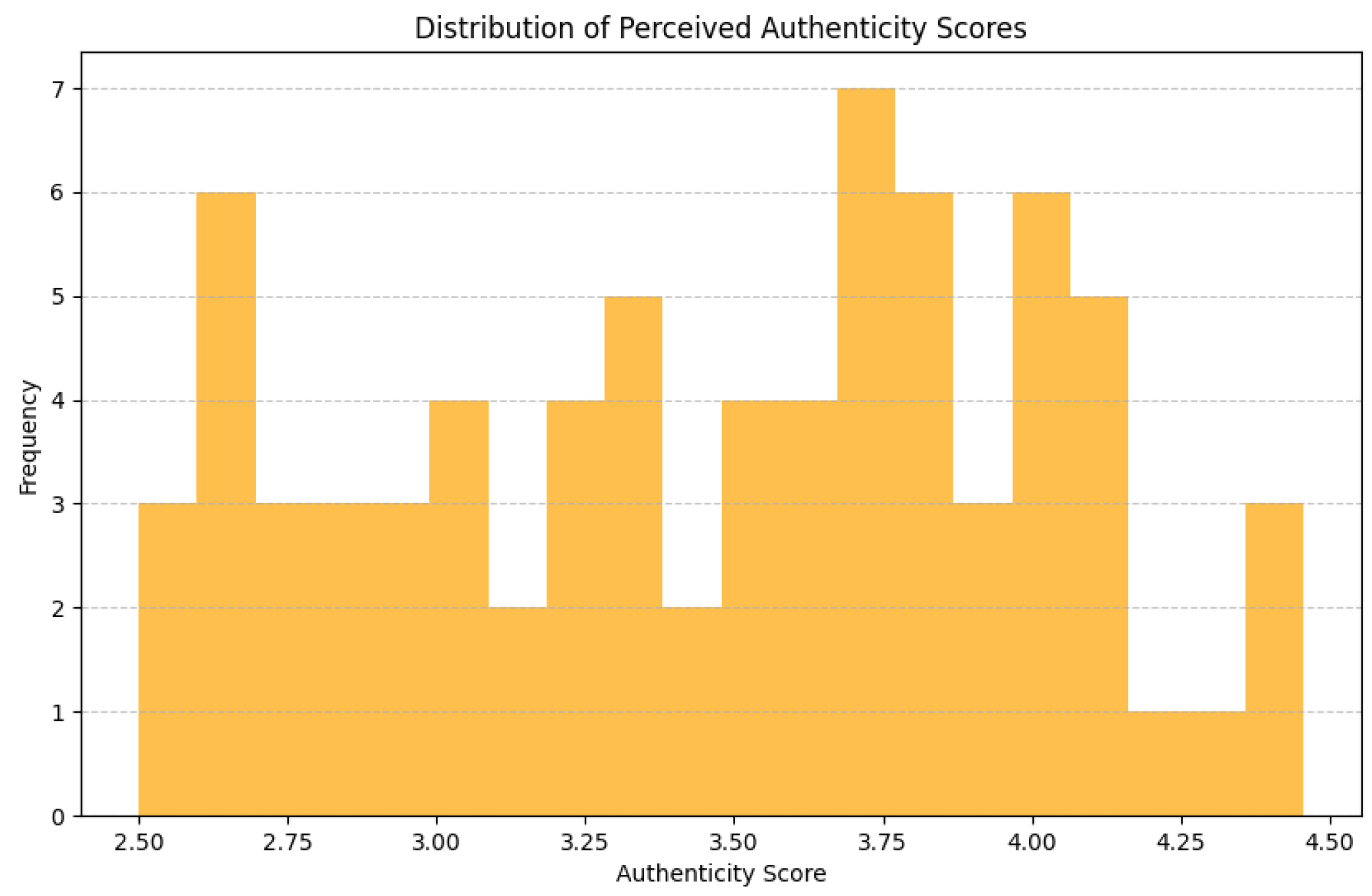
The question of authenticity in the virtual museum generated more mixed results. While 62% of respondents agreed that the digital artifacts felt "authentic" (mean score = 3.9), a substantial minority (38%) reported difficulties in perceiving the same level of authenticity they would expect in a physical museum. When asked to compare their experience in the virtual museum to physical visits, respondents rated the virtual museum lower in terms of emotional impact and sense of connection with the artifacts (mean score = 3.4 out of 7). This divergence is particularly pronounced among older participants (aged 40+), who consistently rated the authenticity lower (mean score = 3.1) than younger users (mean score = 4.0, p < 0.05).
Figure 10. Distribution of Perceived Authenticity Scores.
Preprints 144438 g010
Interestingly, those who engaged with the interactive storytelling features, such as historical narratives delivered through virtual guides, reported higher levels of perceived authenticity. Participants who interacted with these elements rated their experience as more authentic than those who primarily focused on visual exploration of the artifacts alone (mean score = 4.2 vs. 3.5, p < 0.01). This suggests that narrative context may play a crucial role in enhancing the perception of authenticity in digital environments.

4.2.2. Qualitative Insights

The interviews provided a deeper understanding of why some users struggled with the notion of authenticity in the virtual museum. Several participants described the virtual artifacts as feeling “detached” or “lacking substance.” One interviewee commented, "Seeing an object on a screen, no matter how detailed, isn’t the same as standing in front of it." This feeling of detachment was particularly strong among older participants, many of whom noted that they were more accustomed to the sensory experience of a physical museum. As one participant noted, "The digital space is impressive, but it doesn’t have the same atmosphere or weight as the real museum."
At the same time, participants who engaged with the interactive elements, particularly the storytelling components, reported a stronger sense of connection. One interviewee explained, "When the virtual guide told the story behind the object, it brought the experience to life." This response suggests that narrative and emotional engagement can mitigate some of the perceived loss of authenticity in virtual spaces, aligning with previous research that highlights the importance of contextualization in digital.

4.2.3. Reflection on Perceived Authenticity

These results illustrate the complex relationship between authenticity and digital representation. While the metaverse allows for a high level of visual fidelity, the lack of materiality remains a significant barrier to achieving full authenticity for some users. However, the positive impact of storytelling and narrative features suggests that digital environments can evoke a sense of authenticity when they go beyond mere visual replication and engage users emotionally. These findings emphasize the need for cultural institutions to incorporate narrative elements that can contextualize digital artifacts and foster a deeper emotional connection with visitors, thus compensating for the absence of physical presence.

4.3. Social Interaction

4.3.1. Quantitative Findings
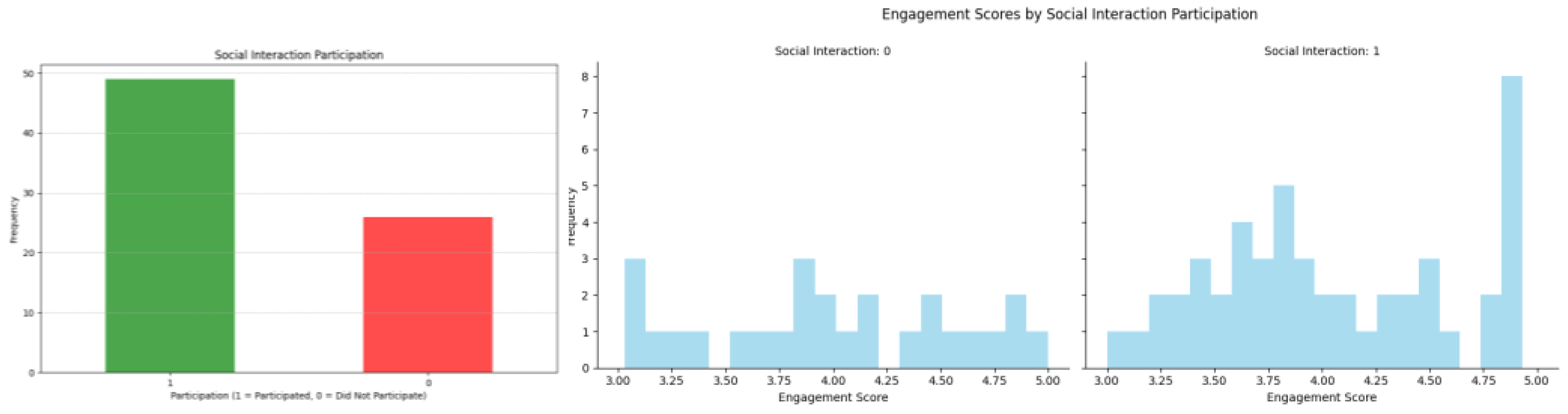
Social interaction within the metaverse was another key focus of the study. The survey results indicate that users who participated in social activities, such as group tours or live discussions, reported higher overall satisfaction with the virtual museum (mean score = 4.5) compared to those who explored the space alone (mean score = 3.9, p < 0.01). Social interaction appeared to enhance the sense of presence within the virtual environment, with 75% of respondents agreeing that communicating with other users made the experience more meaningful.
Figure 11. Engagement Scores by social Interaction Participation.
Preprints 144438 g011
However, the data also revealed that not all users took advantage of the social features. Around 40% of respondents reported that they did not engage in any social activities during their visit, either because they were not aware of them or because they preferred a solitary experience. This suggests that while social interaction can enhance engagement, it may not be equally appealing or accessible to all users.

4.3.2. Qualitative Insights

The interviews offered more detailed insights into the role of social interaction in the metaverse. Many participants who engaged with the social features described them as "transformative." One interviewee remarked, "It was like walking through the museum with friends, even though we were all in different countries." This sense of community was particularly strong for participants who attended group tours led by virtual guides. Another participant noted, "The live guide really made the experience feel more human. It wasn’t just me alone with a screen, I was part of something bigger."
However, some participants expressed frustration with the social features, particularly in terms of technical difficulties. One user commented, "The chat function was clunky, and it was hard to coordinate with other people." This suggests that while social interaction can enhance the experience, technical execution is crucial to ensuring that these interactions are smooth and seamless.

4.3.3. Reflection on Social Interaction

The findings indicate that social interaction can significantly enhance the virtual museum experience by fostering a sense of community and shared engagement. These results align with existing literature on the role of social presence in virtual environments, which suggests that interaction with other users enhances the sense of immersion and emotional connection. However, the mixed responses regarding the accessibility of social features indicate that cultural institutions must carefully design and promote these interactions to ensure that they are both intuitive and appealing to all user types.

4.4. Conclusion

In sum, the results of this study underscore the complex dynamics of user engagement, authenticity, and social interaction within the metaverse.
While the virtual Museum of L’Avenois demonstrates significant potential for enhancing cultural access and engagement, its effectiveness hinges on the careful integration of interactive features, narrative elements, and social tools. These findings highlight the necessity of user-centered design in virtual environments, particularly the need to balance interactivity with usability, and authenticity with emotional engagement.
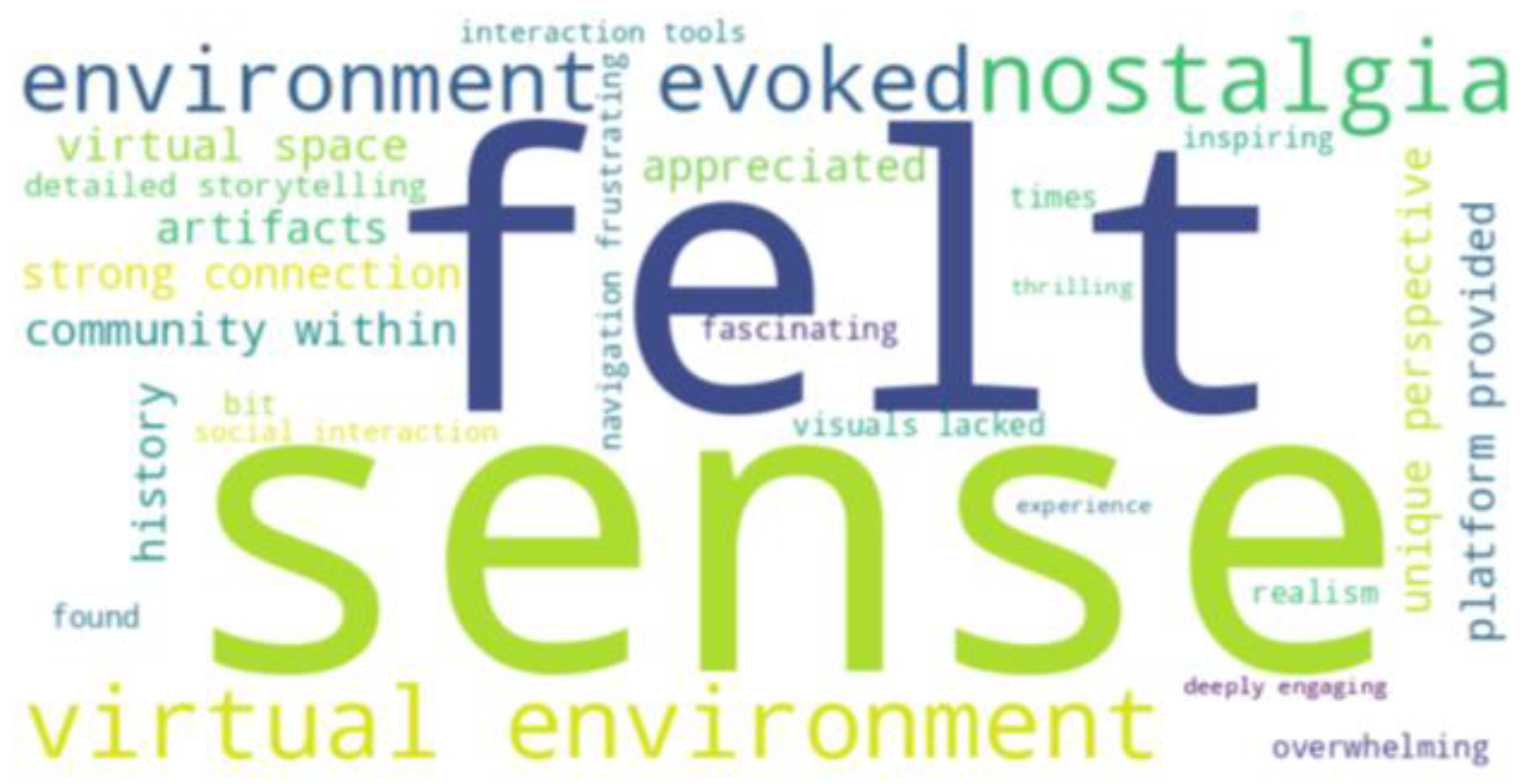
Figure 12. Word Cloud of Emotional Remarks.
Preprints 144438 g012
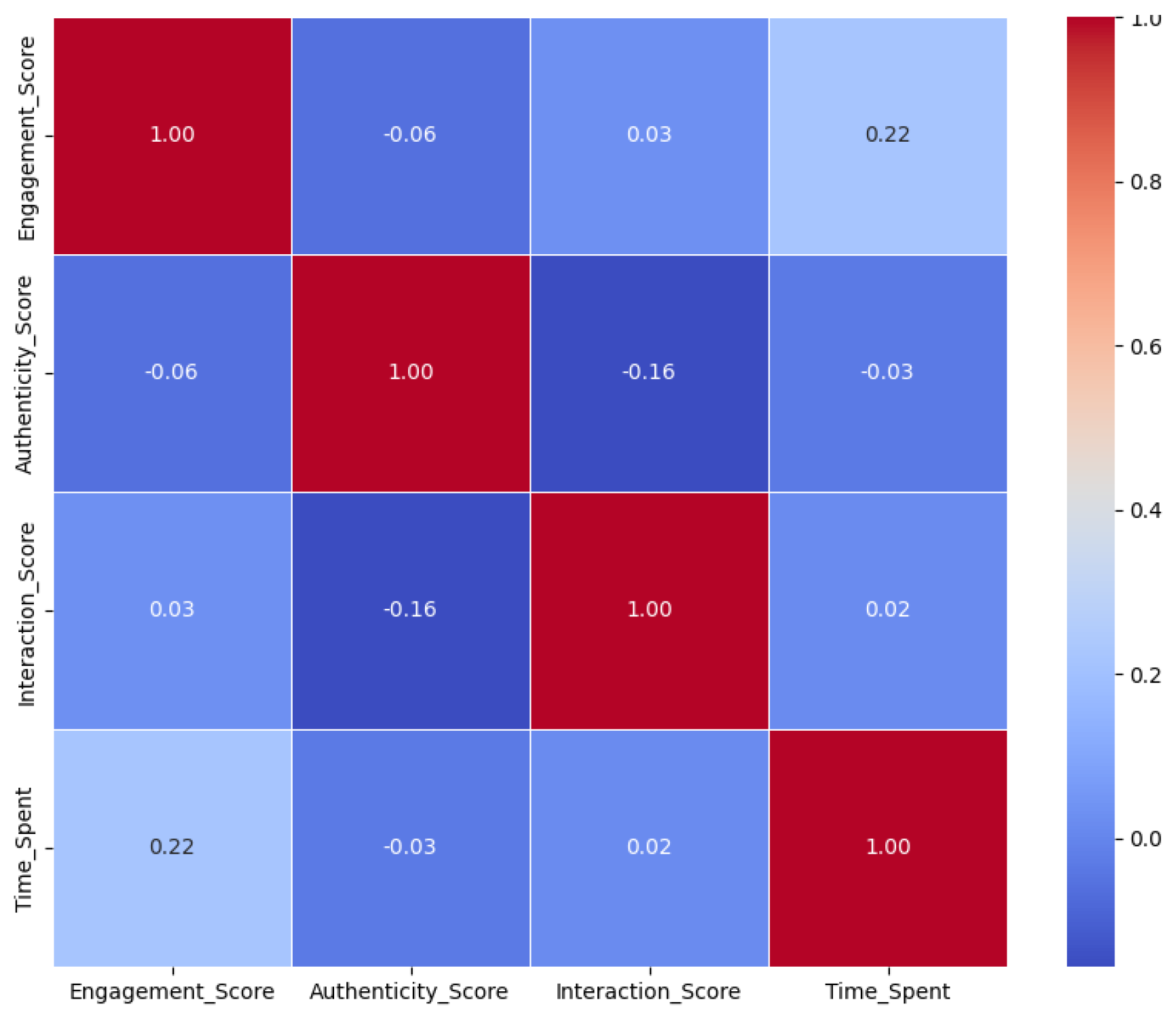
Figure 13. Correlation HeatMap of Key Metrics.
Preprints 144438 g013
As the metaverse continues to evolve, these insights will be critical for cultural institutions aiming to optimize their digital strategies and deliver meaningful, immersive experiences for a diverse audience.
In the following Discussion section, we will critically reflect on these results, examining their implications for the future of cultural heritage in the metaverse. We will explore the strengths and limitations of the virtual museum experience, consider potential improvements, and discuss the broader relevance of these findings for digital heritage preservation and user engagement in virtual spaces.

5. Discussion

By combining quantitative and qualitative data, we were able to provide a multifaceted analysis of how users interact with cultural content in a virtual environment. This discussion interprets the findings within the broader context of existing research on virtual museums, immersive technologies, and digital heritage, while also considering the theoretical implications and practical applications of the results.

5.1. Enhancing User Engagement: Opportunities and Challenges
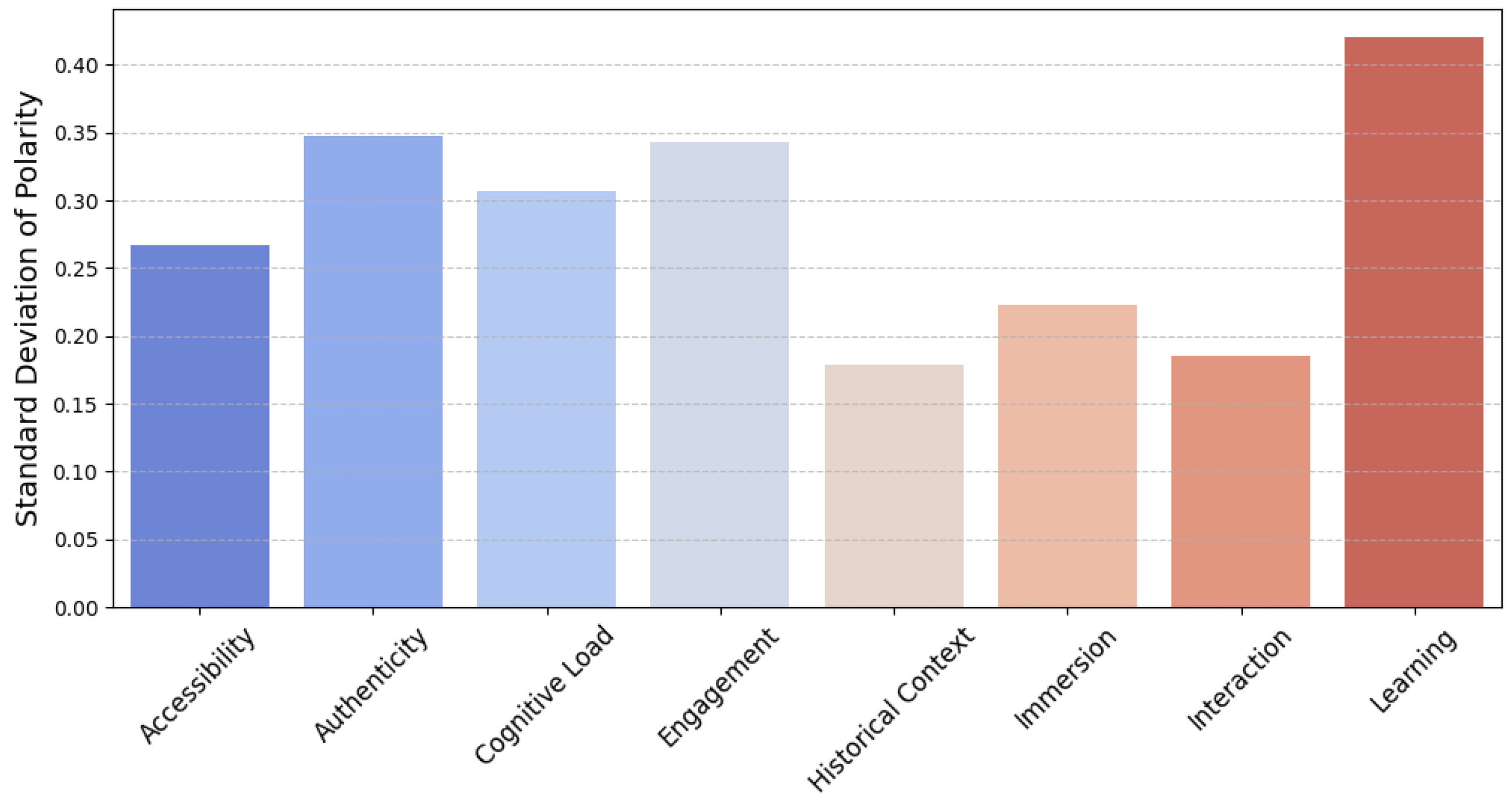
The results of the study suggest that the metaverse offers significant potential for enhancing user engagement, particularly through interactivity and immersive design. Most respondents reported high levels of engagement, with many highlighting the benefits of interactive features such as the ability to manipulate 3D models of artifacts. These findings align with previous research that underscores the importance of interactivity in digital environments. Virtual reality and augmented reality technologies can greatly enhance user engagement by providing a more dynamic, hands-on experience compared to traditional museum exhibits. The ability to explore objects from different angles, zoom in on details, and interact with the environment fosters a sense of agency that is often lacking in static displays.
However, our findings also reveal a critical challenge: while interactivity enhances engagement, it can also lead to cognitive overload, particularly for novice users. Approximately 35% of participants expressed frustration with the navigation and the complexity of the virtual museum. This finding is consistent with studies that highlight the risk of sensory overload in highly interactive digital environments. Users may struggle to focus on key elements when presented with too many interactive options or when the user interface is not intuitive. Virtual environments must be carefully designed to balance interactivity with usability, ensuring that users are not overwhelmed by the complexity of the system.
Figure 14. Variability in Sentiment Polarity by Theme.
Preprints 144438 g014
This tension between engagement and usability points to a fundamental challenge in designing virtual museum experiences: how to maximize interactivity without sacrificing user experience. Our results suggest that while experienced users of virtual environments (such as gamers) tend to thrive in highly interactive spaces, novice users often struggle to adapt. As such, developers of virtual museums must consider creating multiple user pathways, one for experienced users who prefer a more complex, exploratory experience, and another for novices who may benefit from a more guided, structured interaction with the content. This approach would align with the principle of adaptive design, which allows users to customize their experience based on their preferences and comfort level.
Moreover, the qualitative data suggests that the ability to access previously unavailable artifacts was a key factor in enhancing user engagement. Participants expressed particular enthusiasm for the virtual museum’s inclusion of rare artifacts that are not displayed in the physical museum due to space limitations. By digitizing collections and making them accessible in virtual spaces, museums can democratize access to cultural artifacts, providing opportunities for global audiences to engage with content that would otherwise remain inaccessible.

5.2. Authenticity in the Virtual Space: Perception vs. Reality
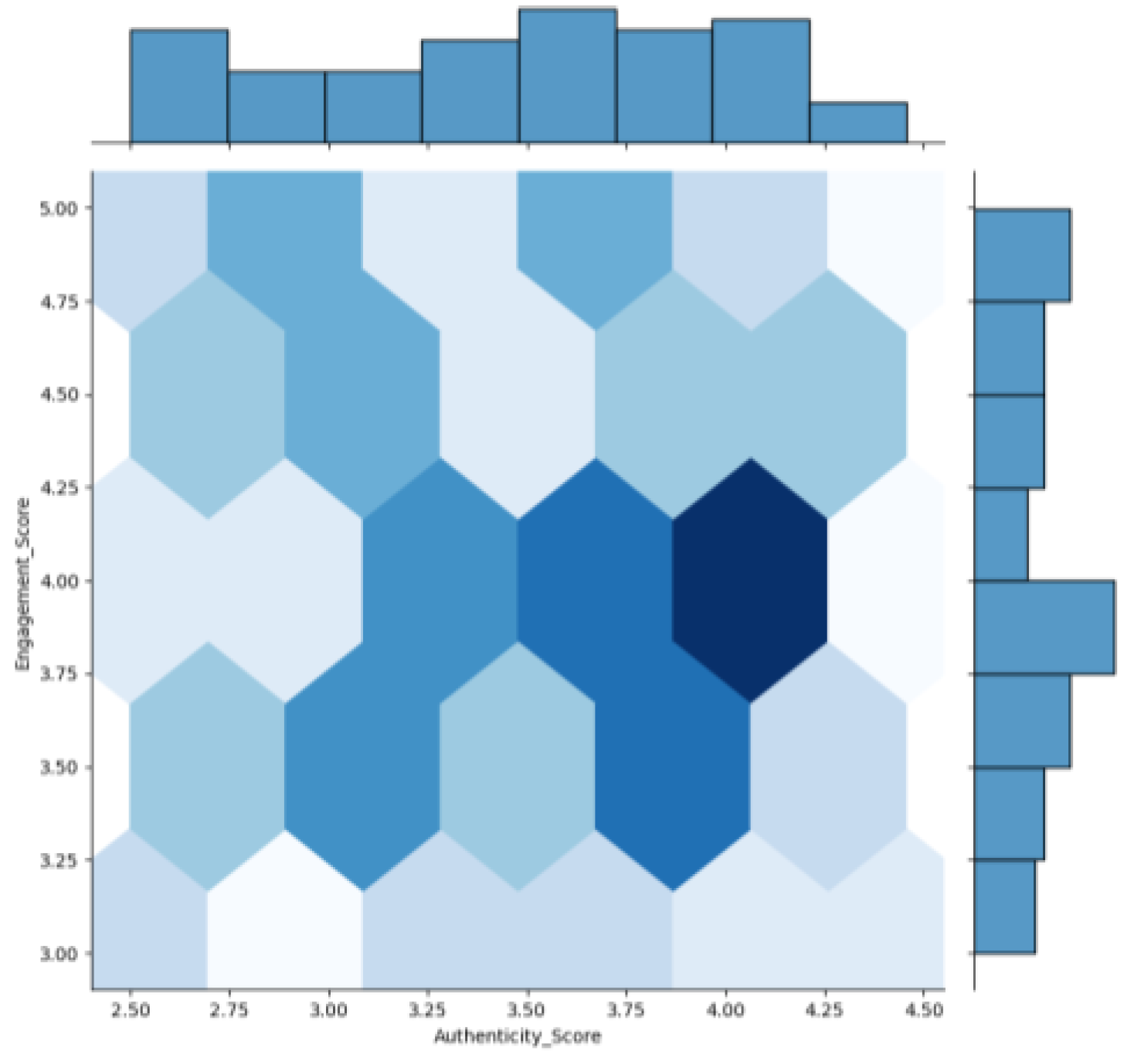
One of the central concerns in the digitization of cultural heritage is the question of authenticity. The results of this study reveal a nuanced picture of how users perceive authenticity in virtual environments. While the majority of respondents (62%) reported that the digital artifacts felt authentic, a substantial minority (38%) struggled to perceive the same level of authenticity they would expect in a physical museum. This finding is consistent with existing literature on the challenges of replicating authenticity in virtual spaces. Walter Benjamin’s [4] concept of the “aura” of an artifact, the unique presence of a cultural object that is tied to its specific time and place, remains relevant in the digital age. As Benjamin argued, mechanical reproduction diminishes the aura of an artwork or artifact, and this loss is even more pronounced in digital reproduction, while virtual environments can replicate the visual appearance of artifacts with great precision, they often fail to convey the materiality and historical context that contribute to an artifact’s authenticity. This is consistent with the qualitative feedback from our study, where several participants described the virtual artifacts as feeling “detached” or “lacking substance.”. This emotional detachment suggests that while digital replicas can provide visual and intellectual engagement, they often fall short in creating an emotional connection with the viewer.
Figure 15. Joint Distribution of Engagement and Authenticity Scores.
Preprints 144438 g015
Interestingly, our findings also indicate that the use of narrative elements, such as virtual guides and storytelling features, can enhance the perception of authenticity. Participants who engaged with these features reported higher levels of perceived authenticity than those who focused primarily on the visual exploration of the artifacts. The narrative context is critical to the perception of authenticity in virtual environments. By providing historical and cultural context, storytelling can help bridge the gap between the digital and the physical, allowing users to connect more deeply with the artifacts.
This emphasis on narrative and emotional engagement suggests that virtual museums need to go beyond visual fidelity in their quest to replicate authenticity. While high-resolution 3D models are important, they are not sufficient to recreate the full museum experience. Instead, museums must incorporate narrative elements, immersive storytelling, and emotional engagement tools to create a more holistic experience. This approach aligns with the concept of “experiential authenticity,” which focuses on the user’s emotional and cognitive engagement with the cultural content, rather than the material authenticity of the objects themselves.

5.3. The Role of Social Interaction in the Metaverse

One of the most promising aspects of the metaverse is its capacity to foster social interaction. Our study found that participants who engaged in social activities, such as group tours or live discussions, reported significantly higher levels of satisfaction with the virtual museum. These findings are consistent with previous research that emphasizes the importance of social presence in virtual environments. Social interaction enhances the sense of immersion, making the experience feel more "real" and emotionally engaging.
The metaverse’s ability to support real-time communication and collaboration has significant implications for the future of museum visits. Traditional museums have long been spaces for both individual reflection and communal exploration. Visitors often engage in discussions with companions, participate in group tours, and share their interpretations of exhibits. The metaverse replicates these social dynamics through the use of avatars, chat functions, and virtual guides, allowing users to interact in real-time with both the content and each other. This social dimension is crucial for creating a sense of presence in the virtual space, as it mirrors the communal aspects of the physical museum experience.
However, our findings also suggest that not all users take advantage of the social features in the metaverse. Approximately 40% of respondents reported that they did not engage in any social activities during their visit, largely because they preferred interacting with personal AI avatars rather than participating in group dynamics. This preference highlights the evolving expectations of users in virtual environments, where personalized and responsive AI-driven interactions may offer a more appealing alternative to traditional social features. Participants expressed a preference for interacting with AI avatars over traditional social activities due to the personalized, flexible, and non-intrusive nature of AI-driven engagement. AI avatars provide tailored experiences, adapting to individual preferences and offering context-specific guidance, which allows users to explore the virtual museum at their own pace. This autonomy appeals to those who prioritize control over their experience or feel uncomfortable in group settings. Moreover, AI avatars eliminate barriers associated with social interaction, such as anxiety or the need for coordination, creating a stress-free environment for learning and exploration. The novelty and sophistication of AI technology further enhance its appeal, as participants are drawn to the immersive storytelling, real-time feedback, and lifelike interactions these avatars offer. This preference underscores the evolving expectations of users in digital environments, highlighting the importance of integrating adaptive and intuitive AI features to enrich virtual experiences and foster meaningful engagement.

5.4. Implications for Cultural Heritage Institutions

The findings of this study have important implications for cultural heritage institutions seeking to expand their digital presence through the metaverse. First, the results suggest that virtual museums offer significant opportunities for enhancing accessibility and engagement, particularly through interactivity and social interaction. By digitizing collections and making them accessible in immersive environments, museums can reach broader, more diverse audiences, providing opportunities for global engagement with cultural heritage. This aligns with the growing trend toward the democratization of cultural heritage, where digital platforms are used to make cultural content more widely available.
However, the findings also highlight several challenges that cultural institutions must address if they are to fully realize the potential of the metaverse. The issue of perceived authenticity remains a significant barrier to user engagement, particularly for older users and those accustomed to the sensory experience of physical museums. To address this, museums must focus on creating a more holistic digital experience that goes beyond visual replication and incorporates narrative, emotional, and social elements. The future of virtual museums lies in their ability to create meaningful, emotionally engaging experiences that resonate with users on a deeper level.
Additionally, the results underscore the importance of user-centered design in virtual environments. Cultural institutions must ensure that their digital platforms are accessible to a wide range of users, from novice to experienced, and that they offer a variety of engagement pathways to accommodate different preferences and levels of digital literacy.

5.5. Conclusion

In conclusion, this study provides valuable insights into the complex dynamics of user engagement, authenticity, and social interaction in the metaverse. While the virtual Museum of L’Avenois offers significant opportunities for enhancing cultural engagement, its success depends on the thoughtful integration of interactive features, narrative elements, and social tools. As the metaverse continues to evolve, these insights will be crucial for cultural institutions seeking to optimize their digital offerings and create meaningful, immersive experiences for diverse audiences. The findings contribute to the broader discourse on digital heritage, offering practical recommendations for the design and implementation of virtual museums in the digital age.

6. Future Work

Looking ahead, the next phase of our research will embrace the integration of neurotechnologies to capture more nuanced, real-time insights into the cognitive and emotional states of users as they interact with digital heritage in the metaverse. While traditional methods such as surveys, interviews, and behavioral tracking have provided valuable data, they offer only a surface-level understanding of user engagement. These methods fall short in revealing the unconscious physiological and emotional responses that drive user behavior and interaction in digital environments.
By incorporating neurotechnological tools such as Emotiv and Emwave, we aim to deepen our understanding of user experience through the measurement of quantifiable metrics related to emotional engagement, cognitive load, and stress response. These tools will allow us to assess how users emotionally and cognitively respond to different elements of the virtual museum, offering insights into which features enhance or detract from the immersive experience. This neurotechnological approach will mark a significant shift toward more precise and real-time data collection, opening new pathways for optimizing the design of virtual cultural experiences to better resonate with users on both cognitive and emotional levels.

References

  1. Flavián, C.; Ibáñez-Sánchez, S.; Orús, C. The impact of virtual, augmented and mixed reality technologies on the customer experience. J. Bus. Res. 2019, 100, 547–560. [Google Scholar] [CrossRef]
  2. Dwivedi, Y.K.; Hughes, L.; Baabdullah, A.M.; Ribeiro-Navarrete, S.; Giannakis, M.; Al-Debei, M.M.; Dennehy, D.; Metri, B.; Buhalis, D.; Cheung, C.M.; et al. Metaverse beyond the hype: Multidisciplinary perspectives on emerging challenges, opportunities, and agenda for research, practice and policy. Int. J. Inf. Manag. 2022, 66. [Google Scholar] [CrossRef]
  3. Ritterbusch, S. , & Teichmann, R. (2023). Exploring industrial heritage through virtual environments: Insights from the Museum of L'Avenois. Heritage Science, 11(1), 101–119.
  4. Benjamin, W. (1936). The Work of Art in the Age of Mechanical Reproduction.
  5. Leopardi, G. , & Russo, P. (2021). Authenticity and aura in digital heritage: Bridging the material and virtual. Digital Applications in Archaeology and Cultural Heritage, 22, e00234.
  6. Giovannini, E. , & Bono, M. (2023). Virtual museums and social interaction: Challenges and design strategies. Convergence: The International Journal of Research into New Media Technologies, 29(3), 301–322.
  7. Lee, C. M. (2023). Cognitive load in interactive digital environments: Implications for virtual museum design. Frontiers in Psychology, 14, 1002009.
  8. Flavián, C. , Ibáñez-Sánchez, S. ( 16(2), 18.
  9. Ritterbusch, S. , & Teichmann, R. (2023). Integrating inaccessible collections into virtual museums: A case study. Heritage Science, 11(1), 112.
  10. Giovannini, E. , & Bono, M. (2023). Social interaction in the metaverse: Enhancing engagement through collaborative experiences. Virtual Archaeology Review, 14(2), 5–15.
  11. Flavián, C. , et al. ( 15(3), 344–359.
  12. Ritterbusch, S. , et al. (2023). Mixed-methods approaches in virtual museum studies. Journal of Cultural Heritage, 34, 100–115.
  13. Leopardi, G. , et al. ( 22, e00250.
  14. Dwivedi, Y. K. , et al. ( 11, 131–152.
  15. Hardy-Hémery, O. (2002). La naissance de l'industrie sidérurgique dans le Nord de la France. Revue du Nord, 84(350), 31-58.
  16. Menard, A. , & Dupont, L. (2018). Industrial heritage and social narratives: Reimagining history through virtual reconstruction. Journal of Heritage Studies, 24(3), 257–272.
  17. Holliday, K. (2020). Recreating urban landscapes in virtual environments: A study of industrial France. Digital Humanities Quarterly, 14(4), 200–222.
  18. Barthes, R. (1972). Mythologies. Hill and Wang.
  19. Baudrillard, J. (1994). Simulacra and Simulation. University of Michigan Press.
  20. Smith, L. (2006). Uses of Heritage. Routledge.
  21. Salvatore, D. , & Hecht, S. (2019). Labor unrest in industrial France: A case study of Fourmies. European Review of Social History, 26(1), 45–63.
  22. Armitage, K. , & Zinn, A. (2021). Balancing industrial progress and social equity: Lessons from digital heritage projects. Heritage & Society, 14(2), 119–134.
  23. Chevalier, M. (2022). The role of interactive VR in historical education: Insights from French ecomuseums. Virtual Heritage Quarterly, 5(1), 87–102.
  24. Durand, P. , & Lambert, S. (2023). Innovative approaches to heritage in the digital age: Lessons from Hauts-de-France. Journal of Cultural Heritage, 35, 303–321.
  25. Apple Inc. (2023). LiDAR technology and its application in handheld 3D scanning. Apple White Papers.
  26. Qian, Y. , & Fan, Z. (2021). Portable LiDAR for cultural heritage documentation: Opportunities and limitations. Digital Archaeology Quarterly, 8(3), 123-134.
  27. Schnabel, R.; Wahl, R.; Klein, R. Efficient RANSAC for point-cloud shape detection. Proceedings of 2007 Computer Graphics Forum; 2017; pp. 214–226. [Google Scholar] [CrossRef]
  28. FARO Technologies. (2022). Innovations in large-scale scanning: A technical overview. FARO Technical Insights.
  29. Turner, R. , & Zaldivar, E. ( 14(2), 78–93.
  30. Navab, N. , Mitra, N. J., & Dellaert, F. (2021). Multi-modal data fusion for heritage reconstruction: A computational approach. Heritage Informatics Quarterly, 12(1), 45-67.
  31. Université Polytechnique Hauts-de-France. (2022). Visite virtuelle innovante de l'écomusée de l'Avesnois. from https://www.uphf.
  32. EUNICE Alliance. (2022). An Open Science Strategy for EUNICE Universities. REUNICE Deliverable 3.1. Available at: https://eunice-university.eu/research/wp-content/uploads/sites/2/2022/09/REUNICE_DELIVERABLE_3.1_An-Open-Science-Strategy-for-EUNICE-universities_compressed.
Disclaimer/Publisher’s Note: The statements, opinions and data contained in all publications are solely those of the individual author(s) and contributor(s) and not of MDPI and/or the editor(s). MDPI and/or the editor(s) disclaim responsibility for any injury to people or property resulting from any ideas, methods, instructions or products referred to in the content.
Copyright: This open access article is published under a Creative Commons CC BY 4.0 license, which permit the free download, distribution, and reuse, provided that the author and preprint are cited in any reuse.
Prerpints.org logo

Preprints.org is a free preprint server supported by MDPI in Basel, Switzerland.

Subscribe

Disclaimer

Terms of Use

Privacy Policy

Privacy Settings

© 2025 MDPI (Basel, Switzerland) unless otherwise stated