

Submitted:
21 December 2024
Posted:
23 December 2024
You are already at the latest version
Abstract
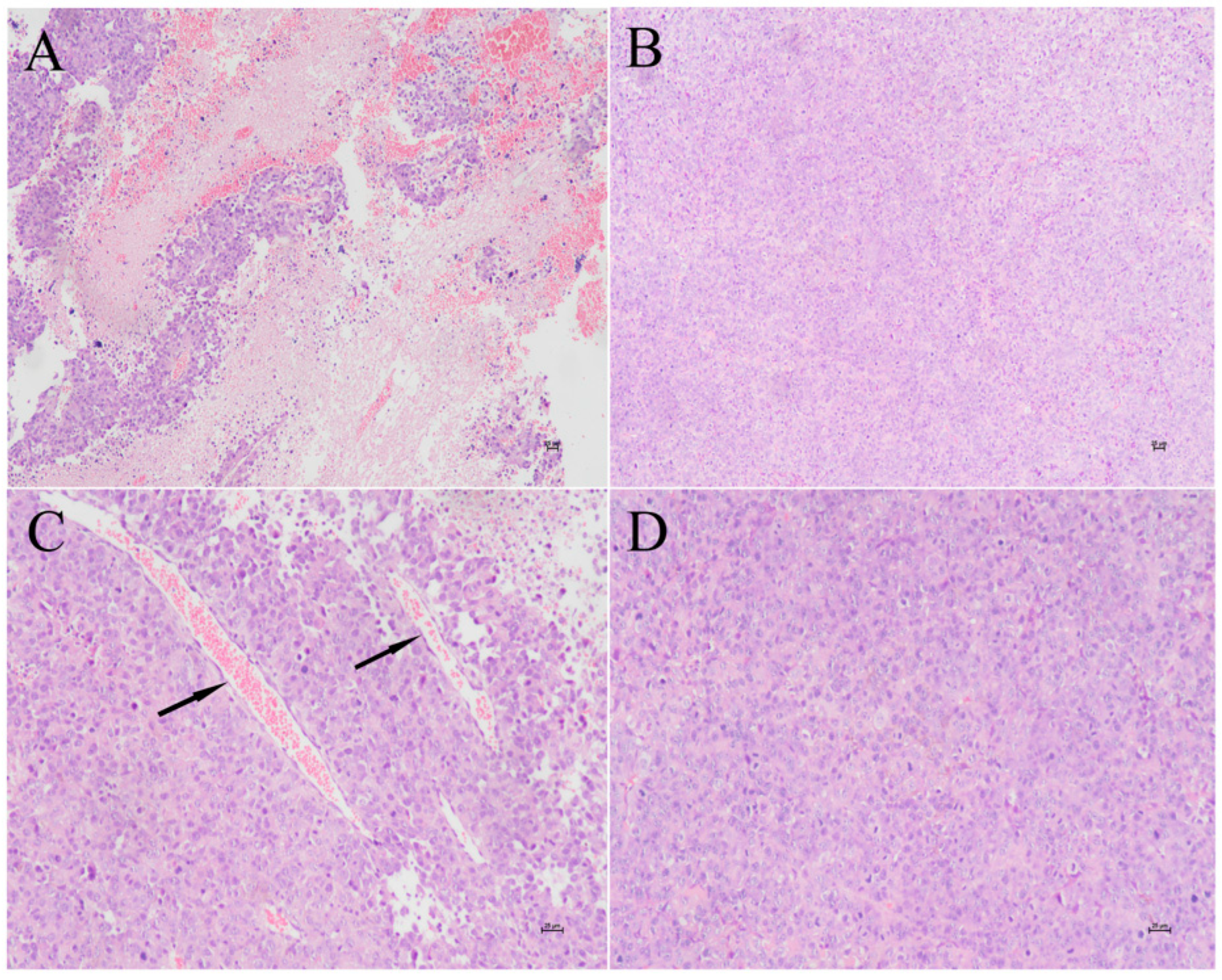
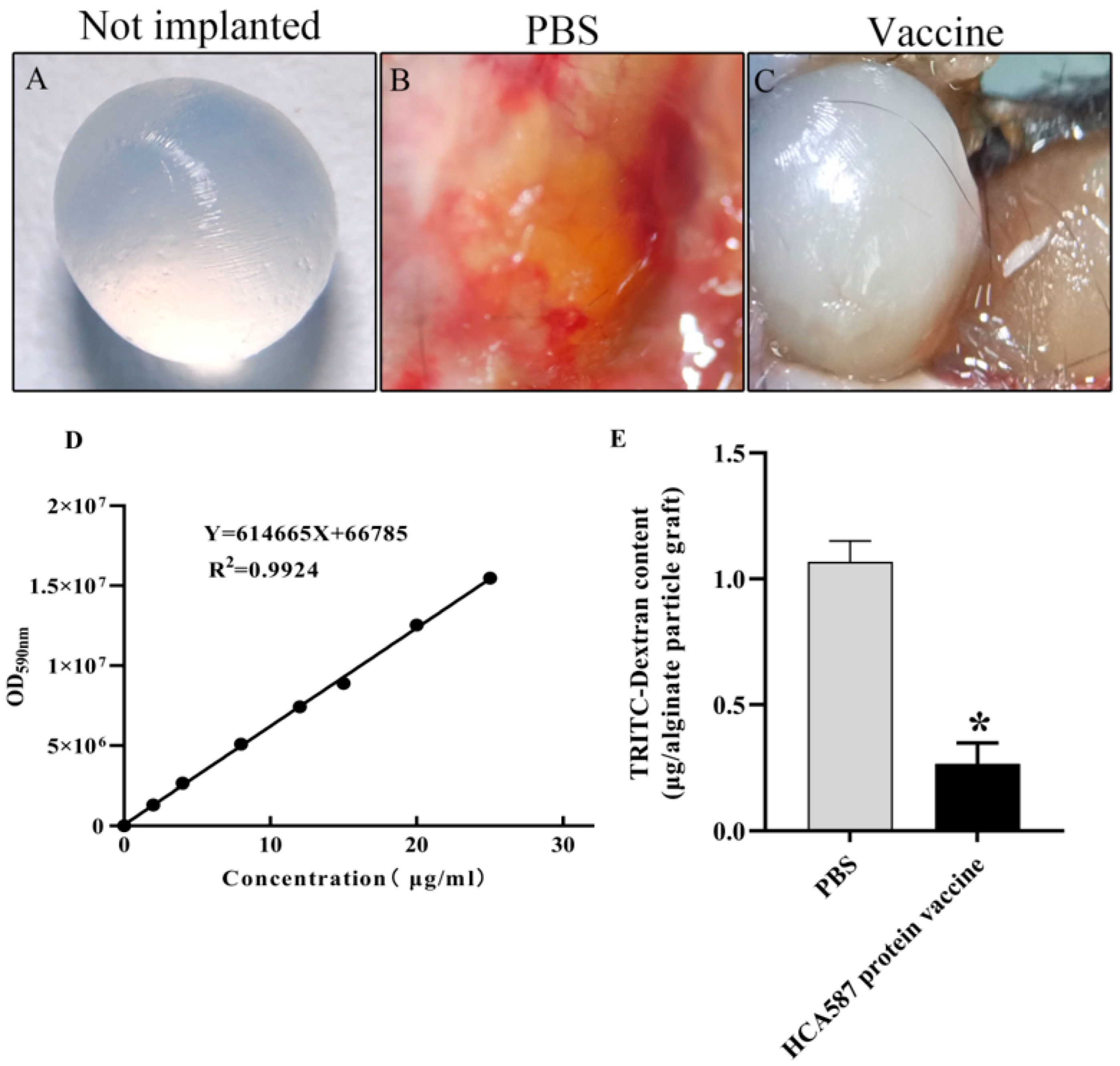
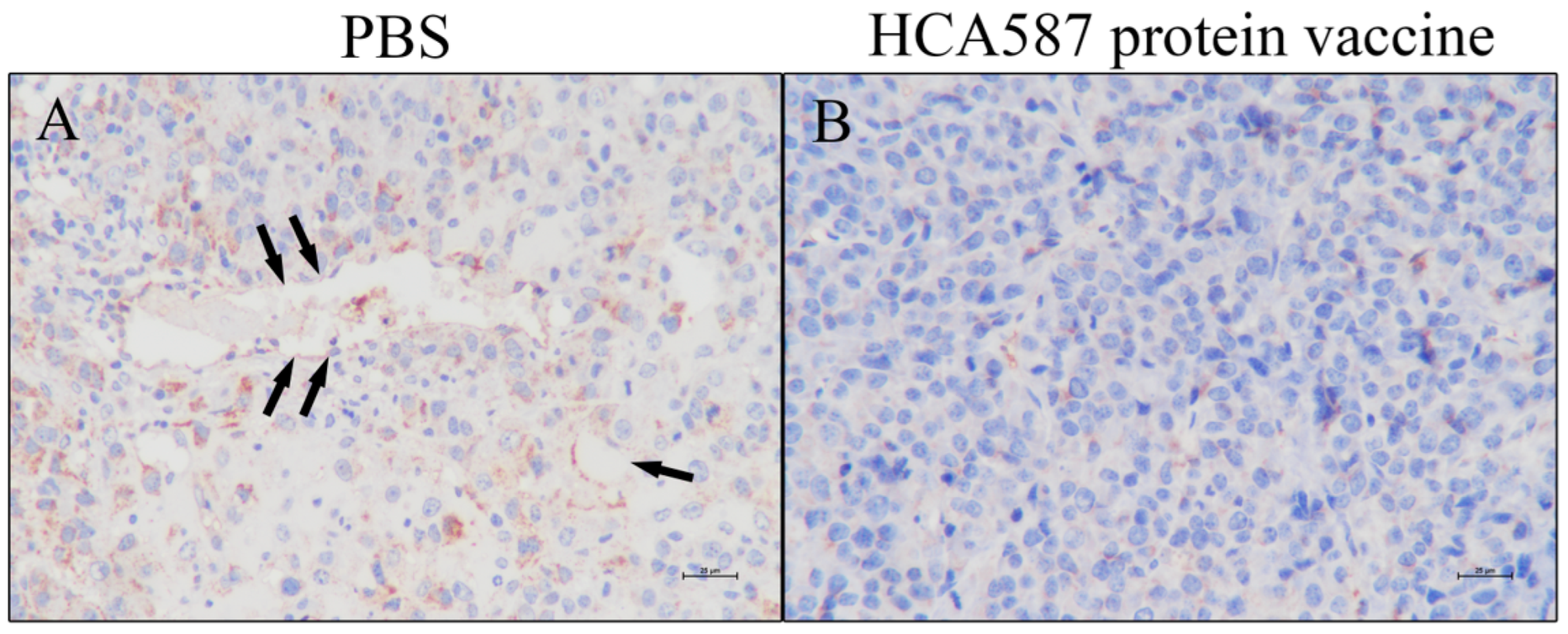
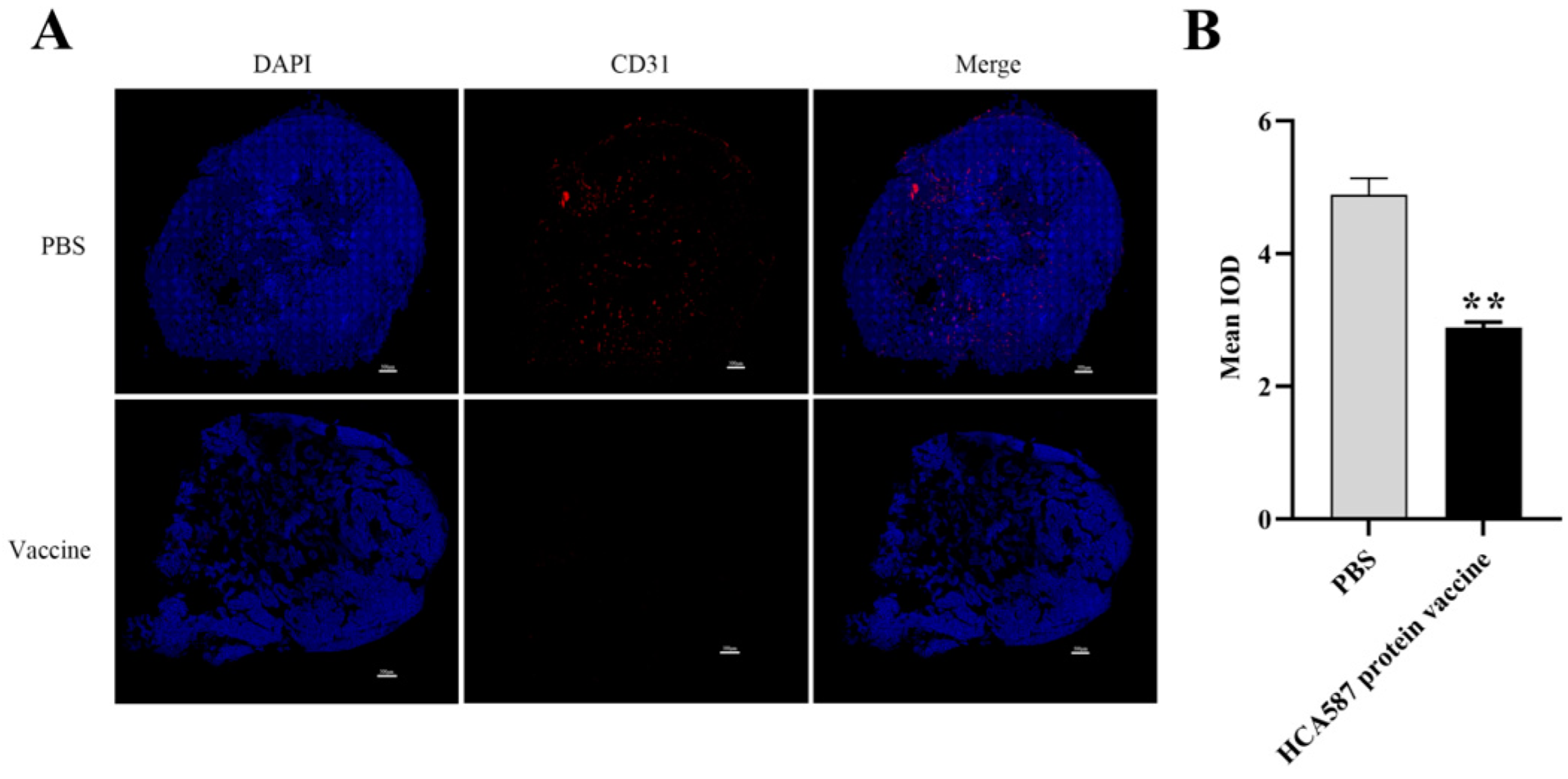
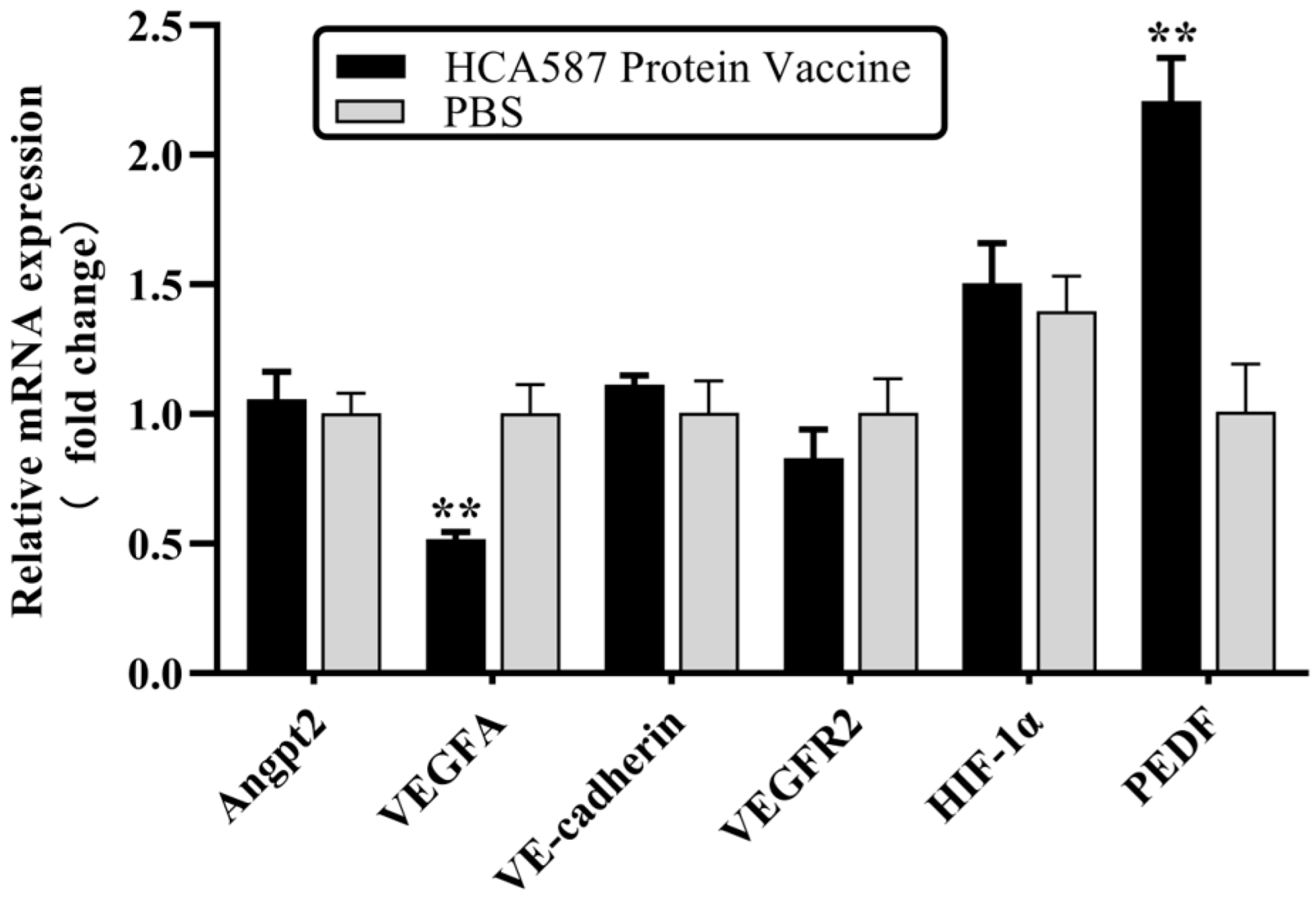
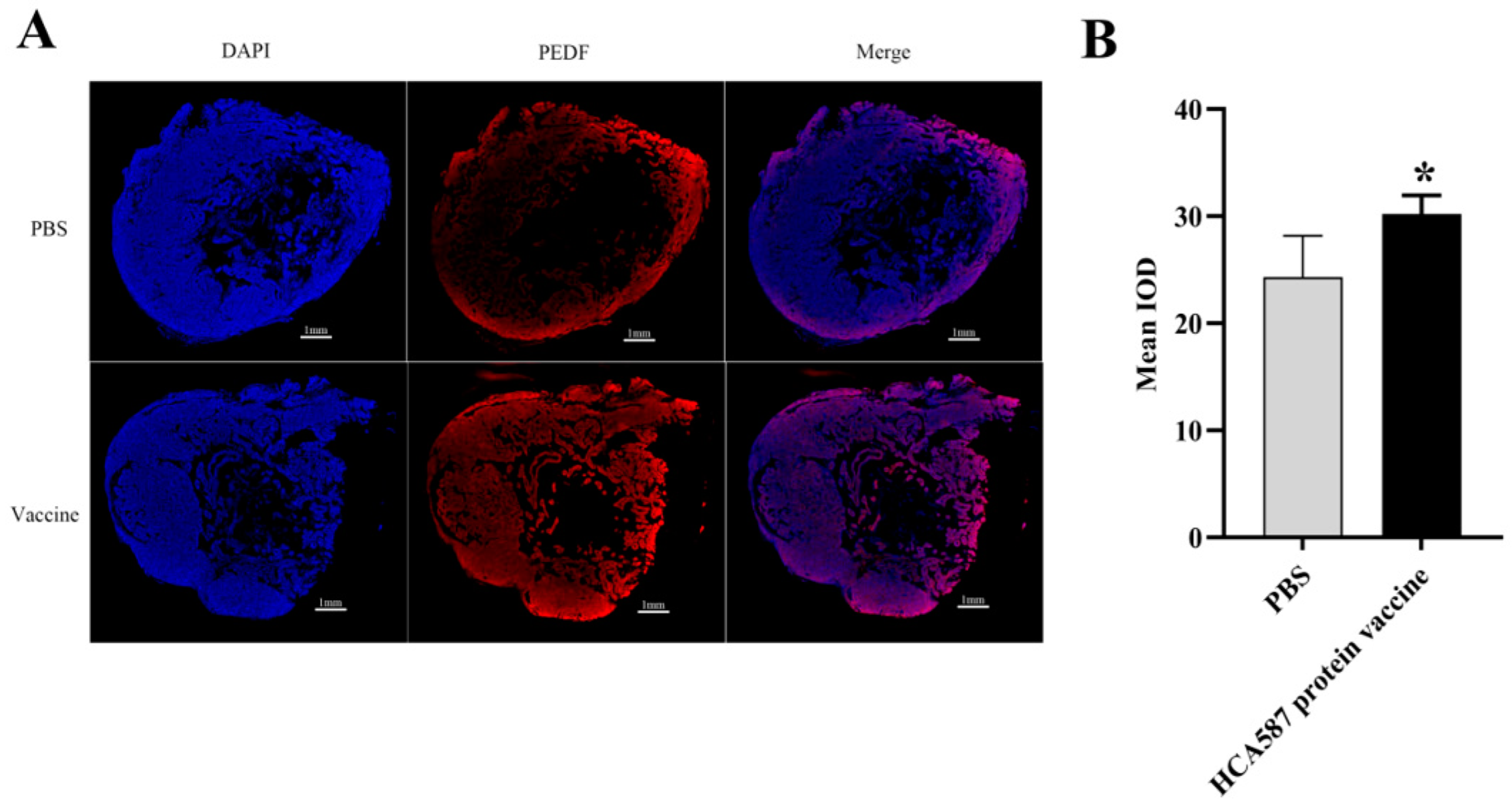
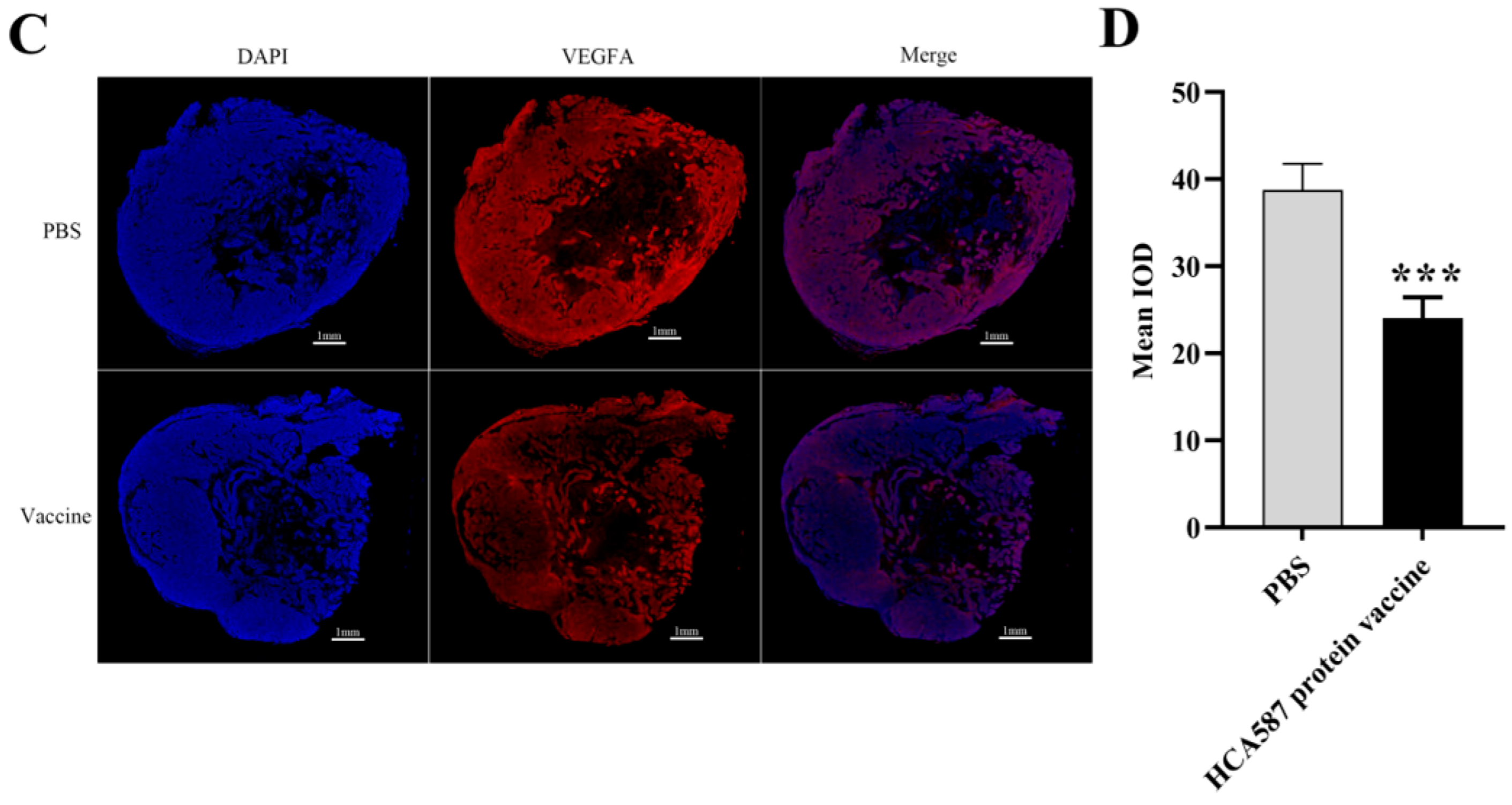
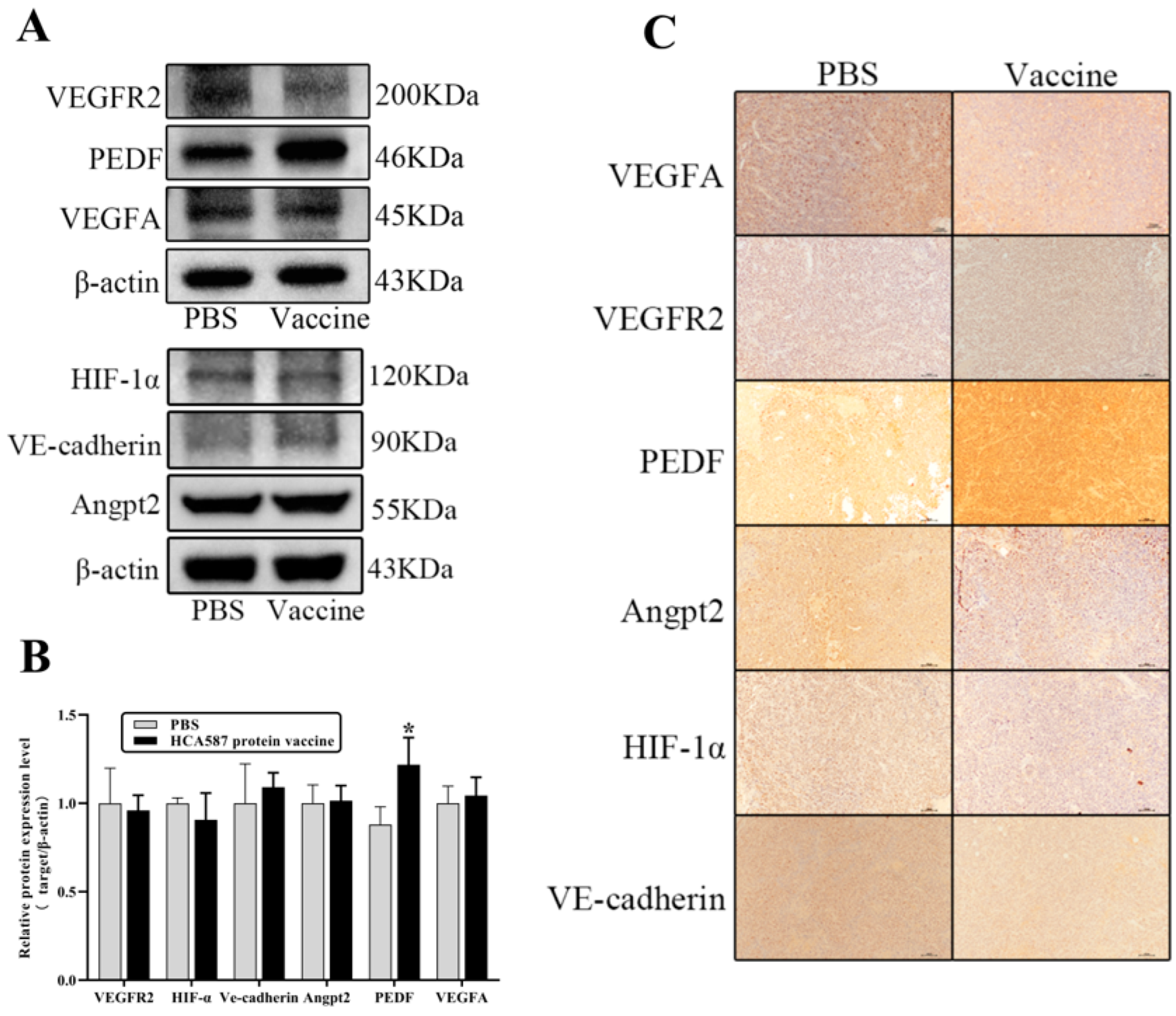
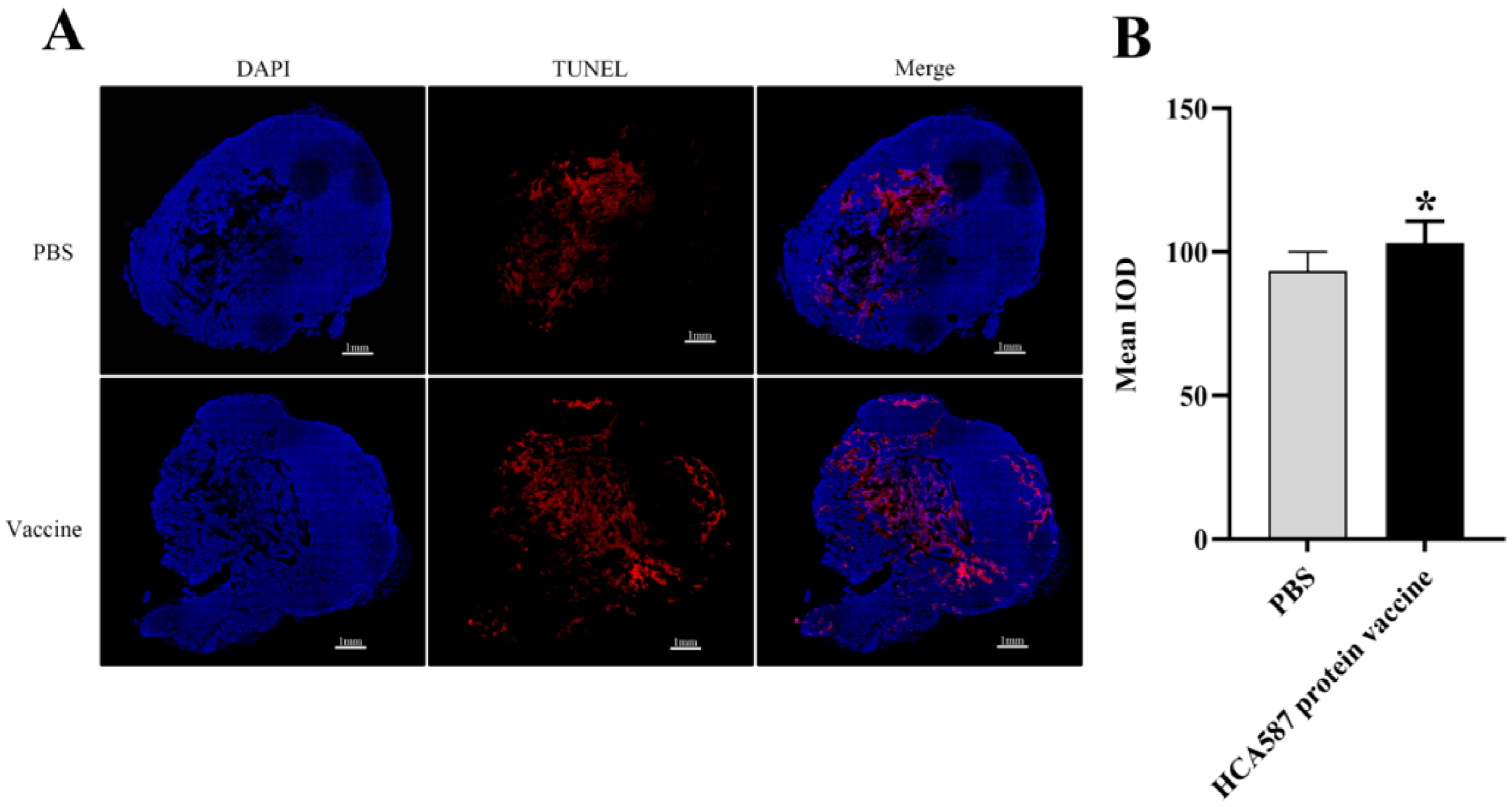
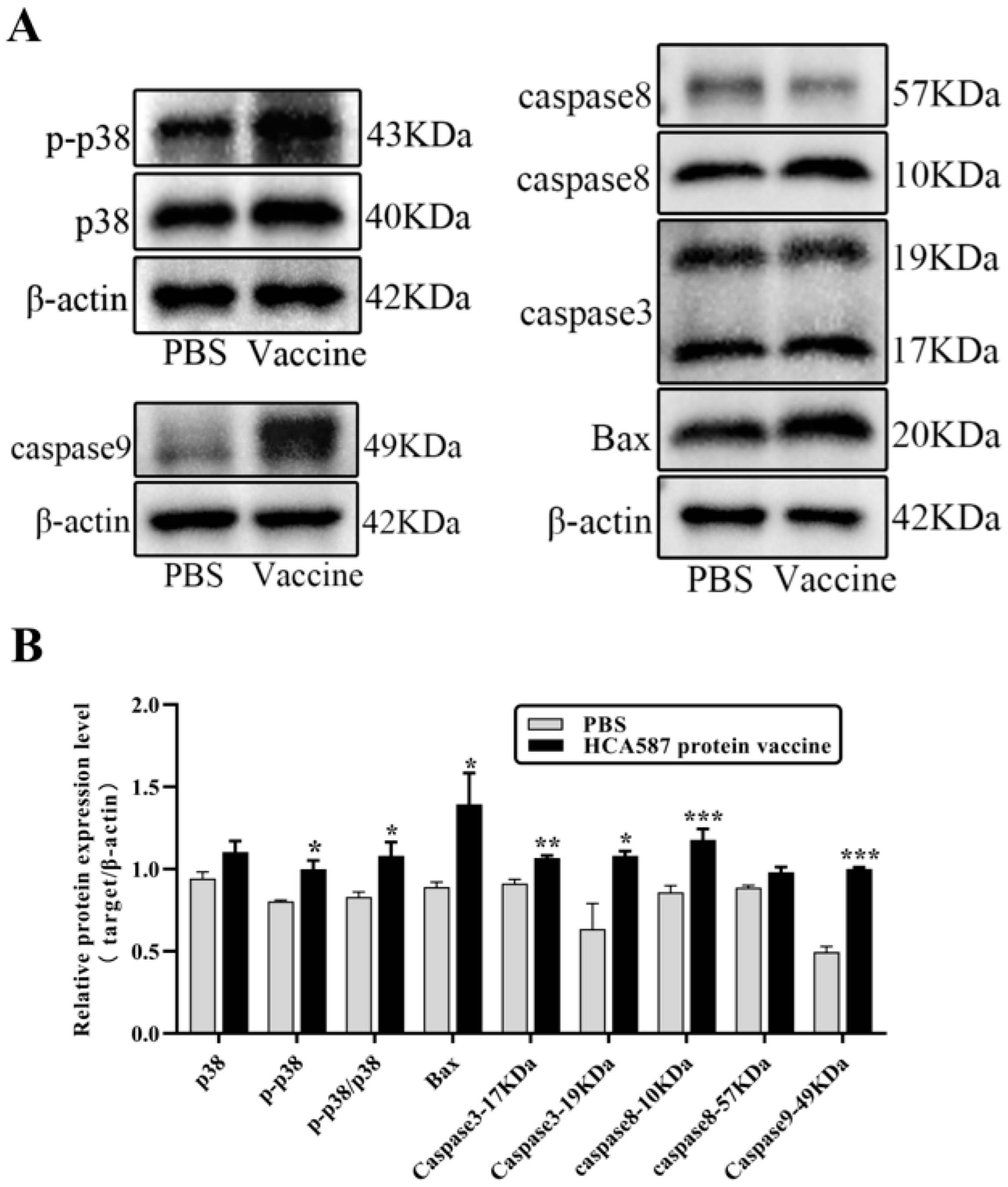
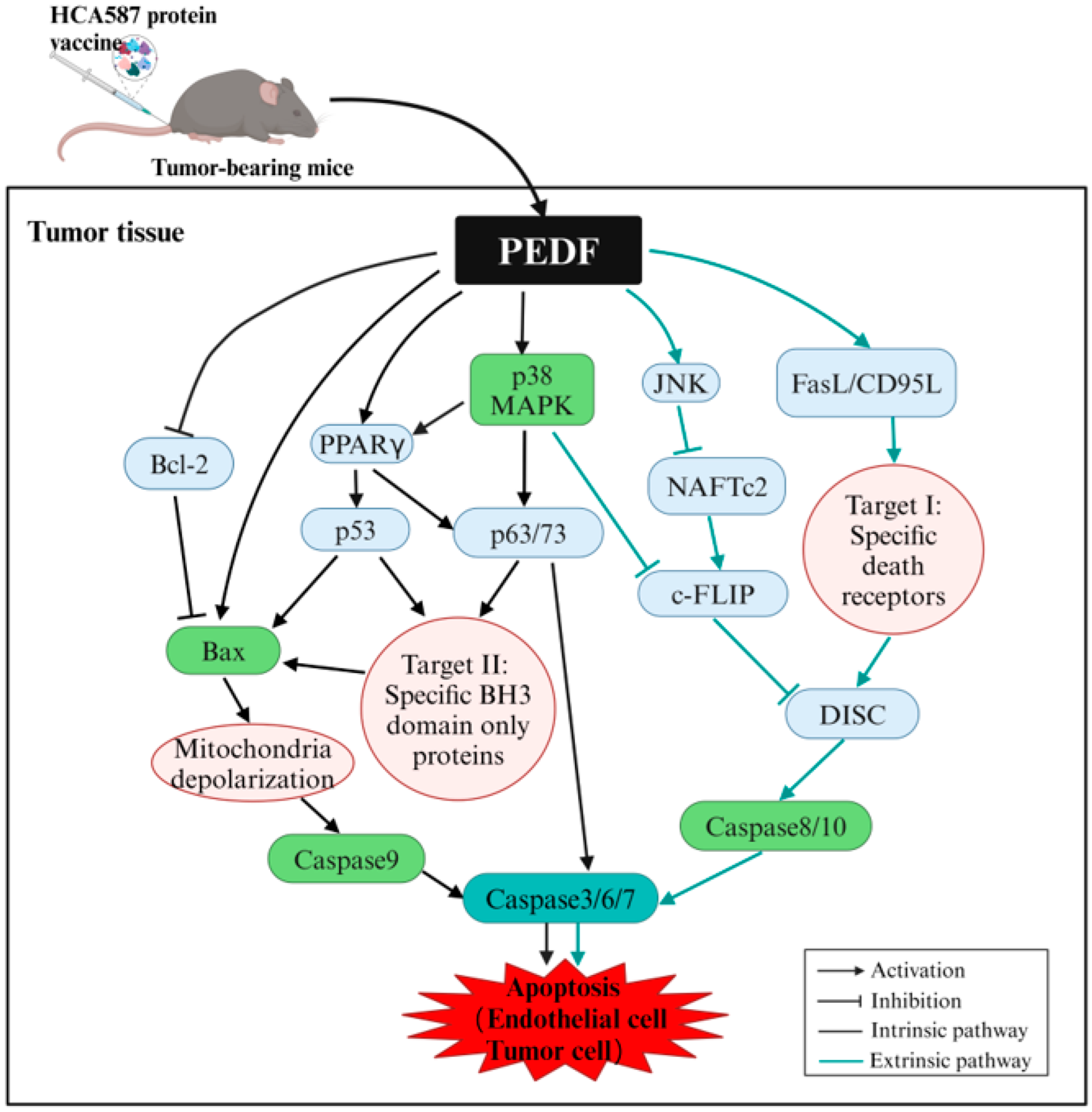
Background: HCA587 antigen is called tumor-testicular antigen, which is highly expressed in a large number of malignant tumors and shows superior immunogenicity. Combined with adjuvants is considered to be an effective tumor immunotherapy strategy. Objective: To explore the inhibitory effect and mechanism of HCA587 protein combined with 12 μg self-made ISCOMATRIX and CpG ODN adjuvant (referred to as "HCA587 protein vaccine") on angiogenesis of melanoma in mice. Methods: C57BL/6J mice were subcutaneously inoculated with B16-HCA587 tumor cells on the right side of the abdomen to establish a tumor-bearing mouse model, and HCA587 protein vaccine was used to treat the mice. The effect of HCA587 protein vaccine on tumor neovascularization was analyzed by hematoxylin-eosin (HE) staining, tumor immunohistochemical staining and immunofluorescence staining, and the effect of HCA587 protein vaccine on tumor angiogenesis was detected by alginate encapsulated B16-HCA587 tumor cells in mice immunized with HCA587 protein vaccine. Real-time quantitative reverse transcription-polymerase chain reaction (RT-qPCR) and Western-blot assay were used to detect the expression of angiogenesis-related molecules and apoptosis-related proteins in tumor tissue. TUNEL staining was used to evaluate the apoptosis of mouse melanoma. Results: After treatment with HCA587 protein vaccine, the tumor tissue necrosis and microvessel density decreased significantly. The experiment of alginate encapsulated tumor cells showed that HCA587 protein vaccine inhibited the angiogenesis of mouse melanoma, while HCA587 protein vaccine significantly increased the expression of PEDF in mouse melanoma tissue and promoted cell apoptosis. In addition, the protein vaccine significantly up-regulated the expression of phosphorylated p38 (p-p38), pro-apoptotic proteins Bax, caspase3, caspase8 and caspase9 in tumor tissues. Conclusion: HCA587 protein vaccine significantly inhibits neovascularization of melanoma in mice, which may be mediated by up-regulated PEDF-activated p38/Bax/caspase apoptosis pathway.
Keywords:
1. Introduction
2. Materials and Methods
2.1. Ethical Statement
2.2. Mice
2.3. Tumor Cell Line and Culture
2.4. Antibody
2.5. Preparation of Vaccine
2.6. Tumor Vaccination and Vaccine Immunity
2.7. Hematoxylin-Eosin Staining of Tumor Tissue
2.8. Alginate-Encapsulate Tumor Cells Assay
2.9. Immunohistochemical Staining
2.10. Immunofluorescence Staining of Tumor Tissue
2.11. Terminal Deoxynucleotidyl Transferase Mediated Nick End Labeling
2.12. Real-Time Fluorescence Quantitative Reverse Transcription-polymerase Chain Reaction
2.13. Western Blot Analysis
2.14. Statistical Analysis
3. Results
3.1. HCA587 Protein Vaccine Inhibits Local Neovascularization of Melanoma in Mice
3.2. HCA587 Protein Vaccine Upregulates the Expression of PEDF Molecule in Tumor Tissue
3.3. HCA587 Protein Vaccine Promotes Apoptosis in Tumor Tissue
3.4. HCA587 Protein Vaccine Activates p38/Bax/caspase3 Apoptosis Signal Transduction Pathway
4. Discussion
5. Conclusions
Author Contributions
Funding
Institutional Review Board Statement
Conflicts of Interest
References
- Igarashi, Y.; Sasada, T. Cancer Vaccines: Toward the Next Breakthrough in Cancer Immunotherapy. J. Immunol. Res. 2020, 2020, 5825401. [Google Scholar] [CrossRef] [PubMed]
- Chen, Y.; Zheng, L.; Hua, W.; Wang, J.; Chen, L.; Huang, A.; Zhang, W. Fusion of NY-ESO-1 epitope with heat shock protein 70 enhances its induced immune responses and antitumor activity against glioma in vitro. Transl. Cancer Res. 2024, 13, 191–201. [Google Scholar] [CrossRef]
- Li, B.; He, X.; Pang, X.; Zhang, H.; Chen, J.; Chen, W. Elicitation of both CD4 and CD8 T-cell-mediated specific immune responses to HCA587 protein by autologous dendritic cells. Scand. J. Immunol. 2004, 60, 506–513. [Google Scholar] [CrossRef]
- Li, B.; Qian, X.P.; Pang, X.W.; Zou, W.Z.; Wang, Y.P.; Wu, H.Y.; Chen, W.F. HCA587 antigen expression in normal tissues and cancers: Correlation with tumor differentiation in hepatocellular carcinoma. Lab. Invest. 2003, 83, 1185–1192. [Google Scholar] [CrossRef] [PubMed]
- Stewart-Tull, D.E. Adjuvant formulations for experimental vaccines. Methods Mol. Med. 2003, 87, 175–194. [Google Scholar] [CrossRef] [PubMed]
- Garcia, A.; Lema, D. An Updated Review of ISCOMSTM and ISCOMATRIXTM Vaccines. Curr. Pharm. Des. 2016, 22, 6294–6299. [Google Scholar] [CrossRef] [PubMed]
- Sun, W.; Fang, M.; Chen, Y.; Yang, Z.; Xiao, Y.; Wan, M.; Wang, H.; Yu, Y.; Wang, L. Delivery System of CpG Oligodeoxynucleotides through Eliciting an Effective T cell Immune Response against Melanoma in Mice. J. Cancer 2016, 7, 241–250. [Google Scholar] [CrossRef]
- Chen, J.; Zhang, L.; Wen, W.; Hao, J.; Zeng, P.; Qian, X.; Zhang, Y.; Yin, Y. Induction of HCA587-specific antitumor immunity with HCA587 protein formulated with CpG and ISCOM in mice. PLoS ONE 2012, 7, e47219. [Google Scholar] [CrossRef] [PubMed]
- Yang, W.; Zhang, W.; Wang, X.; Tan, L.; Li, H.; Wu, J.; Wu, Q.; Sun, W.; Chen, J.; Yin, Y. HCA587 Protein Vaccine Induces Specific Antitumor Immunity Mediated by CD4(+) T-cells Expressing Granzyme B in a Mouse Model of Melanoma. Anticancer Agents Med. Chem. 2021, 21, 738–746. [Google Scholar] [CrossRef] [PubMed]
- Holleb, A.I.; Folkman, J. Tumor angiogenesis. CA Cancer J. Clin. 1972, 22, 226–229. [Google Scholar] [CrossRef]
- Zahedipour, F.; Zamani, P.; Mashreghi, M.; Astaneh, M.; Sankian, M.; Amiri, A.; Jamialahmadi, K.; Jaafari, M.R. Nanoliposomal VEGF-R2 peptide vaccine acts as an effective therapeutic vaccine in a murine B16F10 model of melanoma. Cancer Nanotechnol. 2023, 14, 62. [Google Scholar] [CrossRef]
- Kan, B.; Yang, L.; Wen, Y.J.; Yang, J.R.; Niu, T.; Li, J.; Deng, H.X.; Wei, W.; Chen, L.G.; Zhang, Q.; et al. Irradiated VEGF164-modified tumor cell vaccine protected mice from the parental tumor challenge. Anticancer Drugs 2017, 28, 197–205. [Google Scholar] [CrossRef] [PubMed]
- Wagner, S.C.; Ichim, T.E.; Ma, H.; Szymanski, J.; Perez, J.A.; Lopez, J.; Bogin, V.; Patel, A.N.; Marincola, F.M.; Kesari, S. Cancer anti-angiogenesis vaccines: Is the tumor vasculature antigenically unique? J. Transl. Med. 2015, 13, 340. [Google Scholar] [CrossRef]
- Lee, H.-G.; Lim, G.-H.; An, J.-H.; Park, S.-M.; Seo, K.-W.; Youn, H.-Y. In vitro evaluation of the antitumor activity of axitinib in canine mammary gland tumor cell lines. J. Vet. Sci. 2024, 25, e1. [Google Scholar] [CrossRef] [PubMed]
- Fouad, M.A.; Osman, A.A.; Abdelhamid, N.M.; Rashad, M.W.; Nabawy, A.Y.; El Kerdawy, A.M. Discovery of dual kinase inhibitors targeting VEGFR2 and FAK: Structure-based pharmacophore modeling, virtual screening, and molecular docking studies. BMC Chem. 2024, 18, 29. [Google Scholar] [CrossRef] [PubMed]
- Wang, Y.; Ren, H. Multi-omics sequencing revealed endostar combined with cisplatin treated non small cell lung cancer via anti-angiogenesis. BMC Cancer 2024, 24, 187. [Google Scholar] [CrossRef]
- Baginska, J.; Nau, A.; Gomez Diaz, I.; Giobbie-Hurder, A.; Weirather, J.; Vergara, J.; Abrecht, C.; Hallisey, M.; Dennis, J.; Severgnini, M.; et al. Ziv-aflibercept plus pembrolizumab in patients with advanced melanoma resistant to anti-PD-1 treatment. Cancer Immunol. Immunother. 2024, 73, 17. [Google Scholar] [CrossRef]
- Yu, J.R.; Liu, Y.Y.; Gao, Y.Y.; Qian, L.H.; Qiu, J.L.; Wang, P.P.; Zhang, G.J. Diterpenoid tanshinones inhibit gastric cancer angiogenesis through the PI3K/Akt/mTOR signaling pathway. J. Ethnopharmacol. 2024, 324, 117791. [Google Scholar] [CrossRef] [PubMed]
- Liu, Y.; Cheng, D.H.; Su, Z.Y.; Lv, J.H.; Wang, L.; Deng, Y.Y.; Li, L. Effects of total coumarins from Pileostegia tomentella on exosomal miRNA expression and angiogenesis in colorectal cancer cells. Pharm. Biol. 2024, 62, 153–161. [Google Scholar] [CrossRef] [PubMed]
- Xie, K.; Bai, R.Z.; Wu, Y.; Liu, Q.; Liu, K.; Wei, Y.Q. Anti-tumor effects of a human VEGFR-2-based DNA vaccine in mouse models. Genet. Vaccines Ther. 2009, 7, 10. [Google Scholar] [CrossRef]
- Zheng, S.; Zhang, J.; Zheng, S.; Huang, F.; Wu, R.; Cao, L.; Xie, M. Anti-angiogeneic target therapy for cancer with vaccine based on the recombinant chicken FGFR-1 in tumor-bearing mice. J. Huazhong Univ. Sci. Technol. 2007, 27, 120–123. [Google Scholar] [CrossRef] [PubMed]
- Liu, P.; Xie, G.; Geng, P.; Zheng, C.; Li, J.; Pan, F.; Ruan, Z.; Liang, H. Anti-tumor angiogenesis effect of genetic fusion vaccine encoding murine beta-defensin 2 and tumor endothelial marker-8 in a CT-26 murine colorectal carcinoma model. Int. J. Clin. Exp. Med. 2015, 8, 4744. [Google Scholar] [PubMed]
- Ugel, S.; Facciponte, J.G.; De Sanctis, F.; Facciabene, A. Targeting tumor vasculature: Expanding the potential of DNA cancer vaccines. Cancer Immunol. Immunother. 2015, 64, 1339–1348. [Google Scholar] [CrossRef]
- Schmitz-Winnenthal, F.H.; Hohmann, N.; Schmidt, T.; Podola, L.; Friedrich, T.; Lubenau, H.; Springer, M.; Wieckowski, S.; Breiner, K.M.; Mikus, G.; et al. A phase 1 trial extension to assess immunologic efficacy and safety of prime-boost vaccination with VXM01, an oral T cell vaccine against VEGFR2, in patients with advanced pancreatic cancer. OncoImmunology 2018, 7, e1303584. [Google Scholar] [CrossRef]
- Xu, M.; Chen, X.; Yu, Z.; Li, X. Receptors that bind to PEDF and their therapeutic roles in retinal diseases. Front. Endocrinol. 2023, 14, 1116136. [Google Scholar] [CrossRef]
- He, X.; Cheng, R.; Benyajati, S.; Ma, J.-x. PEDF and its roles in physiological and pathological conditions: Implication in diabetic and hypoxia-induced angiogenic diseases. Clin. Sci. 2015, 128, 805–823. [Google Scholar] [CrossRef] [PubMed]
- Cheung, L.W.; Au, S.C.; Cheung, A.N.; Ngan, H.Y.; Tombran-Tink, J.; Auersperg, N.; Wong, A.S. Pigment epithelium-derived factor is estrogen sensitive and inhibits the growth of human ovarian cancer and ovarian surface epithelial cells. Endocrinology 2006, 147, 4179–4191. [Google Scholar] [CrossRef] [PubMed]
- Yang, L.-P.; Cheng, P.; Peng, X.-C.; Shi, H.-S.; He, W.-H.; Cui, F.-Y.; Luo, S.-T.; Wei, Y.-Q.; Yang, L. Anti-tumor effect of adenovirus-mediated gene transfer of pigment epithelium-derived factor on mouse B16-F10 melanoma. J. Exp. Clin. Cancer Res. 2009, 28, 75. [Google Scholar] [CrossRef]
- Cheng, G.; Song, C. Association of pigment epithelium derived factor expression with cancer progression and prognosis: A meta-analysis study. Discov. Oncol. 2021, 12, 61. [Google Scholar] [CrossRef]
- Abe, R.; Shimizu, T.; Yamagishi, S.; Shibaki, A.; Amano, S.; Inagaki, Y.; Watanabe, H.; Sugawara, H.; Nakamura, H.; Takeuchi, M.; et al. Overexpression of pigment epithelium-derived factor decreases angiogenesis and inhibits the growth of human malignant melanoma cells in vivo. Am. J. Pathol. 2004, 164, 1225–1232. [Google Scholar] [CrossRef]
- Guan, M.; Jiang, H.; Xu, C.; Xu, R.; Chen, Z.; Lu, Y. Adenovirus-mediated PEDF expression inhibits prostate cancer cell growth and results in augmented expression of PAI-2. Cancer Biol. Ther. 2014, 6, 419–425. [Google Scholar] [CrossRef]
- Ho, T.C.; Yeh, S.I.; Chen, S.L.; Chu, T.W.; Tsao, Y.P. A short peptide derived from pigment epithelial-derived factor exhibits an angioinhibitory effect. BMC Ophthalmol. 2022, 22, 88. [Google Scholar] [CrossRef] [PubMed]
- Demestre, M.; Terzi, M.Y.; Mautner, V.; Vajkoczy, P.; Kurtz, A.; Piña, A.L. Effects of pigment epithelium derived factor (PEDF) on malignant peripheral nerve sheath tumours (MPNSTs). J. Neuro-Oncol. 2013, 115, 391–399. [Google Scholar] [CrossRef]
- Zhang, T.; Guan, M.; Xu, C.; Chen, Y.; Lu, Y. Pigment epithelium-derived factor inhibits glioma cell growth in vitro and in vivo. Life Sci. 2007, 81, 1256–1263. [Google Scholar] [CrossRef]
- Xi, L.; Tikhonovich, M.; Biesemeier, A.; Julien-Schraermeyer, S.; Schraermeyer, U.; Tschulakow, A.V. Pigment Epithelium-Derived Factor Protects Retinal Neural Cells and Prevents Pathological Angiogenesis in an Ex Vivo Ischemia Model. Oxid. Med. Cell Longev. 2022, 2022, 4199394. [Google Scholar] [CrossRef] [PubMed]
- Badia, A.; Duarri, A.; Salas, A.; Rosell, J.; Ramis, J.; Gusta, M.F.; Casals, E.; Zapata, M.A.; Puntes, V.; García-Arumí, J. Repeated Topical Administration of 3 nm Cerium Oxide Nanoparticles Reverts Disease Atrophic Phenotype and Arrests Neovascular Degeneration in AMD Mouse Models. ACS Nano 2023, 17, 910–926. [Google Scholar] [CrossRef] [PubMed]
- Zhao, F.; Fei, W.; Li, Z.; Yu, H.; Xi, L.; Sugawara, A. Pigment Epithelium-Derived Factor-Loaded PEGylated Nanoparticles as a New Antiangiogenic Therapy for Neovascularization. J. Diabetes Res. 2022, 2022, 1–9. [Google Scholar] [CrossRef]
- Rychli, K.; Huber, K.; Wojta, J. Pigment epithelium-derived factor (PEDF) as a therapeutic target in cardiovascular disease. Expert. Opin. Ther. Targets 2009, 13, 1295–1302. [Google Scholar] [CrossRef]
- Yang, Z. Pigment epithelium-derived factor inhibits angiogenesis and growth of gastric carcinoma by down-regulation of VEGF. Oncol. Rep. 2011. [Google Scholar] [CrossRef]
- Zhang, S.X.; Wang, J.J.; Gao, G.; Parke, K.; Ma, J.-x. Pigment epithelium-derived factor downregulates vascular endothelial growth factor (VEGF) expression and inhibits VEGF–VEGF receptor 2 binding in diabetic retinopathy. J. Mol. Endocrinol. 2006, 37, 1–12. [Google Scholar] [CrossRef]
- Zhang, M.; Tombran-Tink, J.; Yang, S.; Zhang, X.; Li, X.; Barnstable, C.J. PEDF is an endogenous inhibitor of VEGF-R2 angiogenesis signaling in endothelial cells. Exp. Eye Res. 2021, 213, 108828. [Google Scholar] [CrossRef]
- Hui, H.-L.; Jiang, B.; Zhou, Y.-Y.; Qiu, F.; Lin, Y.-G.; Li, H.-M.; Li, D.; Luo, M.; Miao, H.-R.; Ong, S.-B.; et al. PEDF inhibits VEGF-induced vascular leakage through binding to VEGFR2 in acute myocardial infarction. J. Biomol. Struct. Dyn. 2024, 12, 1–13. [Google Scholar] [CrossRef] [PubMed]
- Volpert, O.V.; Zaichuk, T.; Zhou, W.; Reiher, F.; Ferguson, T.A.; Stuart, P.M.; Amin, M.; Bouck, N.P. Inducer-stimulated Fas targets activated endothelium for destruction by anti-angiogenic thrombospondin-1 and pigment epithelium-derived factor. Nat. Med. 2002, 8, 349–357. [Google Scholar] [CrossRef]
- Konson, A.; Pradeep, S.; D’Acunto, C.W.; Seger, R. Pigment Epithelium-Derived Factor and its Phosphomimetic Mutant Induce JNK-Dependent Apoptosis and P38-Mediated Migration Arrest. Cell. Physiol. Biochem. 2018, 49, 512–529. [Google Scholar] [CrossRef]
- Zaichuk, T.A.; Shroff, E.H.; Emmanuel, R.; Filleur, S.; Nelius, T.; Volpert, O.V. Nuclear Factor of Activated T Cells Balances Angiogenesis Activation and Inhibition. J. Exp. Med. 2004, 199, 1513–1522. [Google Scholar] [CrossRef] [PubMed]
- Lai, L.J.; Ho, T.C. Pigment epithelial-derived factor inhibits c-FLIP expression and assists ciglitazone-induced apoptosis in hepatocellular carcinoma. Anticancer Res. 2011, 31, 1173–1180. [Google Scholar] [PubMed]
- Chen, L.; Zhang, S.S.; Barnstable, C.J.; Tombran-Tink, J. PEDF induces apoptosis in human endothelial cells by activating p38 MAP kinase dependent cleavage of multiple caspases. Biochem. Biophys. Res. Commun. 2006, 348, 1288–1295. [Google Scholar] [CrossRef] [PubMed]
- Ho, T.C.; Chen, S.L.; Yang, Y.C.; Liao, C.L.; Cheng, H.C.; Tsao, Y.P. PEDF induces p53-mediated apoptosis through PPAR gamma signaling in human umbilical vein endothelial cells. Cardiovasc. Res. 2007, 76, 213–223. [Google Scholar] [CrossRef] [PubMed]
- Chandolu, V.; Dass, C.R. Cell and Molecular Biology Underpinning the Effects of PEDF on Cancers in General and Osteosarcoma in Particular. J. Biomed. Biotechnol. 2012, 2012, 740295–740295. [Google Scholar] [CrossRef] [PubMed]
- Sahoo, G.; Samal, D.; Khandayataray, P.; Murthy, M.K. A Review on Caspases: Key Regulators of Biological Activities and Apoptosis. Mol. Neurobiol. 2023, 60, 5805–5837. [Google Scholar] [CrossRef]

| Primer name | Primer sequence |
| Angpt2 Forward Primer | TGACAGCCACGGTCAACAAC |
| Angpt2 Reverse Primer | ACGGATAGCAACCGAGCTCTT |
| VEGFA Forward Primer | ACGACAGAAGGAGAGCAGAAG |
| VEGFA Reverse Primer | ACACAGGACGGCTTGAAGAT |
| VEGFR2 Forward Primer | GTCCGAATCCCTGCGAAGTACCT |
| VEGFR2 Reverse Primer | TGGGACATACACAACCAGAGA |
| VE-cadherin Forward Primer | GCAATGGCAGGCCCTAACTTTC |
| VE-cadherin Reverse Primer | CAGCAAACTCTCCTTGGAGCAC |
| HIF-1αForward Primer | ACCTTCATCGGAAACTCCAAAG |
| HIF-1αReverse Primer | CTGTTAGGCTGGAAAAGTTAGG |
| PEDF Forward Primer | CCCTTGACAGGAAGTATGAG |
| PEDF Reverse Primer | TGCTGAAGTCGGGTGATT |
| CD31 Forward Primer | GAGCCCAATCACGTTTCAGTTT |
| CD31 Reverse Primer | TCCTTCCTGCTTCTTGCTAGCT |
| GAPDH Forward Primer | CTGAACGGGAAGCTCACTG |
| GAPDH Reverse Primer | CATACTTGGCAGGTTTCTCCAG |
Disclaimer/Publisher’s Note: The statements, opinions and data contained in all publications are solely those of the individual author(s) and contributor(s) and not of MDPI and/or the editor(s). MDPI and/or the editor(s) disclaim responsibility for any injury to people or property resulting from any ideas, methods, instructions or products referred to in the content. |
© 2024 by the authors. Licensee MDPI, Basel, Switzerland. This article is an open access article distributed under the terms and conditions of the Creative Commons Attribution (CC BY) license (http://creativecommons.org/licenses/by/4.0/).


