
Submitted:
17 December 2024
Posted:
18 December 2024
You are already at the latest version
Abstract
This study is focused on developing a machine learning (ML) meta-model to predict the progression of a Multiple Steam Generator Tube Rupture (MSGTR) accident in the APR1400 reactor. Accident simulation was performed using the thermal-hydraulic code, RELAP5/SCDAPSIM/MOD3.4. The model incorporates a mitigation strategy executed through operator interventions. Following this, uncertainty quantification employing the Best Estimate Plus Uncertainty (BEPU) methodology was undertaken by coupling RELAP5/SCDAPSIM/MOD3.4 with the statistical software, DAKOTA. The analysis concentrated on critical safety parameters, including Reactor Coolant System (RCS) pressure and temperature, Reactor Vessel Upper Head (RVUH) void fraction. These simulations generated a comprehensive dataset, which served as the foundation for training three ML architectures: Gated Recurrent Unit (GRU), Long Short-Term Memory (LSTM), and Convolutional LSTM (CNN+LSTM). Among these models, the CNN+LSTM hybrid configuration demonstrated superior performance, excelling in both predictive accuracy and computational efficiency. To bolster the model's transparency and interpretability, Integrated Gradients (IG)—an advanced Explainable AI (XAI) technique—was applied, elucidating the contribution of input features to the model’s predictions and enhancing its trustworthiness.
Keywords:
multiple steam generator tube rupture
; operator actions
; design extension conditions
; machine learning
; XAI
1. Introduction
The 2011 Fukushima Nuclear Power Plant (NPP) accident highlighted the critical need to enhance safety measures during extreme events exceeding Design Basis Accidents (DBA). In response, the concept of Design Extension Conditions (DEC) was introduced to evaluate NPP resilience to severe accidents and to develop effective mitigation strategies. Among DEC scenarios, the Multiple Steam Generator Tube Rupture (MSGTR) accident stands out due to its rapid progression and heightened potential for radioactive release compared to a single tube rupture scenario [1]. During an MSGTR accident, a void fraction in the reactor vessel upper head (RVUH) can lead to core uncovering and melting if not timely mitigated. This underscores the importance of initial operator actions within a response time shorter than the standard 30 minutes to ensure safe plant shutdown.
The need for more accurate safety analysis methodologies in nuclear engineering is not new. In the 1970s, the United States Nuclear Regulatory Commission (USNRC) implemented a conservative safety analysis strategy based on the defense-in-depth concept, applying strict safety acceptance criteria. However, advancements in thermal-hydraulic system codes during the 1980s revealed additional safety margins [2]. By 1988, the USNRC revised its regulations to incorporate best estimate analyses for loss of coolant accidents (LOCA) in light water reactors, using validated uncertainty quantification approaches. This marked a significant shift from the conservative strategy, enabling improved operational flexibility and cost efficiency in nuclear power plants while addressing technical challenges more effectively.
The Best Estimate Plus Uncertainty (BEPU) methodology emerged as a key approach, offering realistic alternatives to conservative analyses by integrating practical assumptions and considering a spectrum of uncertainties. BEPU allows for realistic safety analyses that enhance thermal-hydraulic system modeling, and provide solutions to technical issues in NPPs [3]. This led IAEA to recommend the adoption of the BEPU approach given its potential benefits for operational flexibility and cost-effectiveness [4]. Due to its irrefutable advantages, BEPU is now applied both in the licensing process of reactors and extensively by researchers. Zhang [5] detailed the application process and examples of BEPU in system thermal-hydraulic and multi-physics codes, emphasizing its necessity for compliance with updated safety criteria for DBAs and quantifying margins in DECs. For example, Rey et al. [6] applied BEPU to analyze the Control Element Assembly Withdrawal at Full Power accident scenario in the APR1400 reactor, demonstrating its capability to provide accurate safety margins. Similarly, Lee [7] employed BEPU to calculate the Peak Cladding Temperature (PCT) and Maximum Cladding Temperature (MCT) in a CANDU spent fuel storage canister, utilizing a robust uncertainty analysis method to achieve high confidence in the results.
Considering its potential consequences, the MSGTR accident warrants detailed analysis and careful evaluation of the operator actions. In his work, Bang [8] presents two main strategies for mitigating the effects of an MSGTR accident. The first approach involves supplementing the RCS inventory with high-pressure safety injection (HPSI) and using the pressurizer's main spray along with the intact steam generator (SG) for partial cooling. This strategy helps prevent core uncovery by stabilizing the RCS inventory, yet it may increase RCS pressure, raising the likelihood of the MSSVs opening, which could lead to radiation release into the environment. The second strategy focuses on cooling the RCS through the intact SG while limiting safety injection. This approach minimizes the chance of MSSV activation by quickly depressurizing the RCS; however, it also lowers the RCS inventory and can result in backflow.
Bae et al. [9] developed a set of operator's actions to mitigate a MSGTR accident scenario for OPR100 system. Dzien and Diab [10] verified the efficacy of this strategy for APR1400 in consideration of various operational and design uncertainties in alignment with IAEA recommendation. Lim [11] conducted a best-estimate analysis of the MSGTR accident in CANDU-6 plants using the MAAP-ISAAC code, applying Severe Accident Management Guidance (SAMG) to limit fission product release and conducting radiological analysis. Jeong [12] identified tube ruptures on the hot side of the steam generator as the most hazardous, emphasizing the complexity of MSGTR scenarios. Additional research includes Yoon's [13] RELAP5-based modeling of MSGTR in APR1400.
Artificial Intelligence (AI) is poised to become a cornerstone of future advancements in almost all aspects of our society. Machine learning (ML), particularly deep learning, has emerged as a powerful tool for solving complex problems across various domains, including image and speech recognition, natural language processing, and predictive modeling [14]. Its ability to automatically learn and identify patterns from large datasets has led to transformative advancements in research and practical applications.
The integration of deep learning methods into fields such as nuclear engineering and safety analysis further underscores its versatility and potential for advancing complex analytical frameworks [15]. One of its promising applications lies in predicting accidents in NPPs. Additionally, the concept of virtual twins is gaining traction [16], offering virtual replicas of physical assets or systems that can simulate real-world scenarios for testing, optimization, and predictive maintenance.
Deep learning, a subset of ML employing multi-layered neural networks, captures hierarchical data representations with remarkable precision [17]. Architectures such as convolutional neural networks (CNNs) and recurrent neural networks (RNNs) excel in image tasks and sequential data processing, respectively, while more specialized networks like Long Short-Term Memory (LSTM) and Gated Recurrent Units (GRU) effectively address long-range dependencies in time-series data [18]. Nanjappan [19] showed the effectiveness of LSTM and GRU architectures in internet of things (IoT) intrusion detection, highlighting the computational efficiency of GRU in real-world applications. Nguyen [20] demonstrated the utility of LSTM and GRU in forecasting the transient response of the APR1400 plant to a Steam Generator Tube Rupture (SGTR) accident. Despite their strengths, these models often exhibit black-box characteristics, limiting their interpretability and acceptance in high-stakes fields like nuclear safety analysis.
Explainable Artificial Intelligence (XAI) bridges this gap by enhancing the interpretability of complex ML models. Among XAI techniques, Integrated Gradients (IG) effectively attributes model predictions to input features, enabling transparent and trustworthy decision-making [21]. This method has been effectively applied across diverse domains. For instance, Bhat and Raychowdhury proposed a non-uniform interpolation scheme to accelerate IG computations, achieving significant performance improvements in real-time applications [22]. Similarly utilized IG to select textural characteristics in chest X-rays for pneumonia lesion classification, demonstrating its utility in medical image analysis [23]. These studies underscore the versatility and effectiveness of Integrated Gradients in enhancing model interpretability across critical and responsible fields such as medicine, highlighting the potential application of IG in nuclear safety analysis, where understanding model predictions is essential for regulatory compliance and operational reliability.
Building on foundational studies, this work seeks to harness its potential in thermal-hydraulic safety analysis. Specifically, we aim to develop, optimize, and explain a machine learning model utilizing the Integrated Gradients XAI method to forecast the progression of MSGTR accidents in the APR1400 reactor. This effort represents a step toward integrating AI into safety analysis, enhancing the safe and reliable operation of NPPs.
2. Methodology
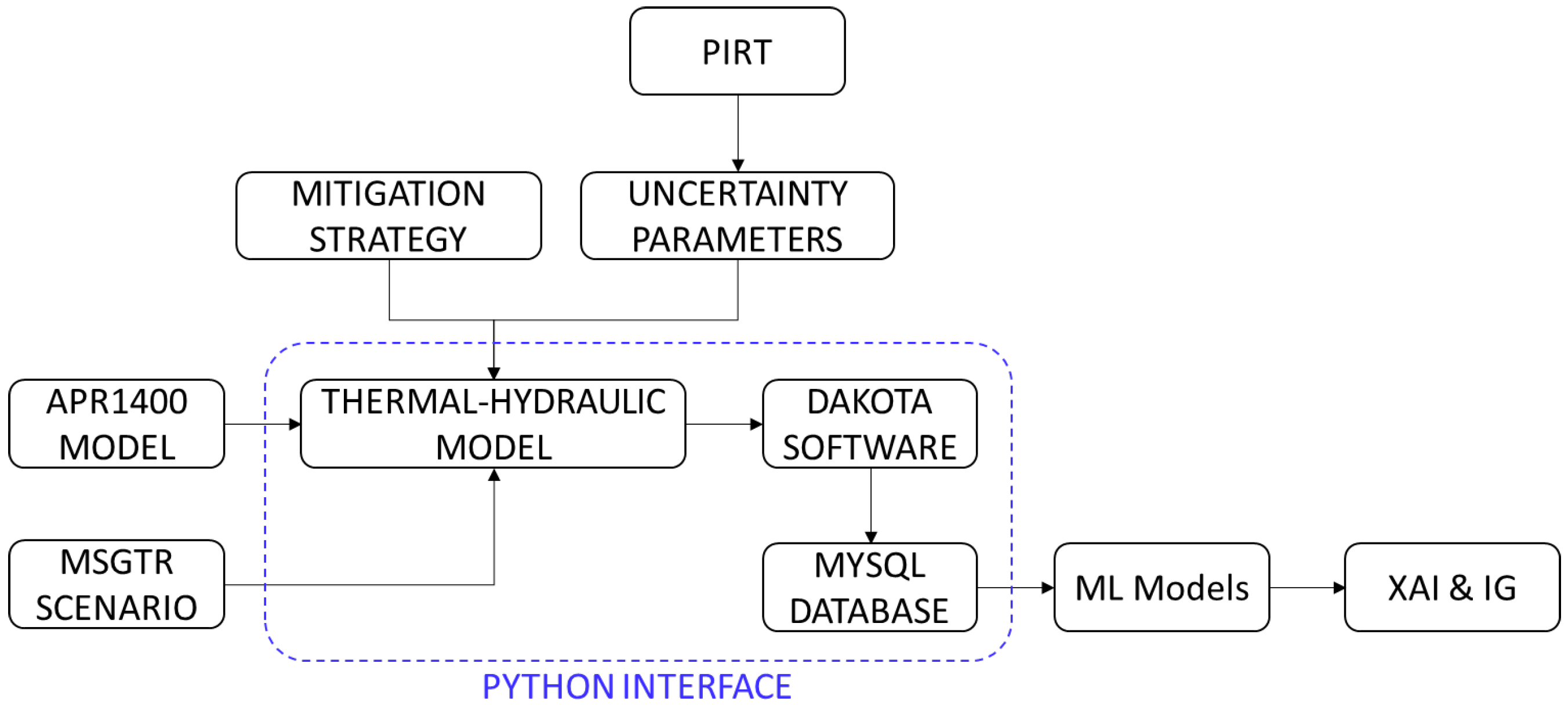
Figure 1 provides a detailed documentation of the entire workflow of this study. The main building blocks are: thermal hydraulic model, uncertainty quantification and data generation, machine learning model. For brevity, the development of the thermal-hydraulic model and uncertainty quantification framework is not detailed here; readers are encouraged to consult the work by Dzien and Diab [10].
The MSGTR accident, involving the rupture of five tubes in the APR1400, was initially modeled as a double-ended guillotine break on the hot leg side, as this scenario is shown to potentially lead to the shortest MSSV opening time and the largest discharge flow [13]. The simulation was performed using the thermal-hydraulic code RELAP5/SCDAPSIM/MOD3.4, incorporating operator mitigation actions. Table 1 outlines all operator actions along with their respective timelines.
Given the rapid progression of an MSGTR accident, prompt and effective operator actions are essential for mitigating the event and ensuring plant safety. Building on the work of Bae et al. [9], the first operator action is modeled to occur 10 minutes after the reactor trip, involving a manual trip of all four RCPs. Five minutes later, a temporary RCS cooldown operation is initiated through the manual operation of the Main Steam Isolation Bypass Valve (MSIBV) and the Steam Blowdown Control System (SBCS) to discharge steam from the affected SG to the condenser.
The next step encompasses the generation of a database for the training of the machine learning model. This is achieved by developing an uncertainty analysis framework to simulate the accident using the BEPU method. Here, the statistical software, DAKOTA, is coupled with the RELAP5/SCDAPSIM/MOD3.4 code via a Python interface.
The IAEA has outlined multiple sources of uncertainty that need to be considered in a BEPU analysis. These include uncertainties in input data, models, numerical methods, experiments, scaling, extrapolation, assumptions, simplifications, code reliability, and human errors [20]. Furthermore, for each accident scenario, it is possible to identify the key phenomena causing uncertainties via a Phenomena Identification and Ranking Table (PIRT). Westinghouse [24] and Ahn [25] developed PIRT for SGTR accidents, with Youn [26] focusing on the MSGTR scenario for APR1400 reactors.
Following their work, the critical phenomena associated with MSGTR were identified and utilized to define the key uncertain parameters. These include 13 uncertain parameters modeled with normal distributions and 19 with uniform distributions, each within specified ranges. For each simulation run, DAKOTA randomly selected uncertain parameters from specified probability distributions and ranges. The software used Latin Hypercube Sampling (LHS) technique for parameter sampling. These parameters were then inserted into the RELAP5/SCDAPSIM/MOD3.4 simulation input file to model the system's response under varying uncertain conditions.
The number of iterations was determined using Wilk's k-order formula. Choosing Wilks' method for this study was driven by its simplicity, accuracy, and acceptance in regulatory contexts as specified by the USNRC 95/95 rule. Wilks' 5th order was selected given the recognition that 3rd order or higher typically produce are more precise and reliable outcomes [27]. A database comprising 600 potential MSGTR accident progression scenarios is generated, and stored in a mySQL database due to the large amount of data that would not fit into standard CSV files. This dataset is then used to develop and train three ML models, namely: GRU, LSTM, and LSTM+CNN.
Finally, the best-performing model was analyzed using the XAI technique known as Integrated Gradients to explain its prediction-making process and enhance model credibility. The development of the ML meta-models will be delineated next.
Figure 1.
Workflow Chart.
2.1. Machine Learning Model Development
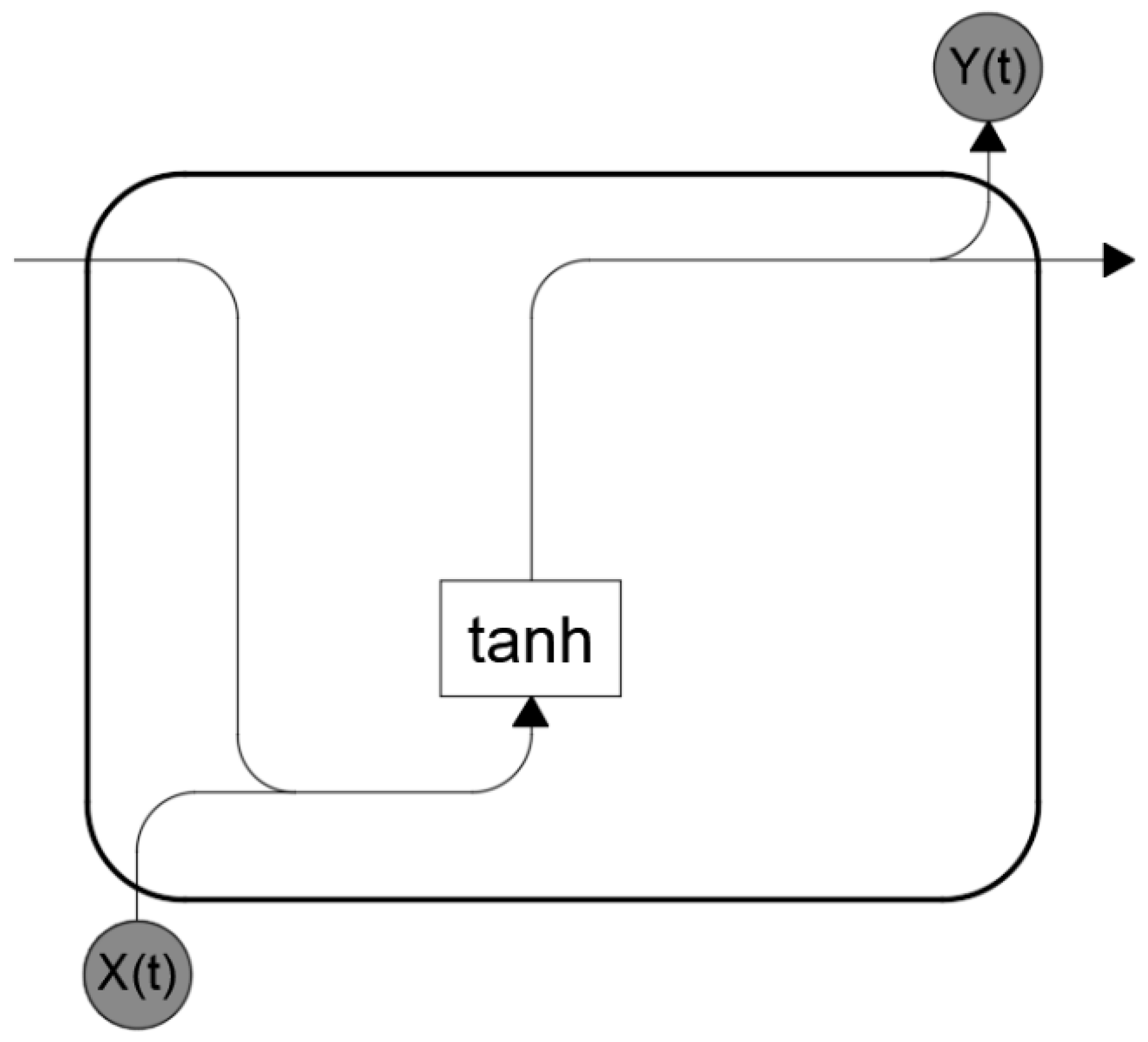
Machine learning, a branch of AI, focuses on developing algorithms and meta-models that enable computers to learn from data and make predictions or decisions without explicit programming. By identifying patterns and relationships within datasets, machine learning algorithms continuously improve their performance. Deep learning, a subset of machine learning, utilizes artificial neural networks with multiple layers to capture complex data representations. Recurrent Neural Networks (RNNs), a type of deep learning architecture, are designed to process sequential data by maintaining a hidden state that retains information from previous time steps. This makes RNNs particularly effective for tasks such as time series forecasting, where the sequence and context of data are crucial.
Figure 2.
RNN Architecture.
2.4.1. Model Selection
To predict the APR1400 reactor's response to MSGTR accidents, three deep learning models based on RNN architectures were selected and developed:
- ▪
- Gated Recurrent Unit (GRU)
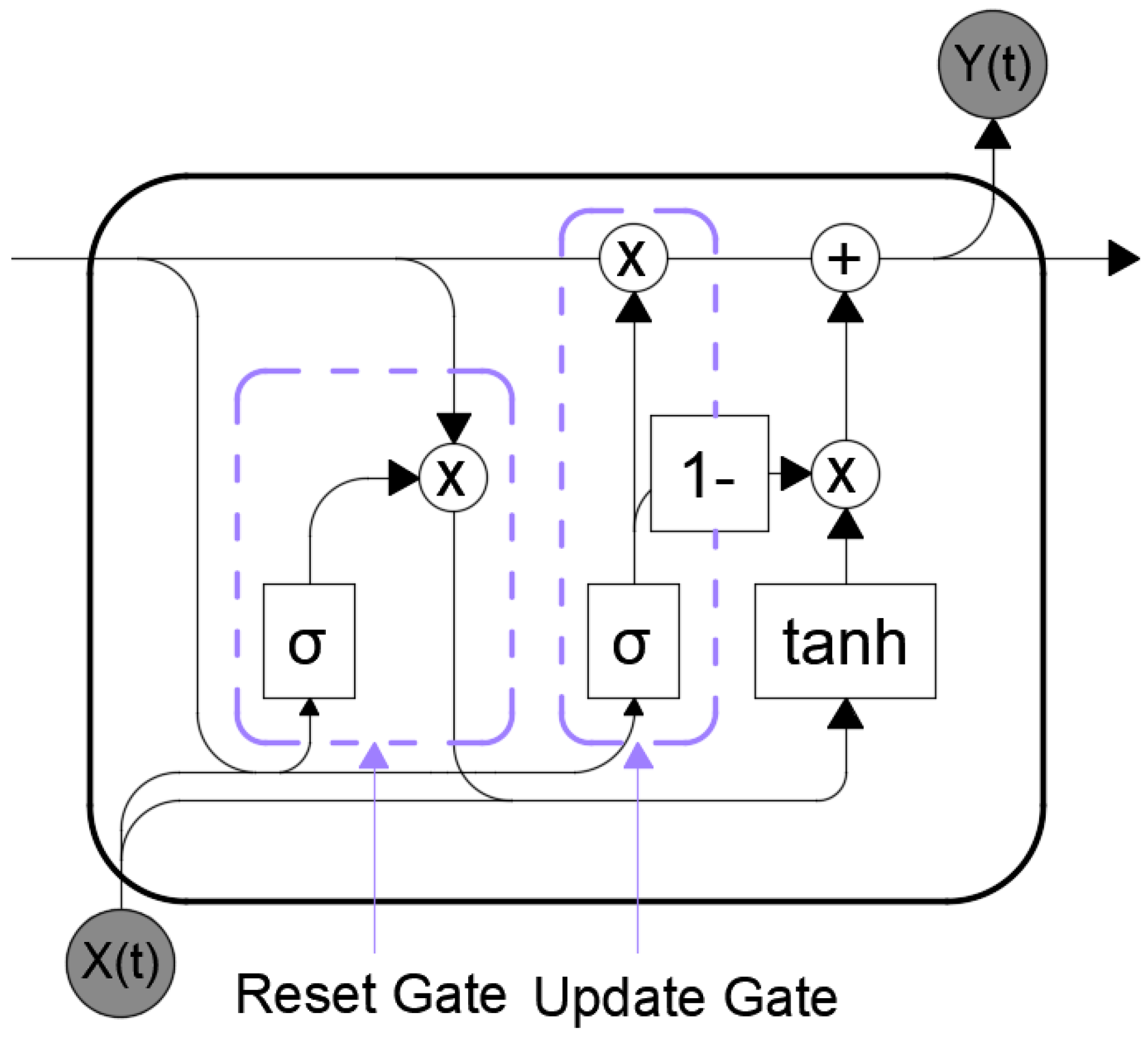
GRUs are a simplified type of RNN architecture designed specifically for time series data. They incorporate two gates: reset and update. The reset gate determines which parts of the previous information should be discarded, whereas the update gate controls how much information from the previous time step should be retained and passed forward. GRUs use sigmoid and tanh activation functions to manage the flow of information, balancing simplicity and performance. Their streamlined design reduces computational complexity while maintaining essential information, making them highly effective for sequential data tasks, such as predicting accident progression over time.
Figure 3.
GRU Architecture.
- ▪
- Long Short-Term Memory (LSTM)
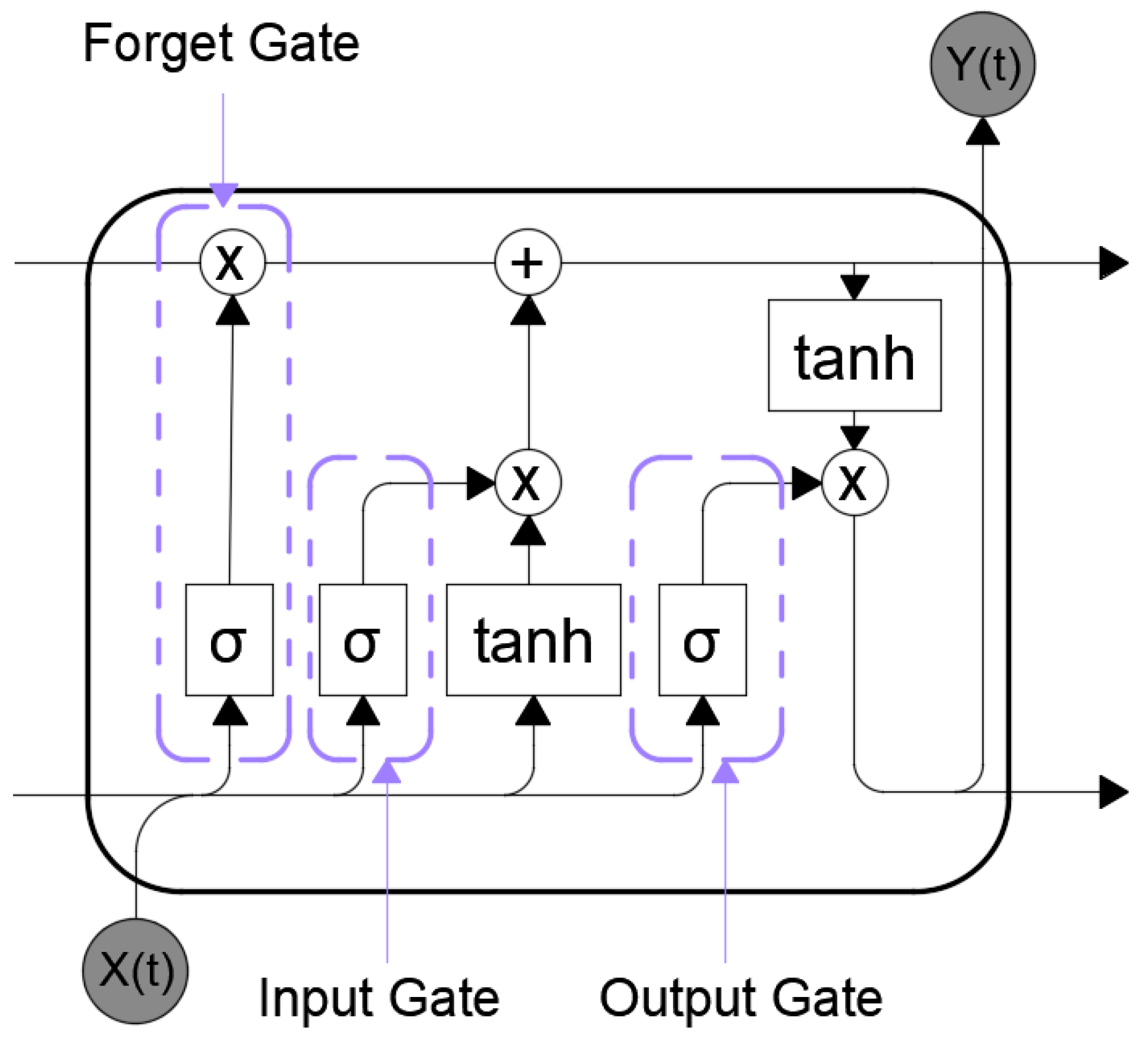
LSTMs improve upon standard RNNs by incorporating three gates: forget, update and output gates. The forget gate discards irrelevant information from the previous state, while the update gate decides what new information to add to the next state, and the output gate: Filters the information to be passed as output. This gated structure enables LSTMs to manage long-term dependencies effectively, making them particularly useful for multivariate time series forecasting. Despite their robustness, LSTMs may still face issues like vanishing and exploding gradients, though their advanced design helps mitigate these challenges and enhances dependency modeling.
Figure 4.
LSTM Architecture.
- ▪
- Hybrid Convolutional Neural Network-LSTM (CNN-LSTM)
The CNN-LSTM model combines the strengths of CNNs and LSTMs, leveraging their complementary abilities. While the CNN layer identifies patterns and extracts features from input data, filtering out noise, the LSTM layer processes the refined data for time series predictions. Although CNNs are primarily used for image classification due to their grid-like two-dimensional topology, but they can be adapted for time series data using 1D, 2D, or 3D convolutions. The input is filtered through convolutional layers where weighted summation and feature extraction occur. The final fully connected and dense layers label the input data. In this hybrid model, the dataset undergoes preprocessing (normalization, reshaping, and inverse transformation), passes through the CNN layer for noise reduction, and is then processed by the LSTM for prediction. This combination enhances computational efficiency and performance in time series prediction tasks, making it a robust choice for forecasting complex accident scenarios. The detailed architecture of the CNN-LSTM model used in the study is shown in Figure 5.
2.4.2. Parameters Selection and Database Generation
The foundation of training machine learning (ML) models lies in the database, which enables the models to identify and learn dependencies. Given the impossibility of replicating nuclear power plant (NPP) accidents in real-world conditions, simulation data was used. Through logical reasoning, 34 parameters critical to the progression of the accident were identified, including: reactor power, decay heat, RCS pressure, RCS temperature, pressurizer water level, SGs pressure and water level, steam blowdown flow, SIP flow, auxiliary spray flow, main steam isolation bypass valve (MSIBV) flow, auxiliary feedwater (AFW) flow, RCS flow, hot leg (HL) and cold leg (CL) temperatures, reactor vessel upper head (RVUH) void fraction.
The dependencies among these parameters were confirmed by constructing a covariance matrix (Figure 3). To predict the key parameters for the MSGTR accident—RCS pressure, RCS temperature, and RVUH void fraction—Spearman’s rank correlation coefficient was calculated between these parameters and the rest of the dataset. Parameters with an absolute correlation value greater than 0.25 were retained, resulting in a preliminary set of 25 parameters.
Figure 6.
Spearman’s Correlation Matrix.
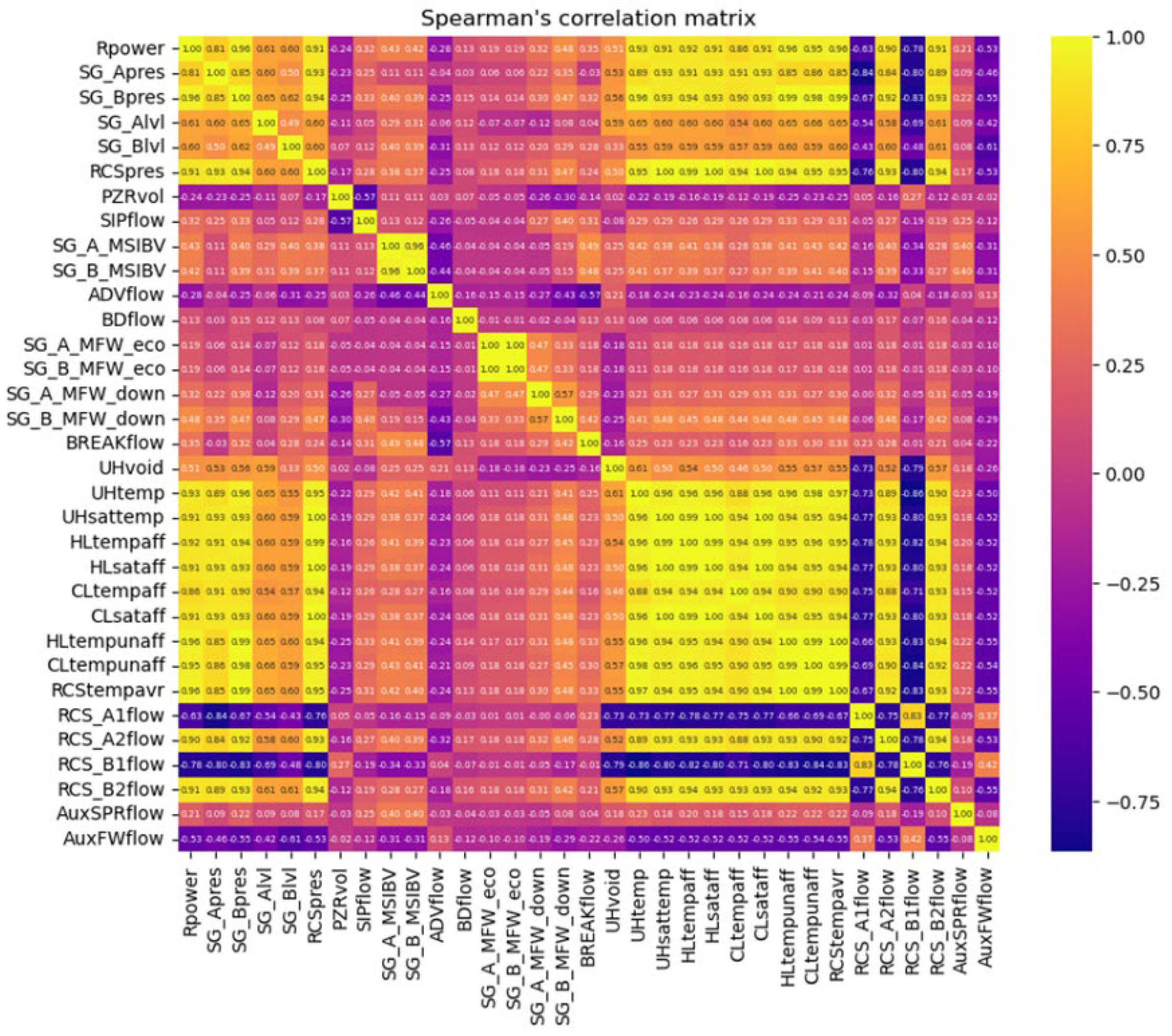
To enhance model efficiency, parameters with overlapping trends, such as temperature and saturation temperature in hot and cold legs, were removed. The final list contained 17 essential parameters. Using the RELAP5/SCDAPSIM/MOD3.4 code, a simulation database with 600 iterations over 14,000 seconds was generated, resulting in a dataset with 8.4 million rows and 18 columns, with time as an additional parameter.
2.4.3. Data Preprocessing
Data scaling is essential due to the wide range of parameter magnitudes, where large values could skew the model accuracy. A standard scaler was employed to normalize the data. The dataset is then partitioned into training (80%) and testing (20%) subsets, with an additional 80:20 split applied to the training set for validation purposes. The training dataset is used for model learning by adjusting weights and biases. The validation dataset monitors the model’s learning progress, whereas the testing dataset is used for predicting NPP responses to unseen data.
A dataset of dependent (y) and independent (x) variables is created, where the time step is set to 10 seconds. This allowed the model to predict the value of the 18th parameter at the 11th second based on the preceding 10 seconds. Finally, the dataset was reshaped into the format (samples, time steps, features) required for ML models.
2.4.4. Training and Evaluation of the Models
The models were designed to predict three critical safety-related parameters: RCS pressure, RCS temperature, and RVUH void fraction. Using a trial-and-error approach, the hyperparameters were fine-tuned to optimize the model accuracy and efficiency. Given the lengthy duration of each simulation (14,000 seconds), the large dataset posed computational challenges. To mitigate this, the number of epochs was capped at 10, as accuracy gains were negligible beyond this point, enhancing computational efficiency. A list of the hyperparameters with specific details are summarized in Table 2.
Subsequent to training, the model performance was evaluated using several metrics including: mean absolute error (MAE), mean square error (MSE), root mean square error (RMSE), coefficient of determination (R²), and prediction accuracy. It is crucial to monitor errors using multiple metrics during training, as certain metrics may be more sensitive to outliers than others.
MAE measures the average absolute difference between actual and predicted values:
MSE calculates the average squared difference, penalizing larger errors more heavily due to the squaring operation:
RMSE is the square root of MSE, also penalizes larger errors while providing error magnitude in the target variable’s units:
The R² metric indicates how well the model predicts variance in the target variable, while the prediction accuracy is computed by dividing the average of predicted values by actual values and multiplying by 100%. The ideal performance targets are 0 for MAE, MSE, and RMSE, 1 for R², and 100% accuracy. These metrics ensured comprehensive error monitoring, as different metrics respond differently to outliers, making them essential for robust model validation.
Based on the results accuracy and training duration, the most effective model was selected. To gain insight into the selected model's prediction process and demonstrate its reliability through logical reasoning, the model was analyzed using the Explainable AI (XAI) technique of Integrated Gradients, as described in the following section.

Table 2.
Hyperparamets of ML models.
| Hyperparametres | GRU | LSTM | CNN+LSTM |
| Optimizer | Adam | Adam | Adam |
| Epoch | 10 | 10 | 10 |
| Batch size | 700 | 700 | 700 |
| Activation function | relu | relu | relu |
| Hidden layers | 1 | 1 | 2 |
| Kernel regularizes | 1 | 1 | 1 |
| Training sample | 8316584 | 8316584 | 8316584 |
| Testing sample | 2072138 | 2072138 | 2072138 |
2.4.5. Explainable Artificial Intelligence (XAI)
Explainable AI (XAI) has become an essential element of machine learning, providing methods to enhance the transparency and interpretability of complex models. By providing insight into a model’s decision-making process, XAI methods enable stakeholders to verify, trust, and refine predictive systems, ensuring they meet critical safety standards. In the final stage of this study, the Integrated Gradients (IG) method was employed to explain the model's prediction process. IG attributes importance to input features based on their contribution to the output, offering a clear understanding of how changes in input features affect predictions.
IG operates by computing the path integral of the output gradients with respect to the input, traced along a straight-line path from a baseline input to the actual input. This ensures that each feature's attribution is based on its value's deviation from the baseline, often an input with minimal or zeroed values. IG is both theoretically robust and practically interpretable, adhering to the principles of sensitivity and implementation invariance, making it ideal for safety-critical applications. The IG calculation is expressed as:
where:
- The predictive model output to be explained.
- The input vector to explain the prediction.
- The baseline vector, representing a reference point (often a zero vector).
- The path parameter, which scales from the baseline to the actual input
- The partial derivative of the model output with respect to the ith feature of the input.
This equation calculates the integral of the model’s gradient along a path from the baseline x′ to the actual input, x, assigning an importance score to each feature based on how its change influences the output. A positive IG value indicates that increasing the feature moves the prediction towards the current output, meaning it positively contributes to the predicted outcome. Conversely, a negative IG value suggests that increasing the feature would push the prediction away from the output, indicating a negative correlation.
For the selected model from the previous stage, Integrated Gradients were calculated and averaged across all input features throughout the entire transient. The only exception was the parameter that was both predicted and used as an input feature, as its influence on the model’s prediction was self-evident. The objective was to understand how the model interprets the remaining features, shedding light on their relative importance in the prediction process.
3. Results
3.1. MSGTR Simulation Results
To maintain brevity, the condensed results of the thermal-hydraulic model and the uncertainty quantification are presented below. Readers are encouraged to refer to the work of Dzien and Diab [10] for detailed information. A sequence of events and corresponding operator actions are summarize in Table 3.
The simultaneous rupture of five u-tubes at 0 seconds in the affected SG results in the leakage of RCS inventory into the secondary side. This, in turn, leads to a rapid decline in the primary side pressure and a corresponding drop in the pressurizer water level. The reduction of the RCS pressure results in a decrease in the saturation temperature of the primary side. When the difference between the temperature of the hot leg and that of the saturation temperature becomes less than 7.2 K, the reactor is tripped after 151 seconds. Concurrent with the reactor trip, the turbine is also tripped, and the feedwater flow to the down comer region is terminated. When the pressure of the primary side drops below 80 Pa, the pressurizer LPP signal initiated the activation of SIP at 199 seconds. The initiation of safety injection, causes the RCS pressure to drop at a slower rate.
Ten minutes after the reactor trip, i.e. at 751 seconds, the operator manually stops all four RCPs. Subsequently, at 858 seconds, the MSIS signal is generated as a consequence of the continuous leakage of RCS coolant, which increases the affected SG water level. The isolation of the affected SG results in a loss of its heat removal capability, leading to a pressure peak.
In order to implement a temporary RCS cooldown, the operator manually opens the MSIBVs and TBV at 1051 seconds. This enables the generated steam to be dumped into the condenser. The process allows the generated steam to be discharged into the condenser, which results in a decline in temperature and pressure below the MSSV opening setpoint.
Two minutes after, at 1171 seconds, the operator activates the PZR auxiliary spray which causes the pressurizer water level to rise, and subsequently depressurizing the RCS and affected SG. When the hot leg temperature reaches 558.15 K, the MSIBVs and TBV are closed at 2514 seconds, causing the pressure in the affected SG to start rising again. As a consequence of the continuous leakage of RCS coolant through the break, the water level of the affected SG exceeded 100%. In response, the operator initiated the SGBD operation at 2634 seconds. Following the completion of the SG emergency blowdown procedure, the operator initiated the opening of the unaffected SG’s ADV at 2954 seconds, to continue cooldown and depressurization of the RCS. The procedure led to a pressure drop in unaffected SG (Figure 5). A reduction in the unaffected steam SG water level resulted in the activation of the auxiliary feedwater system at 4739 seconds. The system remained active until the SG was filled with water to the closing setpoint. From this point until the end of the simulation, the AFW system activated whenever the water level fell below the setpoint due to evaporation and discharge through the ADV. The system was then deactivated once the water level was restored to the closer setpoint.
Figure 7.
RCS and SGs Pressure vs Time.
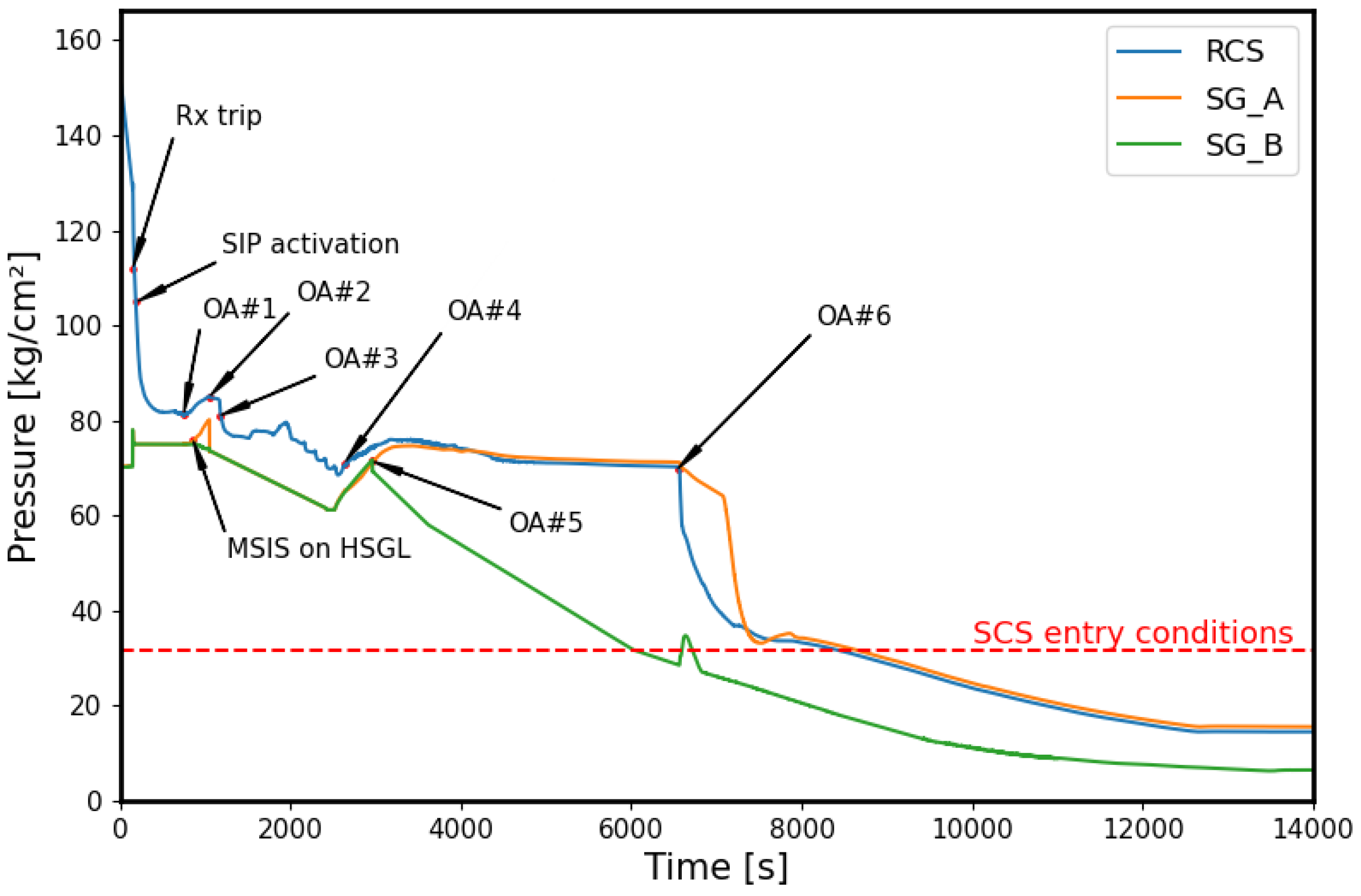
The coordinated operation of the AWF and ADV systems significantly enhances the heat removal from the unaffected SG, leading to a reduction in its pressure. The RCS temperature also began to steadily decrease. However, natural circulation is insufficient to depressurize the primary side. Therefore, one hour after the ADV is opened, the operator manually starts one RCP per loop. The initial startup of the pumps results in a peak of pressure in the unaffected SG. However, the pressure throughout the entire system begins to decrease afterwards. The increased coolant flow leads to an effective cooldown and depressurization of the RCS, enabling the plant to reach safe SCS conditions at 11250 seconds.
The uncertainty analysis revealed that in all cases, the MSSVs remained closed, preventing any radiological release. The RCS pressure and temperature followed the nominal response without significant deviations. Thanks to the implementation of operator actions, the accident can be successfully mitigated and the system is brought to a safe shutdown condition as evidenced by Figure 8.
Figure 9 presents the void fraction of the Reactor Vessel Upper Head (RVUH), which is filled with vapor. This occurs as a consequence of inventory leakage due to the break and decline of saturation temperature. The void persisted until the restart of RCPs, at which point the vapor collapsed and a flow was once again formed. Furthermore, the restart of RCPs resulted in a reduction in the break flow to a value of approximately 0 kg/s. The break flow was driven by the pressure differential between the primary and secondary sides. As this differential decreased, the leakage was constrained. In the interval of 3413.0-7316.0 seconds, the natural circulation caused a backflow, which was initially exacerbated by the restart of the RCPs. This was due to the pressure and temperature dropping more rapidly in the cooled RCP than in the isolated Affected SG. In each iteration, the plant successfully achieved SCS conditions, the MSSVs were not activated, and the RVUH void fraction was collapsed. In conclusion, the simulation demonstrated that the accident was successfully mitigated with the appropriate operator actions.
3.4. Machine Learning Model Results
The collected results of the fitted and evaluated models are summarized in Table 4. All models delivered outstanding prediction accuracy, consistently exceeding 98.8%. The CNN+LSTM model showed superior overall performance, with an exceptionally short training time and a step time of 7.0 ms/step, nearly four times faster than the other models. In comparison, the LSTM model required the longest training time, with an average step time of 30.5 ms/step, making it impractical.
Due to its accuracy and training time, the CNN+LSTM model was recognized as the best and with the biggest practical potential.
Figure 10, Figure 11 and Figure 12 below show the training and validation losses recorded during the fitting process. Overall, the training was smooth and effective for all parameters and models. However, slight fluctuations and minor noise were observed in the GRU model for RCS Temperature and the LSTM model for RVUH Void Fraction. The CNN+LSTM model showed the most consistent performance during training and validation. All models were also tested with 20 training epochs instead of 10, but this did not result in significant changes, confirming that 10 epochs are sufficient to fit the models while saving time.
Figure 13, Figure 14 and Figure 15 illustrate the models' excellent forecasting performance for the parameters, with minimal observable differences between the predicted and actual values. Notably, slight variations in accuracy and output graphs were observed across multiple training sessions. These differences stem from the inherent uncertainty in the characteristics of machine learning models. Quantifying this uncertainty is essential to improve the models' reliability and credibility.
3.5. Integrated Gradients Results
In Table 5, the summed Integrated Gradients (IG) results for the three most important features influencing each model's predictions during the whole transient are presented. As shown, the most significant influence on predicting the RCS Pressure was the pressure in the affected SG. Since the affected SG reduced the pressure throughout the entire system, the correlation is justified and positive. The next important features were the mass flow rates in the RCPs, which were restarted during the second part of the transient. The pumps were responsible for cooling, which lowered the pressure; therefore, the IG values are negative. In predicting the RCS Temperature, the most significant influence was the UH Temperature, as it exhibited a similar response throughout most of the accident. The second most important parameter was the pressure in the unaffected SG, which maintained its cooling function and was responsible for temperature regulation. The mass flow of the restarted RCP in the affected SG also had a significant impact on the predicted values. In predicting the formation of the RVUH void fraction, the greatest negative influence was from the mass flows of the RCPs in the unaffected loop, which were responsible for cooling and thus prevented the formation of voids. An additional significant parameter was the RCS Temperature.
As mentioned in the methodology, IG values were not calculated for the impact of the same parameter on its own prediction (for example, IG of RCS pressure for predicting RCS pressure), as its influence was obviously high. The aim of this study was to determine which additional features significantly influence the model’s predictions.
4. Conclusions and Future Work
This study focused on developing a machine learning (ML) model to predict the progression of a Multiple Steam Generator Tube Rupture (MSGTR) accident in the APR1400 reactor. The initial phase involved conducting a Best Estimate Plus Uncertainty (BEPU) analysis to simulate two scenarios: a simultaneous guillotine rupture of five tubes and a mitigation strategy involving specific operator actions at defined intervals. Following uncertainty quantification and the Phenomena Identification and Ranking Table (PIRT) process, 181 simulations were performed using the RELAP5/SCDAPSIM/MOD3.4 code coupled with Dakota statistical software. Critical safety parameters such as Reactor Coolant System (RCS) pressure and temperature, Reactor Vessel Upper Head (RVUH) void fraction, and Main Steam Safety Valve (MSSV) activation were monitored. Across all scenarios, the plant successfully transitioned to Shutdown Cooling System (SCS) conditions, void fractions collapsed, and no MSSVs were activated, demonstrating that the proposed mitigation strategy effectively prevents core damage and ensures safety during the accident.
To support ML model development, the accident scenario was simulated 600 times, generating a comprehensive database. Three ML architectures GRU, LSTM, and CNN+LSTM—were trained to predict the value of one parameter at the 11th second based on the preceding 10 seconds of data across 18 parameters. All models achieved high accuracy exceeding 98.8%, with CNN+LSTM selected as the optimal model due to its superior training efficiency. To enhance model transparency, IG, an XAI technique, was applied to assess input features importance. The most influential parameters were identified as the RCPs mass flows and the SGs pressure.
While this study made significant advancements, there remain opportunities for refinement and future enhancements. The sensitivity study highlighted that using MSSV setpoints from the DCD for an SGTR accident results in valve activation, necessitating further quantification of radiological leakage and comprehensive radiological analysis.
The current ML models were designed to predict a single parameter based on all 18 input parameters from the preceding 10 seconds. However, for real-world applications, models capable of predicting one parameter using only the remaining 17 parameters would be more practical. Such models would be invaluable during accident conditions where certain instrumentation may be non-functional or specific measurements unavailable. While excluding the predicted parameter from the input may reduce accuracy and necessitate a larger dataset, it is a critical step towards integrating AI into thermal-hydraulic safety analysis and nuclear safety frameworks.
Additionally, minor fluctuations in model accuracy were observed during training due to inherent ML characteristics. Addressing this variability through formal classification of uncertainty bounds will improve model reliability and establish a consistent range of expected performance.
To further validate the insights derived from IGs, it is recommended to employ an additional XAI technique, such as SHapley Additive exPlanations (SHAP). SHAP leverages game theory to quantify each feature's contribution, offering a complementary perspective on feature importance. Integrating SHAP can enhance model interpretability by providing a more robust and reliable assessment of feature impact, confirming or refining the findings from IGs, and strengthening stakeholder confidence in the ML-driven safety analysis framework.
Author Contributions
Sonia Spisak: Writing – original draft, Visualization, Validation, Soft-ware, Investigation, Formal analysis, Data curation. Aya Diab: Writing – review & editing, Su-pervision, Software, Resources, Project administration, Methodology, Investigation, Formal analysis, Conceptualization. All authors have read and agreed to the published version of the manuscript.
Funding
The authors declare the absence of any external funding for conducting this research.
Data Availability Statement
The original contributions presented in the study are included in the article, further inquiries can be directed to the corresponding author.
Acknowledgments
This research was supported by the 2024 Research Fund of the KEPCO In-ternational Nuclear Graduate School (KINGS), Republic of Korea.
Conflicts of Interest
The authors declare no conflicts of interest. The funders had no role in the design of the study; in the collection, analyses, or interpretation of data; in the writing of the manuscript; or in the decision to publish the results.
References
- International Atomic Energy Agency, “Safety of Nuclear Power Plants: Design, IAEA Safety Standards Series No. SSR- 2/1,” Vienna, 2016.
- G. Delipei, "Development of an Uncertainty Quantification methodology for Multi Physics Best Estimate analysis and application to the Rod Ejection Accident in a Pressurized Water Reactor”, 2019.
- R. P. Martin and A. Petruzzi, "Progress in international best estimate plus uncertainty analysis methodologies," Nuclear Engineering and Design, p. 374, 2021. [CrossRef]
- F. D'Auria, “Best Estimate Plus Uncertainty (BEPU): Status and perspectives”, Nuclear Engineering and Design, Volume 352, 2019. [CrossRef]
- R. P. Martin and A. Petruzzi, "Progress in international best estimate plus uncertainty analysis methodologies," Nuclear Engineering and Design, p. 374, 2021. [CrossRef]
- Kajetan Andrzej Rey, Jan Hruškovič, Aya Diab, “Analysis of Control Element Assembly Withdrawal at Full Power Accident Scenario Using a Hybrid Conservative and BEPU Approach”, Nuclear Engineering and Technology, Volume 55, Issue 10, 2023. [CrossRef]
- Tae Gang Lee, Taehyung Na, Byongjo Yun, Jae Jun Jeong, “Lifetime thermal analysis of the CANDU spent fuel storage canister at the Wolsung site”, Nuclear Engineering and Technology, 2024. [CrossRef]
- Jungjin Bang, Gi Hyeon Choi, Dong-Wook Jerng, Sung- Won Bae, Sunghyon Jang, Sang Jun Ha, “Analysis of steam generator tube rupture accidents for the development of mitigation strategies”, Nuclear Engineering and Technology, Volume 54, Issue 1, 2022. [CrossRef]
- Jae-ho Bae, Yeon-sik Cho , Jae-seung Suh, “Thermal-Hydraulic Analysis of MSGTR event in OPR1000 using SPACE code”, Korean Nuclear Society Spring Meeting Jeju, Korea, May 23-24, 2019.
- Sebastian Dzień , Aya Diab, “Safety evaluation of Multiple Steam Generator Tube rupture accident using the best estimate plus uncertainty approach”, Nuclear Engineering and Design, Volume 422, 2024. [CrossRef]
- Chul-Kyu Lim, Sang-Koo Han, Sook-Kwan Kim, Dong-Sik Jin, Bong-Jin Ko, Yong-Ho Hong, Kwang-Il Ahn, Soo-Yong Park, Seok-Won Hwang, Paul McMinn, Chan-Young Paik, “Best-estimate analysis for a MSGTR accident of CANDU-6 plants using the MAAP-ISAAC code”, Nuclear Engineering and Design, Volume 359, 2020. [CrossRef]
- J.-H. Jeong, K.-S. Chang, S.-J. Kim, J.-H. Lee, “Best-estimate analysis of MSGTR event in APR1400 aiming to examine the effect of affected steam generator selection”, Journal of the Korean Nuclear Society (2002).
- Bo Kam Yoon, Myung Jun Song, Chan Eok Park, Myeong Hoon Lee, “Analysis of Multiple Steam Generator Tube Rupture with Emergency Operating Guidelines for APR1400”, Korean Nuclear Society Virtual Autumn Meeting October 21-22, 2021.
- Yann LeCun, Yoshua Bengio, Geoffrey Hinton, “Deep Learning”, Nature, 2015.
- Daniel P. Russo, Kimberley M. Zorn, Alex M. Clark, Hao Zhu, “Comparing Multiple Machine Learning Algorithms and Metrics for Estrogen Receptor Binding Prediction”, Molecular Pharmaceutics, Vol 15/Issue 10, 2018. [CrossRef]
- Brendan Kochunas and Xun Huan, “Digital Twin Concepts with Uncertainty for Nuclear Power Applications”, Energies, 2021. [CrossRef]
- Jürgen Schmidhuber, “Deep learning in neural networks: An overview”, Neural Networks, Volume 61, 2015. [CrossRef]
- Jianqiong Xiao; Zhiyong Zhou, “Research Progress of RNN Language Model”, 2020 IEEE International Conference on Artificial Intelligence and Computer Applications, 2020.
- Manikandan Nanjappan, K. Pradeep, Gobalakrishnan Natesan, A. Samydurai & G. Premalatha, “DeepLG SecNet: utilizing deep LSTM and GRU with secure network for enhanced intrusion detection in IoT environments”, Springer Nature, Cluster Computing, Volume 27, pages 5459–547, January 2024.
- Tran Canh Hai Nguyen, Aya Diab, “Using machine learning to forecast and assess the uncertainty in the response of a typical PWR undergoing a steam generator tube rupture accident”, Nuclear Engineering and Technology, Volume 55, Issue 9, 2023. [CrossRef]
- Dang Minh, H. Xiang Wang, Y. Fen Li & Tan N. Nguyen, “Explainable artificial intelligence: a comprehensive review”, Springer Nature, Artificial Intelligence Review, volume 55, 2021. [CrossRef]
- Ashwin Bhat, Arijit Raychowdhury, “Non-Uniform Interpolation in Integrated Gradients for Low-Latency Explainable-AI”, Cornell Univeristy, Machine Learning, 2023.
- Oleksandr Davydko, Vladimir Pavlov, Luca Longo, “Selecting Textural Characteristics of Chest X-Rays for Pneumonia Lesions Classification with the Integrated Gradients XAI Attribution Method”, Springer Nature, Explainable Artificial Intelligence, October 2023, pp 671-687.
- S.H. Ahn, C.W. Huh, J.Y. Park, M.W. Kim, Y.J. Cho, “Phenomena identification and rankings in domestic PWR accident conditions”, KNS, Spring Meeting, Gyeongju, 2008.
- G.E. Wilson, C.D. Fletcher, C.B. Davis, “Phenomena identification and ranking tables for westinghouse AP600 small break loss-of-coolant accident, Main steam line break, and steam generator tube rupture scenarios”, United States (1997).
- B.-S. Youn, J.-H. Koh, D.-H. Lee, “Development the DEC PIRT for APR1400 MSGTR”, Transactions of the Korean Nuclear Society Spring Meeting, Jeju, May 2017.
- In Seob Hong, Sweng Woong Woo, “Review of Higher Order Wilks’ Method to Identify Code-based Maximum Parameter Value”, Korean Nuclear Society Autumn Meeting, Gyeongju, Korea, October 25-26, 2012.
Figure 5.
CNN-LSTM Architecture.
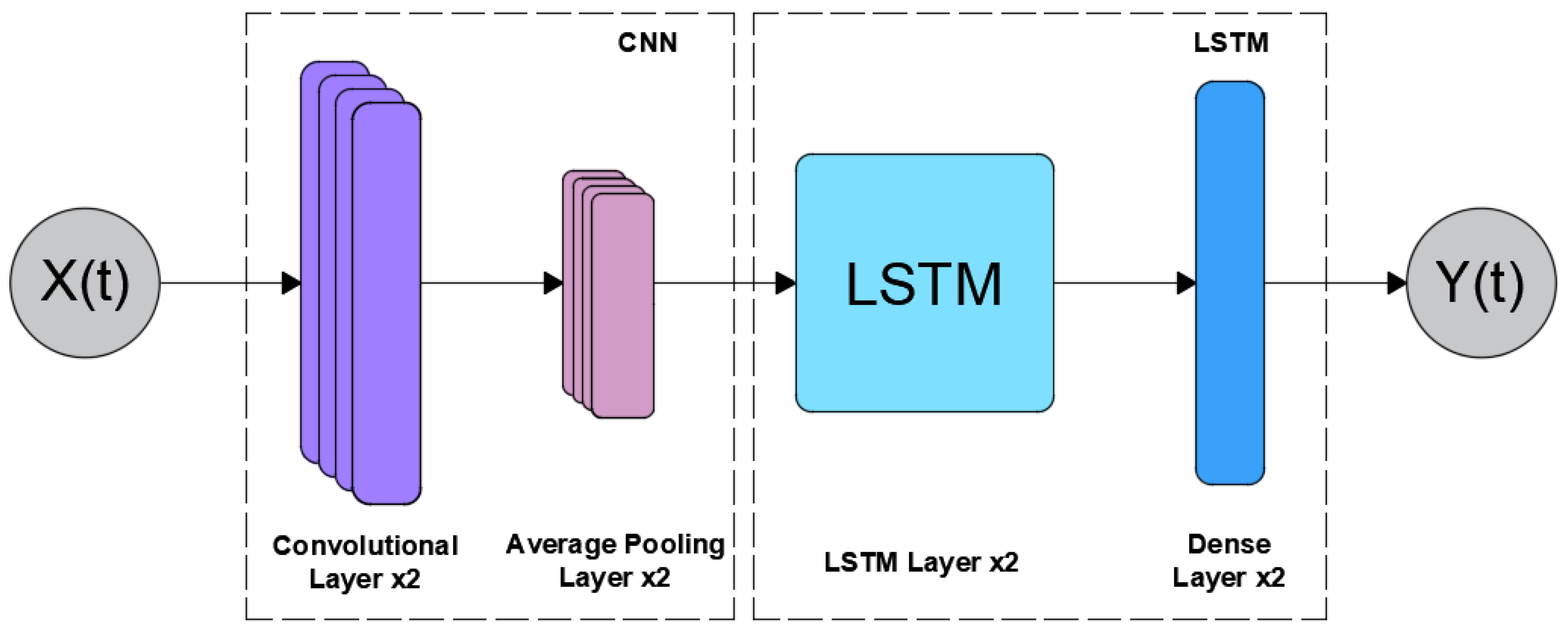
Figure 8.
BEPU Analysis Results for (a) RCS Pressure and (b) RCS Temperature.
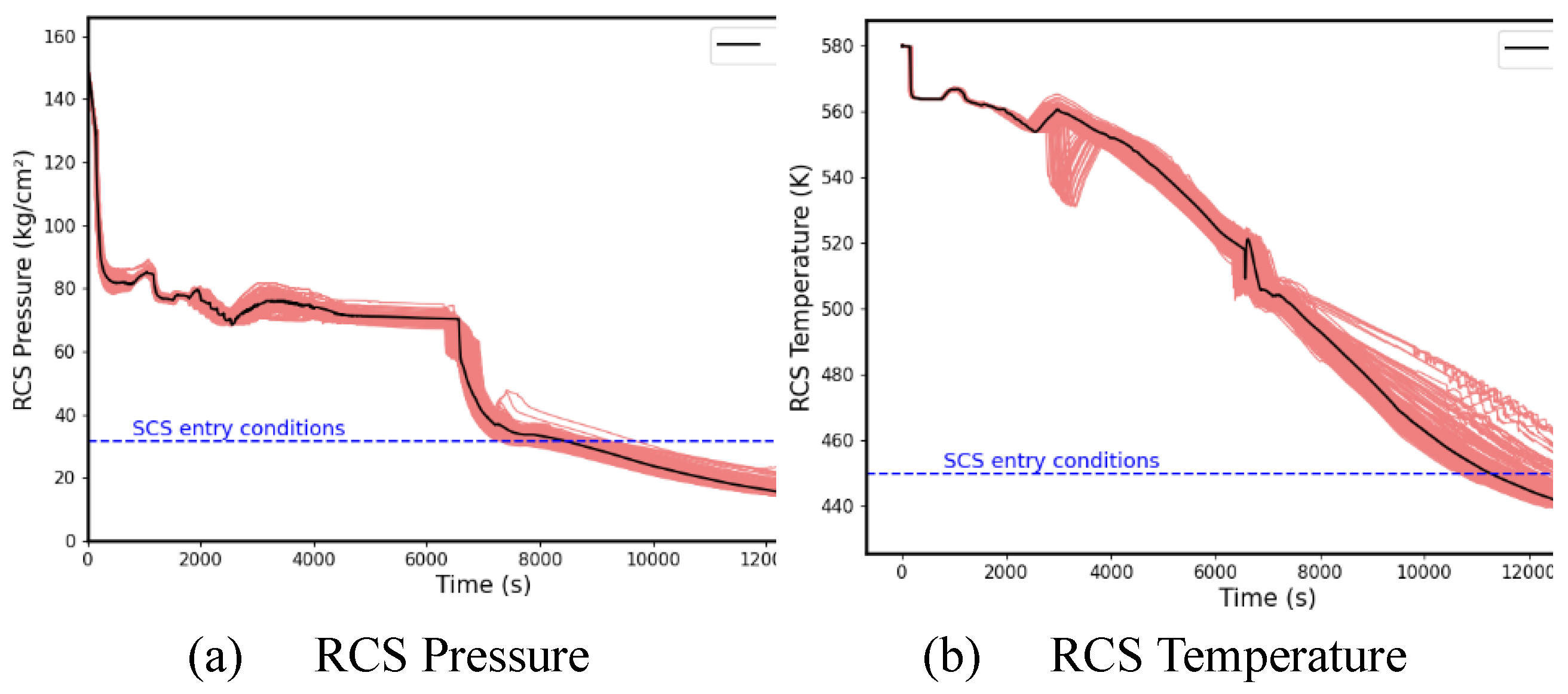
Figure 9.
BEPU Results for RVUH Void Fraction.
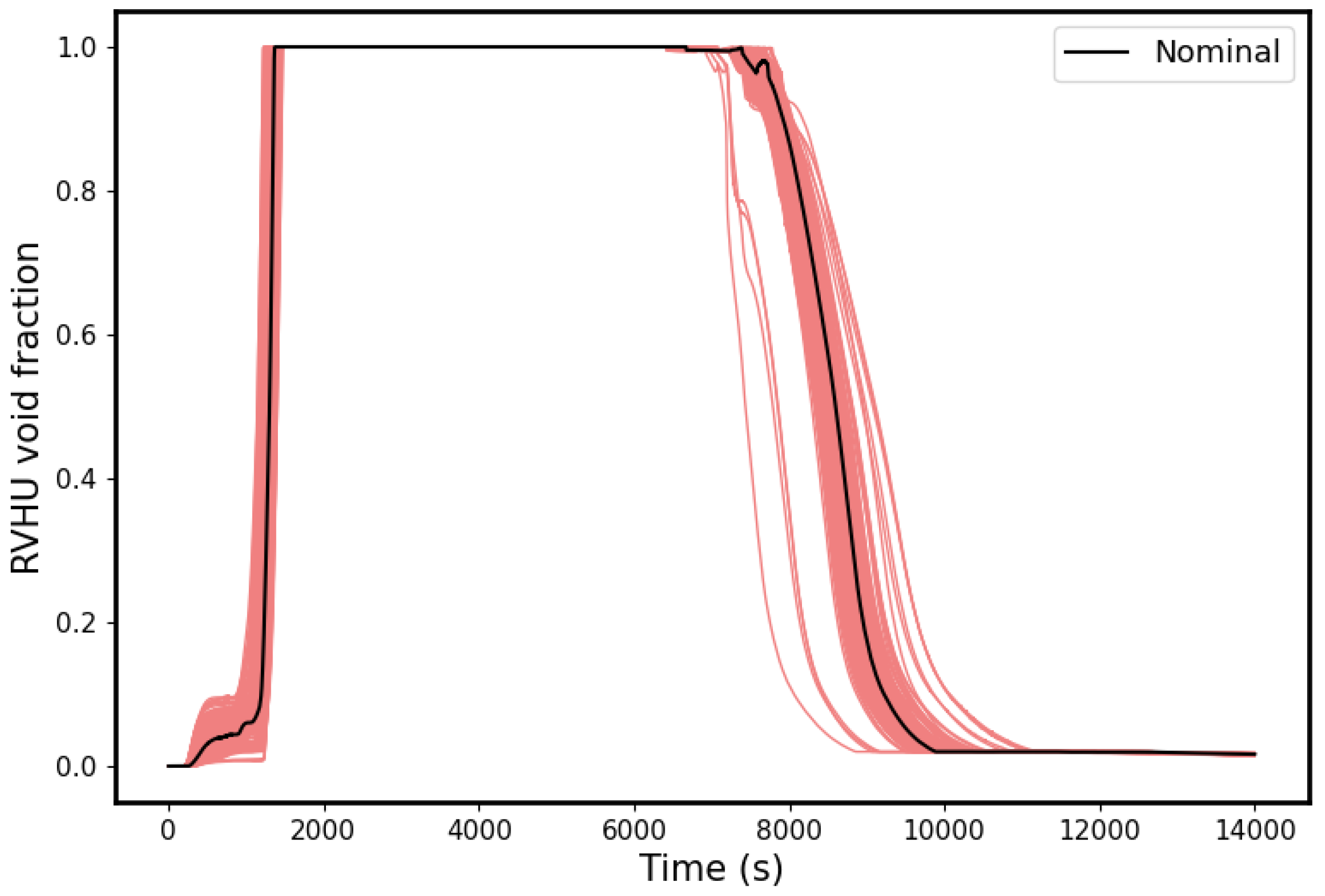
Figure 10.
Loss vs Epoch for RCS Pressure.
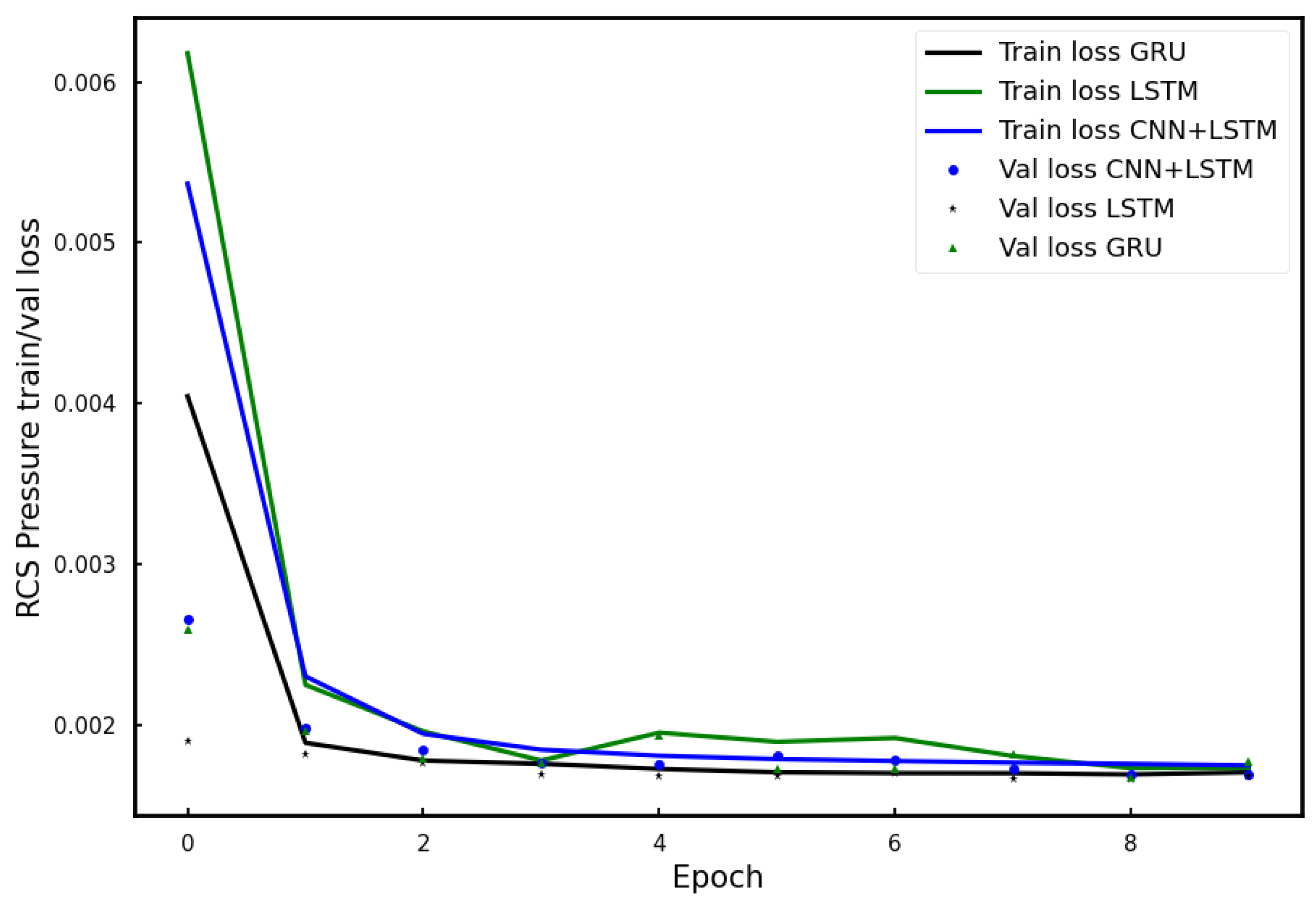
Figure 11.
Loss vs Epoch for RCS Temperature.
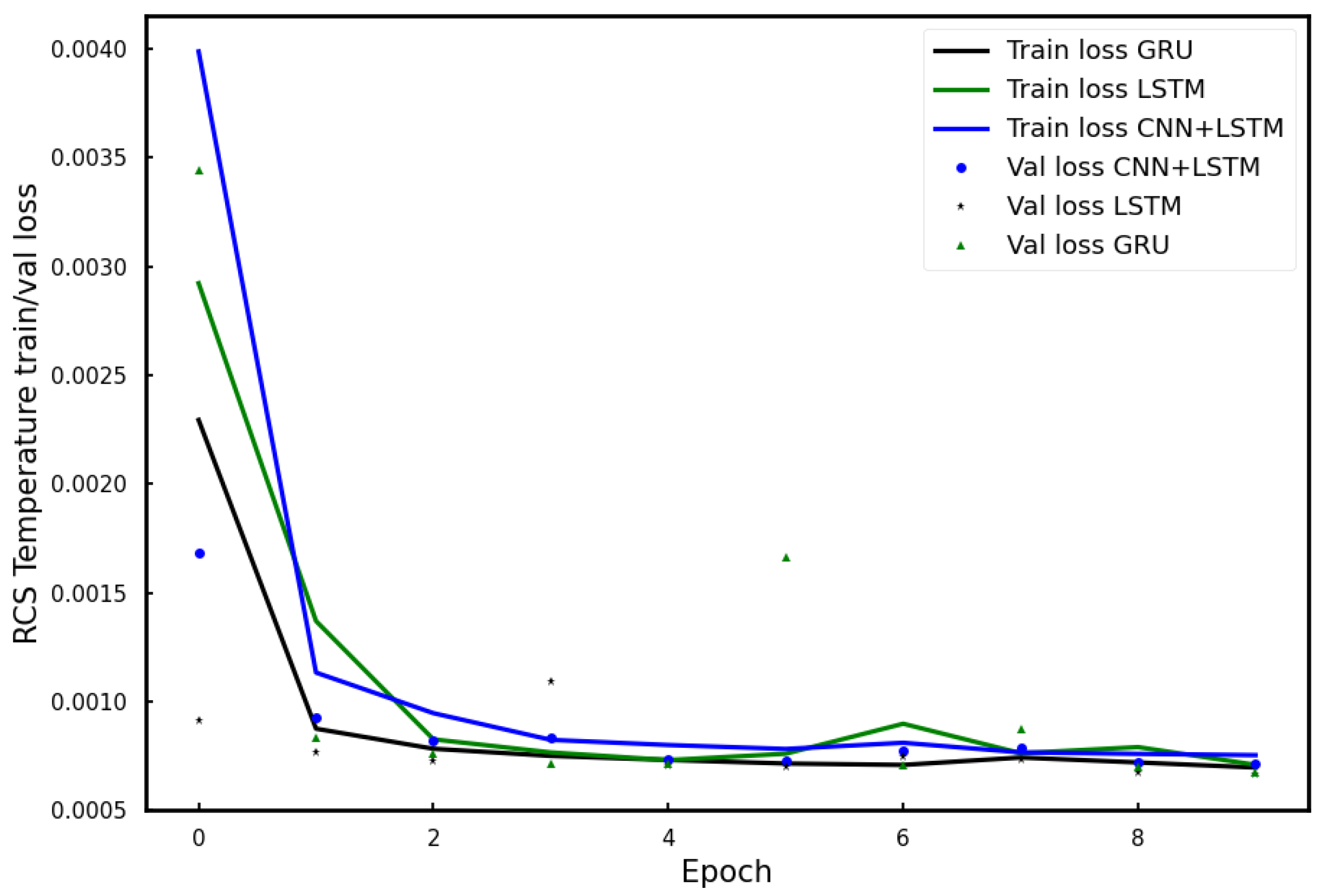
Figure 12.
Loss vs Epoch for RVUH.
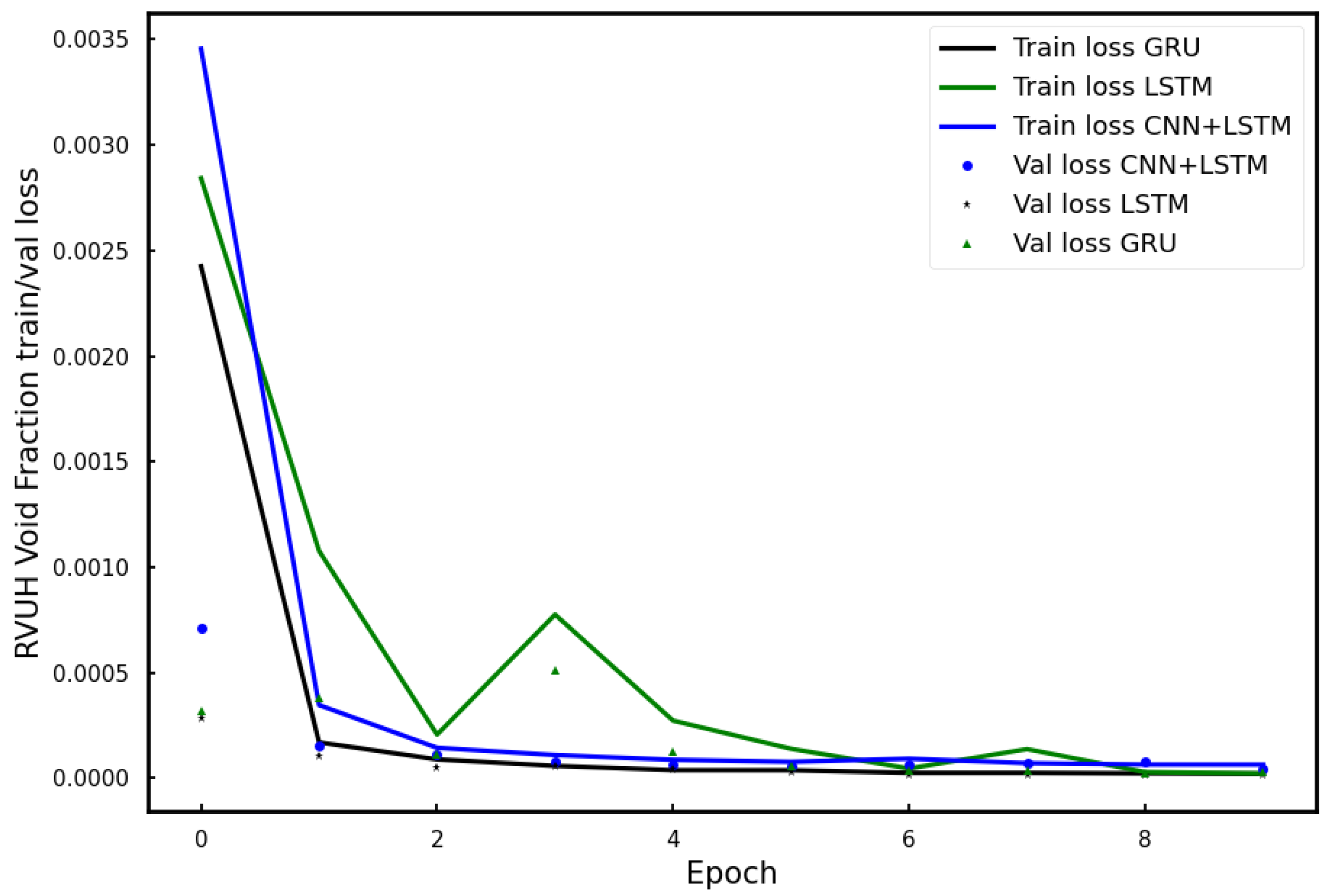
Figure 13.
Predicted and Actual Values of RCS Pressure.
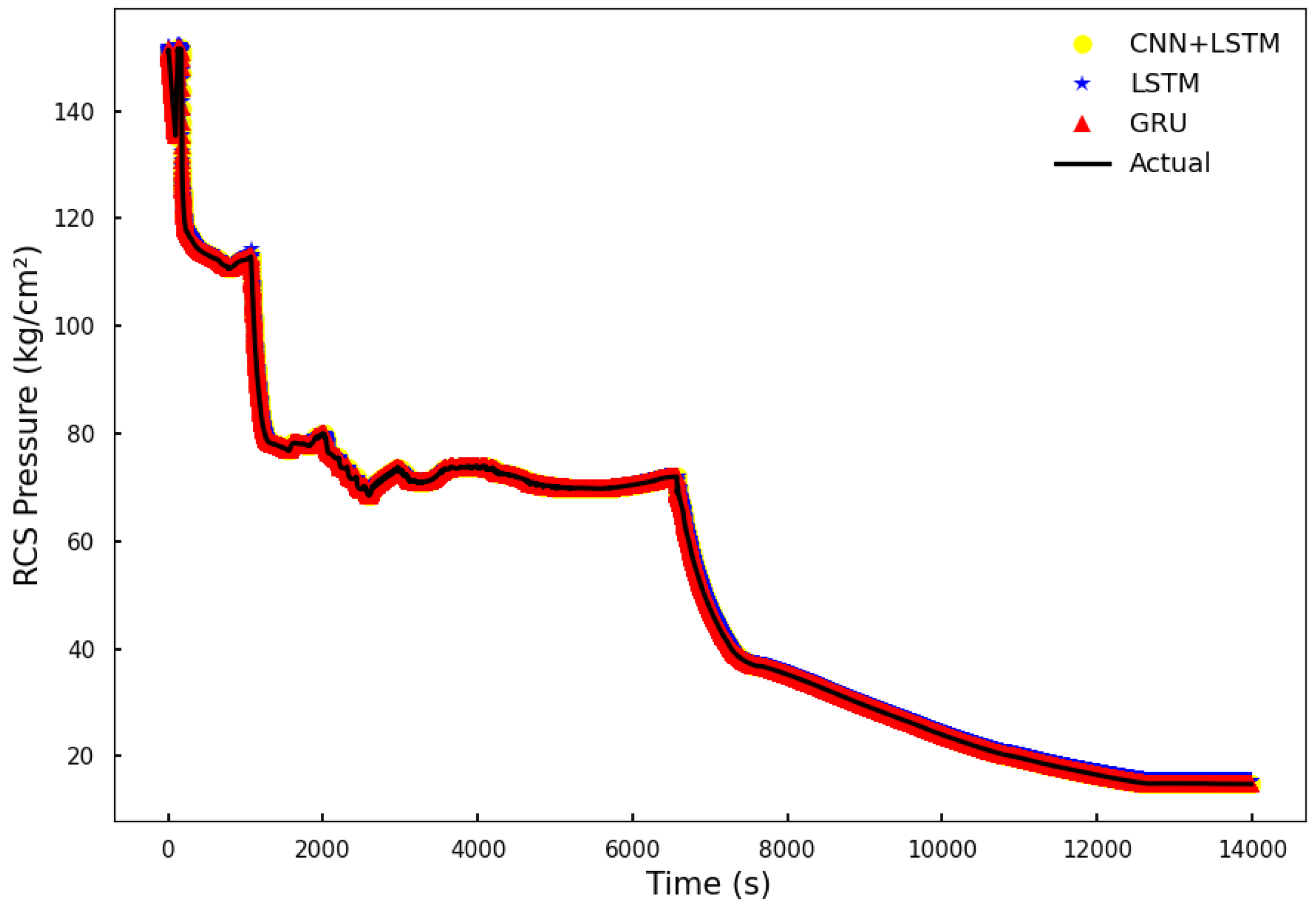
Figure 14.
Predicted and Actual Values of RCS Temperature.
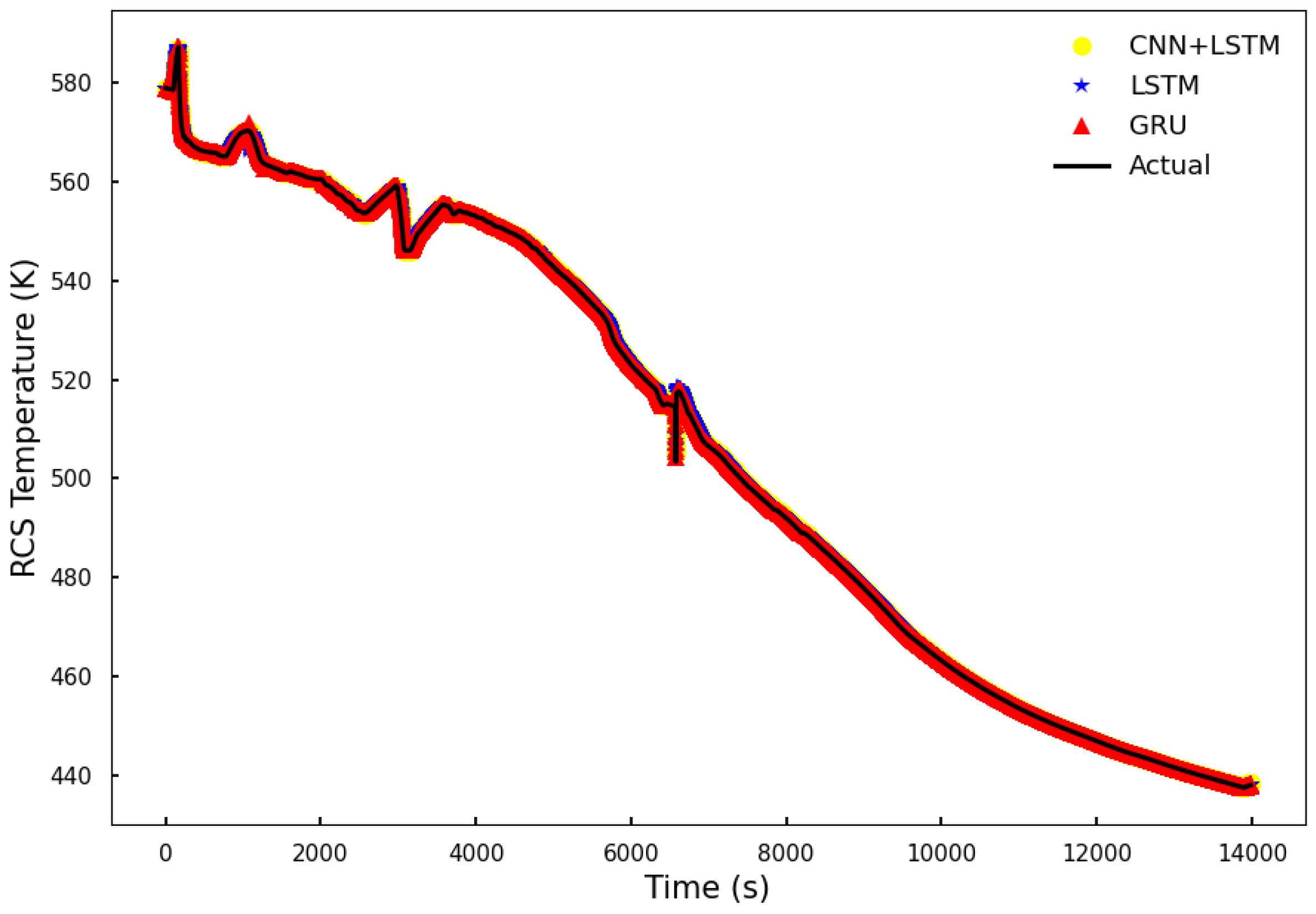
Figure 15.
Predicted and Actual Values of RVUH.
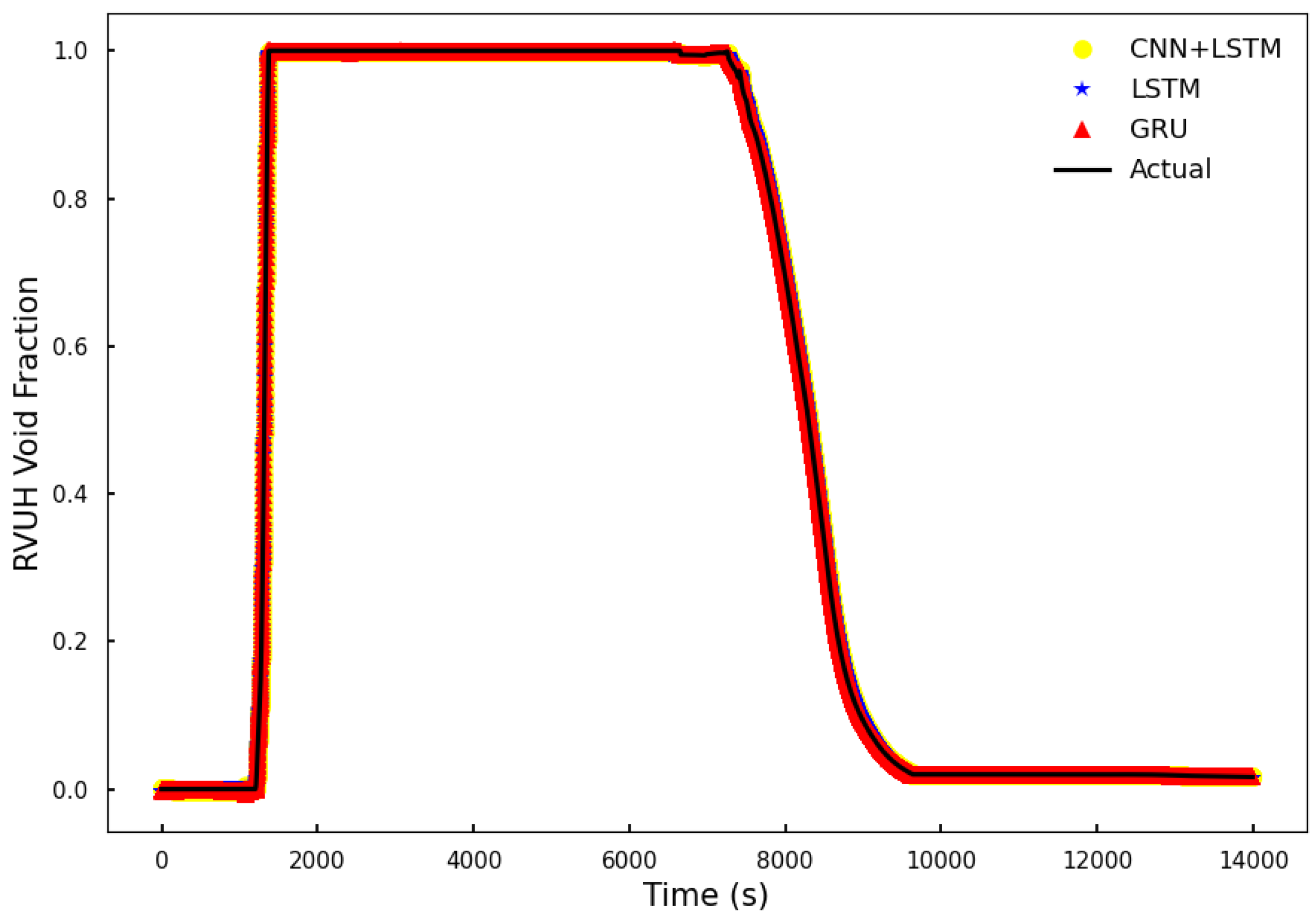
Table 1.
Operator’s Actions Timeline.
| Timeline | Operator Action | |
| #1 | Reactor Trip + 10min | Manual trip of 4 RCPs |
| #2 | Reactor Trip + 15min | Manual opening of MSIBVs and TBV for temporary RCS cooldown |
| #3 | OA#2 + 2min | Pressurizer Auxiliary Spray activation |
| #4 | OA#3 + 2min | Affected Steam Generator blowdown operation (200s) |
| #5 | OA#4 + 2min | Manual opening of ADV in unaffected Steam Generator |
| #6 | OA#5 + 1hr | Restarting one RCP per loop |
Table 3.
Sequence of Events.
| Time [s] | Event |
| 0.0 | Rupture of five u-tubes |
| 151.0 | Reactor trip |
| 191.0 | SIP starts |
| 751.0 | RCPs trip (OA#1) |
| 858.0 | Affected SG isolation due to high SG water level |
| 1051.0 | MSIBVs and TBV open (OA#2) |
| 1171.0 | Pressurizer Auxiliary Spray operation (OA#3) |
| 2514.0 | MSIBVs and TBV close |
| 2634.0 | SGBD operation (OA#4) |
| 2954.0 | ADV open in unaffected SG (OA#5) |
| 4739.0 | AFW activation in unaffected SG |
| 6554.0 | RCPs restart- 1 per loop (OA#6) |
| 11250.0 | SCS entry condition |
Table 4.
ML Models Performance Results.
| Parameter | Model | MSE | MAE | R² | Accuracy (%) | Step Time (ms/step) |
| RCS Pressure | GRU | 0.00167 | 0.0021 | 0.998 | 99.60 | 25.3 |
| LSTM | 0.00170 | 0.0895 | 0.998 | 98.81 | 30.0 | |
| CNN+LSTM | 0.00160 | 0.0019 | 0.998 | 99.64 | 7.0 | |
| RCS Temperature | GRU | 0.00064 | 0.0012 | 0.999 | 99.58 | 25.3 |
| LSTM | 0.00064 | 0.0015 | 0.999 | 98.94 | 30.3 | |
| CNN+LSTM | 0.00065 | 0.0029 | 0.999 | 98.80 | 7.0 | |
| RVUH Void | GRU | 0.00044 | 0.0152 | 0.999 | 99.73 | 26.5 |
| LSTM | 0.00065 | 0.0018 | 0.999 | 99.58 | 31.0 | |
| CNN+LSTM | 0.00013 | 0.0029 | 0.999 | 99.37 | 7.0 |
Table 5.
Integrated Gradients Results.
| Predicted Parameter | Key Input Parameters | Integrated Gradients (x1000) |
| RCS Pressure | Affected SG Pressure RCP A1 Mass Flow RCP B1 Mass Flow |
168.29 -78.17 -73.79 |
| RCS Temperature | UH Temperature Unaffected SG Pressure RCP A1 Mass Flow |
95.52 30.19 -25.61 |
| RVUH Void Fraction | RCP B1 Mass Flow RCP B2 Mass Flow RCS Temperature |
-190.07 -80.34 70.04 |
Disclaimer/Publisher’s Note: The statements, opinions and data contained in all publications are solely those of the individual author(s) and contributor(s) and not of MDPI and/or the editor(s). MDPI and/or the editor(s) disclaim responsibility for any injury to people or property resulting from any ideas, methods, instructions or products referred to in the content. |
© 2024 by the authors. Licensee MDPI, Basel, Switzerland. This article is an open access article distributed under the terms and conditions of the Creative Commons Attribution (CC BY) license (http://creativecommons.org/licenses/by/4.0/).
Copyright: This open access article is published under a Creative Commons CC BY 4.0 license, which permit the free download, distribution, and reuse, provided that the author and preprint are cited in any reuse.


