

Submitted:
13 December 2024
Posted:
17 December 2024
You are already at the latest version
Abstract
In the higher educational sector, teachers are facing different kinds of occupational crises that are important to consider for their better performance and improvement in the working environment and provide health risk control. The objective of this study was to investigate the influence mechanism and countermeasures for occupational pressure reduction on teachers' work engagement in the higher education sector. The data was collected by using a quantitative design and 400 questionnaires were distributed to the target respondents. The study concludes that fostering employee collaboration, technological innovation, and leadership support contributes to reduction in occupational stress, and provide health risks control. Moreover, occupational stress reduction is a strong mediator that acts as a bridge to enhance employee engagement in Higher Educational Institutes (HEIs). The findings of this study provide useful theoretical and practical implications that are important to reduce occupational pressure on the work engagement of teachers’ staff of public and private institutes and provide health risk control. Lastly, this study highlights the further gap in the literature that must be fulfilled by future studies, and research's to contribute to the literature.
Keywords:
Work Engagement
; Occupational Stress Reduction
; Technological Innovation
; Leadership Support
; Employee Collaboration
; Health Risks
1. Introduction
It is important to understand that in the modern time the work engagement of the teacher is also important to consider by the management of the institutes because it matters a lot in the performance of the teachers. The teachers are facing a different kind of crisis in the Higher Educational Institutions (HEIs) related to their performance and the performance of the students [1]. It is critical to understand that the performance of the teacher is directly responsible for the high and achievable performance of the students. In any case, if the students are not performing well in the educational institute, it means that the teachers are not rightly providing study material to the student for their better learning [2]. Similarly, as the employees are motivated and face issues in organizations, the teachers are facing different kinds of issues in the educational institute. In HEIs, the teaching staff is not satisfied with the organizational structure, and they are facing work-life-related problems [3]. Indeed, the focus of the teachers must be to educate the students and provide them with related skills for getting a better opportunity in the job market [4,5]. In this way, the responsibility of the organization is to provide the related course material and motivation to the teachers for better performance. Employee collaboration refers to the teamwork of the employees in any organization to achieve the target goal of the organization in a single direction with collective effort [6]. Indeed, it is a critical success factor of the organization if the employees of the organization are working together and are not deviating from the target goal of the organization. Similarly, innovation of the technology in the working environment refers to the new world technology adapted by different institutes and organizations to bring efficiency, and effectiveness to the performance of the organization [7,8]. In this regard, the institutes that are utilizing modern technology over time in the organization, these institutes are providing a reliable working environment to the employees for better organizational performance [9]. In the context of organizations, the role of the leader is critical because he provides guidelines and reactions to get the work done from the employer by motivating them with appropriate resources. Importantly, the organization that is working without a visionary leader, these organizations are facing myopia and is not successful in the target market [10,11]. Occupational stress is when the employees of any institute are not provided with appropriate resources, and they are demanded to get the work done without resources by providing more time and value to the work beyond their capabilities [12,13]. It is one of the reasons that lead the employees of any organization to turn over the intention and switch the institute for the job. Significantly, work engagement explains the performance of any employee of the organization and his engagement to the work for better output [14]. This study aimed to research the influence mechanism and countermeasures of occupational pressure on teachers' work engagement in private colleges and Universities. It is a fact that in HEIs the teachers are facing different kinds of occupational crises that are important to consider for their better performance and improvement in the working environment [5,15]. In this regard, there is a need to explore the factors that affects the work engagement of teaching staff in HEIs. No doubt, the teachers are facing different kinds of crises in the working environment, and there is a need for immediate action to take out teaching staff from these problems [16]. This study is significant because it provides a framework that is critical to consider to understand the relationship between the factors that can reduce occupation stress and enhance employee engagement, and provide health risks control.
2. Literature Review and Framework
According to the theory of employee engagement by William Kahn in the organization, the employees express themselves cognitively, physically, and emotionally during their role performing [17]. Furthermore, this theory highlights to what extent an employee is connected and agreed with the work and his performance in any organization [18]. He highlights that employee engagement is dependent on value congruence, core self-evaluation, and perceived organizational support [12]. The theoretical model of this study is grounded on this theory of employee engagement (Figure 1). However, during the literature review, it was identified that different other significant factors are contributing to employee engagement, particularly in the engagement of teachers in HEIs. In this regard, this study has considered leadership, innovation of technology, and occupation stress reduction as the important factors that are contributing to the work engagement of the employees. In this way, it would be a great contribution to the literature by providing different alternatives that are also contributing to employee engagement. No doubt, the theory of Kahn significantly highlights the role of cognitive factors in employee engagement, but other external factors are also contributing to employee engagement highlighted by different studies in an effective way [19]. Figure 1 explains the theoretical model of this research.
2.1. Literature Review and Hypotheses Development
It is critical to understand that every employee has an important role in the organization because the organization is functioning based on these employees and their contribution to achieving the goal according to the vision and mission of the organization [20]. However, at the same time, it is noted that most of the employees are not satisfied in the banking sector job because they are not provided with the appropriate resources to accomplish their goals productively and contribute to the financial success of the business [21]. In this regard, it is the responsibility of the management to ensure that every employee is provided with equal opportunities and guidance to perform his work in an effective way to achieve his targets in the organization. However, different factors are influencing the performance of employees in the organization, because in the organization employees are living in the social and cultural contact in communication and working together [22]. On the one hand, it is noted that the employees who are provided with the opportunity to work in collaboration with the other employee, in result they are more motivated and work-oriented to achieve their goals because the teamwork is effective for getting the greater success in a united way [20]. On the other hand, it is noted that the employees who are not provided with the opportunity to work together in the organization and are not motivated by the manager and the executive officer of the organization, in this way the performance of the employees decreases, because it is difficult for them to work individually in any organization to achieve sustainable development and working regarding the vision and mission of the organization [23]. Importantly, it must be considered that there is a critical role of collaboration and communication between the employees to achieve the character success and work according to the vision and mission of the organization, because until and unless the employees are not working in relation then it would be difficult for them to that a single goal and protectively achieve that goal [24].
H1.
There is a positive relationship between employee collaboration and occupation stres reduction.
In modern times, technological innovation has changed the traditional way of learning and provided innovative and different alternative ways of learning for the students [25]. However, it is the responsibility of the teachers to understand this innovative technology is critical for the students because they are to complete with the modern problems that need a modern solution [25]. In this manner, different educational institutes are getting opportunities to provide innovative technology resources to the students to make sure that they are learning effectively [26]. However, different problems are in the ways of teaching because the teachers are not capable to utilize innovative technology in an effective way for the betterment of the student. It is also a fact that some teachers believe that there is no role of technology in learning because in the traditional time the students were also learning without the help of the technology [27]. However, on the other hand, some students believe that they must be provided the education in the innovative technology to improve the efficiency and effectiveness of learning behavior to cope with the modern problem [28]. In the scenario of the pandemic, it was observed that the HEIs shifted to technological advancement for eliminating the barrier between the teacher and the students to provide them a way of factor communication and learning [29]. At the same time, it was also noted that most of the teachers are not innovative and their face different kinds of challenges to use the technology in an innovative way for the betterment of the students and the organization to cope with the problem of the pandemic [30]. It is due to the reason that the innovative technology tools are advanced, and the teachers are not capable to use these technology tools that lead the teachers to occupational stress [21]. In this way, the negative motivation was developed in the teachers as most of the workers resigned from HEIs because they were considering themselves not appropriate for providing reliable and understandable learning material to the students with the help of technology resources having fewer capabilities [20].
H2.
There is a positive relationship between technological innovation and occupation stress reduction.
It is a fact that without the concept of leadership the organization cannot develop productively. In this regard, the relationship between leaders and the employees is important to consider because little is providing a direction to the employees to move according to the vision and mission of the organization for achieving the target and working sustainably [31]. Indeed, it is the responsibility of the leadership to motivate the employees for their battle performance and get a reasonable outcome from the employees [32]. However, it is also reasonable to understand that most leaders are not good thinkers and intellectuals to achieve the sustainable goal for the productivity and reliability of the organization. In this case, the leaders are leading the organization into decline because they have confuse and they don't have any kind of vision and mission to run the functional departments of the organization in a productive way to improve the performance and standard of the organization related to the public image [33]. Oppositely, on the other hand, there is an employee that is working under the leadership that is motivating the employees to provide the best output with effective management and removing the occupational stress. It is important to consider that if the leadership is reliable and visionary effective strategies and policies are developed to improve the standard of performance of the organization in the best way [34]. Similarly, according to the study of [35], it is noted that in well-developed business organizations, the role of leadership is critical because these leaders are leading these organizations to the advanced level by providing them with a vision and motivating all the employees to work in a single direction. The leaders who are not self-motivated, and do not motivate the employees for the protective improvement in the organization, in this case, these leaders are badly failed to improve the standard of learning of employees and their performance in the organization [36].
H3.
There is a positive relationship between leadership support and occupation stress reduction.
In the educational sector, it is also noted that the future needs to work in collaboration with the other teachers to eliminate the working barrier and mental stress from their routine activities to achieve success according to the sustainable development of the private institutes in an effective way [37]. It is noted that the teachers in Australia are working in collaboration to motivate each other for a single direction of target for the better productivity of the student to provide them reliable and understandable learning material [38]. Indeed, for the students who are not provided with the opportunity to improve their learning, it is the responsibility of the teachers to work in collaboration with other teachers and innovate the alternative ways to provide a better understanding of the concepts to the students for their mental and intellectual development [39]. On the other hand, the teachers who are not working in collaboration, face occupational stress because it is a fact that most of the time the appropriate resources are not provided to the employees related to their work [40]. In this case, if the employees are working in collaboration, then they would be more motivated and they would lose their occupational and work for the betterment of the organization as well as their public image to achieve the maximum reward [41]. In the educational sector, the awareness related to the collaborative learning and collaborative performance of the teachers must be provided to the employees to make sure that they work together and effectively utilize all the resources brought due to the world's innovative techniques of teaching to improve the standard of the students [42]. Similarly, the work engagement factors are critical to understanding for the teachers, if they are provided with appropriate resources then they would work in the best way for the development of the students and organization [43]. Oppositely, if the teachers are not provided with the appropriate resources and they have no opportunity to work in collaboration with other teachers, then the reliability of their work would be very low as they would face occupational stress in their working routine. Indeed, it is critical for the teachers to be motivated by the top management of the organization and must be provided with effective and alternative ways to develop the behavior of collaboration.
H4.
There is a positive mediation of occupation stress reduction between employee collaboration and work engagement.
It is the responsibility of administration to provide appropriate working environment to the teachers [44]. Importantly, according to the study of Celik [45], it was considered to a greater extent because the teachers of HEIs were not using the technology of this kind but as they were provided with the training and motivational session to utilize this technology for the betterment of the students and organization, they avoided the occupational stress. In this way, the work engagement of the teachers was developed to an effective level as it was not appropriate at the time of the pandemic as the teachers were not trained to utilize the technology effectively [46]. Indeed, the responsibility of the organizational management is to provide the training to the employees to utilize the innovative technology and there would not be any kind of barrier between the skills and capabilities of the employees and the performance and the innovation of the technology [47]. It is due to the reason that this is all effective to improve the performance of the employee when they are provided with this and their development, and they are more concerned about their success. Importantly, the training related to the innovative ideas and use of innovative technology is not only good for the teachers but also must be provided to the employees in the manufacturing and service organization to eliminate the variation between the capability and resources of the employees and their performance [48]. It is a useful technique that must be adopted by the management to provide reliable resources and remove occupational stress and achieve the organization's engagement.
H5.
There is a positive mediation of occupation stress reduction between technological innovation and work engagement.
Leadership skills are not only limited to the business sector but in the educational sector, leadership opportunities are important to consider because with the help of these leaders the teachers in the HEIs are motivated and the employees are performing well to work according to the vision admission of the organization [35]. It must be understood that an effective leader provides reliable resources and improve the performance of the employees by motivating them and offering them different kind of opportunities according to their mental and physical situation [12]. Not only in the business sector but the educational sector leaders are critical because, with the help of these leaders, the organization is working in the social-economic sector and performing for the betterment of society. If any organization has an effective leader that is motivating the employees for achieving the critical success factor, in result the organization would develop a competitive advantage because leaders are also the competitive advantage of the organization without any occupational stress [36]. In this regard, the responsibility of the management is to work productively and provide a link between the leader and the employees for a better understanding of the organization to develop an organizational culture in a productive way for improving the performance of the employees. These leaders are helping to motivate the employees when the new world innovation technology is being utilized by the organization that is not according to the capability and the skills of the employees [49]. Similarly, in HEIs, the leaders are playing a critical role in the effectiveness of the teachers and their improvement in performing better in teaching the course material to the student having no occupational stress. In the educational institutes of Australia and America, the management is effective to provide all kinds of resources and motivation to the teachers for their proper ability to provide reliable resources to enhance their experience and performance for the productivity and learning of the students [50]. Indeed, if the students would be provided with effective management and they would be motivated to perform that task under the leadership of the teachers, then they would develop the strategies in the best way to improve their learning, and reducing occupational stress [51]. Therefore, the role of a leader is critical concerning the learning of the students in educational institutes, and motivating the teachers to cope with occupational stress.
H6.
There is a positive mediation of occupation stress reduction between leadership support and work engagement.
3. Methodology
3.1. Participants
The target participants comprise teachers from HEIs in Pakistan and United States. They are being targeted owing to research indicating that teachers see themselves as significantly stressed, attributed to variables like workload, job instability, demand for academic performance, and the adoption of technology. This acted as an impetus for their targeting. Consequently, it is important to examine occupational stress at HEIs to facilitate the development of positive implications for the future. The criteria for participant inclusion are as follows:
- The participant must be a full-time faculty member.
- The participant must have a minimum of three years of experience in the same organization.
- The participants must be able to understand the English.
3.2. Data Collection and Sampling Procedure
The data was collected by using purposive sampling technique and questionnaires were distributed to a sample of 400 faculty staff in HEIs of Pakistan and United States and 312 completed questionnaires were received. Nevertheless, there were instances of inconsistency in the responses. Respondents either selected the same option (e.g., "Strongly Agree" or "Strongly Disagree") throughout the entire questionnaire or responded to comparable questions. These were eliminated, resulting in 305 genuine responses. Subsequently, these 305 responses were employed for additional analysis. We evaluated the reliability and validity of our questionnaire prior to conducting the final analysis as shown in Table 1.
To ensure that the questionnaire satisfied the study's intended criteria, we distributed it to a limited number of experts and participants from colleges. A pilot research was implemented with 100 respondents. We obtained expert opinions, implemented the requisite modifications in accordance with their feedback, and subsequently completed the questionnaire in advance of the pilot. We successfully met the minimum reliability criteria after conducting the pilot testing with 100 participants and subsequently conducted additional analysis. Purposive sampling was the sampling criterion we used because the research questions and study's objective necessitated the fulfillment of specific criteria. The following criteria were established: the instructors must possess a minimum quantity of teaching experience, be full-time faculty members, be experts in a specific subject, and, most importantly, be able to comprehend English. Our sample was chosen in accordance with these criteria. The response rate was approximately 78%.
3.3. Sample Size
An acceptable sample size assures the validity and reliability of our study's findings. For this aim, we employed GPower, which improves the statistical rigor of our research and raises the reliability of our results. When we utilized our predictors and F-statistics to estimate the sample size, GPower calculated that the least needed sample size was 129. However, our research sample size is 302, which is more than enough for additional examination. Figure 2 shows a graphical depiction of the sample size, while Figure 3 depicts the input and output for G*Power.
3.4. Meausres
In this study, the quantitative data was considered to measure the relationship between different variables that are taken in the research framework of this study to understand the relationship between innovative technology adoption, leadership roles, and occupational stress. In this way, the questionnaire was prepared on the five-point Likert scale to collect the data from the respondents because it is a reasonable and understandable way of collecting data in a short duration of time. Indeed, in different studies, it is highlighted that a survey-based questionnaire is important to consider because it is time-consuming and cost consuming.
The questionnaire was prepared by taking and adapting scale items from different earlier studies that were important to consider and conducted to measure different variables that were related to the variables of this study. In this regard, the scale item for employee collaboration was taken from the study of Cole, Cox [52]. Similarly, the scale item for technological innovation were taken from the study of Wozney, Venkatesh [53]. Furthermore, the scale item for leadership support was taken from the study of Shaw, Erickson [54]. The scale items for occupation stress reduction were taken from the study of Jeyaraj [13]. Lastly, the scale items for work engagement were taken from the study of Carmona-Halty, Schaufeli [55].
3.5. Demograhics Profiles
Table 2 shows the demographic characteristics of the participants. First, when it comes to gender, the data collection is evenly split between men and women, with 150 males and 152 females. In terms of age distribution, the majority of participants (120 in total) are between the ages of 31 and 40. Following this, 80 participants are between the ages of 20 and 30, with just 27% aged 41 to 50.
In terms of experience, 130 of the 302 participants fall into the 6 to 10 year bracket. 112 individuals have at least 11 years of expertise, whereas 60 have three to five years of experience. In terms of education, 160 individuals have a Master's degree, 100 a Bachelor's degree, and 42 a PhD. The study's inclusion criteria required participants to be subject matter experts, hence the split is as follows: 100 participants are scientists, 90 are specialists in allied studies, 70 are from business studies, and 42 are from social sciences.
4. Results
In this section of the study, the results of Confirmatory Factor Analysis were identified with AMOS software (Table 3). To begin with, this test was conducted to determine the values of the factor loadings for each scale item for each variable of the study. It was to measure the reliability and validity of the scale items used in this study.
However, the results reveal that the factor loadings for each scale item were greater than 0.40 recommended by the study of Ramayah, Cheah [56], but the value of one scale item was less than 0.40 which was not considered for the final results. Interestingly, the scale items used in this study were adapted from the previous studies with careful consideration to measure the relationship of hypotheses in this study.
4.1. Measurement Model
This section of the study presents the results of each scale item’s reliability and validity because it is important to consider the worth of the study. For it, AMOS calculations were identified to determine the composite reliability (CR) and average variance extracted (AVE).
Moreover, the values of CR were not less than 0.70 recommended by Henseler, Dijkstra [57], and the values of AVE were not less than 0.50 recommended by Henseler, Ringle [58]. Significantly, these results highlight the reliability and validity of the scale items used in this study as shown in Figure 4 and Table 4.
Furthermore, on the other hand, the measurement model fit was analyzed by identifying the values of the root mean square of approximation, absolute fit measures, standardized root mean square residual, comparative fit index, normed fit index, and adjusted goodness of fit. Importantly, according to the results presented in Table 5, the recommended threshold was achieved for all the values and tests for this model.
Discriminate validity in any study reflects the distinction between the scale items used for each variable of the study. In this manner, the appropriate and reliable method to check discriminant validity is Heteritrait-Monotrait (HTMT) as recommended by the study by Henseler, Ringle [58].
In the same way, the values were calculated by AMOS – HTMT plugin and all the values were not greater than the 0.90 recommended by Henseler, Ringle [58]. Therefore, these results highlight the clear discriminant validity between the scale items used for each variable of this study.

Table 6.
Discriminant Validity.
| Variable | EC | TI | WE | LS | OSR |
|---|---|---|---|---|---|
| EC | |||||
| TI | 0.879 | ||||
| WE | 0.847 | 0.798 | |||
| LS | 0.578 | 0.675 | 0.757 | ||
| OSR | 0.633 | 0.692 | 0.78 | 0.795 |
4.2. Structural Model
Discussing H1, it was found that there is a positive relationship between employee collaboration and occupation stress reduction (β= 0.331, t= 4.373, p= 0.000). Furthermore, H2 confirmed that there is a positive relationship between technological innovation in the working environment and occupation stress reduction (β= 0.423, t= 3.984, p= 0.000).
According to H3, there is a positive relationship between leadership support and occupation stress reduction (β= 0.366, t= 4.319, p= 0.000). Regarding H4, there is a positive mediation of occupation stress reduction between employee collaboration and work engagement (β= 0.068, t= 3.812, p= 0.000).
Discussion H5, there is a positive mediation of occupation stress reduction between technological innovation and work engagement (β= 0.078, t= 3.900, p= 0.000). According to H6 results, there is a positive mediation of occupation stress reduction between leadership support and work engagement (β= 0.071, t= 4.132, p= 0.000). The findings are reported in Table 7.
4. Discussion
According to the results of H1, the relationship between employee collaboration and occupational stress reduction is significant. It is important to understand that if the employees of any organization are motivated to perform work, the result is that they will perform better for the organization. Similarly, if the teachers in the HEIs are motivated to perform well, they would effectively perform their tasks by eliminating the barrier of occupational stress [12]. Indeed, the responsibility of the management is to ensure that all the employees are working according to the vision of the organization and they are provided with appropriate resources and training to perform well for the benefit of the students [12,36]. Therefore, the role of motivation is critical to consider because the more motivation would develop the more satisfactory work engagement for the employees of the organization [33]. According to the results of H2, there is a significant relationship between technological innovation and occupational stress reduction. Indeed, the teachers who are working in different HEIs are facing a different kind of crisis related to their job [32]. However, it is the responsibility of the management to provide effective measurements for the teachers to ensure that they are working according to the guidelines of the organization [31]. It is noted that the more innovative and visionary the management would be, it would provide effective training and motivation to the employer to enhance their performance by integrating innovation of the technology for the teaching material by reducing their occupational stress [51]. According to the results of H3, there is a relationship between leadership support and occupation stress reduction. Indeed, there is a critical role of leadership to perform differently activates for the effective output expected from the employees. In this way, the leaders responsible are taking the organization into an effective way with the visionary goals and providing all kinds of resources to the management. However, on the other hand, if any educational institute has no visionary and competent top leadership, then the performance of the teachers would be declined because they would not be provided with the appropriate resources to get the work done in the best way [50]. Therefore, the leaders must motivate the employees for their better performance and integrate their skills for the best learning as discussed in the study of Joompathong, Bunrayong [35]. Further, if the leadership is working strategically, then it would be appropriate for the teachers to develop strategies and apply these strategies to get the best working environment Celik [45]. Also, the role of teachers is critical when the leaders are providing all the necessary resources to get the work done effectively. For this purpose, leaders in the HEIs are required to provide all the related resources to the teachers with proper training to make sure that the teachers are working according to the vision and mission of the educational institutes [48]. According to the results of H4, there is a significant mediation of occupational stress reduction between the relationship between employee collaboration and occupation stress. Furthermore, discussing H5, it was found that there is a significant mediation of occupation stress reduction between the relationship between technological innovation and work engagement. Also, regarding H6, it was found that there is a significant mediation of occupational stress reduction between the relationship of leadership support and work engagement. The findings of previous studies also support the findings. No doubt, occupation stress reduction is critical for the teachers of any educational organization in modern times [48]. However, if the teachers are motivated in the best way, then it would be more appropriate for them to develop long-term goals to perform well in the current working environment as discussed in the study of Kukul [39]. Additionally, if the teachers are motivated by the leaders of the HEIs, then they could easily get integration with the innovation of the technology to use in the classrooms [38], which helps to reduce their occupational stress. In the like manner, by utilizing such technology, the more reliable and appropriate development of the teachers would be expected that would help them to not involve in the occupation stress, rather they would work at their best and fulfill all the requirements of their job [37]. Finally occupational stress associated with burn out affect professionals and teachers in public health Services and Organizations, during COVID-19 Pandemic, and Climate Crisis [30,59,60,61,62].
Theoretical and Practical Implications
This study provides significant theoretical implications that are important to consider for the work engagement of the teachers working in HEIs. In this regard, it is important to understand that teachers must be provided with effective leadership to motivate them not to get occupation stress in an effective way to increase their performance of the teachers. This study also provides practical implications that are important to consider in the context of measurement of the factors that are responsible for the occupation stress of the teachers in HEIs. To begin with, this study highlights that the responsibility of the management of the organization is to motivate the teachers with the help of effective leadership to mold their behavior for effective performance. Similarly, this study highlights that the responsibility of the management is to train the teachers for technological innovation in the working environment because with the proper training the teachers would perform well to deliver the lectures to the students with the use of technology. Importantly, this study highlights that the collaboration between the employees and the management must be conducted in the HEIs to motivate the employees for their better performance and get better output from the teachers. Moreover, this study highlights that the responsibility of the management is to deal with the occupation stress reduction effectively by motivating the employees to perform well in the organization which would lead the nation to competitive advantage then a sustainable working environment would be provided to the teachers and they develop work engagement. In this manner, by effective management, it would be reasonable for the teacher to understand the culture of the organization and develop employee collaboration with the help of leadership to get motivation for better work engagement.
Limitations and Future Directions
The study was conducted to measure the influence mechanism and countermeasures of occupational pressure on teachers' work engagement in private colleges and universities. However, it was identified that different other factors are also contributing to the mechanism and countermeasures of occupational pressure on teachers' work engagement in HEIs. In this way, the future study should consider the influence of work-family conflict on the relationship of teachers' work engagement. Also, future studies must focus on the role mediating role of intrinsic motivation in the relationship between leadership and occupational stress reduction in the context of HEIs in Pakistan and United States. Therefore, these significant implications of the study would address the gap in the literature and contribute in the best way.
5. Conclusion
The results of this study conclude that the teachers in HEIs are facing occupation stress that affects their work engagement. Our findings reveal that this significant problem is leading the teachers to give up their job. In this regard, the study emphasizes that the policy makers and senior management of HEIs must play an effective role in integrating the things for the teachers to make them capable to incorporate their skills with the innovation of technology in the working environment. Therefore, if the employees are provided with positive motivation for occupational stress reduction, then it would be more effective for them to learn new things, and get work done in the educational institutes reasonably to provide lectures to the students. Also, this study demonstrates that the role of occupational stress reduction is also critical for sustainable working environment because the more motivated the teachers would be, as result, the more they perform the duties. In a nutshell, to boost the work engagement of the teachers, it is the responsibility of the management to motivate the teachers with an effective leadership vision and mission to eliminate the factors of occupational stress from them, and provide health risk control.
Author Contributions
Conceptualization, A.J, N.S., I.A., A.J.K., S.F., and S.Y.; methodology, I.A., S.F., S.Y., and A.J.K.; software, N.S., I.A., S.Y., A.J., and A.J.K.; validation, A.J., N.S., I.A.; S.Y., and A.J.K.; formal analysis, N.S., I.A., S.Y., and A.J.K.; investigation, A.J., I.A., S.Y., S.F., and A.J.K.; resources, I.A., A.J.K., and S.Y; data curation, I.A., A.J.K., and S.Y.; writing—original draft preparation, N.S., I.A., A.J.K., S.F., A.J., and S.Y writing—review and editing, N.S., I.A., A.J.K., S.F., A.J., and S.Y.; visualization, N.S., A.J.K., and I.A.; supervision, A.J.K., and I.A.; project administration, I.A., and A.J.K.; All authors have read and agreed to the published version of the manuscript.
Funding
No specific funding or grant was received.
Institutional Review Board Statement
The study was conducted in accordance with the Declaration of Helsinki'.
Informed Consent Statement
This study does not involve humans as a subject. Moreover, participants were
informed and a verbal introduction was given before data collection.
Data Availability Statement
All relevant data is included in this study. The raw data supporting the conclusions of this article will be made available by the corresponding author upon reasonable request.
Acknowledgments
The authors are appreciated and are grateful for invitation from the Editors.
Conflicts of Interest
The authors declare no conflicts of interest.
References
- Schreiber, J., T. Delbert, and L. Huth, High fidelity simulation with peer debriefing: Influence of student observation and participation roles on student perception of confidence with learning and feedback. Journal of Occupational Therapy Education, 2020. 4(2): p. 1-22. [CrossRef]
- Tims, M., A.B. Bakker, and D. Derks, The impact of job crafting on job demands, job resources, and well-being. Journal of occupational health psychology, 2013. 18(2): p. 230-230. [CrossRef]
- Tiamboonprasert, W. and P. Charoensukmongkol, "Effects of ethical leadership and organizational politics on workplace cyberbullying and job consequences of employees in a Thai educational institution: moderating role of political skill of employees". 2020, NIDA Wisdom Repository. https://repository.nida.ac.th/handle/662723737/5609.
- Gutstein, E., “And that’s just how it starts”: Teaching mathematics and developing student agency. Teachers College Record, 2007. 109(2): p. 420-448.
- Reinholz, D., et al., When Active Learning Is Inequitable: Women’s Participation Predicts Gender Inequities in Mathematical Performance. Journal for Research in Mathematics Education, 2022. 53(3): p. 204-226. [CrossRef]
- Ahmad Saifuddin, W., The Influence of Transformational Leadership, Job Satisfaction and Organizational Citizenship Behavior on the Performance of Islamic School Teachers. Systematic Reviews in Pharmacy, 2020. 11(7).
- García-Lázaro, I., J. Conde-Jiménez, and M.P. Colás-Bravo, Integration and Management of Technologies Through Practicum Experiences: A Review in Preservice Teacher Education (2010-2020). Contemporary Educational Technology, 2022. 14(2): p. ep352-ep352. [CrossRef]
- Throop Robinson, E., L. Lunney Borden, and E. Carter, Building teacher capacity and leadership in elementary mathematics classrooms in Nova Scotia: Review of the certificate in elementary mathematics pedagogy. Canadian Journal of Science, Mathematics and Technology Education, 2022: p. 1-19. [CrossRef]
- Anjum, S., Impact of internship programs on professional and personal development of business students: a case study from Pakistan. Future Business Journal, 2020. 6(1): p. 2. [CrossRef]
- Thomas, L., et al., Transformational school leadership as a key factor for teachers’ job attitudes during their first year in the profession. Educational Management Administration & Leadership, 2020. 48(1): p. 106-132. [CrossRef]
- Volmer, J., D. Spurk, and C. Niessen, Leader–member exchange (LMX), job autonomy, and creative work involvement. The leadership quarterly, 2012. 23(3): p. 456-465. [CrossRef]
- Galanti, T., et al., Work from home during the COVID-19 outbreak: The impact on employees’ remote work productivity, engagement, and stress. Journal of occupational and environmental medicine, 2021. 63(7): p. e426-e426.
- Jeyaraj, S.S., Occupational stress among the teachers of the higher secondary schools in Madurai District, Tamil Nadu. IOSR Journal of Business and Management, 2013. 7(5): p. 63-79.
- Fiorilli, C., et al., Family and nonfamily support in relation to burnout and work engagement among Italian teachers. Psychology in the Schools, 2019. 56(5): p. 781-791. [CrossRef]
- Nainar, A.A., S. Ramasamy, and M. Shanmugam, Role of parents, teachers at home and school in prevention of female sexual abuse: an analysis. International Journal of Reproduction, Contraception, Obstetrics and Gynecology, 2022. 11(1): p. 165-169. [CrossRef]
- Nguyen, S.H., Q. Sun, and D. Williams, How do we make the virtual world a better place? Social discrimination in online gaming, sense of community, and well-being. Telematics and Informatics, 2022. 66: p. 101747-101747. [CrossRef]
- Kwon, K. and T. Kim, An integrative literature review of employee engagement and innovative behavior: Revisiting the JD-R model. Human Resource Management Review, 2020. 30(2): p. 100704-100704. [CrossRef]
- Kim, Y.M. and K.N. Lee, Structural Relationships Among Directors' Coaching Leadership, Organizational Culture, Early Childhood Teachers' Empowerment, Teacher-Efficacy and Job Satisfaction. Korean Journal of Child Education & Care, 2018. 18(2): p. 183-202.
- Didion, L.A., J.R. Toste, and J.H. Wehby, Response cards to increase engagement and active participation of middle school students with EBD. Remedial and Special Education, 2020. 41(2): p. 111-123. [CrossRef]
- Pourfeiz, J., Willingness to write and writing performance of EFL students pursuit of relevance. Eurasian Journal of Language Teaching and Linguistic Studies, 2022. 2(1).
- Simanjuntak, M. and I.M. Sukresna, The role of adaptive e-learning co-design as main solution to higher education’s marketing performance. International Journal of Learning, Teaching and Educational Research, 2023. 22(2): p. 131-147. [CrossRef]
- Geng, J. and A.B. Razali, Effectiveness of the automated writing evaluation program on improving Undergraduates’ writing performance. English Language Teaching, 2022. 15(7): p. 49. [CrossRef]
- Benson, W.L., J.P. Dunning, and D. Barber, Using Distributed Practice to Improve Students’ Attitudes and Performance in Statistics. Teaching of Psychology, 2022. 49(1): p. 64-70. [CrossRef]
- Huang, S.-Y., Y.-H. Kuo, and H.-C. Chen, Applying digital escape rooms infused with science teaching in elementary school: Learning performance, learning motivation, and problem-solving ability. Thinking Skills and Creativity, 2020. 37: p. 100681-100681. [CrossRef]
- Teng, F., The role of metacognitive knowledge and regulation in mediating university EFL learners’ writing performance. Innovation in Language Learning and Teaching, 2020. 14(5): p. 436-450.
- Zhang, J., N. Beckmann, and J.F. Beckmann, More than meets the ear: Individual differences in trait and state willingness to communicate as predictors of language learning performance in a Chinese EFL context. Language Teaching Research, 2020: p. 1362168820951931. [CrossRef]
- Quintas, A., et al., Psychological effects of gamified didactics with exergames in Physical Education at primary schools: Results from a natural experiment. Computers & Education, 2020. 152: p. 103874. [CrossRef]
- Umuzdas, M.S., H. Tök, and S. Umuzdas, An Examination of the Performance Anxiety Levels of Undergraduate Music Teaching Students in the Instrument Exams According to Various Variables (" Case of Tokat Province"). International Journal of Higher Education, 2019. 8(4): p. 221-230. [CrossRef]
- Sung, Y.-T., K.-E. Chang, and T.-C. Liu, The effects of integrating mobile devices with teaching and learning on students' learning performance: A meta-analysis and research synthesis. Computers & Education, 2016. 94: p. 252-275. [CrossRef]
- Sarkhoush, H., Relationship among Iranian EFL Learners' Self-efficacy in Writing, Attitude towards Writing, Writing Apprehension and Writing Performance. Journal of Language Teaching & Research, 2013. 4(5).
- Prasad, K., R.W. Vaidya, and M.R. Mangipudi, Effect of occupational stress and remote working on psychological well-being of employees: An empirical analysis during covid-19 pandemic concerning information technology industry in hyderabad. Indian Journal of Commerce and Management Studies, 2020. 11(2): p. 1-13.
- Zhang, Y., S. Zhang, and W. Hua, The impact of psychological capital and occupational stress on teacher burnout: Mediating role of coping styles. The Asia-Pacific Education Researcher, 2019. 28: p. 339-349. [CrossRef]
- King, B., et al., A revised occupational stress measure for popular musicians: Pilot test of validity and reliability. Medical Problems of Performing Artists, 2019. 34(2): p. 85-91. [CrossRef]
- Li, X., et al., The mediating role of psychological capital on the association between occupational stress and job burnout among bank employees in China. International journal of environmental research and public health, 2015. 12(3): p. 2984-3001. [CrossRef]
- Joompathong, N., W. Bunrayong, and S. Chupradit, Effect of A Stress Management Program on the Stress and Occupation of Chiang Mai University Students. The Open Public Health Journal, 2022. 15(1). [CrossRef]
- Jowett, G.E., et al., Perfectionism, burnout, and engagement in dance: The moderating role of autonomy support. Sport, Exercise, and Performance Psychology, 2021. 10: p. 133-148. [CrossRef]
- Zang, L. and Y. Feng, Relationship between job satisfaction and work engagement in Chinese kindergarten teachers: Vocational delay of gratification as a mediator. Frontiers in Psychology, 2023. 14: p. 1114519. [CrossRef]
- Tahiri, A., et al., Contribution of Online Tutoring in Promoting the Quality of Distance Learning for Moroccan Teachers. International Journal of Engineering Pedagogy (iJEP), 2023. 13(5): p. pp. 104-120. [CrossRef]
- Kukul, V., Should I use digital storytelling in my future classroom? Why or why not? Investigating pre-service math teachers’ acceptance of digital storytelling. E-Learning and Digital Media, 2023: p. 20427530231156173. [CrossRef]
- Huh, I., Preschool Teachers’ Turnover Intention: Exploring Personal and Organizational Factors and the Mediating Role of Job Satisfaction From Licensed Child Care Centers. 2023, The Florida State University.
- Duan, Q., et al., Development and Validation of Chinese Kindergarten Teachers’ Learning and Development Scale. Sustainability, 2023. 15(3): p. 1992. [CrossRef]
- Chen, J.J. and D.E. Rivera-Vernazza, Communicating Digitally: Building Preschool Teacher-Parent Partnerships Via Digital Technologies During COVID-19. Early Childhood Education Journal, 2023. 51(7): p. 1189-1203. [CrossRef]
- Salis, A., et al., A Study to Explore the Risk for Diabetes Mellitus and Knowledge on Diabetes Mellitus among School Teachers at Selected Educational Institutions in Mysuru City. Journal of Medical Surgical Nursing Practice and Research (e-ISSN: 2582-1512), 2022: p. 9-12.
- Tanase, M., The Benefits and Challenges of Home-School Communication in Urban Settings. Contemporary School Psychology, 2023. 27(3): p. 426-441. [CrossRef]
- Celik, I., Towards Intelligent-TPACK: An empirical study on teachers’ professional knowledge to ethically integrate artificial intelligence (AI)-based tools into education. Computers in Human Behavior, 2023. 138: p. 107468. [CrossRef]
- Yasin, R.T., Evaluating the administrative competencies of physical education supervisors in Nineveh Governorate from the point of view of physical education teachers. Sports Culture, 2023. 14(2): p. 78-93. [CrossRef]
- Qiu, C.-a., et al., Pre-service teachers’ perceptions of technological pedagogical content knowledge in mainland China: A survey of teachers of Chinese as a second language. Education and Information Technologies, 2022: p. 1-25. [CrossRef]
- Temel, C., et al., The Impact of COVID-19 Process on Sustainability in Education: Work Alienation of Physical Education and Sports Teachers. Sustainability, 2023. 15(3): p. 2047. [CrossRef]
- Shen, P. and P.F. Slater, The effect of occupational stress and coping strategies on mental health and emotional well-being among university academic staff during the COVID-19 outbreak. International Education Studies, 2021. 14(3): p. 82-95. [CrossRef]
- Chen, Y.-C., et al., Development of the nurses’ occupational stressor scale. International Journal of Environmental Research and Public Health, 2020. 17(2): p. 649-649.
- Moreno Fortes, A., L. Tian, and E.S. Huebner, Occupational stress and employees complete mental health: a cross-cultural empirical study. International journal of environmental research and public health, 2020. 17(10): p. 3629. [CrossRef]
- Cole, M.L., J.D. Cox, and J.M. Stavros, SOAR as a mediator of the relationship between emotional intelligence and collaboration among professionals working in teams: Implications for entrepreneurial teams. SAGE Open, 2018. 8(2): p. 2158244018779109-2158244018779109. [CrossRef]
- Wozney, L., V. Venkatesh, and P. Abrami, Implementing computer technologies: Teachers' perceptions and practices. Journal of Technology and teacher education, 2006. 14(1): p. 173-207.
- Shaw, J.B., A. Erickson, and F. Nassirzadeh, Destructive leader behaviour: A study of Iranian leaders using the Destructive Leadership Questionnaire. Leadership, 2014. 10(2): p. 218-239. [CrossRef]
- Carmona-Halty, M.A., W.B. Schaufeli, and M. Salanova, The Utrecht Work Engagement Scale for Students (UWES–9S): Factorial validity, reliability, and measurement invariance in a Chilean sample of undergraduate university students. Frontiers in psychology, 2019. 10: p. 1017-1017. [CrossRef]
- Ramayah, T., et al., Partial least squares structural equation modeling (PLS-SEM) using smartPLS 3.0. 2018, Kuala Lumpur: Pearson.
- Henseler, J., et al., Common beliefs and reality about PLS: Comments on Rönkkö and Evermann (2013). Organizational research methods, 2014. 17(2): p. 182-209.
- Henseler, J., C.M. Ringle, and M. Sarstedt, A new criterion for assessing discriminant validity in variance-based structural equation modeling. Journal of the academy of marketing science, 2015. 43(1): p. 115-135. [CrossRef]
- Adamopoulos I, Syrou N, Lamnisos D, Boustras G., 2023. Cross-sectional nationwide study in occupational safety & health: Inspection of job risks context, burn out syndrome and job satisfaction of public health Inspectors in the period of the COVID-19 pandemic in Greece. Saf Sci. 2023 Feb;158:105960. [CrossRef]
- Adamopoulos I, Lamnisos D, Syrou N, Boustras G. Public health and work safety pilot study: Inspection of job risks, burn out syndrome and job satisfaction of public health inspectors in Greece. Safety Science. 2022. [CrossRef]
- Adamopoulos I, Frantzana A, Syrou N., 2024b. Climate Crises Associated with Epidemiological, Environmental, and Ecosystem Effects of a Storm: Flooding, Landslides, and Damage to Urban and Rural Areas (Extreme Weather Events of Storm Daniel in Thessaly Greece). Medical Sciences Forum. 2024; 25(1):7. [CrossRef]
- Adamopoulos IP, Syrou NF. Associations and Correlations of Job Stress, Job Satisfaction and Burn out in Public Health Sector. Eur J Env Public Hlt. 2022;6(2):em0113. [CrossRef]
Figure 1.
Theoretical Model.
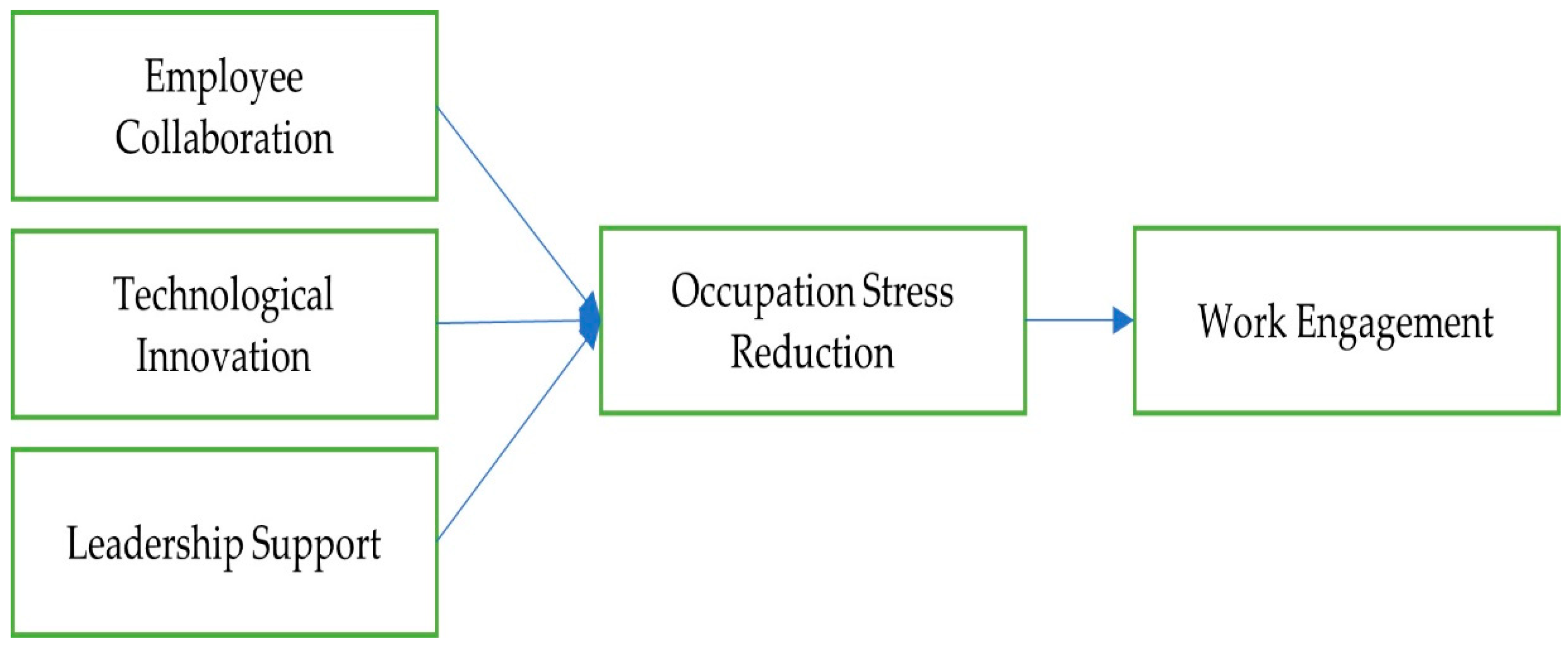
Figure 2.
G Power- Out put Graphical presentation.
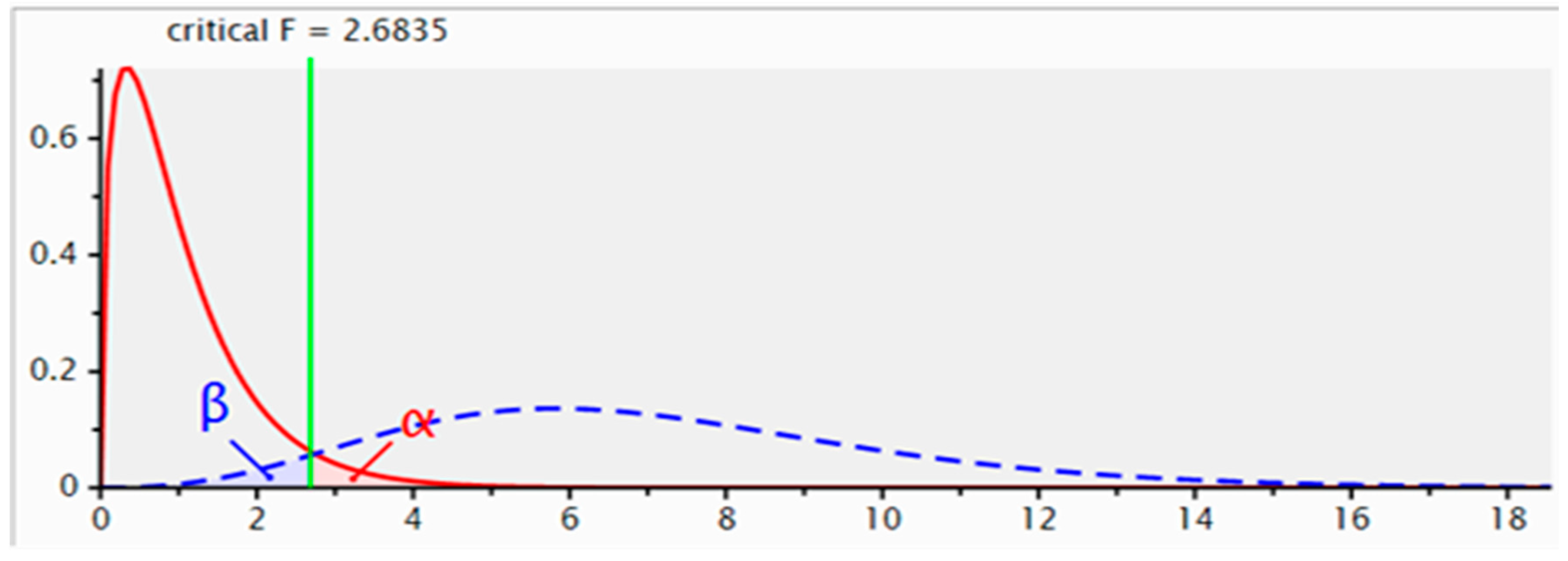
Figure 3.
Input and Output Values.
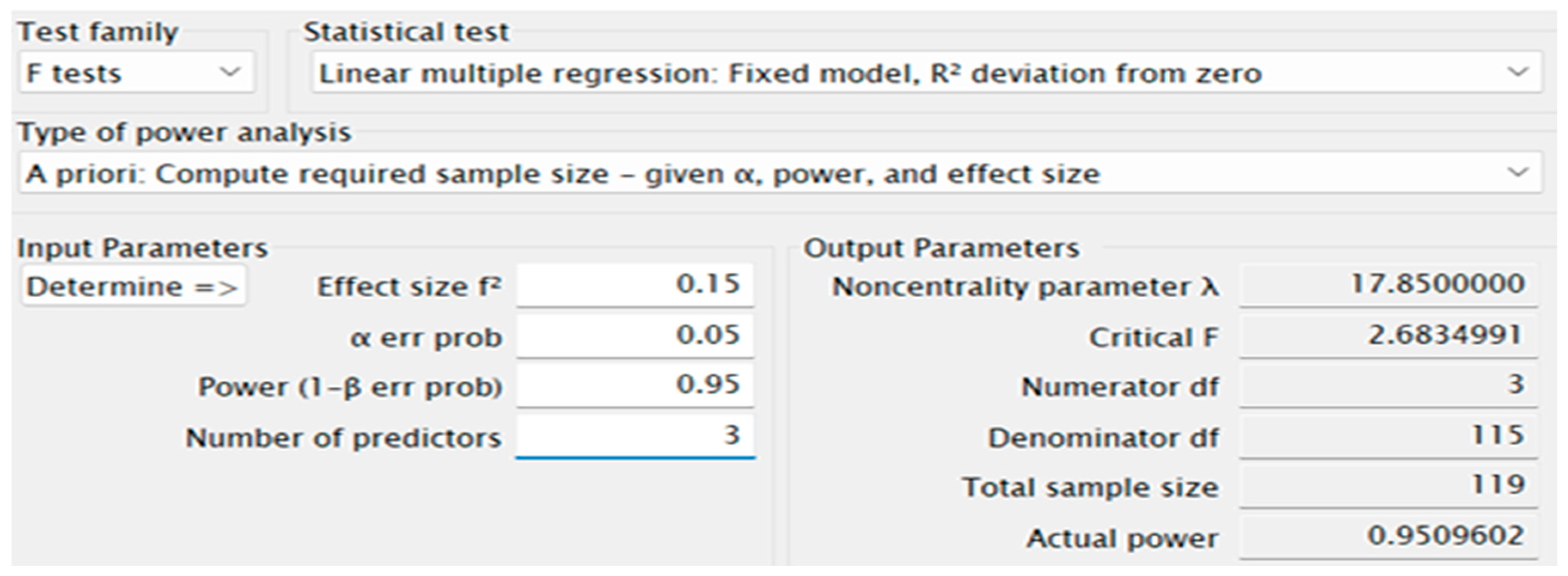
Figure 4.
Confirmatory Factor Analysis.
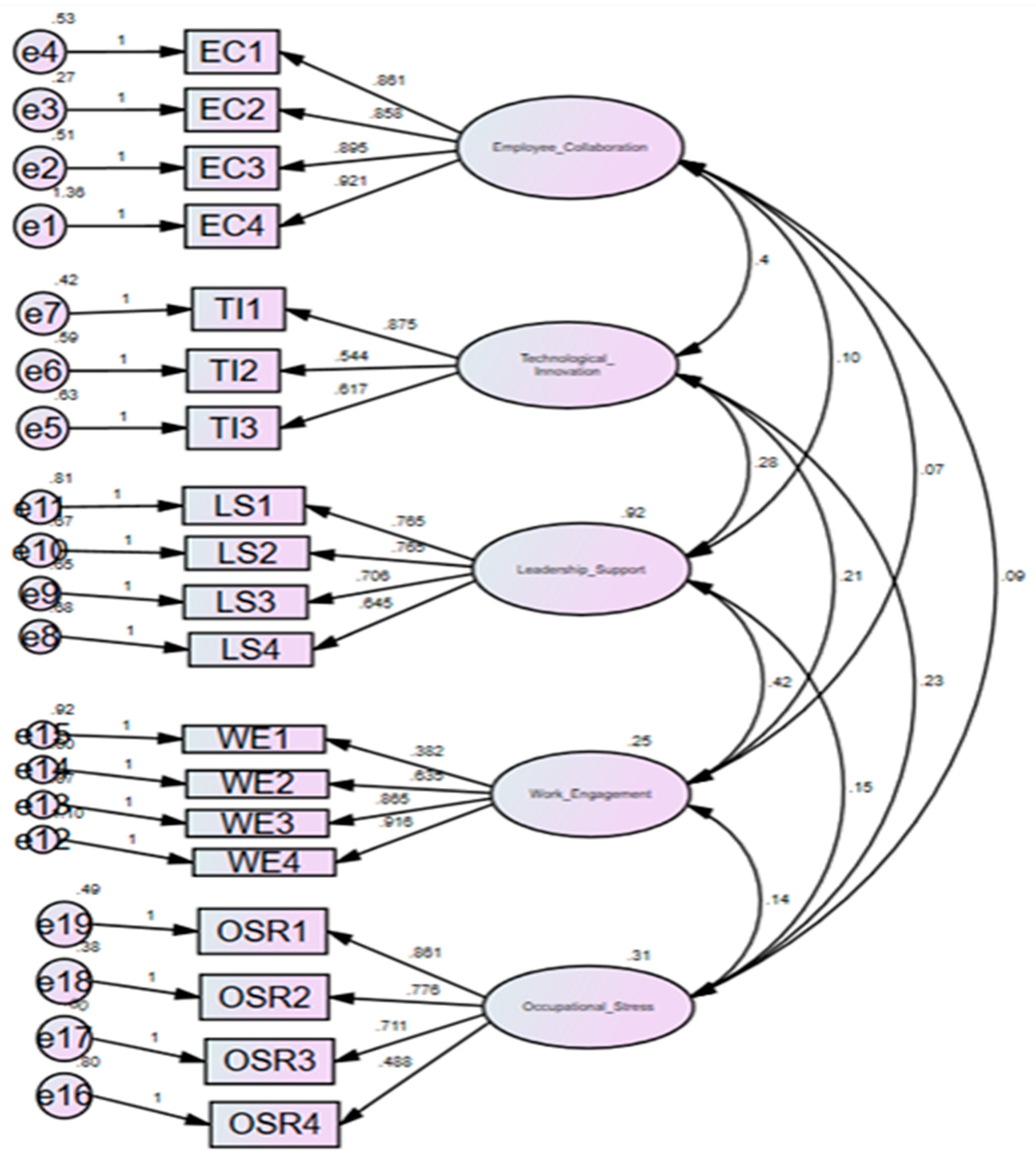
Table 1.
Pre test Reliability.
| Constrcuts | Reliability |
|---|---|
| Employee Collaboration | 0.783 |
| Technological Innovation | 0.712 |
| Leadership Support | 0.689 |
| Occupation Stress Reduction | 0.763 |
| Work Engagement | 0.732 |
Table 2.
Demogrpahics Profile.
| Demographics | Indicators | Number of Participants |
|---|---|---|
| Gender | Male | 150 |
| Female | 152 | |
| Age Group (years) | 20-30 | 80 |
| 31-40 | 120 | |
| 41-50 | 75 | |
| 51+ | 27 | |
| Years of Experience | 3-5 | 60 |
| 6-10 | 130 | |
| 11+ | 112 | |
| Educational Level | Bachelor's | 100 |
| Master's | 160 | |
| Doctorate | 42 | |
| Subject Expertise | Science | 100 |
| Allied Studies | 90 | |
| Business Studies | 70 | |
| Social Sciences | 42 |
Table 3.
Results of Confirmatory Factor Analysis.
| Variables | No | Scale Items | Factor Loadings |
|---|---|---|---|
| Employee Collaboration | EC1 | I share my experience to satisfy the needs of my team. | 0.860 |
| EC2 | I share the ideas with my team concisely. | 0.858 | |
| EC3 | I consider the suggestions of team members to maximize the effectiveness. | 0.895 | |
| EC4 | I investigate an issue with my team to find acceptable solutions. | 0.920 | |
| Technological Innovation | TI1 | Technology is an effective tool for students of all abilities. | 0.875 |
| TI2 | Technology is successful only if there is adequate teacher training in the uses of technology for learning. | 0.544 | |
| TI3 | Technology makes teachers feel more competent as educators. | 0.617 | |
| Leadership Support | LS1 | My boss is an effective communicator. | 0.765 |
| LS2 | My boss is poor at listening to what others are saying. | 0.784 | |
| LS3 | My boss enjoys making people suffer. | 0.706 | |
| LS4 | My boss often ignores the big picture. | 0.645 | |
| Occupation Stress Reduction | OSR1 | The teacher complicated problems. | 0.861 |
| OSR2 | The new occupation demands training and expertise of new career. | 0.776 | |
| OSR3 | Family members interfair into career. | 0.711 | |
| OSR4 | Frequent transfer gives great trouble. | 0.488 | |
| Work Engagement | WE1 | I am proud of my teaching. | 0.382 |
| WE2 | I get carried away when I am teaching. | 0.635 | |
| WE3 | My teaching inspires me. | 0.865 | |
| WE4 | I feel energetic and capable when I'm studying or going to class. | 0.916 |
Table 4.
Reliability, Validity Statics, and Correlations.
| CR | AVE | MSV | MaxR(H) | EC | TI | WE | LS | OSR | |
|---|---|---|---|---|---|---|---|---|---|
| EC | 0.934 | 0.781 | 0.917 | 0.938 | 0.724 | ||||
| MT | 0.795 | 0.588 | 0.986 | 0.911 | 0.732*** | ||||
| TI | 0.727 | 0.580 | 0.917 | 0.811 | 0.958*** | 0.711 | |||
| LS | 0.817 | 0.529 | 0.564 | 0.825 | 0.568*** | 0.619*** | 0.588*** | 0.727 | |
| OSR | 0.808 | 0.522 | 0.564 | 0.851 | 0.561*** | 0.614*** | 0.615*** | 0.751*** | 0.722 |
EC = Employee Collaboration, LS = Leadership Support, TI = Technological Innovation, OSR = Occupation Stress Reduction, and WE = Work Engagement.
Table 5.
Confirmatory Factor Analysis Model.
| Measure | Recommended Threshold | Abbr. | Scores |
|---|---|---|---|
| Chi-square/df (CMIN/DF) | <3.0 | 2/df | 1.9018 |
| Comparative Fit Index | >.90 | CFI | 0.91 |
| The Normed Fit Index | >.90 | NFI | 0.92 |
| Goodness of fit | >.90 | GFI | 0.94 |
| Adjusted Goodness of fit | >.80 | AGFI | 0.81 |
| Root Mean Square Residual | <.08 | RMR | 0.07 |
| Standardized Root Mean Square Residual | <.08 | SRMR | 0.07 |
| Root Mean-Square Error of Approximation | <0.08 | RMSEA | 0.06 |
Table 7.
Standardized Path Coefficient.
| No | Relationship | Beta | t-values | p-values | Remarks |
|---|---|---|---|---|---|
| H1 | Direct | 0.331 | 4.373 | 0.000 | Significant |
| H2 | Direct | 0.423 | 3.984 | 0.000 | Significant |
| H3 | Direct | 0.366 | 4.319 | 0.000 | Significant |
| H4 | Mediation | 0.068 | 3.812 | 0.000 | Significant |
| H5 | Mediation | 0.078 | 3.900 | 0.000 | Significant |
| H6 | Mediation | 0.071 | 4.132 | 0.000 | Significant |
Disclaimer/Publisher’s Note: The statements, opinions and data contained in all publications are solely those of the individual author(s) and contributor(s) and not of MDPI and/or the editor(s). MDPI and/or the editor(s) disclaim responsibility for any injury to people or property resulting from any ideas, methods, instructions or products referred to in the content. |
© 2024 by the authors. Licensee MDPI, Basel, Switzerland. This article is an open access article distributed under the terms and conditions of the Creative Commons Attribution (CC BY) license (http://creativecommons.org/licenses/by/4.0/).
Copyright: This open access article is published under a Creative Commons CC BY 4.0 license, which permit the free download, distribution, and reuse, provided that the author and preprint are cited in any reuse.


