Preprint
Article

This version is not peer-reviewed.

What do Italian Adolescents Know about HPV and the HPV Vaccination? Results of an Observational Study

A peer-reviewed article of this preprint also exists.

Submitted:

13 December 2024

Posted:

17 December 2024

You are already at the latest version

Abstract

Background/Objectives: HPV is the most common sexually transmitted infectious agent worldwide and adolescents are at high risk of becoming infected with HPV. Our study aimed at understanding how much adolescents know about the virus and its effects, and to obtain infor-mation on attitudes and behaviors regarding HPV vaccination to close these gaps. Methods: Within the ESPRIT project, 598 lower and upper secondary school students from 3 Italian regions were surveyed between December 2023 and March 2024 using an online questionnaire with 7 questions on awareness, knowledge and attitudes towards HPV and the HPV vaccine. A regres-sion model was used to determine correlations based on sex, living context, province of residence and school type. Results: Younger students believed that HPV causes HIV/AIDS (8.9%) or hepati-tis C (3.0%) and rarely mentioned anal (21%) and oral sex (9.6%) as ways of transmission. Among older students the misconceptions were similar, with worrying rates of students stating that HPV causes cancer only in women (18%) or men (2.4%), and low rates of identifying trans-mission risk from anal (41%) and oral (34%) intercourse and genital contact (38%). HPV vac-cination rate was quite low (47% in younger, 61% in older students). Considering regressions, the living context was decisive for the knowledge of younger students; sex, school type and province of residence in older students. Conclusions: Awareness and knowledge of HPV and the HPV vaccine are low among Italian students, and reported vaccination coverage is below the national target. Coordinated efforts at national level are needed to address this public health issue.

Keywords: 
;  ;  ;  ;  

1. Introduction

Human papillomavirus (HPV) is recognized as the cause of almost all cases of cervical cancers and a large proportion of other cancer of the oropharynx, vagina, vulva, penis and anus in men and women [1], with a total of approximately 730,000 cancer cases attributable to HPV worldwide in 2020 [2]. HPV is the most common sexually transmitted infectious agent worldwide with an adjusted global prevalence of 11.7% [3]. Although most infections are asymptomatic and resolve within a few years, HPV infection can lead to clinical conditions such as anogenital warts and the cancers mentioned above [1]. For this reason, the World Health Organization (WHO) has called for a global strategy in 2020 to accelerate the elimination of cervical cancer as a public health problem by improving primary and secondary prevention and treatment [4].
The main risk factors for acquiring HPV infection are behaviors associated with sexual activity [1]. Young people and adolescents having their first sexual experience are most exposed to risk due to their psychological predisposition to risky behavior [5], lack of awareness and knowledge of potential consequences [6,7,8,9], and inadequate access to prevention and health services [10,11,12]. In fact, according to the Health Belief Model (HBM), there is a clear link between the improvement of knowledge and implementation of safe sexual and reproductive behaviors and the uptake of HPV-specific vaccination [13,14], which is highly effective in preventing HPV-related diseases and cancers [15].
The current situation in Italy is not brilliant for both vaccination and screening programs [16], perhaps also due to the recent pandemic period, we have been going through [17]. As improving knowledge and promoting access to prevention and health services would improve outcomes related to HPV, it is, therefore, important to know how much adolescents are aware about the virus and its effects and to obtain information on young people’s sexual and reproductive health attitudes and behaviors towards HPV vaccination to address these gaps.
Our study aimed to assess the awareness, knowledge and practices of Italian adolescents regarding HPV.

2. Materials and Methods

2.1. The Research Instrument

The research group leading the CCM project “Education in lower and upper secondary school and support of the network of adolescents reference persons for the prevention of HPV and other sexually transmitted infections (ESPRIT)” (18) funded by the Italian Ministry of Health, selected seven questions to be included in an online survey to investigate the awareness, knowledge and practices of Italian adolescents specifically regarding HPV. The questions (reported in Figure 1) were part of a broader survey that collected information about the participants, as previously described in the publication of the study protocol [18].
The seven questions explored awareness of the existence of HPV (Q1), knowledge of its transmission routes (Q2), awareness about the existence of a vaccine against HPV (Q3), knowledge about diseases that the HPV vaccine prevents (Q4), HPV vaccination practice (Q5), information about vaccination decision-making (Q6) and any reasons for not getting vaccinated (Q7).

2.2. Data Collection

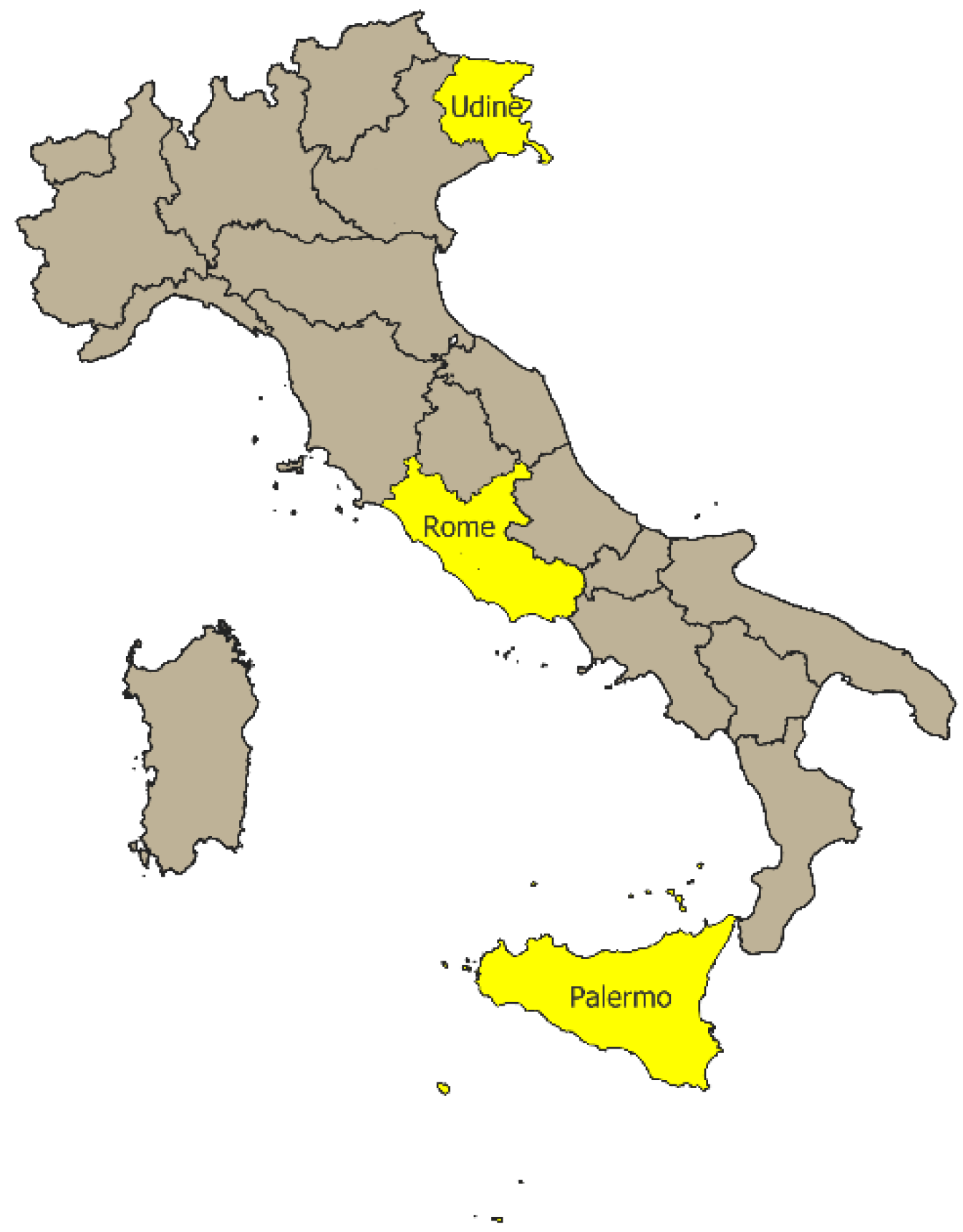
Adolescents attending one of the ten lower secondary schools (grade II, year 7) or the 16 upper secondary schools (grade II or III, year 10 or 11) in the provinces of Udine (in the North of Italy), Rome (in the Center of Italy) and Palermo (in the South of Italy) participating in the ESPRIT project were also invited to participate in the survey (Figure 2).
Both urban and extra-urban schools were included in each province. Participation was voluntary and free of charge. In their classroom, adolescents completed the online survey themselves after obtaining the written consent of their parents and the consent of the minors. In some cases where the online platform was temporarily unavailable, the data was collected on paper and then entered into the database by the local researchers. A member of the research group was always present during the compilation of the surveys to ensure validity and minimize bias. Data collection took place after each participant was assigned a unique code to pseudo-anonymize the collected data. This paper presents the results of the baseline survey, which was between December 2023 and March 2024, i.e. before the start of the educational intervention provided within the ESPRIT project. The study was approved by the Regional Unique Ethic Committee of Friuli Venezia Giulia (CEUR-2023-Sper-34). The project was carried out with the technical and financial support of the Italian Ministry of Health - CCM.

2.3. Data Analysis

Data collected from lower secondary school and upper secondary school participants were analysed separately, considering the different ages of adolescents and the possible simultaneous sexual debut (15-18 years according to a recent paper by Fallucca et al [19]), but also the fact that older adolescents were already offered the full HPV vaccination cycle free of charge according to the Italian National Vaccination Plan (first offer at 11 years; recall during following years) [20].
Sociodemographic data such as school characteristics (e.g., urban/extra-urban, lower/upper secondary school, northern/central/southern Italy) and participants’ characteristics (e.g., gender) were included in the model as predictors, while total score was set as the dependent variable. There were several possible answers for each question. If an answer was ticked correctly, the student received +1, otherwise 0. If the answer was “I don’t know”, the score for the entire question was set to 0, as the student did not know the correct answer, even if they had not ticked the wrong answer. The answers given by the students as strings (i.e., “Other”) were not taken into account when calculating the points. The total score was calculated as the sum of the scores for each valuable question, including Q1, Q2 and Q4. For each question, the frequency and probability of responses for every socio-demographic characteristic were calculated. In addition, the p-value and significance of the proportion test were calculated for any pair of sociodemographic characteristics. The minimum p-value was set at 0.05 and the test power had to be at least 0.8. For the analysis of total scores, each observation was weighted to obtain inverse propensity weighting (IPW) in each linear combination of sociodemographic characteristics. However, for some linear combinations there were no observations, because there were no schools for these combinations, making IPW impossible. Therefore, the data for these groups were generated using a generalized linear model (family quasipoisson) to minimize bias, and then the IPW was calculated. For each socio-demographic characteristic, the weighted Kruskal-Wallis test was calculated to demonstrate stochastic superiority. A t-test or ANOVA test was not used as the assumptions were not met. Finally, a weighted Poisson model with zero-inflation was calculated. First, the probability of receiving 0 points in the survey was assessed using a binomial model and then a Poisson model was calculated.

3. Results

3.1. Description of the Sample of Participants subsection

The survey was completed by a total of 598 adolescents (44% response rate), of whom 135 (23%) attended lower secondary school and 463 (77%) attended upper secondary school. The majority of them were girls (344; 57%); the adolescents came from the provinces of Udine (277; 46%), Palermo (205; 34%) and Rome (116; 20%). The mean age of adolescents attending lower secondary school was 12 years; the proportion of girls was 55% (74/135), they came from urban (71; 53%) and extra-urban contexts (64; 47%) of the only provinces of Palermo (84; 62%) and Udine (51; 38%) without a migrant background (133; 99% born in Italy). Among the adolescents attending upper secondary school, the mean age was 16 years; the prevalence of girls was 58% (270/463) and came from urban (279; 60%) and extra-urban contexts (184; 40%) of the provinces of Udine (226; 49%), Palermo (121; 26%) and Rome (116; 25%) with a slight prevalence of migrant background (28; 6% of them were not born in Italy).

3.2. Lower Secondary School Adolescents

Overall, half of participants stated that the existence of HPV was known among lower secondary school adolescents, although some adolescents believed that HPV causes HIV/AIDS (12; 8.9%), female-only cancer (10; 7.4%), male-only cancer (2; 1.5%) or hepatitis C (4; 3.0%). In general, adolescents who reported never having heard of HPV were evenly distributed between boys and girls and between urban and extra-urban contexts, but were slightly more common even if not significantly in the province of Palermo (p-value=0.673). Knowledge of HPV transmission ways was very low among these younger adolescents, with the best recognized transmission way being contact between genitals (57; 42%) and vaginal intercourse (56; 41%), although less than half of the participants recognized this correctly. Other common transmission ways such as anal intercourse (29; 21%) and oral intercourse (13; 9.6%) were hardly recognized. Differences were found among participants who admitted to not knowing about transmission ways, in particular among who were living in urban areas (p-value=0.049).
Nonetheless, awareness of the existence of the HPV vaccine was quite high among younger adolescents (19; 81%), even if it appeared to be higher among girls (64; 86%), adolescents living in urban contexts (61; 86%) and in the province of Udine (44; 86%), but without being statistically significant. Knowledge of the diseases that the HPV vaccine can prevent was very low, with the main correct answers given in only a few cases: genital condylomas (17; 13%), cervical cancer (17; 13%), penile cancer (28; 21%) and tumors of the anus (22; 16%). On the other hand, the adolescents expected the HPV vaccine to protect against HIV/AIDS (38; 21%) and herpes (18; 14%) to roughly the same extent. Table 1 shows the responses of lower secondary school adolescents to these first four questions, which tested awareness and knowledge of HPV and the HPV vaccine.
When the adolescents in lower secondary school were asked about their HPV vaccination, 47% of them (n.64) reported having received the HPV vaccine, while 30% (n.40) did not and 21% (n.29) could not remember or did not know the answer. HPV vaccination was slightly, but not significantly, more frequently reported by girls (37; 50%) and by adolescents living in the extra-urban context (32; 50%) of the province of Udine (25; 49%). In most cases, adolescents stated that the decision about HPV vaccination was made by their parents (58; 43%), and only a few families stated they had discussed the issue with them (19; 14%). Participants from urban contexts were more likely to say they could not remember about the decision-making process for their vaccination (p-value=0.02). The main reported reasons for not vaccinating against HPV were mostly unknown to the adolescents (23; 17%).

3.3. Upper Secondary School Adolescents

In general, two-thirds of the participants from upper secondary schools stated that they were somewhat aware about HPV was reported by two thirds of participants, although some of them believed that HPV causes cancer only in women (83; 18%) or only in men (11; 2.4%), and that it causes HIV/AIDS (89; 19%) or hepatitis C (21; 4.5%). Unawareness was higher among boys (40%; p-value=0.018) who attended a technical secondary school (42%; p-value=0.013). Girls were more likely than others to believe that HPV only causes cancer in females (24%; p-value<0.001), as were students from Palermo (25%; p-value=0.024), while participants living in an urban context were more likely to know that HPV causes cancer in both males and females (32%; p-value=0.032). Participants from Rome were more likely to be aware of the causal relationship between HPV and genital condylomas (17%; p-value=0.032). Knowledge of HPV transmission ways was sufficient for some transmission ways such as vaginal intercourse (299; 65%), but quite low for other common transmissions ways such as anal intercourse (190; 41%), genital contact (178; 38%) and oral intercourse (158; 34%). Several differences were found between sexes, living areas, provinces and school types about vaginal intercourse, genital contact, syringe exchange, blood transfusions and use of shared sanitary facilities /public bathrooms as potential transmission ways (see Table 2).
Adolescents’ awareness of the existence of a vaccine against HPV was quite high (406; 88%) and much higher among girls (92%; p-value=0.003) and students attending academic upper secondary school (92%; p-value=0.016). Differences in awareness of this preventive measure were also found in relation to the province of residence, where Palermo performed better, but without reaching statistical significance. No differences were found in the urban/extra-urban living context. Knowledge of the diseases prevented by the HPV vaccine was quite poor: only 171 adolescents (37%) could correctly identify cervical cancer, and even fewer of them knew that it was genital condylomas (77; 17%), penile cancer (109; 24%) and anal cancer (56; 12%). On the other side, many adolescents (203; 44%) believed that the HPV vaccine can prevent HIV/AIDS. Numerous differences were found concerning for example knowledge about the consequences of penile (p-value=0.009) and cervical (p-value<0.001) cancer between sexes, with the respectively boys and girls performing better. Academic students knew better than others that HPV causes genital condyloma (22%; p-value=0.025) and cervical cancer (43%; p-value=0.038). Participants living in urban areas were more likely to recognize genital condyloma as an HPV-related disease (21%; p-value=0.005), while adolescents from extra-urban areas were more likely to believe that HIV/AIDS was caused by HPV (50%; p-value=0.038). Table 2 shows upper secondary school adolescents’ responses to the first four questions testing awareness and knowledge of HPV and the HPV vaccine.
Upper secondary school students remembered having been administered the HPV vaccine in 61% of cases (281) and this event was particularly well known by girls (68%, p-value=0.001), adolescents from the province of Udine (66%, p-value<0.001), coming from an urban living context (68%, p-value<0.001) and attending an academic school (70%, p-value<0.001). In most cases, the decision about HPV vaccination was made by parents (246; 53%), especially in the province of Udine (61%; p-value<0.001) and in urban living contexts (170; 61%, p-value<0.001). The reasons for missing the HPV vaccination were largely unknown to the adolescents themselves.

3.4. Determinants of Higher Knowledge about HPV and the HPV Vaccine

Considering upper secondary school students, globally they achieved a score of 11.2±5.6, while lower secondary school students achieved a mean of 8.0±6.1. Values roughly differed according to provinces for the former, and according to sex, living context and type of school for the latter. Analysis of the regression model showed that sex (p-value=0.056), school type (p-value<0.001) and province of residence (p-value<0.001) were significantly associated with higher levels of knowledge about HPV and the HPV vaccine among upper secondary school students. When the same model was tested using data from lower secondary school students, significant differences emerged associated with the living context. The results of the regression model analysis are shown in Table 3.

4. Discussion

This study investigated the awareness, knowledge and practices of Italian adolescents attending lower and upper secondary school regarding HPV and the HPV vaccine. In general, we found that awareness and knowledge of HPV is low, although it improves somewhat as adolescents get older. In particular, some of the most common ways of HPV transmission were not recognized by adolescents, e.g. oral and anal sex. Regarding HPV vaccination, the level of knowledge of adolescents in both school levels was quite good, even though some misconceptions about the diseases against which this vaccine actually protects are still widespread. Adolescents indicated that they had been given the HPV vaccine in inadequate rated, and this practice seems to increase with the age of the respondents, but they still indicated that they had not been involved in the parental decision-making process in most cases.
The general awareness of HPV that we found among adolescents in lower secondary school (50%) and upper secondary school (66%) is similar to the 68% found by colleagues in southern Italy [11], but differs markedly from the 71% found in a study on lower secondary school students in Palermo [22] and the 87% were found in the same city [19], although in the latter study larger class groups (university and upper secondary school students) were surveyed. The low general knowledge level found in this study confirmed what has already been reported in the literature by Italian [6] and French colleagues [9], as well as the higher knowledge among girls [7,9], even when it comes to sexually transmitted infections in general [10]. Our results also confirmed some differences found in Greece related to urban/rural living context, but not those based on income and nationality [10,21], migrant background [7,10], age of first exposure to sexual and reproductive health education, and technical school type [10]. Sexual intercourse was generally recognized as a potential way of transmission for HPV infection, as previously reported for lower secondary school students [22] and upper secondary school students [6], although knowledge of vaginal, oral and anal intercourses was not separately examined in these papers. The warning signs that emerge from the analysis of adolescents’ knowledge should not discount the fact that many adolescents still believe that the HPV vaccine can protect against HIV/AIDS, as reported by Brunelli et al [7]. Consideration of the overall low complacency that emerges from analyzing data from this group of individuals approaching or at the age of sexual debut [19] raises more than one concern.
Adolescents' awareness of their HPV vaccination status and the resulting vaccination rate were quite low, confirming national data [11,16]. Even though this finding in our study could also be partly due to adolescents’ ignorance of their vaccination status as a result of their lack of involvement in the decision-making process, the result remains worrying. Much remains to be done to reduce complacency in general, to include the male perspective in HPV and HPV vaccine information [7], to include fathers in the conversation [25] and, for example, to inform boys if a member of their family or social network has been vaccinated against HPV or to raise concerns about their partners’ sexual and reproductive health [23]. Nonetheless, the characteristics of those targeted who are less likely to be vaccinated need to be considered, not only in terms of known health determinants, such as gender, income and area of residence [21], but also taking into account other factors such as health literacy [19]. Since it has also been found that vaccine hesitancy is related to individual cognitive characteristics [24], a merging of competencies and areas of activity between social and cognitive sciences is desirable. Last but not least, greater involvement of adolescents in the familiar discussion about HPV vaccination is needed, as also called for by Lefevre et al [26], as the low participation reported in this study was not the only case [7] and better results could be achieved at national level [6].
More broadly, the role of families in HPV prevention should always be strengthened and parents’ low knowledge level of HPV [6] should be addressed, as it was found that higher parental willingness to vaccinate adolescents for HPV was related to their higher knowledge of HPV vaccination and greater perceived susceptibility to HPV [13]. Some interventions for this target group have already been successfully implemented [27] and others will be reported soon, including the intervention planned as part of the CCM project on which our group is working [18].
Nonetheless, the key role of schools in ensuring equitable sexual and reproductive health education is undeniable, and the effectiveness of school-based interventions on this topic has been reported [21,22], including direct delivery of vaccination in schools where coverage is particularly low [22]. To achieve better collaboration with teachers and ensure the effectiveness and sustainability of interventions, key reported barriers such as lack of information about HPV, negative attitudes towards the vaccine and fear of parental disapproval of HPV vaccination need to be addressed, and teachers should be supported by emphasizing the perceived benefits, HPV awareness, school and teachers’ perceptions of their important role in promoting HPV vaccination [28].
The higher potential exposure to health services initiatives and services targeting young people in an urban context could play a role in explaining differences in knowledge and immunization rates. Nonetheless, these variables, along with the type of school and province of residence, should be carefully considered when planning and implementing interventions aimed at improving knowledge about HPV and the HPV vaccine and implementing vaccination campaigns to ensure equity among all adolescents. Further efforts must be made in relation to hard-to-reach populations, i.e. adolescents and families living in extra-urban areas and students attending technical and vocational schools, where knowledge gaps are higher and who are consequently at higher risk for risky behaviors.
Some other stakeholders could become be more involved in the conversation about this public health issue, such as pediatric dentists, who are already positive about their role in preventing oropharyngeal cancer and have a good attitude when it comes to discussing sensitive topics with their patients [33]. Given the general population’s poor knowledge of the link between HPV and oropharyngeal cancer [34], these health professionals could help in reduce parental complacency in an environment that could be perceived as more neutral and health-oriented. Nevertheless, institutions and families play a crucial and most important role in educating young people and overcoming social and cultural barriers [11]. Indeed, in such a scenario, the key role of parents and school is widely recognized, and their involvement and commitment to improving adolescents’ sexual and reproductive health is called for by many authors [6,10,19,22,28,29] and institutions [30,31,32].

Limitations

Our study has several limitations that should be taken into account when considering our findings. First, some subcategories of respondents (i.e., lower secondary school students from Rome and academic extra-urban upper secondary school students from Udine) were not adequately represented in our sample, so the generalizability of the results may have suffered from this lack of information. Moreover, the choice of the three Italian regions involved in the project as well as the choice of schools participating in the project was opportunistic, thus this selection could not be representative of the Italian adolescent population. Secondly, for HPV vaccination we could only rely on self-reported data, which may have led to overestimation due to social desirability bias or underestimation due to recall bias. Finally, we were unable to collect questionnaires from students whose parents refused to consent to participate, and we cannot say how their contribution would have changed our observations.

5. Conclusions

In conclusion, awareness and knowledge of HPV and the HPV vaccine among Italian lower and upper secondary school students is low and the reported vaccination rate is below the national target. Efforts should be made in relation to this public health issue, considering adolescents, their parents and the school as essential target groups for a coordinated intervention that needs to be standardized at national level.

ESPRIT study collaboration group

Silvia Gazzetta 1, Lorenza Driul 9, Andrea Isidori 7, Patrizia Ferro 9, Nicolò Piazza 9, Palmira Immordino 9, Vincenzo Restivo 11, Teresa Fasciana 8

ESPRIT study network group

Giada Cordova 9, Alessio Castiglione 9, Nazareno Inzerillo 9,Alessandra Fallucca 9, Federica Geraci 9, Davide Graci 9, Sabina Paolizzo 9, Alessandra Pirrello 9, Riccardo Rumbo 9, Giuseppe Vella 9, Roberta Virone 9, Tania Vitello 9, Luigi Zagra 9, Emily Bertola 3, Elisa Bastiani 3, Valentina Capodicasa 10, Massimo Zuliani 3, Davide Sciacchitano 3, Elisa De Battisti 3, Dora Tubaro 3, Jessica Fasan 1, Erik De Luca 2, Francesco Angelini 7, Davide Ferrari 7, Valentina Sada 7, Ilaria Bonaventura 7, Marco Ridolfi 7, Elisabetta Todaro 7, Stefano Eleutieri 7, Marta Girardi 7, Rossella Spadola 7.

Author Contributions

Conceptualization, L.B., F.V., S.G., L.D., M.C., B.S., M.C.S., D.G., F.S., A.M.I, V.R., A.C., P.F., N.P., P.I., G.C., and T.F.; methodology, F.V., L.B., E.D.L., S.G..; formal analysis, E.D.L. and F.V..; investigation, S.G., P.F., N.P., F.S. and the ESPRIT study network group; data curation, B.S. and M.C.S..; writing—original draft preparation, L.B. and F.V..; writing—review and editing, F.V., A.C., M.C., V.R., T.F..; visualization, L.B.; supervision, L.B., S.G. and B.S..; project administration, L.B.. All authors have read and agreed to the published version of the manuscript.

Funding

The project was carried out with the technical and financial support of the Italian Ministry of Health—CCM.

Institutional Review Board Statement

The study was approved by the Regional Unique Ethic Committee of Friuli Venezia Giulia (CEUR-2023-Sper-34).

Informed Consent Statement

Written informed consent was obtained from all subjects involved in the study.

Data Availability Statement

All data generated or analysed during this study are included in this published article.

Acknowledgments

The Authors wish to thank all teachers at the schools involved in the project who helped in the data collection and all parents who gave their consent for having their child participate in the study. A special thank also to all students who gave their personal consent and participated in our survey giving us the possibility to study the issue.

Conflicts of Interest

The authors declare no conflicts of interest. The funders had no role in the design of the study; in the collection, analyses, or interpretation of data; in the writing of the manuscript; or in the decision to publish the results.

References

  1. WORLD HEALTH ORGANIZATION INTERNATIONAL AGENCY FOR RESEARCH ON CANCER. IARC Monographs on the Evaluation of Carcinogenic Risks to Humans. Human papillomaviruses. Vol. 90. IARC; 2007. 670 p.
  2. Global Cancer Observatory I. IARC. 2024 [cited 2024 Aug 21]. Cancers attributable to infections. Available from: https://gco.iarc.who.int/causes/infections/tools-bars?mode=2&sex=0&population=who&country=4&continent=0&agent=0&cancer=0&key=attr_cases&lock_scale=0&nb_results=10.
  3. Formana D, de Martel C, Lacey CJ, Soerjomatarama I, Lortet-Tieulent J, Bruni L, et al. Global burden of human papillomavirus and related diseases. Vaccine. 2012;30(SUPPL.5).
  4. World Health Organization. Global strategy to accelerate the elimination of cervical cancer as a public health problem. World Health Organization; 2020. 52 p.
  5. Harris B, McCredie MN, Truong T, Regan T, Thompson CG, Leach W, et al. Relations Between Adolescent Sensation Seeking and Risky Sexual Behaviors Across Sex, Race, and Age: A Meta-Analysis. Arch Sex Behav. 2023 Jan 1;52(1):191–204. [CrossRef]
  6. Icardi G, Costantino C, Guido M, Zizza A, Restivo V, Amicizia D, et al. Burden and Prevention of HPV. Knowledge, Practices and Attitude Assessment Among Pre-Adolescents and their Parents in Italy. Curr Pharm Des. 2020 Jan 14;26(3):326–42. [CrossRef]
  7. Brunelli L, Bravo G, Romanese F, Righini M, Lesa L, De Odorico A, et al. Beliefs about HPV vaccination and awareness of vaccination status: Gender differences among Northern Italy adolescents. Prev Med Rep [Internet]. 2021;24:101570. Available from: . [CrossRef]
  8. Zizza A, Guido M, Recchia V, Grima P, Banchelli F, Tinelli A. Knowledge, information needs and risk perception about hiv and sexually transmitted diseases after an education intervention on italian high school and university students. Int J Environ Res Public Health. 2021 Feb 2;18(4):1–14. [CrossRef]
  9. Juneau C, Fall E, Bros J, Le Duc-Banaszuk AS, Michel M, Bruel S, et al. Do boys have the same intentions to get the HPV vaccine as girls? Knowledge, attitudes, and intentions in France. Vaccine. 2024 Apr 11;42(10):2628–36. [CrossRef]
  10. Brunelli L, Bravo G, Romanese F, Righini M, Lesa L, De Odorico A, et al. Sexual and reproductive health-related knowledge, attitudes and support network of Italian adolescents. Public Health in Practice [Internet]. 2022;3(April):100253. Available from: . [CrossRef]
  11. Di Gennaro F, Segala FV, Guido G, Poliseno M, De Santis L, Belati A, et al. Knowledge, attitudes, and practices about HIV and other sexually transmitted infections among High School students in Southern Italy: A cross-sectional survey. PLoS One. 2024 Apr 1;19(4). [CrossRef]
  12. Tilson EC, Sanchez V, Ford CL, Smurzynski M, Leone PA, Fox KK, et al. Barriers to asymptomatic screening and other STD services for adolescents and young adults: focus group discussions [Internet]. 2004. Available from: http://www.biomedcentral.com/1471-2458/4/21.
  13. Jin SW, Lee Y, Brandt HM. Human Papillomavirus (HPV) Vaccination Knowledge, Beliefs, and Hesitancy Associated with Stages of Parental Readiness for Adolescent HPV Vaccination: Implications for HPV Vaccination Promotion. Trop Med Infect Dis. 2023 May 1;8(5). [CrossRef]
  14. Jiboc NM, Paşca A, Tăut D, Băban AS. Factors influencing human papillomavirus vaccination uptake in European women and adolescents: A systematic review and meta-analysis. Vol. 33, Psycho-Oncology. John Wiley and Sons Ltd; 2024. [CrossRef]
  15. Meites E, Szilagyi PG, Harrell ;, Chesson W, Unger ER, Romero JR, et al. Morbidity and Mortality Weekly Report Human Papillomavirus Vaccination for Adults: Updated Recommendations of the Advisory Committee on Immunization Practices [Internet]. 2019 Aug. Available from: https://www.cdc.gov/.
  16. Gazzetta S, Valent F, Sala A, Driul L, Brunelli L. Sexually transmitted infections and the HPV-related burden: evolution of Italian epidemiology and policy. Front Public Health. 2024;12. [CrossRef]
  17. Mennini FS, Silenzi A, Marcellusi A, Conversano M, Siddu A, Rezza G. HPV Vaccination during the COVID-19 Pandemic in Italy: Opportunity Loss or Incremental Cost. Vaccines (Basel). 2022 Jul 1;10(7). [CrossRef]
  18. Brunelli L, Valent F, Comar M, Suligoi B, Salfa MC, Gianfrilli D, et al. Study protocol for a pre/post study on knowledge, attitudes and behaviors regarding STIs and in particular HPV among Italian adolescents, teachers, and parents in secondary schools. Front Public Health. 2024;12(1414631). [CrossRef]
  19. Fallucca A, Immordino P, Riggio L, Casuccio A, Vitale F, Restivo V. Acceptability of HPV Vaccination in Young Students by Exploring Health Belief Model and Health Literacy. Vaccines (Basel). 2022 Jul 1;10(7). [CrossRef]
  20. Ministero della Salute. Piano Nazionale della Prevenzione Vaccinale 2023-2025. 2023.
  21. Thanasas I, Lavranos G, Gkogkou P, Paraskevis D. The Effect of Health Education on Adolescents’ Awareness of HPV Infections and Attitudes towards HPV Vaccination in Greece. Int J Environ Res Public Health. 2022 Jan 1;19(1). [CrossRef]
  22. Costantino C, Amodio E, Vitale F, Trucchi C, Maida CM, Bono SE, et al. Human papilloma virus infection and vaccination: Pre-post intervention analysis on knowledge, attitudes and willingness to vaccinate among preadolescents attending secondary schools of palermo, sicily. Int J Environ Res Public Health. 2020 Aug 1;17(15):1–11. [CrossRef]
  23. Zhao X, Huang Y, Lv Q, Wang L, Wu S, Wu Q. Knowledge, awareness, and correlates of HPV vaccine acceptability among male junior high school students in Zhejiang Province, China. Hum Vaccin Immunother. 2024;20(1). [CrossRef]
  24. Martinelli M, Veltri GA. Shared understandings of vaccine hesitancy: How perceived risk and trust in vaccination frame individuals’ vaccine acceptance. PLoS One. 2022 Oct 1;17(10 October). [CrossRef]
  25. Chyderiotis S, Derhy S, Gaillot J, Cobigo A, Zanetti L, Piel C, et al. Providing parents with HPV vaccine information from a male perspective may render them more inclined to have their daughters vaccinated. Infect Dis Now. 2024 Jun 1;54(4). [CrossRef]
  26. Lefevre H, Samain S, Ibrahim N, Fourmaux C, Tonelli A, Rouget S, et al. HPV vaccination and sexual health in France: Empowering girls to decide. Vaccine. 2019 Mar 22;37(13):1792–8. [CrossRef]
  27. Dionne M, Étienne D, Witteman HO, Sauvageau C, Dubé È. Impact of interventions to improve HPV vaccination acceptance and uptake in school-based programs: Findings of a pilot project in Quebec. Vaccine. 2024 Jul 11;42(18):3768–73. [CrossRef]
  28. Choi J, Gabay EK, Cuccaro PM. School Teachers’ Perceptions of Adolescent Human Papillomavirus (HPV) Vaccination: A Systematic Review. Vol. 12, Vaccines. Multidisciplinary Digital Publishing Institute (MDPI); 2024. [CrossRef]
  29. Felsher M, Shumet M, Velicu C, Chen YT, Nowicka K, Marzec M, et al. A systematic literature review of human papillomavirus vaccination strategies in delivery systems within national and regional immunization programs. Vol. 20, Human Vaccines and Immunotherapeutics. Taylor and Francis Ltd.; 2024. [CrossRef]
  30. UNESCO. International technical guidance on sexuality education. An evidence-informed approach [Internet]. Paris: United Nations Educational, Scientific and Cultural Organization (UNESCO); 2018. Available from: www.unesco.org/open-access/terms-use-ccbyncnd-en.
  31. Ministero dell’Università e della Ricerca (MIUR). MIUR. 2022 [cited 2024 Aug 21]. Circolare n. 1211 del 4 maggio 2022. Available from: https://www.miur.gov.it/documents/20182/6740601/nota+17+maggio-+prot.+n.1211.05-05-2022.pdf/1cf7c827-f5d7-91b0-9f57-0557e338b555?version=1.0&t=1651756892286.
  32. Ministero della Salute. Piano Nazionale della Prevenzione 2020-2025 [Internet]. [cited 2024 Feb 21]. Available from: https://www.salute.gov.it/imgs/C_17_pubblicazioni_2955_allegato.pdf.
  33. Cantile T, Leuci S, Blasi A, Coppola N, Sorrentino R, Ferrazzano GF, et al. Human Papilloma Virus Vaccination and Oropharyngeal Cancer: Knowledge, Perception and Attitude among Italian Pediatric Dentists. Int J Environ Res Public Health. 2022 Jan 1;19(2). [CrossRef]
  34. Verhees F, Demers I, Schouten LJ, Lechner M, Speel EJM, Kremer B. Public awareness of the association between human papillomavirus and oropharyngeal cancer. Eur J Public Health. 2021 Oct 1;31(5):1021–5. [CrossRef]
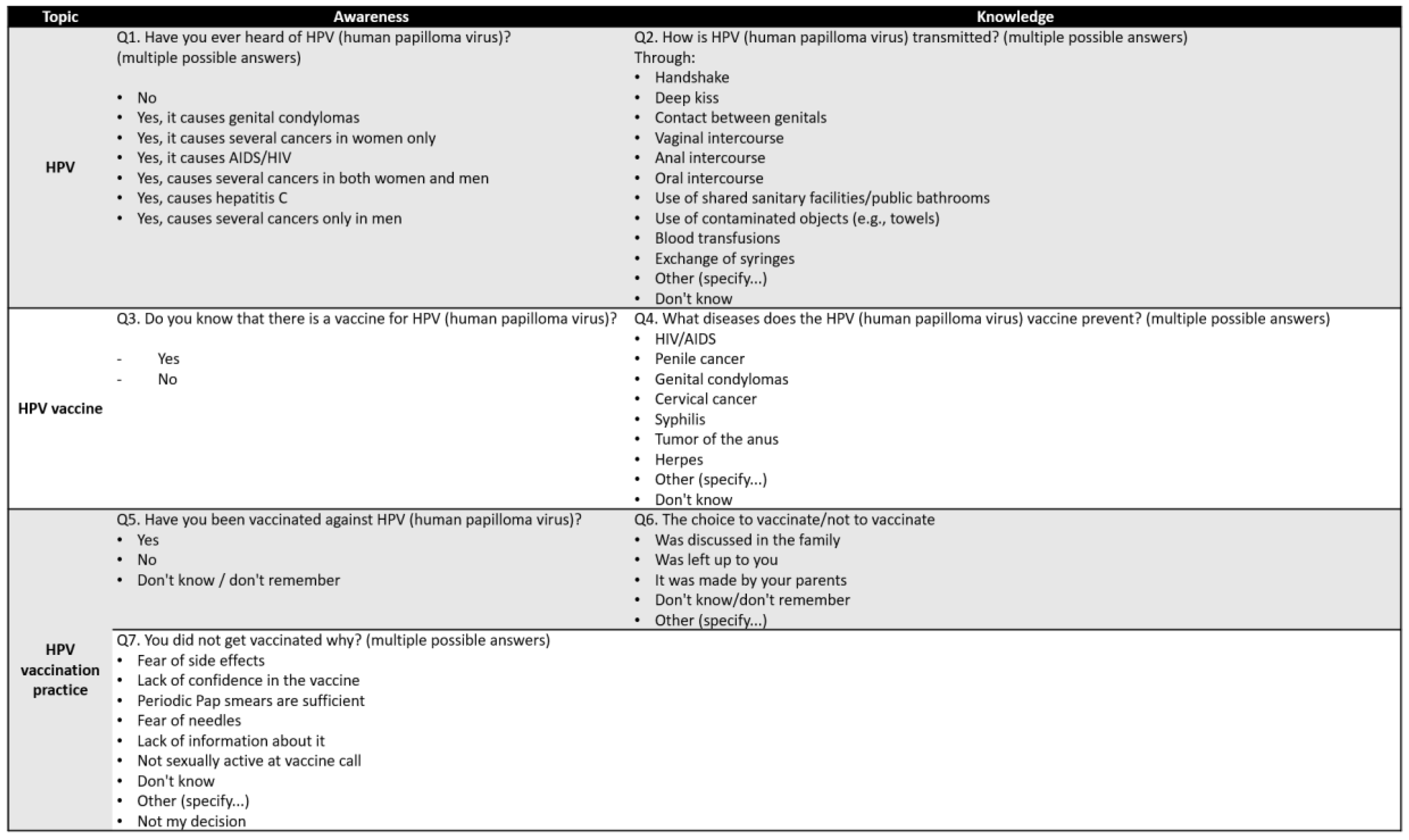
Figure 1. Questions about awareness, knowledge and practice about HPV and HPV vaccination.
Preprints 142852 g001
Figure 2. Italian regions and provinces participating in the ESPRIT project.
Preprints 142852 g002
Table 1. Answers given by lower secondary school adolescents to questions 1-4 about awareness and knowledge on HPV and HPV vaccine by sex, living context, province of residence and overall.
Answers Overall (N=135) Sex (n (%)) Living context (n (%)) Province of residence (n (%))
Boys
(N=59)
Girls (N=74) Other (N=2) Urban (N=71) Extra-urban (N=64) Udine (N=51) Palermo (N=84)
Awareness about HPV – Q1: Have you ever heard of HPV (human papilloma virus)?
No 68 (50%) 30 (51%) 37 (50%) 1(50%) 36 (51%) 32 (50%) 24 (47%) 44 (52%)
Yes, it causes several cancers in both women and men 33 (24%) 11 (19%) 22 (30%) 0 (0%) 20 (28%) 13 (20%) 18 (35%)§ 15 (18%)§
Yes, it causes genital condylomas 18 (13%) 11 (19%) 7 (9.5%) 0 (0%) 12 (17%) 6 (9.4%) 3 (5.9%) 15 (18%)
Yes, it causes AIDS/HIV 12 (8.9%) 6 (10%) 6 (8.1%) 0 (0%) 6 (8.5%) 6 (9.4%) 5 (9.8%) 7 (8.3%)
Yes, it causes several cancers in women only 10 (7.4%) 6 (10%) 4 (5.4%) 0 (0%) 4 (5.6%) 6 (9.4%) 2 (3.9%) 8 (9.5%)
Yes, it causes hepatitis C 4 (3.0%) 2 (3.4%) 2 (2.7%) 0 (0%) 2 (2.8%) 2 (3.1%) 2 (3.9%) 2 (2.4%)
Yes, it causes several cancers only in men 2 (1.5%) 1 (1.7%) 1 (1.4%) 0 (0%) 1 (1.4%) 1 (1.6%) 1 (2.0%) 1 (1.2%)
missing 5 (3.7%) 1 (1.7%) 3 (4.1%) 1(50%) 1 (1.4%) 4 (6.3%) 2 (3.9%) 3 (3.6%)
Knowledge about HPV – Q2: How is HPV (human papilloma virus) transmitted?
Contact between genitals* 57 (42%) 23 (39%) 34 (46%) 0 (0%) 31 (44%) 26 (41%) 18 (35%) 39 (46%)
Vaginal intercourse* 56 (41%) 22 (37%) 34 (46%) 0 (0%) 31 (44%) 25 (39%) 21 (41%) 35 (42%)
Anal intercourse* 29 (21%) 15 (25%) 14 (19%) 0 (0%) 19 (27%) 10 (16%) 13 (25%) 16 (19%)
Deep kiss* 17 (13%) 4 (6.8%) 13 (18%) 0 (0%) 11 (15%) 6 (9.4%) 5 (9.8%) 12 (14%)
Use of shared sanitary facilities /public bathrooms 14 (10%) 5 (8.5%) 9 (12%) 0 (0%) 7 (9.9%) 7 (11%) 2 (3.9%) 12 (14%)
Use of contaminated objects (e.g., towels)* 13 (9.6%) 5 (8.5%) 8 (11%) 0 (0%) 6 (8.5%) 7 (11%) 3 (5.9%) 10 (12%)
Oral intercourse* 13 (9.6%) 5 (8.5%) 8 (11%) 0 (0%) 8 (11%) 5 (7.8%) 3 (5.9%) 10 (12%)
Exchange of syringes* 13 (9.6%) 4 (6.8%) 9 (12%) 0 (0%) 8 (11%) 5 (7.8%) 5 (9.8%) 8 (9.5%)
Blood transfusions* 13 (9.6%) 5 (8.5%) 8 (11%) 0 (0%) 9 (13%) 4 (6.3%) 5 (9.8%) 8 (9.5%)
Handshake 3 (2.2%) 1 (1.7%) 2 (2.7%) 0 (0%) 3 (4.2%) 0 (0%) 1 (2.0%) 2 (2.4%)
Don't know 44 (33%) 23 (39%) 20 (27%) 1(50%) 29 (41%)§ 15 (23%)§ 22 (43%) 22 (26%)
missing 7 (5.2%) 3 (5.1%) 3 (4.1%) 1(50%) 0 (0%) 7 (11%) 4 (7.8%) 3 (3.6%)
Awareness about HPV vaccine – Q3: Do you know that there is a vaccine for HPV (Human Papilloma Virus)?
Yes 109 (81%) 45 (76%) 64 (86%) 0 (0%) 61 (86%) 48 (75%) 44 (86%) 65 (77%)
No 22 (16%) 12 (20%) 9 (12%) 1(50%) 9 (13%) 13 (20%) 6 (12%) 16 (19%)
missing 4 (3.0%) 2 (3.4%) 1 (1.4%) 1(50%) 1 (1.4%) 3 (4.7%) 1 (2.0%) 3 (3.6%)
Knowledge about HPV vaccine – Q4: What diseases does the HPV (Human Papilloma Virus) vaccine prevent?
Genital condylomas* 17 (13%)
8 (14%)
9 (12%)
0 (0%)
11 (15%)
6 (9.4%)
4 (7.8%) 13 (15%)
HIV/AIDS 28 (21%) 14 (24%) 14 (19%) 0 (0%) 11 (15%) 17 (27%) 6 (12%) 22 (26%)
Penile cancer* 28 (21%) 8 (14%) 20 (27%) 0 (0%) 19 (27%) 9 (14%) 8 (16%) 20 (24%)
Tumor of the anus* 22 (16%) 5 (8.5%) 16 (22%)
1 50%)
15 (21%)
7 (11%)
6 (12%) 16 (19%)
Herpes 19 (14%)
5 (8.5%)
14 (19%)
0 (0%)
11 (15%) 8 (13%)
2 (3.9%) 17 (20%)
Cervical cancer* 17 (13%) 3 (5.1%) 14 (19%) 0 (0%) 7 (9.9%) 10 (16%) 4 (7.8%) 13 (15%)
Syphilis 1 (0.7%) 1 (1.7%) 0 (0%) 0 (0%) 0 (0%) 1 (1.6%) 0 (0%) 1 (1.2%)
Don't know 36 (27%) 14 (24%) 22 (30%) 0 (0%) 21 (30%) 15 (23%) 36 (71%) 0 (0%)
Other 28 (21%) 16 (27%) 12 (16%) 0 (0%) 22 (31%)§ 6 (9.4%)§ 0 (0%) 28 (33%)
missing 4 (3.0%) 2 (3.4%) 1 (1.4%) 1(50%) 0 (0%) 4 (6.3%)
1 (2.0%) 3 (3.6%)
*Correct option; in bold: statistically different values when <0.05§ or <0.001^.
Table 2. Answers given by upper secondary school adolescents to questions 1-4 about awareness and knowledge on HPV and HPV vaccine by sex, living context, province of residence and overall.
Answers Overall (N=463) Sex (n (%)) Living context (n (%)) Province of residence (n (%)) Type of upper secondary school (n (%))
Boys
(N=185)
Girls (N=270) Other (N=8) Urban (N=279) Extra-urban (N=184) Udine (N=226) Rome (N=116) Palermo (N=121) Academic (N=206) Vocational (N=114) Technical (N=143)
Awareness about HPV – Q1: Have you ever heard of HPV (human papilloma virus)?
No 158 (34%) 74 (40%)§ 78 (29%)§
6 (75%)§
88 (32%) 70 (38%)
70 (31%)
45 (39%)
43 (36%) 56 (27%)§
42 (37%)§
60 (42%)§
Yes, it causes several cancers in both women and men 130 (28%)
44 (24%)
85 (31%)
1 (13%)
89 (32%)§
41 (22%)§
65 (29%)
33 (28%)
32 (26%)
69 (33%)
25 (22%)
36 (25%)
Yes, it causes AIDS/HIV 89 (19%) 39 (21%) 50 (19%) 0 (0%) 47 (17%)
42 (23%) 41 (18%) 23 (20%) 25 (21%) 37 (18%) 26 (23%) 26 (18%)
Yes, it causes several cancers in women only 83 (18%)
19 (10%)^
64 (24%)^
0 (0%)^
49 (18%) 34 (18%)
40 (18%)§
13 (11%)§
30 (25%)§ 40 (19%)
20 (18%)
23 (16%)
Yes, it causes genital condylomas 52 (11%)
17 (9.2%)
34 (13%)
1 (13%)
36 (13%)
16 (8.7%)
24 (11%)§
20 (17%)§
8 (6.6%)§
19 (9.2%)
17 (15%)
16 (11%)
Yes, it causes hepatitis C 21 (4.5%) 12 (6.5%) 9 (3.3%) 0 (0%) 9 (3.2%)
12 (6.5%)
17 (7.5%) 2 (1.7%) 2 (1.7%)
6 (2.9%)
4 (3.5%)
11 (7.7%)
Yes, it causes several cancers only in men 11 (2.4%) 8 (4.3%) 3 (1.1%) 0 (0%) 10 (3.6%) 1 (0.5%) 7 (3.1%) 0 (0%) 4 (3.3%) 8 (3.9%) 1 (0.9%) 2 (1.4%)
Knowledge about HPV – Q2: How is HPV (human papilloma virus) transmitted?
Vaginal intercourse* 299 (65%) 115 (62%) 180 (67%) 4 (50%) 179 (64%) 120 (65%) 145 (64%) 69 (59%) 85 (70%) 145 (70%)§ 72 (63%)§ 82 (57%)§
Anal intercourse* 190 (41%) 75 (41%) 111 (41%) 4 (50%) 116 (42%) 74 (40%) 98 (43%) 42 (36%) 50 (41%) 95 (46%) 45 (39%) 50 (35%)
Contact between genitals* 178 (38%) 52 (28%)^ 124 (46%)^ 2 (25%)^ 107 (38%) 71 (39%) 87 (38%) 45 (39%) 46 (38%) 81 (39%) 45 (39%) 52 (36%)
Oral intercourse* 158 (34%) 61 (33%)
94 (35%)
3 (38%)
97 (35%)
61 (33%)
81 (36%)
37 (32%)
40 (33%)
72 (35%)
40 (35%)
46 (32%)
Exchange of syringes* 114 (25%) 47 (25%) 66 (24%) 1 (13%) 82 (29%)§ 32 (17%)§ 66 (29%)§ 19 (16%)§ 29 (24%)§ 64 (31%)§ 20 (18%)§ 30 (21%)§
Blood transfusions* 107 (23%) 47 (25%)
58 (21%)
2 (25%)
77 (28%)§
30 (16%)§
66 (29%)§
17 (15%)§
24 (20%)§
59 (29%)§
21 (18%)§
27 (19%)§
Use of contaminated objects (e.g., towels)* 48 (10%) 23 (12%) 24 (8.9%) 1 (13%) 34 (12%)
14 (7.6%)
26 (12%) 8 (6.9%)
14 (12%)
27 (13%)
7 (6.1%)
14 (9.8%)
Deep kiss* 46 (9.9%) 21 (11%)
23 (8.5%) 2 (25%)
29 (10%) 17 (9.2%) 26 (12%)
10 (8.6%)
10 (8.3%)
23 (11%) 12 (11%) 11 (7.7%)
Use of shared sanitary facilities /public bathrooms 26 (5.6%) 8 (4.3%) 15 (5.6%) 3 (38%) 21 (7.5%)§ 5 (2.7%)§ 16 (7.1%) 5 (4.3%) 5 (4.1%) 16 (7.8%) 4 (3.5%) 6 (4.2%)
Handshake 2 (0.4%) 0 (0%)
1 (0.4%) 1 (13%)
1 (0.4%) 1 (0.5%)
2 (0.9%)
0 (0%)
0 (0%)
0 (0%)
1 (0.9%)
1 (0.7%)
Other 6 (1.3%) 3 (1.6%) 2 (0.7%) 1 (13%) 3 (1.1%) 3 (1.6%) 2 (0.9%) 3 (2.6%) 1 (0.8%) 0 (0%) 2 (1.8%) 4 (2.8%)
Don't know 108 (23%) 48 (26%)
58 (21%)
2 (25%)
71 (25%)
37 (20%)
52 (23%)
33 (28%)
23 (19%)
42 (20%)
27 (24%)
39 (27%)
missing 1 (0.2%) 0 (0%) 1 (0.4%) 0 (0%) 0 (0%)
1 (0.5%)
1 (0.4%) 0 (0%) 0 (0%) 0 (0%)
0 (0%)
1 (0.7%)
Awareness about HPV vaccine – Q3: Do you know that there is a vaccine for HPV (human papilloma virus)?
Yes 406 (88%) 152 (82%)^ 248 (92%)^ 6 (75%)^ 246 (88%) 160 (87%)
195 (86%)
100 (86%)
111 (92%)
189 (92%)^
92 (81%)^
125 (87%)^
No 57 (12%) 33 (18%) 22 (8.1%) 2 (25%) 33 (12%) 24 (13%) 31 (14%) 16 (14%) 10 (8.3%) 17 (8.3%) 22 (19%) 18 (13%)
Knowledge about HPV vaccine – Q4: What diseases does the HPV (human papilloma virus) vaccine prevent?
HIV/AIDS 203 (44%) 77 (42%) 121 (45%) 5 (63%) 111 (40%)§ 92 (50%)§ 94 (42%) 53 (46%) 56 (46%) 80 (39%) 57 (50%) 66 (46%)
Cervical cancer* 171 (37%) 41 (22%)^ 127 (47%)^ 3 (38%)^ 102 (37%) 69 (38%) 81 (36%) 39 (34%) 51 (42%) 88 (43%)§ 41 (36%)§ 42 (29%)§
Penile cancer* 109 (24%) 56 (30%)§ 52 (19%)§ 1 (13%)§ 65 (23%) 44 (24%) 46 (20%) 30 (26%) 33 (27%) 51 (25%) 29 (25%) 29 (20%)
Genital condylomas* 77 (17%) 31 (17%) 46 (17%) 0 (0%) 58 (21%)§ 19 (10%)§ 43 (19%) 18 (16%) 16 (13%) 45 (22%)§ 15 (13%)§ 17 (12%)§
Tumor of the anus* 56 (12%) 28 (15%) 27 (10%) 1 (13%) 33 (12%) 23 (13%) 26 (12%)
17 (15%)
13 (11%)
19 (9.2%) 18 (16%) 19 (13%)
Syphilis 38 (8.2%) 17 (9.2%) 19 (7.0%) 2 (25%) 29 (10%) 9 (4.9%) 25 (11%) 8 (6.9%) 5 (4.1%) 22 (11%) 7 (6.1%) 9 (6.3%)
Herpes 34 (7.3%) 12 (6.5%) 20 (7.4%) 2 (25%)
21 (7.5%) 13 (7.1%)
20 (8.8%)
6 (5.2%)
8 (6.6%)
14 (6.8%)
11 (9.6%) 9 (6.3%)
Other 65 (14%) 34 (18%) 29 (11%) 2 (25%) 48 (17%) 17 (9.2%) 38 (17%) 20 (17%) 7 (5.8%) 28 (14%) 13 (11%) 24 (17%)
missing 1 (0.2%) 0 (0%) 1 (0.4%) 0 (0%) 1 (0.4%) 0 (0%) 1 (0.4%) 0 (0%) 0 (0%) 0 (0%) 0 (0%) 1 (0.7%)
*Correct option; in bold: statistically different values when <0.05§ or <0.001^.
Table 3. Profile of students with higher level of knowledge about HPV and HPV vaccine resulted from the regression model analysis.
Lower secondary school students
Model Count model Zero-inflation model
Estimate Standard error z-value p-value Estimate Standard error z-value p-value
(Intercept) 2.25 0.05 42.48 <0.001 -1.15 0.24 -4.87 <0.001
Sex Girls - - - - - - - -
Boys -0.11 0.05 -2.42 0.015 -0.11 0.23 -0.47 0.641
Other -0.23 0.30 -0.75 0.450 -12.80 1040.82 -0.01 0.990
Living context Extra-urban - - - - - - - -
Urban 0.20 0.05 4.08 <0.001 0.81 0.24 3.43 <0.001
Province of residence Udine - - - - - - - -
Palermo 0.17 0.05 7.86 <0.001 -0.64 0.24 -2.69 0.007
Upper secondary school students
Model Count model Zero-inflation model
Estimate Standard error z-value p-value Estimate Standard error z-value p-value
(Intercept) 2.62 0.01 204.95 <0.001 -5.30 0.38 -14.00 <0.001
Sex Girls - - - - - - - -
Boys -0.12 0.01 -12.11 <0.001 0.34 0.18 1.91 0.056
Other -0.41 0.14 -3.01 0.003 1.15 1.15 1.01 0.315
Living context Extra-urban - - - - - - - -
Urban -0.14 0.01 -14.07 <0.001 0.13 0.18 0.72 0.468
Province of residence Udine - - - - - - - -
Rome 0.12 0.01 9.69 <0.001 0.90 0.20 4.45 <0.001
Palermo 0.01 0.01 0.59 0.56 -0.83 0.30 -2.80 0.005
Type of school Academic - - - - - - - -
Technical -0.16 0.01 -13.15 <0.001 2.42 0.34 7.16 <0.001
Vocational -0.13 0.01 -11.44 <0.001 1.22 0.37 3.32 <0.001
Disclaimer/Publisher’s Note: The statements, opinions and data contained in all publications are solely those of the individual author(s) and contributor(s) and not of MDPI and/or the editor(s). MDPI and/or the editor(s) disclaim responsibility for any injury to people or property resulting from any ideas, methods, instructions or products referred to in the content.
Copyright: This open access article is published under a Creative Commons CC BY 4.0 license, which permit the free download, distribution, and reuse, provided that the author and preprint are cited in any reuse.
Prerpints.org logo

Preprints.org is a free preprint server supported by MDPI in Basel, Switzerland.

Subscribe

Disclaimer

Terms of Use

Privacy Policy

Privacy Settings

© 2025 MDPI (Basel, Switzerland) unless otherwise stated