Preprint
Article

This version is not peer-reviewed.

Sleep Deprivation and Its Association with Physical and Mental Health Among Adults in the United Arab Emirates (UAE): A Cross-Sectional Survey

Submitted:

09 January 2025

Posted:

13 January 2025

You are already at the latest version

Abstract

Introduction: Sleep deprivation is a global health concern with significant clinical, economic, and social consequences. The CDC recommends that adults aged 18-60 get at least 7 hours of sleep per night for optimal health. Studies conducted in Singapore, Japan and China have highlighted a significant prevalence of poor sleep quality and insomnia across Asia, with 26.4% of men and 31.1% of women in Japan reporting poor sleep. This study set out to determine the prevalence of sleep deprivation amongst adults in UAE on their physical and mental health. Methods: We used a cross-sectional design with mixed methods to explore sleep deprivation among adults aged 18-65 in all seven emirates of UAE. We used stratified cluster sampling to identify the sample. The sample size was calculated using StatCalc, and IBM software. Data was collected using a tool called 'Sleep Disorders Questionnaire for adults aged 11+' and the data was analyzed using Statistical Package for Social Sciences (SPSS). Results/DISCUSSION: The study sample consisted of 321 participants, and included all the ethnic groups resident in Dubai. The largest group of participants included South Asians (59%), and those younger than 25 years (51.4%). 29.6% (95) of the participants experienced sleep deprivation. Participants in the sleep deprived category reported frequent headaches (25%). 22% (21) of the participants in the sleep deprived category reported experiencing feelings of depression/hopelessness. Researchers often link sleep deprivation to metabolic and cardiovascular issues and frequent physical and mental symptoms, and the exact relationship and correlation between sleep and health requires more research Conclusion: The willingness of many sleep-deprived individuals to seek help offers a promising avenue for intervention. Policymakers have an opportunity to integrate sleep health into broader public health initiatives aimed at improving the well-being of UAE residents by addressing the root causes of sleep deprivation and promoting healthy sleep habits.

Keywords: 
;  ;  ;  ;  

Introduction:

Sleep deprivation is a significant global health concern with significant clinical, economic, and social consequences. For optimal health, the CDC recommends that adults aged 18-60 get at least 7 hours of sleep per night, while those aged 61-64 should aim for 7-9 hours.[1] Sleep deprivation is a notable problem in the UAE and other Asian countries globally. In UAE, more than 40% of residents need more quality sleep, according to a survey of more than 950 individuals.[2]. Another study conducted in the UAE examines the relationship between sleep quality and various quality-of-life factors among 36,515 working adults in Abu Dhabi, using data from the Abu Dhabi Quality of Life survey. The findings highlight direct and indirect associations between sleep quality and factors like social connections, income satisfaction, and physical health, providing insights for improving well-being [3].
This trend extends globally with a high prevalence of sleep deprivation (SD) among adolescents [4] in countries such as the United States [5], Europe [6], China [7], Japan [8], and Kuwait [9]. In Saudi Arabia, the research found a 31% prevalence of adolescents sleeping less than 7 hours per night in 2009–2010 [10]. Furthermore, in another study, similarly high rates of SD were noted among children and adults in Saudi Arabia, with recent data showing that 33.8% of Saudi adults sleep less than 7 hours [11].
Studies conducted in Singapore and across other Asian countries have highlighted a significant prevalence of poor sleep quality and insomnia [12,13,14,15]. In Japan, a study reported that 26.4% of men and 31.1% of women experience poor sleep [14]. Similarly, about 27% of individuals in China reported suffering from insomnia [15,16], and 39.4% of the representative population in Hong Kong reported poor sleep quality [17]. In Singapore, the Singapore Health 2012 study, a comprehensive population-wide survey, found that 27.2% of respondents experienced poor sleep [18]. These findings underscore the widespread issue of sleep disturbances in various Asian countries, indicating a need for targeted public health interventions to address sleep duration, quality, and associated health impacts.
The 2019 global sleep survey, "The Global Pursuit of Better Sleep Health," highlighted significant sleep challenges worldwide. Despite increasing awareness of sleep's importance, with 77% of respondents acknowledging its significant impact on health, they may still need help to achieve quality sleep [19]. WHO defines health as complete physical, mental, and social well-being, not merely the absence of disease or infirmity. [20]
According to WHO, people are classified by their BMI (body mass index) into categories such as Underweight (≤ 18.5), Normal (18.5–24.9), Pre-Obesity (25.0–29.9) and Obesity (≥ 30) [21]. Studies about the impact of sleep deprivation on physical health revealed that individuals who slept less than 7 hours per night were more likely to have higher average body mass indexes (BMI) and develop obesity than those who slept more. Studies showed that experimental sleep restriction was associated with increased levels of ghrelin, salt retention, and inflammatory markers and decreased leptin and insulin sensitivity [22]. Sleep loss is associated with Diabetes and impaired glucose tolerance. Short sleep duration (<6 h/day) was associated with a 38% absolute increase in the incidence of obesity. [23]. A study by the American Cancer Society Study showed that men sleeping 4 hours or less had higher mortality from chronic heart diseases (CHD) than those sleeping 7-7.9 hours 24. Sleep deprivation is also strongly associated with somatic problems such as headaches and abdominal pain [25].
In terms of mental health, sleep deprivation was associated with emotional distress, mood disorders, impairment of cognition, memory, and performance deficits, as well as behaviour problems in otherwise healthy individuals [25]. In a study with 231 participants, it was revealed that individuals who reported less than 6 hours of sleep per 24 hours were more likely to report being depressed compared to those who reported 7 hours of sleep. Insufficient sleep was associated with lower happiness in healthy adults, and a self-reported questionnaire was used as a single item to measure happiness [26]. Individuals chronically sleep-restricted may exhibit increased risk-taking behaviour or may show deficiencies in reasoning that result from seeking premature conclusions without considering all aspects of a problem. Sleeplessness is also connected to a strong tendency toward brief mental lapses (or microsleep episodes), occurrences that significantly increase the risk of a motor vehicle and other accidents [26]. Studies show that up to 20% of road traffic accidents are sleep-related, with over 1000 road deaths a year in UAE [27].
Understanding the impact of sleep deprivation on individuals' physical and mental health is vital in the United Arab Emirates (UAE) as the nation continues its pursuit of good health for development and progress. Despite the significant consequences that sleep deprivation can have, research on this topic within the UAE remains limited. This highlights the need to explore its prevalence and implications for physical and mental health. This research aligns with UAE’s goal of achieving sustainable development goals of good health and well-being by 2030 [28].
As lifestyle behaviours leading to sleep deprivation become more prevalent in the UAE, addressing this issue is critical to ensuring better physical and mental health for individuals, thereby supporting the overall health and productivity of the community.
Research Question: What is the association of sleep deprivation on the physical and mental health of adults in United Arab Emirates?
Objectives:
-
To determine the effect of sleep deprivation on mental health among adults in the UAE.
-
To determine the effect of sleep deprivation on physical health among adults in the UAE.
-
To determine the primary contributing factors that cause sleep deprivation
-
To investigate modifiable behaviour patterns that can improve sleep deprivation
-
To generate evidence to aid policy and public health education

Materials and Methods:

Study Design

In addressing the research question and the associated objective, this study employed a cross-sectional design with mixed methods (qualitative and quantitative) to explore sleep deprivation among UAE adults aged 18-65.

Research Methods

The research utilized quantitative methods (surveys collecting data on demographics such as gender, age groups, and sleep duration) to gain insights into behaviours, associated factors, and the impact of sleep deprivation on health. For qualitative methods, we cross-tabulated the degree of sleep duration associated with individuals' physical and mental health through a series of questions assessing these aspects.

Population and Sample

The study targeted adults aged 18-65 who had lived in the UAE for more than 6 months (including citizens and expatriates). Participants were drawn from all seven Emirates of the UAE: Abu Dhabi, Dubai, Sharjah, Ajman, Umm Al Quwain, Ras Al Khaimah, and Fujairah. The inclusion criteria involved all adults aged 18-65 in UAE who had been in the country for more than 6 months, including citizens and expatriates. Exclusion criteria included children below 18 and all residents above 65 in study settings.
The study sample was identified using a stratified cluster convenience sampling technique. The minimum sample size was calculated using StatCalc owned by CDC [29] to achieve a 95% confidence interval and a 5% margin of error.

Data Collection and Tool

Data collection occurred between September and December 2023 using a hybrid approach of face-to-face interviews and online surveys. This dual method facilitated broader participation and allowed researchers to reach various population segments.
We developed a data collection tool to reflect the UAE context. This was informed by the 'Sleep Disorders Questionnaire for adults aged 11+’ from Oxford Neurology (Non-Respiratory) Sleep Disorders Service, developed by the Sleep Disorders Clinic Department of Clinical Neurophysiology, John Radcliffe Hospital. [30] Additional survey questions about depression and anxiety were added from the Stanford University Patient Health Questionnaire – 9 (PHQ-9) [31] and Generalised Anxiety Disorder (GAD-7) [32] instruments developed by Spitzer et al..

Ethics Approval

Ethical considerations were central to the study, with protocols in place to ensure informed consent, participant anonymity, and data confidentiality, following the principles of the Helsinki Declaration. This study received ethical approval from Dubai Medical College for Girls, reference number: IBR/DMCG/AY23-24/S-14, before data collection started.

Data Analysis

The data from our study were analyzed using the Statistical Package for Social Sciences (SPSS) developed by IBM software [33] to produce descriptive statistics (mean, median, and mode), and reported as descriptive statistics which were then displayed as frequency distributions and charts.

Results:

Demographics

The study analyzed data from a sample of 321 participants, and the findings offer insights into how sleep patterns might correlate with health outcomes. In this study, the majority of the participants were female 76.3% (245), and the highest number of responses were recorded from the emirate of Dubai 45.8% (147) and most of them belonged to the ethnicity of South Asia, 59.2% (190). Most of our participants were younger than 25 years – 51.4% (165). The demographic characteristics of the participants have been described in Table 1.
Sleep duration was categorized as adequate sleep for more than 6 hours, and sleep deprivation as sleep for less than 6 hours [35]. This study revealed that 29.6% (95) of the participants reported being sleep-deprived, as shown in Figure 1.

Sleep Deprivation and Physical Health

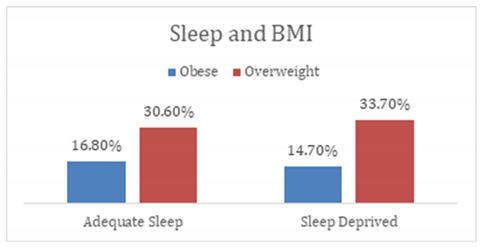
Using the WHO classification of BMI [36], our study found that 14.7 % (14) of those who reported being sleep deprived were obese, and 33.7% (32) were overweight, with a p-value of 0.77, as shown in Graph 1.
Preprints 145744 i001
Graph 1 – BMI and sleep duration.
We analyzed the relationship between sleep duration and various health conditions and presented it in the table below. Our parameters included diabetes/pre-diabetes, high cholesterol, hypertension, and multiple comorbidities (having two or three conditions). Sleep-deprived individuals have diabetes/pre-diabetes 4.21%(4), high cholesterol 3.15% (3), and hypertension 2.1%(2). Additionally, 1.05%(1) of individuals with three comorbidities and 5.26% (5) with two conditions are sleep-deprived with a p-value of 0. 88 (Table 2)
According to our study, participants in the sleep deprived category who reported to have frequently experienced headaches was 25.26% (24), muscle pain was 15.7% (15), abdominal pain was 1.05% (1) and those who reported having frequently experienced more than one of the above listed 36.8% (35) with a p-value of 0.07. (Table 3).

Sleep Deprivation and Mental Health

As shown in Table 4, around 24.2% (23) of the sleep-deprived individuals reported frequent forgetfulness. This was 19% (43) among individuals with adequate sleep, with a p-value = 0.50. Among those with sleep deprivation, 28.4% (27) frequently reported difficulties in concentration, while individuals with adequate sleep showed 16.8%, with a p-value = 0.04. Regarding irritability due to minor issues, the percentage of participants feeling frequently irritable in sleep deprived was 29.4% (28) compared with 23.4% (53) in participants with adequate sleep, with an overall p-value = 0.27. In terms of decision-making, 8.7% (28) of sleep-deprived individuals reported facing frequent difficulty in decision making, while it was 20.8% (47) in those with adequate sleep, with a p value = 0.211
As shown in Table 5, in terms of the tendency to engage in risky behaviours, 5.3% (5 out of 95) of the sleep-deprived group reported engaging in these behaviours frequently. However, 7.1% (16 out of 226) of those with adequate sleep engaged in risky behaviours frequently, with a p-value = 0.539.
In the sleep-deprived category, 22% (21) of participants reported experiencing feelings of depression/hopelessness. Conversely, this was seen to be only 15% (34) of those with adequate sleep, with a p-value of 0.016. Additionally, 7.36% of individuals in the sleep-deprived category reported falling asleep while performing daily tasks like cooking, driving, reading, etc., compared to only 4% in the category of adequate sleep, with a p-value = 0.08.
The percentage of sleep deprived individuals who "always" and "often" felt nervous, anxious or on edge totaled 28.5% (27) as opposed to only 21.7% (49) in those who had adequate sleep with a p-value of 0.054 (Table 6).
Among participants who were sleep deprived, 5.26% were involved in road traffic accidents, whereas only 3.53% of those who reported adequate sleep were involved in such accidents, with a p-value of 0.64 (Table 7).
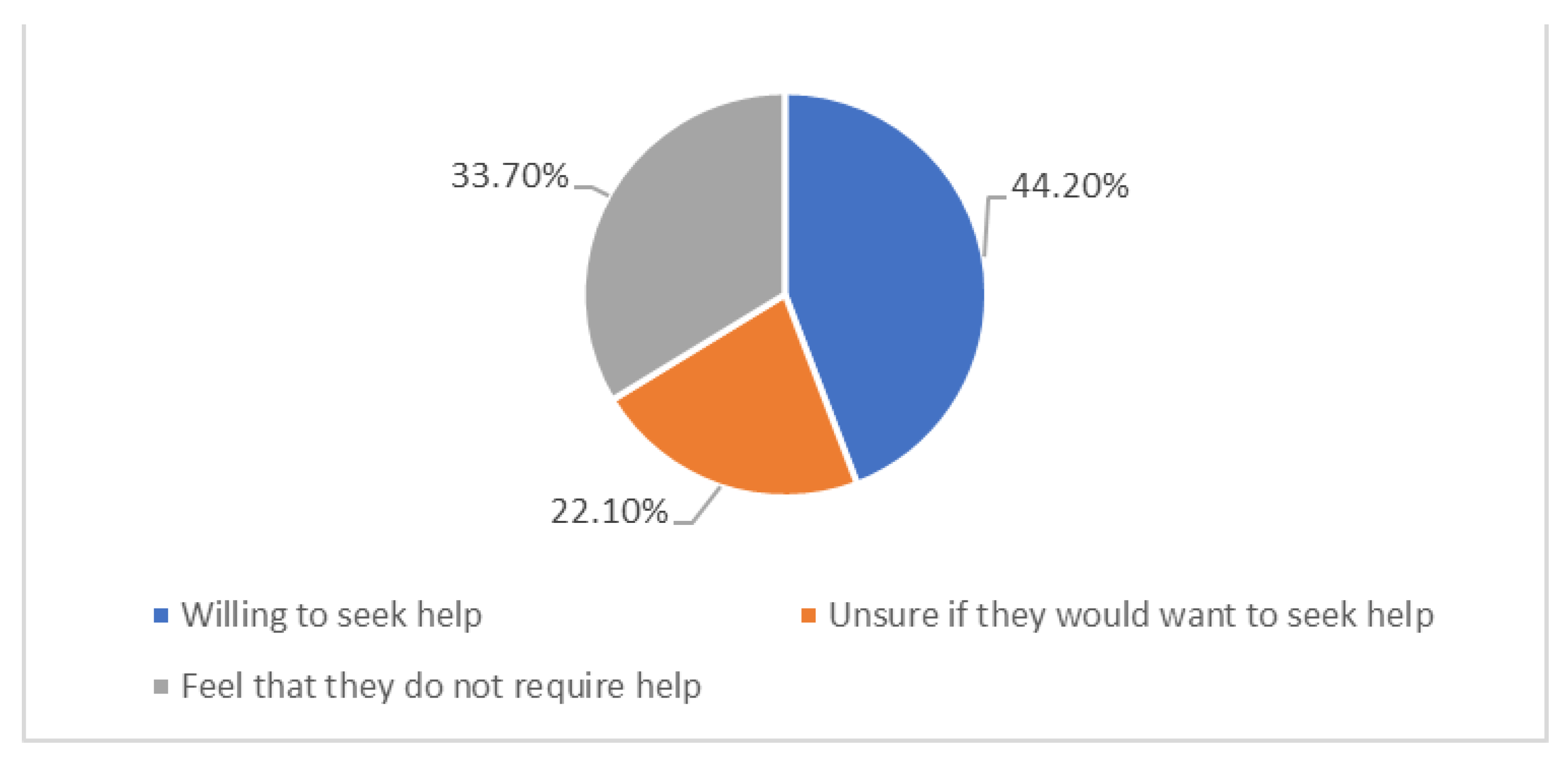
An important parameter of our research was assessing the willingness of participants to seek help with their sleeping habits and patterns (Figure 2). In the category of sleep deprived individuals, 33.7% (32) indicated that they do not require any assistance with their sleep patterns, 22.1% (21) were unsure, and 44.2% (42) of participants were willing to seek help with sleep patterns and habits. This shows that the mode of the responses in our study, which was 44.2%, reflects that the most frequent preference among sleep deprived individuals is to seek help for their sleep-related issues.

Discussion

Overall, sleep deprivation negatively impacts an individual's health and well-being. Through our research, we set out to determine the impact of sleep deprivation on physical and mental health among adults in the UAE. In our study, 29.6% (95) of the participants experienced sleep deprivation, compared to 33.8% in Saudi Arabia [11] and 39.4% in Hong Kong [37]. However, only 44% (42) of the individuals in the sleep deprived category in our study were willing to seek help with their sleep patterns and habits.
In this study, participants were asked to report any diagnosed conditions, including diabetes, pre-diabetic state, hypertension (high blood pressure), high cholesterol, stroke, or if they had no health issues or any other conditions. This is because sleep deprivation is noted to be associated with comorbidities [38]. Additionally, participants were asked to identify any symptoms they frequently experienced (2-3 times per week), such as headaches, abdominal pains, muscle pains, or other symptoms, with the option to select none if applicable. This approach aimed to comprehensively understand how sleep might be associated with physical health concerns.
As for BMI, in our study, about 15% of participants within the sleep deprived category were obese and around 33% were noted to be overweight, with a p-value of 0.77, making the result not statistically significant. As per the literature, sleep deprivation is associated with obesity. An epidemiological study of older adults concluded that sleep duration of less than 5 hours, compared with sleeping 7–8 hours, increased the likelihood of developing obesity by 40% [39] while a meta-analysis of 11 prospective studies (197 906 participants) found a significant association in both sexes between short sleep duration (defined as less than 5–6 hours per night) and the risk for developing obesity [40]. Examination of the database from the National Health and Nutritional Examination Survey I between 1982 and 1992 revealed that subjects between the ages of 32 years and 49 years with self-reported sleep durations at baseline less than 7 hours had higher average BMIs and were more likely to be obese than subjects with sleep durations of 7 hours [41].
Therefore, our results must align with the findings of the literature overall. This is probably because most of our participants are in the youth age group, which is known to have higher energy levels and metabolism. Several previous studies have found that insufficient sleep is associated with negative physical health and social outcomes, including adverse performance at school and in the labour market. Reduced sleep duration has been linked to 7 of the 15 leading causes of death in the U.S., including cardiovascular disease, malignant neoplasm, cerebrovascular disease, accidents, diabetes, septicemia, and hypertension [42,43].
In our analysis of the association between sleep deprivation and diabetes, we found a p-value of 0.88, indicating that the results are statistically insignificant. However, this does not imply any association between the two. Additionally, our study revealed that 4.21% of individuals with diabetes/ prediabetes experience sleep deprivation, which contradicts findings from well-established studies linking sleep deprivation to diabetes [44,45]. For example, A study of one hundred fifty-five females and males of Caucasian and African American ethnicity aged between 19-70 revealed that more people with prediabetes suffered from poor sleep than in the regular glucose group (62% vs. 46%). [46] .
Another case-control study involving 172 people with diabetes and 188 healthy controls compared sleep duration between individuals with Type 2 diabetes and healthy counterparts. This study found a significant difference in nocturnal sleep duration, with a p-value of 0.033, suggesting that a sleep duration of less than six hours predisposes individuals to the development of diabetes. [47]
A study conducted by Spiegel and colleagues explains the pathophysiology. 11 healthy men were assessed, and it found that sleep-deprived individuals develop higher insulin sensitivity, which potentially leads to insulin resistance and diabetes [48]. Insufficient sleep, particularly the suppression of slow-wave sleep and rapid eye movement (REM) sleep, has been closely linked to insulin resistance, which significantly increases the risk of developing diabetes [42,49].
In another study examining the association between sleep and glucose homeostasis in children and adolescents, factors such as biological maturation, physical activity levels, screen time, and dietary habits were not controlled, presenting a significant limitation [50].
When comparing our study results with those of other research, we found no significant association between diabetes and sleep deprivation. This discrepancy may be attributed to the fact that most participants in our study were young adults, which could influence the outcomes.
Our research findings on hypertension indicate that 21% of individuals experience sleep deprivation. This aligns with a cohort study involving 1,525 adults aged 12 to 25, which found that individuals with hypertension experienced less decline in percentage of N3 sleep over time compared to those without hypertension (p < 0.05) [51]
Additionally, data from the first National Health and Nutrition Examination Survey, which included 4,810 participants, revealed that five hours or less of sleep duration was significantly associated with an increased risk of hypertension. This link is attributed to the activation of the sympathetic nervous system, which serves as a crucial mechanism connecting sleep-disordered breathing to combined systolic and diastolic hypertension, particularly prevalent among middle-aged hypertensive patients [52].
Regarding high cholesterol and cardiovascular diseases [53],31.5% are sleep deprived. A longitudinal study on Chinese adults found a bidirectional relationship between sleep duration and multimorbidity. Short sleep duration is consistently linked to multimorbidity, where individuals with multiple chronic conditions, such as diabetes and hypertension, report a higher prevalence of sleep disturbances due to some cellular processes such as degenerative intracellular processes, oxidative stress, autonomic activity, dysregulated appetite-regulating hormones, inflammation, allergic and epigenetic processes, which are associated with multimorbidity [54,55].
According to a study, Individuals who reported six or fewer hours of sleep had higher levels of three inflammatory markers: fibrinogen, IL-6 and C-reactive protein. In particular, average C-reactive protein levels were about 25 per cent higher (2 milligrams per litre compared to 1.6) in people who reported fewer than six hours of sleep compared to that reported between six and nine hours. People whose C-reactive protein levels are in the upper third of the population (above 3 milligrams per liter) have roughly double the risk of a heart attack compared with people with lower C-reactive protein levels, according to the American Heart Association and Centers for Disease Control and Prevention [56]. In another study, A significant positive association between the latent factors of sleep inconsistency and inflammation was observed, suggesting inconsistent sleep is associated with higher levels of inflammatory biomarkers [57].
Our study also found that among individuals with sleep deprivation, 25.26% reported frequent headaches, 15.7% reported frequent muscle pain, 1.05% reported frequent abdominal pain, and 36.8% reported frequently experiencing more than one of the above-listed symptoms. However, with a p-value of 0.07, these results are not significant.
In contrast, the literature review suggests a significant association between sleep deprivation and the frequency of symptoms such as headaches and muscle pains. A study of 2695 participants revealed that headache frequency was significantly higher among migraineurs with short sleep duration p = 0.048) and poor sleep quality, p = 0.009) than among those without [58]. Another study showed that among individuals with migraine, 38% reported sleeping for less than 6 h per night [59].
In one study, forced awakening leading to interrupted sleep was associated with more excellent next-day spontaneous pain reports and reduced conditioned pain modulation (reduction in the body's ability to process pain, resulting in more significant pain experiences) [60]. In another study, upon evaluating the extremes of sleep duration, using raw data, sleeping for three hours of less was associated with an 81% increase in pain frequency relative to sleeping 6–9 hours [61]. A study demonstrated that transparent dose-response relationships exist between perceived stress and poor sleep and between pain intensity and poor sleep among hospital workers [62]. In contrast, a similar study showed that poor sleep constitutes a potent risk factor for low back pain among healthcare workers, with strong associations in all subgroup analyses [63]. This could be explained by the role of sleep deficiency in de-activating several systems/mediators with predominantly analgesic properties, including the opioid system, the orexinergic system, the melatonin system, and dopamine signalling, while activating systems/mediators with predominantly hyperalgesic properties, including Nitic Oxide and adenosine signalling, and inflammatory mediators of the immune system [64].
These findings align with the literature, implying that other factors, such as age, lifestyle, or underlying health conditions, may significantly influence health outcomes than sleep quality alone. However, it is essential to consider that while this data might suggest a limited immediate impact of sleep deprivation on physical health, the long-term effects of inadequate sleep could manifest differently over time and may not be fully captured in this snapshot. Therefore, further research could be valuable in understanding the comprehensive effects of sleep deprivation on physical health.
In terms of mental health, sleep deprivation has negative impacts in various spheres. The findings from Table 4 show an association between sleep duration and forgetfulness, trouble concentrating, annoyance, irritability, and difficulty making decisions. Furthermore, sleep deprivation may be associated with increased forgetfulness, with 24.2% (65) reporting difficulty remembering things and an increased frequency of forgetfulness. A p-value of 0.5 indicates that the relationship between sleep duration and forgetfulness is not statistically significant in our study. In literature, sleep deprivation has been associated with impaired cognition with an effect on memory and attention [66]. It has been noted that adequate sleep is required to consolidate memories, and the lack of sleep may result in poor memory [65]. Sleep deprivation was shown to alter synaptic structure in the hippocampus and thus play a role in disrupting long-term memory acquisition and consolidation. Furthermore, it was observed that sleep deprivation contributes to impaired memory function by affecting levels of required neurotransmitters [67].
Additionally, 28.4% (27) of sleep deprived individuals reported frequent trouble concentrating with a p-value of 0.04, indicating that the relationship between sleep duration and difficulty in concentration is statistically significant in our study. This is similar to what has been reported in the literature. Sleep deprivation is linked to impaired cognitive functioning due to its effects on the prefrontal cortex, extending its effects on attention and concentration. [66].
The results of our study suggest that around 30% of the sleep deprived individuals reported feeling annoyed or irritable by minor issues, with a p-value of 0.277. This suggests that there is no statistically significant link between sleep duration and irritability, similar to the outcomes of several meta-analyses on the effects of sleep loss on emotions. Some individual studies within these meta-analyses also found nonsignificant results (68). However, further research should be carried out to understand better the effects of sleep duration on mood and emotional regulation using a larger global sample size.
Our study found that individuals with adequate sleep (21%) reported more frequent struggles with decision-making compared to sleep-deprived individuals (8.7%), though the difference was not statistically significant (p-value = 0.211). This contrasts with previous research [69,70], which shows that partial sleep deprivation increases risk-taking during decision-making. In the referenced study, participants who gathered more information when well-rested relied on less evidence of sleep loss, leading to riskier decisions. The discrepancy between our findings and prior studies may be due to differences in how decision-making is measured or the complexity of factors influencing decision performance beyond sleep alone.
The data presented in Table 5 explores the relationship between sleep duration and engagement in risky behaviours, feelings of depression/hopelessness and microsleep episodes. 5% of sleep deprived individuals reported frequently engaging in risky behaviours, compared to 7% in the adequate sleep category, with a p-value of 0.539. This suggests that there is no statistically significant association between sleep duration and engaging in risky behaviours. This discrepancy could be due to the complexity of factors influencing risk-taking behaviours beyond sleep alone and differences in how risky behaviour is measured. Additionally, this could also be influenced by struggles in decision making among sleep deprived individuals, as discussed above.
This contrasts with other studies that suggest sleep deprivation impairs judgment and increases impulsivity, potentially leading to more frequent risky behaviours [71,72]. While previous research emphasizes that sleep loss affects the brain's ability to process risk and reward, thus increasing impulsive decision-making, the current study does not support this relationship.
According to the literature, sleep deprivation can increase risk-taking behaviour because it reduces the ability to inhibit inappropriate behaviours. Without appropriate inhibitory control, an individual may unintentionally evoke risky behaviours [73]. This study also focuses on using the Iowa Gambling Task (IGT) to measure risk-taking behaviour and risky decision-making. It discusses several studies that have consistently demonstrated that sleep deprivation is associated with a shift in performance on the IGT toward showing a pattern of risky behaviour focused on short-term rather than long-term gains. This shows that complex factors influence risk-taking behaviours, which warrants further investigation.
Sleep deprivation was statistically significant and associated with feelings of depression and hopelessness. About 22% of participants in the sleep deprived category reported experiencing frequent feelings of depression and hopelessness, with a p-value of 0.016. This is similar to the existing studies. A prospective study done in the US among 4,175 youths to find an association between Sleep Deprivation and Depression found that sleep deprivation increased the risk of depressive symptoms at follow-up by 25% to 38%. Further, they found that sleep deprivation increased the risk for subsequent major depression by a factor of more than 3. This association was much stronger than for depressive symptoms, as mentioned above.[34].
Several studies have highlighted a possible association between sleep deprivation and burnout across occupations. A cross-sectional study on finding a possible association between sleep duration and burnout in healthcare professionals revealed a statistically significant association between the two, where ~39% of participants reported a sleep duration of < 7 h and those reporting high burnout represented 21.7% [74]. Another study done on 61 participants found a significant correlation between sleep deprivation as a risk factor for academic burnout (r (59) = 0.43, p < 0.001, R2 = 0.18) [74] This study also found that sleep deprivation, poor sleep quality, and perceived stress also have positively correlated with academic burnout.
In the literature, sleep deprivation has also been significantly associated with suicide ideations, suicide attempts and suicide. This has been attributed to suicidal patients averaging a shorter REM sleep latency, a higher REM percentage, and a more negative dream-like quality of REM.[75]. A recent study done in the US among high school students showed that compared with students reporting sufficient sleep, those with insufficient sleep were more likely to feel sad or hopeless (42.7% vs 28.1%), have considered suicide (19.1% vs 12.5%), or have made a suicide plan (14.8% vs 9.6%). [76]. Another study found that short sleep duration (<5 h/day) increased the odds of suicidal ideation and suicide attempts by 1.43 (95 % Confidence Interval = 1.29–1.58) and 1.78 (95 % Confidence Interval = 1.41–2.25), respectively. [77]
Microsleep episodes are defined as extremely short periods of sleep. These episodes last for a few seconds. In these episodes, brain waves that can be measured using an electroencephalogram (EEG) are noted to slow down. While microsleep episodes are usually associated with sleep deprivation, they have also been associated with performing monotonous tasks [78]. Our study determined that 7.36% of individuals in the sleep-deprived category report falling asleep while performing daily tasks like cooking, driving, and reading, which account for possible micro-sleep episodes. This is in contrast to only 4% in the category of adequate sleep, with a p-value of 0.08. Our study results are not statistically significant due to a possibility of study results being biased due to possible biases that may have risen due to it being self-reported and under-recognised among people.
A study conducted amongst drivers with obstructive sleep apnea, and thus sleep deprivation, revealed that individuals go at slower speeds during microsleep episodes. This indicates lesser control over the acceleration and required speed of the vehicle [79]. In Japan, research was done in a single truck company determining the association of sleep with road collisions. This study revealed that 75% of the individuals involved in truck collisions on the road depicted experiencing microsleep episodes just before their accidents. [80]
Sleep deprivation was statistically significant and associated with feelings of anxiety and nervousness. About 22% of participants in the sleep deprived category reported experiencing frequent feelings of anxiety and nervousness, with a p-value of 0.040
(Table 6). This is like previous studies [81,82]. Some researchers have described emotional dysregulation as a cause of anxiety and nervousness. They found that maladaptive emotional regulation strategies, like rumination and catastrophizing, can negatively impact mental health and make individuals more susceptible to anxiety [81]. A study that examined the direct effects of sleep deprivation on the symptoms of anxiety of 4325 college students in China's Xizang region reported that individuals who experience sleep deprivation are more likely to have increased levels of anxiety [81]. Another study done in Iran on 471 participants showed moderate anxiety in individuals with inadequate sleep (sleep duration of <7 hours) was three times higher than in individuals with adequate sleep. This study also attributed these findings to sleep deprivation, which negatively affects cognitive functions and motor activity.[82]
As shown in Table 7, 5% of sleep-deprived individuals were involved in road traffic accidents, compared to 3.5% who had adequate sleep. The p-value was noted to be 0.64, which is not statistically significant. This is contrary to most findings in the literature[83,84]. The Institute of Medicine estimates that 20% of serious motor vehicle crash injuries are attributable to sleep disorders and sleep deprivation [83]. A systematic review and meta-analysis of fourteen articles on previous studies of sleepiness and the risk of road traffic accidents showed a significant association between crash involvement and drowsy driving due to sleep deprivation. [83] Research conducted in the United Arab Emirates (UAE) revealed essential data related to sleepiness and road traffic accidents. Sleepiness was identified as a contributing factor in at least 5% of road traffic collisions (RTCs). [84] Our study showed that around 40% of sleep-deprived individuals are interested in seeking help with sleep patterns. However, research on this willingness to seek help is minimal. Hence, more studies should be conducted to assess the roadblocks to achieving adequate sleep, and policymakers should provide opportunities for individuals to improve sleep duration and quality.

Conclusion:

In conclusion, the study's findings implicate the crucial role of adequate sleep in maintaining both physical and mental health while underscoring the significant health challenges posed by sleep deprivation among adults in the UAE. Several key insights and observations emerged from the study, providing actionable points for researchers, clinicians, and policymakers.
The study revealed several statistically significant associations between sleep deprivation and mental health outcomes. For instance, individuals experiencing sleep deprivation were more likely to report difficulties in concentration (p = 0.04) and feelings of depression or hopelessness (p = 0.016). This aligns with global research indicating that lack of sleep impairs cognitive functions such as attention and memory while also increasing the risk of mood disorders like anxiety and depression. These mental health impacts are of particular concern, as they can affect daily functioning, work productivity, and overall quality of life.
Conversely, the study did not find statistically significant associations between sleep deprivation and several physical health conditions, such as diabetes (p = 0.88), high cholesterol, hypertension, or obesity (p = 0.77). While sleep deprivation is often linked to metabolic and cardiovascular issues in global literature, the lack of statistical significance in this study could be attributed to factors like the relatively young age of participants. However, despite the lack of significant p-values, trends still suggest that sleep-deprived individuals may be more prone to physical health conditions, particularly in the long term. Research with larger sample sizes or longitudinal studies could provide more conclusive evidence.
One of the significant limitations of this study is the relatively small and geographically biased sample size, with 45.8% of participants coming from Dubai and most respondents being female (76.3%). This demographic distribution may not fully capture the sleep patterns and associated health risks across the UAE population. Furthermore, the study relied on self-reported data, which can be prone to reporting biases, particularly in the subjective assessment of sleep quality and health conditions. Additionally, the study did not account for certain confounding factors such as diet, physical activity levels, genetic predispositions, etc., which may influence sleep patterns and health outcomes.
A key finding in the study is that 44.2% of sleep-deprived individuals expressed a willingness to seek help for their sleep problems, while 33.7% reported that they did not perceive the need for assistance, and 22.1% were unsure. This suggests that much of the population is open to interventions, presenting an opportunity for public health programs to promote sleep hygiene and mental health services.
For policymakers, these findings highlight an urgent need to integrate sleep health into national health strategies. Given the strong association between sleep deprivation and mental health issues like depression, anxiety, and cognitive impairments, sleep should be considered a critical factor in mental health promotion and disease prevention initiatives. Public health campaigns that raise awareness of sleep's importance—alongside interventions like workplace wellness programs, sleep education in schools, and sleep disorder clinics—could help mitigate the negative impacts of sleep deprivation across society.
Moreover, addressing sleep deprivation could have far-reaching benefits in reducing healthcare costs related to chronic conditions, improving work productivity, and enhancing the overall quality of life in the UAE. Policies should encourage collaboration between healthcare providers, employers, and educational institutions to implement practical solutions that foster better sleep environments. For instance, offering flexible work hours, reducing shift work where possible, and promoting the use of relaxation techniques could be effective interventions to enhance sleep quality.
Given the current study's limitations, future research should involve more extensive and diverse samples, including participants from all seven emirates. Additionally, investigating the specific lifestyle factors contributing to poor sleep, such as screen time, caffeine consumption, and stress levels, could provide further insights into modifiable behaviours that can be targeted in public health interventions.
In conclusion, while the study establishes a clear link between sleep deprivation and mental health outcomes, it highlights the need for further research to clarify the relationship between sleep and physical health conditions. The willingness of many sleep-deprived individuals to seek help offers a promising avenue for intervention, and policymakers have an opportunity to integrate sleep health into broader public health initiatives aimed at improving the well-being of UAE residents. By addressing the root causes of sleep deprivation and promoting healthy sleep habits, policymakers can play a pivotal role in enhancing both mental and physical health across the population.
Declarations.

Author contributions

FM contributed to the conceptualization of the study, data entry, data analysis, result interpretation, article write-up, consented to the publication. YI contributed to the conceptualization of the study and analysis, consented to the publication, and guided the overall design of intervention and article write-up. MT contributed to the conceptualization of the study, data entry, data analysis, result interpretation, article write-up, consent to the publication.SR contributed to the conceptualization of the study, data entry, data analysis, result interpretation, article write-up, consent to the publication. MM contributed to the conceptualization of the study, data entry, data analysis, result interpretation, article write-up, consent to the publication. MO was the principal investigator and contributed to the conceptualization of the study, the overall design, data entry, data analysis, result interpretation, article write-up, consent to the publication., managed the study, and article write-up.

Funding statement

The authors declare that they did not receive any funding for this research.

Ethical approval and consent to participate

Ethical clearance was obtained from Dubai Medical University Research Ethics Committee (REC), No. IBR/DMCG/AY23-24/S-14. All data and study documents were stored securely. Informed consent was taken from participants to participate in the study.

Consent for publication

Not applicable

Availability of data and materials

The datasets used during our study are available from the corresponding author upon reasonable request.

Acknowledgments

We would like to acknowledge the support of students who helped throughout the data collection period.

Conflict of interest

The authors declare that they have no conflict of interest.

References

  1. CDC. (2024, ). About Sleep. Sleep. https://www.cdc.gov/sleep/about/?CDC_AAref_Val=https://www.cdc.gov/sleep/about_sleep/how_much_sleep.html. 2 April.
  2. More than 40% of UAE residents are not getting enough quality sleep. (2024). Premierinn.com. https://mena.premierinn.
  3. Badri, M.; Alkhaili, M.; Aldhaheri, H.; Yang, G.; Albahar, M.; Alrashdi, A. From good sleep to health and to quality of life – a path analysis of determinants of sleep quality of working adults in Abu Dhabi. Sleep Sci. Pr. 2023, 7, 1–13. [Google Scholar] [CrossRef]
  4. Nasim, M.; Saade, M.; AlBuhairan, F. Sleep deprivation: prevalence and associated factors among adolescents in Saudi Arabia. Sleep Med. 2019, 53, 165–171. [Google Scholar] [CrossRef]
  5. Keyes, K.M.; Maslowsky, J.; Hamilton, A.; Schulenberg, J. The Great Sleep Recession: Changes in Sleep Duration Among US Adolescents, 1991–2012. Pediatrics 2015, 135, 460–468. [Google Scholar] [CrossRef]
  6. Rey-López, J.; de Carvalho, H.; de Moraes, A.; Ruiz, J.; Sjöström, M.; Marcos, A.; Polito, A.; Gottrand, F.; Manios, Y.; Kafatos, A.; et al. Sleep time and cardiovascular risk factors in adolescents: The HELENA (Healthy Lifestyle in Europe by Nutrition in Adolescence) study. Sleep Med. 2013, 15, 104–110. [Google Scholar] [CrossRef]
  7. Chen, T.; Wu, Z.; Shen, Z.; Zhang, J.; Shen, X.; Li, S. Sleep duration in Chinese adolescents: biological, environmental, and behavioral predictors. Sleep Med. 2014, 15, 1345–1353. [Google Scholar] [CrossRef] [PubMed]
  8. Ohida, T.; Osaki, Y.; Doi, Y.; Tanihata, T.; Minowa, M.; Suzuki, K.; Wada, K.; Suzuki, K.; Kaneita, Y. An Epidemiologic Study of Self-Reported Sleep Problems among Japanese Adolescents. Sleep 2004, 27, 978–985. [Google Scholar] [CrossRef] [PubMed]
  9. Al-Haifi, A.A.; Al-Majed, H.T.; Al-Hazzaa, H.M.; Musaiger, A.O.; Arab, M.A.; Hasan, R.A. Relative Contribution of Obesity, Sedentary Behaviors and Dietary Habits to Sleep Duration Among Kuwaiti Adolescents. Glob. J. Heal. Sci. 2015, 8, p107–17. [Google Scholar] [CrossRef]
  10. Al-Hazzaa, H.M.; Musaiger, A.O.; Abahussain, N.A.; Al-Sobayel, H.I.; Qahwaji, D.M. Lifestyle correlates of self-reported sleep duration among Saudi adolescents: a multicentre school-based cross-sectional study. Child: Care, Heal. Dev. 2013, 40, 533–542. [Google Scholar] [CrossRef]
  11. Ahmed, A.E.; Al-Jahdali, F.; AlALwan, A.; Abuabat, F.; Bin Salih, S.A.; Al-Harbi, A.; Baharoon, S.; Khan, M.; Ali, Y.Z.; Al-Jahdali, H. Prevalence of sleep duration among Saudi adults. Saudi Med J. 2017, 38, 276–283. [Google Scholar] [CrossRef]
  12. Lee, Y.Y.; Lau, J.H.; Vaingankar, J.A.; Sambasivam, R.; Shafie, S.; Chua, B.Y.; Chow, W.L.; Abdin, E.; Subramaniam, M. Sleep quality of Singapore residents: findings from the 2016 Singapore mental health study. Sleep Med. X 2022, 4, 100043. [Google Scholar] [CrossRef]
  13. Chen, H.-C.; Hsu, N.-W.; Chou, P. Subgrouping Poor Sleep Quality in Community-Dwelling Older Adults with Latent Class Analysis - The Yilan Study, Taiwan. Sci. Rep. 2020, 10, 1–9. [Google Scholar] [CrossRef]
  14. Doi, Y.; Minowa, M.; Uchiyama, M.; Okawa, M. Subjective sleep quality and sleep problems in the general Japanese adult population. Psychiatry Clin. Neurosci. 2001, 55, 213–215. [Google Scholar] [CrossRef]
  15. Liao, Y.; Xie, L.; Chen, X.; Kelly, B.C.; Qi, C.; Pan, C.; Yang, M.; Hao, W.; Liu, T.; Tang, J. Sleep quality in cigarette smokers and nonsmokers: findings from the general population in central China. BMC Public Heal. 2019, 19, 1–9. [Google Scholar] [CrossRef]
  16. Tang, J.; Liao, Y.; Kelly, B.C.; Xie, L.; Xiang, Y.-T.; Qi, C.; Pan, C.; Hao, W.; Liu, T.; Zhang, F.; et al. Gender and Regional Differences in Sleep Quality and Insomnia: A General Population-based Study in Hunan Province of China. Sci. Rep. 2017, 7, srep43690. [Google Scholar] [CrossRef]
  17. Wong, W.S.; Fielding, R. Prevalence of insomnia among Chinese adults in Hong Kong: a population-based study. J. Sleep Res. 2011, 20, 117–126. [Google Scholar] [CrossRef]
  18. Self-reported sleep quality in a multi-ethnic Asian population. J. Sleep Res. 2017, 26, 14–14. [CrossRef]
  19. In recognition of World Sleep Day, Philips presents its annual global sleep survey results. (n.d.). Philips. https://www.philips.com/a-w/about/news/archive/standard/news/press/2019/20190307-in-recognition-of-world-sleep-day-philips-presents-its-annual-global-sleep-survey-results.
  20. World Health Organization. (2024). Constitution of the world health organization. World Health Organization. https://www.who.
  21. World Health Organization: WHO. (2010, ). A healthy lifestyle - WHO recommendations. https://www.who.int/europe/news-room/fact-sheets/item/a-healthy-lifestyle---who-recommendations. 6 May.
  22. Cooper, C.B.; Neufeld, E.V.; Dolezal, B.A.; Martin, J.L. Sleep deprivation and obesity in adults: a brief narrative review. BMJ Open Sport Exerc. Med. 2018, 4, e000392. [Google Scholar] [CrossRef]
  23. Chaput, J.-P.; Dutil, C.; Featherstone, R.; Ross, R.; Giangregorio, L.; Saunders, T.J.; Janssen, I.; Poitras, V.J.; Kho, M.E.; Ross-White, A.; et al. Sleep duration and health in adults: an overview of systematic reviews. Appl. Physiol. Nutr. Metab. 2020, 45, S218–S231. [Google Scholar] [CrossRef]
  24. Kripke, D.F.; Simons, R.N.; Garfinkel, L.; Hammond, E.C. Short and Long Sleep and Sleeping Pills. Arch. Gen. Psychiatry 1979, 36, 103–116. [Google Scholar] [CrossRef] [PubMed]
  25. Medic, G. , Wille, M., & Hemels, M. E. (2017, ). Short- and long-term health consequences of sleep disruption. Nature and science of sleep. https://www.ncbi.nlm.nih.gov/pmc/articles/PMC5449130/#:~:text=have%20been%20reported.-,Short%2Dterm%20consequences%20of%20sleep%20disruption%20include%20increased%20stress%20responsivity,problems%20in%20otherwise%20healthy%20individuals. 19 May.
  26. Al Balushi, M.; Al Balushi, S.; Javaid, S.; Leinberger-Jabari, A.; Al-Maskari, F.; Al-Houqani, M.; Al Dhaheri, A.; Al Nuaimi, A.; Al Junaibi, A.; Oumeziane, N.; et al. Association between depression, happiness, and sleep duration: data from the UAE healthy future pilot study. BMC Psychol. 2022, 10, 1–9. [Google Scholar] [CrossRef]
  27. Vats, M.G.; Mahboub, B.H.; Al Hariri, H.; Al Zaabi, A.; Vats, D. Obesity and Sleep-Related Breathing Disorders in Middle East and UAE. Can. Respir. J. 2016, 2016, 1–5. [Google Scholar] [CrossRef]
  28. Good health and well-being | The Official Portal of the UAE Government. (n.d.). https://u.ae/en/about-the-uae/leaving-no-one-behind/3goodhealthandwellbeing.
  29. Introduction | StatCalc | User Guide | Support | EPI InfoTM | CDC. (n.d.). https://www.cdc.gov/epiinfo/user-guide/statcalc/statcalcintro.html.
  30. Sleep Disorders Clinic, Department of Clinical Neurophysiology, John Radcliffe Hospital, Sleep questionnaire for adults. (n.d.). https://www.ouh.nhs.uk/children/services/medical-services/documents/sleep-questionnaire-over-11.pdf.
  31. Stanford Medicine (2024), Pfizer Inc. - PHQ-9 Patient Depression Questionnaire, https://med.stanford.edu/fastlab/research/imapp/msrs/_jcr_content/main/accordion/accordion_content3/download_256324296/file.res/PHQ9%20id%20date%2008.03.pdf.
  32. Buchanan, B. (2024b, ). Generalised Anxiety Disorder Assessment (GAD-7). NovoPsych. https://novopsych.com. 9 September.
  33. IBM SPSS Statistics. (n.d.). https://www.ibm.com/products/spss-statistics?utm_content=SRCWW&p1=Search&p4=43700077616110376&p5=e&p9=58700008513382664&gad_source=1&gclid=Cj0KCQjwpvK4BhDUARIsADHt9sRhNHK_UfgTZl79Rd-tjasfH0edAro57R9YrUo5cpYI9QMzSamDy8QaArfqEALw_wcB&gclsrc=aw.
  34. https://www.researchgate.net/figure/Age-group-comparison-between-Young-adult-18-25-age-Adult-26-44-age-Middle-age_tbl1_338842581.
  35. Roberts, R.E.; Duong, H.T. The Prospective Association between Sleep Deprivation and Depression among Adolescents. Sleep 2014, 37, 239–244. [Google Scholar] [CrossRef]
  36. World Health Organization: WHO. (2010, ). A healthy lifestyle - WHO recommendations. https://www.who.int/europe/news-room/fact-sheets/item/a-healthy-lifestyle---who-recommendations. 6 May.
  37. Wong, W.S.; Fielding, R. Prevalence of insomnia among Chinese adults in Hong Kong: a population-based study. J. Sleep Res. 2011, 20, 117–126. [Google Scholar] [CrossRef]
  38. Hanson, J. A. , & Huecker, M. R. (2023, ). Sleep deprivation. StatPearls - NCBI Bookshelf. https://www.ncbi.nlm.nih.gov/books/NBK547676/. 12 June.
  39. Xiao, Q.; Arem, H.; Moore, S.C.; Hollenbeck, A.R.; Matthews, C.E. A Large Prospective Investigation of Sleep Duration, Weight Change, and Obesity in the NIH-AARP Diet and Health Study Cohort. Am. J. Epidemiology 2013, 178, 1600–1610. [Google Scholar] [CrossRef]
  40. Wu, Y.; Zhai, L.; Zhang, D. Sleep duration and obesity among adults: a meta-analysis of prospective studies. Sleep Med. 2014, 15, 1456–1462. [Google Scholar] [CrossRef] [PubMed]
  41. Gangwisch, J.E.; Malaspina, D.; Boden-Albala, B.; Heymsfield, S.B. Inadequate Sleep as a Risk Factor for Obesity: Analyses of the NHANES I. Sleep 2005, 28, 1289–1296. [Google Scholar] [CrossRef]
  42. Chattu, V.K.; Manzar, M.D.; Kumary, S.; Burman, D.; Spence, D.W.; Pandi-Perumal, S.R. The Global Problem of Insufficient Sleep and Its Serious Public Health Implications. Healthcare 2018, 7, E1. [Google Scholar] [CrossRef]
  43. Geiger, S.D.; Sabanayagam, C.; Shankar, A. The Relationship between Insufficient Sleep and Self-Rated Health in a Nationally Representative Sample. J. Environ. Public Heal. 2012, 2012, 1–8. [Google Scholar] [CrossRef] [PubMed]
  44. Engeda, J.; Mezuk, B.; Ratliff, S.; Ning, Y. Association between duration and quality of sleep and the risk of pre-diabetes: evidence from NHANES. Diabet. Med. 2013, 30, 676–680. [Google Scholar] [CrossRef]
  45. Yoda, K.; Inaba, M.; Hamamoto, K.; Yoda, M.; Tsuda, A.; Mori, K.; Imanishi, Y.; Emoto, M.; Yamada, S. Association between Poor Glycemic Control, Impaired Sleep Quality, and Increased Arterial Thickening in Type 2 Diabetic Patients. PLOS ONE 2015, 10, e0122521–e0122521. [Google Scholar] [CrossRef]
  46. Iyegha, I.D.; Chieh, A.Y.; Bryant, B.M.; Li, L. Associations between poor sleep and glucose intolerance in prediabetes. Psychoneuroendocrinology 2019, 110, 104444–104444. [Google Scholar] [CrossRef]
  47. Humans.Txt. (n.d.). Oman Medical Journal-Archive. https://omjournal.org/articleDetails.aspx?coType=1&aId=1825.
  48. Spiegel, K.; Leproult, R.; Van Cauter, E. Impact of sleep debt on metabolic and endocrine function. Lancet 1999, 354, 1435–1439. [Google Scholar] [CrossRef] [PubMed]
  49. Pacheco, D. , & Pacheco, D. (2023, ). Lack of sleep and diabetes. Sleep Foundation. https://www.sleepfoundation.org/physical-health/lack-of-sleep-and-diabetes. 26 October.
  50. Dutil, C.; Chaput, J.-P. Inadequate sleep as a contributor to type 2 diabetes in children and adolescents. Nutr. Diabetes 2017, 7, e266–e266. [Google Scholar] [CrossRef] [PubMed]
  51. Moon, C.; Hagen, E.W.; Johnson, H.M.; Brown, R.L.; Peppard, P.E. Longitudinal sleep characteristics and hypertension status: results from the Wisconsin Sleep Cohort Study. J. Hypertens. 2020, 39, 683–691. [Google Scholar] [CrossRef] [PubMed]
  52. Gangwisch, J.E.; Heymsfield, S.B.; Boden-Albala, B.; Buijs, R.M.; Kreier, F.; Pickering, T.G.; Rundle, A.G.; Zammit, G.K.; Malaspina, D. Short Sleep Duration as a Risk Factor for Hypertension. Hypertension 2006, 47, 833–839. [Google Scholar] [CrossRef]
  53. Covassin, N.; Singh, P. Sleep Duration and Cardiovascular Disease Risk: Epidemiologic and Experimental Evidence. 11, 89. [CrossRef]
  54. Covassin, N.; Singh, P. Sleep Duration and Cardiovascular Disease Risk: Epidemiologic and Experimental Evidence. 11, 89. [CrossRef]
  55. Hsu, M.-F.; Lee, K.-Y.; Lin, T.-C.; Liu, W.-T.; Ho, S.-C. Subjective sleep quality and association with depression syndrome, chronic diseases and health-related physical fitness in the middle-aged and elderly. BMC Public Heal. 2021, 21, 1–9. [Google Scholar] [CrossRef]
  56. Poor sleep quality increases inflammation, community study finds. (2010, ). ScienceDaily. https://www.sciencedaily.com/releases/2010/11/101114161939.htm. 10 November.
  57. Dzierzewski, J.M.; Donovan, E.K.; Kay, D.B.; Sannes, T.S.; Bradbrook, K.E. Sleep Inconsistency and Markers of Inflammation. Front. Neurol. 2020, 11. [Google Scholar] [CrossRef]
  58. Song, T.-J.; Yun, C.-H.; Cho, S.-J.; Kim, W.-J.; Yang, K.I.; Chu, M.K. Short sleep duration and poor sleep quality among migraineurs: A population-based study. Cephalalgia 2017, 38, 855–864. [Google Scholar] [CrossRef] [PubMed]
  59. Kelman, L.; Rains, J.C. Headache and Sleep: Examination of Sleep Patterns and Complaints in a Large Clinical Sample of Migraineurs. Headache: J. Head Face Pain 2005, 45, 904–910. [Google Scholar] [CrossRef]
  60. Whale, K.; Gooberman-Hill, R. The Importance of Sleep for People With Chronic Pain: Current Insights and Evidence. JBMR Plus 2022, 6, e10658. [Google Scholar] [CrossRef]
  61. Edwards, R.R.; Almeida, D.M.; Klick, B.; Haythornthwaite, J.A.; Smith, M.T. Duration of sleep contributes to next-day pain report in the general population ☆. PAIN® 2008, 137, 202–207. [Google Scholar] [CrossRef]
  62. Vinstrup, J.; Jakobsen, M.D.; Calatayud, J.; Jay, K.; Andersen, L.L. Association of Stress and Musculoskeletal Pain With Poor Sleep: Cross-Sectional Study Among 3,600 Hospital Workers. Front. Neurol. 2018, 9, 968. [Google Scholar] [CrossRef] [PubMed]
  63. Vinstrup, J.; Jakobsen, M.D.; Andersen, L.L. Poor Sleep Is a Risk Factor for Low-Back Pain among Healthcare Workers: Prospective Cohort Study. Int. J. Environ. Res. Public Heal. 2020, 17, 996. [Google Scholar] [CrossRef]
  64. Haack, M.; Simpson, N.; Sethna, N.; Kaur, S.; Mullington, J. Sleep deficiency and chronic pain: potential underlying mechanisms and clinical implications. Neuropsychopharmacology 2019, 45, 205–216. [Google Scholar] [CrossRef]
  65. Marks, H. (2022, ). Sleep deprivation and memory loss. WebMD. https://www.webmd.com/sleep-disorders/sleep-deprivation-effects-on-memory. 2 August.
  66. Alhola, P.; Polo-Kantola, P. Sleep deprivation: Impact on cognitive performance. 2007, 3, 553–567.
  67. Chen, P.; Ban, W.; Wang, W.; You, Y.; Yang, Z. The Devastating Effects of Sleep Deprivation on Memory: Lessons from Rodent Models. Clocks Sleep 2023, 5, 276–294. [Google Scholar] [CrossRef] [PubMed]
  68. Tomaso, C.C.; Johnson, A.B.; Nelson, T.D. The effect of sleep deprivation and restriction on mood, emotion, and emotion regulation: three meta-analyses in one. Sleep 2020, 44. [Google Scholar] [CrossRef] [PubMed]
  69. Killgore, W.D.S.; Balkin, T.J.; Wesensten, N.J. Impaired decision making following 49 h of sleep deprivation. J. Sleep Res. 2006, 15, 7–13. [Google Scholar] [CrossRef] [PubMed]
  70. Taghvaee, L.; Mazandarani, A.A. Poor sleep is associated with sensation-seeking and risk behavior in college students. Sleep Sci. 2022, 15, 249–256. [Google Scholar] [CrossRef] [PubMed]
  71. Salfi, F.; Lauriola, M.; Tempesta, D.; Calanna, P.; Socci, V.; De Gennaro, L.; Ferrara, M. Effects of Total and Partial Sleep Deprivation on Reflection Impulsivity and Risk-Taking in Deliberative Decision-Making. Nat. Sci. Sleep 2020, ume 12, 309–324. [Google Scholar] [CrossRef]
  72. https://link.springer.com/article/10.3758/s13423-024-02549-6.
  73. Davidson, J. D. (n.d.). The impact of sleep on academic burnout with the effects of perceived stress and general well-being. Scholarship@Western. https://ir.lib.uwo.
  74. Saintila, J.; Soriano-Moreno, A.N.; Ramos-Vera, C.; Oblitas-Guerrero, S.M.; Calizaya-Milla, Y.E. Association between sleep duration and burnout in healthcare professionals: a cross-sectional survey. Front. Public Heal. 2024, 11, 1268164. [Google Scholar] [CrossRef]
  75. A Bernert, R. Sleep disturbances and suicide risk: A review of the literature. Neuropsychiatr. Dis. Treat. 2008, ume 3, 735–743. [Google Scholar] [CrossRef]
  76. Gunderson, J.; McDaniel, K.; DiBlanda, A. Association Between Insufficient Sleep, Depressive Symptoms, and Suicidality Among Florida High School Students. Prev. Chronic Dis. 2023, 20, E59. [Google Scholar] [CrossRef]
  77. Kim, M.J.; Shin, D.; Ahn, Y.M. Association between the number of hours of sleep during weekdays and suicidality among Korean adolescents: Mediating role of depressive and anxiety symptoms. J. Affect. Disord. 2022, 320, 74–80. [Google Scholar] [CrossRef] [PubMed]
  78. Summer, J. , & Summer, J. (2023, ). Microsleep: What is it, what causes it, and is it safe? Sleep Foundation. https://www.sleepfoundation.org/how-sleep-works/microsleep. 6 January.
  79. Boyle, L.N.; Tippin, J.; Paul, A.; Rizzo, M. Driver performance in the moments surrounding a microsleep. Transp. Res. Part F: Traffic Psychol. Behav. 2008, 11, 126–136. [Google Scholar] [CrossRef]
  80. Hammond, C. (2024, ). Microsleeps: The naps that may only last seconds. https://www.bbc.com/future/article/20240130-microsleeps-the-naps-that-may-only-last-seconds. 31 January 2024. [Google Scholar]
  81. Wang, Y.; Guang, Z.; Zhang, J.; Han, L.; Zhang, R.; Chen, Y.; Chen, Q.; Liu, Z.; Gao, Y.; Wu, R.; et al. Effect of Sleep Quality on Anxiety and Depression Symptoms among College Students in China’s Xizang Region: The Mediating Effect of Cognitive Emotion Regulation. Behav. Sci. 2023, 13, 861. [Google Scholar] [CrossRef] [PubMed]
  82. Andishmand, Z.; Amini, A.; Naderi, F.; Garmabi, M.; Sharifnezhad, A.; Darrudi, F.; Gholami, A. Is Sleep Duration Associated With Depression and Anxiety? A Cross-Sectional Study on Medical Students in Iran. Sleep Med. Res. 2023, 14, 200–206. [Google Scholar] [CrossRef]
  83. Gottlieb, D.J.; Ellenbogen, J.M.; Bianchi, M.T.; Czeisler, C.A. Sleep deficiency and motor vehicle crash risk in the general population: a prospective cohort study. BMC Med. 2018, 16, 1–10. [Google Scholar] [CrossRef] [PubMed]
  84. Al-Houqani, M.; Eid, H.O.; Abu-Zidan, F.M. Sleep-related collisions in United Arab Emirates. Accid. Anal. Prev. 2012, 50, 1052–1055. [Google Scholar] [CrossRef]
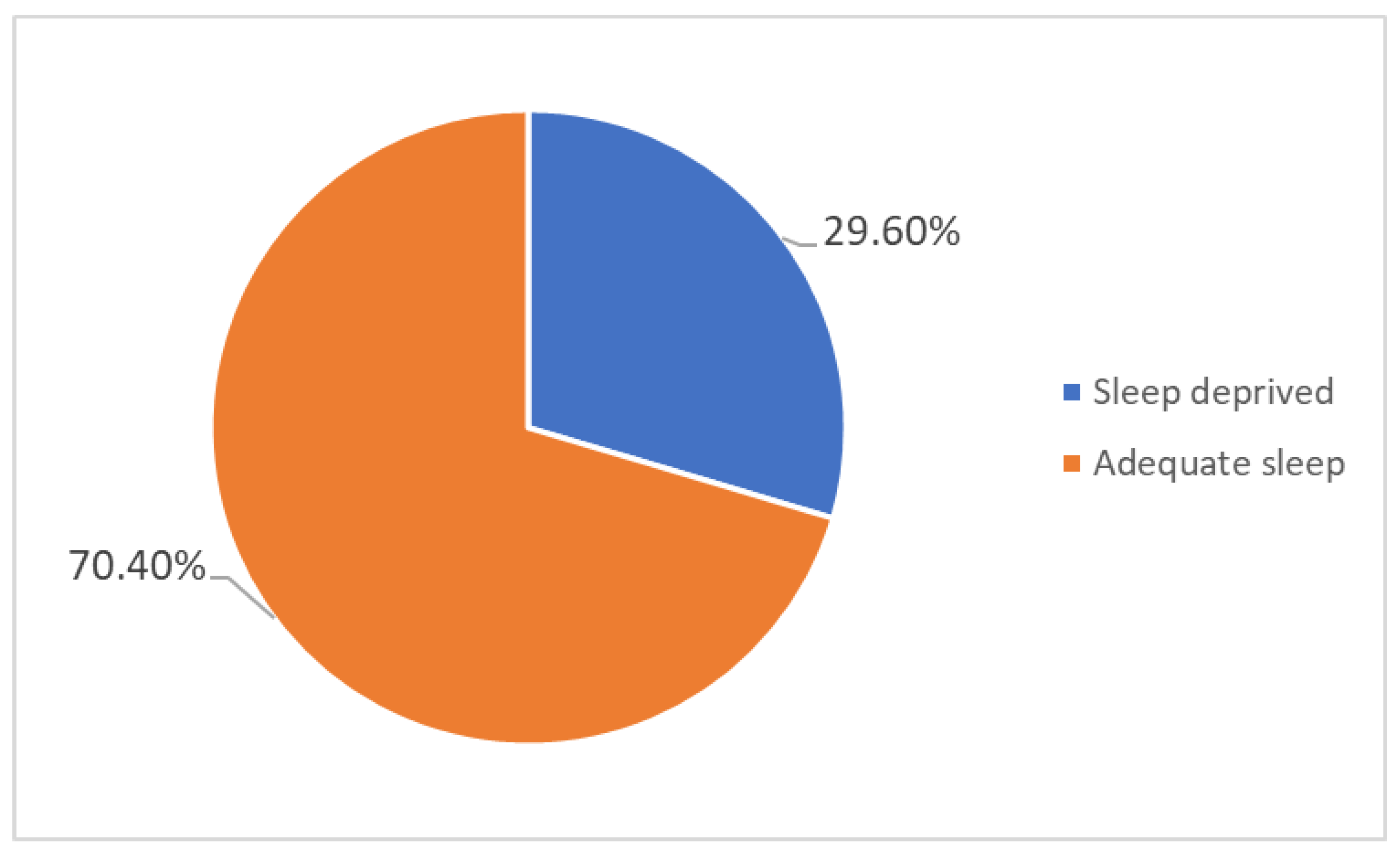
Figure 1. - Percentage of individuals based on sleep duration.
Preprints 145744 g001
Figure 2. Willingness to Seek Help Among Sleep Deprived Individuals.
Preprints 145744 g002
Table 1. - Participant demographic characteristics.
Category Variable Percentage (n)
Gender Female 76.3% (245)
Male 23.7% (76)
Emirate Dubai 45.8% (147)
Sharjah 27.4% (88)
Abu Dhabi 10.6% (34)
Ajman 7.8% (25)
Fujairah 6.5% (21)
Umm Al Quwain 0.9% (3)
Ras Al Khaimah 0.9% (3)
Ethnicity South Asia 59.2% (190)
Middle East 17.8% (57)
Southeast Asia 12.55% (40)
African/Caribbean 5% (16)
East Asia 4.4% (14)
Americans 0.9% (3)
European 0.3% (3)
Age [34] (in years) Youth (18-24) 51.4% (165)
Young Adult (25-44) 35.2% (113)
Middle Age (45-65) 13.4% (43)
Table 2. – Sleep duration and physical health conditions.
Physical health conditions Sleep Duration p-value
Pre-diabetic/diabetes Sleep Deprived (4) 4.21% 0.88
Adequate sleep (16) 7.07%
High Cholesterol Sleep Deprived (3) 3.15%
Adequate sleep (9) 3.98%
Hypertension Sleep Deprived (2) 2.1%
Adequate sleep (3) 1.32%
Three comorbidities Sleep Deprived (1) 1.05%
Adequate sleep (2) 0.88%
Two comorbidities Sleep Deprived (5) 5.26%
Adequate sleep (8) 3.53%
No health conditions Sleep Deprived (80) 84.2%
Adequate sleep (188) 83.1%
Table 3. – Sleep duration and physical symptoms.
Physical symptoms Sleep duration p-value
Headache Sleep Deprived (24) 25.26% 0.07
Adequate sleep (45) 19.91%
Muscle pain Sleep Deprived (15) 15.7%
Adequate sleep (26) 11.5%
Abdominal Pain Sleep Deprived (1) 1.05%
Adequate sleep (8) 3.53%
None of the above Sleep Deprived (35) 36.8%
Adequate sleep (115) 50.88%
More than one physical symptom Sleep Deprived (20) 21.05%
Adequate sleep (32) 14.1%
Table 4. - Sleep duration and mental health.
Category Sleep duration Frequently Sometimes/Infrequently P - Value
Sleep Duration and Forgetfulness Sleep Deprived (95) 24.2% (23) 72 (75.7%) 0.5
Adequate sleep (226) 19.0% (43) 183 (81 %)
Sleep duration and difficulty in concentrating during daily tasks
Sleep deprived (95) 28.4% (27) 71.5% (68) 0.04
Adequate sleep (226) 16.8% (38) 83.1% (188)
Irritability/ Annoyance Sleep Deprived (95) 29.47% (28) 70.5% (67) 0.277
Adequate sleep (226) 23.4% (53) 76.5% (173)
Decision Making Sleep Deprived (95)
8.7% (28)
70.5% (67) 0.211
Adequate sleep (226) 20.8% (47) 79.2% (179)
Table 5. Comparison of engaging in risky behaviours, feelings of depression/hopelessness and micro sleep episodes over sleep duration.
Category Sleep duration Frequently Sometimes/Infrequently P - value
Engaging in risky behaviours Sleep Deprived (95)
5.3% (5)
94.7% (90) 0.539
Adequate sleep (226) 7.1% (16)
92.9% (210)
Feelings of Depression /
Hopelessness
Sleep Deprived (95)
22.10% (21) 77.89% (74) 0.016
Adequate sleep (226) 15.04% (34) 84.95% (192)
Sleep Duration and Micro Sleep Episodes (Falling asleep while doing daily tasks) Sleep Deprived (95) 7.36% (7) 92.63% (88) 0.08
Adequate sleep (226) 4.86% (11) 95.13% (215)
Table 6. - Feelings of anxiety/nervousness across sleep duration (n=321).

Feelings of Anxiety/ Nervous/ On Edge
Sleep duration Always Often Sometimes Rarely Never P- value
Sleep Deprived (95)
7.4% (7) 21.1% (20)
44.2% (42) 11.6% (11) 15.8% (15) 0.054
Adequate sleep (226) 7.5% (17) 14.2 %(32) 37.2% (84) 26.1% (59) 15% (38)
Table 7. Road Traffic Accidents and Sleep Duration.
Category Sleep duration Yes No I do not drive P-Value
Road Traffic Accident Sleep Deprived (95) 5.26% (5) 66.3% (63) 28.42% (27) 0.64
Adequate Sleep (226) 3.53% (8) 70.79% (160) 25.66% (58)
Disclaimer/Publisher’s Note: The statements, opinions and data contained in all publications are solely those of the individual author(s) and contributor(s) and not of MDPI and/or the editor(s). MDPI and/or the editor(s) disclaim responsibility for any injury to people or property resulting from any ideas, methods, instructions or products referred to in the content.
Copyright: This open access article is published under a Creative Commons CC BY 4.0 license, which permit the free download, distribution, and reuse, provided that the author and preprint are cited in any reuse.
Prerpints.org logo

Preprints.org is a free preprint server supported by MDPI in Basel, Switzerland.

Subscribe

Disclaimer

Terms of Use

Privacy Policy

Privacy Settings

© 2025 MDPI (Basel, Switzerland) unless otherwise stated