Preprint
Review

This version is not peer-reviewed.

Prevalence of Mpox Vaccine Acceptance Among Students: A Systematic Review and Meta-Analysis

A peer-reviewed article of this preprint also exists.

Submitted:

10 December 2024

Posted:

11 December 2024

You are already at the latest version

Abstract

Background: Mpox, formerly known as monkeypox, is a re-emerging viral disease. Vaccine acceptance is crucial for preventing its spread. This systematic review and meta-analysis assessed the acceptance of the Mpox vaccine among student populations. Methods: We searched electronic databases including PubMed, Web of Science, and Embase up to September 14, 2024. The studies included were observational, such as cross-sectional and cohort studies, and specifically assessed vaccine acceptance for Mpox vaccines among students. R version 4.4 was used to perform meta-analysis and sensitivity analyses were conducted to assess the robustness of the findings. Publication bias was evaluated using Doi plots. Results: Of the 143 studies initially identified, eight studies were included in the final analysis, comprising a total of 16,129 participants. The overall vaccine acceptance rate was 58.6%, with considerable variability across studies (I² = 100%). Sensitivity analyses indicated that acceptance rates ranged between 45% and 70%. The Doi plot demonstrated the presence of moderate publication bias. Conclusion: This systematic review and meta-analysis show moderate acceptance of the Mpox vaccine among students. Future studies should investigate the factors influencing vaccine acceptance and design targeted strategies to improve coverage, which will be essential for controlling Mpox and ensuring successful vaccination campaigns.

Keywords: 
;  ;  ;  ;  ;  

Introduction

Mpox, previously known as monkeypox, has re-emerged as a major public health issue, affecting regions both where the disease is endemic and where it is not commonly found [1]. First discovered in 1958, mpox has recently resurfaced, leading global health organizations like the World Health Organization (WHO) to stress the need for vaccination as a primary way to prevent its spread [2]. While having vaccines available is crucial, the overall success of vaccination campaigns largely depends on how willing the public is to receive the vaccine [3]. University and college students are a particularly important group for disease control because they live in close proximity to one another and engage in frequent social activities, which can increase the risk of spreading diseases like mpox [4]
Several factors influence vaccine acceptance, including perceived risk, trust in healthcare systems, the availability of reliable information, and cultural or social attitudes [5,6,7]. The recent COVID-19 pandemic highlighted the challenges of vaccine hesitancy, showing how misinformation and lack of trust can interfere with public health initiatives [8,9]. Research conducted during the pandemic identified key factors that affect vaccine acceptance, such as individuals’ sense of vulnerability to the disease, confidence in vaccine safety, and influence from peers [10]. However, much of this research focused on COVID-19, and there is a limited understanding of how these factors apply to Mpox vaccine acceptance, especially in student populations[11,12]. Mpox presents distinct challenges due to its zoonotic origins and less widespread public awareness, which may alter how students perceive the disease and their willingness to get vaccinated [13].
Given the unique characteristics of mpox and the important role students play in preventing its spread, a thorough review of mpox vaccine acceptance among this population is needed. This systematic review and meta-analysis aim to fill this gap by assessing existing data on student attitudes toward mpox vaccination. The findings will provide valuable insights to inform and guide targeted public health strategies aimed at increasing vaccine uptake among students

Method

This systematic review and meta-analysis were conducted in accordance with the PRISMA guidelines (Table S1)[14]. The protocol was registered with PROSPERO (CRD42024586344).

Eligibility Criteria

Studies were included if they employed observational designs, such as cross-sectional or cohort studies, and provided quantitative data on Mpox vaccine acceptance among students in post-secondary or higher education. Studies focusing on general vaccine attitudes without specific data on Mpox acceptance, letters to the editor, commentaries, qualitative studies, abstract-only publications, case series, case reports, reviews, and discussion papers were excluded ).

Search Strategy

We performed comprehensive searches across electronic databases, including PubMed, Web of Science, and Embase, up to September 2024, to identify relevant studies. The search strategy utilized a combination of keywords and Boolean operators. Specifically, the search terms used were (“Mpox” OR “Monkeypox”) AND (“acceptance” OR “uptake”) AND (“students” OR “medical students”) (Table S3).

Screening and Data Extraction

The screening process involved two phases using Nested Knowledge software. Two independent reviewers initially screened titles and abstracts for relevant studies. Selected studies were then retrieved for full-text screening based on predefined eligibility criteria. Disagreements were resolved by a third reviewer at both stages. Studies meeting the inclusion criteria were included in the review.
Data extraction was performed using Nested Knowledge software to ensure a structured and efficient process. Two authors independently extracted data from each study that met the inclusion criteria. The information collected included specific study characteristics such as the country, the study design, the sample size, demographics of the participants, vaccine acceptance rate. Discrepancies in data extraction between the two authors were resolved through discussion or, if necessary, consultation with a third author to reach a consensus.

Quality Assessment

The Modified Newcastle-Ottawa Scale (NOS) was used to assess the quality of observational studies, evaluating representativeness, sample size (<500), Mpox definition, and outcome ascertainment. High-quality studies received 5-6 stars, indicating strong methodology, while moderate-quality studies scored 4-5 stars, reflecting some limitations. Low-quality studies, with 0-3 stars, displayed significant flaws such as poor participant selection or inadequate follow-up (Table S4) [15].

Statistical Analysis

Meta-analysis was conducted using R version 4.4 software [16]. The I² statistic was employed to assess heterogeneity across studies, with low heterogeneity (0-40%) leading to the use of a fixed-effect model and high heterogeneity (75-100%) requiring a random-effects model [17]. Leave-one-out sensitivity analyses were conducted by excluding individual studies one at a time to evaluate the robustness of the results [18]. Publication bias was assessed through Doi plots and the Luis Furuya-Kanamori (LFK) index [19].

Results

A total of 143 records were identified: 61 from PubMed, 44 from Embase, and 38 from Web of Science, along with two additional records from citation searching. After removing 45 duplicates, 98 records remained for screening. Of these, 78 were excluded during the initial screening, leaving 20 reports for full-text assessment. Twelve were further excluded due to irrelevance. Ultimately, eight studies met all eligibility criteria and were included in the final meta-analysis (Figure 1).

Summary Characteristics of Included Studies

Eight cross-sectional studies on Mpox vaccine acceptance among students included 16,129 participants, of whom 8,319 were male. The sample sizes varied significantly, ranging from 196 to 4,380 participants. The ages of the participants ranged from under 16 to over 30 years. These studies were conducted across several nations, including Saudi Arabia [20], Egypt [21], the USA [22], Pakistan [23], Algeria [24], and Germany [25], along with two studies from China [13,26] (Table 1). The Modified NOS revealed that the quality of the studies was moderate to high.

Meta-Analysis

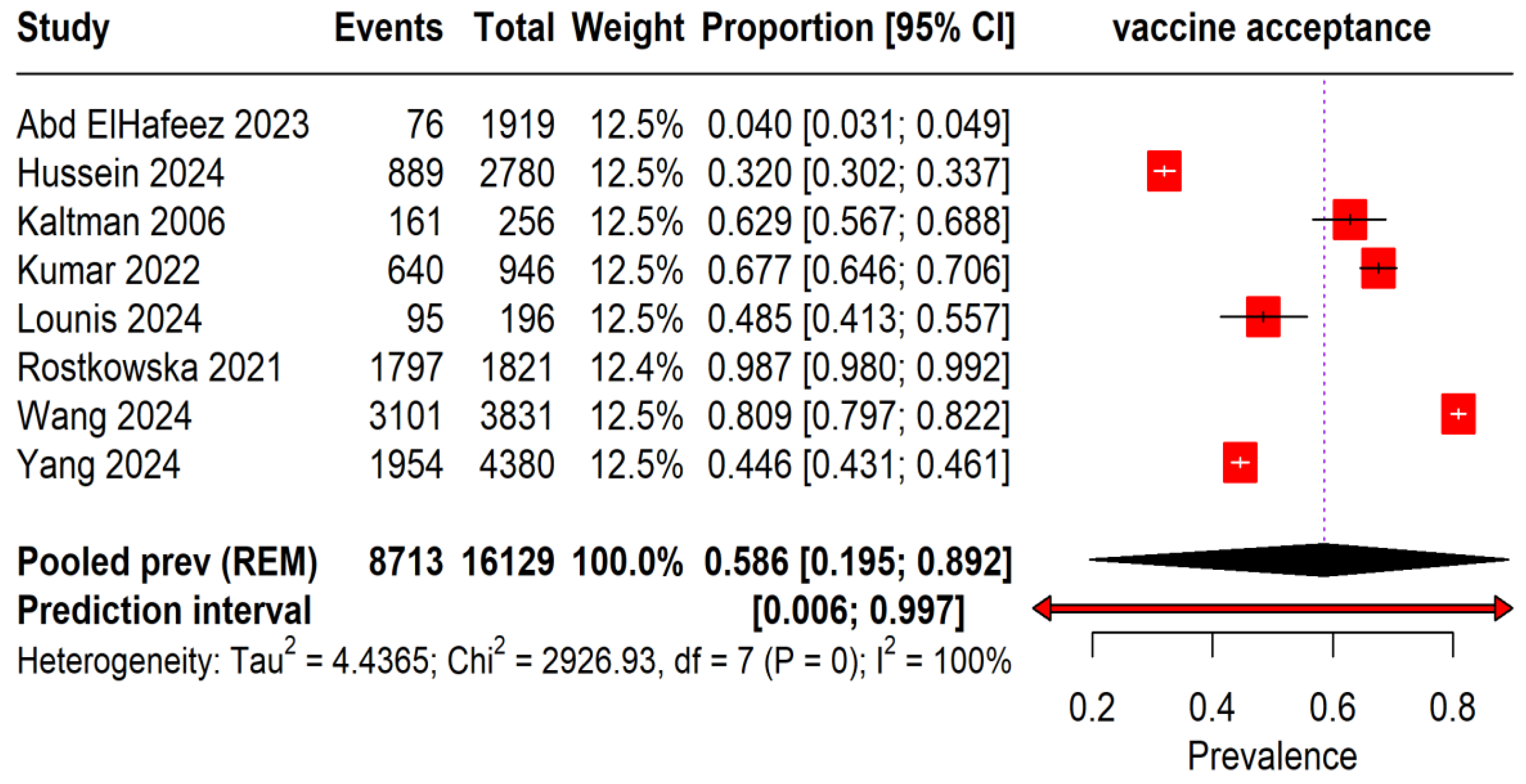
The pooled prevalence of acceptance rate among 16,129 students was found to be 58.6% (95% CI: 19-89%) with a I²=100%. A wide range of the prediction interval was observed ranging from 0.6%.to 99.7%, indicating substantial variability in acceptance rates across different studies. (Figure 2).

Sensitivity Analysis

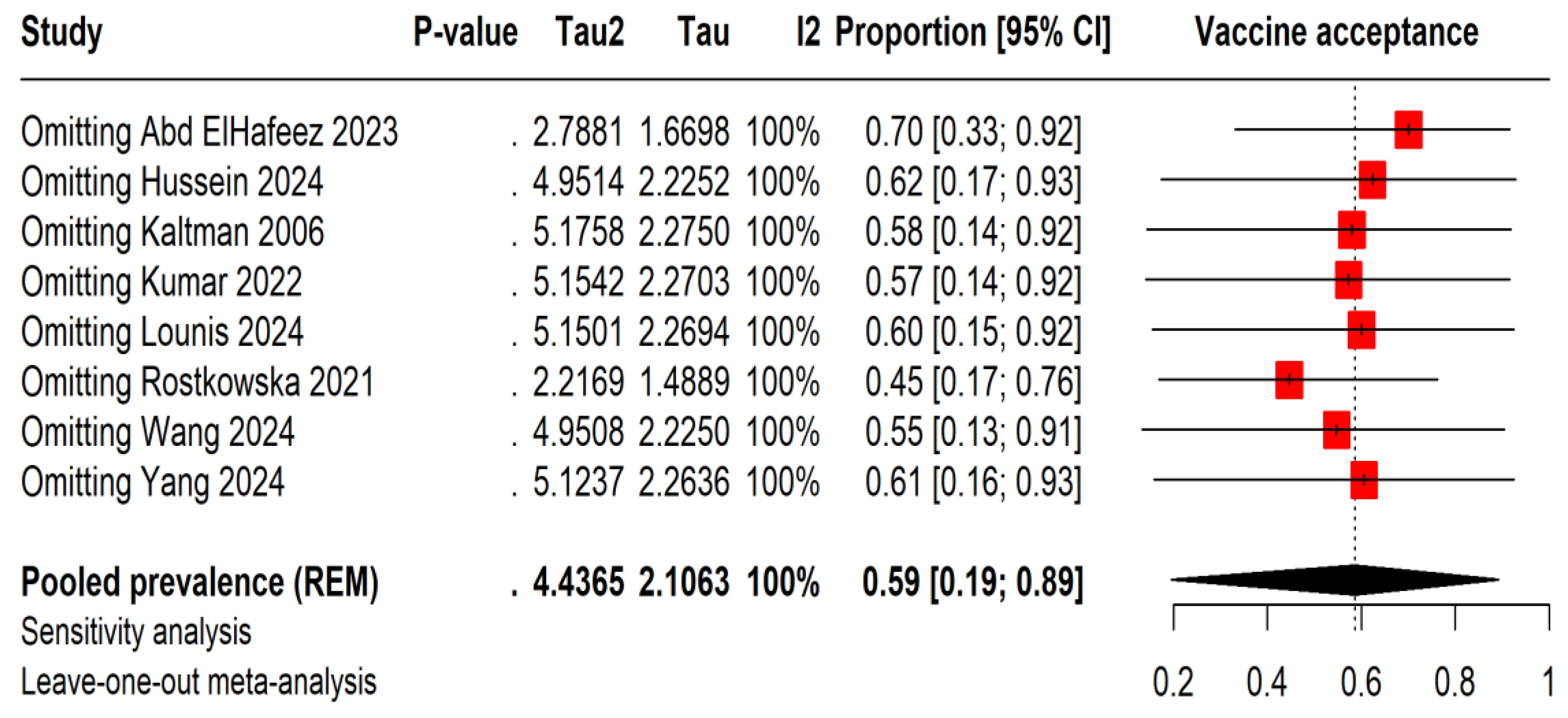
The leave-one-out meta-analysis shows that removing different studies causes the vaccine acceptance rates to vary between 45% by omitting Rostkowska et al. 2021 and 70% Omitting Abd ElHafeez et al. 2023. However, even with these changes, the I² statistic stays at 100%, indicating consistently high heterogeneity among the studies (Figure 3).

Publication Bias

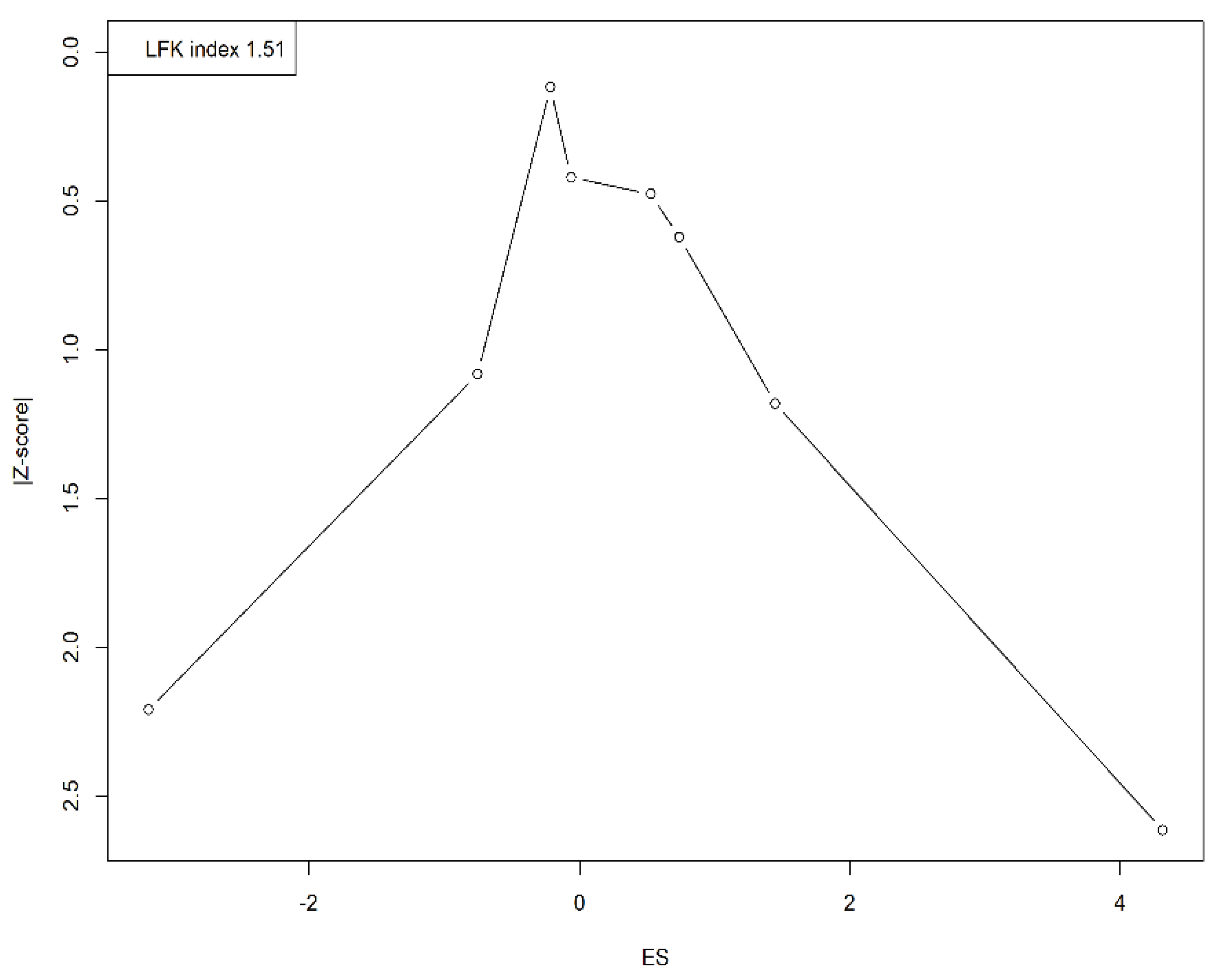
A visual assessment of the Doi plot revealed the presence of publication bias, confirmed by an LFK index of 1.51. The asymmetrical distribution, with studies clustering on one side, suggests an overrepresentation of smaller studies reporting larger or more significant effects, indicating potential publication bias or small-study effects (Figure 4).

Discussion

This systematic review and meta-analysis provide a comprehensive assessment of Mpox vaccine acceptance among student populations, revealing a moderate acceptance rate of 58.6%. The wide prediction interval (0.006 to 0.997) and high heterogeneity (I² = 100%) high lights the variability in acceptance across different studies, highlighting the diverse factors that influence vaccine uptake among students. These factors may include cultural differences, access to healthcare, perceptions of disease risk, and trust in public health authorities. Given the resurgence of Mpox and the critical role students play in controlling infectious disease spread, understanding these determinants is crucial for improving vaccine acceptance.
A prior study on COVID-19 vaccine acceptance were examined alongside the meta-analysis results. Roy et al. 2023 reported high vaccine acceptance rates among university students with 88.1% acceptance among public university students [27]. Key influences included trust, communication, safety, efficacy, and political roles. Similarly, Patwary et al. 2022 conducted a systematic review of healthcare students, reporting a global vaccine acceptance rate of 68.8%, with substantial country-specific differences [28]. Both this study and the current meta-analysis observed variability in vaccine acceptance among students. In another study, Geng et al. (2023) examined vaccine acceptance among college students, identifying trust, communication, safety, and government policies as key factors influencing acceptance [29]. The study found that urban males were more likely to accept the vaccine compared to rural females, emphasizing the role of sociodemographic factors in vaccine uptake. While both Geng’s study and the meta-analysis identified external factors as important determinants, Geng’s study focused on specific demographics, whereas the meta-analysis provided a global overview of vaccine acceptance variability. Kelekar et al. (2021) studied vaccine acceptance among U.S. dental and medical students, finding that dental students (45%) were more hesitant to receive the COVID-19 vaccine compared to medical students (23%) [30]. This rate was lower than the 58.6% reported in the meta-analysis. Professional exposure and education influenced acceptance, with medical students more likely to support mandatory vaccination and trust public health information.
The studies on vaccine acceptance show distinct differences. Kanyike et al. (2021) reported a 37.3% acceptance rate among Ugandan medical students, influenced by factors like gender, relationship status, and social media [31]. In contrast, Sulaiman et al. (2024) found a higher 67% acceptance rate among people living with HIV (PLHIV), driven by education, prior vaccination, and trust in vaccine efficacy, with regional variations [32]. Compared to the current meta-analysis showing a global student acceptance rate of 58.6%, Ugandan students had lower acceptance, while PLHIV rates were closer to the global average. Factors influencing acceptance varied from local to global contexts.
The findings from this review have significant implications for public health practice and policy. The moderate acceptance rate of the mpox vaccine among students suggests the need for targeted interventions to increase vaccine uptake in this population. Public health campaigns should aim to address vaccine hesitancy by providing clear, accurate information on the benefits and safety of the vaccine. Peer-driven education and advocacy may be particularly effective in academic settings, where students are often influenced by their peers. Given the variability in acceptance rates across studies, public health strategies should be tailored to the cultural and geographic contexts of different student populations.
For policymakers, these findings highlight the importance of investing in vaccine education and accessibility, particularly in student communities. Universities and educational institutions can play a crucial role in disseminating accurate vaccine information and promoting uptake through health promotion activities and curriculum integration. Ensuring convenient access to vaccination services on and off campuses is also vital for reducing barriers to vaccination.
A key strength of this review is the inclusion of diverse studies from various regions, providing a comprehensive perspective on mpox vaccine acceptance among students. By incorporating observational studies, including cross-sectional and cohort designs. The systematic search across multiple databases and the use of sensitivity analyses enhanced the robustness of the findings. Additionally, tools such as the Doi plot and the LFK index were employed to assess potential publication bias, further strengthening the credibility of the results.
However, this review does have some limitations. The significant heterogeneity among the studies, stemming from variations in study designs, sample sizes, and geographical contexts, makes it challenging to draw firm conclusions about overall vaccine acceptance trends. Reliance on self-reported data in many studies introduces the potential for social desirability bias. Moreover, the overrepresentation of studies from high-income countries limits the generalizability of the findings to low- and middle-income regions, where vaccine acceptance dynamics may differ. The exclusion of non-English studies introduces additional cultural and geographical bias. Although observational studies offer valuable real-world data, their inherent limitations—such as confounding factors and the inability to establish causality—may affect the overall robustness of the conclusions.
Future research should address the gaps identified in this review, particularly the need for more data from low- and middle-income countries. Longitudinal studies tracking changes in vaccine acceptance over time, especially in response to public health campaigns or disease outbreaks, would provide valuable insights into how student attitudes toward vaccines evolve. Qualitative research exploring the deeper motivations, fears, and social influences that shape vaccine decision-making among students could inform more effective interventions. Additionally, standardizing research methodologies across studies would improve comparability and allow for more precise conclusions in future meta-analyses.

Conclusion

This systematic review and meta-analysis reveal a moderate level of Mpox vaccine acceptance among students, with significant variability across studies. While these findings offer valuable insights for public health efforts aimed at increasing vaccine uptake, the limitations of the evidence and review process highlight the need for further research. Future studies should focus on understanding the factors driving vaccine hesitancy and acceptance in diverse student populations and developing tailored interventions to enhance vaccine coverage. Addressing these challenges will be critical for controlling the spread of Mpox and ensuring the success of future vaccination campaigns.

Supplementary Materials

The following supporting information can be downloaded at the website of this paper posted on Preprints.org.

Author Contributions

Conceptualization: AY, GS, MS; Data curation: SG, GP, IK; Formal analysis: ML, SI, GVS, AP; Investigation: TV, PM, QSZ, SI; Methodology: RM, MPS; Project administration: AY, MS; Resources: PS, RM; Software: SS, MPS, SG, GVS; Supervision: AY, GP, MS; Validation: GB, SS, IK, TV; Visualization: SG, GVS, PM, GP; Writing – original draft: AY, GP, IK; Writing – review & editing: GB, SS, AY, MJ.

Funding

This study received no funding.

Data Availability

CAll data generated or analyzed during this study are included in this published article (and its Supplementary informationSupplementary files).

Acknowledgments

The authors acknowledge Nested-Knowledge, MN, USA for providing access to the software.

Conflict of Interest

The authors report no conflict of interest.

Consent to Participate

Not applicable, as there were no human participants involved in this study.

Ethics Approval Declaration

Not applicable, as the study did not involve human participants, and thus, approval from an Ethics Committee or an Internal Review Board (IRB) was not required.

Human Ethics and Consent to Participate Declarations

Not applicable. This study did not involve human subjects, so Human Ethics and Consent to Participate declarations are not required.

Ethical Approval

Not required.

References

  1. Tajudeen YA, Oladipo HJ, Muili AO, Ikebuaso JG. Monkeypox: A review of a zoonotic disease of global public health concern. Health Promotion Perspectives 2023, 13, 1. [Google Scholar] [CrossRef] [PubMed]
  2. El Dine FB, Gebreal A, Samhouri D, Estifanos H, Kourampi I, Abdelrhem H, et al. Ethical considerations during Mpox Outbreak: a scoping review. BMC Medical Ethics 2024, 25, 79. [Google Scholar] [CrossRef]
  3. Black S, Rappuoli R. A crisis of public confidence in vaccines. American Association for the Advancement of Science 2010.
  4. Ellison NB, Steinfield C, Lampe C. The benefits of Facebook “friends:” Social capital and college students’ use of online social network sites. Journal of computer-mediated communication 2007, 12, 1143–1168. [Google Scholar] [CrossRef]
  5. Cascini F, Pantovic A, Al-Ajlouni Y, Failla G, Ricciardi W. Attitudes, acceptance and hesitancy among the general population worldwide to receive the COVID-19 vaccines and their contributing factors: A systematic review. EClinicalMedicine 2021, 40.
  6. Al-Jayyousi GF, Sherbash MAM, Ali LAM, El-Heneidy A, Alhussaini NWZ, Elhassan MEA, Nazzal MA. Factors influencing public attitudes towards COVID-19 vaccination: a scoping review informed by the socio-ecological model. Vaccines 2021, 9, 548. [Google Scholar] [CrossRef]
  7. Wilson RJ, Paterson P, Jarrett C, Larson HJ. Understanding factors influencing vaccination acceptance during pregnancy globally: a literature review. Vaccine 2015, 33, 6420–6429. [Google Scholar] [CrossRef] [PubMed]
  8. Ebrahimi OV, Johnson MS, Ebling S, Amundsen OM, Halsøy Ø, Hoffart A, et al. Risk, trust, and flawed assumptions: vaccine hesitancy during the COVID-19 pandemic. Frontiers in Public Health 2021, 9, 700213. [Google Scholar] [CrossRef]
  9. Jennings W, Stoker G, Bunting H, Valgarðsson VO, Gaskell J, Devine D, et al. Lack of trust, conspiracy beliefs, and social media use predict COVID-19 vaccine hesitancy. Vaccines 2021, 9, 593. [Google Scholar] [CrossRef] [PubMed]
  10. Roy DN, Biswas M, Islam E, Azam MS. Potential factors influencing COVID-19 vaccine acceptance and hesitancy: A systematic review. PloS one 2022, 17, e0265496. [Google Scholar] [CrossRef]
  11. Mektebi A, Elsaid M, Yadav T, Abdallh F, Assker M, Siddiq A, et al. Mpox vaccine acceptance among healthcare workers: a systematic review and meta-analysis. BMC Public Health 2024, 24, 4. [Google Scholar] [CrossRef]
  12. Mahameed H, Al-Mahzoum K, AlRaie LA, Aburumman R, Al-Naimat H, Alhiary S, et al. Previous vaccination history and psychological factors as significant predictors of willingness to receive mpox vaccination and a favorable attitude towards compulsory vaccination. Vaccines 2023, 11, 897. [Google Scholar] [CrossRef] [PubMed]
  13. Wang J, Fu L, Meng H, Wu K, Han B, Lin Y, et al. Knowledge, concerns, and vaccine acceptance related to Mpox (Monkeypox) among university students in North and Northeast China: An online cross-sectional study. Human Vaccines & Immunotherapeutics 2024, 20, 2339922. [Google Scholar] [CrossRef]
  14. Page MJ, McKenzie JE, Bossuyt PM, Boutron I, Hoffmann TC, Mulrow CD, et al. The PRISMA 2020 statement: an updated guideline for reporting systematic reviews. bmj 2021, 372. [Google Scholar] [CrossRef]
  15. Norris JM, Simpson BS, Ball R, Freeman A, Kirkham A, Parry MA, et al. A Modified Newcastle-Ottawa Scale for Assessment of Study Quality in Genetic Urological Research. Eur Urol. 2021, 79, 325–326. [Google Scholar] [CrossRef] [PubMed]
  16. Chambers, JM. Software for data analysis: programming with R: Springer; 2008.
  17. Borenstein M, Cooper H, Hedges L, Valentine J. Heterogeneity in meta-analysis. The handbook of research synthesis and meta-analysis 2019, 3, 453–470. [Google Scholar]
  18. Thabane L, Mbuagbaw L, Zhang S, Samaan Z, Marcucci M, Ye C, et al. A tutorial on sensitivity analyses in clinical trials: the what, why, when and how. BMC medical research methodology 2013, 13, 1–12. [Google Scholar] [CrossRef]
  19. Furuya-Kanamori L, Barendregt JJ, Doi SA. A new improved graphical and quantitative method for detecting bias in meta-analysis. JBI Evidence Implementation 2018, 16, 195–203. [Google Scholar] [CrossRef]
  20. Abd ElHafeez S, Gebreal A, Khalil MA, Youssef N, Sallam M, Elshabrawy A, et al. Assessing disparities in medical students’ knowledge and attitude about monkeypox: a cross-sectional study of 27 countries across three continents. Frontiers in Public Health 2023, 11, 1192542. [Google Scholar] [CrossRef] [PubMed]
  21. Hussein M, Siddiq A, Ismail HM, Mansy N, Ellakwa DE-S, Nassif M, et al. Cross-Country Discrepancies in Monkeypox Vaccine Hesitancy Among Postgraduate and Undergraduate Medical Students. Disaster Medicine and Public Health Preparedness 2024, 18, e82. [Google Scholar] [CrossRef]
  22. Kaltman S, Tractenberg RE, Taylor K, Green BL. The smallpox vaccine: a multidimensional model of choice. Biosecurity and Bioterrorism: Biodefense Strategy, Practice, and Science 2006, 4, 64–73. [Google Scholar] [CrossRef]
  23. Kumar N, Ahmed F, Raza MS, Rajpoot PL, Rehman W, Khatri SA, et al. Monkeypox cross-sectional survey of knowledge, attitudes, practices, and willingness to vaccinate among university students in Pakistan. Vaccines 2022, 11, 97. [Google Scholar] [CrossRef]
  24. Lounis M, Hamimes A, Dahmani A. Assessment of Monkeypox (MPOX) Knowledge and Vaccination Intention among Health and Life Sciences Students in Algeria: A Cross-Sectional Study. Infectious Disease Reports 2024, 16, 170–180. [Google Scholar] [CrossRef]
  25. Rostkowska OM, Peters A, Montvidas J, Magdas TM, Rensen L, Zgliczyński WS, et al. Attitudes and knowledge of European medical students and early graduates about vaccination and self-reported vaccination coverage—multinational cross-sectional survey. International Journal of Environmental Research and Public Health 2021, 18, 3595. [Google Scholar] [CrossRef] [PubMed]
  26. Yang X, Yang X, Jiang W, Luo N, Hu Y, Yang Y, et al. A cross-sectional investigation of factors influencing mpox vaccine hesitancy for students in Southwest China. Human Vaccines & Immunotherapeutics 2024, 20, 2309704. [Google Scholar]
  27. Roy DN, Azam MS, Biswas M, Islam E. Potential factors influencing COVID-19 vaccine acceptance and hesitancy among university students in Bangladesh: a cross-sectional comparative study. Epidemiology & Infection. 2023, 151, e11. [Google Scholar]
  28. Patwary MM, Bardhan M, Haque MZ, Sultana R, Alam MA, Browning M. COVID-19 Vaccine Acceptance Rate and Its Factors among Healthcare Students: A Systematic Review with Meta-Analysis. Vaccines (Basel) 2022, 10. [Google Scholar]
  29. Geng H, Cao K, Zhang J, Wu K, Wang G, Liu C. Attitudes of COVID-19 vaccination among college students: A systematic review and meta-analysis of willingness, associated determinants, and reasons for hesitancy. Human Vaccines & Immunotherapeutics 2022, 18, 2054260. [Google Scholar] [CrossRef]
  30. Kelekar AK, Lucia VC, Afonso NM, Mascarenhas AK. COVID-19 vaccine acceptance and hesitancy among dental and medical students. J Am Dent Assoc. 2021, 152, 596–603. [Google Scholar] [CrossRef]
  31. Kanyike AM, Olum R, Kajjimu J, Ojilong D, Akech GM, Nassozi DR, et al. Acceptance of the coronavirus disease-2019 vaccine among medical students in Uganda. Tropical medicine and health. 2021, 49, 37. [Google Scholar] [CrossRef] [PubMed]
  32. Sulaiman SK, Musa MS, Tsiga-Ahmed FIi, Sulaiman AK, Bako AT. A systematic review and meta-analysis of the global prevalence and determinants of COVID-19 vaccine acceptance and uptake in people living with HIV. Nature Human Behaviour. 2024, 8, 100–114. [Google Scholar] [CrossRef]
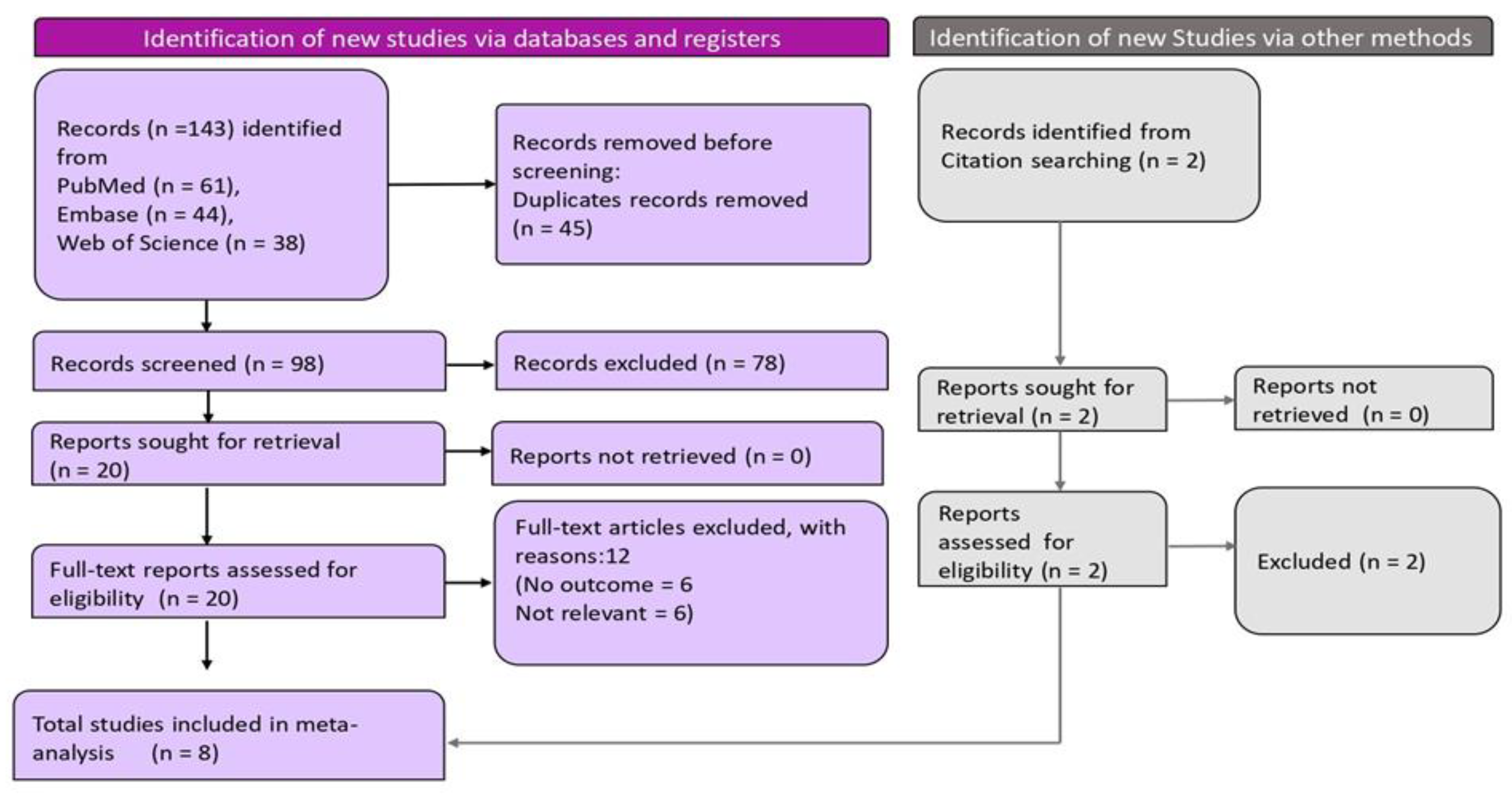
Figure 1. PRISMA Flow Diagram depicting the screening and selection process.
Preprints 142497 g001
Figure 2. Forest Plot illustrating Mpox vaccine acceptance among students.
Preprints 142497 g002
Figure 3. Leave-One-Out Sensitivity Analysis of Mpox vaccine acceptance among students.
Preprints 142497 g003
Figure 4. Doi Plot representing the publication bias.
Preprints 142497 g004
Table 1. Basic Characteristics of Included Studies.
Author Country Study design Male (n) Age (mean Years) Total samples size Key findings
Abd elhafeez et al. 2023 [20] Saudi arabia Cross-sectional study 882 21 1919 Differences in Mpox knowledge among medical students across income levels suggest adding its epidemiology to curricula could enhance disease control.
Hussein et al. 2024 [21] Egypt Cross-sectional study 1445 22(median) 2780 The complex psychological factors affecting vaccination decisions, emphasizing how socio-demographic characteristics, geographic location, awareness, and past experiences shape individual attitudes and societal responsibility towards vaccination.
Kaltman 2006 et al. [22] USA Cross-sectional study 0 18-32 256 The decision to receive the smallpox vaccine involves a complex set of influences including psychological stress, overall vaccine perceptions, and perceived threats. Utilizing this multifaceted model could help develop methods to increase vaccination rates by addressing the specific causes of vaccine reluctance, thus enhancing public health preparedness.
Kumar 2022 et al. [23] Pakistan Cross-sectional study 432 18-22 946 Mpox knowledge among university students is moderate, with considerable gaps and generally neutral attitudes. More than half are willing to get vaccinated. These findings underscore the need for improved education and public awareness to enhance Mpox prevention and inform effective vaccination strategies.
Lounis 2024 et al. [24] Algeria Cross-sectional study 28 <20 and > 30 196 Mpox knowledge among Algerian Health and Life Sciences students is limited, yet their support for vaccination mirrors global rates, significant given the absence of reported Mpox cases in Algeria. Enhancing education and awareness is crucial to counter vaccine hesitancy often fueled by conspiracy theories.
Rostkowska 2021 et al. [25] Germany Cross-sectional study 555 23 1821 European medical students and junior doctors widely acknowledge vaccine safety and efficacy, with minimal skepticism. Females often guide peers on vaccinations. As their education progresses, they increasingly support mandatory healthcare worker vaccinations. However, despite understanding flu vaccine importance, nearly half remain unvaccinated, indicating persistent gaps in vaccine knowledge and practice that necessitate improved education and training.
Wang 2024 et al. [13] China Cross-sectional study 1265 < 20 ≥20 3831 University students display gaps in Mpox knowledge but are positive about vaccination. Recommendations focus on enhancing education through social media and using both international and local vaccines to prevent outbreaks. The study calls for urgent research and targeted actions to increase Mpox awareness and vaccination rates nationwide.
Yang 2024 et al. [26] China Cross-sectional study 3712 16 > 26 4380 Research reveals that university students in Southwest China are willing to receive the mpox vaccine, influenced by factors such as sexual orientation, STD history, and awareness. To boost vaccine uptake and prevent transmission, enhancing mpox education and promoting vaccine awareness on campuses, especially among MSM students, is recommended.
Disclaimer/Publisher’s Note: The statements, opinions and data contained in all publications are solely those of the individual author(s) and contributor(s) and not of MDPI and/or the editor(s). MDPI and/or the editor(s) disclaim responsibility for any injury to people or property resulting from any ideas, methods, instructions or products referred to in the content.
Copyright: This open access article is published under a Creative Commons CC BY 4.0 license, which permit the free download, distribution, and reuse, provided that the author and preprint are cited in any reuse.
Prerpints.org logo

Preprints.org is a free preprint server supported by MDPI in Basel, Switzerland.

Subscribe

Disclaimer

Terms of Use

Privacy Policy

Privacy Settings

© 2025 MDPI (Basel, Switzerland) unless otherwise stated