

Submitted:
03 December 2024
Posted:
04 December 2024
You are already at the latest version
Abstract
Background: Type 2 diabetes mellitus (T2DM) is a chronic metabolic disorder that is often associated with a range of complications, including cardiovascular disease, neuropathy, and diabetic retinopathy. Family-centered nursing (FCN) has emerged as an important approach to managing chronic diseases, particularly diabetes care, by involving family members in the patient's treatment and self-care process. This systematic review and meta-analysis aimed to evaluate the impact of family-centered nursing on glycemic control, treatment adherence, self-care behaviors, psychological well-being, and the broader implications of reducing diabetes-related complications and enhancing quality of life in T2DM patients. Methods: A systematic search was conducted across electronic databases to identify studies on family-centered nursing in the management of T2DM. Primary outcomes assessed included glycemic control (HbA1c levels), treatment adherence, self-care behaviors, psychological well-being (e.g., anxiety and depression), and diabetes-related complications. Data were synthesized through meta-analysis where applicable, focusing on quantitative and qualitative studies to gain comprehensive insights into the effectiveness of FCN interventions in diabetes care. Results: Meta-analysis indicated that family-centered nursing significantly improved glycemic control, with a reduction in HbA1c levels by an average of 1.2% (p < 0.05) in intervention groups compared to standard nursing care. Furthermore, treatment adherence was higher in the family-centered nursing groups, with 25% greater adherence to medication and lifestyle modifications. Self-care behaviors, including diet management, physical activity, and blood glucose monitoring, notably improved in the FCN groups. Psychological well-being, particularly anxiety and depression, showed significant improvement, with a reduction in symptoms by 30% in patients receiving family-centered care. Conclusion: Family-centered nursing is an effective and supportive approach for managing type 2 diabetes. It enhances glycemic control, treatment adherence, and self-care behaviors while improving psychological well-being. The involvement of family members in diabetes care contributes to better outcomes and quality of life for patients. Future research is needed to explore the long-term impact of family-centered nursing and its integration into standard diabetes care protocols to optimize its benefits further.
Keywords:
Introduction
Materials and Methods
Keyword Development
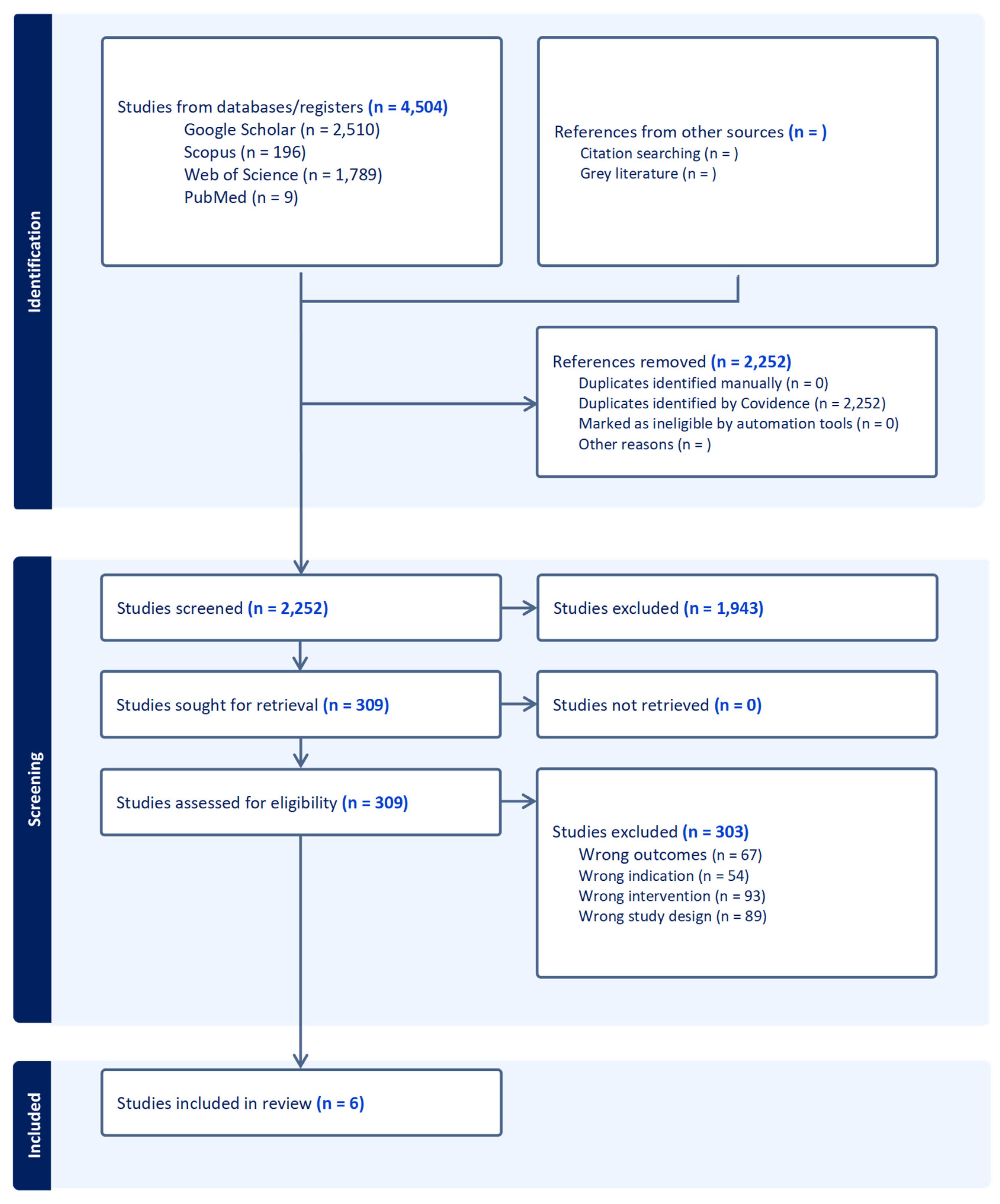
Database Search
Data Cleaning and Sorting
Research Questions
- (1)
- What is the impact of family-centered nursing on glycemic control in patients with type 2 diabetes compared to standard nursing approaches?
- (2)
- How does family-centered nursing influence treatment adherence, self-care behaviors, and psychological well-being in individuals with type 2 diabetes?
- (3)
- What are the broader implications of family-centered nursing on reducing diabetes-related complications, enhancing quality of life, and supporting culturally sensitive care?
Results and Discussion
Results
Classification Based on the Publication Year
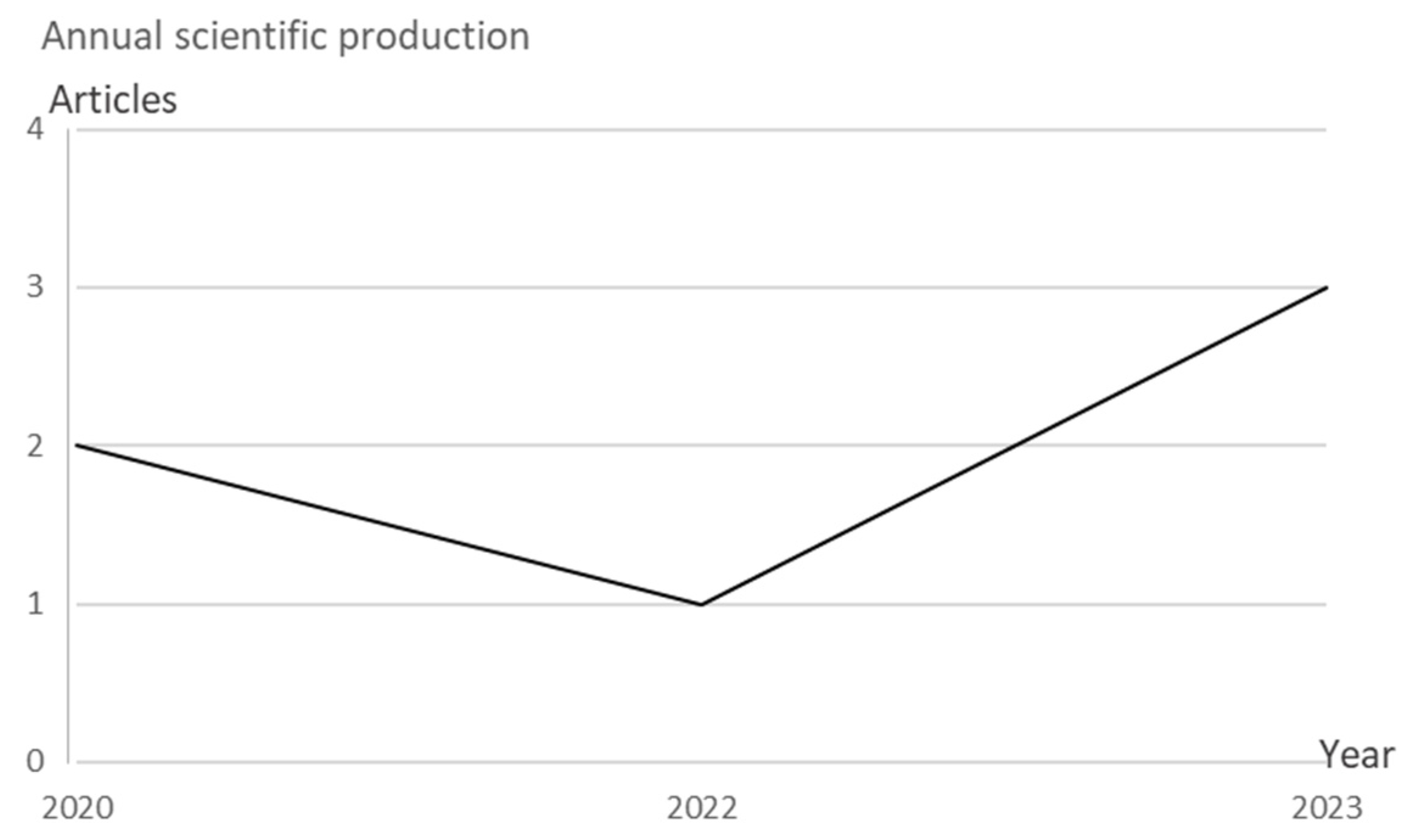
Characteristics of Included Studies
Philosophy of Family-Centered Nursing in Patient Diabetes Type 2
Discussion
The Impact of Family-Centered Nursing on Glycemic Control in Patients with Type 2 Diabetes Compared to Standard Nursing Approaches
Family-Centered Nursing Influence Treatment Adherence, Self-Care Behaviors, and Psychological Well-Being in Individuals with Type 2 Diabetes
The Broader Implications of Family-Centered Nursing on Reducing Diabetes-Related Complications, Enhancing Quality of Life, and Supporting Culturally Sensitive Care
Conclusions
Funding
Acknowledgments
Conflicts of Interest
References
- He, K.J.; Wang, H.; Xu, J.; Gong, G.; Liu, X.; Guan, H. Global burden of type 2 diabetes mellitus from 1990 to 2021, with projections of prevalence to 2044: a systematic analysis across SDI levels for the global burden of disease study 2021. Front. Endocrinol. (Lausanne). 2024, 15, 1–13. [CrossRef]
- Trisnadewi, N.W.; Suniyadewi, N.W. Family Support with Diabetes Management in Type 2 DM: Correlation Study. Nurs. Heal. Sci. J. 2022, 2, 345–348. [CrossRef]
- Safaruddin, S.; Permatasari, H. Dukungan Keluarga Dengan Manajemen Diri Diabetes Pada Pasien Diabetes Melitus Tipe 2: Tinjauan Sistematik. J. Kesehat. Komunitas 2022, 8, 195–204. [CrossRef]
- Darmawulan, N.; Emaliyawati, E.; Lin, C.L. Family-centered care for a patient with multiple organ dysfunction syndrome in the intensive care unit: A case report. J. Palembang Nurs. Stud. 2023, 293–301. [CrossRef]
- Mokhtari, Z.; Mokhtari, S.; Afrasiabifar, A.; Hosseini, N. Alloimmunization in thalassemia patients: New insight for healthcare. Int. J. Prev. Med. 2023, 14. [CrossRef]
- Matrook, K.A.; Cowman, S.; Pertl, M.; Whitford, D. Nurse-led family-based approach in primary health care for patients with type 2 diabetes mellitus: a qualitative study. Int. J. Qual. Stud. Health Well-being 2024, 19. [CrossRef]
- Cheraghi, F.; Shamsaei, F. The Effect of Family-centered Care on Management of Blood Glucose Levels in Adolescents with Diabetes. Endocr. Abstr. 2016, 3, 177–186. [CrossRef]
- Pamungkas, R.A.; Chamroonsawasdi, K.; Vatanasomboon, P. A systematic review: Family support integrated with diabetes self-management among uncontrolled type II diabetes mellitus patients. Behav. Sci. (Basel). 2017, 7, 1–17. [CrossRef]
- Chesla, C.A.; Chun, K.M.; Kwan, C.M.L. Cultural and family challenges to managing type 2 diabetes in immigrant Chinese Americans. Diabetes Care 2009, 32, 1812–1816. [CrossRef]
- Sinawang, G.W.; Kusnanto, K.; Pratiwi, I.N. Systematic Review of Family Members in Improving the Quality of Life of People with T2DM. J. Ners 2020, 15, 107–112. [CrossRef]
- Ee, C.C.; Armour, M.; Piya, M.K.; McMorrow, R.; Al-Kanini, I.; Sabag, A. Mindfulness-based interventions for adults with type 2 diabetes mellitus. Cochrane Database Syst. Rev. 2021, 2021. [CrossRef]
- Nadatien, I.; Puspita, U.N.; Kartini, Y.; Setiyowati, E.; Hidayah, N. Does Education Influence Self Care Management in Diabetes Mellitus Patients? : Systematic Review. J. Appl. Nurs. Heal. 2024, 6, 102–112. [CrossRef]
- Pramita, R.; Nasution, S.S.; Marlindawani, J. Effect of family empowerment on self care of patients with type-2 diabetes mellitus: A systematic review. Open Access Maced. J. Med. Sci. 2021, 9, 224–233. [CrossRef]
- Moher, D.; Liberati, A.; Tetzlaff, J.; Altman, D.G.; Antes, G.; Atkins, D.; Barbour, V.; Barrowman, N.; Berlin, J.A.; Clark, J.; et al. Preferred reporting items for systematic reviews and meta-analyses: The PRISMA statement. PLoS Med. 2009, 6. [CrossRef]
- Page, M.J.; McKenzie, J.E.; Bossuyt, P.M.; Boutron, I.; Hoffmann, T.C.; Mulrow, C.D.; Shamseer, L.; Tetzlaff, J.M.; Akl, E.A.; Brennan, S.E.; et al. The PRISMA 2020 statement: An updated guideline for reporting systematic reviews. PLoS Med. 2021, 18, 1–15. [CrossRef]
- Page, M.J.; McKenzie, J.E.; Bossuyt, P.M.; Boutron, I.; Hoffmann, T.C.; Mulrow, C.D.; Shamseer, L.; Tetzlaff, J.M.; Akl, E.A.; Brennan, S.E.; et al. The PRISMA 2020 statement: an updated guideline for reporting systematic reviews. BMJ 2021, n71. [CrossRef]
- Mahmud, N.M.; Paraoan, L.; Khaliddin, N.; Kamalden, T.A. Thymoquinone in Ocular Neurodegeneration: Modulation of Pathological Mechanisms via Multiple Pathways. Front. Cell. Neurosci. 2022, 16, 1–17. [CrossRef]
- Rezac, S.J.; Salkind, N.J.; McTavish, D.; Loether, H. Exploring Research. Teach. Sociol. 2001, 29, 257. [CrossRef]
- Parisa Mehraeen; Parivash Nazarpour; Atefeh Ghanbari Designing a Nursing Care Plan Based on Faye Glenn Abdellah Model in Patients with Diabetes Type 2: A Case Study. Int. J. Caring Sci. 2020, 13, 2250–2262.
- Brahmantia, B.; Falah, M.; Lismayanti, L.; Erviana, V. Family’s Ability to Take Care The Patient of Type 2 Diabetes Mellitus in Tasikmalaya. Media Keperawatan Indones. 2020, 3, 150. [CrossRef]
- Hakim tobroni HR; Kogoya, S. Peran Keluarga dalam Meningkatkan Self Care Agency Pada Klien DM Tipe II. Arter. J. Ilmu Kesehat. 2022, 3, 37–44. [CrossRef]
- Yuwono, P.; Tika Sari, D.; Ilmu Kesehatan, F.; Muhammadiyah Gombong, U. Sikap dan Motivasi Keluarga dalam Perawatan Penderita Diabetes Melitus di Wilayah Kerja Puskesmas Adimulyo. Devie Tika Sari J. Holistics Heal. Sci. 2023, 5, 349–356.
- Maimuna, S. Family-centered interventions for children and adolescents with type 1 diabetes mellitus: an integrative review. Child Heal. Nurs. Res. 2023, 29, 7–23. [CrossRef]
- Kurnia, A. Family Support and Diabetes Self-Management Program for Type 2 Diabetes Mellitus: Systematic Review. Healthc. Nurs. J. 2022, 4, 278–290. [CrossRef]
- Mphasha, M.H.; Mothiba, T.M.; Skaal, L. Family support in the management of diabetes patients’ perspectives from Limpopo province in South Africa. BMC Public Health 2022, 22, 1–8. [CrossRef]
- Baig, A.A.; Benitez, A.; Quinn, M.T.; Burnet, D.L. Baig A, Benitez A, Quinn M. Family interventions to improve diabetes outcomes for adults. Ann N Y Acad Sci. Author manuscript [revista en Internet] 2015 [acceso 13 de mayo de 2022]; 1353(1): 89-112. 2016, 1353, 89–112. [CrossRef]
- Hendrawati, S.; Nurhidayah, I.; Adistie, F. Kebutuhan perawatan berpusat keluarga dalam manajemen diabetes pada anak dengan diabetes melitus. J. Keperawatan Muhammadiyah 2019, 4, 302–308. [CrossRef]
- Maimuna, S. MODEL FAMILY CENTERED CARE IN CHILDREN WITH DIABETES MELITUS : A PHILOSOPHICAL PERSPECTIVE. Doctoral Student of Nursing, Faculty of Nursing, Universitas Airlangga (2022).
- Damayanti, S.; N, N.; Kurniawan, T. Dukungan Keluarga pada Pasien Diabetes Melitus Tipe 2 dalam Menjalankan Self-Management Diabetes. J. Keperawatan Padjadjaran 2014, v2, 43–50. [CrossRef]
- Yuliana, S.; Junaidin Efektifitas Family Based Diabetes Self-Management Education terhadap Self-Care dan Kualitas Hidup Pasien Diabetes Mellitus. J. Keperawatan Jiwa 2021, 9, 879–886.
- Husada, I.; Ilmiah, J.; Juli, V.N. PENDERITA DIABETES MELLITUS DENGAN KETOASIDOSIS DIABETIKUM DI FAMILY BASED EDUCATION ON THE FIRST TREATMENT FOR DIABETES MELLITUS PATIENTS WITH DIABETIC CETOASIDOSIS IN THE GONDANGREJO Pendahuluan Salah satu tantangan terbesar dalam dunia adalah penyakit . 2024, 12, 342–352. [CrossRef]
- Sari, C.W.M.; Haroen, H.; Nursiswati, N. Pengaruh Program Edukasi Perawatan Kaki Berbasis Keluarga terhadap Perilaku Perawatan Kaki pada Pasien Diabetes Melitus Tipe 2. J. Keperawatan Padjadjaran 2017, 4. [CrossRef]
- Rahmi, H.; Malini, H.; Huriani, E. Peran Dukungan Keluarga Dalam Menurunkan Diabetes Distress Pada Pasien Diabetes Mellitus Tipe II. J. Kesehat. Andalas 2020, 8, 127–133. [CrossRef]
- Arini, H.N.; Anggorowati, A.; Pujiastuti, R.S.E. Dukungan keluarga pada lansia dengan Diabetes Melitus Tipe II: Literature review. NURSCOPE J. Penelit. dan Pemikir. Ilm. Keperawatan 2022, 7, 172. [CrossRef]
- Marlinda, N.W.Y.; Nuryanto, I.K.; Noriani, N.K. Hubungan Dukungan Keluarga Dengan Perawatan Diri (Self Care Activity) Pada Pasien Diabetes Melitus Tipe 2. J. Ris. Kesehat. Nas. 2019, 3, 82–86. [CrossRef]
- Olagbemide, O.J.; Omosanya, O.E.; Ayodapo, A.O.; Agboola, S.M.; Adeagbo, A.O.; Olukokun, T.A. Family support and medication adherence among adult type 2 diabetes: Any meeting point? Ann. Afr. Med. 2021, 20, 282–287. [CrossRef]
- Miller, T.A.; DiMatteo, M.R. Importance of family/social support and impact on adherence to diabetic therapy. Diabetes, Metab. Syndr. Obes. 2013, 6, 421–426. [CrossRef]
- Nugroho, Febtian Cendradevi, B.E.F.T. Penerapan Family Intervention Model Berbasis Pendidikan Kesehatan terhadap Self-Care Pasien Diabetes Mellitus Tipe II. 2023, 6, 388–398.
- Karingga, D.D.; Indah Jayani; Idola Perdana Sulistyoning Suharto; Moh Alimansur; Eva Dwi Ramayanti Pengaruh Dukungan Keluarga dan Sosial Pada Peningkatan Status Kesehatan dan Self-Care Managemen Diabetes Melitus: Tinjauan Sistematis. J. Keperawatan Florence Nightingale 2024, 7, 262–271. [CrossRef]
- Joeliantina, A.; Agil, M.; Qomaruddin, M.B.; Kusnanto; Soedirham, O. Family support for diabetes self-care behavior in t2dm patients who use herbs as a complementary treatment. Medico-Legal Updat. 2019, 19, 238–243. [CrossRef]
- Rahmah, G.N.; Sukartini, T.; Utami, S. “Family is My Diabetes Savior”: A Case Study of Family Support in Reaching Goals of Self Care Adherence in Diabetic Patient. Int. J. Nurs. Heal. Serv. 2023, 6, 88–95. [CrossRef]
- Pramita, R.; Nasution, S.S.; Purba, J.M. INTERVENSI PEMBERDAYAAN BERBASIS KELUARGA TERHADAP PENINGKATAN PERILAKU PERAWATAN DIRI PASIEN DENGAN DIABETES MELLITUS TIPE 2. J. Telenursing 2021, 3, 1–23. [CrossRef]
- Alkhusari; Safitri, S.W.; Alfiyanti, R.D. Pengaruh Home Care Terhadap Tingkat Kemandirian Keluarga Dalam Merawat Penyakit Diabetes Mellitus Tipe 2. J. Ilm. Multidisiplin 2022, 179, 179–184. [CrossRef]

| Components | Description |
|---|---|
| Participants | Patients diagnosed with type 2 diabetes, regardless of age, duration of diagnosis, or current treatment regimens. |
| Intervention | Family-centered nursing care approaches that actively involve family members in diabetes management, including education, support, and joint decision-making. |
| Comparison | Standard nursing care or other diabetes management strategies without specific family involvement. |
| Outcomes | Glycemic control (e.g., HbA1c levels), treatment adherence, self-care behaviors (e.g., diet, exercise, medication compliance), psychological well-being, quality of life, and incidence of diabetes-related complications. |
| Study Design | Randomized controlled trials (RCTs), quasi-experimental studies, prospective cohort studies, retrospective cohort studies, and mixed-methods research. |
| Author | Country | Purposes | Population | Method | Result | Conclusion | Implications |
|---|---|---|---|---|---|---|---|
| Ernawati, Podo Yuwono, Devie Tika Sari [22] | Indonesia | To determine family attitudes and motivation in caring for DM patients | Family members of DM patients at Adimulyo Community Health Center | Descriptive quantitative survey | Positive attitude (73.8%) and strong motivation (65%) | Positive attitudes and strong motivation in family care for DM patients | Importance of family support in managing Diabetes Mellitus |
| Hakim Tobroni HR, Sonti Kogoya [21] | Indonesia | To describe the role of family in improving self-care agency for type II diabetes clients. | Families of type II diabetes clients at Amelia Pare Hospital. | A qualitative, phenomenological study | Families have varying experiences and coping strategies, leading to different understandings of self-care. | Family understanding and involvement are crucial for enhancing self-care agency in diabetes patients. | Increased family support can improve self-care practices and health outcomes for diabetes patients. |
| Bayu Brahmantia, Miftahul Falah, Lilis Lismayanti, Vina Erviana [20] | Indonesia | To assess family ability in caring for Type 2 Diabetes Mellitus patients | 31 family members of patients | Descriptive quantitative research | The majority had a good ability to recognize problems (51.6%), positive decision-making (61.3%), and treatment (80.6%), but poor environmental modification (58.1%). | Family involvement is crucial for diabetes management and recognizes the need for health education. | Health education is essential for families to improve the caregiving environment for diabetes patients. |
| Mokhtari et al. [5] | Iran | To determine the effect of family-centered intervention (FCIS) on diabetes management indicators. | 64 patients with type-2 diabetes | Randomized controlled trial with pre-and post-test design | Significant improvement in weight, HbA1c, FBS, energy intake, and physical activity in the intervention group. | FCIS is more effective than patient-centered care in managing type-2 diabetes. | Family involvement in diabetes care should be emphasized in educational interventions. |
| Nurul Darmawulan, Etika Emaliyawati [4] | Indonesia | To describe family-centered care (FCC) for patients with diabetic ketoacidosis (DKA) and multiple organ dysfunction syndrome (MODS) in the ICU. | One adult patient with DKA and MODS | A case report in an intensive care unit | FCC interventions helped reduce family anxiety and improved satisfaction with care. | FCC implementation decreases anxiety in family members and enhances satisfaction with healthcare services. | Emphasizes the need to develop FCC programs in ICUs to involve all stakeholders effectively. |
| Parisa Mehraeen et al. [19] | Iran | To assess patients’ problems and develop a care plan based on Abdellah’s model | A 34-year-old female patient with Type 2 diabetes | Case study using Abdellah’s nursing model | The nursing process improved care, patient-reported better awareness and care outcomes | Abdellah’s theory effectively identifies nursing problems and enhances the quality of care | Suggests further studies with larger populations and longer evaluation periods |
Disclaimer/Publisher’s Note: The statements, opinions and data contained in all publications are solely those of the individual author(s) and contributor(s) and not of MDPI and/or the editor(s). MDPI and/or the editor(s) disclaim responsibility for any injury to people or property resulting from any ideas, methods, instructions or products referred to in the content. |
© 2024 by the authors. Licensee MDPI, Basel, Switzerland. This article is an open access article distributed under the terms and conditions of the Creative Commons Attribution (CC BY) license (http://creativecommons.org/licenses/by/4.0/).