Preprint
Article

This version is not peer-reviewed.

Echoes of the Pandemic: Cardiovascular Disease Developments in the Mexican Population, One Year Post-COVID-19

Submitted:

03 December 2024

Posted:

04 December 2024

You are already at the latest version

Abstract

Objectives. To evaluate the prevalence, hospitalization rates, and mortality among patients with cardiovascular diseases (CVD) and comorbidities one year after the lifting of pandemic measures in Mexico. Methods. Clinical data from an open national public health database were divided into two timeframes: pandemic (2020–2022) and post-pandemic (May 2023–May 2024), following the removal of COVID-19 countermeasures. Entries were categorized by age group and the presence of specific comorbidities, including hypertension (HT), diabetes (DIAB), obesity (OBES), chronic obstructive pulmonary disease (COPD), chronic kidney disease (CKD), asthma (AA), smoking (SMOKE), and COVID-19, as well as recorded deaths. Binary regression analyses were performed to evaluate the impact of these comorbidities on the type of care provided (hospitalization or ambulatory care) and their role as potential mortality predictors. Results. Approximately seven out of ten CVD patients were aged 50 years or older. In the year following the pandemic, the rates of cases and hospitalizations increased, while death rates decreased. Additionally, the prevalence of comorbidities rose among all CVD patients. Although, obesity was not a significant predictor of hospitalization in either period. Hypertension, diabetes, obesity, asthma, and COVID-19 were not associated with mortality in the post-pandemic period. Conclusion One year after the lifting of COVID-19 measures, cases, hospitalizations, and comorbidities among CVD patients increased, while mortality declined. Obesity was no longer a key determinant of care type, and HT, DIAB, OBES, AA, and COVID-19 ceased to predict mortality. The post-pandemic rise in HT and DIAB cases likely results from both the physiological effects of infection and indirect factors like lifestyle changes and healthcare disruptions. Notably, while hospitalizations have increased, mortality has noticeably decreased, likely due to vaccination efforts, reduced viral virulence, and diminished fear of COVID-19.

Keywords: 
;  ;  ;  ;  

Introduction

CVDs have consistently held the position of the primary cause of comorbidity-related deaths in Mexico. A position held for almost two decades until 2021, with the rise of the COVID-19 pandemic [1,2,3,4]. Particularly, Mexico City, the urban metropolitan area with the largest population in the country, representing approximately 20% of Mexico’s overall population, witnessed cardiovascular mortality rates varying from 18.1 to 20.1 per 10,000 individuals from 2022 to 2023, just a year after the peak of the pandemic [3,4]. To make matters even worse, during the pandemic days, Mexico experienced the worst health scenario possible related to CVDs; a condition exacerbated by chronic inflammation, wherein deaths were around 9% for people suffering from this condition [5].
Unfortunately, for people suffering from CVDs, a potential infection from the circulating variants of COVID-19 would aggravate their condition, as this potentially deadly combination would intensify, it would lead to a hyper-inflammatory state [5,6,7,8]. The chances of death would increase in people with additional hypertension and diabetes [9]. In our previous work, our research group found that, from early 2020 to the first trimester of 2022, CVDs were a significant complicating factor in individuals who tested positive to COVID-19, particularly in those previously diagnosed with hypertension or diabetes [5], which are chronic conditions related to inflammatory processes [10].
As mentioned, Mexico experienced an overwhelming number of deaths from 2020 to 2022 [4]. Fortunately, there was a silver lighting as early on after the development of vaccines, Mexico began great efforts to distribute them first to active healthcare workers followed by the general population, hence this resulted in national mortality rate decrease and the return to pre-pandemic levels, vaccination of the country was estimated to be over 95% of the population [11,12,13]. Considering the latest official information from Mexico’s Ministry of Health, as documented in the national public health databases (last update: June 2024), we questioned, on the topic of CVDs, whether the patterns observed in the past (from early 2020 through the first trimester of 2022) related to death and other comorbidities such as diabetes, obesity, and hypertension remained consistent in the same trends (from May 2023 to May 2024), or unveiled novel patterns [5], in just one year after the declaration of the end of the pandemic in our country.

Methods

Description of Data Collection Methods

Data were collected from open public database “Datos Abiertos Bases Históricas” from Mexico’s General Directorate of Epidemiology (https://www.gob.mx/salud/documentos/datos-abiertos-bases-historicas-direccion-general-de-epidemiologia) [14]. This database contains millions of entries from the Mexican public health system over a 5-year period starting from 2020. Each clinical entry is tagged with a randomized identifier that has been anonymized by health authorities in compliance with Mexican privacy laws [15]. The dataset includes key features such as age, year of entry, gender, date of death and several comorbidities, including major ones such as cardiovascular diseases (CVDs), diabetes, hypertension, and chronic conditions like chronic kidney disease (CKD) and chronic obstructive pulmonary disease (COPD). Our research team has taken advantage on this open public database, while adapting the problem statement, depending on the comorbidities reported for each sampled population [16,17,18].

Frequencies by Comorbidity Per Sampled Period

Clinical entries from 2020 to May 2024 were categorized into two periods: a) 2020-2022 (pandemic era) and b) 2023-2024 (post-pandemic era). We selected May 9th, 2023, as the starting point for the post-pandemic entries since this is the date when the COVID-19 pandemic emergency was declared over in Mexico by national health authorities [11].
After the division per periods, each entry was further categorized according to age groups, as previously described [19], including only patients diagnosed with cardiovascular disease (CVD), excluding without CVD were excluded. After sorting through all the individuals deemed to have CVDs, we estimated a total count of 16,069 patients with this health condition.
The prevalence of CVD cases with comorbidities, including HT, DIAB, OBES, COPD, CKD, AA, SMOKE, COVID-19, and/or Deaths, were also recorded. Once categorized, the data were analyzed to assess trends in comorbidity prevalence over time.
After calculating the frequency of the different comorbidities, we further categorized the population based on the type of healthcare they received, dividing them into hospitalized and ambulatory, and whether they had specific comorbidities, such as hypertension, diabetes, obesity, CKD, COPD, smoking, asthma, or COVID-19 (yes/no for each). The same categorization was applied to assess the frequency of deaths in each selected comorbidity among CVD patients.

Binary Logistic Regression Analysis

The comorbidities and their relation to the type of health care received between periods (pandemic vs. post-pandemic era), as well as the frequency of death, were analyzed through binary logistic regression to determine the influence of each comorbidity on the type of care or their association with mortality. Significant values (p<0.005) were established using SPSS Statistics (version 23.0) (IBM Corp., Armonk, NY, USA).

Results

Sociodemographic
Data from May 2023 to May 2024 were analyzed, revealing a total of 16,069 patients with a cardiovascular condition in the post-pandemic period, following the lifting of restrictions in Mexico (Table 1). Out of these individuals, 52.0% (n = 8,363) were described as female. Additionally, 71.1% (n = 11,443) of the population with this comorbidity were aged 50 years or older, and 8.6% were from individuals aged 17 or younger. Also, 45.5% of the CVD patients went under hospitalization care, though the mortality rate among this specific group was as low as 6.4%. Notably, COVID-19 remains relevant, as it was present in 29.2% of death cases. During the pandemic period (2020–2022), an average of approximately 13,960 patients with CVD was reported per year. In comparison, the sampled post-pandemic period (2023–2024) recorded a total of 16,069 cases. This represents a nearly 1:1 ratio when the annual average from the pandemic period is used as a reference.
Regarding comorbidities (Table 1), hypertension (HT) ranked first, as recorded in 54.3% of patients. This was followed by diabetes (DIAB) with 35.6%, and obesity (OBES) present in 23.6% of patients. Additionally, around 24.3% of CVD patients had some form of chronic disorder. Among these, Chronic Obstructive Pulmonary Disease (COPD) was present in 12.2%, while chronic kidney disease (CKD) affected 12.1% of patients. Additionally, 11.2% of the population were smokers. Lower prevalence rates were observed for immunosuppression (6.6%), asthma (4.7%) and 2.6% were admitted hospital for Intensive Care Unit (ICU) services.
The proportion of patients with an additional comorbidity alongside CVD increased in the following period (Table 2). Among CVD patients, the three main prevalent comorbidities are HT, DIAB, and OBES, increasing in all cases their rates. Hypertension showed a 17.3% increase, rising from 46.3% to 54.3% between periods. The prevalence of case among patients with had a 25.3% increase change from 28.4% during the pandemic to 35.6% post-pandemic. Lastly, obesity rates had a modest rise of 3.05%, increasing from 22.9% to 23.6%.
Chronic conditions have also surged over recent years. CKD showed a 49.4% increase within this population, rising from 8.1% during the pandemic to 12.1% today. COPD experienced the highest increase at 89.5%, from 6.7% to 12.2%. Smoking rates, in contrast, decreased by 19.4%, falling from 13.9% to 11.2%, while asthma rates remained stable at 4.7% over the four-year study period. Concerning COVID-19, today is no longer a significant issue, after the lifting of pandemic measures in 2023, the proportion of cases with this malice had a decreased change of 20.4%, starting 36.7% during the pandemic, currently at 29.2%.
Our findings, as indicated in the Table 3, except for OBES, all major comorbidities had significantly higher prevalence rates among hospitalized patients than ambulatory ones. These trends slightly increased during the second period, suggesting that these comorbidities may elevate the likelihood of hospitalization.
While SMOKE was more common among hospitalized patients, AA showed a stronger presence among ambulatory patients rather than hospitalized ones. In contrast, OBES, unlike hypertension and diabetes, showed no significant differences between hospitalized and ambulatory patients across the sampled periods. Thus, OBES may not be considered as an effective predictor for hospitalization risk in patients with CVDs.
During the first period (2020–2022), regarding deaths among populations with CVD (Table 4), all comorbidities, including obesity, were significantly prevalent among deceased patients. However, in the post-pandemic period, none of the major comorbidities, such as HT (p = 0.022), DIAB (p = 0.240), and OBES (p = 0.185), showed a significant reduction in their overall presence. Furthermore, COVID-19 (p = 0.043) remained common among deceased patients, although its influence on mortality declined over time. This trend was also observed for AA, which, although uncommon, was still present among CVD patients (p = 0.061).
Concerning died CVD patients (Figure 1a), approximately 17.08% had no additional comorbidities, making it the most frequent condition. Around 15.73% of total death cases involved patients with both DIAB and HT, while 11.58% of death cases involved CVD patients with only HT, representing the highest frequency for a single comorbidity. CVD patients with DIAB, HT, and OBES as comorbidities, excluding COVID-19, accounted for approximately 10.04% of the population. To date, these four conditions collectively were recorded around 54.44% of the deaths, excluding COVID-19 as part of the top-tier comorbidities. Regarding the other single comorbidities, 3.67% involved only DIAB and 2.51% for only OBES. Notably, 68.05% of the deceased population had no COVID-19 record.
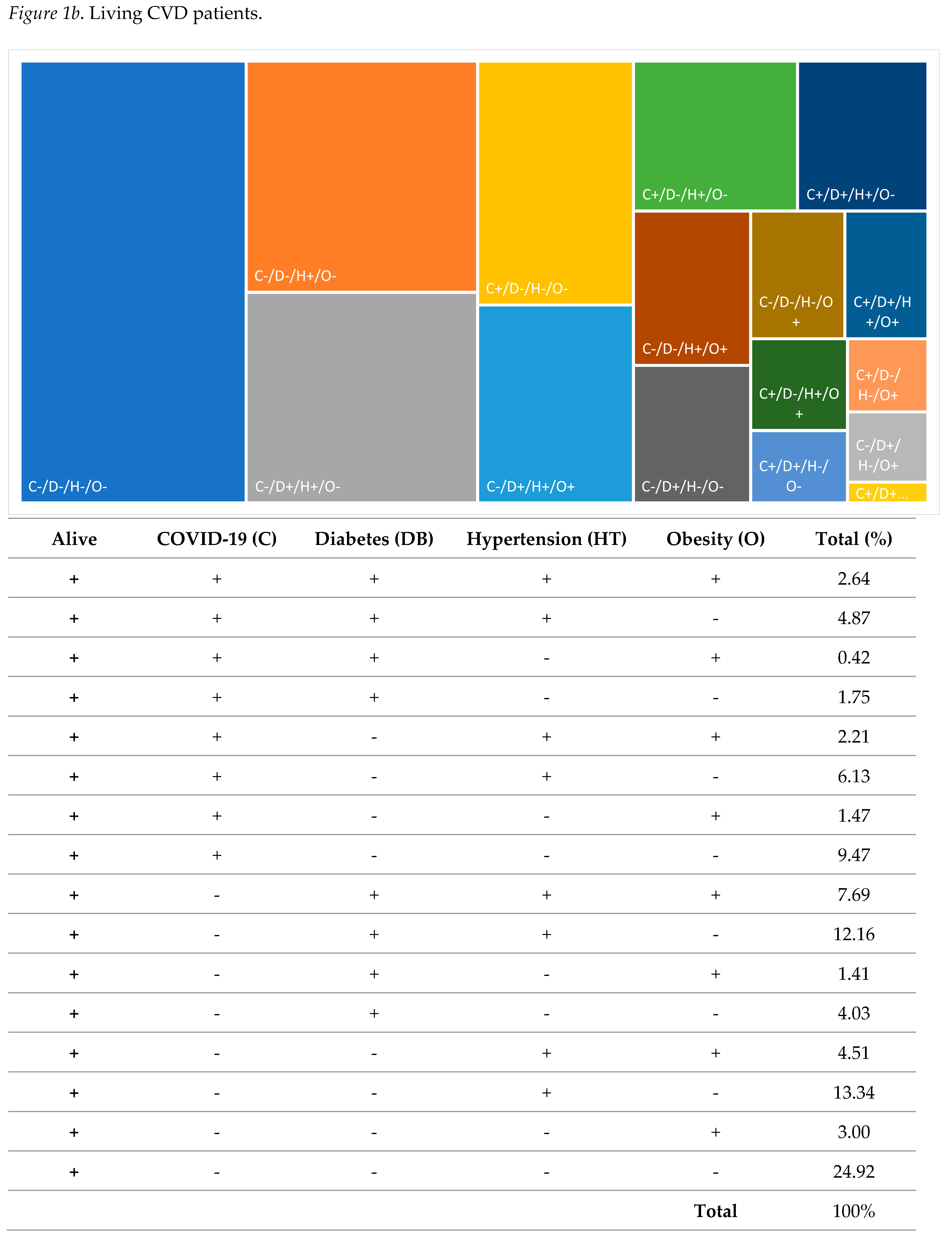
Concerning alive CVD patients (Figure 1b), approximately 24.92% of alive CVD patients had no additional comorbidities, making this the most common condition. Following this, about 13.3% of the alive patients had HT, which was the most prevalent comorbidity. Additionally, around 12.16% of alive patients were diagnosed with both DIAB and HT. Together, these three conditions account for approximately 50.41% of the total alive CVD population (n = 15,051), all of them negative for COVID-19. Regarding this malice, it was not present in 71.04% of the alive population as well as absent in four of the five major reported conditions.

Discussions

Aging

Our results indicated that approximately 71.1% of the population with CVD as a specific comorbidity were aged 50 years and older (Table 1). According to national health surveys, commonly reported comorbidities among individuals aged 53 years and above are HT, ranking first, followed by DIAB, arthritis and cardiac complications [20]. As the aging process continues, oxidative stress increases because of a rise in reactive oxygen species (ROS), which elevates the risk of frailty, obesity, and diabetes. These chronic inflammatory conditions trigger an inflammatory cascade that contributes to CVDs, including atrial fibrillation and heart failure [21]. Specifically, pro-inflammatory cytokines such as interleukin-6 (IL-6), tumor necrosis factor-alpha (TNF-α), and interleukin-1β (IL-1β) promote endothelial dysfunction and enhance the recruitment of immune cells, such as macrophages and lymphocytes, into the vascular wall, which accelerates atherosclerosis development [22,23,24,25]. These oxidative aging stressors contribute to mitochondrial dysfunction, deregulated nutrient sensing, and cellular senescence, further aggravating arterial dysfunction. This pro-inflammatory environment limits the bioavailability of nitric oxide, a critical, vasodilatory molecule, thereby leading to endothelial dysfunction and increased arterial stiffness. Over time, these molecular alterations promote the formation of unstable atherosclerotic plaques and increase the risk of acute cardiovascular events like myocardial infarction and stroke. In this context, chronic inflammation and oxidative stress work together, exacerbating the development of cardiovascular diseases [26].

Hypertension and Diabetes

Regarding comorbidities, our findings enlighten that HT and DIAB worsen, passing from 46.3% to 54.3% and 28.4% to 35.6%, respectively (Table 2). Regarding HT, literature states that people who contract COVID-19 were 65% more prone for developing new-onset high blood pressure on those who did not have COVID-19 previously: for instance, new-onset hypertension rates were recorded in 9% in the people who had COVID-19 but only 5% in the group who did not [27]. This condition likely occurs because SARS-CoV-2 binds to angiotensin-converting enzyme 2 (ACE-2), inducing a cytokine storm that damages the endothelium. This damage leads to increased vascular contractility, the formation of intravascular thrombi, and eventually triggers intravascular coagulation, further complicating cardiovascular conditions [28]. This aligns with the global rise in permanent HT levels, as trends remained steady for three years prior to the pandemic with only gradual increase [29]. However, national health statistics indicate that even before the pandemic, HT and DIAB cases had been steadily increasing among populations aged 53-59 and 60 years and older in Mexico [20].
Regarding DIAB, studies have shown that infection with SARS-CoV-2 can directly affect glucose metabolism, increasing insulin resistance and causing pancreatic dysfunction via direct depletion of β pancreatic cells [30,31]. In our population, considering the high prevalence of COVID-19 cases (and asymptomatic infections), this β pancreatic cells damage may lead to new-onset hyperglycemia in individuals without a prior diabetes diagnosis or worsen glycemic control in those with existing diabetes.
Also, the pandemic showed a profound impact in terms of mobility and social interaction. Lockdown and restricted mobility may have reduced opportunities for physical activity in an already sedentary population [32]. For instance, some authors found that Mexicans increased around 271% their time spent indoor during a pandemic peak by 2020 [33]. This inactivity along with high-calorie intake during confinement contributes strongly to weight gain and insulin resistance development, both critical risk factors for CVDs [34].
The fact that the COVID-19 pandemic had a significant impact in terms of mental health is a well-studied phenomenon. Facing an agent unknown to man, new restrictions and confinement, as well as witnessing a massive wave of deaths, were more than enough events to experience unprecedented levels of stress and anxiety in the population. These factors have been linked to metabolic changes and a higher risk of diabetes, as chronic stress elevates cortisol levels, promoting hyperglycemia and contributing to insulin resistance [35].
Finally, disruptions in healthcare access due to the pandemic limited routine care for chronic conditions such as diabetes. This restricted access may have worsened disease management in those already diagnosed with diabetes and delayed diagnosis in new cases, increasing the risk of complications and mortality.

Obesity

Regarding obesity, we expected to observe a change in OBES rates within this population “during” and “after” the pandemic, given the rise in physical inactivity, sedentary lifestyles, poor eating habits, and mental health disorders such as depression and anxiety during the pandemic [36]. However, our results reveal that OBES rates remained steady in CVD patients, showing only a slight increase of 0.7% between the 2020-2022 period (22.9%) and the 2023-2024 period (23.6%).
What caught our attention was the fact that on this CVD population, the obesity prevalence (Table 2) is lower than the expected national obesity rate for the 2020s (36%-45% from 2018 to 2030), despite Mexico lacking effective health programs to combat this issue [37]. Since this phenomenon remained relatively steady in this population, we questioned whether patients with cardiovascular comorbidities had adopted healthier habits to explain the trend. However, literature indicates that it is common for CVD patients not changing their unhealthy lifestyle habits [38].
During pandemic conditions, having OBES was considered a significant mortality factor among CVD patients [19]. However, while OBES rates have slightly increased, the results in Table 3 indicate that it is no longer a marker of worsening health conditions, as it does not play a significant predictive role for hospitalization in this conditioned population. Furthermore, as shown in Table 4, OBES is no longer a mortality factor in this population according to binary regression models.
Interestingly, while obesity is a well-established comorbidity and a strong predictor of CVDs, including heart failure (HF) and coronary heart disease (CHD) [39], our findings align more closely with the “obesity paradox” model which suggests that once CVD develops, overweight and obese individuals tend to have a better prognosis [40]. As noted by some authors, individuals with class I obesity tend to have a more favorable prognosis when both obesity and HF or CHD are present, compared to those with normal weight or underweight [39]. Observational studies have reported that higher BMIs are associated with lower mortality risks compared to individuals classified as having a healthy weight [41].
The reliance on body mass index (BMI) as the gold standard for determining overweight and obesity during medical consultations has notable limitations [42] Strictly speaking, BMI measures excess body weight rather than adiposity [42]. Although BMI is a useful tool for predicting CVD mortality compared to other methods focused on adiposity [42], it does not accurately estimate body fat percentage since BMI test cannot differentiate between adipose tissue, skeletal weight, and muscle mass [40]. While overall obesity is often associated with abdominal obesity, individuals may be classified as having overall obesity without abdominal obesity. This discrepancy can lead to the underdiagnosis of CVD risk, as patients with excess fat may not meet the BMI-defined obesity criteria. Some authors argue that this limitation in BMI assessment could contribute to misclassification and the oversight of potential cardiovascular risks [43].

Chronic Kidney Disease (CKD)

CKD is usually characterized by patients showing an estimated globular filtration rate (eGFR) in their kidneys less than 60 mL/min/1.73 m2, for around 3 months [44]. When the pandemic severely hit, back on 2022 year, approximately four out of ten COVID-19 patients without acute kidney injuries (AKIs) or had their AKI at stage 1, quickly progressed into stages 2 or 3 within 48 hours, indicating the rapid deterioration of kidney function even in patients with relatively mild initial symptoms [45].
One year after the infection, individuals who recovered from hospitalization and later exhibited long COVID-19 symptoms (aka post-long acute COVID syndrome) had decreased eGFR levels, indicating a decline in their kidney function [46]. Thus, reduced eGFR levels in patients with CKD were a significant concern, as it was initially thought to indicate the potential for a kidney disease pandemic [47]. By using this as rationale, we thought that the increasing of CKD prevalence during post-pandemic period (8.1% as for 2022-2024 to 12.1% as by 2023-2024, Table 2), was a result of the decreased lower level of eGFR detected in recovered patients in the post-pandemic stage. However, recent evaluations have shown that reduced eGFR levels do not necessarily signify progression to long-term kidney sequelae [48].
Thus, what could be behind into the lately increasing of CKD cases among CVD patients? We believe it is partially due to HT, as newly diagnosed patients tend to remain in the initial stages of CKD for longer periods before progressing more rapidly [49], in other words, demands hospitalization admission. This progression may explain why the number of CKD cases has aggressively increased (8.1% as by 2020-2022 to 12.2% by 2023-2024, see Table 2) while hospitalization rates have remained relatively steady as the hospitalization rates have shown only a slight increase of 6.5% (15.3% as by 2020–2022 to 16.4% in 2023–2024, see Table 3). These trends suggest that CKD patients are somewhat more prone to needing hospitalization in the post-pandemic period. Additionally, COVID-19 is known to exacerbate cardiovascular and renal damage, particularly in this patient population [50].
During the pandemic period, 6.0% of the population received ambulatory care for CKD. By the post-pandemic period, this proportion increased to 8.6% (Table 3). Since Mexican healthcare efforts prioritized managing COVID-19 during the pandemic, hospital resources were redirected, with facilities undergoing reconversion to relocate people in COVID-19 cases. As a result, the treatment of other conditions, such as CKD, was significantly affected, with CKD patients not receiving proper hospital care during the pandemic stage [51].
This shift in priorities has likely contributed to delays in care, particularly for chronic conditions like CKD, which typically require frequent hospital admissions [52]. The observed increase in the proportion of ambulatory CKD care may reflect improved strategies for managing CKD patients outside of hospital settings. Additionally, this change coincided with several protective factors: the reduced virulence of concerning COVID-19 variants [53], widespread vaccine distribution, the achievement of herd immunity thresholds [11], and evidence showing vaccinated individuals had downregulated inflammatory markers compared to their unvaccinated counterparts [54].
These factors collectively helped reduce mortality rates as well, as seen in the post-pandemic era, where CKD-related death proportions declined significantly (Table 4). During the pandemic stage, CKD patients in stages 3–5 experienced significant fear of COVID-19 infection and worsening symptoms [55]. This concern was well-founded, as mortality rates were disproportionately high among CKD patients, particularly those requiring maintenance dialysis [50].

COPD, Smoking and Asthma

Regarding minor prevalent comorbidities, the prevalence of COPD was higher among hospitalized patients compared to those receiving ambulatory care, increasing from 10.1% during the pandemic period to 16.5% in the post-pandemic period.
COPD was significantly associated with hospitalization (Table 3) and strongly linked to mortality (Table 4), with consistently higher death rates among patients with this comorbidity compared to those without it. While the overall mortality rate for COPD decreased from 16.7% during the 2020–2022 period to 11.7% in the 2023–2024 period, it remains a notable concern among hospitalized patients.
The link between COPD and CVD is well-established, with COPD patients facing a higher risk of death from cardiovascular issues (OR: 2–5), including ischemic heart disease, arrhythmias, heart failure, and arterial diseases. Cardiovascular events are the primary cause of hospital admission in CVD patients with COPD, with mortality rates ranging from 12% to 60%, depending on the analyzed population [56]. Our findings suggest that the mortality rates in our sampled CVD population with COPD fall between 11.7% and 16.7% (Table 4), which aligns with the general trends observed in the literature.
Shared risk factors and biological pathways, such as aging-related mechanisms like arterial stiffness (a potential predictive marker for CVD risk), elastin degradation, oxidative stress, hypoxia, and COPD medications, contribute to the connection between COPD and CVD [56,57].
Regarding SMOKE, nicotine, a primary component of tobacco, has a well-established comorbid relationship with renal function. It contributes to elevated blood pressure, which is particularly concerning for individuals with pre-existing renal diseases, as it exacerbates their condition. Additionally, other substances in tobacco smoke can induce endothelial dysfunction, a contributing factor to atherosclerosis, through the generation of reactive oxygen species (ROS). Moreover, SMOKE can reduce the antioxidant activity of enzymes like superoxide dismutase and catalase in the kidneys, further compounding renal damage [57].
Concerning asthmatic patients, the literature suggests that they are often associated with CVDs due to shared immune system activation pathways. Both conditions demonstrate the upregulation of mast cells, eosinophils, inflammatory cytokines, and immunoglobulin levels [58]. However, our findings contradict this association, as asthma prevalence remained steady across periods (Table 2. 2020–2022: 4.7%; 2023–2024: 4.7%).
The relationship between CVDs and asthma remains inconclusive and contradictory. Some studies argue that asthma and CVDs are not directly related but rather linked through subgroups characterized by tobacco consumption and gender-specific factors, particularly in women [59]. Conversely, other research has found that asthmatic patients have significantly higher odds ratios for developing cardiovascular issues such as ischemic heart disease (IHD) (1.27) and heart failure (HF) (1.56). These studies suggest that asthma patients, particularly those with severe asthma, are more likely to develop CVDs [60].
Our findings during the first period indicate that asthma was a predictor of mortality (Table 4). This aligns with earlier literature, as during the initial stages of the COVID-19 pandemic, asthmatic patients were considered high-risk due to the potential for respiratory viruses, including SARS-CoV-2, to trigger asthma exacerbations. However, as the pandemic progressed, evidence revealed that COVID-19 did not worsen asthma conditions as initially feared. Instead, asthma’s impact appeared more influenced by endotypes/phenotypes and associated comorbidities [61].
Interestingly, a higher proportion of asthma cases during the second period were ambulatory rather than hospitalized, with significant differences between periods (p = 0.000) (Table 3). While hospitalized asthma cases increased slightly (2020–2022: 2.4%; 2023–2024: 3.5%), suggesting a possible trend in severity or healthcare patterns, asthma’s mortality rate remained low and consistent (2020–2022: 4.5%; 2023–2024: 4.7%). Notably, asthma was no longer significant among predictors of mortality during the second period (Table 4).
Thus, what changed during the second period that led to asthma losing its relevance as a predictor of death in asthmatic patients? While the proportion of asthmatic patients remained steady across periods (Table 2) and the fact that fatalities attributable to asthma lost statistical significance by the post-pandemic period (Table 4), we believe this decline in significance is partly attributable to the excess deaths reported in Mexico during this first period, as recorded by national statistical platforms. This excess mortality, indirectly related to COVID-19, occurred during 2020 – 2022 period, time when the virus was highly virulent, and vaccines were not yet universally available [11].

COVID-19

COVID-19 seems to no longer be a significant risk factor in this post-pandemic era, as trends (Table 2) show a decreasing trend in infection rates: during the pandemic, 36.7% of the sampled population was affected by the virus, whereas in the post-pandemic era, it was present in 29.2% of the population. Regarding hospitalizations, during pandemic, 48.9% of the sampled CVD population with COVID-19 was hospitalized. As for today, the percentage of hospitalized CVD patients having COVID-19 is around 19.8%, meaning a drastically 59.5% decrease change (Table 3). Same trends were observed in COVID-19 death-related cases, as the decrease change was set in 56.9% (16.5% as by pandemic period to 7.1% for the post-pandemic period, see Table 4).
Two factors largely contribute into this decline: a) Mexico implemented a successful national COVID-19 vaccination campaign targeting vulnerable age groups, particularly older individuals [62], which in global terms, significantly reduced their morbidity following vaccination [63] and, b) over time, the virus has exhibited a decrease in virulence, resembling an ‘intermittent virulence’ model, which is likely part of its evolutionary adaptation, favoring survival and transmission over killing the host [53].
We believe this hospitalization rise (Table 3) may be attributed by the fact that by mid-2020, time in which pandemic was severely hitting Mexico, a poll revealed that 68% of the surveyed Mexicans felt extremely insecure about being admitted to hospital [64]. At that time, there was a pervasive fear of hospitalization among Mexicans, as many perceived hospitals as places where death was inevitable. This perception was reinforced by alarming statistics—by August 2020, approximately 40% of patients admitted to hospitals in our sampled region – the Valley of Mexico – died [65]. Consequently, we believe this fear contributed to significant delays in receiving proper treatment for other various health issues, including CVD patients.
Due to their chronic conditions, the number of patients with DIAB and HT – conditions that are notably prevalent in our sampled population– seeking treatment in the major public state health system significantly declined, by 22% and 17%, respectively [66], also during the initial phase of the COVID-19 pandemic, there was a significant decrease in acute cardiovascular hospitalizations, and admitted patients experienced shorter hospital stays [67]. This trend was not followed in patients with CKD as their hospital admissions remains steady for reasons above described [52].
Additionally, mandatory confinement policies restricted social movement, particularly impacting vulnerable populations, including those with CVD [68]. This concern is exacerbated because Mexico had only 126,449 hospital beds available [69], with around 16,188 repurposed for treating COVID-19 [66], thus lowering the hospital bed offering. While the surrounding states of Mexico City had a bed occupancy rate of approximately 35% during a pandemic wave, the occupancy rate in the Valley of Mexico was higher [70].
Culturally, many Mexicans tend to rely on self-medication for health management, often resorting to over-the-counter medications such as analgesics, antibiotics, or herbal remedies before seeking professional medical attention [71]. During the COVID-19 pandemic, this tendency was further amplified: a survey conducted during the pandemic found that a third of the surveyed population in northwestern Mexico consumed analgesics as a form of self-medication. Many individuals viewed medical attention only if their health status worsened [72]. Thus, this suggests that self-medication was a way of avoiding hospitalization. The tendency to use self-medication to avoid hospitalization is not unique for the COVID-19 pandemic. Historically, similar behaviors were observed during the 2009 H1N1 influenza pandemic [73], when Mexican often use self-medical treatment rather than seeking formal medical care.
Regarding culture again, Mexican values are centered on family, leading caregivers to prioritize family-based care over institutional care [74]. This cultural inclination suggests that numerous individuals preferred staying with their families rather than seeking medical care during the pandemic years. This preference may partially explain the decreased hospitalization rates during that time, a trend that contrasts with our current circumstances, as we anticipated many people would return to hospitals for necessary treatment – including CVD patients – as COVID-19 virulence decreased and vaccines became widely available [11]. While we could not find direct reports confirming a widespread increase in confidence in seeking hospital care in Mexico post-COVID-19, studies on well-being and happiness indices can indirectly reflect public trust in healthcare. We believe the rising hospitalization rate is partly explained because Mexico’s happiness index improved from 46th by 2022 [75] – at the time of our previous studies on CVD patients [17] – to 25th by 2024 [76] as improvements in life satisfaction often show greater confidence in health and security services.

Conclusions

The prevalence rates of various comorbidities among CVD patients were analyzed, with HT, DIAB, and OBES identified as the most significant. However, in terms of hospitalization, OBES did not play a significant role in CVD patients. While hospitalization rates increased in the post-pandemic period, HT, DIAB, and OBES were no longer significant predictors of mortality. Additionally, minor comorbidities such as asthma showed no statistical significance during this time. Factors such as the lifting of COVID-19 restrictions in May 2023, widespread vaccine availability, and reduced virulence of the virus contributed to a decline in fatalities despite increased hospitalizations. These protective measures are crucial for vulnerable populations, particularly those with CVD.

Funding

This research did not receive any specific grant from funding agencies in the public, commercial, or non-profit sectors.

Conflicts of Interest

The authors have no competing interests to declare.

Ethical approval Statement

Approval was not required.

References

  1. INEGI ESTADÍSTICAS DE DEFUNCIONES REGISTRADAS (EDR) 2020; 2021.
  2. INEGI ESTADÍSTICAS DE DEFUNCIONES REGISTRADAS (EDR) 2021; 2022.
  3. INEGI ESTADÍSTICAS DE DEFUNCIONES REGISTRADAS (EDR) 2022; 2023.
  4. INEGI ESTADÍSTICAS DE DEFUNCIONES REGISTRADAS (EDR) 2023 (PRELIMINAR); 2024.
  5. Padilla-Rivas, G.R.; Delgado-Gallegos, J.L.; Garza-Treviño, G.; Galan-Huerta, K.A.; G-Buentello, Z.; Roacho-Pérez, J.A.; Santoyo-Suarez, M.G.; Franco-Villareal, H.; Leyva-Lopez, A.; Estrada-Rodriguez, A.E.; et al. Association between Mortality and Cardiovascular Diseases in the Vulnerable Mexican Population: A Cross-Sectional Retrospective Study of the COVID-19 Pandemic. Front Public Health 2022, 10. [CrossRef]
  6. Erener, S. Diabetes, Infection Risk and COVID-19. Mol Metab 2020, 39, 101044. [CrossRef]
  7. Zhu, L.; She, Z.-G.; Cheng, X.; Qin, J.-J.; Zhang, X.-J.; Cai, J.; Lei, F.; Wang, H.; Xie, J.; Wang, W.; et al. Association of Blood Glucose Control and Outcomes in Patients with COVID-19 and Pre-Existing Type 2 Diabetes. Cell Metab 2020, 31, 1068-1077.e3. [CrossRef]
  8. Cordero, A.; Santos García-Gallego, C.; Bertomeu-González, V.; Fácila, L.; Rodríguez-Mañero, M.; Escribano, D.; Castellano, J.M.; Zuazola, P.; Núñez, J.; Badimón, J.J.; et al. Mortality Associated with Cardiovascular Disease in Patients with COVID-19. REC: CardioClinics 2021, 56, 30–38. [CrossRef]
  9. Henry, B.M.; Vikse, J.; Benoit, S.; Favaloro, E.J.; Lippi, G. Hyperinflammation and Derangement of Renin-Angiotensin-Aldosterone System in COVID-19: A Novel Hypothesis for Clinically Suspected Hypercoagulopathy and Microvascular Immunothrombosis. Clinica Chimica Acta 2020, 507, 167–173. [CrossRef]
  10. Pouvreau, C.; Dayre, A.; Butkowski, E.G.; De Jong, B.; Jelinek, H.F. Inflammation and Oxidative Stress Markers in Diabetes and Hypertension. J Inflamm Res 2018, 11, 61–68. [CrossRef]
  11. Gobierno de México México Pone Fin a La Emergencia Sanitaria Por COVID-19: Secretaría de Salud Available online: https://www.gob.mx/salud/prensa/mexico-pone-fin-a-la-emergencia-sanitaria-por-covid-19-secretaria-de-salud (accessed on 9 September 2024).
  12. Poy, L.; Martinez, F. Vacunarán a 3 Millones de Maestros Del 20 de Abril al 28 de Mayo: AMLO. La Jornada 2021.
  13. Secretaría de Salud 24.ENE.2023 CONTINÚA SEDESA CON VACUNACIÓN CONTRA COVID-19 A MENORES DE 5 A 11 AÑOS Available online: https://www.salud.cdmx.gob.mx/boletines/24ene2023-continua-sedesa-con-vacunacion-contra-covid-19-menores-de-5-11-anos (accessed on 9 April 2023).
  14. Dirección General de Epidemiología Datos Abiertos Bases Históricas Available online: https://www.gob.mx/salud/documentos/datos-abiertos-bases-historicas-direccion-general-de-epidemiologia (accessed on 21 October 2024).
  15. Congreso de la Unión Ley General de Protección de Datos Personales En Posesión de Sujetos Obligados; Cámara de Diputados: Mexico City, 2017; pp. 1–52;
  16. Padilla-Rivas, G.R.; Santoyo-Suarez, M.G.; Benitez-Chao, D.F.; Galan-Huerta, K.; Villareal, H.F.; Garza-Treviño, E.N.; Islas, J.F. A Panoramic View of Hospitalized Young Children in the Metropolitan Area of the Valley of Mexico during COVID-19. IJID Regions 2023, 9, 72–79. [CrossRef]
  17. Padilla-Rivas, G.R.; Luis Delgado-Gallegos, J.; Garza-Treviño, G.; Galan-Huerta, K.A.; G-Buentello, Z.; Roacho-Pérez, J.A.; Giovana Santoyo-Suarez, M.G.; Franco-Villareal, H.; Leyva-Lopez, A.; Estrada-Rodriguez, A.E.; et al. Association between Mortality and Cardiovascular Diseases in the Vulnerable Mexican Population: A Cross-Sectional Retrospective Study of the COVID-19 Pandemic. Front. Public Health, 2022, 10. [CrossRef]
  18. Benítez-Chao, D.F.; García-Hernández, M.; Cuellar, J.M.; García, G.; Islas, J.F.; Garza-Treviño, E.N.; Padilla-Rivas, G.R. Impact of Comorbidities on COVID-19 Mortality in Hospitalized Women: Insights from the Metropolitan Area of the Valley of Mexico from 2020 to 2022. IJID Regions 2024, 12. [CrossRef]
  19. Padilla-Rivas, G.R.; Delgado-Gallegos, J.L.; Garza-Treviño, G.; Galan-Huerta, K.A.; G-Buentello, Z.; Roacho-Pérez, J.A.; Santoyo-Suarez, M.G.; Franco-Villareal, H.; Leyva-Lopez, A.; Estrada-Rodriguez, A.E.; et al. Association between Mortality and Cardiovascular Diseases in the Vulnerable Mexican Population: A Cross-Sectional Retrospective Study of the COVID-19 Pandemic. Front Public Health 2022, 10. [CrossRef]
  20. INEGI ENCUESTA NACIONAL SOBRE SALUD Y ENVEJECIMIENTO EN MÉXICO (ENASEM) Y ENCUESTA DE EVALUACIÓN COGNITIVA 2021; 2021.
  21. Rodgers, J.L.; Jones, J.; Bolleddu, S.I.; Vanthenapalli, S.; Rodgers, L.E.; Shah, K.; Karia, K.; Panguluri, S.K. Cardiovascular Risks Associated with Gender and Aging. J Cardiovasc Dev Dis 2019, 6. [CrossRef]
  22. Tyrrell, D.J.; Goldstein, D.R. Ageing and Atherosclerosis: Vascular Intrinsic and Extrinsic Factors and Potential Role of IL-6. Nat Rev Cardiol 2021, 18, 58–68. [CrossRef]
  23. Reiss, A.B.; Siegart, N.M.; De Leon, J. Interleukin-6 in Atherosclerosis: Atherogenic or Atheroprotective? Clin Lipidol 2017, 12, 14–23.
  24. Rolski, F.; Błyszczuk, P. Complexity of TNF-α Signaling in Heart Disease. J Clin Med 2020, 9, 3267. [CrossRef]
  25. Libby, P. Inflammation in Atherosclerosis—No Longer a Theory. Clin Chem 2021, 67, 131–142. [CrossRef]
  26. Murray, K.O.; Mahoney, S.A.; Venkatasubramanian, R.; Seals, D.R.; Clayton, Z.S. Aging, Aerobic Exercise, and Cardiovascular Health: Barriers, Alternative Strategies and Future Directions. Exp Gerontol 2023, 173. [CrossRef]
  27. Angeli, F.; Zappa, M.; Verdecchia, P. Global Burden of New-Onset Hypertension Associated with Severe Acute Respiratory Syndrome Coronavirus 2 Infection. Eur J Intern Med 2024, 119, 31–33. [CrossRef]
  28. Six, I.; Guillaume, N.; Jacob, V.; Mentaverri, R.; Kamel, S.; Boullier, A.; Slama, M. The Endothelium and COVID-19: An Increasingly Clear Link Brief Title: Endotheliopathy in COVID-19. Int J Mol Sci 2022, 23. [CrossRef]
  29. Trimarco, V.; Izzo, R.; Pacella, D.; Trama, U.; Manzi, M.V.; Lombardi, A.; Piccinocchi, R.; Gallo, P.; Esposito, G.; Piccinocchi, G.; et al. Incidence of New-Onset Hypertension before, during, and after the COVID-19 Pandemic: A 7-Year Longitudinal Cohort Study in a Large Population. BMC Med 2024, 22. [CrossRef]
  30. He, X.; Liu, C.; Peng, J.; Li, Z.; Li, F.; Wang, J.; Hu, A.; Peng, M.; Huang, K.; Fan, D. COVID-19 Induces New-Onset Insulin Resistance and Lipid Metabolic Dysregulation via Regulation of Secreted Metabolic Factors. Signal Transduct Target Ther 2021, 6, 427. [CrossRef]
  31. Wu, C.-T.; Lidsky, P.V.; Xiao, Y.; Lee, I.T.; Cheng, R.; Nakayama, T.; Jiang, S.; Demeter, J.; Bevacqua, R.J.; Chang, C.A. SARS-CoV-2 Infects Human Pancreatic β Cells and Elicits β Cell Impairment. Cell Metab 2021, 33, 1565–1576. [CrossRef]
  32. World Health Organization WHO Coronavirus (COVID-19) Dashboard. WHO Coronavirus (COVID-19) Dashboard With Vaccination Data. Who 2021, 1–5.
  33. Our World in Data Residential Areas: How Did the Time Spent at Home Change since the Beginning of the Pandemic? Available online: https://ourworldindata.org/grapher/changes-residential-duration-covid?tab=table (accessed on 23 September 2021).
  34. Colín-Avilés, M.; Delgado-Jacobo, D.P. El Peso Corporal Durante El Confinamiento Por COVID-19. Psic-Obesidad 2024, Vol. 13 Núm. 52.
  35. Gianotti, L.; Belcastro, S.; D’Agnano, S.; Tassone, F. The Stress Axis in Obesity and Diabetes Mellitus: An Update. Endocrines 2021, 2, 334–347. [CrossRef]
  36. Nour, T.Y.; Altintaş, K.H. Effect of the COVID-19 Pandemic on Obesity and It Is Risk Factors: A Systematic Review. BMC Public Health 2023, 23. [CrossRef]
  37. Reyes-Sánchez, F.; Basto-Abreu, A.; Torres-Álvarez, R.; Carnalla-Cortés, M.; Reyes-García, A.; Swinburn, B.; Meza, R.; Rivera, J.A.; Popkin, B.; Barientos-Gutiérrez, T. Caloric Reductions Needed to Achieve Obesity Goals in Mexico for 2030 and 2040: A Modeling Study. PLoS Med 2023, 20. [CrossRef]
  38. Fernández, D.; Brotons, C.; Moral, I.; Bulc, M.; Afonso, M.; Akan, H.; Pinto, S.; Vucak, J.; Da Silva Martins, C.M. Lifestyle Behaviours in Patients with Established Cardiovascular Diseases: A European Observational Study. BMC Fam Pract 2019, 20. [CrossRef]
  39. Carbone, S.; Canada, J.M.; Billingsley, H.E.; Siddiqui, M.S.; Elagizi, A.; Lavie, C.J. Obesity Paradox in Cardiovascular Disease: Where Do We Stand? Vasc Health Risk Manag 2019, 15, 89–100. [CrossRef]
  40. Tutor, A.W.; Lavie, C.J.; Kachur, S.; Milani, R.V.; Ventura, H.O. Updates on Obesity and the Obesity Paradox in Cardiovascular Diseases. Prog Cardiovasc Dis 2023, 78, 2–10. [CrossRef]
  41. Curtis, J.P.; Selter, J.G.; Wang, Y.; Rathore, S.S.; Sokol, S.I.; Bader, F.; Krumholz, H.M. The Obesity Paradox Body Mass Index and Outcomes in Patients With Heart Failure.
  42. Ortega, F.B.; Sui, X.; Lavie, C.J.; Blair, S.N. Body Mass Index, the Most Widely Used but Also Widely Criticized Index Would a Criterion Standard Measure of Total Body Fat Be a Better Predictor of Cardiovascular Disease Mortality? Mayo Clin Proc 2016, 91, 443–455. [CrossRef]
  43. Powell-Wiley, T.M.; Poirier, P.; Burke, L.E.; Després, J.P.; Gordon-Larsen, P.; Lavie, C.J.; Lear, S.A.; Ndumele, C.E.; Neeland, I.J.; Sanders, P.; et al. Obesity and Cardiovascular Disease A Scientific Statement From the American Heart Association. Circulation 2021, 143, E984–E1010. [CrossRef]
  44. Vaidya, S.R.; Aeddula, N.R. Chronic Kidney Disease; StatPearls Publishing: Florida, 2024.
  45. Schiffl, H.; Lang, S.M. Long-Term Interplay between COVID-19 and Chronic Kidney Disease. Int Urol Nephrol 2023, 55, 1977–1984. [CrossRef]
  46. Atiquzzaman, M.; Thompson, J.R.; Shao, S.; Djurdjev, O.; Bevilacqua, M.; Wong, M.M.Y.; Levin, A.; Birks, P.C. Long-Term Effect of COVID-19 Infection on Kidney Function among COVID-19 Patients Followed in Post-COVID-19 Recovery Clinics in British Columbia, Canada. Nephrol Dial Transplant 2023, 38, 2816–2825. [CrossRef]
  47. Crawford, S. Reanalyzing the Impact of COVID-19 on the Kidneys Available online: https://medicine.yale.edu/news-article/impact-of-covid-19-on-the-kidneys/ (accessed on 25 November 2024).
  48. Schmidt-Lauber, C.; Hänzelmann, S.; Schunk, S.; Petersen, E.L.; Alabdo, A.; Lindenmeyer, M.; Hausmann, F.; Kuta, P.; Renné, T.; Twerenbold, R.; et al. Kidney Outcome after Mild to Moderate COVID-19. Nephrology Dialysis Transplantation 2023, 38, 2031–2040. [CrossRef]
  49. Figueroa-García, J.; Granados-García, V.; Hernández-Rivera, J.C.H.; Lagunes-Cisneros, M.; Alvarado-Gutiérrez, T.; Paniagua-Sierra, J.R. Evolution of the Stage of Chronic Kidney Disease from the Diagnosis of Hypertension in Primary Care. Aten Primaria 2022, 54. [CrossRef]
  50. Del Vecchio, L.; Balafa, O.; Dounousi, E.; Ekart, R.; Fernandez Fernandez, B.; Mark, P.B.; Sarafidis, P.; Valdivielso, J.M.; Ferro, C.J.; Mallamaci, F. COVID-19 and Cardiovascular Disease in Patients with Chronic Kidney Disease. Nephrology Dialysis Transplantation 2024, 39, 177–189. [CrossRef]
  51. UCSF Institute for Global Health Sciences Mexico’s Response to COVID-19: A Case Study; 2021.
  52. Schrauben, S.J.; Chen, H.Y.; Lin, E.; Jepson, C.; Yang, W.; Scialla, J.J.; Fischer, M.J.; Lash, J.P.; Fink, J.C.; Hamm, L.L.; et al. Hospitalizations among Adults with Chronic Kidney Disease in the United States: A Cohort Study. PLoS Med 2020, 17. [CrossRef]
  53. Rubio-Casillas, A.; Redwan, E.M.; Uversky, V.N. SARS-CoV-2 Intermittent Virulence as a Result of Natural Selection. COVID 2022, 2, 1089–1101. [CrossRef]
  54. Zhu, X.; Gebo, K.A.; Abraham, A.G.; Habtehyimer, F.; Patel, E.U.; Laeyendecker, O.; Gniadek, T.J.; Fernandez, R.E.; Baker, O.R.; Ram, M.; et al. Dynamics of Inflammatory Responses after SARS-CoV-2 Infection by Vaccination Status in the USA: A Prospective Cohort Study. Lancet Microbe 2023, 4, e692–e703. [CrossRef]
  55. Jiang, Z.; Liu, J.; Geng, L.; Zhong, Z.; Tan, J.; Wen, D.; Zhou, L.; Tang, Y.; Qin, W. The Influences of COVID-19 on Patients With Chronic Kidney Disease: A Multicenter Cross-Sectional Study. Front Psychiatry 2021, 12. [CrossRef]
  56. Morgan, A.D.; Zakeri, R.; Quint, J.K. Defining the Relationship between COPD and CVD: What Are the Implications for Clinical Practice? Ther Adv Respir Dis 2018, 12. [CrossRef]
  57. Madouros, N.; Jarvis, S.; Saleem, A.; Koumadoraki, E.; Sharif, S.; Khan, S. Is There an Association Between Chronic Obstructive Pulmonary Disease and Chronic Renal Failure? Cureus 2022. [CrossRef]
  58. Cazzola, M.; Hanania, N.A.; Rogliani, P.; Matera, M.G. Cardiovascular Disease in Asthma Patients: From Mechanisms to Therapeutic Implications. Kardiol Pol 2023, 81, 232–241. [CrossRef]
  59. Pollevick, M.E.; Xu, K.Y.; Mhango, G.; Federmann, E.G.; Vedanthan, R.; Busse, P.; Holguin, F.; Federman, A.D.; Wisnivesky, J.P. The Relationship Between Asthma and Cardiovascular Disease: An Examination of the Framingham Offspring Study. Chest 2021, 159, 1338–1345. [CrossRef]
  60. Choi, H.G.; Kwon, M.J.; Kim, J.H.; Kim, S.Y.; Kim, J.H.; Park, J.Y.; Hwang, Y. Il; Jang, S.H. Association between Asthma and Cardiovascular Diseases: A Longitudinal Follow-up Study Using a National Health Screening Cohort. World Allergy Organization Journal 2024, 17. [CrossRef]
  61. Assaf, S.; Stenberg, H.; Jesenak, M.; Tarasevych, S.P.; Hanania, N.A.; Diamant, Z. Asthma in the Era of COVID-19. Respir Med 2023, 218. [CrossRef]
  62. SSA 034. En México, 83.3 Millones de Personas Vacunadas Contra COVID-19 Available online: https://www.gob.mx/salud/prensa/034-en-mexico-83-3-millones-de-personas-vacunadas-contra-covid-19?idiom=es (accessed on 2 October 2024).
  63. Jarquin, C.; Quezada, L.F.; Gobern, L.; Balsells, E.; Rondy, M. Early Impact of COVID-19 Vaccination on Older Populations in Four Countries of the Americas, 2021. Revista Panamericana de Salud Publica/Pan American Journal of Public Health 2023, 47. [CrossRef]
  64. Moreno, A. 86% de Los Mexicanos Sí Cree En La Utilidad de Los Cubrebocas Para Prevenir El COVID-19 Available online: 86% de los mexicanos sí cree en la utilidad de los cubrebocas para prevenir el COVID-19 (accessed on 19 September 2024).
  65. Kitroeff, N.; Villegas, P. ‘I’d Rather Stay Home and Die’ Available online: https://www.nytimes.com/2020/08/10/world/americas/mexico-coronavirus-hospitals.html?auth=login-google1tap&login=google1tap (accessed on 6 October 2024).
  66. Doubova, S.V.; Leslie, H.H.; Kruk, M.E.; Pérez-Cuevas, R.; Arsenault, C. Disruption in Essential Health Services in Mexico during COVID-19: An Interrupted Time Series Analysis of Health Information System Data. BMJ Glob Health 2021, 6. [CrossRef]
  67. Bhatt, A.S.; Moscone, A.; McElrath, E.E.; Varshney, A.S.; Claggett, B.L.; Bhatt, D.L.; Januzzi, J.L.; Butler, J.; Adler, D.S.; Solomon, S.D.; et al. Fewer Hospitalizations for Acute Cardiovascular Conditions During the COVID-19 Pandemic. J Am Coll Cardiol 2020, 76, 280–288. [CrossRef]
  68. SEGOB Acuerdo Por El Que Se Establecen Las Medidas Preventivas Que Se Deberán Implementar Para La Mitigación y Control de Los Riesgos Para La Salud Que Implica La Enfermedad Por El Virus SARS-CoV2 (COVID-19). Diario Oficial de la Federación 2020.
  69. Mendoza, J. Number of Hospital Beds in Mexico from 2012 to 2021 Available online: https://www.statista.com/statistics/287092/number-of-hospital-beds-in-mexico/ (accessed on 7 October 2024).
  70. Muñoz Martínez, R. Risk, Covid-19 and Hospital Care in Mexico City: Are We Moving toward a New Medical Practice? Nóesis. Revista de Ciencias Sociales 2022, 31, 26–46. [CrossRef]
  71. Ortiz, M.I.; Flores-Ceron, K.I.; Muñoz-Pérez, V.M. Self-Medication Practice in Mexico. Sr Care Pharm 2022, 37, 266–283. [CrossRef]
  72. Torres Soto, N.Y.; López Franco, G.; Torres Soto, N.A.; Aray Roa, A.; Monzalvo Curiel, A.; Peña Torres, E.F.; Rojas Armadillo, M. de L. Risk Perception about the Covid-19 Pandemic and Its Effect on Self-Medication Practices in Population of Northwestern Mexico. Acta Univ 2022, 32, 1–14. [CrossRef]
  73. PBS News Hour Culture of Avoiding the Doctor Intensifies Health Concerns in Mexico Available online: https://www.pbs.org/newshour/health/health-jan-june09-mexicoselfmed_05-05 (accessed on 7 October 2024).
  74. Mendez-Luck, C.A.; Amorim, C.; Anthony, K.P.; Neal, M.B. Beliefs and Expectations of Family and Nursing Home Care among Mexican-Origin Caregivers. J Women Aging 2017, 29, 460–472. [CrossRef]
  75. Helliwell, J.F.; Layard, R.; Sachs, J.D.; De Neve, J.-E.; Aknin, L.B.; Wang, S. World Happiness Report 2022; 2022.
  76. Helliwell, J.F.; Layard, R.; Sachs, J.D.; De Neve, J.-E.; Aknin, L.B.; Wang, S. World Happiness Report 2024; 2024.
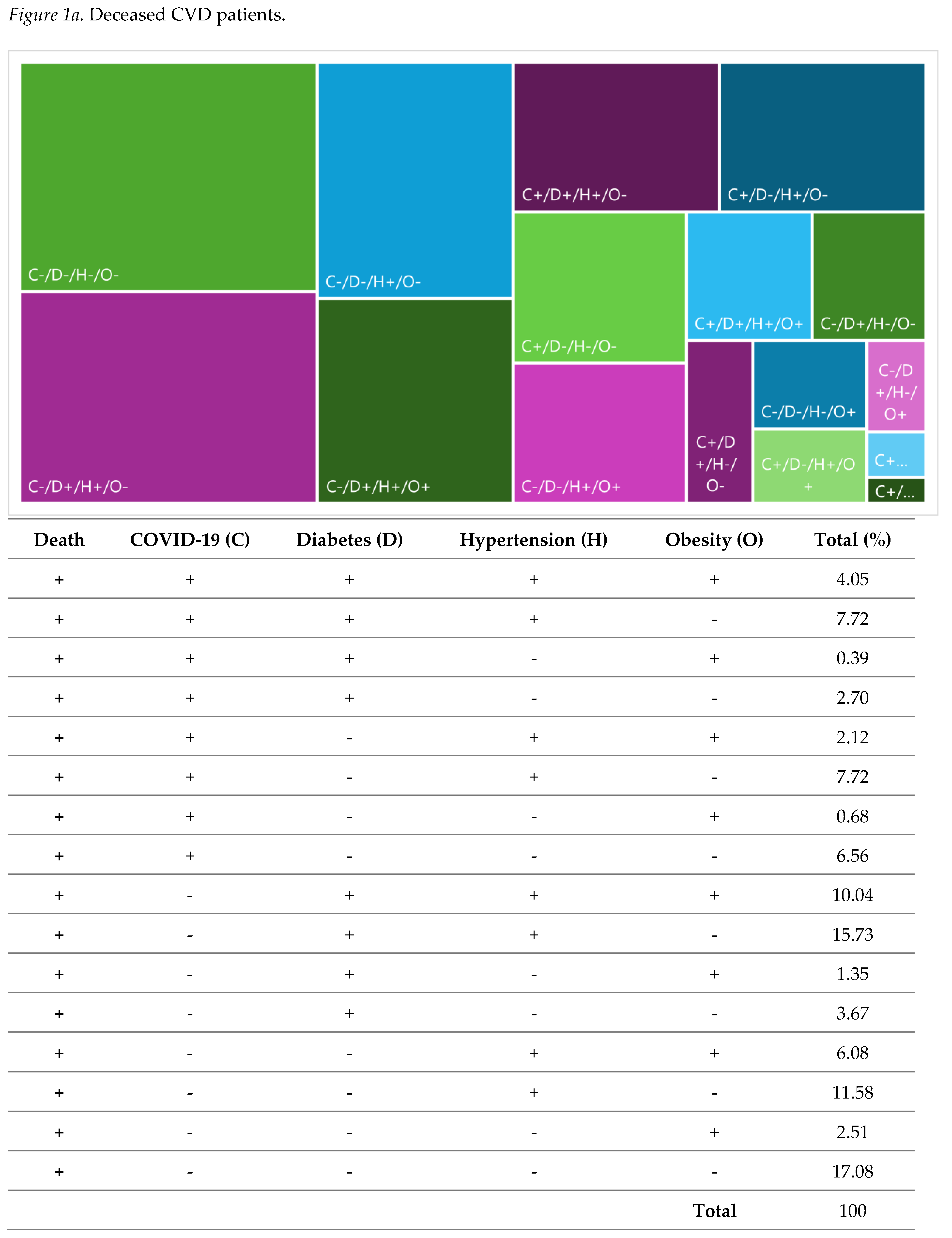
Figure 1. Treemap chart highlighting the combinations of conditions among deceased (a) and living (b) CVD patients in the Valley of Mexico. Most frequent comorbidity combinations are visually emphasized, offering key insights into the predominant risk factors contributing to CVD mortality in this population.
Preprints 141644 g001aPreprints 141644 g001b
Table 1. Profile of patients diagnosed with CVDs during 2023-2024 (n= 16,069).
N %
Gender
Female 8,363 52.0
Male 7,726 48.0
Age groups
0 – 17 1,382 8.6
18 – 30 796 4.9
31 – 40 927 5.8
41 – 50 1,523 9.5
51 – 60 2,508 15.6
61 – 70 3,169 19.7
71 – 80 3,164 19.7
>80 2,602 16.2
Type of medical attention
Ambulatory 8,763 54.5
Hospitalized 7,326 45.5
COVID-19
Positive 4,690 29.2
Negative 11,399 70.8
Hypertension
Yes 8,735 54.3
No 7,354 45.7
Diabetic
Yes 5,735 35.6
No 10,354 64.4
Obesity
Yes 3,796 23.6
No 12,293 76.4
Chronic Obstructive Pulmonary Disease
Yes 1,958 12.2
No 14,131 87.8
Chronic Kidney Disease
Yes 1,950 12.1
No 14,139 87.9
Smoking
Yes 1,801 11.2
No 14,288 88.8
Asthma
Yes 758 4.7
No 15,331 95.3
Death
Yes 1,036 6.4
No 15,053 93.6
Table 2. Comorbidity prevalence by period (2020 – 2024).
Comorbidity Period %Yes %No
Hypertension 2020-2022 19,404 (46.3%) 22,477 (53.7%)
2023-2024 8,735 (54.3%) 7,354 (45.7%)
Diabetes 2020-2022 11,878 (28.4%) 30,003 (71.6%)
2023-2024 5,735 (35.6%) 10,354 (64.4%)
Obesity 2020-2022 9,611 (22.9%) 32,270 (77.1%)
2023-2024 3,796 (23.6%) 12,293 (76.4%)
CKD 2020-2022 3,411 (8.1%) 38,471 (91.9%)
2023-2024 1,950 (12.1%) 14,139 (87.9%)
COPD 2020-2022 2,808 (6.7%) 39,074 (93.3%)
2023-2024 1,958 (12.2%) 14,131 (87.8%)
Smoking 2020-2022 5,806 (13.9%) 36,076 (86.1%)
2023-2024 1,801 (11.2%) 14,288 (88.8%)
Asthma 2020-2022 1,961 (4.7%) 39,921 (95.3%)
2023-2024 758 (4.7%) 15,331 (95.3%)
COVID-19 2020-2022 15,363 (36.7%) 26,518 (63.3%)
2023-2024 4,690 (29.2%) 11,399 (70.8%)
Deaths 2020-2022 3,637 (8.7%) 38,244 (91.3%)
2023-2024 1,036 (6.4%) 15,053 (93.6%)
Table 3. Hospitalization and ambulatory care data by comorbidity per period (2020–2024).
Comorbidity Period Care Type %Yes %No Chi-Squared P-value
Hypertension 2020-2022 Hospitalized 5,784 (59.2%) 3,990 (40.8%) 0.000
Ambulatory 13,621 (42.4%) 18,487 (57.6%)
2023-2024 Hospitalized 4,257 (58.1%) 3,069 (41.9%) 0.000
Ambulatory 4,478 (51.1%) 4,285 (48.9%)
Diabetes 2020-2022 Hospitalized 3,933 (40.2%) 5,841 (59.8%) 0.000
Ambulatory 7,946 (24.7%) 24,162 (75.3%)
2023-2024 Hospitalized 2,897 (39.5%) 4,429 (60.5%) 0.000
Ambulatory 2,838 (32.4%) 5,925 (67.6%)
Obesity 2020-2022 Hospitalized 2,306 (23.6%) 7,468 (76.4%) 0.086
Ambulatory 7,306 (22.8%) 24,802 (77.2%)
2023-2024 Hospitalized 1,716 (23.4%) 5,610 (76.6%) 0.654
Ambulatory 2,080 (23.7%) 6,683 (76.3%)
CKD 2020-2022 Hospitalized 1,491 (15.3%) 8,283 (84.7%) 0.000
Ambulatory 1,920 (6.0%) 30,188 (94.0%)
2023-2024 Hospitalized 1,168 (16.4%) 6,128 (83.6%) 0.000
Ambulatory 752 (8.6%) 8011 (91.4%)
COPD 2020-2022 Hospitalized 992 (10.1%) 8,782 (89.9%) 0.000
Ambulatory 1,816 (5.7%) 30,292 (94.3%)
2023-2024 Hospitalized 1,210 (16.5%) 6,116 (83.5%) 0.000
Ambulatory 748 (8.5%) 8,015 (91.5%)
Smoking 2020-2022 Hospitalized 1,520 (15.6%) 8,254 (84.4%) 0.000
Ambulatory 4,286 (13.3%) 27,822 (86.7%)
2023-2024 Hospitalized 953 (13.0%) 6,373 (87.0%) 0.000
Ambulatory 848 (9.7%) 7,915 (90.3%)
Asthma 2020-2022 Hospitalized 231 (2.4%) 9,543 (97.6%) 0.000
Ambulatory 1,730 (5.4%) 30,378 (94.6%)
2023-2024 Hospitalized 260 (3.5%) 7,066 (96.5%) 0.000
Ambulatory 498 (5.7%) 8,265 (94.3%)
COVID-19 2020-2022 Hospitalized 4,777 (48.9%) 4,997 (51.5%) 0.000
Ambulatory 10,586 (33.0%) 21,522 (67.0%)
2023-2024 Hospitalized 1,451 (19.8%) 5,875 (80.2%) 0.000
Ambulatory 3,239 (37.0%) 5,524 (63.0%)
Table 4. Analysis of Comorbidity and Death Status by Period (2020 – 2024).
Comorbidity Period Condition %Death (No) %Death (Yes) Chi-Squared P-value
Hypertension 2020-2022 No 21,339 (55.8%) 16,906 (44.2%) 0.000
Yes 1,138 (31.3%) 2,499 (68.7%)
2023-2024 No 6,916 (45.9%) 8,137 (54.1%) 0.022
Yes 438 (42.3%) 598 (57.7%)
Diabetes 2020-2022 No 28,063 (73.4%) 10,182 (26.6%) 0.000
Yes 1,940 (53.3%) 1,697 (46.7%)
2023-2024 No 9,705 (64.5%) 5,348 (35.5%) 0.240
Yes 649 (62.6%) 387 (37.4%)
Obesity 2020-2022 No 29,620 (77.4%) 8,625 (22.6%) 0.000
Yes 2,650 (72.9%) 987 (27.1%)
2023-2024 No 11,519 (76.5%) 3,534 (23.0%) 0.185
Yes 774 (74.7%) 262 (25.3%)
CKD 2020-2022 No 35,473 (92.2%) 2,998 (7.8%) 0.000
Yes 2,772 (81.3%) 639 (18.7%)
2023-2024 No 13,304 (94.1%) 835 (5.9%) 0.000
Yes 1,749 (89.7%) 201 (10.3%)
COPD 2020-2022 No 35,907 (91.9%) 3,167 (8.1%) 0.000
Yes 2338 (83.3%) 470 (16.7%)
2023-2024 No 13,324 (94.3%) 807 (5.7%) 0.000
Yes 1,729 (88.3%) 229 (11.7%)
Smoking 2020-2022 No 33,087 (91.7%) 2,989 (8.3%) 0.000
Yes 5,158 (88.8%) 648 (11.2%)
2023-2024 No 13,409 (93.8%) 879 (6.2%) 0.000
Yes 1,644 (91.3%) 157 (8.7%)
Asthma 2020-2022 No 36,373 (91.1%) 3,548 (8.9%) 0.000
Yes 1,872 (95.5%) 89 (4.5%)
2023-2024 No 14,331 (93.5%) 1,000 (6.5%) 0.061
Yes 722 (95.3%) 36 (4.7%)
COVID-19 2020-2022 No 25,423 (95.9%) 1,096 (4.1%) 0.000
Yes 12,822 (83.5%) 2,541 (16.5%)
2023-2024 No 10,694 (93.8%) 705 (6.2%) 0.043
Yes 4,359 (92.9%) 331 (7.1%)
Disclaimer/Publisher’s Note: The statements, opinions and data contained in all publications are solely those of the individual author(s) and contributor(s) and not of MDPI and/or the editor(s). MDPI and/or the editor(s) disclaim responsibility for any injury to people or property resulting from any ideas, methods, instructions or products referred to in the content.
Copyright: This open access article is published under a Creative Commons CC BY 4.0 license, which permit the free download, distribution, and reuse, provided that the author and preprint are cited in any reuse.
Prerpints.org logo

Preprints.org is a free preprint server supported by MDPI in Basel, Switzerland.

Subscribe

Disclaimer

Terms of Use

Privacy Policy

Privacy Settings

© 2025 MDPI (Basel, Switzerland) unless otherwise stated