

Submitted:
22 November 2024
Posted:
25 November 2024
You are already at the latest version
Abstract
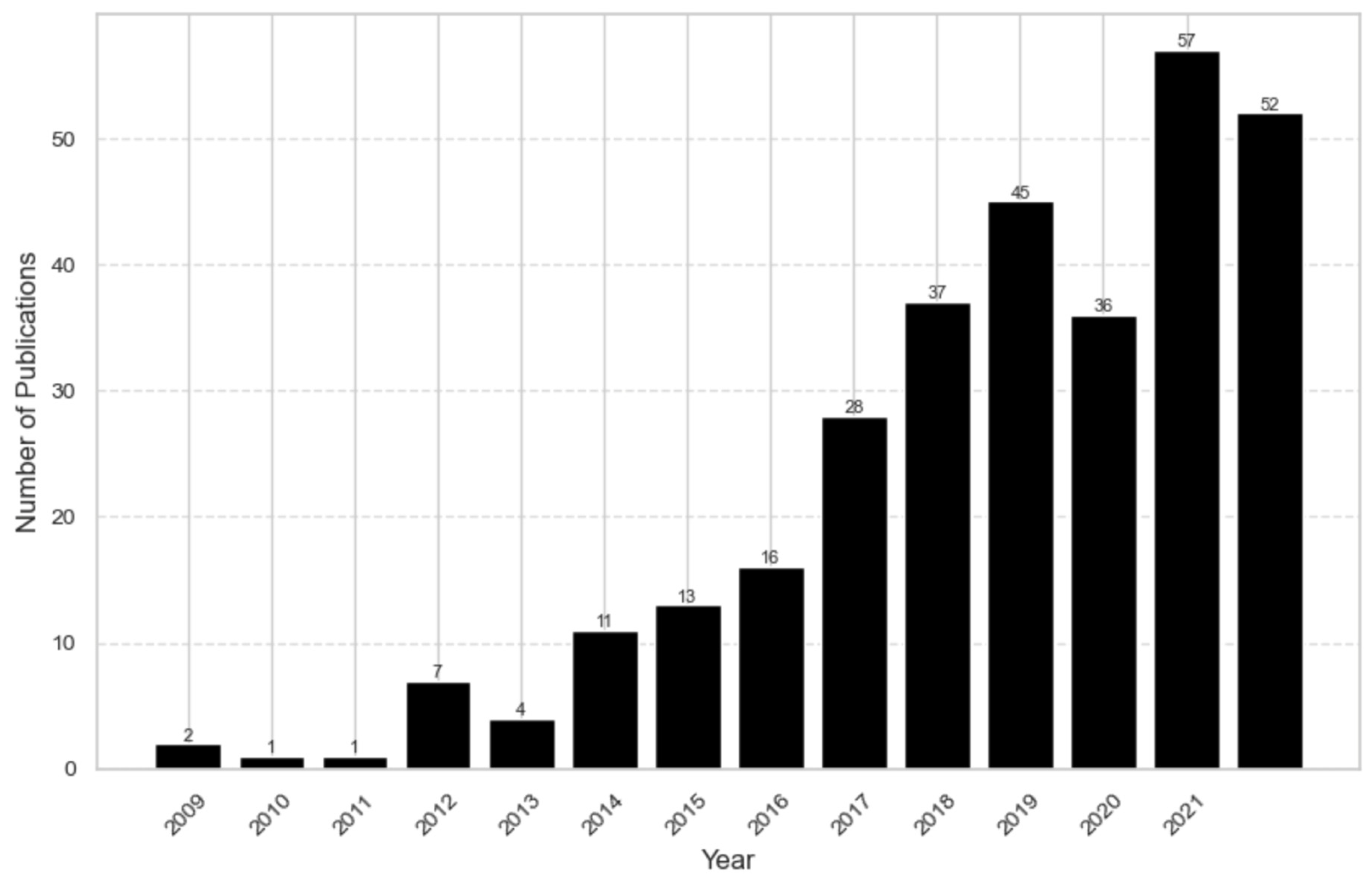
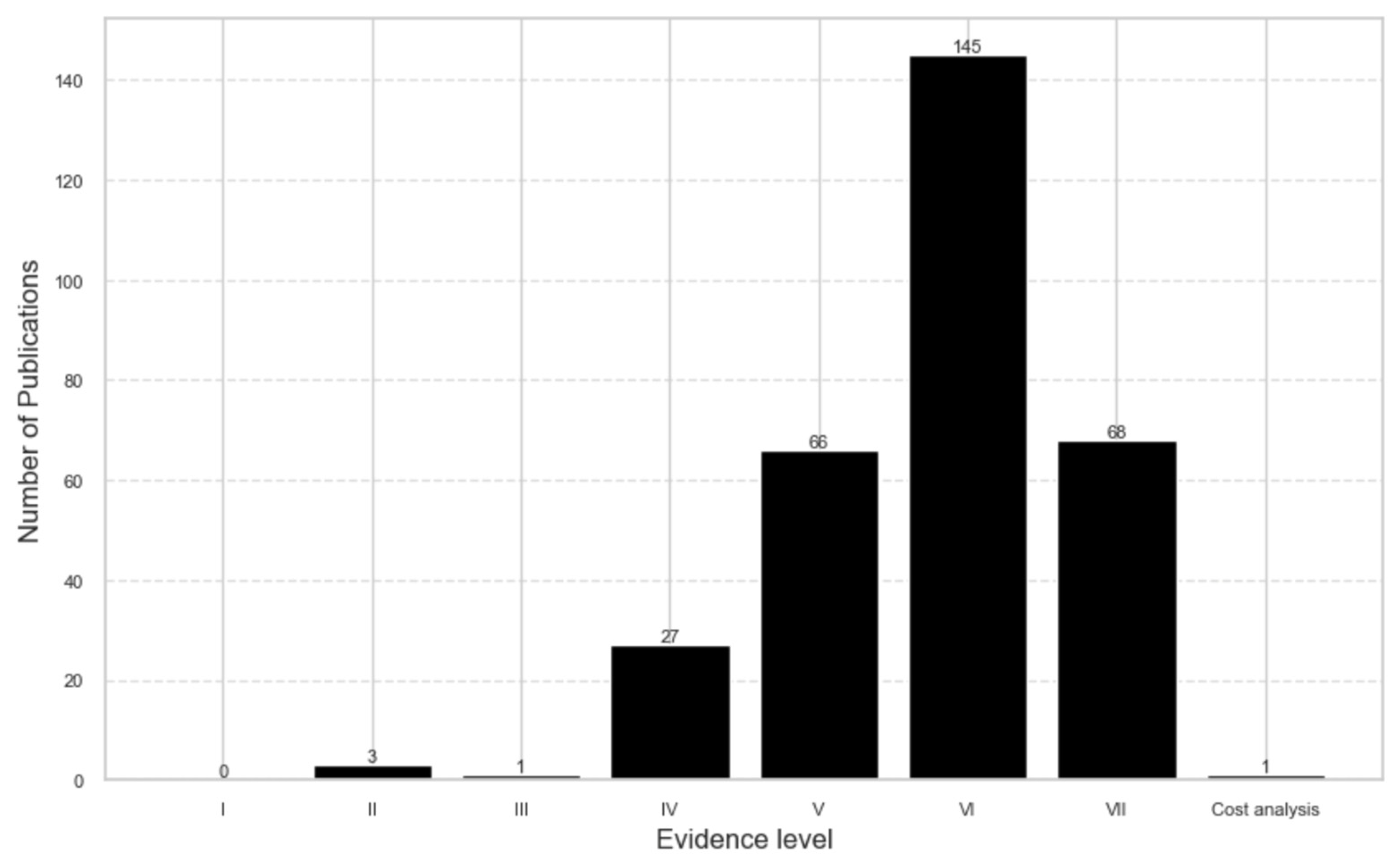
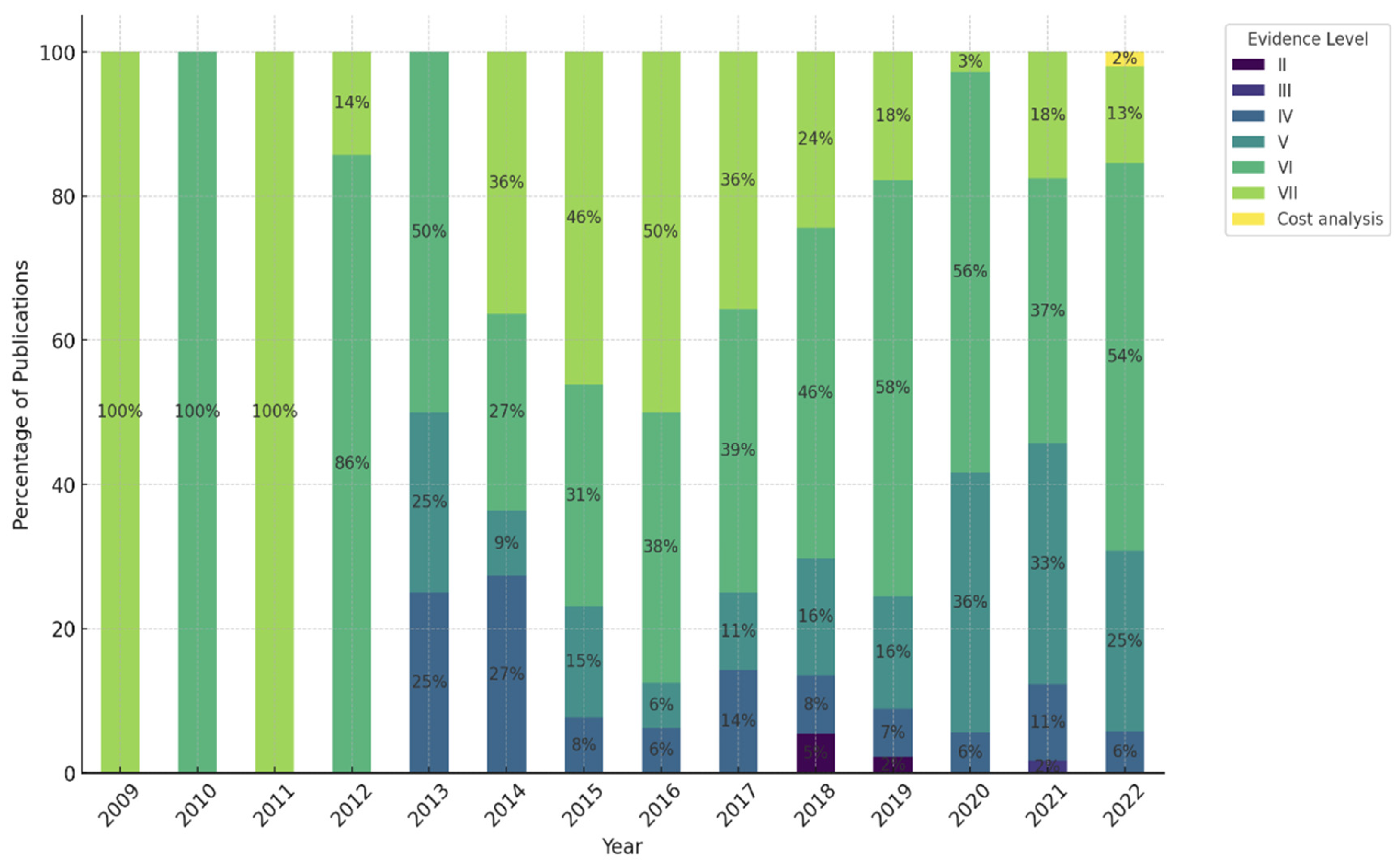
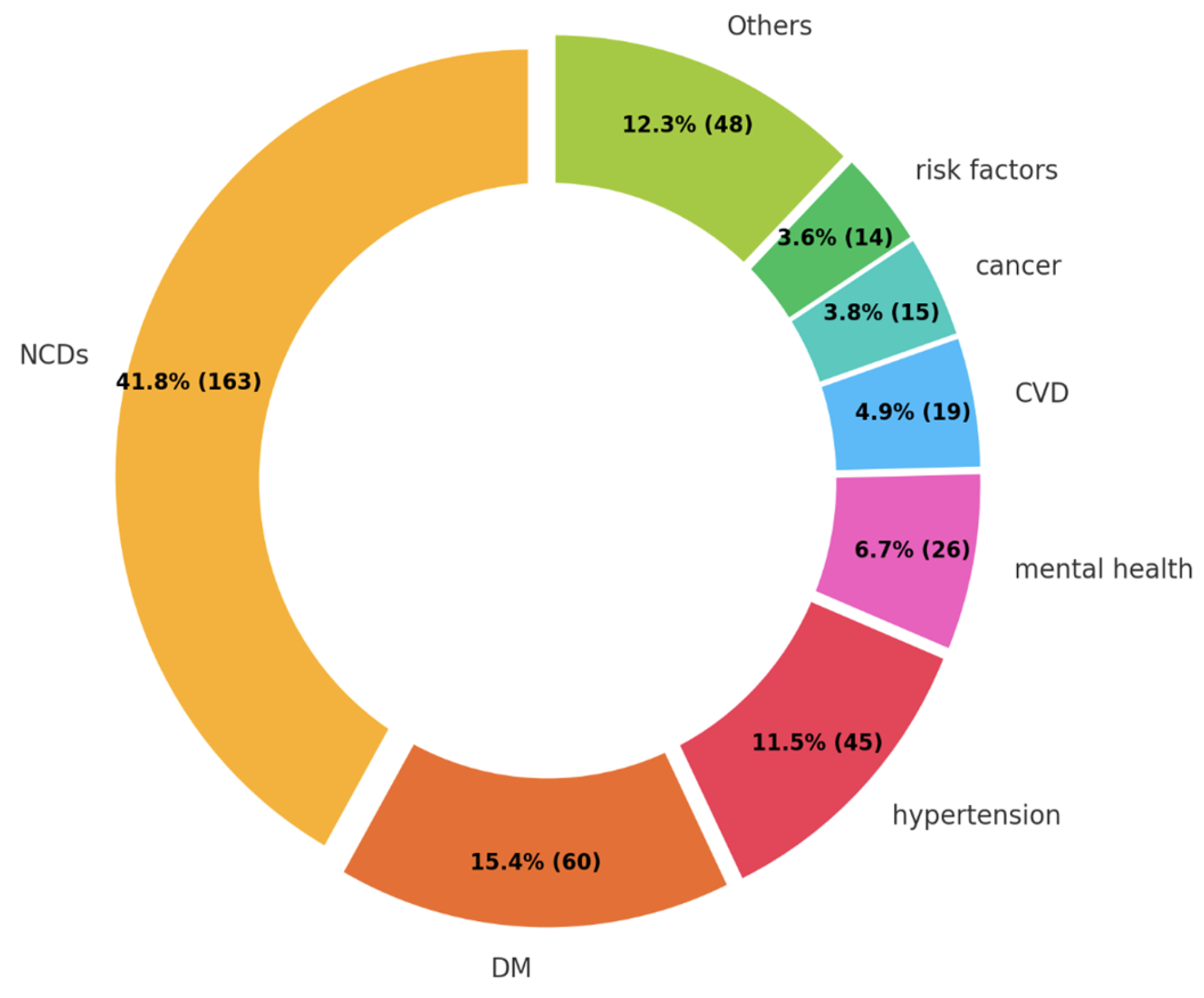
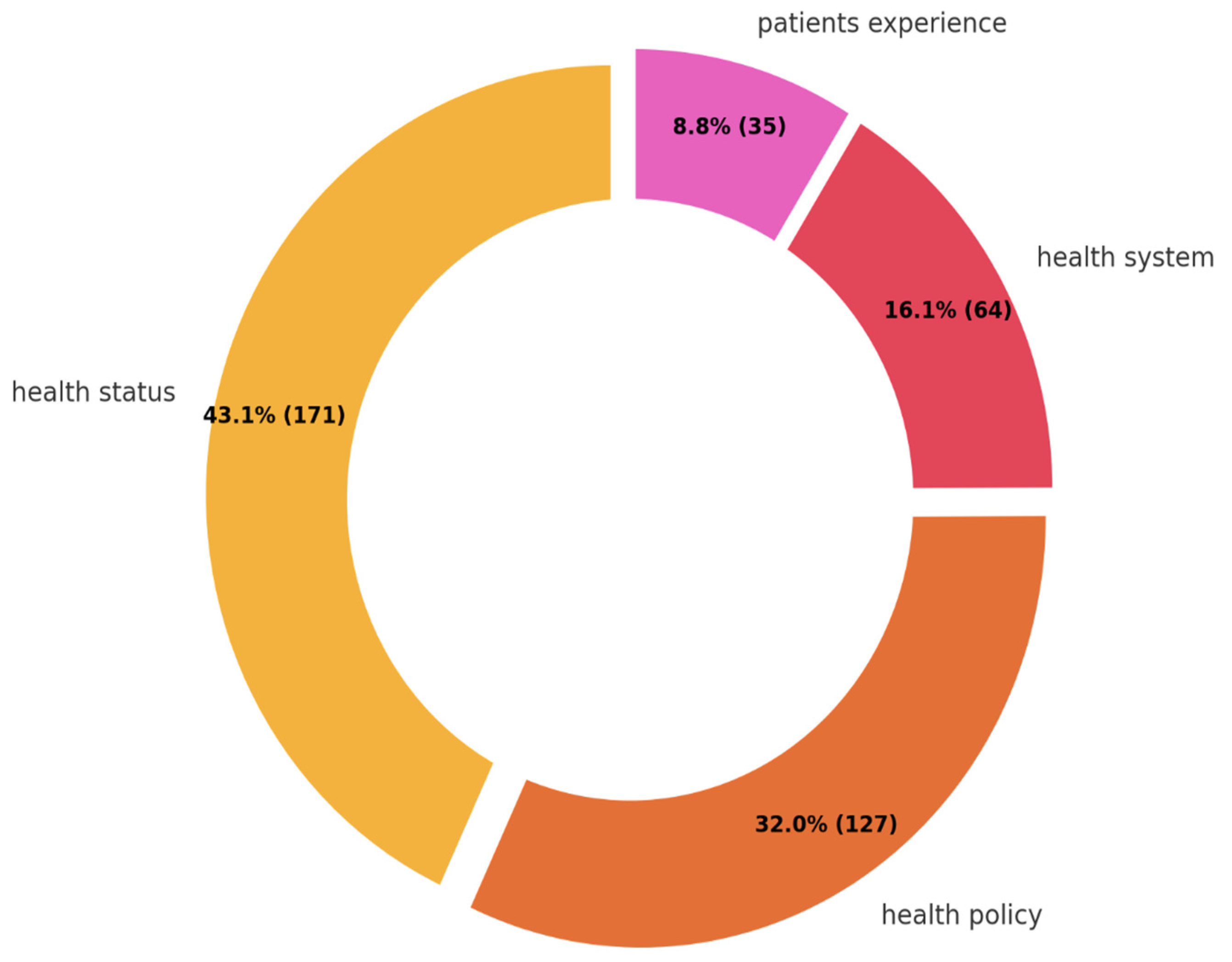
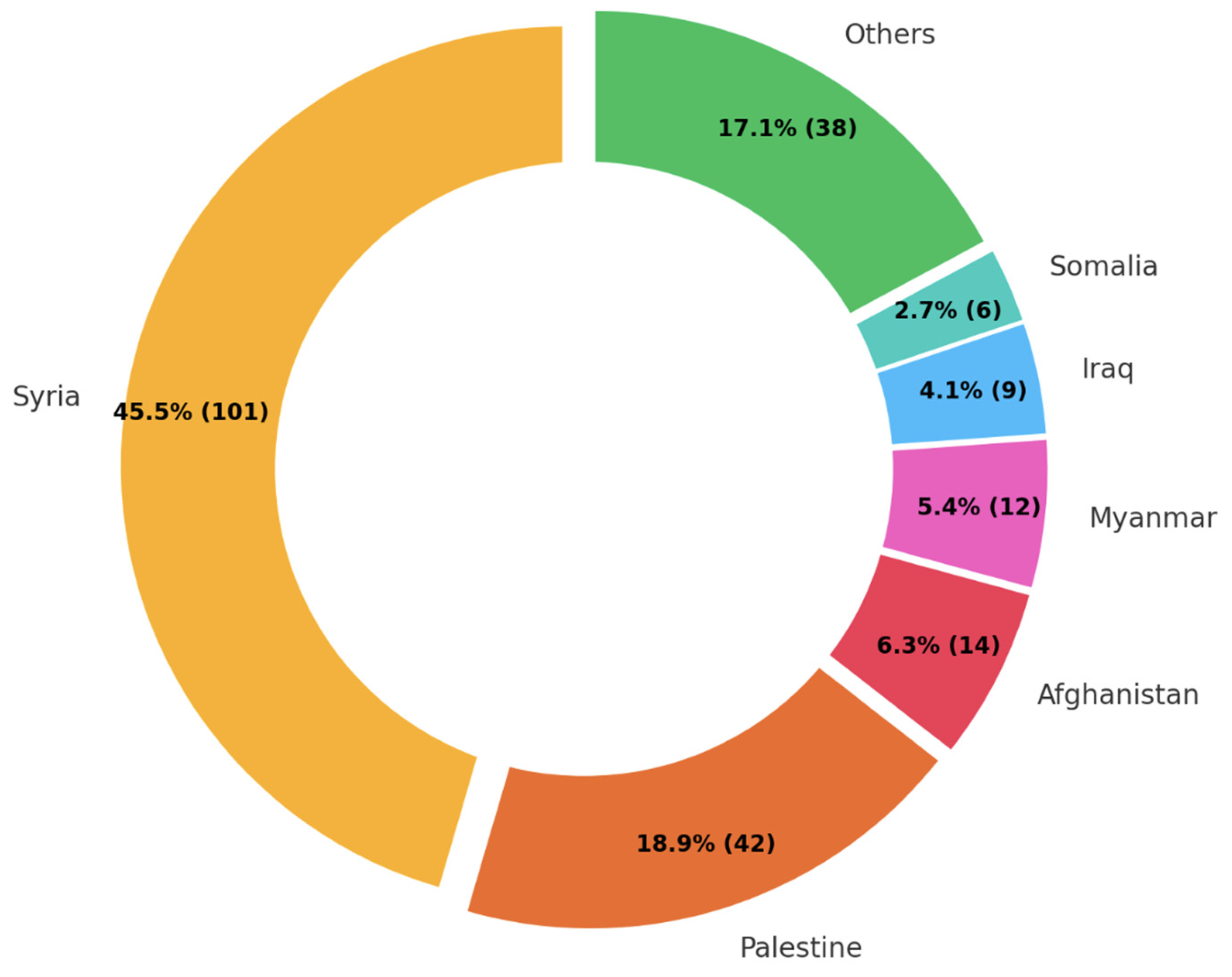
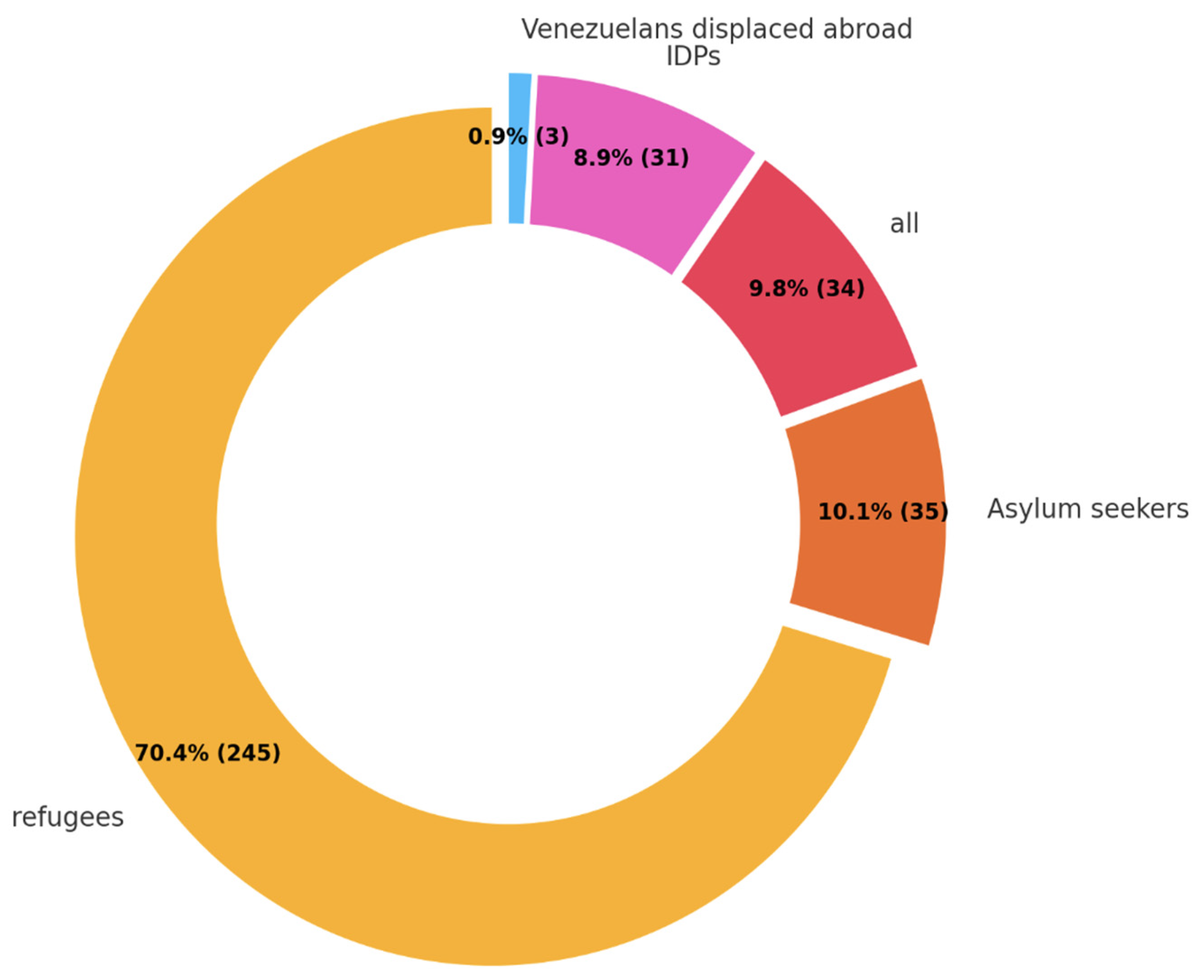
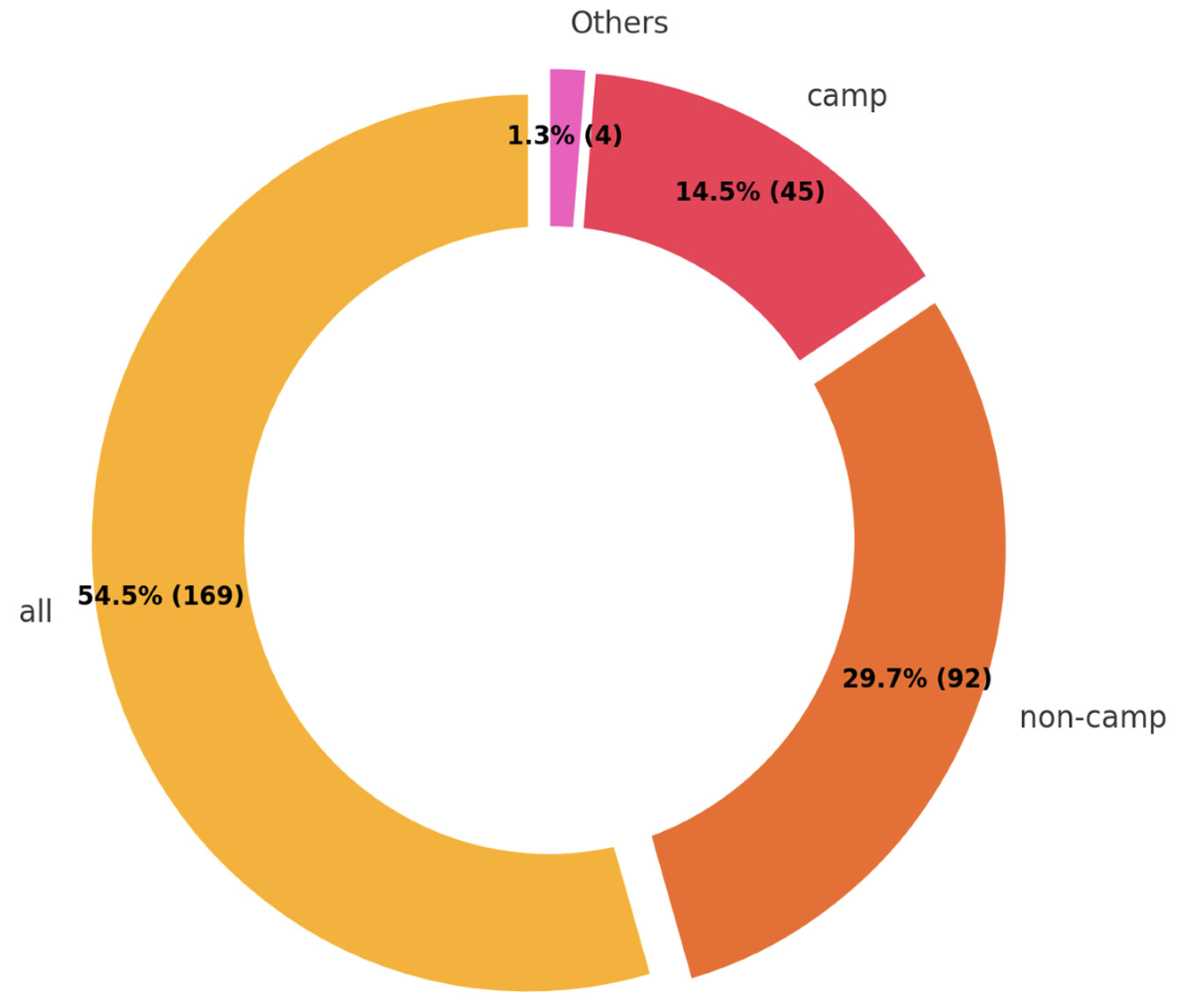
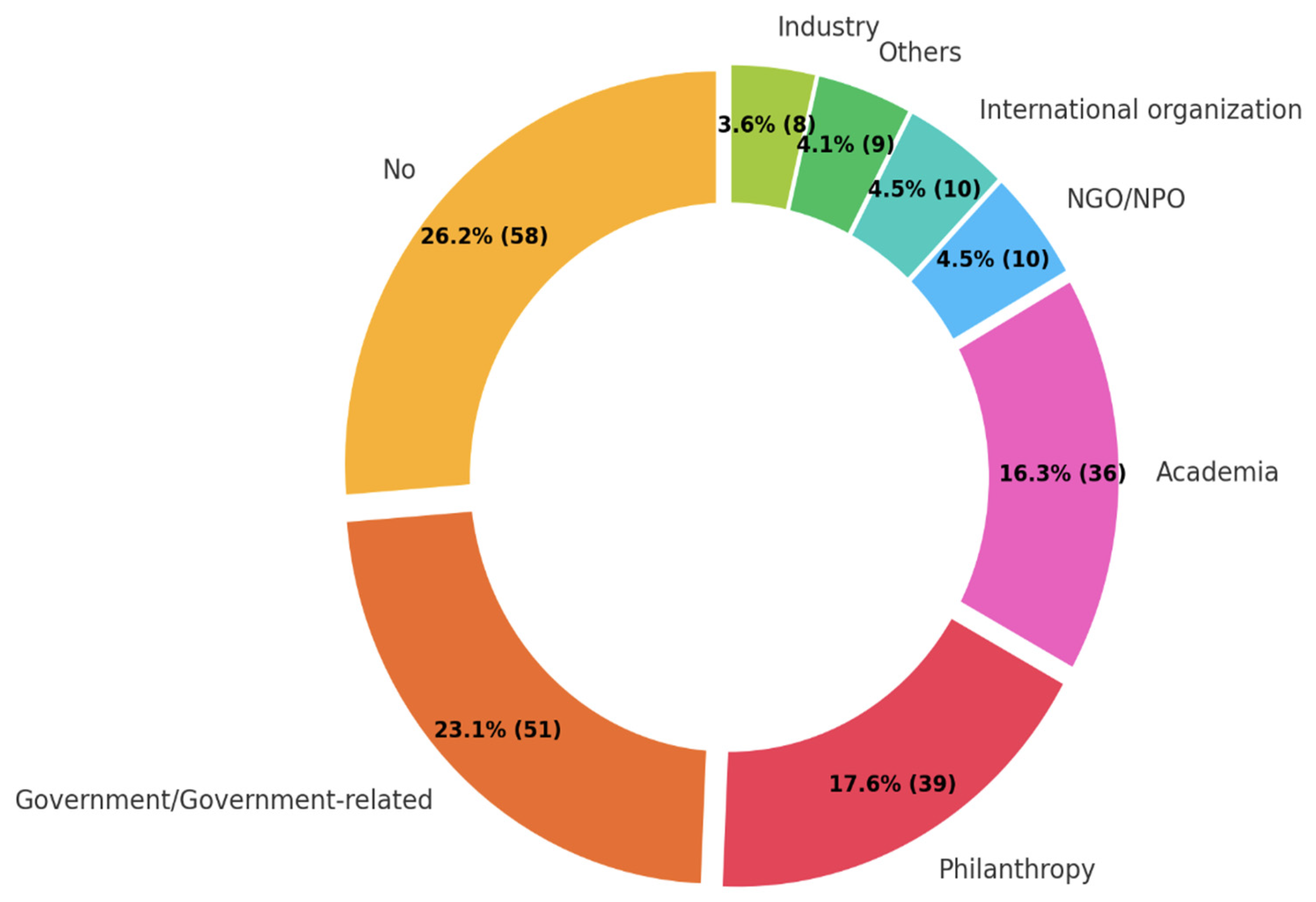
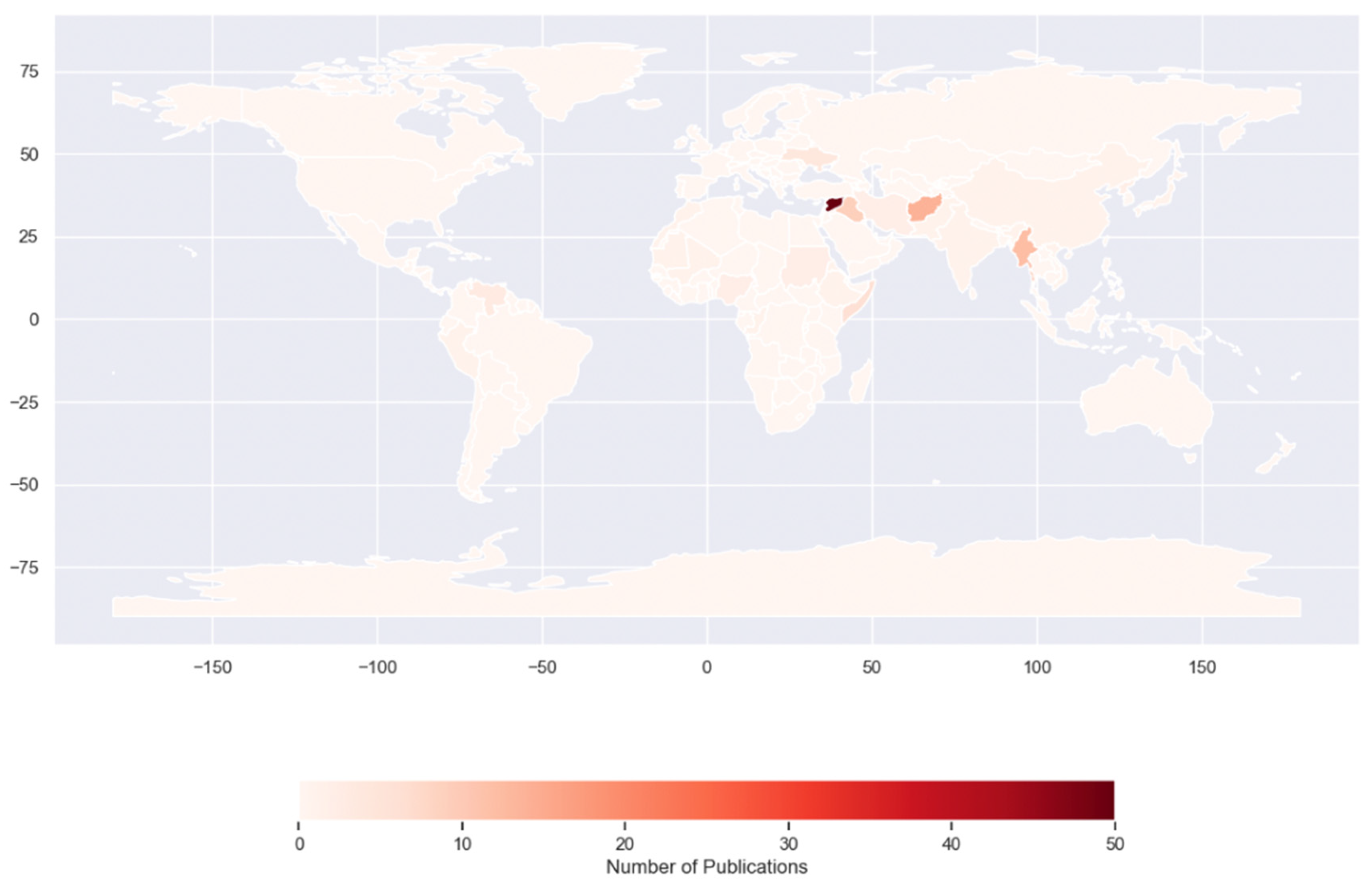
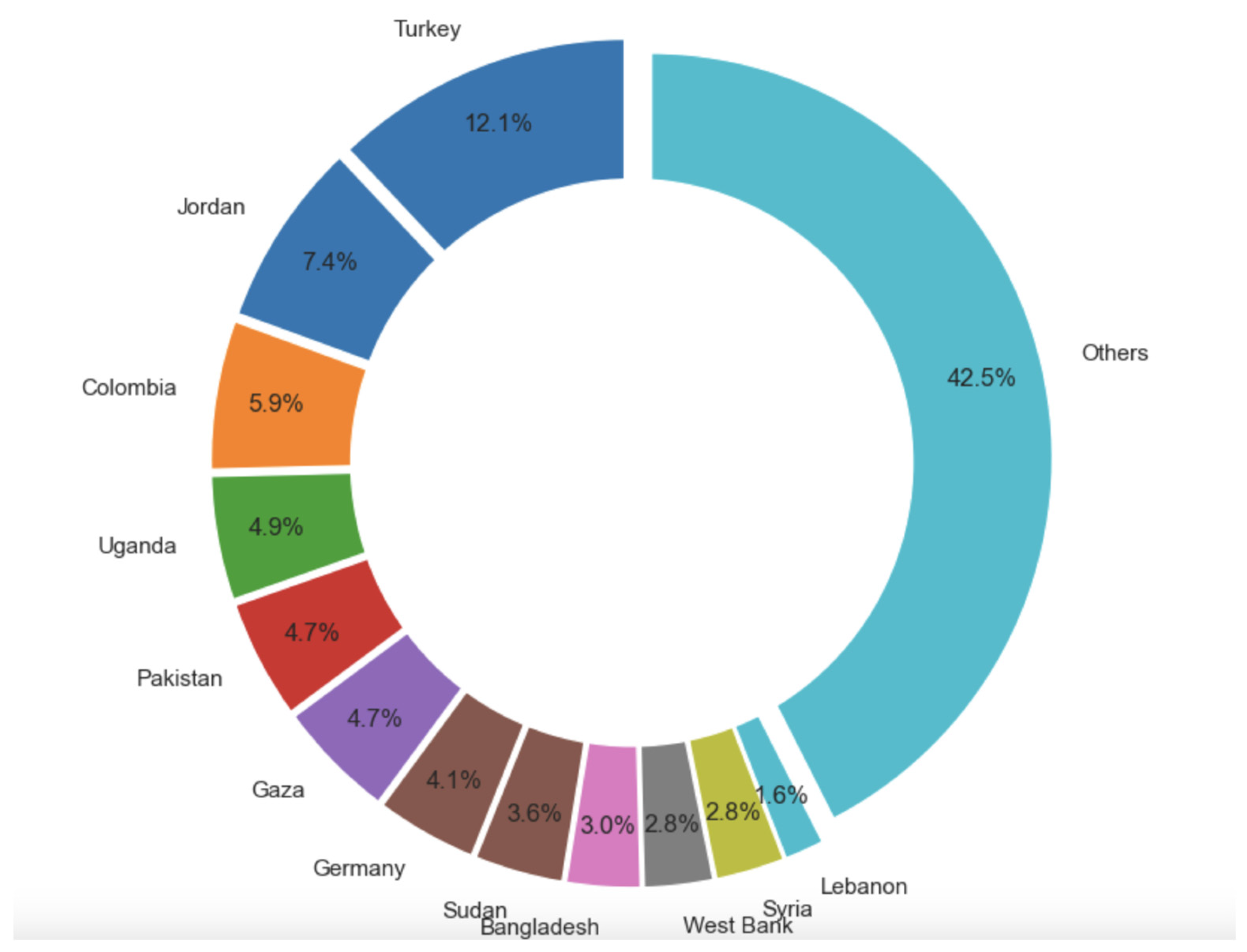
Background: Non-communicable diseases (NCDs) pose a serious global health challenge, accounting for 74% of all deaths worldwide, with low-and middle-income countries (LMICs) disproportionately affected. These challenges are further exacerbated in humanitarian settings, particularly among forcibly displaced people (FDP). Despite the critical need for NCDs management in these populations, their epidemiology remains poorly understood. This highlights an urgent research priority to address knowledge gaps and improve their health outcomes. Methods: This research conducted a systematic mapping review to aggregate and categorize existing publications on NCDs among FDP. Literature searches were performed across five electronic databases: PubMed, Cochrane Library, Embase, Global Index Medicus, and Google Scholar, using predefined criteria related to target populations, research domains, and study design. The evidence was systematically coded and analyzed to assess the current research status on NCDs among FDP. Results: A total of 310 publications were included in the review. The finding indicates an increasing trend in publications on NCDs among FDP since 2014. In contrast, most studies were low evidence levels. Disease-specific research primarily focused on diabetes mellitus (DM) (26.4%) and hypertension (19.8%), addressing health status (43.1%) and health policy (32.0%). Studies mainly concentrated on Syrian (45.5%) and Palestinian (18.9%) refugees, with limited research on other countries and types of FDP. Funding sources were mostly governmental (23.1%) and philanthropic foundations (17.6%), although many studies were unfunded (26.2%). Conclusion: This is the first systematic mapping review on NCDs among FDP. The findings revealed both current knowledge focuses and gaps. Although the research quantity has increased, the evidence quality remains low. Retrieved studies predominantly focus on DM and hypertension among Syrian and Palestinian refugees, causing significant knowledge gaps in geographical areas and types of FDP. Future research should prioritize higher-quality studies, expand the geographical scope, and include diverse types of FDP populations.
Keywords:
Background
Methods
1.1. Methodological Framework
1.1. Defining the Scope and Research Questions Along with Establishing Inclusion and Exclusion Criteria
1.1. Conducting a Comprehensive Search for Relevant Evidence
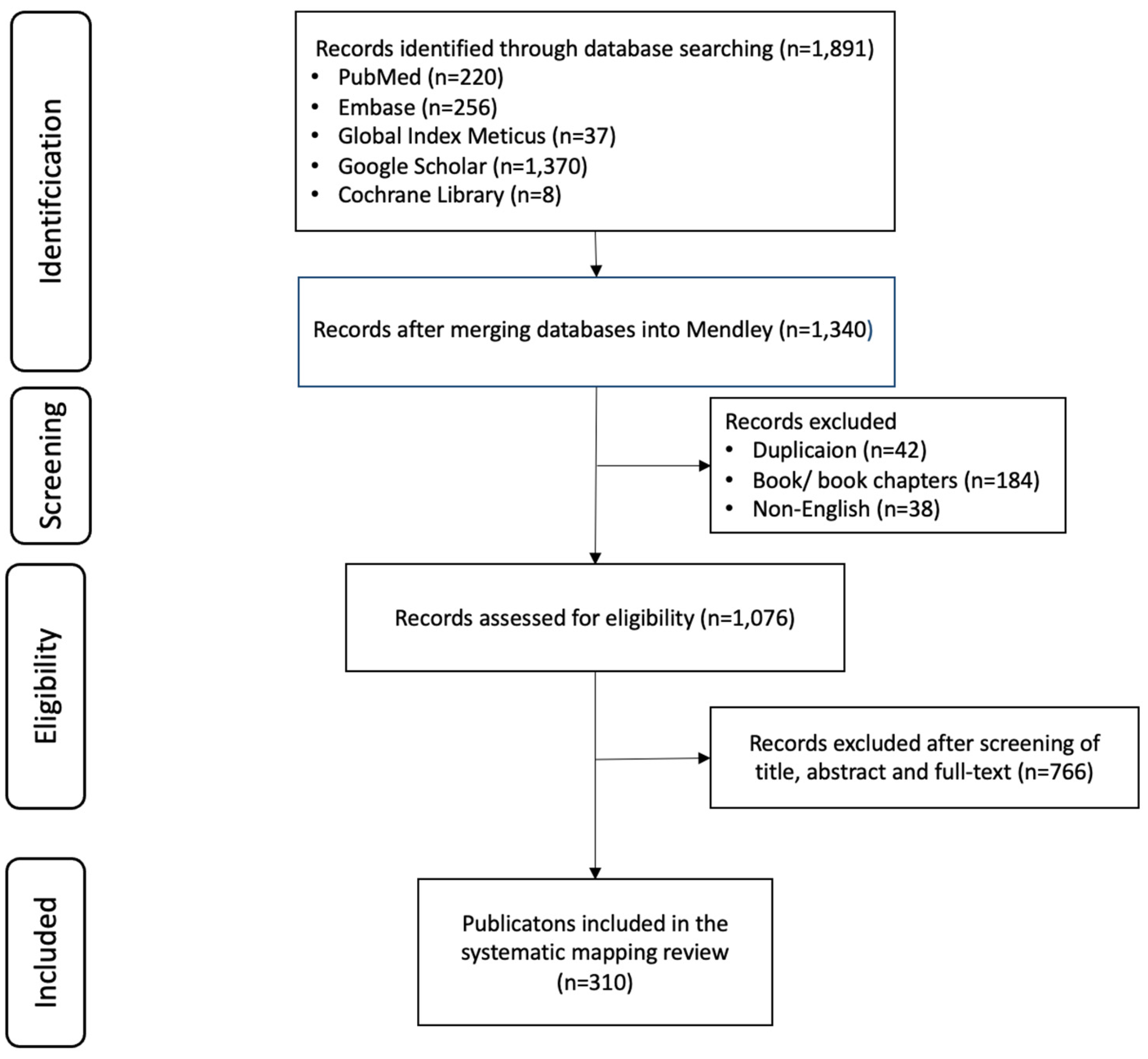
1.1. Screening the Gathered Evidence for Relevance
1.1. Coding the Evidence Based on the Predefined Definitions
1.1. Synthesizing and Presenting the Findings
Results
Discussion
1.1. Research Focuses
1.1. Research Gaps
Gap 1. Quality of Research
Gap 2. Geographical Coverage
Gap 3. Type of FDP
Limitations
Conclusion
Supplementary Materials
Author Contributions
Funding
Acknowledgments
Conflicts of Interest
List of Abbreviations
| CVD | Cardiovascular Diseases |
| COPD | Chronic Obstructive |
| DM | Diabetes Mellitus |
| FDP | Forcibly Displaced People |
| HICs | High-Income Countries |
| IDP | Internally Displaced People |
| LMICs | Low- and Middle-Income Countries |
| NCDs | Non-Communicable Diseases |
| NGOs | Non-Governmental Organizations |
| NPOs | Non-Profit Organizations |
| SDGs | Sustainable Development Goals |
| UHC | Universal Health Coverage |
| UN | United Nations |
| UNHCR | United Nations High Commissioner for Refugees |
| UNRWA | United Nations Relief and Works Agency for Palestine Refugees in the Near East |
| WHO | World Health Organization |
References
- The World Health Organization. Noncommunicable diseases [Internet]. Available from: https://www.who.int/news-room/fact-sheets/detail/noncommunicable-diseases. Accessed November 7, 2023.
- The World Health Organization. Global action plan. For the prevention and control of noncommunicable diseases 2013-2020 [Internet]. Available from: https://www.who.int/publications/i/item/9789241506236. Accessed May 10, 2022.
- The United Nations. Sustainable Development Goals. Goal 3: Ensure healthy lives and promote well-being for all ages [Internet]. Available from: https://www.un.org/sustainabledevelopment/health/. Accessed May 10, 2022.
- Demaio A, Jamieson J, Horn R, De Courten, M, Tellier S. Non-communicable diseases in emergencies: A call to action. PLoS Curr. 2013; 5(Disasters): 0–8. [CrossRef]
- Ahmed SM, Hadi A, Razzaque A, Ashraf A, Juvekar S, Ng N, et al. Clustering of chronic non-communicable disease risk factors among selected Asian populations: Levels and determinants. Glob Health Action. 2009; 2(1), 68–75. [CrossRef]
- The United Nations High Commissioner for Refugees. Refugee Data Finder [Internet]. Available from: https://www.unhcr.org/refugee-statistics/insights/explainers/100-million-forcibly-displaced.html. Accessed Nov 19, 2023,.
- The United Nations High Commissioner for Refugees. Global Report 2020 [Internet]. Available from: https://www.unhcr.org/flagship-reports/globalreport/. Accessed January 13, 2022.
- James KL, Randall NP, Haddaway NR. A methodology for systematic mapping in environmental sciences. Environmental Evidence. 2016; 5(1), 1–13. [CrossRef]
- Melnyk BM, Fineout-Overholt, E. Evidence-based practice in nursing & healthcare: A guide to best practice. 5th ed . Wolters Kluwer; 2023.
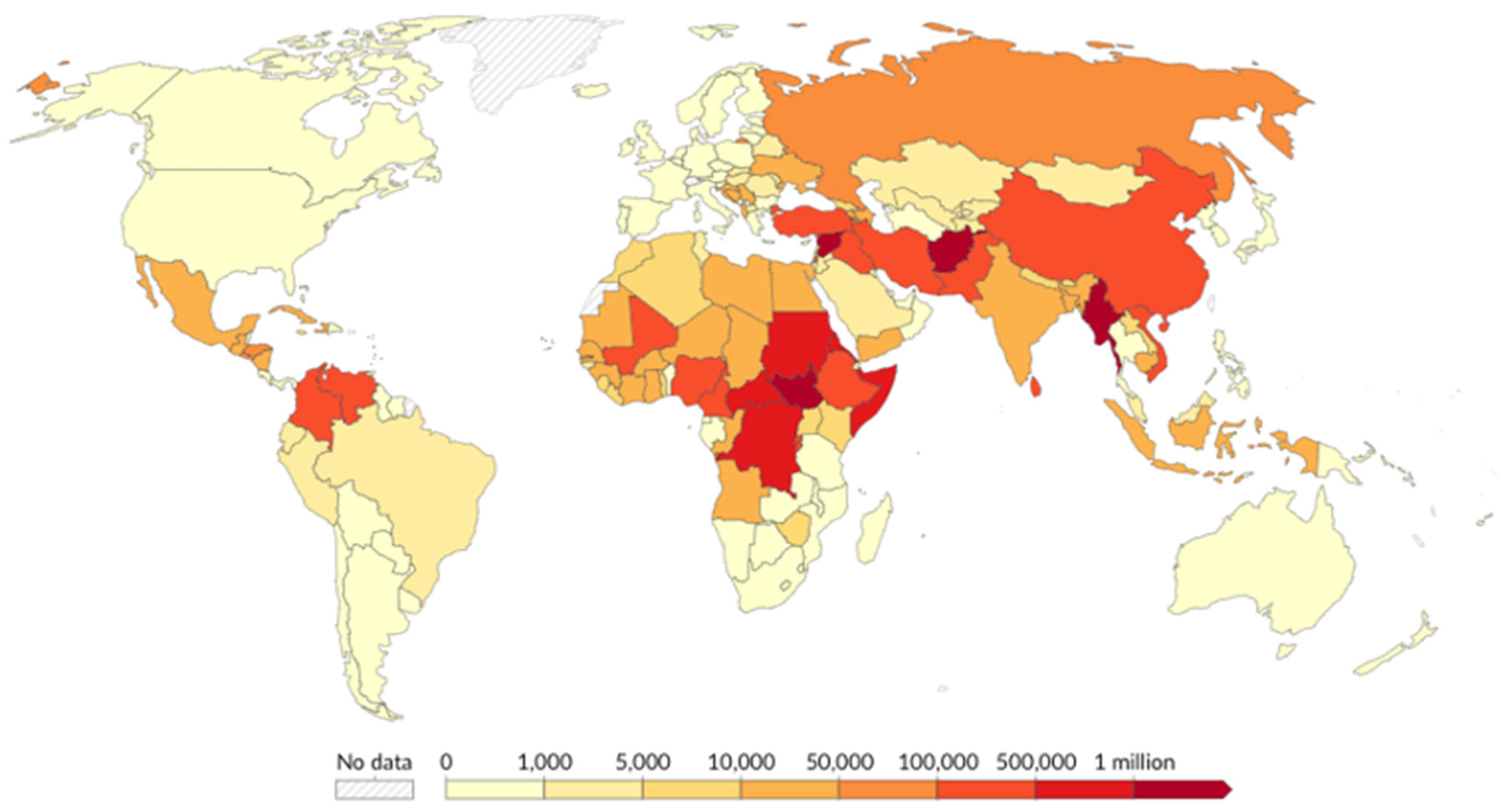
- Our World in Data. Refugee population by country or territory of origin [Internet]. Available from: https://ourworldindata.org/grapher/refugee-population-by-country-or-territory-of-origin?time=2021. Accessed May 1, 2022.
- The United Nations High Commissioner for Refugees. Global Trend Forced Displacement in 2020 [Internet]. Available from: https://www.unhcr.org/uk/media/global-trends-forced-displacement-2020.Accessed May 14, 2022,.

| Parameter | Inclusion criteria | Exclusion criteria |
|---|---|---|
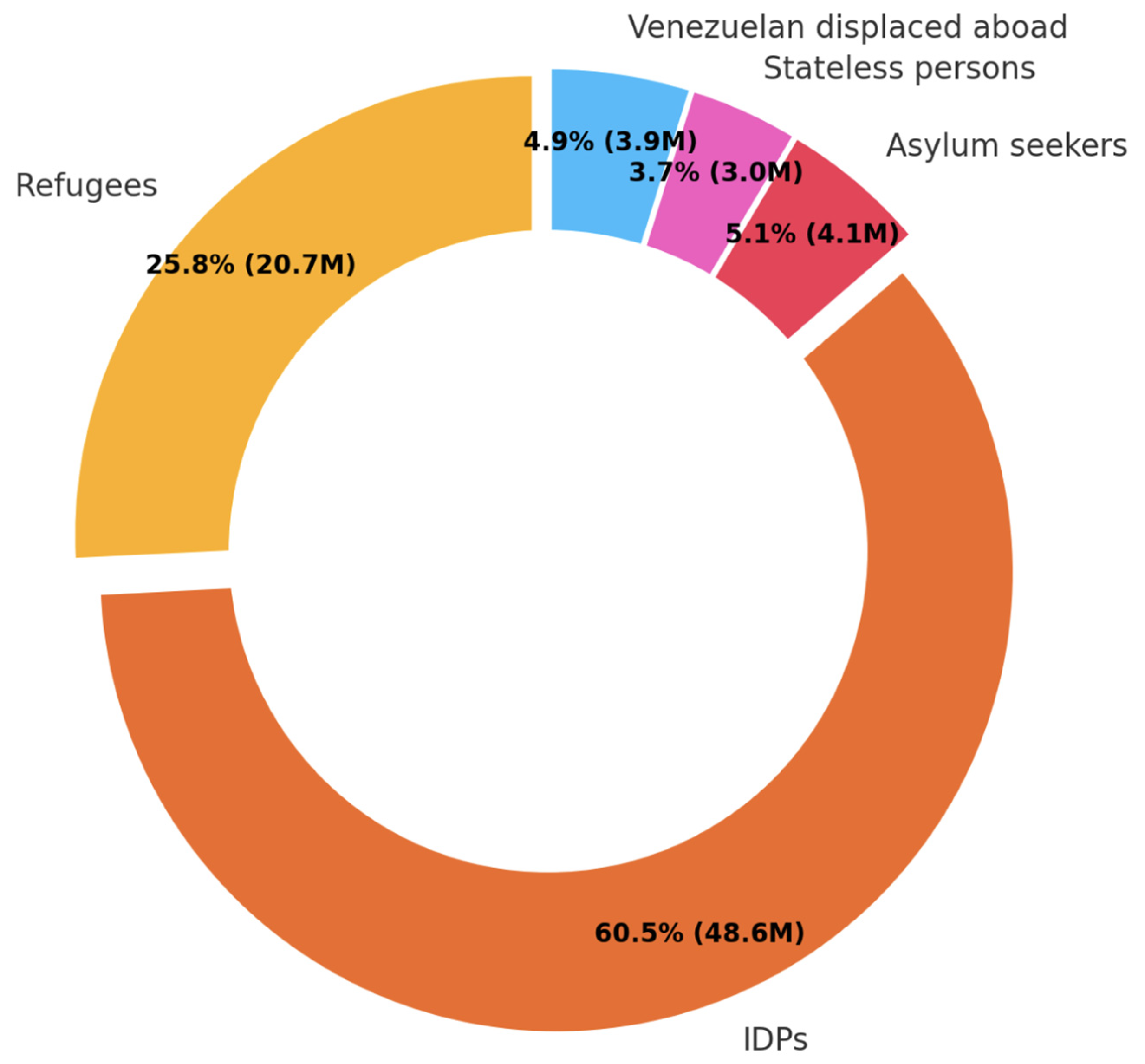
| Population | Refugees, IDP, Asylum seekers, Venezuelans displaced abroad, Stateless | Migrants not defined as FDP, Main target population is not FDP |
| Target diseases/ Research domain |
|
|
| Study design | Classified into the level of scientific evidence I-VII, scoping review, literature review, cross-sectional study, ecological study | Not classified into the level of scientific evidence I-VII (e.g., news). |
| Publication types | Journal articles, thesis and dissertations, organization reports | Books and book chapters, conference abstracts, study protocol |
| Language | English | Non-English |
| Study period | 〜December 8, 2022 | December 9, 2022〜 |
Disclaimer/Publisher’s Note: The statements, opinions and data contained in all publications are solely those of the individual author(s) and contributor(s) and not of MDPI and/or the editor(s). MDPI and/or the editor(s) disclaim responsibility for any injury to people or property resulting from any ideas, methods, instructions or products referred to in the content. |
© 2024 by the authors. Licensee MDPI, Basel, Switzerland. This article is an open access article distributed under the terms and conditions of the Creative Commons Attribution (CC BY) license (https://creativecommons.org/licenses/by/4.0/).


