

Submitted:
20 November 2024
Posted:
21 November 2024
You are already at the latest version
Abstract
This exploratory study investigates the relationship between cognitive capital skills and performance metrics among call center employees. The research highlights the intricate interplay between cognitive skills and employee performance by analyzing various performance indicators, including call duration, error rates, and customer satisfaction. Findings reveal significant differences in performance components across roles, with registration operators benefiting from longer call durations, while support operators face increased error rates with extended call and wait times. Additionally, the study underscores the importance of cognitive resilience and emotion regulation, demonstrating their positive impact on performance metrics. This research contributes to the literature by emphasizing the role of cognitive capital in enhancing organizational performance and suggests the need for tailored cognitive skill development programs to optimize employee outcomes. The results offer valuable insights for managers seeking to improve performance metrics while fostering a supportive work environment.
Keywords:
Cognitive Capital
; Performance metrics
; Call Center Operators
; Cognitive Skills
; Exploratory Study
Introduction
With the rapid advancement of information and communication technologies, service industries have increasingly shifted to remote methods for delivering customer services, replacing traditional approaches. Consequently, call centers have become essential in providing these services. In today’s competitive and complex business landscape, customer retention and satisfaction are more critical than ever, and much of this responsibility lies with call center agents, who serve as the frontline of customer interaction (Quintano, 2024).
This shift has transformed call center operations into a global industry, employing millions and playing a pivotal role in the service economy. In fact, the global call center market was valued at $332 billion in 2023 and is projected to reach $500 billion by 2030 (Global Call Center Market (2024). Report 338444. Global Strategic Business Report. Available online: https://www.researchandmarkets.com/reports/338444/call_centers_global_strategic_business_report). As a result, the role of call center employees is of vital importance, and evaluating their performance is crucial. These employees are responsible for addressing customer inquiries and managing information, tasks that, although repetitive, involve significant complexity (Hidayah Ibrahim et al., 2019).
Given the importance and intricacy of their work, continuous improvement in call center agents’ performance directly contributes to the overall success of organizations, particularly in maintaining high levels of customer satisfaction. However, multiple factors negatively affect their job performance, leading to declines in motivation and productivity.
A key challenge lies in the nature of the calls themselves—most involve complaints or frustration from customers. Due to organizational policies, agents are often unable to respond openly or challenge customers' behavior and are instead required to display emotions that may conflict with their true feelings (Hidayah Ibrahim et al., 2019). This emotional dissonance, wherein agents must express organizationally sanctioned emotions rather than genuine ones, often leads to burnout, psychological distress, and diminished productivity (Jeon et al., 2022).
Further complicating the situation are the demanding working conditions faced by many call center agents, including long hours, irregular shifts, and minimal breaks. Additional pressures stem from high turnover rates, job insecurity, and constant monitoring by employers, all of which contribute to work dissatisfaction (Chaudhary et al., 2023; Hafiza et al., 2022). Moreover, inadequate ergonomic conditions—such as poor lighting, limited privacy, and suboptimal workspace layouts—further erode motivation and creativity (Khattak, 2021).
Beyond these environmental and emotional challenges, agents are required to maintain stringent organizational standards to ensure customer satisfaction, placing them under considerable psychological strain. As a result, regular training and stress-management strategies are crucial for improving agent performance (Charoensukmongkol & Puyod, 2022; Kumar, 2019). However, such initiatives are often insufficient, typically limited to basic training sessions or distribution of behavior-alignment manuals, leaving more systemic issues unaddressed.
Recent developments in cognitive and behavioral sciences underscore the importance of fostering cognitive capital in individuals to better manage challenging workplace conditions. Cognitive capital could serve as a viable solution to alleviate the psychological strain and performance pressures experienced by call center agents (Lemonaki et al., 2021; Nye et al., 2022). Research has shown that cognitive abilities significantly impact employee performance, particularly in complex, high-pressure jobs (Rindermann et al., 2015).
For instance, a study identified a direct relationship between cognitive capital and customer satisfaction in small and medium-sized enterprises (Alyahya et al., 2020). In this context, equipping call center agents with cognitive skills could enhance their capacity to navigate stressful work environments and emotional dissonance, leading to improved job performance (Moradi et al., 2014; Murthy et al., 2008).
Despite ongoing efforts to understand performance-enhancing factors in call centers, empirical evidence exploring the role of cognitive skills remains scarce. This study seeks to address this gap by examining the relationship between cognitive skills and the performance of call center employees.
Research Background; Cognitive Factors Influencing Call Center Operators' Performance
Call center employees, particularly in service organizations, work under intense technical controls. They face constant monitoring, high management expectations regarding customer interactions, and often deal with irate and aggressive customers. Some researchers argue that working in call centers represents an advanced form of Taylorism, which can lead to stressful work conditions and negative emotional experiences (Hülsheger & Schewe, 2011; Zapf et al., 2003).
These challenging working conditions place considerable cognitive demands on call center staff. Despite this, they often have limited access to educational and informational resources, with little attention given to the development of their cognitive, communication, and performance skills. As a result, they are subject to stringent technical controls (Zito et al., 2018).
Evidence shows that these difficult working conditions reduce positive emotional experiences, increase negative feelings, decrease motivation, and ultimately lower performance (Koskina & Keithley, 2010). For instance, a study on the impact of positive and negative emotions on operators' performance found that performance improves when employees shift from negative to positive emotions, leading to greater job satisfaction and motivation (Cai & Lin, 2011).
As the business landscape evolves, call centers and their operational processes have also undergone significant transformations to adapt to this dynamic environment. These changes require call center operators to develop a positive attitude toward change, facilitating faster adaptation and improved performance (Kaasinen et al., 2020; Peruzzini et al., 2020).
·In addition to embracing change, adaptability is a crucial skill for call center operators, helping them cope with challenging conditions and rapid environmental shifts. This ability enhances resilience in the face of workplace uncertainties(Koole & Li, 2023). Training in adaptability and work experience also plays a key role in reducing perceived stress among call center operators. Lower perceived stress in bureaucratically controlled and high-pressure environments can mitigate negative psychological effects, increase job satisfaction, and ultimately enhance performance (Saha, 2023).
Another essential cognitive skill for call center operators is self-control. It helps employees manage emotions and control workplace stress in high-pressure environments. Research shows that individuals with high self-control are less vulnerable to stress than those with lower self-control. Enhancing self-control and emotional regulation is thus a crucial strategy for improving mental health in challenging work environments (Li et al., 2020).
Adaptability training and work experience have also been shown to reduce perceived stress levels among operators. A lower perception of stress can mitigate negative psychological effects, boost job satisfaction, and enhance overall performance in high-pressure environments (Fantinelli et al., 2023; Körner et al., 2019).
Call center operators' performance can be further improved by focusing on cognitive factors related to executive functions. These functions encompass cognitive processes that are critical for activities requiring attention and concentration (Berardi et al., 2021). These functions can be defined as a set of cognitive performances involved in organized, voluntary, and goal-directed behaviors (Poncet et al., 2017). Researchers have identified various elements under executive functions, typically categorized into four dimensions: activity initiation, working memory, planning and organization of tasks, and monitoring and controlling activities (Nyongesa et al., 2019).
Working memory, a cognitive system that actively holds information, facilitates cognitive operations. An increase in working memory capacity enhances processing speed and improves individuals' reasoning abilities (Spencer, 2020). Employees with high working memory can combine existing information to complete tasks or solve potential issues by recalling relevant information. In contrast, those with weak working memory may struggle to record and continuously update relevant work information, leading to frequent daily errors that limit their ability to adequately address problems and significantly weaken their performance (Lemonaki et al., 2021). Planning, another high-level cognitive function, involves the processes necessary for configuring, evaluating, and selecting actions required to achieve a goal (Cristofori et al., 2019).
Emotional regulation is critical for call center operators dealing with stress and psychological pressure. This skill set includes emotional acceptance, goal-directed behavior, impulse control, and emotional awareness(Tessitore et al., 2023). Emotional regulation is considered a key resilience factor in managing workplace stress (Sprang et al., 2019). Developing emotional regulation in employees exposed to work-related stress can significantly reduce burnout.
Furthermore, studies show that emotional regulation interventions can improve job satisfaction and overall well-being for call center operators (Tessitore et al., 2023). Emotional regulation comprises two main skills: cognitive inhibition and cognitive reappraisal. Cognitive inhibition, as classified under executive functions, involves the ability to suppress dominant responses, including behavioral inhibition and selective attention (Diamond, 2013, Guarino et al., 2020).
On the other hand, cognitive reappraisal—another key emotional regulation skill—significantly enhances resilience. Developing this skill helps reduce stress and improves performance (Riepenhausen et al., 2022). Cognitive reappraisal allows individuals to reinterpret the meaning of situations, providing a powerful tool for managing negative emotions, particularly in high-stress environments (Wu et al., 2017).
Distraction is another cognitive factor that can affect performance. Researchers have found that disturbances in attention and focus can cause mental fatigue, leading to errors and decreased productivity (Kujala & Lappi, 2021). Inattention, hyperactivity, and impulsivity can also harm employees' social interactions, increasing anxiety and reducing productivity. Employees with attention disorders are especially vulnerable to workplace stress and are at greater risk of experiencing psychological harm (Breslin & Pole, 2009; Nagata et al., 2019).
Unchecked attention disorders can contribute to psychological impairments, resulting in decreased productivity, higher absenteeism, and increased turnover (Canits et al., 2019). These disorders can also lead to cognitive sluggishness, characterized by excessive daydreaming, lethargy, apathy, and confusion, which in turn reduce productivity and workplace performance (Gül et al., 2017).
Given these cognitive challenges, the concept of "brain capital" can provide a comprehensive framework for understanding the skills necessary for high performance in call centers. Brain capital refers to a collection of cognitive, creative, and emotional skills that individuals accumulate over their lifetimes, enabling them to function effectively in society (Eyre et al., 2021). Brain capital can be divided into three dimensions: brain health, which includes cognitive, emotional, and behavioral abilities; economic brain, which emphasizes cognitive skills in future occupations and intellectual productivity; and cognitive skills such as creativity, focus, resilience, and emotional regulation(Smith et al., 2021).
As this study aims to explore cognitive skills through the lens of brain capital and their impact on call center operators' performance, Table 1 summarizes the key theoretical contributions from the literature. These findings identify six key skills that significantly affect call center operators' performance, organized into six primary dimensions of cognitive capital.
Despite ongoing research efforts to identify skills related to organizational cognitive capital, there remains a paucity of studies investigating the relationships among these skills and their effects on the performance of call center operators. It is imperative to offer effective solutions to managers, particularly within service organizations where call centers play a crucial role in customer communication. However, these solutions must be rooted in a comprehensive understanding of how these skills interact and their relationship with employee performance.
To enhance job performance and ensure the psychological well-being of operators, while simultaneously mitigating mental fatigue and burnout, it is essential to implement mechanisms and actions based on the skills associated with organizational cognitive capital. This approach should encompass both organizational and individual perspectives. Consequently, a lack of awareness regarding the interplay among these skills and their impact on operators' performance may lead to misperceptions among managers, diverting their focus from the primary goal of improving the working conditions of these individuals from both psychological and performance-oriented perspectives.
In this context, the present study seeks to bridge this theoretical gap and contribute to the development of practical implications derived from its findings. The subsequent sections of this paper will outline the research methodology, present the findings, and conclude with a summary and practical recommendations.
Method
This study is applied in purpose and exploratory in approach, classified as descriptive-correlational research concerning data collection, and falls under the category of quantitative research. The statistical population comprises operators in service organization call centers, with a sample drawn from the call center operators of a company active in the freight transportation sector in Tehran. All 28 registered and support operators of this organization were selected as a complete sample for this research.
he study consists of two primary sections. The first section involved a review of the literature and background of related research, from which skills related to organizational cognitive capital were extracted, as illustrated in Table 1. In the second section, necessary data for the research were collected and analyzed. The collected data can be categorized into two groups. The first group encompasses data derived from the performance parameters of the aforementioned call center operators. Researchers have identified various components to assess the performance of call center operators. For instance, (Ayele, 2022) identified employee-related factors (such as job stress, workload, and work duration), customer satisfaction with the organization, management-related factors (including employee knowledge, experience, commitment, and human skills), and interactions with systems and technology as performance assessment parameters for call center operators.
However, this study primarily focuses on the personal performance components of the operators, as the main goal is to explore the relationship between skills related to organizational cognitive capital and operator performance. In this context, the personal performance parameters of the operators provide a more accurate representation of the influence—or lack thereof—of the skills associated with organizational cognitive capital on the performance of call center operators. Moreover, the data for these components have been collected over several years by the call center under study and made available to the researchers. Table 2 presents the relevant performance components considered in this research.
It is important to note that the call center employees studied in this research perform in two distinct roles: registration operators and support operators. Registration operators are responsible for receiving and recording orders from potential customers, while support operators handle responding to and resolving issues related to order fulfillment. Consequently, some identified performance components in Table 2 are common across both registration and support performance groups. These components include break time, active presence time, number of leaves, number of received calls, average call duration, working days, number of errors, monitoring of transferred calls, percentage of missed calls, and average wait time. Additionally, components such as the conversion of potential calls to services, cancellation percentage relative to services, and cancellation percentage concerning specific call counts pertain specifically to registration operators.
Given the performance differences between these two groups, and in alignment with previous studies that have highlighted the role of job characteristics in the relationship between performance components and the behavioral and cognitive characteristics of employees (see, for example, (Yin et al., 2018)), this study aims to examine the potential differences in the relationship between cognitive skills and performance dimensions among registration and support operators. Certain performance components will be measured and reported separately for each group.
The second group of data in this study comprises the responses of the call center operators to standardized questionnaires designed to assess the skills associated with organizational cognitive capital. The validity and reliability of these questionnaires have been rigorously evaluated and confirmed by multiple scholars across various studies. Table 3 outlines the specific cognitive skills relevant to organizational cognitive capital, along with their sub-dimensions and the measurement instruments used for each.
Finally, after gathering the required data through the described methods, the subsequent step involved performing data analysis. Pearson correlation analysis was employed to examine the relationships between the variables. The results of this analysis are presented in the following section. Additionally, R software was utilized to conduct both descriptive statistical analyses and the Pearson correlation analysis for this study..
Results
As outlined earlier, the findings of this study are presented separately for two occupational groups: registration operators and support operators. We begin with an overview of the demographic characteristics of the participants. Table 4 provides the demographic information for the operators who took part in the study.
Correlation Between Performance Components
After examining the demographic data, the next step is to explore the correlations and relationships between the identified performance components. It is important to emphasize that the performance components of registration and support operators are analyzed independently. Table 5 displays the Pearson correlation coefficients for the performance components of registration operators.
From the relationships shown in Table 5, several key correlations can be observed:
Percent_Call_Transferred shows a positive correlation with Cancel_To_Call and Mean_Talk, but a negative correlation with Login_Time and Calls_Received.
Calls_Received has a negative correlation with Percent_Call_Transferred, Cancel_To_Call, and Mean_Talk, while displaying a positive correlation with Login_Time.
Mean_Talk is negatively correlated with MeanBreak, Calls_Received, and Leave, while it shows a positive correlation with Percent_Call_Missed.
Leave is positively correlated with Login_Time and Calls_Received, but negatively correlated with Mean_Talk and Cancel_To_Call.
Other notable relationships include a negative correlation between MeanBreak and Call_To_Service ratio, as well as Mean_Talk. The Call_To_Service ratio is negatively correlated with Percent_Call_Missed, MeanBreak, and Leave.
Lastly, Cancel_To_Service has a positive correlation with Leave, Calls_Received, and Login_Time.
Similarly, Table 6 shows the Pearson correlation coefficients for the performance components of support operators. Based on the significant relationships in Table 6, several noteworthy findings emerge:
The Number of Errors committed by support operators is positively correlated with Login_Time, Hold_Time, and Percent_Call_Transferred.
Mean_Talk is positively correlated with both Login_Time and Hold_Time, while Percent_Call_Missed shows a positive and significant correlation with MeanBreak.
Cognitive Skills and Performance Components
Following the analysis of performance component correlations, we now examine the relationships between the performance components of both registration and support operators and the cognitive skills listed under organizational cognitive capital (Table 3) . The Pearson correlation coefficients between these variables are presented, and significant relationships are highlighted.
Figure 1 demonstrates that, among registration operators, there is no significant correlation between the experience of either positive or negative emotions and the performance components. Similarly, the balance between positive and negative emotions does not exhibit a significant relationship with performance components. However, it can be observed that support operators tend to experience a higher level of negative emotions and a lower level of positive emotions, while registration operators show the opposite pattern. This discrepancy may be attributed to the fact that support operators typically interact with dissatisfied customers, whereas registration operators deal with customers in more neutral situations.

Table 6.
Pearson Correlation Coefficients for Performance Components in Support Operators.
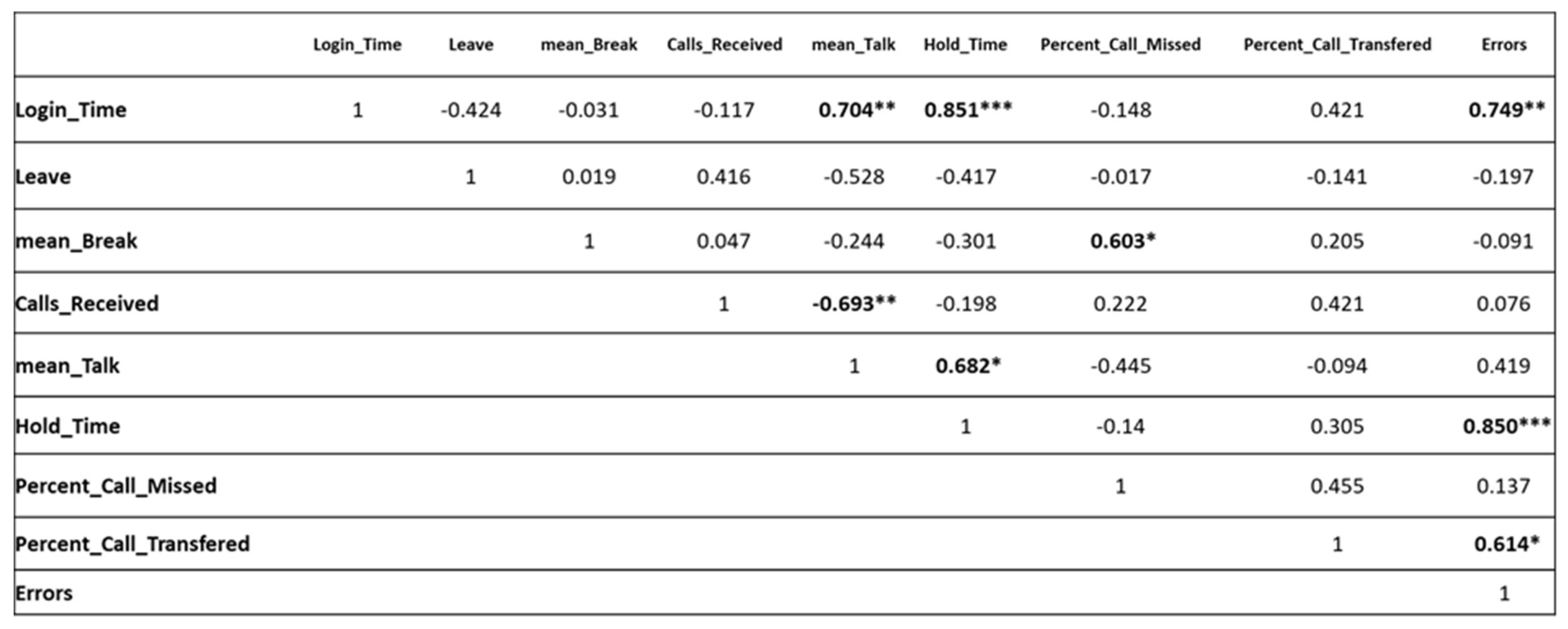
Figure 2 illustrates the relationship between Perceived Stress and performance components for both registration and support operators. As depicted, higher perceived stress among both groups does not show a significant correlation with any of the performance components.
The next cognitive skill examined is Cognitive Resilience and its dimensions. Figure 3 presents the relationships between the dimensions of cognitive resilience and the performance components of both registration and support operators.
For registration operators, the dimension of Personal Competencies has a negative correlation with Hold_Time. The dimension of Tolerance to Negative Effects shows a positive relationship with MeanBreak and a negative relationship with the Cancel_To_Service ratio. Additionally, the Control and Regulation dimension is positively correlated with Login_Time. Other dimensions of cognitive resilience do not exhibit significant correlations with the performance components of registration operators.
In contrast, for support operators, the dimensions of Positive Acceptance of Change and Tolerance to Negative Effects show a positive and significant relationship with Percent_Call_Missed. Other dimensions of cognitive resilience do not demonstrate significant relationships with the remaining performance components of support operators.
The next set of skills analyzed involves Executive Functions. Figure 4 presents the Pearson correlation coefficients and relationships between executive function dimensions and the performance components for both registration and support operators.
Among registration operators, the Working Memory dimension is positively correlated with Hold_Time. Other dimensions do not show significant relationships with performance parameters. For support operators, Working Memory shows a negative relationship with Calls_Received and a positive relationship with Mean_Talk. The Planning and Organization dimension is negatively correlated with Calls_Received and positively correlated with Mean_Talk. Additionally, the Initiation skill is positively and significantly correlated with Mean_Talk.
Overall, the total score for executive function deficits is negatively related to Calls_Received and positively related to Mean_Talk. Other dimensions do not show significant relationships with performance components.
Figure 5 demonstrates the relationships between Emotion Regulation skills and performance components. Among registration operators, the Cognitive Reappraisal dimension shows a negative correlation with Mean_Talk and Cancel_To_Service ratio, and a positive correlation with MeanBreak. The Cognitive Suppression dimension is positively and significantly correlated with MeanBreak. The overall score for emotion regulation skills is negatively correlated with Mean_Talk and Cancel_To_Service ratio, while showing a positive and significant relationship with MeanBreak.
For support operators, no significant relationships were found between the dimensions of emotion regulation and their performance components.
Finally, as depicted in Figure 6, the dimensions of Inattention and Cognitive Sluggishness exhibit a positive and significant relationship with Hold_Time among registration operators. Additionally, the Impulsivity dimension shows a negative correlation with Mean_Talk. In contrast, no significant relationships were found between the dimensions of inattention and performance components for support operators.
Table 7 summarizes the relationships between the cognitive skills related to organizational cognitive capital and the performance components of both registration and support operators.
After examining the correlations between cognitive skills under organizational cognitive capital and the performance components of registration and support operators, the relationships between cognitive dimensions in both types of operators can be determined. Figure 7 illustrates these relationships.
In the case of registration operators, the balance of positive emotions is positively correlated with cognitive resilience and negatively correlated with perceived stress and attention deficit. Additionally, cognitive resilience exhibits a positive relationship with the balance of positive emotions and emotion regulation, while it is negatively correlated with perceived stress, executive function weakness, and attention deficit. Meanwhile, emotion regulation shows a positive relationship with cognitive resilience.
Furthermore, perceived stress is positively correlated with executive function weakness and attention deficit, while exhibiting a negative correlation with cognitive resilience and the balance of positive emotions. Lastly, attention deficit has a positive relationship with executive function weakness and perceived stress, and a negative relationship with cognitive resilience. This overview demonstrates how these cognitive dimensions interact and impact the performance of registration operators, offering insights for potential interventions to enhance their effectiveness.
For support operators, the balance of positive emotions is positively correlated with cognitive resilience and emotion regulation, while negatively correlated with perceived stress and executive function weakness. Additionally, cognitive resilience has a positive relationship with both the balance of positive emotions and emotion regulation, and a negative relationship with perceived stress and executive function weakness.
Conversely, perceived stress shows a negative relationship with cognitive resilience, the balance of positive emotions, and emotion regulation, while it is positively correlated with executive function weakness. Finally, executive function weakness has a positive relationship with attention deficit and a negative relationship with perceived stress, cognitive resilience, and the balance of positive emotions.
In conclusion, the final finding of this study pertains to the categorization and intensity of the relationships between various cognitive dimensions among registration and support operators. As depicted in Figure 8, the pattern of relationships between cognitive skills in registration and support operators is similar. Based on this pattern, executive function weakness, attention deficit, and perceived stress are grouped in one category, while emotion regulation, the balance of positive emotions, and cognitive resilience fall into another.
owever, the intensity and significance of these relationships differ between the two groups. For instance, among registration operators, attention deficit plays a more critical role, demonstrating a significant positive relationship with executive function weakness and perceived stress. In contrast, for support operators, the balance of positive emotions, cognitive resilience, and perceived stress stand out as more influential factors. This distinction highlights the differences in cognitive challenges and strengths between registration and support operators, suggesting that interventions aimed at improving operator performance should be tailored to these unique patterns.
Discussion
The findings of this study can be examined from several perspectives. First, we analyze the relationship between performance components among call center employees. Second, we explore the connections between cognitive skill dimensions within the framework of organizational cognitive capital. Lastly, we consider the interplay between performance components and cognitive skill dimensions in call center employees. Throughout these analyses, the differences in specific job characteristics between the roles of registration operators and support operators are also taken into account.
Although the exploratory nature of this study and the limited sample size may reduce the generalizability of the results, this discussion focuses on findings that have either met or closely approached the significance threshold necessary to support the robustness of the proposed propositions.
From the first perspective, examining the relationship between performance components in call center employees reveals notable differences between registration and support operators. Specifically, the data indicates that support operators enjoy 44.29% more rest time (p-value = 0.021), have 33.21% less average conversation time (p-value < 0.001), experience twice the average waiting time (p-value < 0.001), and make 58.27% fewer errors (p-value < 0.001) compared to registration operators (Figure 9, top row).
Given that no significant differences were observed in demographic indicators such as age, gender, education, or experience (Table 4), these findings likely reflect the distinct job characteristics inherent to each role. It is essential to recognize that registration operators are responsible for converting incoming calls from potential customers into services, while support operators focus on resolving challenges and issues post-service activation. Despite the reported differences in Figure 9, which have achieved the necessary significance threshold, these results are indicative of shared performance components between the two groups.
Shifting to the second perspective, which considers cognitive skill dimensions within organizational cognitive capital, statistical significance was achieved in only three dimensions: executive function weaknesses, attention and concentration, and emotion regulation.
Specifically, regarding executive function weaknesses, support operators exhibited greater deficits compared to registration operators in several subdimensions: initiative by 23.04% (p-value = 0.074), working memory by 18.30% (p-value = 0.081), monitoring by 21.70% (p-value = 0.046), and overall executive function by 17.47% (p-value = 0.062) (Figure 9, middle row).
In terms of emotion regulation, support operators scored 15.29% lower compared to their registration counterparts (p-value = 0.021). Furthermore, in assessing attention and concentration deficits, support operators reported lower scores in the subdimension of inattention by 24.81% (p-value = 0.061), hyperactivity by 29.14% (p-value = 0.037), and overall attention and concentration by 20.56% (p-value = 0.038) (Figure 9, bottom row).
Analyzing the relationship between performance components, as depicted in Table 5 and Table 6, we find that among registration operators, average call time positively correlates with a higher call-to-service conversion ratio (r = 0.643, p-value < 0.01). This finding is particularly noteworthy as registration operators' tasks largely rely on systems and technologies that do not necessitate human interaction. The significant relationship between average call time and success in converting calls to services underscores the importance of this aspect of registration operators' performance.
Interestingly, while many employers perceive longer average call times negatively—viewing them as a drain on resources that limits capacity to handle more calls—this study finds no significant relationship between average call time and either missed calls (r = 0.083) or operator errors (r = 0.057).
The analysis reveals distinct differences in the relationship between performance components and cognitive skills among support and registration operators. For support operators, a significant positive correlation exists between the number of errors and both average waiting time (r = 0.492, p < 0.01) and average call time (r = 0.501, p < 0.01). Unlike registration operators, who benefit from longer call times leading to increased success, support operators experience a higher likelihood of errors as call and wait times increase. This discrepancy may stem from the nature of their interactions; registration operators typically engage with potential customers in a relaxed state, while support operators confront frustrated individuals facing service-related issues.
The data further illustrate that registration operators demonstrate a strong positive correlation between average call time and the call-to-service conversion ratio (r = 0.643, p < 0.01). This highlights the significance of call duration in their performance, despite the prevailing industry notion that longer calls negatively impact efficiency by occupying phone lines. Interestingly, no significant relationship was found between average call time and missed calls (r = 0.083) or errors made (r = 0.057).
Conversely, support operators face unpredictable challenges requiring more human interaction, resulting in higher error rates with longer call and wait times. This underlines the necessity of understanding the emotional context of each role. For example, registration operators benefit from a more system-driven task structure that minimizes the potential for negative emotional experiences, whereas support operators must navigate complex, often emotionally charged interactions.
The study's findings also reveal contrasting dynamics in cognitive skills between the two groups. In terms of emotional intelligence, the correlation between positive and negative affect is markedly stronger in support operators (r = -0.69, p < 0.01) compared to registration operators (r = -0.035, p = ns), indicating that positive affect plays a crucial role in regulating emotions among support operators. Moreover, the connections within cognitive resilience dimensions show significant relationships for support operators, highlighting their greater reliance on emotional regulation strategies.
Executive functioning reveals another layer of complexity; support operators exhibit more pronounced weaknesses compared to their registration counterparts. Observations suggest that registration operators depend heavily on executive functions to retain customer information, whereas support operators’ roles involve less structured tasks and human interactions, leading to diminished planning and organizing skills.
In the realm of emotion regulation, support operators display a stronger positive correlation between cognitive reappraisal and suppression (r = 0.49, p < 0.05), while this relationship is insignificant among registration operators (r = -0.053, p = ns). This suggests that cognitive reappraisal—reframing situations to modify emotional responses—is more salient for support operators than cognitive suppression, which focuses on inhibiting emotional expression.
Differences in attentional dynamics are also evident; registration operators exhibit significant correlations between cognitive sluggishness and impulsivity (r = 0.50, p < 0.05), inattention (r = 0.82, p < 0.001), and hyperactivity (r = 0.67, p < 0.01), reflecting the heightened demands of their fast-paced environment. In contrast, support operators show weaker correlations, suggesting that their tasks may not require the same level of sustained attention.
When evaluating the relationship between cognitive capital skills and performance metrics, registration operators show that average break time positively correlates with cognitive resilience (r = 0.48, p < 0.05) and emotion regulation (r = 0.66, p < 0.01). In contrast, support operators exhibit significant correlations between executive function deficits and longer call duration (r = 0.63, p < 0.05) and wait time (r = 0.53, p < 0.05), while perceived stress correlates positively with wait time (r = 0.60, p < 0.05) and error rates (r = 0.49, p < 0.05).
The findings underscore the importance of context in understanding cognitive capital and performance metrics in call center environments. For registration operators, longer call durations enhance performance by fostering meaningful interactions, whereas for support operators, these same factors correlate with higher error rates. The implications suggest that organizations may need to tailor training and support mechanisms based on the unique demands and emotional landscapes of each operator group, ultimately enhancing overall performance and customer satisfaction.
Conclusions
This study examined the relationship between cognitive capital skills and performance components among call center employees. The preliminary findings contribute to the literature by highlighting potential connections between organizational cognitive capital and employee performance while also providing opportunities for further research.
Several novel aspects are introduced in this study. First, it represents one of the initial efforts to investigate the relationship between performance components in call center employees. This is significant because many performance metrics currently used in the context of call centers can have unintended consequences on other performance indicators, either directly or indirectly, through changes in employees' cognitive skills. For instance, the study found that increased break time—one of the key concerns of call center staff—did not negatively impact other performance metrics, such as the number of errors or call success rates.
Additionally, this study is among the first to assess a set of cognitive skills under the umbrella of cognitive capital in a real business setting. The results explore the complex relationships between the sub-dimensions of cognitive capital and performance components. Despite the exploratory nature of the study, the findings emphasize the significant role that cognitive capital plays in employee performance, with specific attention to the unique demands of different roles in call centers.
From a theoretical standpoint, this study underscores the intertwined nature of cognitive and performance components in employees, highlighting the need to develop integrated theoretical models for assessing these relationships. Moreover, it sets the stage for future research aimed at exploring the causal links between cognitive capital dimensions and performance components, particularly through longitudinal studies.
Practically, the study illustrates the importance of cognitive capital and its influence on organizational performance metrics. This is crucial since many cognitive capital development programs in organizations fail to gain traction due to a lack of field evidence demonstrating their tangible impact on business performance. The results of this preliminary study pave the way for recognizing cognitive capital development not merely as an ethical responsibility but as a strategic policy for enhancing the company's human capital to directly affect performance outcomes. Given the differences highlighted in the roles of call center employees, the study also stresses the need for personalized solutions and warns against one-size-fits-all approaches.
It should be noted that, as a preliminary study, this research has some limitations that may introduce biases in applying its findings. First, the study's sample size and the specific industry may limit the generalizability of the results. Additionally, while standardized questionnaires with well-established validity and reliability were used, the self-reported nature of the data could introduce some bias. Future research in different industries with larger sample sizes and the inclusion of alternative methods for assessing cognitive functions (such as computer-based tests and brain imaging) would enhance the theoretical framework and assist managers in further improving organizational cognitive capital.
Acknowledgments
The authors would like to express their sincere gratitude to the staff of the Brain Academy, particularly Dr. Tara Rezapour, the Scientific Director of the Academy, and Ms. Katebi, for their invaluable assistance in selecting the cognitive capital dimensions and the associated questionnaires.
References
- Alyahya, M. A. , Mohamed, E., Akamavi, R., Elshaer, I. A., & Azzaz, A. M. S. Can cognitive capital sustain customer satisfaction? The mediating effects of employee self-efficacy. Journal of Open Innovation: Technology, Market, and Complexity 2020, 6, 191. [Google Scholar]
- Ayele, B. (2022). Factors affecting call center agentsperformance: the case of ethiopian electric utility (eeu). ST. MARY’S UNIVERSITY.
- Barkley, R. A. (2011). Barkley adult ADHD rating scale-iv (BAARS-IV). Guilford Press.
- Berardi, A. , Panuccio, F., Pilli, L., Tofani, M., Valente, D., & Galeoto, G. Evaluation instruments for executive functions in children and adolescents: A systematic review. Expert Review of Pharmacoeconomics & Outcomes Research 2021, 21, 885–896. [Google Scholar]
- Breslin, F. C. , & Pole, J. D. Work injury risk among young people with learning disabilities and attention-deficit/hyperactivity disorder in Canada. American Journal of Public Health 2009, 99, 1423–1430. [Google Scholar] [PubMed]
- Cai, H. , & Lin, Y. Modeling of operators' emotion and task performance in a virtual driving environment. International Journal of Human-Computer Studies 2011, 69, 571–586. [Google Scholar]
- Canits, I. , Bernoster, I., Mukerjee, J., Bonnet, J., Rizzo, U., & Rosique-Blasco, M. Attention-deficit/hyperactivity disorder (ADHD) symptoms and academic entrepreneurial preference: is there an association? Small Business Economics 2019, 53, 369–380. [Google Scholar]
- Charoensukmongkol, P. , & Puyod, J. V. Mindfulness and emotional exhaustion in call center agents in the Philippines: Moderating roles of work and personal characteristics. The Journal of General Psychology 2022, 149, 72–96. [Google Scholar]
- Chaudhary, S. , Nasir, N., ur Rahman, S., & Sheikh, S. M. Impact of Work Load and Stress in Call Center Employees: Evidence from Call Center Employees. Pakistan Journal of Humanities and Social Sciences 2023, 11, 160–171. [Google Scholar]
- Cohen, S. , Kamarck, T., & Mermelstein, R. A global measure of perceived stress. A global measure of perceived stress. Journal of Health and Social Behavior 1983, 385–396. [Google Scholar]
- Connor, K. M. , & Davidson, J. R. T. Development of a new resilience scale: The Connor-Davidson resilience scale (CD-RISC). Depression and Anxiety 2003, 18, 76–82. [Google Scholar]
- Cristofori, I. , Cohen-Zimerman, S., & Grafman, J. Executive functions. Handbook of Clinical Neurology 2019, 163, 197–219. [Google Scholar]
- Diamond, A. Executive functions. Annual Review of Psychology 2013, 64, 135–168. [Google Scholar] [CrossRef] [PubMed]
- Eyre, H. A. , Ayadi, R., Ellsworth, W., Aragam, G., Smith, E., Dawson, W. D., Ibanez, A., Altimus, C., Berk, M., & Manji, H. K. Building brain capital. Neuron 2021, 109, 1430–1432. [Google Scholar] [PubMed]
- Fantinelli, S. , Galanti, T., Guidetti, G., Conserva, F., Giffi, V., Cortini, M., & Di Fiore, T. Psychological contracts and organizational commitment: the positive impact of relational contracts on call center operators. Administrative Sciences 2023, 13, 112. [Google Scholar]
- Gross, J. J. , & John, O. P. Individual differences in two emotion regulation processes: implications for affect, relationships, and well-being. Journal of Personality and Social Psychology 2003, 85, 348. [Google Scholar] [PubMed]
- Gu, M. , Li Tan, J. H., Amin, M., Mostafiz, M. I., & Yeoh, K. K. Revisiting the moderating role of culture between job characteristics and job satisfaction: a multilevel analysis of 33 countries. Employee Relations: The International Journal 2022, 44, 70–93. [Google Scholar]
- Guarino, A. , Forte, G., Giovannoli, J., & Casagrande, M. Executive functions in the elderly with mild cognitive impairment: A systematic review on motor and cognitive inhibition, conflict control and cognitive flexibility. Aging & Mental Health 2020, 24, 1028–1045. [Google Scholar]
- Gül, A. , Gül, H., Özkal, U. C., Kıncır, Z., Gültekin, G., & Emul, H. M. The relationship between sluggish cognitive tempo and burnout symptoms in psychiatrists with different therapeutic approaches. Psychiatry Research 2017, 252, 284–288. [Google Scholar]
- Hafiza, N. S. , Manzoor, M., Fatima, K., Sheikh, S. M., Rahman, S. U., & Qureshi, G. K. MOTIVES OF CUSTOMER’S E-LOYALTY TOWARDS E-BANKING SERVICES: A STUDY IN PAKISTAN. PalArch's Journal of Archaeology of Egypt/Egyptology 2022, 19, 1599–1620. [Google Scholar]
- Hidayah Ibrahim, S. N. , Suan, C. L., & Karatepe, O. M. The effects of supervisor support and self-efficacy on call center employees’ work engagement and quitting intentions. International Journal of Manpower 2019, 40, 688–703. [Google Scholar]
- Hülsheger, U. R. , & Schewe, A. F. On the costs and benefits of emotional labor: a meta-analysis of three decades of research. Journal of Occupational Health Psychology 2011, 16, 361. [Google Scholar]
- Jeon, M.-K. , Yoon, H., & Yang, Y. Emotional dissonance, job stress, and intrinsic motivation of married women working in call centers: The roles of work overload and work-family conflict. Administrative Sciences 2022, 12, 27. [Google Scholar]
- Kaasinen, E. , Schmalfuß, F., Özturk, C., Aromaa, S., Boubekeur, M., Heilala, J., Heikkilä, P., Kuula, T., Liinasuo, M., & Mach, S. Empowering and engaging industrial workers with Operator 4.0 solutions. Computers & Industrial Engineering 2020, 139, 105678. [Google Scholar]
- Khattak, S. A. Role of ergonomics in re-designing job design in call centres. International Journal of Occupational Safety and Ergonomics 2021, 27, 784–793. [Google Scholar] [CrossRef]
- Koole, G. M. , & Li, S. A practice-oriented overview of call center workforce planning. Stochastic Systems 2023, 13, 479–495. [Google Scholar]
- Körner, U. , Müller-Thur, K., Lunau, T., Dragano, N., Angerer, P., & Buchner, A. Perceived stress in human–machine interaction in modern manufacturing environments—Results of a qualitative interview study. Stress and Health 2019, 35, 187–199. [Google Scholar]
- Koskina, A. , & Keithley, D. Emotion in a call centre SME: A case study of positive emotion management. European Management Journal 2010, 28, 208–219. [Google Scholar]
- Kujala, T. , & Lappi, O. Inattention and uncertainty in the predictive brain. Frontiers in Neuroergonomics 2021, 2, 718699. [Google Scholar]
- Kumar, N. Determinants of stress and well-being in call centre employees. Journal of Management 2019, 6. [Google Scholar] [CrossRef]
- Lemonaki, R. , Xanthopoulou, D., Bardos, A. N., Karademas, E. C., & Simos, P. G. Burnout and job performance: a two-wave study on the mediating role of employee cognitive functioning. European Journal of Work and Organizational Psychology 2021, 30, 692–704. [Google Scholar]
- Li, J.-B. , an Yang, Dou, K., & Cheung, R. Y. M. Self-control moderates the association between perceived severity of coronavirus disease 2019 (COVID-19) and mental health problems among the Chinese public. International Journal of Environmental Research and Public Health 2020, 17, 4820. [Google Scholar]
- Moradi, S. , Nima, A. A., Rapp Ricciardi, M., Archer, T., & Garcia, D. Exercise, character strengths, well-being, and learning climate in the prediction of performance over a 6-month period at a call center. Frontiers in Psychology 2014, 5, 497. [Google Scholar] [PubMed]
- Murthy, N. N. , Challagalla, G. N., Vincent, L. H., & Shervani, T. A. The impact of simulation training on call center agent performance: A field-based investigation. Management Science 2008, 54, 384–399. [Google Scholar]
- Nagata, M. , Nagata, T., Inoue, A., Mori, K., & Matsuda, S. Effect modification by attention deficit hyperactivity disorder (ADHD) symptoms on the association of psychosocial work environments with psychological distress and work engagement. Frontiers in Psychiatry 2019, 10, 166. [Google Scholar] [PubMed]
- Nye, C. D. , Ma, J., & Wee, S. Cognitive ability and job performance: Meta-analytic evidence for the validity of narrow cognitive abilities. Journal of Business and Psychology 2022, 37, 1119–1139. [Google Scholar]
- Nyongesa, M. K. , Ssewanyana, D., Mutua, A. M., Chongwo, E., Scerif, G., Newton, C. R., & Abubakar, A. Assessing executive function in adolescence: A scoping review of existing measures and their psychometric robustness. Frontiers in Psychology 2019, 10, 423374. [Google Scholar]
- Peruzzini, M. , Grandi, F., & Pellicciari, M. Exploring the potential of Operator 4.0 interface and monitoring. Computers & Industrial Engineering 2020, 139, 105600. [Google Scholar]
- Poncet, F. , Swaine, B., Dutil, E., Chevignard, M., & Pradat-Diehl, P. How do assessments of activities of daily living address executive functions: a scoping review. Neuropsychological Rehabilitation 2017, 27, 618–666. [Google Scholar]
- Quintano, R. J. KNOWLEDGE MANAGEMENT AND ORGANIZATIONAL PERFORMANCE OF CALL CENTER INDUSTRY IN DAVAO CITY. Ignatian International Journal for Multidisciplinary Research 2024, 2, 639–655. [Google Scholar]
- Riepenhausen, A. , Wackerhagen, C., Reppmann, Z. C., Deter, H.-C., Kalisch, R., Veer, I. M., & Walter, H. Positive cognitive reappraisal in stress resilience, mental health, and well-being: A comprehensive systematic review. Emotion Review 2022, 14, 310–331. [Google Scholar]
- Rindermann, H. , Kodila-Tedika, O., & Christainsen, G. Cognitive capital, good governance, and the wealth of nations. Intelligence 2015, 51, 98–108. [Google Scholar]
- Roth, R. M. , Isquith, P. K., & Gioia, G. A. (2005). Behavior Rating Inventory of Executive Function®--Adult Version. Archives of Clinical Neuropsychology.
- Saha, R. Mapping competence requirements for future shore control center operators. Maritime Policy & Management 2023, 50, 415–427. [Google Scholar]
- Smith, E. , Ali, D., Wilkerson, B., Dawson, W. D., Sobowale, K., Reynolds III, C., Berk, M., Lavretsky, H., Jeste, D., & Ng, C. H. A brain capital grand strategy: toward economic reimagination. Molecular Psychiatry 2021, 26, 3–22. [Google Scholar] [PubMed]
- Spencer, J. P. The development of working memory. Current Directions in Psychological Science 2020, 29, 545–553. [Google Scholar] [CrossRef] [PubMed]
- Sprang, G. , Ford, J., Kerig, P., & Bride, B. Defining secondary traumatic stress and developing targeted assessments and interventions: Lessons learned from research and leading experts. Traumatology 2019, 25, 72. [Google Scholar]
- Tessitore, F. , Caffieri, A., Parola, A., Cozzolino, M., & Margherita, G. The role of emotion regulation as a potential mediator between secondary traumatic stress, burnout, and compassion satisfaction in professionals working in the forced migration field. International Journal of Environmental Research and Public Health 2023, 20, 2266. [Google Scholar]
- Watson, D. , Clark, L. A., & Tellegen, A. Development and validation of brief measures of positive and negative affect: the PANAS scales. Journal of Personality and Social Psychology 1988, 54, 1063. [Google Scholar]
- Wu, X. , Guo, T., Tang, T., Shi, B., & Luo, J. Role of creativity in the effectiveness of cognitive reappraisal. Frontiers in Psychology 2017, 8, 1598. [Google Scholar]
- Yin, H. , Huang, S., & Lv, L. A multilevel analysis of job characteristics, emotion regulation, and teacher well-being: a job demands-resources model. Frontiers in Psychology 2018, 9, 2395. [Google Scholar]
- Zapf, D. , Isic, A., Bechtoldt, M., & Blau, P. What is typical for call centre jobs? Job characteristics, and service interactions in different call centres. European Journal of Work and Organizational Psychology 2003, 12, 311–340. [Google Scholar]
- Zito, M. , Emanuel, F., Molino, M., Cortese, C. G., Ghislieri, C., & Colombo, L. Turnover intentions in a call center: The role of emotional dissonance, job resources, and job satisfaction. PloS One 2018, 13, e0192126. [Google Scholar]
Figure 1.
Relationship Between Emotions and Performance Components in Registration (left) and Support (right) Operators.
Figure 1.
Relationship Between Emotions and Performance Components in Registration (left) and Support (right) Operators.
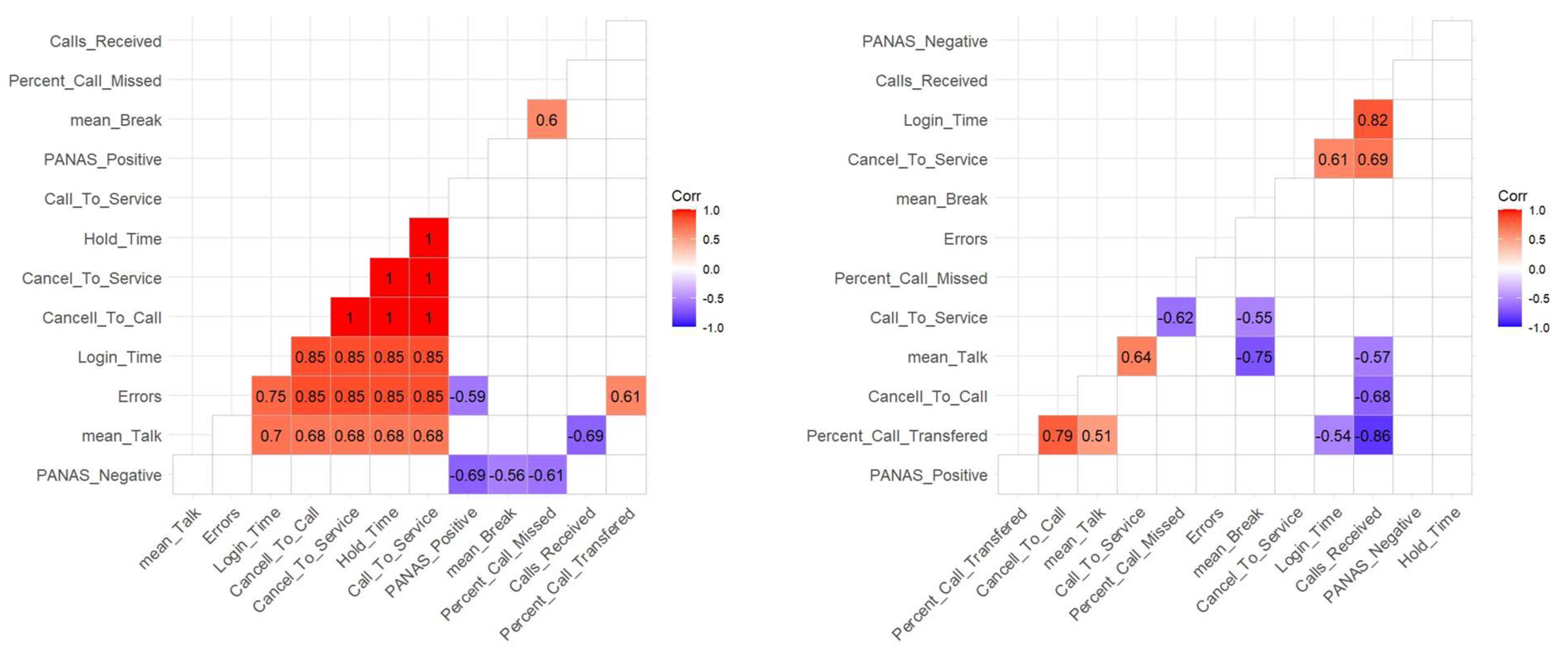
Figure 2.
Perceived Stress and Performance Components in Registration (left) and Support (right) Operators.
Figure 2.
Perceived Stress and Performance Components in Registration (left) and Support (right) Operators.
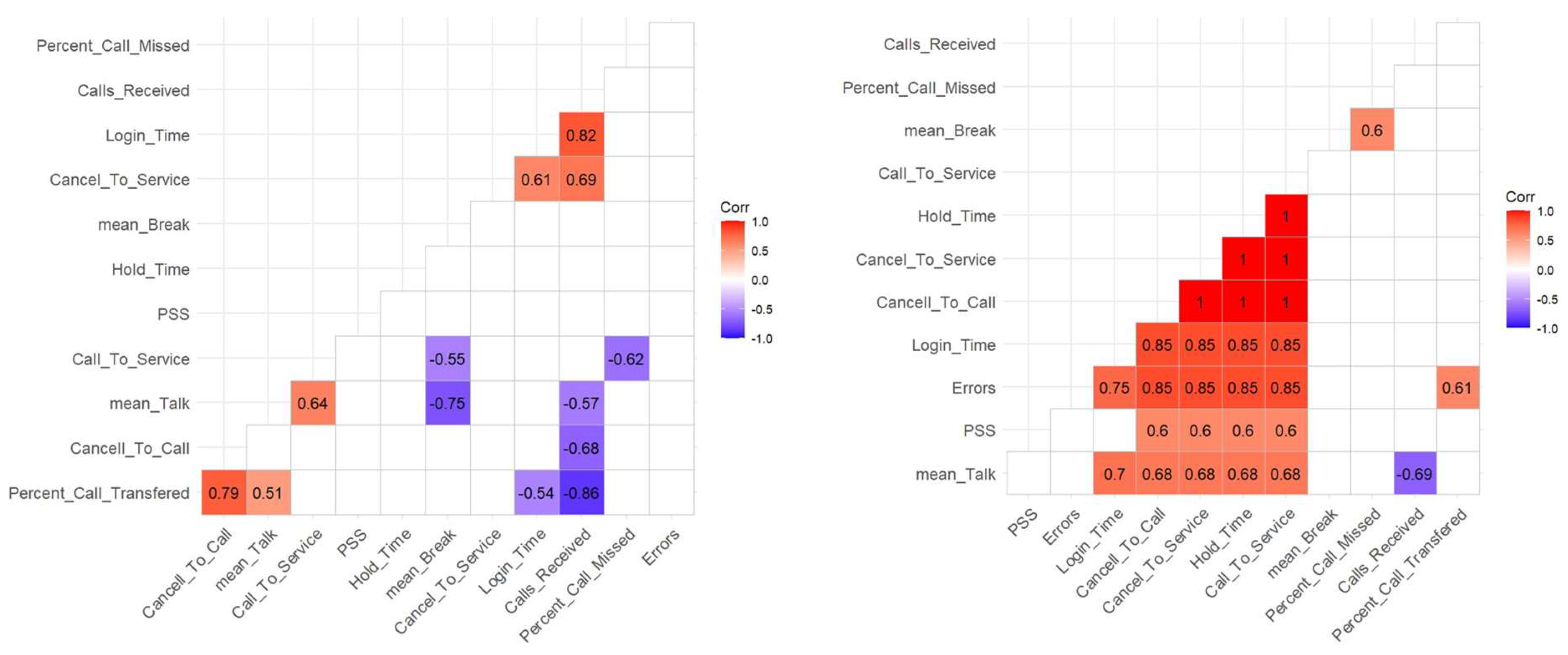
Figure 3.
Relationship Between Cognitive Resilience and Performance Components in Registration (left) and Support (right) Operators.
Figure 3.
Relationship Between Cognitive Resilience and Performance Components in Registration (left) and Support (right) Operators.
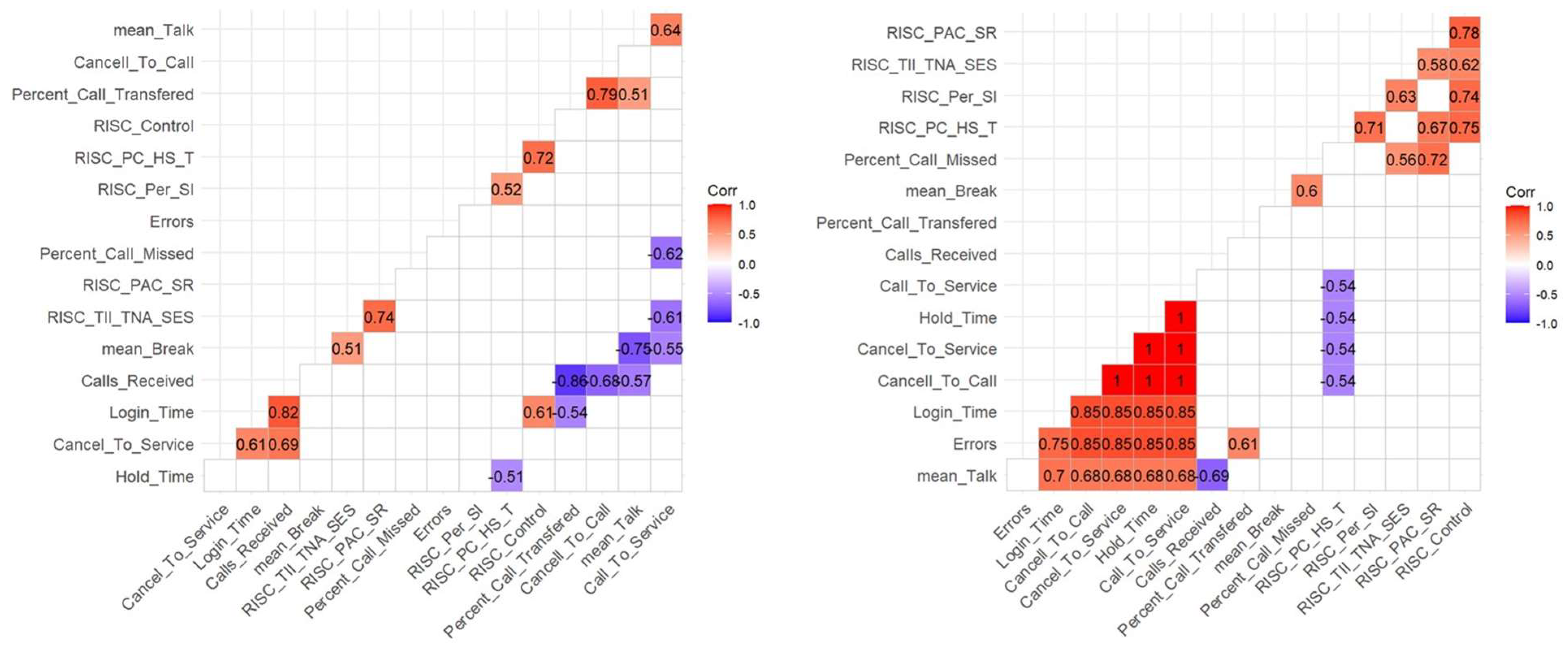
Figure 4.
Executive Functions Deficits and Performance Components in registration (left) and support (right) Operators.
Figure 4.
Executive Functions Deficits and Performance Components in registration (left) and support (right) Operators.
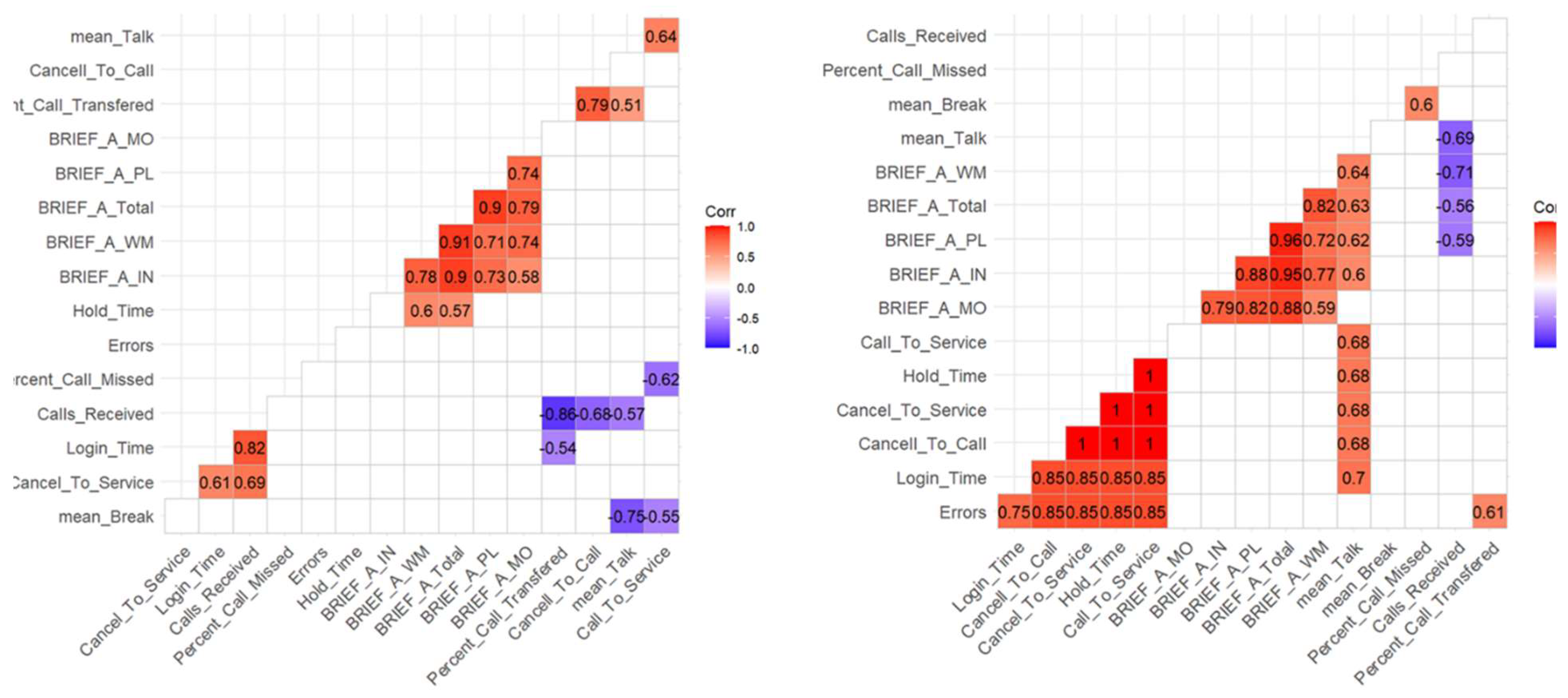
Figure 5.
Emotion Regulation and Performance Components in registration (left) and support (right) operators.
Figure 5.
Emotion Regulation and Performance Components in registration (left) and support (right) operators.
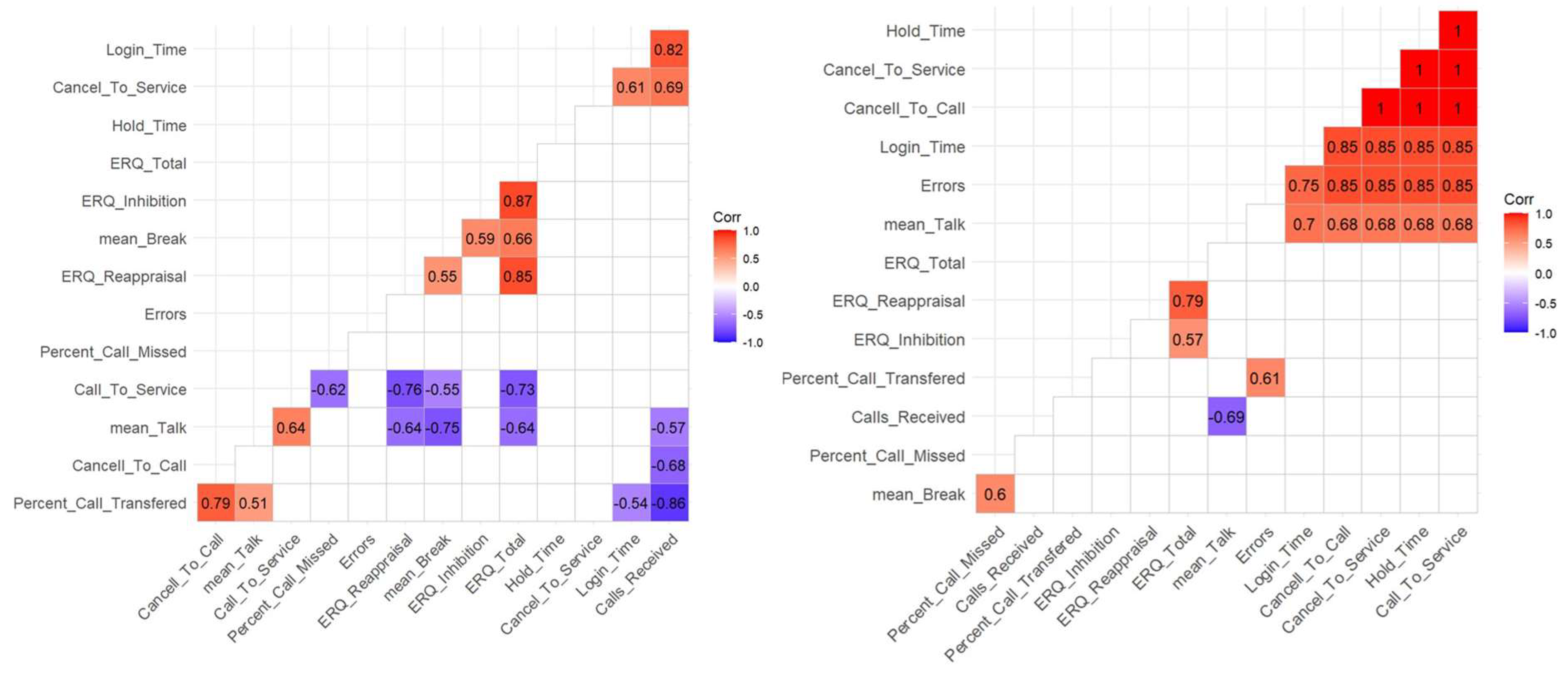
Figure 6.
Attention and Concentration Deficits and Performance Components in Registration (left) and Support (right) Operators.
Figure 6.
Attention and Concentration Deficits and Performance Components in Registration (left) and Support (right) Operators.
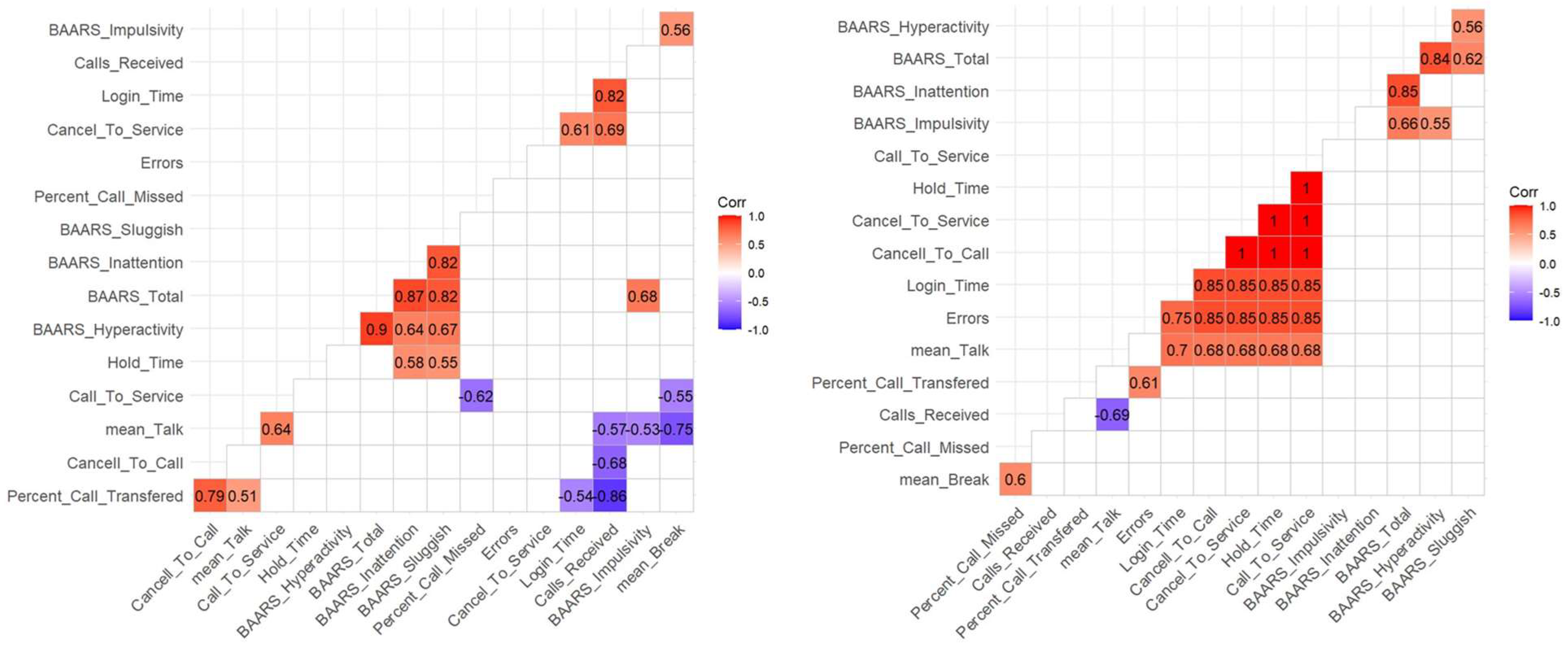
Figure 7.
Correlation Between Cognitive Capital Skills in Registration (left) and Support (right) Operators.
Figure 7.
Correlation Between Cognitive Capital Skills in Registration (left) and Support (right) Operators.
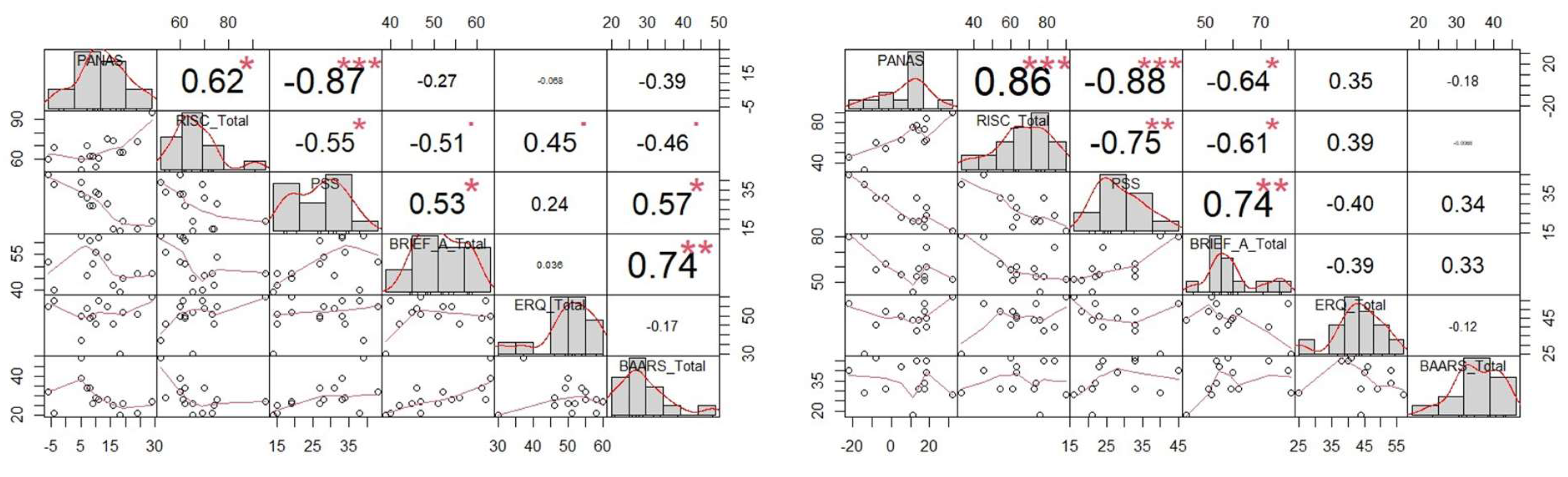
Figure 8.
Relationship pattern in cognitive capital skills between registration (left) and support (right) operators.
Figure 8.
Relationship pattern in cognitive capital skills between registration (left) and support (right) operators.
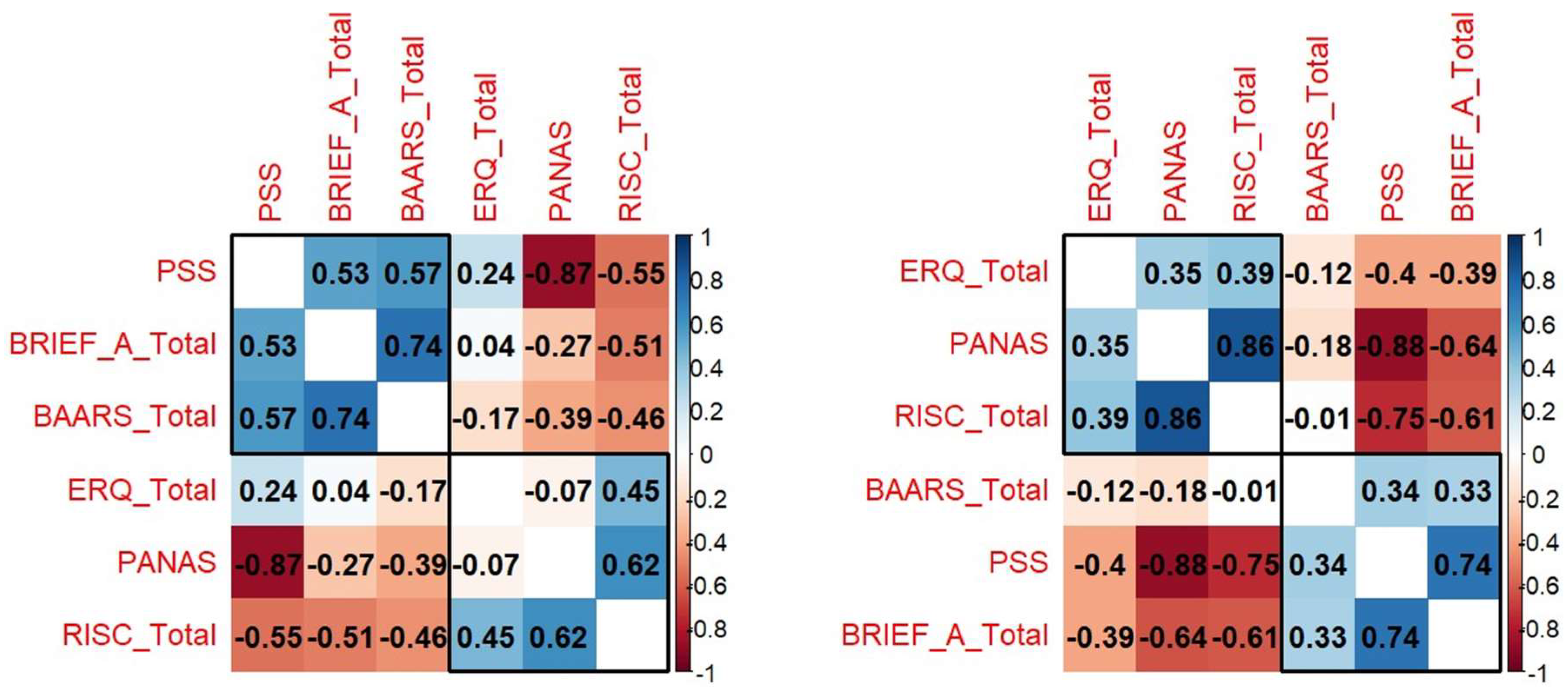
Figure 9.
Significant differences between registration and support operators among performance parameters (top) and cognitive capital skills (middle and botoom).
Figure 9.
Significant differences between registration and support operators among performance parameters (top) and cognitive capital skills (middle and botoom).
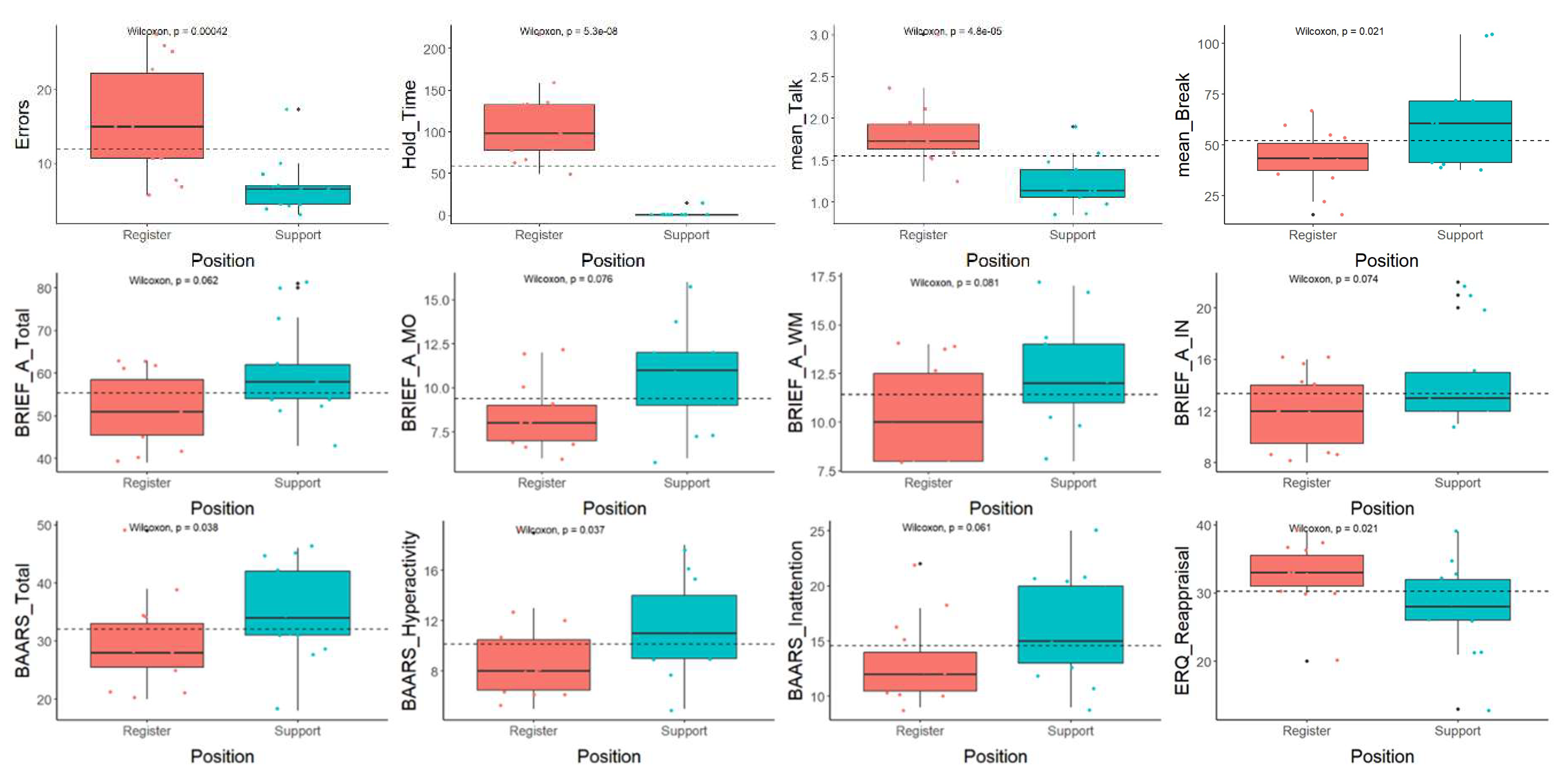
Table 1.
Summary of key theoretical contributions in the field of cognitive capital skills, highlighting six essential skills categorized into six primary dimensions that influence call center operators' performance.
Table 1.
Summary of key theoretical contributions in the field of cognitive capital skills, highlighting six essential skills categorized into six primary dimensions that influence call center operators' performance.
| Researcher(s) | Theoretical Contribution | Related Cognitive Skill |
|---|---|---|
| (Koskina & Keithley, 2010) | Exploration of the role of emotions and emotional experiences of individuals in call centers of small and medium enterprises | Emotions and Affects |
| (Cai & Lin, 2011) | Examination of the relationship between call center operators' emotions and their performance | |
| (Saha, 2023) | Identification of the skills required for coastal control operators in the future | Cognitive Resilience |
| (Kaasinen et al., 2020) (Peruzzini et al., 2020) | Clarification of the role of coping with negative job conditions on operators' performance | |
| (Koole & Li, 2023) | Exploration of the role of adaptability skills in difficult working conditions for operators | |
| (Li et al., 2020) | Clarification of the role of self-control on mental health and performance of hospital operators during the COVID-19 pandemic | |
| (Fantinelli et al., 2023) (Körner et al., 2019) | Explanation of the impact of perceived stress on the performance of call center operators and the need to train operators in stress-reduction skills | Perceived Stress |
| (Berardi et al., 2021) | Systematic review of tools for measuring executive functions in children and adults | Weakness in Executive Functions |
| (Poncet et al., 2017) | Scoping review of the role of daily activity assessments on executive functions | |
| (Nyongesa et al., 2019) | Scoping review identifying dimensions of executive functions and their assessments in adults | |
| (Spencer, 2020) (Lemonaki et al., 2021) | Development of the concept of working memory and its impact on employee performance | |
| (Cristofori et al., 2019) | Identification of dimensions of executive functions and clarification of the role of planning in performance | |
| (Tessitore et al., 2023) | Impact of training emotion regulation skills on operators' stress, mental pressure, and performance | Emotion Regulation |
| (Guarino et al., 2020) | Introduction of cognitive control skills as an executive function dimension and its role in employee performance | |
| (Riepenhausen et al., 2022) | Systematic review clarifying the role of positive cognitive reappraisal on resilience, mental health, and employee wellness | |
| (Wu et al., 2017) | Clarification of the role of cognitive reappraisal skills on creativity and individual performance | |
| (Kujala & Lappi, 2021) | Explanation of the impact of attention and concentration disorders on employees' performance in complex and challenging work conditions | Lack of Attention and Concentration |
| (Nagata et al., 2019) | Identification of dimensions of attention and concentration disorders and their effects on work engagement, psychological work environment, and employees' psychological distress | |
| (Gül et al., 2017) | Clarification of the relationship between cognitive slowing and mental fatigue in employees under challenging working conditions |
Table 2.
Performance Components of Call Center Operators, detailing key metrics used to assess operator efficiency and effectiveness, along with their corresponding abbreviations.
Table 2.
Performance Components of Call Center Operators, detailing key metrics used to assess operator efficiency and effectiveness, along with their corresponding abbreviations.
| Performance Components | Description | Abbreviation |
|---|---|---|
| Daily Break Time | Average time spent by each operator on breaks per day | MeanBreak |
| Leave Count | Number of days each operator took off in a month | Leave |
| Received Calls | Number of calls answered by each operator during their shift in a month | Calls_Received |
| Average Talk Time | Average duration of each call | Mean_Talk |
| Successful Call Percentage | Ratio of calls converted to services out of total calls | Call_To_Service |
| Working Days | Days the operator completed their shifts | Days_In |
| Active Login Time | Time the operator is logged in and ready to take calls | Login_Time |
| Number of Errors | Number of errors (e.g., improper referrals, failed calls) each operator had over a specified period (month) | Errors |
| Transferred Call Percentage | Percentage of calls that the operator could not answer and transferred to another operator, relative to total received calls | Percent_Call_Transferred |
| Missed Call Percentage | Percentage of calls that an operator was unable to answer compared to total received calls | Percent_Call_Missed |
| Hold Time | Duration that the operator kept a call on hold | Hold_Time |
| Average Talk Duration | Average time spent by each operator on each call | Mean_Talk |
| Cancellation Ratio to Service | Ratio of the number of canceled services by the operator to successful services | Cancel_To_Service |
| Cancellation Ratio to Call | Ratio of the number of canceled services by the operator to total received calls | Cancel_To_Call |
Table 3.
Overview of Cognitive Skills, Their Sub-Dimensions, and Measurement Tools in Relation to Organizational Cognitive Capital.
Table 3.
Overview of Cognitive Skills, Their Sub-Dimensions, and Measurement Tools in Relation to Organizational Cognitive Capital.
| Cognitive Skill | Sub-dimensions | Measurement Tool |
|---|---|---|
| Emotions and Feelings: Encompasses a range of pleasant (e.g., joy) and unpleasant (e.g., stress) emotions that impact performance. | Positive emotions: Experience of pleasant feelings like joy and compassion. | PANAS Questionnaire (Watson et al., 1988) |
| Negative Emotions: Experience of unpleasant emotions like stress and anger. | ||
| Perceived Stress: Assesses the stress-inducing nature of life situations, focusing on the frequency and intensity of stress-related thoughts | PSS Questionnaire (Cohen et al., 1983) |
|
| Cognitive Resilience: Refers to the ability to adapt and recover from challenges, evaluating stress tolerance and emotional stability. | Personal Competencies: Belief in one's capacity to manage challenges effectively. | Connor-Davidson Resilience Scale (RISC) (Connor & Davidson, 2003) |
| Adaptability and Tolerance to Negative Effects: Capacity to adjust to changing environments and uncertainties. | ||
| Positive Acceptance of Changes: Mindset towards change and uncertainty. | ||
| Control and Regulation: Ability to regulate thoughts and emotions in response to challenges. | ||
| Spiritual Impact: Sense of meaning and connection to something greater. | ||
| Executive Functions: Addresses cognitive processes enabling planning, organizing, and problem-solving; covers a range from self-control to self-regulation. | Initiation: Ability to independently undertake tasks without procrastination. | Behavior Rating Inventory of Executive Function (BRIEF) (Roth et al., 2005) |
| Working Memory: Temporary storage for retaining and manipulating information. | ||
| Planning and Organization: Ability to structure plans and set priorities effectively. | ||
| Activity Monitoring: Ability to evaluate performance and progress towards goals | ||
| Emotion Regulation: This skill assesses an individual's strategies for managing and effectively changing their emotional experiences and expressions in various situations. | Cognitive Reappraisal: Reframing situations to modify emotional impact. | Emotion Regulation Questionnaire (ERQ) (Gross & John, 2003) |
| Cognitive Suppression: Suppression of external emotional expressions. | ||
| Attention and Concentration: Evaluated through inattention, hyperactivity, impulsivity, and cognitive slowing, all of which impact individual and organizational performance. | Inattention: Difficulties in maintaining attention and organization. | Adult ADHD Self-Report Scale (BAARS) (Barkley, 2011) |
| Hyperactivity: Excessive motor activity and inner restlessness affecting focus. | ||
| Impulsivity: Acting without consideration of consequences or inability to delay gratification. | ||
| Cognitive Sluggish: Experiences of mental fatigue and sluggishness in cognitive processes. |
Table 4.
Demographic Characteristics of Participants.
| Variable | Registration Operators (n = 15) |
Support Operators (n = 13) |
Total (n = 28) |
p-value |
|---|---|---|---|---|
| Age (years) | ||||
| Mean Age | 30 | 29.5 | 30.2 | 0.668 |
| Age Range | 22 to 46 | 19 to 46 | 19 to 46 | |
| Gender (n) | 0.274 | |||
| Female | 5 | 7 | 12 | |
| Male | 10 | 6 | 16 | |
| Marital Status (n) | 0.934 | |||
| Married | 6 | 5 | 11 | |
| Single | 9 | 8 | 17 | |
| Education (n) | - | |||
| High School Diploma | 4 | 4 | 8 | |
| Bachelor’s Degree | 11 | 9 | 20 | |
| Work Experience (years) | ||||
| Mean Experience | 2.96 | 2.03 | 2.53 | 0.412 |
| Experience Range | 1 to 16 | 1 to 5 | 1 to 16 |
Table 5.
Pearson Correlation Coefficients for Performance Components for Registration Operators.
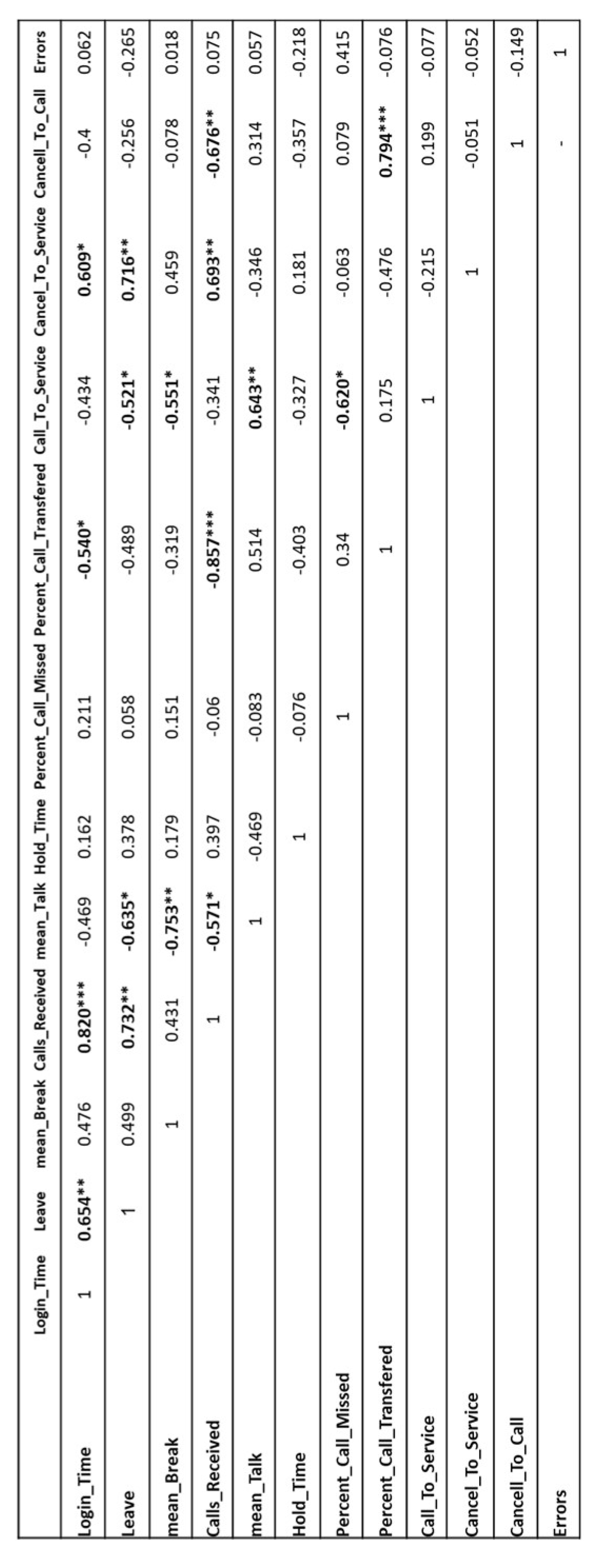
Table 7.
Summary of Relationships Between Cognitive Skills (Under Organizational Cognitive Capital) and Operator Performance Components.
Table 7.
Summary of Relationships Between Cognitive Skills (Under Organizational Cognitive Capital) and Operator Performance Components.
| Skill | Skill Dimension | Relationship with Registration Operator Performance | Relationship with Support Operator Performance |
|---|---|---|---|
| Emotions | Positive Emotion Experience | No relationship observed | Fewer errors (59%) / Less active presence time (51%) - not significant |
| Negative Emotion Experience | No relationship observed | Less break time (56%) / Fewer missed calls (61%) | |
| Balance of Positive and Negative Emotions | No relationship observed | Fewer errors (56%) | |
| Cognitive Resilience | Competence and Individual Ability | Less waiting time (51%) | Fewer errors (53%) - not significant |
| Individual Instincts and Tolerance of Negative Impacts | More break time (51%) | More missed calls (56%) | |
| Positive Acceptance of Change and Strong Relationships | Fewer calls to service ratio (61%) | More missed calls (72%) | |
| Control and Restraint | More active presence time (61%) | No relationship observed | |
| Spiritual Influence | No relationship observed | No relationship observed | |
| Total Cognitive Resilience Score | No relationship observed | More missed calls (54%) - not significant | |
| Perceived Stress | Perceived Stress | No relationship observed | No relationship observed |
| Executive Function Weakness | Initiative | Fewer errors (50%) - not significant | More average talk time (60%) |
| Working Memory | More waiting time (60%) | Fewer calls received (71%) / More average talk time (64%) | |
| Planning and Organizing | No relationship observed | Fewer calls received (59%) / More average talk time (62%) | |
| Task and Activity Monitoring | No relationship observed | No relationship observed | |
| Total Executive Function Weakness Score | More waiting time (57%) | Fewer calls received (59%) / More average talk time (62%) | |
| Emotion Regulation | Cognitive Reappraisal | Less talk time (64%) / Fewer calls to service ratio (76%) / More break time (55%) | No relationship observed |
| Cognitive Restraint | Fewer calls to service ratio (50%) - not significant / More break time (59%) | No relationship observed | |
| Total Emotion Regulation Score | Less talk time (64%) / Fewer calls to service ratio (73%) / More break time (66%) | No relationship observed | |
| Attention Deficit and Focus | Attention Deficit | More waiting time (58%) | No relationship observed |
| Hyperactivity | No relationship observed | No relationship observed | |
| Impulsivity | Less talk time (53%) | No relationship observed | |
| Cognitive Sluggishness | More waiting time (55%) | Fewer missed calls (52%) - not significant / Fewer transferred calls (51%) - not significant | |
| Total Attention Deficit and Focus Score | No relationship observed | No relationship observed |
Disclaimer/Publisher’s Note: The statements, opinions and data contained in all publications are solely those of the individual author(s) and contributor(s) and not of MDPI and/or the editor(s). MDPI and/or the editor(s) disclaim responsibility for any injury to people or property resulting from any ideas, methods, instructions or products referred to in the content. |
© 2024 by the authors. Licensee MDPI, Basel, Switzerland. This article is an open access article distributed under the terms and conditions of the Creative Commons Attribution (CC BY) license (http://creativecommons.org/licenses/by/4.0/).
Copyright: This open access article is published under a Creative Commons CC BY 4.0 license, which permit the free download, distribution, and reuse, provided that the author and preprint are cited in any reuse.


