Preprint
Review

This version is not peer-reviewed.

Molecular Targets of 20-Hydroxyecdysone in Mammals, Mechanism of Action – Is It a Calorie Restriction Mimetic and Antiaging Compound?

A peer-reviewed article of this preprint also exists.

Submitted:

18 November 2024

Posted:

19 November 2024

You are already at the latest version

Abstract

The 20-hydroryecdysone (20E) has been used in traditional medicine for a long time and acquired attention in the last decade as a food supplement and stimulant in phys-ical activities. This polyhydroxylated cholesterol is found in the highest concentration in plants and it is one of the secondary plant products that has a real hormonal influ-ence in arthropods. Various beneficial effects have been reported in vivo and in vitro for 20E and its related compounds in mammals. Trials for safety of clinical application showed a remarkable high tolerance in human. This review aims to assess the latest development in the involvement of various pathways in tissues and organs and look if it is plausible to find a single primary target of this compound. The similarities with agens mimicking calorie restriction and anti-aging effects are also elucidated and discussed.

Keywords: 
;  ;  ;  

1. Introduction

Phytoecdysteroids have been found to exert mostly beneficial effects on mammals. In fact, hardly any detrimental results have been observed after administration of these compounds [1,2,3]. This is in contrast to steroid hormones endogenous in mammals which usually accompany the positive anabolic effect with an often dangerous androgenic one [4,5,6]. Phytoecdysteroids seems to be pure anabolic and many plants that contain them are traditionally used in phytomedicine [7,8,9]. This property has generated a remarkable attention in the past decades not only from the side natural compound research but also from sport and medical science. In vitro experiments have identified several molecular targets for the most investigated phytoecdysteroid, the 20-hydroxyecdysone (20E, beta-ecdysterone, ecdysterone, beta-ecdysone, molting hormone, Figure 1). First, 20E induced hypertrophy and protein synthesis was prevented by GPCR inhibitor in differentiating C2C12 myoblasts [10,11]. The hypertrophying effect of 20E on these cells was similar to that of the beta-estrogen and was prevented by beta-estrogen receptor selective antagonist. However, no direct binding of 20E have been demonstrated to the beta-estrogen receptor [12] and involvement of a membrane bound receptor was supported by the effectiveness of a protein bound 20E [13]. Interestingly, angiotensin 1-7, the endogenous ligand of MAS receptor had a similar effect on hypertrophy of C2C12 myogenic cells as 20E did. The endogenous muscle growth inhibitor myostatin was partially declined by 20E or angiotensin 1-7. The effects of both ligands were abolished by specific antagonist of angiotensin 1-7. MAS receptor, as the protective arm of the renin-angiotensin system (RAS), appeared feasible to interpret pleiotropy therefore a cooperative activity between MAS and a palmitoylated (membrane-bound) estrogenic receptor has been proposed for mechanism of 20E action in a RAAS – renin-angiotensin-aldosterone system [9,13]. Recently it has been showed that 20E exerts its effect through SIRT6-mediated deacetylation of NF-κB p65 (Nuclear Factor Kappa of B cells) to inhibit CD40 expression in 3-D human endothelial cell culture (HUVEC). Therefore, the authors propose that 20E may have therapeutic potential for the treatment of cardiovascular diseases [14]. In animal studies 20E revealed anabolic, anti-oxidant, anti-diabetic, anti-obese, cardioprotective, neuroprotective, hepatoprotective and other properties. It seems so that the multiple effects can be better explained by more than just one molecular target. In fact, as research expanding, the pleiotropy of action and the complexity of mechanism appear to increase. Highlighting overlaps and sometimes opposites of these in vitro and in vivo mechanisms in the different tissues, organs and conditions is the main topic of this review. References have been collected from PubMed and Google. A number of citations revealed that 20E has many similarities in the influenced molecular pathways and alleviated pathological conditions with a circle of compounds proposed for mimicking calorie restriction (CRM) and seeking anti-aging effect. The discussion of these commonalities where this overview aims to conclude.

2. Cell, Tissue and Systematic Action

2.1. Effects on Skeletal Muscle

The actions of ecdysteroids on skeletal muscle were among the first ones reported (reviewed in [4]). About 16 years ago in vitro cellular assay has been developed to investigate the effects on protein synthesis. This method showed that murine C2C12 myotubes and human primary myotubes elevated protein synthesis by up to 20% when treated with 20E. This was supported by increase of grip strength of mice after in vivo administration of 20E. The same effect was found when ecdysteroid containing plant extract was used. According to the canonical regulation of protein synthesis, phosphoinositide-3-kinase (PI3K) inhibitor prevented these stimulatory effects [15].
The same laboratory [10] showed that 20E elicited a rapid elevation in the cytoplasmic Ca2+ followed by a sustained activation of Akt and increased protein synthesis in C2C12 cells. This effect was prevented by inhibitors of G-protein coupled receptor (GPCR) phospholipase C (PLC) and PI3K supporting involvement of pathway inducing Ca2+ efflux from the sarcoplasmic reticulum. Besides increasing muscle mass and protein synthesis in male rats, 20E also induced IGF-I and decreased corticosterone and 17β-estradiol levels. However, in differentiated C2C12 myoblastoma cells each of the above hormones induced hypertrophy when administered. The hypertrophy by 20E could be reverted with antioestrogen but not antiandrogen. Beta-oestrogen receptor (ECRβ) selective ligands also induced hypertrophy in C2C12 myotubes. Selective ligands of estrogen receptor β but not α could prevent the 20E induced hypertrophy in C2C12 myotubes. This suggested the involvement of ECRβ in 20E action in those myotubes. However, 20E binding to ECRβ was not found [12].
Muscle atrophy was alleviated by 20E in soleus in tenotomized leg of adult male rats. After cutting the Achilles tendon the level of high molecular weight ubiquitin conjugates was decreased in the soleus but not in the plantaris muscle suggesting attenuation of proteolysis depending on muscle type [16]. In contrast, a limited if any effect was found when 20E was fed to rats and a pool of skeletal muscles had been analysed for protein kinase B/Akt level as a target of rapamycin. This result might be due to the low bioavailability of 20E in those condition [17] or/and the outbalancing effect of muscle-specific differences. Indeed, 20E or even its derivative poststerone showed muscle specific effects when injected perimuscularly into the leg of young adult male rats [18,19]. In addition, fibre size (measured by cross sectional area, CSA) increased depending on the fibre type. The CSA increase of different fibre types was not the same in extensor digitorum longus (EDL) as in the soleus muscles [18]. The CSA increase of fibre types also depended on the distance from application (i.e. whether the muscle was in treated or untreated leg) and the presence of a regenerating soleus in the animal. All of these suggested strong systemic components of the effects. 20E also increased myonuclear number in normal and regenerating muscle and augmented muscle regeneration suggesting that it also stimulates muscle stem cells, the satellite cell activity.
Body builders and various athletes have used 20E as anabolic stimulant although scientific data were rarely available at that time based on human trial. Such aspect is essential for doping control therefore a 10-week resistant training with young volunteers who received ecdysterone of various dose has been carried out. A significant increase of muscle size was observed in 20E consumed individuals compared to the placebo group and, what is even more relevant to sport skills, the one repetition bench press performance was increased. No biomarkers of liver or kidney toxicity was detected in the blood and urine samples. According to these results 20E has been proposed as an “anabolic agent” for the list of substances forbidden to use in sport [20]. Indeed, ecdysterone was placed in the Monitoring Program of Word Anti-Doping Agency in 2020 [21].
Following this issue, the research on ecdysterone effect became even more relevant. Eccentric exercise is often used in training and rehabilitation or in therapy against muscle atrophy. Increased repetitions of eccentric contraction may cause muscle damage which regenerates relatively quickly in young age. However, even small muscle damages should be avoided in conditions with old age and therapy because then muscle recovery is slower and less complete. 20E supplementation accelerated recovery of muscle integrity and function after eccentric exercise in mice. The authors suggested that this reveals potential in physical therapy and warrants further investigation [22].
As the 20E therapy looked promising against sarcopenia and atrophy it was interesting to test its effect in aging mice. The extract of Ajuga turkestanica plant enriched in ecdysterone and pure 20E was tested for 28 days feeding in sedentary 20 months old male C57BL/6 mice. However, the muscle mass, fibre type and size, the activity of PI3K-Akt signalling pathway, an indicator of protein synthesis was not changed and neither were the mRNA levels of MAFbx, MuRF-1 and myostatin altered in the triceps brachi and plantaris muscles of aging mice [23]. It is worth to mention that contrary to this study in a previous work non-aging adult mice of the same strain responded with muscle accretion in triceps brachi when 20E was administered to infusion [24].
In spite of the extensive research the mechanism of action and the primary molecular target of 20E still remained dubious. In C2C12 cells the decline of myostatin, a negative regulator of muscle growth and differentiation have been used as a reporter of anabolic activity. As the protein-bound form 20E was still effective the involvement of membrane bound receptor was assumed rather than a cytoplasmic one [13]. Angiotensin 1-7, the endogenous ligand of the MAS receptor showed 20E like effect, i.e. also decreased myostatin levels and increased myoblast proliferation and myotube formation. Silencing MAS receptor with siRNA and by pharmacological inhibitor reverted the effect of 20E on myostatin expression. 17β-Estradiol (E2) also declined myostatin gene expression, but the protein-bound hormone was inactive, and its activity was not abolished by angiotensin (1-7) antagonists. Therefore, it has been proposed that 20E acts through a membrane bound receptor while E2 acts through a receptor that is rather cytosolic. The two receptors/pathways, the 20E action mediating MAS receptor and the membrane bound palmitoylated estrogen receptor cooperates with each other in RAAS mediating the anabolic effect of 20E. The activation of the MAS receptor by a steroid molecule is consistent with the pleiotropic effect of ecdysterone and it is a feasible explanation for the similarity of angiotensin 1-7 and 20E effect [13].
The pharmaceutical grade of 20E, named BIO101 have been tested in C2C12 cells and in a sarcopenic mouse model, in adult (3 mo) and old (22 mo) C57Bl6/J mice. BIO101 increased Akt/mTOR activity, the transcript levels of myogenic regulatory factors (MyoD, myogenin) and the differentiation rate of C2C12 cells (estimated by fusion index, myonuclear number and myotube size). This effect was similar to that received from angiotensin (1-7) and were prevented by specific antagonist of the MAS receptor. Chronic oral treatment of C57Bl6/J mice (4 weeks of adults and 14 weeks of old ones) with BIO101 (50 mg/kg/day), elevated Akt/mTOR in gastrocnemius and increased muscle size and performance in running distance and velocity [25]. Since the same dose of 20E have been used as in [23] the anabolic effect and increased endurance might be due to the different mice strain used and the longer treatment (14 vs, 4 weeks). Another interesting result of this study was that old mice on high-fat diet was reluctant to gain weight but this can be improved with BIO101 [25]. This observation strengthens the long standing experience that 20E can be used not only in sport nutrition but also in health therapies [26]. It is also consistent with the effect of 20E on the MAS receptor. By this receptor a non-classical renin-angiotensin (RAS) pathway is mediated that mitigates the classical RAS pathway operated by angiotensin II and angiotensin type I receptors acting for body weight loss by increasing ROS [27]. As it has been proposed, the 20E stimulated MAS receptor may cooperate with a palmitoylated estradiol receptor in C2C12 cells and increases protein synthesis [1,13].

2.2. Effect on Skin, Bone and Cartilage

Beta-ecdysone stimulated osteogenic differentiation of mesenchymal stem cells [28]. Bone differentiation markers like alkaline phosphatase (ALP) was induced in a dose dependent manner and transcripts of a major transcription factor of osteogenesis, Runx2, osteocalcin and type I collagen was increased. This effect was prevented by oestrogen receptor inhibitor and a reporter gene indicated stimulated expression of this receptor in response to 20E. Symptoms of osteoporosis were alleviated in mouse model of the disease suggesting that ecdysterone can be useful in treatment of osteoporosis.
Chronic estrogen treatment bears several risk in postmenopausal condition therefore it was of interest if 20E had bone protective but not estrogenic effect [29]. In ovariectomized rat, an animal model of postmenopausal condition, 20E increased bone mineral density in the tibia in a dose dependent manner but did not bind to estrogen receptor in porcine uterine cytosolic extract. Serum CrossLaps, an adjunct of diagnosis, were lowered in both 20E and oestrogen treatment but the osteocalcin, a marker of mineralization decreased in oestrogen treated and increased in 20E fed animals. This indicated a non-estrogenic protective effect of ecdysterone on bone formation. The joint, the epiphyseal cartilage and the trabecular bone were also improved by ecdysterone. In ovariectomized (OVX) rats [30]. This confirmed that ecdysterone itself or extracts of plants (i.e, Tinospora cordifolia) might be protective in adiposity and elderly when joints are degrading faster.
The epidermal and dermal layer became thicker in 20E treated than control and β-oestradiol (E2) treated OVX rats [31]. However, the thickness of subcutaneous fat layer was intermediate in the 20E treated group compared to the other two. The muscle thickness was larger in both 20E and E2 treated rats. This suggested a change in functionality of skin in response to 20E treatment.
Periodontal ligament cells (PLD) can be potentially used for tooth replacement. Ecdysterone increased proliferation and bone differentiation in these cells [32]. The bone morphogenic protein 2 (BMP-2) and ALP was increased in an extracellular dependent kinase (Erk)/ MAPK pathways dependent manner. This highlighted 20E as a potential drug for periodontal therapy.
Another steroid hormone, glucocorticoid (GC) is used for chronic treatment but it prevents age dependent bone formation by influencing trabecular gain and cortical bone formation in young mice [33]. 20E alone increased bone formation and when added concurrent with GC it compensated for the detrimental effect and prevented the GC induced autophagy in bone marrow stromal cells making it a promising neutralizer of GC side effect. The beneficial effect of 20E alone on bone formation was observed on both sexes [34].
In vitro treatment with GC decreased osteoclast viability by decreasing differentiation markers and increasing a wide range of apoptotic factors [35]. This was reverted by 20E in agreement with the in vivo bone protective and GC side effect neutralizing potential of the phytoecdysteroid. Similar to mice, GC inhibited bone formation in rat by inducing apoptosis and inhibiting autophagy in lumbar vertebral tissue [36]. This effect was attenuated by ecdysterone with inhibition of apoptosis and stimulating autophagy strengthening 20E as a promising candidate for treatment of osteoporosis.
Interleukin-1β (IL-1β) is inducing osteoarthritis (OA) produced by imbalance between catabolic and anabolic activity of chondrocytes. The catabolic process is regulated by the hypoxia inducible factor 2alpha (HIF-2α) and elevated MMP3 production in chondrocyte and synovial cell. The anabolic process is marked by collagen type II (Col2a1) gene expression. 20E scavenged the increase of catabolic and decrease of anabolic processes and largely restored the balance in primary explanted articular chondrocytes [37] confirming protective effect in OA.
Bone marrow stem cells (BMSC) might be important in helping ontogenesis. 20E increased osteogenic markers in these cells when differentiated and ameliorated experimentally induced osteonecrosis in rat model by enlarging femoral head tissue size. Parallel to the osteogenic transcription factor RUNX2, collagen chain COLIA1 and osteocalcin the IP3-kinase and Akt phosphorylation were also increased in the in vitro and in vivo systems [38]. This suggests 20E as a therapeutic agent in osteogenic diseases.
Osteoarthritis can be induced by injection of collagenase in mice knee [39]. The symptoms were alleviated by 20E supplementation. The effect involved amelioration of pro-inflammatory cytokines, rescuing FOXO1 protein expression in the nucleus that inhibited transcription and translation of members of the ADAMTS protease group contributing to degrade extracellular elements. Others reported that ecdysterone stimulated osteogenic osteoblast proliferation and differentiation in vitro and bone regeneration in vivo [40]. However, this happened via the BMP-2/Smad/Runx2/Osterix pathway which revealed a new connection as BMP-2 had been related earlier to the Erk/MAP kinase pathway [41]. This indicated a novel therapy target for osteonecrosis cure.

2.3. Influence on Nerve System

Ecdysterone could attenuate vasospasm and alleviate neurological deficits that happens as a consequence of subarachnoid hemorrhage in rabbit [42]. It was hypothesized that it can also protect again oxidative cellular damage. PC12 cell line is an in vitro model of neural differentiation after various brain traumas. 20E helped recovery of PC12 cells after CoCl2–induced injury including reduction of reactive oxygen species, decrease of depolarization of mitochondrial membrane and release of cytochrome C from mitochondria. In line with this the Bcl2/Bax ratio was elevated and caspase 3 activity abolished. Therefore, 20E was anti-oxidant and acted against the mitochondrial apoptotic pathway suggesting that it can be used to prevent hypoxic-ischemic brain damages in stroke [43]. Similarly, in cerebral focal ischemia of rat 20E increased angiogenesis and astrocyte activity paralleled with increased micro vascularization and formation of more and longer nerve endings [44]. The antioxidant effect of 20E was also investigated in rat brain and B35 cells [45]. After occlusion of middle cerebral artery 20E decreased the infarct volume and the neural deficit score, furthermore, it restored anti-oxidant capacity, declined malondialdehyde level and he tnumber of TUNEL-positive cells and of cells with cleaved caspase 3 in the cerebral cortex. Hydrogen peroxide treatment of B35 cells induced damage and oxidative stress. Ecdysterone markedly attenuated ROS/RNS production, dissipation of mitochondrial membrane potential, descent of antioxidant potential, increase in malondialdehyde and intracellular Ca2+ levels. It also reduced iNOS expression by inhibiting NFκB activation and inhibited activation of ASK1-MKK4/7-JNK stress signalling pathway. Together these indicate that 20E was protective against ischemic injury and oxidative stress in neural tissue.
Oxidative damage in the hippocampus CA1 area causing significant memory loss also happens in experimentally induced diabetes type I as a side effect [46]. In the molecular background, the NFκB level is increased while the SOD, catalase, glutathione peroxidase (GTHpx), reductase (GR) and BDNF declined. Interestingly 20E, especially at higher concentrations reverted these changes attenuating memory loss.
The monoaminergic system is related to memory loss and decline of cognitive function in neurological symptoms as Parkinson and Alzheimer’s diseases [47]. In a mouse model of Parkinson disease 20E protected dopaminergic neurons mitigating mitochondria-mediated apoptosis, inducing anti-oxidant enzymes (SOD, catalase, GTHpx and GR). It also increased Bcl2/Bax ratio, decreased cytochrome C release and caspase activities with increased activity of the Nrf2 (phosphoinositide-3-kinase-nuclear factor E2-related factor 2) pathway. This showed the 20E protected against neurotoxicity by its anti-apoptotic and anti-oxidant capacity and may have a potential in therapy of Parkinson disease [48]. 20E was also protective against oxidative stress and apoptosis in PC12 cells treated with MPTP, an inductor used in animal models of neurological disease like Parkinson [49]. Akt signalling, nuclear translocation of Nrf2, HO-1 (hemoxigenase-1) expression was elevated as a part of the anti-oxidant response. However, the activity of NF-κB and calpain was not affected.
Glutamate toxicity has been found in pathology of many neurological diseases. Ecdysterones derived from Rhaponticum chartamides was also preventive against glutamate induced excitotoxicity in rat brain [50]. The protective mechanism appeared via similar mechanism; the upregulation of PI3K, Akt, mTOR and down regulation of the apoptotic enzyme cleaved caspase-3 and GRIN2B, a glutamate NMDA receptor involved in rare neural development disorders. Stress, anxiety and depression reduced in mice by 20E enriched fraction of Pfafia glomerulata roots [51]. The antioxidant enzymes were activated and the oxidative markers reduced. The concentration of NO increased in striatum which may improve memory function and anti-oxidant activity. High intensity interval training (HIIT) can be a strategy in treatment of cognitive decline and oxidative stress. Both of these are common symptoms in Alzheimer’s disease (AD) characterised by deposition of beta-amyloid protein (Aβ). In Aβ induced rat AD model spatial avoidance learning and memory was deprived. These functions declined parallel with antioxidant enzymes (SOD, CAT and GTx). HIIT alleviated learning and memory loss together with the antioxidant potential in the animals however in combination with 20E it was more effective for neuronal protection [52].
Smooth muscle contraction and relaxation is depending on release of neurotransmitters such as acetylcholine (ACh). However, 20E enhanced Ach release inducing contraction of isolated gastric smooth muscle preparation while the extract of ecdysterone rich plant, Rhaponticum carthamoides presented significant inhibitory effect on contractile properties. Considering also the plausible differences in the applied dose of 20E this might have exemplified that ecdysterone containing plant extracts not always exert the same effect as the effective compound in pure form [53].

2.4. Actions on Inflammation and Apoptosis

20E has also been reported to have anti-inflammatory and anti-apoptotic effect by preventing interleukin-1β caused injury in rat chondrocytes [54]. The Bax expression and p53 phosphorylation was inhibited and the Bcl-xl effect was promoted in these cells. Simultaneously, 20E decreased Caspase-3 activity and prevented matrix degradation by down-regulating MMP 3, MMP 9 and cyclooxygenase expression and inhibited NF-κB p65 phosphorylation. This effect was resembling to the mechanism of several CRMs particularly that of curcumin, aspirin and resveratrol [55,56].
The anti-apoptotic effect of 20E was also observed in human neuroblastoma cell line [57]. A neurotoxin, 6-hydroxidopamine (6OHDA) was used to induce apoptosis in a model of detrimental loss of dopaminergic neurons in Parkinson disease. 20E protected against apoptosis in a mitochondria dependent manner, it downregulated Bax and PUMA (p53 upregulated modulator of apoptosis), suppressed the loss of mitochondrial membrane potential (ΔΨm), attenuated cytochrome C release and caspase 9 activity. It also inhibited the p38MAPK-dependent promoter activity of p53 that contributed to cell protection. ShRNA inhibition of apoptosis silencing-regulating kinase (ASK1) and blockade of reactive oxygen species (ROS) prevented the protection indicating a mechanism for the anti-apoptotic effect. 20E alleviated collagen-induced rheumatoid arthritis in rat [58]. The treatment decreased paw swelling, arthritis score and thymus spleen index, the level of articular elastase, and anti-collagen IgG. Biochemical parameters like anti-oxidants (superoxide dismutase, catalase, glutathione) and inflammatory markers (NO, IL-1β, IL6, TNF-α, NFκB p63) were downregulated. Therefore, ecdysterone may effectively eradicate inflammatory cascade, oxidative stress in rheumatoid arthritis of synovial joints.
Radiation-induced oral mucositis (RIOM) is rate limiting in treatment of head, neck and other cancers. Ecdysterone improved healing of the mucosa by augmenting activity of Ras-Raf-Erk pathway and increasing the proliferation of matrix cells [59]. 20E was even more ameliorating in combination with Paeonol (a compound derived from Cortex Moutan, the root bark of Paeonia suffruticosa Andr.) and calculational chemistry showed that ecdysterone-paeonol may interact with 19 targets that are functional in RIOM including apoptosis, inflammation, proliferation and wound healing [60]. In the early stages of RIOM the same research group [61] also found that 20E treatment attenuated radiation-induced decrease in cellular superoxide dismutase and the increase of malondialdehyde concentration. It also up-regulated anti-apoptotic Bcl2 and down-regulated pro-apoptotic Bax and the activated caspase 3. These supported a remarkable anti-apoptotic, anti-oxidant properties in the early phase of irradiation.
Curiously enough, 20E selectively decreased viability a triple receptor negative breast cancer cell line in contrast to other breast cancer cells and non-cancerous controls [62]. This effect was manifested by pro-apoptotic activity altering PARP, Bax, Bcl-2 and caspase 3 activity and induction of autophagy associated proteins. The differential effect was suggested to be associated with altered molecular levels including receptors, biological status and genetic properties which are all plastically behave in tumor.

2.5. Impact on Liver and Adipose Tissue

As a xenobiotic compound, 20E is a subject of biotransformation that is one of the major tasks of the liver. This organ is also the centre of metabolism and shows altered functions in diabetes mellitus (DM) as it secretes glucose into the blood plasma instead of storing it in hepatocytes. This happens because the diabetic liver is not sensitive enough to insulin, responds more to glucagon thereby gluconeogenesis and glycogenolysis dominates over glucolysis and glycogenesis. When the liver keeps secreting glucose into the blood plasma it makes hyperglycaemia. Reverting this effect, 20E decreased the rate limiting enzymes of gluconeogenesis like phosphoenolpyruvate carboxykinase (PEPKC) and glucose-6-phosphatase (G6Pase) in vitro in hepatocytes and in vivo C56BL/6 mice kept on high-fat diet (HF). It also elevated adiponectin known to reducing gluconeogenesis and enhancing glycolysis and fatty acid oxidation in the liver. The daily oral administration 20E decreased body weight, hyperglycaemia, plasma insulin level and ameliorated insulin resistance and obesity in the treated compared to untreated HF control mice [63].
The effect of 20E has also been studied in the streptozotocin induced type I diabetic model in rats [64] known to decrease body weight. After 30 days of oral administration the plasma levels of glucose, glycated haemoglobin (HbA1C) and insulin were lowered. The level of glucose uptake enzyme (hexokinase) and the key enzyme of hexose monophosphate shunt/ glucose direct oxidation (glucose-6-phosphate dehydrogenase) were increased whereas gluconeogenic enzymes like glucose-6-phosphatase and fructose-1,6-bisphosphatase levels were decreased. The effect of 20E was comparable to the antidiabetic drug glibenclamide known to promote insulin secretion of beta-cells.
Diabetes mellitus is often associated with the complication of hyperlipidaemia. This represent an additional risk for cardiovascular functions. Oral administration of 5mg 20E /kg body weight per day to STZ-induced (type I) diabetic rats for 30 days ameliorated the unfavourable changes of lipid parameters [65]. Namely, it reduced the fasting blood levels of glucose, cholesterol, free fatty acids, glycerol, phospholipids, low density lipoproteins, very low density lipoproteins, 3-hydroxy-3-methylglutaryl CoA reductase in liver and kidney and elevated the high density lipoprotein, lipoprotein lipase and lecithin cholesterol acyl transferase in the plasma compared with diabetic control rats. This effect of 20E was like that of the antidiabetic drug glibenclamide and can be explained by the improved insulin level [56,65].
Desert gerbil (Gerbillus gerbillus) represents a natural model of human metabolic disorder and non-alcoholic fatty liver disease [66]. In STZ-induced diabetes of this rodent the insulin level was increased and plasma glucose level was decreased by short term i. p. injection of 5mg /kg body weight of 20E. The glycogen store was also increased, lipid peroxidation reduced and metabolic disorders were counteracted by 20E. Interestingly 20E administered only once, 3 hrs before animal scarifying, was enough to ameliorate plasma levels of insulin, glucose and moderate degranulation of beta-cells of pancreatic Langerhans-islets [67]. Another gerbil species (Gerbillus tarabuli) showed histopathological alteration and metabolic problem after long term consumption of high carbohydrate diet (HCD). 20E reduced the pathological changes in a dose dependent manner. In addition, hepatoprotective effect was demonstrated by decreased level of ALT, AST and hepatic malondialdehyde in blood plasma [68]. Considering the high efficacy in gerbil, the prevalence of 20E in blood plasma has been studied after per os or i. p. administrations [69]. This parameter, called bioavailability, is measured by the area under curve (AUC) on a graph showing plasma concentration in time after administration. The single administration of 50 mg 20E /kg bw. by oral gavage in gerbil revealed 12 % bioavailability of 20E, about 10 fold higher than after a similar administration in rat and human (1-2%). However, a ten-fold-lower dose, the i.p. injection of 5 mg/kg bw did not result in such a big difference in gerbil compared to rat or human. The high prevalence of 20E in the digestive and nutritive system in case of a higher dose makes gerbil an interesting object to study.
20E appears to counteract with fat absorption and diet-induced obesity [70]. This was first observed in connection with the quinoa extract (Q) enriched in the moulting hormone. The Q or the similar amount of pure 20E decreased adipocyte development in mice when supplemented to the high-fat diet (HF) without modifying weight gain. This was paralleled with decline of mRNA levels of genes involved in fat storage compared to HF mice. The glycose tolerance or metabolism was not affected. Interestingly Q+HF treatment displayed lower mRNA levels of inflammation and insulin resistance markers and reverted the HF-diet elevated mRNA levels of the mitochondrial uncoupling proteins in skeletal muscle. The optimized Q extract significantly lowered fasting blood glucose in obese, hyperglycemic mice [71]. The expression of PEPCK was also downregulated by Q in accordance with a previous report [63]. This gluconeogenic enzyme not just promotes de novo glucose synthesis but triglycerol synthesis as well in adipocytes. It was also found that Q counteracted with the HF related elevation of lipoprotein lipase (LPL) and peroxisome proliferator-activating receptor-γ mRNA levels indicating decrease of fat storing capacity in adipose tissues. Faecal lipid ratio was also increased without altered stool amount. This supported the usage of quinoa extract and 20E as an anti-obesity supplement in the diet. The above observations had been confirmed by metabolic energetics [72]. Both Q and 20E were supplement to HF diet of mice and increased global energy expenditure calculated from the ratio of exhaled carbon dioxide and oxygen consumption. Based on the lower C/O ration in lipids compared to the 1/1 in glucose, the near to one ratio of VCO2/VO2 (respiratory quotient) indicates more glucose oxidation and lower than one (0.7-0.8) shows increased lipid utilisation. This happen because lipid oxidation produces less carbon-dioxide than glucose oxidation when referred to one carbon atom. Namely, in triglyceride catabolism the enzyme pyruvate dehydrogenase producing CO2 is mostly out of use because the glycerol derived pyruvate used by the pyruvate carboxylase to produce oxaloacetate. The oxaloacetate helps the TCA cycle to accept acetyl-CoA coming from beta oxidation of fatty acids in lipid brake down. Following this study, the Quinoa extract was suggested for alleviation of non-alcoholic fatty liver disease [73]. Similarly, the extract of Ajuva iva plant was found significantly ameliorating alloxan-induced diabetes in rats by lowering blood glucose level and improving insulin and protein level and reducing blood urea nitrogen, creatinine, triglyceride, cholesterol and lipid peroxidation. Alloxan kills pancreatic β-cells (inducing type I diabetes) but the Ajuga extract, rich in ecdysteroids, promoted regeneration from this detrimental effect [74].

2.6. Calorie Restriction Mimetics and 20E

20E appeared to decrease body weight, adiposity and improve lipid parameters similar to calorie restriction (CR). CR is a method of deliberate reduction of food intake with 10-50% with carefully avoiding malnutrition, i.e. providing sufficient amount of macro- and microelements, vitamins and dietary fibres [75]. It has an established beneficial effect on health and life span in laboratory animal models from yeast to rhesus monkeys [76,77]. It also appears a promising method to improve health condition and extent healthy life in human [78]. A two-year-long clinical trial with CR called CALERIE (Comprehensive Assessment of Long Term Effects of Reducing Caloric Intake) lead to straightforward conclusion of the anti-aging effects including weight loss, improvement of cardiovascular risk parameters and increasing insulin sensitivity in healthy non-obese adults [79]. It was also recognised that diet composition (the protein/carbohydrate ratio) and adherence to diet restriction influenced the risk parameters [80,81]. The age-related DNA methylation pattern in long term calorie restriction [82] and the telomere attrition was also interestingly complicating the scene about the potential effect [83]. However, the long term outcomes of CR still remain to be explored for the role in improving human health, protecting against age related ailments diseases and extending healthy lifespan [84].
It has been recognized that certain metabolic pathways and signal transductions are involved in the mechanism of CR action [85]. Pharmacological compounds mimicking calorie restriction (CRM) became widely used in medication of metabolic diseases as a substitute of decreased calorie intake [86]. Although the mechanisms of action of CRMs are diverse and not always properly revealed yet, it can be stated that these typically achieve weight loss, change metabolic rates, prevent accumulation of reactive oxygen species and influence pathways that are also activated in calorie restriction. These pathways are mostly but not entirely the insulin/insulin-like growth factor, the target of rapamycin (TOR), the adenosine monophosphate activated protein kinase (AMPK) and the Sirtuin signalling [76]. There are more than 20 compounds with reported CRM effect (reviewed in [56]) among them are for example the metformin used for more than 60 years to ameliorate diabetes, resveratrol, the naturally occurring polyphenol, 2-deoxyglucose, the inhibitor of glycolysis, nicotine amide mononucleotide (NMN) and nicotinamide riboside (NMR) constituents of many food like pork or vegetables, curcumin, a compound of oriental spice, hydroxyl citric acid (HCA), an inhibitor ATP-citrate lyase, found in leaves of Garcinia species in the South Asian region, alpha-ketoglutarate, a key factor and regulator of the TCA cycle and aspirin, an analgesic, antipyretic, non-steroidal anti-inflammatory drug that inhibits the cyclooxygenase pathway. Although the CRMs target different pathways and are used to ameliorate a variety of pathological condition they are all assumed to have anti-aging effect [56]. Although it is debated if they indeed extend the entire life span, the anti-aging benefit is recognised as elongation of the period spend in good health, “healthspan” like in case of metformin [87].
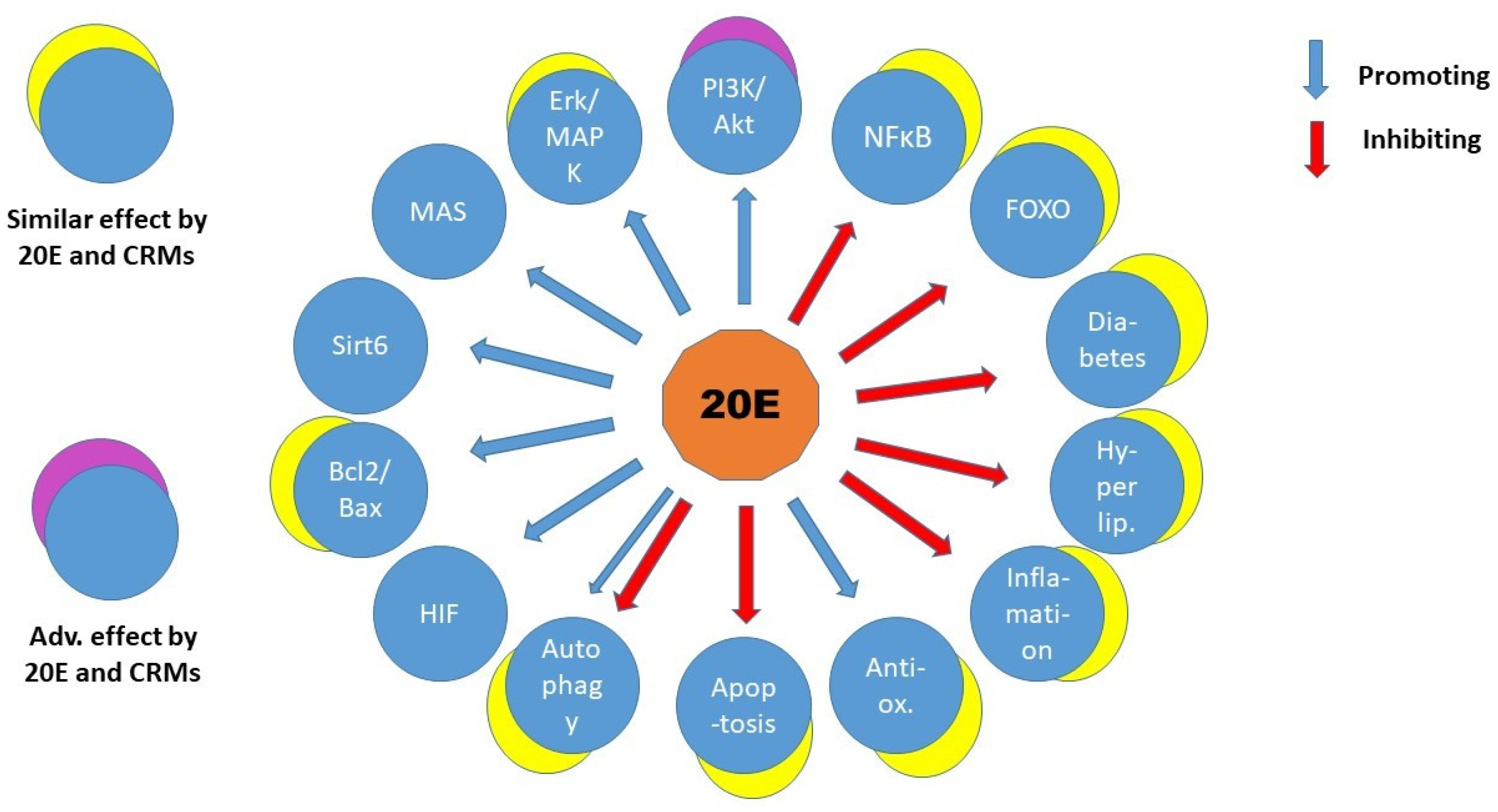
Although most of the mechanisms of CRM actions are still subjects of investigations it can be noted that they influence similar cellular pathways and pathological conditions as 20-hydroxyecdysone does (Figure 2). One can be curious if 20E might be a CRM in mammals. Indeed, quite a few examples have been reported about influence on enzymes, pathways that are also activated in CR. Ovariectomized rats fed with high-fat, high-fructose diet (OHFFD), are animal models of “metabolic dysfunction-associated fatty liver disease” (MAFLD), a non-alcoholic fatty liver disease. Dietary supplementation of 20E in OHFFD increased the phosphorylation of AMPK and acetylCoA carboxylase while reducing expression of fatty acid synthase in liver and adipose tissue. 20E also increased expression of carnitine palmitoyltransferase-1 in liver and reduced expression of sterol regulatory element-binding protein-1 in adipose tissue. The above alterations decreased fatty acid biosynthesis and lipogenesis and increased lipolysis/beta-oxidation therefore 20E ameliorated hepatic steatosis combined with overweight, diabetes, or other metabolic risk factors and this was achieved without altering calorie intake in OHFFD rats [88]. This effect was similar to that of Pioglitazone (PIO), a peroxisome proliferator-activated receptor-gamma (PPAR-γ) agonist. Not incidentally, PIO is a CRM to ameliorate steatosis however with unwanted side effects [89].
Sirtuins, one of the main targets of CRMs, have been reported only once in interaction with 20E. Endothelin cells grown in 3-D culture (HUVECs) had been treated with TNF-α which induced CD40 expression via NF-κB activity. This mechanism starts inflammation because CD40 is inducing IF-β, an inflammatory factor. NF-κB p65 acts in acetylated form but becomes de-acetylated by Sirt6, a nucleus localized protein, therefore decreases its activity. In docking experiments 20E binds to Sirt6 and stimulates its expression and also stabilizes it in HUVECs. This scenario protects against endothelial inflammation [14] and similar to the anti-inflammatory feature exerted by some CRMs, like metformin, curcumin and alpha-ketoglutarate [56].
One of the most resembling effect of 20E to calorie restriction has been reported in C57BL/6J mice fed a high-fat diet (HF). Body weight and fat tissue mass have been decreased by 20E compared to only HF control. Remarkably the hepatic expression of key gluconeogenic enzymes (PEPCK and G6Pase) have also been decreased ameliorating the pathogenic role of liver in diabetes of HF mice [63].

3. Discussion

Ecdysterone has fairly similar anabolic influence in vitro on various cell types and in vivo in animal models and clinical trials. This effect well conforms with the anti-oxidant, anti-hyperglicamic, anti-obese, anti-apoptotic, hepato-, neuro-, immuno-, osteo-, chondro- and other protective properties. The impact is more apparent in various pathological models than in healthy conditions. This fits well to the adaptive role of 20E in helping to restore somatic imbalance. In view of the distinct functions of tissues and organ within the organism it must be taken into consideration that finding a primary target is difficult when looking at systemic outcome. The research on effects of 20E has made progress in many areas and it seems to approach an array of targets instead of a major one. Namely, cooperation of estrogen receptor beta (ECRβ) in membrane attached palmitoylated form with and MAS receptor in C2C12 myogenic cells looked feasible to interpret pleiotropic effect of the hormone. Others proposed that 20E stimulated Sirt6 activity in TNF-α induced HUVEC cells and Sirt6 as a nuclear protein deacylated the transcription factor NFκB therefore CD40 was not induced and this prevented inflammation. According to in vitro assays 20E could bind to Sirt6 directly and stimulates its activity, suggesting a starting point for this mechanism. Most recently the upregulation of energy production has been put forward in myoblasts (C2C12) and embryonic fibroblasts (NIH3T3) as the main reason of 20E’s anabolic activity [90]. The authors, just like other researchers, found that the PI3K/Akt/mTor is the major signalling pathway involved in increased protein synthesis, and anti-oxidant effect, accompanied by increased C1-metabolism as a newly reported data. However, this is still not elucidating better i. e. how would 20E act directly on glucose uptake from plasma (according to its anti-hyperglycemic activity). If the entire aerobic and anaerobic glucose degradation is the mediator it is worth to appreciate that it includes highly regulated alternative pathways. An anabolic process always needs energy but a boosted energy production is not necessarily contributing to anabolism. Intermediates of TCA cycle when used for anabolic processes are less available to provide reduced cofactors for oxidative phosphorylation. Key enzymes, feed-back inhibitions and cofactor availability make the entire glucose degradation not so straightforward as it may look. For example, Shuvalov et al. [90] reported that 20E elevated LDH expression paralleled with increased terminal oxidation. This suggests both lactate and acetyl-CoA (AcCoA) production from pyruvate, the endproduct of aerobic glucolysis. AcCoA must enter the citric acid cycle (CAC) to feed oxidative phosphorylation. However, when AcCoA can not enter into the CAC it acts with negative feedback on its source enzyme, the pyruvate dehydrogenase. When CAC is inhibited (by excess of ATP and reduced coenzymes) citrate leaves the mitochondria and feeds fatty acid synthesis (FAS) with AcCoA. Therefore, CAC and FAS are two competing pathways, that need delicate regulation. FAS is a major anabolic process and required for phospholipid synthesis including cardiolipin, an essential component of the inner mitochondrial membrane. Citrate converted to AcCoA and oxaloacetate by the ATP citrate lyase (ACL). This enzyme is required for muscle growth as it increases cardiolipin for mitochondria. Muscle hypertrophy or alleviation of atrophy depends on the IGF-I/ACL/cardiolipin pathway [91]. This enzyme also limits AcCoA availability therefore regulates histone acetylation at MyoD acting sites of chromatin and needed for muscle differentiation [92]. Recently ACL of skeletal muscle has been found to increase in a special group of heart patients who responded to resistant exercise with muscle hypertrophy and ameliorated cardiac pathology only when received calorie restriction diet [93]. This observation highlights the paradoxical effect of calorie restriction which is the increasing of anabolic processes when energy is needed [94]. The above scenario does not refute Shuvalov et al.’s suggestion [90] but it presumes that 20E may have a calorie restriction effect. Recently it has been reported that starving cells can overcome the difficulty of balancing catabolic and anabolic processes using the fusion and fission cycle to sequester subset of mitochondria specialised on synthetic processes instead of oxidative phosphorylation [95]. Future studies may enlighten whether 20E has similar potential. Besides that, it is worth to keep in mind that the different tissues can be orchestrated under 20E influence. In liver hepatocytes 20E inhibits FAS in vivo meanwhile it promotes fatty acid degradation [88] showing the opposite response to that of myoblasts and fibroblast in vitro [90]. Therefore, different tissues can react differently to 20E mostly according to their functions within the body. Metabolism consists of interlinked catabolic and anabolic processes; it seems that 20E affects both kinds but influences tissues depending on the need of the entire organism. That is why this secondary plant product is often called also adaptogenic next to anabolic [96,97,98].
When looking at beta–ecdysterone’s effect on animal models of osteoporosis it appears protective therefore acting against aging. In metabolic diseases it is particularly noticeable that it has a lot of similarities with calorie restriction. It decreases weight without altered diet, it is anti-hyperglycemic, anti-lipidemic, anti-oxidant, anti-apoptotic and anti-autophagic. Calorie restriction mimics appear to influence the same signalling pathways and body conditions in a similar way as 20E does. However, there are exceptions, like the PI3K/Akt/mTor in muscle. The activity of IGF-1/ IGFR that elevates PI3K/Akt/mTor has been shown acting against longevity in animal [99] and human studies [100,101]. However, it must be kept in mind that 20E is anabolic and anabolism is important for muscle gain. Maintaining muscle mass and mobility is a prerequisite of a long and healthy life therefore this part of the ecdysterone effect may also be useful for achieving longevity

4. Conclusion

20E influences multiple cellular pathways and tissues and has at least three suggested molecular targets in its action however to none of these has been proven connecting directly in vivo. Two of the proposed molecular targets have been studied in myoblasts, 1 in endothelial cells and the increase of energy boost in myoblasts and fibroblasts have been proposed as a major cause for anabolic effect. This already imply that 20E has a systemic effect that probably cannot be resulted by one molecular target, although the Sirt6 stimulation in endothelial cells look promising for explanation of pleiotropy. Many of the 20E affected cellular processes and pathological conditions are influenced similarly by calorie restriction mimetics. However, IP3K/Akt/mTor, the major pathway that appears driving 20E’s anabolic effect is affected adversely by most CRM. Nevertheless, the comparison of 20E and CRMs seems interesting for further research of mechanisms and potential in anti-aging.

Author Contributions

The author has read and agreed to the published version of the manuscript.

Funding

This work was supported by the EU-funded Hungarian grant EFOP-3.6.2-16-2017-00006.

Institutional Review Board Statement

Not applicable.

Informed Consent Statement

Not applicable.

Data Availability Statement

Data availability not applicable.

Acknowledgments

Thank you for the work of the reviewers.

Conflicts of Interest

The author declares no conflicts of interest.

References

  1. Dinan, L.; Dioh, W.; Veillet, S.; Lafont, R. 20-Hydroxyecdysone, from Plant Extracts to Clinical Use: Therapeutic Potential for the Treatment of Neuromuscular, Cardio-Metabolic and Respiratory Diseases. Biomedicines 2021, 9, 492. [CrossRef] [PubMed]
  2. Dioh, W.; Tourette, C.; Del Signore, S.; Daudigny, L.; Dupont, P.; Balducci, C. et al. Dilda PJ, Lafont R, Veillet S. A Phase 1 study for safety and pharmacokinetics of BIO101 (20-hydroxyecdysone) in healthy young and older adults. J Cachexia Sarcopenia Muscle 2023, 14, 1259-1273. [CrossRef] [PubMed]
  3. Lobo, S.M.; Plantefève, G.; Nair, G.; Joaquim Cavalcante, A.; Franzin de Moraes, N. et al. Efficacy of oral 20-hydroxyecdysone (BIO101), a MAS receptor activator, in adults with severe COVID-19 (COVA): a randomized, placebo-controlled, phase 2/3 trial. EClinicalMedicine 2024, 68, 102383. [CrossRef] [PubMed]
  4. Báthori, M.; Tóth, N.; Hunyadi, A.; Márki, A.; Zádor, E. Phytoecdysteroids and anabolic-androgenic steroids--structure and effects on humans. Current medicinal chemistry 2008, 15, 75–91. [CrossRef] [PubMed]
  5. Tóth, N.; Hunyadi, A.; Báthori, M.; Zádor, E. Phytoecdysteroids and vitamin D analogues--similarities in structure and mode of action. Current medicinal chemistry, 2010, 17, 1974–1994. [CrossRef]
  6. Berger, K.; Schiefner, F.; Rudolf, M.; Awiszus, F.; Junne, F.; Vogel, M.; Lohmann, C.H. Long-term effects of doping with anabolic steroids during adolescence on physical and mental health. Orthopadie 2024, 53, 608-616. [CrossRef]
  7. Lafont, R.; Balducci, C.; Dinan, L. Ecdysteroids. Encyclopedia 2021, 1, 1267-1302. [CrossRef]
  8. Arif, Y.; Singh, P.; Bajguz, A.; Hayat, S. Phytoecdysteroids: Distribution, Structural Diversity, Biosynthesis, Activity, and Crosstalk with Phytohormones. In J Mol Sci 2022, 23, 8664. [CrossRef] [PubMed]
  9. Dinan, L.; Dioh, W.; Veillet, S.; Lafont, R. 20-Hydroxyecdysone, from Plant Extracts to Clinical Use: Therapeutic Potential for the Treatment of Neuromuscular, Cardio-Metabolic and Respiratory Diseases. Biomedicines, 2021, 9, 492. [CrossRef]
  10. Gorelick-Feldman, J.; Cohick, W.; Raskin, I. Ecdysteroids elicit a rapid Ca2+ flux leading to Akt activation and increased protein synthesis in skeletal muscle cells. Steroids 2010, 75, 632-7. [CrossRef]
  11. Zhao, X.F. G protein-coupled receptors function as cell membrane receptors for the steroid hormone 20-hydroxyecdysone. Cell Commun Signal 2020, 18, 146. [CrossRef] [PubMed]
  12. Parr, M.K.; Zhao, P.; Haupt, O.; Ngueu, S.T.; Hengevoss. J. Fritzemeier, K.H. et al. Estrogen receptor beta is involved in skeletal muscle hypertrophy induced by the phytoecdysteroid ecdysterone. Mol Nutr Food Res. 2014, 58, 1861-72. [CrossRef]
  13. Lafont, R.; Serova, M.; Didry-Barca, B.; Raynal, S.; Guibout, L.; Dinan, L. et al. 20-Hydroxyecdysone activates the protective arm of the RAAS via the MAS receptor. J Mol Endocrinol. 2021, 68, 77-87. [CrossRef]
  14. Jin, Z.; Wang, B.; Ren, L.; Yang, J.; Zheng, Z.; Yao, F. et al. 20-Hydroxyecdysone inhibits inflammation via SIRT6-mediated NF-κB signaling in endothelial cells. Biochim Biophys Acta Mol Cell Res. 2023, 1870, 119460. [CrossRef]
  15. Gorelick-Feldman, J.; Maclean, D.; Ilic, N.; Poulev, A, Lila, M.A.; Cheng, D.; Raskin, I. Phytoecdysteroids increase protein synthesis in skeletal muscle cells. J Agric Food Chem. 2008, 56, 3532-7. [CrossRef] [PubMed]
  16. Hirunsai, M.; Yimlamai, T.; Suksamrarn, A. Effect of 20-Hydroxyecdysone on Proteolytic Regulation in Skeletal Muscle Atrophy. In Vivo 2016, 30, 869-877. [CrossRef] [PubMed]
  17. Anthony, T.G.; Mirek, E.T.; Bargoud, A.R.; Phillipson-Weiner, L.; DeOliveira, C.M.; Wetstein, B. et al. Evaluating the effect of 20-hydroxyecdysone (20HE) on mechanistic target of rapamycin complex 1 (mTORC1) signaling in the skeletal muscle and liver of rats. Appl Physiol Nutr Metab. 2015, 40, 1324-8. [CrossRef] [PubMed]
  18. Tóth, N.; Szabó, A.; Kacsala, P.; Héger, J.; Zádor, E. 20-Hydroxyecdysone increases fibre size in a muscle-specific fashion in rat. Phytomedicine 2008, 15, 691-8. [CrossRef] [PubMed]
  19. Csábi, J.; Rafai, T.; Hunyadi, A.; Zádor, E. Poststerone increases muscle fibre size partly similar to its metabolically parent compound, 20-hydroxyecdysone. Fitoterapia, 2019, 134, 459–464. [CrossRef]
  20. Isenmann, E.; Ambrosio, G.; Joseph, J.F.; Mazzarino, M.; de la Torre, X.; Zimmer, P. et al. Ecdysteroids as non-conventional anabolic agent: performance enhancement by ecdysterone supplementation in humans. Arch Toxicol. 2019, 93, 1807-1816. [CrossRef]
  21. The WADA 2020 Monitoring Program. [(accessed on 3 May 2023)]. Available online: https://www.wada-ama.org/sites/default/files/wada_2020_english_monitorin.
  22. Zwetsloot, K.A.; Shanely, R.A.; Godwin, J.S.; Hodgman, C.F. Phytoecdysteroids Accelerate Recovery of Skeletal Muscle Function Following in vivo Eccentric Contraction-Induced Injury in Adult and Old Mice. Front Rehabil Sci. 2021, 2, 757789. [CrossRef]
  23. Lawrence, M.M.; Zwetsloot, K.A.; Arthur, S.T.; Sherman, C.A.; Huot, J.R.; Badmaev, V.; et al. Phytoecdysteroids Do Not Have Anabolic Effects in Skeletal Muscle in Sedentary Aging Mice. Int J Environ Res Public Health. 2021, 18, 370. [CrossRef] [PubMed]
  24. Cheng, D.M.; Kutzler, L.W.; Boler, D.D.; Drnevich, J.; Killefer, J.; Lila, M.A. et al. Continuous infusion of 20-hydroxyecdysone increased mass of triceps brachii in C57BL/6 mice. Phytother Res. 2013, 27, 107-11. [CrossRef] [PubMed]
  25. Serova, M.; Didry-Barca. B.; Deloux, R.; Foucault, A. S.; Veillet, S.; Lafont, R. et al. BIO101 stimulates myoblast differentiation and improves muscle function in adult and old mice. J Cachexia, Sarcopenia Muscle 2024, 15, 55–66. [CrossRef] [PubMed]
  26. Todorova, V.; Ivanova, S.; Chakarov, D.; Kraev, K.; Ivanov, K. Ecdysterone and Turkesterone-Compounds with Prominent Potential in Sport and Healthy Nutrition. Nutrients. 2024, 16, 1382. [CrossRef] [PubMed]
  27. Afsar, B.; Afsar, R.E.; Caliskan, Y.; Lentine, K.L.; Edwards, J.C. Renin angiotensin system-induced muscle wasting: putative mechanisms and implications for clinicians. Mol Cell Biochem. 2024, May 29. doi: 10.1007/s11010-024-05043-8. [CrossRef]
  28. Gao, L.; Cai, G.; Shi, X. Beta-ecdysterone induces osteogenic differentiation in mouse mesenchymal stem cells and relieves osteoporosis. Biol pharm bull. 2008, 31, 2245–2249. [CrossRef]
  29. Seidlova-Wuttke, D.; Christel, D.; Kapur, P.; Nguyen, B.T.; Jarry, H.; Wuttke, W. Beta-ecdysone has bone protective but no estrogenic effects in ovariectomized rats. Phytomedicine 2010, 17,884-9. [CrossRef] [PubMed]
  30. Kapur, P.; Wuttke, W.; Jarry, H.; Seidlova-Wuttke, D. Beneficial effects of beta-Ecdysone on the joint, epiphyseal cartilage tissue and trabecular bone in ovariectomized rats. Phytomedicine 2010, 17, 350-5. [CrossRef] [PubMed]
  31. Ehrhardt, C.; Wessels, J.T.; Wuttke, W. .; Seidlová-Wuttke, D. The effects of 20-hydroxyecdysone and 17β-estradiol on the skin of ovariectomized rats. Menopause 2011, 18, 323-7. [CrossRef]
  32. Jian, C.X.; Liu, X.F.; Hu, J.; Li, C.J.; Zhang, G.; Li, Y. et al. 20-Hydroxyecdysone-induced bone morphogenetic protein-2-dependent osteogenic differentiation through the ERK pathway in human periodontal ligament stem cells. Eur J Pharmacol 2013, 698, 48-56. [CrossRef] [PubMed]
  33. Dai, W.; Jiang, L.; Lay, Y.A.; Chen, H.; Jin, G.; Zhang, H. et al. Prevention of glucocorticoid induced bone changes with beta-ecdysone. Bone 2015, 74, 48-57. [CrossRef]
  34. Dai, W.; Zhang, H.; Zhong, Z.A.; Jiang, L.; Chen, H.; Lay, Y.A. et al. β-Ecdysone Augments Peak Bone Mass in Mice of Both Sexes. Clin Orthop Relat Res 2015, 473, 2495-504. [CrossRef]
  35. Dai, W.W.; Wang, L.B.; Jin, G.Q.; Wu, H.J.; Zhang, J.; Wang, C.L. et al. Beta-Ecdysone Protects Mouse Osteoblasts from Glucocorticoid-Induced Apoptosis In Vitro. Planta Med 2017, 83, 888-894. [CrossRef]
  36. Tang, Y.H.; Yue, Z.S.; Xin, D.W.; Zeng, L.R.; Xiong, Z.F.; Hu, Z.Q.; Xu, C.D. β-Ecdysterone promotes autophagy and inhibits apoptosis in osteoporotic rats. Mol Med Rep. 2018, 17, 1591-1598. [CrossRef] [PubMed]
  37. Sheu, S. Y.; Ho, SR.; Sun, J.S.; Chen, C.Y.; Ke, C.J. Arthropod steroid hormone (20-Hydroxyecdysone) suppresses IL-1β-induced catabolic gene expression in cartilage. BMC Complement Altern Med 2015, 15, 1. [CrossRef] [PubMed]
  38. You, W.L.; Xu, Z.L. β-ecdysone promotes osteogenic differentiation of bone marrow mesenchymal stem cells. J Gene Med 2020, 22, e3207. [CrossRef] [PubMed]
  39. Han, J.; Guan, J.; Zhu, X. β-Ecdysone attenuates cartilage damage in a mouse model of collagenase-induced osteoarthritis via mediating FOXO1/ADAMTS-4/5 signaling axis. Histol Histopathol 2021, 36, 785-794.
  40. Yan, C.P.; Wang, X.K.; Jiang, K.; Yin, C.; Xiang, C.; Wang, Y. et al. β-Ecdysterone Enhanced Bone Regeneration Through the BMP-2/SMAD/RUNX2/Osterix Signaling Pathway. Front Cell Dev Biol 2022, 10, 883228. [CrossRef]
  41. Jun, J.H.; Yoon, W.J.; Seo, S.B.; Woo, K.M.; Kim, G.S.; Ryoo, H.M.; Baek, J.H. BMP2-activated Erk/MAP kinase stabilizes Runx2 by increasing p300 levels and histone acetyltransferase activity. J Biol Chem 2010, 285, 36410-9. [CrossRef]
  42. Tang, W.H.; Chen, Z.; Liu, Z.; Zhang, J.H.; Xi, G.; Feng, H. The effect of ecdysterone on cerebral vasospasm following experimental subarachnoid hemorrhage in vitro and in vivo. Neurol Res 2008, 30, 571-80. [CrossRef] [PubMed]
  43. Hu, J.; Zhao, T.Z.; Chu, W.H.; Luo, C.X.; Tang, W.H.; Yi, L.; Feng H. Protective effects of 20-hydroxyecdysone on CoCl(2)-induced cell injury in PC12 cells. J Cell Biochem 2010, 111, 1512-21. [CrossRef] [PubMed]
  44. Luo, C.; Yi, B.; Fan, W.; Chen, K.; Gui, L.; Chen, Z.; Li, L. et al. Enhanced angiogenesis and astrocyte activation by ecdysterone treatment in a focal cerebral ischemia rat model. Acta Neurochir Suppl 2011, 110, 151-5. [PubMed]
  45. Hu, J.; Luo, C.X.; Chu, W.H.; Shan, Y.A.; Qian, Z.M.; Zhu, G. et al. 20-Hydroxyecdysone protects against oxidative stress-induced neuronal injury by scavenging free radicals and modulating NF-κB and JNK pathways. PLoS One 2012, 7, e50764. [CrossRef]
  46. Xia, X.; Zhang, Q.; Liu, R.; Wang, Z.; Tang, N.; Liu, F. et al. Effects of 20-hydroxyecdysone on improving memory deficits in streptozotocin-induced type 1 diabetes mellitus in rat. Eur J Pharmacol 2014, 740, 45-52. [CrossRef] [PubMed]
  47. Trillo, L.; Das, D.; Hsieh, W.; Medina, B.; Moghadam, S.; Lin, B. et al. Ascending monoaminergic systems alterations in Alzheimer's disease. translating basic science into clinical care. Neurosci Biobehav Rev 2013, 37, 1363-79. [CrossRef] [PubMed]
  48. Lim, H. S.; Moon, B. C.; Lee, J.; Choi, G .; Park, G. The insect molting hormone 20-hydroxyecdysone protects dopaminergic neurons against MPTP-induced neurotoxicity in a mouse model of Parkinson's disease. Free Radic Biol Med 2020, 159, 23–36.
  49. Zou ,Y.; Wang, R.; Guo, H.; Dong, M. Phytoestrogen β-Ecdysterone Protects PC12 Cells Against MPP+-Induced Neurotoxicity In Vitro: Involvement of PI3K-Nrf2-Regulated Pathway. Toxicol Sci 2015, 147, 28-38. [CrossRef]
  50. Wu, J.; Gao, L.; Shang, L.; Wang, G.; Wei, N.; Chu, T. et al. Ecdysterones from Rhaponticum carthamoides (Willd.) Iljin reduce hippocampal excitotoxic cell loss and upregulate mTOR signaling in rats. Fitoterapia 2017, 119, 158-167. [CrossRef]
  51. Franco, R.R.; de Almeida Takata, L.; Chagas, K.; Justino, A.B.; Saraiva, A.L.; Goulart, L.R. et al. A 20-hydroxyecdysone-enriched fraction from Pfaffia glomerata (Spreng.) pedersen roots alleviates stress, anxiety, and depression in mice. J Ethnopharmacol 2021, 267, 113599.
  52. Gholipour, P.; Komaki, A.; Ramezani, M.; Parsa, H. Effects of the combination of high-intensity interval training and Ecdysterone on learning and memory abilities, antioxidant enzyme activities, and neuronal population in an Amyloid-beta-induced rat model of Alzheimer's disease. Physiol Behav 2022, 251, 113817. [CrossRef] [PubMed]
  53. Todorova, V.; Ivanova, S.; Yotov, V.; Zaytseva, E.; Ardasheva, R.; Turiyski, V.; Prissadova, N.; Ivanov, K. Phytoecdysteroids: Quantification in Selected Plant Species and Evaluation of Some Effects on Gastric Smooth Muscles. Molecules 2024, 29, 5145. [CrossRef]
  54. Zhang, X.; Xu, X.; Xu, T.; Qin, S. β-Ecdysterone suppresses interleukin-1β-induced apoptosis and inflammation in rat chondrocytes via inhibition of NF-κB signaling pathway. Drug Dev Res  2014, 75, 195-201. [CrossRef] [PubMed]
  55. Posey, K.L. Curcumin and Resveratrol: Nutraceuticals with so Much Potential for Pseudoachondroplasia and Other ER-Stress Conditions. Biomolecules 2024, 14, 154. [CrossRef] [PubMed]
  56. Nassar, K.; El-Mekawey, D.; Elmasry, A.E.; Refaey, M.S.; El-Sayed Ghoneim, M.; Elshaier, Y.A.M.M. The significance of caloric restriction mimetics as anti-aging drugs. Biochem Biophys Res Commun 2024, 692, 149354. [CrossRef] [PubMed]
  57. Pan, Z.; Niu, Y.; Liang, Y.; Zhang, X.; Dong, M. β-Ecdysterone Protects SH-SY5Y Cells Against 6-Hydroxydopamine-Induced Apoptosis via Mitochondria-Dependent Mechanism: Involvement of p38(MAPK)-p53 Signaling Pathway. Neurotox Res 2016, 30, 453-66. [CrossRef] [PubMed]
  58. Sun, Y.; Zhao, D.L.; Liu, Z.X.; Sun, X.H.; Li, Y. Beneficial effect of 20-hydroxyecdysone exerted by modulating antioxidants and inflammatory cytokine levels in collagen-induced arthritis: A model for rheumatoid arthritis. Mol Med Rep 2017, 16, 6162-6169. [CrossRef] [PubMed]
  59. Yang, L.; Hui, A.; Jian, P. Ecdysterone Accelerates Healing of Radiation-Induced Oral Mucositis in Rats by Increasing Matrix Cell Proliferation. Radiat Res 2019, 191, 237-244.
  60. Yang, L.; Pan, J. Therapeutic Effect of Ecdysterone Combine Paeonol Oral Cavity Direct Administered on Radiation-Induced Oral Mucositis in Rats. Int J Mol Sci 2019, 20, 3800. [CrossRef]
  61. Romaniuk-Drapała, A.; Lisiak, N.; Totoń, E.; Matysiak, A.; Nawrot, J.; Nowak G. et al. Proapoptotic and proautophagic activity of 20-hydroxyecdysone in breast cancer cells in vitro. Chem Biol Interact 2021, 342, 109479. [CrossRef]
  62. Yang, L.; Friedemann, T.; Pan, J. Ecdysterone Attenuates the Development of Radiation-Induced Oral Mucositis in Rats at Early Stage. Radiat Res 2021, 196, 366-374. [CrossRef]
  63. Kizelsztein, P.; Govorko, D.; Komarnytsky, S.; Evans, A.; Wang, Z.; Cefalu, W.T.; Raskin, I. 20-Hydroxyecdysone decreases weight and hyperglycemia in a diet-induced obesity mice model. Am J Physiol Endocrinol Metab 2009, 296, E433-9. [CrossRef] [PubMed]
  64. Sundaram, R.; Naresh, R.; Shanthi, P.; Sachdanandam, P. Efficacy of 20-OH-ecdysone on hepatic key enzymes of carbohydrate metabolism in streptozotocin induced diabetic rats. Phytomedicine 2012, 19, 725-9. [CrossRef] [PubMed]
  65. Naresh Kumar, R.; Sundaram, R.; Shanthi, P.; Sachdanandam, P. Protective role of 20-OH ecdysone on lipid profile and tissue fatty acid changes in streptozotocin induced diabetic rats. Eur J Pharmacol 2013, 698, 489-98. [CrossRef]
  66. Semiane, N.; Foufelle, F.; Ferré, P.; Hainault, I.; Ameddah, S.; Mallek, A. et al.. High carbohydrate diet induces nonalcoholic steato-hepatitis (NASH) in a desert gerbil. C R Biol 2017, 340, 25-36. [CrossRef] [PubMed]
  67. Mallek, A.; Movassat, J.; Ameddah, S.; Liu, J.; Semiane, N.; Khalkhal, A.; Dahmani, Y. Experimental diabetes induced by streptozotocin in the desert gerbil, Gerbillus gerbillus, and the effects of short-term 20-hydroxyecdysone administration. Biomed Pharmacother 2018, 102, 354-361. [CrossRef]
  68. Agoun, H.; Semiane, N.; Mallek, A.; Bellahreche, Z.; Hammadi, S.; Madjerab, M. et al. High-carbohydrate diet-induced metabolic disorders in Gerbillus tarabuli (a new model of non-alcoholic fatty-liver disease). Protective effects of 20-hydroxyecdysone. Arch Physiol Biochem 2021,127, 127-135. [CrossRef]
  69. Bellahreche, Z.; Dahmani, Y. 20-Hydroxyecdysone bioavailability and pharmacokinetics in Gerbillus tarabuli, a gerbil model for metabolic syndrome studies. Steroids 2023, 198, 109262. [CrossRef]
  70. Foucault, A.S.; Mathé, V.; Lafont, R.; Even, P.; Dioh, W.; Veillet, S. et al. Quinoa extract enriched in 20-hydroxyecdysone protects mice from diet-induced obesity and modulates adipokines expression. Obesity 2012, 20, 270-7. [CrossRef]
  71. Graf, B.L.; Poulev, A.; Kuhn, P.; Grace, M.H.; Lila, M.A.; Raskin, I. Quinoa seeds leach phytoecdysteroids and other compounds with anti-diabetic properties. Food Chem 2014, 163, 178-85. [CrossRef]
  72. Foucault, A.S.; Even, P.; Lafont, R.; Dioh, W.; Veillet, S.; Tomé, D. et al. Quinoa extract enriched in 20-hydroxyecdysone affects energy homeostasis and intestinal fat absorption in mice fed a high-fat diet. Physiol Behav 2014, 128, 226-31. [CrossRef] [PubMed]
  73. Merenda, T.; Juszczak, F.; Ferier, E.; Duez, P.; Patris, S.; Declèves, A. É.; Nachtergael, A. Natural compounds proposed for the management of non-alcoholic fatty liver disease. Natural products and bioprospecting 2024, 14, 24. [CrossRef] [PubMed]
  74. Wang, J.J.; Jin, H.; Zheng, S.L.; Xia, P.; Cai, Y.; Ni, X.J. Phytoecdysteroids from Ajuga iva act as potential antidiabetic agent against alloxan-induced diabetic male albino rats. Biomed Pharmacother 2017, 96, 480-488. [CrossRef] [PubMed]
  75. Mitchell, S.J.; Madrigal-Matute, J, .; Scheibye-Knudsen M, Fang E, Aon M, González-Reyes JA, et al.. Effects of sex, strain, and energy intake on hallmarks of aging in mice. Cell Metab 2016, 23, 1093–112. [CrossRef] [PubMed]
  76. Lee, S.H.; Min, K.J. Caloric restriction and its mimetics. BMB Rep. 2013, 46, 181-7. [CrossRef]
  77. Mattison, J.A.; Colman, R.J.; Beasley, T.M.; Allison, D.B.; Kemnitz, J.W.; Roth GS. et al. Caloric restriction improves health and survival of rhesus monkeys. Nat Commun 2017, 8, 14063. [CrossRef]
  78. Most, J.; Tosti, V.; Redman, L.M.; Fontana, L. Calorie restriction in humans: An update. Ageing Res Rev 2017, 39, 36-45. [CrossRef]
  79. Ravussin, E.; Redman, L. M.; Rochon, J.; Das, S. K.; Fontana, L.; Kraus, W. E.; … CALERIE Study Group. A 2-year randomized controlled trial of human caloric restriction: Feasibility and effects on predictors of health span and longevity. The Journals of Gerontology. Series A, Biological Sciences and Medical Sciences 2015, 70, 1097–1104. [CrossRef]
  80. Das, S. K.; Balasubramanian, P.; Weerasekara, Y. K. Nutrition modulation of human aging: The calorie restriction paradigm. Molecular and Cellular Endocrinology, 2017, 455, 148–157. [CrossRef]
  81. Das, S.K.; Silver, R.E.; Senior, A.; Gilhooly, C.H.; Bhapkar, M.; Le Couteur, D. Diet composition, adherence to calorie restriction, and cardiometabolic disease risk modification. Aging Cell 2023, 22, e14018. [CrossRef]
  82. Waziry, R.; Ryan, C.P.; Corcoran, D.L.; Huffman, K.M.; Kobor, M.S.; Kothari, M.; et al. Effect of long-term caloric restriction on DNA methylation measures of biological aging in healthy adults from the CALERIE trial. Nat Aging 2023, 3, 248-257. Erratum in: Nat Aging. 2023, 3, 753. [CrossRef] [PubMed]
  83. Hastings, W.J.; Ye, Q.; Wolf, S.E.; Ryan, C.P.; Das, S.K.; Huffman, K.M.; Kobor MS, et al. Effect of long-term caloric restriction on telomere length in healthy adults: CALERIE™ 2 trial analysis. Aging Cell 2024, 23, e14149. [CrossRef] [PubMed]
  84. Rubin, R. Cut Calories, Lengthen Life Span? Randomized Trial Uncovers Evidence That Calorie Restriction Might Slow Aging, but Questions Remain. JAMA 2023, 329, 1049-1050. [CrossRef] [PubMed]
  85. Ekmekcioglu, C. Nutrition and longevity - From mechanisms to uncertainties. Crit Rev Food Sci Nutr. 2020, 60, 3063-3082. [CrossRef] [PubMed]
  86. Hofer, S.J.; Davinelli, S.; Bergmann, M.; Scapagnini, G.; Madeo, F. Caloric Restriction Mimetics in Nutrition and Clinical Trials. Front Nutr 2021, 8, 717343. [CrossRef] [PubMed]
  87. Mohammed, I.; Hollenberg, M.D.; Ding, H.; Triggle, C.R. A Critical Review of the Evidence That Metformin Is a Putative Anti-Aging Drug That Enhances Healthspan and Extends Lifespan. Front Endocrinol 2021, 12, 718942. [CrossRef] [PubMed]
  88. Buniam, J.; Chansela, P.; Weerachayaphorn, J.; Saengsirisuwan, V. Dietary Supplementation with 20-Hydroxyecdysone Ameliorates Hepatic Steatosis and Reduces White Adipose Tissue Mass in Ovariectomized Rats Fed a High-Fat, High-Fructose Diet. Biomedicines 2023, 11, 2071. [CrossRef]
  89. Guru, B.; Tamrakar, A. K.; Manjula, S. N.; Prashantha Kumar, B. R. Novel dual PPARα/γ agonists protect against liver steatosis and improve insulin sensitivity while avoiding side effects. European journal of pharmacology 2022, 935, 175322. [CrossRef]
  90. Shuvalov, O.; Kirdeeva, Y.; Fefilova, E.; Daks, A.; Fedorova, O.; Parfenyev, S.; Nazarov, A.; Vlasova, Y.; Krasnov, G.S.; Barlev, N.A. 20-Hydroxyecdysone Boosts Energy Production and Biosynthetic Processes in Non-Transformed Mouse Cells. Antioxidants 2024, 13, 1349. [CrossRef] [PubMed]
  91. Das S.; Morvan, F.; Jourde, B.; Meier, V.; Kahle, P.; Brebbia, P. et al. ATP citrate lyase improves mitochondrial function in skeletal muscle. Cell metabolism, 2015, 21, 868–876. [CrossRef]
  92. Das, S.; Morvan, F.; Morozzi, G.; Jourde, B.; Minetti, G. C.; Kahle, P. et al. ATP Citrate Lyase Regulates Myofibre Differentiation and Increases Regeneration by Altering Histone Acetylation. Cell reports, 2017, 21, 3003–3011. [CrossRef]
  93. Espino-Gonzalez, E.; Tickle, P.G.; Altara R.; Gallagher, H.; Cheng, C. W.; Engman, V. et al. Caloric restriction rejuvenates skeletal muscle growth in heart failure with preserved ejection fraction. J Am Coll Cardiol Basic Trans Science 2024, 9, 223–240. [CrossRef] [PubMed]
  94. Zádor E. Paradoxical Effect of Caloric Restriction on Overload-Induced Muscle Growth in Diastolic Heart Failure., J Am Coll Cardiol Basic Trans Science 2024, 9, 241–243. [CrossRef]
  95. Tarkowská, D.; Strnad, M. Plant ecdysteroids: plant sterols with intriguing distributions, biological effects and relations to plant hormones. Planta, 2016, 244, 545–555. [CrossRef] [PubMed]
  96. Popova, E.; Titova, M.; Tynykulov, M.; Zakirova, R. P.; Kulichenko, I.; Prudnikova, O.; Nosov, A. Sustainable Production of Ajuga Bioactive Metabolites Using Cell Culture Technologies: A Review. Nutrients, 2023, 15, 1246. [CrossRef] [PubMed]
  97. Shuvalov, O.; Kirdeeva, Y.; Fefilova, E.; Netsvetay, S.; Zorin, M.; Vlasova, Y. et al. 20-Hydroxyecdysone Confers Antioxidant and Antineoplastic Properties in Human Non-Small Cell Lung Cancer Cells. Metabolites, 2023, 13, 656. [CrossRef] [PubMed]
  98. Ryu, K. W.; Fung, T. S.; Baker, D. C.; Saoi, M .;Park, J.; Febres-Aldana, C. A.; et al. Cellular ATP demand creates metabolically distinct subpopulations of mitochondria. Nature 2024,. [CrossRef]
  99. Russell, S.J.; Kahn, C.R. Endocrine regulation of ageing. Nat Rev Mol Cell Biol 2007, 8, 681–91. [CrossRef] [PubMed]
  100. Suh, Y.; Atzmon, G.; Cho, M.O.; Hwang, D .; Liu, B.; Leahy, D.J. et al. Functionally significant insulin-like growth factor I receptor mutations in centenarians. Proc Natl Acad Sci U.S.A. 2008, 105, 3438–3442. [CrossRef]
  101. Giacomozzi, C.; Martin, A.; Fernández, M.C.; Gutiérrez, M.; Iascone, M.; Domené, H.M. et al. Novel Insulin-Like Growth Factor 1 Gene Mutation: Broadening of the Phenotype and Implications for Insulin Resistance. J Clin Endocrinol Metab 2023, 108, 1355–1369. [CrossRef]
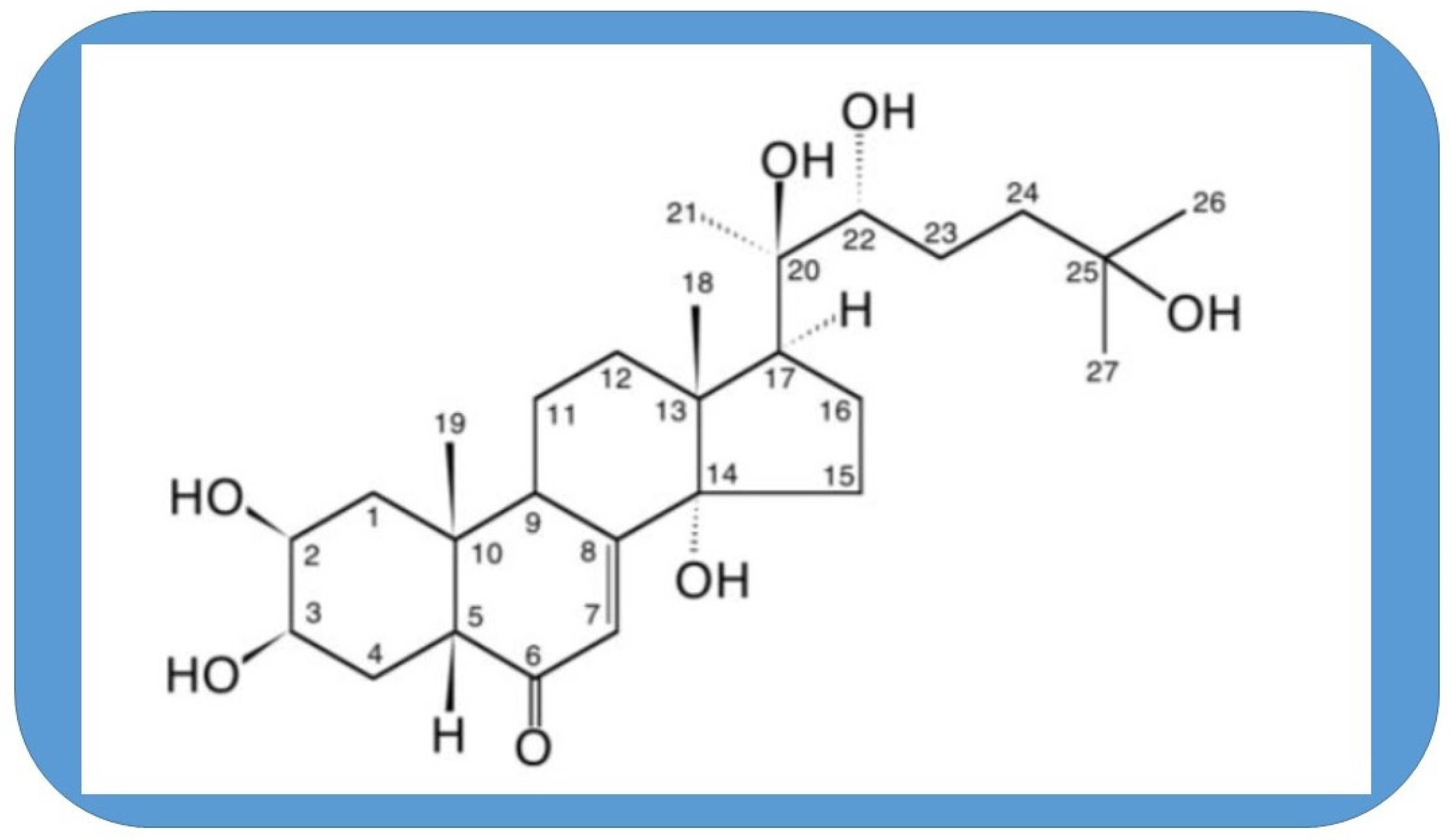
Figure 1. The structure of 20-hydroxyecdysone (20E, ecdysterone, β-ecdysterone, β-ecdysone, moulting hormone, BIO101).
Preprints 139981 g001
Figure 2. The similarity of effects of 20-hydroxiecdysone and CRMs on signalling molecules, cellular and metabolic processes. The overlapping circles indicate similar or (in one case) adverse effects. Hyperlip. – hyperlipidaemia, other explanations in the text.
Preprints 139981 g002
Disclaimer/Publisher’s Note: The statements, opinions and data contained in all publications are solely those of the individual author(s) and contributor(s) and not of MDPI and/or the editor(s). MDPI and/or the editor(s) disclaim responsibility for any injury to people or property resulting from any ideas, methods, instructions or products referred to in the content.
Copyright: This open access article is published under a Creative Commons CC BY 4.0 license, which permit the free download, distribution, and reuse, provided that the author and preprint are cited in any reuse.
Prerpints.org logo

Preprints.org is a free preprint server supported by MDPI in Basel, Switzerland.

Subscribe

Disclaimer

Terms of Use

Privacy Policy

Privacy Settings

© 2025 MDPI (Basel, Switzerland) unless otherwise stated