

Submitted:
11 November 2024
Posted:
12 November 2024
You are already at the latest version
Abstract
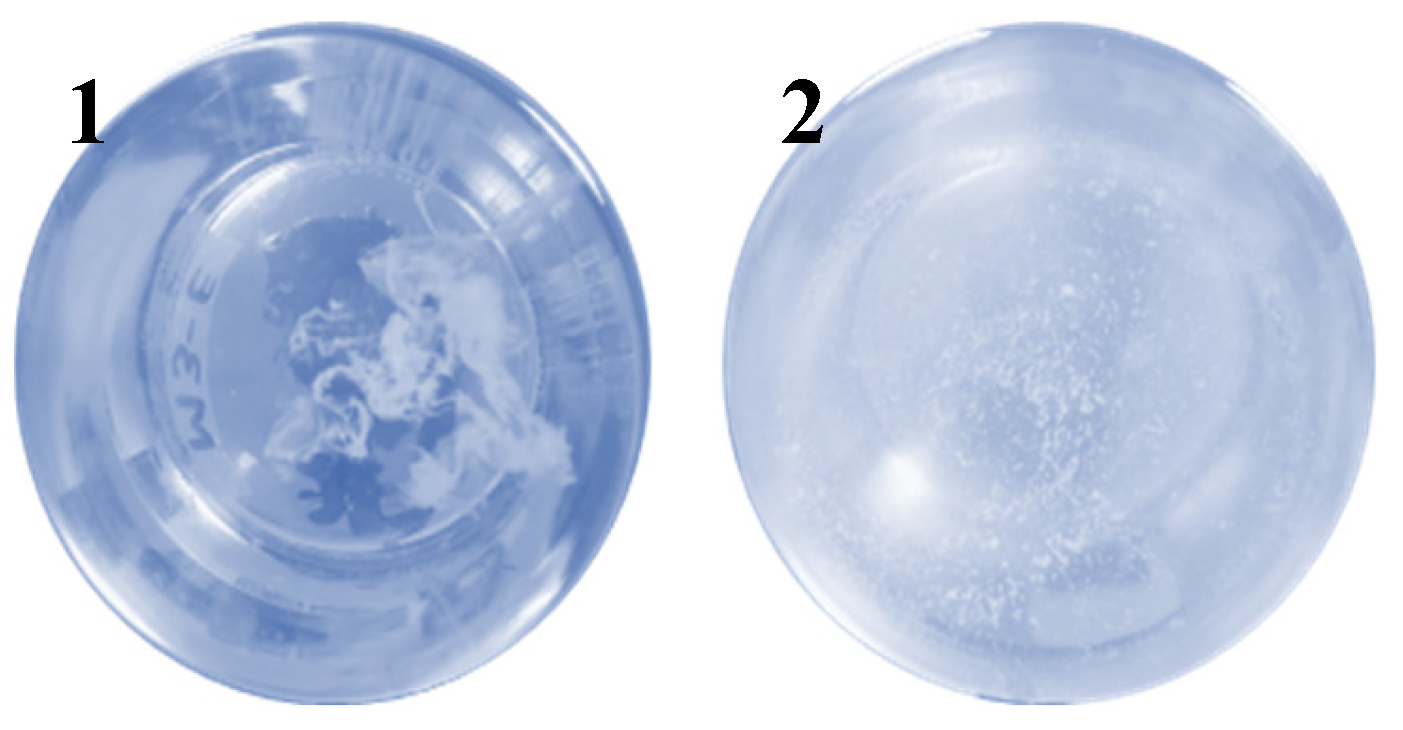
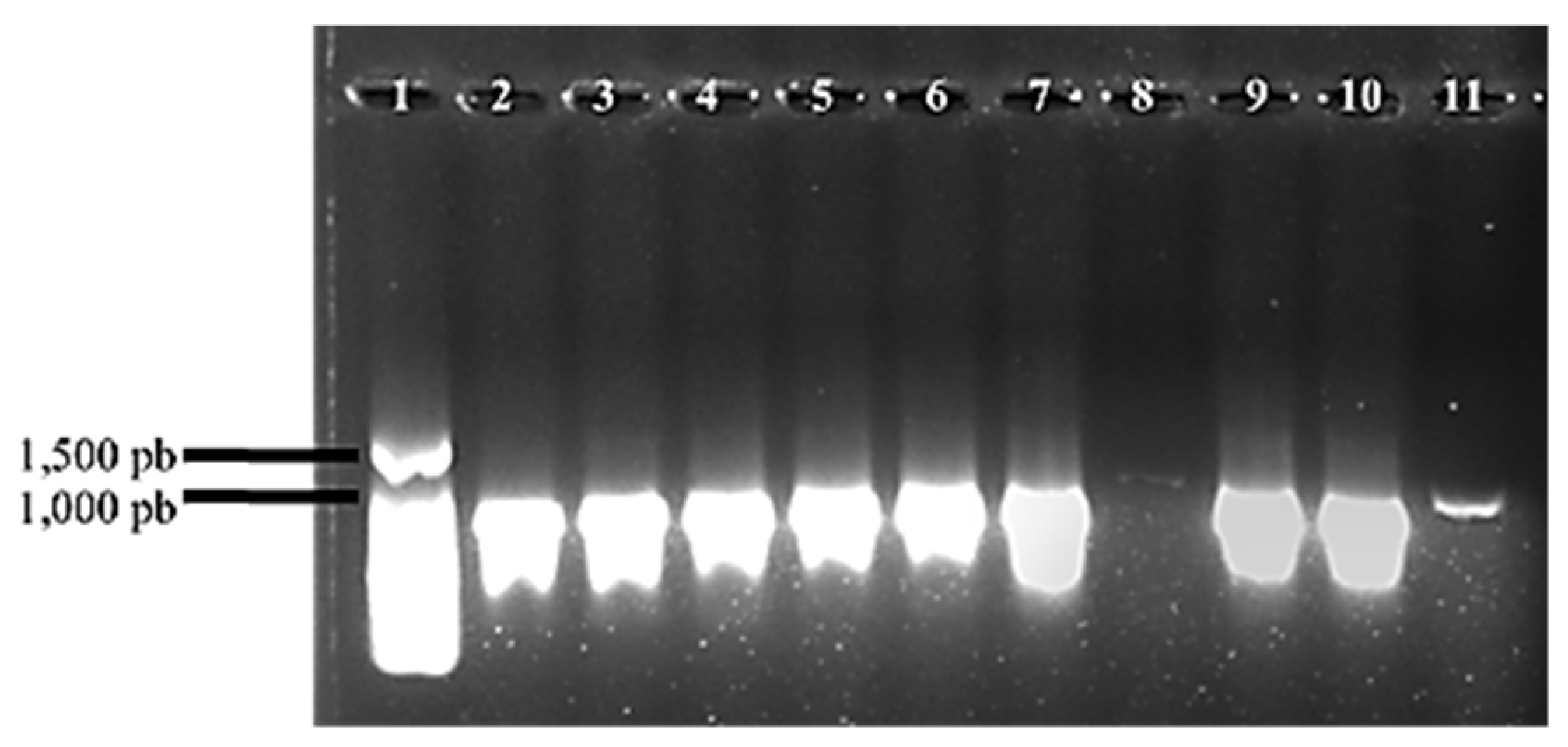
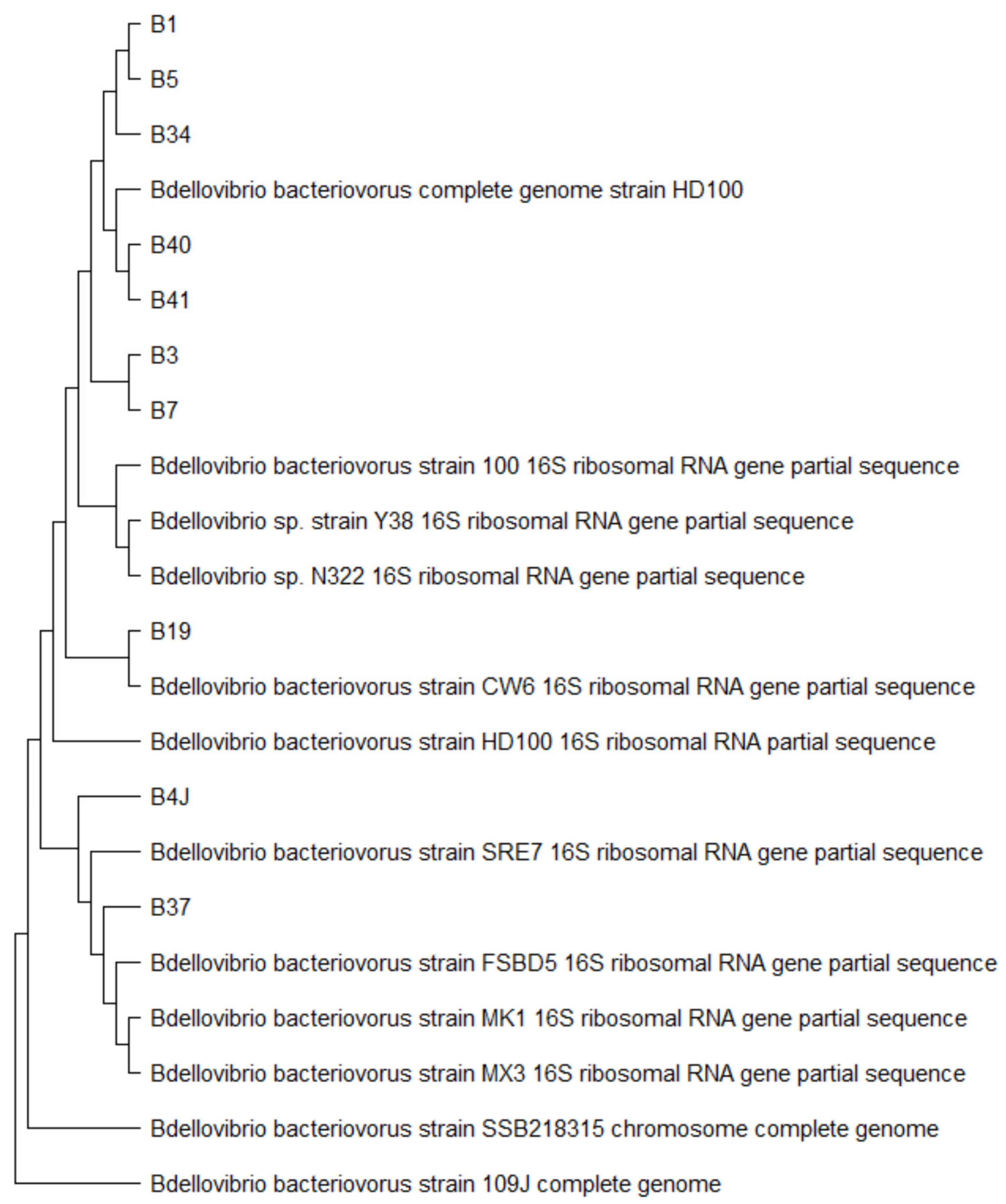
In the last decade there has been a growing increase in antimicrobial resistance, this has been due to bad practices and excessive use in the clinical and agricultural area. Aeromonas species cause infections in fish and shellfish, causing furunculosis, causing large economic losses in fish farms. In humans Aeromonas causes gastroenteritis and infections in wounds and soft tissues. According to the WHO Aeromonas is classified as a priority pathogen for the development of new strategies for its control. Bdellovibrio is a predatory bacterium that has a wide range to attack Gram-negative bacteria even greater than some phages, which represents a great potential for the control of pathogenic bacteria. In this study, ten bacteria of the genus Bdellovibrio were isolated from environmental samples (soil, water and feces of mammalian animals), all were identified within the genus Bdellovibrio, through partial sequences of the 16S rRNA gene. Their predation efficiency against Aeromonas strains of clinical and environmental origin was evaluated. All Bdellovibrio spp. isolates showed efficiency in preying on Aeromonas species. In the predation efficiency results, Bdellovibrio isolates showed a reduction in the population of Aeromonas strains after 5 to 16.5 h of their inoculation.
Keywords:
1. Introduction
2. Materials and Methods
2.1. PCR Identification Using the 16S rRNA Gene Specific for Bdellovibrio and BALOs
2.2. Sequencing Reaction Using the 16S rRNA Gene Specific for Bdellovibrio
2.3. Determination of Predation Efficiency of Bdellovibrio Species
3. Results
4. Discussion
5. Conclusions
Acknowledgments
Conflicts of Interest
References
- Atterbury, R. J., Hobley. Effects of orally administered Bdellovibrio bacteriovorus on the well-being and Salmonella colonization of young chicks. Applied and Environmental Microbiology 2011, 77, 5794–5803. [Google Scholar] [CrossRef] [PubMed]
- Awan, F. Dong, Y. Wang, N. Liu, J. Ma, K. & Liu, Y. (2018)a. The fight for invincibility: environmental stress response mechanisms and Aeromonas hydrophila. Microbial Pathogenesis, 116, 135–145. [CrossRef]
- Awan, F., Dong, Y. & Liu, J. (2018)b. Comparative genome analysis provides deep in-sights into Aeromonas hydrophila taxonomy and virulence-related factors. BMC Genomics. [CrossRef]
- Cao, H., He, S., Wang, H., Hou, S., Lu, L. & Yang, X. (2012). Bdellovibrios, potential biocontrol bacteria against pathogenic Aeromonas hydrophila. Veterinary Microbiology, 154: 413–418. [CrossRef] [PubMed]
- Chu, WH y Zhu, W. (2010). Aislamiento de Bdellovibrio como agentes terapéuticos biológicos utilizados para el tratamiento de la infección por Aeromonas hydrophila en peces. Zoonosis y Salud Pública. 57 (4), 258-264.
- Dashiff, A., Junka, R. A., Libera, M. & Kadouri, D. E. (2011). Predation of human pathogens by the predatory bacteria Micavibrio aeruginosavorus and Bdellovibrio bacteriovorus. Journal of Applied Microbiology, 110, 431–444.
- Dwidar, M., Monnappa. La naturaleza dual probiótica y antibiótica de Bdellovibrio bacteriovorus. Informes BMB 2012, 45, 71–78. [Google Scholar]
- El-Shanshoury, A. E. R. R., Abo-Amer, A. E. & Alzahrani, O. M. (2016). Isolation of Bdellovibrio sp. from wastewater and their potential application in control of Salmonella paratyphi in water. Geomicrobiology Journal, 33, 886–893. [CrossRef]
- Figueras, M. J., Latif-Eugenín, F. & Ballester F. (2017). Aeromonas intestinalis and Aeromonas enterica isolated from human faeces, Aeromonas crassostreae from oyster and Aeromonas aquatilis isolated from lake water represent novel species. New Microbes and New Infections, 15. 74–76. [CrossRef]
- Hoel, S., Vadstein, O. & Jakobsen, A. N. (2017). Species distribution and prevalence of putative virulence factors in Mesophilic Aeromonas spp. isolated from fresh retail sushi, Frontiers in Microbiology, 1–11. [CrossRef]
- Janda, J. M. & Abbott, S. L. (2010). The genus Aeromonas: taxonomy, pathogenicity, and infection. Clinical Microbiology Reviews, 35–73. [CrossRef]
- Jurkevitch, É., & Jacquet, S. (2017). Bdellovibrio and like organisms: outstanding predators! Medecine Sciences. M/S, 33(5), 519-527.
- Jurkevitch, Edouard. (2012). Isolation and classification of Bdellovibrio and like organisms. Current Protocols in Microbiology, 1(SUPPL.26). [CrossRef]
- Kadouri, D., Venzon, NC y O’Toole, GA. (2007). Vulnerabilidad de biopelículas patogénicas a Micavibrio aeruginosavorus. Microbiología Aplicada y Ambiental, 73(2), 605-614.
- Ku, Y. H. & Yu W. L. (2015). Extensive community-acquired pneumonia with hemophago-cytic syndrome caused by Aeromonas veronii in an immunocompetent patient. Journal of Microbiology, Immunology and Infection, 50(4). 555–556. [CrossRef]
- Li, F., Wang, W. & Zhu, Z. (2015). Distribution, virulence-associated genes, and antimicrobial resistance of Aeromonas isolates from diarrheal patients and water, China, Journal of Infection, 600–608. [CrossRef]
- Li, Y., Qiu, F., Yan, H., Wan, X., Wang, M. & Ren, K. (2018). Increasing the autotrophic growth of Chlorella USTB-01 via the control of bacterial contamination by Bdellovibrio USTB-06. Journal of Applied Microbiology, 124, 1131–1138. [CrossRef]
- Loozen, G., Boon, N., Pauwels, M., Slomka, V., Rodrigues-Herrero, E. & Quirynen, M. (2015). Effect of Bdellovibrio bacteriovorus HD100 on multispecies oral communities. Anaerobe. 35: 45–53. [CrossRef] [PubMed]
- WHO. (2017). Organización Mundial de la Salud. https://www.who.int/es/news/item/27-02-2017-who-publishes-list-of-bacteria-for-which-new-antibiotics-are-urgently-needed.
- WHO. (2020). Organización Mundial de la Salud. https://www.who.int/es/news-room/fact-sheets/detail/antimicrobial-resistance.
- Oyedara, O. O., De Luna-Santillana, E., de, J., Olguin-Rodriguez, O., Guo, X., Mendoza-Villa, M. A. (2016). Isolation of Bdellovibrio sp. from soil samples in Mexico and their potential applications in control of pathogens. Microbiology open. 5, 992–1002. [CrossRef]
- Parker, J. L. & Shaw, J. G. (2011). Aeromonas spp. clinical microbiology and disease. Journal of Infection, 62(2) 109–118. [CrossRef]
- Pérez, J., Moraleda-Muñoz, A., Marcos-Torres, F. J. & Muñoz-Dorado, J. (2016). Bacterial predation: 75 years and counting! Environmental Microbiology, 18, 766–779.
- Raghunathan, D., Radford, P. M., Gell, C., Negus, D., Moore, C., Till, R., Tighe, P. J., Wheatley, S. P., Martinez-Pomares, L. & Sockett, R.E. (2019). Engulfment, persistence and fate of Bdellovibrio bacteriovorus predators inside human phagocytic cells informs their future therapeutic potential. Nature Scientific Reports, 9, 1–16.
- Ruppé, E., Cherkaoui, A. & Wagner, N. (2018). In vivo selection of a multidrug-resistant Aeromonas salmonicida during medicinal leech therapy. New Microbes and New Infections, 23–27. [CrossRef]
- Shatzkes, K., Singleton, E., Tang, C., Zuena, M., Shukla, S., Gupta, S., Dharani, S., Rinaggio, J., Kadouri, D. E & Connell, N. D. (2017)a. Examining the efficacy of intravenous administration of predatory bacteria in rats. Nature Scientific Reports, 7(1), 1864.
- Shatzkes, K., Tang, C., Singleton, E., Shukla, S., Zuena, M., Gupta, S., Dharani, S., Rinaggio, J., Connell, N. D., & Kadouri, D. E. (2017)b. Effect of predatory bacteria on the gut bacterial microbiota in rats. Nature Scientific Reports. [CrossRef]
- Taylor, V. I., Baumann, P., Reichelt, J. L. & Allen, R. D. (1974). Isolation, enumeration, and host range of marine Bdellovibrios. Archives of Microbiology, 98, 101–114.
- Teunis, P. & Figueras, M. J. (2016). Reassessment of the enteropathogenicity of mesophilic Aeromonas species. Frontiers in Microbiology, 1–12. [CrossRef]
Disclaimer/Publisher’s Note: The statements, opinions and data contained in all publications are solely those of the individual author(s) and contributor(s) and not of MDPI and/or the editor(s). MDPI and/or the editor(s) disclaim responsibility for any injury to people or property resulting from any ideas, methods, instructions or products referred to in the content. |
© 2024 by the authors. Licensee MDPI, Basel, Switzerland. This article is an open access article distributed under the terms and conditions of the Creative Commons Attribution (CC BY) license (http://creativecommons.org/licenses/by/4.0/).


