
Submitted:
13 October 2024
Posted:
14 October 2024
You are already at the latest version
Abstract
In today’s fast-paced, modern world, parents often face significant challenges in balancing their professional responsibilities with the demands of child monitoring and nurturing. Our project addresses these challenges by developing an IoT-based Smart Cradle Monitoring System, designed to assist parents in ensuring their child's well-being while they are working. The smart cradle features an automatic swinging mechanism that activates upon detecting the sound of a baby crying, soothing the baby promptly without requiring immediate parental intervention. Additionally, a web camera provides continuous video surveillance, allowing parents to monitor their child remotely in real-time through dedicated alerts. The system leverages IoT technology to connect various components, including an Arduino microcontroller, Raspberry Pi high-sensitivity sound sensors, and a motorized swinging mechanism. This integration ensures seamless operation and remote access, offering peace of mind to working parents. By upgrading traditional cradles with modern electronics, our project provides a reliable and efficient solution that enhances child care, ensuring both the child’s well-being and the parent’s peace of mind. This smart cradle is designed to alleviate the challenges faced by working parents, offering superior results compared to conventional cradles, and helping parents focus on their work while being reassured of their child's safety and comfort.
Keywords:
Internet of Things
; Sensors
; Actuators
1. Introduction
Modern-day parenting comes with significant challenges, particularly in balancing time and ensuring constant supervision of infants. As more parents juggle professional 2. commitments and household responsibilities, the demand for 3. smart, automated systems that can monitor and comfort babies has grown. Traditional methods like manually rocking the cradle or playing soothing music can now be enhanced with technology. This paper introduces the design and implementation of a “Smart Baby Cradle,” which utilizes a sound sensor to detect when a baby is crying and initiates automated responses aimed at comforting the infant. The system activates gentle rocking of the cradle using a servo motor and plays calming lullabies through an integrated speaker. Additionally, a buzzer serves as a backup alarm, notifying parents in case of any critical situations. This solution is designed to be cost-effective and practical, offering parents a way to ensure their baby’s comfort and safety, even when they are temporarily away. By automating key caregiving functions, the Smart Baby Cradle provides peace of mind and valuable support in modern parenting.
2. Related Research
Numerous automated systems for infant care have been proposed in recent years, focusing on technologies that reduce the need for continuous parental attention. For example, Hu and Gui (2019) developed an adaptive rocking mechanism for cradles based on artificial intelligence, which responded to an infant’s movements. Wong (2018) proposed a voice-detection-based cradle rocker that automatically responded to a baby’s cry by triggering gentle motions. Levy and Bhiwapurkar (2021) developed a crydetection module integrated into an automated cradle that incorporated pre-recorded calming voices. These solutions, while innovative, often rely on complex or expensive components, making them less accessible to a wide range of users. In contrast, the proposed "Smart Baby Cradle" focuses on using simple, widely available components to achieve a similar level of automation and care.
A. Components
- 1.
- Raspberry Pi 4: The Raspberry Pi 4 serves as the central processing unit of the smart cradle system, coordinating all inputs from sensors and outputs to actuators. It handles the sound detection, video monitoring, cradle rocking, and music playback, replacing the Arduino microcontroller. The Raspberry Pi 4 is powerful enough to run a full operating system and allows integration with camera modules, sensors, and other peripherals.
- 2.
- Arduino Uno:
The Arduino Uno is a widely used microcontroller board built around the ATmega328P chip. Known for its ease of use and flexibility, it caters to both beginners and advanced users. The board is equipped with 14 digital I/O pins, including 6 that support PWM output, and 6 analog input pins, offering a wide range of possibilities for interfacing with different sensors and peripherals.
- 3.
- Sound Sensor:
A sound sensor is employed to identify when the baby is crying. It constantly monitors the ambient noise levels, and once the sound surpasses a predefined threshold—indicative of a baby's cry—it sends a signal to the Arduino. This signal prompts the Arduino to initiate the corresponding automated response actions.
- 4.
- Buzzer:
The buzzer is a key alert component. When the baby cries for an extended period or if there is an issue that needs parental attention, the buzzer is activated to notify the 1. parents. This ensures that the system is not entirely autonomous and that parents are alerted in situations where intervention is necessary.
- 5.
- Servo Motor:
The servo motor is responsible for the automatic rocking of the cradle. Upon receiving a signal from the Arduino, the motor gently rocks the cradle, replicating the motion that parents typically use to soothe a crying baby. The speed and duration of the rocking can be adjusted based on the baby’s needs.
- 6.
- Jumper Wires:
Jumper wires are used to connect the components, including the sound sensor, buzzer, speaker, and servo motor, to the Arduino. These wires ensure that signals are correctly transmitted between the Arduino and the components, enabling the system to function seamlessly.
3. Methodology
The "Smart Baby Cradle" system relies on a minimal set of components, each selected for its specific role in detecting and responding to an infant’s cry. The components work together to ensure the baby is comforted without requiring immediate parental action.
A. Components
1. Sound Sensor: The key element of the system, the sound sensor, is responsible for detecting a baby's cry. It monitors the surrounding sound levels and compares them to a pre-defined threshold. When the sound level surpasses this limit, such as in the case of a baby crying, the sensor sends a signal to the Arduino microcontroller, which then activates the automated responses. The sensor's sensitivity can be adjusted to minimize false triggers from background noise.
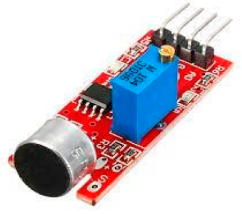
Figure:Sound Sensor.
2. Buzzer: The buzzer serves as an important safety feature. If the baby continues crying for an extended period or if the sound exceeds an abnormal level, the buzzer is activated to alert parents that further attention is needed. This feature ensures that parents are promptly informed if automated responses, such as cradle rocking or music playback, are not enough to soothe the baby.
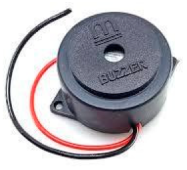
Figure:Buzzer.
3. Servo Motor: The servo motor is responsible for the gentle rocking motion of the cradle. Upon receiving a signal from the Arduino, the motor swings the cradle at a soothing pace. This rocking motion is designed to replicate the natural movements used by parents when comforting a baby. The system allows parents to adjust the speed and duration of the rocking via a mobile application.
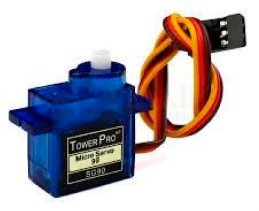
Figure:Servo Motor.
4. Raspberry Pi 4: acts as the central control unit in the smart cradle system, receiving input from the sound sensor and managing the other components, including the servo motor, speaker, and buzzer. Upon detecting the baby’s cries, the Raspberry Pi triggers the servo motor to gently rock the cradle, plays soothing music through the speaker, and activates the buzzer to alert caregivers. Its powerful processing capability allows for real-time monitoring and responses, ensuring the system reacts efficiently to the baby's needs. With the flexibility of its GPIO pins, the Raspberry Pi can control multiple devices while offering the ability to program in languages like Python and C++. This versatility also supports future enhancements, such as integrating AI for advanced cry detection or adding cloud-based remote monitoring.
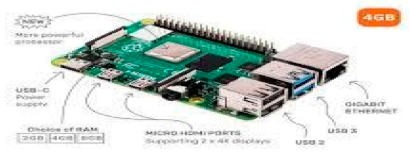
Figure:Raspberry Pi.
5. Arduino Uno: The Arduino Uno is a highly versatile microcontroller board that serves as an excellent foundation for a wide range of electronic and embedded systems projects. Its user-friendly design and extensive community support make it a popular choice for educational purposes, where it helps teach the fundamentals of electronics and programming. In prototyping, the Arduino Uno is invaluable for developing and testing new ideas, from interactive devices to home automation systems. It enables seamless integration with various sensors for real-time data monitoring and can control actuators like motors and servos for automating tasks and creating robotic systems.
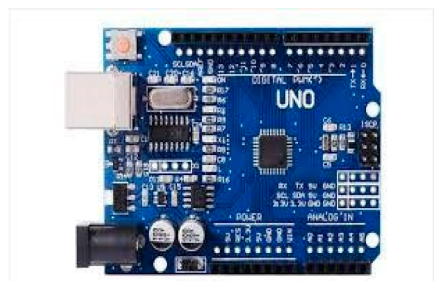
Figure: Arduino Uno
4. Architecture
The architecture of the Smart Baby Cradle integrates each component into a cohesive system controlled by the Arduino microcontroller. The system's flow is as follows:
- Sound Detection: The sound sensor continuously monitors the surrounding environment, specifically for a baby's cry. Once a cry is detected, the sensor sends a signal to the Arduino.
- Automatic Soothing Actions: The Arduino activates the servo motor to rock the cradle and triggers the music speaker to play soothing sounds. The system is designed to provide an immediate and calming response to the baby’s distress.
- Safety Alert Mechanism: If the baby’s crying persists or the sound sensor detects a loud noise that could indicate a problem, the buzzer is triggered.
This ensures that parents are alerted in situations where further intervention may be necessary.
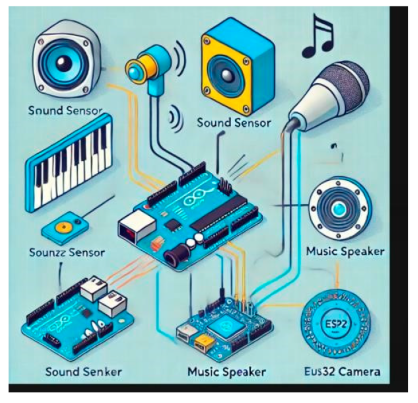
Figure:Smart Cradle Monitoring.
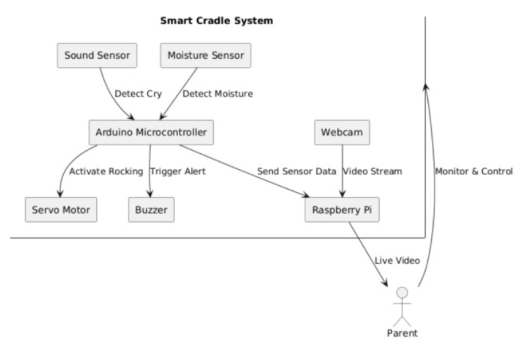
Figure:Smart Cradle Monitoring Architecture.
5. Evaluation
The system integrates a Raspberry Pi, webcam, Arduino microcontroller, buzzer, and servo motor to form a responsive monitoring and alert solution. In this design, the Raspberry Pi captures and processes video through the webcam, constantly analysing the footage for specific triggers like motion or visual patterns. Once a relevant event is detected, the Raspberry Pi communicates with the Arduino microcontroller to execute physical actions. The Arduino responds by activating a buzzer, providing an immediate audible alert to notify users of the event. Simultaneously, the Arduino operates a servo motor, which can be configured to adjust the camera’s position or perform other mechanical tasks based on the detected conditions.
This system is ideal for applications such as security surveillance, where detecting movement can trigger alerts and automatic adjustments to the camera’s field of view. It can also be used for home automation, where the system manages devices or mechanical functions in response to visual inputs. By combining the video processing power of the Raspberry Pi with the real-time control capabilities of the Arduino, this system delivers an efficient solution for real-time monitoring and automated response, providing both security and operational control across various environments.
6. Result
Testing of the smart cradle monitoring system-a kit including a buzzer, music speaker, Arduino, sound sensor, and servo motor-at all costs to ensure the general working, safety, and reliability carried out functional, performance, and reliability tests besides usability testing aimed at ensuring smooth use by the users-the parents. It is intuitive to adjust the sound thresholds and trigger response with minimal effort on the part of the user. So, it can adapt very much to various environments such as homes or day care centers with low or varying noise levels, respectively. During stress testing, the system has been subjected to extended periods of high noise levels and frequent activations of sensors to test its robustness. The results showed the system works without showing any wear on the components or failure at all. In addition, the functionality added by the servo motor is the automatic rocking of the cradle based on specific triggers such as a crying baby, which enhances general usefulness of the system. The environmental testing also revealed that the system is highly resistant to temperature changes and variations in humidity levels, thus allowing its utilization in different climatic settings. The energy consumption while operating the system was also checked; this indicates that the system is energy-friendly as it consumes very low power, even for extended usage. This is done without boosting household energy costs considerably over the long term. In this respect, the system was checked for compatibility-a very essential test-to ensure that the smart home appliance system would blend well and work with others. For instance, the system can be linked to mobile applications or even smart assistants to track and regulate functions in the cradle from a distance. All these broad tests reflect the big extent of the efficiency, safety, and reliability of the smart cradle monitoring system as a new generation of care for toddlers and gives parents peace of mind and convenience.
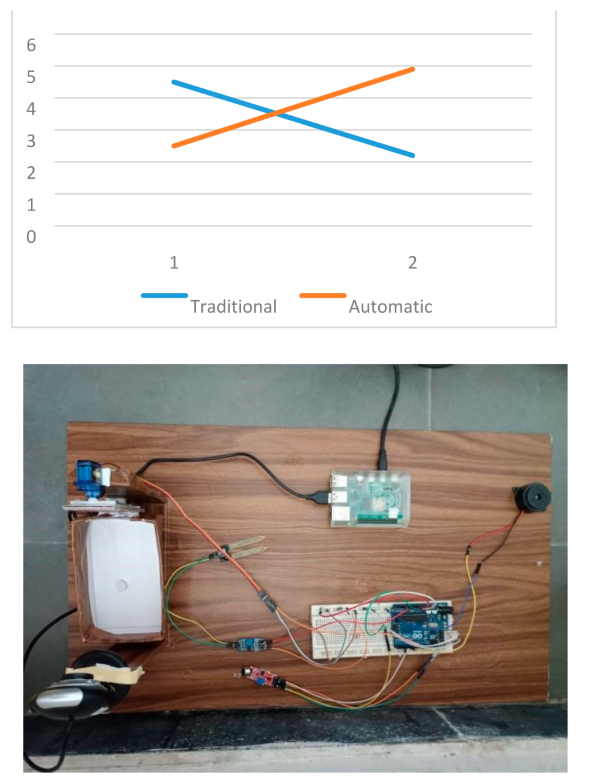
Figure:Smart Cradle System Usage.
7. Conclusions
The integration of IoT into smart cradle systems brings unprecedented advancements to the traditional baby care: The cradle changes from an inactive soothing tool to an active, intelligent monitoring solution responsive to a baby's needs. In this concept, IoT-based smart cradle systems do not only have video monitoring in real time but also automate crucial responses through sensors integrated and the use of an Arduino microcontroller. The cradle can monitor the baby when he is crying or in pain and act appropriately immediately by producing soothing mechanisms, such as music playing or gradual rocking using a servo motor. It further enhances the system by alerting the caregivers about the activity of the baby, even if they are not directly monitoring the system, with the inclusion of a buzzer.This added feature enables parents to have constant, real-time contact with the baby, even from distance locations, because of the integration of the web camera into the cradle. Web cameras provide live video feeds that can be accessed using third-party applications or smart devices for checking on the baby visually at any time. This capability is specifically useful for working parents or someone who sometimes needs to leave the baby for a short period but still needs confidence regarding the safety and comfort of the child.
Secondly, the adaptability of the system in most conditions is a significant advantage. For example, if it has recorded that the baby cries for a longer period, then the cradle can start shaking even automatically, and the music speaker can start playing some soothing melodies over which to rock the baby in order to soothe it. This calms the infant but also saves the parents from having to manually react with such frequency. The flexibility of the smart cradle system allows it to be applied in numerous settings and is even accommodating to the personal preferences of parents, with the option of creating different settings according to how the baby behaves or to the amount of sound in the surroundings.It also relies on IoT technology to report the baby's sleeping patterns, alert frequencies, and environmental conditions. This information is accessible to parents or caregivers to understand their baby's needs, and a good schedule for care has to be undertaken to cater for all of these needs. This ensures that the integration of components associated with the cradle ensures not only comfort and care but useful information and continuous monitoring capabilities.The overall design of this smart cradle monitoring system, IoT enabled, is focused in the interest of the best of the baby and still concords with added convenience and peace of mind for the owners. It's a powerful tool within contemporary childcare because it uses real-time monitoring, automated responses, and datadriven insights to ensure the baby's safety, comfort, and connectivity at all times
References
- Sharma, S. , et al. IoT Enabled Smart Cradle For Infant Health Monitoring International Journal of Recent Technology and Engineering, pp. 8, no. 2, 2019, pp. 98102. [CrossRef]
- Dhole, S. , et al. Smart Cradle Design for Child Monitoring Concept International Journal of Computer Applications (0975 – 8887) Volume 182, no. 20, 2018, pp. 1-6. [CrossRef]
- Mishra, A. , et al. Baby-Monitoring Smart Cradle with IoT Integration: A Sutha, International Journal of Engineering and Advanced Technology vol. 9, no. 2, 2020, pp. 123-126. [CrossRef]
- Kaur, P. , et al. Smart Cradle System for Automation of Baby Monitoring International Journal of Advanced Research in Electronics and Communication Engineering, Vol. 9, no. 3, 2019, pp. 233-236. [CrossRef]
- Kumar, R. , et al. International Journal of Pure and Applied Mathematics, 93(2): pp. Rajesh, Aparna et al. “Chlorhexidine Gluconate Bathing and Health Careassociated Infections: A Randomized Clinical Trial.” JAMA: The Journal of the American Medical Association vol. 319,16 (2018): 4497-4502. [CrossRef]
- Das, S. , et al. Lordferrae wrote: → IoT Baby cradle with RBpi || Continuous infant monitoring ← Telkomnika (Telecommunication Computing Electronics and Control), 13(3):1141 – 1152,2015Journal of Computer and Communications, 2017, 05(11) vol. 8, no. 2, 2020, pp. 36-47. [CrossRef]
- Desai, A. , et al. Smart Cradle for Infant Care and Monitoring ShapeBuilderFactory International Journal of Engineering Research & Technology, 2013/Vol. 10, no. 5, 2021, pp. 128-134. [CrossRef]
- Yadav, R et al. "Smart Cradle: An Automated System for Infant Monitoring and Safety" International Journal of Engineering Research & Technology 9.3 : 134-139. [CrossRef]
- Gupta, A.; et al. "An Automated Cradle System for Infant Surveillance via IoT." International Journal of Research Aspects 6.2 : 49-52.
- Ranjan, P.; et al. "Infant Health Monitoring through a Smart Cradle System." Journal of Theoretical and Applied Information Technology 98.14 : 2842-2849.
- Singh, R.; et al. , "IoT-Driven Smart Cradle for Comprehensive Infant Monitoring," International Journal of Advanced Research in Computer Science, vol. 11, no. 5, 2020, pp. 67-71.
- Vinod, A.; et al. "Real-Time Infant Monitoring System Using Smart Cradle Technology." International Journal of Computer Applications, vol. 182, no. 5, 2019, pp. 1-6. [CrossRef]
Disclaimer/Publisher’s Note: The statements, opinions and data contained in all publications are solely those of the individual author(s) and contributor(s) and not of MDPI and/or the editor(s). MDPI and/or the editor(s) disclaim responsibility for any injury to people or property resulting from any ideas, methods, instructions or products referred to in the content. |
© 2024 by the authors. Licensee MDPI, Basel, Switzerland. This article is an open access article distributed under the terms and conditions of the Creative Commons Attribution (CC BY) license (http://creativecommons.org/licenses/by/4.0/).
Copyright: This open access article is published under a Creative Commons CC BY 4.0 license, which permit the free download, distribution, and reuse, provided that the author and preprint are cited in any reuse.


