
Submitted:
09 October 2024
Posted:
11 October 2024
You are already at the latest version
Abstract
This study discussion point of this paper is to make an in-depth analysis of the development impact of the Internet of Things combined with edge computing and artificial intelligence. In the analysis process, the importance and criticality of data processing and decision making of edge computing as well as the challenges faced should be elaborated respectively. With the rapid popularization and development of Internet of Things devices, edge computing has brought more innovative solutions for different application scenarios such as intelligent furniture industrialization, automatic driving and intelligent transportation by reducing the delay of processing data and improving the characteristics of security data, film and television. Resource and energy efficiency have certain limitations, so it is necessary to combine artificial intelligence to enhance edge computing devices, hardware accelerators, and its utility and federated learning technologies, which can effectively improve the performance and scalability of edge computing and promote the development of more self-service network systems for smart devices. The core of this study is how to promote the Internet through AI-driven edge computing to further develop and provide insights for research priorities and suggest related future research directions.
Keywords:
1. Introduction
2. Related Work
2.1. Edge Computing on the Internet of Things
2.2. AI-Assisted Edge Computing – Tesla
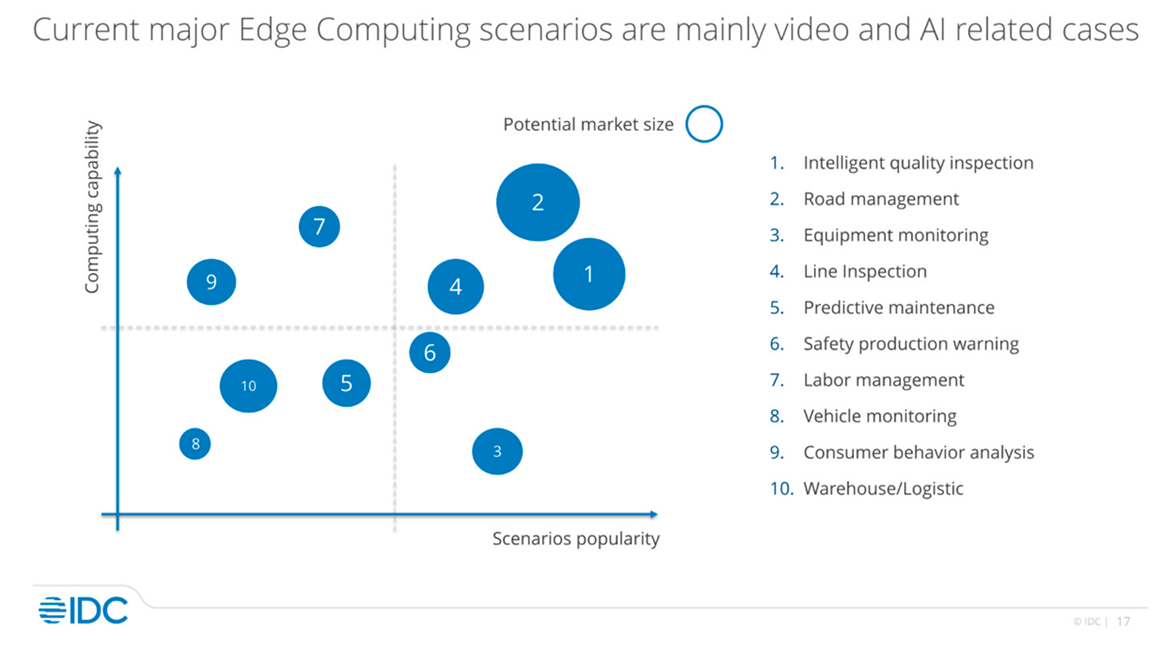
2.3. Edge Computing Architecture Model for Edge Devices
3. Testing of the Framework

| Test Scenario | Data Volume | Latency | Hardware Platform | CPU Cores | RAM |
|---|---|---|---|---|---|
| Short Burst | 10 | 1 ms | 64-bit ARM | 8 | 8192 MB |
| Long Burst | 1000 | 1 ms | 64-bit ARM | 8 | 8192 MB |
| Short Burst | 10 | 1 ms | 64-bit x86 | 8 | 8192 MB |
| Long Burst | 1000 | 1 ms | 64-bit x86 | 8 | 8192 MB |
| Long Delay | 1000 | 10 ms | 64-bit ARM | 8 | 8192 MB |
| Long Delay | 1000 | 100 ms | 64-bit x86 | 8 | 8192 MB |
3.1. The Test Environment
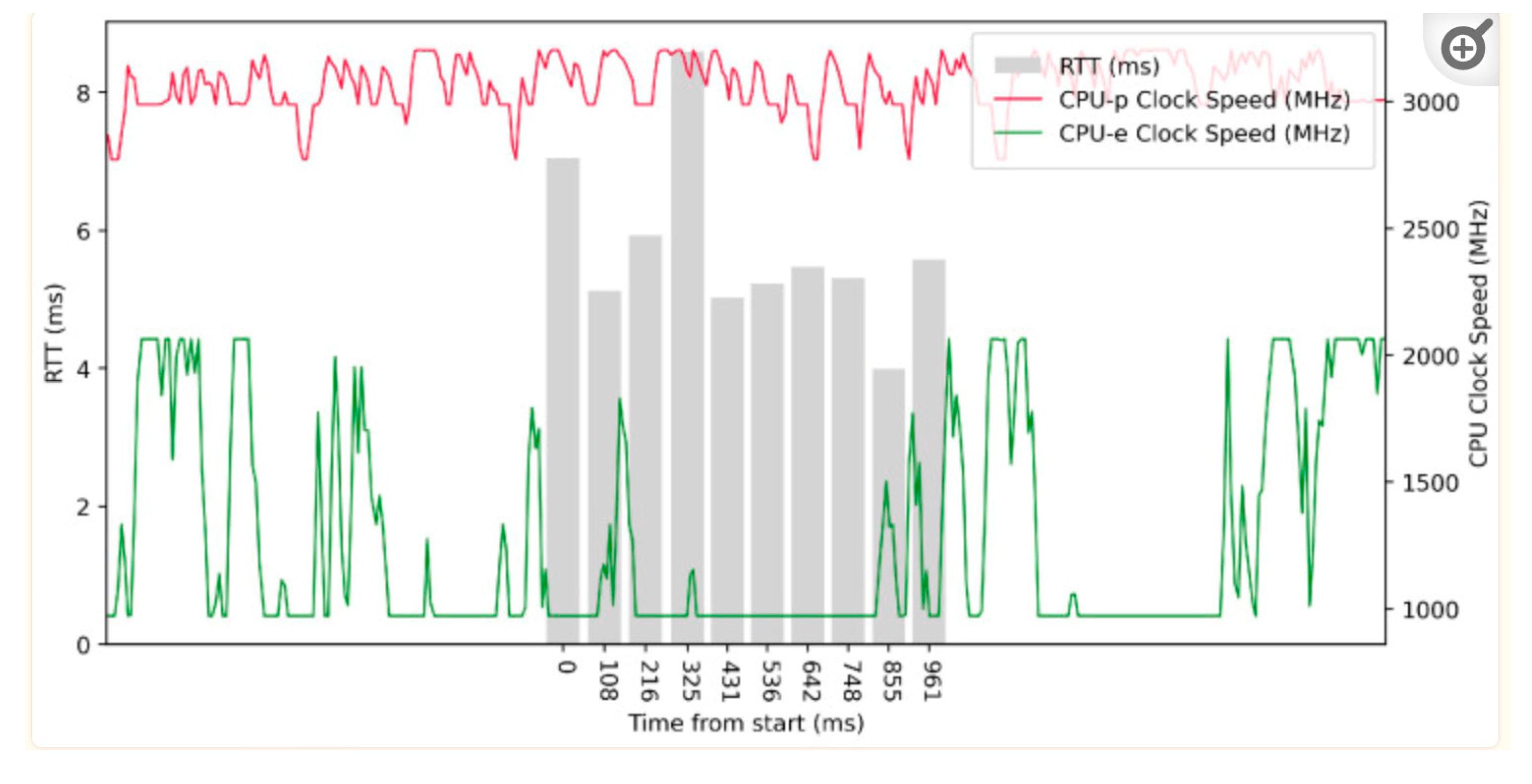
3.2. Tests on ARM64 with 100 ms Delay
3.4. Tests on ARM64 with 10 ms Delay
3.5. Tests on AMD64 with 10 ms Delay
3.6. Discussion
4. Conclusion
References
- Huh, Jun-Ho, and Yeong-Seok Seo. "Understanding edge computing: Engineering evolution with artificial intelligence." IEEE Access 7 (2019): 164229-164245.
- Fragkos, Georgios, Sean Lebien, and Eirini Eleni Tsiropoulou. "Artificial intelligent multi-access edge computing servers management." IEEE Access 8 (2020): 171292-171304.
- Slama, Sami Ben. "Prosumer in smart grids based on intelligent edge computing: A review on Artificial Intelligence Scheduling Techniques." Ain Shams Engineering Journal 13.1 (2022): 101504.
- Gong, Chao, et al. "Intelligent cooperative edge computing in internet of things." IEEE Internet of Things Journal 7.10 (2020): 9372-9382.
- Wen, X., Shen, Q., Zheng, W., & Zhang, H. (2024). AI-Driven Solar Energy Generation and Smart Grid Integration A Holistic Approach to Enhancing Renewable Energy Efficiency. International Journal of Innovative Research in Engineering and Management, 11(4), 55-55.
- Lou, Q. (2024). New Development of Administrative Prosecutorial Supervision with Chinese Characteristics in the New Era. Journal of Economic Theory and Business Management, 1(4), 79-88.
- Liu, Y., Tan, H., Cao, G., & Xu, Y. (2024). Enhancing User Engagement through Adaptive UI/UX Design: A Study on Personalized Mobile App Interfaces.
- Xu, H., Li, S., Niu, K., & Ping, G. (2024). Utilizing Deep Learning to Detect Fraud in Financial Transactions and Tax Reporting. Journal of Economic Theory and Business Management, 1(4), 61-71.
- Carvalho, G., Cabral, B., Pereira, V., & Bernardino, J. (2020). Computation offloading in edge computing environments using artificial intelligence techniques. Engineering Applications of Artificial Intelligence, 95, 103840.
- Liu, Y., Tan, H., Cao, G., & Xu, Y. (2024). Enhancing User Engagement through Adaptive UI/UX Design: A Study on Personalized Mobile App Interfaces.
- Huang, D., Yang, M., Wen, X., Xia, S., & Yuan, B. (2024). AI-Driven Drug Discovery: Accelerating the Development of Novel Therapeutics in Biopharmaceuticals. Journal of Knowledge Learning and Science Technology ISSN: 2959-6386 (online), 3(3), 206-224.
- Li, S., Xu, H., Lu, T., Cao, G., & Zhang, X. (2024). Emerging Technologies in Finance: Revolutionizing Investment Strategies and Tax Management in the Digital Era. Management Journal for Advanced Research, 4(4), 35-49.
- Shi J, Shang F, Zhou S, et al. Applications of Quantum Machine Learning in Large-Scale E-commerce Recommendation Systems: Enhancing Efficiency and Accuracy[J]. Journal of Industrial Engineering and Applied Science, 2024, 2(4): 90-103.
- Ji, H., Alfarraj, O., & Tolba, A. (2020). Artificial intelligence-empowered edge of vehicles: architecture, enabling technologies, and applications. IEEE Access, 8, 61020-61034.
- Yang, M., Huang, D., Zhang, H., & Zheng, W. (2024). AI-Enabled Precision Medicine: Optimizing Treatment Strategies Through Genomic Data Analysis. Journal of Computer Technology and Applied Mathematics, 1(3), 73-84.
- Wang, S., Zheng, H., Wen, X., & Fu, S. (2024). DISTRIBUTED HIGH-PERFORMANCE COMPUTING METHODS FOR ACCELERATING DEEP LEARNING TRAINING. Journal of Knowledge Learning and Science Technology ISSN: 2959-6386 (online), 3(3), 108-126.
- Lei, H., Wang, B., Shui, Z., Yang, P., & Liang, P. (2024). Automated Lane Change Behavior Prediction and Environmental Perception Based on SLAM Technology. arXiv preprint arXiv:2404.04492.
- Singh, S. K., Rathore, S., & Park, J. H. (2020). Blockiotintelligence: A blockchain-enabled intelligent IoT architecture with artificial intelligence. Future Generation Computer Systems, 110, 721-743.
- Ahmed, I., Zhang, Y., Jeon, G., Lin, W., Khosravi, M. R., & Qi, L. (2022). A blockchain-and artificial intelligence-enabled smart IoT framework for sustainable city. International Journal of Intelligent Systems, 37(9), 6493-6507.
- Ghosh, A., Chakraborty, D., & Law, A. (2018). Artificial intelligence in Internet of things. CAAI Transactions on Intelligence Technology, 3(4), 208-218.
- Xiao, J., Wang, J., Bao, W., Deng, T., & Bi, S. (2024). Application progress of natural language processing technology in financial research. Financial Engineering and Risk Management, 7(3), 155-161.
- Li, J., Wang, Y., Xu, C., Liu, S., Dai, J., & Lan, K. (2024). Bioplastic derived from corn stover: Life cycle assessment and artificial intelligence-based analysis of uncertainty and variability. Science of The Total Environment, 174349.
- Wang, S., Zhu, Y., Lou, Q., & Wei, M. (2024). Utilizing Artificial Intelligence for Financial Risk Monitoring in Asset Management. Academic Journal of Sociology and Management, 2(5), 11-19.
- Shen, Q., Wen, X., Xia, S., Zhou, S., & Zhang, H. (2024). AI-Based Analysis and Prediction of Synergistic Development Trends in US Photovoltaic and Energy Storage Systems. International Journal of Innovative Research in Computer Science & Technology, 12(5), 36-46.
- Zhu, Y., Yu, K., Wei, M., Pu, Y., & Wang, Z. (2024). AI-Enhanced Administrative Prosecutorial Supervision in Financial Big Data: New Concepts and Functions for the Digital Era. Social Science Journal for Advanced Research, 4(5), 40-54.
- Li, H., Zhou, S., Yuan, B., & Zhang, M. (2024). OPTIMIZING INTELLIGENT EDGE COMPUTING RESOURCE SCHEDULING BASED ON FEDERATED LEARNING. Journal of Knowledge Learning and Science Technology ISSN: 2959-6386 (online), 3(3), 235-260.
- Pu, Y., Zhu, Y., Xu, H., Wang, Z., & Wei, M. (2024). LSTM-Based Financial Statement Fraud Prediction Model for Listed Companies. Academic Journal of Sociology and Management, 2(5), 20-31.
- Liu, Y., Tan, H., Cao, G., & Xu, Y. (2024). Enhancing User Engagement through Adaptive UI/UX Design: A Study on Personalized Mobile App Interfaces.
- Huang, D., Yang, M., Wen, X., Xia, S., & Yuan, B. (2024). AI-Driven Drug Discovery: Accelerating the Development of Novel Therapeutics in Biopharmaceuticals. Journal of Knowledge Learning and Science Technology ISSN: 2959-6386 (online), 3(3), 206-224.
- Yang, M., Huang, D., Zhang, H., & Zheng, W. (2024). AI-Enabled Precision Medicine: Optimizing Treatment Strategies Through Genomic Data Analysis. Journal of Computer Technology and Applied Mathematics, 1(3), 73-84.
- Wen, X., Shen, Q., Zheng, W., & Zhang, H. (2024). AI-Driven Solar Energy Generation and Smart Grid Integration A Holistic Approach to Enhancing Renewable Energy Efficiency. International Journal of Innovative Research in Engineering and Management, 11(4), 55-55.
- Lou, Q. (2024). New Development of Administrative Prosecutorial Supervision with Chinese Characteristics in the New Era. Journal of Economic Theory and Business Management, 1(4), 79-88.
- Liu, Y., Tan, H., Cao, G., & Xu, Y. (2024). Enhancing User Engagement through Adaptive UI/UX Design: A Study on Personalized Mobile App Interfaces.
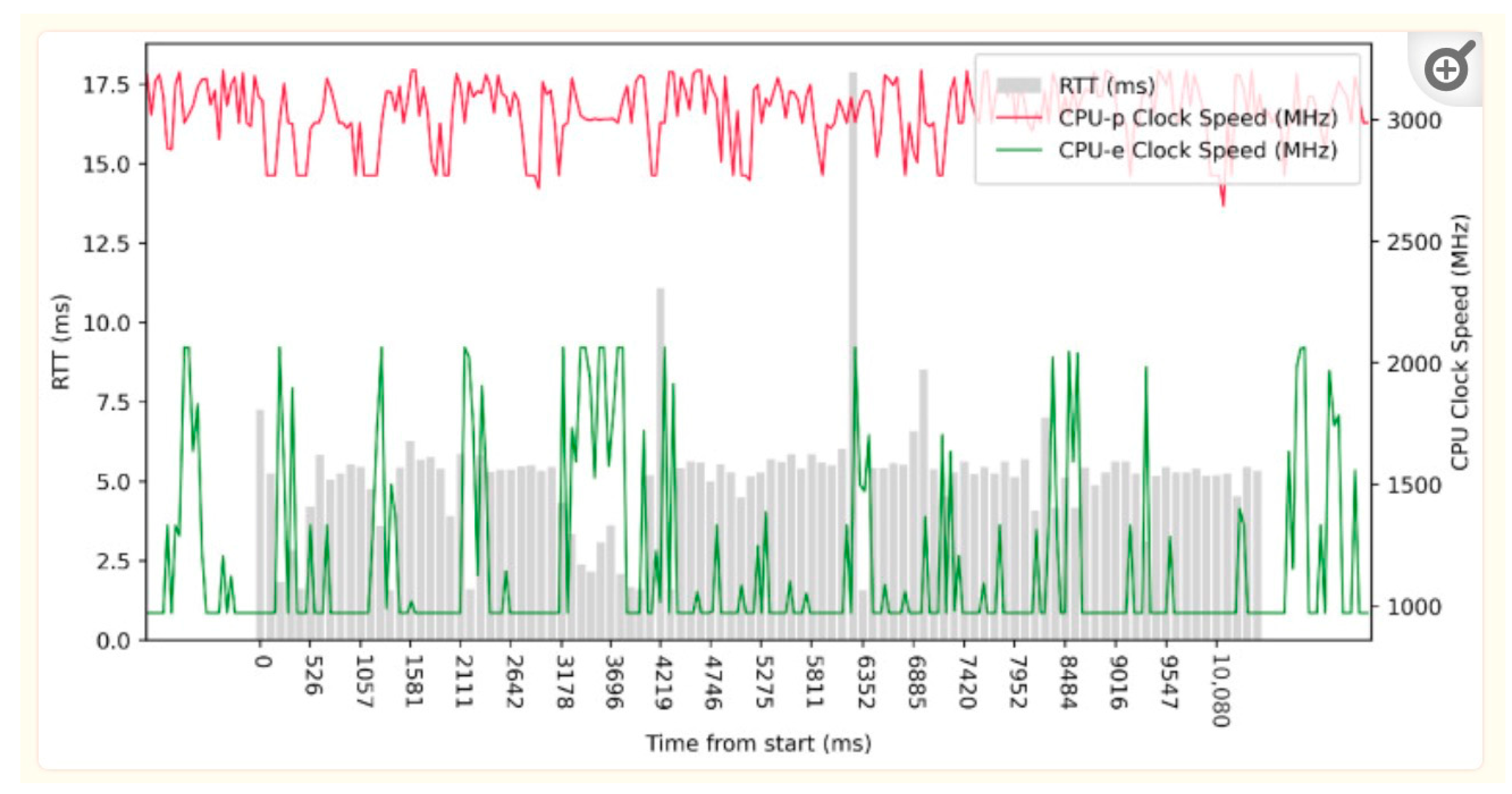
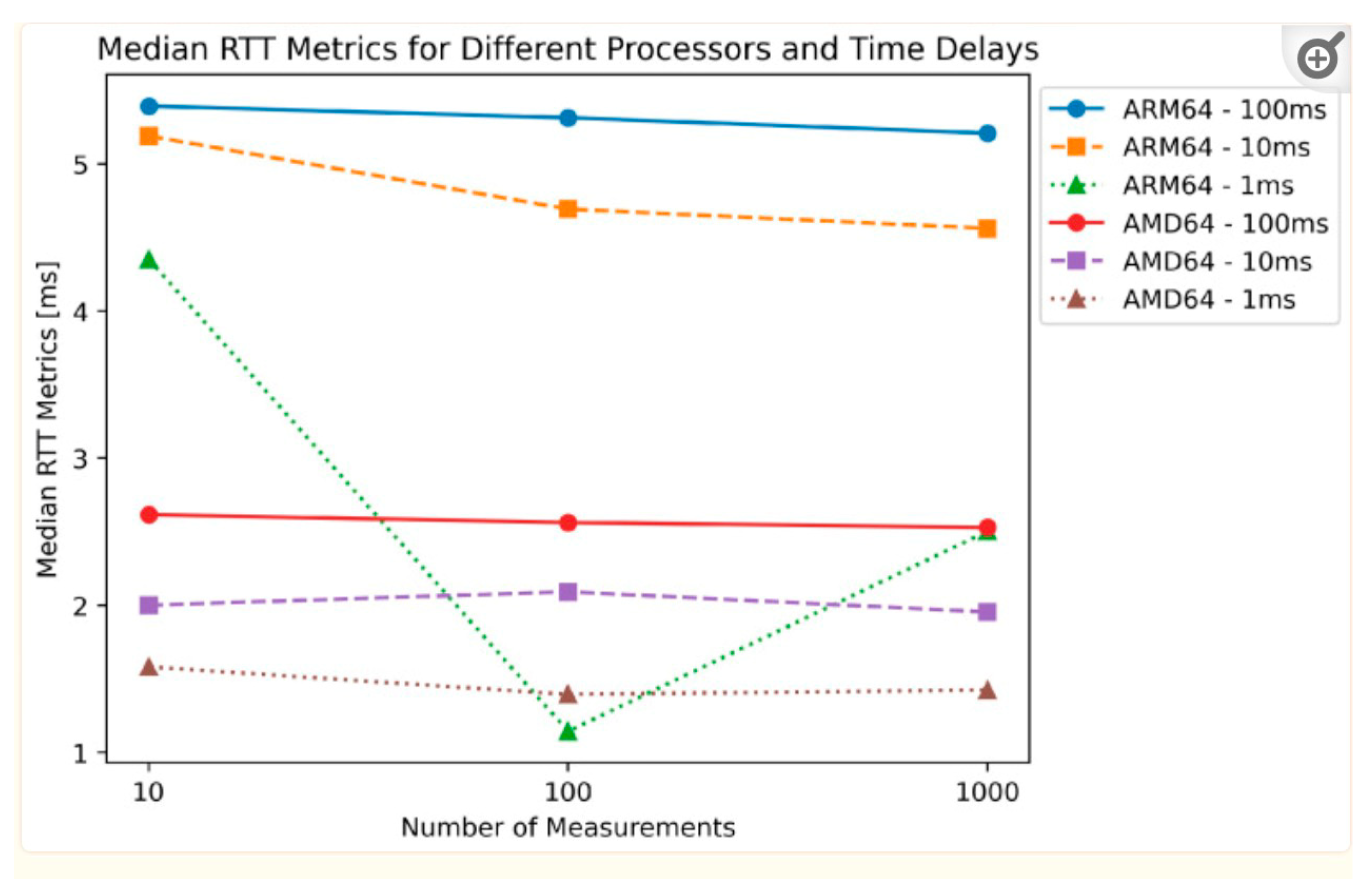
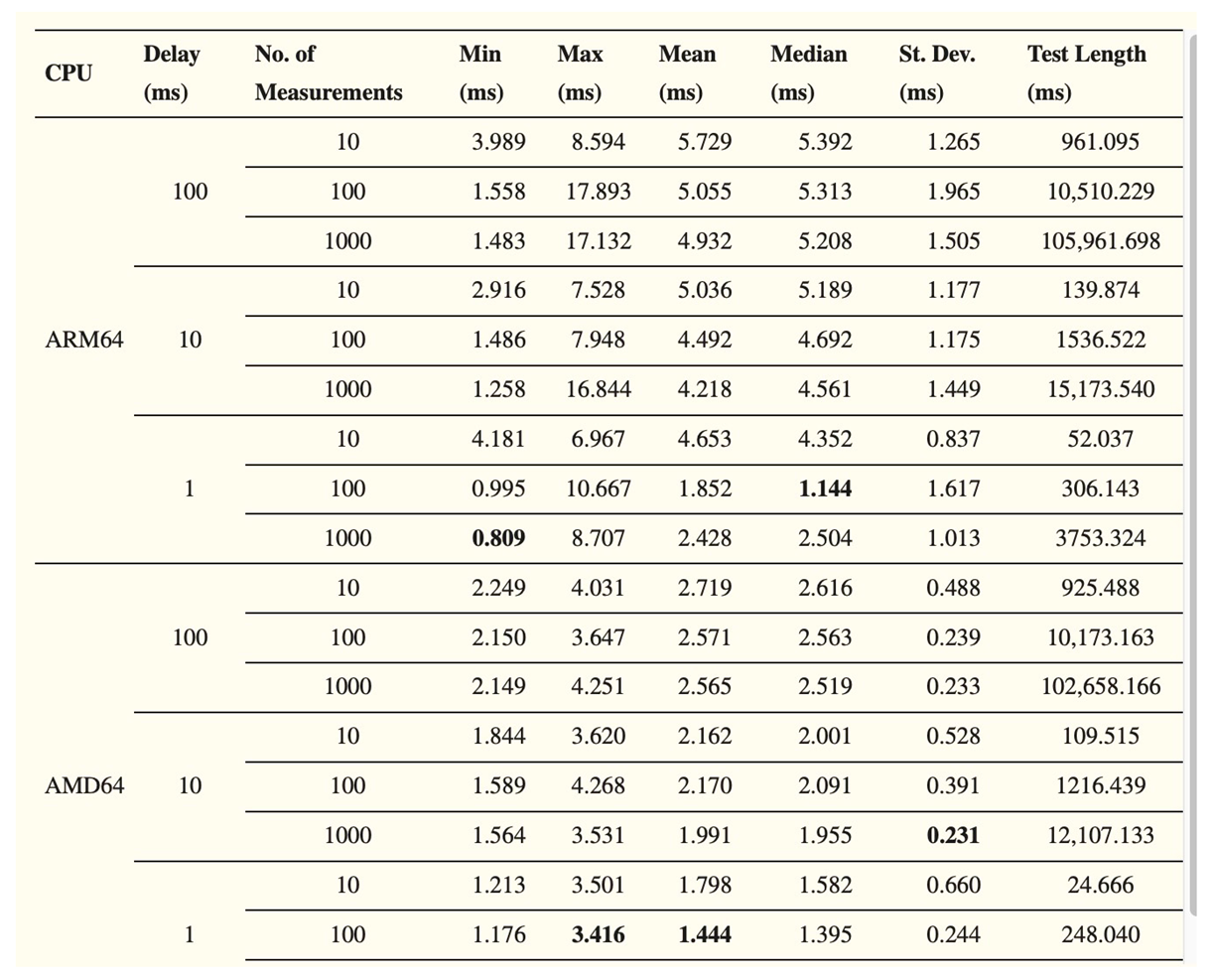
| Device | CPU | CPU Frequency | Number of Cores | RAM | Used Cores | Used RAM |
|---|---|---|---|---|---|---|
| ARM64 | Macbook Pro | Firestorm: 600-3228 MHz | 4x Firestorm (performance) | 16 GB | 4 | 8 GB |
| Icestorm: 600-2064 MHz | 4x Icestorm (efficient) | |||||
| AMD64 | HP Server | 2400-3200 MHz | 12 | 32 GB | 12 | 8 GB |
 |
Disclaimer/Publisher’s Note: The statements, opinions and data contained in all publications are solely those of the individual author(s) and contributor(s) and not of MDPI and/or the editor(s). MDPI and/or the editor(s) disclaim responsibility for any injury to people or property resulting from any ideas, methods, instructions or products referred to in the content. |
© 2024 by the authors. Licensee MDPI, Basel, Switzerland. This article is an open access article distributed under the terms and conditions of the Creative Commons Attribution (CC BY) license (http://creativecommons.org/licenses/by/4.0/).


