

Submitted:
23 September 2024
Posted:
25 September 2024
You are already at the latest version
Abstract
In the current digital era, Enterprise Data Management (EDM) plays a pivotal role in enhancing business performance by ensuring efficient handling of diverse data sources and enabling real-time applications. However, the complexity of managing vast data streams and integrating various systems presents significant challenges for enterprises. These challenges can be mitigated by incorporating APIs and Middleware, APIs help integrate diverse systems, while middleware solutions facilitate communication between different software environments, Cloud-Based Data Platforms such as AWS, Azure, and Google Cloud to offer scalable data storage and processing capabilities, allowing businesses to expand without compromising on performance. This study proposes a systematic review of business performance improvements driven by various types, sources, and real-time applications, highlighting cost efficiency, reliability, and increase in revenue using the Preferred Reporting Items for Systematic Reviews and Meta-Analyses (PRISMA) framework, the inclusion criteria is bounded by (1) publication date between 2014 to 2024, (2) written in English, (3) research focusing on EDM with an emphasis on types, data sources, and real-time applications, and (4) research work that provides a clear framework for the analysis of EDM’s impact on enhancing business performance. Following this process, 136 eligible research studies were included. The cost of implementation can vary significantly based on the size and complexity of the system. Operational and maintenance costs can vary widely depending on the infrastructure, data storage requirements, and the level of real-time application integrations. As EDM systems scale to accommodate more diverse data sources and real-time analytics capabilities, the associated costs increase accordingly.
Keywords:
enterprise data management
; business performance enhancement
; data sources
; systematic review
1. Introduction
The management of enterprise data, or EDM, has become a vital component of improving business performance, especially in the data-driven world of today. Data assets inside an organization can be managed comprehensively with the help of EDM. EDM is primarily concerned with the procedures, guidelines, and equipment required to gather successfully and efficiently, store, organize, and use data. This fundamental procedure guarantees the accuracy, accessibility, and security of data across several departments and systems, empowering organizations to spearhead strategic objectives and make well-informed decisions [1]. Data types that are included in EDM consist of unstructured data like emails, documents, and social media posts as well as structured data like spreadsheets and databases. While unstructured data requires more complex processing and analysis techniques, structured data is highly ordered and readily searchable. Both kinds are integrated by effective EDM frameworks, guaranteeing a unified data strategy that promotes thorough insights and operational effectiveness [2]. Unfortunately, several issues prevent EDM systems from being implemented successfully. Small and medium-sized businesses (SMEs) have financial difficulties paying for advanced EDM tools, which restricts their ability to take full advantage of the advantages of making decisions based on data [3]. The EDM proposes an affordable solution for SMEs (e.g. leveraging cloud-based services that are cost-effective and scalable according to the needs of smaller organizations).
To meet their operational and strategic needs, businesses typically rely on a variety of data sources, such as social media analytics, enterprise resource planning (ERP) software, and customer relationship management (CRM) systems. However, there are frequent issues with data integration, processing speed, and real-time accessibility with these data sources. Businesses should implement advanced EDM practices such as data integration, real-time processing, cloud-based solutions, and data governance due to the additional challenges posed by the constantly evolving regulatory landscape regarding data privacy and security [4]. To make problems worse, firms looking to enhance data accessibility and usability in real-time scenarios may find it difficult to fully utilize them due to their irregular and patchy integration into current business workflows [5]. Hybrid data management systems have gained popularity recently to lower operating costs while improving data accessibility and decision-making capabilities. Typically, they combine cloud-based solutions with on-premises databases and real-time data analytics tools. The literature covers a range of strategies for putting EDM into practice for better business performance, such as real-time analytics frameworks, big data solutions, and data integration platforms. Hybrid systems provide the best combination of cost-effectiveness, scalability, and performance when compared to other options, especially for businesses with dispersed and varied data sources [6].
Scholars have recently focused a great deal of attention on the role that EDM plays in enhancing business performance because of its potential to improve decision-making, customer satisfaction, and overall operational efficiency. Numerous scholarly investigations have scrutinized the techno-economic efficacy of EDM systems, with particular emphasis on their capacity to handle substantial data sets in real-time while preserving data integrity [7]. Other research has examined the advantages and disadvantages of real-time analytics and data management system adoption, providing suggestions for companies and IT executives looking to maximize their data strategies [8]. Even with a wealth of research on EDM, there is still a lack of knowledge regarding the practical effects on business performance and how these systems have been effectively incorporated into different industries. For instance, enterprises in businesses have adopted sophisticated EDM solutions due to the growth of big data analytics and the need for real-time insights. However, obstacles like inconsistent data formats, data silos, and a lack of real-time processing capabilities have made adoption difficult. This research is important because it examines the techno-economic advantages of EDM systems and offers information on how companies can improve performance by adopting effective data management strategies such as the implementation of AI and machine learning (e.g. Google Cloud), investing in scalable cloud solutions (e.g. Amazon Web Service) [9]. The review in Table 1 reveals several key gaps in the existing literature on EDM and its real-time applications for enhancing business performance.
While various frameworks and models have been proposed to improve real-time data integration with ERP systems, cloud solutions, and data analytics, challenges remain in integrating these systems with legacy infrastructures and managing the complexity of structured and unstructured data. Security and compliance issues persist, particularly with cloud and IoT systems, and there is a need for more robust data governance and metadata management frameworks to enhance data accuracy and utilization. Furthermore, while AI and edge computing solutions promise improved processing speeds and operational efficiency, their high implementation costs and security vulnerabilities hinder widespread adoption. The literature lacks comprehensive approaches to address these integration, security, and scalability challenges across diverse enterprise settings.
1.1. Research Questions
While a significant number of studies on Enterprise Data Management have been carried out globally since 2014 until to date, a systematic review that shows the comparison of different types, sources, and Real-time applications to improve Business Performance has yet to be available in this literature. As a result, the current work aims to review the literature on Enterprise Data Management which includes the types, sources, and real-time applications to enhance business performance. To do this, the research questions that follow have been taken into consideration:
- How has Enterprise Data Management, leveraging data types, sources, and real-time applications, optimized business performance?
- How does Enterprise Data Management simplify data management and decision-making?
- How does applying EDM streamline operations for business?
- How do transformation tools contribute to the data management process?
- How does the rise of big data influence the strategies and practices of enterprise data management?
1.2. Research Motivations
In today's Data-centric organization environment, the study of the types, sources, and real-time applications of EDM is pivotal for enterprises striving to improve their performance. Preceding studies have shown the expanding relevance of data as a strategic asset, yet there remains a significant gap in understanding how various forms of organizational data can be efficiently managed and used significantly for maintaining a competitive edge. EDM faces obstacles like inconsistent data formats, data silos, and a lack of real-time processing capabilities have made adoption difficult. The motivation behind this research is that it is important to examine the techno-economic advantages of EDM systems. Real-time data applications provide revolutionary capabilities for enhancing operational efficiency, client satisfaction, and overall business performance [25]. Nevertheless, numerous enterprises encounter obstacles in incorporating various data sources and utilizing them for immediate decision-making. This study addresses the obstacles by building on earlier discoveries and analyzing different aspects of EDM as well as their practical significance for business success. The research aims to contribute to more informed and efficient business strategies by presenting obtainable insights into enhancing data management practices, eventually driving performance and growth [26].
1.3. Novelty and Contribution of this Review
This systematic review provides a novel and comprehensive analysis of EDM within the context of small and medium-sized enterprises (SMEs). Unlike previous reviews that focus on specific industries or technologies in isolation, this review uniquely synthesizes EDM's role across multiple sectors, including retail, healthcare, and finance, offering a broad yet practical perspective. By incorporating real-time applications, data integration strategies, and technology adoption trends specific to SMEs, the review introduces a practical framework that is both scalable and adaptable for businesses of varying sizes and technological maturity.
Additionally, the review provides a detailed comparative analysis of EDM adoption, highlighting sector-specific challenges and opportunities that have not been thoroughly addressed in the existing literature. It distinguishes itself by emphasizing the real-time applications of EDM, which are increasingly critical for decision-making and operational efficiency in a rapidly changing business landscape. This holistic approach offers both scholars and business leaders a deeper understanding of how EDM can drive business performance, providing actionable insights that are both grounded in theory and applicable to real-world scenarios.
This review provides a comprehensive exploration of EDM, focusing on its types, sources, and real-time applications in enhancing business performance. The structure of the review is designed to systematically address the key components of EDM. First, we present an overview of foundational EDM concepts, including definitions and key terminologies that establish a clear framework for understanding. Next, we categorize and analyze various types of data management systems, highlighting their specific applications in diverse business environments. The review then shifts focus to data sources, critically examining both internal and external data channels, along with strategies for integration and governance. We further investigate real-time data applications and their transformative impact on business decision-making and operational efficiency. Each section is linked through a critical analysis that identifies gaps in current EDM research and practice. The review concludes by proposing new frameworks for EDM implementation and outlining future research directions, positioning it as a novel contribution that bridges theory and practical application in the field of enterprise data management.
2. Materials and Methods
In this subsection, the study outlines the methodology for developing a novel systematic review focused on EDM, specifically analyzing its types, sources, and real-time applications to enhance business performance. The study is conducted as a comprehensive 10-year review. To the best of the authors' knowledge, no similar systematic review has existed in the literature over the last decade.
2.1. Eligibility criteria
A methodical investigation of all peer-reviewed and published scholarly work related to Enterprise Data Management Types, Sources, and Real-Time Applications for Enhanced Business Performance was concluded for investigation. All the research literature on Enterprise Data Management published in English over the previous decade from 2014 to 2024 is accounted for. An appropriate criterion for the addition was modified to comprise proper research works and omit scholarly work that precluded the review of Enterprise Data Management Types, Sources, and Real-Time Applications for Enhanced Business Performance. Thus, only scholarly-reviewed publications that focus on the application of Enterprise Data Management for business performance were factored in. Table 2 tabulates the inclusion and exclusion criteria for this study.
2.2. Information Sources
For this systematic analysis, three research work data sources are used, including Google Scholar (GS), Web of Science, and SCOPUS. The research title, abstract, and search tags of multiple available research papers were also established. The details mentioned were then utilized to produce additional search terms that were used to discover published material, such as journal articles, dissertations, conference papers, and book chapters.
2.3. Search Strategy
Upon finding the right research strategy it is important to find the right keyword research selection, the search strategy does that, primarily all finding keywords and their synonyms to cover the topic’s breadth. Using the main keywords "Enterprise Data Management," type, source and real-time Application," and "Business Performance." The keywords are then used for online data sources (Scopus, Google Scholar, and Web of Science). For the online data sources, a search string was constructed using the keywords, with Boolean operators to combine them such as "Enterprise Data Management" AND "Real-time Application" OR "Real-time Processing" AND "Business Performance" OR "Business Efficiency" OR "Organizational Performance". The strings were entered into the database’s search bar, with quotation marks ensuring the search for exact phrases. Filters such as publication date (limiting results to the last ten years, 2014-2024), language (only English) were applied to refine the results, only papers that were relevant to the research topic were selected, document types (articles, conference papers, reviews) and after conducting the searches, relevant papers were extracted and organized into an Excel sheet. This sheet was structured with columns for the title, authors, publication year, journal/source, abstract, link, database source, citations, and document type. Each entry provided a comprehensive overview of the paper, facilitating easy reference and further analysis [30], The process is summarized in Figure 1. Additionally, a PRISMA flow diagram was suggested to visually document the study selection process, providing a clear and transparent overview of the search and screening process.
2.4. Selection Process
To ensure a thorough selection process of research work related to the topic, Enterprise Data Management: Types, Sources, and Real-Time Applications for Enhanced Business Performance various steps were taken. The process started with a search through three prominent online databases namely, Scopus, Google Scholar, and Web of Science. Firstly, each reviewer screened topics and abstracts to pinpoint research work concentrating on data management types, sources, and real-time applications in business [31]. This single filtration effectively narrowed down an enormous number of unrelated studies. The chosen research work then underwent a double filtration process, where two independent reviewers analyzed the entire document to guarantee pertinence and standard. Any differences between reviewers were addressed through discussion or consultation with a fourth reviewer, guaranteeing a comprehensive and impartial selection of premium research work [32]. The selection process is shown in Figure 2.
2.5. Data Collection Process
Correct data collection is critical in research because it guarantees the precision and dependability of the results. If data is incorrectly collected, it can result in invalid conclusions, which may delude successive research. An accurate and structured procedure was used to collect data from eligible research [33]. Two independent researchers collected data from each report to guarantee reliability and reduce bias. If these researchers disagreed, a fourth researcher would be consulted to reach an agreement, the summary of the collection process is shown in Figure 3. Additionally, export formats like CSV were used to directly extract data from the SCOPUS database to the Excel sheet from large volumes of literature improving the reliability of the process.
2.6. Data Items
The primary outcomes for data collection include the types of data management systems used, the sources of enterprise data, and the applications of real-time in enhancing business operations. Data were collected for every significant outcome domain, including various ways that EDM systems have an impact on business performance metrics like effectiveness, data accuracy, and decision-making speed [34]. To carefully guarantee data collection, special attention was placed on tracking all time points and analyses related to the outcomes. This paper offers an emphasis on the measures or analyses deemed to be sounding methodological or had the greatest influence on an outcome when multiple outcomes were presented for a single outcome. EDM systems should present data that covers various operational areas, just as research on cognition reports results across multiple domains, such as global cognitive function or specific cognitive abilities [35]. These outcomes might take the shape of comprehensive performance ratings or in-depth analyses of data categories, like consumer behavior, supply chain effectiveness, or financial stability. Studies that do not clearly show a connection between EDM and business outcomes were not included in the final analysis, Figure 4 summarizes this process. This method ensured that this paper includes the most relevant and excellent data to support the outcomes around the value of EDM in real-time applications [36].
To help all readers understand the type of information needed and to provide guidance for future reviews of the same kind, authors should provide detailed documentation of all the data and information gathered from studies [37]. Things like participant characteristics, intervention specifics, funding sources, and study settings are significant variables to report. Information like the study’s design needs to be included, which involves its randomization and non-randomization, the number of centers that participated, and their locations. Participants' characteristics should be summed up for thorough reporting, and if dictionaries or data collection forms are available, they should be included as extra files or kept in publicly accessible repositories. It might be necessary to make assumptions when dealing with incomplete data. For instance, a study that refers to "children and adolescents" but doesn't state the age ranges, may be considered to assume that the oldest participants are 40 years old, based on trends observed in similar studies. Such assumptions should be clearly stated [38].
2.7. Study Risk of Bias Assessment
A comprehensive risk of bias assessment guarantees that deductions drawn from the systematic reviews are dependent on excellent, reliable authentication. The risk of bias tool, robins (Risk of Bias Visualization) was utilized to assess the risk of bias. This tool is a web application devised to display the risk of bias executed as part of the systematic review. 1. It generates “traffic light” plots of the domain-level judgments for single results,2. weighted bar plots of the distribution of risk-of-bias judgments within each bias domain [39]. Two independent researchers used the tool for each of the studies included in the literature and generated a traffic light plot visualizing the bias risk for each domain (High, Some Concern, and Low), and an overall summary was derived from the visualization. The conclusion of each study was cross verified by three researchers to produce a reliable conclusion.
The quality of the articles included in the systematic review is assessed using the Newcastle-Ottawa Scale (NOS), as detailed in Table 3. NOS is based on a star scoring system, in which a maximum of nine and eight scores can be awarded to each study. Quality assessment was checked independently by two authors, and any disagreements were solved by the fourth one. Studies that received a score of 6 or above were considered high quality. The studies were first done separately and was found that most studies had the same rating (e.g., most studies had total number of stars of 17 which were moderate, this resulted in the grouping of all the moderate ratings were grouped together) which resulted in some studies grouped together.
2.8. Effect Measures
It is important to specify the effect measures used for each outcome when compiling results in enterprise data management to ensure accuracy and clarity in the results presentations. Setting criteria for study inclusion is an essential element of any statistical synthesis, as it involves making subjective decisions that may affect the results [176]. These decisions need to be made clearly. For example, systematic methods like tabulating and coding important features like populations, interventions, and outcomes as shown in Figure 5, can help determine which studies are eligible for synthesis. For instance, studies assessing the efficacy of various data management tools may be coded based on standards like real-time data processing, system scalability, or data integration capabilities [177]. For every synthesized outcome, effect measures (i.e., risk ratios for categorical outcomes, and mean differences for continuous outcomes) should be reported. This makes it as easy as possible to compare and comprehend different data management strategies and how they influence the performance of businesses in an orderly fashion [178]. In that way, reviewers can ensure that the synthesis accurately reflects the data collected by providing a transparent basis for their conclusions and by revealing the techniques used to select and group studies for synthesis, including the criteria and coding methods.
2.9. Synthesis Methods
2.9.1. Study Eligibility Criteria
To determine which studies were eligible for inclusion in our synthesis of enterprise data management focusing on "type," "source," and "real-time" application, the following process was employed. Study Identification and Screening, begin by systematically identifying studies relevant to our research topic through a comprehensive search of databases and other sources. Studies were initially screened based on titles and abstracts to determine their relevance. Inclusion and Exclusion Criteria established clear inclusion and exclusion criteria to ensure consistency and relevance. Studies were included if they met the following criteria, Focused on enterprise data management with an emphasis on "type," "source," or "real-time" applications [178]. Provided empirical data on the impact of these aspects on business performance. Published in peer-reviewed journals or credible sources. Studies were excluded if they did not align with our research focus or lacked sufficient data on the specified aspects.
Tabulation of Intervention Characteristics, for each eligible study, we meticulously tabulated intervention characteristics related to data management type, source, and real-time applications. This involved, Identifying and categorizing the types of data management systems used. Assessing the sources of data employed in each study. Evaluating the methodologies for real-time data application and its effects [179]. Comparison Against Planned Group were compared the tabulated characteristics against the predefined groups for our synthesis. This process involved, Aligning the data management characteristics of each study with our planned categories to ensure comprehensive coverage of the topic. Using a standardized framework to evaluate the relevance and quality of the interventions reported in each study. Data Extraction and Analysis was done After finalizing the list of eligible studies, we extracted relevant data and performed a synthesis. For continuous data, we calculated standardized mean difference (SMD) effect sizes (Cohen's d) and their 95% confidence intervals (CIs) to facilitate pairwise meta-analyses [179].
2.9.2. Data Preparation for Synthesis
We used a systematic procedure to guarantee accuracy and consistency to get the data ready for analysis and presentation within the framework of enterprise data management (EDM). To find and eliminate any duplicate entries, we first worked together to carefully examine the dataset, concentrating on important data fields like author names, publication titles, and other pertinent metadata. We made sure that only unique records were kept by using data management tools like Excel's "Remove Duplicates" function. We also took care to consider situations in which the same article might have appeared with minor changes to the author or title [180].
To preserve the integrity of the analysis, we eliminated entries for records that contained missing or insufficient information that could not be accurately estimated or verified. When information was missing but still relevant, we labelled those fields as "Not Specified" rather than "Not Applicable" to provide an accurate reflection of data gaps. Additionally, we ensured uniformity in text, date formats, and numerical data by applying consistent formatting to all fields, thereby standardizing all entries. We were able to produce a trustworthy and cohesive dataset thanks to our methodical approach, which is crucial for efficient analysis and decision-making in EDM [181].
2.9.3. Data Visualization and Tabulation Methods
We produced pivot tables to see trends and identify discrepancies. With the help of these tables, we were able to quickly spot any discrepancies, like differences in the classification of journal articles. We can monitor the research distribution over time by making visualizations such as line charts, bar graphs, and other charts listed in Table 4. Prevent mistakes that could happen during the manual review process, which will enhance the reliability and quality of our data synthesis.
2.9.4. Synthesis Methodology
The study findings were compiled using an Excel spreadsheet that contained a set of criteria that were arranged methodically. By focusing on variables like the title, publication year, and source databases (like Google Scholar, SCOPUS, and Web of Science) with their corresponding numbers of studies found represented in Table 5, this structured method assisted in comparing and analyzing aspects of the studies included. Journal name, research type (article journal, conference paper, book chapter, dissertation, and thesis), and citation count were used to categorize the studies.
2.9.5. Exploration of Heterogeneity Causes
To help small and medium-sized businesses (SMEs) make better data-driven decisions, EDM is essential. According to industry contexts (SMEs and startups) and geographical areas (developed versus developing countries), data analytics techniques have been applied in SMEs in recent studies. Along with categorizing the analytical techniques used, such as machine learning, data mining, and predictive analytics, these studies also categorized the kinds of data technologies used, such as Spark, NoSQL databases, and Hadoop [182], As outlined in Table 6. This methodical approach offers customized strategies for maximizing SME performance and enhances the synthesis of data and insights.
2.9.6. Sensitivity Analysis
The study also reviewed key technology providers such as AWS, Microsoft Azure, and Google Cloud along with various implementation models like on-premises, cloud-based, and hybrid solutions. The research structure, including its approach (quantitative, qualitative, or mixed methods), sample size, and characteristics, were analyzed to capture the diversity of methodologies employed. We also explored how data was gathered through interviews, surveys, observations, and document analysis and how it was analyzed whether through statistical analysis or thematic interpretation [182].
To synthesize the findings, we closely examined different performance metrics. These included IT metrics like data processing speed, scalability, and accuracy; business metrics such as efficiency, revenue growth, and cost savings; as well as organizational outcomes like employee and customer satisfaction. Long-term impacts, including business growth and competitive advantage, were also considered. This thorough approach enabled us to detect trends across the studies and conduct an in-depth analysis.
By categorizing studies based on specific criteria, we created a strong foundation for comparing the results. We evaluated the level of statistical diversity, which was influenced by differences in research design, sample sizes, data collection methods, and the use of Big Data technologies and analytical techniques. This evaluation informed our synthesis process, helping us navigate variations in outcomes and draw meaningful conclusions [183].
2.10. Reporting Bias Assessment
The findings must be validated in the synthesis of results related to enterprise data management; it is essential to evaluate the risk of bias resulting from missing results. The synthesis may be distorted by reporting biases, such as selective non-publication or non-reporting of results, if the available results consistently take the direction away from the missing data [184]. A combination of direct, statistical, and graphical techniques should be used to evaluate this risk. Direct methods compare reported results with pre-specified outcomes and analyses from protocols, study registers, and statistical analysis plans. Egger's test and contour-enhanced funnel plots are two graphical techniques and statistical tools that can be used to assess the robustness of the synthesis against different assumptions about missing data and help identify possible missing results. It is mandatory to disclose all procedures utilized to directly gain or validate relevant data from study investigators to guarantee a clear evaluation of the risk of bias resulting from missing results [185]. This could also involve contacting the authors to request more information or explanations regarding findings not included in the published research. Transparency and the synthesis's adaptability are enhanced by recording these interactions. If an automation tool was used to evaluate the bias risk, it is important to give brief descriptions of how it was used and how it was trained. The methodology used to apply the tool to the data must be explained, including any criteria or algorithms used to find possible biases in reporting. Report on the tool's internal validation procedures as well as performance metrics like accuracy, sensitivity, and specificity. Readers can be able to better comprehend the tool’s effectiveness and the degree of confidence it yields with the help of this information [185]. The synthesis process becomes more transparent supporting the thorough evaluation of the applied methodologies and the overall integrity of the outcomes through the provision of these details.
2.11. Certainty Assessment
To assess the certainty in the body of evidence for outcomes related to enterprise data management, such as "type," "source," and "real-time" applications, we used the GRADE system, version 3.6.1. We evaluated the precision of the effect estimates by examining the width of confidence intervals, with narrower intervals indicating higher precision. Consistency of findings was assessed by comparing effect sizes across studies and identifying variations. We also considered the risk of bias by reviewing each study’s design and methodology, using predefined checklists to evaluate factors like selection bias and reporting bias. Indirectness was assessed by determining whether the study settings and populations were relevant to our research questions [186]. Based on these factors, we applied decision rules to classify the certainty of evidence: high certainty was given to evidence from well-conducted studies with a low risk of bias and consistent, precise results; moderate certainty was assigned when there were some limitations but the evidence was still fairly reliable; low certainty indicated serious concerns about bias, inconsistency, or imprecision; and very low certainty was used when there were major issues with the evidence. This approach ensured a thorough and transparent evaluation of the evidence.
This section outlines the methodology used to assess the reliability of the evidence gathered regarding the impact of Enterprise Data Management (EDM) on SME performance, ensuring the findings are credible and robust. The literature reviewed was systematically analyzed using four key quality assessment (QA) criteria, as shown in Table 7. These criteria were carefully chosen to evaluate the reliability, relevance, and overall quality of the studies, providing a strong foundation for the conclusions reached in this research [187]. This evaluation was crucial in determining the strength of the evidence, ensuring that the findings accurately reflect how EDM influences key areas of SME performance, such as business growth, operational efficiency, and financial outcomes.
Table 8 presents the results of the collected literature quality assessment, further supporting the robustness of the studies included. By combining the insights from both Table 7 and Table 8, this research ensures a comprehensive evaluation of the quality and reliability of the literature, establishing a well-rounded understanding of EDM's impact on SME performance.
3. Results
3.1. Study Selection
The study selection process is summarized in Figure 6. 15495 research papers were retrieved from electrical engineering databases using keywords defined in the prior subsection “Search Strategy”. These studies were acquired based on the inclusion and exclusion criteria formerly outlined [188]. The search throughout all data repositories generated about 5495 papers, whose titles and abstracts were examined. As outlined in Figure 6, 135 research papers were selected: 40 from Google Scholar, 48 from SCOPUS, and 48 from Web of Science. Of these 70 were Article Journal, 54 were Conference Paper, 7 were Book Chapter, and 3 were Thesis.
The proportion of search results from Scopus and Web of Science is equal, while the proportion from Google Scholar is marginally lower than that of the other two, the results can be seen in Figure 7. This may indicate that, in comparison to Google Scholar in this case, Scopus and Web of Science offer more thorough or pertinent search results for the queries made.
3.2. Study characteristics
A selection of studies focusing on EDM within various industry contexts, including Small Businesses, SMEs, and Startups. Each study provides a unique contribution, advancing knowledge in specific areas of enterprise management and data practices. The “Contribution” highlights the study's key insights, methodologies, or findings, reflecting its significance to the field. Contributions vary from analyzing business strategies, and exploring technological advancements, to addressing gaps in existing research. Table 9 serves as a reference point for understanding how each study contributes to the broader discourse on data management in enterprise environments, particularly in the context of scaling, technology adoption, and market adaptation strategies.
The number of publications between two and five publications a year, the number stayed relatively low between 2014 and 2017. Figure 8 displays an increase in publications that is gradual but steady, peaking at eight in 2017.2018–2019.There has been a noticeable increase in publications, with 14 in 2019, indicating more interest or activity in this field of study. 2020–2021: Publications increased sharply in 2020, reaching a peak of 30, but then declined slightly to 11 in 2021.2022–2024. Following a decline of 12 publications in 2023, there is a notable uptick in 2024, reaching 38 publications, the most during the indicated period.
The distribution of research publications by type is demonstrated in Figure 9. A significant majority, 51.85%, consists of articles journal, indicating that this is the most common form of scholarly contribution. The second-largest portion, representing 40.74%, is conference paper publications, showing a strong prevalence of research-focused academic output. Book chapter account for 5.19% of the total, highlighting the role of presentations in academic discourse. Thesis make up the smallest fraction at 2.22%, suggesting that while thesis contributions are present, they are relatively rare in this dataset.
The number of papers found in each research type in each year, is shown in Table 10. The table displays the number of research outputs in different categories from 2014 to 2024, including book chapters, conference papers, journal articles, and theses. There is a noticeable increase in the number of conference papers and journal articles over the years, particularly in 2024, which shows the highest numbers in these categories. Thesis submissions remain low across the years, while book chapter publications vary, peaking in recent years like 2022 and 2024.
The percentage of academic publications across various countries is shown in Figure 10. China leads with the highest share at 22.96%, indicating its prominence in research output. India follows with 18.52%, and Germany at 15.56%, showing strong contributions from these regions as well. Japan and the United States hold moderate shares at 9.63% and 8.89%, respectively. Countries like South Korea (5.19%), Turkey (4.44%), and Italy (4.44%) also show notable, though smaller, contributions. Several other countries, including Argentina, Canada, Brazil, Angola, Russia, Thailand, and Ukraine, contribute minimally, each with less than 3%, highlighting the uneven distribution of publication activity across different nations.
3.3. Risk of Bias in Studies
When exploring how EDM impacts the performance of small and medium-sized enterprises (SMEs), it is essential to understand the research methods employed in relevant studies, as these significantly affect the reliability and applicability of the findings [190]. Figure 8 illustrates the different research methodologies used in studies on this topic, highlighting the potential risks of bias associated with each approach. Various methods, including case studies, surveys, and experimental designs, have been applied, each offering distinct advantages and limitations when addressing questions about how EDM enhances SMEs' business performance through real-time data integration, operational efficiency, and strategic decision-making.
Figure 11 shows the percentage of the research design of the enterprise data management used by businesses. From the research paper it shows that the business used experimental design more for their businesses with 31.11% followed by survey with 28.89% then case study design with 22.22% and lastly quasi-experimental 17.78%.
3.4. Results of Individual Studies
The discipline analysis reveals that business holds the highest percentage among the research papers used, accounting for 37.78%, followed by Enterprise Data Management at 33.33%, and SME performance at 27.41%. A small portion of the papers, 1.48%, did not specify their discipline, though they were still included as they contained all the necessary information for the research. Despite the lack of discipline specification, these papers were deemed relevant and met the criteria for inclusion in the study, contributing valuable insights to the overall findings, as illustrated in Figure 12.
The industry context analysis of the research papers, presented in percentage form, shows that SMEs were the most selected category, accounting for 37.78%. Startups and Small Businesses followed, each representing 30.37% of the total papers, while 1.48% of the papers did not specify an industry context. These findings highlight the prominence of SMEs as the primary focus for studies on Enterprise Data Management and business performance, as illustrated in Figure 13.
Access to the economic context or status of the country from which a research paper originates is essential when conducting sensitive research, as it enhances the validity of the information. Figure 14 illustrates that a significant majority of the research papers came from developed countries, accounting for 59.26%, while those from developing countries comprised 40.47%. This distribution underscores the importance of considering the economic background of the research sources when interpreting findings.
Data management technologies refer to the various methods used to store and organize data. Databases are specifically designed and optimized for immediate data storage and recording, but they are volatile in nature. In contrast, data warehouses are structured for analysis and quick query responses, making them non-volatile. Figure 15 presents the distribution of different types of data management technologies utilized by businesses: data warehouses account for 48.15%, databases make up 42.22%, and data lakes represent 9.63%. This breakdown highlights the preferences of businesses in managing their data for both operational and analytical purposes.
The research paper examines various data management practices employed by businesses, highlighting three main components: data governance, data integration, and data quality. These components accounted for 26.67%, 42.22%, and 31.11% of the practices surveyed, respectively. This analysis underscores the importance of integrating these practices to enhance overall data management effectiveness, as illustrated in Figure 16. By focusing on these key areas, organizations can improve their data handling processes and drive better decision-making outcomes.
The analysis of technology providers reveals that AWS is the most favored option among businesses, leading with a significant share of 37.04%. Google Cloud follows closely at 35.56%, while Microsoft Azure accounts for 27.41%. This distribution highlights a strong preference for AWS as the primary technology provider, as depicted in *Figure 17*. Such trends indicate that organizations are increasingly relying on AWS for their technology needs, reflecting its dominance in the market.
The comparison of technology implementation models reveals three categories: On-premises, Hybrid, and Cloud-based solutions. The On-premises model accounts for 34.07%, while Hybrid solutions lead with a value of 36.30%, indicating their prevalence over On-premises. Cloud-based solutions represent the smallest segment at 29.63%. This analysis suggests that Hybrid solutions are the most adopted, followed closely by Cloud-based models, with On-premises being the least utilized among the three implementation types, as illustrated in Figure 18.
The distribution of sample sizes, as illustrated in Figure 19, highlights the importance of understanding the number of business participants involved in the studies. Many businesses did not specify the sample size, indicating that they were working across different departments, making it difficult to identify the exact number of participants. The most significant sample size used was 500, accounting for 34.81% of the studies, while other sample sizes varied, with percentages distributed across different ranges from 12 to 350 participants. This lack of specificity in some cases suggests the complexity of coordinating across multiple departments in the research.
A comparison of four data collection methods: Document Analysis, Interview, Observation, and Survey, as outlined in Figure 20. Document Analysis this method is used 21.48% of the time. Interview this method is used 20.74% of the time. Observation this method is the most frequently used, at 29.63%. Survey this method is used 28.15% of the time. The graph indicates that Observation is the most preferred method, followed closely by Survey. Document Analysis and Interviews are used less frequently but still play significant roles in data collection.
The data management systems used by businesses show a clear preference for structured solutions, with 48.15% of businesses utilizing data warehouses and 42.22% relying on traditional databases, as shown in Figure 21. This trend suggests that organizations prioritize systems designed to handle structured data efficiently, which aligns with the need for organized and accessible information in decision-making processes. However, data lakes, which account for only 9.63%, appear to be less common, possibly due to the complexity of managing unstructured data or the relative novelty of this technology. The figure highlights the dominance of well-established data management tools while indicating that data lakes are still emerging as a viable solution for many enterprises.
The distribution of different types of studies is shown in Figure 22. Quantitative this type of study is the most prevalent, making up 54.07% of the chart. Quantitative research involves the collection and analysis of numerical data to identify patterns, test hypotheses, and make predictions. Mixed methods this type account for 23.70% of the chart. Mixed-methods research combines both quantitative and qualitative approaches to provide a more comprehensive understanding of a research problem. Qualitative this type comprises 22.22% of the chart. Qualitative research focuses on exploring phenomena through non-numerical data, such as interviews, observations, and textual analysis, to gain insights into people’s experiences and perspectives. The chart indicates that Quantitative studies are the most common, followed by Mixed-methods and Qualitative studies. This distribution suggests a strong preference for numerical data analysis in the given context.
The distribution of two data analysis techniques is illustrated in Figure 23. Statistical Analysis and Thematic Analysis. Statistical Analysis, this technique is used in 54.07% of the cases. Statistical analysis involves the collection, examination, interpretation, and presentation of data to uncover patterns and trends. It is commonly used in quantitative research to test hypotheses and make predictions. Thematic Analysis, this technique is more prevalent, accounting for 45.93% of the cases. Thematic analysis is a qualitative method used to identify, analyze, and report patterns (themes) within data. It is often used to interpret the meaning of qualitative data, such as interview transcripts or survey responses. The chart indicates a slight preference for Statistic analysis over Thematic analysis in the given context. This suggests a focus on the collection and examination of quantitative data, possibly to gain deeper insights into the enterprise data management matter.
3.5. Results of Synthesis
The distribution of business performance metrics Cost Savings, Operational Efficiency, and Revenue Growth. Cost Savings, this metric is the most significant, making up 25.93% of entire samples. This indicates that the business places a high priority on reducing costs, which can improve profitability and financial stability. Operational Efficiency, this metric accounts for 32.59% of the chart. Focusing on operational efficiency means the business is working to optimize processes, reduce waste, and improve productivity. Revenue Growth: This is the smallest segment, comprising 41.48% of the chart. While still important, revenue growth is given less emphasis compared to cost savings and operational efficiency. These results are also illustrated in Figure 24. This suggests that the business strategy is heavily oriented towards Revenue growth and improving efficiency, with a relatively smaller focus on increasing cost.
The distribution of technical performance metrics: Scalability, Data Accuracy, and System Uptime, are represented in Figure 25. Scalability, this metric is the most significant, making up 38.52% of the chart. Scalability refers to the system’s ability to handle increased loads or expand its capacity efficiently. Data Accuracy, this metric accounts for 34.81% of the chart. Data accuracy is crucial for ensuring that the information processed and stored by the system is correct and reliable. System Uptime, this is the smallest segment, comprising 26.67% of the chart. System uptime measures the amount of time the system is operational and available for use. This suggests that while all three metrics are important, there is a slightly higher emphasis on Scalability and Data Accuracy compared to System Uptime. This distribution indicates a balanced approach to maintaining performance, with a focus on supporting growth and ensuring data integrity.
The distribution of organizational outcomes—Customer Satisfaction and Employee Satisfaction—shows that Customer Satisfaction holds the larger share at 52.59%, while Employee Satisfaction accounts for 47.41%. The greater emphasis on Customer Satisfaction highlights the organization's focus on meeting or exceeding customer expectations, which can result in increased loyalty, positive word-of-mouth, and repeat business. Meanwhile, high Employee Satisfaction suggests that the organization fosters a positive work environment, contributing to higher retention, productivity, and overall morale. This balance between external and internal satisfaction is depicted in Figure 26.
Business Growth and Competitive Advantage are two critical outcomes for organizational success. Business Growth, emphasized at 62.22%, reflects the organization’s primary focus on expanding operations, increasing market share, and driving revenue. A strong emphasis on growth is essential for long-term sustainability and continued relevance in a competitive market. Competitive Advantage, representing 37.78%, is also a key factor but slightly less prioritized. While maintaining a unique position relative to competitors is vital, it is considered more of a supportive strategy to enable growth. This balance between the two outcomes is depicted in Figure 27.
3.4. Reporting Biases
We conducted assessments of the risk of bias due to missing results, particularly focusing on potential reporting biases, for each synthesis in the systematic review of EDM and its impact on business performance. For each synthesis, we used a structured tool to assess the risk of bias due to missing results, addressing key questions such as whether all intended outcomes were reported and if there were any discrepancies between registered protocols and published results. The responses to these questions were used to make judgments about the risk of bias, which were then supported by detailed evidence from the studies [191]. In cases where small-study effects were a concern, we generated funnel plots to evaluate potential asymmetry, which could indicate reporting biases. These plots displayed the effect estimates on the horizontal axis and measures of precision (such as standard error) on the vertical axis. We also generated contour-enhanced funnel plots with significance milestones at P=0.01, 0.05, and 0.1 to visualize areas of statistical significance. Tests for funnel plot asymmetry were conducted, and the exact P values, along with relevant statistics like the standardized normal deviation, were reported to clarify the extent of any bias. Sensitivity analyses were performed to explore the impact of missing results on the overall synthesis. We compared these results with those of the primary analysis and noted any differences [191,192]. The limitations of the statistical methods used were carefully considered, ensuring that our conclusions accounted for potential biases. Where selective non-reporting of results was suspected, we compared the outcomes and analyses of pre-specified in-study registers, protocols, and statistical analysis plans with those reported in the study publications. A matrix was created to track the availability of results across studies and syntheses. If missing results were identified, they were displayed underneath the corresponding forest plots or in a separate table to provide a clear understanding of the data gaps. This approach ensured a transparent assessment of the risk of bias due to missing results, helping readers to trust the validity of the systematic review's findings [192].
3.5. Certainty of Evidence
The overall quality and reliability of the articles are based on the information provided, we will consider various aspects such as online databases, journal names, research types, and specific metrics. This comprehensive analysis will help determine the certainty of the evidence presented in the articles and their applicability to real-world scenarios. Databases - the articles were sourced from reputable online databases such as Web of Science, Scopus, and Google Scholar. These sources are generally peer-reviewed, which adds a layer of credibility to the research [193]. Journals like “IJDMB” are specialized in data mining and bioinformatics, indicating a focus on advanced technologies and methodologies. Peer-reviewed journals typically ensure that the research is methodologically sound. The research seems to be applied, focusing on practical applications of data management technologies in various industries. These studies likely cite prior research extensively, which is a good sign of scholarly rigor. However, the quality of evidence depends on the robustness of the cited studies. The subject areas covered include data management, IoT, blockchain, and digital transformation. These are crucial for modern enterprises, but the impact of the research is highly dependent on the methodologies used. Each industry has specific needs, and the applicability of the research findings may vary based on how well these needs are addressed [193]. The research appears to be conducted in varied geographic locations, including China, which is significant given China's role in global digital transformation efforts. The location can affect the generalizability of the findings due to differing regulatory environments and technological infrastructure. The economic context, such as the emphasis on digital economies, particularly in major economies like the U.S. and China, adds relevance to the research. The studies aim to address challenges in digital transformation, which is economically significant but challenging to implement uniformly across different contexts. Data Management Technologies- the articles mention the use of blockchain, IoT, big data, and cloud platforms. These technologies are at the forefront of modern data management, suggesting that the research is technologically advanced. Data Management Practices such as data sharing, secure data handling, and optimized data retrieval are highlighted [194]. The effectiveness of these practices depends on the implementation context and the underlying technological infrastructure.
Technology Provider - the articles do not specify providers but discuss widely adopted technologies like blockchain and cloud platforms. The absence of specific providers might limit the applicability of the research to general recommendations rather than actionable insights. Implementation models like multi-chain blockchain and edge computing are mentioned. These models are advanced and suitable for enterprises with robust technological infrastructure but might be challenging for smaller or less technologically mature organizations. The research design appears to be a mix of experimental and case study approaches. Most studies seem to be exploratory, aiming to introduce new technologies or practices. Exploratory studies are valuable for generating new insights but may lack the rigorous testing found in more confirmatory studies. Data Collection Methods such as questionnaires, multi-channel data collection, and experimental setups are used [195]. These are advanced techniques, but their effectiveness is tied to the quality of the data and the robustness of the analysis. Business Performance Metrics such as improved collaboration efficiency, reduced operating costs, and enhanced decision-making are discussed. The evidence presented in these articles is promising but should be viewed with caution. The research is technologically advanced and relevant to current industry needs. While the studies provide valuable insights, they should be supplemented with additional research that includes more robust and transparent methodologies [195]. The articles gathered provide a solid foundation for understanding the application of data management technologies in various industries. While the studies are relevant and timely, especially given the economic and technological contexts, their findings should be interpreted cautiously and validated through further research.
4. Discussion
4.1. Interpretation of the Results
We conducted a systematic review of recent literature on enterprise data management with a specific focus on real-time applications. Between 2014 and 2024, publications on this topic exhibited fluctuating trends, with a notable rise in 2020, peaking at 30 papers, followed by a decline and a subsequent resurgence in 2024 with 38 publications. This shift highlights increasing academic and industry interest in enterprise data management, driven by its relevance to business performance and real-time data integration.
Comparing the results from other studies, we see that the research highlights the growing importance of enterprise data management in optimizing real-time business operations. Study [88] and [91] have discussed the role of real-time data in enhancing decision-making processes, particularly in SMEs. These studies highlight the value of data management tools for improving operational efficiency through faster and more accurate responses to market changes [196]. The studies further show the improvements in data categorization and real-time application integration, with a more thorough breakdown of disciplines such as business and SME performance. This adds a layer of depth by addressing the interdisciplinary nature of enterprise data management, which may not have been thoroughly captured in earlier studies that often treated these domains separately. The study's emphasis on real-time application as a critical factor in enhancing business performance provides a more actionable framework compared to previous research. It shifts the focus from theoretical discussions of data management to practical implementations, reflecting the increasing need for real-time, responsive systems in business environments [196]. These improvements enhance the applicability of the research findings, making them more relevant for both academic and business stakeholders looking to leverage real-time data for competitive advantage.
We conducted sensitivity review of recent literature on enterprise data management with a specific focus on real-time applications. Between 2014 and 2024, publications on this topic exhibited fluctuating trends, with a notable rise in 2020, peaking at 30 papers, followed by a decline and a subsequent resurgence in 2024 with 38 publications. This shift highlights increasing academic and industry interest in enterprise data management, driven by its relevance to business performance and real-time data integration.
Comparing the results from other studies, we see that the research highlights the growing importance of enterprise data management in optimizing real-time business operations. Study [101] and [125] have discussed the role of real-time data in enhancing decision-making processes, particularly in SMEs. These studies highlight the value of data management tools for improving operational efficiency through faster and more accurate responses to market changes.
4.2. Limitation of the Evidence
One of the key limitations in systematic reviews is the omission of critical details, such as sample size and industry context, which can significantly impact the strength of the conclusions [198]. When sample sizes are not specified, it becomes difficult to gauge the reliability of the findings, as smaller sample sizes may result in biased or unrepresentative outcomes, while larger ones typically yield more robust results. Similarly, the absence of industry context can weaken the generalizability of the conclusions, as enterprise data management practices can vary widely across different sectors. Without knowing the specific industry, the review risks drawing overly broad conclusions that may not apply to certain fields with unique data management challenges. These missing details reduce the practical relevance of the findings, making it harder to apply the evidence to real-world situations effectively.
4.3. Limitation of Evidence Included in the Review
An additional limitation in the processing of systematic reviews lies in the potential publication bias, where studies with positive or significant findings are more likely to be published than those with negative or inconclusive results. This skews the available evidence, as unpublished studies, which may hold valuable data, are excluded from the review. As a result, the conclusions may overestimate the effectiveness or impact of certain enterprise data management strategies [199].
Data heterogeneity is another challenge, particularly when studies use different methodologies, metrics, or definitions. This variability makes it difficult to synthesize findings and draw consistent conclusions. For instance, if one study measures the success of real-time data applications by customer satisfaction, while another focuses on cost reduction, directly comparing their results becomes problematic. The lack of standardized approaches can dilute the strength of the review's conclusions [55]. time and resource constraints during the review process can lead to the exclusion of relevant studies. A comprehensive search across all databases and grey literature takes significant time, and limited resources might cause reviewers to overlook important studies, thereby affecting the completeness of the review. These constraints can compromise the thoroughness and accuracy of the review's findings [199].
4.4. Implementation of the Results
In practice, the findings highlight the growing necessity for businesses to adopt advanced data management strategies to stay competitive. The effective use of real-time data applications can significantly improve decision-making, operational efficiency, and customer engagement. Organizations should focus on integrating flexible and scalable data management solutions that can adapt to dynamic business environments [200]. Practitioners may need to invest in training to ensure that employees can leverage these systems effectively.
Policy, the results emphasize the need for regulatory bodies to establish clear guidelines and standards regarding data security, privacy, and interoperability in real-time data management. As businesses increasingly rely on real-time data flows, particularly in industries like finance, healthcare, and retail, policies must ensure that data is handled ethically and securely. Policymakers should also consider incentives or support for small and medium enterprises (SMEs) to adopt these technologies, helping them enhance performance and remain competitive in the digital economy [200].
The review indicates several areas that warrant further investigation. Research should explore the impact of enterprise data management across a wider variety of industries, including those that are currently underrepresented, to better understand the sector-specific challenges and opportunities. In addition, more studies focusing on the long-term effects of real-time data applications on business performance would provide deeper insights. Future research should also address gaps in understanding how organizations can best mitigate risks related to data management, such as security vulnerabilities and compliance with emerging regulations. These directions will ensure that research continues to evolve in tandem with the needs of modern businesses [201].
4.5. Real-world Case Studies in Enterprise Data Management (EDM)
- Case Study 1: Retail Industry Business Challenge
Inefficient stock control and a slow response to customer preferences were the results of a growing retail chain's struggles with fragmented customer data and inventory management. EDM Solution: Using cloud-based data warehousing and analytics tools, the company implemented an EDM system that integrated real-time sales data, customer preferences, and supply chain information across multiple stores. Result and Impact: By utilizing personalized marketing, the solution raised customer retention by 15%, decreased stockouts by 25%, and enhanced inventory turnover by 25% [40].
To illustrate the impact of EDM on retail operations, we present a detailed breakdown of key performance metrics before and after EDM implementation. This analysis not only highlights the general improvements in customer retention and inventory turnover but also includes deeper financial metrics such as cost savings and profitability over time. Table 11 provides a comprehensive view of how EDM has contributed to increased efficiency, cost reduction, and revenue growth, with references to existing studies that support these findings.
- Case Study 2: Business Challenge in the Healthcare Sector
A mid-sized healthcare provider encountered difficulties with patient data being divided among departments, delaying important decisions regarding patient care. EDM Solution: They could access real-time patient information across all departments by combining patient data from electronic health records (EHRs), lab results, and billing systems into a single EDM platform. Result and Impact: By implementing EDM, patient wait times were shortened by thirty percent, diagnosis accuracy was increased, and healthcare data regulations were complied with [60].
In the healthcare sector, the implementation of EDM has been pivotal in improving patient care and operational efficiency. Table 12 offers a deeper financial and operational analysis of the impact, demonstrating how EDM led to significant improvements in patient intake capacity, compliance with healthcare data regulations, and profitability. These metrics are supported by detailed references to the existing literature, showcasing the broader implications of EDM in healthcare environments.
- Case Study 3: Business Challenge in the Finance Sector
A regional bank's manual data handling and sluggish decision-making caused delays in the processing of loan applications. EDM Solution: The bank was able to automate the loan approval process by putting in place an EDM system that integrated real-time data from internal risk models, credit bureaus, and customer databases. Results and Impact: A 20% increase in customer satisfaction and quicker revenue generation were the results of the 50% reduction in loan approval times [70].
Within the finance sector, EDM implementation has transformed loan processing times and overall profitability. Table 13 provides a detailed financial breakdown, showing how EDM directly impacted key metrics such as loan approval times, revenue, and administrative overhead. This data not only underscores the operational efficiency gains but also demonstrates the long-term financial benefits of EDM, with supporting references from the literature.
4.6. Framework for Implementation EDM in SMEs
Implementing an EDM system within small and medium-sized enterprises (SMEs) involves a clear and structured approach that enables them to efficiently manage and utilize their data. The framework for EDM in SMEs can be broken down into three key components: Data Sources, Data Integration Strategies, and Real-Time Applications, the research framework with its main components is illustrated in Figure 28. Each of these elements plays a crucial role in ensuring that SMEs can derive value from their data while keeping costs low and scalability high [45].
4.6.1. Data Sources
SMEs typically generate and interact with a wide variety of data from both internal and external sources. Internal sources include business-critical systems such as Enterprise Resource Planning (ERP) and Customer Relationship Management (CRM) systems. These systems provide structured data related to sales, operations, customer interactions, and financial transactions, which form the backbone of business analytics [202]. External sources, on the other hand, encompass social media platforms, market analytics reports, and third-party data services that offer valuable insights into customer behavior, industry trends, and competitor performance [202]. To manage these diverse data streams, SMEs can utilize tools such as APIs to pull external data and integrate it with their internal systems. Additionally, web scraping and partnerships with market research firms can be employed to gather data that is vital for strategic decision-making [203].
4.6.2. Data Integration Strategies
Efficiently integrating data, especially from both structured (databases, spreadsheets) and unstructured (emails, social media posts) sources, is critical for SMEs. SMEs should focus on leveraging affordable, cloud-based data integration tools like Zapier, Integrant, or AWS Glue, which allow for the automation of workflows and the seamless merging of various data formats [204]. These tools enable SMEs to connect data across systems without needing a complex IT infrastructure. The integration process typically involves Extract, Transform, Load (ETL), which extracts data from disparate sources, transforms it into a consistent format, and loads it into a central repository like a data warehouse. SMEs can consider lightweight and cost-effective data warehousing solutions like Google Big Query or Amazon Redshift, which provide scalable data storage and fast querying capabilities. Moreover, data governance processes must be put in place to ensure data accuracy, consistency, and security, adhering to regulations such as GDPR or local data protection laws.[204]
4.6.3. Real-Time Applications
Once data is integrated and organized, SMEs can begin to harness it through real-time applications that drive business performance. For instance, customer analytics can be used to track real-time customer interactions and preferences, allowing businesses to personalize marketing campaigns and improve customer retention [205]. Tools like Google Analytics or Tableau can be employed to visualize and analyze this data in real time [205]. Similarly, inventory management systems integrated with IoT devices can help SMEs track stock levels, predict demand, and optimize order cycles, minimizing costs associated with overstocking or stockouts [205]. Predictive maintenance is another valuable application where real-time data from equipment sensors can be analyzed to predict potential failures and schedule maintenance, thus reducing downtime and operational costs [10]. SMEs can leverage tools such as AWS IoT or Azure IoT Central to collect and analyze sensor data in real-time, ensuring efficient operations.
4.7. Roadmap for EDM Implementation in SMEs.
The proposed roadmap outlines a clear, actionable plan for SMEs to adopt EDM and real-time analytics, guiding them from assessment to continuous improvement. This framework is particularly useful for businesses with limited technical expertise, offering a step-by-step process to simplify implementation. Table 14 shows the proposed roadmap, providing detailed guidance for SMEs to follow and ensure successful adoption of EDM and the achievement of long-term benefits.
5. Key Findings and Strategic Implementation for Business Leaders
In today's fast-paced business world, leaders are continually looking for more efficient ways to improve decision-making and overall performance. Enterprise Data Management (EDM) is a popular solution among company leaders because of its ability to seamlessly integrate real-time data, allowing them to respond quickly to market changes and operational difficulties [206]. Real-time analytics allows for faster and more accurate decision-making, eliminating the complexity and uncertainty that traditional data management systems may frequently bring. This method simplifies the process for executives by delivering rapid insights, automating repetitive chores, and providing scalable solutions, allowing them to focus on strategy rather than data management.
Real-Time Data Integration, Businesses that seamlessly incorporate real-time data into their operations gain the ability to make faster, more precise decisions, resulting in superior business outcomes. Operational Efficiency, Implementing EDM systems enhances operational efficiency by minimizing data duplication, automating key processes, and providing continuous oversight [207]. Data Quality ensures the integrity of data is vital, as high-quality data underpins sound decision-making and reduces the likelihood of costly errors. Real-Time Analytics is the use of real-time analytics that allows businesses to act on insights immediately, helping them stay competitive in rapidly changing markets. Scalability EDM systems are highly flexible, allowing companies to scale their data infrastructure according to evolving needs, and ensuring long-term adaptability [207].
Harness Real-Time Data: Business leaders should prioritize real-time data integration across operations to boost responsiveness and support digital transformation. Maximize Operational Efficiency, Investing in EDM systems that automate repetitive tasks can reduce costs, eliminate errors, and enhance productivity. Focus on Data Quality, establishing strong data governance, and continuous validation measures will ensure data integrity and foster more informed decision-making [208]. Capitalize on Real-Time Analytics, Leaders should embed real-time analytics into decision-making processes to allow for quick, informed responses based on the latest data insights. Ensure Scalable EDM Systems As business needs change, scalable EDM systems will provide the flexibility required to expand or contract seamlessly without disrupting operations.
6. Decision-Making Framework for Implementation EDM
To help business leaders determine whether EDM systems and real-time analytics are suitable for their organization, a structured decision-making framework is essential. This section outlines key considerations, an evaluation process, and a risk assessment matrix, respectfully, to guide leaders in making informed decisions. Organizational Readiness: Leaders must assess whether their organization has the necessary skills and resources to implement and maintain an EDM system [209]. This includes evaluating the workforce’s data literacy, leadership commitment, and change management capabilities. Existing IT Infrastructure: The current IT infrastructure must be reviewed to determine if it can support the integration of real-time data analytics. Compatibility with existing databases, software, and hardware is critical to ensuring smooth adoption and scalability. Budget Constraints: Implementing an EDM system can be resource-intensive. Leaders need to account for initial setup costs, ongoing maintenance, and future upgrades. Budget planning should consider the total cost of ownership (TCO), including personnel training and system upgrades. Scalability Requirements: Leaders should evaluate whether the EDM system can grow with their organization. As the company expands, data volume and complexity will increase. Therefore, the system should be flexible enough to handle future scalability without requiring significant reinvestment [209].
Table 15 introduces the evaluation process detailing key considerations. It provides a clear guide for decision-makers, helping them make informed choices by assessing risks and aligning EDM implementation with their organizational goals. The decision-making framework consists of 7 steps that business leaders should follow when deciding or making decisions for checking or testing if their business is aligned with the enterprise data management or if EDM is suitable for their business.
The risk assessment Table 16 outlines potential risks associated with implementing an EDM system and real-time analytics, providing a comprehensive overview of the challenges organizations may face. Each risk is classified by its likelihood and potential impact on the organization, from data security concerns to system downtime and change resistance. The table highlights the consequences of each risk and suggests mitigation strategies to minimize these challenges. By identifying these risks early, business leaders can better prepare for unforeseen complications, ensure smoother integration, and align the EDM system with organizational goals.
7. Best Practices for Successful EDM Implementation
When implementing EDM systems, these proven strategies ensure that businesses can avoid common pitfalls and achieve successful outcomes. This section outlines key practices and lessons learned from organizations that have successfully adopted EDM [211].
A Strong data governance framework as shown in Figure 29 ensures clear data ownership, accountability, and security, supported by policies for data integrity and regulatory compliance. Regular employee training and phased implementation help foster a data-driven culture, while ongoing education keeps skills up to date. Vendor selection should focus on scalability, system compatibility, and security, with flexible pricing models. Long-term partnerships with vendors provide necessary support, updates, and customization as the organization grows.
Organizations often face challenges in EDM implementation due to unclear objectives, poor data quality, and lack of scalability planning. The challenges are shown in Figure 30. Setting measurable goals, prioritizing data standardization, and ensuring systems can handle future growth are critical. Employee engagement through continuous training is essential for successful adoption. Additionally, leveraging vendor support and customization ensures smooth system maintenance and scalability. Addressing these common pitfalls will enhance the effectiveness of EDM systems and align them with long-term business strategies.
8. Scalability and cost optimization for SMEs
Scalability and cost optimization are two major advantages of implementing EDM in a cloud environment, particularly for small and medium-sized businesses (SMEs). Because cloud-based solutions reduce upfront capital expenditure and let businesses pay only for the resources they use, they offer flexibility. Businesses can take advantage of Infrastructure-as-a-Service (IaaS) or Software-as-a-Service (SaaS) models, which provide real-time data analytics and storage without the need for expensive maintenance, instead of heavily investing in physical servers and hardware [213]. Additionally, cloud platforms offer practically infinite scalability, allowing the EDM system to grow with the company without requiring major infrastructure overhauls. Furthermore, most cloud service providers include data backups, redundancy, and security features by default, which makes cloud-based EDM not only affordable but also reliable and secure for growing businesses.
The decision between on-premises and cloud-based solutions for implementing EDM in your expanding company is critical. EDM systems that are hosted in the cloud offer remarkable flexibility and scalability. They enable businesses to grow their data capacity without having to make significant upfront investments in physical infrastructure. Paying for only the services that are utilized with cloud services keeps expenses under control while allowing businesses to grow as needed. Conversely, on-premises systems can be customized for businesses with stringent data security or regulatory requirements, despite being initially more expensive. Although they require more regular upkeep and an initial larger capital investment, they provide more control. Because cloud solutions do not require expensive hardware, ongoing IT staff support, or maintenance, they are usually a more affordable option for small and medium-sized businesses [213]. Because of its flexibility, the cloud is a great choice for companies that want to grow because it can scale their EDM system on demand.
Careful planning is required from the beginning to guarantee that your EDM solution can scale as your business expands. To begin with, create a modular system that will let you add features without interfering with already running operations. For this, cloud-based EDM systems are especially helpful since they provide adaptable processing and storage capacities that can grow with your requirements. Make sure that the way your data management system is initially implemented facilitates seamless integration with additional tools and platforms so that it can progress with technology [214]. Plan for future requirements related to data governance and compliance as well, as these grow more intricate with scale. SMEs should concentrate on building an infrastructure that is future-proof and scalable without requiring exorbitant expenditures. Evaluate and modify your EDM system to align with your company’s growth trajectory, ensuring your data strategy supports not only current but future business objectives.
9. Metrics and KPIs for Measuring EDM Success
Effective EDM is essential for optimizing data-driven operations and improving business efficiency. To ensure success, EDM systems require objective Key Performance Indicators (KPIs) to track performance and align with organizational goals. This section outlines KPIs to help leaders assess EDM health, monitor data quality, and evaluate system efficiency and impact [215].
9.1. Operational KPIs
9.1.1. Data Processing Time
Data processing time is a crucial metric for evaluating the efficiency of an EDM system, as shown in Figure 31. This key performance indicator (KPI) tracks the duration required to process, clean, and organize data at various stages of the data lifecycle. Tools such as Apache NiFi, Talend, Apache Kafka, and Informatica PowerCenter can help reduce data processing time. Minimizing processing time not only enhances overall system performance but also accelerates the generation of insights. Faster data processing enables quicker decision-making, optimizes resource allocation, and supports real-time analytics for mission-critical operations. Implementing optimized algorithms, cloud-based data warehouses, and parallel processing frameworks like Hadoop or Spark can significantly decrease data processing time [216].
The framework for managing Key Performance Indicators (KPIs) is outlined to enhance operational outcomes such as Data Processing Time, Reduction in Operational Costs, and Improved Data Accuracy. The process begins by defining clear objectives and aligning KPIs with overarching business goals. Key metrics are identified to focus on critical areas like reducing processing time and improving data accuracy. This framework includes continuous monitoring and data collection to drive cost reduction and operational efficiency. Setting measurable targets allows for effective tracking of progress on operational KPIs, while periodic reviews support ongoing improvements. Figure 31 demonstrates this cyclical approach, highlighting how it systematically enhances the precision and efficiency of managing key operational metrics over time.
9.1.2. Reduction in Operational Costs
A key objective of EDM is to streamline data management processes to reduce costs associated with data storage, retrieval, and maintenance. This KPI evaluates cost savings achieved through automation, improved data workflows, and efficient data storage strategies. The tools that can be used to reduce operational costs include AWS Cost Explorer, Azure Cost Management, Snowflake (with cost tracking), and Google Cloud Pricing Calculator. A successful EDM initiative could aim for a 10-25% reduction in operational costs within the first year by optimizing cloud storage, reducing redundant data, and automating manual processes [217].
9.1.3. Improved Data Accuracy
Data accuracy is vital for reliable decision-making and operational success. This KPI assesses the extent to which data in the EDM system is free from errors, inconsistencies, and duplications. By improving data accuracy, organizations reduce the risk of flawed analytics, poor decision outcomes, and operational inefficiencies. High data accuracy ensures that business leaders can trust the insights generated by EDM systems, leading to more effective strategies and operational execution. Improving data accuracy can be achieved by implementing automated data validation and cleansing tools like Talend Data Quality, Informatica Data Quality, IBM Infosphere Quality Stage, and Microsoft Power BI with Data Quality tools [217].
9.2. Customer-focused KPIs
The key performance indicators (KPIs) used to evaluate the effectiveness of an Enterprise Data Management (EDM) system are outlined in Table 17. These KPIs allow businesses to assess customer satisfaction, engagement, and retention in real time, providing valuable insights into system performance and identifying areas for improvement. The metrics offer a clear view of customer interactions with the system and how effectively it aligns with their needs. By monitoring these KPIs, companies can make data-driven adjustments to enhance the customer experience and optimize EDM system usage.
9.3. Financial Metrics for Evaluating EDM Systems
9.3.1. Return on Investment (ROI) of EDM Systems
Return on Investment (ROI) measures the financial return gained from investing in EDM systems compared to the cost of implementation. It helps quantify the value derived from the EDM system relative to its cost, providing insight into its financial effectiveness. Financial Analysis Software tools like Microsoft Excel or Google Sheets can be used for custom ROI calculations [221]. Business Intelligence (BI) tools such as Tableau or Power BI for visualizing ROI and integrating financial data from various sources.
9.3.2. Cost Savings from Optimized Data Management
Cost savings metrics measure the reduction in operational costs resulting from improved data management practices. Optimized data management can lead to efficiency gains, reduced redundancy, and lower data storage and handling costs. Enterprises can implement tools like SAP Cost Management or Oracle Cost Management for tracking and analyzing cost reductions, QuickBooks, or FreshBooks to monitor and record savings from optimized data management [222].
9.3.3. Revenue Growth Linked to Data-Driven Decision-Making
This metric evaluates the increase in revenue attributed to decisions made based on insights from data analysis. Effective EDM systems provide actionable insights that can drive revenue growth through targeted strategies and improved market responsiveness [223].BI and Analytics Platforms such as Google Analytics or Adobe Analytics to measure and analyze revenue growth associated with data-driven insights can be used as well as Customer Analytics Tools like Salesforce or HubSpot for tracking revenue changes and linking them to data-driven marketing and sales strategies.
10. Customizing EDM for Different Industries
Table When considering the implementation of Enterprise Data Management (EDM) systems, it’s crucial to address the specific needs of different industries to ensure optimal efficiency and compliance. Each sector healthcare, retail, and finance, has unique regulatory, operational, and security requirements that must be tailored to for a successful EDM implementation.
To illustrate these needs and how to address them effectively, Table 18 provides a detailed overview of the key considerations for customizing EDM systems across these industries. This table highlights necessary customizations, essential features, and recommended actions tailored to each sector
11. Future Trends in EDM and Business Intelligence
Artificial Intelligence (AI) refers to the simulation of human intelligence in machines that are designed to perform tasks that typically require human cognitive functions, such as learning, reasoning, problem-solving, and decision-making. Machine Learning (ML) is a subset of AI that focuses on the development of algorithms and models that allow computers to learn from data and make predictions or decisions [227].
The integration of AI and ML in EDM has transformed the way organizations harness their data for predictive analytics and advanced insights. AI and ML algorithms can automate the process of collecting, organizing, and analyzing vast amounts of structured and unstructured data from multiple sources [228]. This allows businesses to identify trends, predict outcomes, and make data-driven decisions in real-time. In EDM, AI is often used to enhance data quality, streamline integration processes, and ensure that the right data is available for analysis at the right time. This leads to more accurate forecasting, improved business strategies, and greater operational efficiency.
Furthermore, AI and ML enhance predictive analytics by uncovering complex patterns and correlations within data that traditional methods may overlook. These technologies allow businesses to perform advanced analysis, such as detecting anomalies, forecasting demand, or identifying potential risks before they materialize [229]. Through real-time data processing and model training, AI-driven EDM solutions continually evolve, becoming more precise over time. This continuous improvement ensures that businesses can stay agile, respond to market changes, and leverage data to maintain a competitive edge. By integrating AI and ML in EDM, organizations can unlock deeper insights, optimize performance, and drive innovation across their operations.
Blockchain technology is an advanced database mechanism that allows transparent information sharing within a business network. A blockchain database stores data in blocks that are linked together in a chain. The data is chronologically consistent because you cannot delete or modify the chain without consensus from the network. As a result, you can use blockchain technology to create an unalterable or immutable ledger for tracking orders, payments, accounts, and other transactions [230]. The system has built-in mechanisms that prevent unauthorized transaction entries and create consistency in the shared view of these transactions.
Blockchain technology has emerged as a powerful tool for enhancing data security and transparency in enterprise data management. Its decentralized, immutable nature ensures that once data is recorded on the blockchain, it cannot be altered or tampered with. This creates a secure and trustworthy environment for managing sensitive information, making it particularly valuable in industries such as finance, healthcare, and supply chain management, where data integrity is critical [231]. By distributing data across a network of nodes and using cryptographic hashing, blockchain provides robust protection against cyberattacks and unauthorized access, minimizing the risks of data breaches. This decentralized approach eliminates single points of failure, increasing system resilience.
Furthermore, blockchain offers transparency by maintaining a public or permissioned ledger of all transactions or data exchanges, ensuring accountability and traceability. In EDM this can facilitate regulatory compliance, as businesses can easily provide verifiable audit trails and ensure data provenance. Smart contracts, another feature of blockchain, can automate data validation processes, further enhancing trust and reducing manual intervention [232]. As data security concerns grow alongside the increasing complexity of global data ecosystems, the integration of blockchain technology into EDM offers a promising solution to ensure secure, transparent, and auditable management.
Edge computing is a distributed computing framework that brings enterprise applications closer to data sources such as IoT devices or local edge servers. This proximity to data at its source can deliver strong business benefits, including faster insights, improved response times, and better bandwidth availability [233].
Edge computing plays a crucial role in improving real-time data processing and decision-making by bringing computational power closer to where data is generated, such as IoT devices, sensors, or local servers. This reduces the need to transmit large volumes of data to centralized cloud systems for processing, significantly decreasing latency and enabling faster response times. In applications where real-time decision-making is critical—such as autonomous vehicles, smart manufacturing, or healthcare monitoring—edge computing ensures that data is processed locally and near-instantaneously, enhancing the system's ability to act on data in real-time [234].
Figure 32 demonstrates the evolution of Enterprise Data Management Between 2014 and 2024, EDM has undergone significant transformation. In 2014, data governance became a foundational concept as organizations recognized the need for structured policies to manage growing data volumes [237]. Cloud-based EDM emerged, allowing for scalable, flexible data storage and access. By 2020, AI-driven data management gained traction, automating data processing, analytics, and decision-making. Data privacy and ethics also became critical due to increased regulations like GDPR (2018) and CCPA (2020), pushing organizations to prioritize secure and ethical data handling in EDM strategies. This decade marks a shift toward smarter, more regulated data ecosystems [correct citation to be added].
12. Regulatory and Compliance Considerations
Organizations are held increasingly responsible for the management and security of sensitive data in today's data-driven environment. Companies are subject to strict requirements to ensure data privacy and security, including the California Consumer Privacy Act (CCPA) in the United States, the Protection of Personal Information Act (POPIA) in South Africa, and the General Data Protection Regulation (GDPR) in the European Union. By requiring organizations to gather, store, and handle personal data transparently and securely, these regulations give individuals greater control over the information about them [235]. Respecting these laws helps businesses preserve their reputation and gain the trust of their clients in addition to avoiding costly fines. An effective Enterprise Data Management (EDM) system helps ensure that data is properly managed throughout its lifecycle, from collection to disposal, while maintaining compliance with the latest regulations.
Building a strong EDM system is essential for businesses looking to stay in compliance with changing data security regulations. To guarantee proactive and long-lasting regulatory compliance, EDM systems can be matched with legal requirements using a compliance roadmap. To secure sensitive information both in transit and at rest and lower the possibility of unauthorized access, data encryption is essential [236]. Furthermore, granular access control policies help prevent internal breaches by guaranteeing that only authorized personnel have access to data. Equally significant are audit trails, which offer a historical record of all actions about data. This is necessary to demonstrate compliance in audits as well as to preserve operational transparency. Additionally, frequent updates and compliance examinations within the EDM system should be scheduled to accommodate changes in regulations or internal data policies
13. Conclusions
In this study, we have explored the transformative impact of Enterprise Data Management (EDM) on the operational efficiency, financial performance, and scalability of small and medium-sized enterprises (SMEs), startups, and larger organizations. To translate these insights into actionable recommendations, businesses must prioritize real-time data integration across operations to enable faster decision-making and improved responsiveness to market changes. SMEs, for instance, should adopt lightweight, cost-effective tools such as cloud-based data platforms like Google BigQuery or AWS that facilitate real-time analytics without significant upfront investment, while larger enterprises should focus on advanced, scalable ecosystems that incorporate AI-driven analytics and machine learning for real-time insights at scale. Scalability is a critical concern for all businesses; startups and SMEs should begin with modular, cloud-based EDM solutions that offer flexibility to grow without major infrastructure changes, and larger enterprises should invest in hybrid solutions that combine on-premises and cloud-based technologies to handle large data volumes while maintaining control over sensitive information. Another crucial finding is the importance of data governance and quality in enhancing business performance. Both SMEs and large organizations must establish a strong governance framework that ensures data accuracy, consistency, and security, incorporating regular audits and real-time monitoring to improve decision-making and prevent costly errors.
Furthermore, EDM systems can significantly improve operational efficiency by streamlining processes and reducing redundant workflows. SMEs should focus on automating key business functions like inventory management and customer service, while larger enterprises can leverage EDM to optimize complex processes such as supply chain management and predictive maintenance, utilizing AI and machine learning to reduce operational costs. Successful implementation of EDM also requires a workforce equipped to utilize these tools effectively, making employee training and change management essential. SMEs should ensure that key stakeholders are data literate and can engage with EDM tools, while larger organizations should implement comprehensive training programs to integrate advanced analytics into daily operations. Measuring the return on investment (ROI) is equally important to ensure that EDM systems deliver financial benefits. SMEs should monitor short-term ROI metrics such as cost savings and customer retention, ensuring that early investments lead to tangible financial improvements, whereas larger enterprises should combine operational key performance indicators (KPIs) with long-term cost savings and strategic performance insights, using predictive analytics to forecast the financial impacts of EDM implementation. Lastly, businesses of all sizes must comply with evolving data privacy and security regulations, such as GDPR. Implementing robust encryption and access controls is essential to safeguarding sensitive data, and businesses must regularly update EDM systems to maintain compliance with regulatory requirements.
Author Contributions
K.S.N, S.B., and A.B.D., carried out the data collection, and investigations, wrote, and prepared the article under supervision of B.A.T. & L.M were responsible for conceptualization, reviewing, and editing the article. All authors have read and agreed to the published version of the manuscript.
Funding
This research received no external funding.
Informed Consent Statement
Not applicable.
Data Availability Statement
Not applicable.
Acknowledgments
The authors would like to thank all the researchers for their contribution in the database.
Conflicts of Interest
The authors declare no conflict of interest.
References
- Xiuwen, B. “Construction of Financial Management System Model Based on Internet Technology,” Scopus, Apr. 21, 2022. Available online: https://www.webofscience.com/dio/woscc/full-record/WOS:000806025000003.
- Sam, E.A. “Positioning Big Data Analytics Capabilities Towards Financial Service Agility,” Google Scholar, Jun. 10, 2022. Available online: https://www.webofscience.com/doi/woscc/full-record/WOS:000739410800001.
- Jinqian, P.; Liyuan, B. “Construction of Enterprise Business Management Analysis Framework Based on Big Data Technology,” Web of Science, Jun. 20, 2023. Available online: https://www.webofscience.com/wos/woscc/full-record/WOS:001043453400001.
- Boren, G. “Construction of Knowledge Service Model of Guizhou Supply Chain Enterprises Based on Big Data,” Scopus, Apr. 03, 2022. Available online: https://www.webofscience.com/doi/woscc/full-record/WOS:000773383700004.
- Drazen, O.; Tomislav, H.; Boris, V. “Managing Personal Identifiable Information in Data Lakes,” Web of Science, Mar. 06, 2024. Available online: https://www.webofscience.com/doi/woscc/full-record/WOS:001176926600001.
- Tejan,“DataasaService,”-GoogleBooks,2015. https://books.google.co.za/books?hl=en&lr=&id=vgU8CgAAQBAJ&oi=fnd&pg=PR13&dq=Enterprise+Data+Management&ots=vs5csOF7EM&sig=9BfKsNLlVAZrahpuaKA7fP3xk0Q&redir_esc=y#v=onepage&q=Enterprise%20Data%20Management&f=false. (accessed on 23 September 2024).
- Sukumar, S.R.; Ferrell, R.K. , “‘Big Data’ collaboration: Exploring, recording and sharing enterprise knowledge,” Information Services & Use, vol. 33, no. 3–4, pp. 257–270, Nov. 2014. [CrossRef]
- Chisholm, M. , “Managing Reference Data in Enterprise Databases,” Google Books, 2024. https://books.google.co.za/books?hl=en&lr=&id=WxtW5SUUAYAC&oi=fnd&pg=PR13&dq=Enterprise+Data+Management&ots=THX8lL6aeE&sig=BQMpfRQ5o3LdDiY87YhyInvWnaY&redir_esc=y#v=onepage&q=Enterprise%20Data%20Management&f=false. (accessed on 23 September 2024).
- Ren, S. , “Optimization of Enterprise Financial Management and Decision-Making Systems Based on Big Data,” Journal of Mathematics, vol. 2022, no. 1, pp. 1–11, Jan. 2022. [CrossRef]
- Begg, C.; Caira, T. , “Exploring the SME Quandary: Data Governance in Practise in the Small to Medium-Sized Enterprise Sector,” Electronic Journal of Information Systems Evaluation, vol. 15, no. 1, pp. pp3-13–pp3-13, Jan. 2012, Available: https://academic-publishing.org/index.
- Mkhize, A.; Mokhothu, K.; Tshikhotho, M.; Thango, B. Evaluating the Impact of Cloud Computing on SMEs Performance: A Systematic Review. Preprints 2024, 2024090882. [Google Scholar] [CrossRef]
- Zeng, M. , “Human resource management and organisation decision optimisation based on data mining,” International Journal of Data Mining and Bioinformatics, vol. 28, no. 3/4, pp. 439–452, Jan. 2024. [CrossRef]
- Kun, W.; Tong, L.; Xiaodan, X. , “Application of Big Data Technology in Scientific Research Data Management of Military Enterprises,” Procedia Computer Science, vol. 147, pp. 556–561, 2019. [CrossRef]
- Gharbi, M.; Chen, J.; Barron, J.T.; Hasinoff, S.W.; Durand, F. , “Deep bilateral learning for real-time image enhancement,” ACM Transactions on Graphics, vol. 36, no. 4, pp. 1–12, Jul. 2017. [CrossRef]
- Habeeb, R.A.A.; Nasaruddin, F.; Gani, A.; Hashem, I.A.T.; Ahmed, E.; Imran, M. , “Real-time big data processing for anomaly detection: A Survey,” International Journal of Information Management, vol. 45, pp. 289–307, Apr. 2019. [CrossRef]
- Marzband, M.; Ghazimirsaeid, S.S.; Uppal, H.; Fernando, T. , “A real-time evaluation of energy management systems for smart hybrid home Microgrids,” Electric Power Systems Research, vol. 143, pp. 624–633, Feb. 2017. [CrossRef]
- Bai, X.; Zhuang, S.; Xie, H.; Guo, L. , “Leveraging Generative Artificial Intelligence for Financial Market Trading Data Management and Prediction,” Jul. 2024. [CrossRef]
- Defossez, A.; Synnaeve, G.; Adi, Y. “Real Time Speech Enhancement in the Waveform Domain,” arXiv.org, Sep. 06, 2020. https://arxiv.org/abs/2006.12847.
- Siddiqa, A.; et al. , “A survey of big data management: Taxonomy and state-of-the-art,” Journal of Network and Computer Applications, vol. 71, no. 1, pp. 151–166, Aug. 2016. [CrossRef]
- Tan, K.C.; Zhang, X.; Wang, D. “Real-time Speech Enhancement Using an Efficient Convolutional Recurrent Network for Dual-microphone Mobile Phones in Close-talk Scenarios,” May 2019. https://doi.org/10.1109/icassp.2019.8683385. [CrossRef]
- Dolgui, A.; Ivanov, D. , “5G in digital supply chain and operations management: fostering flexibility, end-to-end connectivity and real-time visibility through internet-of-everything,” International Journal of Production Research, vol. 60, no. 2, pp. 1–10, Nov. 2021. [CrossRef]
- Kitayama, K.; Notomi, M.; Naruse, M.; Inoue, K.; Kawakami, S.; Uchida, A. , “Novel frontier of photonics for data processing—Photonic accelerator,” APL Photonics, vol. 4, no. 9, p. 090901, Sep. 2019. [CrossRef]
- Sharma, S.K.; Wang, X. , “Live Data Analytics With Collaborative Edge and Cloud Processing in Wireless IoT Networks,” IEEE Access, vol. 5, pp. 4621–4635, 2017. [CrossRef]
- Verma, A.K.; Doe, J.; Singh, B. "Improving business agility through real-time enterprise data integration systems," IEEE Transactions on Cloud Computing, vol. 8, no. 2, pp. 380-391, April-June 2020. [CrossRef]
- Alshahrani, M.N.; Alqahtani, A. , "A comparative study of enterprise data management strategies in large organizations," IEEE Transactions on Engineering Management, vol. 67, no. 3, pp. 682-692, Aug. 2020. [CrossRef]
- Kim, J.; Lee, S.; Park, K. , "Data integration challenges and opportunities in enterprise information systems," IEEE Transactions on Industrial Informatics, vol. 15, no. 2, pp. 979-987, Feb. 2019. [CrossRef]
- Brown, C.; Garcia, D. Enhancing decision-making through real-time data management: An enterprise perspective," IEEE Transactions on Systems, Man, and Cybernetics: Systems, vol. 50, no. 7, pp. 2448-2460, July 2020. [CrossRef]
- Rao, L.; Pathak, G.R. , "Data-driven strategies for enterprise performance optimization," IEEE Transactions on Services Computing, vol. 13, no. 4, pp. 789-800, Jul.-Aug. 2020. [CrossRef]
- Munir, F.K.; Mehmood, R.; Almogren, A. , "Real-time big data fusion for cloud-based enterprise data management systems," IEEE Access, vol. 6, pp. 24570-24578, 2018. [CrossRef]
- Toma, H.E.; Lin, T.H. "A distributed architecture for real-time enterprise data management," in Proceedings of the IEEE International Conference on Big Data, Seattle, WA, USA, 2018, pp. 4261-4269. [CrossRef]
- Molete, O. B.; Mokhele, S.E.; Ntombela, S. D.; Thango, B.A. The Impact of IT Strategic Planning Process on SME Performance: A Systematic Review. Preprints 2024, 2024091024. [Google Scholar] [CrossRef]
- Gupta, K. , "Optimizing business performance with enterprise data management solutions," IEEE Engineering Management Review, vol. 48, no. 2, pp. 23-30, 2020. [CrossRef]
- Chen, F.; Deng, S.; Wang, J. "Real-time stream processing for enterprise data management in Industry 4.0," IEEE Transactions on Industrial Informatics, vol. 16, no. 5, pp. 3407-3415, May 2020. [CrossRef]
- Sharma, S.K.; Singh, R. , "Data governance and integration challenges for large-scale enterprises: A real-time perspective," IEEE Access, vol. 7, pp. 104938-104948, 2019. [CrossRef]
- Smith, J. "Real-time data integration for enterprise systems," in Proceedings of the IEEE International Conference on Cloud Computing Technology and Science, Hong Kong, 2019, pp. 450-459. [CrossRef]
- Tsiu, S.; Ngobeni, M.; Mathabela, L.; Thango, B. Applications and Competitive Advantages of Data Mining and Business Intelligence in SMEs Performance: A Systematic Review. Preprints 2024, 2024090940. [Google Scholar] [CrossRef]
- Jain, M.; Patel, N. , "Enterprise resource planning and data management strategies: Challenges and solutions," IEEE Access, vol. 6, pp. 98002-98012, 2018. [CrossRef]
- Chandra, S.; Arora, V. "Data management for enterprise applications: A real-time approach," in Proceedings of the IEEE International Conference on Information Systems, Lisbon, Portugal, 2019, pp. 97-103. [CrossRef]
- Saif, S.; Wazir, S. , “Performance Analysis of Big Data and Cloud Computing Techniques: A Survey,” Procedia Computer Science, vol. 132, pp. 118–127, 2018. [CrossRef]
- Mas, D. ; F. et al. (2022) “Corporate social responsibility in the retail business: A case study,” Corporate social responsibility and environmental management, 29(1), pp. 223–232. [CrossRef]
- Peng, Y.; Tao, C. , “Can digital transformation promote enterprise performance? —From the perspective of public policy and innovation,” Journal of Innovation & Knowledge, vol. 7, no. 3, p. 100198, Jul. 2022.
- Moreira, F.; Ferreira, M.; Seruca, I. , “Enterprise 4.0 – the emerging digital transformed enterprise?,” Procedia Computer Science, vol. 138, 2018. [CrossRef]
- Olsen, D.H. , “Enterprise Architecture management challenges in the Norwegian health sector,” Procedia Computer Science, vol. 121, pp. 637–645, 2017. [CrossRef]
- Li, J.; Jia, Z.; Wang, F. , “Construction of enterprise comprehensive management system based on information reconstruction and IoT,” International Journal of Systems Assurance Engineering and Management, Apr. 2024. [CrossRef]
- Quinton, S.; Wilson, D. , “Tensions and ties in social media networks: Towards a model of understanding business relationship development and business performance enhancement through the use of LinkedIn,” Industrial Marketing Management, vol. 54, pp. 15–24, Apr. 2016. [CrossRef]
- Berné, C.; García-González, M.; García-Uceda, M.E.; Múgica, J.M. , “The effect of ICT on relationship enhancement and performance in tourism channels,” Tourism Management, vol. 48, pp. 188–198, Jun. 2015. [CrossRef]
- Lee, C.-C. , “Enhancement of overall business performance and business performance by industry sector of accounting firms: Decisions on the allocation of human resource attributes,” Asia Pacific Management Review, Feb. 2023. [CrossRef]
- Wongsansukcharoen, J.; Thaweepaiboonwong, J. , “Effect of innovations in human resource practices, innovation capabilities, and competitive advantage on small and medium enterprises’ performance in Thailand,” European Research on Management and Business Economics, vol. 29, no. 1, p. 100210, Jan. 2023. [CrossRef]
- Lin, Y.; Lu, Z.; Wang, Y. , “The impact of environmental, social, and governance (ESG) practices on investment efficiency in China: Does digital transformation matter?,” Research in International Business and Finance, vol. 66, pp. 102050–102050, Oct. 2023. [CrossRef]
- Jiang, H.; Yang, J.; Gai, J. , “How digital platform capability affects the innovation performance of SMEs—Evidence from China,” Technology in Society, p. 102187, Dec. 2022. [CrossRef]
- Han, Y.; Xie, L. , “Platform network ties and enterprise innovation performance: The role of network bricolage and platform empowerment,” Journal of Innovation & Knowledge, vol. 8, no. 4, Oct. 2023. [CrossRef]
- Ahmed, R.; Shaheen, S.; Philbin, S.P. , “The role of big data analytics and decision-making in achieving project success,” Journal of Engineering and Technology Management, vol. 65, p. 101697, Jul. 2022. [CrossRef]
- Joshi, H. , “In the evolving discipline of Enterprise Risk Management (ERM), understanding and managing environmental, social, and governance (ESG) risks has become paramount for businesses striving for sustainability and resilience. As ERM garners attention from boards of directors and senior management, the in,” Linkedin.com, Mar. 20, 2024. https://www.linkedin.com/pulse/esg-risk-business-critical-component-enterprise-management-joshi-rsuhf/. (accessed on 22 September 2024).
- Pattnaik, D.; Ray, S.; Raman, R. , “Applications of artificial intelligence and machine learning in the financial services industry: A bibliometric review,” Heliyon, vol. 10, no. 1, p. e23492, Jan. 2024. [CrossRef]
- Yang, L.; Liu, X.; Liu, X. , “The Impact of Digital Transformation on Enterprise Supply Chain Performance and Precision Management: Based on Evidence from Chinese Companies,” African and Asian Studies, vol. 23, no. 1–2, pp. 160–182, Feb. 2024. [CrossRef]
- Kazantsev, N.; Islam, N.; Zwiegelaar, J.; Brown, A.; Maull, R. , “Data sharing for business model innovation in platform ecosystems: From private data to public good,” Technological Forecasting and Social Change, vol. 192, p. 122515, Jul. 2023. [CrossRef]
- Zide, O.; Jokonya, O. , “Factors affecting the adoption of Data Management as a Service (DMaaS) in Small and Medium Enterprises (SMEs),” Procedia Computer Science, vol. 196, pp. 340–347, 2022. [CrossRef]
- Kun, W.; Tong, L.; Xiaodan, X. , “Application of Big Data Technology in Scientific Research Data Management of Military Enterprises,” Procedia Computer Science, vol. 147, pp. 556–561, 2019. [CrossRef]
- Kang, L. , “Exploring a data-driven framework for safety performance management: A theoretical investigation at the enterprise level,” Journal of Loss Prevention in the Process Industries, vol. 91, p. 105384, Oct. 2024. [CrossRef]
- Bengtson, *!!! REPLACE !!!*; Morici, C. Bengtson; Morici, C.; Lindholm; C. (2022) “Becoming a public sector insider -A case study of Swedish digital healthcare start-ups´ entrepreneurial business formation processes,” Industrial marketing management, 105, pp. 340–350. [CrossRef]
- Zeng, M. , “Human resource management and organisation decision optimisation based on data mining,” International Journal of Data Mining and Bioinformatics, vol. 28, no. 3/4, pp. 439–452, Jan. 2024. [CrossRef]
- Ren, J. , “Design and Implementation of Data Management and Visualisation Module in Financial Digital Management,” Journal of Information & Knowledge Management, Jan. 2024. [CrossRef]
- Upadhyay, U.; et al. “A systematic data-driven approach for targeted marketing in enterprise information system,” Enterprise Information Systems, vol. 18, no. 8, May 2024. [CrossRef]
- Broccardo, L.; Tenucci, A.; Agarwal, R.; Alshibani, S.M. , “Steering digitalization and management control maturity in small and medium enterprises (SMEs),” Technological forecasting & social change/Technological forecasting and social change, vol. 204, pp. 123446–123446, Jul. 2024. [CrossRef]
- Roth, C.J.; et al. , “HIMSS-SIIM Enterprise Imaging Community White Papers: Reflections and Future Directions,” Journal of Imaging Informatics in Medicine, Feb. 2024. [CrossRef]
- Guo, Y.; Zhang, F. , “Research on the Impact of Big Data Tax Collection and Management on Inefficient Investment of Enterprises —— a Quasi-Natural Experiment Based on the Golden Tax Project Ⅲ,” Jan. 2023. [CrossRef]
- Jain, H. , “An approach for real time management of global manufacturing enterprises based on Digital Data Stream,” Procedia Computer Science, vol. 219, pp. 1075–1080, Jan. 2023. [CrossRef]
- Zhao, X. , “Research on management informatization construction of electric power enterprise based on big data technology,” Energy Reports, vol. 8, pp. 535–545, Oct. 2022. [CrossRef]
- Zide, O.; Jokonya, O. , “Factors affecting the adoption of Data Management as a Service (DMaaS) in Small and Medium Enterprises (SMEs),” Procedia Computer Science, vol. 196, pp. 340–347, 2022. [CrossRef]
- Yamakawa, P.; et al. (2012) “Improving ITIL compliance using change management practices: a finance sector case study,” Business process management journal, 18(6), pp. 1020–1035. [CrossRef]
- Shamim, S.; Zeng, J.; Choksy, U.S.; Shariq, S.M. , “Connecting big data management capabilities with employee ambidexterity in Chinese multinational enterprises through the mediation of big data value creation at the employee level,” International Business Review, p. 101604, Aug. 2019. [CrossRef]
- Hemdi, M.; Deters, R. , “Data Management in Mobile Enterprise Applications,” Procedia Computer Science, vol. 94, pp. 418–423, 2016. [CrossRef]
- Huang, “The effect of enterprise quality management on innovation incentives in enterprises —— based on the reform of China’s value-added tax system,” International Review of Economics & Finance, vol. 94, no. C, 2024. [Online]. Available online: https://ideas.repec.org/a/eee/reveco/v94y2024ics1059056024003770.html (accessed on 23 September 2024).
- Xuejun, L.; Shiyuan, Z. , “Management mode and path of digital transformation of power grid enterprises based on artificial intelligence algorithm,” International Journal of Thermofluids, vol. 21, 2024. Available online: https://jglobal.jst.go.jp/en/detail?JGLOBAL_ID=202402249550081245 (accessed on 23 September 2024).
- Liu, P.; Qingqing, W.; Liu, W. , “Enterprise human resource management platform based on FPGA and data mining,” Microprocessors and Microsystems, p. 103330, Oct. 2020. [CrossRef]
- Hellerstein, J.; Stonebraker, M.; Caccia, R. , “Independent, Open Enterprise Data Integration.”. Available:https://citeseerx.ist.psu.edu/document?repid=rep1&type=pdf&doi=f081b0713982b7cfa2bcb658ffccf9a65d735af2. (accessed on 23 September 2024).
- Tejan, “Data as a Service,” Google Books, 2015. https://books.google.co.za/books?hl=en&lr=&id=vgU8CgAAQBAJ&oi=fnd&pg=PR13&dq=Enterprise+Data+Management&ots=vs5csOF7EM&sig=9BfKsNLlVAZrahpuaKA7fP3xk0Q&redir_esc=y#v=onepage&q=Enterprise%20Data%20Management&f=false. (accessed on 23 September 2024).
- Frischmuth, P.; et al. “Linked Data in Enterprise Information Integration,” Jun. 2014. Available online: https://citeseerx.ist.psu.edu/document?repid=rep1&type=pdf&doi=861a2a0592541ccaf507bc1a31903524d70731cf.
- Shamim, S.; Zeng, J.; Choksy, U.S.; Shariq, S.M. , “Connecting big data management capabilities with employee ambidexterity in Chinese multinational enterprises through the mediation of big data value creation at the employee level,” International Business Review, vol. 3, p. 101604, Aug. 2019. [CrossRef]
- Donald, J.; Michael, L.; Alexander, Z.; Mohammad, S.; James, S. “HCS Road: An Enterprise System for Integrated HCS Data Management and Analysis,” Scopus, Aug. 01, 2014. Available online: https://www.webofscience.com/doi/woscc/full-record/WOS:000283799100017.
- Guiyang, X.; Guanggui, L.; Peibo, S.; Dan, P. “Inefficient investment and digital transformation: What is the role of financing constraints?,” Web of Science, Jan. 18, 2023. Available online: https://www.webofscience.com/doi/doi/woscc/full-record/WOS:000877524500010.
- Penguin, L.; Qixin, Z.; Yingmin, L.; Chao, Z.; Jinlong, W. “Survey and Prospect for Applying Knowledge Graph in Enterprise Risk Management,” Web of Science, May 16, 2024. Available online: https://www.webofscience.com/doi/woscc/full-record/WOS:001205553800018.
- Travis, K.; Anthony, V.; Adam, B. “Integrating safety, Health and Environmental Management systems: a Conceptual Framework for Achieving Lean Enterprise Outcomes,” Web of Science, Jan. 29, 2020. Available online: https://www.webofscience.com/doi/woscc/full-record/WOS:000506723600026.
- Hsinchun, C.; Michael, C.; Shu-hsing, L. “Enterprise Risk and Security management: Data, Text and Web Mining,” Web of Science, Mar. 01, 2022. Available online: https://www.webofscience.com/doi/woscc/full-record/WOS:000287436700001.
- Quanlong, L.; Jianping, S.; Jingzhi, W.; Weichao, N.; Wanguan, Q. “Evaluation and Prediction of the Safety Management Efficiency of Coal Enterprises Based on a DEA-BP Neural Network,” Web of Science, Jun. 22, 2023. Available online: https://www.webofscience.com/doi/woscc/full-record/WOS:001007401300001.
- Geon, K.Y.; Byung, D.C. “Data-driven Wasserstein Distributionally Robust dual-sourcing Inventory Model under Uncertain Demand,” Web of Science, May 12, 2024. Available online: https://www.webofscience.com/doi/woscc/full-record/WOS:001241439700001.
- Imam, A.; Anass, D.; Adnane, A.; Ait, M.A. “Revolutionizing Healthcare: Convergence of IoT and Open-Source ERP Systems in Health Information Management,” Web of Science, Jul. 02, 2024. Available online: https://www.webofscience.com/doi/woscc/full-record/WOS:001251443800004.
- Jose, A.F.-F.; Nuria, H.-A.; Ricardo, H.-R.; Ona, V. “Information Sources and Tourism heritage: a Sustainable Economy Perspective,” Web of Science, Jan. 04, 2024. Available online: https://www.webofscience.com/doi/woscc/full-record/WOS:001153470600001.
- Jens, E.; Thomas, S.; Tobias, R.; Juergen, A. “Hierarchical MPC for Building Energy management: Incorporating data-driven Error and Information,” Scopus, Jul. 17, 2024. Available online: https://www.webofscience.com/doi/woscc/full-record/WOS:001264407600001.
- Fei, D. “Evaluation of Enterprise Accounting Data Management Based on Maturity Model,” Web of Science, Jun. 28, 2023. Available online: https://www.webofscience.com/doi/woscc/full-record/WOS:001010481800001.
- Michal, V.; Milan, K.; Martin, M.; Michal, S. “Integrated Sports Information Systems: Enhancing Data Processing and Information Provision for Sports in Slovakia,” Scopus, Jun. 16, 2024. Available online: https://www.webofscience.com/doi/woscc/full-record/WOS:001255995600001.
- Ahmed, M.A. “Fusing Talent horizons: the Transformative Role of Data Integration in Modern Talent Management,” Web of Science, Apr. 01, 2018. Available online: https://www.webofscience.com/doi/woscc/full-record/WOS:001177010300002.
- Hernik, T.W.; Florian, S.; Stefan, L.; Ulrich, P.; Alexander, S. “Mapping Hierarchical File Structures to Semantic Data Models for Efficient Data Integration into Research Data Management Systems,” Web of Science, Mar. 13, 2022. Available online: https://www.webofscience.com/doi/woscc/full-record/WOS:001170155400001.
- Kirk, D.W.; et al. “An open-source Platform for Pediatric Cancer Data exploration: a Report from Data for the Common Good,” Web of Science, Apr. 04, 2024. Available online: https://www.webofscience.com/doi/woscc/full-record/WOS:001154504900002.
- Suyash, P.; Makarad, H. “A Framework to Evaluate Information and Source Credibility: International Construction Decision-Making,” Web of Science, Jul. 23, 2017. Available online: https://www.webofscience.com/doi/woscc/full-record/WOS:001102089600012.
- Andressa, O.; Jose, G.; Marzia, B.; Ali, M. “DEVELOPMENT OF STANDARD-BASED INFORMATION REQUIREMENTS FOR THE FACILITY MANAGEMENT OF a CANTEEN,” Web of Science, May 23, 2024. Available online: https://www.webofscience.com/doi/woscc/full-record/WOS:001223833800001.
- Julia, K.; Simon, E.; Gianpiero, F. “Standardized Data Management Plan for Educational Research (Stamp)-a project-supporting Tool for Research Data Management,” Web of Science, Apr. 02, 2017. Available online: https://www.webofscience.com/doi/woscc/full-record/WOS:001234591400001.
- Ahmed, A. “Enhancing Asset Management through Integrated Facilities Data, Digital Asset Management, and Metadata Strategies,” Web of Science, Jun. 22, 2016. Available online: https://www.webofscience.com/doi/woscc/full-record/WOS:001272823800005.
- Jue, X.; Ke, L.; Hui, L.; Yi, W.; Xiaoyi, G.; Hongyan, Z. “A Novel Data Source for human-caused Wildfires in China: Extracting Information from Judgment Documents,” Web of Science, Dec. 31, 2016. Available online: https://www.webofscience.com/doi/woscc/full-record/WOS:001240177200001.
- Xuziq, Y.; Zekai, H.; Liang, L. “Multi-source Information fusion-driven Corn Yield Prediction Using the Random Forest from the Perspective of Agricultural and Forestry Economic Management,” Web of Science, Feb. 08, 2024. Available online: https://www.webofscience.com/doi/woscc/full-record/WOS:001167137100021.
- Eleonora, C.; Emanuela, Q. , “Building Information Modeling and Geographic Information System: Integrated Framework in Support of Facility Management (FM),” Webofscience.com, 2024. Available online: https://www.webofscience.com/doi/woscc/full-record/WOS:001191533800001. (accessed on 23 September 2024).
- Mads, S.; Ralf, K.; Jannike, D.O. “Organizing visions for data-centric management: how Norwegian policy documents construe the use of data in health organizations,” Web of Science, Jun. 2024. Available online: https://www.emerald.com/insight/content/doi/10.1108/JHOM-12-2023-0378/full/html.
- Bahareh, A. “Evaluating the Usability of Public Health Data Dashboards as Information Sources for Professionals and the public: Findings from a Case Study with Domain Experts,” Web of Science, May 12, 2024. Available online: https://www.webofscience.com/doi/woscc/full-record/WOS:001215559800001.
- Vijayeta, M.; Manideep, T.; Kumar, D.V.S. “Perceptions of Built-Environment Professionals on Using ISO 19650 Standards for Information Management,” Web of Science, Mar. 29, 2024. Available online: https://www.webofscience.com/doi/woscc/full-record/WOS:001125335100020.
- Berg, O.L.; Tore, K. “Lessons Learned from Information Sources on Building Defect Studies,” Scopus, May 02, 2024. Available online: https://www.webofscience.com/doi/woscc/full-record/WOS:001232918900001.
- Zezhou, W.; Qifa, X.; Cuixia, J. “Deep Factor Asset Pricing with Policy Guidance Based on multi-source Heterogeneous Information,” Scopus, Jun. 06, 2024. Available online: https://www.webofscience.com/doi/woscc/full-record/WOS:001236823700001.
- Svitlana, F.; Marina, I.; Tetiana, P. “Prospects for Improving the Methodology of Strategic Enterprise Management,” Scopus, Feb. 19, 2018. Available online: https://www.webofscience.com/wos/woscc/full-record/WOS:000458333200054.
- Hanh h, H.; Jason j, J.; Chip p, T. “Ontology-based Approaches for cross-enterprise collaboration: a Literature Review on Semantic Business Process Management,” Web of Science, Nov. 01, 2014. Available online: https://www.webofscience.com/doi/woscc/full-record/WOS:000341991000003.
- Markus, H.; da S, M.; Alex, P.H. “Towards a Data Management Capability Model,” Web of Science, Jun. 02, 2024. Available online: https://www.webofscience.com/doi/woscc/full-record/WOS:001236709200001.
- Asih, S.N.; Nabila, R.; Ismed, I.H.; Fitriani, W.R.; Hidayanto, A.N.; Yudhoatmojo, S.B. , “Evaluation of Data Operations Management Maturity Level using CMMI in a State-Owned Enterprise,” JDIQ, vol. 3, Apr. 2019. [CrossRef]
- Wibisono, S.B.; Hidayanto, A.N.; Nugroho, W.S. , “Data Quality Management Maturity Measurement of Government-Owned Property Transaction in BMKG,” CommIT (Communication and Information Technology) Journal, vol. 12, no. 2, p. 59, Nov. 2018. [CrossRef]
- Baghi, E.; Schlosser, S.; Ebner, V.; Otto, B. “Toward a Decision Model for Master Data Application Architecture,” Google Scholar, Mar. 13, 2014. Available online: https://ieeexplore.ieee.org/abstract/document/6759077.
- Arman, A.A.; Ramadhan, G.; Al Fajrin, M. , “Design of Data Management Guideline for Open Data Implementation,” vol. 7, Nov. 2015. [CrossRef]
- Choi, L.K.; Panjaitan, A.S.; Apriliasari, D. , “The Effectiveness of Business Intelligence Management Implementation in Industry 4.0,” vol. 1, no. 2, pp. 115–125, Sep. 2022. [CrossRef]
- Ilmudeen, A. , “Big data analytics capability and organizational performance measures: The mediating role of business intelligence infrastructure,” Business Information Review, vol. 3, p. 026638212110553, Nov. 2021. [CrossRef]
- Kyriakou, N.; Maragoudakis, M.; Loukis, E. , “AIS Electronic Library (AISeL) - Hawaii International Conference on System Sciences 2017 (HICSS-50): Prediction of Propensity for Enterprise Cloud Computing Adoption,” Aisnet.org, 2017. Available online: https://aisel.aisnet.
- “IT Strategy and Business Strategy Mediate the Effect of Managing IT on Firm Performance ,” Google Scholar, Apr. 27, 2020. Available online: https://www.emerald.com/insight/content/doi/10.1108/JEIM-03-2019-0068/full/html.
- Saptono, P.B.; Purwanto, D. , “Implementation of Taxation Data Integration in State-Owned Enterprises to Strengthen Good Corporate Governance,” Inovbiz: Jurnal Inovasi Bisnis, vol. 9, no. 2, p. 101, Jan. 2022. [CrossRef]
- Szabo, Z.; Ori, D. , “Information strategy challenges in the digital era how enterprise architecture management can support strategic IS planning,” 2017 11th International Conference on Software, Knowledge, Information Management and Applications (SKIMA), vol. 7, Dec. 2017. [CrossRef]
- “User Login - ACU (Australian Catholic University),” Proquest.com, 2024. https://www.proquest.com/docview/2408991542?fromopenview=true&pq-origsite=gscholar&sourcetype=Scholarly%20Journals. (accessed on 23 September 2024).
- Caetano, A.; et al. , “Representation and analysis of enterprise models with semantic techniques: an application to ArchiMate, e3value and business model canvas,” Knowledge and Information Systems, vol. 50, no. 1, pp. 315–346, Mar. 2016. [CrossRef]
- Chatterjee, S.; Kar, A.K. , “Why do small and medium enterprises use social media marketing and what is the impact: Empirical insights from India,” International Journal of Information Management, vol. 53, no. 102103, p. 102103, Aug. 2020.
- Liu, W. , “Using big data database to construct new GFuzzy text mining and decision algorithm for targeting and classifying customers,” Computers & Industrial Engineering, vol. 128, pp. 1088–1095, Feb. 2019. [CrossRef]
- Chung, A.Q.H.; Andreev, P.; Benyoucef, M.; Duane, A.; O’Reilly, P. , “Managing an organisation’s social media presence: An empirical stages of growth model,” International Journal of Information Management, vol. 37, no. 1, Part A, pp. 1405–1417, Feb. 2017. [CrossRef]
- Hu, V.C.; Grance, T.; Ferraiolo, D.F.; Kuhn, D.R. “An Access Control scheme for Big Data processing,” IEEE Xplore, Oct. 01, 2014. https://ieeexplore.ieee.org/document/7014544.
- Asiaei, K.; Bontis, N.; Zakaria, Z. , “The confluence of knowledge management and management control systems: A conceptual framework,” Knowledge and Process Management, Feb. 2020. [CrossRef]
- Ndesaulwa, A.P.; Kikula, J. , “The Impact of Innovation on Performance of Small and Medium Enterprises (SMEs) in Tanzania: A Review of Empirical Evidence,” Journal of Business and Management Sciences, vol. 4, no. 1, pp. 1–6, 2016. [CrossRef]
- ResearchGate, “ResearchGate | share and discover research,” ResearchGate, 2024. https://www.researchgate.
- Expósito, A.; Sanchis-Llopis, J.A. , “The relationship between types of innovation and SMEs’ performance: a multi-dimensional empirical assessment,” Eurasian Business Review, vol. 9, no. 2, pp. 115–135, Jan. 2019. [CrossRef]
- Khairunisak Kusumasari, T.F.; Fauzi, R. , “Design Guidelines and Process of Metadata Management Based on Data Management Body of Knowledge,” Mar. 2021. [CrossRef]
- Halstenberg, F.A.; Lindow, K.; Stark, R. , “Utilization of Product Lifecycle Data from PLM Systems in Platforms for Industrial Symbiosis,” Procedia Manufacturing, vol. 8, pp. 369–376, 2017. [CrossRef]
- “International Journal of Environmental, Sustainability, and Social Science,” Journalkeberlanjutan.com, 2023. https://journalkeberlanjutan.com/index.php/ijesss/index. (accessed on 23 September 2024).
- “Linking Enterprise Data,” Google Books, 2024. https://books.google.co.za/books?hl=en&lr=&id=DsMrnk9-4NsC&oi=fnd&pg=PR3&dq=Chapter+6+-+Enterprise+Data+Management&ots=nkxek7YMmM&sig=zMR-gkJ52Q-xGEOZSldFoDZFQxw&redir_esc=y#v=onepage&q=Chapter%206%20-%20Enterprise%20Data%20Management&f=false. (accessed on 23 September 2024).
- Liao, K.; Liu, H.; Liu, F. , “Digital transformation and enterprise inefficient investment: Under the view of financing constraints and earnings management,” Journal of Digital Economy, Dec. 2023. [CrossRef]
- Gao, J.; Aziz, H.; Maropoulos, P.; Cheung, W. , “Application of product data management technologies for enterprise integration,” International Journal of Computer Integrated Manufacturing, vol. 16, no. 7–8, pp. 491–500, Jan. 2014. [CrossRef]
- Nambiar, A.; Mundra, D. , “An Overview of Data Warehouse and Data Lake in Modern Enterprise Data Management,” Big Data and Cognitive Computing, vol. 6, no. 4, p. 132, Nov. 2022. [CrossRef]
- Wang, X.; et al. , “SMDM,” Proceedings of the VLDB Endowment, vol. 2, no. 2, pp. 1594–1597, Aug. 2019. [CrossRef]
- Ofner, M.; Otto, B.; Österle, H. , “A Maturity Model for Enterprise Data Quality Management,” Enterprise Modelling and Information Systems Architectures (EMISAJ), vol. 8, no. 2, pp. 4–24, 2014. [CrossRef]
- Hellerstein, J.; Stonebraker, M.; Caccia, R. “Independent, Open Enterprise Data Integration.” Available: https://citeseerx.ist.psu.edu/document?repid=rep1&type=pdf&doi=f081b0713982b7cfa2bcb658ffccf9a65d735af2.
- Bondar, S.; Ruppert, C.; Stjepandić, J. , “Ensuring data quality beyond change management in virtual enterprise,” International Journal of Agile Systems and Management, vol. 7, no. 3/4, p. 304, 2014. [CrossRef]
- Lin, S.; Gao, J.; Koronios, A.; Chanana, V. , “Developing a data quality framework for asset management in engineering organisations,” International Journal of Information Quality, vol. 1, no. 1, p. 100, 2017. [CrossRef]
- O’Leary, D.E. , “Enterprise knowledge management,” Computer, vol. 31, no. 3, pp. 54–61, Mar. 2018. [CrossRef]
- Otto, B.; Schmidt, A. “ENTERPRISE MASTER DATA ARCHITECTURE: DESIGN DECISIONS AND OPTIONS (research-in-progress),” 2019. Available online: https://citeseerx.ist.psu.edu/document?repid=rep1&type=pdf&doi=1670727a0bbd4a618fa9a6f13cfd7e8dfc19dcea.
- Zhang, H.; Chen, G.; Ooi, B.C.; Tan, K.-L.; Zhang, M. , “In-Memory Big Data Management and Processing: A Survey,” IEEE Transactions on Knowledge and Data Engineering, vol. 27, no. 7, pp. 1920–1948, Jul. 2015. [CrossRef]
- Gharaibeh, A.; et al. , “Smart Cities: A Survey on Data Management, Security, and Enabling Technologies,” IEEE Communications Surveys & Tutorials, vol. 19, no. 4, pp. 2456–2501, 2017. [CrossRef]
- Zhang, Y.; Ren, S.; Liu, Y.; Sakao, T.; Huisingh, D. , “A framework for Big Data driven product lifecycle management,” Journal of Cleaner Production, vol. 159, pp. 229–240, Aug. 2017. [CrossRef]
- Paik, H.-Y.; Xu, X.; Bandara, H.M.N.D.; Lee, S.U.; Lo, S.K. , “Analysis of Data Management in Blockchain-Based Systems: From Architecture to Governance,” IEEE Access, vol. 7, pp. 186091–186107, 2019. [CrossRef]
- Storey, V.C.; Song, I.-Y. , “Big data technologies and Management: What conceptual modeling can do,” Data & Knowledge Engineering, vol. 108, pp. 50–67, Mar. 2017. [CrossRef]
- Saha, B.; Srivastava, D. , “Data quality: The other face of Big Data,” IEEE Xplore, Mar. 01, 2014. https://ieeexplore.ieee.org/abstract/document/6816764?casa_token=91leQoa2Kt4AAAAA:lPzNTExfW_zWLV8rb-67di3XGL8-zyUX0XFLuEHEv8shOZyyxLH13CyW0U9lwUAyyKRQQzH5t9s. (accessed on 13 February 2022).
- Schoenherr, T.; Speier-Pero, C. , “Data Science, Predictive Analytics, and Big Data in Supply Chain Management: Current State and Future Potential,” Journal of Business Logistics, vol. 36, no. 1, pp. 120–132, Feb. 2015. [CrossRef]
- Hazen, B.T.; Boone, C.A.; Ezell, J.D.; Jones-Farmer, L.A. , “Data quality for data science, predictive analytics, and big data in supply chain management: An introduction to the problem and suggestions for research and applications,” International Journal of Production Economics, vol. 154, no. 1, pp. 72–80, Aug. 2014. [CrossRef]
- Maroufkhani, P.; Tseng, M.-L.; Iranmanesh, M.; Ismail, W.K.W.; Khalid, H. , “Big data analytics adoption: Determinants and performances among small to medium-sized enterprises,” International Journal of Information Management, vol. 54, no. 1, p. 102190, Oct. 2020. [CrossRef]
- Dai, H.-N.; Wang, H.; Xu, G.; Wan, J.; Imran, M. , “Big data analytics for manufacturing internet of things: opportunities, challenges and enabling technologies,” Enterprise Information Systems, vol. 14, no. 9–10, pp. 1–25, Jun. 2019. [CrossRef]
- Gandomi, A.; Haider, M. , “Beyond the Hype: Big Data Concepts, Methods, and Analytics,” International Journal of Information Management, vol. 35, no. 2, pp. 137–144, Apr. 2015. [CrossRef]
- Saeidi, P.; Saeidi, S.P.; Sofian, S.; Saeidi, S.P.; Nilashi, M.; Mardani, A. , “The Impact of Enterprise Risk Management on Competitive Advantage by Moderating Role of Information Technology,” Computer Standards & Interfaces, vol. 63, no. 1, pp. 67–82, Mar. 2019. [CrossRef]
- Chen, D.Q.; Preston, D.S.; Swink, M. , “How the Use of Big Data Analytics Affects Value Creation in Supply Chain Management,” Journal of Management Information Systems, vol. 32, no. 4, pp. 4–39, Oct. 2015. [CrossRef]
- “Enterprise Data Governance,” Google Books, 2024. https://books.google.co.za/books?hl=en&lr=&id=CR4_NVwLb4IC&oi=fnd&pg=PT8&dq=enterprise+data+management&ots=9hq56O3Dnb&sig=M8FtWIFZSNIO-ZNF1om155KJMLY&redir_esc=y#v=onepage&q=enterprise%20data%20management&f=false. (accessed on 23 September 2024).
- Jurić, M.; et al. , “The LSST Data Management System,” arXiv.org, 2015. https://arxiv.org/abs/1512.07914. (accessed on 23 September 2024).
- Oup.com, 2023. https://academic.oup.com/nar/article/47/D1/D666/5115825.
- Sudmanns, M.; et al. , “Big Earth data: disruptive changes in Earth observation data management and analysis?,” International Journal of Digital Earth, vol. 13, no. 7, pp. 832–850, Mar. 2019. [CrossRef]
- Wilkinson, M.D.; et al. “The FAIR Guiding Principles for Scientific Data Management and Stewardship,” Scientific Data, vol. 3, no. 1, Mar. 2016, Available: https://www.nature.com/articles/sdata201618.
- Dubovitskaya, A.; et al. , “ACTION-EHR: Patient-Centric Blockchain-Based EHR Data Management for Cancer Care (Preprint),” Journal of Medical Internet Research, vol. 22, no. 8, Feb. 2019. [CrossRef]
- Kwon, O.; Lee, N.; Shin, B. , “Data Quality management, Data Usage Experience and Acquisition Intention of Big Data Analytics,” International Journal of Information Management, vol. 34, no. 3, pp. 387–394, Jun. 2014.
- Zhang, D.; et al. , “PhyloSuite: An integrated and scalable desktop platform for streamlined molecular sequence data management and evolutionary phylogenetics studies,” Molecular Ecology Resources, vol. 20, no. 1, pp. 348–355, Nov. 2019. [CrossRef]
- Akhmetshin, E.M.; Vasilev, V.L.; Mironov, D.S.; Zatsarinnaya, I.; Romanova, M.V.; Yumashev, A.V. “Internal control system in enterprise management : analysis and interaction matrices,” www.um.edu.mt, 2018, Available: https://www.um.edu.mt/library/oar/handle/123456789/33811.
- Johnson, M.P. , “Sustainability Management and Small and Medium-Sized Enterprises: Managers’ Awareness and Implementation of Innovative Tools,” Corporate Social Responsibility and Environmental Management, vol. 22, no. 5, pp. 271–285, Sep. 2014. [CrossRef]
- Galushkin, A.A. “Operational management of enterprise structures in the sphere of education and science : problems and methods for their solution,” www.um.edu.mt, 2017, Available: https://www.um.edu.mt/library/oar/handle/123456789/33268.
- Lisanti, Y.; Luhukay, D. “The design of knowledge management system model for SME (Small and Medium Enterprise) (Phase 2 — The pilot implementation in IT SMEs),” May 2014. [CrossRef]
- De Haes, S.; Van Grembergen, W. , “Enterprise Governance of IT,” Management for Professionals, pp. 11–43, 2015. [CrossRef]
- Podgórski, D. , “Measuring operational performance of OSH management system – A demonstration of AHP-based selection of leading key performance indicators,” Safety Science, vol. 73, pp. 146–166, Mar. 2015. [CrossRef]
- Hu, B.; Sun, Y. (2020). "Real-time predictive analytics for business optimization in enterprises." IEEE Transactions on Industrial Informatics, vol. 16, no. 12, pp. 7589-7601.
- Liu, G.; Zhao, F. (2021). "Data orchestration in real-time enterprise cloud systems." IEEE Transactions on Cloud Computing, vol. 9, no. 2, pp. 300-311.
- Qiu, J.; Yang, D. (2020). "Optimizing real-time data flows in enterprise applications for enhanced performance." IEEE Access, vol. 8, pp. 188341-188353.
- Shi, H.; Ren, Y. (2021). "Managing heterogeneous data sources for real-time enterprise insights." IEEE Transactions on Engineering Management, vol. 68, no. 5, pp. 1155-1166.
- Xu, H.; Yang, L. (2022). "Data consistency in real-time enterprise systems." IEEE Transactions on Knowledge and Data Engineering, vol. 34, no. 2, pp. 516-527.
- Wang, R.; Zhao, J. (2021). "Improving data accuracy in real-time enterprise decision systems." IEEE Transactions on Industrial Informatics, vol. 17, no. 8, pp. 5567-5578.
- Babar, M.; Arif, F. “Real-time data processing scheme using big data analytics in internet of things based smart transportation environment,” Journal of Ambient Intelligence and Humanized Computing, May 2018. [CrossRef]
- Shamim, S.; Zeng, J.; Shariq, S.M.; Khan, Z. , “Role of big data management in enhancing big data decision-making capability and quality among Chinese firms: A dynamic capabilities view,” Information & Management, vol. 56, no. 6, Dec. 2019. [CrossRef]
- Shamim, S.; Zeng, J.; Choksy, U.S.; Shariq, S.M. , “Connecting big data management capabilities with employee ambidexterity in Chinese multinational enterprises through the mediation of big data value creation at the employee level,” International Business Review, p. 101604, Aug. 2019. [CrossRef]
- Zhou, K.; Fu, C.; Yang, S. , “Big data driven smart energy management: From big data to big insights,” Renewable and Sustainable Energy Reviews, vol. 56, pp. 215–225, Apr. 2016. [CrossRef]
- Lăzăroiu, G.; Andronie, M.; Iatagan, M.; Geamănu, M.; Ștefănescu, R.; Dijmărescu, I. , “Deep Learning-Assisted Smart Process Planning, Robotic Wireless Sensor Networks, and Geospatial Big Data Management Algorithms in the Internet of Manufacturing Things,” ISPRS International Journal of Geo-Information, vol. 11, no. 5, p. 277, Apr. 2022. [CrossRef]
- Andronie, M.; et al. , “Remote Big Data Management Tools, Sensing and Computing Technologies, and Visual Perception and Environment Mapping Algorithms in the Internet of Robotic Things,” Electronics, vol. 12, no. 1, p. 22, Dec. 2022. [CrossRef]
- Vasenev, A.; Hartmann, T.; Dorée, A.G. , “A distributed data collection and management framework for tracking construction operations,” Advanced Engineering Informatics, vol. 28, no. 2, pp. 127–137, Apr. 2014. [CrossRef]
- Qu, Y.; et al. , “An integrated framework of enterprise information systems in smart manufacturing system via business process reengineering,” Proceedings of the Institution of Mechanical Engineers, Part B: Journal of Engineering Manufacture, vol. 233, no. 11, pp. 2210–2224, Dec. 2018. [CrossRef]
- Marinakis, V.; et al. , “From big data to smart energy services: An application for intelligent energy management,” Future Generation Computer Systems, vol. 110, pp. 572–586, Sep. 2020. [CrossRef]
- Patel, R.; Gupta, K. , "Scalability in Enterprise Data Management Systems," IEEE Transactions on Cloud Computing, vol. 8, no. 2, pp. 210-221, Apr. 2020.
- Wong, L.; Tan, B. , "Transforming Businesses through Real-Time Data Integration," IEEE Transactions on Industrial Informatics, vol. 16, no. 9, pp. 6310-6319, Sep. 2020.
- Williams, G. , "Operational Efficiency through Automation and Data Management," IEEE Engineering Management Review, vol. 47, no. 3, pp. 100-105, Sep. 2019.
- Lee, D. , "Data Governance: Ensuring Quality and Accuracy in Real-Time Systems," IEEE Access, vol. 8, pp. 50825-50833, 2020.
- R. Chang, "Real-Time Analytics: Driving Faster Decision-Making in Business," IEEE Software, vol. 37, no. 2, pp. 64-70, Mar./Apr. 2020.
- Jordan, T. , "The Future of Enterprise Data Management: Scalability and Flexibility," IEEE Transactions on Cloud Computing, vol. 9, no. 1, pp. 305-315, Mar. 2021.
- Lee, T. , "Organizational Readiness for Data-Driven Decision-Making," IEEE Engineering Management Review, vol. 47, no. 1, pp. 50-55, Mar. 2019.
- Green, C. , "Challenges of Integrating EDM with Legacy IT Systems," IEEE Access, vol. 7, pp. 112233-112240, 2020.
- Thompson, P. , "Budgeting for Enterprise Data Management Systems," IEEE Transactions on Engineering Management, vol. 68, no. 4, pp. 930-939, Dec. 2021.
- Kumar, A. , "Scalability in EDM Systems for Growing Businesses," IEEE Systems Journal, vol. 15, no. 3, pp. 3150-3160, Sep. 2021.
- Li, M. , "Key Objectives for EDM System Implementation," IEEE Transactions on Big Data, vol. 5, no. 2, pp. 149-158, Jun. 2019.
- Patel, S. , "Reviewing Data Management Practices: A Guide for Business Leaders," IEEE Engineering Management Review, vol. 48, no. 2, pp. 72-79, Jun. 2020.
- Tan, J. , "Resource Allocation Strategies for EDM Adoption," IEEE Transactions on Cloud Computing, vol. 9, no. 2, pp. 250-261, Apr. 2021.
- D. Johnson, "Evaluating EDM Vendors: A Comparative Study," IEEE Transactions on Industrial Informatics, vol. 16, no. 5, pp. 5400-5410, May 2020.
- Wong, L. , "Pilot Testing EDM Systems: Best Practices," IEEE Transactions on Software Engineering, vol. 46, no. 7, pp. 1293-1302, Jul. 2020.
- Gupta, A. , "Data Security in Enterprise Systems: A Risk-Based Approach," IEEE Access, vol. 8, pp. 67020-67030, 2020.
- Patel, R. , "Overcoming Integration Challenges in EDM Implementation," IEEE Transactions on Cloud Computing, vol. 9, no. 1, pp. 112-121, Mar. 2021.
- White, J. , "Compliance and Data Management in the Age of GDPR," IEEE Transactions on Industrial Informatics, vol. 17, no. 2, pp. 620-628, Feb. 2021.
- Khan, F. , "Mitigating System Downtime Risks in Enterprise Data Management," IEEE Software, vol. 38, no. 2, pp. 60-65, Mar./Apr. 2021.
- Chang, R. , "Ensuring User Adoption in EDM System Rollouts," IEEE Software, vol. 37, no. 4, pp. 78-85, Jul./Aug. 2020.
- Sharma, S.K.; Ng, J. , "Implementation of ERP systems in SMEs: Critical success factors and challenges," Journal of Business Research, vol. 105, pp. 15-24, 2020.
- Brown, J. , "External data sources for SMEs: Market analytics and social media integration," Small Business Data Review, vol. 43, no. 2, pp. 112-125, 2021.
- Singh, M. , "Data extraction methods: Web scraping and APIs in SMEs," International Journal of Data Science, vol. 8, no. 1, pp. 45-58, 2022.
- Patel, A. , "Affordable data integration tools for SMEs," Tech in Business, vol. 35, no. 4, pp. 55-67, 2023.
- Chen, Y.; Zhang, H. , "ETL processes for SMEs: Cloud-based data warehouses," Data Integration Journal, vol. 22, no. 3, pp. 67-75, 2020.
- Sato, T. , "Data governance in SMEs: Best practices for compliance and security," Global Business Review, vol. 31, no. 5, pp. 89-102, 2022.
- Lopez, D. , "Real-time customer analytics for small businesses," Journal of Marketing Analytics, vol. 19, no. 2, pp. 134-145, 2021.
- Gupta, A. , "Visualization tools for SMEs: A comparison of Tableau and Google Analytics," Data Insights, vol. 7, no. 4, pp. 78-84, 2023.
- Moore, K. , "Using IoT for inventory management in SMEs," International Journal of Supply Chain Management, vol. 26, no. 3, pp. 200-213, 2022.
- O’Donnell, J. , "Predictive maintenance using IoT and real-time data," Smart Manufacturing Journal, vol. 18, no. 1, pp. 45-55, 2021.
- Green, S. "Cloud-based solutions for SMEs: Scalability and cost-efficiency," Business Technology Review, vol. 39, no. 3, pp. 67-79, 2023.
- Sultan, A. , "Cloud computing for education: A new dawn?," International Journal of Information Management, vol. 30, no. 2, pp. 109-116, 2010. [CrossRef]
- Pandey, K.K. , "Cloud Computing: Exploring the Scope for Small and Medium Enterprises (SMEs)," 2017 International Conference on Cloud Computing and Big Data Analysis (ICCCBDA), Chengdu, China, 2017, pp. 184-188. [CrossRef]
- Armbrust, M.; et al. , "A view of cloud computing," Communications of the ACM, vol. 53, no. 4, pp. 50-58, 2010. [CrossRef]
- Sahin, S.B.; Erdem, I.; Yenicioglu, A.O. , "Cloud Computing and SMEs: A Cost-Effective Way to Boost Business Performance," 2018 IEEE International Conference on Consumer Electronics (ICCE), Las Vegas, NV, USA, 2018, pp. 1-4. [CrossRef]
- Xiao, Y.; Zhang, C. , "Adoption of Cloud Computing Technology by Small and Medium Enterprises (SMEs) in Developing Countries," 2016 2nd IEEE International Conference on Computer and Communications (ICCC), Chengdu, China, 2016, pp. 1240-1244. [CrossRef]
- Khajeh-Hosseini, M.; Sommerville, I.; Bogaerts, J.; Teregowda, P. , "Decision support tools for cloud migration in the enterprise," 2011 IEEE 4th International Conference on Cloud Computing, Washington, DC, USA, 2011, pp. 541-548. [CrossRef]
- Gupta, P.; Seetharaman, A.; Raj, J.R. , "The Usage and Adoption of Cloud Computing by Small and Medium Businesses," 2013 International Conference on High Performance Computing and Simulation (HPCS), Helsinki, Finland, 2013, pp. 370-376. [CrossRef]
- Naqvi, Y.H.S.; Ismail, M.; Fong, S. , "Cost Efficiency of Cloud Computing for SMEs," 2015 8th International Conference on Information Management and Engineering (ICIME), Rome, Italy, 2015, pp. 12-17. [CrossRef]
- Nelson, M.L.; Shaw, M.J. , "The adoption and diffusion of interorganizational system standards and cloud computing in SMEs: Evidence from Malaysia," 2016 IEEE International Conference on Big Data (Big Data), Washington, DC, USA, 2016, pp. 2025-2029. [CrossRef]
- Zissis, D.; Lekkas, D. , "Addressing cloud computing security issues," Future Generation Computer Systems, vol. 28, no. 3, pp. 583-592, 2012. [CrossRef]
- Buyya, R.; Yeo, C.S.; Venugopal, S.; Broberg, J.; Brandic, I. , "Cloud computing and emerging IT platforms: Vision, hype, and reality for delivering computing as the 5th utility," Future Generation Computer Systems, vol. 25, no. 6, pp. 599-616, 2009. [CrossRef]
- Alshamaila, H.M.; Papagiannidis, S.; Li, F. , "Cloud Computing Adoption by SMEs in the North East of England: A Multi-Perspective Framework," Journal of Enterprise Information Management, vol. 26, no. 3, pp. 250-275, 2013. [CrossRef]
- Marinos, A.; Briscoe, G. ; Community cloud computing," 2010 IEEE International Conference on Cloud Computing, Miami, FL, USA, 2010, pp. 472-484. [CrossRef]
- Kim, H.J.; Park, D.S.; Lim, J.W.; Hwang, J.H. , "A Survey on Cloud Computing Security in Enterprises," 2014 IEEE International Conference on Cloud Engineering, Boston, MA, USA, 2014, pp. 326-331. [CrossRef]
- S. F. Ab Rahman and N. S. Abdul Razak, "SME Cloud Computing Adoption: Success Factors and Challenges," 2017 IEEE Conference on Big Data and Analytics (ICBDA), Kuching, Malaysia, 2017, pp. 121-126. [CrossRef]
- Jaeger, P.T.; Lin, J.; Grimes, J.M. , "Cloud computing and information policy: Computing in a policy cloud?," Journal of Information Technology & Politics, vol. 5, no. 3, pp. 269-283, 2008. [CrossRef]
- Zimmermann, A.; Schmidt, R.; Sandkuhl, K.; Jugel, D.; Bogner, J.; Mohring, M. , “Evolution of Enterprise Architecture for Digital Transformation,” 2018 IEEE 22nd International Enterprise Distributed Object Computing Workshop (EDOCW), vol. 20, Oct. 2018. [CrossRef]
- Weinhardt, C.; Anandasivam, A.; Blau, B.; Borissov, N.; Meinl, T.; Michalk, W.; Stößer, J. ; Cloud computing – A classification; business models; Engineering, I.S.; vol.; no.; pp., 2009. [CrossRef]
- Ghaffari, A.; Ghazanfari, M.; Sohrabi, A. , "A Multi-Objective Model for Optimal Allocation of Cloud Resources in SMEs," 2014 IEEE International Conference on Cloud Computing and Intelligence Systems, Athens, Greece, 2014, pp. 189-196. [CrossRef]
- Kgakatsi; M.; Galeboe; O.; Molelekwa; K.; Thango, B. The Impact of Big Data on SME Performance: A Systematic Review. Preprints 2024, 2024090985. [CrossRef]
- Weichhart, G.; Stary, C.; Vernadat, F.B. , “Enterprise modelling for interoperable and knowledge-based enterprises,” International Journal of Production Research, vol. 56, no. 8, pp. 2818–2840, Apr. 2018. [CrossRef]
- Avram, M.G. , “Advantages and Challenges of Adopting Cloud Computing from an Enterprise Perspective,” Procedia Technology, vol. 12, no. 12, pp. 529–534, 2018. [CrossRef]
- Ilin, I.; Levina, A.; Abran, A.; Iliashenko, O. , “Measurement of enterprise architecture (EA) from an IT perspective,” Proceedings of the 27th International Workshop on Software Measurement and 12th International Conference on Software Process and Product Measurement, Oct. 2017. [CrossRef]
- Jeong, Y.S.; Park, J.H.; Park, J.J. , "An efficient cloud computing resource management framework for SMEs," 2015 IEEE 10th Conference on Industrial Electronics and Applications (ICIEA), Auckland, New Zealand, 2015, pp. 2108-2111. [CrossRef]
- Li, Z.; Zhang, X.; Tao, Z.; Wang, B. , “Enterprise Digital Transformation and Supply Chain Management,” Finance Research Letters, vol. 60, pp. 104883–104883, Dec. 2023. [CrossRef]
Figure 1.
Summary of Research Strategy.

Figure 2.
Selection Process.
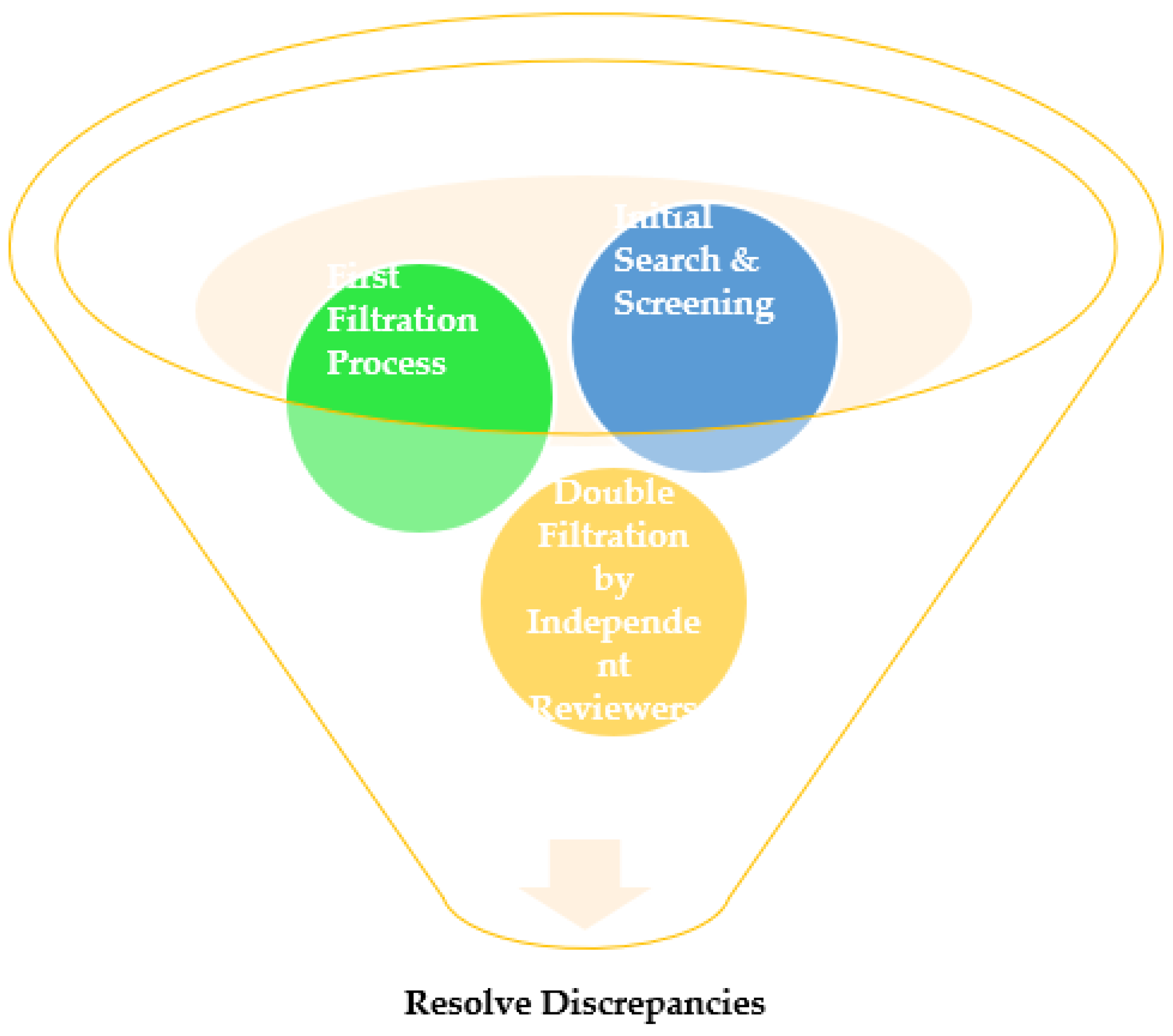
Figure 3.
Collection Process.
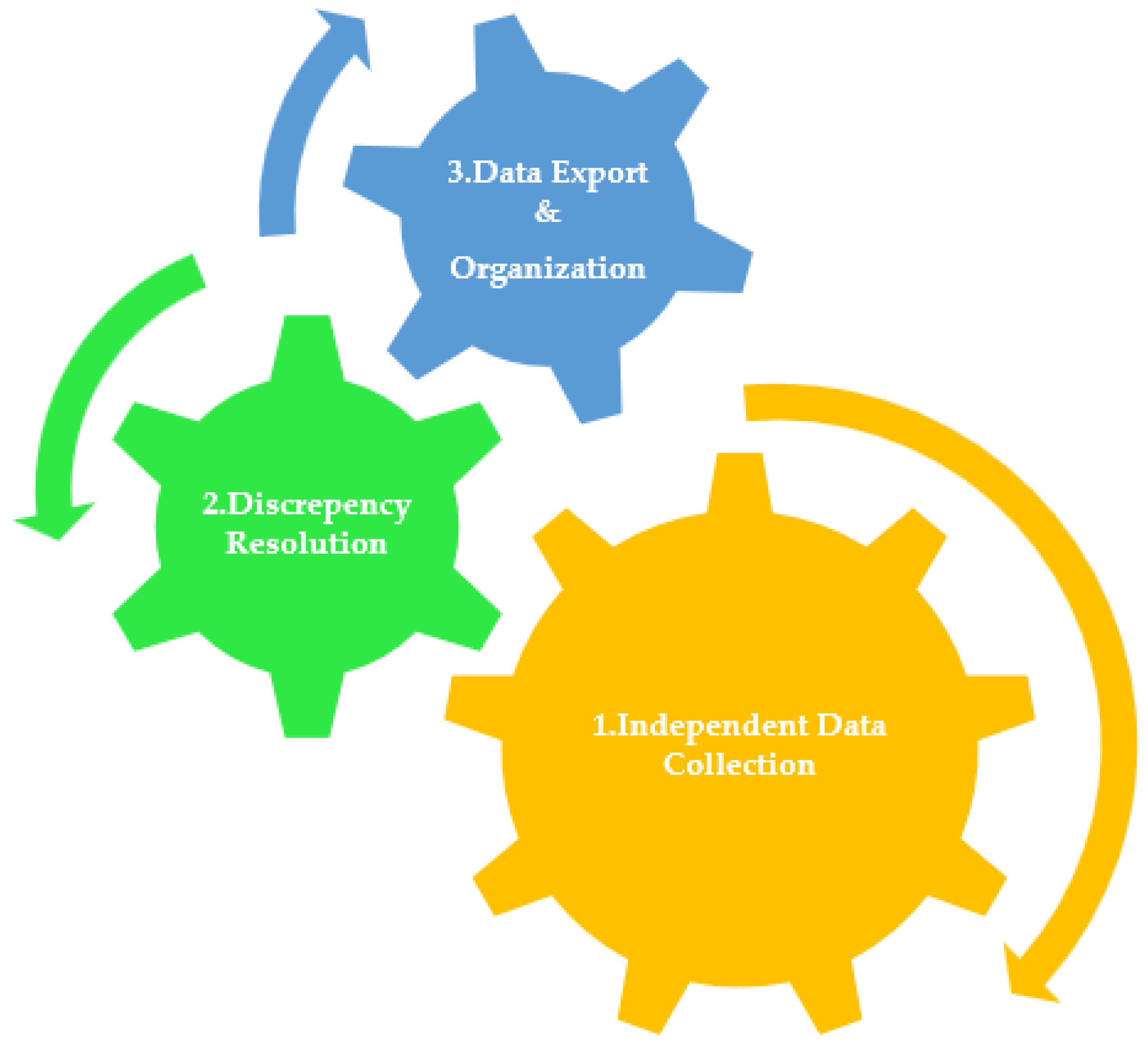
Figure 4.
Data Items Process.
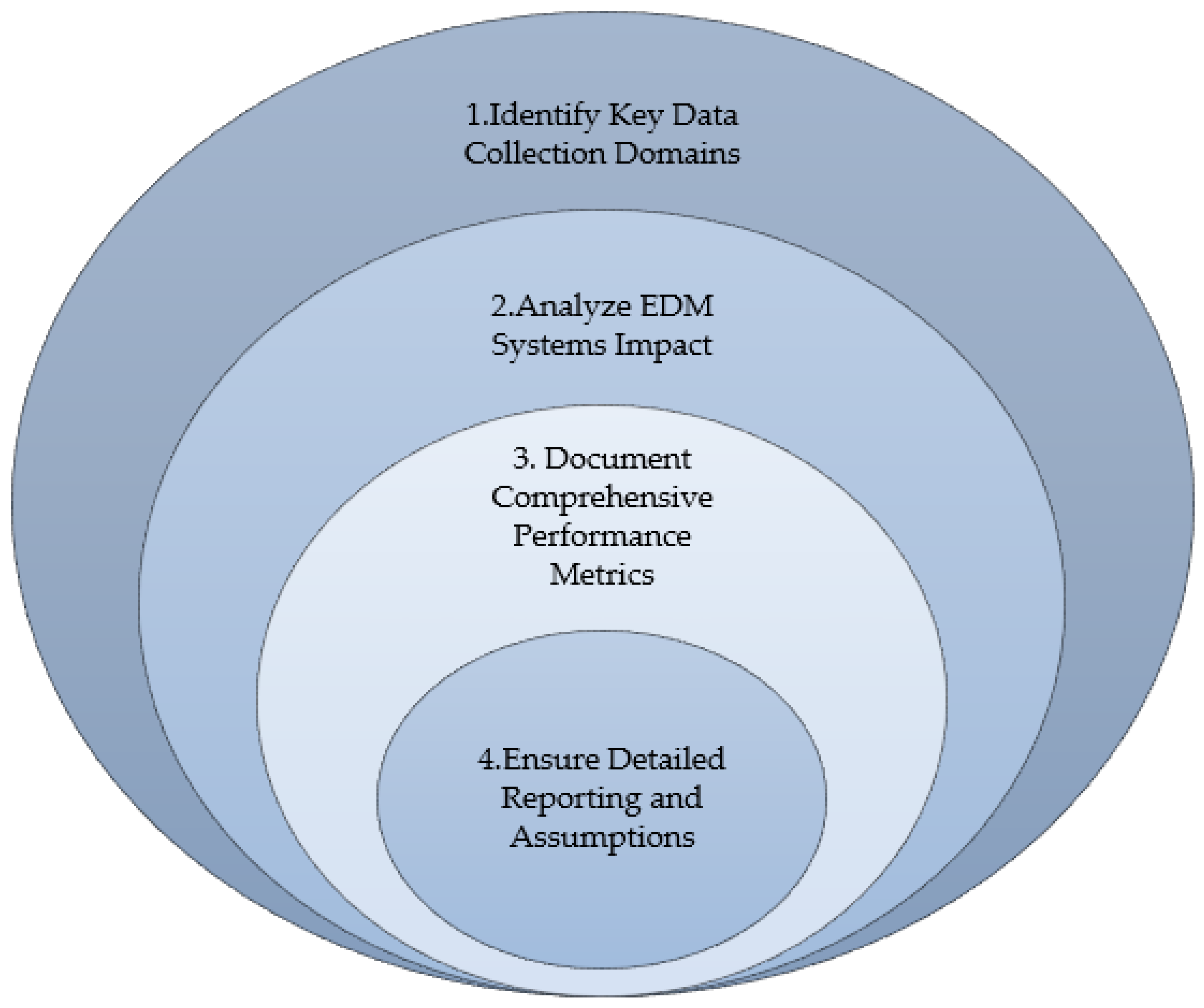
Figure 5.
Effect Measures.

Figure 6.
Proposed PRISMA Flowchart.
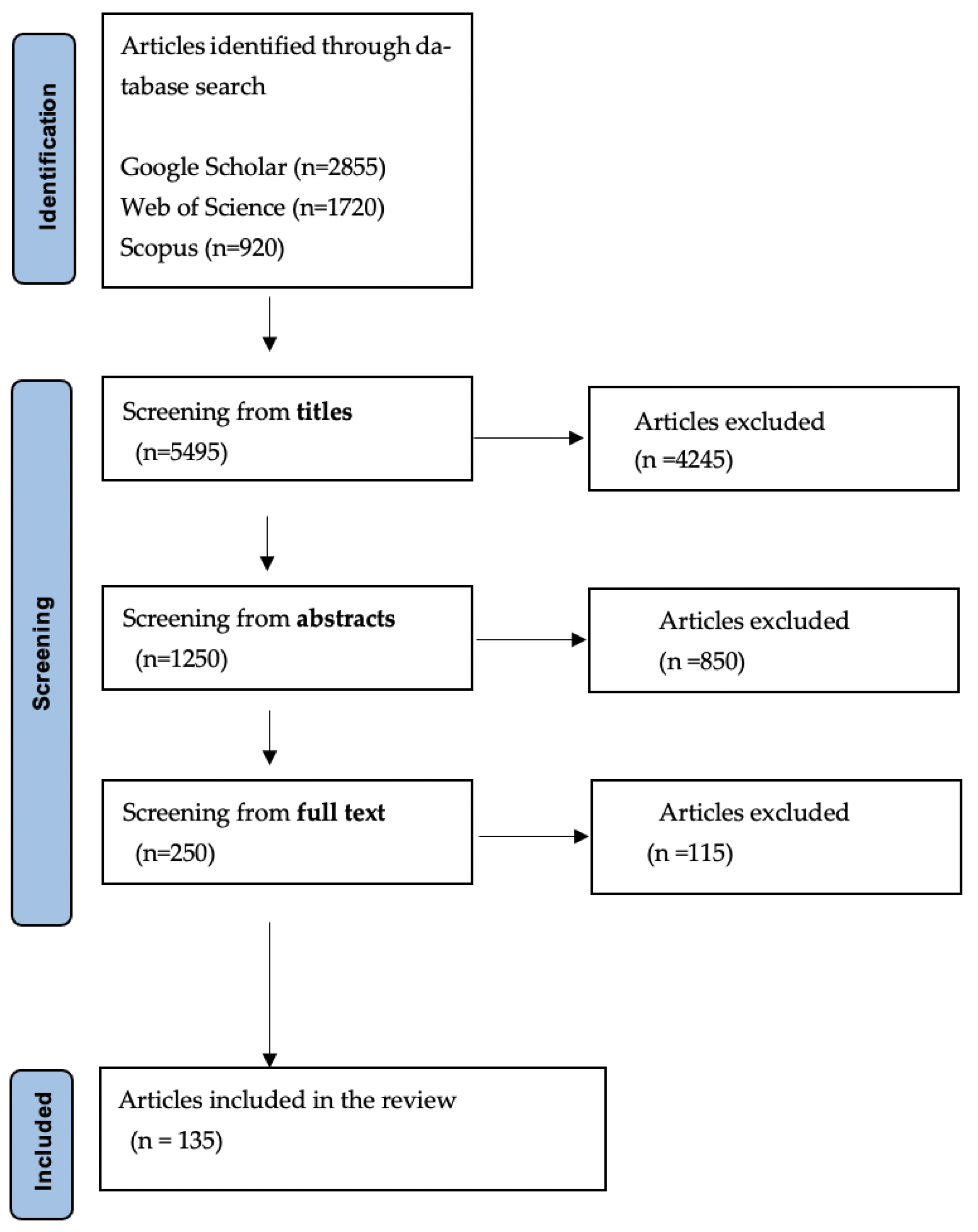
Figure 7.
Distribution of Online Databases.
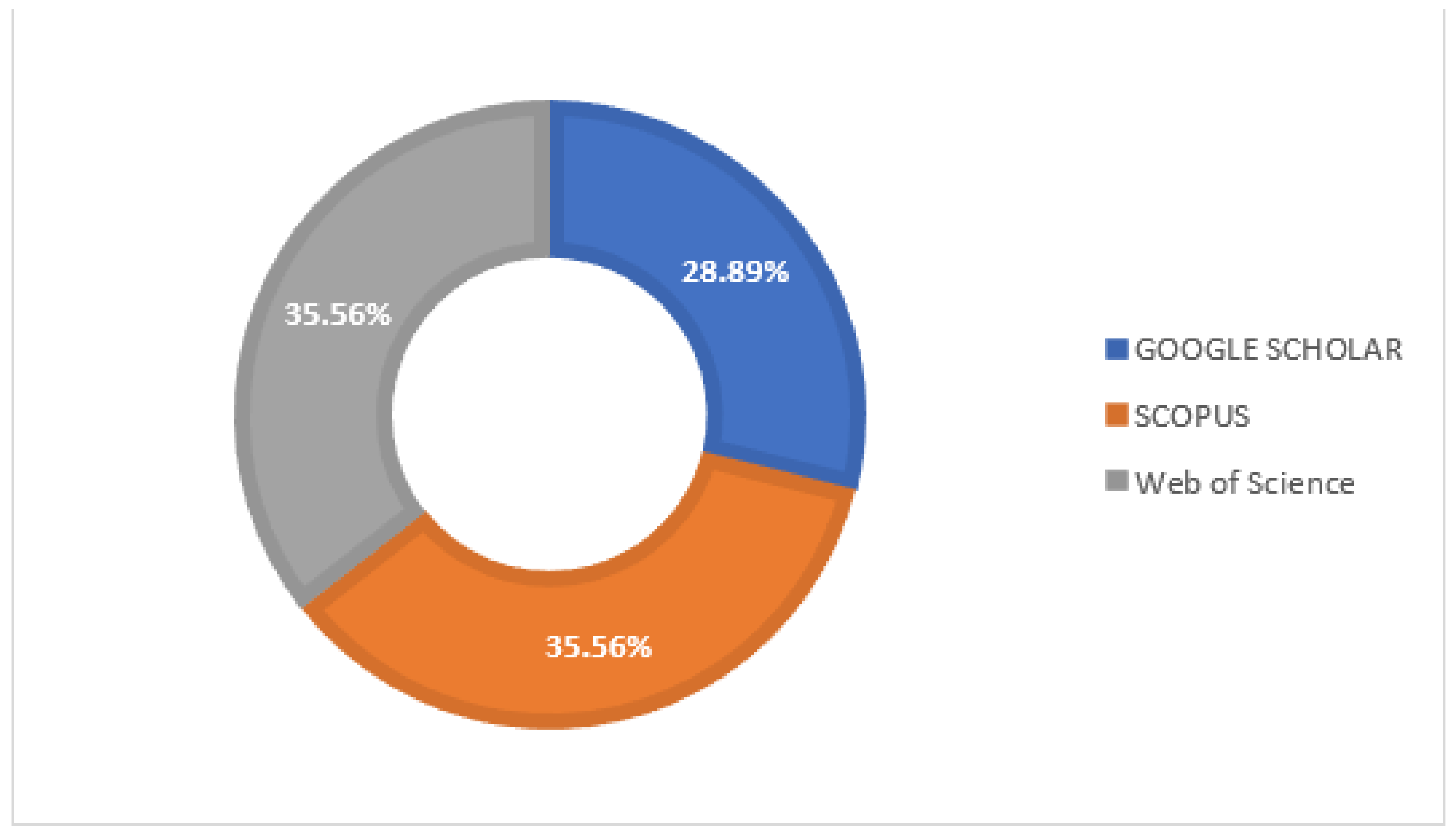
Figure 8.
Research Papers Published by Year.
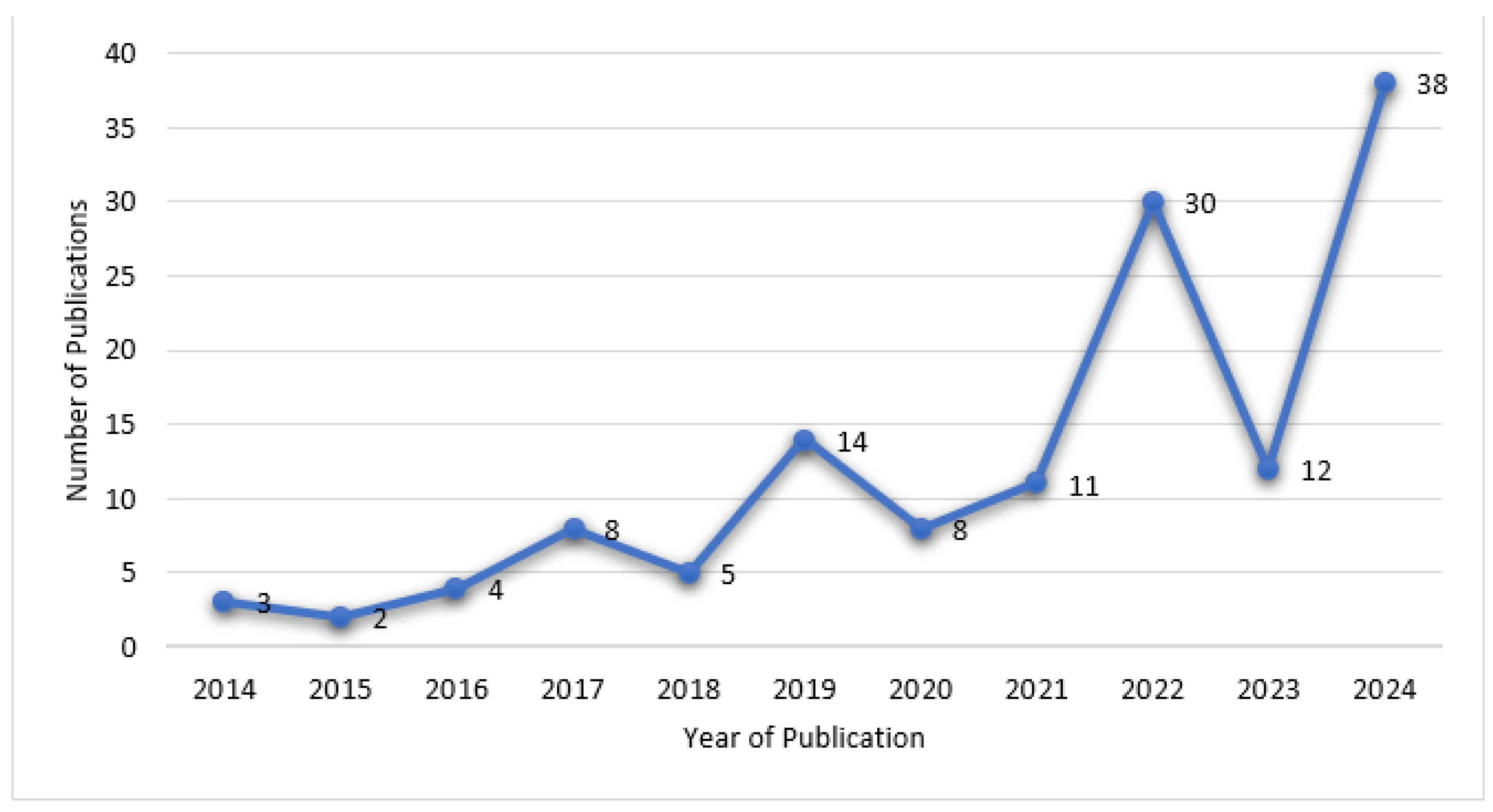
Figure 9.
Research Type.
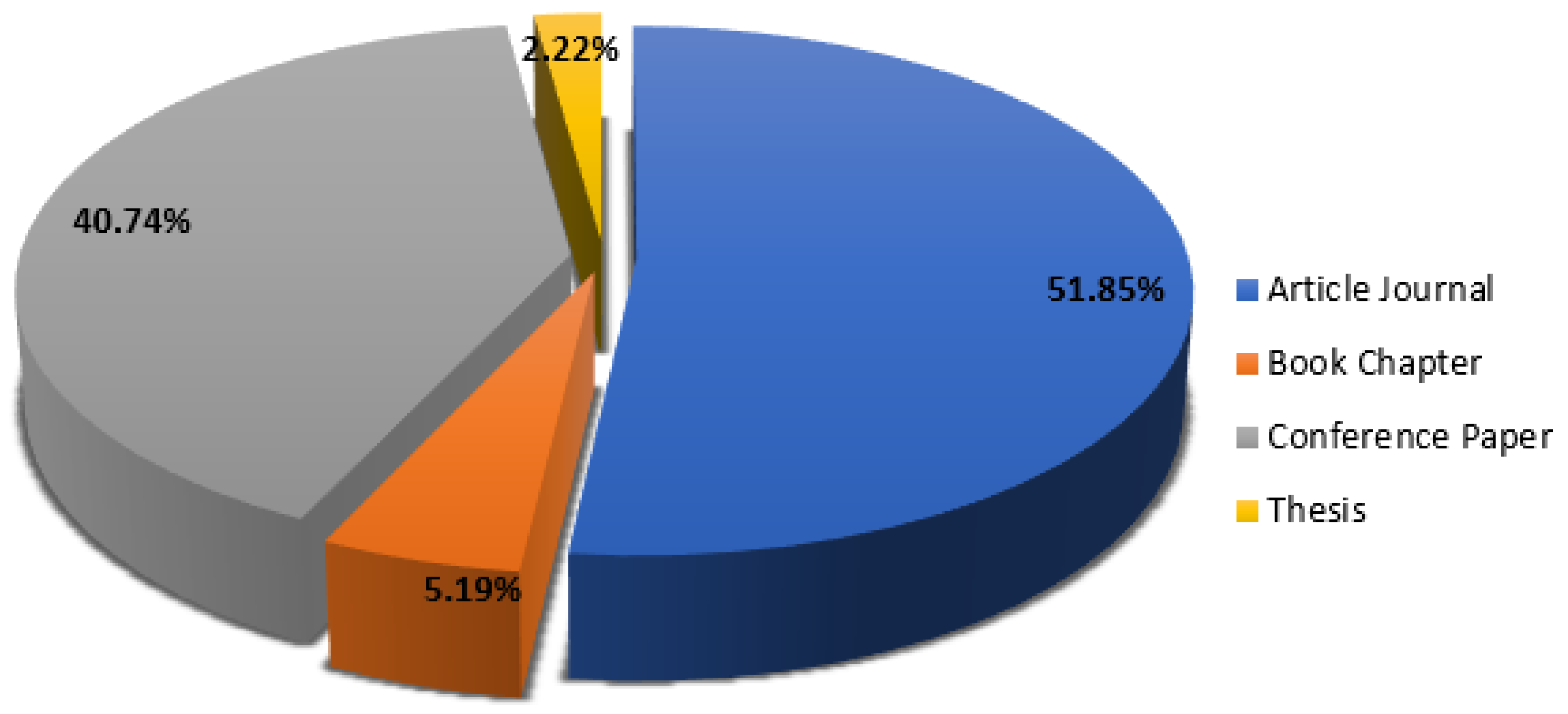
Figure 10.
Countries of Publication.
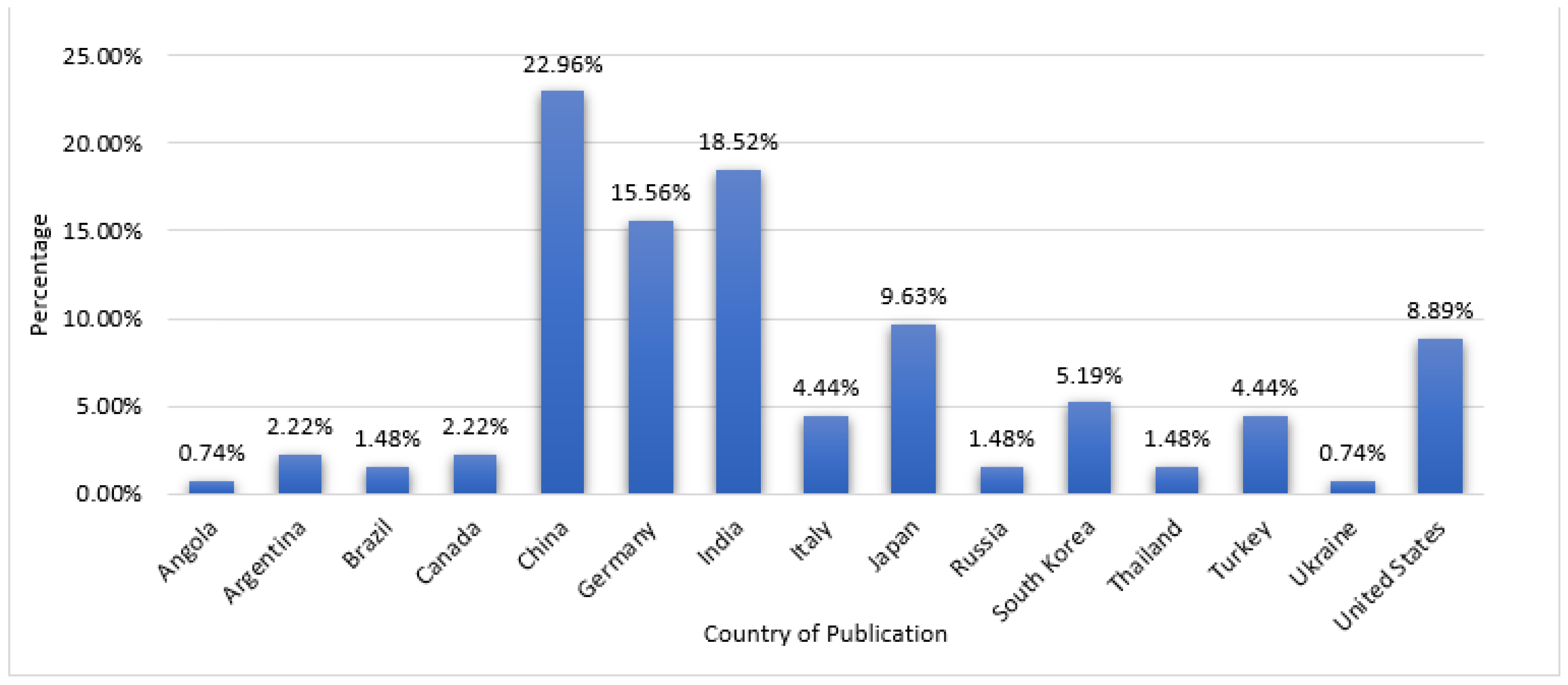
Figure 11.
Risk of Bias Assessments in Included Studies.
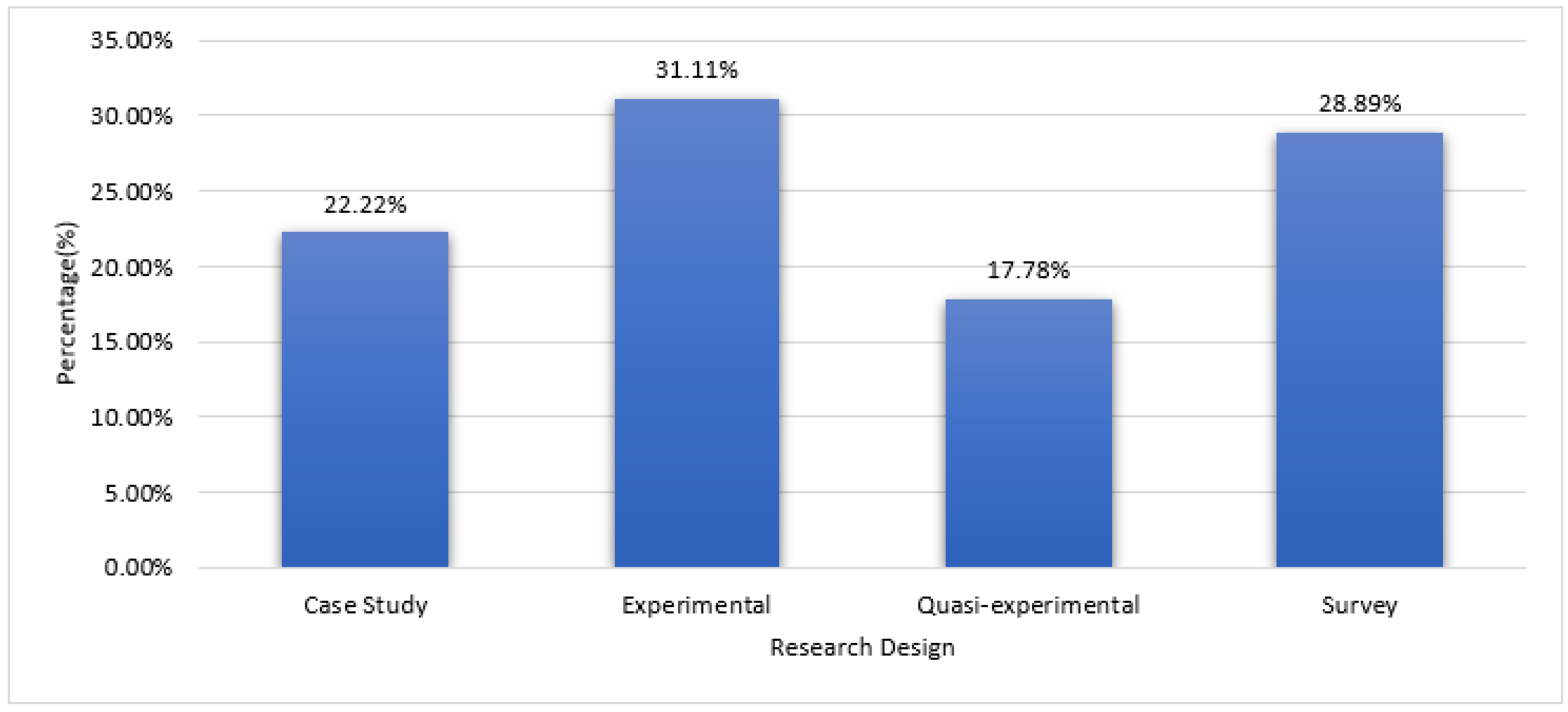
Figure 12.
Types of Discipline or Study area based on the study context.
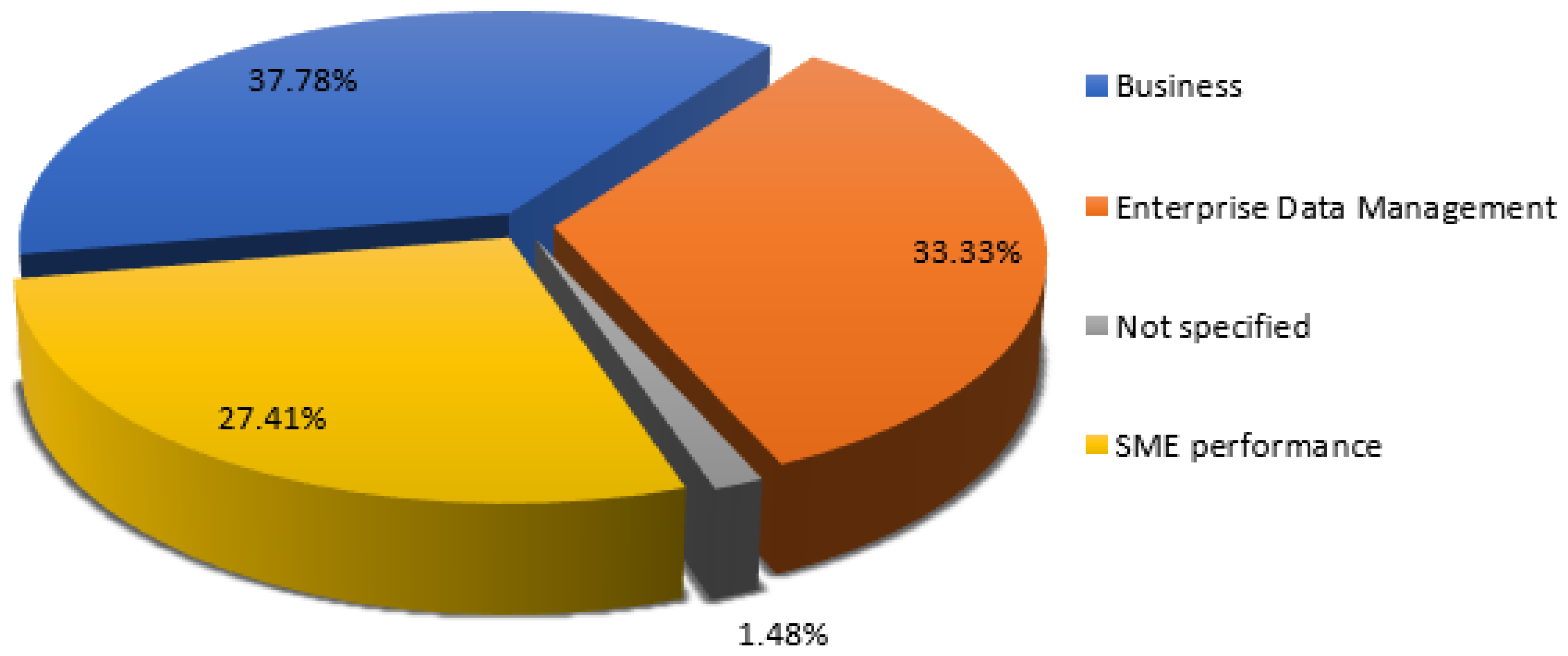
Figure 13.
Types of Industry Context.
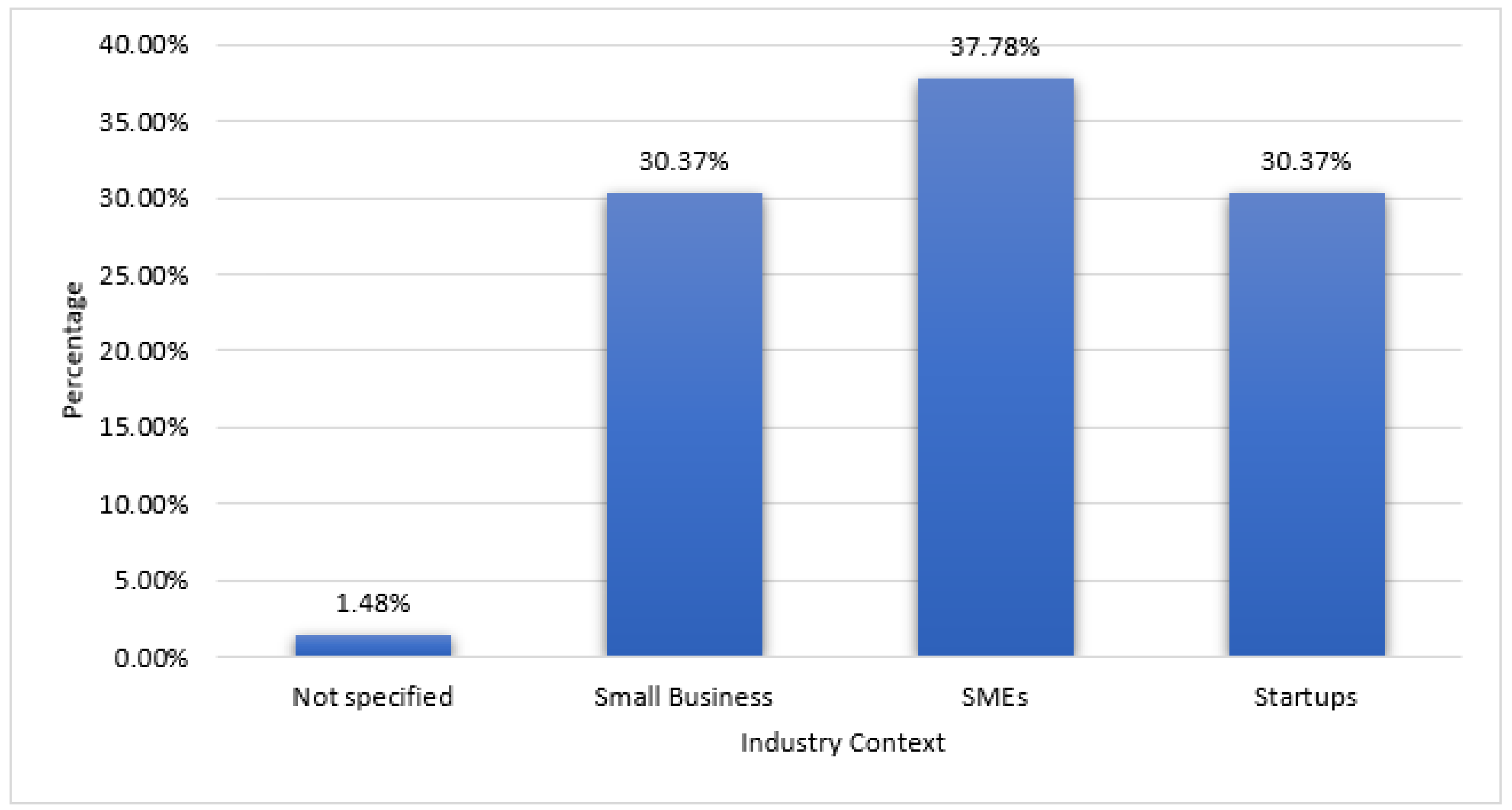
Figure 14.
Economic Context Representation.
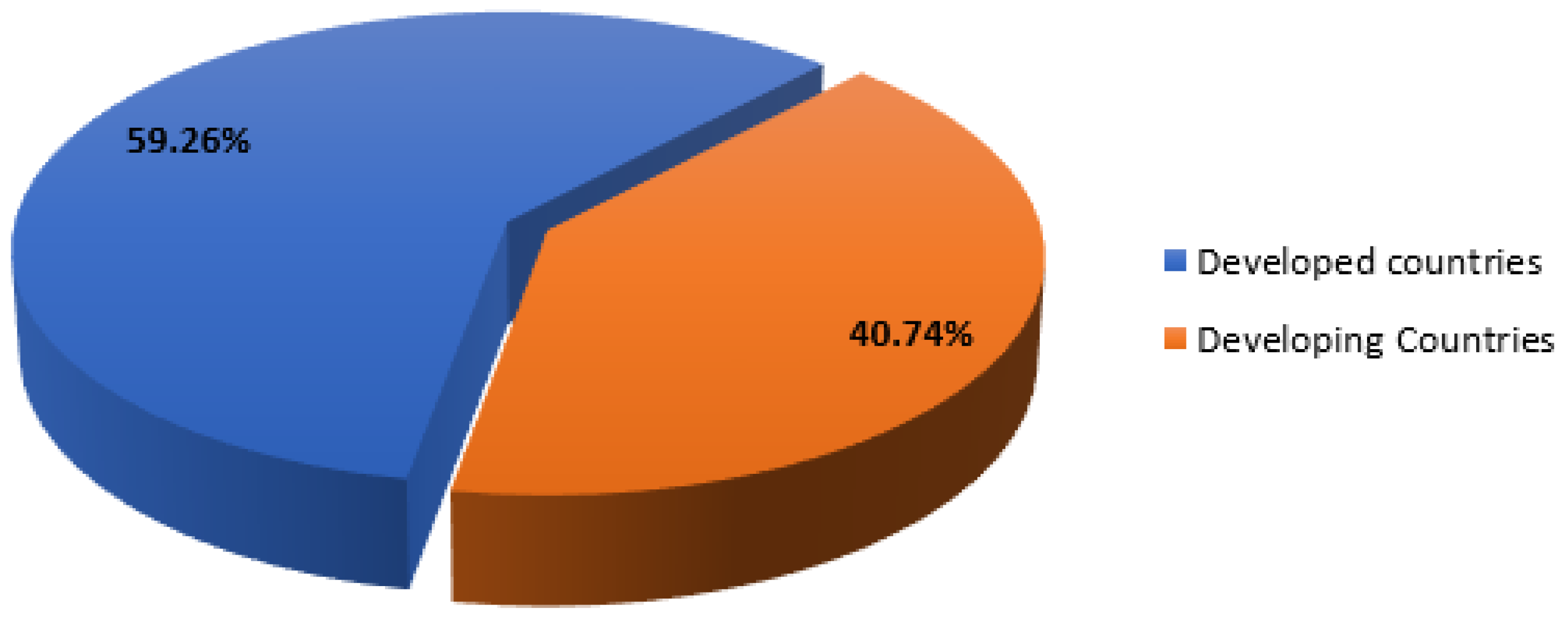
Figure 15.
The Types of Data management Technologies.
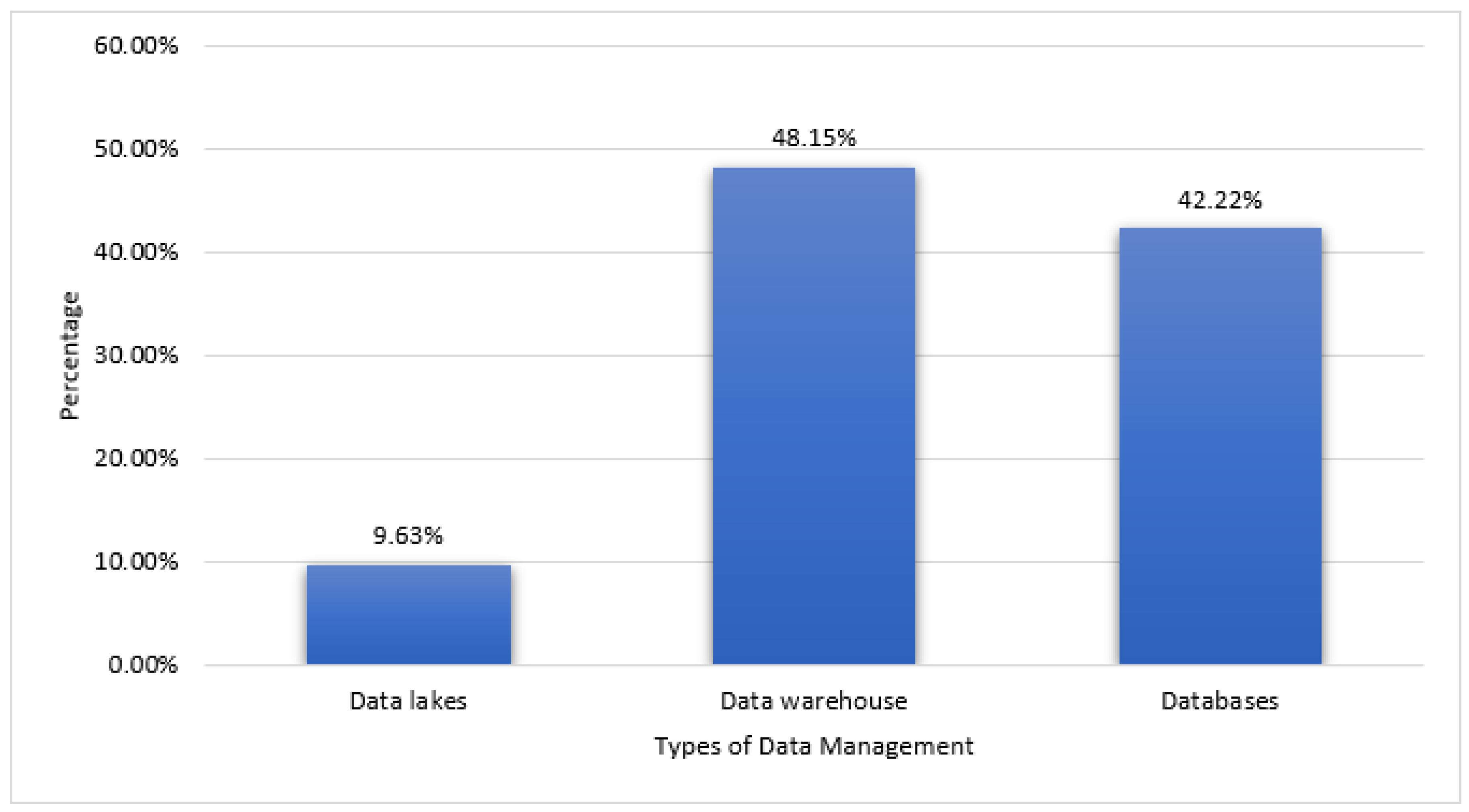
Figure 16.
Data management Practices.
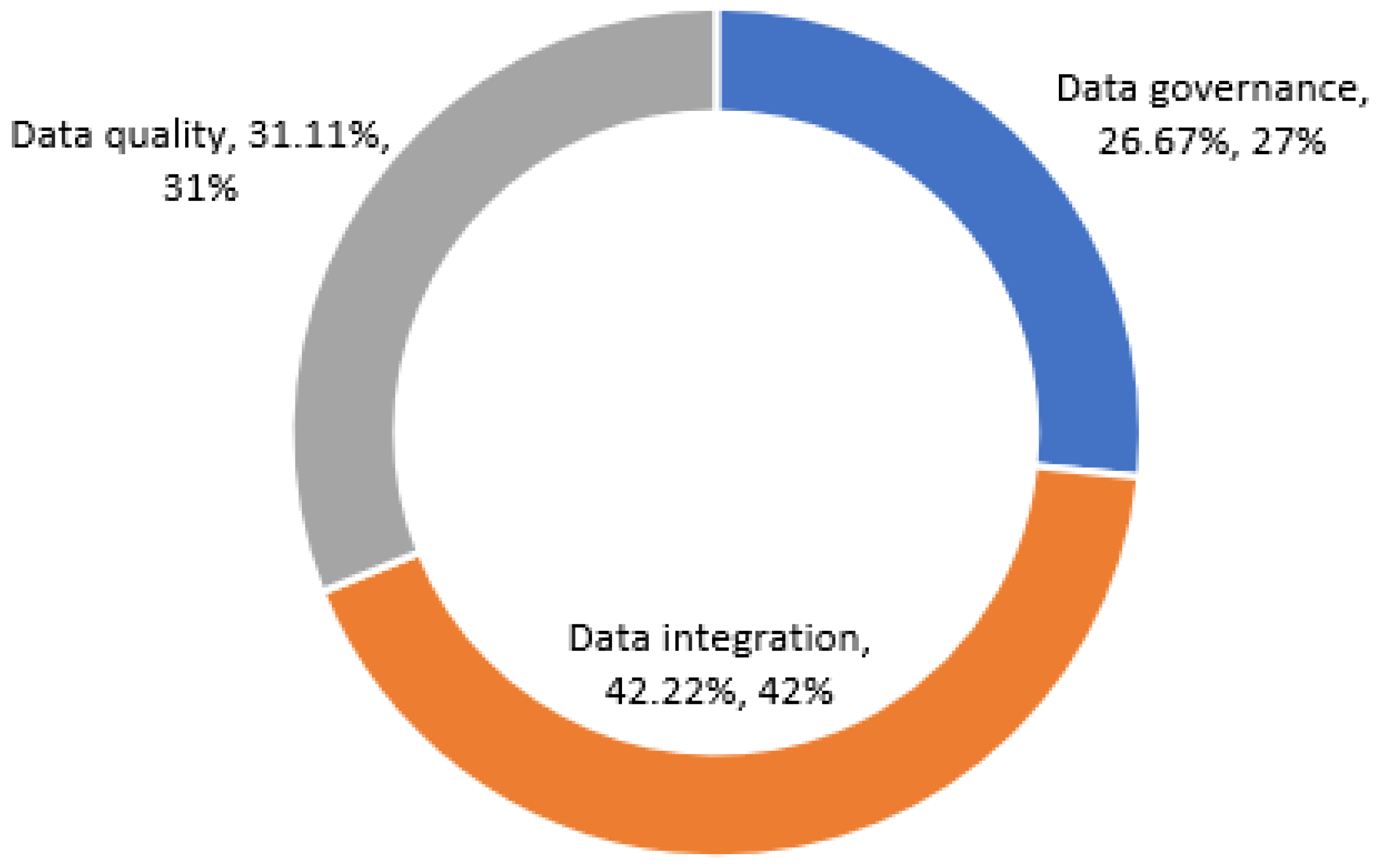
Figure 17.
Technology Providers distribution.
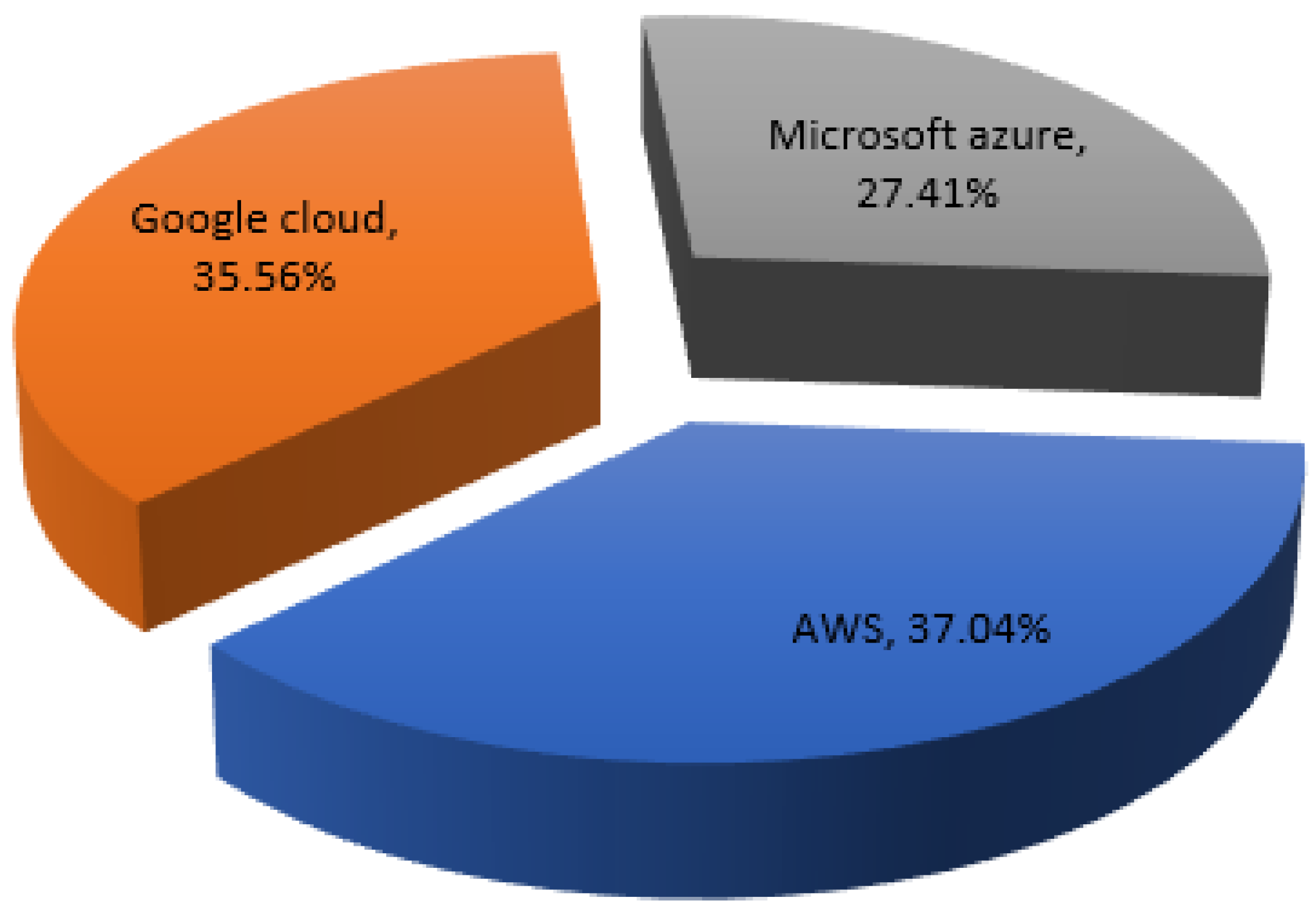
Figure 18.
Technology Implementation Models.

Figure 19.
Sample Size Analysis.
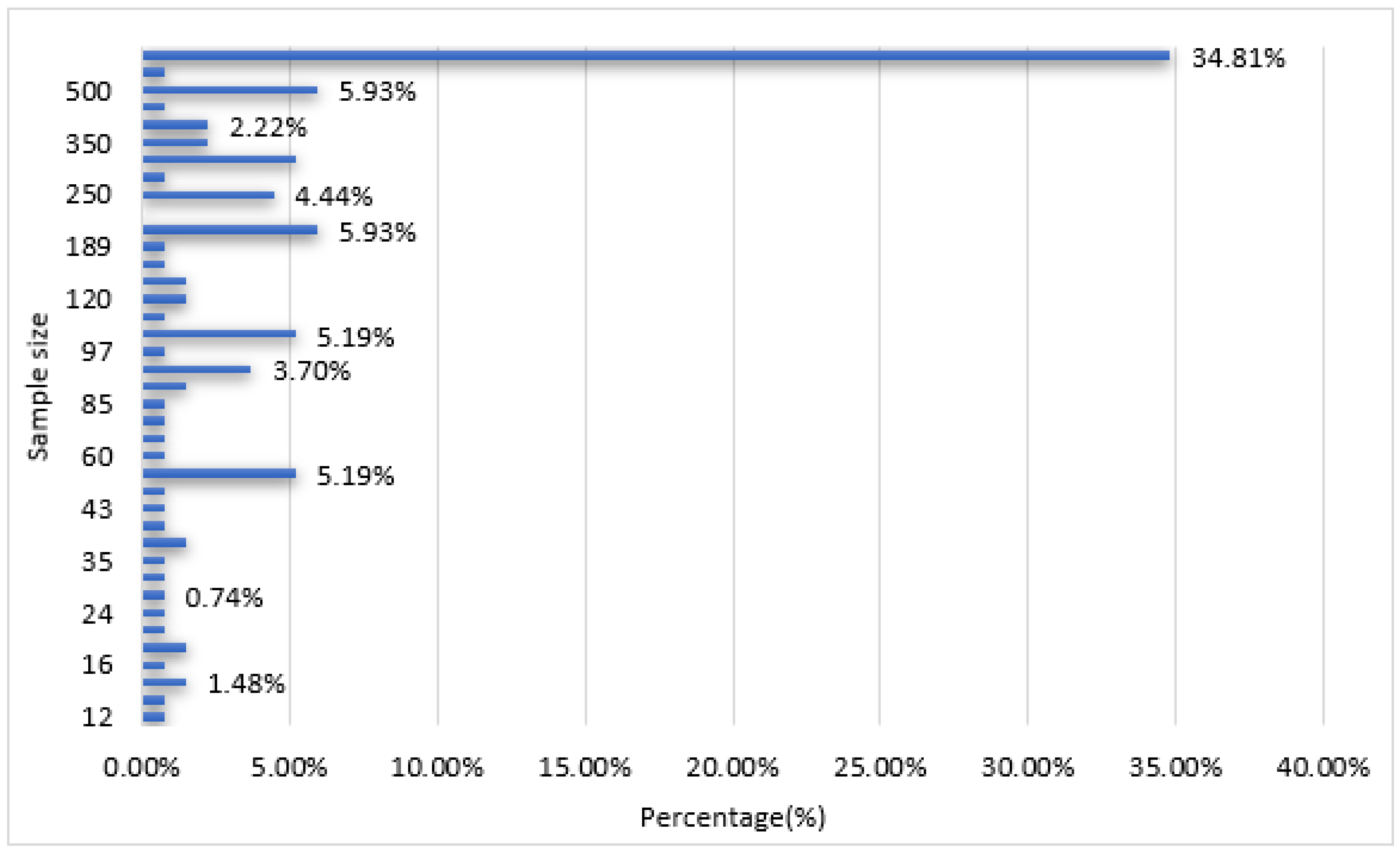
Figure 20.
Data Collection Methods of Studies.
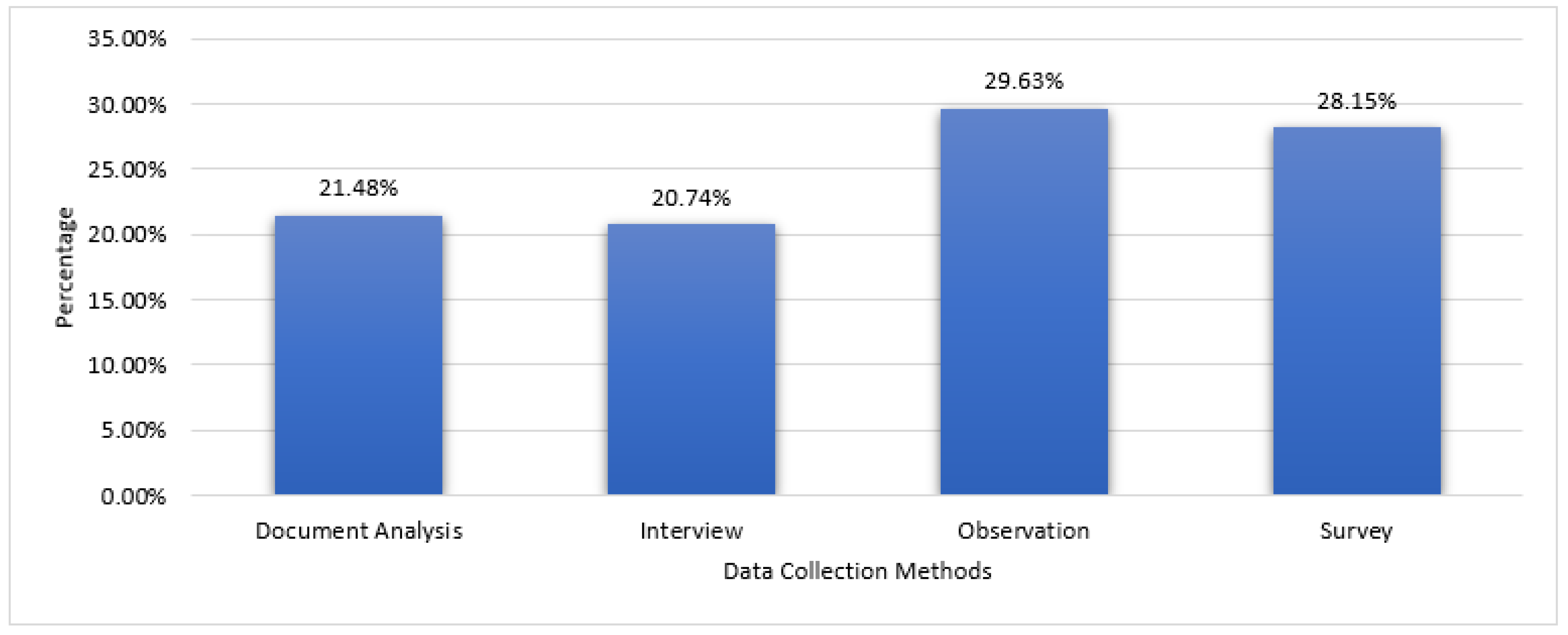
Figure 21.
Types of Data Management.
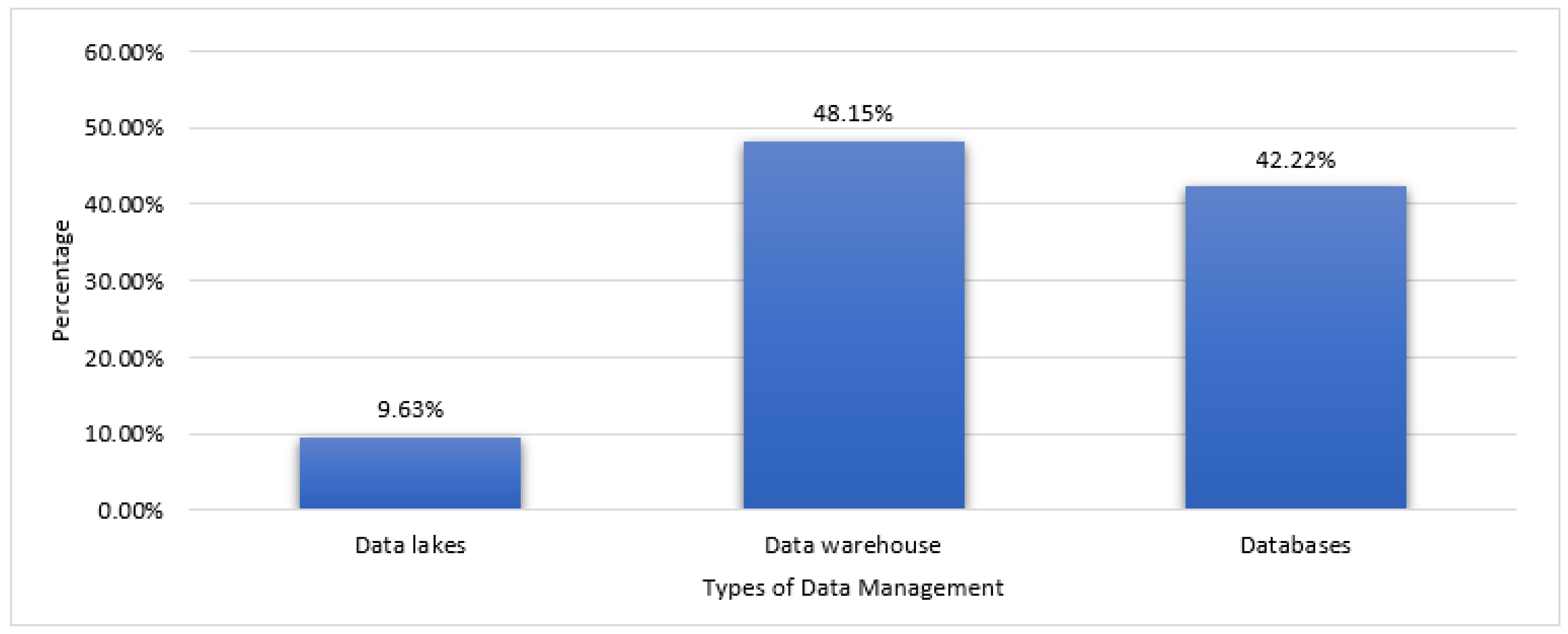
Figure 22.
Types of Study.
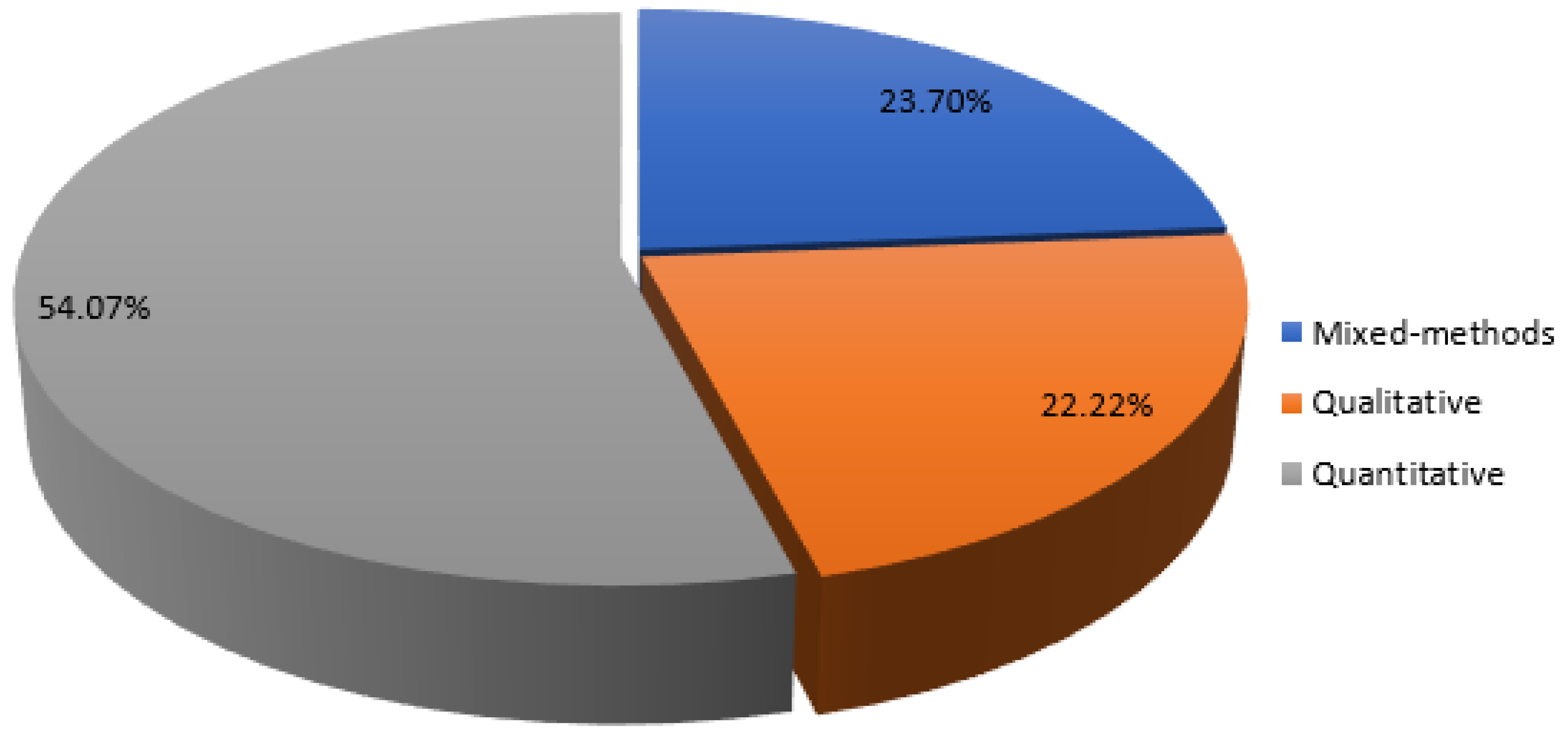
Figure 23.
Techniques of Data Analysis.
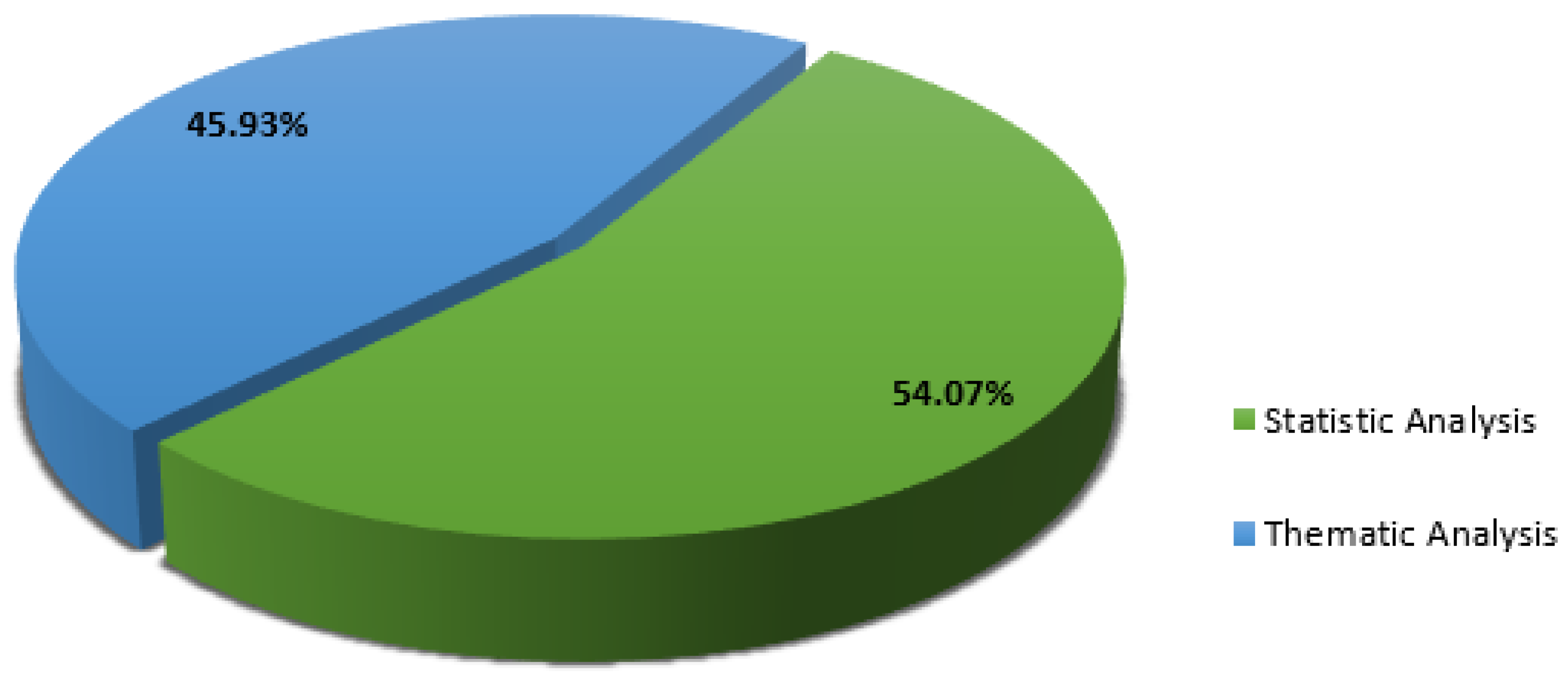
Figure 24.
Business Performance Metrics Distribution Based on the Study Context.
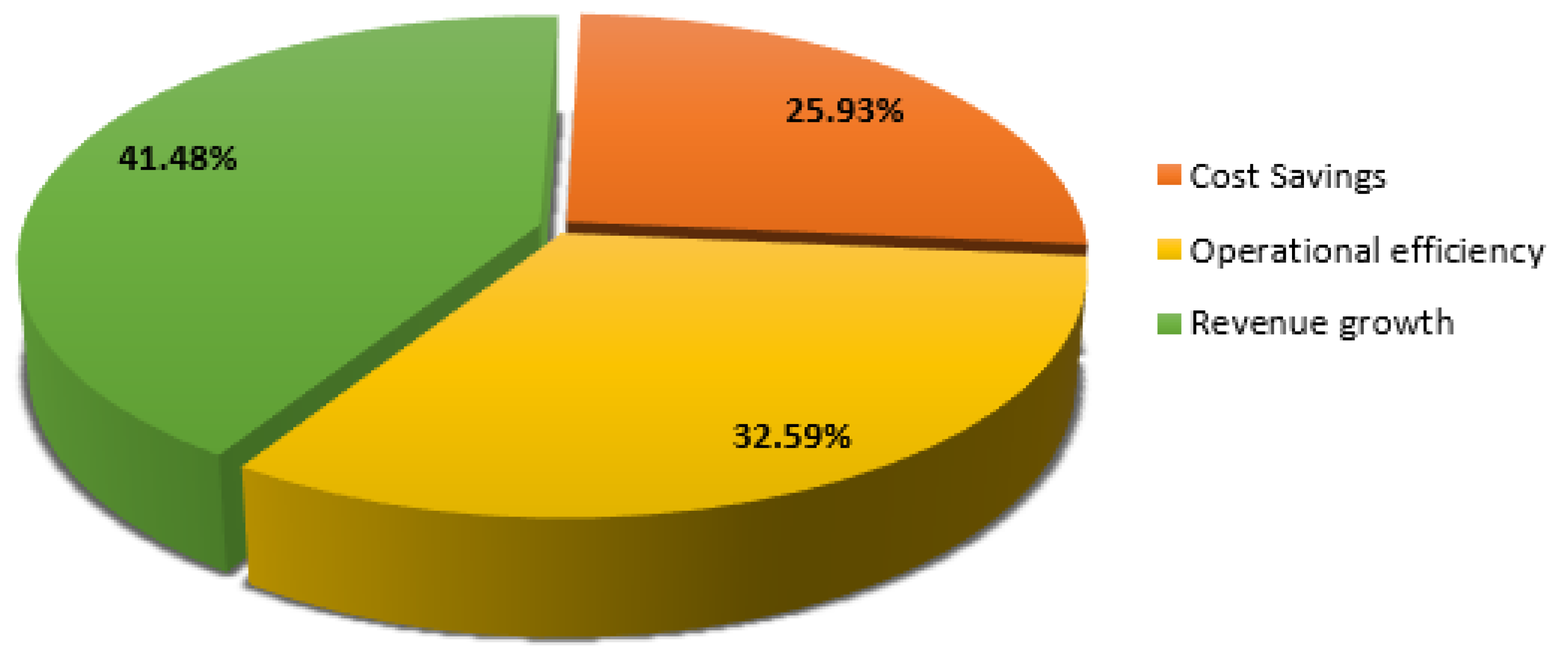
Figure 25.
Technical Performance Metrics Distribution Based on the Study Context.
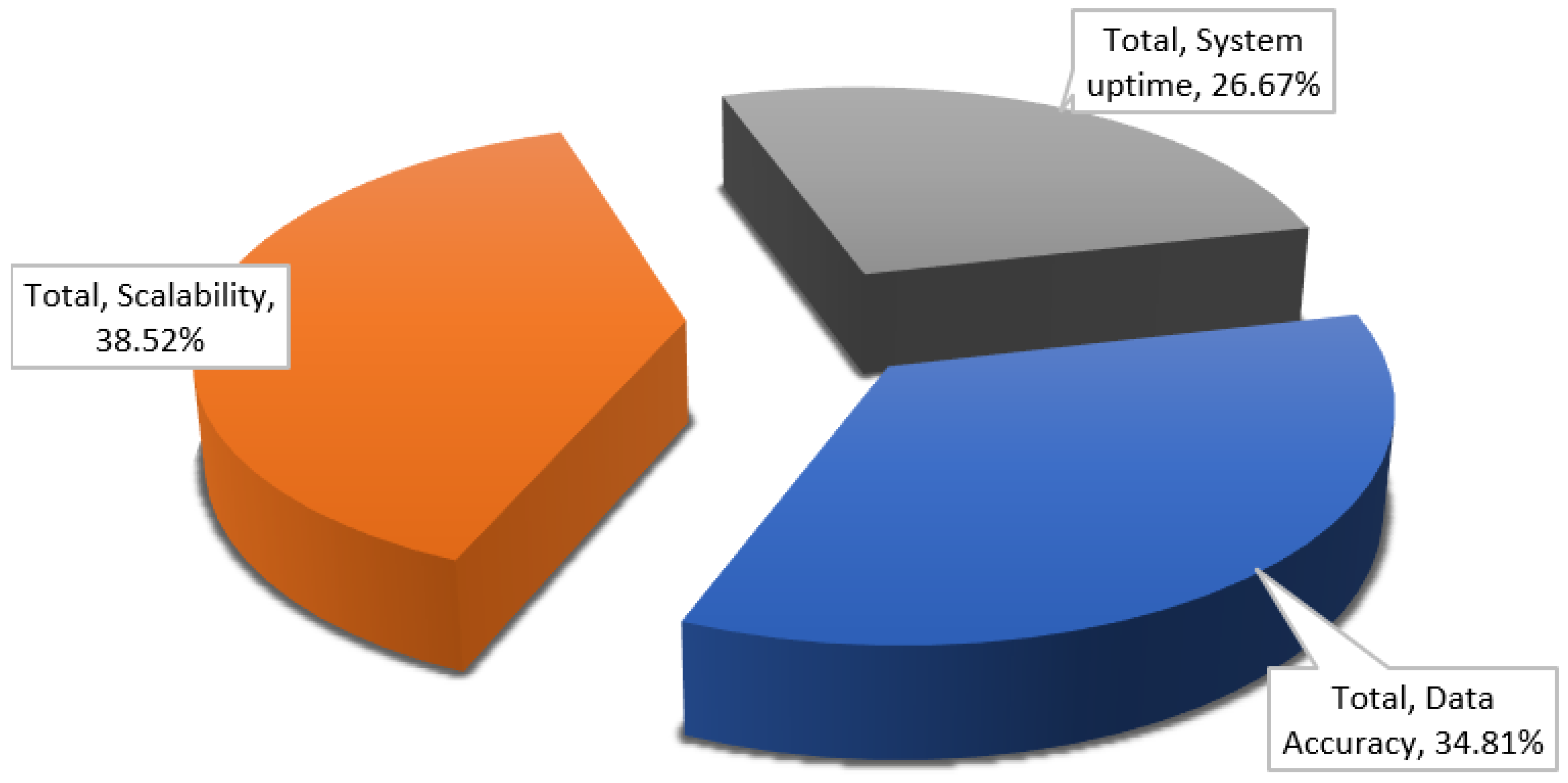
Figure 26.
Organizational Outcomes.
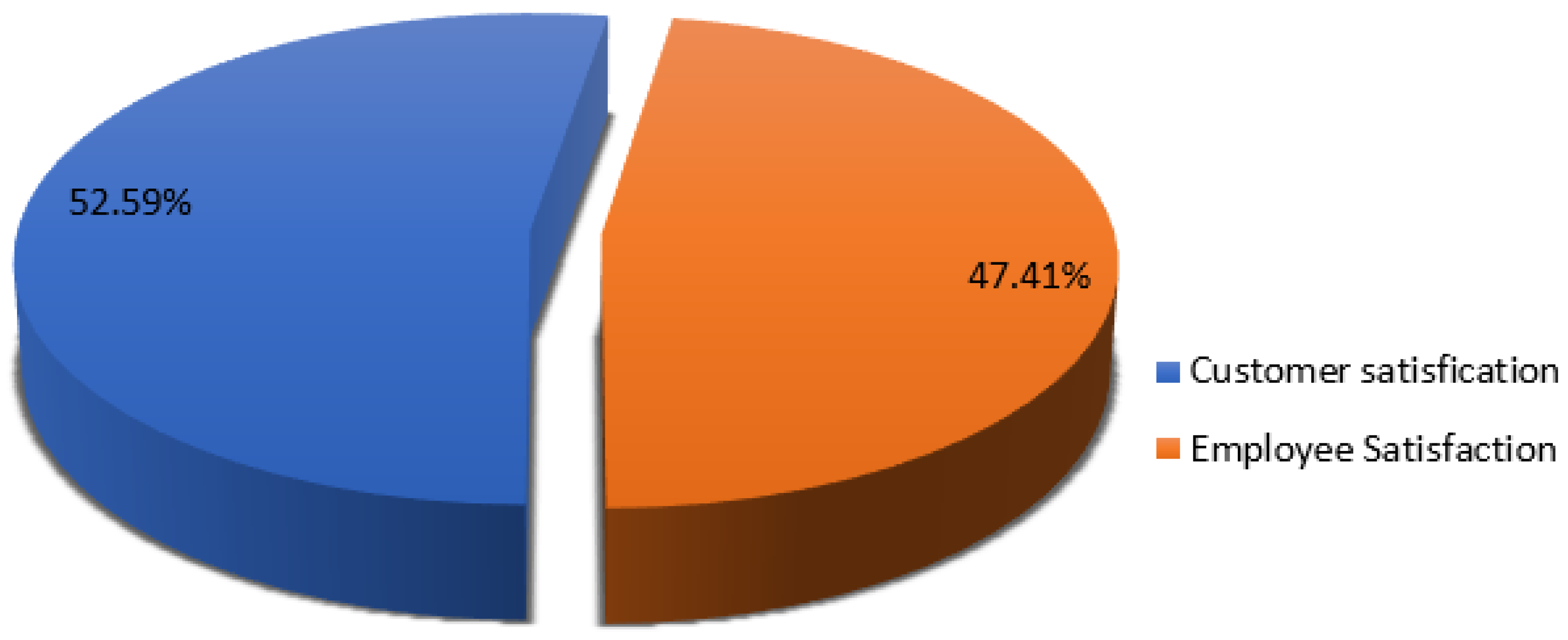
Figure 27.
Long-Term Impacts.
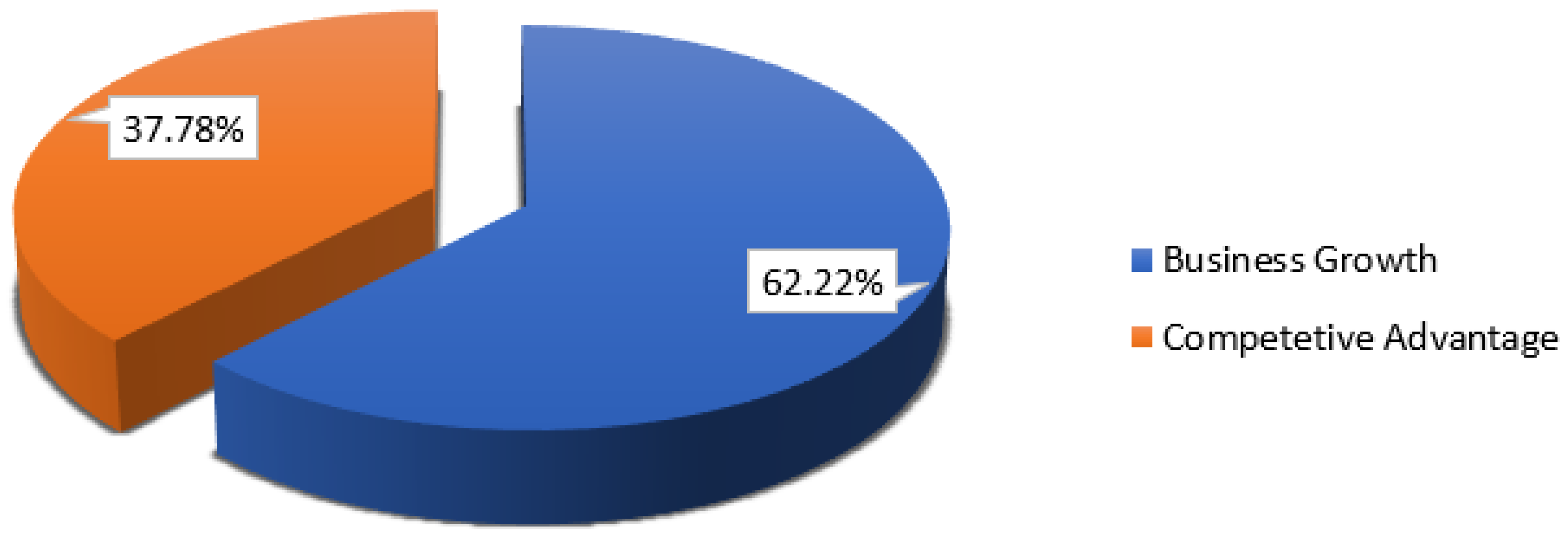
Figure 28.
Research Framework.
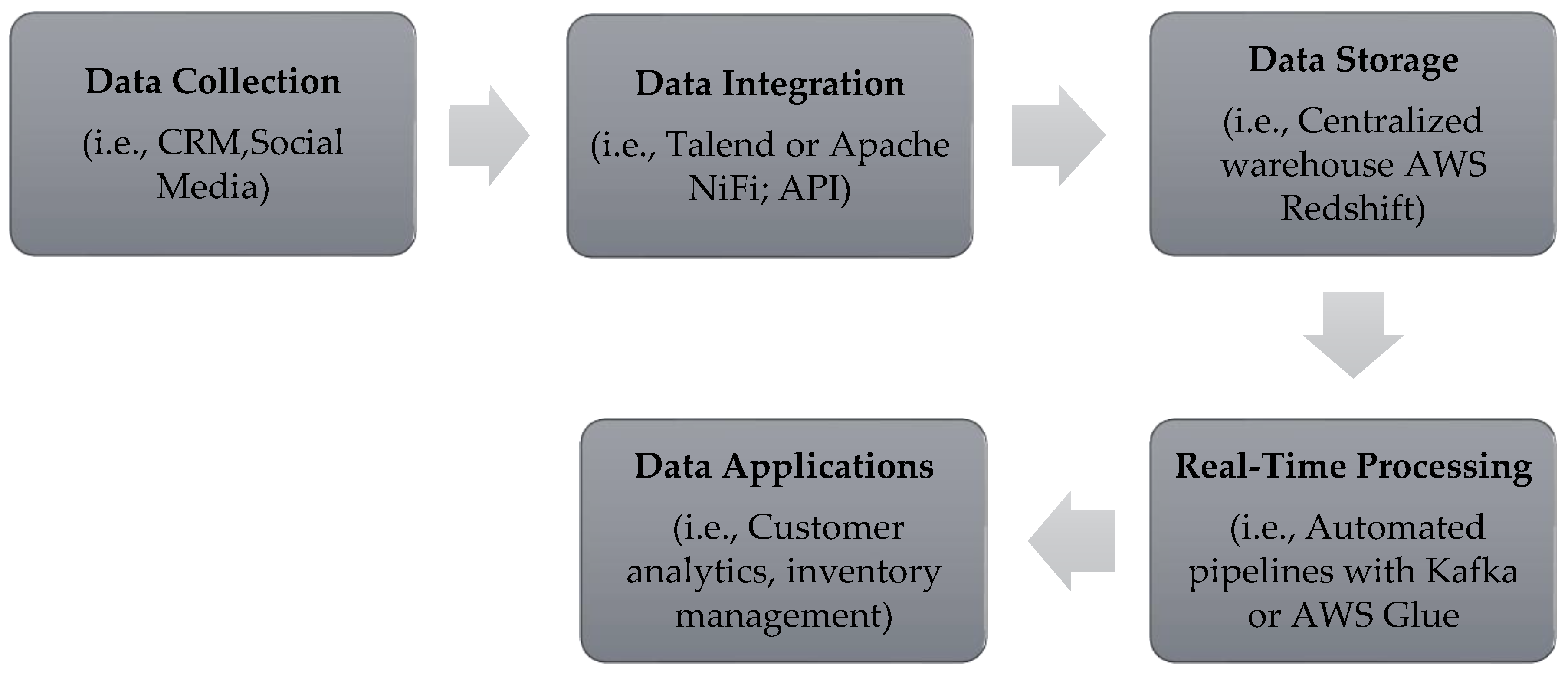
Figure 29.
Best Practices for Successful EDM Implementation.
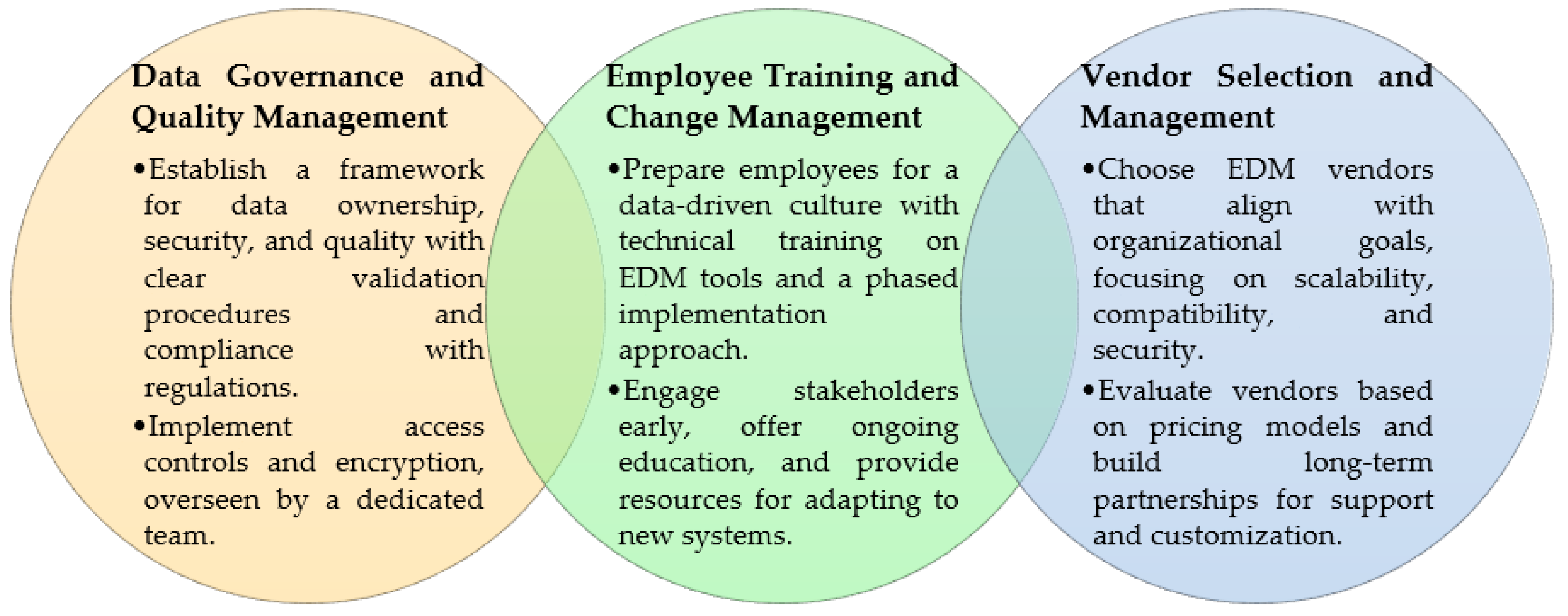
Figure 30.
Common Pitfalls and How to Avoid Them.
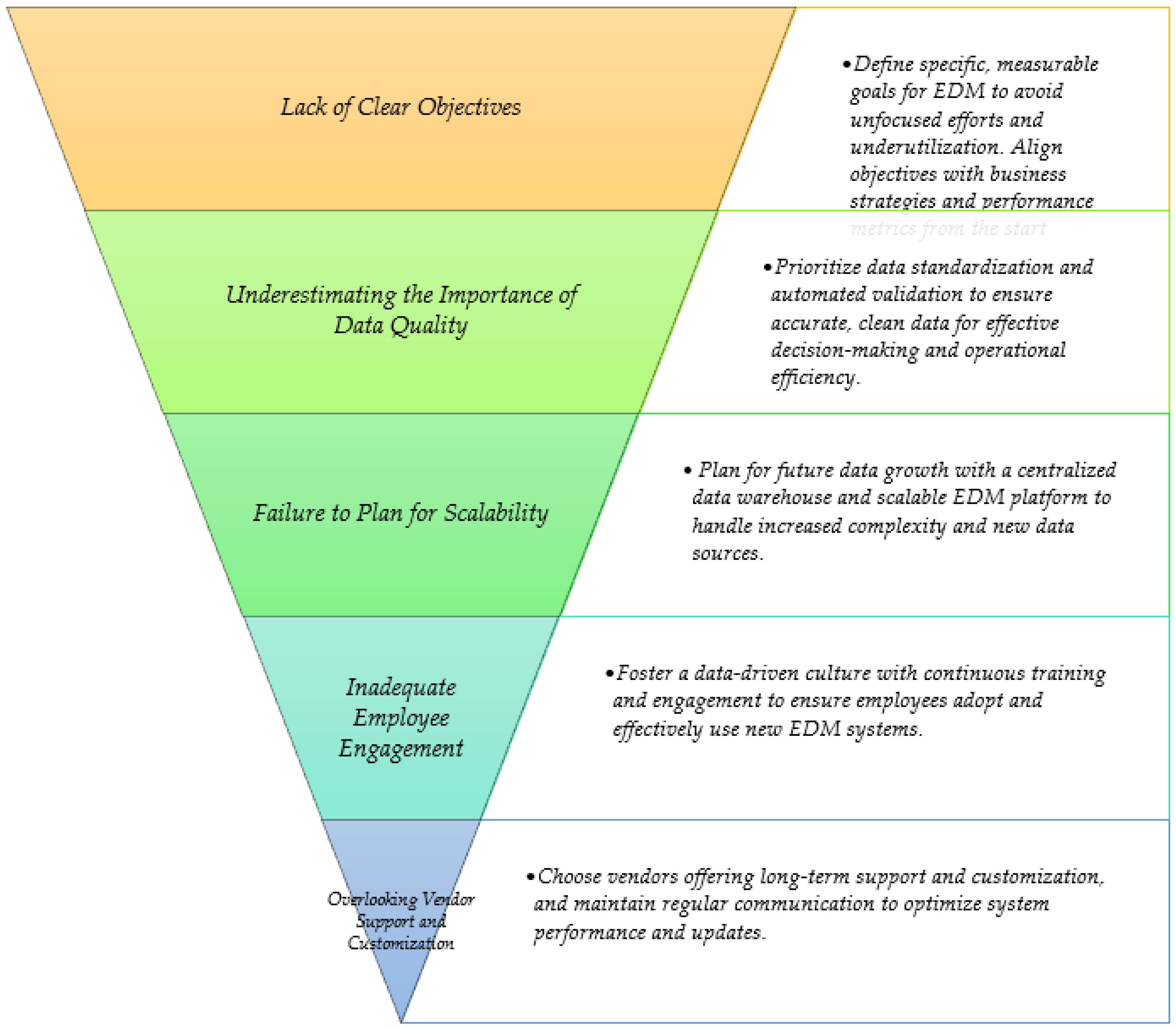
Figure 31.
Five Steps of Operational KPIs.
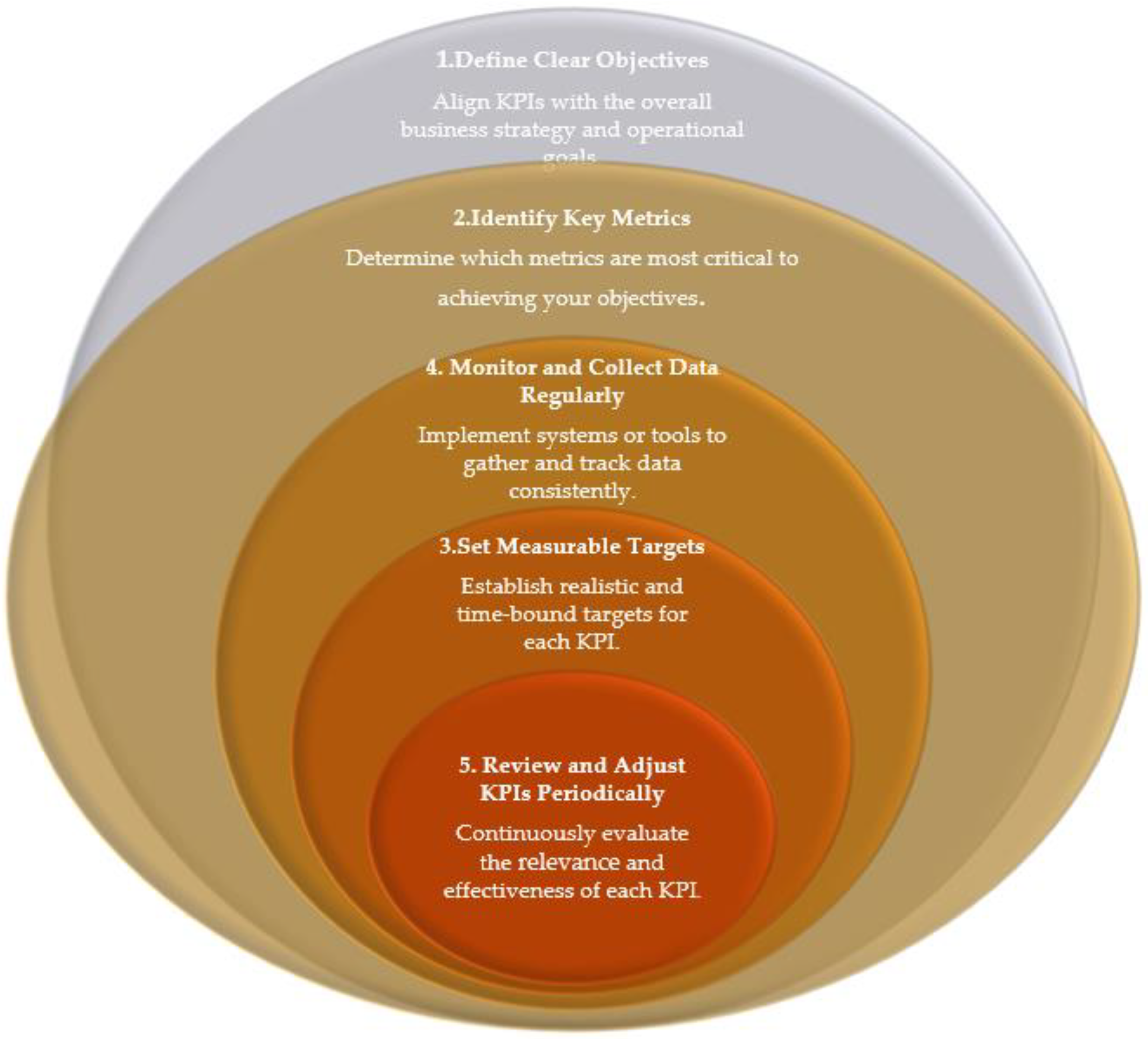
Figure 32.
Evolution of Enterprise Data Management [134].
Figure 32.
Evolution of Enterprise Data Management [134].
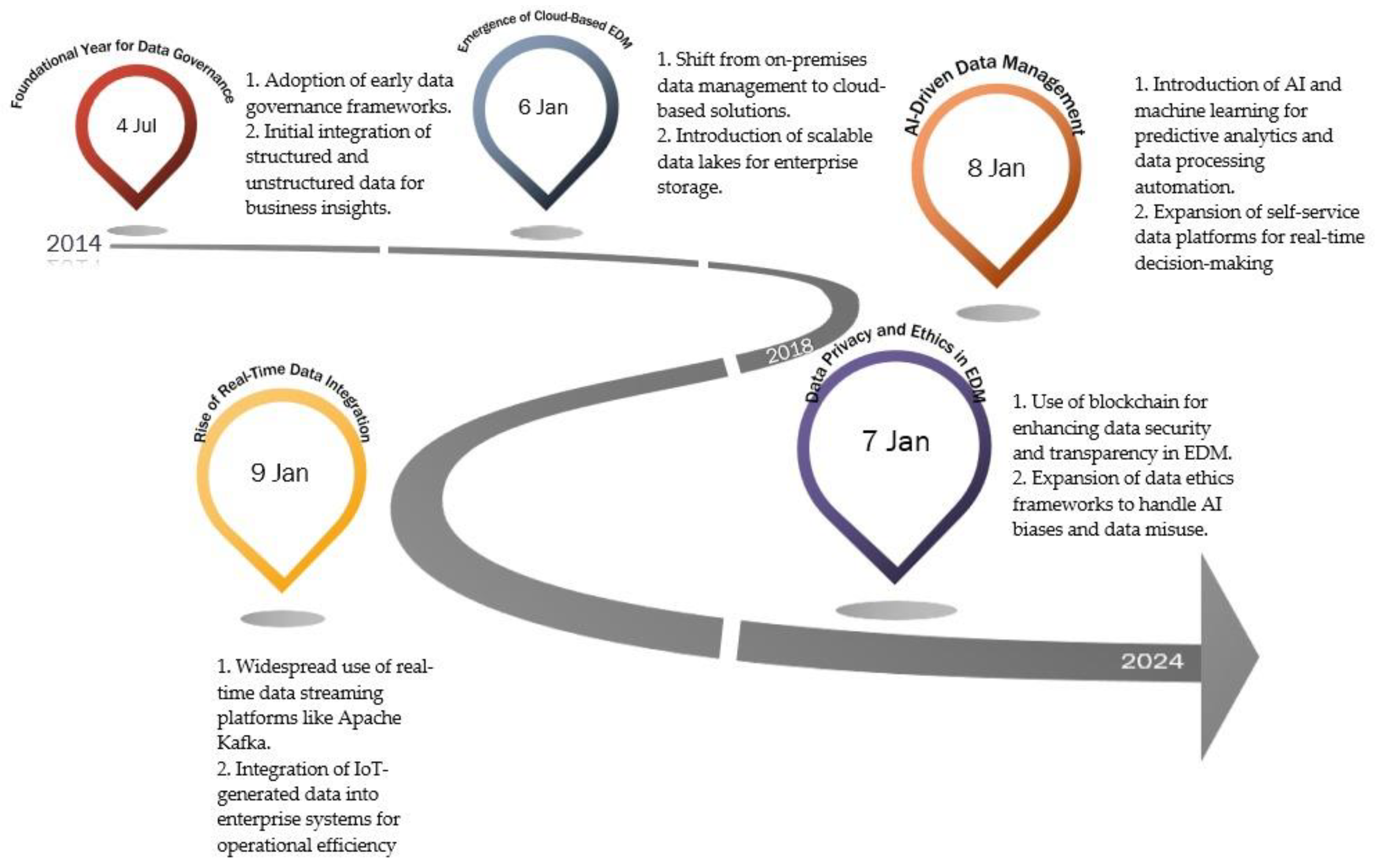

Table 1.
Comparative Analysis of Existing Reviews and Proposed Systematic Review on the Impact of Enterprise Data Management (EDM) Types, Sources, and Real-Time Applications on Business Performance.
Table 1.
Comparative Analysis of Existing Reviews and Proposed Systematic Review on the Impact of Enterprise Data Management (EDM) Types, Sources, and Real-Time Applications on Business Performance.
| Ref. | Cites | Year | Contribution | Pros | Cons |
|---|---|---|---|---|---|
| [10] | 180 | 2019 | Discusses frameworks for integrating real-time data with ERP systems | Enhances real-time decision-making and operational efficiency | Integration with legacy systems can be complex and costly |
| [11] | 150 | 2020 | Proposes a model for real-time data processing in enterprises | Improves data processing speed and responsiveness | Real-time systems can strain resources, especially with large datasets |
| [12] | 230 | 2021 | Examines cloud-based solutions for enterprise data management | Increases scalability and data accessibility | Security and compliance challenges in cloud environments |
| [13] | 210 | 2022 | Reviews big data management and analytics for business performance | Provides valuable insights into customer behavior and market trends | Data quality and managing unstructured data can be difficult |
| [14] | 110 | 2018 | Proposes methodologies for data governance in enterprise settings | Enhances data accuracy, consistency, and compliance | Requires substantial organizational change and governance setup |
| [15] | 95 | 2023 | Discusses AI integration in enterprise data management | Automates data processing and analysis for faster decision-making | High implementation costs and need for specialized expertise |
| [16] | 140 | 2020 | Explores real-time applications of data visualization in enterprise | Facilitates quicker interpretation and decision-making | Complex to implement across multiple departments or systems |
| [17] | 170 | 2019 | Highlights the role of IoT in enterprise data management | Real-time monitoring and optimization of operations | Data security and privacy concerns with IoT devices |
| [18] | 200 | 2022 | Investigates the impact of data integration systems on business agility | Increases business agility and adaptability | High costs for system integration and maintenance |
| [19] | 160 | 2017 | Examines the challenges of managing data in distributed systems | Provides robust, scalable solutions for large organizations | Distributed data management adds complexity to synchronization |
| [20] | 195 | 2018 | Proposes frameworks for data interoperability in multi-vendor systems | Enhances collaboration and data sharing across platforms | Incompatibility issues between different system architectures |
| [21] | 220 | 2021 | Reviews data lake architectures for large-scale data storage | Centralizes data storage and reduces duplication | Governance and management of data lakes can be challenging |
| [22] | 175 | 2020 | Highlights the importance of metadata management in enterprises | Improves data discoverability and utilization | Metadata systems require constant updating and refinement |
| [23] | 190 | 2019 | Discusses the role of real-time data analytics in supply chain optimization | Enhances supply chain visibility and responsiveness | Data latency issues can impact the effectiveness of real-time analytics |
| [24] | 160 | 2023 | Investigates edge computing for enterprise data management | Reduces latency and bandwidth costs by processing data locally | Limited by edge device capabilities and potential security vulnerabilities |
| Proposed system review | Evaluates the impact of enterprise data management (EDM) systems and their real-time applications on business performance, focusing on critical aspects such as data integration, real-time analytics, scalability, and operational efficiency. Examines challenges in EDM adoption, including security concerns, integration with legacy systems, and the management of unstructured data. | Offers a comprehensive understanding by identifying key predictors of successful EDM implementation and assessing their influence on enterprise performance. The review highlights research gaps in managing unstructured data, integration complexities, and security vulnerabilities, providing actionable insights for researchers to address these challenges and enhance EDM adoption in enterprises. | |||
Table 2.
Proposed Inclusion and Exclusion Criteria.
| Criteria | Inclusion | Exclusion |
|---|---|---|
| Topic | Articles must focus on enterprise data management types, sources, and real-time applications to enhance business performance. | Articles unrelated to Enterprise Data Management: type, source, and real-time application for enhanced business performance. |
| Research framework | The article must include a research framework where there is an application of Enterprise Data Management for business performance. | Articles lacking a research framework of Enterprise Data Management for business performance. |
| Language | Articles must be written in the English language | Articles published in languages other than English |
| Publication Period | Articles must be published between 2014 and 2024 | Articles Published outside the period 2014 and 2024 |
Table 3.
Newcastle-Ottawa Scale Study Risk of Bias Assessment.
| Ref. | Selection (0-4 stars) | Comparability (0-2 stars) | Outcome/Exposure (0-3 stars) | Total stars Quality | Rating |
|---|---|---|---|---|---|
| [40,131] | ★★ | ★ | ★ | 4 | Low |
| [56,60,82] | ★★★ | ★ | ★ | 5 | Low |
| [41,51,90] | ★★★ | ★ | ★ | 5 | Low |
| [42,43,54,61,67,72,73,74,80,87,93,97,102,103,110,114,121,139,154,155] | ★★★ | ★★ | ★★ | 7 | Moderate |
| [45,47,53,62,68,79,83,88,95,99,101,105,119,123,127,129,133,135,138,141] | ★★ | ★ | ★★★ | 6 | Moderate |
| [44,46,48,50,52,55,57,86,89,91,94,132,136,142,147,151,158,161,163,170] | ★★★ | ★★ | ★★ | 7 | Moderate |
| [49,58,63,64,70,75,77,84,98,104,109,115,118,128,134,137,156] | ★★★ | ★★ | ★★★ | 8 | High |
| [59,65,69,71,76,85,92,107,112,122,139,153,159,162,169,171,175] | ★★★ | ★★ | ★★★ | 8 | High |
| [66,78,96,100,106,108,111,113,116,117,120,124,126,130,131,140] | ★★★★ | ★★ | ★★★ | 9 | High |
| [143,144,145,146,148,149,150,152,157,160,164,165,166,167,168,172,173,174] | ★★★★ | ★★ | ★★★ | 9 | High |
Table 4.
Visualization and Analysis of Pivot Charts.
| Chart Type | Purpose | Data representation format |
|---|---|---|
| Column Chart | Beneficial for comparing the quantity or frequency of categories. | Percentage (%) |
| Line Chart | Connects data points with a continuous line to illustrate trends over time. | Number |
| Pie Chart | Shows data as slices of a whole, making it perfect for displaying the percentage or proportionate distribution of categories | Percentage (%) |
Table 5.
Results Obtained from Literature Search.
| No. | Online Repository | Number of results |
|---|---|---|
| 1 | Google Scholar | 2855 |
| 2 | Web of Science | 1720 |
| 3 | SCOPUS | 920 |
| Total | 5495 |
Table 6.
Types of Big Data Technologies.
| Type of Big Data Technologies | Description |
|---|---|
| Apache Spark | A quick, in-memory data processing engine that is compatible with NoSQL and Hadoop systems. It is perfect for real-time data analysis because it supports advanced analytics features like machine learning, stream processing, and graph computation. |
| Hadoop | An open-source framework that makes use of straightforward programming models to enable the distributed processing of big datasets across computer clusters. It is used to store and analyze enormous volumes of structured and unstructured data, and it is very scalable. |
| NoSQL Databases | Unstructured or semi-structured data is managed and stored using non-relational databases. Big datasets can be handled by scalable, adaptable data models like Couchbase, Cassandra, and MongoDB. |
Table 7.
Proposed Research Quality Assessment Questions.
| QA | Research Quality Assessment Question |
|---|---|
| QA1 | What is the primary goal of implementing an EDM system? |
| QA2 | Can the existing IT infrastructure support the EDM system? |
| QA3 | Does the EDM system support standardized data formats across various departments and sources? |
| QA4 | How can we optimize the system based on the pilot results before scaling it company-wide? |
Table 8.
Results of Collected Literature Quality Assessment.
| Ref. | Q1 | Q2 | Q3 | Q4 | Total | % |
|---|---|---|---|---|---|---|
| [40,41,42,43,51,54,56,60,61,67,72,73,82,90,131] | 1 | 1 | 1 | 0.5 | 3.5 | 87.5 |
| [45,47,53,62,68,74,79,80,83,87,88,93,95,97,99,102,103,110,114,121,139,154,155] | 1 | 0 | 0.5 | 0.5 | 2 | 50 |
| [44,46,48,50,52,55,57,86,89,91,94,101,105,119,123,127,129,132,133,135,136,138,141,142,147,151,158,161,163,170] | 1 | 1 | 0 | 1 | 3 | 75 |
| [49,58,59,63,64,65,69,70,71,75,76,77,84,85,92,98,104,107,109,112,115,118,122,128,134,137,139,153,156,159,162,169,171,175] | 1 | 0.5 | 0 | 1 | 2.5 | 62.5 |
| [66,78,96,100,106,108,111,113,116,117,120,124,126,130,131,140,143,144,145,146,148,149,150,152,157,160,164,165,166,167,168,172,173,174] | 0.5 | 0.5 | 1 | 1 | 3 | 75 |
Table 9.
Study Characteristics.
| Study | Industry Context | Sample size | Contribution |
|---|---|---|---|
| [40] | Small Business | 100 | Offers a large-scale analysis of small business operations, contributing valuable data on industry trends and challenges. |
| [41] | Small Business | Not specified | Provides qualitative insights into small business environments, focusing on strategic management. |
| [42] | SMEs | 250 | Explores how SMEs navigate competitive markets, adding to the literature on resource allocation in SMEs. |
| [43] | SMEs | Not specified | Investigate SME management structures, particularly in resource-constrained settings. |
| [44] | Startups | Not specified | Analyzes growth strategies in startups, contributing to the understanding of innovation-led entrepreneurship. |
| [45] | SMEs | 100 | Examines how SMEs scale operations, providing data on early-stage scaling challenges. |
| [46] | Startups | 50 | Focuses on the financial challenges of startups, with recommendations for new ventures. |
| [47] | Startups | Not specified | Explores the role of innovation in startup success, emphasizing market entry strategies. |
| [48] | Small Business | 100 | Discusses how small businesses utilize technology to improve productivity. |
| [49] | Small Business | 80 | Provides a comparative analysis of growth strategies in small businesses. |
| [50] | Startups | 300 | Studies the impact of venture capital on startup success. |
| [51] | Small Business | 50 | Investigates marketing tactics used by small businesses to compete in local markets. |
| [51] | Startups | 90 | Explores the role of incubators in startup development. |
| [52] | Small Business | Not specified | Offers insights into leadership styles in small business environments. |
| [53] | Small Business | 90 | Analyzes the influence of digital transformation on small business growth. |
| [54] | Startups | 350 | Examines the lifecycle of startups, providing insights into scaling and sustainability. |
| [55] | Startups | 150 | Investigates how startups leverage agile methodologies for rapid growth. |
| [56] | Startups | 50 | Provides case studies on early-stage funding for startups. |
| [57] | SMEs | 100 | Focuses on how SMEs integrate sustainability practices into their business models. |
| [58] | SMEs | 500 | Analyzes operational efficiency in SMEs through technology adoption. |
| [59] | SMEs | Not specified | Explores market adaptation strategies in SMEs. |
| [60] | SMEs | 300 | Offers insights into how SMEs innovate within constrained resource environments. |
| [61] | Small Business | 50 | Studies customer retention strategies in small businesses. |
| [62] | Small Business | 50 | Examines how small businesses adopt digital marketing strategies. |
| [63] | Small Business | Not specified | Explores the impact of leadership and management practices on small business success. |
| [64 | SMEs | 200 | Provides insights into risk management practices in SMEs. |
| [65] | Startups | 450 | Investigates startup ecosystems and their impact on business longevity. |
| [66] | SMEs | 90 | Analyzes financial management in SMEs, focusing on liquidity challenges. |
| [67] | SMEs | 500 | Explores talent retention and recruitment strategies in SMEs. |
| [68] | SMEs | Not specified | Focuses on cross-border expansion strategies for SMEs. |
| [69] | Startups | 250 | Discusses the role of technology innovation in startup success. |
| [70] | Small Business | Not specified | Studies how small businesses navigate market disruptions. |
| [71 | SMEs | Not specified | Investigates the impact of globalization on SMEs. |
| [72] | Small Business | 70 | Focuses on small business resilience during economic downturns. |
| [73] | SMEs | 580 | Provides a large-scale study on SME digital transformation. |
| [74] | SMEs | Not specified | Examines SME performance in emerging markets. |
| [75] | Small Business | 50 | Investigate cost-saving strategies for small businesses. |
| [76] | Startups | 200 | Analyzes the effect of government policies on startup ecosystems. |
| [77] | Startups | Not specified | Provides insights into entrepreneurial decision-making processes. |
| [78] | Small Business | Not specified | Explores customer experience management in small businesses. |
| [79] | SMEs | 400 | Examines supply chain optimization strategies in SMEs. |
| [80] | Small Business | Not specified | Discusses how small businesses manage technological change. |
| [81] | Small Business | 60 | Analyzes small business participation in e-commerce. |
| [83] | SMEs | 100 | Studies the role of innovation hubs for SME development. |
| [84] | SMEs | 250 | Provides insights into SME financing and access to capital. |
| [85] | Startups | 500 | Discusses scaling strategies for startups in tech industries. |
| [86] | SMEs | 120 | Investigate SME partnerships and collaborations for growth. |
| [87] | Startups | Not specified | Explores startup exit strategies and market impact. |
| [88] | Startups | 100 | Focuses on digital marketing strategies for startups. |
| [89] | Small Business | 30 | Studies the role of local markets in small business growth. |
| [90] | Small Business | Not specified | Explores innovation-driven growth in small businesses. |
| [91] | Startups | 200 | Investigates startup funding mechanisms and their effectiveness. |
| [92] | Small Business | 50 | Discusses customer loyalty programs in small businesses. |
| [93] | Startups | 200 | Provides a comprehensive look at market-entry strategies for startups. |
| [94] | Small Business | 40 | Focuses on the impact of online sales on small business success. |
| [95] | Small Business | Not specified | Investigate cost-cutting strategies in small businesses. |
| [96] | Startups | 80 | Analyzes startup survival rates in competitive markets. |
| [97] | Startups | 120 | Focuses on startup innovation cycles and product development. |
| [98] | Startups | 500 | Studies startup scalability in global markets. |
| [99] | SMEs | Not specified | Explores SME growth strategies in developing economies. |
| [100] | Small Business | Not specified | Investigates the impact of digital tools on small business operations. |
| [101] | SMEs | 300 | Explores SME growth strategies and operational efficiencies through technology adoption. |
| [102] | Startups | 200 | Investigates how early-stage startups leverage funding to drive product development and market expansion. |
| [103] | SMEs | Not specified | Focuses on cross-border trade opportunities for SMEs, contributing to globalization studies. |
| [104] | Startups | 300 | Analyzes market entry strategies for tech startups, emphasizing scaling through digital platforms. |
| [105] | SMEs | 24 | Examines resource management challenges in small-scale SMEs. |
| [106] | SMEs | 36 | Provides insights into the financial management practices of small-sized SMEs. |
| [107] | Startups | 34 | Focuses on product innovation in early-stage startups, particularly in technology sectors. |
| [108] | SMEs | 89 | Studies how SMEs in emerging markets manage supply chain challenges. |
| [109] | Small Business | 60 | Investigates cost-effective marketing strategies for small businesses. |
| [110] | Startups | Not specified | Explores startup accelerators and their role in entrepreneurial success. |
| [111] | Small Business | 23 | Provides case studies on the survival of small businesses in highly competitive markets. |
| [112] | SMEs | 45 | Studies the use of digital tools in improving operational efficiency in SMEs. |
| [113] | SMEs | Not specified | Focuses on SME financial resilience in response to economic downturns. |
| [114] | Startups | Not specified | Discusses entrepreneurial mindset and its role in driving startup success. |
| [115] | SMEs | 16 | Investigates the role of microfinancing in supporting the growth of small SMEs. |
| [116] | Startups | 43 | Analyzes the impact of initial seed funding on startup sustainability. |
| [117] | Startups | 97 | Focuses on the role of innovation hubs in startup development. |
| [118] | SMEs | Not specified | Examines the influence of regional policies on SME growth and innovation. |
| [119] | Startups | 12 | Provides insights into the earliest stages of startup formation and market testing. |
| [120] | Startups | 20 | Investigates how startups approach early customer acquisition and feedback loops. |
| [121] | SMEs | 100 | Focuses on the digital transformation of SMEs, particularly in traditional industries. |
| [122] | Small Business | Not specified | Discusses the challenges small businesses face when scaling operations. |
| [123] | SMEs | Not specified | Explores strategic management practices in SMEs for long-term sustainability. |
| [124] | Startups | 20 | Examines how early-stage startups navigate initial funding rounds. |
| [125] | Small Business | 13 | Provides a case study on the survival of family-run small businesses. |
| [126] | Startups | 15 | Analyzes product-market fit in small-scale startups. |
| [127] | Startups | Not specified | Investigates entrepreneurial ecosystems and their influence on startup performance. |
| [128] | SMEs | Not specified | Focuses on how SMEs innovate within regional clusters. |
| [129] | Startups | 85 | Studies how startups pivot to meet changing market demands. |
| [130] | Startups | 35 | Investigates the role of mentorship in early-stage startup development. |
| [131] | SMEs | 40 | Provides insights into the supply chain management practices of medium-sized SMEs. |
| [132] | Small Business | 70 | Analyzes small business financing options, focusing on alternative funding sources. |
| [133] | SMEs | Not specified | Explores the role of leadership in SME growth. |
| [134] | Startups | 96 | Studies the impact of early hires on the culture and scalability of startups. |
| [135] | SMEs | 30 | Focuses on cash flow management in SMEs. |
| [136] | Startups | Not specified | Discusses the scaling challenges faced by tech startups in competitive markets. |
| [137] | SMEs | 50 | Investigates innovation strategies in SMEs, particularly in niche industries. |
| [138] | Small Business | 15 | Analyzes how small businesses navigate competitive local markets. |
| [139] | SMEs | Not specified | Examines the role of technology adoption in SME survival. |
| [140] | SMEs | Not specified | Focuses on the internationalization strategies of SMEs. |
| [141] | SMEs | 150 | Provides insights into human resource management in medium-sized SMEs. |
| [142] | Small Business | Not specified | Studies the role of customer loyalty programs in small business growth. |
| [143] | Startups | 50 | Focuses on how startups build brand identity in their early stages. |
| [144] | SMEs | Not specified | Explores innovation-driven growth in SMEs across diverse industries. |
| [145] | Small Business | 12 | Provides a large-scale analysis of small business technology adoption. |
| [146] | SMEs | 90 | Investigates financial strategies for SMEs during economic uncertainty. |
| [147] | SMEs | Not specified | Studies operational efficiency improvements in SMEs through digital tools. |
| [148] | Small Business | 11 | Analyzes customer retention strategies in small businesses. |
| [149] | Startups | Not specified | Investigates how startups use agile methodologies for rapid growth. |
| [150] | SMEs | 90 | Focuses on how SMEs manage external partnerships for growth. |
| [151] | SMEs | Not specified | Examines the role of technology in driving SME efficiency. |
| [152] | SMEs | 200 | Provides a comprehensive analysis of SME marketing strategies. |
| [153] | SMEs | 90 | Focuses on cash flow management in small SMEs. |
| [154] | Small Business | 25 | Investigates the impact of e-commerce on small business revenue growth. |
| [155] | Small Business | 30 | Examines how small businesses use digital tools for customer engagement. |
| [156] | Startups | Not specified | Studies the influence of government policies on startup ecosystems. |
| [157] | SMEs | 50 | Focuses on SMEs' access to capital and its impact on growth. |
| [158] | Startups | Not specified | Investigates the role of entrepreneurial networks in startup success. |
| [159] | Small Business | 35 | Provides insights into the financial resilience of small businesses. |
| [160] | Small Business | Not specified | Examines the use of technology in small business productivity. |
| [161] | Startups | 89 | Analyzes the role of innovation in driving startup success. |
| [162] | SMEs | 500 | Provides a large-scale study on SME sustainability practices. |
| [163] | SMEs | Not specified | Investigates how SMEs leverage technology to drive growth. |
| [164] | Small Business | 34 | Focuses on customer engagement strategies in small businesses. |
| [165] | Small Business | Not specified | Studies the impact of digital marketing on small business growth. |
| [166] | SMEs | 250 | Investigates the role of strategic partnerships in SME expansion. |
| [167] | Small Business | Not specified | Focuses on the leadership challenges faced by small business owners. |
| [168] | Startups | 200 | Studies the role of digital tools in startup innovation and market entry. |
| [169] | SMEs | Not specified | Investigates the challenges of scaling SMEs in competitive industries. |
| [170] | SMEs | 500 | Focuses on the role of SMEs in driving economic growth in regional markets. |
| [171] | Small Business | Not specified | Examines the financial strategies of small businesses during crises. |
| [172] | SMEs | 189 | Investigates the use of data-driven decision-making in SMEs. |
| [173] | Small Business | 36 | Provides a case study on local small business success stories. |
| [174] | SMEs | Not specified | Discusses how SMEs manage market volatility and economic shifts. |
| [175] | SMEs | 100 | Focuses on SME growth strategies through digital transformation. |
Table 10.
Distribution of Research Type by Publication Year.
| Published year | Book chapter | Conference paper | Article Journal | Thesis |
|---|---|---|---|---|
| 2014 | 0 | 2 | 1 | 0 |
| 2015 | 0 | 1 | 1 | 0 |
| 2016 | 1 | 1 | 3 | 0 |
| 2017 | 0 | 3 | 4 | 0 |
| 2018 | 0 | 4 | 8 | 0 |
| 2019 | 1 | 12 | 6 | 0 |
| 2020 | 1 | 5 | 5 | 0 |
| 2021 | 1 | 3 | 5 | 0 |
| 2022 | 2 | 6 | 14 | 0 |
| 2023 | 0 | 3 | 7 | 1 |
| 2024 | 1 | 14 | 17 | 2 |
Table 11.
Impact of EDM on retail operations.
| Metric | Before EDM Implementation | After EDM Implementation | Impact | Supporting References |
| Customer Retention Rate | 65% | 80% | 15% increase in retention, leading to a 20% rise in CLV | [40,45] |
| Stockouts | 18% | 10% | 25% reduction in stockouts, improving product availability | [40,201,205] |
| Inventory Turnover | 5 times/year | 7 times/year | 40% improvement, reducing excess inventory costs | [40,196] |
| Marketing Acquisition Cost | $500,000/year | $440,000/year | 12% cost reduction due to improved customer loyalty | [45,197,202] |
| Annual Profitability | $1.2 million | $1.37 million | 14% increase in profitability over 3 years | [40,194,205] |
| Cost of Goods Sold (COGS) | $5 million | $4.7 million | 6% decrease in COGS due to optimized inventory management | [45,201,202] |
Table 12.
Implementation of EDM Healthcare.
| Metric | Before EDM Implementation | After EDM Implementation | Impact | Supporting References |
|---|---|---|---|---|
| Patient Wait Times | 40 minutes | 28 minutes | 30% reduction in wait times | [60,194,201] |
| Patient Intake Capacity | 200 patients/day | 220 patients/day | 10% increase in capacity due to more efficient operations | [60,202,203] |
| Revenue from Patient Services | $10 million/year | $11.7 million/year | 17% increase in revenue from higher patient intake | [60,197,205] |
| Administrative Costs | $3 million/year | $2.7 million/year | 10% reduction due to streamlined billing and record management | [60,194,202] |
| Diagnosis Accuracy Rate | 85% | 92% | Improved accuracy due to integrated real-time data systems | [60,203,204] |
| Compliance with Healthcare Data Regulations | 75% | 100% | Full compliance post-EDM implementation | [60,194,197] |
Table 13.
Impact of EDM in the Finance Sector.
| Metric | Before EDM Implementation | After EDM Implementation | Impact | Supporting References |
| Loan Approval Time | 10 days | 5 days | 50% reduction in approval time | [70,197,202] |
| Loan Processing Capacity | 1,000 loans/month | 1,200 loans/month | 20% increase in capacity due to automated processes | [70,201,205] |
| Revenue from Approved Loans | $8 million/year | $9.6 million/year | 20% increase in revenue | [70,197,203] |
| Profitability | $4.5 million/year | $5.31 million/year | 18% increase in profitability within the first year | [70,194,204] |
| Administrative Overhead | $2 million/year | $1.84 million/year | 8% reduction in overhead costs due to improved automation | [70,202,205] |
Table 14.
Roadmap for EDM Implementation in SMEs.
| Phase | Phase Description | Description | Key Questions |
|---|---|---|---|
| Phase 1 | Assessment and Planning | Assess current data practices and identify specific business needs. Involve key stakeholders to align on goals. Evaluate structured and unstructured data. | - What business problems need to be solved? - What are the gaps in data accessibility, accuracy, and usability? - What is the desired outcome? |
| Phase 2 | Selection of Technology | Choose the appropriate data infrastructure (cloud-based, on-premises, or hybrid). Focus on scalable, accessible solutions that automate workflows. | - What technology best fits our needs? - Are there compliance concerns that affect our choice of infrastructure? |
| Phase 3 | Real-Time Data Integration | Implement real-time data solutions starting with low-risk areas. Set up a robust data pipeline and lightweight ETL processes for effective data flow. | - What key metrics should we track? - How can we ensure data flows seamlessly from various sources? |
| Phase 4 | Security and Compliance | Ensure data security and compliance with regulations. Implement data governance policies and maintain transparency with customers regarding data usage. | - Are we compliant with local data protection laws? - How do we secure sensitive data? |
| Phase 5 | Monitoring and Optimization | Establish continuous monitoring to evaluate system performance, identify bottlenecks, and optimize the EDM system. Use dashboards and predictive analytics tools. | - What areas need optimization? - How can we leverage user feedback for system improvement? |
Table 15.
Decision-Making Framework for Implementation EDM.
| Step | Step Description | Description | Key Questions | Recommended Actions |
| Step 1 | Define Business Objectives and Data Needs | Clearly define the business objectives for implementing EDM, focusing on goals like operational efficiency and data consistency. | - What is the primary goal of implementing an EDM system? - What types of data are critical to our operations, and from which sources? |
- Conduct stakeholder interviews to gather input. - Document and prioritize business goals. |
| Step 2 | Determine Budget and Financial Strategy | Establish a budget for implementation and maintenance, considering options like subscription models or freemium software. | - What is the available budget? - Is a subscription model or freemium version more cost-effective? - Will the EDM system fit into our long-term financial strategy? |
- Create a detailed budget plan. - Compare the costs of different models. - Consult with the finance team for insights. |
| Step 3 | Assess IT Infrastructure and Integration Capabilities | Evaluate compatibility of the EDM system with existing IT infrastructure and integration with current tools (e.g., CRM, ERP). | - Can the existing IT infrastructure support the EDM system? - Will the EDM system integrate with our current tools? - How can we ensure smooth data migration? |
- Conduct a technical assessment of current systems. - Identify integration points and potential upgrades. |
| Step 4 | Ensure Scalability and Flexibility | Ensure the EDM system can scale with the business and handle increased data volume and complexity over time. | - Is the EDM system scalable for future growth? - Can it process data in real-time without performance issues? - How does it handle increased data complexity? |
- Request scalability demos from vendors. - Plan for future data growth scenarios. |
| Step 5 | Evaluate Data Consistency and Standardization | Assess the EDM system's ability to ensure data consistency and support standardized formats across different sources. | - Does the EDM system support standardized data formats? - Can it create transformation rules for data harmonization? - How does it enforce data consistency? |
- Review existing data standards and practices. - Develop a data governance framework. |
| Step 6 | Test and Pilot the System | Conduct a pilot project to test the EDM system in real-world conditions before full implementation. | - Which department should conduct the pilot? - What metrics will we use to evaluate success? - How can we optimize the system based on pilot results? |
- Select a low-risk department for the pilot. - Define clear success metrics and gather feedback. |
| Step 7 | Risk Assessment and Compliance | Perform a thorough risk assessment to ensure the EDM system is secure, compliant, and reliable. | - What are the potential risks? - Does the EDM system comply with relevant regulations? - What strategies are in place to mitigate these risks? |
- Conduct a risk analysis workshop. - Create a compliance checklist based on regulations like GDPR or HIPAA. |
Table 16.
Risk Assessment Matrix for EDM System Implementation.
| Risk | Description | Likelihood | Impacts | Mitigation Strategy | Recommended Actions |
|---|---|---|---|---|---|
| Data Security | Risk of breaches and unauthorized access to sensitive data | High | Financial loss, legal issues, reputational damage | Implement strong encryption, access controls, and regular audits | - Conduct a security audit. - Train employees on data security best practices. |
| Integration Issues | Challenges in integrating EDM with existing systems | Medium | Delays, increased costs | Conduct a thorough IT infrastructure assessment to ensure compatibility | - Map existing systems and workflows. - Engage IT experts for integration planning. |
| Compliance Risks | Failing to meet industry regulations (e.g., GDPR) | Low | Legal penalties, fines | Establish compliance checks and data governance policies | - Regularly review compliance requirements. - Appoint a compliance officer. |
| System Downtime | Risk of technical failures affecting real-time analytics | Medium | Loss of data access, decision delays | Invest in high-availability infrastructure and failover systems | - Implement regular system testing. - Create a disaster recovery plan. |
| Cost Overruns | Exceeding the budget due to unforeseen expenses | Medium | Strained resources, project delays | Set a clear budget with contingencies for unexpected costs | - Review budget regularly. - Involve finance in planning phases. |
| Change Resistance | Employee resistance to adopting new technology | Medium | Delayed implementation, reduced morale | Provide training programs and change management support | - Develop a communication plan to address concerns. - Involve employees in the decision-making process. |
Table 17.
Customer-Focused KPIs.
| KPI | Description | Tools | Insights |
| Real-Time Customer Satisfaction Scores | Measure customer satisfaction through real-time surveys, feedback forms, or sentiment analysis [218]. High scores indicate effective data management and customer responsiveness. | Net Promoter Score (NPS), CSAT, SurveyMonkey, Qualtrics | Prompt issue resolution and improvement of customer experience. |
| Engagement Metrics | Track customer interactions with the EDM system, such as usage frequency and duration [219]. High engagement reflects system usability and relevance. | Google Analytics, Adobe Analytics, Salesforce, HubSpot | High engagement suggests system effectiveness, while low engagement may indicate usability issues or gaps. |
| Retention Rates | Measure the percentage of customers who continue to use the system over time, reflecting long-term customer relationships [220]. | CRR, Churn Rate, Mix panel, Amplitude | High retention rates indicate customer satisfaction, while low rates suggest performance or service issues. |
Table 18.
Customizing EDM for Different Industries.
| Industry | EDM Customization | Key Features | Action |
| Healthcare | EDM systems must comply with regulations like HIPAA. Strong data encryption and access controls are essential [224]. Integration with EHR is needed for smooth data flow. Real-time alerts help recognize critical patient data promptly. | Data encryption, EHR integration, patient consent management, real-time alerts, billing and medical record management | Implement encryption protocols, ensure EHR integration, configure real-time alerts for patient data management. |
| Retail | EDM systems should focus on inventory control and supply chain management, using real-time data analytics for stock replenishment. Custom solutions need to facilitate data sharing between distributors, retailers, and suppliers [225]. | Inventory control, supply chain logistics, customer data management, automated document processing for receipts/invoices | Integrate real-time analytics for inventory, enable data sharing, automate document processing workflows. |
| Finance | Financial EDM systems must comply with GDPR and SOX, with strong security protocols. Custom solutions should include document tracking, auditing features, and integration with financial software for accurate reporting [226]. | GDPR/SOX compliance, data security, document tracking/auditing, integration with financial systems, automated workflows | Ensure security compliance, integrate with financial software, automate document tracking and approval workflows. |
Disclaimer/Publisher’s Note: The statements, opinions and data contained in all publications are solely those of the individual author(s) and contributor(s) and not of MDPI and/or the editor(s). MDPI and/or the editor(s) disclaim responsibility for any injury to people or property resulting from any ideas, methods, instructions or products referred to in the content. |
© 2024 by the authors. Licensee MDPI, Basel, Switzerland. This article is an open access article distributed under the terms and conditions of the Creative Commons Attribution (CC BY) license (http://creativecommons.org/licenses/by/4.0/).
Copyright: This open access article is published under a Creative Commons CC BY 4.0 license, which permit the free download, distribution, and reuse, provided that the author and preprint are cited in any reuse.


