

Submitted:
27 August 2024
Posted:
27 August 2024
You are already at the latest version
Abstract
Silver nanoparticles (AgNPs) have arisen as promising specialists in malignant growth treatment, especially in further developing radiotherapy results. In vitro examinations feature AgNPs' capacity to increment radiosensitivity in disease cell lines, prompting uplifted cell demise and decreased clonogenic endurance. Outstandingly, AgNPs display insignificant poisonousness to ordinary cells, recommending potential for specific focusing of disease cells during radiotherapy. The blend of AgNPs with cisplatin shows huge cytotoxicity and oxidative pressure, particularly in tumoral cells, underscoring the requirement for additional investigation of this therapeutic methodology. AgNPs likewise show guarantee in prompting oxidative pressure in pancreatic disease cells, recommending an expected application in pancreatic malignant growth treatment. In co-openness situations, AgNPs, when joined with cadmium, prompt metabolic variation, showing compromised cell safeguard systems. Moreover, AgNPs display potential in tweaking ABC carrier action, offering a procedure to defeat multidrug obstruction in disease cells. While featuring the significant capability of AgNPs in disease treatment, the rundown highlights the need for continuous exploration to clarify their components, well-being profiles, and clinical applications. Combining AgNPs with radiotherapy presents a promising road, tending to limits in ordinary disease therapies and underlining their multifunctionality in forming the eventual fate of malignant growth therapeutics.
Keywords:
Ag nanoparticles
; growth cell
; radiotherapy
; in vitro
; characterization
1. Introduction
Malignant growth remains a continuous worldwide well-being challenge, inciting a constant investigation of creative remedial systems [1]. An especially encouraging road in malignant growth treatment is the synergistic mix of silver nanoparticles (AgNPs) with radiotherapy. Radiotherapy, a major methodology utilizing ionizing radiation to wipe out growth cells, is a foundation for overseeing different diseases [2]. Be that as it may, difficulties like cancer obstruction, absence of selectivity, and portion constraints because of related incidental effects have filled the mission for adjunctive ways to deal with and improve its adequacy [3]. The unmistakable properties of AgNPs, particularly their high nuclear number (Z) and the ensuing expanded electron thickness position them as a convincing possibility to increase radiotherapy results. Working as high-Z components, AgNPs can escalate ionization and cross-segment with biomolecules upon openness to ionizing radiation. This collaboration prompts the arrival of optional electrons, inciting DNA harm, apoptosis, and the age of receptive oxygen species (ROS). The size-subordinate impacts of AgNPs further add to their radiosensitizing abilities, with more modest nanoparticles showing unrivaled execution. Ongoing in vivo and in vitro examinations have enlightened the capability of AgNPs to sharpen malignant growth cells to ionizing radiation, tending to difficulties related to conventional radiotherapy. These examinations length different disease types, like glioma, colorectal malignant growth, triple-negative bosom malignant growth, and cellular breakdown in the lungs, displaying the flexibility and relevance of AgNPs in blend with radiotherapy [4]. Also, the investigation stretches out past simple radiosensitization, incorporating extra components of disease treatment. For example, gallic corrosive covered silver nanoparticles (GA-AgNPs) have been investigated for their capacity to relieve radiation-prompted epithelial-mesenchymal progress (EMT) in a cellular breakdown in the lung cells, a cycle connected to expanded metastasis [5]. Furthermore, the improvement of double capability specialists, such as PEGylated bimetallic gold-silver nanoparticles, highlights the capability of these nanomaterials in radiosensitization as well as in imaging for oral disease treatment. Nanotechnology has arisen as a progressive field in medication, especially in drug conveyance and malignant growth treatment. The use of nanomaterials, including silver nanoparticles (AgNPs), has exhibited promising expected in propelling restorative methodologies. Radiotherapy remains a broadly utilized therapy methodology for malignant growth, yet it experiences difficulties in really destroying disease cells while limiting harm to solid tissues. Throughout the long term, nanoparticles have arisen as promising specialists to further develop radiotherapy results through different components [6].
The area of nanotechnology holds a critical commitment to upgrading disease treatment results, with AgNPs at the cutting edge of these headways. As of late, various examinations have investigated the utilization of AgNPs related to other drug medications and synthetic compounds to upgrade in vitro malignant growth cell treatment [7]. Notwithstanding radiotherapy, the blend of AgNPs with chemotherapy drugs, for example, cisplatin, has been explored as an expected methodology to upgrade malignant growth treatment viability. This mix has shown cytotoxicity and oxidative pressure in both tumoral and typical cell lines, with a huge effect seen in disease cells. Proteome examination has uncovered changes in energy digestion pathways and cell cycle guidelines, proposing diminished cell expansion. The reaction to oxidative pressure varies among tumoral and ordinary cells, showing the requirement for additional investigation of this blend to limit cell passing rates in sound cells. These discoveries highlight the capability of consolidating AgNPs with cisplatin as a combinatorial methodology for malignant growth treatment and underline the significance of additional exploration around here. Besides, the job of oxidative and nitro-oxidative pressure in the cytotoxic impact of AgNPs on pancreatic malignant growth cells has been examined. AgNPs have been displayed to prompt responsive oxygen species (ROS) and receptive nitrogen species (RNS) in pancreatic disease cells, prompting cell demise. Aggravations in cancer prevention agent proteins and mitochondrial membrane potential have likewise been noticed. Understanding the components basic the cytotoxic impact of AgNPs on pancreatic disease cells can add to the advancement of novel methodologies in malignant growth treatment.
This presentation gives an outline of the capability of AgNPs in improving malignant growth treatment results. The utilization of AgNPs related to radiotherapy, chemotherapy, and the therapy of pancreatic malignant growth shows a guarantee in working on restorative viability. Grasping the fundamental systems and enhancing the utilization of AgNPs in clinical settings will be vital for additional progressions in malignant growth treatment procedures. Furthermore, the upgraded photoelectric retention and auxiliary electron age brought about by gamma or X-beam illumination can speed up DNA strand break [8,9]. In this specific circumstance, this survey digs into late progressions and discoveries in the use of AgNPs as assistants to radiotherapy. Unthinking bits of knowledge, in vivo and in vitro results, and the diverse jobs of AgNPs in tending to difficulties presented by traditional radiotherapy are investigated. The introduced examinations envelop different disease types, revealing insight into the assorted applications and promising results of AgNPs in the unique scene of malignant growth treatment. This survey expects to dive into the combination, portrayal, and helpful uses of nanomaterials, with a particular spotlight on AgNPs. By offering a careful examination of blend techniques, primary portrayal, and organic applications, this survey looks to give significant bits of knowledge into the promising job of AgNPs in improving remedial procedures. This study explores the capability of AgNPs to improve malignant growth cell hindrance during radiotherapy. Through an in vitro exploratory methodology, the cytotoxic impacts and radiosensitizing properties of AgNPs on disease cells are assessed. The discoveries exhibit the capability of AgNPs as a promising system to upgrade the helpful impacts of radiotherapy, justifying further examination for future clinical applications. This study amasses and wholes up progressing examinations (from 2014 to 2024) evaluating the practicality of AgNPs in threatening development treatment, particularly in an in vitro setting. The data assembled from these examinations, including union and portrayal methods, as well as the consolidated utilization of AgNPs with different specialists, gives a far-reaching outline of the capability of AgNPs in further developing malignant growth treatment viability. Every one of the ordered types of information is introduced in Table 1, giving an extensive rundown of the papers pertinent to the survey and working with an overall examination. Table 1 was systematically analyzed, and discussions were organized in alignment with the material and pharmaceutical drug coupled to the AgNPs. Many examinations have been accumulated that use silver nanomaterials related to other drug medications and synthetic compounds to upgrade in vitro disease cell treatment.
Miranda et al., 2020 investigated the capability of utilizing AgNPs in a blend with cisplatin as a system for improving disease treatment viability. The review researches the natural impacts of the consolidated openness of AgNPs and cisplatin on tumoral and typical cell lines [10]. The aftereffects of the review show that the combinatorial openness of AgNPs and cisplatin prompts cytotoxicity and oxidative pressure in both cell lines. Nonetheless, the impact is more articulated in tumoral cells, showing that the blend strongly affects malignant growth cells. Proteome examination uncovers that the openness to AgNPs and cisplatin influences proteins connected with energy digestion pathways in both cell lines, proposing a modification in cell energy adjustment. Besides, proteins and controllers related to the cell cycle are downregulated, showing decreased cell expansion. The response to oxidative weight contrasts among tumoral and standard cells, with the downregulation of cancer avoidance specialist proteins in tumoral cells and the upregulation of the cancer anticipation specialist defense system in commonplace cells. These discoveries recommend that the mix of AgNPs and cisplatin may bring about diminished cell passing rates in ordinary cells. All in all, the audit shows that joining silver nanoparticles with cisplatin progresses the natural development of cisplatin and appears potential as a combinatorial technique for dangerous development treatment. The outcomes feature the significance of further investigating this blend for future restorative techniques. The utilization of AgNPs in disease therapy holds guarantee due to their antitumoral impacts and their capacity to upset malignant growth trademarks. The review gives important experiences into the cell reaction to AgNPs and cisplatin mix treatment and adds to the advancement of novel methodologies in disease treatment (Supplementary Figure S1a).
Barcinska et al., 2018 ask about the possible control of oxidative and nitro-oxidative tension inside the cytotoxic effect of silver nanoparticles (AgNPs) on pancreatic-undermining headway cells [11]. The experts overviewed that AgNPs brief open oxygen species (ROS) and responsive nitrogen species (RNS) in pancreatic damaging headway cells, prompting cell passing. The protocol involved the use of AgNPs with 2.6 nm and 18 nm in experiments on non-cancerous cells and PANC-1. They came about gave the idea that AgNPs extended the degrees of ROS in both cell sorts, but the development was lower in noncancer cells. The experts in like manner saw a lessening in mitochondrial layer potential and changes inside the cell cycle in PANC-1 cells treated with AgNPs. Besides, they checked changes within the sums of NO and NO2 in PANC-1 cells, which were closely associated with headways within the surge of nitric oxide synthases (iNOS, eNOS, and nNOS) at the protein and mRNA levels. Aggravations in illness avoidance ace mixtures, for the event, superoxide dismutase (SOD1, SOD2, and SOD3), glutathione peroxidase (GPX-4), and catalase (Feline) were also seen at the protein and mRNA levels. Besides, the experts saw ultrastructural changes inside the cell’s unmistakable oxidative damage. The experts anticipated that AgNPs’ lethal effect on pancreatic ductal adenocarcinoma cells would be incorporated into oxidative and nitro-oxidative strain as well as the mitochondrial agitation effect as a result of their disclosures. They suggest that AgNPs be examined as reasonable experts for burden treatment, taking into account their ability to impel oxidative strain and naughtiness hazardous advancement cells. Further examination should figure out the atomic parts crucial for the cytotoxicity of AgNPs and streamline their sensible strong applications in pancreatic ailment treatment (Supplementary Figure S1b).
Miranda et al., 2018 inspect the joined effects of AgNP and cadmium on HepG2 cells [12]. The ponder analyzes the cellular and atomic changes initiated by the co-exposure utilizing biochemical measures and mass spectrometry-based proteomics. The comes about appears that a 4-hour introduction to AgNP, cadmium, or their combination as it were marginally influencing cell reasonability and vitality homeostasis. Be that as it may, after a 24-hour co-exposure, critical modifications are watched in these endpoints. Proteomics assessment uncovers that a 24-hour co-openness to AgNP and cadmium prompts the liberation of 43% of the cell proteome. The harmfulness initiated by the combined introduction includes the inactivation of Nrf2, downregulation of antioxidant defense and proteasome-related proteins, metabolic adjustment and ADP/ATP lopsidedness, and expanded protein union. The adjustment procedure utilized by the cells is inadequate to reestablish ADP/ATP homeostasis, coming about in cell passing. This appears that co-exposure to AgNPs and cadmium prompts metabolic alteration in HepG2 cells. The combined presentation comes about in more articulated cellular and atomic changes compared to personal exposures. The inactivation of Nrf2 and downregulation of cancer prevention agent guard proteins show compromised cell protection parts. The watched metabolic adjustment and ADP/ATP awkwardness recommend cellular push and vitality disturbance. The expanded protein union may be an endeavor by the cells to reestablish homeostasis. Be that as it may, these versatile reactions are inadequate to avoid cell passing. The discoveries highlight the significance of considering the intelligence between nanoparticles and natural contaminants and give bits of knowledge into the components fundamental to their harmfulness. Assist investigation is required to completely get the suggestions of co-exposure to AgNP and cadmium and its potential impacts on human wellbeing and the environment (Supplementary Figure S2 a).
The ability of AgNPs to overcome MDR in hazardous advancement cells was examined by Kovács et al. 2016 [13]. The masters coordinated tests utilizing both medicine fragile and MDR malady cells to investigate the impacts of AgNPs on cell advancement, development, apoptosis, and efflux activity. They moreover assessed the synergistic associations among AgNPs and distinctive chemotherapeutic pros. The results of the survey show that AgNPs make a tremendous adversary of proliferative impacts and incite apoptosis in both medicine-fragile and MDR infection cells. Moreover, AgNPs were found to curb the efflux development of MDR illness cells, which might update the hoarding of chemotherapeutic drugs. The investigators took note of synergistic collaborations among AgNPs and antineoplastic masters, proposing the capability of AgNPs as combinational assistants in MDR-threatening development chemotherapy. The revelations of this consider appear that AgNPs have surprising anti-cancer properties and can effectively target drug-safe malady cells. By quelling efflux development and provoking apoptosis, AgNPs can progress the practicality of chemotherapy in MDR dangerous development. The synergistic collaborations seen among AgNPs and chemotherapeutic masters assist offer assistance in their utilization as combinational accessories in MDR harmful development treatment (Supplementary Figure S2 b).
Gopisetty et al., 2019 discussed the AgNPs in curbing P-glycoprotein (Pgp) and defeating multidrug obstruction (MDR) in bosom malignant growth cells [14]. The consideration found that 75 nm AgNPs altogether repressed Pgp efflux movement and improved the apoptotic impact of doxorubicin in drug-resistant breast cancer cells. In differentiation, 5 nm AgNPs did not display the same impacts. Both sizes of AgNPs initiated ROS generation and mitochondrial harm, but 5 nm AgNPs were more powerful in this respect. Interests, it was found that 75 nm AgNPs caused endoplasmic reticulum (ER) push, drained ER calcium stores, and decreased plasma film situating of Pgp. The analysts propose that AgNPs, especially 75 nm AgNPs, might be viable inhibitors of Pgp work and promising specialists for sensitizing multidrug-resistant breast cancer cells to anticancer drugs. The estimate of the AgNPs shows up to be a vital calculation in their power, with bigger nanoparticles showing more prominent adequacy. The ponder moreover highlights the potential of focusing on ER push as a methodology to overcome multidrug resistance in cancer. The thought delineates that AgNPs, especially those with a proportion of 75 nm, can quell P-glycoprotein and work on the affectability of multidrug-safe bosom malignant growth cells to chemotherapy. The discoveries emphasize the significance of nanoparticle measures in deciding their natural impacts. The analysts propose that AgNPs may well be utilized within the improvement of remedially valuable specialists for tumor focusing. Moreover, the consideration proposes that abusing endoplasmic reticulum stretch may be a promising approach to overcome multidrug resistance in cancer cells (Supplementary Figure S3 a). In human hepatoma HepG2 cells, Miranda et al., 2017 studied the toxicological experiences between AgNPs and insignificant parts, especially cadmium and mercury [15]. They think about points to decide whether the co-exposure of AgNPs with these metals increases harmfulness. The comes about of the think about demonstrates that the co-exposure of AgNPs with Cd and Hg leads to toxicological intuition. Co-exposition of AgNPs with Cd was demonstrated to be more hindering than Co-exposition with Hg. At the point when AgNP-treated cells were contrasted with control and human impurity-presented cells presented to Cd or Hg, they showed early expansions in ROS and mitochondrial O2•− levels. Be that as it may, the impact was somewhat turned around within the AgNP + Hg co-exposure gathered after 24 hours of presentation. Besides, the co-exposure bunches shown diminish in the mitochondrial digestion system, cell practicality, cell expansion, and ABC-transporters action compared to the personal exposures. The co-exposure to potentiated cell passing, basically through corruption, and expanded intracellular levels of Hg2+ (but not Cd2+). These discoveries recommend that toxicological intelligence between AgNPs, Cd, and Hg upgrade the poisonous quality of these substances. The article highlights the broad utilization of AgNPs in different items and the potential for an expanded nanowaste era and natural discharge. The think about raises concerns approximately the combined impacts of AgNPs and other natural contaminants, especially Cd and Hg. The results show that AgNPs can tweak the harmfulness of these non-essential metals, emphasizing the requirement for assistance inquire about to get it the potential well-being dangers related to their co-exposure. In conclusion, the consideration illustrates that the co-exposure of AgNPs with Cd and Hg leads to toxicological intuition, expanding the poisonous quality of these substances. The disclosures accentuate the meaning of assessing the consolidated effects of AgNPs and different impurities in orchestration to decide and survey their expected impact on human prosperity and the environment. Encouragement is justified to illustrate the components of basic intelligence and to create suitable chance evaluation procedures (Supplementary Figure S3 b).
AgNPs were investigated in a variety of cancerous stem cells to determine how they affected ATP-restricting tape (ABC) carriers, specifically ABCB1 (MDR1) and ABCC1 (MRP1).
The consideration investigates the cytotoxicity of AgNPs and their impact on the expression and transport activity of ABC proteins. Nanotechnology, particularly the utilization of made nanomaterials, has picked up basic thought due to their curious properties and varying applications. AgNPs are generally utilized and notable for their antiviral, antifungal, and antibacterial characteristics.In any case, their component of movement and potential noxious quality remain ineffectually caught on. The importance of looking at the effect of AgNPs on ABC transporters, as these proteins play an urgent portion in DR and the disillusionment of chemotherapy. AgNPs can enter the human body through diverse courses, such as the respiratory and stomach-related systems, admission or harmed skin, and undoubtedly enter hindrances rather like the blood-brain or blood-testis obstacles. The internalization of AgNPs into cells incorporates disobedience such as endocytosis and arranged spread through the cell film. Once the insides of the cells, AgNPs activate distinctive natural impacts, checking oxidative extension, disturbance, mitochondrial brokenness, and DNA hurt. Furthermore, they have been found to change the activity of ABC transporters and appear anticancer properties. The consideration pointed to looking at the effect of AgNPs on ABC transporter expression and activity in various cell lines. This comes almost to outline that AgNPs of 20 nm degree (Ag20) have a noxious effect on the attempted cells. Additionally, Ag20 was found to adjust the expression and transport activity of ABC proteins. In conclusion, this thought gives encounters into the differential action of AgNPs on ABCB1 (MDR1) and ABCC1 (MRP1) development in mammalian cell lines. The revelations illustrate that Ag20 nanoparticles appear cytotoxicity and affect the expression and transport development of ABC transporters. The request highlights the necessity for help with the examination of the impacts of AgNPs on ABC transporters, considering their clinical centrality, particularly in multidrug resistance and anticancer treatment. Understanding the instinct between AgNPs and ABC transporters can contribute to the advancement of more compelling restorative techniques and the secure utilization of nanomaterials [16] (Supplementary Figure S4 a).
Xu et al., 2020 examined the combination of AgNPs using Ginkgo biloba leaf removes and their likely effects on cervical malignant growth cells [17]. The think about examines the physiochemical properties of the AgNPs, their effect on cell expansion and apoptosis, as well and the fundamental atomic components. The conclusion outlines how the combined AgNPs disrupt cell augmentation and initiate apoptosis in cervical disease cells by triggering the caspase-subordinate mitochondrial apoptotic pathway and opening the period of open oxygen species (ROS). This inquiry proposes that Ginkgo biloba-based AgNPs may hold a guarantee as an elective treatment for cervical cancer. They contemplate presume that green biosynthesized silver nanoparticles (GB-AgNPs) made using Ginkgo biloba leaf removes show strong anticancer effects against cervical disease cells. The littlest cruel molecule estimate of the GB-AgNPs was found to be 40.2 ± 1.2 nm with monopoly dispersity and negative zeta potential. Treatment with GB-AgNPs hindered cell expansion and actuated apoptosis in HeLa and SiHa cervical cancer cell lines. They consider the legitimization for why Ginkgo biloba leaf removes are utilized to make green biosynthesized silver nanoparticles (GB-AgNPs), which show solid anticancer properties against cells related to cervical illness. The consideration moreover illustrated that the rummaging of ROS with NAC killed the impact of GB-AgNPs on cancer cells. These discoveries highlight the potential of GB-AgNPs as a novel restorative approach for cervical cancer treatment. Advanced investigations and advancement are justified to investigate their clinical application and security profile (Supplementary Figure S4 b).
George et al., 2018 examined the capacity of Ag NPs consolidated utilizing the extraction of Rubus fairholmianus material to activate apoptosis in human adenocarcinoma cells (MCF-7 cells) [18]. The think explores the cytotoxic impacts, expansion hindrance, and apoptotic components of Rubus-conjugated Ag NPs (RAgNPs) through different exploratory examinations. The results show that RAgNPs viably actuate cell passing in MCF-7 cells through the mitochondrial-mediated inherent apoptosis pathway. The RAgNPs show portion subordinate cytotoxicity, with higher fixations (5 and 10 µg/mL) seeming significant articulation of apoptotic proteins caspase 3, Bax, and P53. Also, treatment with RAgNPs leads to atomic harm and intracellular receptive oxygen species (ROS) generation. The think about highlights the potential of RAgNPs as an anticancer specialist and bolsters their utilization in sedate advancement for cancer treatment. The article also talks about the importance of nanotechnology in restorative applications, especially within the improvement and conveyance of drugs. Silver nanoparticles, counting Ag NPs, have been pulled into consideration due to their special physio-chemical and organic properties. Ag NPs show antimicrobial properties and have illustrated anticancer impacts against different cancer cells. The amalgamation of Ag NPs utilizing plant extricates, such as Rubus fairholmianus, could be an alluring approach due to its eco-friendliness and moo harmfulness compared to chemical amalgamation strategies. The ponder emphasizes the requirement for the advancement of unused helpful specialists with progressed biocompatibility and adequacy for cancer treatment. Rubus fairholmianus, known for its cytotoxic properties, is investigated for its potential in combination with Ag NPs. The combination of Rubus extricate and Ag NPs appears promising cytotoxic and apoptotic impacts on MCF-7 cells, recommending their potential as a synergistic anticancer treatment. In rundown, the consideration illustrates that Rubus-conjugated Ag NPs actuate apoptosis in MCF-7 cells through the mitochondrial-mediated inherent pathway. The discoveries bolster the utilization of RAgNPs in anticancer medication advancement and highlight the potential of nanotechnology in moving forward cancer treatment methodologies (Supplementary Figure S5 a). The blend of controlled-size silver nanoparticles (AgNPs) formed with methotrexate (MTX) is depicted. Borohydride and citrate were utilized as decrease and reduction/capping operators, individually, to get AgNPs-MTX conjugates with a contract measure conveyance. The nanoparticles were characterized as polydispersed circles with a cruel estimate of around 13 nm and a dissemination run of 7-21 nm. The nearness of MTX was affirmed through spectroscopic examination. In vitro, drug release tests showed similar release profiles for all conjugated amounts, with 77-85% of the initial MTX loaded into the AgNPs being released. The expansion of the nanocarrier postponed the discharge of MTX and changed its pharmacokinetics. The combined anticancer impact of AgNPs-MTX was illustrated in colon and lung cancer cell lines, coming about in a diminish within the rate of living cells. The cytotoxicity of AgNPs-MTX was found to be altogether lower in a zebrafish show, showing a decrease in systemic sedate poisonous quality and potential advancement in chemotherapy against human cancers. Taking everything into account, the controlled association of silver nanoparticles formed with methotrexate (AgNPs-MTX) was achieved by using borohydride and citrate as diminishing and decreasing/covering administrators, independently. The synthesized nanoparticles displayed a contract estimate conveyance and were affirmed to contain MTX. In vitro medicate discharge tests illustrated maintained discharge of MTX from the AgNPs, demonstrating their potential as medicate carriers. The combined treatment with AgNPs-MTX appeared noteworthy anticancer impacts in colon and lung cancer cell lines. Moreover, the diminished cytotoxicity observed in a zebrafish show recommends a diminish in systemic sedate harmfulness when utilizing AgNPs-MTX. Generally, these discoveries back the potential application of AgNPs-MTX as a focused on medicate conveyance framework in chemotherapy for human cancers [19] (Supplementary Figure S5 b).
Palai et al., 2019 talked about the improvement of a tumor-targeted controlled sedate conveyance framework employing a green union approach [20]. The creators effectively synthesized PEGylated silver beautified graphene nanocomposites (NGO-AgNPs-PEG) by utilizing the fluid leaf extricate of Azadirachta indica (neem) as a lessening specialist. The nanocomposites were altogether characterized utilizing different explanatory procedures. The objective of the think about was to make a utilitarian nanocarrier for cancer treatment that might provide anticancer drugs, particularly to tumor sites while minimizing side impacts on sound cells. To realize this, the analysts joined the anticancer sedate doxorubicin (DOX) into the amino PEGylated NGO-AgNPs nanocomposites. The medicate stacking proficiency of the nanocomposites essentially made strides (218%), and the discharge of DOX displayed pH-responsive controlled discharge energy, proposing the potential of this nanocarrier for focused on medicate conveyance. Cytotoxicity studies conducted on cell lines illustrated that DOX-loaded PEGylated functionalized nanographene oxides had decreased destructive impacts on ordinary cells (HaCaT cell lines) compared to cancer cells (HeLa cell lines). The DOX-loaded PEGylated silver functionalized nanographene oxide appeared to expand cytotoxicity in cancer cells compared to covalently conjugated NGO-DOX. In conclusion, the compelling conveyance and discharge of the anticancer medication within the acidic microenvironment focused on tumor cells seem to lead to improved restorative viability. The PEGylated silver beautified NGO nano stage created in this ponder is considered a biocompatible and promising nano cargo for focused on and controlled medicate conveyance in cancer treatment (Supplementary Figure S6 a).
Ding et al., 2019 depicted a clever methodology for blending epirubicin-covered NPs through a one-pot get-ready [21]. The think about highlights the utilization of epirubicin both as a useful sedate and a lessening specialist to change over Ag+ particles to Ag0. The blend preparation was completed within one hour. A couple of techniques, counting TEM, EDX, and infrared spectroscopy, were used to show the creation of epirubicin-covered silver nanoparticles. The assessment revealed the game plan of a polymer layer of epirubicin around the silver nanoparticles, which had an expansiveness of 30-40 nm. The researchers similarly surveyed the anticancer development of the epirubicin-covered Ag NPs against Hep G2 cells and found that the nanoparticles showed a respectable antitumor property with IC50 = 1.92 µg/mL, exhibiting their actual limit as a strong anticancer subject matter expert. In conclusion, they think about effectively illustrating a green and basic procedure for the blend of epirubicin-capped silver nanoparticles. The one-pot strategy utilizing epirubicin as both the utilitarian sedate and decreasing specialist permitted for the productive arrangement of epirubicin-capped silver nanoparticles inside a brief time outline. The characterization comes about affirmed the nearness of a polymer epirubicin layer around the silver nanoparticles. The assessment of the nanoparticles’ anticancer movement uncovered promising outcomes, with a moo IC50 esteem against Hep G2 cells, demonstrating their potential as a viable antitumor operator. The advancement of drug-capped silver nanoparticles speaks to a promising approach for accomplishing synergistic impacts and improving the helpful adequacy in cancer treatment. Overall, this thought adds to the movement of nanomedicine and gives a productive system for the preparation of medication-stacked nanoparticles with expected applications inside the field of disease treatment (Supplementary Figure S6 b) [21].
The consideration highlighted evaluates the effect of a nanosystem including AgNPs functionalized with PEI and PTX on HepG2 cells, a kind of liver disease cells. The analysts synthesized Ag@PEI@PTX and conducted different tests to survey its cytotoxic and anticancer properties. The comes about appeared that Ag@PEI@PTX had a palatable measure dispersion, tall solidness, and selectivity towards cancer cells. The treatment actuated the passing of HepG2 cells by several components, counting caspase-3 endorsement, DNA breakage, poly (ADP-ribose) polymerase cleavage, and mitochondrial membrane anticipated utilization. Ag@PEI@PTX moreover improved cytotoxic impacts and activated intracellular receptive oxygen species generation. The authorization of flagging pathways including AKT and MAPK added to cell apoptosis. The consideration concluded that Ag@PEI@PTX may be a potential candidate for chemotherapy in cancer treatment. The ponder illustrated that the functionalized silver nanoparticle framework, Ag@PEI@PTX, displayed promising cytotoxic and anticancer impacts on HepG2 cells. The treatment actuated apoptosis through different cellular components and appeared tall soundness and selectivity towards cancer cells. Several factors, including caspase-3 endorsement, DNA breakage, poly (ADP-ribose) polymerase cleavage, and mitochondrial membrane anticipated consumption, were responsible for the treatment’s induction of HepG2 cell death. By and large, the discoveries recommended that Ag@PEI@PTX may be a profitable choice for chemotherapy in hepatocellular carcinoma and possibly other sorts of cancer [22] (Supplementary Figure S7 a). The synergistic cytotoxic impact of gemcitabine (Pearl) combined with non-cytotoxic AgNP in metastatic chest hurtful advancement cells was assessed [23]. The analysts synthesized AgNP and characterized them utilizing different procedures. They moreover conjugated Diamond with AgNP and assessed their cytotoxic action in MDA-MB-453 human triple-negative metastatic breast cancer cells. The combination of GEM-(non-cytotoxic AgNP) appeared superior cytotoxic movement compared to personal medications of Jewel or AgNP. The analysts utilized the CompuSyn computer program to assess the synergism between GEM-(non-cytotoxic AgNP) for distinctive dosages, and the results appeared synergism within the conjugation. The paper also examined the properties of AgNP, counting their measure, shape, surface structure, and conglomeration characteristics. It highlighted the potential harmfulness related to AgNP due to the discharge of silver particles (Ag+), which can actuate oxidative stretch and harm cellular components. The defensive impacts of AgNP at moo dosages were also said, in conjunction with the significance of diminishing the measurements of AgNP to play down poisonous quality. The researchers emphasized the points of interest of combination treatment in cancer treatment, which can lead to moved forward viability and diminished poisonous impacts. They examined the got to move forward the security and cooperative energy of chemotherapeutic specialists and proposed that combining an appropriate cytotoxic medication with AgNP seems to offer assistance in accomplishing measurement restriction and misuse synergism. In conclusion, the ponder illustrated the synergistic cytotoxic impact of Diamond conjugated with non-cytotoxic AgNP in metastatic breast cancer cells. The discoveries recommend that this combination can be a promising approach for making strides in the viability and security of cancer treatment. Encouraging inquiry about this region is justified to investigate the potential of AgNP-based combination treatments (Supplementary Figure S7 b). Mittal et al., 2014 depicted the blend of bimetallic nanoparticles using quercetin and gallic destructive as diminishing and settling administrators [24]. The nanoparticles were portrayed and their accommodating prospects were analyzed, counting cell reinforcement, antimicrobial, and antitumor activities. They think about optimizing different response parameters to control the properties of the nanoparticles, such as concentration of quercetin, gallic corrosive, and silver/selenium salts, pH, temperature, and response time. The measure of the synthesized nanoparticles was decided (30-35 nm). The discoveries propose that the flavonoids (quercetin) and phenolics (gallic corrosive) played a part in both the diminishment and stabilization of the nanoparticles. The nanoparticles displayed potential as anticancer specialists against Dalton lymphoma cells, with a noteworthy decrease in cell practicality watched. The investigation illustrates a manufactured approach for the generation of steady bimetallic nanoparticles utilizing quercetin and gallic corrosive. These nanoparticles seemed possible accommodating applications because of their cell reinforcement, antimicrobial, and antitumor activities. The green association of nanoparticles using plant-derived compounds provides a non-toxic and environmentally friendly alternative to conventional substance methods (Supplementary Figure S7 c).
2. AgNPs and Radiotherapy
Later in vivo and in vitro considerations have highlighted the capacity of AgNPs to upgrade cell/tissue affectability to radiotherapy (RT). This oncotherapy approach depends on the communication among biomolecules and ionizing vitality, (for illustration, γ-beams, X-beam photons, or charged particles) to arrange cancer cells. Generally, 50% of all infection patients are presently getting RT, which may well be a commonplace adjuvant treatment for a few malignancies [25]. Be that as it may, its essential disadvantages are connected with growth gained obstruction, the prerequisite for selectivity, and estimation speed increase, which is restricted by serious ionizing radiation-related aftereffects [26]. One of the most important properties that renders AgNPs an expanding intrigued as radio sensitizers is their tall nuclear number (Z). High-Z components have tall electron thickness around the central molecule, hence ionizing radiation can result in expanded ionization and cross-section with biomolecules [27,28]. Comparable to other tall Z-number iotas [26], the interaction of AgNPs with X-ray photons comes about within the discharge of auxiliary electrons. These electrons are directly attached to the DNA, performing in DNA double-strand breaks [29] or they ionize water patches to deliver ROS, which can induce any kind of damage (for illustration, to the DNA, lipid peroxidation, ER drive, and mitochondrial brokenness), egging cell end [30,31]. Investigates the potential of silver nanoparticles (AgNPs) as radiosensitizers for hypoxic glioma cells. AgNPs showed higher radiosensitizing efficacy in hypoxic cells compared to normoxic cells, promoting apoptosis and enhancing destructive autophagy. These findings suggest AgNPs could be effective nano-radiosensitizers for hypoxic glioma treatment [32,33]. Liu et al. anatomized the in vivo radiosensitizer effect of AgNPs (PVP- covered, 21 nm, - 15 mV) in C6 rat glioma models. Information appeared that the combination of intratumorally infused AgNPs and radiotherapy (10 Gy) come about in distant better; a much better; a higher; a stronger; an improved”>a stronger antitumor impact in terms of survival and remedy rates compared to illumination alone; the cruel survival rate of illuminated controls was 24.5 days, whereas for creatures treated with 10 μg of AgNP, taken after by 10 Gy, was 100.5 days. It moreover appeared that the combination of AgNPs and ionizing radiation diminishes tumor expansion and increments apoptotic rates [32]. An examination of PVP-covered AgNPs (27 nm) in normoxia and hypoxia in glioma cell lines revealed that the radiosensitizing prosecution of AgNPs inwards the hypoxic glioma cells were more abecedarian than cells kept in normoxia [34]. This result was credited to higher apoptotic levels and damaging autophagy displayed by the cells. Figure 2B presents a schematic representation laying out a normal Photodynamic Treatment (PDT) response. In outline, this approach depends on the aggregation of a photosensitizer (PS) inside the tumor tissue. Upon introduction to light at a fitting wavelength, the PS moves to an excited singlet state (PS1), which hence returns to the ground state or experiences framework intercrossing, creating a triplet state (PS3). This particle can cause irreversible cellular harm either by implication (by exchanging a proton or electron to biomolecules, forming a radical that responds with O2 to deliver Responsive Oxygen Species or ROS) or specifically (the vitality from PS3 is exchanged to O2, driving to the arrangement of singlet oxygen), eventually coming about in cell passing.
Stimulation of cancer cells with AgNPs in confluence with ionizing radiation was also delved for other cancer types. Habiba et al. in 2019 conducted a study on the effect of PEGylated flatware nanocrystals as radiosensitizers on colorectal disease, both in vitro and in vivo [35]. The makers showed that the superior radiosensitization of silverware nanocrystals in vitro was connected with extended ROS conditions and DNA hurt. For the in vivo trial, tail-tone injection of 56 μg of AgNP followed by a single cure of 10 Gy. 175 further effective in inhibiting excrescence growth compared to radiation remedy alone in raw mice bearing HCT116 excrescences. globular AgNPs (130 nm, PVP- coated, 1 μg/ mL) combined with ionizing radiation (1 – 6 Gy) were also effective against triadic-negative bone cancer cell lines (TNBC), while nontumorigenic bone cells were more resistant; the strategy (intratumorally fitted AgNPs0.2 μg/ mm3 excrescence volume, combined with 4 Gy) also bettered radiotherapy in mice TNBC xenografts [36]. Taken together, the studies cited over give important validation that AgNPs are promising agents to meliorate radiotherapy, not only because the nanoparticles act as radiosensitizers, releasing secondary electrons (adding the damage of intracellular radiation), but also because they reduce cell proliferation and increase apoptosis and autophagy. New studies expounding the detailed mechanisms through which AgNPs lead to radiotherapy improvement and their effect on different types of cancer are necessary to allow their clinical operation. Table 2. Shows the recent studies assessing the effectiveness of Ag nanoparticles in cancer cell line treatment.
Gowda et al., 2018 inspected the likely utilization of gallic destructive secured silver nanoparticles (GA-AgNPs) in preventing radiation-prompted epithelial-mesenchymal alter (EMT) in cellular breakdown within the lung cells [37]. EMT is a cycle wherein malignant growth cells obtain a mesenchymal-like aggregate, prompting expanded metastasis. The review was meant to combine GA-AgNPs and break down their consequences for EMT markers in A549 cellular breakdown in the lung cells after radiation openness. The scientists illuminated A549 cells and treated them with a decent centralization of GA-AgNPs in vitro. The nanoparticles were portrayed for their ingestion, soundness, size, and morphology. The morphological changes in the cells were noticed, and the quality and protein articulation of EMT markers were dissected. The outcomes showed that GA-AgNPs were steady and in nano size. The toughened nanoparticles downregulated EMT labels, for case, Vimentin, N- cadherin, and Crawler- 1, while E-cadherin was upregulated. This proposes that malignant growth cells might be kept from creating radioresistant metastasis potential by GA-AgNPs. All things considered; the audit shows the capacity of gallic destructive covered silver nanoparticles (GA-AgNPs) in managing radiation-activated epithelial-mesenchymal change (EMT) in cell breakdown in the lung cells. The nanoparticles smothered the statement of EMT markers related to metastasis while advancing the outflow of E-cadherin, which is characteristic of hindering malignant growth cell metastasis. These discoveries propose that GA-AgNPs could be a promising and helpful way to forestall the impeding impacts of radiation-prompted EMT in cellular breakdown in lung therapy. In any case, further exploration and studies are expected to comprehend the systems and likely clinical uses of GA-AgNPs in malignant growth treatment completely (Supplementary Figure S8 a).
Ahmed et al., 2021 examined the amalgamation and portrayal of Stake-covered Au-Ag compound nanoparticles (BNPs) and their likely application as radiosensitizers and CT contrast specialists for oral diseases [38]. The review exhibits the fruitful union of PEGylated bimetallic nanoparticles through a one-pot combination method. The nanoparticles displayed a round morphology and were made out of intermixed gold and silver nanoalloys. The estimate of the nanoparticles was around 50 nm, and their surface charge was evaluated to be - 5mV. The nanoparticles appeared compelling cell take-up and displayed solid in vitro radiosensitization of KB oral cancer cells, with an advancement extent of generally 1.5-1.7. Imaging of Hoechst-stained cores affirmed apoptosis in a portion subordinate way. Besides, the bimetallic nanoparticles showed better CT contrast upgrade capacity contrasted with the clinically utilized specialist, Omnipaque. The discoveries recommend that these PEGylated bimetallic nanoparticles can act as double capability specialists for both radiosensitization and CT imaging in the therapy of oral diseases. The review features the upsides of utilizing high nuclear number (Z) nanoparticles as radiosensitizers because of their capacity to upgrade radiation injury through the development of free radicals and DNA harm. The extraordinary design and properties of bimetallic nanoparticles make them promising possibilities for disease therapeutics [39]. All in all, the review presents an original methodology for combining PEGylated bimetallic nanoparticles and shows their likely applications in oral malignant growth treatment. The discoveries add to the improvement of nanomedicine and feature the promising job of bimetallic nanoparticles as radiosensitizers and CT contrast specialists (Supplementary Figure S8 b).
Pourshohod et al., 2022 talked about the potential change of X-ray radiotherapy focusing on HER2-overexpressing cancer cells by utilizing silver nanoparticles (AgNPs) conjugated with ZHER2 affibody [39]. HER2, a part of the epidermal development figure receptor family, is regularly communicated at higher levels in dangerous cells. The ZHER2 affibody, a designed peptide with a tall fondness for HER2 receptors, can be utilized for particular focus on cancer cells with a high affinity for HER2 receptors. X-ray radiotherapy could be a commonly utilized treatment approach for cancer, and nanoparticles with a high nuclear number, such as AgNPs, have the potential to improve their viability. By conveying these nanoparticles specifically to cancer cells, the concentrated and center of X-ray radiation on the tumor can be expanded. In this in vitro ponder, the analysts examined the utilization of AgNPs and AgNP-ZHER2 conjugates in upgrading X-ray radiation treatment on HER2-positive cancer cell lines. The comes about appeared that the nearness of AgNP-ZHER2 conjugates altogether improved the productivity of X-ray radiation in removing HER2-overexpressed cells in vitro. The consider concludes that focusing on the conveyance of AgNPs conjugated with ZHER2 affibody can make strides in the adequacy of X-ray radiotherapy in treating HER2-overexpressing cancer cells. The utilization of AgNPs as radiosensitizers can improve the retention of X-ray radiation by tumors, driving expanded harm to cancer cells while minimizing harmfulness to encompassing ordinary tissues. The conclusion of this consideration proposes that AgNP-ZHER2 conjugates have the potential for utilization in focused on radiotherapy for HER2-positive malignancies. Encourage investigation and assessment are required to investigate the clinical applications and adequacy of this approach in vivo (Supplementary Figure S9a). Dhanalekshmi et al., 2019 feature the combination and portrayal of center shell nanoparticles for expected use in photodynamic therapy (PDT) for malignant growth treatment [40]. The consideration centers on Ag@SiO2 nanoparticles, where silver nanoparticles are typified inside a silica shell. The researchers emphasize the significance of PDT as an appealing treatment methodology in cancer treatment. They highlight the focal points of respectable metal-based nano-PDT, especially the utilization of metal nanoparticles within the field of biomedicine. The combination of respectable metal nanoparticles, such as silver, with a silica shell offers upgraded solidness, anticipation of conglomeration, and forward photodynamic movement. The article portrays the amalgamation preparation of the Ag@SiO2 nanoparticles utilizing Stober’s strategy and gives subtle elements approximately the characterization procedures utilized. Different strategies, including UV-vis, XRD, FTIR, TEM, and EDX, are utilized to protect the center shell structure and survey the properties of the nanoparticles. The researchers report that the core-shell Ag@SiO2 nanoparticles keep up their capacity to slaughter cancer cells upon light. The silica shell not as it were anticipating accumulation but also upgrades the photodynamic action of the silver nanoparticles. The little measure of the nanoparticles empowers focused on treatment by collecting in neurotic ranges with upgraded penetrability and maintenance impacts. The article highlights the potential prevalence of nanomedicine, especially in PDT, due to the little measure of the nanoparticles empowering focused on treatment and made strides in selectivity. The researchers moreover examine the focal points of plasmonic nanoparticles, such as gold and silver, over natural photosensitizers, emphasizing their soundness, tall termination coefficients, and plasmonic properties. By and large, the article presents the mix, characterization, and potential applications of core-shell Ag@SiO2 nanoparticles in photodynamic cancer treatment. The discoveries propose that these nanoparticles hold guarantee as a focused and viable approach for cancer treatment, and encourage inquiry about in this field is justified (Supplementary Figure S9b).
Ahmed et al., 2022 anticipated joining PEGylated gold nanoparticles (Au Stake NPs) and silver nanoparticles (Ag Stake NPs) and surveying their hurtfulness and radiosensitization impacts on verbally threatening development cells [41]. The analysts effectively orchestrated Au Stake NPs and Ag Stake NPs utilizing Stake 600 as the diminishing and balancing out specialist. The nanoparticles displayed close circular morphology and had a hydrodynamic measurement of roughly 50±5 nm. The Au Stake NPs showed a higher surface charge than the Ag Stake NPs. The nanoparticles were described utilizing electron microscopy and spectroscopy strategies. The investigation discovered that both Au stake NPs and Ag stake NPs displayed radiosensitization impacts on oral disease cells. The loftiest radiosensitization effect was observed at a lozenge of 0.36 μg/ ml for Au cut NPs and 0.23 μg/ ml for Ag PEG NPs at a radiation cure of 4 Gy. Confocal imaging exhibited apoptosis in a portion subordinate way. What’s more, the Au Stake NPs showed better CT contrast upgrade capacity contrasted with clinically utilized contrast specialists and Ag Stake NPs. As a result, Au PEG NPs may be useful for oral cancer CT imaging and as enhanced radiosensitizers. The review reasons that PEGylated gold and silver nanoparticles can be utilized for imaging and radiosensitization of oral diseases. The Au Stake NPs displayed higher radiosensitization impacts and better CT contrast upgrade capacity contrasted with Ag Stake NPs. These discoveries add to the advancement of nanomedicine for further developed disease treatment (Supplementary Figure S10).
3. Conclusions
Nanoparticles, especially AgNPs, display significant eventuality in revolutionizing drugs, particularly in medicine delivery and cancer. Investigated for their operations in improving radiotherapy efficacity, in vitro ponders uncover AgNPs’ capability to extend radiosensitivity in cancer cell lines, leading to raised cell passing and diminished clonogenic survival. Importantly, AgNPs show minimum toxin to normal cells, suggesting an eventuality to amplify radiotherapy’s remedial goods. probing the combination of AgNPs with cisplatin demonstrates cytotoxicity and oxidative stress, with a pronounced effect on tumoral cells. Further exploration is critical to explore the eventuality of AgNPs and cisplatin combination remedies. AgNPs induce oxidative stress in pancreatic cancer cells, suggesting implicit use in pancreatic cancer remedies. Co-exposure to AgNPs and cadmium induces metabolic adaption, indicating compromised cellular defense mechanisms. AgNPs show a pledge in modulating ABC transporter exertion and overcoming multidrug resistance in cancer cells. While the findings emphasize AgNPs’ eventuality in cancer remedy, ongoing exploration is essential for a comprehensive understanding of their mechanisms, safety profiles, and clinical operations. In conclusion, the admixture of AgNPs with radiotherapy emerges as a promising approach, addressing the limitations of conventional cancer treatments. The multifunctionality and versatility of AgNPs open avenues for advancements in cancer rectifiers, emphasizing their vital part in unborn treatment strategies.
Supplementary Materials
The following supporting information can be downloaded at the website of this paper posted on Preprints.org.
Acknowledgments
The Iraqi Ministry of Higher Education and Scientific Research, the University of Kufa provided funding for this work.
Conflicts of Interest
The authors declare no conflict of interest.
References
- De Felice, F.; Cattaneo, C.G.; Poto, G.E.; Antropoli, C.; Brillantino, A.; Carbone, L.; Brunetti, O.; De Luca, R.; Desideri, I.; Incorvaia, L.; et al. Mapping the landscape of immunonutrition and cancer research: a comprehensive bibliometric analysis on behalf of NutriOnc Research Group. Int. J. Surg. 2023, 110, 395–405. [Google Scholar] [CrossRef]
- Miranda, R.R.; Sampaio, I.; Zucolotto, V. Exploring silver nanoparticles for cancer therapy and diagnosis. Colloids Surfaces B: Biointerfaces 2022, 210, 112254. [Google Scholar] [CrossRef] [PubMed]
- Debela, D.T.; Muzazu, S.G.; Heraro, K.D.; Ndalama, M.T.; Mesele, B.W.; Haile, D.C.; Kitui, S.K.; Manyazewal, T. New approaches and procedures for cancer treatment: Current perspectives. SAGE Open Med. 2021, 9. [Google Scholar] [CrossRef]
- Kovács, D.; Igaz, N.; Gopisetty, M.K.; Kiricsi, M. Cancer Therapy by Silver Nanoparticles: Fiction or Reality? Int. J. Mol. Sci. 2022, 23, 839. [Google Scholar] [CrossRef]
- Nemčeková, K.; Svitková, V.; Sochr, J.; Gemeiner, P.; Labuda, J. Gallic acid-coated silver nanoparticles as perspective drug nanocarriers: bioanalytical study. Anal. Bioanal. Chem. 2022, 414, 5493–5505. [Google Scholar] [CrossRef]
- Elumalai, K.; Srinivasan, S.; Shanmugam, A. Review of the efficacy of nanoparticle-based drug delivery systems for cancer treatment. Biomed. Technol. 2024, 5, 109–122. [Google Scholar] [CrossRef]
- Patel, A.; Patel, K.; Patel, V.; Rajput, M.S.; Patel, R.; Rajput, A. Nanocrystals: an emerging paradigm for cancer therapeutics. Futur. J. Pharm. Sci. 2024, 10, 1–20. [Google Scholar] [CrossRef]
- Hainfeld, J.F.; Slatkin, D.N.; Smilowitz, H.M. The use of gold nanoparticles to enhance radiotherapy in mice. Phys. Med. Biol. 2004, 49, N309–N315. [Google Scholar] [CrossRef]
- D.B. Chithrani, S. Jelveh, F. Jalali, M. Van Prooijen, C. Allen, R.G. Bristow, et al., Gold nanoparticles as r therapy, Radiat. Res. 173 (2010) 719-28.
- Miranda, R.R.; da Fonseca, M.P.; Korzeniowska, B.; Skytte, L.; Rasmussen, K.L.; Kjeldsen, F. Elucidating the cellular response of silver nanoparticles as a potential combinatorial agent for cisplatin chemotherapy. J. Nanobiotechnology 2020, 18, 1–15. [Google Scholar] [CrossRef]
- Barcińska, E.; Wierzbicka, J.; Zauszkiewicz-Pawlak, A.; Jacewicz, D.; Dabrowska, A.; Inkielewicz-Stepniak, I. Role of Oxidative and Nitro-Oxidative Damage in Silver Nanoparticles Cytotoxic Effect against Human Pancreatic Ductal Adenocarcinoma Cells. Oxidative Med. Cell. Longev. 2018, 2018, 8251961. [Google Scholar] [CrossRef]
- Miranda, R.R.; Gorshkov, V.; Korzeniowska, B.; Kempf, S.J.; Neto, F.F.; Kjeldsen, F. Co-exposure to silver nanoparticles and cadmium induce metabolic adaptation in HepG2 cells. Nanotoxicology 2018, 12, 781–795. [Google Scholar] [CrossRef]
- Kovács, D.; Szőke, K.; Igaz, N.; Spengler, G.; Molnár, J.; Tóth, T.; Madarász, D.; Rázga, Z.; Kónya, Z.; Boros, I.M.; et al. Silver nanoparticles modulate ABC transporter activity and enhance chemotherapy in multidrug resistant cancer. Nanomedicine: Nanotechnology, Biol. Med. 2016, 12, 601–610. [Google Scholar] [CrossRef] [PubMed]
- Gopisetty, M.K.; Kovács, D.; Igaz, N.; Rónavári, A.; Bélteky, P.; Rázga, Z.; Venglovecz, V.; Csoboz, B.; Boros, I.M.; Kónya, Z.; et al. Endoplasmic reticulum stress: major player in size-dependent inhibition of P-glycoprotein by silver nanoparticles in multidrug-resistant breast cancer cells. J. Nanobiotechnology 2019, 17, 9. [Google Scholar] [CrossRef]
- Miranda, R.R.; Jr, A.G.B.; Ribeiro, C.A.O.; Randi, M.A.F.; Voigt, C.L.; Skytte, L.; Rasmussen, K.L.; Kjeldsen, F.; Neto, F.F. Toxicological interactions of silver nanoparticles and non-essential metals in human hepatocarcinoma cell line. Toxicol. Vitr. 2017, 40, 134–143. [Google Scholar] [CrossRef] [PubMed]
- Krzyzanowski, D.; Kruszewski, M.; Grzelak, A. Differential Action of Silver Nanoparticles on ABCB1 (MDR1) and ABCC1 (MRP1) Activity in Mammalian Cell Lines. Materials 2021, 14, 3383. [Google Scholar] [CrossRef] [PubMed]
- Xu, Z.; Feng, Q.; Wang, M.; Zhao, H.; Lin, Y.; Zhou, S. Green Biosynthesized Silver Nanoparticles With Aqueous Extracts of Ginkgo Biloba Induce Apoptosis via Mitochondrial Pathway in Cervical Cancer Cells. Front. Oncol. 2020, 10, 575415. [Google Scholar] [CrossRef]
- George, B.P.A.; Kumar, N.; Abrahamse, H.; Ray, S.S. Apoptotic efficacy of multifaceted biosynthesized silver nanoparticles on human adenocarcinoma cells. Sci. Rep. 2018, 8, 1–14. [Google Scholar] [CrossRef]
- M. Rozalen, M. Sánchez-Polo, M. Fernández-Perales, T.J. Widmann, J. Rivera-Utrilla, Synthesis of controlled silver nanoparticles and evaluation of their photocatalytic and disinfection activities in water, Appl. Surf. Sci. 501 (2020) 144231.
- Palai, P.K.; Mondal, A.; Chakraborti, C.K.; Banerjee, I.; Pal, K. Green synthesized amino-PEGylated silver decorated graphene nanoplatform as a tumor-targeted controlled drug delivery system. SN Appl. Sci. 2019, 1, 269. [Google Scholar] [CrossRef]
- Ding, J.; Chen, G.; Chen, G.; Guo, M. One-Pot Synthesis of Epirubicin-Capped Silver Nanoparticles and Their Anticancer Activity against Hep G2 Cells. Pharmaceutics 2019, 11, 123. [Google Scholar] [CrossRef]
- Li, Y.; Guo, M.; Lin, Z.; Zhao, M.; Xiao, M.; Wang, C.; Xu, T.; Chen, T.; Zhu, B. Polyethylenimine-functionalized silver nanoparticle-based co-delivery of paclitaxel to induce HepG2 cell apoptosis. Int. J. Nanomed. 2016, ume 11, 6693–6702. [Google Scholar] [CrossRef]
- Karuppaiah, A.; Siram, K.; Selvaraj, D.; Ramasamy, M.; Babu, D.; Sankar, V. Synergistic and enhanced anticancer effect of a facile surface modified non-cytotoxic silver nanoparticle conjugated with gemcitabine in metastatic breast cancer cells. Mater. Today Commun. 2019, 23, 100884. [Google Scholar] [CrossRef]
- Mittal, A.K.; Kumar, S.; Banerjee, U.C. Quercetin and gallic acid mediated synthesis of bimetallic (silver and selenium) nanoparticles and their antitumor and antimicrobial potential. J. Colloid Interface Sci. 2014, 431, 194–199. [Google Scholar] [CrossRef] [PubMed]
- Allen, C.; Her, S.; Jaffray, D.A. Radiotherapy for Cancer: Present and Future. Adv. Drug Deliv. Rev. 2017, 109, 1–2. [Google Scholar] [CrossRef] [PubMed]
- D. Kwatra, A. Venugopal, S. Anant, Nanoparticles in radiation therapy: a summary of various approaches to enhance radiosensitization in cancer, J. Cancer Res. Ther., 2 (2013) 330–342. [CrossRef]
- Carter, J.D.; Cheng, N.N.; Qu, Y.; Suarez, G.D.; Guo, T. Nanoscale Energy Deposition by X-ray Absorbing Nanostructures. J. Phys. Chem. B 2007, 111, 11622–11625. [Google Scholar] [CrossRef] [PubMed]
- Pinel, S.; Thomas, N.; Boura, C.; Barberi-Heyob, M. Approaches to physical stimulation of metallic nanoparticles for glioblastoma treatment. Adv. Drug Deliv. Rev. 2018, 138, 344–357. [Google Scholar] [CrossRef]
- Lomax, M.E.; Folkes, L.K.; O’Neill, P. Biological consequences of radiation-induced DNA damage: Relevance to radiotherapy. Clin. Oncol. 2013, 25, 578–585. [Google Scholar] [CrossRef]
- Z. Wang, X. Liu, M. Liu, Z. Pan, Y. Liu, Y. Liu, et al., Immunoliposome co-delivery of bufalin and anti-CD40 antibody adjuvant induces synergetic therapeutic efficacy against melanoma, Int. J. Pharm., 566 (2019) 336–345.
- Kim, W.; Lee, S.; Seo, D.; Kim, D.; Kim, K.; Kim, E.; Kang, J.; Seong, K.M.; Youn, H.; Youn, B. Cellular Stress Responses in Radiotherapy. Cells 2019, 8, 1105. [Google Scholar] [CrossRef]
- Liu, P.; Huang, Z.; Chen, Z.; Xu, R.; Wu, H.; Zang, F.; Wang, C.; Gu, N. Silver nanoparticles: a novel radiation sensitizer for glioma? Nanoscale 2013, 5, 11829–11836. [Google Scholar] [CrossRef]
- X.F. Zhang, Z.G. Liu, W. Shen, S. Gurunathan, Silver nanoparticles: synthesis, characterization, properties, applications, and therapeutic approaches, Int. J. Mol. Sci., 17(9) (2016) 1534.
- Liu, Z.; Tan, H.; Zhang, X.; Chen, F.; Zhou, Z.; Hu, X.; Chang, S.; Liu, P.; Zhang, H. Enhancement of radiotherapy efficacy by silver nanoparticles in hypoxic glioma cells. Artif. Cells, Nanomedicine, Biotechnol. 2018, 46, 922–930. [Google Scholar] [CrossRef]
- Habiba, K.; Aziz, K.; Sanders, K.; Santiago, C.M.; Mahadevan, L.S.K.; Makarov, V.; Weiner, B.R.; Morell, G.; Krishnan, S. Enhancing Colorectal Cancer Radiation Therapy Efficacy using Silver Nanoprisms Decorated with Graphene as Radiosensitizers. Sci. Rep. 2019, 9, 1–9. [Google Scholar] [CrossRef]
- Swanner, J.; Fahrenholtz, C.D.; Tenvooren, I.; Bernish, B.W.; Sears, J.J.; Hooker, A.; Furdui, C.M.; Alli, E.; Li, W.; Donati, G.L.; et al. Silver nanoparticles selectively treat triple-negative breast cancer cells without affecting non-malignant breast epithelial cells in vitro and in vivo. FASEB BioAdvances 2019, 1, 639–660. [Google Scholar] [CrossRef] [PubMed]
- S.S. Gowda, S. Rajasowmiya, V. Vadivel, S.B. Devi, A.C. Jerald, S. Marimuthu, N. Devipriya, Gallic acid-coated silver nanoparticle alters the expression of radiation-induced epithelial-mesenchymal transition in non-small lung cancer cells, Toxicol. Vitro, 52 (2018) 170–177.
- Ahmed, S.; Baijal, G.; Somashekar, R.; Iyer, S.; Nayak, V. One Pot Synthesis of PEGylated Bimetallic Gold–Silver Nanoparticles for Imaging and Radiosensitization of Oral Cancers. Int. J. Nanomed. 2021, 16, 7103–7121. [Google Scholar] [CrossRef]
- Pourshohod, A.; Zeinali, M.; Ghaffari, M.A.; Kheirollah, A.; Jamalan, M. Improvement of specific aiming of X-ray radiotherapy on HER2-overexpressing cancerous cell lines by targeted delivery of silver nanoparticle. J. Drug Deliv. Sci. Technol. 2022, 76. [Google Scholar] [CrossRef]
- K.I. Dhanalekshmi, P. Magesan, K. Sangeetha, X. Zhang, K. Jayamoorthy, N. Srinivasan, Preparation and characterization of core-shell type Ag@ SiO2 nanoparticles for photodynamic cancer therapy, Photodiagn. Photodyn. Ther., 28 (2019) 324–329.
- B, S.A.; Baijal, G.; Somashekar, R.; Iyer, S.; Nayak, V. Comparative study of one pot synthesis of PEGylated gold and silver nanoparticles for imaging and radiosensitization of oral cancers. Radiat. Phys. Chem. 2022, 194. [Google Scholar] [CrossRef]

Table 1.
Summary of recent studies (2014 to 2024) evaluating the effectiveness of AgNP in cancer treatment (Experimental Publications-Invitro).
Table 1.
Summary of recent studies (2014 to 2024) evaluating the effectiveness of AgNP in cancer treatment (Experimental Publications-Invitro).
| Ref. | Size (nm) and ZP (mV) | Coated Or doped- Surface Modifier-Conjugates |
Concentration μg/mL; Treatment Duration | Cell line | Characterizations | Viability% Or Survival rate, IC50 |
|---|---|---|---|---|---|---|
| Miranda et al., 2020 [10] | 10; −38.9 ± 1.75 | Citrate 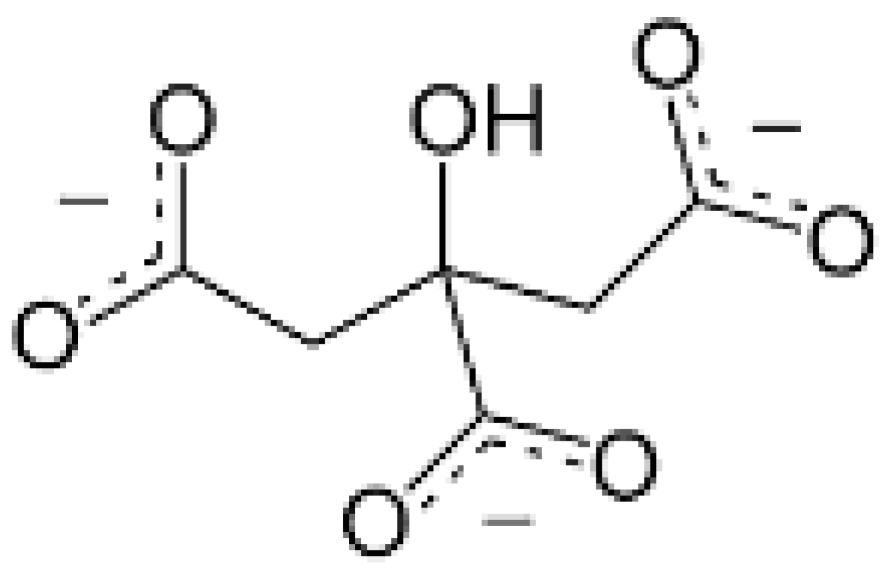
|
0-10, 24 h | Hepatocarcinoma cells (HepG2) 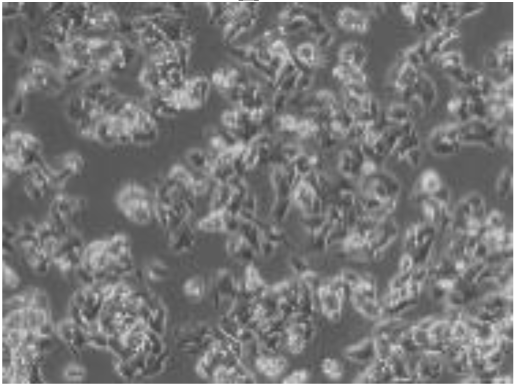 THLE2 
|
TEM, ICP–MS, DLS and ZP, FLUOstar |
25, 70 |
| Barcinska et al., 2018 [11] | 1–5 (2.6 ± 0.8); 10–26 (18 ± 2.6); NA |
NA | 0.5, 1.5, 2.5, 3.5, 5, 10, 25, 50, 100; 24 h | Pancreatic cancer cells (Panc-1) 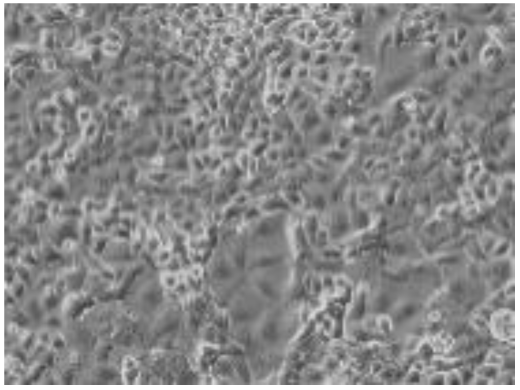
|
TEM with EDS; SensiFAST PCR | IC50 2.6 nm: 1.6 μg/ mL; IC5018 nm: 26.8 μg/mL |
| Miranda et al., 2018 [12] | 10; -30. 1 ± 3.28 |
Citrate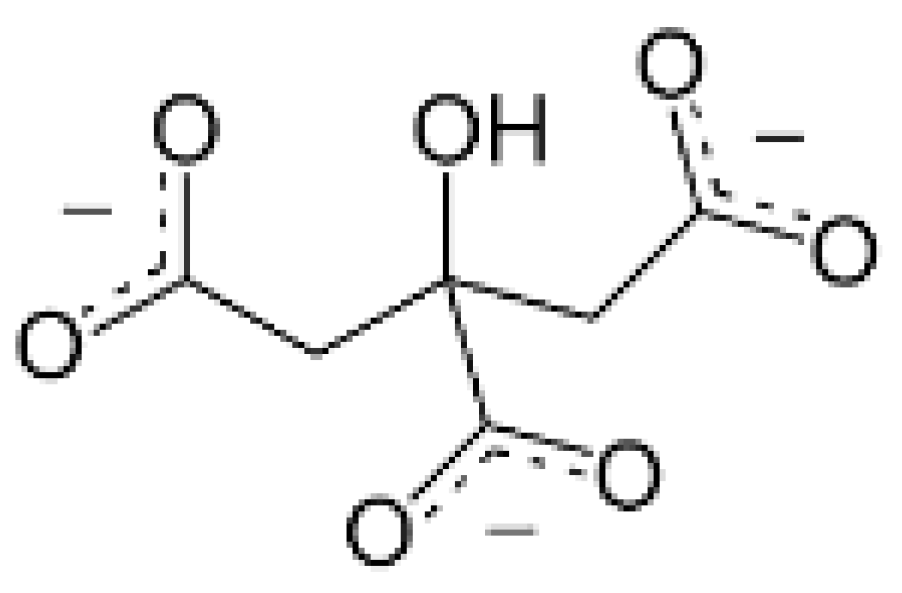
|
3.5; 24 h | Hepatocarcinoma cells (HepG2) 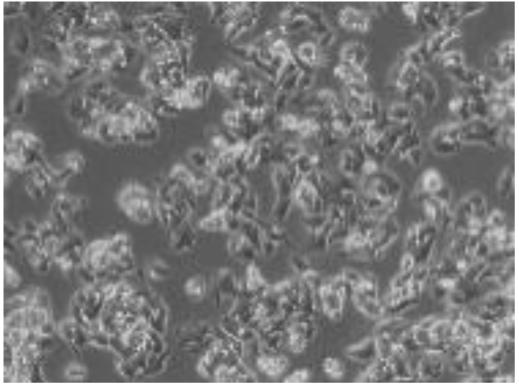
|
TEM, LC-MS/MS | 75 |
| Kovács et al., 2016 [13] | 28; -44 | Citrate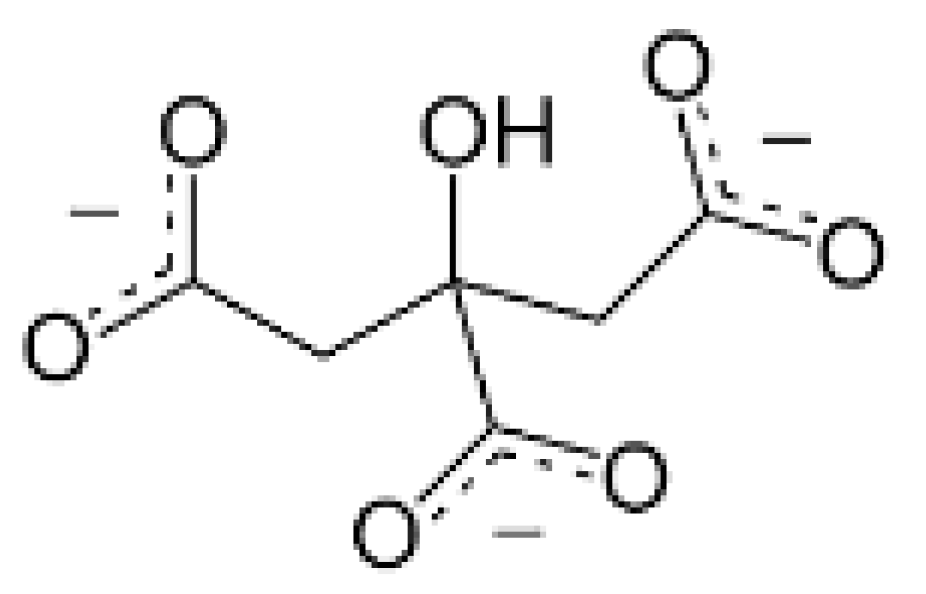
|
20, 40, 60, 80 and 100; 24 h | Adenocarcinoma cells (Colo 205 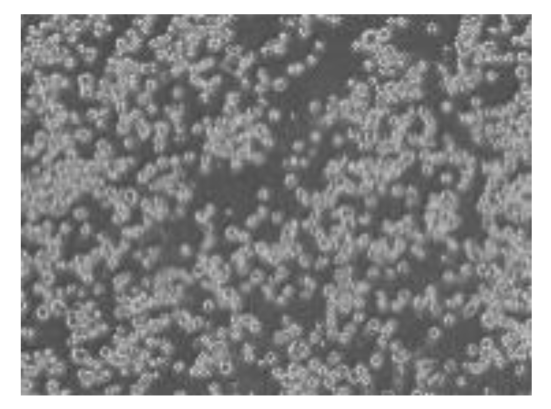 and Colo 320) and Colo 320) 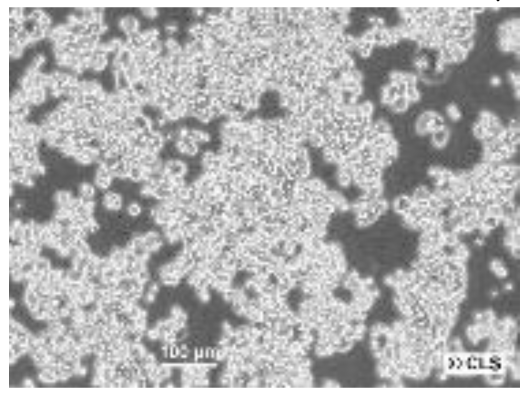
|
TEM, Zeta potential, TEM, SEM |
IC50Colo 205: 49.6 μM; IC50 Colo 320: 58.4 μM |
| Gopisetty et al., 2019 [14] | 5 and 75, NA | Citrate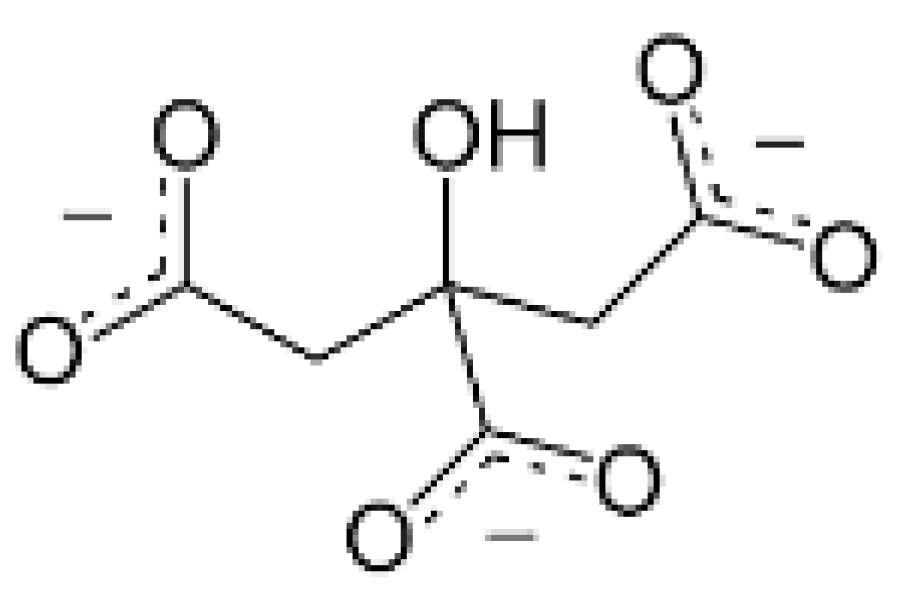
|
150 μM; 24 h and 48 h | Breast adenocarcinoma cells (MCF) 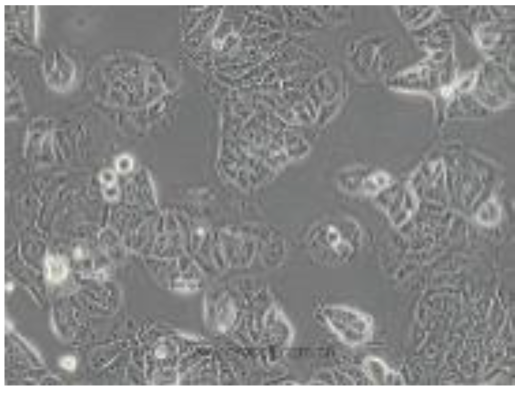
|
TEM, ICP-MS |
IC505 nm: 244 μM; IC50 75 nm: 414 μM |
| Miranda et al., 2017 [15] | 1-2; -23 | Cadmium and Mercury | 0.35, 3.5; 24 h | Hepatocarcinoma cells (HepG2) 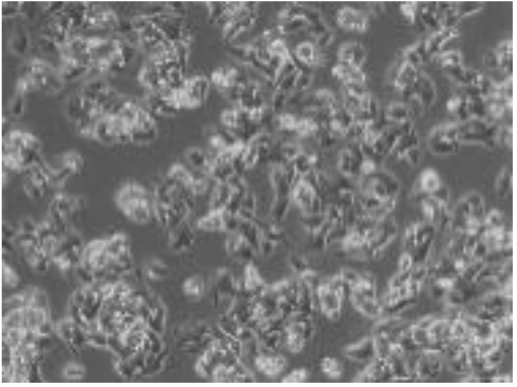
|
ICP-MS, Zeta potential, TEM, UV-Vis, DLS | 80% |
| Krzyzanowski et al., 2021 [16] | 20; NA | NA | 25, 50; 1, 2, 4, 24 h | Liver and Lung adenocarcinoma cells (HepG2 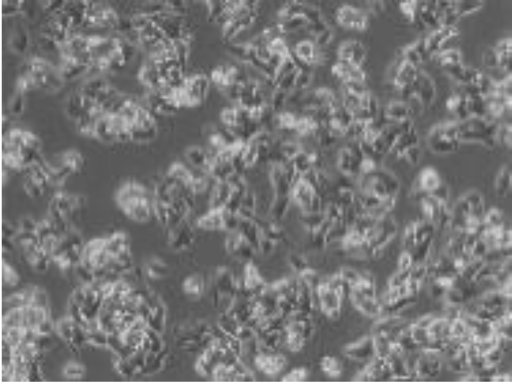 and A549) and A549) |
PCR Gene Expression Analysis, Spectrophotometer EnVision Multilabel Reader |
IC50 72 h HepG2: 15.8 μg/cm3; IC50 72 h A549: 202.7 μg/cm3 |
| Xu et al., 2020 [17] | 40, -34.5 | Biogenic (G. biloba leaves extract) 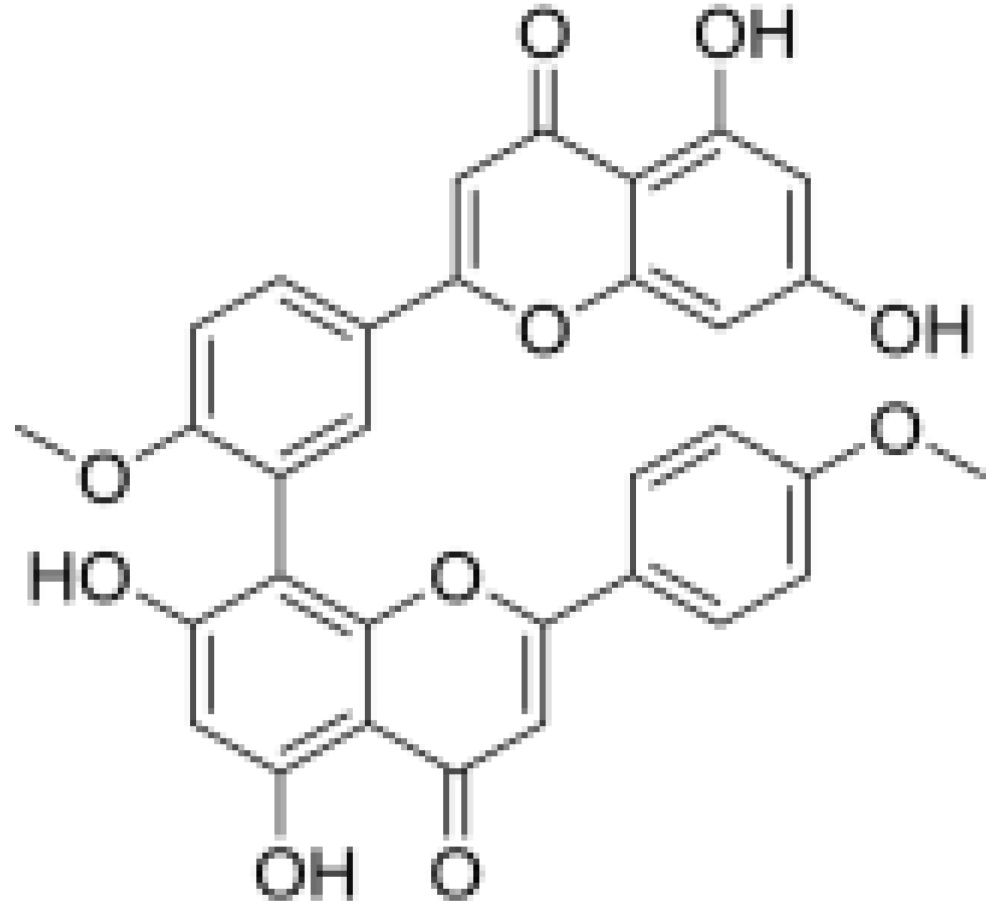
|
3, 6; 12, 24, and 36 h | Cervical adenocarcinoma cells (HeLa) 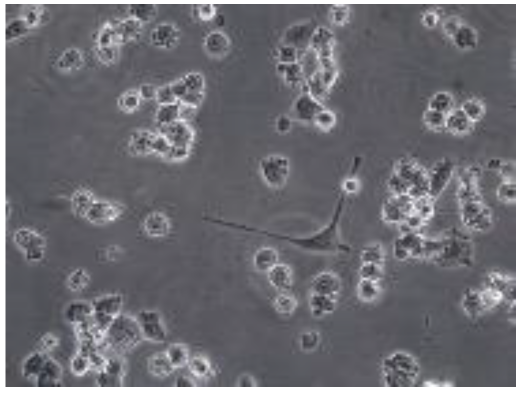
|
UV-VIS, TEM, DLS, Zeta-potential images; | 4 μg/mL: 30 |
| George et al., 2018 [18] | 30 – 150; -24.5 |
Biogenic (R fairholmianus) 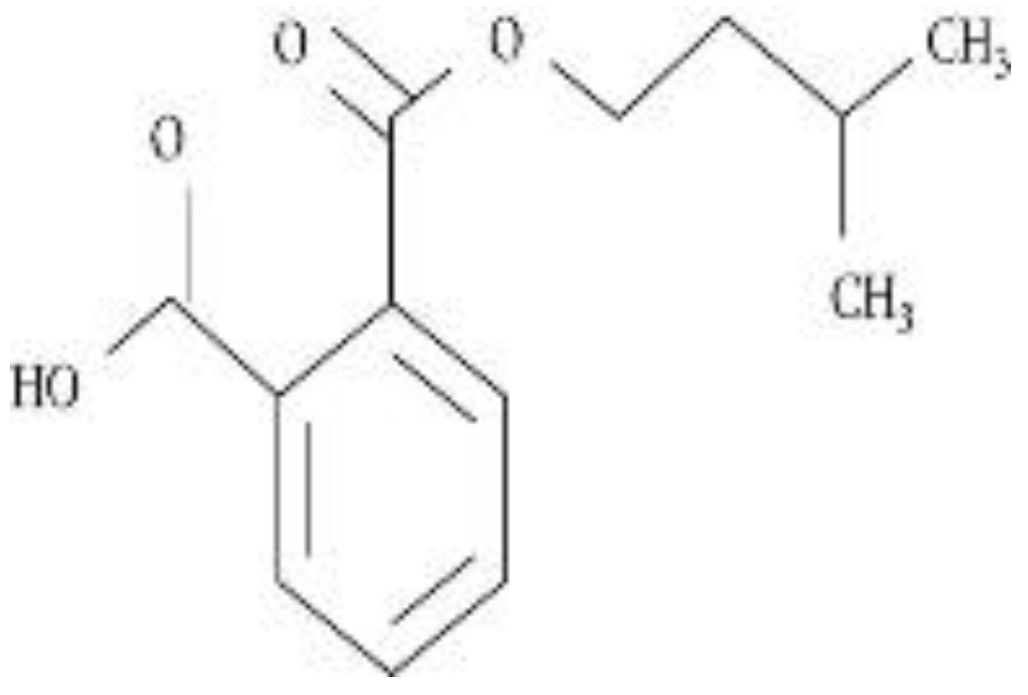
|
2.5, 5 and 10; 24 h | Breast adenocarcinoma cells (MCF-7) 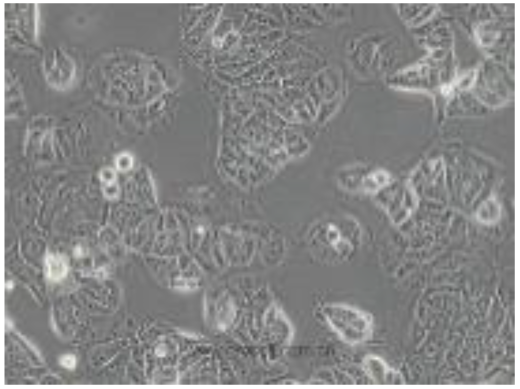
|
XRD, UV-Vis, FTIR, SEM, TEM, Zeta potential | NA |
| Rozalen et al., 2020 [19] | DLS: 14.7 HRTEM: 11.13 |
NaBH4 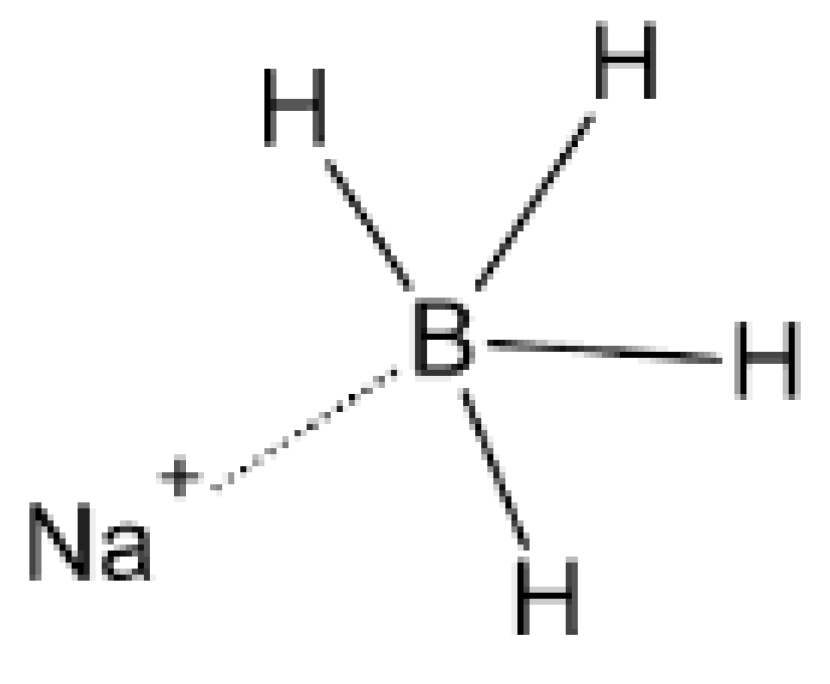 , Trisodium citrate , Trisodium citrateDehydrate 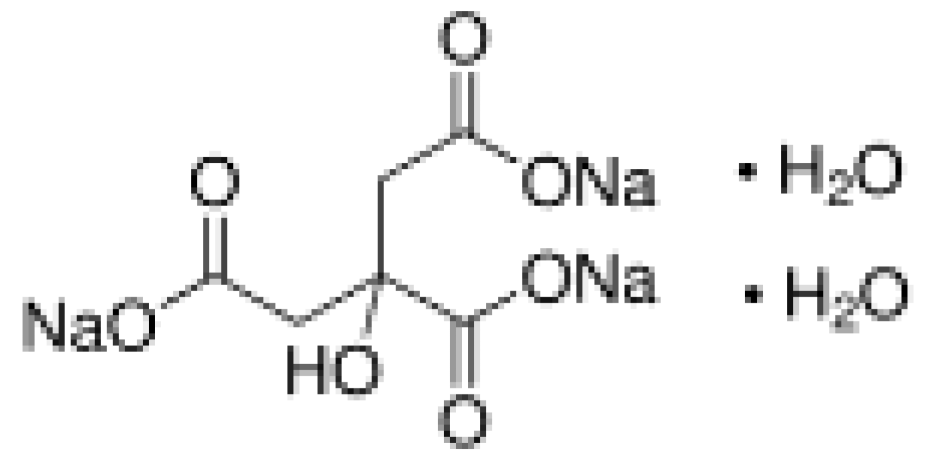 , NaOH , NaOH 
|
38, 76, 152, 253, 380 and 760; 12, 24, and 48 h | HTC-116 colorectal cancer 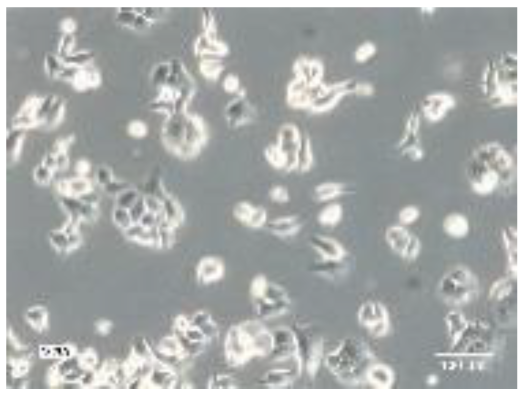
|
XRD, UV-vis, FTIR, TEM, Zeta potential | 186μg/mL (12 h) 98 μg/mL (24 h) 63 μg/mL (48 h) |
| Rozalen et al., 2020 [19] | DLS: 21.9 HRTEM: 15.20 |
MTX 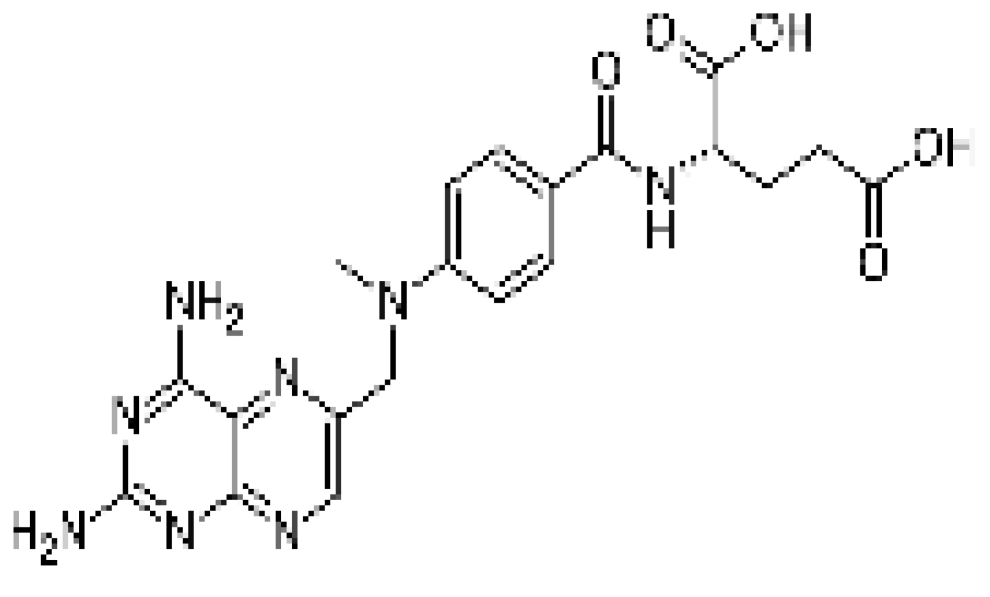
|
38, 76, 152, 253, 380 and 760; 12, 24, and 48 h | A-549 human lung carcinoma 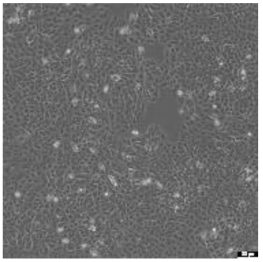
|
XRD, UV-vis; FTIR, TEM, Zeta potential | 88 μg/mL (12 h) 38 μg/mL (24 h) 23 μg/mL (48 h) |
| Palai et al., 2019 [20] | HRTEM: 25 | mPEG-NH2 DOX 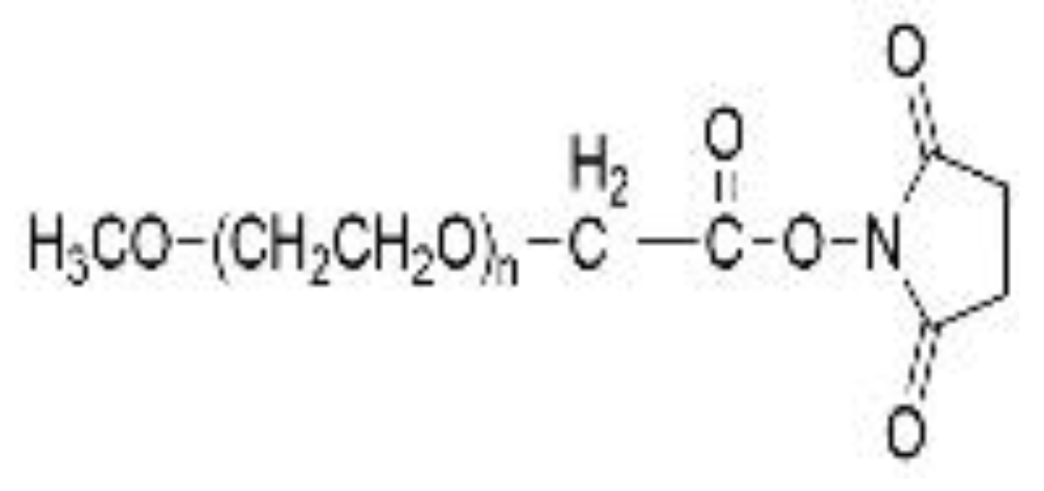
|
1, 10, and 100; 48 h | Cervical adenocarcinoma cells (HeLa 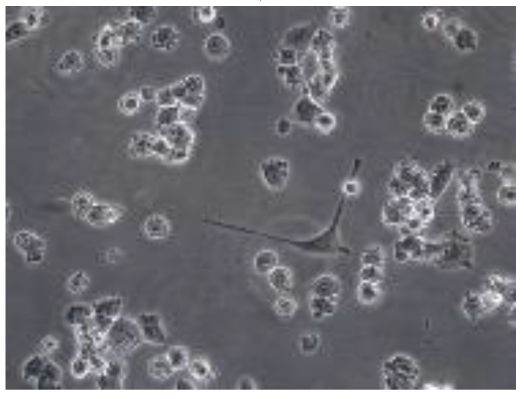
|
XRD, UV-vis, FTIR, HRTEM, Zeta potential | 41.56% |
| Ding et al., 2019 [21] | TEM: 36 | Epirubicin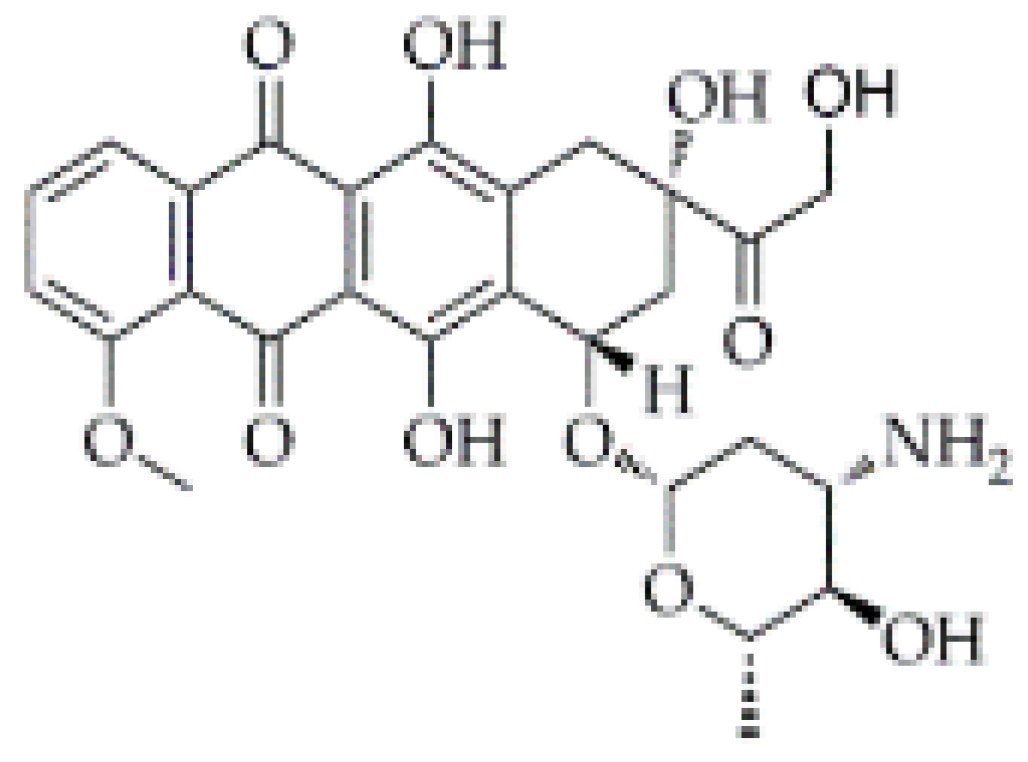
|
0-30; 48 h | HepG2 liver cancer 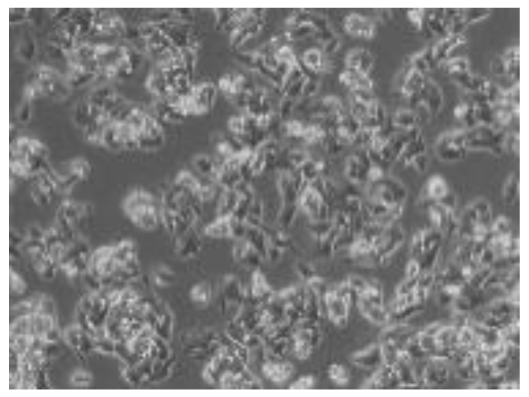
|
UV-vis, FTIR, and TEM, EDX | 1.92 |
| Li et al., 2016 [22] | TEM: >2 | Polyethylenimine 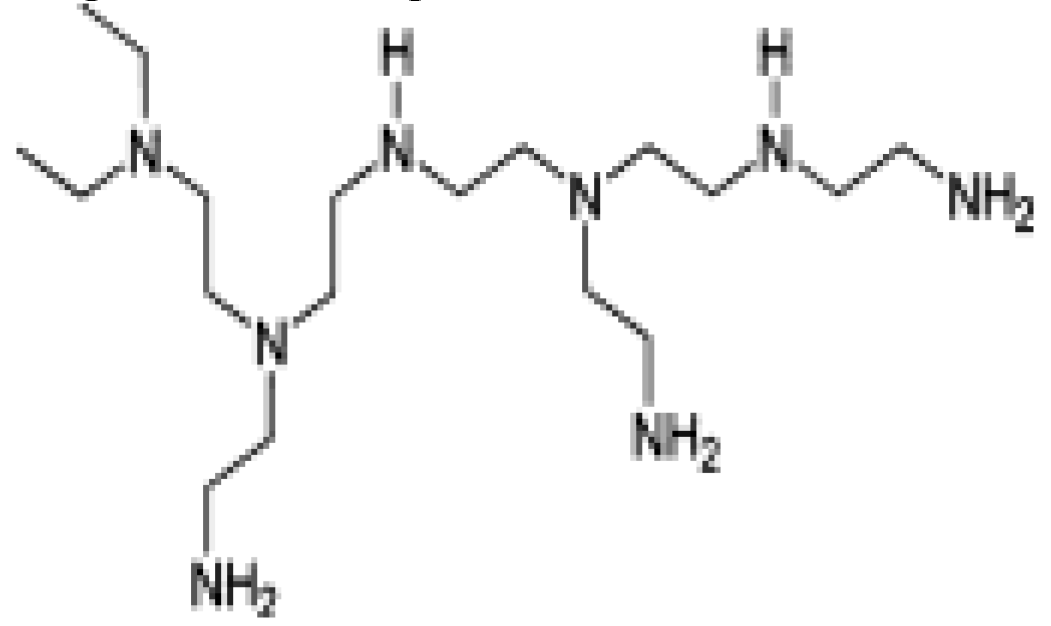 and paclitaxel and paclitaxel 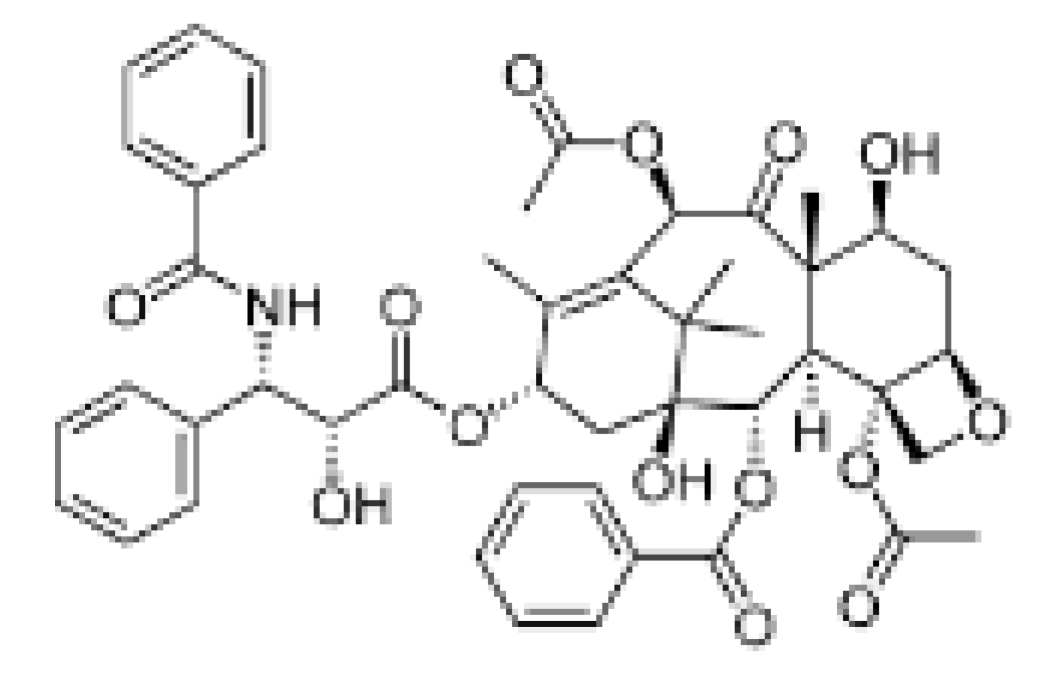
|
2.5; 24 h | HepG2 liver cancer 
|
TEM, Zeta potential | 58.32% |
| Karuppaiah et al., 2020 [23] | SEM and TEM: >25 DLS: 9.16 | Gemcitabine 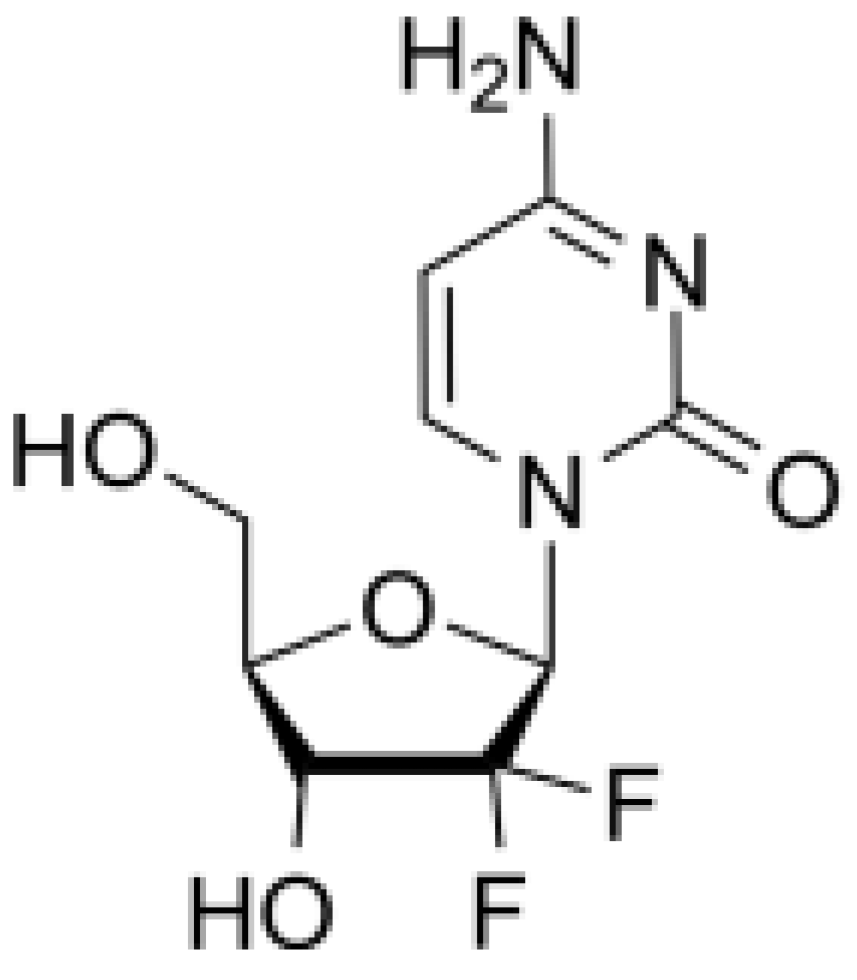 , polyvinyl pyrrolidone , polyvinyl pyrrolidone 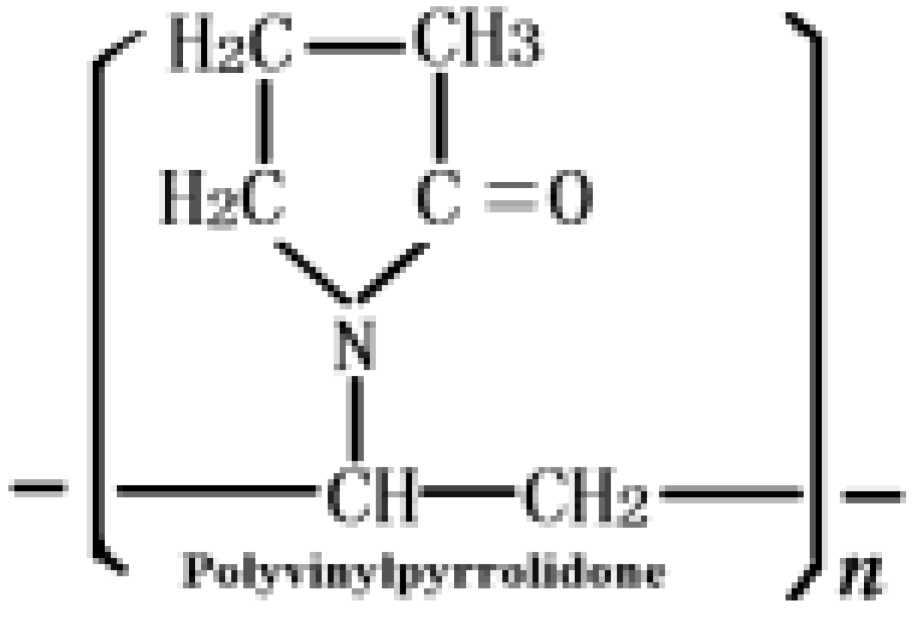
|
1.56+0.08, 3.12+0.17, 6.25+0.34, 12.50+0.68, 25+1.36, 50+2.72, 75+4.08 and 100+5.45 (μM GEM+ μg/ml AgNP); 24 h |
MDA-MB-453 breast cancer 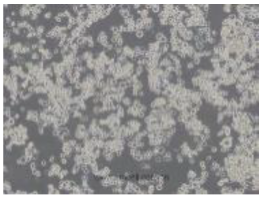
|
UV-vis, SEM, EDX, TEM and Zeta potential | 37.64 |
| Mittal et al., 2014 [24] | 30–35 | Quercetin - Gallic acid+Se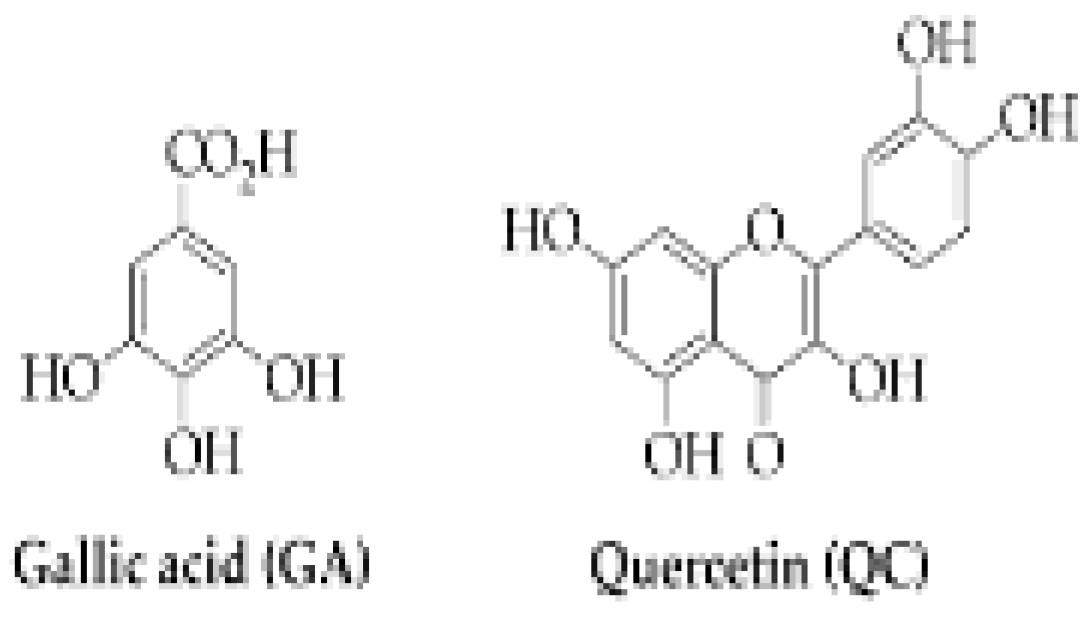
|
50, 100, 250 and 500 μg/mL |
Dalton lymphoma (DL) 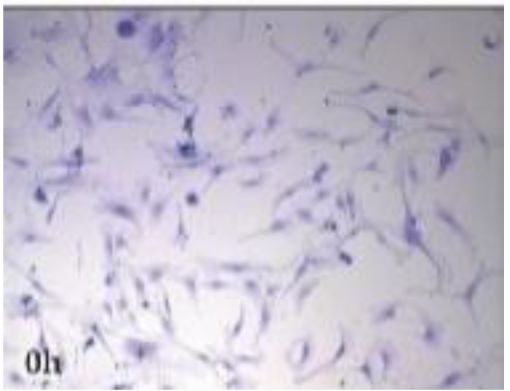
|
UV-vis,TEM,FTIR,Zeta potential,XRD, EDX |
80% |
TEM: Transmission Electron Microscope; ICP–MS: Inductively Coupled Plasma–Mass Spectrometry; DLS (Dynamic Light Scattering) – also known as photon correlation spectroscopy or quasi-elastic light scattering and ZP (zeta potential); FLUOstar Omega plate reader; SensiFAST SYBR No-ROX PCR Master Mix; liquid chromatography-tandem mass spectrometry (LC-MS/MS) analysis; XRD: X-ray diffraction; FTIR spectroscopy, SEM: Scanning Electron Microscope; EDX: energy-dispersive X-ray spectroscopy (EDX or EDS analysis); UV: Ultraviolet–visible spectroscopy; Liquid Chromatography with tandem mass spectrometry (LC-MS-MS) ; NA: Data not Available.
Table 2.
Summary of recent studies (2018 to 2022) evaluating the effectiveness of AgNP in cancer treatment (Experimental Publications-Invitro).
Table 2.
Summary of recent studies (2018 to 2022) evaluating the effectiveness of AgNP in cancer treatment (Experimental Publications-Invitro).
| References | Size (nm) and ZP (mV) | Coated Or doped- Surface Modifier-Conjugates |
Concentration μg/mL; Treatment Duration | Cell line | Analysis Devices | RT dose and Exposure duration | Viability% Or Survival rate |
|---|---|---|---|---|---|---|---|
| Gowda et al., 2018 [37] | 10 to 30 | Gallic acid | GA-NPs: 5, 25, 50, 100, 200 μg/ml | Lung cancer A549-Rabbit | 1. UV 2.TEM&Zeta potential 3.FTIR 4. q-PCR method 5. Inverted phase contrast Microscope 5. zeta potential |
8Gy(X-ray) | 46.5 μg/ml |
| Ahmed, et al., 2021 [38] | DLS: −5mV, 50±5nm | PEG-coated Au–Ag alloy | 0.01, 0.021, 0.085, 0.17, 0.34, 24 h | KB oral cancer | TEM, Zeta potential, SEM, EDX, CT, Confocal microscopic images, NMR spectroscopy, Raman Spectroscopy, inductively coupled plasma mass spectroscopy |
X-rays: 0,2,4,6, and 8 Gy | 55% |
| Pourshohod et al., 2022 [39] | 120–130 nm using DLS | Cysteamine, Citrate, HER2 | 3.9–125μM, 72 h | breast cancer SK-BR-3, MCF-7, head and neck cancer cell line (HN-5), ovarian cancer SK-OV-3 |
AFM, Zeta potential, DLS, UV–Vis | X-rays: 10 Gy | 77.14,55.32, 38.28 and 31.30%, |
| Dhanalekshmi et al., 2019 [40] | 20–40 (32) nm | Sio2 | 50, 100, 150, 200 μg/ml, 16 h. | cervical cancer cell (HeLa) | UV–vis, XRD, FTIR, TEM, and EDX | LED light source: 410 nm. 84.75, 75.07, 52.34, 41.05 and 34.97 J/cm2 |
119.64, 91.30, 78.16, 48.95 μg/ml |
| Ahmed et al., 2022 [41] | ~50±5 nm, 18mV | PEG- 600 (Poly (Ethylene Glycol)) 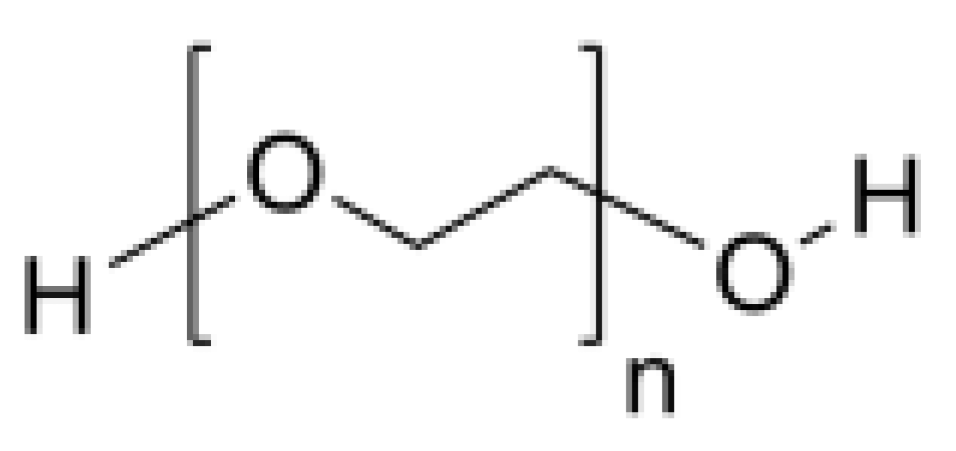
|
0.007, 0.014, 0.028, 0.056, 0.11, 0.23μg/ml, 24 h | Oral cancer KB cells | NMR, ICP-MS, UV–vis, TEM, and Zeta potential, DLS | X-ray: 0,2,4,6, and 8 Gy), | 70% |
Disclaimer/Publisher’s Note: The statements, opinions and data contained in all publications are solely those of the individual author(s) and contributor(s) and not of MDPI and/or the editor(s). MDPI and/or the editor(s) disclaim responsibility for any injury to people or property resulting from any ideas, methods, instructions or products referred to in the content. |
© 2024 by the author. Licensee MDPI, Basel, Switzerland. This article is an open access article distributed under the terms and conditions of the Creative Commons Attribution (CC BY) license (https://creativecommons.org/licenses/by/4.0/).
Copyright: This open access article is published under a Creative Commons CC BY 4.0 license, which permit the free download, distribution, and reuse, provided that the author and preprint are cited in any reuse.


