

Submitted:
28 July 2024
Posted:
30 July 2024
You are already at the latest version
Abstract
This study explores the incidence of using electronic devices on academic procrastination in university students. The procrastination profile, screen use habits, and perceived academic performance are analyzed, assessing the impact of screen use on the psychological dimensions of procrastination. An ad-hoc instrument and descriptive and correlational techniques were used for data analysis. The results reveal that procrastination is common among students, and they perceive their academic performance as good or very good with a similar result in their grade point average, indicating that procrastination does not seem to affect their performance significantly. About 50% report frequent use of screens, and although no widespread addictive behaviors are detected, 20% may be at risk of addiction. The dimensions of self-regulation, self-efficacy, and self-esteem show an inverse correlation with screen use, suggesting that less screen use improves these dimensions and reduces procrastination. In addition, high screen use is associated with higher levels of anxiety. Self-efficacy emerges as crucial to mitigating procrastination. In conclusion, although procrastination is prevalent, it does not appear to affect academic performance significantly, but excessive use of electronic devices negatively impacts key psychological dimensions and increases anxiety.
Keywords:
Screen use
; procrastination
; university students
; academic performance
1. Introduction
School dropout has been studied by numerous researchers for decades, trying to identify the main risk factors associated with this phenomenon, with the main objective of providing scientific knowledge to improve academic success and achievement rates [1,2,3,4] In recent years, knowing in advance the factors that explain students’ academic underachievement has become increasingly important for higher education institutions and policymakers [1,5]. Many authors point to burnout as a crucial phenomenon in the university experience, hurting mental health, academic performance, and satisfaction, coupled with low motivation and high levels of anxiety or depression among students in higher education [6,7,8,9]. In addition, it causes student burnout that favors chronic fatigue, demotivation, and a significant decrease in performance, favoring the intention to drop out[7,10,11,12].
Meanwhile, just as electronic devices and screens are presented as necessary tools in university environments, their increased use has raised concerns about their potential effects on students’ psychological well-being and academic performance[13,14]. Nowadays, young people spend more and more time interacting with these devices, which can lead to addiction to devices or social networks[13,15]. This addiction is characterized by emotional dependence and a feeling of discomfort when use is interrupted, significantly disrupting students’ daily routines and lifestyles and sometimes leading to personal and social problems[16]. The obsession with social networks leads to students spending long hours online, neglecting other fundamental areas of their lives such as studies, work, family, or friends[17]. This lack of control over the use of electronic devices may result in poor academic performance, as students may experience difficulties concentrating and fulfilling their academic responsibilities. In addition, addiction to social networking may predispose students to social isolation and disconnection from reality, contributing to the manifestation of depressive symptoms and low self-esteem[18]. These emotional problems can be intensified by emotional instability, irritability, and lower frustration tolerance, further affecting students’ overall well-being and mental health [19]. Constant use of social networks can lead students to experience emotional dependence and feelings of discomfort when they are not online, negatively affecting their daily routines and overall well-being [16]. This disconnection from fundamental aspects of life can lead to a lack of fulfillment of academic responsibilities and poor academic performance.
Another of the risk factors associated with demotivation and intention to drop out is procrastination, a widely observed behavior among university students that generates serious drawbacks in their academic performance, significantly hindering the teaching-learning process [20,21]. This behavior, which is very common in the general population, not only has a negative impact on the effectiveness of learning methods but also has a considerable impact on levels of personal well-being, causing states of anxiety or depression[22,23,24].
[25]describes this behavior as postponing or deferring an activity to a later time, substituting it for a less important one. In academia, this results in students not handing in assignments on time or not meeting teacher deadlines [26]. Procrastination creates a discrepancy between intentions and actions, which significantly increases the likelihood of students experiencing negative emotions[27,28,29]. This mismatch can cause students to face various unpleasant emotions, such as anxiety about assessments, constant stress due to pending assignments, burnout, and even a loss of interest in academic activities, decreasing their motivation and commitment to study [30,31].These factors create an emotionally challenging environment that can hinder students’ academic performance and overall well-being. Accordingly, the study by [32] shows that procrastination is frequently associated with anxiety, stress, low self-esteem, or self-efficacy, which can lead to negative grades and even school dropout due to students’ discomfort when they do not achieve their goals.
Procrastination, however, is a complex phenomenon to which many factors are associated depending on different approaches and authors and not always complementary, making it difficult to deepen the understanding of a critical phenomenon from an educational point of view. Thus, many researchers have linked procrastination to a failure in self-regulation [27,28,29]. However, others do not limit themselves to seeing it only as a problem of time management by students but also consider cognitive, affective, and behavioral aspects, such as overconfidence in trying to achieve a goal on time and behaviors related to self-efficacy [33]. In addition, procrastination is associated with strategies to manage negative emotions, such as fear of failure, that leads students to postpone essential and complex tasks, preferring activities that offer an immediate reward and generate a temporary sense of well-being [34,35]. Recently, the study by [36] reviews and proposes a new model of procrastination, exploring its dimensionality from three axes: personal (authoritarian parenting), pedagogical (academic performance and student dropout) and psychological (self-regulation, self-efficacy, self-esteem, motivation, personality, and anxiety). This paper focuses on those dimensions that make up the psychological axis.
Self-regulation is linked to students’ management of their learning processes. A failure involving an intention-action mismatch increases the likelihood of procrastination and developing aversive feelings in students [30,37]. Furthermore, students with high self-regulation skills have better academic performance outcomes [38].
On the other hand, self-efficacy stands out as a strong predictor of performance [39], showing that higher self-efficacy is positively associated with better academic outcomes. According to [40]and [41], perceived self-efficacy not only influences academic performance but also how students approach and handle various academic and personal situations. These beliefs in their competence enable them to face challenges more effectively and with greater confidence, reducing the tendency to procrastinate and encouraging a more proactive and determined approach to their studies.
Personality is a crucial factor in understanding how students behave in academic environments. Numerous studies have established a connection between personality and individual students’ educational attainment and academic performance [41]. Furthermore, a close relationship is found between personality traits, procrastination, and learning burnout among university students [42], with several studies showing the existence of a significant correlation between these factors [43,44,45].
In academic environments, exams, deadlines, and being in a highly competitive context, stress or anxiety processes can be triggered in students, which can negatively affect both students’ academic performance and their mental and physical health [46,47]. Many studies suggest anxiety as a factor involved in academic procrastination [21,48] since, according to the study by [49], procrastination is a result of anxiety.
Furthermore, numerous studies have identified a relationship between increased anxiety, low self-esteem, and procrastination [50], as academic procrastination is associated with feelings of guilt in students affecting their self-esteem [51,52,53]. Many authors consider self-esteem as one of the factors affecting students’ academic procrastination [54,55], which becomes particularly vulnerable in the context of increasing use of electronic devices and addiction to social networks. This behavior promotes procrastination and procrastination of essential tasks, which not only impairs their academic performance but also has a detrimental impact on their emotional well-being as students with low levels of self-esteem tend to seek refuge in social networks and use the internet excessively [56].
Together with low levels of self-esteem, the increasing excessive use of social networks and prolonged exposure to screens generate procrastination and demotivation behaviors in students, which is why motivation has been identified as another dimension of great importance in the procrastination of university students. The academic literature highlights the need for motivation for students to perform their learning activities effectively [57]. Also, it associates academic procrastination with a lack of motivation among students [58].
Based on the above, from an educational point of view, it is essential to empirically explore the connections between the dimensions that make up procrastination and the construct itself and how it is associated with screen use. From an academic point of view, this understanding is critical to developing effective strategies and actions that help students to manage their time better and reduce procrastination induced by excessive use of electronic devices, thus helping to improve academic performance, which could impact burnout levels and academic dropout. Therefore, this study aims to explore university students’ procrastination profile according to [36]. Likewise, it aims to delve into students’ screen use habits and their perception of academic performance, investigating how screen use is related to the various psychological dimensions of procrastination considered in the study. It is for this purpose that the following research questions are proposed for this study:
RQ1: Is academic procrastination a common phenomenon in the university population?
RQ2: What are students’ perceptions of academic performance?
RQ3: What patterns of screen use are prevalent among university students?
RQ4: How is procrastination linked to screen use according to its dimensions, and how do these relate?
2. Materials and Methods
2.1. Design
This study pursues three objectives: On the one hand, to explore the procrastination profile of university students. To do so, based on the model proposed by [36] we analyze the level of procrastination perceived by students, as well as the score obtained for the dimensions of the construct studied and its relationship with other variables of interest. On the other hand, it delves into students’ screen use habits, personal perceptions of their academic performance, and the relationship between them. Finally, to evaluate the impact of screen use on young university students, examining the relationship between screen use and the different psychological dimensions of procrastination was analyzed in the study.
To carry out the objectives of the study, a quantitative, non-experimental ex post facto survey-type design was used. This methodology was selected to study student behavior regarding the research variables and to measure the relationship between these variables.
2.2. Sample
The sample in this study consists of 81 higher education students (Loyola Andalucía University, Seville, Spain) selected using the simple random sampling technique from the total number of subjects enrolled in undergraduate studies at the University. The inclusion criteria for the selection of participants in the present study were as follows:
- -
- Sex: Male and Female
- -
- Age: subjects aged between 18 and 24 years.
- -
- Studies: students enrolled in undergraduate studies.
2.3. Instrument
Following the model of procrastination proposed by [36], an ad-hoc instrument has been developed that measures procrastination broken down into the psychological variables associated with the construct, these being self-regulation, self-efficacy, motivation, self-esteem, and Personality.
For the Self-regulation dimension, an adaptation of the Academic Self-regulation Scale (ASRS) [59] and the Emotion and Motivation Self-regulation Questionnaire (EMSR-Q) [60] was established to assess this variable. The Student Self-Efficacy Scale (SSE)[61]measures the Self-Efficacy dimension. The Motivation variable in academic settings is measured with the Academic Motivation Scale-College (AMS-C) [62]. The Rosenberg Self-Esteem Scale (RSES) [63] were used to assess students’ Self-Esteem and Personality with the International Personality Item Pool (IPIP) [64]. For the Anxiety dimension, a scale combining the Text Anxiety Inventory (TAI-5 item) [65] has been established to assess anxiety in academic settings focusing on students’ test anxiety, with The State-Trait Anxiety Inventory (STAI-T) [66] which measures state anxiety.
For the evaluation of the use of electronic devices, the instrument created is based on the selection of ten items from the Adolescent Preoccupation with Screen Scale (APSS) [67] and the adaptation of the nine-item version of the Social Media Disorder Scale (9-item SMD scale) [68].
The final instrument (SHAPE: Screen Habits and Academic Procrastination Evaluation) consists of 80 Likert-type items ranging from 1 to 5, with 1 being the lowest (never) and 5 the highest (always), which answer the question: To what extent do you agree or disagree with the following statements? In addition, to measure procrastination and academic performance levels, students were asked to indicate their perception of procrastination, academic performance, and grade point average. Therefore, the final instrument consists of 83 items: 80 items measuring the dimensions of the study, two items referring to the student’s perception of their procrastination and performance, and a final item referring to their average grade. The questionnaire was introduced with an informed consent and information sheet to ensure all students understood the items. Throughout the process, the students were accompanied by a researcher to clarify and resolve any doubts regarding their understanding of the items.
2.4. Data Analysis
Descriptive and correlational techniques are used to analyze the data obtained; for the descriptive analysis, frequencies and measures of central tendency and dispersion such as mean, minimum, maximum, and standard deviation are used. Pearson’s correlation coefficient was used to identify the possible relationships between the dimensions of procrastination that most influence screen use in university students and the strength and direction of these. All calculations and statistical analyses were done using SPSS software, version 24.
3. Results
3.1. Characteristics of the Sample
The sample resulting from the study is made up of 81 students, 73 of whom are females and 8 males, with an age range between 18 and 24 and an average age of 20. The sample distribution by year shows that more than 80% of the sample corresponds to students from the first three years, with the first year being the most represented with 35.8% of the sample, followed by the third year with 27.2%. The least represented year in this sample corresponds to fourth-year students, with a meager 1.2% of the total.
3.2. Internal Structure of the Instrument
To explore the instrument’s validity, after data collection, the instrument’s internal consistency was calculated by means of Cronbach’s Alpha coefficient with a result of α=.795 for the instrument, obtaining good reliability. The result of the internal consistency by scale factors is also generally positive, except for the value for the personality dimension, as shown in Table 1.
3.3. Level of Procrastination as Perceived by Students
About RQ1 of the study, which seeks to determine whether academic procrastination is a common phenomenon in the university population, the results (Figure 1) show that only 1.2% say that they never procrastinate, and 7.4% say that they almost never procrastinate. Thirty-seven percent of the sample said that they sometimes procrastinate, 39.5% procrastinate almost always, and 14.8% say that they always procrastinate, which means that more than 90% of the sample falls between the values Sometimes and Always.
Furthermore, to analyze the construct in-depth, in addition to perceived procrastination, students were asked to respond to the items selected for each of the dimensions extracted from the model linked to procrastination (Self-regulation, Self-efficacy, Motivation, Self-esteem, and Anxiety). The descriptive statistical results obtained are shown in Table 2.
Self-efficacy is identified as the variable with the highest mean of 3.98, presenting a maximum value of 5 and a minimum value of 2.4, close to the central value of the scale (3), being the scale that obtains the most positive results.
Self-esteem presents a mean value of 3.70, with a similar range of data to self-efficacy, with a minimum of 2.3 and a maximum of 4.9, very close to the maximum value of the scale.
Self-regulation obtained a mean of 3.5. In the range of data for this dimension, the minimum value presented is 2.3, and the maximum is 4.6.
The mean for the Anxiety scale is 3.46, slightly above the mean value. Its minimum value is the lowest of all the scales, with a minimum of 1.6, very close to the minimum value (1). However, it has a maximum value of 4.9, close to the maximum value (5) and the second-highest maximum value among the dimensions, making it the dimension with the broadest range of responses.
The descriptives for Motivation show results very near to the average value of the scale, with 3.31 being the scale with the lowest average value, with maximum data of 4.17 and minimum values of 2.33.
The means of the dimensions are shown in Figure 2.
3.4. Perceived Academic Performance
According to RQ2 of the study, which seeks to assess how university students perceive their academic performance, the results show a student population in which 64.1% of respondents say they consider themselves to be good or outstanding students, compared to 34.6% who consider themselves average students and a meager 1.2% of the sample who consider themselves to be poor students (Figure 3).
The students were also asked to indicate the approximate average grade for the course to contrast these data. Both results converge since only 17.30% of the respondents have an average grade between 5 and 6.9 (Pass), 69.10% present data between 7 and 8.9 (Good), and 13.6% obtain an average higher than 9 (Excellent). (Figure 4).
3.5. Screen Usage Habits of Students
Regarding screen and social network use referred to in RQ3 of the study, which analyses the predominant screen use patterns among university students, the results are shown in Figure 5. Respondents answered Never or Hardly ever in most of the items related to problematic behaviour, for example, in the item ‘I often argue with other people because of social networks’ with 61.7% of young people answering Never and 29.6% Hardly ever or ‘I have had serious conflicts with my parents and siblings because of my use of social networks’ where 67.9% Never show this behaviour and 19.8% Hardly ever. Moreover, in general terms, they show high use of screens, since items such as ‘I stay on screens longer than I want to’, with 45.7% of students answering Almost always and 37% recognising that they always do so (which represents 84.7% of the sample), as well as the item ‘I go to bed late because I have been using screens’ with results of 35.8% Almost always and 27.2% of students who always show this behaviour (63% of the total). Also, more than 70% of respondents admit that they sometimes or almost always try to spend less time on social networks but fail.
The descriptive statistics for the Screen Use variable (Table 3) show that the mean value obtained for the items is 2.69, the dimension with the lowest mean. Its minimum value obtained is 1.22, which is below the minimum values obtained for other scales, and it has a maximum value of 3.67, slightly above the mean value of the items (3).
3.6. Relationship between Screen Use and Academic Procrastination According to Its Dimensions
About the fourth and last RQ of the study, which aims to analyse how procrastination is linked to the use of screens and how the different dimensions of the research are related, a correlational study of the variables was carried out to find out the possible relationships between them and the extent to which they do so. The results obtained are shown in Table 4.
As shown in Table 4, the analysis results show significant correlations between screen use and self-esteem, self-regulation, self-efficacy, and anxiety. As for the strength of the correlations, all of them show a significant correlation at a level of 0.01, indicating a solid and reliable correlation between the variables. Observing the direction of the correlations obtained, we find an inverse or negative correlation between the use of screens and self-esteem, self-regulation and self-efficacy. Therefore, those with higher use of electronic devices and social networks will also have lower self-esteem, self-regulation and self-efficacy. On the other hand, a direct or positive relationship is found between screen use and anxiety levels, with those who use screens more frequently also tended to have higher levels of anxiety. These results indicate that screen use impacts most of the dimensions studied, thus affecting students’ procrastination. These correlations are depicted in Figure 6
Furthermore, as shown in Table 4, the analysis results show correlations between the different dimensions of procrastination included in the study. It is observed that the anxiety dimension correlates negatively with self-esteem and self-efficacy. On the other hand, the self-efficacy dimension correlates positively with the self-regulation, self-esteem, motivation and personality dimensions. Similarly, the dimensions of motivation and personality correlate positively with each other. Looking at the direction of the correlations, students with lower anxiety levels will have better self-esteem and higher self-efficacy. Higher levels of self-efficacy will improve self-regulation, self-esteem, motivation and personality. Finally, a positive correlation is observed between personality and student motivation, with the students’ personality being a determining factor in their motivation levels. About the power of the correlations, four of them present, as in the previous case, a significant correlation at the 0.01 level. In the case of the correlation observed between self-efficacy with anxiety and personality and motivation with personality, the level of significance presented by these correlations is significant at the 0.05 level, so these results are reliable but not as strict as those that present a significance at the 0.01 level. These correlations are depicted below in Figure 7.
4. Discussion
Screens and electronic devices are now widespread, significantly transforming how university students interact with the world around them. While bringing numerous benefits, this transformation has also posed considerable challenges, particularly in academia. The accessibility of social media and other forms of digital entertainment has led to increased procrastination, directly affecting students’ academic performance.
The sample of this study focuses mainly on the first years of undergraduate studies, with more than 80% of the participants belonging to the first three years of university studies. First-year students are the most represented by these. The decision to focus on first-year students is due to recommendations in the scientific literature that this population is at a higher risk of dropping out [69]. This research highlights the importance of students being actively involved in their studies in order to achieve academic success [70], as those with low motivation or involvement, who miss classes, procrastinate or hand in assignments late, are less likely to succeed and have a high probability of dropping out of their studies [71]. For this reason, it is crucial, as other studies suggest, to carry out research to help reduce this risk by analysing the causes of dropout in the early years [69], with procrastination emerging as one of these.
The instrument (SHAPE: Screen Habit and Academic Procrastination Evaluation) has proven reliable in measuring procrastination through its psychological variables and screen use in university students. Internal consistency analyses, with a Cronbach’s Alpha of α=.795 for the instrument, confirm good overall reliability. Although the personality dimension showed slightly lower internal consistency, the overall factor reliability results were positive.
The results obtained about the phenomenon of procrastination reveal it as a widespread behaviour among students to a greater or lesser extent, as more than 90% of those surveyed recognise that they procrastinate from Sometimes to Always. More than 50% of the sample acknowledges procrastinating Always or Almost always, so we are faced with a widespread behaviour among university students nowadays, as only 1.2% of the surveyed population acknowledges not procrastinating Ever. The data converge with other studies that point to academic procrastination as a widespread behavioural tendency, being quite common among university students [21], so it is necessary to study it in academic contexts in order to understand students’ time management [72].
Likewise, different studies relate this behaviour to academic performance, negatively affecting students’ learning [20,73,74] since when students avoid starting or completing their academic tasks, it generates delays that can negatively affect their results [75]. On the other hand, this study analyses the academic perception of students, obtaining very positive results, with more than 60% of respondents considering themselves to be good or very good students. Furthermore, these data are consistent with those obtained when students were asked about their overall average mark, with more than 60% showing average values of ‘Good’. This data seems to reveal that, although students recognise that they are procrastinators, this behaviour does not seem to affect their academic performance, thus diverging from the results expected from the literature where a direct inverse relationship between procrastination and academic performance is suggested [74], whereby those with high levels of procrastination are expected to have poorer academic results. However, these data are considered preliminary and inconclusive as the results may mask a problem that impacts higher grades or a lack of awareness of procrastination behaviours in the short and medium term. These results may coincide with the study by [76] where it is mentioned that individuals who procrastinate tend to have a lower than average level of awareness, being guided more by desires and dreams of success that are not aligned with a realistic assessment of their responsibilities adding further that, according to [77], it is stated that procrastination arises from cognitive distortions and erroneous thoughts. These data need to be further explored, with more extensive studies looking at these aspects and students’ feelings of conscientiousness.
Regarding students’ screen usage habits, almost 50% of the responses are between the values Sometimes or Almost always, which reveals high use of screens and social networks among the respondents who try to reduce screen usage without success. Many studies refer to the increase in the use of social networks in recent years [78] and how university students spend a high proportion of their time on the Internet or social networks, triggering procrastination processes [79]. Although the data do not reveal generalised addictive behaviours, the need to be alert is highlighted, as items such as ‘I spend too much time on screens’, ‘I find myself thinking or saying “just a few more minutes” when I use screens’ or ‘I stay on screens longer than I would like’ obtained response percentages for the maximum value of the scale (Always) of 21.1%, 18.5% and 37% respectively. Therefore, more than 20% of the students admit to always displaying this behaviour in their daily lives, so that, in other words, 2 out of 10 students could have a critical case of screen addiction.
As for the psychological dimensions of procrastination, self-regulation, self-efficacy, and self-esteem are those that have shown a significant and inverse correlation with the use of screens, so the less students use electronic devices or social networks, the better their level of self-regulation, self-efficacy and self-esteem, thus reducing procrastination behaviours. This data is consistent with the findings of [17], who found that more than 50% of the students surveyed demonstrated a lack of self-regulation when performing or fulfilling their academic commitments due to the excessive use of social networks. On the other hand, [80] demonstrated in their study how electronic device addiction decreased self-efficacy in university students. [81] indicate that improving self-efficacy can mitigate device addiction levels among students, thereby reducing procrastination. Similarly, many studies relate self-esteem levels to the use of social networks and screens, showing in their results a negative correlation between the dimensions in which a higher level of addiction to electronic devices or social networks translates into a decrease in self-esteem levels [82,83].
On the other hand, anxiety is found to have a significant direct correlation with students‘ screen use habits, which means that a high use of electronic devices increases students’ anxiety levels. Many studies relate high levels of stress, anxiety or depression among individuals with social network addiction behaviours, having an impact on the quality of life of students who have this addiction [84,85,86]. For this reason, if we reduce the stress or anxiety levels among our students, we will help reduce screen addiction behaviours and procrastination habits, as well as improve their academic performance and quality of life.
The relationships between the psychological dimensions of procrastination and the interconnection between the different variables analysed in the study are observed. Self-efficacy is presented as a central dimension correlating with all the dimensions studied and is therefore extracted as a critical variable to mitigate procrastination habits among university students. The dimensions of self-regulation, self-esteem, motivation and personality show a direct correlation with self-efficacy, so students with higher levels of self-efficacy will also have good self-regulation, high self-esteem, higher levels of motivation and a relationship with their personality traits. These studies are similar to those found in the literature, such as the study by [87], which showed a significant positive correlation between self-efficacy and motivation and a positive correlation between self-regulation. This research also showed that self-regulation and self-efficacy influence students’ academic performance. Similarly, other studies found that self-efficacy significantly enhanced motivation, determining the level of success in accomplishing assigned tasks [88,89]. The study conducted by [90] reveals that self-esteem significantly influences students‘self-efficacy and life satisfaction, underlining the importance of self-esteem for students’ personal and psychological development. These data reveal that improving students‘self-efficacy translates into improved self-regulation with higher motivation and self-esteem, helping to reduce procrastination and improve students’ academic outcomes and dropout rates.
Self-efficacy also correlates directly with personality traits, measured in the big five personality traits of openness to experience, conscientiousness, extraversion, agreeableness and neuroticism. This same result is shown in the study by [91], where four factors (extraversion, neuroticism, conscientiousness and openness) were predictors of self-efficacy in the sample analysed, which may help predict procrastination behaviours in students according to their personality traits.
On the other hand, the anxiety dimension presents an inverse correlation with self-efficacy, with students with lower levels of self-efficacy presenting more significant anxiety symptoms. Many studies have shown a negative correlation between self-efficacy and anxiety symptoms [92,93]. Self-efficacy is considered a vital factor in coping with negative emotions in adolescents and improving their mental health, as those individuals with a high level of self-efficacy have low symptoms of depression or anxiety [94]. Likewise, anxiety correlates negatively with students’ self-esteem, as in [95] study, which indicates that individuals with higher anxiety are more likely to have lower self-esteem. Thus, students with lower self-efficacy will have higher levels of anxiety, leading to lower self-esteem. Therefore, working on self-efficacy with students is not only interesting in terms of improving procrastination but also focuses on their mental health, helping to improve self-esteem and reduce anxiety.
Finally, it was found that student personality is directly related to student motivation, so motivation levels in university students vary according to their characteristics. The results are consistent with those obtained in [96] study, in which he showed how motivation varied significantly according to the personality types of the individuals analysed. More motivated students procrastinate less in their academic tasks, so depending on the student’s personality traits and their motivation levels, we can predict how likely they are to engage in procrastination behaviour.
The studies presented highlight how excessive use and abuse of social media and prolonged exposure to screens contribute significantly to the increase in procrastination among students in academic settings. This phenomenon is worrying in a context where researchers are increasingly aware of aspects such as motivation, mental health and anxiety, which are negatively affected by the massive use of social media and excessive screen consumption among young people.
It is, therefore, imperative to highlight the importance of addressing these dimensions in the educational setting. It is essential to develop strategies that assess and predict the negative impact of these behaviours on students’ academic performance and implement effective intervention programmes. These programmes should be designed to educate and encourage a balanced and healthy use of electronic devices. Measuring impact and designing tailored strategies can help educators create learning environments that promote students’ psychological well-being and academic success, better preparing them to meet the challenges of today’s digital world.
5. Conclusions
This study highlights the complexity and relevance of the use of screens and electronic devices in the academic life of university students. Research has shown that although procrastination is prevalent among students, affecting more than 90% of them to some degree, its adverse effects on academic performance are inconclusive. Although most students consider themselves good or very good academically, the study suggests further analysis to understand procrastination’s long-term implications better.
The instrument used to measure procrastination and its psychological variables has been shown to be reliable, with adequate internal consistency. However, the need to improve certain aspects related to the personality dimension was identified to increase the instrument’s accuracy.
The results also indicate a high correlation between excessive use of electronic devices and psychological variables of procrastination, such as self-regulation, self-efficacy, self-esteem, and anxiety. In particular, the study found that high screen use is associated with lower levels of self-regulation, self-efficacy, and self-esteem and higher levels of anxiety.
Furthermore, the study underlines the importance of self-efficacy as a central dimension that correlates with all other dimensions studied. Better self-efficacy seems to mitigate the adverse effects of excessive use of electronic devices by decreasing procrastination habits, improving mental health, and reducing anxiety symptoms.
Finally, it highlights the urgent need to develop educational strategies that promote a balanced and healthy use of electronic devices. Implementing effective intervention programs that address these behaviors can help educators create learning environments that promote students’ psychological well-being and academic success. This information is crucial to prepare students to meet the challenges of today’s digital world and reduce the risk of early college dropout.
Author Contributions
Conceptualization, M.S.-P; methodology, M.S.-P and S.R.-d.-C.; validation, M.S.-P and S.R.-d.-C.; formal analysis, M.S.-P and S.R.-d.-C.; investigation, M.S.-P; resources, M.S.-P and S.R.-d.-C.; writing—original draft preparation, M.S.-P; writing—review and editing, M.S.-P and S.R.-d.-C. All authors have read and agreed to the published version of the manuscript.
Funding
This research received no external funding.
Institutional Review Board Statement
The study was conducted in accordance with the Declaration of Helsinki, and approved by the Institutional Review Board (or Ethics Committee) of Universidad Loyola Andalucía (date of approval: 07/05/2024)
Informed Consent Statement
Informed consent was obtained from all subjects involved in the study.
Data Availability Statement
The data presented in this study are available on request from the corresponding author.
Conflicts of Interest
The authors declare no conflicts of interest
References
- Behr, A.; Giese, M.; Teguim Kamdjou, H.D.; Theune, K. Dropping out of University: A Literature Review. Review of Education 2020, 8, 614–652. [Google Scholar] [CrossRef]
- Kahu, E.R.; Nelson, K. Student Engagement in the Educational Interface: Understanding the Mechanisms of Student Success. Higher Education Research & Development 2018, 37, 58–71. [Google Scholar] [CrossRef]
- Odlin, D.; Benson-Rea, M.; Sullivan-Taylor, B. Student Internships and Work Placements: Approaches to Risk Management in Higher Education. High Educ (Dordr) 2022, 83, 1409–1429. [Google Scholar] [CrossRef] [PubMed]
- Rehman, M.A.; Lashari, A.A.; Abbas, S. Analysis of Sustainable Academic Performance through Interactive Learning Environment in Higher Education. Global Economics Review 2023, VIII, 129–139. [Google Scholar] [CrossRef]
- Kocsis, Á.; Molnár, G. Factors Influencing Academic Performance and Dropout Rates in Higher Education. Oxf Rev Educ 2024, 1–19. [Google Scholar] [CrossRef]
- Abreu Alves, S.; Sinval, J.; Lucas Neto, L.; Marôco, J.; Gonçalves Ferreira, A.; Oliveira, P. Burnout and Dropout Intention in Medical Students: The Protective Role of Academic Engagement. BMC Med Educ 2022, 22, 83. [Google Scholar] [CrossRef] [PubMed]
- Cuevas-Caravaca, E.; Sánchez-Romero, E.I.; Antón-Ruiz, J.A. Academic Burnout, Personality, and Academic Variables in University Students. Eur J Investig Health Psychol Educ 2024, 14, 1561–1571. [Google Scholar] [CrossRef] [PubMed]
- Dyrbye, L.N.; Satele, D.; West, C.P. Association of Characteristics of the Learning Environment and US Medical Student Burnout, Empathy, and Career Regret. JAMA Netw Open 2021, 4, e2119110. [Google Scholar] [CrossRef] [PubMed]
- Shen, X.; Xu, H.; Feng, J.; Ye, J.; Lu, Z.; Gan, Y. The Global Prevalence of Burnout among General Practitioners: A Systematic Review and Meta-Analysis. Fam Pract 2022, 39, 943–950. [Google Scholar] [CrossRef]
- Almeida, T.; Kadhum, M.; Farrell, S.M.; Ventriglio, A.; Molodynski, A. A Descriptive Study of Mental Health and Wellbeing among Medical Students in Portugal. International Review of Psychiatry 2019, 31, 574–578. [Google Scholar] [CrossRef]
- Fiorilli, C.; De Stasio, S.; Di Chiacchio, C.; Pepe, A.; Salmela-Aro, K. School Burnout, Depressive Symptoms and Engagement: Their Combined Effect on Student Achievement. Int J Educ Res 2017, 84, 1–12. [Google Scholar] [CrossRef]
- Moghadam, M.; Abbasi, E.; Khoshnodifar, Z. Students’ Academic Burnout in Iranian Agricultural Higher Education System: The Mediating Role of Achievement Motivation. Heliyon 2020, 6, e04960. [Google Scholar] [CrossRef] [PubMed]
- Lee, A.Y.; Hancock, J.T. Social Media Mindsets: A New Approach to Understanding Social Media Use and Psychological Well-Being. Journal of Computer-Mediated Communication 2024, 29. [Google Scholar] [CrossRef]
- Twenge, J.M.; Joiner, T.E.; Rogers, M.L.; Martin, G.N. Increases in Depressive Symptoms, Suicide-Related Outcomes, and Suicide Rates Among U.S. Adolescents After 2010 and Links to Increased New Media Screen Time. Clinical Psychological Science 2018, 6, 3–17. [Google Scholar] [CrossRef]
- Brailovskaia, J.; Cosci, F.; Mansueto, G.; Margraf, J. The Relationship between Social Media Use, Stress Symptoms and Burden Caused by Coronavirus (Covid-19) in Germany and Italy: A Cross-Sectional and Longitudinal Investigation. J Affect Disord Rep 2021, 3, 100067. [Google Scholar] [CrossRef] [PubMed]
- Marco, C.; Chóliz, M. Tratamiento Cognitivo – Conductual En Un Caso de Adicción a Internet y Videojuegos. International Journal of Psychology and Psychological Therapy 2013, 13, 125–141. [Google Scholar]
- Castro Bolaños, S.; Mahamud Rodríguez, K. Procrastinación Académica y Adicción a Internet En Estudiantes Universitarios de Lima Metropolitana. Avances en Psicología 2017, 25, 189–197. [Google Scholar] [CrossRef]
- Cruzado, L.; Matos, L.; Kendall, R. Adicción a Internet: Perfil clínico y epidemiológico de pacientes hospitalizados en un instituto nacional de salud mental. Revista Médica Herediana 2006, 17, 196–205. [Google Scholar] [CrossRef]
- Núñez-Guzmán, R.; Cisneros-Chavez, B. Adicción a Redes Sociales y Procrastinación Académica En Estudiantes Universitarios. Nuevas Ideas en Informática Educativa 2019, 15, 114–120. [Google Scholar]
- Hayat, A.A.; Kojuri, J.; Mitra Amini, M.D. Academic Procrastination of Medical Students: The Role of Internet Addiction. J Adv Med Educ Prof 2020, 8, 83. [Google Scholar]
- Rezaei-Gazki, P.; Ilaghi, M.; Masoumian, N. The Triangle of Anxiety, Perfectionism, and Academic Procrastination: Exploring the Correlates in Medical and Dental Students. BMC Med Educ 2024, 24, 181. [Google Scholar] [CrossRef] [PubMed]
- Amarnath, A.; Ozmen, S.; Struijs, S.Y.; de Wit, L.; Cuijpers, P. Effectiveness of a Guided Internet-Based Intervention for Procrastination among University Students – A Randomized Controlled Trial Study Protocol. Internet Interv 2023, 32, 100612. [Google Scholar] [CrossRef] [PubMed]
- Beutel, M.E.; Klein, E.M.; Aufenanger, S.; Brähler, E.; Dreier, M.; Müller, K.W.; Quiring, O.; Reinecke, L.; Schmutzer, G.; Stark, B.; et al. Procrastination, Distress and Life Satisfaction across the Age Range – A German Representative Community Study. PLoS One 2016, 11, e0148054. [Google Scholar] [CrossRef] [PubMed]
- Klingsieck, K.B.; Grund, A.; Schmid, S.; Fries, S. Why Students Procrastinate: A Qualitative Approach. J Coll Stud Dev 2013, 54, 397–412. [Google Scholar] [CrossRef]
- Steel, P. The Nature of Procrastination: A Meta-Analytic and Theoretical Review of Quintessential Self-Regulatory Failure. Psychol Bull 2007, 133, 65–94. [Google Scholar] [CrossRef] [PubMed]
- Ayala Ramírez, A.S.; Rodríguez Diaz, R.Y.; Villanueva Quispe, W.; Hernández Garcia, M.; Campos Ramirez, M. La Procrastinación Académica: Teorías, Elementos y Modelos. Revista Muro de la Investigación 2020, 5, 40–52. [Google Scholar] [CrossRef]
- Rodrigues Correia, R.; Jácome de Moura, P. Aprendizagem e Procrastinação: Uma Revisão de Publicações No Período 2005-2015. REICE. Revista Iberoamericana sobre Calidad, Eficacia y Cambio en Educación 2017, 15. [Google Scholar] [CrossRef]
- Geara, G.B.; Teixeira, M.A.P. Questionário de Procrastinação Acadêmica – Consequências Negativas: Propriedades Psicométricas e Evidências de Validade. Revista Avaliação Psicológica 2017, 16, 59–69. [Google Scholar] [CrossRef]
- Steel, P.; Klingsieck, K.B. Academic Procrastination: Psychological Antecedents Revisited. Aust Psychol 2016, 51, 36–46. [Google Scholar] [CrossRef]
- Lonka, K.; Chow, A.; Keskinen, J.; Hakkarainen, K.; Sandström, N.; Pyhältö, K. How to Measure PhD Students’ Conceptions of Academic Writing – and Are They Related to Well-Being? J Writ Res 2014, 5, 245–269. [Google Scholar] [CrossRef]
- Pereira, L.d.C.; Ramos, F.P. PROCRASTINAÇÃO ACADÊMICA EM ESTUDANTES UNIVERSITÁRIOS: UMA REVISÃO SISTEMÁTICA DA LITERATURA. Psicologia Escolar e Educacional 2021, 25. [Google Scholar] [CrossRef]
- Dominguez, S.A.; Villegas, G.; Centeno, S.B. Procrastinación académica: Validión de una escala en una muestra de estudiantes de una univerisada privada. Liberabit : Revista de Psicología 2014, 20, 293–304. [Google Scholar]
- Moreta Herrera, R.; Durán Rodríguez, T.; Villegas Villacrés, N. Regulación Emocional y Rendimiento Como Predictores de La Procrastinación Académica En Estudiantes Universitarios. Revista de Psicología y Educación - Journal of Psychology and Education 2018, 13, 155. [Google Scholar] [CrossRef]
- Hen, M.; Goroshit, M. The Effects of Decisional and Academic Procrastination on Students’ Feelings toward Academic Procrastination. Current Psychology 2020, 39, 556–563. [Google Scholar] [CrossRef]
- Wang, Q.; Kou, Z.; Du, Y.; Wang, K.; Xu, Y. Academic Procrastination and Negative Emotions Among Adolescents During the COVID-19 Pandemic: The Mediating and Buffering Effects of Online-Shopping Addiction. Front Psychol 2022, 12. [Google Scholar] [CrossRef] [PubMed]
- Salguero-Pazos, M.R.; Reyes-de-Cózar, S. Interventions to Reduce Academic Procrastination: A Systematic Review. Int J Educ Res 2023, 121, 102228. [Google Scholar] [CrossRef]
- Pereira, L.d.C.; Ramos, F.P. PROCRASTINAÇÃO ACADÊMICA EM ESTUDANTES UNIVERSITÁRIOS: UMA REVISÃO SISTEMÁTICA DA LITERATURA. Psicologia Escolar e Educacional 2021, 25. [Google Scholar] [CrossRef]
- Wolters, C.A.; Won, S.; Hussain, M. Examining the Relations of Time Management and Procrastination within a Model of Self-Regulated Learning. Metacogn Learn 2017, 12, 381–399. [Google Scholar] [CrossRef]
- Ke, M.L.; Liu, L.; Yuan, W. The Relationship between Learning Efficacy, Personality Traits and Scholastic Attainment of Undergraduates. Journal of Hubei Normal University (Philosophy and Social Sciences) 2015, 35, 128–133. [Google Scholar]
- Li, S.; Ran, G.; Zhang, Q.; Hu, T. A Meta-Analysis of Self-Efficacy and Mental Health in the Context of China. Psychological Development and Education 2019, 35, 759–769. [Google Scholar]
- Wang, H.; Liu, Y.; Wang, Z.; Wang, T. The Influences of the Big Five Personality Traits on Academic Achievements: Chain Mediating Effect Based on Major Identity and Self-Efficacy. Front Psychol 2023, 14. [Google Scholar] [CrossRef] [PubMed]
- Hou, Y. Relationship between Personality Traits and Learning Burnout among Undergraduates: Mediating Effect of General Procrastination. International Journal of Arts and Social Science 2024, 7. [Google Scholar]
- Hou, Y.M.; Li, C.M.; Ruan, M.E. Relationship between Academic Self-Efficacy and Academic Burnout among College Students: Mediating Effect of General Procrastination. Global Journal of Arts Humanities and Social Sciences 2024, 4, 117–121. [Google Scholar]
- Jiang, S.; Zhang, K.; Zhao, W.Y.; et al. Learning Burnout Status of College Students and Its Relationship with Personality Character. China Journal of Health Psychology 2012, 20, 1411–1413. [Google Scholar]
- Liu, S.J.; Jin, C.C. Relationship between Mobile Phone Dependence and Learning Burnout among College Students: Moderating Effect of Personality. Chinese Journal of Special Education 2018, 5, 86–90. [Google Scholar]
- Trigueros, R.; Padilla, A.; Aguilar-Parra, J.M.; Lirola, M.J.; García-Luengo, A.V.; Rocamora-Pérez, P.; López-Liria, R. The Influence of Teachers on Motivation and Academic Stress and Their Effect on the Learning Strategies of University Students. Int J Environ Res Public Health 2020, 17, 9089. [Google Scholar] [CrossRef] [PubMed]
- Watson, J.C.; Watson, A.A. Coping Self-Efficacy and Academic Stress Among Hispanic First-Year College Students: The Moderating Role of Emotional Intelligence. Journal of College Counseling 2016, 19, 218–230. [Google Scholar] [CrossRef]
- Saplavska, J.; Jerkunkova, A. Academic Procrastination and Anxiety among Students.; May 23 2018.
- Ferrari, J.R.; Johnson, J.L.; McCown, W.G. Procrastination and Task Avoidance: Theory, Research, and Treatment. Springer Science & Business Media 1995. [Google Scholar]
- Parwez, S.; Khurshid, S.; Yousaf, I. Impact of Procrastination on Self-Esteem of College and University Students of Khyber Pakhtunkhwa. Multicultural Education 2023, 9. [Google Scholar] [CrossRef]
- Desai, M.; Pandit, U.; Nerurkar, A.; Verma, C.; Gandhi, S. Test Anxiety and Procrastination in Physiotherapy Students. J Educ Health Promot 2021, 10, 132. [Google Scholar] [CrossRef]
- Ghasempour, S.; Babaei, A.; Nouri, S.; Basirinezhad, M.H.; Abbasi, A. Relationship between Academic Procrastination, Self-Esteem, and Moral Intelligence among Medical Sciences Students: A Cross-Sectional Study. BMC Psychol 2024, 12, 225. [Google Scholar] [CrossRef] [PubMed]
- Duru, E.; Balkis, M. Procrastination, Self-Esteem, Academic Performance, and Well-Being: A Moderated Mediation Model. International Journal of Educational Psychology 2017, 6, 97. [Google Scholar] [CrossRef]
- Yang, X.; Liu, R.-D.; Ding, Y.; Hong, W.; Jiang, S. The Relations between Academic Procrastination and Self-Esteem in Adolescents: A Longitudinal Study. Current Psychology 2023, 42, 7534–7548. [Google Scholar] [CrossRef]
- Babu, P.; Chandra, K.; Vanishree, M.; Amritha, N. Relationship between Academic Procrastination and Self-Esteem among Dental Students in Bengaluru City. Journal of Indian Association of Public Health Dentistry 2019, 17, 146. [Google Scholar] [CrossRef]
- Rodríguez, G.J.; Moreno, O. Ansiedad y Autoestima: Su Relación Con El Uso de Redes Sociales En Adolescentes Mexicanos. Revista Electrónica de Psicología Iztacala 2019, 22. [Google Scholar]
- Kemal, F.; Riniati, W.O.; Haetami, A.; Wahab, A.; Pratiwi, E.Y.R. The Analysis of Relationship between Learning Motivation and Student Procrastination Behavior in Public Elementary School. Journal on Education 2023, 5, 7710–7714. [Google Scholar]
- Anggoro, A. The Relationship between Academic Procrastination and Stress Level of Medical Students. Scientia Psychiatrica 2021, 4, 369–372. [Google Scholar] [CrossRef]
- Akhtar, J.H.; Mahmood, N. Development and Validation of an Academic Self-Regulation Scale for University Students. Journal of Behavioural Sciences 2013, 23. [Google Scholar]
- Alonso-Tapia, J.; Panadero Calderón, E.; Díaz Ruiz, M.A. Development and Validity of the Emotion and Motivation Self-Regulation Questionnaire (EMSR-Q). Span J Psychol 2014, 17, E55. [Google Scholar] [CrossRef]
- Rowbotham, M.; Schmitz, G.S. Development and Validation of a Student Self-Efficacy Scale. Journal of Nursing & Care 2013, 02. [Google Scholar] [CrossRef]
- Vallerand, R.J.; Pelletier, L.G.; Blais, M.R.; Briere, N.M.; Senecal, C.; Vallieres, E.F. The Academic Motivation Scale: A Measure of Intrinsic, Extrinsic, and Amotivation in Education. Educ Psychol Meas 1992, 52, 1003–1017. [Google Scholar] [CrossRef]
- Rosenberg, M. Rosenberg Self-Esteem Scale. J Relig Health 1965. [Google Scholar]
- Goldberg, L.R.; Johnson, J.A.; Eber, H.W.; Hogan, R.; Ashton, M.C.; Cloninger, C.R.; Gough, H.G. The International Personality Item Pool and the Future of Public-Domain Personality Measures. J Res Pers 2006, 40, 84–96. [Google Scholar] [CrossRef]
- Taylor, J.; Deane, F.P. Development of a Short Form of the Test Anxiety Inventory (TAI). J Gen Psychol 2002, 129, 127–136. [Google Scholar] [CrossRef] [PubMed]
- Spielberger, C.D. Manual for the State-Trait Anxiety Inventory (Self-Evaluation Questionnaire). 1970.
- Hunter, S.C.; Houghton, S.; Zadow, C.; Rosenberg, M.; Wood, L.; Shilton, T.; Lawrence, D. Development of the Adolescent Preoccupation with Screens Scale. BMC Public Health 2017, 17, 652. [Google Scholar] [CrossRef] [PubMed]
- van den Eijnden, R.J.J.M.; Lemmens, J.S.; Valkenburg, P.M. The Social Media Disorder Scale. Comput Human Behav 2016, 61, 478–487. [Google Scholar] [CrossRef]
- Galve-González, C.; Bernardo, A.B.; Castro-López, A. Understanding the Dynamics of College Transitions between Courses: Uncertainty Associated with the Decision to Drop out Studies among First and Second Year Students. European Journal of Psychology of Education 2024, 39, 959–978. [Google Scholar] [CrossRef]
- Truta, C.; Parv, L.; Topala, I. Academic Engagement and Intention to Drop Out: Levers for Sustainability in Higher Education. Sustainability 2018, 10, 4637. [Google Scholar] [CrossRef]
- Shcheglova, I.; Gorbunova, E.; Chirikov, I. The Role of the First-Year Experience in Student Attrition. Quality in Higher Education 2020, 26, 307–322. [Google Scholar] [CrossRef]
- Nieto-Fernández, S.; Faure-Carvallo, A.; Calderon, C.; Gustems, J. Procrastination Among University Students: A Study Investigating Sociodemographic and Psychological Factors. International Journal of Instruction 2024, 17, 367–382. [Google Scholar] [CrossRef]
- Kljajic, K.; Gaudreau, P. Does It Matter If Students Procrastinate More in Some Courses than in Others? A Multilevel Perspective on Procrastination and Academic Achievement. Learn Instr 2018, 58, 193–200. [Google Scholar] [CrossRef]
- Santyasa, I.W.; Rapi, N.K.; Sara, I.W.W. Project Based Learning and Academic Procrastination of Students in Learning Physics. International Journal of Instruction 2020, 13, 489–508. [Google Scholar] [CrossRef]
- Cho, M.; Lee, Y.S. The Effects of Medical Students’ Self-Oriented Perfectionism on Academic Procrastination: The Mediating Effect of Fear of Failure. Korean J Med Educ 2022, 34, 121–129. [Google Scholar] [CrossRef] [PubMed]
- Olea, M.T.; Olea, A.N. Perceptiveness and Sense Impression of Procrastination across Correlates. International Research Journal of Social Sciences 2015, 4, 37–43. [Google Scholar]
- Ellis, A.; Knaus, W.J. Overcoming Procrastination; Signet Books: New York, 1977. [Google Scholar]
- Azzaakiyyah, H.K. The Impact of Social Media Use on Social Interaction in Contemporary Society. Technology and Society Perspectives (TACIT) 2023, 1, 1–9. [Google Scholar] [CrossRef]
- Aznar Díaz, I.; Kopecký, K.; Romero Rodríguez, J.M.; Cáceres Reche, M.P.; Trujillo Torres, J.M. Patologías Asociadas al Uso Problemático de Internet. Una Revisión Sistemática y Metaanálisis En WOS y Scopus. Investigación Bibliotecológica: archivonomía, bibliotecología e información 2020, 34, 229. [Google Scholar] [CrossRef]
- Lin, B.; Teo, E.W.; Yan, T. The Impact of Smartphone Addiction on Chinese University Students’ Physical Activity: Exploring the Role of Motivation and Self-Efficacy. Psychol Res Behav Manag 2022, 15, 2273–2290. [Google Scholar] [CrossRef] [PubMed]
- Cheng, Y.-C.; Yang, T.-A.; Lee, J.-C. The Relationship between Smartphone Addiction, Parent–Child Relationship, Loneliness and Self-Efficacy among Senior High School Students in Taiwan. Sustainability 2021, 13, 9475. [Google Scholar] [CrossRef]
- Seabra, L.; Loureiro, M.; Pereira, H.; Monteiro, S.; Marina Afonso, R.; Esgalhado, G. Relationship Between Internet Addiction and Self-Esteem: Cross-Cultural Study in Portugal and Brazil. Interact Comput 2017, 29, 767–778. [Google Scholar] [CrossRef]
- Subiyakto, D.M.; Saktini, F.; Sumekar, T.A. The Relationship Between Social Media Addiction and Self-Esteem in Medical Students of Diponegoro University. Jurnal Kedokteran Diponegoro (Diponegoro Medical Journal) 2024, 13. [Google Scholar] [CrossRef]
- Favieri, F.; Forte, G.; Savastano, M.; Casagrande, M. Validation of the Brief Screening of Social Network Addiction Risk. Acta Psychol (Amst) 2024, 247, 104323. [Google Scholar] [CrossRef] [PubMed]
- Gao, M.; Teng, Z.; Wei, Z.; Jin, K.; Xiao, J.; Tang, H.; Wu, H.; Yang, Y.; Yan, H.; Chen, J.; et al. Internet Addiction among Teenagers in a Chinese Population: Prevalence, Risk Factors, and Its Relationship with Obsessive-Compulsive Symptoms. J Psychiatr Res 2022, 153, 134–140. [Google Scholar] [CrossRef] [PubMed]
- Olivier, E.; Morin, A.J.S.; Tardif-Grenier, K.; Archambault, I.; Dupéré, V.; Hébert, C. Profiles of Anxious and Depressive Symptoms Among Adolescent Boys and Girls: Associations with Coping Strategies. J Youth Adolesc 2022, 51, 570–584. [Google Scholar] [CrossRef] [PubMed]
- Sabrina, R.; Risnawati, R.; Anwar, K.; Hulawa, D.E.; Sabti, F.; Rijan, M.H.B.M.; Kakoh, N.A. The Relation between Self-Regulation, Self-Efficacy and Achievement Motivation among Muslim Students in Senior High Schools. International Journal of Islamic Studies Higher Education 2023, 2, 63–76. [Google Scholar] [CrossRef]
- Hasanah, S.I.; Tafrilyanto, C.F.; Aini, Y. Mathematical Reasoning: The Characteristics of Students’ Mathematical Abilities in Problem Solving. J Phys Conf Ser 2019, 1188, 012057. [Google Scholar] [CrossRef]
- Szczepańska-Gieracha, J.; Mazurek, J. The Role of Self-Efficacy in the Recovery Process of Stroke Survivors. Psychol Res Behav Manag 2020, 13, 897–906. [Google Scholar] [CrossRef] [PubMed]
- Usán Supervía, P.; Salavera Bordás, C.; Juarros Basterretxea, J.; Latorre Cosculluela, C. Influence of Psychological Variables in Adolescence: The Mediating Role of Self-Esteem in the Relationship between Self-Efficacy and Satisfaction with Life in Senior High School Students. Soc Sci 2023, 12, 329. [Google Scholar] [CrossRef]
- Furnham, A.; Cheng, H. The <scp>Big-Five</Scp> Personality Factors, Cognitive Ability, Health, and Social-demographic Indicators as Independent Predictors of Self-efficacy: A Longitudinal Study. Scand J Psychol 2024, 65, 53–60. [Google Scholar] [CrossRef] [PubMed]
- Mousset, E.S.-P.; Lane, J.; Therriault, D.; Roberge, P. Association between Self-Efficacy and Anxiety Symptoms in Adolescents: Secondary Analysis of a Preventive Program. Social and Emotional Learning: Research, Practice, and Policy 2024, 3, 100040. [Google Scholar] [CrossRef]
- Roick, J.; Ringeisen, T. Self-Efficacy, Test Anxiety, and Academic Success: A Longitudinal Validation. Int J Educ Res 2017, 83, 84–93. [Google Scholar] [CrossRef]
- Armum, P.; Chellappan, K. Social and Emotional Self-Efficacy of Adolescents: Measured and Analysed Interdependencies within and across Academic Achievement Level. Int J Adolesc Youth 2016, 21, 279–288. [Google Scholar] [CrossRef]
- Kumari, C.S.R. Self-Esteem, Coping Strategies, and Anxiety Among Generation Z: A Correlational Study. Global Research Journal of Social Sciences and Management 2024, 2, 1–12. [Google Scholar]
- Ke, M. The Influence of MBTI Personality Types on College Students’ Academic Performance: The Mediating Role of Learning Motivation. Journal of Education, Humanities and Social Sciences 2024, 29, 449–454. [Google Scholar] [CrossRef]
Figure 1.
Procrastination perceived by students.
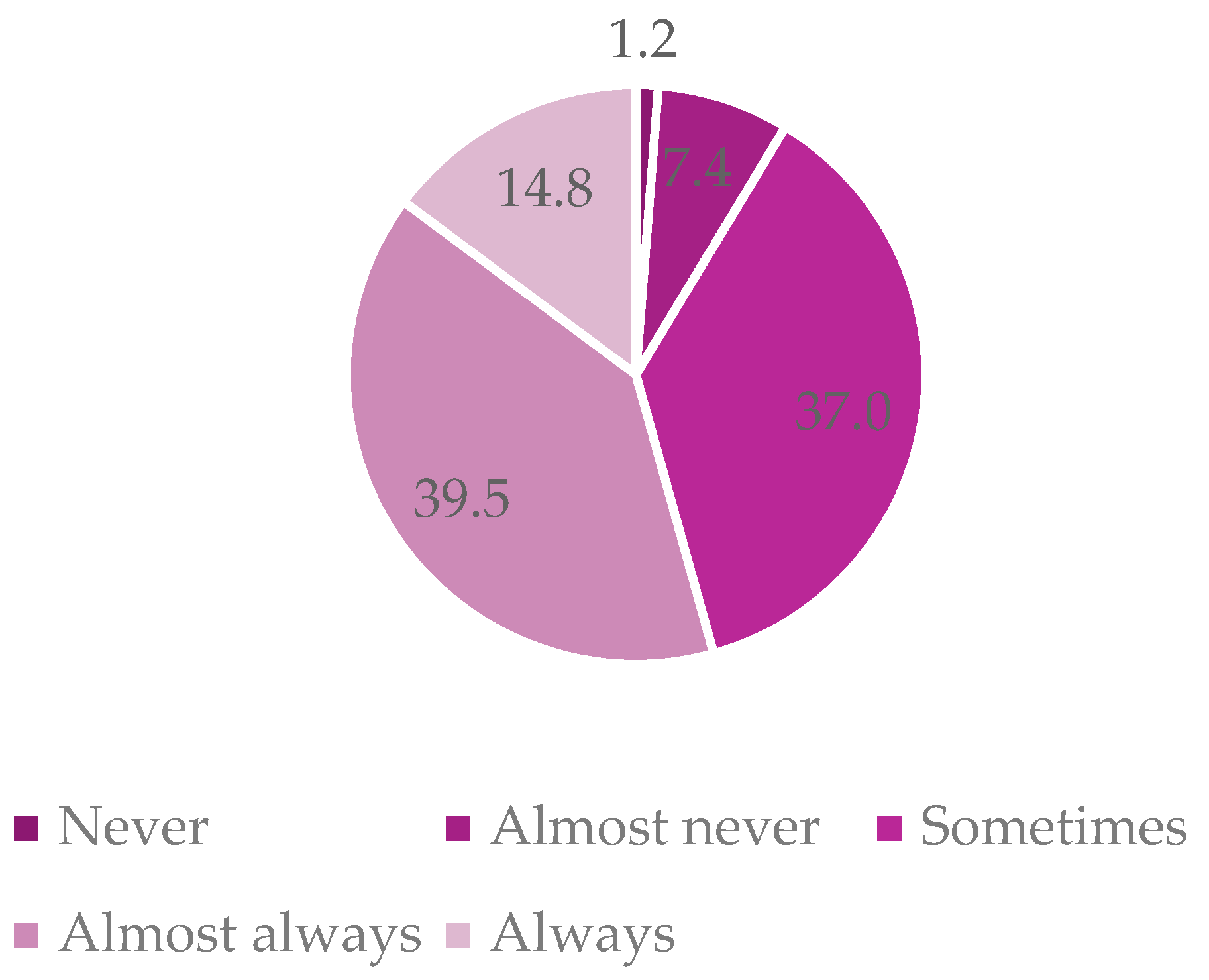
Figure 2.
Mean per item for the Procrastination dimensions.
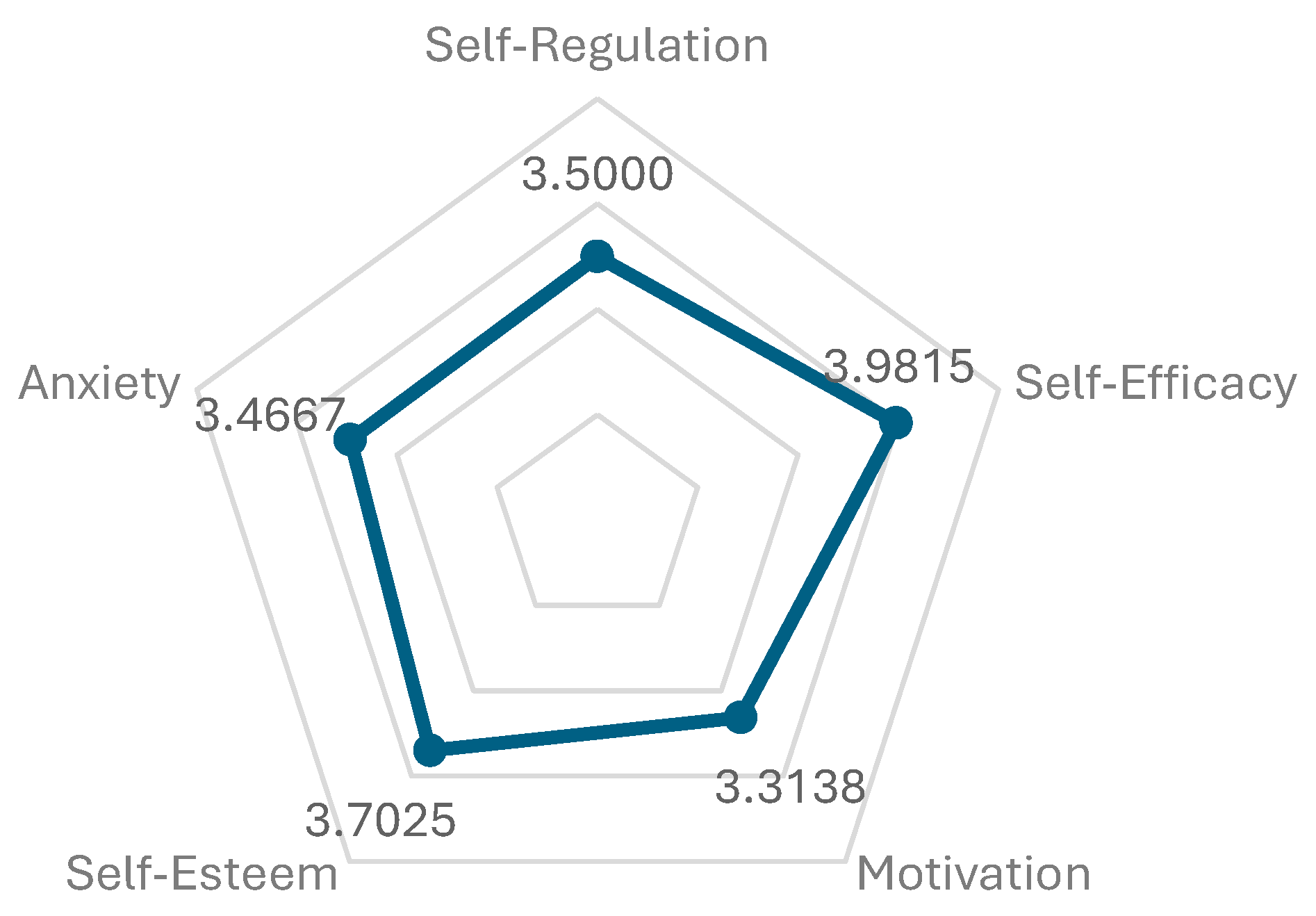
Figure 3.
Perceived academic performance of students.
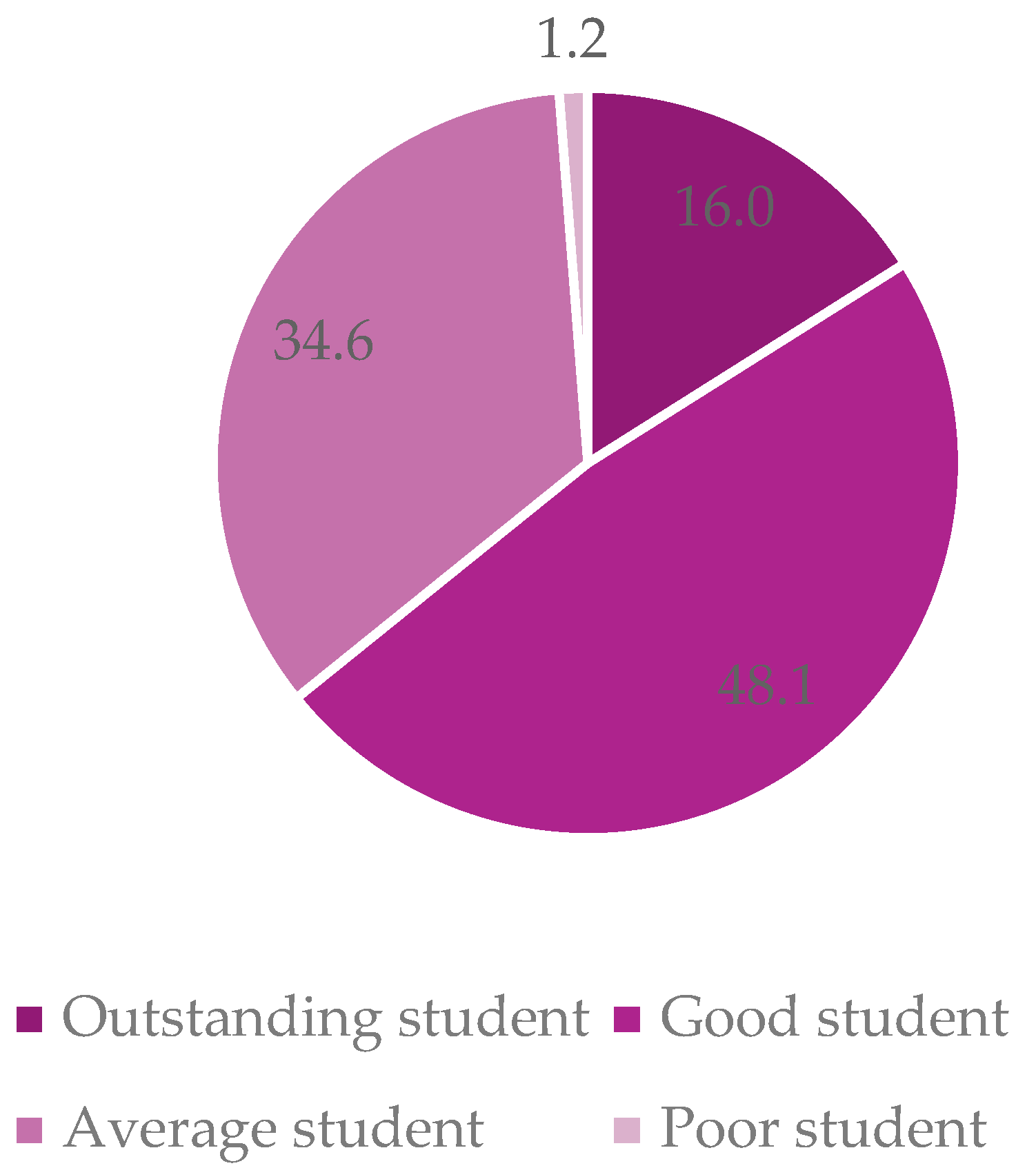
Figure 4.
Distribution of the sample for the mean score variable.
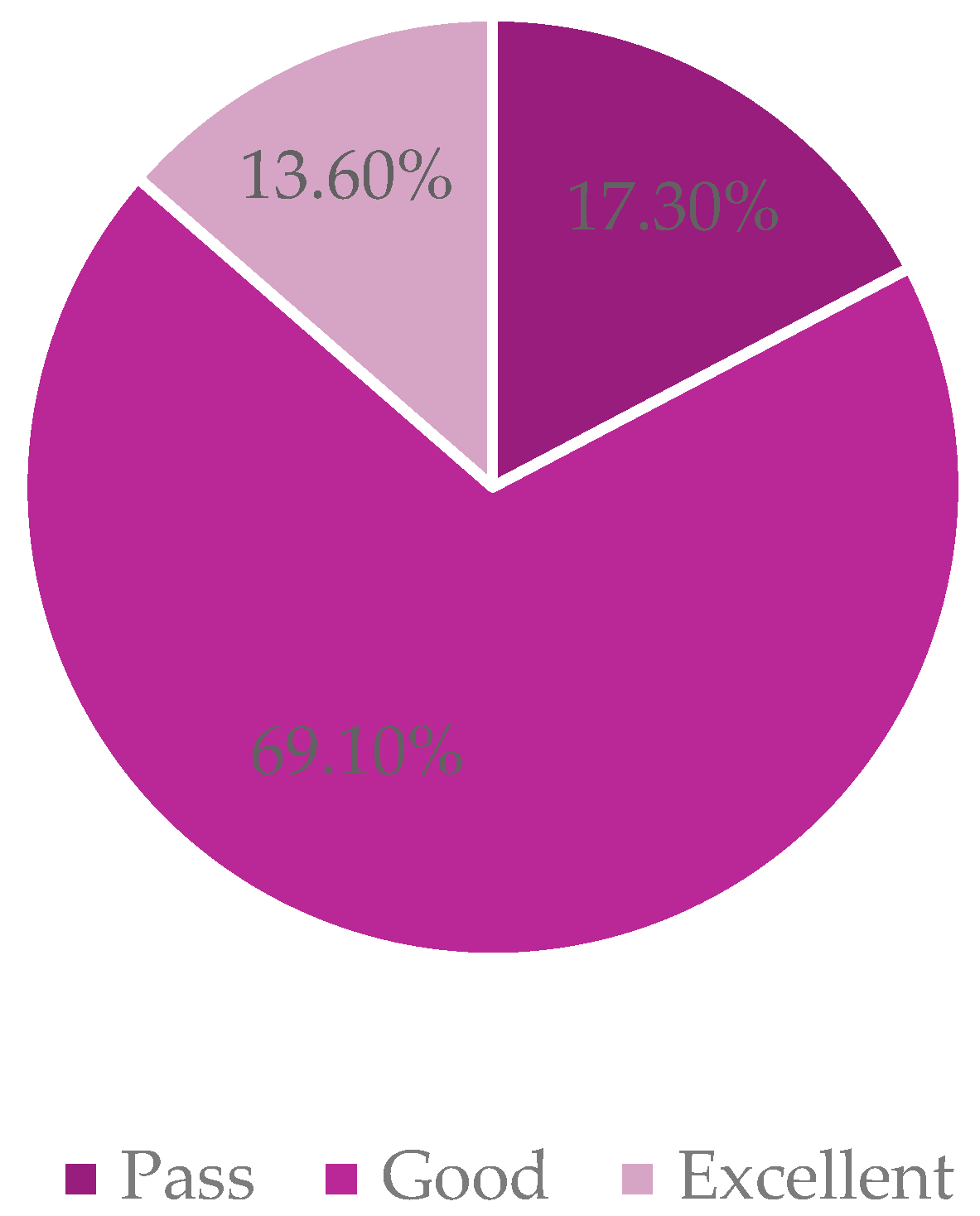
Figure 5.
Distribution of the sample for the Screen Use dimension.
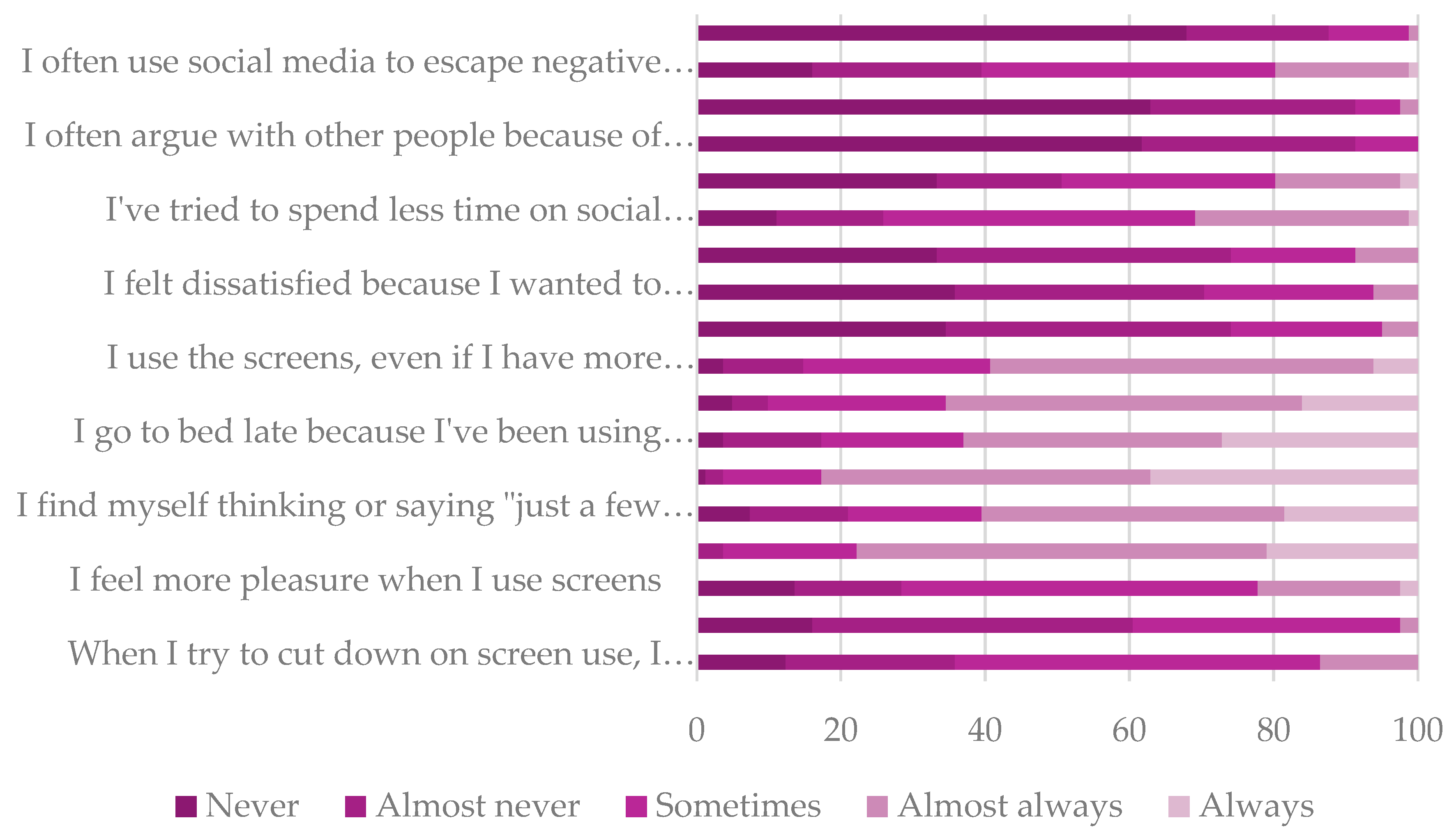
Figure 6.
Relationship between the screen use dimension and the dimensions of academic procrastination. Source: Own elaboration.
Figure 6.
Relationship between the screen use dimension and the dimensions of academic procrastination. Source: Own elaboration.
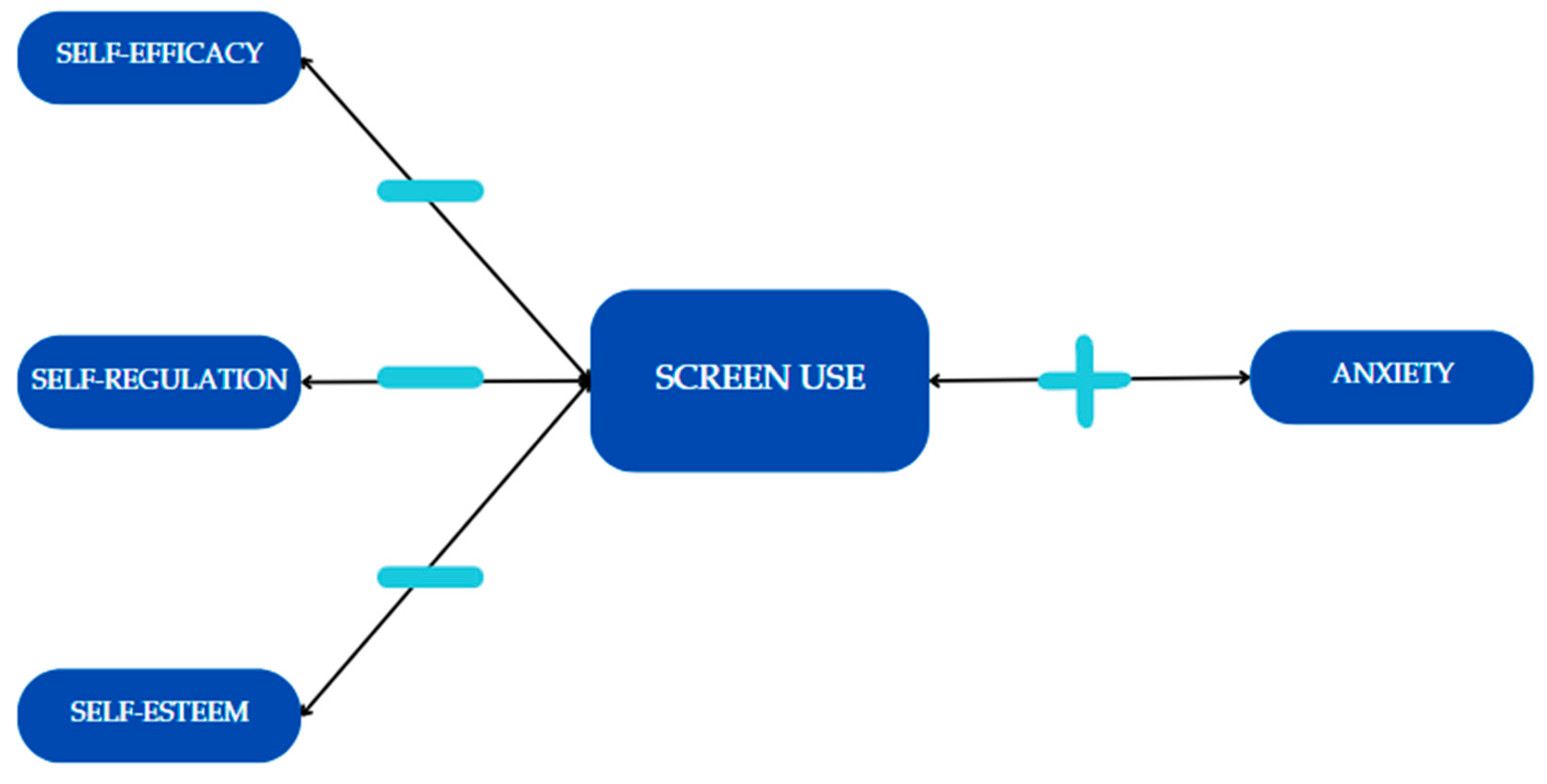
Figure 7.
Relationship between the dimensions of academic procrastination. Source: Own elaboration.
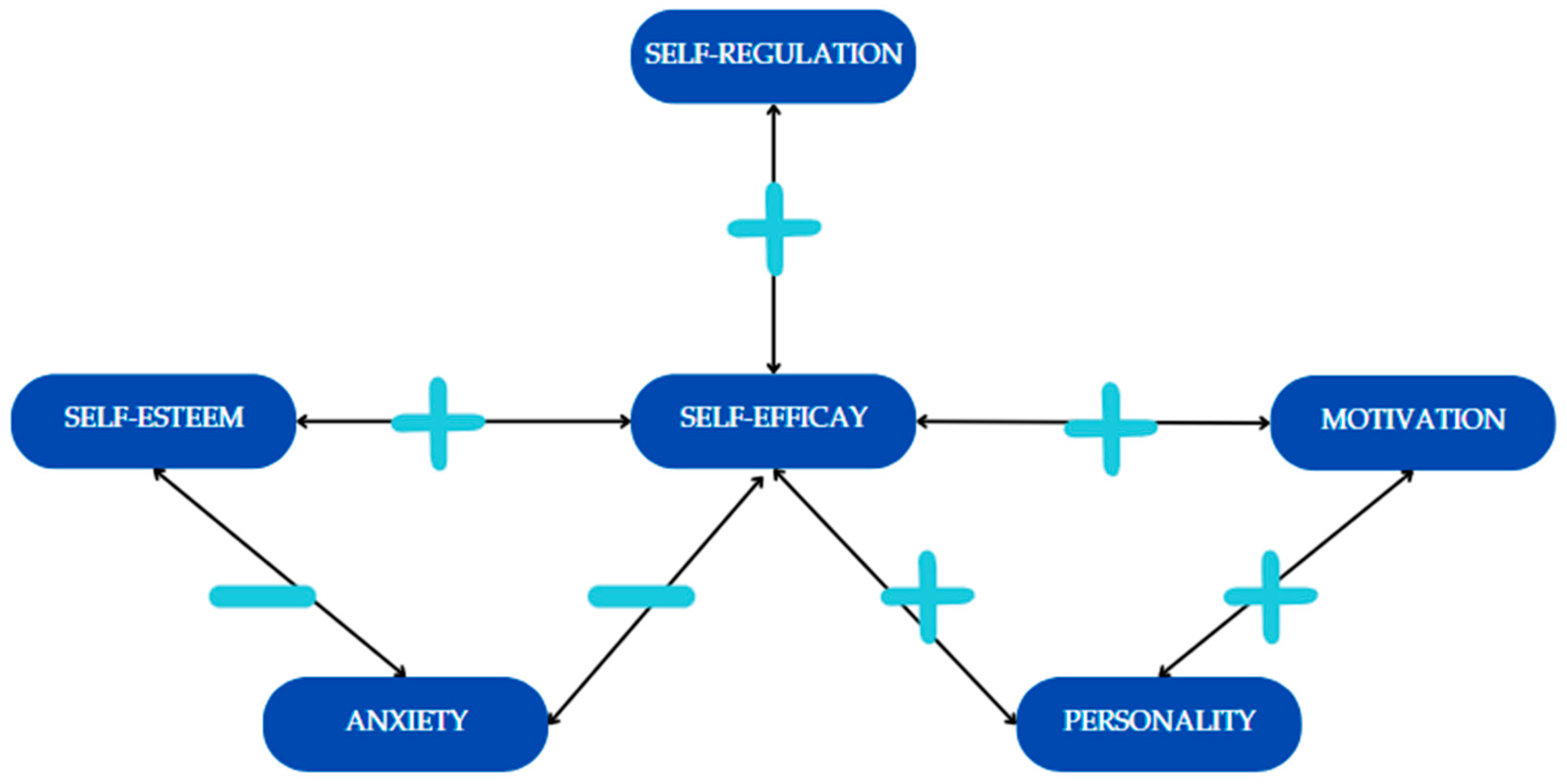

Table 1.
Reliability coefficients per scale.
| Scale | Nº item | α-Cronbach |
|---|---|---|
| Screen Use | 18 | 0,886 |
| Self-Regulation | 10 | 0,774 |
| Self-Efficacy | 10 | 0,859 |
| Motivation | 12 | 0,824 |
| Self-Esteem | 10 | 0,856 |
| Personality | 10 | 0,545 |
| Anxiety | 10 | 0,831 |
| Total (n=81) | 80 | 0,795 |
Table 2.
Descriptive statistics for the dimensions of procrastination.
| Dimensions | N | Minimun | Maximun | Mean | Standard dev. |
|---|---|---|---|---|---|
| Self-Regulation | 81 | 2,30 | 4,60 | 3,5000 | ,56236 |
| Self-Efficacy | 81 | 2,40 | 5,00 | 3,9815 | ,53528 |
| Motivation | 81 | 2,33 | 4,17 | 3,3138 | ,46084 |
| Self-Esteem | 81 | 2,30 | 4,90 | 3,7025 | ,59033 |
| Anxiety | 81 | 1,60 | 4,90 | 3,4667 | ,70338 |
| 1= Never, 2 = Almost never, 3 = Sometimes, 4 = Almost always, 5 = Always | |||||
Table 3.
Descriptive statistics for the Screen Use dimension.
| Dimension | N | Minimun | Maximun | Mean | Standard dev. |
|---|---|---|---|---|---|
| Screen Use | 81 | 1,22 | 3,67 | 2,6968 | ,53835 |
| 1= Never, 2 = Almost never, 3 = Sometimes, 4 = Almost always, 5 = Always | |||||
Table 4.
Correlation of study dimensions.
| SELF-ESTEEM | SELF-REGULATION | SELF-EFFICACY | MOTIVATION | ANXIETY | PERSONALITY | ||
|---|---|---|---|---|---|---|---|
| SCREEN USE | Pearson correlation | -,402** | -,359** | -,307** | -,124 | ,361** | ,096 |
| Sig. (bilateral) | ,000 | ,001 | ,005 | ,268 | ,001 | ,391 | |
| SELF-ESTEEM | Pearson correlation | 1 | ,186 | ,407** | ,131 | -,507** | ,079 |
| Sig. (bilateral) | ,097 | ,000 | ,243 | ,000 | ,483 | ||
| SELF-REGULATION | Pearson correlation | 1 | ,376** | ,190 | -,148 | ,168 | |
| Sig. (bilateral) | ,001 | ,089 | ,189 | ,134 | |||
| SELF-EFFICACY | Pearson correlation | 1 | ,327** | -,279* | ,243* | ||
| Sig. (bilateral) | ,003 | ,012 | ,029 | ||||
| MOTIVATION | Pearson correlation | 1 | ,000 | ,242* | |||
| Sig. (bilateral) | ,999 | ,030 | |||||
| ANXIETY | Pearson correlation | 1 | ,203 | ||||
| Sig. (bilateral) | ,070 | ||||||
| **. Correlation is significant at the 0.01 level (bilateral). | |||||||
| *. Correlation is significant at the 0.05 level (bilateral). | |||||||
Disclaimer/Publisher’s Note: The statements, opinions and data contained in all publications are solely those of the individual author(s) and contributor(s) and not of MDPI and/or the editor(s). MDPI and/or the editor(s) disclaim responsibility for any injury to people or property resulting from any ideas, methods, instructions or products referred to in the content. |
© 2024 by the authors. Licensee MDPI, Basel, Switzerland. This article is an open access article distributed under the terms and conditions of the Creative Commons Attribution (CC BY) license (http://creativecommons.org/licenses/by/4.0/).
Copyright: This open access article is published under a Creative Commons CC BY 4.0 license, which permit the free download, distribution, and reuse, provided that the author and preprint are cited in any reuse.


