

Submitted:
15 July 2024
Posted:
16 July 2024
You are already at the latest version
Abstract
The sustainable development of the country, particularly in hilly regions, encounters formidable challenges attributed to the gradual degradation of environmental conditions in these areas. Over time, disputes have arisen concerning forests, water sources, and other natural assets. The present analysis focuses on the environmental conflicts surrounding the Chamera Stage-I hydroelectric project in the Chamba region of Himachal Pradesh. This analysis is based on perception surveys conducted within local communities and field studies examining ecological and environmental parameters. These parameters include the loss of green cover, decline in biodiversity, depletion of natural resources, disruption of access to common property, disturbances in the ecological cycle, alterations in microclimate, changes in land use patterns, and the loss of ethnobotanical and wild edible fruit plants. Local communities overwhelmingly assert that these conflicts have arisen due to the construction of the dam. They firmly hold the view that higher authorities disregard the environmental and ecological impact as a crucial consideration in any project. Consequently, as communities grapple with survival challenges, conflicts with authorities emerge over environmental issues. The analysis also highlights measures to mitigate these adverse impacts and proposes an enhanced collaborative approach in handling such projects to address conflicts more effectively.
Keywords:
Chamba
; Chamera
; Environmental Conflict
; Hydropower
Introduction
Being the highest mountain range in the globe and the main location for ice accumulation outside of the poles, the Himalayas are sometimes referred to as “Asia’s Water Towers”. As the principal source of Asia’s major rivers, these majestic peaks are extremely important. Over 1.5 billion people in the Himalayan region and downstream nations including China, India, Pakistan, Nepal, Bangladesh, Vietnam, Burma, Thailand, and Laos rely significantly on these rivers for their lives, economies, and water supplies (Immerzeel et al., 2010; Xu et al., 2009). However, the delicate ecological balance has been upset by the quickening pace of population increase as well as technological and infrastructure advancements like building big cities, highways, bridges, and dams. The environment is threatened by this imbalance, which also has an impact on the region’s sustainability. Conflicts between environmental officials and engineers occur as environmental awareness rises. It is well known that building engineering projects—dams in particular—poses a serious environmental risk (Gadgil and Guha, 1994).
Dams are usually designed based on the features of rivers and the land around them. Because of this, changes in the water system due to environmental shifts can greatly affect how these dams work and are managed. Unfortunately, project offices often ignore this view, making it hard for communities and disaster management authorities to predict and prepare for threats like flash floods. Experts say that the current knowledge about the water systems, ecology, biology, and geography of the Himalayan region is not enough to fully protect the region’s rivers. Raising dams is suggested as a way to slow down global environmental changes and support sustainable development in North India. But, this idea has faced criticism for many reasons, such as its significant ecological and social impacts, the release of methane from dam reservoirs, and the drop in hydroelectric power production due to reduced water flow in rivers and streams caused by climate change (Giles, 2006; Vicuna et. al. 2008).
Over time, it has become clear that river valley projects, like other planned developments, have big negative impacts on the environment, society, and the economy. Most hydropower projects are located in river valleys that are important for plant and animal diversity. Despite the benefits, building dams usually changes how the land is used, affecting the water systems in the area (Dixon et al., 1989). Social impacts of dams include forcing communities to move, disrupting social structures and lifestyles, and uneven sharing of costs and benefits (Dixon et al., 1989; De Wet, 1999; WCD, 2000). Dams harm upstream areas and change both the amount and quality of water due to sediment build-up (Dixon et al., 1989; Terry, 1995). Other negative effects of dams on ecosystems include loss of forests, wild areas, and biodiversity, and the release of pollutants that harm the ozone layer through vegetation damage. Water system dams can also cause problems like reduced soil fertility due to water logging, salinization, hardpan development, and the spread of diseases (e.g., intestinal illness and bilharzias) due to increased vectors (Terry, 1995; WCD, 2000). Some studies argue that the big social conflicts and destruction of marine life caused by hydropower dams often outweigh the financial benefits of these projects (Bratrich et al., 2004).
Current pressures are leading to more social and environmental conflicts, as noted by Schlosberg (2004). Environmentalists highlight the environmental and social issues from dam construction, like displacing people and changes in biodiversity. On the other hand, hydroelectric project owners argue that dams are a source of renewable energy (Basson, 2004). These conflicts are closely tied to water movement in the landscape and are influenced by hydrological and biological processes. All these activities can greatly affect the sediment load in the river.
It is natural for the citizens to express genuine worry about any advancement linked with deforestation, as planet’s forest cover continues to decline at an alarming pace. Scroll to continue with content AD For instance, the reservoir created behind a Dam could inundate vast areas and one may have to weed out contiguous trees while making path for roads and colonies related rammed. On the other hand, environmentalists have a serious concern over land degradation through water logging and soil salinity increase known as “ecological distribution conflicts”, which was initially coined in the late nineties of the 20th century (Martínez-Alier and O’Connor, 1996). Critical definition on an environmental conflict, however, refers to a “conflict arising from the relative scarceness of a natural resource or from excessive loading of an ecosystem’s sink capacity” Libiszewski (1992:14). Usually, conflicts arise when a particular resource is scarce or the cost and benefits of its utilization are highly unequal among the stakeholders. For instance, with regard to a hydroelectric project costs include the adverse effects in terms of loss of human livelihood and environmental destruction as well as direct financial burdens on the hydro company and the state. On the other hand, benefits involve all the profits obtained by the country and the company through usingin now extensive reservoir served canal sections.
Controversies surrounding the hydropower development in the region deal with a wide range of concerns:displacement, loss of livelihoods; ecological impacts including seismic activity and downstream effect on the delicate Himalayan ecosystem flooding or submergence, preservation.
Originating from Bara Banghal, a branch of Dhauladhar, the Ravi River is formed by the glacier-fed Badal and Tant Gari. The The Ravi River embodies an entire ecosystem, encompassing human settlements, forests, flora, and fauna within the region. Chamba town is strategically positioned on the river’s right bank. Noteworthy right bank tributaries include Budhil, Tundah Beljedi, Saho, and Siul, while the significant left bank tributary is Chirchind Nala. As the Ravi River meanders through the Dalhousie hill’s base, it gracefully traverses the renowned Chamba valley. Given the region’s distinctive features and the planned scale of intervention, it is crucial to meticulously assess social and environmental impacts before determining the feasibility of large Dams. The Ravi basin region is home to diverse indigenous communities, with a significant portion of the population relying on livelihoods based on natural resources. Stretching approximately 158 km in Himachal Pradesh, the river boasts a catchment area spanning about 5,451 km². This diversity brings unique socio-cultural, agro-ecological, and landholding systems, including various forms of community control over forests.
While hydropower development is a contemporary focus, it may not always align with the preferences of residents, particularly those in rural areas, as it can significantly alter occupational and production systems. Environmental Environmental conflicts extend beyond acquiring land and compensation; they involve the challenge of restoring displaced communities’ access to rich environmental and ecological resources. The study aims to explore the environmental conflict over hydropower development, assessing the environmental loss. This selection is based on significant reasons related to environmental conflicts arising from hydro-electric power projects and their impacts on socio-ecological dynamics. The area for study is the Chamera Dam -I area in the Ravi basin of Chamba district. The environmental toll is considerable, encompassing forest depletion, soil erosion, loss of pasture lands, and harm to water resources.
About the Project
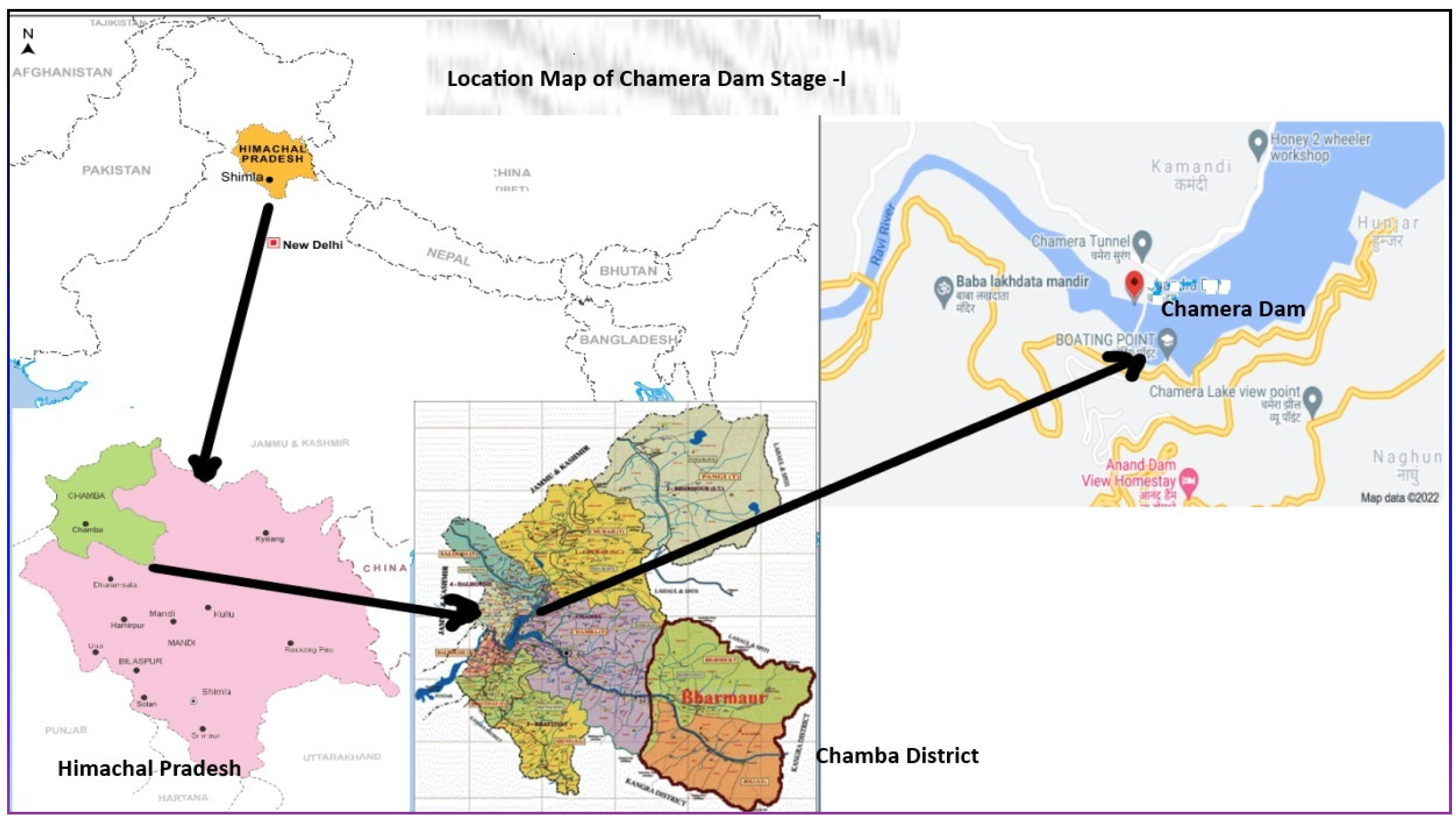
Chamera Hydroelectric Project Stage-I is situated in the Chamba district of Himachal Pradesh and operate as a run-of-the-river scheme. The reservoir created by the Chamera Dam -I extends 18 kilometers upstream along the river Ravi and 11 kilometers along the river Siul, covering an approximate surface area of 9.5 square kilometers. With an installed capacity of 540 MW (3X180 MW), the Chamera HE Project Stage-I has been operational since its commissioning in 1994. Residents in and around the project vicinity were required to be relocated due to the inundation of land resulting from the project’s construction. Of the total 1554 affected families due to the land acquisition for project development, 433 families found themselves without homes or land and were in need of resettlement. The remaining families experienced partial impacts, such as the loss of a portion of their land. Additionally, various environmental repercussions, including submergence, deforestation, the depletion of flora and fauna, and soil erosion, were identified. However, all of these impacts were mitigated comprehensively through appropriate measures.
Methodology
The study undertaken here is a comprehensive exploration that integrates primary and secondary data sources to investigate the impact of Chamera Stage I on surrounding villages. By employing a direct interview approach with meticulously designed questionnaires, the study collected primary data from the field. Using a Systematic Random Sampling method, one hundred households within the affected area were selected for in-depth analysis. The survey, conducted between October 2021 and November 2022, involved interviewing family heads or their counterparts from each household, covering various aspects related to the impact of Chamera Stage I. For the study, five villages—Mohal, Palehi, Chakloo, Thari, and Bhanota—were selected due to being the most adversely affected by the Chamera Dam -I. Hundred families were chosen, with twenty from each village. The systematic random sampling technique was applied, covering 20% of the affected families in each village. The list of affected families was obtained from the Relief and Rehabilitation Officer (RRO) of the Chamera Hydro-electric Power Project. All respondents in the study are from rural areas. The age range of participants varied, with the youngest respondent being 25 years old and the oldest 80 years old. The majority of respondents fell within the age group of 25 to 60 years.
Result and Discussion
The construction of extensive hydropower infrastructures necessitates large-scale interventions, leading to deforestation, disrupting forest ecosystems, and triggering a concerning decline in biodiversity. The cumulative impact of these projects not only disrupts the natural flow of rivers but also jeopardizes the delicate ecological fabric of the Himalayas. Balancing the imperative for electricity with preserving the integrity of these crucial ecosystems is paramount for ensuring a sustainable future for both the environment and the communities dependent on these resources. As we grapple with the challenges of meeting energy needs, it is crucial to navigate a path that safeguards the ecological richness of the Himalayan region while meeting the demand for electricity.
Conflict over Environment Due to construction of Chamera Chamera Dam-I-I
Development policies and programs have frequently overlooked the environmental issue, adopting approaches that can have numerous adverse effects on the environment and local ecology. Developmental projects, particularly those leading to mass displacement, not only contribute to the erosion of cultural diversity but also result in the destruction of biological diversity. The consequential ecological imbalance poses a serious threat to the survival of communities dependent on it, and the imposition of external technologies disrupts the natural genetic diversities that have evolved over years. The cumulative result of these factors is a degradation that approaches irreversibility.
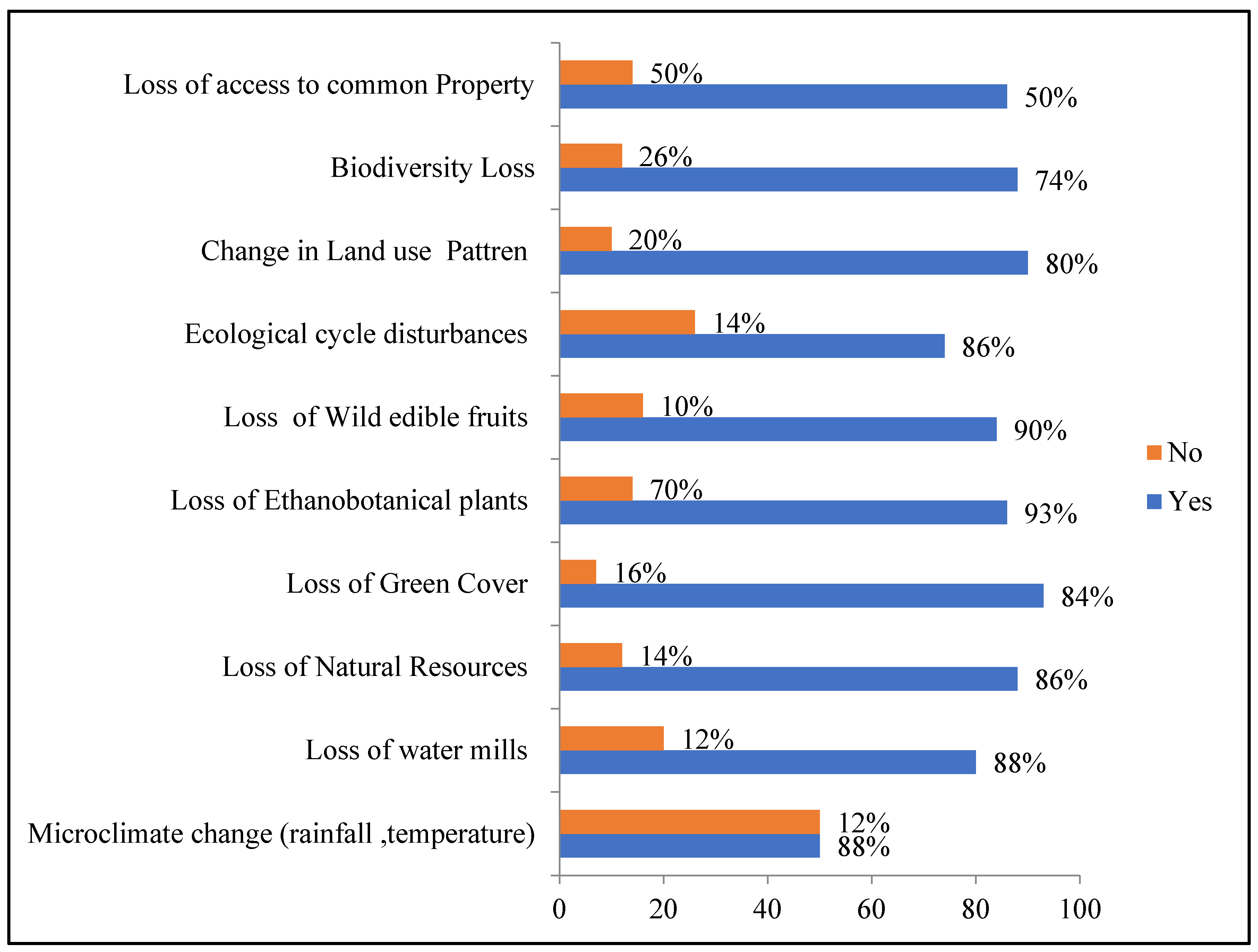
Loss of Natural resources: - 88% of survey respondents agree that the construction of a hydropower project has caused the depletion of natural resources due to various prevalent activities linked with the project. They have also lost natural grazing fields for their cattle mostly in Mohal, Palehi, and Thari village. Local villagers of Thari and Palehi assert that the indiscriminate dumping of muck occurred without the necessary approval from relevant authorities, adversely affecting land patches, leading to desiccation and closure of water sources. Consequently, this has had a detrimental impact on the growth and yield of wild plants and crops in terraced hill farming. That our respondents have been facing due to construction of Chamera Chamera Dam -I, is the submergence of forests. During the field work, some respondents told that in the rainy season when it rains heavily, the water of the rivulets, which form part of the reservoir, recedes and enters their fields and houses. These families live in fear of being washed away by flash floods which may occur during the rainy season.
Biodiversity Loss (Flora and Fauna):- The impact of Chamera Dam -I construction on biodiversity loss has sparked notable concern, with 88% of affected individuals expressing heightened worries about the consequences. They said that the area was earlier full of natural orchards which bore local species of fruits specially local mango fruit in village Palehi. Those are now extinct and their children are unaware of such species of local fruits. Moreover, such losses can significantly impact various economic sectors like agriculture, forestry, and tourism. And many rare local traditional crops like Oryza spp. (Red Rice), Paspalum scobiculatum, Kodha), Linum Usitatissimum (Flex seed, Alsi) etc have been lost in Village Mohal and its surrounding areas. Interestingly, a minority, 12% of the local populace, did not express apprehension towards the observed biodiversity decline resulting from the Chamera Dam -I’s construction.
Ethnobotanical species represent a diverse array of plants deeply intertwined with different human cultures, historically utilized for medicinal, ceremonial, nutritional, and various other purposes. A substantial 86% of respondents perceive a decline in the utilization of these plants post-construction, attributing this shift to the presumed destruction or submersion of a significant number of species due to the Chamera Dam -I’s presence. The listed plant species—Achyranthes bidentata (Puthknda), Bauhinia variegate (Kachnar), Berberis lycium (Kasmal), Cannabis sativa (Bhang), and others—have historically held cultural and utilitarian significance among local populations for their ethnobotanical applications.
Wild edible fruits refer to fruits that naturally grow in the wild and are safe for human consumption. These fruits are not cultivated and thrive in various ecosystems like forests, fields, deserts, and wetlands. However, there’s concern among 64% of respondents in the surrounding area regarding the disappearance of various wild edible fruit species after the construction of a Hydropower project. This disappearance could be attributed to the construction process or the submerging of land due to the Chamera Dam -I. The disappearance of these fruits, which have been a staple for local communities for a long time, includes species such as Berberis lyceum (Kashmal), Carissa spinarum (Garna), Celtis australis (Khadak), Ficus auriculata (Trimbal), Ficus palmata (Fegda), Fragaria nubicola (Wild Strawberry), Grewia optiva (Dhaman), Morus alba (Shehtoot), Prinsepia utilis (Bhekhad), Prunus persica (Jangli Aadu), Prunus armaniaca (Chir), Punica granatum (Dadu), Pyrus pashia (Kainth), Rubus ellipticus (Aakhre), Zizyphus mauritiana (Ber), and more. The conflict arises as local people accuse the authorities of not considering the ecological and environmental impact in their compensation and long-term planning following the construction. This oversight has led to distress and concern among the community due to the loss of these vital resources and the lack of foresight in preserving the local ecosystem.
Loss Of Green Cover:- The construction of a Chamera Dam -I significantly impacts the environment within its vicinity, necessitating land usage, as exemplified in the Chamera Stage-I construction illustrated in Figure 1. In these survey 100 households of the villages Mohal, Palehi, Chakloo, Thari, and Bhanota, out of 93% of respondents expressed concerns about the reduction of green cover due to the Chamera Dam -I’s construction. Conversely, 7% did not perceive any loss of green cover, and uncertain about the impact. The presence of green cover offers diverse advantages, such as diminishing air pollution, enhancing soil quality, ameliorating the effects of climate change, and providing habitats for wildlife. People have also lost their grasslands etc. Moreover, there is soil erosion on the edges of Chamera Chamera Dam -I reservoir. It came to our notice that as promised, no land in lieu of land was given to the displaced families and no colonies have been made to resettle the displaced persons. All the respondents told that they lost much of their cultivated land due to the construction of the Project.
Change in land use pattern Land use change is a fundamental process driven by human activity, altering natural landscapes to serve economic functions. In a recent study, 89% of respondents acknowledged land use pattern alterations due to the construction of a Chamera Dam -I and power house. The construction of reservoirs for hydropower projects leads to significant ecological shifts, transitioning ecosystems from aquatic and terrestrial to lentic environments. While hydropower plants require considerable land for construction and operation, the inundation of land behind Chamera Dam –I is disrupts ecosystems both upstream and downstream. the alterations in land use have significant climatic implications due to greenhouse gas emissions and changes in local microclimates, affecting evapotranspiration. Efforts to minimize adverse land-use changes while harnessing hydropower’s potential are imperative for a sustainable future.
Access to common Property:- In the Chamera Dam -I region, approximately 86% of respondents express a belief that the loss of their shared communal property around the project areas was primarily due to the requisition of land by the project or its submergence. 14% of respondents did not think so. They are facing great hardships as the reservoir invariably submerged large tracts of forest and eco-systems, including grasslands etc. The people of Mohal, Palehi, Thari and Bhanota villages told that they are the worst sufferers of the Chamera Dam -I. They have lost access to the common property, especially the natural water-springs. They have also lost natural grazing fields for their cattle. In addition, the local people have lost their traditional crematorium on the banks of the river and now the dead bodies have to be cremated on the fringe of the reservoir and as such the ash and the remains, which were considered sacred to be carried away by the running water of the river, are now seen floating on the surface of the reservoir water. The usage of these communal properties, accessible to all villagers in the past, has now been restricted, depriving the local community of their once-shared resources. Importantly, no monetary compensation has been provided to the affected individuals in return for this loss. Consequently, the villagers find themselves excluded from utilizing lands and resources integral to their non-agricultural activities, without receiving any financial recompense for the acquired property. This situation has left a significant impact on the community’s traditional practices and daily livelihoods, creating a sense of loss and deprivation among the affected populace without appropriate recourse.
They have lost access to the common property, especially the natural water-springs. Besides, there were several small water-mills (Gharats) on the banks of river where people of the nearby villages i.e., Mohal, Palehi, and Bhanota used to get various cereals, like wheat and maize, ground to make flour. Now they have to mechanical machines, which, they say, burn most of the energetic contents of the cereals. The disappearance of water mills, locally known as ‘Gharats,’ reflects a loss of a traditional practice deeply rooted in the region. These mills, fashioned from readily available natural resources, utilized the force of water from streams and rivulets, serving as an eco-friendly means of livelihood for the ‘Gharatis,’ their owners. For generations, these mills stood as a hallmark of tradition, fostering social cohesion within communities. With their construction and maintenance relying on easily accessible bioresources, these water mills were not only economically feasible but also sustainable and reliable, especially in areas lacking proper electricity supply. Particularly suitable for hilly terrains with ample water sources, they served as a significant income source. However, 92% local respondents’ stark reality is that these traditional water mills have all but disappeared from the landscape. The construction of hydroelectric projects altered water courses, leading to a decline in the number of operational water mills. Consequently, Gharatis now struggle to operate their mills due to the changed water dynamics. While higher authorities offer minimum compensation to the mill owners, these gestures result in the removal of these cultural symbols without any plan for their revival, depriving local communities of an integral part of their heritage.
Ecological cycle disturbances encompass disruptions to the intricate balance of natural processes vital for the functioning of ecosystems. Healthy ecosystems depend on a delicate equilibrium among diverse ecological cycles that support life. Chamera Dam -I construction can significantly impact ecological cycles. Chamera Dam –I is alter the natural flow of rivers, disrupting the water cycle and the habitats of various species. These structures impede the movement of sediments and nutrients downstream, affecting the soil fertility and the survival of organisms that rely on these resources. Additionally, Chamera Dam -I construction can influence the life cycles of aquatic species, blocking fish migration routes and altering their breeding and feeding patterns. The modifications in water levels and flows can also impact the local climate and vegetation, affecting the habitats and food sources of numerous terrestrial species. The responses you mentioned, indicating a strong agreement (67%), suggest a widespread concern among respondents regarding the ecological disturbances caused by large Chamera Dam -I constructions. This aligns with the understanding that such developments can significantly disrupt the delicate balance of ecological cycles within affected ecosystems.
Microclimate change (rainfall, temperature) a significant majority, comprising 83% of respondents living near a hydropower project, attribute local climate changes to the construction of Chamera Dam –I . Their belief is rooted in the speculation that the dryness resulting from multiple Dam projects along river lengths might trigger alterations in the microclimate. Specifically, concerns are raised about potential temperature increases within the river valley due to this transformation. Microclimates, delicate and localized climatic conditions, are subject to a variety of influences. These encompass topography, vegetation cover, human activities, and local weather patterns. In the context of Chamera Dam -I construction, the potential impact on the microclimate arises from the extensive drying of river segments. This drying is linked to changes in the immediate weather patterns and conditions, which, in turn, can lead to alterations in the local climate of the river valley. The prevalent perception among the nearby population reflects a deep-seated connection between large-scale construction projects and consequential alterations in the microclimate, emphasizing the intricate interplay of various environmental factors in shaping local weather conditions.
Discussion
Rivers are really important in different landscapes because they help with energy, matter, and different kinds of living things. When dams are built on rivers, like the Chamera Dam -I, it changes the local environment a lot. The dam stops the natural flow of things like dirt and rocks downstream, which can affect the plants and animals that live there.
Figure 2.
People’s perception on different aspects of Environmental factors around HEP Chamera stage–I (N=100).
Figure 2.
People’s perception on different aspects of Environmental factors around HEP Chamera stage–I (N=100).
The dam also changes the ecosystem from a river to a lake, which can be hard for some types of plants and animals to survive. Many people are worried about the impact of the dam on the environment, especially because it can reduce the variety of wildlife and make it harder for different organisms to find a home. This loss of different kinds of plants and animals can be really bad for the environment and for people because it affects things like clean air, water, food, and medicine. The construction of the dam, as well as other things like weed invasion, farming, and overgrazing, can also harm the plants and land around the river. This can change the way the river looks and how plants grow near it. It’s important to think about how building dams can affect the environment and the river itself, especially since it can have such a big impact on the plants and animals that live there.
The building of a hydropower project has caused a lot of problems for the environment. It has led to the loss of natural resources like trees and animals, and has affected the growth of plants and crops. This has also impacted the availability of water, minerals, and wildlife, which is not good for the environment and the people who depend on these resources. People are also worried about the impact of the project on the use of local plants and wild fruit plants. These plants are important to the local community and losing them would be a big problem. It’s important to protect these plants and the knowledge about how to use them, so that the relationship between the community and their plant resources can continue.
Local residents are accusing authorities of neglecting the ecological and environmental impact in their compensation and long-term planning post-construction, leading to conflicts. This oversight has caused distress and concern among the community due to the loss of vital resources and the lack of foresight in preserving the local ecosystem. Addressing these issues is essential for fostering a sustainable balance between development initiatives and the preservation of natural and cultural heritage. Disturbances to ecological cycles disrupt the delicate balance of natural processes crucial for ecosystem functioning. The construction of the Chamera Dam -I can have a profound impact on these cycles. Chamera Dam -I changes the natural flow of rivers, causing disturbances in the water cycle and altering the habitats of diverse species. These structures obstruct the downstream movement of sediments and nutrients, thereby influencing soil fertility and the survival of organisms dependent on these resources. Furthermore, the construction of Chamera Dam -I can interfere with the life cycles of aquatic species by blocking fish migration routes and changing their breeding and feeding behaviors. Reservoirs created by Dam may also contribute to alterations in Earth’s climate. Reservoirs in warmer climates can generate methane, a greenhouse gas, particularly in stratigraphic reservoirs that lack oxygen, leading to biomass degradation through anaerobic processes (Roht-Arriaza, 2009). In the construction zone, the operation of vehicles, earth-moving equipment, sirens, and occasional explosive detonations generate noise and dust. This, in turn, affects the habitats of wildlife such as birds and animals Ouren et al., 2007).
In the past, water mills (Gharats) were crucial for villagers in rural mountain regions, but many in the Chamba district are declining due to changes in water flow from hydroelectric projects. This makes it difficult for mill operators to function and removes an important part of the local culture. (Sharma & Rana, 2014; Slariya, 2013)
A large majority, 83% of respondents living near a hydropower project, believe that the construction of the Chamera Dam -I has led to changes in the local climate. The creation of a reservoir as a result of the dam’s construction leads to a significant body of water that can impact the nearby climate. The annual water loss from the reservoir, mainly through evaporation, is calculated using the local average for Potential Evapotranspiration (PET). The evaporation of water and the cooling effect of its storage are expected to lead to increased humidity and temperature in the immediate vicinity of the reservoir (Marsalek et al., 2008). Microclimates, which represent complex and localized climatic conditions, are influenced by various factors such as topography, vegetation cover, human activities, and local weather patterns. In the case of the Chamera Dam -I construction, the potential impact on the microclimate arises from the extensive drying of river segments. This drying process is closely linked to changes in immediate weather patterns and conditions, ultimately resulting in modifications to the local climate within the river valley.
In 2003, Rajeshwari Tandon emphasized the importance of preserving both artificial and natural heritage, especially in hill areas. State Governments and Local Bodies were urged to create a comprehensive list and implement strategies for afforestation, soil conservation, and disaster management. Community involvement was highlighted as crucial for the success of any preservation program. Vijay Paranjpye’s 1988 assessment of the Tehri Chamera Dam in the Garhwal Himalayas indicated that its construction would submerge Tehri town and 23 nearby villages, impacting 72 communities and displacing around 85,000 individuals. Local residents expressed concern about the sanctity of the Bhagirathi River and the potential irreversible damage to downstream sacred sites. There were also apprehensions about the government’s track record in rehabilitating affected communities and the risk of catastrophic failure due to geological and seismic conditions. Mathur (1995) provided a significant compilation of evidence and analysis on settlement issues, contributing to ongoing policy discussions and resettlement practices. Scudder (2005) offered a human perspective on large dams, discussing population resettlement, the benefits of hydroelectric power, water resource development, flood management, and ecological impact. The conventional cost-benefit analysis of major dams was challenged, highlighting inherent flaws. Barrow (1995) scrutinized global environmental challenges and proposed avenues for mitigation through prudent management, emphasizing the recurring problems associated with dam projects worldwide, including in India. The focus was on the experiences of individuals affected by the construction of the Chamera Dam in Himachal Pradesh.
Conclusions
The building of projects is important for the progress of an area, but the harm to the environment has been ignored by politicians and planners. They forget that damage to the environment affects not only plants and animals but also the quality of human life. Developing countries plan to construct industries and projects without thinking about the problems that affect natural resources like soil, water, and forests. They ignore the impact of progress, which puts the natural environment at risk due to fast industrial growth and urbanization. Protecting the environment should be a crucial part of planning for progress. Without proper environmental protection, progress will suffer, and without progress, there won’t be enough resources for important economic and social investments. Therefore, there’s a need for ‘sustainable development’. which means growth that supports nature and preserves natural resources. It might be better, both economically and environmentally, to build many small projects in river catchment areas. These projects may cost less and be more beneficial in the long run, especially in delicate ecosystems like the Himalayas. However, the government should carefully choose where to allow these projects and should not disregard the rights of local people and the environment. Too many projects could wipe out vital streams, affecting people’s water sources for drinking, irrigation, livestock, and water mills. Ecological imbalance and the imposition of external technologies on it can lead to irreversible damage. By the time the government decides to stop large projects, the harm to the fragile ecology and environment would already be significant. Large-scale projects may earn praise for politicians and engineers, but they often neglect ecological and social problems. It’s unlikely that the government will change its policy on large projects in Himachal Pradesh, as many are already under construction. There’s a lack of a clear government policy, leading to poorly planned and executed rehabilitation programs, causing suffering to the people. A comprehensive national policy for projects with environmental, economic, and socio-cultural impact assessments is needed. Considering these issues, it’s suggested that Himachal Pradesh focuses on smaller hydel projects to avoid the submergence of fertile lands, displacement of villages, and excessive costs associated with mega hydel projects.
Acknowledgments
The author is thankful to the ICSSR New Delhi for providing financial assistance via letter No. RFD/2022-23/GEN/ENV/308 for this research. The author is also thankful to the respondents of all studied villages for providing the data for this study.
Conflicts of Interest
The authors declares no conflict of interest.
References
- Barrow, C. J. Developing the Environment; Longmans: Harlow, 1995. [Google Scholar] [CrossRef]
- Basson, Gerrit 2004 Hydropower Chamera Dam -Is and Fluvial Morphological Impacts – An African Perspective Department of Civil Engineering, University of Stellenbosch, South Africa grbasson@sun.ac.za.
- Dixon, J.A.; Talbot, L.M.; Le Moigne, G.J.M. Chamera Dam -Is and their environment: G. Grill, B. Lehner, A.E. Lumsdon, G.K. Macdonald, C. Zarfl, C. Reidy Liermann, An index-based framework for assessing patterns and trends in river fragmentation and flow regulation by global Chamera Dam -Is at multiple scales. Environ. Res. Lett. 1989, 10. [Google Scholar] [CrossRef]
- Gadgil, M.; Guha, R. Ecological conflicts and the environmental movement in India. Development and change 1994, 25, 101–136. [Google Scholar] [CrossRef]
- Gadgil, M.; Guha, R. This Fissured Land: An Ecological History of India; Oxford University Press: New Delhi; University of California Press: Berkeley, CA, 1992. [Google Scholar]
- Giles, J. Methane quashes green credentials of hydropower. Nature 444:524–525. Heritage, 71 Lodhi Estate, New Delhi-3 (unpriced publication). 2006. [Google Scholar]
- Huesemann, M.; Huesemann, J. Techno-fix: why technology won’t save us or the environment; New Society Publishers, 2011. [Google Scholar]
- Immerzeel, W.W.; Van Beek, L.P.; Bierkens, M.F. Climate Change Will Affect the Asian Water Towers. Science 2010, 328, 1382–1385. [Google Scholar] [CrossRef] [PubMed]
- Marsalek, J.; Jimenez-Cisneros, B.; Karamouz, M.; Malmquist, P. -A.; Goldenfum, J.; Chocat, B. Urban Water Cycle Processes and Interaction; UNESCO and Taylor & Francis: Paris and Leiden, The Netherlands, 2008. [Google Scholar] [CrossRef]
- Mathur, Hari Mohan. 1995. Struggling to Regain Lost Livelihoods: The Case of People displaced by Pong Chamera Dam -I in India. Paper presented at First International Conference on Development-Induced Displacement and Impoverishment, Oxford, January 1995.
- Moore, J.W. Sugar and the expansion on the early modern world, economy: Commodity frontiers, ecological transformation and industrialization. Review (Fernand Braudel Center) 2000, 23, 409–433. [Google Scholar]
- Ouren, D.S.; Haas, C.; Melcher, C.P.; Stewart, S.C.; Phadrea, D.P.; Sexton, N.R.; Burris, L.; Fancher, T.; Bowen, Z.H. Environmental Effects of Off-Highway Vehicles on Bureau of Land Management Lands: A Literature Synthesis, Annotated Bibliographies, Extensive Bibliographies, and Internet Resources; U.S. Geological Survey, 2007. [Google Scholar] [CrossRef]
- Roht-Arriaza, N. First, do no harm: human rights and efforts to combat climate change. Georgia Journal of International and Comparative Law 2009, 38, 593. [Google Scholar]
- Scudder, Thayer (2005) The Future of Large Chamera Dam -Is. London: Earthscan.
- Sharma, H.K.; Rana, P.K. Assessing impact of hydroelectric project construction on the rivers of district Chamba of Himachal Pradesh in the Northwest Himalaya, India. International Research Journal of Social Sciences 2014, 3, 21. [Google Scholar]
- Slariya, M.K. hydroelectric power projects- a threat to existing traditional knowledge: A study of power projects in Ravi basin in Chamba district of Himachal Pradesh. Asian Journal of Multidimensional Research 2013, 2, 3. [Google Scholar]
- Terry, C. 1995. Chamera Dam -Is in the development context: economic, social and environmental aspects of large Chamera Dam -Is. In: Blom, A., van Dalen, J., Ploegmakers, I., Verweij, A. (eds.), Both sides of the Chamera Dam -I. Symposium ‘Het Waterbouwdispuut’ 22 February 1995, Delft, Netherlands,pp. 8-12.
- Vagholikar, N., and P. J. Das. 2010. Chamera Dam -Iming Northeast India: juggernaut of hydropower projects threatens social and environmental security of the region. Kalpavriksh, Pune, India and Aaranyak/ActionAid India, Guwahati, India. Available at http://chimalaya.org/wp content/uploads/2010/12/Chamera Dam -Imingnortheast- india-final.pdf.
- Vicuña, S.; Leonardson, R.; Hanemann, M. W.; Dale, L. L.; Dracup, J. A. Climate change impacts on high elevation hydropower generation in California’s Sierra Nevada: a case study in the Upper American River. Climatic Change 2008, 87, S123–S137. [Google Scholar] [CrossRef]
- World Commission on Chamera Dam -Is. 2000. Chamera Dam -Is and development: a new framework for decision-making. World Commission on Chamera Dam -Is, London, U.K. Available at http://www.internationalrivers.org/files/attached-files/world_commission_on_Chamera Dam -Is_final_ report.pdf (Accessed May 2013).
- Xu, B.; Cao, J.; Hansen, J.; Yao, T.; Joswia, D.R.; Wang, N.; Wu, G.; Wang, M.; Zhao, H.; Yang, W.; Liu, X. Black soot and the survival of Tibetan glaciers. Proc. Natl. Acad. Sci. 2009, 106, 22114–22118. [Google Scholar] [CrossRef] [PubMed]
Disclaimer/Publisher’s Note: The statements, opinions and data contained in all publications are solely those of the individual author(s) and contributor(s) and not of MDPI and/or the editor(s). MDPI and/or the editor(s) disclaim responsibility for any injury to people or property resulting from any ideas, methods, instructions or products referred to in the content. |
© 2024 by the authors. Licensee MDPI, Basel, Switzerland. This article is an open access article distributed under the terms and conditions of the Creative Commons Attribution (CC BY) license (http://creativecommons.org/licenses/by/4.0/).
Copyright: This open access article is published under a Creative Commons CC BY 4.0 license, which permit the free download, distribution, and reuse, provided that the author and preprint are cited in any reuse.


