

Submitted:
17 June 2024
Posted:
20 June 2024
You are already at the latest version
Abstract
This paper, from the perspective of Mode 3 of knowledge production, takes the important carrier of knowledge, scientific research papers, as the research object. The mainstream databases (SCIE and SSCI) are chosen as the data sources. Firstly, bibliometric methods are applied to analyze the cooperation status among the main bodies of paper production, including authors and their affiliated institutions, countries, and disciplines; secondly, the Analytic Hierarchy Process (AHP) is used to construct a comprehensive evaluation model for the state of research cooperation in carbon neutrality. Based on the evaluation model, the cooperation characteristics of different disciplinary fields and the relationship between paper cooperation status and high-impact research papers are comparatively analyzed. At the same time, an analysis is conducted on the support from the government, the sponsorship from enterprises, and the participation of the public in the process of paper production. Finally, some suggestions are put forward on how to build an innovative ecosystem for carbon neutrality research from the perspective of Mode 3 of knowledge production.
Keywords:
Carbon Neutrality
; Mode 3 of knowledge production
; Scientific Research Cooperation
; Bibliometrics
1. Introduction
Since the beginning of the 21st century, extreme weather and natural disasters closely related to global climate change have occurred with increasing frequency, and carbon emissions are considered the primary cause of global warming. In order to protect the common home of humanity, reducing carbon emissions has become a consensus among nations worldwide. On December 12, 2015, at the 21st United Nations Climate Change Conference, 178 contracting parties from around the world jointly signed the Paris Agreement, an agreement aimed at combating global warming. The Paris Agreement has pushed carbon neutrality to the forefront of climate policy research, and the concept of "carbon neutrality" was thereby born.[1] As a strategy aimed at reducing the net value of carbon emissions caused by human activities to zero, "carbon neutrality" is a comprehensive research field with the goal of achieving global public welfare, which requires the concerted efforts of all parties worldwide. However, to promote scientific research cooperation in the field of carbon neutrality, it is necessary to analyze the current state and patterns of cooperative research to facilitate more efficient and high-quality knowledge production. This study intends to employ bibliometric and other research methods to analyze the current status, characteristics, and issues of scientific research cooperation in the field of carbon neutrality, with the aim of providing reference suggestions for building an innovative ecosystem in carbon neutrality and other related research fields.
The bibliometric study of collaboration in the scientific research field began in the 1960s with the American science scholar Derek J. de Solla Price, who used the "Chemical Abstracts" as a data source. After analyzing the author collaboration characteristics of the papers published in this journal, Price concluded that scientific research was gradually transitioning from the era of "little science" to the era of "big science."[2] In the era of "big science," it has become a common practice for researchers with similar interests to collaborate on scientific research. The study of this collaborative research model has also gradually become a focus in the field of bibliometrics. Existing literature not only focuses on the collaboration in various fields of scientific research but also includes areas such as natural disasters, [3] the field of medical engineering etc.[4]. The study also examined the state of scientific research cooperation across different regions, such as the international cooperation status in Latin America[5], the international cooperation status among 11 countries in the European Union etc.[6]. Additionally, it investigated the collaboration between authors, institutions, and countries, as well as their roles, motivations, and patterns in research papers etc.[7,8].
What is the current state of collaborative research in the field of carbon neutrality? In recent years, as the scientific community's attention to global ecological systems and climate issues continues to grow, research on carbon neutrality has gradually increased. In terms of research themes, it mainly includes technological pathways to achieve carbon neutrality, related action plans, and implementation schemes etc. [9,10,11]. The focus of existing literature has extended from purely technical fields such as energy conservation, emission reduction, renewable energy, and energy storage to economic, policy, and industrial structure areas [12,13],Exploring the actual effects, strategic behaviors, and mechanism construction of global climate collaborative governance centered on carbon neutrality[14,15,16,17,18]. In terms of research perspectives, some studies take the current status of carbon neutrality as an independent variable and analyze the relationship between it and related dependent variables, such as the relationship between carbon neutrality and the sustainable development of marine ecology, the relationship with human health, and the relationship with the digital transformation of cities etc.[19,20,21]. As the research literature continues to grow, attention to the state of scientific research cooperation in the field of carbon neutrality is also increasing. As some studies have argued, carbon neutrality, as a comprehensive research field aimed at achieving global public welfare, is crucial for scientific collaboration. No single technology can achieve carbon neutrality, no single solution can address the challenges of carbon neutrality, and no country can expect to achieve the goal of carbon neutrality alone.[22] However, existing literature on carbon neutrality research cooperation mostly focuses on the cooperative pathways to achieve carbon neutrality, such as cooperation among countries in climate games, economic policies, and energy development[23,24,25,26],or studies on the impact mechanisms and spatial effects of different industries' collaborative agglomeration on carbon emission intensity[27],Studies analyzing the characteristics of scientific research cooperation from the perspective of the knowledge production model are rarely reported. In terms of research methods, in recent years, some studies have also begun to use bibliometrics, quantitative research methods, etc., to study the state of carbon neutrality scientific research cooperation. For example, some have conducted surveys to study whether the COVID-19 pandemic would affect cooperation in carbon neutrality research between China and the United States[28], or used bibliometrics to review the current state of a particular research topic in carbon neutrality, with a simple count of the number of publications by main authors and main research institutions[29,30,31,32,33]. However, most existing studies are based on descriptive research using database statistical functions, lacking in-depth analysis of the degree of cooperation. In light of this, this study intends to adopt the theoretical perspective of the knowledge production model, that is, to focus on the knowledge production carried out by different entities and disciplines in collaboration. On the basis of analyzing the authorship, institutions, countries, and disciplinary cooperation of each paper in carbon neutrality research, a cooperation degree analysis model will be constructed to provide a quantitative assessment of the state of cooperation. Furthermore, based on the evaluation results, this study will investigate the trends of cooperation over time, the characteristics of cooperation across different disciplines, and the relationship between the state of cooperation and the impact of papers, etc.
2. Theoretical Foundations, Research Design, and Data Sources
2.1. Theoretical Foundations and Research Design
The theory of knowledge production modes was proposed by researchers in the field of sociology of science, represented by Michael Gibbons, based on their study of the collaborative characteristics in knowledge production [34]. The theory of knowledge production modes was developed by researchers in the field of sociology of science, with Michael Gibbons as a key representative. They defined the traditional knowledge production, dominated by academic communities and based on single disciplines, as Mode 1. In contrast, they defined Mode 2 as knowledge production that is problem-oriented, transcending the scope of traditional single disciplines, and characterized by significant interdisciplinarity, social pervasiveness, applicability, reflexivity, heterogeneity, etc. Mode 2 proposed a triple helix model of knowledge production involving academia, government, and industry. However, this classification still could not explain the knowledge production process aimed at achieving global public welfare for major international and domestic issues, such as global warming and carbon neutrality issues. To address this, Carayannis et al introduced Mode 3 of knowledge production in 2003[35]. This model focuses on significant issues related to the public interest of society as its research objects. Its purpose is to reduce the negative effects of the commercialization and commercialization of knowledge on the development of science and society in the process of global problem governance. It aims to transform the purpose of knowledge production from commercialization and commercialization to public welfare, and to build an innovation ecosystem based on public interest. The implementation paths mainly include two aspects: First, in terms of the subject attributes of knowledge production, break through the artificially set disciplinary barriers and create interdisciplinary and transdisciplinary knowledge production clusters. Second, in terms of the subjects of knowledge production, introduce public organizations and civil social forces centered on the general public to build a four-helix dynamic mechanism model of collaborative governance by universities, governments, industries, and the public. Ultimately, it forms a multi-level, multi-form, multi-node, multi-combination, and multi-interactive knowledge innovation ecosystem. Therefore, Carayannis and Campbell's Mode3 is more suiTable for addressing the issues of global sustainable development in the knowledge economy era than Mode 2. The mutual cooperation and joint production between different entities and disciplines become the foundation and core of Mode 3 of knowledge production. At the same time, Norström et al. also believe that compared with more traditional scientific methods, co-production is expected to better address the complexity of the challenges faced by contemporary sustainable development. They have proposed principles for the co-production of knowledge in sustainable development research, arguing that high-quality sustainable development knowledge co-production should be context-based, diverse, goal-oriented, and interactive [36].
As a topic closely related to global interests and human life, the theory of Mode 3 of knowledge production is an important theoretical foundation for guiding research cooperation. So, under the perspective of Mode 3 of knowledge production, what is the state of cooperation in the production process of carbon neutrality research papers? What is the relationship between the state of scientific cooperation and the impact of papers? What are the characteristics of government support, corporate investment, and public participation in the production process of carbon neutrality papers? This study has analyzed these questions, and the specific research approach (as shown in Figure 1) and research steps are: 1) An overview analysis of carbon neutrality research based on scientific paper data; 2) Analysis of the degree of disciplinary cooperation in carbon neutrality research papers; 3) Analysis of the degree of author cooperation, institutional cooperation, and national cooperation in carbon neutrality research papers; 4) Using the Analytic Hierarchy Process (AHP), construct a comprehensive evaluation model for the state of cooperation. Based on this model, analyze the evolution trend of cooperation over time, differences between countries, and differences between disciplines, and explore the relationship between the state of cooperation and the impact of papers; 5) Investigate the involvement of governments, enterprises, and the public in carbon neutrality research.
2.2. Data Sources and Analytical Methods
Using the search strategy TS= ("carbon neutral*"), we selected authoritative journal articles from the natural science and social science fields in the Science Citation Index-Expanded (SCIE) and Social Sciences Citation Index (SSCI) databases from the Web of Science search platform as the data source. We conducted a search for literature related to carbon neutrality research from 1999 to 2024, with the search date being March 11, 2024, and a total of 11,464 papers were obtained.
In this study, we define interdisciplinary collaboration in the following way: if the authors of a paper come from different disciplines, we consider that paper to be the result of interdisciplinary collaboration. For instance, authors A and B, who come from two distinct disciplines, are engaged in interdisciplinary collaboration regardless of the discipline of the journal in which their collaborative paper is published [37]. We extract the secondary institutions from the author's affiliations and determine whether they belong to the same discipline based on the keywords in the institution names, thereby assessing whether the paper is a result of collaboration among several disciplines.
3. Overview of Carbon Neutrality Research
3.1. The Chronological Order of the Publication of Papers Indicates That the global Emphasis on Carbon Neutrality Research Is Increasing
Figure 2 displays the publication trends of carbon neutrality research from 1999 to 2024, revealing that the study of carbon neutrality can be roughly divided into several phases. The first phase is from 1999 to 2012, where the annual number of publications was in the double digits, indicating that the academic community's research on carbon neutrality was clearly in the exploratory stage. The second phase is from 2012 to 2015, during which related research gradually increased, but the number of publications remained in the double digits, growing slowly. The third phase is from 2015 to 2021, a period of rapid growth in publications, reaching over 300 papers by 2020. The fourth phase is from 2021 to 2023, where there was a sharp increase in the number of publications; the number of publications in 2021 was more than three times that of 2020. By 2023, the number of publications reached 4,458, and it can be anticipated that by the end of 2024, the number of publications will likely reach a new peak. The significant increase in the number of papers reflects a growing global emphasis on carbon neutrality research. An increasing number of researchers are dedicating themselves to this field, which will undoubtedly promote the exchange of knowledge and collaboration among research entities, laying the foundation for scientific cooperation in carbon neutrality research.
3.2. Research Themes Related to Carbon Neutrality Are Primarily Focused on Technological Pathways, but There Is a Joint Involvement of Both Technological and Policy Research Pathways
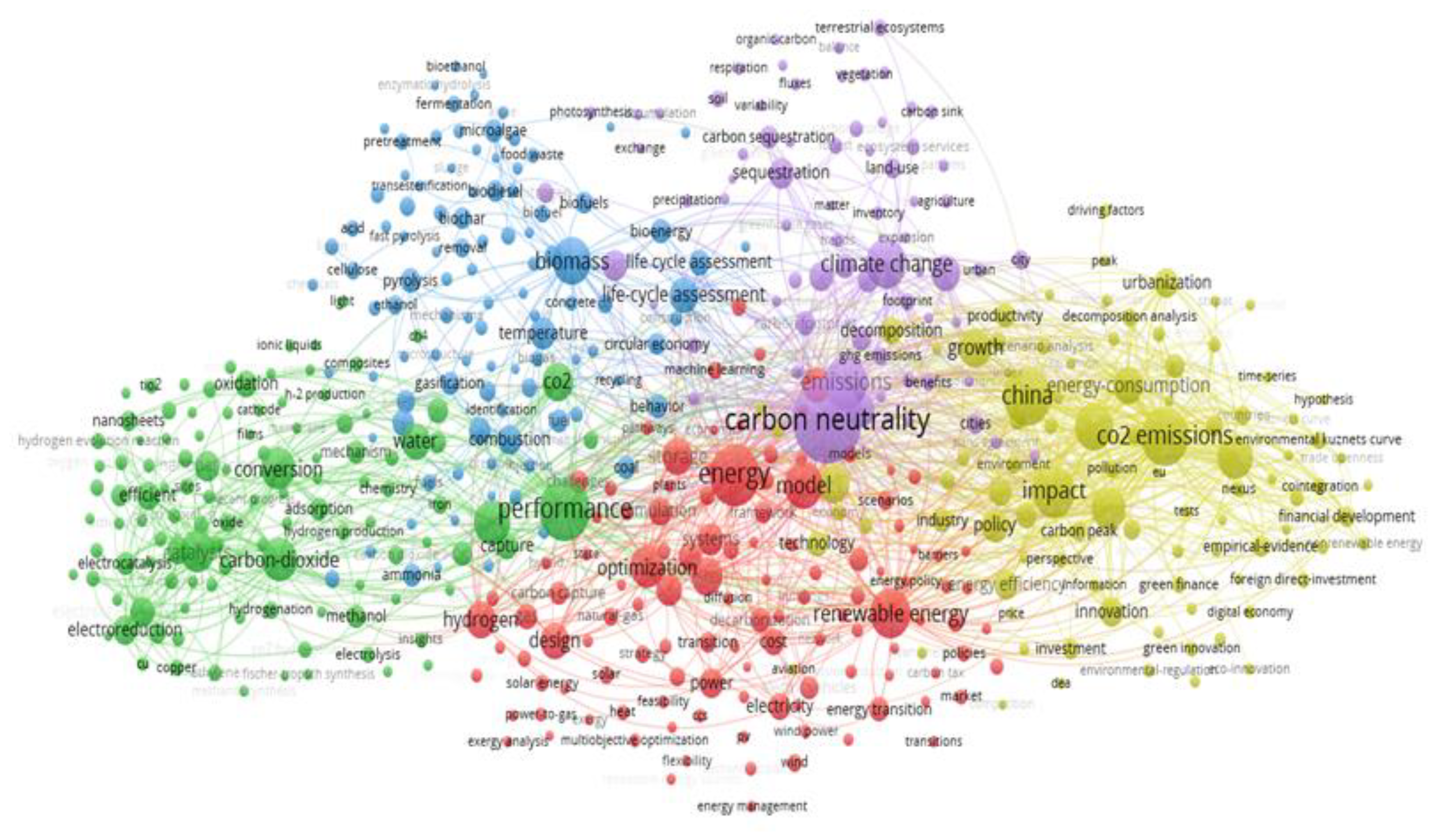
Using VOSviewer software, a keyword clustering analysis was conducted on all retrieved papers, and the results are shown in Figure 3, in conjunction with current research reviews[38]. Based on a general overview, current research is primarily divided into five themes: carbon neutrality research utilizing biofuels and hydrogen; research on energy transformation, energy utilization, energy efficiency, and renewable energy; global climate change research; research on carbon footprint, carbon cost, and carbon effect evaluation; and policy and management research. If categorized into technological and policy pathways, the technological pathway mainly includes new energy research and carbon footprint-related research, while the policy pathway encompasses legal regulations, local action plans, industry and corporate carbon neutrality constraints and incentives, community and individual encouragement policies, and policy system reviews etc.
Although the current research presents different five themes, with a primary focus on the technological pathway, a joint involvement of both technological and policy research pathways has been established. The knowledge production mode 3, which aims at the public welfare of knowledge, requires support from interdisciplinary and transdisciplinary knowledge clusters. This also implies that carbon neutrality research under the theoretical framework of knowledge production mode 3 not only needs the technological consortium based on discipline in the framework of knowledge production mode 1 but also needs to build a knowledge production discipline cluster that includes policy capital and cultural capital to leverage the agglomeration effect of knowledge.
In Figure 3, the dense connections between research themes reflect that research in the field of carbon neutrality has already shown the characteristics of a multiform, multi-entity innovative ecosystem as advocated by the knowledge production mode 3.
Figure 3.
Keyword clustering analysis on carbon neutrality.
4. Analysis of Interdisciplinary Collaboration Characteristics in Carbon Neutrality Research
4.1. Interdisciplinary Collaborative Papers Account for 55.72% of the Total Number of Papers, and There Is a Positive Correlation between the Number of Disciplines Involved in a Paper's Collaboration and the Paper's Impact
Given that some papers do not have clear annotations or lack annotations for their secondary institutions, it is impossible to determine whether their authors come from different disciplines. Therefore, this data was excluded. The final number of papers included in the cooperation evaluation was 10,333, of which interdisciplinary collaborative papers accounted for 5,758, representing 55.72%. The majority of these collaborations were between 2 to 3 disciplines, accounting for 31.92% and 15.01% respectively (Figure 4). The analysis revealed that from 2007 to 2015, the proportion of interdisciplinary collaborative papers fluctuated, which is related to the relatively low number of papers published during these years. Starting from the signing of the Paris Agreement in 2015 to 2018, the proportion of interdisciplinary collaborative papers in both natural science and social science papers began to increase. Since 2019, the proportion of interdisciplinary collaborative papers in both natural science and social science has been steadily increasing, gradually reaching 60%. This indicates that after a period of exploration, both the natural science and social science fields are more inclined towards multidisciplinary cooperation, and the mode of paper production in the field of carbon neutrality is gradually shifting from "little science" to "big science." The analysis also found that the number of collaborating disciplines is concentrated between 2 to 4, and within this range, the higher the number of collaborating disciplines, the greater the proportion of highly cited papers, meaning the higher the probability of becoming highly cited papers in the future (Figure 5).
4.2. Social Science Papers and Natural Science Papers Cite Each Other, Indicating That Interdisciplinary Knowledge Clusters Are Forming in Certain Thematic Areas of Carbon Neutrality Research
Upon further analysis of interdisciplinary collaborative papers, it is found that another form of interdisciplinary cooperation is the mutual citation between social science papers and natural science papers. The research from both fields is integrating through citation relationships, becoming a trend in interdisciplinary cooperation. Citation analysis reveals that among the 2196 SSCI papers retrieved, there are 18,942 SCIE papers cited in their reference lists, mainly concentrated in disciplines related to the environment, energy, and green sustainable technology (as shown in the grey area of Table 1). Considering the limitations of the database's citation analysis function on the number of papers, a citation analysis was conducted on 9,075 SCIE papers from 2021 to 2024, and there were 8,445 SSCI papers cited in their reference lists, mainly in disciplines such as environmental studies, environmental science, and green sustainable technology (as shown in the grey area of Table 2). The natural sciences and social sciences contribute reference value to each other in carbon neutrality research, indicating that a transdisciplinary knowledge cluster is forming in certain thematic areas of carbon neutrality research. In fact, interdisciplinary research in carbon neutrality knowledge production has already attracted the attention of scientists from various countries. For instance, the TAME-BC project planned by Liina Tõnisson and others launched an interdisciplinary approach in 2019, combining natural sciences, health sciences, and social sciences to address the long-standing air pollution issues in the Manila metropolitan area [39]. Gao Jie and colleagues conducted a comparative analysis of carbon neutrality policies and the keywords of carbon neutrality research papers, reflecting an emphasis on the knowledge production model that integrates technological and policy pathways[40].
5. Analysis of the Collaborative Characteristics of Authors, Institutions, and Countries as Knowledge Production Entities in Carbon Neutrality Research
5.1. In Terms of Author Collaboration, Papers with a Single Author Account for Only 4%, while the Vast Majority of Papers are Completed through Collaboration among Multiple Authors, with the Highest Proportion of Papers Being the Result of Collaborations Involving 2 to 6 Authors
Regarding research on "carbon neutrality," the results of the author collaboration in papers are shown in Figure 6. There are very few non-collaborative papers, which only account for 4% of the total number of papers. Collaborative papers amount to 10,981, representing 95.79% of the total number of papers. Most of these papers are the result of collaborations between 2 to 6 authors, with the highest number being collaborations of 4 authors. The paper with the most authors involves 73 co-authors and is titled "The 2022 China report of the Lancet Countdown on health and climate change: leveraging climate actions for healthy ageing" (2023, LANCET PUBLIC HEALTH, IF=50). Authors can come from the same institution, the same country, and the same discipline, or they can come from different institutions, different countries, and different disciplines. Author collaboration is an important foundation for collaboration between institutions, between countries, and between disciplines. The analysis shows that collaboration is very common in the field of carbon neutrality research.
5.2. Institution Collaborative Papers Account for 77% of the Total Number of Papers, Primarily Involving Collaborations between 2 to 3 Institutions
Based on the statistics from the secondary affiliations of authors, there are 8,851 papers with two (including two) or more institutions involved, which constitutes 77% of the total number of published papers. The majority of these papers are collaborations between 2 to 3 institutions. The paper with the highest number of collaborating institutions has been completed in cooperation with 45 institutions. Figure 7 shows the number of papers corresponding to the number of collaborating institutions. It can be seen that multi-institution collaboration has become the main mode of paper production in the field of carbon neutrality. To further promote research on carbon neutrality, a large number of specialized carbon neutrality research institutions have been established in various countries [41], It is anticipated that in the future, institutional collaborations in the field of carbon neutrality research will become increasingly frequent, not just at the secondary institution level but also at the primary institution level. Institutional cooperation can break the internal cycles of institutions, incorporate external new forces, and is crucial for enhancing research capabilities and filling knowledge gaps, which can effectively promote interdisciplinary collaboration.
5.3. China, the United States, South Korea, the United Kingdom, and Japan Are the Main Forces in the Field of Carbon Neutrality Research. These Countries Have Close Cooperation, but the Number of Collaborative Papers among These Countries only Accounts for 28% of All Papers
Using VOSviewer software for a cluster analysis of the countries producing papers, Figure 8 shows the results, where each node represents a country, the size of the node indicates the volume of publications by the country, and the thickness of the lines between countries represents the closeness of their cooperation—the thicker the line, the closer the cooperation. The cluster map clearly reflects that the countries with the most publications are China, the United States, South Korea, the United Kingdom, Japan, Germany, and Australia, in that order. The interwoven, dense connections between countries also show that cooperation has transcended geographical distance limitations. China, with the highest volume of publications, collaborates with the United States, the United Kingdom, Australia, Japan, Pakistan, Canada, Germany, and Singapore. The United States, with the second-highest volume of publications, also collaborates with countries such as China, the United Kingdom, Germany, and Denmark. Figure 9 reflects the correspondence between the number of cooperative countries and the number of papers, as well as the proportion of all papers. Although carbon neutrality is a field of research involving global common interests and international cooperation is the most effective way to solve global problems, the Figure shows that only 28% of papers in the field of carbon neutrality are the result of international cooperation, indicating that international collaboration is not frequent enough. In recent years, in response to the issue of carbon neutrality, countries have made efforts, especially in terms of policy consultation and communication, but further strengthening of scientific research cooperation is needed.
6. Comprehensive Evaluation of Collaborative Research Status in the Field of Carbon Neutrality and Analysis of Its Relationship with High-Impact Papers
6.1. Constructing a Comprehensive Evaluation Model for the State of Collaborative Research in Papers
Regarding the effectiveness of scientific collaboration, Gu et al. proposed a data-driven framework for assessing the state of collaboration within research teams [42]. Although the model they constructed is mainly aimed at internal collaboration within research teams, their research has indeed achieved a quantitative evaluation of team collaboration status through a data model. The research object of this study is not the internal cooperation situation of a certain research team, but to evaluate the cooperation status of a single paper. We construct a quantitative evaluation model for carbon neutrality scientific research cooperation by four dimensions: author collaboration, institutional collaboration, disciplinary collaboration, and national collaboration:
F =α1 F1 +α2 F2 +α3 F3 +α4 F4
In this model, F represents the comprehensive score of the collaborative state, F1 represents the standardized score of the number of authors of a paper, reflecting the state of collaboration among authors; F2represents the standardized score of the number of secondary institutions of the authors, reflecting the state of collaboration among institutions; F3 represents the standardized score of the number of countries (regions) of the authors, reflecting the transnational collaborative state of the paper; F4 represents the standardized score of the number of disciplines to which the authors' institutions belong, reflecting the interdisciplinary collaborative state of the paper. α1, α2, α3, and α4 represent the weights of different dimensions of collaboration in the comprehensive collaborative evaluation score.
During the construction of the model, the Analytic Hierarchy Process (AHP) is used to determine the weights. The importance of the four dimensions of collaboration is compared pairwise, with equal importance being scaled as 1; slightly more important as 3; significantly more important as 5; much more important as 7; and extremely important as 9;intermediate values for two adjacent judgments are 2, 4, 6, 8. A weight evaluation questionnaire was distributed to 16 experts and scholars from renowned universities at home and abroad, and the weight matrix was established using the geometric mean, as shown in Table 3:
Matrix Calculation Results:α1=0.18、α2=0.21、α3=0.21、α4=0.4。Therefore, the collaboration status evaluation model is:
F =0.18 F1 +0.21F2 +0.21F3 +0.4F4
The model indicates that in terms of collaborative research status, institutional collaboration and international collaboration are considered equally important, with a weight of 0.21, while the weight for author collaboration is slightly lower, at 0.18. Interdisciplinary collaboration is regarded as the most important, with a weight of 0.4. This suggests that experts and scholars in the field of carbon neutrality place great emphasis on collaboration between disciplines, advocating for the transcendence of artificially created disciplinary barriers to create an interdisciplinary and transdisciplinary knowledge production system. The collaborative philosophy of scientists in this field will promote the research in the field of carbon neutrality to gradually present the collaborative state proposed by Mode 3 of knowledge production. This study calculated the standardized score for each dimension of collaboration and substituted them into the collaboration status evaluation model to calculate the comprehensive collaboration status score for each paper.
6.2. The Collaborative Research Status of Papers Published in Different Years and Belonging to Different ESI Disciplines
6.2.1. The Average Comprehensive Evaluation Score of the Collaborative Research Status Has Been Increasing Year by Year, and since 2014, it Has Basically Maintained a Collaborative State of More Than 8 Points
The analysis shows the temporal trend of the average annual comprehensive collaboration score (F) for papers (Figure 10). It can be observed that the collaboration score fluctuated in the initial years and then began to steadily increase after 2011. Since 2018, it has consistently maintained a collaboration state above 9 points. This indicates that, over time, collaborative research on carbon neutrality has increasingly gained the attention of researchers.
6.2.2. Papers in the Field of Carbon Neutrality Are Distributed across Multiple ESI Disciplines, and the Average Collaboration Status Scores of Papers in Different Disciplines Vary
According to the ESI discipline classification, we conducted a comprehensive evaluation analysis of the collaborative state of the disciplines involved in the field of carbon neutrality research papers, and the results can be seen in Table 4. It can be observed that the engineering disciplines, environmental/ecological disciplines, chemistry, and materials science have a high volume of publications, and these four fields are mainly involved in the technological pathways of carbon neutrality. Their collaborative states are essentially at the same level. The social sciences, economics, and management disciplines have a lower volume of publications compared to the natural science fields, and their collaborative state scores are also lower than those of the technological disciplines. The other disciplines have fewer publications, with biotechnology, plant and animal science, and agricultural sciences having the same level of comprehensive collaboration scores. It is evident that different disciplines have distinct collaborative states, which may be related to the research style of the knowledge producers and the research objectives. If the research topic relies on a knowledge base and problems that can only be solved through collaboration, it tends to be more collaborative. From Table 4, it can be seen that among the top 10 disciplines with the highest volume of publications in carbon neutrality research, the comprehensive collaborative state evaluation scores (F) are divided into four levels, from high to low: the first level is Earth Sciences and Biology & Biochemistry, the second level is Materials Science, Agricultural Sciences, and Plant & Animal Science, the third level is Engineering, Chemistry, Environmental/Ecological Sciences, and Social Sciences, and the fourth level is Economics & Business. In carbon neutrality research, the disciplines with the highest volume of publications are Engineering, Environmental/Ecological Sciences, Chemistry, Materials Science, and Social Sciences. These disciplines have a collaborative state of level 2-3. As research on carbon neutrality becomes more in-depth and widespread, the collaborative state is expected to improve, after all, carbon neutrality research is a global issue closely related to human life that needs to be addressed collectively.
6.3. Analysis of the Relationship between Collaborative Research Status and High-Impact Papers
Generally speaking, the higher the impact of a paper, the more it will facilitate the global dissemination of knowledge, accelerate the generation of more knowledge, and thus jointly promote the realization of carbon neutrality from both technical and policy perspectives. Based on this, this paper will use the characteristics of highly cited papers, the Category Normalized Citation Impact (CNCI), and the impact factor of the journal in which the paper is published as analysis indicators to analyze the relationship between the collaborative research status score and the impact of the paper.
6.3.1. The Probability of Becoming a Highly Cited Paper in the Future Is Significantly Positively Correlated with the Comprehensive Score of the Paper's Collaborative Research Status
Highly cited papers are an important indicator of the impact of a paper, which takes into account the influence of the subject and the time of publication on the frequency of citations. It refers to papers that rank in the top 1% of citation frequency in the same subject and published in the same year globally. In this study, the probability of becoming a highly cited paper in the future is used as the dependent variable, and the comprehensive score of the collaborative research status is used as the independent variable to examine the relationship between the two. For the convenience of the study, we treat the comprehensive score of the collaborative research status as an integer, so that papers with similar scores are merged into one group. Then, we examine the proportion of highly cited papers in each group relative to the total number of papers in that group, using this proportion to represent the probability of the paper becoming a highly cited paper in the future. The results are shown in Figure 11, where it can be seen that the probability of becoming a highly cited paper in the future is significantly positively correlated with the comprehensive score of the collaborative research status. Therefore, it can be considered that papers with a higher comprehensive score of collaborative research status are more likely to become highly cited papers in the future.
6.3.2. The Category Normalized Citation Impact (CNCI) of a Paper Is Significantly Positively Correlated with the Comprehensive Score of the Paper's Collaborative Research Status
The Category Normalized Citation Impact (CNCI) of a paper is the ratio of the actual number of citations of the same type, category, and year of publication to the expected number of citations. If this ratio is greater than 1, the paper's citation performance is above average. The higher the CNCI value, the better the paper's citation performance. For the convenience of the study, we also rounded the comprehensive score of the collaborative research status to the nearest integer, merging papers with similar scores into one group. We then examined the relationship between the average CNCI of each group and the comprehensive score of the collaborative research status. To more clearly illustrate the issue, we excluded the collaborative research status scores with fewer than 100 publications and also excluded papers with missing CNCI values from the analysis. The number of papers involved in the analysis was 8,894. The results, as shown in Figure 12, indicate a significant positive correlation between the average CNCI and the comprehensive score of the collaborative research status.
6.3.3. Analysis of the Relationship between Collaborative Research Status in Natural Science and Social Science Fields and Journal Impact Factor
Based on the publication volume of journals, this paper selects journals in the engineering category of the natural science field (Figure 13) and the general social science category of the social science field (Figure 14) according to the ESI discipline classification for comparative analysis. It can be observed that in the research papers in the field of carbon neutrality, in the natural science field, there is a significant positive correlation between the average score of the paper's collaborative state and the impact factor of the journal to which it belongs. However, this feature is not obvious in the social science field.
7. Analysis of the Participation of Governments, Enterprises, and the Public as Knowledge Producers in the Field of Carbon Neutrality Research
Governments, universities, enterprises, and the public are the driving mechanisms for advancing Mode 3 of knowledge production. Collaborative efforts among these entities are key to achieving carbon neutrality. Typically, the majority of research papers are attributed to universities or specific research institutions, so the involvement of governments and enterprises is not reflected in the author affiliations of papers. However, in reality, governments, enterprises, and the public make significant but subtle contributions to the output of scientific papers. Some studies have specifically examined the influence and role of governments in the formulation of policies related to energy, construction, and carbon neutrality [43,44,45,46]. There is also literature that specifically studies the relationship between the public, government, and research institutions [47]. Wang, Liping, et al. conducted scenario experiments based on the public's response to heterogeneous environmental policies, taking into account interest claims, implementation costs, and commitment mechanisms [48]. Wang, Bo, et al. explored the public's attention and emotions towards carbon neutrality from the perspective of social psychology [49]. These studies indicate that the support of governments and the participation of the public have already been valued by researchers in the knowledge production process of the carbon neutrality field.
7.1. Governments and Enterprises Have Both Provided Certain Support for Research in the Field of Carbon Neutrality. Analyzing Solely from the Perspective of Funding Sources, the Level of Government Support Exceeds That of Enterprises
This study only analyzed the support of governments and enterprises for paper production in the field of carbon neutrality from the perspective of paper funding and institutional affiliations. Among the 11,464 papers retrieved, 8,684 were funded, accounting for 77%. Table 5 is a list of the funding situation for funds that have supported more than 100 papers. It can be seen that the support from governments for research funding is quite substantial, with the top 10 all being government-funded support, especially the Chinese government's funding support for carbon neutrality knowledge production is the greatest. Compared with governments, the situation of corporate funding support is too small to be reflected in the ranking of paper output. The involvement of enterprises in carbon neutrality research can also be seen from the institutional affiliations of the papers. Table 6 is the top ten situation of enterprises as cooperative units participating in carbon neutrality research in the paper's affiliations, and the first-ranked enterprise only participated in 91 papers. Among all enterprises participating in knowledge production, Chinese enterprises have the largest proportion, and most of them are state-owned enterprises. However, as mentioned earlier, the support of governments and enterprises cannot be fully reflected in the paper's information, so this study only reflects the support of governments and enterprises from one aspect.
7.2. The Public's Collaborative Research on Carbon Neutrality Focuses on Policy, Energy, and Carbon Emissions, but Overall Participation Is Not High Enough
Carbon neutrality is a global issue closely related to the lives of people around the world. The construction of an innovative ecosystem for carbon neutrality cannot be separated from public participation. The public's involvement in the production process of scientific papers, like government participation, will not be reflected in the author's affiliations. In this study, we analyzed and searched the abstracts of papers; if the abstracts contained words such as "questionnaire," "interview*," "consult," "public," "news," "consumer," "poll," etc., we considered that there was public involvement in the production process of the paper. After a secondary search of the abstracts, a total of 734 papers were retrieved, accounting for only 6.42% of the total number of papers. Overall, the level of public participation is not high. Using VOSviewer software for keyword clustering analysis of these papers (see Figure 15), it was found that public participation mainly focuses on research related to policy, energy, and carbon emissions, and is mostly passive, lacking active involvement. In addition to allowing the public to receive knowledge products in the field of carbon neutrality, we also need the public to participate more extensively in scientific research. Holt points out, "We need the public to be more involved in guiding and supervising science, and we also need the public to apply scientific thinking more in public affairs, which requires joint action by the public and the scientific community."[50]
5. Conclusions and Prospects
- 1)
- Globally, there is an increasing focus on research related to carbon neutrality. The number of scientific research papers, as one form of knowledge expression, is growing significantly each year. The research topics are primarily centered on technological pathways but are gradually showing a trend where both technological and policy pathways are jointly involved.
- 2)
- In the process of paper production in the field of carbon neutrality, author collaboration and institutional collaboration are already very common, with 96% of papers being completed through collaboration among multiple authors and 77% of papers being the result of collaboration among multiple institutions. Cross-country collaboration is still relatively weak, with only 28% of papers being the product of collaboration among multiple countries, and this is concentrated in countries with higher publication volumes, such as China, the United States, the United Kingdom, South Korea, Japan, and Australia. 56% of papers are completed through interdisciplinary collaboration. In addition, mutual citation between papers in different disciplines, especially between papers in the natural science and social science fields, is another form of interdisciplinary integration.
- 3)
- Based on a survey of some experts and scholars in the field of carbon neutrality, a comprehensive evaluation model for the state of paper collaboration was established, consisting of four dimensions: author collaboration, institutional collaboration, national collaboration, and disciplinary collaboration, with the highest weight given to disciplinary collaboration at 40%. Based on this model, the collaboration score of papers was calculated, and it was found that papers from different disciplines and different journals show varying degrees of collaboration. In the field of natural sciences, there is a significant positive correlation between the comprehensive score of collaboration status and the impact of papers, but in the field of social sciences, no obvious correlation was found between the two.
- 4)
- Governments, enterprises, and the public, as the main bodies of knowledge production, have different levels of involvement in carbon neutrality research. The government's participation is mainly reflected in the funding of scientific research, and the enterprise's participation is reflected in the institutions affiliated with the papers, but the level of participation needs to be improved. Although the public also participates in carbon neutrality research, the level of participation is not high, mainly concentrated in research related to policy, energy, and carbon emissions, and is mostly passive.
In summary, from the perspective of Mode 3 of knowledge production theory, a multi-level and multi-form collaborative situation has begun to emerge in carbon neutrality research, and an interdisciplinary and transdisciplinary knowledge production innovation system is taking shape. However, carbon neutrality research also faces certain challenges, specifically:
- -
- Collaborative research across natural and social sciences in carbon neutrality has begun, but further research is needed on how to integrate cooperation between the two fields and extend research findings from the realms of science and policy to carbon-neutral lifestyle practices.
- -
- International cooperation is mostly limited to countries such as China, the United States, South Korea, the United Kingdom, Japan, Germany, and Australia, with the involvement of other countries still requiring enhancement.
- -
- Existing research on carbon neutrality is primarily concentrated on technological pathways, with a deficiency in the study of policy pathways.
- -
- Enterprises and the public have begun to participate in carbon neutrality research but have yet to play a central role.
This study also has certain limitations. The analysis was only conducted on the production model of research papers as a form of knowledge in carbon neutrality research, and it is generally macroscopic and phenomenological. A more in-depth and detailed analysis of the collaboration mechanisms of high-level teams is needed; the reasons why 4% of the papers are solely authored without collaboration, whether due to individual author factors or discipline culture, also merit further exploration; and the definition of government, enterprise, and public participation in carbon neutrality research also needs to be refined.
Author Contributions
Conceptualization, writing—original draft preparation, Yifang, Tu; Liping, huo and Yanli, Sun; review, Jia, Li. All authors have read and agreed to the published version of the manuscript.
Data Availability Statement
Not applicable.
Acknowledgments
The authors would like to sincerely thank Academician Tu Shan-Tung (East China University of Science and Technology) for his very valuable advice; The authors would like to sincerely thank Huang Shao-bo(Director of Risk Management of China Telecom Bestpay Co.,Ltd) and Jiang Min(Director of Clinical Data Management of Shanghai Meisi Medical Technology Co., Ltd.) for their support.
Conflicts of Interest
The authors declare no conflicts of interest.
References
- He, R.; Luo, L.; Shamsuddin, A.; Tang, Q. L., Corporate carbon accounting: a literature review of carbon accounting research from the Kyoto Protocol to the Paris Agreement. Account . Financ. 2022, 62, (1), 261-298. [CrossRef]. [CrossRef]
- zhenfei, D. P. s. j. d., Small science, big science. World science society: 1982; p 77.
- Fan, J. L.; Shen, S.; Wang, J. D.; Wei, S. J.; Zhang, X.; Zhong, P.; Wang, H., Scientific and technological power and international cooperation in the field of natural hazards: a bibliometric analysis. Nat. Hazards 2020, 102, (3), 807-827. [CrossRef] . [CrossRef]
- Qingwen Wang, T. C., Peiwen Deng., Medicine-Engineering Interdisciplinary Research Based on Bibliometric Analysis: A Case Study on Medicine-Engineering Institutional Cooperation of Shanghai Jiao Tong University. Shanghai Jiao Tong Univ. (Sci.) 2023, 28, (6), 16. [CrossRef]. [CrossRef]
- Gómez, I.; Fernández, M. T.; Sebastián, J., Analysis of the structure of international scientific cooperation networks through bibliometric indicators. Scientometrics 1999, 44, (3), 441-457. [CrossRef] . [CrossRef]
- Glänzel, W.; Schubert, A.; Czerwon, H. J., A bibliometric analysis of international scientific cooperation of the European Union (1985-1995). Scientometrics 1999, 45, (2), 185-202. [CrossRef] . [CrossRef]
- Bozeman, B.; Gaughan, M., How do men and women differ in research collaborations? An analysis of the collaborative motives and strategies of academic researchers. Res. Policy 2011, 40, (10), 1393-1402. [CrossRef] . [CrossRef]
- Owusu-Nimo, F.; Boshoff, N., Research collaboration in Ghana: patterns, motives and roles. Scientometrics 2017, 110, (3), 1099-1121. [CrossRef] . [CrossRef]
- Wang, G. F.; Shi, R.; Cheng, W.; Gao, L. H.; Huang, X. K., Bibliometric Analysis for Carbon Neutrality with Hotspots, Frontiers, and Emerging Trends between 1991 and 2022. Int. J. Environ. Res. Public Health 2023, 20, (2), 23. [CrossRef] . [CrossRef]
- Sean Ritchie, E. T., Trends in carbon capture technologies: a bibliometric analysis. Carbon Neutrality 2022, 36. [CrossRef].
- Zhang, Q.; Xiao, Y. M.; Liu, Y. T.; Deng, T. Q.; Li, Z. H.; Li, R., Visualizing the intellectual structure and evolution of carbon neutrality research: a bibliometric analysis. Environ. Sci. Pollut. Res. 2023, 30, (30), 75838-75862. [CrossRef] . [CrossRef]
- Di Lallo, G.; Chiriacò, M. V.; Tarasova, E.; Köhl, M.; Perugini, L., The land sector in the low carbon emission strategies in the European Union: role and future expectations. Clim. Policy 2023, 15. [CrossRef] . [CrossRef]
- Zhang, H. Z.; Zhang, J. F.; Pai, C. H., Promoting carbon neutrality and green growth through cultural industry financing. Hum. Soc. Sci. Commun. 2024, 11, (1), 8. [CrossRef] . [CrossRef]
- Smead, R.; Sandler, R. L.; Forber, P.; Basl, J., A bargaining game analysis of international climate negotiations. Nat. Clim. Chang. 2014, 4, (6), 442-445. [CrossRef].
- Ciano, T., Ferrara, M., Gangemi, M., Merenda, D.S., Pansera, B.A., Climate change sustainability: from bargaining to cooperative balanced approach. Games 2021, 12, (2). [CrossRef] . [CrossRef]
- Buck, M.; Sturzaker, J.; Mell, I., Playing games around climate change - new ways of working to develop climate change resilience. J. Environ. Plan. Manag. 2022, 65, (13), 2538-2555. [CrossRef] . [CrossRef]
- Císcar, J. C.; Soria, A., Prospective analysis of beyond Kyoto climate policy:: a sequential game framework. Energy Policy 2002, 30, (15), 1327-1335. [CrossRef] . [CrossRef]
- Dai, F.; Kahrl, F.; Gordon, J. A.; Perron, J.; Chen, Z. A.; Liu, Z.; Yu, Y.; Zhu, B. Q.; Xie, Y. X.; Yuan, Y.; Hu, Y. F.; Wu, Y. L., US-China coordination on carbon neutrality: an analytical framework. Clim. Policy 2023, 23, (7), 929-943. [CrossRef].
- Cai, W.; Zhang, C.; Zhang, S.; Bai, Y.; Callaghan, M.; Chang, N.; Chen, B.; Chen, H.; Cheng, L.; Cui, X.; Dai, H.; Danna, B.; Dong, W.; Fan, W.; Fang, X.; Gao, T.; Geng, Y.; Guan, D.; Hu, Y.; Hua, J.; Huang, C.; Huang, H.; Huang, J.; Jiang, L.; Jiang, Q.; Jiang, X.; Jin, H.; Kiesewetter, G.; Liang, L.; Lin, B.; Lin, H.; Liu, H.; Liu, Q.; Liu, T.; Liu, X.; Liu, X.; Liu, Z.; Liu, Z.; Lou, S.; Lu, C.; Luo, Z.; Meng, W.; Miao, H.; Ren, C.; Romanello, M.; Schopp, W.; Su, J.; Tang, X.; Wang, C.; Wang, Q.; Warnecke, L.; Wen, S.; Winiwarter, W.; Xie, Y.; Xu, B.; Yan, Y.; Yang, X.; Yao, F.; Yu, L.; Yuan, J.; Zeng, Y.; Zhang, J.; Zhang, L.; Zhang, R.; Zhang, S.; Zhang, S.; Zhao, Q.; Zheng, D.; Zhou, H.; Zhou, J.; Fung, M. F. C.; Luo, Y.; Gong, P., The 2022 China report of the Lancet Countdown on health and climate change: leveraging climate actions for healthy ageing. Lancet Public Health 2022, 7, (12), e1073-e1090. [CrossRef] . [CrossRef]
- Ziozias, C.; Kontogianni, E.; Anthopoulos, L., Carbon-Neutral City Transformation with Digitization: Guidelines from International Standardization. Energies 2023, 16, (15), 24. [CrossRef] . [CrossRef]
- Chen, X. L.; Di, Q. B.; Liang, C. L., Heading towards carbon neutrality: how do marine carbon sinks serve as important handle for promoting marine ecological civilization construction? Environ. Sci. Pollut. Res. 2024, 31, (8), 11453-11471. [CrossRef] . [CrossRef]
- Chapman, A.; Ertekin, E.; Kubota, M.; Nagao, A.; Bertsch, K.; Macadre, A.; Tsuchiyama, T.; Masamura, T.; Takaki, S.; Komoda, R.; Dadfarnia, M.; Somerday, B.; Staykov, A. T.; Sugimura, J.; Sawae, Y.; Morita, T.; Tanaka, H.; Yagi, K.; Niste, V.; Saravanan, P.; Onitsuka, S.; Yoon, K.-S.; Ogo, S.; Matsushima, T.; Tumen-Ulzii, G.; Klotz, D.; Nguyen, D. H.; Harrington, G.; Adachi, C.; Matsumoto, H.; Kwati, L.; Takahashi, Y.; Kosem, N.; Ishihara, T.; Yamauchi, M.; Saha, B. B.; Islam, M. A.; Miyawaki, J.; Sivasankaran, H.; Kohno, M.; Fujikawa, S.; Selyanchyn, R.; Tsuji, T.; Higashi, Y.; Kirchheim, R.; Sofronis, P., Achieving a Carbon Neutral Future through Advanced Functional Materials and Technologies. Bulletin of the Chemical Society of Japan 2022, 95, (1), 73-103. [CrossRef] . [CrossRef]
- Liu, C. H.; Jiang, S. S.; Zhang, H. F.; Lu, Z. Y.; Desideri, U., China and Italy's Energy Development Trajectories: Current Landscapes and Future Cooperation Potential. Energies 2024, 17, (4). [CrossRef] . [CrossRef]
- Da Zhu, J., Cooperative equilibrium of the China-US-EU climate game. Energy Strategy Reviews 2022, 39. [CrossRef] .
- Cai, W. G., Research on the path of practical cooperation between China and European Union countries under the environment of carbon neutrality and peak carbon dioxide emissions. Front. Ecol. Evol. 2023, 11, 12. [CrossRef] . [CrossRef]
- Fan, W.; Aghabalayev, F.; Ahmad, M., The role of global collaboration in environmental technology development, natural resources, and marine energy generation technologies toward carbon neutrality in knowledge-based economies. Environ. Sci. Pollut. Res. 2023, 30, (30), 75863-75878. [CrossRef] . [CrossRef]
- Liu, Y. F.; Li, L.; Yang, X. Z., The impact of collaborative agglomeration of manufacturing and producer services on carbon emission intensity: Influence mechanism and spatial effect. PLoS One 2023, 18, (12), 26. [CrossRef] . [CrossRef]
- Wang, Q.; Zhang, M.; Jiang, X. T.; Li, R. R., Does the COVID-19 pandemic derail US-China collaboration on carbon neutrality research? A survey. Energy Strategy Reviews 2022, 43, 9. [CrossRef] . [CrossRef]
- Chen, Q.; Zhang, H. Y.; Lau, Y. Y.; Wang, T. N.; Wang, W.; Zhang, G. S., Climate Change, Carbon Peaks, and Carbon Neutralization: A Bibliometric Study from 2006 to 2023. Sustainability 2023, 15, (7), 12. [CrossRef] . [CrossRef]
- Yang, J. J.; Wang, T.; Hu, Y. J.; Deng, Q. Y.; Mo, S., Comparative Analysis of Research Trends and Hotspots of Foreign and Chinese Building Carbon Emissions Based on Bibliometrics. Sustainability 2023, 15, (13), 24. [CrossRef] . [CrossRef]
- Shi, Y. L.; Wang, Z. H.; Zhang, G. J.; Wei, X. Y.; Ma, W. T.; Yu, H. R., Evaluating the Research Status of the Remote Sensing-Mediated Monitoring of Forest Biomass: A Bibliometric Analysis of WOS. Forests 2024, 15, (3), 15. [CrossRef] . [CrossRef]
- Xu, D.; Sun, H. M.; Wang, J.; Wang, N.; Zuo, Y. J.; Mosa, A. A.; Yin, X. Q., Global trends and current advances regarding greenhouse gases in constructed wetlands: A bibliometric-based quantitative review over the last 40 years. Ecol. Eng. 2023, 193, 18. [CrossRef] . [CrossRef]
- Tushar, Q.; Zhang, G. M.; Navaratnam, S.; Bhuiyan, M. A.; Hou, L.; Giustozzi, F., A Review of Evaluative Measures of Carbon-Neutral Buildings: The Bibliometric and Science Mapping Analysis towards Sustainability. Sustainability 2023, 15, (20), 31. [CrossRef] . [CrossRef]
- Gibbons M, L. C., Nowotny H, Schwartzman S, Scott P, Trow M. , The new production of knowledge: the dynamics of science and research in contemporary societies. London: Sage: 1994.
- Carayannis E G , C. D., Mode 3 Knowledge Production in Quadruple Helix Innovation Systems. Springer New York: 2012; p 15.
- Norstrom, A. V.; Cvitanovic, C.; Löf, M. F.; West, S.; Wyborn, C.; Balvanera, P.; Bednarek, A. T.; Bennett, E. M.; Biggs, R.; de Bremond, A.; Campbell, B. M.; Canadell, J. G.; Carpenter, S. R.; Folke, C.; Fulton, E. A.; Gaffney, O.; Gelcich, S.; Jouffray, J. B.; Leach, M.; Le Tissier, M.; Martín-López, B.; Louder, E.; Loutre, M. F.; Meadow, A. M.; Nagendra, H.; Payne, D.; Peterson, G. D.; Reyers, B.; Scholes, R.; Speranza, C. I.; Spierenburg, M.; Stafford-Smith, M.; Tengö, M.; van der Hel, S.; van Putten, I.; Österblom, H., Principles for knowledge co-production in sustainability research. Nat. Sustain. 2020, 3, (3), 182-190. [CrossRef] . [CrossRef]
- huo, c., han,yueji, Measurement and Analysis of Scholar’s Interdisciplinary Collaboration from the Perspective of China’s Discipline Catalogs: A Case Study of Renmin University of China. Information and Documentation Services 2024, 16.
- Zheng, Y.; Li, Z.; Chai, J., Progress and prospects of international carbon peaking and carbon neutral research –based on bibliometric analysis (1991–2022). Frontiers in Energy Research 2023, 11. [CrossRef] . [CrossRef]
- Tonisson, L.; Kunz, Y.; Kecorius, S.; Madueño, L.; Tamayo, E. G.; Casanova, D. M.; Zhao, Q.; Schikowski, T.; Hornidge, A. K.; Wiedensohler, A.; Macke, A., From Transfer to Knowledge Co-Production: A Transdisciplinary Research Approach to Reduce Black Carbon Emissions in Metro Manila, Philippines. Sustainability 2020, 12, (23), 19. [CrossRef] . [CrossRef]
- Gao, J.; Zhang, W.; Yang, C. B. X.; Wang, Q.; Yuan, R.; Wang, R.; Zhang, L. M.; Li, Z. J.; Luo, X. L., A Comparative Study of China's Carbon Neutrality Policy and International Research Keywords under the Background of Decarbonization Plans in China. Sustainability 2023, 15, (17), 23. [CrossRef] . [CrossRef]
- Ren, S. H.; Guo, C. C.; Zhang, Q., Comparative analysis and Enlightenment of carbon neutrality research institutions at home and abroad. Coal economy research 2021, 41, (09), 38-44.
- Pei, Z. G., Framework design based on data-driven for evaluating the efficiency of group collaboration in scientific research teams. J. Supercomput. 2023, 24. [CrossRef].
- Kong, C. M.; Zhang, J. J.; Ntarmah, A. H.; Kong, Y. S.; Zhao, H., Carbon Neutrality in the Middle East and North Africa: The Roles of Renewable Energy, Economic Growth, and Government Effectiveness. Int. J. Environ. Res. Public Health 2022, 19, (17), 24. [CrossRef] . [CrossRef]
- Jia, J. Y.; Huang, Z. Y.; Deng, J. Y.; Hu, F.; Li, L., Government Performance Evaluation in the Context of Carbon Neutrality: Energy-Saving of New Residential Building Projects. Sustainability 2022, 14, (3), 17. [CrossRef] . [CrossRef]
- Tang, D. Z.; Gong, X. Y.; Liu, M. L., The Impact of Government Behaviors on the Transition Towards Carbon Neutrality in the Construction Industry: A Perspective of the Whole Life Cycle of Buildings. Front. Environ. Sci. 2022, 10, 19. [CrossRef] . [CrossRef]
- Zhu, J. H.; Feng, T. W.; Lu, Y.; Xue, R. Z., Optimal government policies for carbon-neutral power battery recycling in electric vehicle industry. Comput. Ind. Eng. 2024, 189, 25. [CrossRef] . [CrossRef]
- He, Y. X.; Zhang, F. X., A game study on the implementation of marine carbon sink fisheries in the context of carbon neutrality- Analysis of the tripartite behavior of fishery practitioners, research institutions, and the government. Mar. Pol. 2023, 147, 14. [CrossRef].
- Wang, L.; Gao, P.; Li, C., Public response to heterogeneous environmental policies: scenario-based experiments from interest appeal, implementation costs, and commitment mechanism. Energy Sources, Part B: Economics, Planning, and Policy 2024, 19, (1). [CrossRef] . [CrossRef]
- Wang, B.; Jiang, Z.; Cheng, D.; Wang, Z., Exploring public attention and sentiment toward carbon neutrality: evidence from Chinese social media Sina Weibo. Front Psychol 2023, 14, 1200824. [CrossRef] . [CrossRef]
- Holt, V. B. R. D., Science The endless frontiers. Citic Group Press: 2021; p 235.
Figure 1.
Research Framework.
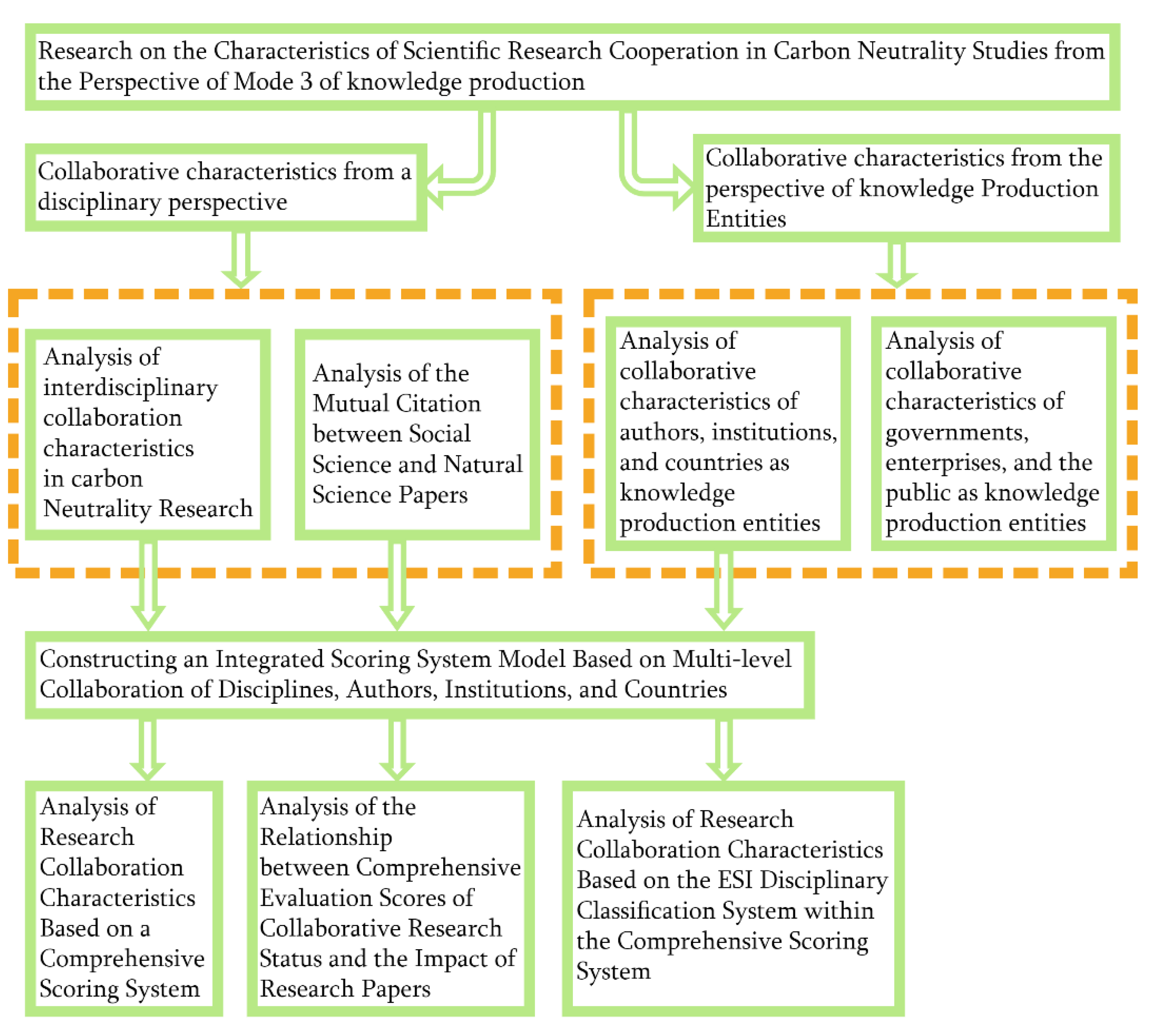
Figure 2.
Annual time trends in publications on carbon neutrality.
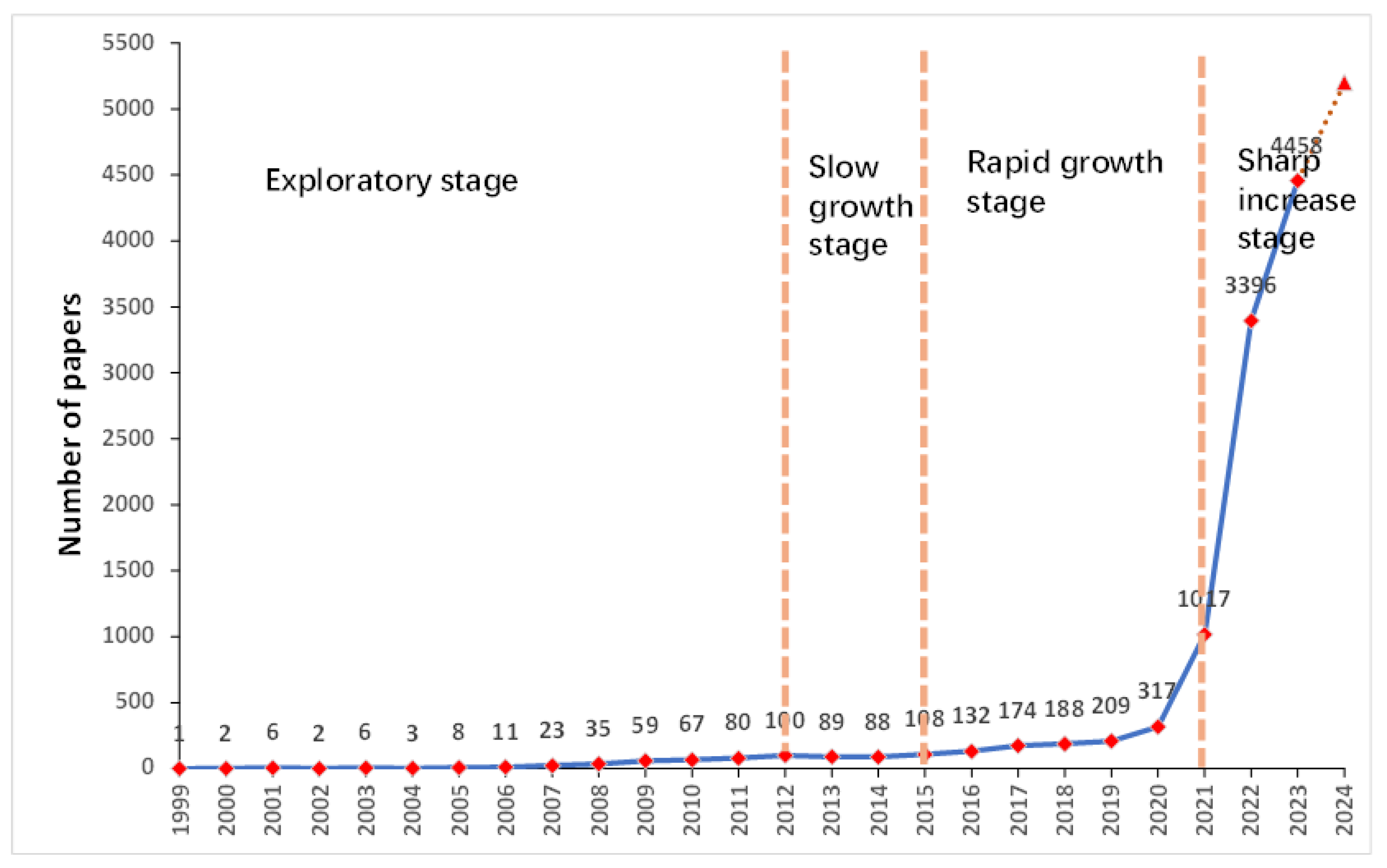
Figure 4.
Annual time trends in proportion of interdisciplinary collaborative papers.
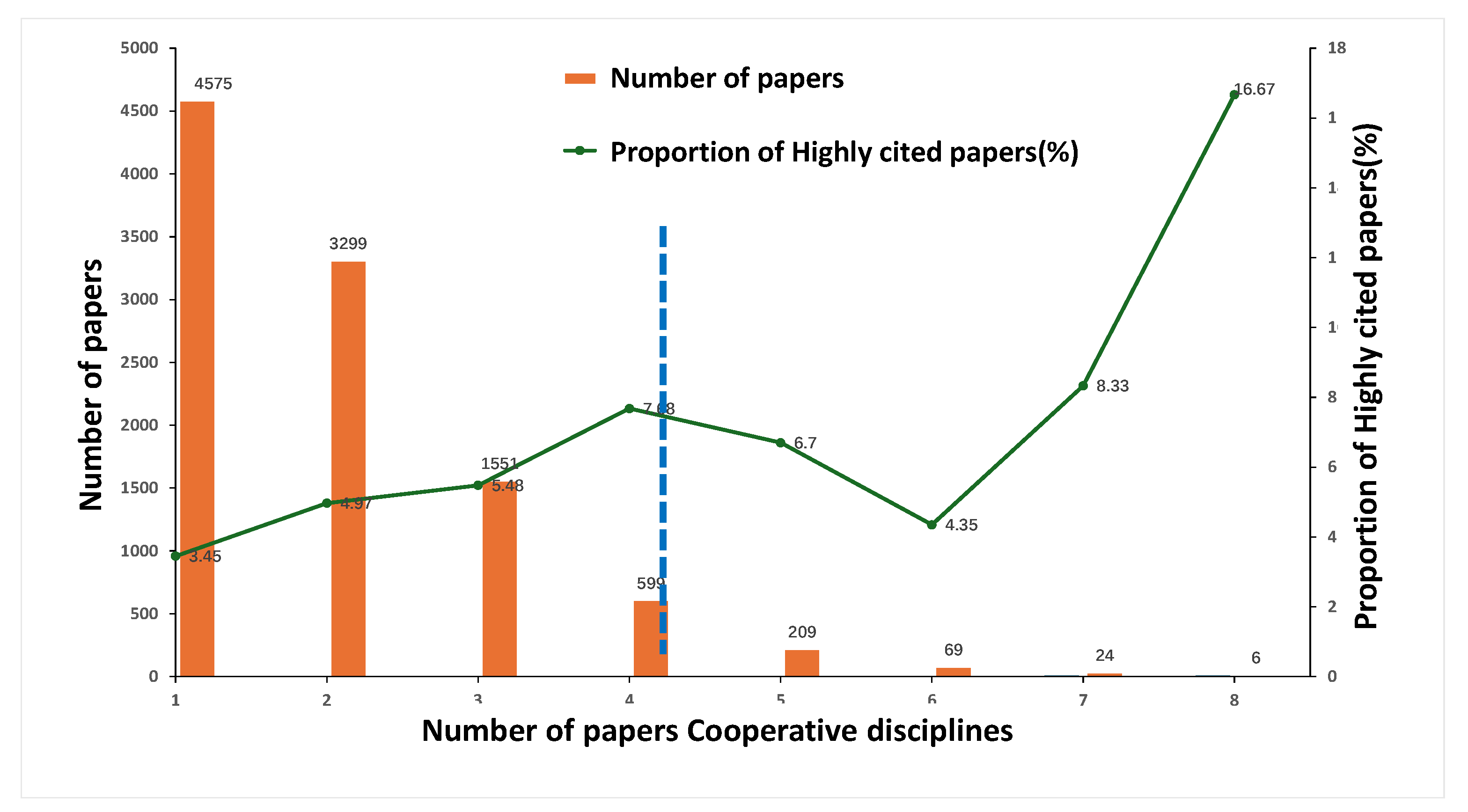
Figure 5.
Interdisciplinary collaboration in the papers on carbon neutrality.
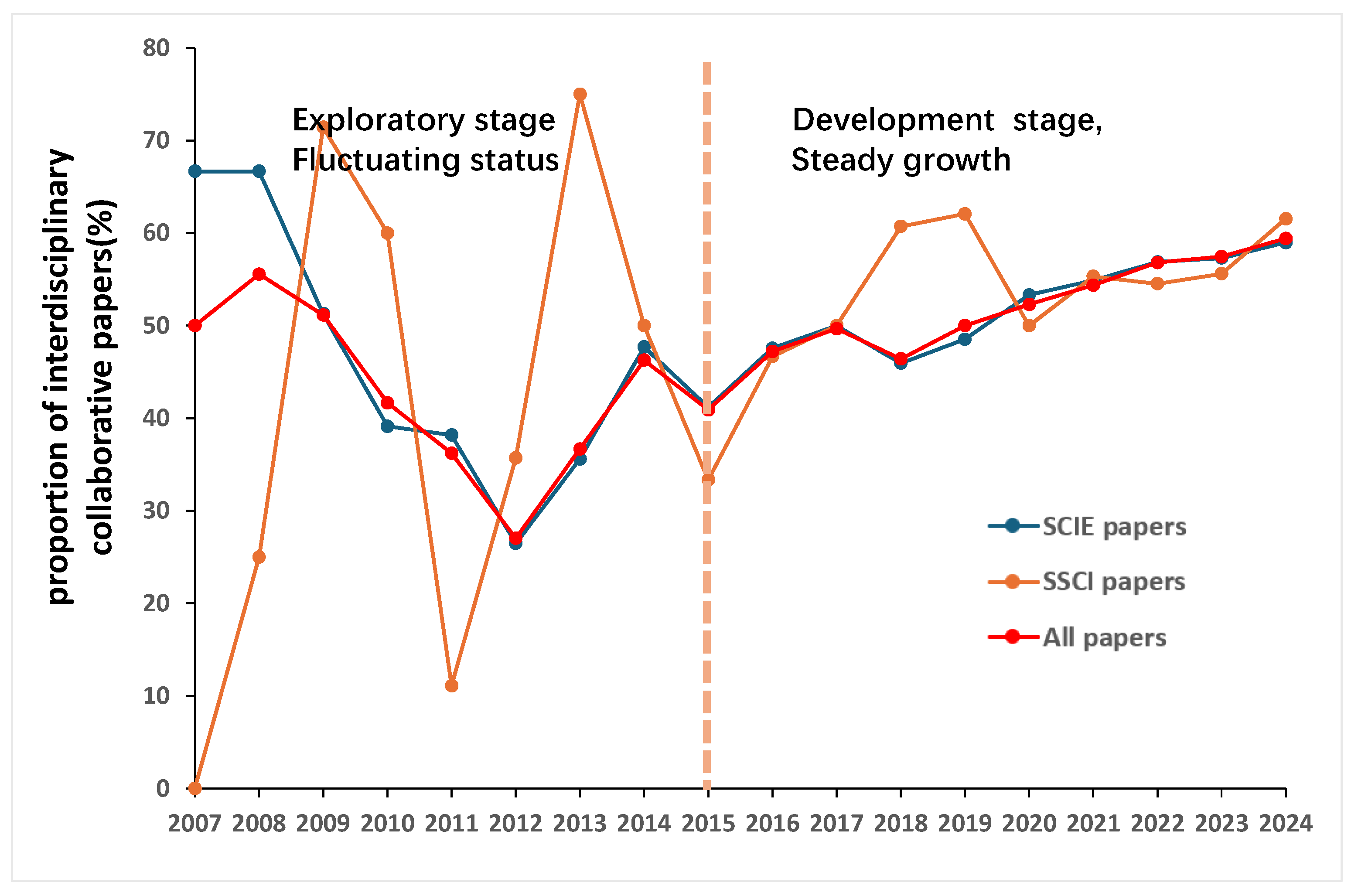
Figure 6.
Authors collaboration in the papers on carbon neutrality.
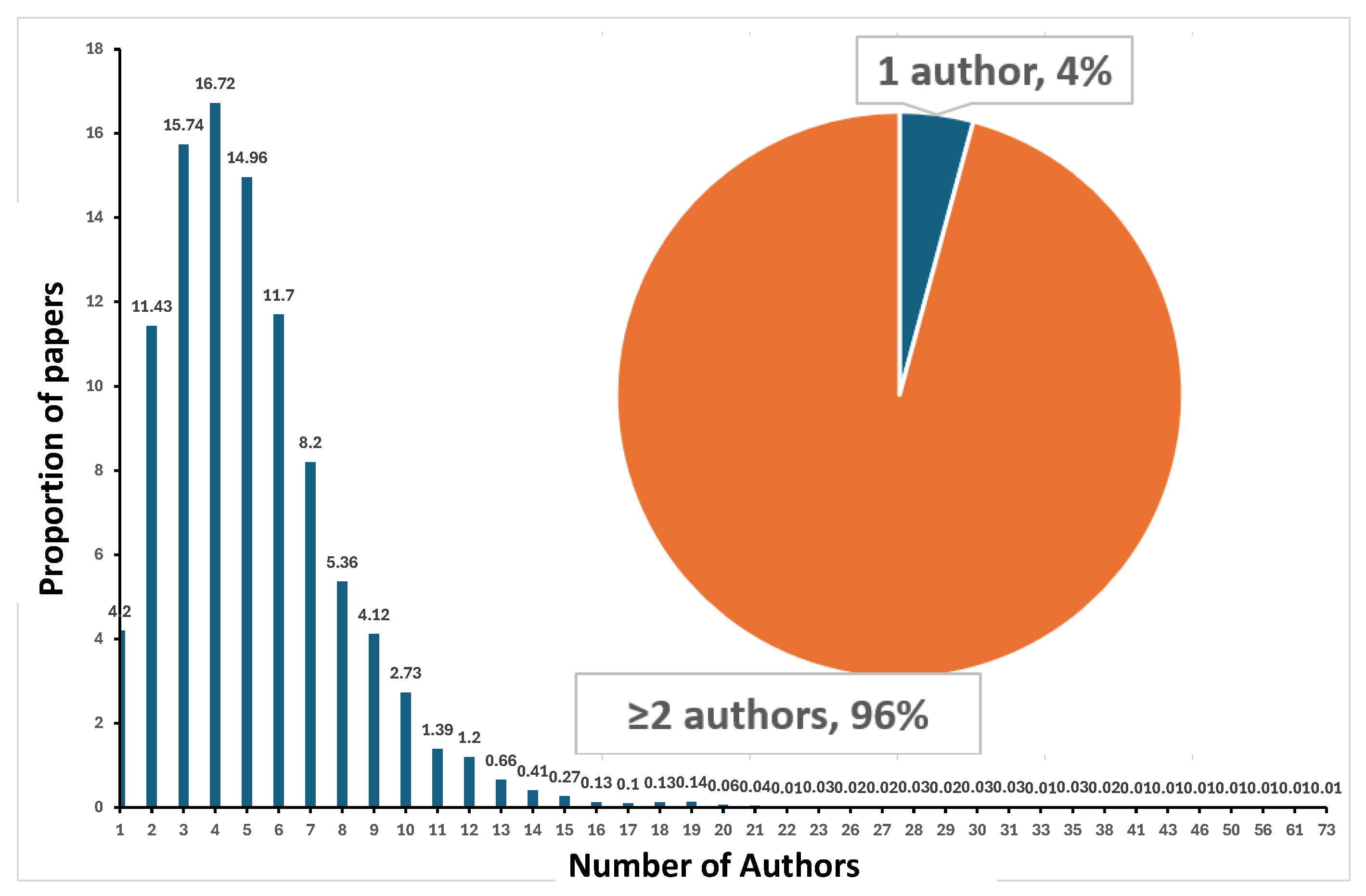
Figure 7.
Affiliations collaboration in the papers on carbon neutrality.
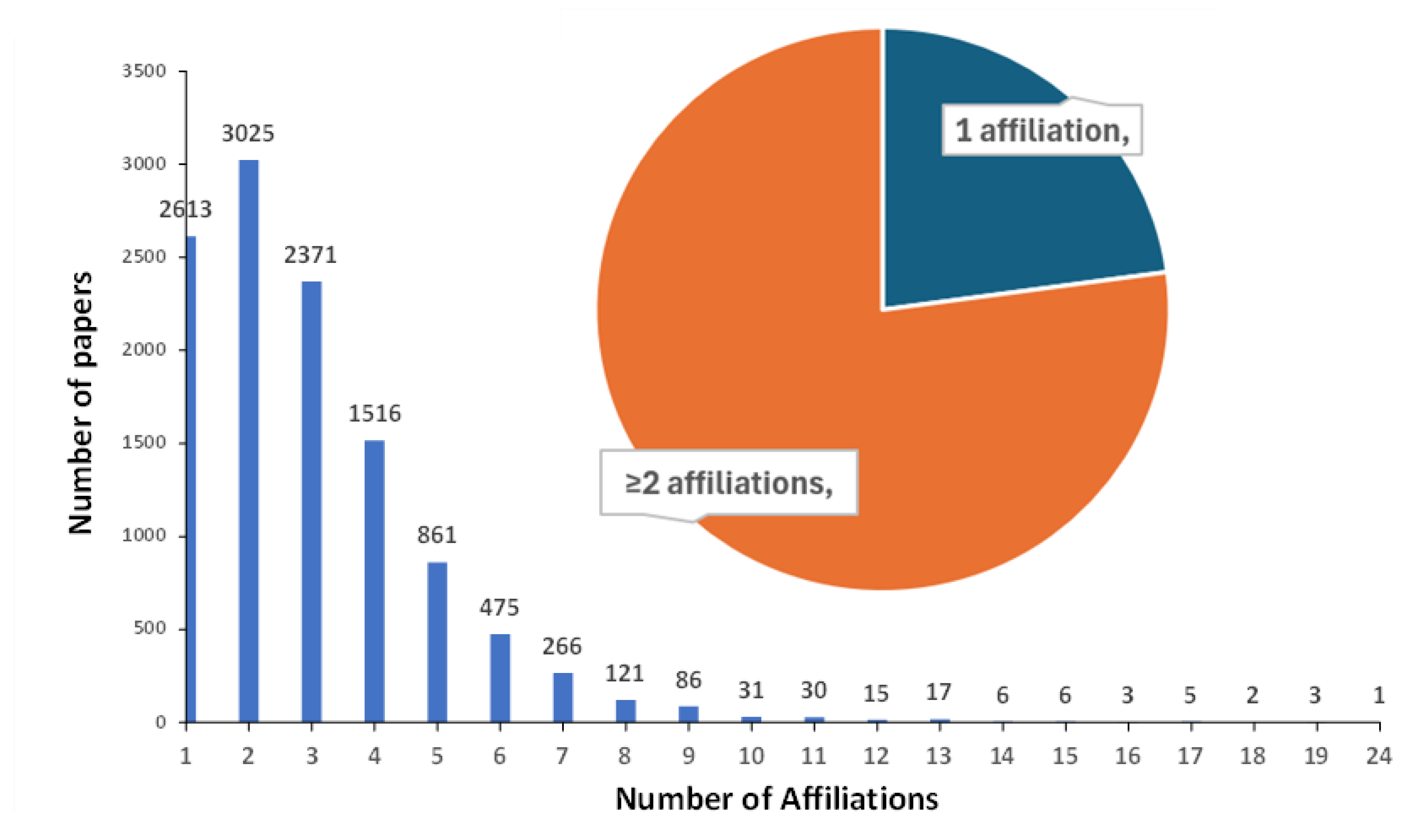
Figure 8.
Countries collaboration in the papers on carbon neutrality.
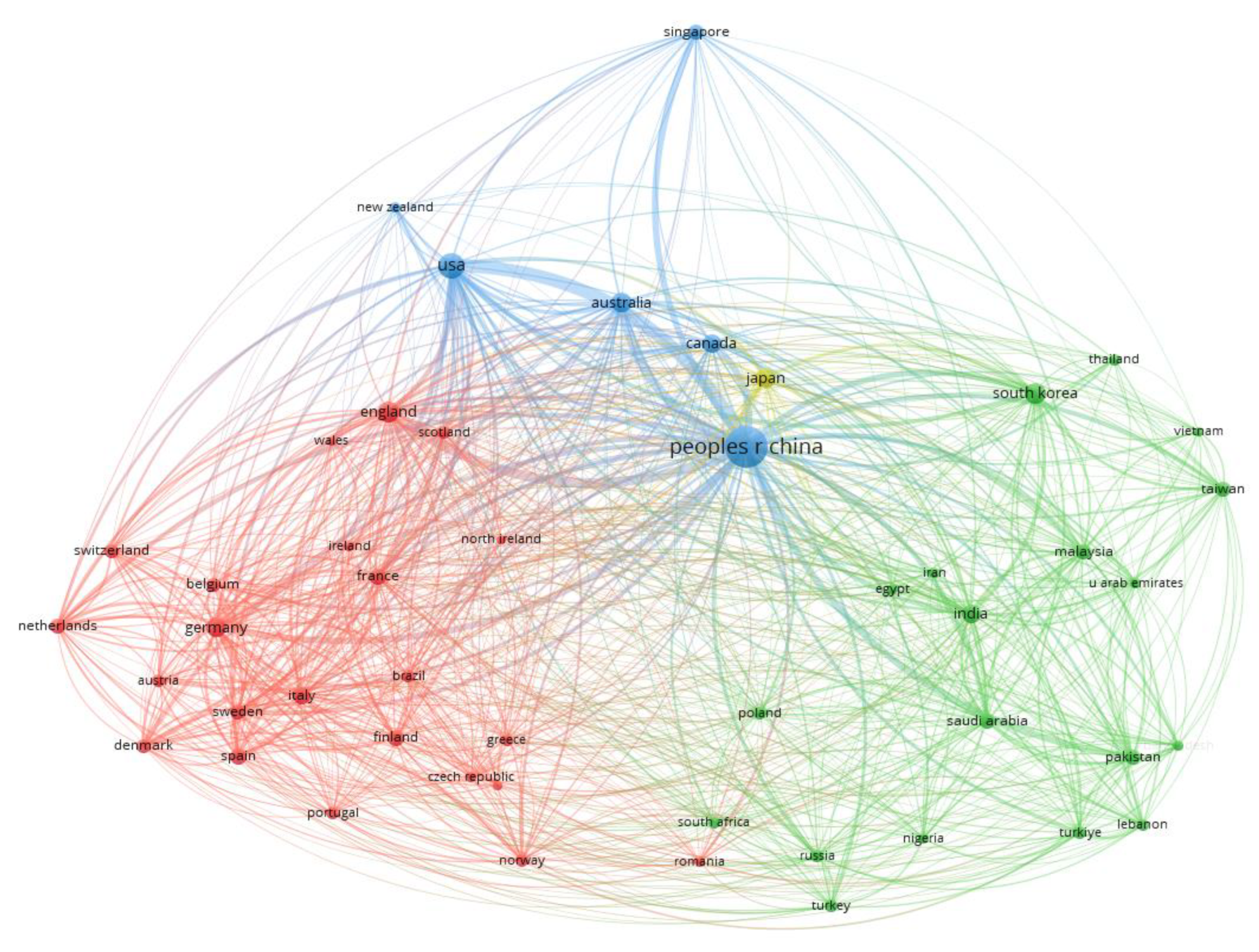
Figure 9.
Countries collaboration in the papers on carbon neutrality.
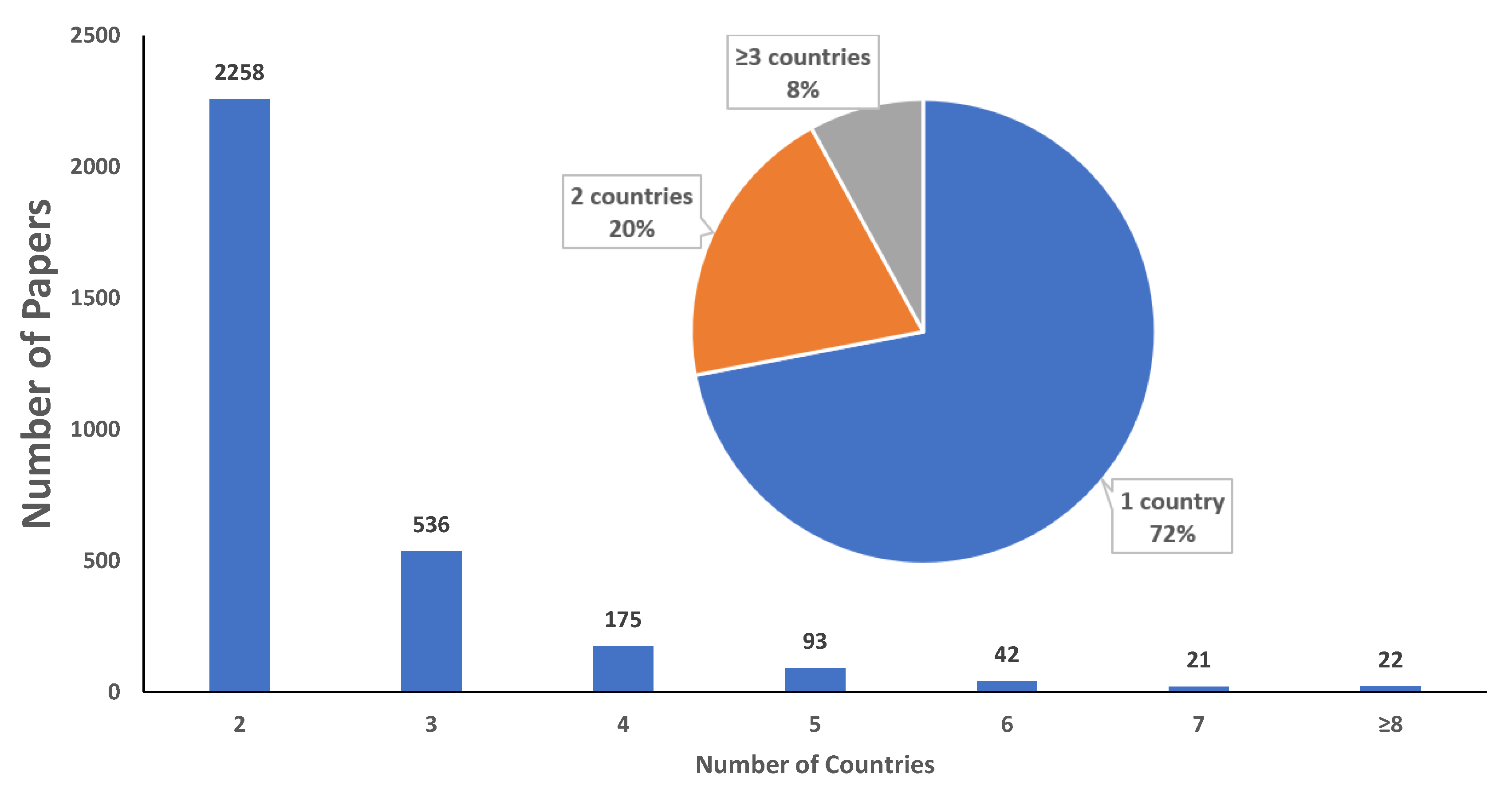
Figure 10.
Annual time trends in Average score of cooperative status evaluation(F).
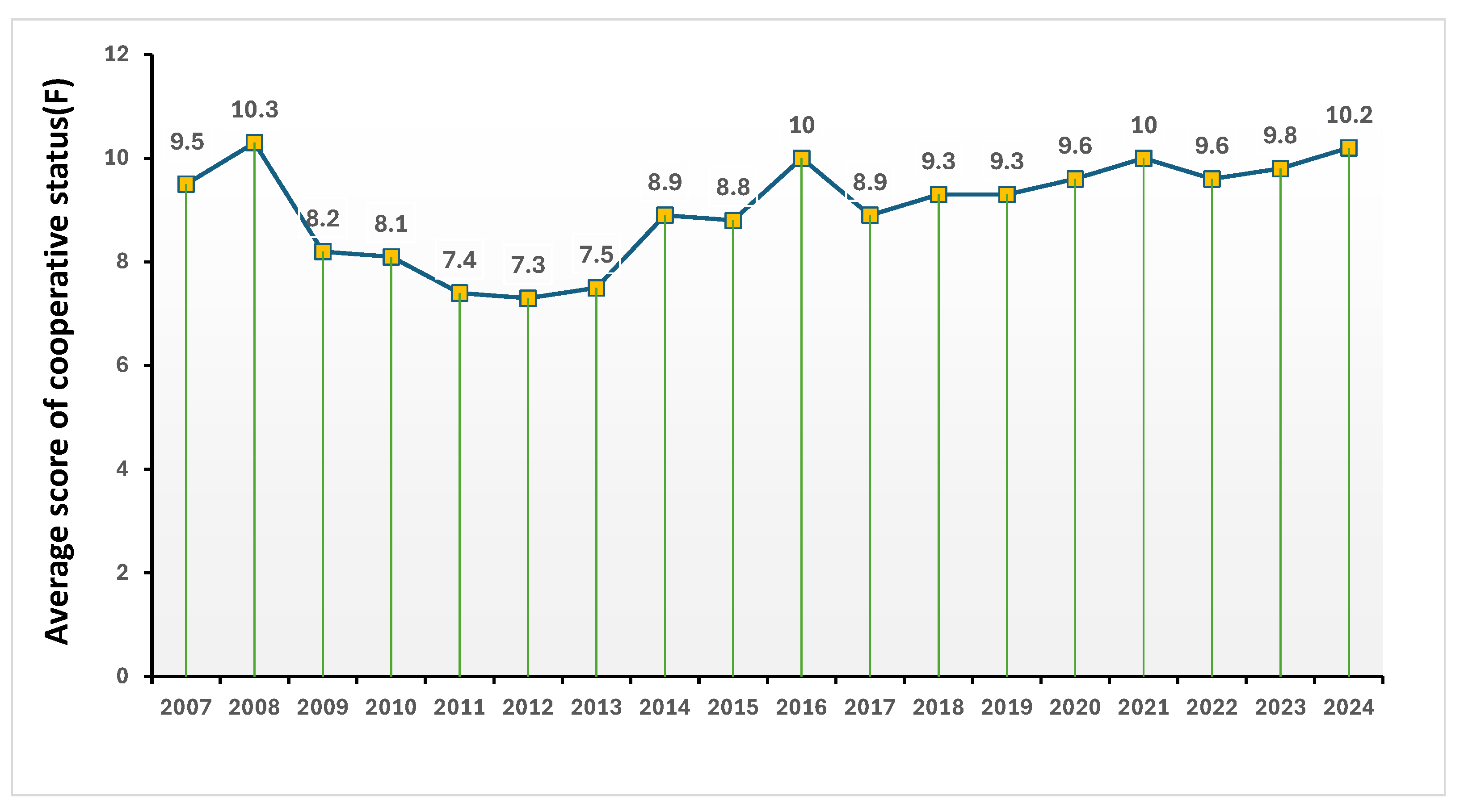
Figure 11.
The relationship between cooperative status score and the proportion of highly cited papers.
Figure 11.
The relationship between cooperative status score and the proportion of highly cited papers.
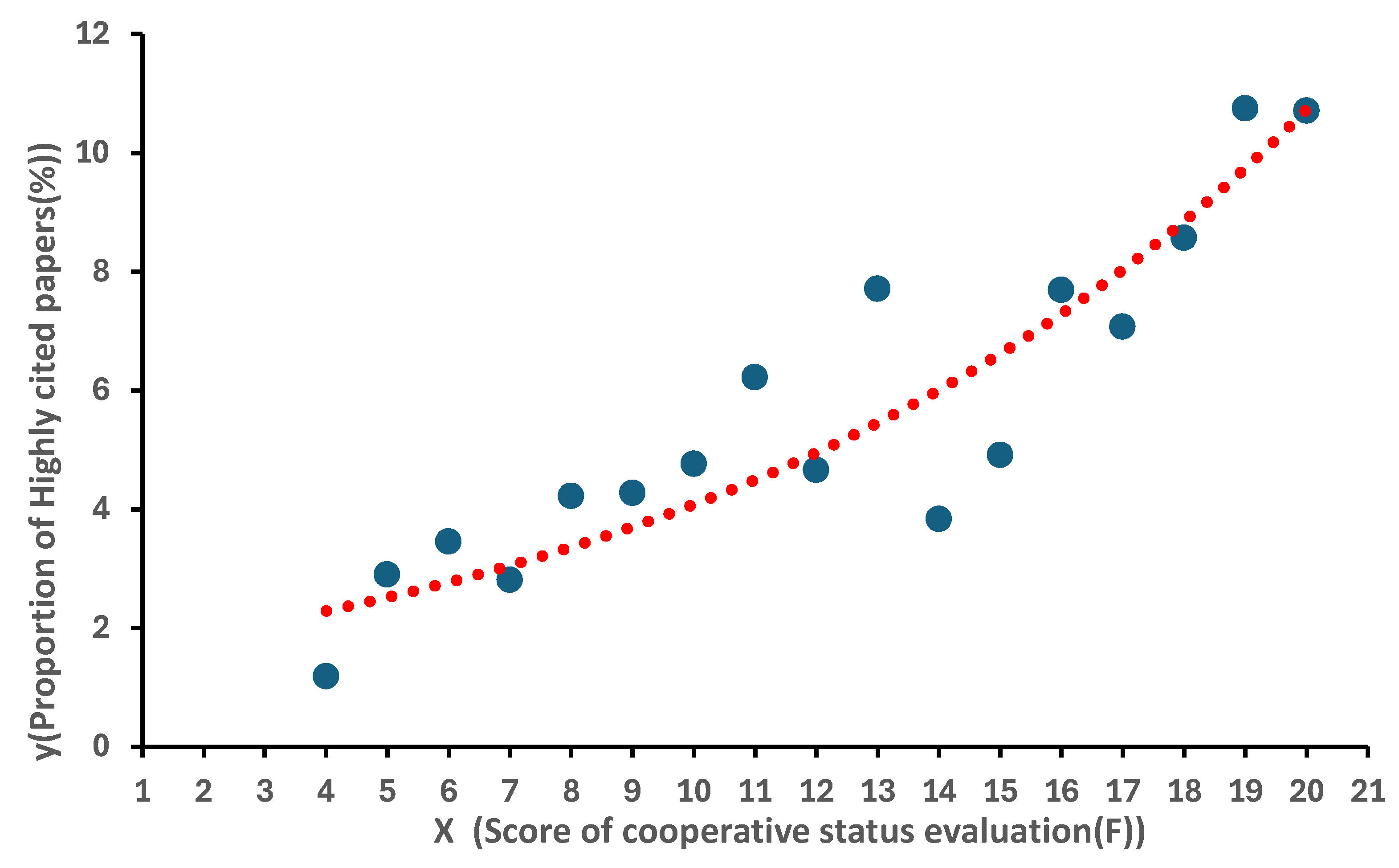
Figure 12.
The Relationship between Cooperative Status Score and the Average Score of CNCI.
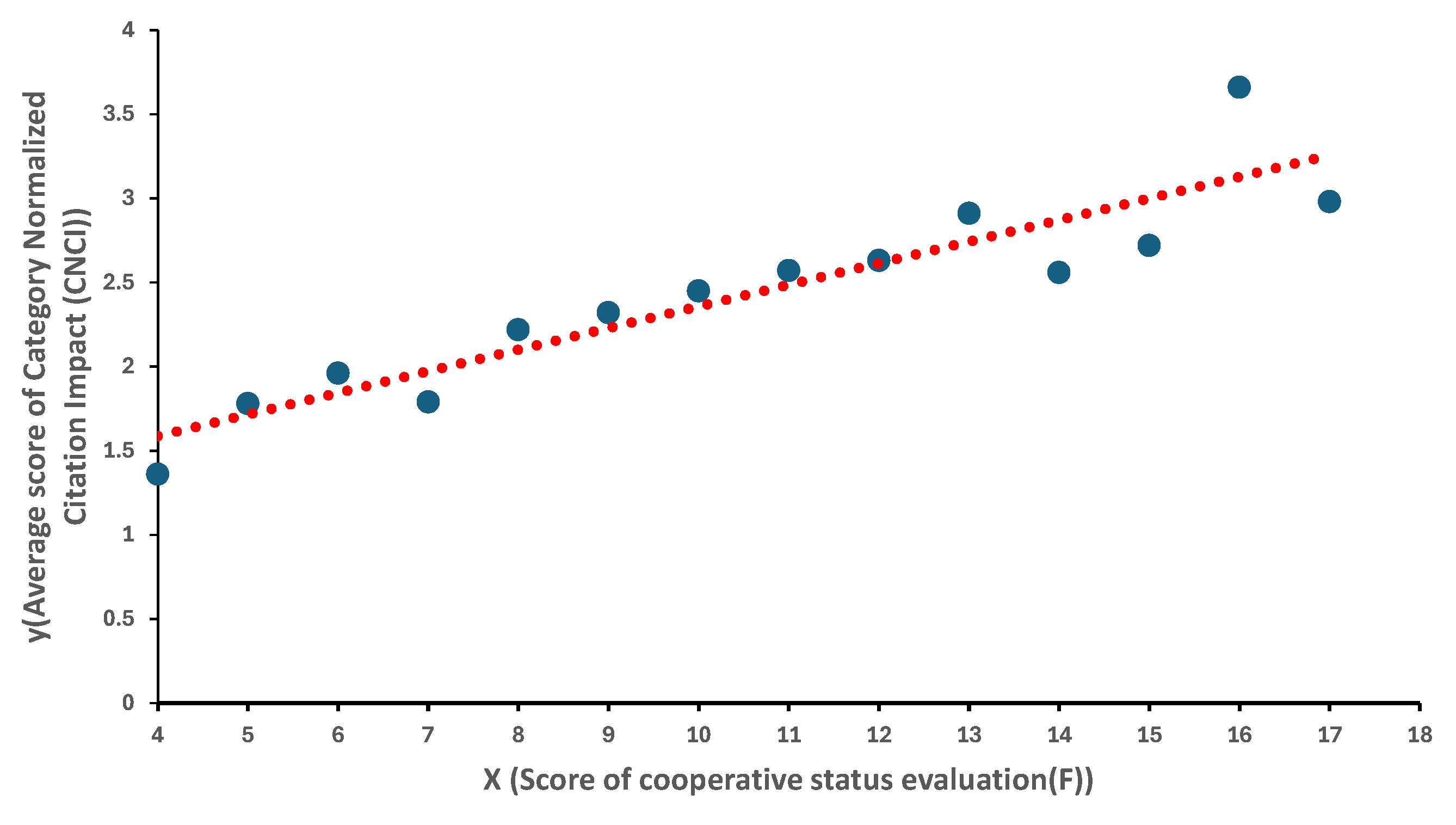
Figure 13.
The relationship between the average score of journal papers cooperation status(F) and journal impact factors in engineering.
Figure 13.
The relationship between the average score of journal papers cooperation status(F) and journal impact factors in engineering.
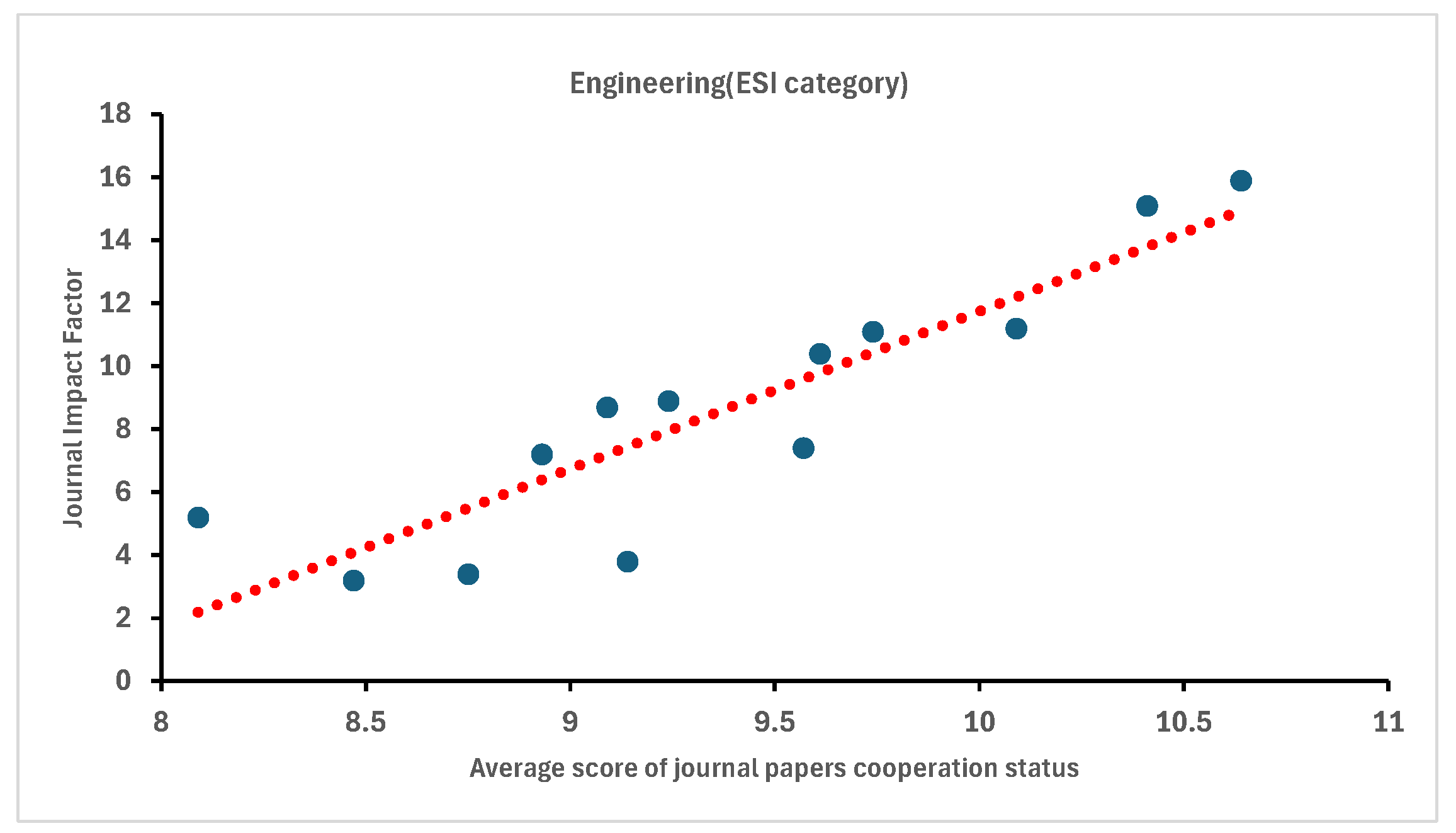
Figure 14.
The relationship between the average score of journal papers cooperation status(F) and journal impact factors in social sciences, general (ESI category).
Figure 14.
The relationship between the average score of journal papers cooperation status(F) and journal impact factors in social sciences, general (ESI category).
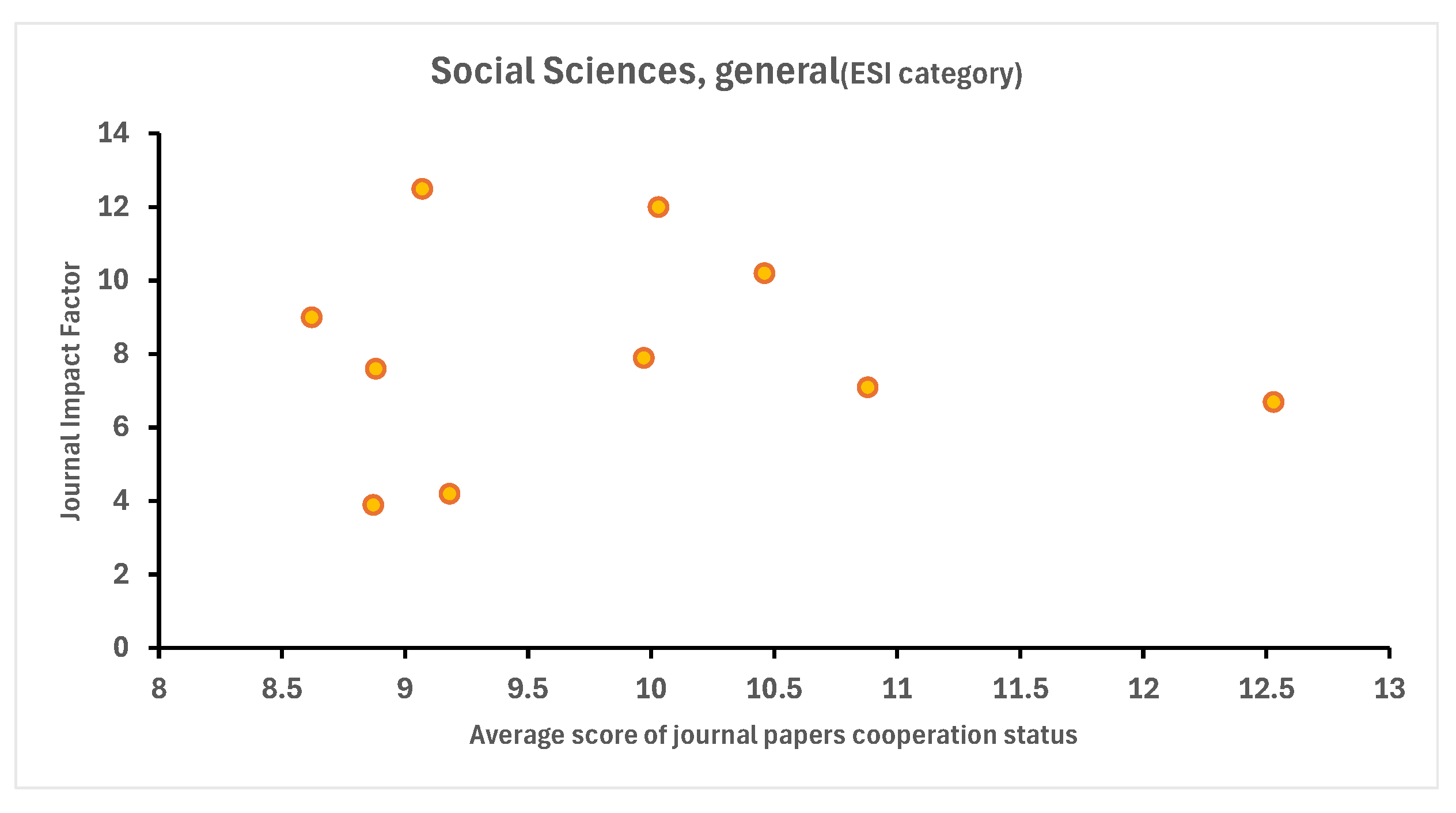
Figure 15.
Topic clustering on papers of public participation.
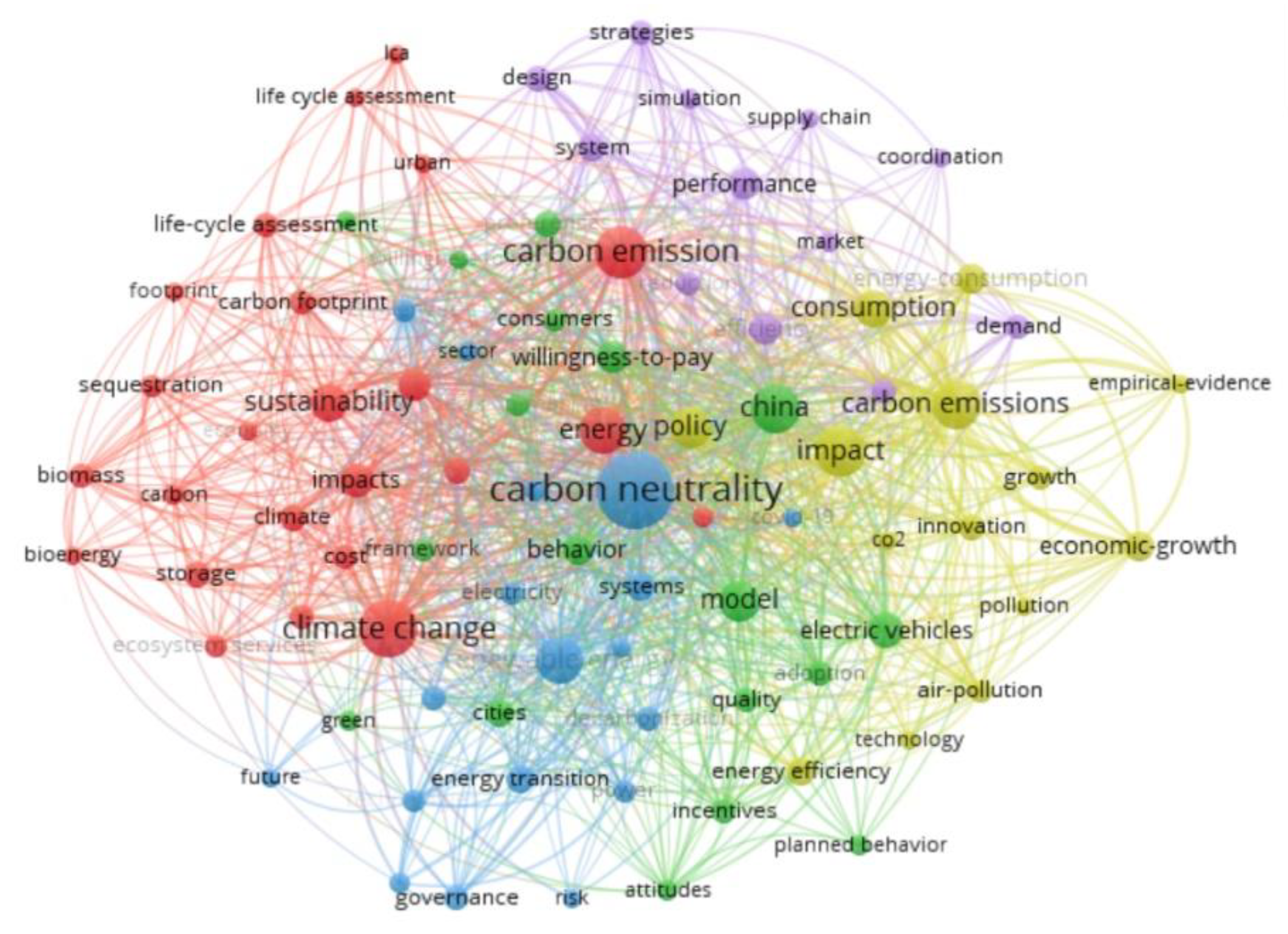

Table 1.
Web of Science categories distribution of SCIE papers citing for SSCI papers.
| Rank | Web of Science categories | Number of papers | Proportion (%) |
| 1 | Environmental Sciences | 8977 | 45.94 |
| 2 | Energy Fuels | 5136 | 26.28 |
| 3 | Green Sustainable Science Technology | 4984 | 25.5 |
| 4 | Environmental Studies | 2931 | 15.00 |
| 5 | Engineering Environmental | 1962 | 10.04 |
| 6 | Engineering Chemical | 1230 | 6.29 |
| 7 | Thermodynamics | 898 | 4.60 |
| 8 | Materials Science Multidisciplinary | 734 | 3.76 |
| 9 | Multidisciplinary Sciences | 707 | 3.62 |
| 10 | Chemistry Physical | 666 | 3.41 |
Table 2.
Web of Science categories distribution of SSCI papers citing for SCIE papers.
| Rank | Web of Science categories | Number of papers | Proportion (%) |
| 1 | Environmental Studies | 5574 | 54.29 |
| 2 | Environmental Sciences | 4381 | 42.67 |
| 3 | Green Sustainable Science Technology | 3598 | 35.04 |
| 4 | Economics | 1474 | 14.36 |
| 5 | Energy Fuels | 992 | 9.66 |
| 6 | Public Environmental Occupational Health | 542 | 5.28 |
| 7 | Business | 481 | 4.68 |
| 8 | Regional Urban Planning | 470 | 4.58 |
| 9 | Management | 439 | 4.28 |
| 10 | Development Studies | 274 | 2.67 |
Table 3.
Scale matrix of Cooperation Importance.
| Author Cooperation | Affiliations Cooperation | Countries Cooperation | Disciplinary cooperation | |
| Author Cooperation | 1 | 6/7 | 4/5 | 1/2 |
| Affiliations Cooperation | 7/6 | 1 | 1 | 1/2 |
| Countries Cooperation | 5/4 | 1 | 1 | 1/2 |
| Disciplinary cooperation | 2 | 2 | 2 | 1 |
Table 4.
Cooperation Status of ESI Categories.
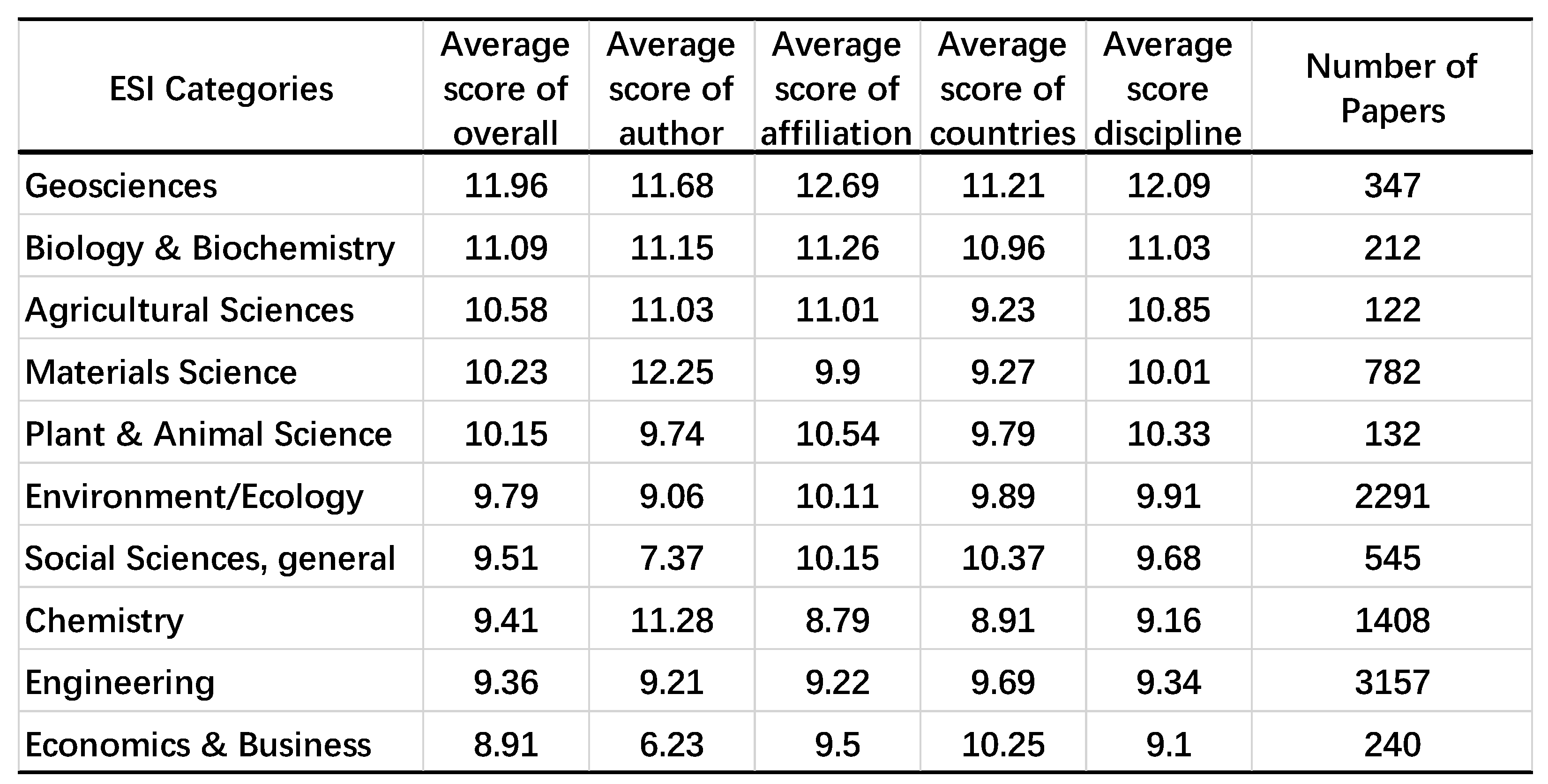 |
Table 5.
Funding Agency Top10.
| Rank | Funding Agency | Country/ Region | Number of papers |
| 1 | National Natural Science Foundation of China Nsfc | CHINA | 3729 |
| 2 | Fundamental Research Funds for The Central Universities | CHINA | 541 |
| 3 | National Key Research and Development Program of China | CHINA | 386 |
| 4 | China Postdoctoral Science Foundation | CHINA | 312 |
| 5 | National Key R D Program of China | CHINA | 261 |
| 6 | National Office of Philosophy And Social Sciences | KOREA | 237 |
| 7 | National Research Foundation of Korea | USA | 218 |
| 8 | United States Department of Energy Doe | EU | 210 |
| 9 | European Union Eu | USA | 207 |
| 10 | National Science Foundation Nsf | JAPAN | 164 |
Table 6.
Top10 Enterprises in Affiliations of papers.
| Rank | Enterprises | Number of papers |
| 1 | State Grid Corporation of China | 92 |
| 2 | Helmholtz Association | 84 |
| 3 | China National Petroleum Corporation | 55 |
| 4 | Egyptian Knowledge Bank Ekb | 39 |
| 5 | CEA | 30 |
| 6 | Sinopec | 27 |
| 7 | China Southern Power Grid | 19 |
| 8 | Fraunhofer Gesellschaft | 16 |
| 9 | Ec Jrc Ispra Site | 15 |
| 10 | Inrae | 15 |
Disclaimer/Publisher’s Note: The statements, opinions and data contained in all publications are solely those of the individual author(s) and contributor(s) and not of MDPI and/or the editor(s). MDPI and/or the editor(s) disclaim responsibility for any injury to people or property resulting from any ideas, methods, instructions or products referred to in the content. |
© 2024 by the authors. Licensee MDPI, Basel, Switzerland. This article is an open access article distributed under the terms and conditions of the Creative Commons Attribution (CC BY) license (http://creativecommons.org/licenses/by/4.0/).
Copyright: This open access article is published under a Creative Commons CC BY 4.0 license, which permit the free download, distribution, and reuse, provided that the author and preprint are cited in any reuse.


