

Submitted:
05 June 2024
Posted:
05 June 2024
You are already at the latest version
Abstract
Mobile applications, websites and social media networks are nowadays widely used communication tools. With the emergence of communication-related technologies in our lives and, consequently, the rise of social networks and mobile applications, health-related applications, generically encompassed under the term digital health, have become popular among the population. Smartphones and artificial intelligence have become very useful tools for health-related interventions. Because they are very accessible and cost-effective. They are also able to serve a larger number of communities than traditional interventions. Nutrition is not a field that has remained on the sidelines, and numerous mobile applications and technological tools have emerged that are intended to help and support diets or in the process of recovering from disease. However, many of these applications have limitations that are important to consider. For this reason, the aim of this review was to analyze the most widely used tools currently in use, discuss their advantages and disadvantages, and propose hypotheses for improvement.
Keywords:
digital health
; nutrition education
; mobile applications
; artificial intelligence
1. Introduction
Due to the increase in noncommunicable diseases and the health costs they produce, society is facing a growing interest in the fields of human nutrition and dietetics; however, this is not the only reason, as we should not forget the social perspective, in which image and physical appearance play a very important role [1]. Currently, people's awareness of the need for a healthier lifestyle is on the rise. This is due to the increased interest in nutrition; in fact, nutritional knowledge is essential for promoting and improving eating habits, as it ensures that the necessary nutrient needs are met to avoid problems resulting from malnutrition [2]. Exposing individuals to nutrition education-based interventions is also likely to improve food choices and, consequently, dietary behaviors [3]. Therefore, it is necessary to raise awareness of healthy eating habits and to know which foods to consume to change dietary lifestyles.
Packaged foods for sale as well as restaurant menus provide nutritional information on the foods they offer [4]. One of the main objectives of this nutritional information on products is to increase knowledge about the nutritional composition of foods. In addition, this information could lead to the consumption of a wider variety of foods and healthier foods, thus contributing to better health [5]. Existing studies show that consumers access and trust simple and easily accessible sources of nutrition information, such as nutrition labels on products [5]. Mobile nutrition and healthy lifestyle apps could be a practical and low-cost approach to disseminate dietary and nutritional information to the public. These apps also provide information specific to population groups, such as overweight people, cancer survivors and people with cardiovascular disease [6]. Due to advances in mobile technology, there are a multitude of applications on the market, many of which are free and used to treat health problems [5]. Health apps provide an opportunity to mitigate some of the limitations associated with traditional prescriptions, such as cost, patient burden, and compliance. Many of these apps offer users additional tools to monitor their health or achieve health-related goals [7].
Due to the incorporation of mobile applications and new technologies such as artificial intelligence in the field of nutrition, there have been advances in information management [8]. This mainly resulted in a streamlining of care activities and, above all, in a reduction in errors in data collection. Moreover, due to the simultaneous management of information and the application of predictive models based on logistic regressions, the identification and detection of the possible development of diseases were facilitated, increasing the reliability of forecasts [9]. Nutritional prediction is of vital importance for the early prevention of overweight and obesity, as well as noncommunicable diseases such as some types of cancer, diabetes, and heart disease [10]. One of the most effective techniques for maintaining body weight is individual dietary self-management [5]. Reliance on reliable recall, inconsistent reporting and the overall cost of data recording make dietary monitoring difficult. In addition, self-monitoring diets require daily recording of all foods, their energy content and other macronutrients contained in the food, such as grams of fat [5]. This process helps a person's diet be better controlled, more varied, and healthier.
The high number of app installations related to nutrition and physical activity is an indicator that there is a high level of public interest in these topics. It is therefore an opportunity for diet monitoring and recommendations through mobile apps [11], both from the point of view of health professionals and the general consumer. A recent systematic review showed that apps can be effective interventions for nutritional behavior [12]. In addition, another study reported that almost half of the 570 participating dietitians used apps as an educational resource for their patients [13]. These apps can act as important aid and support for people planning their diet, looking to improve their habits or physical performance.
Indeed, digital technologies play a fundamental role in improving healthcare. The healthcare environment and healthcare practice have had to adapt to the socioeconomic and technological changes that have occurred in recent decades, to the different types of users and their healthcare priorities, to improve health status. [14]. These technological tools provide numerous advantages, such as remote medical consultations, personalized treatments for the diagnosis and management of various diseases, remote monitoring of health conditions, efficient data collection, broad access to medical information, and diagnosis supported by artificial intelligence [15]. Digital tools enable people to actively engage in their health care, monitor their progress and receive real-time updates. By integrating informatics tools into health management, individuals can be empowered and thereby improve their engagement in healthy practices. This integration would also facilitate early detection and intervention in health problems associated with fitness or nutrition.
However, it is important to investigate to what extent the use of these novel technologies is positive and beneficial, what scientific support they have, their advantages and disadvantages, and their potential for improvement.
2. Digital health, eHealth and mHealth
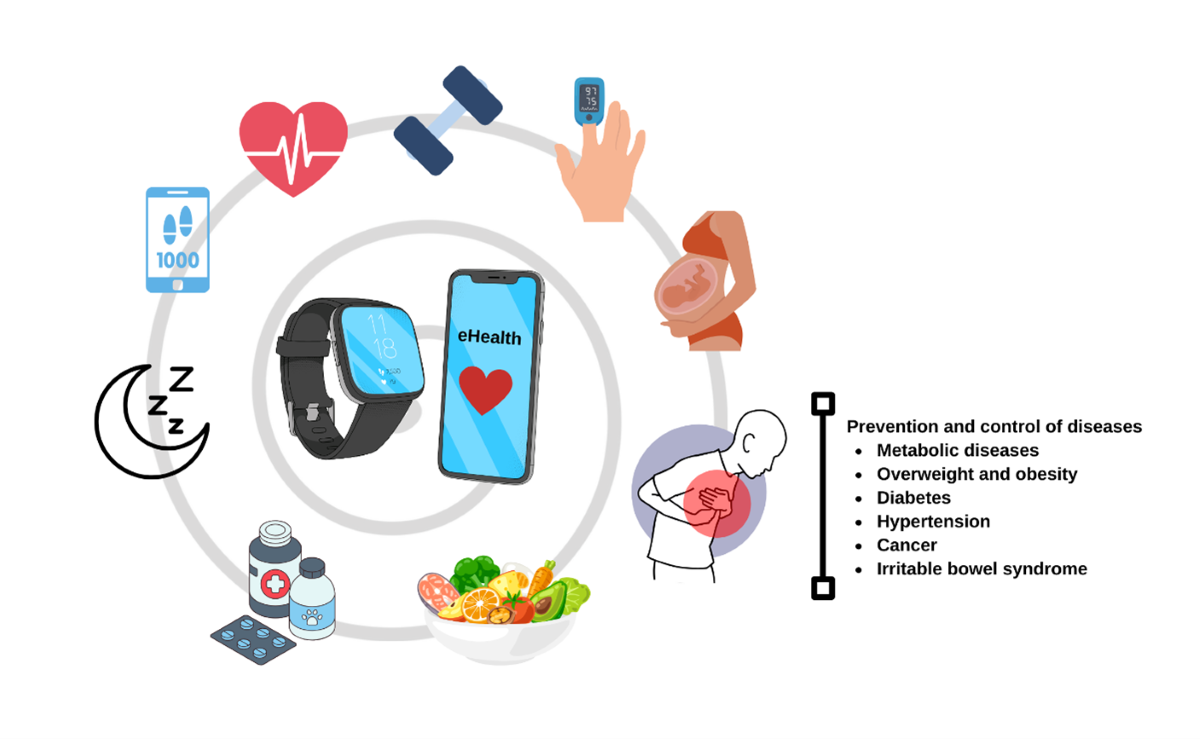
Recently, new ideas and concepts, such as electronic health (eHelath) or mobile health (mHealth), have been gaining ground in the field of digital health. Both are terms that can be somewhat ambiguous, as they cover a multitude of aspects. Najeeb Al-SHorbaji [10] defined eHealth as ‘the use of information and communication technologies applied to health’. Thus, this definition encompasses both technologies that facilitate the work of healthcare professionals and their contact and communication with patients, as well as all information and communication technology tools aimed at improving the health of citizens [16]. Thus, eHealth encompasses different products and services for the management of society's health, such as mobile applications, telemedicine, and wearables (devices for monitoring health). The concept of eHealth includes mHealth. Istepanian et al. [17] coined it ‘the use of emerging technologies in mobile networks and communications for healthcare’. The creation and use of medical, health and lifestyle apps are on the rise. There are currently 146,635 lifestyle-related apps, ranking sixth among the top 10 mobile app categories on Google Play [18]. Also related to mHealth are apps in categories such as health and fitness and medical.
Key mobile health strategies include short message-based reminders such as short message service (SMS), mobile health application-based services and collaborative wearable devices [19]. The use of mobile health applications is growing due to the convenience they provide and therefore their widespread use throughout the community [20]. Smartphones have become popular tools for health-related interventions due to their greater accessibility and ability to reach a larger number of communities. It should also be noted that the cost is lower than that of traditional interventions [21]. In addition, users of these tools can become self-experts by using these applications to, for example, learn more about their health status. In fact, mobile health applications are becoming increasingly multifunctional. Research shows that mHealth apps have many features and can monitor weight, caloric intake and expenditure; sleep patterns; and heart rate or set goals in sports or exercise [22]. Due to the variety of capabilities of these technological tools, large amounts of data emerge. Some of these data are presented in text format, while others are represented in the form of graphical visualizations, which are easier to interpret. From the user's perspective, the user must be able to easily interpret the data to act [23]. Additionally, mobile applications allow access to massive databases, which provide accurate information to the user and guide them in choosing portions and meal sizes [24].
Nutritional interventions based on smartphone apps are particularly useful for the population due to the frequent use of smartphones [25]. Table 1 lists studies evaluating nutrition interventions using mobile apps to improve eating patterns in normal-weight adults [26,27,28,29,30,31,32,33], interventions in children and adolescents [34,35], interventions in families [36], interventions related to nutrition education in overweight or obese individuals [37,38,39,40,41], and nutritional guidelines for pregnant women [42,43,44].
In the case of interventions in normal-weight adults, the use of mobile apps was found to promote an increase in physical exercise [26,32] and, in terms of dietary improvements, a reduction in sodium intake [28] and a reduction in body weight [33]. In addition, mobile applications allow food photo diaries to be created [45]. Photo diaries offer several advantages because they can reduce data accumulation. In addition, as photographs should be taken at the time of consumption, they tend to promote awareness and more accurate recall. In addition, another advantage of photobased food diaries is that through artificial intelligence techniques, they can estimate their nutritional content, identify foods and offer better alternatives [46]. There are apps available to help monitor nutrient intake that are more valid than the 3-day dietary record [30]. One advantage of mobile applications is their ability to scan barcodes on packaged food. In addition, these applications can also be combined and integrated with external devices such as smart scales, fitness trackers and glucose monitor to help users understand the effects of diet and exercise.[47] A study by Silva et al. [31] showed that the app helped consumers identify foods high in added sugars.
Studies evaluating app interventions in overweight or obese adults have revealed increased vegetable consumption [29,41] and decreased energy intake [39]. Other studies have shown that intervention with a mobile app reduces participants' waist circumference and body weight [37,38].
Interventions with apps targeting children and adolescents have also been shown to be very positive. A study involving children showed increased preference for fruits and vegetables [48].
The same was true in another study with adolescents [34]. A systematic review of interventions involving smartphones and apps indicated that adolescents find them convenient and accessible platforms for viewing and receiving information about their health [52]. Adolescence is an important phase of life that affects diet quality. This is due to the physical and social changes that occur [53]. Furthermore, the dietary habits of adolescents often continue into adulthood, increasing or reducing the risk of developing a chronic disease [52]. Therefore, it is justified to explore the efficacy of smartphone app-based nutritional interventions to improve adolescent eating behaviors [54,55].
Another group in which mobile app interventions have been studied is pregnant women. One study showed improvements in diet and a reduction in supplement use, as well as an increase in physical activity [42]. It has also been shown that women who were overweight or obese (according to body mass index (BMI)) before pregnancy gained less weight during pregnancy [51].
3. Digital Health in Disease Prevention and Treatment
Today, new technological tools, such as predictive modeling, natural language processing and mobile applications, are emerging. These tools offer new means for early disease detection, risk assessment, individualized care planning and real-time patient support. In particular, the spread of technology related to mobile applications has encouraged industries to create applications based on health monitoring [56]. A previous trial [57] evaluated the efficacy and effectiveness of these mobile applications and other similar tools for secondary prevention. For example, among patients receiving cardiac rehabilitation after hospitalization for myocardial infarction, daily SMS reminders improve medication adherence and exercise capacity compared to patients receiving usual care [57]. By leveraging these techniques, healthcare professionals can play a crucial role in identifying disease, assessing risk, delivering targeted interventions, and encouraging patient engagement and self-care [58]. In a recent study, more than 2,000 adults with diabetes, hypertension, heart disease or lung disease were surveyed. Approximately 60% of the participants used mobile health apps to communicate with their doctor, access their medical history, or make decisions to treat an illness or condition [59].
Mobile app-based healthcare technology provides the opportunity to address the difficult challenge of providing a robust continuum of care for chronic diseases. The strategy of using mHealth to monitor chronic diseases will be essential in the coming years, as healthcare costs will continue to rise. This will be mainly due to the aging of the population and the increasing prevalence of chronic diseases and comorbidities [60]. Some clinical trials have shown that, compared to control groups, health-related apps significantly reduce lipid and blood glucose levels and improve medication adherence and exercise capacity [61,62].
Along with the emergence of new medicines, technological innovations have helped to facilitate access to healthcare and improve its quality. They have removed practical barriers, thus enabling the delivery and improvement of healthcare through unconventional channels at unprecedented speeds [56]. These features include streaming medical records, social media forums for open discussion, interactive web-based educational programs, more accurate diagnostics, real-time status monitoring, digitized clinics and prescription dispensing [57].
Table 2 shows a compilation of different studies in which mobile app interventions are used to treat or prevent diseases. Interventions have been implemented for cardiovascular diseases [56,57,60,63,64,65,66,67,68] in patients with irritable bowel disease [69], in cancer patients [70], in hemodialysis patients [71] and in pregnant women with gestational diabetes [72].
Mobile apps have been shown to have positive effects on patients with cardiovascular diseases. Indeed, the increasing burden of stroke worldwide suggests that new strategies for the prevention of cardiovascular disease are needed [73]. In addition, long-term rehabilitation is necessary for people who have suffered a stroke [74]. For these reasons, the application of new approaches, such as mobile technologies, is effective in reaching a wider population and promoting long-term stroke treatment. Indeed, stroke treatment is essential for mitigating the burden of this disease [74]. The increasing development of apps, as well as their availability, convenience and ease of use, encourages the use of smartphone apps that can be used to intervene among stroke survivors. For example, an increase in physical activity, as well as medication adherence, has been observed [57,60]. Another study revealed changes in blood pressure, body composition, waist circumference, insulin resistance, triglyceride levels and LDL cholesterol levels between baseline and postintervention assessments [56,64,67,68]. Apps have also been shown to increase people's awareness of the cardiometabolic problems caused by high sugar intake [60].
The use of apps by children who have had lymphoma has been found to have positive effects related to ease of use and enjoyment of the app [70]. Cancer survivors need to be protected from the side effects they suffer from long-term treatment. The side effects include new cancers, obesity, diabetes, osteoporosis, and cardiovascular disease [75]. In this context, special attention needs to be given to nutritional education, as obese adults with cancer have a worse survival rate [76]. It has also been observed that obese children have greater chemotherapy toxicity, more relapses, and a lower survival rate [76].
The use of mobile health apps has also been gaining traction in patients with irritable bowel syndrome. In 2016, Con et al. [77] evaluated 26 mobile health apps focused on irritable bowel syndrome. These apps included diet and mood diaries, irritable bowel disease symptom trackers, community support or disease-related information [77]. The researchers concluded that these new tools may be useful as an adjunct to traditional care for patients with irritable bowel syndrome (IBS). For patients with IBS, the effectiveness of an app providing cognitive behavioral therapy has been demonstrated [69].
4. Artificial Intelligence, Nutrition, and Health
Artificial intelligence (AI) is at the forefront of computer science research. This novel and dynamic field encompasses several ideas, such as deep learning and machine learning. The aim of AI is to reproduce human intelligence in machines, giving them the ability to reason and behave similarly to humans [78]. Artificial intelligence is emerging as an opportunity in the food industry that is capable of profoundly transforming various aspects of the food system [79]. From revolutionizing precision agriculture to improving food production and consumption, AI plays a key role. Moreover, it contributes significantly to quality control measures throughout the food industry, especially through mobile applications. AI redefines our perception of food production, quality assessment and distribution [80]. Artificial intelligence is dedicated to creating systems and machines that can perform tasks that typically require human intelligence. It also automates processes and solves complex problems by analyzing data and making predictions.
AI technology is critical in healthcare because it aids in disease diagnosis, predictive analytics, and survival analysis. Additionally, it is crucial in drug discovery and personalized medicine [81]. AI algorithms can analyze and provide information about genetic data. dietary patterns, personal preferences, health problems and a person's goal - in this way, a personalized dietary plan can be predicted, and nutritional interventions can be optimized [82].
AI makes it possible to analyze dietary patterns and provide personalized recommendations through a data-centric approach. In addition, AI makes it possible to consider and include other factors, such as age, sex, body composition, activity level and dietary restrictions [83].
In addition, the demand for healthcare is increasing rapidly due to the aging population, which is expected to continue to grow [84]. As a result, healthcare costs are rising. Many of these hospitalizations can be prevented by remote patient monitoring, which involves the use of connected electronic devices to record medical data from different locations. The aim is to achieve better health outcomes and reduce costs by detecting diseases early and prioritizing hospitalization [85].
There are AI techniques that are useful for detecting diseases, such as 3D printing. This technique offers solutions by allowing food to be customized to meet the specific needs of everyone. In this way, foods can be adapted in texture, shape, and consistency to make them more accessible [86]. This makes it easier for people to consume a wide range of foods that meet their nutritional needs. In addition, 3D printing makes it possible to include essential nutrients during the printing process, thus ensuring that these specialized diets are also nutritionally adequate. [86]. Additionally, the aging population is increasing the number of people suffering from chewing and swallowing disorders. Therefore, in these patients, the risk of malnutrition increases. To address the growing need for a nutritious and tasty diet for dysphagia, 3D printing provides an alternative approach for patients with this disorder, enabling the creation of appealing, textured diets that ensure safe swallowing [87,88].
AI has completely revolutionized healthcare. This is due to its various subfields, including machine learning, deep learning, natural language processing and computer vision. This is due to the advanced analysis of large volumes of data and the use of algorithms, enabling the interpretation of medical images, diagnosis of diseases and prediction of possible diseases [89].
Significant growth has been observed in the development of personal health applications and remote monitoring devices. These devices directly address challenges related to medical facilities and service availability by enabling automated and on-demand monitoring of vital signs, medication tracking, personalization of medical care, and provision of critical recommendations for effective and efficient self-management of potential diseases [90].
5. Reliability and Limitations
Digital tools, including mobile applications, have limitations and can be vulnerable, especially in terms of privacy and security. This is especially true in the healthcare environment, as these tools handle a large amount of data, including personal information, making them targets for intruders who gain illegal access. It is crucial to implement strict security measures to safeguard these data. Personal privacy can be threatened by data breaches, unauthorized access, and misuse of sensitive information. For these reasons, strong privacy policies, compliance with data protection regulations and adequate encryption of all information are essential [91].
Another important constraint may be users' familiarity with digital technologies. There is one population group, older adults, who may face technological problems in terms of literacy, accessibility, and usability. For this reason, it is necessary to create user-friendly and visually appealing interfaces. In addition, it is also desirable to provide adequate training and support, as well as to tailor interventions to individual needs and preferences [92]. In fact, some research suggests that users of mobile health applications experience data overload and are difficult to interpret [93].
On the other hand, other critical aspects, such as the reliability and accuracy of digital tools, must also be considered. Limitations in accuracy can arise in both data collection and analysis. Errors, misinterpretations of data, and variations in nutritional tracking algorithms can affect the reliability of the information provided to users [94]. Thus, AI algorithms used for nutritional assessments need to be meticulously developed and tested. Otherwise, they could perpetuate existing health disparities, as they are based on historical data that could reflect biases in health, care, or dietary habits [94].
In addition, although it may seem unlikely, not everyone has access to smartphones, portable devices, or stable internet connections. In addition, financial barriers related to the acquisition and maintenance of digital devices, as well as subscriptions to premium features and services, may limit access for certain population groups [95]. To ensure equitable access to digital tools, strategies that include free or low-cost options should be implemented, thereby reducing financial barriers for people with limited economic resources.
6. Future Trends
Several factors will determine the future of dietary management using digital tools. First, it is essential to consider advancements in digital technology to strengthen the role of digital diet management in healthcare [96]. For example, quantum machine learning methods could empower high-performance computers to speed up predictions and dietary recommendations for crafting personalized diet plans. Moreover, user engagement can be enhanced through immersion through virtual reality and augmented reality experiences. Additionally, learning techniques could streamline the secure utilization of diverse healthcare information without necessitating open sharing, thus ensuring user safety and privacy during data exchange [91].
7. Conclusions
Digital technologies such as mobile applications or artificial intelligence are becoming increasingly important in health management. In fact, these technologies have a great impact on the diet and food management of healthy people or patients suffering from any disease. Among the tasks carried out by these technologies are meal planning and tracking, nutrient intake analysis, diet personalization, setting nutritional goals, supporting behavioral change, and promoting physical activity. The great advantage of these technologies is that individuals can use digital tools to improve their nutritional intake by tracking their food, assessing nutrient composition, and setting dietary goals. Mobile dietary management applications, integrated with other digital assistive technologies, have proven effective, becoming a valuable tool for disease management. Although there are still some limitations in dietary management practices when using digital tools, affordable and easy-to-use solutions can improve the user experience, which in turn increases people's acceptance and adherence to such solutions.
Author Contributions
Conceptualization, J.M.M. Literature data collection, N.N.-R. and A.L.-S. Wring—original draft, A.L.-S. and A.M-P. Writing—review and editing, A.L.-S. Supervision: J.M.M. and A.M-P. All authors have read and agreed to the published version of the manuscript.
Funding
This research received no external funding.
Acknowledgments
Aroa Lopez-Santamarina has a predoctoral fellow ship from USC, Campus Terra, Lugo (Contratos predoutorais do campus de especialización Campus Terra).
Conflicts of Interest
The authors declare no conflicts of interest.
References
- Aimé, A.; Fuller-Tyszkiewicz, M.; Dion, J.; Markey, C.H.; Strodl, E.; McCabe, M.; Mellor, D.; Granero Gallegos, A.; Pietrabissa, G.; Alcaraz-Ibánez, M.; et al. Assessing Positive Body Image, Body Satisfaction, Weight Bias, and Appearance Comparison in Emerging Adults: A Cross-Validation Study across Eight Countries. Body Image 2020, 35, 320–332. [Google Scholar] [CrossRef]
- Ulfa, M.; Setyonugroho, W.; Lestari, T.; Widiasih, E.; Nguyen Quoc, A. Nutrition-Related Mobile Application for Daily Dietary Self-Monitoring. J Nutr Metab 2022, 2022, 2476367. [Google Scholar] [CrossRef]
- Trude, A.C.B.; Surkan, P.J.; Cheskin, L.J.; Gittelsohn, J. A Multilevel, Multicomponent Childhood Obesity Prevention Group-Randomized Controlled Trial Improves Healthier Food Purchasing and Reduces Sweet-Snack Consumption among Low-Income African-American Youth. Nutr J 2018, 17. [Google Scholar] [CrossRef]
- Becker, C.D.; Dandy, K.; Gaujean, M.; Fusaro, M.; Scurlock, C. Legal Perspectives on Telemedicine Part 1: Legal and Regulatory Issues. Perm J 2019, 23. [Google Scholar] [CrossRef]
- Provencher, V.; Jacob, R. Impact of Perceived Healthiness of Food on Food Choices and Intake. Curr Obes Rep 2016, 5, 65–71. [Google Scholar] [CrossRef]
- Okumus, B.; Ali, F.; Bilgihan, A.; Ozturk, A.B. Psychological Factors Influencing Customers’ Acceptance of Smartphone Diet Apps When Ordering Food at Restaurants. Int J Hosp Manag 2018, 72, 67–77. [Google Scholar] [CrossRef]
- West, J.H.; Belvedere, L.M.; Andreasen, R.; Frandsen, C.; Cougar Hall, P.; Crookston, B.T. Controlling Your “App”Etite: How Diet and Nutrition-Related Mobile Apps Lead to Behavior Change. JMIR Mhealth Uhealth 2017, 5(7), e95. [Google Scholar] [CrossRef]
- Zhou, X.; Cai, Z.; Tan, K.H.; Zhang, L.; Du, J.; Song, M. Technological Innovation and Structural Change for Economic Development in China as an Emerging Market. Technol Forecast Soc Change 2021, 167(1), 120671. [Google Scholar] [CrossRef]
- Battineni, G.; Sagaro, G.G.; Chinatalapudi, N.; Amenta, F. Applications of Machine Learning Predictive Models in the Chronic Disease Diagnosis. J Pers Med 2020, 10(2), 21. [Google Scholar] [CrossRef]
- Labrique, A.; Agarwal, S.; Tamrat, T.; Mehl, G. WHO Digital Health Guidelines: A Milestone for Global Health. NPJ Digit Med 2020, 3, 120. [Google Scholar] [CrossRef]
- Franco, R.Z.; Fallaize, R.; Lovegrove, J.A.; Hwang, F. Popular Nutrition-Related Mobile Apps: A Feature Assessment. JMIR Mhealth Uhealth 2016, 4(3), e85. [Google Scholar] [CrossRef]
- Villinger, K.; Wahl, D.R.; Boeing, H.; Schupp, H.T.; Renner, B. The Effectiveness of App-Based Mobile Interventions on Nutrition Behaviors and Nutrition-Related Health Outcomes: A Systematic Review and Meta-Analysis. Obes Rev 2019, 20(10), 1465–1484. [Google Scholar] [CrossRef]
- Chen, J.; Lieffers, J.; Bauman, A.; Hanning, R.; Allman-Farinelli, M. The Use of Smartphone Health Apps and Other Mobile Health (MHealth) Technologies in Dietetic Practice: A Three Country Study. J Hum Nutr Diet 2017, 30(4), 439–452. [Google Scholar] [CrossRef]
- Doyle, C.; Lennox, L.; Bell, D. A Systematic Review of Evidence on the Links between Patient Experience and Clinical Safety and Effectiveness. BMJ Open 2013, 3, e001570. [Google Scholar] [CrossRef]
- Chen, X.; Fu, R.; Shao, Q.; Chen, Y.; Ye, Q.; Li, S.; He, X.; Zhu, J. Application of Artificial Intelligence to Pancreatic Adenocarcinoma. Front Oncol 2022, 12, 960056. [Google Scholar] [CrossRef]
- Pala, D.; Petrini, G.; Bosoni, P.; Larizza, C.; Quaglini, S.; Lanzola, G. Smartphone Applications for Nutrition Support: A Systematic Review of the Target Outcomes and Main Functionalities. Int J Med Inform 2024, 184, 105351. [Google Scholar] [CrossRef]
- Istepanian, R.S.H.; Lacal, J.C. Emerging Mobile Communication Technologies for Health: Some Imperative Notes on m-Health. In Proceedings of the Annual International Conference of the IEEE Engineering in Medicine and Biology - Proceedings; 2003; Vol. 2, pp. 1414–1416.
- Top Android Apps and Games on Google Play. Available online: https://www.appbrain.com/ (accessed on 24 of March 2024).
- McConnell, M. V.; Turakhia, M.P.; Harrington, R.A.; King, A.C.; Ashley, E.A. Mobile Health Advances in Physical Activity, Fitness, and Atrial Fibrillation: Moving Hearts. J Am Coll Cardiol 2018, 71(23), 2691–2701. [Google Scholar] [CrossRef]
- Lee, J.A.; Choi, M.; Lee, S.A.; Jiang, N. Effective Behavioral Intervention Strategies Using Mobile Health Applications for Chronic Disease Management: A Systematic Review. BMC Med Inform Decis Mak 2018, 18(1), 12. [Google Scholar] [CrossRef]
- Bastawrous, A.; Armstrong, M.J. Mobile Health Use in Low-and High-Income Countries: An Overview of the Peer-Reviewed Literature. J R Soc Med 2013, 106(4), 130–142. [Google Scholar] [CrossRef]
- Smahel, D.; Elavsky, S.; Machackova, H. Functions of MHealth Applications: A User’s Perspective. Health Informatics J 2019, 25(3), 1065–1075. [Google Scholar] [CrossRef]
- Samad, N.; Azdee, M.A.H.; Imran, I.; Ahmad, T.; Alqahtani, F. Mitigation of Behavioral Deficits and Cognitive Impairment by Antioxidant and Neuromodulatory Potential of Mukia Madrespatana in D-Galactose Treated Rats. Saudi J Biol Sci 2023, 30(8), 103708. [Google Scholar] [CrossRef]
- Mortazavi, B.J.; Gutierrez-Osuna, R. A Review of Digital Innovations for Diet Monitoring and Precision Nutrition. J Diabetes Sci Technol 2023, 17(1), 217–223. [Google Scholar] [CrossRef]
- Keating, P.; Rosenior-Patten, O.; Dahmen, J.C.; Bell, O.; King, A.J. Behavioral Training Promotes Multiple Adaptive Processes Following Acute Hearing Loss. Elife 2016, 23(5), e12264. [Google Scholar] [CrossRef]
- Recio-Rodriguez, J.I.; Agudo-Conde, C.; Martin-Cantera, C.; González-Viejo, M.; Fernandez-Alonso, M.C.; Arietaleanizbeaskoa, M.S.; Schmolling-Guinovart, Y.; Maderuelo-Fernandez, J.A.; Rodriguez-Sanchez, E.; Gomez-Marcos, M.A.; et al. Short-Term Effectiveness of a Mobile Phone App for Increasing Physical Activity and Adherence to the Mediterranean Diet in Primary Care: A Randomized Controlled Trial (EVIDENT II Study). J Med internet Res 2016, 18(12), e331. [Google Scholar] [CrossRef]
- Alexandrou, C.; Henriksson, H.; Henström, M.; Henriksson, P.; Delisle Nyström, C.; Bendtsen, M.; Löf, M. Effectiveness of a Smartphone App (MINISTOP 2.0) Integrated in Primary Child Health Care to Promote Healthy Diet and Physical Activity Behaviors and Prevent Obesity in Preschool-Aged Children: Randomized Controlled Trial. IJBNPA 2023, 20(1), 22. [Google Scholar] [CrossRef]
- Ipjian, M.L.; Johnston, C.S. Smartphone Technology Facilitates Dietary Change in Healthy Adults. Nutrition 2017, 33, 343–347. [Google Scholar] [CrossRef]
- Clarke, P.; Evans, S.H.; Neffa-Creech, D. Mobile App Increases Vegetable-Based Preparations by Low-Income Household Cooks: A Randomized Controlled Trial. Public Health Nutr 2019, 22(4), 714–725. [Google Scholar] [CrossRef]
- Ji, Y.; Plourde, H.; Bouzo, V.; Kilgour, R.D.; Cohen, T.R. Validity and Usability of a Smartphone Image-Based Dietary Assessment App Compared to 3-Day Food Diaries in Assessing Dietary Intake among Canadian Adults: Randomized Controlled Trial. JMIR Mhealth Uhealth 2020, 8(9), e16953. [Google Scholar] [CrossRef]
- Corvalan, C.; Chun Yu Louie, J.; Gajanan Kulkarni, M.; Rezende, Anastá cio, L. Comparison of Two Front-of-Pack Nutrition Labels for Brazilian Consumers Using a Smartphone App in a Real-World Grocery Store: A Pilot Randomized Controlled Study. Front Nutr 2022, 9, 898021. [Google Scholar] [CrossRef]
- Mönninghoff, A.; Fuchs, K.; Wu, J.; Albert, J.; Mayer, S. The Effect of a Future-Self Avatar Mobile Health Intervention (FutureMe) on Physical Activity and Food Purchases: Randomized Controlled Trial. J Med internet Res 2022, 24(7), e32487. [Google Scholar] [CrossRef]
- Okaniwa, F.; Yoshida, H. Evaluation of Dietary Management Using Artificial Intelligence and Human Interventions: Nonrandomized Controlled Trial. JMIR Form Res 2022, 6(6), e30630. [Google Scholar] [CrossRef]
- Shatwan, I.M.; Alhefani, R.S.; Bukhari, M.F.; Hanbazazah, D.A.; Srour, J.K.; Surendran, S.; Aljefree, N.M.; Almoraie, N.M. Effects of a Smartphone App on Fruit and Vegetable Consumption Among Saudi Adolescents: Randomized Controlled Trial. JMIR Pediatr Parent 2023, 6, e43160. [Google Scholar] [CrossRef]
- Ragelienė, T.; Aschemann-Witzel, J.; Grønhø, A. Efficacy of a Smartphone Application-Based Intervention for Encouraging Children’s Healthy Eating in Denmark. Health Promot Int 2022, 37(1), daab081. [Google Scholar] [CrossRef]
- Wunsch, K.; Eckert, T.; Fiedler, J.; Cleven, L.; Niermann, C.; Reiterer, H.; Renner, B.; Woll, A. Effects of a Collective Family-Based Mobile Health Intervention Called “SMARTFAMILY" on Promoting Physical Activity and Healthy Eating: Protocol for a Randomized Controlled Trial. JMIR Res Protoc 2020, 9(11), e20534. [Google Scholar] [CrossRef]
- Kondo, M.; Okitsu, T.; Waki, K.; Yamauchi, T.; Nangaku, M.; Ohe, K. Effect of Information and Communication Technology-Based Self-Management System DialBeticsLite on Treating Abdominal Obesity in the Specific Health Guidance in Japan: Randomized Controlled Trial. JMIR Form Res 2022, 6(3), e33852. [Google Scholar] [CrossRef]
- Vaz, C.L.; Carnes, N.; Pousti, B.; Zhao, H.; Williams, K.J. A Randomized Controlled Trial of an Innovative, User-Friendly, Interactive Smartphone App-Based Lifestyle Intervention for Weight Loss. Obes Sci Pract 2021, 7(5), 555–568. [Google Scholar] [CrossRef]
- Duncan, M.J.; Fenton, S.; Brown, W.J.; Collins, C.E.; Glozier, N.; Kolt, G.S.; Holliday, E.G.; Morgan, P.J.; Murawski, B.; Plotnikoff, R.C.; et al. Efficacy of a Multi-Component m-Health Weight-Loss Intervention in Overweight and Obese Adults: A Randomized Controlled Trial. Int J Environ Res Public Health 2020, 17(17), 1–21. [Google Scholar] [CrossRef]
- Patel, M.L.; Hopkins, C.M.; Brooks, T.L.; Bennett, G.G. Comparing Self-Monitoring Strategies for Weight Loss in a Smartphone App: Randomized Controlled Trial. JMIR Mhealth Uhealth 2019, 7(2), e12209. [Google Scholar] [CrossRef]
- Mummah, S.; Robinson, T.N.; Mathur, M.; Farzinkhou, S.; Sutton, S.; Gardner, C.D. Effect of a Mobile App Intervention on Vegetable Consumption in Overweight Adults: A Randomized Controlled Trial. International Journal of Behavioral Nutrition and Physical Activity 2017, 14(1), 125. [Google Scholar] [CrossRef]
- Nuruddin, R.; Vadsaria, K.; Mohammed, N.; Sayani, S. The Efficacy of a Personalized MHealth Coaching Program during Pregnancy on Maternal Diet, Supplement Use, and Physical Activity: Protocol for a Parallel-Group Randomized Controlled Trial. JMIR Res Protoc 2021, 10(11), e31611. [Google Scholar] [CrossRef]
- Henriksson, P.; Sandborg, J.; Blomberg, M.; Alexandrou, C.; Maddison, R.; Silfvernagel, K.; Henriksson, H.; Leppänen, M.H.; Migueles, J.H.; Widman, L.; et al. A Smartphone App to Promote Healthy Weight Gain, Diet, and Physical Activity during Pregnancy (HealthyMoms): Protocol for a Randomized Controlled Trial. JMIR Res Protoc 2019, 8(3), e13011. [Google Scholar] [CrossRef]
- Greene, E.M.; O’Brien, E.C.; Kennelly, M.A.; O’Brien, O.A.; Lindsay, K.L.; McAuliffe, F.M. Acceptability of the Pregnancy, Exercise, and Nutrition Research Study with Smartphone App Support (PEARS) and the Use of Mobile Health in a Mixed Lifestyle Intervention by Pregnant Obese and Overweight Women: Secondary Analysis of a Randomized Controlled Trial. JMIR Mhealth Uhealth 2021, 9(5), e17189. [Google Scholar] [CrossRef]
- Zepeda, L.; Deal, D. Think before You Eat: Photographic Food Diaries as Intervention Tools to Change Dietary Decision Making and Attitudes. Int J Consum Stud 2008, 32, 692–698. [Google Scholar] [CrossRef]
- Min, W.; Jiang, S.; Liu, L.; Rui, Y.; Jain, R. A Survey on Food Computing. ACM Comput Surv 2018, 1(1). [Google Scholar] [CrossRef]
- Cordeiro, F.; Bales, E.; Cherry, E.; Fogarty, J. Rethinking the Mobile Food Journal: Exploring Opportunities for Lightweight Photo-Based Capture. In Proceedings of the Conference on Human Factors in Computing Systems - Proceedings; Association for Computing Machinery, April 18 2015; Vol. 2015-April, pp. 3207–3216.
- Ragelienė, T.; Aschemann-Witzel, J.; Grønhøj, A. Efficacy of a Smartphone Application-Based Intervention for Encouraging Children’s Healthy Eating in Denmark. Health Promot Int 2022, 37(1), daab081. [Google Scholar] [CrossRef]
- Borgen, I.; Småstuen, M.C.; Jacobsen, A.F.; Garnweidner-Holme, L.M.; Fayyad, S.; Noll, J.; Lukasse, M. Effect of the Pregnant+ Smartphone Application in Women with Gestational Diabetes Mellitus: A Randomized Controlled Trial in Norway. BMJ Open 2019, 9(11), e030884. [Google Scholar] [CrossRef]
- Pack, S.; Lee, J. Randomized Controlled Trial of a Smartphone Application-Based Dietary Self-Management Program on Hemodialysis Patients. J Clin Nurs 2021, 30 (5-6), 840–848. [CrossRef]
- Henriksson, P.; Sandborg, J.; Blomberg, M.; Alexandrou, C.; Maddison, R.; Silfvernagel, K.; Henriksson, H.; Leppänen, M.H.; Migueles, J.H.; Widman, L.; et al. A Smartphone App to Promote Healthy Weight Gain, Diet, and Physical Activity during Pregnancy (HealthyMoms): Protocol for a Randomized Controlled Trial. JMIR Res Protoc 2019, 8(3), e13011. [Google Scholar] [CrossRef]
- Schaafsma, H.N.; Jantzi, H.A.; Seabrook, J.A.; McEachern, L.W.; Burke, S.M.; Irwin, J.D.; Gilliland, J.A. The Impact of Smartphone App–Based Interventions on Adolescents’ Dietary Intake: A Systematic Review and Evaluation of Equity Factor Reporting in Intervention Studies. Nutr Rev 2024, 82(4), 467–486. [Google Scholar] [CrossRef]
- Neufeld, L.M.; Andrade, E.B.; Ballonoff Suleiman, A.; Barker, M.; Beal, T.; Blum, L.S.; Demmler, K.M.; Dogra, S.; Hardy-Johnson, P.; Lahiri, A.; et al. Food Choice in Transition: Adolescent Autonomy, Agency, and the Food Environment. The Lancet 2022, 399(10320), 185–197. [Google Scholar] [CrossRef]
- Kupka, R.; Siekmans, K.; Beal, T. The Diets of Children: Overview of Available Data for Children and Adolescents. Glob Food Sec 2020, 26, 100442. [Google Scholar] [CrossRef]
- Rosi, A.; Paolella, G.; Biasini, B.; Scazzina, F.; Alicante, P.; De Blasio, F.; dello Russo, M.; Rendina, D.; Tabacchi, G.; Cairella, G.; et al. Dietary Habits of Adolescents Living in North America, Europe or Oceania: A Review on Fruit, Vegetable and Legume Consumption, Sodium Intake, and Adherence to the Mediterranean Diet. NMCD 2019, 29(6), 544–560. [Google Scholar] [CrossRef] [PubMed]
- Cho, S.M.J.; Lee, J.H.; Shim, J.S.; Yeom, H.; Lee, S.J.; Jeon, Y.W.; Kim, H.C. Effect of Smartphone-Based Lifestyle Coaching App on Community-Dwelling Population with Moderate Metabolic Abnormalities: Randomized Controlled Trial. J Med internet Res 2020, 22(10), e17435. [Google Scholar] [CrossRef] [PubMed]
- Pandey, A.; Krumme, A.A.; Patel, T.; Choudhry, N.K. The Impact of Text Messaging on Medication Adherence and Exercise among Postmyocardial Infarction Patients: Randomized Controlled Pilot Trial. JMIR Mhealth Uhealth 2017, 5(8), e110. [Google Scholar] [CrossRef]
- Saber, A.F.; Ahmed, S.K.; Hussein, S.; Qurbani, K. Artificial Intelligence-Assisted Nursing Interventions in Psychiatry for Oral Cancer Patients: A Concise Narrative Review. OOR 2024, 10, 100343. [Google Scholar] [CrossRef]
- Wang, H.; Ho, A.F.; Wiener, R.C.; Sambamoorthi, U. The Association of Mobile Health Applications with Self-Management Behaviors among Adults with Chronic Conditions in the United States. Int J Environ Res Public Health 2021, 18(19), 10351. [Google Scholar] [CrossRef]
- Sunil Kumar, D.; Prakash, B.; Subhash Chandra, B.J.; Kadkol, P.S.; Arun, V.; Thomas, J.J. An Android Smartphone-Based Randomized Intervention Improves the Quality of Life in Patients with Type 2 Diabetes in Mysore, Karnataka, India. Diabetes and Metabolic Syndrome. CRR 2020, 14(5), 1327–1332. [Google Scholar] [CrossRef] [PubMed]
- Chen, S.; Gong, E.; Kazi, D.S.; Gates, A.B.; Bai, R.; Fu, H.; Peng, W.; De La Cruz, G.; Chen, L.; Liu, X.; et al. Using Mobile Health Intervention to Improve Secondary Prevention of Coronary Heart Diseases in China: Mixed-Methods Feasibility Study. JMIR Mhealth Uhealth 2018, 6(1), e9. [Google Scholar] [CrossRef] [PubMed]
- Ammenwerth, E.; Woess, S.; Baumgartner, C.; Fetz, B.; Van Der Heidt, A.; Kastner, P.; Modre-Osprian, R.; Welte, S.; Poelzl, G. Evaluation of an Integrated Telemonitoring Surveillance System in Patients with Oronary Heart Disease. Methods Inf Med 2015, 54(5), 388–397. [Google Scholar] [CrossRef] [PubMed]
- Hildebrandt, T.; Michaeledes, A.; Mayhew, M.; Greif, R.; Sysko, R.; Toro-Ramos, T.; DeBar, L. Randomized Controlled Trial Comparing Health Coach-Delivered Smartphone-Guided Self-Help with Standard Care for Adults with Binge Eating. Am. J. Psychiatry 2020, 177(2), 134–142. [Google Scholar] [CrossRef]
- Weerahandi, H.; Paul, S.; Quintiliani, L.M.; Chokshi, S.; Mann, D.M. A Mobile Health Coaching Intervention for Controlling Hypertension: Single-Arm Pilot Pre-Post Study. JMIR Form Res 2020, 4(5), e13989. [Google Scholar] [CrossRef]
- Bozorgi, A.; Hosseini, H.; Eftekhar, H.; Majdzadeh, R.; Yoonessi, A.; Ramezankhani, A.; Mansouri, M.; Ashoorkhani, M. The Effect of the Mobile “Blood Pressure Management Application” on Hypertension Self-Management Enhancement: A Randomized Controlled Trial. Trials 2021, 22(1), 413. [Google Scholar] [CrossRef] [PubMed]
- Riches, S.P.; Piernas, C.; Aveyard, P.; Sheppard, J.P.; Rayner, M.; Albury, C.; Jebb, S.A. A Mobile Health Salt Reduction Intervention for People with Hypertension: Results of a Feasibility Randomized Controlled Trial. JMIR Mhealth Uhealth 2021, 9(10), e26233. [Google Scholar] [CrossRef] [PubMed]
- Lim, S.L.; Ong, K.W.; Johal, J.; Han, C.Y.; Yap, Q.V.; Chan, Y.H.; Chooi, Y.C.; Zhang, Z.P.; Chandra, C.C.; Thiagarajah, A.G.; et al. Effect of a Smartphone App on Weight Change and Metabolic Outcomes in Asian Adults with Type 2 Diabetes: A Randomized Clinical Trial. JAMA Netw Open 2021, 4(6), e2112417. [Google Scholar] [CrossRef] [PubMed]
- Lim, S.L.; Ong, K.W.; Johal, J.; Han, C.Y.; Yap, Q.V.; Chan, Y.H.; Zhang, Z.P.; Chandra, C.C.; Thiagarajah, A.G.; Khoo, C.M. A Smartphone App-Based Lifestyle Change Program for Prediabetes (D’LITE Study) in a Multiethnic Asian Population: A Randomized Controlled Trial. Front Nutr 2022, 8, 780567. [Google Scholar] [CrossRef] [PubMed]
- Hunt, M.; Miguez, S.; Dukas, B.; Onwude, O.; White, S. Efficacy of Zemedy, a Mobile Digital Therapeutic for the Self-Management of Irritable Bowel Syndrome: Crossover Randomized Controlled Trial. JMIR Mhealth Uhealth 2021, 9(5), e26152. [Google Scholar] [CrossRef] [PubMed]
- Fuemmeler, B.F.; Holzwarth, E.; Sheng, Y.; Do, E.K.; Miller, C.A.; Blatt, J.; Rosoff, P.M.; Østbye, T. Mila Blooms: A Mobile Phone Application and Behavioral Intervention for Promoting Physical Activity and a Healthy Diet among Adolescent Survivors of Childhood Cancer. Games Health J 2020, 9(4), 279–289. [Google Scholar] [CrossRef] [PubMed]
- Khoury, C.F. El; Crutzen, R.; Schols, J.M.; Halfens, R.J.G.; Karavetian, M. Adequate Management of Phosphorus in Patients Undergoing Hemodialysis Using a Dietary Smartphone App: Prospective Pilot Study. JMIR Form Res 2021, 5(6), e17858. [Google Scholar] [CrossRef] [PubMed]
- Garnweidner-Holme, L.; Henriksen, L.; Torheim, L.E.; Lukasse, M. Effect of the Pregnant+ Smartphone App on the Dietary Behavior of Women with Gestational Diabetes Mellitus: Secondary Analysis of a Randomized Controlled Trial. JMIR Mhealth Uhealth 2020, 8(11), e18614. [Google Scholar] [CrossRef] [PubMed]
- Owolabi, M.O.; Thrift, A.G.; Mahal, A.; Ishida, M.; Martins, S.; Johnson, W.D.; Pandian, J.; Abd-Allah, F.; Yaria, J.; Phan, H.T.; et al. Primary Stroke Prevention Worldwide: Translating Evidence into Action. Lancet Public Health 2022, 7(1), e74–e85. [Google Scholar] [CrossRef]
- Feigin, V.L.; Norrving, B.; Mensah, G.A. Primary Prevention of Cardiovascular Disease through Population-Wide Motivational Strategies: Insights from Using Smartphones in Stroke Prevention. [CrossRef]
- Belle, F.; Wengenroth, L.; Weiss, A.; Sommer, G.; Beck Popovic, M.; Ansari, M.; Bochud, M.; Kuehni, C.; Ammann, R.; Angst, R.; et al. Low Adherence to Dietary Recommendations in Adult Childhood Cancer Survivors. Clin Nutr 2017, 36(5), 1266–1274. [Google Scholar] [CrossRef]
- Karatas, F.; Erdem, G.U.; Sahin, S.; Aytekin, A.; Yuce, D.; Sever, A.R.; Babacan, T.; Ates, O.; Ozisik, Y.; Altundag, K. Obesity Is an Independent Prognostic Factor of Decreased Pathological Complete Response to Neoadjuvant Chemotherapy in Breast Cancer Patients. Breast 2017, 32, 237–244. [Google Scholar] [CrossRef] [PubMed]
- Con, D.; De Cruz, P. Mobile Phone Apps for Inflammatory Bowel Disease Self-Management: A Systematic Assessment of Content and Tools. JMIR Mhealth Uhealth 2016, 4(1), e13. [Google Scholar] [CrossRef] [PubMed]
- Zhou, Q.; Zhang, H.; Wang, S. Artificial Intelligence, Big Data, and Blockchain in Food Safety. Int J Food Eng 2022, 18(1), 1–14. [Google Scholar] [CrossRef]
- Kumar, I.; Rawat, J.; Mohd, N.; Husain, S. Opportunities of Artificial Intelligence and Machine Learning in the Food Industry. J Food Qual 2021, 4535567. [Google Scholar] [CrossRef]
- Nikolola-Alexieva, V.; Valeva, K.; Pashev, S. Artificial Intelligence in the Food Industry. BIO Web Conf 2024, 102, 04002. [Google Scholar] [CrossRef]
- Ahmed, Z.; Mohamed, K.; Zeeshan, S.; Dong, X.Q. Artificial Intelligence with Multi-Functional Machine Learning Platform Development for Better Healthcare and Precision Medicine. Database 2020, 2020, baaa010. [Google Scholar] [CrossRef] [PubMed]
- de Moraes Lopes, M.H.B.; Ferreira, A.C.B.H.; Ferreira, D.D.; da Silva, G.R.; Caetano, A.S.; Braz, V.N. Use of Artificial Intelligence in Precision Nutrition and Fitness. In Artificial Intelligence in Precision Health: From Concept to Applications; Elsevier, 2020; pp. 465–496 ISBN 9780128171332.
- Yera Toledo, R.; Alzahrani, A.A.; Martinez, L. A Food Recommender System Considering Nutritional Information and User Preferences. IEEE Access 2019, 7, 96695–96711. [Google Scholar] [CrossRef]
- United Health Foundation - UnitedHealth Group. Available online: https://www.americashealthrankings.org/learn/reports/2021-senior-report/executive-brief (accessed on 15 of March 2024).
- Taylor, M.L.; Thomas, E.E.; Snoswell, C.L.; Smith, A.C.; Caffery, L.J. Does Remote Patient Monitoring Reduce Acute Care Use? A Systematic Review. BMJ Open 2021, 11(3), e040232. [Google Scholar] [CrossRef] [PubMed]
- Liu, Z.; Chen, X.; Li, H.; Chitrakar, B.; Zeng, Y.; Hu, L.; Mo, H. 3D Printing of Nutritious Dysphagia Diet: Status and Perspectives. Trends Food Sci Technol 2024, 147(2), 104478. [Google Scholar] [CrossRef]
- Liu, Z.; Xing, X.; Mo, H.; Xu, D.; Hu, L.; Li, H.; Chitrakar, B. 3D Printed Dysphagia Diet Designed from Hypsizygus Marmoreus By-Products with Various Polysaccharides. J Food Eng 2023, 343(12), 111395. [Google Scholar] [CrossRef]
- Zhang, C.; Wang, C.S.; Girard, M.; Therriault, D.; Heuzey, M.C. 3D Printed Protein/Polysaccharide Food Simulant for Dysphagia Diet: Impact of Cellulose Nanocrystals. Food Hydrocoll 2024, 148(4), 109455. [Google Scholar] [CrossRef]
- Obermeyer, Z.; Emanuel, E.J. Predicting the Future — Big Data, Machine Learning, and Clinical Medicine. NEJM 2016, 375(13), 1216–1219. [Google Scholar] [CrossRef] [PubMed]
- Aceto, G.; Persico, V.; Pescapé, A. The Role of Information and Communication Technologies in Healthcare: Taxonomies, Perspectives, and Challenges. J Netw Comput Appl 2018, 1, 125–154. [Google Scholar] [CrossRef]
- Theodore Armand, T.P.; Kim, H.C.; Kim, J.I. Digital Anti-Aging Healthcare: An Overview of the Applications of Digital Technologies in Diet Management. J Pers Med 2024, 14(3), 254. [Google Scholar] [CrossRef] [PubMed]
- Nabot, A.; Omar, F.; Almousa, M. Perceptions of Smartphone Users’ Acceptance and Adoption of Mobile Commerce (MC): The Case of Jordan. J Computer Sci 2020, 16(4), 532–542. [Google Scholar] [CrossRef]
- Chan, G.; Nwagu, C.; Odenigbo, I.; Alslaity, A.; Orji, R. The Shape of Mobile Health: A Systematic Review of Health Visualization on Mobile Devices. Int J Hum Comput Interact 2024, 1–19. [Google Scholar] [CrossRef]
- Fuller-Tyszkiewicz, M.; Richardson, B.; Klein, B.; Skouteris, H.; Christensen, H.; Austin, D.; Castle, D.; Mihalopoulos, C.; O’Donnell, R.; Arulkadacham, L.; et al. A Mobile App-Based Intervention for Depression: End-User and Expert Usability Testing Study. JMIR Ment Health 2018, 5(3), e54. [Google Scholar] [CrossRef]
- Sen, K.; Prybutok, G.; Prybutok, V. The Use of Digital Technology for Social Wellbeing Reduces Social Isolation in Older Adults: A Systematic Review. SSM Popul Health 2022, 17, 101020. [Google Scholar] [CrossRef]
- Sharpe, E.E.; Karasouli, E.; Meyer, C. Examining Factors of Engagement with Digital Interventions for Weight Management: Rapid Review. JMIR Res Protoc 2017, 6(10), e205. [Google Scholar] [CrossRef]

Table 1.
Mobile applications as tools in nutrition education.
| Study design | Participants | Interventions | Results | Reference |
|---|---|---|---|---|
| Multicenter randomized controlled trial with two parallel groups | 833 participants (predominantly female) | Training on the use of a mobile application that promoted adherence to the Mediterranean diet and increased physical activity (3 months) | Moderate to vigorous physical activity increased in the intervention group. No significant differences in dietary change | [26] |
| Randomized parallel trial | 30 healthy adults (age 34.4 ± 15.7) | App designed to receive information about the sodium content of food. Participants instructed to reduce their sodium intake to ≤2300 mg/day (4 weeks) | The change in the predicted 24-h sodium excretion differed between groups: −838 ± 1093 and +236 ± 1333 mg/24 h predicted for the app and journal groups, respectively. | [28] |
| Randomized controlled study | 135 overweight adults (18–50 years, body mass index (BMI)=28–40 kg/m2), 12-month weight loss trial | Mobile application that allows goal setting, self-monitoring and feedback and uses ‘process motivators’ | Vegetable consumption increased significantly | [41] |
| Multicenter, nonblinded randomized controlled trial. | 238 women ≥18 years old with a 2-hour oral glucose tolerance test blood glucose level ≥9 mmol/L | The intervention consisted of the Pregnant+ app in addition to usual care | Not significant differences | [49] |
| Automated randomized controlled trial | 105 participants (21-65 years) were adults with overweight or obesity | Mobile app for daily self-monitoring, stand-alone intervention (2 weeks) | There was no difference in weight change | [40,49] |
| Randomized controlled trial | 289 household cooks and one of their 9-14-year-old children | App designed to change eating habits through cooking (10 weeks) | After 3-4 weeks these cooks had made 38% more preparations with the healthy alternatives | [29] |
| Randomized controlled trial | 102 participants (>18 years) | Participants filled out a traditional 3-day food diary in pen and another on the app | The application provides acceptable relative validity for some nutrients compared to the 3-day food diary | [30] |
| 3-arm randomized controlled trial | 116 participants were overweight or obese adults aged 19–65 | Smartphone app that provided educational material, goal setting, self-monitoring, and feedback, and included a face-to-face dietary consultation, a Fitbit and a scale (6 months) | Participants significantly increased resistance training and reduced energy intake at 6 months | [39] |
| Randomized controlled trial | 300 pregnant women in their first trimester | Mobile health app where subjects will provide information about their diet, supplement use and physical activity and receive personalized advice and three push messages as weekly reminders | Outcomes include improvements in diet, changes in mean supplementation score and biochemical levels of folic acid, iron, calcium and vitamin D, and mean duration of physical activity | [42] |
| Prospective randomized controlled trial | 28 adults, BMI 25–42 kg/m2, with sedentary jobs | The intervention included wearable activity trackers, smart scales, photographic food records, counseling and app support (6 months) | The intervention group experienced a statistically significant weight change. Waist circumference and hemoglobin A also improved significantly | [38] |
| Prospective, single-blind, randomized, controlled design with repeated measures | 75 hemodialysis patients | Self-management diet programme based on a mobile application (8 weeks) | Improved serum phosphorus, potassium, self-efficacy, and quality of life | [50] |
| 2-arm parallel randomized controlled trial | 305 women in early pregnancy | Intervention group received the mobile application: automatic notifications, self-monitoring and feedback on weight, diet and physical activity (6 months) | Women who were overweight and obese before pregnancy gained less weight | [51] |
| Randomized controlled trial | 565 pregnant women who were overweight or obese | The intervention group received dietary advice on low glycemic index, a daily exercise prescription and a study-specific mobile app | The intervention was generally well received and respondents agreed that the diet was easy to follow, enjoyable and affordable | [44] |
| Randomized controlled trial with three-arms | 230 participants over 18 years of age | Using a smartphone, the participants scanned a product barcode and received information about excessive added sugars, sodium, and/or saturated fat content | The scanning system facilitated a quick purchase decision. It helped consumers identify dairy foods high in added sugars | [31] |
| Parallel randomized controlled trial | 95 participants over 18 years of age | FutureMe intervention (for 12 weeks), a physical activity and food shopping tracking mobile phone application that uses an avatar from the future as the main interface and provides participants with personalized food basket analysis and shopping tips | The FutureMe intervention led to (nonsignificant) improvements in physical activity and nutritional quality of purchases. Intrinsic motivation increased significantly | [32] |
| Nonrandomized Controlled Trial | 102 app users | Treatment group I received text messages using the standard features of the app. Treatment group II received video messages in addition to text messages (3 months) | In intervention group II, the dropout rate was lower. Body fat percentage was significantly reduced. | [33] |
| Open-label, 2-arm, parallel-design randomized controlled trial | 122 participants (40 to 75 years) with abdominal obesity | Participants were used a mobile app, which facilitated the daily recording of several physical parameters and lifestyle behavior (3 months) | Significant differences in body weight, BMI and waist circumference | [37] |
| Quasiexperimental study | 118 children aged 9 to 13 years | The children were asked to use the app (3 months) | A significant increase in fruit and vegetable preferences. Experience of using the app was relatively positive. | [48] |
| Two-arm, individually randomized controlled trial | 552 parents | Participants in the intervention group were given immediate access to smartphone app aimed at supporting parents in promoting health behaviors in their children (6-month) | Parents in the intervention group reported lower intakes of sweet and savoury treats, sweet drinks, and screen time in their children | [27] |
| Randomized intervention study | 104 adolescents aged 13 to 18 years | Examined the effects of app on fruit and vegetable intake (6 weeks) | No significant difference of using the smartphone app for fruit or vegetables | [34] |
| Cluster randomized controlled trial with two groups | 48 families | Families of the intervention group used the SMARTFAMILY app individually and collaboratively for 3 consecutive weeks. A follow-up assessment was completed by participants | The intervention did not yield significant increases in physical activity and health eating levels among the participants | [36] |
Table 2.
Mobile applications as tools in the prevention, treatment or recovery of diseases through nutrition.
Table 2.
Mobile applications as tools in the prevention, treatment or recovery of diseases through nutrition.
| Study design | Participants | Interventions | Results | Reference |
|---|---|---|---|---|
| Two single center randomized controlled pilot trials | 83 patients undergoing cardiac rehabilitation after hospitalization for myocardial infarction | 12-month text message reminders on adherence to cardiac medications and exercise | Average improvement of 14.2 percentage points in medication adherence. 4.2 additional days of physical exercise | [57] |
| Longitudinal study | 150 type II diabetes mellitus patients | Application designed for patients with diabetes (6 months) | Awareness of the importance of diet and exercise in diabetes increased. Increased the proportion of participants who correctly perceived fasting and postprandial target blood glucose levels. Increased the number of participants who stated that diabetes can cause heart disease and eye problems | [60] |
| 3-arm parallel-group, single-blind, randomized controlled trial | 160 participants (30-59 years) with at least 2 of the following conditions: abdominal obesity, high blood pressure, high triglycerides, low high-density lipoprotein cholesterol, and high fasting glucose level | 3 groups: control, app only, or app with personalized coaching (weeks 6, 12 and 24) | Changes in blood pressure, body weight and composition, insulin resistance, triglyceride level and LDL-cholesterol level | [56] |
| Randomized controlled trial | Pregnancy women with a 2-hour oral glucose tolerance test level of ≥9 mmol/L | Pregnant+ app promoted 10 gestational diabetes mellitus specific dietary recommendations. 41-item food frequency questionnaire used to assess the intervention effect on the dietary behavior (36 weeks) | No significant differences | [72] |
| Randomized controlled trial | 225 patients >18 years of age and with a BMI greater than 18.5 | Cognitive behavioral therapy-guided self-help telemedicine sessions delivered by health coaches (weeks 4, 8, 12, 26 and 52) | Significant reductions in objective binge eating days (higher remission rates at 52 weeks). Similar patterns for compensatory behaviors, eating disorder symptoms and clinical deterioration | [63] |
| Quasiexperimental single-group pretest/posttest design | 16 children (12–17 years of age, having a history of lymphoma, and being off treatment for at least 2 years) | Using an app-based game with assistance from a health coach | Participants' satisfaction indicated positive experiences, related to ease of use and enjoyment of the application | [70] |
| Single-arm pilot study | Participants (aged 18-65 years), were currently taking hypertension medication, or had a diagnosis of prehypertension or Stage 1 hypertension, | A smartphone app that tracked daily diet, blood pressure, weight and physical activity, combined with a human coach (120 days) | Mean blood pressure, heart rate, weight, BMI and number of steps did not change significantly | [64] |
| Randomized, controlled clinical trial with two parallel arms | 120 patients with primary hypertension diagnosed | Mobile application based on the educational needs of hypertensive patients | Blood pressure was lower and adherence to treatment was higher in the intervention group. Compliance with the Dietary Approaches to Stop Hypertension (DASH diet) also increased | [65] |
| Unblinded, randomized controlled trial | 47 participants with systolic blood pressure above 130 mm Hg with stable medication or above 140 mm Hg without medication | The intervention introduced a mobile application to help people identify lower salt options when shopping, provide information on changes made and allow users to share the changes made with their social networks | There was no evidence that the intervention significantly reduced the salt content of purchased foods, salt intake or blood pressure; however, the intervention was acceptable to both individuals and professionals | [66] |
| Randomized clinical trial | 305 adults with type II diabetes and body mass index (BMI) of 23 or greater | Intervention participants used a smartphone app to track weight, diet, physical activity and blood glucose (6 months) | Intervention participants achieved significantly greater reductions in weight and hemoglobin A1c levels, with a greater proportion having a reduction in diabetes medications | [67] |
| Prospective pilot study | 26 patients undergoing hemodialysis for at least 3 months | Participants met with a dietitian once a week and used the mobile app regularly for 2 weeks | Patients' dietary knowledge of phosphorus management improved from 51.4% to 68.1%. Dietary protein intake increased from a mean of 0.9 g/kg/day to a mean of 1.3 g/kg/day | [71] |
| Crossover randomized controlled trial | 146 participants over 18 years of age and previously diagnosed with irritable bowel syndrome (IBS) | The application consisted of 8 modules focusing on psychoeducation, relaxation training, exercise, stress management, application of IBS symptoms, behavioral experiments and diet information (8 weeks) | The efficacy of an app providing cognitive behavioral therapy to IBS patients was successfully demonstrated. | [69] |
| Multicenter prediabetes randomized, controlled trial | 148 adults with prediabetes and BMI ≥ 23 kg/m2 | The intervention group had dietary counselling for 6 months using an app for diabetes management | A significantly greater weight loss and a 4.3-fold increased likelihood of achieving ≥ 5% weight loss. The likelihood of achieving normoglycemia was 2.1 times higher in intervention group | [68] |
Disclaimer/Publisher’s Note: The statements, opinions and data contained in all publications are solely those of the individual author(s) and contributor(s) and not of MDPI and/or the editor(s). The MDPI and/or the editor(s) disclose responsibility for any injury to people or property resulting from any ideas, methods, instructions or products referred to in the content. |
© 2024 by the authors. Licensee MDPI, Basel, Switzerland. This article is an open access article distributed under the terms and conditions of the Creative Commons Attribution (CC BY) license (http://creativecommons.org/licenses/by/4.0/).
Copyright: This open access article is published under a Creative Commons CC BY 4.0 license, which permit the free download, distribution, and reuse, provided that the author and preprint are cited in any reuse.