

Submitted:
27 April 2024
Posted:
28 April 2024
You are already at the latest version
Abstract
Omega-3 polyunsaturated fatty acids (ɷ-3 PUFAs) offer diverse health benefits, such as supporting cardiovascular health, improving cognitive function, promoting joint and musculoskeletal health, and contributing to healthy aging. Despite their advantages, challenges like oxidation susceptibility, low bioavailability, and potential adverse effects at high doses persist. Nanoparticle encapsulation emerges as a promising avenue to address these limitations while preserving stability, enhanced bioavailability, and controlled release. This comprehensive review explores the therapeutic roles of omega-3 fatty acids, critically appraising their shortcomings and delving into modern encapsulation strategies. Furthermore, it explores the potential advantages of Metal-organic framework nanoparticles (MOF NPs) compared to other commonly utilized nanoparticles in improving the therapeutic effectiveness of omega-3 fatty acids within drug delivery systems (DDS). Additionally, it outlines future research directions to fully exploit the therapeutic benefits of these encapsulated omega-3 formulations for cardiovascular disease treatment.
Keywords:
Omega-3 fatty acids
; cardiovascular disease
; Nanoparticle encapsulation
; Metal-organic framework
; Drug delivery systems
1. Introduction
Cardiovascular diseases (CVD) remain the world's leading cause of mortality, claiming a staggering 695,000 lives in the United States alone in 2021 [1] translating to roughly one death every 30 seconds [2]. According to a 2019 report by the World Health Organization, CVD contributes to 32% of total worldwide fatalities, with 85% of these fatalities attributed to heart attacks or strokes [3]. Major contributors and risk factors for CVD include elevated blood pressure, blood sugar, and cholesterol levels, as well as smoking, unhealthy diet, obesity, and physical inactivity [4].
According to a recent report from the American Heart Association, an intake of approximately 3g of omega-3 fatty acids daily, whether obtained from food or supplements, appears to be the optimal amount for reducing high blood pressure and preventing cardiovascular disease, as indicated by a review of multiple research studies [5]. Omega-3 fatty acids (ω-3 F.A.s) are categorized as polyunsaturated fatty acids (PUFAs) that include a minimum of a single double bond (C=C) between the carbon atoms in the third and fourth position from the methyl end of the fatty acid [6,7]. PUFAs are long-chain fatty acids (LC-FAs) found in oily fish like sardines, tuna, salmon, and other seafood like shellfish, algae, and shrimp, as well as particular plants, and nut-based oils [8]. Most common bioactive ω-3 FAs, eicosapentaenoic acid (EPA) (C20:5 ω – 3), docosahexaenoic acid (DHA) (C22:6 ω – 3), and α-linolenic acid (ALA) (C18:3 ω) [9]. ALA can undergo various elongation and desaturation processes within the body to be converted into EPA and DHA [10]. However, the conversion rates of ALA to EPA and DHA may be relatively low, potentially insufficient to confer health benefits. Therefore, it is essential to ensure adequate intake of EPA and DHA for various aspects of health, including cardiovascular health, brain function, and inflammation regulation. PUFAs are essential nutrients that must be obtained from the diet because the body cannot synthesize them.
PUFAs play numerous physiological roles involving cell signaling and transmission, intercellular contact, membrane fluidity, phospholipid membrane maintenance, reduced inflammation [11,12], and improved oxidation [13]. Hence, a deficiency in ω-3FAs can deteriorate bone health [14,15,16], cardiovascular health [17], and skin and neurological health [18] (Figure 1). Along with this, ω-3FA ingestion is associated with a lowered prevalence of inflammation [19] through the lowering of pro-inflammatory cytokines triggered by oxidative stress [20,21]. Various studies have also studied the anti-inhibitory effect of ω-3 FAs on cancers [22,23]. Over the decades various preclinical and clinical studies have been conducted using ω-3FAs to show their efficacy in reducing cardiovascular ailments. This review paper will provide an overview of ω-3FAs with a focus on their effect on the cardiovascular system, along with shortcomings in the delivery of ω-3FAs to which nanoparticles could be potentially a viable solution.
1.1. Preclinical Studies
Over the years various pre-clinical studies conducted on a range of animal experimental units have proved the effectiveness of ω-3FAs in cardioprotection and decreasing markers of cardiovascular stress as summarized in Table 1. Below.
1.2. Clinical Studies
Several significant meta-analyses of ω-3FAs and their connection to cardiovascular morbidity and mortality have been published in the last four decades. Some of these studies concluded that fish oil supplementation lowers the risk of cardiovascular events and the mortality rates from CVD while others did not support this conclusion as seen in Table 2.
The differences in research findings might be attributed to the various fatty acids employed in these studies, which ranged from Omega-3 CA to ethyl ester of EPA, DHA, and ALA. The omega-3 CA employed in the STRENGTH study is EPA as a free fatty carboxylic acid, that has greater absorption in a diet low in fat than EPA and DHA ethyl esters, comparable to the EPA ethyl ester used in the REDUCE-IT study. Consequently, omega-3 CA increases blood levels of EPA and DHA when combined with a diet low in fat yet not with a standard diet. In the STRENGTH study, omega-3 CA was administered independent of eating habits or dietary fat composition, which might culminate in fluctuation in EPA and DHA levels in the blood and perhaps reduce the impact on cardiovascular events. Icosapent ethyl additionally contains approximately 25% higher EPA in each dose than omega-3 CA, resulting in 61% greater EPA levels in blood in REDUCE-IT versus STRENGTH from comparable baseline values [41].
1.3. Epidemiological Studies
Apart from clinical studies, epidemiological studies were also conducted on the effect of ω-3 FAs on the reduction of cardiovascular events. The results of the studies in Table 3. were mixed with some claiming that ω-3FAs decrease cardiovascular events and others claiming no such outcome
1.4. Case-Control Studies
The number of case-control studies measuring EPA and DHA levels in plasma as a biomarker of ɷ-3 FA after 2004 declined due to the introduction of the new concept of the Omega-3 index (O3I) [50]. The omega-3 index is defined as the proportion of EPA and DHA in a total of 26 distinct fatty acids in the membrane of red blood cells (RBCs) with many studies claiming that an O3I of 8% is required to elicit the cardioprotective effect of ɷ-3 FA [51]. There are many reasons why measuring EPA and DHA in erythrocyte membranes is a more accurate method of assessing ω-3FA intake in the diet. RBC fatty acid content has relatively little biological variability in comparison to plasma. Erythrocyte lipids are nearly entirely composed of phospholipids and RBC fatty acid content represents tissue fatty acid composition [52]. Table 4. below are the results of a few of the earliest case-control studies.
2. Discussion
2.1. Obstacles in the Administration of Omega-3 PUFA Effectively
There have been concerns regarding the optimal source and route of administration of ω-3 FAs for human consumption. Even though the simplest way of ω-3 FAs intake is through eating fish, decreasing fish stocks worldwide and biomagnification of toxic trace elements due to water pollution are proving to be valid concerns [58]. An alternate method is consuming ω-3 FAs supplements. The issue with supplements is that they may cause undesired side effects such as stomach upsets, stale breath, nausea, etc. (Figure 2). Moreover, the release of ω-3 FAs in supplements occurs rapidly, simultaneously delivering the entire amount [59].
The bioavailability of long-chain ɷ-3 PUFA is another complex issue that needs to be tackled. Bioavailability is a subjective phrase that refers to both the rate of absorption and the amount of the substance ingested [60]. The major cause of the limited bioavailability of long-chain n-3 PUFAs is low solubility in the aqueous gastrointestinal fluids of the GI tract, alongside their vulnerability to chemical breakdown during transit through the stomach [61]. Long-chain omega-3 PUFAs are mostly present in fish as triacylglycerides (TAGs), phospholipids (PLs), and free fatty acids (FFAs) [62]. ω-3 PUFAs, when ingested as pure oil, cannot be completely absorbed by the cells in our intestines, resulting in reduced bioavailability [63]. Fish oils are transformed into oil-in-water emulsions within the mouth and stomach, while emulsified oils are colloidal before consumption. Lipases in the stomach and pancreas subsequently attach to the surface of the lipid drop and begin the process of lipid digestion, which converts TAGs into FFAs and monoacylglycerols (MAGs). The digestive products; FFAs and MAGs subsequently combine with bile and PLs to produce blended micelles that transport the lipids across the mucus membrane to the epithelial cell surfaces, from where they are absorbed. Investigations have demonstrated that the bioavailability of ω-3 PUFAs is enhanced when consummated in an emulsified way rather than in a pure form [61]. Widely ingested edible oils and products have less ω -3 PUFA compared to the suggested daily guideline; also, the minimal quantity of PUFA taken is poorly absorbed. The transformation rate of plant-sourced ω -3 FAs, namely, ALA into EPA and DHA, the primary -3 PUFAs accountable for the reported benefits, is only 3%-6%, with DHA having an inadequate transformation rate maxing out at 1% [64].
Apart from these complications, lipid oxidation is an additional problem that needs to be addressed. Among the different types of ω-3 FAs, EPA and DHA are extremely vulnerable to the oxidation of lipids due to the presence of numerous double bonds [65]. The oxidative degradation of lipids in fish oil, along with other PUFA-rich and fortified foods is a severe issue that frequently results in a decrease in shelf-life, customer acceptance, performance, nutrient content, and quality [66]. The oxidation of these ω-3 FAs results in aldehydes that are toxic to proteins and nucleic acids in the human body namely; 4-hydroxy-2-nonenal and malondialdehyde [67]. The toxicity stems from their capacity to crosslink proteins and attach covalently to nucleic acids.
Lipid oxidation in fish oils is heightened by exposure to light, oxygen, and heat. Lipid oxidation creates three major issues: (i) it produces disagreeable unpleasant flavors, (ii) It decreases the nutritional content of lipid-containing food items, and (iii) free radicals generated during oxidation may contribute to the occurrence of atherosclerosis in the system [68]. Nevertheless, the low oxidative resistance of PUFA ω-3 FA makes these oil-enriched foods require potent antioxidant defense to avert oxidative degradation and undesirable flavor formation [69]. Some solutions to stabilize ω-3 PUFAs include providing antioxidants for oxidative stability, mixing and blending with other oils, hydrogenation, and interesterification [64]. However, another innovative solution might be ω-3 FAs encapsulation using nanoparticles as part of nanotechnology.
2.2. Nano-Encapsulation of Omega-3 PUFA
Nanoparticles (NPs) are the focal point of nanomedicine, which is a branch of medicine that relies on smart drug delivery technology that can boost the biological action, pharmacological index, and physiological half-life of the drug it is loaded with inside the body [70]. Nanoparticles are increasingly becoming popular as drug delivery systems, especially to treat CVDs [71] and metabolic disorders [72] due to their ability to have a comparatively big surface area that can attach to, adsorb, and transport molecules including drugs, probes, and protein molecules [73] Furthermore, for the administration of medication, not only engineered nanoparticles as well as the drug itself can be synthesized at nanoscale and operate as a carrier for itself [74]. There exists an array of nanoparticles, each having its distinct features, advantages, disadvantages, and applications (Table 5).
In the past few years, multiple studies have been performed that utilized encapsulated ω-3 FAs within NPs as a drug delivery method. A study by Deshpande et al tested a nanotechnology-focused method for administering ω-3 FAs to the walls of vascular vessels alongside other drugs to avoid occlusive vasculopathy after vascular injury [103]. The researchers created an ω-3-FA-rich oil-in-water nano-emulsion composition using flax seed oil (Jedwards International, Quincy, MA, USA) rich in ALA naturally, that successfully administered 17-βE (Sigma-Aldrich, St Louis, MO, USA) and CER (Avanti Polar Lipids, Alabaster, AL, USA) to cultured vascular cell lines. Combining the administration of 17-βE and CER-laden nano-emulsions had a stronger anti-proliferative impact on vascular smooth muscle cells as compared to endothelial cells [104]. In 2016, the same researchers set out to examine the effectiveness of an ω-3-FA containing 17-βE (Sigma-Aldrich, St Louis, MO, USA) Nano-Delivery setup in treating induced atherosclerosis. The study found that a 3-week 17-βE therapy administered in an ω-3 PUFA-encapsulated nano-emulsion setup improved acute vascular damage with just 30% arterial stenosis [105].
Another study conducted by a separate group in 2019 focused on utilizing Atorvastatin (Caplin Point Laboratories Ltd., Pondicherry, India) nano lipid carriers preloaded with ω-3-PUFA (Triomega, Sanofi India Ltd., Mumbai, India) to lower hyperlipidemia. When compared with the commercial formulation, orally administered ω-3-FA based AT preloaded nano lipid carriers resulted in a substantial decrease in low-density lipoprotein and triglyceride levels in the blood [106]. Through various studies, nanoencapsulation has been shown to increase the bioavailability of ω-3-PUFAs in the body. Through their studies, Wakil et al., 2010 and Sanguansri et al., 2013 proved that clearly, microencapsulation can improve the availability of FAs [107,108].
Nanofibers like zein have also been used to encapsulate ω-3-PUFAs recently such as in one study by Busolo et al., where 85 wt.% DHA-supplemented fish oil (KD-Pür® DHA800 TG, K.D. Pharma Bexbatch GmbH, Bexbach, Germany) was encapsulated in zein (Sigma-Aldrich, Madrid, Spain) through electrospraying assisted by pressurized gas technology (EAPG). The average particle size and encapsulation efficiency were 3.7 ± 1.8 μm and 84%, respectively. The fortified reconstituted milk with zein/DHA-enriched fish oil microcapsules showed no signs of oxidation even after 45 days in an oxidation test [109].
Whey microgels loaded with ω-3-PUFA were also tested in a study in 2022 where 85 wt % DHA-enriched algal oil (Kingdomway Pharmaceutical Co., China) was loaded into whey protein microgels by ball milling. The end product had an average particle size of 250 nm, an average diameter of 380 nm, and a polydispersity index of 0.26, indicating the zeta potential. These protein microgels loaded with omega-3 PUFA addressed several obstacles in the development and storage of omega-3 PUFA oils, such as long-term oxidative resistance and better sensory and textural qualities [110].
A summary of studies utilizing unique nanoparticles for the encapsulation of ɷ-3 FAs, their mechanism of production, physiochemical properties, and observed effect is listed below in Table 6.
The most common mechanism for nanoencapsulation of ɷ-3 FAs in literature involves physical methods as illustrated below in Figure 3.
However, lipid-based NPs have their drawbacks as well. Due to their precise crystalline form, they display limited drug loading capacity and the likelihood of drug ejection owing to crystallization during storage [111] along with initial burst discharge of drug instead of slow controlled drug release [112]. Other disadvantages during oral administration of lipid-based NPs are the formation of gel of hydrophobic lipid dispersion, restricted loading quantity for hydrophilic formulations, and polymorphic transformation [113]. Liposomes are another type of lipid-based NPs that are employed for drug delivery; however, they tend to have a reduced solubility window [87], problems with drug incorporation and encapsulation, high manufacturing costs, and trouble preserving drug integrity and bioactivity during conjugation [114]. Microgels on the other hand are complicated and time consuming to mass produce on a large scale as the yield and stability of the individual microgels is highly variable using the currently available technology [115]. Nanofibers although super effective in encapsulating omega-3 PUFAS have their shortcomings too. Their disadvantages include quick disintegration, low mechanical durability, and full dissolution. Therefore, such fibers must be cross-linked to limit their solubility [116].
An alternative to avoid this uncontrolled release would be to use metal-organic framework (MOF) NPs, a novel group of composite nanomaterials, consisting of a combination of inorganic and crystalline organic components [117]. A few of the properties of MOF NPs are their extensive surface area (hollowed-out interior structure) [118], a high degree of porosity, configurable pore dimensions, heat resistance, chemical stability [119], and post-synthesis alterations are what elevate MOF NPs over lipid-based N.P.s when it comes of versatility, adaptability, and customizability [120,121]. MOF NPs such as Material Institute Lavoisier 89 nanoparticles (nanoMIL-89) due to their vast list of perks (Figure 4), can mitigate non-specific drug administration to unsuitable sites, pre-activation of therapeutic agents before reaching targeted tissue, ahead of time immune system approval, and, in certain instances, potentially enhance the pharmacokinetics of drugs at the level of permeability, intake, and dispersion of drug in tissue layers [122].
SEM and TEM analysis is commonly used to characterize the shape and size of nanoparticles after production as in the case of NanoMIL-89 below (Figure 5.).
Studies employing metallic or magnetic NPs have been used for drug delivery in oncology [123], dermatology [124], and cardiology [125]. Mykola Ya Spivak et al. utilized gold NPs loaded with levosimendan (Simdax®) in an in-vivo study with Wistar rats and concluded that conjugated AuNPs-Simdax® had a favorable impact on cardiac contractile capacity [126]. In 2020, Li, Yan, et al. successfully demonstrated that Gold nanorod-based NP that catalyzes continuous NO production safeguards against cardiovascular damage in vitro [127]. Some studies employ a hybrid NP that combines liposomes coated with metal NPs, as in the case of Bejarano et al., who developed a gold NP-based nanosystem and employed it to optimize the distribution of angiotensin-1-9 (Núcleo de Biotecnología de Curauma, Pontificia Universidad Católica de Valparaíso, Valparaíso, Chile), which is a cardio protectant peptide, to the myocardium helping both hypertension and myocardial remodeling [128]. Lastly, another study implied that an administration of 400µg/kg/daily gold NPs (Sigma-Aldrich, St Louis, MO, USA) helps improve myocardial damage induced by isoproterenol (Sigma-Aldrich, St Louis, MO, USA) in male albino rats [129]. However, there is still a lack of studies using MOF NPs as drug delivery systems for the treatment of CVDs.
The introduction should briefly place the study in a broad context and highlight why it is important. It should define the purpose of the work and its significance. The current state of the research field should be carefully reviewed and key publications cited. Please highlight controversial and diverging hypotheses when necessary. Finally, briefly mention the main aim of the work and highlight the principal conclusions. As far as possible, please keep the introduction comprehensible to scientists outside your particular field of research. References should be numbered in order of appearance and indicated by a numeral or numerals in square brackets—e.g., [1] or [2,3], or [4,5,6]. See the end of the document for further details on references.
3. Conclusions
In conclusion, encapsulating omega-3 fatty acids with nanoparticles offers a potential strategy for improving the vital nutrients' durability, bioavailability, and targeted administration. Investigators have effectively mitigated oxidation, undesirable taste, and restricted GI absorption linked to free omega-3 fatty acids using various encapsulating strategies from nanoemulsions to solid lipid and polymeric nanoparticles. Nanoparticle containment has various benefits, including environmental protection, precise release dynamics, and the opportunity to integrate other bioactive substances for synergistic effects. Furthermore, the nanoscale dimension of these delivery methods facilitates effective cellular absorption and transit beyond biological barriers, resulting in better therapeutic effects.
Nonetheless, additional investigation is needed to optimize the formulation characteristics, such as nanoparticle structure, dimension, surface characteristics, and encapsulation efficacy, to maximize the bioavailability and effectiveness of omega-3s. Furthermore, long-term stability trials and in vivo tests are required to evaluate the safety, pharmaceutical kinetics, and medicinal potential of nanoparticle-based omega-3 nanoparticles in a variety of clinical contexts. In summary, applying nanoparticles to encapsulate omega-3 fatty acids shows considerable potential for resolving present problems in omega-3 supplementation while opening up new options for personalized nutrition and preventative healthcare.
Author Contributions
Richa Gill: Investigation, Methodology, Writing- Original draft preparation; Mashael Al-Badr: Investigation, Writing - review & editing; Mohammad Alghouti: Writing - review & editing; Nura Adam Mohamed: Writing - review & editing; Haissam Abou-Saleh: Conceptualization, Resources, Supervision, Writing - review & editing, Funding acquisition; Md Mizanur Rahman: Conceptualization, Project administration, Resources, Supervision, Writing - original draft, Writing - review & editing, Funding acquisition. All authors have read and agreed to the published version of the manuscript.
Funding
This work was supported by Qatar University [QU Internal grant QUCG-CAS-23, QNRF UREP30-078-3-023].
Institutional Review Board Statement
Not applicable.
Data Availability Statement
Not applicable.
Conflicts of Interest
The authors declare no conflicts of interest.
References
- Tsao CW, Aday AW, Almarzooq ZI, Anderson CAM, Arora P, Avery CL, et al. Heart Disease and Stroke Statistics—2023 Update: A Report from the American Heart Association. Circulation. 2023 Jan 25;147(8). [CrossRef]
- National Center for Health Statistics. Multiple Cause of Death Data on CDC WONDER. wonder.cdc.gov. 2023. Available from: https://wonder.cdc.gov/mcd.html (Accessed on January 2, 2024).
- World Health Organization. Cardiovascular diseases (CVDs). World Health Organization. World Health Organization; 2021. Available from: https://www.who.int/news-room/fact-sheets/detail/cardiovascular-diseases-(cvds) (Accessed on January 2, 2024).
- Centers for Disease Control and Prevention. Heart disease and stroke. Centers for Disease Control and Prevention. 2020. Available from: https://www.cdc.gov/chronicdisease/resources/publications/factsheets/heart-disease-stroke.htm (Accessed on January 2, 2024).
- American Heart Association. Consuming about 3 grams of omega-3 fatty acids a day may lower blood pressure. www.heart.org. Available from: https://www.heart.org/en/news/2022/06/01/consuming-about-3-grams-of-omega-3-fatty-acids-a-day-may-lower-blood-pressure (Accessed on January 2, 2024).
- Vonschacky C, Harris W. Cardiovascular benefits of omega-3 fatty acids. Cardiovascular Research. 2007 Jan 15;73(2):310–5. [CrossRef]
- Higdon J. Essential Fatty Acids, Micronutrient Information Center 179. 2019. Available online: https://lpi.oregonstate.edu/mic/other-nutrients/essential-fatty-acids (Accessed on January 2, 2024).
- Ulven SM, Kirkhus B, Lamglait A, Basu S, Elind E, Haider T, et al. Metabolic Effects of Krill Oil are Essentially Similar to Those of Fish Oil but at Lower Dose of EPA and DHA, in Healthy Volunteers. Lipids. 2010 Nov 2;46(1):37–46. [CrossRef]
- Gammone M, Riccioni G, Parrinello G, D’Orazio N. Omega-3 Polyunsaturated Fatty Acids: Benefits and Endpoints in Sport. Nutrients. 2018 Dec 27 ;11(1):46. Available from: http://www.ncbi.nlm.nih.gov/pmc/articles/PMC6357022/. [CrossRef]
- Østbye TKK, Oddrun Anita Gudbrandsen, Aslaug Drotningsvik, Ruyter B, Gerd Marit Berge, Vogt G, et al. Different Dietary Ratios of Camelina Oil to Sandeel Oil Influence the Capacity to Synthesise and Deposit EPA and DHA in Zucker Fa/Fa Rats. Nutrients. 2023 May 17;15(10):2344–4. [CrossRef]
- Halade GV, Md. Mizanur Rahman, Bhattacharya A, Barnes JL, Chandrasekar B, Fernandes G. Docosahexaenoic Acid-Enriched Fish Oil Attenuates Kidney Disease and Prolongs Median and Maximal Life Span of Autoimmune Lupus-Prone Mice. 2010 May 1;184(9):5280–6. [CrossRef]
- Fernandes G, Bhattacharya A, Rahman M, Zaman K, Banu J. Effects of n-3 fatty acids on autoimmunity and osteoporosis. Frontiers in Bioscience. 2008; Volume (13):4015. [CrossRef]
- Bentsen H. Dietary polyunsaturated fatty acids, brain function and mental health. Microbial Ecology in Health and Disease. 2017 Feb 6;28(sup1). Available from: https://www.ncbi.nlm.nih.gov/pmc/articles/PMC5445635/. [CrossRef]
- Rennie KL, Hughes J, Lang R, Jebb SA. Nutritional management of rheumatoid arthritis: a review of the evidence. Journal of Human Nutrition and Dietetics: The Official Journal of the British Dietetic Association. 2003 Apr 1 [cited 2021 Mar 7];16(2):97–109. Available from: https://pubmed.ncbi.nlm.nih.gov/12662368/. [CrossRef]
- Bhattacharya A, Md. Mizanur Rahman, Banu J, Lawrence R, H. Stan McGuff, I. Ross Garrett, et al. Inhibition of Osteoporosis in Autoimmune Disease Prone MRL/Mpj-FaslprMice by N-3 Fatty Acids. Journal of The American College of Nutrition. 2005 Jun 1;24(3):200–9. [CrossRef]
- Abou-Saleh H, Ouhtit A, Halade GV, Rahman MM. Bone Benefits of Fish Oil Supplementation Depend on its EPA and DHA Content. Nutrients. 2019 Nov 8;11(11):2701. [CrossRef]
- Freeman M. Omega-3 Fatty Acids in Psychiatry: A Review. Annals of Clinical Psychiatry. 2000;12(3):159–65. [CrossRef]
- Holm T. Omega-3 fatty acids improve blood pressure control and preserve renal function in hypertensive heart transplant recipients. European Heart Journal. 2001 Mar 1;22(5):428–36. [CrossRef]
- Anan Yaghmur, Ghayas S, Jan H, Gökçe Dicle Kalaycıoğlu, S. Moein Moghimi. Omega-3 fatty acid nanocarriers: Characterization and potential applications. Current Opinion in Colloid and Interface Science. 2023 Oct 1; 67:101728–8. [CrossRef]
- Bhattacharya A, Sun D, Rahman M, Fernandes G. Different ratios of eicosapentaenoic and docosahexaenoic omega-3 fatty acids in commercial fish oils differentially alter pro-inflammatory cytokines in peritoneal macrophages from C57BL/6 female mice. The Journal of Nutritional Biochemistry. 2007 Jan;18(1):23–30. [CrossRef]
- L. Kesavalu, V. Bakthavatchalu, Rahman MM, Su J, Raghu B, Dawson D, et al. Omega-3 fatty acid regulates inflammatory cytokine/mediator messenger RNA expression in Porphyromonas gingivalis-induced experimental periodontal disease. Oral Microbiology and Immunology. 2007 Jun 28;22(4):232–9. [CrossRef]
- Rahman MM, Veigas JM, Williams PJ, Fernandes G. DHA is a more potent inhibitor of breast cancer metastasis to bone and related osteolysis than EPA. Breast Cancer Research and Treatment. 2013 Sep 24;141(3):341–52. [CrossRef]
- Crovella S, Ouhtit A, Rahman SM, Rahman MM. Docosahexaenoic Acid, a Key Compound for Enhancing Sensitization to Drug in Doxorubicin-Resistant MCF-7 Cell Line. Nutrients [Internet]. 2023 Jan 1;15(7):1658. Available from: https://www.mdpi.com/2072-6643/15/7/1658. [CrossRef]
- McLennan PL, Bridle TM, Abeywardena MY, Charnock JS. Dietary lipid modulation of ventricular fibrillation threshold in the marmoset monkey. American Heart Journal. 1992 Jun;123(6):1555–61. [CrossRef]
- Billman GE, Kang JX, Leaf A. Prevention of Sudden Cardiac Death by Dietary Pure ω-3 Polyunsaturated Fatty Acids in Dogs. Circulation. 1999 May 11;99(18):2452–7. [CrossRef]
- Baum JR, Dolmatova E, Tan A, Duffy HS. Omega 3 fatty acid inhibition of inflammatory cytokine-mediated Connexin43 regulation in the heart. Frontiers in Physiology. 2012;3. [CrossRef]
- Kalish BT, Matte A, Andolfo I, Iolascon A, Weinberg O, Ghigo A, et al. Dietary ɷ-3 fatty acids protect against vasculopathy in a transgenic mouse model of sickle cell disease. Haematologica. 2015 May 1;100(7):870–80. [CrossRef]
- Angelotti A, Snoke DB, Ormiston K, Cole RM, Borkowski K, Newman JW, et al. Potential Cardioprotective Effects and Lipid Mediator Differences in Long-Chain Omega-3 Polyunsaturated Fatty Acid Supplemented Mice Given Chemotherapy. Metabolites. 2022 Aug 24;12(9):782. [CrossRef]
- Burr ML, Gilbert JF, Holliday RM, Elwood PC, Fehily AM, Rogers S, et al. Effects of changes in fat, fish, and fiber intakes on death and myocardial reinfarction: diet and reinfarction trial (DART). The Lancet. 1989 Sep;334(8666):757–61. [CrossRef]
- Jialal I, Devaraj S, Huet B, Traber M. GISSI-Prevenzione trial. The Lancet. 1999 Oct;354(9189):1554. [CrossRef]
- Yokoyama M, Origasa H, Matsuzaki M, Matsuzawa Y, Saito Y, Ishikawa Y, et al. Effects of eicosapentaenoic acid on major coronary events in hypercholesterolaemic patients (JELIS): a randomized open-label, blinded endpoint analysis. The Lancet. 2007 Mar;369(9567):1090–8. [CrossRef]
- Einvik G, Ole Klemsdal T, Sandvik L, Hjerkinn EM. A randomized clinical trial on n-3 polyunsaturated fatty acids supplementation and all-cause mortality in elderly men at high cardiovascular risk. European Journal of Cardiovascular Prevention & Rehabilitation. 2010 Oct;17(5):588–92. [CrossRef]
- Rauch B, Schiele R, Schneider S, Diller F, Victor N, Gohlke H, et al. OMEGA, a Randomized, Placebo-Controlled Trial to Test the Effect of Highly Purified Omega-3 Fatty Acids on Top of Modern Guideline-Adjusted Therapy After Myocardial Infarction. Circulation. 2010 Nov 23;122(21):2152–9. [CrossRef]
- Kromhout D, Giltay EJ, Geleijnse JM. n–3 Fatty Acids and Cardiovascular Events after Myocardial Infarction. New England Journal of Medicine. 2010 Nov 18;363(21):2015–26. [CrossRef]
- Galan P, Kesse-Guyot E, Czernichow S, Briancon S, Blacher J, Hercberg S. Effects of B vitamins and omega 3 fatty acids on cardiovascular diseases: a randomised placebo-controlled trial. BMJ [Internet]. 2010 Nov 29;341(nov29 1):c6273–3. Available from: https://www.bmj.com/content/341/bmj.c6273. [CrossRef]
- Bowman L, Mafham M, Stevens W, Haynes R, Aung T, Chen F, et al. ASCEND: A Study of Cardiovascular Events in Diabetes: Characteristics of a randomized trial of aspirin and of omega-3 fatty acid supplementation in 15,480 people with diabetes. American heart journal. 2018; 198:135–44. Available from: https://www.ncbi.nlm.nih.gov/pubmed/29653635. [CrossRef]
- Manson JE, Cook NR, Lee I-Min, Christen W, Bassuk SS, Mora S, et al. Marine n−3 Fatty Acids and Prevention of Cardiovascular Disease and Cancer. New England Journal of Medicine. 2019 Jan 3;380(1):23–32. [CrossRef]
- Bhatt DL, Steg PG, Miller M, Brinton EA, Jacobson TA, Ketchum SB, et al. Cardiovascular Risk Reduction with Icosapent Ethyl for Hypertriglyceridemia. New England Journal of Medicine. 2019 Jan 3;380(1):11–22. [CrossRef]
- Nicholls SJ, Lincoff AM, Garcia M, Bash D, Ballantyne CM, Barter PJ, et al. Effect of High-Dose Omega-3 Fatty Acids vs Corn Oil on Major Adverse Cardiovascular Events in Patients at High Cardiovascular Risk. JAMA. 2020 Dec 8;324(22):2268. [CrossRef]
- Kalstad AA, Myhre PL, Laake K, Tveit SH, Schmidt EB, Smith P, et al. Effects of n-3 Fatty Acid Supplements in Elderly Patients After Myocardial Infarction. Circulation. 2021 Feb 9;143(6):528–39. [CrossRef]
- Welty F, Bistrian B, Driscoll D. Omega-3 Fatty Acids Effect on Major Cardiovascular Events in Patients at High Cardiovascular Risk. JAMA. 2021 Apr 6;325(13):1333. [CrossRef]
- Gillum RF, Mussolino M, Madans JH. The relation between fish consumption, death from all causes, and incidence of coronary heart disease. Journal of Clinical Epidemiology. 2000 Mar;53(3):237–44. [CrossRef]
- Iso H, Kobayashi M, Ishihara J, Sasaki S, Okada K, Kita Y, et al. Intake of Fish and n3 Fatty Acids and Risk of Coronary Heart Disease Among Japanese. Circulation. 2006 Jan 17;113(2):195–202. [CrossRef]
- Kühn T, Teucher B, Kaaks R, Boeing H, Weikert C, Buijsse B. Fish consumption and the risk of myocardial infarction and stroke in the German arm of the European Prospective Investigation into Cancer and Nutrition (EPIC-Germany). British Journal of Nutrition. 2013 Feb 15;110(6):1118–25. [CrossRef]
- Nahab F, Pearson K, Frankel MR, Ard J, Safford MM, Kleindorfer D, et al. Dietary fried fish intake increases risk of CVD: the reasons for Geographic and Racial Differences in Stroke (REGARDS) study. Public Health Nutrition. 2016 Jun 24;19(18):3327–36. [CrossRef]
- Bonaccio M, Ruggiero E, Di Castelnuovo A, Costanzo S, Persichillo M, De Curtis A, et al. Fish intake is associated with lower cardiovascular risk in a Mediterranean population: Prospective results from the Moli-sani study. Nutrition, Metabolism and Cardiovascular Diseases. 2017 Oct;27(10):865–73. [CrossRef]
- Hengeveld LM, Praagman J, Beulens JWJ, Brouwer IA, van der Schouw YT, Sluijs I. Fish consumption and risk of stroke, coronary heart disease, and cardiovascular mortality in a Dutch population with low fish intake. European Journal of Clinical Nutrition. 2018 May 22;72(7):942–50. Available from: https://www.nature.com/articles/s41430-018-0190-2. [CrossRef]
- Ward RE, Cho K, Nguyen XMT, Vassy JL, Ho YL, Quaden RM, et al. Omega-3 supplement use, fish intake, and risk of non-fatal coronary artery disease and ischemic stroke in the Million Veteran Program. Clinical Nutrition. 2020 Feb;39(2):574–9. [CrossRef]
- Pertiwi K, Küpers LK, de Goede J, Zock PL, Kromhout D, Geleijnse JM. Dietary and Circulating Long-Chain Omega-3 Polyunsaturated Fatty Acids and Mortality Risk After Myocardial Infarction: A Long-Term Follow-Up of the Alpha Omega Cohort. Journal of the American Heart Association. 2021 Dec 7;10(23). [CrossRef]
- Harris WS, von Schacky C. The Omega-3 Index: a new risk factor for death from coronary heart disease? Preventive Medicine. 2004 Jul;39(1):212–20. Available from: https://www.sciencedirect.com/science/article/pii/S0091743504000878. [CrossRef]
- Harris W. Omega-3 fatty acids and cardiovascular disease: A case for omega-3 index as a new risk factor. Pharmacological Research. 2007 Mar;55(3):217–23. [CrossRef]
- Harris WS, Thomas RM. Biological variability of blood omega-3 biomarkers. Clinical Biochemistry. 2010 Feb;43(3):338–40. [CrossRef]
- Gramenzi A, Gentile A, Fasoli M, Negri E, Parazzini F, La Vecchia C. Association between certain foods and risk of acute myocardial infarction in women. BMJ. 1990 Mar 24;300(6727):771–3. [CrossRef]
- Siscovick DS. Dietary Intake and Cell Membrane Levels of Long-Chain n-3 Polyunsaturated Fatty Acids and the Risk of Primary Cardiac Arrest. JAMA: The Journal of the American Medical Association. 1995 Nov 1;274(17):1363. [CrossRef]
- Hallgren CG, Göran Hallmans, Jansson JO, Marklund SL, F. Huhtasaari, Andrejs Schütz, et al. Markers of high fish intake are associated with decreased risk of a first myocardial infarction. British Journal of Nutrition. 2001 Sep 1;86(3):397–404. [CrossRef]
- Panagiotakos DB, Pitsavos C, Zampelas A, Chrysohoou C, Griffin BA, Stefanadis C, et al. Fish consumption and the risk of developing acute coronary syndromes: the CARDIO2000 study. International Journal of Cardiology. 2005 Jul;102(3):403–9. [CrossRef]
- Amani R, Noorizadeh M, Rahmanian S, Afzali N, Haghighizadeh MH. Nutritional related cardiovascular risk factors in patients with coronary artery disease in IRAN: A case-control study. Nutrition Journal. 2010 Dec;9(1). [CrossRef]
- Mónica Venegas-Calerón, Napier JA. New alternative sources of omega-3 fish oil. Advances in food and nutrition research. 2023 Jan 1;343–98.
- Tur JA, Bibiloni MM, Sureda A, Pons A. Dietary sources of omega 3 fatty acids: public health risks and benefits. British Journal of Nutrition. 2012 May 17;107(S2): S23–52. [CrossRef]
- Cholewski M, Tomczykowa M, Tomczyk M. A Comprehensive Review of Chemistry, Sources and Bioavailability of Omega-3 Fatty Acids. Nutrients [Internet]. 2018 Nov 4;10(11):1662. Available from: https://www.ncbi.nlm.nih.gov/pmc/articles/PMC6267444/. [CrossRef]
- McClements DJ. Advances in edible nanoemulsions: Digestion, bioavailability, and potential toxicity. Progress in Lipid Research. 2021 Jan; 81:101081. [CrossRef]
- Schuchardt JP, Hahn A. Bioavailability of long-chain omega-3 fatty acids. Prostaglandins, Leukotrienes and Essential Fatty Acids. 2013 Jul;89(1):1–8. [CrossRef]
- Li J, Pora BLR, Dong K, Hasjim J. Health benefits of docosahexaenoic acid and its bioavailability: A review. Food Science & Nutrition. 2021 Jul 23;9(9):5229–43. [CrossRef]
- Snigdha Homroy, Chopra RN, Priyanka Kumari Singh, Dhiman A, Rama S, Talwar B. Role of encapsulation on the bioavailability of omega-3 fatty acids. Comprehensive Reviews in Food Science and Food Safety. 2023 Dec 13;23(1):1–35. [CrossRef]
- C.D. Dacaranhe, Terao J. Effect of Phosphatidic Acid and Phosphatidylserine on Lipid Oxidation in Beef Homogenate During Storage and in Emulsified Sardine Oil. Journal of Food Science. 2001 Apr 1;66(3):422–7. [CrossRef]
- Arab-Tehrany E, Jacquot M, Gaiani C, Imran M, Desobry S, Linder M. Beneficial effects and oxidative stability of omega-3 long-chain polyunsaturated fatty acids. Trends in Food Science & Technology. 2012 May;25(1):24–33. [CrossRef]
- Nair V, Cooper CS, Vietti DE, Turner GA. The chemistry of lipid peroxidation metabolites: Crosslinking reactions of malondialdehyde. Lipids. 1986 Jan;21(1):6–10. [CrossRef]
- Jacobsen C, Hartvigsen K, Lund P, Meyer AS, Jens Adler-Nissen, J. Holstborg, et al. Oxidation in fish-oil-enriched mayonnaise. European Food Research and Technology. 1999 Nov 3;210(1):13–30. [CrossRef]
- Jacobsen C, Hartvigsen K, Lund P, Thomsen M, Skibsted LH, Gunhild Hølmer, et al. Oxidation in fish oil-enriched mayonnaise: 4. Effect of tocopherol concentration on oxidative deterioration. European Food Research and Technology. 2001 Feb 16;212(3):308–18. [CrossRef]
- Omer AM, Ziora ZM, Tamer TM, Khalifa RE, Hassan MA, Mohy-Eldin MS, et al. Formulation of Quaternized Aminated Chitosan Nanoparticles for Efficient Encapsulation and Slow Release of Curcumin. Molecules. 2021 Jan 16;26(2):449. [CrossRef]
- Mohamed NA, H. Abou Saleh, Y. Kameno, I. Marei, G. de Nucci, B. Ahmetaj-Shala, et al. Metal-organic framework (MOF) nanomedicine preparations of sildenafil designed for the future treatment of pulmonary arterial hypertension. bioRxiv (Cold Spring Harbor Laboratory). 2019 Jul 30. [CrossRef]
- Mohamed H, Mohamed N, Macasa S, Basha H, Adan A, Isra Marei, et al. Managing diabetes with nanomedicine: nanoMIL-89 as a promising drug delivery system for metformin. Research Square (Research Square). 2024 Feb 6. [CrossRef]
- Mohamed NA, Marei I, Crovella S, Abou-Saleh H. Recent Developments in Nanomaterials-Based Drug Delivery and Upgrading Treatment of Cardiovascular Diseases. International Journal of Molecular Sciences. 2022 Jan 26;23(3):1404. [CrossRef]
- de Jong. Drug delivery and nanoparticles: Applications and hazards. International Journal of Nanomedicine [Internet]. 2008 Jun;3(2):133. Available from: https://www.ncbi.nlm.nih.gov/pmc/articles/PMC2527668/. [CrossRef]
- R. Preethi, Dutta S, Moses JA, C. Anandharamakrishnan. Green nanomaterials and nanotechnology for the food industry. Elsevier eBooks. 2022 Jan 1;215–56. [CrossRef]
- M. El-Say K, S. El-Sawy H. Polymeric nanoparticles: Promising platform for drug delivery. International Journal of Pharmaceutics. 2017 Aug 7;528(1-2):675–91. Available from: https://www.sciencedirect.com/science/article/pii/S0378517317305604?via=ihub. [CrossRef]
- Kahraman E, Güngör S, Özsoy Y. Potential enhancement and targeting strategies of polymeric and lipid-based nanocarriers in dermal drug delivery. Therapeutic Delivery. 2017 Nov;8(11):967–85. [CrossRef]
- Klinkova A, Thérien-Aubin H. Chapter 6 - Polymer nanoparticles. Klinkova A, Thérien-Aubin H, editors. ScienceDirect. Elsevier ; 2024. p. 167–215. Available from: https://www.sciencedirect.com/science/article/abs/pii/B9780443214479000023.
- Perumal S, Atchudan R, Lee W. A Review of Polymeric Micelles and Their Applications. Polymers [Internet]. 2022 Jun 20;14(12):2510. Available from: https://www.ncbi.nlm.nih.gov/pmc/articles/PMC9230755/#:~:text=Micelles%20are%20prepared%20by%20various. [CrossRef]
- Wakaskar RR. Polymeric Micelles and their Properties. Journal of Nanomedicine & Nanotechnology. 2017;08(02). [CrossRef]
- Mittal P, Saharan A, Verma R, Altalbawy FMA, Alfaidi MA, Batiha GES, et al. Dendrimers: A New Race of Pharmaceutical Nanocarriers. BioMed Research International. 2021 Feb 16;2021: e8844030. Available from: https://www.hindawi.com/journals/bmri/2021/8844030/. [CrossRef]
- Chis AA, Dobrea C, Morgovan C, Arseniu AM, Rus LL, Butuca A, et al. Applications and Limitations of Dendrimers in Biomedicine. Molecules. 2020 Sep 1;25(17):3982. [CrossRef]
- Santos A, Veiga F, Figueiras A. Dendrimers as Pharmaceutical Excipients: Synthesis, Properties, Toxicity and Biomedical Applications. Materials. 2019 Dec 21;13(1):65. [CrossRef]
- Cavalli R, Caputo O, Gasco MR. Solid lipospheres of doxorubicin and idarubicin. International Journal of Pharmaceutics. 1993 Jan;89(1): R9–12. [CrossRef]
- Nguyen TTL, Duong VA. Solid Lipid Nanoparticles. Encyclopedia. 2022 May 18;2(2):952–73. [CrossRef]
- Jha S, K. Sharma P, Malviya R. Liposomal Drug Delivery System for Cancer Therapy: Advancement and Patents. Recent Patents on Drug Delivery & Formulation. 2016 Dec 7;10(3):177–83. [CrossRef]
- Akbarzadeh A, Rezaei-Sadabady R, Davaran S, Joo SW, Zarghami N, Hanifehpour Y, et al. Liposome: classification, preparation, and applications. Nanoscale Research Letters. 2013 Feb 22;8(1). Available from: https://www.ncbi.nlm.nih.gov/pmc/articles/PMC3599573/. [CrossRef]
- Gupta A, Eral HB, Hatton TA, Doyle PS. Nanoemulsions: formation, properties and applications. Soft Matter [Internet]. 2016 [cited 2019 Nov 3];12(11):2826–41. Available from: https://doylegroup.mit.edu/sites/default/files/documents/Gupta_164_v2.pdf. [CrossRef]
- Bhosale RR, Osmani RA, Ghodake PP, Shaikh SM, Chavan SR. Nanoemulsion: A Review on Novel Profusion in Advanced Drug Delivery. Indian Journal of Pharmaceutical and Biological Research. 2014 Mar 20;2(01). [CrossRef]
- Yeh YC, Creran B, Rotello VM. Gold Nanoparticles: Preparation, Properties, and Applications in Bionanotechnology. Nanoscale. 2012 Mar 21;4(6):1871–80. Available from: https://www.ncbi.nlm.nih.gov/pmc/articles/PMC4101904/. [CrossRef]
- Prashant Kesharwani, Ma R, Liang S, Fatima M, Sheikh A, Mohammed, et al. gold nanoparticles and gold nanorods in the landscape of cancer therapy. Molecular Cancer. 2023 Jun 21;22(1). [CrossRef]
- Almatroudi A. Silver nanoparticles: synthesis, characterization and biomedical applications. Open Life Sciences. 2020 Nov 19;15(1):819–39. [CrossRef]
- Ferdous Z, Nemmar A. Health Impact of Silver Nanoparticles: A Review of the Biodistribution and Toxicity Following Various Routes of Exposure. International Journal of Molecular Sciences [Internet]. 2020 Mar 30;21(7). Available from: https://www.ncbi.nlm.nih.gov/pmc/articles/PMC7177798/. [CrossRef]
- Ali A, Zafar H, Zia M, ul Haq I, Phull AR, Ali JS, et al. Synthesis, characterization, applications, and challenges of iron oxide nanoparticles. Nanotechnology, Science and Applications. 2016 Aug;Volume 9:49–67. [CrossRef]
- Laurent S, Forge D, Port M, Roch A, Robic C, Vander Elst L, et al. Magnetic Iron Oxide Nanoparticles: Synthesis, Stabilization, Vectorization, Physicochemical Characterizations, and Biological Applications. Chemical Reviews. 2008 Jun;108(6):2064–110. [CrossRef]
- Attia NF, El-Monaem EMA, El-Aqapa HG, Elashery SEA, Eltaweil AS, El Kady M, et al. Iron oxide nanoparticles and their pharmaceutical applications. Applied Surface Science Advances. 2022 Oct 1; 11:100284. Available from: https://www.sciencedirect.com/science/article/pii/S2666523922000745. [CrossRef]
- Jitendra Kumar Sahoo, Shraban Kumar Sahoo. Applications of magnetic nanocomposites in wastewater treatment. Elsevier eBooks. 2023 Jan 1;47–63. [CrossRef]
- Kok Hoong Leong, Yik Heng Chin, Lan Ching Sim, Tan B, Dai C, Pichiah Saravanan. Physical properties of quantum dots. Elsevier eBooks. 2022 Jan 1;687–709. [CrossRef]
- Drbohlavova J, Adam V, Kizek R, Hubalek J. Quantum Dots — Characterization, Preparation and Usage in Biological Systems. International Journal of Molecular Sciences. 2009 Feb 20;10(2):656–73. Available from: https://www.ncbi.nlm.nih.gov/pmc/articles/PMC2660652/. [CrossRef]
- Pednekar PP, Godiyal SC, Jadhav KR, Kadam VJ. Chapter 23 - Mesoporous silica nanoparticles: a promising multifunctional drug delivery system [Internet]. Ficai A, Grumezescu AM, editors. ScienceDirect. Elsevier; 2017. p. 593–621. Available from: https://www.sciencedirect.com/science/article/abs/pii/B9780323461443000234.
- Frickenstein AN, Hagood JM, Britten CN, Abbott BS, McNally MW, Vopat CA, et al. Mesoporous Silica Nanoparticles: Properties and Strategies for Enhancing Clinical Effect. Pharmaceutics. 2021 Apr 17;13(4):570. [CrossRef]
- Bharti C, Nagaich U, Pal AK, Gulati N. Mesoporous silica nanoparticles in target drug delivery system: A review. International Journal of Pharmaceutical Investigation. 2015;5(3):124–33. Available from: https://www.ncbi.nlm.nih.gov/pmc/articles/PMC4522861/#:~:text=In%20particular%2C%20mesoporous%20silica%20nanoparticles. [CrossRef]
- Serini S, Cassano R, Trombino S, Calviello G. Nanomedicine-based formulations containing ω-3 polyunsaturated fatty acids: potential application in cardiovascular and neoplastic diseases. International Journal of Nanomedicine. 2019 Apr;Volume 14:2809–28. [CrossRef]
- Deshpande D, Janero DR, Amiji M. Engineering of an ω-3 polyunsaturated fatty acid-containing nanoemulsion system for combination C6-ceramide and 17β-estradiol delivery and bioactivity in human vascular endothelial and smooth muscle cells. Nanomedicine: Nanotechnology, Biology and Medicine. 2013 Oct;9(7):885–94. [CrossRef]
- Deshpande D, Kethireddy S, Janero DR, Amiji MM. Therapeutic Efficacy of an ω-3-Fatty Acid-Containing 17-β Estradiol Nano-Delivery System against Experimental Atherosclerosis. Zhu X, editor. PLOS ONE. 2016 Feb 3;11(2): e0147337. [CrossRef]
- Sreedhar R, Kumar VS, Bhaskaran Pillai AK, Mangalathillam S. Omega-3 Fatty Acid Based Nanolipid Formulation of Atorvastatin for Treating Hyperlipidemia. Advanced Pharmaceutical Bulletin. 2019 Jun 1;9(2):271–80. [CrossRef]
- Wakil A, Mackenzie G, Diego-Taboada A, Bell JG, Atkin SL. Enhanced Bioavailability of Eicosapentaenoic Acid from Fish Oil After Encapsulation Within Plant Spore Exines as Microcapsules. Lipids. 2010 May 22;45(7):645–9. [CrossRef]
- Sanguansri L, Shen Z, Weerakkody R, Barnes M, Lockett T, Augustin MA. Omega-3 fatty acids in ileal effluent after consuming different foods containing microencapsulated fish oil powder – an ileostomy study. Food Funct. 2013;4(1):74–82. [CrossRef]
- Busolo MA, Torres-Giner S, Prieto C, Lagaron JM. Electrospraying assisted by pressurized gas as an innovative high-throughput process for the microencapsulation and stabilization of docosahexaenoic acid-enriched fish oil in zein prolamine. Innovative Food Science & Emerging Technologies. 2019 Jan; 51:12–9. [CrossRef]
- Wang GS, Chen H, Feng G, Yuan Y, Wan Z, Guo J, et al. Polyphenol-Enriched Protein Oleogels as Potential Delivery Systems of Omega-3 Fatty Acids. Journal of Agricultural and Food Chemistry. 2022 Dec 19;71(1):749–59. [CrossRef]
- Yoon G, Park JW, Yoon IS. Solid lipid nanoparticles (SLNs) and nanostructured lipid carriers (NLCs): recent advances in drug delivery. Journal of Pharmaceutical Investigation. 2013 Aug 11;43(5):353–62. [CrossRef]
- Makwana V, Jain R, Patel K, Manish Nivsarkar, Joshi A. Solid lipid nanoparticles (SLN) of Efavirenz as lymph targeting drug delivery system: Elucidation of mechanism of uptake using chylomicron flow blocking approach. International Journal of Pharmaceutics. 2015 Nov 10;495(1):439–46. [CrossRef]
- Tran TH, Ramasamy T, Truong DH, Choi HG, Yong CS, Kim JO. Preparation and Characterization of Fenofibrate-Loaded Nanostructured Lipid Carriers for Oral Bioavailability Enhancement. AAPS PharmSciTech. 2014 Jul 18;15(6):1509–15. Available from: https://link.springer.com/article/10.1208/s12249-014-0175-y. [CrossRef]
- Mohamed NA, Abou-Saleh H, Kameno Y, Marei I, de Nucci G, Ahmetaj-Shala B, et al. Studies on metal–organic framework (MOF) nanomedicine preparations of sildenafil for the future treatment of pulmonary arterial hypertension. Scientific Reports. 2021 Feb 22;11(1):4336. Available from: https://www.nature.com/articles/s41598-021-83423-6. [CrossRef]
- Feng Q, Li D, Li Q, Cao X, Dong H. Microgel assembly: Fabrication, characteristics and application in tissue engineering and regenerative medicine. Bioactive Materials. 2022 Mar 1; 9:105–19. Available from: https://www.sciencedirect.com/science/article/pii/S2452199X21003534. [CrossRef]
- El-Seedi HR, Said NS, Nermeen Yosri, Hamada B.I. Hawash, El-Sherif DM, Abouzid M, et al. Gelatin nanofibers: Recent insights in synthesis, bio-medical applications and limitations. 2023 May 1;9(5): e16228–8. [CrossRef]
- Yaghi OM, O’Keeffe M, Ockwig NW, Chae HK, Eddaoudi M, Kim J. Reticular synthesis and the design of new materials. Nature. 2003 Jun;423(6941):705–14. [CrossRef]
- Baumann AE, Burns DA, Liu B, Thoi VS. Metal-organic framework functionalization and design strategies for advanced electrochemical energy storage devices. Communications Chemistry. 2019 Jul 26;2(1):1–14. Available from: https://www.nature.com/articles/s42004-019-0184-6. [CrossRef]
- Hirschle P, Preiß T, Auras F, Pick A, Völkner J, Valdepérez D, et al. Exploration of MOF nanoparticle sizes using various physical characterization methods – is what you measure what you get? CrystEngComm. 2016;18(23):4359–68. [CrossRef]
- Liu L, Zhou Y, Liu S, Xu M. The Applications of Metal−Organic Frameworks in Electrochemical Sensors. ChemElectroChem. 2018 Jan 2;5(1):6–19. [CrossRef]
- Al-Ansari DE, Mohamed NA, Marei I, Zekri A, Kameno Y, Davies RP, et al. Internalization of Metal–Organic Framework Nanoparticles in Human Vascular Cells: Implications for Cardiovascular Disease Therapy. Nanomaterials. 2020 Jun 1;10(6):1028. Available from: https://www.mdpi.com/2079-4991/10/6/1028. [CrossRef]
- Mohamed NA. Metal Organic Frameworks, Their Properties and Future Promises in the Medical Field. qspace.qu.edu.qa. Nova Science Publishers, Inc.; 2021. Available from: https://qspace.qu.edu.qa/handle/10576/48948.
- Xiong F, Chen Y, Chen J, Yang B, Zhang Y, Gao H, et al. Rubik-like magnetic nanoassemblies as an efficient drug multifunctional carrier for cancer theranostics. Journal of Controlled Release. 2013 Dec 1;172(3):993–1001. [CrossRef]
- Chen Y, Feng X. Gold nanoparticles for skin drug delivery. International Journal of Pharmaceutics. 2022 Sep 25; 625:122122. Available from: https://www.sciencedirect.com/science/article/pii/S0378517322006767?via%3Dihub. [CrossRef]
- Gao W, Sun Y, Cai M, Zhao Y, Cao W, Liu Z, et al. Copper sulfide nanoparticles as a photothermal switch for TRPV1 signaling to attenuate atherosclerosis. Nature Communications. 2018 Jan 15;9(1). [CrossRef]
- Mykola Ya Spivak, Bubnov RV, Yemets IM, Lazarenko LM, Tymoshok NO, Ul'berg Zr. Development and testing of gold nanoparticles for drug delivery and treatment of heart failure: a theranostic potential for PPP cardiology. The EPMA Journal. 2013 Jul 29;4(1). [CrossRef]
- Li H, Yan J, Meng D, Cai R, Gao X, Ji Y, et al. Gold Nanorod-Based Nanoplatform Catalyzes Constant NO Generation and Protects from Cardiovascular Injury. ACS Nano. 2020 Sep 21;14(10):12854–65. [CrossRef]
- Bejarano J, Rojas A, Ramírez-Sagredo A, Riveros AL, Morales-Zavala F, Flores Y, et al. Light-induced release of the cardioprotective peptide angiotensin-(1–9) from thermosensitive liposomes with gold nanoclusters. Journal of Controlled Release. 2020 Dec; 328:859–72. [CrossRef]
- Ahmed SM, Abdelrahman SA, Salama AE. Efficacy of gold nanoparticles against isoproterenol induced acute myocardial infarction in adult male albino rats. Ultrastructural Pathology. 2017 Mar;41(2):168–85. [CrossRef]
Figure 1.
Types, sources, and health benefits of Omega 3 fatty acids.
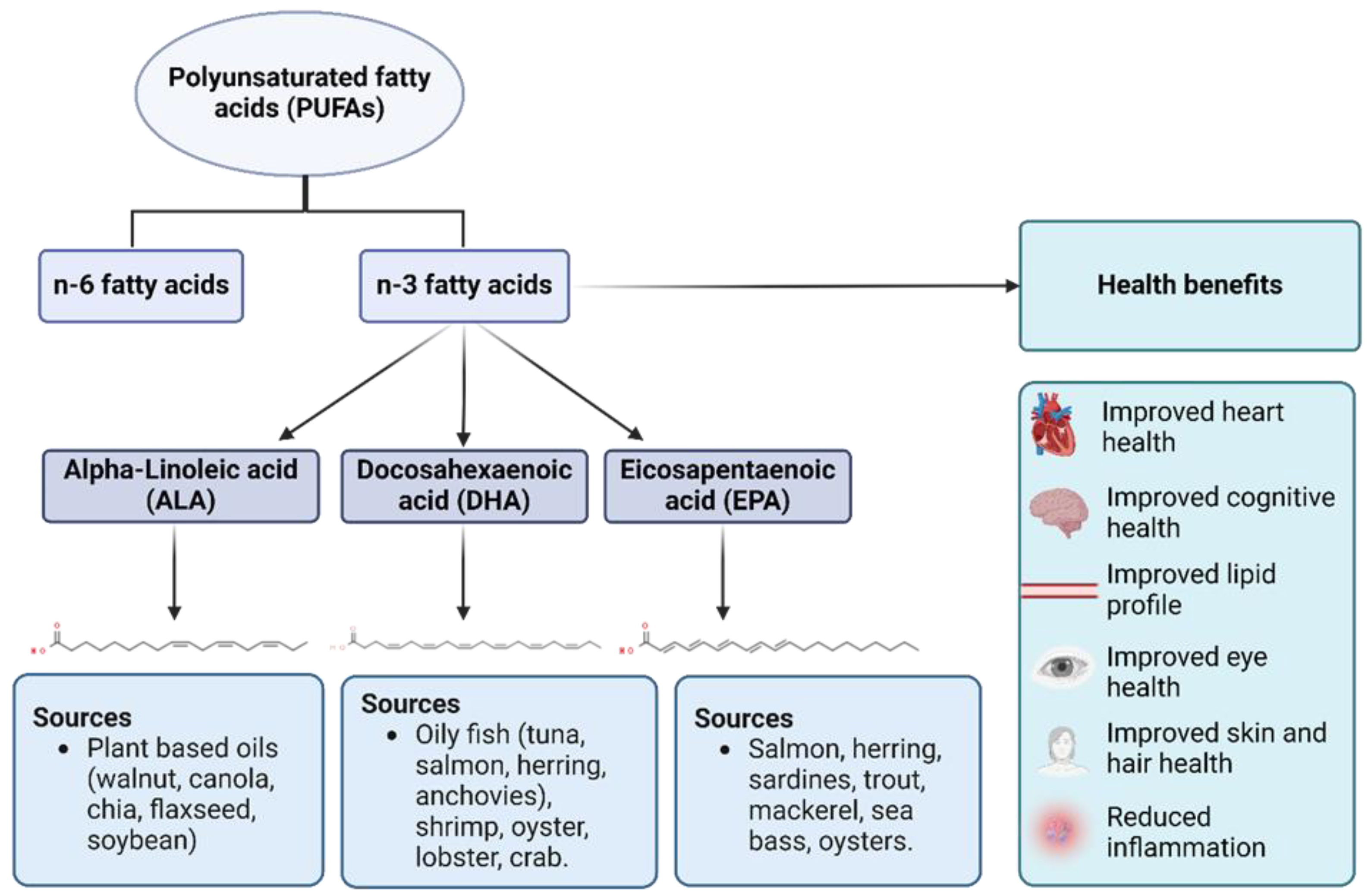
Figure 2.
Common undesirable side effects of Omega-3 fish oil capsule supplements.
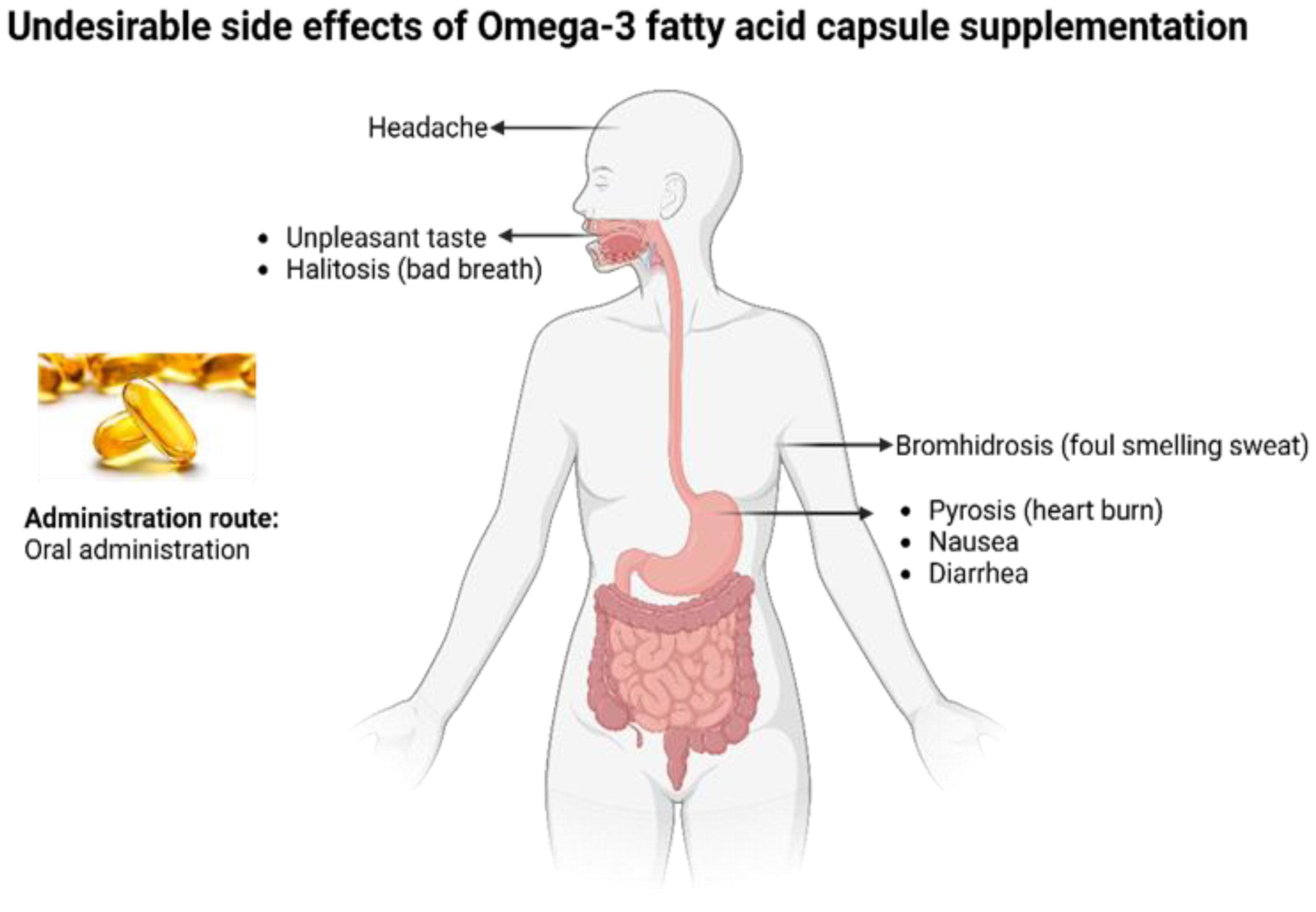
Figure 3.
Common physical mechanisms for nano-encapsulation of Omega-3 PUFAs.
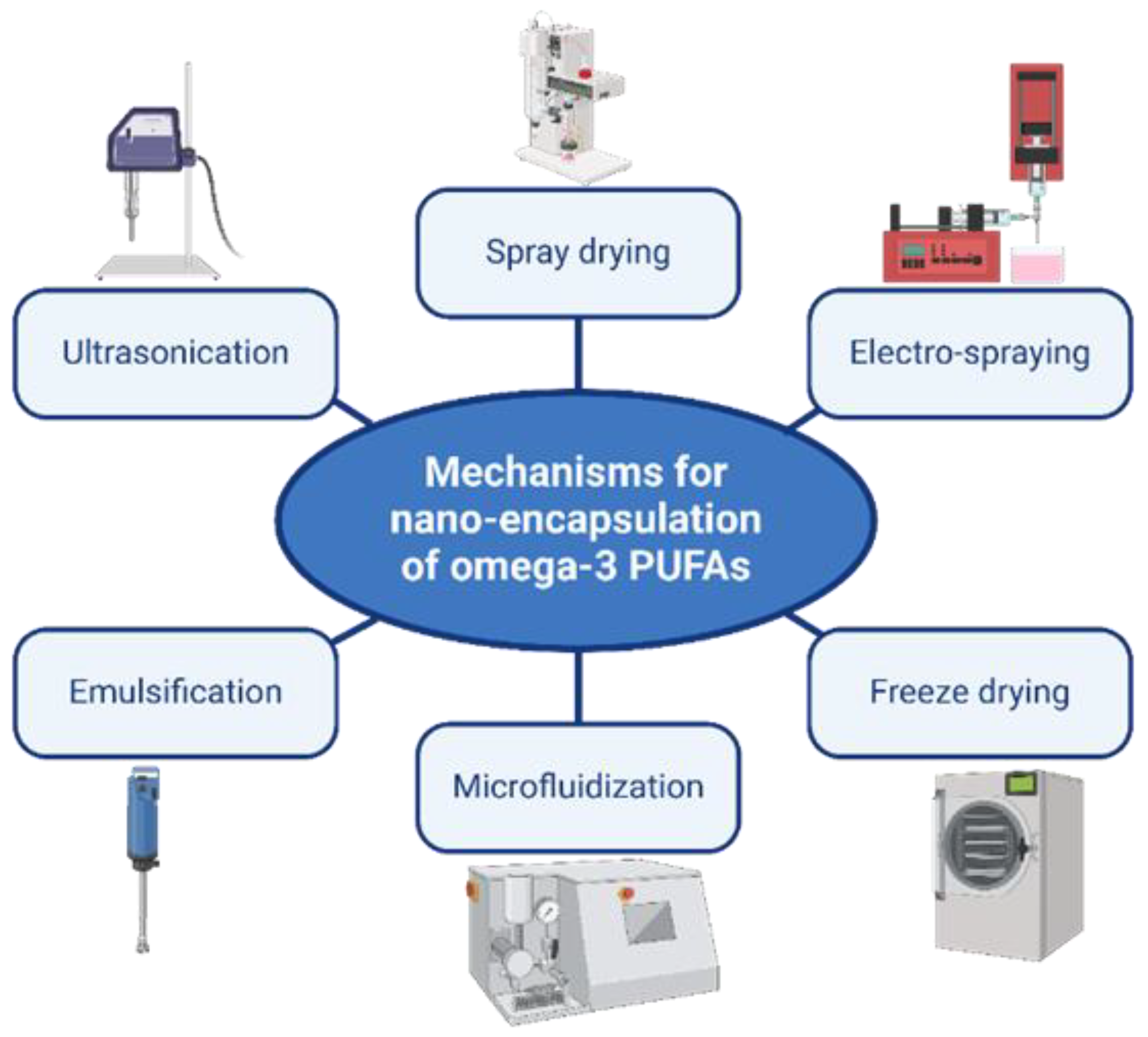
Figure 4.
Advantageous features of a type of MOF; Material Institute Lavoisier 89 nanoparticles (nanoMIL-89).
Figure 4.
Advantageous features of a type of MOF; Material Institute Lavoisier 89 nanoparticles (nanoMIL-89).
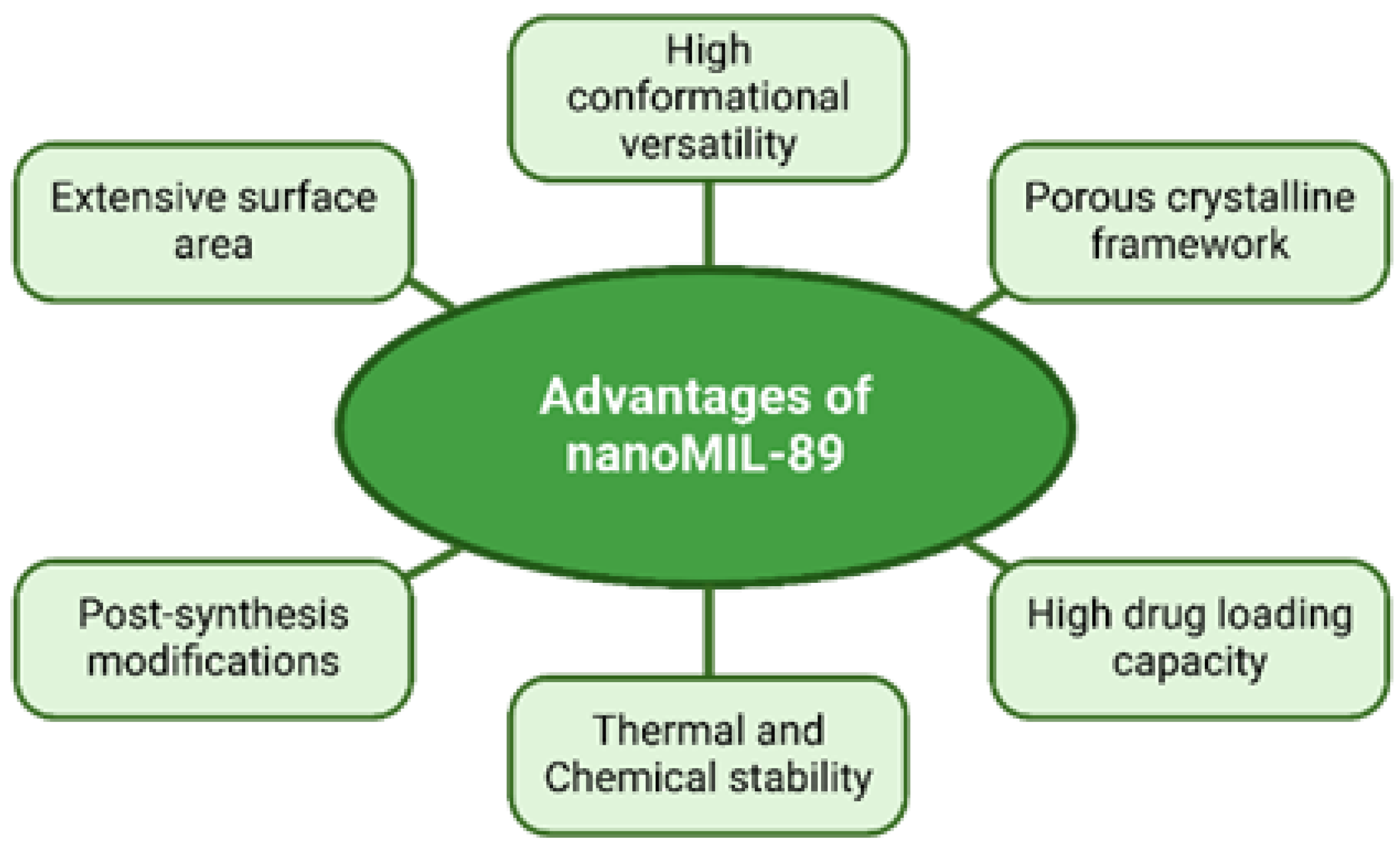
Figure 5.
NanoMIL-89 (iron oxide nanoparticles), a subcategory of MOF nanoparticles. (a) Scanning Electron Microscope captured images of nanoMIL-89 (50000x). (b) Transmission Electron Microscope captured image of nanoMIL-89 (5000x).
Figure 5.
NanoMIL-89 (iron oxide nanoparticles), a subcategory of MOF nanoparticles. (a) Scanning Electron Microscope captured images of nanoMIL-89 (50000x). (b) Transmission Electron Microscope captured image of nanoMIL-89 (5000x).
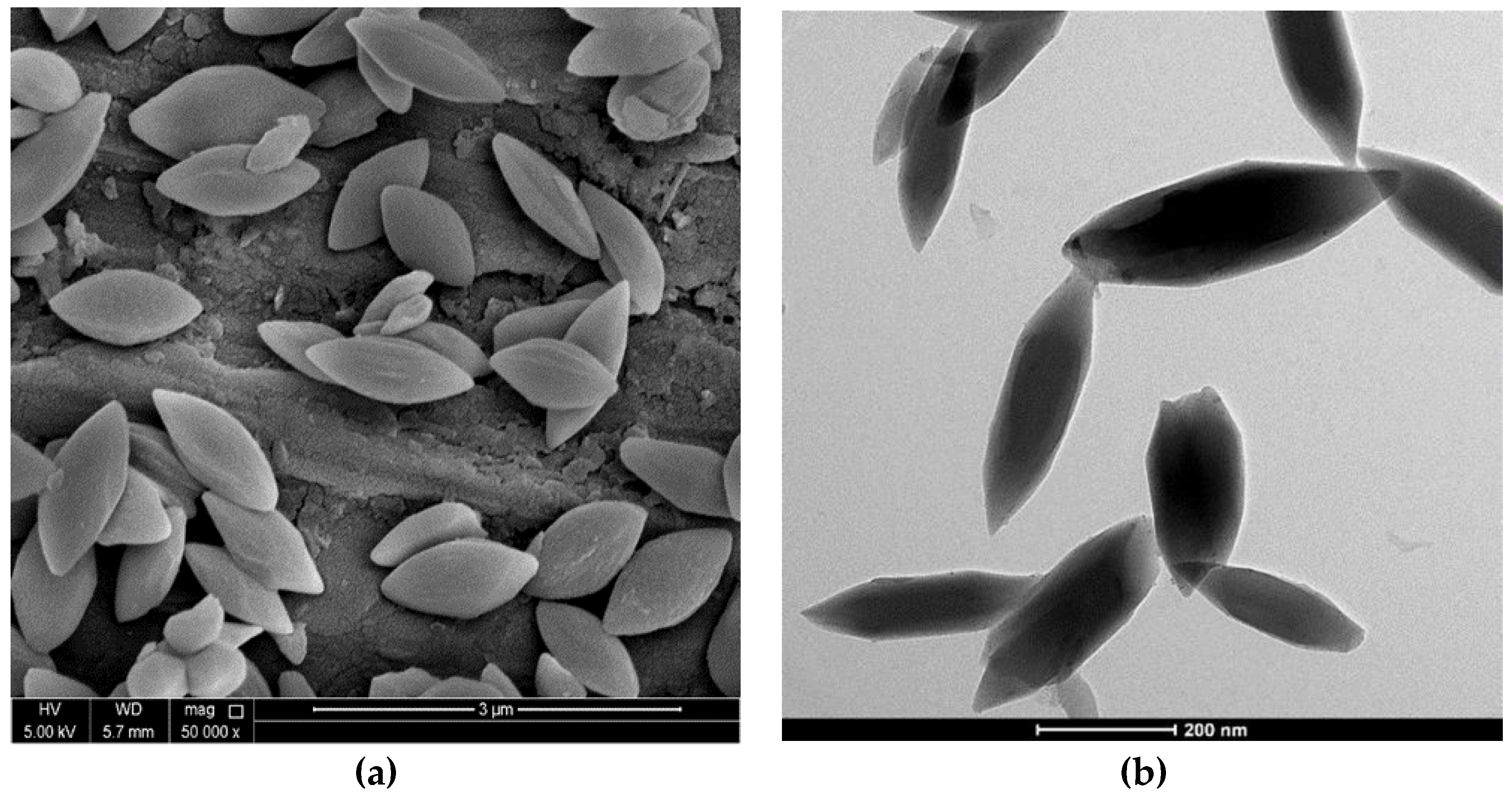

Table 1.
Summary of outcomes of pre-clinical studies published between 1992 and 2022 on cardiovascular health utilizing diets rich in Omega-3 Fatty acids (ω-3 FAs).
Table 1.
Summary of outcomes of pre-clinical studies published between 1992 and 2022 on cardiovascular health utilizing diets rich in Omega-3 Fatty acids (ω-3 FAs).
| Experimental unit |
Sample size (n) | Omega-3 FA diet/dose | Treatment period | Outcomes | References |
|---|---|---|---|---|---|
| Marmoset monkey | 29 | 22.8% | 30 months | ↓ in the threshold for fibrillation | [24] |
| Mongrel dogs | 17 | 5 mL (Intravenous) |
1 week | ↓ in ventricular flutter-fibrillation | [25] |
| Mice | 3 | 3% | 6 weeks | ↓ in loss of Connexin43 (Cx43) | [26] |
| Mice | 14 | 2.1% | 6 weeks | ↓ in Endothelin-1 (ET-1) and Vascular Cell Adhesion Molecule-1 (VCAM-1) | [27] |
| Mice | 36 | 8% | 2 weeks | ↓ in the expression of the Myosin Heavy Chain 7 (Myh7) gene and Collagen type III alpha 1 chain (Col3a1) | [28] |
Table 2.
Summary of outcomes of randomized clinical trials (RCTs) published between 1989 and 2021 on cardiovascular health utilizing diets rich in ω-3 FAs.
Table 2.
Summary of outcomes of randomized clinical trials (RCTs) published between 1989 and 2021 on cardiovascular health utilizing diets rich in ω-3 FAs.
| Study name | Sample size (n) | Omega-3 FA dose/day | Follow up period | Outcomes | References |
|---|---|---|---|---|---|
| DART Clinical Trials | 2,033 | 900mg EPA and DHA | 2 years | 32% ↓ reinfarction, 29% ↓ in mortality from all causes. | [29] |
| GISSI-Prevenzione Trials | 11,232 | 850 mg of DHA or EPA | 3.5 years | 28% ↓ in mortality from all causes, and 45% ↓ in sudden cardiac death. | [30] |
| JELIS Clinical Trials | 18,645 | Statin + 1.8 g of EPA | 5 years | 19% ↓ in mortality, revascularization, MI, and angina. | [31] |
| DOIT Clinical Trials | 563 | 2.4 g of ω-3 PUFA | 3 years | ↓ in mortality from all causes. | [32] |
| OMEGA Trial | 3,851 | 460 mg EPA and 380 mg DHA | 1 year | No ↓ in mortality due to unexpected cardiac events. | [33] |
| Alpha Omega Trial | 4837 | EPA (400mg), DHA (400mg), ALA(2g) | 3.3 years | No ↓ in incidence of serious cardiac events. | [34] |
| SU.FOL.OM3 Trial | 2501 | 600mg of ω-3 FAs | 5 years | No ↓ in incidence of serious cardiovascular events. | [35] |
| ASCEND Trial | 15,480 | 380 mg DHA and 460 mg EPA | 2.5 years | No ↓ in major vascular incidents | [36] |
| VITAL Trial | 25,871 | 380 mg DHA and 460 mg EPA | 5.3 years | No ↓ in risk of cardiovascular diseases | [37] |
| REDUCE-IT Trial | 8179 | 4g of icosapent ethyl (EPA ethyl ester) | 4.9 years | ↓ in the incidence of ischemic events. | [38] |
| STRENGTH Trial | 13,078 | 4g omega-3 carboxylic acid formulation (EPA+DHA) per day | 2.6 years | No ↓ in cardiovascular events | [39] |
| OMEMI Trial | 1,027 | 1.8 g ɷ-3 FAs (930 mg EPA + 660 mg DHA) | 2 years | No ↓ in the frequency of cardiovascular events or deaths from all causes | [40] |
Table 3.
Summary of outcomes of epidemiological studies published between 2000 and 2021 on cardiovascular health utilizing diets rich in ω-3 FAs.
Table 3.
Summary of outcomes of epidemiological studies published between 2000 and 2021 on cardiovascular health utilizing diets rich in ω-3 FAs.
| Sample size (n) | Diet (consisting of ɷ-3 FA) | Follow up period | Outcomes | References |
|---|---|---|---|---|
| 8,825 | 1 serving of fish/week | 19 years | No ↓ in risk of (CVDs) cardiovascular disease | [42] |
| 41,578 | 40-60 g ɷ-3 FA /day | 9 years | ↓ incidence of coronary heart disease (CHDs), ↓ in fatal cardiac events | [43] |
| 48,315 | 31.3 g ɷ-3 FA /day | 4 years | No ↓ risk of myocardial infarction (MI) or stroke | [44] |
| 16,479 | > 2 servings of fried fish/week | 4 years | ↑ in the chance of cardiovascular events | [45] |
| 20,969 | > 4 servings of fish/week | 4 years | 40% ↓ in the likelihood of CHD and stroke | [46] |
| 34,033 | 1 serving of fish/week | 18 years | ↓ in risk of ischemic stroke | [47] |
| 197,761 | 1 serving of fish/week | 3.3 years | ↓ in risk of non-lethal ischemic stroke | [48] |
| 4,067 | 200 mg ɷ-3 FA /day | 12 years | 30% ↓ in the possibility of deadly CHD | [49] |
Table 4.
Summary of outcomes of case-control studies published between 1990 and 2010 on cardiovascular health utilizing diets rich in ω-3 FAs.
Table 4.
Summary of outcomes of case-control studies published between 1990 and 2010 on cardiovascular health utilizing diets rich in ω-3 FAs.
| Sample size (n) | ɷ-3 FA in fish consumption | Study period | Outcomes | References |
|---|---|---|---|---|
| 287 | 1 serving of fish/weekly | 5 years | ↓ the likelihood of cardiovascular diseases (CVDs) | [53] |
| 334 | 5.5g/monthly | 6 years | 50% ↓ in the possibility of first cardiac arrest. | [54] |
| 78 | >1 fish serving/weekly | 18 months | ↓ in risk of myocardial infarction (MI) | [55] |
| 848 | <150 g fish/weekly | 12 months | 38% ↓ in likelihood of developing acute coronary syndrome (ACS) | [56] |
| 108 | 2 servings of fish/weekly | 2 years | ↓ in risk of coronary events | [57] |
Table 5.
Characteristics, Uses, and advantages and disadvantages of different classes of nanoparticles.
Table 5.
Characteristics, Uses, and advantages and disadvantages of different classes of nanoparticles.
| Nanoparticle type | Characteristics | Advantages | Disadvantages | Application/Use | References |
|---|---|---|---|---|---|
 Polymeric NPs (organic) |
Solid particles (colloidal) that range in size from 10 to 1000 nm. Two main types; nanocapsules and nanospheres. | Controlled and sustained drug release, stable, and efficient. biodegradable, good biocompatibility. | Difficult to scale up, lack of toxicological evaluation, can be an environmental hazard and can pose an occupational hazard during production. | Vaccine delivery, cancer treatment, antibiotic delivery, purification of biomolecules and bioimaging | [75,76,77]. |
 Polymeric micelles (organic) |
Spherical, 10 – 100 nm in diameter. Amphiphilic block copolymers produce nanoscopic core/shell structures via covalent bonding. Hydrophobic core, hydrophilic shell. | Highly stable, high loading efficiency, selective and controlled drug release, and kinetically stable. | Low solubility, low loading capacity, low stability in vivo, and can dissociate in vivo. | Cancer treatment, food-based technology, drug delivery, photodynamic therapy, and gene delivery. | [78,79,80]. |
 Dendrimer NPs (organic) |
Spherical, compact, 1 – 15 nm in diameter. Comprises a central core atom, followed by repeating branching subunits and terminal groups. | High loading capacity, high bioavailability, high penetrability, high symmetry, and surface groups can be customized easily. | Low water solubility, high nonspecific toxicity, challenging to separate the NPs from the reactants, and time consuming. | Biomedical applications, targeted delivery, cancer treatment, cancer diagnosis, antibacterial therapy. | [81,82,83]. |
 Solid lipid NPs (organic) |
Spherical shape, diameter ranging from 50nm - 1μm, big surface area, substantial drug loading capacity, and surfactant on the outer layer. | Controlled and/or targeted medication release, optimized drug stability, higher and improved drug content, and non-toxic. | Drug ejection upon polymeric transformation during storage and high moisture content of the dispersions. | Gene vector transporter, topical drug application, cosmetics, agricultural usage, anticancer medication carrier. | [84,85]. |
 Liposomes (organic) |
Spherical lipid vesicles 50-500 nm in diameter comprised of several lipid bilayers formed by the emulsification of real or artificial lipids in water-based solutions | Improved effectiveness, improved therapeutic value of drugs, improved stability by encapsulation, not toxic, adaptive, and biocompatible. | Poor solubility, transient half-life, oxidation, hydrolysis, leak, coagulation of enclosed molecules and expensive manufacturing. | Anticancer drug delivery, antifungal drug delivery, analgesic delivery, COVID–19 mRNA vaccines, photodynamic therapy. | [86,87]. |
 Nanoemulsion (organic) |
Spherical, 20-500 nm diameter, 10-20% polydispersity, unstable thermodynamically, stable kinetically. | Large surface area, high free energy, manufactured in an array of formulations, not toxic, and non-irritant. | Stabilization requires a high concentration of surfactant, and stability is regulated by pH and temperature. | Cosmetics, food, pharmaceuticals, drug delivery, vaccine delivery, material synthesis, and encapsulation of natural food preservatives | [88,89]. |
 Gold NP (inorganic) |
Spherical, 10-100 nm in diameter, colored orange, brown, red, or purple, and absorbs between 500-550 nm. | High surface area to volume proportion, very stable, good biocompatibility, customizable, steady size and shape. | Gold NPs can be toxic at large doses. Gold NPs entrapped in the liver might impair its function and costly manufacturing. | Imaging, electronic gadgets, material production, colorimetric and electrochemical sensing, drug delivery, and cancer diagnosis. | [90,91]. |
 Silver NP (organic) |
Various shapes (spherical, triangular, hexagonal, octagonal, etc.), 1-100 nm diameter, small size crystalline, high heat conductivity, and high electric conductivity | High surface area, bactericidal, catalytic features, fungicidal, not toxic, anticancer properties, very stable, and high solubility | Limited resolution, numerous light scatterings, sedimentation, and high energy required in preparation | Disease diagnosis, agriculture, cosmetics biotechnology, wound dressing, textile industry, and antiseptic reagents. | [92,93]. |
 Iron oxide NP (inorganic) |
Various shapes (spherical, cubes, hexagonal, rods, etc.), superparamagnetic, 10-20 nm in diameter or less, different forms such as hematite, magnetite, maghemite | High surface area to volume proportion, inexpensive, low toxicity, high binding capability, substantial dispersibility, not toxic | Highly reactive, agglomerate, surface oxidation, absence of functional groups, reduced capacity to adsorb molecules, slow kinetics, leach in low pH | Biomedical, magnetic resonance imaging diagnosis, drug delivery, antibody and vaccine manufacture, gene therapy, cancer therapy, sensory probes | [94,95,96,97]. |
 Quantum dots (inorganic) |
Various shapes (spherical, cuboidal, conical, etc.), 2-20 nm in diameter, metallic or semi-conductors, can be zero, one, two, or three dimensional, nanocrystals, and have 100 – 10000 atoms and <100 electrons. | Customizable morphology, great biocompatibility, high ability to disperse, magnetic, and great optical features. | Toxic, lacks significant polarization, water insolubility, and needs strong polymer casing. | Photocatalysis, biosensing, bioimaging in vivo and in vitro, optoelectrical gadgets, and microscopy. | [98,99]. |
 Mesoporous NP (inorganic) |
Spherical or rod-shaped, 30-300 nm in diameter, majorly made up of silicone, highly structured pores, stable porous matrix, 5 different types of nanocomposites | Low toxicity, high biocompatibility, large surface area, big pore volume, heat stable, chemically stable, customizable pore size | Mild toxicity, silanol moieties on the surface can interact with the outermost layer of red blood cell membrane phospholipids causing hemolysis and induction of metabolic alterations promoting melanoma | Cancer treatment, biosensing, bioimaging, targeted illness treatment, radiotherapy, chemotherapy, dynamic therapy, thermal therapy, Immune therapy, gene therapy, | [100,101,102]. |
Table 6.
Summary of studies encapsulating Omega-3 fatty acids using different types of nanoparticles between 2013 and 2022.
Table 6.
Summary of studies encapsulating Omega-3 fatty acids using different types of nanoparticles between 2013 and 2022.
| Omega-3 dose and source | Nanoparticle type | Production Technique | Physiochemical characteristics | Effect | References |
|---|---|---|---|---|---|
| Flax seed oil 20%, w/v | Nanoemulsion | Microfluidization | Average diameter =146 nm Surface charge =34 mV Encapsulation efficiency = 93% and 99%% |
Strong anti-proliferative impact on vascular smooth muscle cells | [104] |
| Flaxseed oil 20%, w/v | Nanoemulsion | Microfluidization | Average diameter = 187 ± 7.5 nm and 176 ± 4.8 nm Surface charge = (-54.6 ± 4.1 mV and -56.4 ± 5.1 mV Encapsulation efficiency = 94.6% |
Improved acute vascular damage with only 30% arterial stenosis | [105] |
| Omega-3 FA | Atorvastatin-loaded nano lipid carrier | Melt emulsification and ultrasonication method | Particle size = 87.29 ± 6.68 nm Surface charge = -36.03 ± 1.50 mV Encapsulation efficiency = 86.70 % ± 0.15 |
Improving Omega-3 FA bioavailability and antihyperlipidemic action | [106] |
| 85 wt.% Docosahexaenoic acid-supplemented fish oil | Nanofiber | Electrospraying assisted by pressurized gas technology (EAPG). | Average particle size = 3.7 ± 1.8 μm Encapsulation efficiency = 84 % |
Supplemented reconstituted milk with zein/DHA-enriched fish oil microcapsules showed no signs of oxidation even after 45 days. | [109] |
| 85 wt % DHA enriched algal oil | Oleogel based microgel | Ball milling | Whey protein microgel particle size = 250 nm Polydispersity index = 0.29 Diameter = 380 nm |
Protein microgels addressed various obstacles in the development of omega-3 polyunsaturated fatty acid oils, such as long-term oxidative resistance and better sensory and textural qualities. | [110] |
Disclaimer/Publisher’s Note: The statements, opinions and data contained in all publications are solely those of the individual author(s) and contributor(s) and not of MDPI and/or the editor(s). MDPI and/or the editor(s) disclaim responsibility for any injury to people or property resulting from any ideas, methods, instructions or products referred to in the content. |
© 2024 by the authors. Licensee MDPI, Basel, Switzerland. This article is an open access article distributed under the terms and conditions of the Creative Commons Attribution (CC BY) license (http://creativecommons.org/licenses/by/4.0/).
Copyright: This open access article is published under a Creative Commons CC BY 4.0 license, which permit the free download, distribution, and reuse, provided that the author and preprint are cited in any reuse.


