

Submitted:
03 March 2024
Posted:
04 March 2024
You are already at the latest version
Abstract
Distracted driving is a major cause of road traffic crashes in Yaoundé. Partly due to scarcity of enforcement, lack of evidence and investigation of distraction safety performance indicator (SPI), hindering evidence-based intervention. This study aimed to address this evidence gap by evaluating the distraction SPI using proven methodology. Data on distracted driving (handheld mobile device; interaction; eating/smoking/drinking) were collected from roadside observation on 36 randomly selected road sections carefully spread to cover the city. SPI were computed and weighted with traffic volume to ensure representativeness of values. A total of 41,004 drivers were observed (38,248 in car; 1,116 in van; 977 in truck; 663 in bus). The prevalence of distracted driving in Yaoundé is 13.69% for the three distractions type combined. The prevalence is 7.84% for interaction, 4.89% for handled mobile device usage and 0.96% for eating/smoking/drinking. Leveraging these insights, a seven year (2024 - 2030) fighting strategy aiming at halving the prevalence was developed. The strategy contains intervention including on legislation/enforcement, which have been proven effective. This study, pioneer in Yaoundé, provide stakeholders with evidence of the issue and measures to implement and can also serve when developing road safety strategy.Future research should consider investigation at national level.
Keywords:
distracted driving
; distraction
; handheld mobile device
; road safety
; safety performance indicator
; prevalence
; LMIC
; roadside observation
; urban area.
1. Introduction
Road traffic crashes have escalated into a global challenge over the years and despite ongoing road safety initiatives, the situation remains alarming. Each year, over 1.19 million people die and 50 million sustain injuries in road traffic crashes worldwide, inflicting both human suffering and significant economic losses, typically amounting to 3% of a country’s Gross Domestic Product (GDP) [1]. Despite having only 60% of the world’s vehicles, low- and middle-income countries (LMICs) bear the brunt of road traffic deaths, accounting for a staggering 92% of fatalities [1], representing up to 6% of their GDP [2]. Distracted driving has long been recognized as a major causes of road traffic crashes in the world [3,4,5].
1.1. Generality
According to the National Highway Traffic Safety Administration (NHTSA), driver distraction is a “specific type of inattention that occurs when drivers divert their attention away from the driving task to focus on another activity instead [6]. In 2019, in the United Sates, the NHTSA reported that 14% of all motor vehicle crashes were caused by distracted driving, 8% of which resulted in fatalities and 15% in serious injuries, amounting in 3,142 deaths [7]. Similarly, the Canadian Automobile Association (CAA) revealed that 16% of all re-ported motor vehicle collisions (MVCs), as well as 10% of the deaths, and 18% of the injuries were due to distracted driving in 2019 in Canada [8]. In Europe, it is generally estimated that distracted driving account for 5 to 25% of all road traffic crashes [9].
Using a mobile phone device, eating or drinking, using a navigation system or interacting with passenger, if done while operating a vehicle, are all examples of distracted driving [10,11,12,13,14]. Fundamentally, distracted driving can be classified as visual, manual, and/or cognitive [15,16,17,18], and their compounding effects on driving performance and crash risk have been well established [19].
Distracted driving degrades driving performance [20,21,22,23,24,25,26,27,28,29,30] and increase the likelihood of crashes [31,32,33].
A meta-analysis of 33 studies showed distracted driving increase mean reaction time by 0.25s [23]. Distracted driving is also associated with fluctuations in vehicle speed [25], slower brake response [26], or increased aggression [34] due to the increased attention demand [33]. Mobile phone use increases the crash risk for car drivers by a factor of 3.6, especially dialing (x12) and texting (x6) [9]. However, there are many other distracted driving behaviors that are problematic for road safety [35,36]. Dingus reported for instance that the odds of having a crash increased when the distraction involved reaching for an object (Odds Ratio [OR] 9.1), reading or writing (OR 9.9), and eating or drinking (OR 1.8) [37].
Although being an independent driver’s decision most of time, distracted driving can be influenced by several factors. According to [38], road width, road gradient and environmental conditions can affect distracted driving. [39] suggests that traffic density, traffic composition, and traffic flow can also affect distracted driving. In addition, individual factors such as age, gender, attitudes towards driving, and vehicle type and condition also play a role in driver distraction [40].
Despite the consequences of distracted driving, the phenomena keep on rising, due to the overconfidence of drivers in their capabilities of performing secondary task while driving [26], the increased availability and use of technology gadgets and devices inside vehicles [41,42] and the disregard of driver to the danger of distracted drivers [43].
In Cameroon, as in numerous other African nations, road traffic fatalities are frequent, with distracted driving as a notable issue. Current data reveals Cameroon’s traffic death rate at 11 per 100,000 population, despite the country having only 31,590 vehicles [1]. A 2010 study of the United Nations Economic Commission for Africa (ECA) had long presented distracted driving as of the top three causes of road crashes in Cameroon [44]. A similar study of the ECA in 2018 reveled that distracted driving account for 30,67% of road traffic crashes in Cameroon [45].
Cameroon has a national law against distracted driving, although it only considers mobile phone distracted driving. The penalty for using a mobile phone while driving is a fine of XAF 25,000 with the driving license withdrawn and the vehicle impounded, even if there has been no crash, yet distracted driving still poses a major concern. In fact, analysis of 2021 law enforcement agency statistics show that distracted driving, especially mobile phone use while driving, is the second leading human related cause of crashes in Cameroon and the leading one in the Center region of which Yaoundé is the main city, accounting for a quarter of crashes in the region. These figures are potentially underestimated, because law enforcement officers do not always report a particular distracting activity, in crash reports, but also due to the complexities in determining if distraction contributed to a crash [15,46,47].
Various interventions to address distracted driving have proven to be effective when correctly implemented. These include legislation and intensive enforcement [48], smart camera for enforcement [49], public campaigns to raise awareness [50,51], training program to combat distracted driving [52], infrastructure change [53], Advanced Driver Assistance Systems (ADAS) [54]. The implementation of effective targeted strategies towards distracted driving as well as the monitoring of their effectiveness required in depth knowledge of the prevalence of distracted driving [41].
Survey, naturalistic in-vehicle observation and field observation are the three main types of data collection that can be used to assess the prevalence of distracted driving [55,56,57,58]. Survey consists of driver self-reporting their distracted driving attitude, they can be advantageous for gathering data of a specific type of secondary tasks [59], or from drivers of a specified age range [60,61], but there are generally no means of verifying the information reported by drivers, making prevalence from self-report distracted driving difficult to rely on for policy design.
Naturalistic observational studies employ a rigorous design involving volunteers driving vehicles equipped with sensors and cameras to record detailed driving behavior over extended periods. Stutts installed video cameras in 70 cars in America and found that drivers spent approximately 30% of their driving time engaged in distracting activities, such as conversing with passengers, eating/drinking, smoking, and manipulating controls [62]. However, these studies are expensive and rely on a limited pool of volunteers, limiting generalizability [14]. Criticism includes the potential bias of drivers altering behavior due to camera presence [63].
Conducting field observations from outside the driver’s vehicle in an unobtrusive manner is one method to reduce the experimenter effect. This approach allows researchers to directly witness the events being investigated [37]. Stationary observation involves discreetly observing and recording drivers’ activities and demographic characteristics as they pass a selected location [15]. Vollrath observed 11,837 drivers at fixed location in three cities in Germany and found that 4.5% texted while driving [64]. Sullman conducted a similar study in England and identified talking to passengers, smoking, and cell phone use as common distractions [14]. Another variation involves using cameras to capture images of drivers passing by, subsequently analyzed to detect distraction behavior. Johnson observed drivers by revieing 40,000 high-quality digital photographs of drivers passing through a section of the New Jersey Turnpike, revealing that approximately 5% exhibited signs of distraction [65].
Stationary observation provides the driver behavior pattern for specific location, but the variation in driver behavior throughout a route, which could be affected by many roadside geometric factors (e.g., speed limit and median width), cannot be observed. This can be addressed by observing the driver’s behavior from a moving vehicle, which allows the observers to record each of the drivers on a given road section, even those traveling at high speed. [66] observed 1,337 drivers passing a moving observation vehicle and found that handheld cell phone use was the most prominent distraction.
In general, field observation are the most effective methods to obtain the prevalence of distracted driving at national level. One of the most recent and prominent projects in that regard was Baseline, a European project funded by the European Union whose objective was to produce National level values for Road Safety KPIs (Key Performance Indicators), including distraction, in 18 European Union Member States. The distraction KPI is defined as the percentage of drivers not using a handheld mobile device and was collected by country using field observation. Baseline results indicated that overall, more than 90% of the drivers in the participating country do not use a handheld mobile device while driving. The distracted driving national prevalence obtained by European countries in the framework of the Baseline project allowed them to have a clear view of the situation, to design targeted intervention and to set national target align with their road safety strategy [67,68].
In Cameroon, few studies have tried to investigate distracted driving, but more on its effects on crash occurrence rather than its prevalence [69,70,71]. Estimates of the prevalence of distracted driving is unknown and evidence-based observation studies of distracted driving in Cameroon, including Yaoundé are lacking, hindering the possibility to grasp the extent of the issues, and to plan and implement effective road safety strategy [72]. As a matter of fact, the ongoing Cameroon’s strategic road safety plan (2021-2025) with the goal of reducing road deaths and serious injuries of 50% by 2025 does not include any target, actions or activities related to distracted driving. The General Delegation for National Security (DGSN) reveal that distracted driving keeps on being a major safety concern and the leading human related cause of road traffic crashes in Yaoundé [73]. Thus, it is important to address the data gaps on the prevalence of distracted driving in Yaoundé so that evidence-based strategy can be implemented, which is the intent of this work.
1.2. Aim
The aim of this work is to evaluate the distraction safety performance indicators in Yaoundé using a proven and well define methodology easily applicable and propose recommendation to reduce distracted driving and increase the overall safety and attractiveness of the city.
This paper is structured as follows: introduction, materials and methods, results, and discussion, and finally conclusions and future work.
To the best of the author’s knowledge, this study constitutes the first ever field observation study at the scale of a city in Cameroon to investigate the prevalence of distracted driving. Therefore, this study is expected to be a valuable baseline contribution, providing the first empirical insights on the topic, crucial for proposing evidence-based strategies aimed to mitigate and monitor distracted driving.
2. Materials and Methods
2.1. Study Context
The data for this study were obtained from one wave of field observation survey conducted in November 2023 in Yaoundé. Yaoundé is the political capital of Cameroon; it has an urbanized area of 183 km2, an administrative limit of 304 km2 and is divided into seven councils (Yaoundé 1 to Yaoundé 7). It has a total of 4,100,000 inhabitants and a motorization rate (car per 1000 people) of 58, according to the Sustainable Urban Mobility Plan of the city [74]. Yaoundé covers a road network estimated at 4,762 km with only 300 km asphalted, composed of 64 km of primary roads and 236 km of secondary and tertiary roads. Safety is a major issue for mobility in Yaoundé, where road traffic crashes cause around 1,000 deaths and 5,000 serious injuries per year with distracted driving being the first causes of road crashes according to the General Delegation for National Security [73]. To satisfy world best practices, the direct field observation survey was designed in strict accordance with the methodological requirements established by the European Commission in the framework of the European Union project Baseline [75].
2.2. Site Selection and Timing
The selection of the observation points was carried out first by randomly identifying the possible sections on the road network in which to conduct the survey giving a higher probability to the more populous area, but also considering the geographical distribution, and subsequently by identifying the observation points along these sections.
According to the baseline methodological guidelines [75], the minimum number of observations points at national level should be 10 per road type (rural roads, urban roads, motorways). Considering that Yaoundé is an urban area with urban roads, one could assume the minimum number of observations points to be 10. However, to increase representativeness of the study at the city level, the minimum number of observation points were applied to the three main types of roads in Yaoundé (primary, secondary and tertiary) taking the minimum number of observation points from 10 to 30 (10 per road type). Ultimately, 36 observation points were considered and strategically spread over the seven councils and the three types of roads to ensure a comprehensive coverage of the city. Figure 1 shows the geographical visualization of the observation points spread across the city per road type and councils.
Once the observations points were selected, site investigation were carried out at each location to ensure the safety and suitability of the observation point, defined by the following criteria:
- Safe and inconspicuous place along the roadside for the observer to watch all the drivers safely and clearly inside their car without being noticed by them.
- Location away from complex situations requiring drivers’ full attention (road works, traffic calming measures, pedestrian crossing, enforcement).
- Location preferably away from intersection but if nearby, only drivers who are driving would be observed, not drivers who are stationary.
- Location with undisturbed traffic and a traffic flow greater than 10 vehicles per hour.
Once the safety and suitability of each location were confirmed, a data collection planning was then developed such that time of the day (daytime peak and off-peak hour) and days of the week (weekdays only) were randomly selected. This distribution of location over time period and weekdays was to avoid systematic sampling bias (e.g. same time period and day for same type of road). Following the planning, the observation took place on November 2023, on nine (09) weekdays spread on two weeks (first week: November 13th – November 17th; second week: November 20th – November 23rd) during two (02) daytime period (peak hour: 07:00 – 09h00 and 16h00-18h00; off peak hour: 10h00-15h00) at a rate of four (04) location per day.
At each observation point, two trained individuals performed the observation. The observer team included one of the authors. The observers had been extensively introduced to the background of the study and to the methodological requirements. They had developed and tested the different data collection sheets and had extensively practiced the observation before the real study. It was decided to use two observers at each location to ensure all relevant vehicles would be observed during the observation period. The observer were wearing regular clothes and were standing at separate spot, if not they would have been less unobtrusive and easier to be noticed by the drivers who might have altered their behavior [76].
2.3. Definition of Data of Interest
The method used to record distracted driving was a live roadside observation of drivers inside their car. Four clearly visible, mutually exclusive categories of distraction were recorded including using a handheld mobile device, interaction with passengers, eating, drinking, or smocking and the remaining situation (no mobile device in the hand, no interaction, no eating, no drinking, no smoking). So, in addition to handheld mobile device (mainly smartphone) distraction, which was the only distraction considered in Baseline [75], the study also include two other types of distraction (interaction, eating/smoking/drinking) following the recommendation of the Forum of European Road Safety Research Institutes (FERSI) [76]. The categorization was based on what is visibly detectable during an on-road observation study and allowed a clear and uniform observation procedure. As shown in previous research several factors (age, gender, road features, vehicle, etc..) could contribute or explain distracted driving [38,39,40]. So, apart from driver distraction by types, the vehicle type was also recorded including passenger cars, light goods vehicles (LGV), heavy goods vehicles (HGV) and buses. Moreover, the driver characteristics were also recorded including driver gender, estimated driver age, and passenger presence. Finally, some road and environmental features were also recorded. Details on the different variables of interest are presented in Table 1.
2.4. Measurement Procedure
The observations were conducted discretely and unobtrusively so as not to influence the drivers and to ensure that the data reflected typical driver behavior [14]. At each location the observers were standing in different safe places with a clear view of the driver inside their car. The observers were equipped with clipboards, pen, stopwatch, data collection sheet and the necessary authorization. Before starting the observation session, the observer ensured again of the suitability of the point (no road works, traffic flowing, etc.) and once it was done, the attributes of the locations were recorded including the ID, the road name, the coordinates, road features etc. Once ready, the observation session could start and for each relevant (vehicle of interest) passing vehicle, the distraction (driver distracted or not distracted), the gender, the age group, and the vehicle type, were collected by the observers using a prepared sheet where they only had to check the correct information with a pen. Each observer focused only on two types of vehicles to ensure all the relevant vehicles were covered during the observation session. The attributes of the session characteristics were also recorded including the Id of the session, the date, time period, the start and end of the session etc. Each observation session lasted on average of 1h35 min (20 min of preparation on arrival, 01h:00 of actual observation, and 15 min preparation on departure).
2.5. Minimun Sample Size
This section may be divided by subheadings. It should provide a concise and precise description of the experimental results, their interpretation, as well as the experimental conclusions that can be drawn.
To have reliable results of the prevalence of distracted driving in Yaoundé, a minimum number of drivers should be observed. According to the baseline methodological guidelines [75], the minimum sample size (minimum number of driver or vehicles to observe) can be computed using Equation 1
where:
- Mssr is the Minimum sample size required.
- is the prevalence, i.e. the percentage of distracted drivers, generally assumed or taken from similar previous studies on a similar population.
- depends on the confidence level. For a 95% confidence level, the is 1.96 [77].
- is the precision.
The prevalence P must be assumed based on previous similar studies on the same population or on similar context. In Belgium for instance, the second national wide observation of driver distraction conducted in 2020 showed a prevalence of 3.2 % [68]. At a more regional level, Binda conducted an observation study of coach drives distraction in South Africa and obtained a prevalence of 9% [78]. To the best of the author’s knowledge, no previous studies have been conducted in Yaoundé allowing to have a sense of what could be the prevalence. Prior to the real survey, during the practical exercise to master the methods, a pilot test was conducted at three observation points for 4 hours. The number of vehicles observed were 741, 3820 and 1334 and the percentage of distracted drivers were 15%, 20% and 9% respectively. Based on all these considerations, the prevalence assumed was 25%, which is a fair assumption considering that the sample size increases with the prevalence until 50%. As recommended in Baseline [75], the confidence level and errors considered were 95% and 1% respectively. Applying Equation 1, the Minimum sample size required is:
The 7,203 vehicles considered are consistent with Baseline guidelines that recommend an absolute minimum sample size of 2,000 vehicles [75].
2.6. Quality Control and Data Treatment
After all the observations session, the physical sheets were reproduced into Microsoft Office Excel spreadsheet for easier manipulation. During this process, quality control and data cleaning were conducted to ensure the data are ready, accurate, consistent and in proper format for analysis.
2.7. Data Analysis
The main computation concerns the distraction safety performance indicators (SPI) or the prevalence of distracted driving. The SPI or the prevalence of distracted driving is defined as the percentage of drivers distracted while driving.
2.7.1. Computation of the Distraction SPI
The computation was done for all types of distraction combined and for each type individually.
-
Prevalence of distracted driving (P1)This prevalence was computed using Equation 2
-
Prevalence of handheld mobile device distracted driving (P2)This prevalence was computed using Equation 3
-
Prevalence of interaction distracted driving (P3)This prevalence was computed using Equation 4
-
Prevalence of eating/smoking/drinking distracted driving (P4)This prevalence was computed using Equation 5
2.7.2. Weighted Distraction SPI
As recommended in Baseline guidelines [79], the prevalence of distracted driving computed were weighted to ensure the safety performance indicators values are representative of the whole city. The weighting considers the traffic volumes at each location spread over the different road types in the city.
The weighted distraction safety performance indicators were computed using Equation 6
Where:
- SPIweighted is the weighted SPI.
- Pi is the SPI at each observation point.
- Wi is the 60min traffic volume at each observation point.
- n is the number of observation points.
As previously indicated, the use of two observed at each location, each focusing only on two vehicle types, was to cover all the relevant vehicle during the 60min observation period. In addition, since Yaoundé is a busy city, the driving speed of the vehicles were relatively low, so the observers could clearly see the driver inside the car and code the necessary information without rushing and making errors. This configuration allowed the observe to observe all the relevant vehicles. However, for each of the 36 locations, during the 60min of observation, between 5 and 15 relevant vehicles were missed. Considering that thousands of vehicles were observed at each location, these vehicles missed are very negligible (<1% per location). So, the number of observed vehicles was confidently taken as the traffic volume during the 60min period at each location. Only the weighted values will be presented in the results.
2.7.3. Analysis Conducted
Following the method adopted in [68], descriptive statistics analyses were used to present the SPI based on various factors (prevalence for different types of vehicles together and by type of vehicle, as well as disaggregated by councils, road type, period of the day, passenger presence, gender and age category for vehicle types together and separately) and when deemed relevant an applicable, Pearson chi-square tests were performed to compare the frequency and types of driver distraction according to various factors (vehicle type, road type, age group, gender, etc.). When the p value was less than 5% (p ≤ 0.05), the difference observed between the proportions compared was considered to be statistically significant. The computation was done for all types of distraction, but results will be emphasized on handheld mobile device distraction (mostly mobile phone) as mobile phone use while driving is the only distraction penalized by the legislation.
3. Results and Discussion
3.1. Description of the Study Sample
A total of 41,004 drivers of cars, buses, heavy good vehicles (HGV), and light good vehicles (LGV) were observed. A number far superior to the minimum sample size required (7,203 vehicles) and which can guarantee a good representative of the results [68]. Table 2 gives an overview of the sample of drivers by vehicle type and according to the main factors considered (councils, road type, time period, gender, age group, passengers presence). The most frequently observed drivers were car drivers (38,248), followed by LGV drivers (1,116) and HGV drivers (977). Relatively fewer bus or coach drivers (663) were observed, partly because the vehicle fleet of the public transport by bus is not very high and because the locations were not always aligned with inter urban road where bus from travel companies are sometimes observed.
For all four types of vehicles combined, women and men account for 9.36% and 96.64% of the sample respectively and regardless of the vehicle types, women are less represented than men and their respective proportion vary depending on the type of vehicle. 9.76% of car drivers are women, compared with just 3.58% for HGV and 2.33% for LGV. For men, the proportion per vehicle types is more stable with 90.24% for car, 93.67% for bus, 96.42% for HGV and 97.67% for LGV. Those results are in line with the general tendency as car ownership is higher for men [74] and women are less represented in transportation profession (taxi driver, bus driver, driver for companies, etc.) [80]. Young (18-24 years) and older (>65 years) drivers are the less represented accounting for 2.74% and 0.5% of the total sample. 96.76% of drivers are in the broad 25-65 age bracket and this doesn’t change when considering each vehicle type, which is understandable as this age group is the predominant in the overall population of the city. The gender and age distribution of the sample is representative of the general population as the observers did not purposely observe more people of a particular gender or age group. 84.93% of drivers were alone in the vehicle at the time of observation. This proportion does not greatly vary according to vehicle type: 84.91% of car drivers, 84.95% of HGV and 83.33% of LGV%.
Observations were uneven between the seven councils of the city with less observations in Yaoundé II (3.90%), Yaoundé VII (4%) and Yaoundé V (7.30%) as they contain fewer asphalted roads in good condition with adequate traffic. Yaoundé I (29.40%), Yaoundé IV (25.7%) and Yaoundé III (21.8%) account for 76.9% of the sample not only because more session were conducted there but also because they contain the majority of primary and secondary road which are characterized by higher traffic. Fewer observations were made on tertiary roads because although they are the most present in the city, they are mostly unpaved, in bad condition with very low traffic. As a result, primary roads (54.90%) and secondary roads (40%) have the largest share of the observations. Finally, the observations were fairly shared between daytime period but slightly fewer on weekday off peak hour time (42.90%) compared to weekday peak hour time (57.10%).
3.2. General Results of the Safety Performance Indicators
Figure 2 shows the weighted SPI of the three main types of distracted driving, for all vehicle types and by vehicle type.
The weighted SPI values indicate that for all types of vehicles, road types, time periods, and councils, the prevalence of distracted driving in Yaoundé is 13.69%, 7,84% for interaction, 4,89% for handheld mobile device (mostly mobile phone) usage and 0.96% for eating/smoking/drinking. As these are weighted values, it means that in 13.69% of the vehicle-kilometers travelled on Yaoundé roads, drivers are distracted while driving, a concerning finding. For passenger cars the prevalence is 13.03%, for HGV it is 23.54% (more than 1 in 5) and for LGV it is 19.17% (almost 1 in 5).
It is interesting to note that interaction distractions are the most common in Yaoundé, regardless of the vehicle category observed. This can be explained by the fact that Yaoundé roads are quite bustling with high levels of traffic, something leading to reduced driving speed, which fosters conversation while driving.
For bus drivers, the prevalence of distracted driving is much higher for each type of distraction (18.7% for interaction, 6.94% for mobile phone use, 2.26% for eating/smoking/drinking) compared to HGV (12.08% for interaction, 10.03% for mobile phone use, 1.43% for eating, smoking, or drinking) and LGV drivers (10.66%, 7.17% and 1.34% respectively). This suggests that bus drivers are more likely to be distracted while driving than drivers of other vehicle types, although these results might not be statistically significant due to the limited number of buses operating in the city.
Over the entire measurement period, 4 drivers (out of a total sample of 41,004 drivers) were observed engaged in more than one type of distracting actions simultaneously, which represents an insignificant proportion that wasn’t considered.
3.3. Handheld Mobile Device
3.3.1. Global Prevalence and Per Vehicle Type
The prevalence of mobile phone distraction for all types of vehicles combined was 4.89%. This means that for all road types, all times of the day, all vehicle types and in all councils, 4.89% of the observed drivers use a mobile device in their hand while driving. From Figure 3, the prevalence of driver distraction is highest for HGV and LGV with percentages of 10.03% and 7.17% respectively. In contrast, passenger cars show slightly lower percentages of driver distraction with values of 4.66%. The high distraction rate for HGV and LGV may be related to the fact that most of these vehicles are commercial vehicles owned by companies and sometimes drivers are required to make multiple phones call for business reasons.
3.3.2. Prevalence per Councils
As displayed in Figure 4, the prevalence of mobile phone distracted driving varies across the different councils in Yaoundé, from 3.49% in Yaoundé V to 7.68% in Yaoundé II for all types of vehicles. There are significant differences according to the type of vehicle in each council. The fact that Yaoundé VI has the highest prevalence of distracted driving for buses can be explained by the presence of most of the transport companies in the area. For passenger cars, the prevalence of distracted driving varies between 3.48% in Yaoundé V to 7.5% in Yaoundé II. The highest prevalence of distracted driving for passenger cars in Yaoundé II (7.5%) and Yaoundé VII (5.84%) can be due to the high dependence on private cars in this area. Similarly, Yaoundé II hosts the busiest commercial area, which can explain the higher prevalence of distracted driving for LGV and HGV.
3.3.3. Prevalence per Road Type
Figure 5 shows the prevalence of mobile phone distraction by road types (primary road or principal roads, secondary roads, and tertiary roads). The prevalence of distracted driving is 5.07% on primary roads, 4.76% on secondary roads and 4.02% on tertiary roads. There is a positive relationship between the prevalence of distracted driving and the road category, this can be explained to the fact that when driving on lower road category (tertiary roads) which are generally on bad condition, drivers are more focused on maneuvering on the road and avoiding potholes than anything else. On higher road category (primary and secondary), the road condition is better, they feel more comfortable in engaging in distraction activities. This applies to all vehicle categories with the exception of bus.
3.3.4. Prevalence per Time Period
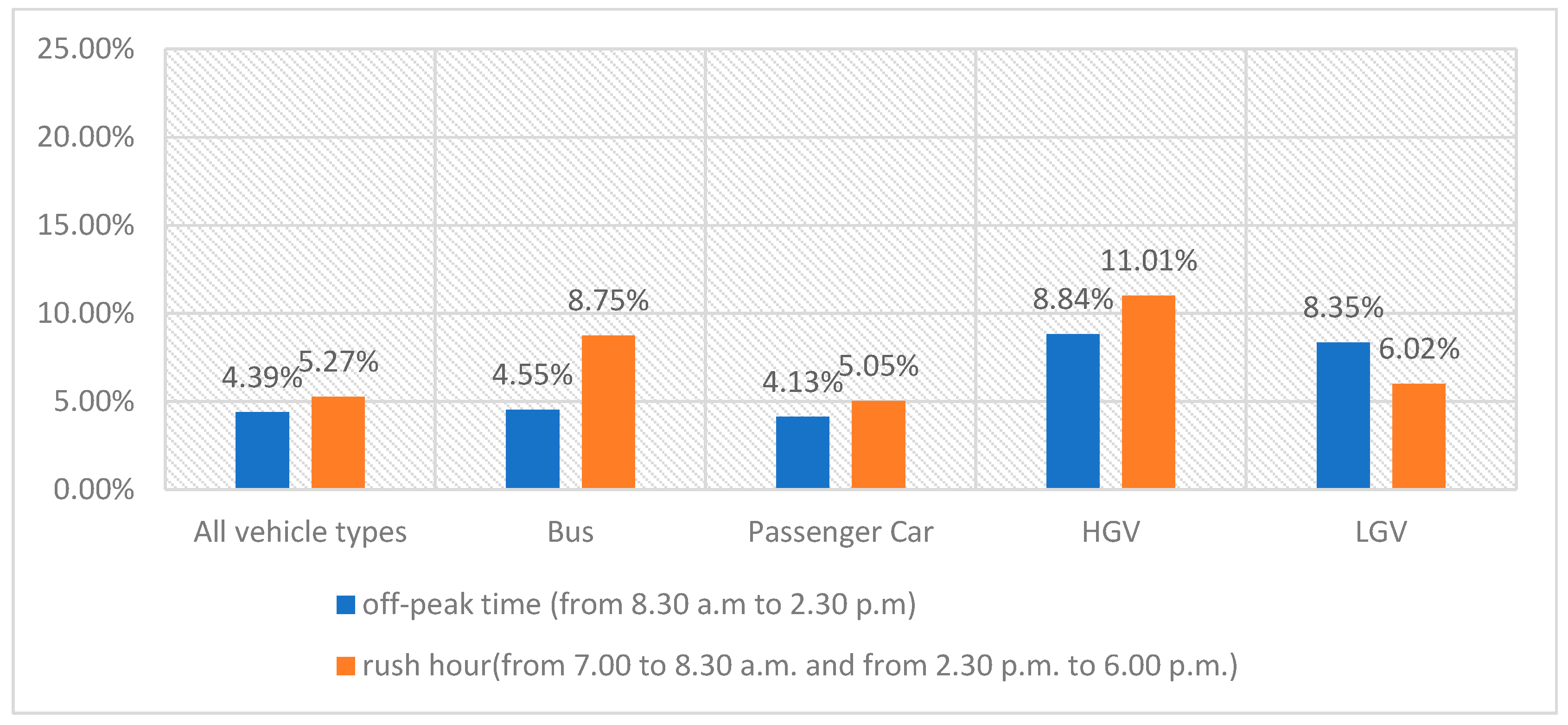
It was found that the prevalence of distracted driving during off peak times (4.39%) is significantly lower than the prevalence during peak times or rush hours (5.27%; χ²=16.85; p ≤ 0.001). This applies to all vehicle types except for LGV (8.35% off peak hour vs 6.02% peak hour). Among all vehicle types, the least variation of the prevalence of distracted driving from peak hour to off peak hour is observed among passenger cars (5.05% vs 4.13%) compared to Bus (8.75% vs 4.55%) and HGV (11.01% vs 8.84%).
Figure 6.
Prevalence of drivers using a handheld mobile device while driving per time period.
3.3.5. Prevalence per Age Group
Due to the very low sample size of older drivers and especially for the Bus, HGV and LGV category, the prevalence was only presented for passenger car. Figure 7 shows a systematic decrease in the proportion of people using a hand-held mobile device with increasing age, and the difference between some age groups is statistically significant. Drivers aged 65 and over are less likely to use a hand-held mobile device while driving than young drivers aged 18-24 (10.28%; χ²=87.149; p ≤ 0.01). The same is not statistically significant with drivers aged 25-64. In addition, the proportion of distracted driving in the youngest age group was also statistically significantly higher than in the 25-64 age group (4.32%; χ²=74.999; p ≤ 0.05). The reason for the lower prevalence among older drivers is clear as these drivers are generally more responsible and less likely to engage in risky behaviors compared to younger drivers.
3.3.5. Prevalence per Gender
Analysis was only carried out for passenger car as women are significantly under-represented in the other vehicle category. Results (see Figure 8) show that female drivers (4.05%) were statistically significantly less likely to use a hand-held mobile device while driving than Male drivers (4.73%; χ²=14.057; p ≤ 0.001). Although the difference in the prevalence value is not quite large one of the possible reasons for a higher prevalence among male drivers could be that they are in general more risk taker than women on the wheel.
3.3.6. Prevalence per Passenger Presence
Figure 9 shows the prevalence of drivers distracted by a handheld mobile device in the presence and absence of passengers. Results suggest that the prevalence decreases significantly when the driver is in the presence of a passenger. At any given time, 9.67% of solo drivers (across all four vehicle types) were using a handheld mobile device, compared to 4.05% of drivers with one or more passengers. Many reasons can explain that. It can be that the passengers are using the phone on behalf of the driver to send a text or launch a call, or there is also a social reason where driver do not want to engage in dangerous behavior in the presence of people in the car not to be judged negatively.
3.4. Interaction
Table 3 shows an overview of the prevalence of distracted driving by interaction for every vehicle type.
The prevalence of interaction distracted driving was found to be 7.84 % for all vehicle types combined. Of the interacting drivers, bus, and HGV have the highest interaction prevalence, with percentages of 18.70%, and 12.08% respectively, although these differences are not statistically significant. For passenger cars and LGV, the prevalence of distraction was 7.46% and 10.66% but the difference was still not statistically significant. There were no statistically significant differences between the road type, councils, gender, and estimated age of drivers.
Finally, interaction was frequent on all drivers with a passenger (100%). This result is obviously logical since the interaction variable is linked to the passenger presence variable and interaction was only observed in situations where the driver was not alone in the vehicle.
3.5. Eating/Smoking/Drinking
Eating, smoking, or drinking behavior includes both people holding a cigarette and people driving with a cigarette in their mouth, eating, chewing, or drinking water or other liquids. The share of the observed drivers engaged in this type of distraction was very low compared to the other types of distraction, leading to small value as shown in Table 4.
Overall (for the four types of vehicles, including bus drivers), 0.96% of drivers ate, smoked, or drank while driving. The prevalence was higher for bus driver (2.26%) compared to other types of vehicles (0.91% for passenger car, 1.43% for HGV and 1.34% for LGV), but this difference was not statistically significant and there were no statistically significant differences between the road type, councils, gender, and age group of the drivers.
3.6. Comparision with Other Countries
The values of the distraction safety performance indicators (prevalence of distracted driving) from the field observation showed that at the level of the city of Yaoundé, 13.69% of drivers are potentially distracted while driving with 7.84% for interaction, 4.89% for handheld mobile device use and 0.96% for eating/smoking/drinking. Within the Baseline project, it was found that for all the 18 participating countries, the prevalence of driver not using handheld mobile device while driving was more than 90% (less than 10% of driver using handheld mobile device while driving) overall with actual percentage ranging from 90.6% (9.4% of driver using handheld mobile device) in Cyprus to 98.3% (1.7% of driver using handheld mobile device while driving) in Finland [81]. The results obtained in this study (4.89% of drivers using handheld mobile device while driving) are the range of the Baseline, even if a direct comparison can’t be made as the Baseline values are for National level and not city level. At a more regional level, (Binda & Muronga (2019) found a prevalence of distraction of 9% (mobile phone use, interaction, grooming, smoking, external distraction) among the 3,958 coach drivers observed in the province of Gauteng. The specific prevalence for mobile phone use was 4.32%, which is quite close to the values obtained withing these studies (4.89%). However, caution must be taken as the study setting very different (only 3,958 drivers observed, only two location, non-weighted value, etc.). The scarcity of field observation studies with same setting in similar traffic environment make it difficult to conduct more detailed comparison analysis, however, the general tendency show that the results are somehow align with values found in others context.
4. Recommendation
Cameroon has a national law against mobile phone distracted driving, but there have never been a study assessing its effectiveness. However, simple movements around the city can allow one to observe that this measure is mostly not respected by drivers and law enforcement officers are not sufficiently dispatched around the city for intensive enforcement. The results of this study are clear. The weighted value for SPI indicated that in almost 13.69% of the vehicle-kilometers travelled on Yaoundé roads, the drivers are distracted while driving, which pauses significant threat in the roads both for the driver, its passenger, and the other road users. Unfortunately, observers had the opportunity to witness the direct consequence of this risky behavior. In fact, during the field observations, on two different days at two different locations, two of the drivers recorded by the observes as being distracted (mobile phone use) while driving ended up in crash (See Figure 10) just few seconds after crossing the observation location (by about 20m). Fortunately, these crashes did not result in any injuries or death but only damage to vehicle. Apart from these two cases, there have been dozens of instances of near crash among distracted drivers during the observation, which further highlight the seriousness of the issues. It is important to take serious action to address this risky driving behaviors and this will require combined efforts of various stakeholders with city officials at the center. In this view, a comprehensive distracted fighting strategy for the city of Yaoundé is proposed. The strategy spans over seven years (2024 – 2030) with the goal to reduce by at least 50% (from 13.69 to 6.8%) the prevalence of distracted driving by 2030. The strategy includes a comprehensive action plan composed by intervention which have been proven effective when properly implemented including legislation and intensive enforcement [48], training program to combat distracted driving [52], awareness campaigns [50,51], technological developments [54] and infrastructure change [53]. For each intervention dimension, practical actions are proposed along with potential stakeholders involved, but most importantly, the indicators and target value for performance monitoring over time. The complete strategy could not be included here to keep the length reasonable, but Table 5 shows a glimpse of some of the proposed action for the category enforcement.
5. Conclusion
Distracted driving is still a major concern in Yaoundé as The General Delegation for National Security (DGSN) reveals that distracted driving is the leading cause of road traffic crashes in the city. Yaoundé is the political capital of Cameroon known to be very bustling and busy with high traffic and intense roadside activities creating an environment for drivers to be potentially distracted. In addition, there is still not a comprehensive distraction fighting strategy addressing various dimensions and the existing action in term of enforcement operation are very scarce and not regular and spread over the city which encourage driver to be more confident in engaging in distracted driving. Finally, the absence of estimates of the prevalence of distracted driving in Yaoundé further hinders the possibility to grasp the extent of the issues, and to plan and implement effective road safety strategies. This study aimed to address these evidence gaps by evaluating the distraction safety performance indicator (SPI) in Yaoundé and providing recommendations to combat distracted driving.
The study was design in accordance with international guidelines from the Baseline project, which are easily applicable in Cameroon or any other countries of similar context. Three types of distraction were considered including interaction with passengers, eating/smoking/drinking and handheld mobile device usage. All the distraction related data were collected during field roadside observation at 36 locations distributed over the different council and road types to ensure coverage of the city. The distraction SPI or the prevalence of driver distracted were weighted with traffic volume data to ensure they are representative of the whole city. Descriptives and association statistics were used to analyze the SPI on various factors including the vehicle types, the road type, the age group, and gender of the driver.
A total of 41,004 drivers were observed (38,248 in car; 1,116 in LGV (van); 977 in HGV (truck); and 663 in bus/coach). The weighted value for SPI indicated that the prevalence of distracted driving in Yaoundé is 13.69% for the three distractions type combined. The prevalence is 7.84% for interaction, 4.89% for handled mobile device usage and 0.96% for eating/smoking/drinking.Further analysis revealed that the prevalence of distracted driving was lower on tertiary roads as lower road condition forced the driver to be more focused on driving. The prevalence was higher during peak hour compared to off peak hour. Finally, men were more distracted than women and the prevalence was also linked to the age group as older drivers were less distracted.
To combat distracted driving based on these evidence, a comprehensive distracted fighting strategy for the city of Yaoundé is proposed, spanning over seven years (2024 – 2030) with the goal to reduce by at least 50% (from 13.69 to 6.8%) the prevalence of distracted driving by 2030 and composed by intervention including legislation and intensive enforcement, awareness campaigns, technological developments, and infrastructure change which have been proven effective when properly implemented.
This study, which is the first ever in Yaoundé to the best of the authors knowledge, provides clear evidence of the issues of distracted driving using an easy to apply methodology.
The evidence from this study and the distraction fighting strategy proposed could help city officials and stakeholders to take concrete action to end distracted driving in Yaoundé and save lives. This study will serve to track the effectiveness of the action implemented in midterm, but also footprint for the application of similar investigation in others city of Cameroon or at a national level. The finding of this study will also help to develop the new national road safety strategy since the current one does not include distracted driving, with the end objective of putting Cameroon in track of a safer and more sustainable transport for all.
The study can also be improved in many ways: The observation method was direct on field observation from the roadside, which is the most used and reliable method in literature. However, it could also be possible that some drivers were not distracted when crossing the observation section, but some meters (10 or more) before or after. Future research could also investigate combining roadside observation with live observation from inside a moving vehicle in the traffic, to track driver distraction behavior for a longer period. Despite these areas of potential improvement, the current study is a huge and significant contribution to enhancing road safety situation in Yaoundé, and in Cameroon.
Author Contributions
Conceptualization, Methodology, Writing—original draft preparation, Steffel Ludivin Feudjio Tezong; Investigation, Data curation, Formal analysis, Boris Feudjio Tchinda; Writing—review and editing, Stephen Kome Fondzenyuy; Methodology, Writing—review and editing, Davide Shingo Usami; Supervision, Luca Persia.
Funding
This research received no external funding.
Institutional Review Board Statement
Not applicable.
Informed Consent Statement
Not applicable.
Data Availability Statement
The data presented in this study are available upon request.
Acknowledgments
We acknowledge the administrative support of the National Advance School of Public Work and La Sapienza University of Rome.
Conflicts of Interest
The authors declare no conflicts of interest.
References
- World Health Organization. Global status report on road safety 2023. 2023. Available online: https://www.who.int/teams/social-determinants-of-health/safety-and-mobility/global-status-report-on-road-safety-2023 (accessed on 18 February 2024).
- World Bank Group. Saving lives through private investment in Road Safety. 2022. Available online: http://documents.worldbank.org/curated/en/099525002222214332/P1750030e6c58506b08d5b05ccba3311628 (accessed on 08 February 2024).
- J. C. Stutts, D. W. Reinfurt, and E. A. Rodgman, “The role of driver distraction in traffic crashes,” 2001. Available online: https://www.researchgate.net/publication/247981075_The_Role_of_Driver_Distraction_in_Traffic_Crashes (accessed on 15 February 2024).
- J.-S. Wang, R. R. Knipling, and M. J. Goodman, “The role of driver inattention in crashes: New statistics from the 1995 crashworthiness data system,” Assoc. Adv. Automot. Med., 1996. [CrossRef]
- S. P. Mcevoy, M. R. Stevenson, and M. Woodward, “The contribution of passengers versus mobile phone use to motor vehicle crashes resulting in hospital attendance by the driver,” Accid. Anal. Prev. 39, vol. 39, pp. 1170–1176, 2007. [CrossRef]
- A. S. Hasan, D. Patel, R. Alfaris, and M. Jalayer, “Identifying distracted-driving events from on-road observations using a moving vehicle: A case study in New Jersey,” Accid. Anal. Prev., vol. 177, no. January, p. 106827, 2022. [CrossRef]
- Stewart, “Overview of Motor Vehicle Crashes in 2020,” 2022. Available online: https://crashstats.nhtsa.dot.gov/Api/Public/Publication/813266 (accessed on 18 January 2024).
- M. Gjorgjievski, V. Khanna, B. Petrisor, C. S. Li, and B. Ristevski, “Roadside evaluation of distracted driving – Driver limitations in recognizing traffic light transitions ( REDD – LIGHT ),” vol. 21, no. June 2020, 2021. [CrossRef]
- S. Boets, “European Road Safety Observatory Road Safety Thematic Report – Driver distraction,” 2022. Available online: https://road-safety.transport.ec.europa.eu/document/download/662f244a-b3ad-442a-aa60-50f8437c86f2_en?filename=Road_Safety_Thematic_Report_Driver_Distraction_2022.pdf (accessed on 14 January 2024).
- W. Deng and R. Wu, “Real-Time Driver-Drowsiness Detection System Using Facial Features,” IEEE Access, vol. 7, pp. 118727–118738, 2019. [CrossRef]
- M. Ngxande, M. Burke, and J. Tapamo, “Driver drowsiness detection using Behavioral measures and machine learning techniques: A review of state-of-art techniques,” Pattern Recognit. Assoc. South Africa Robot. Mechatronics Int. Conf., 2017. [CrossRef]
- F. Prat, M. Planes, M. E. Gras, and M. J. M. Sullman, “An observational study of driving distractions on urban roads in Spain,” Accid. Anal. Prev., vol. 74, pp. 8–16, 2014. [CrossRef]
- G. Chen, L. Hong, J. Dong, and P. Liu, “EDDD: Event-Based Drowsiness Driving Detection Through Facial Motion Analysis With Neuromorphic Vision Sensor,” IEEE Sens. J., vol. 20, no. 11, pp. 6170–6181, 2020. [CrossRef]
- M. J. M. Sullman, “An observational study of driver distraction in England,” Transp. Res. Part F Psychol. Behav., vol. 15, no. 3, pp. 272–278, 2012. [CrossRef]
- Thomas A. Ranney, “Driver Distraction: A Review of the Current,” 2008. Available online: https://www.nhtsa.gov/sites/nhtsa.gov/files/810787_0.pdf (accessed on 22 February 2024).
- M. A. Regan and D. L. Strayer, “Towards an Understanding of Driver Inattention: Taxonomy and Theory,” Ann. Adv. Automot. Med., vol. 58, no. March 2014, pp. 5–14, 2014.
- M. Pettitt, G. Burnett, and A. Stevens, “Defining Driver Distraction,” World Congr. Intell. Transp. Syst., vol. 12, no. November, 2005. [CrossRef]
- V. Beanland, M. Fitzharris, K. L. Young, and M. G. Lenné, “Driver inattention and driver distraction in serious casualty crashes: Data from the Australian National Crash In-depth Study,” Accid. Anal. Prev., vol. 54, pp. 99–107, 2013. [CrossRef]
- K. L. Young and P. M. Salmon, “Examining the relationship between driver distraction and driving errors: A discussion of theory, studies and methods,” Saf. Sci., vol. 50, no. 2, pp. 165–174, 2012. [CrossRef]
- F. A. Drews, M. Pasupathi, and D. L. Strayer, “Passenger and Cell Phone Conversations in Simulated Driving,” J. Exp. Psychol. Appl., vol. 14, no. 4, pp. 392–400, 2008. [CrossRef]
- Y. Ishigami and R. M. Klein, “Is a hands-free phone safer than a handheld phone?,” J. Safety Res., vol. 40, no. 2, pp. 157–164, 2009. [CrossRef]
- W. Consiglio, P. Driscoll, M. Witte, and W. P. Berg, “Effect of cellular telephone conversations and other potential interference on reaction time in a braking response,” Accid. Anal. Prev., vol. 35, pp. 495–500, 2003. [CrossRef]
- J. K. Caird, C. R. Willness, P. Steel, and C. Scialfa, “A meta-analysis of the effects of cell phones on driver performance,” Accid. Anal. Prev., vol. 40, no. 4, pp. 1282–1293, 2008. [CrossRef]
- K. E. Beede and S. J. Kass, “Engrossed in conversation: The impact of cell phones on simulated driving performance,” Accid. Anal. Prev., vol. 38, no. 2, pp. 415–421, 2006. [CrossRef]
- M. E. Rakauskas, L. J. Gugerty, and N. J. Ward, “Effects of naturalistic cell phone conversations on driving performance,” J. Safety Res., vol. 35, no. 4, pp. 453–464, 2004. [CrossRef]
- M. F. Lesch and P. A. Hancock, “Driving performance during concurrent cell-phone use: Are drivers aware of their performance decrements?,” Accid. Anal. Prev., vol. 36, no. 3, pp. 471–480, 2004. [CrossRef]
- D. L. Strayer and F. A. Drews, “Profiles in driver distraction: Effects of cell phone conversations on younger and older drivers,” Hum. Factors, vol. 46, no. 4, pp. 640–649, 2004. [CrossRef]
- B. Donmez, L. N. Boyle, J. D. Lee, and I. City, “The Impact of Distraction Mitigation Strategies on Driving Performance,” Hum. Factors, vol. 48, no. 4, pp. 785–804, 2006. [CrossRef]
- T. L. Bunn, S. Slavova, T. W. Struttmann, and S. R. Browning, “Sleepiness / fatigue and distraction / inattention as factors for fatal versus nonfatal commercial motor vehicle driver injuries,” Accid. Anal. Prev., vol. 37, pp. 862–869, 2005. [CrossRef]
- P. A. Hancock, M. Lesch, and L. Simmons, “The distraction effects of phone use during a crucial driving maneuver,” Accid. Anal. Prev., vol. 35, pp. 501–514, 2003. [CrossRef]
- D. M. Neyens and L. N. Boyle, “The influence of driver distraction on the severity of injuries sustained by teenage drivers and their passengers,” Accid. Anal. Prev., vol. 40, pp. 254–259, 2008. [CrossRef]
- S. P. McEvoy, M. R. Stevenson, and M. Woodward, “The prevalence of, and factors associated with, serious crashes involving a distracting activity,” Accid. Anal. Prev., vol. 39, no. 3, pp. 475–482, 2007. [CrossRef]
- J. Hunton and J. M. Rose, “Cellular telephones and driving performance: The effects of attentional demands on motor vehicle crash risk,” Risk Anal., vol. 25, no. 4, pp. 855–866, 2005. [CrossRef]
- A. R. Mcgarva, M. Ramsey, and S. A. Shear, “Effects of driver cell-phone use on driver aggression,” J. Soc. Psychol., vol. 146, no. 2, pp. 133–146, 2006. [CrossRef]
- K. A. Braitman and A. L. Braitman, “Patterns of distracted driving behaviors among young adult drivers: Exploring relationships with personality variables,” Transp. Res. Part F Traffic Psychol. Behav., vol. 46, pp. 169–176, 2017. [CrossRef]
- V. Beanland, M. Fitzharris, K. L. Young, and M. G. Lenné, “Driver inattention and driver distraction in serious casualty crashes: Data from the Australian National Crash In-depth Study,” Accid. Anal. Prev., vol. 54, pp. 99–107, 2013. [CrossRef]
- T. A. Dingus et al., “Driver crash risk factors and prevalence evaluation using naturalistic driving data,” Proc. Natl. Acad. Sci. U. S. A., vol. 113, no. 10, pp. 2636–2641, 2016. [CrossRef]
- K. Kircher. “Driver distraction - A review of the literature (VTI rapport 594A),” VTI Rapp. 594A, p. 64, 2007. Available online: http://www.erskine-mcmahon.com/files/cell.phone.driving.distraction.article.10.pdf (accessed on 25 November 2023).
- R. Salamé, “Les sources de distraction au volant et leur dangerosité: Enquête auprès des membres de la communauté universitaire de l’Université Saint-Joseph de Beyrouth,” Rech. Transp. Secur., vol. 2015, no. 3–4, pp. 199–210, 2015. [CrossRef]
- I. M. Harms, M. Dicke, J. A. Rypkema, and K. A. Brookhuis, “Position paper. Verkeersveilig gebruik van smart devices én Smart Mobility Toegang tot Smart Mobility-diensten met aandacht voor het verkeer,” 2017. Available online: https://verkeersveiligheidscoalitie.nl/wp-content/uploads/2018/09/CommunitySP-HB_2017_Position-paper-Verkeersveilig-gebruik-van-Smart-Mob....pdf (accessed on 05 September 2023).
- A. Katharina, M. Schumacher, M. Mennecke, and M. Vollrath, “Systematic review of observational studies on secondary task engagement while driving,” Accid. Anal. Prev., vol. 119, no. July, pp. 225–236, 2018. [CrossRef]
- T. L. Overton, T. E. Rives, C. Hecht, S. Shafi, and R. Rajesh, “Distracted driving: prevalence, problems, and prevention,” Int. J. Inj. Contr. Saf. Promot., vol. 22, no. 3, pp. 187–192, 2015. [CrossRef]
- Carlos Pires, A. Areal, and J. Trigoso, “Distraction (mobile phone use). ESRA2 Thematic report Nr. 3. ESRA project (E-Survey of Road users’ Attitudes),” 2019. Available online: file:///C:/Users/flori/Downloads/esra2018thematicreportno3distraction(1).pdf (accessed on 12 February 2024).
- United Nations Economic Commission for Africa. Etude de cas sur la securite routiere au Cameroun. 2010. Available online: https://repository.uneca.org/bitstream/handle/10855/41496/Bib 47884.pdf?sequence=1&isAllowed=y (accessed on 18 February 2024).
- United Nations Economic Commission for Africa. Évaluation de la performance en matière de sécurité routière ( EPSR ). 2018. Available online: https://unece.org/fr/transport/publications/evaluation-de-la-performance-en-matiere-de-securite-routiere-epsr-cameroun (accessed on 18 January 2024).
- T. A. Dingus, “Estimates of Prevalence and Risk Associated with Inattention and Distraction Based Upon In Situ Naturalistic Data,” Ann. Adv. Automot. Med., vol. 58, no. March 2014, pp. 60–68, 2014.
- A. T. Mccartt et al., “Cell Phones and Driving: Review of Research,” Traffic Inj. Prev., vol. 7, no. 2, pp. 89–106, 2007. [CrossRef]
- B. Olsson, H. Pütz, F. Reitzug, and D. K. Humphreys, “Evaluating the impact of penalising the use of mobile phones while driving on road traffic fatalities, serious injuries and mobile phone use: a systematic review,” Inj. Prev., pp. 1–8, 2020. [CrossRef]
- S. Kończak, “Handhaving van het verbod op handheld telefoongebruik Ongevallen voorkomen Letsel beperken Levens redden,” 2020. Available online: https://swov.nl/nl/publicatie/handhaving-van-het-verbod-op-handheld-telefoongebruik (accessed on 18 February 2024).
- Vlakveld, “Maatregelen tegen afleiding bij automobilisten Ongevallen voorkomen Letsel beperken Levens redden,” 2018. Available online: https://swov.nl/nl/publicatie/maatregelen-tegen-afleiding-bij-automobilisten (accessed on 18 February 2024).
- Kaiser S and A. Breuss, “Effectiveness of Road Safety Campaigns, European Road Safety Decision Support System, developed by the H2020 project SafetyCube,” 2017. Available online: https://www.roadsafety-dss.eu/assets/data/pdf/synopses/Effectiveness_of_Road_Safety_Campaigns_26072017.pdf (accessed on 08 January 2024).
- Y. Huang, D. Zohar, M. M. Robertson, A. Garabet, J. Lee, and L. A. Murphy, “Development and validation of safety climate scales for lone workers using truck drivers as exemplar,” Transp. Res. Part F Psychol. Behav., vol. 17, pp. 5–19, 2013. [CrossRef]
- Weekley, “Minimising distraction from roadside advertising Recommendations for road authorities CEDR Call 2016: Safety,” 2019. Available online: https://www.cedr-adverts.eu/storage/minisites/d2-1-adverts-recommendations-final.pdf (accessed on 18 February 2024).
- Vlakveld, “Veiligheidseffecten van rijtaakondersteunende systemen” 2019. Available online: https://swov.nl/nl/publicatie/veiligheidseffecten-van-rijtaakondersteunende-systemen (accessed on 18 February 2024).
- J. B. Claveria, S. Hernandez, J. C. Anderson, and E. L. Jessup, “Understanding truck driver behavior with respect to cell phone use and vehicle operation,” Transp. Res. Part F Psychol. Behav., vol. 65, pp. 389–401, 2019. [CrossRef]
- T. A. Dingus, F. Guo, S. Lee, J. F. Antin, M. Perez, and M. Buchanan-king, “Driver crash risk factors and prevalence evaluation using naturalistic driving data,” Proc. Natl. Acad. Sci. U. S. A., vol. 113, no. 10, pp. 2636–2641, 2016. [CrossRef]
- A. S. Hasan, M. Jalayer, E. Heitmann, and J. Weiss, “Distracted Driving Crashes: A Review on Data Collection, Analysis, and Crash Prevention Methods,” Transp. Res. Rec., vol. 2676, no. 8, pp. 423–434, 2022. [CrossRef]
- M. Asbridge, J. R. Brubacher, and H. Chan, “Cell phone use and traffic crash risk: a culpability analysis,” Int. J. Epidemiol., vol. 42, no. November 2012, pp. 259–267, 2013. [CrossRef]
- I. J. Reagan and J. B. Cicchino, “Do Not Disturb While Driving – Use of cellphone blockers among adult drivers,” Saf. Sci., vol. 128, no. March, p. 104753, 2020. [CrossRef]
- B. R. K. Shevlin and K. A. Goodwin, “Past behavior and the decision to text while driving among young adults,” Transp. Res. Part F Traffic Psychol. Behav., vol. 60, pp. 58–67, 2019. [CrossRef]
- J. K. Engelberg, L. L. Hill, J. Rybar, and T. Styer, “Distracted driving behaviors related to cell phone use among middle-aged adults,” J. Transp. Heal., vol. 2, no. 3, pp. 434–440, 2015. [CrossRef]
- J. Stutts et al., “Driver’s exposure to distractions in their natural driving environment,” Accid. Anal. Prev., vol. 37, no. 6, pp. 1093–1101, 2005. [CrossRef]
- C. Huisingh, R. Griffin, and T. Science, “The prevalence of distraction among passenger vehicle drivers: a roadside observational approach,” Traffic Inj. Prev., vol. 16, no. 2, pp. 140–146, 2016. [CrossRef]
- M. Vollrath, A. K. Huemer, C. Teller, A. Likhacheva, and J. Fricke, “Do German drivers use their smartphones safely?—Not really!,” Accid. Anal. Prev., vol. 96, pp. 29–38, 2016. [CrossRef]
- M. B. Johnson, R. B. Voas, J. H. Lacey, A. S. McKnight, and J. E. Lange, “Living Dangerously: Driver Distraction at High Speed,” Traffic Inj. Prev., vol. 5, no. 1, pp. 1–7, 2004. [CrossRef]
- F. Sagberg, O. J. Johansson, and H. B. Sundfør, “Combining roadside interviews and on-road observation for assessing prevalence of driver inattention,” Transp. Res. Part F Traffic Psychol. Behav., vol. 62, pp. 305–315, 2019. [CrossRef]
- European Commission, “Baseline Policy Report. Conclusions and recommendations,” 2023. Available online: https://www.baseline.vias.be/storage/minisites/baseline-policy-report-digital-1.pdf (accessed on 14 February 2024).
- S. Boets, N. Wardenier, N. Moreau, and M. De Roeck, “Deuxième mesure nationale de comportement « distraction au volant »,” 2023. Available online: https://www.vias.be/publications/2de nationale gedragsmeting afleiding tijdens het rijden/2eme_mesure_de_comportement_distraction_au_volant.pdf (accessed on 05 September 2023).
- E. E. Tuekam-Bopda, J. G. Tamba, and A. Fopah-Lele, “Impacts of mobile phone use while driving on the performance of petroleum product drivers in Cameroon,” Transp. Saf. Environ., vol. 5, no. 2, pp. 1–10, 2023. [CrossRef]
- O. M. Arrey and A. N. Ndifontiayong, “Prevalence and Risk Factors Associated with Road Traffic Crash among Bus Drivers in the Southern Region of Cameroon: A Cross Sectional Study,” Austin J. Public Heal. Epidemiol., vol. 10, no. 3, 2023.
- N. Padison and O. Tiafack, “Atmosphere of Accidents along the Douala-Yaounde National Road in Cameroon: Hoofmarks, Drivers, Challenges and Proactive Options,” J. Transp. Technol., vol. 12, no. 03, pp. 323–345, 2022. [CrossRef]
- A. Katharina, M. Schumacher, M. Mennecke, and M. Vollrath, “Systematic review of observational studies on secondary task engagement while driving,” Accid. Anal. Prev., vol. 119, no. May, pp. 225–236, 2018. [CrossRef]
- General Delegation for National Security. “Usage du téléphone au volant comme deuxième principale cause d’accidents de la circulation,” 2020.
- Bachmann et al., “Plan de Mobilité Urbaine Soutenable pour la Communauté Urbaine Rapport de de Yaoundé synthèse,” 2019. Available online: https://www.mobiliseyourcity.net/sites/default/files/2020-01/PMUS Yaoundé-Septembre 2019.pdf (accessed on 5 February 2024).
- S. Boets, M. Schumacher, and S. Agnieszka, “Methodological guidelines – KPI Distraction,” 2021. Available online: https://baseline.vias.be/storage/minisites/baseline-kpi-distraction.pdf.
- M. Vollrath, M. Schumacher, Boets, and Meesmann, “Guidelines for assessing the prevalence of mobile phone use in traffic,” 2019. Available online: https://fersi.org/wp-content/uploads/2019/11/Guidelines-prevalence-mobile-phone-use.pdf (accessed on 11 September 2023).
- A. Hazra, “Using the confidence interval confidently,” J. Thorac. Diseas, vol. 9, no. 10, pp. 4125–4130, 2017. [CrossRef]
- P. Binda and K. Muronga, “Distracted driver behaviour in south african townships: a roadside observation study,” in 38th Annual Southern African Transport Conference 2019, 2019. Available online: https://repository.up.ac.za/handle/2263/74254 (accessed on 18 February 2024).
- P. Silverans and S. Boets, “Considerations for sampling weights in Baseline,” 2021. Available online: https://baseline.vias.be/storage/minisites/baseline-considerations-for-sampling-weights.pdf (accessed on 18 September 2023).
- Y. M. Kuete, “Framing the change: Analysing employment change, (in) adequacy, and (de) feminization in Cameroon’s tertiary firms,” United Nations Univ. World Inst. Dev. Econ. Res., no. August, 2023. [CrossRef]
- Boets, “Baseline report on the KPI Distraction,” 2023. Available online: https://baseline.vias.be/storage/minisites/baseline-kpi-distraction.pdf (accessed on 18 September 2023).
Figure 1.
Geographical distribution of the observation points.
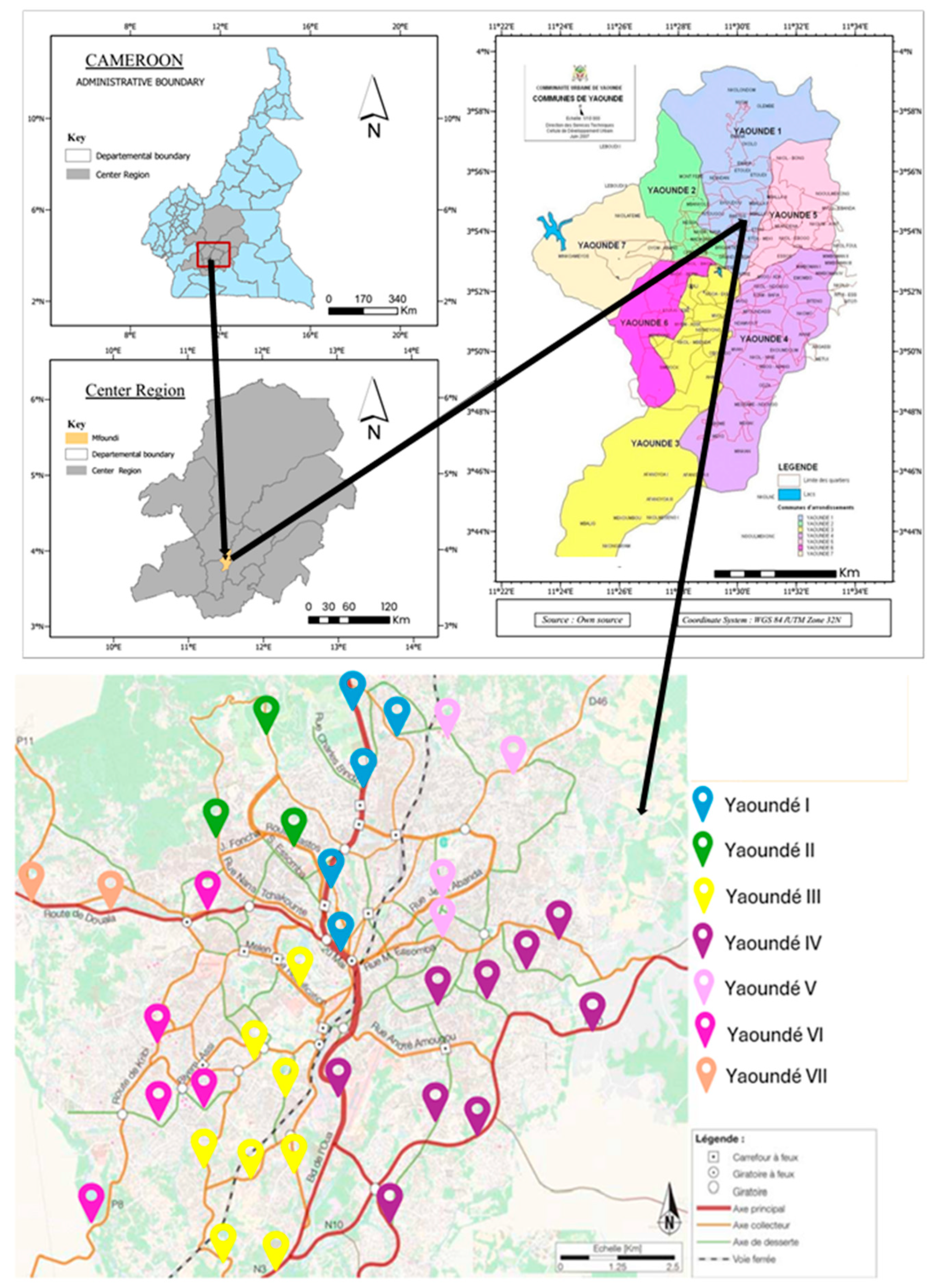
Figure 2.
Prevalence of distracted drivers in Yaoundé per type of distraction and vehicle type.
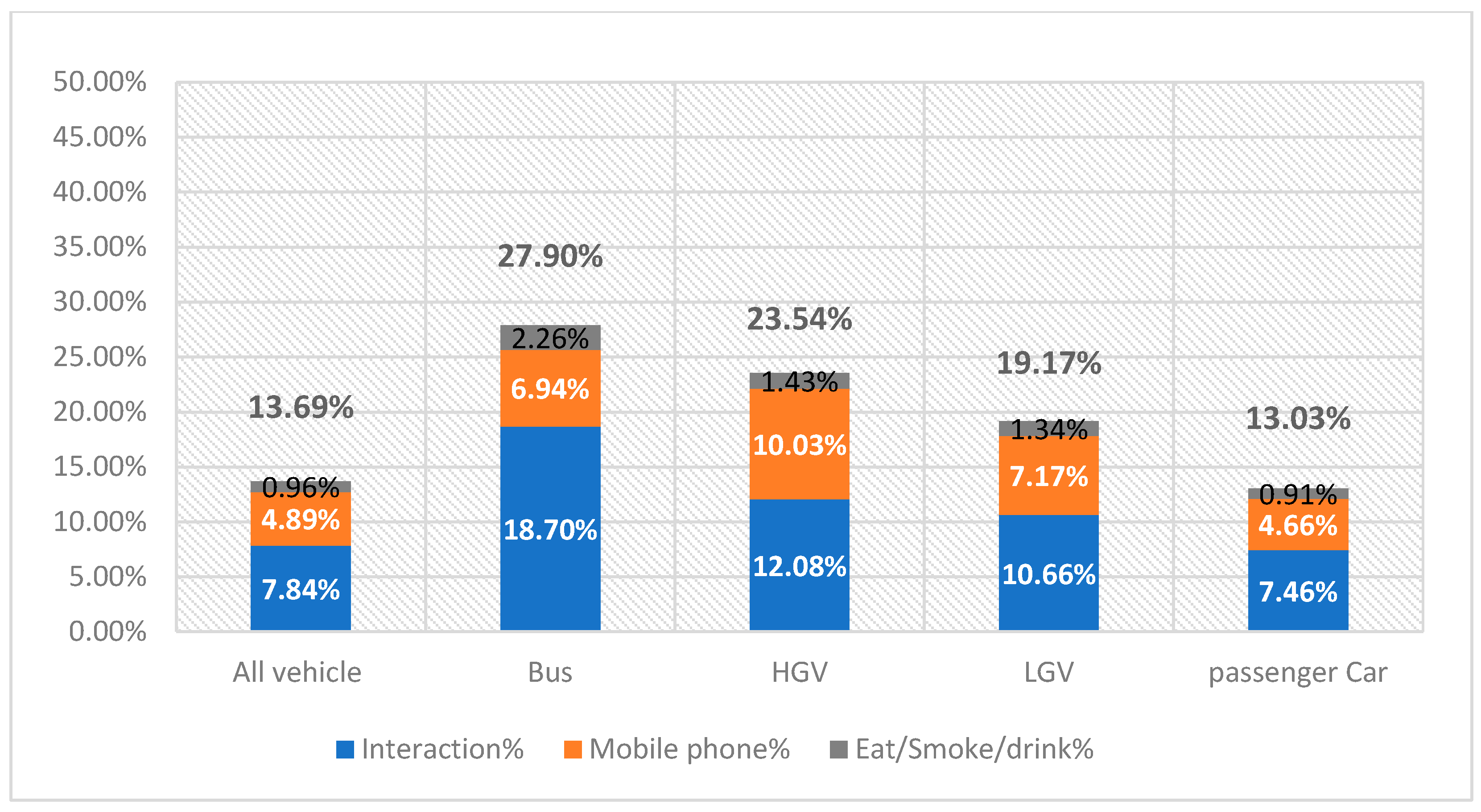
Figure 3.
Prevalence of drivers using a handheld mobile device while driving per vehicle type.
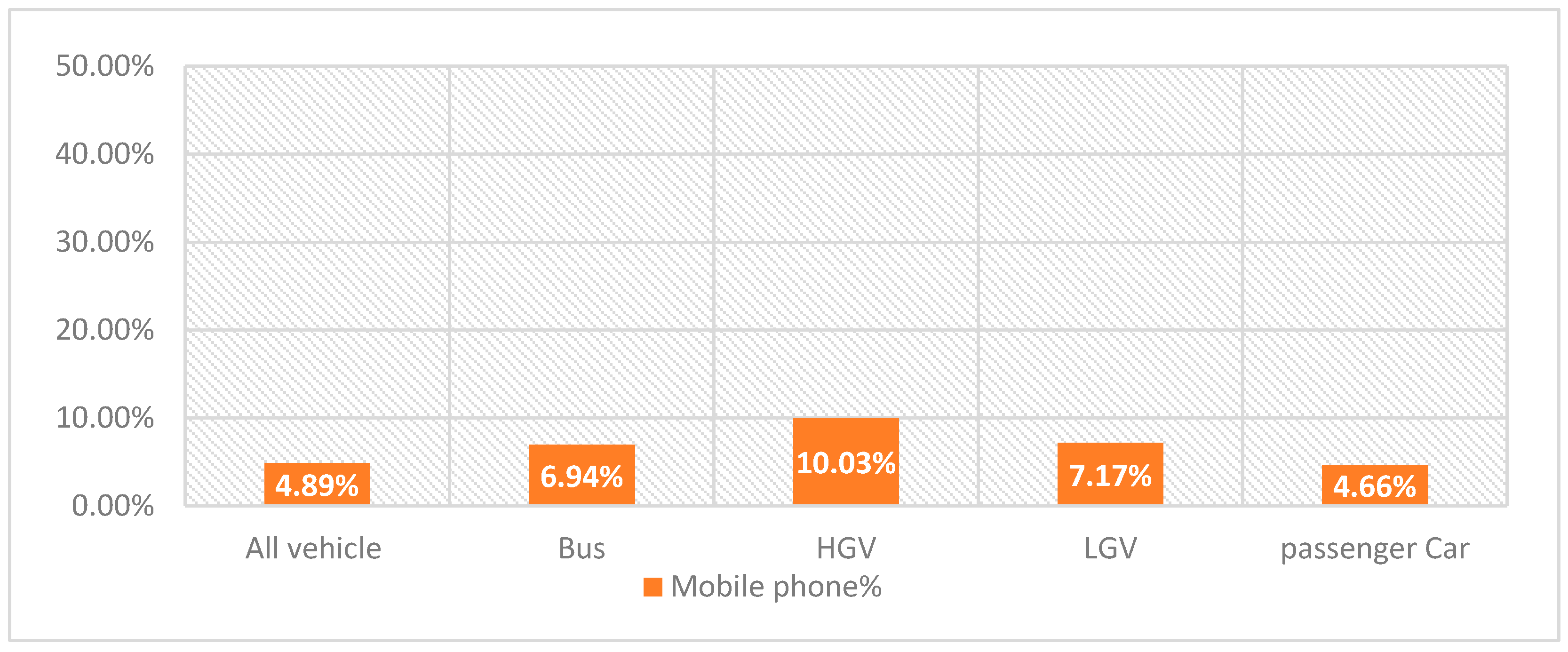
Figure 4.
Prevalence of drivers using a handheld mobile device while driving per councils.
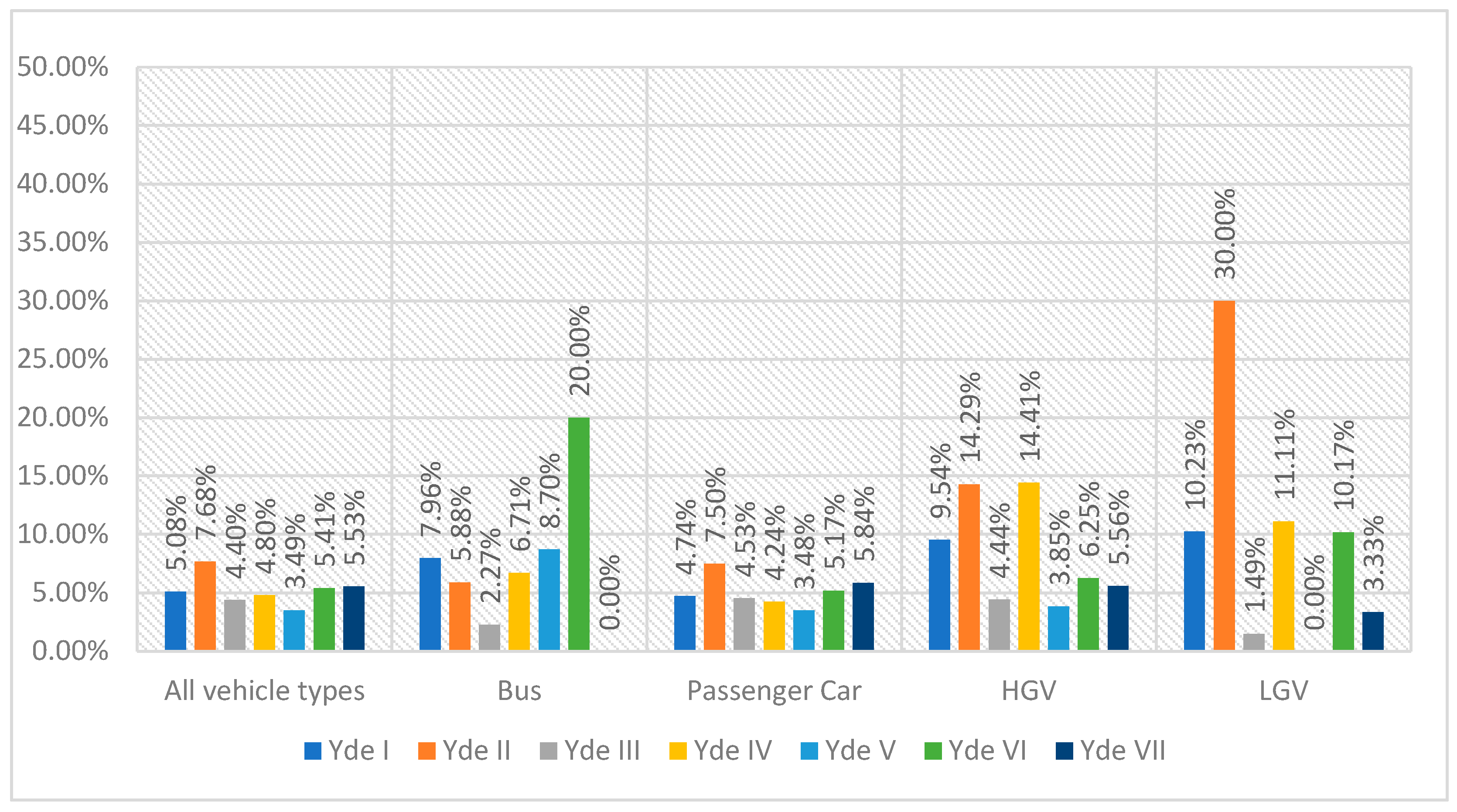
Figure 5.
Prevalence of drivers using a handheld mobile device while driving per road type.
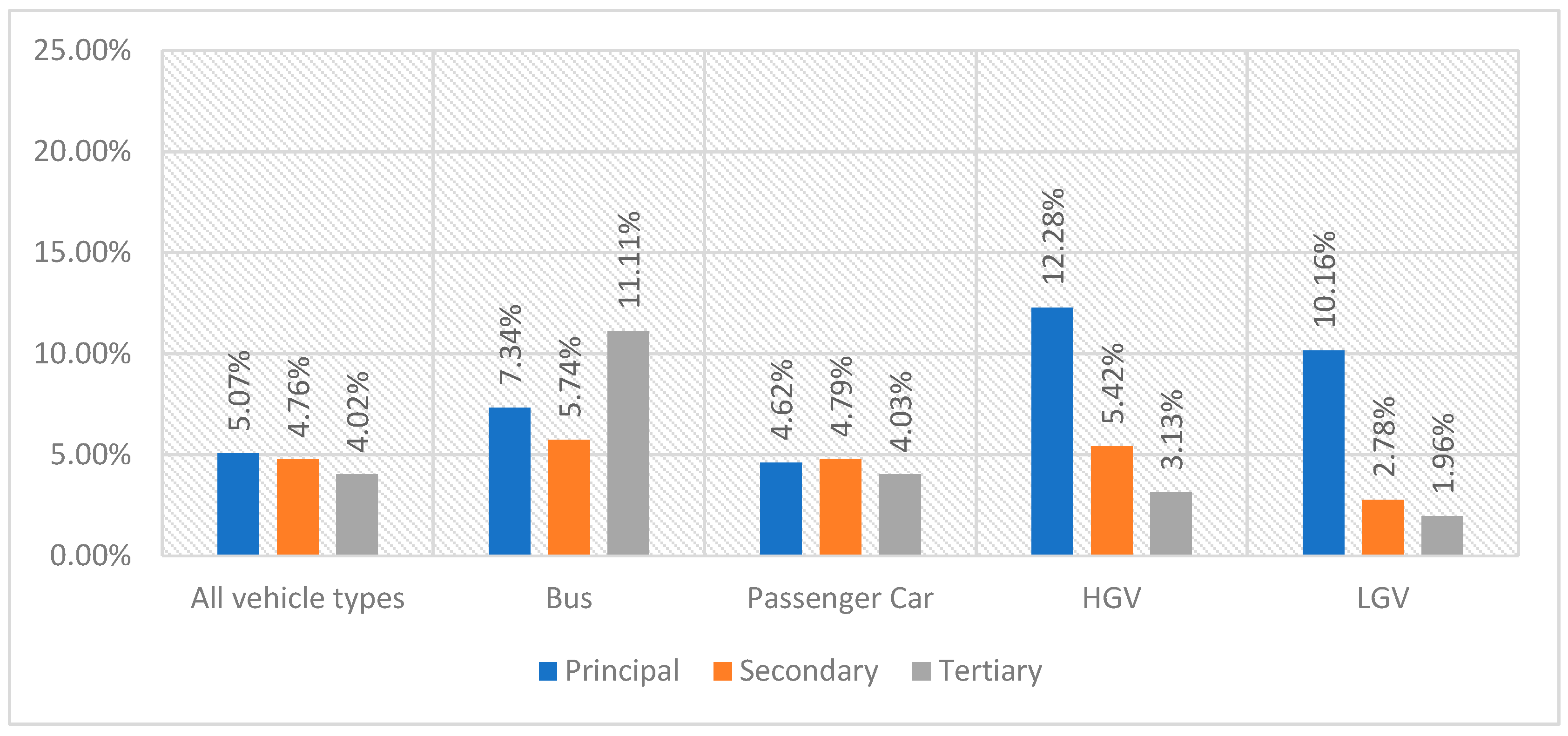
Figure 7.
Prevalence of drivers using a handheld mobile device while driving per age group.
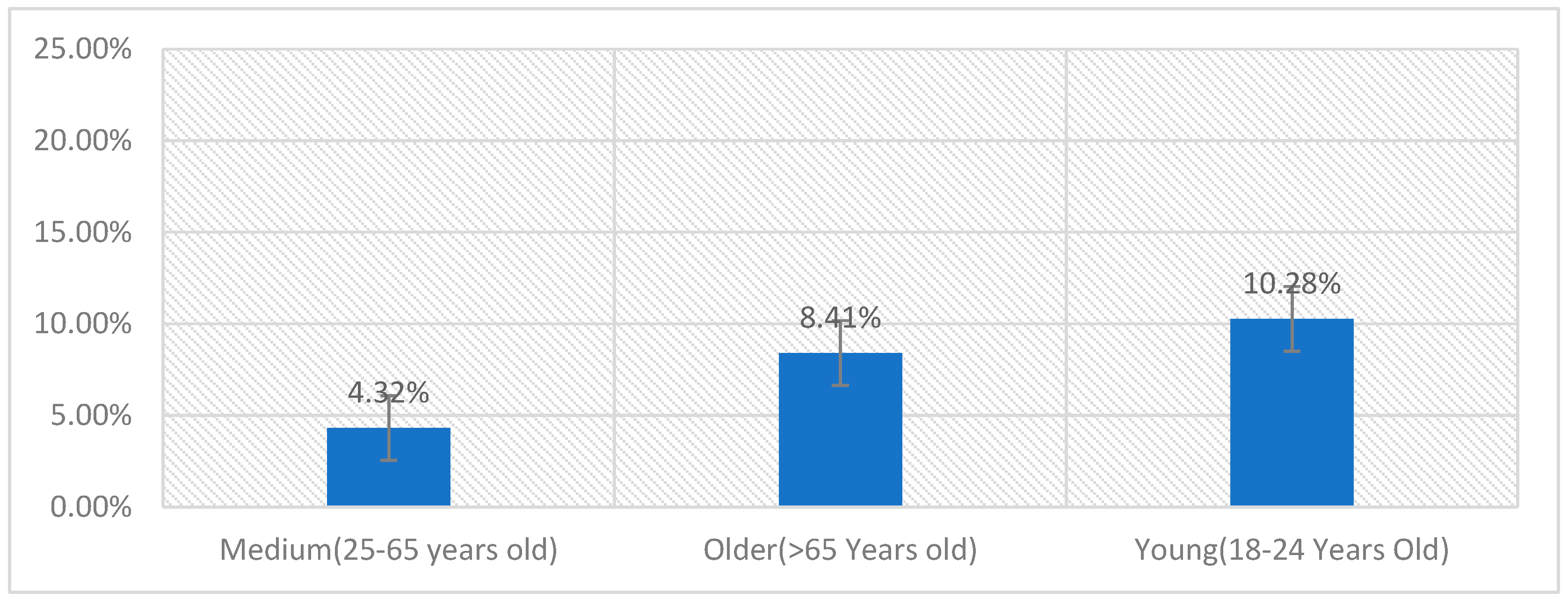
Figure 8.
Prevalence of drivers using a handheld mobile device while driving per gender.
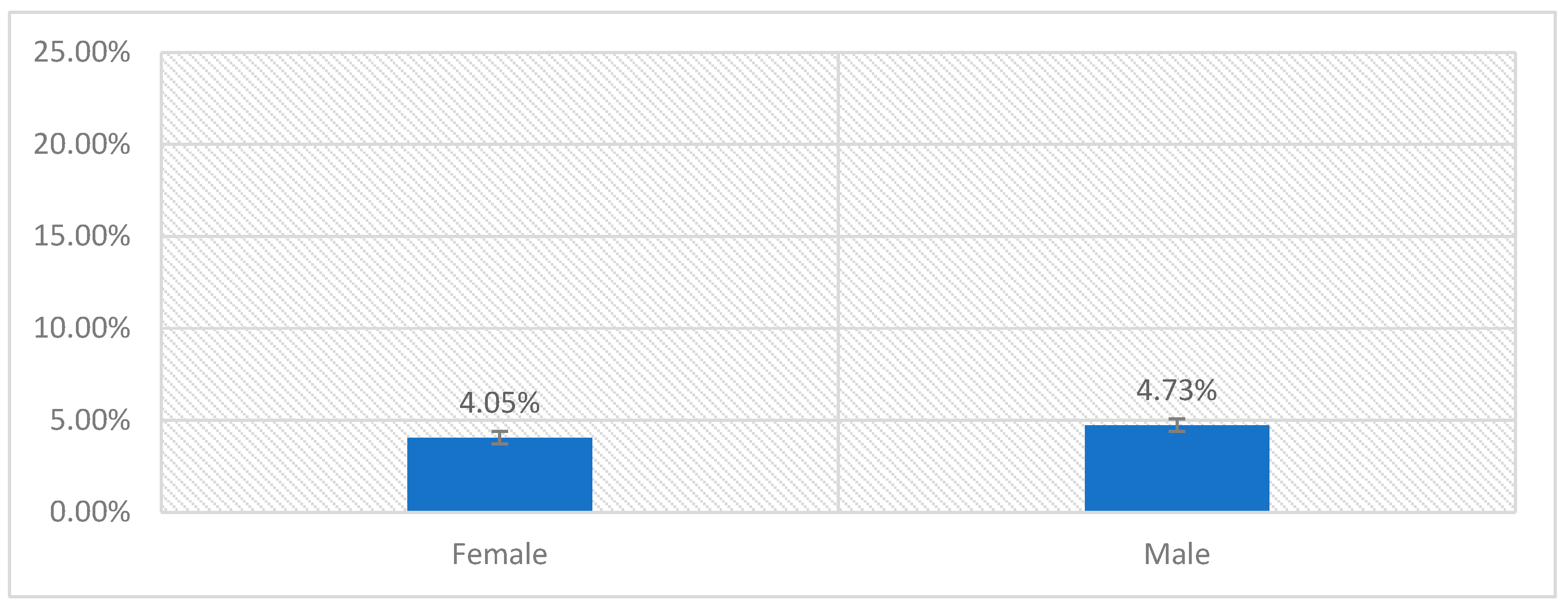
Figure 9.
Prevalence of distracted driver per passenger presence.
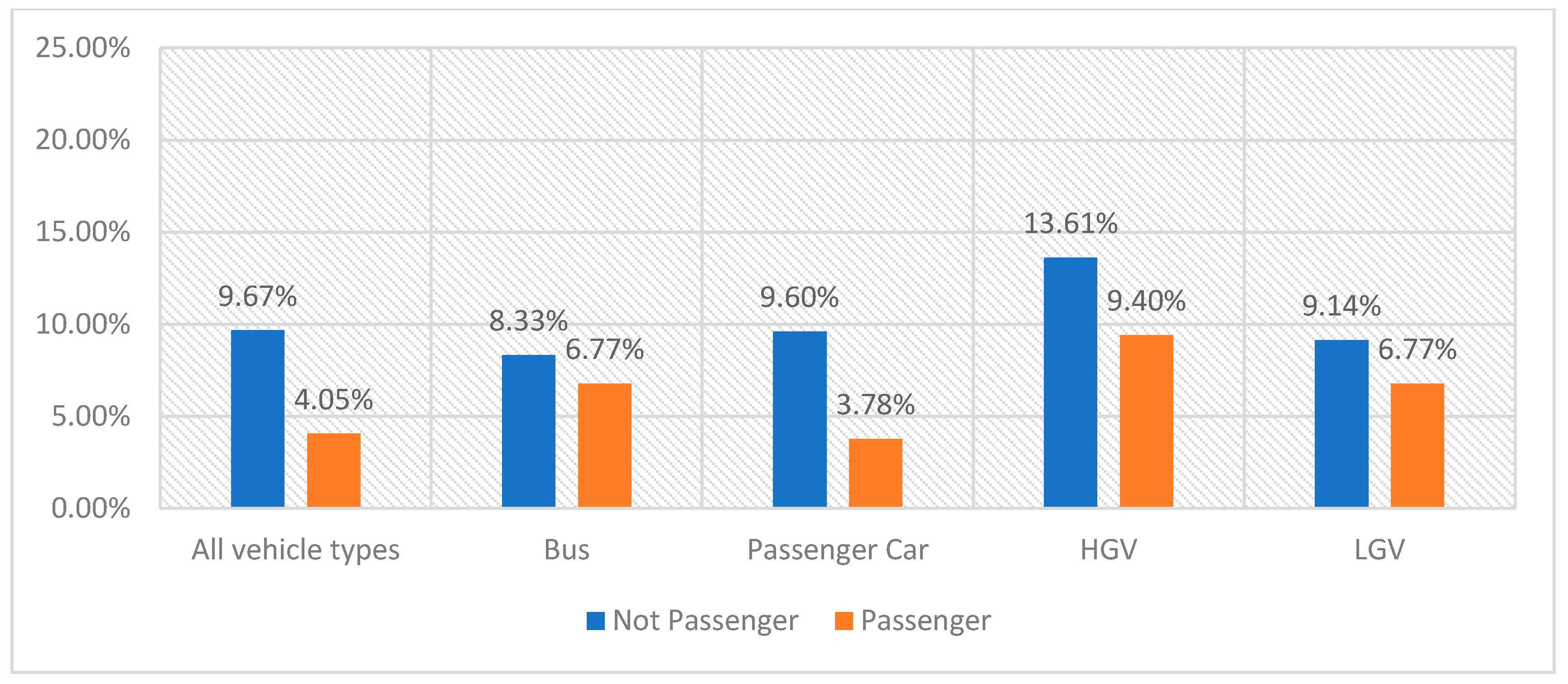
Figure 10.
Distraction (mobile phone) related crashes during field observation in two observation point: (a) Road section called Reunification, in front of the military hospital”; (b) Road section called Nlongkack, in front of the ministry of decentralization and local development.
Figure 10.
Distraction (mobile phone) related crashes during field observation in two observation point: (a) Road section called Reunification, in front of the military hospital”; (b) Road section called Nlongkack, in front of the ministry of decentralization and local development.
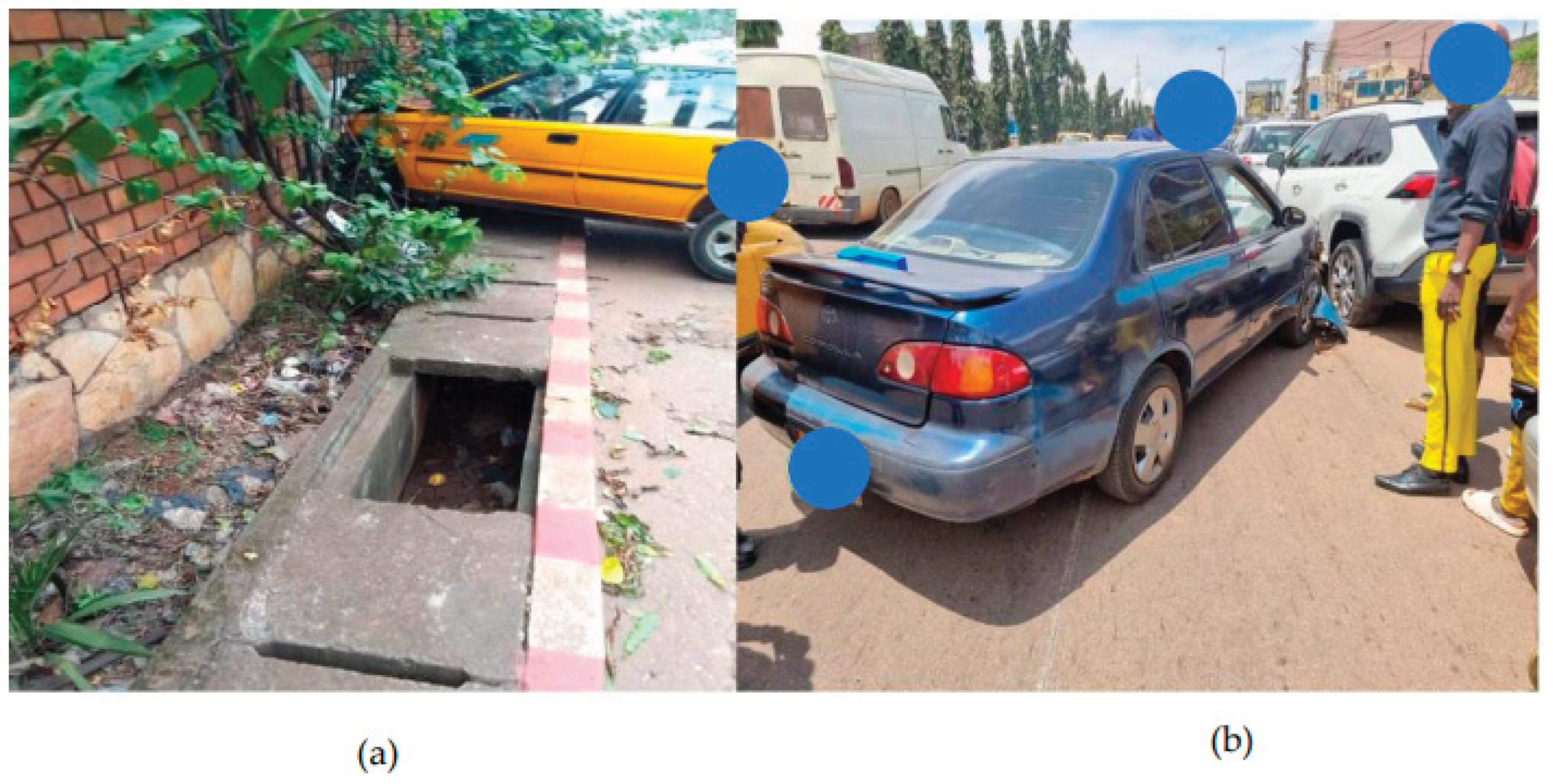

Table 1.
List of variables of interest.
| Variables of interest | Additional information |
|---|---|
| Distraction type | |
| Type 1: Using a handheld mobile device (mainly smartphone) | |
| Handheld phoning: the driver is visibly holding a mobile phone in the hand and is pressing it at his/her ear or is holding it in front of the mouth. He/she is either talking or listening. | |
| Texting/keying numbers handheld (mobile phone): the driver is visibly holding a mobile phone in the hand and is operating it (typing, changing sim card, etc.). | |
| Handheld reading/watching without operating (mobile phone): the driver is visibly holding a mobile phone in the hand and is looking at the phone without operating or handling it (watching or reading) | |
| Any combination of the above situations | |
| Type 2: Interaction with passengers | |
| Talking to the passenger. | |
| Communicating with the passenger by gesticulating or making body movements. | |
| Looking at the passenger. | |
| Any combination of the above situations | |
| Type 3: Eating/smoking/drinking | |
| The driver is considered distracted if he is eating, drinking water or any other beverage or smoking. | |
| Vehicle types (relevant vehicles) | |
| Passenger cars: Tourism vehicles | |
| Light goods vehicles (LGV; often from companies): utility vehicle, van | |
| Heavy goods vehicles (HGV): Trucks, special machinery, semi-trailers, road tractors, agricultural machinery, public works machinery | |
| Buses/coaches: Minibus (less than 20 seats), Buses (more than 20 seats) | |
| Driver characteristics | |
| Gender of the driver (Male, female) | |
| Estimated driver age category: young (18-24 years), medium (25 to 65 years), older (> 65 years) | |
| Presence of passenger (yes/no) | |
| Road and environmental features | |
| Road type: Primary, secondary, tertiary | |
| Road condition: Good, average, bad (visually checked) | |
| Number of lanes | |
| Speed limit | |
| Weather condition: sun, rain, in between |
Table 2.
Distribution of the sample of driver observed per vehicle types.
| All vehicles | % | Bus | % | Passenger Car | % | HGV | % | LGV | % | ||
|---|---|---|---|---|---|---|---|---|---|---|---|
| Councils | Yaoundé I | 12 059 | 29,40 | 289 | 43,60 | 11 139 | 29,10 | 367 | 37,60 | 264 | 23,70 |
| Yaoundé II | 1 615 | 3,90 | 17 | 2,60 | 1 574 | 4,10 | 14 | 1,40 | 10 | 0,9 | |
| Yaoundé III | 8 924 | 21,80 | 132 | 19,90 | 8 389 | 21,90 | 135 | 13,80 | 268 | 24 | |
| Yaoundé IV | 10 544 | 25,70 | 164 | 24,70 | 9 741 | 25,50 | 333 | 34,10 | 306 | 27,40 | |
| Yaoundé V | 2 981 | 7,30 | 23 | 3,50 | 2 903 | 7,60 | 26 | 2,70 | 29 | 2,60 | |
| Yaoundé VI | 3 234 | 7,90 | 30 | 4,50 | 3 097 | 8,10 | 48 | 4,90 | 59 | 5,30 | |
| Yaoundé VII | 1 647 | 4 | 8 | 1,2 | 1 405 | 3,70 | 54 | 5,50 | 180 | 16,10 | |
| Principal | 22 514 | 54,90 | 436 | 65,80 | 20 741 | 54,20 | 668 | 68,40 | 669 | 60 | |
| Road type | Secondary | 16 403 | 40 | 209 | 31,50 | 15 521 | 40,60 | 277 | 28,40 | 396 | 35,50 |
| Tertiary | 2 087 | 5,10 | 18 | 2,70 | 1 986 | 5,20 | 32 | 3,30 | 51 | 4.5 | |
| Time period | Off peak hour | 17 576 | 42,90 | 286 | 43,10 | 16 298 | 42,60 | 441 | 45,10 | 551 | 49,40 |
| Peak hour | 23 428 | 57,10 | 377 | 56,90 | 21 950 | 57,40 | 536 | 54,70 | 565 | 50,60 | |
| Passanger presence | No passenger | 6 175 | 15,05 | 72 | 10,86 | 5 770 | 15,08 | 147 | 15,05 | 186 | 16,58 |
| Passenger | 34 829 | 84,95 | 591 | 89,14 | 32 478 | 84,91 | 830 | 84,95 | 930 | 83,33 | |
| Age group | Medium | 39 679 | 96.76 | 648 | 97.73 | 36 958 | 96.63 | 963 | 98.57 | 1 110 | 99.46 |
| Older | 203 | 0,50 | 7 | 1, | 191 | 0,50 | 4 | 0,41 | 1 | 0,09 | |
| Young | 1 122 | 2,74 | 8 | 1,21 | 1 099 | 2,87 | 10 | 1,02 | 5 | 0,45 | |
| Gender | Female | 3 836 | 9,36 | 42 | 6,33 | 3 733 | 9,76 | 35 | 3,58 | 26 | 2,33 |
| Male | 37 168 | 90,64 | 621 | 93,67 | 34 515 | 90,24 | 942 | 96,42 | 1 090 | 97,67 | |
| TOTAL | 41 004 | 100 | 663 | 38 248 | 977 | 1 116 |
Table 3.
Prevalence of drivers interacting with passengers while driving.
| Distraction: interaction between drivers and passengers | ||||||
|---|---|---|---|---|---|---|
| All vehicle types | Bus | Passenger Car | HGV | LGV | ||
| Yaoundé | 7,84% | 18,70% | 7,46% | 12,08% | 10,66% | |
| Councils | Yaoundé I | 7,58% | 11,42% | 7,18% | 10,35% | 16,29% |
| Yaoundé II | 7,55% | 17,65% | 7,31% | 21,43% | 10,00% | |
| Yaoundé III | 7,31% | 18,94% | 7,22% | 5,93% | 4,85% | |
| Yaoundé IV | 8,78% | 29,88% | 8,09% | 13,21% | 14,71% | |
| Yaoundé V | 5,97% | 13,04% | 5,89% | 11,54% | 3,45% | |
| Yaoundé VI | 8,01% | 16,67% | 7,39% | 35,42% | 13,56% | |
| Yaoundé VII | 9,90% | 87,50% | 10,18% | 9,26% | 4,44% | |
| Road type | Principal | 8,32% | 19,72% | 7,73% | 13,32% | 14,35% |
| Secondary | 7,23% | 18,18% | 7,09% | 10,11% | 5,05% | |
| Tertiary | 7,38% | 5,56% | 7,50% | 3,13% | 5,88% | |
| Time period | Off peak hour | 7,45% | 21,68% | 7,01% | 12,70% | 8,89% |
| Peak hour | 8,13% | 16,71% | 7,79% | 11,57% | 12,39% | |
| Passenger presence | Not passenger | 0,00% | 0,00% | 0,00% | 0,00% | 0,00% |
| Passenger | 7,84% | 18,70% | 7,46% | 12,08% | 10,66% | |
| Age group | Medium | 7,41% | 17,75% | 7,04% | 11,32% | 10,18% |
| Older | 58,62% | 71,43% | 57,07% | 100,00% | 100,00% | |
| Young | 13,90% | 62,50% | 12,83% | 50,00% | 100,00% | |
| Gender | Female | 5,40% | 0,00% | 5,52% | 2,86% | 0,00% |
| Male | 8,09% | 20,13% | 7,67% | 12,42% | 10,92% | |
Table 4.
Prevalence of drivers eating/smoking/drinking while driving.
| Distraction: eating, smoking, or drinking | ||||||
|---|---|---|---|---|---|---|
| All vehicle types | Bus | Passenger Car | HGV | LGV | ||
| Yaoundé | 0,96% | 2,26% | 0,91% | 1,43% | 1,34% | |
| Councils | Yaoundé I | 0,80% | 1,39% | 0,78% | 1,63% | 0,00% |
| Yaoundé II | 1,24% | 0,00% | 1,27% | 0,00% | 0,00% | |
| Yaoundé III | 1,08% | 2,27% | 1,05% | 1,48% | 1,12% | |
| Yaoundé IV | 1,06% | 3,05% | 0,98% | 1,80% | 1,96% | |
| Yaoundé V | 1,11% | 17,39% | 0,93% | 0,00% | 6,90% | |
| Yaoundé VI | 1,39% | 10,00% | 1,13% | 6,25% | 6,78% | |
| Yaoundé VII | 1,09% | 12,50% | 1,21% | 0,00% | 0,00% | |
| Road type | Principal | 0,93% | 2,30% | 0,86% | 2,10% | 0,90% |
| Secondary | 1,15% | 4,78% | 1,07% | 1,08% | 2,27% | |
| Tertiary | 1,15% | 0,00% | 1,21% | 0,00% | 0,00% | |
| Time period | Off peak hour | 0,92% | 2,45% | 0,91% | 0,45% | 0,91% |
| Peak hour | 1,11% | 3,46% | 1,01% | 2,80% | 1,77% | |
| Passanger presence | No passenger | 1,57% | 2,78% | 1,54% | 4,08% | 0,00% |
| Passenger | 0,93% | 3,05% | 0,86% | 1,33% | 1,61% | |
| Age group | Medium | 0,99% | 2,78% | 0,93% | 1,77% | 1,35% |
| Older | 6,40% | 28,57% | 5,76% | 0,00% | 0,00% | |
| Young | 1,43% | 0,00% | 1,46% | 0,00% | 0,00% | |
| Gender | Female | 0,50% | 0,00% | 0,51% | 0,00% | 0,00% |
| Male | 1,08% | 3,23% | 1,01% | 1,80% | 1,38% | |
Table 5.
Some proposed action for the category enforcement as part of the action plan of the distraction fighting strategy for the city of Yaoundé.
Table 5.
Some proposed action for the category enforcement as part of the action plan of the distraction fighting strategy for the city of Yaoundé.
| Category | Actions | Indicators | Target value |
|---|---|---|---|
| Legislation and Enforcement | Strengthen legislation for distracted driving offences by 2030 | Types of distraction considered | Handheld mobile device, not only mobile phone. Any risky behaviours identified to impaired safe driving by the law enforcement officer (interaction, eating, smoking/drinking, etc.). |
| Double the fine related to distracted driving by 2027 | Amount of the fine | 50,000 XAF by 2027. | |
| Develop a complete training program for distracted driving enforcement for law enforcement officers by 2025 | Number of training program developed | 2 complete training programs developed (1 theoretical and 1 practical) by 2025 based on international best practices. | |
| Implement a mandatory distracted driving enforcement training for law enforcement officers by 2030 | % of law enforcement officers trained | 75% of each police unit staff trained by 2030 (45% by 2027). 100 % of traffic control officer trained by 2030 (50% by 2027). |
|
| Increase the intensity of field enforcement by 2030 | Number of enforcements per week per location | At least 1 enforcement of 2h per week in each of the identified location (the 36 of this study + additional location to be defined) by 2028. | |
| Regular unobtrusive enforcement | Number of enforcements per week per location | At least 1 enforcement of 2h every two weeks in each of the identified location (the 36 of this study + additional point to be defined) by 2028. | |
| Strengthening monitoring by 2025 | Number of detailed enforcement report | 1 detailed enforcement report for each field enforcement operation. To be submitted within two days. 1 annual report for all enforcement operation |
|
| Increase awarness among law enfoemcen officer by 20230 | % of law enformcent officers attending awerness camapihn | 75% of each police unit staff by 2030 (45% by 2027). 100 % of traffic control officer staff (50% by 2027). |
Disclaimer/Publisher’s Note: The statements, opinions and data contained in all publications are solely those of the individual author(s) and contributor(s) and not of MDPI and/or the editor(s). MDPI and/or the editor(s) disclaim responsibility for any injury to people or property resulting from any ideas, methods, instructions or products referred to in the content. |
© 2024 by the authors. Licensee MDPI, Basel, Switzerland. This article is an open access article distributed under the terms and conditions of the Creative Commons Attribution (CC BY) license (https://creativecommons.org/licenses/by/4.0/).
Copyright: This open access article is published under a Creative Commons CC BY 4.0 license, which permit the free download, distribution, and reuse, provided that the author and preprint are cited in any reuse.


