
Submitted:
31 August 2023
Posted:
01 September 2023
You are already at the latest version
Abstract
Microbes are the most prevalent and widely-distributed life form on planet Earth. They are also cognitive organisms with memory and superior problem-solving skills that use quantum phase transitions during their remarkably-effective gathering and dissemination of information. This narrative review explores the biological ramifications of human holobionts physically embodying the human microbiome and connecting to the Internet of Microbes (IOM) beyond our body. Within the review, we consider: 1) the ways in which our microbial co-partners exerted control over our ancestors and continue to influence our current human generation, 2) how they mold virtually every key aspect of our life and even remain with our body in death and 3) how inward-looking contemplative tools such as meditation and embodied cognition provide an ideal opportunity to connect to the microbial information super highway and tap the full range of human holobiont capacities.
Keywords:
microbiome
; cognitive bacteria
; embodied cognition
; behavior
; holobiont
; meditation
; Internet of Microbes (IOM)
; developmental programming
; quantum states
; hologenome
1. Introduction
“for men and germs are not widely different from each other.”
Mark Twain, from Which Was the Dream “Three Thousand Years Among the Microbes.” p. 437 [1].
A decade-plus ago we published a paper in the MDPI journal Entropy [Dietert and Dietert, 2012 2] answering a semiotics question with what became known as: ”The Completed Self Hypothesis.” The paper argued that the newborn baby had to fully self-complete with mom’s microbiota to be ready to face the world, and that this was the single best, predictive measure one could make as per health across that baby’s life course. Of course, now we know that self completion via natural childbirth (followed by breastfeeding) results in the baby becoming majority-microbial as a human superorganism.
Now in this narrative review we explore the importance of The Embodied Microbiome. Of course, the human superorganism remains majority microbial, but what does that really mean? Are our microbial collaborators silent partners or the puppet masters? Since the Completed Self paper, there has been progress in four major research areas, and those findings provide likely explanations for what our ninety-nine-plus percent microbial genes have been doing when it comes to our body.
The first push on the microbiome research front demonstrated that the human microbiome exerts a massive influence over human systems biology. The status and function of virtually all tissues and organs are affected by the status of the human microbiome. A second push in the microbial arena showed that bacteria are sentient beings who use cognition and exquisite sensing technologies of their surroundings to gain an adaptive advantage. They do these things by holding quantum vibrational states and using quantum entanglement. With this in mind, later we will explore the question of who’s really in charge when it comes to our body. A third research area extended the concepts of whole body (embodied) cognition as well as the importance of teaching embodied cognition to science students in higher education. Embodied cognition is a subject we have previously researched, written about [3,4], and taught to science students at Cornell University (via Biomedical Sciences (BIOMS) course 4400). Finally, recent research into both organ and microbiota transplantation in humans and animal models has shown that personality and behavior can be transferred and driven by the donor transplanted organ or microbiota rather than by the recipient’s brain.
In the following sections we discuss: 1) Why our merged mammalian and microbial genetics, the hologenome, is important. 2) How our microbes prepare the next generation and how they manage that generation from pre-birth to beyond the grave. 3) Why the microbial cognitive mind operating via quantum states and entanglements is critical to our relationship with and potentially derived from our microbes. 4) Why embodied cognition needs to become a go-to contemplative problem solving tool for all rather than just a point of scholarly debate, and 5) Why it is more important than ever to put microbiome approaches first for our self-empowerment. It is no longer just about our health, but rather it is about reaching our full superorganism potential.
2. Our Ancestral Hologenome
As described in the Cognitive Information Processing model of William B. Miller Jr. and colleagues [5], self-referential, observing cells may use environmental cues and stressors to form partnerships. In essence, this is the way in which holobionts are thought to have come into being resulting in a hologenome. But once formed, individual and collective information processing and cellular responses continue across evolution. The microbiota are interested in flourishing both as a microbial consortium and as partners with the host. The immune cells are responding to environmental cues and stressors and have prime directives in self-integrity and self-defense. For this reason, critical body sites in holobionts are often where co-partner microbiota meet the immune system (e.g., across the gut barrier). We have termed these systems biology units, the microimmunosome [6]. In the case of humans, gut microbiota are separated from the majority of human immune cells by only a single cell-thick columnar layer of epithelial cells. One of the hallmark features of the immune system is memory. The immune system remembers when it has seen a pathogen before and responds differently the second time. Recently, microbes (forming another part of the microimmunosome) were shown to exhibit memory as well [7,8]. When a significant deviation occurs within the microbiome-immune partnership from prior generations, the mismatched holobiont may damage itself via immune-inflicted inflammation.
Not all chimeric combinations of microbiome and immune system exist in harmony.
One of the more surprising research findings during the past decade is what has been termed phylosymbiosis where relationships among the microbial community recapitulate host phylogeny [9]. In fact, significant compatibility between the microbiome and the host immune system is required for survival and/or reproduction [9,10,11]. Significant incompatibility within the microimmunosome results in microbe-assisted, immune facilitated lethality of hybrids effectively resulting in speciation [9]. Interactions within the microimmunosome have ramifications for therapeutic microbial engraftment. Long [12] discusses the home field advantage of the host where fecal microbiota transplantation (FMT) and even probiotic administration may have to pass a host specificity test to engraft. This may explain why not all FMTs are equally successful. At least part of this issue may involve host immune acceptability.
Lesser forms of incompatibilities within the microimmunosome are a probable cause for many chronic diseases as we have previously discussed [13]. The take home lesson from this corresponds with what has been reported in microbiome research. Dysbiosis occurring in a formerly balanced microbiome increases the risk of both chronic diseases and infectious disease (via loss of colonization resistance) [13].
While this holobiont hallmark explains the importance of reproductively-successful ancestry, it is also a sobering reminder that the human superorganism is only as resilient as its various body site-specific microbiomes. Conditions that are unsafe for the human microbiome are likely to be unsafe for the human superorganism. The beneficial side of this equation is that environmental cues and stressors that are beneficial for addressing microbiome consortia weaknesses are likely to be health-promoting for the host. As we will discuss in a later section of this paper, this is a probable basis for the benefits of many alternative health modalities but also the danger from many “unsuspecting” microbial hazards.
Where did we come from? At least in recent history, it is likely that we came from microbiome-immune compatible ancestors.
3. Molding and Managing the Next Generation
One of the more intriguing questions to emerge from recent microbiome research concerns the extent to which microbes may craft their future human as a copartner and/ or vessel for their future generations of microbes. Research areas of developmental programming and epigenetics only elevate the possibility of microbes as potential designers of future humans. Recent observations concerning the microbiome is that it is not only concerned with the present human co-partner, but it also plays a significant role in preparing the next generation of humans in their role of majority-microbial holobionts. This transgenerational preparation process occurs via the maternal microbes and results in microbes guiding human fetal development and also imprinting/programming on the offspring.
Studies of these microbial actions fall within the larger field of study called developmental basis of adult health and disease (DoHAD). DoHAD emerged following the work of Dr. David Barker, M.D. concerning the fetal determination of cardiovascular disease [14,15]. This expanded to an examination of critical windows of development [16] and eventually Neo-Lamarckian, epigenetic-based, transgenerational programming and inheritance beginning in the womb [17,18].
The maternal microbiome has multiple roles affecting the offspring through its metabolome such as signaling and metabolic actions. Microbes are known to produce epigenetically-active metabolites [19]. The maternal gut microbiome and its epigenetically-active metabolites can produce epigenetic alterations (sometimes termed epigenetic marks) in the offspring [20]. Most of the studies have focused on problematic programming from dysbiotic microbiomes programming for offspring disease rather than balanced maternal microbiomes with favorable environmental exposure facilitating a next generation of healthy children and adults.
Banerjee et al. [21] recently reviewed the significance of the maternal microbiome in the disposition and resulting fetal programming following exposure to a variety of environmental factors. Cadmium and polycyclic aromatic hydrocarbons were used as examples for biotransformations that had implications for both the pregnancy and the offspring. Driesbach et al. [22] using retrospective, cross-sectional metagenomic analysis found that maternal microbiome composition in the late second trimester was an effective predictor of birth weight. Maternal microbiome composition at 36 weeks of the pregnancy was also shown to be a good predictor of immune cell composition in the newborn at birth. Some of the associations were still present in the infant at 12 months of age [23]. Several additional studies focused on the maternal microbiome and the offspring’s immune system with a focus on allergic and/or autoimmune diseases [24,25]
Another focus of maternal microbiome research and programmed offspring systems biology has been the neurological system. Gesu et al. [26] reviewed the spectrum of pregnancy metabolites produced from a dysbiotic gut microbiome that result in neurodevelomental problems and elevated risk of offspring mental health challenges. Meckel and Kiraly [27] examined microbiota metabolites that affect fetal brain wiring during the pregnancy. Voung [28] also reviewed microbiota effects on neurodeveloment both prenatally and postnatally. Relative to epigenetic alterations, Nohesara et al. [19] recently reviewed the spectrum of specific epigenetic marks (epigenetic modifications) attributable to dysbiotic microbiome metabolites that are also connected with psychiatric diseases.
Finally, Hsu et al. [29] identified maternal fructose intake and resulting gut microbiome dysbiosis as an important pathway leading to problematic offspring programming of adult disease. While these studies focus on the adverse programming resulting from aberrant microbiota compositions, the findings support the role of the maternal microbiome in both initiating systems biology development in the offspring as well as programming transgenerationally via microbiome-induced, epigenetic modification.
The take home message is that balanced microbiota through healthy living of the human holobiont is reflected across subsequent generations providing ideal human descendants (healthy, reproducing, and long-lived) to copartner with subsequent generations of microbes. In many ways, this could be viewed as strategic planning by our microbes.
4. Our Microbes as Puppet Masters?
Humans are known as naturally social animals. But the fact that humans in microbial dysbiosis are often anti-social suggests that it is the hologenome that can direct the extent to which human interactions come naturally. In past years, the idea that our microbiota were significant players in human superorganism action, function, and capabilities may have been thought a stretch. But one thing is shifting. The prior predominate view of microbes as inconsequential “sidekicks” within the human holobiont is shifting toward a view where microbes are dominant, senior partners in the collaboration. The growing field of psychobiotics is a major reason for this shift. Dinan and colleagues [30] first coined the term psychobiotics a decade ago in referring to living organisms (such as probiotic bacteria) that alter human neurobehavior. Because the flood of neuroactive chemicals either directly produced by gut microbes or regulated by the same can overwhelm brain chemistry, gut microbiota have been termed the brain’s “puppeteers” [31]. Not everyone embraces the puppet master idea. Some researchers have argued against a puppet master model suggesting that the appearance of mind control by microbes is more likely to be a happenstance connected to microbe-positive local effects [32]. However, it is important to keep in mind that our gut microbiome controls fear extinction and a healthy gut microbiome is a critical factor in helping us to maintain appropriate balance during times of excessive fear [33].
In this exploration of our microbiota and control of human-human interactions, we are focusing on the balance of two factors: oxytocin-oxytocin receptor signaling contrasted production of trimethylamine N-oxide (TMAO). Oxytocin is a pleiotropic, hypothalmus-produced neuropeptide/hormone that supports a variety of pro-social functions including reward and motivation feedback for things like pair-bonding, social interactions, meals, and sexual contact [reviewed in 34,35]. Critical for human reproduction oxytocin drives parturition and parental attachment including establishment and maintenance of mother-child bonding in response to social cues [34,35,36]. It also plays a role in sensory network plasticity [37]. Oxytocin signals through G-protein-coupled receptors as the mechanism for enhancing connectivity of the social brain across vertebrate species. Deficits in oxytocin-receptor driven signaling can produce isolation-promoting social deficits [38,39,40,41]. In effect, oxytocin appears to be a pivotal factor for humans being drawn to pro-social behavior.
The gut microbiome has the capacity to regulate oxytocin-signaled pro-social behavior [42]. This puppeteer-like control of human sociability includes the capacity of certain gut microbiota to directly produce oxytocin [43]. Hence, we function as social animals primarily in the context of being a holobiont with specific microbiota urging us on to meet-greet, pair romatically, reproduce, and produce and nurture our babies. In fact, the case could be made that Earth’s microbes have a more vested interest in seeing humans survive and thrive than do some people-created bureaucratic institutions. Are humans bad for planet Earth? Not according to Earth’s microbes who consciously “vote” for more reproducing, caring, and nurturing human superorganisms.
This information concerning microbiome function is pertinent to two questions. These are: 1) Precisely, what is our true fundamental nature? and 2) Is there an instruction manual for humans? One could argue that we are our very best as human superorganisms constituted with ancestral microbial partners who drove our ancestors to give us a place in this world and nurture us along the way toward a happier, caring, and healthier life. If there is an instruction manual, it probably starts in our gut (rather than our brain) and is focused on our fully conscious, microbial co-partners. We are only beginning to fully appreciate the insights of Hippocrates [44].
For example, specific gut bacteria are able to influence the levels of oxytocin [45]. With oxytocin being critical for childbirth and infant nurturing, pair bonding, certain aspects of reproduction, and human social connectivity, then is the absence of oxytocin signaling the only thing driving anti-social behavior? The answer appears to be no. A good candidate for an anti-social molecule is trimethylamine N-oxide (TMAO), a metabolic product of the gut microbiome [46,47]. While many other bioactive compounds contribute to behavior, oxytocin and TMAO drive starkly opposite behaviors and interactions. One of the apparent actions of higher levels of TMAO is rapid aging of mid-brain regions connected to TMAO-stimulated inflammatory cytokine production [48].
Several other microbiota-regulated neurological factors affect behavior beyond oxytocin and TMAO. For example, serotonin and dopamine levels and/or signaling are controlled by specific gut bacteria [49,50,51]. In addition, the important role of a balanced gut microbiome in fear extinction helps to protect against anxiety, depression, and mental illness [33].
5. Our Conscious, Problem-Solving, Quatum-Operating Bacteria
This section illustrates a progression of observations, experiments, and thinking concerning the nature of microbes in general and of microbes that form holobionts including the human superorganism. While thoughts about microbes or at least their actions date back centuries, we focus on the early 20th century and ideas about probiotic foods and the origins of chloroplasts to robust, vetted concepts of 2023 concerning microbes as fully cognitive beings, that are supreme information gatherers making full use of quantum-based tools as they navigate the extremes of Earth and as well as our own body.
Several decades ago Lynn Margulis presented evidence supporting an endosymbiotic theory that virtually every cell in the human body was powered in large part by remnants of ancient archaea (protomitochondria) [81]. If ancient prokaryotes were the source for fundamental components of human and other eukaryotic cells, then the question is what else did they source to us and continue to provide directly via the human microbiome? Is our fundamental nature completely intertwined with the history of Earth’s microbes?
The keys to rethinking our fundamental nature as well as that of microbes means inverting a dogmatic life-control pyramid. In the past, genomes were purported to drive everything that follows within an organism. But in the microbiome era, genomes can be as fluid as your next meal of fermented foods. Now sentient cells use consciousness and cognition to sense information fields, perform creative problem solving and use the genome primarily as a toolbox and genes as cellular tools for this task [82,83]. If the ideas of Lynn Margulis were central to the idea of single cell cognition among bacteria and scaling to eukaryotic cell chimeras, then it was the 2016 seminal concept paper of William B. Miller Jr. in this same journal [82] that provided the roadmap of how microbial-human holobionts operate via information fields and entanglement.
Table 2 illustrates a timeline of evolving concepts regarding microbes as a standard bearer that brings cognition, consciousness, intelligence, memory, associative learning, creative problem solving, energy-to-information phase transitions, and quantum entanglements to the holobiont and its external environment [81,84,85,86,87,88,89,90,91,92,93,94,95,96,97,98,99,100,101,102,103,104,105,106,107,108,109].
The evolution of research on microbes and the development of new dogmas surrounding their quantum-based capacities and operating modes should prompt us to rethink our own human superorganism capacities as well. In the following sections, we consider how new views of the human microbiome and environmental microbes can influence our understanding concerning embodied cognition as well as recent obervations regarding organ and microbial transplantation.
6. Embodied Cognition and Meditation in the Holobiont
As previously mentioned, embodied cognition in it various forms has been a major component of our prior research, writing, higher education instruction, and scientific workshops [3,4]. Embodied cognition can be described as whole body cognition [110], which in our holobiont understanding of whole body would include the microbiome. Embodied cognition encompasses any manner is which information can be accessed by utlizing any part of the body as the source and/or conduit. It also facilites different perceptional vantage points (e.g., viewing something from the heart space vs. the brain). There are many different tools that can be used to access embodied information and several of these will be descibed. Meditation itself has been considered as one form of embodied cognition [111], because most meditation is directed inward into the body (as at least an initial step) rather than outward. For this reason it will be included here. Importantly, embodied cognition has grown in recognition as an useful skill set in science education [4,112,113].
In the Cornell course BioMS 4400 a heart centered (HC) meditation served as the observational paltform for many of the embodiment exercises. In its most basic form a 30 – second, eyes-open HC meditation was used to compare first noticed observations of a complex Salvidore Dali painting (Cygnus). The differences in students viewing the painting from a normal perceptive state vs. a HC state was stunning and quite consistent based on student journaling over the years. With this exercise, students would essentially double the total information that they gleaned from the painting as if looking at the painting using two completely different sets of eyes. This exercise was also taught at Cornell’s International New Student Orientation (called the PREPARE Program) for several years. The HC meditation was also paired with physical body work (The Lego/Building Blocks Exercise) or movement-connectivity (The Wall of Information Exercise). Additional embodied congition instruction involved a movement exercise (The Walk-Around Exercise), a body orientation/navigation exercise related to size and time embodiment, and The Body as a Weathervane Exercise related to sensory information and embodied emotions.There were two Role Playing Exercises and use of language (metaphors and mixed metaphors) as a reset when stuck on a problem [3,4]. Students also educated us as to their existing use of embodied cognition. For example, we learned that to prepare for final exams (often held in rooms other than the course lecture hall) many students would return to the lecture hall room and study in the same seat where their body was located when it first encountered critical course information. This was a common word-of-mouth practice among students and apparently not aways shared with professors.
Music and dance are also whole body contemplative tools used to increase understanding. One example was a recent holistic learning Dance Our Microbiome Event held at the Buffalo Museum of Science as decribed by Buono and Burindge [114]. Music also has special role in embodied cognition [115].
Meditation is not only a powerful contemplative tool, it is also a way to establish a bi-directional connection with our microbiome. The next section will examine routes through which the microbiome may inform us via meditation. But the communication link appears to be bidirectional. Table 3 [116,117,118,119,120] illustrates research into the ability of meditation not only to improve well-being but also to alter microbiome composition. At a minimum, this suggests that some health benefits accrued from meditation may be linked with meditation-driven host micribiome modification.
A final BIOMS 4400 course exercise for discussion (The Wall of Information Exercise) is a combination of meditation and embodied cognition. The exercise is discussed in the peer-reviewed Journal of Biomedical Education [4]. The students move to a wall of their choice, survey the wall with their hand to notice a distinction connected to a self-identified spot on the wall, enter the heart-centered meditative state, and ask an open-ended question “What if there were infomation here for me?” Students often received imagery, language or other cues. The instructors always shared what they received and that encouraged students to share their impressions. What is particularly interesting about the exercise is that the impressions received are often precognitive. An example of this from the 2014 fall class session (RRD) is illustrated in Figure 1. The class instructions are in the left panel and the impression received in the right. Because we have a background of extensive published scholarly research on antique silver and goldsmiths in the UK (Scotland), the imagery of a table harp (the silver quality hallmark for Dublin, Ireland for centuries) from the Wall was unmistakeable to RRD. The problem was that as RRD had explained to the students at the completion of the Wall of Information Exercise, he had no real direct connection to Dublin, Ireland and no prior professional or leisure activity in Ireland. So in the moment, the table harp imagery and representation (to RRD) of Dublin was a mystery. But that would change later that week (between the weekly meetings of the class). An invitation to lecture on the microbiome at an OB/GYN continuing education course in Dublin, Ireland was about to happen.
Figure placement
Figure 1.
Legend
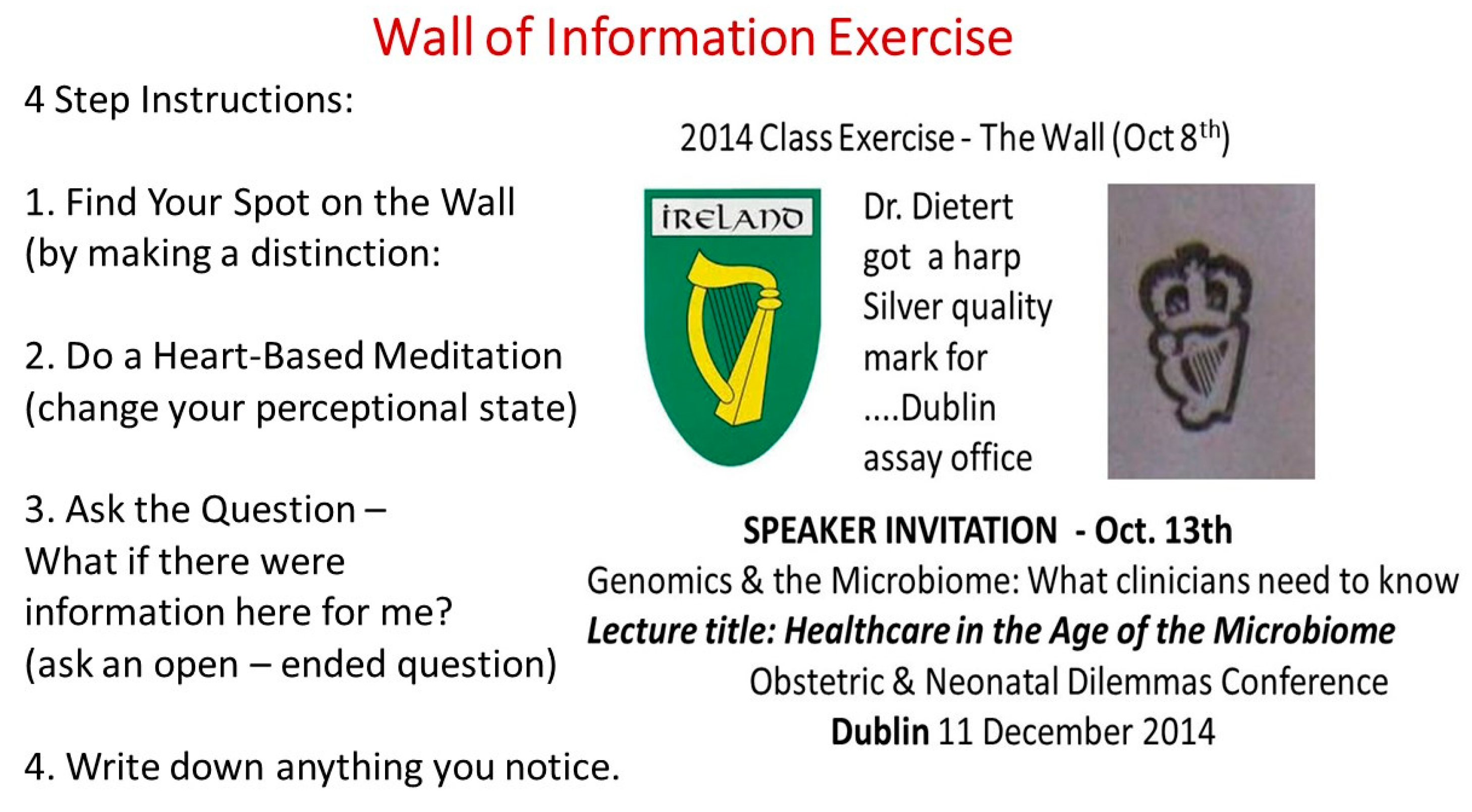
Figure 1 illustrates the student instructions for the exercise in October 2014 and the result (RRD) obtained, publically announced, and personally interpreted for the class at the end of that in-class exercise.
After using this exercise in several years of the Cornell course and also in workshops with a variety of participants (scientists, educators, and wellness practitioners), it is clear that it works. For a five minue effort, individuals can receive personal information in response to their open-ended question while connected to a personally identified/selected spot on a wall and in a heart-centered state of observation. But how?
The next section of this review will illustrate that the Internet of Microbes (IOM) are at least one plausible avenue for us to receive meditation facilitated, embodied cognition- connected information from what represents a planetary quantum field. The capacities of Earth’s microbes provide new surprises to researchers almost every day. Hopefully, the hypothesis that human and environmental microbes are an important source of our embodied information can be experimentally tested in the near future.
7. Connecting To and Through the IOM via Meditation, Embodied Cognition and Other Comtemplative Practices
The human body has a massive consortium of microbiota that has two remarkable features. It shares microbiota that are found in the harshest places in, on, and above planet Earth. In many cases these microbiota are not only ancient but bring to the human body highly specialized functions (e.g., specialized magnetic sensing properties). But it is a mistake to view the human microbiome as rigid and separated from the environment. Instead, it is fluid and exchanges microbiota with all surrounding environmental sources and other holobionts. Walking your dog in a park is much more than just a walk. Under some circumstances it can become a microbiome makeover both for you and your dog.
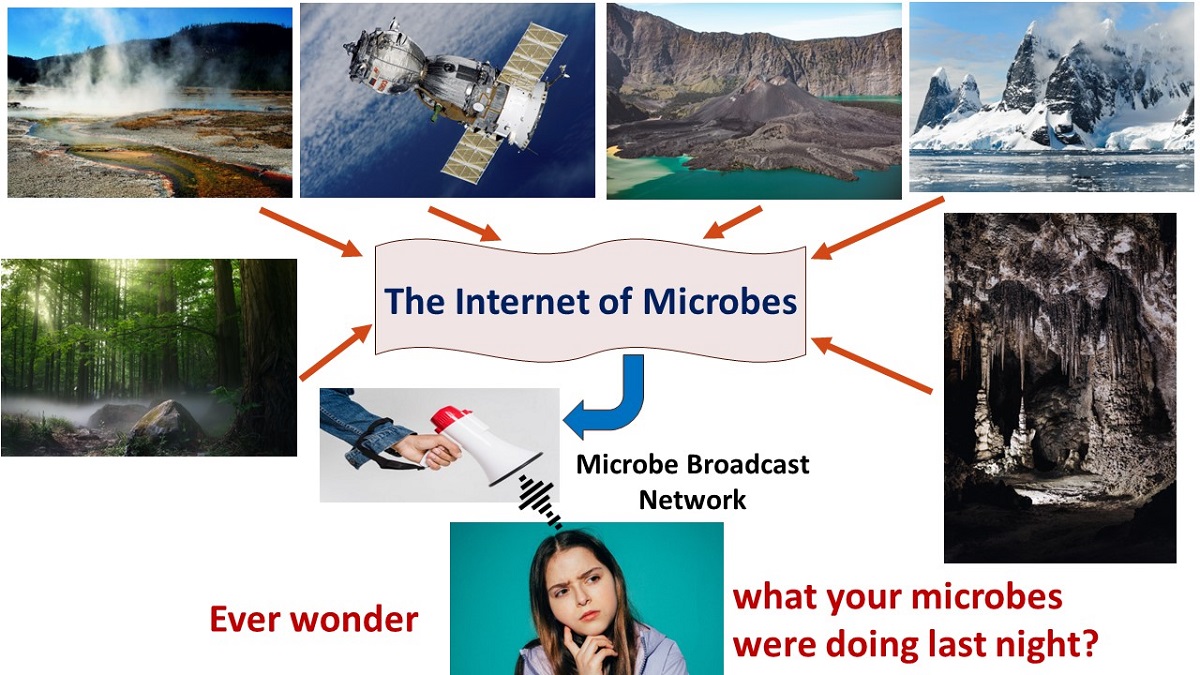
One of the intriguing aspects of inward looking meditation is that we automatically connect to our body’s various microbiomes (e.g., gut, skin, airways, mouth, urogenital tract) and also gain access to their sources of information. Our microbiome is open to the external environment and, beyond the soft-boundary confines of our body, to Earth’s environmental microbes. As was shown in prior sections, these microbes are not only Earth’s predomininant life form and are distrributed across the planet, they are premier information gatherers and disseminators. Microbes are using quantum-based antennae and other structural features to collect and phase shift energy to information and communicate over a distance. They are, also, using their cognitive abilities throughout the network. This interactive, informational network has been termed the ”Internet of Microbes” by Slijepcevic and Wickramasinghe [121] and was recently discussed by us [122]. Here, we consider the familiar relations of micobes that exist within our own microbiome but also in all corners of Earth.
Table 4 [123,124,125,126,127,128,129,130,131,132,133,134,135,136,137,138,139,140,141,142] illustrates two fundamental principles about our connection to mi-crobes: 1) We are intimately connected to Earth’s microbes, 2) Even if much of our microbiome has some stability, we are constantly exchanging microbes, microbial genes, physiologically-modifying chemicals, and gathering information from and sharing information with the microbes beyond our body. The human body is open to the environment. Being an open system means we are informationally tapped into the IOM and that matrix of consciousness that physically continues beyond our skin. It is quite plausible that meditation, embodied cognition and other comtemplative tools may be informed and supported by the IOM. Given the established connections that are already known, the IOM might be the grandest search engine on Earth.
An examination of ancient archaea and extremeophile bacteria reflected in Table 4 shows that we embody not only our ancestral history but also that of life on Earth. In the Table’s first example, an archaean representative of Methanomassiliicoccales (designated as strain U3.2.1) was isolated via an enrichment culture from a Northern Germany peat soil and was shown to have a sequence identity with the 16S rRNA gene of human gut-isolated Methanomassiliicoccus luminyensis 10B of 88.6% [123]. Methanogenesis is an important process of life on Earth and can be significant in specialized ecological niches within our body.
Umbach et al. [126] recently reported salt-loving Haliobacteriota on human skin. Related Halobacterium have been isolated from a bore core of a Permium-era alpine salt deposit [143]. As the table shows, this is only one of many extreme and distant locations where these bacteria can be found on Earth. These bacteria are remarkably resistant to conditions that would easily kill most other life and are good candidates for life on other planets (e.g. Mars) [144]. Other examples in the Table show that our specific microbial relations extend to deep-sea vents, mining areas and even Yellowstone National Park.
Magnetotactic bacteria (MTB) are globally distributed. They are found in a diverse ecological setting including as symbiotes for deep sea marine bivalves and also detected in bats, whales, and birds [132]. In a recent survey of 53,775 metagenomic samples, analyses showed that 55.3% were positive for MTB. This included positive detection of MTB in samples from the human gut, oral cavity, skin, and vagina. A study by Simon et al. [135] found an association between gut MTBs and volume of magnetite-rich brain regions involving navigation and orientation.
One of the important considerations of extremophiles is their massive spectrum of bioenergetic functions. Many of these archaea and bacteria have brought these capacities to our human gut. Using freely available data sets, researchers found a sequence of gut bacteria in children and adults that produce their energy from methanogenesis, iron oxidation, iron reduction, sulfate and arsenate reduction, and even anoxygenic photosynthesis [145]. This observation warrants further investigation.
Extremophiles in the microbiome are not just niche novelties. Krawczyk et al. [128] showed that the halophilic archaea related to those found in our own microbiome, Halorhabdus rudnickae and Natrinema salaciae, are able to work through dendritic cells to provide immunoregulation of balanced T cell responses. These findings suggest that similar halophilic archaea may provide a useful function in the human gut.
Another example in Table 4 is a well-known group of bacteria that are mild-moderate extremophiles in the acid loving category. Lactic acid bacteria (LAB) are critical to our food and our body’s ecological maintenance.
The final entry in Table 4 addresses “wilding” studies and provides evidence for our extensive microbial sharing. Such findings provide a take-home message that we can choose our surroundings for better conscious awareness and health.
8. Embodied Personality and Behavior
Transplant biology and medicine has a long history of effort with successful kidney [146] and heart [147] transplantation dating back more than a half century. One of the surprising and largely unanticipated findings over the decades of successful organ transplantation is that the transfer of heart and other organs from donor to recipient can also transfer donor personality and behavioral characteristics in some cases [148,149,150]. Case histories suggest that donor memories may also be transferred in some instances [150,151,152].
These findings over several decades by several clinical research groups are supportive of the significance of the embodied mind and embodied cognition. There are several different hypotheses for how fundamental donor chatacteristics are embedded in the donor heart and potentially other organs, but it is clear that the storage and transfer of donor information is not reliant on the donor brain.
Many of these personality and behavioral transplantion studies were conducted prior to or apart from consideration of the human microbiome. But as was discused earlier in this paper, the microbiome and in particular the gut microbiome is a major driver of human neurochemical and endocrine balance, personality features, behavior, and even food choices. If the human microbiome can epigenetically influence human behavior, then does the donor microbiome play a role in donor organ coding? That question will likely require future research. However, it is already clear that fecal microbiota transplantation (FMT) between human-human, human-rodent, and rodent-rodent all indicate that the microbiota can transfer personality and behavior characteristics.
Table 5 illustrates examples where fecal microbiota transplantation (FMT) has been shown to change behavior [153,154,155,156,157,158,159,160,161,162,163,164,165,166,167,168,169,170]. Most of the examples in the literature pertain to neurologic disorders, neurochemical and/or hormonal mood imbalances, aggressive behavior, and addictive behavior.
The examples in Table 5 illustrate the major control that gut microbiota are capable of exerting over human and animal behavior. The next frontier to explore on this front is the extent to which microbes experiencing events within the holobiont can carry the memories of those event to other locations/hosts.
9. Conclusions
Our majority microbial co-partners in life were there to help craft us in the womb, drive much of our systems biology development, protect us against pathogens via colonization resistance, and can keep chronic diseases at bay and inflammation under control when given proper food and attention. They should be a first priority when it comes to medicine, safety, public health [13,171].
This narrative review examines the real meaning of embodying microbes when it comes to human superorgansim capabities. Our microbes along with microbial relatives beyond our body are cognitive, conscious beings with a long ancestry on Earth, memory, equisite sensory mechanisms and a full range of quantum-based capabilities. They are connected to their own IOM and can exchange information gathered with us as well as with other microbes. They can also guide not just our physiology but also our behavior.
Microbes are Earth’s predominate life form. Additionaly, they are premier information gathers and gladly share phase-shifted information along with their own genes (via horizontal gene transfer) when desirable. They represent a magnificent resource that literally has the pulse of planet Earth. All we have to do is connect to that resource.
In this review we examined existing tools to draw upon information within and beyond our physical bodies. In particular, we provided examples from contemplative tools such as meditation and embodied cognition. Such tools have existed and have been taught within academia for more than a decade and are growing in impact well beyond the academy. While there is much still to learn about our microbiome co-partners, there is much to gain by looking inward to find our superorganism and the full range of our capabilities.
Author Contributions
Funding
This research received no external funding.
Data Availability Statement
No new data was created in the preparation of this narrative review.
Acknowledgments
The authors express appreciation to Dr. Richard Bartlett for the many helpful discussions.
Conflicts of Interest
The authors declare no conflict of interest.
References
- Twain, M. Three Thousand Years Among the Microbes. In Which Was the Dream? And Other Symbolic Writings of the Later Years; Tuckey, J.S., Ed.; University of California Press: Berkely and Los Angeles, CA USA; pp. 433–553.
- Dietert, R.; Dietert, J. The completed self: An immunological view of the human-microbiome superorganism and risk of chronic diseases. Entropy 2012, 14, 2036–2065. [Google Scholar] [CrossRef]
- Dietert, R.R.; Dietert, J. 2013. Science Sifting: Tools for Innovation in Science and Technology; World Scientific: Singapore: Singapore, 2013. [Google Scholar]
- Dietert, R.R. Integrating contemplative tools into biomedical science education and research training programs. J. Biomed. Educ. 2014, 2014, 239348. [Google Scholar] [CrossRef]
- Miller, W.B.; Baluška, F.; Reber, A.S. A revised central dogma for the 21st century: All biology is cognitive information processing. Prog. Biophys. Mol. Biol. 2023, 182, 34–48. [Google Scholar] [CrossRef] [PubMed]
- Dietert, R.R. The microbiome-immune-host defense barrier complex (microimmunosome) and developmental programming of noncommunicable diseases. Reprod. Toxicol. 2017, 68, 49–58. [Google Scholar] [CrossRef] [PubMed]
- Lee, C.K.; De Anda, J.; Baker, A.E.; Bennett, R.R.; Luo, Y.; Lee, E.Y.; Keefe, J.A.; Helali, J.S.; Ma, J.; Zhao, K.; Golestanian, R. Multigenerational memory and adaptive adhesion in early bacterial biofilm communities. Proc. Nat. Acad. Sci. USA 2018, 115, 4471–4476. [Google Scholar] [CrossRef] [PubMed]
- Wong, A.C.; Levy, M. Microbial memories. Immunity 2021, 54, 201–204. [Google Scholar] [CrossRef]
- Cross, K.L.; Leigh, B.A.; Hatmaker, E.A.; Mikaelyan, A.; Miller, A.K.; Bordenstein, S.R. Genomes of gut bacteria from Nasonia wasps shed light on phylosymbiosis and microbe-assisted hybrid breakdown. Msystems 2021, 6, e01342-20. [Google Scholar] [CrossRef]
- Brucker, R.M.; Bordenstein, S.R. The hologenomic basis of speciation: Gut bacteria cause hybrid lethality in the genus Nasonia. Science 2013, 341, 667–669. [Google Scholar] [CrossRef]
- Bell, K.; Bordenstein, S.R. A margulian view of symbiosis and speciation: The Nasonia wasp system. Symbiosis 2022, 87, 3–10. [Google Scholar] [CrossRef]
- Long, T.J. Home-Field Advantage: Why Host-Specificity is Important for Therapeutic Microbial Engraftment. Microbiol. Biotechnol. Lett. 2023, 51, 124–127. [Google Scholar] [CrossRef]
- Dietert, R.R. Microbiome First Medicine in Health and Safety. Biomedicines 2021, 9, 1099. [Google Scholar] [CrossRef]
- Barker, D.J. The fetal and infant origins of adult disease. BMJ 1990, 301, 1111. [Google Scholar] [CrossRef] [PubMed]
- Gluckman, P.D.; Hanson, M.A. The developmental origins of health and disease. In: Early life origins of health and disease, Adv. Exp. Med. Biol. 573, Wintour G.M.; Owens, J.A. Eds. Springer Science+Business Media Landes Bioscience / Eurekah.com, Georgetown, TX USA 2006, pp.1-7.
- Dietert, R.R.; Etzel, R.A.; Chen, D.; Halonen, M.; Holladay, S.D.; Jarabek, A.M.; Landreth, K.; Peden, D.B.; Pinkerton, K.; Smialowicz, R.J.; Zoetis, T. Workshop to identify critical windows of exposure for children's health: Immune and respiratory systems work group summary. Environ. Health Perspect. 2000, 108, 483–490. [Google Scholar] [CrossRef] [PubMed]
- Nilsson, E.E.; Maamar, M.B.; Skinner, M.K. Environmentally Induced Epigenetic Transgenerational Inheritance and the Weismann Barrier: The Dawn of Neo-Lamarckian Theory. J. Dev. Biol. 2020, 8, 28. [Google Scholar] [CrossRef]
- Nilsson, E.E.; Ben Maamar, M.; Skinner, M.K. Role of epigenetic transgenerational inheritance in generational toxicology. Environ. Epigenet. 2022, 8, p.dvac001. [Google Scholar] [CrossRef] [PubMed]
- Nohesara, S.; Abdolmaleky, H.M.; Thiagalingam, S. Epigenetic Aberrations in Major Psychiatric Diseases Related to Diet and Gut Microbiome Alterations. Genes 2023, 14, 1506. [Google Scholar] [CrossRef]
- Marín-Tello, C.; Jintaridth, P.; Sanchez, F.; González, C.; Zelada-Castillo, L.; Vásquez-Arqueros, A.; Guevara-Vásquez, A.; Vieira, A. Epigenetic regulation by metabolites from the gut microbiome. Benef. Microbes 2022, 13, 437–443. [Google Scholar] [CrossRef]
- Banerjee, S.; Suter, M.A.; Aagaard, K.M. Interactions between environmental exposures and the microbiome: Implications for fetal programming. Curr. Opin. Endocr. Metab. Res. 2020, 13, 39–48. [Google Scholar] [CrossRef]
- Dreisbach, C.; Prescott, S.; Siega-Riz, A.M.; McCulloch, J.; Habermeyer, L.; Dudley, D.; Trinchieri, G.; Kelsey, C.; Alhusen, J. Composition of the maternal gastrointestinal microbiome as a predictor of neonatal birth weight. Pediatr. Res. 2023, 94, 1158–1165. [Google Scholar] [CrossRef]
- Gao, Y.; O’Hely, M.; Quinn, T.P.; Ponsonby, A.L.; Harrison, L.C.; Frøkiær, H.; Tang, M.L.; Brix, S.; Kristiansen, K.; Burgner, D.; Saffery, R. Maternal gut microbiota during pregnancy and the composition of immune cells in infancy. Front. Immunol. 2022, 13, 986340. [Google Scholar] [CrossRef]
- Nyangahu, D.D.; Jaspan, H.B. Influence of maternal microbiota during pregnancy on infant immunity. Clin. Exp. Immunol. 2019, 198, 47–56. [Google Scholar] [CrossRef] [PubMed]
- Tarrant, I.; Finlay, B.B. Like mother, like child: The maternal microbiome impacts offspring asthma. Cell Rep. Med. 2022, 3, 100722. [Google Scholar] [CrossRef] [PubMed]
- Di Gesù, C.M.; Matz, L.M.; Buffington, S.A. Diet-induced dysbiosis of the maternal gut microbiome in early life programming of neurodevelopmental disorders. Neurosci. Res. 2021, 168, 3–19. [Google Scholar] [CrossRef] [PubMed]
- Meckel, K.R.; Kiraly, D.D. Maternal microbes support fetal brain wiring. Nature 2020, 586, 203–205. [Google Scholar] [CrossRef]
- Vuong, H.E. Intersections of the microbiome and early neurodevelopment. Int. Rev. of Neurobiol. 2022, 167, 1–23. [Google Scholar] [CrossRef]
- Hsu, C.-N.; Yu, H.-R.; Chan, J.Y.H.; Wu, K.L.H.; Lee, W.-C.; Tain, Y.-L. The Impact of Gut Microbiome on Maternal Fructose Intake-Induced Developmental Programming of Adult Disease. Nutrients 2022, 14, 1031. [Google Scholar] [CrossRef]
- Dinan, T.G.; Stanton, C.; Cryan, J.F. Psychobiotics: A novel class of psychotropic. Biol. Psychiatry 2013, 74, 720–726. [Google Scholar] [CrossRef]
- Stilling, R.M.; Dinan, T.G.; Cryan, J.F. The brain’s Geppetto—Microbes as puppeteers of neural function and behaviour? J. Neurovirol. 2016, 22, 14–21. [Google Scholar] [CrossRef]
- Johnson, K.V.A.; Foster, K.R. Why does the microbiome affect behaviour? Nat. Rev. Microbiol. 2018, 16, 647–655. [Google Scholar] [CrossRef]
- Dietert, R.R.; Dietert, J.M. The Human Superorganism: Using Microbes for Freedom vs. Fear. Applied Microbiol. 2023, 3, 883–905. [Google Scholar] [CrossRef]
- Wang, P.; Wang, S.C.; Liu, X.; Jia, S.; Wang, X.; Li, T.; Yu, J.; Parpura, V.; Wang, Y.F. Neural functions of hypothalamic oxytocin and its regulation. ASN Neuro. 2022, 14, 17590914221100706. [Google Scholar] [CrossRef] [PubMed]
- Tolomeo, S.; Chiao, B.; Lei, Z.; Chew, S.H.; Ebstein, R.P. A novel role of CD38 and oxytocin as tandem molecular moderators of human social behavior. Neurosci. Biobehav. Rev. 2020, 115, 251–272. [Google Scholar] [CrossRef]
- Walter, M.H.; Abele, H.; Plappert, C.F. The role of oxytocin and the effect of stress during childbirth: Neurobiological basics and implications for mother and child. Front. Endocrinol. 2021, 12, 1409. [Google Scholar] [CrossRef] [PubMed]
- Pekarek, B.T.; Hunt, P.J.; Arenkiel, B.R. Oxytocin and sensory network plasticity. Front. Neurosci. 2020, 14, 30. [Google Scholar] [CrossRef] [PubMed]
- Lee, H.J.; Macbeth, A.H.; Pagani, J.H.; Young 3rd, W.S. Oxytocin: The great facilitator of life. Prog. Neurobiol. 2009, 88, 127–151. [Google Scholar] [CrossRef] [PubMed]
- Carter, C.S.; Kenkel, W.M.; MacLean, E.L.; Wilson, S.R.; Perkeybile, A.M.; Yee, J.R.; Ferris, C.F.; Nazarloo, H.P.; Porges, S.W.; Davis, J.M.; Connelly, J.J. Is oxytocin “nature’s medicine”? Pharmacol. Rev. 2020, 72, 829–861. [Google Scholar] [CrossRef]
- Nunes, A.R.; Gliksberg, M.; Varela, S.A.; Teles, M.; Wircer, E.; Blechman, J.; Petri, G.; Levkowitz, G.; Oliveira, R.F. Developmental effects of oxytocin neurons on social affiliation and processing of social information. J. Neurosci. 2021, 41, 8742–8760. [Google Scholar] [CrossRef]
- Froemke, R.C.; Young, L.J. Oxytocin, neural plasticity, and social behavior. Annu. Rev. Neurosci. 2021, 44, 359–381. [Google Scholar] [CrossRef]
- Nagpal, J.; Cryan, J.F. Host genetics, the microbiome & behaviour—A ‘Holobiont’perspective. Cell Res. 2021, 31, 832–833. [Google Scholar] [CrossRef]
- Natochin, Y.V.; Orlova, O.G.; Rybalchenko, O.V.; Shakhmatova, E.I. Vasopressin and Oxytocin Secretion by Microorganisms. Microbiology 2022, 91, 104–106. [Google Scholar] [CrossRef]
- Lyon, L. ‘All disease begins in the gut’: Was Hippocrates right? Brain 2018, 141, e20. [Google Scholar] [CrossRef] [PubMed]
- Varian, B.J.; Poutahidis, T.; DiBenedictis, B.T.; Levkovich, T.; Ibrahim, Y.; Didyk, E.; Shikhman, L.; Cheung, H.K.; Hardas, A.; Ricciardi, C.E.; and Kolandaivelu, K. Microbial lysate upregulates host oxytocin. Brain Behave. Immune. 2017, 61, 36–49. [Google Scholar] [CrossRef] [PubMed]
- Lakshmi, G.B.V.S.; Yadav, A.K.; Mehlawat, N.; Jalandra, R.; Solanki, P.R.; Kumar, A. Gut microbiota derived trimethylamine N-oxide (TMAO) detection through molecularly imprinted polymer based sensor. Sci. Rep. 2021, 11, 1338. [Google Scholar] [CrossRef] [PubMed]
- Luo, Y.; Zhao, P.; Dou, M.; Mao, J.; Zhang, G.; Su, Y.; Wang, Q.; Wang, Q.; Wang, Y.; Sun, R.; Liu, T. Exogenous microbiota-derived metabolite trimethylamine N-oxide treatment alters social behaviors: Involvement of hippocampal metabolic adaptation. Neuropharmacology 2021, 191, 108563. [Google Scholar] [CrossRef]
- Lee, Y.; Kang, J.S.; Ham, O.J.; Son, M.Y.; Lee, M.O. Gut metabolite trimethylamine N-oxide induces aging-associated phenotype of midbrain organoids for the induced pluripotent stem cell-based modeling of late-onset disease. Front. Aging Neurosci. 2022, 14, 925227. [Google Scholar] [CrossRef]
- Legan, T.B.; Lavoie, B.; and Mawe, G.M. Direct and indirect mechanisms by which the gut microbiota influence host serotonin systems. Neurogastroenterol. Motil. 2022, 34, e14346. [Google Scholar] [CrossRef]
- Margolis, K.G.; Cryan, J.F.; Mayer, E.A. The microbiota-gut-brain axis: From motility to mood. Gastroenterology 2021, 160, 1486–1501. [Google Scholar] [CrossRef]
- Hamamah, S.; Aghazarian, A.; Nazaryan, A.; Hajnal, A.; Covasa, M. Role of Microbiota-Gut-Brain Axis in Regulating Dopaminergic Signaling. Biomedicines 2022, 10, 436. [Google Scholar] [CrossRef]
- Miller, A.K.; Westlake, C.S.; Cross, K.L.; Leigh, B.A.; Bordenstein, S.R. The microbiome impacts host hybridization and speciation. PLoS Biol. 2021, 19, e3001417. [Google Scholar] [CrossRef]
- Alberdi, A.; Andersen, S.B.; Limborg, M.T.; Dunn, R.R.; Gilbert, M.T.P. Disentangling host–microbiota complexity through hologenomics. Nature Rev. Genet. 2022, 23, 281–297. [Google Scholar] [CrossRef]
- Rosenberg, E. and Zilber-Rosenberg, I., 2019. The hologenome concept of evolution: Medical implications. Rambam Maimonides Med. J. 2019, 10, e0005. [Google Scholar] [CrossRef] [PubMed]
- Lin, C.; Lin, Y.; Zhang, H.; Wang, G.; Zhao, J.; Zhang, H.; Chen, W. Intestinal ‘Infant-Type’ Bifidobacteria Mediate Immune System Development in the First 1000 Days of Life. Nutrients 2022, 14, 1498. [Google Scholar] [CrossRef]
- Hunter, S.; Flaten, E.; Petersen, C.; Gervain, J.; Werker, J.F.; Trainor, L.J.; Finlay, B.B. Babies, bugs and brains: How the early microbiome associates with infant brain and behavior development. PLoS ONE 2023, 18, e0288689. [Google Scholar] [CrossRef] [PubMed]
- Schamarek, I.; Anders, L.; Chakaroun, R.M.; Kovacs, P.; Rohde-Zimmermann, K. The role of the oral microbiome in obesity and metabolic disease: Potential systemic implications and effects on taste perception. Nutr. J. 2023, 22, 1–13. [Google Scholar] [CrossRef] [PubMed]
- de Wouters d’Oplinter, A.; Verce, M.; Huwart, S.J.; Lessard-Lord, J.; Depommier, C.; Van Hul, M.; Desjardins, Y.; Cani, P.D.; Everard, A. Obese-associated gut microbes and derived phenolic metabolite as mediators of excessive motivation for food reward. Microbiome 2023, 11, 94. [Google Scholar] [CrossRef]
- Butler, M.I.; Cryan, J.F.; Dinan, T.G. Man and the microbiome: A new theory of everything? Annu. Rev. of Clin. Psychol. 2019, 15, 371–398. [Google Scholar] [CrossRef]
- Zhu, R.; Fang, Y.; Li, H.; Liu, Y.; Wei, J.; Zhang, S.; Wang, L.; Fan, R.; Wang, L.; Li, S.; Chen, T. Psychobiotic Lactobacillus plantarum JYLP-326 relieves anxiety, depression, and insomnia symptoms in test anxious college via modulating the gut microbiota and its metabolism. Front. Immunol. 2023, 14, 1158137. [Google Scholar] [CrossRef]
- Chu, C.; Murdock, M.H.; Jing, D.; Won, T.H.; Chung, H.; Kressel, A.M.; Tsaava, T.; Addorisio, M.E.; Putzel, G.G.; Zhou, L.; Bessman, N.J. The microbiota regulate neuronal function and fear extinction learning. Nature 2019, 574, 543–548. [Google Scholar] [CrossRef]
- Maeng, L.Y.; Beumer, A. Never fear, the gut bacteria are here: Estrogen and gut microbiome-brain axis interactions in fear extinction. Int. J. Psychophysiol. 2023, 189, 66–75. [Google Scholar] [CrossRef]
- Sherwin, E.; Bordenstein, S.R.; Quinn, J.L.; Dinan, T.G.; Cryan, J.F. Microbiota and the social brain. Science 2019, 366, eaar2016. [Google Scholar] [CrossRef]
- Butler, M.I.; Bastiaanssen, T.F.; Long-Smith, C.; Morkl, S.; Berding, K.; Ritz, N.L.; Strain, C.; Patangia, D.; Patel, S.; Stanton, C.; O’Mahony, S.M. The gut microbiome in social anxiety disorder: Evidence of altered composition and function. Transl. Psychiatry 2023, 13, 95. [Google Scholar] [CrossRef] [PubMed]
- Cuesta-Marti, C.; Uhlig, F.; Muguerza, B.; Hyland, N.; Clarke, G.; Schellekens, H. Microbes, oxytocin and stress: Converging players regulating eating behavior. J. Neuroendocrinol. 2023, 15, e13243. [Google Scholar] [CrossRef] [PubMed]
- Vijay, A.; Valdes, A.M. Role of the gut microbiome in chronic diseases: A narrative review. Eur.J. Clin Nutr. 2022, 76, 489–501. [Google Scholar] [CrossRef] [PubMed]
- Davies, M.; Galazzo, G.; van Hattem, J.M.; Arcilla, M.S.; Melles, D.C.; de Jong, M.D.; Schultsz, C.; Wolffs, P.; McNally, A.; Schaik, W.V.; Penders, J. Enterobacteriaceae and Bacteroidaceae provide resistance to travel-associated intestinal colonization by multi-drug resistant Escherichia coli. Gut Microbes 2022, 14, 2060676. [Google Scholar] [CrossRef]
- Duar, R.M.; Kyle, D.; Casaburi, G. Colonization resistance in the infant gut: The role of B. infantis in reducing pH and preventing pathogen growth. High Throughput 2020, 9, 7. [Google Scholar] [CrossRef]
- Rowe, M.; Veerus, L.; Trosvik, P.; Buckling, A.; Pizzari, T. The reproductive microbiome: An emerging driver of sexual selection, sexual conflict, mating systems, and reproductive isolation. Trends Ecol. Evol. 2020, 35, 220–234. [Google Scholar] [CrossRef]
- Toson, B.; Simon, C.; Moreno, I. The endometrial microbiome and its impact on human conception. Int. J. Mol. Sci. 2022, 23, 485. [Google Scholar] [CrossRef]
- Wang, H.; Xu, A.; Gong, L.; Chen, Z.; Zhang, B.; Li, X. The microbiome, an important factor that is easily overlooked in male infertility. Front. Microbiol. 2022, 13, 831272. [Google Scholar] [CrossRef]
- Günther, V.; Allahqoli, L.; Watrowski, R.; Maass, N.; Ackermann, J.; von Otte, S.; Alkatout, I. Vaginal microbiome in reproductive medicine. Diagnostics 2022, 12, 1948. [Google Scholar] [CrossRef]
- Assis, V.; de Sousa Neto, I.V.; Ribeiro, F.M.; de Cassia Marqueti, R.; Franco, O.L.; da Silva Aguiar, S.; Petriz, B. The Emerging Role of the Aging Process and Exercise Training on the Crosstalk between Gut Microbiota and Telomere Length. Int. J. Environ. Res. Public Health 2022, 19, 7810. [Google Scholar] [CrossRef]
- Boopathi, S.; Kumar, R.S.; Priya, P.S.; Haridevamuthu, B.; Nayak, S.R.R.; Laura, C. Kushugulova, A.; Arockiaraj, J. Gut Enterobacteriaceae and uraemic toxins-Perpetrators for ageing. Exp. Gerontol. 2023, 173, 112088. [Google Scholar] [CrossRef] [PubMed]
- Ragonnaud, E.; Biragyn, A. Gut microbiota as the key controllers of “healthy” aging of elderly people. Immun. Ageing 2021, 18, 1–11. [Google Scholar] [CrossRef] [PubMed]
- Dietert, R.R.; Dietert, J.M. Using Microbiome-Based Approaches to Deprogram Chronic Disorders and Extend the Healthspan following Adverse Childhood Experiences. Microorganisms 2022, 10, 229. [Google Scholar] [CrossRef] [PubMed]
- Zhang, J.; Wang, M.; Qi, X.; Shi, L.; Zhang, J.; Zhang, X.; Yang, T.; Ren, J.; Liu, F.; Zhang, G.; Yan, J. Predicting the postmortem interval of burial cadavers based on microbial community succession. Forensic Science Int. Genetics 2021, 52, 102488. [Google Scholar] [CrossRef]
- Zapico, S.C.; Adserias-Garriga, J. Postmortem Interval Estimation: New Approaches by the Analysis of Human Tissues and Microbial Communities’ Changes. Forensic Sci. 2022, 2, 163–174. [Google Scholar] [CrossRef]
- Buckeridge, K.M.; Mason, K.E.; McNamara, N.P.; Ostle, N.; Puissant, J.; Goodall, T.; Griffiths, R.I.; Stott, A.W.; Whitaker, J. Environmental and microbial controls on microbial necromass recycling, an important precursor for soil carbon stabilization. Commun. Earth Environ. 2020, 1, 1–9. [Google Scholar] [CrossRef]
- Wang, B.; An, S.; Liang, C.; Liu, Y.; Kuzyakov, Y. Microbial necromass as the source of soil organic carbon in global ecosystems. Soil Biology and Biochemistry 2021, 162, 108422. [Google Scholar] [CrossRef]
- Sagan, L. On the origin of mitosing cells. J. Theor. Biol. 1967, 14, 225–274. [Google Scholar] [CrossRef]
- Miller, W.B. Cognition, Information Fields and Hologenomic Entanglement: Evolution in Light and Shadow. Biology 2016, 5, 21. [Google Scholar] [CrossRef]
- Miller, W.B., Jr.; Enguita, F.J.; Leitão, A.L. Non-Random Genome Editing and Natural Cellular Engineering in Cognition-Based Evolution. Cells 2021, 10, 1125. [Google Scholar] [CrossRef]
- Podolsky, S.H. Metchnikoff and the microbiome. Lancet 2012, 380, 1810–1811. [Google Scholar] [CrossRef]
- Sato, N. Mereschkowsky, Founder of Endosymbiotic Hypothesis. In Endosymbiotic Theories of Organelles Revisited; Springer: Singapore; pp. 23–31. [CrossRef]
- Kowallik, K.V.; Martin, W.F. The origin of symbiogenesis: An annotated English translation of Mereschkowsky's 1910 paper on the theory of two plasma lineages. Biosystems 2021, 199, 104281. [Google Scholar] [CrossRef] [PubMed]
- Meyer-Abich, A. Hauptgedanken des holismus. Acta Biotheor. 1940, 5, 85–116. [Google Scholar] [CrossRef]
- Meyer-Abich, A. Hauptgedanken des holismus. Acta Biotheor. 1955, 11, 85–106. [Google Scholar] [CrossRef]
- Amidon, K.S. Adolf Meyer-Abich, holism, and the negotiation of theoretical biology. Biol. Theory 2008, 3, 357–370. [Google Scholar] [CrossRef]
- Obert, M.; Pfeifer, P.; Sernetz, M. Microbial growth patterns described by fractal geometry. J. Bacteriol. 1990, 172, 1180–1185. [Google Scholar] [CrossRef]
- Margulis, L. The conscious cell. Ann. N Y Acad. Sci. 2001, 929, 55–70. [Google Scholar] [CrossRef]
- Shapiro, J.A. Bacteria are small but not stupid: Cognition, natural genetic engineering and socio-bacteriology. Stud. Hist. Phil. Biol. Biomed. Sci. 2008, 38, 807–819. [Google Scholar] [CrossRef]
- Nijland, R.; Burgess, J.G. Bacterial olfaction. Biotech. J. 2010, 5, 974–977. [Google Scholar] [CrossRef]
- Blaser, M.J. Missing microbes: How the overuse of antibiotics is fueling our modern plagues; Henry Holt and Co: New York, NY USA, 2014; 288p. [Google Scholar]
- Lyon, P. The cognitive cell: Bacterial behavior reconsidered. Front. Microbiol. 2015, 6, 264. [Google Scholar] [CrossRef]
- Pinto, D.; Mascher, T. (Actino) Bacterial “intelligence”: Using comparative genomics to unravel the information processing capacities of microbes. Curr. Genet. 2016, 62, 487–498. [Google Scholar] [CrossRef] [PubMed]
- Baghbanzadeh, S.; Kassal, I. Geometry, supertransfer, and optimality in the light harvesting of purple bacteria. J. Phys. Chem. Lett. 2016, 7, 3804–3811. [Google Scholar] [CrossRef] [PubMed]
- Marletto, C.; Coles, D.M.; Farrow, T.; Vedral, V. Entanglement between living bacteria and quantized light witnessed by Rabi splitting. J. Physics Comm. 2018, 2, 101001. [Google Scholar] [CrossRef]
- Torday, J.S.; Miller Jr, W.B. The Cosmologic continuum from physics to consciousness. Prog. Biophys. Mol. Biol. 2018, 140, 41–48. [Google Scholar] [CrossRef] [PubMed]
- Miller Jr, W.B.; Baluška, F.; Torday, J.S. Cellular senomic measurements in cognition-based evolution. Prog. in Biophys. Mol. Biol. 2020, 156, 20–33. [Google Scholar] [CrossRef]
- Miller Jr, W.B.; Torday, J.S.; Baluška, F. The N-space Episenome unifies cellular information space-time within cognition-based evolution. Prog. Biophys. Mol. Biol. 2020, 150, 112–139. [Google Scholar] [CrossRef]
- Reber, A.S.; Baluška, F. Cognition in some surprising places. Biochem. Biophys. Res. Commun. 2021, 564, 150–157. [Google Scholar] [CrossRef]
- Palacios-García, I.; Parada, F.J. The holobiont mind: A bridge between 4E cognition and the microbiome. Adapt. Behav. 2021, 10597123211053071. [Google Scholar] [CrossRef]
- Higgins, J.S.; Lloyd, L.T.; Sohail, S.H.; Allodi, M.A.; Otto, J.P.; Saer, R.G.; Wood, R.E.; Massey, S.C.; Ting, P.C.; Blankenship, R.E.; Engel, G.S. Photosynthesis tunes quantum-mechanical mixing of electronic and vibrational states to steer exciton energy transfer. Proc. Natl. Acad. Sci. U S A 2021, 118, e2018240118. [Google Scholar] [CrossRef]
- Dani, R.; Kundu, S.; Makri, N. Coherence Maps and Flow of Excitation Energy in the Bacterial Light Harvesting Complex 2. J. Phys. Chem. Lett. 2023, 14, 3835–3843. [Google Scholar] [CrossRef]
- Schwartz, S.A.; 2023. Science slowly accepts the matrix of consciousness. Explore (NY) 2023, 19, 3–5. [Google Scholar] [CrossRef] [PubMed]
- Delgado, F.; Enríquez, M. Quantum Entanglement and State-Transference in Fenna–Matthews–Olson Complexes: A Post-Experimental Simulation Analysis in the Computational Biology Domain. Int. J. Mol. Sci. 2023, 24, 10862. [Google Scholar] [CrossRef] [PubMed]
- Cupellini, L.; Qian, P.; Nguyen-Phan, T.C.; Gardiner, A.T.; Cogdell, R.J. Quantum chemical elucidation of a sevenfold symmetric bacterial antenna complex. Photosynth. Res. 2023, 156, 75–87. [Google Scholar] [CrossRef] [PubMed]
- Scheil, V.; Holzinger, R.; Moreno-Cardoner, M.; Ritsch, H. Optical Properties of Concentric Nanorings of Quantum Emitters. Nanomaterials 2023, 13, 851. [Google Scholar] [CrossRef]
- Varela, F.J.; Thompson, E.; Rosch, E. The Embodied Mind: Cognitive Science and Human Experience, 1st ed.; The MIT Press: Cambridge, MA USA, 1991; 308p, https://archive.org/details/embodiedmindcogn0000vare/page/n5/mode/2up (accessed on 29 August 2023).
- Matko, K.; Sedlmeier, P. What is meditation? Proposing an empirically derived classification system. Front. Psychol. 2019, 10, 2276. [Google Scholar] [CrossRef]
- Euler, E.; Rådahl, E.; and Gregorcic, B. Embodiment in physics learning: A social-semiotic look. Physical Rev. Physics Educ. Res. 2019, 15, 010134. [Google Scholar] [CrossRef]
- Kersting, M.; Haglund, J.; Steier, R. A growing body of knowledge: On four different senses of embodiment in science education. Sci. & Educ. 2021, 30, 1183–1210. [Google Scholar] [CrossRef]
- Buono, A.; Burnidge, A. Dancing Our Microbiome at the Science Museum: A Dance/STEAM Collaboration. J. Dance Educ. 2022, 22, 98–107. [Google Scholar] [CrossRef]
- Perlovsky, L. Origin of music and embodied cognition. Front. Psychol. 2015, 6, 538. [Google Scholar] [CrossRef]
- Wang, Z.; Liu, S.; Xu, X.; Xiao, Y.; Yang, M.; Zhao, X.; Jin, C.; Hu, F.; Yang, S.; Tang, B.; Song, C. Gut microbiota associated with effectiveness and responsiveness to mindfulness-based cognitive therapy in improving trait anxiety. Front. Cell. Infect. Microbiol. 2022, 12, 719829. [Google Scholar] [CrossRef]
- Shatkin-Margolis, A.; White, J.; Jedlicka, A.E.; Tam, T.; Hill, A.; Yeung, J.; Crisp, C.C.; Pauls, R.N. The effect of mindfulness-based stress reduction on the urinary microbiome in interstitial cystitis. Int. Urogynecology Journal 2022, 33, 665–671. [Google Scholar] [CrossRef]
- Zhang, X.; Mao, F.; Li, Y.; Wang, J.; Wu, L.; Sun, J.; Cao, F. Effects of a maternal mindfulness intervention targeting prenatal psychological distress on infants’ meconium microbiota: A randomized controlled trial. Psychoneuroendocrinology 2022, 145, 105913. [Google Scholar] [CrossRef]
- Khine, W.W.T.; Voong, M.L.; Ng, T.K.S.; Feng, L.; Rane, G.A.; Kumar, A.P.; Kua, E.H.; Mahendran, R.; Mahendran, R.; Lee, Y.K. Mental awareness improved mild cognitive impairment and modulated gut microbiome. Aging (Albany NY) 2020, 12, 24371–24393. [Google Scholar] [CrossRef] [PubMed]
- Sun, Y.; Ju, P.; Xue, T.; Ali, U.; Cui, D.; Chen, J. Alteration of faecal microbiota balance related to long-term deep meditation. Gen. Psychiatr. 2023, 36, e100893. [Google Scholar] [CrossRef]
- Slijepcevic, P.; Wickramasinghe, N.C. An internet of microbes straddling the cosmos. Adv. Genet. 2020, 106, 109–117. [Google Scholar] [CrossRef] [PubMed]
- Dietert, R.R.; Dietert, J.M. Using the Internet of Microbes to Survive the Assault on the Human Microbiome. Amer. J. Biomed. Sci. Res. 2023, 19, AJBSR.MS.ID.002552. [Google Scholar] [CrossRef]
- Weil, M.; Hoff, K.J.; Meißner, W.; Schäfer, F.; Söllinger, A.; Wang, H.; Hagenau, L.; Kuss, A.W.; Urich, T. Full genome sequence of a methanomassiliicoccales representative enriched from peat soil. Microb. Resour. Announc. 2021, 10, e00443-21. [Google Scholar] [CrossRef]
- Mafra, D.; Ribeiro, M.; Fonseca, L.; Regis, B.; Cardozo, L.F.; Dos Santos, H.F.; de Jesus, H.E.; Schultz, J.; Shiels, P.G.; Stenvinkel, P.; Rosado, A. Archaea from the gut microbiota of humans: Could be linked to chronic diseases? Anaerobe 2022, 77, 102629. [Google Scholar] [CrossRef]
- Cozannet, M.; Borrel, G.; Roussel, E.; Moalic, Y.; Allioux, M.; Sanvoisin, A.; Toffin, L.; Alain, K. New insights into the ecology and physiology of Methanomassiliicoccales from terrestrial and aquatic environments. Microorganisms 2020, 9, 30. [Google Scholar] [CrossRef]
- Umbach, A.K.; Stegelmeier, A.A.; Neufeld, J.D. Archaea are rare and uncommon members of the mammalian skin microbiome. Msystems 2021, 6, e00642-21. [Google Scholar] [CrossRef]
- DasSarma, S.; DasSarma, P.; Laye, V.J.; Schwieterman, E.W. Extremophilic models for astrobiology: Haloarchaeal survival strategies and pigments for remote sensing. Extremophiles 2020, 24, 31–41. [Google Scholar] [CrossRef]
- Krawczyk, K.T.; Locht, C.; Kowalewicz-Kulbat, M. Halophilic archaea Halorhabdus rudnickae and Natrinema salaciae activate human dendritic cells and orient T helper cell responses. Front. Immunol. 2022, 13, 833635. [Google Scholar] [CrossRef]
- Gupta, A.; Saha, A.; Sar, P. Thermoplasmata and Nitrososphaeria as dominant archaeal members in acid mine drainage sediment of Malanjkhand Copper Project, India. Arch. Microbiol. 2021, 203, 1833–1841. [Google Scholar] [CrossRef] [PubMed]
- St. John, E.; Flores, G.E.; Meneghin, J.; Reysenbach, A.L. Deep-sea hydrothermal vent metagenome-assembled genomes provide insight into the phylum Nanoarchaeota. Environ. Microbiol. Rep. 2019, 11, 262–270. [Google Scholar] [CrossRef] [PubMed]
- Munson-McGee, J.H.; Rooney, C.; Young, M.J. An uncultivated virus infecting a nanoarchaeal parasite in the hot springs of Yellowstone National Park. J. Virol. 2020, 94, e01213-01219. [Google Scholar] [CrossRef] [PubMed]
- Natan, E.; Fitak, R.R.; Werber, Y.; Vortman, Y. Symbiotic magnetic sensing: Raising evidence and beyond. Philos. Trans. R. Soc. Lond. B Biol. Sci. 2020, 375, 20190595. [Google Scholar] [CrossRef]
- Lin, W.; Wu, L.F. Magnetotactic bacteria and magnetoreception. J. Oceanol. Limnol. 2021, 39, 2001–2004. [Google Scholar] [CrossRef]
- Li, J.; Liu, P.; Menguy, N.; Zhang, X.; Wang, J.; Benzerara, K.; Feng, L.; Sun, L.; Zheng, Y.; Meng, F.; Gu, L. Intracellular silicification by early-branching magnetotactic bacteria. Sci. Adv. 2022, 8, eabn6045. [Google Scholar] [CrossRef]
- Simon, R.A.; Ranasinghe, P.D.; Barazanji, N.; Jungeström, M.B.; Xu, J.; Bednarska, O.; Serrander, L.; Engström, M.; Bazylinski, D.A.; Keita, Å.V.; Walter, S. Magnetotactic bacteria from the human gut microbiome associated with orientation and navigation regions of the brain. J. Oceanol. Limnol. 2021, 39, 2044–2052. [Google Scholar] [CrossRef]
- Icer, M.A.; Özbay, S.; Ağagündüz, D.; Kelle, B.; Bartkiene, E.; Rocha, J.M.F.; Ozogul, F. The Impacts of Acidophilic Lactic Acid Bacteria on Food and Human Health: A Review of the Current Knowledge. Foods 2023, 12, 2965. [Google Scholar] [CrossRef]
- Saha, U.B.; Saroj, S.D. Lactic acid bacteria: Prominent player in the fight against human pathogens. Expert Rev.of Anti Infect Ther. 2022, 20, 1435–1453. [Google Scholar] [CrossRef]
- Al-Balawi, M.; Morsy, F.M. Enterococcus faecalis is a better competitor than other lactic acid bacteria in the initial colonization of colon of healthy newborn babies at first week of their life. Front. Microbiol. 2020, 11, 2017. [Google Scholar] [CrossRef]
- Zhang, D.; Zhang, J.; Kalimuthu, S.; Liu, J.; Song, Z.M.; He, B.B.; Cai, P.; Zhong, Z.; Feng, C.; Neelakantan, P.; Li, Y.X. A systematically biosynthetic investigation of lactic acid bacteria reveals diverse antagonistic bacteriocins that potentially shape the human microbiome. Microbiome 2023, 11, 91. [Google Scholar] [CrossRef]
- Santer, M. Joseph Lister: First use of a bacterium as a 'model organism' to illustrate the cause of infectious disease of humans. Notes Rec. R Soc. Lond. 2010, 20, 59–65. [Google Scholar] [CrossRef]
- Selway, C.A.; Mills, J.G.; Weinstein, P.; Skelly, C.; Yadav, S.; Lowe, A.; Breed, M.F.; Weyrich, L.S. Transfer of environmental microbes to the skin and respiratory tract of humans after urban green space exposure. Environ. Int. 2020, 145, 106084. [Google Scholar] [CrossRef]
- Mhuireach, G.Á.; Van Den Wymelenberg, K.G.; Langellotto, G.A. Garden soil bacteria transiently colonize gardeners' skin after direct soil contact. Urban Agric. Region. Food Syst. 2023, 8, 1–22. [Google Scholar] [CrossRef]
- Gruber, C.; Legat, A.; Pfaffenhuemer, M.; Radax, C.; Weidler, G.; Busse, H.J.; Stan-Lotter, H. Halobacterium noricense sp. nov., an archaeal isolate from a bore core of an alpine Permian salt deposit, classification of Halobacterium sp. NRC-1 as a strain of H. salinarum and emended description of H. salinarum. Extremophiles 2004, 8, 431–439. [Google Scholar] [CrossRef] [PubMed]
- Wu, J.H.; McGenity, T.J.; Rettberg, P.; Simões, M.F.; Li, W.J.; Antunes, A. The archaeal class Halobacteria and astrobiology: Knowledge gaps and research opportunities. Front. Microbiol. 2022, 13, 1023625. [Google Scholar] [CrossRef] [PubMed]
- Agioutantis, P.; Koumandou, V.L. Bioenergetic diversity of the human gut microbiome. Meta Gene 2018, 16, 10, 14. [Google Scholar] [CrossRef]
- Barker, C.F.; and Markmann, J.F. Historical overview of transplantation. Cold Spring Harb. Perspect. Med. 2013, 3, a014977. [Google Scholar] [CrossRef]
- Stolf, N.A. History of heart transplantation: A hard and glorious journey. Braz.J. Cardiovasc. Surg. 2017, 32, 423–427. [Google Scholar] [CrossRef] [PubMed]
- Bunzel, B.; Schmidl-Mohl, B.; Grundböck, A.; Wollenek, G. Does changing the heart mean changing personality? A retrospective inquiry on 47 heart transplant patients. Qual.Life Res. 1992, 1, 251–256. [Google Scholar] [CrossRef] [PubMed]
- Pearsall, P.; Schwartz, G.E.; Russek, L.G. Changes in heart transplant recipients that parallel the personalities of their donors. Integr. Med 2000, 2, 65–72. [Google Scholar] [CrossRef] [PubMed]
- Liester, M.B. Personality changes following heart transplantation: The role of cellular memory. Med. Hypotheses 2020, 135, 109468. [Google Scholar] [CrossRef]
- Joshi, S. Memory transference in organ transplant recipients. J. New Approaches Med. Health 2011, 19. https://www.namahjournal.com/doc/Actual/Memory-transference-in-organ-transplant-recipients-vol-19-iss-1.html (accessed on 29 August 2023).
- Lakota, J.; Jagla, F.; Pecháňová, O. Heart memory or can transplanted heart manipulate recipients brain control over mind body interactions? Act Nerv Super Rediviva 2021, 63, 49–51. [Google Scholar]
- Kang, D.W.; Adams, J.B.; Gregory, A.C.; Borody, T.; Chittick, L.; Fasano, A.; Khoruts, A.; Geis, E.; Maldonado, J.; McDonough-Means, S.; Pollard, E.L. Microbiota transfer therapy alters gut ecosystem and improves gastrointestinal and autism symptoms: An open-label study. Microbiome 2017, 5, 1–16. [Google Scholar] [CrossRef]
- Kang, D.W.; Adams, J.B.; Coleman, D.M.; Pollard, E.L.; Maldonado, J.; McDonough-Means, S.; Caporaso, J.G.; Krajmalnik-Brown, R. Long-term benefit of Microbiota Transfer Therapy on autism symptoms and gut microbiota. Sci. Rep. 2019, 9, 5821. [Google Scholar] [CrossRef]
- Dossaji, Z.; Khattak, A.; Tun, K.M.; Hsu, M.; Batra, K.; Hong, A.S. Efficacy of Fecal Microbiota Transplant on Behavioral and Gastrointestinal Symptoms in Pediatric Autism: A Systematic Review. Microorganisms 2023, 11, 806. [Google Scholar] [CrossRef]
- Li, N.; Chen, H.; Cheng, Y.; Xu, F.; Ruan, G.; Ying, S.; Tang, W.; Chen, L.; Chen, M.; Lv, L.; Ping, Y. Fecal microbiota transplantation relieves gastrointestinal and autism symptoms by improving the gut microbiota in an open-label study. Front. Cellular Infect. Microbiol. 2021, 11, 759435. [Google Scholar] [CrossRef]
- Avolio, E.; Olivito, I.; Rosina, E.; Romano, L.; Angelone, T.; De Bartolo, A.; Scimeca, M.; Bellizzi, D.; D'Aquila, P.; Passarino, G.; Alò, R. Modifications of Behavior and Inflammation in Mice Following Transplant with Fecal Microbiota from Children with Autism. Neuroscience 2022, 498, 174–189. [Google Scholar] [CrossRef] [PubMed]
- Nassar, S.T.; Tasha, T.; Desai, A.; Bajgain, A.; Ali, A.; Dutta, C.; Pasha, K.; Paul, S.; Abbas, M.S.; Venugopal, S.; ABBAS, M.S. Fecal Microbiota Transplantation Role in the Treatment of Alzheimer's Disease: A Systematic Review. Cureus 2022, 14. [Google Scholar] [CrossRef] [PubMed]
- Park, S.H.; Lee, J.H.; Shin, J.; Kim, J.S.; Cha, B.; Lee, S.; Kwon, K.S.; Shin, Y.W.; Choi, S.H. Cognitive function improvement after fecal microbiota transplantation in Alzheimer’s dementia patient: A case report. Curr. Med. Res. Opin. 2021, 37, 1739–1744. [Google Scholar] [CrossRef]
- Park, S.H.; Lee, J.H.; Kim, J.S.; Kim, T.J.; Shin, J.; Im, J.H.; Cha, B.; Lee, S.; Kwon, K.S.; Shin, Y.W.; Ko, S.B. Fecal microbiota transplantation can improve cognition in patients with cognitive decline and Clostridioides difficile infection. Aging (Albany NY) 2022, 14, 6449. [Google Scholar] [CrossRef] [PubMed]
- Segal, A.; Zlotnik, Y.; Moyal-Atias, K.; Abuhasira, R.; Ifergane, G. Fecal microbiota transplant as a potential treatment for Parkinson's disease–A case series. Clinical Neurology and Neurosurgery 2021, 207, 106791. [Google Scholar] [CrossRef]
- Zhao, Z.; Ning, J.; Bao, X.Q.; Shang, M.; Ma, J.; Li, G.; Zhang, D. Fecal microbiota transplantation protects rotenone-induced Parkinson’s disease mice via suppressing inflammation mediated by the lipopolysaccharide-TLR4 signaling pathway through the microbiota-gut-brain axis. Microbiome 2021, 9, 1–27. [Google Scholar] [CrossRef]
- Chen, H.; Chen, Z.; Shen, L.; Wu, X.; Ma, X.; Lin, D.; Zhang, M.; Ma, X.; Liu, Y.; Wang, Z.; Zhang, Y. Fecal microbiota transplantation from patients with autoimmune encephalitis modulates Th17 response and relevant behaviors in mice. Cell Death Discov 2020, 6, 75. [Google Scholar] [CrossRef]
- Collyer, R.; Clancy, A.; Borody, T. Faecal microbiota transplantation alleviates symptoms of depression in individuals with irritable bowel syndrome: A case series. Medicine in Microecology 2020, 6, 100029. [Google Scholar] [CrossRef]
- Doll, J.P.; Vázquez-Castellanos, J.F.; Schaub, A.C.; Schweinfurth, N.; Kettelhack, C.; Schneider, E.; Yamanbaeva, G.; Mählmann, L.; Brand, S.; Beglinger, C.; Borgwardt, S. Fecal microbiota transplantation (FMT) as an adjunctive therapy for depression—Case report. Front. Psychiatry 2022, 13, 815422. [Google Scholar] [CrossRef]
- Rao, J.; Qiao, Y.; Xie, R.; Lin, L.; Jiang, J.; Wang, C.; Li, G. Fecal microbiota transplantation ameliorates stress-induced depression-like behaviors associated with the inhibition of glial and NLRP3 inflammasome in rat brain. J. Psychiatr. Res. 2021, 137, 147–157. [Google Scholar] [CrossRef]
- Pu, Y.; Zhang, Q.; Tang, Z.; Lu, C.; Wu, L.; Zhong, Y.; Chen, Y.; Hashimoto, K.; Luo, Y.; Liu, Y. Fecal microbiota transplantation from patients with rheumatoid arthritis causes depression-like behaviors in mice through abnormal T cells activation. Translational Psychiatry 2022, 12, 223. [Google Scholar] [CrossRef]
- Zhu, F.; Guo, R.; Wang, W.; Ju, Y.; Wang, Q.; Ma, Q.; Sun, Q.; Fan, Y.; Xie, Y.; Yang, Z.; Jie, Z. Transplantation of microbiota from drug-free patients with schizophrenia causes schizophrenia-like abnormal behaviors and dysregulated kynurenine metabolism in mice. Mol. Psychiatry 2020, 25, 2905–2918. [Google Scholar] [CrossRef] [PubMed]
- Bajaj, J.S.; Gavis, E.A.; Fagan, A.; Wade, J.B.; Thacker, L.R.; Fuchs, M.; Patel, S.; Davis, B.; Meador, J.; Puri, P.; Sikaroodi, M. A randomized clinical trial of fecal microbiota transplant for alcohol use disorder. Hepatology 2021, 73, 1688–1700. [Google Scholar] [CrossRef] [PubMed]
- D’Amato, A.; Di Cesare Mannelli, L.; Lucarini, E.; Man, A.L.; Le Gall, G.; Branca, J.J.; Ghelardini, C.; Amedei, A.; Bertelli, E.; Regoli, M.; Pacini, A. Faecal microbiota transplant from aged donor mice affects spatial learning and memory via modulating hippocampal synaptic plasticity-and neurotransmission-related proteins in young recipients. Microbiome 2020, 8, 1–19. [Google Scholar] [CrossRef] [PubMed]
- Dietert, R.R. Microbiome First Approaches to Rescue Public Health and Reduce Human Suffering. Biomedicines 2021, 9, 1581. [Google Scholar] [CrossRef] [PubMed]

Table 1.
Microbes Dominate Pre-Cradle-to-Post-Grave Aspects of Human Life.
| Critical Aspects of Human Life [Reference(s)] |
Processes/Functions Under Microbiome Regulation |
|---|---|
| Control of offspring maladies [52,53,54] |
The specific hologenome, particularly at the level of the microimmunosome, can determine offspring fitness and inflammation-driven risk to the offspring |
| Preparation of the next generation in utero [22,29] |
The maternal microbiome affects not only the course of the pregnancy but also the fetal and eventually postnatal development of the offspring |
| Infant maturation [55,56] |
The newborn-infant microbiome determines whether systems like the immune and neurological systems can fully mature (for normal function). |
| Food preferences/choices [57,58] |
Oral and gut microbiome composition can drive food choices and cravings. |
| Emotional balance [59,60] |
Specific gut microbiota including psychobiotic bacteria make neuroactive chemicals that can help to alleviate anxiety and depression. |
| Fear regulation [33,61,62] |
The microbiome regulates fear extinction, which is necessary for healthy, balanced fear responses. |
| Sociability [42,63,64,65] |
Gut microbiota are involved in the regulation of oxytocin- signaling, and microbiome composition can affect social behavior. |
| Health risks [66,67,68] |
Microbiome composition is known to affect the risk of both chronic and infectious diseases. |
| Sexual selection and reproductive success [69,70,71,72] |
Sexual performance issues, infertility, conception problems and problems carrying to term have all been linked with dysbiotic reproductive microbiomes. |
| Aging [73,74,75,76] |
Microbiome status affects disease burden, sleep quality, inflammation and oxidative damage level, telomere length, and circadian clock regulation |
| Postmortum [77,78,79,80] |
Microbes are the ultimate recyclers of physical life on Earth |
Table 2.
Examples of significant contributions revealing the fundamental nature of the human holobiont and its quantum-operating microbes.
Table 2.
Examples of significant contributions revealing the fundamental nature of the human holobiont and its quantum-operating microbes.
| Category of Contribution (Date) | Researcher(s) | Contribution [Reference(s)] |
|---|---|---|
| Probiotics/Fermented Foods (1903 and 1907 papers) |
Elie Metchnikoff | The Nobel Laureate developed the concept of orthobiosis in advocating for the consumption of friendly florae laden fermented milk to aid longevity (1903 and 1907 papers. [see 84] |
| Endosymbiosis (1905 and 1910 papers) |
Konstantin Sergejewitch Mereschkowsky | Published an early model including endosymbiosis of chloroplasts in 1905 including a larger paper in 1910. [see 85,86] |
| A form of Endosymbiosis (written contributions during the 1940s) |
Adolf Meyer-Abich | Developed Holism/Holobiosis concepts [87,88,89]. |
| Endosymbiosis (1967 paper) |
Lynn Margulis as Sagan |
Endosymbiosis (ancient bacteria as the origins of mitochondria) [81] |
| Fractal nature of microbes (1990 paper) |
Martin Obert and colleagues |
Experimental evidence that microbial growth patterns follow fractal geometry [90] |
| Conscious microbes (2001 paper) |
Lynn Margulis | Published her article “The Conscious Cell” in the New York Academy of Sciences [91] |
| Conscious life including microbes (2007 paper) |
Shapiro | Supported the conclusions that life required cognition at all levels. [92] |
| Informational sensing systems among bacteria (2010 paper) |
Reindert Nijland and J. Grant Burgess |
Demonstrated that as part of an exquisite sensing system, bacteria detect and analyze volatile organic compounds (VOC) using a form of olfaction. [93] |
| Pharma-based degradation of the human microbiome (2014 book) |
Martin Blaser | Illustrated the extensive degradation of the human microbiome though overuse of antibiotics and other factors [94] |
| Bacteria as fully functioning cognitive organisms. (2015 paper) |
Pamela Lyon | Lyon presented evidence that bacteria, as cognitive cells, feature intelligence, sensing and perception, behavioral adaptation, memory, learning, anticipation, future prediction, complex decision making, and inter-kingdom communication all in the name of survival and reproduction. [95] |
| A keystone paper linking the quantum properties, states entanglement and operation of fully cognitive bacteria (2016 paper) |
William B. Miller, Jr. | Miller demonstrated that the holobiont and its collection of complex collaborators are cognitively entangled in a Pervasive Informational Field (PIF) operating within a quantum framework. He argues that microbes can hold multiple ambiguity states until they take action to purposely resolve it. They can also exist in a duality of function operating within a larger community (such as a biofilm) while simultaneously demonstrating specialized individual behaviors. Miller argues that the PIF is robust including noise and that bacteria must use discernment for valued decision making. [82] |
| Extending bacteria cognition to a model of the Microbial Mind (2016 paper) |
Daniela Pinto and Thorsten Mascher |
Introduced the concept of bacterial nanobrains [96] |
| Specialized properties of bacteria (2016 paper) |
Sima Baghbanzadeh and Ivan Kassal |
This is an early demonstration of the novel properties of light harvesting by purple bacteria [97] |
| Clear evidence of quantum entanglement among bacteria (2018 paper) |
Chiana Marletto and colleagues |
The researchers used light -based stimulation in one of the early uses of green sulfur bacteria to demonstrate clear quantum entanglement [98] |
| Further development of bacteria as inherently quantum. (2018 paper) |
John S. Torday and William B. Miller Jr. |
The researchers argued that resolution of ambiguity (e.g., informational problem solving in microbes) |
| is the basis of life and is inherently quantum in nature [Torday and Miller, Jr., 2018 99]. | ||
| A reformulation of evolution based of cognition (2020 paper) |
William B. Miller, Frantisek Baluška and John S. Torday |
The researchers described a model of cognition-based evolution [100] |
| A quantum explanation of microbes operating at a distance. (2020 and 2021 papers) |
William B. Miller, Jr. Arthur S. Reber, Frantisek Baluška and John S. Torday |
The researchers introduced the concept that prokaryotic bioelectric fields and senomic fields can interact together to form supracellular N-space fields that can couple cells in coherence at a distance. They also argue for prolonged memory in bacteria. [101,102] |
| Consideration of the holobiont mind and its implications (2021 paper) |
Ismael Palacios-Garcıa and Francisco J Parada |
The researchers discussed the concept of “the holobiont mind,” which pertains to the current paper’s consideration of embodied cognition [103] |
| Important discovery of how bacteria use vibrational coupling as part of their quantum processing (2021 paper) |
Jacob S. Higgins and colleagues |
The researchers showed that green sulfur bacteria (via their protein complexes) can mix electronic and vibrational states (vibronic coupling) via quantum mechanics allowing them to steer excess photosynthetic energy excitation toward a quenching site. [104] |
| Coherence map creation (2022 paper) |
Reshmi Dani and colleagues |
The researchers studied the light harvesting antennae of purple bacteria to construct quantum coherence maps [105]. |
| An important perspective of changing scientific dogma regarding quantum-based bacteria operating across a matrix of consciousness. (2023 paper) |
Stephan A. Schwartz | The researcher argued that science is embracing a new view of reality where all beings of Earth are conscious and are living in a matrix of consciousness in which all beings are both interconnected and independent [106]. |
| This is a clear proof-of concept of the quantum nature of bacteria. (2023 paper) |
Francisco Delgado and Marco Enríquez | Both quantum entanglement and state transference are clearly demonstrated using information-gathering Fenna–Matthews–Olson protein complexes derived green sulfur bacteria. [107]. |
| Evidence of quantum processing in purple bacteria (2023 paper) |
Lorenzo Cupellini and colleagues |
Research on the light harvesting antennae of purple bacteria produced clear evidence of quantum chemical processing [Cupellini et al., 2023 108]. |
| The concentric nanorings of bacteria quantum emitters (2023 paper) |
Verena Scheil and colleagues |
This study on the light-harvesting antennae of purple bacteria enabled a comparison of multiple stacked nanoring geometry vs. single rings in terms of quantum properties. [109] |
Table 3.
Examples of Reported Effects of Meditation Upon the Human Microbiome.
| Type of Meditation Protocol [Reference] |
Results |
|---|---|
| Mindfulness | Pre-intervention, fecal B diversity significantly differed between test and control groups. The higher anxiety group had a lower abundance of Streptococcus, Blautia,Romboutsia, Escherichia_Shigella, Eubacterium_hallii_group,Eggerthella, and Allorhizobium_Neorhizobium_Pararhizobium_ Rhizobium; and a higher abundance of Lachnoanaerobaculum, Lachnoclostridium, Rothia, Leptotrichia, Lachnospraceae_UCG_010, Faecalibacterium, Coprococcus_3, Eubacteriumeligens_group, Atopobium, GCA_900066575, and Pseudopropionibacterium vs. the controls. Mindfulness intervention significantly reduced trait anxiety and depression scores and increased resiliency in the test group. Relative abundance of 18 bacteria significantly changed during the intervention with the profile of the test group becoming more similar to that of the healthy controls. Prevalance of Subdoligranulum was negatively correlated with mindfulness responsiveness and tryptophan metabolism. Tryptophan metabolic genes were enriched among high responders to the intervention. |
| Experimental group of 21 young adults with high anxiety trait scores and 29 young adult controls. Protocol of 8 weeks of once a week (2-2.5 hours) group meditation session with daily personal (45 minute) meditation sessions. A 4-week post-intervention follow-up was used. A mindfulness attention awareness scale and a depression scale were used for the evaluation as well as fecal microbiota analysis. Pre and post treatment analyses were performed. [116] | |
| Mindfulness (including yoga) | All 12 patients showed a marked improvement in symptom scores post meditation sessions. Additionally, the urinary tract microbiome diversity increased significantly with major changes in some taxa. |
| A total of twelve patients undergoing treatment for interstitial cystitis (IC), or bladder pain syndrome (BPS) underwent an 8 week mindfulness meditation course. Urinary samples were collected for micobiome analysis both pre and post meditation therapy. [117] | |
|
Mindfulness Beginning with 160 total participants, (two randomized groups of 80 pregnant women each) , maternal mindfulness intervention was applied to prenatal care of 80 pregnant women with symptoms of depression or anxiety while another 80 pregnant women with the same symptoms received the usual prenatal care. For infant merconium microbiome analysis a total of 130 infant samples were able to be collected. Fecal samples from 66 of the intervention newborns and 64 of the controls were analyzed and the results compared. |
No change in alpha diversity was noted but there was a significant group change in beta diversity. Bifidobacterium and Blautia were abundant in the intervention group while Staphylococcus was abundant in the control group. |
| [118] | |
|
Mindfulness The participants were among an elderly population residing in a community facility in China. They had been separated by the criteria of those diagnosed with mild cognitive impairment (MPI) and those aging normally. A mindfulness awareness program was insituted for nine months among 28 MCI subjects and 40 normally functioning participants. Neuropsychological evaluation was performed at each evaluation interval. Blood and stool samples were collected and analyzed at 0, 3, and 9 months. The stool samples were analyzed for cytokine and microbiota profiles. |
Six taxa of bacteria were associated with improved cognitive function among the MCI -MAP group. Ruminococcus emerged as the bacteria positively associated with improvement in multiple cognitive test parameters. |
| [119] | |
|
Deep Tibetan Meditation Fecal microbiota samples were collected, analyzed, and compared among a group of Tibetan Chinese Buddist monks from Qiongke, Jiaqu and Ezhi Temples who praticed long term deep meditation vs. a group of neighboring residents. A total of 37 samples from the monks and 18 from local residents were of a quality to permit microbiota analysis. All participants lived at high elevation. |
Compared to the control group, the meditation group had an increased prevalence of Bacteroidales, Sutterellaceae, Burkholderiales and Betaproteobacteria. After cut-off analysis, two bacterial genera (Megamonas and Faecalibacterium) were enriched in the meditation group. Based on the literature, the first of two bacteria genera are associated with a higher quality of life and the second genera is often reduced among anxiety disorder patients. |
| [120] | |
Table 4.
Examples of Human-Related Microbiota Found in Extreme and Other Environments.
| Microbes in humans [Reference(s] |
Phyla/Genus location in environment | Feature(s) |
|---|---|---|
| Archaea Methanomassiliicoccus luminyensis gut) [123,124,125] |
Geothermal hot spring (Indian ocean island), Mud volcano (Barents sea), Peat land soil (France), Deep sea hypersaline anoxic (Kyros) basin | Methanogenesis is the hallmark of these archaea. |
| Archaea Halobacteriota (skin) [126,127,128] |
Alpine Permian-era bore core of a salt deposit, hypersaline-deep lake Antarctica, Solar salterns, Survives space launches, space conditions above the ozone layer as well as Mars-like conditions |
Polyextremophilic with tolerance of saturating salinity, anaerobic conditions, high levels of ultraviolet and ionizing radiation, subzero temperatures, desiccation, and toxic ions. |
| Analysis of skin microbiota samples showed that computer key archaeal deposits from humans were primarily Nitrososphaeria Nitrososphaeria (54.3% of archaeal reads) and Nanoarchaeota. [126,129,130,131] |
Nitrososphaeria are a prominent archaea in acid mine drainage sediments. While Nanoarchaeota are obligate ectobionts that are mainly found in deep-sea hydrothermal vents and geothermal springs (e.g., Yellowstone National Park) across the globe. | Both types of archaea seem to metabolize best under harsh conditions and are relatively resistant to metal toxicity. |
| Magnetotatic bacteria can be detected in several human tissues. Seven species were recently identified from the human gut (Magnetococcus marinus , Magnetospira sp. QH-2, Magnetospirillum magneticum , Magnetospirillum sp. ME-1, Magnetospirillum sp. XM-1, Magnetospirillum gryphiswaldense , and Desulfovibrio magneticus ). [132,133,134,135] |
They have wide global distribution including in extreme niches and are important in the global distribution of iron. Magnetotatic bacteria are potential symbiotes for deep-sea marine bivalves, detected in bats, whales, birds, and humans. |
Important in both biomineralization, magnetite crystal formation, and navigation. These bacteria also have a high level of horizontal gene transfer for magnetite production capabilities. |
| Acidophillic and aciduric lactic acid bacteria are mild-moderate extremophiles in that they are acid resistant. They are also extremely important in fermented foods as well as in the human mouth, gut and female genital tract microbiomes and in initial colonization of the newborn’s colon. [136,137,138,139,140] |
Beyond humans these bacteria are widespread in fermented foods, sileage, and plant and animal species. The first isolate of what eventually became known as Lactococcus lactis was first used by Joseph Lister [140] |
Lactic acid bacteria producing acidic niches (lactic acid) as a result of carbohydrate fermentation and also produce bacteriocins. These functions play a protective role in humans particularly in the vaginal microbiome. |
| Microbiome rewilding studies indicate that visiting green spaces can lead to increased acquisition of environmental microbes (e.g., skin and respiratory microbiota). Persistent gardening results in shared, prolonged skin acquisition of soil microbiota. [141,142]. |
Soil microbes (Sphingomonas, Blastococcus (skin and nose), Solirubrobacter (skin), and Massilia (nasal) were consistently detected after green space visits. For gardeners, the most frequently transferred taxa were: Sphingomonadaceae, Nocardioidaceae, Xanthobacteraceae, Burkholderiaceae, and Pseudomonadaceae. |
We are constantly exchanging microbes with our surroundings. We can choose where and how we spend our time with this in mind. |
Table 5.
Examples of Microbe–Shifted Behavior Following FMT.
| Condition or Disorder [Reference(s)] |
Nature of FMT or Microbiota Transfer Therapy |
Effect |
|---|---|---|
| Autism Spectrum Disorder (ASD) [153] |
Human-Human Microbiota Transfer Therapy |
Microbiota Transfer Therapy resulted in improvement of both behavioral and gastrointestinal symptoms among the autistic children for at least eight weeks after treatment (the duration of this study). |
| Autism Spectrum Disorder [154] |
Human-Human Microbiota Transfer Therapy |
A two-year follow-up for participants in the Kang et. al., 2017 study showed that composition changes in gut microbiota persisted and the behavioral improvements continued to increase even years after the initial study. |
| Autism Spectrum Disorder [155] |
Human-Human | A systematic review of FMT as a treatment for pediatric ASD concluded that it is a promising intervention for reversing both behavioral as well as gastrointestinal symptoms. |
| Autism Spectrum Disorder [156] |
Human-Human | FMT treatment of autistic children with standardized human gut microbiota resulted in improvement of both behavioral and gastrointestinal symptoms. |
| Autism Spectrum Disorder [157] |
Human-Mouse | FMT transfer of microbiota from autistic children to mice produced autistic related behavioral changes in the mice (e.g., sociability, social cage test, novel object test, novel cage test) along with increased pro-inflammatory factors in the gut and brain. |
| Alzheimer's Disease Systematic Review [158] |
Human-Human, Human-Mouse in review |
Overall FMT transferring healthy microbiota improved the symptoms of Alzheimer's Disease |
| Alzheimer's Disease [Park et al., 2021 159] |
Human-Human | FMT treatment for Clostridioides difficile infection in an Alzheimer's Disease (AD) patient noticeably improved the symptoms of AD. |
| Dementia [160] |
Human-Human | Five cases are described of dementia patients treated for Clostridioides difficile infection with FMT. They experienced improved cognition following the treatment. |
| Parkinson’s Disease [161] |
Human-Human | In a case series of Parkinson’s Disease (PD) patients using FMT, there was improvement of both PD motor and non-motor symptoms. |
| Parkinson’s Disease [162] |
Mouse-Mouse | Using a rotenone-induced model of PD in mice, FMT with normal gut microbiota suppressed PD symptoms via suppression of inflammation-mediated cell signaling. |
| Autoimmune Encephalomyelitis [163] |
Human-Mouse | Behavioral characteristics associated with the human condition were transferred to the mice with the microbiota transfer. |
| Depression [164] |
Human-Human | A case study series is reported where irritable bowel plus depression patients received transplantation of healthy donor fecal microbiota, symptoms of depression improved in all three cases examined. |
| Depression [165] |
Human-Human | Two case studies showed beneficial outcome after a four-week interval with significant continuing benefits in one patient after eight weeks. |
| Depression [166] |
Human-Rat | FMT transfer of normal human microbiota reduced depressive symptoms in unpredictably mildly-stressed rats and also suppressed activation of glial cells and NLRP3 inflammasomes in the rat brain. |
| Depression [167] |
Human-Mouse | FMT from human rheumatoid arthritis patients into antibiotic treated mice produced immune-inflammatory-based depression behavior in the mice. |
| Schizophrenia [168] |
Human-Mouse | FMT transfer from drug-free schizophrenia patients produced metabolic alterations and schizophrenia-like behaviors (e.g., impaired spatial learning and memory) in the recipient mice. |
| Alcohol Use Disorder [169] |
Human-Human | Phase 1 clinical trial found that in the short-term there were favorable gut microbiome changes as well as reduced cravings and misuse of alcohol among transplant recipients vs. placebo controls. |
| Restricted learning and memory linked to aging [170] |
Mouse-Mouse | Transfer of aged donor mouse fecal microbiota into young mice reduced synaptic plasticity in the hippocampus and neurochemical production resulting in loss of spatial learning and memory capacity. |
Disclaimer/Publisher’s Note: The statements, opinions and data contained in all publications are solely those of the individual author(s) and contributor(s) and not of MDPI and/or the editor(s). MDPI and/or the editor(s) disclaim responsibility for any injury to people or property resulting from any ideas, methods, instructions or products referred to in the content. |
© 2023 by the authors. Licensee MDPI, Basel, Switzerland. This article is an open access article distributed under the terms and conditions of the Creative Commons Attribution (CC BY) license (http://creativecommons.org/licenses/by/4.0/).
Copyright: This open access article is published under a Creative Commons CC BY 4.0 license, which permit the free download, distribution, and reuse, provided that the author and preprint are cited in any reuse.


