

Submitted:
10 August 2023
Posted:
15 August 2023
You are already at the latest version
Abstract
Parabens are classified as endocrine disrupting compounds (EDCs), capable of interfering with the normal functioning of the thyroid, affecting the proper regulation of the biosynthesis of thyroid hormones (TH) which is controlled by hypothalamic-pituitary-thyroid axis (HPT). Given the crucial role of these hormones in health and the growing evidence of diseases related to thyroid dysfunction, this review looks at the effects of paraben exposure on the thyroid. In this study, we considered research carried out in vitro, in vivo, and epidemiological studies published between 1951 and 2023, which demonstrated an association between exposure to parabens and dysfunctions of the HPT axis. In humans, exposure to parabens appears to increase thyroid-stimulating hormone (TSH) levels, while in rodents, exposure decreases TSH levels. The effects on HT levels are also poorly described, as well as peripheral metabolism. Regardless, recent studies have shown different actions between different subtypes of parabens on the HPT axis, which allows us to speculate that the mechanism of action of these parabens is different. Furthermore, studies of exposure to parabens are more evident in women than in men. Therefore, future studies are needed to clarify the effects of exposure to parabens and their mechanisms of action on this axis.
Keywords:
parabens
; toxicity
; thyroid
; HPT axis
; TSH
; TH
; hormone
Introduction
The incidence of thyroid dysfunction (TD) has increased worldwide recently, particularly among women. Data from the literature show an increase of TD in women during reproductive age in a ratio of 4:1 compared to men. Furthermore, thyroid cancer has a higher incidence in women than in men1,2,3,4, which suggests some influence of hormonal regulation in the development and establishment of TD. Nevertheless, men can also be affected by TD.
The hypothalamus-pituitary-thyroid (HPT) axis is a major modulator of synthesis and regulation of the prohormone tetraiodothyronine (T4) and the active hormone triiodothyronine (T3), both of which are crucial for the body’s normal growth, development, and homeostasis. In the HPT axis, the thyrotropin-releasing hormone (TRH) is synthesized and secreted by the hypothalamus. TRH acts in their receptor in the pituitary, stimulating thyroid-stimulating hormone (TSH), which acts in the thyroid gland through its receptors, stimulating the production of the thyroid hormones (TH) T3 and T4. The TH are responsible for a negative feedback loop that regulates the secretion of TRH and TSH, reducing TH production and promoting hormone balance in the body5,6,7,8.
The mechanism of TH synthesis and secretion is very complex and highly regulated, and is influenced by endogenous and exogenous factors. Within this context, environmental factors, such as nutrients, viruses, and radiation are determinants for the appearance of TD, but also the environmental pollution caused by endocrine-disrupting chemicals (EDC) needs to be considered. Many studies have reported a relation between EDC exposure and alterations in the HPT axis function9,10,11,12,13,14,15,16. EDCs compounds have been considered one of the major factors associated with functional disruption of the thyroid17,18,19,20,21,22.
According to the Environmental Protection Agency (EPA) U.S., EDC are any chemicals that can interfere with the normal functions of the endocrine system and lead to problems with reproduction (e.g., egg and sperm production) and development (e.g., healthy fetal growth) in both humans and wildlife 23. Conversely, according to the World Health Organization (WHO), EDC are exogenous substances or mixtures that alter the function(s) of the endocrine system and consequently cause adverse health effects in an intact organism, or its progeny, or (sub)populations24.
The EDC can act by different mechanisms, namely: 1) interacting with or activating hormone receptors; 2) antagonizing hormone receptors; 3) altering hormone receptor gene and protein expression; 4) altering signal transduction in hormone-responsive cells; 5) inducing epigenetic modifications in hormone-producing or hormone-responsive cells; 6) altering hormone synthesis; 7) altering hormone transport across cell membranes; 8) altering hormone distribution or circulating levels of hormones; 9) altering hormone metabolism or clearance; and 10) altering the fate of hormone-producing or hormone-responsive cells25. However, the mechanisms of action of EDC depend on specific actions at the cellular and tissue levels, as well as on circadian rhythms, seasonal changes, life stage, and sex25.
Finally, EDC can be classified according to their origin (natural or synthetic) and grouped according to their chemical composition. Compounds that are excreted by living beings are considered natural, such as phytoestrogens, flavonoids, and natural estrogens. Synthetic compounds can be of industrial or domestic origin, including products, such as bisphenols (e.g., plastics), phthalates (e.g., plasticizers), heavy metals, pesticides, retardants (e.g., computers), and parabens (e.g., cosmetics). The main routes of exposure to these compounds are dermal, diet, or inhalation26,27,28,29.
An increasing number of studies have been published on the association between exposure to parabens and endocrine-related diseases, especially in susceptible people, such as pregnant women and children. However, the physiological mechanisms involved in exposure to these compounds are still not fully understood, as there are few studies in the scientific literature that demonstrate the impacts of exposure to these compounds on the health of organisms. Therefore, we propose to review the evidence in the literature correlating exposure to parabens and the development of TD focus in human and animal models.
Thyroid Morphophysiology: an overview
In mammals, the thyroid gland is composed of two lobes (right and left) situated anterolaterally to the trachea. The thyroid tissue is composed of several follicles and a large amount of blood vessels, responsible for the distribution of hormones to the body. To a lesser extent, the parafollicular C cells produce calcitonin, which, together with the parathyroid hormone produced in the parathyroid, acts on calcium metabolism30,31,32. The main functional part of this gland is the thyroid follicle, which is widely distributed along the thyroid and is supported by loose connective tissue. These follicles are oval-shaped structures with a three-dimensional configuration, and their lumen is composed of colloid, a gelatinous substance composed of iodinated and non-iodinated thyroglobulin, diiodothyronine (DIT), monoiodothyronine (MIT), T3 and T4. The lining of the follicle is composed of epithelial cells called follicular cells and thyrocytes, which can be cuboidal or squamous depending on the pituitary stimulus to produce the thyroid hormones (TH)33,34,35,36.
The main compound of the colloid is thyroglobulin (TG), a glycoprotein synthesized by follicular cells with tyrosine residues in its composition. TSH, by binding to the TSH receptor (TSHr) located in the basal domain, stimulates the production of several proteins involved in the synthesis of TH, such as TG. This precursor protein of TH has a sequence dominated by several cysteine-rich domains, a molecular weight equivalent to 600 kDa, and remarkable stability and solubility due to many disulfide bridges per monomer and about seventeen glycosylation sites. After its synthesis in thyrocytes, TG is secreted into the colloid where it is stored. The synthesis and secretion of TH are dependent on iodine, and thus, TSH stimulates iodine uptake against the concentration gradient, increasing ion concentrations in the cell cytoplasm and in the follicle lumen. Thus, in the apical membrane of follicular cells, tyrosine residues are iodinated to iodotyrosine by thyroid peroxidase (TPO), an enzyme that produces TH in a reaction dependent on hydrogen peroxide, produced by the enzyme DUOX, which is also present in this region of the cell. After this step, a portion of the colloid undergoes endocytosis by thyrocytes, and digestion by the action of cytoplasmic lysosomes. The TG is proteolyzed and releases free TH into the cytoplasm that will later be directed to the bloodstream. The remaining iodide from this reaction is recycled by the action of thyroid dehalogenase (Dehal1) and used again for hormone biosynthesis37,38,39,40,41,42.
Hydrogen peroxide production is an essential step for iodide oxidation and thyroglobulin iodination for TH biosynthesis. In the thyroid, the oxidases Dual oxidase 1 (DUOX1) and Dual oxidase 2 (DUOX2) stand out, which are members of the NADPH oxidase (NOX) family of oxidoreductase enzymes, which are dependent on calcium to generate hydrogen peroxide. Under normal conditions, dual oxidases are highly expressed in the thyroid and other tissues (salivary gland, gastrointestinal tract). However, both DUOX1 and DUOX2 are expressed under physiological conditions only in the thyroid 43. There is 83% sequence similarity between DUOX1 and DUOX2, but they are differently regulated via direct phosphorylation: DUOX1 is activated by protein kinase A and DUOX2 is activated by protein kinase C. Both pathways are activated by calcium44,45,46.
It is well established in the literature that TPO uses the hydrogen peroxide produced by DUOX to promote the oxidation of dietary iodine, which is then captured with the aid of the sodium/iodide symporter (NIS). This oxidized iodine is coupled to the tyrosine residues present in thyroglobulin, thus promoting the synthesis of TH. Although hydrogen peroxide is crucial for the biosynthesis of TH, when found in high concentrations of reactive oxygen species (ROS) in the body, it can have adverse effects on health. ROS include the superoxide anion (O2-), hydrogen peroxide and hydroxyl radicals (OH), among others47,48.
ROS formation can occur through enzymatic or non-enzymatic reactions when there is an imbalance between prooxidant factors and their elimination. This can be related to the action of endogenous or exogenous factors and can lead to a range of molecular damage49,50,51,52,53,54,55. The maintenance of redox homeostasis is promoted by molecules with antioxidant potential, which act in the regulation of ROS production and elimination. For this reason, the thyroid has a highly complex antioxidant system to protect its integrity, as it is continuously exposed to ROS for normal function and TH biosynthesis56. Some enzymes reduce ROS by minimizing or delaying the effects caused by these reactive species, providing a primary antioxidant defense, such as catalase, superoxide dismutase, glutathione peroxidase, and glutathione reductase54,57,58.
Parabens
Parabens are chemical compounds classified as alkyl esters of parahydroxybenzoic acid (PHBA). Common parabens include benzylparaben (BeP), butylparaben (BuP), ethylparaben (EP), methylparaben (MP) and propylparaben (PP), which have structural differences between them (Table 1). These compounds show antifungal and antimicrobial potential and are widely used as preservatives in food, beverages, drugs, papers, and personal care products59,60,61. The main source of exposure is dermal absorption, but ingestion of products containing parabens is also an important pathway of exposure in the general population 62,63,64. After absorption, parabens are absorbed from the gastrointestinal tract and hydrolyzed by intestinal and liver esterases. The main metabolite is parahydroxybenzoic acid (PHBA), which is excreted as p-hydroxyhippuric acid (PHHA) in urine, bile, and feces within 24 to 48 hours, making urinary paraben concentrations used as long-term urinary biomarkers in studies investigating human exposure levels65,66,67,68,69,70,71.
The indiscriminate use of these compounds in various products has aroused scientific interest in the effects of exposure to parabens. Since then, it has been shown that parabens have a potential estrogenic action capable of interfering with the body’s homeostasis, and thus could be classified as an EDC72,73. To regulate the use of parabens in Brazil, the Agencia Nacional de Vigilancia Sanitaria (ANVISA, Brazil) allows the use of up to 0.4% of individual parabens and up to 0.8% of conjugated parabens in personal care products, but there are no restrictions on the use of parabens in food products, with the exception of propylparaben which was banned75. In the European Union (EU), the maximum permissible use concentration is 0.4% for MP or EP, and 0.19% for BuP or PP. As for its use in food, the European Food Safety Authority (EFSA) determines that the acceptable daily intake concentration is up to 10 mg/kg/day for MP or BuP76,77.
In 2004, the EFSA review panel determined the No Observed Adverse Effect Level (NOAEL) for MP and EP to be 1000 mg/kg/day, but considered that more data were needed to determine a specific NOAEL value for propylparaben76. Later, in 2008, the Cosmetic Ingredient Review (CIR) Expert Panel reviewed the safety assessment of MP, EP, PP, IPP, BuP, IBP and BeP in cosmetic products, where it was determined that the NOAEL was 1000 mg /kg/day based on the results of Hoberman et al., 2008, which was considered the “most statistically powerful and well-conducted study on the effects of butylparaben on the male reproductive system”77,78.
Despite this, several studies have demonstrated the harmful effects of exposure to parabens on the health of the general population, even at concentrations considered safe by ANVISA (Brazilian Health Regulatory Agency), raising a series of concerns. Several parabens have also been found in human biological samples. In umbilical cord blood samples, EP concentrations were found between 0.13 and 0.16 µg/L; PP between 0.21 and 0.43 mg/L and BP between 0.04 and 0.05 µg/L in men and women. These compounds were also found in placental tissue samples, with concentrations of up to 11.77 ng/g of MP, EP and PP. In samples of blood and breast milk, concentrations of 0.62 ng/mL of PM, 1.03 ng/mL of EP, 0.18 ng/mL of PP and 0.05 ng/mL of BP were found. In addition, concentrations between 0.14 and 0.50 µg/L of PP were also found in amniotic fluid samples79,80,81,82,83,84.
This suggests that parabens can cross the blood-placental barrier and affect fetal development during pregnancy. In addition, there is much evidence that exposure to parabens can interfere with the homeostasis of the thyroid gland, affecting the levels of synthesis and secretion of TH in different experimental models85,86,87.
In the following sections, we will address the main effects of parabens on the proper functioning of the TH, based on articles published between 1951 and 2023. Searches were performed on the PubMed platform using the terms “thyroid” and “paraben”. The Table 2, Table 3 and Table 4 were organized according to different types of parabens and their effects upon the HPT axis.
Parabens and TSH
The pituitary gland is an endocrine gland responsible for commanding and regulating various functions in the body. Located in the midline region of the brain within the sella turcica, it consists of two portions of distinct embryological origin: the adenohypophysis and the neurohypophysis. The adenohypophysis comprises the thyrotrophs, the cells responsible for the synthesis and secretion of the TSH, which acts in the thyroid gland 88.
Organisms exposed to EDC appear to have the pituitary gland as a potential target of these compounds, which can lead to growth-related disturbances, metabolic dysfunctions, and alterations in reproduction and homeostasis. Although the action of EDC on the HPT axis is not entirely clear, it is already known that these compounds can interfere with and change the HPT axis functions89.
Parabens and TSH in human
Hu et al. (2023) conducted a study in Wuhan, China, and found a positive association between exposure to MP in early pregnancy and significant increase in TSH concentration in female twins91. An important function of TSH is to regulate the input of iodine into thyroid follicular cells. Coiffier et al. (2023) evaluated mother-child pairs from the French cohort and found an increase in TSH level in boys and girls exposed to BuP92. Berger et al. (2018) demonstrated that serum of pregnant women living in agricultural regions in Northern California presented reductions in TSH levels in association with concentrations of MP and PP in the urine samples88. Aker et al. (2019) found pregnancy samples originating from Puerto in Rico, a general decrease in TSH in association with parabens detection, particularly MP, between 16–20 weeks of gestation93. Baker et al. (2020) have performed an ongoing prospective cohort in Canada with meconium samples and found a positive correlation with the presence of MP from newborns who were later diagnosed with Attention-Deficit Hyperactivity Disorder (ADHD). The study showed that MP exposure can lead to a decrease in gestational age, a significant change in newborn weight, and a decrease in maternal TSH levels that can lead to thyroid complications in children81. The homeostasis and correct functioning of TSH and its target gland are important factors for the development and growth of a healthy organism, and it seems that exposure to parabens can lead to a decrease in TSH levels. There are still not many studies that describe changes in TSH levels due to exposure to parabens and a possible relationship with neurological diseases. Despite this, there are positive correlations that endocrine disruptors, such as bisphenol A and chlorpyrifos, can lead to the development of behavioral diseases, and that dysregulation in the HPT axis can be a target of the agents and offer an explanation for the relationships described93,94. Despite the poor description of the effects of TSH levels when parabens are present in humans, studies seem to indicate that parabens can increase TSH levels and that it could lead to problems in human health.
Parabens and TSH in rodents
In murine models, some studies have shown how this exposure can affect the HPT axis. Gogoi P and Kalita JC (2020) demonstrated that healthy, adult female rats exposed to BuP for 7 and 21 days at low doses (1, 5, and 10 mg/kg BW/day) presented an increase in TSH levels, which caused an increase in the activity and gene expression of thyroid peroxidase and a decrease in the activity of type 1 iodothyronine deiodinase, both enzymes related to thyroid hormone biosynthesis28. Another study that used male rats treated for 28 days with a mixture of isopropylparaben (IPP) and isobutylparaben (IBP) (dermal exposure) at a dose of 600 mg/kg/day was able to induce a significant decrease in TSH levels in exposed animals compared to non-exposed animals. This finding shows that these compounds may have a synergistic action96. The dose used in this study was approximately three times greater than the known estimated level of human exposure to a single isolated paraben, since it is difficult to estimate the total dose of parabens to which the human body is exposed daily96. Studies involving TSH and parabens are scarce, although there is some evidence that exposure to these agents leads to changes in TSH levels. The mechanisms involved in this pathway are not clear and further studies are needed for a better understanding of the effects related to these agents, both in isolation and in combination, on the pituitary gland and on TSH levels. Little is discussed about the effects of exposure on the hypothalamus and there aren’t many studies on how exposure to parabens affects TRH levels, perhaps exposure to parabens can affect the production and binding of TRH to its receptors as well as also affect feedback from thyroid hormones on the axis.
Parabens and Thyroid Hormones
TH are essential for development, growth, and metabolism, playing a key role in mammalian neurodevelopment. Therefore, alterations in the synthesis and secretion of these hormones can cause important disturbances in organisms. The literature demonstrates that exposure to parabens causes DNA damage97, affects cell proliferative potency97, and promotes tumorigenic processes98, leading to a series of harmful effects on the health of individuals. Experimental studies have shown that exposure to parabens resulted in endocrine disturbances and adverse health effects. These compounds potentially bind to hormone receptors, interfering with the levels of synthesis and secretion of these hormones, relating to the increase or decrease in hormone action99.
Parabens and Thyroid Hormones in human
A prospective study conducted with pregnant women between 16 and 28 weeks of gestation in Puerto Rico (PROTECT) evaluated associations between parabens and reproductive hormones and urinary paraben concentrations for quantitative analysis. Serum samples were collected at three different time points of pregnancy for measurement of sex hormone-binding globulin (SHBG), thyroid-stimulating hormone (TSH), free thyroxine (fT3), free thyroxine (fT4), and progesterone/estradiol ratio. It was shown that progesterone and estradiol increased, and SHBG showed a tendency to increase throughout pregnancy, while fT4 and fT3 decreased without changes in TSH levels, raising some concerns regarding the correct fetal development, as maternal thyroid hormones are essential for the fetus throughout pregnancy101. Furthermore, another study conducted in Boston demonstrated that MP was associated with an increase in fT3 and fT4 levels at 15 weeks of gestation and BuP was associated with a decrease in fT3. However, after 20 gestational weeks, MP was associated with an increase in fT3 and a decrease in fT4, indicating that the impacts of exposure to parabens on the thyroid feedback and signaling system vary according to the moment of exposure throughout pregnancy102.
Also, epidemiological studies have shown relations between thyroid hormone disbalance and parabens exposure. According to data obtained from the 2007-2008 National Health and Nutrition Examination Survey (NHANES), levels of EP and PP in human urine samples were associated with reductions in total T4 levels in female and male serum samples, as well as free T4 in female serum. It was also shown that the serum level of free T3 was negatively associated with EP, PP, and BuP levels in adult females, but not in serum samples from males103. In another study, high concentrations of parabens were found in urine samples from men compared to the levels found in women’s urine samples, demonstrating that parabens can be found routinely in both men and women104, suggesting that further association studies of various chemicals should be performed with potential common sources of exposure.
Several epidemiological studies have associated exposure to a variety of parabens found in human biological samples (ranging in concentrations between 0.1 and 38 μg/L), with disruption of thyroid function in humans, such as disruption of TH and TSH homeostasis serum92,100,101,102,104,105. Furthermore, it has also been demonstrated that altered TH levels may be associated with an increased incidence of multiple tumors107,108. These data demonstrate that the effects of parabens on the TH are controversial, making it necessary to conduct more studies (experimental and epidemiological) to investigate the cellular and molecular mechanisms involved in exposure to parabens, since these effects are not yet fully elucidated. In the same manner, good epidemiological studies have been conducted to establish a relationship between parabens exposure and thyroid dysfunctions, especially in pregnant women.
Parabens and Thyroid Hormones in rodents
A study carried out with male Wistar rats evaluated the effects of exposure to BuP (50 mg/kg/day) for 60 days on the HPT axis, demonstrating an increase in TSH levels and a decrease in fT4 levels, as a response to oxidative stress complications.109 The effect of paraben on the HPT axis was reinforced by another study, which demonstrated that exposure to MP and BuP (1000 mg/kg/day) for 20 days decreased T4 levels and increased thyroid mass98. In contrast, another study carried out with pregnant rats exposed to EP (400 mg/kg/day) and BuP (200 and 400 mg/kg/day) for 14 days did not demonstrate significant changes in maternal or newborn TH serum levels.86
Parabens and Thyroid Hormones in vertebrates
A study with Zebrafish larvae showed that exposure to EP (0, 20, 50 and 100 μM), PP (0, 5, 10 and 20 μM), BuP (0, 2, 5 and 10μM) and MP (0, 20, 100 and 200 μM) between 2- and 120-hours post fertilization (hpf) was able to decrease TH concentrations in most tested concentrations and this exposure also showed a negative correlation with the survival rate of larvae. Furthermore, it has also been demonstrated that the toxicity of parabens increased according to the length of the alkyl carbon chain group, and the order of toxicity was BuP > PP > EP > MP. These results reinforce the effects of exposure to these compounds on organisms in general, leading to a series of deleterious effects even on zebrafish larvae and affecting correct development by interfering with the correct synthesis and secretion of THs.110
In another experimental model, the authors evaluated the effects of exposure to environmental pollutants on tadpole metamorphosis. In this study, no significant differences were observed in the metamorphosis of tadpoles (between 12- and 14-days post fertilization) exposed to low concentrations of PP (5 mg/L) for 14 days and control animals. However, the authors observed a high mortality rate of tadpoles exposed to the highest concentration of PP (12.5 mg/L), revealing an acute toxic effect at increased concentrations of PP. In addition, a decrease in PP concentrations was also observed in the water after two days of exposure, indicating its rapid absorption. This suggests that prolonged exposure to this compound may result in changes in the endocrine system of these individuals, even at low concentrations.87
Conclusion
The studies presented in this review provide evidence, both from epidemiological and experimental models, of an association between paraben exposure and HPT axis dysfunction. Many previous studies have already correlated exposure to EDC and disturbances in this axis. Although parabens are a class of EDC widely used in industry, there are few studies that describe their effects on the HPT axis. We first pooled studies describing pituitary effects resulting from exposure to parabens. Although scarce, these studies described distinct effects, and it appears that in humans’ exposure leads to an increase in TSH levels, while in rodents’ exposure appears to decrease TSH levels. Effects on TH levels are also poorly described. However, recent studies have shown different actions between different types of parabens on the HPT axis. While EP, PP and BuP were associated with TH decrease, MP was associated with TH increase. This only allows us to speculate that the mechanisms of action of these parabens are different. Furthermore, studies of exposure to parabens are more evident in women and scarce in men. Therefore, future studies are needed to clarify the effects of exposure to different parabens and their mechanisms of action on the HPT axis, since between 1951 and 2023 few studies were published that show the effects of exposure to these compounds, and the mechanisms of action, as well as the physiological and/or molecular effects of these compounds in the organism, are still not fully known. Lastly, we suggest that WHO and regulatory agencies be more effective in controlling human exposure to parabens to prevent thyroid disease.
Author Contributions
Conceptualization, D.B.C.A and D.S.A; methodology and investigation, D.B.C.A, D.S.A. and D.M.; writing—original draft preparation, D.B.C.A, D.S.A., J.B.C., P.S. and D.C.M.; writing—review and editing, all authors; visualization, L.M-A., D.C.M., P.S. and J.B.C.; supervision, J.B.G., P.S., D.C.M. and L.M-A.; project administration, L.M-A.; funding acquisition, L.M-A. All authors have read and agreed to the published version of the manuscript.
Funding
This study is part of the projects supported by Fundação Carlos Chagas Filho de Amparo à Pesquisa do Estado do Rio de Janeiro (CNE-FAPERJ E-26/200.798/2021; FAPERJ- Programa de Redes de Pesquisa em Saúde do Estado do Rio de Janeiro-2019 E-26/010.002429/2019; Programa de Apoio a Projetos Temáticos no Estado do Rio de Janeiro E-26/211.265/2021), Coordenação de Aperfeiçoamento de Pessoal de Nível Superior for students grants (DBCA grant 88887.683091/2022-00 and DSA grant 88887.683092/2022-00), and CNPq (PQ2 310654/2021-1). The funders had no role in the study design, data collection and analysis, decision to publish, or preparation of the manuscript.
Acknowledgments
The authors would like to thank Fundação de Amparo à Pesquisa do Estado do Rio de Janeiro (FAPERJ), Coordenação de Aperfeiçoamento de Pessoal de Nível Superior (CAPES) and Conselho Nacional de Desenvolvimento Científico e Tecnológico (CNPq) for financial support.
References
- Mattiuzzi, C., & Lippi, G. (2019). Current cancer epidemiology. Journal of epidemiology and global health, 9(4), 217. [CrossRef]
- Lauretta, R.; Sansone, A.; Sansone, M.; Romanelli, F.; Appetecchia, M. Endocrine Disrupting Chemicals: Effects on Endocrine Glands. Front. Endocrinol. 2019, 10, 178. [CrossRef]
- Tran, T.-V.; Kitahara, C.M.; de Vathaire, F.; Boutron-Ruault, M.-C.; Journy, N. Thyroid dysfunction and cancer incidence: a systematic review and meta-analysis. Endocrine-Related Cancer 2020, 27, 245–259. [CrossRef]
- Tran, T.-V.; Kitahara, C.M.; Leenhardt, L.; de Vathaire, F.; Boutron-Ruault, M.-C.; Journy, N. The effect of thyroid dysfunction on breast cancer risk: an updated meta-analysis. Endocrine-Related Cancer 2023, 30. [CrossRef]
- Kogai, T.; Endo, T.; Saito, T.; Miyazaki, A.; Kawaguchi, A.; Onaya, T. Regulation by Thyroid-Stimulating Hormone of Sodium/Iodide Symporter Gene Expression and Protein Levels in FRTL-5 Cells. Endocrinology 1997, 138, 2227–2232. [CrossRef]
- Dietrich, J.W.; Landgrafe, G.; Fotiadou, E.H. TSH and Thyrotropic Agonists: Key Actors in Thyroid Homeostasis. J. Thyroid. Res. 2012, 2012, 1–29. [CrossRef]
- Haisenleder, D.J.; A Ortolano, G.; Dalkin, A.C.; Yasin, M.; Marshall, J.C. Differential actions of thyrotropin (TSH)-releasing hormone pulses in the expression of prolactin and TSH subunit messenger ribonucleic acid in rat pituitary cells in vitro.. Endocrinology 1992, 130, 2917–2923. [CrossRef]
- Zoeller, R.T.; Tan, S.W.; Tyl, R.W. General Background on the Hypothalamic-Pituitary-Thyroid (HPT) Axis. Crit. Rev. Toxicol. 2007, 37, 11–53. [CrossRef]
- Fernandez, M.O.; Bourguignon, N.S.; Arocena, P.; Rosa, M.; Libertun, C.; Lux-Lantos, V. Neonatal exposure to bisphenol A alters the hypothalamic-pituitary-thyroid axis in female rats. Toxicol. Lett. 2018, 285, 81–86. [CrossRef]
- Rodrigues-Pereira, P.; Andrade, M.N.; Santos-Silva, A.P.; Teixeira, M.P.; Soares, P.; Graceli, J.B.; de Carvalho, D.P.; Dias, G.R.M.; Ferreira, A.C.F.; Miranda-Alves, L. Subacute and low-dose tributyltin exposure disturbs the mammalian hypothalamus-pituitary-thyroid axis in a sex-dependent manner. Comp. Biochem. Physiol. Part C: Toxicol. Pharmacol. 2022, 254, 109279. [CrossRef]
- Graceli, J.B.; Dettogni, R.S.; Merlo, E.; Niño, O.; da Costa, C.S.; Zanol, J.F.; Rios-Morris, E.A.; Miranda-Alves, L.; Denicol, A.C. The impact of endocrine-disrupting chemical exposure in the mammalian hypothalamic-pituitary axis. Mol. Cell Endocrinol. 2020, 518, 110997. [CrossRef]
- Santos-Silva, A.P.; Andrade, M.N.; Pereira-Rodrigues, P.; Paiva-Melo, F.D.; Soares, P.; Graceli, J.B.; Dias, G.R.M.; Ferreira, A.C.F.; de Carvalho, D.P.; Miranda-Alves, L. Frontiers in endocrine disruption: Impacts of organotin on the hypothalamus-pituitary-thyroid axis. Mol. Cell. Endocrinol. 2018, 460, 246–257. [CrossRef]
- Zhu, L.; Li, W.; Zha, J.; Wang, M.; Yuan, L.; Wang, Z. Butachlor causes disruption of HPG and HPT axes in adult female rare minnow (Gobiocypris rarus). Chem. Interactions 2014, 221, 119–126. [CrossRef]
- Jia, P.-P.; Ma, Y.-B.; Lu, C.-J.; Mirza, Z.; Zhang, W.; Jia, Y.-F.; Li, W.-G.; Pei, D.-S. The Effects of Disturbance on Hypothalamus-Pituitary-Thyroid (HPT) Axis in Zebrafish Larvae after Exposure to DEHP. PLOS ONE 2016, 11, e0155762–e0155762. [CrossRef]
- Zhang, J.; Liu, H.; Li, J.; Lou, L.; Zhang, S.; Feng, D.; Feng, X. Exposure to deltamethrin in adolescent mice induced thyroid dysfunction and behavioral disorders. Chemosphere 2019, 241, 125118. [CrossRef]
- McLanahan, E. D., Campbell Jr, J. L., Ferguson, D. C., Harmon, B., Hedge, J. M., Crofton, K. M., ... & Fisher, J. W. (2007). Low-dose effects of ammonium perchlorate on the hypothalamic-pituitary-thyroid axis of adult male rats pretreated with PCB126. Toxicological sciences, 97(2), 308-317. [CrossRef]
- Taylor, P. N., Albrecht, D., Scholz, A., Gutierrez-Buey, G., Lazarus, J. H., Dayan, C. M., & Okosieme, O. E. (2018). Global epidemiology of hyperthyroidism and hypothyroidism. Nature Reviews Endocrinology, 14(5), 301-316. [CrossRef]
- Marotta, V.; Russo, G.; Gambardella, C.; Grasso, M.; La Sala, D.; Chiofalo, M.G.; D'Anna, R.; Puzziello, A.; Docimo, G.; Masone, S.; et al. Human exposure to bisphenol AF and diethylhexylphthalate increases susceptibility to develop differentiated thyroid cancer in patients with thyroid nodules. Chemosphere 2018, 218, 885–894. [CrossRef]
- Sur, U., Erkekoglu, P., Bulus, A. D., Andiran, N., & Kocer-Gumusel, B. (2019). Oxidative stress markers, trace elements, and endocrine disrupting chemicals in children with Hashimoto’s thyroiditis. Toxicology mechanisms and methods, 29(9), 633-643.
- Coperchini, F.; Croce, L.; Ricci, G.; Magri, F.; Rotondi, M.; Imbriani, M.; Chiovato, L. Thyroid Disrupting Effects of Old and New Generation PFAS. Front. Endocrinol. 2021, 11. [CrossRef]
- Sun, H.-J.; Li, H.-B.; Xiang, P.; Zhang, X.; Ma, L.Q. Short-term exposure of arsenite disrupted thyroid endocrine system and altered gene transcription in the HPT axis in zebrafish. Environ. Pollut. 2015, 205, 145–152. [CrossRef]
- de Souza, J.S.; Kizys, M.M.L.; da Conceição, R.R.; Glebocki, G.; Romano, R.M.; Ortiga-Carvalho, T.M.; Giannocco, G.; da Silva, I.D.C.G.; da Silva, M.R.D.; Romano, M.A.; et al. Perinatal exposure to glyphosate-based herbicide alters the thyrotrophic axis and causes thyroid hormone homeostasis imbalance in male rats. Toxicology 2017, 377, 25–37. [CrossRef]
- EPA, USA (1997). Special report on Environmental endocrine disruption: An effects assessment and analysis office of research and development. REPA/630/R-96/012. In: Washington DC.
- Damstra,T., Barlow,S.,Bergman,A.,Kavlock,R.,VanDerKraak,G.,2002.Global. Assessment of the State-of-the-science of Endocrine Disruptors. WHO publicationhttp://dx.doi.org/10.1089/15305620252933437.No.WHO/PCS/EDC/02.2.180 - Accessed May 23, 2023.
- La Merrill, M.A.; Vandenberg, L.N.; Smith, M.T.; Goodson, W.; Browne, P.; Patisaul, H.B.; Guyton, K.Z.; Kortenkamp, A.; Cogliano, V.J.; Woodruff, T.J.; et al. Consensus on the key characteristics of endocrine-disrupting chemicals as a basis for hazard identification. Nat. Rev. Endocrinol. 2019, 16, 45–57. [CrossRef]
- Gore, A. C., Crews, D., Doan, L. L., La Merrill, M., Patisaul, H., & Zota, A. (2014). Introduction to endocrine disrupting chemicals (EDCs). A guide for public interest organizations and policy-makers, 21-22.
- Kabir, E.R.; Rahman, M.S.; Rahman, I. A review on endocrine disruptors and their possible impacts on human health. Environ. Toxicol. Pharmacol. 2015, 40, 241–258. [CrossRef]
- Gogoi, P.; Kalita, J.C. Effects of butylparaben exposure on thyroid peroxidase (TPO) and type 1 iodothyronine deiodinase (D1) in female Wistar rats. Toxicology 2020, 443, 152562. [CrossRef]
- Macedo, S.; Teixeira, E.; Gaspar, T.B.; Boaventura, P.; Soares, M.A.; Miranda-Alves, L.; Soares, P. Endocrine-disrupting chemicals and endocrine neoplasia: A forty-year systematic review. Environ. Res. 2023, 218, 114869. [CrossRef]
- Sonntag, J.; Vogel, M.; Geserick, M.; Eckelt, F.; Körner, A.; Raue, F.; Kiess, W.; Kratzsch, J. Age-Related Association of Calcitonin with Parameters of Anthropometry, Bone and Calcium Metabolism during Childhood. Horm. Res. Paediatr. 2020, 93, 361–370. [CrossRef]
- Anast, C.; Arnaud, C.D.; Rasmussen, H.; Tenenhouse, A. Thyrocalcitonin and the Response to Parathyroid Hormone*. J. Clin. Investig. 1967, 46, 57–64. [CrossRef]
- Raue, F., & Scherübl, H. (1995). Extracellular calcium sensitivity and voltage-dependent calcium channels in C cells. Endocrine reviews, 16(6), 752-764. [CrossRef]
- Hall, J. E. (2021). Guyton & Hall. Tratado de fisiología médica. Elsevier Health Sciences.
- Gerard, A.; Denef, J.; Colin, I.; Hove, M.v.D. Evidence for processing of compact insoluble thyroglobulin globules in relation with follicular cell functional activity in the human and the mouse thyroid. Eur. J. Endocrinol. 2004, 150, 73–80. [CrossRef]
- Citterio, C.E.; Targovnik, H.M.; Arvan, P. The role of thyroglobulin in thyroid hormonogenesis. Nat. Rev. Endocrinol. 2019, 15, 323–338. [CrossRef]
- Rousset, B., Dupuy, C., Miot, F., & Dumont, J. (2015). Thyroid hormone synthesis and secretion. Endotext [Internet].
- Deme, D.; Pommier, J.; Nunez, J. Kinetics of Thyroglobulin Iodination and of Hormone Synthesis Catalyzed by Thyroid Peroxidase. Role of Iodide in the Coupling Reaction. JBIC J. Biol. Inorg. Chem. 1976, 70, 435–440. [CrossRef]
- Maurizis, J.-C.; Marriq, C.; Rolland, M.; Lissitzky, S. Thyroid hormone synthesis and reactivity of hormone-forming tyrosine residues of thyroglobulin. FEBS Lett. 1981, 132, 29–32. [CrossRef]
- Gavaret, J.M.; Cahnmann, H.J.; Nunez, J. Thyroid hormone synthesis in thyroglobulin. The mechanism of the coupling reaction.. J. Biol. Chem. 1981, 256, 9167–9173. [CrossRef]
- Dunn, J.T.; Dunn, A.D. The importance of thyroglobulin structure for thyroid hormone biosynthesis. Biochimie 1999, 81, 505–509. [CrossRef]
- Carvalho, D.P.; Dupuy, C. Thyroid hormone biosynthesis and release. Mol. Cell. Endocrinol. 2017, 458, 6–15. [CrossRef]
- Coscia, F., Taler-Verčič, A., Chang, V. T., Sinn, L., O’Reilly, F. J., Izoré, T., ... & Löwe, J. (2020). The structure of human thyroglobulin. Nature, 578(7796), 627-630. [CrossRef]
- Carvalho, D.P.; Dupuy, C. Role of the NADPH Oxidases DUOX and NOX4 in Thyroid Oxidative Stress. Eur. Thyroid. J. 2013, 2, 160–167. [CrossRef]
- Deme, D., Virion, A., Hammou, N.A., & Pommier, J.(1985). NADPH-dependent generation of H2O2 in a thyroid particulate fraction requires Ca2+. FEBS letters, 186(1), 107-110. [CrossRef]
- Ameziane-El-Hassani, R.; Morand, S.; Boucher, J.-L.; Frapart, Y.-M.; Apostolou, D.; Agnandji, D.; Gnidehou, S.; Ohayon, R.; Noël-Hudson, M.-S.; Francon, J.; et al. Dual Oxidase-2 Has an Intrinsic Ca2+-dependent H2O2-generating Activity. PEDIATRICS 2005, 280, 30046–30054. [CrossRef]
- Song, Y.; Ruf, J.; Lothaire, P.; Dequanter, D.; Andry, G.; Willemse, E.; Dumont, J.E.; Van Sande, J.; De Deken, X. Association of Duoxes with Thyroid Peroxidase and Its Regulation in Thyrocytes. J. Clin. Endocrinol. Metab. 2010, 95, 375–382. [CrossRef]
- Eskandari, S., Loo, D. D., Dai, G., Levy, O., Wright, E. M., & Carrasco, N. (1997). Thyroid Na+/I− symporter: mechanism, stoichiometry, and specificity. Journal of Biological Chemistry, 272(43), 27230-27238. [CrossRef]
- Schieber, M.; Chandel, N.S. ROS Function in Redox Signaling and Oxidative Stress. Curr. Biol. 2014, 24, R453–R462. [CrossRef]
- Driessens, N.; Versteyhe, S.; Ghaddhab, C.; Burniat, A.; De Deken, X.; Van Sande, J.; Dumont, J.-E.; Miot, F.; Corvilain, B. Hydrogen peroxide induces DNA single- and double-strand breaks in thyroid cells and is therefore a potential mutagen for this organ. Endocrine-Related Cancer 2009, 16, 845–856. [CrossRef]
- Donkó, .; Morand, S.; Korzeniowska, A.; Boudreau, H.E.; Zana, M.; Hunyady, L.; Geiszt, M.; Leto, T.L. Hypothyroidism-associated missense mutation impairs NADPH oxidase activity and intracellular trafficking of Duox2. Free. Radic. Biol. Med. 2014, 73, 190–200. [CrossRef]
- Faria, C.C.; Peixoto, M.S.; Carvalho, D.P.; Fortunato, R.S. The Emerging Role of Estrogens in Thyroid Redox Homeostasis and Carcinogenesis. Oxidative Med. Cell. Longev. 2019, 2019, 1–13. [CrossRef]
- Villanueva, I.; Alva-Sánchez, C.; Pacheco-Rosado, J. The Role of Thyroid Hormones as Inductors of Oxidative Stress and Neurodegeneration. Oxidative Med. Cell. Longev. 2013, 2013, 1–15. [CrossRef]
- Weyemi, U.; Caillou, B.; Talbot, M.; Ameziane-El-Hassani, R.; Lacroix, L.; Lagent-Chevallier, O.; Al Ghuzlan, A.; Roos, D.; Bidart, J.-M.; Virion, A.; et al. Intracellular expression of reactive oxygen species-generating NADPH oxidase NOX4 in normal and cancer thyroid tissues. Endocrine-Related Cancer 2010, 17, 27–37. [CrossRef]
- Brieger, K., Schiavone, S., Miller Jr, F. J., & Krause, K. H. (2012). Reactive oxygen species: from health to disease. Swiss medical weekly, 142(3334), w13659-w13659. [CrossRef]
- Sola, E.; Moyano, P.; Flores, A.; García, J.M.; García, J.; Anadon, M.J.; Frejo, M.T.; Pelayo, A.; Fernandez, M.d.l.C.; del Pino, J. Cadmium-promoted thyroid hormones disruption mediates ROS, inflammation, Aβ and Tau proteins production, gliosis, spongiosis and neurodegeneration in rat basal forebrain. Chem. Interactions 2023, 375, 110428. [CrossRef]
- Macvanin, M.T.; Gluvic, Z.; Zafirovic, S.; Gao, X.; Essack, M.; Isenovic, E.R. The protective role of nutritional antioxidants against oxidative stress in thyroid disorders. Front. Endocrinol. 2023, 13, 1092837. [CrossRef]
- Hybertson, B.M.; Gao, B.; Bose, S.K.; McCord, J.M. Oxidative stress in health and disease: The therapeutic potential of Nrf2 activation. Mol. Asp. Med. 2011, 32, 234–246. [CrossRef]
- Lushchak, V.I. Free radicals, reactive oxygen species, oxidative stress and its classification. Chem. Biol. Interact. 2014, 224, 164–175. [CrossRef]
- Soni, M.G.; Carabin, I.G.; Burdock, G.A. Safety assessment of esters of p-hydroxybenzoic acid (parabens). Food Chem. Toxicol. 2005, 43, 985–1015. [CrossRef]
- Andersen, F. A. (2008). Final amended report on the safety assessment of methylparaben, ethylparaben, propylparaben, isopropylparaben, butylparaben, isobutylparaben, and benzylparaben as used in cosmetic products. Int J Toxicol, 27(Suppl 4), 1-82. [CrossRef]
- Haman, C.; Dauchy, X.; Rosin, C.; Munoz, J.-F. Occurrence, fate and behavior of parabens in aquatic environments: A review. Water Res. 2015, 68, 1–11. [CrossRef]
- Wang, L.; Liao, C.; Liu, F.; Wu, Q.; Guo, Y.; Moon, H.-B.; Nakata, H.; Kannan, K. Occurrence and Human Exposure of p-Hydroxybenzoic Acid Esters (Parabens), Bisphenol A Diglycidyl Ether (BADGE), and Their Hydrolysis Products in Indoor Dust from the United States and Three East Asian Countries. Environ. Sci. Technol. 2012, 46, 11584–11593. [CrossRef]
- Liao, C.; Chen, L.; Kannan, K. Occurrence of parabens in foodstuffs from China and its implications for human dietary exposure. Environ. Int. 2013, 57-58, 68–74. [CrossRef]
- Guo, Y.; Kannan, K. A Survey of Phthalates and Parabens in Personal Care Products from the United States and Its Implications for Human Exposure. Environ. Sci. Technol. 2013, 47, 14442–14449. [CrossRef]
- Ye, X.; Bishop, A.M.; Reidy, J.A.; Needham, L.L.; Calafat, A.M. Parabens as Urinary Biomarkers of Exposure in Humans. Environ. Heal. Perspect. 2006, 114, 1843–1846. [CrossRef]
- Janjua, N.R.; Frederiksen, H.; Skakkebæk, N.E.; Wulf, H.C.; Andersson, A.-M. Urinary excretion of phthalates and paraben after repeated whole-body topical application in humans. Int. J. Androl. 2008, 31, 118–130. [CrossRef]
- Abbas, S.; Greige-Gerges, H.; Karam, N.; Piet, M.-H.; Netter, P.; Magdalou, J. Metabolism of Parabens (4-Hydroxybenzoic Acid Esters) by Hepatic Esterases and UDP-Glucuronosyltransferases in Man. Drug Metab. Pharmacokinet. 2010, 25, 568–577. [CrossRef]
- Moos, R. K., Angerer, J., Dierkes, G., Brüning, T., & Koch, H. M. (2016). Metabolism and elimination of methyl, iso-and n-butyl paraben in human urine after single oral dosage. Archives of toxicology, 90, 2699-2709. [CrossRef]
- Frederiksen, H., Nielsen, J. K. S., Mørck, T. A., Hansen, P. W., Jensen, J. F., Nielsen, O., ... & Knudsen, L. E. (2013). Urinary excretion of phthalate metabolites, phenols and parabens in rural and urban Danish mother–child pairs. International journal of hygiene and environmental health, 216(6), 772-783. [CrossRef]
- Shirai, S.; Suzuki, Y.; Yoshinaga, J.; Shiraishi, H.; Mizumoto, Y. Urinary excretion of parabens in pregnant Japanese women. Reprod. Toxicol. 2013, 35, 96–101. [CrossRef]
- Fransway, A. F., Fransway, P. J., Belsito, D. V., & Yiannias, J. A. (2019). Paraben toxicology. Dermatitis, 30(1), 32-45. [CrossRef]
- Li, W.; Guo, J.; Wu, C.; Zhang, J.; Zhang, L.; Lv, S.; Lu, D.; Qi, X.; Feng, C.; Liang, W.; et al. Effects of prenatal exposure to five parabens on neonatal thyroid function and birth weight: Evidence from SMBCS study. Environ. Res. 2020, 188, 109710. [CrossRef]
- Boberg, J.; Taxvig, C.; Christiansen, S.; Hass, U. Possible endocrine disrupting effects of parabens and their metabolites. Reprod. Toxicol. 2010, 30, 301–312. [CrossRef]
- Nowak, K.; Ratajczak–Wrona, W.; Górska, M.; Jabłońska, E. Parabens and their effects on the endocrine system. Mol. Cell. Endocrinol. 2018, 474, 238–251. [CrossRef]
- ANVISA, Agência Nacional de Vigilância Sanitária. Resolução da diretoria colegiada - RDC N° 528, de 4 de agosto de 2021. Disponível em: https://www.gov.br/anvisa/pt-br/assuntos/noticias-anvisa/2021/novas-normas-tratam-de-produtos-de-higiene-pessoal-cosmeticos-e-perfumes - Accessed May 15, 2023.
- SCCS. EU Scientific Committee on Consumer Safety, 2010. Opinion on parabens. 14 December, 2010. Available from: http://ec.europa.eu/health/scientific_committees/consumer_safety/opinions/index_en.htm.
- EFSA. European Food Safety Agency, 2004. Opinion of the Scientific Panel on Food Additives, Flavourings, Processing Aids and Materials in Contact with Food on a Request from the Commission related to para-hydroxybenzoates. The EFSA Journal 83, 1–26. [CrossRef]
- Cosmetic Ingredient Review (CIR), Andersen, F. A. (2008). Final amended report on the safety assessment of methylparaben, ethylparaben, propylparaben, isopropylparaben, butylparaben, isobutylparaben, and benzylparaben as used in cosmetic products. Int J Toxicol, 27(Suppl 4), 1-82. [CrossRef]
- Hoberman, A.M.; Schreur, D.K.; Leazer, T.; Daston, G.P.; Carthew, P.; Re, T.; Loretz, L.; Mann, P. Lack of effect of butylparaben and methylparaben on the reproductive system in male rats. Birth Defects Res. Part B: Dev. Reprod. Toxicol. 2008, 83, 123–133. [CrossRef]
- Rivera-Núñez, Z.; Ashrap, P.; Barrett, E.S.; Llanos, A.A.; Watkins, D.J.; Cathey, A.L.; Vélez-Vega, C.M.; Rosario, Z.; Cordero, J.F.; Alshawabkeh, A.; et al. Personal care products: Demographic characteristics and maternal hormones in pregnant women from Puerto Rico. Environ. Res. 2022, 206, 112376–112376. [CrossRef]
- Baker, B.H.; Wu, H.; Laue, H.E.; Boivin, A.; Gillet, V.; Langlois, M.-F.; Bellenger, J.-P.; Baccarelli, A.A.; Takser, L. Methylparaben in meconium and risk of maternal thyroid dysfunction, adverse birth outcomes, and Attention-Deficit Hyperactivity Disorder (ADHD). Environ. Int. 2020, 139, 105716–105716. [CrossRef]
- Park, N.-Y.; Cho, Y.H.; Choi, K.; Lee, E.-H.; Kim, Y.J.; Kim, J.H.; Kho, Y. Parabens in breast milk and possible sources of exposure among lactating women in Korea. Environ. Pollut. 2019, 255, 113142. [CrossRef]
- Valle-Sistac, J.; Molins-Delgado, D.; Díaz, M.; Ibanez, L.; Barceló, D.; Diaz-Cruz, M.S. Determination of parabens and benzophenone-type UV filters in human placenta. First description of the existence of benzyl paraben and benzophenone-4. Environ. Int. 2016, 88, 243–249. [CrossRef]
- Philippat, C.; Wolff, M.S.; Calafat, A.M.; Ye, X.; Bausell, R.; Meadows, M.; Stone, J.; Slama, R.; Engel, S.M. Prenatal Exposure to Environmental Phenols: Concentrations in Amniotic Fluid and Variability in Urinary Concentrations during Pregnancy. Environ. Heal. Perspect. 2013, 121, 1225–1231. [CrossRef]
- Geer, L.A.; Pycke, B.F.; Waxenbaum, J.; Sherer, D.M.; Abulafia, O.; Halden, R.U. Association of birth outcomes with fetal exposure to parabens, triclosan and triclocarban in an immigrant population in Brooklyn, New York. J. Hazard. Mater. 2016, 323, 177–183. [CrossRef]
- Taxvig, C.; Vinggaard, A.M.; Hass, U.; Axelstad, M.; Boberg, J.; Hansen, P.R.; Frederiksen, H.; Nellemann, C. Do Parabens Have the Ability to Interfere with Steroidogenesis?. Toxicol. Sci. 2008, 106, 206–213. [CrossRef]
- Carlsson, G.; Pohl, J.; Athanassiadis, I.; Norrgren, L.; Weiss, J. Thyroid disruption properties of three indoor dust chemicals tested in Silurana tropicalis tadpoles.. J. Appl. Toxicol. 2019, 39, 1248–1256. [CrossRef]
- Berger, K.; Gunier, R.B.; Chevrier, J.; Calafat, A.M.; Ye, X.; Eskenazi, B.; Harley, K.G. Associations of maternal exposure to triclosan, parabens, and other phenols with prenatal maternal and neonatal thyroid hormone levels. Environ. Res. 2018, 165, 379–386. [CrossRef]
- i Ara, L.B.; Katugampola, H.; Dattani, M.T. Congenital Hypopituitarism During the Neonatal Period: Epidemiology, Pathogenesis, Therapeutic Options, and Outcome. Front. Pediatr. 2021, 8. [CrossRef]
- Egalini, F.; Marinelli, L.; Rossi, M.; Motta, G.; Prencipe, N.; Giaccherino, R.R.; Pagano, L.; Grottoli, S.; Giordano, R. Endocrine disrupting chemicals: effects on pituitary, thyroid and adrenal glands. Endocrine 2022, 78, 395–405. [CrossRef]
- Hu, L.; Mei, H.; Cai, X.; Hu, X.; Duan, Z.; Liu, J.; Tan, Y.; Yang, P.; Xiao, H.; Zhou, A. Maternal paraben exposure and intra-pair thyroid-stimulating hormone difference in twin neonates. Ecotoxicol. Environ. Saf. 2023, 250, 114502. [CrossRef]
- Coiffier, O.; Nakiwala, D.; Rolland, M.; Malatesta, A.; Lyon-Caen, S.; Chovelon, B.; Faure, P.; Gauchez, A.S.; Guergour, D.; Sakhi, A.K.; et al. Exposure to a mixture of non-persistent environmental chemicals and neonatal thyroid function in a cohort with improved exposure assessment. Environ. Int. 2023, 173, 107840. [CrossRef]
- Aker, A.M.; Ferguson, K.K.; Rosario, Z.Y.; Mukherjee, B.; Alshawabkeh, A.N.; Calafat, A.M.; Cordero, J.F.; Meeker, J.D. A repeated measures study of phenol, paraben and Triclocarban urinary biomarkers and circulating maternal hormones during gestation in the Puerto Rico PROTECT cohort. Environ. Heal. 2019, 18, 1–13. [CrossRef]
- de Cock, M.; Maas, Y.G.; van de Bor, M. Does perinatal exposure to endocrine disruptors induce autism spectrum and attention deficit hyperactivity disorders? Review. Acta Paediatr. 2012, 101, 811–818. [CrossRef]
- Cowell, W.J.; Wright, R.J. Sex-Specific Effects of Combined Exposure to Chemical and Non-chemical Stressors on Neuroendocrine Development: a Review of Recent Findings and Putative Mechanisms. Curr. Environ. Heal. Rep. 2017, 4, 415–425. [CrossRef]
- Kim, M.J.; Kwack, S.J.; Lim, S.K.; Kim, Y.J.; Roh, T.H.; Choi, S.M.; Kim, H.S.; Lee, B.M. Toxicological evaluation of isopropylparaben and isobutylparaben mixture in Sprague–Dawley rats following 28 days of dermal exposure. Regul. Toxicol. Pharmacol. 2015, 73, 544–551. [CrossRef]
- Darbre, P.D.; Harvey, P.W. Paraben esters: review of recent studies of endocrine toxicity, absorption, esterase and human exposure, and discussion of potential human health risks. J. Appl. Toxicol. 2008, 28, 561–578. [CrossRef]
- Vo, T.T.; Yoo, Y.-M.; Choi, K.-C.; Jeung, E.-B. Potential estrogenic effect(s) of parabens at the prepubertal stage of a postnatal female rat model. Reprod. Toxicol. 2010, 29, 306–316. [CrossRef]
- Pitto, L.; Gorini, F.; Bianchi, F.; Guzzolino, E. New Insights into Mechanisms of Endocrine-Disrupting Chemicals in Thyroid Diseases: The Epigenetic Way. Int. J. Environ. Res. Public Heal. 2020, 17, 7787. [CrossRef]
- Delfosse, V.; Dendele, B.; Huet, T.; Grimaldi, M.; Boulahtouf, A.; Gerbal-Chaloin, S.; Beucher, B.; Roecklin, D.; Muller, C.; Rahmani, R.; et al. Synergistic activation of human pregnane X receptor by binary cocktails of pharmaceutical and environmental compounds. Nat. Commun. 2015, 6, 8089. [CrossRef]
- Aker, A.M.; Watkins, D.J.; Johns, L.E.; Ferguson, K.K.; Soldin, O.P.; Del Toro, L.V.A.; Alshawabkeh, A.N.; Cordero, J.F.; Meeker, J.D. Phenols and parabens in relation to reproductive and thyroid hormones in pregnant women. Environ. Res. 2016, 151, 30–37. [CrossRef]
- Aker, A.M.; Johns, L.; McElrath, T.F.; Cantonwine, D.E.; Mukherjee, B.; Meeker, J.D. Associations between maternal phenol and paraben urinary biomarkers and maternal hormones during pregnancy: A repeated measures study. Environ. Int. 2018, 113, 341–349. [CrossRef]
- Koeppe, E.S.; Ferguson, K.K.; Colacino, J.A.; Meeker, J.D. Relationship between urinary triclosan and paraben concentrations and serum thyroid measures in NHANES 2007–2008. Sci. Total Environ. 2013, 445-446, 299–305. [CrossRef]
- Genuis, S.J.; Birkholz, D.; Curtis, L.; Sandau, C. Paraben Levels in an Urban Community of Western Canada. ISRN Toxicol. 2013, 2013, 1–8. [CrossRef]
- Bernal, J. Thyroid hormone receptors in brain development and function. Nat. Clin. Pr. Endocrinol. Metab. 2007, 3, 249–259. [CrossRef]
- Meeker, J.D.; Yang, T.; Ye, X.; Calafat, A.M.; Hauser, R. Urinary Concentrations of Parabens and Serum Hormone Levels, Semen Quality Parameters, and Sperm DNA Damage. Environ. Heal. Perspect. 2011, 119, 252–257. [CrossRef]
- Moeller, L. C., & Führer, D. (2013). Thyroid hormone, thyroid hormone receptors, and cancer: a clinical perspective. Endocr Relat Cancer, 20(2), R19-R29. [CrossRef]
- Lin, H. Y., Chin, Y. T., Yang, Y. C. S., Lai, H. Y., Whang-Peng, J., Liu, L. F., ... & Davis, P. J. (2011). Thyroid hormone, cancer, and apoptosis. Comprehensive Physiology, 6(3), 1221-1237. [CrossRef]
- Taha, M., Marie, A. M., & Ahmed-Farid, O. A. (2020). Combined approaches for evaluation of xenoestrogen neural toxicity and thyroid dysfunction: Screening of oxido-nitrosative markers, DNA fragmentation, and biogenic amine degradation. Journal of Biochemical and Molecular Toxicology, 34(9), e22521. [CrossRef]
- Liang, J.; Yang, X.; Liu, Q.S.; Sun, Z.; Ren, Z.; Wang, X.; Zhang, Q.; Ren, X.; Liu, X.; Zhou, Q.; et al. Assessment of Thyroid Endocrine Disruption Effects of Parabens Using In Vivo, In Vitro, and In Silico Approaches. Environ. Sci. Technol. 2021, 56, 460–469. [CrossRef]

Table 1.
Chemical characteristics of parabens.
| Class | Nº CAS | Molecular weight (g/mol) | Chemical formula | Chemical structure |
|---|---|---|---|---|
| Benzylparaben | 94-18-8 | 228.2433 | C14H12O3 | 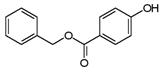 |
| Butylparaben | 94-26-8 | 194.2271 | C11H14O3 | 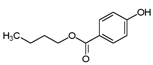 |
| Ethylparaben | 120-47-8 | 166.1739 | C9H10O3 | 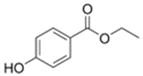 |
| Methylparaben | 99-76-3 | 152.1473 | C8H8O3 | 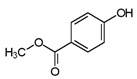 |
| Propylparaben | 94-13-3 | 180.2005 | C10H12O3 | 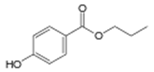 |
Table 2.
Effects of Butylparaben on thyroid function.
| Model | Exposure/Dose/Analyzes | Main results | Reference |
|---|---|---|---|
| Human (men) | Serum hormone analysis of Inhibin, FSH, LH, testosterone, estradiol, TSH, T3 and T4. | BP was associated with ↑ TSH, T4, fT4 after 96h of exposure | Janjua, 2007. |
| Pregnant women (12-14 weeks) |
Urine collection at 3 different gestational moments (16-20, 20-24, 24-28 gestation weeks) and hormone analyses. |
T3 and TSH levels did not change between visits; ↑ Estradiol and progesterone with ↓fT3 and fT4 at visit 3. |
Aker, 2016 |
| Pregnant women - Boston (>15 weeks) |
Collection of urine and blood at 4 different gestational moments (9, 17, 26 and 35 weeks of gestation) | BP was associated with ↓T3, ↓T3/T4 ratio and ↑ TSH. |
Aker, 2018 |
| Pregnant women - Puerto Rico | Urine collection at 3 different gestational moments (16-20, 20-24, 24-28 weeks of gestation) | Exposure to BP has been associated with ↓SHBG | Aker, 2019 |
| Male Wistar rats | Oral exposure BP (10 mg/kg/day), BP (50mg/kg/day) and BP+TCS (50mg+10mg/kg/day) for 60 days | BP (50mg/kg/d) was associated with a ↑TSH and ↓T3 and T4. | Taha, 2020 |
| Pregnant women | Collection of maternal urine on the day of delivery and collection of umbilical cord blood for hormone measurement | BP associated with ↑boys’ body weight at birth | Li, 2020 |
| Female Wistar rats | Subcutaneous administration of BP at doses of 1, 5 and 10 mg/kg/day for 7 and 21 days. | ↑TSH in BP1 at 7 and 21 days; ↓fT4 and tT4 at all concentrations (7 and 21 days); ↑fT3, tT3 and TPO in SP1 and SP5 at 7 and 21 days. | Gogoi, 2020 |
| Zebrafish larvae | Larvae were exposed to the following concentrations: 0, 2, 5 and 10 μM of BP |
Serum T4 concentrations decreased at most concentrations tested (BP 5 and 10μM) and T3 concentrations decreased at all concentrations tested. That exposure also led to an increase in TSH gene expression at all concentrations of BP. | Liang, 2022 |
Table 3.
Benzylparaben and propylparaben on thyroid function.
| Model | Exposure/ Dose/ Analyze | Main results | Reference |
|---|---|---|---|
| Female Sprague Dawley Rats | Oral exposure to methylparaben, ethylparaben, propylparaben, isopropylparaben, butylparaben and isobutylparaben (62.5; 250 and 1000 mg/kg/day) from the 21st to the 40th postnatal day. | Propylparaben and isopropylparaben were associated with ↓T4 and estradiol and changes in thyroid weight. | Vo, 2010 |
| Male and female Sprague Dawley rats | Injections of Isopropylparaben (IPP), isobutylparaben (IBP), or mixture of IPP and IBP at 50, 100, 300, and 600 mg/kg bw dissolved in 100 ml of ethanol (99%), 5 days per week for 28 days | Mixture of isopropylparaben (IPP) and isobutylparaben (IBP) induce a decrease of TSH in exposed individuals at an exposure of 600 mg/kg/bw | Kim, 2015 |
| Pregnant women (PROTECT) | Blood collection at two different gestational moments for measurement of SHBG, TSH, fT3, fT4 and progesterone/estradiol ratio; Urine collection for detection of phenols and parabens by HPLC | ↑ Estradiol and progesterone at last visit; ↓fT3 and fT4 at last visit with no changes in TSH levels. | Wang, 2015 |
| Pregnant women - Puerto Rico | Urine and blood collection at 4 time points during pregnancy. Parabens were detected in urine by chromatography. In the blood, tT4, fT4, TSH and T3 were measured | Propylparaben was inversely associated with fT4 | Aker, 2018 |
| Pregnant women - California | Urine and blood collection in the second gestational trimester and blood collection from neonates for measurement of tT4 and TSH. | Exposure to propylparaben was confirmed by chromatography performed on urine samples; Propylparaben was inversely associated with TSH levels with no changes in tT4 levels. |
Berger, 2018 |
| Pregnant women - Puerto Rico | Urine collection at 3 different gestational moments (16-20, 20-24, 24-28 weeks of gestation) | Exposure to propylparaben was associated with ↓SHBG and T3/T4 ratio | Aker, 2019 |
| Amphibian tadpoles | Oral exposure to propylparaben (0.05; 0.5 and 5 mg/L) for 14 days. | An increase in propylparaben concentrations in water has been associated with an acute toxic effect. | Carlsoon, 2019 |
| Human (population of Wuhan, China) | Urine collection and detection of methylparaben, ethylparaben and propylparaben. | Propylparaben has been associated with an increased risk of thyroid cancer. | Wu, 2022 |
| Zebrafish larvae | Larvae were exposed to the following concentrations: 0, 5, 10 and 20 μM of Propylaraben. |
Serum T3 and T4 concentrations decreased at all concentrations tested. At 10 and 20 μM groups propylparaben increases TSH gene expression. | Liang, 2022 |
| Newborn Human | Newborn blood spots (from Guthrie cards) were collected as part of the neonatal screening program, TSH and total T4 were assessed using immunofluorescence | Propylparaben decreased T4 hormone levels has been demonstrated in newborns and women with less than 150μg/L of iodine. | Coiffier, 2023 |
Table 4.
Ethylparaben and methylparaben on thyroid function.
| Model | Exposure/ Dose/ Analyze | Main results | Reference |
|---|---|---|---|
| Human | Urine samples were collected from patients at Wuhan Central Hospital who had thyroid disease and required surgery. Some types of parabens were detected in these samples such as MP, EP and PP | MP, EP and PP were found in urine samples in 99.06%, 95.29% and 92% respectively. There was an increase in the concentration of all parabens in the urine of both the nodule and cancer groups. MP and EP were associated with a benign nodule, especially when in higher concentrations. All three parabens studied were associated with an increased risk of thyroid cancer, with PE having the greatest association | Wu, 2022 |
| Mother-children | Urine samples from mothers of newborns were collected on the day of delivery. The concentrations of 5 parabens were determined by chromatography. Umbilical cord blood was collected immediately after birth, in which TT3, TT4, FT3, FT4, TSH, anti-TPO and anti-TG were measured | MP, EP, PP, BP and Benzyl-paraben were detected in the urine of the evaluated mothers. EP was positively related to increased TT3 in the umbilical cord and with anti-TPO. Likewise, there was a positive correlation between PP and Anti-TPO. EP and BP correlated with increased birth weight in boys, but not in girls | Li, 2020 |
| Human-Korea | Population study with 1254 people from Korea. Urine samples from this population were collected for analysis of the presence of EDC. Blood serum samples were also collected for measurement of TT4 and FT4, TT3 and FT3, TSH, anti-TPO, anti-thyroglobulin, TGB and DIO activity | Parabens were found in most of the studied population (more than 90%). MP showed a positive association with altered levels of TT3. The increase in MP, EP and PP parabens was correlated with an increase in thyroxine-binding globulin (TGB) | Choi, 2020 |
| Pregnant women - Puerto Rico | Urine collection at 3 different gestational moments (16-20, 20-24, 24-28 weeks of gestation) | MP was associated with a decrease in SHGB. MP leads to a significant decrease in TSH and with a decrease in the T3/T4 ratio particularly at weeks 24-28 of gestation | Aker, 2019 |
| Pregnant women - California | Urine and blood collection in the second gestational trimester and blood collection from neonates for measurement of tT4 and TSH | MP was inversely associated with TSH levels with no changes in tT4 levels. | Berger, 2018 |
| Pregnant women - Puerto Rico | Urine and blood collection at 4 time points during pregnancy. Parabens were detected in urine by chromatography. In the blood, tT4, fT4, TSH and T3 were measured | MP was associated with increased T3 and negatively associated with FT4 at gestational age less than 21 weeks | Aker, 2018 |
| Pregnant women (12-14 weeks) |
Urine collection at 3 different gestational moments (16-20, 20-24, 24-28 gestation weeks) and hormone analyses. | MP was associated with a 7.70% increase in SHBG | Aker, 2016 |
| Wistar rats | Oral exposure for 90 days to BPA (50 mg/kg) or BPA+MP (250 mg/kg). | A minimal thyroid receptor antagonistic effect was only observed after treatment with BPA+MP. MP demonstrated antioxidant properties by reducing lipid peroxidation and generation of hydroxyl radicals induced by exposure to BPA. | Popa, 2014 |
| Human | Samples from a community in Canada, among the participants, samples were collected from 28 women, including 9 pregnant women, and 11 men | High urinary concentrations of parabens have been found in some patients, with the highest urinary concentrations reported at around 966.46 μg/L PM and 220.6 μg/L EP | Genuis, 2013 |
| Human | Urine samples from a representative portion of the US population to assess urinary concentrations of triclosan and parabens | Inverse associations have been found between parabens and circulating levels of thyroid hormones in adults, where women appear to be more vulnerable to exposure. | Koeppe, 2013 |
| Mother-children | Maternal blood was collected during the first prenatal care visit for TSH measurement. MP was detected in meconium samples from newborns | MP exposure leads to a decrease in gestational age, a significant change in newborn weight and a decrease in maternal TSH levels. Besides, MP in meconium was associated with about a 16% decrease in TT3 and a decrease in FT4. MP may influence maternal thyroid physiology during pregnancy and this may lead to the development of ADHD | Baker, 2020 |
| Zebrafish larvae | Larvae were exposed to the following concentrations: 0, 20, 50 and 100 μM of EP, and 0, 20, 100 e 200 μM of MP. |
Serum T3 concentrations decreased at most concentrations tested ((EP 50, 100μM and MP 20,100 e 200μM) and T4 concentrations decreased at all concentrations tested. | Liang, 2022 |
| Mother-twin pairs | MP were extracted in urine samples of pregnant women using liquid-liquid extraction. Neonatal TSH level were abstracted from medical records in China | MP exposure in early pregnancy was associated with an increased intra-twin TSH difference | Hu, 2023 |
Disclaimer/Publisher’s Note: The statements, opinions and data contained in all publications are solely those of the individual author(s) and contributor(s) and not of MDPI and/or the editor(s). MDPI and/or the editor(s) disclaim responsibility for any injury to people or property resulting from any ideas, methods, instructions or products referred to in the content. |
© 2023 by the authors. Licensee MDPI, Basel, Switzerland. This article is an open access article distributed under the terms and conditions of the Creative Commons Attribution (CC BY) license (http://creativecommons.org/licenses/by/4.0/).
Copyright: This open access article is published under a Creative Commons CC BY 4.0 license, which permit the free download, distribution, and reuse, provided that the author and preprint are cited in any reuse.


