

Submitted:
01 August 2023
Posted:
03 August 2023
You are already at the latest version
Abstract
Abstract: The ongoing use of plastic polymers to manufacture food packaging has raised concerns about the presence of nano- and microplastics (NMPs) in a variety of foods. This review provides the most recent data on NMPs' migration from plastic packaging into milk and dairy products. Also discussed are the possible effects of NMPs on nutrient digestion, absorption, and metabolism. Different kinds of milk products, including skimmed or whole liquid and powder milk, infant formula milk, and other dairy products, have been found to contain NMPs of various sizes, shapes, and concentrations. NMPs may interact with proteins, carbohydrates, and fats and have a detrimental impact on how well these nutrients are digested and absorbed by the body. The presence of NMPs in the gastrointestinal tract may impact how lipids, proteins, glucose, iron, and energy are metabolised, increasing the risk of developing health conditions such as diabetes, cardiovascular disease, hypertension, and some cancers. In addition to NMP, plastic oligomers released from food packaging material have been found to migrate to various food simulants and milk, though their effect on human health has yet to be investigated. Viewpoints on potential directions for future studies on NMPs and nutrient digestion, absorption, and health are also presented in this review.
Keywords:
nanoplastics
; microplastics
; plastic oligomers
1. Introduction
Human exposure to nano− and microplastics (NMPs) is a reality, and contamination of food with NMPs has become an issue worldwide. As such, NMPs have attracted the attention of the entire world, including governments, the public, the scientific community, the media, and non−governmental organizations [1]. In addition, NMPs have become a topical issue in food production, processing, and packaging. Plastic particles smaller than 5 mm in diameter are referred to as microplastics (MPs), and those that are less than 1 μm in diameter nanoparticles (NPs), according to ISO definition [2]. Terminology has not been agreed upon yet, therefore NPs are often referred as particles of size less than 100 nm, and particles of size 100 nm up to 1 µm are referred as small microplastics [2]. NPs are generated from MPs due to the impact of environmental factors such as sunlight, water, temperature, and physical stress. They have higher specific surface area and volume ratio than MPs, which makes them more reactive and prone to heteroaggregation with natural solids and organic matter, interaction with light, and potentially more harmful to biological organisms [3]. Analytical challenges of MNPs determination in biological tissues, particularly NPs, hampers our understanding of full range of our exposure to MNPs. Most of human exposure data and occurrence in foods, are generated on MPs, due to the lack of suitable analytical tools of NPs determination. However, progress made regarding production of modelled NPs of different chemistry and properties, including dopped particles, has paved way to study their biodistribution and various in vitro effects [4], further prompting research efforts aiming at detection and characterization of NPs in complex matrices, such as foods and biological tissues.
Plastics are preferred to other packaging materials due to their low production costs, easy transportability, versatility, lightweight, durability, and recycling potential [5]. Statistics from Plastic Europe report have shown that plastic−based food packaging materials occupy the largest share of packaging materials [6], despite the global call to reduce plastic usage in food packaging and preparation. Studies continue to report NMPs in food materials (both processed and unprocessed foods), and therefore, NMPs have become a global threat to human health. NMPs have been observed in drinking water (tap and bottled), beverages (alcoholic and non−alcoholic), honey, salt, sugar, ready−to−eat foods, sea foods, meat, and milk products.
Milk and milk products are some of the most consumed food products, given their richness in nutrients such as protein, minerals (calcium, magnesium, potassium, zinc, and phosphorus), and vitamins such as vitamin D, which play a key role in healthy human nutrition and development [7]. However, NMPs of diverse sizes, morphologies, and concentrations have been observed in milk and milk products [8]. Furthermore, NMPs were reported in plastic bottles used for infant milk preparation [9]. Actually, infants are more exposed to NMPs than any other age group, considering their daily milk consumption patterns [9]. Contamination of milk products with NMPs may occur at various stages along the value chain, from the farm to processing and packaging [10].
Due to the overwhelming evidence from the literature on the existence of NMPs in foods, the consumption of these plastic particles is inevitable, and therefore, food intake is one of the main pathways for NMPs to enter the human body. This has prompted researchers to further study the potential effect of NMPs on nutrient digestion. In vitro gastrointestinal digestion has revealed that NMPs negatively affect the digestion of lipids and starch [11,12]. Nonetheless, the effect of NMPs on nutrient digestion still remains understudied, particularly for nutrients such as proteins. Following oral exposure to NMPs, hazardous chemicals can be released in the gastrointestinal tract (GIT), leading to toxicity. Of particular concern are plastic oligomers (particularly cyclic oligomers of polyethylene terephthalate), side products of plastic production, recently identified as non-intentionally added substances of foods (NIAS). Given its role in nutrients digestion, and absorption, the GIT has become the main target organ for NMPs, and studies have revealed that NMPs may cause nutrient absorption disorders depending on exposure and susceptibility [13]. Despite this, evaluating the NMPs’ risks to human health remains a challenge due to the particles’ complex compositions, variable sizes, and shapes [14].
In view of the above, this review aimed to discuss recent information on NMPs and their oligomers migration from plastic packaging into milk products. In addition, the potential effects of NMPs on nutrient digestion, absorption, and related health problems are discussed.
2. Approach to Literature Review
Articles, reports, and book chapters used to write this review were searched on the Google Scholar database and Web of Science. Information was also accessed over the internet. The Boolean operators "AND" and "OR" were used to broaden the search. The keywords used for searching were nanoplastics, microplastics, milk and milk products, food packaging, nutrient digestion, human health, plastic oligomers. The search mainly focused on scientific indexed papers and reports. The scientific articles, reports, and book chapters were published between 2011 and 2023, with more than 90 percent of the publications being less than four years old. The key words ‘nano− and microplastics’; ‘human health’; ‘plastic oligomers‘; ‘milk and dairy products’; nutrient digestion’; appear in either in the title or abstract. Websites of organizations with an interest in NMPs in food, including the Food and Agriculture Organization (FAO) and European Food Safety Authority (EFSA), were also explored. Insights from this review were used to identify recommendations for future research and mitigation.
3. Types of Polymers Used as Packaging in the Food Industry and Chemical Additives
Food packaging plays a crucial role in the food industry as it facilitates the handling, transport, storage, and quality preservation of food. Nonetheless, food is always in direct contact with packaging; therefore, the safety of plastic packages to food should be prioritised. The most common polymers used in food packaging include polyethylene (PE), polyethylene terephthalate (PET), high−density polyethylene (HDPE), low−density polyethylene (LDPE), polypropylene (PP), polyvinyl chloride (PVC), and polystyrene (PS) (Table 1). Also, take−out containers, trays and plastic film contains these polymers, which are the major sources of NMPs release into food. NMPs may be introduced into food from packaging material through, harsh environmental conditions, release from newly manufactured packaging, packaging contamination during manufacturing process, mechanical force, loose structure, and rough surface [13]. The possibility of NMPs being introduced through the raw materials should not be completely ruled out. In addition to NMPs contamination, the migration of chemicals components of the polymers into food is a huge concern.
Polymers used in food packaging are advertised as "green" and non−toxic and used to manufacture different types of packaging materials (Table 1). However, under extreme conditions (high temperatures, UV light, and changes in pH), polymers may undergo certain physico−chemical alterations, thus, residual monomers, oligomers, and chemicals such as plasticizers, flame retardants, pigments, antimicrobial agents, heat stabilizers, UV stabilizers, fillers, and flame retardants, added to the plastic packaging (Table 1), may be released into the food, causing food safety issues [15]. Chemical additives are added to enhance the functional properties of the plastic packaging. Migration of plastic packaging chemical additives is partly due to the lack of covalent bonds between them and the polymers. Also, factors such as food type, contact time, and quality of the plastic material are implicated. According to Smith et al. [16] continued degradation of plastic increases the surface area to volume ratio, promoting the leaching of chemical additives.
Migration of styrene, the main component of PS, was observed in various food simulants (10, 50, 95% ethanol and 3% acetic acid) (0.110−6 µg/mL [17]), meats products (0.4−160 ng/g [18]), dairy products (yoghurt and cream, 5−30 µg/kg [19]). Styrene is considered a toxic compound and is currently under monitoring by the European Food Safety Authority. Its application could be soon restricted, especially in food packaging destined for European markets [19]. He et al. [15] investigated the release of chemical additives from microwavable plastic containers using various food simulants (distilled water, 10% ethanol, 3% acetic acid, 50 and 95% ethanol) and detected chemicals including PEG oligomers of N,N−bis(2− hydroxyethyl) alkyl(C8–C18)amines, isomers of hexadecanamide and oleamide, and Irgafos 168 OXO at concentrations ranging from 0.02−14.90 µg/kg. Other chemicals including titanium dioxide, ATBC (O−acetyl tributyl citrate), phthalate (DEP and DEHP), DEHA, ATBC, diisooctyl phthalate (DIOP), polyethylene glycol, phthalic anhydride, and stearamide were detected in corn snacks, cookies, cake, bottled water, alcoholic beverages, meat, and dairy products [20]. Evidence on the harmful effects of chemical additives in food plastics is still limited due to challenges such as the lack of standards to identify the chemical additives [20,21].

Table 1.
Common types of polymers, chemical additives, and application in the food industry.
| Type of polymer | Application | Type of monomer | Common chemical additives | Reference |
|---|---|---|---|---|
| Polypropylene (PP) | Food packaging, sweet and snack wrappers, hinged caps | Propylene | Plasticisers (phthalates), fillers (mica, talc, kaolin, clay, calcium carbonate, barium sulphate), lubricants (glycerol mono oleate, polyethylene wax, and stearic acid), processing aids (acrylates or methacrylates), modifiers (methacrylate−butadiene−styrene, cyclohexane dimethanol and isophthalic acid), stabilisers (organo−tin, calcium, zinc stabilisers), antioxidants (tris(2,4−di−tert−butylphenyl)phosphite, pentaerythritol tetrakis (3−(3,5−di−tert−butyl−4−hydroxy− phenyl)propionate, octadecyl−3−(3,5−di−tert−butyl−4−hydroxyphenyl)propionate),copolymers (polybutadiene), surfactants, (glass fibre or carbon fibres), catalysts, colourants (pigments, soluble, azocolorants) and hydrocarbons | [13,22,23,24] |
| High−density polyethylene (HDPE) | Milk bottles | Ethylene | ||
| Low−density polyethylene (LDPE) | Food packaging film, food containers, and trays | Ethylene | ||
| Polystyrene (PS) | Dairy and fishery food packaging, bottle caps, cups, trays | Styrene | ||
| Polyethylene terephthalate (PET) | Water, soft drink, and juice bottles | Terephthalic acid and ethylene glycol | ||
| Polyvinyl chloride (PVC) | Trays, bottles, containers, flexible films, caps, and can linings | Vinyl chloride |
4. Migration and Occurrence of NMPs in Milk and Dairy Products
Among other types of foods, contamination of milk products with NMPs has been reported. According to the literature, NMPs have been observed in diverse types of milk products, including skimmed or whole liquid and powder milk, infant formula milk, and other dairy products such as yoghurt (Table 1). Depending on the type of analytical methods used, the occurrence data are reported as particle numbers or mass of plastics. The most common methods are based on spectroscopy or GC/MS in combination with pyrolysis of thermal extraction and desorption (TAD). Methods based on spectroscopy provide chemistry, size, and shape of the MPs (Raman, microFTIR, FPA-microFTIR), but cannot determine plastics of size less than 10 micrometer (i.e., suitable only for MPs), nor estimate mass of the plastic. GS/MS based methods provide mass data of the MNP occurrence and their chemistry, but not size nor shape. GC/MS based methods generate aggregate data on MNPs, so there is uncertainty on the contribution of NPs in the total MNP mass reported by these methods. There is plenty of excellent recent reviews on methods used in NMP characterization [25,26,27].
MPs amounting to 16.2 million per litre were detected in prepared formula milk [9]. The authors estimated that infants (<12 months old) may consume approximately 1.6 million MPs per day. The temperature of the water used to prepare the formula milk and the sterilization process were implicated in the migration of MPs [9]. Common plastics used to package breastmilk (PE, PET, and nylon 6) were reported to release MPs of varied shape (irregular, and oval), weight (0.22 and 0.47 mg), and size (<0.8 μm) [28]. The authors estimated that infants may ingest about 0.61–0.89 mg/day from the plastic materials used to pack breastmilk. Kutralam−Muniasamy et al. [8] investigated the occurrence of MPs in whole, kids, and lactose−free milk and observed MPs of <11 µm in size and varying from 3−11 particles per litre (Table 1). A study on boxed milk powder and canned milk powder showed that the plastic packaging in the boxed milk powder was implicated in the release of MPs into the milk powder [29]. In this study, the boxed milk powder contained 8−fold higher MPs than the canned milk powder (Table 1). Another interesting finding from the study of Zhang et al. [29] was that MPs from feed bottles were more than 6−fold higher than those from milk powders. These results suggest that the stress applied to the bottles during milk preparation and cleaning had a significantly positive effect on the generation of MPs.
Very small sizes (<5 µm) and amounts (<100) of MPs were reported in raw milk (collected just after milking) and powdered cow’s milk products [10]. Among the different polymers, PE was the most frequently found polymer, accounting for 31 % of the MPs, compared to PP and polyester (PES), which contributed 27 and 23 %, respectively. PVC, PP, and PE−based MPs (2–12 µm) were also detected in breastmilk [30]. The authors observed no significant correlation between the MPs data and the patients’ food consumption patterns and suggested that the patients ingested the MPs through various sources. Their findings confirmed the ubiquitous nature of NMPs. Skimmed milk samples collected from different cities in Ecuador, packed in PE containers contained MPs (2.48–183.37 µm, both fragments and fibers), ranging from 10–100 MPs per litre [31]. The presence of MPs in the milk samples was suggested as the result of milk processing methods. Other studies, which reported the occurrence of MPs in milk products are shown in Table 1. Given the wide use of milk to produce infant food products, the occurrence of MPs in milk and milk products raises serious concerns.
Table 2.
Migration of MPs into milk and milk products.
| Type of milk product | Type of packaging material |
Country the study was carried out | Sample processing and MPs characterisation | MPs shape and size | Quantity of MPs | Reference | ||
|---|---|---|---|---|---|---|---|---|
| MPs extraction | Filter pore size | Polymer characterisation | ||||||
| Skim milk | Polyethylene | Ecuador | Filtration and digestion with 30% H2O2 for 72 h | 250 µm | FTIR | Fibers and fragments (2.48−183.37 µm) | 16−53 | [31] |
| Whole, kids, and lactose free milk | Polysulfone | Mexico | Filtration | 11 µm | Nikon epifluorescence microscope H6000L; SEM−EDS; Raman spectroscope | Fibers and fragments (>11 µm) | 6.5 ± 2.3 | [8] |
| Milk powder | Boxed with inner plastics | China | Digestion | 8 µm | FTIR | Fibers and fragments | 1−11 | [29] |
| Yoghurt | NR | Turkey | Filtration and digestion with 30% H2O2 for 72 h | 1 µm | SEM and ATR−FTIR | Fibers and fragments | 109−915 | [32] |
| Breastmilk | NR | Italy | Filtration and digestion 10% KOH (40 °C for 48 h) | 1.6 µm | Raman microspectrometer | Fragment (2−12 µm) | <5 | [30] |
| Liquid and powder milk | NR | Switzerland | Digestion 25% tetramethyl ammonium hydroxide (80 °C for 1 min) | 5 μm | µRaman and optical microscopy, SEM−EDX | Fragments | <100 | [10] |
MPs−Microplastics, NR−not reported, FTIR− Fourier transform infrared, SEM−Scanning electron microscopy, EXD Electron−based dissociation, KOH−potassium hydroxide, H2O2−Hydrogen peroxide.
5. Potential Transformation of NMPs During Food Digestion
The GIT is a targeted organ by NMPs. The physicochemical properties (particle size and distribution, shape, surface coating, weathering, adsorbed chemical and microbial contaminants), pH, transit time, and redox potential of the GIT, may affect the physicochemical properties of NMPs [33]. Given the series of processes ingested food undergoes in the GIT, knowledge on the potential physicochemical alteration of NMPs during digestion is essential.
In the study of Stock et al. [14], MPs (PE, PP, PVC, PET, and PS) (10, 50, and 100 mg/mL; 4 µm) resisted decomposition by the artificial digestive juices and changes to their shape, size, or texture. The authors suggested that the main stages of the human GIT may not transform the MPs; however, biological components such as proteins, lipids, and mucins may adsorb on the MPs, affecting the interpretation of results (particle size and shape). For instance, Tan et al. [12] observed the agglomeration of lipids around MPs and established that MPs affected the digestion of lipids. This consideration is crucial for correctly interpreting the effect of the GIT environment on the MPs.
Using an in vitro Caco−2 monolayer digestive model, Liu et al. [34] attempted to transform PS−based NMPs (5 nm and 5 µm), and observed that, although the NMPs showed deteriorative effects to the intestines’ physical barrier, the digestive process did not change the chemical composition of the NMPs. Nevertheless, a study on the physicochemical properties of MPs from the GIT of fish revealed minor changes in weight, size, and colour [35]. When they investigated the potential alteration to the physicochemical properties of polystyrene NPs (50, 300, and 400 nm) and MPs (4 µm), Meng and colleagues found out that the NMPs could not be depolymerized in the mouth, stomach, and intestine and retained their original shape and components [36]. The authors attributed these findings to the high inertia and stability of the NMPs. In the same study, the surface chemistry, and the electrostatic adsorption of the NMPs changed, and agglomeration (NMPs−organics, NMPs−NMPs, and NMPs−organics−NMPs) was observed after the GIT digestion. Moreover, the particle size and charge of the NMPs increased and decreased, respectively, a phenomenon the authors attributed to the interaction of NMPs with biomolecules (proteins, lipids, and nucleic acids) in the GIT [36].
Tamargo et al. [37] compared PET−MPs (0.166 g/intake) before and after in vitro GIT digestion and in vitro colonic fermentation and observed that the MPs particles maintained their morphology during gastrointestinal digestion and colonic fermentations; however, crystalline, and organic matter deposits were observed after small intestine digestion. Furthermore, dynamic in vitro colonic fermentations significantly transformed the MPs surfaces, and organic matter was deposited around the MPs. The authors postulated that MPs may alter the composition of the human microbial colonic community and form biofilms in the GIT. According to obtained Raman spectra there is a trend of structural degradation of the PET MPs during the gastrointestinal digestion. FTIR analysis of PP−MPs (spherical, 11.86–44.62 μm) from P. paludosa snails showed that PP−MPs did not change during ingestion or after egestion [38].
6. Interaction and Effect of NMPs on the Digestion and Absorption of Food Macro−Components
The human digestion system is not capable of decomposing NMPs due to their inertness, thus, the interaction of NMPs with food nutrients is highly possible, and this might affect the digestion and absorption of nutrients by the human body. Despite the huge amount of evidence for NMPs in food products, information on their potential impact on nutrient digestion and absorption is still limited. But available animal and in vitro studies have shown that NMPs have the potential to negatively influence the digestion and absorption of carbohydrates, fats, and proteins (Table 3). In addition, the presence of MPs in the GIT, could interact with the digestive enzymes [12].
6.1. Carbohydrates
The effect of MPs on starch has been widely studied using mussels. O’Brien et al. [11] investigated the effect of polystyrene MPs (10 μm) on the digestion of starch using blue mussels (Mytilus galloprovincialis). The authors established that MPs (55 000–110 000/L) affected the ability of mussels to digest starch by negatively affecting the amylase enzyme activity (Table 3). It was suggested that MPs negatively influenced the starch digestion in mussels, although the mechanism is not clearly understood. Consistent controls between experiments for factors such as species, MPs type, exposure duration, food type and level, and temperature are necessary.
Wang et al. [39] reported a decrease in digestive gland amylase activity in hard−shelled mussels exposed to polystyrene MPs (2 μm, >10,000/L) spheres. Elevated gene expression of key energy metabolism genes, which included pyruvate kinase and succinate dehydrogenase, was observed in the digestive glands of mussels contaminated with polystyrene MPs [40]. The authors suggested that this could be due to MPs−induced carbohydrate oxidation. However, studies on other types of carbohydrate enzymes and the use of human digestion models are warranted in order to understand the consequences of MPs on nutrient digestion in humans. Although the interaction of starch with MPs has been suggested, the mechanism is still not well understood.
6.2. Fats
Five different types of MPs (80 mg/L in the small intestines), including PS, PET, PE, PVC, and PLGA, were reported to significantly reduce lipid digestion in the in vitro gastrointestinal system (Table 3). MPs from PS showed the greatest effect, with lipid digestion decreasing with increased PS concentration, while MPs size showed no effect. This study demonstrated the need to separately assess the effect of NMPs on nutrient digestion and absorption for each polymer. The study also reported significant interactions of MPs with lipid droplets and lipids [12]. In addition, PS, PE, and PET MPs showed stronger interaction and aggregation with lipid droplets. Using both experimental and molecular dynamics simulation approaches, two different mechanisms were suggested for the polystyrene MPs−induced lipid digestion inhibition. The first mechanism postulated that the polystyrene MPs decreased the bioavailability of lipid droplets by forming large lipid−MPs heteroaggregrates due to the hydrophobic nature of the MPs (Figure 1). The second mechanism suggested that the MPs adsorbed lipase and reduced its activity by altering its secondary structure [12]. Their findings revealed the potential risk of MPs to nutrient digestion, absorption, and human health.
DeLoid et al. [41] used a 3−phase in vitro simulated digestion coupled with a tri−culture small intestinal epithelium model to investigate the effect of PE−based MPs digestion and absorption of fat. Their study revealed that MPs concentration of 400 μg/mL significantly increased fat digestion and absorption (Table 3). Triacylglycerol (TAG) was depleted, while diacylglycerol (DAG) and intestinal−phase fatty acids were enriched due to the action of the pancreatic TAG lipase activity. The digestion of TAG on the lipid coated NMPs surfaces was suggested as a potential mechanism. Nevertheless, the proposed mechanism requires further investigation using an animal model to establish the NMPs properties responsible for their effect on lipid digestion and absorption. The enrichment of sterols by over 3% was implicated to the addition of bile salts to the small intestinal digestion [41].
A study on lugworms (Arenicola marina) showed that lipid and energy reserves were reduced after the lugworms were exposed to 5% PVC−based MPs [42]. The decrease in energy reserves was attributed to decreased feeding activity, longer ingested material gut residence times, and inflammation. These results are supported by the findings of Sussarellu et al. [43] on oysters, which revealed that MPs (0.023 mg/L) from PS disrupted fatty acid metabolism and reduced energy assimilation. Pollutants that may attach to the surfaces of the MPs have shown that they may affect fatty acid metabolism due to their effect on enzymes such as catalase, allantoinase, uricase, and fatty acid synthase [44].
Overall, it has been highlighted that the disturbance of lipid digestion may cause decreased lipid absorption, insufficient energy intake, decreased essential fatty acids, and fat−soluble vitamins.
6.3. Proteins
Hanachi et al. [44] studied the effects of polystyrene MPs (30 or 300 μg/L) alone and combined with chlorpyrifos insecticide (2 or 6 μg/L) on the digestion of proteins in rainbow trout (Onchorhynchus mykiss) (Table 3). MPs alone had a minimum and no effect on amino acids and proteins, respectively. Meanwhile, MPs combined with chlorpyrifos caused significant decrease in amino acid and protein contents. The authors suggested that the proteins might have been used as a source of energy production to cope with environmental stress. The study highlighted the potential effect of MPs as carriers of toxic compounds and chemicals. Intestinal metabolic disorders, including metabolism of amino acids, were found in zebrafish (D. rerio) exposed to PS−MPs, and nine amino acid metabolism–related metabolites of leucine, proline, threonine lysine, alanine, glutamine, tyrosine, and phenylalanine were significantly altered in the fish’s gut [45]. However, more studies are still needed to investigate the influence of MPs size and dose of individual MPs and MPs combined with other chemical pollutants.
DeLoid et al. [41] on their study on the effect of PE−based MPs on the digestion of proteins observed that a total of 72 proteins were depleted in the small intestinal phase. The most notable of these was β−casein, which normally coats and stabilizes milk fat globules, and is displaced by bile salts during fat digestion to provide a greater surface area for lipase binding and activity. The depletion of β−casein and enrichment of triacylglycerol (TAG) lipase in the small intestinal phase was related to the digestion of lipids on the surface of PE by the same mechanism that occurs on fat droplets.
Although the mechanism of interaction between MPs and protein is not clear, adsorption of proteins on MPs, especially on smaller particle sizes has been reported in literature [14,46,47,48].
Table 3.
Potential effect of NMPs on nutrient digestion using in vitro and vivo studies.
| Nutrients type | Experimental model | Key findings | Reference |
|---|---|---|---|
| Lipids | Stock lipid emulsion (olive oil (4% w/w)+ phosphate buffer, pH=7) was mixed with MPs (PE, PVC, and PET, (100, 200, 300, 400 mg/L, and 50 nm, 1 μm, 10 μm ). Lipid digestion was carried out using in vitro simulated digestion. | All the MPs significantly reduced lipid digestion with PS−MPs exhibiting the highest inhibition. Lipid digestion decreased with increasing PS concentration. PS−based MPs interacted with both lipid droplets and lipase enzymes. | [12] |
| A standardized food model (3.4% protein (sodium caseinate), 4.6% sugar (sucrose), 5.2% digestible carbohydrate (corn starch), 0.7% dietary fiber (pectin), 3.4% fat (corn oil), and 0.5% sodium chloride) and high fat food (33.3% fat) models were mixed with PE−I PM0.1. In vitro simulated digestion was performed using a 3−phase simulator. | PE−I increased fat digestion and absorption. Fatty acids in the small intestinal phase were enriched. | [41] | |
| Rainbow trout fish (25.1 ± 8.1 g, 9.2 ± 2.2 cm) were randomly distributed in fiberglass aquaria (200 L) and exposed to individual PS−MPs (30 or 300 μg/L), or individual chlorpyrifos (2 or 6 μg/L), and their combination at similar concentrations of chlorpyrifos and MPs. | The PS−MPs had a minimal effects fatty acid composition. However, significant alterations in fatty acid composition were observed in combined PS−MPs and chlorpyrifos. | [44] | |
| Proteins | A standardized food model (3.4% protein (sodium caseinate), 4.6% sugar(sucrose), 5.2% digestible carbohydrate (corn starch), 0.7% dietary fiber (pectin), 3.4% fat (corn oil), and 0.5% sodium chloride) and high fat food (33.3% fat) models were mixed with PE−I PM0.1. In vitro simulated digestion was performed using a 3−phase simulator. | Protein corona analysis showed enrichment of triacylglycerol lipase and depletion of β−casein in the small intestinal phase. | [41] |
| Rainbow trout fish (25.1 ± 8.1 g, 9.2 ± 2.2 cm) were randomly distributed in fiberglass aquaria (200 L) and exposed to individual PS−MPs (30 or 300 μg/L), or individual chlorpyrifos (2 or 6 μg/L), and their combination at similar concentrations of chlorpyrifos and MPs. | The PS−based MPs has an insignificant effect on amino acid, while they had no effect on protein contents of fish muscle. Nonetheless, significant alterations in amino acid and protein contents, were observed in combined PS−based MPs and chlorpyrifos. | [44] | |
| Healthy adult zebrafish (Danio rerio, 5−month−old) were exposed to PS−MPs (5 μm beads; 50 μg/L and 500 μg/L) for 21 days. | Amino acid metabolism related metabolites of proline, leucine, lysine, threonine, alanine, phenylalanine, glutamine, tyrosine, and ornithine were significantly changed. | [45] | |
| Carbohydrates | Mussels of 5–7 cm length and 21 months of age were fed with PS spheres (10 μm, 55 000 and 110 000/L). | Exposure to higher levels of PS−MPs raised amylase activity and negatively affected the ability of mussels to digest starch. | [11] |
| Mussels M. coruscus (1.5 ± 0.90 g; 7.95 ± 0.32 cm) were exposed to four concentrations of PS microspheres (diameter 2 mm, 0, 10, 104 and 106 /L) under two pH levels (7.7 and 8.1) for 14 days followed by a 7−day recovery acclimation. | The alpha−amylase enzyme was significantly inhibited. | [39] |
MPs– Microplastics, PS–Polystyrene, PE–polyethylene, PVC–Polyvinyl chloride, and PET–Polyethylene terephthalate.
7. Potential Effect of Ingested NMPs on Nutrient Metabolism
Ingestion has been identified as the primary way by which NMPs enter human bodies among the various possible routes. The GIT should be taken into consideration when considering the potentially harmful effects of NMPs because the ingested NMPs may combine with the physiological functions in the GIT. Millions of NMPs are estimated to be consumed by people every year, usually along with food or water. The yearly human consumption of NMPs could be even higher because not all food groups have been examined for NMPs contamination. The intestines are the primary organ for nutrient uptake, metabolism, the immune system, and defence. Although the pathophysiological effects of NMPs in humans have not been characterised, their effects in animals such as mice, fish, bees, and chickens, and in vitro studies may help elucidate their potential effects in humans (Table 4).
In the study reported by Li et al. [49], juvenile M. nipponense exposed to different PS-NPs concentrations (0, 5, 10, 20, and 40 mg/L) for 28 days revealed that the content of lactic acid increased as PS-NP concentration was increased, while the content of glycogen, triglycerides, and total cholesterol decreased. Additionally, the study found that there were significant changes in the expression of the genes for 6-phosphate glucokinase (G-6-Pase), HK, PK, ACC, Acetyl-CoA-binding protein (ACBP), CPT-1, and fatty-acid-binding protein 10 (FABP 10), which are all involved in metabolism. Ahrendt et al. [50] used juvenile G. laevifrons to study the effects of PSMPs on hyperemia, finding that the effects were more severe at larger doses (0.1 g of PSMPs per 0.5 g of food). When adult zebrafish were exposed to PP-MPs (10 and 100 g/L) for 21 days through commercial food, metabolites were significantly altered by up-regulating glycerophospholipid metabolism and down-regulating fatty acyl metabolism linked to nutritional deficiency [51]. Also, Yin et al. [52] observed abnormal symptoms of the bile, liver, and lumen of the intestine as well as reduced growth and gross in fish exposed to 15−μm PS−MPs. Important liver processes like energy metabolism, glucose metabolism, and fat metabolism can all be destroyed by the effects of NMPs [24]. Similar findings were reported in the studies of Wu et al. [53], Brun et al. [54], Zhang et al. [51], and Lai et al. [55] (Table 4). Asmonaite et al. [56] found different results following a 28-day exposure to 10 mg of PSMPs (500–700 particles per fish per day) in rainbow trout (Oncorhynchus mykiss). The authors observed that after the rainbow trout fish ingested PS-MPs, there was no distinct changes in metabolism. It has been suggested that NMPs type, size, and concentration have a significant impact on metabolism, which may account for the variation in reported findings.
In vivo studies using mice have revealed information about the propensity for NMPs to disrupt metabolism. Okamura et al. [57] fed C57BL/6J (wild type) male mice that were 7 weeks old a high-fat diet (HFD) along with MPs for 4 weeks. The authors found that mice fed a high fat diet (HFD) with MPs expressed significantly more genes linked to long-chain fatty acid transporter and Na+/glucose cotransporter than mice fed an HFD alone. Male C57BL/6 mice were administered with PS-NPs at doses of 1, 10, and 30 mg/kg/day for eight weeks, either alone or in combination with a high-fat diet and an injection of streptozocin (STZ), and were found to have increased blood sugar, glucose intolerance, and insulin resistance [58]. Moreover, consumption of PSMPs by mice disrupted the metabolism of protein, lipids, and energy [59,60,61]. Table 4 shows additional studies on the impact of NMPs on metabolism using mice. In chickens, exposure to PS and PE-NMPs increased lipopolysaccharide accumulation, promoted hepatic lipid metabolism disorders, and adversely impacted intestinal metabolism and gut microbial homeostasis, and decreased iron absorption (Table 4). Genes related to detoxification and energy balance were depressed when Wang et al. (2022) [62] exposed 10−day−old honeybees (Apis mellifera) to PS-NMPs (104 and 105 particles/mL; 100 nm, 1μm, and 10 μm) through a diet of pollen and 50 % sucrose syrup. In vitro studies also confirm the impact of NMPs on metabolism. Increases in amino acids and intermediary metabolites of the tricarboxylic acid cycle were observed in bronchial epithelial BEAS-2B cells treated with 1 mg/mL PS-NPs [63], while lipid accumulation was reported in RAW 264.7 macrophages and BV2 microglial cells after exposure to PS-NPs [64]. Studies by Xia et al. [65] and Palaniappan et al. [66] reported results that were similar (Table 4).
Table 4.
Potential effect of ingested NMPs on metabolism using in vivo and in vitro studies.
| Type of study | Experimental model | Key findings | Reference |
|---|---|---|---|
| In vivo studies using mice | Five−week−old mice (n = 40) were exposed to 0.5 and 50 μm PS MPs (100 and 1000 μg/L) for 5 weeks. | MPs induced gut microbiota dysbiosis and hepatic lipid metabolism disorder | [67] |
| Five−week−old mice were fed with PS−MPs (5 μm, 100 and 1000 μg/L) for 6 weeks. | PS−MPs induced gut microbiota dysbiosis, intestinal barrier dysfunction and metabolic disorders. | [68] | |
| Seven−week−old C57BL/6J (wild type) male mice were fed with a high fat diet together with MPs for 4 weeks. | The expression of genes related to long−chain fatty acid transporter, and Na+/glucose cotransporter were higher in mice fed the high fat diet with MPs. | [57] | |
| A total of 40 seven-week-old C57 BL/6 female mice (ICR) and 20 male mice were exposed to 1 and 10 mg/L PS-NP. | PS-NPs significantly disturbed cholesterol metabolism. Metabolomics showed appreciable metabolic disorders, particularly affecting sucrose and daidzein concentrations. | [69] | |
| Male C57BL/6 mice (six-week-old) were exposed to 100 μg/ L or 1000 μg/ L MPs, respectively for 8 weeks. | MPs exposure induced differentially expressed genes were enriched in pathways of lipid metabolism and unfolded protein response. | [61] | |
| Mice were orally administered 5 mg/kg and 15 mg/kg body weight dose PS-NPs, respectively. | Chronic exposure to PS-NPs increased plasma glucose levels. | [70] | |
| ICR female mice (7 week old) were administered with MPs 100 and 1000 μg/L during pregnancy and lactation (∼6 weeks). | MPs caused the metabolic disorder in maternal MPs associated with gut microbiota dysbiosis and gut barrier dysfunction. | [71] | |
| One hundred male C57BL/6 mice (7–8 weeks old, 20–22 g) were orally exposed to PS-NPs at dosages of 1, 10, 30 mg/kg/day for 8 weeks, alone or combined with a high fat diet and streptozocin (STZ) injection | Increase in blood glucose, glucose intolerance and insulin resistance were observed. | [58] | |
| Five-week-old male mice (Mus musculus, ICR) were treated with 5 μm and 20 μm fluorescent PS-MPs for 28 days | MPs exposure disturbed energy and lipid metabolism | [59] | |
| Male Hmox1 reporter mice (16–20 weeks, n=5 per group) were fed with 0.5% (w/v) carboxymethylcellulose (CMC), a mixture of 1 µm (4.55×10⁷ particles), 4 µm (4.55×10⁷ particles) and 10 µm (1.49×10⁶ particles) MPs in CMC (10 mL/kg body weight) for 28 days. | Energy metabolism was impaired. | [60] | |
| In vivo studies using fish | Juvenile M. nipponense (initial body length 22.96 ± 3.87 mm, weight 0.14 ± 0.06 g) were NPs (0, 5, 10, 20, and 40 mg/L) for 28 days. | Expression of the metabolism-related genes 6-phosphate glucokinase (G-6-Pase), HK, PK, ACC, Acetyl-CoA-binding protein (ACBP), CPT-1, and fatty-acid-binding protein 10 (FABP 10) was altered. | [49] |
| Adult marine medaka (Oryzias melastigma, 8-month-old) were exposed to 2, 10 and 200 μm PS-MPs at concentration of 10 mg/L for 60 days. | Exposure to 200 μm PS-MPs increased bodyweight, adipocyte size and hepatic lipid contents. | [72] | |
| Juvenile G. laevifrons (n = 30, body size = 5.0 ± 0.4 cm SL; body weight = 1.5 g ± 0.2 g) were fed with 0.001 and 0.1 g of PS−MPs (8 μm) per 0.5 g of food weekly for 45 days | Hyperemia was more severe in the higher exposure group compared to the lower exposure | [50] | |
| Nile Tilapia (Oreochromis niloticus) were fed with 1 mg/L PS NMPs (80 nm, 800 nm, 8 76 μm and 80 μm) for 14 days | Imbalance of gut microbiota homeostasis and disordered liver metabolism was observed in fish fed with 80 nm NMPs. | [53] | |
| Healthy four−month−old zebrafish (Danio rerio, AB strain, 0.34 ± 0.03 g in wet weight, 33 ± 2 mm in body length) were exposed to pristine MPs (20 mg/L) for 24 h. | Increased metabolism disruption was observed. | [45] | |
| 100 individuals of M. galloprovincialis (size 4.1 cm ± 0.9 SD) were exposed to MPs were subjected to a synthetic polymer powder HDPE (1–50 μm) for 18 days. | Immune related proteins were produced growth energy decreased. | [40] | |
| Large yellow croaker juveniles (about five months old) were fed with PS NPs suspensions of 0, 1, 10, and 100 mg/kg, respectively for 21 days | Liver lipid accumulation was observed. Fatty acid composition changes and lipid metabolism disruption were also observed. | [55] | |
| Zebrafish wild-type (AB/TL strain) larvae were exposed to 0, 0.2, 2, and 20 mg/ L PS-NPs | PS-NP-induced disruption of glucose homoeostasis | [54] | |
| In vivo studies using chickens | Sixty-one−day−old healthy Arbor Acres chickens (48 ± 4 g) were exposed to PE−MPs (200 mg/kg) in feed for 28 days. | PE−MPs exposure negatively affected gut microbial homeostasis and intestinal metabolism. | [73] |
| One−day−old (120) chickens were fed with PS−MPs (1, 10, and 100 mg/L) for 6 weeks | PS−MPs promoted lipopolysaccharide accumulation promoted hepatic lipid metabolism disorders. | [74] | |
| Cornish-cross broilers 2 mg/ kg 50 nm PS, carboxylated, undyed NPs for 14 days | Lower iron absorption was observed more in chickens exposed to carboxylated NPs. | [75] | |
| In vivo studies using bees | 10−day old honeybees (Apis mellifera) were exposed to PS NMPs (104 and 105 particles/mL; 100 nm, 1μm, and 10 μm) through a diet of pollen and 50 % sucrose syrup. | Immune inhibitory genes were stimulated while genes related to energy balance were depressed. | [62] |
| In vitro studies | In vitro simulated digestion models for gastric (6 mg PS-MPs were dispersed in 35 mL of gastric fluid, 0.1, 1, and 10 μm) and intestinal digestion were applied. | No significant effect on nutrient absorption or metabolism was observed. | [76] |
| RAW 264.7 macrophages and BV2 microglial cells were exposed to 200 nm) NPs (1, 5, 10, 25, 50, 100, and 200 μg/mL) before incubation for 24 h. | The exposure of BV2 microglial cells to PS-NPs induced lipid accumulation. | [64] | |
| A549, HePG-2 and HCT116 cells were treated by 30 nm PS-NPs (25 μg/ml) and 30 nm Au-NPs (0.7875,1.575,3.15 ng/mL) | Distribution of cytokinesis-associated proteins was observed | [65] | |
| Madin–Darby canine kidney (MDCK) epithelial and L929 mouse fibroblast cell lines were exposed to 1.0–4.0 μm clear PE microspheres and 9.5–11.5 μm PS microspheres | Metabolic rate increased as the concentrations of PS and PE-MPs increased | [66] | |
| Bronchial epithelial BEAS-2B cells were treated with 1 mg/mL PS-NPs | Increased in amino acids and tricarboxylic acid cycle intermediate metabolites were observed | [63] |
PS−polystyrene, NMPs−nano and microplastics, HDPE −high density polyethylene, NPs−nanoplastics, MPs−microplastics, PE− polyethylene.
8. Migration of Plastic Oligomers and Their Potential Effect on Health
Apart from NMPs and food additives, NIAS have also been found to migrate from food contact material (FCM) into food or food simulants. In literature, a common representative of NIAS are plastic oligomers that are products of incomplete polymerization, degradation or impurities in the raw material used for production. In contrast to additives, the permitted content of oligomers in food and foodstuffs does not have a defined specific migration limit (SML). Generally, in the cases when a substance is not on the positive list according to the European Regulation (EU) No 10/2011, its maximum migration limit is 10 µg/kg (EC, 2011) [77]. Additionally, other methods of risk assessment can be used. According to the Threshold of Toxicological Concern (TTC), for example cyclic PET oligomers can be sorted into Crammer Class III substances, which is linked to a higher possibility of toxic effect, while linear oligomers fall under Crammer Class I, showing little to no toxic effect [78]. Because of the abundance of PET and modified PET in the environment, their oligomers are one of the most often studied.
Methods for the quantification of oligomers have been developed and have been discussed elsewhere [21]. Currently, quantification of oligomers poses a challenge because of the large number of molecules that can be formed and a limited number of commercial standards available, particularly of linear oligomers, making the quantification of most molecules semiquantitative.
Food simulants are widely used in migration studies as replacements for food. Linear and cyclic PET oligomers have been shown to migrate from teabags into water, 20% and 50% ethanol, under conditions mimicking tea preparation (5 min, 100℃). 50% ethanol was used to mimic the addition of milk or cream to the tea. A higher amount of ethanol content was implicated in the higher migration rate of cyclic oligomers for all tested samples, and the 1st series cyclic trimer being the most abundant under all studied conditions [78]. Similarly, polybutylene terephthalate (PBT) and PET cyclic oligomers were observed to migrate from coffee capsules, with mostly the PBT dimer and PET trimer being the most abundant [79]. Besides PES-based polymers like PET and PBT, polyamide (PA) polymers can also release cyclic oligomers upon contact with food simulants, as demonstrated by Abe et al. [80] and Kappenstein et al. [81] using various kitchen utensils and tea bags made of PA6 or PA66. Migration of PA oligomers from PA film to 10% ethanol is affected by ionic strength, due to their polar nature, as proven by Tsochatzis et al. [82]. As pointed out by the authors, salinity of a given food, as compared to fat content, is rarely considered when investigating migration of substances from FCM. Polyurethane oligomers have been shown to transverse multiple layers into food simulants when studying multilayer packaging, even exceeding the established migration limits for non-listed substances [83,84].
Regarding detection in food, oligomers and other NIAS have been detected in baby food, among which are Ɛ-caprolactam oligomer dimer (0.01-0.02 mg/kg), Bis(2-Hydroxyethyl) terephthalate (BHET) (0.03-0.18 mg/kg), neopentyl glycol- adipic acid (NPG-AA) (0.01-1.06 mg/kg), AA- diethylene glycol (DEG) (1.42-5.86 mg/kg), NPG-sebacic acid (0.05 – 1.36 mg/kg), NPG- suberic acid (SuA) (0.42 mg/kg), 2NPG-2AA (2.00-4.00 mg/kg) and 2AA-2DEG (0.03-1.10 mg/kg) [85]. Most of these oligomers originate from polyurethane adhesives. Interestingly, 29 of the detected oligomers were cyclic, implying higher toxicity. Migration of oligomers from polyester-phenol-coating into baby food has also been studied and cyclic polyester oligomers have been found to migrate into commercial and homemade infant food and their migration was highly impacted by fat content [86].
Research into migration of oligomers into food or food simulants is still a work in progress. Nevertheless, there is a number of studies on the migration of oligomers into milk. PA oligomers, PA6 and PA66, have been shown to migrate from common kitchenware to whole milk (3% fat content), where the most abundant oligomer found was the PA66 monomer. However, migration was below the specified migration limit given by the authors, which is not the case when using a simulant for whole milk (50% ethanol). The authors have pointed out that using food simulants might cause overestimation by a factor of three [87]. Overestimation of migration to milk when using the food simulants is also observed for styrene-acetonitrile trimers under hot fill conditions (70℃, 2h), where the content of trimers was below the LOD in milk (7 µg/dm2 and 4 µg/dm2) while reaching levels between 121 and 428 µg/dm2 for 50% ethanol [88]. Other oligomers, such as those originating form PBT, have also been found to migrate into milk (218 µg/L), implying that a daily consumption of 410 mL of a hot milk based beverage would be enough to exceed the threshold for Cramer class III substances [89]. Migration of cyclic oligomers was favoured over migration of linear oligomers. Experiments in 50% ethanol again led to a fourfold overestimation of migration rates under hot-fill conditions (70℃, 2h). It is proposed that such discrepancies are caused by a change of material in 50% ethanol, while no such change was observed in milk. According to these results, caution should be applied when extrapolating results for oligomer migration from food simulants to milk.
Compared to NMPs, studies of oligomers’ impact on nutrition and metabolism are rare. Generally, the toxicity of cyclic oligomers proposed by the TTC has yet to be confirmed in in vitro or in vivo studies. Djapovic et al. [90] showed that high concentrations of linear PET oligomers can exhibit toxicity towards nematode C. elegans and a human lung fibroblast cell line, suggesting that caution should be applied in dismissing linear oligomers as non-toxic. In another study, cyclic oligomers that are proven to migrate from multilayer packaging material (AA-DEG and AA-DEG-IPA-DEG, IPA - isophthalic acid) showed a statistically significant antagonistic activity on androgen receptors at high concentrations [84]. Moreover, risk assessment is further complicated by evidence that cyclic oligomers are susceptible to transesterification and hydrolysis in weakly acidic food simulants and simulants containing a low amount of ethanol [83,85,86,91], and at elevated temperatures even degrading to a precursor level [92]. These findings extend to simulations of digestion. Eckardt et al. [93] studied the degradation of three cyclic PET and PBT oligomers under simulated intestinal conditions (37℃, 4h, pH 7.4). All three cyclic oligomers (PBT cyclic dimer and trimer and PET trimer) underwent a rapid cleavage in the presence of pancreatin containing enzymes with esterase activity, resulting in the formation of their linear counterparts. These oligomers were further cleaved to shorter oligomer chains, which occurred faster for PET than for PBT. The previously mentioned oligomers AA-DEG and AA-DEG-IPA-DEG hydrolysed rapidly during gastric and intestinal digestion resulting in formation of linear molecules, decreasing their concentration by 43.7% and 95.8%, respectively. Since most linear oligomers are classified as Cramer class I, this would significantly impact their potential toxicity, increasing the allowed threshold from 90 µg/person/per day to 1800 µg/person/per day, leading to more lenient regulation laws.
Evidently, research into plastic oligomers, their presence in food and health impact is still lacking. Recently, the cyclic PET trimer has been discovered in postmortem human blood samples (6.5-23.3 µg/L) [94], prompting urgency for further investigation of possible adverse effects to human health through a systematic approach.
9. Conclusions and Future Perspectives
The most recent data on NMPs' and oligomers presence in milk and milk products, their impact on nutrient digestion and absorption, and their health implications was reviewed. Various kinds of milk products, such as skimmed or whole liquid and powder milk, infant formula milk, and other dairy products, have been found to contain NMPs of different sizes, shapes, and concentrations. However, the knowledge is still scarce in literature. Given how frequently infants consume milk and dairy products and how both immune and gastrointestinal systems of infants are underdeveloped in comparison to adults, the presence of NMPs in milk products is a major cause for worry. In addition, most of our in vitro studies are based on models developed for adults and may not properly reflect NMPs impact on infants’ digestion, metabolism, and nutrients uptake. Infants have been found to consume the most NMPs through milk products, which calls for the creation of national laws and rules that control the levels of NMPs in foods. However, the NMPs' complicated compositions, variable sizes, and shapes, which impact the precise measurement of NMPs risks, could hinder these efforts. The reported NMP concentrations in milk and milk products varied between studies. To better comprehend the presence of NMPs in milk and milk products, more research is necessary, particularly in light of the various packaging materials and at different stages of the value chains. The GIT environment may not significantly change the shape and size of NMPs, but interactions with nutrients like lipids and proteins may change their weight, surface chemistry, and electrostatic adsorption. Various results have been reported regarding the potential transformation of NMPs in the GIT.
Agglomeration of NMPs-NMPs, and NMPs-organic substances has been observed in the GIT. These findings have led to suggestions that NMPs may interfere with the digestion and absorption of nutrients like proteins, carbohydrates, and lipids, resulting in inadequate calorie consumption and decreased intake of vital nutrients. To fully understand the mechanisms involved in the interaction of NMPs with nutrients, considering the impact of concentration, size, shape, and type of NMPs, more research is still required. The impact of NMPs on the digestion and absorption of other nutrients, such as vitamins and minerals, should also be studied. These investigations are necessary in order to comprehend how NMPs affect nutrient digestion, absorption, and health. NMPs may interfere with the GIT's normal lipid, protein, glucose, iron, and energy metabolism, which could impact body weight and increase the risk of diseases such as diabetes, cardiovascular disease, hypertension, and some cancers. NMPs may also discharge chemical additives and oligomers into food. The attempts to precisely determine the toxic effects of the substances have been hampered by a lack of chemical standards. Human models must be used in addition to animal research conducted in vitro and in vivo to better understand how NMPs affect human health.
Author Contributions
T.C.V, and T.K.; conceptualization, methodology, project administration, and funding acquisition. T.L and T.K; data curation, writing-original draft preparation and editing. T.C.V; supervision and writing—review and editing. All authors have read and agreed to the published version of the manuscript.
Funding
This research was funded by the Microprot European Union's Horizon Europe programme, Grant Agreement number 101090313.
Conflicts of Interest
The authors declare no conflict of interest.
References
- Yuan, Z.; Nag, R.; Cummins, E. Human Health Concerns Regarding Microplastics in the Aquatic Environment - From Marine to Food Systems. Sci. Total Environ. 2022, 823, 153730. [Google Scholar] [CrossRef] [PubMed]
- ISO/TR 21960:2020. Plastics—Environmental Aspects—State of Knowledge and Methodologies; International Organization for Standardization: Geneva, Switzerland, 2020. [Google Scholar]
- Amobonye, A.; Bhagwat, P.; Raveendran, S.; Singh, S.; Pillai, S. Environmental Impacts of Microplastics and Nanoplastics: A Current Overview. Front. Microbiol. 2021, 12. [Google Scholar] [CrossRef] [PubMed]
- Mitrano, D.M.; Beltzung, A.; Frehland, S.; Schmiedgruber, M.; Cingolani, A.; Schmidt, F. Synthesis of Metal-Doped Nanoplastics and Their Utility to Investigate Fate and Behaviour in Complex Environmental Systems. Nat. Nanotechnol. 2019, 14, 362–368. [Google Scholar] [CrossRef] [PubMed]
- Amankwa, M.; Tetteh, E.; Mohale, T.; Dagba, G.; Opoku, P. The Production of Valuable Products and Fuel from Plastic Waste in Africa. Discov. Sustain. 2021, 2. [Google Scholar] [CrossRef]
- Plastics Europe, 2021. Plastics-the fact 2021: an analysis of European plastics production, demand, and waste data. https://plasticseurope.org/knowledge-hub/plastics-the-facts2021/.
- Górska-Warsewicz, H.; Rejman, K.; Laskowski, W.; Czeczotko, M. Milk and Dairy Products and Their Nutritional Contribution to the Average Polish Diet. Nutrients 2019, 11, 1771. [Google Scholar] [CrossRef]
- Kutralam-Muniasamy, G.; Pérez-Guevara, F.; Elizalde-Martínez, I.; Shruti, V.C. Branded Milks - Are They Immune from Microplastics Contamination? Sci. Total Environ. 2020, 714, 136823. [Google Scholar] [CrossRef]
- Li, D.; Shi, Y.; Yang, L.; Xiao, L.; Kehoe, D.K.; Gun’ko, Y.K.; Boland, J.J.; Wang, J.J. Microplastic Release from the Degradation of Polypropylene Feeding Bottles during Infant Formula Preparation. Nat. Food 2020, 1, 746–754. [Google Scholar] [CrossRef]
- Da Costa Filho, P.A.; Andrey, D.; Eriksen, B.; Peixoto, R.P.; Carreres, B.M.; Ambühl, M.E.; Descarrega, J.B.; Dubascoux, S.; Zbinden, P.; Panchaud, A.; et al. Detection and Characterization of Small-Sized Microplastics (≥ 5 Μm) in Milk Products. Sci. Rep. 2021, 11, 24046. [Google Scholar] [CrossRef]
- O’Brien, C.J.; Hong, H.C.; Bryant, E.E.; Connor, K.M. The Observation of Starch Digestion in Blue Mussel Mytilus Galloprovincialis Exposed to Microplastic Particles under Varied Food Conditions. PLOS ONE 2021, 16, e0253802. [Google Scholar] [CrossRef]
- Tan, H.; Yue, T.; Xu, Y.; Zhao, J.; Xing, B. Microplastics Reduce Lipid Digestion in Simulated Human Gastrointestinal System. Environ. Sci. Technol. 2020, 54, 12285–12294. [Google Scholar] [CrossRef]
- Jadhav, E.; Singh Sankhla, M.; Bhat, R.; Bhagat, D. Microplastics from Food Packaging: An Overview of Human Consumption, Health Threats, and Alternative Solutions. Environ. Nanotechnol. Monit. Manag. 2021, 16, 100608. [Google Scholar] [CrossRef]
- Stock, V.; Fahrenson, C.; Thuenemann, A.; Dönmez, M.H.; Voss, L.; Böhmert, L.; Braeuning, A.; Lampen, A.; Sieg, H. Impact of Artificial Digestion on the Sizes and Shapes of Microplastic Particles. Food Chem. Toxicol. 2020, 135, 111010. [Google Scholar] [CrossRef] [PubMed]
- He, Y.-J.; Qin, Y.; Zhang, T.-L.; Zhu, Y.-Y.; Wang, Z.-J.; Zhou, Z.-S.; Xie, T.-Z.; Luo, X.-D. Migration of (Non-) Intentionally Added Substances and Microplastics from Microwavable Plastic Food Containers. J. Hazard. Mater. 2021, 417, 126074. [Google Scholar] [CrossRef] [PubMed]
- Smith, M.; Love, D.C.; Rochman, C.M.; Neff, R.A. Microplastics in Seafood and the Implications for Human Health. Curr. Environ. Health Rep. 2018, 5, 375–386. [Google Scholar] [CrossRef] [PubMed]
- Ajaj, A.; J’Bari, S.; Ononogbo, A.; Buonocore, F.; Bear, J.C.; Mayes, A.G.; Morgan, H. An Insight into the Growing Concerns of Styrene Monomer and Poly(Styrene) Fragment Migration into Food and Drink Simulants from Poly(Styrene) Packaging. Foods 2021, 10, 1136. [Google Scholar] [CrossRef]
- Kontou, S.; Dessipri, E.; Lampi, E. Determination of Styrene Monomer Migrating in Foodstuffs from Polystyrene Food Contact Articles Using HS-SPME-GC-MS/MS: Results from the Greek Market. Food Addit. Contam. Part A 2022, 39, 415–427. [Google Scholar] [CrossRef] [PubMed]
- Guazzotti, V.; Hendrich, V.; Gruner, A.; Fiedler, D.; Störmer, A.; Welle, F. Migration of Styrene in Yogurt and Dairy Products Packaged in Polystyrene: Results from Market Samples. Foods 2022, 11, 2120. [Google Scholar] [CrossRef]
- Garrido Gamarro, E. Microplastics in Food Commodities: A Food Safety Review on Human Exposure through Dietary Sources; Série Sécurité sanitaire et qualité des aliments; FAO: Rome, Italy, 2022; ISBN 978-92-5-136982-1. [Google Scholar]
- Hoppe, M.; De Voogt, P.; Franz, R. Identification and Quantification of Oligomers as Potential Migrants in Plastics Food Contact Materials with a Focus in Polycondensates – A Review. Trends Food Sci. Technol. 2016, 50, 118–130. [Google Scholar] [CrossRef]
- Cort, S.D.; Godts, F.; Moreau, A. Packaging Materials 1: Polyethylene Terephthalate (PET) for Food Packaging Applications. Updated Version – ILSI Europe.
- Kadac-Czapska, K.; Knez, E.; Gierszewska, M.; Olewnik-Kruszkowska, E.; Grembecka, M. Microplastics Derived from Food Packaging Waste—Their Origin and Health Risks. Materials 2023, 16, 674. [Google Scholar] [CrossRef]
- Mamun, A.A.; Prasetya, T.A.E.; Dewi, I.R.; Ahmad, M. Microplastics in Human Food Chains: Food Becoming a Threat to Health Safety. Sci. Total Environ. 2023, 858, 159834. [Google Scholar] [CrossRef]
- Li, J.; Liu, H.; Paul Chen, J. Microplastics in Freshwater Systems: A Review on Occurrence, Environmental Effects, and Methods for Microplastics Detection. Water Res. 2018, 137, 362–374. [Google Scholar] [CrossRef] [PubMed]
- Li, P.; Li, Q.; Hao, Z.; Yu, S.; Liu, J. Analytical Methods and Environmental Processes of Nanoplastics. J. Environ. Sci. 2020, 94, 88–99. [Google Scholar] [CrossRef]
- Prata, J.C.; Da Costa, J.P.; Duarte, A.C.; Rocha-Santos, T. Methods for Sampling and Detection of Microplastics in Water and Sediment: A Critical Review. TrAC Trends Anal. Chem. 2019, 110, 150–159. [Google Scholar] [CrossRef]
- Liu, L.; Zhang, X.; Jia, P.; He, S.; Dai, H.; Deng, S.; Han, J. Release of Microplastics from Breastmilk Storage Bags and Assessment of Intake by Infants: A Preliminary Study. Environ. Pollut. 2023, 323, 121197. [Google Scholar] [CrossRef] [PubMed]
- Zhang, Q.; Liu, L.; Jiang, Y.; Zhang, Y.; Fan, Y.; Rao, W.; Qian, X. Microplastics in Infant Milk Powder. Environ. Pollut. 2023, 323, 121225. [Google Scholar] [CrossRef]
- Ragusa, A.; Notarstefano, V.; Svelato, A.; Belloni, A.; Gioacchini, G.; Blondeel, C.; Zucchelli, E.; De Luca, C.; D’Avino, S.; Gulotta, A.; et al. Raman Microspectroscopy Detection and Characterisation of Microplastics in Human Breastmilk. Polymers 2022, 14, 2700. [Google Scholar] [CrossRef]
- Diaz-Basantes, M.F.; Conesa, J.A.; Fullana, A. Microplastics in Honey, Beer, Milk and Refreshments in Ecuador as Emerging Contaminants. Sustainability 2020, 12, 5514. [Google Scholar] [CrossRef]
- Zipak, S.; Muratoğlu, K.; Büyükünal, S. Evaluation of Microplastic Presence in Yogurt Production Process. KAFKAS Univ. Vet. Fak. Derg. 2022, 28. [Google Scholar] [CrossRef]
- Fournier, E.; Etienne-Mesmin, L.; Grootaert, C.; Jelsbak, L.; Syberg, K.; Blanquet-Diot, S.; Mercier-Bonin, M. Microplastics in the Human Digestive Environment: A Focus on the Potential and Challenges Facing in Vitro Gut Model Development. J. Hazard. Mater. 2021, 415, 125632. [Google Scholar] [CrossRef]
- Liu, S.; Wu, X.; Gu, W.; Yu, J.; Wu, B. Influence of the Digestive Process on Intestinal Toxicity of Polystyrene Microplastics as Determined by in Vitro Caco-2 Models. Chemosphere 2020, 256, 127204. [Google Scholar] [CrossRef]
- Roch, S.; Brinker, A. Rapid and Efficient Method for the Detection of Microplastic in the Gastrointestinal Tract of Fishes. Environ. Sci. Technol. 2017, 51, 4522–4530. [Google Scholar] [CrossRef] [PubMed]
- Meng, X.; Zhang, J.; Wang, W.; Gonzalez-Gil, G.; Vrouwenvelder, J.S.; Li, Z. Effects of Nano- and Microplastics on Kidney: Physicochemical Properties, Bioaccumulation, Oxidative Stress and Immunoreaction. Chemosphere 2022, 288, 132631. [Google Scholar] [CrossRef]
- Tamargo, A.; Molinero, N.; Reinosa, J.J.; Alcolea-Rodriguez, V.; Portela, R.; Bañares, M.A.; Fernández, J.F.; Moreno-Arribas, M.V. PET Microplastics Affect Human Gut Microbiota Communities during Simulated Gastrointestinal Digestion, First Evidence of Plausible Polymer Biodegradation during Human Digestion. Sci. Rep. 2022, 12, 528. [Google Scholar] [CrossRef] [PubMed]
- Jeyavani, J.; Sibiya, A.; Gopi, N.; Mahboob, S.; Riaz, M.N.; Vaseeharan, B. Dietary Consumption of Polypropylene Microplastics Alter the Biochemical Parameters and Histological Response in Freshwater Benthic Mollusc Pomacea Paludosa. Environ. Res. 2022, 212, 113370. [Google Scholar] [CrossRef] [PubMed]
- Wang, X.; Huang, W.; Wei, S.; Shang, Y.; Gu, H.; Wu, F.; Lan, Z.; Hu, M.; Shi, H.; Wang, Y. Microplastics Impair Digestive Performance but Show Little Effects on Antioxidant Activity in Mussels under Low PH Conditions. Environ. Pollut. 2020, 258, 113691. [Google Scholar] [CrossRef]
- Détrée, C.; Gallardo-Escárate, C. Polyethylene Microbeads Induce Transcriptional Responses with Tissue-Dependent Patterns in the Mussel Mytilus Galloprovincialis. J. Molluscan Stud. 2017, 83, 220–225. [Google Scholar] [CrossRef]
- DeLoid, G.M.; Cao, X.; Coreas, R.; Bitounis, D.; Singh, D.; Zhong, W.; Demokritou, P. Incineration-Generated Polyethylene Micro-Nanoplastics Increase Triglyceride Lipolysis and Absorption in an In Vitro Small Intestinal Epithelium Model. Environ. Sci. Technol. 2022, 56, 12288–12297. [Google Scholar] [CrossRef]
- Wright, S.L.; Rowe, D.; Thompson, R.C.; Galloway, T.S. Microplastic Ingestion Decreases Energy Reserves in Marine Worms. Curr. Biol. CB 2013, 23, R1031–1033. [Google Scholar] [CrossRef]
- Sussarellu, R.; Suquet, M.; Thomas, Y.; Lambert, C.; Fabioux, C.; Pernet, M.E.J.; Le Goïc, N.; Quillien, V.; Mingant, C.; Epelboin, Y.; et al. Oyster Reproduction Is Affected by Exposure to Polystyrene Microplastics. Proc. Natl. Acad. Sci. 2016, 113, 2430–2435. [Google Scholar] [CrossRef]
- Hanachi, P.; Karbalaei, S.; Yu, S. Combined Polystyrene Microplastics and Chlorpyrifos Decrease Levels of Nutritional Parameters in Muscle of Rainbow Trout (Oncorhynchus Mykiss). Environ. Sci. Pollut. Res. Int. 2021, 28, 64908–64920. [Google Scholar] [CrossRef]
- Qiao, R.; Deng, Y.; Zhang, S.; Wolosker, M.B.; Zhu, Q.; Ren, H.; Zhang, Y. Accumulation of Different Shapes of Microplastics Initiates Intestinal Injury and Gut Microbiota Dysbiosis in the Gut of Zebrafish. Chemosphere 2019, 236, 124334. [Google Scholar] [CrossRef] [PubMed]
- Gligorijevic, N.; Stanic-Vucinic, D.; Mutic, T.; Lujic, T.; Cirkovic Velickovic, T. Binding and Corona Formation of Ovalbumin to Polystyrene and Polyethylene Terephthalate Microplastics under Neutral and Acidic Conditions. In Proceedings of the XXII EuroFoodChem Congress; Belgrade, Serbia, June 14 2023.. https://cherry.chem.bg.ac.rs/handle/123456789/5909. [Google Scholar]
- Lujic, T.; Gligorijevic, N.; Stanic-Vucinic, D.; Cirkovic Velickovic, T. Investigation of Structural Changes in Ovalbumin Induced by Two Types of MPs and Its Impact on Protein Digestibility. In Proceedings of the XXII EuroFoodChem Congress; Belgrade, Serbia, June 14 2023; p. 153. [Google Scholar]
- de Guzman, M.K.; Wimmer, L.; Dailey, L.A.; van Haute, S.; Cirkovic Velickovic, T. Implications of Polystyrene Microplastics on the Gastric Digestion of Bovine Milk. In Proceedings of the 22nd European Meeting on Environmental Chemistry; Ljubljana, Slovenia, December 5 2022; p. 124. [Google Scholar]
- Li, Y.; Liu, Z.; Yang, Y.; Jiang, Q.; Wu, D.; Huang, Y.; Jiao, Y.; Chen, Q.; Huang, Y.; Zhao, Y. Effects of Nanoplastics on Energy Metabolism in the Oriental River Prawn (Macrobrachium Nipponense). Environ. Pollut. 2021, 268, 115890. [Google Scholar] [CrossRef]
- Ahrendt, C.; Perez-Venegas, D.J.; Urbina, M.; Gonzalez, C.; Echeveste, P.; Aldana, M.; Pulgar, J.; Galbán-Malagón, C. Microplastic Ingestion Cause Intestinal Lesions in the Intertidal Fish Girella Laevifrons. Mar. Pollut. Bull. 2020, 151, 110795. [Google Scholar] [CrossRef]
- Zhao, Y.; Qiao, R.; Zhang, S.; Wang, G. Metabolomic Profiling Reveals the Intestinal Toxicity of Different Length of Microplastic Fibers on Zebrafish (Danio Rerio). J. Hazard. Mater. 2021, 403, 123663. [Google Scholar] [CrossRef]
- Yin, L.; Liu, H.; Cui, H.; Chen, B.; Li, L.; Wu, F. Impacts of Polystyrene Microplastics on the Behavior and Metabolism in a Marine Demersal Teleost, Black Rockfish (Sebastes Schlegelii). J. Hazard. Mater. 2019, 380, 120861. [Google Scholar] [CrossRef] [PubMed]
- Wu, D.; Lu, X.; Dong, L.-X.; Tian, J.; Deng, J.; Wei, L.; Wen, H.; Zhong, S.; Jiang, M. Nano Polystyrene Microplastics Could Accumulate in Nile Tilapia (Oreochromis Niloticus): Negatively Impacts on the Liver and Intestinal Health through Water Exposure. J. Environ. Sci. 2024, 137, 604–614. [Google Scholar] [CrossRef]
- Brun, N.R.; van Hage, P.; Hunting, E.R.; Haramis, A.-P.G.; Vink, S.C.; Vijver, M.G.; Schaaf, M.J.M.; Tudorache, C. Polystyrene Nanoplastics Disrupt Glucose Metabolism and Cortisol Levels with a Possible Link to Behavioural Changes in Larval Zebrafish. Commun. Biol. 2019, 2, 382. [Google Scholar] [CrossRef] [PubMed]
- Lai, W.; Xu, D.; Li, J.; Wang, Z.; Ding, Y.; Wang, X.; Li, X.; Xu, N.; Mai, K.; Ai, Q. Dietary Polystyrene Nanoplastics Exposure Alters Liver Lipid Metabolism and Muscle Nutritional Quality in Carnivorous Marine Fish Large Yellow Croaker (Larimichthys Crocea). J. Hazard. Mater. 2021, 419, 126454. [Google Scholar] [CrossRef]
- Ašmonaitė, G.; Larsson, K.; Undeland, I.; Sturve, J.; Carney Almroth, B. Size Matters: Ingestion of Relatively Large Microplastics Contaminated with Environmental Pollutants Posed Little Risk for Fish Health and Fillet Quality. Environ. Sci. Technol. 2018, 52. [Google Scholar] [CrossRef]
- Okamura, T.; Hamaguchi, M.; Hasegawa, Y.; Hashimoto, Y.; Majima, S.; Senmaru, T.; Ushigome, E.; Nakanishi, N.; Asano, M.; Yamazaki, M.; et al. Oral Exposure to Polystyrene Microplastics of Mice on a Normal or High-Fat Diet and Intestinal and Metabolic Outcomes. Environ. Health Perspect. 2023, 131, 027006. [Google Scholar] [CrossRef]
- Wang, Y.; Wei, Z.; Xu, K.; Wang, X.; Gao, X.; Han, Q.; Wang, S.; Chen, M. The Effect and a Mechanistic Evaluation of Polystyrene Nanoplastics on a Mouse Model of Type 2 Diabetes. Food Chem. Toxicol. 2023, 173, 113642. [Google Scholar] [CrossRef] [PubMed]
- Deng, Y.; Zhang, Y.; Lemos, B.; Ren, H. Tissue Accumulation of Microplastics in Mice and Biomarker Responses Suggest Widespread Health Risks of Exposure. Sci. Rep. 2017, 7, 46687. [Google Scholar] [CrossRef] [PubMed]
- Stock, V.; Böhmert, L.; Lisicki, E.; Block, R.; Cara-Carmona, J.; Pack, L.K.; Selb, R.; Lichtenstein, D.; Voss, L.; Henderson, C.J.; et al. Uptake and Effects of Orally Ingested Polystyrene Microplastic Particles in Vitro and in Vivo. Arch. Toxicol. 2019, 93, 1817–1833. [Google Scholar] [CrossRef] [PubMed]
- Wang, Q.; Wu, Y.; Zhang, W.; Shen, T.; Li, H.; Wu, J.; Zhang, L.; Qin, L.; Chen, R.; Gu, W.; et al. Lipidomics and Transcriptomics Insight into Impacts of Microplastics Exposure on Hepatic Lipid Metabolism in Mice. Chemosphere 2022, 308, 136591. [Google Scholar] [CrossRef] [PubMed]
- Wang, K.; Zhu, L.; Rao, L.; Zhao, L.; Wang, Y.; Wu, X.; Zheng, H.; Liao, X. Nano- and Micro-Polystyrene Plastics Disturb Gut Microbiota and Intestinal Immune System in Honeybee. Sci. Total Environ. 2022, 842, 156819. [Google Scholar] [CrossRef]
- Lim, S.L.; Ng, C.T.; Zou, L.; Lu, Y.; Chen, J.; Bay, B.H.; Shen, H.-M.; Ong, C.N. Targeted Metabolomics Reveals Differential Biological Effects of Nanoplastics and NanoZnO in Human Lung Cells. Nanotoxicology 2019, 13, 1117–1132. [Google Scholar] [CrossRef] [PubMed]
- Florance, I.; Ramasubbu, S.; Mukherjee, A.; Chandrasekaran, N. Polystyrene Nanoplastics Dysregulate Lipid Metabolism in Murine Macrophages in Vitro. Toxicology 2021, 458, 152850. [Google Scholar] [CrossRef]
- Xia, L.; Gu, W.; Zhang, M.; Chang, Y.-N.; Chen, K.; Bai, X.; Yu, L.; Li, J.; Li, S.; Xing, G. Endocytosed Nanoparticles Hold Endosomes and Stimulate Binucleated Cells Formation. Part. Fibre Toxicol. 2016, 13, 1–12. [Google Scholar] [CrossRef]
- Palaniappan, S.; Sadacharan, C.M.; Rostama, B. Polystyrene and Polyethylene Microplastics Decrease Cell Viability and Dysregulate Inflammatory and Oxidative Stress Markers of MDCK and L929 Cells In Vitro. Expo. Health 2022, 14, 75–85. [Google Scholar] [CrossRef]
- Lu, L.; Wan, Z.; Luo, T.; Fu, Z.; Jin, Y. Polystyrene Microplastics Induce Gut Microbiota Dysbiosis and Hepatic Lipid Metabolism Disorder in Mice. Sci. Total Environ. 2018, 631–632, 449–458. [Google Scholar] [CrossRef]
- Jin, Y.; Lu, L.; Tu, W.; Luo, T.; Fu, Z. Impacts of Polystyrene Microplastic on the Gut Barrier, Microbiota and Metabolism of Mice. Sci. Total Environ. 2019, 649, 308–317. [Google Scholar] [CrossRef] [PubMed]
- Chen, G.; Xiong, S.; Jing, Q.; van Gestel, C.A.M.; van Straalen, N.M.; Roelofs, D.; Sun, L.; Qiu, H. Maternal Exposure to Polystyrene Nanoparticles Retarded Fetal Growth and Triggered Metabolic Disorders of Placenta and Fetus in Mice. Sci. Total Environ. 2022, 854, 158666. [Google Scholar] [CrossRef]
- Fan, X.; Wei, X.; Hu, H.; Zhang, B.; Yang, D.; Du, H.; Zhu, R.; Sun, X.; Oh, Y.; Gu, N. Effects of Oral Administration of Polystyrene Nanoplastics on Plasma Glucose Metabolism in Mice. Chemosphere 2022, 288, 132607. [Google Scholar] [CrossRef] [PubMed]
- Luo, T.; Wang, C.; Pan, Z.; Jin, C.; Fu, Z.; Jin, Y. Maternal Polystyrene Microplastic Exposure during Gestation and Lactation Altered Metabolic Homeostasis in the Dams and Their F1 and F2 Offspring. Environ. Sci. Technol. 2019, 53, 10978–10992. [Google Scholar] [CrossRef] [PubMed]
- Zhang, X.; Wen, K.; Ding, D.; Liu, J.; Lei, Z.; Chen, X.; Ye, G.; Zhang, J.; Shen, H.; Yan, C.; et al. Size-Dependent Adverse Effects of Microplastics on Intestinal Microbiota and Metabolic Homeostasis in the Marine Medaka (Oryzias Melastigma). Environ. Int. 2021, 151, 106452. [Google Scholar] [CrossRef]
- Li, A.; Wang, Y.; Kulyar, M.F.-E.-A.; Iqbal, M.; Lai, R.; Zhu, H.; Li, K. Environmental Microplastics Exposure Decreases Antioxidant Ability, Perturbs Gut Microbial Homeostasis and Metabolism in Chicken. Sci. Total Environ. 2023, 856, 159089. [Google Scholar] [CrossRef]
- Yin, K.; Wang, D.; Zhang, Y.; Lu, H.; Wang, Y.; Xing, M. Dose-Effect of Polystyrene Microplastics on Digestive Toxicity in Chickens (Gallus Gallus): Multi-Omics Reveals Critical Role of Gut-Liver Axis. J. Adv. Res. 2022. [Google Scholar] [CrossRef]
- Mahler, G.J.; Esch, M.B.; Tako, E.; Southard, T.L.; Archer, S.D.; Glahn, R.P.; Shuler, M.L. Oral Exposure to Polystyrene Nanoparticles Affects Iron Absorption. Nat. Nanotechnol. 2012, 7, 264–271. [Google Scholar] [CrossRef]
- Ma, Y.; Koh, J.Y.C.; Lim, H.K.; Shi, P.; Tay, C.Y. Elucidating the Size-Dependency of In Vitro Digested Polystyrene Microplastics on Human Intestinal Cells Health and Function. Macromol. Chem. Phys. 2022, 223, 2100454. [Google Scholar] [CrossRef]
- Commission Regulation (EU) No 10/2011 of 14 January 2011 on Plastic Materials and Articles Intended to Come into Contact with Food. Off. J. Eur. Union 2011, 12, 89.
- Tsochatzis, E.D.; Alberto Lopes, J.; Kappenstein, O.; Tietz, T.; Hoekstra, E.J. Quantification of PET Cyclic and Linear Oligomers in Teabags by a Validated LC-MS Method – In Silico Toxicity Assessment and Consumer’s Exposure. Food Chem. 2020, 317, 126427. [Google Scholar] [CrossRef] [PubMed]
- Alberto Lopes, J.; Tsochatzis, E.D.; Karasek, L.; Hoekstra, E.J.; Emons, H. Analysis of PBT and PET Cyclic Oligomers in Extracts of Coffee Capsules and Food Simulants by a HPLC-UV/FLD Method. Food Chem. 2021, 345, 128739. [Google Scholar] [CrossRef] [PubMed]
- Abe, Y.; Mutsuga, M.; Ohno, H.; Kawamura, Y.; Akiyama, H. Isolation and Quantification of Polyamide Cyclic Oligomers in Kitchen Utensils and Their Migration into Various Food Simulants. PLOS ONE 2016, 11, e0159547. [Google Scholar] [CrossRef] [PubMed]
- Kappenstein, O.; Ebner, I.; Förster, C.; Richter, S.; Weyer, J.; Pfaff, K.; Luch, A. Validation and Application of an LC-MS/MS Method for the Determination of Cyclic Oligomers Originating from Polyamide 6 and Polyamide 66 in Food Simulant. Food Addit. Contam. Part A 2018, 35, 1410–1420. [Google Scholar] [CrossRef] [PubMed]
- Tsochatzis, E.D.; Lopes, J.A.; Kappenstein, O. Study of the Ionic Strength Effect on the Migration of Polyamide 6 and 66 Oligomers into Liquid Simulants by a LC-QTOF-MS Method. Food Packag. Shelf Life 2023, 35, 101015. [Google Scholar] [CrossRef]
- Ubeda, S.; Aznar, M.; Vera, P.; Nerín, C.; Henríquez, L.; Taborda, L.; Restrepo, C. Overall and Specific Migration from Multilayer High Barrier Food Contact Materials – Kinetic Study of Cyclic Polyester Oligomers Migration. Food Addit. Contam. Part A 2017, 34, 1784–1794. [Google Scholar] [CrossRef]
- Ubeda, S.; Aznar, M.; Rosenmai, A.K.; Vinggaard, A.M.; Nerín, C. Migration Studies and Toxicity Evaluation of Cyclic Polyesters Oligomers from Food Packaging Adhesives. Food Chem. 2020, 311, 125918. [Google Scholar] [CrossRef]
- Bauer, A.; Jesús, F.; Gómez Ramos, M.J.; Lozano, A.; Fernández-Alba, A.R. Identification of Unexpected Chemical Contaminants in Baby Food Coming from Plastic Packaging Migration by High Resolution Accurate Mass Spectrometry. Food Chem. 2019, 295, 274–288. [Google Scholar] [CrossRef]
- Eckardt, M.; Hetzel, L.; Brenz, F.; Simat, T.J. Release and Migration of Cyclic Polyester Oligomers from Bisphenol A Non-Intent Polyester–Phenol-Coatings into Food Simulants and Infant Food – a Comprehensive Study. Food Addit. Contam. Part A 2020, 37, 681–703. [Google Scholar] [CrossRef]
- Canellas, E.; Vera, P.; Song, X.-C.; Nerin, C.; Goshawk, J.; Dreolin, N. The Use of Ion Mobility Time-of-Flight Mass Spectrometry to Assess the Migration of Polyamide 6 and Polyamide 66 Oligomers from Kitchenware Utensils to Food. Food Chem. 2021, 350, 129260. [Google Scholar] [CrossRef]
- Kubicova, M.; Puchta, E.; Säger, S.; Hug, C.; Hofmann, S.; Simat, T.J. Styrene-Acrylonitrile-Copolymer and Acrylonitrile-Butadiene-Styrene-Copolymer: A Study on Extractable and Migratable Oligomers. Food Addit. Contam. Part A 2022, 39, 397–414. [Google Scholar] [CrossRef]
- Kubicova, M.; Eckardt, M.; Simat, T.J. Oligomers in Polybutylene Terephthalate for Food Contact—Strategies on Identification, Quantification, and Risk Assessment. Food Addit. Contam. Part A 2022, 39, 2002–2023. [Google Scholar] [CrossRef]
- Djapovic, M.; Milivojevic, D.; Ilic-Tomic, T.; Lješević, M.; Nikolaivits, E.; Topakas, E.; Maslak, V.; Nikodinovic-Runic, J. Synthesis and Characterization of Polyethylene Terephthalate (PET) Precursors and Potential Degradation Products: Toxicity Study and Application in Discovery of Novel PETases. Chemosphere 2021, 275, 130005. [Google Scholar] [CrossRef]
- Brenz, F.; Linke, S.; Simat, T.J. Linear and Cyclic Oligomers in PET, Glycol-Modified PET and TritanTM Used for Food Contact Materials. Food Addit. Contam. Part A 2021, 38, 160–179. [Google Scholar] [CrossRef]
- Brenz, F.; Linke, S.; Simat, T. Linear and Cyclic Oligomers in Polybutylene Terephthalate for Food Contact Materials. Food Addit. Contam. Part A 2018, 35, 583–598. [Google Scholar] [CrossRef]
- Eckardt, M.; Schneider, J.; Simat, T.J. In Vitro Intestinal Digestibility of Cyclic Aromatic Polyester Oligomers from Polyethylene Terephthalate (PET) and Polybutylene Terephthalate (PBT). Food Addit. Contam. Part A 2019, 36, 1882–1894. [Google Scholar] [CrossRef]
- Diamantidou, D.; Mastrogianni, O.; Tsochatzis, E.; Theodoridis, G.; Raikos, N.; Gika, H.; Kalogiannis, S. Liquid Chromatography-Mass Spectrometry Method for the Determination of Polyethylene Terephthalate and Polybutylene Terephthalate Cyclic Oligomers in Blood Samples. Anal. Bioanal. Chem. 2022, 414, 1503–1512. [Google Scholar] [CrossRef]
Figure 1.
Proposed mechanism for the interaction of lipid droplets with MPs. ‘Reprinted (adapted) with permission from Tan et al. [12]. Copyright (2020) American Chemistry Society. MPs−microplastics.
Figure 1.
Proposed mechanism for the interaction of lipid droplets with MPs. ‘Reprinted (adapted) with permission from Tan et al. [12]. Copyright (2020) American Chemistry Society. MPs−microplastics.
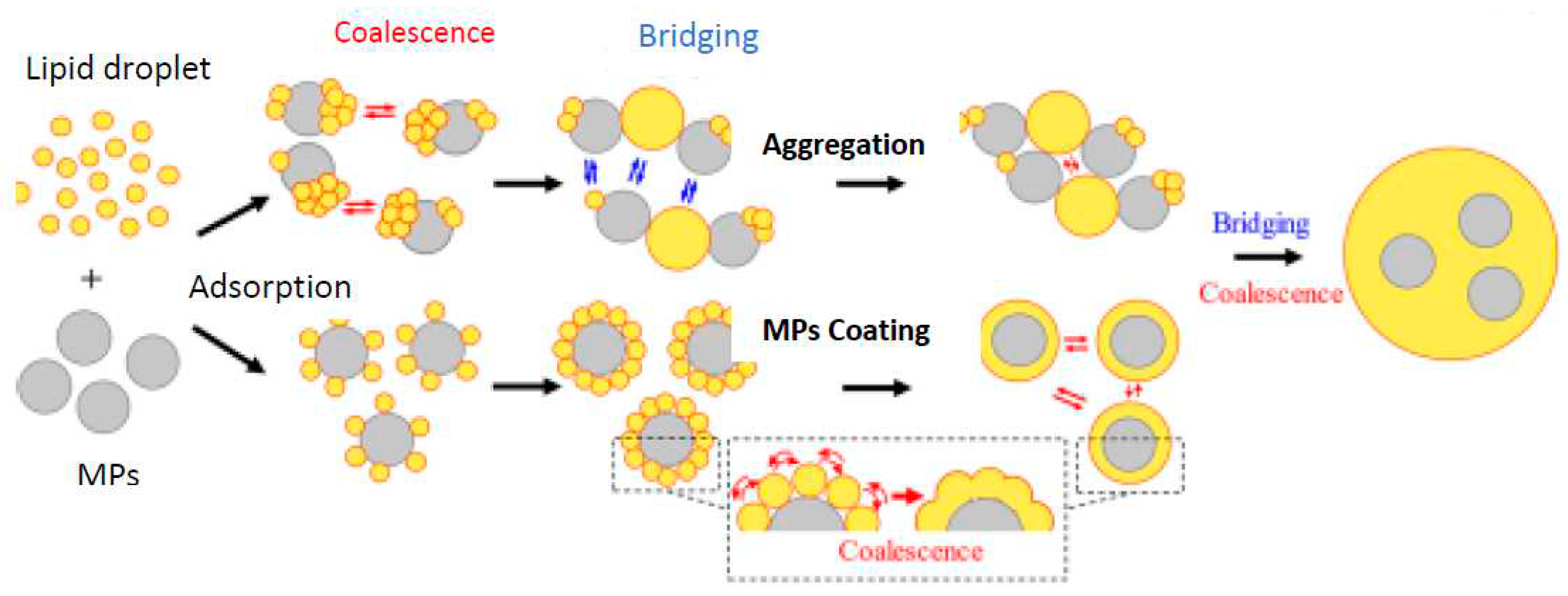
Disclaimer/Publisher’s Note: The statements, opinions and data contained in all publications are solely those of the individual author(s) and contributor(s) and not of MDPI and/or the editor(s). MDPI and/or the editor(s) disclaim responsibility for any injury to people or property resulting from any ideas, methods, instructions or products referred to in the content. |
© 2023 by the authors. Licensee MDPI, Basel, Switzerland. This article is an open access article distributed under the terms and conditions of the Creative Commons Attribution (CC BY) license (http://creativecommons.org/licenses/by/4.0/).
Copyright: This open access article is published under a Creative Commons CC BY 4.0 license, which permit the free download, distribution, and reuse, provided that the author and preprint are cited in any reuse.


