

Submitted:
16 July 2023
Posted:
18 July 2023
You are already at the latest version
Abstract
Marine sediment sample was collected and the total aerobic population was counted and probiotic Bacillus cereus was isolated. Then it was mixed with formulated feed by spraying, while control diet was purchased from a local aquarium. 30 days of feeding experiment was conducted. Carassius auratus fishes were randomly divided into two experimental groups in rectangular tanks. The first group served as a control in which fishes were fed with commercial feed. The second group of fish were fed with probiotic incorporated feed. After 40 days, their survival and growth performance were detected. Bacillus cereus incorporated feed significantly yielded higher survival rate of the fish compared to control. Food conversion ratio (FCR) was significantly lower than the control group. The main aim of this work is to investigate the effect of a marine probiotic bacteria, Bacillus cereus on the survival and growth performance of gold fish Carassius auratus.
Keywords:
Gold fish (Carassius auratus)
; probiotic bacteria (Bacillus cereus)
; survival rate
; growth performance
Introduction
Marine sediments or ocean sediments or seafloor sediments are deposits of insoluble particles that have their origins in soil and rocks and have been transported from the land to the sea mainly by rivers but also by dust carried by wind and by the flow of glaciers into the sea. Additional deposits come from marine organisms and chemical precipitation in seawater as well as from underwater volcanoes and meteorite debris. Based on the accumulation, they are classified into Residual sediments, Mechanical sediments, chemical sediments, organic sediments. Continuous sedimentation of organic inorganic substance take place in all aquatic ecosystems, the recently laid sediments of lakes or seas may contain some detritus food and microorganisms Many marine bacteria with antimicrobial activity are found some are Pseudomonas putida, Actinomycetes, Bacillus Sp. etc.
During the last decades, antibiotics usage was a strategy for fish diseases management and also for improvement of growth and efficiency of feed conversion an alternative approach to manage fish and shrimp health that is fast gaining attention in the aquaculture industry is probiotics,” Major constraint is the cost of feed that is very expensive for fish rearing there is dire among adopted supplementary feeding as substitute technique which is considered promising to enhance production and growth.
Now a day’s probiotics have been employed as dietary supplement to enhance fish growth and improve resistance against disease at every stage. Probiotics are often termed as “friendly”, “beneficial”, “good” or “helpful” bacteria, because they help keep the gut healthy. Probiotics are considered as microbes to be administered deliberately to improve gut flora, health of host and to withstand acidity of stomach, bile salts and anti-microbial compounds [2,8,12,14].
Ornamental fish culture is an important component of aquaculture industry. Ornamental fishes are also called as “living jewels”. Ornamental fishes really are nature’s wonderful creation .it is the second most preferred hobby in the world and the number hobbyists for ornamental fish keeping is rising day by day because it provides a great opportunity for entrepreneurship development and income generation and also one of the most economic and profitable areas of fish farming activities. In India the state west Bengal plays the pioneer role for production of ornamental fishes. The Ornamental fish trade also helps to some extent, in improving the socioeconomic condition of rural people and in upliftment of the condition of rural women in India.
But ornamental fishes suffer from different bacterial disease. Among them the most prevalent are infections caused by Aeromonas spp, citrobacter spp, Plesiomonas edwardsiella, and Pseudomonas spp. But there is a broad spectrum or rarely identified bacteria which may be causative agents of disease. The poor culturists now use various chemicals or disinfectants and antibiotics to get rid of the disease outbreaks. Current research related to the search for marine probiotics for application for culturing ornamental fish. Probiotics bacteria proposed as an alternative to antibiotics.
Gold fish is used for the present experimental study. gold fish is a freshwater fish in the family Cyprinidae of order Cypriniformes. Carassius auratus is considered to be the most popular and attractive pet fish among all ornamental fishes, due to its many variations such as color, fin shape, size and body structure. For experiments Bacillus Sp. is incorporated with traditionally formulated ornamental fish feed are able to significantly reduce the accumulation of organic waste and also increase the feed digestibility, prevent microbial disease, avoid water pollution and also probiotics act as nutrient supplements in artificial feed of gold fish.
The increased intensity of Aquaculture has led to a high number of disease outbreaks with an increasing range of pathogens as a result in serious economic losses. With the increase in the intensification and commercialization of aquaculture production come many challenges, such as pathogens diseases especially bacterial infections remain primary constraints to its continued expansion, in addition to feed quality, bacterial infection causes mass mortality Feed quality and feeding methods therefore need to be thoroughly considered in order to improve growth performance and feed efficiency. Therefore, the aim of the present study is to evaluate the effect of probiotics –supplemented feeds on the growth parameters and proximate composition of gold fish.
Materials and Methods
Sample Collection
Sediments were collected from the Annankovil, Parangipettai during December 2022 and transferred aseptically to the laboratory immediately and analyzed for microbial groups within 2-4 hours of sampling.
Total aerobic bacterial population study
After collecting marine sediment, prepare serial dilution by taking one gram of the sediment sample was suspended on 10ml sterile distilled water in a test tube and agitated for 10 minutes the suspension was serially diluted by transferring 1ml aliquots to a series of test tubes each containing 9 ml and from respective dilution 0.1ml serially diluted samples was plated using spread plate technique on Zobell Marine Agar (ZMA) for analyzing the total aerobic bacteria. The inoculated agar plates were incubated in an inverted position at 37°C for 24 hours they were examined and the number of colonies were counted, the microbial load in the sample was calculated using the formula given below and it was expressed as Colony Forming Unit (CFU) per gram of the sample.
Total microbial load in the given sample (CFU)g-1) = Total number of colonies/total volume of the sample × volume of sample plated(0.1ml) × dilution factor
Spread plate Technique
Enumeration of microbes was done by adopting spread plate technique. In this method, sterile medium was poured into petri dishes aseptically and allowed to solidify. 0.1 ml of the serially diluted sediment sample was pipetted out onto the surface of sterile medium. It was spread on to the surface of sterile medium using a ‘L’ rod. The plates were then incubated in an inverted position at 370c for 24 hours. They were then examined and the numbers of colonies and were counted.
Isolation of Probiotic Bacillus spp. using Selective Media
To prepare Bacillus culture in nutrient broth, selected the bacterial colonies based on the morphology in Zobell marine agar plates from 10-1 to 10-5. The selected bacteria were inoculated with a medium of nutrient broth and placed in an incubator at 370C for 24 hours. The bacterial growth was observed evidenced by obtaining turbidity.
The selective media of Bacillus cereus agar was used for the isolation of Bacillus spp.0.1 ml sample were taken from the bacterial growth in nutrient broth and plated using the spread plate technique on Bacillus cereus agar. Then the media were incubated for 24 hours. The next day, colonies were formed.
Isolation of pure culture
The selected organisms from the Bacillus cereus agar plates were further streaked in nutrient agar (4.8gm), and they were incubated for 24 hours. Pure cultures were obtained by picking well-isolated colonies and re-streaking on fresh agar plates to obtain the pure isolates.
Bacterial Identification
All the isolated bacterial strains which were selected based on the morphology were identified biochemical. For the most potent strain in addition to biochemical study.16sRNA partial sequencing was also done.
Staining procedure
Simple Staining: For simple staining, the bacterial smears were treated with crystal violet (60 seconds) and rinsed with distilled water. Then smears were air-dried and observed under a microscope.
Gram Staining: A thin smear of the isolate was made on a clean glass slide and heat fixed. Then the smear was stained with crystal violet for 1 minute and then washed with water, gram’s iodine was added for 1 minute and decolorized with alcohol. After decolorization, the smear was counter stained with safranin for 1 minute. Finally, the smear was washed with water and air- dried. Then the slide was observed under the microscope
Identification of the bacterial isolates
All the bacteria isolated were identified by morphological and biochemical tests based on the Bergey’s Manual of Determinative Bacteriology [7].
Morphological characterization of the bacterial isolates
Biochemical characterization of the bacterial isolates
Biochemical examinations like IMViC (Indole, Methyl red, Voges Proskauer and Citrate) test, starch hydrolysis, gelatin hydrolysis, urease test, nitrate reduction, catalase test, oxidase test and carbohydrate fermentation test were followed to identify the different bacterial organisms
Then conformation of their identity by RAPD –PCR and sequencing sending the pure culture sample to the Immugenix Bioscience private limited, Perambur, Chennai.
Feed preparation
Like other fishes, ornamental fishes require food containing protein, lipids, carbohydrates, vitamins, minerals, etc. Protein provides the necessary materials to build up muscle cells and tissue. Most ornamental fish require crude protein level in a range between 30-40%, carbohydrate provides instant energy. Carbohydrate is required between 30-50% lipids provide main energy sources level between 4-8%. Vitamin and minerals help to build up fish health and strengthen bones.
- Supplementation with probiotics gives resistance for disease, provides nutritional advantage and facilitates improvement of aquarium environment. Ornamental fish feed and feed ingredients are generally selected on the basis of availability, nutrient composition and physical properties. The list of ingredients used for feed preparation were wheat flour, rice bran, maize bran, soybean meal, groundnut cake, fish meal, fish oil, and some other ingredients used for carotenoid are carrot, Hibiscus flower, marigold flower and some spinach leaf as shown in the Table 1
- Feed prepared based on Pearson square method. Each ingredient was finally powdered in a pulverized, mixed separately and kept in trays. Additionally, some ingredients were prepared for carotenoid content i.e, Hibiscus flower, marigold flower, and spinach leaf, and carrot were dried in sun for 3 days after completely dried the ingredients are powdered in a pulverizes of a mixer separately and then fish oil was prepared for making dough. Fish oil was prepared from the sardine fish (Sardinella longiceps) Sardines, were cut into small chunks. Placed the chunks into a container, covered and put into the sun for 2 weeks Then strained the liquid into jars and allowed the oil to separated and float to the top. fish oil was scooped out separately.
- After that, the separated powdered ingredients are mixed thoroughly and added adequate amount of water and fish oil for making dough. Then the dough is cooked for 15 minutes in a pressure cooker for sterilization that improves digestibility. The moist substances are cooled and after that probiotics (Bacillus cereus) are added by spraying over them. After cooling the dough is passed through a hand pelletizer to make pellets based on mouth size of fish. Then the pellets are dried at sun for 6 to 7 days to avoid fat oxidation and protein denaturation at high temperature. Finally, the formulated pellets were stored in air tight container to avoid moisture
Fish culture
Experimental fish
Carassius auratus (gold fish) were collected from local ornamental shop in Cuddalore. The fish initial weight and initial length were measured before introduced into the experimental tank.
Experimental setup
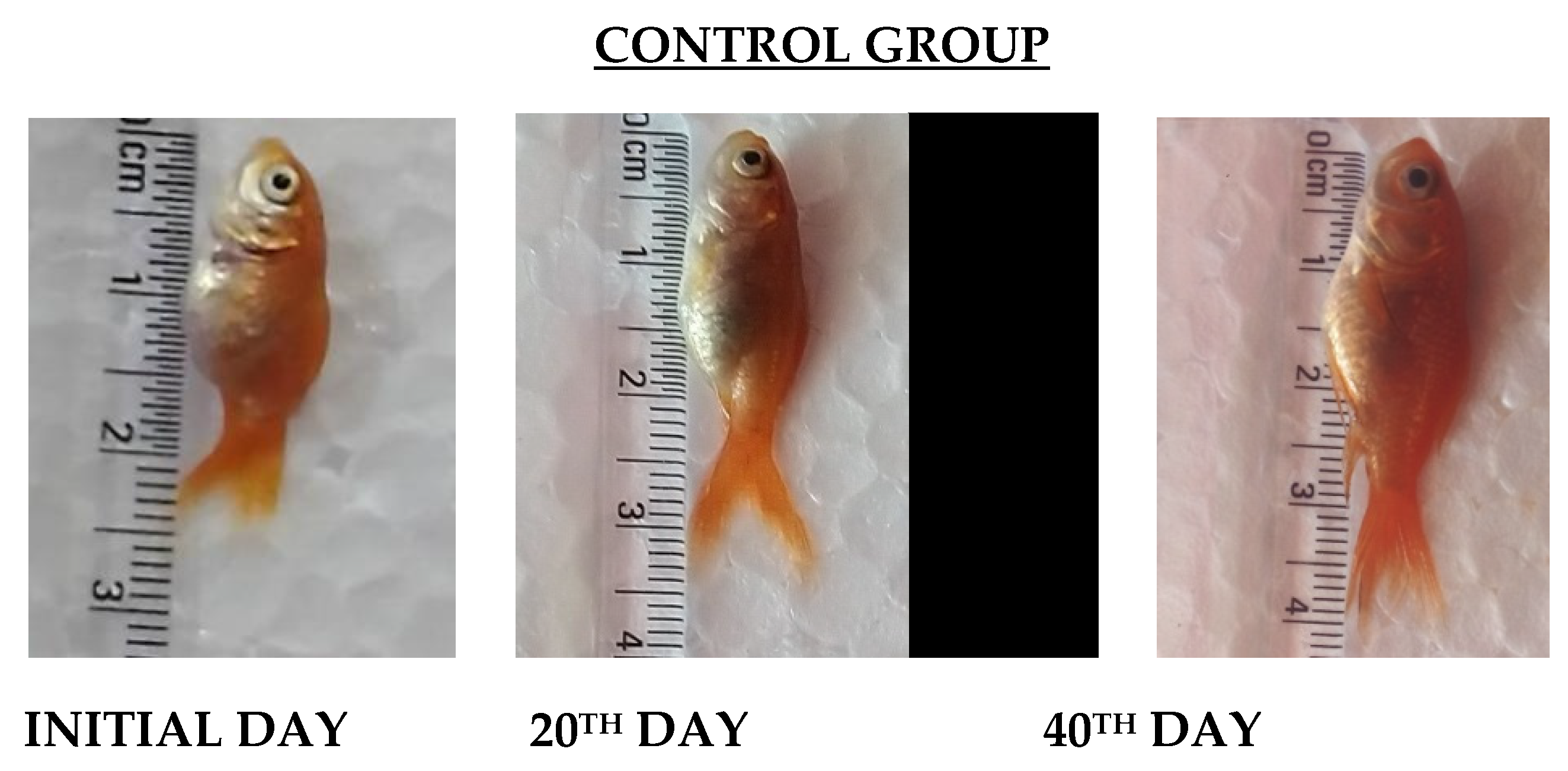
Forty days of feeding experiment Two rectangular tank length 29.5 cm, height 13.5 cm and width 12.4 cm were taken and fitted by continuous aeration for maintain dissolved oxygen. Two fish were introduced in each tank after proper acclimated to the culture condition. The first group of fishes serves as control in which fishes were fed with commercial feed Figure 4. The second group of fishes will be fed with probiotics incorporated with formulated feed Figure 5. The commercial food and formulated feed were fed to the fish based on 5% of biomass at the three intervals 7am, 1pm, and 6pm. 75% of water was changed every two days of experimental period. The physiochemical parameters were properly maintained and checked every week during the culture period. The survival and growth performance were determined after completing 40days
Fish growth parameters
At every 20th day of the sampling period fish were measured Morphometrically for length and weight by using scale and weighing balance. For Morphometric measurement fish were sampled in separate container having water. Fish was taken outside water to weigh and released back to respective aquaria
Estimation of fish growth
- ✓
- Weight gain (WG)
- ✓
- Specific growth rates (SGR),
- ✓
- Feed conversion ratio (FCR)
- ✓
- Survival rate (SR)
Weight Gain =Final weight – initial weight [6].
Weight gain (%) = final weight - initial weight/initial weight ×100
SGR= 100* In (final weight) – In (initial weight)
FCR = Dry weight of feed consumed by fish/Wet weight of fish (g);
Survival rate = no of fish at the end of the experiment \ no of fishes at the start of the experiment × 10.
Results
Identification and characterization of Bacteria
Isolation of Bacillus spp from marine sediment was used as probiotics. The preliminary characterization of these Bacillus sp isolates was carried out by the methods recommended by previously published international journals. The isolated bacterial strain which was identified based on the morphology and biochemical test Table 2 Based on the NCBI BLAST analysis, the isolation of bacteria is identified as Bacillus cereus the identification of morphological characteristics of Bacillus cereus is gram positive aerobic rod-shaped bacterium. The present study investigation the application of Bacillus cereus as probiotic feed for the growth of gold fish (Carassius auratus) was evaluated. Application of Bacillus cereus in this present study resulted in significant increase in weight gain and length of the ornamental fish gold fish.
Confirmation of bacterial identity by RAPD-PCR and sequencing
Randomly amplified polymorphic DNA (RAPD) was first utilized in 1990 by [13]. and it was a PCR- based technique for identifying genetic variation. It involves the use of a single arbitrary primer in a PCR reaction, resulting in the amplification of many discrete DNA products.
16S rRNA Sequences
Nature of Sample: Pure culture (Sub cultured for isolation).
DNA Extraction: IGB DNA extraction Kit method (Column Based).
16S rRNA PCR: Veriti 96-Well Thermal Cycler (Applied Biosystems, USA)
Using broad range pan Eubacterial primers
Amplicon Purification: FavorPrep PCR Purification Mini Kit (Favorgen, Taiwan).
Sequencing: ABI 3730XL sequencer (Applied Biosystem, USA) using ABI PRISM®
BigDye™ Terminator
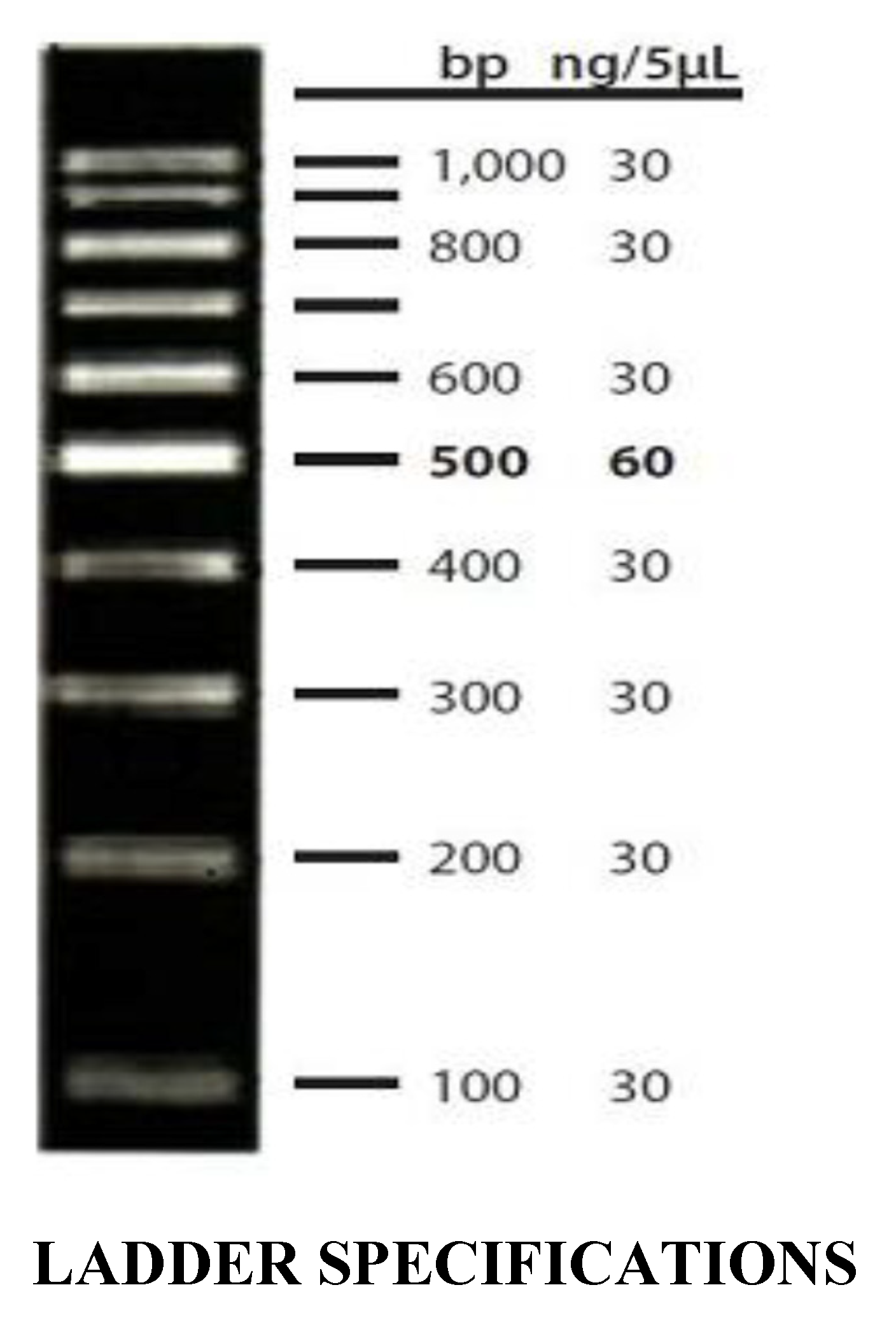
The 16rDNA sequenced from the strain Bacillus cereus Sequence length is 1170 BP and
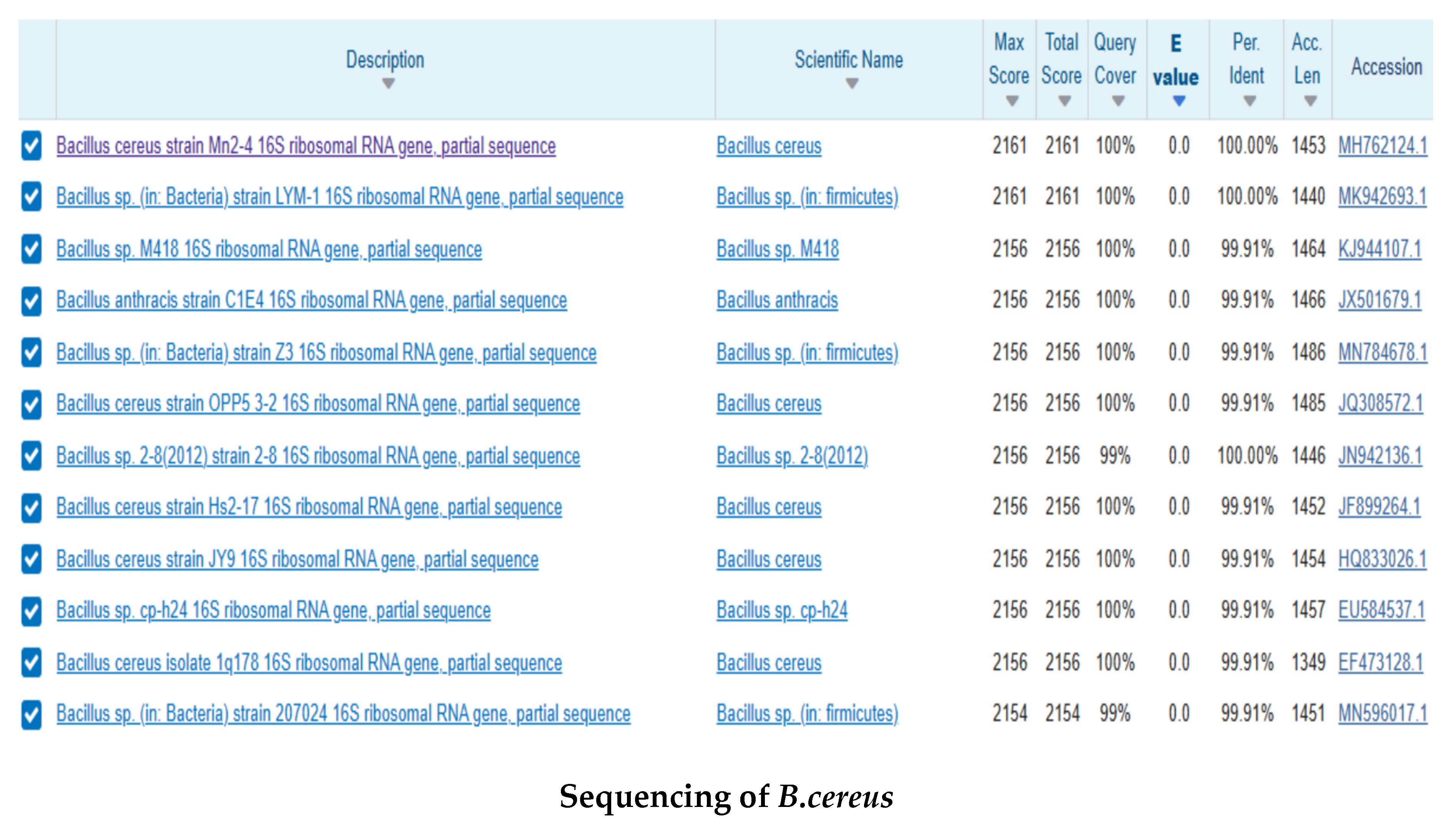
Resemblance analysis of the 16srDNA sequence was done through the gene bank database using blast method Based on the NCBI BLAST analysis, the isolate is identified as Bacillus cereus with i100% homology.
DNA sequences
The sequences produced from this study could be accessed through Genbank accession number MH762124.1 for Bacillus cereus
16S Amplicon QC data
Sequences producing significant alignments:
>MS(C)-1_16SrRNA
Growth Parameter study of fishes under experimentation.
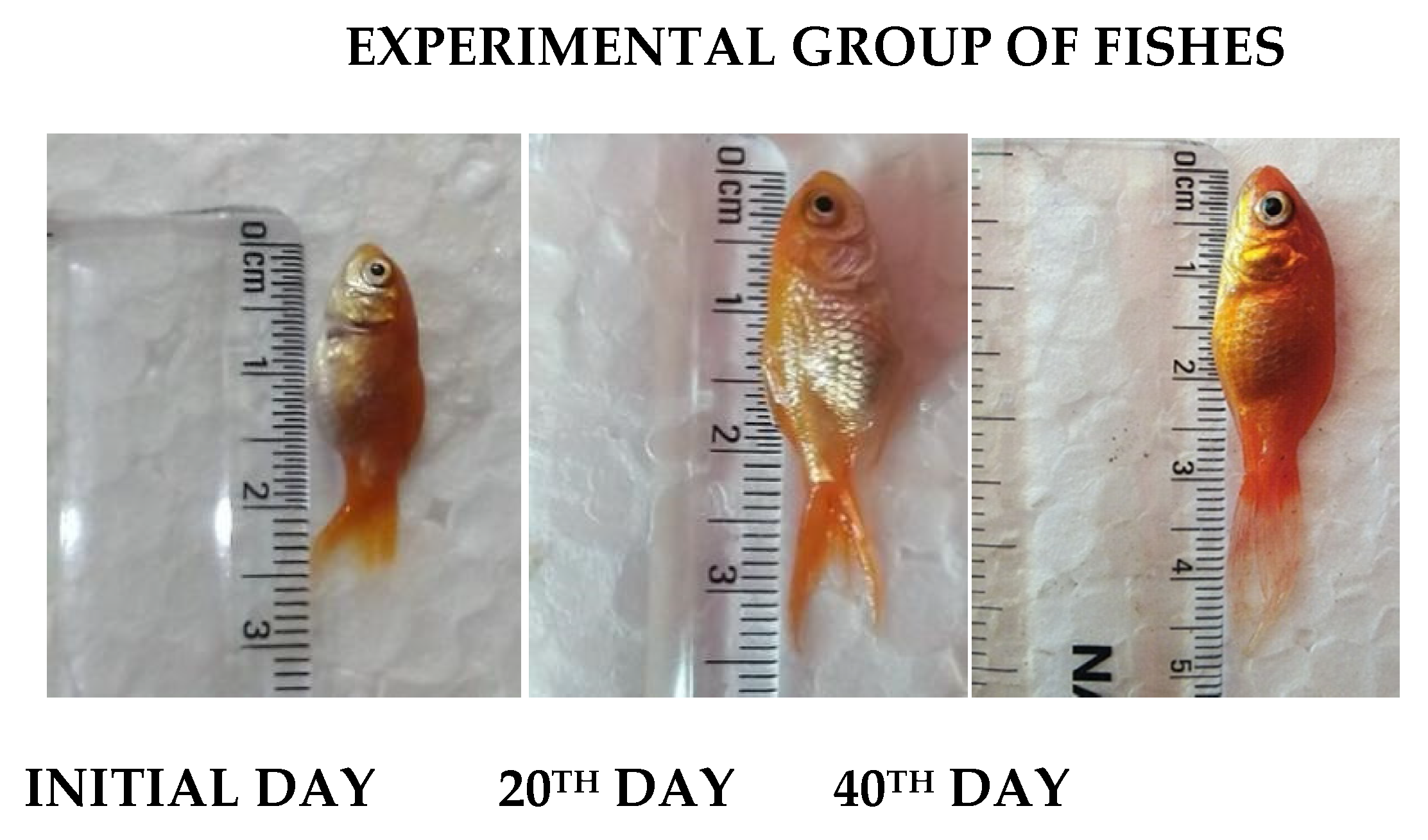
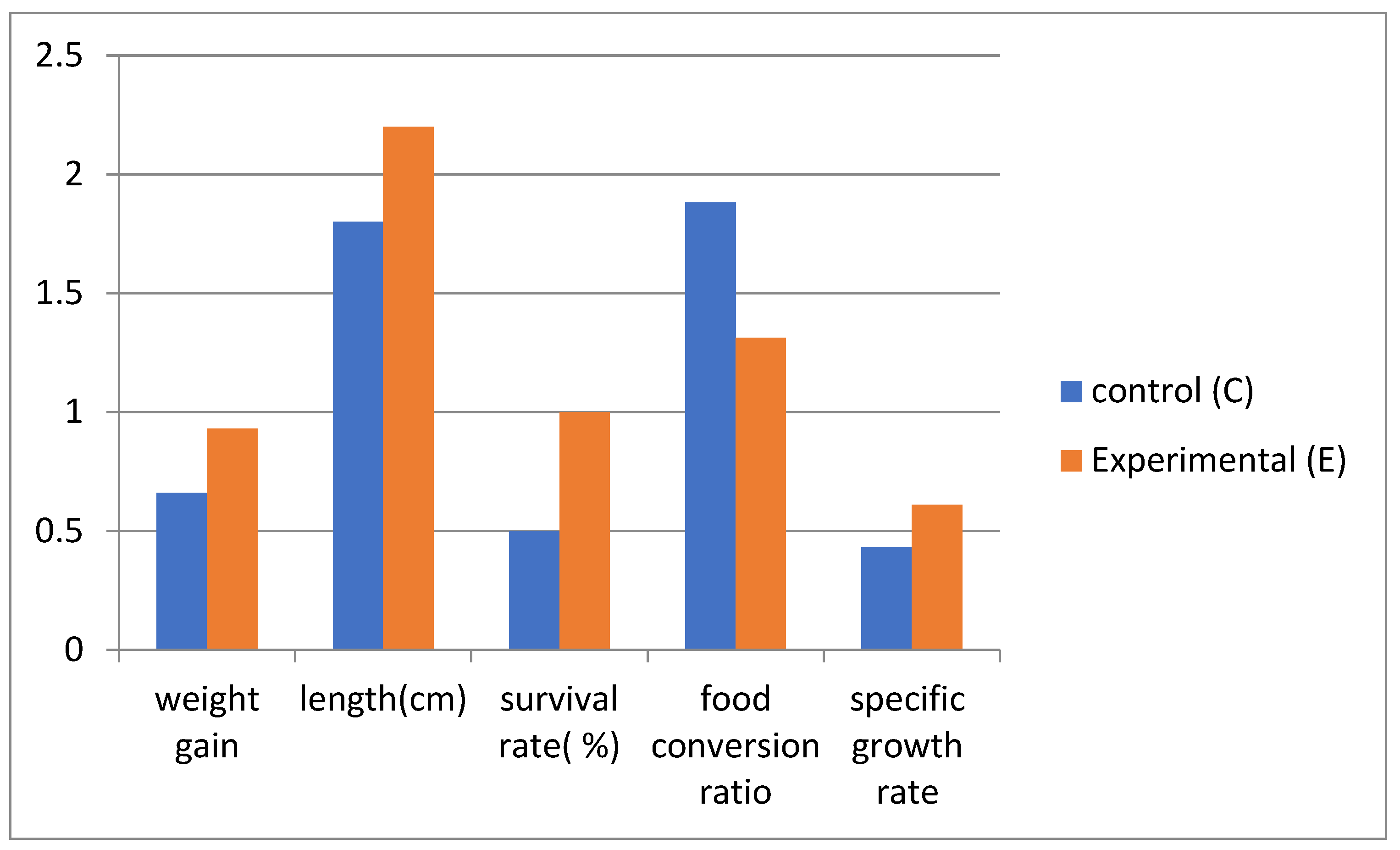
After 40 days of feeding trails with probiotic and control feed, the growth parameters and length of the fish was analyzed. Measured the growth parameters of gold fish fed the dietary probiotics for 40 days, the fish fed with probiotic feed showed significantly higher growth rate compared to control feed. The growth performance including weight gain (WG), feed conversion ratio (FCR), specific growth rate (SGR) had higher significant difference between diets contained formulated probiotic feed to the control group.
Average length and weight of fish
| FEED | GROWTH PARAMETERS |
INITIAL 0 DAYS |
AFTER 20 DAYS |
FINAL 40 DAYS |
| Control (A) |
Length(cm) | 2.4±0.1 | 3.1±0.2 | 4.2±0.1 |
| Weight (g) | 0.62±0.02 | 1.01±0.03 | 1.28±0.12 | |
| Experimental (B) |
Length(cm) | 2.5±0.1 | 3.4±0.1 | 4.7±0.2 |
| Weight (g) | 0.61±0.02 | 1.26±0.03 | 1.54±0.03 |
Growth parameters
| Parameters | Control (c) | Experiment(E) |
| Weight gain | 0.66±0.02 | 0.93±0.04 |
| Length (cm) | 1.8±0.1 | 2.2±0.3 |
| Survival rate (%) | 50% | 100% |
| Food conversion ratio (FCR) | 1.878±0.02 | 1.312±0.03 |
| Specific growth rate (%) | 0.431±0.03 | 0.610±0.04 |
Water Quality Parameters
During the whole experimental period about 4 weeks, the average valve for water quality measurement is
| TEMPERATURE | DISSOLVED OXYGEN | PH | AMMONIA |
| 29°C | 4.72mgL-1 | 7.9 | 0.06mgL-1 |
During the whole experimental period about 40 days water temperature dissolved oxygen, pH and total ammonia are in acceptable level and the experimental diets had no adverse effects on the surrounding water quality of experimental fish.
Discussion
The effect of probiotics on growth parameters have been studied in a variety of farmed fish and other aquatic species Numerous studies have shown that, the application of probiotics can improve weight gain, feed conversion ratio, specific growth rate [1,5,9]. It is known from this paper that Bacillus cereus act as a significant feed- additive enhancing the growth and survival for gold fish which is also evident from some other articles [3,11].
Conclusion
Based on the obtained result, it is known that bacillus cereus played an important role in enhancing the survival, weight gain, FCR, and SGR of reared Carassius auratus. A better growth performance was obtained in fish fed B. cereus which is highly recommended. Similarly, Bacillus cereus reduced fish mortality.
Acknowledgments
The authors thank the authorities of the CAS in Marine Biology, Annamalai university for permitting them to carry out their work successfully.
References
- Allameh, S.K.; Noaman, V.; Nahavandi, R. Effects of Probiotic Bacteria on Fish Performance. Advanced Techniques in Clinical Microbiology 2017, 1, 1–5. [Google Scholar]
- Ann Suji, H.; Palavesam, T.A.; Immanuel, G.; Suthin Raj, T. Production of different enzymes by gut microflora. International journal of science and nature 2014, 5, 24–27. [Google Scholar]
- Anuar N., S.; Omar N., S.; Noordiyana M., N.; Sharifah N., E. Effect of commercial probiotics on the survival and growth performance of goldfish Carassius auratus. AACL Bioflux 2017, 10, 1663–1670. [Google Scholar]
- Coico, R. Gram Staining. Curr. Protoc. Microbiol. 2005, 3, A.3C.1–A3C2. [Google Scholar] [CrossRef]
- Gao, Q.; Xiao, C.; Min, M.; Zhang, C.; Peng, S.; Shi, Z. Effects of probiotics dietary supplementation on growth performance, innate immunity and digestive enzymes of silver pomfret, Pampus argenteus. Indian J. Anim. Res. 2016. [Google Scholar] [CrossRef]
- Jafarian, S.; Gorouhi, F.; Taghva, A.; Lotfi, J. High-altitude sleep disturbance: Results of the Groningen Sleep Quality Questionnaire survey. Sleep Med. 2008, 9, 446–449. [Google Scholar] [CrossRef] [PubMed]
- Krieg, N.R. and Holt, J.G. (1984) Bergey’s Manual of Systematic Bacteriology. Williams and Wilkins, Baltimore, London.
- Nikoskelainen, S.; Salminen, S.; Bylund, G.; Ouwehand, A.C. Characterization of the Properties of Human- and Dairy-Derived Probiotics for Prevention of Infectious Diseases in Fish. Appl. Environ. Microbiol. 2001, 67, 2430–2435. [Google Scholar] [CrossRef] [PubMed]
- Olmos, J.; J, P.-M. Bacillus subtilis A Potential Probiotic Bacterium to Formulate Functional Feeds for Aquaculture. J. Microb. Biochem. Technol. 2014, 6, 361–365. [Google Scholar] [CrossRef]
- Rajan S, Selvichristy R. Experimental procedures in Life Science, Anjana Book House, Old.28, New Delhi. 16, South Mada street, Koyambedu, Chennai-600 107, 201.
- Sinha, A.G.; Dharmender, S.S. Probiotics as nutrient supplement in artificial feed of gold fish (Carassius auratus). Journal of the Indian Fisheries Association 2004, 31, 139–144. [Google Scholar]
- Siuta-Cruce, P.; Goulet, J. Improving probiotic microorganisms in food systems. Food Technology 2001, 55, 36–42. [Google Scholar]
- Williams, J.G.K.; Kubelik, A.R.; Livak, K.J.; Rafalski, J.A.; Tingey, S.V. DNA polymorphisms amplified by arbitrary primers are useful as genetic markers. Nucleic Acids Res. 1990, 18, 6531–6535. [Google Scholar] [CrossRef] [PubMed]
- Yanbo, W.; Zirong, X. Effect of probiotics for common carp (Cyprinus carpio) based on growth performance and digestive enzyme activities. Anim. Feed. Sci. Technol. 2006, 127, 283–292. [Google Scholar] [CrossRef]

Table 1.
Quantity of raw material used in feed preparation.
| Raw materials | Quantity of raw materials |
|---|---|
| Wheat flour | 50gm |
| Maize bran | 50 gm |
| Rice bran | 50 gm |
| Soybean meal | 20 gm |
| Ground nut oil cake | 25 gm |
| Fish meal | 50 gm |
| Feed additives – Carrot | 5gm |
| Spinach | 5gm |
| Hibiscus flower and marigold flower | 5gm |
| Fish oil | 5ml |
Table 2.
Biochemical tests for Bacillus spp.
| Name of test | Observation |
|---|---|
| Gram staining | + |
| Morphology | Rod |
| Indole test | - |
| Methyl red test | + |
| Voges Proskauer test | + |
| Citrate utilization test | + |
| Oxidase test | + |
| Nitrate reduction test | - |
| Catalase test | + |
Disclaimer/Publisher’s Note: The statements, opinions and data contained in all publications are solely those of the individual author(s) and contributor(s) and not of MDPI and/or the editor(s). MDPI and/or the editor(s) disclaim responsibility for any injury to people or property resulting from any ideas, methods, instructions or products referred to in the content. |
© 2023 by the authors. Licensee MDPI, Basel, Switzerland. This article is an open access article distributed under the terms and conditions of the Creative Commons Attribution (CC BY) license (http://creativecommons.org/licenses/by/4.0/).
Copyright: This open access article is published under a Creative Commons CC BY 4.0 license, which permit the free download, distribution, and reuse, provided that the author and preprint are cited in any reuse.