

Submitted:
09 July 2023
Posted:
11 July 2023
You are already at the latest version
Preprints on COVID-19 and SARS-CoV-2
Abstract
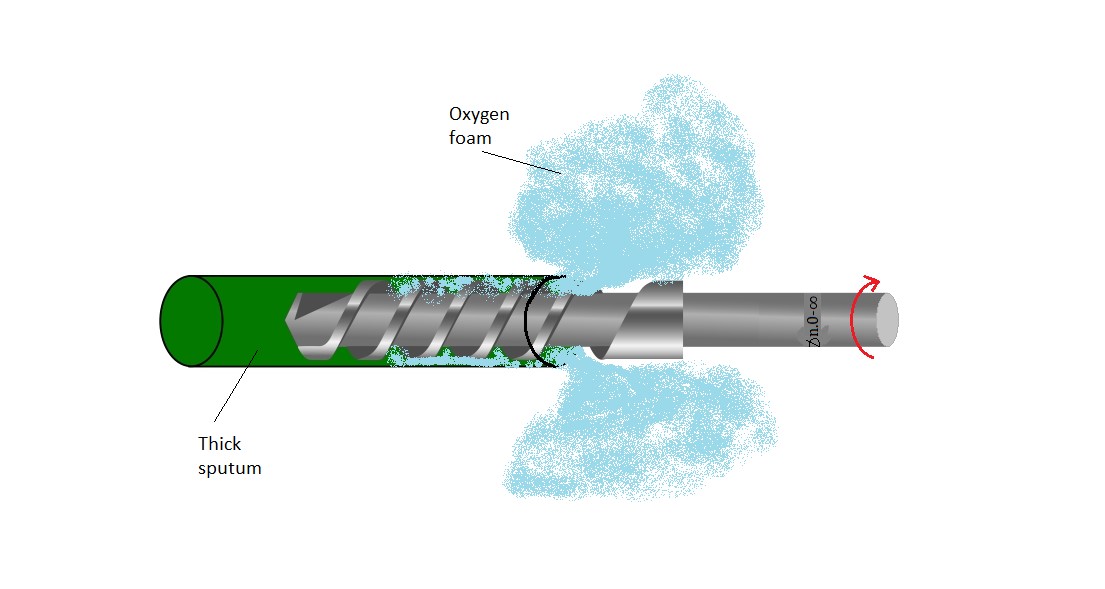
Suffocation syndrome is the leading cause of hypoxia and mortality in the most common lung diseases, asthma and COVID-19. Inhaled corticosteroids (ICSs) have been shown to be the main-stay of critical care in these diseases. Meanwhile, mortality from strangulated hypoxia is highest in low-income countries because ICSs are not currently available to many patients. Warm alkaline hydrogen peroxide solutions (WAHPSs) have reportedly been invented in recent years to urgently turn thick sputum, mucus, pus, serous fluid, blood clots and many other biological masses con-taining the enzyme catalase into a fluffy oxygenated foam. It has been shown that the mechanism of action of WAHPSs consists in alkaline saponification of lipid and protein-lipid complexes of bi-ological masses and their transformation into oxygen foam, because hydrogen peroxide is urgently decomposed into water and oxygen gas under the action of the biological masses catalase enzyme At that excess oxygen is absorbed into blood through lungs and increases blood oxygen saturation. Based on the described mechanism of action of WAHPSs and the high availability of their ingre-dients, it is suggested that mortality from choking and hypoxia in asthma and COVID-19 can be reduced by combining ICSs with inhaled WAHPSs, especially in poor countries. The essence of the inventions underlying the formation of WAHPSs is given.
Keywords:
oxidative stress
; antioxidant
; infalammation
; SARS-CoV-2
; COVID-19
; asthma
; anti-inflammatory.
1. Introduction
Choking hypoxia is the most dangerous complication occurring in patients suffering from the most common lung diseases of today - asthma and COVID-19 [1,2,3,4,5]. The fact is that asthma and COVID-19 continue to kill hundreds of thousands of patients worldwide precisely because of hypoxic damage to cortical cells [6,7,8]. At the same time, there is no doubt that the cause of hypoxia is respiratory obstruction [9,10]. That is why, in critical situation in these diseases, all patients are prescribed forced mechanical lungs ventilation with oxygen [11,12,13,14]. It is also not accidental that if it is impossible to normalize oxygen content in patient's blood through his lungs, the patient's blood oxygen saturation is increased by extracorporeal membrane oxygenation (ECMO) [15,16,17,18,19,20]. But ECMO is inaccessible to most patients, the technology itself is very dangerous for their life and health and many times increases the cost of COVID-19 treatment [21,22].
The paradox of this medical situation is as follows. Although the true cause of biological death in patients with asthma and COVID-19 is a severe degree of hypoxia (that is, low blood oxygen content), the air that patients breathe has sufficient oxygen content. However, with respiratory obstruction, oxygen is poorly absorbed into the blood through the lungs. In other words, today there is no generally recognized, available and effective medication that urgently increases oxygen absorption into the blood through the lungs of patients and urgently increases the oxygen content in the blood in conditions of respiratory obstruction [23,24].
At the same time, the etiology and pathogenesis of respiratory obstruction in asthma and COVID-19 have been studied sufficiently. In particular, it has been found that in asthma and COVID-19, respiratory obstruction develops due to narrowing of the airway lumen caused by inflammation of the airway mucosa and/or lung tissue [25,26,27,28]. This still justifies the importance of steroidal anti-inflammatory drugs in the treatment of patients with asthma. Therefore, inhaled corticosteroids (ICSs) are still the basis of asthma treatment today [30,31,32,33,34,35]. At the same time, it is likely that in a prolonged severe asthma attack, noninfectious airway inflammation of an allergic nature makes it difficult to remove mucus and sputum from the airways to the outside in the same way that it makes air movement toward the alveoli difficult [27,28]. The fact is that ICSs have no pyolytic, mucolytic and antihypoxic action. This is why, under these conditions, mucus and phlegm can become an additional mechanical obstacle to the movement of airway gas through the airways to the alveoli.
On the other hand, there is no doubt that inflammation of lung tissue in COVID-19 is of infectious nature because COVID-19 refers to infectious lung diseases [36,37,38,39]. The cause of lung disease in COVID-19 is coronavirus, which affects the respiratory mucosa and contributes to the development of nonspecific pneumonia [40]. In turn, the cause of respiratory obstruction in COVID-19 is nonspecific bilateral pneumonia that develops in the peripheral parts of the lungs [41]. Infectious pulmonary inflammation in COVID-19 is manifested by decreased lung airiness, pulmonary edema and airway mucosa [42,43,44]. Pneumonia is often accompanied by purulent bronchitis, which causes the airways to fill not only with thick mucus and sputum, but also with pus [45,46,47,48].
Consequently, severe asthma attack and severe nonspecific bilateral pneumonia in COVID-19 narrow the lumen of bronchi and bronchioles due to inflammation of airway mucosa and/or surrounding lung tissues of allergic or infectious nature, which hinders air movement with oxygen to alveoli [45,46,48] and removal of mucus, phlegm and pus from distal parts of airways outwards. This contributes to airway obstruction by sputum, mucus and pus, which, in its turn, hinders oxygen absorption into blood through lungs and decreases oxygen content in blood, i.e., it causes hypoxia development [49,50,51].
At the same time, it has been reported that sputum, mucus, pus and other thick secretions may accumulate in the airways, especially in patients with bacterial or fungal superinfection [52,53,54,55,56,57]. In particular, it has been shown that serous fluid and pus can accumulate in the airways in tuberculosis, bronchiectatic disease, cystic fibrosis, purulent obstructive bronchitis, paragonimus, pulmonary strongyloidosis, legionary disease, and severe chest trauma [58,59,60,61,62]. Because asthma and COVID-19 can sometimes be combined with, not just bacterial and fungal superinfections, the airways of some patients may be filled not only with sputum and mucus, but also with thick pus [45,46,63,64,65]. Despite this, the common technique of inhaled corticosteroids and artificial lung ventilation is performed without inhaled mucolytic, pyolytic, and oxygen-releasing drugs [66,67,68]. Under these conditions, sputum, mucus, and pus remain inside the airways and impede the flow of air with corticosteroids and oxygen to the distal airways [50,58,63]. Nevertheless, there is no doubt that researchers will sooner or later find original solutions to this problem. And, as has often been the case in the history of modern medicine, these solutions will be reflected in descriptions of inventions sooner than in scientific articles. That is why this review aims at identifying innovative opportunities for urgent release of airways from thick sputum, mucus and pus with the possibility of a concomitant increase in oxygen content in the lungs and in the blood.
2. Materials and Methods
The information contained in the scientific articles was searched using the following online databases: Google Scholar, Scopus, PubMed, Questel-Orbit, Science Direct, Yandex, and E-library. In addition, the information in the "References" section of the selected scientific articles was analyzed. The information contained in the inventions was searched using the following databases: Google Patents, EAPATIS, RUPTO, USPTO, Espacenet, PATENTSCOPE, PatSearch, DWPI and FIIP (RF). Additionally, analogs and prototypes of selected inventions were studied.
The following keywords were used in the search for information: “patent”, “invention”, “disease”, “lungs”, “airways”, “bronchi”, “bronchioles”, “alveoli”, “mucous membrane”, “inflammation”, “asthma”, “attack”, “respiratory obstruction”, “choking”, “bronchitis”, “pneumonia”, “bronchiectatic disease”, “cystic fibrosis”, “tuberculosis”, “paragonimus”, “pulmonary strongyloidosis”, “legionnaire's disease”, “chest trauma”, “hypoxia”, “oxygenation”, “saturation”, “oxygen”, “air”, “aerosol”, “sputum”, “mucus”, “pus”, “serous fluid”, “blood”, “catalase enzyme”, “coronavirus”, “COVID-19”, “SARS-Cov-2”, “MERS” “treatment”, “resistance”, “inhalation”, “bronchodilators”, “corticosteroids”, “antihistamines”, “mucolytics”, “pyolytics”, “hydrogen peroxide”, “sodium bicarbonate”, “solution”, “antiseptics”, “disinfectants”, “expectorants” and “artificial ventilation”. Information on scientific articles and inventions was searched with no year restrictions. A systematic review was conducted according to the quality standards described in the AMSTAR measurement tool and the PRISMA 2009 checklist [69,70]. The search strategy was based on the PICO model [71,72]. Information on the essence of the inventions, as described in English, was analyzed. In doing so, the co-authors selected, evaluated, and extracted the data independently of each other. Inconsistencies in the reviews were resolved by consensus. The block diagram for article selection was a spiral in which each turn of the spiral was an iteration [73,74]. The information that was included in the review was limited to drugs, devices, and medical technologies designed for intrapulmonary use for the emergency release of dense sputum, mucus, pus, serous fluid, and blood clots, increasing airway oxygenation, lung airiness, and urgently increasing blood oxygen saturation through the lungs. We used the following criteria for exclusion of information from the review: unsuitability for administration to the airways and/or lung tissue for urgent recanalization and re-oxygenation when blocked by thick sputum, mucus, pus, serous fluid, lymph and blood, and the lack of world novelty and/or a patent on the invention. The risk of individual bias in the judgments made was reduced by relying on the essence of the inventions, since it is the essence of the inventions that is the generally accepted criterion of novelty. The analysis conducted included 554 inventions, of which the essence of 39 inventions was included to form the conclusion of the review.
3. Results
It is reported that bronchial asthma remains the most common noncommunicable lung disease, the prevalence of which is the highest in middle- and low-income countries [75,76,77,78,79]. The danger of this disease is increased during an asthma attack, which, due to the narrowing of the bronchial lumen, significantly impairs lung ventilation and therefore causes the development of hypoxia [80,82]. In turn, excessively severe and prolonged hypoxia can cause hypoxic brain cell damage and patient's death [9,83]. At the same time, ventilation with respiratory gases with oxygen does not always eliminate hypoxia. Until now researchers and doctors are of the opinion that the cause of hypoxia, developing during an asthma attack, is bronchial spasm and edema of airway mucosa of allergic nature [84]. In this connection, inhaled corticosteroids (ICSs) are the basis of asthma treatment today [85,86,87].
It has been reported that in those countries in which patients are provided with the necessary amount of ICSs and where asthma is treated with standard course doses of IСSs, asthma mortality is lower than in countries in which patients are not fully provided with ICSs [77,88,89,90,91]. It has been shown that the current standard treatment of asthma with ICSs is not available in countries in which basic inhaled medications containing ICSs are not available to many patients because of their high cost [75,88]. At the same time, the cost of basic inhaled medications containing corticosteroids is still not decreasing [92,93,94,95]. At the same time, the incidence of asthma is increasing and the income of the population in many countries remains low [96]. Therefore, the population of such countries may soon face an even greater shortage of funds for effective treatment of asthma and its related complications [97,98] Therefore, the search for cheaper and more accessible medications that can reduce the cost of asthma treatment and mortality from it is relevant and timely especially for middle- and low-income countries.
Inhalation of warm alkaline hydrogen peroxide solutions (WAHPSs) has been shown to be one of the reserves in increasing the effectiveness of ICSs in asthma [99]. The fact is that alkaline hydrogen peroxide solutions, when locally interacting with sputum, mucus, pus and serous fluid, can exert piolytic, mucolytic and antihypoxic oxygen-releasing effects [50,100,101,102,103].
In this regard, it has been suggested that WAHPSs inhalation for respiratory obstruction caused by airway obstruction by sputum, mucus and pus can improve ventilation in the lungs, airway patency for ICSs and oxygen up to the alveoli, increase oxygen absorption into the blood and improve the effectiveness of asthma attack treatment with ICSs [99].
On the other hand, the standard of emergency medical care provided to patients with severe hypoxia caused by ARDS in COVID-19 also does not contain drugs providing urgent recanalization of the airways and increasing blood oxygen saturation through the lungs in case of catastrophic hypoxia [104,105,106]. Chemotherapeutic, antihistamine, immunotropic, steroid and nonsteroidal anti-inflammatory drugs [107,108,109,110] and inhalation of an oxygen-enriched breathing mixture have been reported to be used in these conditions [58,104,111,112,113,114,115,116]. But the listed medications and increase in inhaled oxygen gas content do not always eliminate hypoxia in severe respiratory obstruction in patients with COVID-19 [104]. It has been reported that this may be due to the accumulation of mucus, sputum, pus, serous fluid, fibrotic fluid, plasma, blood and some other types of colloidal biological fluid in the airways, especially in patients with bacterial or fungal superinfection, tuberculosis, lung strongyloidiasis, Legionnaires' disease or severe chest trauma [58,117]. The fact is that COVID-19 can be combined with these diseases in some patients.
At the same time the commonly used technology of artificial lung ventilation is performed without inhalation administration of drugs with pyolytic, mucolytic and oxygen-releasing effects [111,112,113,114,115,116]. Therefore, sputum, mucus, pus, plasma, serous fluid and some other colloidal tissues remain inside the airways, impair gas exchange and blood oxygenation [58,118]. Under these conditions, today it is possible to increase blood oxygen saturation only by extracorporeal membrane oxygenation (ECMO) [119,120,121,122]. But ECMO is inaccessible to most patients, because it many times increases the cost of COVID-19 treatment, as well as carries death itself to half of patients with COVID-19 [58,123].
Inhalation and intrapulmonary injection of WAHPSs have been shown to be one possible way to increase blood oxygen saturation through the lungs in respiratory obstruction caused by an accumulation of sputum, mucus, pus and blood in the airways [50,58,117,118,124]. WAHPSs have been reported to consist of the following main ingredients: water, hydrogen peroxide, and an alkali (preferably sodium bicarbonate). Water, hydrogen peroxide, and sodium bicarbonate (baking soda) have been shown to be among the cheapest over-the-counter drugs. In addition, they are non-proprietary drugs and have long been widely used in various fields of medicine. Alkaline hydrogen peroxide solutions were originally proposed as bleaching solvents for blood clots (bruising bleaches or hemolytic bleaches) and thick pus (pyolytic medications) [58,125].
The first reports on the results of local interaction of WAHPSs with thick pus, mucus, sputum, blood and other thick and/or dry biological masses in laboratory, experimental and clinical conditions convincingly show the ability of WAHPSs to urgently turn these masses into a fluffy oxygenated foam. Moreover, the results suggested the hope that inhalations and intrapulmonary injections of WAHPSs have the potential to urgently recanalize the airways and increase blood oxygen saturation through the lungs when the airways are obstructed by sputum, mucus, pus, and blood [117,124,126,127]. Therefore, this innovative approach is worthy of special study. Therefore, this novel approach is worthy of special study.
Since the supposed pharmacotherapeutic direction has not been finally formed by now, in our opinion, it is more appropriate to begin an introduction to its beginnings with the content of inventions than with the content of scientific articles. This is explained by the fact that all innovative proposals researchers traditionally formalize first in the form of inventions, rather than in the form of scientific articles, because the preliminary open publication of the essence of the created invention excludes obtaining a patent for the invention. That is why we carried out a study of inventions, the essence of which can be used to originate a new direction in pulmopharmacology - urgent transformation inside the airways of thick sputum, mucus, pus, serous fluid and blood into fluffy oxygen foam in order to subsequently increase oxygen delivery to alveoli and blood oxygenation through the lungs.
The results of our study showed that in recent years more than 3 dozens of original hygienic medicines designed for urgent dissolution, liquefaction and/or bleaching of thick pus, clots, blood stains and crusts, as well as many other thick or dried biological masses have been invented in the world (Table 1).
Analysis of the essence of these inventions shows that they all rely on the use of known antiseptics hydrogen peroxide, sodium bicarbonate and/or sodium chloride in the form of aqueous solutions, but in previously unknown concentrations and combinations. It was shown that the formulations of the developed drug solutions have original compositions aimed at providing them with unique physical and chemical properties [130]. The main emphasis is placed on providing the drug solutions with a certain temperature, alkaline, osmotic and gas activity. As follows from Table 1, the invented drugs differ significantly from each other in the concentration values of the ingredients. Most noteworthy is that the drugs created can be divided into 3 groups according to their hydrogen peroxide content, whose concentration values differ in them several hundred times: from 0.03 to 20%. Solutions with very low values of hydrogen peroxide concentration are intended for injections into living tissues (venous blood, skin, myocardium, brain, etc.) to preserve their natural integrity and viability, on the one hand, and to increase oxygenation under hypoxic or ischemia without formation of oxygen gas bubbles, tissue and blood vessel embolism, on the other. Solutions with medium values of hydrogen peroxide concentration are intended for use in the form of injections and/or irrigations of dense biological tissues that “have outlived their usefulness” (sulfur plugs, pus, dental plaque, etc.) in order to moderately destroy their structure, liquefy, dissolve and/or turn into soft foam without their strong "ruptures" during cold boiling and without destruction of surrounding living tissue. In turn, solutions with very high values of hydrogen peroxide concentration are designed for local interaction with very thick and/or hard non-living biological tissues (keratinized epidermis layer, dried spots of crushed insects, dried spots of rubbery plant milky juice, etc.) in order to urgently destroy their structure and integrity up to complete dissolution.
Analysis of the mechanism of local action of the invented drugs shows that all of them have a nonspecific local action provided by local hyperthermia, a certain alkalinity, osmotic activity, on the one hand, and biochemical activity of the enzyme catalase (contained in biological tissues), which in conditions of local interaction actively decomposes hydrogen peroxide into molecular gas oxygen and water, on the other hand. At the same time, the physicochemical and biochemical factors of local interaction used in the developed drugs are capable of turning dense and solid biological masses containing catalase into a fluffy white oxygen foam in a matter of seconds [50,58,118]. It has been shown that the above transformation is based on alkaline saponification of lipid and protein-lipid complexes, which form the basis of colloidal biological masses, with simultaneous catalase cleavage of hydrogen peroxide into oxygen gas and water. It is also reported that oxidative decolorization of hemoglobin and its colored metabolites occurs simultaneously, which is accompanied by heat release [128,129].
In addition, the total number and variety of inventions cited may indicate some progress in the development of WAHPSs. In particular, such evidence may include the invention of aerosols that provide urgent improvement of lung ventilation and increase of blood oxygen saturation through the lungs for respiratory obstruction in bronchial asthma and/or COVID-19. It has been reported that 2 of the first pulmonological drugs in aerosol form were developed based on WAHPSs. Of these, the first was an aerosol for the treatment of respiratory obstruction in purulent obstructive bronchitis (RU patent No. 2735502, 03.11.2020). An aerosol at temperatures of +41-+55 °C with microparticle sizes in the range of 0.5-2 microns (such microparticles are formed by sprinkling or dispersed atomization of the liquid using ultrasonic, compression and jet inhalers and nebulizers) was proposed as an inhalation expectorant drug. The WAHPS in this invention is a solution including 0.3-0.5% hydrogen peroxide and 1.2% sodium bicarbonate. In the pre-hospital treatment of a severe asthma attack combined with purulent obstructive bronchitis, inhalation of a warm aerosol of alkaline hydrogen peroxide solution has been shown to provide urgent expectorant and antihypoxic effects [126].
The following invention was created to optimize artificial mechanical ventilation in case of airway obstruction by thick sputum, mucus and pus in the final stage of nonspecific bilateral pneumonia in COVID-19. In this invention, an inhaled aerosol of WAHPS was also proposed for urgent airway recanalization and urgent blood oxygen saturation through the lungs at low ventilatory efficiency. But unlike the previous aerosol, this aerosol was proposed for inhalation at a temperature of +37 - +55°C and the composition of WAHPS was changed: the solution contains 0.3-0.5% hydrogen peroxide and 2-10% sodium bicarbonate (RU patent No. 2742505, 08.02.2021). It has been shown that inhalation aerosol of such WAHPS provides an urgent improvement of airway patency for respiratory gases and an increase in blood oxygenation through the lungs during artificial ventilation, which urgently reduces the degree of hypoxia in resuscitation patients [127].
4. Discussion
The present review showed that asthma and COVID-19 remain the most common and dangerous lung diseases with the highest mortality in middle- and low-income countries [131,132]. It has been shown that the cause of biological death in patients with prolonged severe asthma attack and severe pneumonia in COVID-19 is hypoxic brain cell damage, which occurs due to decreased blood oxygenation through the lungs due to respiratory obstruction [133]. It has been established that the causes of respiratory obstruction in these diseases are bronchial spasm, edema of the mucous membranes of the airways resulting from inflammation of allergic or infectious nature, as well as accumulation of thick sputum, mucus, pus, serous fluid and blood in the airways [134,135]. In this regard, the treatment of asthma and COVID-19 is based on the use of ICSs [132,136,137,138,139,140]. However, ICSs have a high cost, so they are not available to most patients in low-income countries [79,141,142]. At the same time, in high-income countries ICSs do not eliminate respiratory obstruction in absolutely all patients with asthma and SOVID-19 [140,143,144]. It has been shown that the lack of efficacy of ICSs may be due to airway obstruction by thick sputum, mucus, pus and serous fluid in some patients [145,146,147,148]. The fact is that the combination of ICSs with mechanical artificial lung ventilation also does not always increase blood oxygen saturation through the lungs [149,150,151,152]. Thick, viscous respiratory secretions have been reported to be the main pathogenic feature of COVID-19, but the composition and physical properties of these secretions are poorly understood [153]. In this regard, modern inhalers do not deliver the "right" doses of ICSs to the distal parts of the airways [154]. Therefore, only ECMO remains the last generally accepted hope for oxygenation of the blood in a prolonged severe asthma attack and the final stage of respiratory obstruction in COVID-19 [155,156,157]. But the cost of ECMO is many times the cost of ICSs, so ECMO is even more inaccessible to patients [158,159]. Therefore, it has been suggested that the combination of ICSs with cheap inhaled expectorants and mucolytic antihypoxic oxygen-releasing drugs could increase blood oxygen saturation through the lungs and provide an alternative to ECMO [58,99,117,118,122,124]. However, this possibility needs to be carefully studied in the future, as research in this direction is just beginning.
In this regard, the presented review was aimed at identifying innovative medicines which, when interacting locally with thick sputum, mucus, pus, blood and other biological masses, urgently turn them into a fluffy oxygen foam, release molecular oxygen and therefore can increase oxygen content in tissues, including lung tissue. Emphasis was placed on the essence of those inventions in which hydrogen peroxide was used, since it is hydrogen peroxide that can urgently decompose into water and molecular oxygen under the influence of the biological masses' catalase enzyme. In addition, hydrogen peroxide is an available and over-the-counter medication [58,118,160]. The oxidative antiseptic activity of hydrogen peroxide has been confirmed by more than 100 years of its use in various fields of medicine. Therefore, hydrogen peroxide is used for preventive and therapeutic purposes during the COVID-19 pandemic. In particular, positive therapeutic effects of hydrogen peroxide were reported in 29 patients with COVID-19 by oral administration (at a concentration of 0.06%), mouthwash (at a concentration of 1.5%), or spraying (at a concentration of 0.2%) [161]. The authors reported the low cost, relative safety, and high medical potential of hydrogen peroxide solutions.
A total of 554 inventions were analyzed, of which 39 were used to form the basis of the review.
A review of inventions has shown that in recent years about 3 dozen warm alkaline hydrogen peroxide solutions (WAHPSs) have been developed, which, when applied topically, urgently transform sulfurous plugs, gallstones, gallstones into a soft oxygenated foam, tear stones, crusts and blood clots, keratinized epidermis, pus, phlegm, mucus, serous fluid, meconium, fecal matter, dental plaque, food debris, crushed insect stains and rubbery plant milky juice stains [117,118,125]. It has been shown that all these biological masses contain the enzyme catalase, so the hydrogen peroxide contained in WAHPSs begins to decompose into oxygen gas and water upon interaction with them [117]. It is reported that WAHPSs have found applications in dentistry, cosmetology, surgery, as well as in the home as pus solvents (pyolytic medicines), bleaching bruises, bleaching of tooth enamel and dental structures, bleaching detergents for ceramics and other products [162].
Analysis of the selected inventions showed that the diversity of WAHPSs consists primarily in the difference in hydrogen peroxide concentration, and then in the temperature, acid (alkaline), osmotic and gas activity of individual drugs. It was shown that the most significant difference between the invented drugs from each other is reduced to the difference in values of hydrogen peroxide concentration in them. It has been shown that the other main ingredient is most often sodium bicarbonate (baking soda), which also belongs to the available over-the-counter medications [163,164].
A study of the descriptions of the selected inventions showed that solutions with low concentrations of hydrogen peroxide (up to 0.29%) provide oxygenation of tissues, but exclude the formation of oxygen gas bubbles in them. Therefore, such solutions are suitable for injections into the skin, myocardium, brain and venous blood for local oxygen enrichment without forming an embolism. But that is why such solutions can not be highly effective antihypoxic oxygen-releasing pulmonary drugs. The fact is that their low hydrogen peroxide content limits the release of oxygen gas and eliminates the process of urgent transformation of thick sputum, mucus and pus into a fluffy oxygen foam during local interaction. Therefore, WAHPSs with low hydrogen peroxide content will be of little use in providing the process of active oxygenation of the blood through the lungs.
On the other hand, solutions with medium and high concentrations of hydrogen peroxide (more than 0.3% and 6% respectively) provide not only effective oxygenation of tissues, but also the process of rapid formation of oxygen gas bubbles in them (cold boiling process). The fact is that it is the process of cold boiling that underlies the transformation of biological masses into oxygen foam. Therefore, WAHPSs with high hydrogen peroxide content can be highly effective antihypoxic oxygen-releasing drugs, especially when administered into airways filled with sputum, mucus and/or pus. The fact is that the high hydrogen peroxide content guarantees the release of large amounts of oxygen gas during the catalase reaction, the urgent transformation of thick sputum, mucus and pus into a fluffy oxygen foam due to the rapid process of cold boiling, as well as the process of urgent increase of blood oxygen saturation through the lungs. However, hydrogen peroxide concentrations in excess of 6% can have an excessively strong local irritant effect on airway tissue, especially on the alveoli, as well as on lung tissue. Therefore, WAHPSs containing hydrogen peroxide in concentrations less than 6% are the most preferable for the development of antihypoxic oxygen-releasing pulmonological drugs in the future.
It was shown that during local application of WAHPSs act on tissues due to local hyperthermia, alkalinity, osmotic activity, on the one hand, and the biochemical activity of the enzyme catalase (contained in biological tissues), which actively decomposes hydrogen peroxide into molecular gas oxygen and water under local interaction conditions, on the other hand. At the same time, the physico-chemical and biochemical factors of the local interaction of WAHPSs turn thick and solid biological masses containing catalase into a fluffy white oxygen foam in a matter of seconds. This pharmacological effect is based on alkaline saponification of lipid and protein-lipid complexes that form the basis of colloidal biological masses, with simultaneous catalase cleavage of hydrogen peroxide into oxygen gas and water [50,58,117,118,124,125,126,127,128,129,130].
The above information suggests that WAHPSs may form the basis for the development of new inhaled antihypoxic oxygen-releasing expectorants and mucolytics, since their mechanism of local action provides urgent dissolution and removal of thick sputum, mucus and pus from the airways to the outside while generating oxygen. In this regard, there is hope that mortality from asthma and COVID-19 in middle- and low-income countries can be reduced by increasing the effectiveness of ICSs by combining them with inhaled WAHPSs [99,118]. The point is that inhaled WAHPSs would be low cost and could eliminate respiratory obstruction and improve the progression of ICSs into the distal parts of the airways up to the alveoli. At the same time, inhaled WAHPSs can clean the surface of the bronchi and bronchioles from the layer of thick colloidal masses covering it, so that the entire inner surface of the bronchi and bronchioles can become completely open to local interaction with it by ICSs. In turn, this may increase the effectiveness of ICSs action on the bronchi and bronchioles, increase the treatment of asthma with their help and may even allow to reduce the single and daily dose of ICSs.
It was reported that evidence of the promise of WAHPSs for elimination of respiratory obstruction is the high effectiveness of WAHPS inhalation aerosol for asthma complicated by purulent obstructive bronchitis [126] and artificial mechanical ventilation for airway obstruction with thick sputum, mucus and pus in the final stage of unspecific bilateral pneumonia in COVID-19 [127].
5. Conclusions
The review showed that ICSs are the mainstay of treatment for prolonged severe asthma attacks and severe SARS in COVID-19. However, ICSs are expensive, so they are not available to patients in low-income countries. In addition, a disadvantage of ICSs is their lack of urgent pyolytic, mucolytic and antihypoxic oxygen-releasing action. Therefore, in prolonged severe asthma attack and severe SARS in COVID-19, one part of patients do not use ICSs, another part of patients use ICSs in low doses, and only a third part of patients use ICSs in doses considered effective today. But even in the third case, ICSs are not always effective. The fact is that in some patients the airways may be filled with thick sputum, mucus, pus, serous fluid and blood clots, making it difficult for ICSs to penetrate the distal parts of the airways. However, in recent years, a group of drugs called warm alkaline hydrogen peroxide solutions (WAHPSs) has been invented that provides an urgent transformation of thick sputum, mucus and pus into a fluffy oxygen foam with release of oxygen gas. Inhalation and/or intrapulmonary injection of WAHPSs has been reported to increase the oxygen content of the airways and lungs as well as blood oxygen saturation through the lungs and eliminate hypoxia. It is reported that WAHPSs can be prepared in the pharmacy, in the clinic, and in the home from baking soda and an available over-the-counter solution of 3-6% hydrogen peroxide. In this regard, researchers' attention is drawn to the fact that the use of WAHPSs may increase the effectiveness of ICSs in the treatment of asthma and COVID-19. It is reported that the potential therapeutic value of WAHPSs can be realized primarily in low-income countries and especially in cases where asthma and COVID-19 are combined with other lung diseases in which the airways are filled with thick sputum, mucus, pus, serous fluid and/or blood clots.
Consequently, the technology of airway recanalization and reoxygenation of blood through the lungs, based on the introduction of WAHPSs into the lumen of the lung airways when they are obstructed, deserves researchers' attention for further careful study. Given the low cost of hydrogen peroxide and sodium bicarbonate, which form the basis of WAHPSs, and the relative safety when used correctly, we suggest that randomized controlled trials be conducted. Such trials should include both asthma patients and COVID-19 to study the benefits of WAHPSs and offer safe guidelines for their use by healthcare professionals.
Author Contributions
For research articles with several authors, a short paragraph specifying their individual contributions must be provided. The following statements should be used “Conceptualization, A.U. and N.U.; methodology, N.M. and I.Y.; software, D.S. and A.St.; validation, P.S. and E.F.; formal analysis, A.O. and P.S.; investigation, A.S. and P.S.; resources, A.S.; data curation, P.S.; writing—original draft preparation, N.U. and A.O.; writing—review and editing, A.U. and A.St.; supervision, A.U.; All authors have read and agreed to the published version of the manuscript.”.
Conflicts of Interest
The authors declare no conflict of interest.
References
- Sahebnasagh, A.; Mojtahedzadeh, M.; Najmeddin, F.; Najafi, A.; Safdari, M.; Rezai Ghaleno, H.; et al. A perspective on erythropoietin as a potential adjuvant therapy for acute lung injury/acute respiratory distress syndrome in patients with COVID-19. Arch. med. res. 2020, 51, 631–635. [Google Scholar] [CrossRef] [PubMed]
- Elezkurtaj, S.; Greuel, S.; Ihlow, J.; Michaelis, E.G.; Bischoff, P.; Kunze, C.A.; et al. Causes of death and comorbidities in hospitalized patients with COVID-19. Sci. Rep. 2021, 11, 4263. [Google Scholar] [CrossRef] [PubMed]
- Luo, J.; Duke, T.; Chisti, M.J.; Kepreotes, E.; Kalinowski, V.; Li, J. Efficacy of high-flow nasal cannula vs standard oxygen therapy or nasal continuous positive airway pressure in children with respiratory distress: a meta-analysis. J. Pediatr. 2019, 215, 199–208. [Google Scholar] [CrossRef] [PubMed]
- Cinesi Gómez, C.; Peñuelas Rodríguez, Ó.; Luján Torné, M.; Egea Santaolalla, C.; Masa Jiménez J., F.; García Fernández, J.; et al. Clinical consensus recommendations regarding non-invasive respiratory support in the adult patient with acute respiratory failure secondary to SARS-CoV-2 infection. Recomendaciones de consenso respecto al soporte respiratorio no invasivo en el paciente adulto con insuficiencia respiratoria aguda secundaria a infección por SARS-CoV-2. Med. Intensiva (Engl Ed). 2020, 44, 429–438. [Google Scholar] [CrossRef]
- Marini J., J. Advances in the support of respiratory failure: putting all the evidence together. Crit. Care. 2015, 19, S4. [Google Scholar] [CrossRef]
- Mendes, N.F.; Jara, C.P.; Mansour, E.; Araújo, E.P.; Velloso, L.A. Asthma and COVID-19: a systematic review. Allergy Asthma Clin. Immunol. 2021, 17, 5. [Google Scholar] [CrossRef]
- Zhou, F.; Yu, T.; Du, R.; Fan, G.; Liu, Y.; Liu, Z.; et al. Clinical course and risk factors for mortality of adult inpatients with COVID-19 in Wuhan, China: a retrospective cohort study. Lancet. 2020, 395, 1054–1062. [Google Scholar] [CrossRef]
- Xu, Z.; Shi, L.; Wang, Y.; Zhang, J.; Huang, L.; Zhang, C.; et al. Pathological findings of COVID-19 associated with acute respiratory distress syndrome. Lancet Respir. med. 2020, 8, 420–422. [Google Scholar] [CrossRef]
- Urakov, A.; Muhutdinov, N.; Yagudin, I.; Suntsova, D.; Svetova, M. Brain hypoxia caused by respiratory obstruction wich should not be forgotten in COVID-19 disease. Turk. J. Med. Sci. 2022, 52, 1504–1505. [Google Scholar] [CrossRef]
- Dhont, S.; Derom, E.; Van Braeckel, E.; Depuydt, P.; Lambrecht, B.N. The pathophysiology of ‘happy’ hypoxemia in COVID-19. Respir. Res. 2020, 21, 198. [Google Scholar] [CrossRef]
- Cronin J., N.; Camporota, L.; Formenti, F. Mechanical ventilation in COVID-19: A physiological perspective. Exp. Physiol. 2022, 107, 683–693. [Google Scholar] [CrossRef] [PubMed]
- Yaroshetskiy, A.I.; Avdeev, S.N.; Politov, M.E.; Nogtev, P.V.; Beresneva, V.G.; Sorokin, Y.D.; et al. Potential for the lung recruitment and the risk of lung overdistension during 21 days of mechanical ventilation in patients with COVID-19 after noninvasive ventilation failure: the COVID-VENT observational trial. BMC anesthesiol. 2022, 22, 59. [Google Scholar] [CrossRef] [PubMed]
- Grasselli, G.; Cattaneo, E.; Florio, G.; Ippolito, M.; Zanella, A.; Cortegiani, A.; et al. Mechanical ventilation parameters in critically ill COVID-19 patients: a scoping review. Crit. care (London, England). 2021, 25, 115. [Google Scholar] [CrossRef] [PubMed]
- Lentz, S.; Roginski M., A.; Montrief, T.; Ramzy, M.; Gottlieb, M.; Long, B. Initial emergency department mechanical ventilation strategies for COVID-19 hypoxemic respiratory failure and ARDS. Am. J. Emerg. Med. 2020, 38, 2194–2202. [Google Scholar] [CrossRef] [PubMed]
- Hong, X.; Xiong, J.; Feng, Z.; Shi, Y. Extracorporeal membrane oxygenation (ECMO): does it have a role in the treatment of severe COVID-19? Int. J. Infect. Dis. 2020, 94, 78–80. [Google Scholar] [CrossRef]
- Maqsood, U.; Patel, N. Extracorporeal membrane oxygenation (ECMO) for near-fatal asthma refractory to conventional ventilation. BMJ Case Rep. 2018, 2018, bcr2017223276. [Google Scholar] [CrossRef]
- Steinack, C.; Lenherr, R.; Hendra, H.; Franzen, D. The use of life-saving extracorporeal membrane oxygenation (ECMO) for pregnant woman with status asthmaticus. J. Asthma. 2017, 54, 84–88. [Google Scholar] [CrossRef]
- Kronibus, N.; Seiler, F.; Danziger, G.; Muellenbach R., M.; Reyher, C.; Becker, A.P.; et al. Respiratory physiology of COVID-19 and influenza associated acute respiratory distress syndrome. J. Clin. Med. 2022, 11, 6237. [Google Scholar] [CrossRef]
- Jäckel, M.; Rilinger, J.; Lang C., N.; Zotzmann, V.; Kaier, K.; Stachon, P.; et al. Outcome of acute respiratory distress syndrome requiring extracorporeal membrane oxygenation in Covid-19 or influenza: A single-center registry study. Artif. Organs. 2021, 45, 593–601. [Google Scholar] [CrossRef]
- Odigwe, C.; Krieg, J.; Owens, W.; Lopez, C.; Arya, R.R. Usefulness of extracorporeal membrane oxygenation in status asthmaticus with severe tracheal stenosis. Proc. (Bayl. Univ. Med. Cent.). 2020, 33, 404–406. [Google Scholar] [CrossRef]
- Lazar H., L. Commentary: Extracorporeal membrane oxygenation: Is it life-saving and cost effective for all patients? JTCVS open. 2020, 1, 73–75. [Google Scholar] [CrossRef] [PubMed]
- Cavarocchi, N.C.; Wallace, S.; Hong, E.Y.; Tropea, A.; Byrne, J.; Pitcher, H.T.; et al. A cost-reducing extracorporeal membrane oxygenation (ECMO) program model: a single institution experience. Perfusion. 2015, 30, 148–153. [Google Scholar] [CrossRef]
- Barrot, L.; Asfar, P.; Mauny, F.; Winiszewski, H.; Montini, F.; Badie, J.; et al. Liberal or conservative oxygen therapy for acute respiratory distress syndrome. N. Engl. J. Med. 2020, 382, 999–1008. [Google Scholar] [CrossRef] [PubMed]
- Semler, M.W.; Casey, J.D.; Lloyd, B.D.; Hastings, P.G.; Hays, M.A.; Stollings, J.L.; et al. Oxygen-saturation targets for critically Ill adults receiving mechanical ventilation. N. Engl. J. Med. 2022, 387, 1759–1769. [Google Scholar] [CrossRef] [PubMed]
- James A., L.; Paré P., D.; Hogg J., C. The mechanics of airway narrowing in asthma. Am. Rev. Respir. Dis. 1989, 139, 242–246. [Google Scholar] [CrossRef]
- O'Sullivan, M.J.; Jang, J.H.; Panariti, A.; Bedrat, A.; Ijpma, G.; Lemos, B.; et al. Airway epithelial cells drive airway smooth muscle cell phenotype switching to the proliferative and pro-inflammatory phenotype. Front. Physiol. 2021, 12, 687654. [Google Scholar] [CrossRef]
- Charriot, J.; Volpato, M.; Petit, A.; Vachier, I.; Bourdin, A. Methods of sputum and mucus assessment for muco-bsotructive lung diseases in 2022: Time to "unplug" from our daily routine! Cells. 2022, 11, 812. [Google Scholar] [CrossRef]
- Ehre, C.; Rushton, Z.L.; Wang, B.; Hothem, L.N.; Morrison, C.B.; Fontana N., C.; et al. An improved inhaled mucolytic to treat airway muco-obstructive diseases. Am. J. Respir. Crit. Care Med. 2019, 199, 171–180. [Google Scholar] [CrossRef]
- Djukanović, R.; Roche, W.R.; Wilson, J.W.; Beasley, C.R.; Twentyman, O.P.; Howarth, R.H.; et al. Mucosal inflammation in asthma. Am. Rev. Respir. Dis. 1990, 142, 434–457. [Google Scholar] [CrossRef]
- Suissa, S.; Ernst, P.; Benayoun, S.; Baltzan, M.; Cai, B. Low-dose inhaled corticosteroids and the prevention of death from asthma. N. Engl. J. Med. 2000, 343, 332–336. [Google Scholar] [CrossRef]
- Krings, J.G.; Wojcik, K.M.; Chen, V.; Sekhar T., C.; Harris, K.; Zulich, A.; et al. Symptom-driven inhaled corticosteroid/long-acting beta-agonist therapy for adult patients with asthma who are non-adherent to daily maintenance inhalers: a study protocol for a pragmatic randomized controlled trial. Trials. 2022, 23, 975. [Google Scholar] [CrossRef] [PubMed]
- Romão, M.; Bulhosa, C.; Mendes, Z.; Sousa, C.; Silva, G.; Pereira, M.; et al. Characteristics of oral corticosteroid users among persons with asthma on GINA step 3 therapy and above: A cross-sectional study in portuguese community pharmacies. J. Asthma Allergy. 2022, 15, 1579–1592. [Google Scholar] [CrossRef]
- Bengtson, L.G.S.; Yu, Y.; Wang, W.; Cao, F.; Hulbert, E.M.; Wolbeck, R.; et al. Inhaled corticosteroid-containing treatment escalation and outcomes for patients with asthma in a U.S. health care organization. J. Manag. Care Spec. Pharm. 2017, 23, 1149–1159. [Google Scholar] [CrossRef] [PubMed]
- Crossingham, I.; Turner, S.; Ramakrishnan, S.; Fries, A.; Gowell, M.; Yasmin, F.; et al. Combination fixed-dose beta agonist and steroid inhaler as required for adults or children with mild asthma. Cochrane Database Syst. Rev. 2021, 5, CD013518. [Google Scholar] [CrossRef] [PubMed]
- O'Shea, O.; Stovold, E.; Cates, C.J. Regular treatment with formoterol and an inhaled corticosteroid versus regular treatment with salmeterol and an inhaled corticosteroid for chronic asthma: serious adverse events. Cochrane Database Syst. Rev. 2021, 4, CD007694. [Google Scholar] [CrossRef]
- Priya, S.P.; Sunil, P.M.; Varma, S.; Brigi, C.; Isnadi M.F.A., R.; Jayalal, J.A.; et al. Direct, indirect, post-infection damages induced by coronavirus in the human body: an overview. Virusdisease. 2022, 33, 429–444. [Google Scholar] [CrossRef]
- Kirtipal, N.; Kumar, S.; Dubey, S.K.; Dwivedi, V.D.; Gireesh Babu, K.; Malý, P.; et al. Understanding on the possible routes for SARS CoV-2 invasion via ACE2 in the host linked with multiple organs damage. Infect. Genet. Evol. 2022, 99, 105254. [Google Scholar] [CrossRef]
- Lukiw, W.J.; Jaber, V.R.; Pogue, A.I.; Zhao, Y. SARS-CoV-2 invasion and pathological links to prion disease. Biomolecules. 2022, 12, 1253. [Google Scholar] [CrossRef]
- Zhao, Y.; Jaber V., R.; Lukiw, W.J. SARS-CoV-2, long COVID, prion disease and neurodegeneration. Front. Neurosci. 2022, 16, 1002770. [Google Scholar] [CrossRef]
- Duzgun, S.A.; Durhan, G.; Demirkazik, F.B.; Akpinar, M.G.; Ariyurek, O.M. COVID-19 pneumonia: the great radiological mimicker. Insights into imaging. 2020, 11, 118. [Google Scholar] [CrossRef]
- Su, W.L.; Lu, K.C.; Chan, C.Y.; Chao, Y.C. COVID-19 and the lungs: A review. J. Infect. Public Health. 2021, 14, 1708–1714. [Google Scholar] [CrossRef]
- Aguiar, D.; Lobrinus, J.A.; Schibler, M.; Fracasso, T.; Lardi, C. Inside the lungs of COVID-19 disease. Int. J. Legal Med. 2020, 134, 1271–1274. [Google Scholar] [CrossRef]
- Cui X, Chen W, Zhou H, Gong Y. ; Zhu B.; Lv X.; et al. Pulmonary edema in COVID-19 patients: Mechanisms and treatment potential. Front. Pharmacol. 2021, 12, 664349. [Google Scholar] [CrossRef] [PubMed]
- Meyer, N.J.; Gattinoni, L.; Calfee, C.S. Acute respiratory distress syndrome. Lancet. 2021, 398, 622–637. [Google Scholar] [CrossRef]
- Chen, Z.; Zhong, M.; Jiang, L.; Chen, N.; Tu, S.; Wei, Y.; et al. Effects of the lower airway secretions on airway opening pressures and suction pressures in critically Ill COVID-19 patients: A computational simulation. Ann. Biomed. Eng. 2020, 48, 3003–3013. [Google Scholar] [CrossRef] [PubMed]
- Farooqi, F.I.; Morgan, R.C.; Dhawan, N.; Dinh, J.; Yatzkan, G.; Michel, G. Airway hygiene in COVID-19 pneumonia: Treatment responses of 3 critically Ill cruise ship employees. Am. J. Case. Rep. 2020, 21, e926596. [Google Scholar] [CrossRef]
- Coelho Dos Reis, J.G.A.; Ferreira, G.M.; Lourenço, A.A.; Ribeiro Á., L. , da Mata C.P.D.S. M., de Melo Oliveira P.; et al. Ex-vivo mucolytic and anti-inflammatory activity of BromAc in tracheal aspirates from COVID-19. Biomed. Pharmacother. 2022, 148, 112753. [Google Scholar] [CrossRef]
- Kumar, S.S.; Binu, A.; Devan, A.R.; Nath, L.R. Mucus targeting as a plausible approach to improve lung function in COVID-19 patients. Med. Hypotheses. 2021, 156, 110680. [Google Scholar] [CrossRef]
- Voynow J., A.; Rubin, B.K. Mucins, mucus, and sputum. Chest. 2009, 135, 505–512. [Google Scholar] [CrossRef] [PubMed]
- Urakov, A.L.; Urakova, N.A.; Yagudin, I.I.; Svetova, M.D.; Suntsova, D.O. COVID-19: Artificial sputum, respiratory obstruction method and screening of pyolitic and antihypoxic drugs. BioImpacts. 2022, 12, 393–394. [Google Scholar] [CrossRef]
- Evans, C.M.; Koo, J.S. Airway mucus: the good, the bad, the sticky. Pharmacol. Ther. 2009, 121, 332–348. [Google Scholar] [CrossRef] [PubMed]
- Altiner, A.; Wilm, S.; Däubener, W.; Bormann, C.; Pentzek, M.; Abholz H., H.; et al. Sputum colour for diagnosis of a bacterial infection in patients with acute cough. Scand. J. Prim. Health Care. 2009, 27, 70–73. [Google Scholar] [CrossRef]
- Keshishyan, S.; DeLorenzo, L.; Hammoud, K.; Avagyan, A.; Assallum, H.; Harris, K. Infections causing central airway obstruction: role of bronchoscopy in diagnosis and management. J. Thorac. Dis. 2017, 9, 1707–1724. [Google Scholar] [CrossRef]
- Sick-Samuels, A.C.; Linz, M.; Bergmann, J.; Fackler, J.C.; Berenholtz, S.M.; Ralston, S.L.; et al. Diagnostic stewardship of endotracheal aspirate cultures in a PICU. Pediatrics. 2021, 147, e20201634. [Google Scholar] [CrossRef]
- Prinzi A., M.; Wattier, R.L.; Curtis, D.J.; Ziniel, S.I.; Fitzgerald, A.; Pearce, K.; et al. Impact of organism reporting from endotracheal aspirate cultures on antimicrobial prescribing practices in mechanically ventilated pediatric patients. J. Clin. Microbiol. 2022, 60, e0093022. [Google Scholar] [CrossRef] [PubMed]
- Yi, F.; Jiang, Z.; Li, H.; Guo, C.; Lu, H.; Luo, W.; et al. Small airway dysfunction in cough variant asthma: Prevalence, clinical, and pathophysiological features. Front. Physiol. 2022, 12, 761622. [Google Scholar] [CrossRef] [PubMed]
- Choi, W.; Yang, A.X.; Sieve, A.; Kuo, S.H.; Mudalagiriyappa, S.; Vieson, M.; et al. Pulmonary mycosis drives forkhead box protein A2 degradation and mucus hypersecretion through activation of the spleen tyrosine kinase-epidermal growth factor receptor-AKT/extracellular signal-regulated kinase 1/2 signaling. Am. J Pathol. 2021, 191, 108–130. [Google Scholar] [CrossRef] [PubMed]
- Urakov, A.L.; Shabanov, P.D. Acute respiratory syndrome-2 (SARS-CoV-2): A solution of hydrogen peroxide and sodium bicarbonate as an expectorant for recanalization of the respiratory tract and blood oxygenation in respiratory obstruction (review). Rev. Clin. Pharmacol. Drug. Ther. 2021, 19, 383–393. [Google Scholar] [CrossRef]
- Ramos, F.L.; Krahnke, J.S.; Kim, V. Clinical issues of mucus accumulation in COPD. Int. J Chron. Obstruct. Pulmon. Dis. 2014, 9, 139–150. [Google Scholar] [CrossRef] [PubMed]
- Chalmers, J.D.; Aliberti, S.; Blasi, F. Management of bronchiectasis in adults. Eur. Respir. J. 2015, 45, 1446–1462. [Google Scholar] [CrossRef] [PubMed]
- Ramsey, K.A.; Chen, A.C.H.; Radicioni G, Lourie R. ; Martin M.; Broomfield A.; et al. Airway mucus hyperconcentration in non-cystic fibrosis bronchiectasis. Am J Respir Crit Care Med. 2020, 201, 661–670. [Google Scholar] [CrossRef] [PubMed]
- Esther, C.R.Jr. , Muhlebach M.S.; Ehre C.; Hill D.B.; Wolfgang M.C.; Kesimer M.; et al. Mucus accumulation in the lungs precedes structural changes and infection in children with cystic fibrosis. Sci. Transl. Med. 2019, 11, eaav3488. [Google Scholar] [CrossRef]
- Urakov, A.; Urakova, N. COVID-19: Cause of death and medications. IP Int. J Compr. Adv. Pharmacol, 2020, 5, 45–48. [Google Scholar] [CrossRef]
- Kato, T.; Asakura, T.; Edwards, C.E.; Dang, H.; Mikami, Y.; Okuda, K.; et al. Prevalence and mechanisms of mucus accumulation in COVID-19 lung disease. Am. J. Respir. Crit. Care Med. 2022, 206, 1336–1352. [Google Scholar] [CrossRef] [PubMed]
- Meyerholz D., K.; Reznikov, L.R. Influence of SARS-CoV-2 on airway mucus production: A review and proposed model. Vet. Pathol. 2022, 59, 578–585. [Google Scholar] [CrossRef]
- Maskin, L.P.; Olarte, G.L.; Palizas F., Jr. , Velo A.E.; Lurbet M.F.; Bonelli I.; et al. High dose dexamethasone treatment for Acute Respiratory Distress Syndrome secondary to COVID-19: a structured summary of a study protocol for a randomised controlled trial. Trials. 2020, 21, 743. [Google Scholar] [CrossRef] [PubMed]
- Wagner, C.; Griesel, M.; Mikolajewska, A.; Metzendorf, M.I.; Fischer, A.L.; Stegemann, M.; et al. Systemic corticosteroids for the treatment of COVID-19: Equity-related analyses and update on evidence. Cochrane Database Syst. Rev. 2022, 11, CD014963. [Google Scholar] [CrossRef]
- Cochrane, M.G.; Bala, M.V.; Downs, K.E.; Mauskopf, J.; Ben-Joseph, R.H. Inhaled corticosteroids for asthma therapy: patient compliance, devices, and inhalation technique. Chest. 2000, 117, 542–550. [Google Scholar] [CrossRef]
- Shea, B.J.; Grimshaw, J.M.; Wells, G.A. Boers M.; Andersson N.; Hamel C.; et al. Development of AMSTAR: a measurement tool to assess the methodological quality of systematic reviews. BMC Med. Res. Methodol, 2007, 7, 10. [Google Scholar] [CrossRef] [PubMed]
- Moher, D.; Liberati, A.; Tetzlaff, J.; Altman, D.G.; PRISMA Group. Preferred reporting items for systematic reviews and meta-analyses: The PRISMA statement. PLoS Med. 2009, 6, e1000097. [Google Scholar] [CrossRef] [PubMed]
- Miller, S.; Forrest, J. Enhancing your practice through evidence-based decision making: PICO, learning how to ask good questions. J Evid-Based Dent. Pr. 2001, 1, 136–141. [Google Scholar] [CrossRef]
- Eriksen, M.B.; Frandsen, T.F. The impact of patient, intervention, comparison, outcome (PICO) as a search strategy tool on literature search quality: a systematic review. J Med Libr Assoc. 2018, 106, 420–431. [Google Scholar] [CrossRef] [PubMed]
- Boehm B.; Hansen J.W. Spiral development: Experience, principles, and refinements. SEI Joint Program Office: Pittsburgh, US, 9 February 2000. 9 February. [CrossRef]
- Alshamrani, A.; Bahattab, A. A comparison between three SDLC models waterfall model, spiral model, and incremental/iterative model. Int. J. Comput. Sci. 2015, 12, 106–111. [Google Scholar]
- Soriano, J.B. Planetary respiratory health for asthma, rhinoconjunctivitis and eczema. Eur. Respir. J. 2022, 60, 2200440. [Google Scholar] [CrossRef] [PubMed]
- Pijnenburg, M.W.; Nantanda, R. Rising and falling prevalence of asthma symptoms. Lancet. 2021, 398, 1542–1543. [Google Scholar] [CrossRef]
- Asher, M.I.; Rutter, C.E.; Bissell, K.; Chiang, C.Y.; El Sony, A.; Ellwood, E.; et al. Worldwide trends in the burden of asthma symptoms in school-aged children: Global Asthma Network Phase I cross-sectional study. Lancet. 2021, 398, 1569–1580. [Google Scholar] [CrossRef] [PubMed]
- Dastoorpoor, M.; Khodadadi, N.; Madadizadeh, F.; Raji, H.; Shahidizadeh, E.; Idani, E.; et al. Assessing the prevalence and severity of asthma, rhinitis, and eczema among schoolchildren (6-7 and 13-14 years old) in Khuzestan, Iran: a cross-sectional survey. BMC Pediatr. 2022, 22, 463. [Google Scholar] [CrossRef] [PubMed]
- Mortimer, K.; Salvi, S.S.; Reddel, H.K. Closing gaps in asthma care in India – World asthma day 2022. Indian J. Med. Res. 2022, 156, 6–9. [Google Scholar] [CrossRef] [PubMed]
- Vogtel, M.; Michels, A. Role of intermittent hypoxia in the treatment of bronchial asthma and chronic obstructive pulmonary disease. Curr. Opin. Allergy Clin. Immunol. 2010, 10, 206–213. [Google Scholar] [CrossRef]
- Haider, T.; Casucci, G.; Linser, T.; Faulhaber, M.; Gatterer, H.; Ott, G.; et al. Interval hypoxic training improves autonomic cardiovascular and respiratory control in patients with mild chronic obstructive pulmonary disease. J. Hypertens. 2009, 27, 1648–1654. [Google Scholar] [CrossRef]
- Serebrovskaya, T.V.; Swanson, R.J.; Kolesnikova, E.E. Intermittent hypoxia: mechanisms of action and some applications to bronchial asthma treatment. J. Physiol. Pharmacol. 2003, 54, 35–41. [Google Scholar] [PubMed]
- Chen, P.S.; Chiu, W.T.; Hsu, P.L.; Lin, S.C.; Peng, I.C.; Wang, C.Y.; et al. Pathophysiological implications of hypoxia in human diseases. J. Biomed. Sci. 2020, 27, 63. [Google Scholar] [CrossRef] [PubMed]
- Quirt, J.; Hildebrand, K.J.; Mazza, J.; Noya, F.; Kim, H. Asthma. Allergy Asthma Clin. Immunol. 2018, 14, 50. [Google Scholar] [CrossRef] [PubMed]
- Creticos P., S. (2003). Treatment options for initial maintenance therapy of persistent asthma: a review of inhaled corticosteroids and leukotriene receptor antagonists. Drugs. 2003, 63, 1–20. [Google Scholar] [CrossRef] [PubMed]
- Al-Moamary, M.S.; Alhaider, S.A.; Alangari, A.A.; Idrees, M.M.; Zeitouni, M.O.; Al Ghobain, M.O.; et al. The saudi initiative for asthma - 2021 update: Guidelines for the diagnosis and management of asthma in adults and children. Ann. Thorac. Med. 2021, 16, 4–56. [Google Scholar] [CrossRef] [PubMed]
- Al-Moamary, M.S.; Al-Lehebi, R.; Idrees, M.M.; Zeitouni, M.O. When single-inhaler triple therapy is a preferred option in asthma management? Ann. Thorac. Med. 2022, 17, 185–188. [Google Scholar] [CrossRef]
- Marín-Cassinello, A.; Vega-Hernández, M.C.; Lumbreras-Lacarra, B.; De Arriba-Méndez, S.; Pellegrini-Belinchón, J. Prevalence of symptoms, severity and diagnosis of asthma in adolescents in the province of Salamanca, Spain: Global asthma network (GAN) Phase I. Allergol. Immunopathol. (Madr). 2021, 49, 106–112. [Google Scholar] [CrossRef]
- Lai, C.K.; Beasley, R.; Crane, J.; Foliaki, S.; Shah, J.; Weiland, S.; et al. Global variation in the prevalence and severity of asthma symptoms: phase three of the international study of asthma and allergies in childhood (ISAAC). Thorax. 2009, 64, 476–483. [Google Scholar] [CrossRef] [PubMed]
- Pearce, N.; Douwes, J. The global epidemiology of asthma in children. Int. J. Tuberc. Lung. Dis. 2006, 10, 125–132. [Google Scholar]
- Pearce, N.; Douwes, J. Lifestyle changes and childhood asthma. Indian J. Pediatr. 2013, 80, S95–S99. [Google Scholar] [CrossRef]
- Holzer, S.S.; Engelhart, L.; Crown, W.H.; L'Herrou, T.A.; Kennedy, S.T. Asthma treatment costs using inhaled corticosteroids. Am. J. Manag. Care. 1997, 3, 891–897. [Google Scholar] [PubMed]
- Lage, M.J.; Gross, G.N.; Brewster, C.; Spalitto, A. Outcomes and costs of patients with persistent asthma treated with beclomethasone dipropionate hydrofluoroalkane or fluticasone propionate. Adv. Ther. 2009, 26, 762–775. [Google Scholar] [CrossRef] [PubMed]
- Spangler, D.L. The role of inhaled corticosteroids in asthma treatment: a health economic perspective. Am. J. Manag. Care. 2012, 18, S35–S39. [Google Scholar] [PubMed]
- Lavorini, F.; Janson, C.; Braido, F.; Stratelis, G.; Løkke, A. What to consider before prescribing inhaled medications: a pragmatic approach for evaluating the current inhaler landscape. Ther. Adv. Respir. Dis. 2019, 13, 1753466619884532. [Google Scholar] [CrossRef]
- Martonen, T.; Fleming, J.; Schroeter, J.; Conway, J.; Hwang, D. In silico modeling of asthma. Adv. Drug Deliv. Rev. 2003, 55, 829–849. [Google Scholar] [CrossRef]
- Rodriguez-Martinez, C.E.; Sossa-Briceño, M.P.; Castro-Rodriguez, J.A. Dexamethasone or prednisolone for asthma exacerbations in children: A cost-effectiveness analysis. Pediatr. Pulmonol. 2020, 55, 1617–1623. [Google Scholar] [CrossRef]
- Rodriguez-Martinez, C.E.; Sossa-Briceño, M.P.; Castro-Rodriguez, J.A. Advantage of inhaled corticosteroids as additional therapy to systemic corticosteroids for pediatric acute asthma exacerbations: a cost-effectiveness analysis. J Asthma. 2020, 57, 949–958. [Google Scholar] [CrossRef]
- Urakov, A.; Urakova, N. Recent Insights into the Management of Inflammation in Asthma [Letter]. J. Inflamm. Res. 2021, 14, 4603–4604. [Google Scholar] [CrossRef]
- Rubin B., K. Mucolytics, expectorants, and mucokinetic medications. Respir. Care. 2007, 52, 859–865. [Google Scholar]
- Fuloria, M.; Rubin, B.K. Evaluating the efficacy of mucoactive aerosol therapy. Respir. Care. 2000, 45, 868–873. [Google Scholar]
- Kurukulaaratchy, R.J.; Rupani, H.; Fong, W.C.G.; Kyyaly, A. (2021). A role for mucolytics and xpeectorants in aiding inhaled therapies in asthma? [Response to Letter]. J. Inflamm. Res. 2021, 14, 5183–5185. [Google Scholar] [CrossRef]
- Kratochvil, M.J.; Kaber, G.; Demirdjian, S.; Cai, P.C.; Burgener, E.B.; Nagy, N.; et al. Biochemical, biophysical, and immunological characterization of respiratory secretions in severe SARS-CoV-2 infections. JCI insight. 2022, 7, e152629. [Google Scholar] [CrossRef]
- Blumenthal, J.A.; Duvall, M.G. Invasive and noninvasive ventilation strategies for acute respiratory failure in children with coronavirus disease 2019. Curr. Opin. Pediatr. 2021, 33, 311–318. [Google Scholar] [CrossRef]
- Pham, T.; Brochard, L.J.; Slutsky, A.S. Mechanical ventilation: State of the art. Mayo. Clin. Proc. 2017, 92, 1382–1400. [Google Scholar] [CrossRef] [PubMed]
- Urakov, A.L.; Urakova, N.A. COVID-19: What drug can be used to treat a new coronavirus disease and why. J. Bio. Innov. 2020, 9, 241–251. [Google Scholar] [CrossRef]
- Parrilla, F.J.; Morán, I.; Roche-Campo, F.; Mancebo, J. Ventilatory strategies in obstructive lung disease. Semin. Resp. Crit. Care. 2014, 35, 431–440. [Google Scholar] [CrossRef] [PubMed]
- Zhou, Y.; Guo, S.; He, Y.; Zuo, Q.; Liu, D.; Xiao, M.; et al. COVID-19 is distinct from SARS-CoV-2-negative community-acquired pneumonia. Front. Cell. Infect. Mi. 2020, 10, 322. [Google Scholar] [CrossRef]
- Kim, KH. Timing of musculoskeletal steroid injections in pain practice during Coronavirus disease 2019 (COVID-19) vaccine administration. Korean J. Pain. 2022, 35, 1–3. [Google Scholar] [CrossRef] [PubMed]
- Tay, M.; Poh, C.; Rénia, L.; MacAry, P.A.; Ng, L.F.P. The trinity of COVID-19: immunity, inflammation and intervention. Nat. Rev. Immunol. 2020, 20, 363–374. [Google Scholar] [CrossRef]
- Harcourt, J.; Tamin, A.; Lu, X.; Kamili, S.; Sakthivel, S.K.; Murray, J.; et al. Severe acute respiratory syndrome coronavirus 2 from patient with coronavirus disease, United States. Emerg. Infect. Dis. 2020, 26, 1266–1273. [Google Scholar] [CrossRef]
- Pan, Y.; Zhang, D.; Yang, P.; Poon, L.L.M.; Wang, Q. Viral load of SARS-CoV-2 in clinical samples. Lancet Infect. Dis. 2020, 20, 411–412. [Google Scholar] [CrossRef]
- Winters, M.E.; Hu, K.; Martinez, J.P.; Mallemat, H.; Brady, W.J. The critical care literature 2020. Am J Emerg Med. 2021, 50, 683–692. [Google Scholar] [CrossRef]
- Lu, Y.; Cui, Y.; Shi, J.Y.; Zhou Y., P.; Wang, C.X.; Zhang Y., C. Efficacy of high flow nasal oxygen therapy in children with acute respiratory failure. Chin. J. Pediatr, 2021, 59, 20–26. [Google Scholar] [CrossRef]
- Petersen, L.; Friend, J.; Merritt, S. Single ventilator for multiple patients during COVID19 surge: matching and balancing patients. Crit. Care. 2020, 24, 357. [Google Scholar] [CrossRef] [PubMed]
- Holanda, M.; Pinheiro, B. COVID-19 pandemic and mechanical ventilation: facing the present, designing the future. J. Bras. Pneumol. 2020, 46, e20200282. [Google Scholar] [CrossRef]
- Urakov, A.L.; Urakova, N.; Fisher, E.L.; Yagudin, I.I.; Suntsova, D.O.; Svetova, M.D.; Shubina, Z.V.; Muhutdinov, N.M. Inhalation of an aerosol solution of hydrogen peroxide and sodium bicarbonate for the urgent recanalization of the respiratory tract after blockage by mucus and pus. JMBDD. 2022, 1, 2. [Google Scholar] [CrossRef]
- Shabanov, P.D.; Fisher, E.L.; Urakov, A.L. Hydrogen peroxide formulations and methods of their use for blood oxygen saturation. J. Med. Pharm. Allied Sci. 2022, 11, 5489–5493. [Google Scholar] [CrossRef]
- Karam, O.; Nellis, M.E. Transfusion management for children supported by extracorporeal membrane oxygenation. Transfusion. 2021, 61, 660–664. [Google Scholar] [CrossRef]
- Fan, E.; Sorbo, D.; Goligher, E.; Hodgson, C.L.; Munshi, L.; Walkey, A.J.; et al. An official american thoracic/european society of intensive care medicine/society of critical care medicine clinical practice guideline: Mechanical ventilation in adult patients with acute respiratory distress syndrome. Am. J. Respir. Crit. Care Med. 2017, 195, 1253–1263. [Google Scholar] [CrossRef]
- Wunsch, H. Mechanical ventilation in COVID-19: Interpreting the current epidemiology. Am. J. Respir. Crit. Care Med. 2020, 202, 1–4. [Google Scholar] [CrossRef]
- Urakov, A.L. COVID-19: Original simple and cheap extrapulmonary oxygenation as an alternative to ECMO. J. Bio. Innov. 2020, 9, 648–654. [Google Scholar] [CrossRef]
- Dhamija, A.; Kakuturu, J.; Schauble, D.; Hayanga, H.K.; Jacobs, J.P.; Badhwar, V.; et al. Outcome and cost of nurse-led vs perfusionist-led extracorporeal membrane oxygenation. Ann. Thorac. Surg. 2021, 25, S0003–4975. [Google Scholar] [CrossRef]
- Fisher, E.; Urakov, A.; Svetova, M.; Suntsova, D.; Yagudin, I. COVID-19: intrapulmonary alkaline hydrogen peroxide can immediately increase blood oxygenation. Med. Cas. 2021, 55, 135–138. [Google Scholar] [CrossRef]
- Urakov, A.; Urakova, N.; Nikolenko, V.; Belkharoeva, R.; Achkasov, E.; Kochurova, E.; Gavryushova, L.; Sinelnikov, M. Current and emerging methods for treatment of hemoglobin related cutaneous discoloration: a literature review. Heliyon. 2021, 7, e059542. [Google Scholar] [CrossRef] [PubMed]
- Urakov, A.L.; Urakova, N.A. COVID-19: Optimization of respiratory biomechanics by aerosol pus solvent. Russ. J. Biomech. 2021, 25, 86–90. [Google Scholar] [CrossRef]
- Urakov, А.L.; Urakova, N.A. COVID-19: intrapulmonary injection of hydrogen peroxide solution eliminates hypoxia and normalizes respiratory biomechanics. Russ. J. Biomech. 2021, 25, 350–356. [Google Scholar] [CrossRef]
- Urakov, A.L.; Stolyarenko, A.P.; Kopitov, M.V.; Bashirov, I.I. Dynamics of the local temperature of blood, pus, mucus and catalase solution when they interact with a solution of hydrogen peroxide in vitro. Thermol. Int. 2021, 31, 150–152. [Google Scholar]
- Kasatkin, A.; Urakov, A. Effect of hydrogen peroxide on erythrocyte temperature in vitro. Chem. Biol. Interact. 2022, 109837. [Google Scholar] [CrossRef]
- Urakov, A.L. Pus solvents as new drugs with unique physical and chemical property. Rev. Clin. Pharmacol. Drug Ther. 2019, 17, 89–95. [Google Scholar] [CrossRef]
- Lombardi, C.; Gani, F.; Berti, A.; Comberiati, P.; Peroni, D.; Cottini, M. Asthma and COVID-19: a dangerous liaison? . Asthma Res Pract. 2021, 7, 9. [Google Scholar] [CrossRef]
- Schultze, A.; Walker A., J.; MacKenna, B.; Morton C., E.; Bhaskaran, K.; Brown J., P.; et al. Risk of COVID-19-related death among patients with chronic obstructive pulmonary disease or asthma prescribed inhaled corticosteroids: an observational cohort study using the OpenSAFELY platform. Lancet Respir Med. 2020, 8, 1106–1120. [Google Scholar] [CrossRef] [PubMed]
- Adir, Y.; Saliba, W.; Beurnier, A. , & Humbert, M. Asthma and COVID-19: an update. Eur Respir Rev. 2021, 30, 210152. [Google Scholar] [CrossRef] [PubMed]
- Adir, Y.; Humbert, M.; Saliba, W. COVID-19 risk and outcomes in adult asthmatic patients treated with biologics or systemic corticosteroids: Nationwide real-world evidence. J Allergy Clin Immunol. 2021, 148, 361–367. [Google Scholar] [CrossRef] [PubMed]
- Beurnier, A.; Yordanov, Y.; Dechartres, A.; Dinh, A.; Debuc, E.; Lescure F., X.; et al. Characteristics and outcomes of asthmatic outpatients with COVID-19 who receive home telesurveillance. ERJ Open Res. 2022, 8, 00012–2022. [Google Scholar] [CrossRef]
- Bafadhel, M.; Faner, R.; Taillé, C.; Russell R. E., K.; Welte, T.; Barnes P., J.; et al. Inhaled corticosteroids for the treatment of COVID-19. Eur Respir Rev. 2022, 31, 220099. [Google Scholar] [CrossRef]
- An T., J.; Kim, Y.; Park Y., B.; Kim, K.; Cho D., Y.; Yoo K., H.; et al. Inhaled corticosteroid is not associated with a poor prognosis in COVID-19. Respirology. 2021, 26, 812–815. [Google Scholar] [CrossRef]
- Lai C., C. The impact of inhaled corticosteroid on SARS-CoV2 infection. J Allergy Clin Immunol Pract. 2021, 9, 2939–2940. [Google Scholar] [CrossRef]
- Chen, Y. , & Li, L. Influence of corticosteroid dose on viral shedding duration in patients with COVID-19. Clin Infect Dis. 2021, 72, 1298–1300. [Google Scholar] [CrossRef]
- Griesel, M.; Wagner, C.; Mikolajewska, A.; Stegemann, M.; Fichtner, F.; Metzendorf M., I.; et al. Inhaled corticosteroids for the treatment of COVID-19. Cochrane Database Syst Rev. 2022, 3, CD015125. [Google Scholar] [CrossRef]
- Paltiel A., D.; Fuhlbrigge A., L.; Kitch B., T.; Liljas, B.; Weiss S., T.; Neumann P., J.; et al. Cost-effectiveness of inhaled corticosteroids in adults with mild-to-moderate asthma: results from the asthma policy model. J Allergy Clin Immunol. 2001, 108, 39–46. [Google Scholar] [CrossRef]
- Mortimer, K.; Reddel H., K.; Pitrez P., M.; Bateman E., D. Asthma management in low and middle income countries: case for change. Eur Respir J. 2022, 60, 2103179. [Google Scholar] [CrossRef] [PubMed]
- Mortimer, K.; Lesosky, M.; García-Marcos, L.; Asher M., I.; Pearce, N.; Ellwood, E. , et al.The burden of asthma, hay fever and eczema in adults in 17 countries: GAN phase I study. Eur Respir J. 2022, 60, 2102865. [Google Scholar] [CrossRef] [PubMed]
- Cruciani, M.; Pati, I.; Masiello, F.; Pupella, S.; De Angelis, V. Corticosteroids use for COVID-19: an overview of systematic reviews. Infez Med. 2022, 30, 469–479. [Google Scholar] [CrossRef] [PubMed]
- Diab, N.; Patel, M.; O'Byrne, P.; Satia, I. Narrative review of the mechanisms and treatment of cough in asthma, cough variant asthma, and non-asthmatic eosinophilic bronchitis. Lung. 2022, 200, 707–716. [Google Scholar] [CrossRef]
- Chaudhuri, R.; McMahon A., D.; Thomson L., J.; MacLeod K., J.; McSharry C., P.; Livingston, E.; et al. Effect of inhaled corticosteroids on symptom severity and sputum mediator levels in chronic persistent cough. J Allergy Clin Immunol. 2004, 113, 1063–1070. [Google Scholar] [CrossRef]
- De Vincentis, A.; Baldi, F.; Calderazzo, M.; Caliceti, U.; Guarnieri, G.; Lombardi, F.; et al. Chronic cough in adults: recommendations from an Italian intersociety consensus. Aging Clin Exp Res. 2022, 34, 1529–1550. [Google Scholar] [CrossRef]
- Riccioni, G.; Di Ilio, C.; D'Orazio, N. Review: Pharmacological treatment of airway remodeling: inhaled corticosteroids or antileukotrienes? Ann Clin Lab Sci. 2004, 34, 138–142. [Google Scholar] [PubMed]
- Ye, Z.; Wang, Y.; Colunga-Lozano L., E.; Prasad, M.; Tangamornsuksan, W.; Rochwerg, B.; Yao, L.; et al. Efficacy and safety of corticosteroids in COVID-19 based on evidence for COVID-19, other coronavirus infections, influenza, community-acquired pneumonia and acute respiratory distress syndrome: a systematic review and meta-analysis. CMAJ. 2020, 192, E756–E767. [Google Scholar] [CrossRef]
- Johns, M.; George, S.; Taburyanskaya, M.; Poon Y., K. A Review of the evidence for corticosteroids in COVID-19. J Pharm Pract. 2020, 35, 626–637. [Google Scholar] [CrossRef] [PubMed]
- Tran V., T.; Mahévas, M.; Bani-Sadr, F.; Robineau, O.; Perpoint, T.; Perrodeau, E.; et al. Corticosteroids in patients hospitalized for COVID-19 pneumonia who require oxygen: observational comparative study using routine care data. Clin Microbiol Infect. 2021, 27, 603–610. [Google Scholar] [CrossRef] [PubMed]
- Gallay, L.; Tran V., T.; Perrodeau, E.; Vignier, N.; Mahevas, M.; Bisio, F.; et al. Fourteen-day survival among older adults with severe infection with severe acute respiratory syndrome coronavirus 2 treated with corticosteroid: a cohort study. Clin Microbiol Infect. 2021, 27, 1145–1150. [Google Scholar] [CrossRef]
- Kratochvil M., J.; Kaber, G.; Demirdjian, S.; Cai P., C.; Burgener E., B.; Nagy, N.; et al. Biochemical, biophysical, and immunological characterization of respiratory secretions in severe SARS-CoV-2 infections. JCI insight, 2022, 7, e152629. [Google Scholar] [CrossRef] [PubMed]
- Walenga R., L.; Longest P., W. (2016). Current inhalers deliver very small doses to the lower tracheobronchial airways: Assessment of healthy and constricted lungs. J Pharm Sci. 2016, 105, 147–159. [Google Scholar] [CrossRef] [PubMed]
- Murakami, N.; Hayden, R.; Hills, T.; Al-Samkari, H.; Casey, J.; Del Sorbo, L.; et al. Therapeutic advances in COVID-19. Nat Rev Nephrol. 2023, 19, 38–52. [Google Scholar] [CrossRef]
- Shaefi, S.; Brenner S., K.; Gupta, S.; O'Gara B., P.; Krajewski M., L.; Charytan D., M.; et al. Extracorporeal membrane oxygenation in patients with severe respiratory failure from COVID-19. Intensive Care Med. 2021, 47, 208–221. [Google Scholar] [CrossRef]
- Tran A.; Fernando S. M.; Rochwerg B.; Barbaro R. P.; Hodgson C. L.; Munshi L.; et al. Prognostic factors associated with mortality among patients receiving venovenous extracorporeal membrane oxygenation for COVID-19: a systematic review and meta-analysis. Lancet Respir Med. 2022, S2213-2600(22)00296-X. Advance online publication. [CrossRef]
- Mishra, V.; Svennevig J., L.; Bugge J., F.; Andresen, S.; Mathisen, A.; Karlsen, H.; et al. Cost of extracorporeal membrane oxygenation: evidence from the Rikshospitalet University Hospital, Oslo, Norway. Eur J Cardiothorac Surg. 2010, 37, 339–342. [Google Scholar] [CrossRef]
- Hayanga J. W., A.; Aboagye, J.; Bush, E.; Canner, J.; Hayanga H., K.; Klingbeil, A.; et al. Contemporary analysis of charges and mortality in the use of extracorporeal membrane oxygenation: A cautionary tale. JTCVS Open. 2020, 1, 61–70. [Google Scholar] [CrossRef]
- Abdollahi M.; Hosseini A. Hydrogen peroxide. Encyclopedia of Toxicology (Third Edition). 2014, 967-970. [CrossRef]
- Cervantes Trejo, A.; Castañeda I., D.; Rodríguez A., C.; Andrade Carmona V., R.; Mercado M. D. P., C.; Vale L., S.; et al. Hydrogen peroxide as an adjuvant therapy for COVID-19: A case series of patients and caregivers in the Mexico city metropolitan area. Evid Based Complement Alternat Med. 2021, 5592042. [Google Scholar] [CrossRef]
- Urakov, A.; Urakova, N.; Reshetnikov, A. Oxygen alkaline dental's cleaners from tooth plaque, food debris, stains of blood and pus: A narrative review of the history of inventions. J Int Soc Prev Community Dent. 2019, 9, 427–433. [Google Scholar] [CrossRef]
- BiCARB study group. Clinical and cost-effectiveness of oral sodium bicarbonate therapy for older patients with chronic kidney disease and low-grade acidosis (BiCARB): a pragmatic randomised, double-blind, placebo-controlled trial. BMC Med. 2020, 18, 91. [Google Scholar] [CrossRef]
- Hazard P., B.; Griffin J., P. Calculation of sodium bicarbonate requirement in metabolic acidosis. Am J Med Sci. 1982, 283, 18–22. [Google Scholar] [CrossRef] [PubMed]

Table 1.
Recipes for hydrogen peroxide solutions that urgently increase the oxygen content of thick biological masses by local interaction.
Table 1.
Recipes for hydrogen peroxide solutions that urgently increase the oxygen content of thick biological masses by local interaction.
| The title and number of the patent for the invention | Ingredient concentration indicators | Method of application |
|---|---|---|
| Lympho-substitute for local maintaining viability of organs and tissues in hypoxia and ischemia (RU Patent No. 2586292) | 0.01-0.02% Hydrogen peroxide 0.88% Sodium chloride 0.06-0.1% Glucose |
Intratissue injection at the site of ischemia and/or hypoxia |
| Bruise bleacher (RU Patent No. 2539380) | 0.03-0.01% Hydrogen peroxide 1.8% Sodium bicarbonate 0.25% EDTA |
Intradermal injection into the bruise area |
| Bleaching agent (RU Patent No. 2589682) | 0.01-0.03% Hydrogen peroxide 1.7% Sodium bicarbonate 0.125-0.25% Lidocaine hydrochloride 0.25% EDTA |
|
| Аgent for intradermal bruise whitening (RU Patent No. 2573382) | 0.01-0.03% Hydrogen peroxide 1.8% Sodium bicarbonate 0.001-0.05% Polysorbate |
|
| Method for skin discoloration in bruising area (RU Patent No. 2582215) | 0.03% Hydrogen peroxide 1.8% Sodium bicarbonate 0.25% EDTA Local temperature +37 - +42 °C |
|
| Method for whitening of sore under nail (RU Patent No.2641386) | 0.03% Hydrogen peroxide 1.8% Sodium bicarbonate Local temperature +37 - +42 °C |
Injection into the blood at hematoma cavity under the nail |
| Method for whitening of bruise under eye (RU Patent No. 2639283) | 0,03% Hydrogen peroxide 1,8% Sodium bicarbonate Temperature +42 °C |
Skin application |
| E.M.Soikher's hyperoxygenated agent for saturation of venous blood with oxygen (RU Patent No. 2538662) | 0.29% Hydrogen peroxide 0.85% Sodium chloride 0.10% Sodium bicarbonate |
Injection into venous donor blood |
| Aerated mouthwash (RU Patent No. 2635992) | 0.1-0.3 % Hydrogen peroxide 0.6% Sodium chloride 0.15% Sodium hydrophosphate 0.05% Sodium dihydrophosphate |
Irrigate the mouth |
| Agent for increasing resistance to hypoxia (RU Patent No. 2604129) | 0.3-0.5% Hydrogen peroxide Gas oxygen at an overpressure of 0.2 ATM |
Enteral administration |
| Energy drink (RU Patent No. 2639493) | 0.3-0.5% Hydrogen peroxide 7% Glucose 0.7% Ethyl alcohol Gas Oxygen at an overpressure of 0.2 ATM |
|
| Glass washing liquid (RU Patent No. 2763882) | 0.06-0.5% Hydrogen peroxide 0.1% Colorless detergent 0.08-0.1% Ammonia |
Spray on the dirty glass of the vehicle |
| Multipurpose solution for epibulbar instillations (RU Patent No. 2452478) | 0.55-1.0% Hydrogen peroxide 1.0-1.5% Sodium bicarbonate 0.5-1.0% Lidocaine hydrochloride |
Instillation into the conjunctival cavity |
| Methods of diagnostics and treatment of clotted hemothorax by A.Y. Malchikov (RU Patent No. 2368333) | 1.5% Hydrogen peroxide 5% Sodium bicarbonate Temperature +37 °С |
Injection inside a blood clot |
| Bleaching opener of dried blood for wrapping bandages adhered to a wound (RU Patent No. 2653465) | 0.75-1.0% Hydrogen peroxide 1.2% Sodium bicarbonate 0.5% Lidocaine hydrochloride |
Wetting bandages stuck to the wound |
| Frictional toothpaste (RU Patent No. 2626669) | 0.5-1.5% Hydrogen peroxide 9.5-10% Sodium bicarbonate |
Wiping the surface of teeth in the mouth |
| Method of extrapulmonary blood oxygenation (RU Application No. 2020120367, 15.12.2021) | 3% Hydrogen peroxide Gas Oxygen under excess pressure 0.2-0.8 ATM Temperature +36-+42 °С |
Enteral administration |
| Method of newborn resuscitation in asphyxia (RU Application No. 2021103789, 15.08.2022) | 3% Hydrogen peroxide 1.8% Sodium bicarbonate Temperature +37-+42 °С |
Intrapulmonary injection |
| Method of emergency intrapulmonary blood oxygenation for COVID-19 (RU Application No. 2021114105 from 18.05.2021) | 3% Hydrogen peroxide 1.8% Sodium bicarbonate |
Intrapulmonary injection |
| Lung oxygenation method for COVID-19 (RU Application No. 2021102618, 04.08.2022) | 3% Hydrogen peroxide 1.8% Sodium bicarbonate Temperature +37-+42 °С |
Intrapulmonary injection |
| Softening agent for thick and viscous pus (RU Patent No. 2360685) | 2.7-3.3% Hydrogen peroxide 5.0-10.0% Sodium bicarbonate |
Injection into a mass of thick pus |
| Hyper-gassed and hyper-osmotic antiseptic mixture (RU Patent No. 2331441) | 2.7-3.3% Hydrogen peroxide 2.0-10.0% Sodium chloride Gas Carbon dioxide an overpressure of 0.2 ATM |
|
| Method and means for removing sulfur plug (RU Patent No. 2468776) | 2.7-3.3% Hydrogen peroxide 2.0-10.0% Sodium chloride Gas Carbon dioxide an overpressure of 0.2 ATM |
|
| Method of using plaque removal solution with irrigation agent (RU Patent No. 2723138) | 2.7-3.3 % Hydrogen peroxide 2.0-10.0 % Sodium bicarbonate Gas Argon at equilibrium pressure of 3-4 ATM Temperature +43 - +65 °C |
Pour into the container of a dental irrigator, and from it into the oral cavity |
| Means for intravital skin whitening near blue eyes (RU Patent No. 2639485) | 3±0.3% Hydrogen peroxide Sodium bicarbonate in an amount that ensures precipitation at a temperature of +45 °C 2.0% Lidocaine Hydrochloride |
Application to the skin in the bruise area |
| A way of treating long-term non-healing wounds (RU Patent No. 2187287) | 3% Hydrogen peroxide Temperature +37 - +42 °C |
Irrigation of the wound surface |
| Bleaching cleanser of dentures (RU Patent No. 2659952) | 3.0±0.3% Hydrogen peroxide 2.0-10.0% Sodium bicarbonate Gas Oxygen under excess pressure 0.2 ATM Local temperature +37 - +42 °C |
Baths for whitening dentures |
| Descolorant of blood (RU Patent No. 2647371) | 3±0.3% Hydrogen peroxide ≥10% Sodium bicarbonate Local temperature +42 °C |
Rehabilitation of wounds and cavities |
| The method of bleaching a bruise under the nail (RU Patent No.2631592) | 3% Hydrogen peroxide 10% Sodium bicarbonate Local temperature +37 - +42 °C |
Injection into the hematoma cavity under the nail |
| Means for physical endurance increase (RU Patent No. 2634271) | 3% Hydrogen peroxide 7% Glucose Gas oxygen at an overpressure of 0.2 ATM |
Enteral administration |
| Method of emergency bleaching of skin hematoma under eye (RU Patent No. 2679334) | 3% Hydrogen peroxide 10% Sodium bicarbonate Local temperature +37 - +42 °C |
Injection into the cavity of a hematoma under the eye |
| Method for emergency bleaching and blood crust removal from skin in place of squeezed out acne (RU Patent No. 2631593) | 3% Hydrogen peroxide 10% Sodium bicarbonate |
Application to the skin in the acne area |
| Method of express cleaning of blood stains off clothes (RU Patent No. 2371532) | 3% Hydrogen peroxide 4% Sodium bicarbonate |
Impregnation of textile fabrics |
| Uterine lavage technique (RU Patent No. 2327471) | 3% Hydrogen peroxide 0.9% Sodium chloride Local temperature +42 - +45 °C |
Injection into the blood inside the uterus for uterine bleeding |
| Uterine lavage technique (RU Patent No. 2327471) | 3% Hydrogen peroxide 0.9% Sodium chloride Local temperature +42 - +45 °C |
Injection into the blood inside the uterus for uterine bleeding |
| Method of maintenance of live fish during transportation and storage (RU Patent No. 2563151) | 6% Hydrogen peroxide | Injection into water with fish in a single dose of 0.2mL/kg of fish |
| Peeling agent for foot hyperkeratosis (RU Patent No. 2730451) | 0.5-20% Hydrogen peroxide 3.0-5.0% Potassium hydroxide Gas Oxygen an overpressure of 0.2 ATM pH 13.0-14.0 Osmotic activity 350-560 mosmol/L of water Local temperature +38 - +42 °C |
Irrigation of the feet with baths |
| Aerosol for inhalations in obstructive bronchitis (RU Patent No.2735502) | 0.3-0.5% hydrogen peroxide 1.2% sodium bicarbonate 0.5% lidocaine hydrochloride pH 8.5 Osmotic activity 280–300 mosmol/L of water Local temperature +41 – +55 °C |
Aerosol for inhalation |
| Aerosol for invasive mechanical ventilation in COVID-19 (RU Patent No.2742505) | 0.3-0.5% hydrogen peroxide 2-10% sodium bicarbonate 0.5% lidocaine hydrochloride and the rest water for injection pH 8.5, Osmotic activity 370-1990 mosmol/L of water Local temperature +37 - +55 °С |
Disclaimer/Publisher’s Note: The statements, opinions and data contained in all publications are solely those of the individual author(s) and contributor(s) and not of MDPI and/or the editor(s). MDPI and/or the editor(s) disclaim responsibility for any injury to people or property resulting from any ideas, methods, instructions or products referred to in the content. |
© 2023 by the authors. Licensee MDPI, Basel, Switzerland. This article is an open access article distributed under the terms and conditions of the Creative Commons Attribution (CC BY) license (http://creativecommons.org/licenses/by/4.0/).
Copyright: This open access article is published under a Creative Commons CC BY 4.0 license, which permit the free download, distribution, and reuse, provided that the author and preprint are cited in any reuse.


