

Submitted:
21 June 2023
Posted:
21 June 2023
You are already at the latest version
Abstract
The gradual decline of the Aral Sea’s water level over the past five decades poses a huge environmental problem in the heart of Central Asia. Uzbekistan, once blessed with abundant water resources, now struggles with water scarcity in certain regions. While global environmental issues contribute to some degree to this dilemma, irrigation mismanagement plays a central role. This study focuses on the widespread problem of irrigation mismanagement in Uzbekistan and specifically addresses the rural district of Oltinsoy in the southern province of Surkhandarya. The main objective of this research project is to propose effective measures that can alleviate the pressing problem of water scarcity in the region while emphasizing the urgent need for well-executed projects and careful maintenance to ensure long-term sustainability at the local level. It is important to note that this study does not include an examination of the impact of global warming on the decline of water resources in Uzbekistan.
Keywords:
Water scarcity
; Geography
; Environmentalism
; Irrigation
; Climate change
1. Introduction
The depletion of the Aral Sea's water level over the past five decades presents a formidable environmental challenge in Central Asia, particularly in the southwestern regions of Uzbekistan and southern Kazakhstan. This region has experienced a distressing manifestation of this problem through water scarcity in areas that were once abundant with water resources. While global environmental challenges do contribute to some extent to the water shortages in these regions, it is the mismanagement of irrigation practices that plays a dominant and influential role. It is important to note that this research does not encompass an investigation into the specific impact of global warming on Uzbekistan's declining water resources. Instead, its focus lies in examining the prevailing and ongoing issue of irrigation mismanagement within the country. To provide a comprehensive case study, this research meticulously scrutinizes the rural district of Oltinsoy, which is situated in the southern province of Surkhandarya, Uzbekistan. Historically known for its flourishing vineyards, this area now faces a grave water crisis, resulting in the disappearance of once-thriving vineyards and fields, while the remaining land falls into neglect. Given the paramount importance of water consumption for local agriculture, it is disconcerting to observe a significant portion of the available water being squandered due to inefficient utilization. Consequently, the water predicament in this district currently represents a pressing environmental issue that demands the utmost attention of society as a whole.
Following the introduction, the article proceeds with a succinct geographical analysis of the water problem in Uzbekistan, highlighting the imperative of adopting a spatial approach to comprehending the subject matter. To enhance clarity and understanding, corresponding maps and figures are included. The subsequent sections delve into the water sources in Uzbekistan, exploring the various facets of this crucial issue. Additionally, the article addresses the communication channels between local governments and the general public concerning the pressing matter of water scarcity. Moving forward, the subsequent section delves into the environmental challenges arising from water scarcity, drawing upon pertinent studies and incorporating diverse perspectives. Employing an interdisciplinary approach, the article intertwines environmental science and geography to investigate the underlying causes of water scarcity in the selected case study district. Ultimately, the study concludes by offering pertinent remarks and recommendations aimed at effectively addressing the prevailing water scarcity issue. These insights aim to guide future actions and initiatives in combatting the challenges associated with water scarcity in Uzbekistan.
2. Geographical Approach
The issue of water scarcity in Uzbekistan encompasses a multitude of geographical facets that necessitate thorough exploration through comprehensive scientific articles. However, within the confines of this particular case study, we will narrow our focus to the specific aspect of water scarcity as an environmental problem in a distinct region. The ensuing discussion sheds light on key aspects pertaining to this subject matter. Uzbekistan relies predominantly on two major water sources, namely the Amu Darya and Syr Darya rivers, which have historically been vital for the region's water supply. The presence of the Aral Sea also played a significant role; however, it currently faces a severe crisis. Compounded by the region's economic challenges, the scarcity of water has evolved into an urgent and pressing concern. Uzbekistan possesses a mere 10 cubic kilometers of river water, accounting for a mere 0.23% of the total river water resources in the Commonwealth of Independent States (CIS). Given this limited availability and various contributing factors, the conservation and judicious utilization of water become paramount, particularly in arid regions. It is imperative to understand the underlying causes of the water crisis, which can, in part, be attributed to the initial impact of global warming. In this regard, elucidating the reasons behind the occurrence of drought becomes crucial. Experts hold diverse opinions on the cause of the recent observed drought, with one perspective linking it to the region's susceptibility to global climate change. This global environmental shift not only leads to significant ecological disasters but also exacerbates drought conditions in the area.
Scientists have emphasized several factors contributing to the water scarcity issue in Uzbekistan. These include insufficient rainfall, rising surface temperatures resulting from global warming, and an increase in carbon dioxide and other greenhouse gases in the atmosphere (Lal, 2004). While afforestation and the expansion of green areas are potential solutions, they heavily rely on artificial irrigation, which can lead to soil salinity. Consequently, it becomes imperative to implement effective measures to combat soil salinization, particularly as agricultural land in Uzbekistan experiences escalating levels of salinity. Techniques such as raising the water table and creating nearby wetlands can help alleviate water salinity. The issue of clean drinking water also presents a significant challenge, partly stemming from the mismanagement of groundwater utilization. To address this concern effectively, proper waste management practices must be established. Furthermore, it is crucial to recognize the intertwined nature of political tensions and the water problem. For instance, the Surkhandarya region heavily relies on the Amu Darya River as a vital water source for the Oltinsoy district (see Figure 1), underscoring the interconnectedness of water issues and regional politics. It is important to note that the geographical context plays a crucial role in comprehending the dynamics of water scarcity in Uzbekistan. While this case study focuses on a specific region, it highlights the broader regional and global factors that contribute to the country's water crisis. Subsequent sections will delve further into the specific challenges faced by the chosen case study district and propose potential solutions to address the prevailing water scarcity.
In addition to the existing information, it is crucial to consider additional factors that contribute to the case study of water scarcity in Uzbekistan. These factors shed further light on the specific geographic context and enhance the understanding of the complexity of the situation.
Firstly, the examination of water management infrastructure in the Oltinsoy case study district is paramount. Assessing the efficiency and capacity of irrigation systems, reservoirs, and canals, as well as identifying any infrastructure deficiencies or outdated practices that exacerbate water scarcity, provides critical insights into the issue.
Secondly, understanding demographic and agricultural patterns in Oltinsoy is essential. Analyzing population growth, agricultural land use, and crop choices (such as cotton and grain) helps identify areas where water resources are heavily utilized and where sustainable practices can be implemented.
Thirdly, conducting a hydrologic analysis of the Amu Darya River, the primary water source for Oltinsoy County, is valuable. This analysis provides insights into the river's flow patterns, seasonal variations, and potential factors affecting its water availability. Additionally, considering the effects of upstream water use and detours on downstream water availability enhances understanding. Socioeconomic factors should not be ignored as well. Examining the socioeconomic status of the local population, their access to water resources, livelihood dependence on agriculture, and potential socioeconomic impacts of water scarcity on the community are crucial aspects to consider.
Furthermore, studying the ecological consequences of water scarcity in Oltinsoy is important. Assessing the impact on local ecosystems, biodiversity, and overall ecological balance, as well as examining the effects on local flora and fauna, and potential conflicts arising from resource competition among stakeholders, provides a comprehensive understanding of the environmental impacts. By considering these additional aspects, the case study of water scarcity in Oltinsoy, Uzbekistan, becomes enriched with a more comprehensive assessment of geographic, hydrologic, socioeconomic, and environmental factors. This approach leads to a clearer and more robust analysis of the water scarcity problem and supports the formulation of effective strategies and solutions to address it.
Following the collapse of the Soviet Union, the water issue in Central Asia has the potential to become a source of conflict among the nations in the region. Although there have been some cases of water-related tensions, they are not the primary focus of this study. Currently, the majority of the water flowing through Uzbekistan comes from areas outside the republic. The Intergovernmental Commission on Water Use, established in 1998, has been working to address this issue in Central Asia. However, unlike international agreements on water use, there is no written agreement in place. If there is a significant shortage of water in the region, conflicts could escalate. Water usage in the area is mainly divided between irrigation and power generation, which creates conflicting interests among the countries involved. The energy system is not beneficial to Kazakhstan and Uzbekistan in this situation, while the irrigation system is not in the interest of Kyrgyzstan and Tajikistan. Consequently, Uzbekistan and Kazakhstan are compelled to rely on electricity, particularly during the summer, depending on the amount of water imported from Kyrgyzstan. The increasing demand for electricity, especially in Tajikistan and Kyrgyzstan, leads to electricity shortages. Both countries are making efforts to generate electricity from water. Kazakhstan and Uzbekistan, being the region's largest water consumers, have concerns regarding the situation.
Currently, water use in the region is regulated by the intergovernmental commission established in 1998 (Qi et al. 2008). However, there is no signed agreement among the states that aligns with international water use agreements. The speculation of severe drought affecting the region may lead to political unrest in Central Asia. Therefore, it is crucial to enact laws that recognize the transboundary nature of the Amu Darya River and ratify the International Convention on Transboundary Rivers. While Uzbekistan has recently acceded to the International Convention on Transboundary Waters, Tajikistan and Kyrgyzstan have not yet joined. Joining the convention could potentially address many water-related issues in the region.
3. Water Statement in Uzbekistan
3.1. Water reserves
Uzbekistan's water resources consist of renewable surface water and groundwater, including wastewater and drainage water from human use (Jelen et al. 2020). The country's total water consumption is 906 cubic meters per second, with 606 cubic meters per second being groundwater and 300 cubic meters per second of freshwater. Uzbekistan has a dynamic reserve of 1038.1 cubic meters per second of underground water (2020). The primary sources of surface water in Uzbekistan are the transboundary rivers Syr Darya and Amu Darya, which have a combined average long-term flow of 114.4 cubic kilometers. There are 17,777 naturally flowing water sources in the country, with 9,930 located in the Amu Darya basin. Uzbekistan also has 97 reservoirs with a total water storage capacity of 64 million cubic meters.
According to calculations by the Uzbek Water Supplement Joint Stock Corporation, Uzbekistan's current water resources range from 52 to 53 thousand cubic kilometers, while the population's water requirement is approximately 62 thousand cubic kilometers. As of the end of 2021, Uzbekistan had achieved a centralized drinking water supply coverage of 69.7%, which increased to 71.2% in the first half of 2022.
This situation raises concerns as the expanding population faces a deficit of 6-8,000 cubic kilometers of water. Inefficient irrigation practices and unregulated drinking water consumption are identified as the main contributors to the water crisis. There are approximately 26,000 wells tapping into underground freshwater and slightly saline water reservoirs, with an expected daily volume of 75.5 million cubic meters. As of 2022, reservoirs in Uzbekistan hold 9.6 billion cubic meters of water. Geographically, water resources are not evenly distributed, with water originating in the mountains but predominantly used in the plains through an extensive irrigation canal network (Chathuranika et al. 2022).
Water consumption is hindered by the uneven distribution of water resources across different territories (Zhiltsov et al. 2018). Water diversion is employed to address this issue, transferring water flow from one area to another. Large-scale redistribution occurs in the catchments of the Amu Darya and Syr Darya rivers. However, the water problem cannot be completely solved at present. Uzbekistan is currently ranked 25th out of 164 countries on the water scarcity index, with 17 countries classified as “severely” water scarce (Aqueduct Country Ranking, 2019). The availability of potable freshwater resources in Uzbekistan remains at risk. Agriculture accounts for 91.3% of the country's total freshwater consumption, utilizing 53 billion 524 million 200 thousand cubic meters. Therefore, agriculture is the most significant water-consuming industry (Figure 2). As of the beginning of 2022, irrigation technologies have been employed on 344,008 hectares of land. The population's water usage amounts to 2 billion 583 million 800 thousand cubic meters (4.4%) for various needs (Meliboev et al. 2008).
The wastage of water by the population is a significant factor contributing to the water shortage, as evident from data and reports. In the capital city, Tashkent, an individual can consume up to 330 liters of water per day. The water supply system in the capital, which provides 2.5 million cubic meters of drinking water per day, reportedly experiences a waste rate of 20%. In 2019, Uzbekistan was granted permission to supply 161.4 thousand cubic meters of drinking water per day, ensuring sufficient reserves for 950 thousand people. By 2020, this figure increased to 193 thousand cubic meters per day, securing water reserves for 1,140 thousand people. Currently, per capita, water consumption ranges from 115 to 240 liters per day, which is below the global average (Online News sites quoted from an official of the Ministry of Natural Resources of Uzbekistan, at the press conference held in Tashkent to mark World Water Resources Day in reporting on this, December 4th, 2020). However, daily per capita, water consumption in Uzbekistan is recorded at 4754 liters (www.worldometers.info, 2023).
3.2. National policy
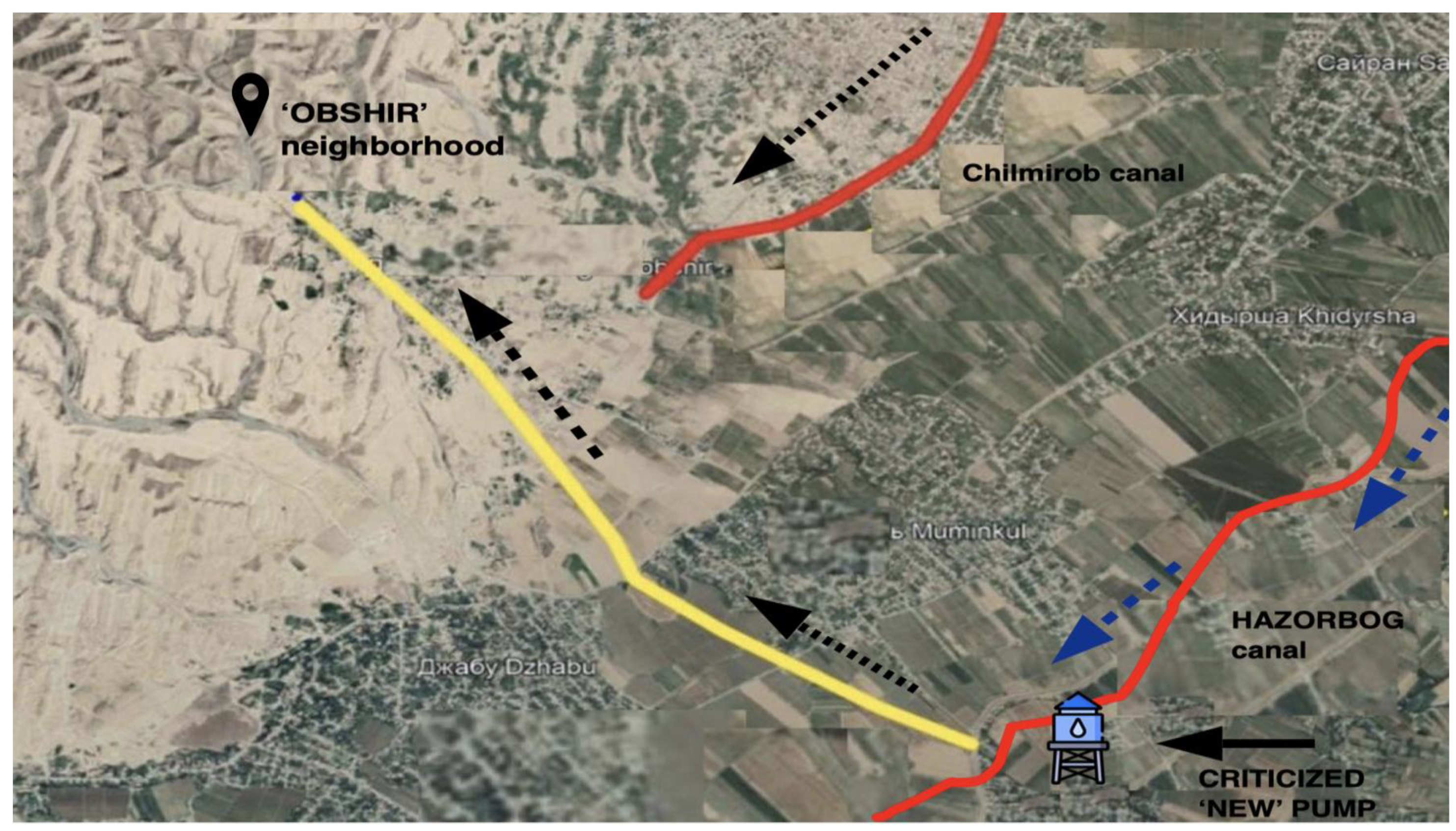
On May 25, 2013, the Cabinet of Ministers of the Republic of Uzbekistan issued a decree adopting the Regulation on the use and consumption of water, establishing guidelines for water management practices. This regulation aimed to ensure efficient and sustainable water use across various sectors. Subsequently, on May 10, 2022, the Cabinet of Ministers of the Republic of Uzbekistan passed a resolution outlining deferrable measures to guarantee a reliable water supply for agricultural crops in anticipation of an expected water shortage in 2022. This resolution aimed to mitigate the impact of water scarcity on agricultural activities and support food production. To address broader environmental concerns, Presidential Decree No. 5863 was issued on October 30, 2019, adopting the Concept of Environmental Protection in Uzbekistan until 2030. This decree outlined a comprehensive strategy and goals for environmental conservation and sustainability in the country. Furthermore, specific measures were taken to tackle the water problem in the analyzed area, the Oltinsoy district of Surkhandarya province. The Cabinet of Ministers of the Republic of Uzbekistan issued a decree titled “On comprehensive socio-economic development measures of Oltinsoy district of Surkhandarya province in 2020-2022.” Under this decision, significant efforts were made to support the social and economic development of the district. A budget of 14.3 billion USD was allocated for the reconstruction and modernization of drinking water and sewage networks in the Oltinsoy district. In addition to domestic funding, international funds were secured to finance the construction of a new pumping station with a capacity of 250-300 liters of water per second from the Hazorbog Canal, which flows through the Oltinsoy District (refer to Figure 6). These initiatives aimed to improve water infrastructure and enhance access to clean water in the region, contributing to the alleviation of water scarcity issues.
3.3. Ecological problems
The environmental challenges associated with water scarcity in certain regions of Uzbekistan are closely linked to issues such as river flow redistribution and land irrigation practices (Green, 2001). The discharge of wastewater into rivers, particularly the Amu Darya, has been identified as a major contributor to water contamination (Tookey, 2007; Karthe et al. 2017; Crosa et al. 2006). While this study does not extensively delve into this matter, it is acknowledged that further independent research is needed to thoroughly investigate these problems. The utilization of contaminated water for agricultural purposes has resulted in widespread soil salinization (Dukhovny et al. 2005) and the potential emergence of health issues, particularly when such water is used for livestock irrigation (Crosa et al. 2006). The regions under scrutiny have witnessed a decline in the area of irrigated shallow water due to insufficient attention given to the issue of water scarcity (Jarsjö et al. 2004) or inadequate water management practices (Yamamoto et al. 2006). Moreover, the challenge of meeting the growing agricultural demand in the region has compounded the problem. As a consequence of diminishing clean water supplies and river pollution, local residents, as well as individual and official farmers, have increasingly relied on groundwater for agricultural, livestock, and even drinking purposes. However, widespread groundwater extraction has led to soil salinization (Johansson et al. 2009). Online publications reporting interactions with local citizens have shed light on complaints regarding the deterioration of groundwater quality. The Amu Darya watershed directly receives wastewater inflow, primarily from household toilets. Consequently, nearly all rural households in Uzbekistan construct toilet facilities near their homes, utilizing simple pit latrines located 10 to 15 meters away from the houses (Rakhmatullaev et al. 2012). This practice stems from the absence of modern toilets equipped with sewage and effective filtration systems in these rural areas. The construction and maintenance of such rural toilets entail significant financial costs to the state budget. Unfortunately, the presence of these pit latrines often leads to sewage contamination of shallow groundwater. According to information from Uzbekistan's environmental protection agencies, water in these areas is typically polluted and deemed unsuitable for use. Concerning water salinity, the selected case study area demonstrates relatively stable conditions. It is important to note that these issues reflect both local challenges and broader global trends related to water scarcity, pollution, and inadequate sanitation infrastructure. Addressing these problems requires comprehensive and sustainable approaches that involve improved wastewater management, the implementation of modern sanitation systems, and the adoption of efficient water resource management practices. International cooperation, knowledge-sharing, and investments in infrastructure are crucial to tackling these challenges and ensuring access to clean and safe water for all.
4. Case Study: Water Problem in Oltinsoy District
Oltinsoy district, situated in Surkhandarya, the southernmost province of Uzbekistan, shares a border with northern Afghanistan (see Figure 3). Encompassing an area of 570 square kilometers, the district is home to a population of approximately 180,200 individuals as of 2021. Within this district, there are 14 urban and 9 rural settlements. Consequently, the current water issue in the locality represents a pressing environmental challenge.
Due to the gradual implementation of transparent practices and adherence to international standards, the availability of data on water scarcity in the region is limited. Local statistical committees and government agencies are in the process of developing comprehensive statistics related to salinized soils, drainage resistance, water consumption in agriculture, and the impact of water scarcity on the agricultural sector. Currently, data sources include information obtained from social media platforms and information-analytical documents provided by the National Statistics Committee. Efforts are underway to improve data collection and reporting mechanisms to enhance the understanding of water scarcity dynamics in the region.
4.1. Description of the problem
The Oltinsoy district, situated at the base of the Vakhshivor Mountains, has historically been known for its vineyards (see, Figure 3 and Figure 4), although its main agricultural focus is currently on cotton and grain production. Unfortunately, the vineyards and fields in Oltinsoy are facing significant challenges as they suffer from water scarcity, leading to drying up and crop deterioration. As one of the 14 innovative districts recognized by the Uzbekistan government, Oltinsoy has implemented measures to address the water problem in agriculture, primarily relying on the Hazorbog canal and Topalang reservoir. The majority of crops in the region are irrigated using water sourced from the Hazorbog and Chilmirob canals. A dedicated pumping station was constructed to extract water from the Chilmirob canal (refer to Figure 5). However, the pumping equipment used in the early years of independence (1991s) is now outdated and requires urgent renovation. Local irrigation specialists have reported that the capacity of the pump station machinery is currently less than 1 cubic meter per second, despite it being designed to lift 3.1 cubic meters of water. Moreover, the Chilmirob canal has the potential to transport 9 cubic meters of water per second. To ensure efficient water distribution and mitigate water scarcity challenges, upgrading the pump stations and modernizing the equipment is imperative. This will enable the adequate supply of water from the Hazorbog and Chilmirob canals to meet the agricultural demands of the region, allowing for sustainable cultivation and improved crop productivity.
The Chilmirob canal plays a crucial role in irrigating approximately 3000 hectares of fields, farms, and gardens in the vicinity. However, the areas supplied by this canal are experiencing water scarcity issues due to the absence of water discharge from the Hazorbog canal at the Oksuv pumping station (refer to Figure 5). This lack of water flow has adversely affected the agricultural productivity and water availability in these regions. In the face of these challenges, it is noteworthy that one plant, the thin-leaved huckleberry, has shown resilience and thrived in certain areas over the past decade. This particular plant has adapted to the prevailing conditions, demonstrating its ability to withstand water scarcity and potentially offering insights for drought-tolerant crop cultivation in the region. Efforts to address the water scarcity issue should aim to rectify the situation at the Oksuv pumping station, ensuring a steady flow of water from the Hazorbog canal to the Chilmirob canal and its associated agricultural areas. By resolving the water discharge problem, farmers and gardeners can regain access to adequate water resources, enabling them to diversify their crops and reduce their reliance on a single plant species.
4.2. Clarification of issues
To tackle the water scarcity issue in the region, two key approaches can be undertaken. The first step involves the modernization of the pumping station located in Oksuv. This crucial infrastructure requires upgrades and improvements to enhance its efficiency and capacity in pumping water. By investing in the renovation of the pumping station, the water supply can be enhanced, ensuring a more reliable and sustainable flow of water to the agricultural areas. The second approach entails the cleaning and renovation of a significant portion of the Chilmirob canal, extending all the way up to the Kyzilsu River (refer to Figure 6). Over time, sedimentation and debris might have accumulated in the canal, obstructing the smooth passage of water. Through thorough cleaning and necessary repairs, the canal can be restored to its optimal functioning state. This rehabilitation effort will help improve the conveyance of water and ensure its effective distribution throughout the designated areas. So, by implementing these two approaches simultaneously, the region can address the water shortage problem more comprehensively. The modernization of the pumping station will enhance water pumping capacity, while the cleaning and renovation of the Chilmirob canal will optimize the conveyance and distribution of water resources. These initiatives will contribute to the sustainable management of water and support the agricultural sector's needs in the region.
An urgent requirement for repair arises in a 20-kilometer stretch of the Chilmirob Canal, which extends from the Oksuv pumping station to the diversion area, commencing at the Kyzilsu River (refer to Figure 6). The condition of the river is deteriorating, marked by excessive turbidity, flooding, and an accumulation of dirt. This situation has resulted in a decline in the residents' quality of life residing in the upper region of the Hazorbog Canal, expected to persist throughout 2021. Instead of assigning blame to the county agency for the water shortage, it is crucial to acknowledge the issue and expedite the search for a prompt resolution. During the summer months of June and July, the canal remains devoid of water, adversely impacting crops across fields, gardens, and estates. Despite the pleas of deputies to the district administration and the government to address the water quality problem, their requests have inexplicably been disregarded. Media outlets have conducted interviews with district residents, shedding light on their plight. In 2018, the local administration established a commission to tackle the water shortage issue in the Oltinsoy district. However, for reasons unknown, the commission's efforts were not implemented, leaving the water scarcity predicament unresolved. Despite the persisting problem, the district office opted to delay the solution due to the government's decision to replace the provincial mayor. Subsequently, the new provincial administration authorized the construction of a "new modern" pumping station along the Hazorbog Canal at a significant cost of approximately 25 billion UZS or 2.2 million USD, instead of prioritizing the restoration of water flow in the Chilmirob Canal, thereby meeting the water needs of tens of thousands of individuals (source: www.kun.uz, 2022, see Figure 7).
The concerns expressed by district officials regarding the cost implications of constructing a new pump station have been a topic of discussion in this research report. These concerns were also highlighted in online newspapers, underscoring their significance within the context of the problem analysis. In order to delve deeper into this matter and gain a better understanding of the research statement, we conducted a review of these sources. Our findings revealed that renovating the existing Oksuv pumping station would be a more cost-effective solution, as it would require only half the investment compared to constructing a new facility. As a result, a Russian industrial company has proposed transporting two pumps, each capable of delivering 3 cubic meters of water per second, to the Oksuv pumping station at an estimated cost of approximately $900,000 (equivalent to around 50 million rubles, according to www.kun.uz). This development indicates that the new mayoral team intends to initiate a project to build a new pumping station that would specifically cater to the water needs of 150 hectares of land and farms located in the remote village of Obshir. However, it is unfortunate that this decision diverts attention away from the crucial task of restoring water flow in the Chilmirob canal and implementing a project to provide water to over 3,000 hectares of land. Notably, there is currently no available information regarding any initiatives or plans focused on supplying water to other water-scarce areas. In this particular case, the remote village of "Obshir" emerges as the area most severely impacted by water scarcity, as it represents the endpoint of the water flow (Figure 6). It appears that the authorities have solely focused their attention on this location, making decisions without considering the broader context. Their decision to introduce a pump with significantly lower power suggests a prioritization of supplying water to a smaller area while neglecting the needs of a larger population and a greater expanse of land (Hamidov et al., 2020). This allocation of government funds may indicate either inappropriate spending or ineffective management within the area. In response to media criticism, officials from the Oltinsoy District have indicated plans for the modernization of both the Oksuv pumping station and the substation (www.kun.uz, 2021, see Figure 6). However, it remains highly unlikely that the modernization of the substation can be accomplished with a budget of only 2.2 million USD (Figure 7). The inadequate water distribution in the Oltinsoy district is further exacerbated by the presence of numerous private pumps installed along the Chilmirob Canal. More than 500 large and small private pumps are scattered along a 15 km stretch, each possessing varying capacities (Krasznai, 2017). These privately owned pumps contribute to the insufficient water supply in the area. On certain occasions, approximately 200 of the small private pumps were activated simultaneously, resulting in the depletion of water in the canal, even when the Oksuv pumping station, capable of discharging 0.7 to 1 cubic meter of water per second, was operational (www.kun.uz, 2021). Another issue arises from residents constructing their own pumps out of desperation and in violation of regulations. While their intention is to water lawns and backyard gardens, the cultivation of larger fields and gardens cannot be sustained due to the lack of water. Consequently, people's houses, gardens, and trees are being destroyed.
To provide a comprehensive assessment of the situation, it is important to acknowledge that prior to the current water crisis, hundreds of hectares of vineyards existed in Uzbekistan, with a significant portion dedicated to exporting grapes abroad. Unfortunately, precise numbers and specific vineyard areas are unavailable due to the absence of a comprehensive statistical database, as export activities were primarily organized and contracted by individual residents as private enterprises. These vineyards have already begun to wither due to water scarcity. Furthermore, some large vineyard plots have been subdivided into individual houses and farms. To safeguard the remaining vines, expensive drip irrigation systems have been installed in certain fields, although online publications highlight their inefficiency. It should be noted that the effectiveness of drip irrigation technology relies on the availability of underground water. Consequently, fields that have not received adequate irrigation for an extended period of time have completely dried up. The "Topalang" reservoir also serves as a source of drinking water in the Oltinsoy district. However, even though the drinking water issue is not a major concern in the region, complaints have arisen regarding the drying up of springs that traditionally supply residents with drinking and domestic water, as well as the impossibility of cultivating crops. Online publications indicate that contaminated water is predominantly available for consumption. In response to criticism, the district municipality has announced the commencement of a project to build a drinking water network from the reservoir. However, this project does not include provisions for supplying drinking water to the residents of the Oltinsoy district. The government has planned to provide clean drinking water to the people of Surkhandarya province during the five-year period from 2022 to 2026. While sewage systems are being constructed in the district, the issue of drinking water remains unresolved. Consequently, access to drinking water is becoming increasingly challenging. Some experts have suggested exploring the possibility of supplying water to the population from local springs as a potential solution. In support of this, the President of the Republic has allocated 60 million USD for water supply, according to official government reports (www.uza.uz, 2017).
The consequences of water shortage
Water scarcity significantly impacts the population's way of life, leading to various problems and challenges. The absence of safe drinking water and irrigation water has detrimental effects on the health and well-being of individuals, particularly women and children, who often suffer from water-related diseases (Hunter et al., 2010). The transportation of drinking water over long distances is not a feasible solution, leaving residents with no choice but to rely on poor-quality water sources such as ditches. This exacerbates the problems associated with water scarcity, as more than 80% of infectious diseases are caused by contaminated water (WHO, 2022), posing a serious threat to public health and hygiene standards. Scientists emphasize that each person requires approximately 50 liters of water per day to maintain hygiene standards and a healthy lifestyle (UN Water, 2021).
Moreover, concerns have been raised by bloggers regarding the adverse impact of water shortages on the population's living standards, particularly in relation to the increase in livestock diseases. Disputes and conflicts regarding access to drinking and irrigation water have gained significant attention online. While not directly pertaining to the Oltinsoy district, conflicts have been reported in neighboring areas, suggesting that similar tensions may arise within Oltinsoy as well. Local authorities, including the police, have been involved in managing and resolving such disputes. In some instances, fights over water have even resulted in violence, including cases of farmers killing each other. Reports circulated on the internet also allege deliberate actions aimed at preventing certain individuals from accessing water resources. Consequently, disputes and disagreements among neighbors and farmers regarding water scarcity have become a common occurrence, particularly when significant investments in agricultural ventures are at stake. In response to these challenges, the Uzbek Ministry of Water Resources has established a dedicated commission to address water issues and has provided regular monitoring updates through an official web report (www.water.gov.uz, 2022). In this case, to gain insights into the specific dynamics of the study area, improve the investigation, and obtain reliable results, it was necessary to rely on analytical texts from online publications as an alternative to official transparent data. These sources provide valuable information and contribute to a comprehensive understanding of the water scarcity problem and its implications for the affected population.
5. Discussion
The problem of water scarcity in Uzbekistan, particularly in the Aral Sea region and Oltinsoy, has significant global implications that align with emerging fields and debates in the spatially integrated social sciences and humanities. From an ecofeminist perspective, it is important to recognize the gendered dimensions of water scarcity, as women and marginalized communities are disproportionately affected by environmental degradation. By empowering women as agents of change in sustainable water management, we can address the social and environmental challenges associated with water scarcity. Moreover, the ecological crisis resulting from mismanagement and environmental factors that led to the shrinking of the Aral Sea demonstrates the urgent need for ecosystem restoration and sustainable water policies. These findings contribute to ongoing discussions in the fields of environmental science, urban planning, and cultural studies. By integrating environmental awareness and ecological approaches, we can strengthen regional resilience and promote transboundary cooperation to mitigate the ecological damage caused by water scarcity.
Water scarcity in Uzbekistan is also in line with the global dialog on sustainable development and the United Nations Sustainable Development Goals (SDGs). Integrated water resources management and equitable access to clean water are needed to achieve SDG (Goal 6), which is to ensure the availability and sustainable management of water and sanitation for all. By contextualizing the issue within the SDGs, we emphasize the importance of efficient water use and the well-being of current and future generations (www.cdp.net, 2018). Given the geopolitical dimension of water scarcity, the research findings highlight the importance of transboundary cooperation and diplomacy to reduce tensions and promote peace and stability in the region. This is consistent with the journal's focus on spatially integrated social sciences and understanding the complexities of resource allocation and international relations. The research also sheds light on the ecological consequences of water scarcity, including biodiversity loss and increased desertification. These findings contribute to ongoing discussions in the field of environmental studies and underscore the need for ecosystem restoration and integration of environmental considerations into decision-making processes.
In addition, the impact of water scarcity on vulnerable groups, particularly women and children, underscores the importance of addressing social inequalities and promoting inclusive socioeconomic policies. This is consistent with the social sciences and humanities and understanding of the spatial dimensions of public health and economic inequalities. In addition, research findings raise awareness of the potential risks of internal conflict and social unrest created by competition for limited water resources. This analysis contributes to interdisciplinary discussions in political science, sociology, and history by highlighting the spatial aspects of social and political dynamics. Thus, this discussion fits into the evidence of the multiple challenges of water scarcity in Uzbekistan. By addressing the gendered dimensions, ecological consequences, geopolitical implications, and socioeconomic impacts of water scarcity, this research contributes to the ongoing dialog on sustainable water management and advances interdisciplinary discussions within the spatially integrated social sciences and humanities.
6. Conclusion
In conclusion, this study underscores the urgent imperative to address the critical issue of water scarcity in Uzbekistan, specifically focusing on the Oltinsoy district. This research's proposed strategies and recommendations provide a comprehensive framework for effectively mitigating the water crisis and ensuring a sustainable water future. The allocation of sufficient funds in the state budget signifies a positive step towards resolving the issue, and optimizing the utilization of these resources is crucial. The concluding remarks derived from the geographical and environmental perspective of this study encompass several noteworthy observations, conclusions, and actionable recommendations. First and foremost, it is evident that ample funds have been allocated in the state budget to tackle the water crisis, as evidenced by the project's dedicated funding and imminent implementation. To address water scarcity, this study proposes the following strategies. Encouragingly, there is a positive trend in educational advancements, emphasizing the need to modify daily routines and lifestyles to promote water conservation and disseminate crucial knowledge. Areas grappling with water shortages should receive substantial funding, robust legal oversight, and state-of-the-art water-saving devices to effectively combat the present scarcity. A comprehensive reform of consumption patterns is imperative, spanning from individual water usage to the entire agricultural supply chain, to address the ongoing water shortage effectively. While commendable efforts have been made by the government to enhance irrigation and agricultural practices, establishing regular monitoring of regional practices is crucial.
Additionally, advancements in waste processing, including modernizing wastewater treatment methods, are essential. The introduction of cutting-edge technologies for drinking water management is vital, and the construction of solar desalination plants in specific areas can demonstrate ecological responsibility and offer significant advantages. For regions like Oltinsoy District, grappling with acute water shortages, the implementation or improvement of water collection systems, such as rainwater harvesting, is of utmost importance. Furthermore, fostering the growth of algae and biofuel plants for wastewater treatment is recommended, as they facilitate purification and nutrient absorption, significantly reducing expenses associated with pumping and treating wastewater. Attracting investment companies specializing in renewable energy production to water-deficient areas is advisable, and fostering open collaboration with the public to address organizational challenges and ensure effective project implementation can lead to transformative policy changes. To facilitate a comprehensive social and economic analysis of water-related issues in the region and develop appropriate policies, the introduction of transparent regional statistical reporting in the agricultural sector is imperative. The active utilization of Geographic Information System (GIS) tools and the application of geographical concepts in practical scenarios will prove highly advantageous. GIS, in particular, can aid in the identification and categorization of factors contributing to water pollution. Through detailed mapping and data analysis, this advanced tool can help identify issues in other areas, including the detection and containment of diseases resulting from environmental imbalances. Embracing scientific advancements is pivotal for the optimal utilization of water resources. So, by implementing the proposed measures and fostering collaboration among government entities, local communities, and international partners, Uzbekistan can successfully overcome water scarcity challenges and ensure a resilient and prosperous water future. The collective effort of all stakeholders is essential to address this pressing environmental issue and secure a sustainable water supply for present and future generations.
Note
In this study, it is crucial to clarify that there is currently no identified conflict between Uzbekistan and any other country or region regarding water scarcity or related issues. The primary focus of this study is to understand and address the specific challenges of water scarcity in Uzbekistan, with a particular emphasis on the Oltinsoy District. The mention of potential global water problems and conflicts in the preceding response was presented in a hypothetical manner to underscore the broader implications of water scarcity within a geopolitical context. It is important to note that these references do not assert or imply the existence of actual conflicts arising from the water scarcity issues discussed but instead serve to highlight the potential global consequences that could arise if such challenges are left unaddressed.
Funding
This research did not receive any specific grant from funding agencies in the public, commercial, or not-for-profit sectors.
Acknowledgments
We would like to express our sincere gratitude to the editors and reviewers of the journal for their valuable time, and expertise. We are grateful for their commitment to advancing scientific knowledge in the field of water science.
Disclosure Statement
There is no conflict of interest..
Author Information
Prof. Dr. Young-Jin Ahn is a professor in the Department of Geography at Chonnam National University, Social Sciences College. His areas of expertise include economic geography, social geography, geography theory, regional development theory, and European regional studies. Dr. Ahn can be reached at +82-62-530-2686 or by email at yjahn@chonnam.ac.kr. Mr. Zuhriddin Juraev is a Ph.D. student in the Department of Geography at Chonnam National University in Gwangju, South Korea. His research interests include economic geography, environmentalism, urban geography, and regional studies. Mr. Juraev can be contacted at 198928@jnu.ac.kr, and his OrcID is https://orcid.org/0000-0002-6804-7273.
References
- Chathuranika, I. et al. 2022 Implementation of water-saving agro-technologies and irrigation methods in agriculture of Uzbekistan on a large scale as an urgent issue. Sustain. Water Resour. Manag. 8, 1–16.
- Crosa, G. et al. 2006 Water security in Uzbekistan: implication of return waters on the Amu Darya Water Quality. Environmental Science and Pollution Research 13, 37-42. [CrossRef]
- Dukhovny, V.A. et al. 2005. Relationship between irrigation and drainage, Paperback, Tashkent Publishing House, (in Uzbek), pp.300-315.
- Green, D.J. 2001. Regional co-operation policies in Central Asia. J. Int. Dev. 13, 1151-1164. [CrossRef]
- Hamidov, A. et al. 2020. Impact of Climate Change on Groundwater Management in the Northwestern Part of Uzbekistan, Agronomy 10, 1173.
- Hunter, P.R. et al. 2010. Water Supply and Health. PLoS Med 7, e1000361. [CrossRef]
- Jarsjö, J. et al. 2004. Groundwater discharge into the Aral Sea after 1960, Journal of Maritime Systems Vol.47 (1/4), pp.109-120. [CrossRef]
- Jelen, I. et al. 2020. Modern Era and Modernization Processes Until the Soviet Collapse. In: The Geography of Central Asia.
- Johansson, O., et al. 2009. Variation of groundwater salinity in the partially irrigated Amudarya River delta, Uzbekistan, Journal of Marine Systems 76(3), pp.287-295. [CrossRef]
- Karthe, D. et al. 2017. Water in Central Asia: an integrated assessment for science-based management. Environmental Earth Sciences 76(690), pp.1-15.
- Krasznai, M. 2017. Institutional Cooperation on Water Resources Management in Central Asia. In: Zhiltsov, S., et al. (eds) Water Resources in Central Asia: International Context, Springer; pp. 41-60.
- Lal, R. 2004. Soil carbon sequestration to mitigate climate change, Geoderma vol.123(1–2), pp.1-22. [CrossRef]
- Meliboev, A. et al. 2008. Journey to the mysterious world of water, Textbook, Ministry of Public Education of Uzbekistan (in Uzbek), pp.35-41.
- Qi, J. et al.2008. Environmental Problems of Central Asia and their Economic, Social and Security Impacts. Environmental Security, p.9.
- Rakhmatullaev, Sh. et al. 2012. Groundwater resources of Uzbekistan: an environmental and operational overview. Central European Journal of Geosciences 4(1), pp.67–80.
- Tookey, D. 2007. The environment, security, and regional cooperation in Central Asia, Communist and Post-Communist Studies 40 (issue 2), pp.191-208. Available online: https://www.jstor.org/stable/48609601.
- Zhiltsov, S.S. et al. 2018. Water Resources of Central Asia: Historical Overview, In: Zhiltsov, S., et al. (eds) Water Resources in Central Asia: International Context, Springer, p.9-24.
Figure 1.
Map of Amu Darya Basin; Source: DEMIS Map Server.
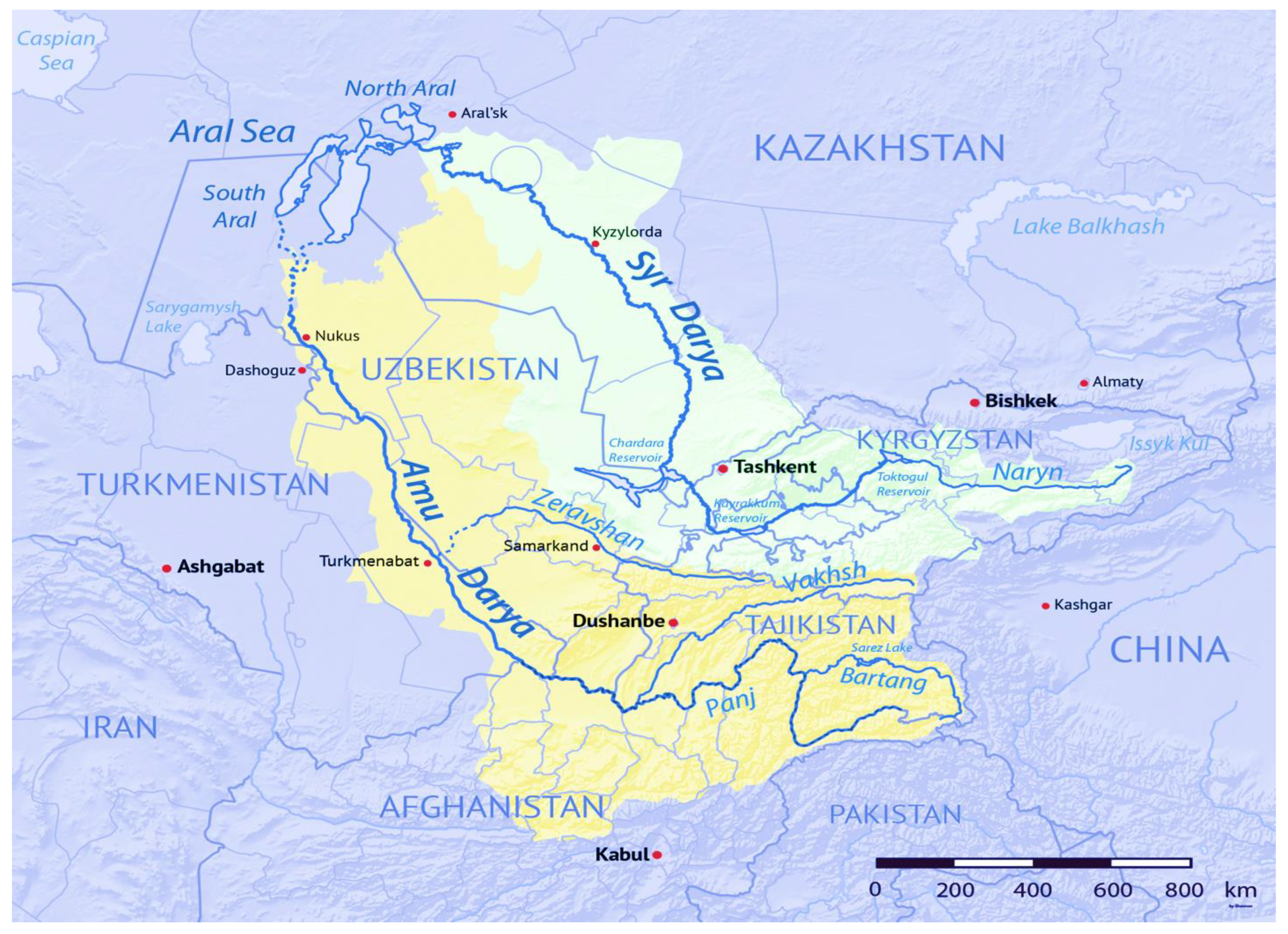
Figure 2.
Water use in sectors (status by 2022) Source: The State Geology Committee, 2022.
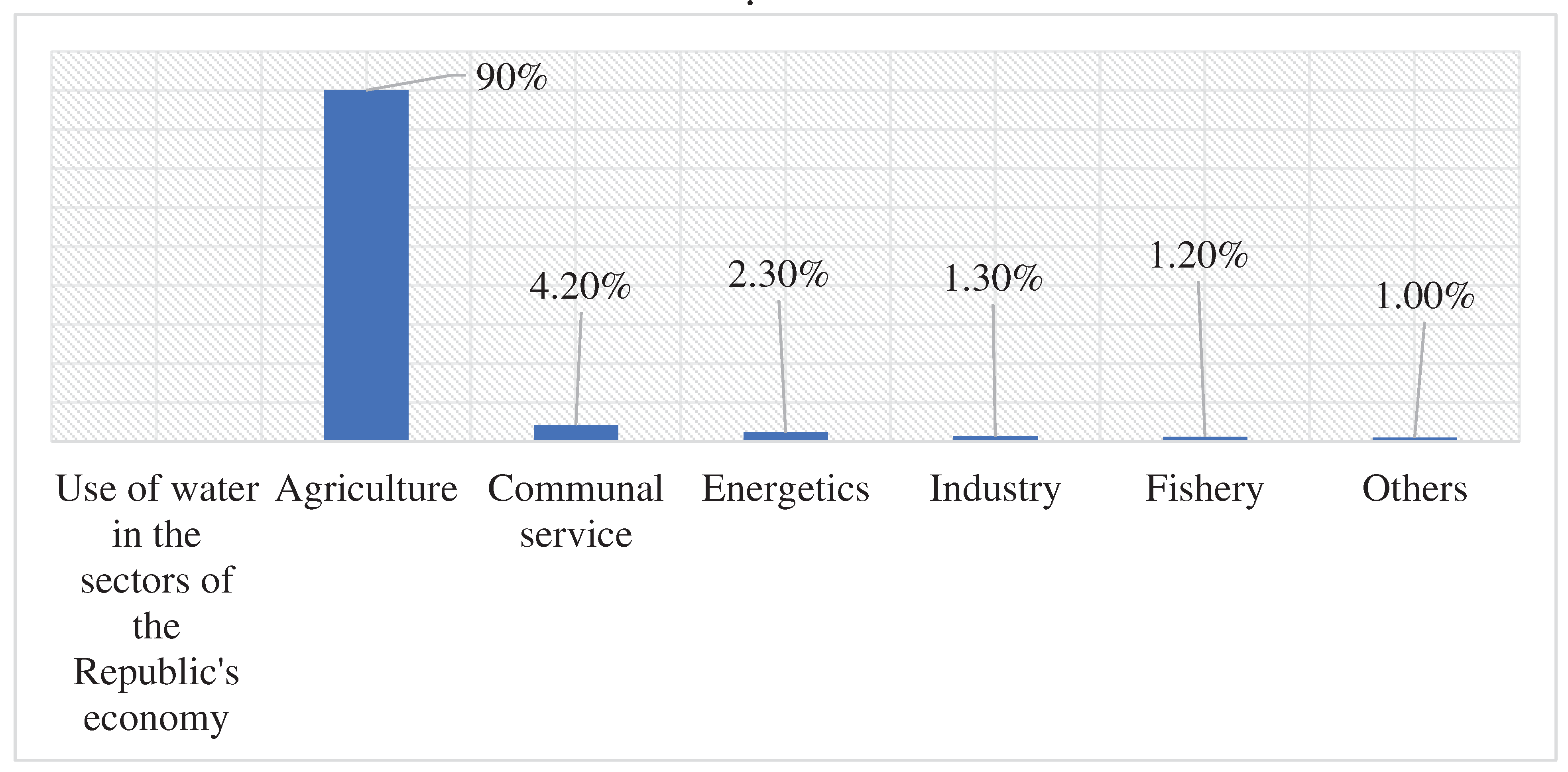
Figure 3.
Map of the Oltinsoy District; Note: The author developed the map using a base map.
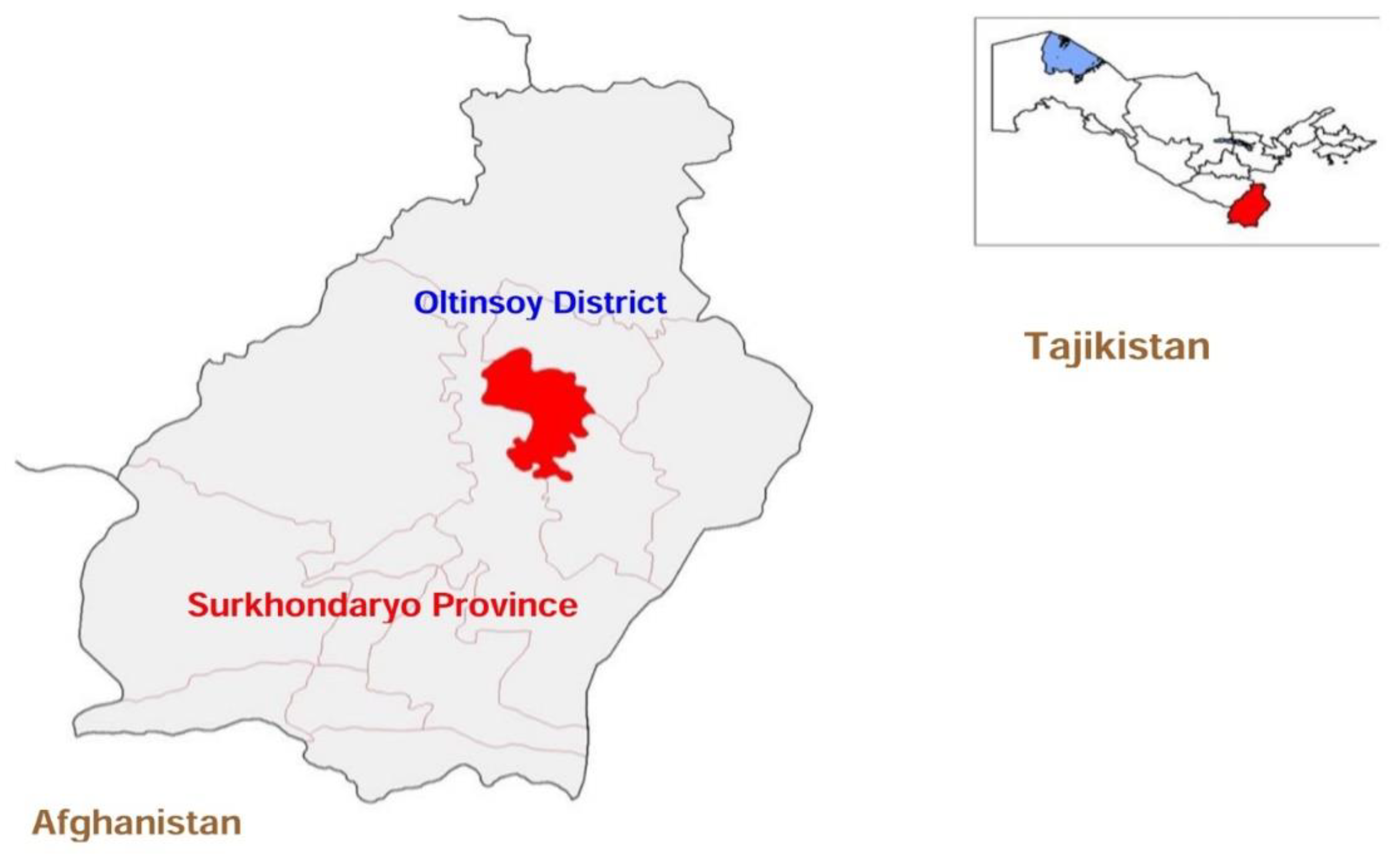
Figure 4.
District map which indicates the problematic area. * This Figure depicts a general view of the case study area and aids in understanding the locations depicted in the following figures. Note: The author developed the map using a base map.
Figure 4.
District map which indicates the problematic area. * This Figure depicts a general view of the case study area and aids in understanding the locations depicted in the following figures. Note: The author developed the map using a base map.
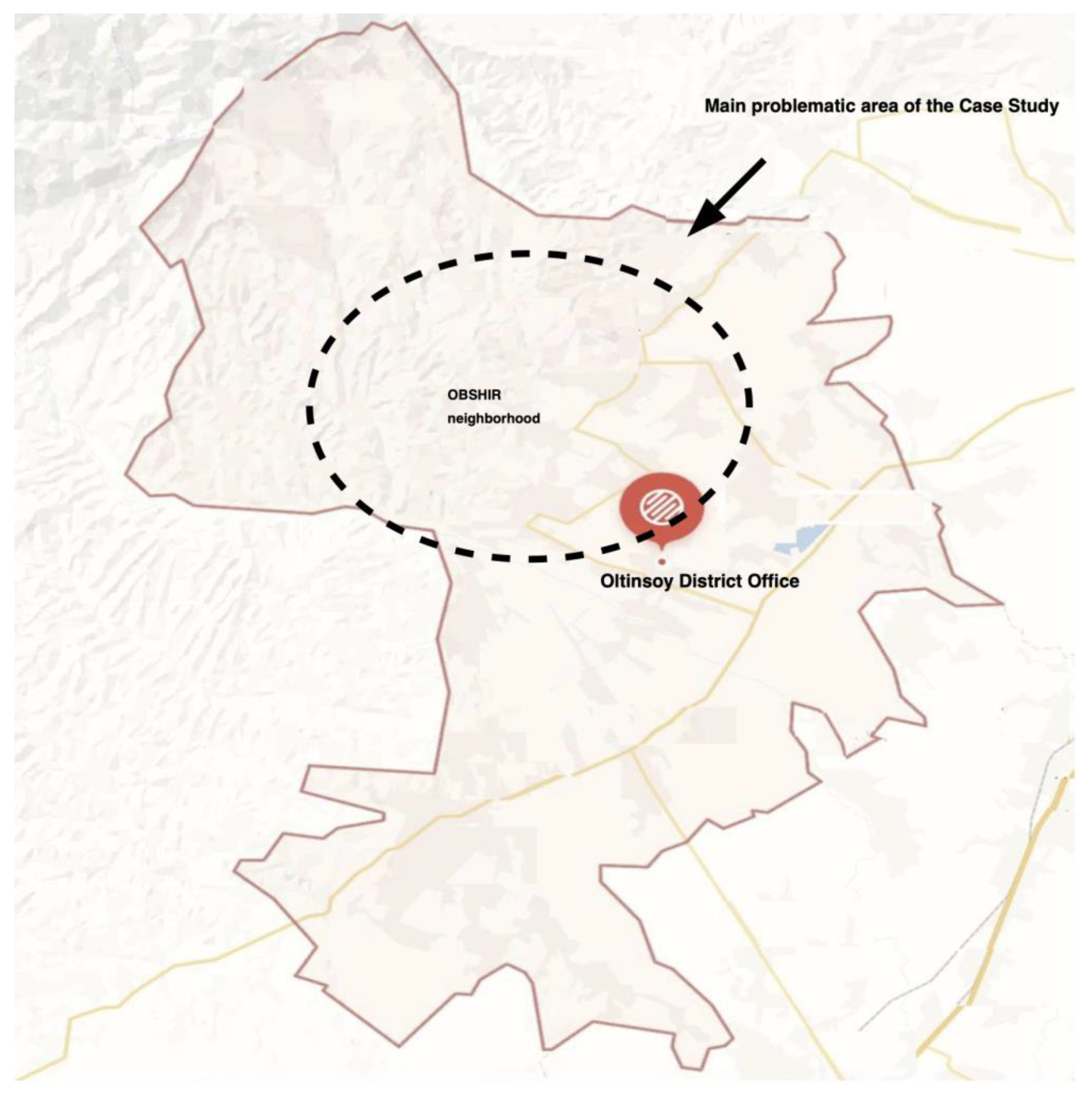
Figure 5.
Water tanks’ view (Oltinsoy district). Note: The author developed the map using a base map.
Figure 5.
Water tanks’ view (Oltinsoy district). Note: The author developed the map using a base map.
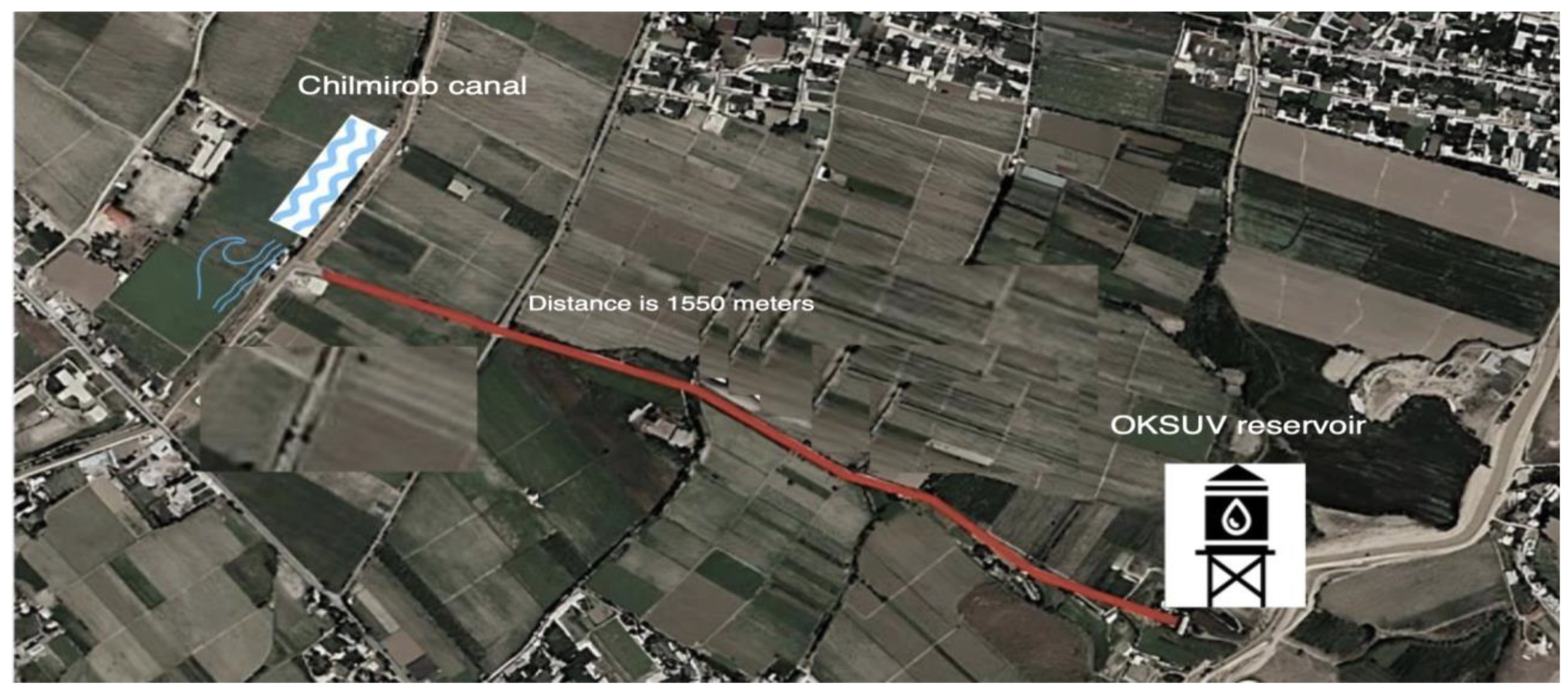
Figure 6.
The disadvantage of controlling water. Note: The author developed the map using a base map.
Figure 6.
The disadvantage of controlling water. Note: The author developed the map using a base map.
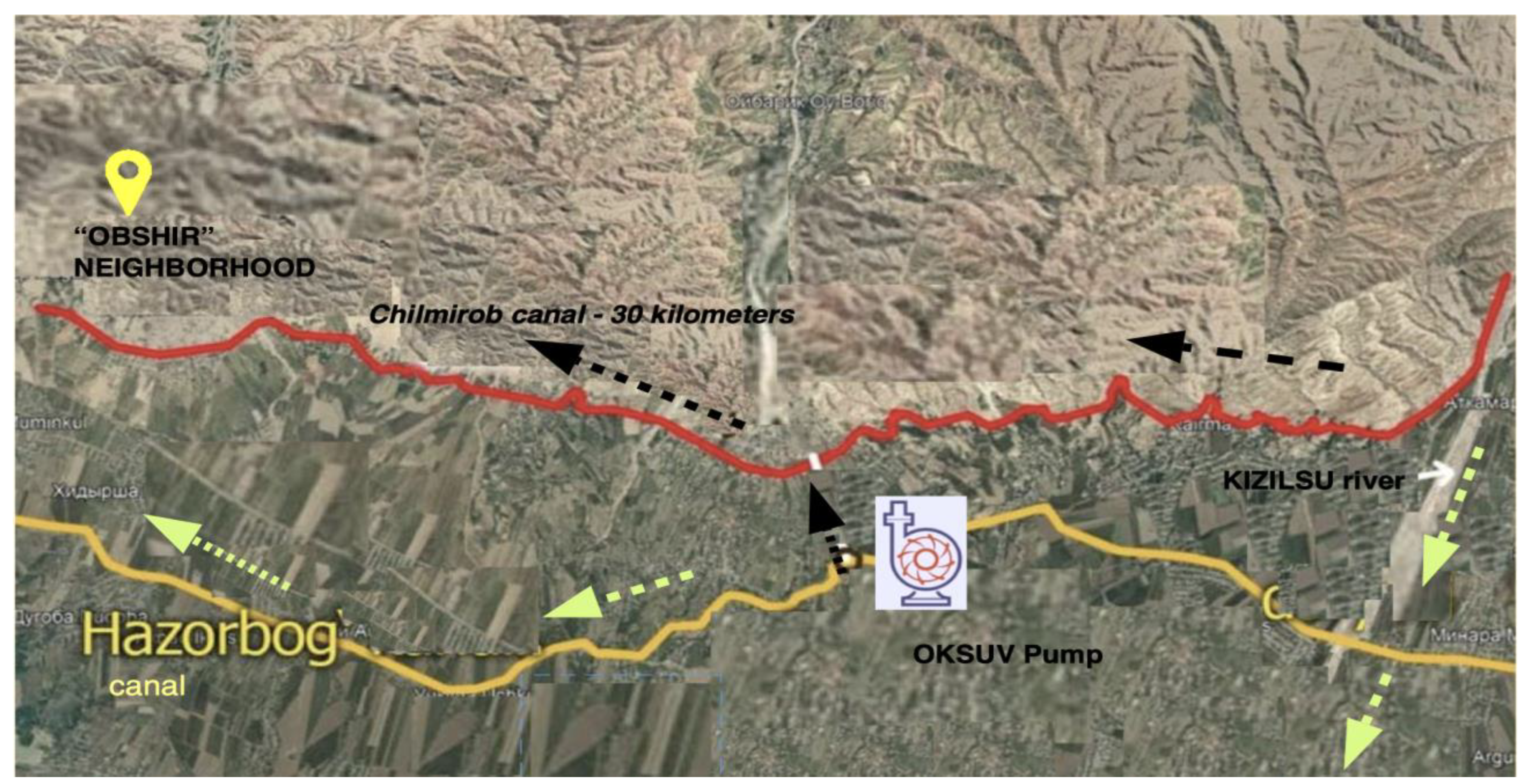
Figure 7.
“Problematic” reservoir. Note: The author developed the map using a base map.
Disclaimer/Publisher’s Note: The statements, opinions and data contained in all publications are solely those of the individual author(s) and contributor(s) and not of MDPI and/or the editor(s). MDPI and/or the editor(s) disclaim responsibility for any injury to people or property resulting from any ideas, methods, instructions or products referred to in the content. |
© 2023 by the authors. Licensee MDPI, Basel, Switzerland. This article is an open access article distributed under the terms and conditions of the Creative Commons Attribution (CC BY) license (http://creativecommons.org/licenses/by/4.0/).
Copyright: This open access article is published under a Creative Commons CC BY 4.0 license, which permit the free download, distribution, and reuse, provided that the author and preprint are cited in any reuse.


