
Submitted:
12 February 2023
Posted:
20 February 2023
You are already at the latest version
Abstract
Alkali-silica reactivity (ASR) is one of multiple reactions responsible for premature loss in concrete infrastructure service life. ASR is a deleterious reaction initiated when highly reactive silicious content of aggregates reacts with alkali hydroxides content within portland cement in the presence of moisture. ASR results in the formation of expansive, white-colored gel-like material which results in internal stresses within hardened concrete. ASR induced stresses result in concrete cracking, spalling, and increased reinforcement steel corrosion rates. The main objective of this research is to improve the conditions of concrete infrastructure projects conditions by mitigating ASR damaging effect. The expansion of accelerated mortar bars poured using fine aggregates collected from different sources is measured versus time to evaluate aggregate’s reactivity. Different percentages of supplementary cementitious materials (SCMs) including class c fly ash, micro-silica, were used in remixing mortar bars to evaluate the efficiency of different types of SCMs in mitigating mortar bar expansion. Research findings showed that SCMs can mitigate ASR, thus, decrease the mortar bar expansion. The efficiency of SCMs in ASR mitigation is highly dependent on the incorporated SCM percentage and particle fineness. Silica fume, having the least particle size, displayed higher rates of ASR mitigation followed by fly ash, respectively. The outcomes of this research will assist design engineers in avoiding future losses due to ASR cracking in concrete infrastructure projects, and reduce the excessive need to maintenance, repair, and replacement activities.
Keywords:
ASR
; Aggregates
; Moisture
; Mortar bas test
; Supplementary cementitious materials
1. Introduction
Alkali-silica reaction (ASR) is a common form of alkali-aggregate reaction (AAR) that naturally occurs in concrete structures. ASR is responsible for premature loss in concrete infrastructure projects service life. ASR was first identified in California in the 1940s. ASR is a deleterious chemical reaction initiated when reactive silica content (SiO2) within the aggregates reacts with the alkali hydroxide content within portland cement in the presence of relatively high moisture. ASR results in the formation of white expansive gel-like material within hardened concrete which adds internal tensile stresses to the concrete structure as it ages. Thus, ASR cracks are developed, and concrete structures deteriorate. ASR mechanism can be viewed as a two-step chemical reaction that takes up to 10 years to mature, according to the following equation:

In 1956, ASR were reported in 17 states. In 1993, the Strategic Highway Research Program (SHRP) conducted a nationwide survey [1] to investigate ASR impact on the national highway network. The SHRP survey received a positive response from 19 states, negative response from 18 states, and no response from 5 states, as shown in Figure 1.
The number and severity of ASR reported cases and the impact of ASR deleterious effect depends on concrete mix proportions, air content, exposure to moisture, and the type and percentage of reactive silica in the mix. The presence of gel does not necessarily indicate destructive ASR, as some gels have low tendency to expand. Low-swelling gels will not create ASR problems. High-swelling gels, once formed, tend to react with free moisture within a hardened concrete structure to expand and may cause tensile stress that exceeds concrete strength, which results in premature cracking of concrete structures. By year 2003, more than 40 state Department of Transportation (DOT) have reported a significant damage in infrastructure due to ASR. States with reported ASR cases are shown in Figure 2. The national loss due to ASR on state DOTs projects is estimated by several hundreds of millions of dollars.
2. Literature Review
Early deterioration and premature failure of concrete structures due to ASR was first explained in the United States in the 1940s [3]. Based on Stanton’s discovery, several deteriorate concrete structures were investigated, and ASR was found responsible for the premature deterioration of concrete. The amount of expansive gel responsible for concrete damage varies according to the type of reactive silica, alkali hydroxide content concentration in concrete pore solution. Exact gel composition varies; however, it will always contain alkali, silica, calcium, and water [4]. Aggregates with large surface area for reaction, poor crystalline, with many lattice defects are more susceptible to ASR reaction [5,6]. ASR white expansive gel, shown in Figure 3, results in cracking once the resulting tensile stresses exceed the hardened concrete tensile strength. Initially, hair cracks are formed; as the structure ages and expansive gel volume increases, hair cracks increase in number and unite to form larger size cracks. Larger cracks reduce the concrete structure serviceability and results in deterioration in project conditions.
Several research studies provided further explanation to ASR and how it is initiated. During concrete mixing, the aggregate content including limestone, gravel, crushed granite, and fine sand is encapsulated with hydrated cement paste with high alkalinity (pH value may exceed 13.0). Once hydration process is concluded, free moisture within the hardened concrete dissipates through concrete pores as a high alkaline solution that reacts with specific silicious content within the aggregates [7,8,9,10]. The alkali-silica reaction tends to form the expansive gel that results in ASR damaging effect. Similarly, the alkaline solution may attack specific carbonates present in the aggregate to form a damaging alkali-carbonate reaction (ACR). Both ASR and ACR reactions are extremely damaging and may cause premature failure to concrete structures. ASR and ACR damages are similar to other types of deterioration due to weathering, effect of de-icing salts on concrete structures, and freeze-thaw cycles.
In order to differentiate between ASR and other types of concrete damages, a petrographic analysis of concrete specimens is required to identify the nature of the reaction causing deterioration. In a typical petrographic testing, a concrete core is drilled in the structure, and the obtained sample is shipped to the lab, where reagents are applied on the concrete surface under consideration, as shown in Figure 4. Based on the reagent reaction outcomes, ASR could be confirmed or denied.
Internal stresses resulting from the expansion of formed del is directly proportional to the amount of gel formation, the rate of gel expansion upon reacting with free moisture within hardened concrete, and the surface area of concrete structure exposed to external environmental conditions, and excessive moisture. ASR is responsible for significant deterioration of hardened concrete structures, mainly infrastructure projects as roadways, tunnels, bridges, roadway barriers, and earth retaining structures due to their large-exposed surface and possible moisture ingress through rain, thawing of snow, and underground water tables [12,13,14,15,16,17,18]. Examples of ASR damage in infrastructure projects are shown in Figure 5.
The infrastructure project damage due to ASR is classified as low, medium, or high. These ratings adopted by the Federal Highway Administration (FHWA) are based upon the extent of the damage, and its diagnostic. Table 1 provides the extent of different damage features associated with different ASR condition rating [20].
Recent studies investigated the possibility of ASR early detection prior to the start of construction activities. Proactive measures include the detection of potentially reactive aggregates available at local sources. Expedited testing for ASR and relevant standards are developed for early detection of ASR [21,22,23,24]. ASR Laboratory evaluation measures has average reliability due to the difference between lab conditions and the environmental conditions a concrete member is subjected to during its service life [25,26,27,28,29]. Other ASR detection methods includes the development of field exposure site to predict ASR through full scale expansion testing of hardened concrete members [30,31]. Finally, potential ASR could be assessed using petrographic analysis using SEMs. ASR detection by petrography provides accurate detection of ASR [32,33], however, it is laborious, expensive, and destructive. Also, petrography testing is conducted in limited labs across the United States.
Several ASR mitigation techniques are being utilized to mitigate, or possibly eliminate, its damaging effect including (1) the use of chemical admixtures as lithium salts to halt ASR [34,35,36,37,38,39,40,41], (2) the use of mineral admixtures, also known as supplementary cementitious materials (SCMs), as silica fume, quartz flour, fly ash, blast furnace slag, metakaolin, and multi-wall carbon nanotubes [42,43,44,45,46,47], and (3) the use of chemical and latex surface painting to prevent the moisture ingress into hardened concrete surface [48,49,50].
The main objective of this research is to investigate the potential reactivity of fine aggregates received from different sources, and evaluate the efficiency of different percentages of SCMs in mitigating alkali silica deleterious reaction impact on hardened concrete. ASR mitigation efficiency is evaluated by measuring the reduction in concrete expansion due to the incorporation of SCMs in concrete mix design. The research objectives are attained through the following methodology:
- Local sources of fine aggregates are surveyed, and samples are obtained for ASR detection
- Accelerated mortar bar test for ASR detection of fine aggregates are conducted. Expansion of mortar bars is measured and compared with permissible limits
- Different percentages of SCMs, including micro-silica and class c fly ash are used to pour additional mortar bars for expansion measurements
- Efficiency of SCMs in ASR mitigation is quantified through the decrease in bars expansion
3. Experimental Investigation
Three different types of fine aggregate is obtained from local sources. Fine aggregate, denoted as F1, F2, and F3, are selected due to their inclusion in the Department of Transportation concrete infrastructure projects. The experimental investigation includes 2 phases:
Phase 1: Evaluate the reactivity of the different types of fine aggregate using the accelerated mortar bar test (AMBT)
Phase 2: Evaluate the efficiency of different percentage of SCMs in mitigating potential ASR
- Phase 1: Accelerated Mortar Bar Test (AMBT) for ASR of Fine Aggregates
AMBT was originally developed in South Africa in the 1980s as an accelerated method to identify potentially reactive fine aggregates, and evaluate the possible mitigation of ASR expansion using SCMs. The AMBT, currently adopted by different codes and specifications as the Canadian Specifications, AASHTO, ASTM International, and PCA, uses a standard prism mold of 2.5 x 2.5 x 28.5 cm. (1.0 x 1.0 x 11.25 in.) to pour mortar bars using fine aggregates and SCMs to be investigated. The prism mold has 2 studs (one stud per end) to be embedded in the poured mortar bar to measure the length change versus time. AMBT mortar molds and poured prisms are shown in Figure 6.
The AMBT spans for 16 days before the potential reactivity of fine aggregates or the efficiency of SCMs in expansion mitigation are evaluated. According to ASTM International, average expansion of 3 mortar bars poured using the same mix should be calculated. A total expansion less than 0.1% of the initial bar length indicates low reactivity. The reduction in expansion measured when SCMs are incorporated in the concrete mix design is indicative of the SCMs efficiency in mitigating ASR possible damage.
- Mortar Bar Preparation
Mortar bars were poured according to ASTM International guidelines. The following procedures were followed in the preparation of test specimens:
- Type I/II portland cement was used in pouring AMBT specimens. The same cement batch is used in the preparation of all specimens to ensure the consistency of test results
- Fine aggregate specimens (F1, F2, and F3) were used to pour the mortar bars. Three bars were poured using the same aggregate sample
- SCM-free AMBT were poured using high energy paddle mixer using a cement-to-aggregate ratio of 1 : 2.25 by weight
- SCMs including micro-silica, class c fly ash, were used to pour additional mortar bars. SCMs are used in stepwise replacement of portland cement using a 1 : 1 weight ratio. Mortar bars design combinations are shown in Table 2.
- Mortar Bar Fabrication, Storage, and Expansion Measurements
Mortar bars are poured, consolidated, and left to harden for a 24-hour duration. When removed from molds, bars are initially stored initially stored for 24 ± 2 hours in a relative humidity greater than 95% and a temperature of 73.4 ± 3 F., as shown in Figure 7.
After initial storage, mortar bars were removed from their sealed containers, and initial AMBT readings were measured and recorded. The readings calculate the difference between the mortar bar length and a fixed length comparator bar. Initial readings recorded at 48-hour age are considered the base for measuring length changes during the duration of the experimental investigation (16 days). According to ASTM standard specifications, expansion measurement measured included the average of 3 readings for every design combination (S1 through S15). Lab measuring device for mortar bar extension and measuring process are shown in Figure 8.
During the 2-week AMBT duration, specimens are stored in a solution of 1 M NaOH at a temperature of 176 + 3.6 F. Specimens are required to be stored at these harsh conditions to induce the potential ASR in a short period of time. Bars expansion was measured and recorded according along the test duration, as shown in Table 3.
- Fine Aggregates Reactivity
Mortar bars fabricated using fine aggregates displayed potential reactivity based on the AMBT measurements. The average expansion of mortar bars at 16 days exceeded 0.1% for bars fabricated using fine aggregates F1 and F2. On the contrary, mortar bars fabricated using fine aggregate F3 had a 16-day expansion slightly lower than 0.1%. Average bars expansion are shown in Figure 9.
- Phase II: Impact of Supplementary Cementitious Materials on ASR Expansion
Mortar bars expansion was re-calculated after SCMs were incorporated in the concrete mix design used in bars’ fabrication. In this research, micro-silica and class c fly ash were added to concrete mix design. Two ratios were selected for the SCMs content in replacement of 15% and 30% of portland cement by weight. The efficiency of SCMs in mitigating ASR is attributed to the following:
- SCMs have a fine particle size as compared to all granular mix constituents. The fine particle size results in an improved packing order of the mix constituents and a decreased void’s ratio. This lowers the rate of moisture ingress and reduces the rate of reactivity
- SCMs result in a lower cement content, which reduce the alkaline content of the mix, and significantly reduce the alkali-silica reactivity within the mix
- The incorporation of SCMs in concrete mix binds the alkaline content during the cement hydration process which reduces the pH value of the mix and slow down the deleterious ASR
According to the research findings, both micro-silica, with an average particle size of 0.5 µm (0.0002 in.), and class c fly ash, with an average particle size ranging from 10 to 100 µm (0.0004 to 0.004 in.) lowered the final measured mortar bar expansion, which indicates efficient mitigation of ASR. Micro-silica, with finer particle size, was more efficient in reducing mortar bar expansion. The percentage of reduction in bars expansion due to SCMs incorporation is shown in Figure 10.
The average reduction in AMBT expansion due to the incorporation of different types and weights of silica fume and fly ash on different fine aggregate specimens (F1, F2, and F3) is shown in Figure 11. The incorporation of 30% of silica fume by weight resulted in maximum expansion reduction of 55% versus 34% reduction in expansion when 15% of class C fly ash is incorporated in the mix.
4. SUMMARY AND CONCLUSIONS
Alkali-silica reactivity has been identified as a main cause of infrastructure projects deterioration by different State DOTs. ASR impact on infrastructure project is attributed to the large exposure surface of infrastructure projects to environmental conditions, and the high rate of moisture ingress as a result of ground water table, rain, and ice formation. The free moisture catalyze the deleterious reaction between cement alkaline content and specific reactive silica available in aggregates.
Different testing techniques are currently used to investigate the potential reactivity of different types of aggregates. In this research, the AMBT is used to test three different types of fine aggregate specimens used in DOT projects. The outcome of the AMBT showed that two fine aggregate specimens represents a potentially reactive aggregate (with AMBT final expansion in excess of 0.1% of the bar original length). In an effort to mitigate the potential aggregate reactivity, silica fume and fly ash are incorporated in the mix with a minimum percentage of 15% and a maximum percentage of 30% by weight. The inclusion of SCMs with a fine particle size reduce the permeability of hardened concrete, thus the ingress of moisture is decreased. In addition, SCMs results in a lowered cement content, which reduces the alkalinity of the mix. Finally, SCMs bind the cement alkalinity, which mitigates the alkali-silica reactivity.
The outcomes of this research showed that the incorporation of 30% of silica fume in partial replacement of cement content results in a 55% reduction of bars final expansion. A minimum expansion reduction of 34% was attained when 15% of portland cement was replaced by class C fly ash. The successful detection of reactive aggregates and the possible mitigation of ASR through SCM incorporation will reduce the damaging effect of ASR, minimize the need to frequent maintenance, and result in improved infrastructure project conditions.
5. Recommendations for Future Research
ASR results in concrete deterioration and reduces the service life of concrete infrastructure projects resulting in major economic losses to the construction sector. Current methods of testing for ASR assist material engineers and project managers in selecting constituents with lower reactivity. More reliable testing techniques should be developed to predict ASR with higher accuracy. In addition, the efficiency of finer SCMs including nano-silica and multi-wall carbon nano tubes (MWCNTs) in ASR mitigation should be investigated, despite the high material cost of nano SCMs.
References
- Stark, D. Handbook for the identification of alkali-silica reactivity in highway structures. SHRP-C/FR-91-101, TRB National Research Council, 1993, 49p.
- FHWA, Guidelines for the use of lithium to mitigate or prevent alkali-silica reaction (ASR). Federal Highway Administration Report No.: FHWA-RD-03-047.
- Stanton, T. E. Expansion of concrete through reaction between cement and aggregate. Proceedings American Society of Civil Engineers, 1940, 66(10), 1781-1811.
- Xu, H. On the alkali content of cement in AAR. Proceedings of the 7th International Conference in Concrete Alkali-Aggregate Reactions, New Jersey, 1987, pp. 451-455.
- Poole, A.B. Introduction to alkali-aggregate reaction in concrete. The Alkali-Silica Reaction in Concrete, edited by Swamy, R.N., Van Nostrand, R, New York. 1992. [Google Scholar]
- Moreira, K.M.d.V., Oliveira, P.V.G., de Deus, E.P., and Cabral, A.E.B. Alkali-silica reaction: understanding the phenomenon. Journal of Building Pathology and Rehabilitation, 2021, Vol. 6, No. 5.
- Abbas, S., Ahmed, A., Nehdi, M., Saeed, D., Abbas, W., and Amin, F. Eco-friendly mitigation of alkali-silica reaction in concrete using waste marble powder. ASCE Journal of Material in Civil Engineering, 2020, Vol. 31.
- Deschenes, Jr., R., and Hale, W. Alkali-silica reaction (ASR) in concrete with previously inert aggregates. ASCE Journal of Performance of Constructed Facilities, 2017.
- Deschenes, Jr., R., and Hale, W. Alkali-silica reaction mitigation and prevention measures-phase I. Arkansas Department of Transportation and Mack Blackwell Rural Transportation Center, 2017, 86 pp.
- Folliard, K.J., Thomas, M.D.A., Fournier, B., Resendez, Y., Drimalas, T., & Bentivegna, A. Evaluation of mitigation measures applied to ASR-affected concrete elements: preliminary findings from Austin, TX Exposure Site. Proceeding of the 14th International Conference on Alkali Aggregate Reaction (ICAAR), Austin, Texas, 2012.
- Akhnoukh, A.K., and Mallu, A.R.. Detection of alkali-silica reactivity using field exposure site investigation. Proceedings of the 58th Annual Associated Schools of Construction International Conference, GA, USA, 2022.
- Akhnoukh, A.K. The use of micro and nano-sized particles in increasing concrete durability. Particulate Science and Technology Journal, 2020, Vol. 38, No. 5, pp. 529-534. [CrossRef]
- Akhnoukh, A.K. , (2013), “Overview of nanotechnology applications in construction industry in the United States,” Journal of Micro and Nano-systems, Vol. 5, No. 2, pp. 147-153.
- Akhnoukh, A.K. , Kamel, L.Z., and Barsoum, M.M., (2016), “Alkali silica reaction mitigation and prevention measures for Arkansas local aggregates,” International Journal of Civil and Environmental Engineering, Vol. 10, No. 2, pp. 95-99. [PubMed]
- Wang, W. , Noguchi, T., and Maruyama, I., (2022), “Mechanism understanding of alkali-silica reaction in alkali-activated materials system,” Cement and Concrete Research, Vol. 156, 2022. [CrossRef]
- Fanijo, E.O. , Kolawole, J.T., and Almakrab, A., (2021), “Alkali-silica reaction (ASR) in concrete structures: mechanism, effects and evaluation test methods adopted in the United States,” Case Studies in Construction Materials, Vol. 15. [CrossRef]
- Abd-Elsammd, A. , Ma, Z.J., Le Pape, Y., (2021), “Influence of mineralogical and chemical composition of AAR carbonate aggregates on the expansion rate of concrete and AAR mitigation,” Construction and Building Materials, Vol. 261. [CrossRef]
- Abd-Elsammd, A. , Ma, Z.J., L Pape, Y., Hayes, N.W., and Guimaraes, M., (2020), “Effect of alkali-silica reaction expansion rate and confinement on concrete degradation,” ACI Material Journal, Vol. 117, No. 1, pp. 265-277. [CrossRef]
- Berube, M. , Smaoui, N., Fournier, B., Bissonnette, B., and Durand, B. (2005), “Evaluation of the expansion attained to date by concrete affected by alkali-silica reaction. Part III: application to existing structures. Canadian Journal of Civil Engineering, Vol. 32, No. 3. [CrossRef]
- Fournier, B. , Berube, M., Folliard, K, and Thomas, M. (2010), “Report on the diagnosis Prognosis and Mitigation of Alkali-Silica Reaction (ASR) in Transportation Structure, FHWA-HIF-09-004, 2010.
- AASHTO-T380, (2019), “Standard method of test for potential alkali reactivity of aggregates and effectiveness of ASR mitigation measures (miniature concrete prism test, MCPT), American Association of State Highway and Transportation Officials (AASHTO).
- ASTM International, (2007), “Standard test method for potential alkali-silica reactivity of aggregates (chemical method),” ASTM International C289-07, (Withdrawn 2016).
- ASTM International, (2018), “Standard test method for determination of length change of concrete due to alkali-silica reaction,” ASTM International C1293-18 (Superseded).
- ASTM International, (2014), “Standard test method for potential alkali-silica reactivity of aggregates (mortar-bar method),” ASTM C1260-14 (Superseded).
- Li, C., Ideker, J.H., and Thomas, M.D.A. (2021), “Evaluation of current ASTM standards for ASR prevention when fine lightweight aggregates are used,” Advances in Civil Engineering Materials, Vol. 10, No. 1. [CrossRef]
- Sanchez, L.F.M. , Fournier, B., Jolin, M., Bastien, J., and Mitchel, D., (2017), “Tools for assessing damage in concrete affected by AAR coming from fine and coarse aggregates,” Rev. IBRACON Estrut. Materials, Vol. 10, No. 10. [CrossRef]
- Johnson, R. , and Shehata, M.H., (2016), “The efficacy of accelerated test methods to evaluate alkali-silica reactivity of recycled concrete aggregates,” Construction and Building Materials, Volume 112, pp. 518-528. [CrossRef]
- Thomas, M.D.A., Fournier, B., Folliard, K., Ideker, J., and Shehata, M., (2006), “Test methods for evaluating preventive measures for controlling expansion due to alkali-silica reaction in concrete,” Cement and Concrete Research, Vol. 36, No. 10, pp. 1842-1856.
- Thomas, M.D.A., Fournier, B., Folliard, K., Ideker, J., and Shehata, M., (2006), “Test methods for evaluating preventive measures for controlling expansion due to alkali-silica reaction in concrete Report No. ICAR 302-1,” International Center for Aggregate Research (ICAR), Austin, Texas, 62 pp.
- Davis, D.E., Deschenes Jr., R., and Hale, W., (2018), “Development of a field exposure site for predicting and mitigating ASR,” Final Report: Arkansas Department of Transportation TRC 1401, Little Rock, Arkansas.
- Thomas, M.D.A., Fournier, B., Folliard, K., Ideker, J., and Resendez, Y., (2011), “Alkali-silica reactivity field identification handbook (Report No. FHWA-HIF-12-022),” Federal Highway Administration, U.S. Department of Transportation, Washington, D.C., 80 pp.
- Locati, F. , Zega, C., Santos, G., Marfil, S., Falcone, D., (2021), “Petrographic method to semi-quantify the content of particles with reactive components and residual mortar in ASR-affected fine recycled concrete aggregates,” Cement and Concrete Research, Vol. 119. [CrossRef]
- Fernandez, I. , Ribeiro, M., Martins, H., Broekmans, M., Sims, I., Nixon, P., and Noronha, F., (2015), “Assessment of concrete aggregates for ASR potential by petrography,” Engineering Geology for Society and Territory,” Vol. 5, pp. 37-40.
- Shi, Z., and Lothenbach, B., (2022), “Role of aluminum and lithium in mitigating alkali-silica reaction – a review,” Frontiers Material Journal. [CrossRef]
- Kim, T. , and Olek, J., (2016), “The effect of lithium ions on chemical sequence of alkali-silica reaction,” Cement and Concrete Research, Volume 79, pp.. 159-168. [CrossRef]
- Leemann, A. , Bernard, L., Alahrache, S., and Winnefeld, F., (2015), “ASR prevention – effect of aluminum and lithium ions on the reaction products,” Vol. 76, pp. 192-201. [CrossRef]
- Thomas, M.D.A. , Fournier, B., Folliard, K., Ideker, J., and Resendez, Y., (2007), “The use of lithium to prevent or mitigate alkali-silica reaction in concrete pavements and structures (Report No. FHWA-HRT-06-133), Federal Highway Administration, U.S. Department of Transportation, 41 pp.
- Tuan, C.Y., Kelly, M.T., Sun, H., and Buss, M.E., (2005), “Evaluation of use of lithium nitrate in controlling alkali-silica reactivity in existing concrete pavement,” Transportation Research Record, Journal of the Transportation Research Board, 1914, 34-44.
- Feng, X., Thomas, M.D.A., Bremmer, T.W., Balcom, B.J., and Folliard, K.J., (2005), “Studies on lithium salts to mitigate ASR-induced expansion in new concrete: a critical review,” Cement and Concrete Research, Vol. 35, pp. 1789-1796.
- Kawamura, M., and Fuwa, H., (2003), “Effects of lithium salts on ASR gel composition and expansion of mortars,” Cement and Concrete Research, Vol. 33, No. 6, pp. 913-919. [CrossRef]
- Lumley, J.S., (1997), “ASR suppression by lithium compounds,” Cement and Concrete Research,” Vol. 27, No. 2, pp. 235-244. [CrossRef]
- Akhnoukh, A.K., and Buckhalter, C.R., (2021), “Ultra-high-performance concrete: constituents, mechanical properties, applications, and current challenges,” Elsevier Journal of Case Studies in Construction Materials, Vol. 15. [CrossRef]
- Akhnoukh, A.K., and Elia, H., (2019), “Developing high performance concrete for precast/prestressed concrete industry,” Elsevier Journal of Case Studies in Construction Materials, Vol. 11. [CrossRef]
- Figueira, R.B., Sousa, R., Coelho, L., Azenha, M., De Almeida, J.M., Jorge, P.A.S., and Silva, C.J.R., (2019), Alkali-silica reaction in concrete: mechanism, mitigation, and test methods,” Construction and Building Materials, Vol. 222, pp. 903-931. [CrossRef]
- Mahyar, M., Erdogan, S.T., and Tokyay, M., (2018), “Extension of the chemical index model for estimating alkali-silica reaction mitigation efficiency to slags and natural pozzolans,” Construction and Building Materials, Vol. 179, No. 10, pp. 587-597. [CrossRef]
- Kawabata, Y. , and Yamada, K., (2017), “The mechanism of limited inhibition by fly ash on expansion due to alkali-silica reaction at the pessimum proportion,” Cement and Concrete Research, Vol. 92, pp. 1-15. [CrossRef]
- Akhnoukh, A.K. , (2020), “The use of micro and nano-sized particles in increasing concrete durability,” Particulate Science and Technology Journal, Vol. 38, No. 5, pp. 529-534. [CrossRef]
- Deschenes, R. , Murray, C.D., and Hale, W., (2017), “Mitigation of alkali-silica reaction and freezing and thawing through surface treatment,” ACI Material Journal, Vol. 114, No. 2. [CrossRef]
- Thomas, M.D.A., Folliard, K.J., Fournier, B., Drimalas, T., and Rivard, P., (2012), “Study of remedial actions on highway structures affected by ASR,” Proceedings of the 14th International Conference on Alkali-Aggregate Reaction (ICAR), Austin Texas.
- Ideker, J.H., Drimalas, T., Bentivegna, A.F., Folliard, K.J., Fournier, B., Thomas, M.D.A., Hooten, R.D., and Rogers, C.A., (2012), “The importance of outdoor exposure site testing,” Proceedings of the 14th International Conference on Alkali Aggregate Reaction (ICAAR), Texas.
Figure 1.
ASR survey results (Stark 1993).
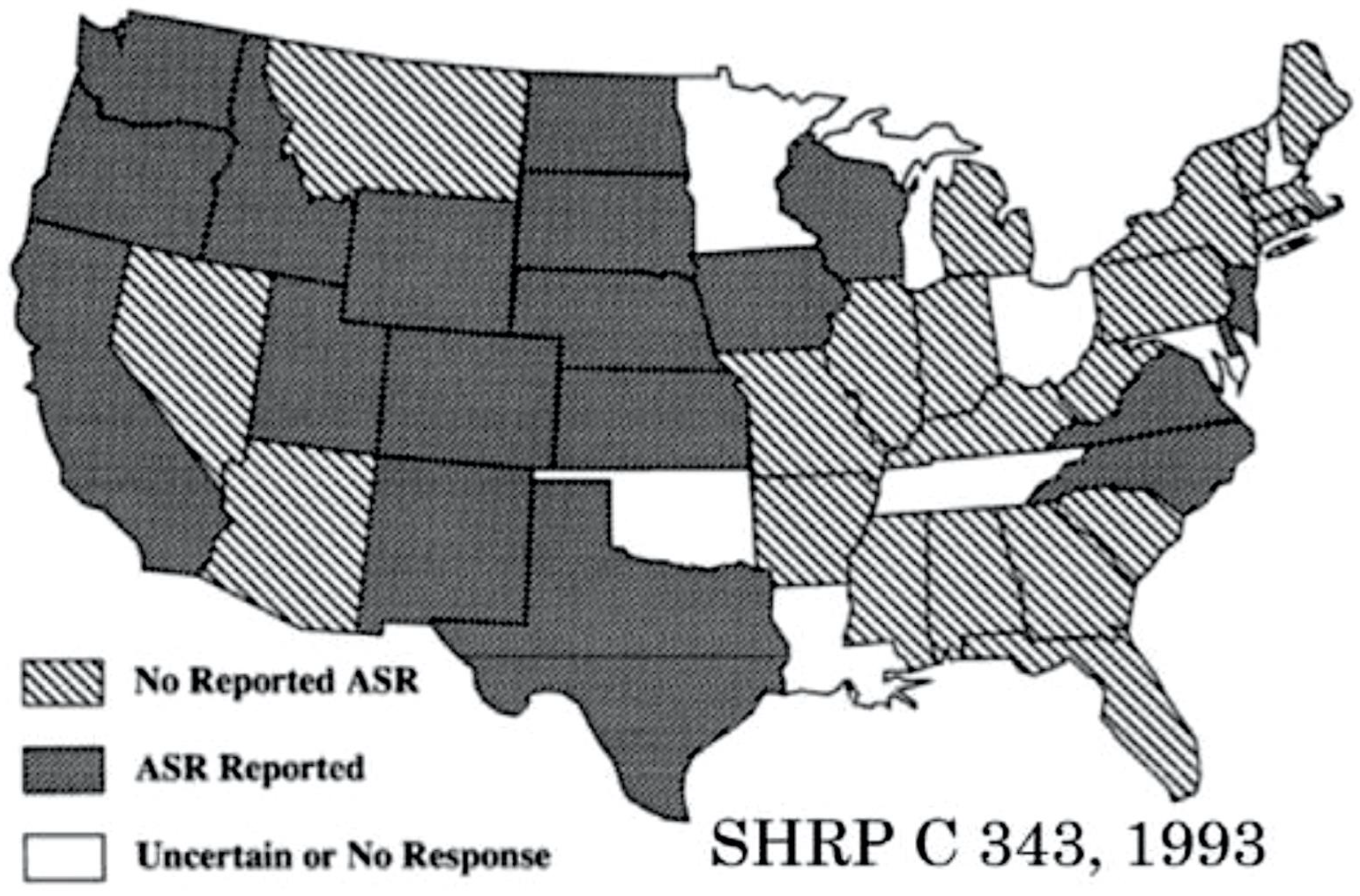
Figure 2.
States with ASR reported cases [2].
Figure 2.
States with ASR reported cases [2].
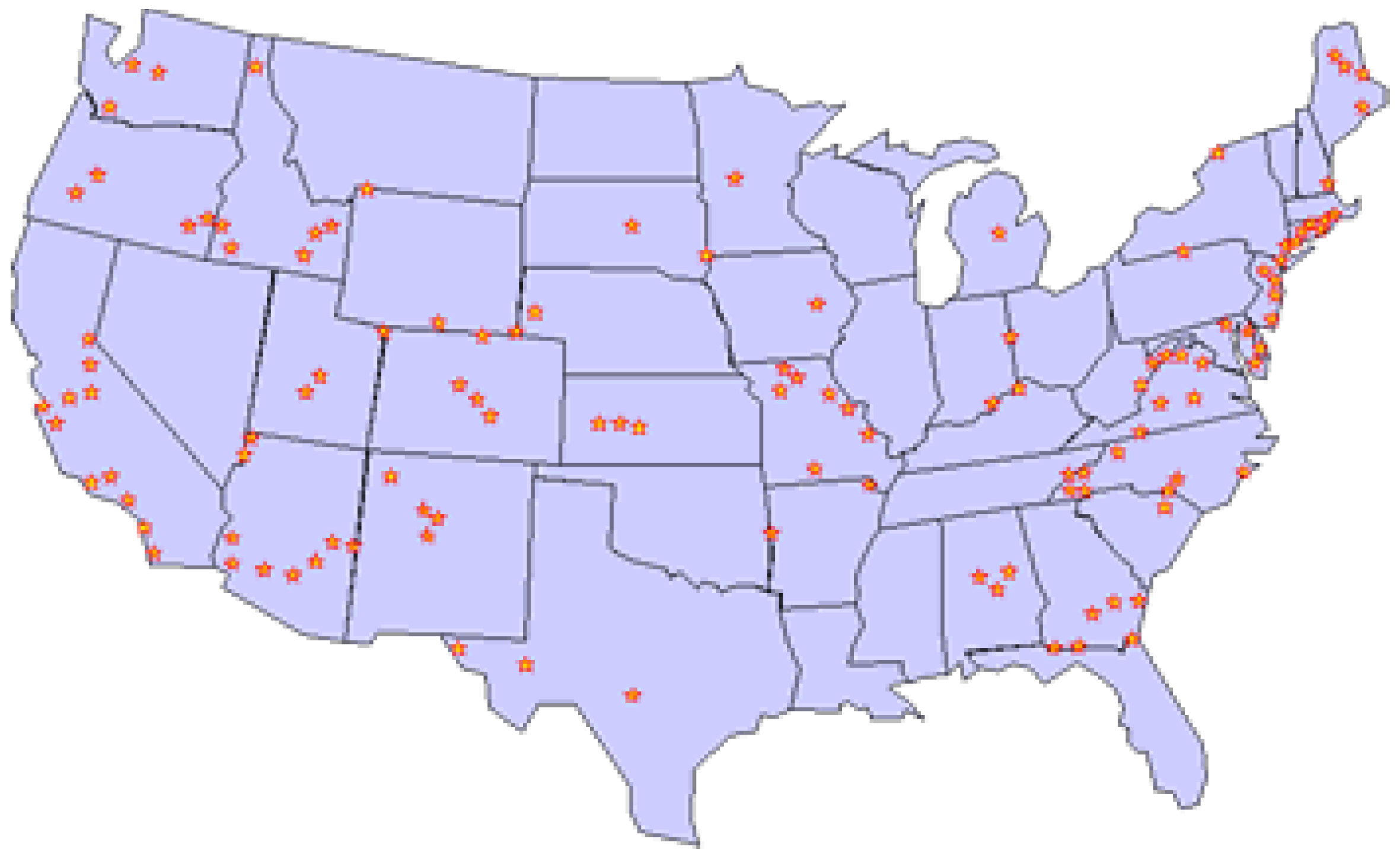
Figure 3.
Expansive white gel-like substance formed as a result of ASR.
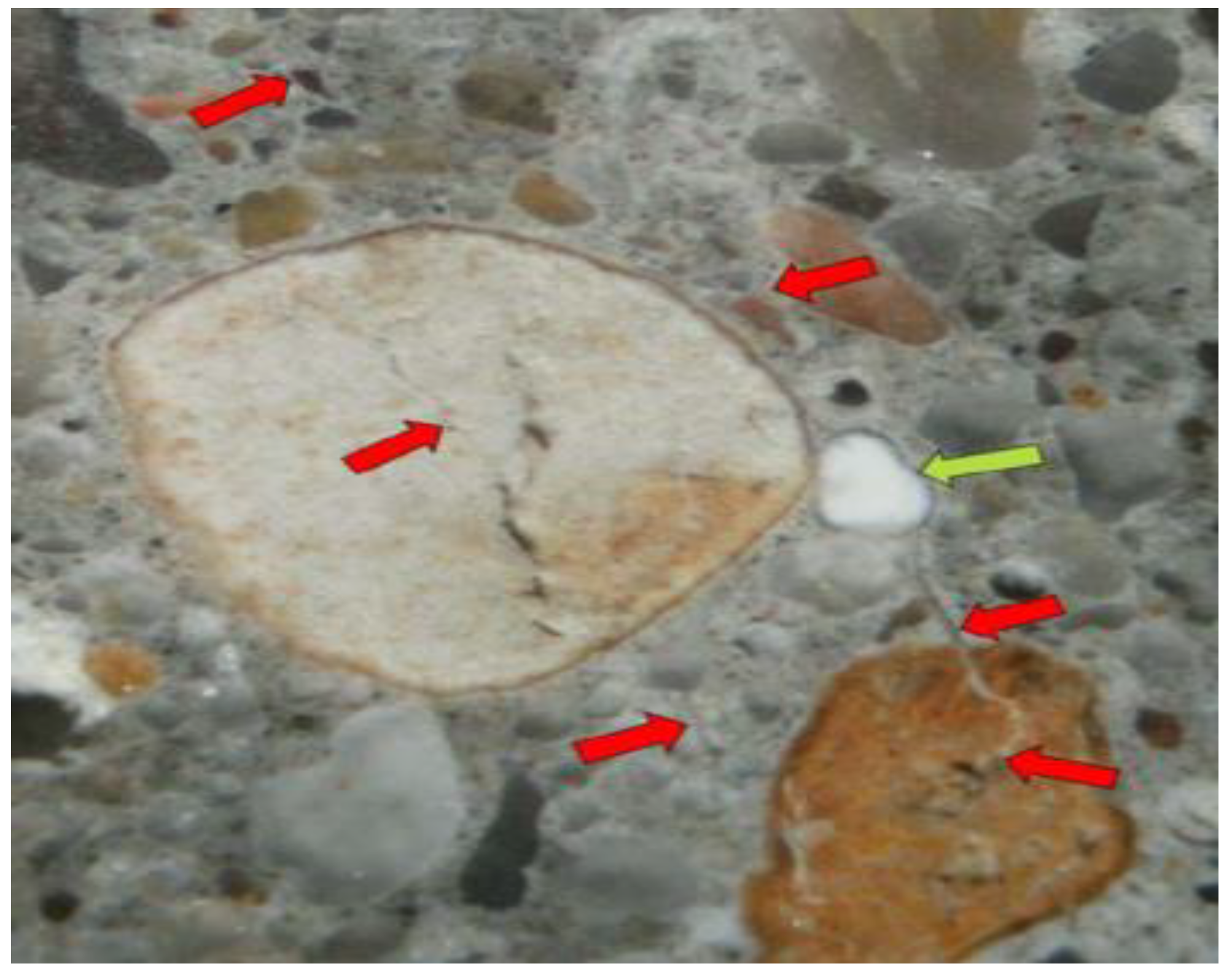
Figure 4.
ASR damage as detected by petrographic analysis (Fournier et al. 2010).
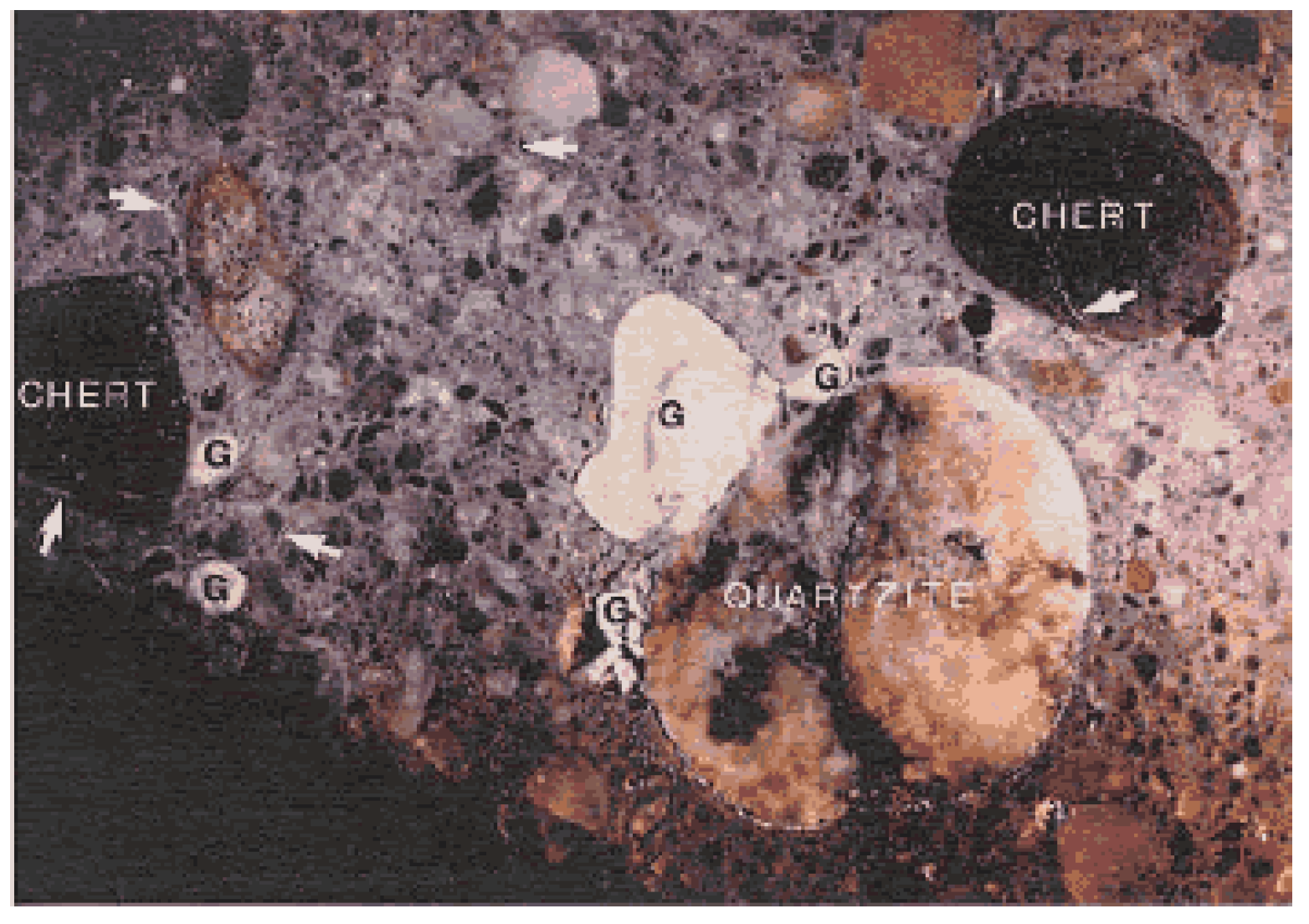
Figure 5.
Alkali-silica reaction damage to infrastructure projects [19].
Figure 5.
Alkali-silica reaction damage to infrastructure projects [19].
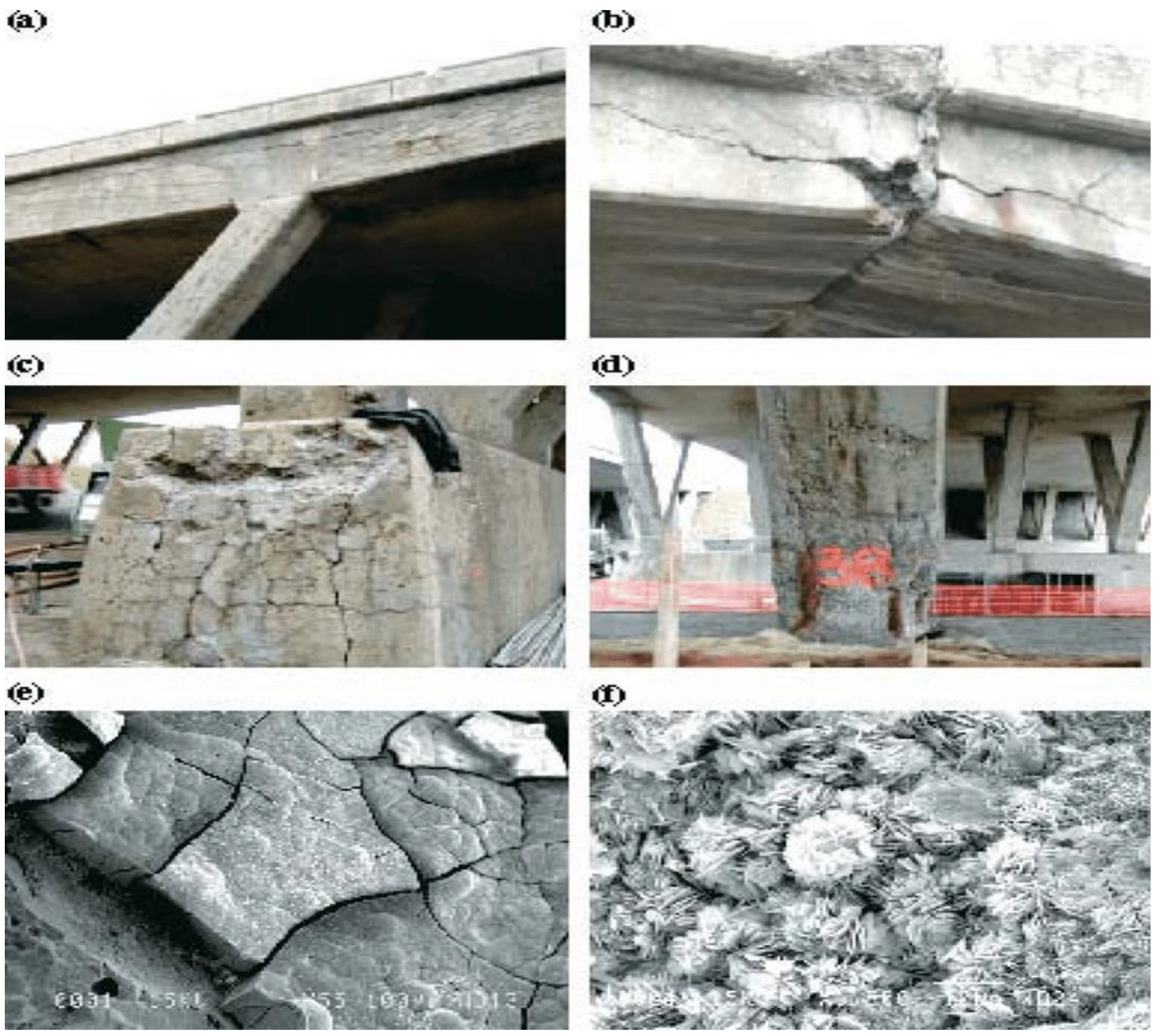
Figure 6.
AMBT molds and mortar bars pour for AMBT test.
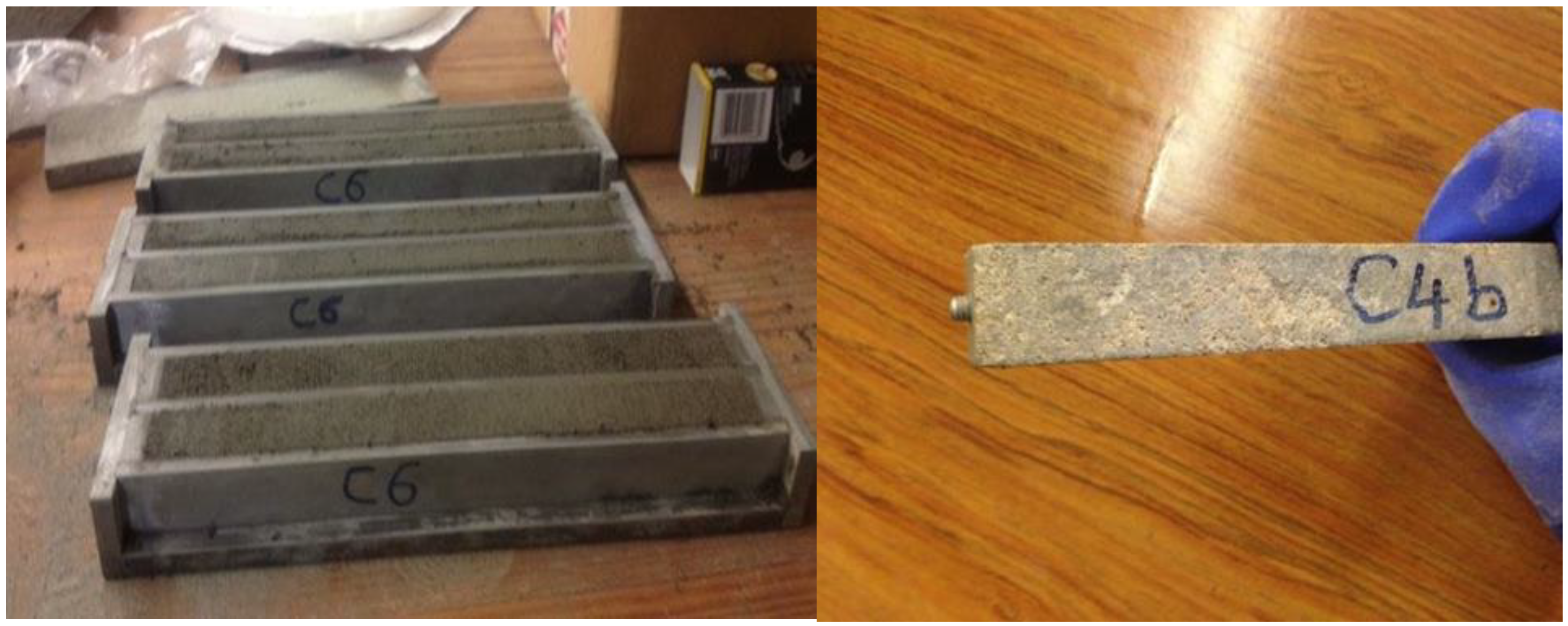
Figure 7.
Mortar bar storage for AMBT testing.
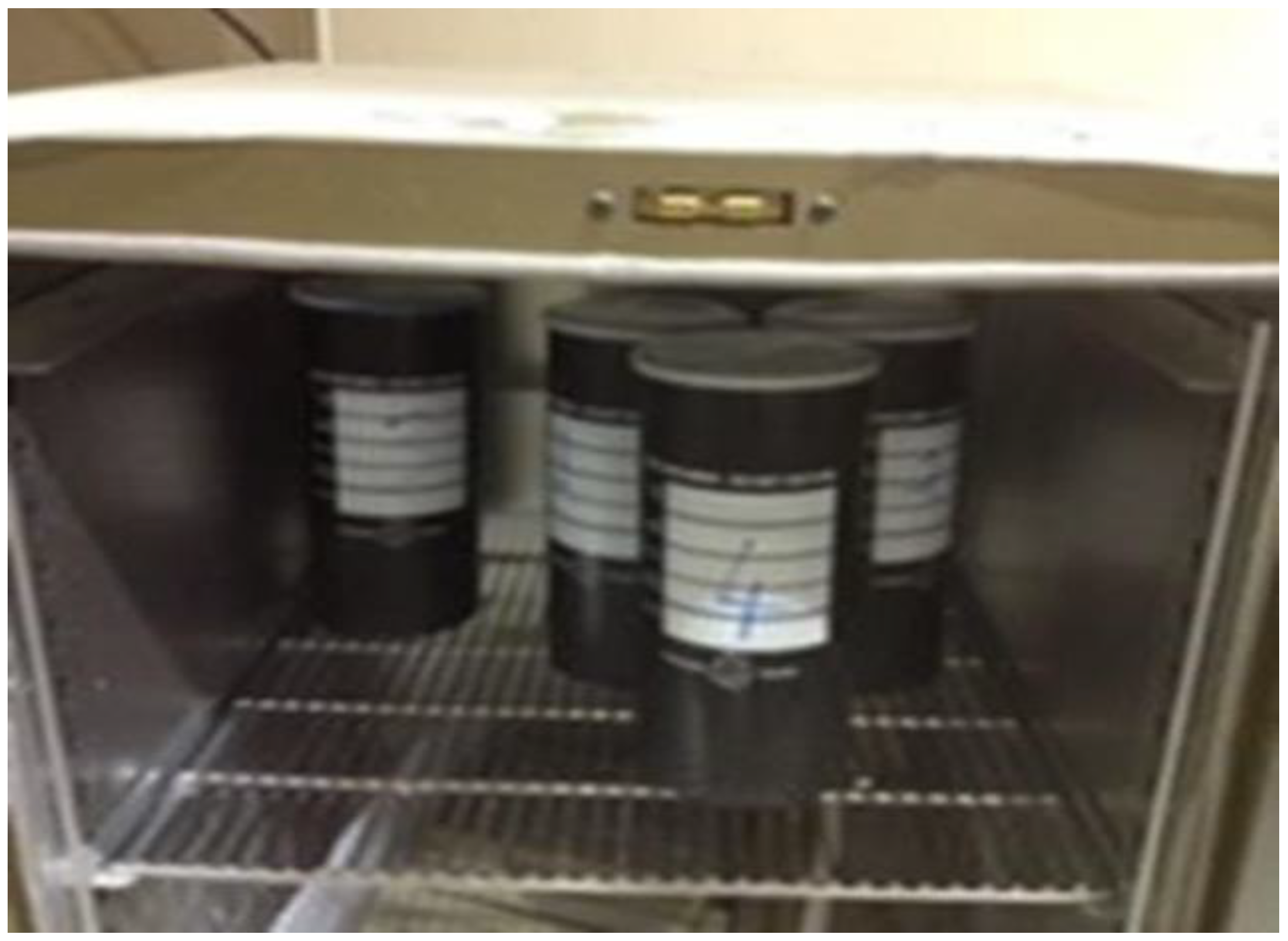
Figure 8.
Mortar bar expansion measurement (using standard metal bar comparator).
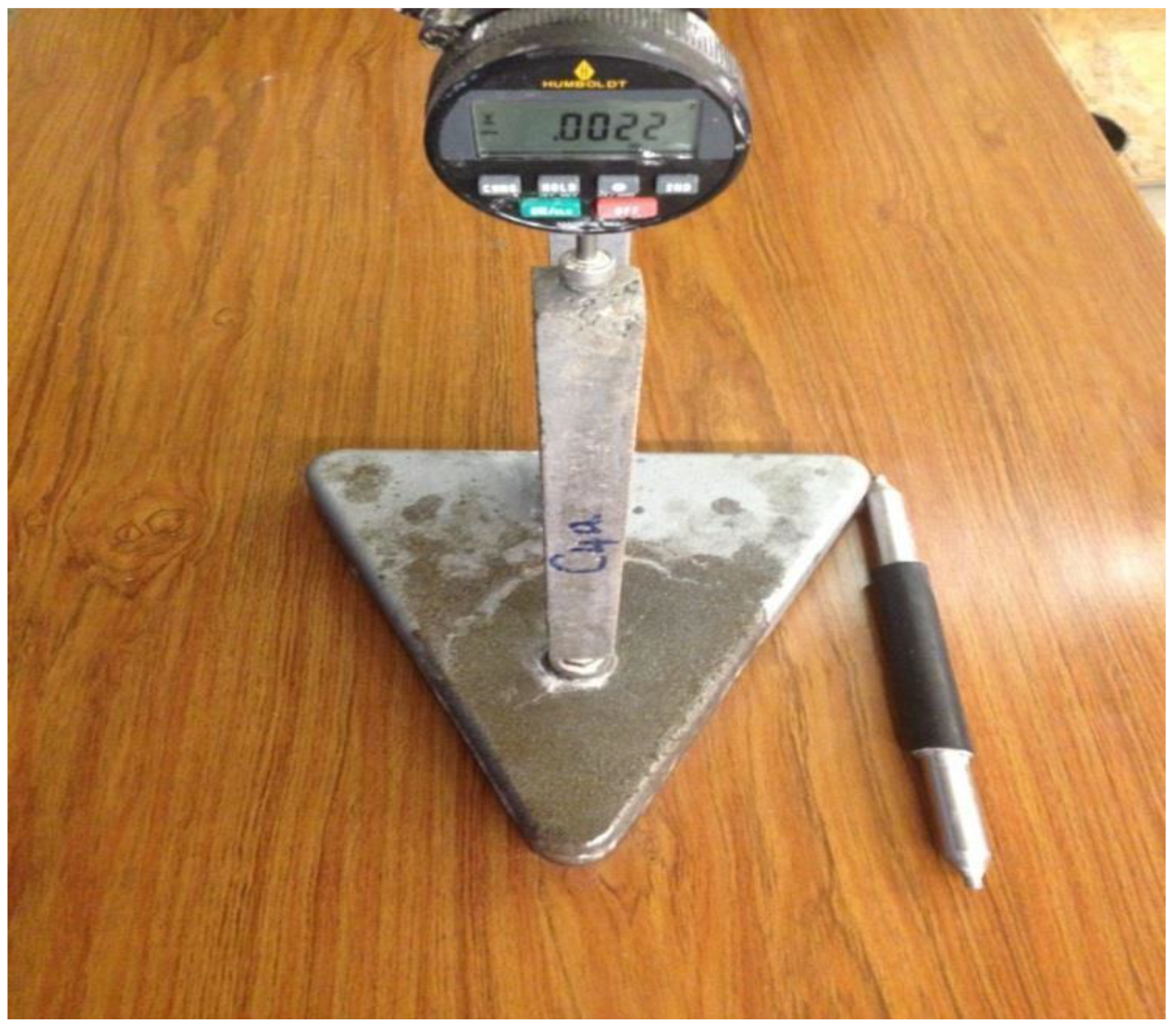
Figure 9.
Average mortar bar expansion for fine aggregates F1, F2, and F3.
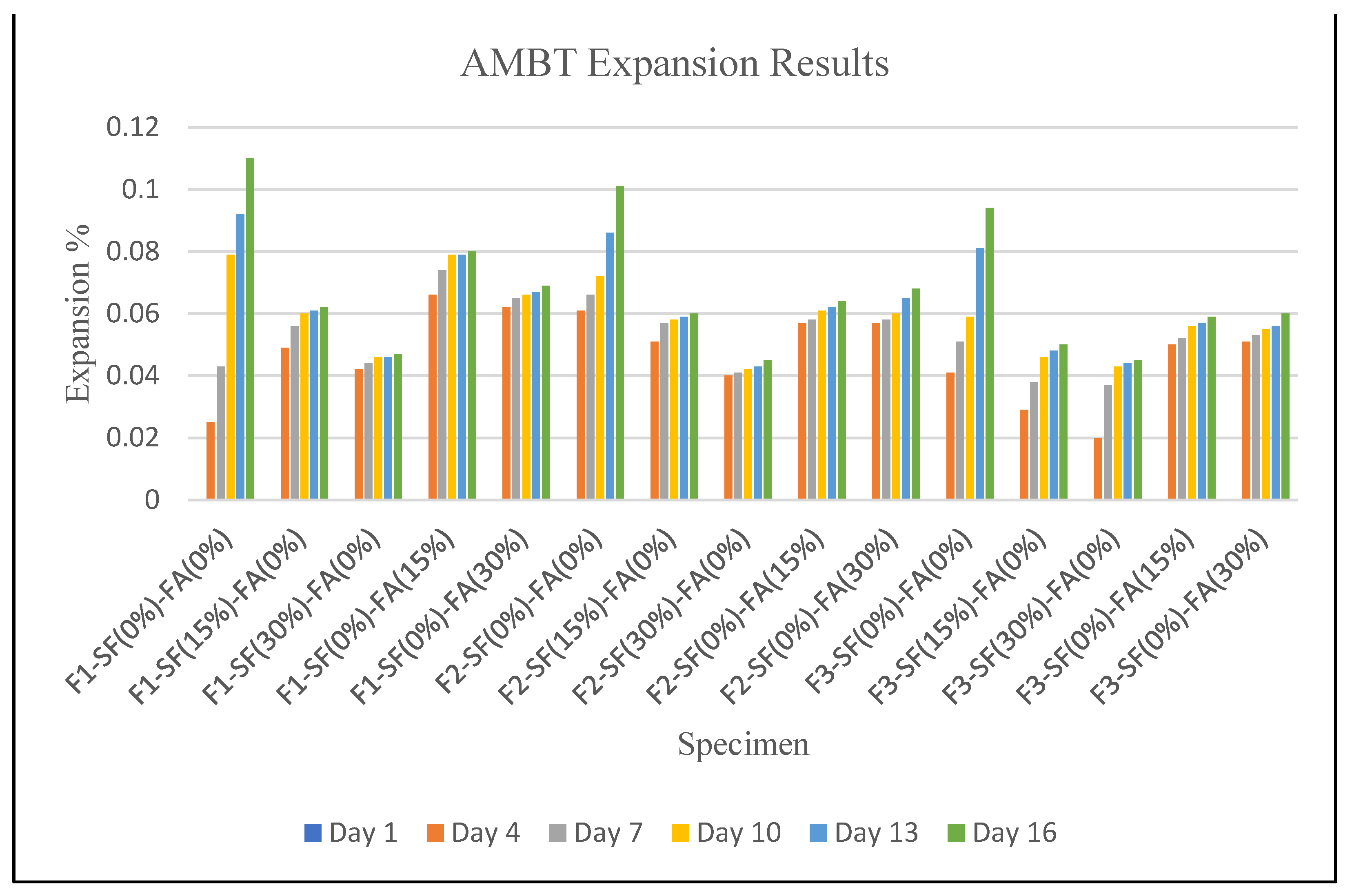
Figure 10.
Percentage of AMBT expansion reduction due to SCMs.
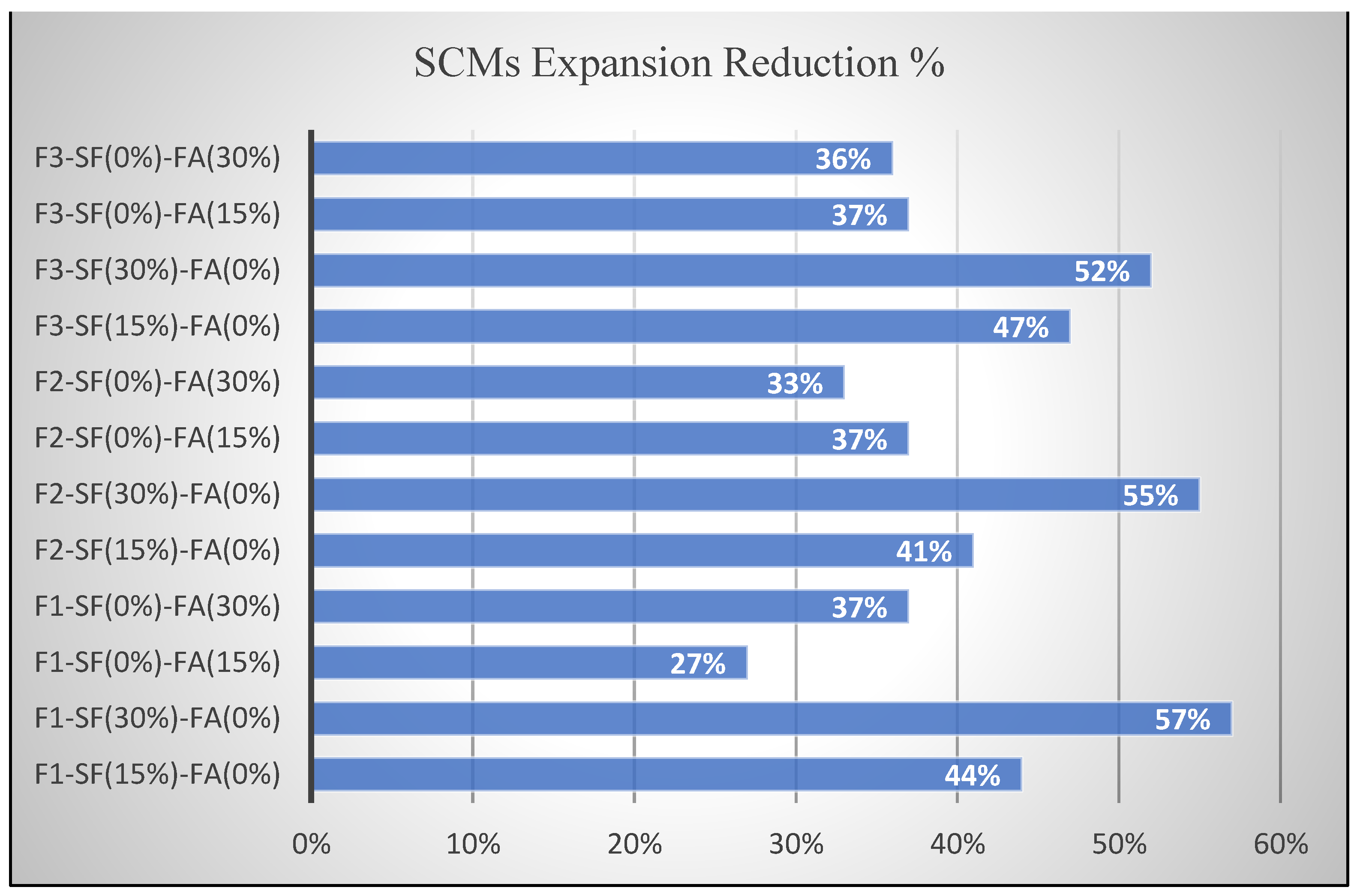
Figure 11.
Percentage of AMBT expansion reduction versus SCMs incorporation.
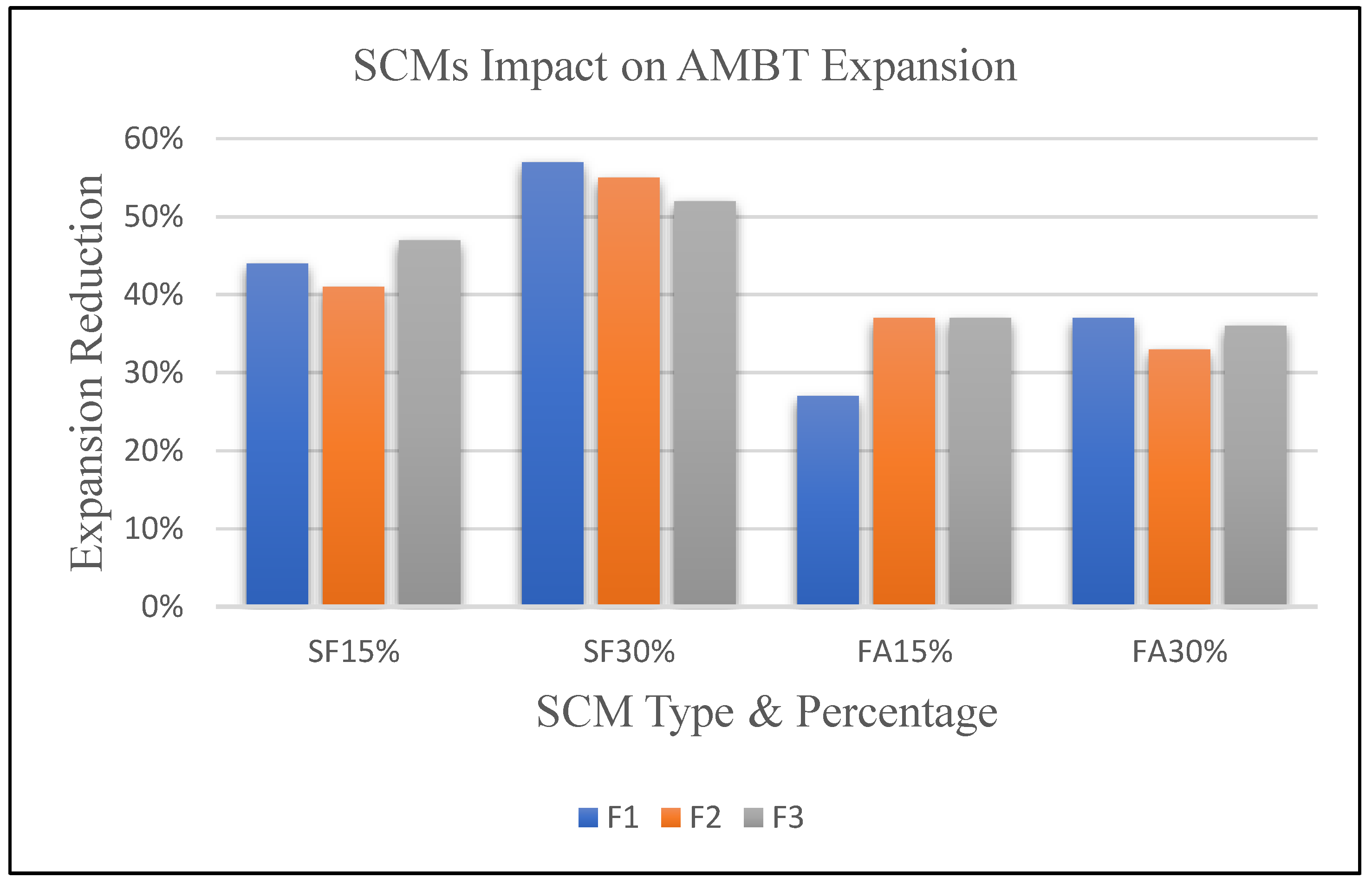

Table 1.
Nature and extent of damage for different ASR condition rating.
| ASR Damage Rating | Nature and Extent of Damage Features |
| Low |
|
| Moderate |
|
| High |
|
Table 2.
Mortar bar design combinations (based on fine aggregate and SCM type and content).
| Specimen | Aggregate | Silica Fume | Class c fly ash |
|---|---|---|---|
| F1-SF(0%)-FA(0%) | Fine Aggregate (F1) | 0% | |
| F1-SF(15%)-FA(0%) | 15% | 0% | |
| F1-SF(30%)-FA(0%) | 30% | 0% | |
| F1-SF(0%)-FA(15%) | 0% | 15% | |
| F1-SF(0%)-FA(30%) | 0% | 30% | |
| F2-SF(0%)-FA(0%) | Fine Aggregate (F2) | 0% | |
| F2-SF(15%)-FA(0%) | 15% | 0% | |
| F3-SF(30%)-FA(0%) | 30% | 0% | |
| F4-SF(0%)-FA(15%) | 0% | 15% | |
| F5-SF(0%)-FA(30%) | 0% | 30% | |
| F3-SF(0%)-FA(0%) | Fine Aggregate (F3) | 0% | |
| F3-SF(15%)-FA(0%) | 15% | 0% | |
| F3-SF(30%)-FA(0%) | 30% | 0% | |
| F3-SF(0%)-FA(15%) | 0% | 15% | |
| F3-SF(0%)-FA(30%) | 0% | 30% | |
Table 3.
AMBT expansion results versus time.
| Specimen | Day 1 | Day 4 | Day 7 | Day 10 | Day 13 | Day 16 |
|---|---|---|---|---|---|---|
| F1-SF(0%)-FA(0%) | 0.000 | 0.025 | 0.043 | 0.079 | 0.092 | 0.110 |
| F1-SF(15%)-FA(0%) | 0.000 | 0.049 | 0.056 | 0.060 | 0.061 | 0.062 |
| F1-SF(30%)-FA(0%) | 0.000 | 0.042 | 0.044 | 0.046 | 0.046 | 0.047 |
| F1-SF(0%)-FA(15%) | 0.000 | 0.066 | 0.074 | 0.079 | 0.079 | 0.080 |
| F1-SF(0%)-FA(30%) | 0.000 | 0.062 | 0.065 | 0.066 | 0.067 | 0.069 |
| F2-SF(0%)-FA(0%) | 0.000 | 0.061 | 0.066 | 0.072 | 0.086 | 0.101 |
| F2-SF(15%)-FA(0%) | 0.000 | 0.051 | 0.057 | 0.058 | 0.059 | 0.060 |
| F2-SF(30%)-FA(0%) | 0.000 | 0.040 | 0.041 | 0.042 | 0.043 | 0.045 |
| F2-SF(0%)-FA(15%) | 0.000 | 0.057 | 0.058 | 0.061 | 0.062 | 0.064 |
| F2-SF(0%)-FA(30%) | 0.000 | 0.057 | 0.058 | 0.060 | 0.065 | 0.068 |
| F3-SF(0%)-FA(0%) | 0.000 | 0.041 | 0.051 | 0.059 | 0.081 | 0.094 |
| F3-SF(15%)-FA(0%) | 0.000 | 0.029 | 0.038 | 0.046 | 0.048 | 0.050 |
| F3-SF(30%)-FA(0%) | 0.000 | 0.020 | 0.037 | 0.043 | 0.044 | 0.045 |
| F3-SF(0%)-FA(15%) | 0.000 | 0.050 | 0.052 | 0.056 | 0.057 | 0.059 |
| F3-SF(0%)-FA(30%) | 0.000 | 0.051 | 0.053 | 0.055 | 0.056 | 0.060 |
Disclaimer/Publisher’s Note: The statements, opinions and data contained in all publications are solely those of the individual author(s) and contributor(s) and not of MDPI and/or the editor(s). MDPI and/or the editor(s) disclaim responsibility for any injury to people or property resulting from any ideas, methods, instructions or products referred to in the content. |
© 2023 by the authors. Licensee MDPI, Basel, Switzerland. This article is an open access article distributed under the terms and conditions of the Creative Commons Attribution (CC BY) license (http://creativecommons.org/licenses/by/4.0/).
Copyright: This open access article is published under a Creative Commons CC BY 4.0 license, which permit the free download, distribution, and reuse, provided that the author and preprint are cited in any reuse.


